



Nostalgia marketing has emerged as one of the most powerful tools for creating emotional connections that directly translate into measurable revenue. According to comprehensive 2025 research, 75% of consumers are more likely to buy when advertisements evoke nostalgic feelings, while nostalgia-driven campaigns can boost revenue by 3-5% per cycle. Even more striking, consumers willingly pay 10-15% more for products that trigger nostalgic emotions—demonstrating that memories literally create premium value.
Yet many organizations struggle to harness nostalgia effectively. They confuse throwback content with strategic emotional engagement, creating superficial references that fail to resonate. Effective nostalgia marketing requires understanding the psychology behind emotional memory, identifying the specific touchstones that matter to your audience, and crafting experiences that blend familiar comfort with contemporary relevance.
This comprehensive guide explores how schools, universities, alumni associations, and organizations can transform nostalgic emotions into tangible outcomes including increased donations, stronger engagement, improved retention, and enhanced brand loyalty. From understanding the neuroscience behind nostalgic responses to implementing modern recognition displays that celebrate institutional heritage, you’ll discover actionable frameworks for making the past profitable.
Nostalgia marketing succeeds because it taps into fundamental human psychology—our tendency to remember the past more positively than we experienced it, our need for continuity during uncertain times, and our desire to belong to communities that transcend individual moments. Organizations that master these dynamics create powerful emotional bonds converting casual supporters into lifelong advocates.

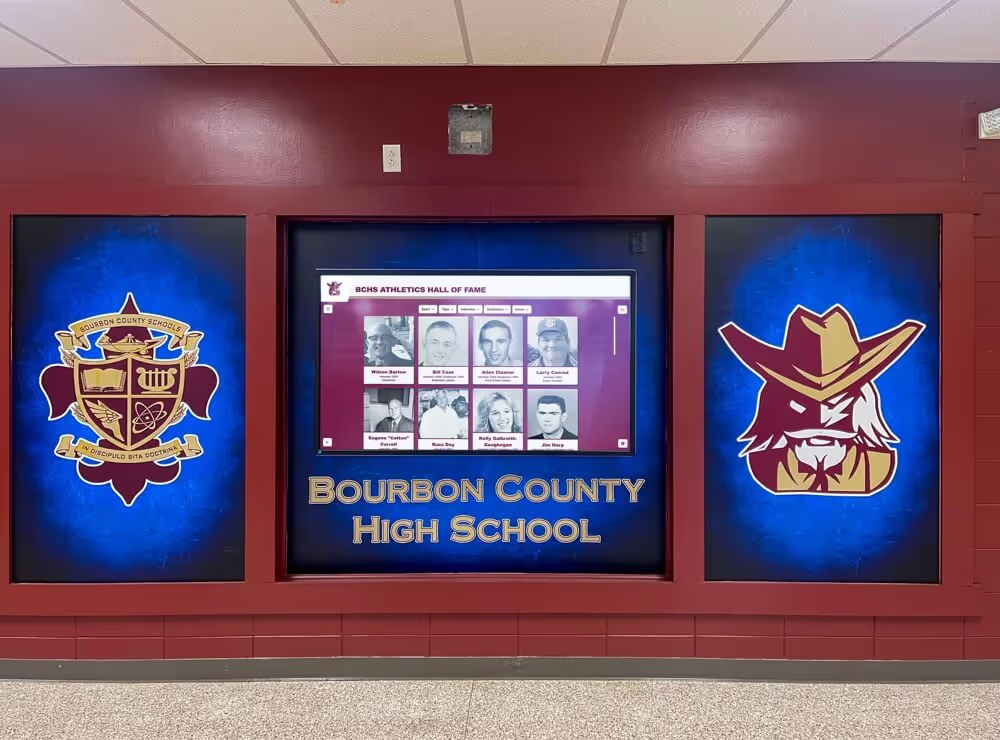
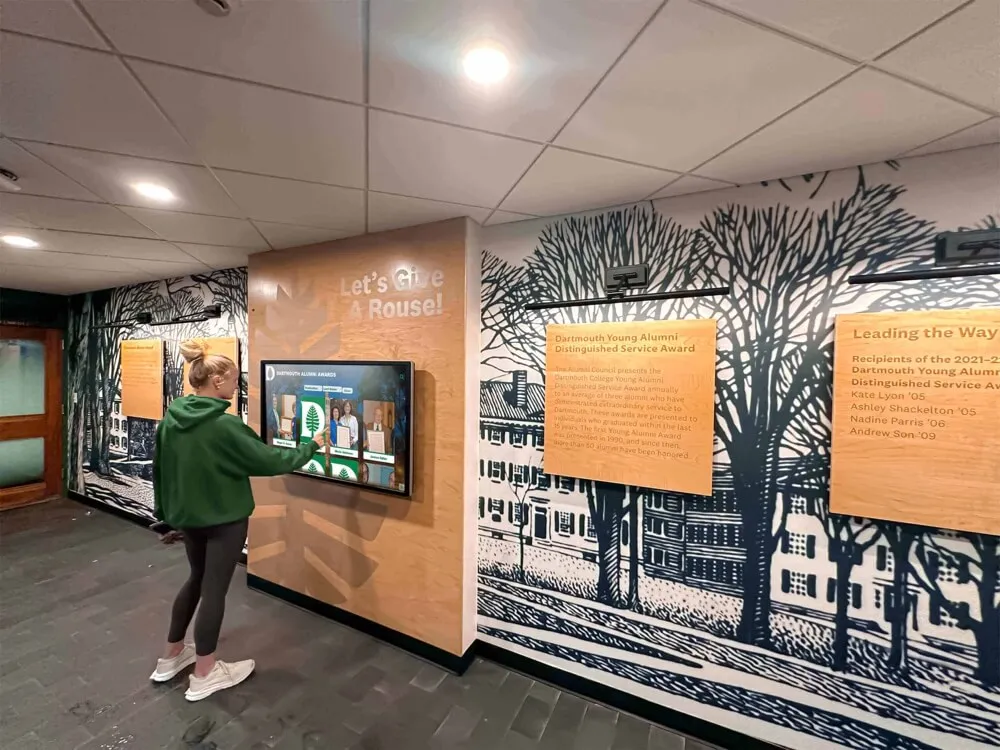
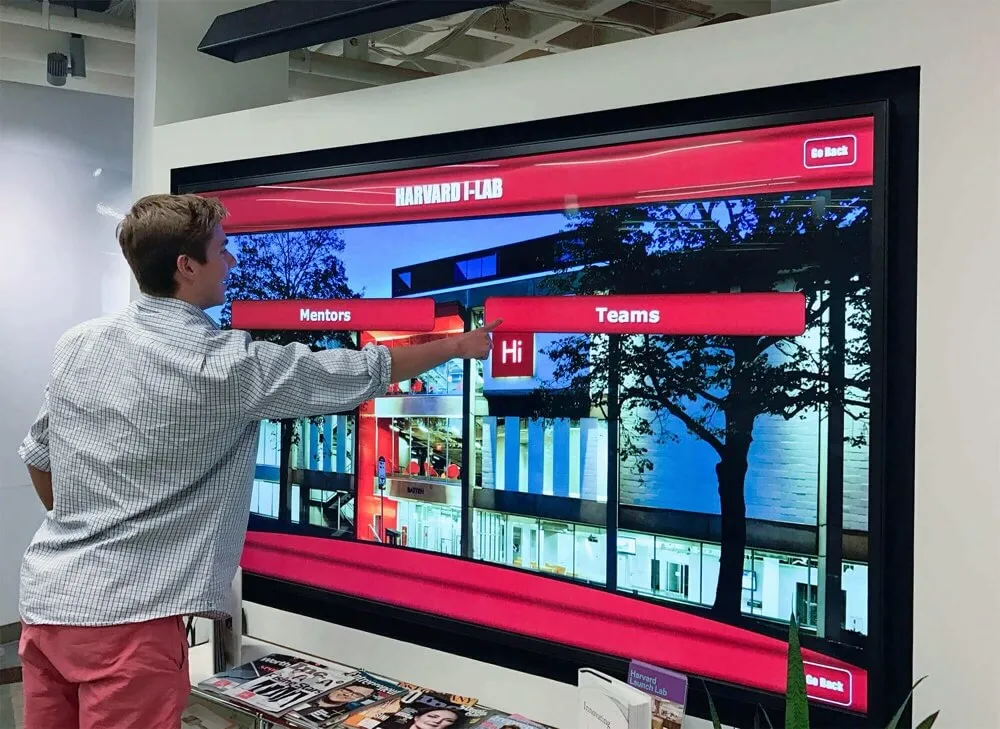
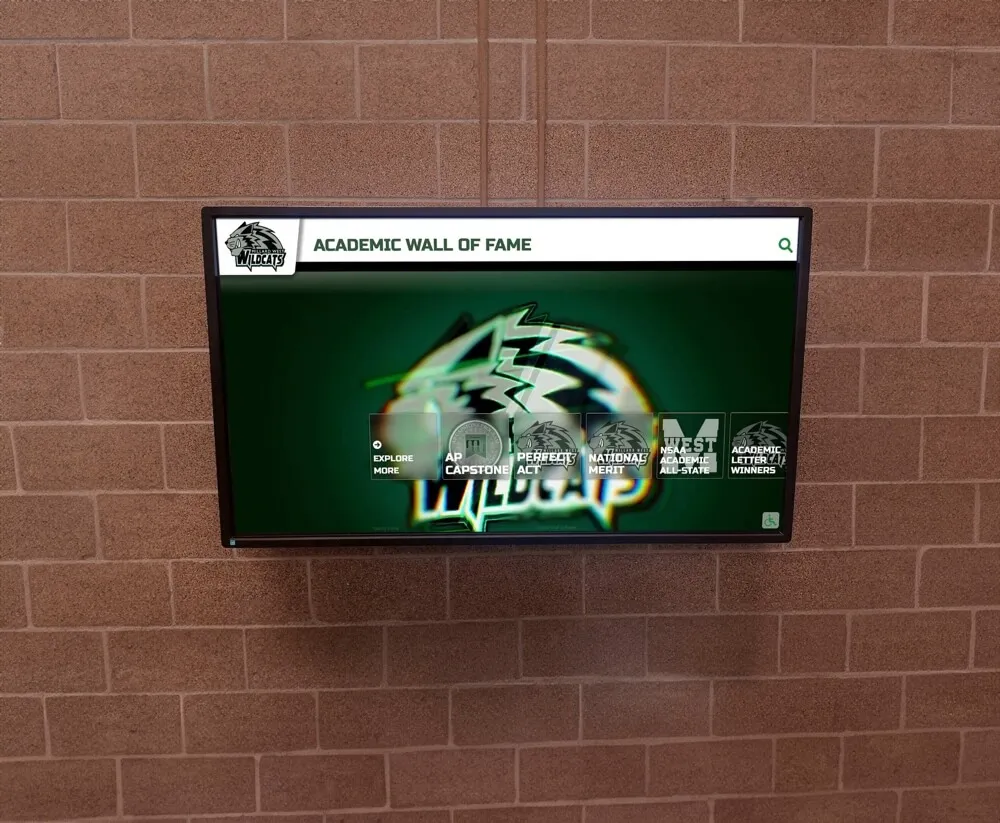
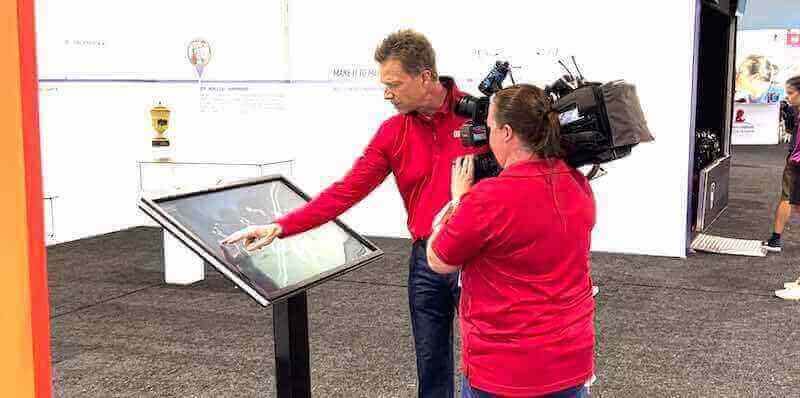
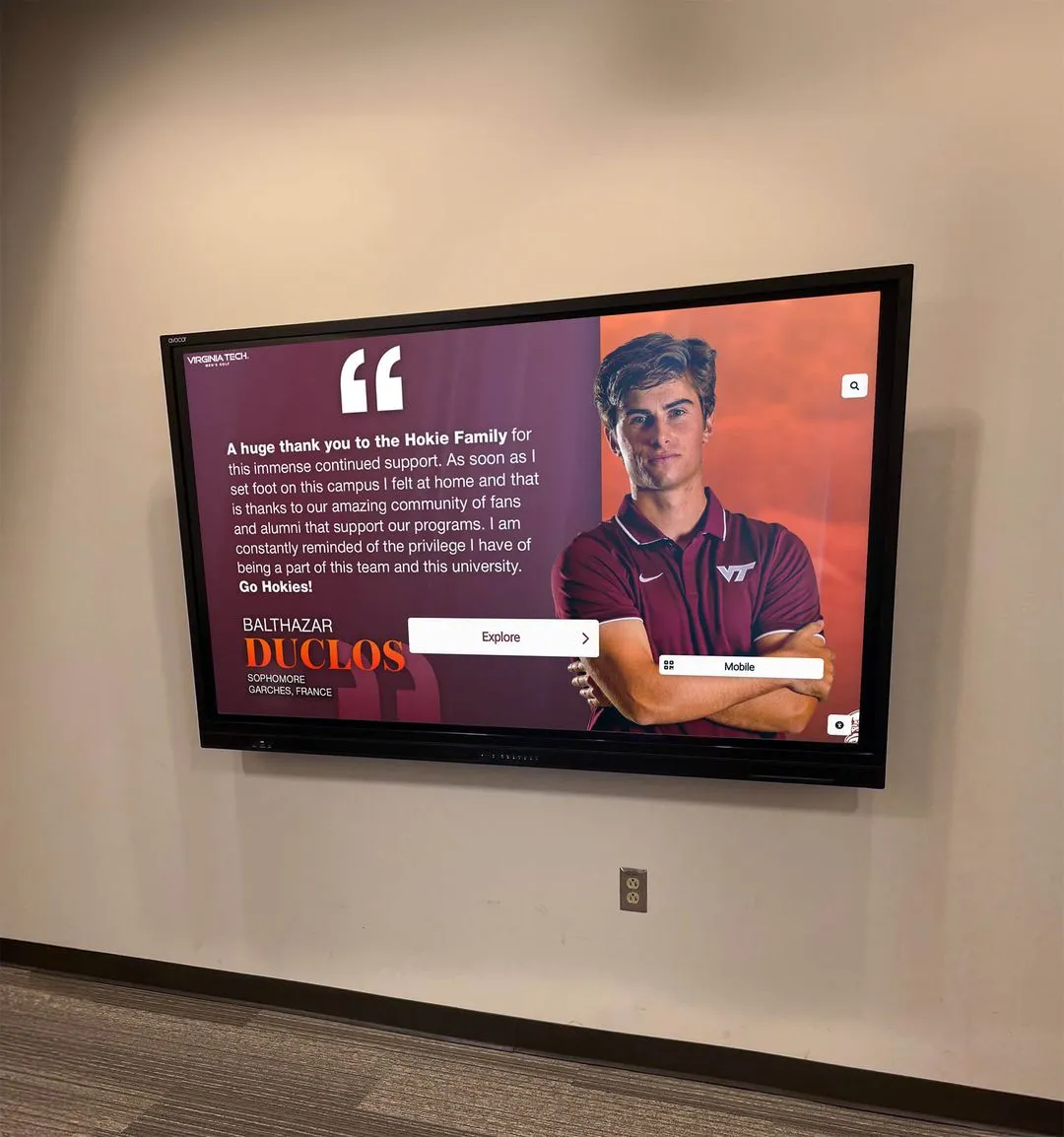
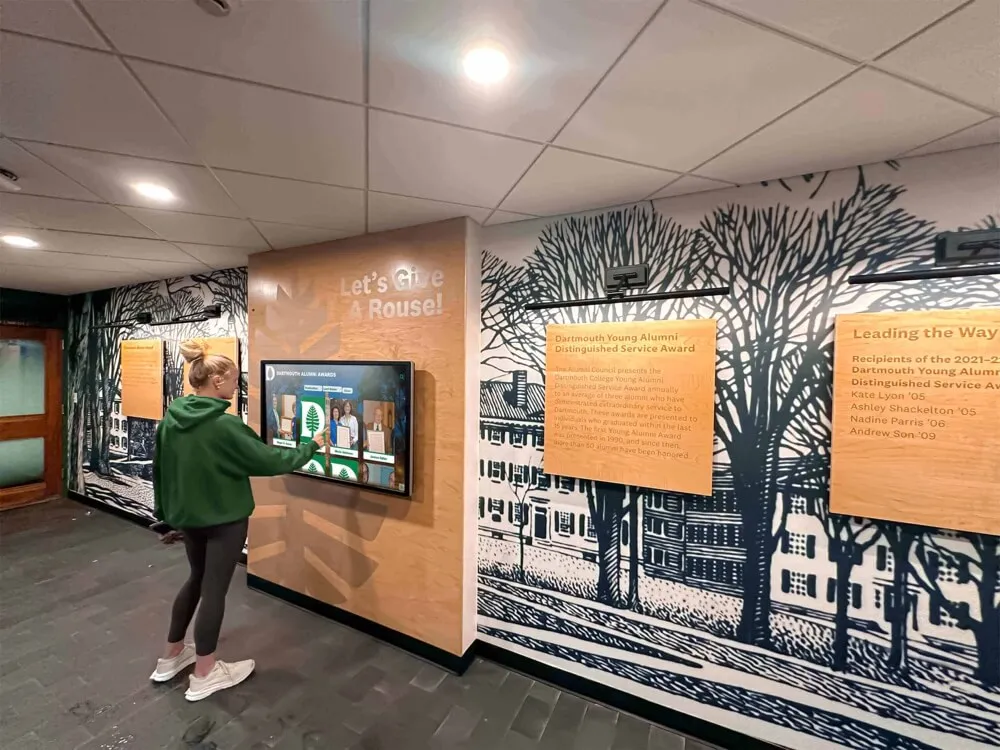
Interactive displays that showcase institutional history create nostalgic touchpoints converting emotions into engagement and giving
The Neuroscience of Nostalgia: Why the Past Drives Present Behavior
Before implementing nostalgia marketing tactics, organizations must understand the psychological mechanisms that make reminiscence such a powerful motivator of contemporary action.
How the Brain Processes Nostalgic Memories
Nostalgic experiences activate multiple brain regions simultaneously, creating uniquely powerful responses. According to neuroscience research on nostalgia marketing, nostalgic stimuli engage both the memory centers storing autobiographical information and the reward systems associated with pleasure and motivation.
The Rosy Retrospection Phenomenon
Psychologists identify a cognitive bias called “rosy retrospection”—our tendency to remember pleasant moments more vividly than negative experiences. This selective memory creates idealized versions of the past that feel more emotionally satisfying than present realities. According to research on nostalgia psychology, this bias explains why audiences respond powerfully to nostalgic content even when their actual historical experiences contained challenges and difficulties.
When organizations evoke these rose-tinted memories, they trigger genuine positive emotions that audiences then associate with current brands, campaigns, or calls to action. The emotional warmth generated by past memories transfers to present engagement opportunities.
Nostalgia as Psychological Comfort
Studies consistently demonstrate that nostalgia serves as a remedy for feelings of powerlessness and uncertainty. During the COVID-19 lockdown, for instance, feelings of nostalgia enhanced happiness by 10% as people turned to familiar memories for emotional stability. As marketing research indicates, nostalgia offers mental escape during challenging times, which explains its particular effectiveness during periods of social or economic disruption.
This comfort-seeking behavior creates significant opportunities for organizations. When institutions position themselves as custodians of positive memories and continuity, they become sources of emotional refuge that audiences naturally gravitate toward.
Emotional Benefits That Drive Engagement and Giving
Research on nostalgia’s psychological impacts reveals specific emotional benefits that directly correlate with behaviors organizations value:
Enhanced Social Connectivity
Nostalgic experiences boost feelings of social connection and belonging. When alumni view content celebrating their class years, attend reunions featuring familiar traditions, or interact with displays honoring historical achievements, they experience renewed connection to institutional communities. This social connectivity directly predicts giving behavior—donors who feel strong community bonds contribute 40-60% more than those without such connections.
Increased Meaning and Purpose
Nostalgia enhances perceptions of meaning in life by connecting individuals to larger narratives transcending their immediate circumstances. For educational institutions, this translates into alumni seeing themselves as part of enduring legacies rather than isolated graduates. According to consumer psychology research, this sense of participation in meaningful traditions significantly increases willingness to support institutional missions financially.
Optimism for the Future
Paradoxically, looking backward creates forward-looking optimism. Nostalgic reflection reminds people of past challenges they’ve overcome and growth they’ve achieved, building confidence about future possibilities. Organizations leveraging this dynamic position current campaigns as natural progressions of historical excellence, making support feel like investment in continued success rather than uncertain experiments.
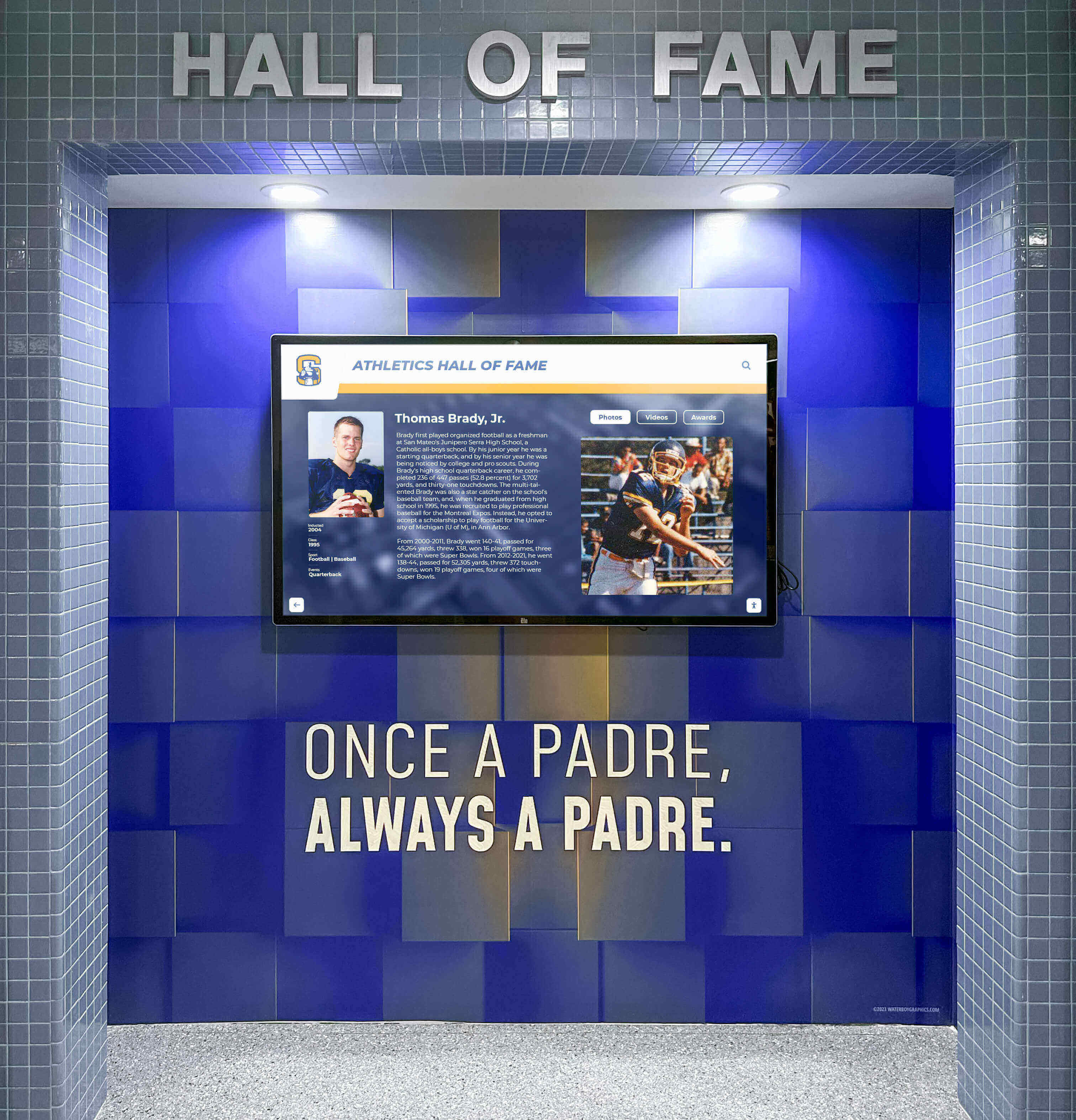
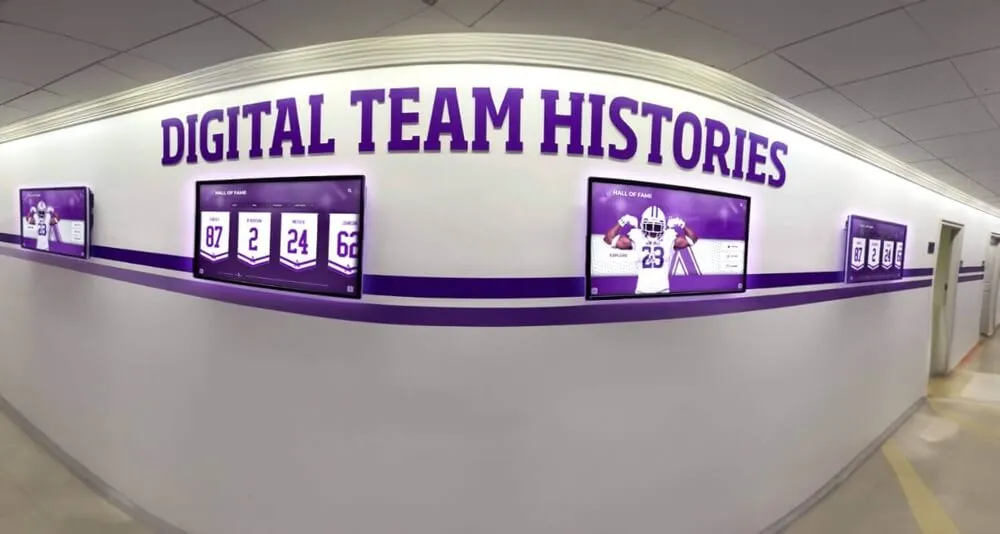
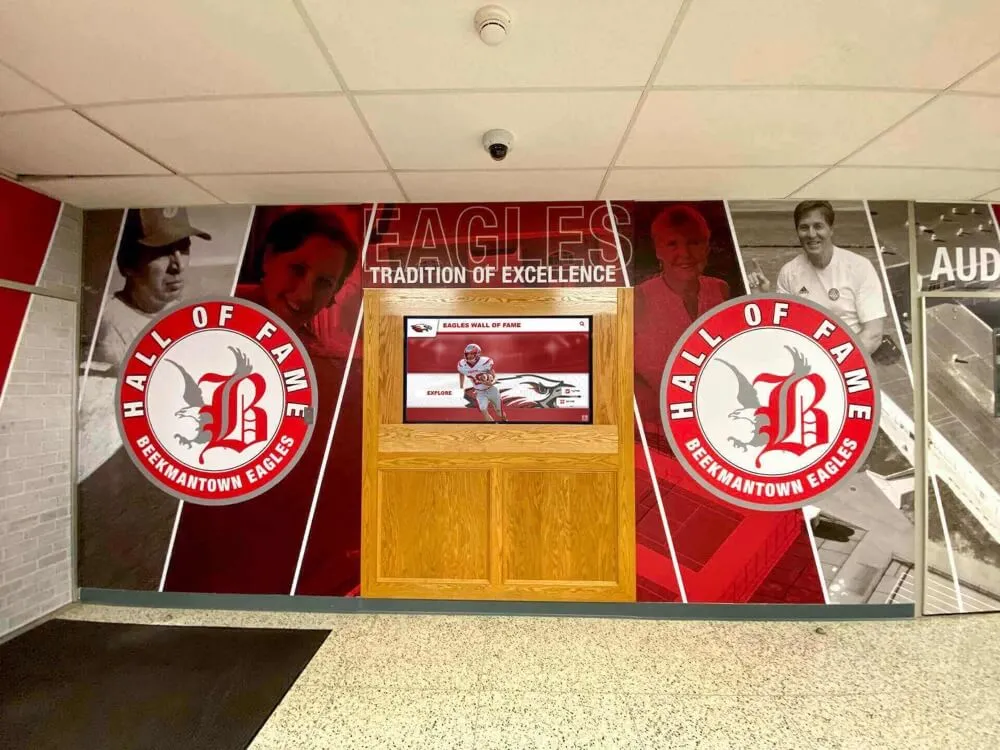
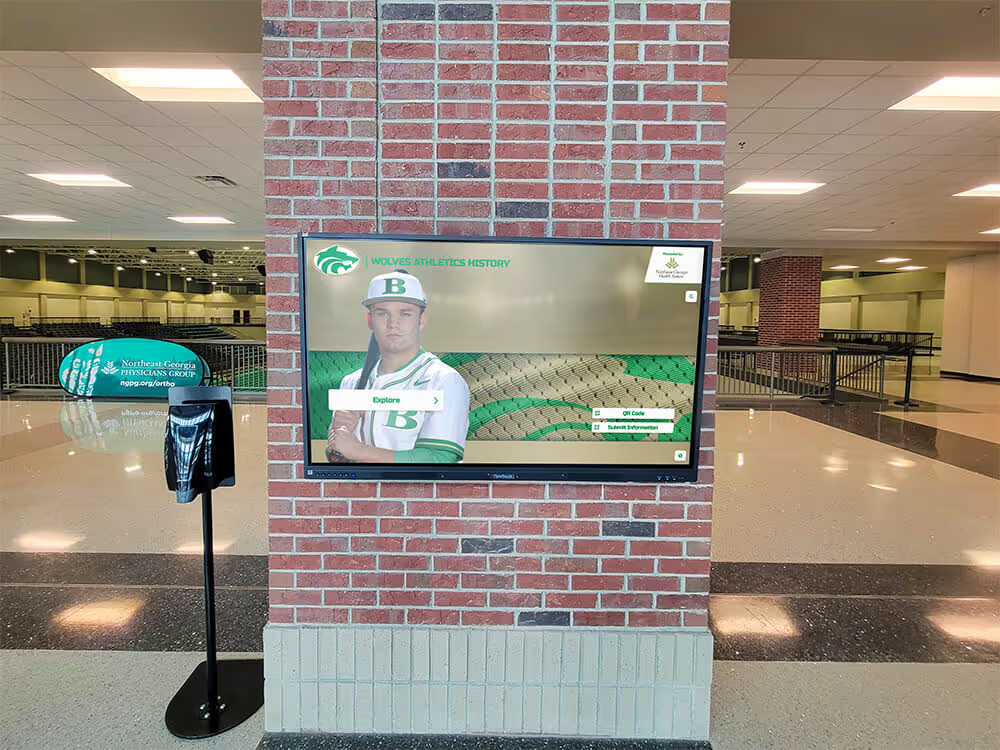
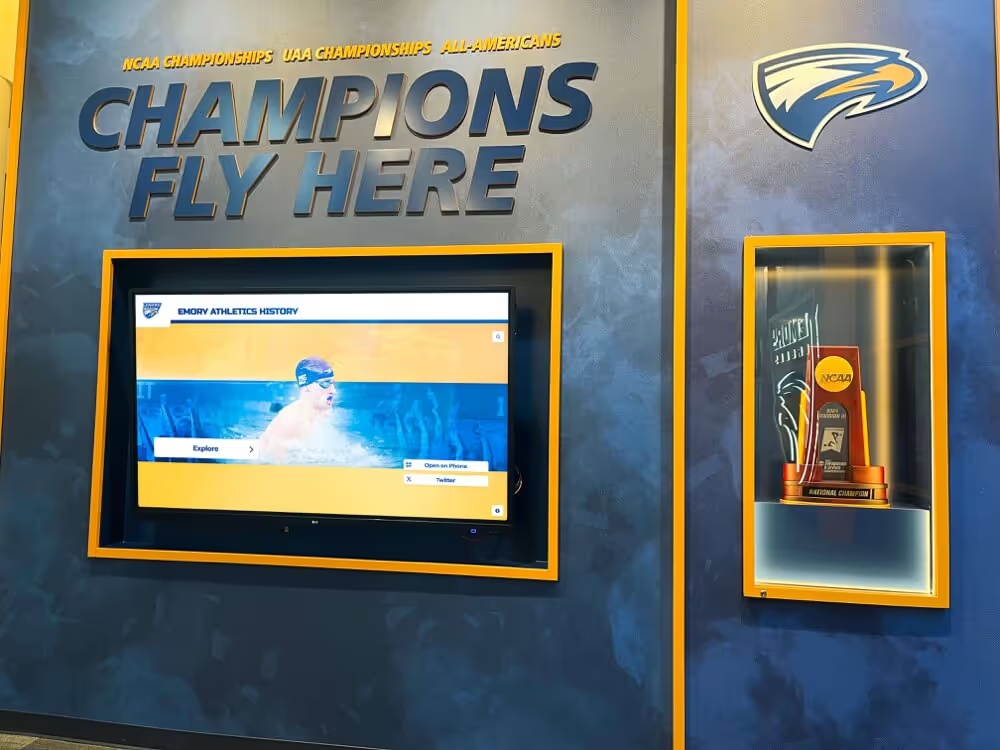
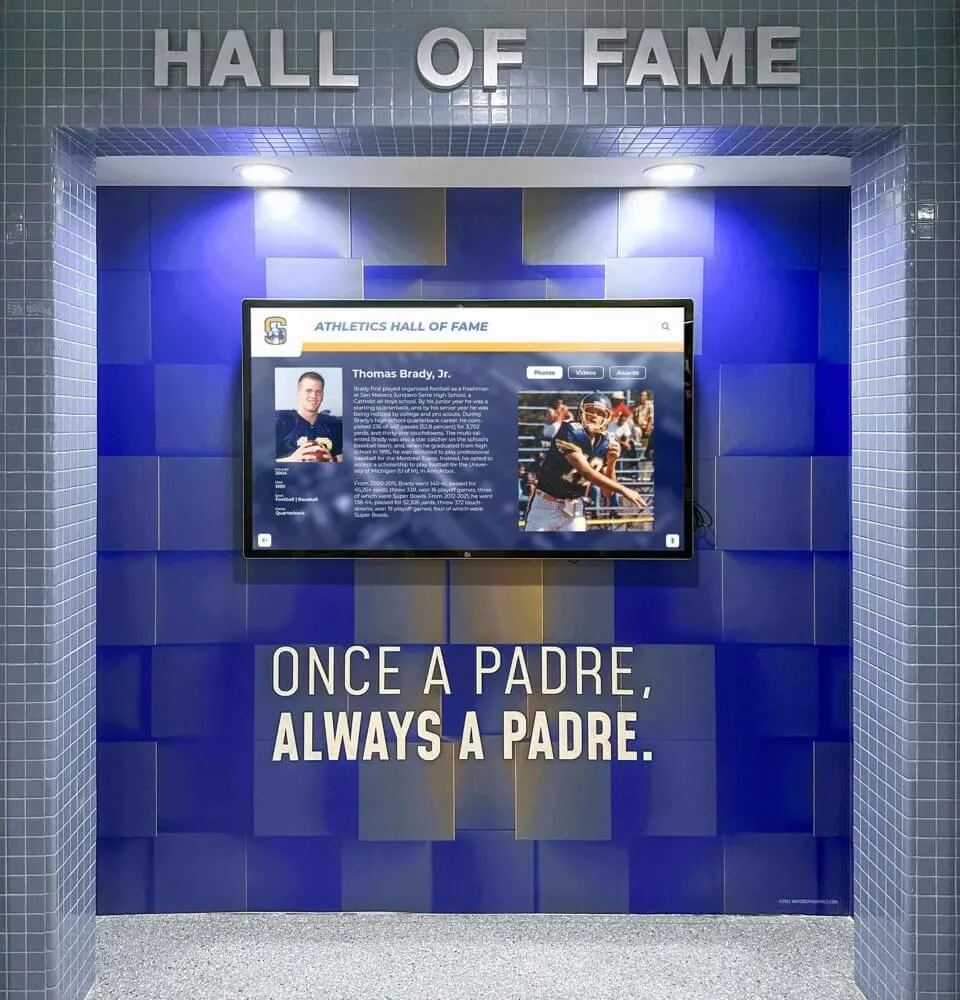
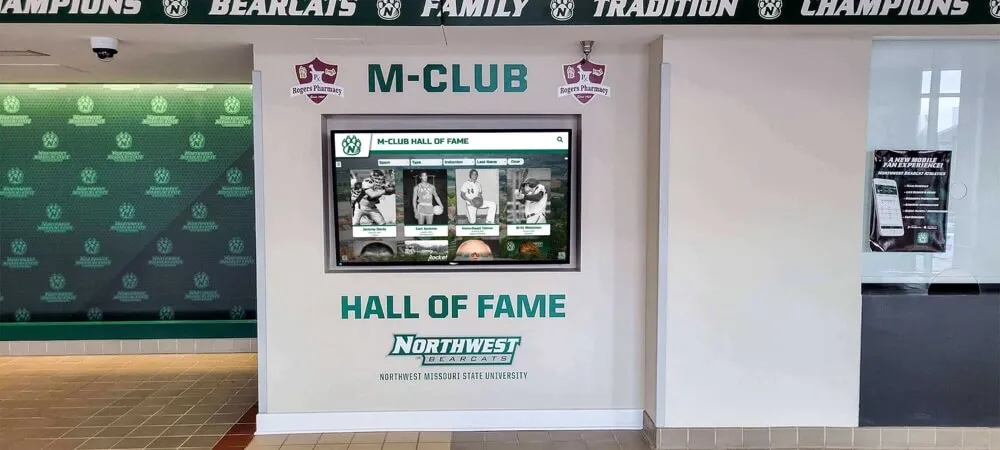
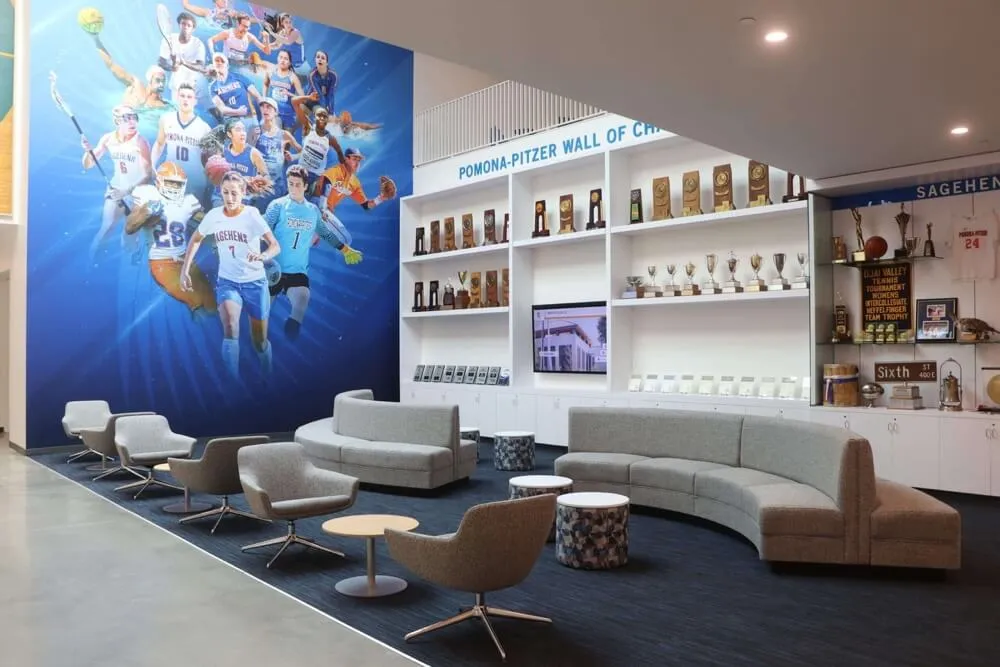
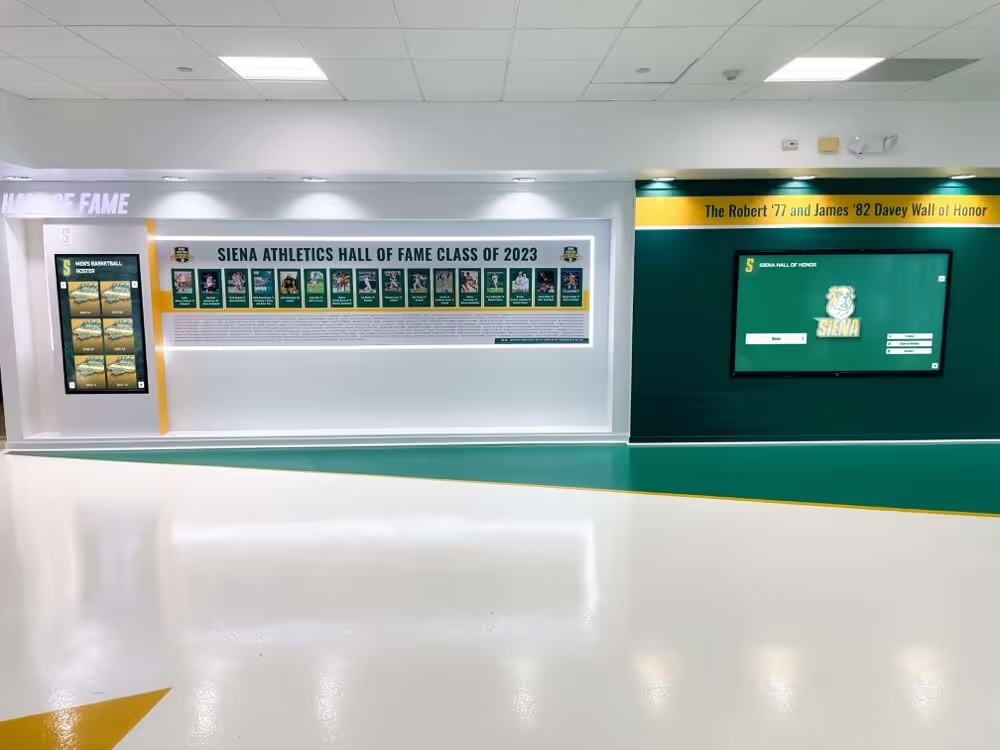
Athletic recognition displays celebrating historical achievements create powerful nostalgic connections driving current engagement
Nostalgia Marketing Statistics: The Business Case for Emotional Strategy
Understanding the quantifiable impact of nostalgia marketing helps organizations justify strategic investments in memory-based engagement approaches.
Revenue Impact and Conversion Metrics
According to comprehensive 2025 statistics, nostalgia marketing demonstrates measurable financial returns:
Purchase Behavior Influence
- 75% of consumers are more likely to purchase when ads evoke nostalgia
- Consumers pay 10-15% premium prices for products triggering nostalgic feelings
- Shoppers are 27% more likely to buy nostalgic items framed as “limited time only”
- Nostalgia-driven campaigns can boost sales by up to 23%
Campaign Performance Improvements
- Revenue increases of 3-5% per campaign cycle when nostalgia elements are incorporated
- Brands running 1990s-inspired content saw 30% engagement increases on Instagram and TikTok in 2025
- Campaigns featuring childhood themes generate twice the emotional reaction compared to non-nostalgic advertisements
For educational institutions and nonprofit organizations, these statistics translate into significant fundraising implications. A university alumni relations program incorporating nostalgia-based reunion content and recognition displays might reasonably expect 15-25% improvements in giving participation rates compared to generic solicitation approaches.
Generational Reach and Cross-Demographic Appeal
Effective nostalgia marketing reaches across age segments, creating unusual cross-generational engagement:
Millennial Response (Born 1981-1996)
According to marketing research, 61% of millennials say nostalgia improves their brand perception and drives buying intent. This generation—now in peak earning years—represents critical philanthropic capacity for educational institutions. Millennials respond particularly well to nostalgia incorporating 1990s and early 2000s cultural references, childhood entertainment properties, and early digital-era experiences.
Gen Z Engagement (Born 1997-2012)
Perhaps most surprisingly, 68% of Gen Z consumers respond positively to throwback marketing even when referencing eras they didn’t personally experience. As trend analysis reveals, Gen Z engages with nostalgia through familiar digital formats like memes, TikTok trends, and retro aesthetic movements celebrating 80s and 90s design.
For schools and universities, this cross-generational appeal creates opportunities to engage current students and recent graduates alongside older alumni through carefully curated nostalgic content that feels fresh rather than outdated.
Gen X and Boomer Retention (Born 1946-1980)
Older generations respond powerfully to nostalgia tied to their formative experiences. These demographics typically control the greatest financial resources, making their nostalgic engagement particularly valuable for capital campaigns and major gift initiatives. Solutions that celebrate institutional history through digital recognition displays enable comprehensive storytelling spanning decades that these audiences find deeply meaningful.
Strategic Nostalgia Marketing Principles: Beyond Surface-Level Throwbacks
Effective nostalgia marketing requires sophisticated approaches that avoid common pitfalls while maximizing emotional resonance.
Authenticity: Honoring Heritage Without Manipulation
According to marketing analysis, forced or inauthentic nostalgia can feel manipulative, undermining trust and damaging relationships. Organizations must ensure nostalgic content aligns naturally with their institutional identities and actual histories.
Authentic Nostalgia Characteristics
Genuine nostalgic marketing demonstrates actual understanding of institutional heritage rather than superficial appropriation of popular throwback trends. For educational institutions, this means showcasing real historical achievements, celebrating authentic traditions, featuring actual alumni experiences, and maintaining visual consistency with historical brand elements.
Schools implementing historical timeline displays create authentic nostalgia by presenting verifiable institutional evolution rather than romanticized fiction. Visitors recognize and appreciate this honesty, building trust that transfers to current engagement opportunities.
Avoiding “Nostalgia Washing”
The term “nostalgia washing” describes superficial use of retro aesthetics without meaningful connection to brand identity or audience experience. Organizations must resist simply adopting trending throwback styles unless they genuinely reflect institutional character. A university founded in 1995 shouldn’t suddenly deploy 1950s visual nostalgia simply because mid-century design is trendy—such disconnection feels inauthentic and confused.
Balance: Blending Heritage with Contemporary Relevance
According to best practices research, the most effective nostalgia marketing “blends heritage with modern relevance” rather than dwelling exclusively in the past.
The Past-Present Integration Framework
Successful campaigns acknowledge historical foundations while demonstrating continued evolution. For schools and universities, this might mean highlighting how foundational values established decades ago now manifest in cutting-edge programs, or celebrating how alumni from different eras contribute to contemporary institutional success.
Interactive recognition platforms like Rocket Alumni Solutions enable this balance by showcasing historical achievements through modern touchscreen technology. The content celebrates the past while the delivery mechanism demonstrates contemporary sophistication—creating experiences that honor tradition without feeling outdated.
Avoiding the “Stuck in the Past” Perception
Over-reliance on nostalgia can make organizations appear unable to evolve. As marketing experts warn, audiences may question whether institutions dwelling excessively on past glories remain relevant to present and future needs.
The solution lies in framing historical content as foundation for ongoing excellence rather than peak from which decline has occurred. Celebration of the past should inspire confidence about the future rather than suggesting that best days have passed.
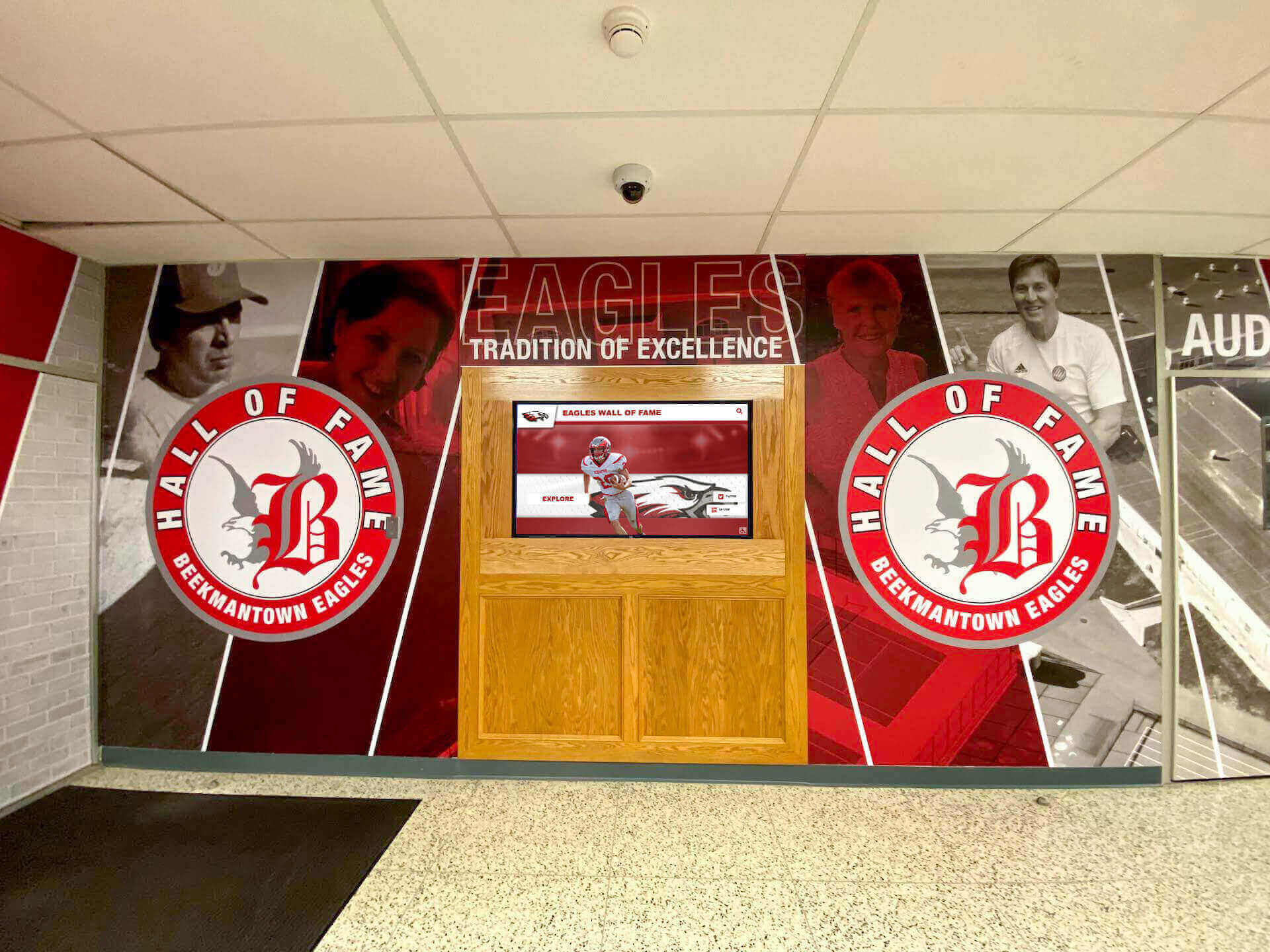
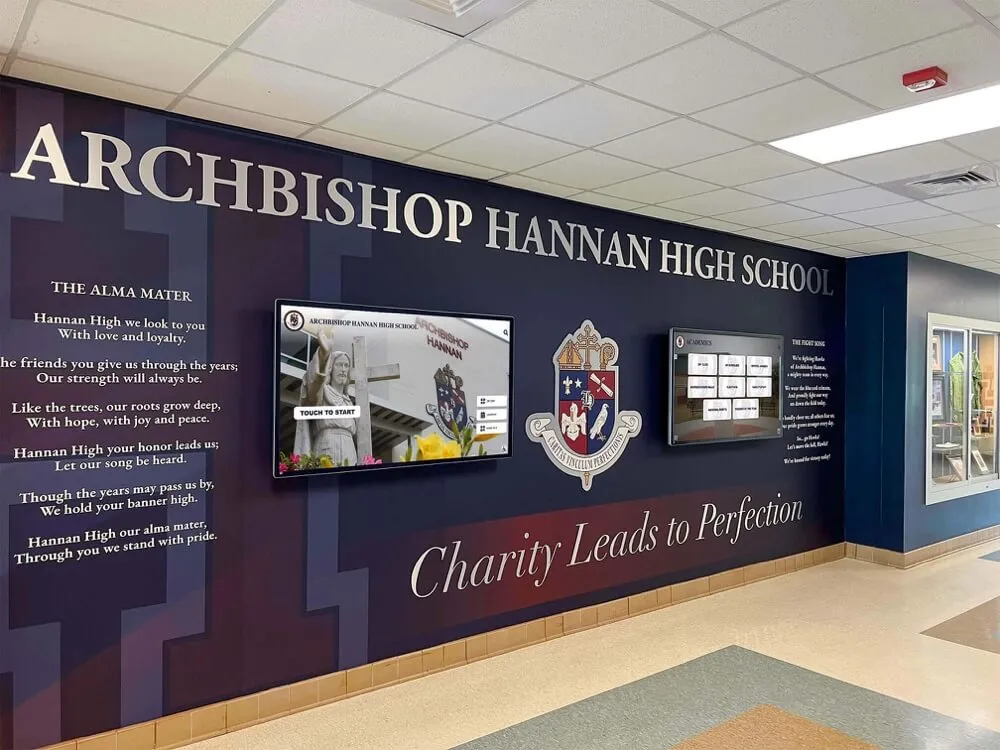
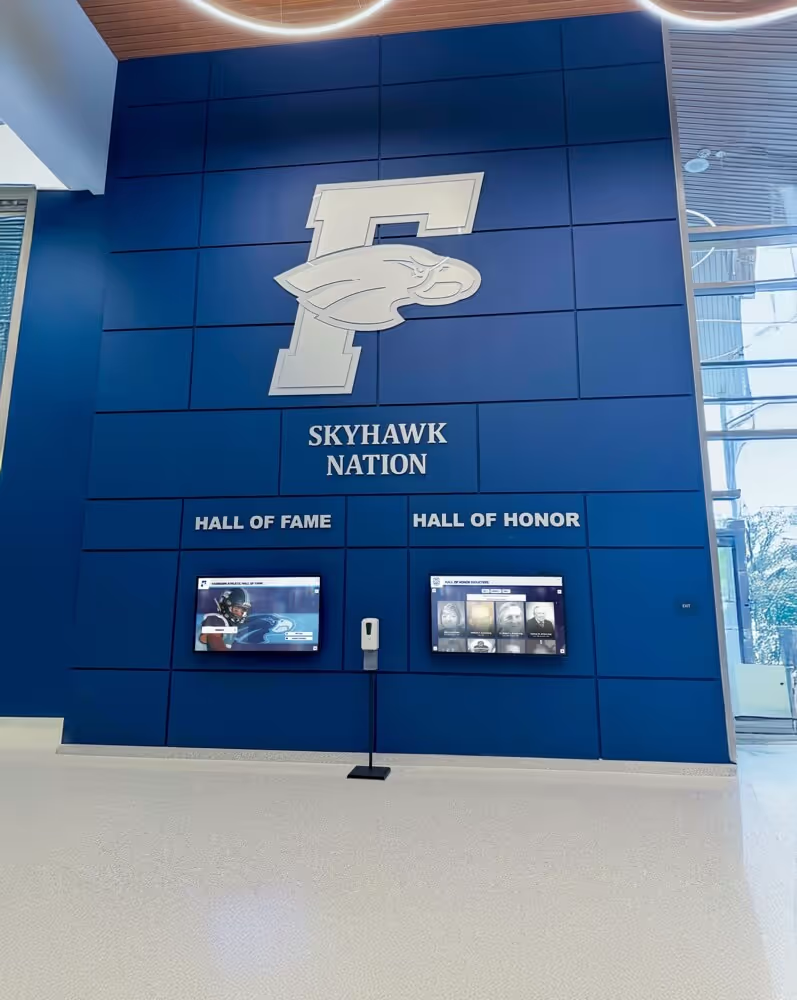
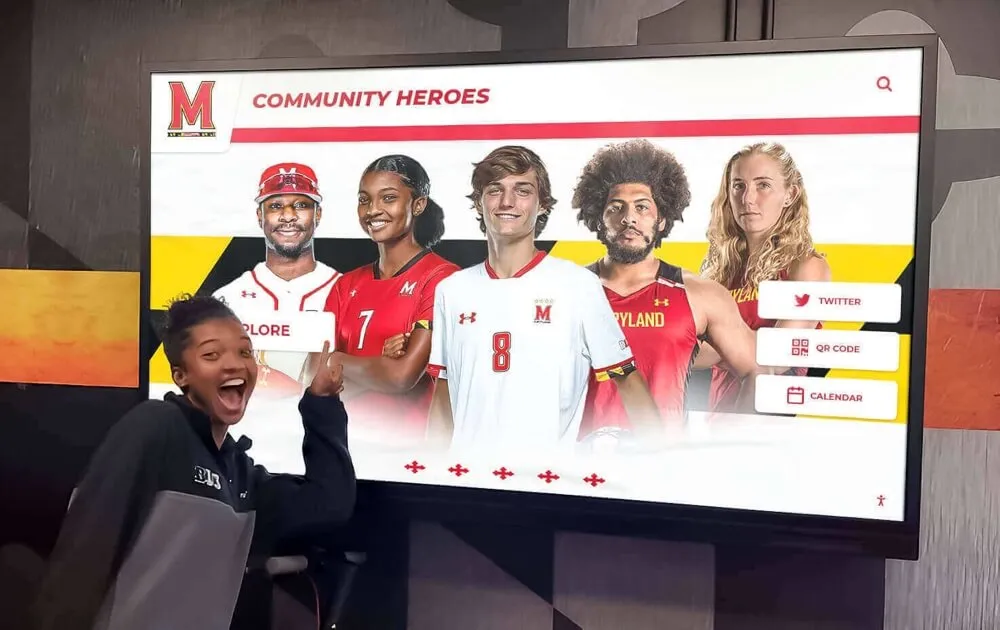
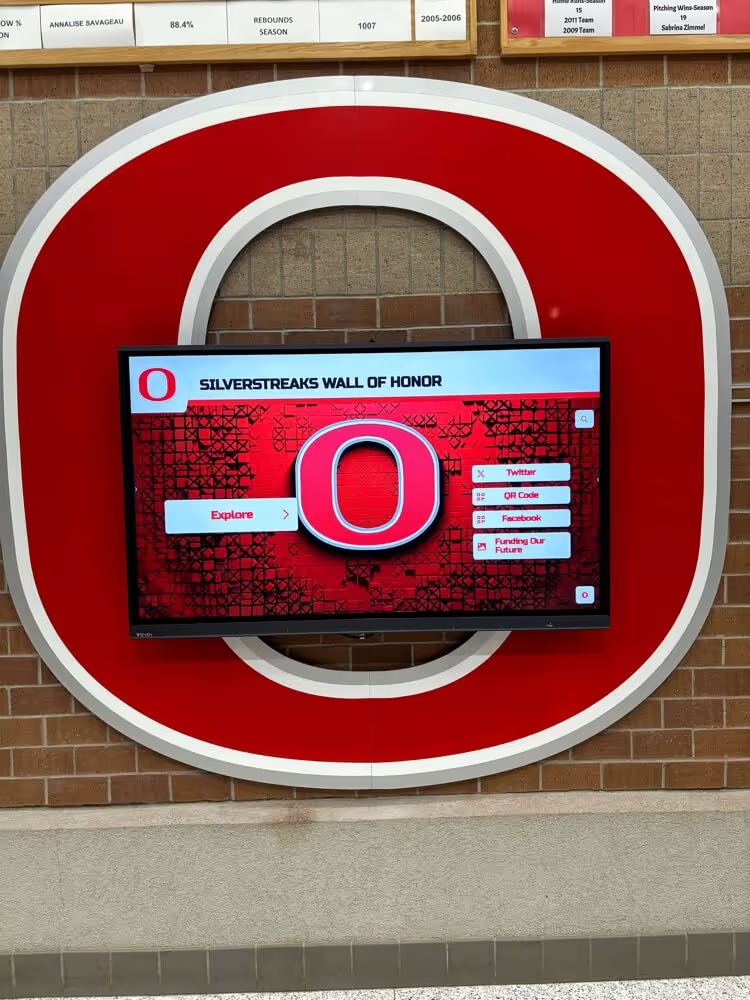
Blending traditional visual recognition with interactive digital content creates perfect balance between heritage and innovation
Personalization: Creating Individual Nostalgic Connections
Generic nostalgia referencing broad cultural touchstones creates weaker engagement than personalized content triggering individual memories. For educational institutions, this means moving beyond “remember when we all…” messaging toward “remember when you…” approaches.
Segmented Nostalgia Strategies
Different audience segments experienced different institutional eras, requiring tailored nostalgic content:
Class-Year Specific Content
Alumni from different decades respond to different institutional memories. The class of 1985 connects with entirely different references than the class of 2015. Sophisticated nostalgia marketing segments audiences by graduation year, creating era-specific reunion content, targeted recognition displays, and personalized communications.
Interactive digital displays enable this personalization at scale by allowing visitors to search for classmates, filter content by year, and explore achievements from their specific eras—creating individualized nostalgic experiences rather than one-size-fits-all presentations.
Interest-Based Nostalgia
Within graduation cohorts, individuals experienced institutions differently based on their activities, majors, and social circles. Athletic alumni respond to sports nostalgia, theater students connect with performing arts memories, and fraternity members engage with Greek life traditions.
Recognition systems celebrating diverse achievement categories from academic excellence to athletic accomplishments enable multiple nostalgic narratives coexisting within single institutions—ensuring all alumni find personally meaningful content.
Practical Nostalgia Marketing Tactics for Educational Institutions
Understanding principles is essential, but implementation requires specific tactical approaches adapted to organizational contexts.
Digital Recognition Displays: Permanent Nostalgia Infrastructure
Interactive digital recognition systems serve as permanent nostalgia marketing infrastructure, creating consistent emotional touchpoints year-round rather than only during targeted campaigns.
How Recognition Displays Generate Nostalgia
Modern touchscreen displays enable comprehensive institutional storytelling impossible through traditional plaques or printed materials. These systems can showcase thousands of alumni profiles spanning decades, present historical photos and videos documenting institutional evolution, enable search functionality helping visitors find classmates and mentors, celebrate milestone achievements creating shared pride across generations, and update instantly to include recent accomplishments alongside historical content.
According to organizations implementing these solutions, visitors spend 3-5 times longer engaging with interactive displays compared to static recognition walls—demonstrating the powerful engagement nostalgia creates when presented through compelling technology.
Strategic Placement for Maximum Nostalgic Impact
Digital recognition displays deliver greatest nostalgic value when positioned where key audiences naturally congregate:
Alumni Gathering Spaces
Dedicated alumni welcome areas featuring comprehensive recognition displays create destinations alumni specifically seek during campus visits. These spaces become pilgrimage sites where returning graduates reconnect with institutional memories and re-experience belonging to something larger than themselves.
High-Traffic Public Areas
Lobby installations, main hallways, and entrance corridors ensure recognition reaches prospective students touring facilities, current students absorbing institutional culture, visitors attending events, and community members engaging with institutions. This broad visibility extends nostalgic messaging beyond alumni-only audiences.
Athletic and Event Venues
Recognition displays in gymnasiums, stadiums, and auditoriums capitalize on naturally nostalgic settings. Alumni attending games or performances already experience heightened sentimental emotions—encountering displays celebrating their own achievements or honoring their eras amplifies these feelings dramatically.
Solutions like Rocket Alumni Solutions provide purpose-built platforms specifically designed for institutional recognition, offering superior functionality compared to generic digital signage systems. These specialized platforms understand unique requirements including privacy controls, searchability, content management workflows, and the visual sophistication institutional settings demand.
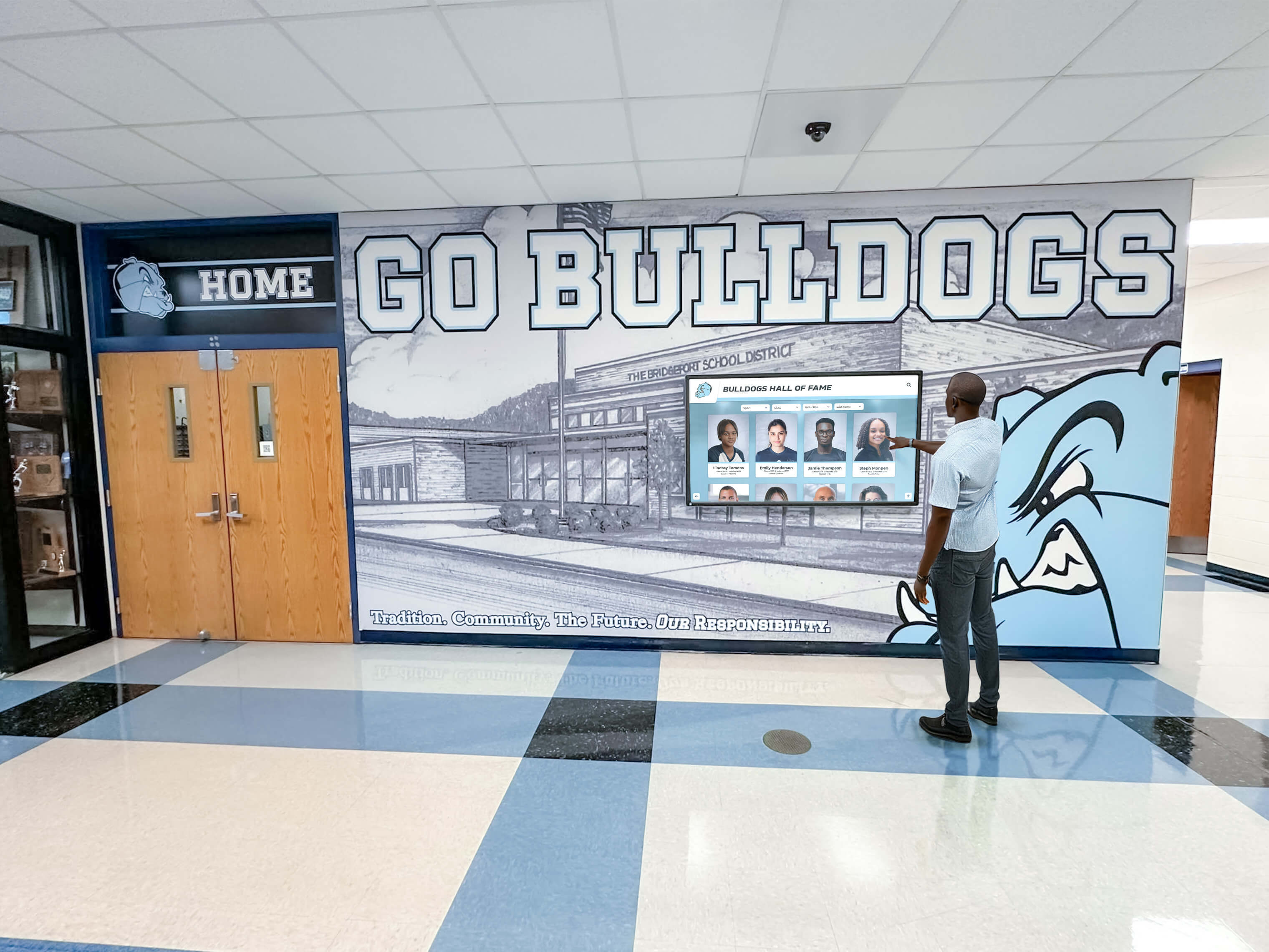
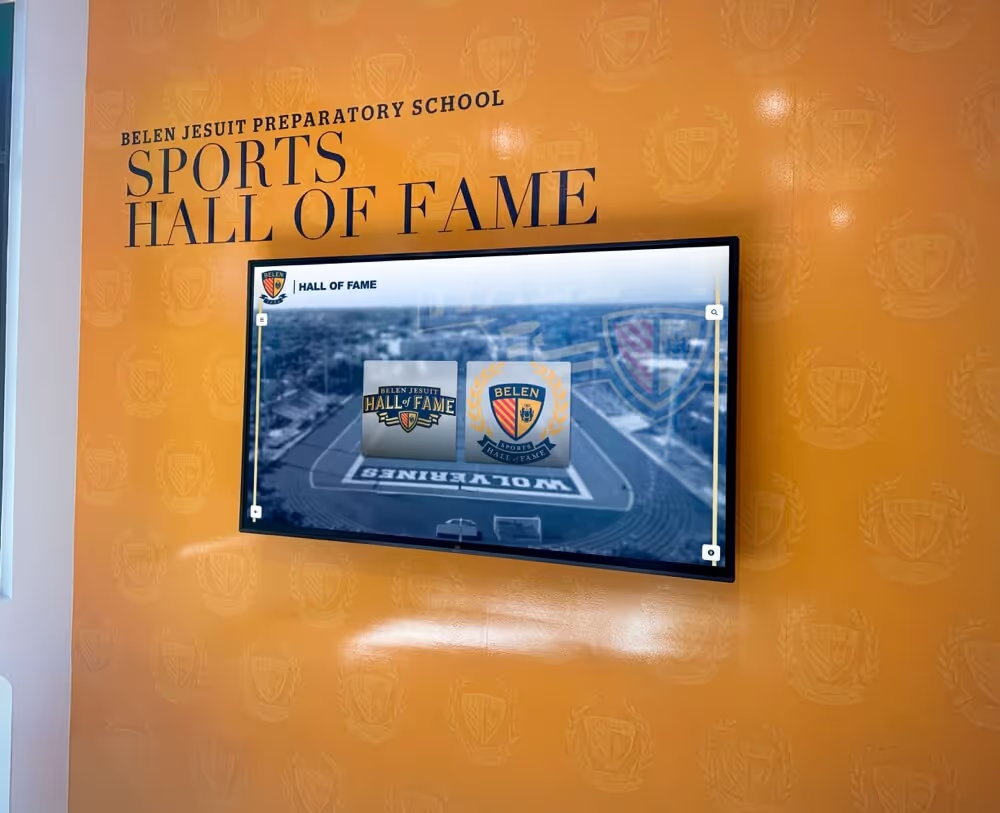
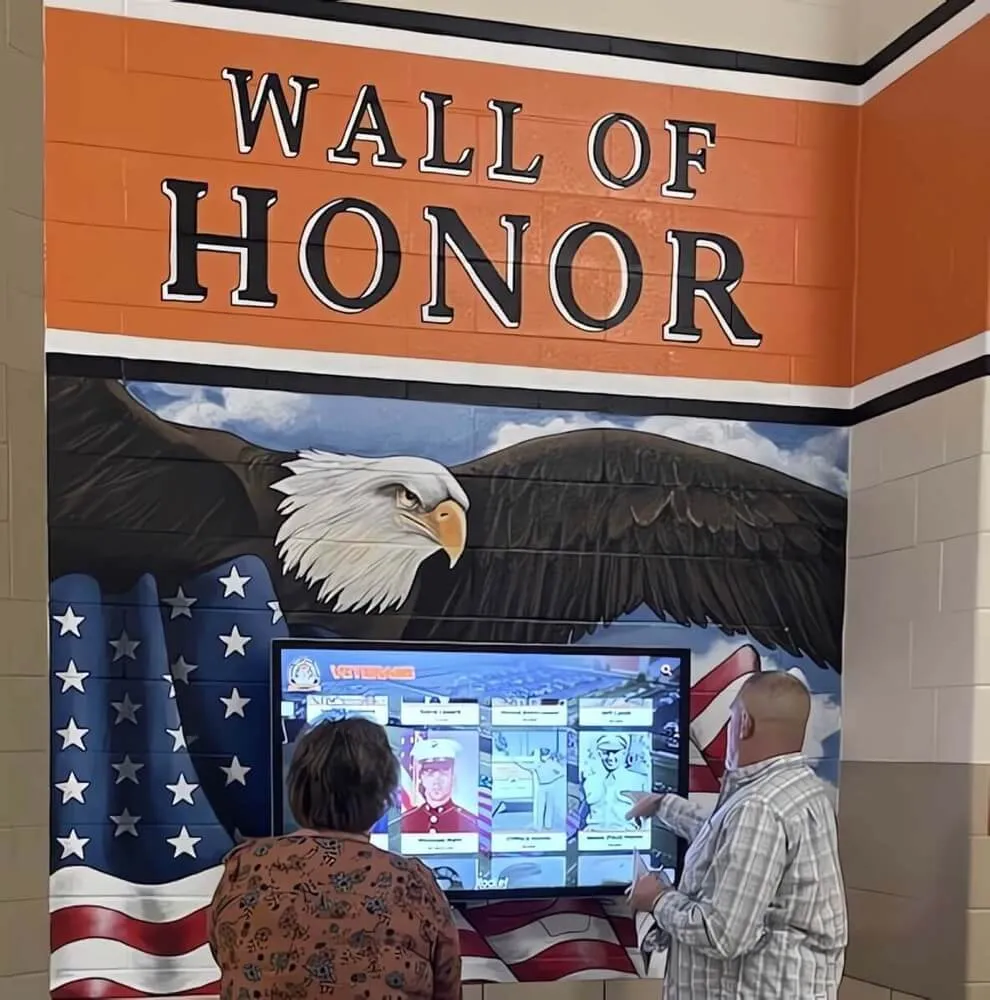
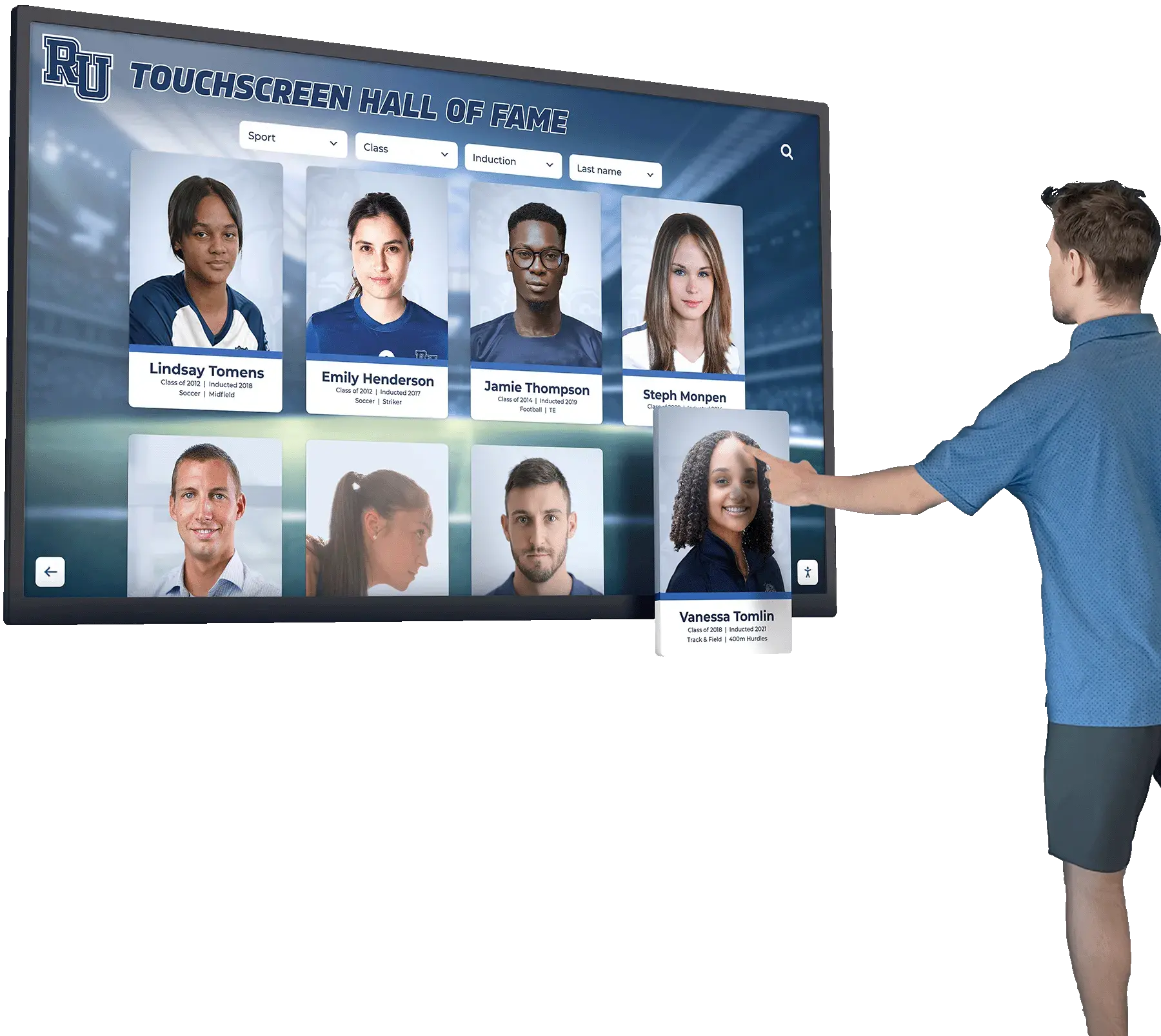
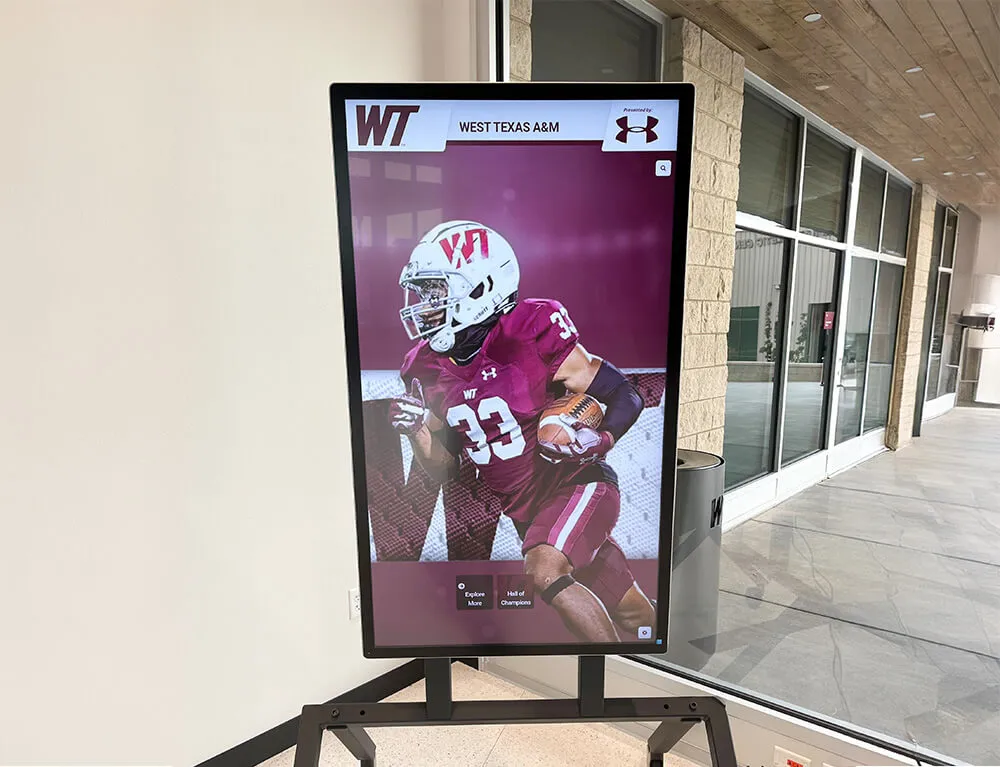
Touchscreen functionality transforms passive nostalgia viewing into active exploration creating deeper emotional engagement
Reunion Programming and Anniversary Celebrations
Milestone events create natural opportunities for concentrated nostalgia marketing generating significant revenue through targeted engagement.
Multi-Year Reunion Strategies
Educational institutions typically host reunions for classes celebrating 5-year milestones (10th, 25th, 50th reunions). Sophisticated nostalgia marketing maximizes these opportunities through era-specific content highlighting campus life during attendees’ student years, programming featuring beloved faculty members or coaches from their time, recognition ceremonies celebrating class achievements and individual accomplishments, fundraising campaigns tied specifically to reunion year classes, and digital experiences enabling pre-reunion engagement building anticipation.
According to advancement professionals, reunion year giving typically exceeds non-reunion giving by 40-80%, demonstrating the revenue potential these nostalgic gatherings create. Comprehensive reunion planning approaches ensure institutions capitalize fully on these high-value engagement windows.
Institutional Anniversary Campaigns
Centennials, sesquicentennials, and other institutional anniversaries provide compelling frameworks for extended nostalgia marketing campaigns. These multi-year initiatives can include historical timeline development documenting institutional evolution, capital campaigns framed as securing next century of excellence, recognition programs honoring contributors across all eras, archival digitization preserving institutional memory, and marketing campaigns celebrating heritage while projecting future vision.
Anniversary campaigns succeed by making all stakeholders—regardless of when they engaged with institutions—feel part of enduring legacies transcending individual experiences.
Social Media and Digital Content Strategies
Contemporary nostalgia marketing requires sophisticated digital content strategies reaching audiences where they naturally consume media.
“Throwback Thursday” and Systematic Historical Content
Platforms like Instagram and Facebook have normalized regular throwback content through hashtags like #TBT (Throwback Thursday) and #FBF (Flashback Friday). Educational institutions can leverage these conventions through systematic historical content schedules featuring vintage photos from institutional archives, alumni spotlight stories celebrating past graduates, historical achievement anniversaries marking significant milestones, comparative “then and now” content showing campus evolution, and archival video footage when available.
This regular cadence keeps nostalgic content consistently visible without overwhelming feeds, while the established social media conventions make nostalgic posts feel natural rather than forced.
User-Generated Alumni Content
The most powerful nostalgic content often comes from community members themselves rather than institutional communications offices. Encouraging alumni to share their own memories and photos creates authentic narratives while expanding content volume exponentially beyond what staff could produce independently.
Strategies for stimulating user-generated nostalgia include social media campaigns with specific hashtags collecting alumni memories, photo submission opportunities for milestone campaigns, alumni video testimonials sharing personal stories, and interactive platforms enabling alumni to contribute content directly to institutional archives.
This participatory approach transforms alumni from passive content consumers into active co-creators of institutional narratives—deepening engagement while generating authentic material resonating powerfully with peer audiences.
Video Storytelling and Documentary Content
According to digital storytelling research, video content creates stronger emotional responses than text or static images. Institutions implementing video-based nostalgia marketing might produce alumni interview series capturing personal memories and reflections, documentary shorts exploring institutional history and evolution, reunion highlight reels celebrating gathering experiences, historical footage restoration making archival material accessible, and virtual tours enabling distant alumni to revisit beloved campus locations.
These video assets serve multiple purposes simultaneously—creating immediate nostalgic engagement through social distribution, providing permanent content for recognition displays and websites, and building media libraries supporting future campaigns.
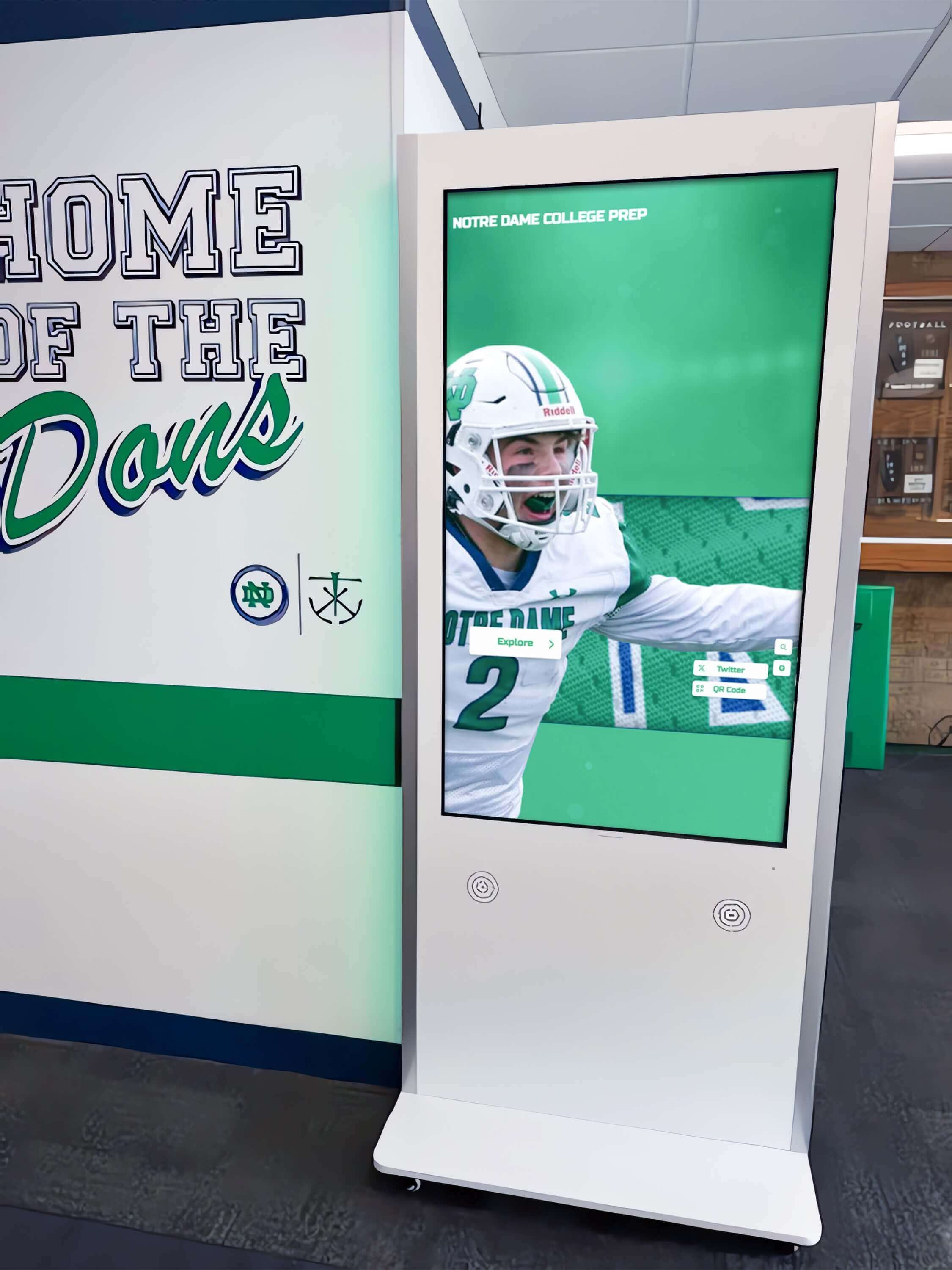
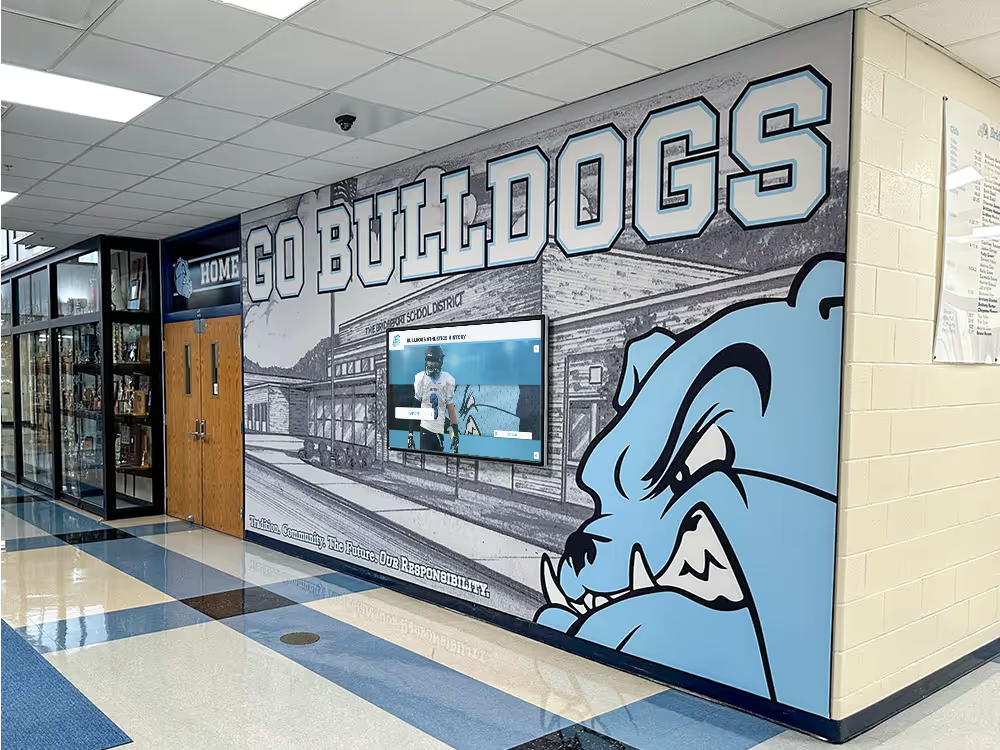
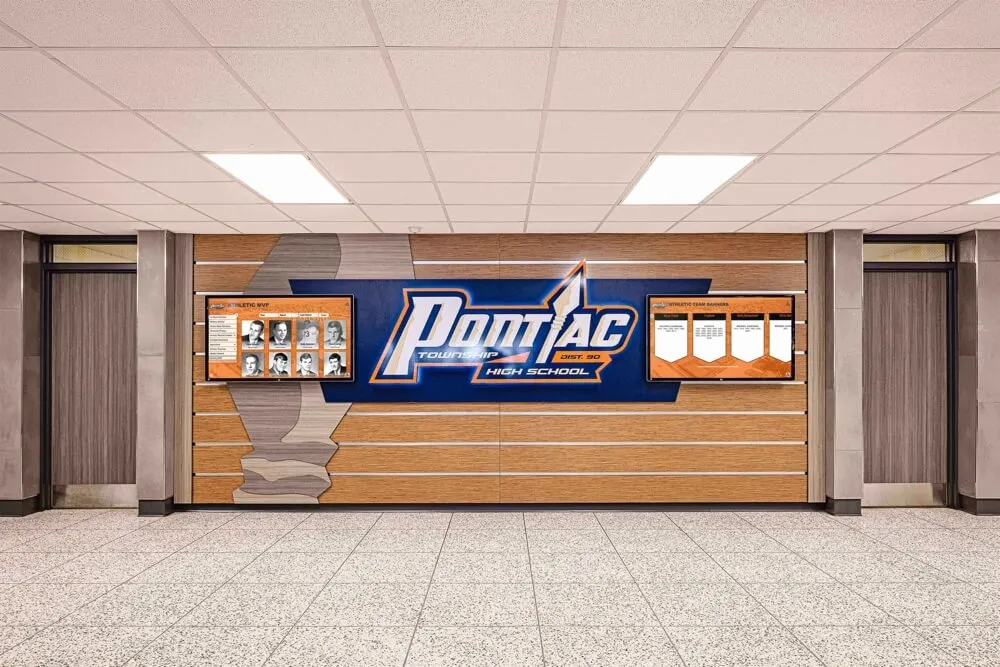
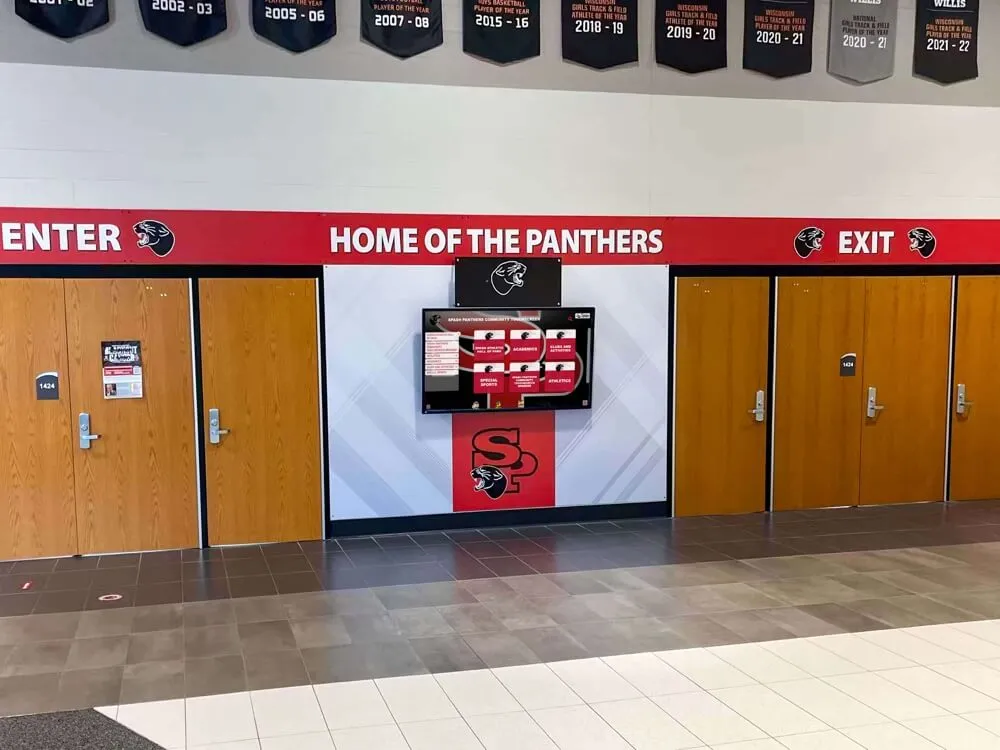
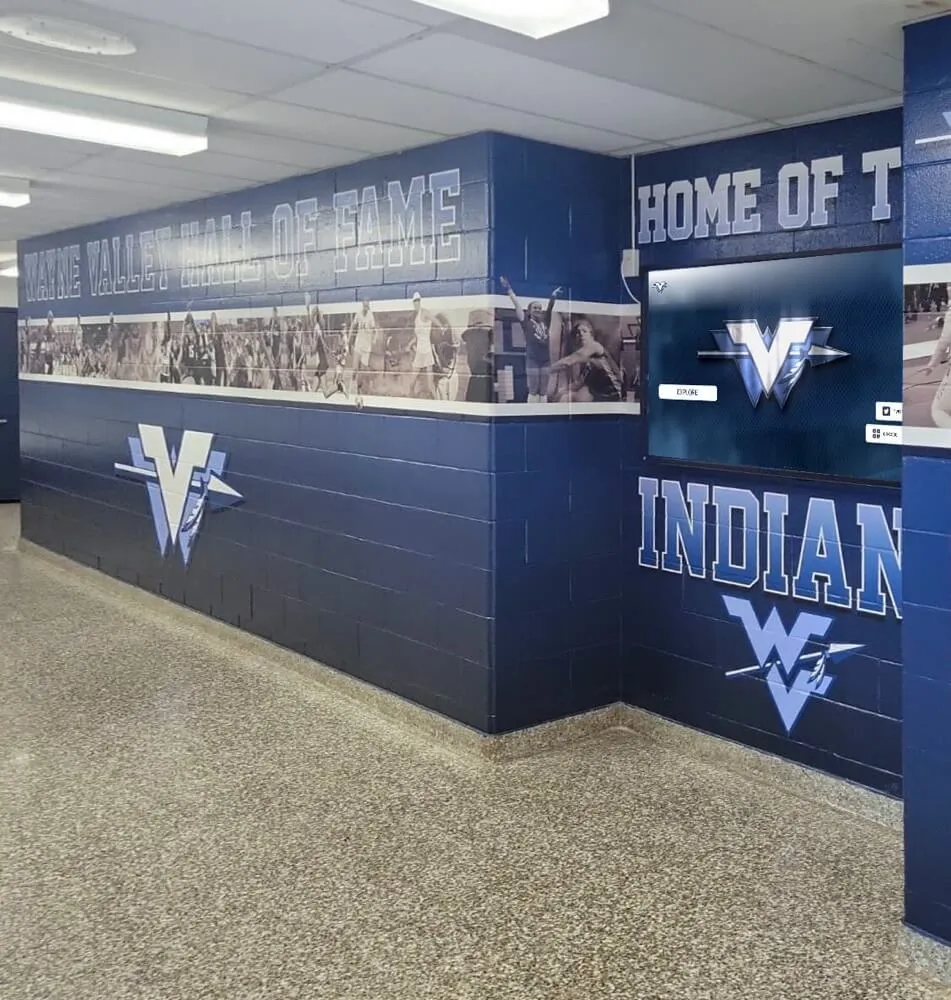
Hallway recognition creates consistent nostalgic touchpoints for students, alumni, and visitors throughout facilities
Converting Nostalgic Emotions into Measurable Revenue
Nostalgia creates emotional engagement, but strategic approaches are required to translate feelings into financial support.
The Nostalgia-to-Giving Conversion Framework
Effective conversion recognizes that nostalgia moves audiences through predictable psychological stages:
Stage 1: Nostalgic Stimulation
Audiences encounter content or experiences triggering nostalgic emotions—viewing recognition displays, attending reunions, engaging with historical content, or receiving targeted communications referencing their institutional eras.
Stage 2: Emotional Engagement
Nostalgic stimulation generates positive feelings including happiness, social connection, pride in association, gratitude for experiences received, and renewed identification with institutional communities.
Stage 3: Reflection on Value Received
Positive emotions prompt reflection on the value institutions provided—education quality, friendship formation, personal development, career preparation, and life-shaping experiences.
Stage 4: Desire to Reciprocate
Recognition of value received creates natural desire to give back, expressing gratitude, ensuring future students receive similar benefits, and maintaining institutions that shaped their lives.
Stage 5: Giving Action
When asked at psychologically appropriate moments, nostalgically-engaged alumni convert emotions into financial support.
Timing Solicitations for Maximum Nostalgic Impact
According to fundraising research, solicitation timing dramatically affects conversion rates. Requests made while nostalgic emotions remain elevated generate significantly higher response than identical appeals delivered during neutral emotional states.
Optimal Solicitation Windows
High-conversion timing includes immediately following reunion attendance while positive emotions remain fresh, during anniversary years when institutional nostalgia peaks, after engaging with recognition displays or historical content, following alumni achievement recognition creating reciprocity feelings, and during traditional giving seasons paired with nostalgic messaging.
Framing Asks with Nostalgic Context
Generic solicitations (“Support the annual fund”) convert less effectively than requests explicitly connected to nostalgia (“Honor your class legacy by supporting today’s students”). Effective framing reminds donors of value they received, connects current needs to historical traditions donors experienced, emphasizes legacy and generational continuity, and acknowledges donors’ roles in institutional narratives.
Creating Giving Societies and Recognition Tiers
Structured giving programs leverage nostalgia by creating aspirational communities aligned with donor identities.
Heritage-Themed Giving Societies
Rather than generic donor clubs, many institutions create giving societies explicitly tied to institutional history—founder’s circles, legacy societies, heritage clubs, or centennial councils. These names invoke nostalgic connections to institutional traditions while creating prestigious recognition.
Tiered structures might include founder’s circle ($50,000+ lifetime) celebrating institutional origins, legacy society ($25,000-$49,999) honoring multi-generational families, heritage club ($10,000-$24,999) recognizing sustained commitment, and tradition society ($5,000-$9,999) acknowledging meaningful support.
Recognition within these societies can leverage digital donor walls showcasing both current supporters and historical benefactors—creating nostalgic continuity between past and present philanthropy.
Class-Based Giving Competitions
Reunion year giving campaigns often structure friendly competition between classes, appealing to nostalgic loyalty and group identity. Leaderboards showing participation rates by class year create social motivation while celebrating class pride.
These competitions leverage nostalgia by framing giving as expressions of class identity and loyalty—powerful motivators for alumni whose class years remain significant parts of their personal identities decades after graduation.
Real-World Examples: Nostalgia Marketing Success Stories
Examining successful implementations helps organizations envision how nostalgia principles apply to their specific contexts.
Commercial Nostalgia Campaigns With Educational Applications
While educational institutions operate differently than consumer brands, examining successful commercial campaigns reveals principles applicable across contexts.
McDonald’s Adult Happy Meals
By reimagining the Happy Meal for grown-ups, McDonald’s reconnected with adults who fondly remembered childhood experiences. The campaign generated massive social media engagement and significant sales increases by triggering powerful childhood nostalgia.
Educational Application: Schools might create “student experience packages” for alumni reunions replicating memorable aspects of student life—cafeteria menu items, spirit wear, campus tour experiences—triggering similar nostalgic responses converting into giving.
Barbie Movie Success
The 2023 Barbie film generated over $1.4 billion globally by weaving beloved nostalgic elements alongside modern themes. The campaign appealed to adults who grew up with Barbie while attracting Gen Z through contemporary relevance.
Educational Application: Institutions can celebrate historical traditions through modern platforms—like showcasing vintage athletic achievements through cutting-edge touchscreen displays blending nostalgia with innovation.
Educational Institution Nostalgia Implementations
Schools and universities implementing effective nostalgia marketing demonstrate significant engagement and revenue improvements.
Comprehensive Digital Hall of Fame Implementations
Institutions replacing static trophy cases with interactive digital halls of fame report remarkable outcomes. Alumni visiting campus specifically seek these displays to explore their own achievements and rediscover classmates. Many report feeling compelled to donate after viewing displays—experiencing renewed pride in institutional association and desire to ensure future generations receive similar recognition.
These systems generate ongoing nostalgic engagement rather than single-moment experiences. Alumni return repeatedly, share display content through social media, and bring guests to view their recognition—multiplying impact far beyond initial installation.
Historical Archive Digitization Projects
Universities digitizing yearbooks, newspapers, and historical documents through initiatives like digital archives create massive nostalgic value. Alumni spend hours exploring digitized materials from their eras, sharing discoveries with classmates, and re-experiencing their student years virtually.
These projects frequently generate substantial philanthropic support—both for digitization efforts themselves and for general institutional giving inspired by nostalgic engagement the archives create.
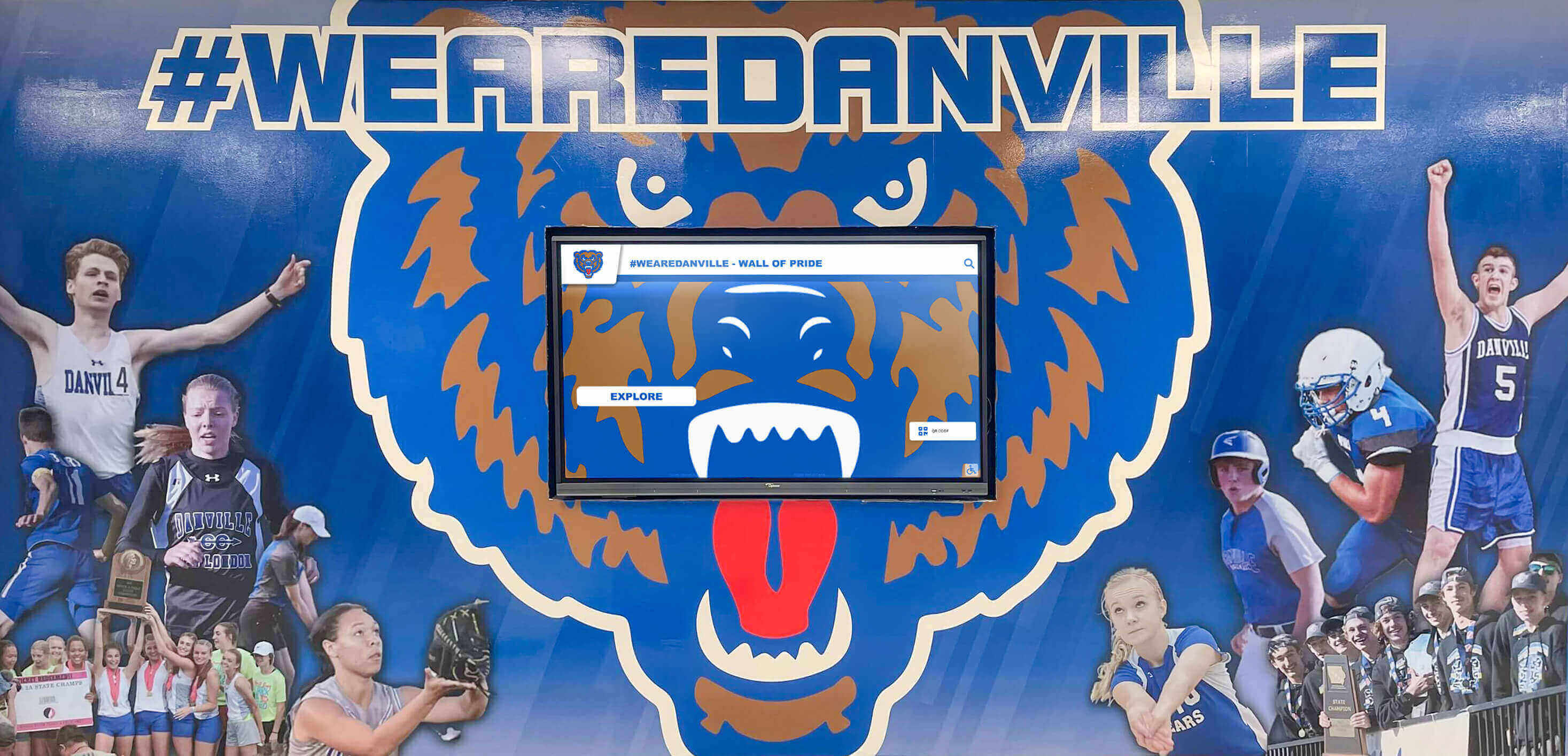
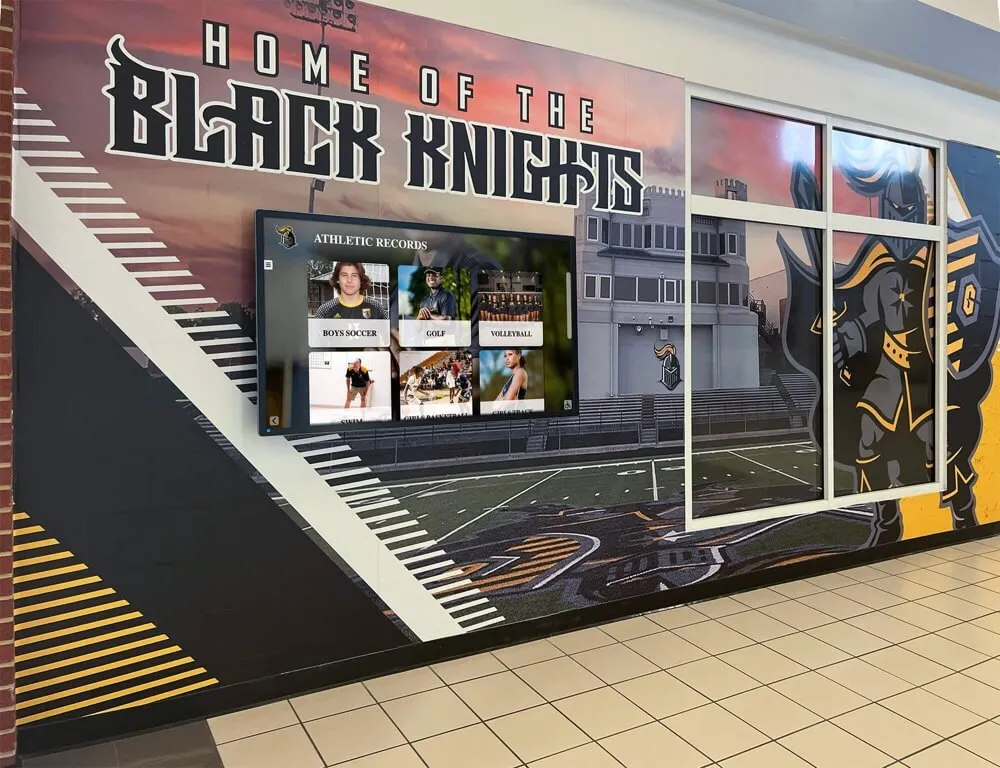
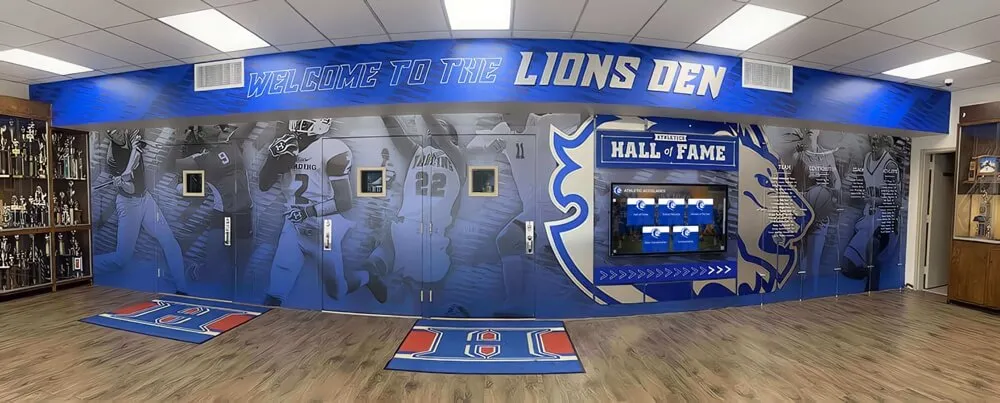
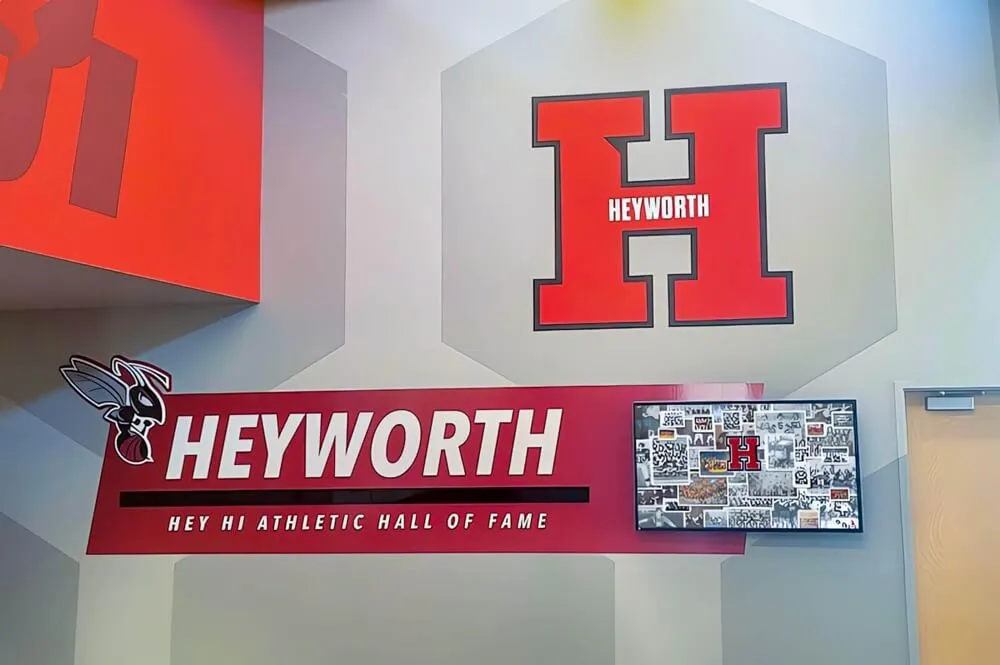
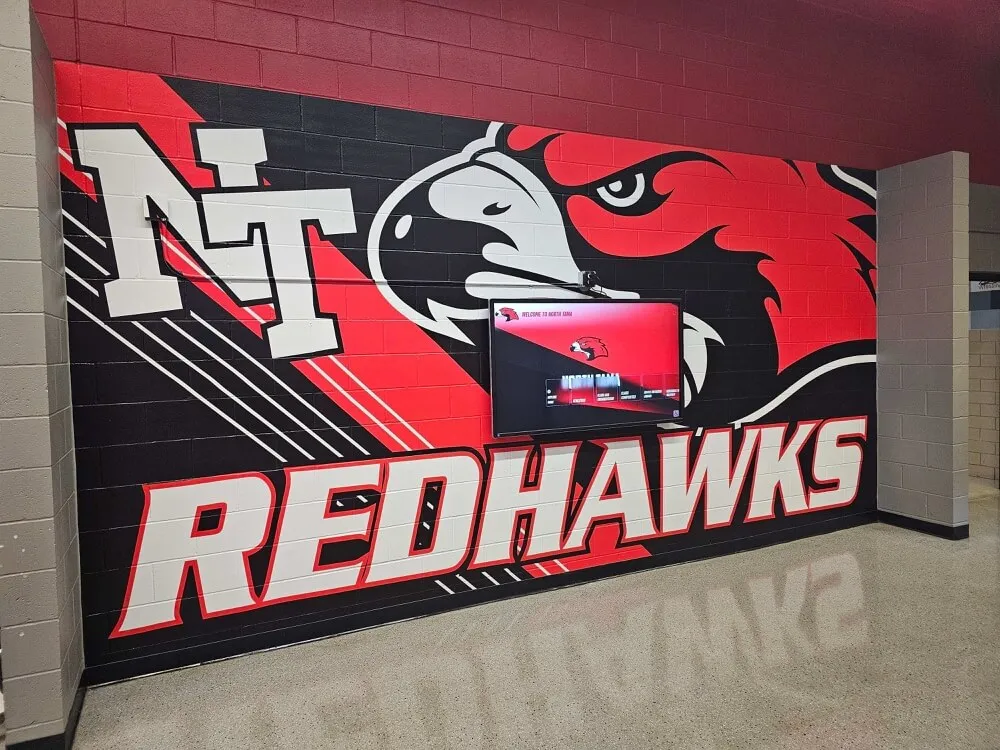
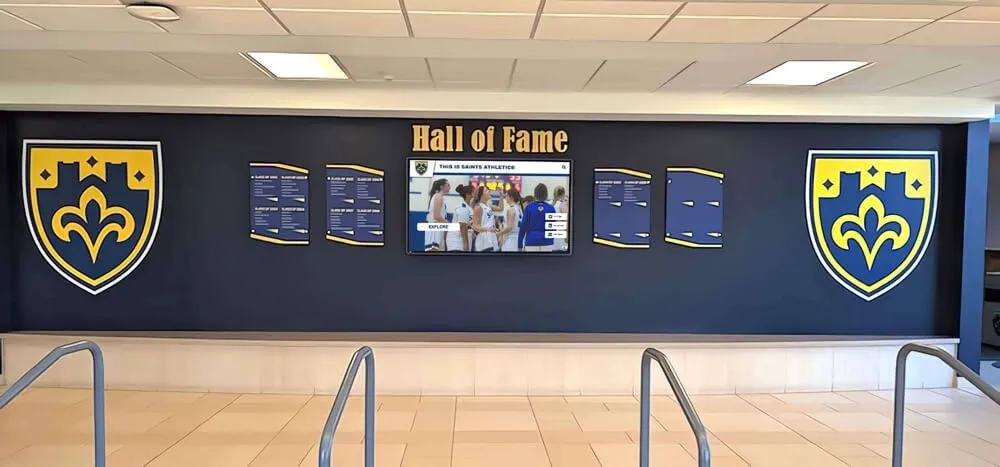
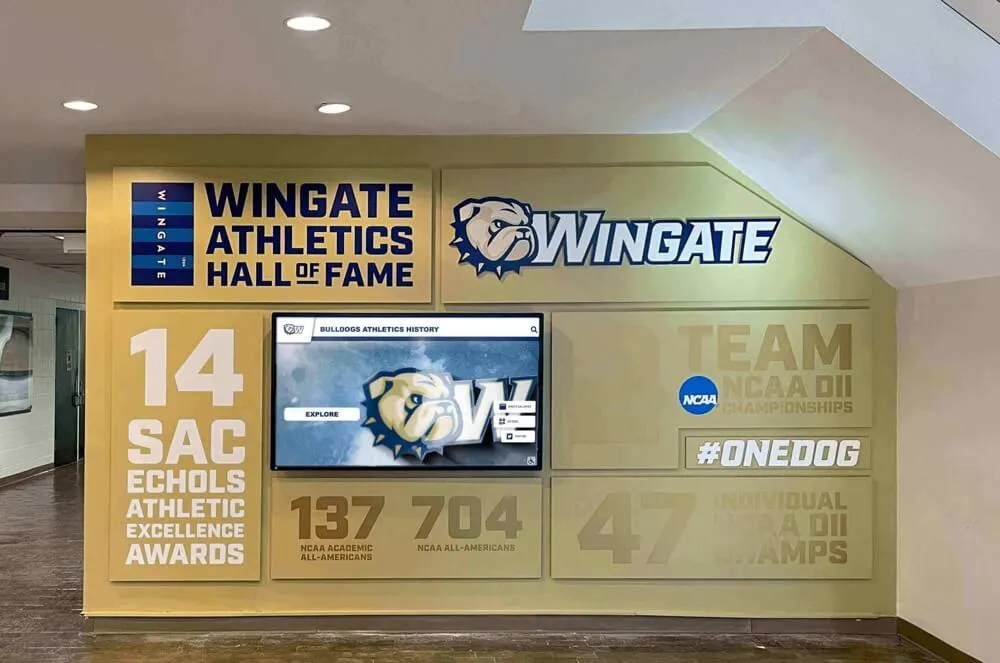
Branded recognition installations reinforce institutional identity while celebrating achievements across multiple eras
Common Nostalgia Marketing Pitfalls and How to Avoid Them
Understanding failure modes helps organizations implement nostalgia strategies successfully.
Mistake 1: Nostalgia Without Substance
According to marketing research, surface-level nostalgic references without meaningful connection to audience experience or institutional identity fail to generate authentic emotional responses.
The Problem
Organizations sometimes adopt trending throwback aesthetics simply because they’re popular rather than because they authentically reflect institutional character. This creates confused messaging that audiences recognize as inauthentic pandering rather than genuine celebration of heritage.
The Solution
Ensure all nostalgic content genuinely reflects institutional history and audience experiences. If you can’t draw direct connections between nostalgic elements and actual shared memories, the content likely won’t resonate meaningfully. Authenticity always outperforms manufactured nostalgia.
Mistake 2: Excluding Newer Community Members
Over-emphasis on “the good old days” can alienate current students, recent graduates, and newer community members who lack the referenced shared history.
The Problem
When institutional communications become dominated by nostalgia celebrating past eras, current community members may feel like afterthoughts or temporary residents rather than valued participants in ongoing institutional narratives.
The Solution
Balance nostalgic content celebrating heritage with forward-looking material highlighting current excellence and future vision. Frame historical content as foundation supporting present achievement rather than suggesting that peak performance lies in the past. Ensure current students see themselves as future alumni who will eventually experience similar nostalgia rather than outsiders to established community.
Mistake 3: Stale or Outdated Recognition Content
Nothing undermines nostalgia faster than recognition systems that appear neglected or abandoned.
The Problem
Traditional physical donor walls and trophy cases that haven’t been updated in years signal institutional stagnation rather than enduring excellence. Visitors wonder whether institutions that can’t maintain recognition systems properly can execute their core missions effectively.
The Solution
Implement recognition systems designed for easy regular updates. Digital platforms enable instant content additions ensuring recognition always appears current and maintained. Modern touchscreen systems allow non-technical staff to update content continuously without requiring expensive vendor intervention or manufacturing delays.
Mistake 4: Privacy Violations and Outdated Information
Using alumni information or images without permission, or presenting outdated biographical details, creates negative experiences undermining nostalgic goodwill.
The Problem
Alumni discovering their information presented incorrectly or without consent experience frustration rather than warm nostalgia. Similarly, recognition displaying obviously outdated details signals that institutions don’t know their alumni well—undermining the personal connection nostalgia depends on.
The Solution
Implement robust data management practices including obtaining appropriate permissions for public recognition, providing alumni control over what information displays, regularly updating biographical details, and offering clear mechanisms for requesting corrections or removal.
Measuring Nostalgia Marketing Success
Data-driven evaluation ensures nostalgia investments deliver value while identifying optimization opportunities.
Key Performance Indicators for Nostalgic Engagement
Digital Engagement Metrics
For recognition displays and online historical content, track total interactions and unique visitors, average engagement duration revealing content compelling-ness, search queries showing what audiences seek, most-viewed content indicating resonance, social media shares amplifying reach, and return visitor rates demonstrating sustained interest.
Modern platforms like Rocket Alumni Solutions provide comprehensive analytics revealing exactly how audiences engage with nostalgic content—enabling continuous optimization based on actual behavior rather than assumptions.
Giving Metrics
Track financial outcomes including giving participation rates by segment, average gift size comparing nostalgically-engaged vs. general populations, reunion year giving performance, campaign conversion rates when nostalgia featured prominently, and lifetime donor value for alumni regularly engaging with nostalgic content.
These metrics demonstrate whether nostalgia generates actual revenue or merely creates engagement without financial conversion.
Qualitative Feedback
Beyond quantitative data, gather qualitative insights through alumni testimonials about nostalgic experiences, reunion feedback revealing emotional impact, social media comments showing spontaneous reactions, and focus groups exploring what nostalgic content resonates most powerfully.
This qualitative feedback often reveals emotional nuances that numbers alone miss—helping organizations understand why certain nostalgic approaches succeed while others fall flat.
Calculating Return on Investment
Compare costs of nostalgia marketing investments against measurable returns:
Investment Costs
Include digital recognition platform implementations, content development and curation, historical archive digitization, reunion programming enhancements, and staff time for nostalgia-focused engagement.
Financial Returns
Measure increased giving from nostalgically-engaged audiences, improved retention reducing acquisition costs, major gift conversions from cultivation-integrated nostalgia, planned giving inquiries, and event attendance revenue.
According to advancement professionals implementing comprehensive nostalgia strategies, most organizations realize positive ROI within 18-24 months, with returns improving substantially as compound effects of sustained engagement accumulate over time.

Context-appropriate imagery connecting alumni to familiar campus settings amplifies nostalgic emotional responses
The Future of Nostalgia Marketing in Education
Emerging trends will shape how institutions leverage nostalgia in coming years.
Personalization at Scale Through AI
Artificial intelligence will enable hyper-personalized nostalgic experiences previously impossible at institutional scale. AI systems might analyze individual alumni engagement patterns to serve customized nostalgic content, generate personalized reunion invitations referencing specific memories, predict which historical content will resonate with different audience segments, and automate creation of class-year-specific marketing materials.
This technological personalization will make every alumnus feel that nostalgic content speaks directly to their unique experiences rather than generic institutional history.
Virtual and Augmented Reality Nostalgia
Emerging technologies will create immersive nostalgic experiences including virtual reality campus tours recreating historical appearances, augmented reality overlays showing historical information at physical locations, virtual reunion experiences enabling global participation, and immersive archival experiences letting alumni “step into” historical photos and videos.
These technologies will extend nostalgic engagement to alumni unable to physically return to campuses while creating unprecedented levels of emotional immersion.
Blockchain and Permanent Digital Recognition
Blockchain technology may enable permanent, portable recognition credentials that alumni own and control rather than institutions exclusively managing. These might include verifiable digital certificates of achievement, portable donor recognition spanning multiple institutions, immutable historical records preventing revision, and decentralized alumni networks persisting beyond institutional management.
This technological evolution could fundamentally change how institutions approach recognition and nostalgic engagement.
Implementation Roadmap: Building Your Nostalgia Marketing Strategy
Organizations ready to leverage nostalgia benefit from systematic implementation approaches.
Phase 1: Audit Current Nostalgic Assets
Inventory Existing Resources
Catalog historical materials including yearbooks, newspapers, and publications, photographic archives and video footage, institutional records and documents, existing recognition systems and displays, and alumni database information and biographical content.
Understanding available assets helps determine what nostalgic content can be created without extensive additional investment.
Assess Current Nostalgia Utilization
Evaluate how effectively you currently leverage nostalgia through reunion programming, recognition systems, marketing communications, social media content, and campus displays.
This assessment reveals gaps between available nostalgic assets and actual utilization—often discovering untapped value in existing materials not currently being leveraged effectively.
Phase 2: Develop Nostalgia Strategy
Define Target Audiences and Objectives
Identify which segments you most need to engage nostalgically (major donor prospects, lapsed alumni, specific class years) and what outcomes nostalgia should achieve (increased giving, improved retention, enhanced engagement, volunteer recruitment).
Clear objectives enable focused strategies rather than diffuse efforts trying to accomplish everything simultaneously.
Create Content and Experience Plans
Develop systematic approaches for digital recognition systems celebrating institutional history, social media content calendars featuring regular nostalgic posts, reunion programming incorporating strategic nostalgic elements, and capital campaigns framed around institutional legacy.
For organizations implementing comprehensive recognition solutions, digital recognition best practices provide frameworks ensuring investments deliver maximum nostalgic and functional value.
Phase 3: Implementation and Launch
Prioritize High-Impact Initiatives
Begin with projects offering greatest return relative to investment. For many institutions, this means implementing interactive digital recognition displays providing permanent nostalgia infrastructure serving multiple purposes simultaneously—recognition, recruitment, community building, and fundraising support.
Coordinate Cross-Departmental Efforts
Effective nostalgia marketing requires collaboration across advancement, alumni relations, communications, and often athletics and academics. Establish clear ownership and coordination mechanisms ensuring efforts complement rather than duplicate or contradict each other.
Phase 4: Measurement and Optimization
Track Performance Against Objectives
Implement measurement systems capturing both engagement metrics and financial outcomes. Modern recognition platforms provide built-in analytics, while broader campaigns may require custom tracking through advancement databases and analytics tools.
Iterate Based on Data
Nostalgia marketing shouldn’t remain static. Continuously refine approaches based on what data reveals about audience preferences and conversion patterns. Test different nostalgic themes, messaging approaches, and solicitation strategies—optimizing based on actual performance rather than assumptions.
Conclusion: Making Memories Profitable Through Strategic Nostalgia
Nostalgia marketing succeeds because it taps into fundamental human psychology—our need for continuity, our tendency to idealize the past, and our desire to belong to communities transcending individual moments. When educational institutions master these dynamics, they transform casual nostalgia into powerful emotional bonds that convert directly into measurable outcomes including increased giving, improved engagement, stronger retention, and enhanced brand loyalty.
The statistics demonstrate nostalgia’s remarkable commercial power: 75% of consumers are more likely to purchase when experiencing nostalgic emotions, they willingly pay 10-15% premium prices for nostalgic products, and campaigns incorporating nostalgia generate 3-5% revenue increases per cycle. For educational institutions, these dynamics translate into alumni who give more generously, attend events more consistently, and maintain lifelong connections rather than drifting away after graduation.
Transform Nostalgia Into Engagement
Discover how interactive digital recognition displays create permanent nostalgia infrastructure celebrating your institution's heritage while driving contemporary giving and engagement.
Get Your Custom Design Mock-UpYet effective nostalgia marketing requires more than simply posting throwback photos or referencing “the good old days.” Success demands authentic celebration of genuine institutional heritage, careful balance between historical recognition and contemporary relevance, personalized content speaking to individual experiences rather than generic references, strategic integration with fundraising and engagement objectives, and continuous measurement ensuring investments deliver actual returns.
The most powerful nostalgia marketing implementations create permanent infrastructure rather than depending on periodic campaigns alone. Interactive digital recognition systems like Rocket Alumni Solutions provide this foundational capability—comprehensive platforms celebrating institutional history through modern technology that enables searchable databases, multimedia storytelling, regular updates, and analytics revealing what content resonates most powerfully.
Whether you’re planning reunion programming, developing capital campaign themes, redesigning recognition displays, or creating social media content strategies, nostalgia provides proven frameworks for converting emotions into outcomes that advance institutional missions. Your alumni experienced formative years at your institution—years that shaped their identities, relationships, and careers. They want to maintain connections to these meaningful experiences. The question isn’t whether nostalgia will influence their engagement; the question is whether you’ll leverage nostalgia strategically or allow competitors and other causes to capture nostalgic goodwill you’ve earned.
Start by auditing your existing nostalgic assets—the historical materials, achievement records, and visual content already in your possession. Then evaluate how effectively you currently activate this content through recognition displays, marketing communications, and engagement programming. Most institutions discover substantial gaps between available nostalgic resources and actual utilization—untapped value waiting for strategic activation.
The organizations thriving in contemporary fundraising environments don’t simply ask for support—they create emotional experiences making support feel like natural expressions of values, identities, and commitments audiences already hold. Nostalgia provides the proven pathway for creating these experiences at scale, transforming memories into missions and emotion into revenue that sustains institutional excellence for generations to come.
Ready to explore how digital recognition can activate your institution’s nostalgic potential? Discover comprehensive frameworks for highlighting famous alumni that celebrate notable graduates while inspiring current engagement. Learn about academic history archiving approaches that preserve institutional memory while creating ongoing value. Explore community showcase projects demonstrating how recognition systems build pride and belonging transcending individual contributions.
Sources:
- Best Nostalgia Marketing Statistics 2025
- Discover Why Nostalgia Marketing is Winning in 2025
- The Power of Nostalgia Marketing: Why the Past Still Sells in 2025
- Nostalgia Marketing - Unlocking the Trend in 2025
- 47 Nostalgia Marketing Statistics to Know in 2025
- The Power of Nostalgia in Marketing: Why It Works and How to Use It in 2025
- How to turn emotion into revenue with nostalgia marketing
- Nostalgia Marketing: A Data-Driven Approach to Engaging the Heart
- 10 Powerful Ways to Use Nostalgia in Marketing and Advertising
- Nostalgia in Marketing: A Global Analysis
- Psychology behind Nostalgia Ads
- How to Use Nostalgia Marketing to Influence Consumer Psychology
- Nostalgia Marketing: Why It Works and How Brands Can Use It
- Nostalgia marketing explained