



PA AAU teams showcase represents a transformative approach to celebrating youth basketball excellence, honoring player development, and building program tradition across Pennsylvania’s thriving Amateur Athletic Union basketball landscape. As AAU basketball continues to serve as the premier pathway for youth basketball development—connecting talented players with college opportunities while providing competitive experiences beyond school-based programs—organizations need recognition systems that match the dedication, achievement, and remarkable growth these programs foster.
Yet many AAU basketball organizations struggle to showcase team accomplishments and individual player development with the visibility these achievements deserve. Traditional recognition approaches face persistent challenges including limited physical space for displaying multiple teams across age groups, tournament trophies stored in offices rather than visible to families, individual player achievements documented only in statistics databases without visual celebration, and the compelling stories behind championship runs and player development journeys remaining largely untold.
This comprehensive guide explores proven strategies for implementing PA AAU teams showcase displays that honor team success while celebrating individual excellence, creating sustainable recognition systems that inspire current players, attract prospective families, and preserve program legacy through modern interactive technology platforms.
Pennsylvania’s AAU basketball landscape includes dozens of established programs serving thousands of young athletes across the commonwealth, from Pittsburgh-based Basketball Stars of America—ranked among the top 20 AAU programs nationally—to Eastern PA Elite preparing athletes for high school basketball, Central PA Elite developing student-athletes, and Team Pennsylvania, which has helped over 250 players advance to collegiate basketball.

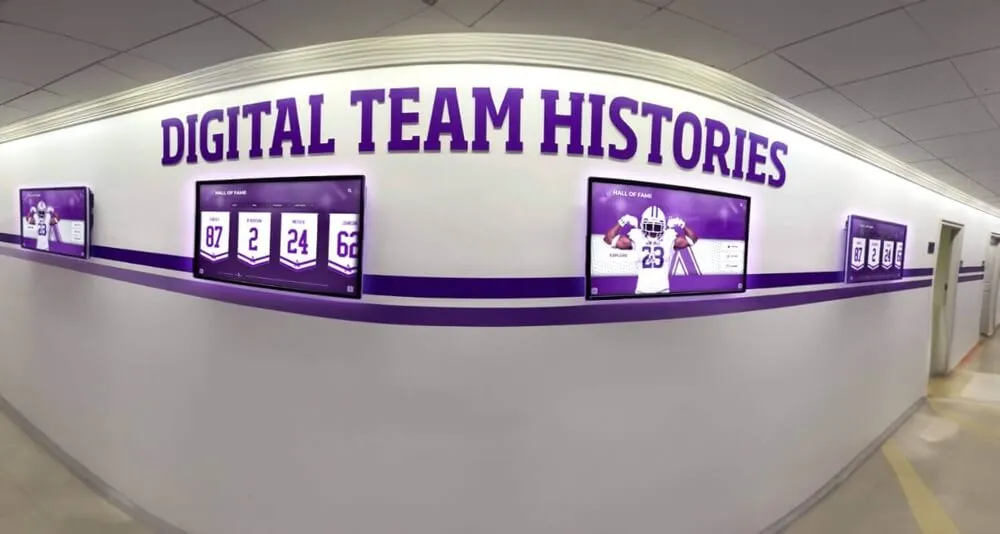
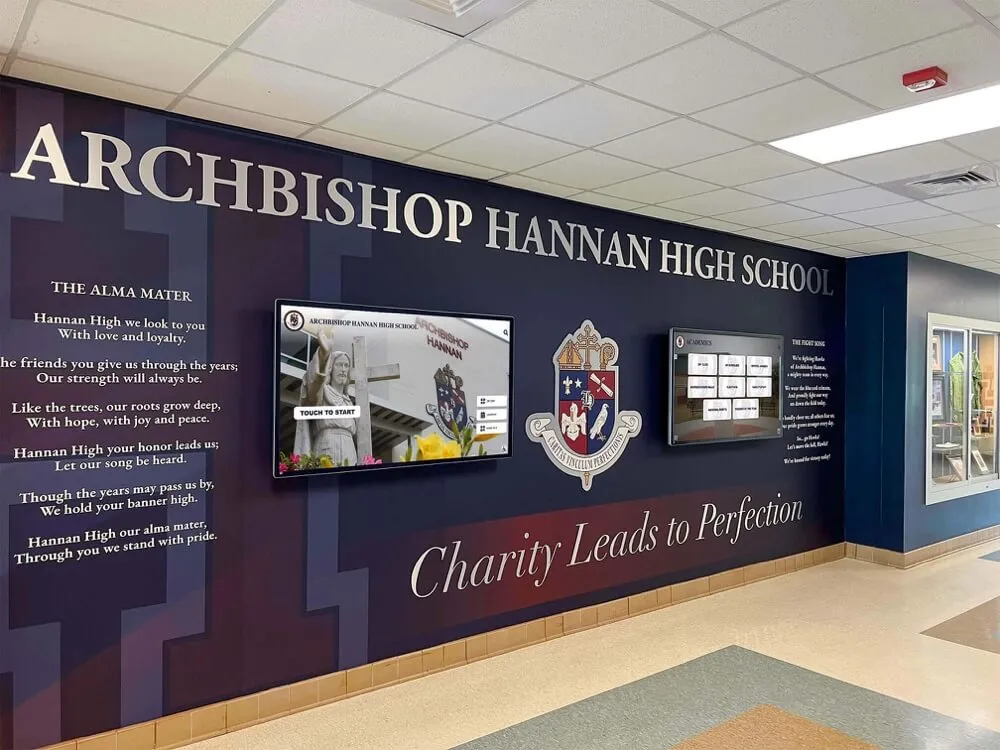
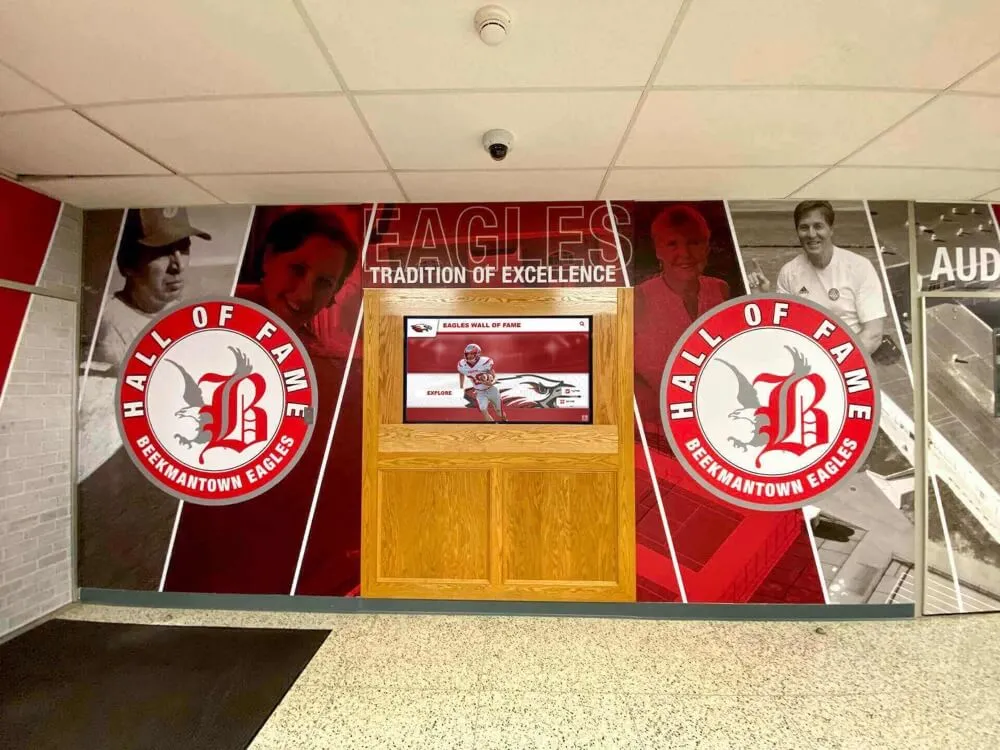
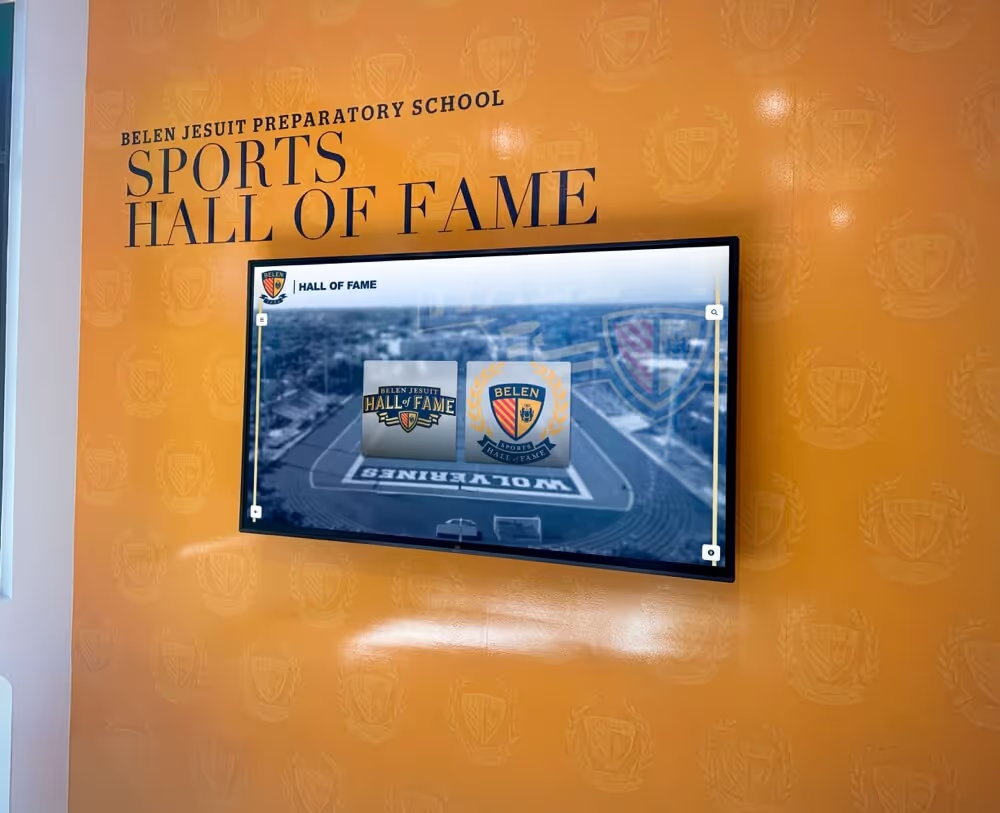
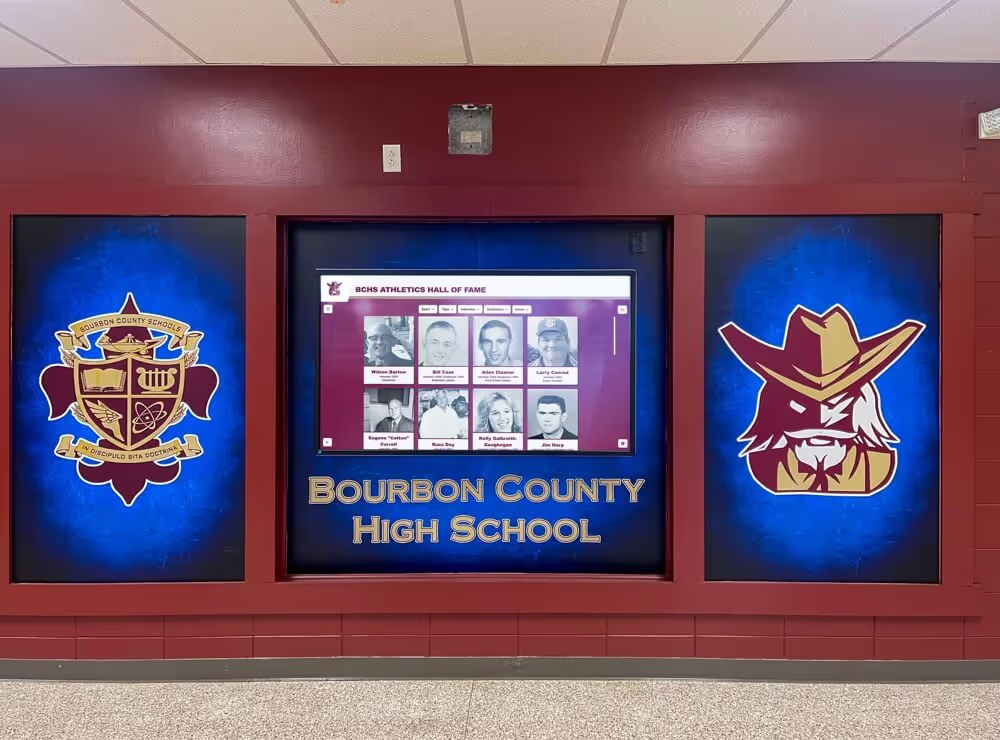
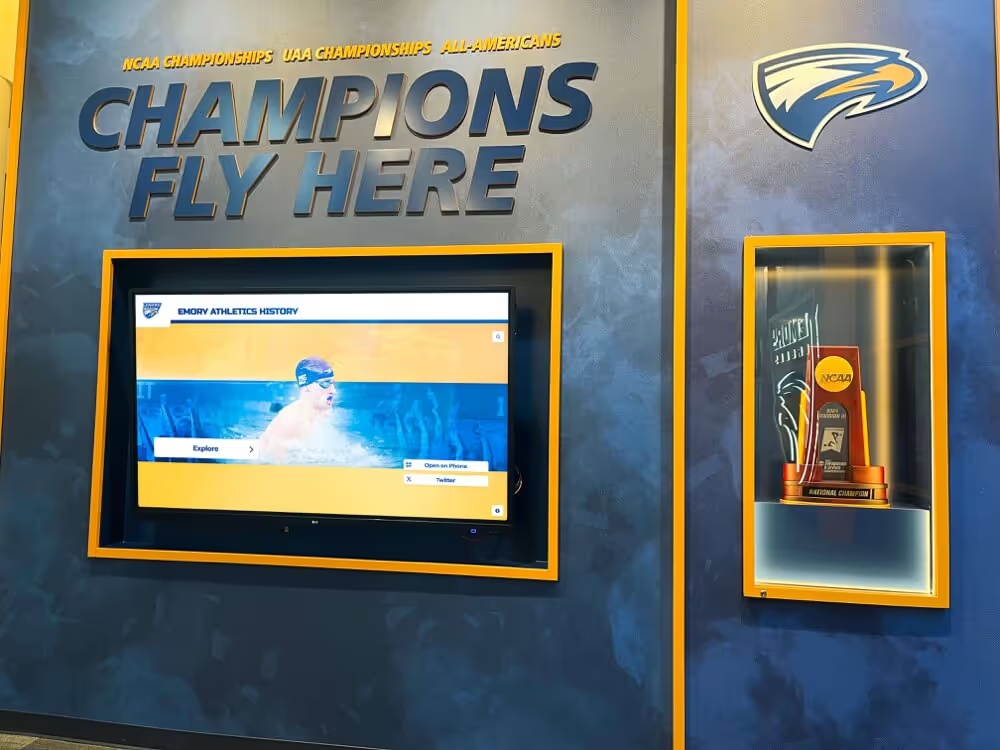
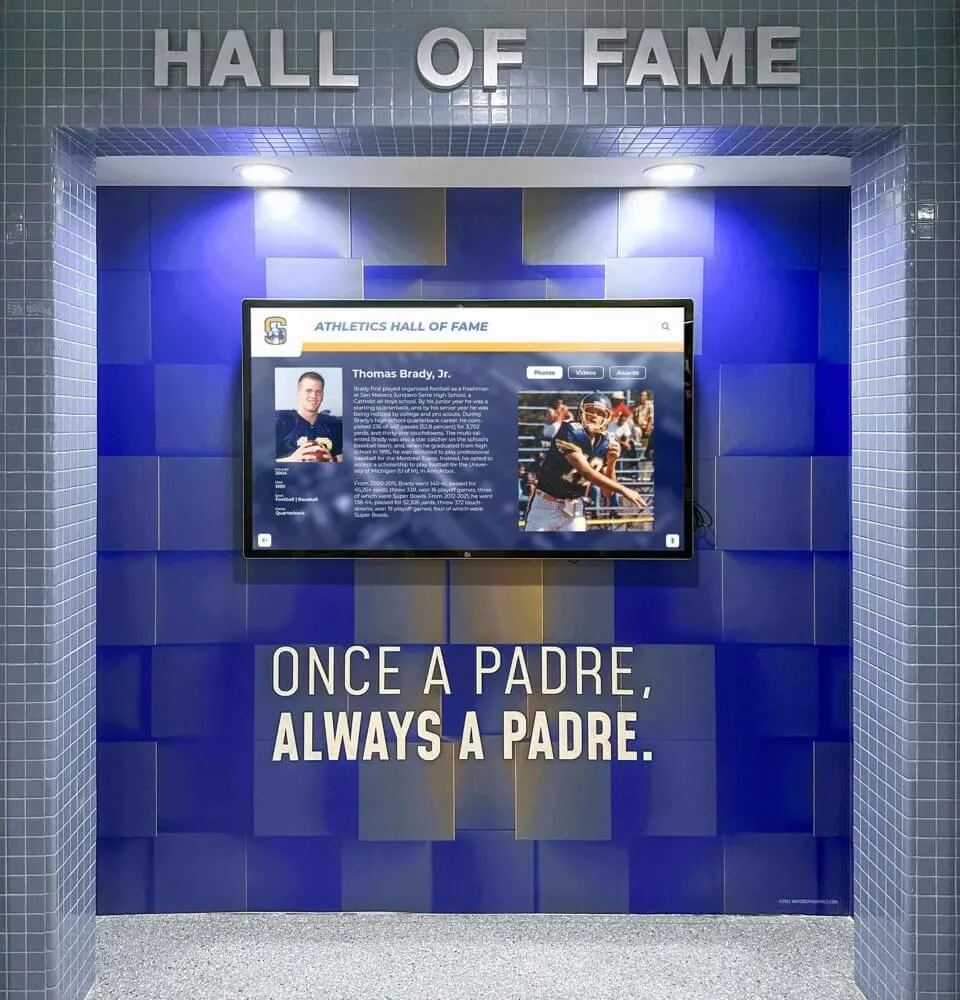
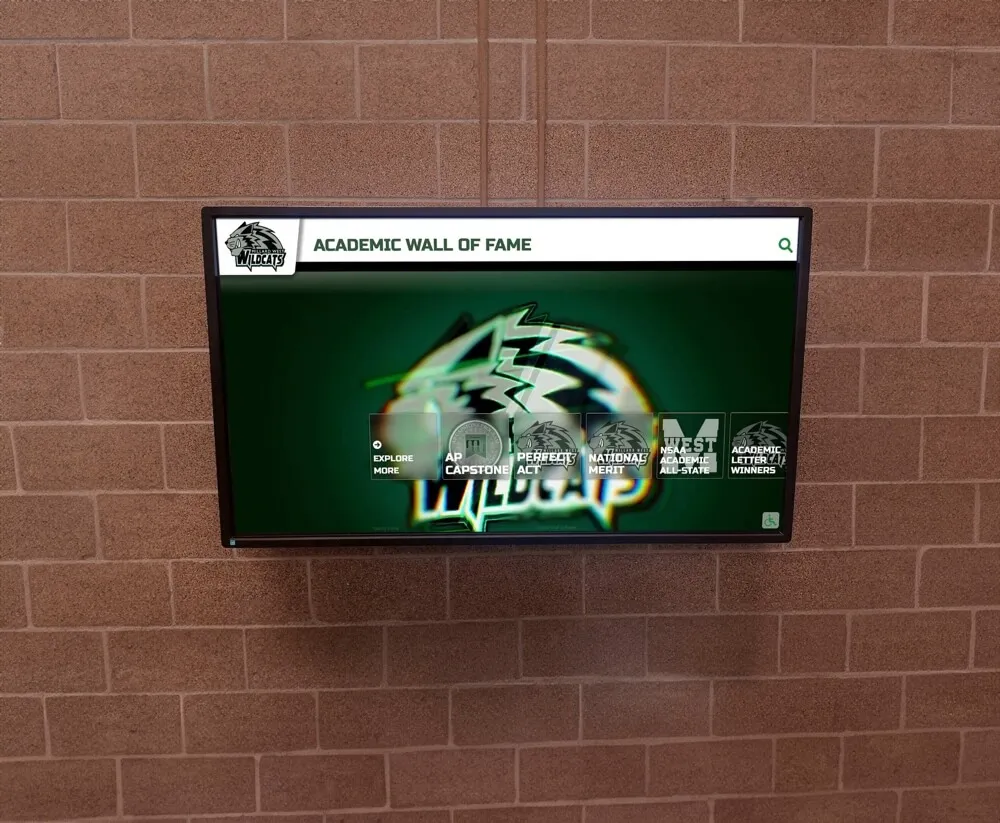
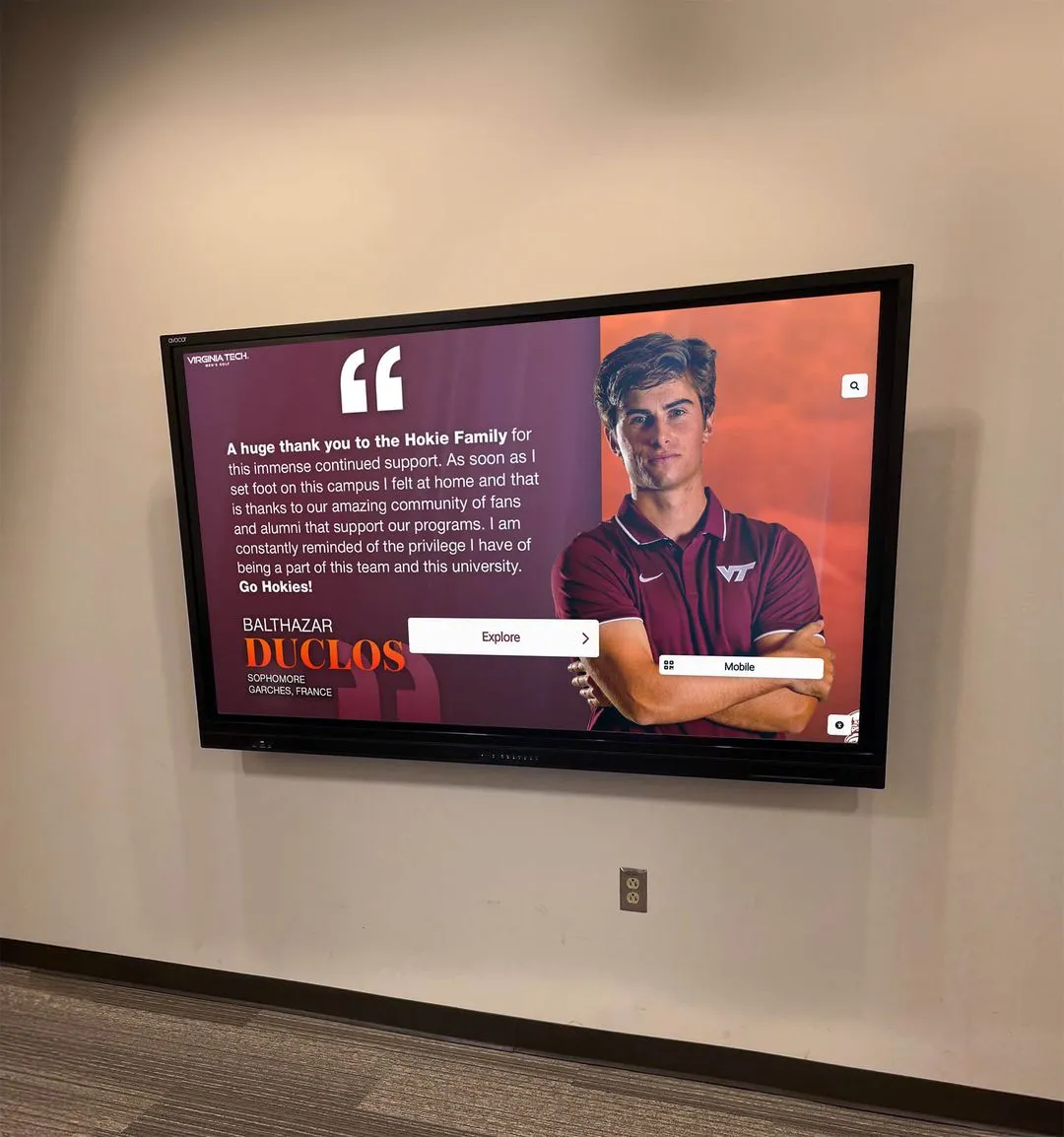
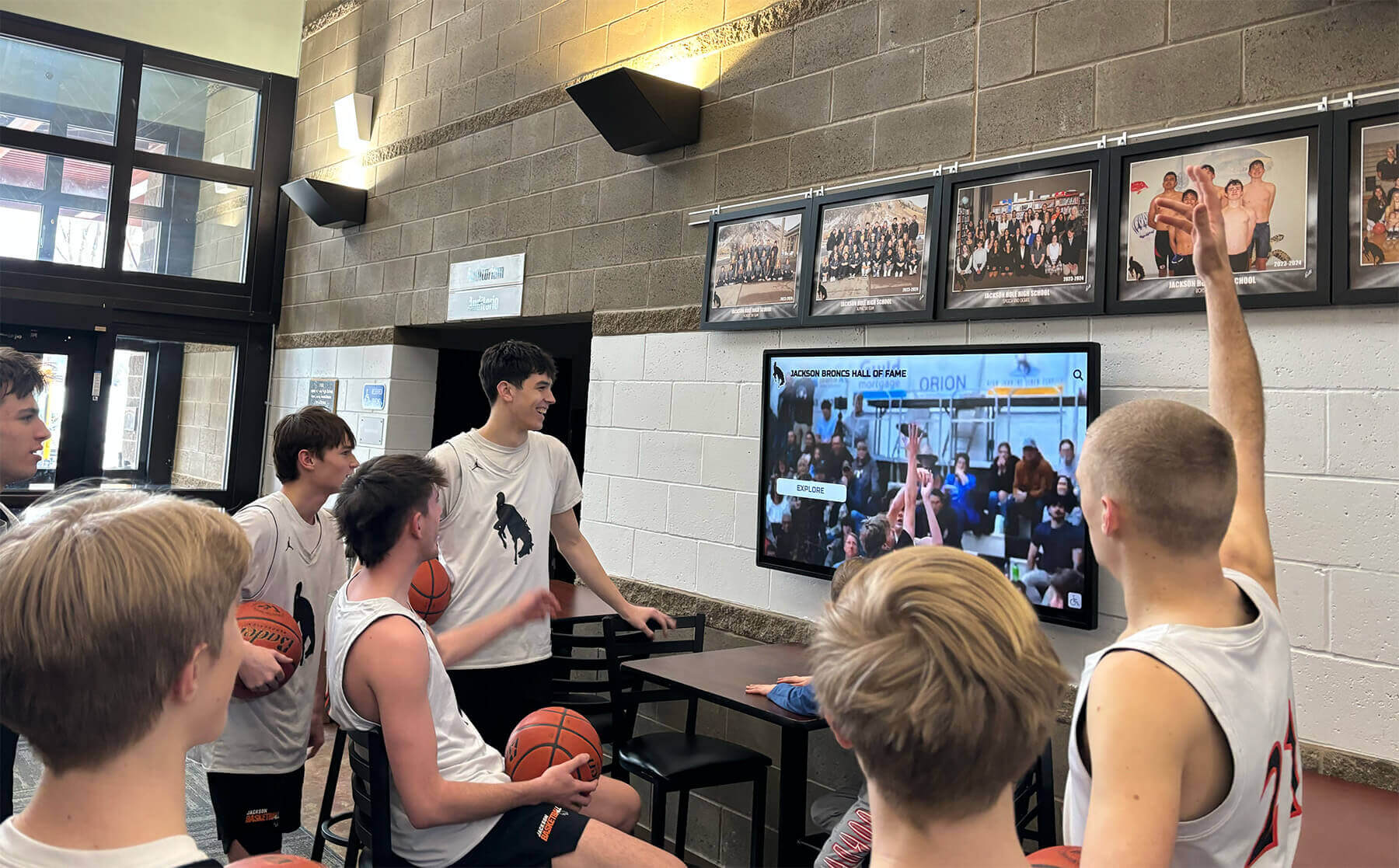
Modern digital displays transform how AAU programs celebrate team achievements and engage young athletes with their program's success stories
Understanding Pennsylvania’s AAU Basketball Landscape
Before implementing showcase displays, AAU programs benefit from understanding the competitive landscape, organizational structures, and unique recognition needs that differentiate youth basketball from school-based athletic programs.
The Growth of AAU Basketball in Pennsylvania
Pennsylvania’s AAU basketball scene has evolved dramatically over the past two decades, growing from scattered club teams to comprehensive year-round development programs offering structured competition across multiple age divisions.
Statewide AAU Program Distribution
Pennsylvania supports thriving AAU basketball communities across distinct geographic regions. Western Pennsylvania programs including Basketball Stars of America and Pro Skills Basketball Pittsburgh serve the greater Pittsburgh metropolitan area, Central Pennsylvania organizations like Team Pennsylvania and Central PA Elite operate throughout the Harrisburg and State College corridors, Eastern Pennsylvania programs including Eastern PA Elite and the Perkasie Knights serve Montgomery and Bucks Counties, and Philadelphia-area organizations provide competitive opportunities for urban youth athletes.
This geographic distribution creates both cooperation and healthy competition among programs, with many teams traveling across regions for tournaments and showcase events throughout spring and summer seasons.
Program Size and Scale Variations
Pennsylvania AAU programs range from boutique organizations fielding 3-4 competitive teams to large-scale operations like the Perkasie Knights, which fields numerous boys and girls teams from grades 4 through 11 across multiple competitive divisions. According to the Perkasie Knights organization, they represent one of the largest AAU basketball clubs on the East Coast after serving Montgomery and Bucks County youth for over 20 years.
This size variation affects recognition needs—smaller programs might effectively showcase all teams on single displays, while large organizations require comprehensive digital solutions accommodating hundreds of athletes across multiple age groups and competitive levels.
What AAU Basketball Achievements Deserve Recognition
Unlike school-based athletics with defined seasons and traditional championship structures, AAU basketball includes diverse achievement categories requiring thoughtful recognition approaches.
Tournament and Competitive Success
AAU teams compete in numerous tournaments throughout spring and summer seasons including regional showcase tournaments where college coaches evaluate talent, national championship events like AAU Nationals or other major tournaments, league championships within structured seasonal play, and invitational tournament victories at various competitive levels.
Each tournament type represents significant achievement deserving appropriate recognition proportional to competitive difficulty and accomplishment significance. Programs should celebrate both championship victories and strong competitive performances that demonstrate team growth and player development.
Player Development Milestones
Beyond team success, individual player achievements warrant comprehensive recognition including college commitment celebrations when players sign with collegiate programs, all-tournament team selections recognizing exceptional individual performances, most valuable player awards from tournaments and showcase events, statistical achievement milestones (1,000 career points, triple-doubles, etc.), and position-specific excellence recognizing players who demonstrate exceptional skill at their roles.
According to Team Pennsylvania, the program has helped over 250 players graduate and continue playing basketball in college—achievements representing tremendous success deserving lasting recognition beyond simple congratulatory posts on social media.
Digital recognition approaches for youth athletes provide frameworks for celebrating individual statistical milestones while maintaining team-focused program culture.
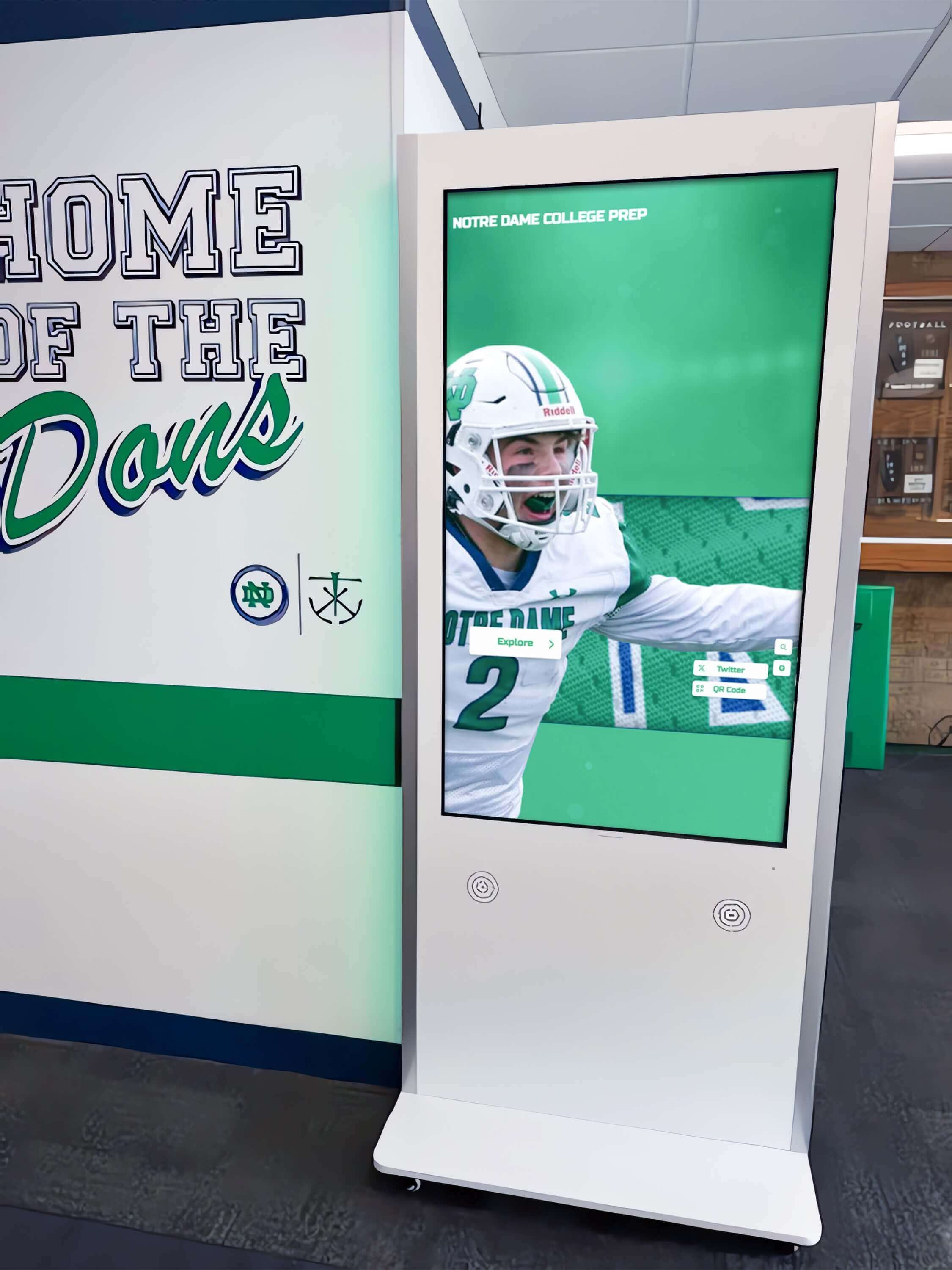
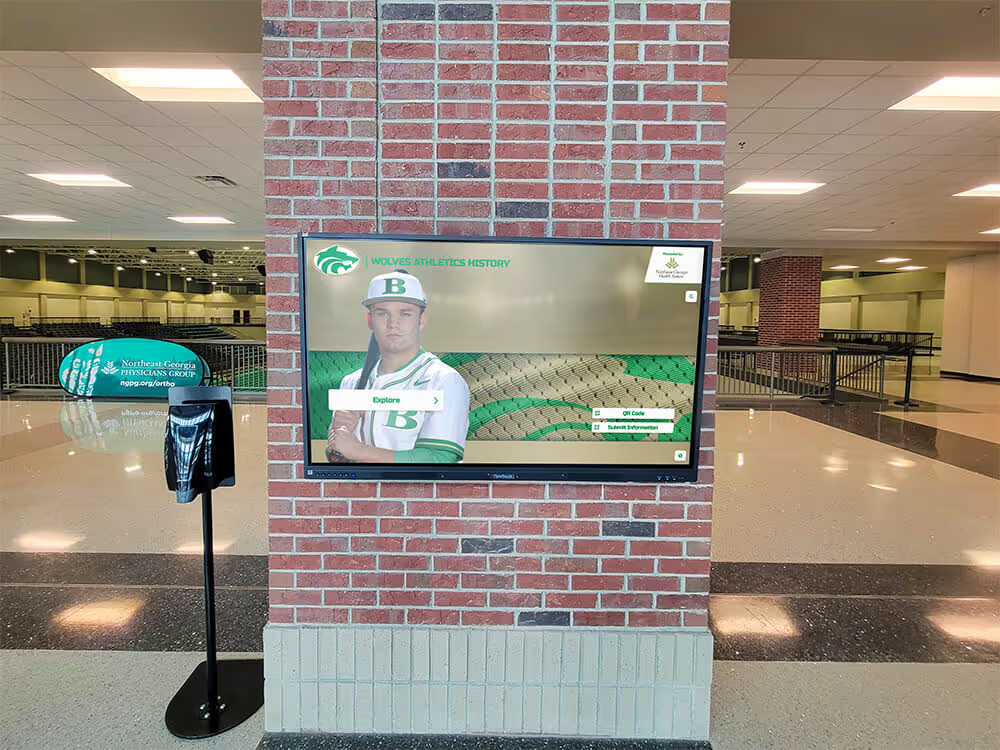
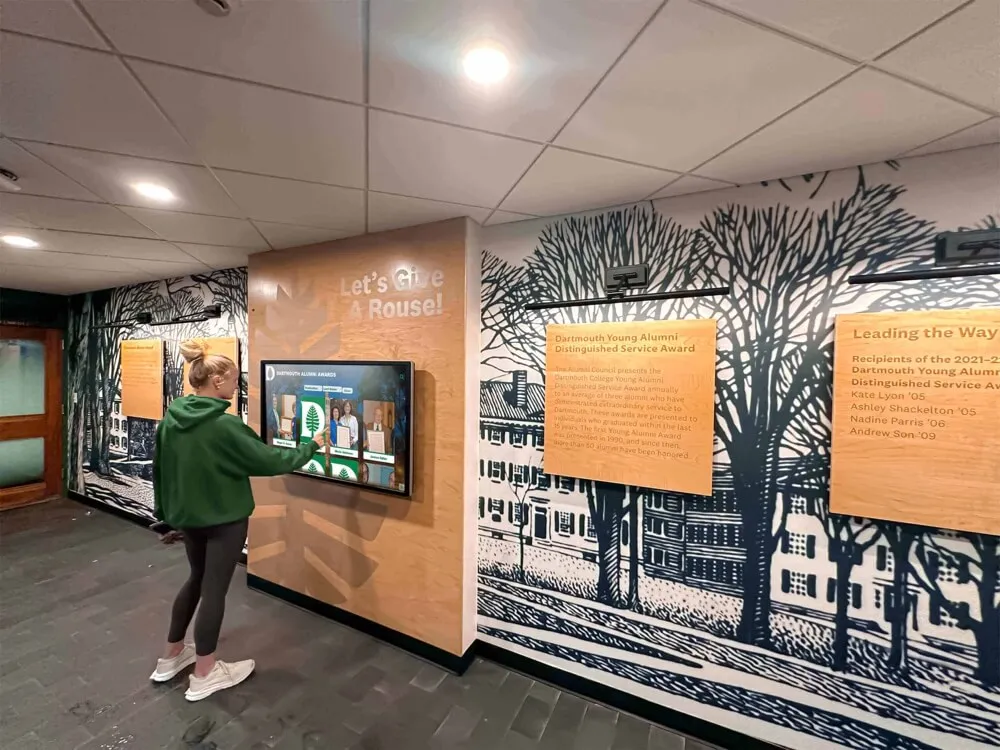
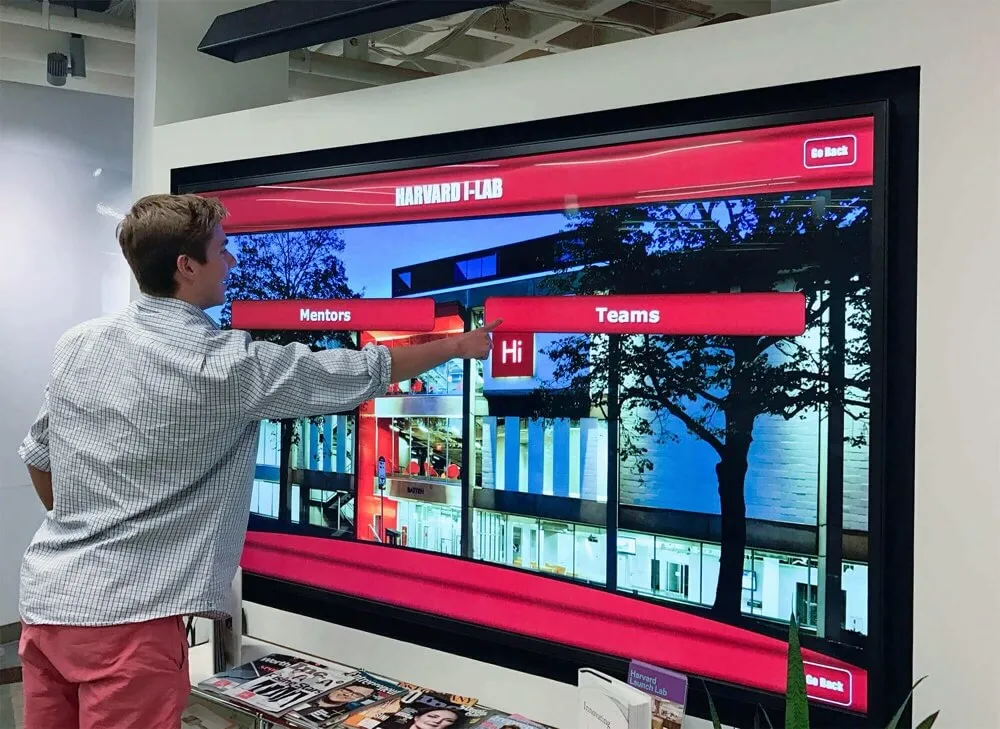
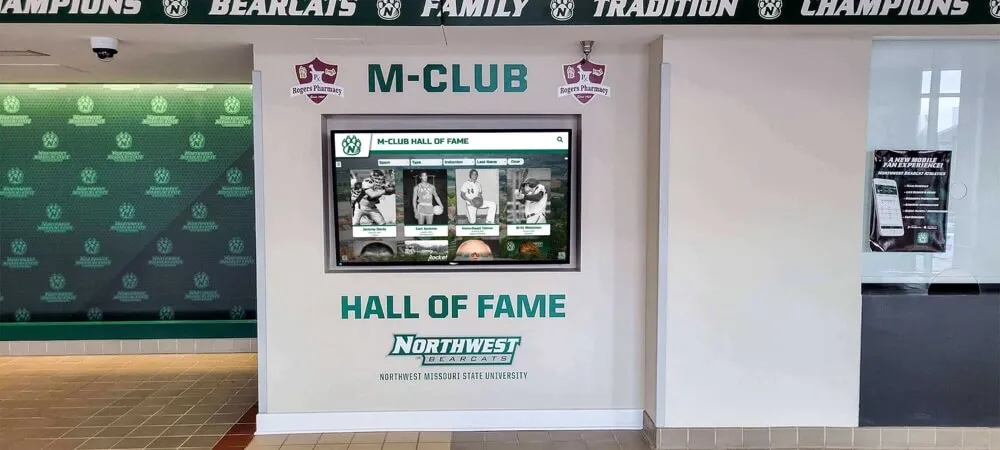
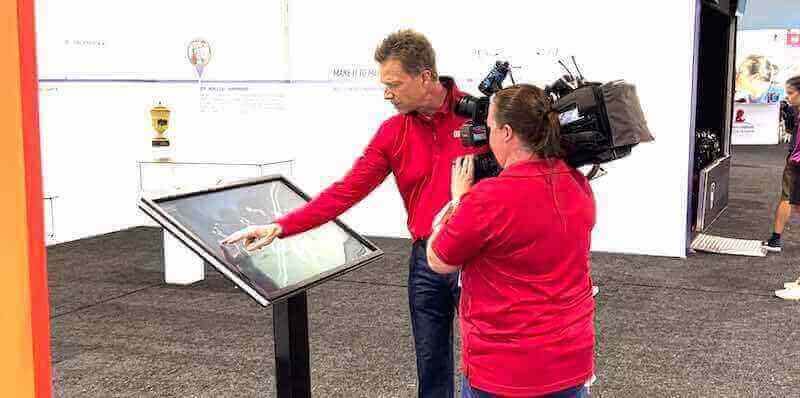
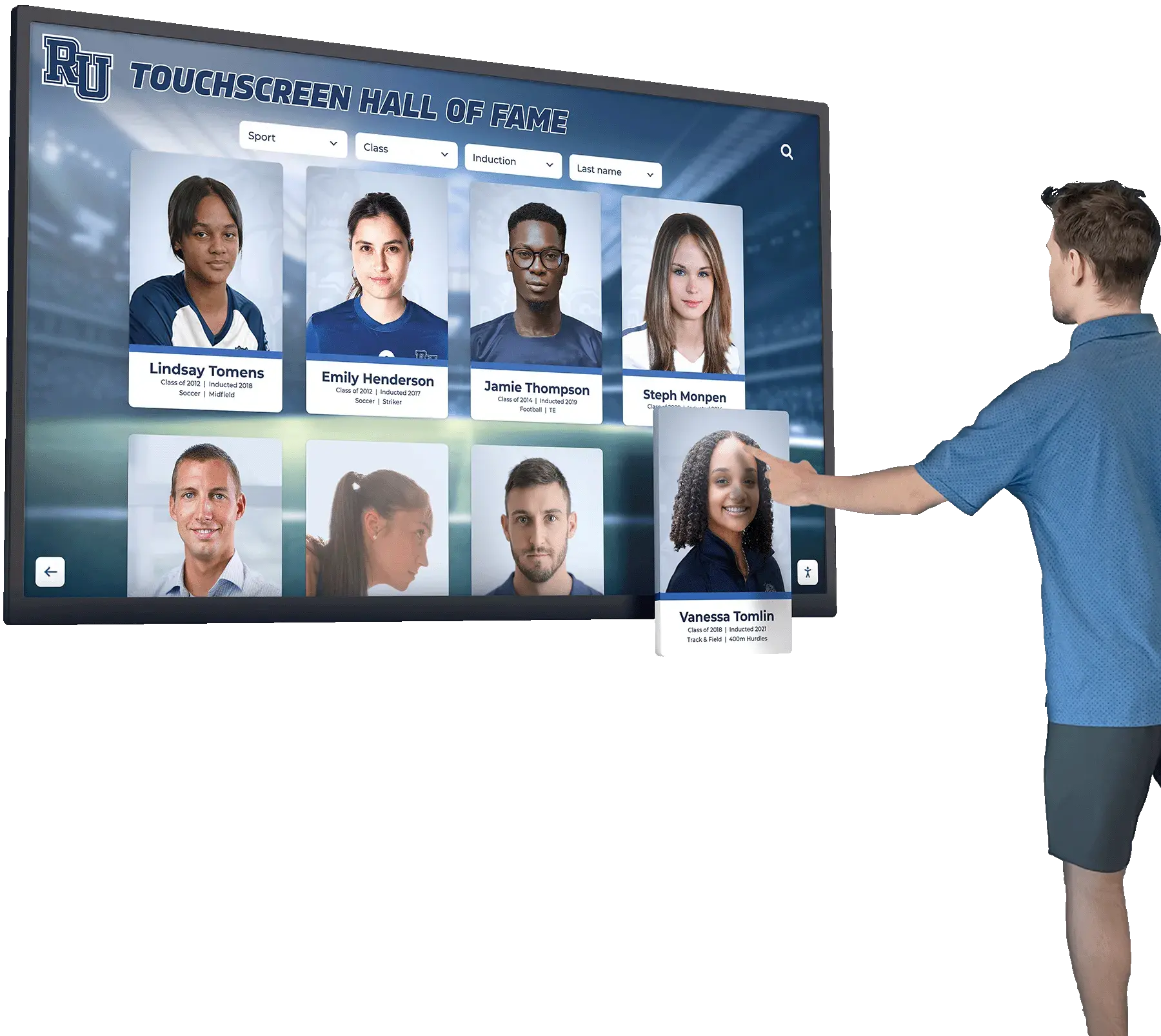
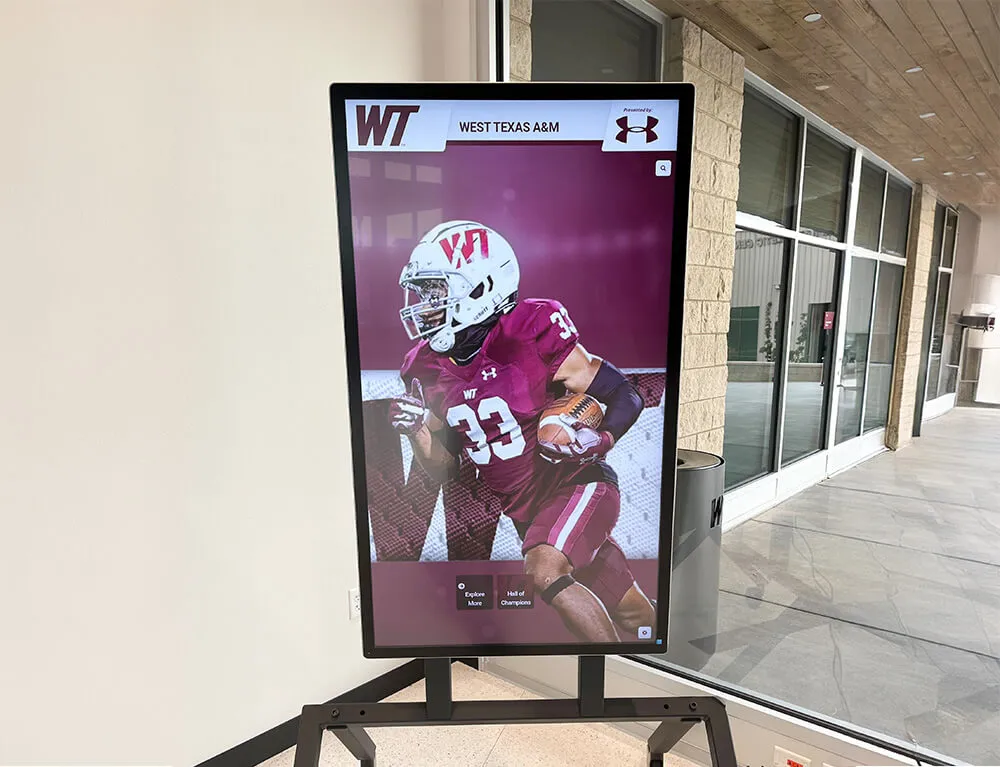
Interactive kiosks enable visitors to explore team rosters, season highlights, and individual player achievements through intuitive touchscreen interfaces
Program Growth and Organizational Milestones
AAU organizations also achieve institutional milestones deserving recognition including program anniversary celebrations, facility expansion or improvement projects, coaching staff achievements and longevity, community service initiatives and impact, and partnerships with schools, recreation departments, or other organizations.
These organizational achievements demonstrate program stability, community commitment, and professional operation—qualities that attract families seeking quality basketball experiences for their children.
Challenges Facing Traditional AAU Recognition Methods
Understanding why conventional recognition approaches struggle helps AAU programs make informed decisions about implementing more effective showcase systems.
Facility and Space Limitations
Many AAU programs operate without dedicated facilities, renting gymnasium space from schools, recreation centers, or sports complexes for practices and home tournaments. This transient nature creates unique recognition challenges.
Lack of Permanent Display Locations
Unlike school athletic programs with dedicated trophy cases in school hallways, AAU organizations often lack consistent physical spaces where recognition displays can remain permanently installed and accessible to families throughout the year. Programs might practice at different gyms depending on rental availability, play home tournaments at neutral venues, hold registration events at community centers or churches, and conduct tryouts at rented facilities.
This facility mobility makes traditional trophy cases impractical while reducing opportunities for families to engage with program history and achievement celebration between practices and games.
Multi-Team Storage Constraints
Large AAU programs fielding teams across multiple age groups quickly accumulate dozens of tournament trophies, championship banners, and awards. Storing these physical items appropriately while maintaining accessibility proves challenging when programs lack dedicated office or storage facilities.
Many programs resort to storing trophies in coaches’ homes, keeping awards in cardboard boxes between seasons, or limiting display to whatever fits in directors’ vehicles when transported to tournament sites—approaches that fail to honor achievements appropriately or leverage recognition for program marketing and engagement.

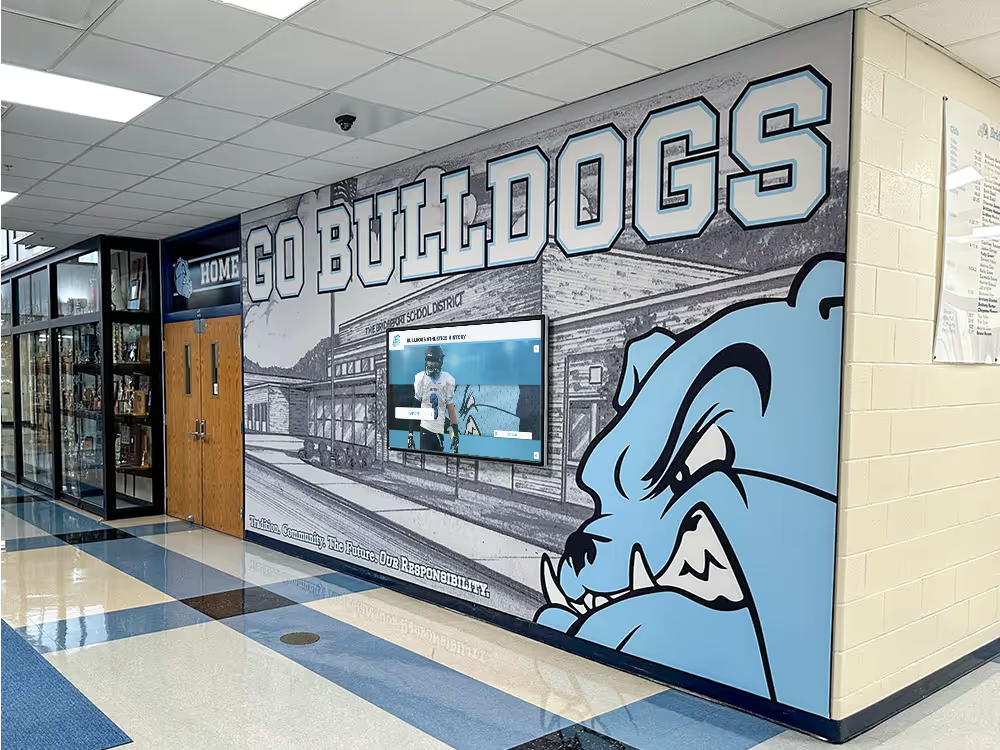
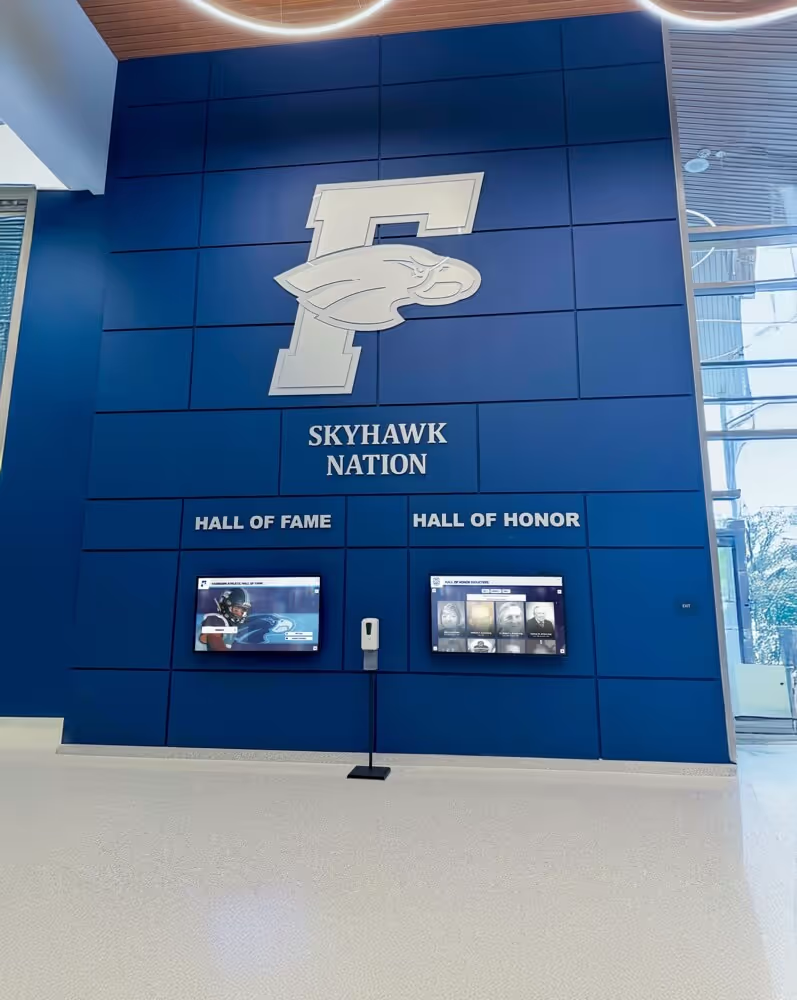
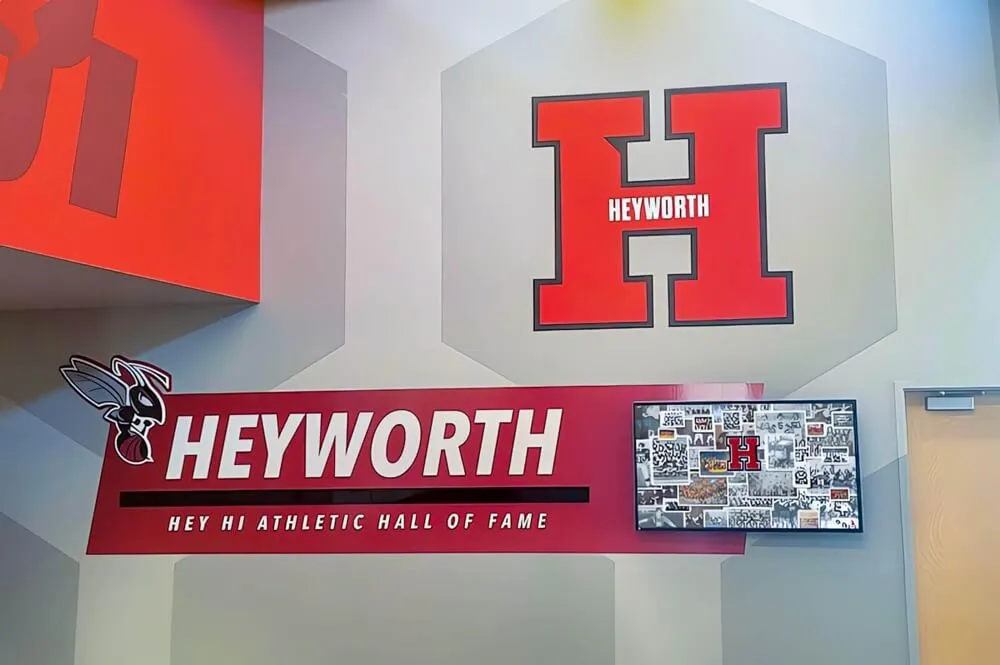
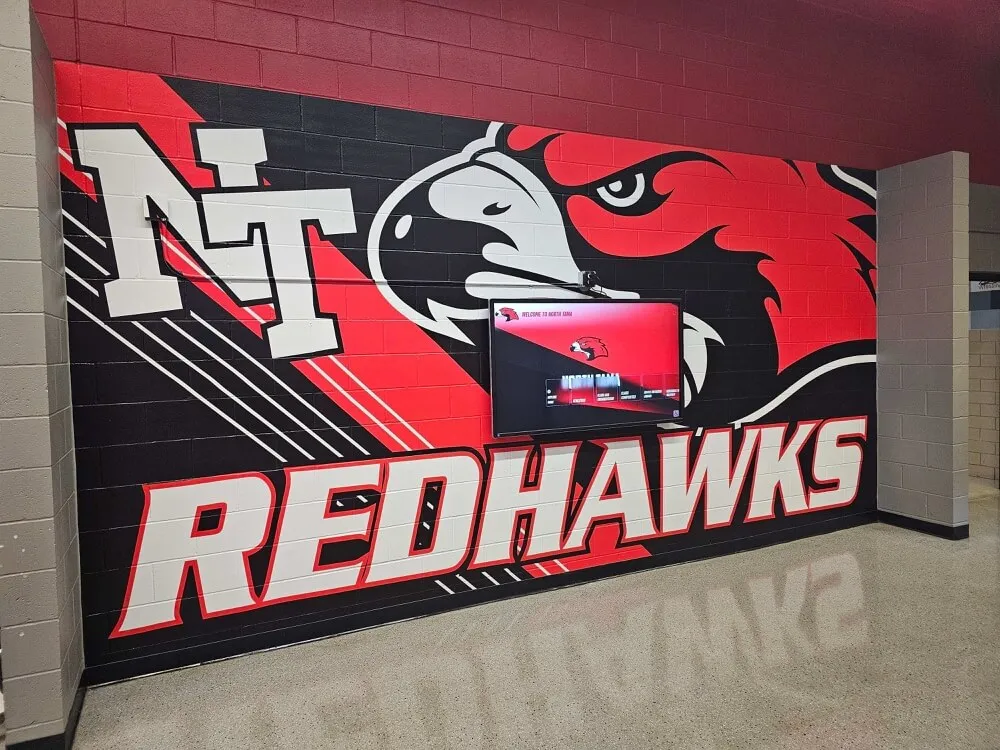
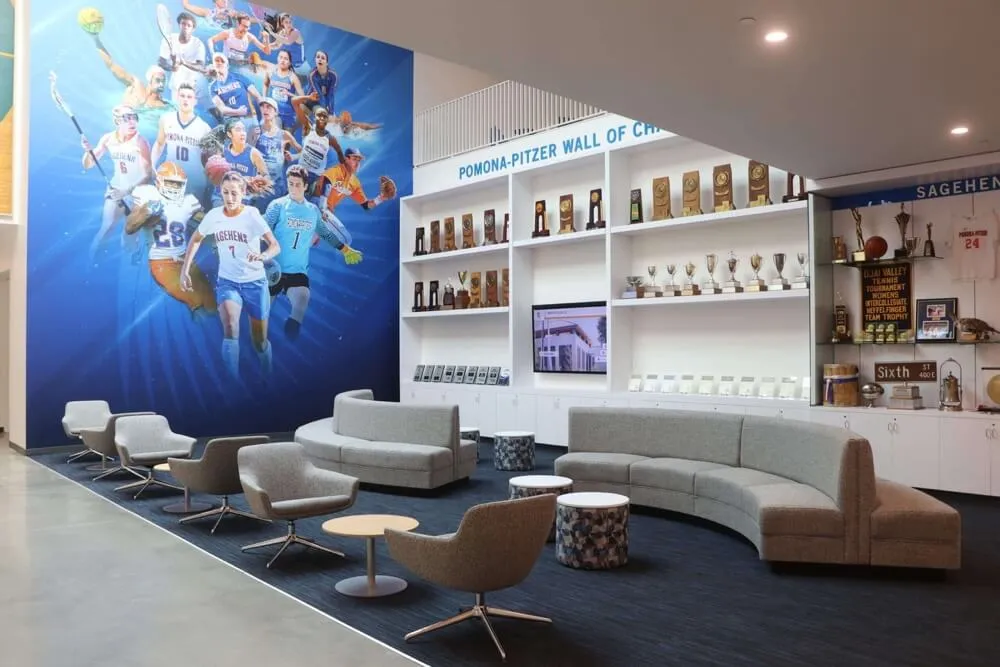
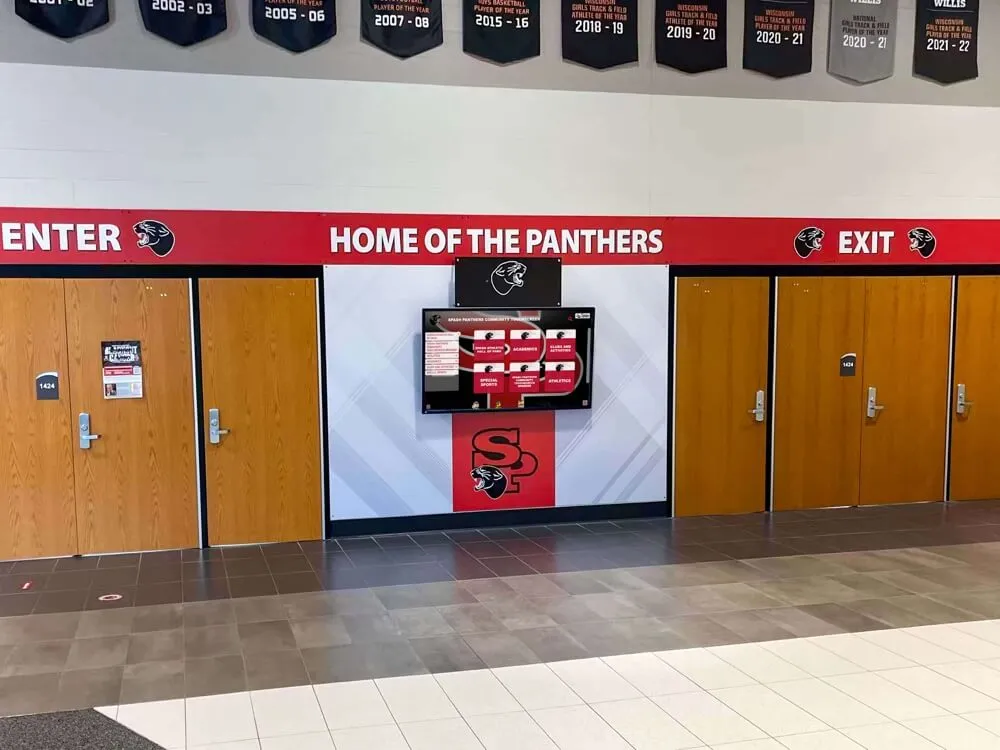
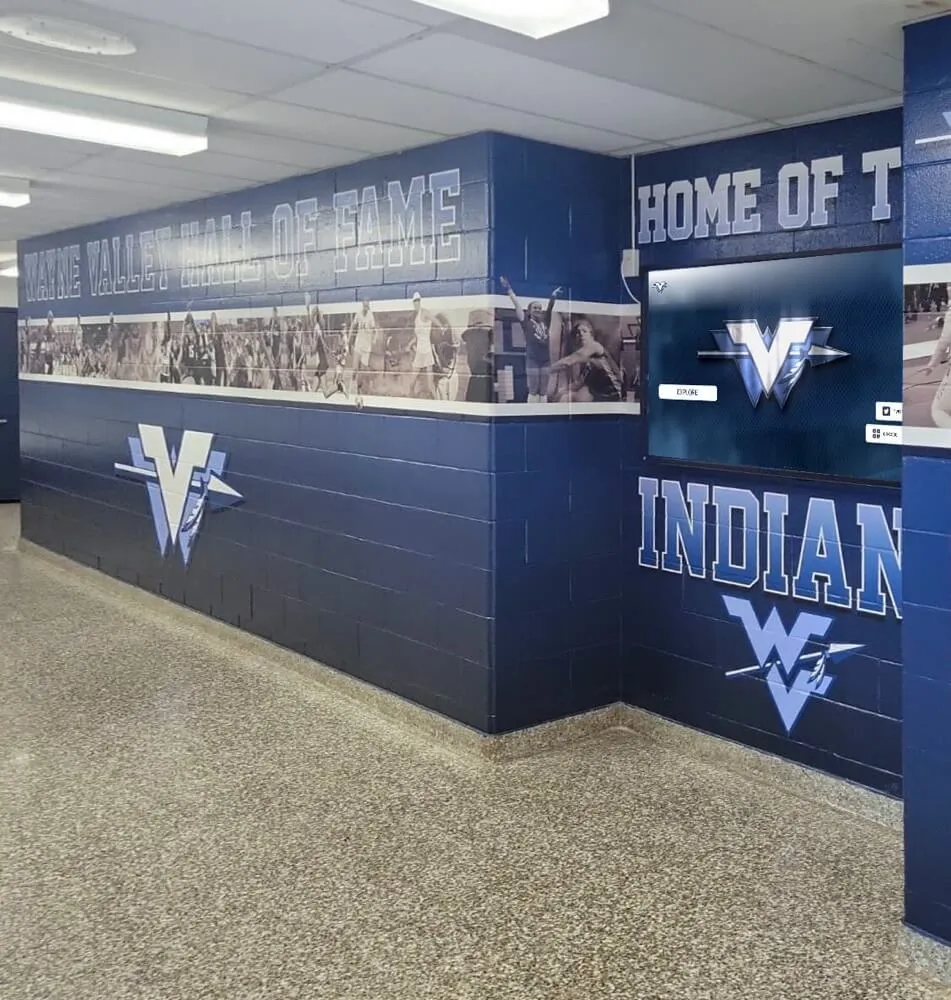
Permanent recognition installations create lasting visibility for program achievements throughout facilities where young athletes gather
Limited Recognition Visibility and Accessibility
Even AAU programs with stable practice facilities struggle to make recognition consistently visible and accessible to stakeholder communities.
Minimal Family Engagement Opportunities
Parents typically interact with AAU programs during brief practice drop-offs and pick-ups, weekend tournaments, and occasional team events. These limited touchpoints reduce opportunities for families to explore program history, understand organizational achievements, or connect their child’s participation with broader program tradition.
Traditional recognition formats like printed banners displayed at tournaments provide momentary visibility but disappear immediately afterward, while social media posts celebrating achievements quickly scroll past in busy feeds and remain inaccessible to families who don’t actively follow program accounts.
Prospective Family Recruitment Challenges
AAU programs constantly recruit new players during annual tryout periods, competing with other organizations for talented athletes. Demonstrating program quality, competitive success, and college placement track records becomes essential differentiation during recruitment.
However, without accessible recognition showcasing team achievements, individual player success stories, and organizational milestones, programs rely primarily on coach reputation and word-of-mouth rather than visual evidence systematically demonstrating program excellence and results.
Content Management and Update Difficulties
AAU programs operate with volunteer coaches and limited administrative support compared to school athletic departments with dedicated staff. This resource constraint affects recognition program sustainability.
Volunteer-Dependent Recognition Efforts
Most AAU organizations depend on volunteer coaches, parent board members, and director time for administrative tasks including recognition content creation. Creating traditional physical displays requires gathering photos, designing layouts, producing prints, purchasing frames or display materials, and coordinating installation—work that proves time-consuming for already-stretched volunteers juggling full-time jobs alongside AAU commitments.
These demands often mean recognition projects receive good intentions but incomplete execution, with recognition efforts started enthusiastically but abandoned when tournament schedules, practice coordination, and other pressing needs consume available volunteer time.
Outdated Recognition Content
When AAU programs do implement physical recognition displays, keeping content current across multiple teams and age groups requires sustained effort. New tournament victories must be added regularly, graduated players should be updated with college commitments, team rosters change annually requiring roster board updates, and coaching staff transitions need reflection in staff recognition.
Without easy update mechanisms, recognition displays quickly become outdated—creating negative impressions that program operations are disorganized or that recent achievements receive less importance than historical accomplishments.
Digital Showcase Solutions for PA AAU Basketball Programs
Modern digital recognition platforms address traditional limitations while creating engaging experiences that strengthen program culture, support recruitment, and honor player development appropriately.
Cloud-Based Recognition Management
Digital recognition systems built on cloud-based content management platforms enable AAU programs to maintain comprehensive, current showcase content without the physical installation and update burdens that overwhelm volunteer-dependent organizations.
Accessible Content Management from Anywhere
Solutions like Rocket Alumni Solutions provide web-based administrative interfaces accessible from any internet-connected device, requiring no specialized software installation, enabling authorized staff to manage content from home, work, or tournament sites, supporting multiple administrators with appropriate permission levels, and automatically backing up content preventing loss even if devices fail.
This accessibility proves essential for AAU organizations where recognition responsibilities might be shared among coaches managing specific age divisions, parent volunteers supporting administration, program directors providing oversight, and communications staff handling social media and marketing.
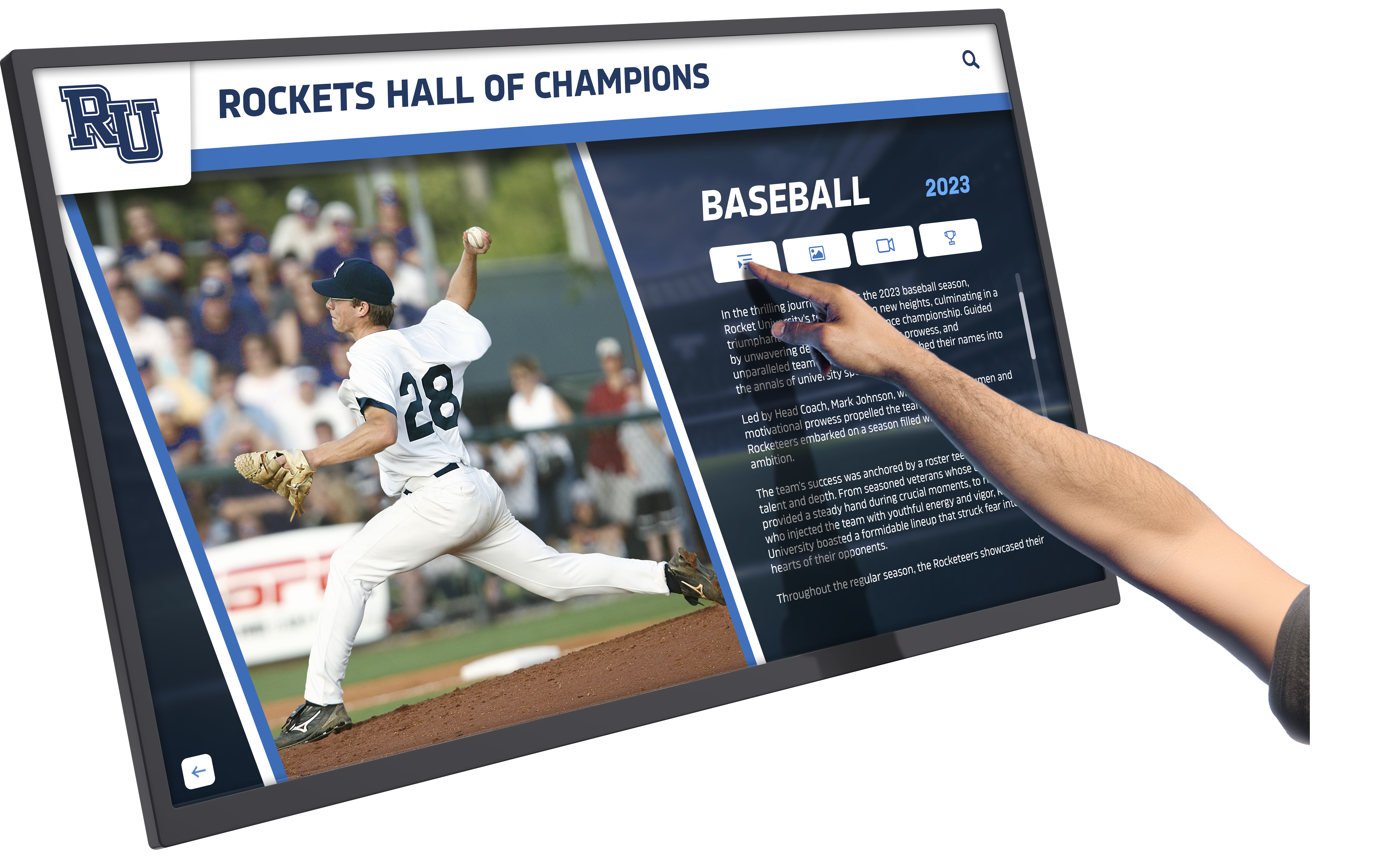
Intuitive content management systems enable non-technical volunteers to create professional recognition profiles for teams and individual players
Instant Updates Without Physical Reinstallation
When AAU teams win tournaments, players earn individual honors, or athletes commit to colleges, cloud-based systems enable immediate recognition updates. Administrators upload new content through simple web forms, changes appear on displays within minutes without physical access to hardware, and recognition timing maximizes impact while achievements remain fresh and exciting.
This rapid update capability transforms recognition from laborious projects requiring weeks of preparation to dynamic celebrations happening in real-time as achievements occur—significantly increasing motivation and engagement impact for young athletes who see their accomplishments honored immediately rather than eventually.
Scheduled Publishing for Strategic Timing
Advanced digital platforms enable content preparation well ahead of publication dates with scheduled releases timed to specific events. AAU programs can prepare end-of-season recognition content during final tournaments but schedule publication for season-ending banquets, create college commitment announcements immediately after player decisions but time releases to signing day ceremonies, pre-load anniversary content celebrating program milestones for publication on actual anniversary dates, and coordinate recognition releases with registration period openings to support recruitment marketing.
This scheduling capability ensures recognition maximizes strategic value rather than happening whenever volunteers find time for updates.
Unlimited Recognition Capacity
Digital platforms eliminate physical space constraints that force AAU programs to choose which achievements receive display priority and which remain in storage or unrecognized.
Comprehensive Multi-Team Coverage
Large AAU organizations fielding teams across elementary, middle school, and high school age groups can showcase every team comprehensively regardless of program size. Single digital displays accommodate detailed profiles for all teams across all age divisions, complete rosters with individual player information, season schedules and tournament results, coaching staff recognition for all teams, and historical archives preserving recognition across multiple years.
This unlimited capacity ensures younger age division teams receive recognition equal to elite high school teams, demonstrating organizational commitment to all players regardless of competitive level—important messaging for family-focused youth sports programs.
Individual Player Recognition at Scale
Beyond team achievements, digital systems provide space for comprehensive individual player recognition including player profiles with photos, positions, and biographical information, statistical achievement tracking across seasons and career totals, college commitment celebrations with destination school information, personal statements about basketball journeys and goals, and photo galleries documenting player progression over multiple seasons.
Programs like Team Pennsylvania that have helped hundreds of players reach collegiate basketball can appropriately honor these individual success stories rather than reducing college placements to simple lists lacking faces, context, or celebration worthy of life-changing achievements.
Learn about comprehensive athletic hall of fame approaches that balance team and individual recognition effectively.
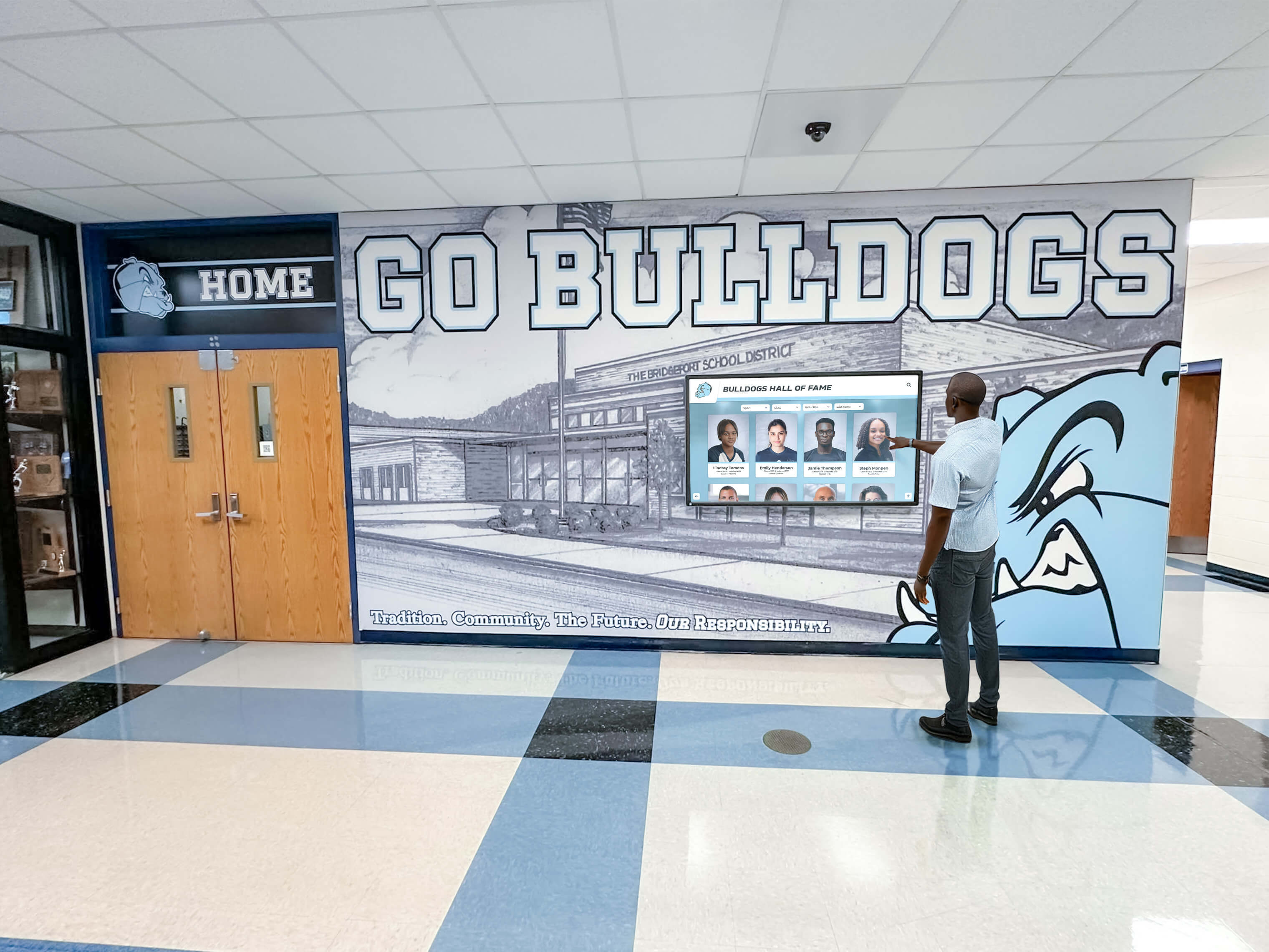
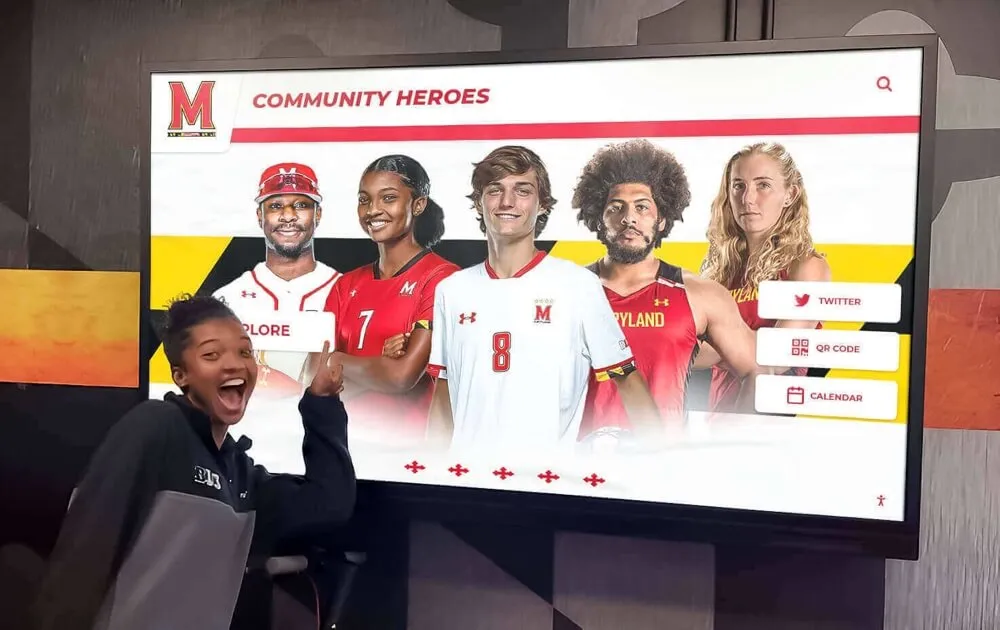
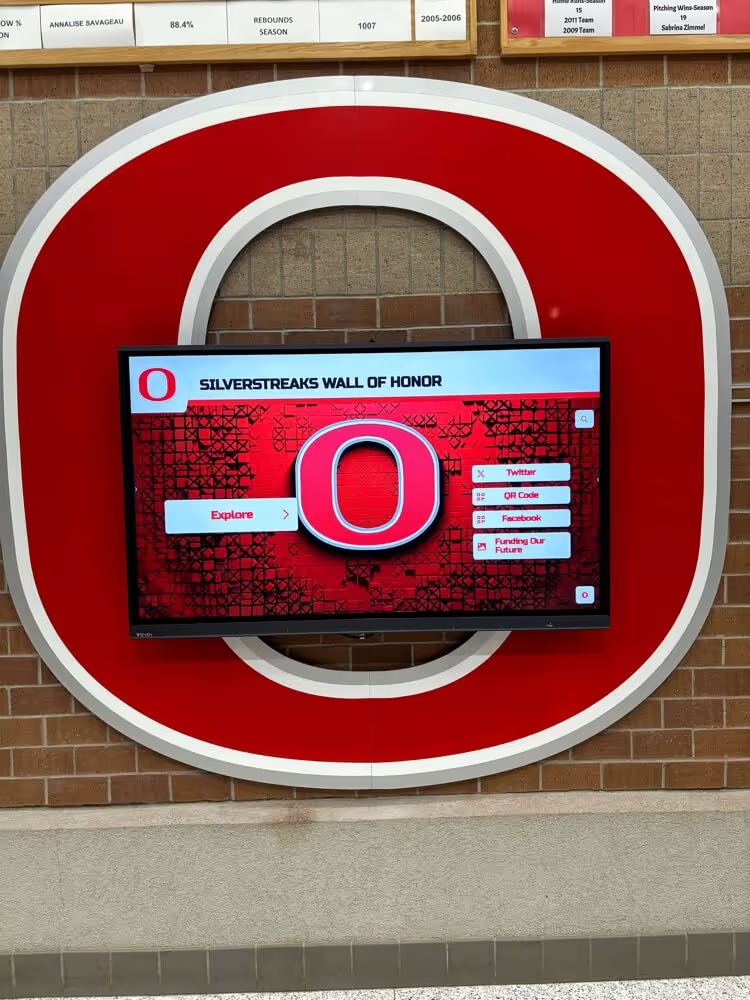
Searchable databases enable families and players to quickly find specific teams, seasons, or individual athletes through intuitive filtering and search functions
Interactive Engagement Features
Digital recognition transforms passive trophy case viewing into active exploration where visitors control their own experience based on personal interests.
Searchable Team and Player Databases
Interactive systems enable visitors to search by team name finding specific age divisions and seasons quickly, filter by year or tournament to locate particular competitive periods, search player names to find sons, daughters, siblings, or friends, explore coaching staff across multiple seasons and teams, and discover statistical leaders across various performance categories.
This searchability proves particularly valuable during AAU tryout periods when prospective families research program history and competitive success, team events and banquets when players explore their own recognition, registration nights when new families learn about organizational achievements, and alumni visits when former players return to see how programs have grown.
Multimedia Content Integration
Digital platforms support rich media impossible for traditional trophy cases including tournament highlight videos showing key plays and defining moments, team photography galleries documenting seasons comprehensively, player interview clips providing personal perspectives on development, statistical visualizations illustrating season performance and trends, and interactive timelines documenting season progression from tryouts through championship tournaments.
Video content creates emotional connections that trophy displays and name plaques cannot achieve while providing entertainment value that encourages extended engagement with recognition content rather than brief glances at static displays.
Multiple Exploration Pathways
Unlike linear trophy cases forcing all viewers through identical experiences, interactive recognition enables personalized navigation based on individual interests. Young players might explore elite teams they aspire to join eventually, parents focus on their children’s specific teams and seasons, prospective families research competitive success and college placement rates, alumni navigate to their own playing eras and teammates, and community supporters enjoy tournament highlights and championship celebrations.
This personalization dramatically increases engagement because content matches viewer interests rather than assuming one-size-fits-all approaches appropriate for all stakeholder groups.
Implementing AAU Team Showcase Systems
Successful digital recognition requires thoughtful planning, systematic content development, and sustainable management processes ensuring programs achieve long-term success rather than technology implementations that languish from incomplete execution.
Planning Phase: Assessing Needs and Setting Goals
Clear planning establishes recognition programs aligned with organizational priorities while remaining achievable within available volunteer capacity and budget resources.
Organizational Assessment and Goal Definition
Begin by evaluating current recognition approaches and identifying specific gaps recognition systems should address. Consider questions including what teams and achievements currently receive recognition and what remains uncelebrated, how recognition supports or could better support recruitment and retention goals, whether current approaches effectively engage families and build program community, what recognition would mean most to players at various age levels, and what volunteer capacity exists for ongoing recognition content management.
Survey stakeholders including current players, parents, coaches, alumni, and board members about recognition priorities and preferences. This input ensures systems serve genuine community needs rather than implementing technology for its own sake without addressing actual engagement or motivation challenges.
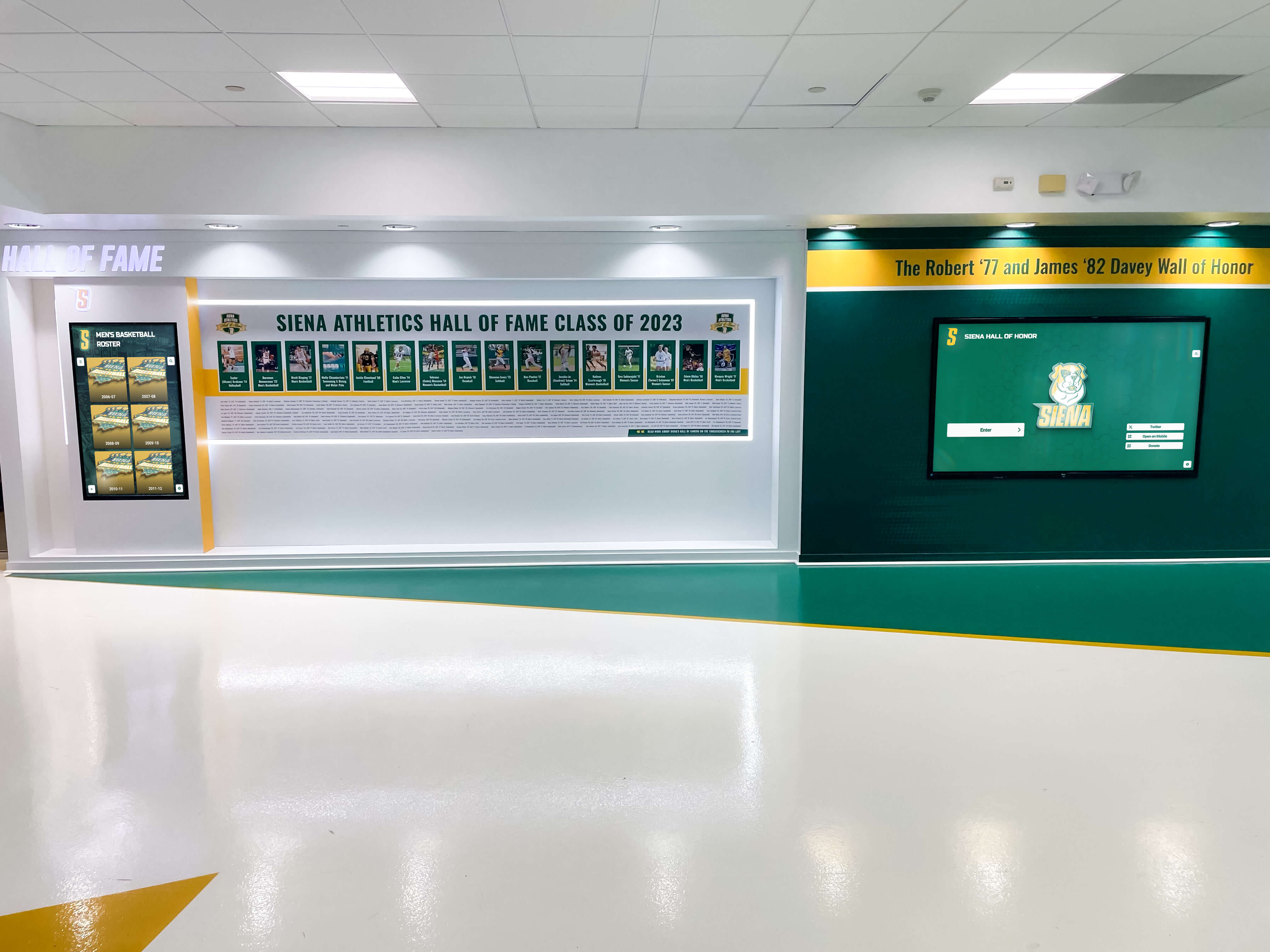
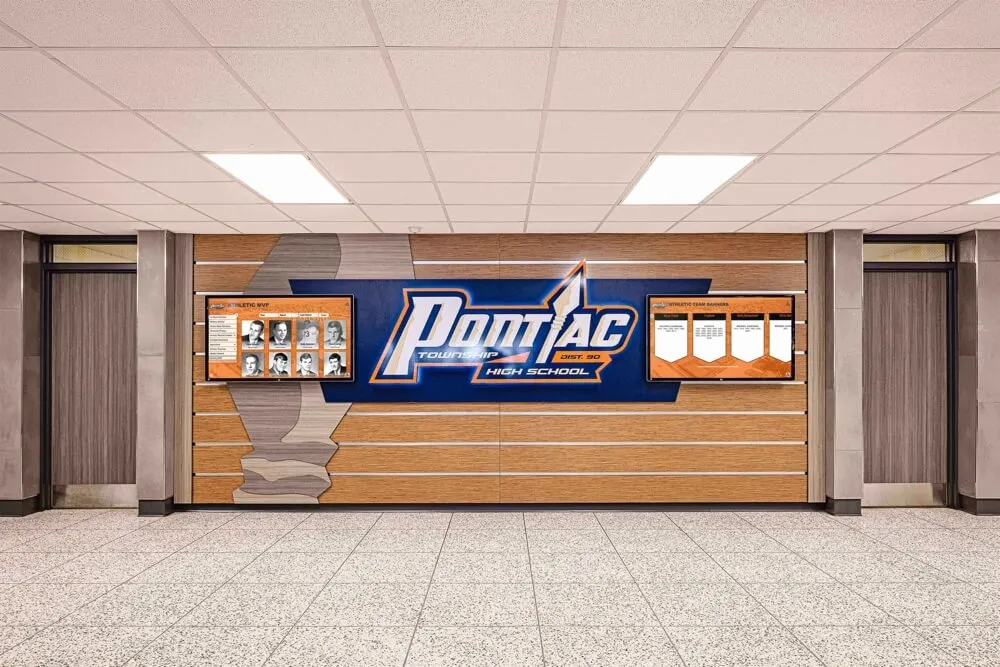
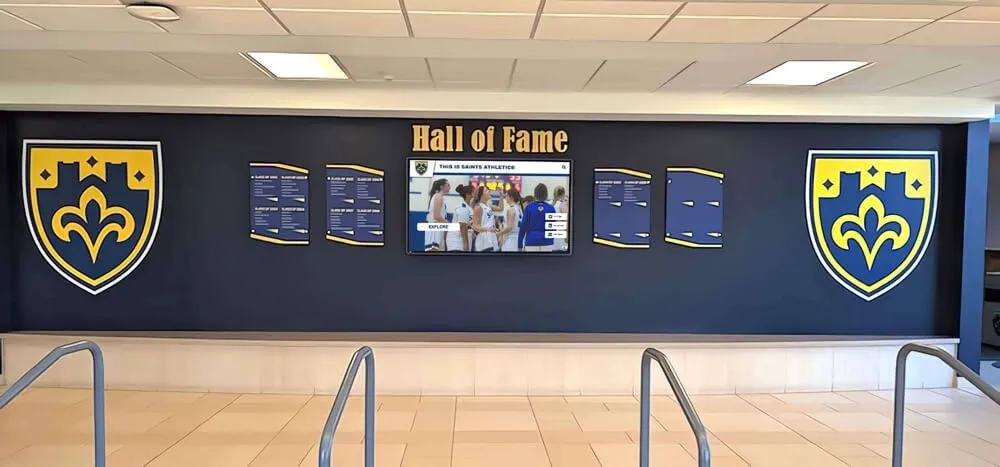
Professional recognition installations signal program quality and organizational commitment to celebrating player achievements appropriately
Determining Recognition Scope
Decide whether recognition will cover complete organizational history or start from specific seasons, include all age divisions or focus initially on competitive elite teams, showcase individual player achievements alongside team recognition, incorporate coaching staff and volunteer recognition, and function as standalone basketball displays or integrate with broader organizational communications.
Starting with manageable scope that can expand over time often proves more successful than attempting comprehensive recognition immediately before sustainable management processes are established. Many programs begin by showcasing their most competitive teams with plans to add younger divisions systematically each season as content management workflows become routine.
Hardware Considerations for AAU Programs
AAU organizations face unique hardware challenges related to facility access and installation permissions requiring creative solutions.
Display Location Options
Ideal recognition placements include dedicated practice facility lobbies or entrance areas if programs rent or own consistent spaces, registration and administrative office locations where families interact during signup periods, tournament sites for programs hosting regular events at specific venues, and partnership locations with schools, recreation departments, or community centers supporting programs.
Programs without stable facility access might consider web-based recognition as primary platforms supplemented by portable displays transportable to tournaments and events, partnership opportunities where supporting organizations provide installation locations, or strategic investments in dedicated training facilities providing permanent homes for physical recognition displays.
Mobile and Temporary Display Solutions
AAU programs operating in multiple rented facilities might benefit from portable recognition solutions including tablet-based displays using kiosk stands transportable between locations, rolling display units that move easily between storage and event setups, and QR code marketing materials linking to web-based recognition accessible via smartphones.
While portable solutions sacrifice the permanent visibility ideal for recognition impact, they enable programs without facility control to implement professional digital recognition rather than abandoning showcase efforts due to space limitations.
Explore trophy case capacity planning strategies that apply to youth sports organizations facing physical display limitations.
Content Development for AAU Recognition
Comprehensive recognition requires systematic content gathering, creation, and organization documenting team achievements and player development thoroughly.
Team Profile Components
For each team and season, effective recognition documentation includes complete roster with player names, numbers, jersey photos, season schedule showing tournaments attended and results achieved, championship and tournament victories with dates and locations, team statistics and performance highlights, coaching staff recognition with photos and backgrounds, defining moment descriptions from key games and tournaments, and season narrative summaries providing context about team development.
This thorough documentation creates rich content supporting meaningful storytelling rather than superficial lists reducing achievements to bare tournament names and dates without context conveying competitive difficulty or accomplishment significance.
Individual Player Documentation
Player recognition should include quality photographs preferably action shots from tournament play, position and jersey number identification, grade level and graduation year, individual statistics and performance achievements, all-tournament selections and individual honors, personal statements about basketball goals and experiences, and college commitment information with destination school details and signing photos.
Gathering player information systematically at season start through registration forms requesting biographical details and photos streamlines content creation compared to attempting to locate information after seasons conclude when details prove harder to remember and materials are scattered.
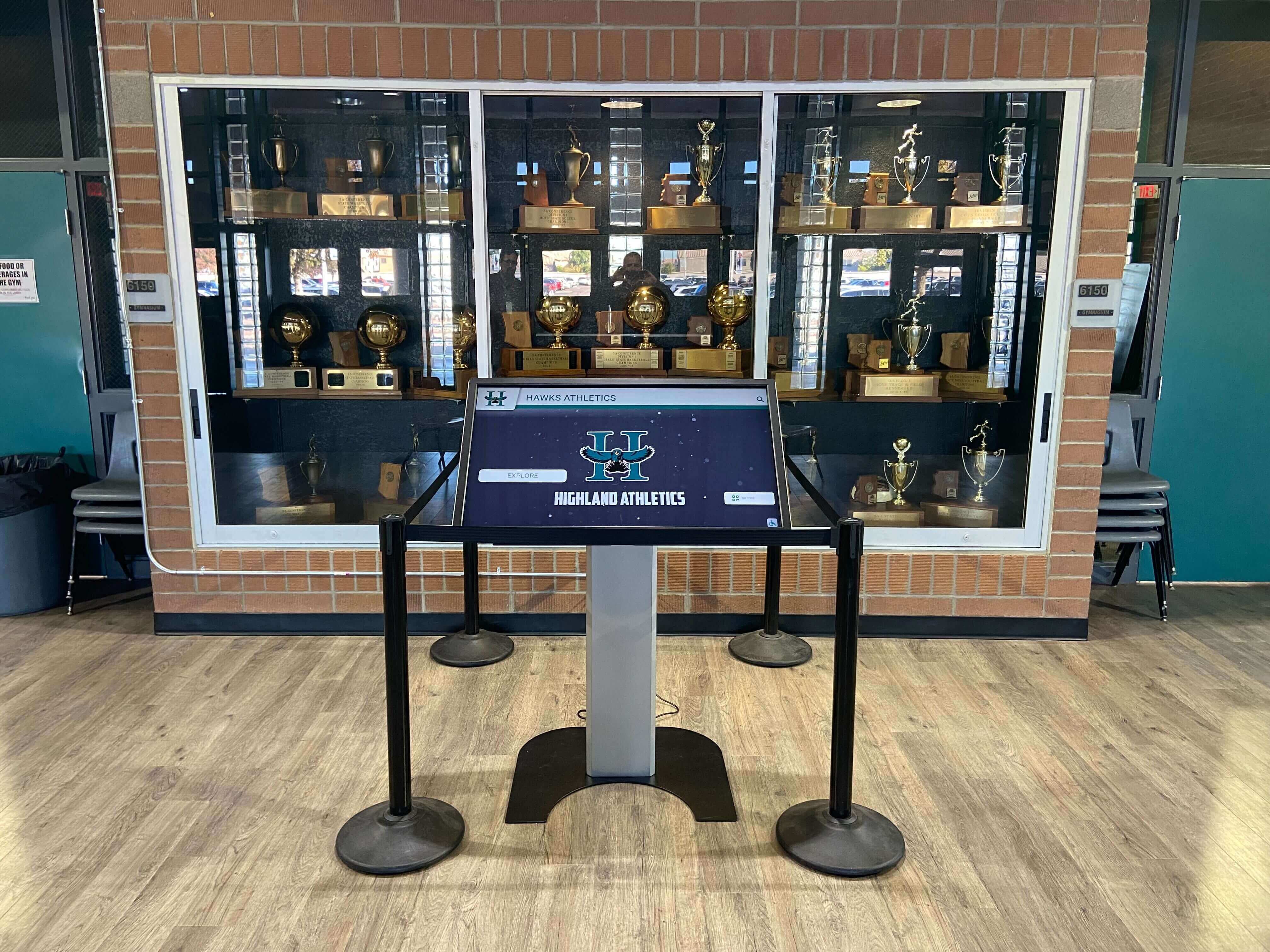
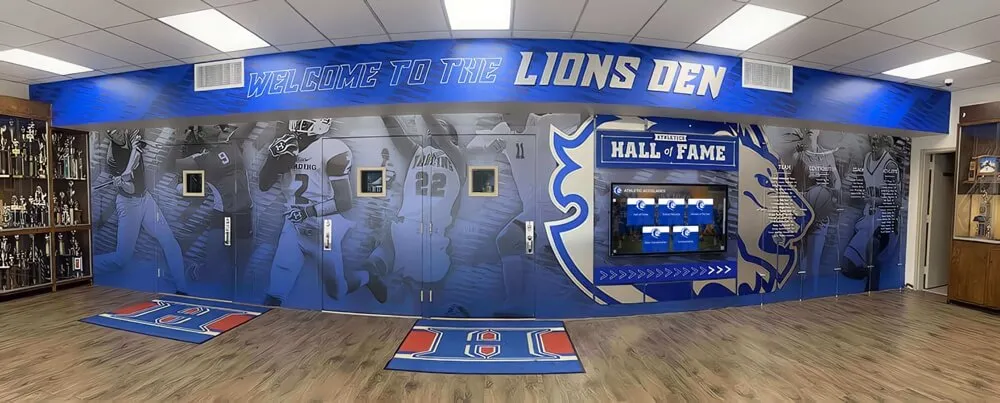
Hybrid approaches combining physical trophies with digital storytelling create comprehensive recognition experiences honoring achievements through multiple formats
Photography and Video Content Standards
Visual content quality significantly affects recognition professionalism and engagement impact. Establish standards including minimum resolution requirements ensuring photos display clearly on large screens, action photography preferences showing players competing rather than only posed team photos, consistent photo editing maintaining visual coherence across content, video length guidelines creating engaging clips without excessive duration, and video quality standards ensuring smooth playback and professional appearance.
Consider designating photography volunteers attending tournaments with responsibility for capturing quality action shots and team moments—systematic approaches yielding better content than relying on random parent photos of varying quality scattered across multiple phones and social media accounts.
Sustainable Content Management Workflows
Recognition systems succeed long-term when programs establish clear workflows distributing responsibilities appropriately and creating accountability ensuring tasks complete consistently.
Role Assignment and Responsibilities
Define specific recognition roles including who photographs teams during tournaments, who gathers player biographical information and statistics, who creates recognition profiles and uploads content, who reviews content for accuracy before publication, and who monitors engagement analytics and suggests improvements.
Distributing responsibilities prevents recognition from depending on single volunteers whose changing availability might cause program collapse, while clear role definition ensures essential tasks receive consistent attention rather than assuming someone will handle recognition without explicit responsibility assignment.
Timeline and Workflow Standards
Establish recognition timelines including how quickly after tournament victories should recognition updates appear, when season-end recognition should publish relative to banquets or award ceremonies, what approval processes must complete before content goes live, and how frequently recognition content should receive review and enhancement.
These standards create expectations and accountability maintaining recognition currency rather than allowing recognition to drift into irregular update patterns that undermine program professionalism.
Learn about effective digital recognition launch strategies that build sustainable management approaches from implementation beginning.
Engaging AAU Stakeholders Through Recognition
Recognition systems deliver maximum value when actively engaging diverse stakeholder groups rather than functioning as passive displays rarely noticed or explored.
Current Player Motivation and Development
Showcase displays serve as powerful motivation tools for young players seeing tangible evidence that excellence and commitment receive lasting celebration.
Daily Inspiration for Young Athletes
Place recognition where players encounter it regularly including practice facility entrances, team gathering areas before and after practices, spaces where parents wait during training sessions, and tournament hospitality areas during events.
Repeated exposure keeps achievement standards visible and program excellence top-of-mind. Young athletes implicitly ask: What does success look like here? Who came before me? What’s possible if I work hard? Recognition answering these questions through detailed achievement documentation creates inspiration that abstract excellence talk cannot match.
Goal Setting and Performance Standards
Recognition establishes concrete benchmarks including statistical standards from successful players and teams, tournament competition results showing what championship-caliber performance requires, player progression examples modeling development paths from younger age divisions to elite teams, and college placement evidence demonstrating programs’ ability to prepare athletes for next levels.
Coaches can reference recognition during team meetings and individual player development conversations, pointing to specific examples showing what players should aspire to match or exceed—making excellence tangible rather than abstract.
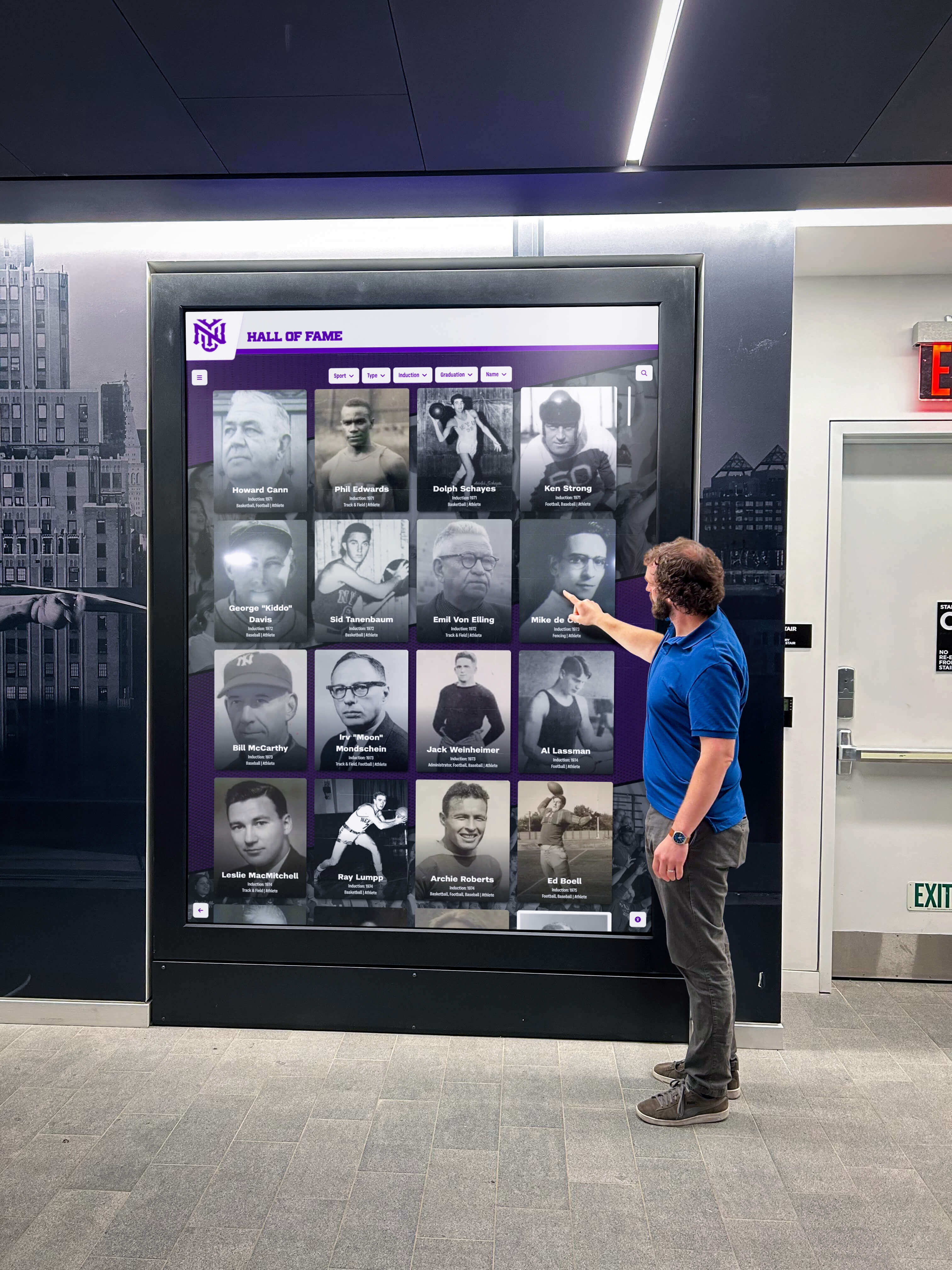
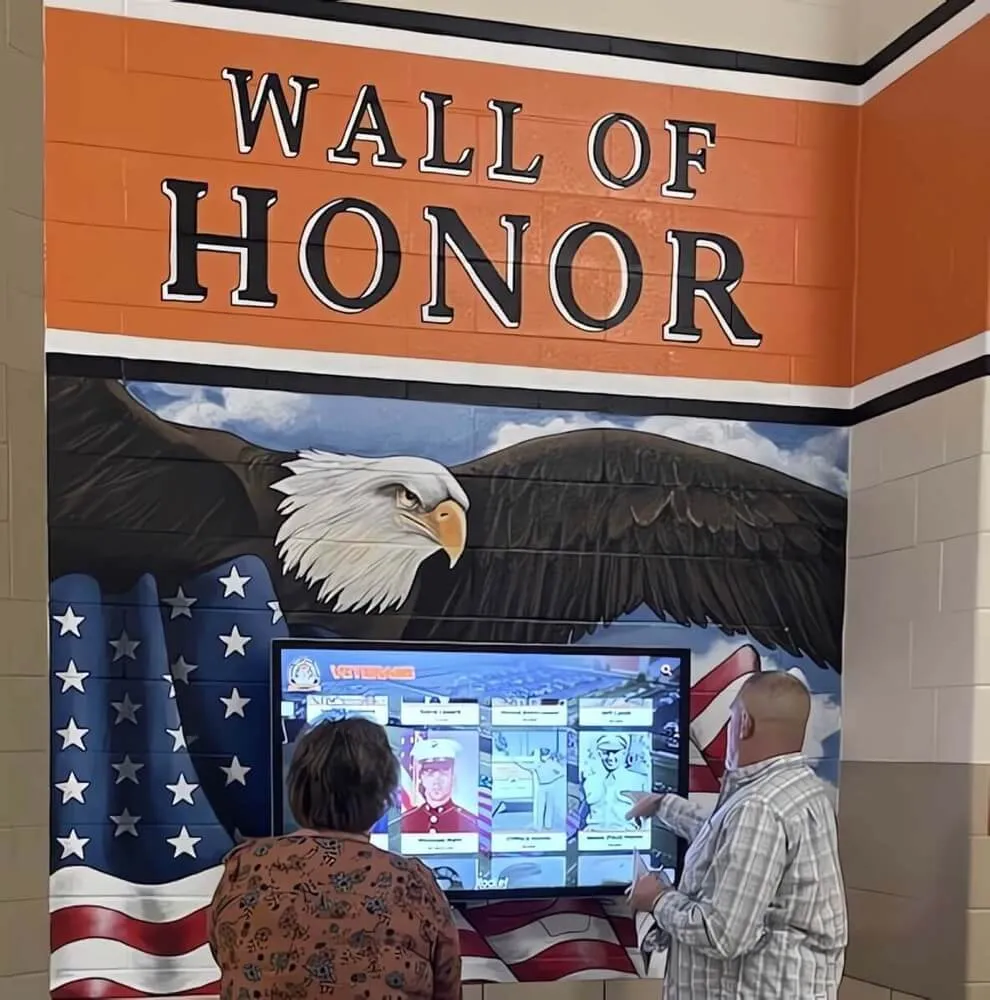
Accessible placement and intuitive interfaces encourage spontaneous engagement with recognition throughout facilities where families gather
Family Engagement and Community Building
AAU basketball depends heavily on family investment including participation fees, travel commitments, and volunteer support. Recognition strengthens family connection to programs and builds community among participant families.
Celebrating Family Involvement
Extend recognition beyond players to acknowledge family contributions including volunteer parent recognition for families supporting team operations, sibling athlete recognition when multiple family members participate, family milestone celebrations for multi-year program involvement, and donor recognition for families providing financial support beyond standard fees.
This inclusive approach signals that programs value complete family participation rather than viewing families only as fee sources, strengthening emotional bonds encouraging sustained multi-year involvement.
Social Media and Digital Sharing
Web-accessible recognition enables family sharing beyond those physically present at facilities. Parents can share player profiles with extended family unable to attend games, grandparents can follow team seasons from distant states through online recognition, and families can post achievement recognition to personal social media celebrating milestones with broad networks.
Facilitate this sharing through recognition platform social media integration, QR codes linking to specific player or team profiles, mobile-optimized recognition accessible on smartphones and tablets, and shareable content formats optimized for Facebook, Instagram, and other platforms.
Parent engagement strategies through digital recognition provide frameworks for leveraging recognition systems to strengthen family connections with youth sports organizations.
Recruitment Advantages and Program Marketing
AAU organizations compete actively for talented players during annual tryout periods. Recognition systems provide competitive advantages demonstrating program quality, success track records, and professional operations.
Demonstrating Competitive Excellence
Prospective families evaluating AAU options use competitive success as key selection criteria. Recognition provides immediate visual evidence including tournament championships and competitive achievements across age divisions, player development progression showing athlete improvement over multiple seasons, college placement track records demonstrating programs’ success preparing players for collegiate basketball, and coaching staff credentials and longevity signaling program stability.
During tryouts and registration events, interactive displays enable prospective families to explore program history independently at their own pace, discovering achievements in their child’s age division and competitive level, learning about players who followed similar development paths, and envisioning their children as future program success stories.
Professional Presentation and Quality Signals
Families choosing AAU programs evaluate organizational quality indicators beyond purely competitive results. Professional recognition installations signal program maturity and commitment, organizational investment in athlete recognition and experience, attention to detail and systematic operations, and stable institutional infrastructure rather than temporary operations.
Programs projecting professionalism through comprehensive recognition differentiate themselves from less-organized competitors, attracting families seeking quality basketball experiences for their children beyond simply inexpensive participation opportunities.
Explore top-rated recognition services that help youth sports organizations project professionalism attracting quality families.

Comprehensive recognition environments immerse athletes and families in program culture and achievement tradition
Measuring Recognition Program Impact
Effective AAU programs evaluate recognition systems systematically, gathering evidence that recognition delivers intended benefits while identifying improvement opportunities.
Quantitative Engagement Metrics
Digital platforms provide detailed analytics revealing how stakeholders interact with recognition including total interaction sessions showing engagement volume, average session duration indicating content depth that interests viewers, most-viewed content revealing what resonates most strongly, search terms showing information visitors seek, and repeat users suggesting sustained interest beyond one-time viewing.
Compare engagement patterns across different installation locations if multiple displays exist, track seasonal variations showing when recognition receives highest usage, and analyze content performance identifying which recognition formats generate strongest engagement.
Platform-Specific Web Analytics
Web-based recognition provides additional insights including website visits and unique users, geographic distribution showing where audiences access content, referral sources revealing how people discover recognition, social sharing frequency indicating content people find worth broadcasting, and mobile versus desktop usage patterns informing responsive design priorities.
These analytics transform recognition from unmeasured assumptions into evidence-based programs with clear performance indicators demonstrating value to organizational leadership and board members evaluating technology investments.
Qualitative Stakeholder Feedback
Quantitative metrics provide important insights but qualitative feedback offers context and nuance pure analytics cannot capture.
Stakeholder Surveys and Input
Systematically gather perspectives from diverse groups including player surveys asking whether recognition feels motivating and meaningful, parent feedback about how recognition influences program satisfaction, prospective family input during registration about whether recognition affects program selection, coach perspectives on whether recognition supports team culture and motivation goals, and board member assessment of whether recognition delivers on organizational objectives.
This qualitative input reveals recognition dimensions that matter most to different stakeholders while identifying gaps or weaknesses that analytics alone might miss.
Observable Program Outcomes
Track broader organizational indicators recognition might influence including player retention rates across seasons, competitive team tryout participation and selectivity, family referral rates for new player recruitment, social media engagement and follower growth, and fundraising success and donor participation.
While isolating recognition’s specific causal impact proves difficult, tracking these outcomes alongside recognition implementation provides evidence about whether programs achieve intended strategic objectives justifying continued investment in recognition systems.
Cost Considerations for AAU Organizations
AAU programs operating on constrained budgets funded primarily by family participation fees must carefully evaluate recognition investments against other organizational priorities.
Initial Investment Requirements
Digital recognition systems typically require initial investment of $3,000-$15,000 depending on hardware size and capabilities for physical displays (if implementing beyond web-only recognition), software platform licensing and setup fees, initial content development and migration of historical information, and professional installation if required by facility partners or display complexity.
Many AAU organizations fund initial recognition investments through targeted fundraising campaigns, sponsor partnerships with local businesses receiving naming recognition, board member donations or low-interest loans, and grant applications to youth sports foundations or community development organizations.
Alternatively, web-based recognition platforms without physical display hardware require substantially lower initial investment—potentially $500-$2,000 annually—making recognition accessible for programs unable to fund physical display installations immediately.
Ongoing Operational Costs
Annual recognition costs typically include software licensing fees of $500-$2,000, technical support and system maintenance, content hosting and bandwidth for web platforms, and occasional hardware maintenance or replacement for physical displays.
However, digital systems eliminate recurring per-team costs for physical trophy purchases, printed banners and display materials, storage rental for physical items, and labor costs for manual recognition updates and physical installations.
Value Proposition for AAU Programs
When evaluating recognition investments, consider benefits beyond simple trophy storage including recruitment advantages attracting quality players justifying higher fees, retention improvement reducing costly player turnover between seasons, family engagement strengthening community supporting fundraising and volunteerism, professional presentation enabling premium fee positioning, and coach recruitment benefits attracting quality coaching talent drawn to professionally-operated programs.
Programs implementing comprehensive recognition often discover the investment pays for itself through improved recruitment outcomes, reduced marketing costs as recognition provides compelling content, and enhanced family satisfaction justifying participation fee structures supporting program sustainability.
Learn about comprehensive donor and supporter recognition approaches applicable to youth sports organizations engaging sponsors and supporters.
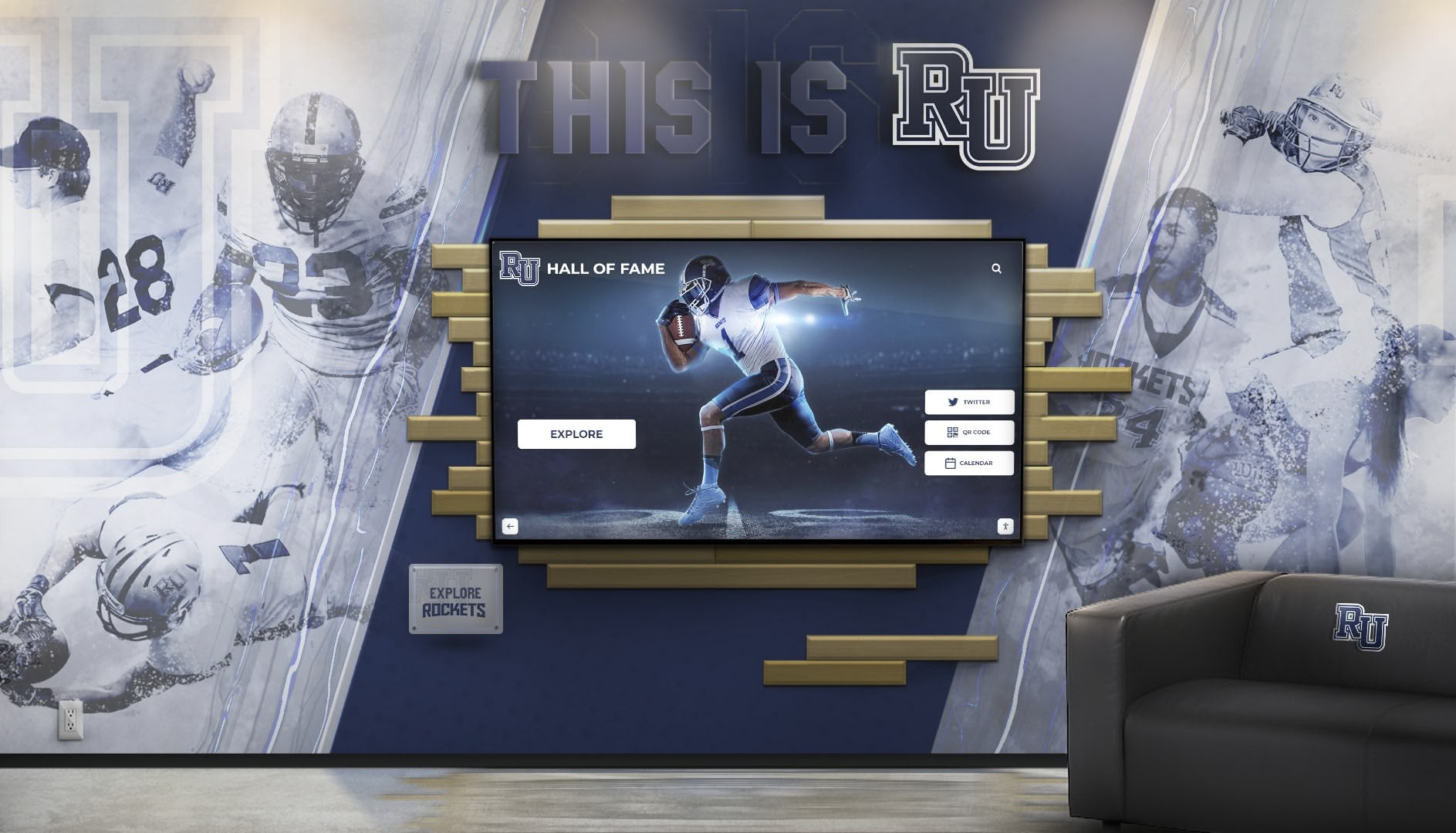
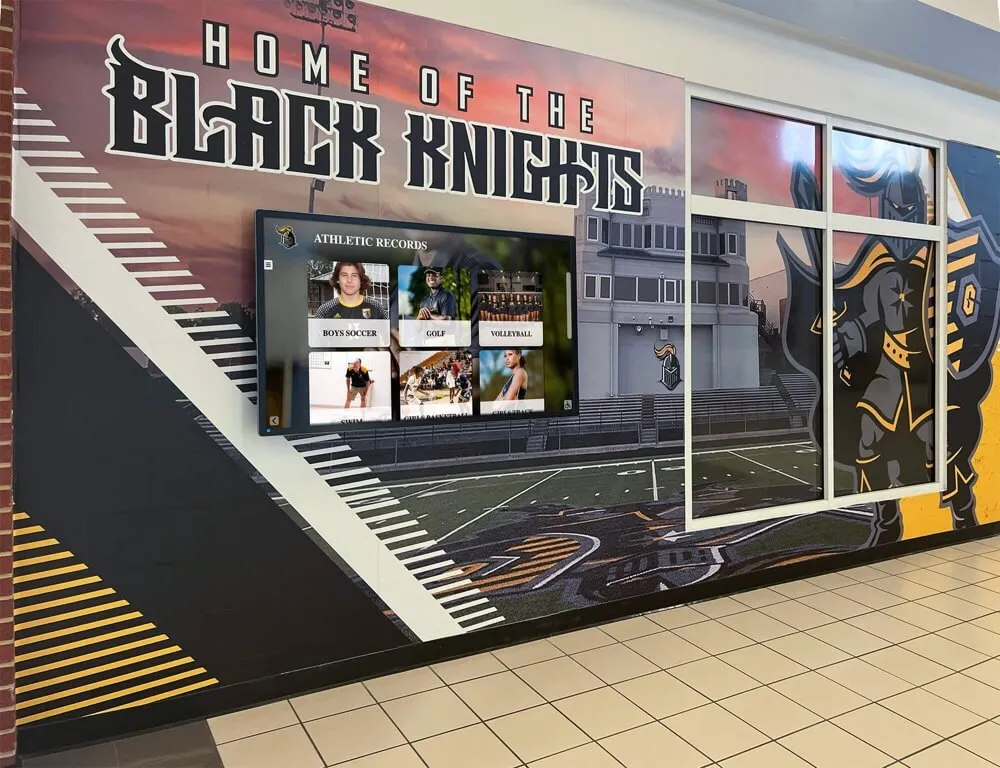
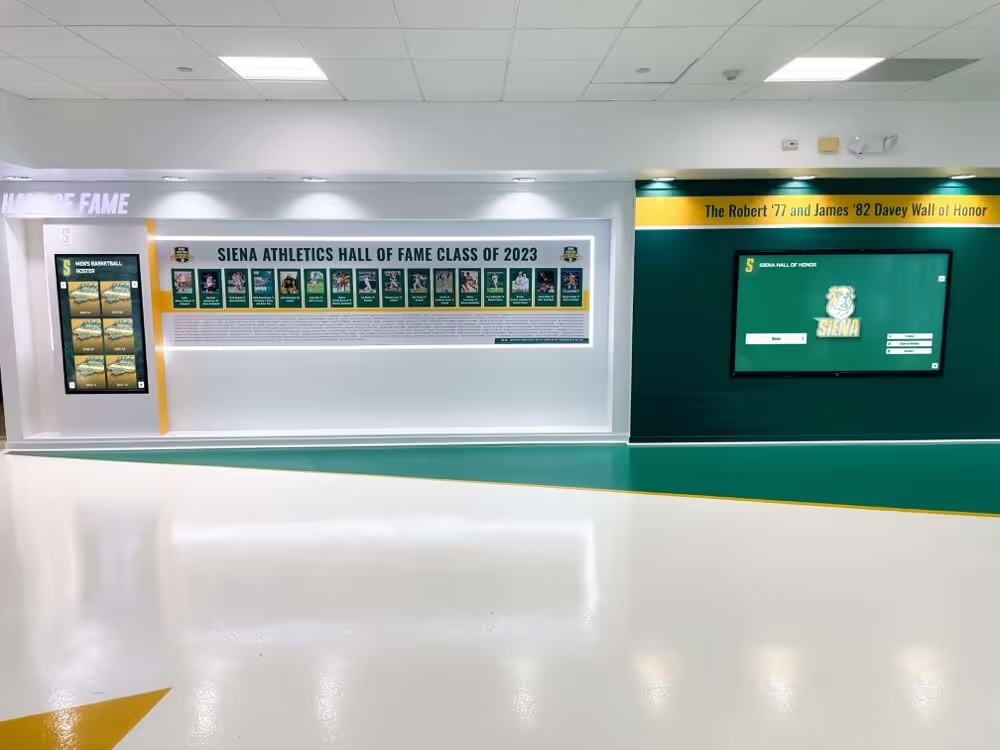
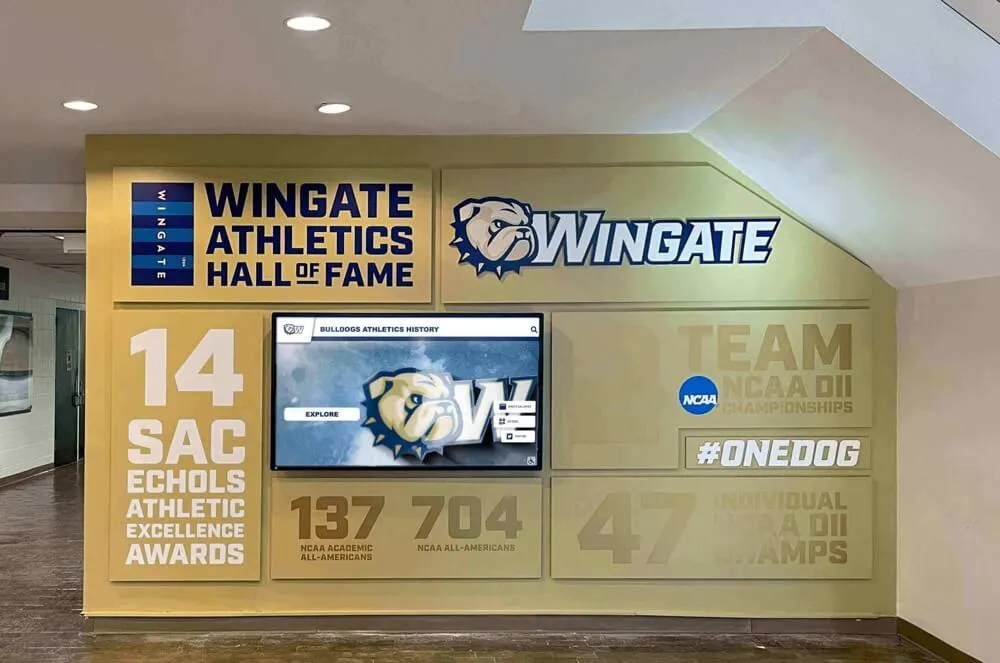
Strategic recognition placement in facility entrances creates immediate impact for all visitors while celebrating program excellence prominently
Special Considerations for Pennsylvania AAU Programs
Pennsylvania’s AAU landscape includes unique characteristics affecting recognition implementation and strategic priorities.
Multi-Region Tournament Competition
Pennsylvania AAU teams frequently compete across state lines in regional tournaments throughout the Mid-Atlantic including Philadelphia-area teams traveling to Maryland, Delaware, and New Jersey events, Pittsburgh programs competing in Ohio, West Virginia, and Pennsylvania events, and Central PA teams participating in tournaments throughout the commonwealth and neighboring states.
Recognition systems should accommodate this multi-state competition by including tournament location information showing geographic competition scope, out-of-state championship recognition celebrating victories beyond Pennsylvania boundaries, and regional ranking acknowledgment when teams earn regional or national rankings through tournament performance.
This geographic context demonstrates program competitive ambition and success against broader talent pools beyond only local Pennsylvania competition.
Urban, Suburban, and Rural Program Diversity
Pennsylvania’s geographic and demographic diversity creates AAU programs serving markedly different communities from dense urban Philadelphia and Pittsburgh populations to suburban communities in county peripheries and rural regions throughout central and northern Pennsylvania.
Recognition approaches should reflect community characteristics including urban programs emphasizing college pathway success and life skills development, suburban programs balancing competitive excellence with family-friendly participation experience, and rural programs celebrating community connection and travel team competition against larger population centers.
Understanding these contextual differences ensures recognition messaging resonates authentically with specific program communities rather than applying one-size-fits-all approaches ignoring local values and priorities.
College Placement and Recruitment Emphasis
Many Pennsylvania AAU programs explicitly emphasize college basketball placement as primary program objectives. Team Pennsylvania highlights that over 250 graduates have continued basketball at collegiate levels, while Basketball Stars of America promotes its ranking among top 20 national programs partly through college placement success.
Recognition systems should prominently feature college placement including dedicated sections showcasing college-bound players, college destination information with school names, divisions, and locations, player testimonials about college recruitment processes and AAU program roles, college coach connections and relationship networks supporting recruitment, and statistical tracking of placement rates across program history.
This college-focused recognition directly supports program missions while providing prospective families with evidence that programs deliver on promises of college basketball preparation.
Explore college commitment recognition approaches that celebrate player signing decisions appropriately.
Future Trends in AAU Recognition Technology
Youth sports recognition technology continues evolving with innovations that will shape how programs celebrate achievement in coming years.
Integrated Performance Analytics
Emerging platforms will connect recognition systems with statistical tracking and performance analytics including automatic statistical achievement recognition when players reach milestones, performance trend visualization showing player development over seasons, comparative analytics enabling players to see how their statistics compare to program history, and predictive modeling suggesting future achievement trajectories based on current performance.
These integrations reduce manual content creation workload while providing richer, data-driven recognition that quantifies player development comprehensively.
Social Media Platform Integration
Recognition systems will feature deeper social media connectivity including live social feeds displaying community reactions to tournaments and achievements, user-generated content aggregation collecting photos and videos from families, viral moment tracking showing which achievements generate broadest social sharing, and integrated commenting enabling community conversation around recognition content.
These features transform recognition from organizational monologue into community dialogue where multiple voices contribute to celebration and storytelling.
Mobile App Experiences
Youth sports recognition will increasingly migrate to dedicated mobile applications providing portable access to recognition content including personalized player and family dashboards showing relevant recognition, push notifications alerting families when new recognition publishes, mobile check-ins at physical displays linking digital and physical experiences, and in-app social sharing streamlining content distribution across networks.
Mobile-first approaches meet stakeholders where they naturally consume content—on smartphones throughout daily life rather than only during facility visits.
Conclusion: Building AAU Excellence Through Comprehensive Recognition
Pennsylvania AAU basketball programs serve thousands of young athletes annually, providing competitive experiences, skill development, and pathways to collegiate basketball that shape athletic careers and life trajectories. These organizations and the dedicated coaches, volunteers, and families supporting them deserve recognition systems matching their commitment—comprehensive celebration honoring team success, individual player achievement, and organizational excellence through modern platforms designed specifically for youth sports recognition needs.
The strategies explored in this guide provide frameworks for building recognition systems that honor basketball achievements while remaining achievable within volunteer-dependent organizations operating on limited budgets. From web-based recognition requiring minimal investment to comprehensive interactive display systems creating immersive celebration environments, these approaches transform AAU recognition from storing trophies in basements to systematic celebration woven throughout organizational culture.
Transform Your AAU Program Recognition
Discover how modern digital showcase solutions can help you celebrate every team, honor all players, and build the winning tradition that attracts talented athletes while engaging families throughout Pennsylvania.
Explore AAU Recognition SolutionsModern solutions like Rocket Alumni Solutions provide comprehensive platforms specifically designed for youth sports organizations, offering unlimited capacity accommodating every team and player across all age divisions, cloud-based management enabling non-technical volunteers to maintain current content easily, interactive exploration engaging players and families with program history meaningfully, web accessibility extending recognition beyond physical facility limitations, and affordable pricing structures appropriate for nonprofit youth sports organizations.
Whether implementing first recognition systems for newer programs building traditions, upgrading outdated trophy cases no longer serving growing organizational needs, or preserving historical achievements before memories fade and materials disappear, digital platforms provide solutions scaling with program ambitions while remaining manageable within realistic volunteer capacity and budget constraints.
Start where you are with teams and content readily available, then expand systematically as capacity allows. The fundamental objective remains constant: ensuring AAU basketball achievements receive celebration and preservation worthy of the extraordinary dedication, sacrifice, and hard work these accomplishments represent.
Your players, coaches, and families work too hard and achieve too much for their stories to remain hidden in storage boxes or forgotten in social media archives. Digital recognition ensures their excellence receives visibility, detail, and permanence that inspires future generations while honoring those who came before—creating living traditions that strengthen programs and communities for decades to come.
Ready to begin? Explore comprehensive strategies for youth athletic recognition programs that balance team celebration with individual player acknowledgment. Discover approaches to basketball hall of fame displays providing sport-specific recognition frameworks. Learn about community youth sports recognition celebrating achievements beyond school-based athletics. Consider platforms from Rocket Alumni Solutions designed specifically for youth sports recognition providing intuitive management, engaging interactive experiences, and professional support understanding youth basketball organizational contexts.
Your AAU program excellence deserves recognition equal to the achievement it represents. Make it happen through strategic planning, appropriate technology selection, and sustained commitment to celebrating basketball excellence that builds championship culture while honoring the remarkable young athletes making Pennsylvania AAU basketball exceptional.