



Peer leadership programs represent powerful investments in school culture and student development, connecting upperclassmen mentors with freshmen during their critical first year of high school. These carefully selected seniors serve as guides, friends, and role models who help ninth graders navigate academic challenges, build social connections, understand school traditions, and develop confidence during a transition that can determine their entire high school trajectory. When structured thoughtfully, peer leadership programs create ripple effects throughout school communities—freshmen feel welcomed and supported, senior mentors develop leadership skills and empathy, school culture becomes more inclusive and connected, and positive relationships bridge grade-level divisions that can fragment student bodies.
Yet despite the significant time commitment peer leaders invest and the meaningful impact these programs achieve, recognition often falls short of what these student mentors deserve. Senior peer leaders may spend hours each week preparing lessons, facilitating group discussions, planning bonding activities, checking in with struggling freshmen, and serving as positive role models—all while managing rigorous academic schedules, college applications, and their own extracurricular commitments. Meanwhile, their contributions frequently receive only brief acknowledgment in morning announcements or a single page in the yearbook, while other leadership positions gain more visible celebration.
This comprehensive guide explores evidence-based strategies for recognizing peer leadership programs in ways that honor student mentors appropriately, inspire continued participation from future classes, demonstrate program value to stakeholders, and create lasting documentation of these transformative mentorship relationships that strengthen entire school communities.
Effective peer leadership recognition serves multiple essential purposes beyond simple acknowledgment. Comprehensive programs validate the substantial time and energy peer leaders invest in serving freshmen, inspire younger students to aspire to mentor roles themselves when they become seniors, demonstrate that schools value inclusive leadership and peer support as highly as traditional achievement, strengthen program recruitment by showcasing the meaningful experiences mentors gain, preserve institutional memory of program evolution and impact across years, and provide tangible content for college applications where leadership experience proves increasingly important.

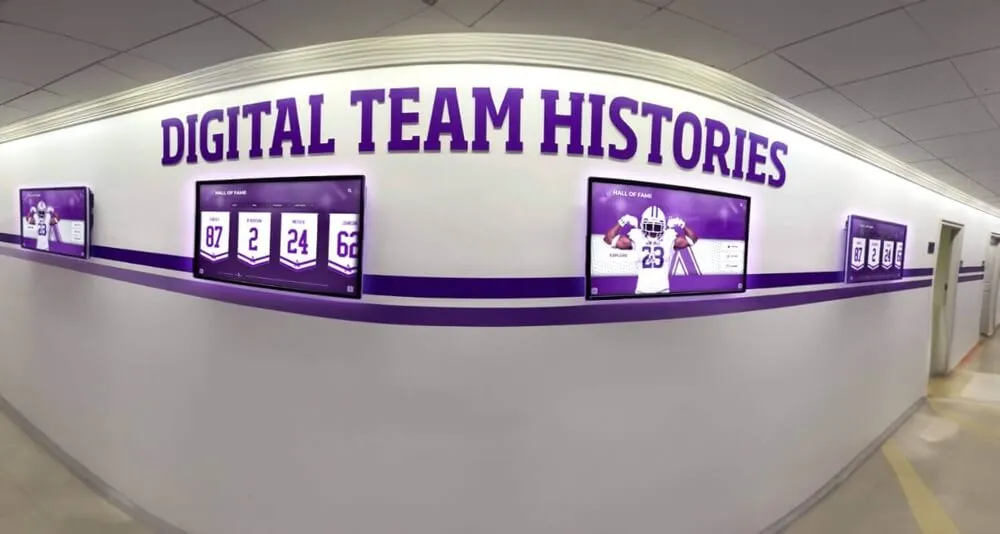
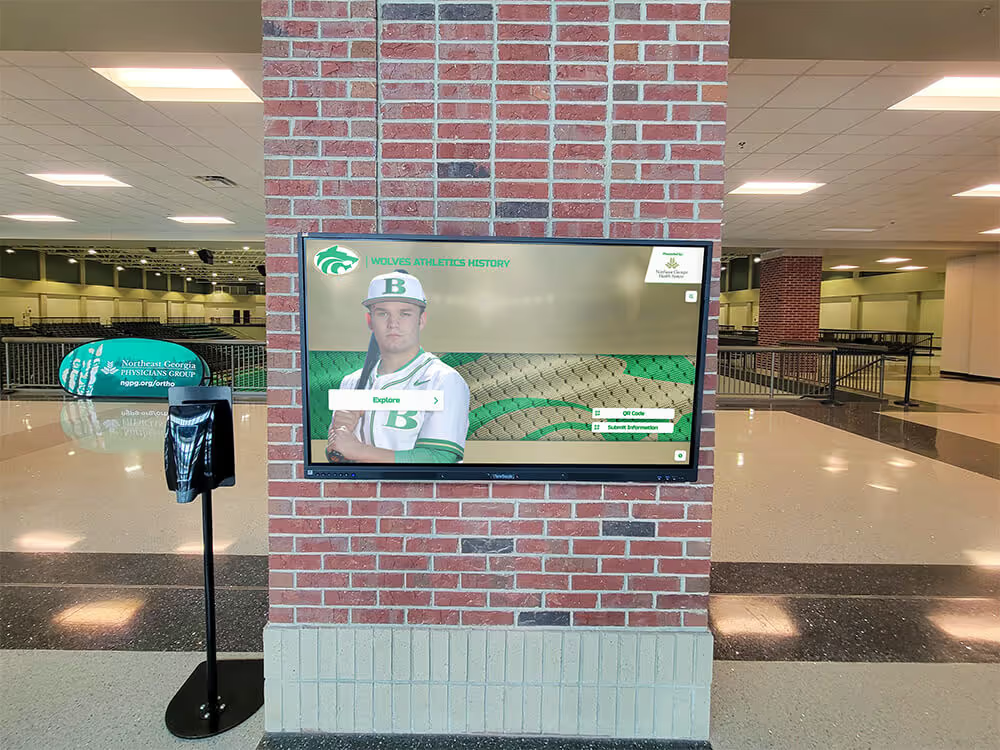
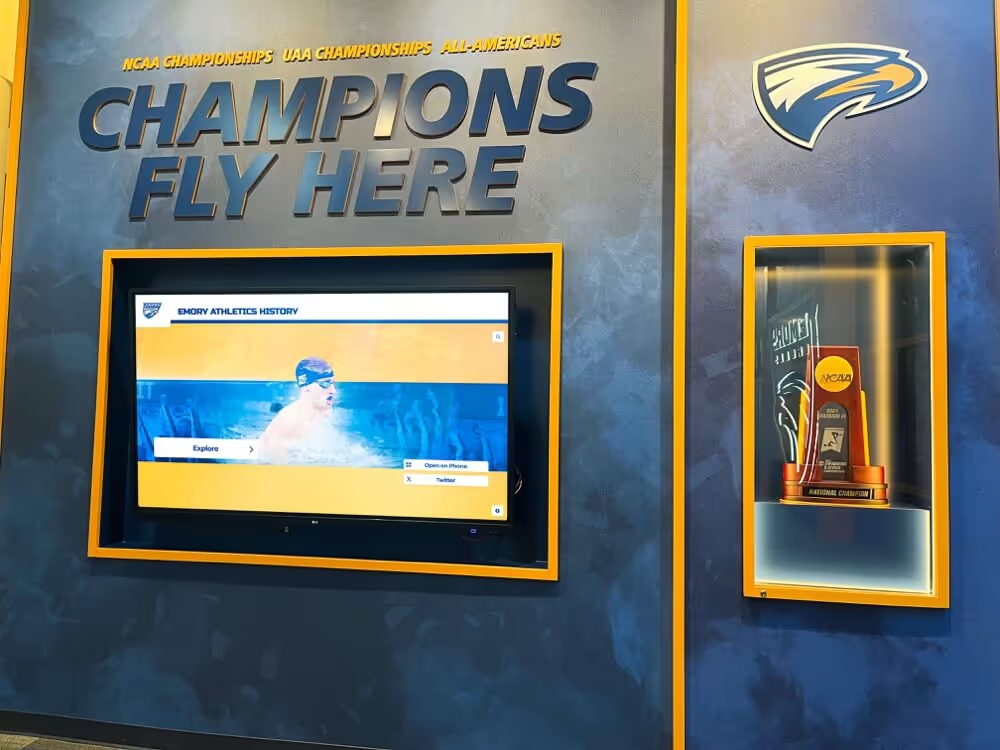
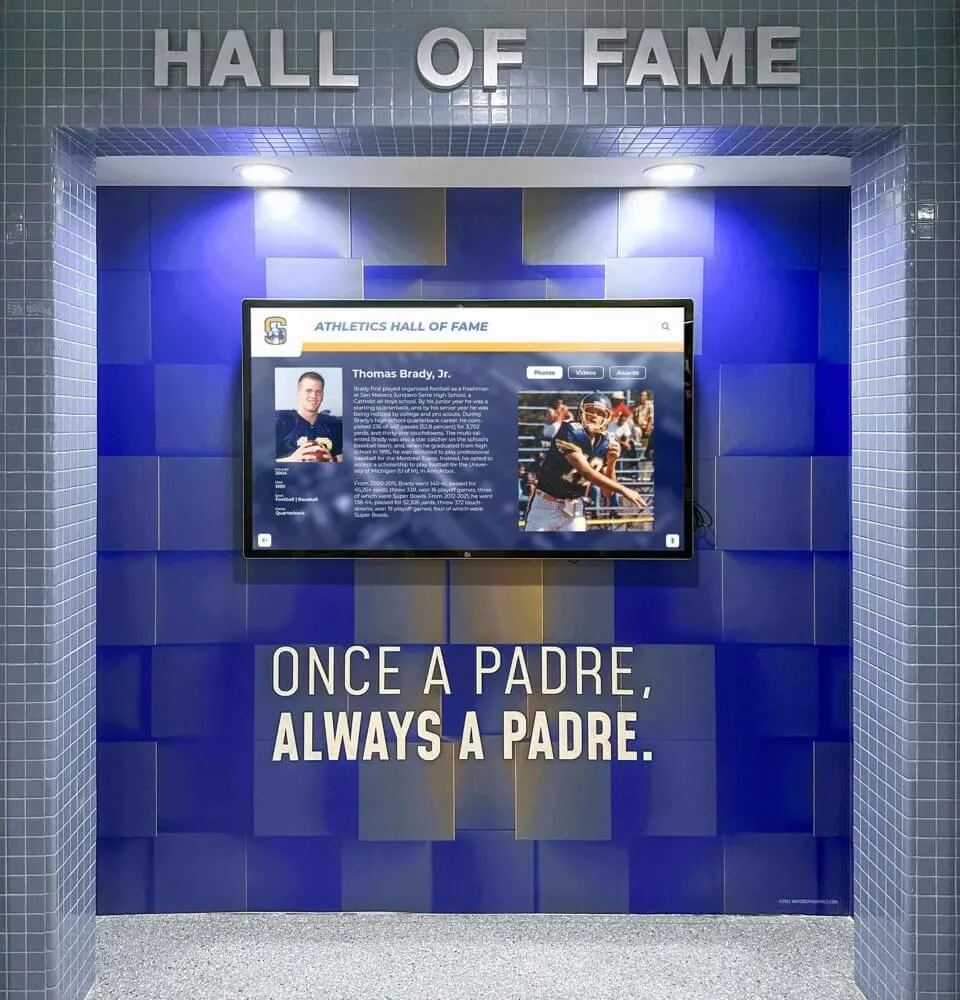
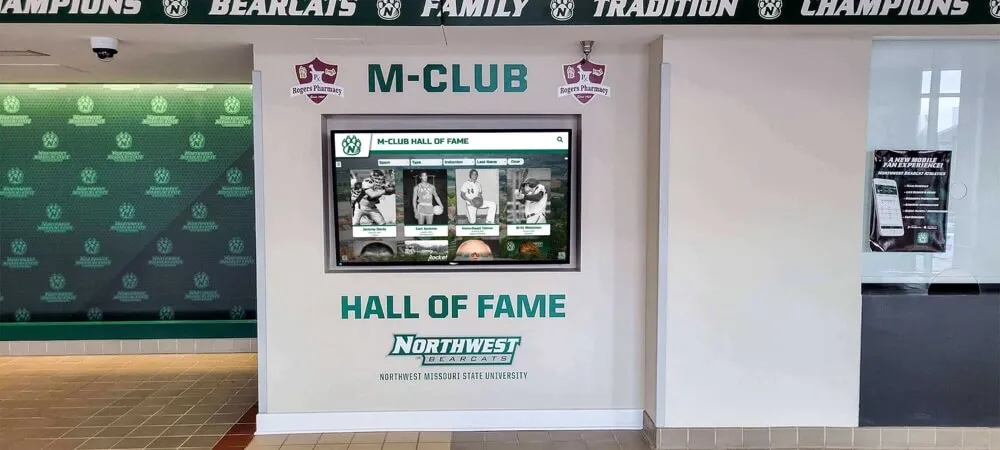
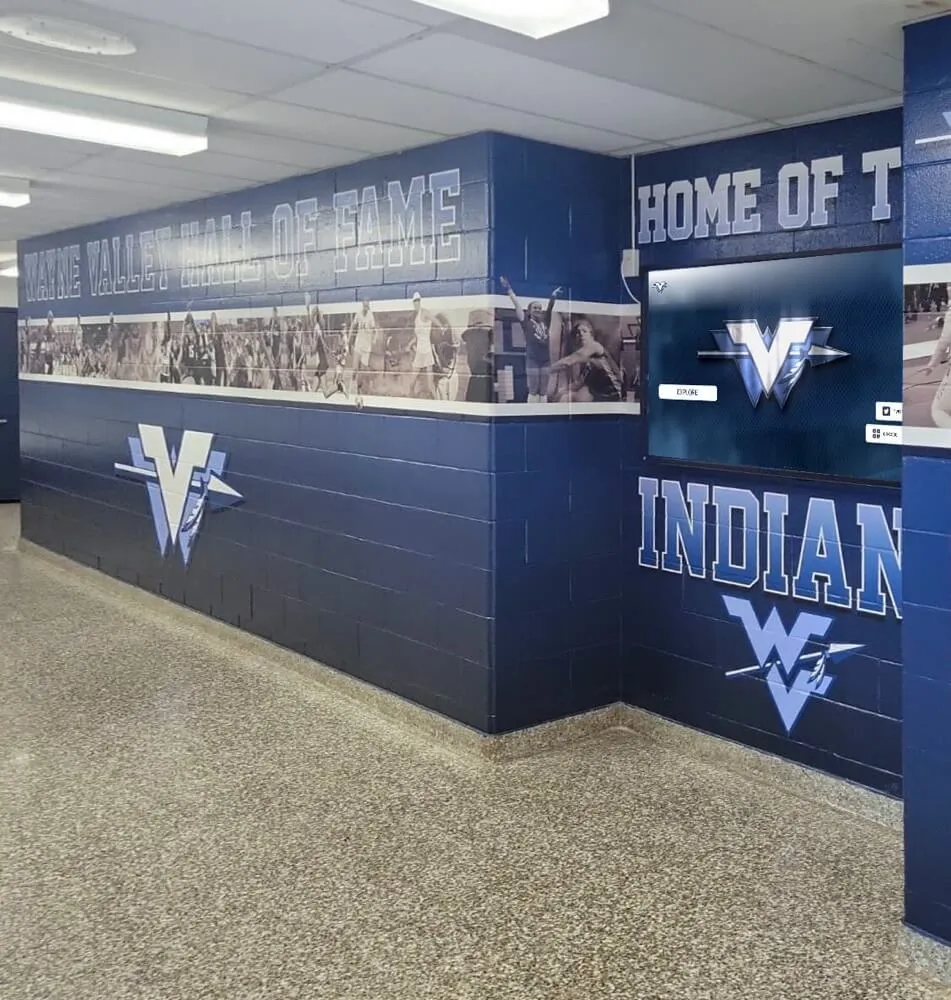
Modern digital displays make exploring student leadership programs and mentor achievements accessible and engaging for the entire school community
Understanding Peer Leadership Program Structure and Impact
Before implementing recognition programs, schools benefit from understanding typical peer leadership models, the significant responsibilities mentors assume, and the documented outcomes these programs achieve for both freshmen and senior leaders.
Common Peer Leadership Program Models
While specific structures vary across schools, most successful peer leadership programs share core components designed to support freshman transition through consistent, structured mentorship.
Small Group Mentorship Structure
The most effective peer leadership programs typically organize freshmen into small groups of 6-10 students paired with one or two senior mentors. This manageable group size enables mentors to build genuine relationships with each freshman rather than attempting to support dozens of students superficially. Small groups meet regularly—typically weekly or biweekly—during designated advisory periods, lunch blocks, or after school for structured discussions, team-building activities, and informal connection time.
According to research on peer mentoring effectiveness, small group formats create supportive environments where freshmen feel comfortable asking questions, sharing concerns, and building friendships with peers navigating similar challenges. The consistent presence of approachable older students who recently experienced freshman year themselves reduces anxiety and builds confidence more effectively than adult-led orientations alone.
Structured Curriculum and Activities
Quality peer leadership programs combine structured lessons with flexible relationship-building time. Common curriculum topics include study skills and time management strategies specific to high school workload expectations, social relationship building including making friends and handling peer pressure, school tradition and culture education helping freshmen feel connected to institutional identity, health and wellness topics from stress management to consent education, academic planning and course selection guidance preparing for sophomore year, and community service or school spirit activities building pride and engagement.
Programs benefit from curriculum frameworks providing consistency while allowing mentor pairs flexibility to address their specific group’s needs and interests. Experienced program advisors typically provide lesson plans, discussion guides, and activity suggestions while encouraging mentors to adapt content appropriately.
Selection and Training of Peer Leaders
Schools typically select peer leaders through application processes assessing leadership potential, interpersonal skills, reliability, positive attitude, and genuine interest in supporting younger students. Many programs prioritize diversity in mentor selection, ensuring freshman groups see leaders representing varied backgrounds, interests, and high school experiences.
Comprehensive training prepares mentors for their responsibilities through facilitation skill development including group discussions, active listening techniques, boundary setting understanding appropriate mentor-mentee relationships, crisis response protocols for concerning situations requiring adult intervention, curriculum familiarization with planned lessons and activities, and team building among the mentor cohort creating peer support networks.
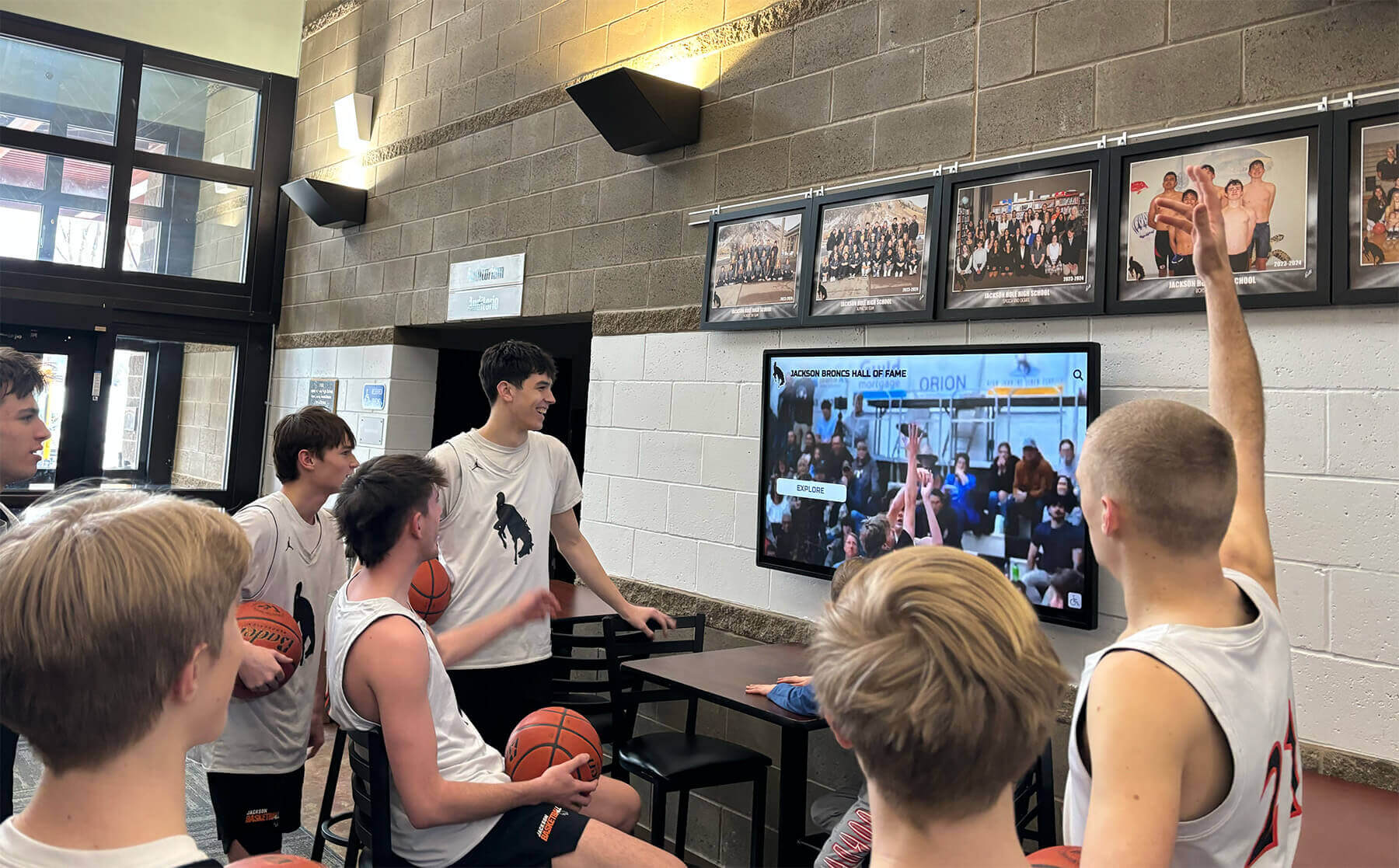
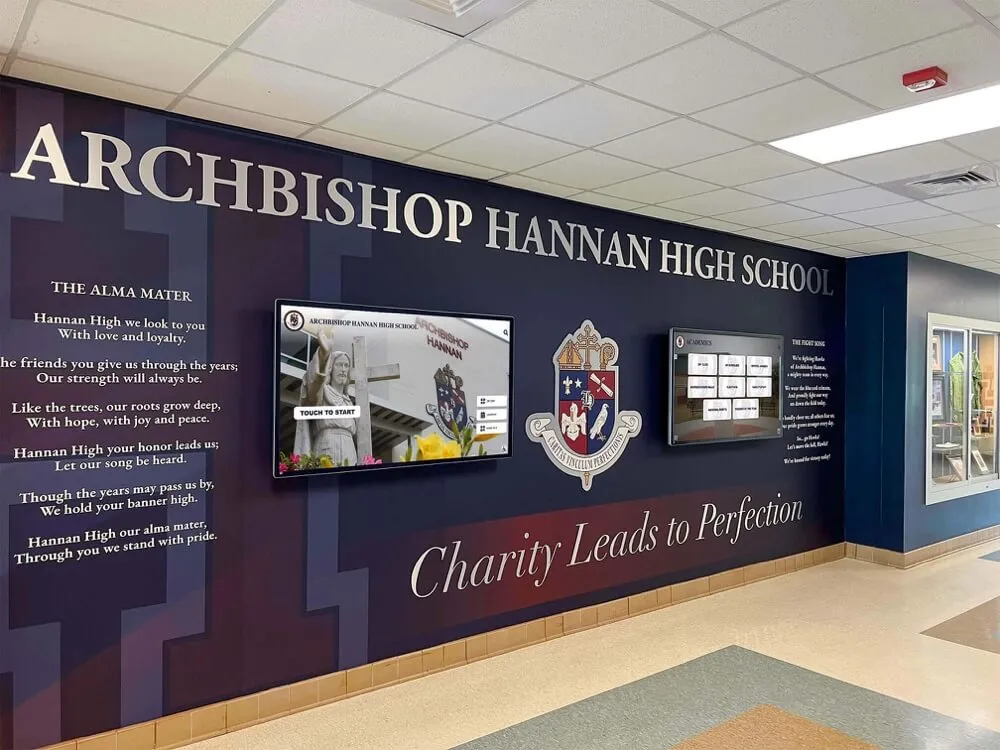
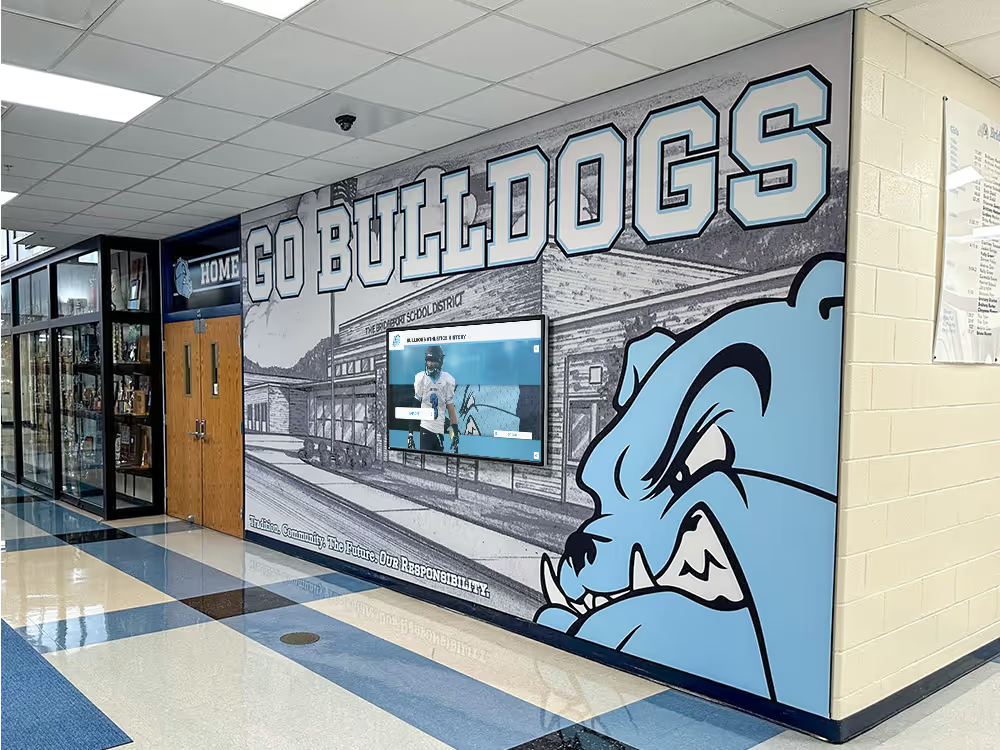
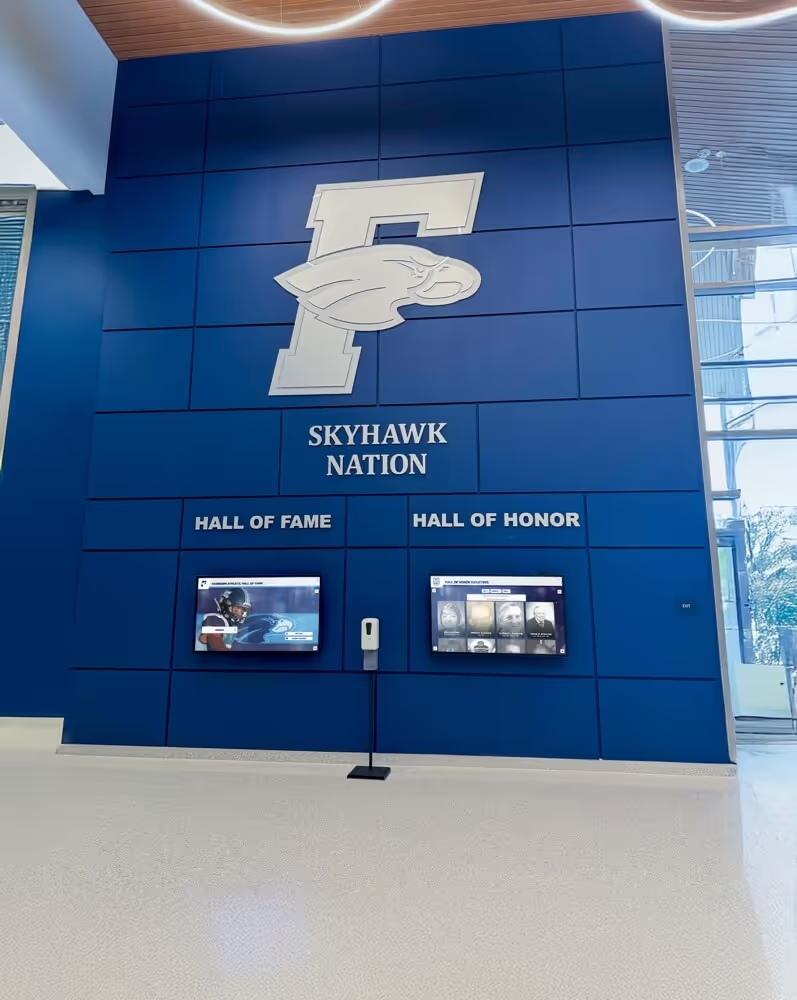
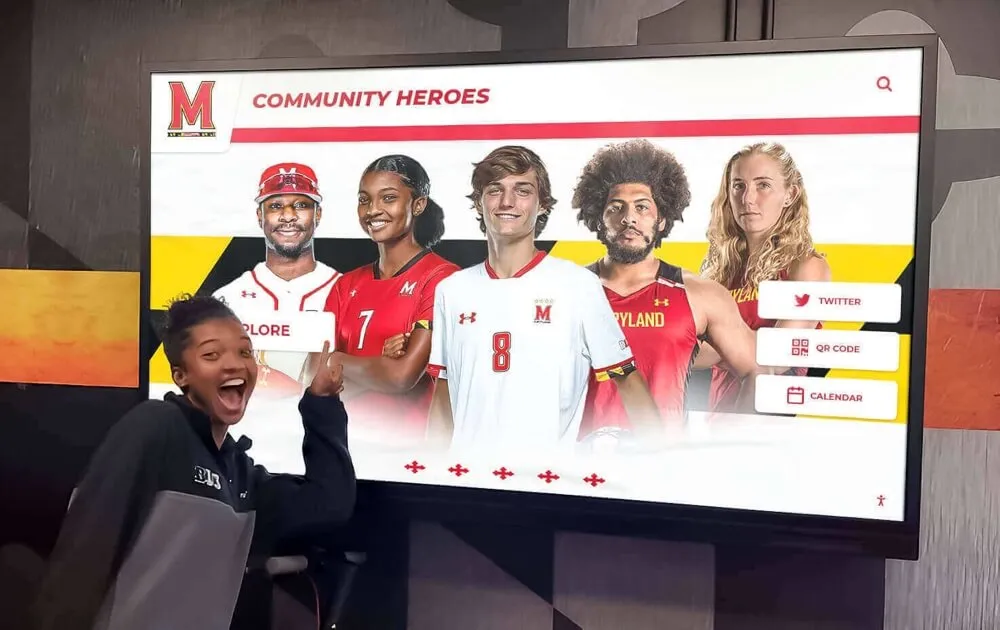
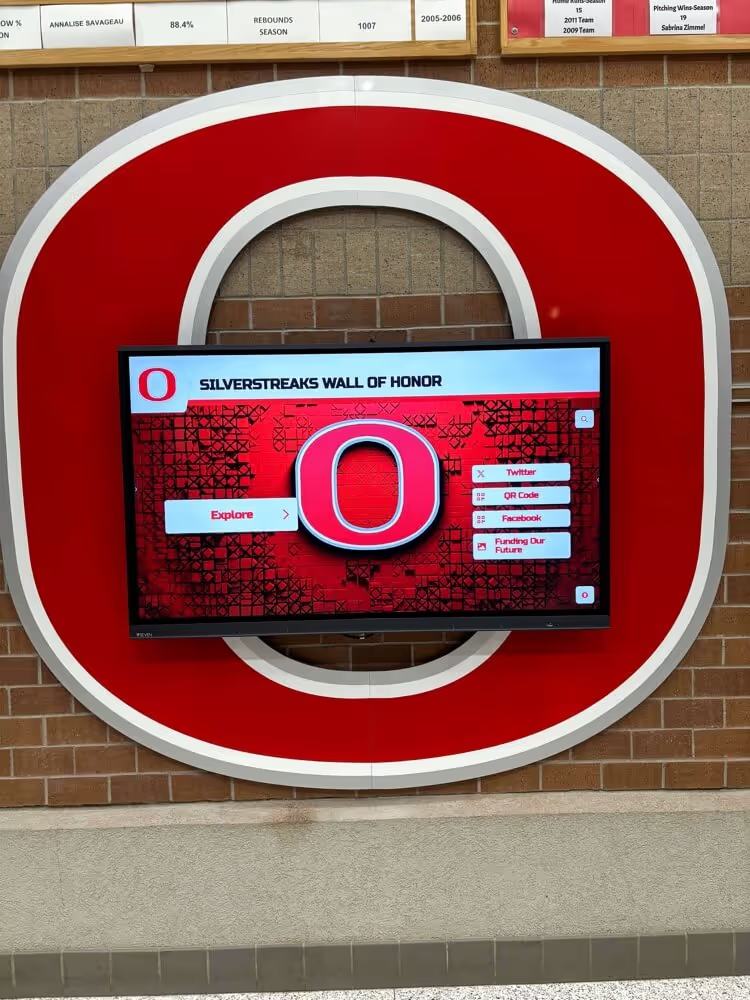
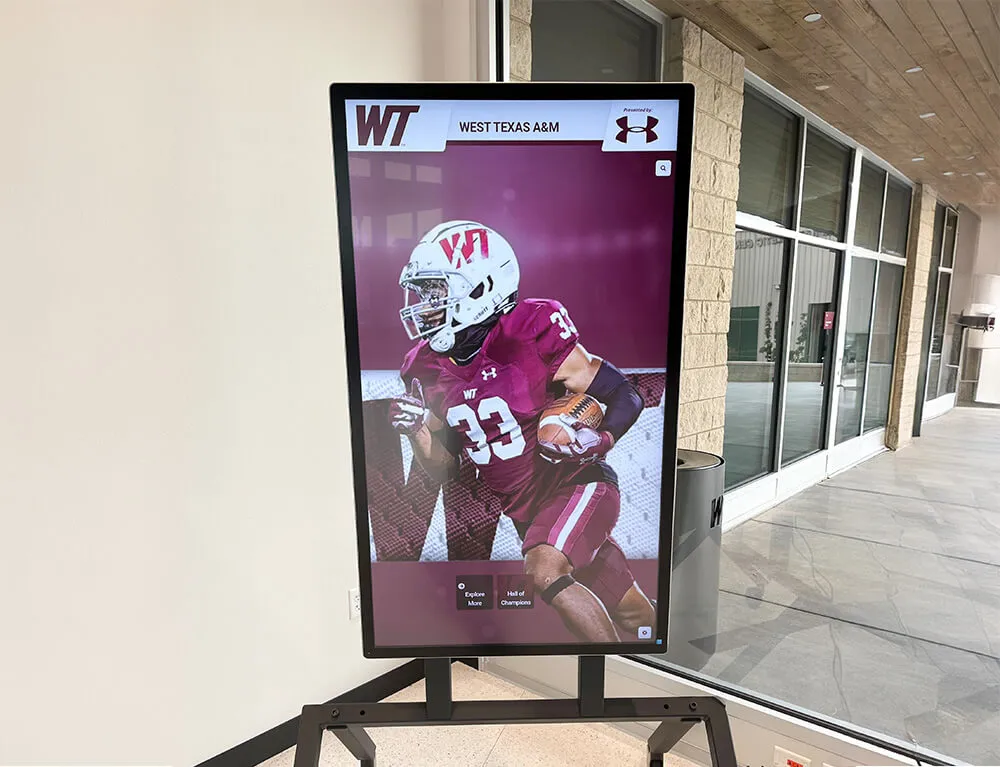
Recognition displays create natural opportunities for students to explore leadership programs and connect with school traditions
Adult Advisor Support and Program Coordination
Behind every successful peer leadership program stands a dedicated faculty advisor who coordinates logistics, supports mentors, monitors program effectiveness, and ensures appropriate supervision. Advisor responsibilities typically include recruiting and training peer leaders, developing or adapting curriculum content, scheduling meetings and coordinating logistics, monitoring mentor performance and providing feedback, intervening when challenges arise with individual students or groups, and assessing program outcomes through surveys and feedback collection.
The advisor role requires significant time investment that schools must support through reduced teaching loads, stipends, or other recognition of this demanding but valuable work sustaining program quality and effectiveness.
Documented Outcomes of Peer Leadership Programs
Research consistently demonstrates that structured peer mentoring programs benefit both freshmen participants and senior mentors across academic, social, and developmental dimensions.
Benefits for Freshman Participants
Studies on freshman transition programs show that peer mentorship significantly improves outcomes including academic performance with better grades compared to students without mentor support, attendance rates with fewer absences and tardies, social connection with faster development of peer relationships and sense of belonging, school engagement with increased participation in activities and events, reduced anxiety about navigating high school environments and expectations, and successful transitions with fewer discipline issues and better adjustment indicators.
According to the National Association of Secondary School Principals, freshman mentoring programs are among the most cost-effective interventions schools can implement to improve ninth-grade success, with research showing that freshman year GPA strongly predicts high school graduation likelihood. Peer leadership programs that boost freshman academic performance therefore have ripple effects extending throughout students’ high school careers.
Leadership Development for Senior Mentors
While supporting freshmen serves as the primary program purpose, peer leadership participation benefits senior mentors substantially through developing transferable skills valued by colleges and employers. Mentor development outcomes include communication skills through facilitating discussions and explaining concepts clearly, empathy and perspective-taking through understanding challenges different from their own experiences, responsibility and reliability through consistent commitment over extended periods, problem-solving abilities when addressing group dynamics or individual concerns, confidence in leadership capacities and ability to positively influence others, and reflection skills through considering their own high school experiences and growth.
Colleges increasingly value demonstrated leadership and service in admission decisions, making peer leadership programs particularly attractive to college-bound seniors seeking meaningful experiences that strengthen applications beyond traditional resume builders.
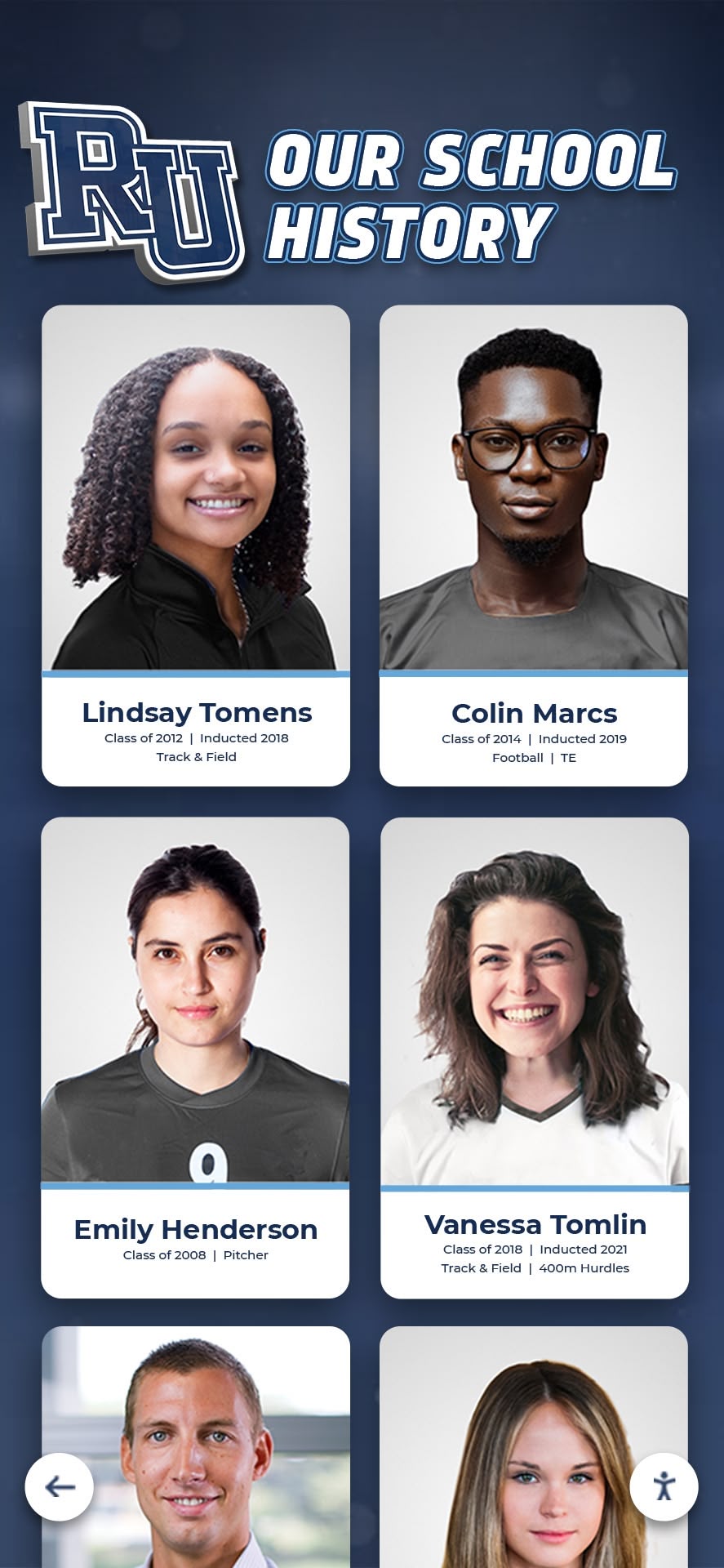
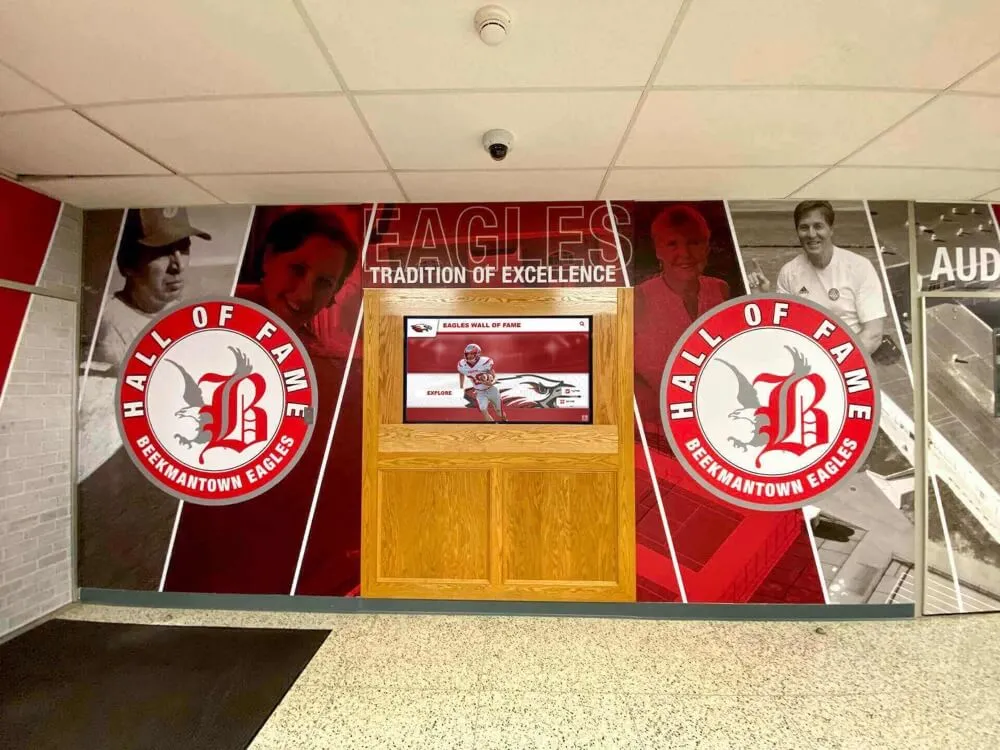
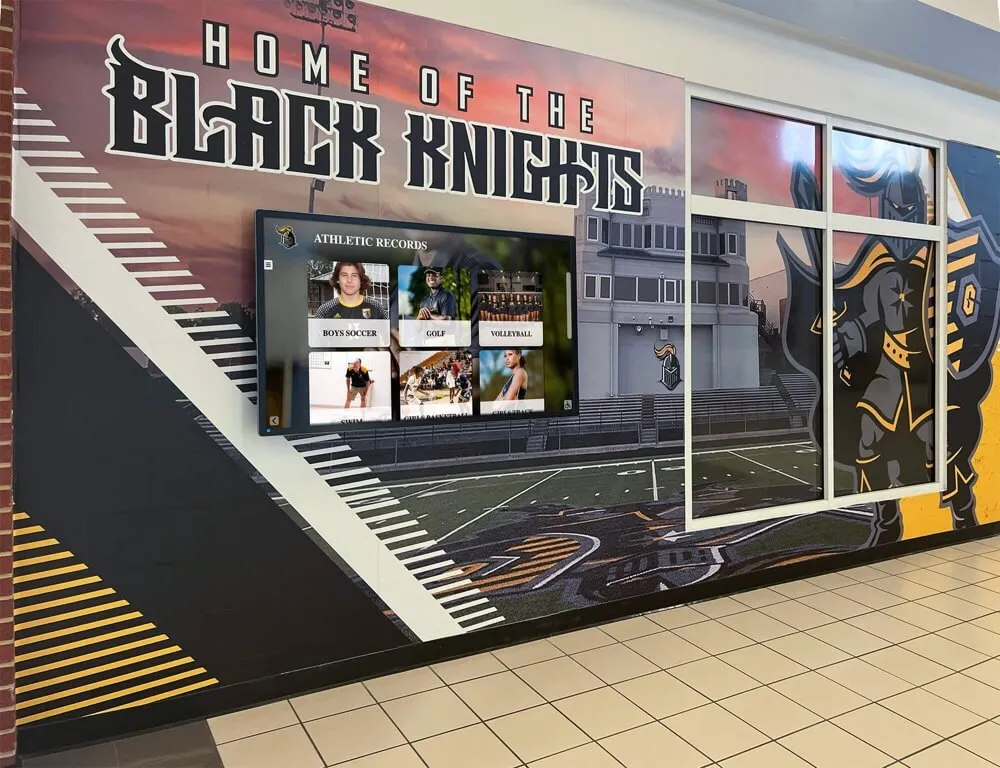
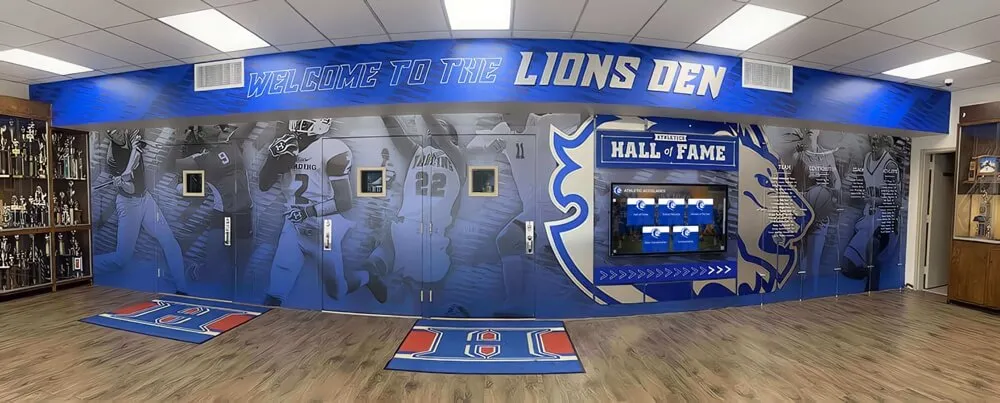
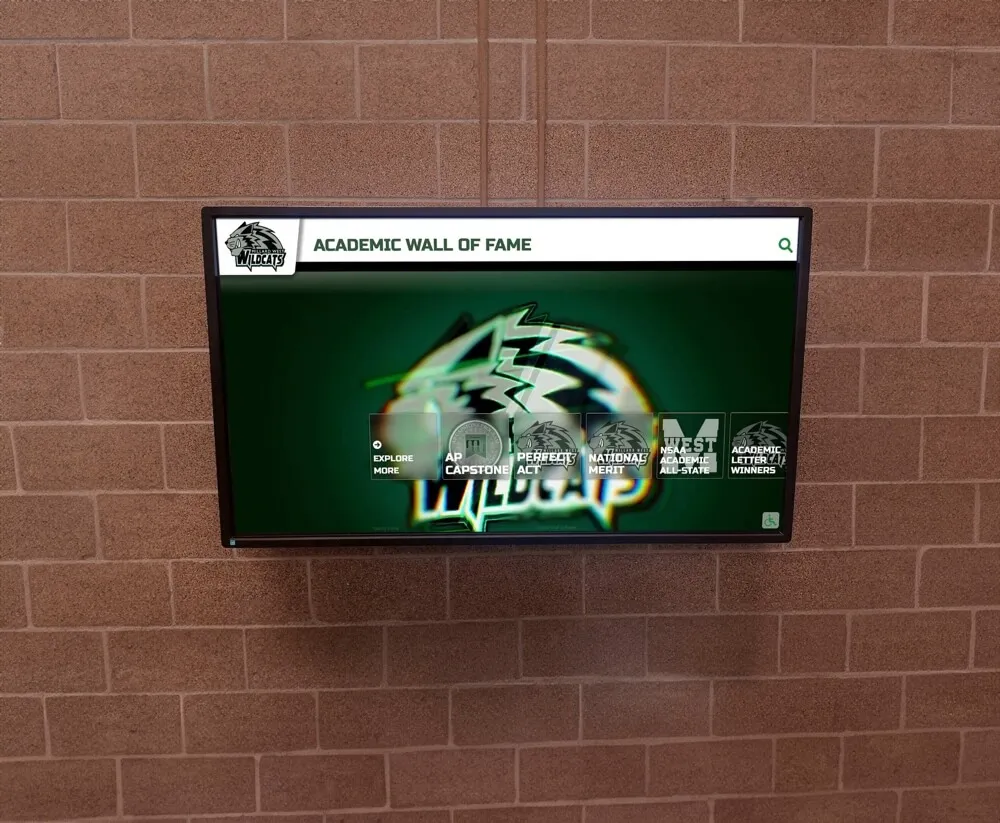
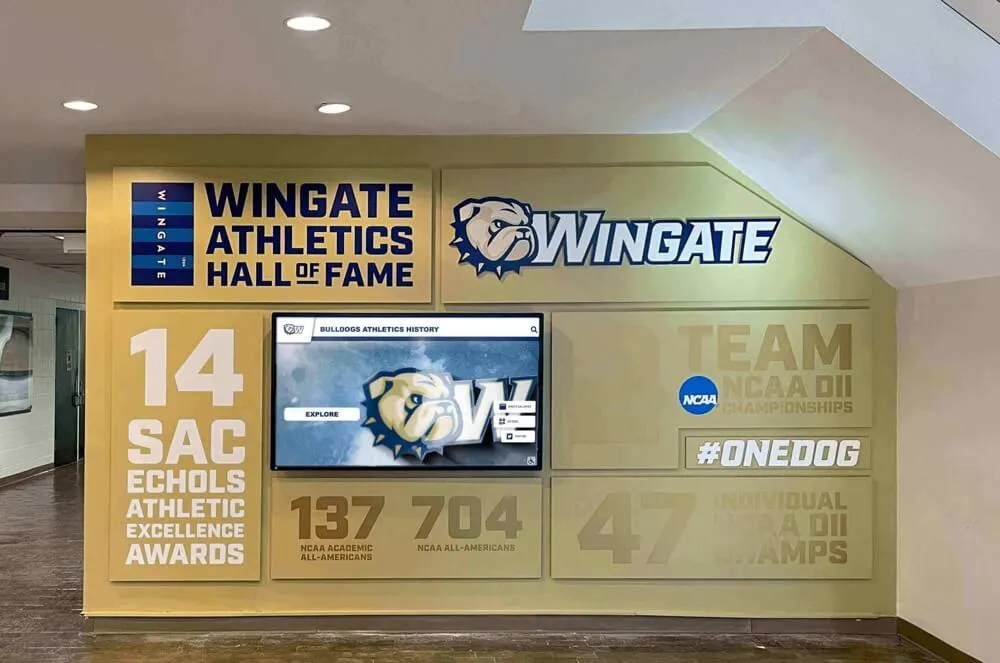
Systematic recognition honors leadership across all student activities, demonstrating that mentorship matters as much as traditional achievements
School Culture and Community Benefits
Beyond individual student outcomes, peer leadership programs strengthen overall school climate by reducing grade-level segregation creating connections across classes, modeling positive upperclassman-underclassman relationships, promoting inclusive culture where helping others gains social value, building tradition and institutional knowledge transmission across generations, and creating student voice and agency through peer-driven support systems complementing adult structures.
Schools with strong peer leadership traditions often report more positive cultures, higher student satisfaction, and stronger community identity compared to institutions lacking these cross-grade connection opportunities. Learn about comprehensive approaches to building school community through student recognition that support these culture-building efforts.
The Recognition Gap for Peer Leadership Programs
Despite documented benefits and significant student investment, peer leadership programs frequently receive inadequate recognition compared to other student activities and leadership positions, creating equity concerns and potentially discouraging participation.
Limited Visibility Compared to Other Leadership Roles
Student government officers, athletic team captains, and club presidents typically receive prominent recognition through announcements, displays, awards ceremonies, and yearbook features. In contrast, peer leaders often experience minimal visibility beyond program participants.
Recognition Disparities
Common recognition imbalances include student government receiving dedicated display space while peer leaders get none, athletic team captains featured in trophy cases while mentors go unacknowledged, performing arts students celebrated at concerts while mentor achievements remain invisible, academic competition participants recognized at awards nights while leadership contributions receive brief mention, and senior superlatives and honors including traditional categories while mentorship goes uncelebrated.
These disparities send unintended but powerful messages about what schools value and which leadership forms matter most. Students observing these patterns may conclude that serving peers matters less than competitive achievements or elected positions, potentially discouraging future peer leader applicants who could provide valuable mentorship.
Impact on Program Prestige and Recruitment
When peer leadership positions lack visible prestige, recruitment challenges often intensify. The most capable student leaders may prioritize activities receiving more recognition, qualified candidates may not consider peer leadership because they haven’t encountered visible mentor celebration, freshmen may not aspire to become mentors because they don’t see current leaders celebrated, and parents may view peer leadership as less valuable than activities receiving more prominent acknowledgment.
Schools committed to peer leadership program sustainability must address recognition gaps to maintain program prestige and attract quality mentors year after year.
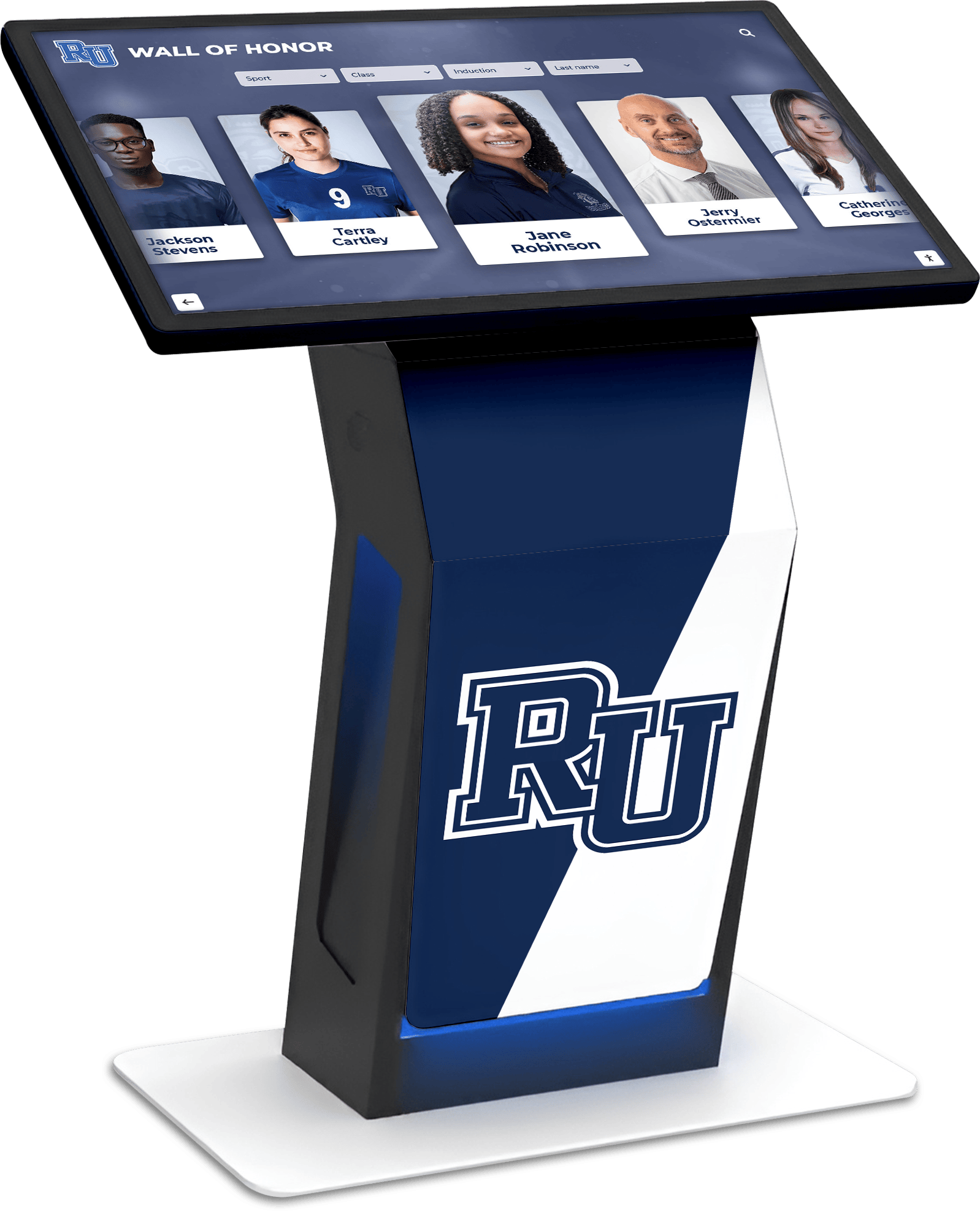
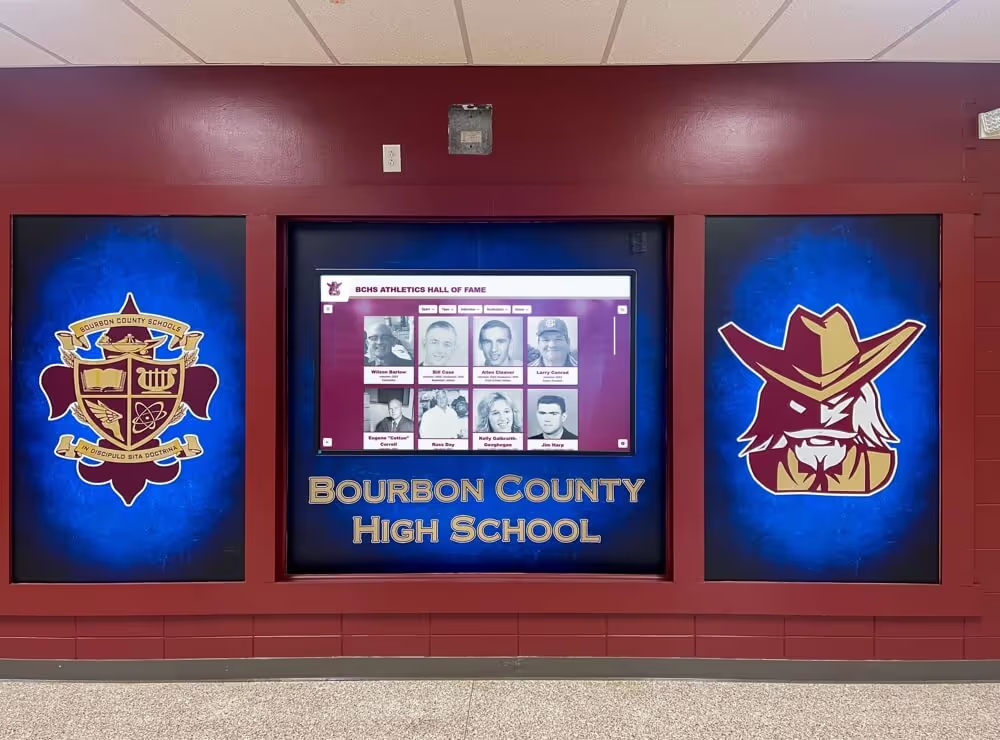
Modern recognition systems accommodate unlimited students and programs without space constraints that force selective celebration
Missing Documentation of Mentor Contributions
Traditional recognition approaches—if they exist—typically list peer leader names without documenting their specific contributions, limiting both acknowledgment depth and college application value.
Generic Recognition Limitations
Simple name lists fail to communicate the substantial work peer leaders invest including lesson preparation and facilitation requiring creativity and planning, individual freshman support outside group meeting times, event coordination for bonding activities and community building, crisis response and referrals when freshmen face serious challenges, and sustained commitment maintaining energy and engagement across entire school years.
Without specific achievement documentation, even schools recognizing peer leaders inadvertently diminish these leadership experiences by reducing them to simple participation rather than genuine accomplishment and skill development.
College Application Documentation Needs
Colleges expect leadership descriptions that demonstrate impact, responsibility, and growth rather than simple title listing. Generic peer leader recognition provides insufficient content for students explaining their experiences in application essays, activity descriptions, and interviews.
Comprehensive recognition documenting specific contributions, skills developed, and outcomes achieved provides concrete content students can reference when articulating leadership experiences to colleges, scholarships, and future employers. Explore approaches to recognizing student leadership that supports college readiness applicable to peer mentoring programs.
Comprehensive Recognition Strategies for Peer Leadership Programs
Modern recognition approaches honor peer leaders systematically while creating visibility that strengthens programs and inspires future participation across diverse student populations.
Multi-Dimensional Mentor Recognition
Effective recognition celebrates both leadership positions and specific contributions demonstrating what mentors actually accomplished through their service to freshmen and school communities.
Individual Mentor Profiles
Comprehensive recognition includes individual profiles for each peer leader featuring professional photographs showing mentors alone or with their freshman groups, biographical information including graduation year, interests, and activities, leadership roles specifying group assignments and mentor pairs, program involvement describing years of participation or special responsibilities, personal statements about why they became mentors and what they gained, and specific accomplishments highlighting successful initiatives, breakthrough moments, or special contributions.
This detailed recognition validates individual commitment while providing content useful for college applications and scholarship submissions where students must describe leadership experiences specifically.
Group Achievement Celebration
Beyond individual recognition, programs benefit from celebrating collective mentor accomplishments including successful events coordinated by peer leadership program, service projects completed benefiting school or broader communities, program innovations and improvements implemented by current mentor cohorts, attendance and participation statistics demonstrating program reach, and freshman feedback highlighting mentor impact through participant testimonials.
Group recognition demonstrates program effectiveness to stakeholders while building pride among peer leaders who contributed to collective achievements benefiting entire ninth-grade classes.
Special Recognition Categories
Programs can establish recognition categories acknowledging diverse mentor strengths including exceptional facilitator awards for outstanding group discussion leadership, mentorship excellence recognizing deep relationships with individual freshmen, innovation honors celebrating creative lessons or activities, spirit awards acknowledging enthusiasm and positive attitude, and dedication recognition honoring consistent commitment and reliability.
Category-based recognition ensures diverse mentor contributions receive appropriate acknowledgment rather than assuming one leadership model fits all mentor strengths and styles.
Freshman Participant Recognition
While mentors deserve primary recognition, acknowledging freshman participants demonstrates program value while building aspiration among younger students to become mentors themselves eventually.
Freshman Participation Acknowledgment
Recognition can celebrate freshman engagement including group achievements from successful freshman classes, individual growth highlighting students who thrived with mentor support, participation milestones recognizing consistent attendance and engagement, leadership development among freshmen who showed emerging leadership capacity, and peer nominations where freshmen recognize peers who embraced program values.
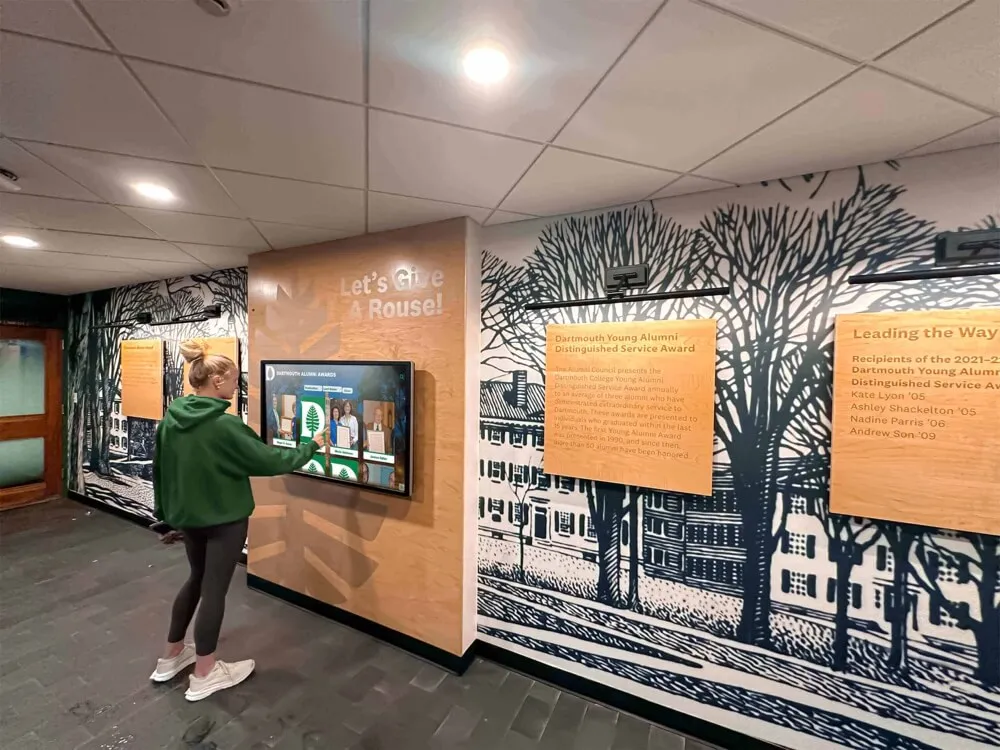
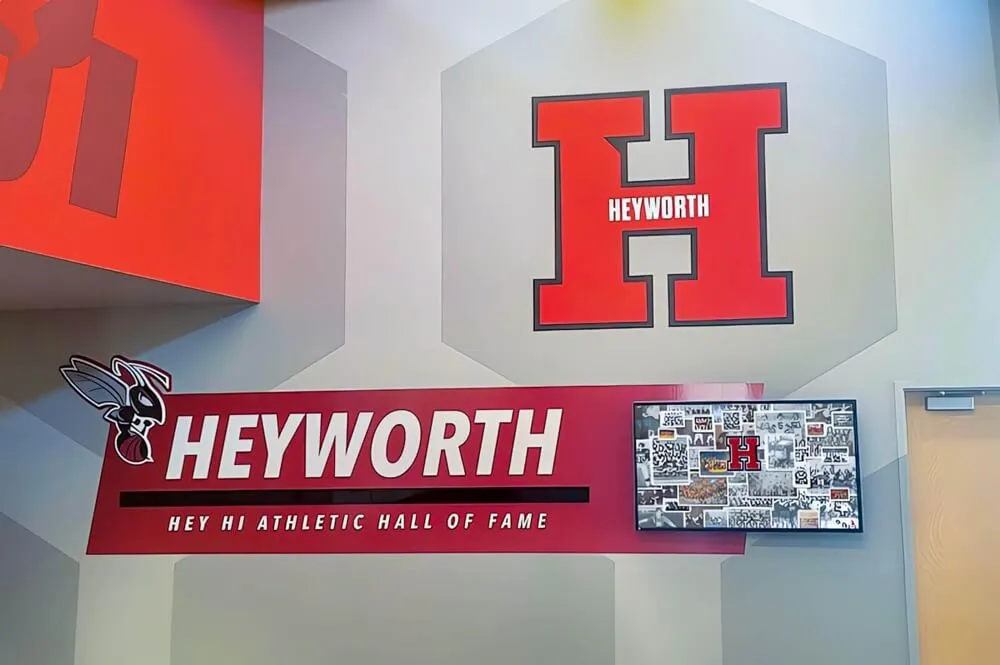
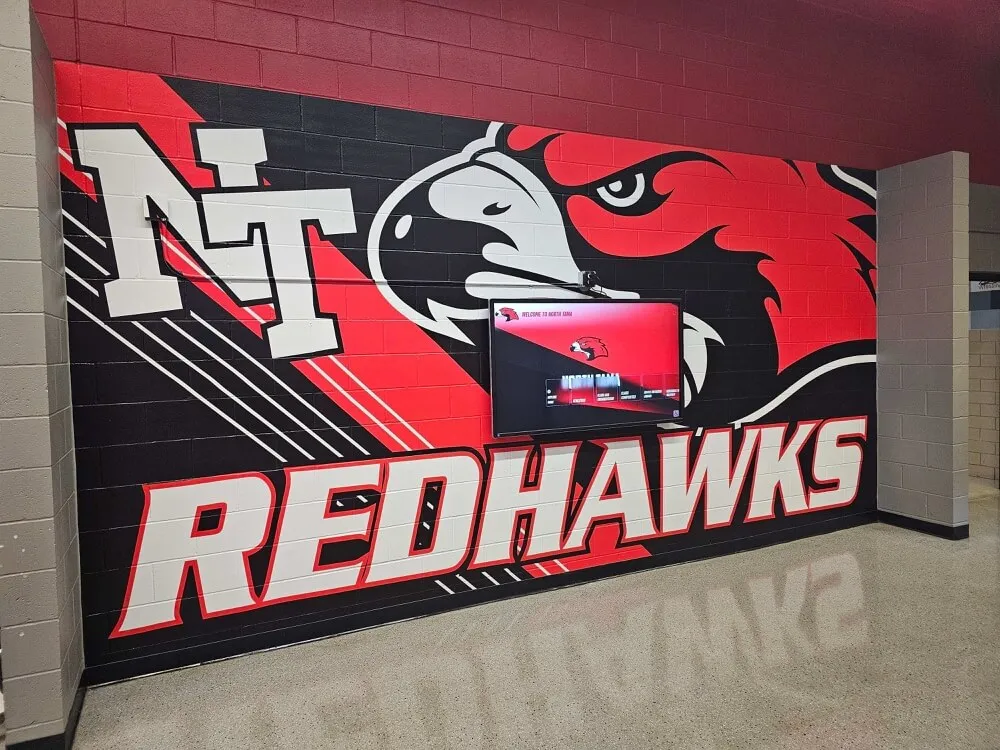
Strategic placement in high-traffic areas maximizes recognition visibility throughout school communities
This freshman recognition creates program continuity while helping current ninth graders envision themselves as future mentors serving subsequent freshman classes.
Mentor-Freshman Relationship Celebration
Programs should highlight the relationships at peer leadership program hearts including matched pair recognition showing mentor-freshman connections, relationship milestones celebrating lasting bonds and ongoing friendships, success stories featuring freshmen who credit mentors with specific impacts, reunion facilitation helping pairs stay connected beyond freshman year, and alumni connections when former freshmen become mentors themselves.
These relationship celebrations communicate that program value lies in genuine human connections rather than simply administrative freshman orientation mechanisms. Discover approaches to recognizing student mentorship relationships that honor these meaningful connections appropriately.
Digital Recognition Solutions for Peer Leadership Programs
Traditional physical recognition approaches—plaques, bulletin boards, trophy cases—face space limitations and update challenges that digital platforms overcome while creating more engaging, comprehensive celebration accessible to broader school communities.
Interactive Touchscreen Display Systems
Solutions like Rocket Alumni Solutions eliminate space constraints that force selective recognition, enabling comprehensive celebration of all peer leaders across current and historical program years.
Unlimited Recognition Capacity
Digital platforms can recognize every peer leader throughout program history including comprehensive profiles with photos, descriptions, and accomplishments, documentation of each mentor cohort’s specific initiatives and achievements, preservation of program evolution showing how approaches developed over years, freshman testimonials expressing gratitude for specific mentors, and complete archives connecting current mentors to program tradition and legacy.
This unlimited capacity ensures no mentor’s contribution gets lost due to physical display space limitations, preserving complete institutional history of student mentorship and peer support traditions.
Rich Multimedia Storytelling
Interactive displays bring peer leadership experiences to life through comprehensive content including high-quality photographs of mentors, groups, and program activities, video interviews where mentors discuss experiences and lessons learned, freshman testimonials describing mentor impact through authentic voices, event documentation with photos and descriptions from bonding activities, and advisor reflections about program development and outstanding mentors.
These multimedia capabilities create recognition depth impossible with simple name plaques or bulletin board listings that dominated traditional approaches.
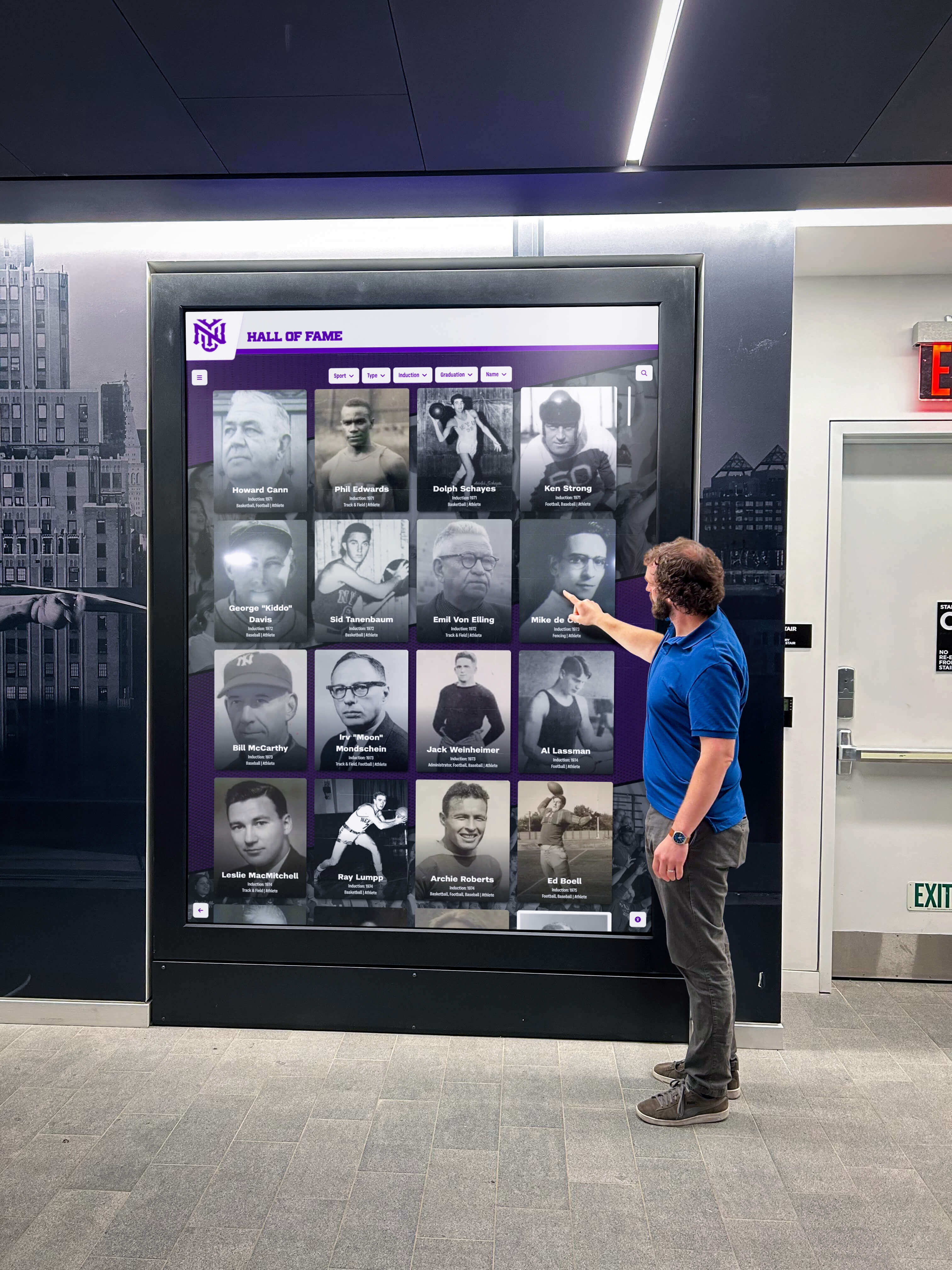
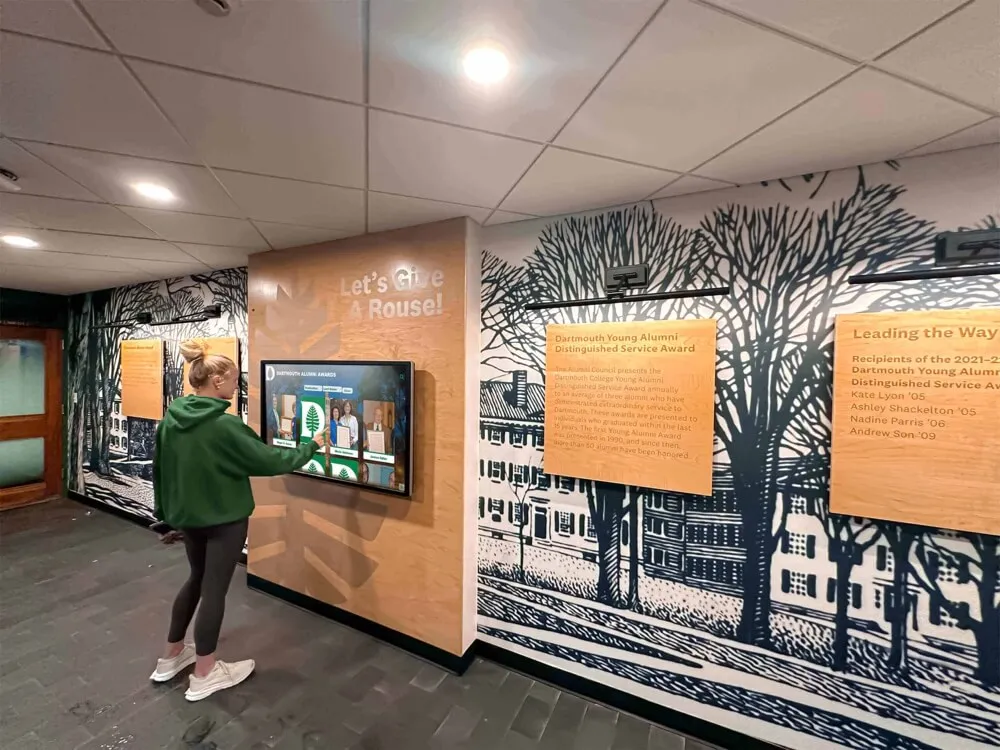
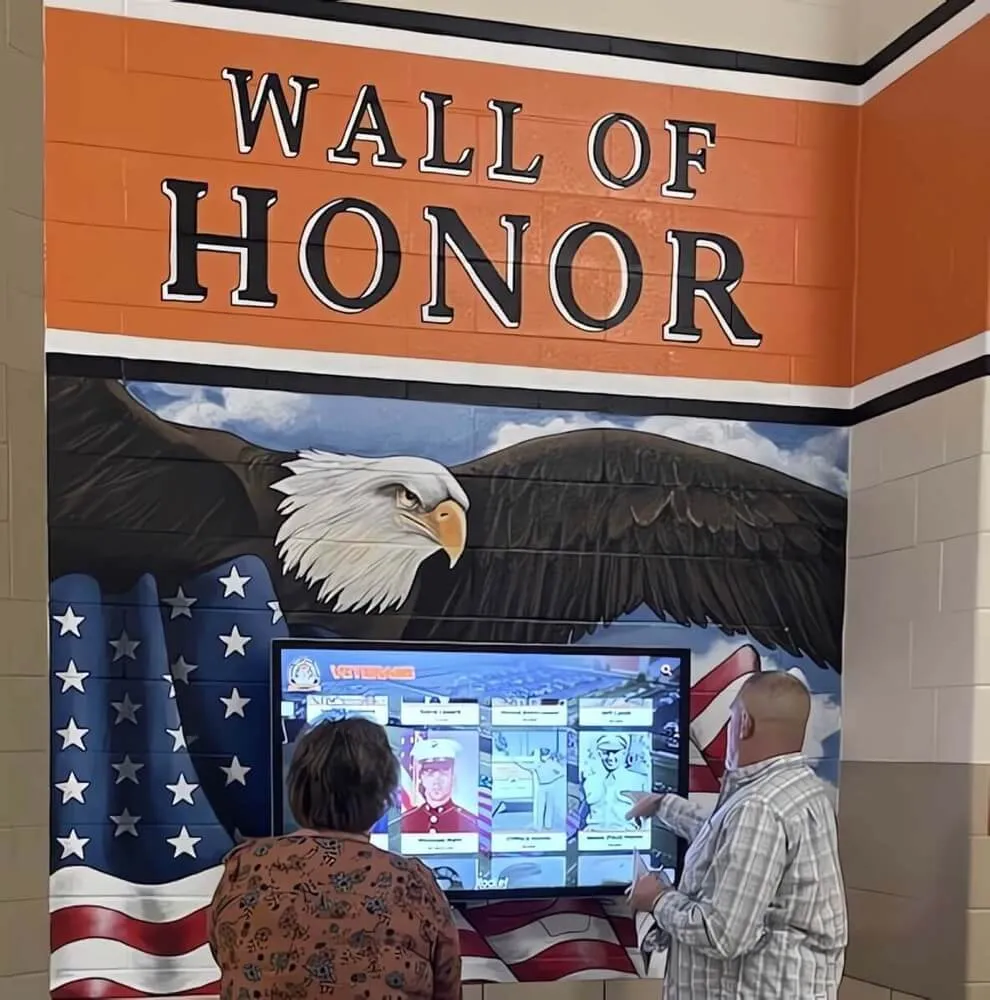
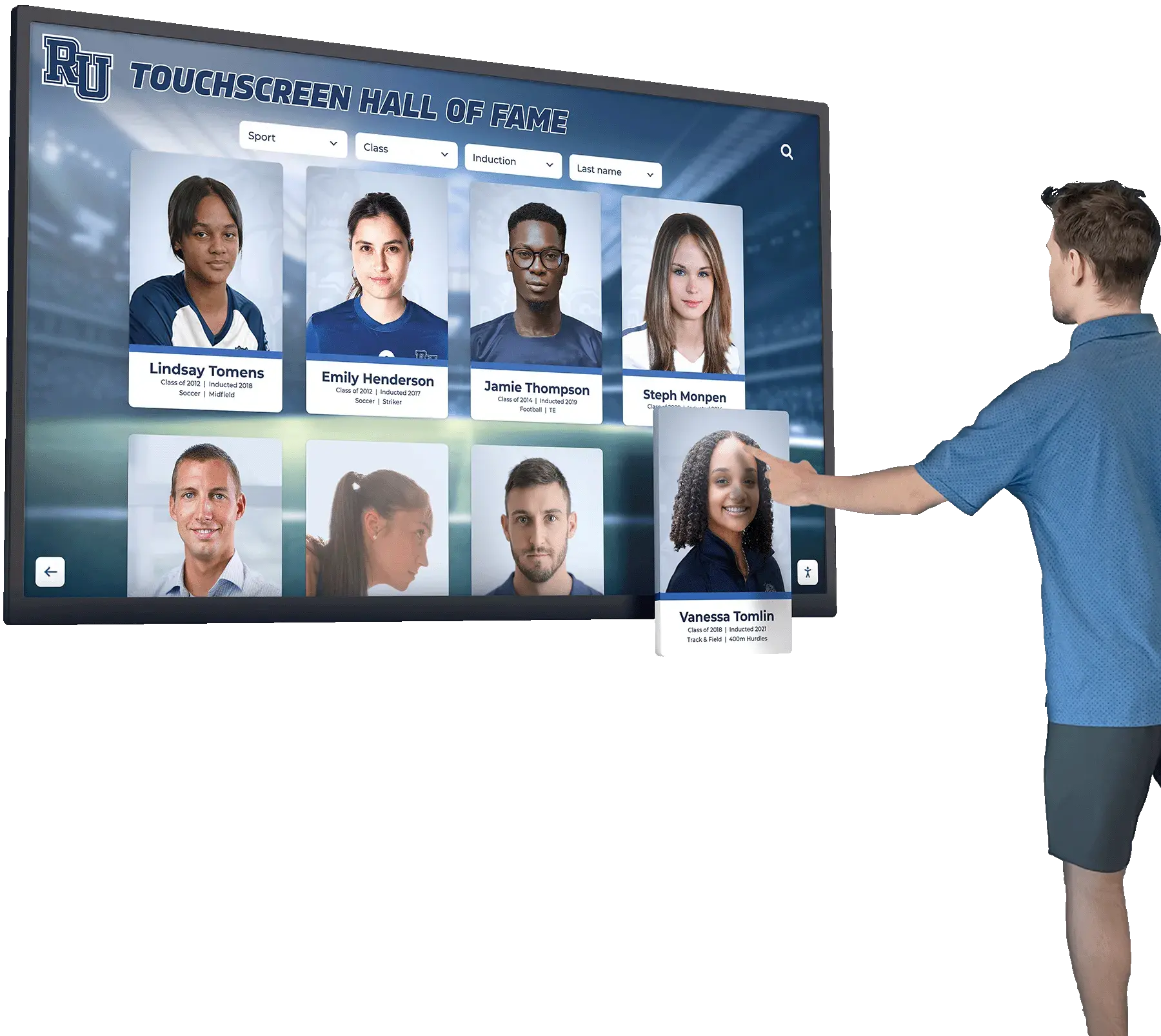
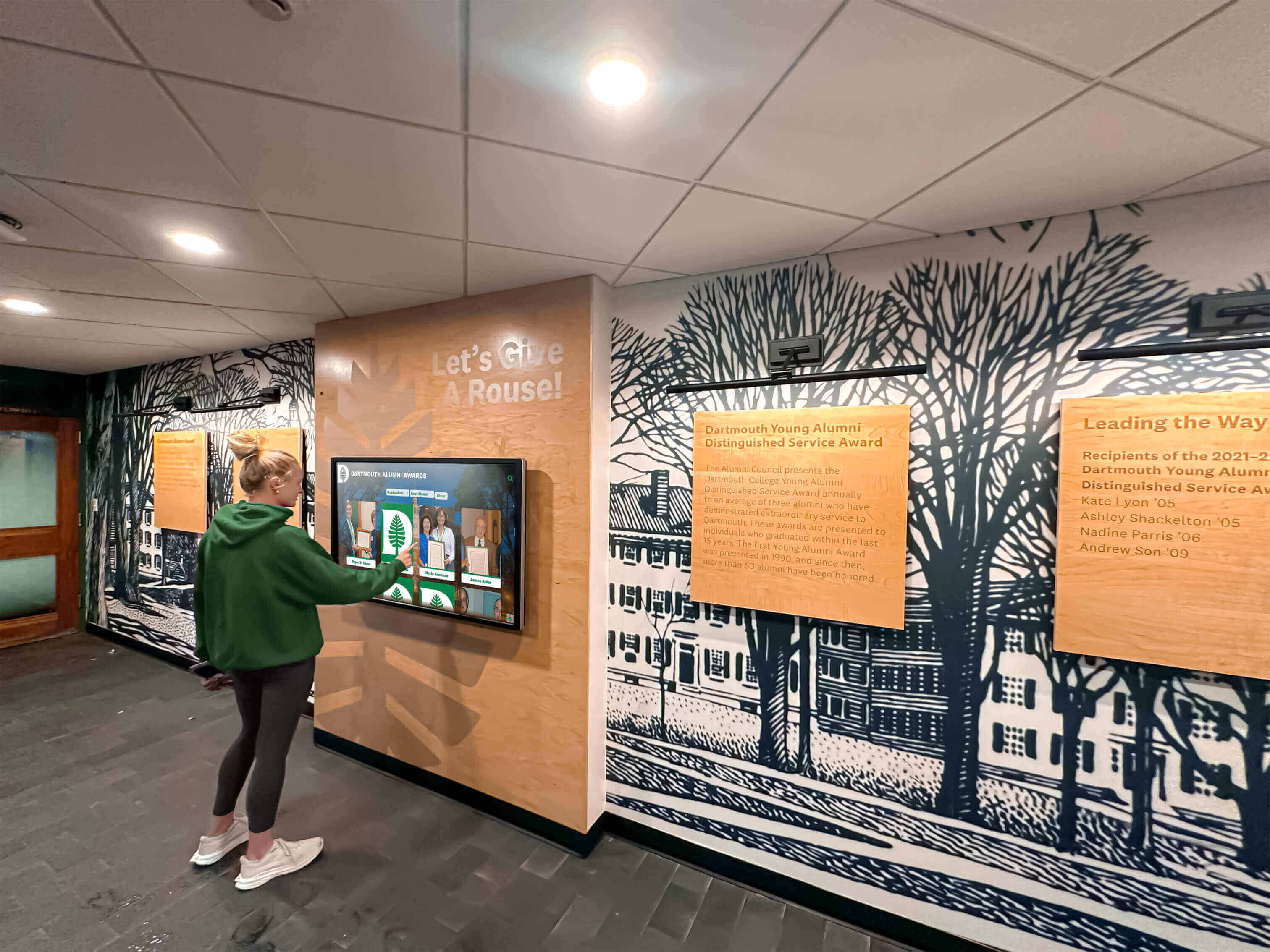
Interactive displays enable families and visitors to explore peer leadership programs and mentor achievements through engaging interfaces
Easy Updates and Sustainable Maintenance
Cloud-based management systems enable efficient recognition maintenance including remote updates from any internet-connected device without campus visits, scheduled publishing for post-program-year recognition when mentors complete service, bulk import capabilities for historical mentor information from archives, template-based content creation ensuring consistency across years, and role-based permissions allowing appropriate staff and student access.
Schools report significant reduction in time spent maintaining peer leadership recognition after implementing digital systems compared to physical bulletin board updates or manual yearbook coordination requiring constant staff attention.
Web-Based Recognition Extensions
Recognition should extend beyond physical campus displays to create accessibility for families, alumni, and prospective students exploring school culture and programs.
Online Recognition Portals
Web-accessible platforms amplify recognition impact including global access enabling families anywhere to view mentor achievements, mobile-responsive design ensuring quality experiences on all devices, social sharing capabilities letting students celebrate accomplishments with extended networks, integration with school websites maintaining consistent branding, and search engine visibility potentially attracting prospective families interested in student support programs.
Alumni Connection Opportunities
Online recognition creates engagement with program alumni including ability for graduates to find their own mentor records and memories, connection between current mentors and alumni who led previous freshman groups, mentorship opportunities pairing experienced alumni with current peer leaders, networking among program alumni across graduation years, and demonstration of long-term program impact on alumni experiences and development.
These digital extensions create recognition reach impossible with campus-only physical displays limited to current students and occasional visitors.
Integrating Peer Leadership with Comprehensive Student Recognition
Peer leadership recognition proves most effective when positioned within broader systems celebrating diverse student leadership and achievement across all activities and organizations.
Leadership Recognition Frameworks
Systematic approaches honor leadership across all student activities, not just traditionally high-profile groups like athletics or student government.
Unified Student Leadership Recognition
Comprehensive platforms recognize student leaders from academic honor societies demonstrating intellectual excellence and service, performing arts programs including theater, choir, and instrumental ensembles, service organizations like Key Club and community volunteer programs, cultural and identity-based clubs celebrating diverse communities, special interest organizations from robotics to environmental clubs, athletic team captains and program leaders, student government officers serving in elected positions, and peer leadership mentors supporting freshman transition and success.
This unified approach demonstrates institutional commitment to honoring all forms of student leadership rather than privileging certain activities while neglecting others equally valuable for community health and student development.
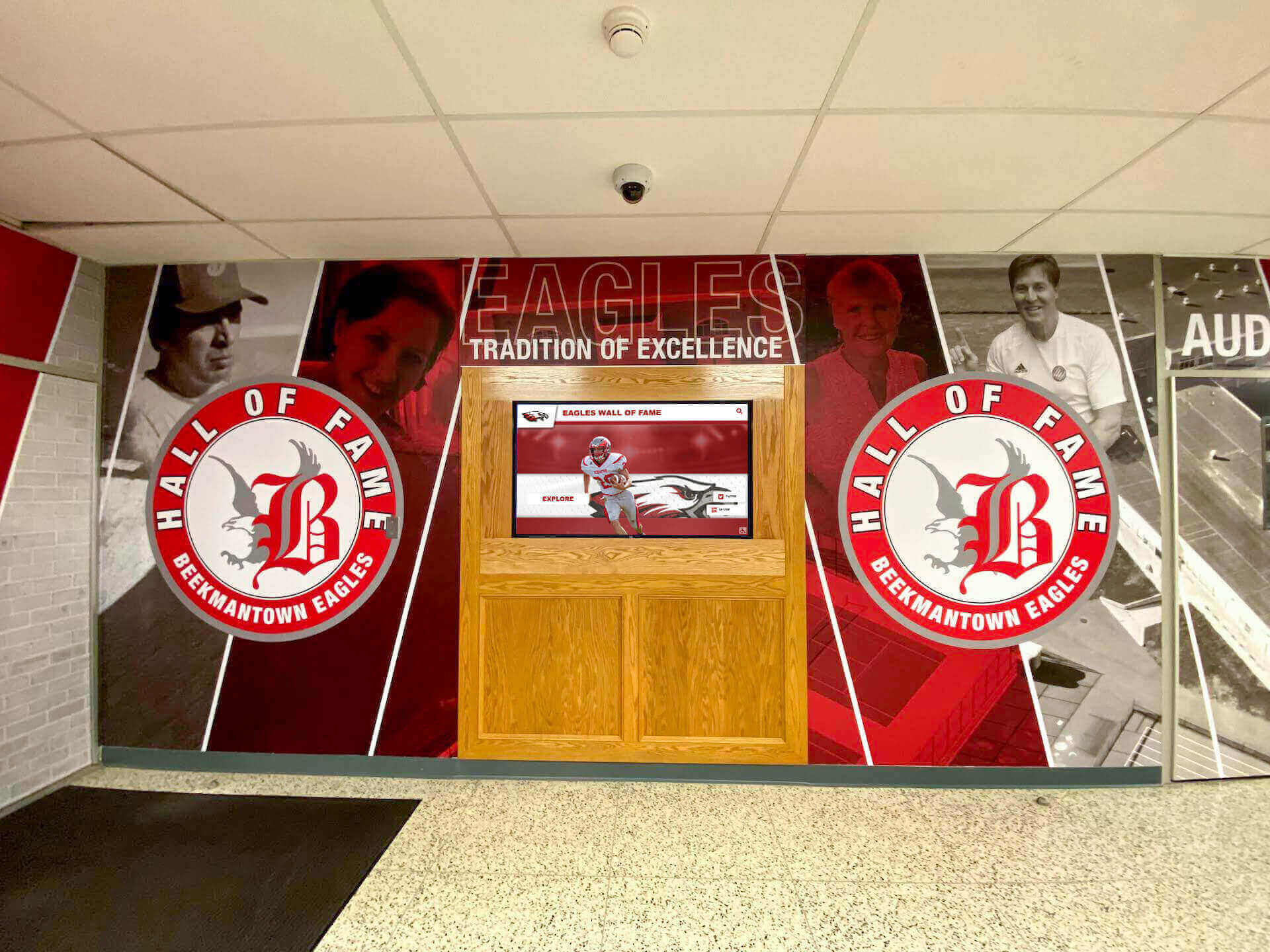
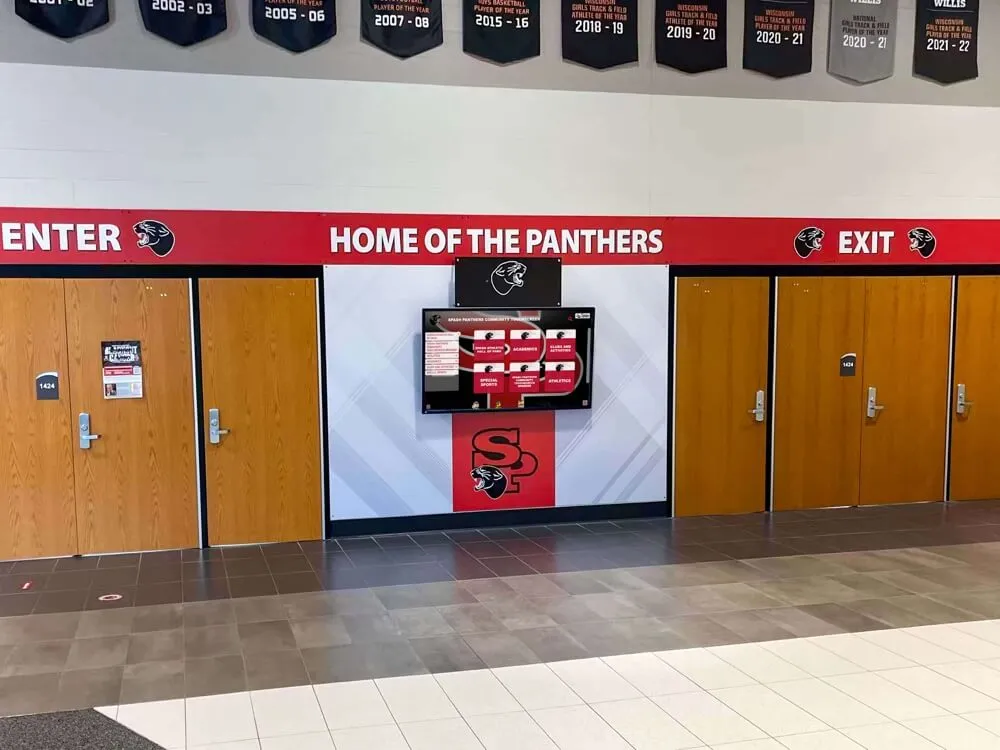
Prominent recognition installations signal school commitment to celebrating student achievement across all activities and leadership domains
Mentorship and Service Leadership Celebration
Recognition should specifically celebrate mentorship dimensions including peer support programs helping students navigate school challenges, tutoring and academic assistance provided to struggling students, new student orientation and welcoming initiatives, community service coordination and volunteer leadership, and sustained commitment demonstrating dedication to serving others.
By positioning peer leadership recognition within comprehensive celebration of service and mentorship activities, schools communicate that helping others represents core institutional values worthy of prominence alongside competitive achievement.
Explore comprehensive approaches to recognizing diverse student leadership across school communities that honor varied contribution forms.
Connecting Recognition to College and Career Readiness
Systematic peer leadership recognition should explicitly highlight leadership development benefits supporting college applications and future success across diverse fields and pathways.
College Application Enhancement
Digital recognition platforms create accessible documentation for college applications including comprehensive leadership portfolios showing sustained commitment through senior year, specific achievement descriptions providing essay material about impact and growth, downloadable content for college application activity sections, web links enabling admissions officers to explore peer leadership programs, and quantifiable metrics demonstrating organizational impact and student development outcomes.
Leadership Skill Documentation
Recognition should explicitly connect peer leadership experience to transferable skills including communication capabilities through group facilitation and relationship building, organizational management through planning activities and coordinating schedules, emotional intelligence developed through understanding diverse student needs, problem-solving through addressing group dynamics and individual challenges, and responsibility demonstrated through sustained commitment to serving younger students.
This explicit skill documentation helps students articulate leadership development in college interviews, scholarship applications, and future professional contexts where mentorship experience provides valuable foundation for team leadership, training coordination, and stakeholder engagement roles.
Implementing Peer Leadership Recognition Programs
Successful implementation requires systematic planning addressing content development, stakeholder engagement, and sustainable management practices ensuring programs remain meaningful long-term.
Planning and Content Development
Program Assessment and Goal Setting
Schools should begin with systematic evaluation including current recognition practices for peer leadership and other activities, stakeholder input from mentors, freshmen, advisors, and administrators, physical and digital resources available for implementation, recognition approaches at peer schools for benchmarking, and specific goals for recognition program impact and school culture enhancement.
This assessment reveals gaps and opportunities while establishing baselines for measuring improvement and return on investment in recognition initiatives.
Historical Content Collection
Effective recognition includes historical peer leaders when possible through yearbook research identifying previous mentors, advisor file reviews finding documentation and records, alumni outreach gathering updates and reflections from former mentors, program evolution documentation tracking how structures changed over years, and photograph collection from advisors, alumni, and school archives.
While historical reconstruction takes effort, schools report finding surprising amounts of information in yearbooks, advisor files, and alumni memory once they begin systematic collection efforts.

High-visibility hallway installations ensure peer leadership recognition becomes central to school culture and daily student experience
Technology Selection and Implementation
Platform Evaluation Criteria
Schools implementing digital peer leadership recognition should evaluate solutions considering ease of content management without requiring technical expertise, capacity for comprehensive recognition without space constraints, interactive features enabling engaging exploration and discovery, web-based access extending recognition beyond campus to families and alumni, mobile responsiveness for smartphone and tablet access throughout campus, integration capabilities with school websites and communication systems, cost including initial implementation and ongoing subscriptions, and support and training provided by vendors for sustainable operation.
Purpose-Built Recognition Solutions
Platforms like Rocket Alumni Solutions specifically designed for educational recognition typically offer templates optimized for student profiles and leadership achievements, unlimited capacity accommodating comprehensive historical archives, intuitive content management requiring no technical expertise, responsive web design ensuring quality across all devices, analytics demonstrating engagement and program effectiveness, ongoing platform development adding relevant features, and dedicated support teams understanding school needs and contexts.
Purpose-built solutions typically deliver superior experiences compared to generic digital signage systems adapted for recognition purposes, justifying investment through better functionality and easier long-term management.
Stakeholder Engagement and Communication
Building Support for Recognition Investment
Successful implementation requires stakeholder buy-in including administrative approval recognizing recognition’s motivational impact, advisor enthusiasm for documentation and ongoing updates, peer leader engagement in content development and promotion, parent awareness of recognition’s college application benefits, and freshman appreciation for visible mentor celebration.
Launch and Promotion Strategies
Recognition program launches benefit from strategic communication including ceremony unveiling recognition system with current peer leaders, email announcements to families about recognition availability, social media promotion celebrating featured mentors and program traditions, integration with peer leadership meetings showing mentors their recognition, morning announcements building school-wide awareness, and press outreach to local media highlighting innovation in student leadership celebration.
Strong launch communication ensures maximum visibility and engagement from inception, building momentum for sustained recognition program success and continued mentor recruitment across future years.
Best Practices for Sustainable Peer Leadership Recognition
Beyond initial implementation, certain approaches ensure recognition remains meaningful, current, and effective long-term while supporting program sustainability and growth.
Regular Updates and Maintenance
Timely Recognition of Current Mentors
Prompt acknowledgment matters significantly including updating recognition at program year start when new mentors begin service, photographing mentors early in the year before schedules become overwhelming, adding achievement documentation throughout the year as initiatives conclude, featuring mentor spotlights highlighting specific contributions and breakthrough moments, and celebrating end-of-year achievements promptly after program completion.
Regular updates demonstrate that recognition remains active and valued rather than an abandoned system receiving only occasional attention when staff remember it exists.
Historical Content Expansion
Ongoing recognition programs can systematically add historical content including annual addition of previous years’ mentor information from archives, soliciting alumni memories and photographs for early program history, documenting program development and milestone achievements over decades, featuring anniversary recognition for program founding and significant milestones, and preserving tradition through storytelling connecting past to present mentors.
This historical expansion creates increasingly valuable archives connecting current mentors to institutional tradition while demonstrating peer leadership’s enduring role in school culture.

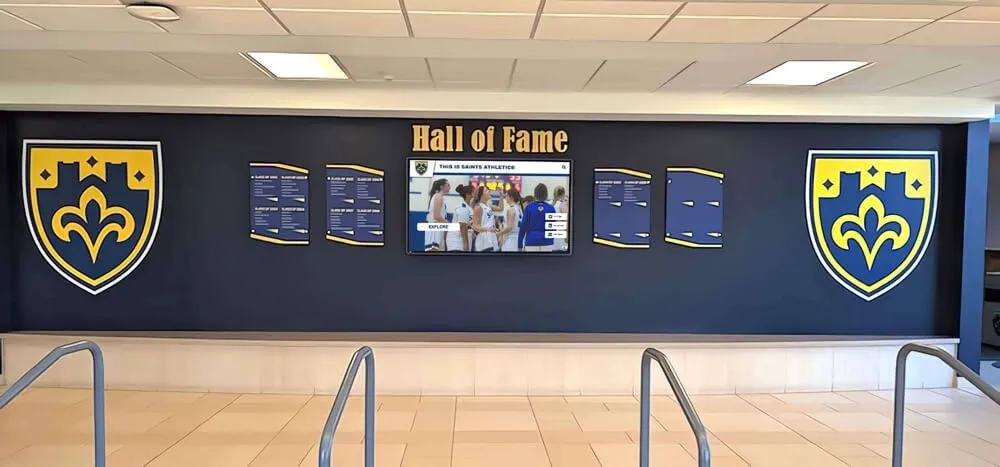
Hybrid approaches combine modern digital capabilities with traditional design elements creating impactful recognition installations
Equity and Inclusion in Recognition
Accessible Recognition Opportunities
Recognition programs should ensure all students have opportunities to be celebrated including diverse mentor selection reflecting varied backgrounds and experiences, recognition of different mentoring approaches and strengths, celebration of growth and development beyond just natural leaders, acknowledgment of behind-the-scenes work supporting program operations, and inclusive program structures welcoming all interested students to apply.
Equitable recognition creates inclusive cultures where diverse students feel valued and motivated to pursue leadership regardless of background or previous experience with formal leadership positions.
Removing Barriers to Participation
Peer leadership recognition connects to ensuring program accessibility including flexible meeting schedules accommodating students with work or family obligations, support for mentors balancing rigorous academics with program commitments, transportation assistance for students requiring help attending training or events, financial support ensuring program participation never creates cost burdens, and welcoming culture for students regardless of previous leadership experience.
Recognition of diverse participants signals that peer leadership values inclusion, potentially attracting students who might otherwise assume mentoring serves only certain populations or requires specific backgrounds.
Connecting to Academic and Character Recognition Programs
Peer leadership recognition integrates naturally with broader excellence celebration including recognition of honor society members who also serve as mentors, celebration of students balancing leadership service with rigorous academics, highlighting communication and organizational skill development applicable beyond mentoring, demonstrating service commitment worthy of recognition comparable to academic honors, and positioning peer leadership as complement to comprehensive educational experience.
This integration reinforces that peer leadership represents valuable development worthy of institutional recognition comparable to academic and athletic achievements while supporting holistic student growth. Discover comprehensive approaches to student achievement recognition that can incorporate peer leadership accomplishments.
Measuring Peer Leadership Recognition Impact
Regular assessment ensures recognition programs achieve intended goals while identifying improvement opportunities and demonstrating value to decision-makers.
Quantitative Impact Metrics
Recognition Coverage and Completeness
Track recognition program comprehensiveness including percentage of peer leaders with recognition profiles, historical coverage depth showing years documented, profile completeness with photos, achievements, and statements, update frequency showing how recently content was added, and user engagement metrics from digital displays and web platforms.
Program Participation and Health
Assess recognition’s relationship to program vitality including peer leader application numbers indicating interest in positions, application quality showing strong candidates seeking roles, mentor retention through program year demonstrating sustained commitment, freshman satisfaction ratings with mentor support and programs, and alumni engagement with current peer leadership programs.
College Application Usage
Document recognition’s practical value including student reports using recognition in college applications, college admissions references to peer leadership in acceptances, scholarship applications leveraging leadership documentation, college interview preparation using recognition for talking points, and alumni feedback about recognition’s role in their applications.
Qualitative Assessment
Stakeholder Feedback
Gather perspectives from multiple groups including peer leader assessment of recognition’s motivational impact, freshman perception of whether recognition makes mentors feel valued, parent observations about student pride and engagement, advisor evaluation of recognition program sustainability, administrator observations about school culture impacts, and alumni reflection on recognition connecting them to program traditions.
Cultural Indicators
Observe broader impacts including changes in how students discuss peer leadership prestige, prospective student interest during tours when seeing leadership recognition, family comments about visible student support and mentorship opportunities, community awareness of peer leadership contributions, and peer respect for mentoring as valuable activity comparable to other achievements.
Regular assessment enables continuous improvement ensuring recognition programs remain effective and aligned with peer leadership and school goals for student support and community building.
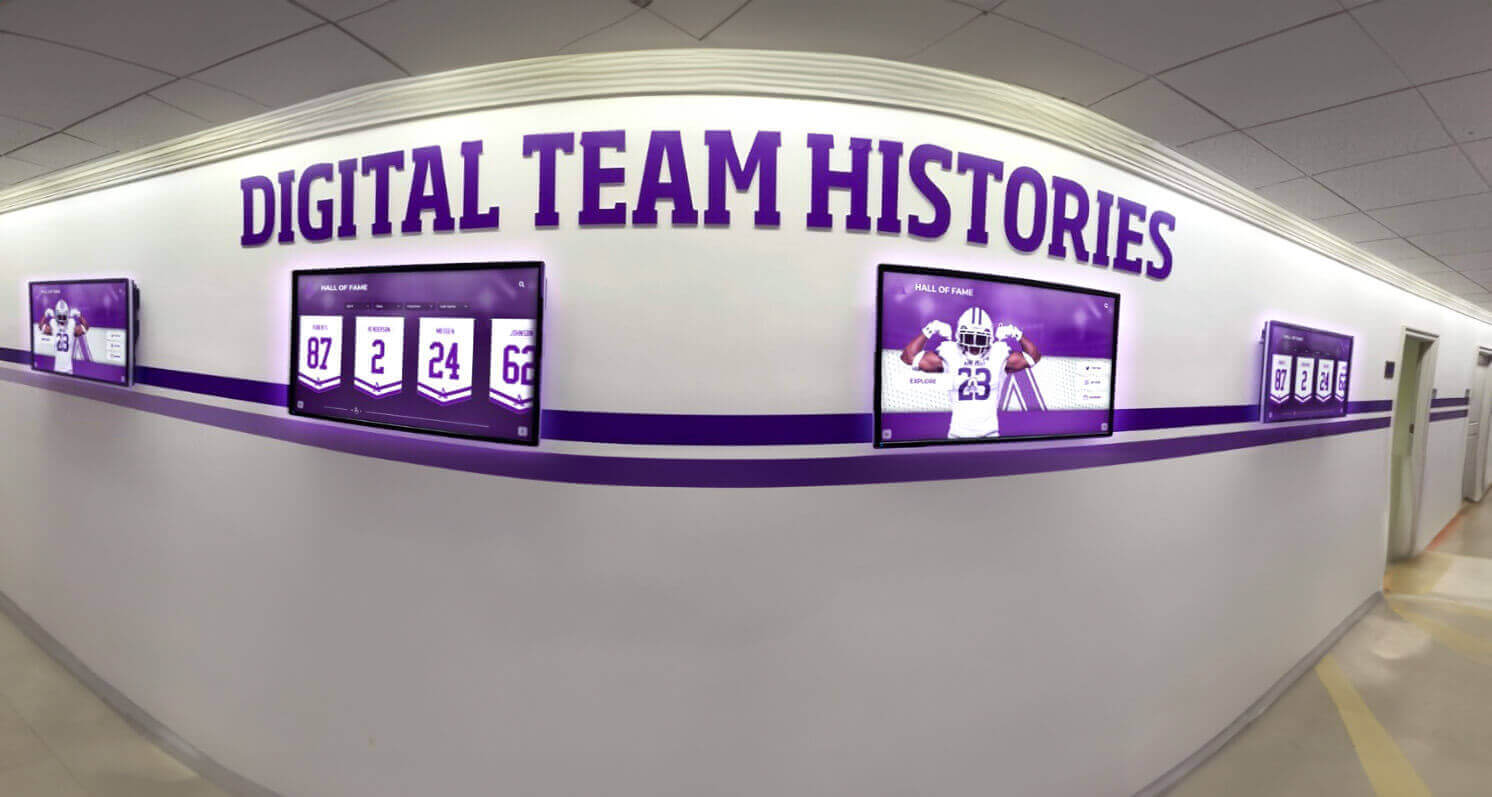
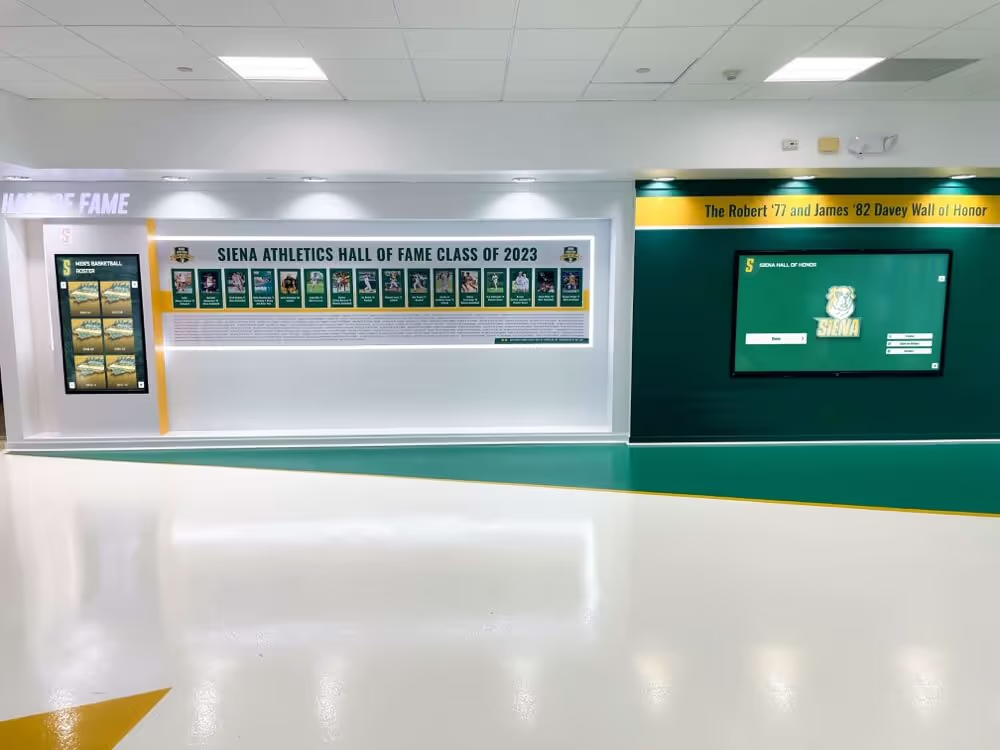
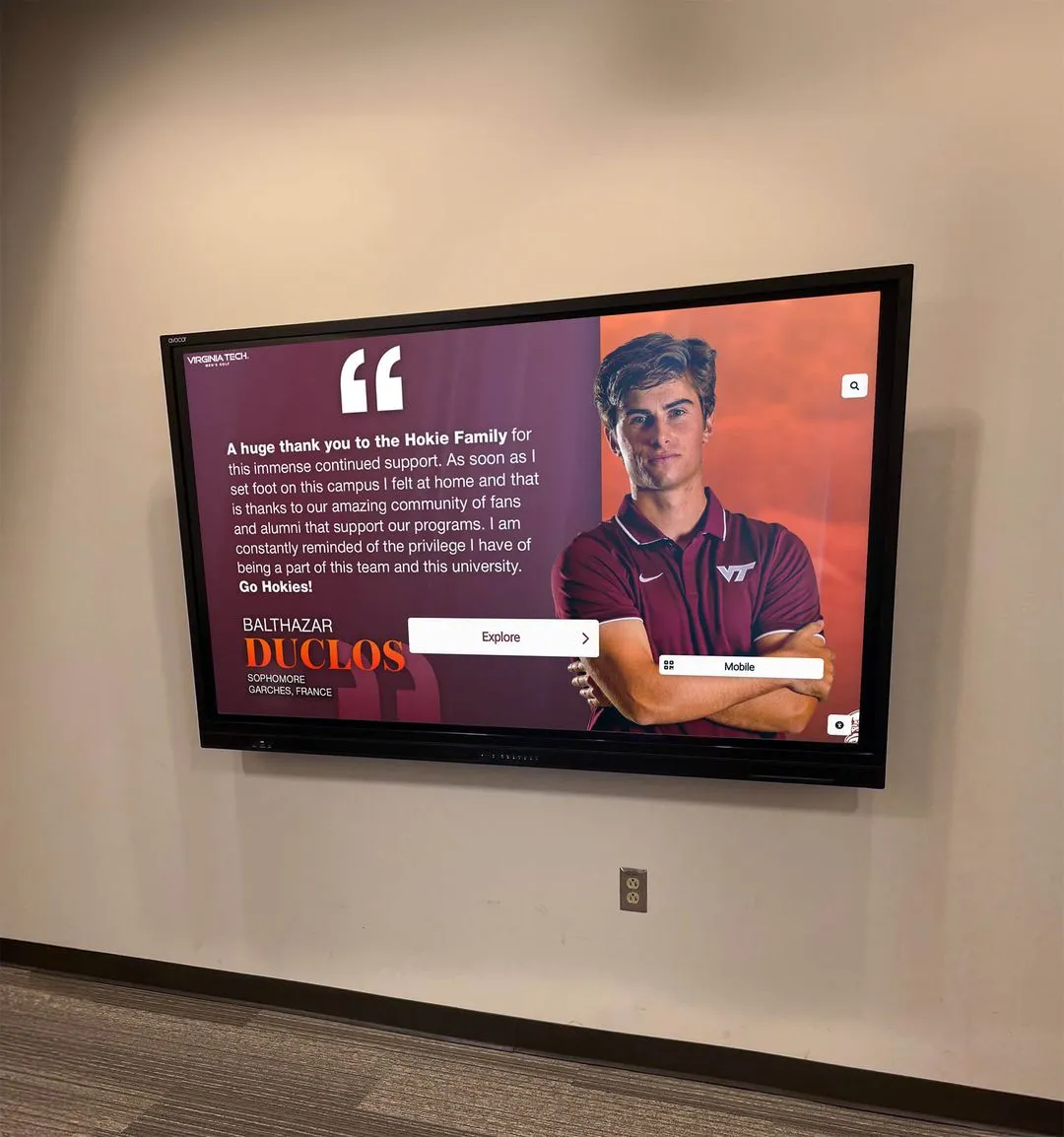
Coordinated multi-display installations create comprehensive recognition experiences showcasing diverse program dimensions and mentor achievements
Conclusion: Honoring Mentorship and Building Inclusive School Communities
Peer leadership programs represent strategic investments in school culture that benefit freshmen navigating difficult transitions, senior mentors developing essential leadership skills, and entire school communities becoming more connected and supportive. Senior peer leaders who dedicate hours weekly to facilitating groups, planning activities, supporting struggling freshmen, and modeling positive relationships develop capabilities predicting success in college leadership, professional team environments, and civic engagement across their lifetimes. Meanwhile, the freshmen they serve experience smoother transitions, stronger social connections, better academic performance, and increased engagement—outcomes that ripple throughout their high school careers and beyond.
These dedicated student mentors deserve recognition matching their accomplishment magnitude—systematic celebration that honors their specific contributions and growth, inspires younger students to pursue mentorship opportunities themselves, preserves their legacy within institutional tradition demonstrating program endurance and value, and demonstrates that mentorship and peer support receive acknowledgment comparable to athletic achievement, academic honors, and other traditionally celebrated accomplishments. Traditional recognition approaches—brief announcements, limited yearbook space, informal advisor appreciation—fail to provide the visibility and engagement contemporary students and school communities need and deserve.
Transform Your Peer Leadership Recognition
Discover how modern digital recognition solutions can help you celebrate every peer leader's contributions while building lasting pride in student mentorship, inclusive community, and supportive school culture that benefits all students.
Explore Recognition SolutionsDigital recognition platforms transform how schools celebrate peer leadership excellence by eliminating space constraints that force selective recognition of only current mentors, enabling rich multimedia profiles documenting specific mentoring initiatives and relationships rather than just position titles, providing instant updates celebrating new mentor cohorts when recognition feels most meaningful, creating interactive experiences engaging digital-native students through touchscreen exploration and search functionality, and extending recognition reach beyond physical campuses through web and mobile access enabling global visibility for families, alumni, and prospective students interested in school culture and student support systems.
Effective peer leadership recognition requires thoughtful program design ensuring comprehensive inclusion of all mentors across current and historical program years, timely celebration adding new mentor recognition promptly at program start and conclusion, compelling content documenting specific contributions and skill development rather than generic participation acknowledgment, explicit connection to leadership capabilities helping students articulate college application value, integration with comprehensive student leadership recognition celebrating all engagement forms, and ongoing assessment demonstrating program value through measurable engagement and participation outcomes justifying continued investment in both recognition and peer leadership programs.
Whether implementing new recognition programs or enhancing existing approaches, combining systematic planning with modern recognition technology creates acknowledgment systems that genuinely motivate students to seek peer leader positions, strengthen program culture and mentor recruitment, demonstrate institutional values celebrating mentorship and inclusive community, and honor the remarkable leadership your peer leaders demonstrate through sustained dedication to supporting freshmen, facilitating meaningful discussions, planning engaging activities, and building cross-grade relationships that strengthen entire school communities for all students.
Your peer leaders invested countless hours facilitating group discussions, checking in with struggling freshmen, planning bonding activities, serving as positive role models, and building mentoring relationships that helped ninth graders navigate one of the most challenging transitions in their educational journeys. They deserve recognition honoring their accomplishments permanently through prominent displays engaging school communities daily, inspiring current students to pursue mentorship opportunities through clear role models and visible prestige, and preserving their legacy within your school’s proud tradition of celebrating diverse forms of student excellence, leadership development, and community building that benefits everyone.
Ready to transform your peer leadership recognition? Explore comprehensive student leadership recognition celebrating mentorship excellence, discover class president display approaches demonstrating systematic celebration of student leadership, learn about National Honor Society recognition that can incorporate peer leadership service, or understand elementary school recognition applicable across all grade levels. When ready to implement professional recognition systems, connect with Rocket Alumni Solutions to explore platforms designed specifically for schools prioritizing student leadership celebration and inclusive community building through comprehensive, engaging recognition that honors all students who dedicate themselves to serving their peers and strengthening school culture.