



Pep rally games for high school transform ordinary school assemblies into electric moments of unity, competition, and celebration that students remember long after graduation. When executed well, these games create the kind of infectious energy that builds genuine school pride while giving students at all participation levels opportunities to contribute to their school’s spirit culture.
Many schools struggle with pep rallies that feel stale or predictable: the same tired games year after year, limited student engagement beyond athletes and cheerleaders, activities that favor certain groups while excluding others, and events that generate noise without creating lasting connections to school identity. These challenges matter because pep rallies represent rare opportunities when entire student bodies gather with focused energy—moments schools can leverage to strengthen community bonds, recognize diverse achievements, and inspire the kind of pride that translates into active participation across all programs.
This comprehensive guide explores 25+ creative pep rally games for high school that energize assemblies, engage diverse student groups, and build lasting school spirit through strategic activity planning combined with recognition systems celebrating the achievements these rallies honor.
Successful pep rallies blend entertainment with genuine celebration, creating experiences where games serve as vehicles for building community rather than mere time-fillers between announcements.

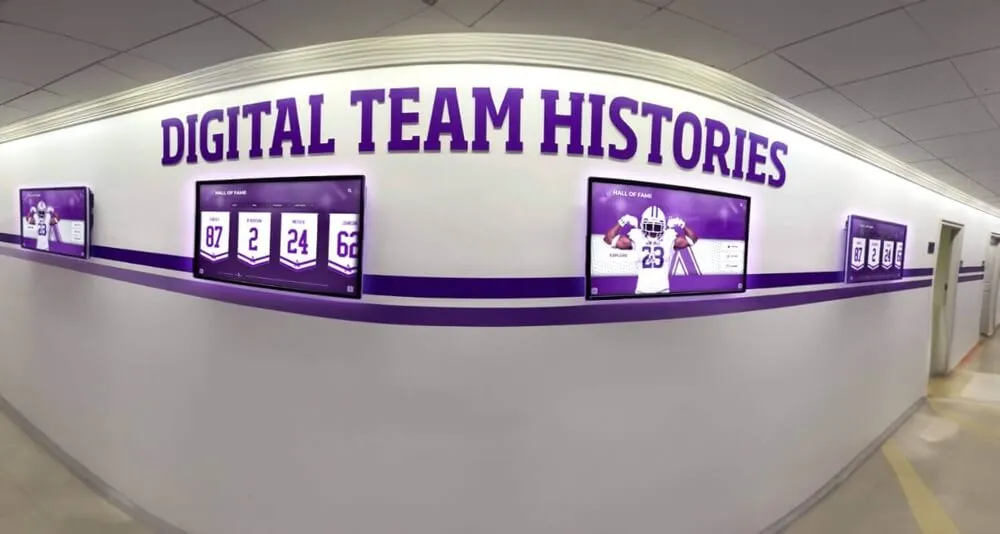
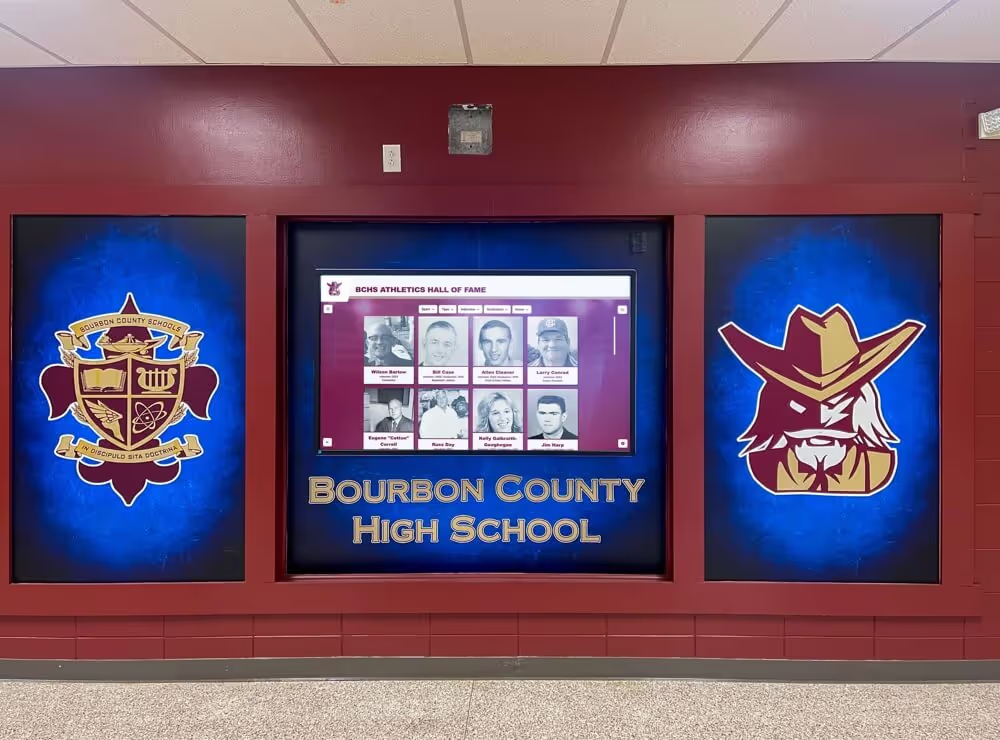
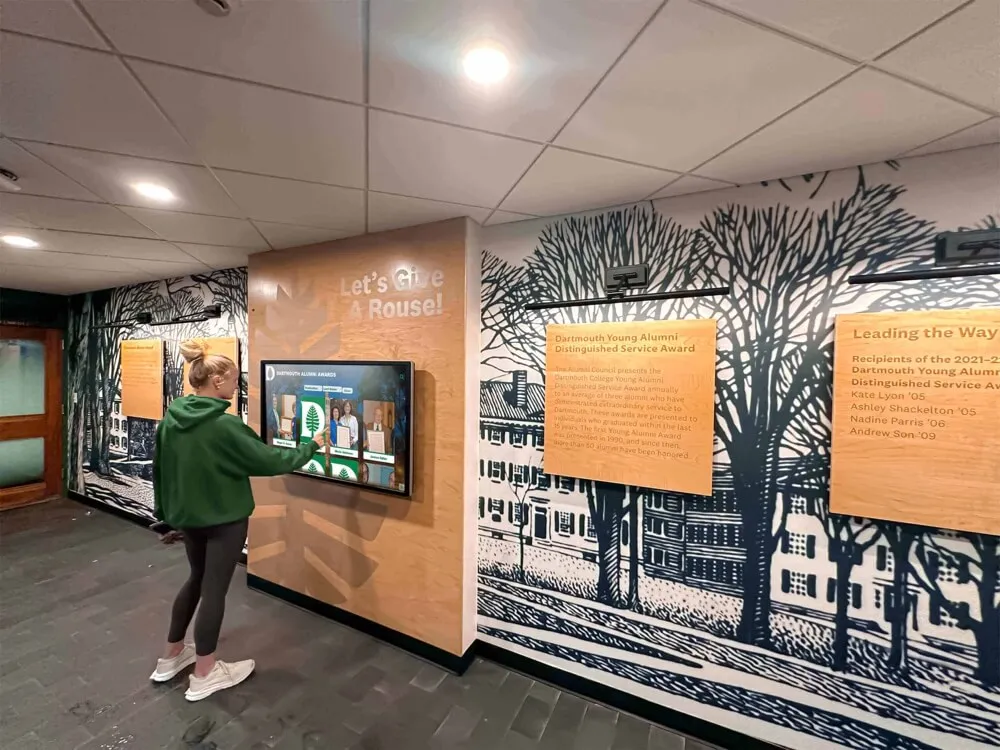
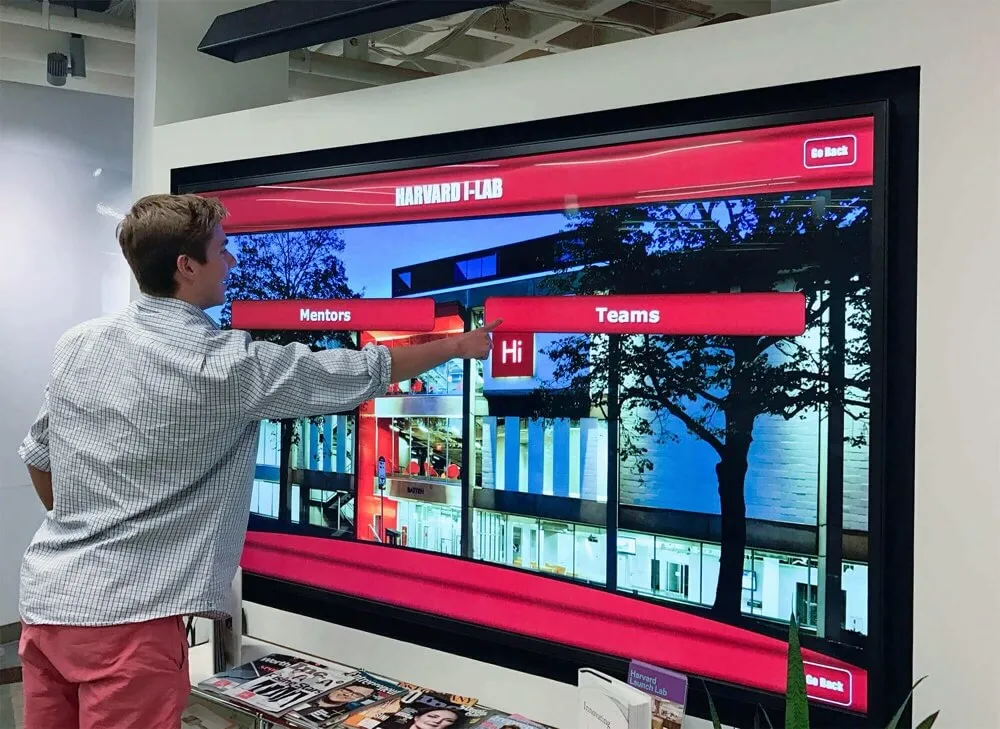
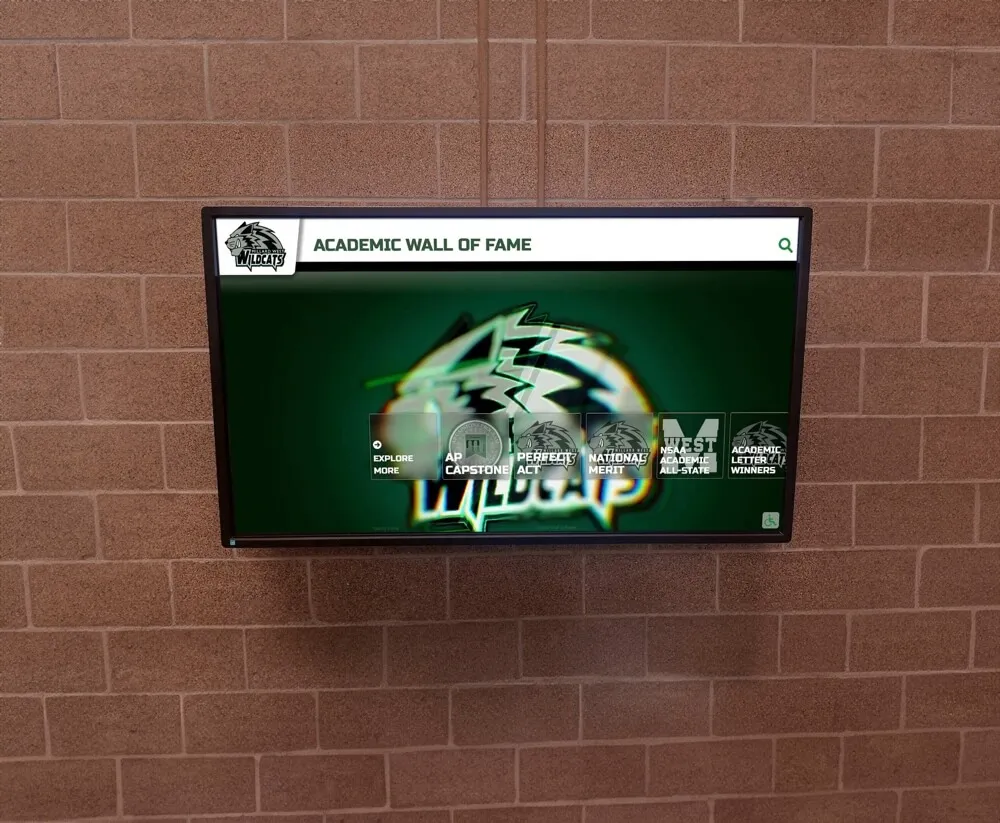
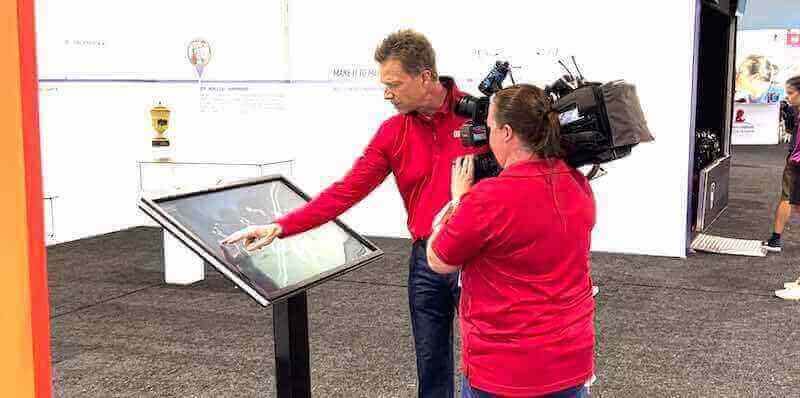
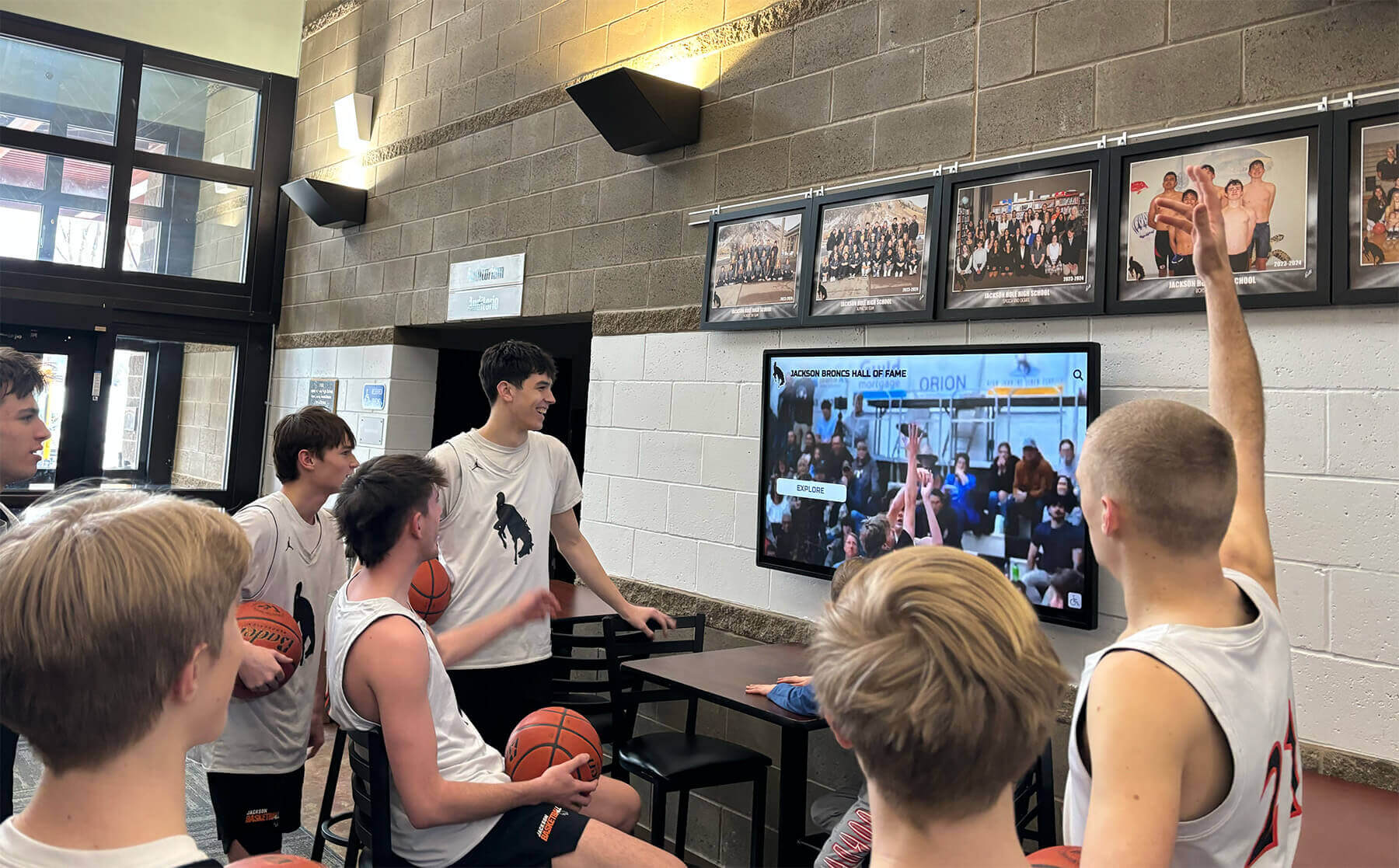
Strategic displays create gathering points where students naturally engage with school achievements and build connections to program excellence
Understanding Effective Pep Rally Game Design
Before diving into specific game ideas, understanding what makes pep rally activities truly engaging helps schools select and adapt games that resonate with their unique student cultures.
The Psychology Behind Engaging Pep Rally Games
Effective pep rally games tap into fundamental elements that drive student engagement and participation:
Social Connection and Belonging
Games work best when they create opportunities for students to connect across traditional social boundaries. Mixed-team competitions combining athletes, band members, student council representatives, and randomly selected students break down silos while demonstrating that school spirit belongs to everyone, not just specific groups.
Schools implementing inclusive game formats report higher overall student engagement, improved perceptions of school culture, and increased willingness among previously uninvolved students to participate in future school events and activities.
Achievement and Recognition
Students engage more deeply with activities when they see clear connections between participation and meaningful recognition. Games that highlight specific team accomplishments, celebrate individual student contributions, or reference school history and traditions create richer experiences than purely entertainment-focused activities with no institutional context.
Effective varsity letterman awards display approaches demonstrate how schools can connect celebration moments during rallies to permanent recognition systems that extend and deepen the impact of these events.
Key Elements of Successful Pep Rally Games
The most effective pep rally games share common characteristics regardless of specific formats:
Visual Excitement and Spectator Engagement
Games must work for the entire audience, not just participants. Activities with clear visual elements, easily understood rules, dramatic moments, and opportunities for crowd participation keep energy high throughout assemblies. Consider sight lines, amplification needs, and ways to involve non-participants through organized cheering sections.
Inclusive Participation Opportunities
The best games allow students with diverse abilities, interests, and comfort levels to participate meaningfully. Avoid activities requiring specific athletic skills, physical capabilities, or specialized knowledge that inherently favor certain groups while excluding others.
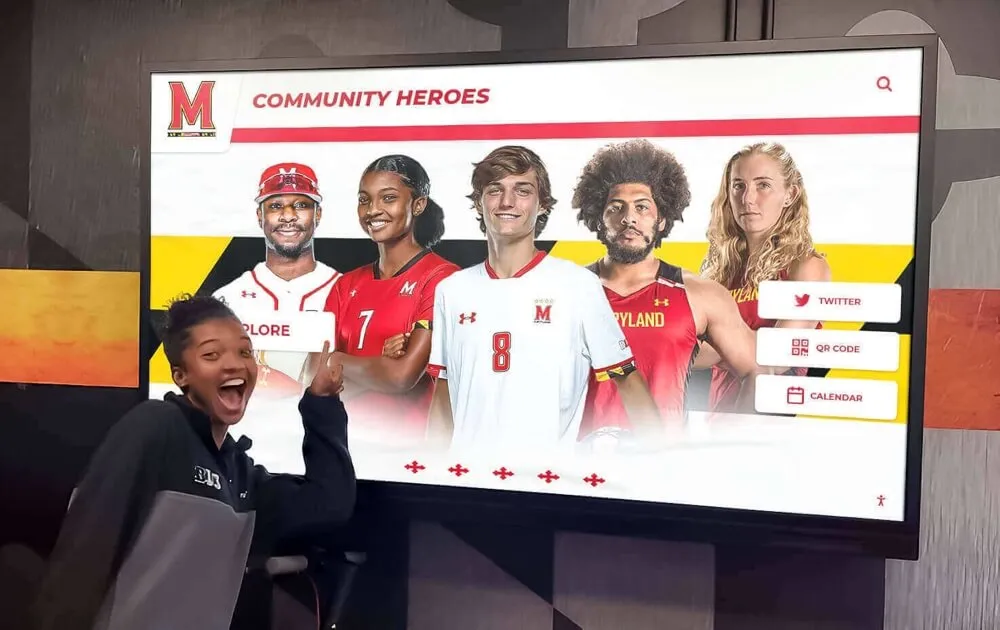
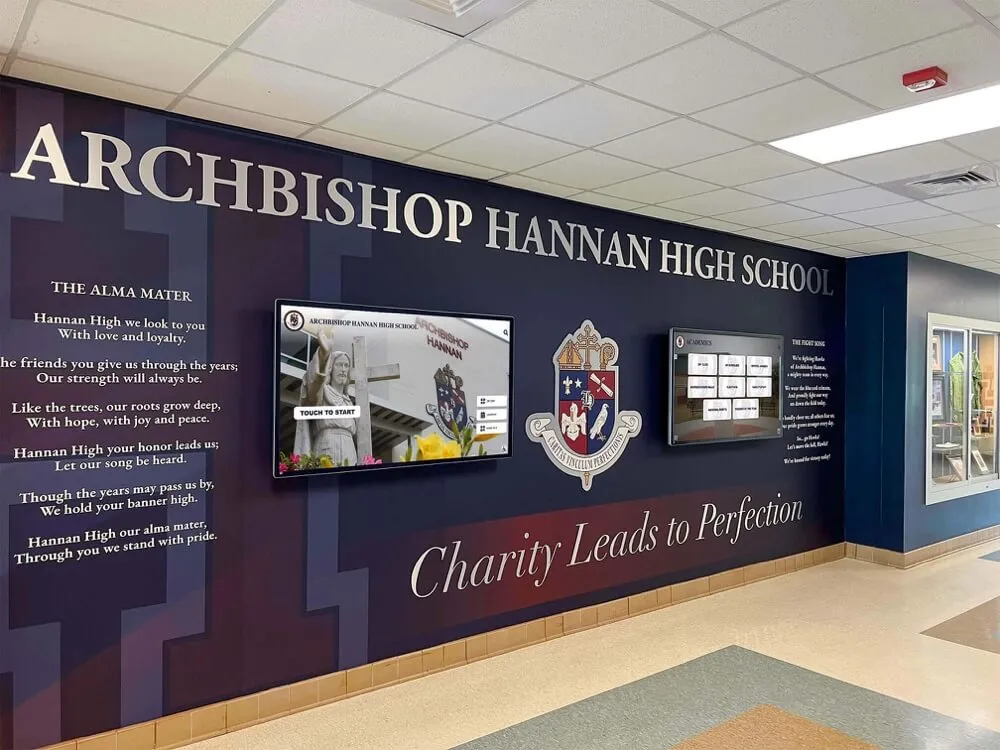
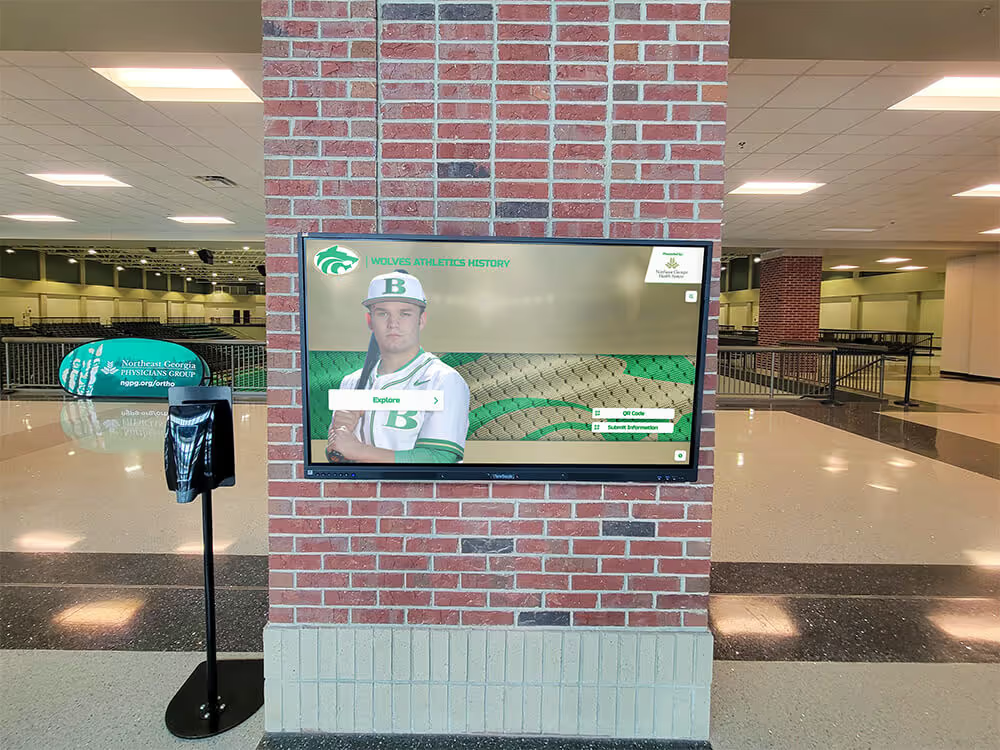
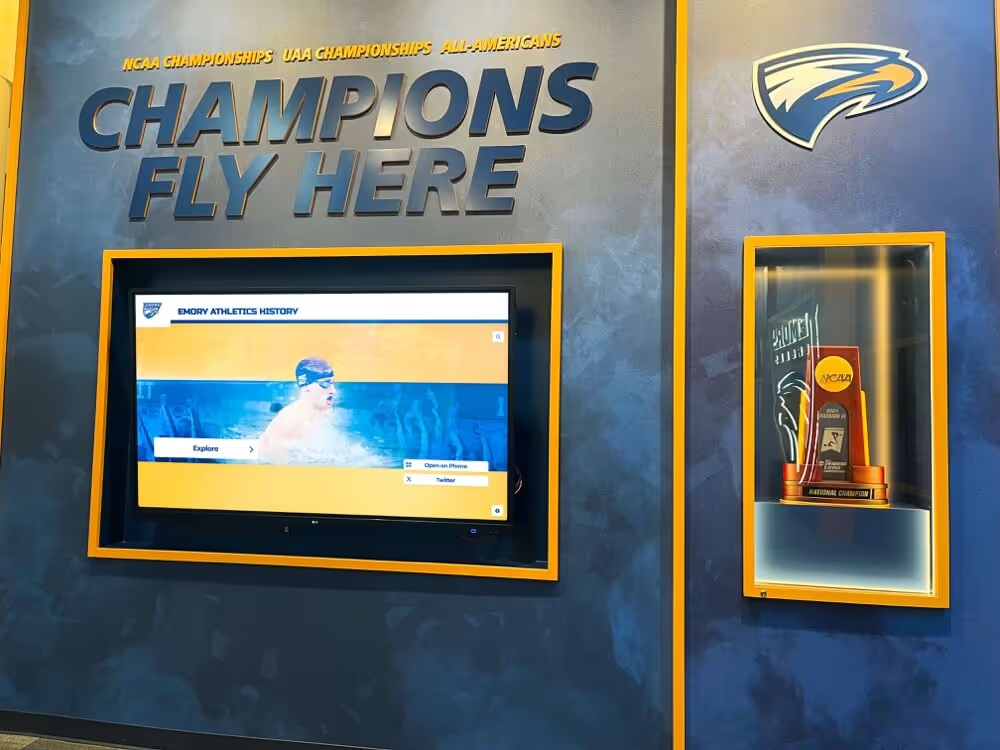
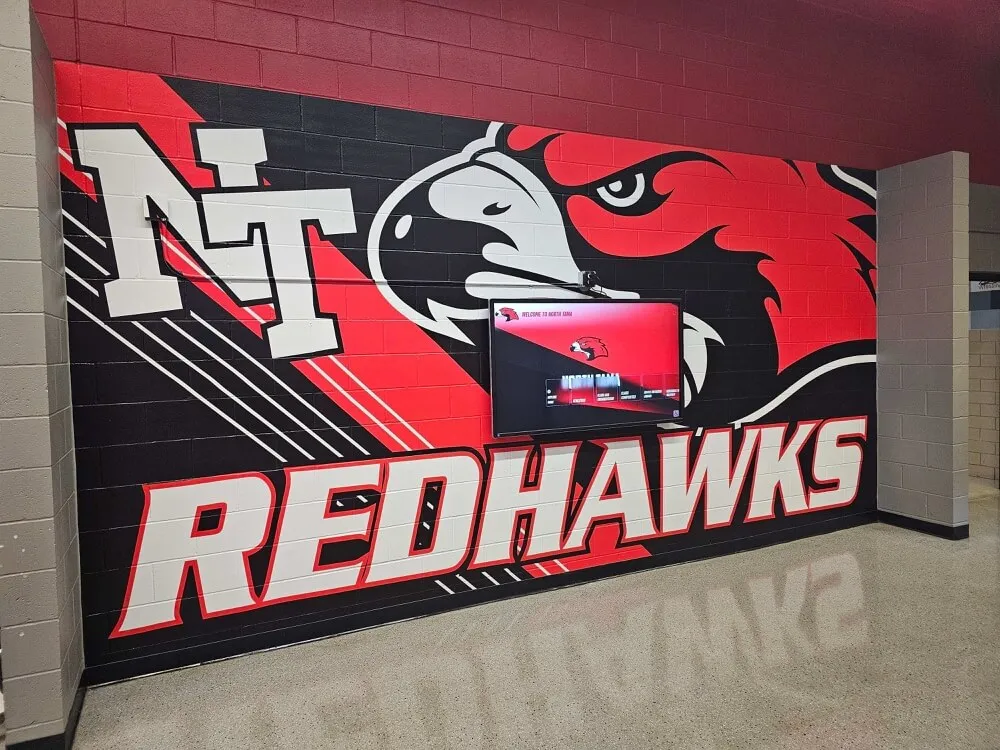
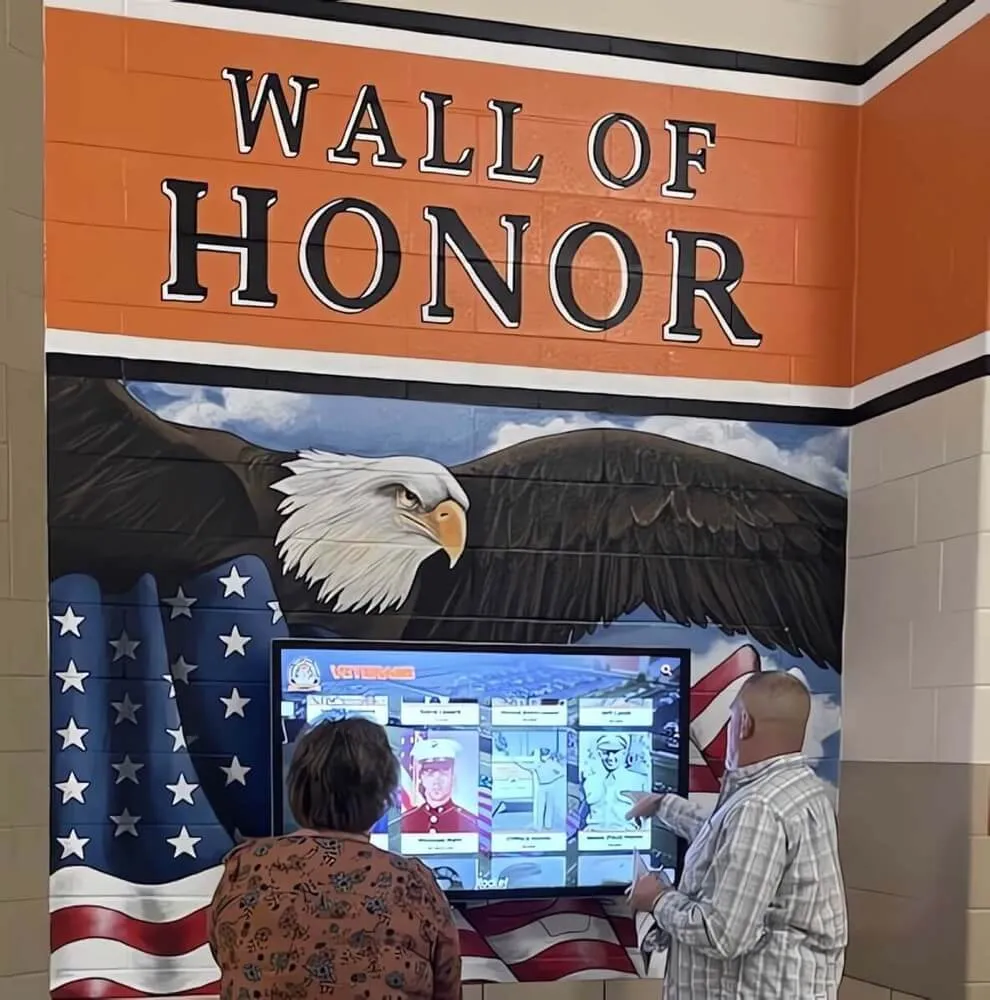
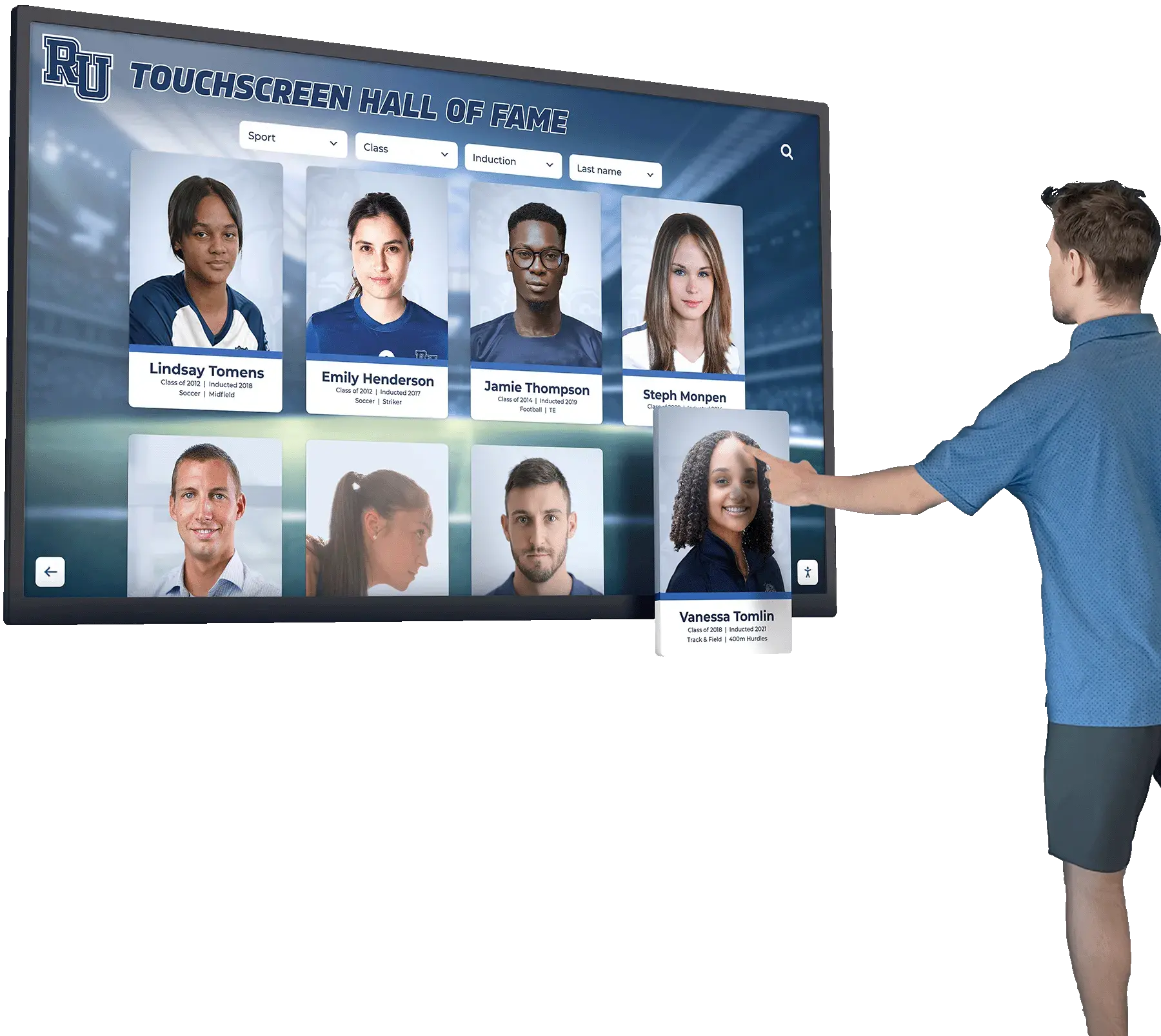
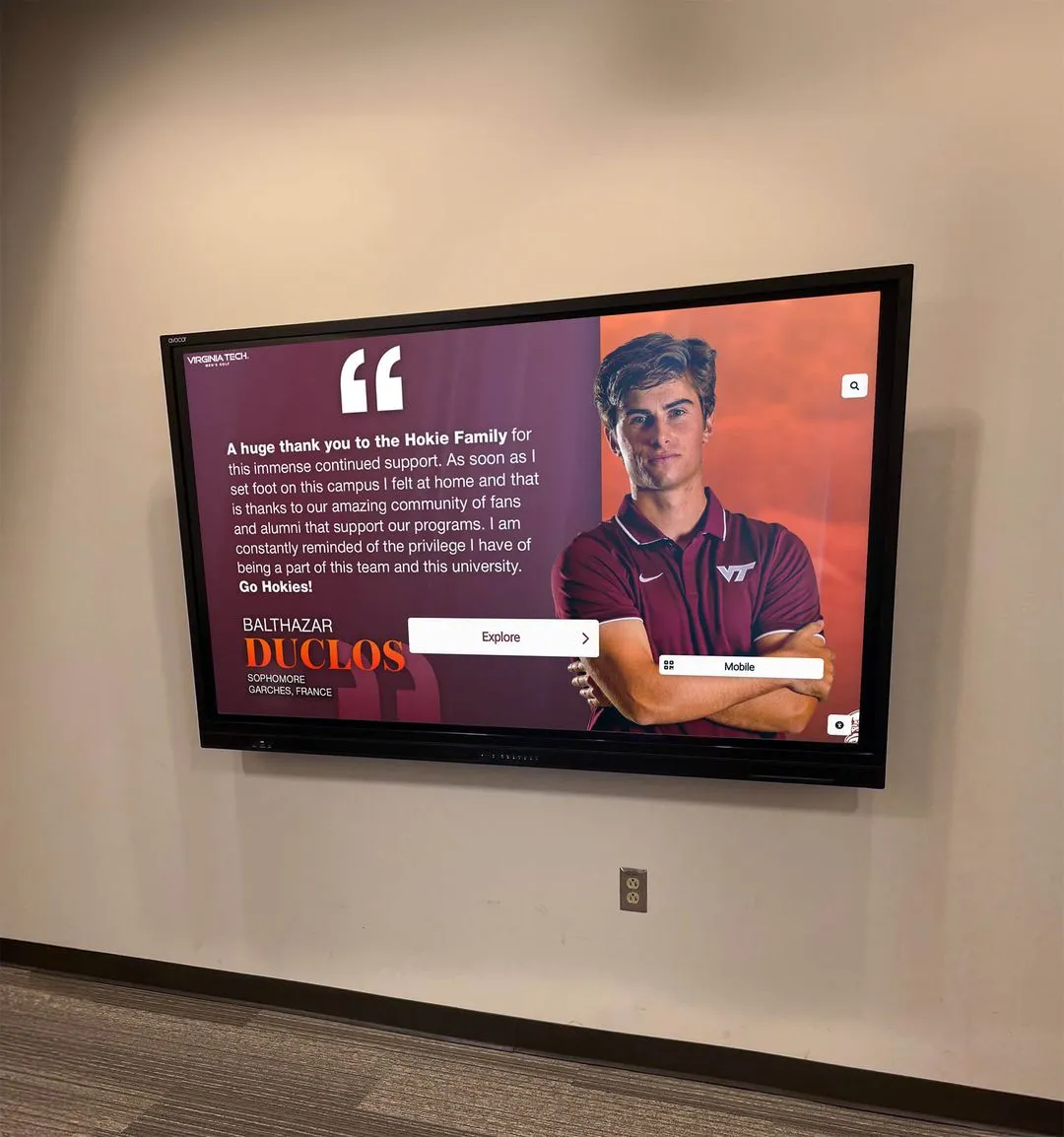
Interactive displays allow students to explore achievements and connect with school traditions in personalized ways
Clear Connection to School Identity
Games gain deeper meaning when they reference school traditions, celebrate current achievements, or build upon institutional history. Activities incorporating school colors, mascots, historical facts, or current program successes create stronger connections to school pride than generic games with no institutional context.
Understanding team bonding ideas for sports programs provides insights into how competitive activities can strengthen community bonds when designed with intentional connection-building outcomes.
Classic Pep Rally Competition Games
Some game formats have endured across generations because they consistently deliver excitement, engagement, and memorable moments students discuss long after assemblies conclude.
Relay Race Variations
Relay races create visual spectacle while allowing multiple students to participate in single activities:
Musical Chairs Relay
Form teams of 6-8 students representing different school groups (freshman class, soccer team, drama club, etc.). Set up chairs in lines with one fewer chair than team members. When music stops, last student standing is eliminated, but remaining teammates continue. First team reduced to final winner takes the round. This format maintains traditional musical chairs excitement while creating team investment in individual performances.
Dress-Up Relay
Teams race to put on oversized clothing items in school colors, run to designated points, return, and pass items to next teammates. Include humorous elements like enormous pants, oversized jerseys, or silly hats. The visual comedy engages spectators while physical comedy breaks down social barriers as students from diverse groups participate in shared silliness.
Obstacle Course Sprint
Create simple obstacle courses using gym equipment: crawl under tables, weave through cones, dribble basketballs short distances, or complete simple tasks. Form mixed teams ensuring no specialized athletic ability requirements. Design courses for speed and visual excitement rather than technical difficulty.
Competition-Based Team Games
Direct competitions between representative teams create natural rally points for crowd energy:
Tug-of-War Tournaments
Classic tug-of-war delivers reliable excitement with minimal setup. Create interesting matchups: grade level competitions (seniors vs. juniors), program competitions (football vs. basketball teams), or teacher vs. student exhibitions. Ensure balanced teams and safe pulling surfaces. The simplicity allows focus on crowd energy and team support.
Balloon Pop Relay
Teams race to pop balloons using only specific body parts (sitting, stomping, popping between teammates) without hands. Fill balloons with confetti in school colors for added visual impact when popped. This combines physical comedy with competition in formats that don’t require athletic ability.

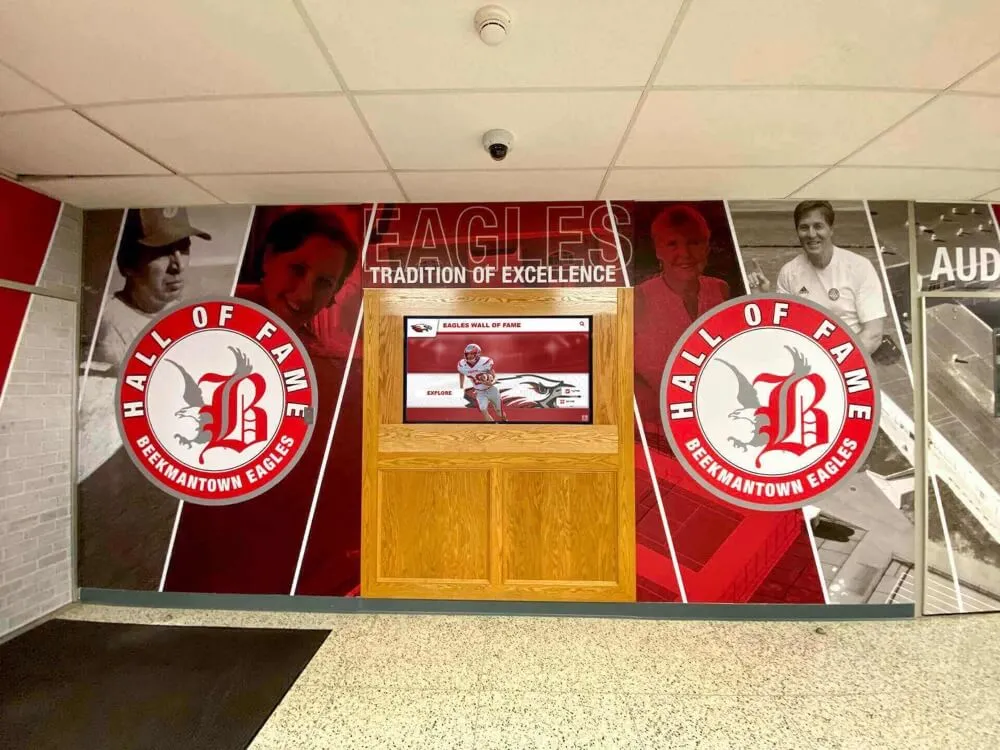
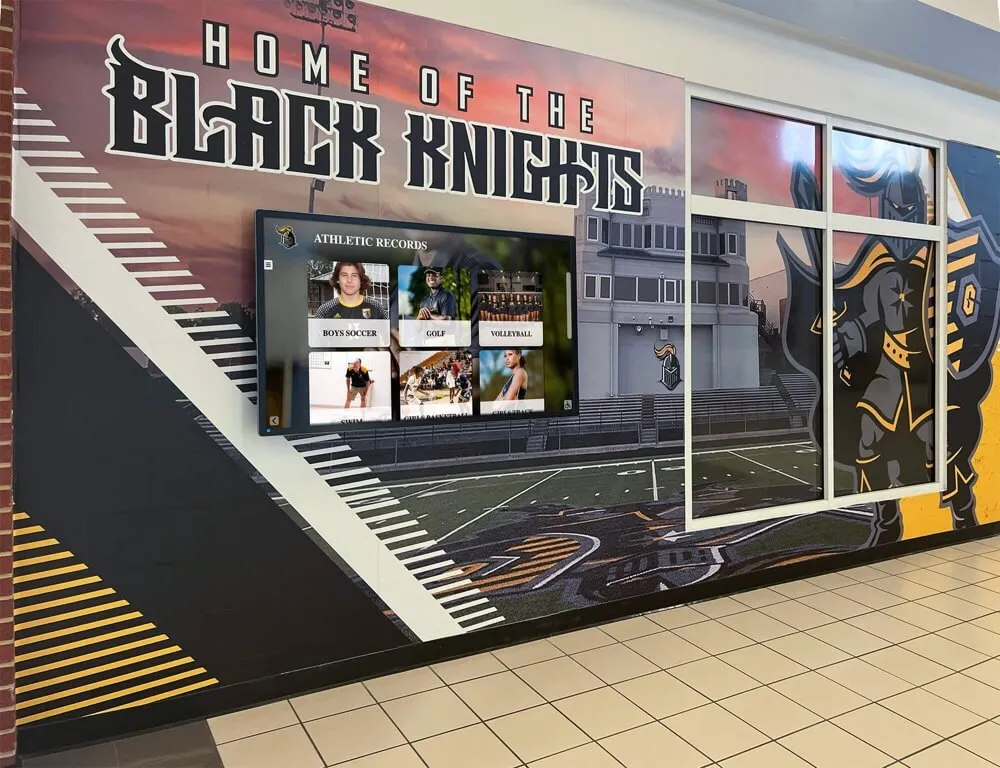
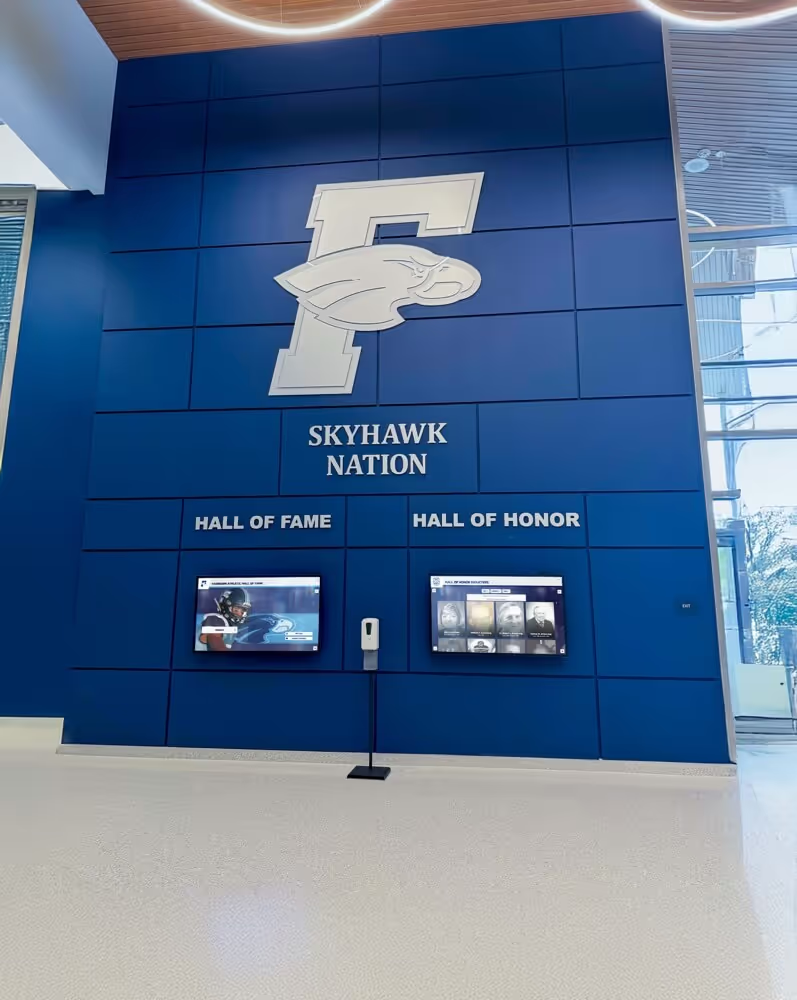
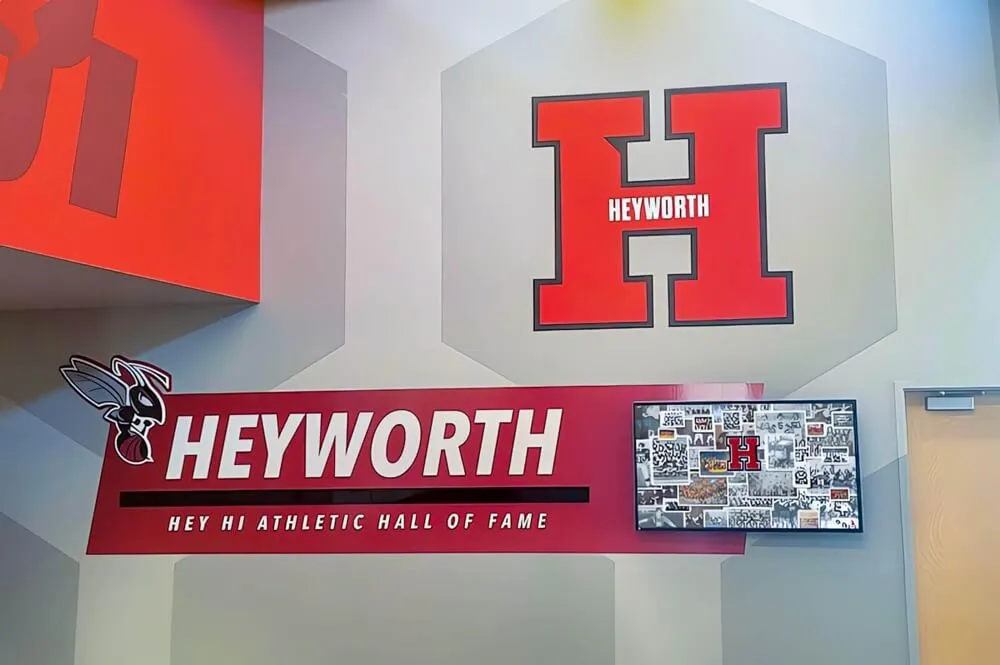
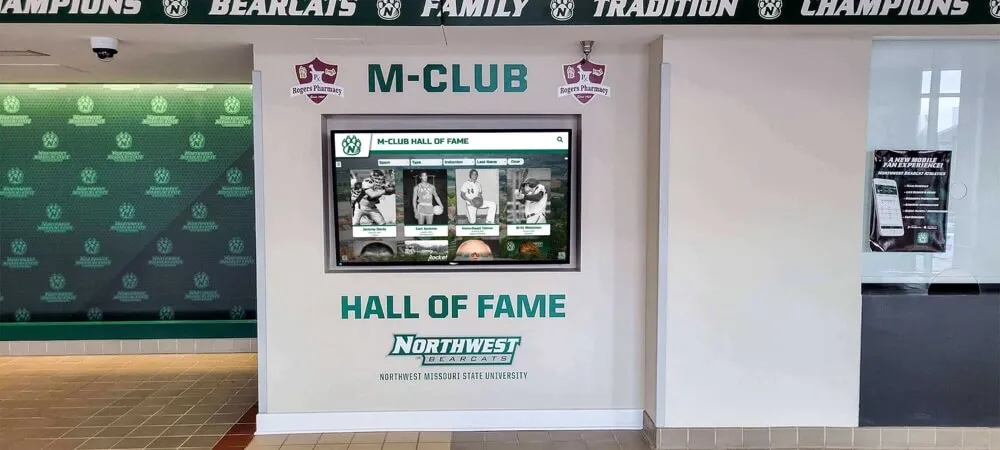
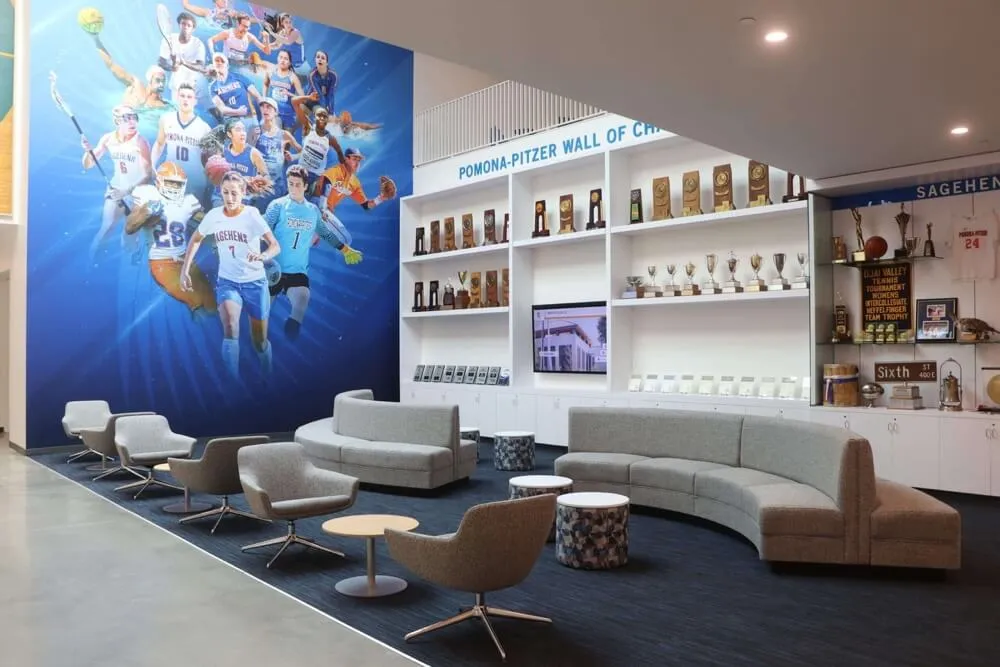
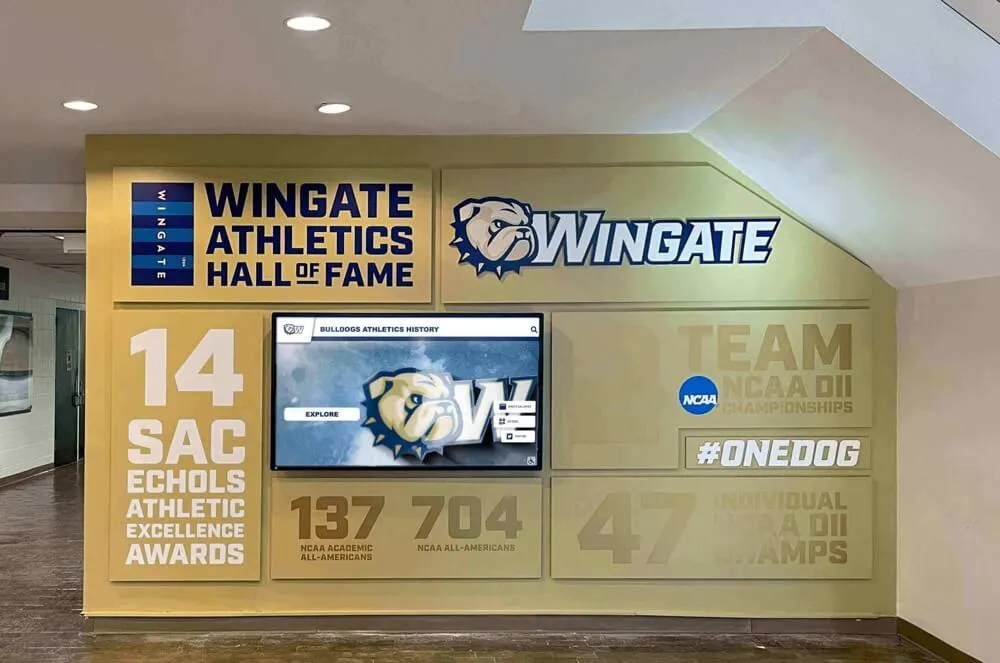
Permanent recognition displays create visual connection between pep rally celebrations and lasting acknowledgment of student excellence
Pyramid Building Challenge
Teams compete to build the tallest cup pyramid within time limits using plastic cups in school colors. This seemingly simple activity creates surprising tension as teams race against time while managing the instability of growing structures. Equally accessible to all students regardless of athletic ability.
Interactive and Audience Participation Games
The best pep rallies engage entire student bodies, not just selected participants on gymnasium floors.
Crowd-Involvement Activities
These games transform spectators into active participants:
School Trivia Competition
Ask questions about school history, current teachers, athletic records, or program achievements. Divide crowd by grade level or section and award points for correct answers shouted from stands. This format educates students about school traditions while creating competitive energy across sections.
Questions might include: “What year was our school founded?”, “Name our three longest-tenured teachers,” “How many state championships has our girls soccer program won?”, or “What’s our school’s official motto?” Consider incorporating information from [digital recognition displays](https https://donordisplay.com/blog/digital-donor-recognition-walls-technology-meets-philanthropy/?utm_source=organic&utm_medium=seo-auto&utm_content=touchscreenwebsite&utm_campaign=pep-rally-games-for-high-school&utm_term=seo) celebrating school history and achievements.
Class Color Wars
Distribute colored items (bandanas, paper, glow sticks) to students by grade level in designated school colors. Create simple competitions: which section can create loudest cheers, most creative waves, best coordinated movements, or fastest “color reveals” holding items overhead. These activities require minimal planning while generating strong visual impact and grade-level unity.
Student Talent Showcases
Brief 30-60 second talent demonstrations from randomly selected students create connection moments. Pre-select diverse talents: brief musical performances, quick magic tricks, comedy bits, or impressive skills. Varied demonstrations show that “talent” exists across student body in many forms, not just athletic or academic excellence typically featured during assemblies.
Recognition Integration Activities
Games that celebrate current students and achievements create deeper meaning:
Athlete Recognition Competitions
Before homecoming games, create competitions where team members compete in non-sport challenges. Football players compete in dance-offs, basketball players attempt cheerleading routines, or soccer players try band instrument basics. This humanizes athletes while creating comedy and demonstrating that excellence in one area doesn’t necessarily translate to others—a humble reminder that celebrates diverse talents.
After these lighthearted moments, transition to serious recognition of athletic achievements, creating emotional contrast that heightens impact of genuine celebration. Schools can extend this recognition through junior varsity hockey interactive touchscreen displays and similar systems celebrating accomplishments across all program levels.
Student Achievement Spotlights
Between games, feature brief spotlights on diverse student accomplishments: academic achievements, community service contributions, artistic excellence, or unique talents. Incorporate students into games following their recognition, creating personal investment for featured individuals and their support networks in attendance.
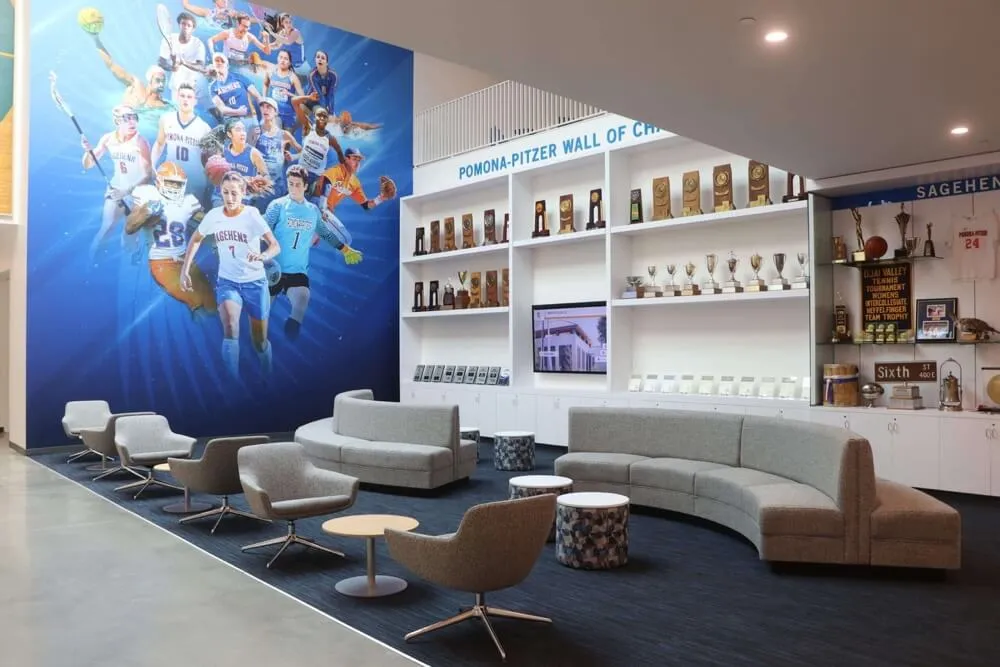
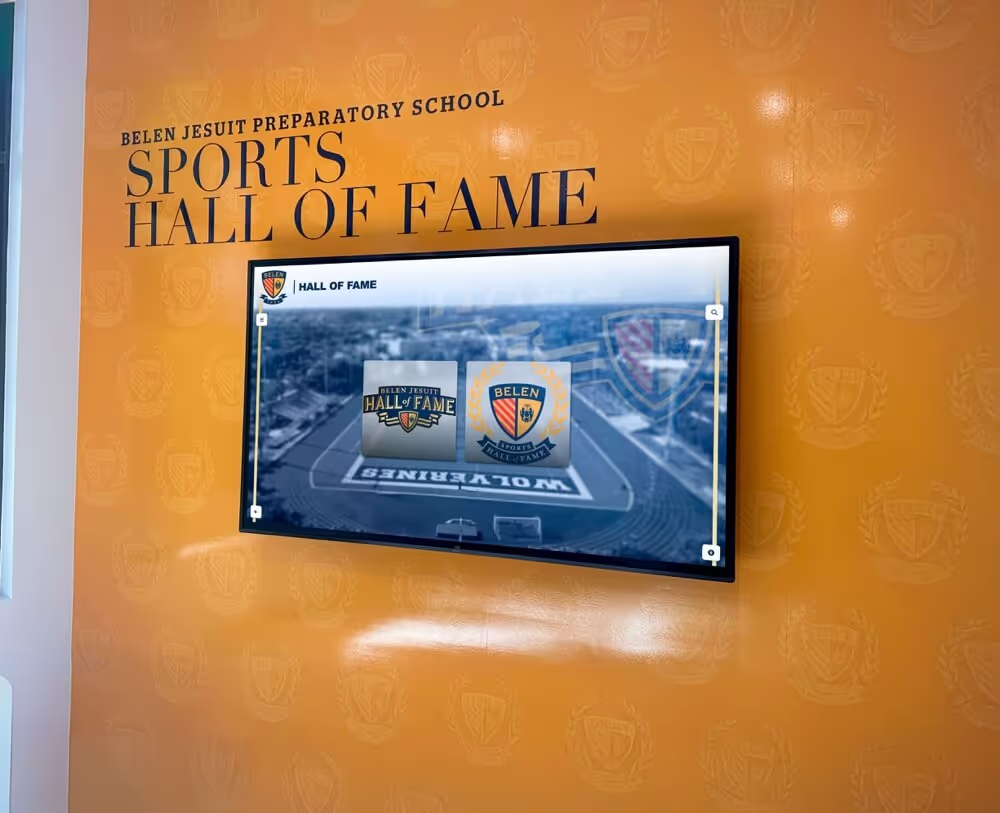
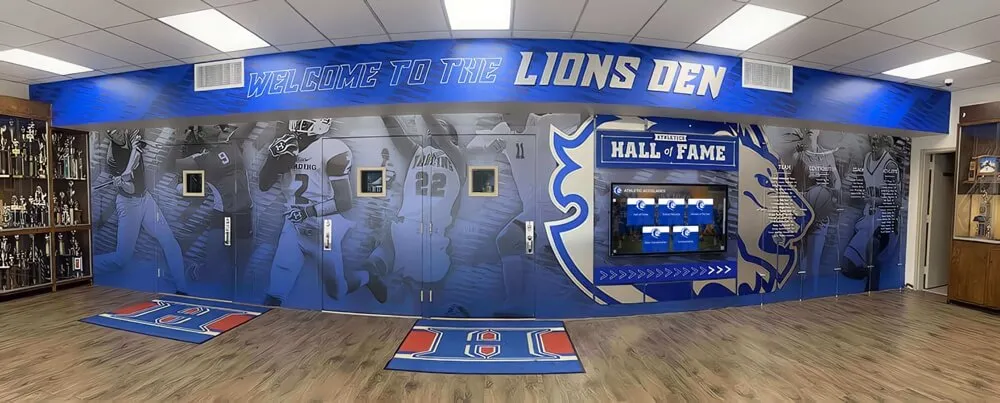
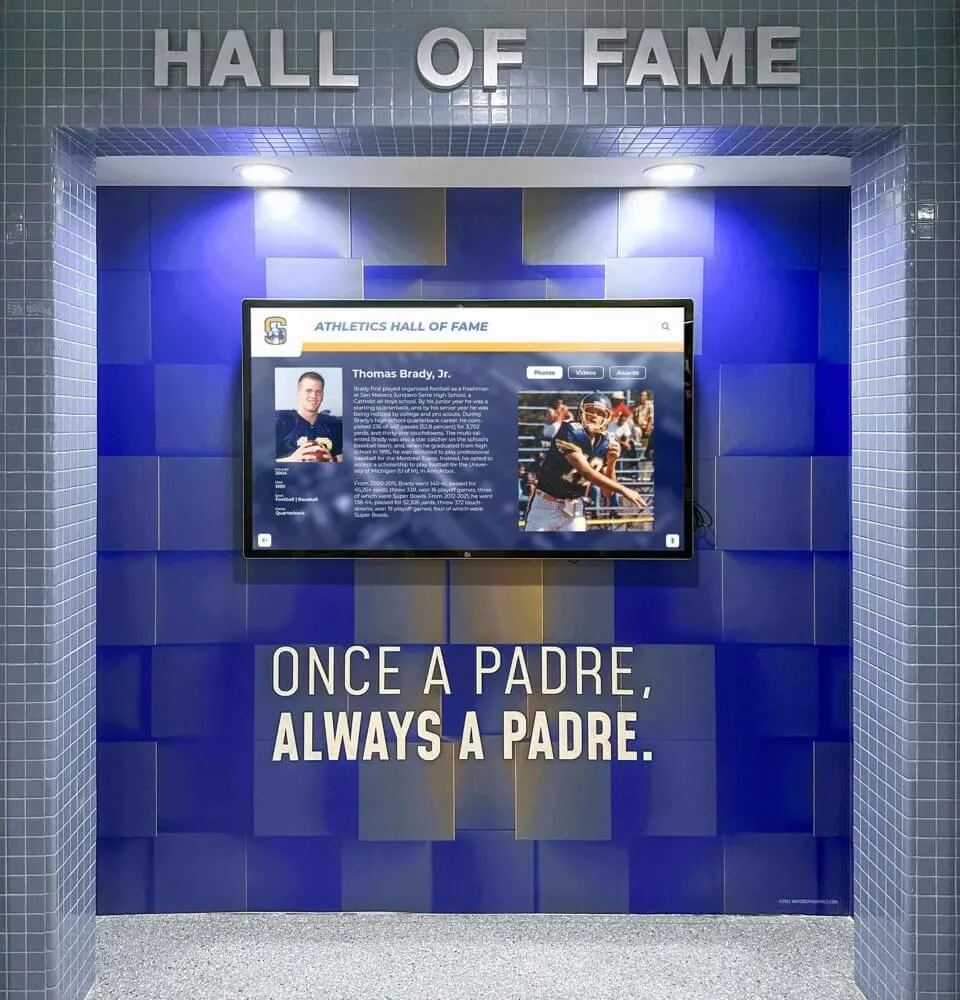
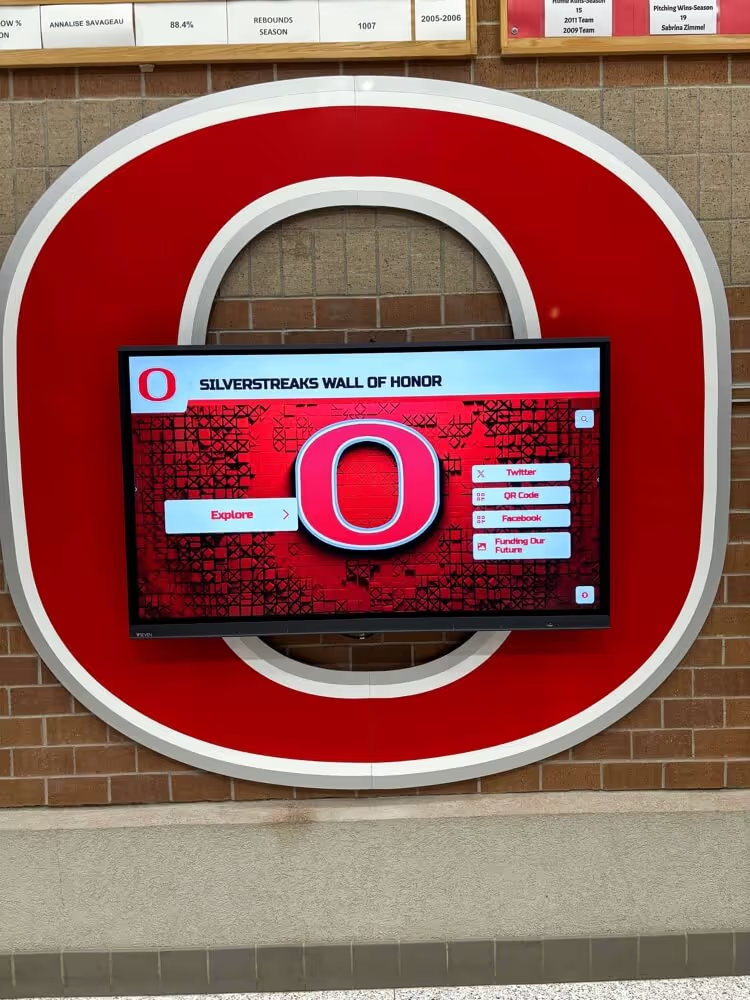
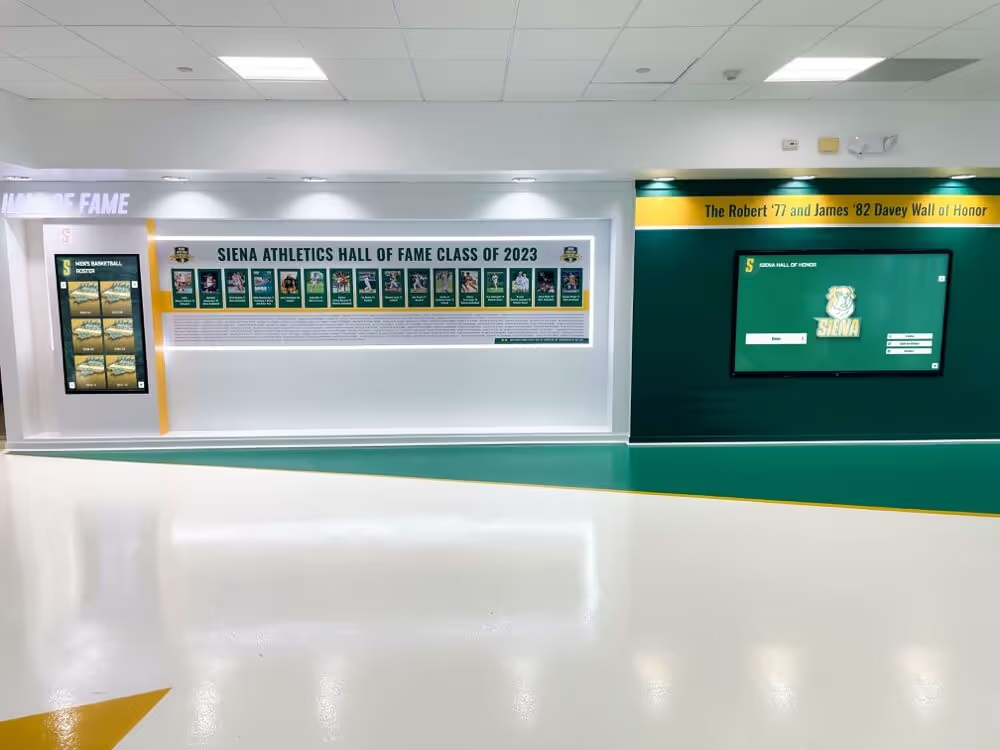
Dedicated recognition spaces reinforce messages delivered during pep rallies through permanent displays celebrating program excellence
Creative and Unique Pep Rally Game Ideas
Breaking from traditional formats with creative games creates memorable moments that distinguish your school’s spirit culture.
Skill-Based Challenge Games
These activities showcase specific talents while entertaining entire crowds:
Blindfolded Drawing Challenge
Teams attempt to draw school mascots, logos, or recognizable symbols while blindfolded as teammates shout instructions. Display results for crowd voting on most recognizable drawings. The combination of artistic challenge and communication difficulty creates humor while showcasing creativity under pressure.
Paper Airplane Distance Competition
Students compete to throw paper airplanes (decorated in school colors) for maximum distance. Simple to execute but surprisingly engaging as trajectory unpredictability creates suspense. Consider including paper airplane building time as teams strategize optimal designs before competition rounds.
Marshmallow Tower Building
Teams build the tallest free-standing structures possible using marshmallows and toothpicks within time limits. This engineering challenge creates surprising tension as towers grow increasingly unstable. Works well as either timed competition or successive elimination format where shortest towers are eliminated in rounds.
Movement and Dance Activities
Physical activities accessible to all students regardless of athletic background:
Dance Battle Royale
Students volunteer for brief dance-offs showcasing diverse styles: hip-hop, country line dancing, classic disco, or trending viral dances. Crowd applause determines winners in successive elimination rounds. This celebrates diverse movement forms while creating performance opportunities beyond traditional athletic or performing arts contexts.
Freeze Dance Competitions
Large groups participate in freeze dance with music featuring school fight songs and popular selections. Eliminate students who move after music stops until final winners remain. Scale allows mass participation while simplicity ensures accessibility regardless of dance ability.
Human Knot Challenge
Small teams form circles, grab hands of non-adjacent teammates, and race to untangle themselves without releasing grips. This problem-solving activity requires communication and cooperation rather than physical prowess, making it accessible while creating comedic moments as teams contort themselves attempting solutions.
Technology-Enhanced Games
Modern pep rallies can incorporate technology for enhanced engagement:
Social Media Scavenger Hunt
Before rallies, announce scavenger hunt challenges where students post photos of specific school locations, spirit demonstrations, or creative interpretations of prompts using designated hashtags. Display submissions on screens during rallies and award points for creativity, speed, or crowd favorite voting.
Ensure guidelines prevent inappropriate content and respect student privacy preferences regarding social media participation.
Live Polling and Voting
Use free polling platforms allowing students to vote via smartphones on questions, game winners, or crowd preferences in real time. Display results on screens, creating immediate feedback and investment in outcomes. This engages students who might not vocally participate while collecting interesting data about student preferences.
QR Code Trivia Challenges
Post QR codes around assemblies linking to trivia questions about school history, current events, or program achievements. Students scan codes, answer questions, and submit responses. Announce top scorers during rallies. This self-directed format allows students to participate at their own pace while learning about institutional traditions.
Consider how touchscreen display buying guides help schools select technology supporting both pep rally experiences and permanent recognition systems that extend these celebrations.
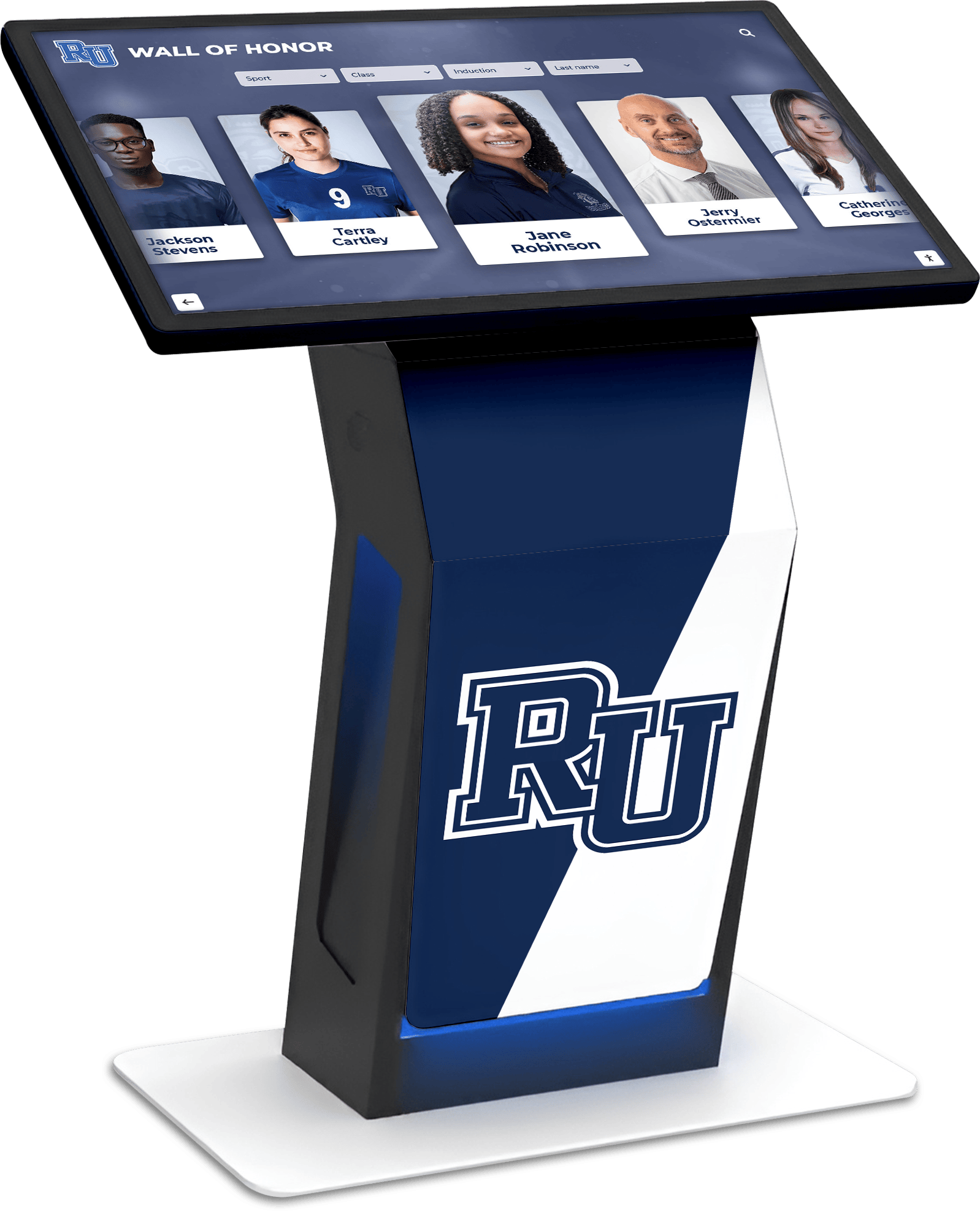
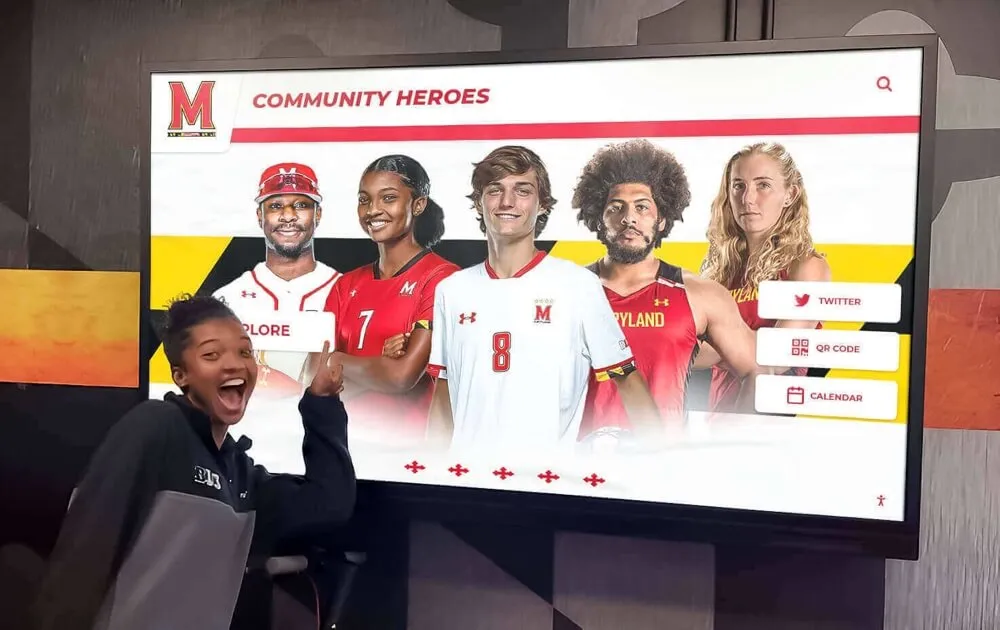
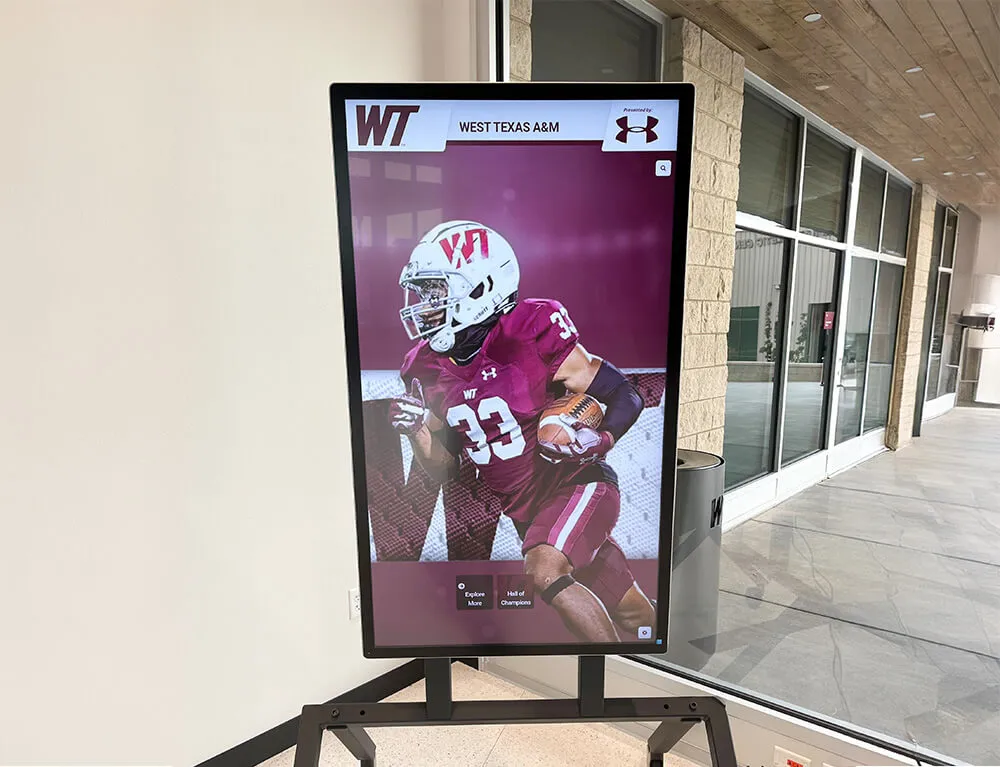
Interactive kiosks enable students to explore achievements beyond brief rally mentions, deepening connections to school excellence
Teacher and Staff Participation Games
Including faculty in pep rally games creates memorable moments while demonstrating that school spirit transcends student-faculty boundaries.
Faculty vs. Student Competitions
These games create natural “us vs. them” energy while humanizing teachers:
Staff Relay Races
Teachers compete in relay races against student teams. Level playing fields by choosing activities where youth athleticism doesn’t provide overwhelming advantages: egg-and-spoon races, three-legged races, or silly walk competitions. Student crowds enthusiastically support both groups, creating win-win energy regardless of outcomes.
Teacher Trivia About Students
Test teachers’ knowledge about current students, trends, or popular culture. Questions like “Name three students in your first period class,” “What’s the most popular app among students right now?”, or “Sing the chorus of this year’s most popular song” create humorous moments while showing teachers’ engagement with student lives—or comedic lack thereof.
Musical Chairs—Faculty Edition
Teachers compete in musical chairs using school fight song music. The combination of competitive educators and undignified scrambling for chairs creates reliable comedy while showcasing faculty personality beyond classroom contexts.
Staff Talent Showcases
Brief demonstrations of unexpected faculty talents create connection moments:
Hidden Talents Reveals
Pre-identify teachers with unexpected abilities: musical instruments they play, languages they speak, unusual sports they practice, or impressive skills unrelated to their teaching subjects. Brief demonstrations surprise students while showing faculty as multi-dimensional people beyond classroom roles.
Decade Dance-Off
Teachers representing different decades (60s, 70s, 80s, 90s, 2000s) demonstrate characteristic dance moves from their eras. This educates students about cultural history through movement while creating humorous performances from faculty willing to embrace silliness for spirit-building purposes.
Game Customization and School-Specific Adaptations
The most effective pep rally games connect to unique aspects of individual school identities and traditions.
Incorporating School Traditions
Adapt games to reflect institutional history and culture:
Mascot-Themed Activities
Create games incorporating school mascot characteristics. Eagle mascots inspire “egg protection” challenges, bulldog mascots suggest determination-based endurance games, or wildcat mascots prompt agility competitions. These thematic connections strengthen ties between entertainment and school identity.
Anniversary and Milestone Celebrations
During significant school anniversaries, design games referencing institutional history. “Decades relay” races feature activities representing different eras, trivia competitions test knowledge of school evolution, or display presentations showcase historical photographs during game transitions.
Schools maintaining comprehensive historical records through systems like athletic banquet planning approaches find rich content sources for creating games that educate while entertaining.
Rivalry Recognition Games
Before games against traditional rival schools, create activities celebrating rivalry history: name championship years, identify notable alumni from both schools, or demonstrate knowledge of rivalry traditions and legends. This frames competition within historical context while building anticipation for upcoming contests.
Adapting for Different Assembly Sizes
Scale activities appropriately for your specific student population:
Large School Adaptations (1500+ Students)
Focus on activities visible from distance: large-scale movements, color-coordinated crowd activities, or competitions displayed on screens ensuring visibility throughout venues. Limit floor activities to clear sight-line areas and use amplification ensuring entire crowds hear instructions and commentary.
Small School Modifications (Under 500 Students)
Leverage intimacy advantages by incorporating more students into direct participation, using inside jokes and references familiar to entire communities, and creating games where everyone knows competitors personally. Small schools can sustain longer individual recognition moments that would become tedious in larger settings.
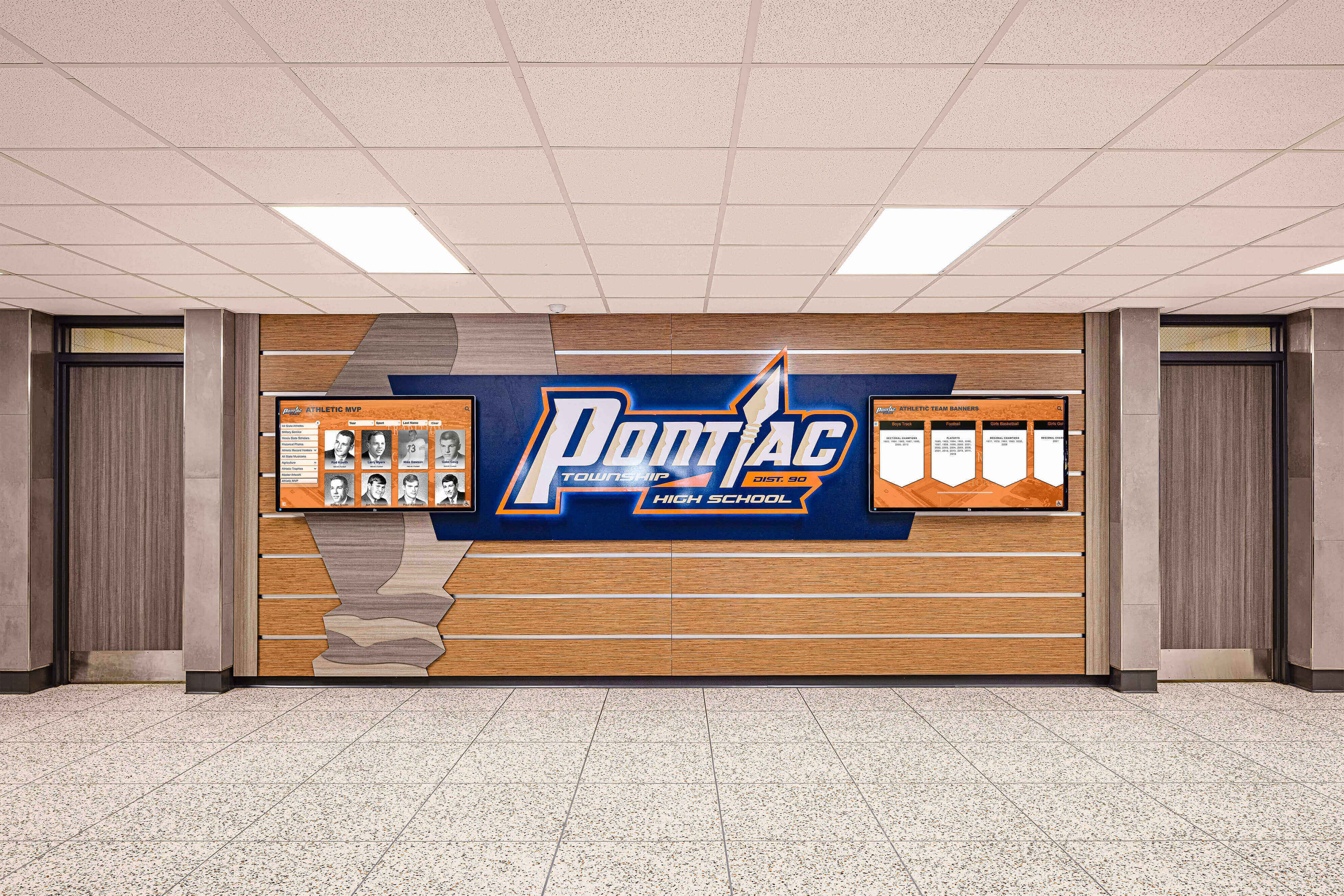
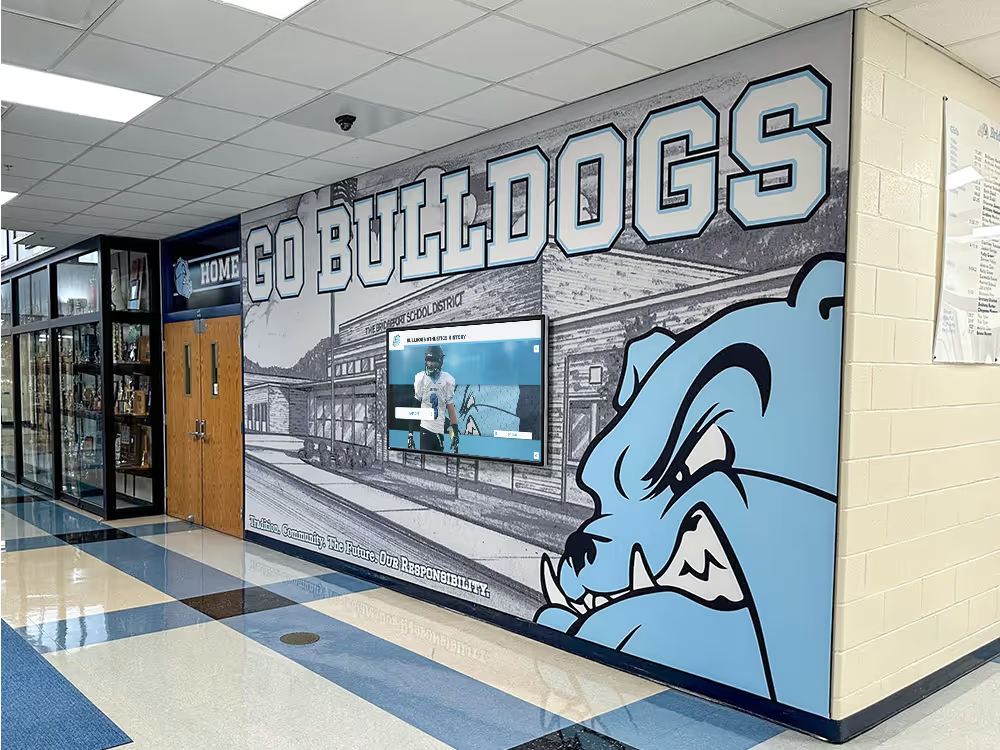
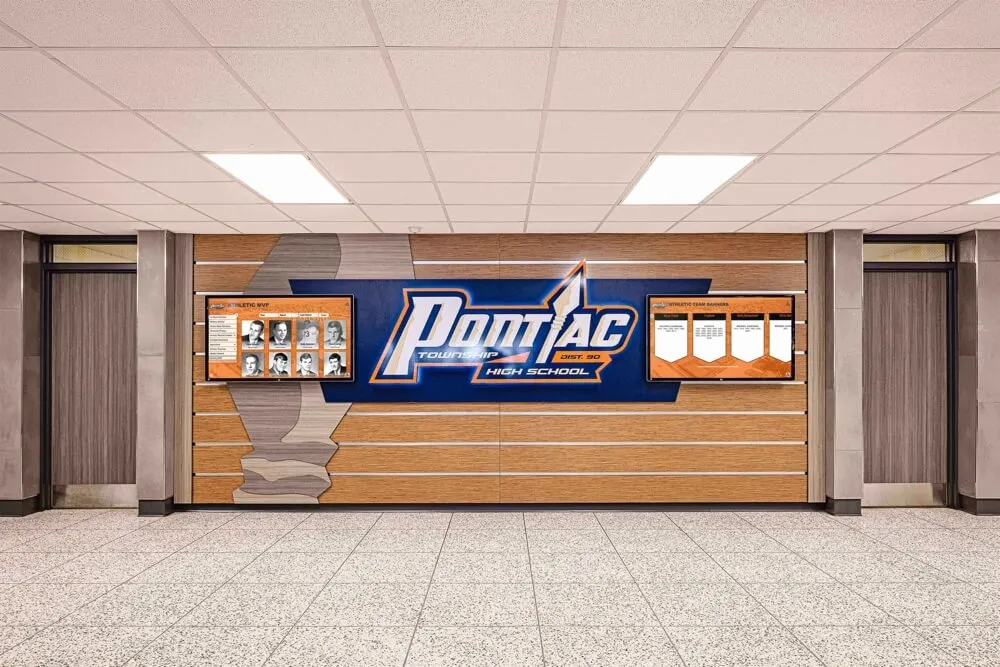
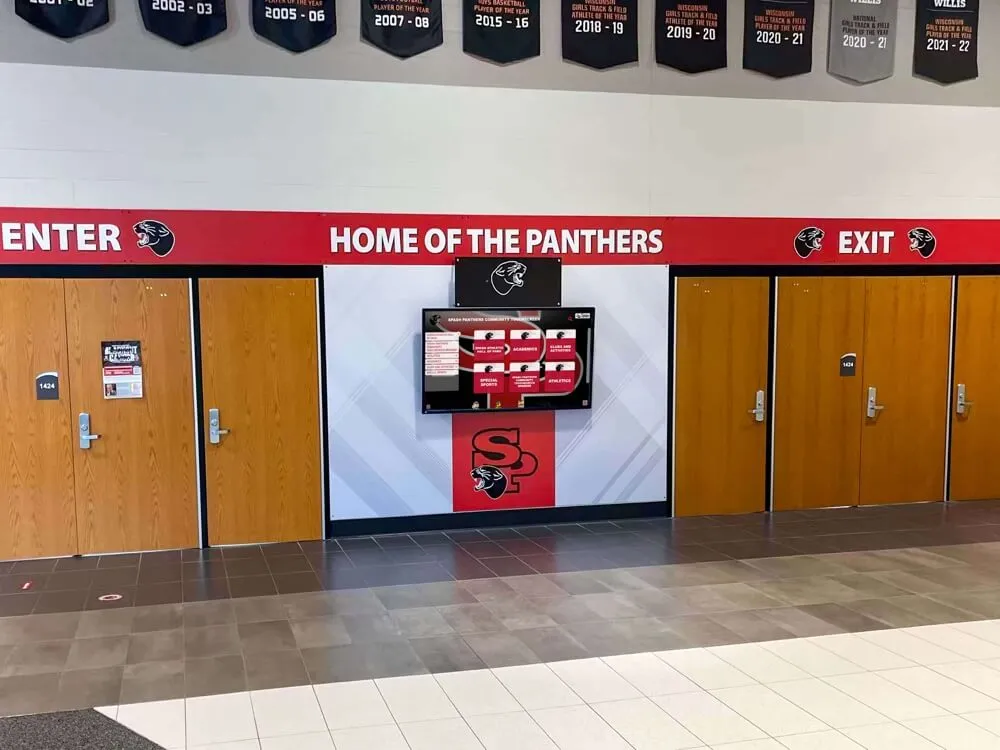
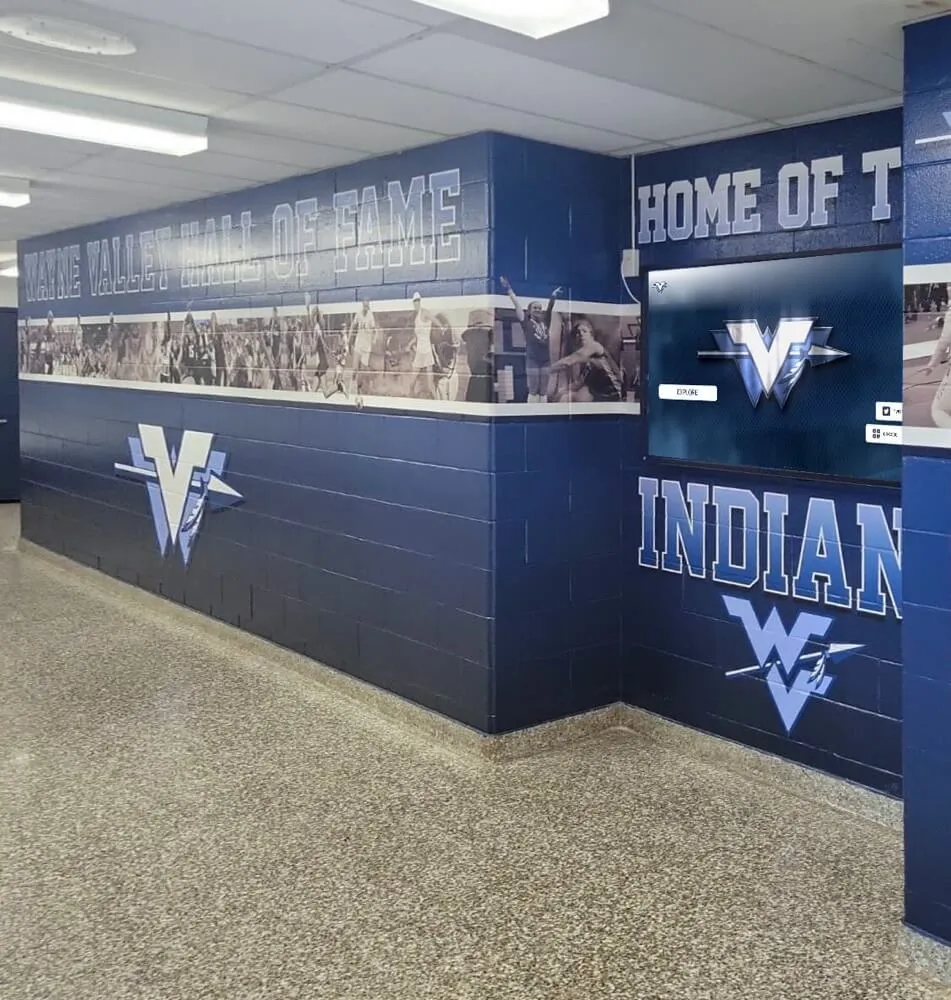
Hallway recognition systems maintain spirit-building momentum between rally events through consistent visibility of achievements
Safety Considerations and Best Practices
Effective pep rallies require thoughtful planning ensuring student safety while maintaining high-energy atmospheres.
Physical Safety Guidelines
Prevent injuries through proactive planning:
Activity Space Management
Ensure adequate space for activities with clear boundaries separating participants from spectators. Avoid games requiring rapid direction changes on slippery surfaces, activities with collision potential in crowded spaces, or challenges involving elevated positions without proper spotting and safety equipment.
Equipment Safety Checks
Inspect all game equipment before assemblies: stable chairs for musical chairs, secured goals or targets, appropriate ball sizes and inflation, and tested technology including microphones and displays. Simple advance checks prevent mid-rally equipment failures disrupting flow or creating hazards.
Participant Screening
For physically demanding games, allow student self-selection rather than forcing participation. Provide alternative participation options for students with physical limitations, medical conditions, or comfort level concerns. Never create situations where students feel pressured into activities beyond their capabilities or preferences.
Inclusive Planning Approaches
Design rallies accessible and welcoming to all students:
Accommodations for Students with Disabilities
Consider mobility requirements, sensory sensitivities, and communication needs when planning activities. Provide quiet spaces for students overwhelmed by noise and crowds, ensure wheelchair accessibility for all activity areas, and adapt game rules allowing meaningful participation regardless of physical abilities.
Schools following WCAG 2.2 AA accessibility touchscreen display guidelines for recognition systems demonstrate commitment to inclusion extending beyond compliance to genuine accessibility in all school experiences.
Cultural Sensitivity Considerations
Avoid activities, music selections, or themes that might exclude or offend students from diverse cultural backgrounds. Consult diverse student groups during planning to identify potential concerns and gather suggestions ensuring rallies feel welcoming to entire student populations.
Gender Inclusivity
Design games avoiding stereotypical gender assumptions or creating implicit divisions between male and female students. Use mixed-gender teams for competitions, avoid activities reinforcing gender stereotypes, and ensure recognition moments celebrate achievements across gender lines equally.
Connecting Pep Rallies to Lasting Recognition
The most effective school spirit programs extend beyond temporary celebration moments to create sustained cultures of recognition and pride.
Building on Rally Momentum
Transform momentary energy into lasting engagement:
Post-Rally Recognition Extensions
Capture photographs and videos from rallies featuring game winners, participant moments, and crowd energy. Share through school communications, social media channels, and display on recognition screens throughout buildings. This extends single-event experiences into ongoing visibility maintaining momentum between rallies.
Achievement Documentation Systems
Record game winners, participation milestones, and notable moments in permanent recognition systems. When students see their pep rally participation acknowledged alongside academic and athletic achievements, it reinforces that spirit contributions matter to school communities.
Schools implementing modern donor wall ideas with contemporary designs demonstrate how recognition systems can celebrate diverse contributions including spirit leadership and participation.
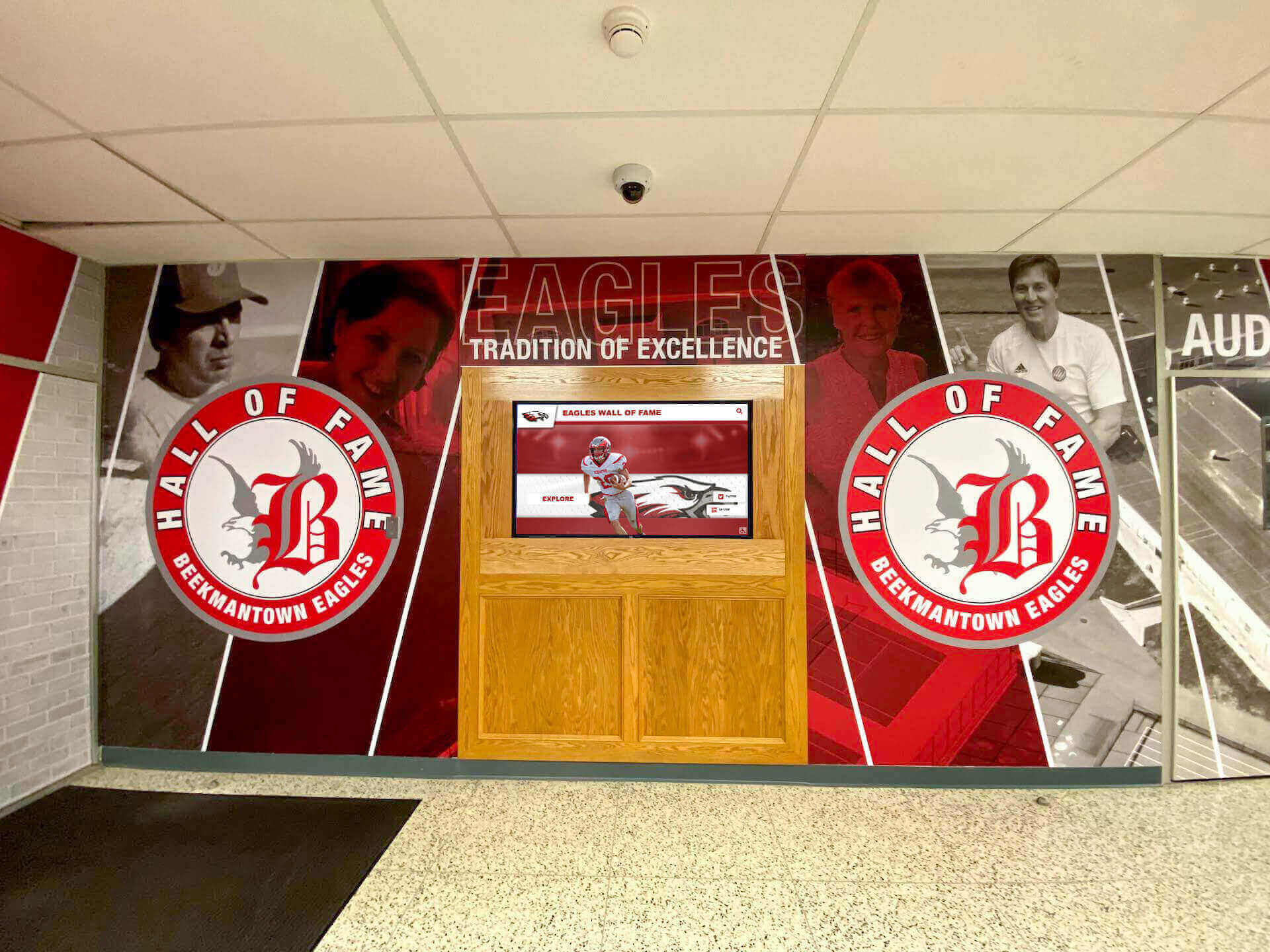
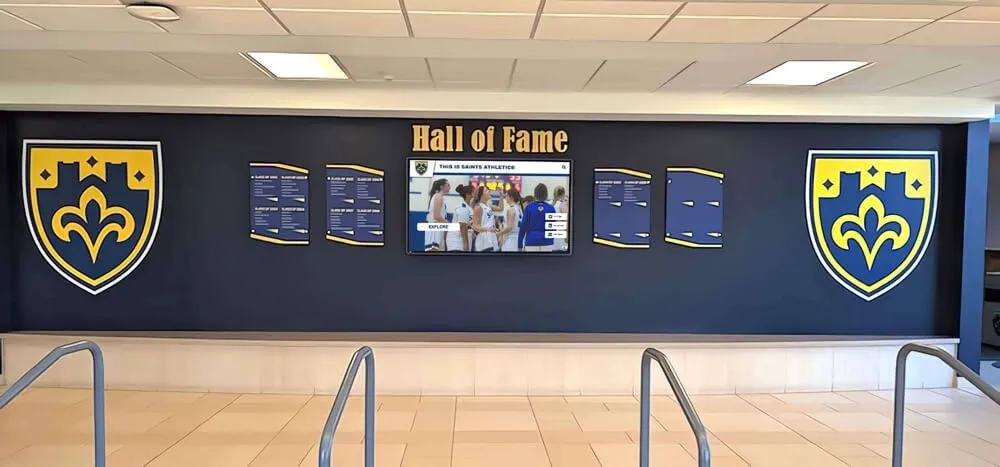
Entrance recognition displays welcome students daily with visible reminders of school excellence and community achievements
Creating Spirit Recognition Programs
Systematic approaches to celebrating school spirit:
Spirit Point Systems
Award points throughout years for pep rally participation, game attendance, spirit wear days, and community support activities. Track and display standings across grade levels or advisory groups. Recognition at year-end assemblies or through permanent displays celebrates sustained spirit rather than single-moment participation.
Monthly Spirit Recognition
Feature students demonstrating exceptional school spirit through diverse channels: attendance records at school events, creative spirit demonstrations, positive leadership, or community representation. Display recognitions prominently in high-traffic areas maintaining year-round focus on spirit culture beyond homecoming weeks and championship seasons.
Digital Spirit Walls
Modern recognition systems enable schools to celebrate spirit alongside athletic and academic excellence. Interactive displays can showcase pep rally highlights, spirit event photographs, student testimonials about school pride, and evolving documentation of spirit traditions across graduating classes.
Solutions from Rocket Alumni Solutions provide schools with flexible platforms for celebrating all dimensions of student excellence, ensuring spirit receives recognition equal to traditionally highlighted achievements.
Planning Complete Pep Rally Experiences
Individual games succeed best within thoughtfully planned overall rally structures.
Rally Flow and Timing
Strategic sequencing maintains energy throughout assemblies:
Energy Arc Management
Open with accessible, high-energy activities engaging entire crowds immediately. Build toward centerpiece competitions featuring the most visually exciting games or significant recognition moments. Conclude with unifying activities bringing all students together rather than ending on competitive notes that divide by winners and losers.
Typical effective arc: crowd participation opener (3-5 minutes), diverse game showcase (15-20 minutes), featured competition or recognition ceremony (10-15 minutes), unifying conclusion (5 minutes).
Transition Planning
Minimize dead time between activities through advance preparation: pre-positioned equipment, identified participants already in place, clear transition scripts for announcers, and backup activities ready if games conclude faster than anticipated. Momentum dies during extended setup periods or unclear transitions.
Recognition Integration
Weave recognition of teams, students, and achievements throughout rallies rather than segregating games and recognition into separate segments. This maintains energy while ensuring celebration receives appropriate attention and doesn’t feel secondary to entertainment.
Understanding sports banquet ideas helps schools apply recognition best practices across different celebration contexts.
Student Leadership Opportunities
Empower students to shape spirit culture:
Planning Committee Formation
Include diverse student representatives in rally planning: student government members, athletes, performing arts students, and individuals from various grade levels and social groups. This diversity ensures activities resonate across student populations while developing leadership skills.
Emcee and Hosting Roles
Student hosts create peer-to-peer energy that differs from adult-led programs. Provide training and support while allowing authentic student voices and humor. Effective student emcees maintain energy, create smooth transitions, and build genuine excitement among peers.
Spirit Team Development
Formalize spirit leadership beyond traditional cheerleading roles. Spirit teams can plan rallies, coordinate themed events, organize spirit weeks, and maintain year-round focus on school culture. This distributes spirit-building responsibility across diverse students rather than concentrating it within single programs.
Technology and Production Quality
Enhanced production creates more engaging experiences:
Sound System Excellence
Clear, powerful sound transforms rally experiences. Invest in quality microphones for hosts, balanced speaker distribution ensuring even coverage throughout venues, and sound checking before assemblies. Poor audio undermines even excellent content and creates frustration for students straining to hear.
Visual Enhancement
Large displays showing game action, competitor close-ups, crowd reactions, and instant replays create professional atmosphere while ensuring visibility for all students. Consider how schools might leverage existing digital recognition displays for dual purposes during special events.
Music Selection and Management
Create rally playlists combining school fight songs, popular music students recognize, and strategic musical moments enhancing specific activities. Avoid extended dead air while ensuring music doesn’t overpower announcements or drown out crowd noise during high-energy moments.
Measuring Pep Rally Success and Continuous Improvement
Systematic evaluation helps schools refine spirit programs over time.
Gathering Feedback
Multiple assessment approaches provide complete pictures:
Student Surveys
Brief post-rally surveys asking students about favorite games, energy levels, inclusion feelings, and suggestions provide direct feedback from primary audiences. Keep surveys short (5-7 questions) and administer immediately following events while experiences remain fresh.
Observation and Documentation
Video record rallies enabling planning committees to review energy levels, identify timing issues, spot technical problems, and assess crowd engagement patterns. Visual documentation reveals details missed during live event management.
Participation Metrics
Track participation rates across student groups: which grades participate most actively, whether diverse programs are represented in games, how many students volunteer versus require encouragement, and whether participation patterns shift across multiple rallies indicating changing engagement.
Refinement and Evolution
Use assessment insights for continuous improvement:
Activity Rotation and Updates
Maintain core successful traditions while introducing new games each year preventing predictability. Student planning committees from different graduating classes naturally bring fresh perspectives and awareness of current trends keeping rallies relevant.
Addressing Participation Gaps
If assessment reveals certain student groups consistently absent from participation, investigate barriers: activity selection favoring specific populations, timing conflicts with other commitments, or cultural factors creating discomfort. Adapt future planning to address identified gaps.
Building on Successes
When specific games, themes, or approaches generate exceptional engagement, analyze what made them effective and apply those principles more broadly. Success patterns reveal what resonates with your specific school culture.
Schools can explore planning gala approaches for additional insights into creating memorable school events that celebrate community achievements.
Building Lasting School Spirit Culture
The ultimate measure of effective pep rallies extends beyond individual events to their cumulative impact on institutional culture.
Year-Round Spirit Development
Maintain momentum between major rallies:
Monthly Spirit Activities
Regular smaller-scale activities maintain spirit focus throughout years: spirit dress days, lunchtime competitions, hallway decoration contests, or brief morning announcement challenges. Consistent smaller touchpoints sustain engagement more effectively than infrequent major events alone.
Spirit Tradition Documentation
Record rally highlights, winning moments, and memorable incidents in accessible formats. Historical documentation allows newer students to connect with institutional traditions while providing continuity across graduating classes. Alumni returning for visits enjoy seeing spirit traditions they participated in continuing with new generations.
Cross-Program Collaboration
Spirit initiatives work best when they unite rather than divide programs. Collaborate with athletic departments, performing arts programs, academic clubs, and student organizations to ensure rallies celebrate comprehensive excellence rather than privileged specific achievement types.
Recognition as Culture-Building Tool
Permanent recognition systems amplify temporary celebration moments:
Modern schools increasingly recognize that comprehensive recognition programs celebrating diverse achievements create the most inclusive spirit cultures. When students see athletic excellence, academic achievement, artistic accomplishment, community service, and spirit leadership all receiving equal visibility and celebration, they understand their schools value multiple paths to contribution and excellence.
Digital recognition platforms enable this comprehensive approach by providing virtually unlimited space for celebrating achievements across all programs. Unlike physical trophy cases limited by square footage, modern systems can acknowledge every achievement dimension while maintaining professional, engaging presentations that inspire rather than overwhelm.
Rocket Alumni Solutions specializes in recognition systems designed specifically for educational institutions seeking to celebrate complete student excellence rather than narrow achievement categories. These platforms seamlessly integrate with existing pep rally programs, providing lasting homes for the achievements and moments these rallies celebrate while maintaining year-round visibility that sustains spirit between major events.
Conclusion: From Games to Genuine School Pride
Pep rally games for high school serve purposes far beyond filling assembly time with entertainment. When thoughtfully selected and strategically implemented, these activities become vehicles for building genuine community, celebrating diverse achievements, and creating the kinds of shared experiences that forge lasting connections between students and their schools.
The most effective spirit programs recognize that games create momentary energy, but sustained school pride requires systematic approaches to recognition and celebration. By connecting entertaining rally moments to permanent acknowledgment of the achievements these events celebrate, schools transform temporary excitement into lasting cultures where excellence receives the visibility and appreciation it deserves.
Whether you’re planning your first pep rally or refining established traditions, focusing on inclusion, connection to school identity, and integration with broader recognition systems ensures your spirit program builds genuine pride that endures long after final buzzers sound and graduation ceremonies conclude.
Ready to create comprehensive recognition systems that extend your pep rally celebrations into year-round visibility? Discover how modern digital displays transform school spirit culture while celebrating every dimension of student excellence.