



Selecting the right plaque trophy for recognizing achievement represents a more complex decision than many organizations initially realize. Beyond simply choosing between a plaque or trophy design, decision-makers must consider long-term implications including space limitations as recognition needs grow, ongoing maintenance and update costs, display visibility ensuring recipients receive appropriate acknowledgment, flexibility accommodating diverse achievement types and recognition criteria, and lasting impact creating meaningful experiences that genuinely honor recipient contributions.
Traditional plaques and trophies have served organizations well for generations, offering tangible recognition recipients can display proudly. Yet these conventional approaches face inherent constraints that increasingly limit their effectiveness in contemporary recognition programs: physical space eventually fills completely, requiring difficult decisions about which achievements warrant permanent display; engraving and mounting costs accumulate substantially across large programs; static displays lack engagement capabilities connecting with modern audiences; and updates require professional services creating delays and ongoing expenses.
Modern digital recognition solutions address these traditional limitations while introducing new capabilities transforming how organizations celebrate achievement. This comprehensive guide explores plaque trophy options across traditional and digital approaches—examining benefits, limitations, costs, and ideal use cases enabling informed decisions matching recognition strategies to organizational needs, audiences, and long-term goals.
Organizations invest in recognition because honoring achievement delivers tangible value: motivating continued excellence, strengthening organizational culture, inspiring broader participation, validating recipient efforts, and creating traditions binding communities around shared values. The recognition format—whether traditional plaque trophy or digital display—directly influences how effectively these goals are achieved, making format selection a strategic decision rather than purely aesthetic preference.

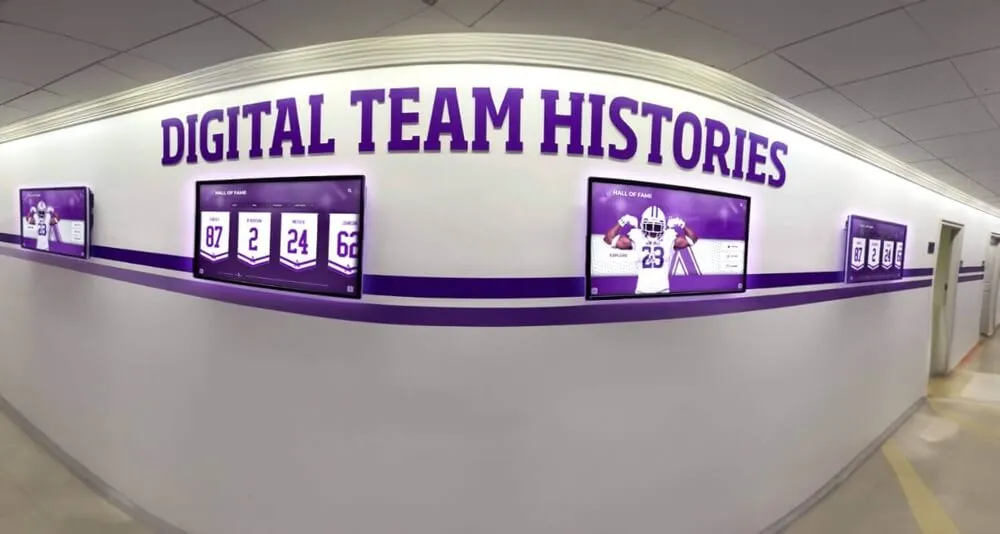
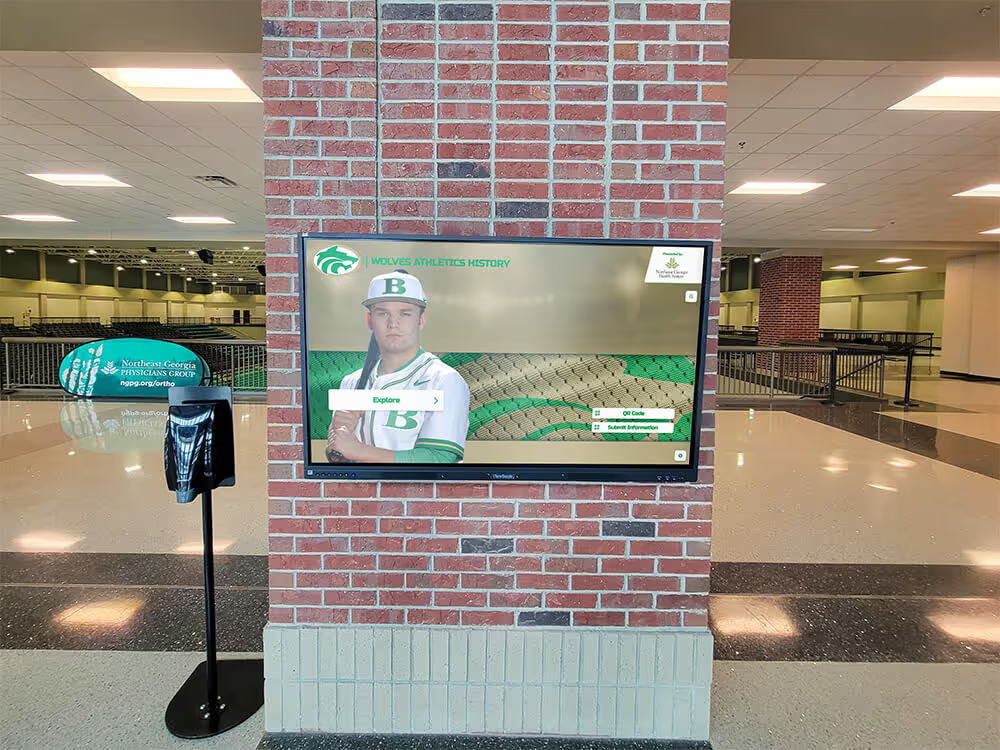
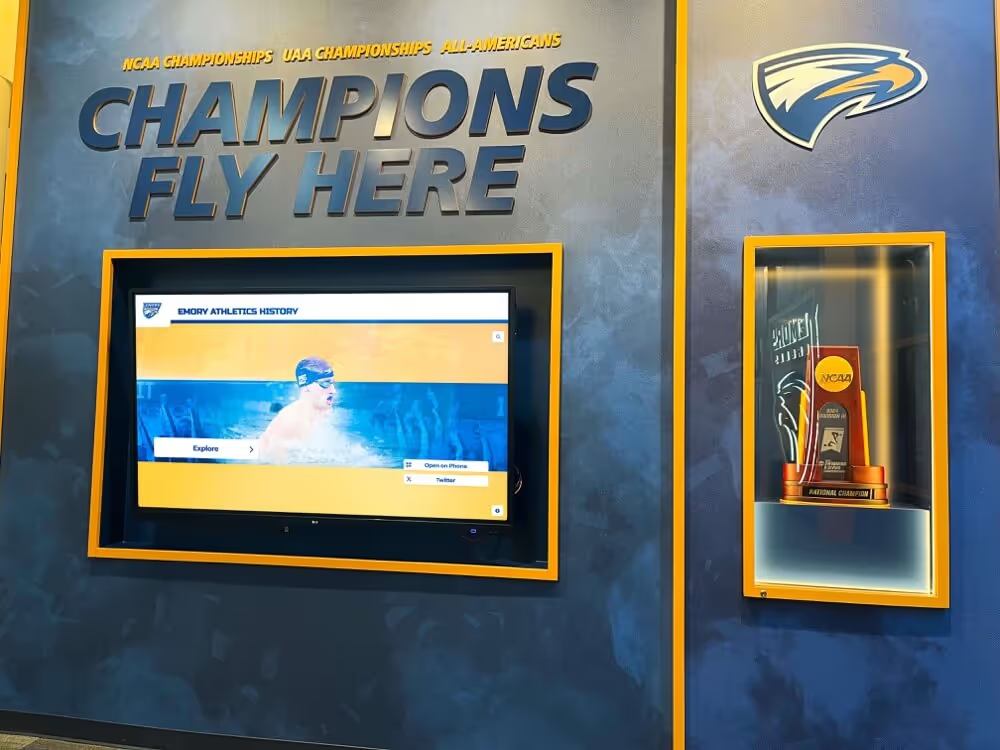
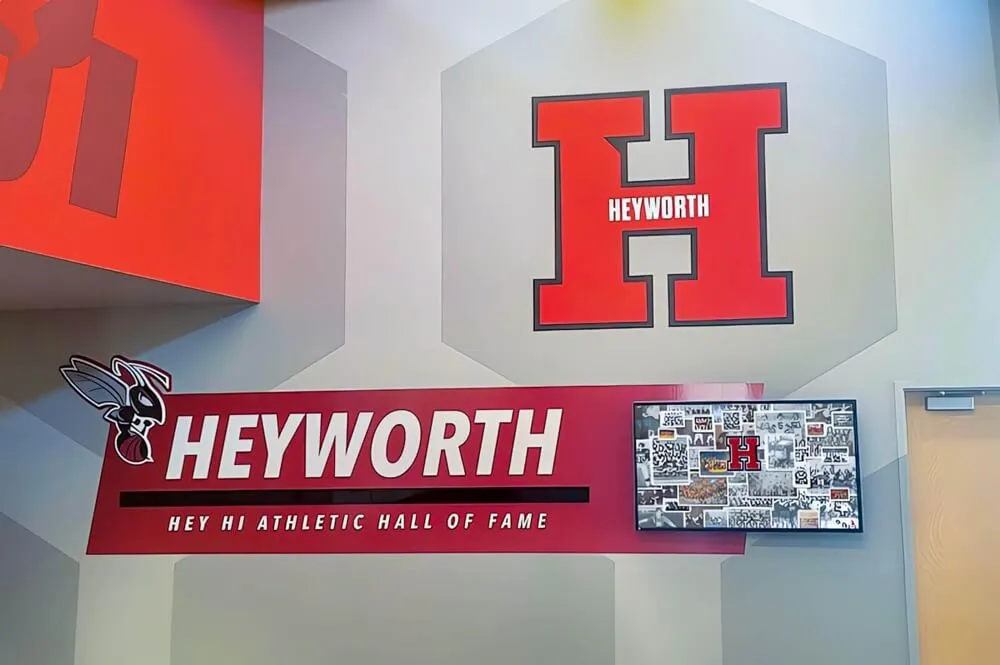
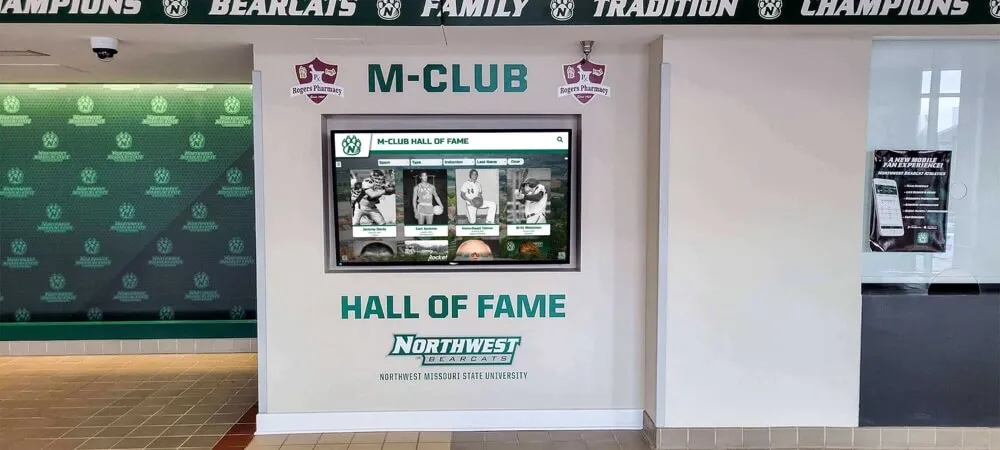
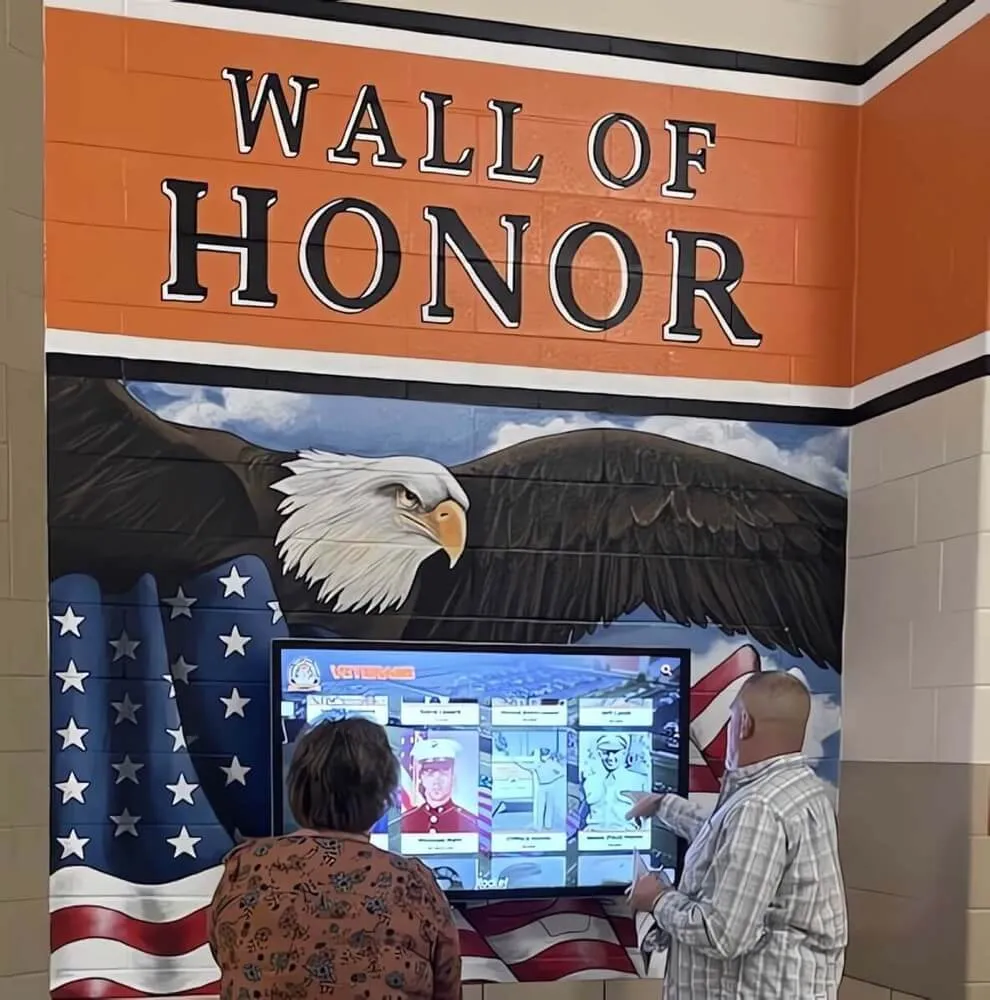
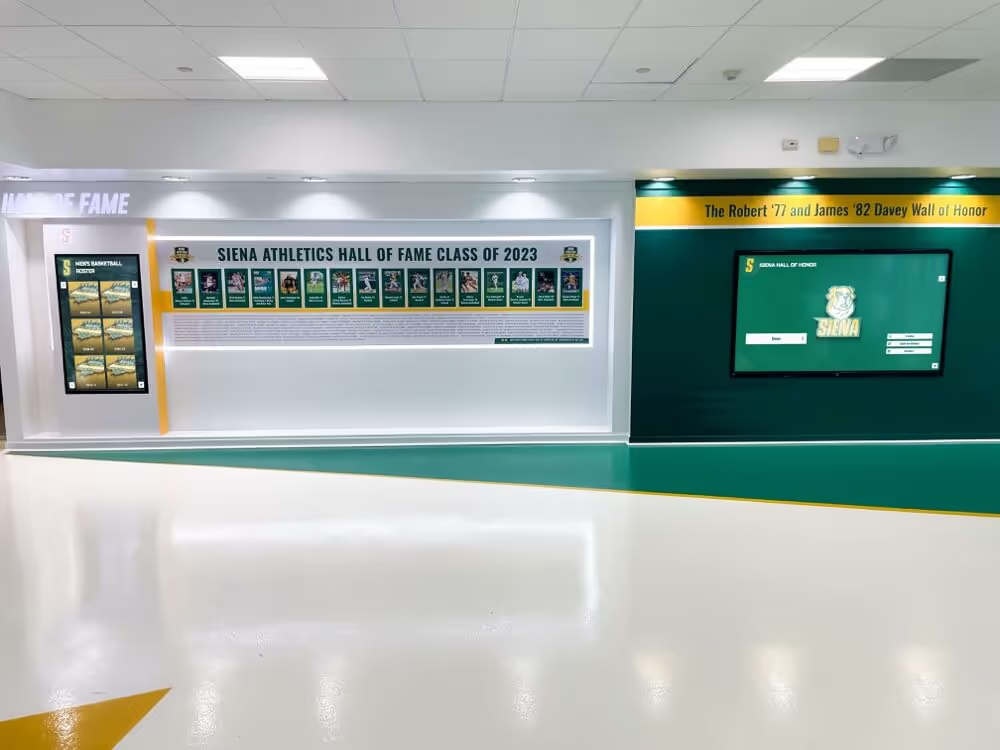
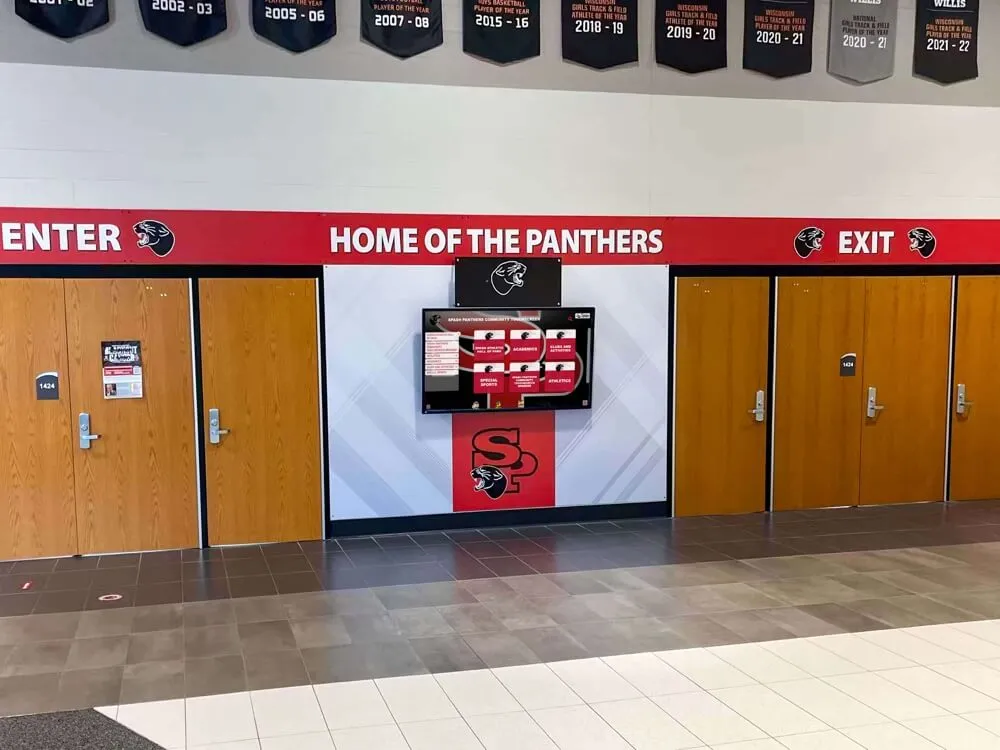
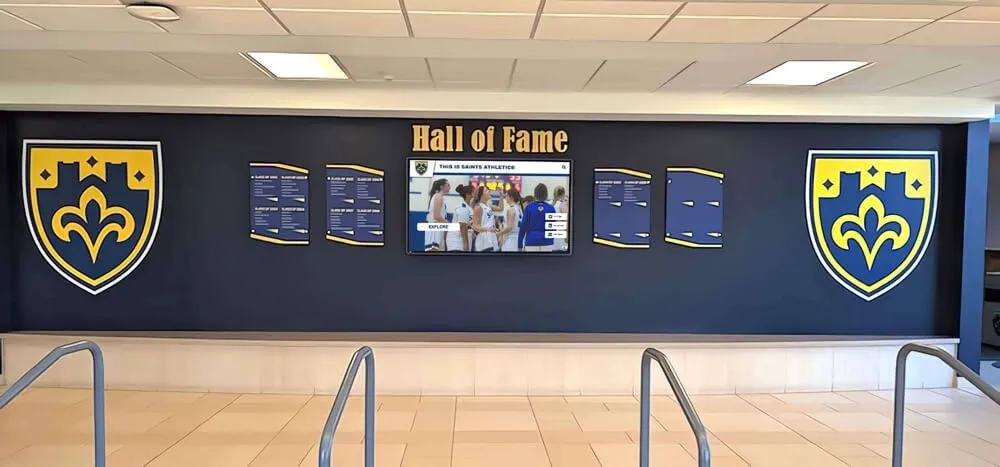
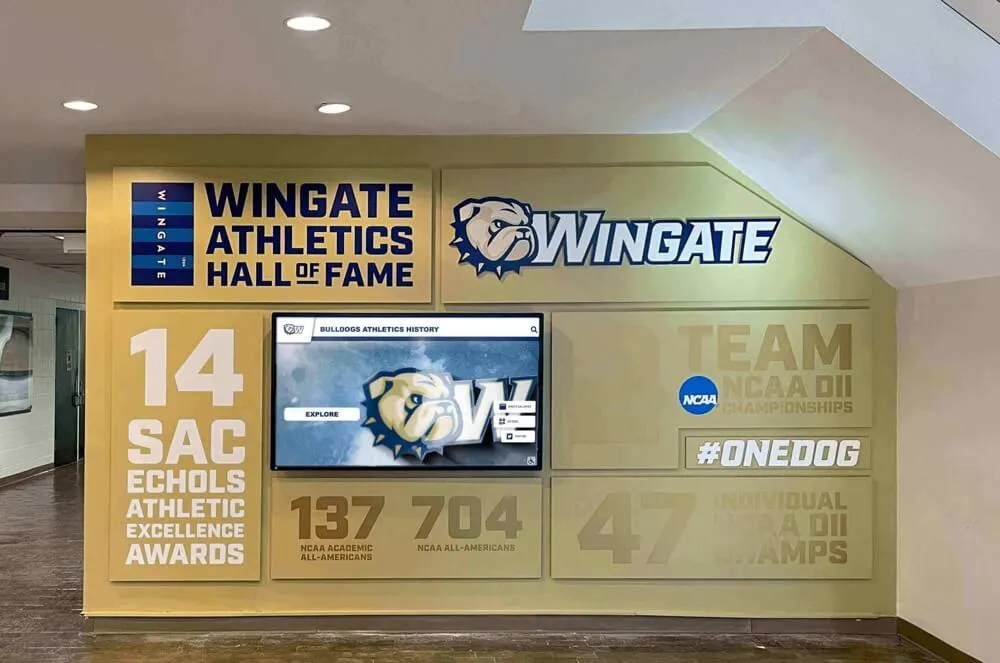
Modern recognition spaces blend traditional trophy displays with contemporary design, creating inspiring environments where achievements receive prominent celebration
Understanding Traditional Plaque Trophy Options
Traditional recognition awards have evolved over decades, offering proven approaches organizations trust for meaningful acknowledgment.
Classic Trophy Designs and Applications
Physical trophies represent the quintessential recognition format, instantly recognizable across all contexts:
Standard Trophy Construction and Materials
Traditional trophies typically feature metal figures or emblems mounted on bases made from wood, marble, or composite materials. Common configurations include column trophies with tiered bases supporting figurines, cup-style trophies resembling classic championship designs, figure trophies featuring sport or activity-specific sculptures, and achievement trophies with symbolic representations of excellence.
Material selection influences both cost and perceived value. Metal components range from economical plastic-gold finishes to genuine bronze or pewter for premium recognition. Base materials similarly span economical wood composites to expensive marble or granite for prestigious awards.
Trophy Personalization Options
Customization transforms generic awards into personal recognition through engraved nameplates including recipient names, achievement details, and dates; custom figurines or toppers reflecting specific activities or accomplishments; organizational branding incorporating logos, colors, or institutional identity; achievement details describing specific accomplishments beyond generic categories; and presentation cases protecting valuable trophies while enabling elegant display.
Quality engraving significantly impacts trophy appearance and longevity—professional laser engraving offers superior readability and durability compared to less expensive mechanical or printed alternatives.
Ideal Trophy Use Cases
Trophies excel for individual achievement recognition where recipients receive personal keepsakes, competitive accomplishments like tournament championships or contest winners, annual awards programs recognizing yearly achievements, and milestone celebrations honoring significant career or participation benchmarks.
The physicality of trophies creates tangible validation recipients can display in homes, offices, or personal spaces—maintaining ongoing achievement reminders beyond initial recognition moments.
Traditional Plaque Designs and Formats
Plaques offer elegant wall-mounted recognition suitable for both individual and collective acknowledgment:
Standard Plaque Construction
Traditional plaques consist of mounting surfaces (wood, acrylic, or metal) with attached nameplates, typically featuring materials like genuine wood with rich finishes, acrylic plaques offering contemporary aesthetic, metal plaques providing durability and prestige, or composite materials balancing cost and appearance.
Common plaque formats include perpetual plaques with multiple plates documenting yearly recipients, individual recognition plaques honoring specific achievements, master plaques documenting comprehensive lists of recipients across program history, and dedication plaques commemorating facilities, programs, or significant contributions.
Plaque Engraving and Customization
Personalization approaches include individual nameplates listing recipients with achievement dates, descriptive text providing achievement context beyond names alone, organizational branding incorporating institutional identity, decorative borders and design elements enhancing visual appeal, and photographic elements when using photo plaques combining images with engraving.
Perpetual plaques prove particularly economical for ongoing recognition programs—initial plaque investment accommodates years of additions through available nameplate positions, distributing upfront costs across extended recognition periods.
Limitations of Traditional Plaques
Despite their elegance, conventional plaques face inherent constraints including finite space that eventually fills completely, high visibility requirements as wall-mounted plaques compete for limited prime locations, update delays requiring professional services for engraving and installation, static presentation offering no interactive engagement or additional context, and accessibility limitations as text size constraints create readability challenges.
Organizations often discover that successful recognition programs eventually exhaust available plaque space—forcing difficult decisions about which achievements warrant permanent acknowledgment or costly expansions adding more wall space.
Resources exploring end-of-year award planning demonstrate how recognition programs scale across growing achievement categories and recipient populations.
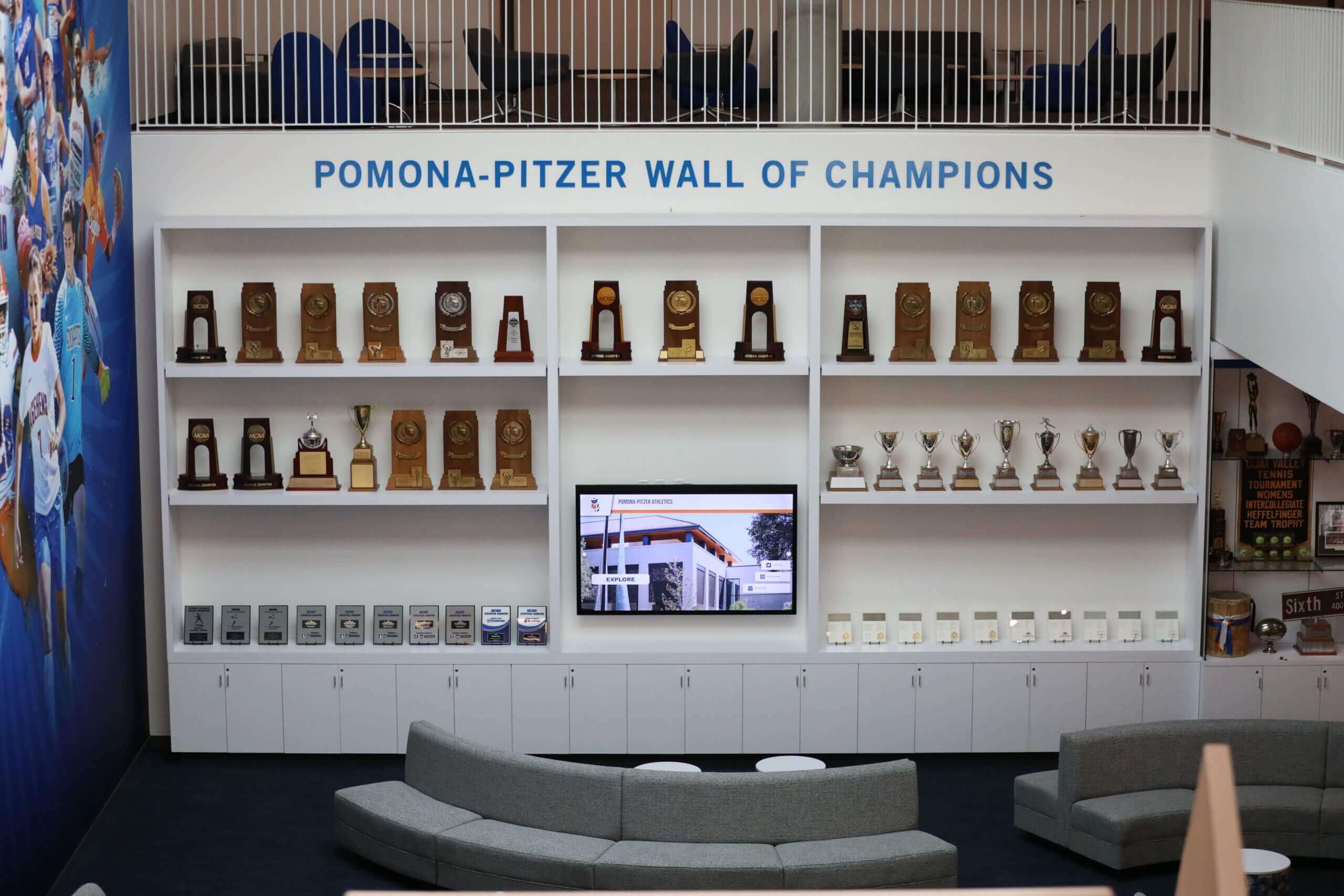
Perpetual plaque systems provide elegant recognition but face space limitations as programs grow, eventually requiring expansion or difficult selection decisions
The True Cost of Traditional Plaque Trophy Recognition
Understanding comprehensive expenses helps organizations budget realistically for recognition programs:
Initial Purchase and Customization Expenses
Upfront costs vary substantially based on quality, size, and customization:
Trophy Price Ranges
Basic achievement trophies (6-8 inches) with standard figures and bases typically cost $8-$15 each for bulk orders, mid-range trophies (10-14 inches) with quality materials and custom engraving run $20-$45 per trophy, premium trophies (15+ inches) featuring high-quality materials, custom designs, and presentation cases range $50-$200+, and championship or signature awards with unique designs and premium materials can exceed $300-$1,000 for prestigious recognition.
Volume discounts reduce per-unit costs substantially—organizations ordering 50+ trophies often negotiate 20-30% savings compared to single purchases.
Plaque Investment Costs
Individual recognition plaques (8x10 inches) with quality materials and engraving cost $30-$75 each, perpetual plaques accommodating 15-30 nameplates run $150-$400 initially with $5-$12 per nameplate for additions, master plaques displaying comprehensive recognition (24x36 inches or larger) range $400-$1,200 depending on materials and complexity, and custom-designed plaques with organizational branding, premium materials, or unique configurations start at $500-$2,000+.
Perpetual plaques offer superior long-term value when recognizing ongoing achievements—initial investment amortizes across decades of use compared to individual plaques purchased annually.
Ongoing Maintenance and Update Expenses
Recognition programs incur continued costs beyond initial purchases:
Annual Addition and Engraving Costs
Adding recipients to existing recognition requires professional engraving services at $8-$15 per nameplate for standard text, $15-$25 for complex engraving with logos or detailed text, rush service premiums adding 25-50% to standard costs, and mounting/installation fees ranging $50-$150 per service call.
Programs recognizing 20-30 recipients annually easily spend $400-$750 yearly just on nameplate additions—accumulating to $4,000-$7,500 across ten years before considering plaque expansion costs.
Repair, Replacement, and Expansion
Long-term maintenance includes damaged or tarnished plaque restoration costing $75-$200 per item, complete plaque replacement when space exhausts or damage becomes irreparable at full original costs, display case maintenance including cleaning, lighting repair, or refinishing, and facility updates when rearranging recognition as spaces evolve or programs expand.
Organizations rarely budget adequately for these ongoing expenses, leading to deferred maintenance degrading recognition quality or abandoned programs when costs exceed sustainable levels.
Hidden Costs of Traditional Recognition
Less obvious expenses impact total recognition investment:
Space and Facility Limitations
Physical recognition consumes valuable facility space that wall-mounted plaques occupy premium corridor or lobby locations with visibility value, trophy cases require dedicated floor space and compete with other facility needs, lighting, climate control, and security investments protect valuable awards, and facility modifications including wall reinforcement, electrical work, or security systems add substantial costs.
Schools and organizations frequently discover that recognition demands eventually exceed available space—creating recognition capacity crises requiring expensive facility modifications or painful prioritization decisions determining which achievements deserve continued acknowledgment.
Staff Time and Coordination
Recognition administration demands ongoing attention including coordinating trophy/plaque orders, reviewing engraving proofs and ensuring accuracy, scheduling professional services for installations and updates, communicating with vendors regarding timelines and corrections, maintaining recognition inventories and planning future needs, and physically storing unused trophies, plaques, or nameplates between recognition events.
Staff time represents real costs even without direct invoices—diverting professional attention from higher-value activities while creating administrative burden particularly frustrating during busy seasonal periods.
Exploring creative youth sports award approaches demonstrates diverse recognition options balancing impact with practical budget constraints.

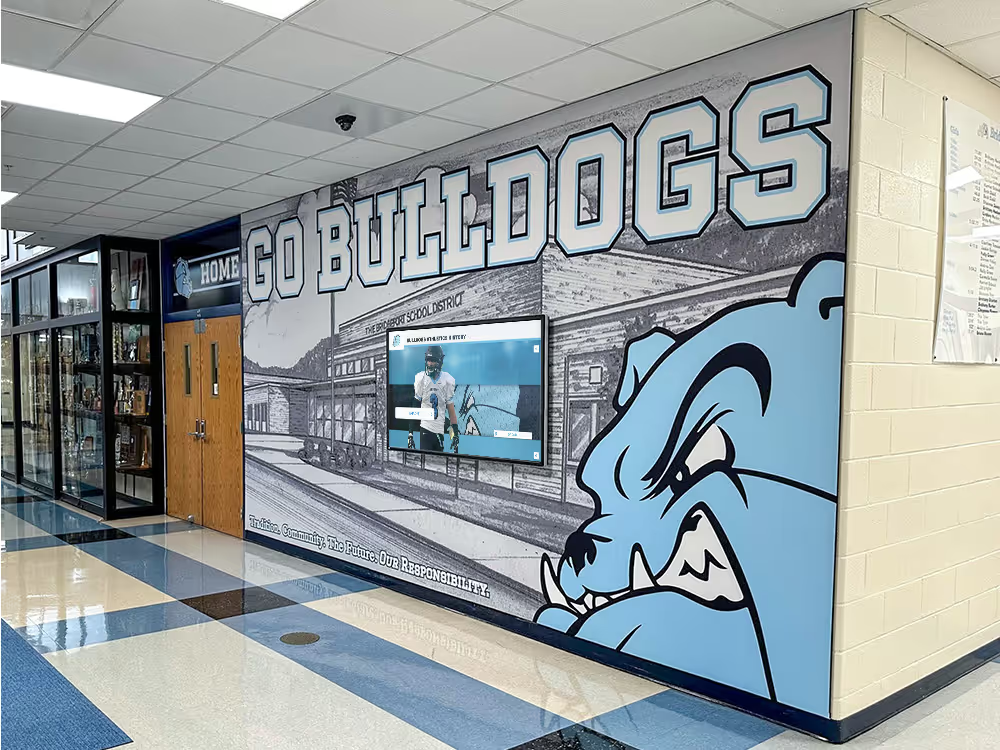
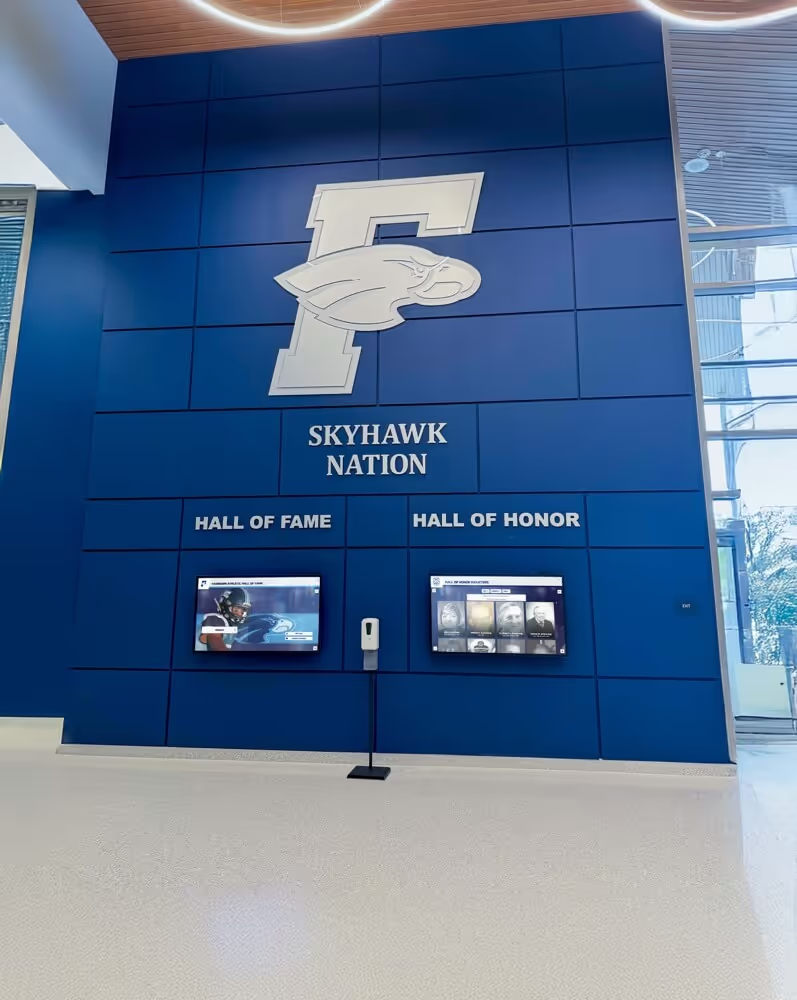
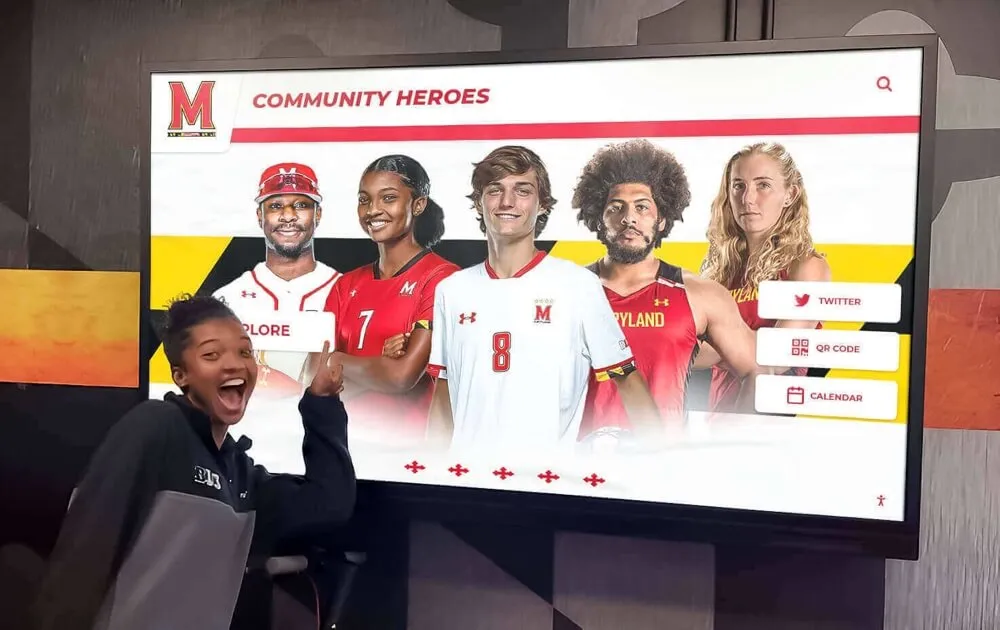
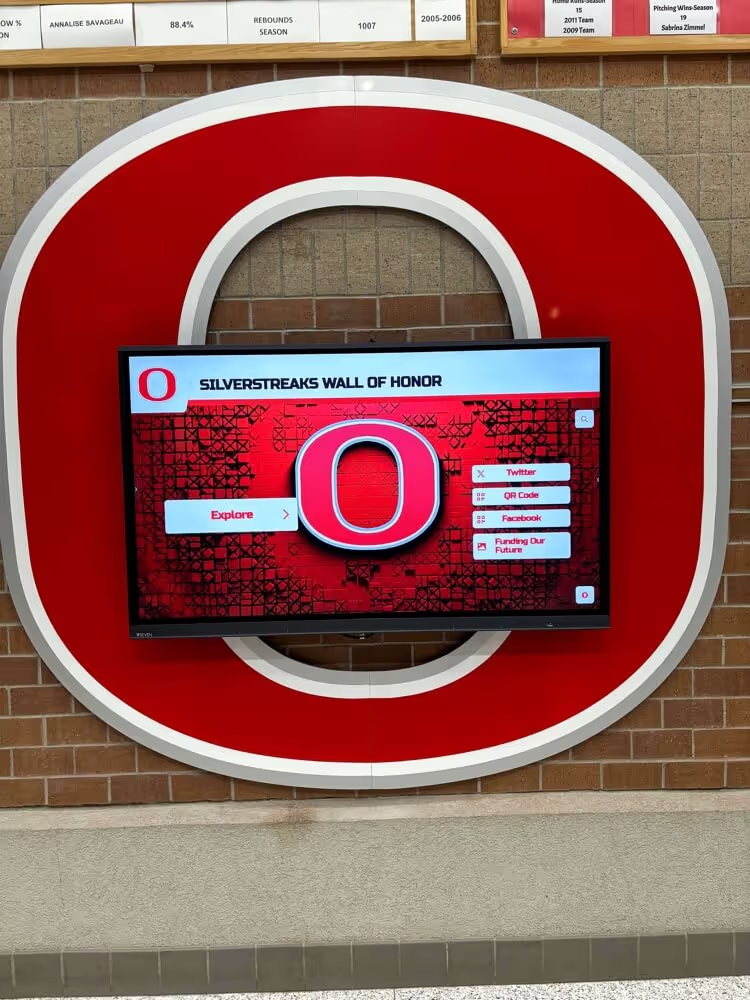
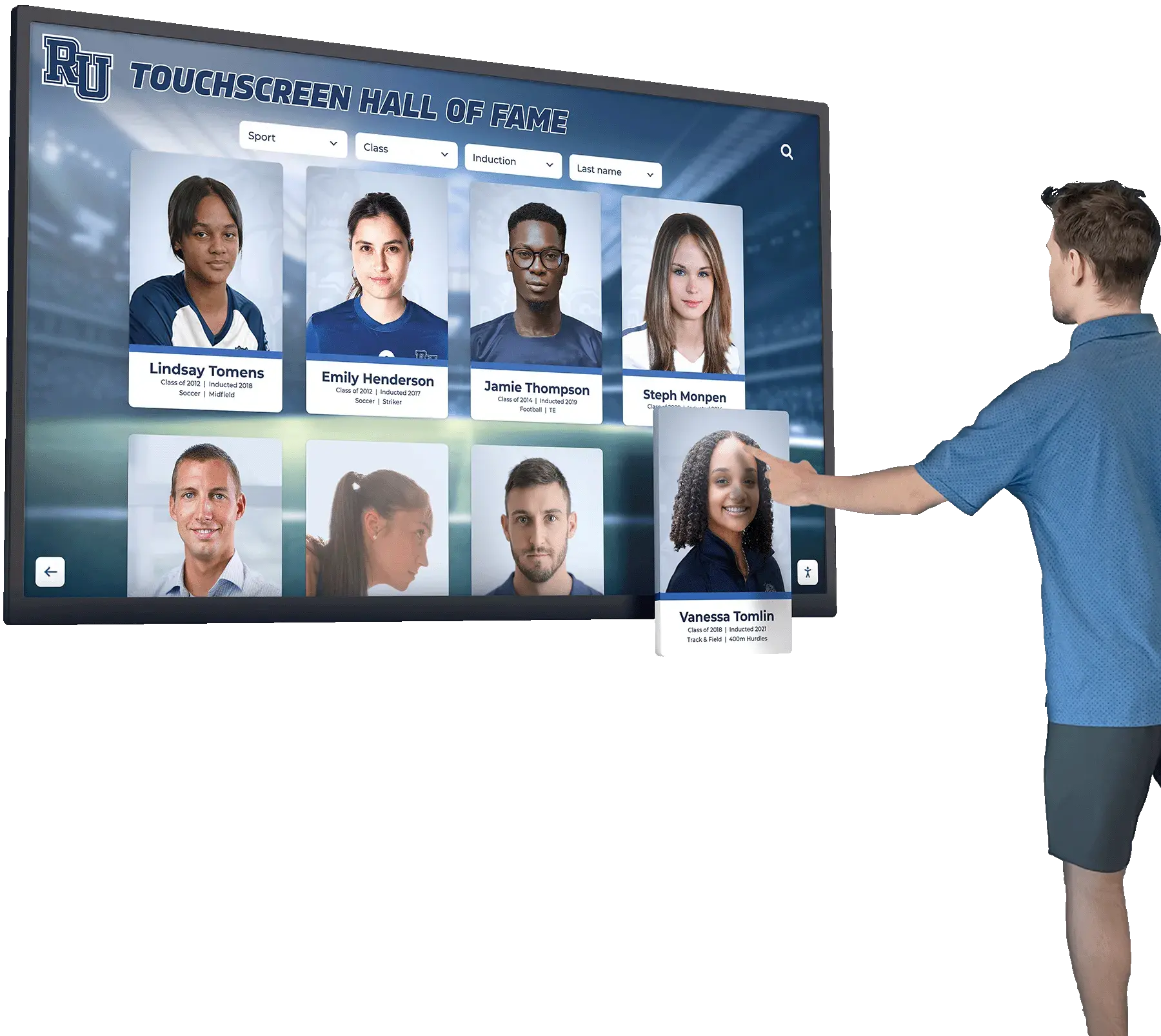
Digital recognition displays eliminate space constraints while offering rich multimedia profiles impossible with traditional plaques and trophies
Modern Digital Recognition Display Solutions
Digital platforms transform recognition by addressing traditional limitations while introducing powerful new capabilities:
Interactive Touchscreen Recognition Systems
Purpose-built recognition displays combine commercial-grade hardware with intuitive software designed specifically for achievement celebration:
Core Digital Recognition Capabilities
Modern platforms provide unlimited capacity accommodating comprehensive recognition without space constraints—adding thousands of recipients requires simple data entry rather than physical expansion; rich multimedia profiles including photos, videos, achievement details, biographical narratives, and career progression documentation; instant updates maintaining current recognition by adding new recipients immediately without professional service delays; searchable databases enabling visitors to find specific individuals, achievement types, or time periods intuitively; accessible design ensuring recognition reaches diverse audiences including those with visual, hearing, or mobility considerations; and remote access extending recognition visibility beyond physical facility locations through web-based exploration.
These capabilities fundamentally transform recognition from static historical documentation into engaging interactive experiences celebrating achievement comprehensively while inspiring current participants toward similar excellence.
Professional Hardware Integration
Effective digital recognition requires commercial-grade touchscreen displays (43-75 inches) designed for continuous operation in public environments, durable mounting systems securing valuable equipment safely, content management platforms enabling non-technical staff to maintain recognition without specialized expertise, network connectivity supporting remote updates and cloud-based content storage, and optional peripherals like QR code integration connecting smartphones to recognition content or accessibility features serving diverse visitor needs.
Solutions like Rocket Alumni Solutions offer integrated systems specifically designed for organizational recognition—combining proven commercial hardware with specialized software addressing schools, clubs, and institutions’ unique recognition requirements without requiring technical expertise or ongoing IT support.
Content Presentation Formats
Digital platforms enable diverse recognition visualization including photo galleries creating visual honor rolls showcasing all recipients, filterable directories letting visitors search by name, year, achievement type, or other criteria, biographical profiles providing comprehensive recipient information beyond basic statistics, achievement timelines documenting program history chronologically, statistical leaderboards highlighting record holders or milestone achievements, video tributes incorporating multimedia storytelling impossible with traditional displays, and social media integration pulling live content from organizational feeds or recipient accomplishments.
Presentation flexibility ensures recognition aligns with organizational identity and audience preferences rather than forcing standardized formats.
Advantages of Digital Recognition Systems
Modern platforms deliver benefits traditional approaches cannot match:
Unlimited Recognition Capacity
Digital systems eliminate the fundamental space constraint limiting traditional recognition—organizations can honor every deserving recipient rather than making difficult exclusion decisions. Programs recognizing 20 yearly recipients accumulate 200 honorees across ten years and 400 across twenty years without requiring additional physical space or hardware investment.
This comprehensive inclusion creates cultures where achievement consistently receives acknowledgment rather than selective recognition creating perceived favoritism or discouraging participation in less-visible activities.
Enhanced Engagement and Interactivity
Touchscreen displays transform passive observation into active exploration where visitors search for family members, former classmates, or personal heroes; explore detailed achievement information beyond basic nameplate text; watch video content showing performances, competitions, or achievement moments; and engage with content intuitively through familiar smartphone-like interfaces.
Research consistently demonstrates that interactive experiences create stronger emotional connections and longer engagement durations compared to static text-only displays—resulting in more meaningful recognition impact for recipients while better serving organizational culture goals.
Flexibility and Easy Updates
Digital platforms eliminate professional service dependencies and update delays—authorized staff members add new recipients, update information, or modify content in minutes using intuitive web-based interfaces accessible from any computer. This immediacy ensures recognition remains current and relevant rather than falling months behind due to engraving schedules or vendor coordination challenges.
Flexibility extends to presentation formats—organizations easily modify layouts, add new achievement categories, incorporate branding updates, or completely redesign recognition as needs evolve without purchasing new physical displays or disposing of outdated infrastructure.
Cost-Effectiveness Over Time
While digital systems require higher initial investment compared to single trophies or plaques, total cost of ownership across typical 10-15 year recognition program lifecycles often proves substantially lower when accounting for ongoing engraving expenses, professional services, plaque replacements, display expansion costs, and facility modifications traditional approaches require.
Organizations recognizing 100+ recipients across a decade frequently discover digital platforms deliver 40-60% total cost savings compared to traditional plaque systems—while simultaneously providing superior recognition quality and unlimited expansion capacity.
Understanding approaches to showcasing athletic achievements digitally demonstrates the rich presentation capabilities distinguishing modern recognition from conventional approaches.
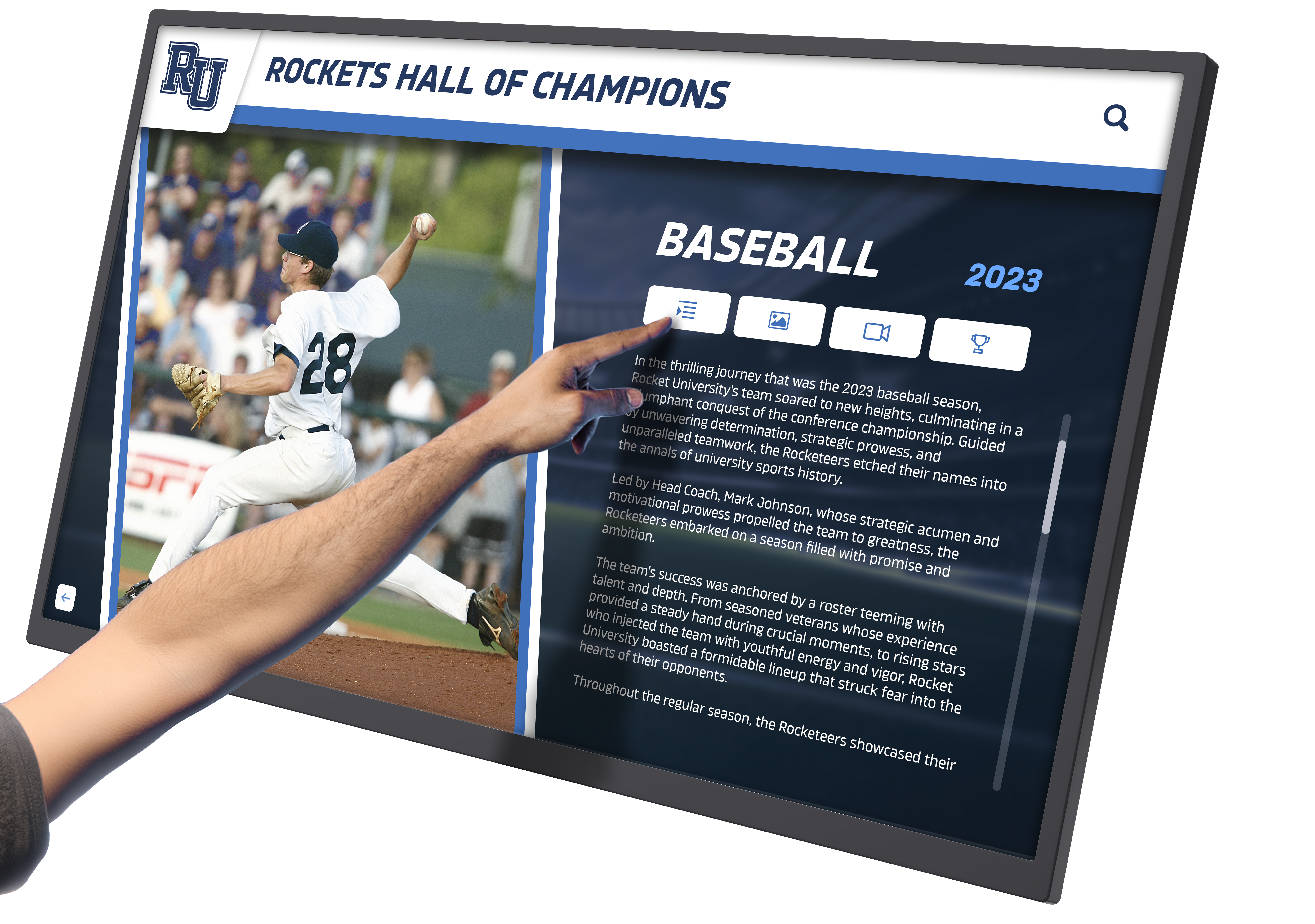
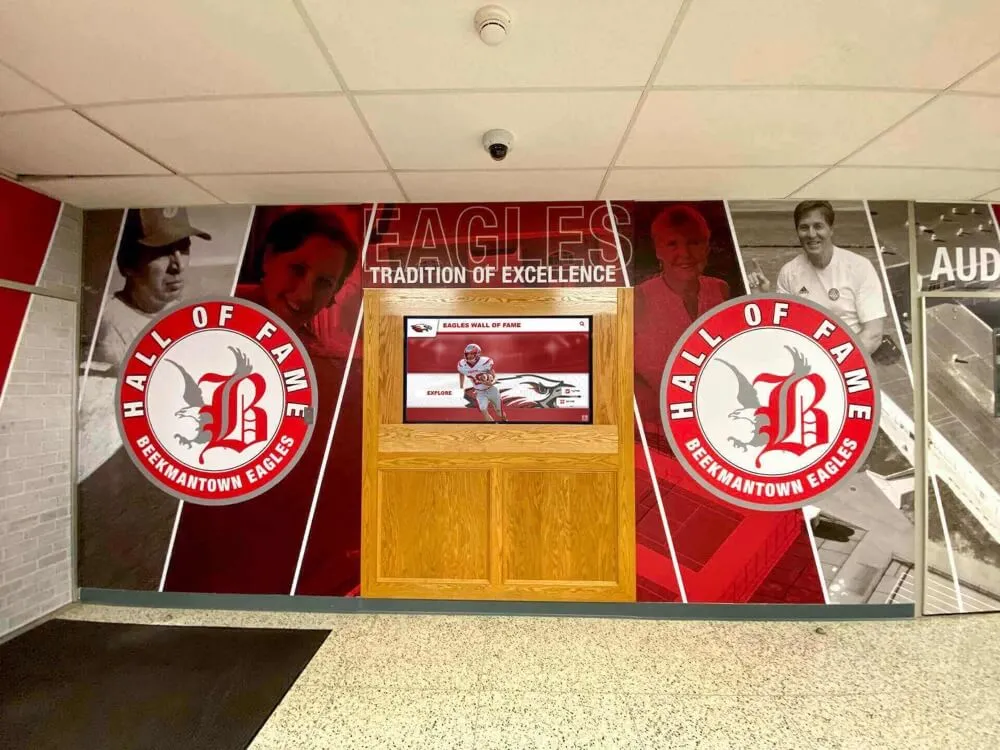
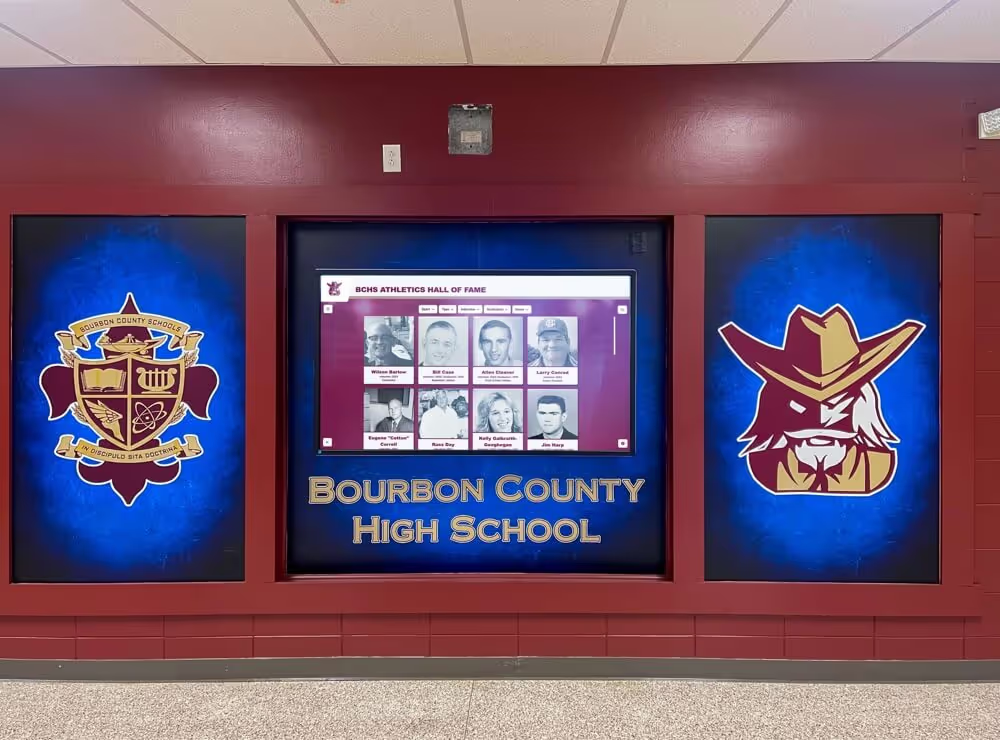
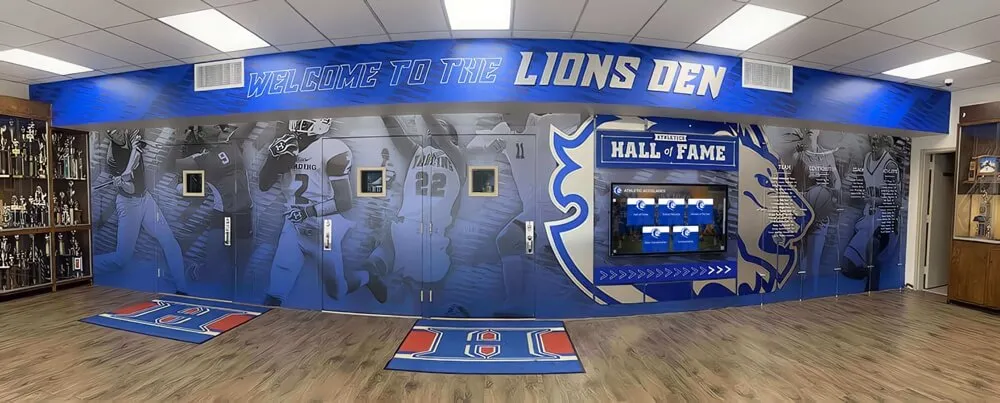
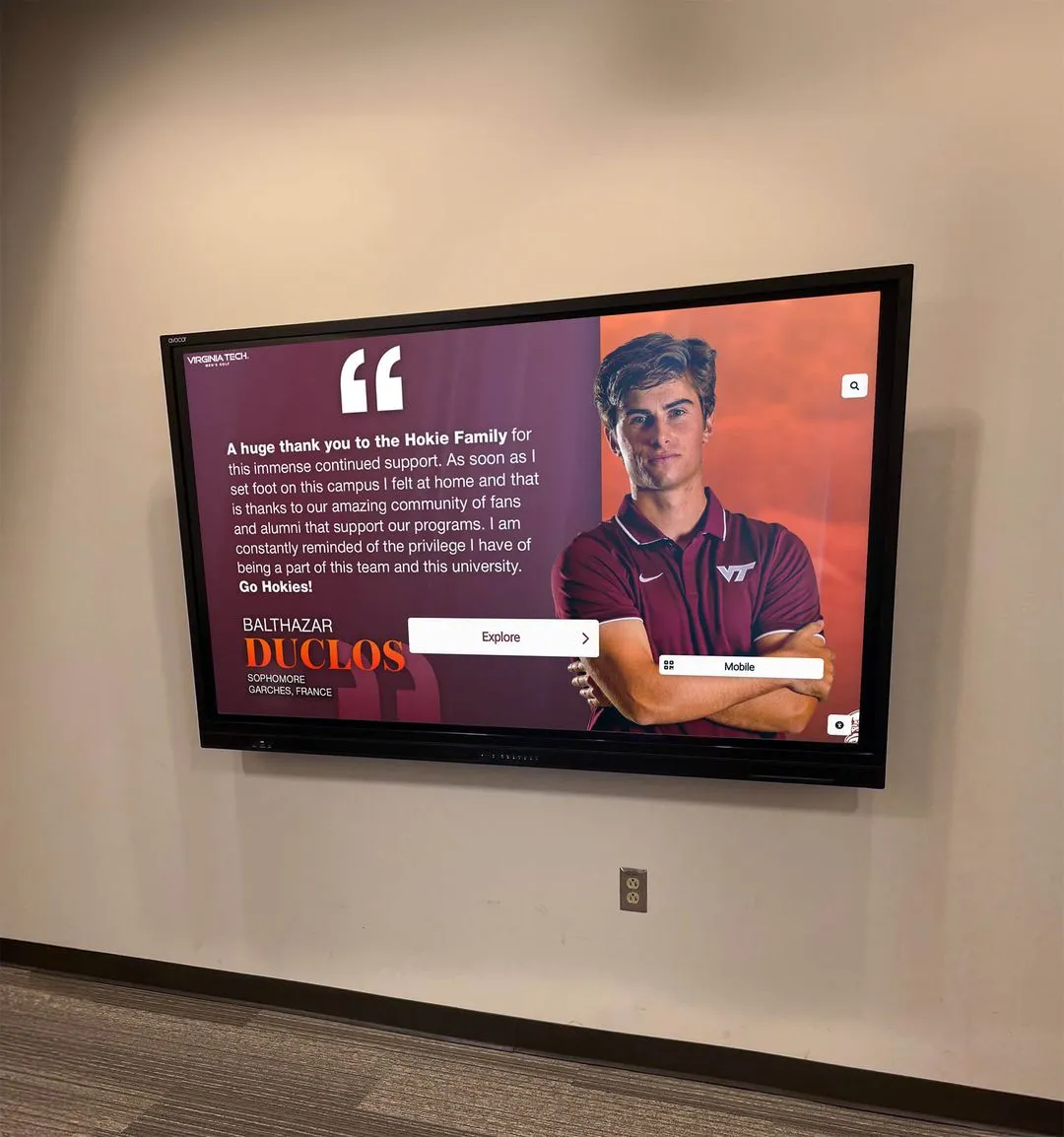
Rich multimedia profiles provide engaging recognition showcasing achievements comprehensively through photos, statistics, narratives, and biographical details impossible with traditional plaques
Hybrid Recognition Approaches: Combining Traditional and Digital
Many organizations discover that blending physical awards with digital platforms delivers optimal recognition experiences:
Complementary Recognition Strategies
Strategic combinations leverage respective strengths:
Physical Trophies Plus Digital Documentation
Provide recipients with traditional trophies offering personal keepsakes they can display at home while simultaneously documenting all recipients in comprehensive digital recognition systems. This approach delivers tangible personal recognition recipients value while ensuring every achievement receives permanent institutional acknowledgment regardless of physical display space limitations.
Recipients appreciate receiving physical awards validating accomplishments while organizations maintain comprehensive historical records inspiring future participants and preserving institutional memory.
Traditional Display Cases with Digital Companion Systems
Maintain existing trophy cases preserving traditional recognition aesthetics and institutional investment while installing adjacent digital displays providing unlimited capacity for comprehensive recognition beyond physical case constraints. Digital platforms complement rather than replace valued traditional displays while addressing space limitations preventing expanded recognition.
This combination respects institutional tradition and existing infrastructure while enabling scalable recognition meeting contemporary program needs.
Individual Plaques with Digital Hall of Fame
Present individual recognition plaques to highest-achieving recipients (Hall of Fame inductees, championship teams, prestigious award winners) while documenting broader recognition categories digitally. This tiered approach allocates limited physical display space to most prestigious achievements while ensuring comprehensive recognition inclusion for all deserving recipients.
Budget-conscious organizations particularly appreciate this balance—investing in premium physical recognition for signature achievements while digital platforms provide cost-effective recognition for broader populations.
Implementation Considerations for Hybrid Systems
Effective combinations require thoughtful coordination:
Consistent Design and Branding
Ensure physical and digital recognition share cohesive visual identity through consistent color schemes, logos, and institutional branding; complementary design aesthetics creating unified recognition environments; coordinated messaging reinforcing common recognition values; and thoughtful spatial integration positioning elements to create comprehensive recognition experiences rather than competing displays.
Visual coherence communicates intentional recognition systems rather than piecemeal additions creating fragmented impressions.
Clear Recognition Criteria and Tiers
Establish transparent guidelines defining which achievements receive physical trophies versus digital-only recognition, communicate criteria clearly preventing perceptions of favoritism or inconsistent standards, document decision processes ensuring consistency as leadership changes, and review periodically ensuring recognition structures remain aligned with organizational values and program evolution.
Systematic criteria transform potentially contentious decisions into objective, predictable processes stakeholders understand and trust.
Budget Allocation Across Recognition Formats
Plan comprehensive recognition budgets accounting for initial trophy and plaque purchases, annual trophy/plaque additions for new recipients, digital platform investment including hardware and software, ongoing digital maintenance including hosting, updates, and support, and staff time coordinating recognition across physical and digital systems.
Holistic budget planning prevents underfunding particular recognition components creating program imbalances or quality compromises.
Frameworks for planning award ceremonies demonstrate how physical recognition events integrate with permanent digital documentation creating comprehensive acknowledgment systems.
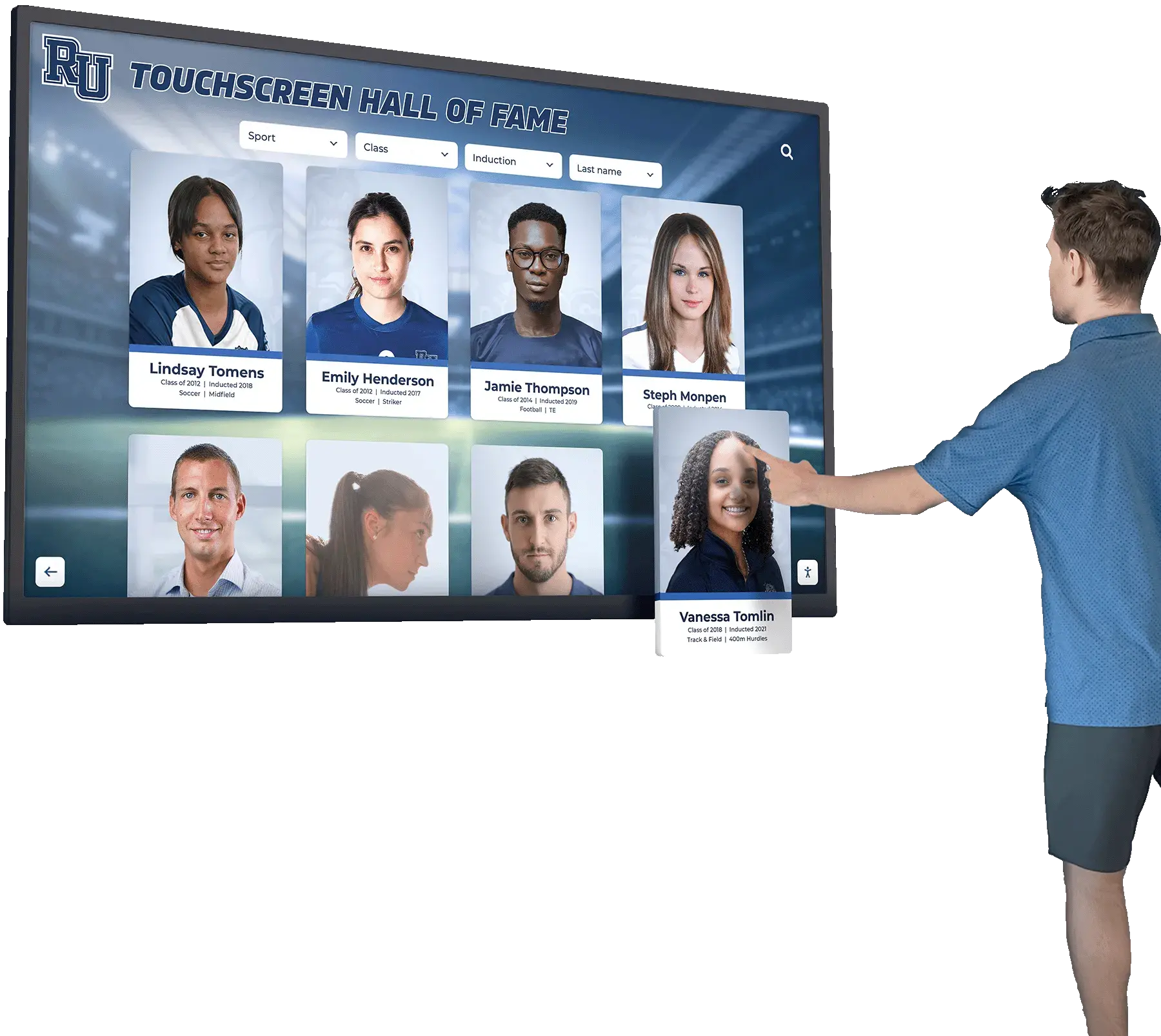
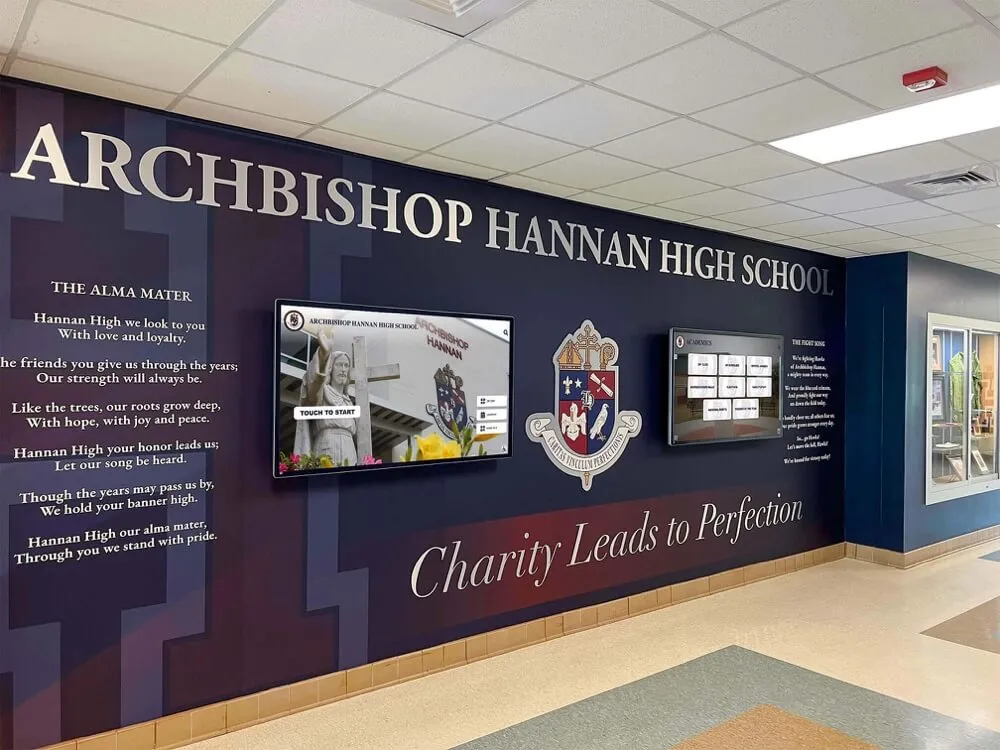
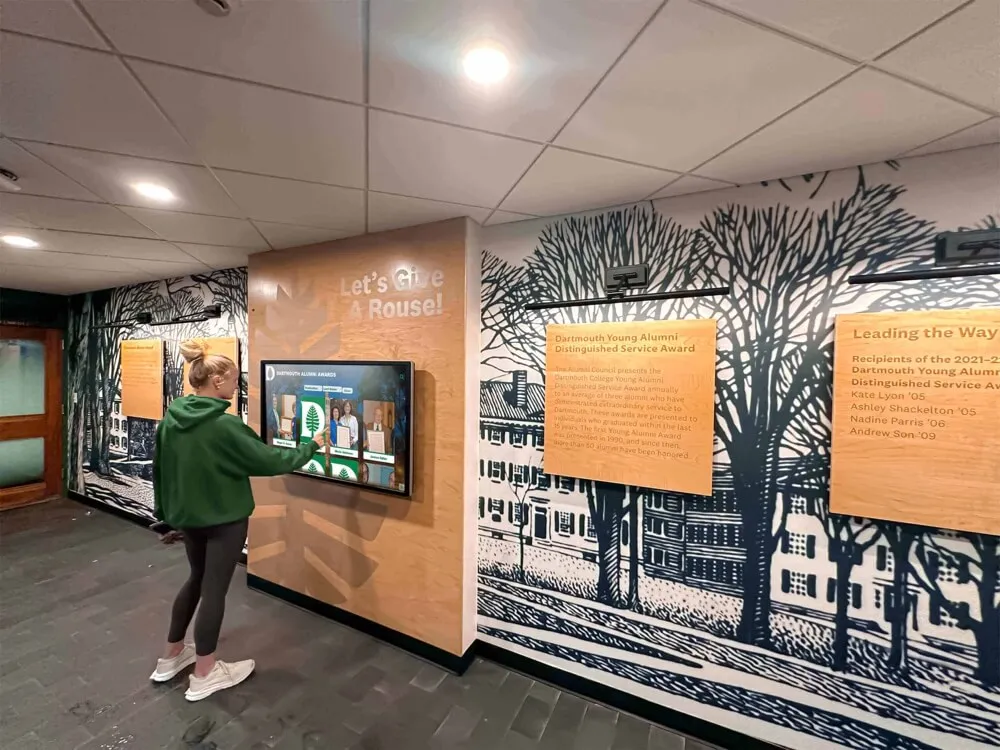
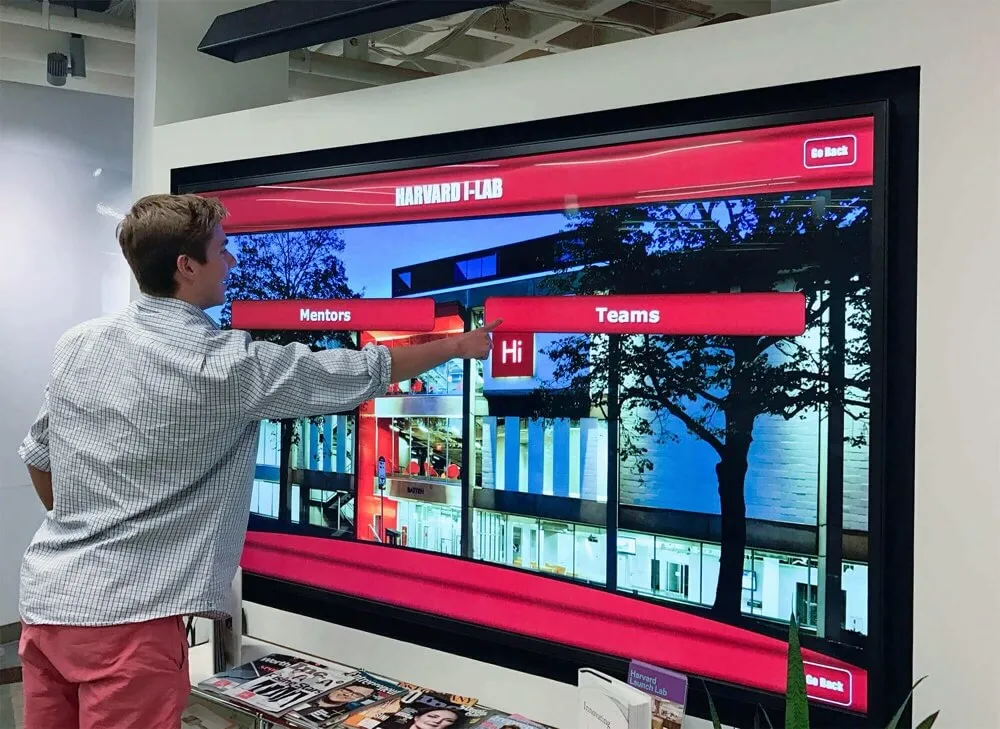
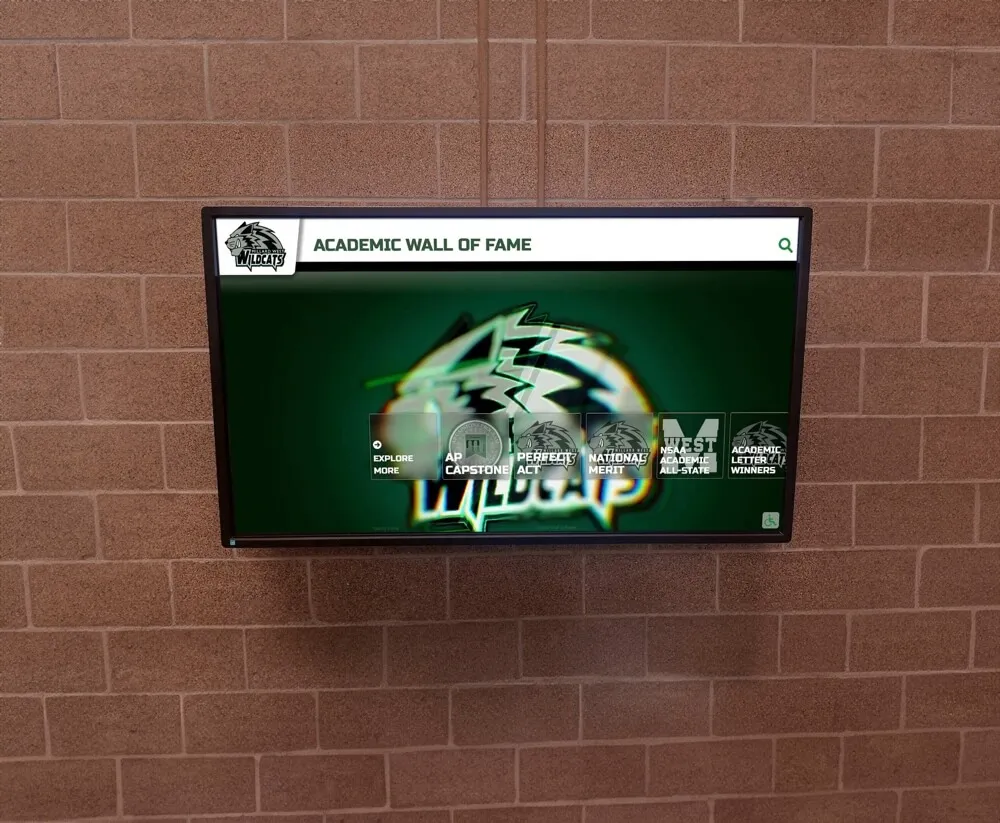
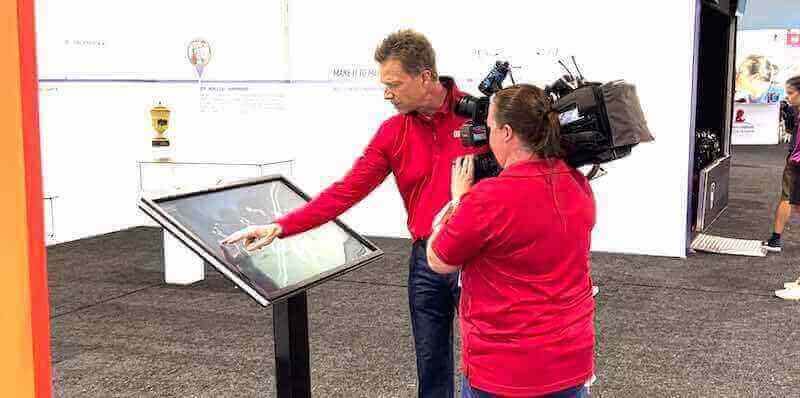
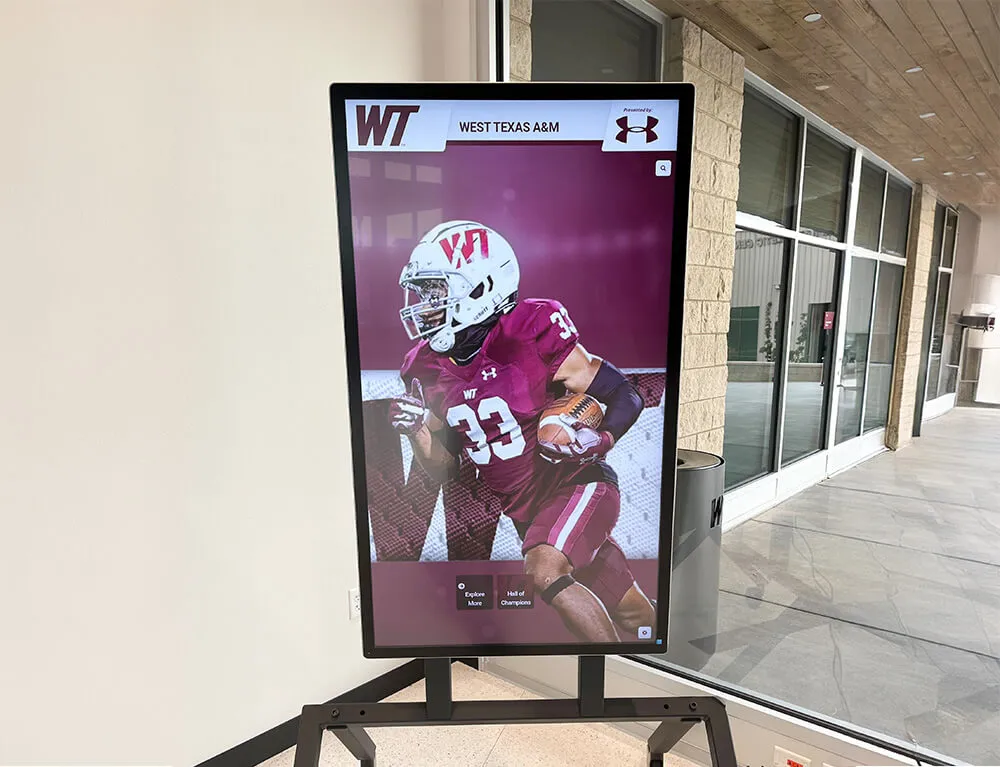
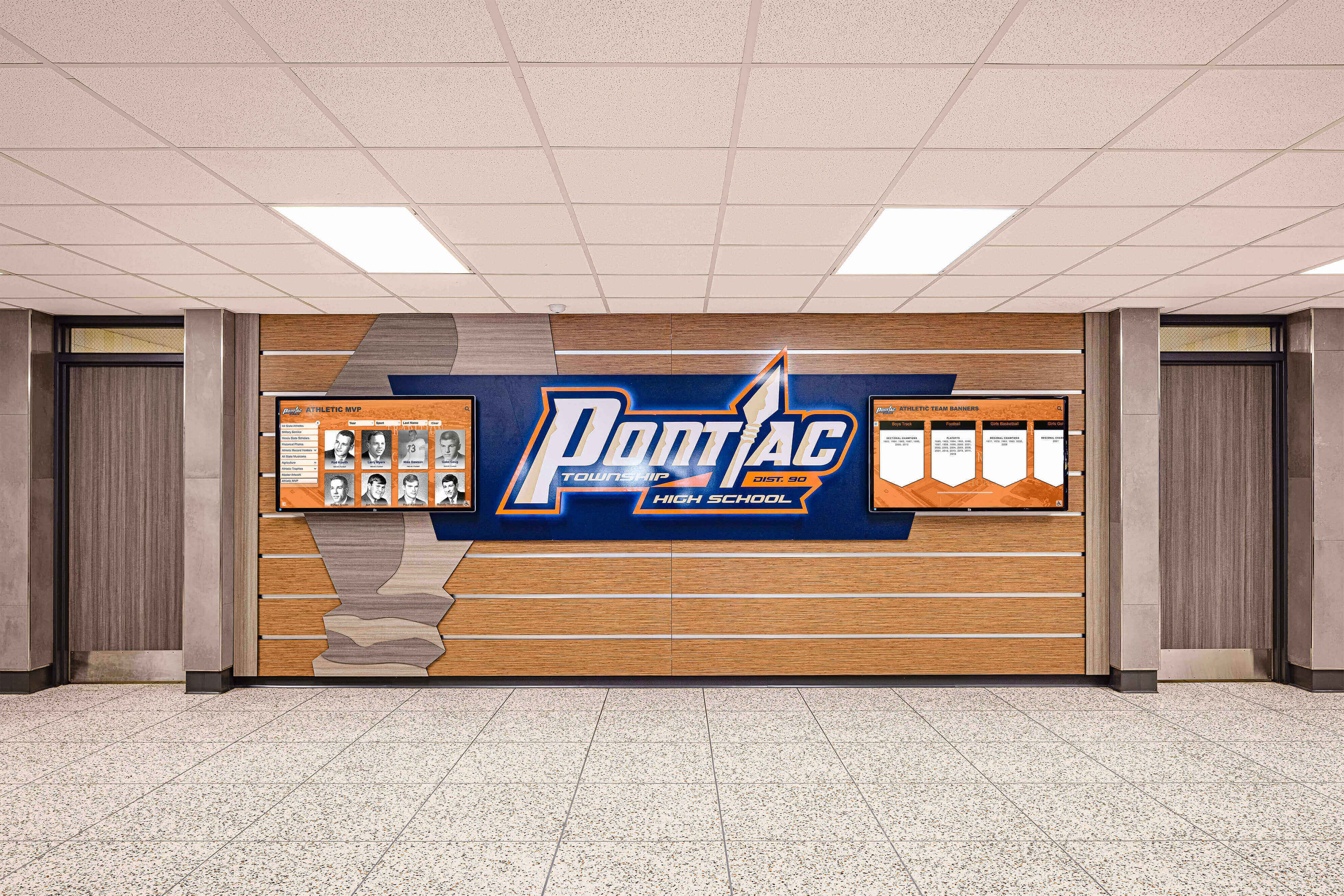
Intuitive touchscreen interfaces encourage exploration and engagement, creating meaningful connections with recipient achievements and organizational history
Making the Right Plaque Trophy Choice for Your Organization
Selecting optimal recognition approaches requires evaluating specific organizational contexts:
Key Decision Factors
Consider these critical elements when determining recognition strategies:
Budget Realities and Long-Term Costs
Evaluate both initial investment requirements and ongoing expenses across expected program lifespans. Organizations with limited upfront budgets but manageable annual recognition numbers may find traditional plaques economical, particularly perpetual designs amortizing initial costs across many years. Conversely, programs recognizing substantial annual populations discover digital platforms deliver superior long-term value despite higher initial investment—eliminating accumulating engraving expenses and professional service costs traditional systems require.
Calculate total cost of ownership across 10-15 years including all anticipated expenses for accurate comparison rather than focusing exclusively on initial purchase prices.
Space Availability and Facility Constraints
Assess available display space realistically including high-visibility wall space suitable for plaque mounting, floor space accommodating trophy cases without creating traffic congestion, facility characteristics like corridor width, lighting availability, or architectural constraints, and expansion potential should recognition needs grow beyond current capacity.
Space-constrained organizations—particularly those with robust recognition programs honoring many recipients annually—often find digital solutions essential for comprehensive acknowledgment without ongoing facility modifications.
Recognition Scale and Growth Trajectory
Smaller programs honoring 5-10 recipients annually across limited achievement categories operate effectively with traditional approaches, while larger initiatives recognizing 30+ recipients yearly across diverse categories quickly exhaust physical display capacity—making digital platforms practically essential for sustainable recognition.
Consider program growth potential beyond current state—recognition initiatives often expand substantially as organizations experience the cultural and motivational benefits systematic acknowledgment delivers.
Audience Expectations and Engagement Preferences
Different audiences respond variably to recognition formats. Traditional-minded stakeholders may strongly prefer conventional trophies and plaques representing familiar recognition they personally experienced. Younger audiences raised with interactive technology often find digital experiences more engaging and meaningful. Multi-generational communities benefit from hybrid approaches serving diverse preference across age cohorts.
Consider whose recognition experience matters most when making format decisions—recipient satisfaction, broader organizational engagement, family connections, or prospective participant inspiration.
Maintenance Capabilities and Administrative Capacity
Traditional recognition demands ongoing coordination with vendors, scheduling professional services, managing physical inventory, and coordinating installations—requiring administrative attention and vendor relationships. Digital platforms require technical comfort with content management systems, though modern platforms designed for recognition specifically minimize technical demands through user-friendly interfaces accessible to non-technical staff.
Assess whether your team prefers vendor management and physical logistics coordination or technology-based content management when determining optimal recognition format.
Resources on comparing hall of fame tools and approaches provide comprehensive evaluation frameworks applicable across recognition contexts.
Common Scenarios and Recommended Approaches
Typical organizational situations suggest particular recognition strategies:
Small Programs with Limited Budgets
Organizations recognizing fewer than 10 recipients annually with constrained budgets often find traditional trophies or individual plaques most practical—providing meaningful tangible recognition without substantial initial investment. Prioritize quality over quantity, selecting well-crafted awards recipients genuinely value rather than inexpensive items appearing generic or disposable.
Growing Programs Approaching Space Limitations
Schools, clubs, or organizations whose existing plaque systems nearing capacity benefit from digital migration—transferring historical recognition into comprehensive platforms while eliminating space constraints preventing continued program growth. This transition preserves existing institutional investment while enabling unlimited future recognition without ongoing facility modifications or difficult exclusion decisions.
Large-Scale Recognition Programs
Institutions honoring 50+ recipients annually across multiple achievement categories discover digital recognition practically essential—traditional approaches prove unsustainable both financially and spatially. Comprehensive platforms provide the only viable path toward inclusive recognition acknowledging all deserving recipients without prohibitive costs or space consumption.
Multi-Site or Distributed Organizations
Entities with multiple locations (school districts, athletic conferences, franchise organizations, multi-chapter associations) gain particular value from digital recognition—enabling centralized content management deploying recognition across all sites simultaneously while also providing web-based access extending visibility far beyond physical facility locations.
Organizations Valuing Rich Storytelling
Institutions emphasizing comprehensive achievement documentation, biographical narratives, photo documentation, or video content find digital platforms essential—traditional plaques cannot accommodate rich media content required for compelling storytelling beyond basic name and date listings.
Exploring trophy preservation and digitization strategies demonstrates approaches to transitioning traditional recognition into modern comprehensive systems preserving institutional history while enabling future growth.
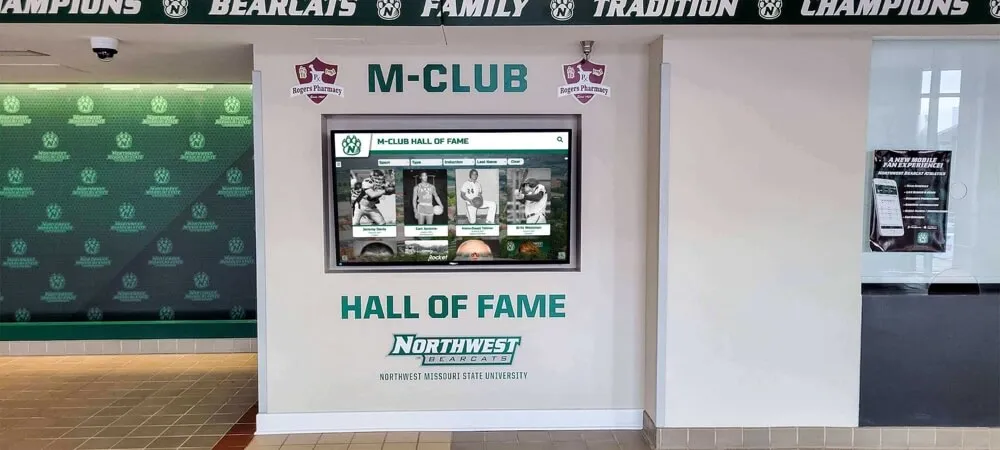
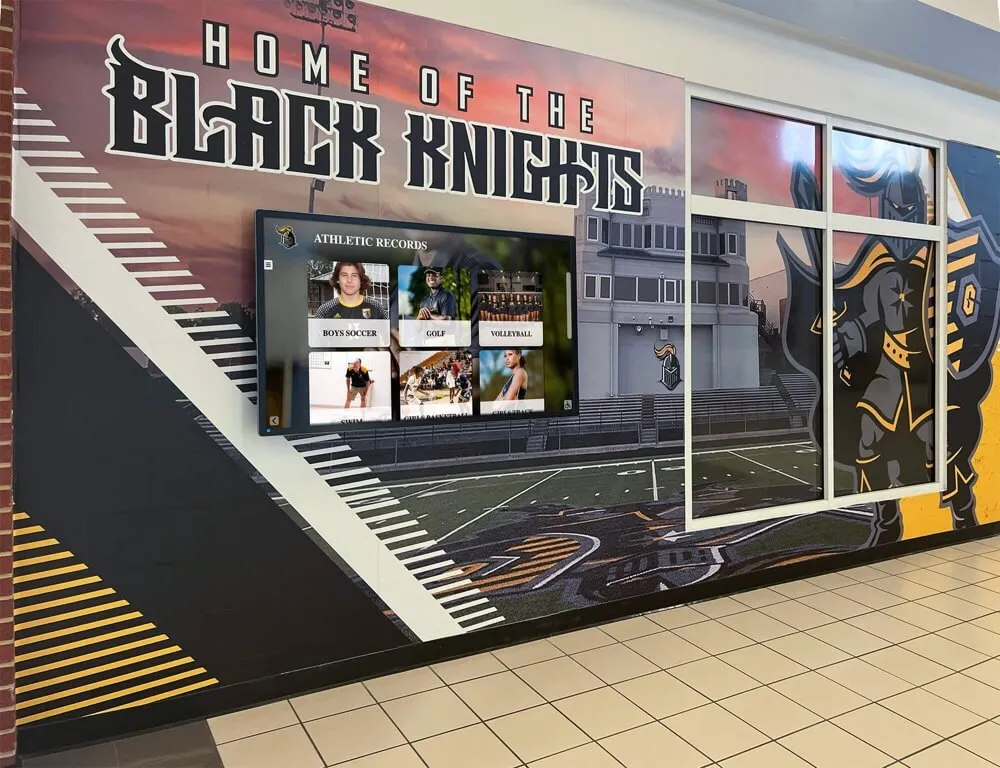
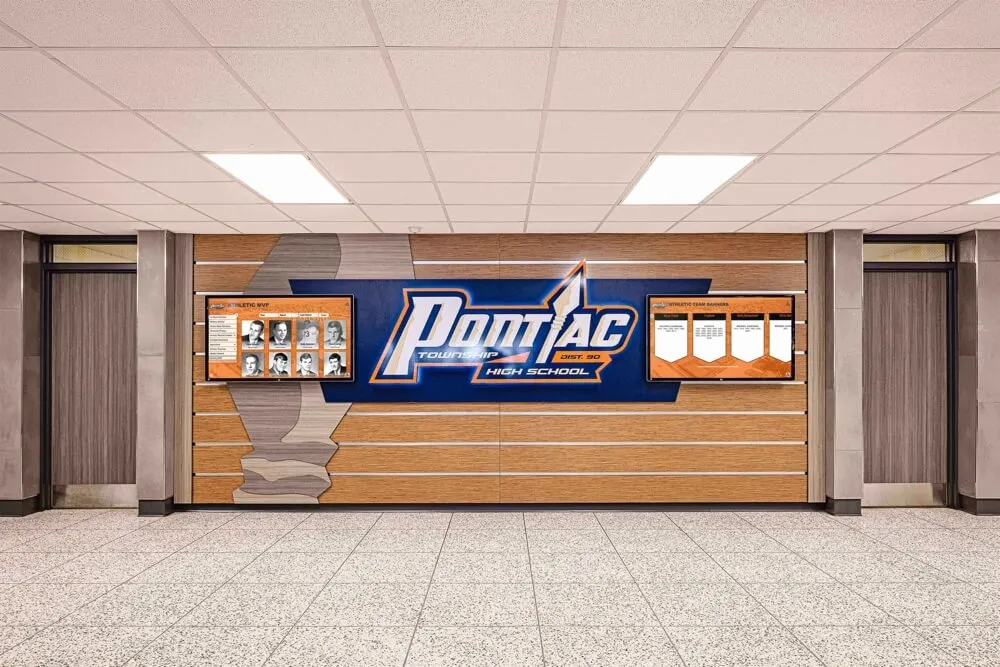
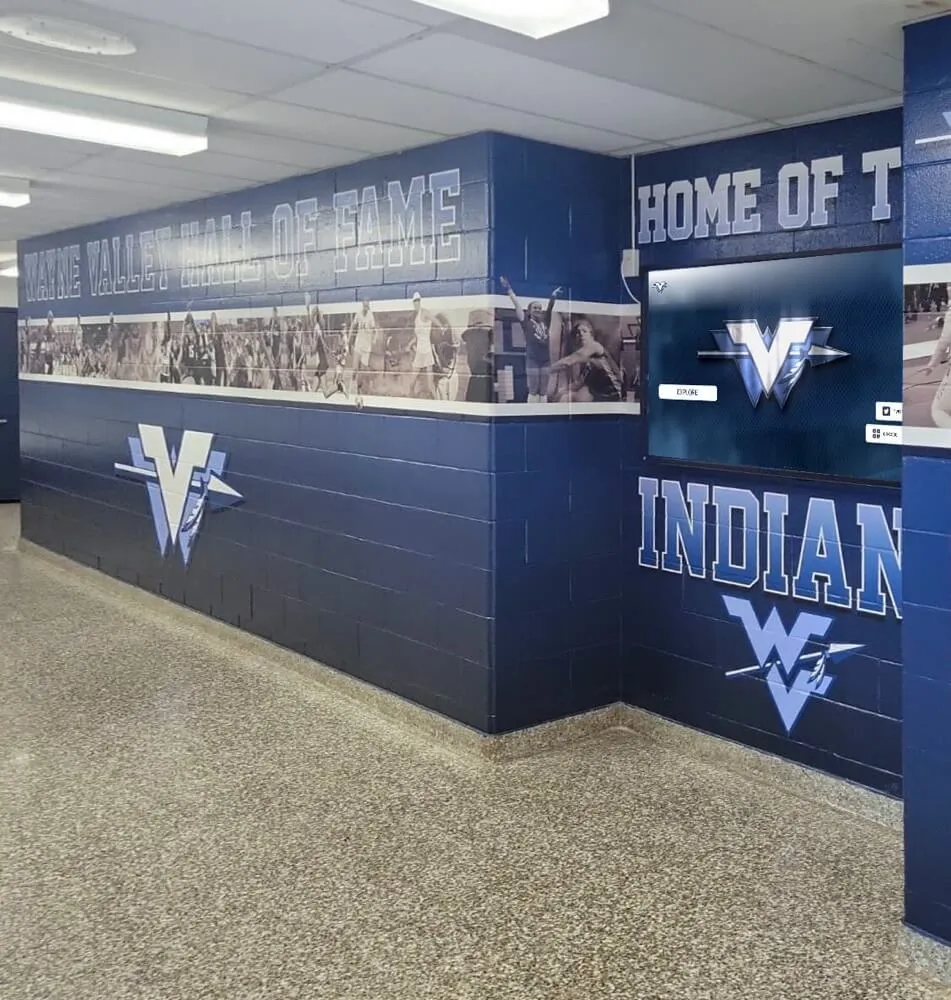
Thoughtful integration of traditional aesthetics with modern digital capabilities creates recognition environments honoring institutional identity while embracing contemporary engagement approaches
Implementing Your Recognition System Successfully
Effective recognition requires more than simply purchasing plaques, trophies, or displays—systematic implementation ensures meaningful impact:
Planning Recognition Program Structure
Establish clear foundations supporting sustainable acknowledgment:
Defining Recognition Categories and Criteria
Determine which achievements warrant celebration considering academic excellence, athletic accomplishments, artistic and performance achievements, service and leadership contributions, career or participation milestones, and special recognition for extraordinary circumstances or one-time achievements.
Document explicit criteria defining how recipients are selected including objective standards (GPA thresholds, statistical achievements, tenure requirements), nomination processes for subjective recognition, selection committee composition and decision procedures, and appeals or review processes ensuring fairness and transparency.
Clear criteria prevent recognition from becoming arbitrary or politicized while ensuring consistent standards across years and leadership transitions.
Establishing Recognition Timelines
Plan recognition cadence including annual ceremonies or events celebrating recipients publicly, quarterly or monthly additions for rolling recognition programs, immediate recognition for time-sensitive achievements deserving prompt acknowledgment, and historical documentation adding past recipients to new systems preserving institutional memory.
Systematic timing ensures recognition receives appropriate priority and attention rather than becoming sporadic afterthought when convenient.
Designing Meaningful Recognition Experiences
Transform acknowledgment from administrative task into significant experiences recipients value:
Creating Comprehensive Recognition Profiles
Whether using traditional plaques, physical trophies, or digital displays, invest thought in recognition content beyond minimum requirements. Include biographical information humanizing recipients as complete individuals, achievement details explaining what was accomplished and why it mattered, photo documentation showing recipients during accomplishments or participation, contextual information connecting achievements to organizational values or history, and forward-looking content like college plans, career aspirations, or continued involvement.
Rich recognition content demonstrates genuine institutional appreciation rather than perfunctory obligation fulfillment.
Integrating Recognition with Organizational Culture
Position recognition prominently by placing displays in high-traffic areas where achievements receive maximum visibility, incorporating recognition into events and ceremonies creating celebratory moments, communicating about recipients through newsletters, social media, or announcements, encouraging interaction and exploration through accessible design and engaging presentation, and maintaining current relevance through regular updates reflecting recent achievements.
Visible, celebrated recognition becomes cultural cornerstone inspiring participation and excellence rather than forgotten displays receiving minimal attention.
Maintaining Recognition Systems Over Time
Sustainability requires ongoing commitment and resources:
Regular Content Updates
Schedule systematic additions including post-ceremony recipient additions maintaining current recognition, periodic content review ensuring accuracy and appropriate presentation, updated achievement information reflecting continued accomplishments or career progression, and technology updates for digital systems ensuring current functionality and security.
Current recognition maintains relevance and engagement—outdated displays quickly become ignored backgrounds rather than inspiring focal points celebrating organizational excellence.
Periodic Recognition Audits
Assess program effectiveness through recipient satisfaction surveys determining whether recognition feels meaningful, community engagement observation noting how audiences interact with displays, administrative efficiency review evaluating management burden and identifying improvement opportunities, cost-benefit analysis comparing recognition investment to organizational value delivered, and inclusivity assessment ensuring diverse achievements and populations receive equitable acknowledgment.
Systematic evaluation enables continuous improvement ensuring recognition remains valuable rather than becoming entrenched practices persisting despite diminishing returns or evolving organizational needs.
Approaches to creating digital trophy case displays provide detailed implementation guidance applicable across both traditional and digital recognition contexts.
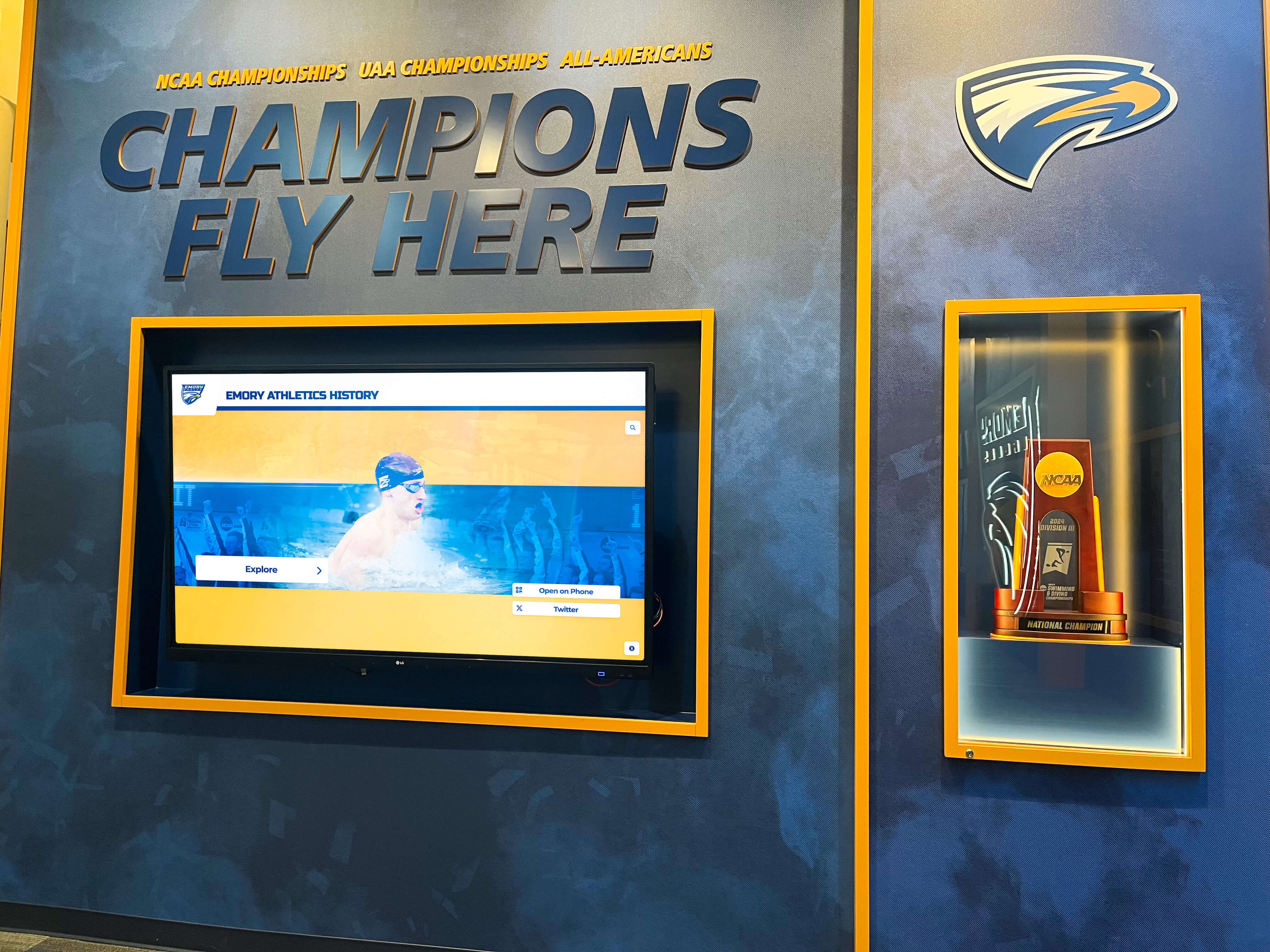
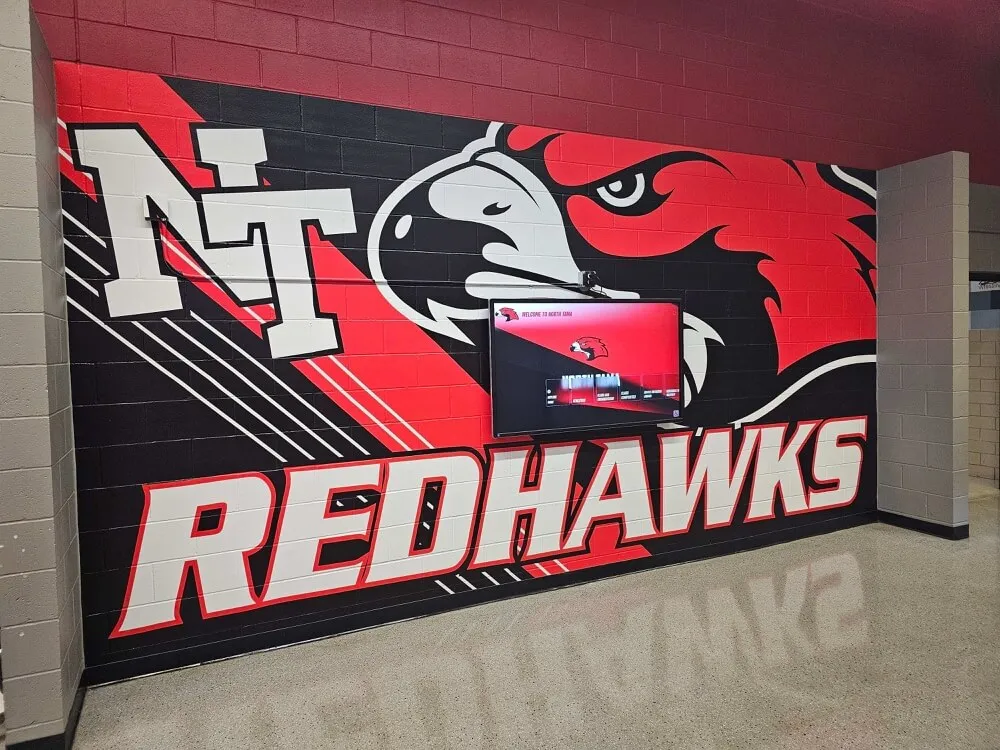
Modern recognition spaces integrate multiple formats creating comprehensive environments where achievements receive multifaceted celebration through physical trophies, contextual displays, and digital documentation
Addressing Common Plaque Trophy Selection Concerns
Organizations frequently encounter similar questions and challenges when evaluating recognition options:
Concern: Digital Systems Feel Impersonal Compared to Physical Trophies
Some stakeholders worry that digital recognition lacks the tangible validation physical awards provide.
Reality and Solutions
This concern confuses recognition format with recognition quality—meaningful acknowledgment comes from thoughtful content, genuine appreciation, and appropriate celebration rather than physical medium. Digital platforms actually enable far more personal, comprehensive recognition than space-constrained traditional plaques documenting only names and dates.
Organizations implementing hybrid approaches address this concern effectively—presenting physical trophies or plaques to recipients while also documenting achievements in rich digital profiles with photos, narratives, and contextual information impossible on physical awards. Recipients receive tangible keepsakes while broader audiences explore comprehensive recognition extending far beyond basic engraving.
Concern: Traditional Displays Honor Institutional Heritage and History
Institutions with decades of existing plaques or trophy cases worry that digital transitions disrespect history or diminish traditional recognition values.
Reality and Solutions
Digital platforms preserve and actually enhance historical recognition rather than replacing it. Comprehensive digitization projects document all historical recipients—often including individuals lost to deteriorated physical displays or never recognized due to past space constraints—creating more complete institutional memory than selective physical recognition could provide.
Organizations transitioning to digital recognition can maintain existing trophy cases as honored history while digital systems accommodate current and future recognition without space limitations. This approach respects tradition while enabling sustainable contemporary recognition meeting modern program needs.
Concern: Digital Displays Require Significant Technical Expertise
Schools and organizations fear that maintaining digital recognition demands specialized IT knowledge or ongoing technical support beyond available capabilities.
Reality and Solutions
Purpose-built recognition platforms designed specifically for schools and organizations prioritize accessibility for non-technical users—featuring intuitive content management interfaces, reliable commercial-grade hardware requiring minimal maintenance, and comprehensive support ensuring smooth operation without internal IT expertise.
Modern recognition systems operate more simply than organizational websites or student information systems most institutions manage successfully. Implementation partners providing training, ongoing support, and responsive assistance ensure smooth operation regardless of internal technical capacity.
Concern: Digital Recognition Costs More Than Traditional Options
Budget-conscious organizations assume digital platforms represent expensive luxuries compared to economical traditional plaques.
Reality and Solutions
While digital systems require higher initial investment than individual plaques, comprehensive cost analysis across 10-15 year recognition program lifecycles typically reveals substantial digital savings—eliminating accumulating traditional expenses including engraving services, professional installations, plaque replacements, display expansion costs, and facility modifications.
Organizations can calculate total cost of ownership comparing anticipated expenses across expected program duration. Digital platforms frequently deliver 40-60% savings for programs recognizing 100+ recipients across a decade—while simultaneously providing unlimited capacity and superior recognition quality impossible with space-constrained physical displays.
Exploring recognition awards across contexts demonstrates diverse acknowledgment approaches balancing various organizational constraints and priorities.
Transform Your Recognition Program with Modern Digital Solutions
Discover how purpose-built digital recognition platforms eliminate traditional plaque and trophy limitations while creating engaging, comprehensive acknowledgment systems celebrating every achievement. Rocket Alumni Solutions specializes in recognition technology serving schools, clubs, and organizations—combining commercial-grade touchscreen displays with intuitive content management designed specifically for non-technical users. Explore unlimited recognition capacity, rich multimedia profiles, instant updates, and sustainable systems honoring excellence permanently.
Explore Recognition SolutionsMaking Recognition Decisions That Honor Achievement Effectively
Selecting optimal plaque trophy options requires looking beyond immediate purchase prices or familiar traditional formats toward comprehensive evaluation of long-term costs, recognition capacity, recipient experience, organizational culture impact, and sustainable administration. Traditional plaques and trophies have served institutions well for generations, offering proven tangible recognition many stakeholders value. Yet inherent space limitations, accumulating costs, and static presentation increasingly constrain their effectiveness as recognition programs grow and organizational needs evolve.
Modern digital recognition platforms address these fundamental limitations while introducing powerful capabilities impossible with conventional approaches—unlimited capacity eliminating difficult exclusion decisions, rich multimedia profiles creating compelling recognition beyond basic nameplates, instant updates maintaining current relevant acknowledgment, engaging interactivity inspiring broader audience connection, and comprehensive accessibility serving diverse populations equitably.
The optimal recognition strategy for your specific context depends on unique organizational factors including budget realities, space availability, recognition scale, audience preferences, and administrative capabilities. Small programs with limited budgets often function effectively with traditional approaches prioritizing quality over quantity. Growing programs approaching capacity constraints benefit from digital migration preserving historical recognition while enabling unlimited future growth. Large-scale initiatives honoring many recipients annually discover digital platforms practically essential for sustainable comprehensive acknowledgment.
Many organizations find thoughtful hybrid approaches deliver optimal results—combining tangible personal trophies recipients display at home with comprehensive digital documentation providing unlimited capacity and rich storytelling impossible with space-constrained physical displays. Strategic combinations leverage respective strengths while addressing inherent limitations creating recognition systems genuinely serving recipients, inspiring participants, and strengthening organizational culture celebrating excellence.
Whatever plaque trophy approach you select, success depends less on recognition format than on systematic implementation including clear selection criteria, meaningful comprehensive content, prominent accessible presentation, regular updates maintaining relevance, and ongoing assessment ensuring recognition delivers genuine value rather than becoming perfunctory obligation. Your recipients invested extraordinary effort pursuing excellence while balancing competing demands—they deserve recognition matching that commitment through thoughtful acknowledgment celebrating achievements meaningfully and sustainably across organizational history.