



Every fall, high schools across America transform their football fields into stages for one of the most anticipated student traditions: powder puff football. These spirited competitions flip traditional gender roles, putting female students on the gridiron while male students cheer from the sidelines. What began decades ago as lighthearted homecoming entertainment has evolved into a cherished tradition that builds school spirit, creates lasting memories, and provides unique recognition opportunities for student participants who might never otherwise experience competitive athletics.
Yet organizing successful powder puff events requires more than simply handing students a football and clearing the field. Safety concerns around full-contact play, liability questions for school administrators, rules ensuring fair competition, and logistics coordinating teams, coaches, officials, and spectators all demand careful planning. Meanwhile, schools increasingly recognize these events as valuable opportunities to celebrate participants through lasting recognition systems that extend beyond single-game memories.
This comprehensive guide explores powder puff football from every angle: the history and evolution of this beloved tradition, standard rules and gameplay modifications ensuring safe competition, step-by-step organization strategies for successful events, creative celebration ideas that maximize school spirit, safety protocols protecting participants, and modern recognition approaches that preserve these memories permanently.
Schools implementing thoughtful powder puff programs report exceptional outcomes: increased homecoming attendance as these games draw large crowds, enhanced school unity as students collaborate across grade levels and social groups, meaningful participation opportunities for students who don’t typically engage in athletics, and lasting memories that alumni frequently cite decades later as highlight high school experiences.

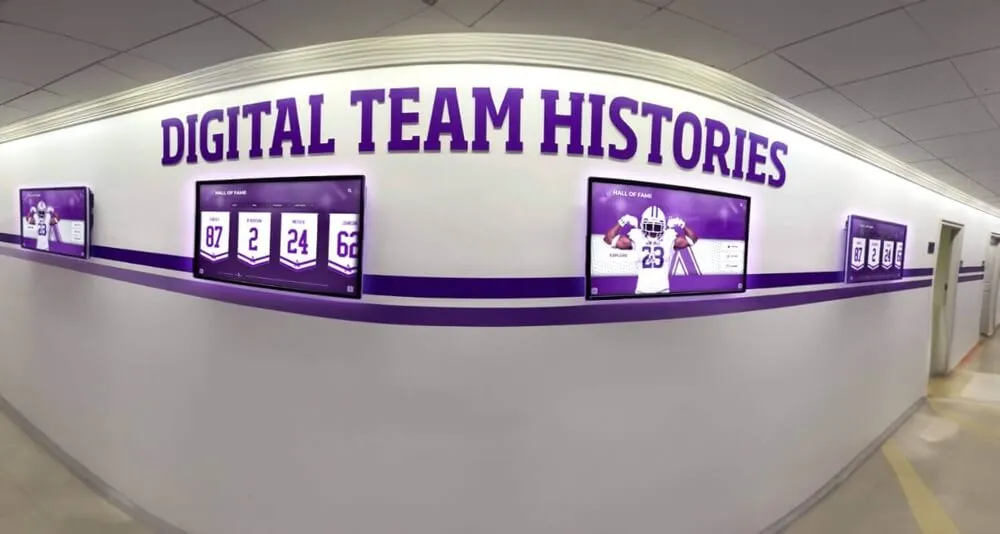
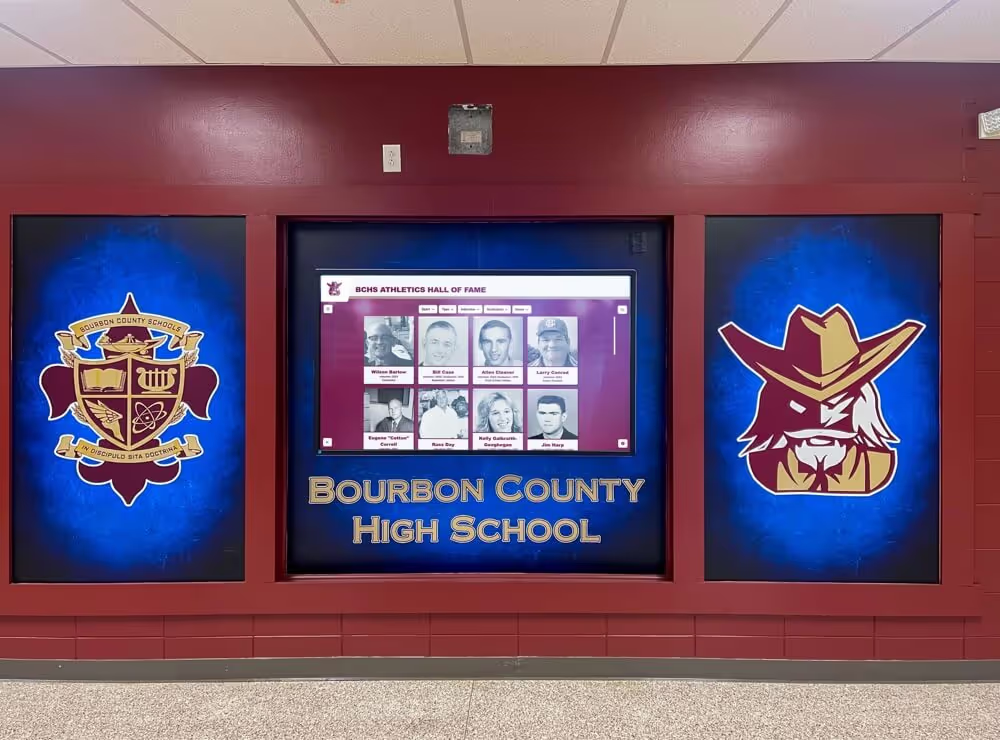
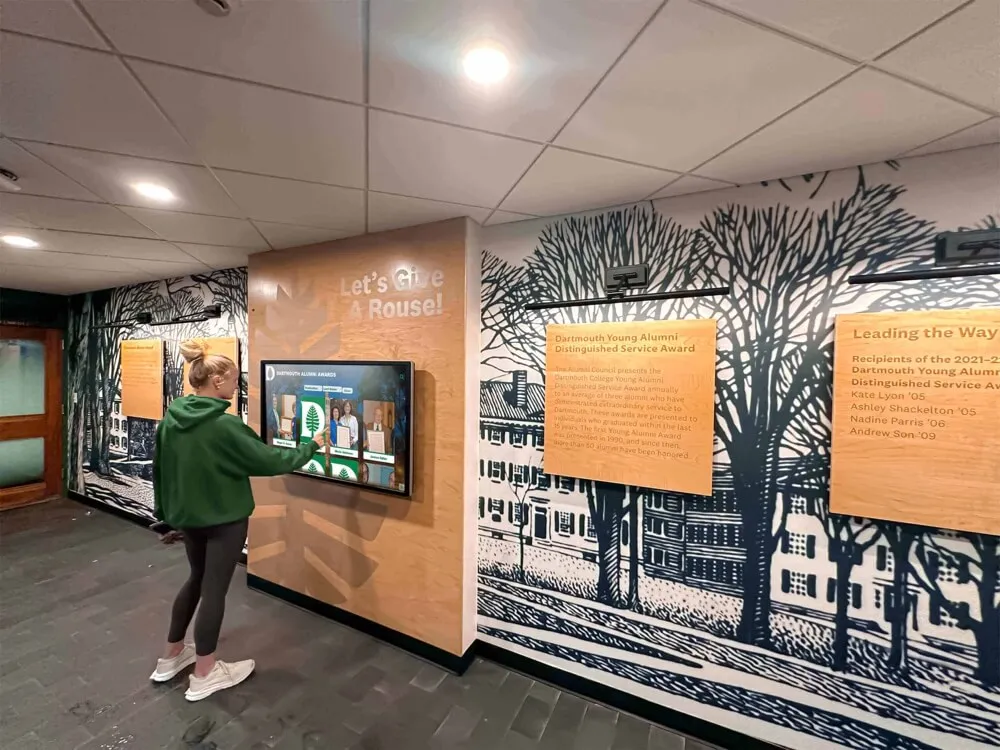
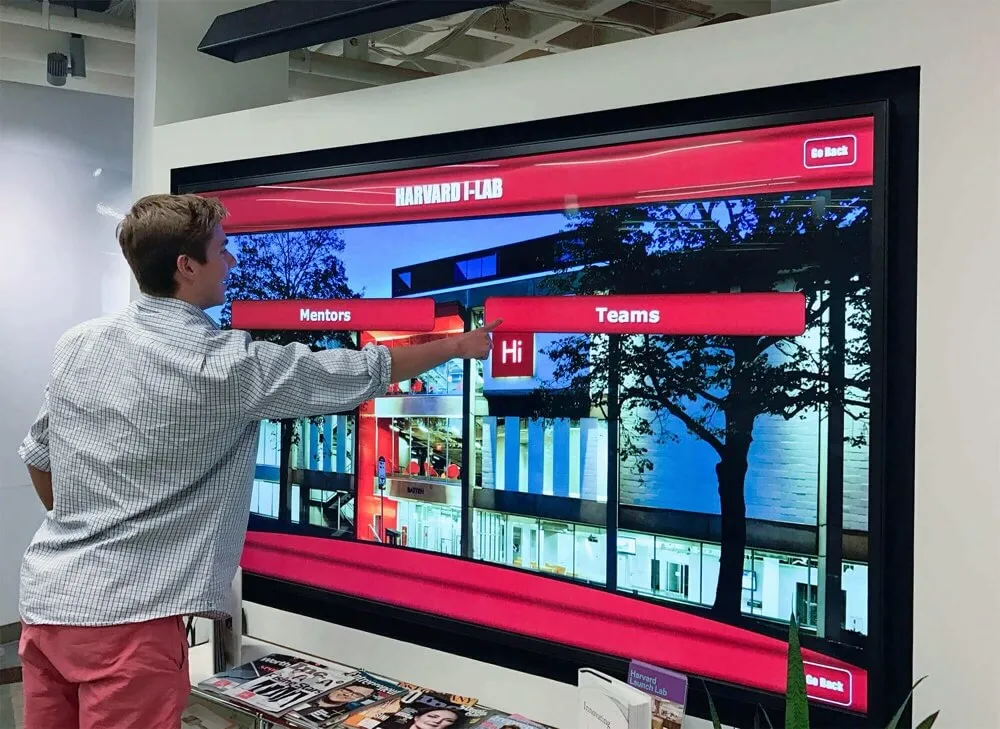
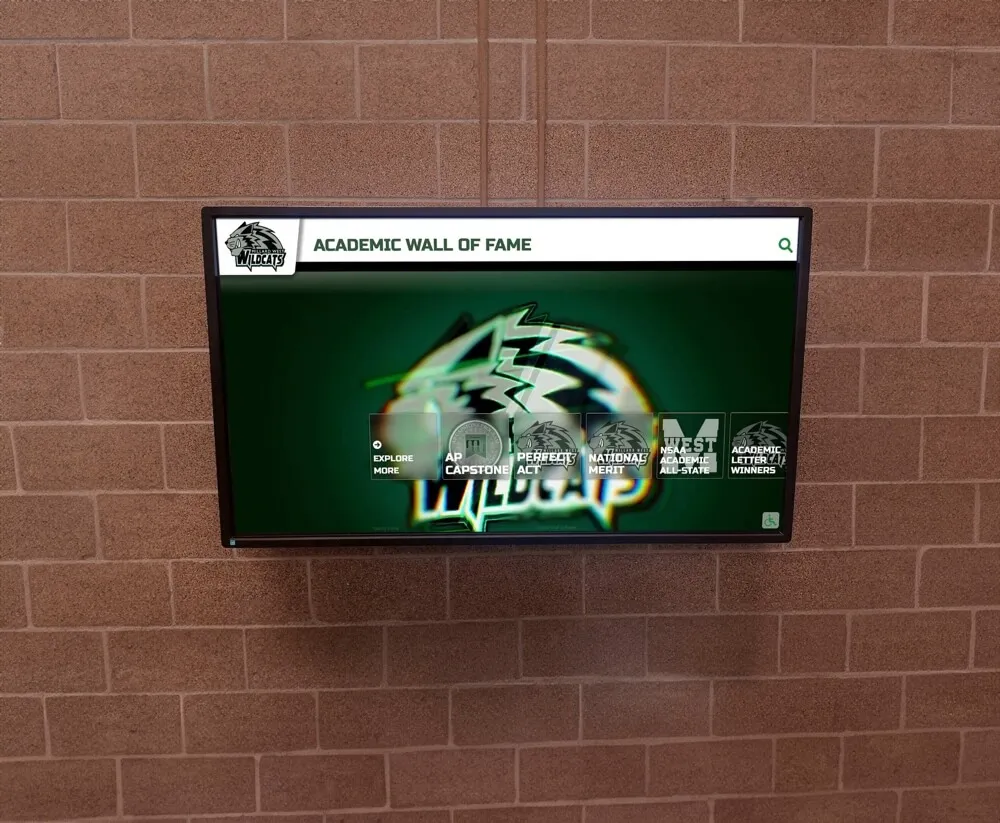
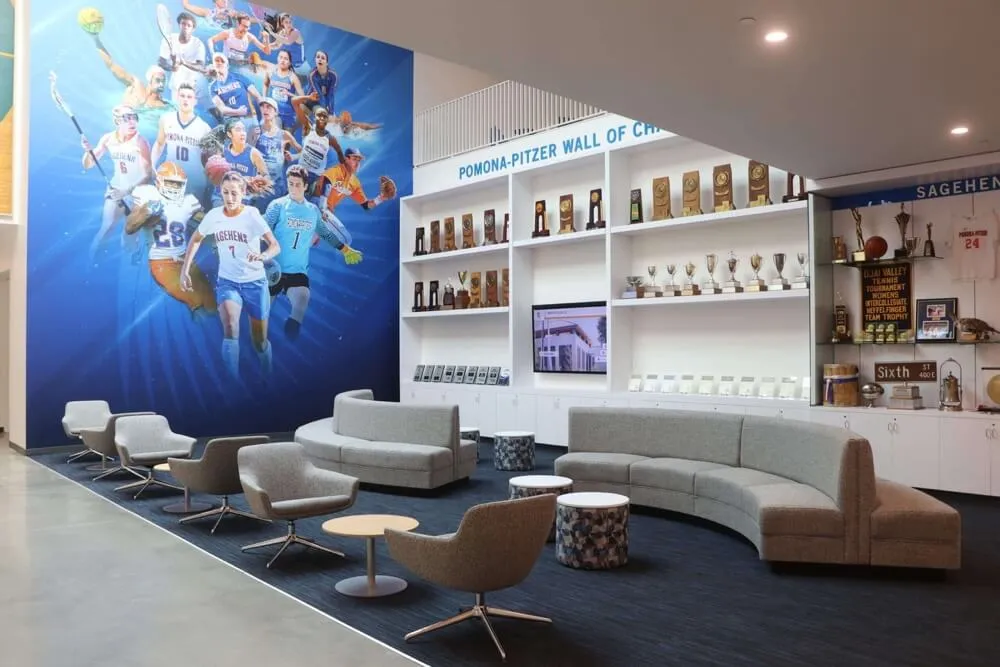
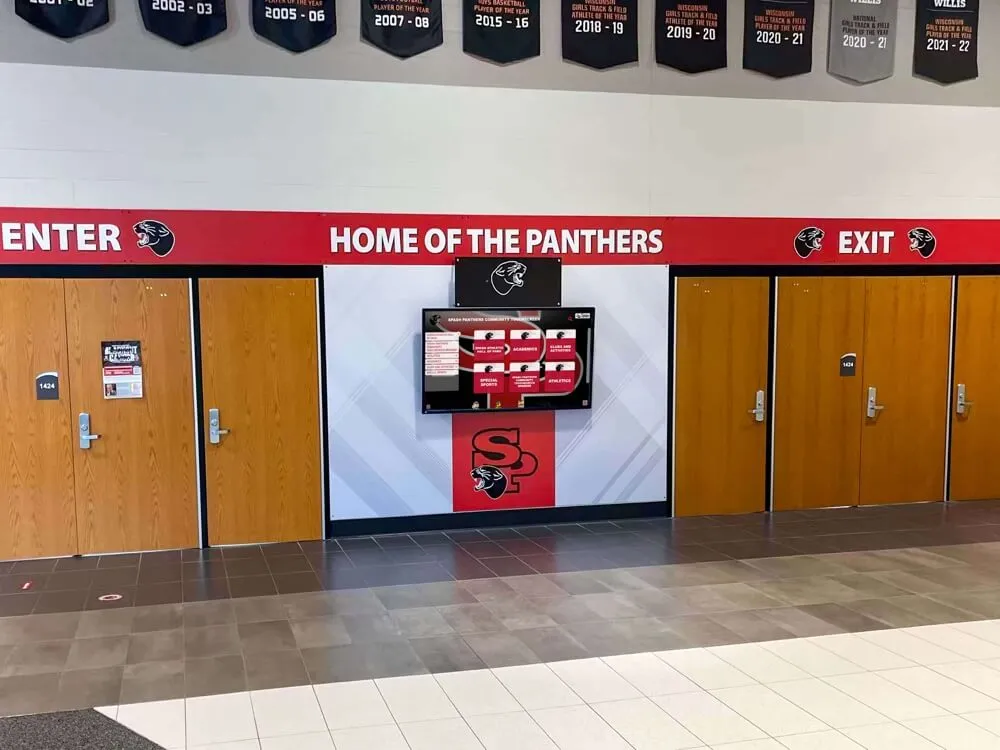
Modern recognition displays create engaging celebration of school traditions including powder puff football—preserving memories and honoring participants long after events conclude
The History and Evolution of Powder Puff Football
Understanding powder puff football’s origins provides context for why this tradition resonates so powerfully with school communities while revealing how the activity has evolved to address contemporary concerns.
Origins of the Powder Puff Tradition
The term “powder puff” itself dates to early 20th century, referencing the cosmetic applicator suggesting feminine delicacy—a deliberately ironic contrast with the physicality of American football. High schools began organizing powder puff games during the 1940s and 1950s as novelty homecoming week activities, often featuring comedic elements emphasizing the unexpected sight of girls playing football while boys performed cheerleading routines.
Early powder puff games operated with minimal structure, loose rules, and entertainment value prioritized over competitive authenticity. These events served primarily as fundraisers and spirit-building spectacles rather than genuine athletic competitions, with proceeds often supporting cheerleading programs, student councils, or other school organizations.
Cultural Context and Gender Role Reflection
Powder puff football emerged during eras when female athletic participation faced significant cultural and institutional barriers. Title IX wouldn’t pass until 1972, and organized girls’ sports programs remained uncommon in most American high schools. Powder puff games represented rare opportunities for female students to experience competitive athletics, albeit in formats emphasizing novelty over serious athletic competition.
This historical context shapes ongoing conversations about powder puff football’s cultural meaning—whether these events represent empowering athletic opportunities or perpetuate outdated stereotypes by framing female athleticism as amusing spectacle rather than legitimate competition.
Modern Evolution and Contemporary Adaptations
Today’s powder puff football has evolved considerably from its mid-century origins:
Increased Athletic Legitimacy
Contemporary powder puff games often feature serious competitive intensity, with participants training for weeks, studying game film, running organized practices, and approaching competition with athletic dedication matching traditional sports programs. Many schools now recognize powder puff as legitimate competitive activity worthy of proper coaching, officiating, and recognition rather than dismissing events as mere entertainment.
This evolution reflects broader cultural shifts around female athletics—today’s high school girls often participate in multiple competitive sports year-round, bringing genuine athletic skill and competitive mindset to powder puff competitions previous generations lacked opportunity to develop.
Safety-Focused Rule Modifications
Liability concerns and injury prevention priorities have transformed powder puff rules from early full-contact formats to modified approaches emphasizing safety through flag football rules eliminating tackling and physical contact, touch football formats reducing injury risk, shortened game lengths limiting fatigue-related injuries, mandatory protective equipment requirements, and certified official oversight ensuring rule enforcement.
These modifications maintain competitive spirit while addressing legitimate safety concerns that could otherwise prevent schools from offering powder puff opportunities entirely due to liability exposure.
Gender Inclusivity Considerations
Some schools have adapted powder puff traditions to accommodate evolving understandings of gender identity and inclusion, with terminology shifts from “girls’ football” to “powder puff” or gender-neutral alternatives, participation policies addressing transgender and nonbinary student inclusion, and complementary events ensuring students of all gender identities have opportunities for spirited athletic participation during homecoming celebrations.
Schools developing inclusive event policies can explore broader school spirit ideas that celebrate diverse student participation across multiple activities.
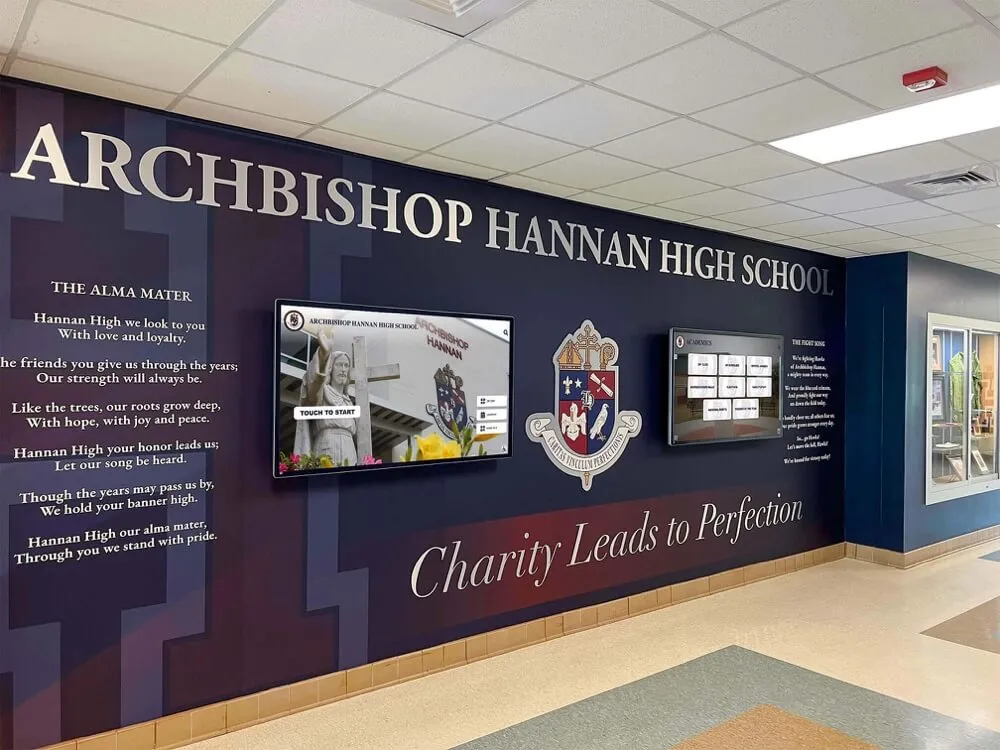
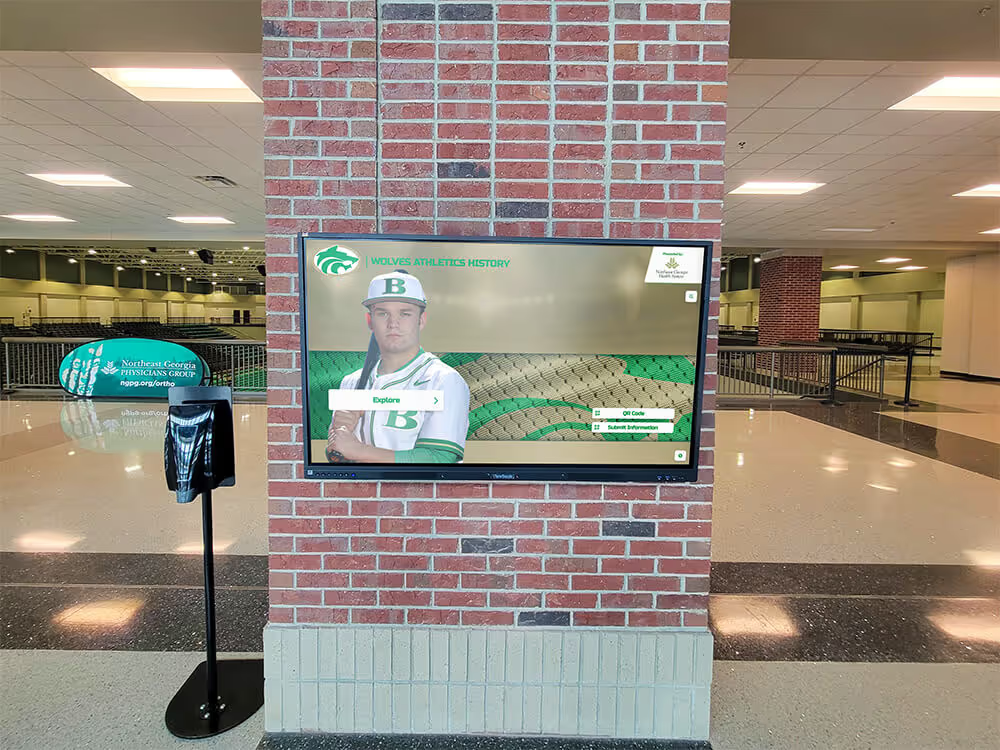
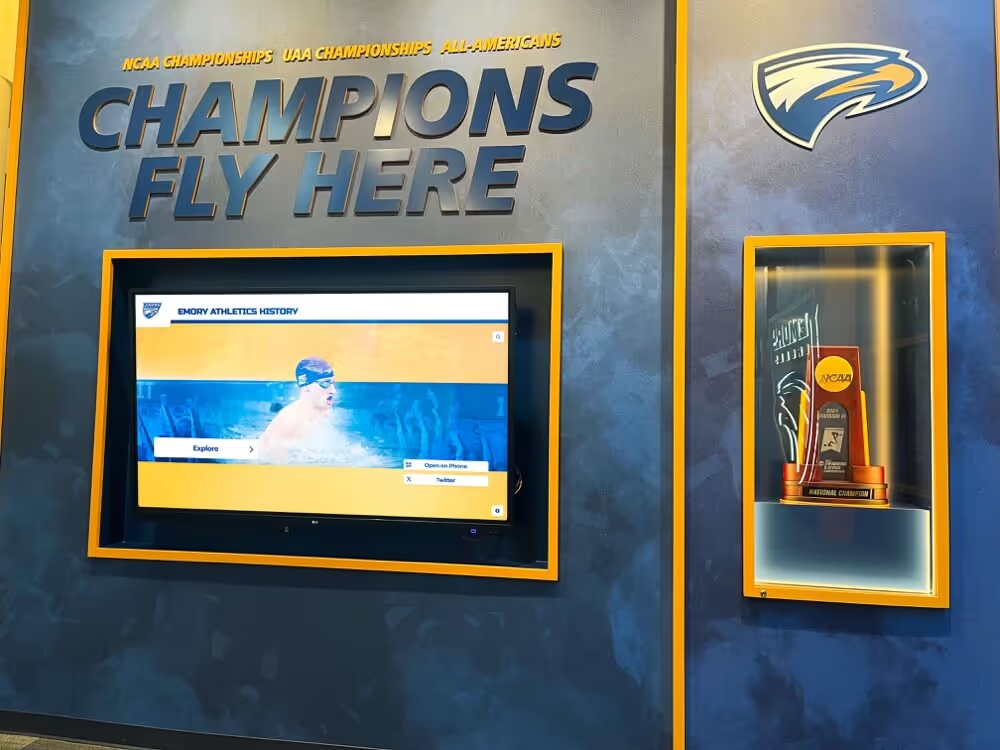
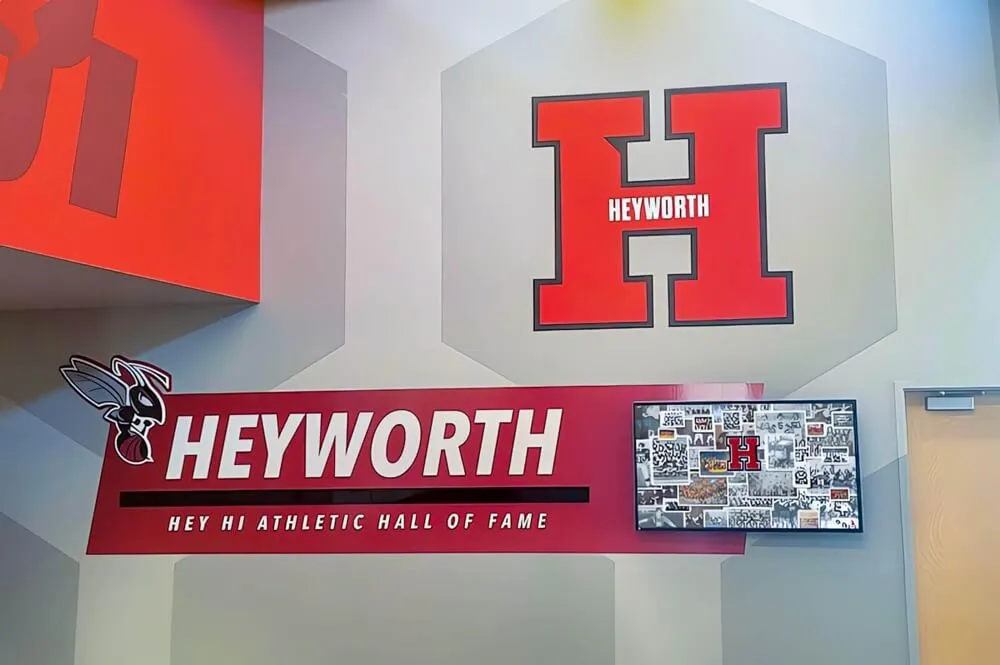
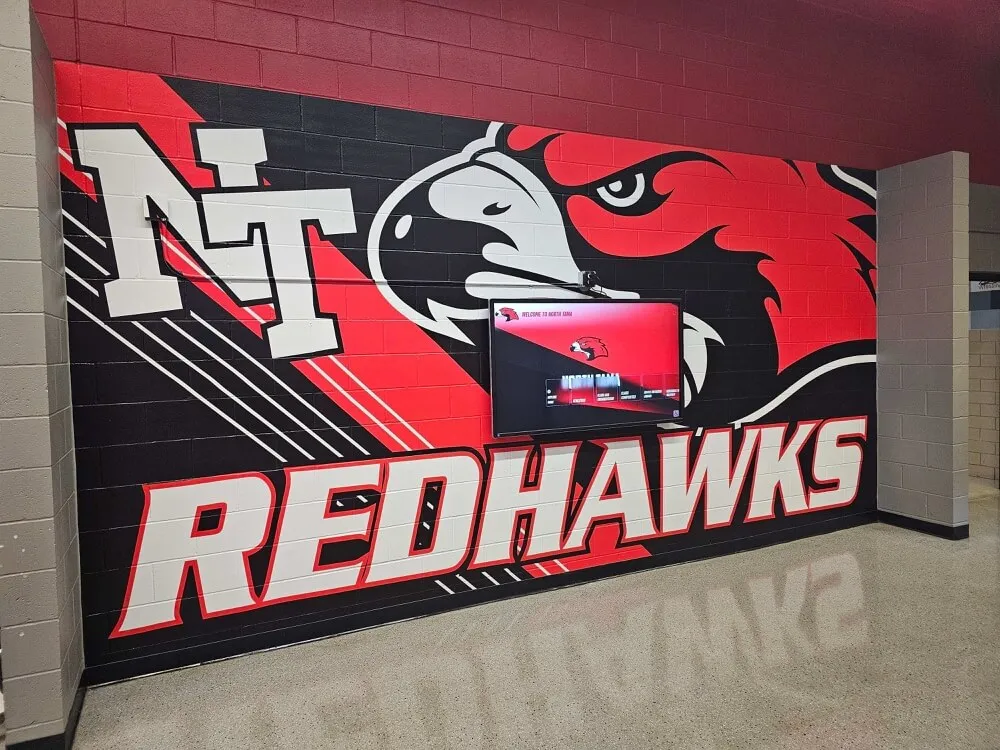
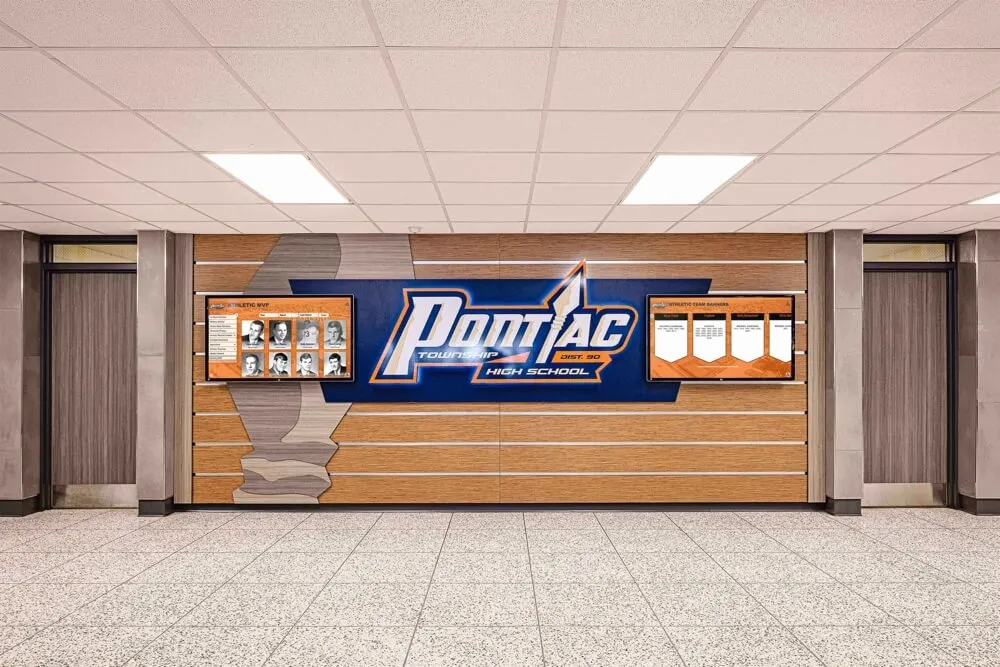
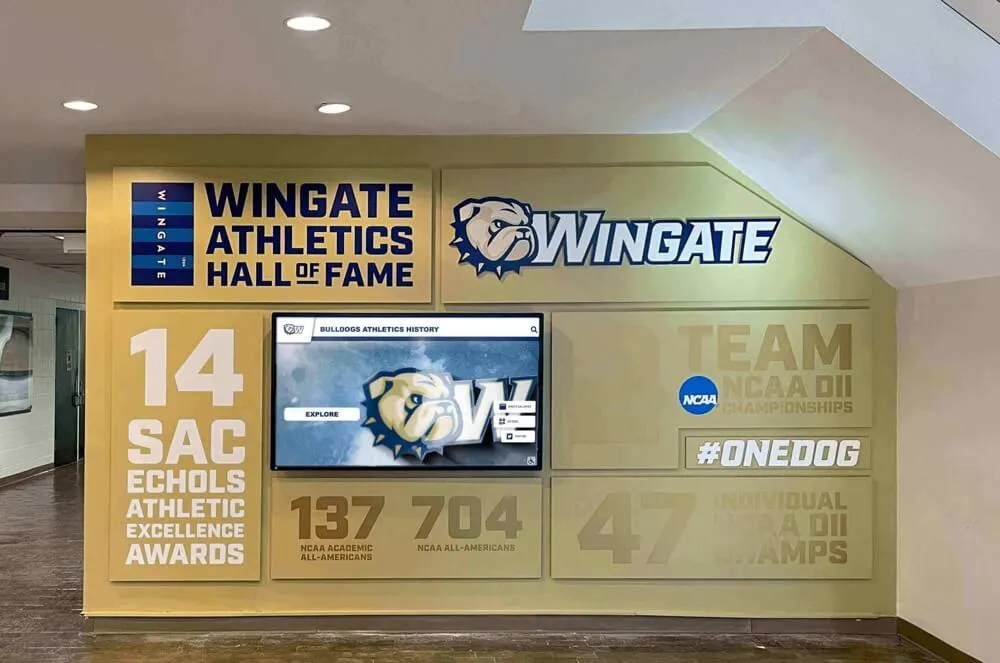
Comprehensive recognition systems celebrate all school athletic traditions—from varsity programs to special events like powder puff football, creating inclusive acknowledgment of diverse student participation
Standard Powder Puff Football Rules and Gameplay
Successful powder puff events require clearly established rules balancing authentic football experience with safety modifications appropriate for participants with varying athletic backgrounds and limited full-contact training.
Common Rule Variations and Formats
Most schools adopt one of several standard powder puff formats:
Flag Football Format
Flag football represents the most popular contemporary powder puff format, featuring belts with detachable flags worn by all players, “tackle” achieved by pulling opponent’s flag rather than physical contact, no blocking or physical player contact allowed, quarterback protection rules preventing defensive rush until ball is thrown or specific count expires, and emphasis on speed and agility over physical dominance.
Flag football maintains authentic football strategy—routes, passing concepts, defensive formations, play calling—while eliminating injury risks associated with tackling and blocking. This format works particularly well for participants with limited football experience, as success depends more on athletic ability and strategic execution than specialized football training.
Touch Football Format
Touch football provides middle-ground between full-contact and flag formats through two-hand touch below shoulders constituting “tackle,” limited blocking allowed with restrictions on contact intensity, ball carrier advancement stops upon being touched (no forward progress after touch), and generally more permissive physical play than flag format while maintaining meaningful contact restrictions.
Touch formats appeal to schools wanting more traditional football feel while maintaining reasonable safety standards. However, touch rules can create officiating challenges around what constitutes legitimate “touch” versus excessive contact, requiring experienced officials capable of managing these judgment calls consistently.
Modified Tackle Football
Some schools maintain limited-contact tackle formats, though these have become less common due to liability concerns. Modified tackle approaches might include tackling allowed below waist only (eliminating high-impact head/neck injuries), mandatory protective equipment (helmets, mouthguards, shoulder pads), and strict unnecessary roughness penalties.
Schools considering tackle formats should consult liability insurance providers and legal counsel, as full-contact powder puff football creates significantly elevated injury risk and potential institutional liability compared to flag or touch alternatives.
Field Dimensions and Game Structure
Most powder puff games utilize modified specifications from regulation football:
Field Size and Configuration
Typical powder puff field dimensions include 80-yard field length (versus 100-yard regulation) reducing endurance demands, full-width field or narrow field depending on participation numbers and desired game pace, 40-yard or 50-yard line starting positions for each half, and modified end zones appropriate for field length.
Shorter fields accommodate participants who may lack conditioning for full-length games while creating more scoring opportunities and faster-paced competition maintaining spectator engagement.
Game Length and Time Management
Standard powder puff timing includes two 20-minute halves or four 10-minute quarters, running clock except inside final two minutes of each half when clock stops on incomplete passes and out-of-bounds plays, shorter play clock (25 or 30 seconds versus 40-second regulation), and halftime of 5-10 minutes.
Compressed timing ensures events conclude within reasonable timeframes (typically 60-90 minutes total) while providing sufficient gameplay for meaningful competition and multiple scoring opportunities.
Team Size and Substitution Rules
Typical powder puff team structures feature 7-on-7 or 8-on-8 gameplay (versus 11-on-11 regulation) creating more manageable field dynamics for inexperienced players, unlimited free substitution allowing maximum participation, and roster sizes of 15-20 players per team ensuring adequate substitution depth.
Smaller team formats create more individual involvement opportunities—with fewer players on field, each participant touches the ball more frequently and makes more consequential plays compared to full-scale 11-on-11 formats where inexperienced players might barely engage during entire games.
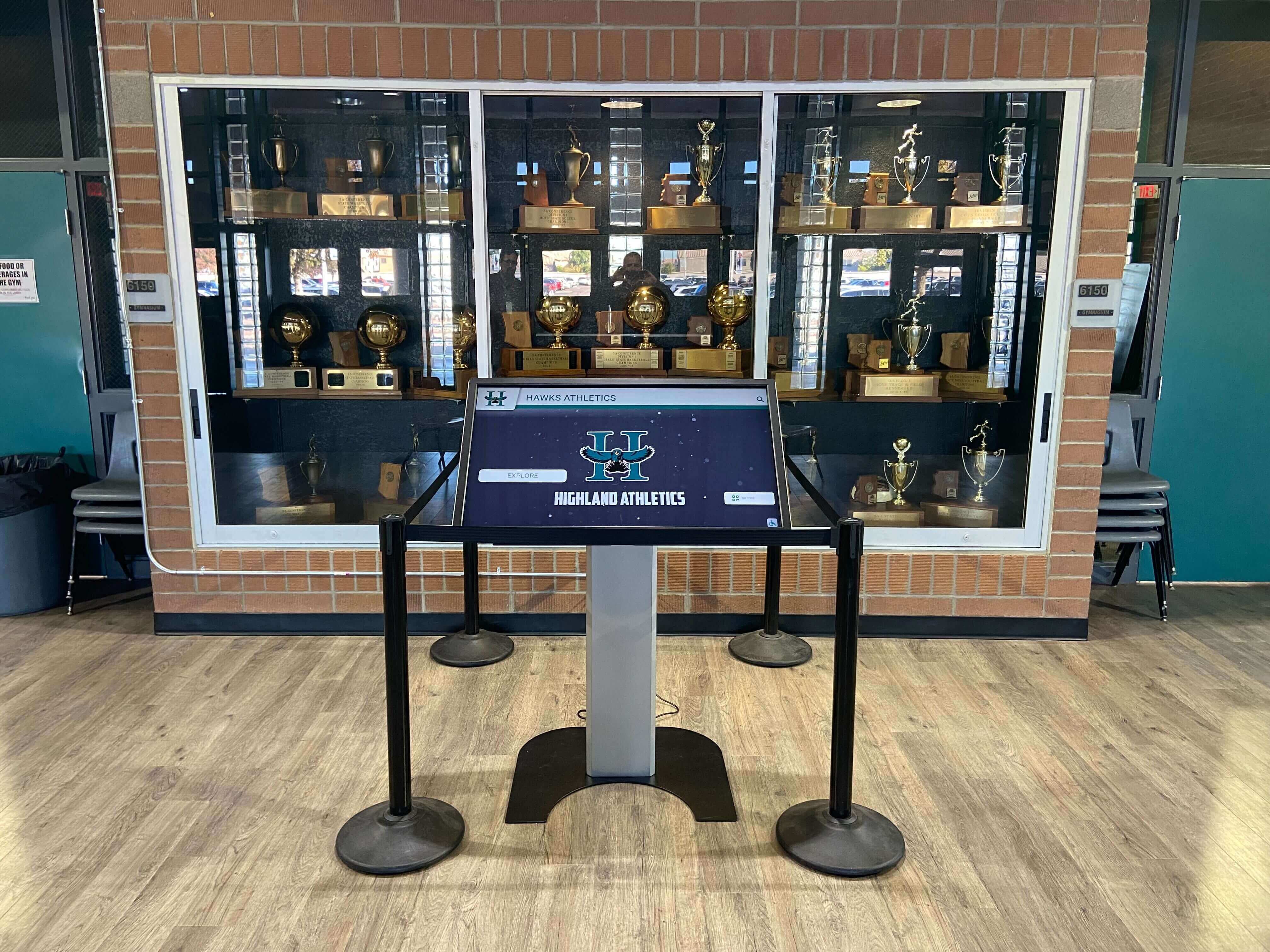
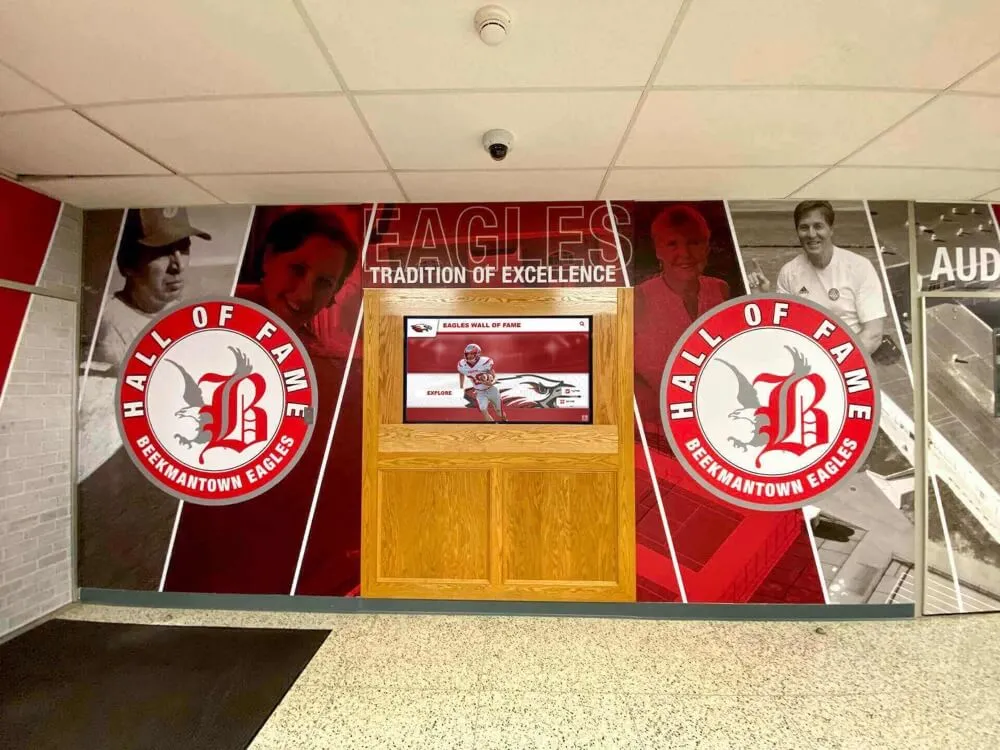
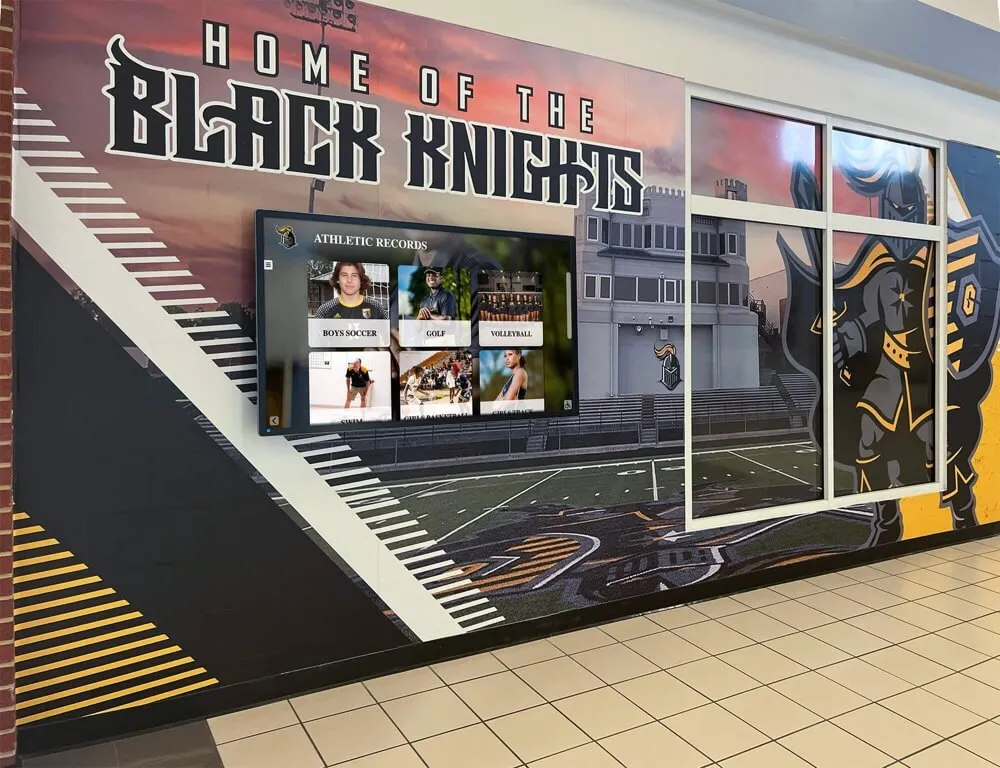
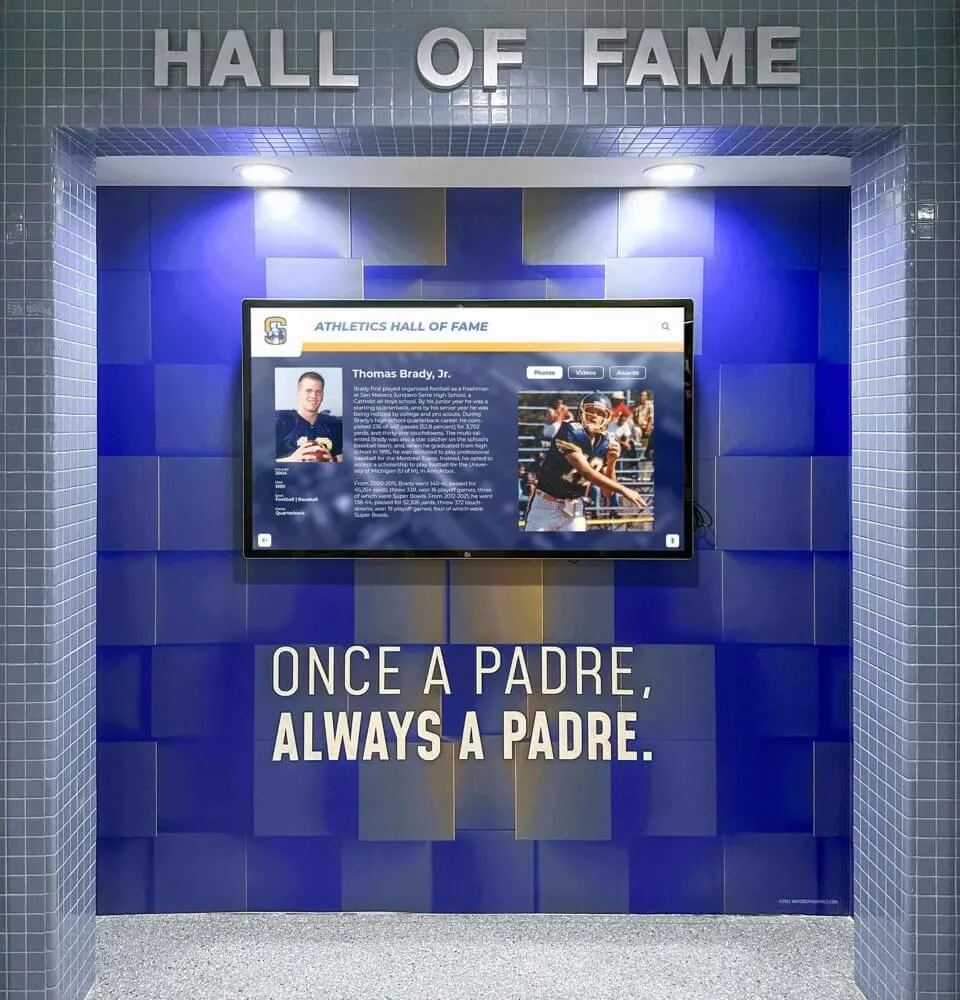
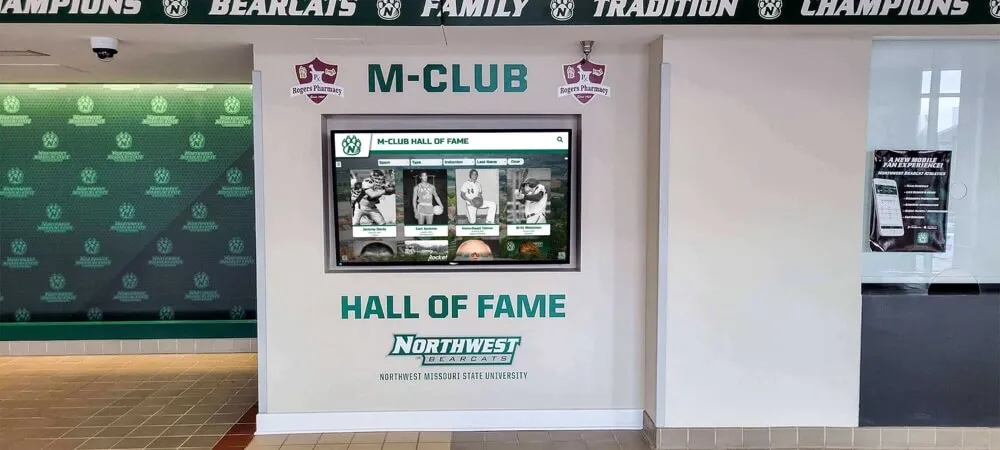
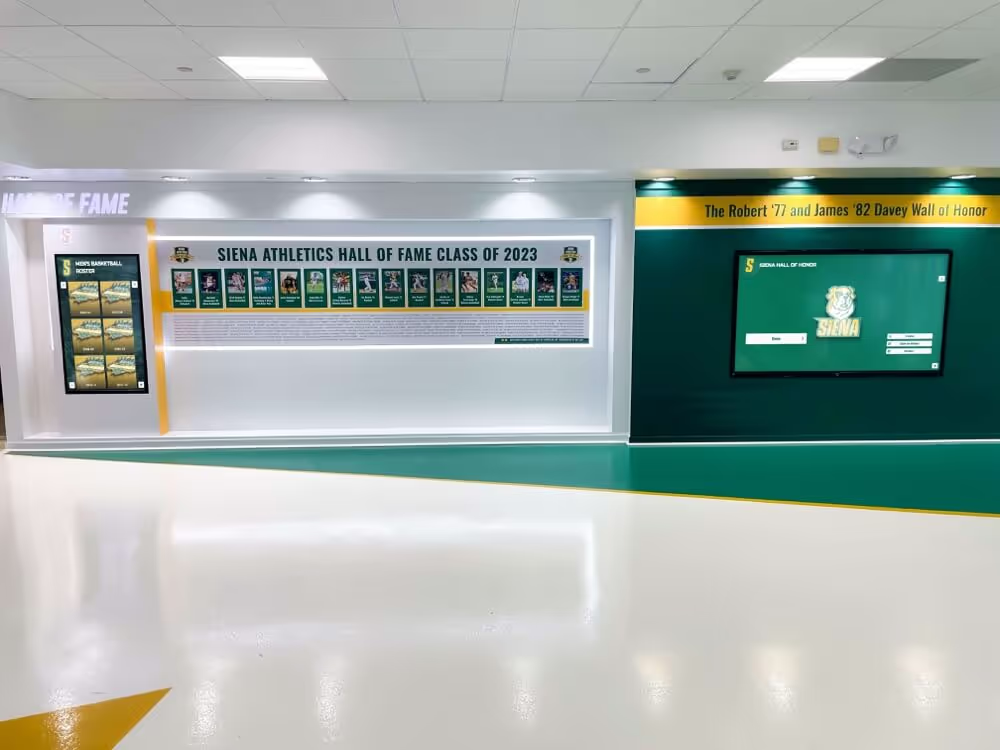
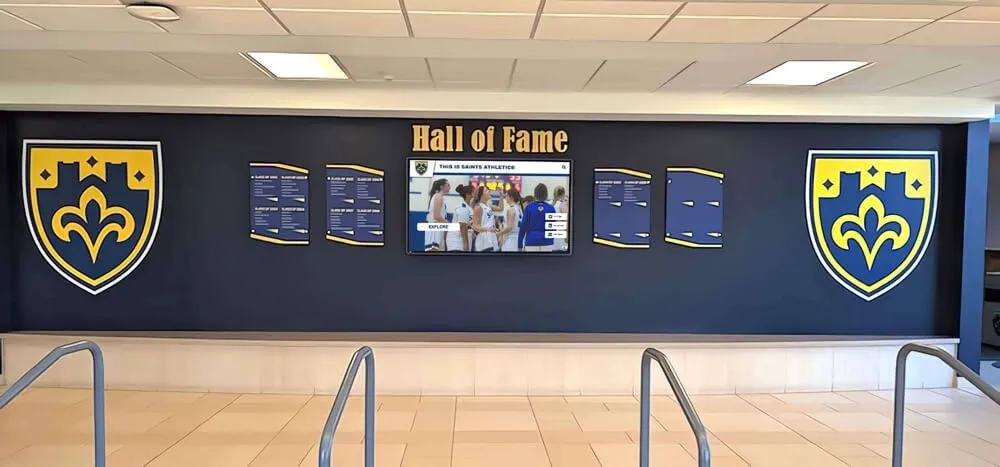
Modern recognition technology integrates seamlessly within existing athletic displays—enabling comprehensive documentation of all school traditions including powder puff participants and memorable moments
Scoring and Basic Rules of Play
Fundamental gameplay rules adapted for powder puff formats:
Scoring System
Standard powder puff scoring typically maintains traditional football values: touchdown = 6 points, extra point (pass or run from 5-yard line) = 1 point, two-point conversion (pass or run from 10-yard line) = 2 points, safety = 2 points, and field goals typically not included in powder puff formats due to specialized kicking skill requirements.
Some schools modify scoring to encourage particular play styles—for example, awarding 7 points for touchdowns without separate conversion attempts, or bonus points for successful passes longer than specified distances encouraging downfield passing.
Possession and Advancement Rules
Basic possession rules for powder puff include four downs to advance to midfield (first down), then four more downs to score from midfield, no punting (turnover on downs), and no kickoffs (receiving team starts at own 5-yard or 10-yard line after scores).
These modifications eliminate specialized kicking game aspects requiring considerable technical skill while maintaining core football concepts around down-and-distance strategic decision-making.
Passing and Quarterback Rules
Typical passing rules feature all players eligible to receive passes (no ineligible receiver restrictions), quarterback protection with either 5-second or 7-second rush count or “Mississippi” count before defense can rush, no intentional grounding penalties in many formats, and lateral passes allowed at any time.
Simplified passing rules accommodate participants unfamiliar with complex eligibility and pocket protection concepts while maintaining strategic passing game elements.
Prohibited Actions and Penalties
Common powder puff penalty structures include 5-yard penalties for false starts, offsides, and delay of game, 10-yard penalties for holding, illegal contact, and pass interference, and potential player ejection for fighting, unnecessary roughness, or unsportsmanlike conduct.
Penalty enforcement should prioritize player safety and game flow over technical rule precision—officials should focus on preventing dangerous play and maintaining sporting competition rather than calling technical violations that don’t impact competitive fairness or safety.
Schools can learn from football banquet planning approaches that celebrate all participants in football programs, including powder puff competitors who deserve recognition alongside traditional varsity athletes.
Step-by-Step Organization Guide for Powder Puff Events
Successful powder puff football requires comprehensive planning addressing logistics, safety, promotion, and celebration dimensions that transform simple games into memorable school traditions.
Timeline and Planning Calendar
Systematic planning beginning weeks before events ensures quality execution:
6-8 Weeks Before Event
Initial planning phase includes forming organizing committee with student leaders, faculty advisors, and administrative support, securing field usage and confirming no conflicts with other school events, determining event format including rule set and game structure, establishing budget and identifying funding sources, and creating preliminary promotion timeline.
Early planning enables thorough preparation while providing sufficient lead time for participant recruitment and logistics coordination.
4-6 Weeks Before Event
Recruitment and team formation phase features launching participant sign-up campaigns with promotional materials throughout school, conducting informational meetings explaining rules, safety protocols, and time commitments, organizing teams either by grade level, student council assignment, or draft process, recruiting male student coaches and cheerleaders, and beginning fundraising activities if event serves as program fundraiser.
This window represents critical recruitment phase when enthusiastic promotion and clear communication about event structure drive participation numbers.
2-4 Weeks Before Event
Practice and preparation phase includes scheduling practice times with field access coordination, distributing practice jerseys or identification materials, conducting coaching sessions teaching basic football concepts and chosen rule format, organizing team-building activities establishing chemistry and camaraderie, and promoting upcoming event through school announcements, social media, posters, and other channels.
Practice time proves essential for participant safety—even in flag or touch formats, basic football movement, ball handling, and spatial awareness skills reduce injury risk while improving competition quality and participant confidence.
Week of Event
Final preparation includes confirming officials, medical personnel, and support staff attendance, conducting brief rules clinic with all participants reviewing prohibited actions and safety protocols, preparing field including marking boundaries, placing equipment, and setting up spectator areas, coordinating with facilities staff for field lights if evening game, finalizing game-day logistics including check-in procedures, warm-up schedules, and halftime entertainment, and promoting attendance through final announcements and social media reminders.
Week-of preparation ensures all logistical elements align while maintaining participant engagement and excitement building toward event.
Game Day
Event day execution requires participant check-in and equipment distribution at least one hour before kickoff, field inspection and final safety verification, pre-game team warm-ups and final coaching, official rules reminder and captains meeting, coordinated national anthem or school song if traditional, and documentation through photography and videography capturing game action and celebration moments.
Smooth game-day execution reflects planning quality—well-organized events run efficiently while poorly prepared events struggle with preventable logistical problems detracting from participant and spectator experience.
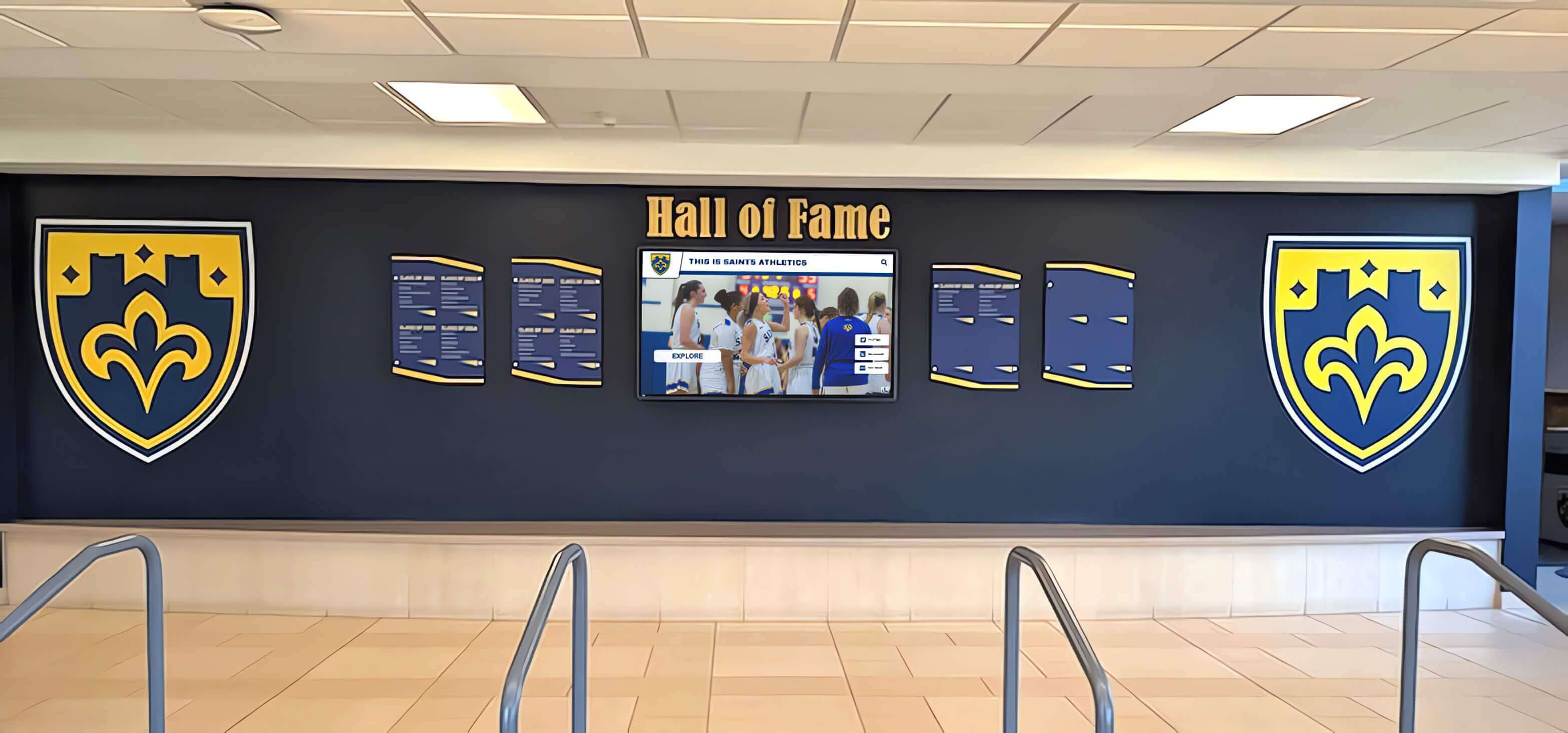
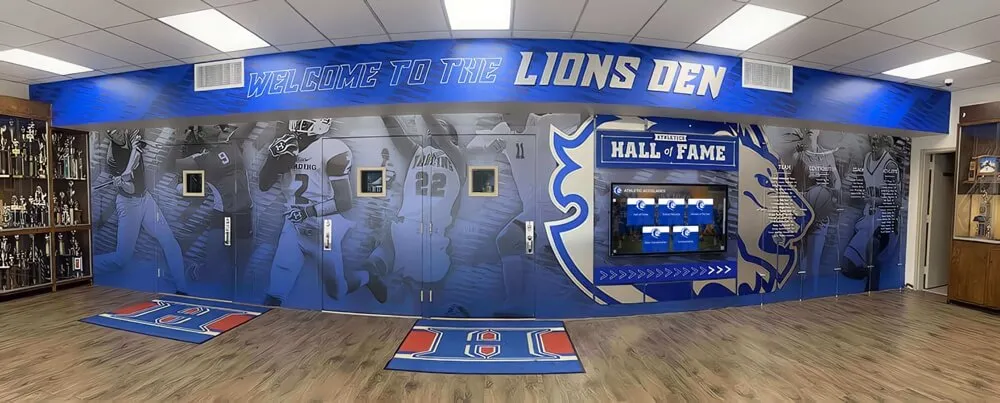
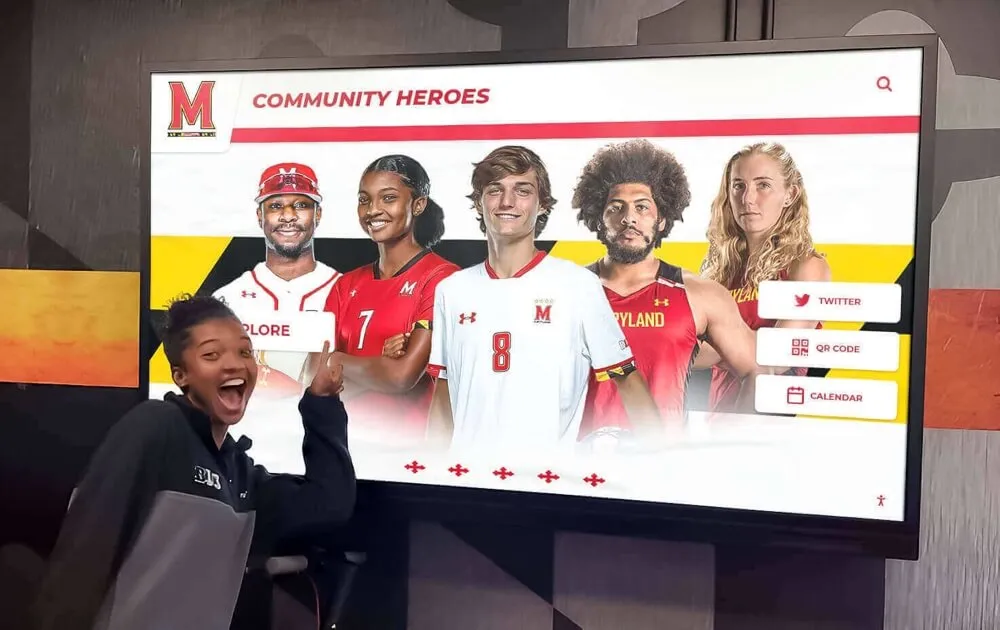
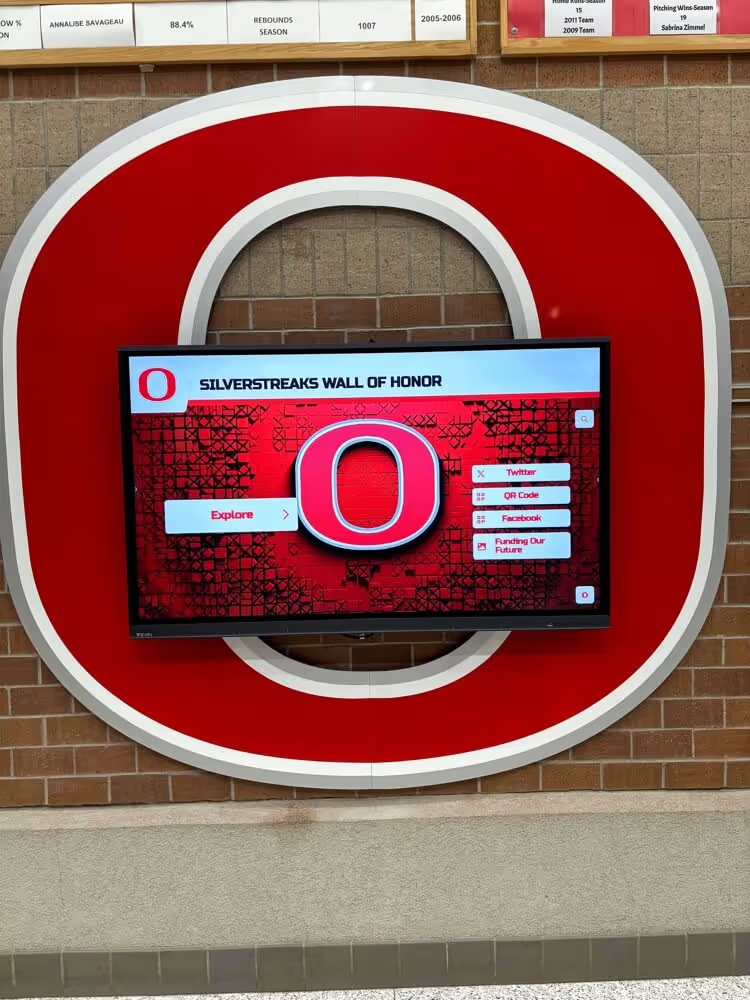
Recognition spaces combining traditional and digital elements enable comprehensive celebration of all athletic traditions—preserving powder puff memories alongside championship achievements
Team Formation and Coaching Structures
Thoughtful team organization ensures competitive balance and maximum participation:
Team Selection Approaches
Schools utilize various team formation methods including class-based teams (freshmen/sophomores versus juniors/seniors) creating natural grade-level rivalries, random or draft-based selection distributing athletic talent evenly, student council organization with representative councils forming and coaching teams, or open sign-up with cap limits requiring first-come registration.
Team formation method significantly impacts competitive balance—completely open sign-ups often result in lopsided teams when disproportionate athletic talent concentrates on one squad, while draft or balanced selection processes create more competitive games maintaining suspense and entertainment value.
Male Student Coach Recruitment and Preparation
The tradition of male students coaching powder puff teams provides role-reversal entertainment while offering legitimate coaching opportunities. Successful coach recruitment includes selecting students with football knowledge from varsity or junior varsity programs, providing coaching training covering practice planning, game management, and safety oversight, establishing clear expectations around appropriate conduct and professional behavior, and adult supervisor assignment ensuring mature oversight of student coaching.
Student coaches should understand they serve genuine instructional roles beyond entertainment—participants deserve competent coaching teaching football fundamentals and strategic concepts enabling competitive participation rather than uninformed supervision treating events as pure entertainment.
Practice Structure and Skill Development
Effective powder puff practice sessions balance skill instruction with team building through fundamental technique teaching including passing, catching, route running, and flag pulling, offensive play development installing simple but effective play calling systems, defensive scheme instruction covering basic coverage concepts and positioning, game situation practice including two-minute drills, goal-line situations, and crucial game scenarios, and conditioning activities building endurance appropriate for game demands.
Quality practice creates better competition while significantly reducing injury risk—participants with basic football movement literacy and situational awareness make safer decisions under game conditions than completely unprepared players thrust into competitive situations without preparation.
Essential Equipment and Logistics
Proper equipment and facility preparation ensures safe, quality events:
Required Equipment and Materials
Essential powder puff equipment includes flag belts and flags for flag football format or pinnies/jerseys distinguishing teams in touch formats, footballs (youth or women’s size rather than regulation) appropriate for participant hand sizes, first aid supplies and medical kit readily accessible, whistles and game equipment for officials, and yard markers and boundary cones clearly defining field dimensions and hazards.
While specialized football equipment costs money, basic powder puff requirements remain modest—schools can organize quality events without significant equipment investment, particularly when utilizing flag football format requiring minimal specialized gear beyond belts and flags.
Officials and Game Management Personnel
Professional game management requires certified officials familiar with powder puff rule format providing legitimate officiating, faculty or staff supervisors ensuring appropriate conduct and safety oversight, medical personnel (athletic trainer, nurse, or EMT) present for injury assessment and treatment, scorekeeper and timekeeper managing official game records, and public address announcer providing game commentary and entertainment.
Official oversight proves critical for both competitive legitimacy and safety assurance—adult referees enforce rules consistently while preventing dangerous play that student officials might miss or inadequately address.
Facility Preparation and Safety Considerations
Safe field conditions require field inspection removing hazards including debris, holes, or dangerous obstacles, boundary marking clearly delineating in-bounds areas and safety zones, spectator separation ensuring audiences maintain safe distance from playing area, lighting inspection for evening games confirming adequate visibility, and weather contingency plans including lightning protocols, heat precautions, or postponement procedures.
Thorough facility preparation demonstrates institutional commitment to participant safety—preventable injuries resulting from inadequate field preparation create unnecessary participant harm while exposing schools to liability claims that proper preparation would avoid.
Recognition planning can incorporate lessons from sports banquet organization, ensuring powder puff participants receive appropriate celebration alongside traditional athletic programs.
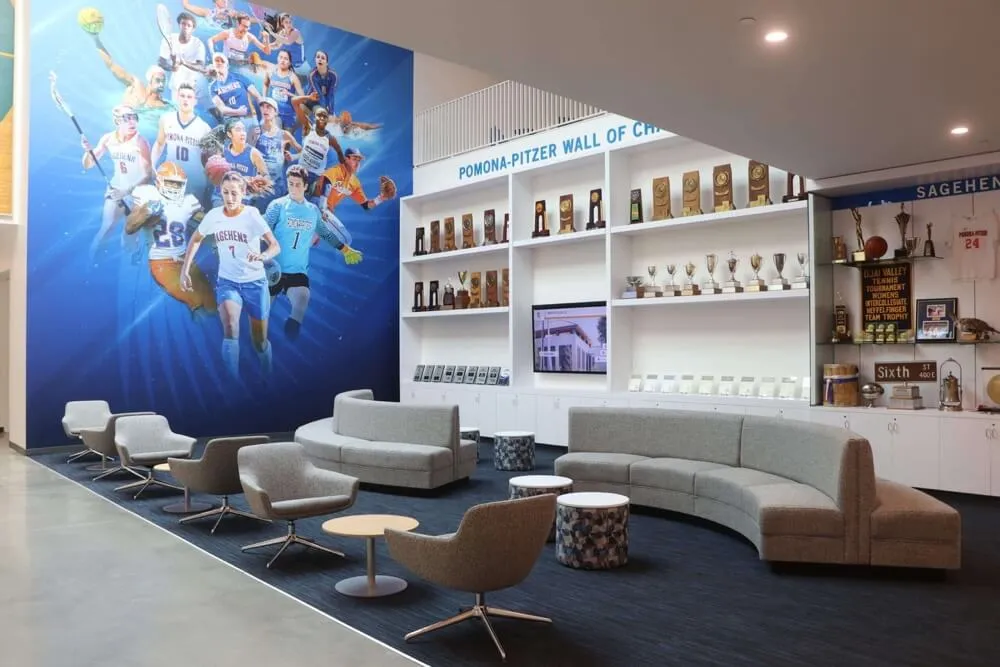
Dedicated recognition spaces create destinations for athletic celebration—comprehensive displays can document all program traditions including powder puff football alongside championship achievements
Creative Ways Schools Celebrate Powder Puff Events
Beyond the game itself, thoughtful celebration and promotion transform powder puff from simple competition into memorable school tradition generating lasting impact.
Pre-Game Promotion and Spirit Building
Effective advance promotion maximizes attendance and participant excitement:
Promotional Campaign Strategies
Build anticipation through poster campaigns featuring player profiles, team trash talk, or humorous promotional themes, daily PA announcements with countdown to game day and team updates, social media content including practice highlights, player interviews, and behind-scenes preparation footage, pep rally segments introducing teams and building competitive rivalry, and hallway decoration by team supporters creating visible school-wide excitement.
Sustained multi-week promotion elevates powder puff from routine activity to major school event—consistent visibility and creative marketing transform perception from “just another game” to anticipated tradition students actively follow and attend.
Themed Game Presentations
Creative themes add entertainment value and memorable character including decades themes (80s, 90s, etc.) with period-appropriate music and aesthetic, rivalry themes highlighting traditional school competitions, celebrity or pop culture themes incorporating current entertainment references, or school tradition themes connecting events to broader institutional history and culture.
Thematic elements create cohesive entertainment experience beyond football itself—integrated music, decoration, and presentation style transform simple game into comprehensive entertainment production.
Student Body Engagement Beyond Participants
Maximize broader student involvement through male cheerleading squads performing routines and spirit activities, halftime entertainment featuring student performances, class section seating creating grade-level spirit competition among spectators, concessions and fundraising opportunities operated by student organizations, and student-produced game programs distributing player bios and game information.
Comprehensive engagement opportunities ensure students who don’t play football still find meaningful participation—creating inclusive school-wide events rather than activities only relevant to direct participants.
Halftime Entertainment and Special Events
Strategic halftime programming maintains spectator engagement while providing additional entertainment:
Performance Opportunities
Effective halftime features might include male cheerleading routine performances showcasing comedic choreography and spirit, dance team or spirit squad exhibitions, student band or musical performances, special recognition segments honoring participants or acknowledging sponsors, or youth football or cheerleading demonstrations giving young community members performance opportunities.
Quality halftime entertainment prevents audience departure during breaks—well-planned intermission programming maintains attendance through second half while providing additional performance opportunities for multiple student groups.
Ceremonial and Celebratory Elements
Traditional ceremony elements add significance including ceremonial coin toss with special guests or administrators, national anthem performance by student musicians or choir, team introduction presentations highlighting participants and coaches, and crowning of powder puff champions or tournament winners following game conclusion.
Ceremonial elements signal that institutions view powder puff as significant tradition worthy of formal recognition rather than casual recreational activity—this elevated treatment validates participant investment while encouraging future generations to value tradition.
Post-Game Recognition and Documentation
Extend event impact beyond game conclusion through systematic recognition:
Immediate Recognition
Provide direct participant acknowledgment through trophy or award presentation to winning team, MVP or outstanding player recognition across both teams, participation certificates or commemorative items for all players, team photographs documenting participation, and coach and volunteer appreciation recognizing student and adult contributors.
Immediate recognition creates tangible acknowledgment participants retain as memories—physical awards and formal acknowledgment communicate institutional appreciation for participation and effort.
Social Media and Communications Coverage
Maximize event visibility through game recap articles for school newspaper or website, social media highlight posts featuring key plays and memorable moments, thank you messages acknowledging participants, coaches, officials, and supporters, photo galleries documenting game action and celebration, and promotion of related upcoming events or traditions.
Robust post-game coverage extends event impact beyond actual participants—comprehensive documentation demonstrates powder puff significance within broader school culture while preserving memories digitally accessible to participants, families, and alumni indefinitely.
Permanent Recognition Systems
Forward-thinking schools implement lasting acknowledgment through dedicated powder puff recognition displays celebrating annual participants and champions, integration into broader school athletic recognition systems, photo walls or digital displays documenting tradition history across years, and alumni engagement connecting past participants with current teams and continuing tradition.
Solutions like Rocket Alumni Solutions enable schools to maintain comprehensive recognition of all athletic traditions—not just varsity championship teams, but also special events like powder puff football that create meaningful memories despite falling outside traditional competitive athletics structures. Digital recognition platforms provide unlimited capacity celebrating every participant without physical space constraints limiting traditional trophy case approaches.
Schools implementing homecoming celebration strategies can integrate powder puff football as centerpiece homecoming week activity generating maximum school spirit and participation.

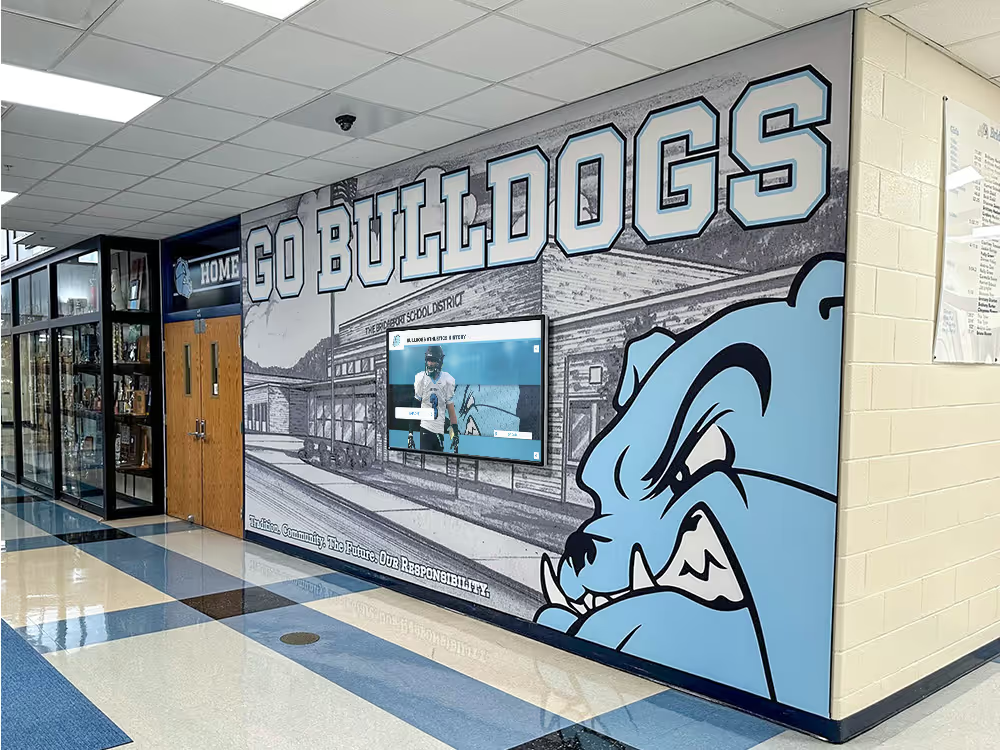
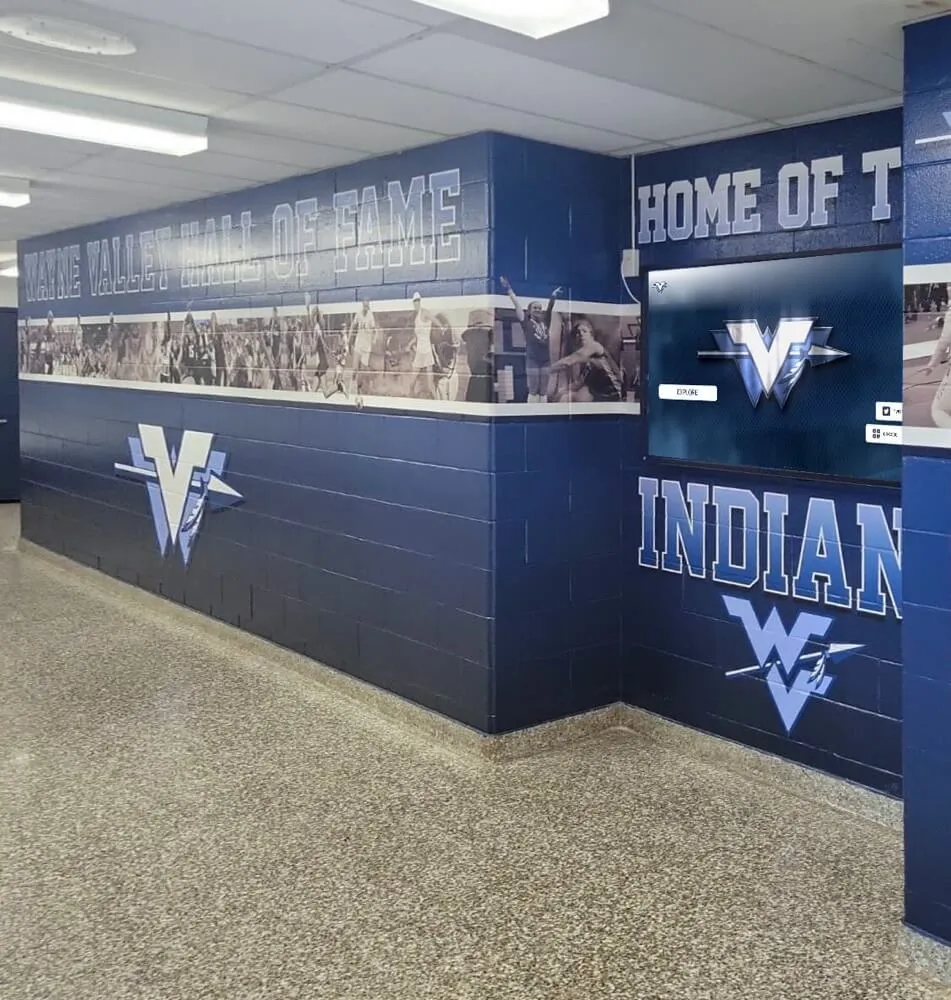
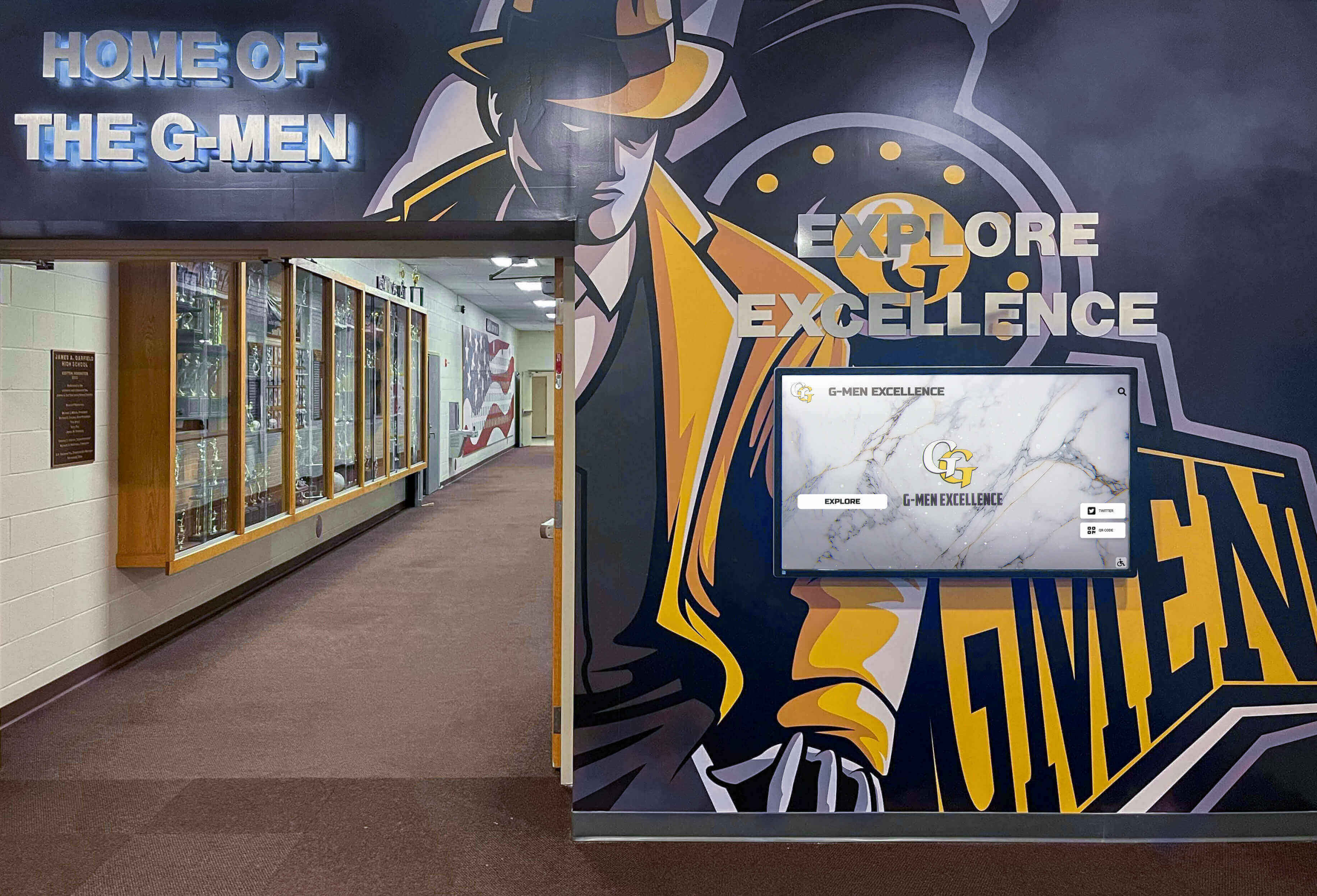
Strategic hallway placement ensures athletic recognition—including powder puff traditions—receives daily visibility throughout school communities, inspiring current students while honoring past participants
Safety Protocols and Risk Management for Powder Puff Football
While powder puff football creates valuable experiences, participant safety and institutional liability protection require comprehensive risk management strategies.
Pre-Participation Safety Measures
Establish safety foundation before actual gameplay:
Medical Clearance and Consent
Require comprehensive participant documentation including physical examination verification ensuring medical fitness for athletic activity, parental consent forms acknowledging activity risks and authorizing participation, health history documentation identifying conditions requiring special precautions, emergency contact information for immediate family notification if injuries occur, and insurance verification confirming coverage for athletic participation injuries.
Proper documentation establishes that schools fulfilled duty to inform participants and families about inherent risks while verifying basic medical clearance for athletic activity—creating essential legal protection while ensuring genuine attention to participant health readiness.
Equipment Fitting and Safety Instruction
Before practice or competition, provide proper flag belt fitting ensuring secure attachment without excessive tightness, instruction in proper techniques for safe play within chosen rule format, review of prohibited actions and potential penalty consequences, emphasis on self-reporting when injured rather than “playing through” concerning symptoms, and verification that participants understand rules designed specifically for safety protection.
Clear safety instruction establishes behavioral expectations while empowering participants to make safe decisions during gameplay—particularly important for students with limited athletic experience who may lack intuitive understanding of injury risk factors.
Practice Safety and Graduated Exposure
Initial practice sessions should follow progressive intensity approach beginning with non-contact skill work before any competitive situations, gradual introduction of game-speed activities as skill develops, emphasis on proper technique reducing injury risk from improper mechanics, immediate response to any concerning symptoms or injuries, and adult supervision maintaining safety focus versus purely competitive emphasis.
Graduated practice exposure allows participants to develop skills safely before full-speed competition—preventing injuries that occur when completely unprepared athletes immediately enter competitive situations exceeding their readiness level.
Game Day Safety Protocols
Active competition requires real-time safety management:
Medical Personnel and Emergency Procedures
Essential game-day safety includes qualified medical professional (athletic trainer, EMT, or nurse) present throughout event, emergency action plan established before competition with clear injury response protocols, communication system enabling quick medical personnel notification, EMS access route verification ensuring ambulance entry if needed, and injury documentation forms for all treatment or evaluation incidents.
Medical presence demonstrates institutional commitment to safety while enabling immediate professional injury assessment—preventing situations where injuries worsen due to delayed or inadequate initial response.
Environmental Condition Monitoring
Active condition assessment includes heat index monitoring with activity modification or cancellation protocols for extreme conditions, lightning detection and shelter plans evacuating participants during electrical storms, field condition evaluation for dangerous playing surface issues, and adequate hydration provision with scheduled water breaks.
Environmental awareness prevents injuries from conditions beyond participant control—heat illness, lightning strikes, or field hazards create serious risks that attentive supervision and appropriate protocols largely eliminate.
Official and Coach Safety Responsibilities
Game management personnel share safety obligations including officials stopping play immediately for potential injuries, coaches monitoring substitution ensuring adequate rest preventing exhaustion, adult supervisors intervening if play becomes excessively physical beyond safe rule parameters, and collective responsibility for safety-focused culture valuing participant wellbeing over competitive outcomes.
When all adults present share active safety responsibility, hazards receive immediate attention rather than each person assuming someone else handles concerns—creating redundant safety attention minimizing risk of preventable injuries.
Liability Management and Insurance Considerations
Institutional protection requires attention to legal risk:
Insurance Coverage Review
Schools should verify that general liability insurance covers special athletic events including powder puff football, participant accident insurance applies to powder puff participants, officials and volunteers have appropriate liability coverage, and any coverage gaps receive attention through supplemental policies or adjusted event structures.
Proactive insurance review prevents surprises when claims arise—discovering coverage gaps after injuries occur creates difficult situations, while advance verification enables coverage correction or informed risk decisions.
Waiver and Release Documentation
While legal protection value varies by jurisdiction, schools should implement assumption of risk acknowledgment explaining powder puff inherent dangers, parental consent specifically addressing this activity versus general athletic participation, photo and media release authorizing documentation usage, and medical treatment authorization allowing emergency care if parents unavailable.
Comprehensive documentation demonstrates institutional diligence while establishing clear communication with families about activity nature and associated risks.
Risk-Benefit Analysis and Format Selection
Administrative oversight should include honest assessment of whether benefits justify inherent risks, format selection matching institutional risk tolerance (flag versus touch versus tackle), consideration of alternative activities achieving similar school spirit benefits with lower injury risk, and willingness to cancel or significantly modify events if conditions make safe execution impossible.
Responsible administration recognizes that some traditional activities may require substantial modification or replacement when risks exceed acceptable thresholds—nostalgia for how “we’ve always done it” should never override legitimate safety concerns or expose students to preventable harm.
Schools developing comprehensive safety protocols can learn from athletic sportsmanship program approaches emphasizing participant wellbeing and positive competition culture.
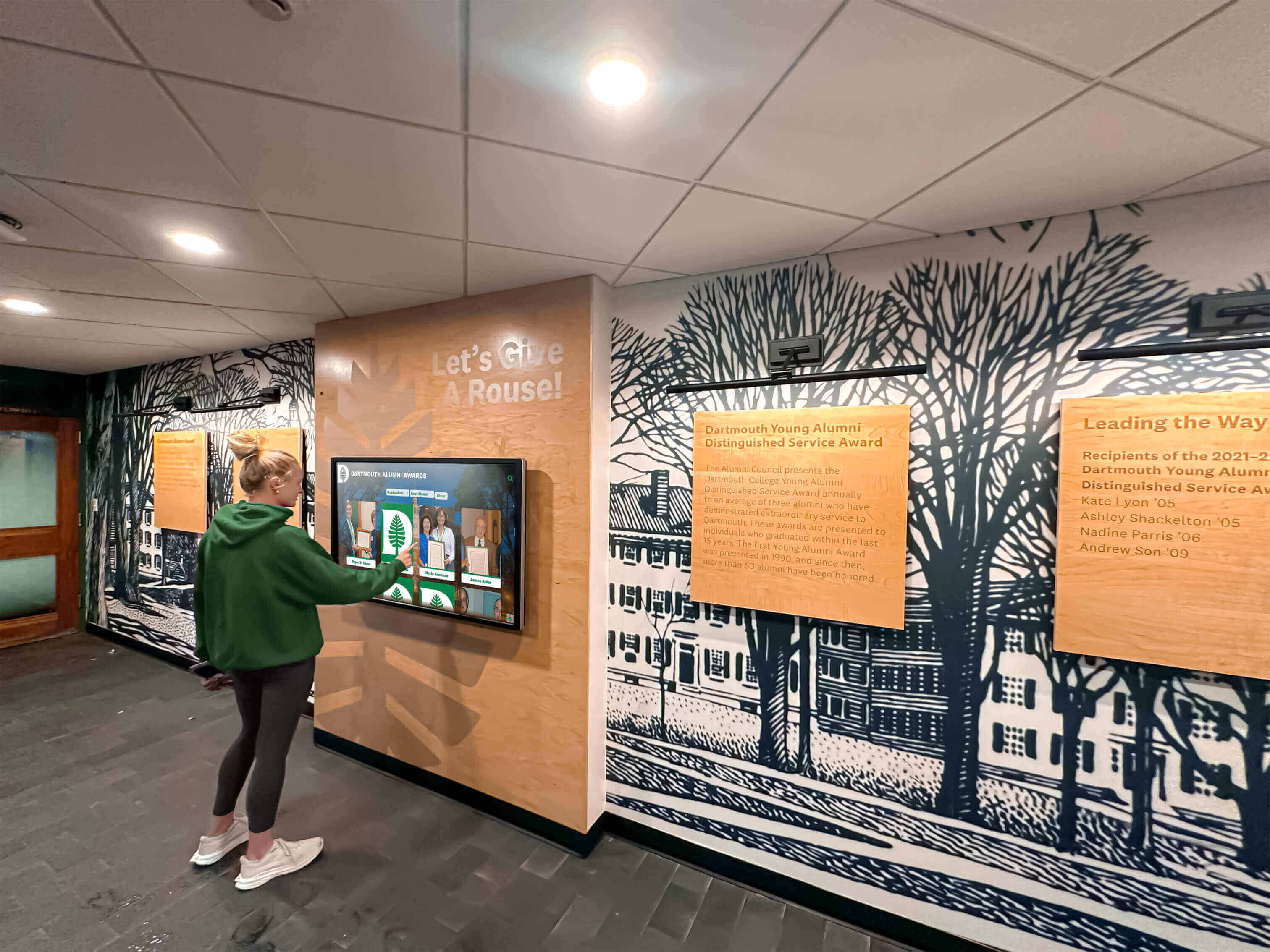
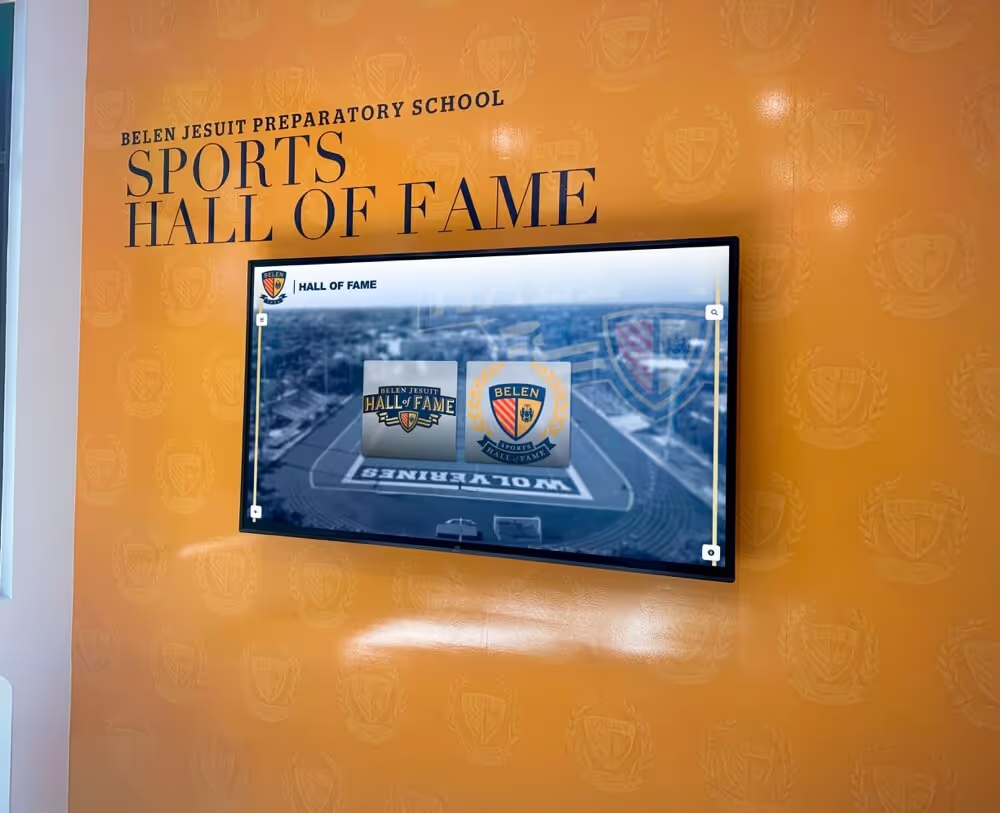
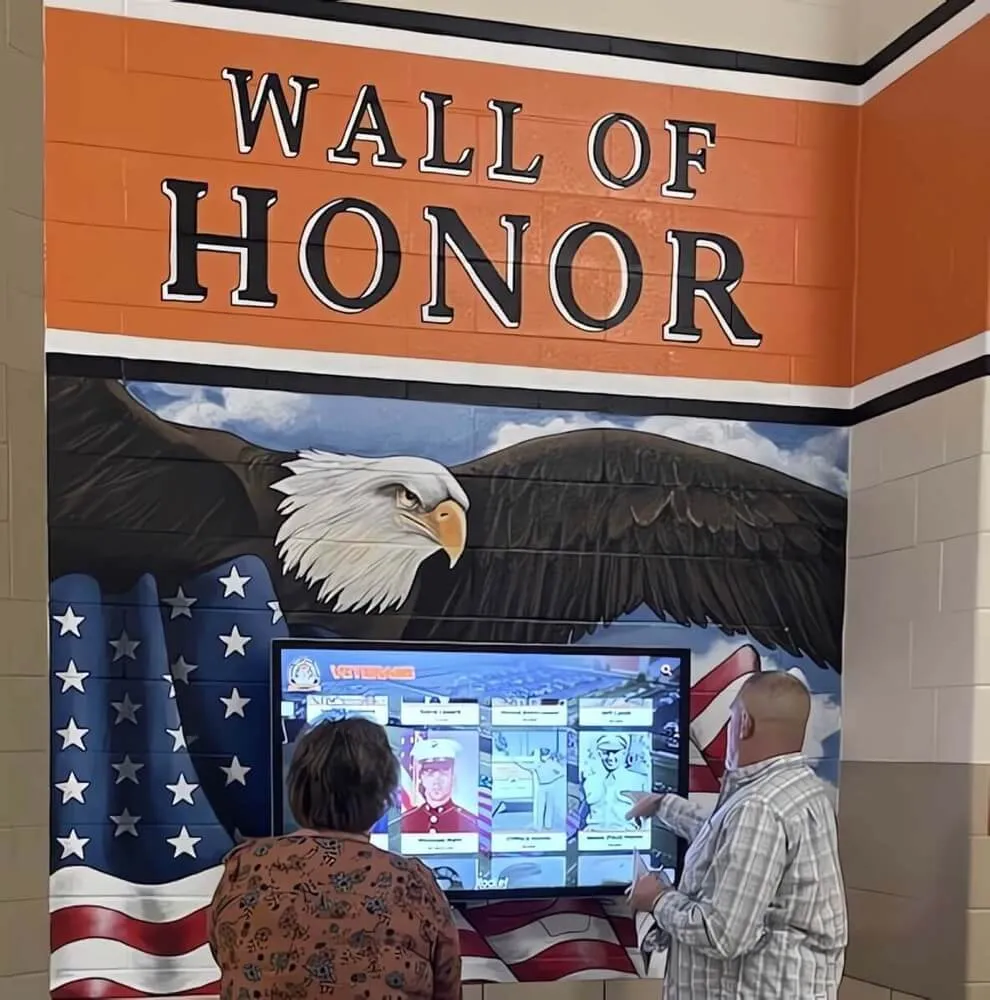
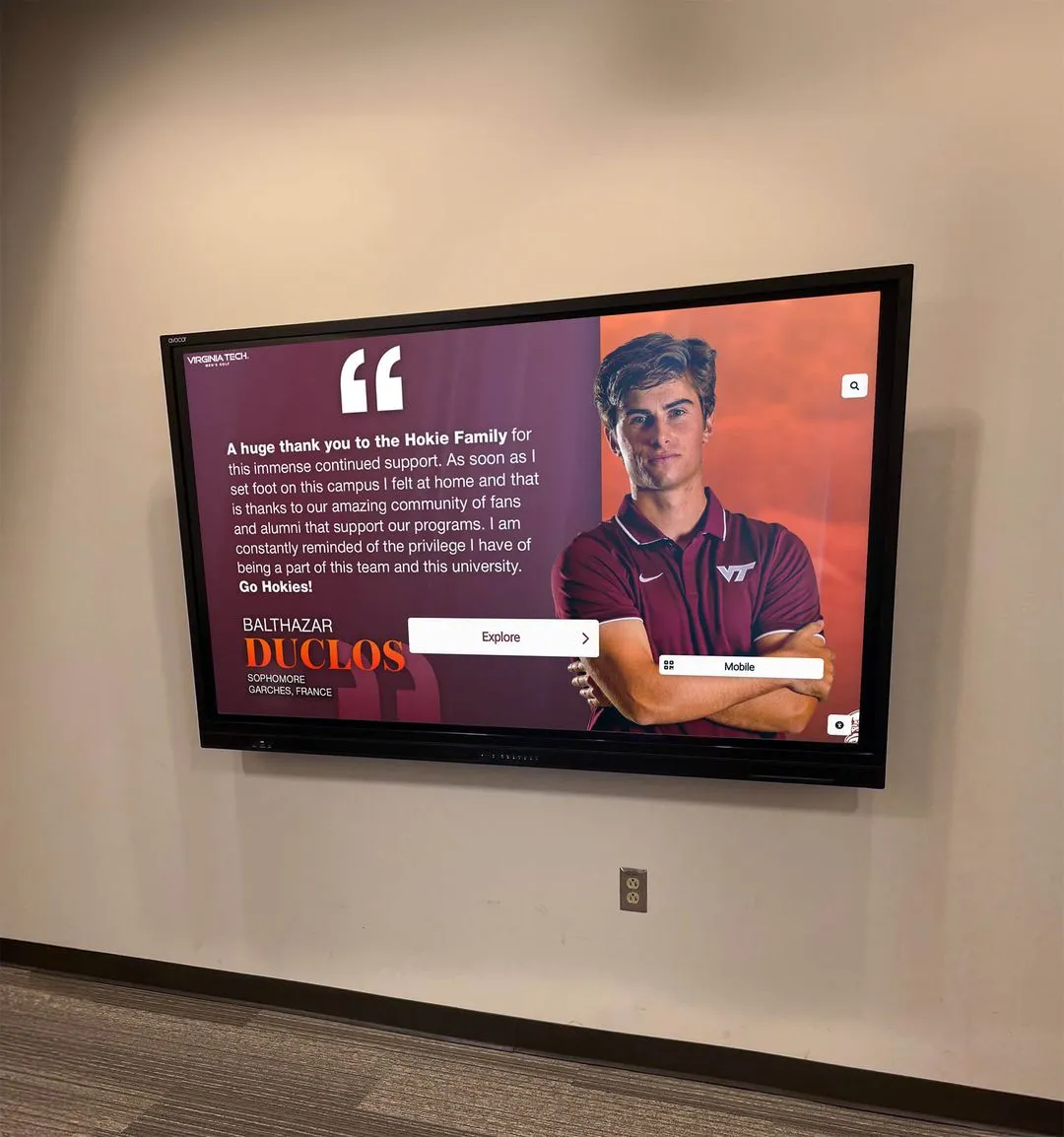
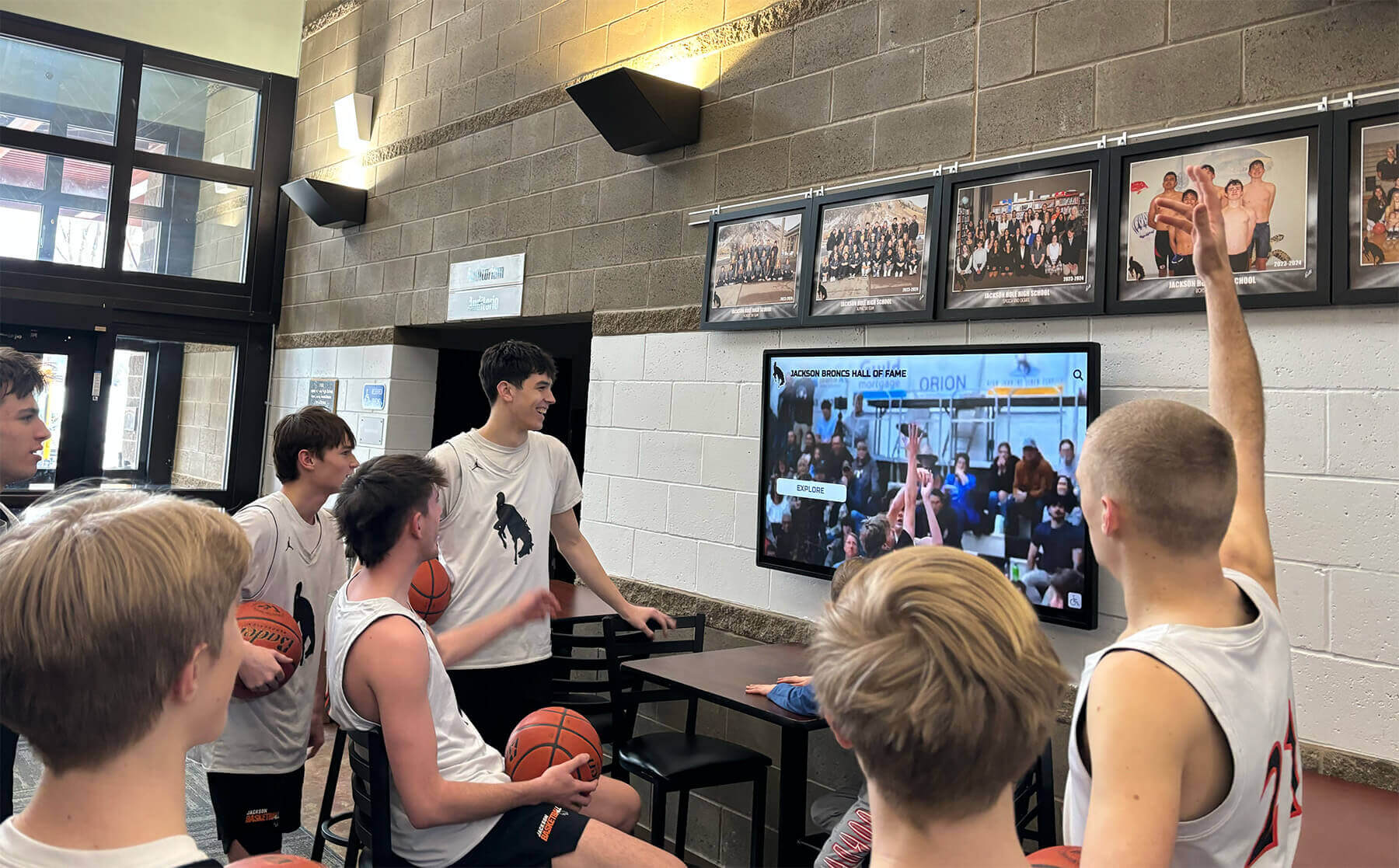
Engaging recognition displays encourage student exploration of school traditions and history—interactive systems enable powder puff participants to share their experiences while learning from past events
Creating Lasting Powder Puff Recognition and Memories
Transform single-event participation into permanent acknowledgment inspiring future participants while honoring current athletes.
Photography and Videography Documentation
Comprehensive media capture preserves memories while creating shareable content:
Action Photography Coverage
Assign photographers capturing game action including individual player photos showing each participant, key play moments documenting touchdowns and significant competitive action, sideline photos capturing male cheerleaders and bench celebrations, crowd shots showing spectator enthusiasm, and coach-player interactions highlighting leadership and instruction.
Comprehensive photography ensures every participant receives photos documenting their involvement—creating shareable memories families treasure while providing content for recognition systems and promotional materials.
Video Highlight Production
Create lasting video memories through full game recording providing complete documentation, highlight reel editing featuring best plays and memorable moments, player interview segments capturing participant reflections and reactions, behind-scenes footage showing preparation and team dynamics, and season recap videos placing individual games within broader powder puff tradition context.
Professional or semi-professional video production transforms ephemeral experiences into permanent digital artifacts—participants can revisit these memories indefinitely while schools use content for promotion, recognition, and tradition building.
Digital Recognition Display Integration
Modern recognition platforms enable permanent powder puff celebration:
Comprehensive Participant Profiles
Digital recognition systems support detailed documentation including high-resolution participant photographs, game statistics and achievement highlights, team rosters with position designations and jersey numbers, memorable play descriptions contextualizing significant moments, and participant quotes or reflections about experiences.
Comprehensive profiles transform simple name listings into engaging narratives—visitors exploring recognition displays discover complete stories rather than minimal information conveyed by traditional plaques offering only names and years.
Annual Tradition Documentation
Systematic tradition archiving includes year-by-year game results documenting winners and scores across tradition history, team photographs showing evolving participants and program growth, notable moment highlights preserving memorable individual games or plays, championship or tournament records when multiple games occur, and statistical leaderboards recognizing all-time achievement across tradition history.
Complete historical documentation creates institutional memory—current participants connect with tradition depth while alumni revisit their own powder puff experiences preserved permanently rather than fading from collective memory as older classes graduate.
Multi-Platform Accessibility
Contemporary recognition extends beyond physical facilities through in-school touchscreen displays positioned in high-traffic corridors and common areas, responsive web platforms enabling remote exploration from any device, mobile applications providing convenient smartphone access, and social media integration enabling easy sharing of individual recognition profiles.
Solutions like Rocket Alumni Solutions provide purpose-built recognition platforms specifically designed for schools seeking to celebrate all aspects of student achievement—not just varsity athletics but also special traditions like powder puff football that create meaningful experiences deserving lasting acknowledgment. These systems combine intuitive content management with commercial-grade hardware, enabling schools to maintain comprehensive recognition without requiring technical expertise while providing unlimited digital capacity that traditional physical displays cannot match.
Alumni Engagement and Tradition Continuity
Connect past participants with current events maintaining tradition vitality:
Alumni Participation Opportunities
Engage former powder puff players through reunion games bringing back past participants for exhibition competitions, alumni coaching or mentoring roles supporting current teams, recognition ceremony appearances honoring notable past participants or tradition milestones, and fundraising campaigns with alumni contributing to program support.
Alumni connection reinforces that powder puff represents lasting tradition deserving ongoing investment—when graduates return decades later to celebrate events they participated in, current students recognize they’re contributing to legacy extending beyond their immediate experience.
Tradition Storytelling and Historical Context
Maintain cultural memory through oral history documentation preserving reflections from long-time participants and organizers, anniversary celebrations marking significant tradition milestones, historical photo displays showing tradition evolution across decades, and alumni spotlight features sharing where past participants are now.
Rich tradition storytelling elevates powder puff from routine annual activity to cherished institutional tradition—when students understand they’re participating in something their parents, teachers, and community members also experienced, events gain cultural significance transcending single-year entertainment value.
Schools implementing alumni event strategies discover that powder puff football creates powerful shared memories connecting generations of graduates through common experiences and traditions.

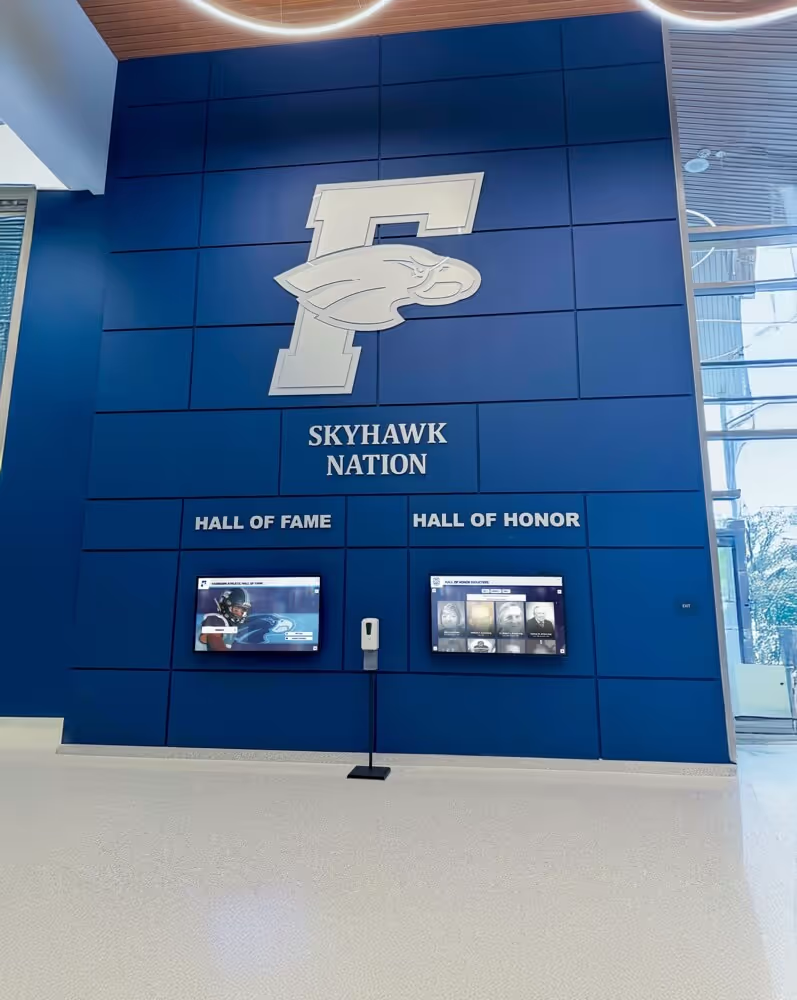
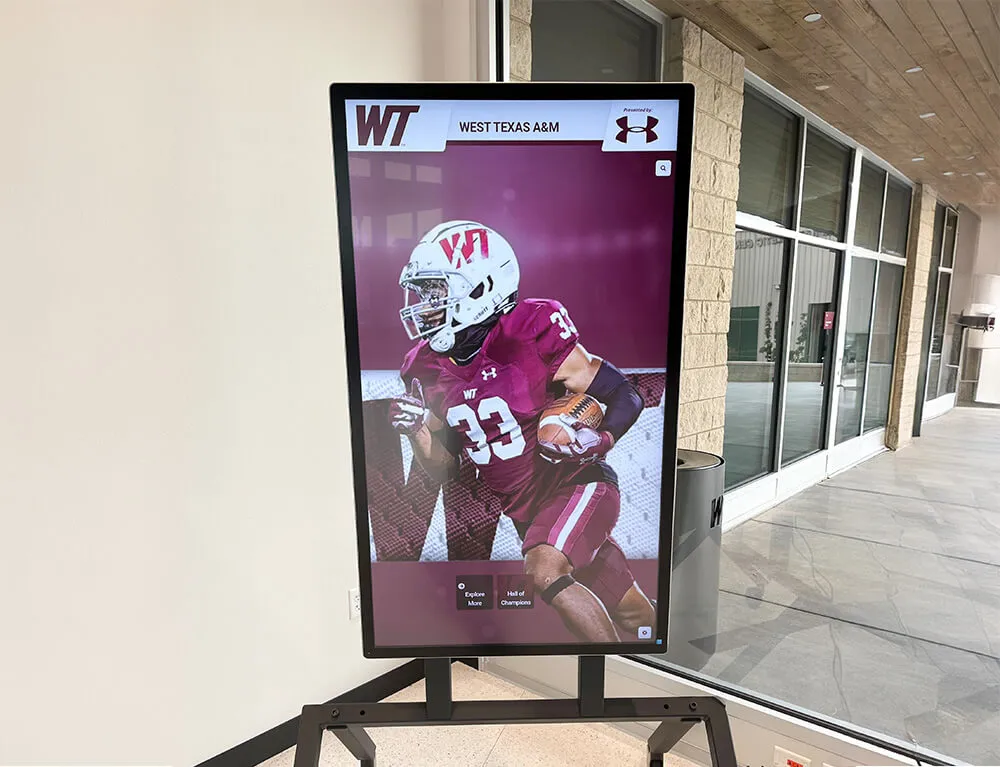
Freestanding recognition kiosks create dedicated celebration stations—enabling comprehensive powder puff football documentation alongside traditional athletic achievements within high-visibility lobby locations
Addressing Common Powder Puff Football Challenges
Schools implementing powder puff programs frequently encounter obstacles requiring thoughtful solutions.
Challenge: Low Participation or Recruiting Difficulties
Some schools struggle attracting sufficient participants for competitive teams.
Solution Strategies:
Implement early promotional campaigns beginning weeks before sign-ups creating sustained visibility, host informational meetings addressing common concerns about athletic ability requirements or injury risks, recruit diverse participants emphasizing that powder puff welcomes all skill levels, create team formation processes preventing concentration of athletic talent making competition lopsided, and highlight social and memory-creation benefits beyond pure competitive experience.
Successful recruitment recognizes that many potential participants hesitate due to athletic insecurity—explicit messaging that powder puff welcomes everyone regardless of sports background encourages participation from students who might otherwise self-select out assuming events exclusively serve athletic population.
Challenge: Safety Concerns and Injury Prevention
Administrators, parents, or potential participants worry about injury risks undermining support.
Solution Strategies:
Adopt flag football format eliminating tackling and most injury-causing physical contact, mandate protective equipment (mouthguards minimum, potentially additional gear), require medical clearance and proper documentation, provide adequate practice time allowing skill development before competition, maintain qualified medical presence during all activities, and communicate comprehensive safety protocols reassuring concerned stakeholders.
Understanding athletic recognition program implementation helps schools position powder puff within broader athletic culture emphasizing safety alongside competition.
Challenge: Competitive Imbalance or Blowout Games
When one team substantially outmatches opponents, games become uncompetitive entertainment.
Solution Strategies:
Implement balanced team formation through draft processes or athletic talent distribution, consider tournament formats with multiple games enabling better matchups, use mercy rule provisions preventing excessive scoring margins, focus promotion on participation and fun rather than exclusively competitive excellence, and create multiple award categories ensuring recognition extends beyond winning team.
Competitive balance proves particularly important for maintaining powder puff as inclusive activity—if events consistently feature dominant teams destroying weak opponents, less athletic students avoid participation knowing they’ll face humiliating defeats rather than competitive games.
Challenge: Gender Inclusivity and Evolving Social Expectations
Traditional powder puff formats based on binary gender concepts face questions about inclusivity.
Solution Strategies:
Adopt inclusive participation policies welcoming students of all gender identities, consider terminology updates moving away from gender-specific language if appropriate for community, create complementary events ensuring all students have parallel participation opportunities, engage student leadership in policy development reflecting peer perspectives, and maintain open communication with families and community about inclusivity approaches.
Thoughtful inclusivity evolution allows powder puff tradition to adapt to contemporary understanding while maintaining core spirit-building and memory-creation benefits that make events valuable regardless of specific participation structures.
Challenge: Maintaining Long-Term Tradition Momentum
Some schools find powder puff enthusiasm wanes over years despite strong initial interest.
Solution Strategies:
Invest in quality event production demonstrating institutional commitment, create visible permanent recognition inspiring participation through lasting acknowledgment, engage alumni maintaining multigenerational tradition connection, vary entertainment elements preventing stale repetition, and celebrate tradition milestones reinforcing cultural significance.
Recognition particularly influences sustained engagement—when students observe that schools permanently honor powder puff participants rather than treating events as forgettable entertainment, they recognize participation creates lasting legacy worth their investment and effort.

Modern recognition interfaces enable exploration of complete program histories—comprehensive powder puff documentation joins varsity athlete profiles in unified celebration systems honoring all school traditions
Conclusion: Building Powder Puff Traditions That Celebrate School Spirit
Powder puff football represents more than simple homecoming entertainment—when thoughtfully organized with attention to safety, comprehensive promotion, quality execution, and lasting recognition, these events create powerful traditions building school spirit, providing meaningful participation opportunities, and generating memories students treasure throughout their lives. The difference between forgettable recreational games and beloved institutional traditions lies in strategic planning, safety consciousness, creative celebration, and permanent acknowledgment extending beyond single-event experiences.
Traditional approaches treating powder puff as casual activity requiring minimal planning and leaving no lasting documentation fail to maximize these events’ potential impact on school culture and student experience. Contemporary best practices recognize powder puff as valuable tradition deserving professional organization, comprehensive safety protocols, quality production values, and permanent recognition systems honoring participants appropriately.
Preserve Your School Traditions Permanently
Discover how modern digital recognition solutions enable comprehensive celebration of all school traditions—from varsity championships to powder puff football. Create engaging displays honoring every student who contributes to your school community, preserving memories that inspire current and future generations.
Explore Recognition SolutionsSchools implementing comprehensive powder puff programs discover measurable benefits: increased homecoming attendance as these games become anticipated events drawing large crowds, enhanced student participation providing involvement opportunities for students who don’t engage in traditional athletics, stronger school unity as events create shared experiences connecting diverse student populations, and lasting memories that alumni frequently cite as highlight high school moments they remember decades after graduation.
Whether launching new powder puff traditions, enhancing existing programs, or exploring how recognition technology preserves these memories permanently, the strategies explored throughout this guide provide proven frameworks creating events students genuinely value. Your students invest time, energy, and enthusiasm into school traditions—powder puff football represents remarkable opportunity to celebrate this spirit through safe, well-organized competitions that honor participants appropriately while building cherished institutional traditions connecting generations of students through shared experiences.
Recognition matters tremendously for tradition sustainability. When schools permanently honor powder puff participants through comprehensive displays celebrating their involvement, students recognize that institutions value these contributions as genuine achievements worthy of lasting acknowledgment rather than dismissing events as ephemeral entertainment leaving no permanent record. Modern digital recognition platforms enable this comprehensive celebration without physical space limitations constraining traditional trophy cases—creating unlimited capacity honoring every participant while preserving complete tradition histories inspiring current students through visible connection to decades of past events.
Ready to enhance your school traditions? Explore additional resources on academic recognition programs celebrating diverse student achievement, discover coach appreciation strategies honoring volunteer coaches who support events like powder puff football, learn about awards ceremony planning that appropriately recognizes all participants, and understand how comprehensive digital recognition systems preserve school history while celebrating current achievement across all program areas including beloved traditions like powder puff football.
Your powder puff tradition creates joy, builds community, and generates memories lasting far beyond high school graduation. These contributions deserve recognition matching their significance—comprehensive planning ensuring safety, quality production creating memorable experiences, and permanent celebration systems honoring participants appropriately. Build powder puff traditions worthy of the enthusiasm and spirit students bring to these cherished school events.