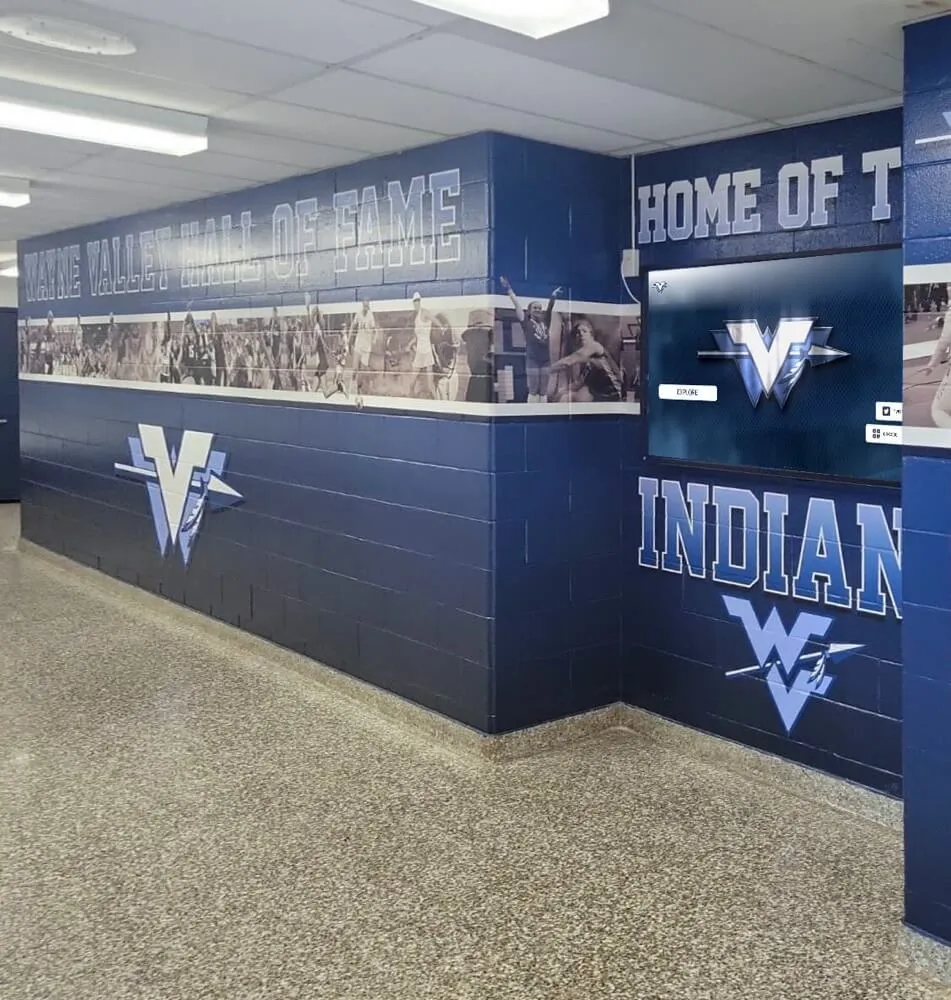
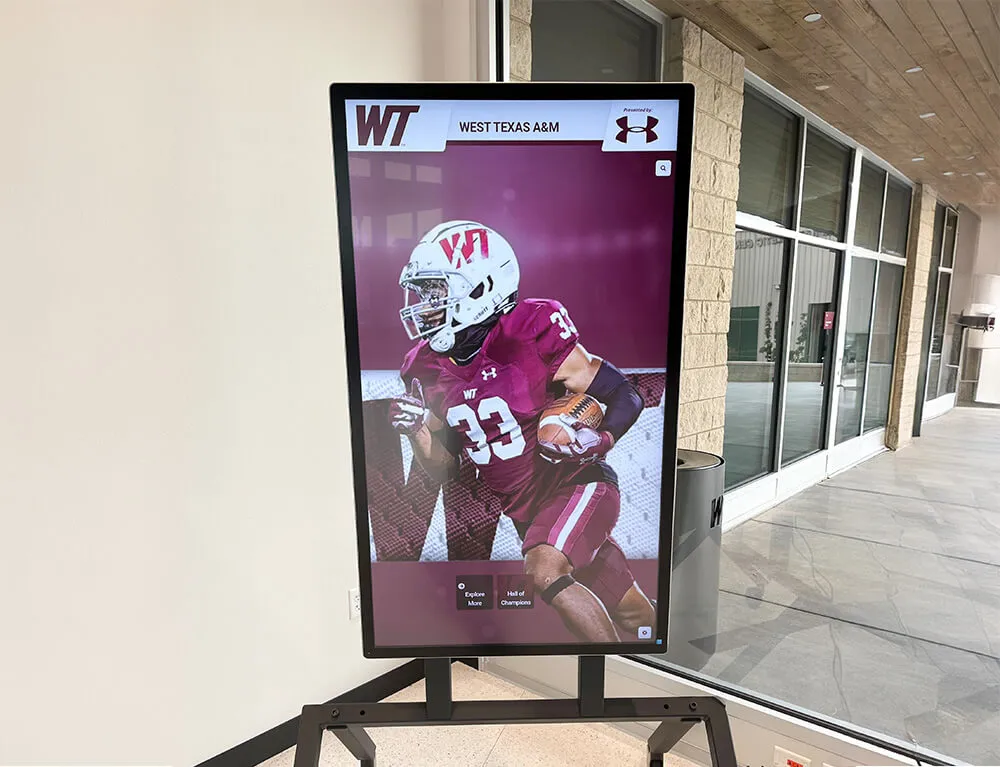
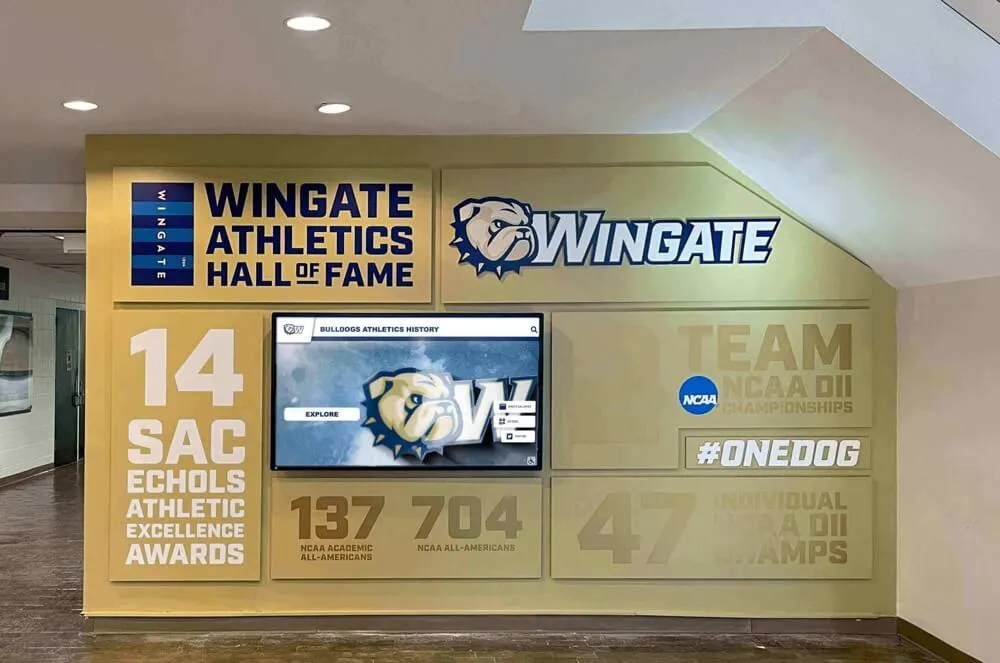
Preserving fraternity and sorority history creates lasting connections between current members and the generations who built Greek life traditions, while ensuring that decades of brotherhood, sisterhood, and chapter achievements remain accessible for future members. Fraternities and sororities accumulate remarkable stories across their existence—founding narratives, distinguished alumni, significant philanthropy milestones, social impact, leadership development, and chapter evolution that collectively define organizational identity and values.
Yet many chapters struggle with systematic history preservation as institutional memory fades with graduating classes. Charter documents deteriorate in storage boxes, composite photos lose identifying information, significant achievements go undocumented, founding stories fade as elder alumni age, and chapter traditions risk being forgotten without proper archival systems. The challenge extends beyond simply keeping old photos—chapters need accessible, engaging presentation formats that honor heritage while remaining relevant to current members expecting interactive digital experiences.
This comprehensive guide explores proven strategies for preserving fraternity and sorority history—from traditional archives to modern digital solutions—helping chapters protect Greek life heritage while creating engaging experiences that strengthen organizational identity and member commitment across generations.
Fraternities and sororities possess unique histories worth celebrating and preserving. Whether your chapter spans 150 years or 15, the stories, achievements, traditions, and member contributions accumulated deserve recognition that honors founding values while remaining relevant to current and future members. Understanding available preservation options and best practices enables chapters to create living archives rather than forgotten storage boxes.

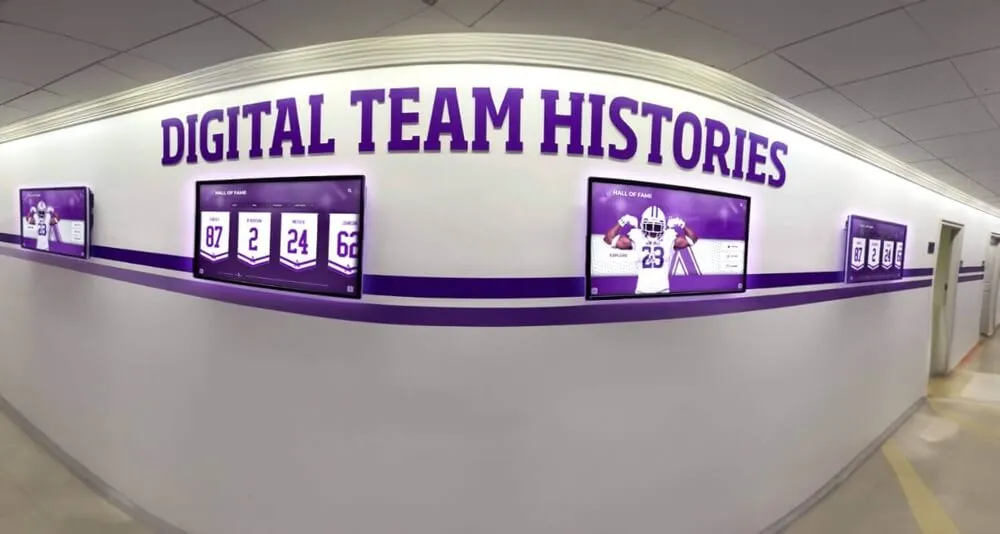
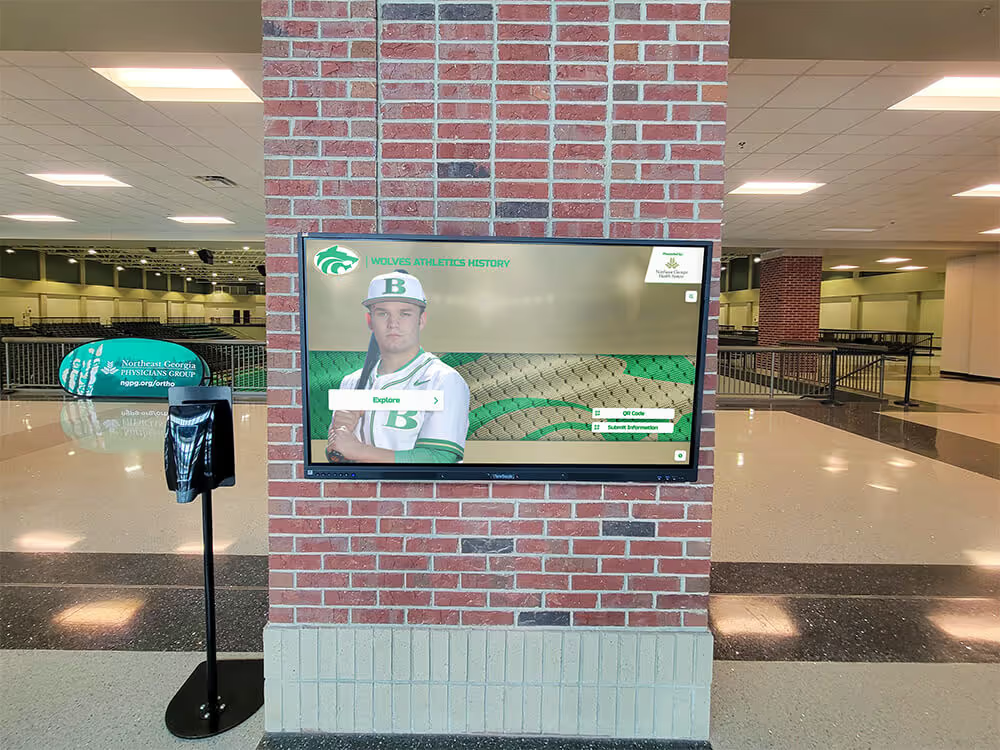
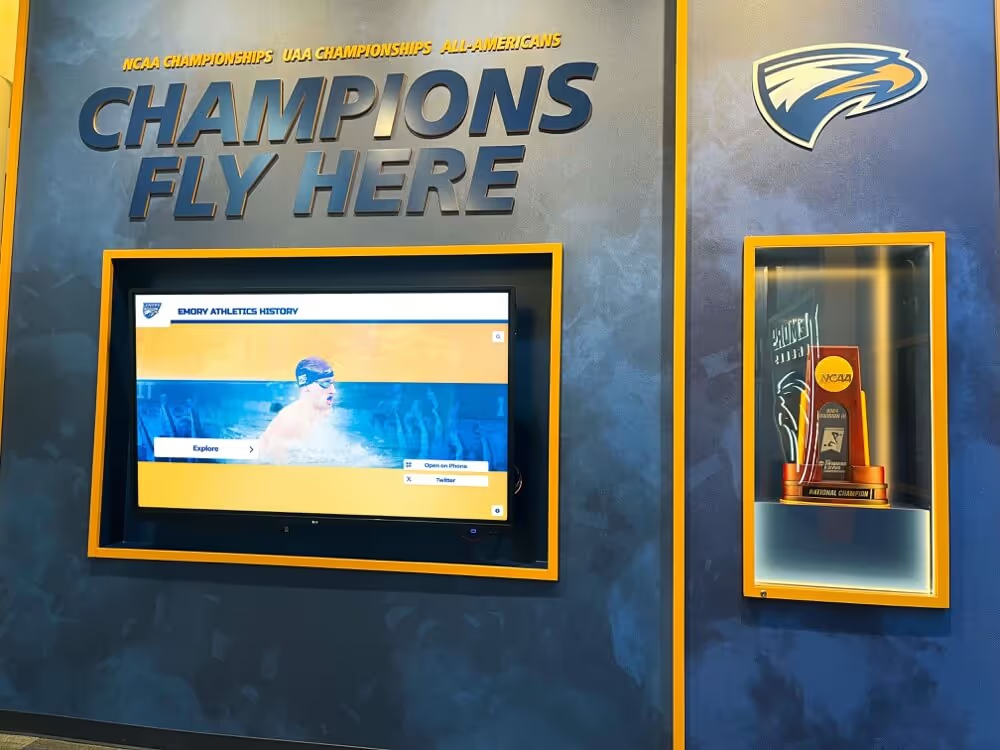
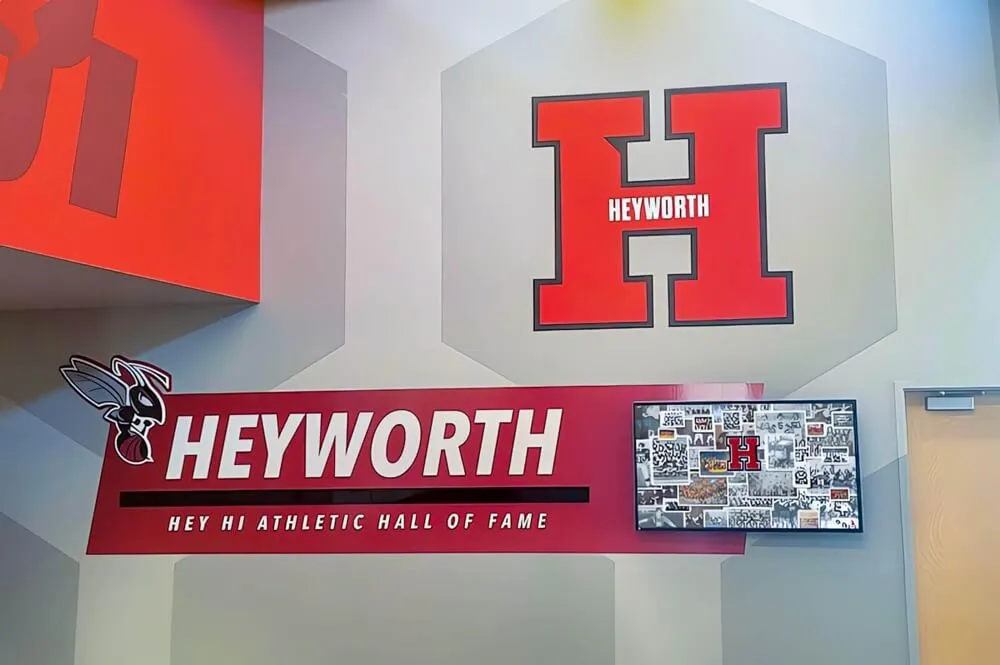
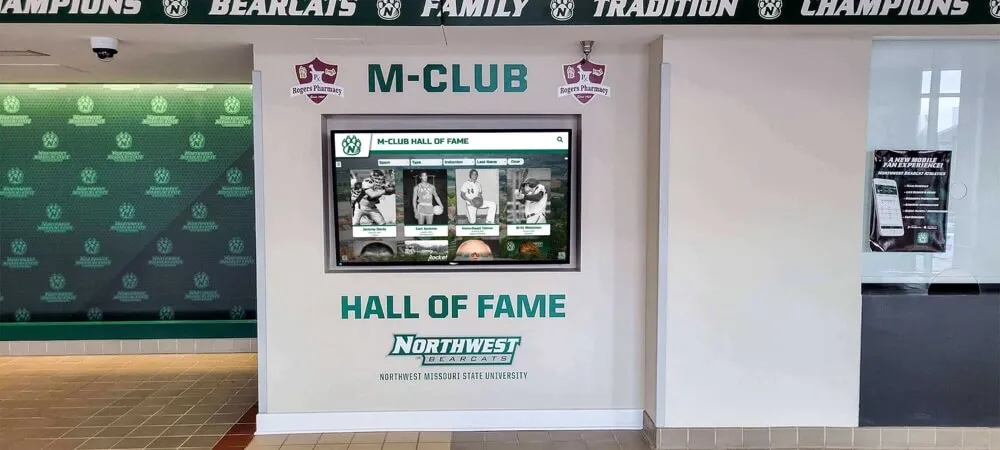
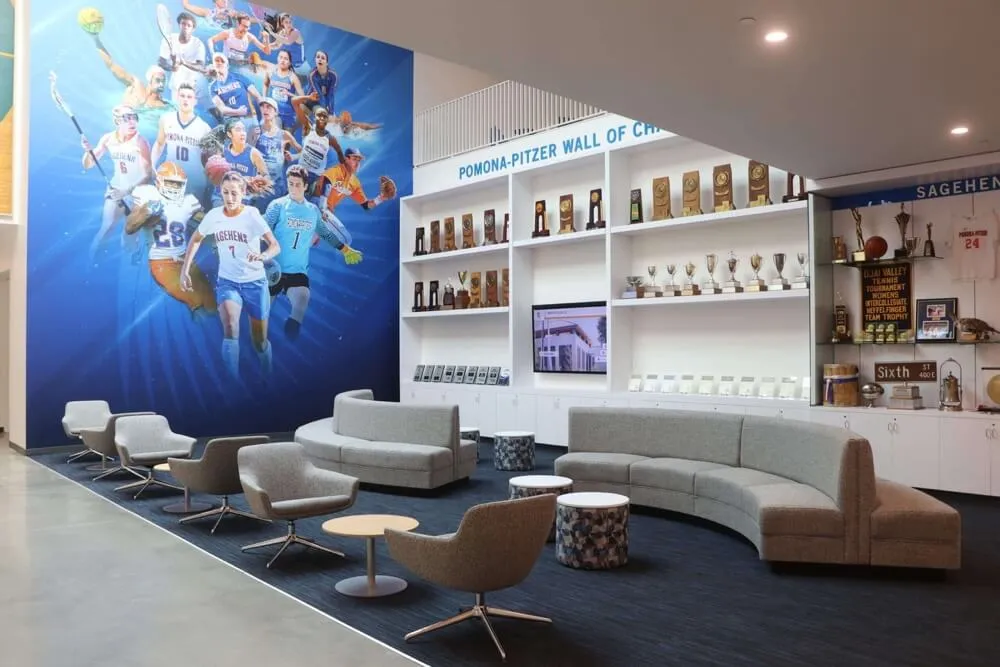
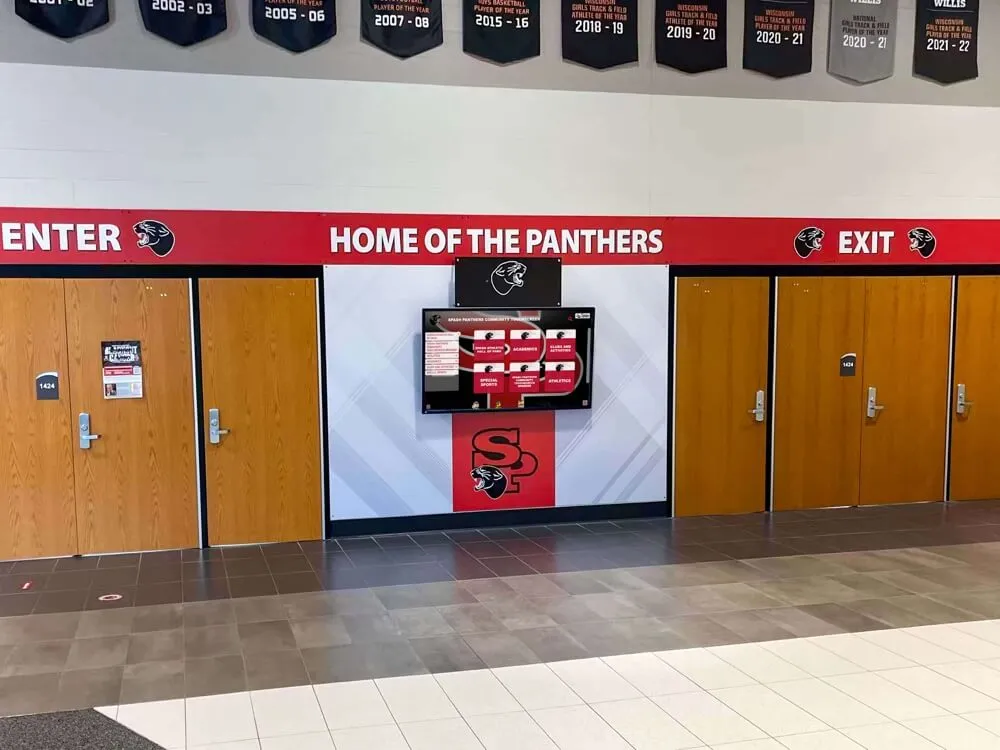
Effective Greek life history displays honor member contributions while creating accessible digital experiences for generations
Why Preserving Fraternity and Sorority History Matters More Than Ever
Understanding the strategic value of Greek life history preservation helps chapters justify investment and shapes implementation approaches that maximize impact across membership lifecycles.
Building Member Identity and Organizational Connection
Chapter history provides tangible foundation for developing stronger member commitment and organizational pride:
Member Belonging and Identity Development Historical awareness creates deeper organizational connection:
- Understanding founding principles helps members connect to chapter’s core values and mission
- Learning about distinguished alumni provides role models and aspirational examples
- Recognizing past achievements creates context for current member contributions
- Historical traditions help new members feel part of something larger than themselves
- Multi-generational stories demonstrate lasting significance beyond college experience
Alumni Engagement and Lifelong Relationships Accessible chapter history strengthens alumni emotional connections:
- Historical displays provide focal points during homecoming and reunion events
- Recognition of member achievements demonstrates lasting organizational appreciation
- Shared history creates common ground across pledge classes decades apart
- Digital archives enable alumni worldwide to reconnect with their chapter experience
- Historical preservation honors the contributions alumni made during their active years
According to educational researchers, students involved in organizations with strong historical awareness and traditions report significantly higher levels of organizational commitment, which correlates with increased alumni giving and volunteer participation decades after graduation.
The Urgent Reality of Disappearing Greek Life Heritage
Fraternities and sororities face critical preservation challenges as institutional memory disappears with each passing year:
Chapter-Level Vulnerability Research indicates that 80% of fraternal history lives at the chapter level rather than national headquarters, making local preservation efforts crucial. Yet most chapters lack systematic archival processes, leaving irreplaceable materials vulnerable to:
- Physical deterioration from improper storage in basements, attics, or member apartments
- Loss during chapter relocations, renovations, or housing transitions
- Damage from water leaks, fires, or environmental conditions
- Misplacement as officer transitions occur without proper documentation handoffs
- Disposal when members don’t recognize historical significance of materials
Photographic Materials at Risk According to the National Film Preservation Foundation, the average lifespan of photographic prints ranges from 20-100 years depending on storage conditions, making digitization increasingly urgent for older chapter materials. Many chapters possess irreplaceable photos from the 1960s-1990s now approaching critical preservation windows.
Digitizing historical photos and documents ensures preservation while making content searchable and accessible
Oral History Disappearing
- Alumni from founding decades and early eras possess firsthand knowledge now at risk
- Stories about chapter traditions, significant events, and organizational culture exist only in aging members’ memories
- Context for historical photos and documents disappears when no one remembers details
- Each passing year makes historical research more difficult as witnesses age
- Waiting to preserve oral histories means permanent loss of narrative depth and understanding
Addressing Contemporary Preservation Challenges
Modern Greek life faces unique historical preservation challenges requiring thoughtful responses:
Physical Infrastructure Changes Many campuses have experienced significant Greek life facility changes. For example, in August 2025, much of Greek Row at Southern Illinois University was demolished, representing substantial loss of historic fraternity and sorority buildings. Various buildings have been demolished over the years, making documentation and preservation of chapter spaces increasingly important before physical infrastructure disappears.
Digital Transition Challenges
- Materials created in outdated digital formats (floppy disks, early websites, obsolete social media platforms) become inaccessible
- No standardized approach exists for preserving digital-era chapter history
- Email correspondence, digital photos, and social media content lack systematic archiving
- Chapter websites change or disappear without preservation of historical content
- Cloud storage accounts close when members graduate without transferring institutional materials
Organizational Resource Constraints Few chapters maintain dedicated budgets or designated positions for historical preservation, with volunteer officer structures creating discontinuity as leadership changes annually. This reality requires preservation solutions that fit within chapter capabilities while delivering professional results.
Essential Materials Worth Preserving in Chapter Archives
Systematic preservation begins with identifying what materials collectively tell comprehensive chapter stories.
Foundational Documents and Official Records
Core materials documenting chapter establishment and governance:
Charter and Founding Documents
- Original charter establishing chapter authorization
- Founding member information and installation ceremony records
- Correspondence with national organization during chartering process
- Colony period documentation showing chapter development
- Anniversary celebration materials from significant milestones
Constitutional and Governance Documents
- Chapter bylaws and constitutional amendments across decades
- Meeting minutes documenting decisions and chapter evolution
- Officer transition documents showing leadership continuity
- Judicial board records (with appropriate privacy protections)
- National organization communications and official correspondence
Financial and Property Records
- Significant fundraising campaign documentation
- Chapter house acquisition, construction, or renovation records
- Philanthropic giving totals and recipient organization information
- Budgets showing financial management across eras
- Property deeds, mortgage documents, and facility improvement records
These foundational documents prove chapter legitimacy, demonstrate organizational evolution, and provide context for understanding how chapters developed over time.
Member Records and Biographical Information
Individual member documentation creates personal connections to chapter history:
Membership Rosters and Directories
- Complete membership lists with initiation dates and classes
- Contact information enabling alumni reconnection (with privacy considerations)
- Academic majors and graduation years
- Officer positions held and committee participation
- Awards and recognitions received during membership
Composite Photographs Historical composite photos represent some of the most valuable chapter artifacts:
- Visual documentation of every member across decades
- Fashion and cultural evolution reflected in formal poses
- Physical evidence of chapter size and demographic changes
- Specific date markers through annual tradition
- Emotional connection points for alumni remembering their pledge class
Many chapters struggle with composite photo storage and display as collections grow across decades. Digital solutions address space constraints while making historical composites searchable and accessible.
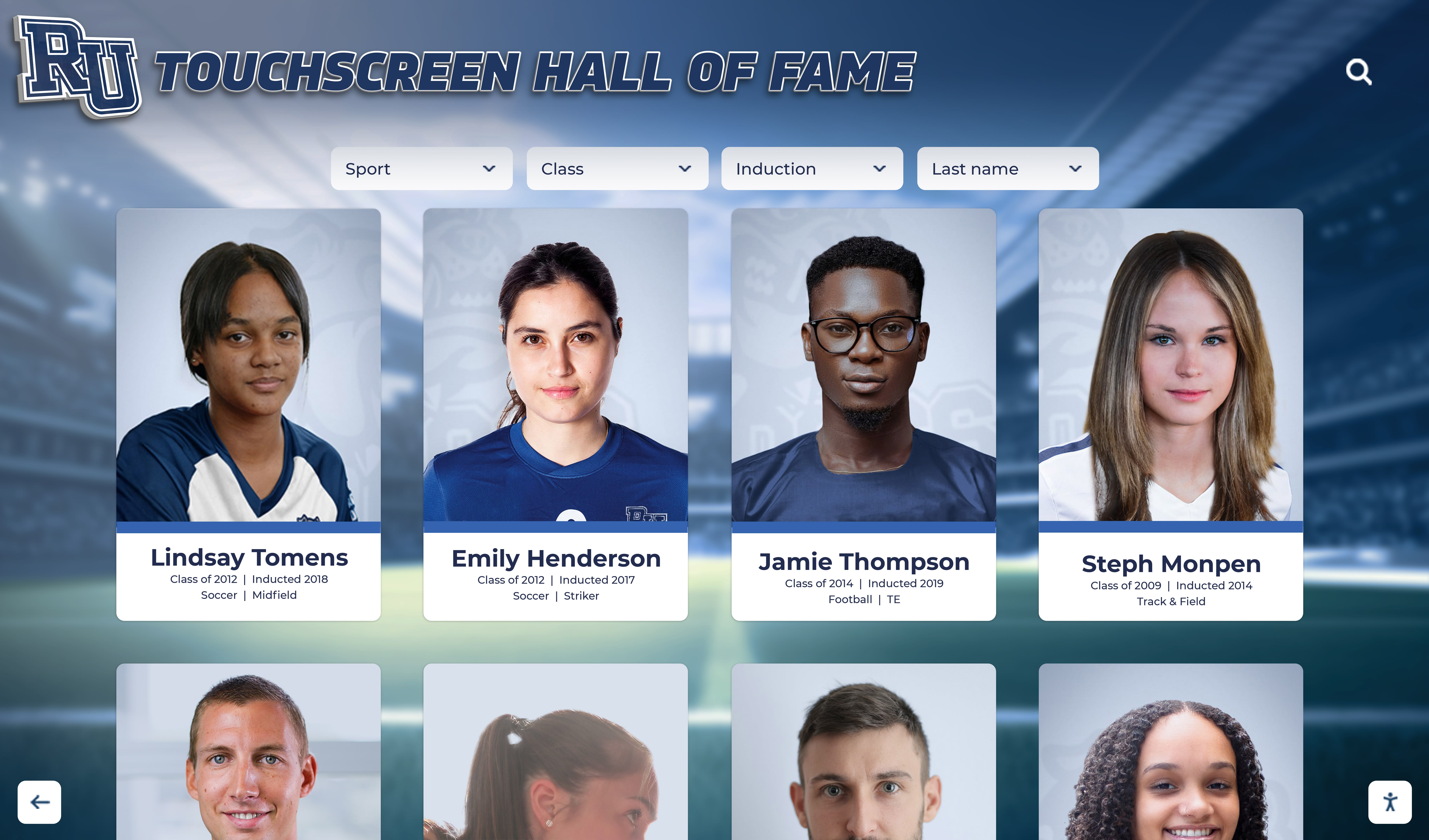
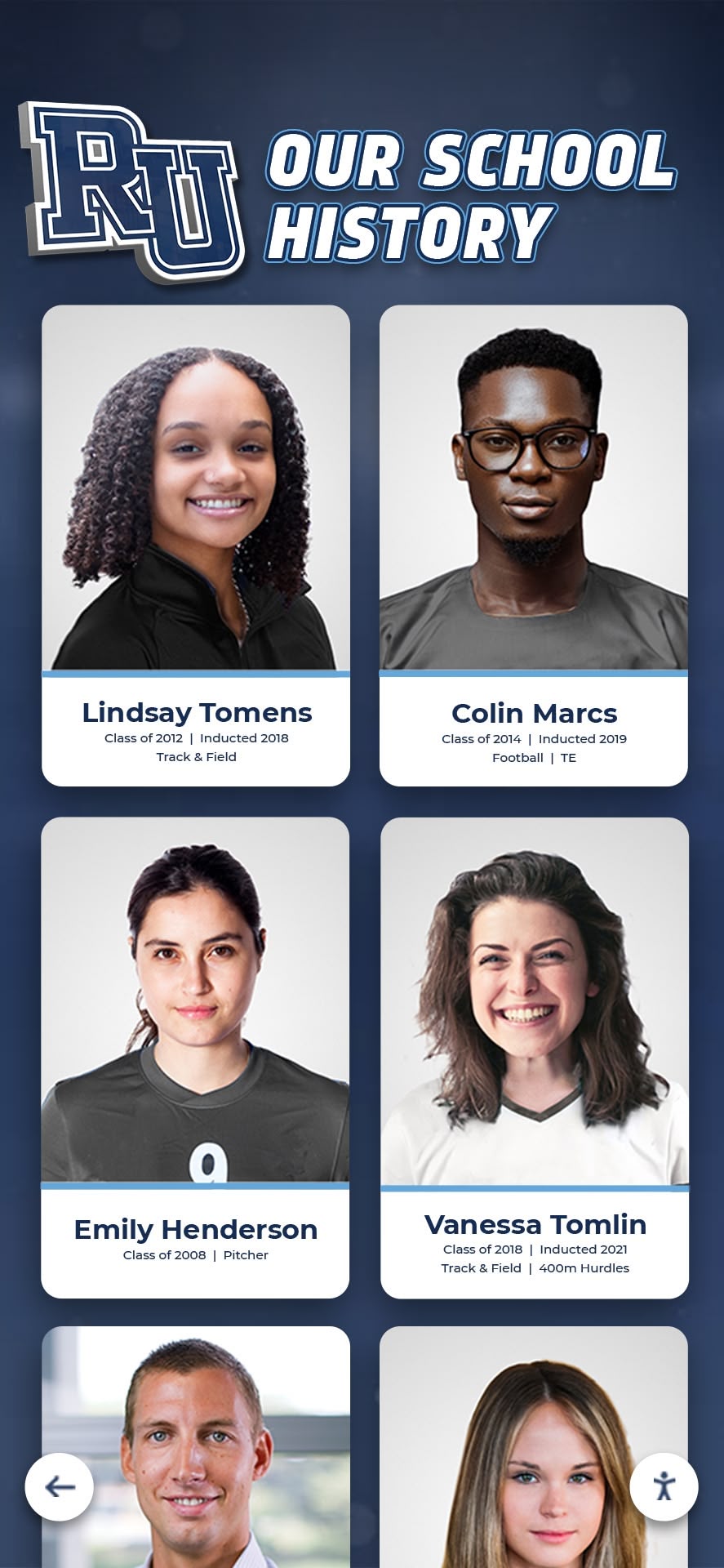
Digital member directories transform static composites into searchable, interactive experiences
Individual Member Files
- Biographical information submitted during membership
- Achievement documentation and awards
- Leadership position responsibilities and accomplishments
- Post-graduation career and life updates
- Notable alumni accomplishment records
Event Documentation and Chapter Activities
Materials capturing chapter life and traditions:
Annual Events and Traditions
- Recruitment materials from different eras
- Initiation ceremony programs and related materials
- Formal dance programs, themes, and photo collections
- Philanthropy event documentation showing community impact
- Intramural and Greek Week competition records
Special Celebrations and Milestones
- Anniversary celebrations (25th, 50th, 100th, etc.)
- Chapter house dedications or renovations
- National convention attendance and awards received
- Significant visitor documentation (national officers, distinguished alumni, founders)
- Historical reunions bringing together multiple generations
Publications and Communications
- Chapter newsletters across decades
- National organization magazine appearances
- Campus newspaper articles featuring chapter activities
- Recruitment materials and rush books
- Social media content and digital communications archives
Visual and Multimedia Materials
Rich media materials providing emotional engagement with history:
Photograph Collections Beyond composites, chapters should preserve:
- Candid photos from chapter events and activities
- Chapter house interior and exterior documentation across decades
- Group photos from philanthropy events and social gatherings
- Campus involvement and leadership photos
- Founder visit and significant guest photographs
Video and Audio Recordings
- Oral history interviews with longtime members and distinguished alumni
- Event videos from formals, philanthropies, and celebrations
- Historical footage showing chapter house and campus evolution
- Recorded messages from founders or significant historical figures
- Anniversary celebration videos and testimonials
Physical Artifacts and Memorabilia
- Chapter badges, pins, and jewelry examples
- T-shirts and apparel documenting decades of design evolution
- Banners, flags, and decorative items from chapter spaces
- Trophies and awards received for various achievements
- Scrapbooks compiled by members across generations
Digital documentation of physical artifacts ensures preservation even if original items deteriorate or are lost.
Creating Systematic Chapter Archives: Best Practices
Effective preservation requires organized approaches rather than haphazard storage in random boxes.
Establishing Archival Responsibility
Sustainable preservation begins with clear accountability:
Designating Historian or Archivist Roles Successful chapters assign specific officer or appointed positions responsible for:
- Collecting and organizing historical materials systematically
- Managing ongoing documentation of current chapter activities
- Coordinating with national organization archives when available
- Soliciting contributions from alumni
- Maintaining both physical and digital archival systems
Creating Succession Planning Annual officer transitions threaten archival continuity. Address this by:
- Comprehensive transition guides documenting archival responsibilities
- Overlapping terms where outgoing historian trains successor
- Centralized storage preventing materials from leaving with graduating members
- Backup contacts (advisor, alumni board member) providing institutional memory
- Documentation of archival organization systems ensuring consistency
Engaging Alumni Advisory Support Alumni with professional archival, library, or information management expertise can provide valuable guidance. Consider forming historical preservation committees combining current members with knowledgeable alumni advisors.
Physical Storage and Organization Systems
Proper storage protects materials from deterioration:
Environmental Controls Historical materials require appropriate conditions:
- Climate-controlled spaces preventing temperature and humidity extremes
- Darkness or UV-filtered lighting preventing photograph fading
- Dry locations avoiding water damage risk
- Pest-free environments protecting paper materials
- Fire suppression systems in storage areas when possible
Archival-Quality Materials Use appropriate storage supplies:
- Acid-free boxes and folders preventing chemical deterioration
- Archival sleeves for photographs avoiding adhesive damage
- Proper document boxes sized to prevent bending or folding
- Climate-appropriate storage containers
- Labeling systems clearly identifying contents and dates
Cataloging and Organization Systems Implement systematic organization enabling materials location:
- Chronological organization by decade or year
- Category-based systems (governance, members, events, publications)
- Finding aids or inventories documenting what exists and where
- Digital catalogs searchable by keyword, name, or date
- Cross-referencing connecting related materials
Many chapters partner with university special collections or local historical societies for storage advice and sometimes physical housing. Universities increasingly establish programs to actively collect Greek life history on their campuses, so check with campus archives about partnership opportunities.
Digitization Strategies for Long-Term Preservation
Digital conversion protects materials while enhancing accessibility:
Document Scanning Standards Convert paper records to digital formats:
- Minimum 300 DPI scanning for archival-quality digital copies
- OCR (Optical Character Recognition) making text searchable
- PDF/A format for long-term digital preservation
- Consistent file naming conventions organizing materials systematically
- Cloud storage with backup redundancy protecting against loss
Photograph Digitization Historical photos require careful attention:
- Minimum 600 DPI scanning preserving detail
- Color-accurate scanning maintaining original tones
- Metadata capture recording who, what, when, where for each image
- Non-destructive scanning protecting fragile originals
- Multiple resolution versions supporting different uses
Composite Photo Digitization Chapter composites present unique digitization needs:
- High-resolution scanning capturing entire composite
- Individual member photo extraction when possible
- Text preservation capturing names and years clearly
- Searchable databases enabling alumni to find themselves
- Display-appropriate versions for both digital screens and web platforms
Video and Audio Material Conversion Older formats require migration to accessible digital formats:
- VHS, mini-DV, and other tape formats converted to digital files
- Audio cassettes and recordings transferred to digital formats
- Cloud storage ensuring accessibility and preventing physical media deterioration
- Transcript creation for interviews and speeches
- Backup copies stored in multiple locations
Solutions like those offered by Rocket Alumni Solutions enable chapters to upload digitized materials into user-friendly platforms that members and alumni can search, explore, and engage with through interactive displays and online access.
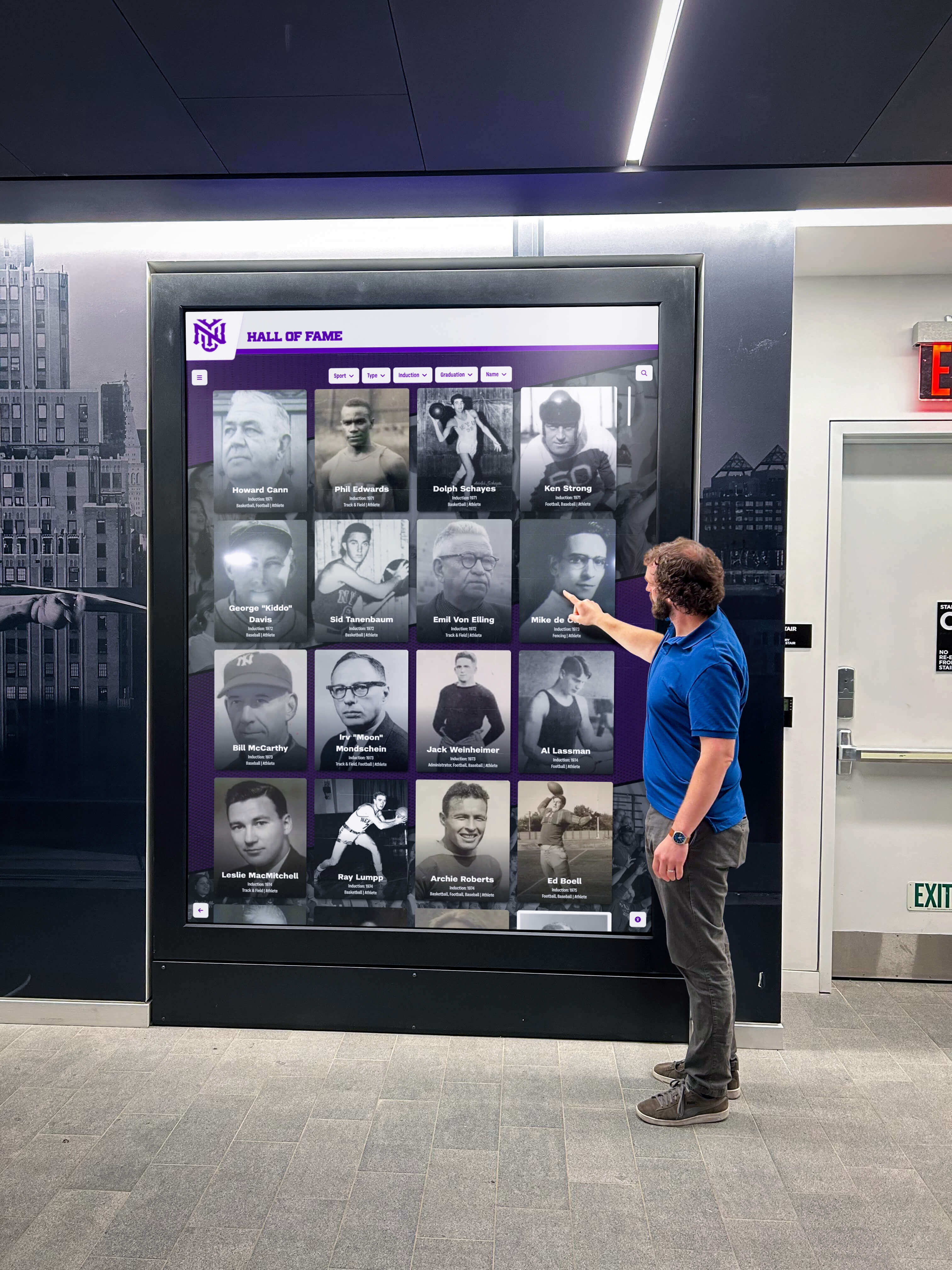
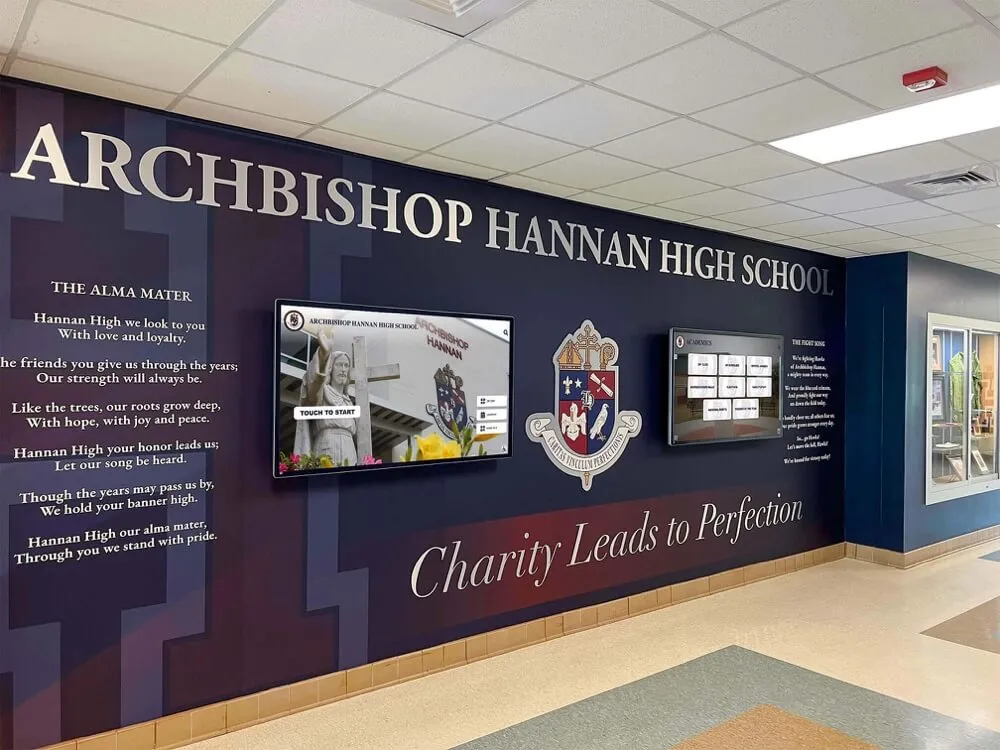
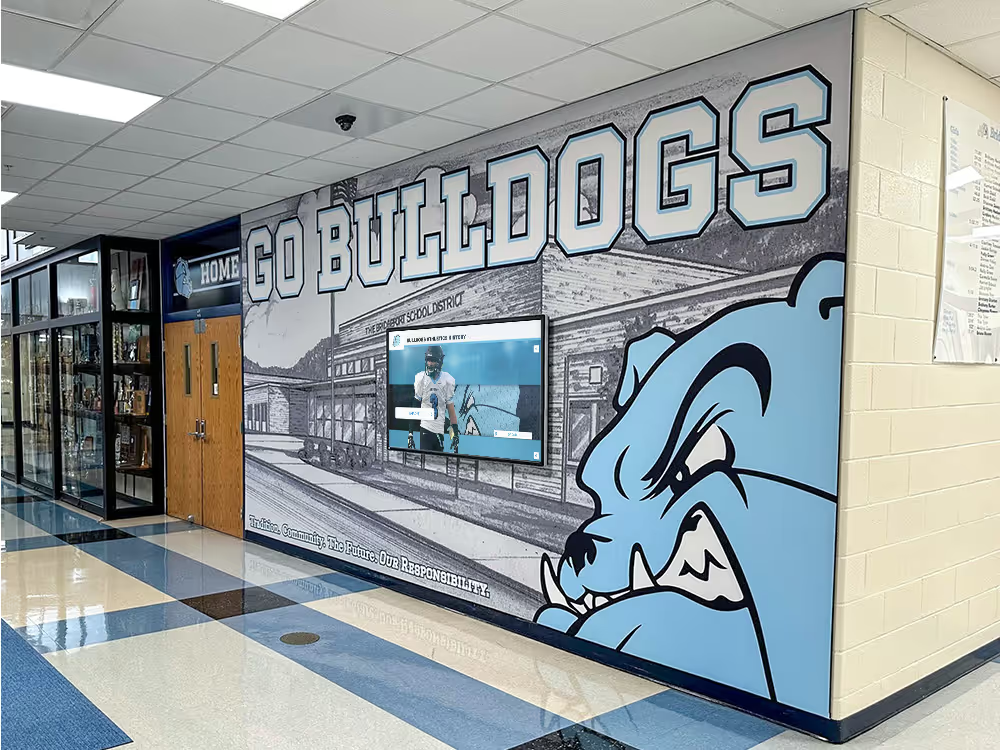
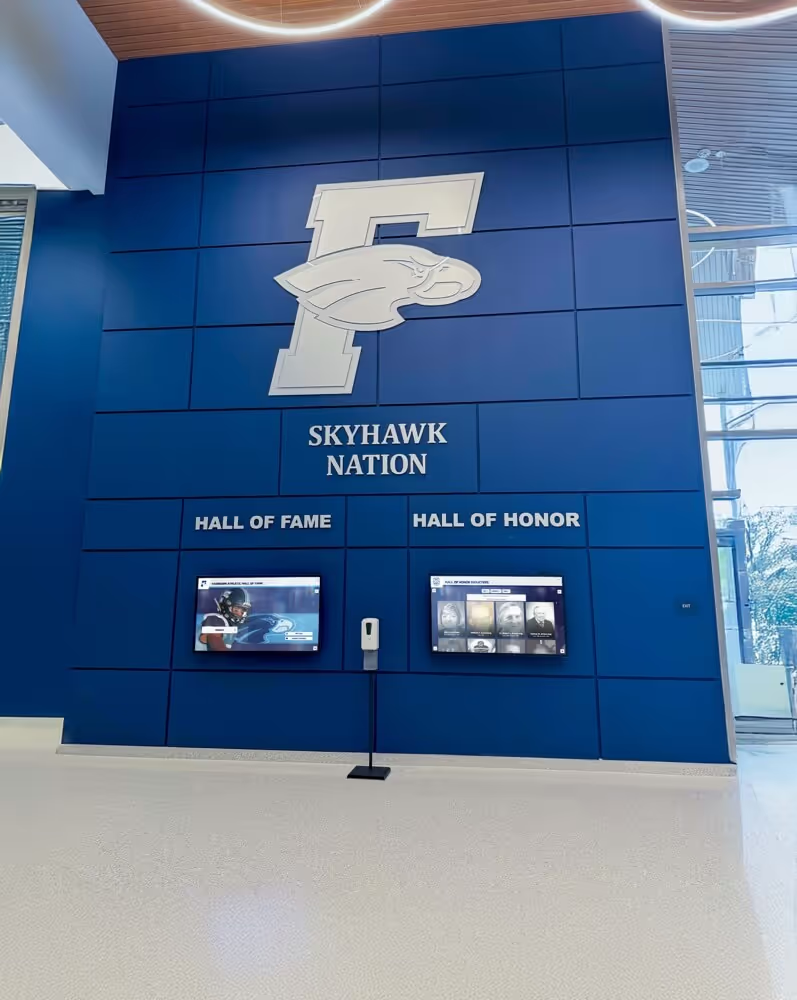
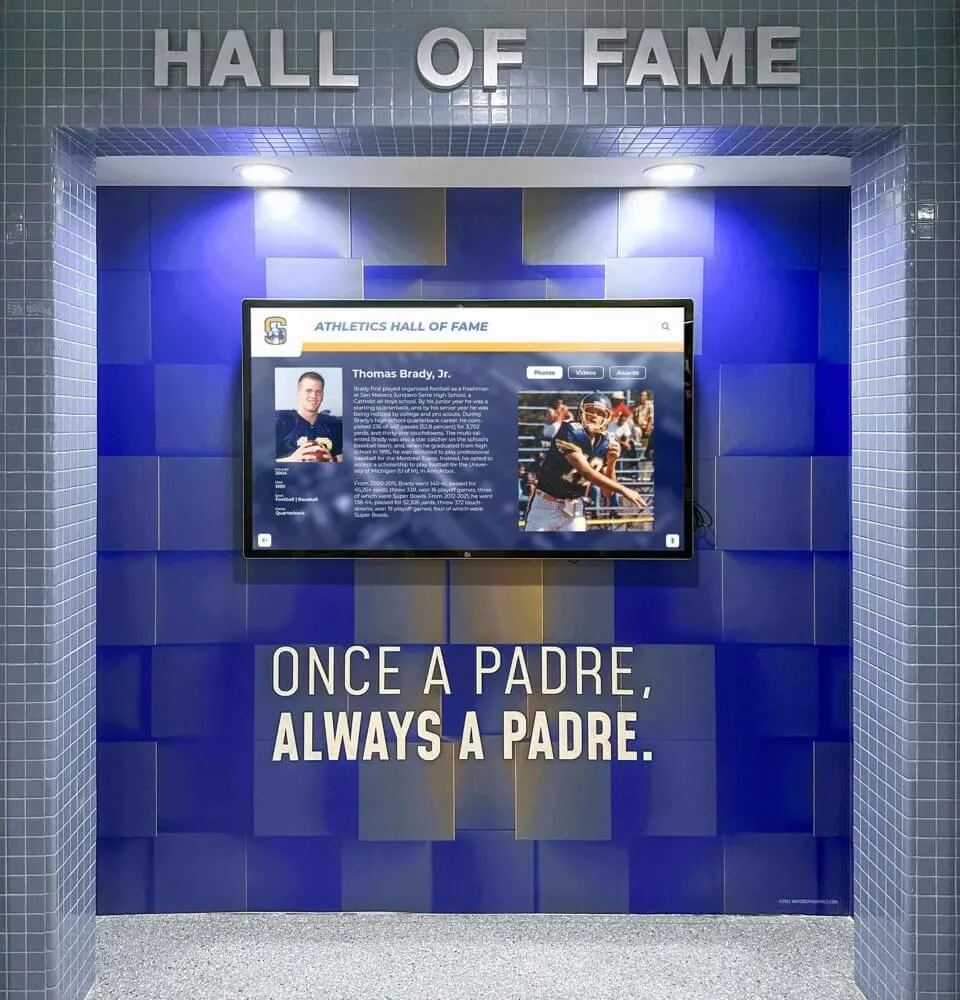
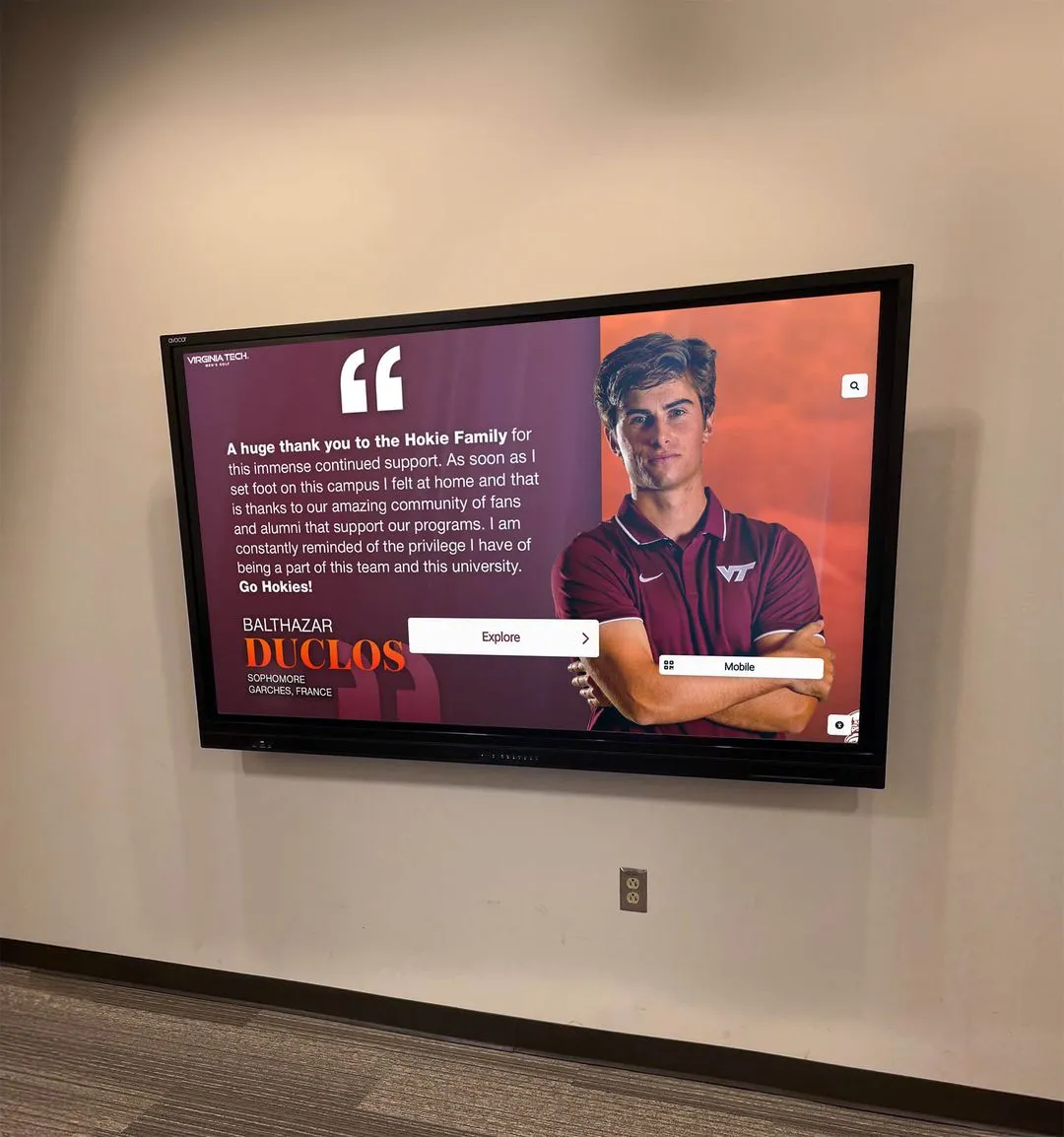
Interactive digital displays transform static archives into engaging exploration experiences
Digital Display Solutions for Greek Life History
Modern technology enables chapters to showcase history in accessible, engaging formats that traditional storage cannot match.
Interactive Touchscreen History Displays
Large-format touchscreens in chapter houses and campus Greek life centers offer intuitive access to comprehensive historical content:
Key Advantages for Chapters
- Unlimited digital capacity showcasing entire chapter history without physical space constraints
- Rich multimedia combining photos, videos, documents, and biographical information
- Searchable databases enabling members to find specific people, years, or events
- Easy content updates through software rather than physical reconstruction
- Analytics showing what historical content engages members most
- 24/7 accessibility creating ongoing engagement rather than occasional archive visits
Essential Features for Greek Life Applications Effective fraternity and sorority digital history displays should include:
- Chronological timeline views spanning chapter history from founding to present
- Search functionality by member name, year, officer position, or event
- Complete digital composites with individual member biographical information
- Photo galleries organized by year, event type, or theme
- Video integration for oral histories, event footage, and anniversary celebrations
- Distinguished alumni profiles showcasing post-graduation achievements
- Philanthropy impact documentation showing chapter community contributions
- Chapter house evolution showing facility changes across decades
Strategic Placement Considerations Digital history displays achieve maximum impact when located in:
- Chapter house common areas where members gather regularly
- Entry foyers welcoming visitors and showcasing heritage
- Recruitment spaces demonstrating chapter traditions and values
- Campus Greek life centers serving broader fraternity/sorority communities
- Alumni lounges at chapter houses facilitating reconnection during visits
Digital recognition solutions specifically designed for Greek life organizations understand the unique needs of fraternities and sororities, offering chapter-appropriate content organization and member-focused features.
Online Archives and Virtual Chapter Museums
Web-based platforms extend chapter history access beyond physical locations:
Online Archive Benefits
- Worldwide accessibility enabling alumni globally to explore chapter history
- Unlimited storage capacity for comprehensive digitized collections
- Advanced search capabilities across thousands of historical items
- Crowdsourcing opportunities inviting alumni to contribute photos, stories, and biographical updates
- Social features enabling alumni commenting, tagging, and reminiscence
- Preservation through redundant backups protecting against physical loss
- Cost-effective distribution reaching thousands without physical production expenses
Implementing Virtual Chapter Museums Creating compelling online presence:
- Comprehensive digital composites making every member year searchable
- Oral history video interviews with founders, long-serving advisors, and distinguished alumni
- Virtual chapter house tours documenting spaces and evolution
- Timeline presentations combining photos, documents, and narrative storytelling
- Digital yearbook archives if applicable for university settings
- Event photo galleries organized by year and event type
- Achievement databases documenting awards, recognition, and milestones
Many successful chapters create password-protected member sections offering full access while providing public-facing highlights showcasing chapter heritage during recruitment and alumni outreach.
Social Media Integration and Digital Storytelling
Leverage existing platforms for historical sharing:
Social Media History Campaigns Regular historical content keeps heritage visible:
- “Throwback Thursday” posts featuring historical photos with context
- Anniversary date recognition of founding or significant milestones
- “Where Are They Now” alumni spotlight series
- Historical event documentation comparing past traditions to current activities
- Founder birthday recognitions with biographical information
- Decade-focused series exploring specific eras systematically
Digital Storytelling Projects Create engaging narrative content:
- Podcast series featuring alumni oral history interviews
- Video documentary projects exploring chapter evolution
- Blog series written by alumni from different decades
- Timeline scrolling websites presenting visual historical journeys
- Interactive maps showing where members come from or where alumni have settled
- Before/after comparison content showing campus and chapter house changes
These approaches meet members where they already engage digitally while making history accessible and shareable.
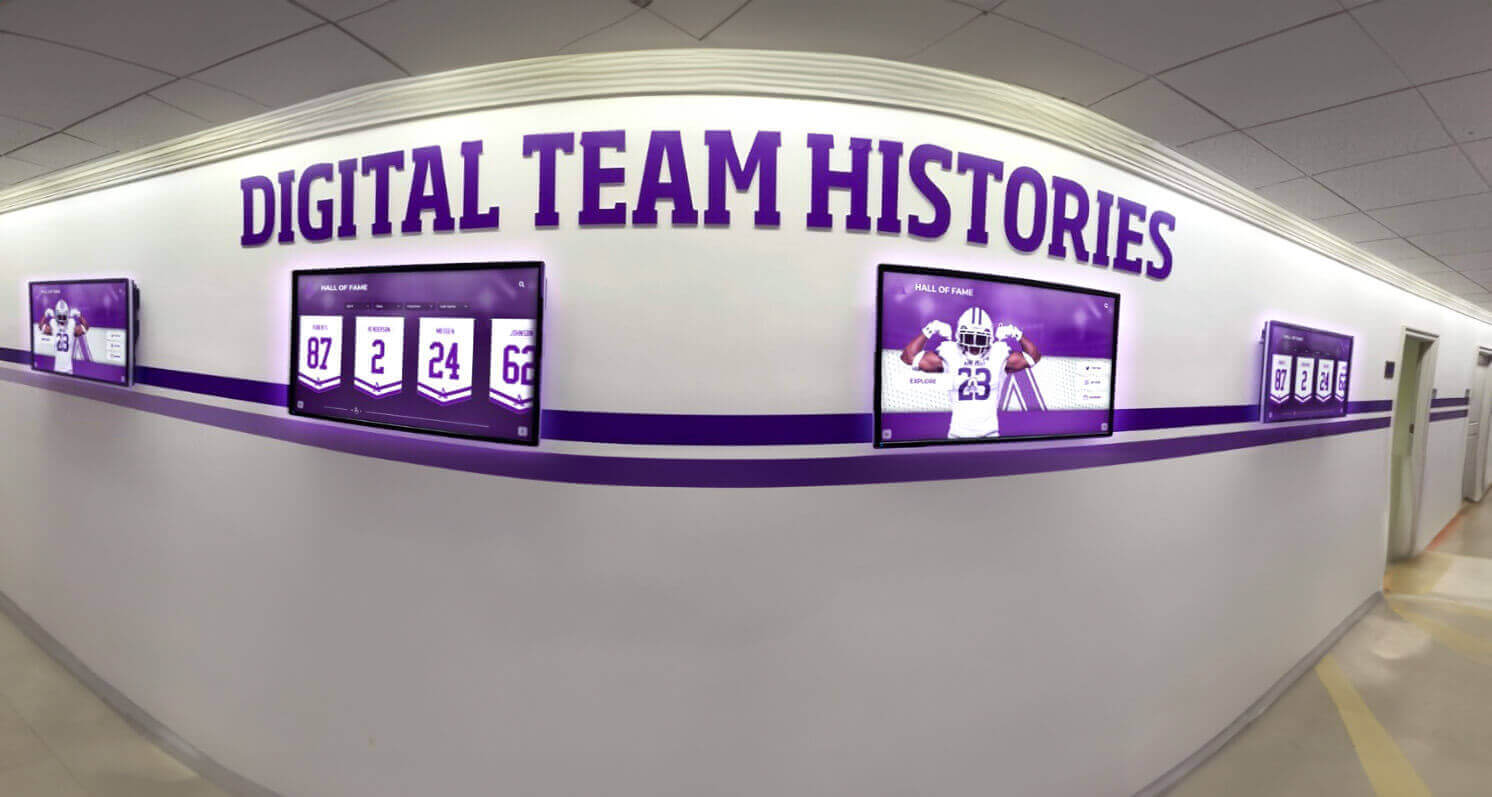
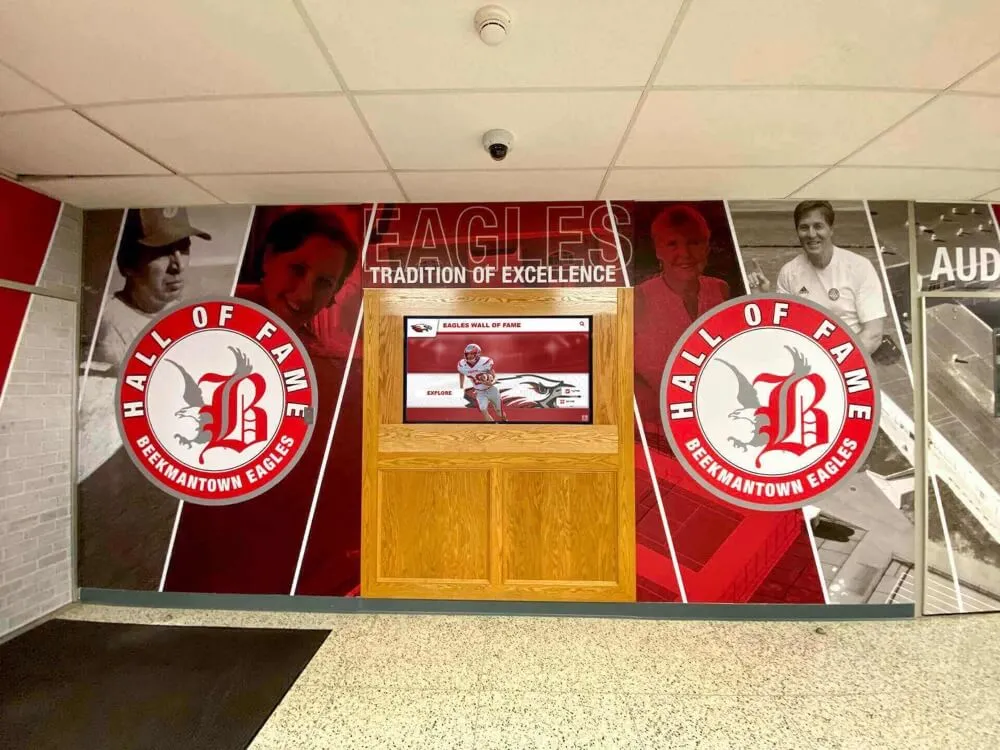
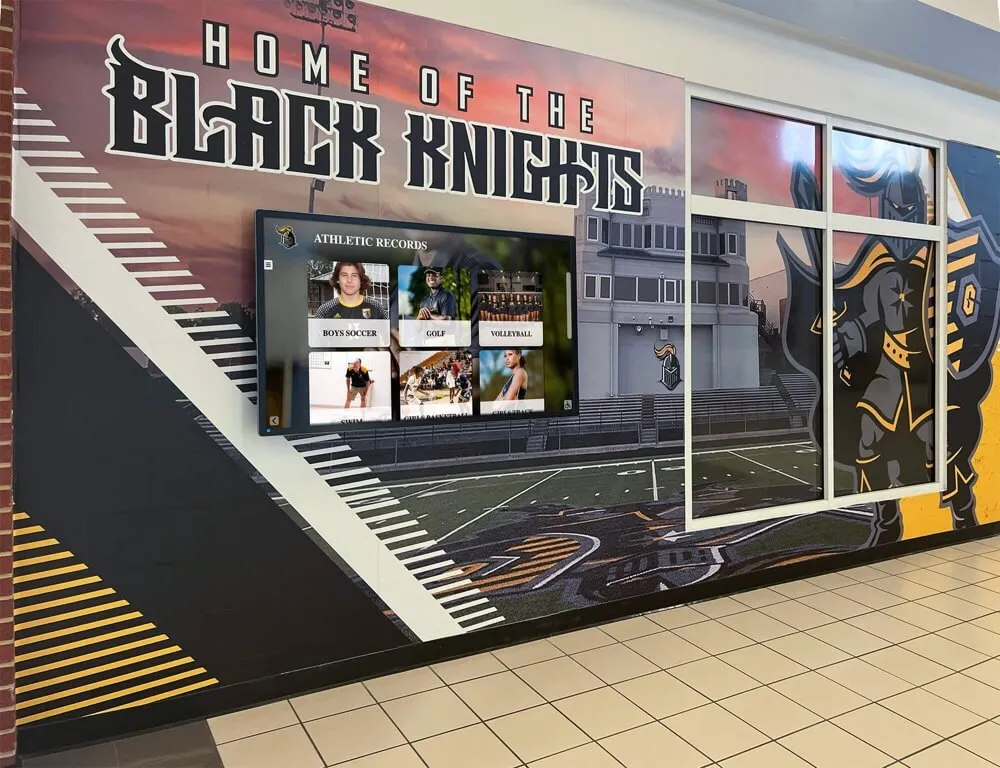
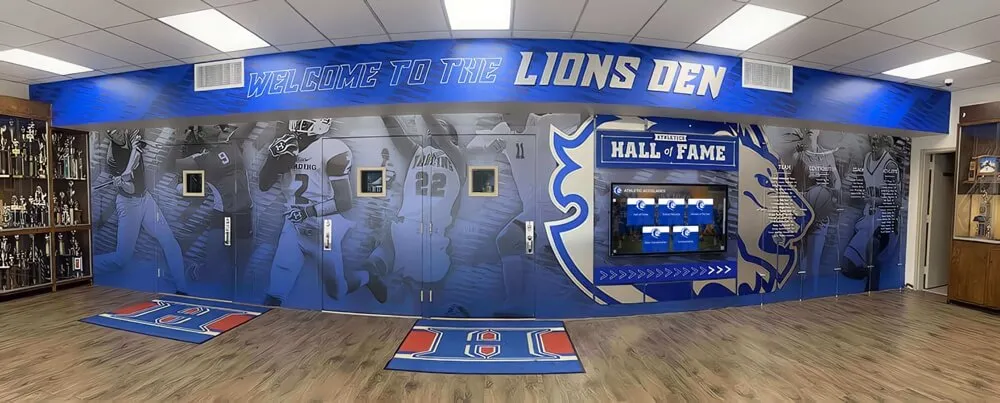
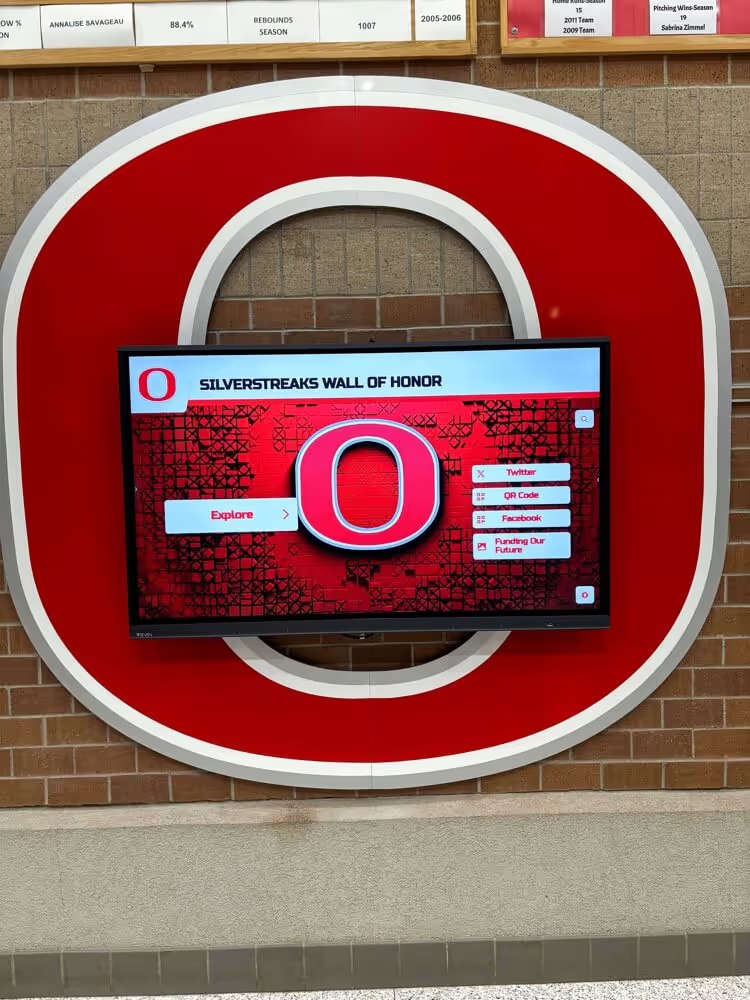
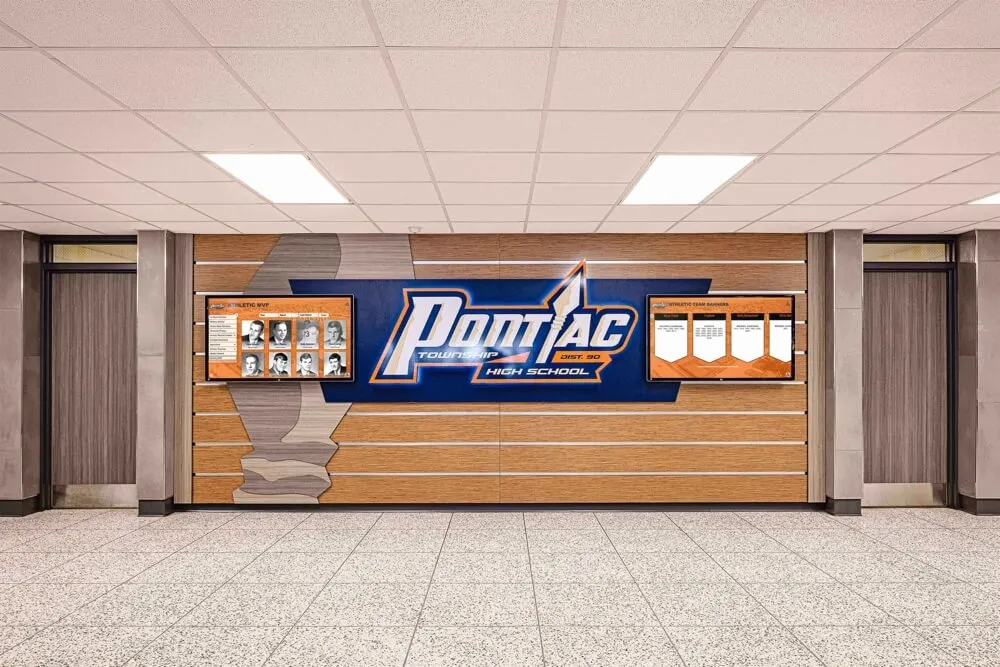
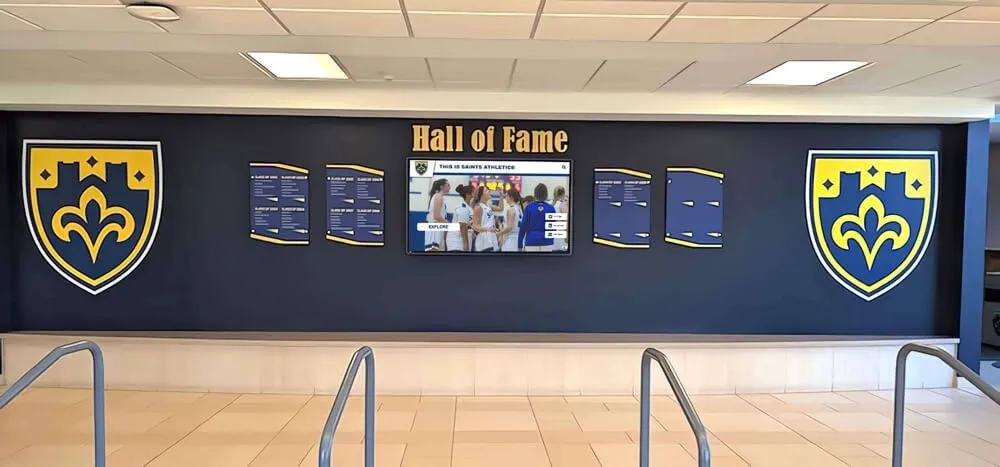
Permanent digital installations create consistent visibility for chapter heritage in high-traffic locations
Oral History Programs: Capturing Living Memory
First-person narratives add invaluable context and emotional depth that documents alone cannot provide.
Planning Oral History Interview Projects
Systematic approaches yield better results than ad-hoc conversations:
Identifying Interview Subjects Prioritize capturing memories from:
- Founding members or charter class if still living
- Longest-serving chapter advisors with decades of perspective
- Distinguished alumni with significant post-graduation achievements
- Multi-generational family members with unique perspective
- Members who served during significant chapter transitions or challenges
- Alumni who held officer positions or led major initiatives
- Oldest living members possessing earliest institutional memory
Developing Interview Questions Create standardized frameworks covering key topics:
- What attracted you to the chapter initially?
- Describe your new member/pledge experience
- What chapter traditions were most meaningful to you?
- Who were the most influential members or advisors during your time?
- What significant events or changes occurred during your membership?
- How did your chapter experience influence your life trajectory?
- What advice would you give to current members?
- What do you hope future generations understand about chapter heritage?
Standardized questions enable comparison across different eras while allowing flexibility for individual storytelling.
Recording and Preserving Oral Histories
Technical quality ensures lasting value:
Video Recording Best Practices
- Professional or semi-professional video quality ensuring clear, watchable footage
- Good audio quality with external microphones preventing unclear recordings
- Appropriate lighting creating professional appearance
- Stable camera positioning avoiding distracting movement
- Background selection reflecting chapter connection (chapter house, campus locations)
- Multiple camera angles when possible adding production value
Audio-Only Alternatives When video isn’t feasible:
- High-quality digital audio recording with professional microphones
- Quiet recording environments minimizing background noise
- Backup recording devices preventing loss if primary fails
- Audio editing removing technical issues while preserving authentic content
Creating Accessible Transcripts Written transcripts multiply value:
- Professional transcription services ensuring accuracy
- Searchable text enabling specific topic location
- Accessibility for those preferring reading to video viewing
- Preservation of content even if video files become obsolete
- Indexing by topic, name, or theme enabling research
Permission and Release Documentation Protect chapter interests:
- Signed release forms authorizing chapter use of recordings
- Clear understanding of how interviews will be used
- Privacy protections for sensitive topics if appropriate
- Copyright clarity ensuring institutional ownership
- Storage plan for original recordings ensuring preservation
Oral history collections become treasured chapter resources that engage members emotionally in ways other historical materials cannot match. These personal narratives bring history to life, creating connections between current members and the generations who built chapter foundations.
Engaging Current Members in Historical Preservation
Member involvement creates educational opportunities while building content and organizational support.
Member-Led Research and Documentation Projects
Active participation deepens historical understanding:
Historical Research Assignments
- Individual members “adopting” specific years or decades to research comprehensively
- Officer position histories tracking leadership evolution
- Facility history projects documenting chapter house changes
- Tradition origin research exploring when and why customs began
- Comparing chapter history to national organization development
- Creating written histories suitable for publication or chapter websites
Digitization Volunteer Programs Hands-on preservation work:
- Scanning parties where members digitize photos together
- Document organization sessions sorting and cataloging materials
- Metadata creation adding descriptions to digital files
- Photo identification parties where older alumni help identify people in historical photos
- Composite digitization projects creating searchable databases
- Social media content creation from historical materials
New Member Education Integration Incorporate history into membership development:
- Historical presentations during new member periods
- Scavenger hunts exploring chapter heritage
- Research assignments about founding principles and early members
- Multi-generational connection programs linking new members with alumni from their hometowns
- Heritage quizzes testing historical knowledge
- Reflection assignments connecting historical values to current experience
Creating Living History Events
Experiential approaches bring heritage to life:
Historical Celebration Events
- Founder’s Day celebrations with historical presentations
- Decade-themed parties recreating eras from chapter history
- Historical photo displays at chapter house events
- Time capsule opening or burial ceremonies
- Anniversary celebrations comprehensively documenting chapter evolution
- Historical reenactments of founding or significant moments
Alumni History Panels
- Homecoming presentations featuring alumni from different decades
- Career panels highlighting distinguished alumni achievements
- “Then and Now” discussions comparing experiences across generations
- Reunion programming focused on reminiscence and storytelling
- Virtual events connecting dispersed alumni through video conferencing
- Mentorship programs pairing current members with alumni based on interests
Campus and Community Engagement
- Historical exhibits in campus libraries or Greek life centers
- Presentations for campus history classes or Greek life councils
- Community service projects documenting chapter philanthropy impact
- Local historical society partnerships preserving broader Greek life heritage
- Campus archive donations ensuring institutional preservation
- Greek life history projects involving multiple chapters
These active engagement approaches transform preservation from archival work into community-building experiences that strengthen organizational bonds.
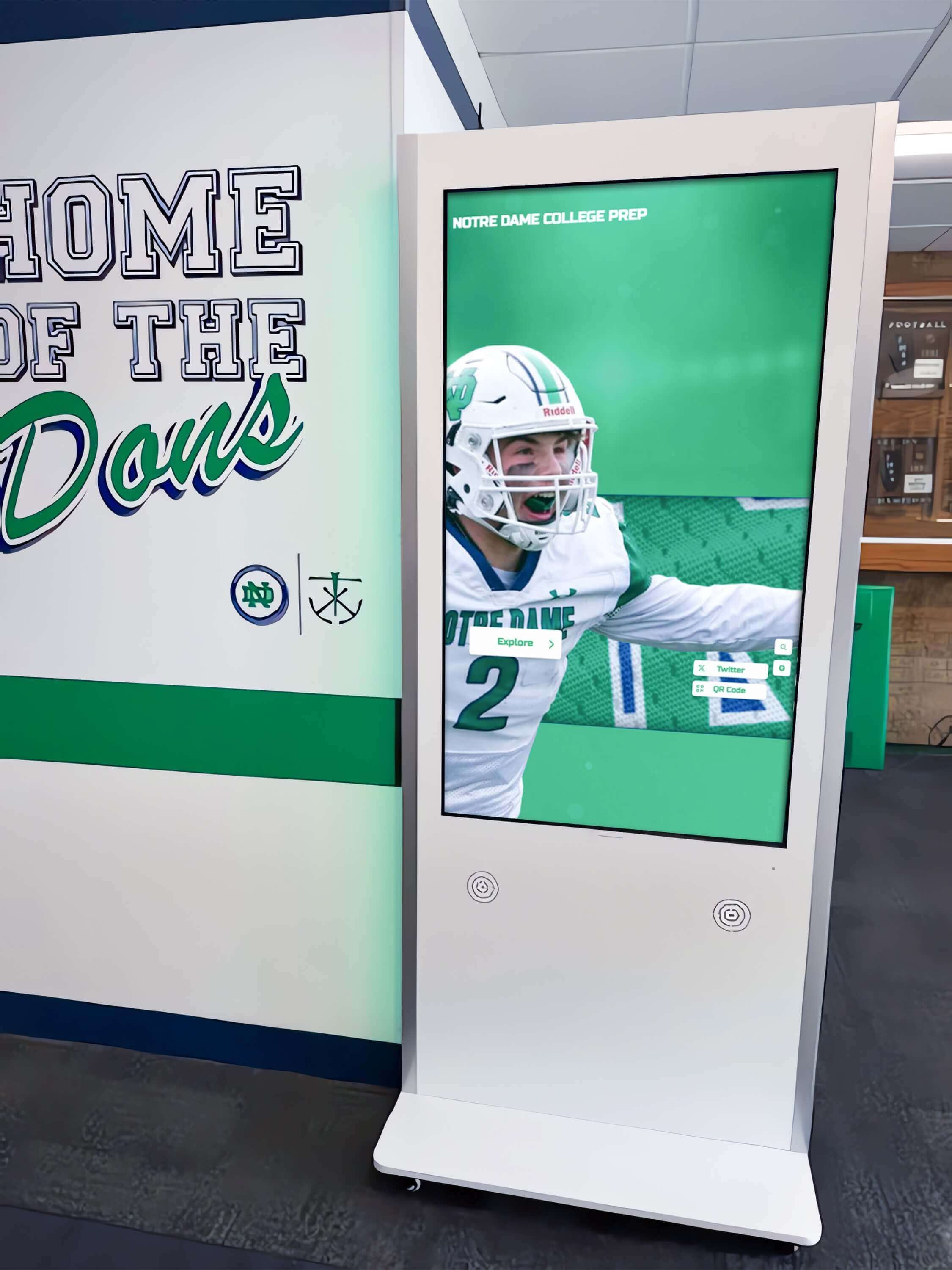
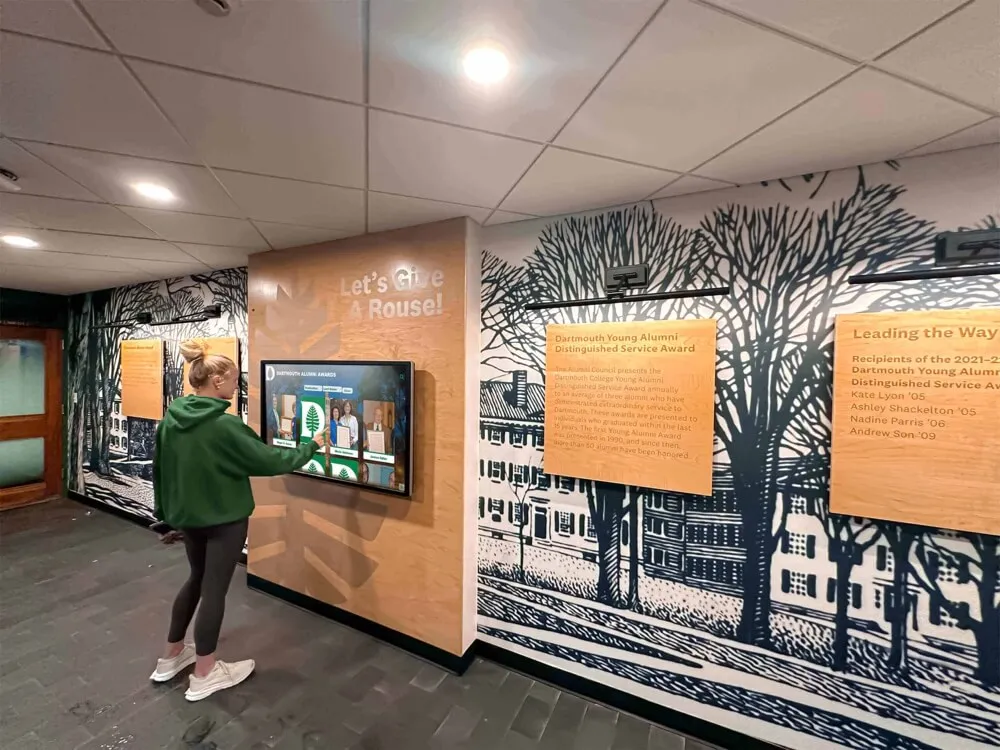
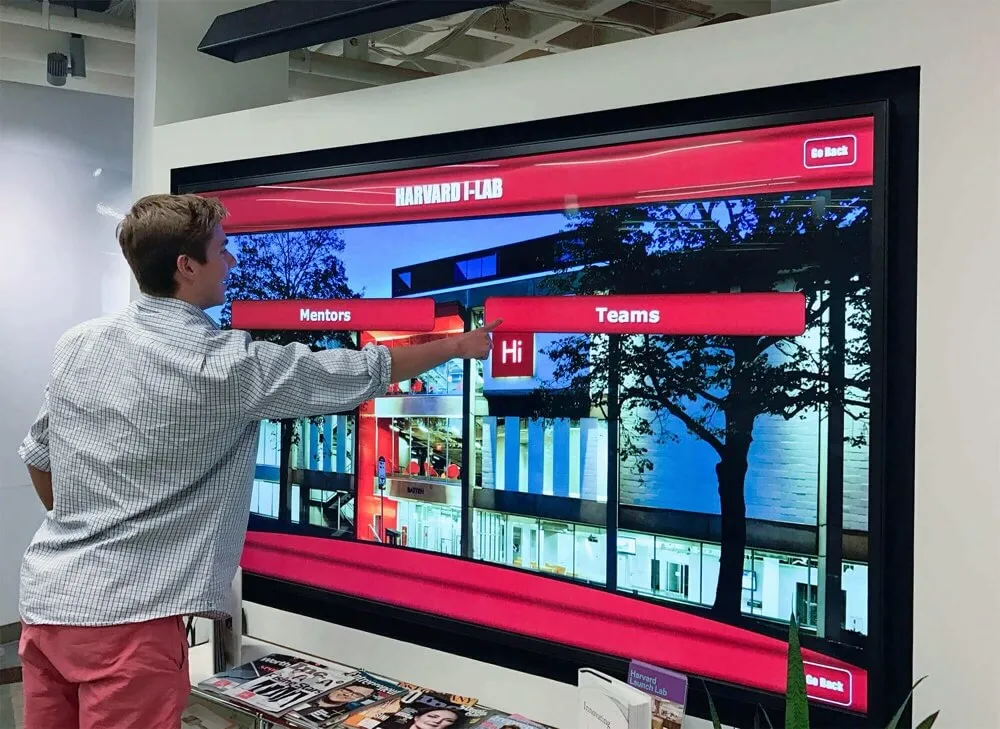
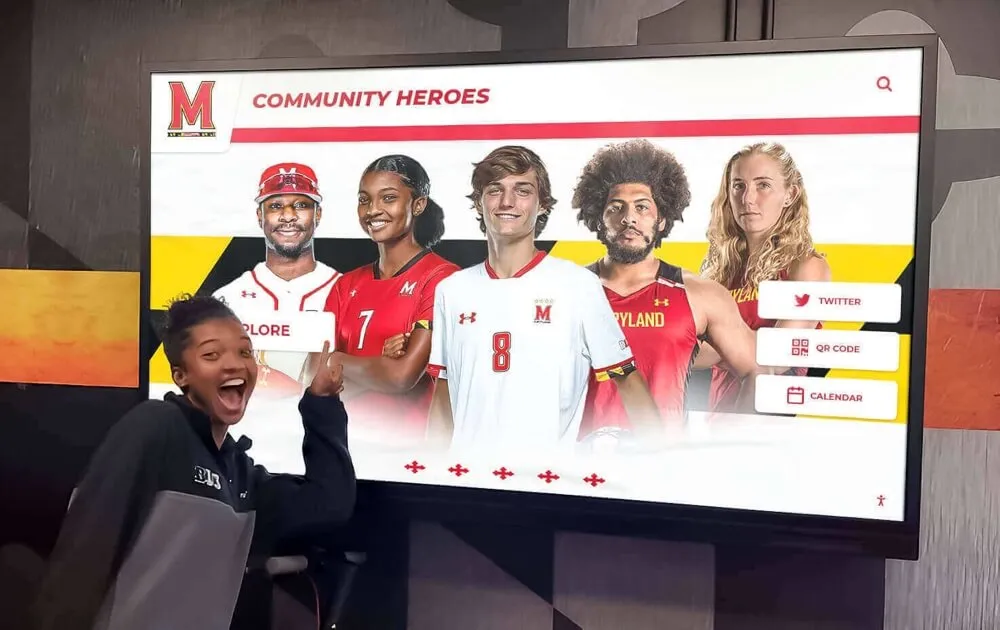
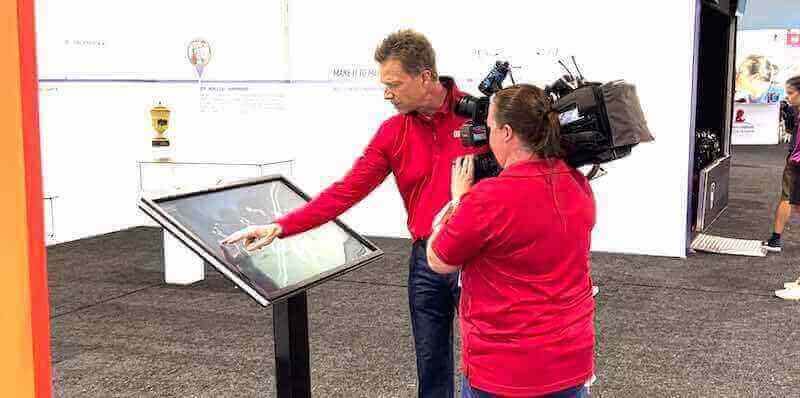
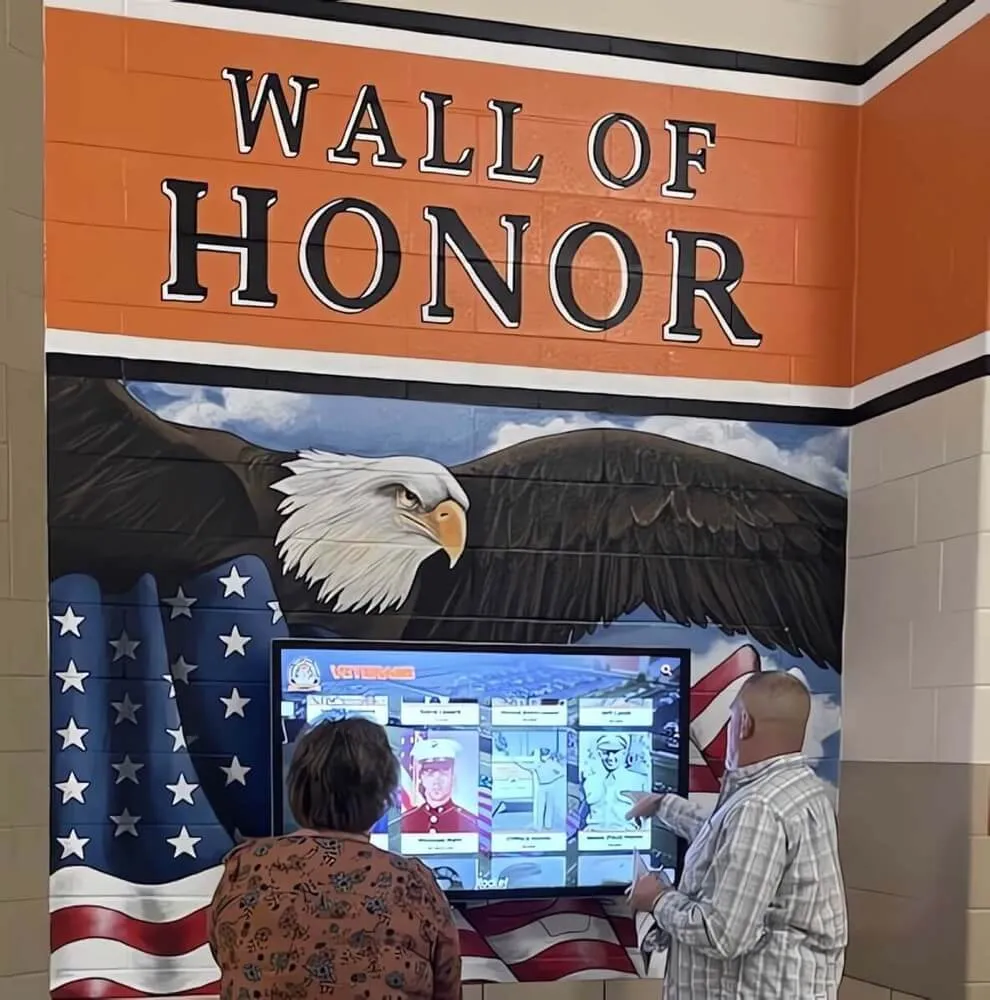
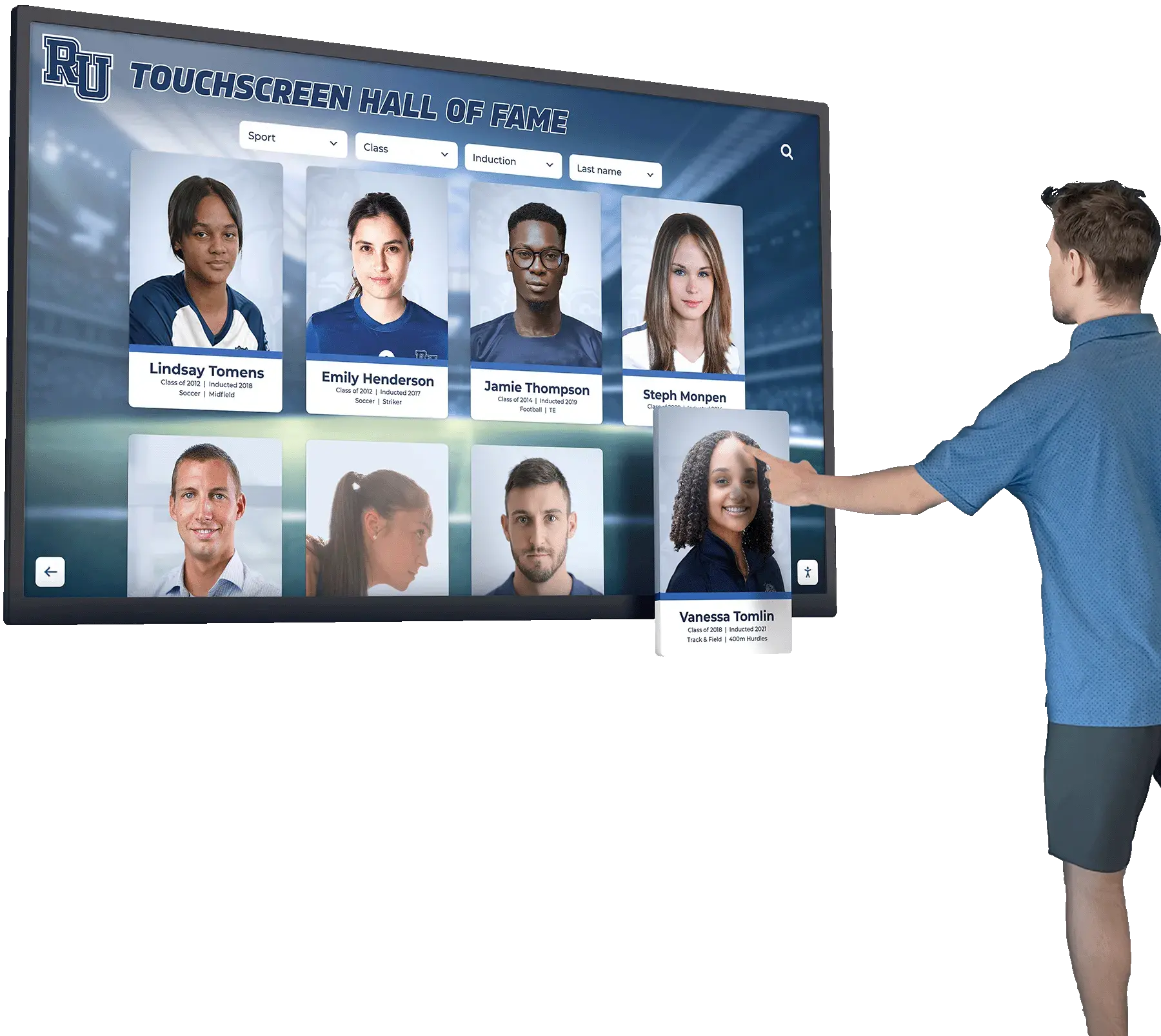
User-friendly touchscreen interfaces encourage exploration and interaction with historical content
Partnership Opportunities for Historical Preservation
External resources can significantly enhance chapter preservation capabilities.
University Archives and Special Collections
Many campuses offer valuable resources:
Campus Archive Programs Universities increasingly establish programs to actively collect fraternity and sorority history:
- Professional archival expertise and proper storage facilities
- Cataloging services making materials discoverable
- Preservation equipment and supplies
- Research access for students, alumni, and historians
- Long-term institutional commitment ensuring perpetual preservation
- Integration with broader campus history collections
Greek Life Heritage Centers Some universities create dedicated Greek life museums or heritage centers:
- Consolidated preservation of all campus chapter histories
- Professional exhibits showcasing Greek life contributions
- Educational programming about fraternity/sorority heritage
- Reunion destination for alumni from all chapters
- Research facilities for Greek life studies
- Recruitment showcases demonstrating Greek life value
Check with your university’s special collections department about partnership opportunities and existing programs supporting Greek life historical preservation.
National Organization Resources
Fraternity and sorority headquarters often provide support:
Headquarters Archives Most national organizations maintain archives:
- Storage for historically significant chapter materials
- Guidance about what to preserve and how
- Connections to other chapters for comparative research
- Access to national historical materials contextualizing chapter history
- Professional archivists available for consultation
- Potential digitization support or funding
National Heritage Programs Many organizations offer:
- Historical preservation grants or awards
- Best practice guidelines for chapter historians
- Training programs teaching preservation skills
- Annual history competitions recognizing excellence
- Online platforms for chapter history sharing
- Anniversary celebration support for significant milestones
Convention Resources National gatherings provide:
- Historical preservation workshops and training
- Networking with historians from other chapters
- Awards recognizing chapters with excellent historical programs
- Vendor exhibits featuring preservation products and services
- Inspiration from chapters with exemplary practices
Professional Digitization and Archive Services
Specialized companies serve Greek life organizations:
Digital Preservation Services Professional services offer:
- Large-scale scanning projects digitizing entire archives efficiently
- Professional photo restoration repairing damaged historical images
- Metadata creation adding searchable information
- Digital platform development creating custom historical websites
- Oral history recording and production services
- Ongoing digital archive management and hosting
Organizations like HistoryIT specialize in helping fraternities and sororities transform archival materials into accessible digital collections, understanding unique Greek life needs and organizational structures.
Composite Photo Solutions Specialized services address composite management:
- High-resolution digitization of decades of composites
- Individual member photo extraction from group images
- Digital composite displays replacing physical limitations
- Searchable databases linking to biographical information
- Web-based access enabling alumni worldwide to view composites
- Integration with broader historical platforms
These professional services enable comprehensive preservation projects that volunteer-dependent chapters might struggle to complete independently.
Budget-Friendly Preservation Approaches
Comprehensive historical preservation doesn’t require unlimited budgets—strategic approaches maximize impact within constraints.
Low-Cost Traditional Preservation
Start with affordable foundational approaches:
DIY Organization Projects
- Member volunteer labor for sorting and cataloging
- Consumer-grade scanners for modest digitization projects
- Free cloud storage for digital backups (Google Drive, Dropbox)
- Repurposed bookshelves or filing cabinets for organized storage
- Local office supply store archival boxes and folders
- Student graphic design skills for historical presentation creation
Leveraging University Resources
- Campus library interlibrary loan scanners for high-quality digitization
- Student worker wages potentially covering historical assistant costs
- Campus IT infrastructure for website hosting
- University print shops for historical poster or display production
- Student club funding potentially supporting heritage programming
- Academic course projects creating historical research or digital products
Alumni Expertise and Donations
- Professional archivists, librarians, or historians among alumni offering guidance
- Graphic designers creating historical publications or displays
- Video production professionals recording oral histories
- Financial contributions from alumni interested in heritage preservation
- Equipment donations (computers, scanners, display screens)
- Space donations for preservation work or historical storage
Affordable Digital Solutions
Technology options exist at various price points:
Basic Digital Displays
- Consumer-grade smart TVs running slideshow presentations
- Raspberry Pi-powered digital signage costing under $200
- Google Slides or PowerPoint presentations on donated displays
- Free website builders (Wix, Google Sites) for online archives
- Social media platforms requiring zero direct cost
- Video hosting on YouTube or Vimeo for oral histories
Phased Implementation Strategies Build comprehensive systems gradually:
- Start with single high-priority project (composites or founding documents)
- Add content systematically rather than attempting complete coverage immediately
- Expand to additional features as budget allows
- Upgrade technology incrementally as equipment ages
- Partner with alumni associations for funding support
- Apply for grants as discussed below
Grant and Funding Opportunities
External funding can support more ambitious projects:
National Organization Grants Many fraternities and sororities offer:
- Historical preservation grants for chapter projects
- Educational foundation funding for heritage programming
- Anniversary celebration support for milestone years
- Housing corporation assistance for facility-related historical work
University Funding Sources Campus resources might include:
- Greek life office programming budgets
- Alumni association grants for heritage projects
- Student organization funding through campus processes
- Academic department support if historical work connects to coursework
- Campus anniversary or capital campaign funds
Foundation and Corporate Grants Broader funding opportunities:
- Local community foundations supporting heritage preservation
- State humanities councils offering cultural programming grants
- Historical society grants for archival projects
- Corporate sponsors interested in supporting education and leadership development
Alumni Fundraising Campaigns Dedicated heritage campaigns:
- Capital campaigns for comprehensive digitization and display projects
- Crowdfunding platforms enabling small-dollar alumni contributions
- Anniversary reunion giving focused on historical preservation
- Memorial giving opportunities honoring deceased members through heritage support
- Legacy society benefits including historical recognition
Successful grant applications typically include clear project descriptions, detailed budgets, evidence of organizational commitment, sustainability plans, and measurable outcomes demonstrating impact.
Maintaining and Growing Chapter Archives
Initial implementation represents only the beginning—sustainable management ensures historical programs remain current and valuable.
Establishing Ongoing Workflows
Systematic processes prevent archives from becoming outdated:
Annual Collection Cycles Build routine gathering:
- End-of-year materials collection from all officers
- Event photo submissions following significant activities
- Composite photo additions as produced
- Updated member biographical information including post-graduation updates
- Publications and communications materials from each semester
- Financial and governance documents per retention schedules
Officer Transition Protocols Ensure continuity:
- Comprehensive handoff meetings between outgoing and incoming historians
- Documentation guides explaining archival systems and responsibilities
- Required submission of officer materials to archives
- Central storage preventing materials from leaving with graduating members
- Alumni advisor backup oversight ensuring nothing falls through cracks
Digital Asset Management Organize ongoing digital materials:
- Consistent file naming conventions across years
- Regular backups to multiple locations
- Cloud storage with chapter rather than individual accounts
- Centralized photo libraries for all chapter events
- Social media content archiving capturing digital presence
- Email archive systems preserving important correspondence
Quality Control and Accuracy
Historical materials require verification:
Fact-Checking Procedures
- Multiple source verification for historical claims
- Alumni consultation confirming memories and details
- Cross-referencing chapter records with national organization documentation
- Correction processes when errors are discovered
- Attribution documentation for photos and information sources
Metadata Quality Ensure digital materials include:
- Accurate dates for photos and documents
- Correct names for individuals in photographs
- Event descriptions providing context
- Location information when relevant
- Photographer or content creator attribution
- Copyright and permission status
Regular Content Audits
- Systematic reviews identifying gaps in collections
- Technology checks ensuring displays and websites function properly
- User feedback gathering from members and alumni
- Representation assessments ensuring balanced coverage across eras
- Comparison with other chapters identifying potential improvements
Expanding and Evolving Archives Over Time
Historical programs should grow with chapters:
Strategic Expansion Planning
- Priority identification for new content areas or time periods
- Technology upgrade paths as systems age or capabilities improve
- Space planning accommodating archive growth
- Budget forecasting for ongoing development and maintenance
- Member education ensuring new generations value preservation
Incorporating New Technologies As capabilities evolve, consider:
- Augmented reality adding digital layers to physical spaces
- Artificial intelligence enabling conversational historical interfaces
- Advanced analytics showing member engagement patterns and demonstrating ROI
- Virtual reality experiences recreating historical chapter house spaces or events
- Blockchain verification for authenticating historical records
Building Comprehensive Digital Heritage Mature programs develop:
- Fully searchable digital archives spanning entire chapter history
- Interactive timeline experiences showing evolution visually
- Mobile apps enabling anywhere access to chapter heritage
- Integration with broader Greek life historical platforms
- Contribution from alumni worldwide enriching collections continuously
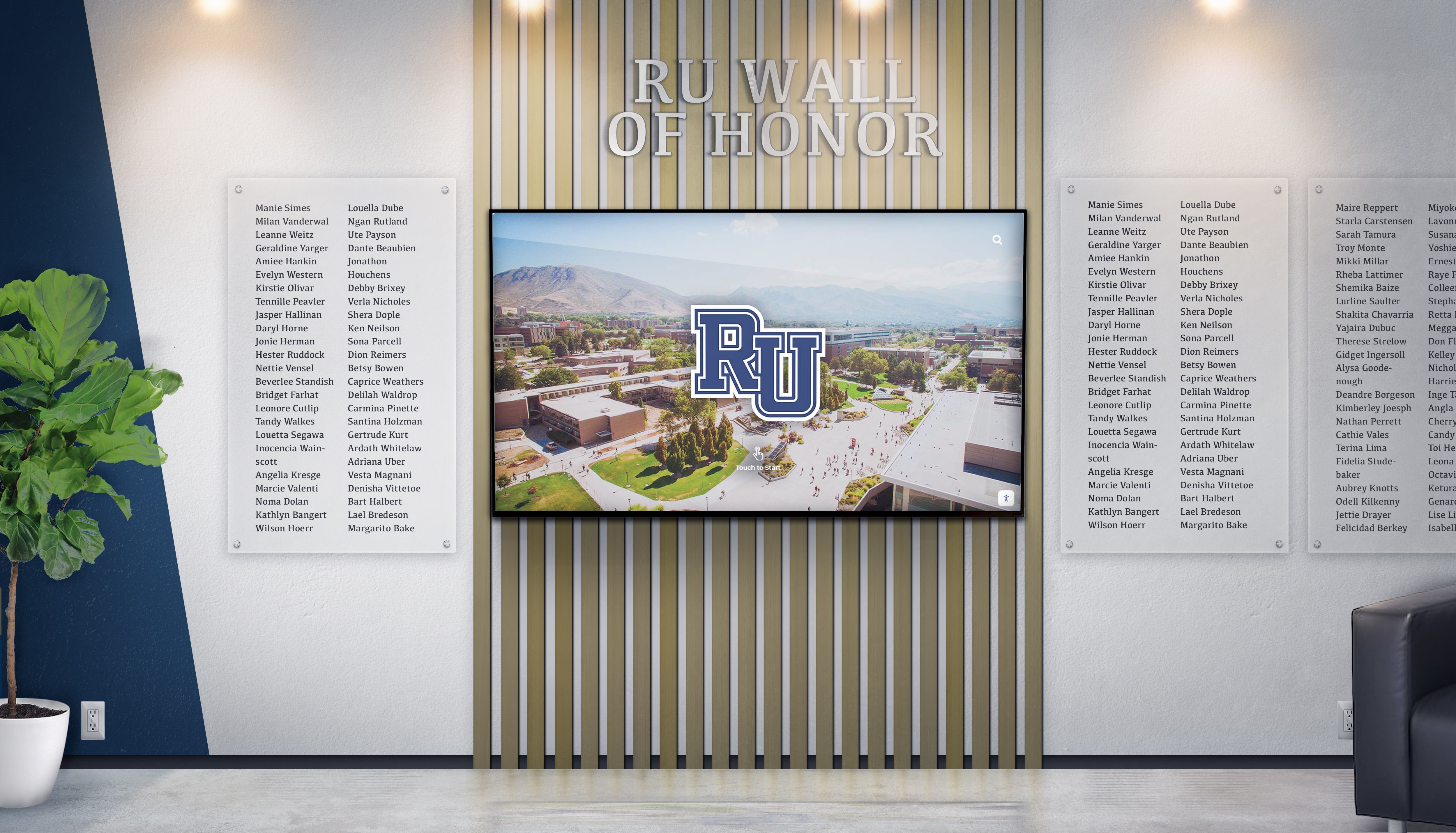
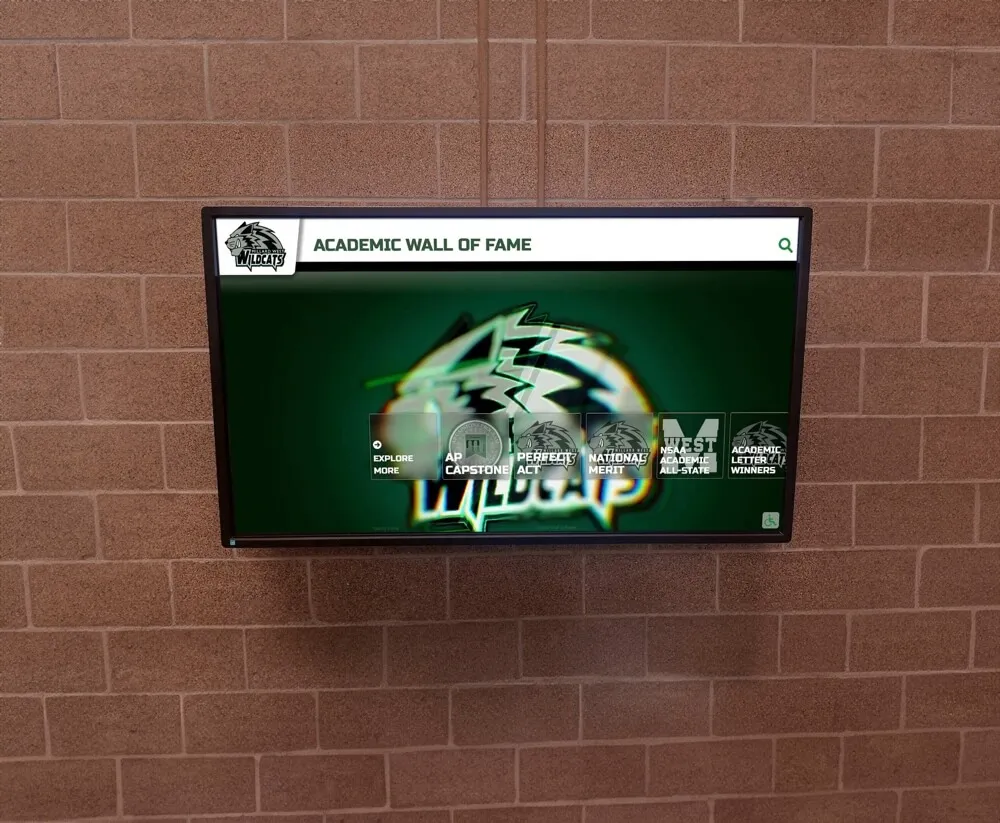
Comprehensive digital platforms combine historical archives with interactive search and display capabilities
Measuring Success and Organizational Impact
Assessment ensures historical preservation investments deliver intended value:
Quantitative Success Indicators
Measurable metrics demonstrate impact:
For Digital Displays and Platforms
- Unique user counts over time periods
- Average interaction duration indicating engagement depth
- Search queries revealing what members and alumni seek
- Content popularity identifying most-viewed historical materials
- Return user rates showing sustained interest
- Social sharing metrics indicating content resonance
For Traditional and Hybrid Programs
- Archive access frequency showing utilization
- Research requests from members, alumni, or historians
- Materials digitized tracking preservation progress
- Alumni contributions of photos, stories, or biographical updates
- Event attendance at history-focused programming
- Volunteer participation in preservation projects
For Organizational Impact
- Alumni engagement metrics at reunions and homecoming
- Giving participation rates among informed alumni
- Recruitment feedback mentioning chapter heritage and traditions
- Member retention potentially influenced by organizational connection
- Campus recognition of chapter historical excellence
Qualitative Impact Assessment
Numbers don’t capture complete value:
Member and Alumni Feedback
- Testimonials about emotional connection through history access
- Stories about alumni reconnecting through historical materials
- Member reflections about organizational pride and understanding
- Advisor perspectives about educational value
- National organization recognition of excellence
Observed Organizational Benefits
- Enhanced recruitment presentations showcasing heritage
- Stronger new member education grounded in historical understanding
- Deeper alumni relationships through shared history
- Protected chapter legacy surviving leadership transitions
- Recognition as chapter valuing tradition and continuity
- Community belonging created through shared heritage awareness
Anecdotal Success Stories
- Alumni discovering classmates through searchable digital archives
- Members pursuing deeper learning about founding principles
- Families with multi-generational membership connected through historical documentation
- Lost photographs rediscovered through digitization projects
- Chapter traditions preserved and explained for future generations
These qualitative impacts often exceed initial expectations, demonstrating that historical preservation creates value far beyond simple documentation.
Conclusion: Creating Living Archives That Honor Heritage While Building Future
Preserving fraternity and sorority history effectively requires more than dusty boxes in chapter house basements or forgotten composites in storage. The most impactful approaches combine thoughtful content selection with accessible presentation formats, honor tradition while remaining relevant to current generations, leverage technology appropriately without abandoning valuable physical artifacts, engage members and alumni as active participants in preservation, and establish sustainable management ensuring archives remain current and valuable for decades.
Whether through traditional archival methods, modern digital installations, oral history programs, or hybrid approaches combining multiple strategies, effective Greek life historical preservation creates powerful connections between founding principles and current experiences. Strong historical programs strengthen organizational identity by making heritage tangible and accessible, inspire current members by demonstrating values established by previous generations, engage alumni by honoring their contributions and maintaining emotional connections, support recruitment by showcasing chapter traditions and excellence, and preserve irreplaceable materials before they’re lost to time or deterioration.
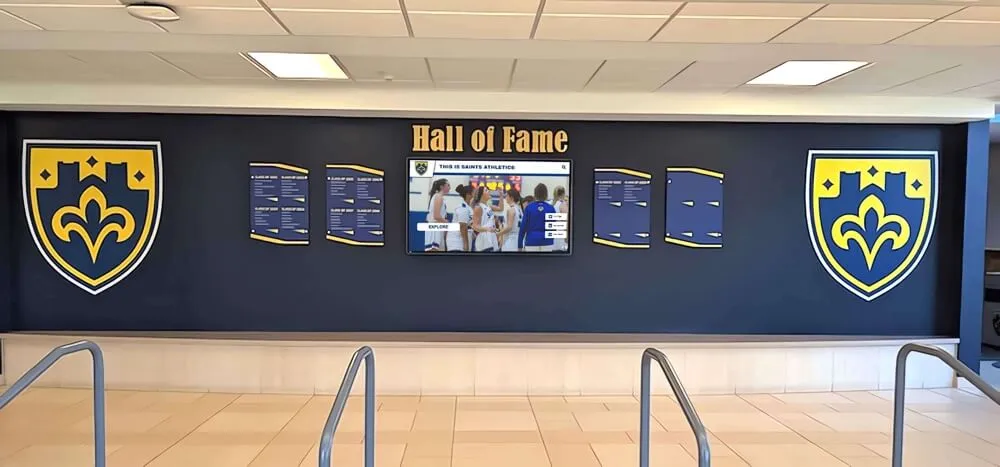
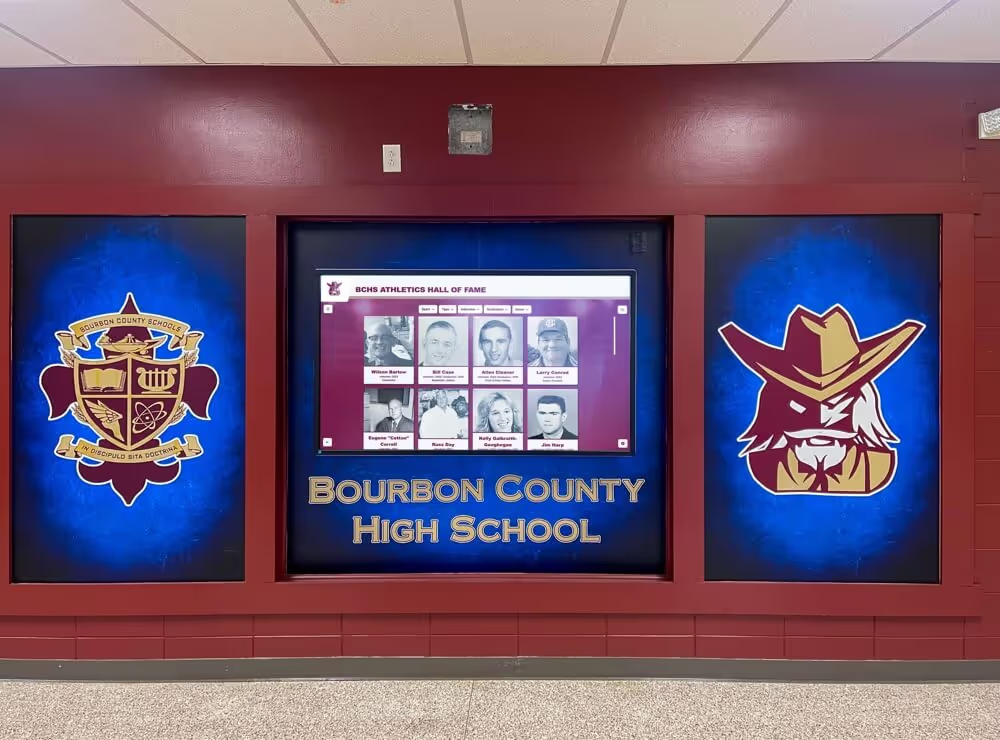
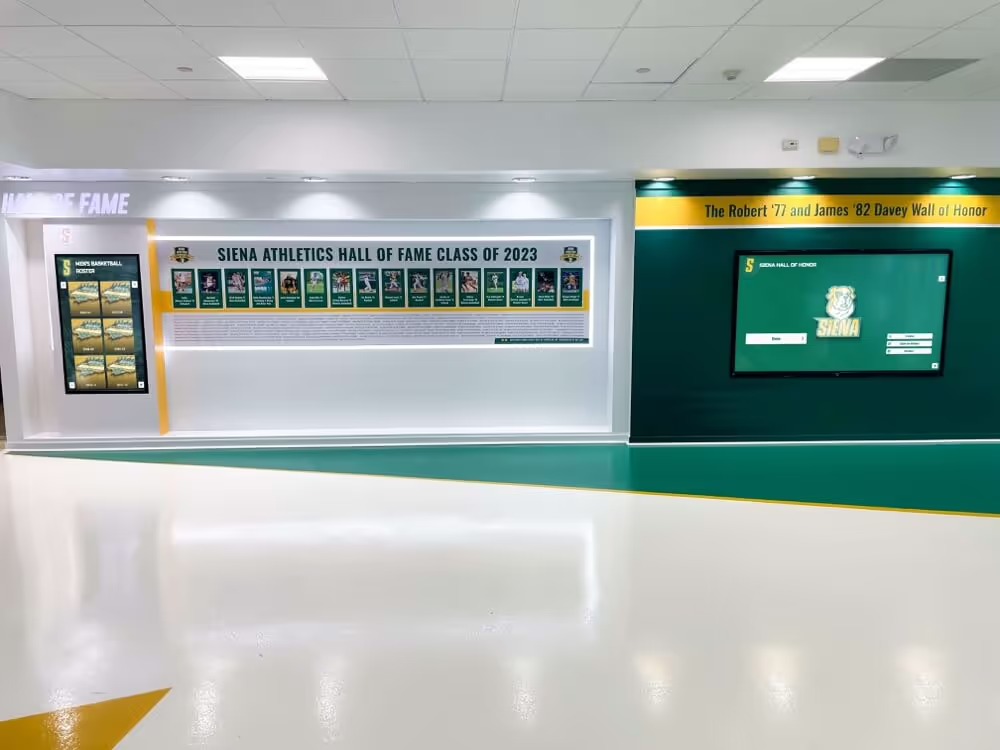
Effective preservation combines traditional aesthetics with modern accessibility and engagement capabilities
Chapters planning historical preservation should begin by assessing what materials currently exist and what stories deserve telling, engaging diverse stakeholders including current members, alumni, advisors, and national organization, selecting approaches matching chapter capabilities and priorities rather than attempting overly ambitious projects, committing to systematic digitization protecting materials before deterioration, and establishing sustainable management workflows ensuring programs evolve with chapters.
Transform How Your Chapter Preserves and Displays Its History
Discover how modern digital recognition solutions can help you preserve, showcase, and celebrate your fraternity or sorority's unique heritage while engaging members and alumni across generations.
Explore Greek Life Heritage SolutionsYour chapter’s history represents decades or even more than a century of brotherhood or sisterhood, achievement, tradition, and organizational impact deserving recognition equal to the dedication that created it. Every founding member, distinguished alumnus, significant philanthropy milestone, and chapter tradition contributes to collective identity that current and future members should understand, appreciate, and continue building upon.
Start where you are with resources available—even simple preservation efforts created thoughtfully provide more value than comprehensive plans never implemented. As you build momentum, expand systematically adding content, improving technology, and deepening member and alumni engagement. The most important step is beginning the preservation process before more history is lost to time, deterioration, or simple neglect.
Ready to preserve and showcase your fraternity or sorority’s unique heritage? Learn about digital composite display solutions eliminating space constraints while making member photos searchable and accessible. Explore approaches to building comprehensive digital archives that protect materials while engaging alumni worldwide. Consider interactive alumni directory platforms connecting graduates with chapter history while facilitating multi-generational relationships. Discover comprehensive digital recognition platforms from Rocket Alumni Solutions designed specifically for Greek life organizations prioritizing heritage preservation and member engagement.
Your chapter’s history matters. Make it visible, accessible, and engaging for the generations who created it and those who will continue building upon the foundation they established. Brotherhood and sisterhood extend across decades—ensure your chapter’s story remains available to inspire and guide members for generations to come.