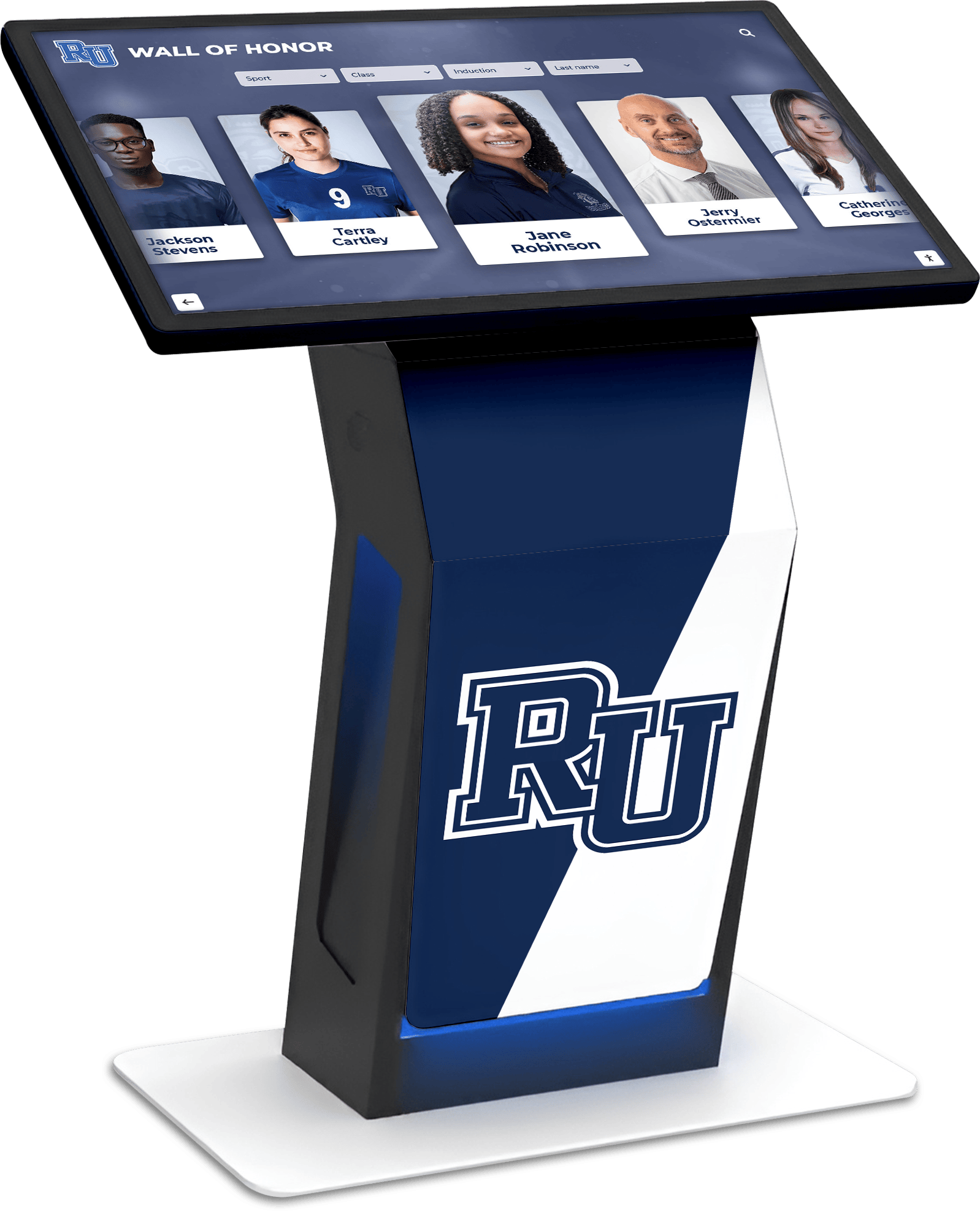




Every morning when a school recognition display powers on in an athletic lobby or trophy corridor, the device re-establishes a secure TLS connection to its cloud content management platform. If TLS session resumption is configured and validated on the platform endpoint, that handshake completes in one round trip instead of two, shaving hundreds of milliseconds off the startup sequence and reducing CPU load on the kiosk hardware. If session resumption is misconfigured—or silently broken after a platform update—the display falls back to a full TLS handshake on every reconnect. For a single screen that is rarely observed at boot, this is a minor annoyance. For an athletic hall of fame with a dozen kiosks that are all scheduled to wake at 7 a.m. before a tournament or signing day event, degraded reconnection performance becomes a visible operational problem.
A recognition display TLS session resumption test is a structured verification procedure that confirms the school’s recognition platform endpoint supports session resumption correctly, that display devices are reusing cached session state rather than performing full handshakes on reconnection, and that session tickets or session IDs are being honored within their validity windows. This guide gives school IT coordinators, athletic technology staff, and network administrators a numbered procedure for running that test, a table of expected outputs at each step, and troubleshooting guidance for the failure modes that most commonly affect recognition display deployments.
Quick answer: A recognition display passes the TLS session resumption test when three conditions are met simultaneously. First, the platform’s HTTPS endpoint must advertise session ticket support (via the session_ticket TLS extension) or session ID support, confirmed by an OpenSSL s_client probe. Second, a second TLS connection from the same client must complete the abbreviated handshake—observable as Reused, TLSv1.3 or Reused, TLSv1.2 in OpenSSL output—rather than initiating a full certificate-exchange handshake. Third, the reconnection time measured after a display wake event or simulated network interruption must fall within the platform vendor’s documented reconnection window, with secure-launch completion observable in the management dashboard within the expected interval.

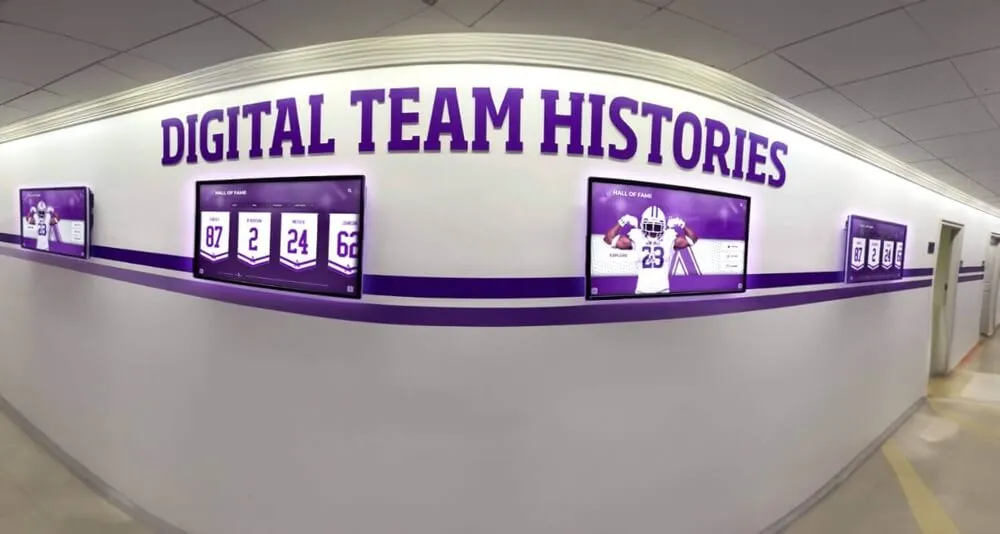
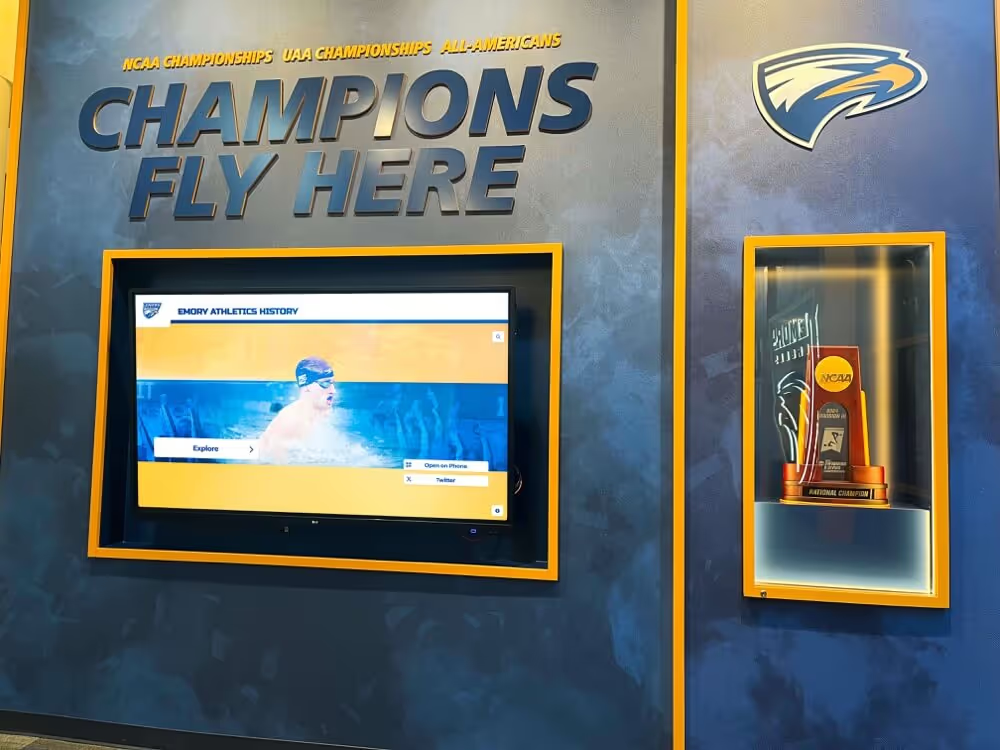
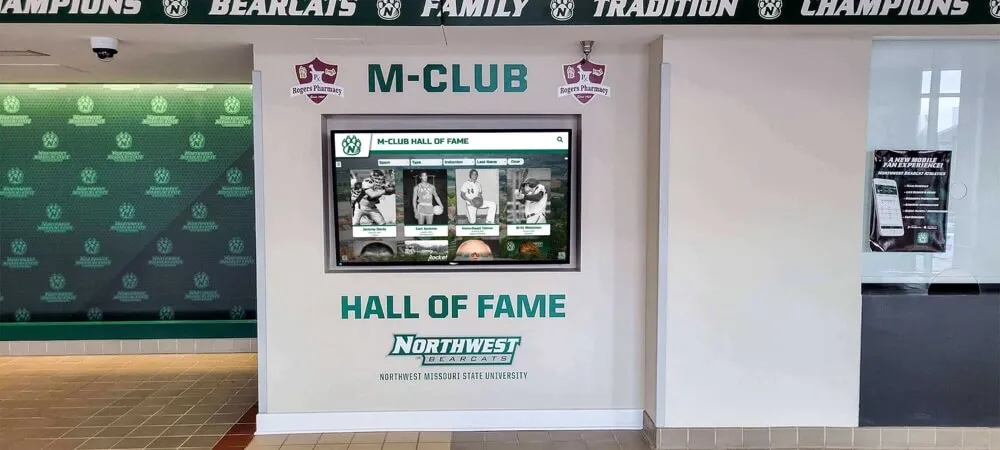
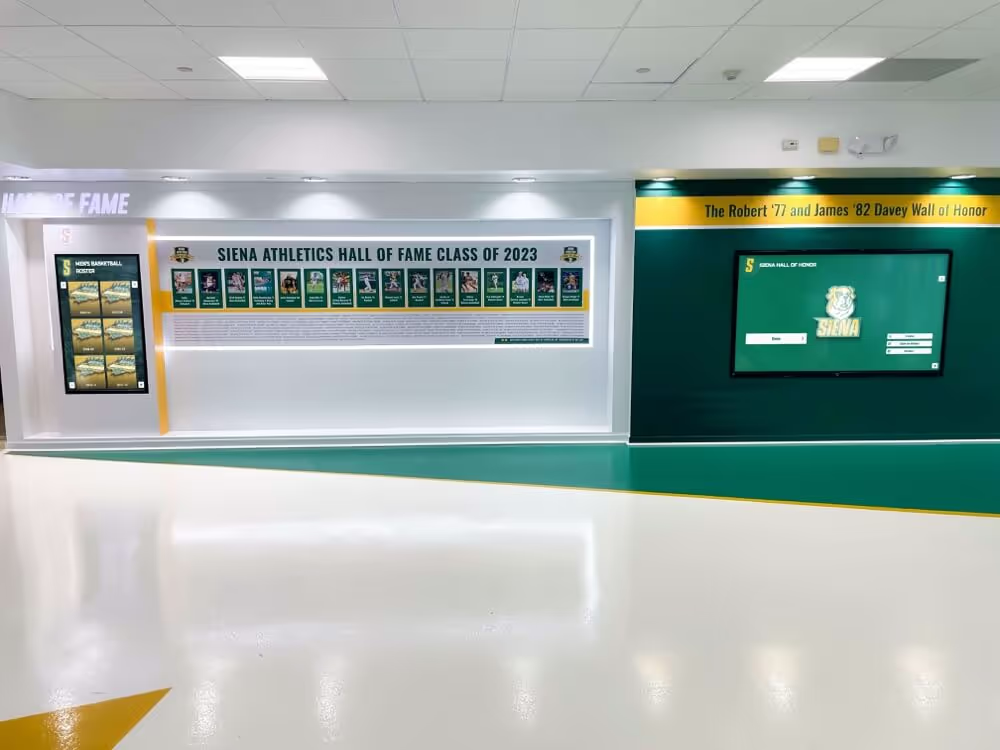
A school recognition display kiosk establishes a TLS connection to its content platform on every boot and reconnect — validating session resumption ensures those reconnections complete in one round trip rather than a full handshake
What TLS Session Resumption Is and Why It Matters for School Recognition Displays
TLS session resumption is a performance optimization built into both TLS 1.2 and TLS 1.3 that allows a client and server to skip the computationally expensive portions of the handshake when the client reconnects to a server it has recently spoken with. Instead of re-exchanging certificates, re-negotiating cipher suites, and re-running key agreement algorithms, the client presents a token—either a session ID or a session ticket—that proves it previously completed a full handshake with the server. The server validates the token, both parties derive new encryption keys from the shared secret material, and the connection is established in a single round trip.
For a general-purpose web browser on a fast workstation, the difference between a 200-millisecond abbreviated handshake and a 600-millisecond full handshake is imperceptible. For a school recognition display running on dedicated kiosk hardware with a fixed CPU and memory profile, and connecting over a campus wireless or wired network that may experience brief interruptions during scheduled content updates, the difference is meaningful in two specific scenarios.
Scheduled power cycles. Many schools configure recognition displays to power off overnight using scheduled shutdown policies or the displays’ built-in power management, then power on before the school day begins. At wake time, the display’s content management agent re-establishes its TLS connection to the platform. If session tickets are valid and the platform honors them, this reconnection completes in one round trip. If the platform does not support resumption, or if the session ticket has expired, the agent runs a full handshake—including certificate chain download and validation—which takes longer and places higher CPU load on kiosk hardware at exactly the moment the display is expected to show current content to the first visitors of the day.
Network interruptions during content updates. Athletic recognition content—athlete portrait updates, championship banner additions, award record edits—is pushed to displays on a schedule or triggered manually from the platform dashboard. If the campus wireless network experiences a brief disconnect during a content push, the display’s agent must reconnect and resume the interrupted operation. A display that supports session resumption reconnects faster and with less overhead than one performing a full handshake, meaning the content update completes sooner and the display returns to its normal presentation state before the interruption is visible to the people walking past it.
School IT teams managing digital halls of fame and athletic recognition systems at schools with strong recognition traditions will find session resumption validation a natural complement to the school history software and platform reliability guides that cover content pipeline integrity. A display that reconnects securely in milliseconds supports the continuous, reliable presence that recognition program managers depend on.
TLS Session Resumption Mechanisms: Session IDs, Session Tickets, and TLS 1.3 PSK
The three resumption mechanisms differ in how session state is stored and presented on reconnection. Understanding which mechanism the recognition platform supports is the first step in planning a meaningful test.
| Mechanism | TLS Version | Where State Is Stored | How the Client Proves Prior Session | School Network Implications |
|---|---|---|---|---|
| Session ID | TLS 1.2 | Server-side session cache | Client sends prior session ID in ClientHello; server looks it up | Requires server-side cache to persist across load balancer instances; fails in multi-server deployments without sticky sessions or shared cache |
| Session Ticket (RFC 5077) | TLS 1.2 | Encrypted ticket on the client | Server issues ticket at end of handshake; client presents ticket in future ClientHello; server decrypts and restores state | Stateless on the server; works across load balancer instances; ticket validity is time-bounded (typically hours to days) |
| Pre-Shared Key (PSK) / 0-RTT | TLS 1.3 | PSK on both sides (derived from prior session) | Client sends PSK identity in ClientHello; server validates; optionally client sends 0-RTT early data | 0-RTT early data is not replay-safe for non-idempotent requests; platform must explicitly support and guard early data |
| Session Ticket (TLS 1.3) | TLS 1.3 | NewSessionTicket issued by server after handshake | Client uses ticket as PSK identity; functionally equivalent to PSK resumption | Same stateless benefits as TLS 1.2 session tickets; validity window controlled by ticket_lifetime in ticket |
Modern recognition platforms hosted on cloud infrastructure predominantly use TLS 1.3 with session ticket-based PSK resumption. A platform still serving TLS 1.2 to some clients (older display hardware or embedded OS builds) may use session tickets under RFC 5077. Session IDs are rarely used in modern public-internet deployments because they require server-side state that breaks in multi-server or CDN configurations. The test procedure in this guide covers all three mechanisms, with the most detailed steps for TLS 1.3 PSK and TLS 1.2 session tickets.
Pre-Test Preparation Checklist
Collect the following information before running the test steps. Many commands reference the platform endpoint URL and display IP address directly, so having them documented avoids errors mid-test.
| Information | Description | How to Collect |
|---|---|---|
| Recognition platform HTTPS endpoint | The domain or IP address the display agent connects to for content updates and management check-ins | Check platform documentation or inspect display host with netstat -ano while agent is running |
| TLS version supported | TLS 1.2, TLS 1.3, or both | Run openssl s_client -connect <host>:443 -tls1_3 and openssl s_client -connect <host>:443 -tls1_2 and note which succeeds |
| Display host OS | Windows, Linux, or embedded OS on the display hardware | Platform documentation or device label |
| OpenSSL version on test workstation | Must support TLS 1.3 for PSK tests | openssl version — requires OpenSSL 1.1.1 or later |
| Network path from display to platform | Whether traffic passes through a proxy, content filter, or TLS inspection device | Confirm with network administrator — TLS inspection breaks session resumption |
| Display power-cycle method | Scheduled shutdown, UPS timer, managed PDU, or remote reboot command | Platform admin console or MDM platform documentation |
| Platform reconnect window | Vendor’s documented time between power-on and management check-in | Vendor documentation or support confirmation |
The TLS inspection check is the most critical pre-test step. Many school networks route HTTPS traffic through a security appliance that performs TLS inspection—decrypting outbound traffic, inspecting it, and re-encrypting it with a locally trusted certificate. A TLS inspection device acts as a TLS proxy: the display’s TLS session terminates at the inspection appliance, not at the platform server. Session tickets issued by the real platform server never reach the display, and session resumption cannot work end-to-end. Before running the resumption test, confirm whether the display host’s traffic to the recognition platform bypasses TLS inspection—typically by adding the platform domain to an inspection bypass list.
Deploying recognition displays on a school network with TLS inspection or other enterprise security controls? Rocket Alumni Solutions provides network compatibility documentation and works with school IT teams to ensure platform endpoints are correctly exempted from inspection policies that would affect session resumption.
Talk to Rocket Alumni Solutions about your network deployment
Step 1: Confirm the Platform Endpoint Supports Session Resumption
Before testing the display hardware itself, verify that the platform’s HTTPS endpoint supports session resumption at the TLS layer. Run these commands from a test workstation that has direct network access to the platform endpoint—not through a proxy.
Step 1a: Check TLS 1.3 session ticket support
openssl s_client -connect <platform-host>:443 -tls1_3 -sess_out /tmp/tls13_session.pem
After the handshake completes, examine the output for:
New, TLSv1.3, Cipher is TLS_AES_256_GCM_SHA384— TLS 1.3 handshake succeededSession-ID:followed by a hex string — session information is present- The existence of a
NewSessionTicketmessage in the handshake trace (add-msgflag to see raw handshake messages)
If the command fails with no protocols available or handshake failure, the platform does not support TLS 1.3 on that endpoint. Proceed to Step 1b to check TLS 1.2.
Step 1b: Check TLS 1.2 session ticket support
openssl s_client -connect <platform-host>:443 -tls1_2 -sess_out /tmp/tls12_session.pem
Look for:
New, TLSv1.2, Cipher is ECDHE-RSA-AES256-GCM-SHA384(or similar)TLS session ticket:block in the output — this confirms the server issued a session ticketSession-ID:value — present whether session IDs or tickets are used
If neither TLS 1.3 nor TLS 1.2 returns a session-related output section, the platform endpoint may have session resumption disabled. Contact the platform vendor to confirm whether resumption is supported and how it is configured.
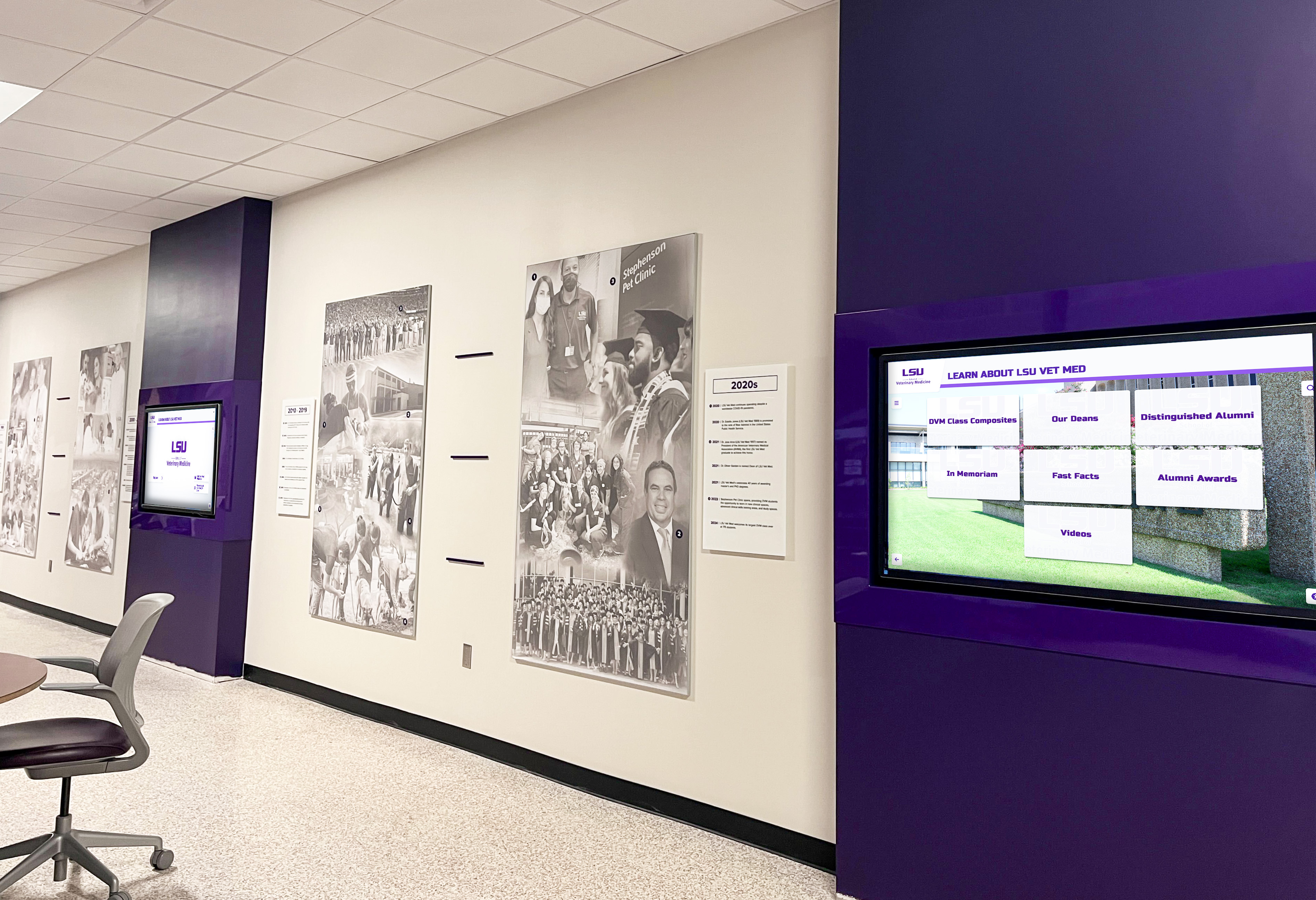
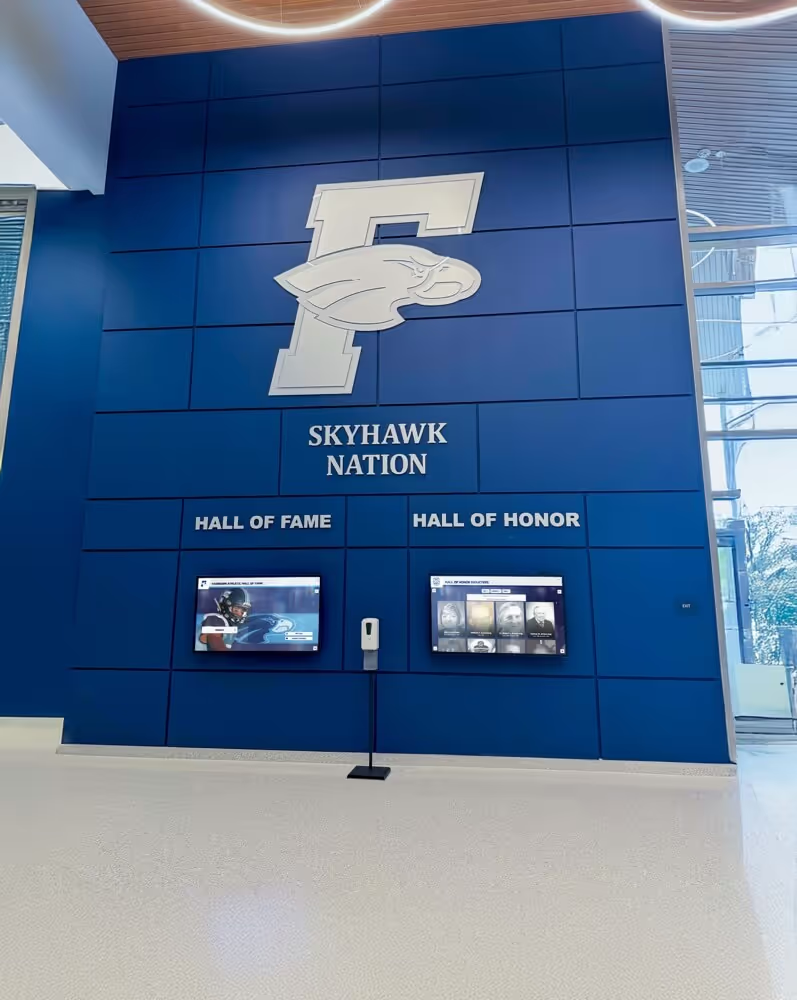
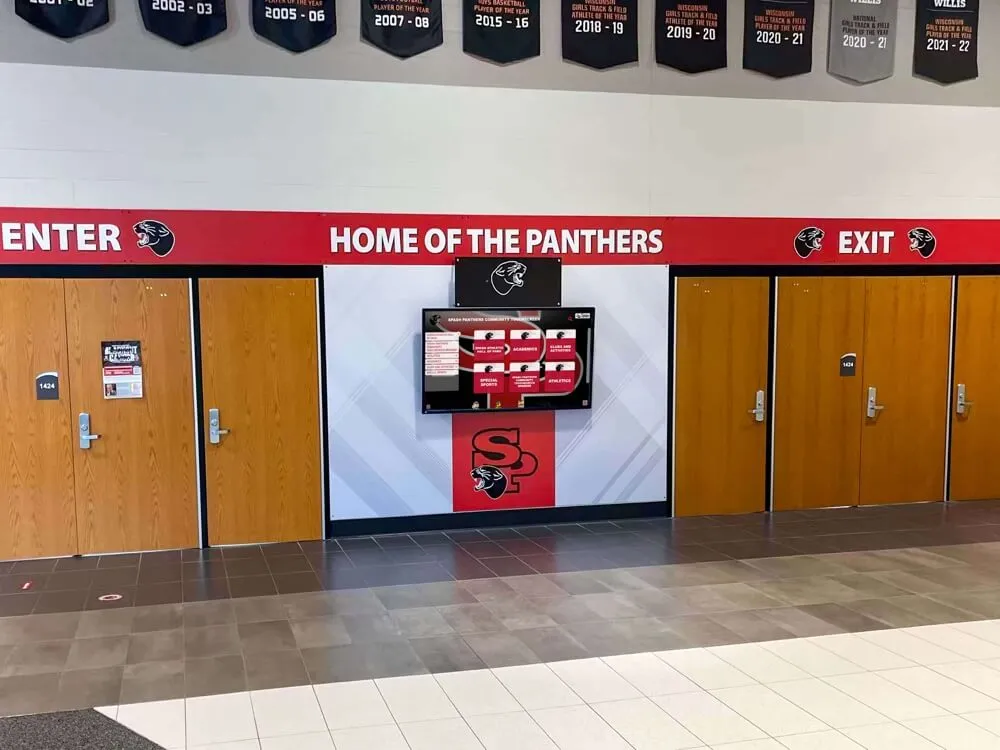
Recognition displays in school hallways and athletic lobbies are typically scheduled to power on before the school day begins — session resumption validation ensures those boots complete the secure connection phase without perceptible delay
Step 2: Test Session Ticket Resumption Using a Second Connection
With the session saved from Step 1, attempt to resume that session in a new connection. This is the core of the recognition display TLS session resumption test—confirming that the server honors a previously issued ticket.
Step 2a: TLS 1.3 resumption test
openssl s_client -connect <platform-host>:443 -tls1_3 -sess_in /tmp/tls13_session.pem
Look for the key resumption indicator in the output:
Reused, TLSv1.3, Cipher is TLS_AES_256_GCM_SHA384
The word Reused confirms session resumption succeeded. The server recognized the PSK identity in the session file, derived new encryption keys from the shared secret, and completed the handshake in one round trip.
If the output shows New, TLSv1.3 instead of Reused, the server did not honor the session ticket. See the troubleshooting section for common causes.
Step 2b: TLS 1.2 session ticket resumption test
openssl s_client -connect <platform-host>:443 -tls1_2 -sess_in /tmp/tls12_session.pem
Expected output for successful resumption:
Reused, TLSv1.2, Cipher is ECDHE-RSA-AES256-GCM-SHA384
And in the extended output:
Session-ID: <hex value matching the original session>
TLS session ticket: <present, confirming ticket was processed>
Step 2c: Measure the handshake timing difference
Run the connection test with timing to quantify the performance benefit of resumption for your specific platform and network path:
time openssl s_client -connect <platform-host>:443 -tls1_3 </dev/null 2>&1 | grep -E "Cipher|New|Reused"
time openssl s_client -connect <platform-host>:443 -tls1_3 -sess_in /tmp/tls13_session.pem </dev/null 2>&1 | grep -E "Cipher|New|Reused"
Record the real elapsed time for both the full handshake and the resumed handshake. The difference is the per-reconnection time saved by session resumption. For a display that reconnects to its platform multiple times per day—once at wake, once after each content update cycle, and once after any brief network interruption—this time savings accumulates.
Display networks that serve students, families, and recruits viewing recognition content benefit from the same rapid, seamless reconnection behavior described in resources covering interactive class yearbook and composite display design. A display that reconnects in the background without visual interruption delivers a better experience than one whose startup sequence is visibly delayed.
Step 3: Verify Session Ticket Validity Windows
Session tickets have a finite validity period set by the server. A platform may issue tickets with a 1-hour validity window, meaning a display that is powered off for more than an hour—such as an overnight scheduled shutdown—cannot resume its prior session and must perform a full handshake at the next boot. This is expected behavior, not a failure. What matters is that the IT team and platform administrators know the ticket validity window so they can calibrate expectations correctly.
Step 3a: Inspect ticket lifetime from TLS 1.3 handshake messages
openssl s_client -connect <platform-host>:443 -tls1_3 -msg 2>&1 | grep -A2 "NewSessionTicket"
The NewSessionTicket message includes a ticket_lifetime field in seconds. Common values:
- 3600 (1 hour) — tickets expire within an hour; overnight shutdown always triggers full handshake
- 7200 (2 hours) — short school day power cycles may still resume
- 86400 (24 hours) — daily scheduled shutdown and wake cycles benefit from resumption
- 604800 (7 days) — long-lived tickets that survive weekend shutdowns
Record the ticket lifetime value and compare it with the school’s display power management schedule.
Step 3b: Document the display’s power management schedule
Create a simple comparison table specific to your deployment:
| Power Event | Duration Display Is Off | Ticket Lifetime | Expected Handshake Type |
|---|---|---|---|
| Overnight shutdown (e.g., 10 p.m. to 6 a.m.) | 8 hours | Varies by platform | Full handshake if ticket < 8h; resumed if ticket ≥ 8h |
| Weekend shutdown (Friday evening to Monday morning) | ~60 hours | Varies by platform | Full handshake if ticket < 60h |
| Brief network interruption during content update | Seconds to minutes | Any practical value | Resumed handshake |
| Display reboot after software update | 2–5 minutes | Any practical value | Resumed handshake |
For schools whose displays power off overnight—which is a common energy management and maintenance window policy for athletic recognition systems—the practical question is whether the platform issues tickets with a lifetime longer than the overnight shutdown duration. If not, the morning boot always triggers a full handshake regardless of whether session resumption is technically working. This is not a bug; it is the intended security behavior of session ticket expiration. Documenting it prevents confusion when IT staff observe full handshakes in packet captures after overnight shutdowns.
Step 4: Run the Test from the Display Hardware Itself
The OpenSSL tests in Steps 1 through 3 validate the platform endpoint’s resumption support from a test workstation. Step 4 runs the same validation from the actual display hardware to confirm that the display’s OS and TLS library support session resumption correctly.
Step 4a: Install or locate OpenSSL on the display host
On Windows-based recognition display hardware:
- Many display platforms ship with OpenSSL binaries as part of their software stack — check the installation directory for
openssl.exe - If not present, download a pre-built Windows OpenSSL binary appropriate for the OS version
- Alternatively, use PowerShell’s built-in TLS diagnostic:
[Net.ServicePointManager]::SecurityProtocolto confirm TLS version support
On Linux-based display hardware:
openssl version
Confirms the TLS library version. Most current Linux-based kiosk OS builds include OpenSSL 1.1.1 or later.
Step 4b: Run the session capture and resumption test from the display host
From a terminal or remote management session on the display hardware:
openssl s_client -connect <platform-host>:443 -sess_out /tmp/session.pem
openssl s_client -connect <platform-host>:443 -sess_in /tmp/session.pem
Confirm Reused appears in the second connection’s output. If the display hardware’s TLS library does not support session tickets—a condition more common in older embedded OS builds—the second connection will show New regardless of platform support.
Step 4c: Check for TLS library version constraints
If the display runs Windows 7, Windows 8, or a legacy embedded Windows version, the built-in Schannel TLS library may not support TLS 1.3 or may have limited session ticket support. Verify:
reg query "HKLM\SYSTEM\CurrentControlSet\Control\SecurityProviders\SCHANNEL\Protocols"
TLS 1.3 requires Windows 11 or Windows Server 2022+ for Schannel support. Display hardware running older Windows versions will negotiate TLS 1.2 at most, limiting session resumption to TLS 1.2 session tickets rather than TLS 1.3 PSK.
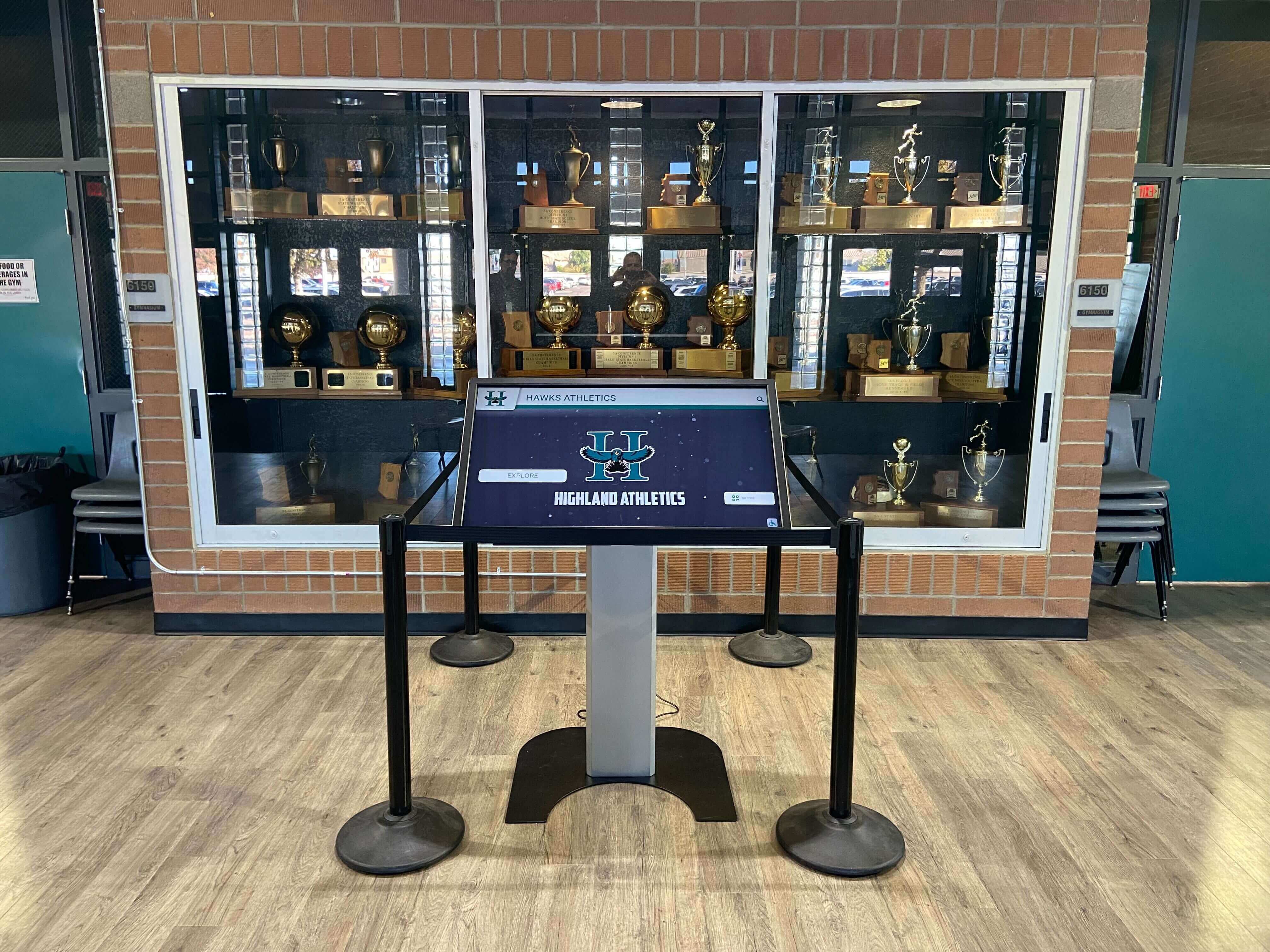
Running the session resumption test from the display hardware rather than a test workstation confirms that the device's own TLS library and OS version support ticket-based resumption without fallback to full handshakes
Step 5: Simulate a Wake Event and Measure Reconnection Time
The most operationally meaningful version of the recognition display TLS session resumption test is observing the display’s actual reconnection behavior after a simulated power cycle or network interruption—matching the conditions the display experiences every morning and after every brief campus network event.
Step 5a: Prepare monitoring before the wake event
Before powering the display off or disconnecting the network:
- Start a continuous ping from a monitoring workstation to the display’s IP address:
ping <display-IP> -t - Note the current time and the platform management dashboard’s “last seen” timestamp for the display
- If packet capture is available, start a capture filtered to the display’s IP and the platform endpoint:
tcpdump -i <interface> host <display-IP> and host <platform-IP> -w /tmp/display_reconnect.pcap
Step 5b: Trigger the wake event
Option A — Simulate overnight shutdown: Use the platform’s management console or MDM to send a remote reboot command to the display. This exercises the same TLS reconnection path as a scheduled overnight shutdown and wake cycle, without requiring a wait until the next morning.
Option B — Simulate network interruption: On the display’s access-layer switch, administratively shut the display’s port for 30 seconds:
interface GigabitEthernet<n>
shutdown
!
interface GigabitEthernet<n>
no shutdown
This simulates a brief network interruption without a full power cycle and exercises session resumption from the client’s perspective without expiring the session ticket.
Step 5c: Measure reconnection time
Watch the continuous ping stream. Record:
- Time of first ping failure (port shutdown or device power-off)
- Time of first successful ping after reconnection
- Total network interruption duration in seconds
On the platform management dashboard, record:
- Time the display appears as online after the reconnection
- Whether the display’s content is current (reflecting any updates that were pending)
Step 5d: Inspect the packet capture for handshake type
Open the packet capture in Wireshark and filter to TLS handshake traffic:
ssl.handshake
Look at the ClientHello message sent by the display after reconnection:
- Session ID resumption (TLS 1.2): ClientHello contains a non-empty
session_idfield - Session ticket resumption (TLS 1.2): ClientHello contains a
session_ticketextension with the ticket data - PSK resumption (TLS 1.3): ClientHello contains a
pre_shared_keyextension listing PSK identities
If the ClientHello contains resumption material and the server responds with a ServerHello that completes the abbreviated handshake (no Certificate or CertificateVerify messages follow), session resumption is working end-to-end on the display hardware.
Schools evaluating their recognition systems alongside locker room and team facility design considerations often ask how to ensure displays in distributed locations reconnect reliably after campus-wide network events. Session resumption is part of that answer—it reduces reconnection time and eliminates one source of unnecessary reconnect failures.
Step 6: Validate Resumption Behavior Across Multiple Displays
Schools with multiple recognition displays—athletic hall of fame kiosks, lobby welcome screens, championship banner displays, and trophy case screens—should validate session resumption on each device independently. Display hardware from different procurement cycles may run different OS versions or TLS library versions with different resumption behavior.
Step 6a: Inventory display TLS library versions
Collect the TLS library version and OS version for each display from the MDM platform or recognition system admin console. Group displays into categories based on OS and TLS library version — devices in the same category will exhibit the same session resumption behavior, so testing one representative device per category is sufficient.
Step 6b: Test one device per category
Run Steps 4 and 5 on one representative device from each OS/TLS library category. Document pass/fail results for each category. Devices in categories where resumption fails or produces a full handshake require either an OS update to bring the TLS library current, or a configuration change on the platform endpoint to accommodate older TLS clients.
Step 6c: Check concurrent reconnection behavior
For schools where all displays are scheduled to wake simultaneously—or where a campus-wide network event causes all displays to reconnect at once—the platform endpoint must handle the burst of concurrent reconnection requests without degraded session ticket validation performance. This is primarily a platform vendor concern rather than a school IT configuration item, but it is worth raising with the vendor for large deployments.
The athletic archive data quality practices that schools apply to recognition content integrity have a network-layer counterpart: consistent, validated session resumption behavior across all deployed displays is the network equivalent of clean, reliable data across all athlete records.
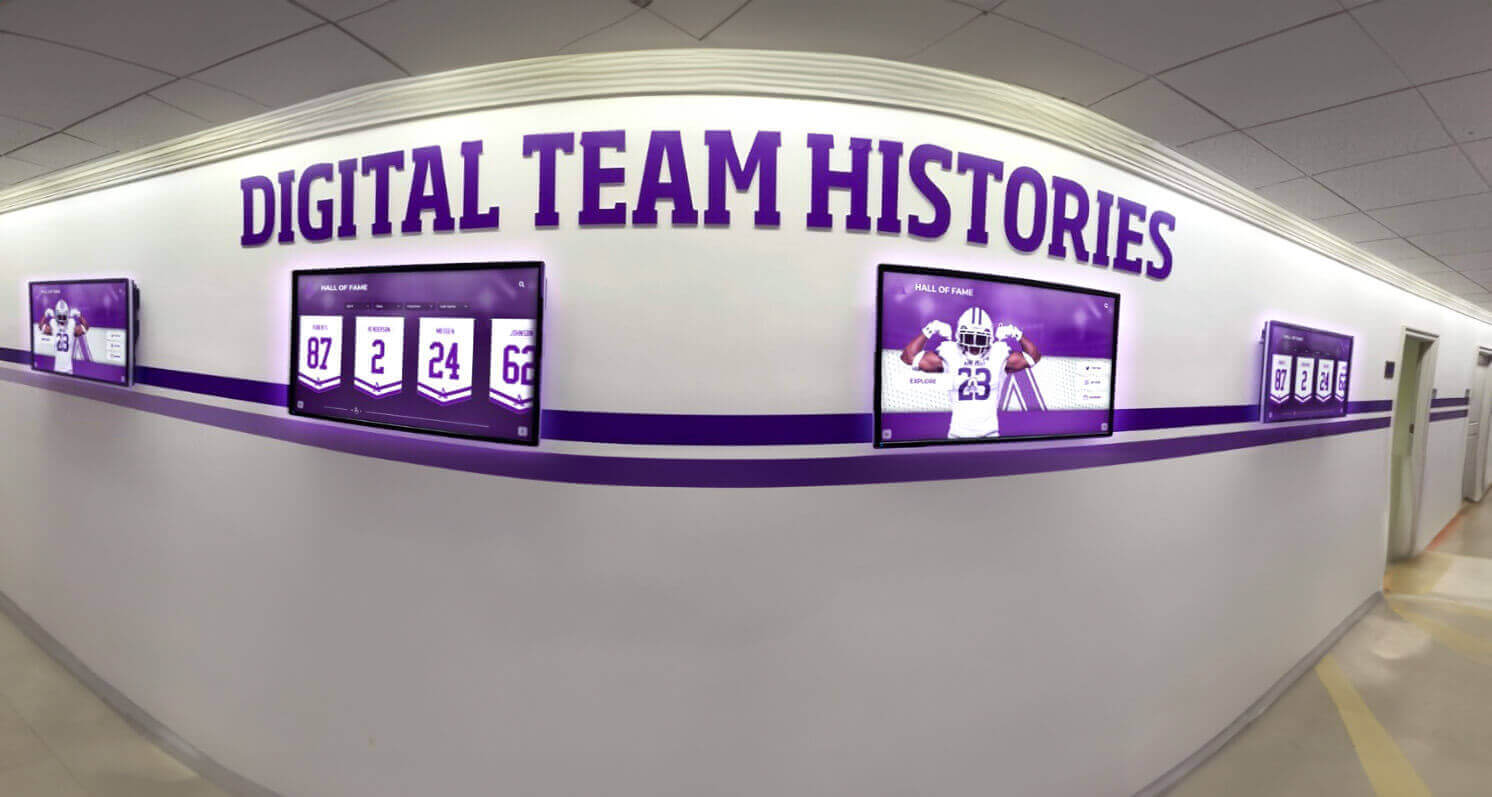
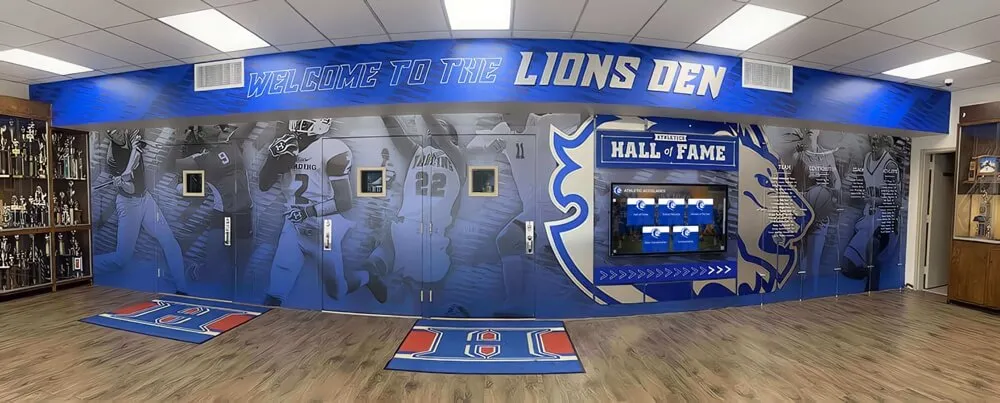
Schools with multiple recognition displays scheduled to wake simultaneously benefit most from session resumption — abbreviated handshakes reduce the concurrent connection burst that platform endpoints must handle at the start of each school day
Troubleshooting Common Session Resumption Failures
Platform Returns “New” on Second Connection Despite Valid Session File
Symptom: The second OpenSSL connection shows New, TLSv1.3 or New, TLSv1.2 rather than Reused, even though the session file was saved from a successful first connection.
Most common causes:
Session ticket rotation: The platform rotates its session ticket encryption keys on a schedule shorter than the test interval. If the key used to encrypt the first session’s ticket has been rotated by the time the second connection is attempted, the server cannot decrypt the ticket and falls back to a full handshake. This is security-correct behavior. Confirm with the platform vendor how frequently ticket encryption keys rotate.
Load balancer affinity broken: In a multi-server platform deployment, the first connection reached Server A, which issued a session ticket. The second connection reached Server B, which does not have the same ticket encryption key. Proper multi-server deployments use a shared ticket encryption key distributed across all backend servers. If the platform does not implement this, session resumption only succeeds when both connections reach the same backend instance.
Session ticket support not enabled: Some CDN or load balancer configurations disable session tickets for security reasons (particularly to enforce forward secrecy). Confirm with the platform vendor whether session tickets are intentionally disabled on the endpoint.
TLS inspection in the network path: A TLS inspection appliance terminated the first session and issued its own ticket, which the real platform server cannot honor on the second connection. Confirm the display’s traffic is bypassing TLS inspection for the platform’s domain.
Display Shows “New” Even When Test Workstation Shows “Reused”
Symptom: The OpenSSL test from a test workstation confirms session resumption succeeds (Reused), but packet captures from the display hardware show New (full handshake) on every reconnection.
Cause: The display host’s TLS library does not save session tickets between connections or across process restarts. This is a TLS library or platform client implementation issue rather than a server configuration issue.
Investigation steps:
- Confirm the display’s content management agent explicitly handles session tickets — some lightweight agent implementations do not implement the client-side session cache required for resumption
- Check whether the agent saves session state to disk (allowing resumption across process restarts) or only in memory (allowing resumption only within a running process session)
- Contact the recognition platform vendor to confirm whether their client software implements session resumption
TLS 1.3 Handshake Succeeds but 0-RTT Early Data Is Not Available
Symptom: TLS 1.3 session resumption works (Reused), but attempts to send early data (0-RTT) fail or are rejected by the server.
Explanation: 0-RTT early data in TLS 1.3 is optional and carries replay risk. Recognition platforms that receive content update requests, management commands, or authenticated API calls over their TLS connections are correct to reject 0-RTT early data for those request types, as they are not replay-safe. Standard session resumption (without 0-RTT) is sufficient for the display reconnection use case and does not carry replay risk. This is not a test failure — it is correct behavior that should be documented.
Session Resumption Works but Display Still Reconnects Slowly
Symptom: Session resumption is confirmed (Reused in OpenSSL output, abbreviated handshake in packet capture), but the display’s management dashboard shows a longer-than-expected reconnection time after wake events.
Cause: TLS session resumption reduces handshake time, but it is only one component of the total reconnection sequence. The display’s reconnection time also includes OS boot time, content management agent startup time, DNS resolution for the platform endpoint, and any application-layer authentication after the TLS handshake completes. A fast TLS handshake does not eliminate delays in these other phases.
Next steps: Use the packet capture to measure the elapsed time between the first DNS query after the display comes online and the first completed TLS handshake. If TLS completes quickly but the management dashboard check-in takes longer, the delay is in the application layer—the agent’s startup sequence, initial API authentication, or content synchronization—not in the TLS handshake itself.
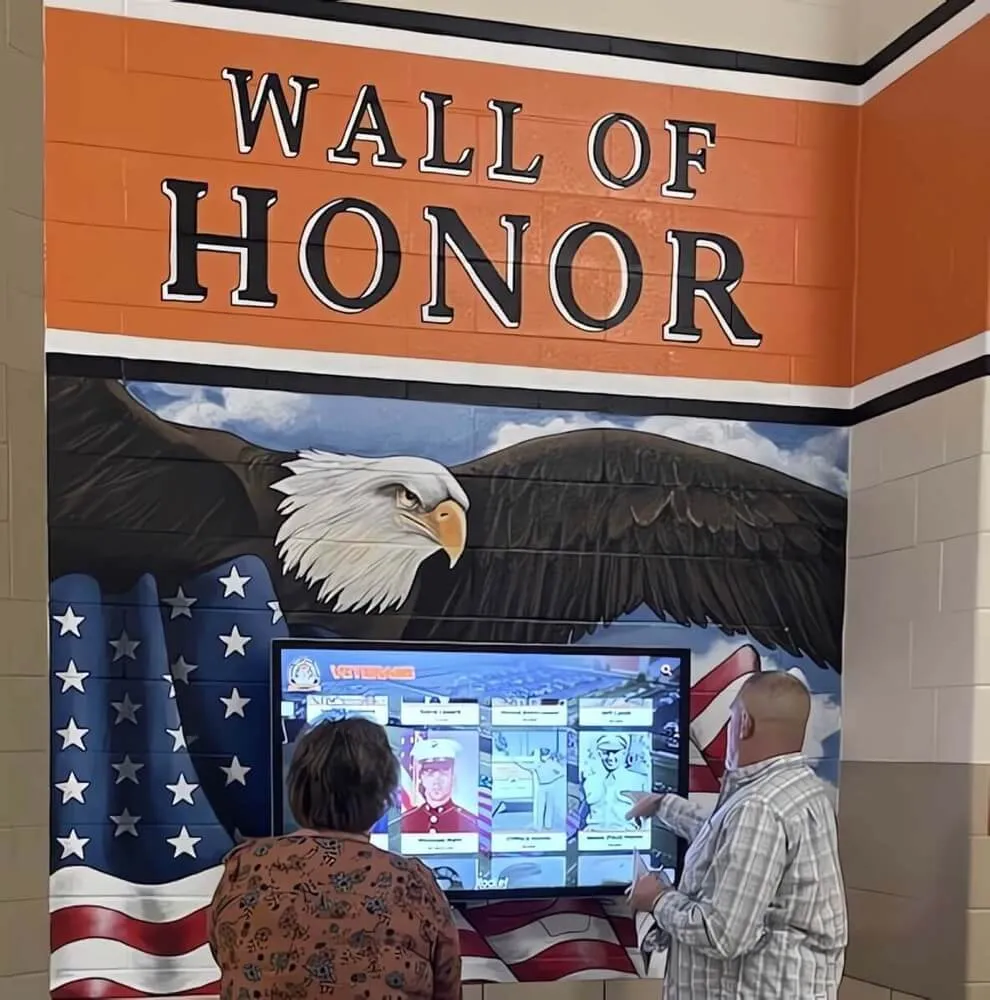
Recognition platforms that support veterans’ memorial and tribute recognition displays in schools expect content to be current and displays to be online during significant school community moments. A complete reconnection analysis—TLS, DNS, application layer—ensures the team knows where any latency originates and can address the right layer.
Pass/Fail Criteria and Test Documentation
Document results for each test step using the following criteria. A recognition display deployment is considered validated for TLS session resumption when all applicable criteria pass.
| Test | Pass Criterion | Fail Condition | Notes |
|---|---|---|---|
| Platform endpoint advertises session tickets | OpenSSL first connection shows session_ticket extension or TLS session ticket: block | No ticket-related output; server does not offer resumption | Confirm with vendor if tickets are intentionally disabled |
| Session resumption from test workstation | Second OpenSSL connection shows Reused | Second connection shows New (full handshake) | If fails, check load balancer shared key config |
| Session ticket validity window documented | Ticket lifetime value recorded from NewSessionTicket handshake message | Lifetime not retrievable | Compare to display power schedule |
| Session resumption from display hardware | Second OpenSSL connection on display host shows Reused | Display hardware shows New despite workstation showing Reused | TLS library or agent implementation issue |
| Wake event reconnection time | Display appears online in platform dashboard within vendor’s documented window | Display offline for longer than documented reconnect window after simulated wake | Separate from TLS — check application layer if TLS handshake is fast |
| Packet capture confirms abbreviated handshake | ClientHello contains resumption material; no Certificate message in server response | Full handshake observed despite session file presented | Confirm TLS inspection bypass for platform domain |
| TLS inspection bypass confirmed | Platform domain is in inspection bypass list; certificate in capture is platform’s real certificate | Inspection appliance certificate observed in capture | Add to bypass list before re-running test |
| Multi-display consistency | All display OS/TLS categories pass resumption test | One or more categories show persistent full handshakes | OS update or agent update may be required |
Retain this documentation with timestamps in the school’s recognition display deployment records. Pair it with the legacy giving and donor recognition documentation that schools maintain for their recognition programs — the technical and operational records together give program administrators and IT staff a complete picture of system health.
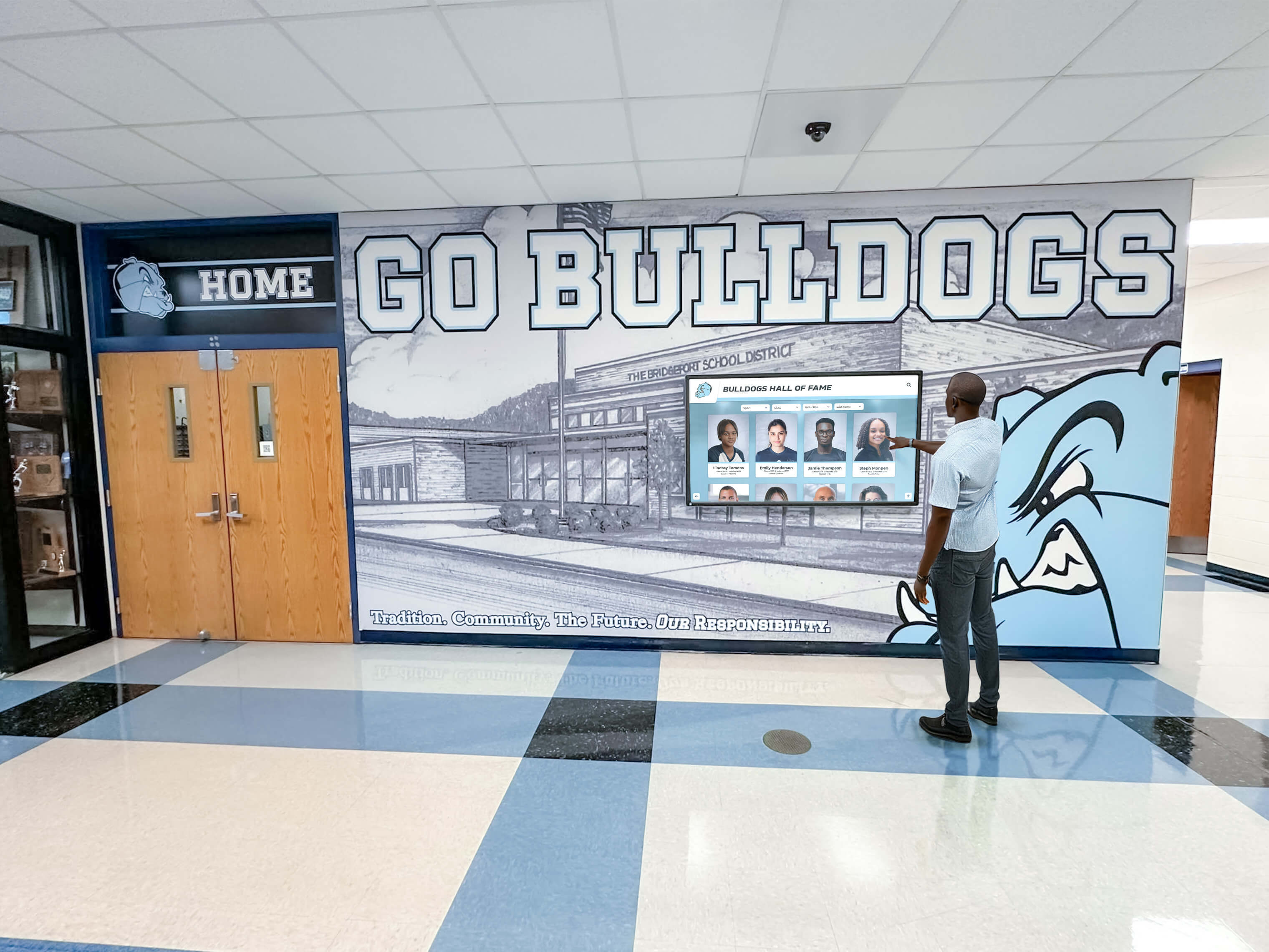
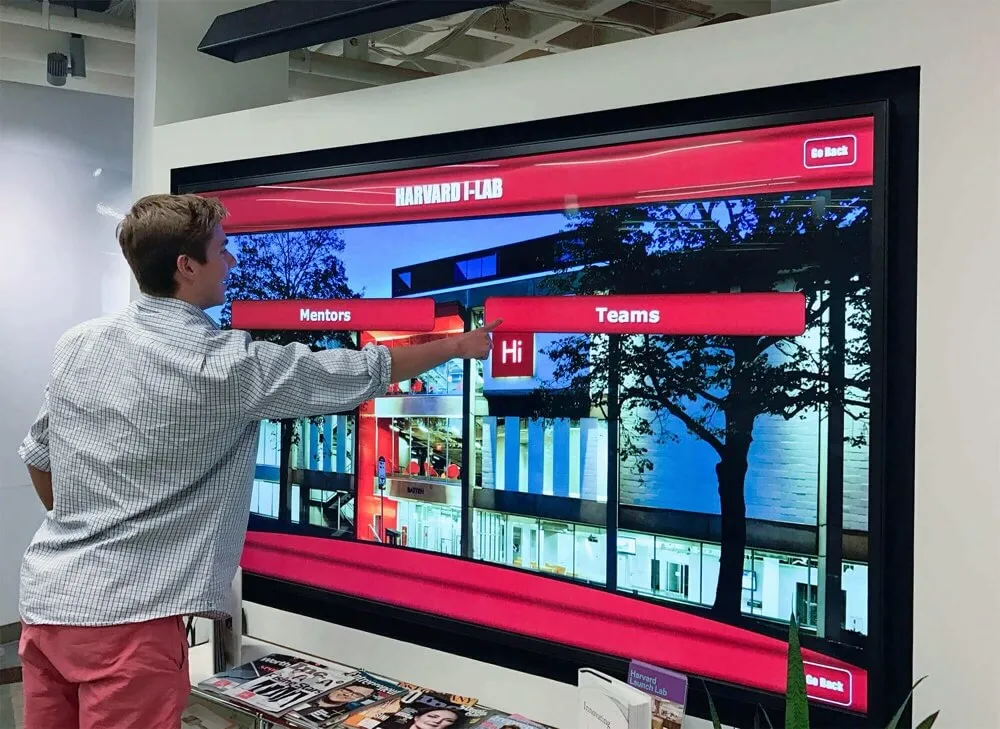
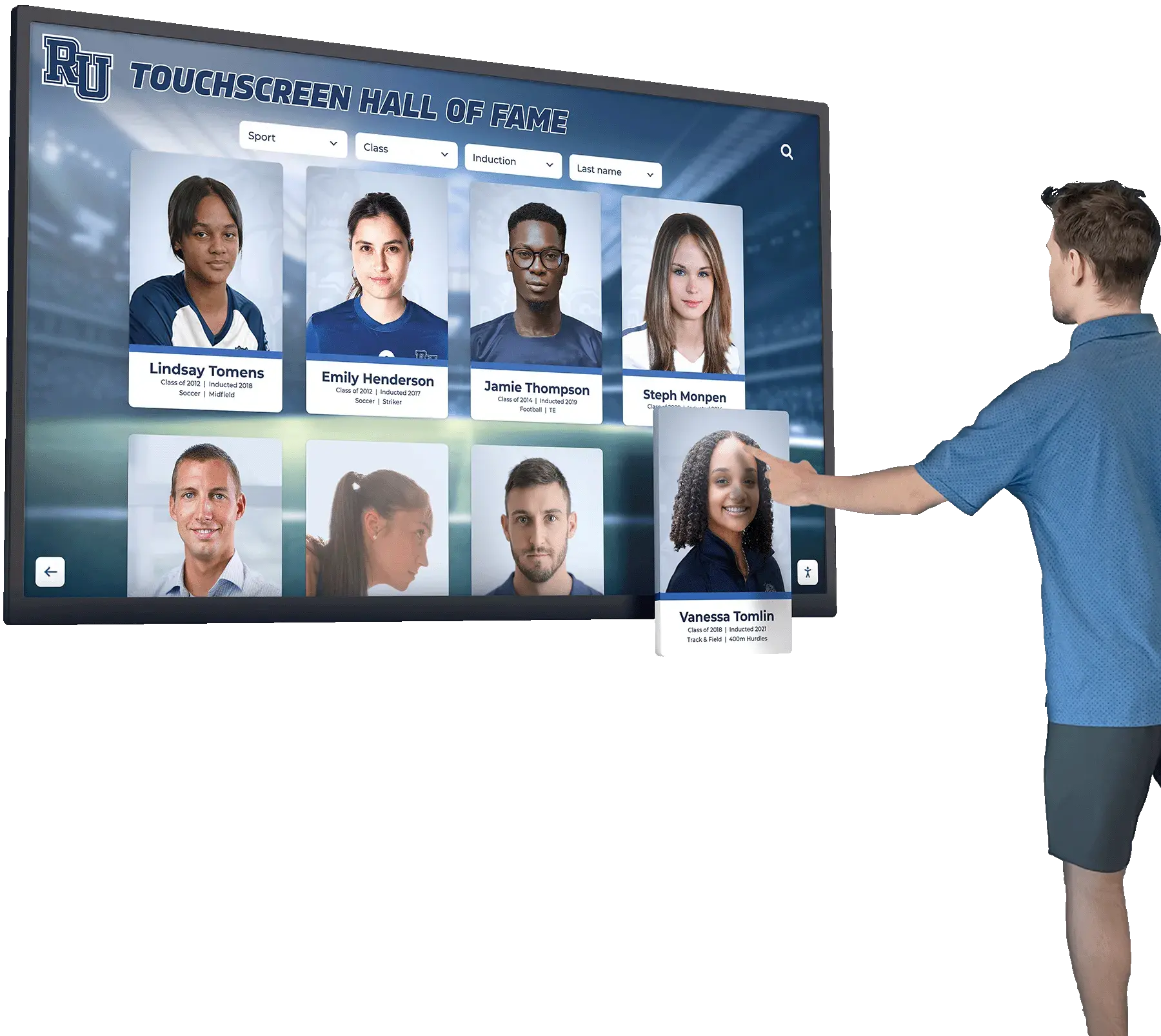
Every interaction with a recognition display depends on the content being current — TLS session resumption validation is one of the network-layer checks that keeps content pipelines running without unnecessary reconnect overhead
Integrating TLS Session Resumption Testing into the Recognition Display Deployment Checklist
TLS session resumption testing is most effectively run as a formal checkpoint in the recognition display deployment process—completed before the display goes live and added to the list of post-maintenance validations performed after platform updates or OS upgrades.
The recommended sequence for a new display deployment:
- Confirm the platform endpoint’s session resumption support using Steps 1 and 2 from a test workstation before the display hardware is installed.
- Verify TLS inspection bypass is configured for the platform domain before the display is connected to the production network.
- Run Steps 4 and 5 after the display is installed and connected, using the actual display hardware for the resumption test.
- Document ticket lifetime and power management schedule alignment per Step 3.
- Add the resumption test to the post-maintenance validation checklist for platform updates, OS upgrades, and network security policy changes.
For schools building a comprehensive recognition display IT program that covers everything from athletic award data quality practices to school memorial and tribute display installations, TLS session resumption validation fits naturally alongside the network-layer checks that keep recognition systems online and performing correctly.
Frequently Asked Questions
Does TLS session resumption affect the security of the recognition display’s connection?
No. TLS session resumption uses the cryptographic material established during the original full handshake, which included full certificate verification and key agreement. The resumed session derives new encryption keys, so it has forward secrecy. Session tickets are encrypted by the server with a key that only the server knows. The abbreviated handshake does not weaken the session’s encryption strength or skip any security validation that would affect the integrity of content delivered to the display.
How often should the TLS session resumption test be repeated?
Run the test after any of these events: recognition platform major version update, display OS upgrade, network security policy changes (new TLS inspection policy, HTTPS proxy configuration change, certificate authority changes), or after an unexplained display reconnection delay that was resolved without identifying the root cause. Annual proactive testing during summer break maintenance is also a reasonable baseline for multi-display deployments.
Will session resumption still work if the recognition platform changes its TLS certificate?
Yes. Session tickets and PSK resumption are based on the cryptographic session state established during the original handshake, not on the certificate itself. A certificate change—for example, the platform vendor renewing their TLS certificate—does not invalidate existing session tickets. However, any display that establishes a new full handshake after the certificate change will validate the new certificate and store new session state. Existing in-memory or on-disk session tickets from before the certificate change remain valid until their ticket lifetime expires.
What should we do if the recognition platform does not support session resumption?
Contact the platform vendor and ask whether session resumption is on their roadmap or whether it can be enabled for your endpoint. Most modern cloud-hosted platforms support session resumption by default on their HTTPS infrastructure; the more common issue is TLS inspection in the school network breaking resumption, rather than the platform lacking support. If the platform genuinely does not support resumption and the vendor does not plan to add it, session reconnection performance is bounded by the full handshake time—document the expected reconnection time and calibrate power management schedules accordingly.
Can session resumption reduce load on the display hardware’s CPU?
Yes, modestly. The TLS handshake involves asymmetric cryptography (RSA or elliptic curve key agreement), which is computationally more expensive than symmetric cryptography. Display hardware with dedicated cryptographic acceleration handles full handshakes efficiently, but constrained embedded hardware may benefit more noticeably from avoiding full handshake computation on every reconnection. The benefit is more meaningful for displays that reconnect frequently—due to network instability or aggressive power management—than for displays with stable connections and long-running sessions.
Does Rocket Alumni Solutions support TLS session resumption on its recognition platform endpoints?
Questions about specific platform TLS configuration should be directed to your platform vendor’s technical team. Rocket Alumni Solutions can provide network compatibility documentation for your IT team that covers the TLS configuration details relevant to your deployment, including endpoint URLs, expected TLS versions, and guidance on TLS inspection bypass requirements.
Keeping Recognition Displays Connected and Current
A school recognition display that takes an extra three seconds to reconnect after every network interruption is a minor friction point in isolation. Across a deployment with multiple displays, scheduled overnight power cycles, and a campus network that experiences the routine brief interruptions that any active school day produces, those extra seconds compound into visible operational noise—content that is stale when the first students arrive, dashboard statuses that show offline displays that are actually running, and IT investigations that trace back to a handshake bottleneck rather than a real connectivity problem.
Validating TLS session resumption turns a theoretical platform capability into a confirmed, documented operational behavior. School IT teams that run the test before deployment know exactly what reconnection timing to expect, which display categories need TLS library updates, and whether TLS inspection policy changes are needed. Athletic directors and recognition program administrators who rely on these systems for homecoming, championship celebrations, and alumni events can trust that the technical infrastructure supporting the recognition experience has been validated end to end.
See How Rocket Alumni Solutions Keeps Recognition Displays Online
Rocket Alumni Solutions designs recognition platforms for school athletic and alumni programs that require reliable, always-on operation. Request a demo to learn how the platform handles network reconnection, content delivery, and IT integration for your school's recognition displays.
Request a Recognition Display Demo