



A ribbon cutting ceremony transforms a construction completion date into a community celebration—marking the moment when new facilities, renovated spaces, or upgraded areas officially transition from project to purpose. Whether unveiling a modernized gymnasium, dedicating a donor-funded science wing, celebrating a renovated athletic complex, or opening expanded community spaces, these ceremonial moments honor the vision, investment, and collaboration that brought projects to reality while generating excitement for the opportunities these spaces will create.
Yet many schools and organizations approach ribbon cutting ceremonies as perfunctory obligations, missing opportunities to create memorable experiences that strengthen donor relationships, engage communities in institutional progress, recognize project contributors, and generate sustained enthusiasm extending far beyond opening day. Generic ceremonies with minimal planning often feel rushed, fail to properly acknowledge key stakeholders, create limited community connection, and provide no lasting recognition of the achievements these projects represent.
This comprehensive guide explores proven ribbon cutting ceremony ideas and planning strategies that transform facility dedications into meaningful celebrations—from establishing clear event objectives and engaging key stakeholders, to incorporating creative elements that make ceremonies memorable and implementing recognition systems that honor contributions long after ribbon drops.
Successful ribbon cutting ceremonies accomplish multiple objectives: celebrating institutional progress and community investment, honoring donors, volunteers, and project champions whose contributions made facilities possible, engaging broader communities in shared celebration of new opportunities, generating positive media coverage and community awareness, and creating lasting recognition ensuring contributors receive sustained acknowledgment beyond single-event moments.

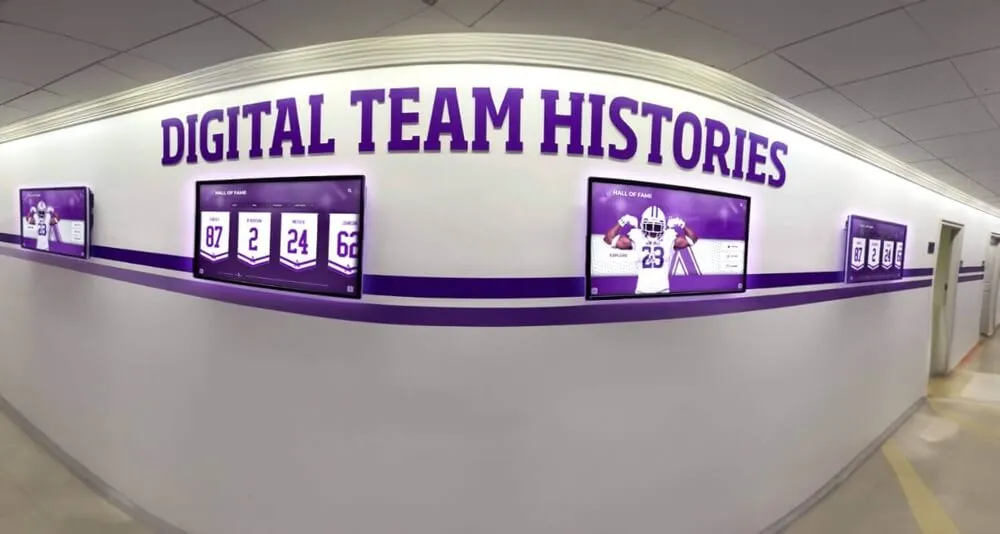
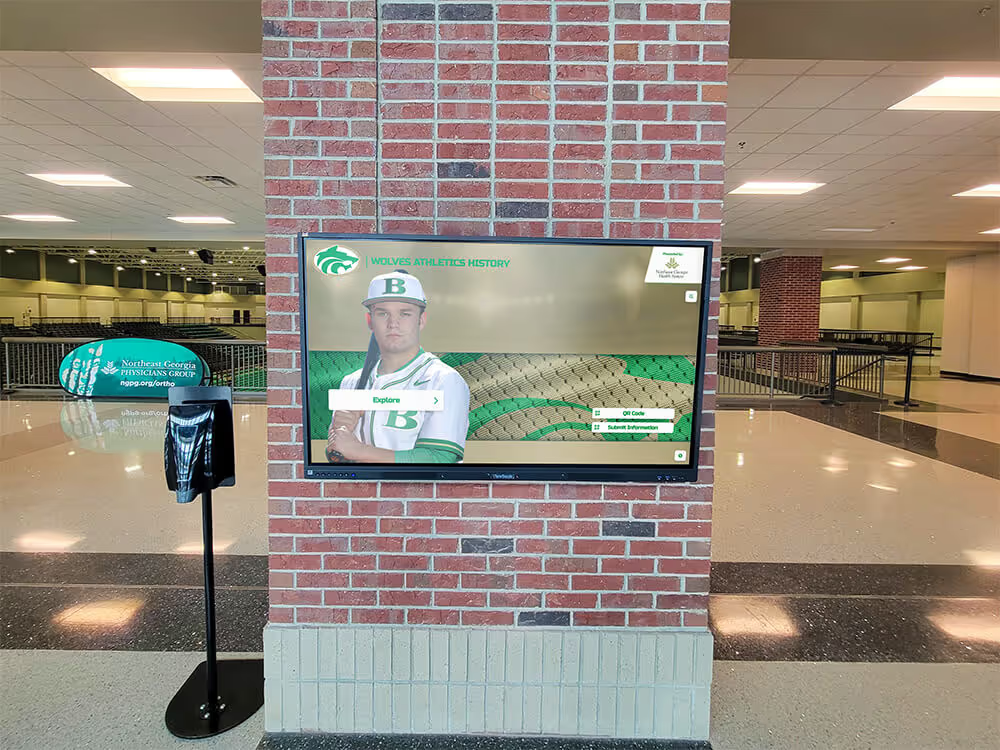
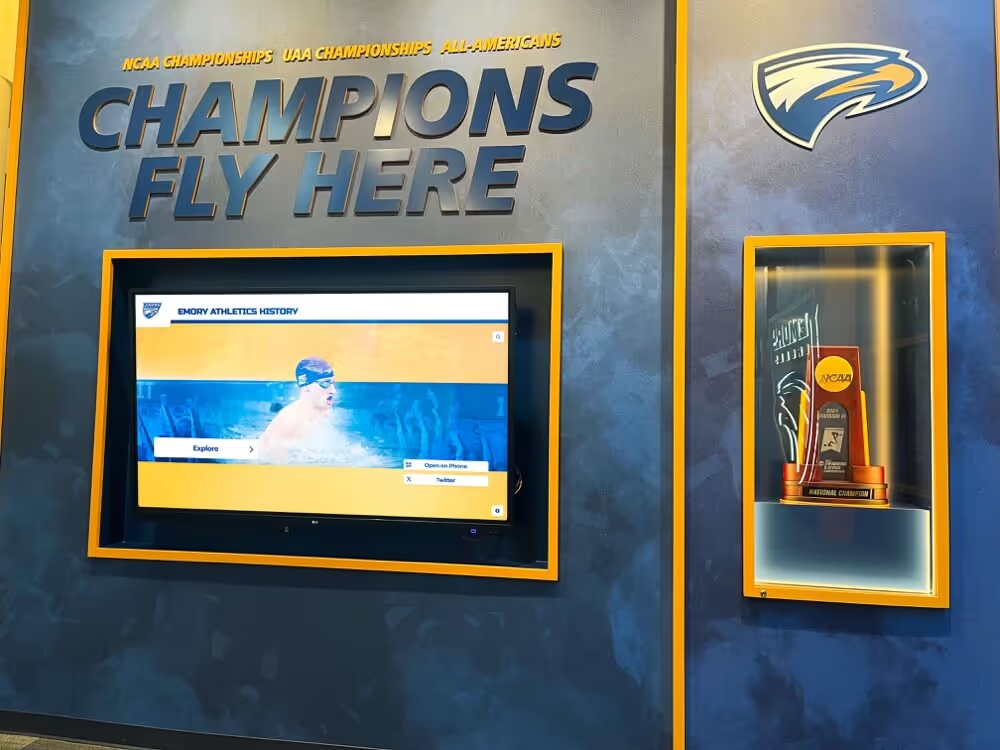
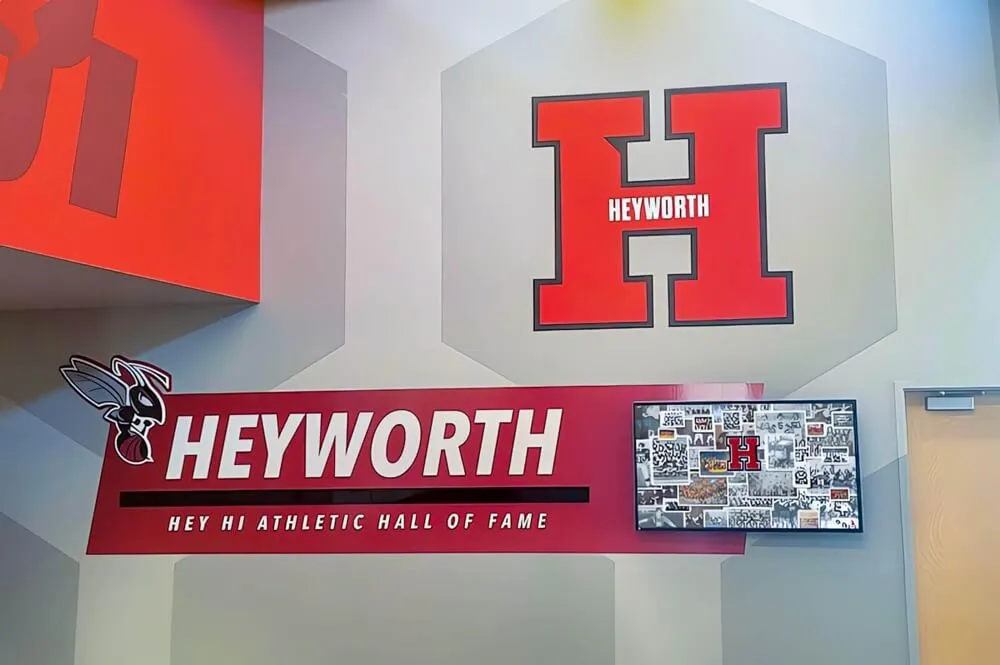
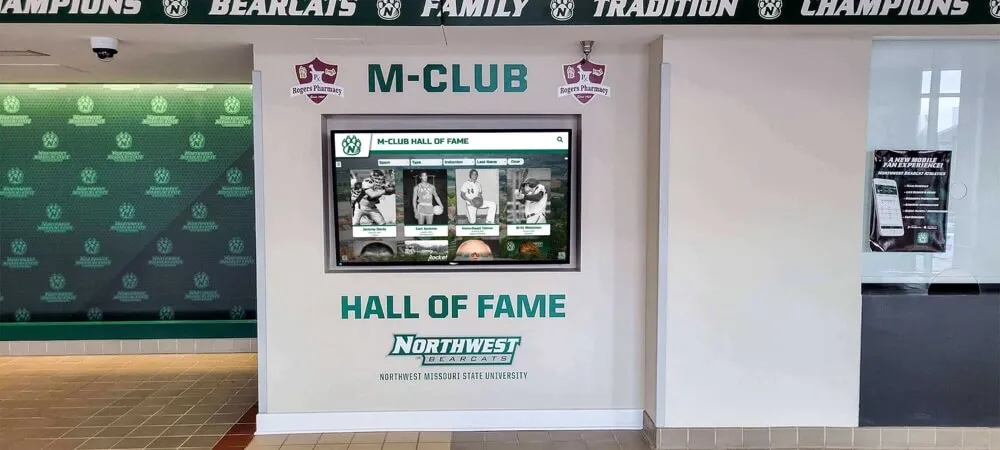
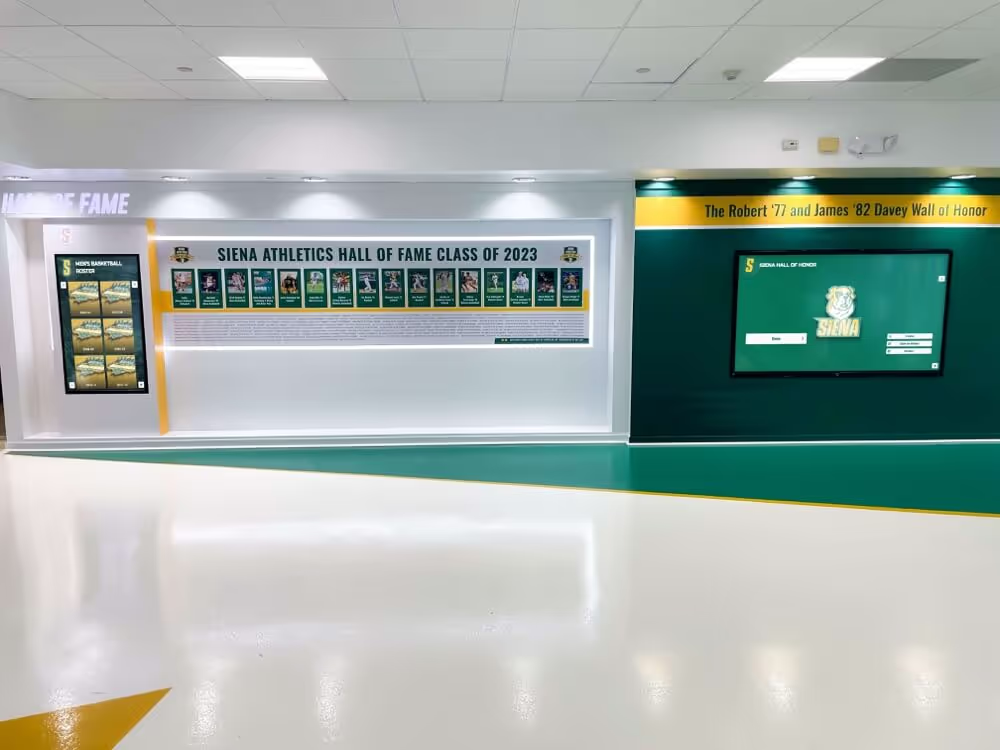
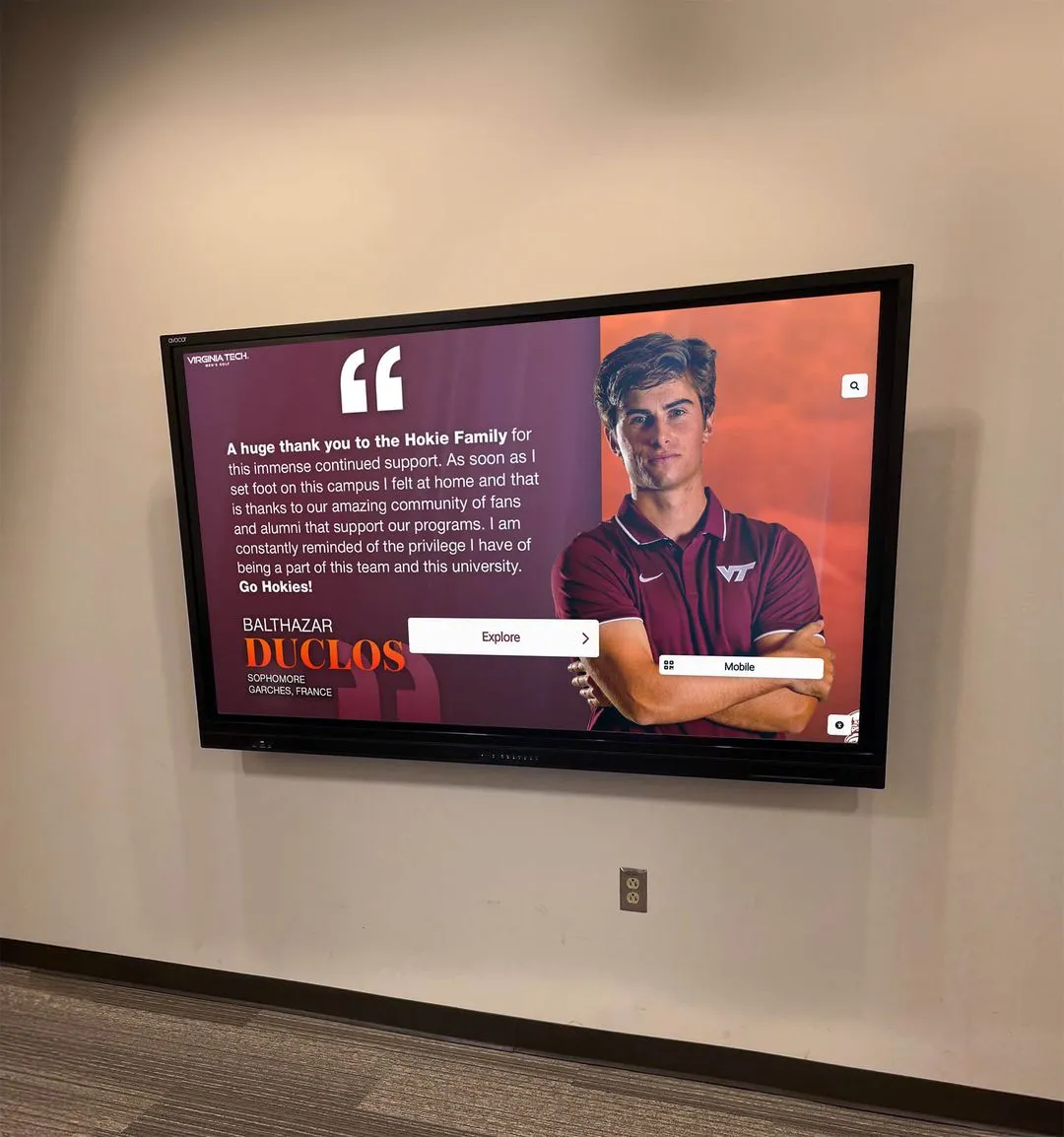
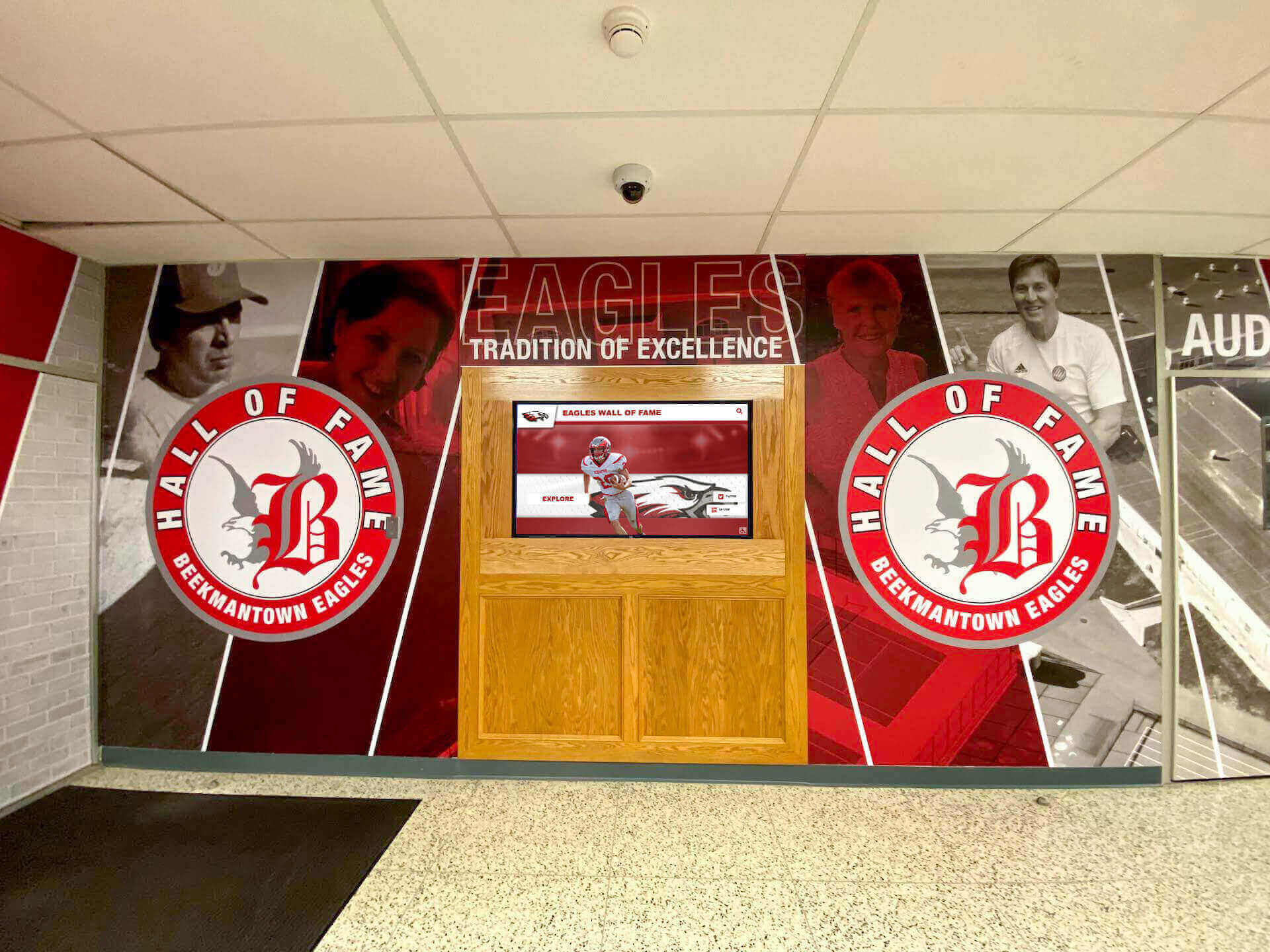
Newly dedicated spaces often feature permanent recognition installations honoring the donors and supporters who made facility improvements possible
Understanding Ribbon Cutting Ceremony Purpose and Significance
Before planning logistics, clarifying ceremony objectives ensures design decisions align with institutional priorities and stakeholder expectations.
Why Ribbon Cutting Ceremonies Matter for Schools and Organizations
Dedication events serve deeper purposes than simply marking construction completion:
Honoring Project Contributors and Building Donor Relationships
Ribbon cutting ceremonies provide formal institutional acknowledgment of the individuals, families, foundations, and organizations whose financial support, advocacy, and leadership transformed facility visions into reality. Public recognition before assembled communities validates contributions while demonstrating that organizations genuinely appreciate generosity extending beyond obligatory thank-you letters.
For major donors, ceremonies represent emotional culmination of multi-year engagement journeys—seeing their names associated with spaces that will serve students and communities for decades creates profound satisfaction and strengthens ongoing institutional relationships. Recognition quality directly influences future giving decisions and donor willingness to advocate for continued organizational support.
Schools implementing digital recognition wall systems for school renovations and donors ensure contributors receive sustained visibility extending far beyond single dedication ceremonies.
Celebrating Community Achievement and Progress
New facilities represent collective accomplishments involving administrators who championed projects, community members who supported bond initiatives, project committees who guided development, construction teams who executed visions, and countless stakeholders who contributed expertise and effort throughout multi-year processes.
Ceremonies create shared celebration moments acknowledging these collaborative achievements while demonstrating institutional commitment to continued excellence and community service.
Generating Enthusiasm and Setting Positive Tone
Opening celebrations establish emotional associations with new spaces—students, staff, and community members form first impressions during dedication events that influence how they perceive and utilize facilities going forward. Enthusiastic, well-executed ceremonies create positive momentum supporting successful program launches and facility utilization.
Media coverage generated by ribbon cutting events extends community awareness while showcasing organizational progress to prospective families, potential donors, and broader stakeholder networks.
Defining Clear Ceremony Objectives
Effective planning begins with explicit objective statements guiding all subsequent decisions:
Identifying Primary Stakeholders
Different facility types involve varied contributor groups requiring appropriate recognition including major donors providing naming gifts or significant capital support, community members who supported tax initiatives or fundraising campaigns, elected officials and civic leaders who facilitated approvals or funding, project committees and volunteer leadership who guided development, construction partners and professional teams who executed work, and prospective facility users including students, athletes, or community program participants.
Understanding stakeholder composition informs invitation lists, speaking opportunities, recognition approaches, and ceremony design ensuring appropriate acknowledgment.
Establishing Recognition Priorities
Determine what contributions warrant formal acknowledgment during ceremonies including financial gifts at various donor levels, volunteer leadership and project committee service, community advocacy supporting project approval, professional expertise contributed by architects, contractors, or consultants, and historical context honoring legacy connections or naming dedications.
Clear recognition priorities enable appropriate program structure ensuring ceremonies honor key contributors without excessive length or overlooked acknowledgments creating stakeholder disappointment.
Determining Desired Community Impact
Consider broader ceremony outcomes including media coverage generating positive community awareness, stakeholder engagement building excitement for facility utilization, fundraising momentum supporting continued campaign goals, institutional pride strengthening school or organizational identity, and lasting recognition through permanent displays honoring contributions beyond single events.
Explicit impact goals inform planning decisions while enabling post-ceremony assessment of event effectiveness.
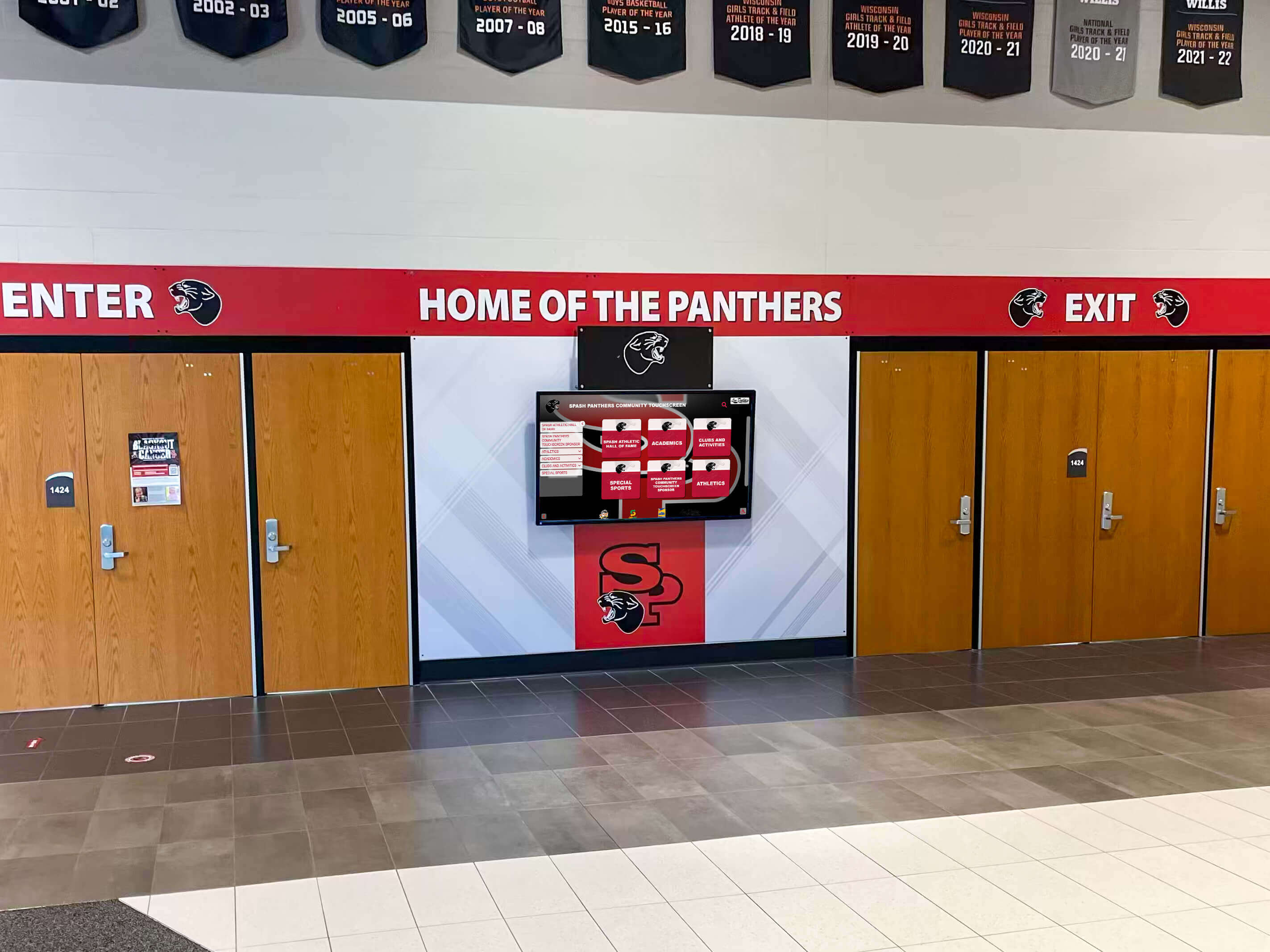
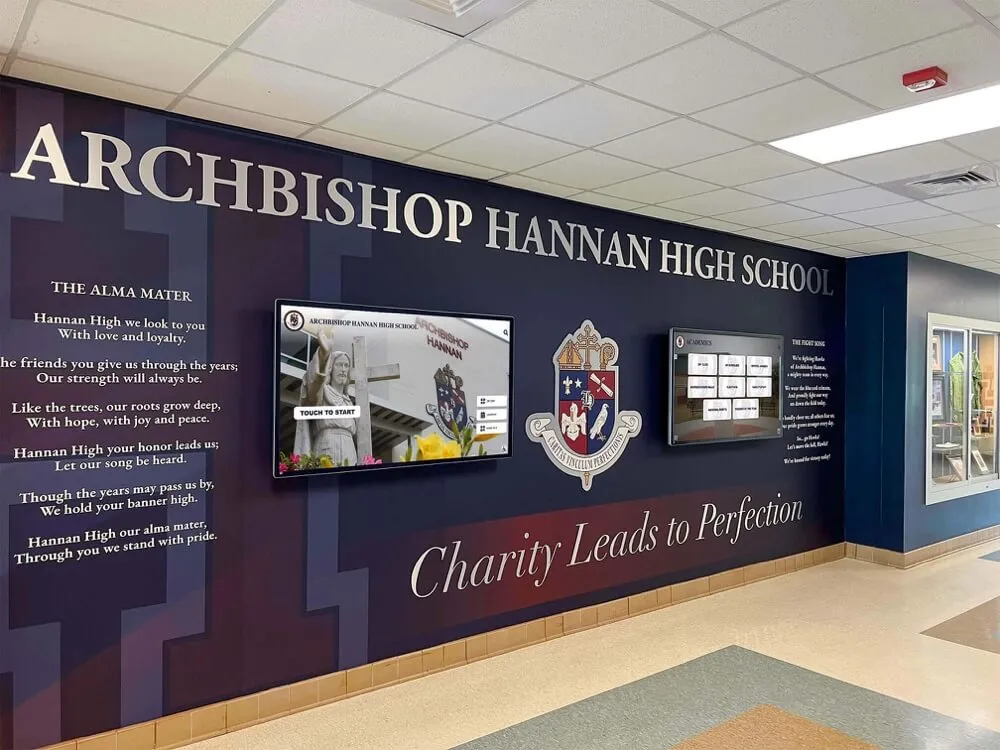
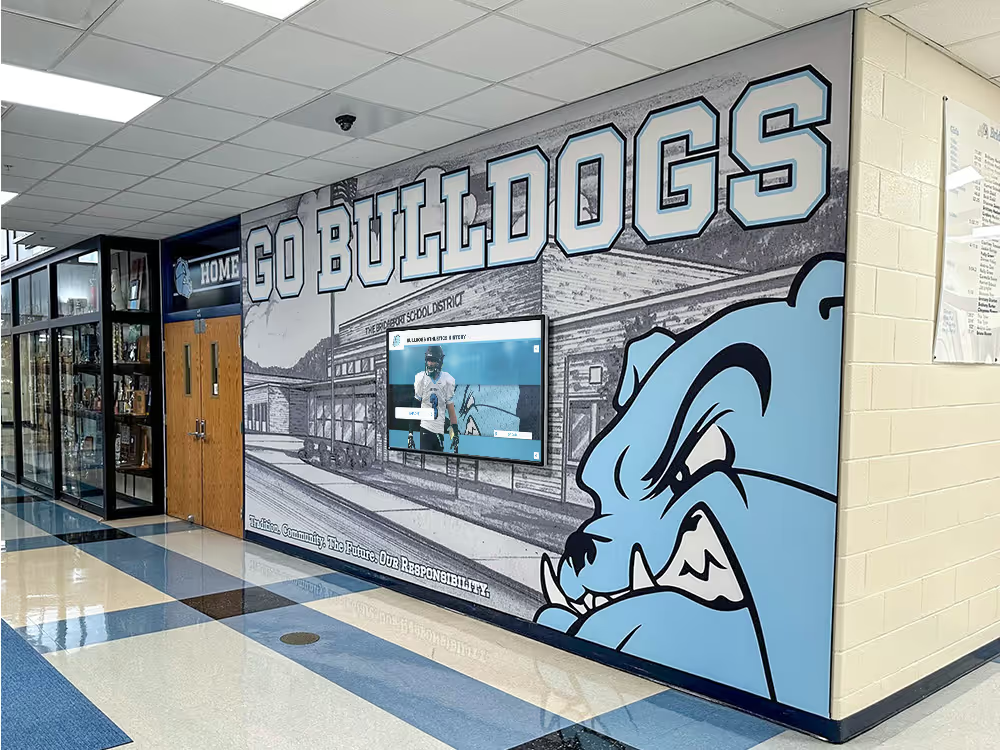
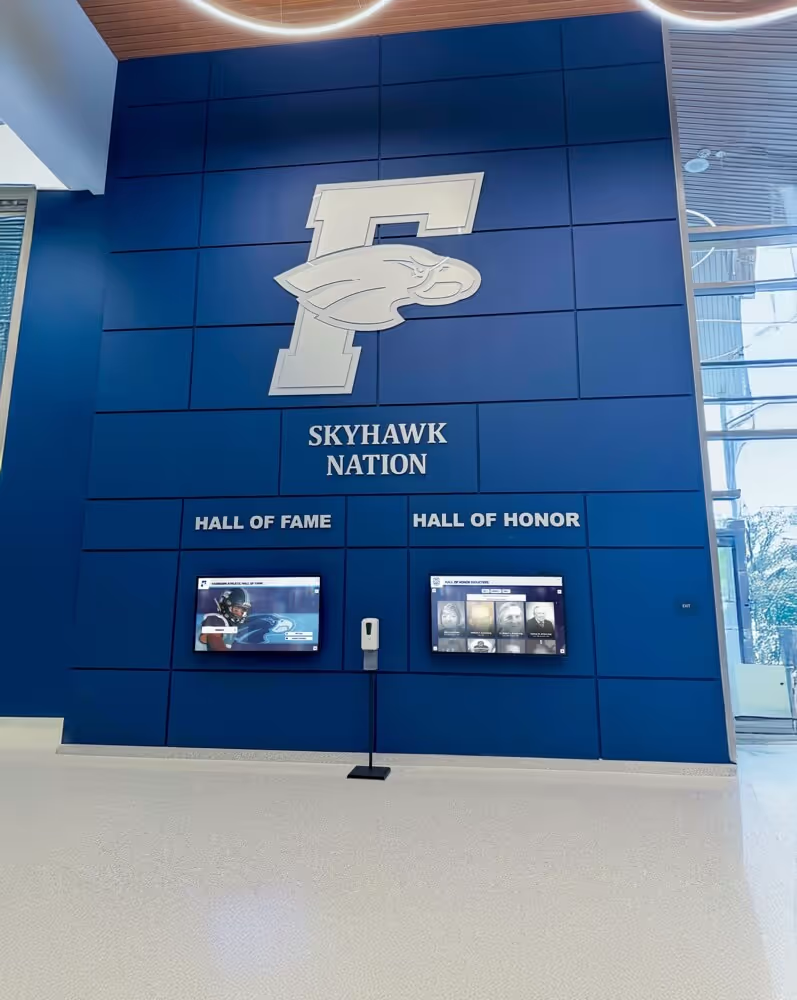
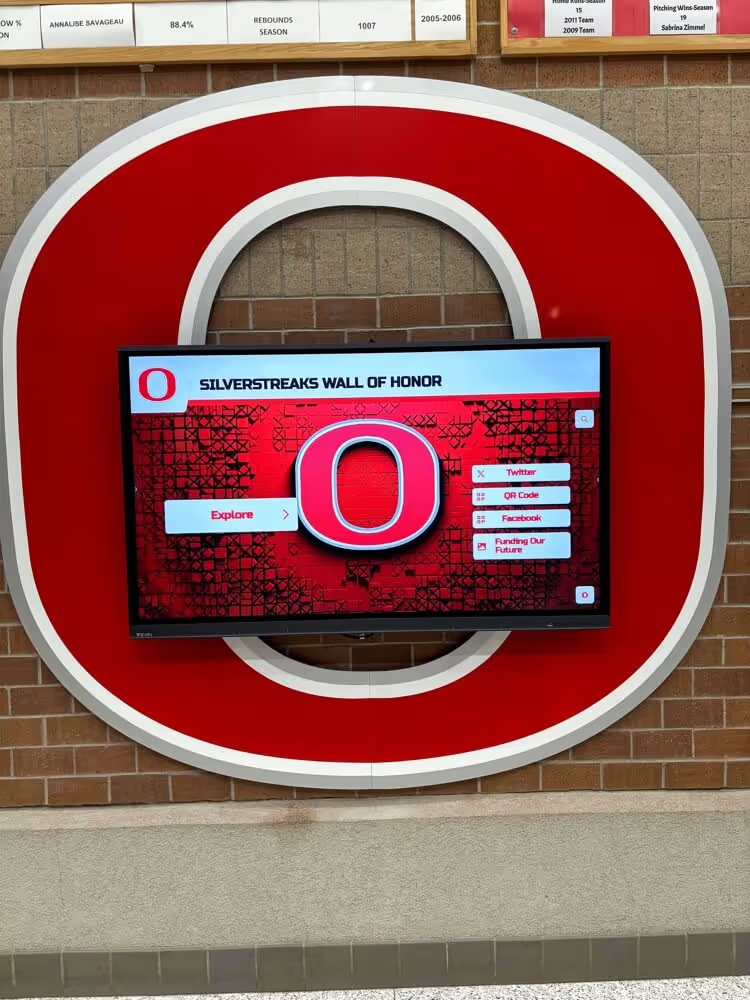
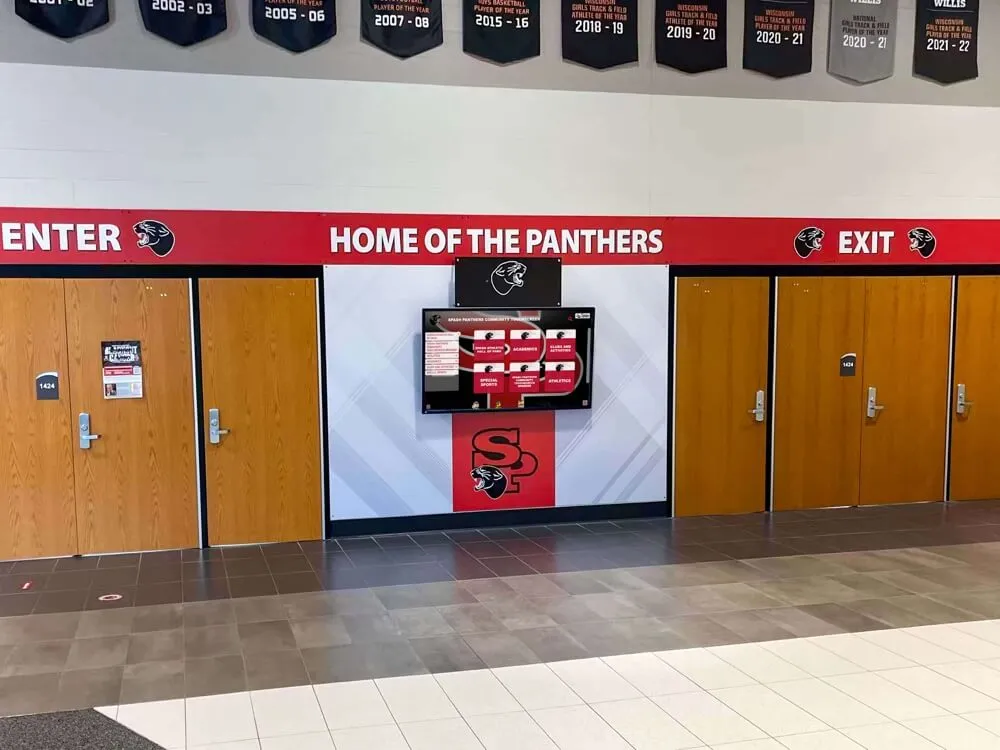
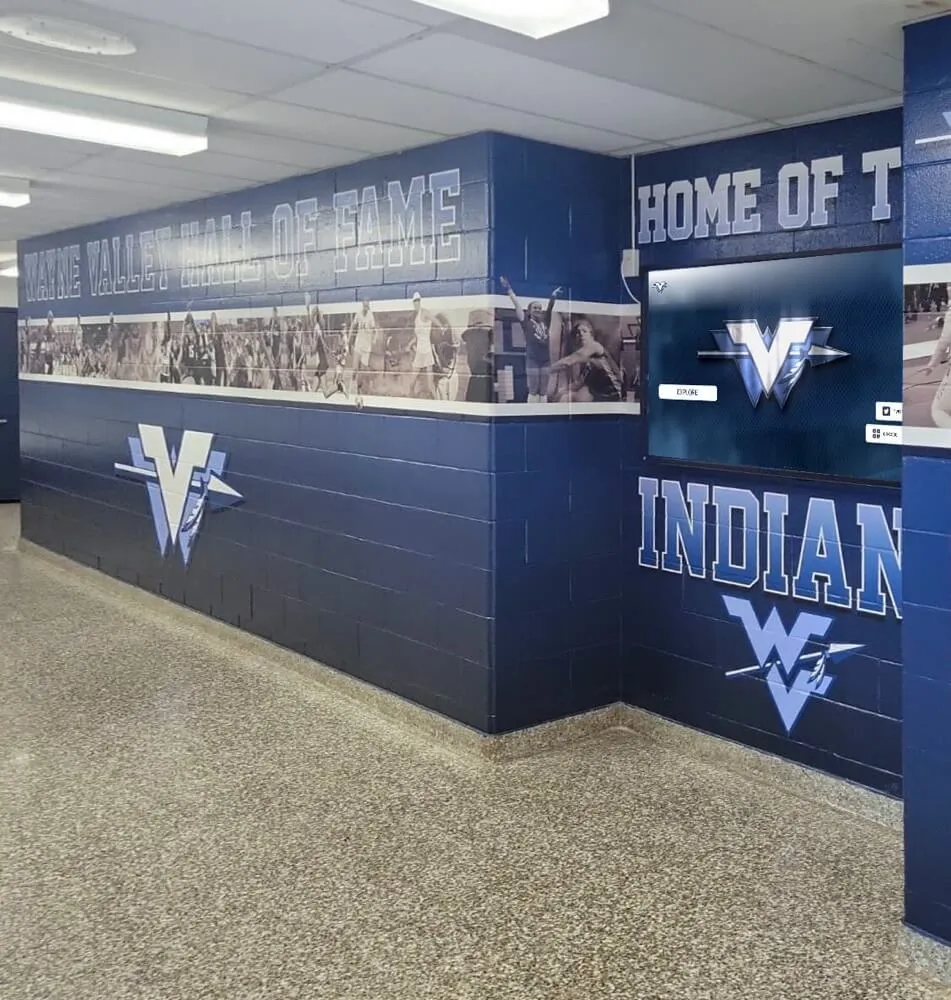
Entrance areas featuring integrated recognition displays create welcoming environments while permanently honoring those who made facility improvements possible
Essential Ribbon Cutting Ceremony Planning Elements
Systematic planning addressing core logistics ensures smooth execution while preventing oversights that undermine ceremony quality.
Establishing Planning Timeline and Committee Structure
Ribbon cutting ceremonies require substantial lead time enabling quality preparation:
Recommended Planning Timeline
Begin comprehensive planning 8-12 weeks before dedication for major facility openings involving significant donors and large audiences, 6-8 weeks for moderate-scale renovations or additions, and 4-6 weeks minimum for smaller projects or program space dedications.
Rushed planning compromises quality through limited donor coordination, insufficient invitation lead time, constrained vendor availability, inadequate communication preparation, and preventable logistics oversights creating ceremony day complications.
Forming Planning Committees
Distribute responsibilities across dedicated teams including overall event coordination managing timeline and vendor relationships, donor relations ensuring appropriate contributor recognition and communication, facilities management coordinating venue setup and construction readiness, communications handling invitations, publicity, and media engagement, program development creating ceremony flow and content, and recognition systems when implementing permanent acknowledgment displays.
Committee structure prevents overwhelming single coordinators while ensuring specialized expertise addresses each planning dimension effectively.
Venue Preparation and Facility Readiness
Dedication ceremonies typically occur at project sites, requiring thoughtful preparation:
Site Preparation Considerations
Ensure venue readiness through completed construction with certificate of occupancy if required, thoroughly cleaned spaces presenting professionally, safely accessible pathways preventing guest hazards, adequate parking and arrival logistics for anticipated attendance, weather contingency plans for outdoor elements or seasonal concerns, and appropriate staging areas for speakers, ribbon cutting moments, and audience viewing.
Professional site presentation demonstrates pride in completed projects while ensuring guest safety and comfort.
Staging and Technical Setup
Design ceremony space including elevated platforms or staging ensuring visibility, sound amplification enabling all attendees to hear presentations, visual displays for project renderings, donor recognition, or presentation slides, strategic lighting highlighting dedication moments and improving photography, and ribbon cutting installations positioning ceremonial elements prominently.
Technical excellence prevents disruptions while enabling quality documentation and media coverage.
Accessibility and Guest Accommodation
Ensure inclusive experiences through ADA-compliant pathways and seating, designated seating for VIP donors and special guests, temperature control for indoor venues or seasonal outdoor events, restroom access clearly communicated and conveniently located, and guest services including greeters, programs, and information stations.
Thoughtful accommodation demonstrates respect for all attendees while preventing discomfort undermining ceremony enjoyment.
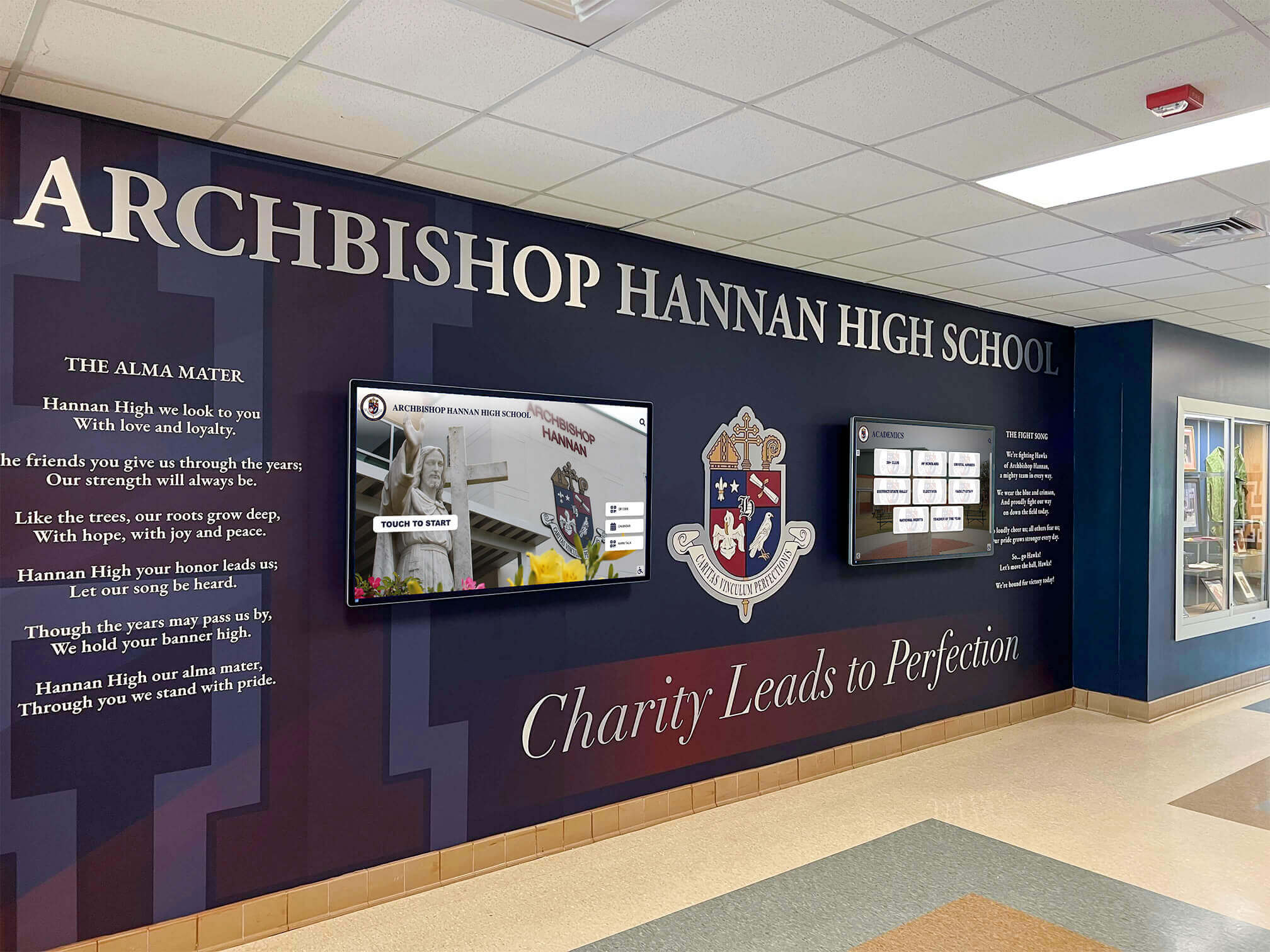
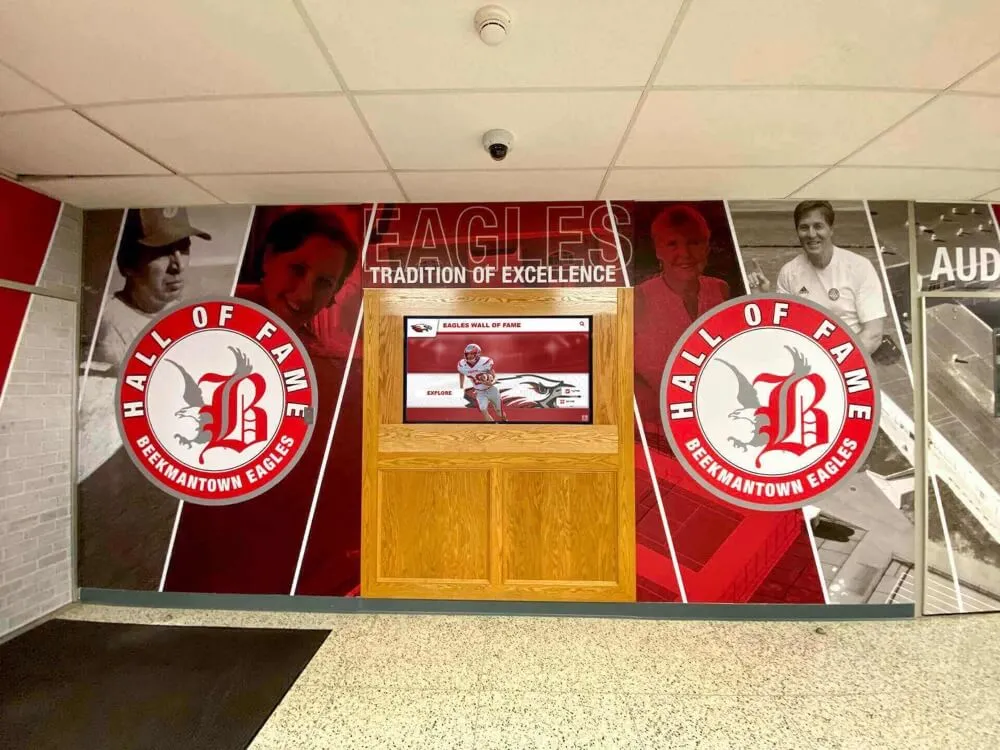
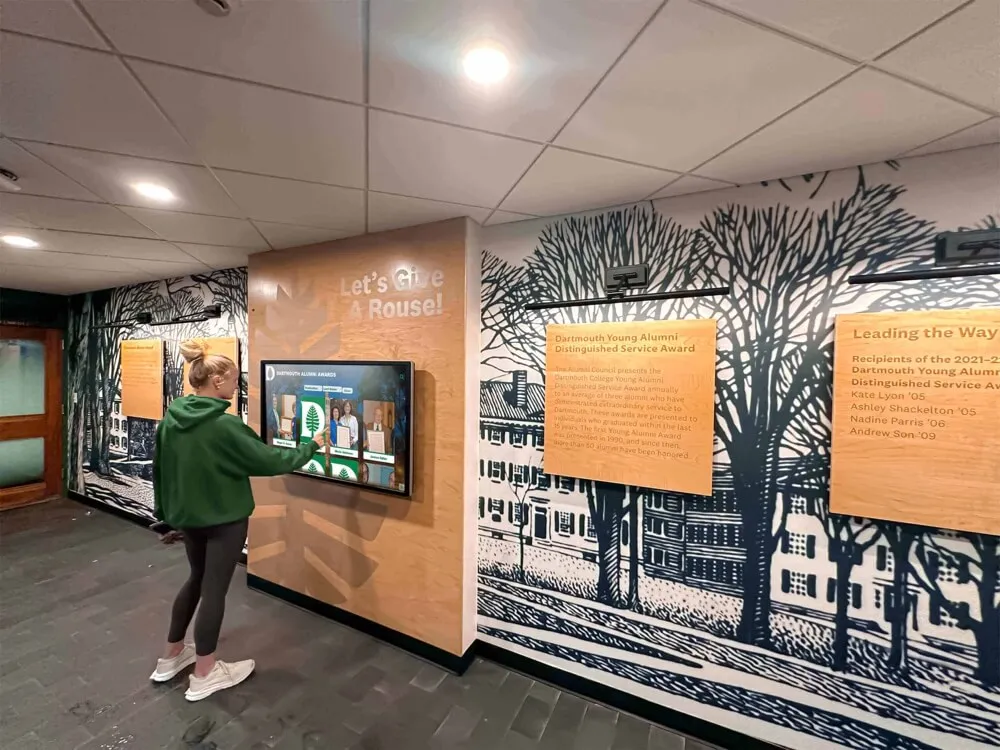
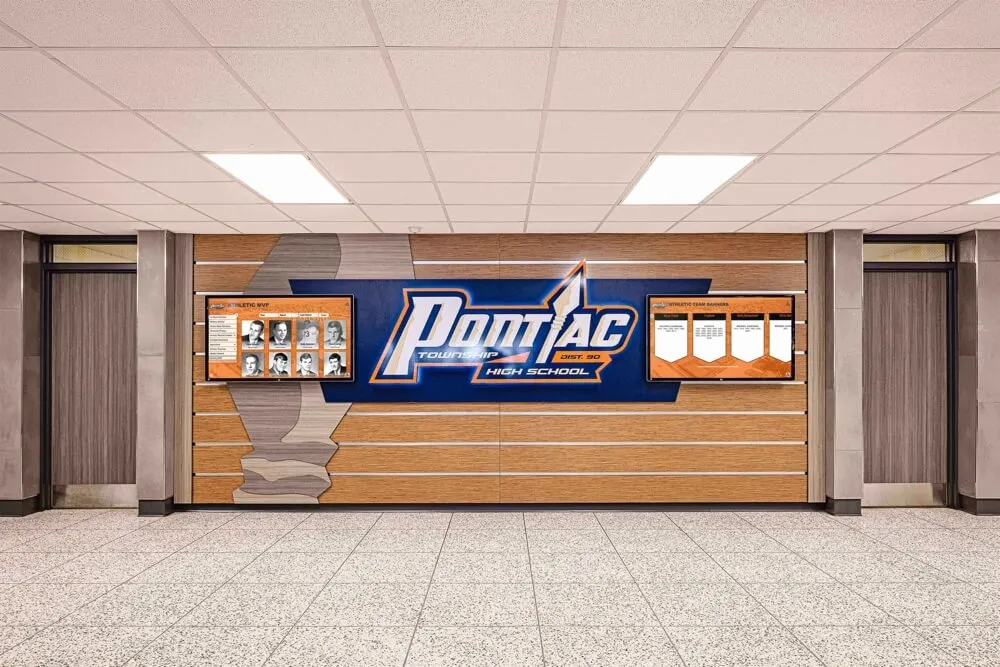
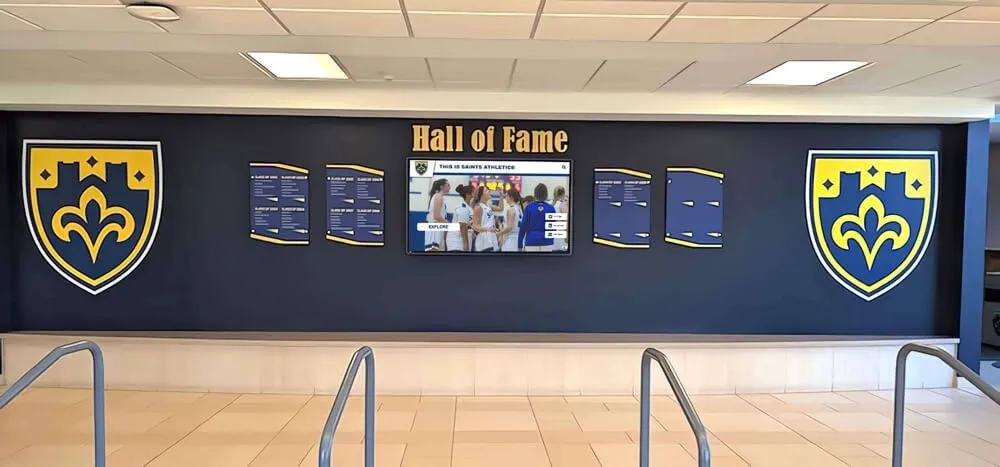
Strategic design integrates recognition technology with traditional architectural elements creating comprehensive celebration environments
Creative Ribbon Cutting Ceremony Ideas and Program Elements
Thoughtful program design transforms standard dedications into memorable celebrations that engage attendees and honor contributors meaningfully.
Traditional and Creative Ribbon Cutting Variations
The ceremonial ribbon cutting moment offers opportunities for creative personalization:
Classic Ribbon Cutting Approaches
Traditional elements include oversized ceremonial ribbons (typically 6-8 inches wide) in institutional colors, large decorative scissors creating memorable photo opportunities, positioning key donors and leadership for coordinated cutting, countdown moments building anticipation, and immediate facility access following ribbon drop enabling guests to explore new spaces.
Classic approaches provide familiar structure while creating iconic photo opportunities for media coverage and donor keepsakes.
Creative Ribbon Cutting Variations
Innovative alternatives generate additional interest including color-coordinated ribbons matching facility themes or team colors, multiple ribbons enabling broader donor participation in cutting moments, sport-specific elements like cutting basketball nets for gymnasium dedications, symbolic keys presented to student representatives or program leaders, time capsule installations incorporating ceremony documentation and current artifacts, and balloon releases or confetti drops creating visual excitement (where environmentally appropriate).
Creative elements distinguish ceremonies while creating memorable moments that attendees associate with positive institutional connection.
Recognition and Acknowledgment Strategies
Appropriately honoring contributors represents ceremony’s primary purpose:
Donor Recognition Approaches
Acknowledge financial supporters through tiered recognition reflecting contribution levels, naming dedications formally honoring transformational gifts, commemorative plaques unveiled during ceremonies marking permanent recognition, speaking opportunities for major donors or family representatives, and donor wall reveals showcasing comprehensive contributor acknowledgment.
Thoughtful recognition validates generosity while strengthening ongoing donor relationships supporting continued institutional advancement.
Community and Volunteer Acknowledgment
Honor broader contributors including community leaders who championed project approval, volunteer committee members who guided development, student representatives whose advocacy supported initiatives, staff members whose vision initiated projects, and construction partners who executed work with excellence.
Comprehensive acknowledgment demonstrates that organizations value all contributions regardless of form, strengthening community investment in institutional success.
Frameworks for award ceremony planning and recognition events provide detailed strategies applicable to ribbon cutting dedications.
Program Flow and Content Structure
Effective ceremony structure balances recognition, celebration, and audience engagement:
Optimal Program Components
Design ceremonies lasting 30-45 minutes including welcome and opening remarks (3-5 minutes) establishing tone and context, project history overview (5-7 minutes) explaining facility vision and development, donor and contributor recognition (10-15 minutes) acknowledging key supporters, featured remarks from major donors or leadership (5-7 minutes), ribbon cutting moment with coordinated photo opportunities (5 minutes), facility tours or guided exploration (15-30 minutes following formal program), and optional reception enabling social connection and informal celebration.
Balanced programs maintain audience engagement while ensuring appropriate recognition depth and celebration atmosphere.
Engaging Presentation Elements
Enhance programs through before-and-after photo presentations showing facility transformation, student testimonials expressing appreciation and excitement, video montages documenting construction progress or featuring donor interviews, architectural renderings illustrating facility features and capabilities, and statistical highlights demonstrating project impact like increased capacity, improved accessibility, or expanded program opportunities.
Visual and narrative elements engage diverse audiences while providing meaningful context for facility significance.
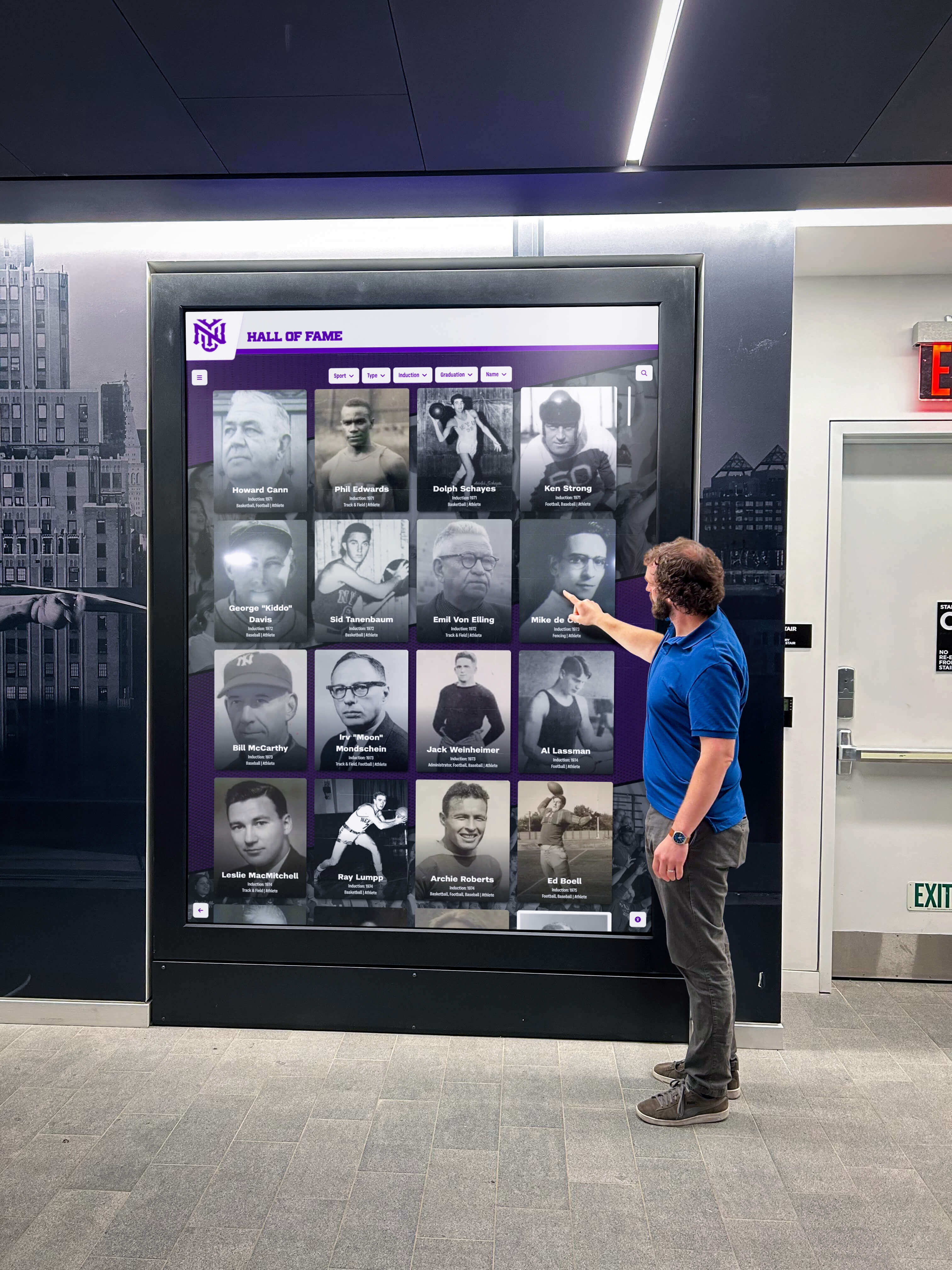
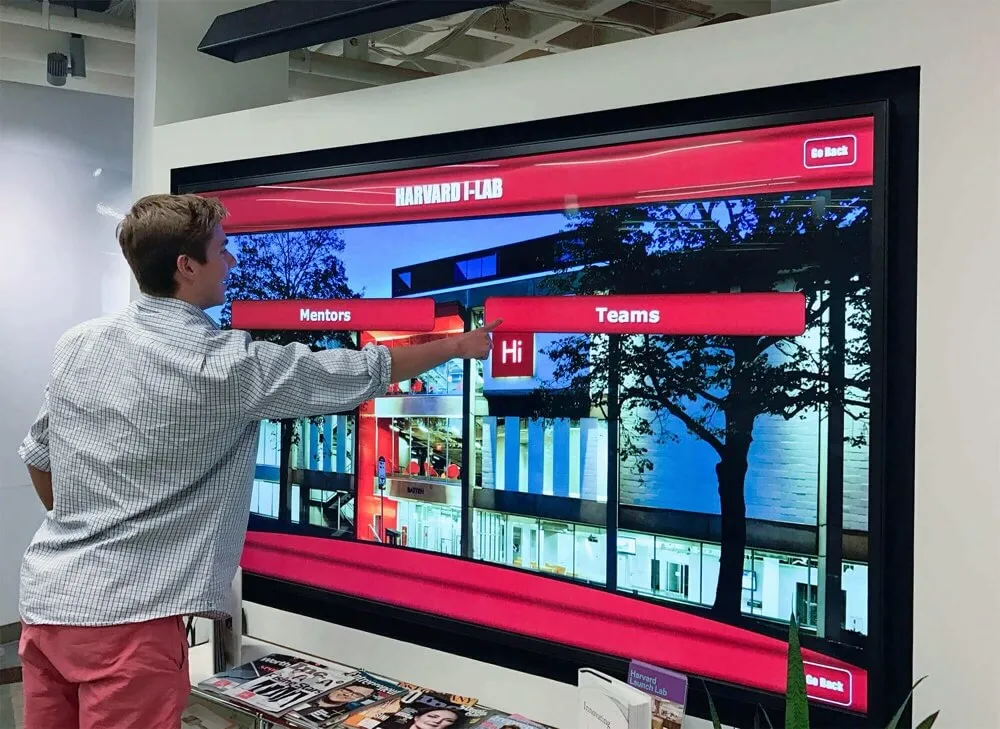
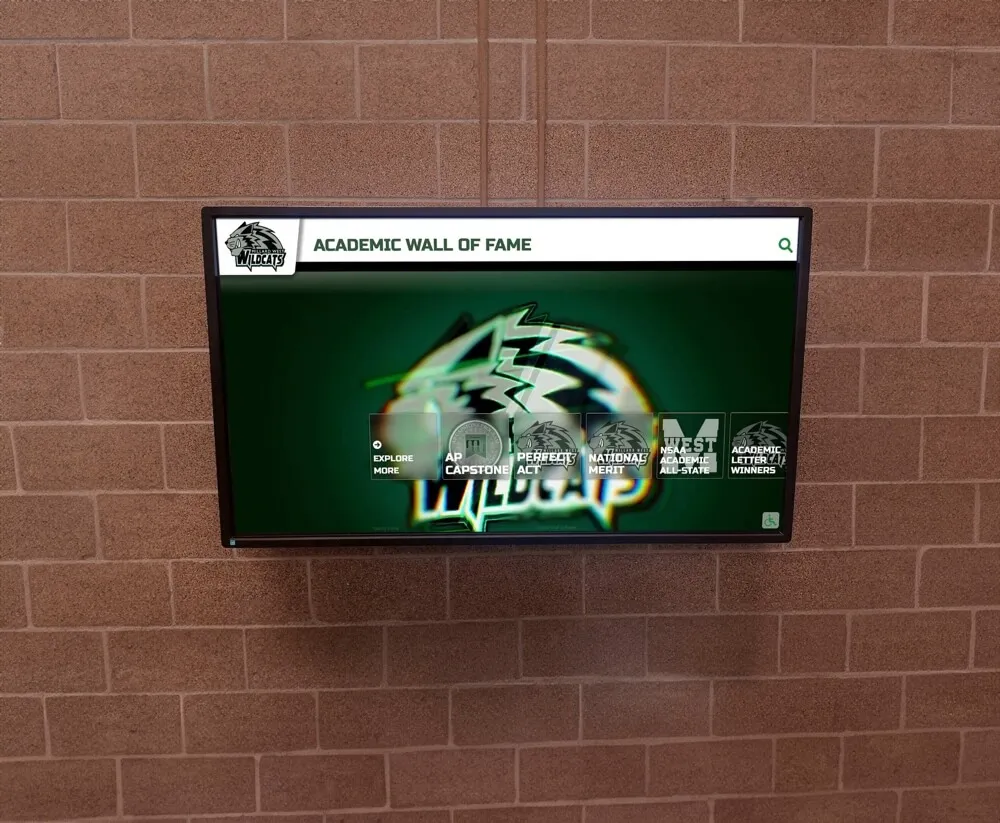
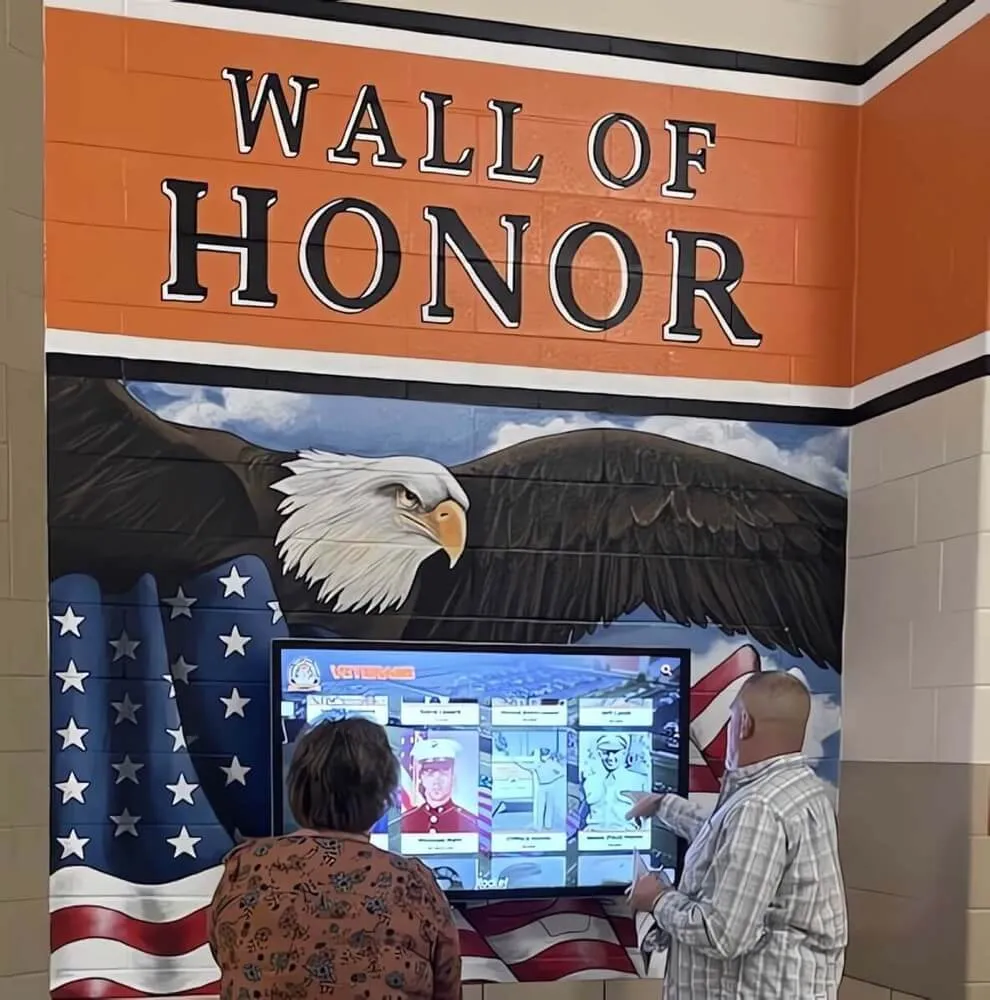
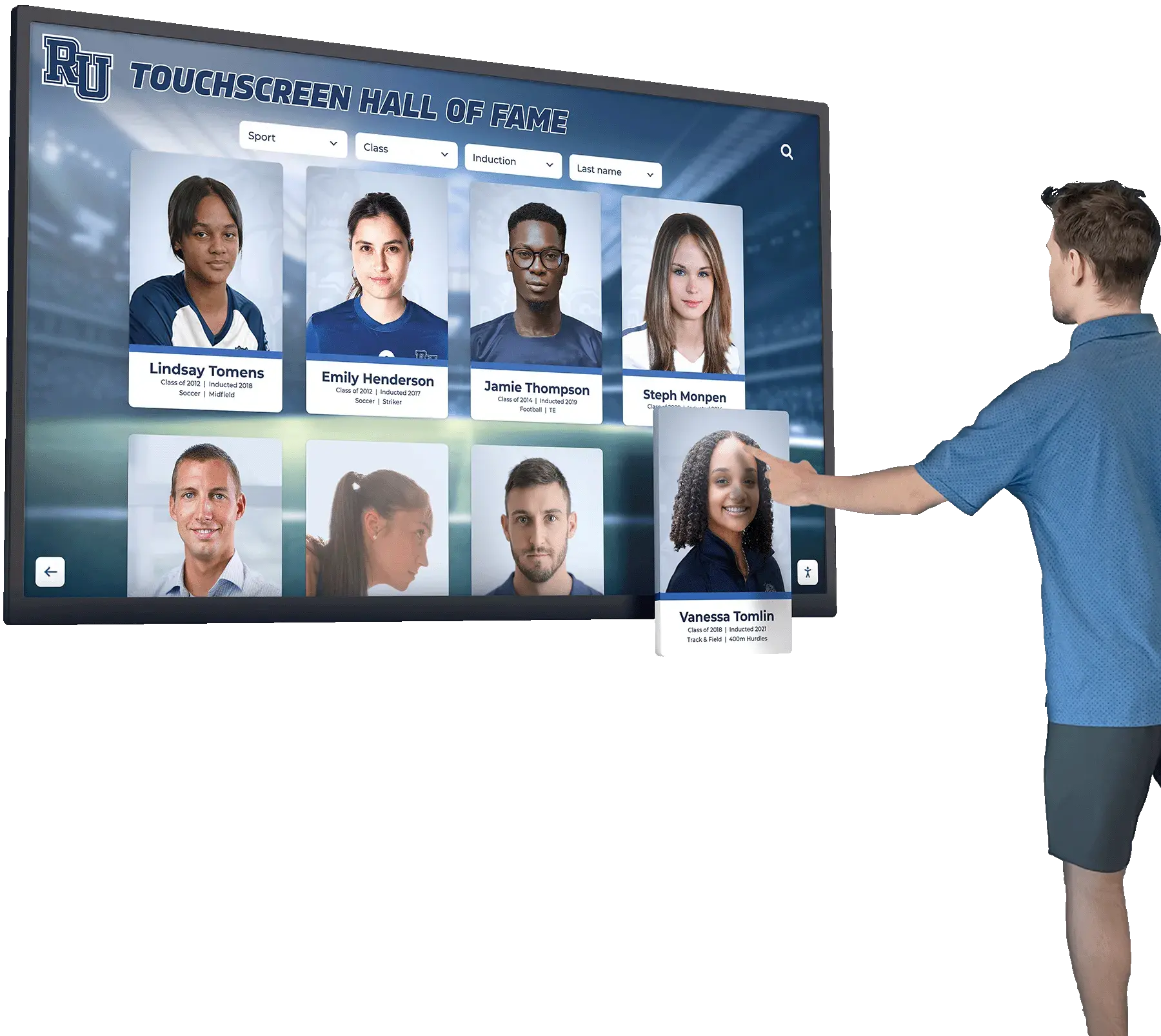
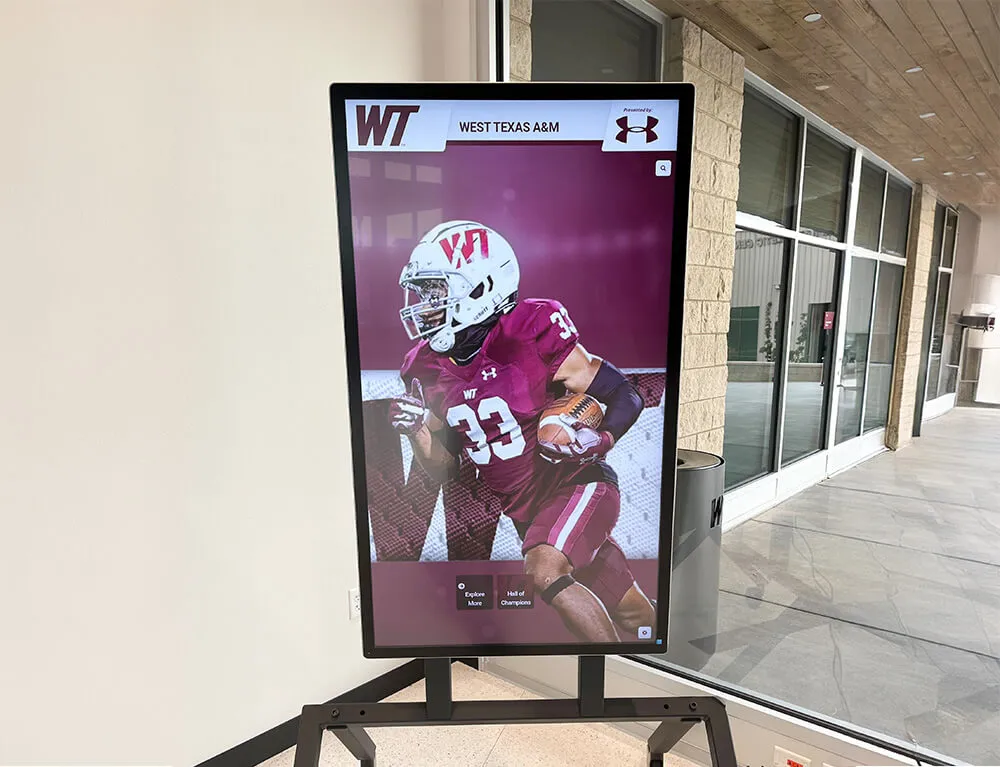
Interactive recognition displays invite exploration of donor contributions and facility history, extending engagement beyond ribbon cutting ceremonies
Permanent Recognition Solutions That Honor Ribbon Cutting Ceremony Contributors
While ceremonies provide important celebration moments, lasting recognition ensures donors and supporters receive sustained acknowledgment inspiring current and future participants.
Traditional and Digital Recognition Display Options
Modern facilities often incorporate comprehensive recognition systems:
Physical Recognition Installations
Traditional approaches include engraved donor walls listing contributors by giving level, naming plaques identifying spaces honoring transformational gifts, commemorative cornerstones documenting dedication dates and key figures, display cases showcasing project artifacts or historical connections, and architectural integration through named entrances, dedicated rooms, or branded facility elements.
Physical recognition provides permanent visibility that ceremony attendees and facility users encounter regularly, creating sustained donor acknowledgment.
Interactive Digital Recognition Systems
Contemporary technology enables enhanced recognition experiences through touchscreen displays positioned in facility lobbies or high-traffic areas, comprehensive donor profiles including photos, contribution details, and personal messages, facility history timelines documenting project development and milestones, searchable databases enabling visitors to find specific contributors, and multimedia presentations featuring video interviews or dedication ceremony highlights.
Solutions like Rocket Alumni Solutions provide purpose-built recognition platforms combining commercial-grade touchscreen hardware with intuitive content management—enabling schools and organizations to create comprehensive donor walls that honor contributors through rich profiles impossible with traditional static plaques, while maintaining current recognition as additional gifts occur or new projects receive support.
Recognition Display Design and Integration
Effective installations complement facility architecture while maximizing visibility:
Strategic Placement Considerations
Position recognition displays in main entrances ensuring all facility users encounter donor acknowledgment, lobby areas where visitors naturally gather and wait, corridors connecting primary activity spaces, or dedicated recognition rooms creating formal spaces honoring institutional supporters and history.
High-visibility placement ensures maximum exposure while demonstrating that organizations prioritize donor acknowledgment rather than relegating recognition to obscure locations.
Design Integration With Facility Aesthetics
Coordinate recognition installations through color schemes matching facility finishes and institutional branding, materials complementing architectural elements, lighting highlighting displays while maintaining overall ambiance, proportional sizing appropriate to space scale, and cohesive design language connecting recognition systems with surrounding environments.
Thoughtful integration creates professional installations that enhance rather than detract from overall facility aesthetics.
Ongoing Recognition Management
Maintain current relevance through regular content updates adding new contributors, annual dedication anniversaries celebrating project milestones, expanded donor profiles as relationships deepen, facility achievement documentation showing how spaces serve communities, and user testimonials demonstrating project impact.
Dynamic content ensures recognition remains engaging rather than becoming invisible through familiarity while demonstrating continued appreciation for contributor generosity.
Resources on school lobby design ideas and welcoming spaces demonstrate effective recognition display integration within broader facility environments.
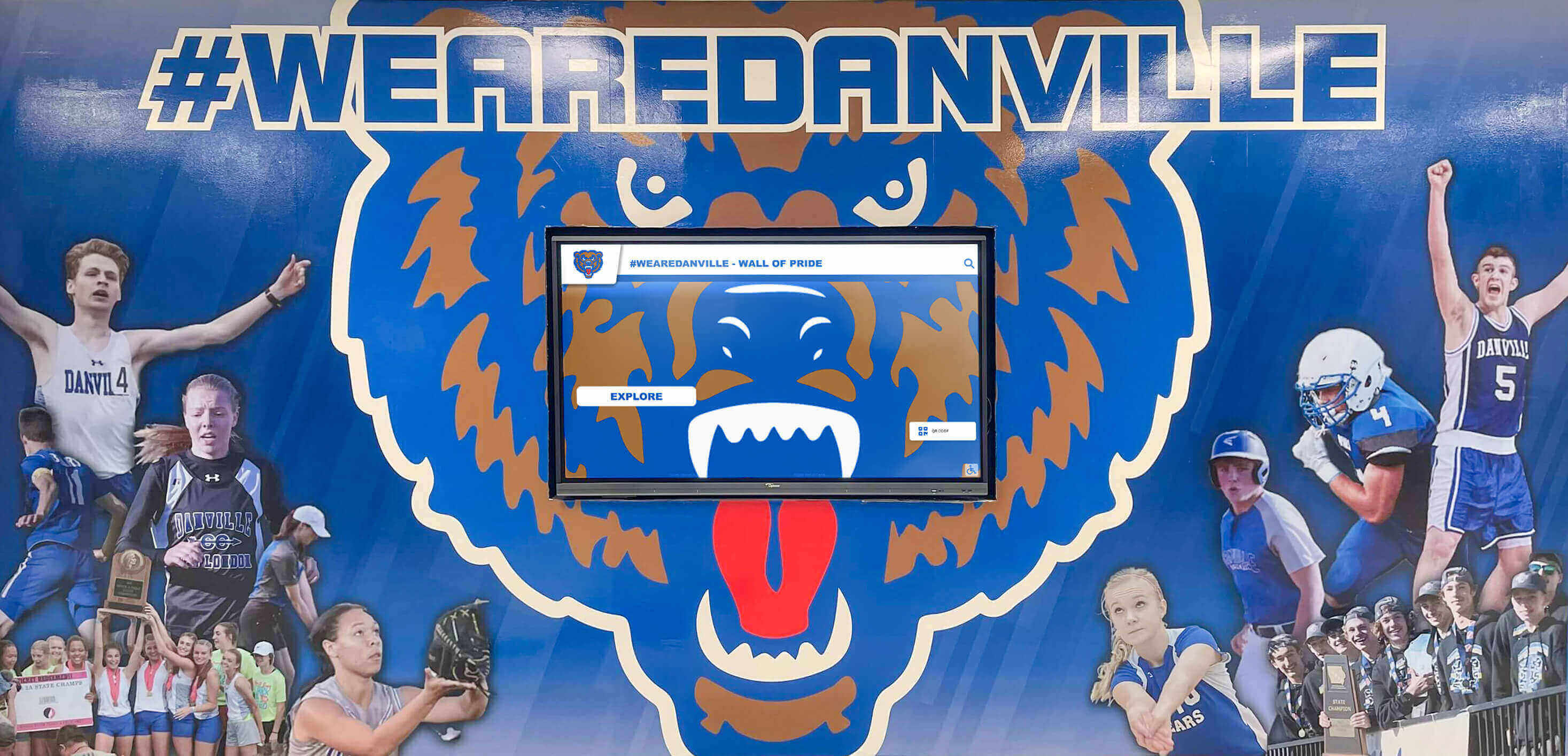
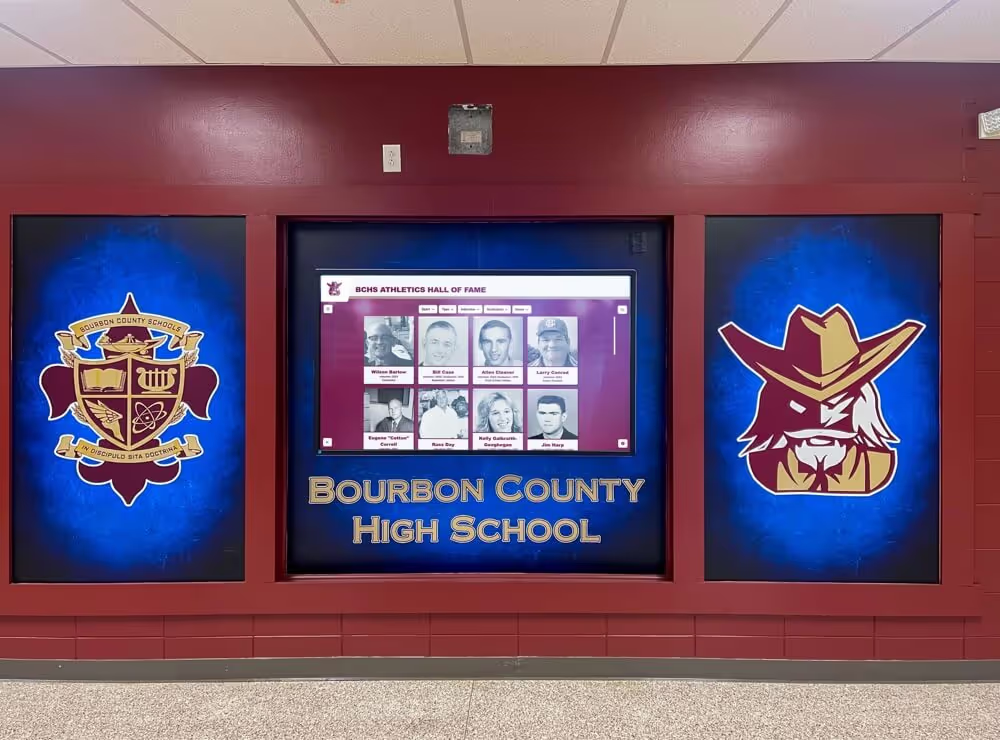
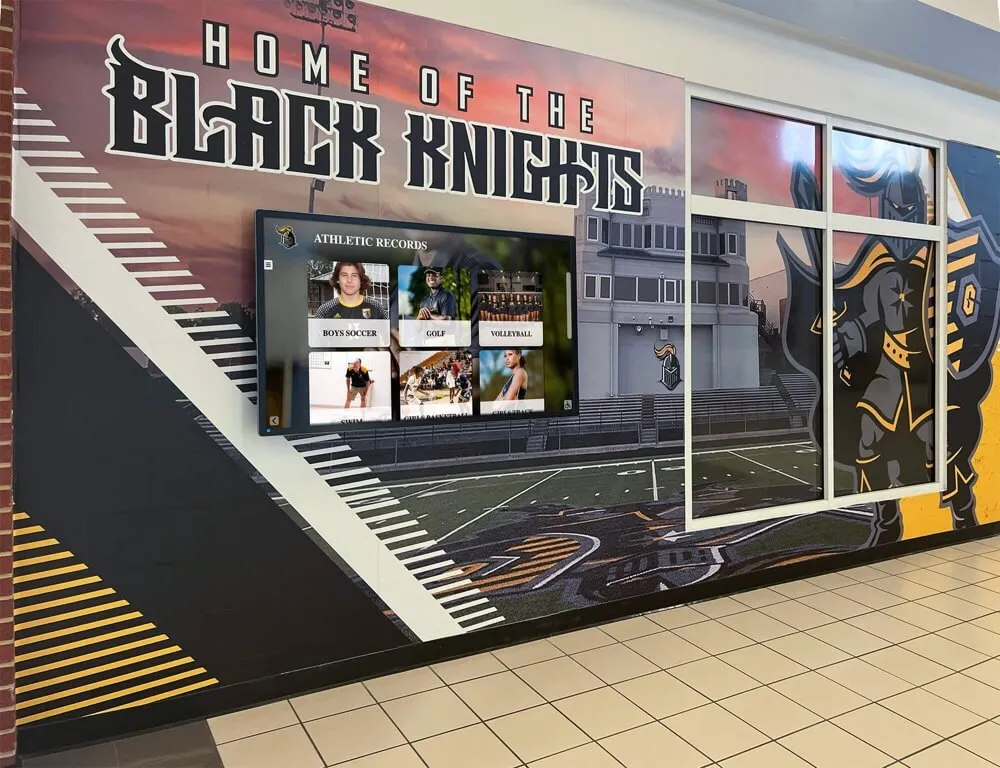
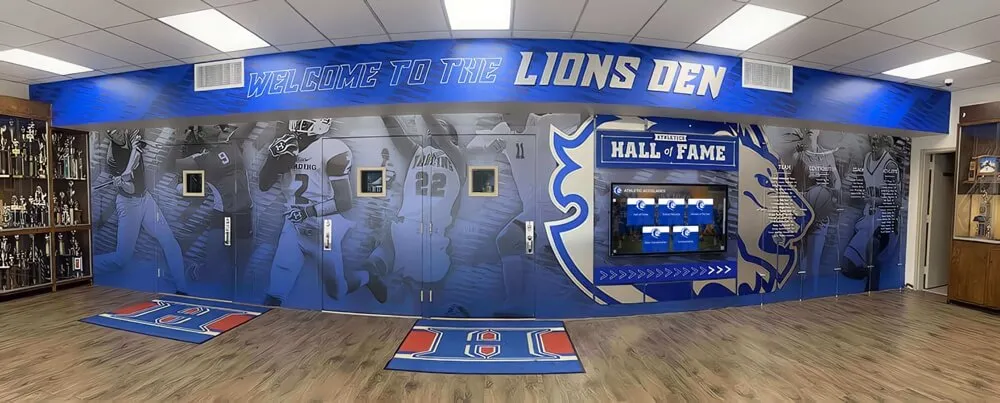
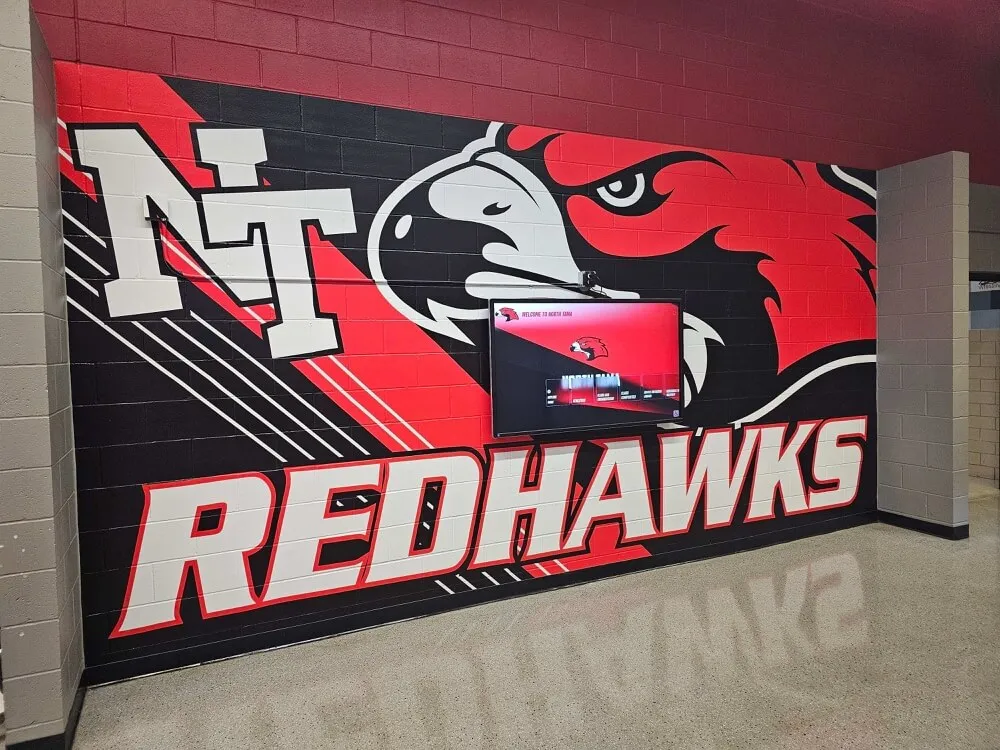
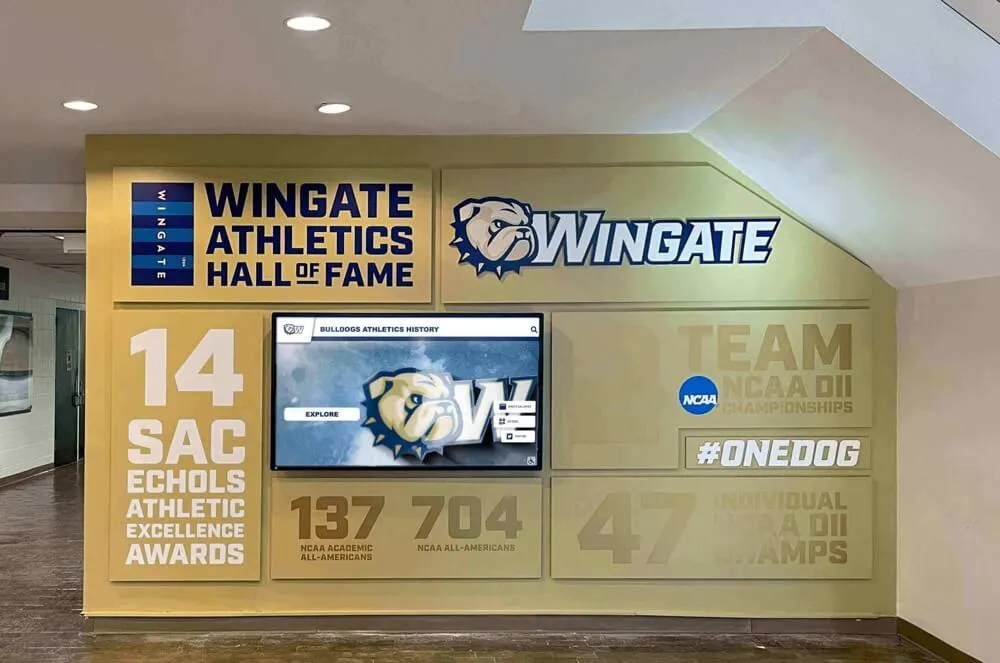
Athletic facility dedications often combine traditional branding elements with modern recognition technology honoring donors and celebrating program excellence
Invitations, Communications, and Community Engagement
Effective advance communication ensures appropriate attendance while building anticipation and community awareness.
Developing Comprehensive Invitation Strategies
Strategic invitation approaches ensure key stakeholders participate while managing logistics:
Tiered Invitation Planning
Create structured invitation lists including major donors receiving personalized invitations 6-8 weeks in advance with follow-up confirmation, community supporters and smaller donors receiving formal invitations 4-6 weeks prior, organizational members (staff, board, volunteers) notified through internal communications, elected officials and civic leaders invited through formal protocols, and media representatives receiving dedicated press invitations with coverage information.
Tiered approaches ensure appropriate communication timing while enabling attendance forecasting supporting logistics planning.
Invitation Content and Design
Provide essential information including specific date, time, and duration expectations, facility address with parking instructions and arrival guidance, program overview describing ceremony structure, RSVP deadlines with response mechanisms, accessibility information and accommodation procedures, weather contingency plans for outdoor elements, and ceremony significance context explaining project importance.
Complete information prevents confusion while building excitement through compelling facility descriptions and project impact details.
Media Engagement and Publicity Strategies
Ribbon cutting ceremonies offer valuable publicity opportunities:
Pre-Event Media Relations
Build coverage through press releases announcing ceremony details and project significance, media advisories inviting coverage with photo opportunity information, editorial board meetings explaining project community impact, social media campaigns building anticipation among stakeholders, and community calendar listings maximizing awareness.
Proactive outreach increases coverage likelihood while educating communities about institutional progress and new facility opportunities.
Ceremony Day Media Facilitation
Support coverage through designated media areas ensuring quality photography and videography, press kits providing project background, donor information, and institutional context, spokesperson availability for interviews and questions, photo opportunity coordination timing key moments for media capture, and digital asset provision including high-resolution images and video clips for immediate publication.
Media-friendly approaches maximize positive coverage while ensuring accurate project information reaches broader communities.
Post-Ceremony Publicity
Extend coverage through ceremony highlights and photos shared via organizational channels, donor spotlights featuring contributor interviews and perspectives, facility showcase content demonstrating space capabilities, community thank-you messages expressing appreciation, and ongoing facility updates showing spaces serving intended purposes.
Sustained communication reinforces positive messages while demonstrating stewardship that strengthens donor confidence and community support.
Strategies for alumni event planning and community engagement offer transferable approaches applicable to ribbon cutting celebrations.
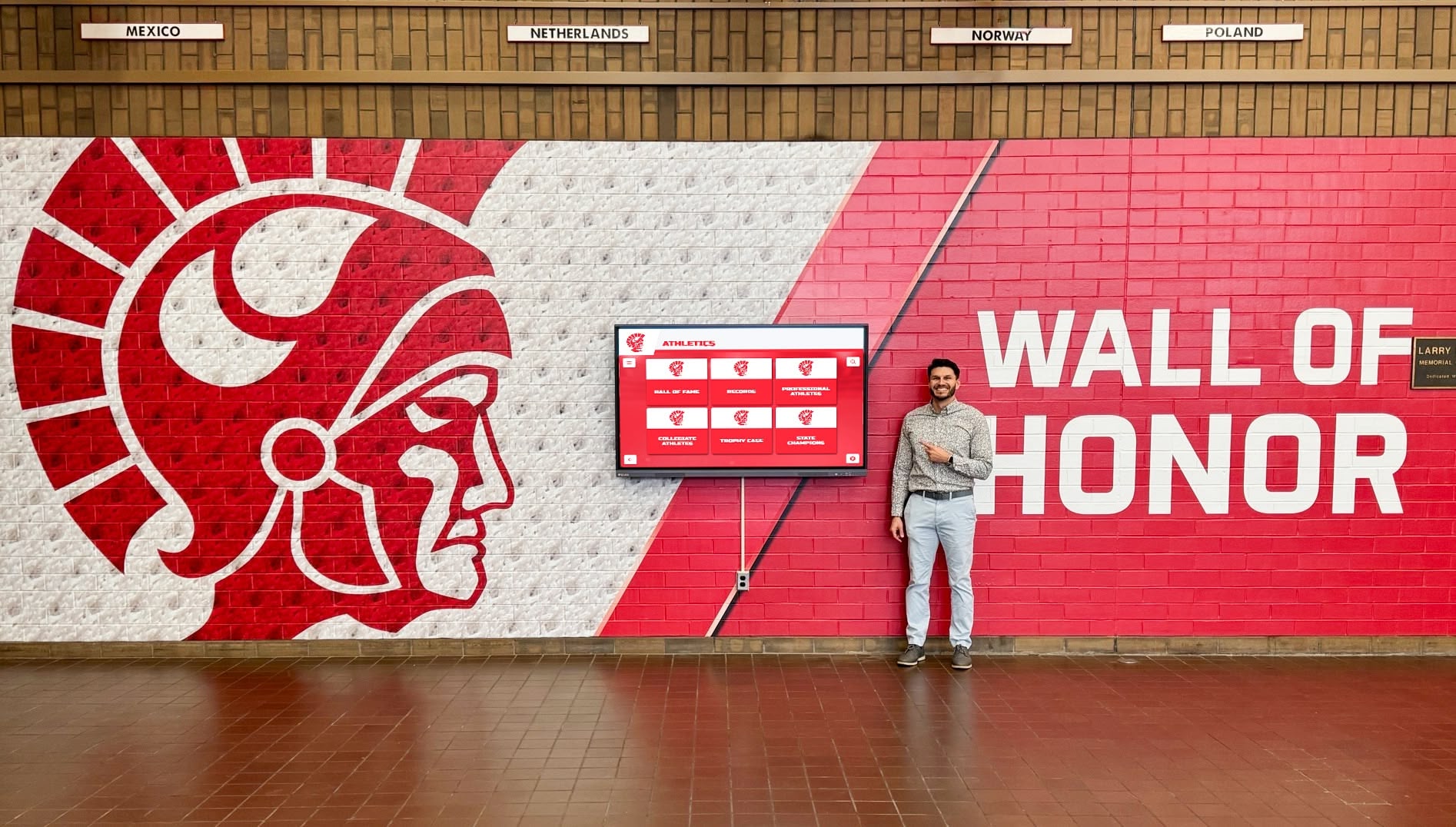
Permanent recognition installations transform dedication ceremonies from single events into lasting tributes honoring contributors through ongoing visibility
Budget-Conscious Ribbon Cutting Ceremony Planning
Meaningful dedications need not require excessive spending—thoughtfulness and strategic resource allocation matter more than budget size.
Cost-Effective Venue and Decoration Approaches
Maximizing Facility Features
Leverage completed projects as ceremony backdrops requiring minimal decoration, utilize facility capabilities like built-in sound systems or projection equipment, incorporate natural architectural elements reducing artificial decoration needs, and emphasize facility quality rather than extensive additional staging.
Beautiful new facilities provide ideal ceremony settings requiring minimal enhancement through external decoration.
Strategic Decoration Investment
Focus spending on elements creating greatest impact including institutional banners incorporating branding and ceremony themes, floral arrangements for speaker podiums or entry areas, directional signage ensuring guest wayfinding, and quality ribbon and ceremonial scissors creating memorable cutting moments and photo opportunities.
Targeted decoration investment enables professional presentation within constrained budgets.
Recognition and Keepsake Strategies
Balancing Commemoration With Cost
Provide meaningful recognition through quality printed programs listing donors and project information, digital commemoration via ceremony videos and photo galleries, personalized thank-you communications following events, and coordinating with permanent recognition displays reducing need for extensive ceremony keepsakes.
Thoughtful approaches honor contributors without excessive per-guest costs while enabling quality donor acknowledgment.
Volunteer and Community Support
Reduce expenses through volunteer coordination handling setup, greeting, or hospitality roles, donated services from professional community members, business sponsorships covering specific costs like catering or printing, and in-kind contributions of refreshments, flowers, or equipment access.
Community engagement distributes costs while building stakeholder investment in ceremony success.
Special Considerations for Athletic and Academic Facility Dedications
Different facility types warrant adapted ceremony approaches:
Athletic Facility Ribbon Cutting Ideas
Sport-Specific Elements
Incorporate thematic elements including team demonstrations or skill showcases, athlete testimonials expressing appreciation, championship banners or historical achievement displays, first practices or scrimmages following ceremonies, and donor participation through ceremonial first pitches, tip-offs, or game elements.
Sport-specific activities generate enthusiasm while creating emotional connections between facilities and their intended purposes.
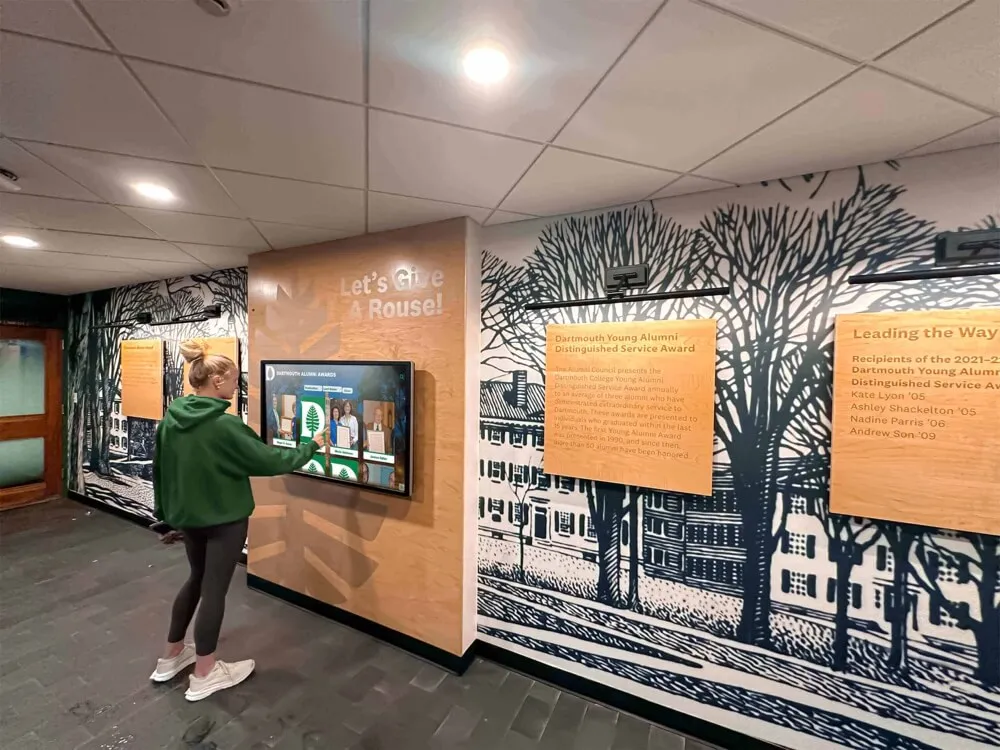
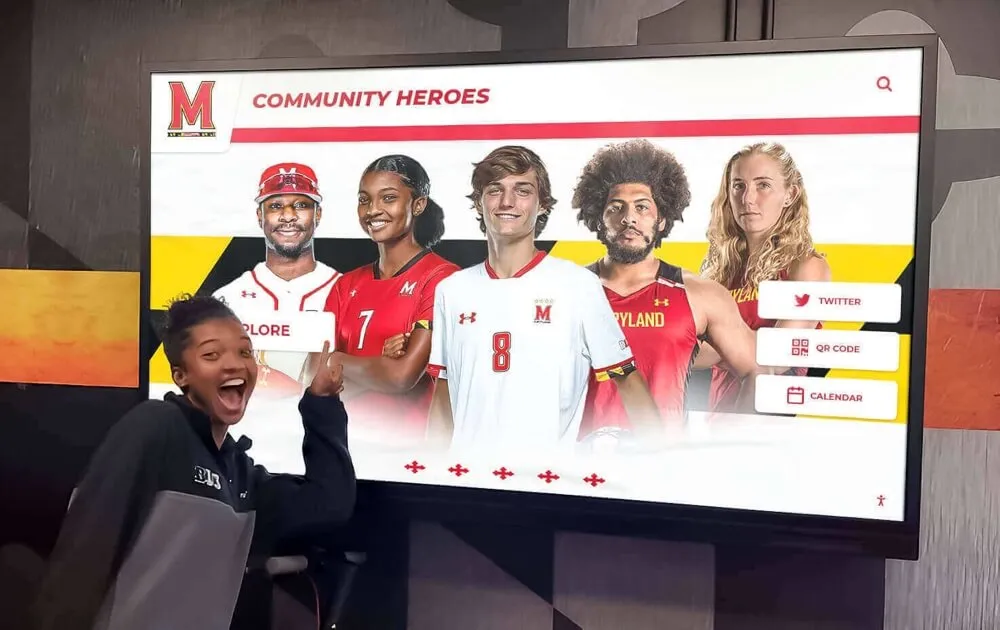
Recognition technology enables comprehensive donor acknowledgment impossible through traditional plaques alone
Athletic Recognition Integration
Connect dedications with ongoing recognition through digital record boards celebrating facility-specific achievements, hall of fame installations documenting program history, and alumni athlete acknowledgment honoring legacy connections.
Resources on outdoor classroom design and facility planning demonstrate creative dedication approaches for specialized educational spaces.
Academic and Educational Space Dedications
Learning-Focused Elements
Design ceremonies including student presentations demonstrating facility capabilities, faculty remarks explaining educational opportunities, curriculum showcases illustrating program enhancements, student artwork or performances celebrating creativity, and interactive demonstrations engaging attendees in hands-on experiences.
Educational focus demonstrates facility purpose while building community understanding of investment impact.
Donor Connection to Educational Mission
Emphasize mission alignment through student scholarship recipient acknowledgment when donors support multiple areas, graduate outcome testimonials showing long-term educational impact, faculty recruitment information demonstrating how facilities attract talent, and program expansion data illustrating increased access and opportunity.
Mission-centered content validates donor investment while building community appreciation for educational excellence.
Post-Ceremony Follow-Through and Stewardship
Dedication impact extends beyond event conclusions through strategic follow-up and continued donor engagement.
Immediate Post-Ceremony Activities
Distribution and Communication
Follow up within one week distributing professional ceremony photographs to donors and attendees, posting video recordings for broader community viewing, sharing ceremony highlights via organizational communications, sending personalized thank-you notes to major donors and speakers, and gathering feedback informing future event improvements.
Prompt follow-through maintains positive momentum while demonstrating genuine appreciation.
Media and Publicity Extension
Maximize ceremony visibility through press releases with ceremony highlights and quotes, social media campaigns featuring individual donor spotlights, organizational newsletter features celebrating project completion, website updates documenting dedication and facility information, and community partner communications when appropriate.
Sustained publicity amplifies recognition while showcasing institutional progress to broader stakeholder networks.
Building Long-Term Donor Relationships
One-time dedications provide important milestones, but systematic stewardship creates lasting engagement:
Ongoing Recognition and Communication
Maintain donor connection through annual dedication anniversary acknowledgments, facility impact reports demonstrating usage and outcomes, invitation to special facility events or programs, priority access for tours when showcasing facilities to prospective supporters, and recognition display updates maintaining current donor profiles.
Continued engagement demonstrates sustained appreciation while strengthening relationships supporting future giving and advocacy.
Stewardship Documentation
Track relationship development through comprehensive donor records including gift history and recognition details, communication logs tracking touchpoints and interactions, personal preference information enabling tailored engagement, and impact documentation showing how contributions serve intended purposes.
Systematic stewardship ensures consistent appreciation while building institutional knowledge that survives staff transitions.
Resources on employee appreciation and recognition strategies provide transferable approaches applicable to donor recognition and stewardship.
Create Lasting Recognition Beyond Ribbon Cutting Ceremonies
Discover how modern digital recognition platforms enable comprehensive donor celebration with unlimited capacity, engaging multimedia profiles, and sustainable systems ensuring contributions receive ongoing honor beyond single dedication moments. Rocket Alumni Solutions specializes in purpose-built recognition technology serving schools, organizations, and institutions across all contexts and project scales—from single facility dedications to comprehensive donor recognition programs.
Explore Recognition SolutionsCreating Ribbon Cutting Ceremonies That Celebrate Progress and Honor Contributors
Ribbon cutting ceremonies represent more than construction milestones—when designed thoughtfully and executed professionally, dedication events create transformative experiences celebrating community achievement, validating donor generosity, and establishing positive associations with facilities that will serve organizations for decades. The difference between perfunctory dedications and meaningful celebrations lies in comprehensive planning addressing stakeholder recognition, engaging program design balancing formality with warmth, quality communications ensuring appropriate attendance and media coverage, and sustainable recognition systems ensuring contributor acknowledgment extends beyond temporary ceremony moments.
Schools, organizations, and institutions implementing effective ribbon cutting ceremonies discover that thoughtful dedications deliver measurable value including strengthened donor relationships supporting continued giving and advocacy, enhanced community pride and institutional connection, positive media coverage showcasing progress and excellence, successful facility launches with strong community support, and lasting recognition cultures where contributions receive sustained acknowledgment rather than brief ceremonial thanks.
Whether planning first facility dedications, enhancing existing ceremony approaches, or exploring how modern technology addresses traditional recognition limitations, the frameworks explored throughout this guide provide proven strategies creating ribbon cutting ceremonies that genuinely honor contributions while celebrating transformational progress. Your donors, volunteers, and community supporters invested extraordinary time, resources, and advocacy making facility visions reality—they deserve recognition matching that commitment through thoughtful ceremonies, meaningful acknowledgment, and lasting visibility celebrating their contributions.
Ready to enhance your ribbon cutting ceremony planning and donor recognition? Explore how interactive kiosk solutions enhance visitor experiences in newly dedicated facilities, discover digital recognition walls for school renovations, and understand how comprehensive recognition solutions preserve ceremony contributions through permanent interactive platforms inspiring current and future stakeholders while honoring those who made facilities possible.