



Schools and organizations investing in digital recognition displays face a common concern: being stuck managing hardware failures, navigating manufacturer warranties, and coordinating with multiple vendors when problems arise. Many digital signage companies sell software subscriptions but leave customers to source hardware independently, troubleshoot technical issues alone, and figure out installation logistics without professional guidance.
Rocket Alumni Solutions takes a fundamentally different approach. Rather than offloading hardware responsibility to customers, Rocket provides complete turnkey solutions including commercial-grade hardware procurement, professional installation services, comprehensive technical support, and dedicated Customer Success teams serving as single points of contact for any issue—hardware, software, or operational.
This full-stack commitment means schools never face the frustration of being bounced between hardware manufacturers, software vendors, and installation contractors when problems occur. Rocket owns the entire solution and guarantees outcomes: working displays that reliably celebrate achievements without requiring technical expertise from school staff.
Organizations implementing digital recognition technology need more than software licenses—they need partners committed to operational success through every phase from initial design and installation through years of ongoing support. The difference between vendors who sell software versus those who deliver complete solutions determines whether recognition displays become valued institutional assets or frustrating technology headaches.

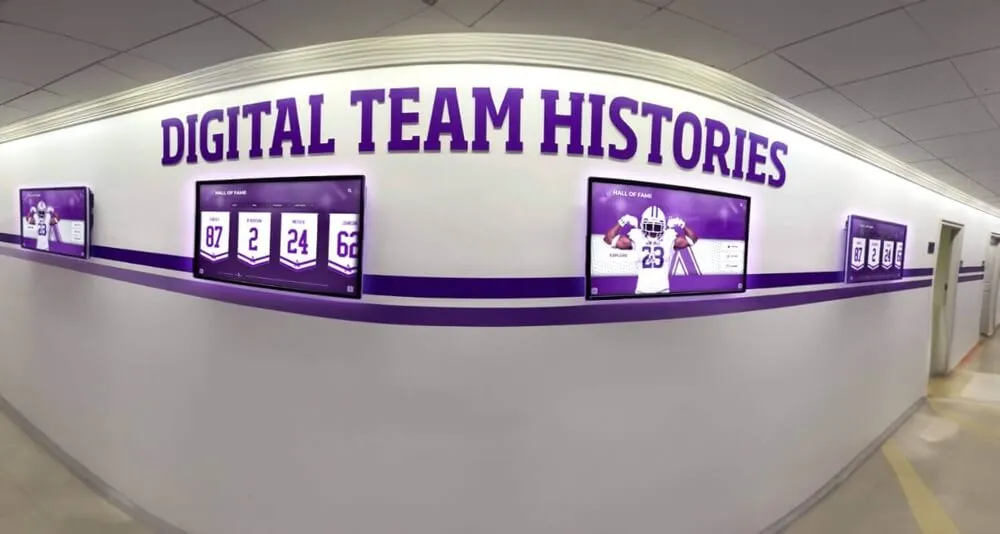
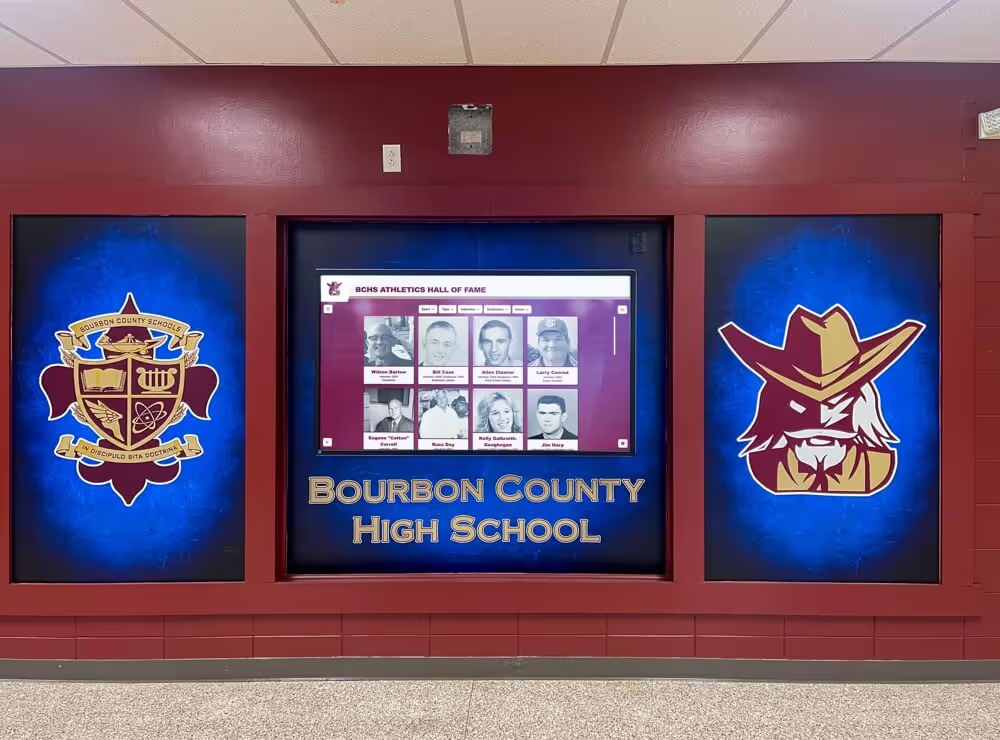
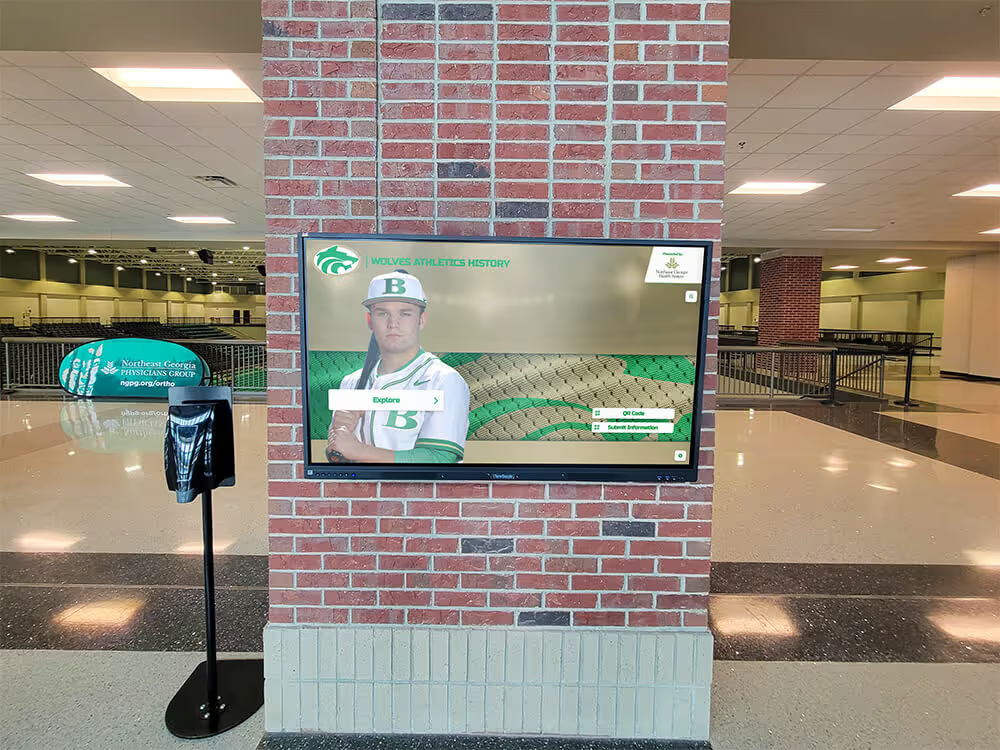
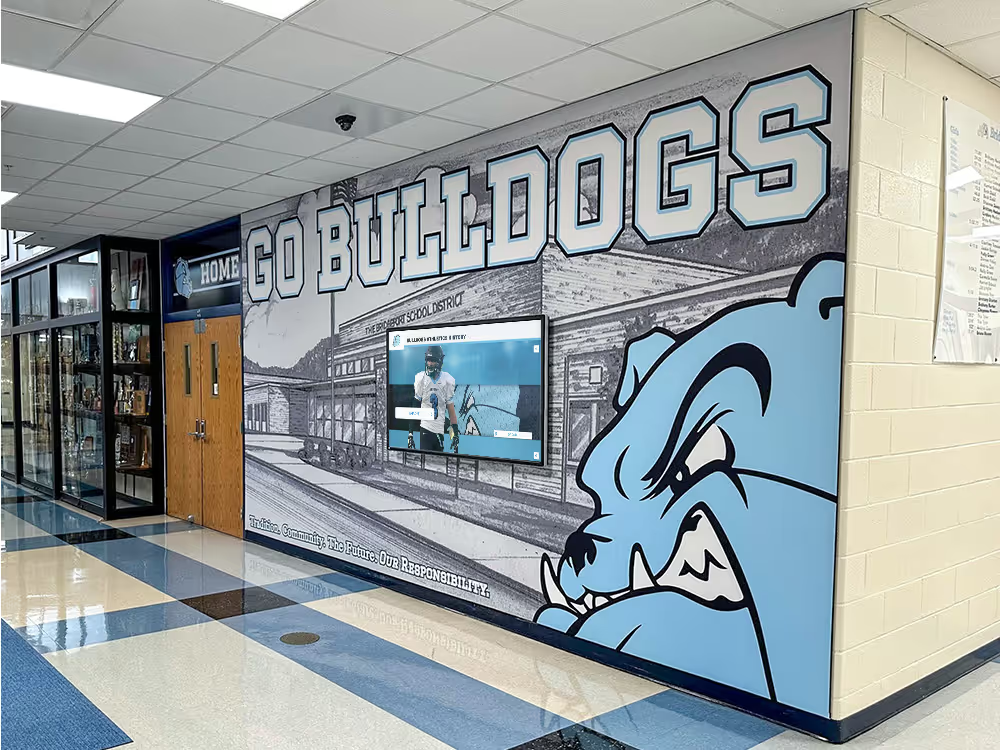
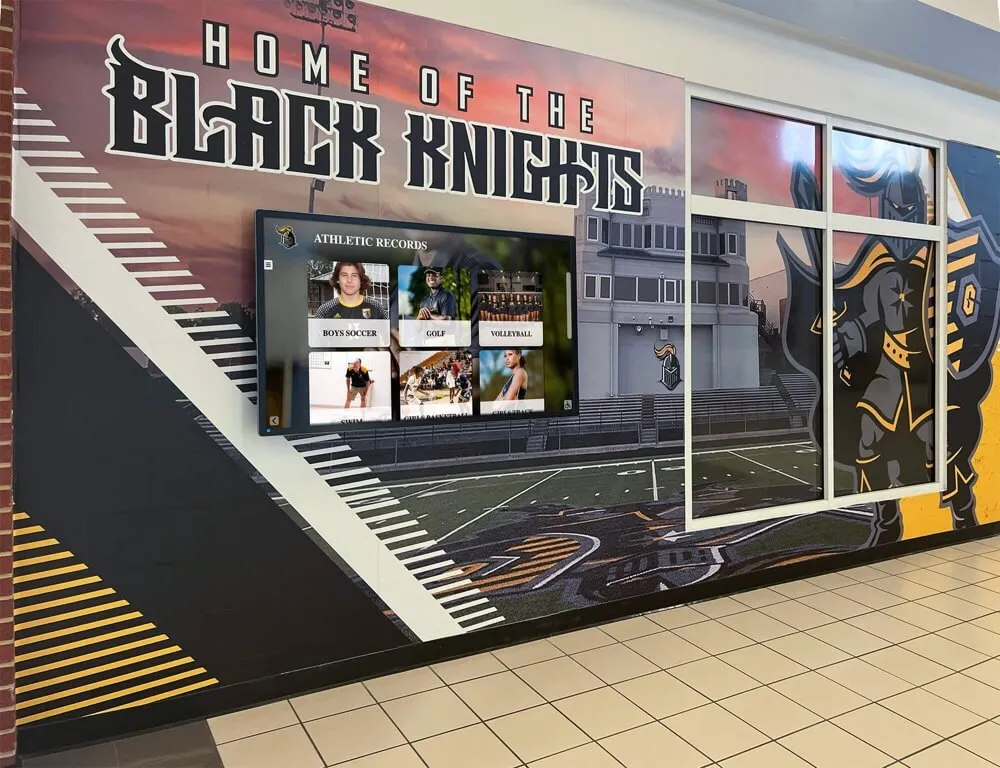
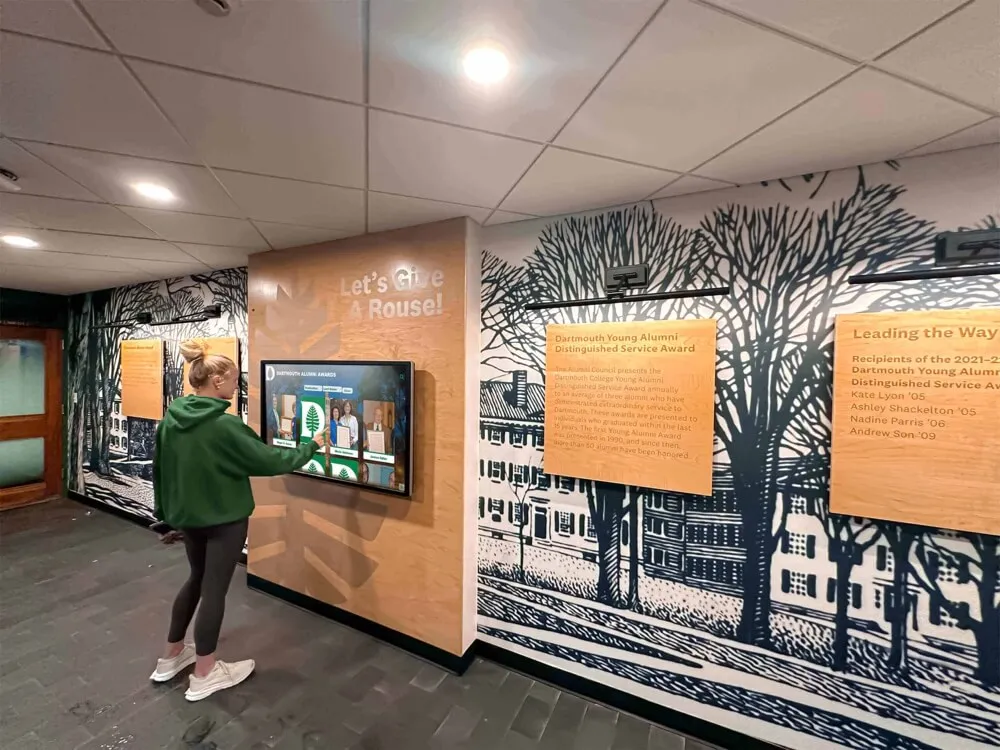
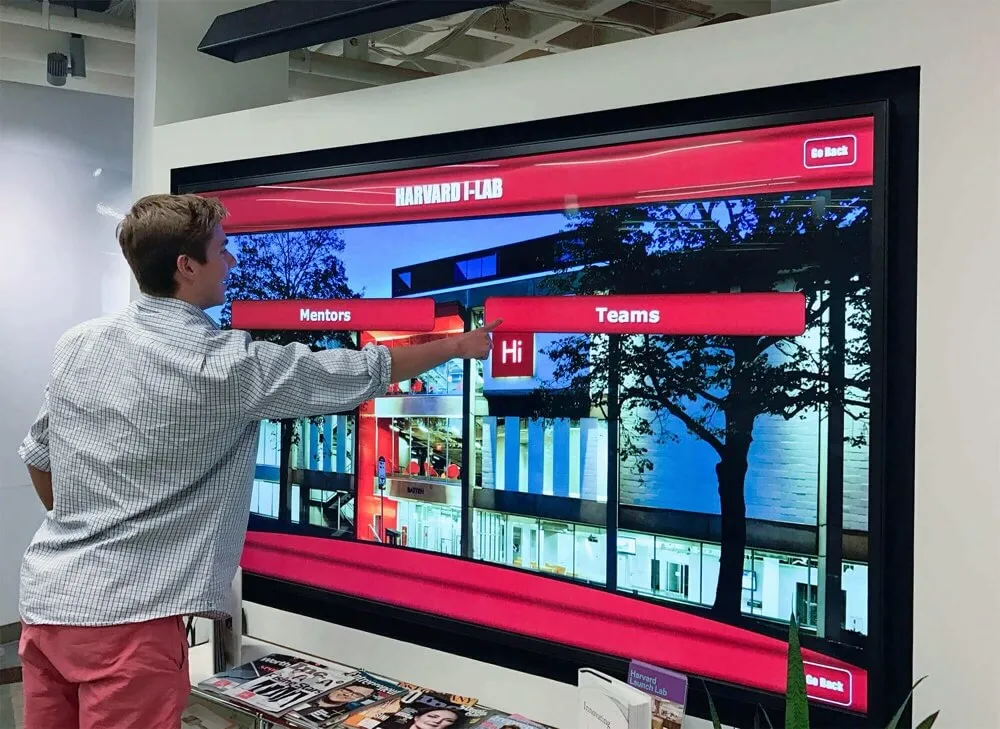
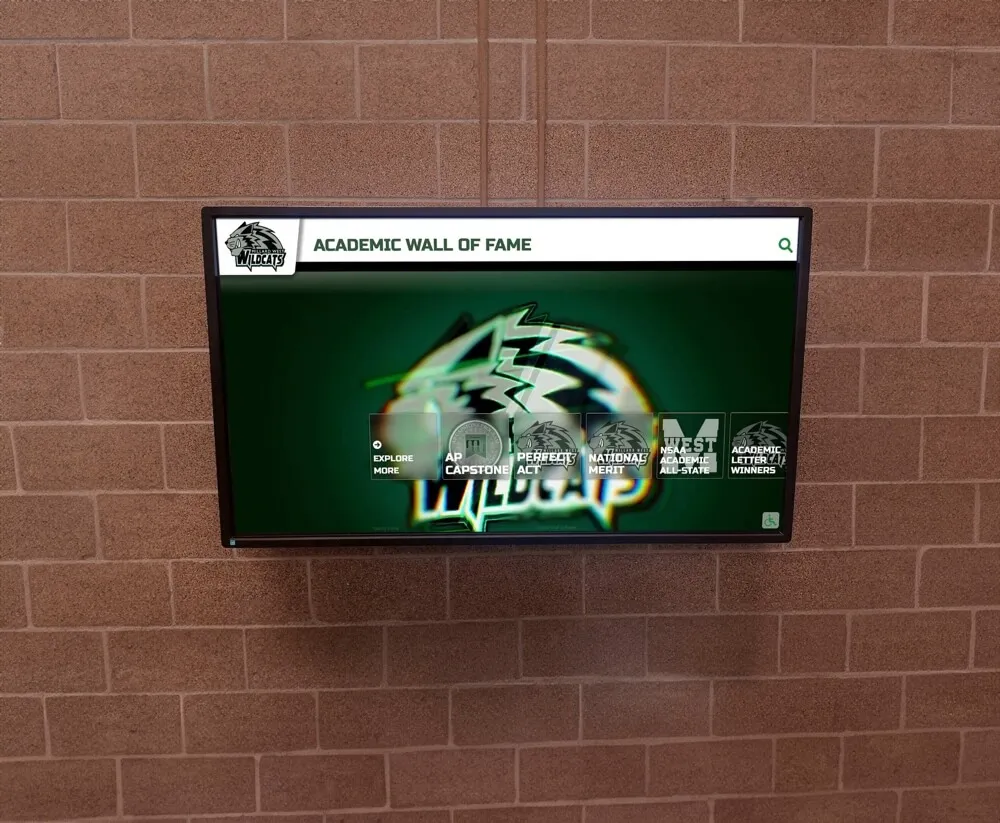
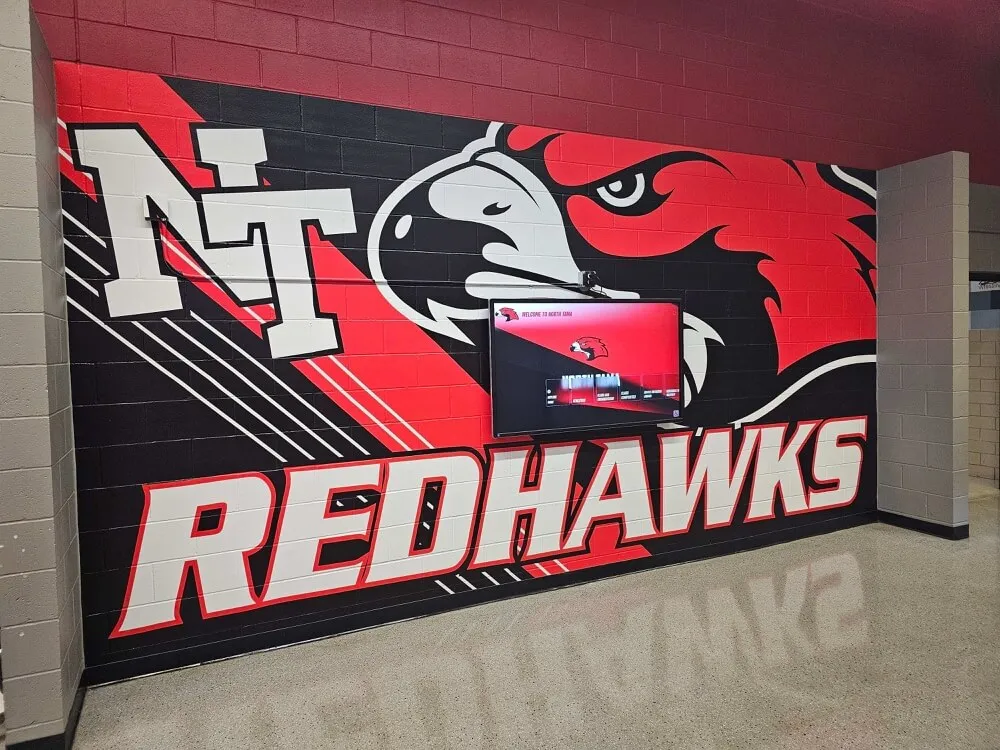
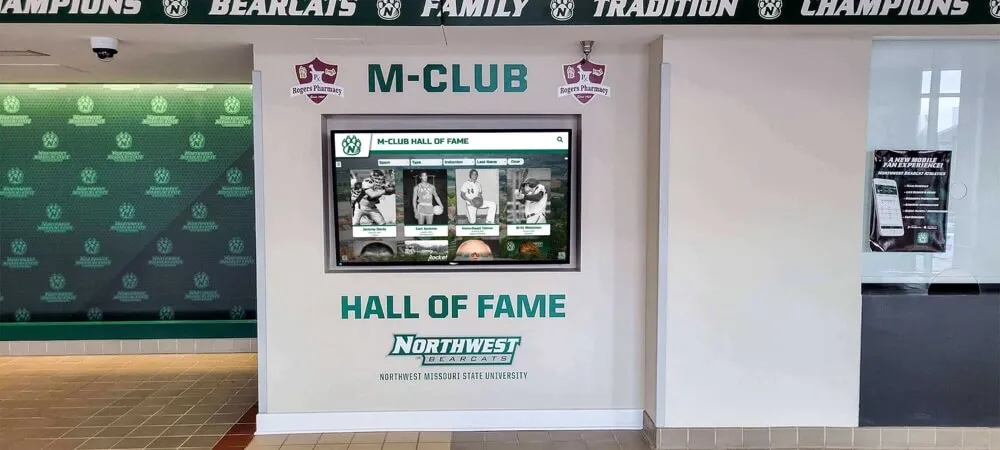
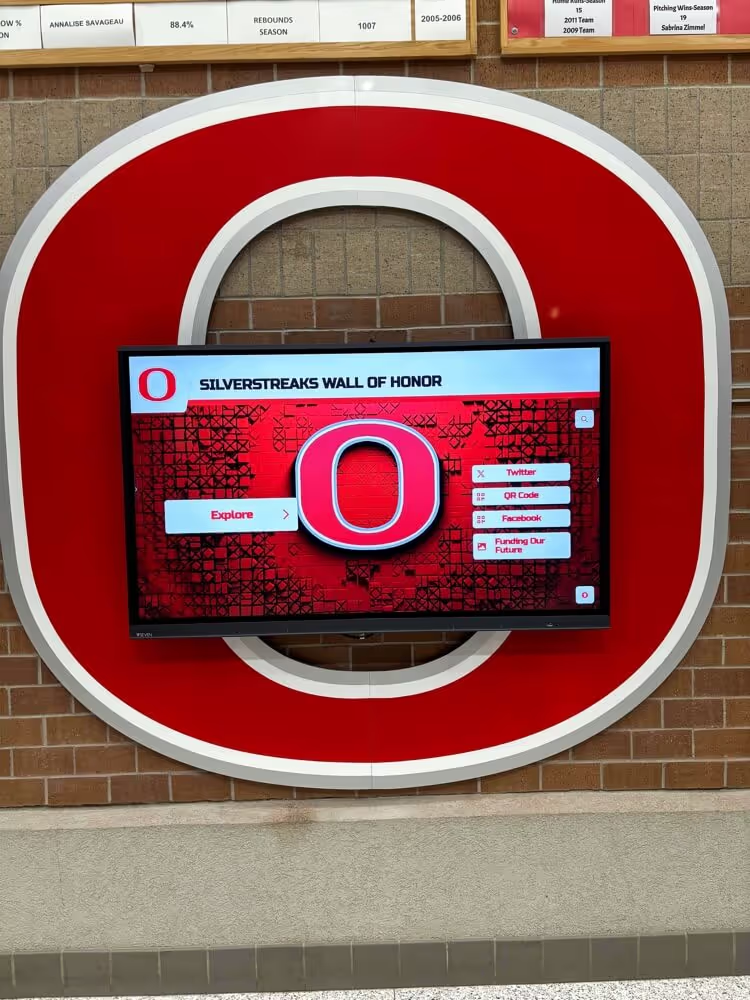
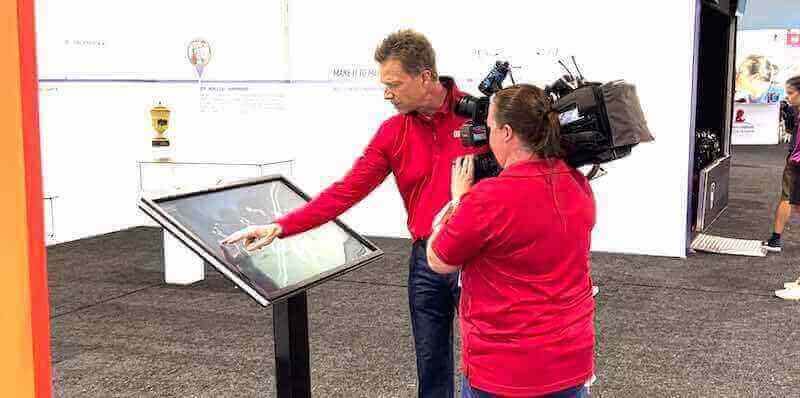
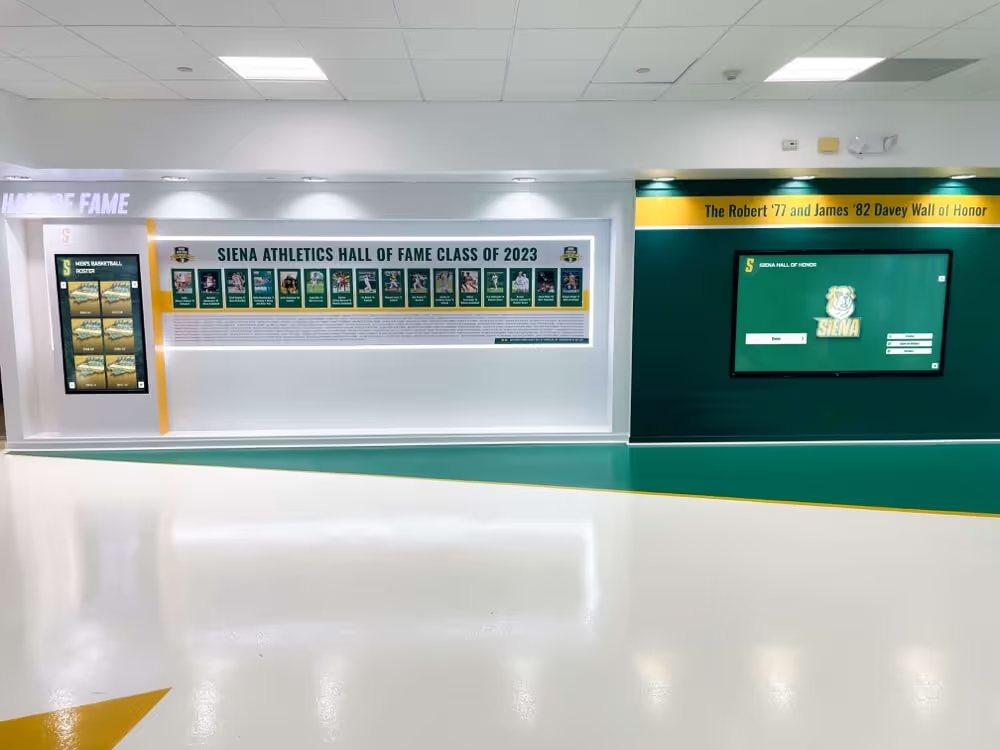
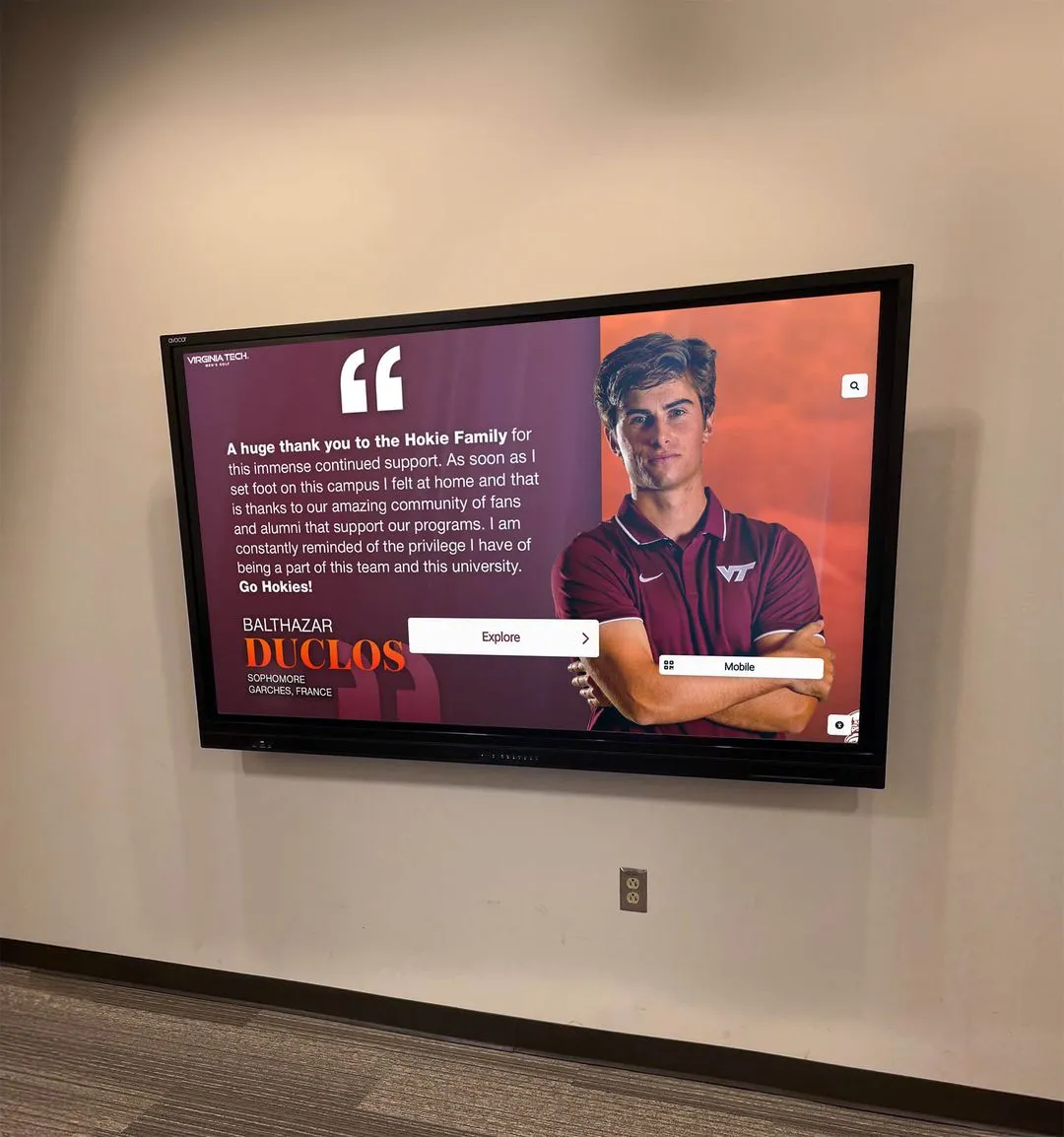
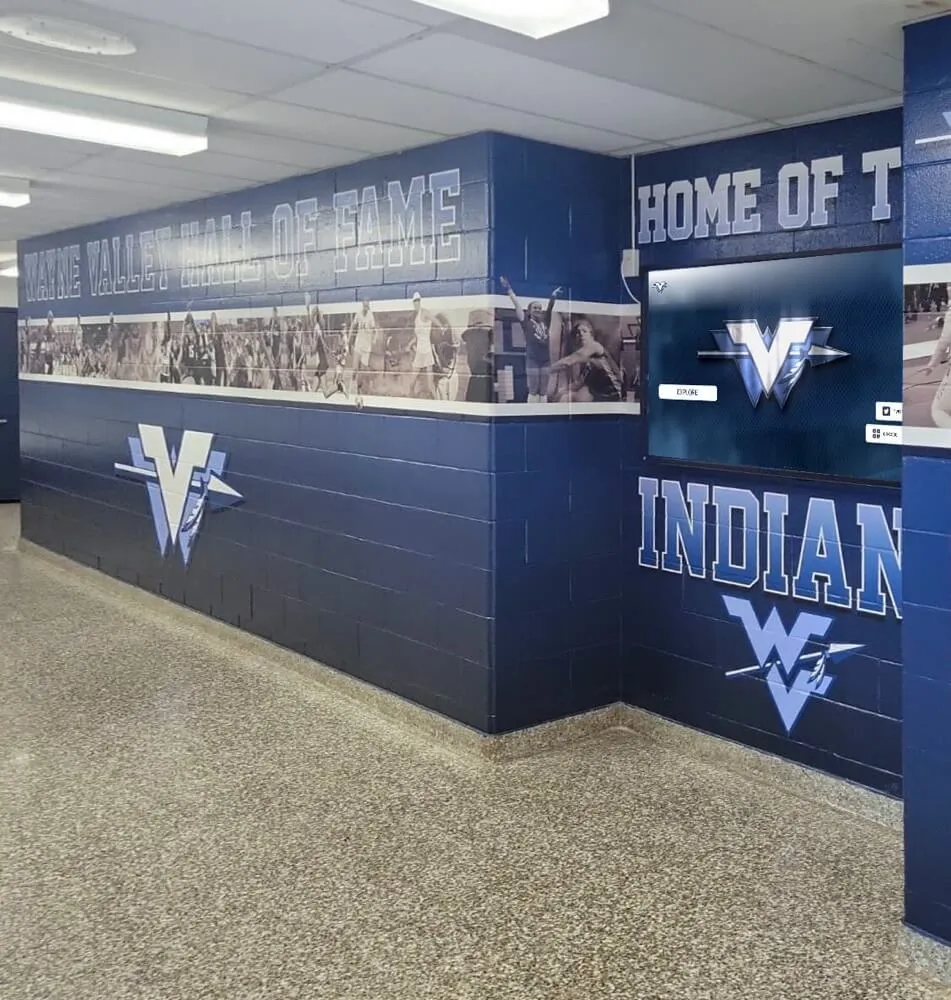
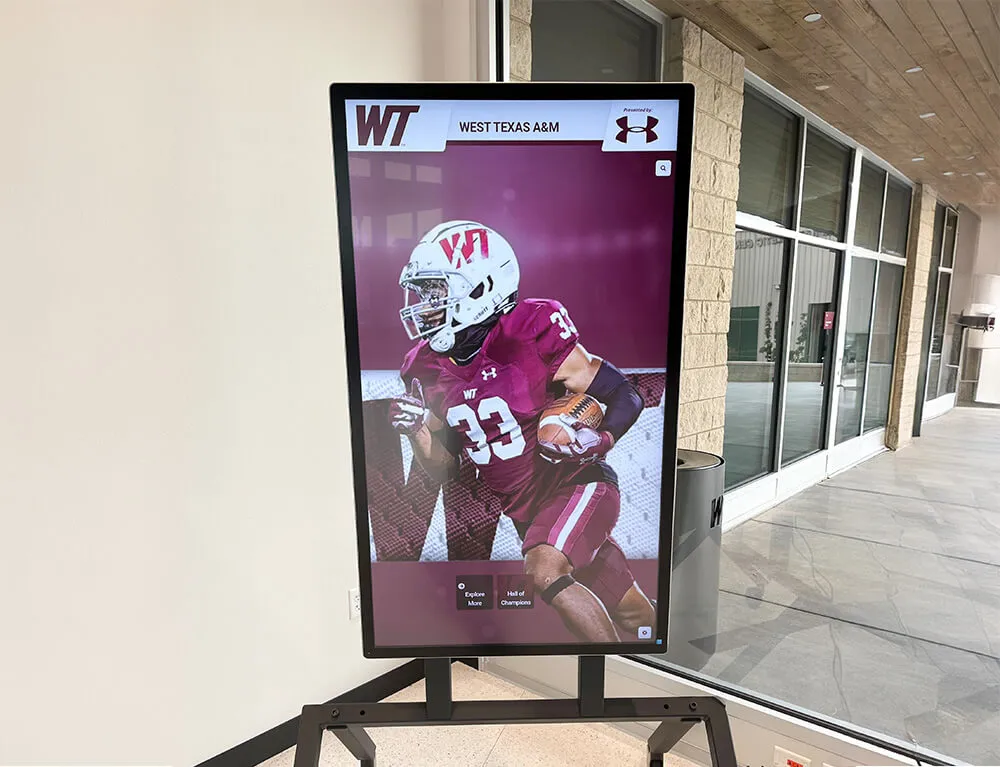
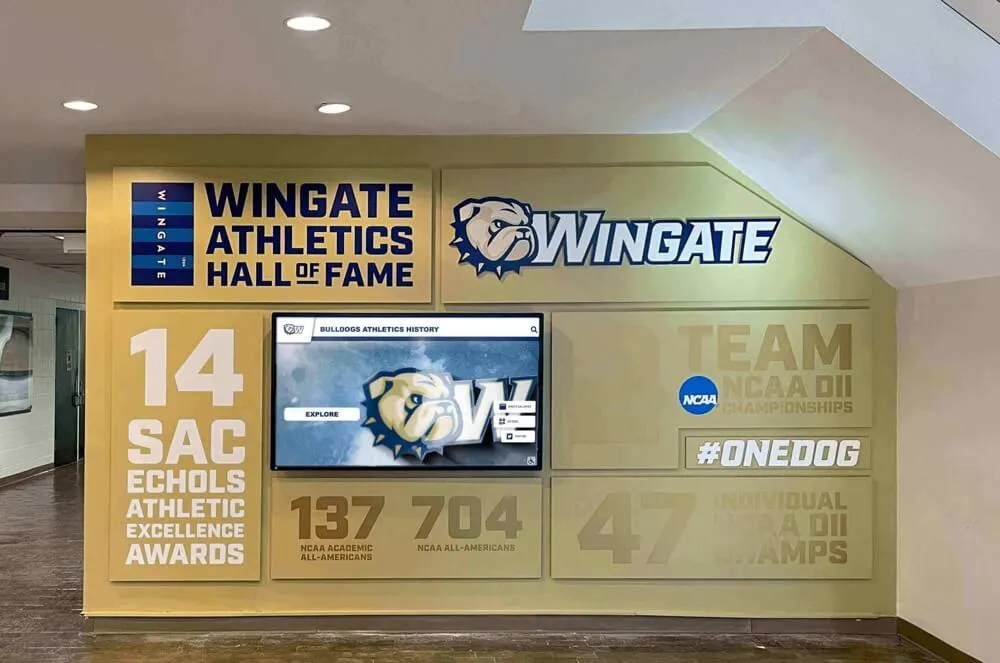
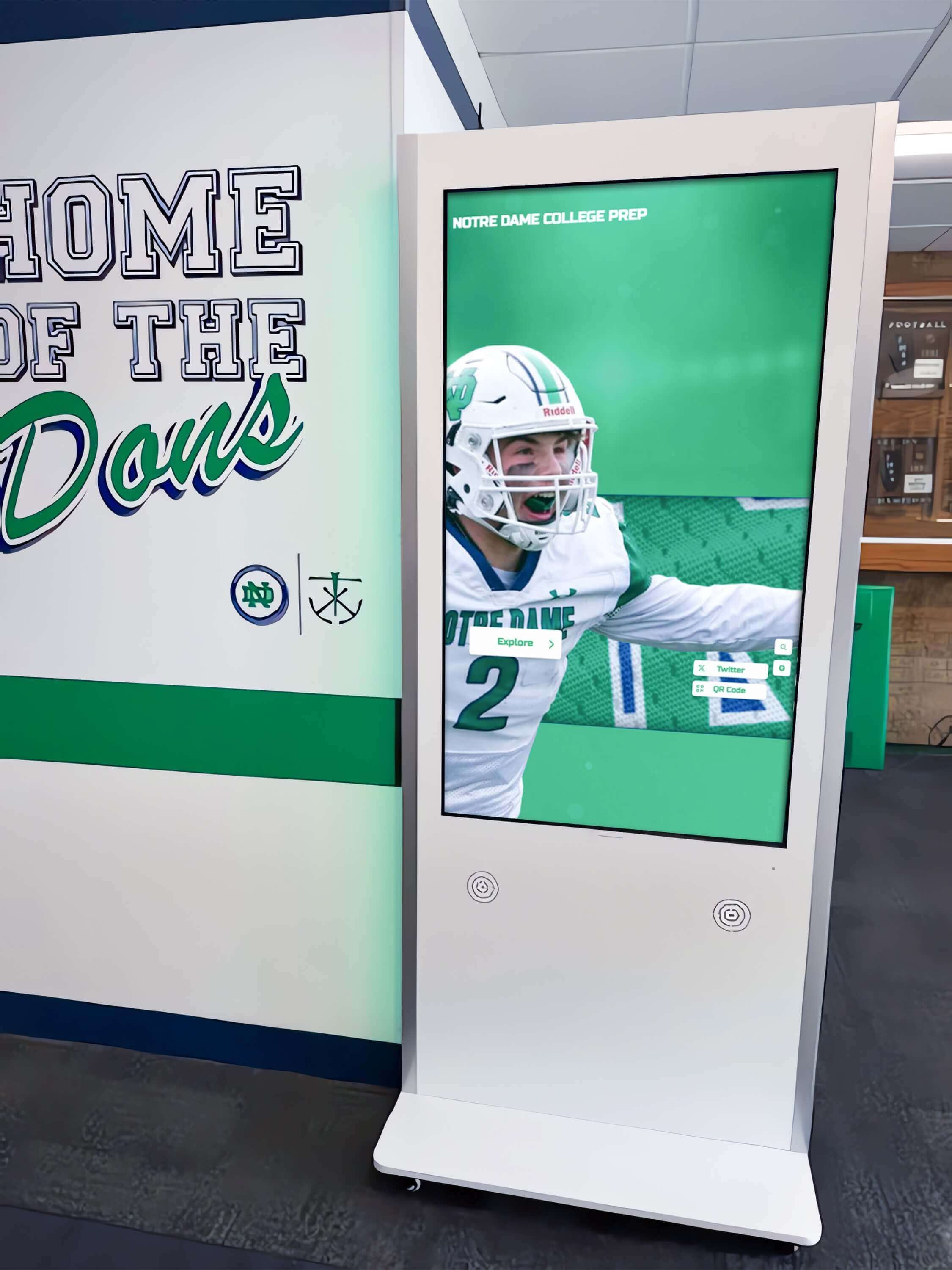
Rocket Alumni Solutions delivers complete hardware installations featuring commercial-grade touchscreens and professional mounting in school environments
Complete Hardware Solutions: Commercial-Grade Equipment Expertise
Software-only digital signage vendors require customers to navigate hardware procurement independently—researching display specifications, comparing touchscreen technologies, sourcing computing components, and coordinating with multiple manufacturers. Schools without IT departments or technical expertise find this process overwhelming, often making costly mistakes purchasing consumer-grade equipment inadequate for continuous public operation.
Rocket’s Hardware Procurement Advantage
Rocket Alumni Solutions eliminates hardware complexity by providing tested, commercial-grade equipment specifically selected for educational environments and continuous operation:
Commercial Display Standards
Rocket exclusively provides displays designed for 16+ hours daily operation with industrial-grade components resistant to continuous use failures affecting consumer televisions. Commercial panels feature:
- Higher durability ratings supporting years of public touchscreen interaction
- Superior thermal management preventing overheating in enclosed installations
- Enhanced power supply components ensuring stable operation under continuous load
- Three-year manufacturer warranties versus one-year consumer standards
- Brightness specifications (350-500 cd/m²) optimized for varied ambient lighting
Schools purchasing consumer displays for recognition applications report failure rates 3-5 times higher than commercial-grade alternatives within the first two years, according to technology directors across multiple educational institutions implementing interactive touchscreen systems.
Touchscreen Technology Selection
Not all touchscreens deliver equal user experiences. Rocket specifies projected capacitive (PCAP) touch technology providing smartphone-like responsiveness visitors expect:
- Sub-50-millisecond response times creating instantaneous interaction feedback
- Multi-touch gesture support enabling intuitive pinch-zoom and swipe navigation
- Precise tracking supporting small button activation without frustration
- Durability ratings exceeding 100 million touch cycles for public applications
Alternative infrared touch technologies cost less but deliver noticeably inferior experiences with 100-150 millisecond lag times frustrating users conditioned by personal device responsiveness.
Integrated Computing Components
Recognition displays require computing power sufficient for smooth video playback, responsive touch interaction, and reliable cloud connectivity. Rocket bundles appropriately specified computers with every installation:
- Intel Core i5 or i7 processors with minimum 8GB RAM supporting multimedia content
- Solid-state drives (256GB+) ensuring fast boot times and responsive operation
- Reliable wired Ethernet connectivity preferred over WiFi for stability
- Fanless or quiet cooling systems appropriate for public spaces
- Security configurations supporting institutional network requirements
Schools attempting to use underpowered consumer PCs or repurposed desktop computers frequently encounter stuttering video, laggy touch response, and system crashes undermining display credibility and recognition value.
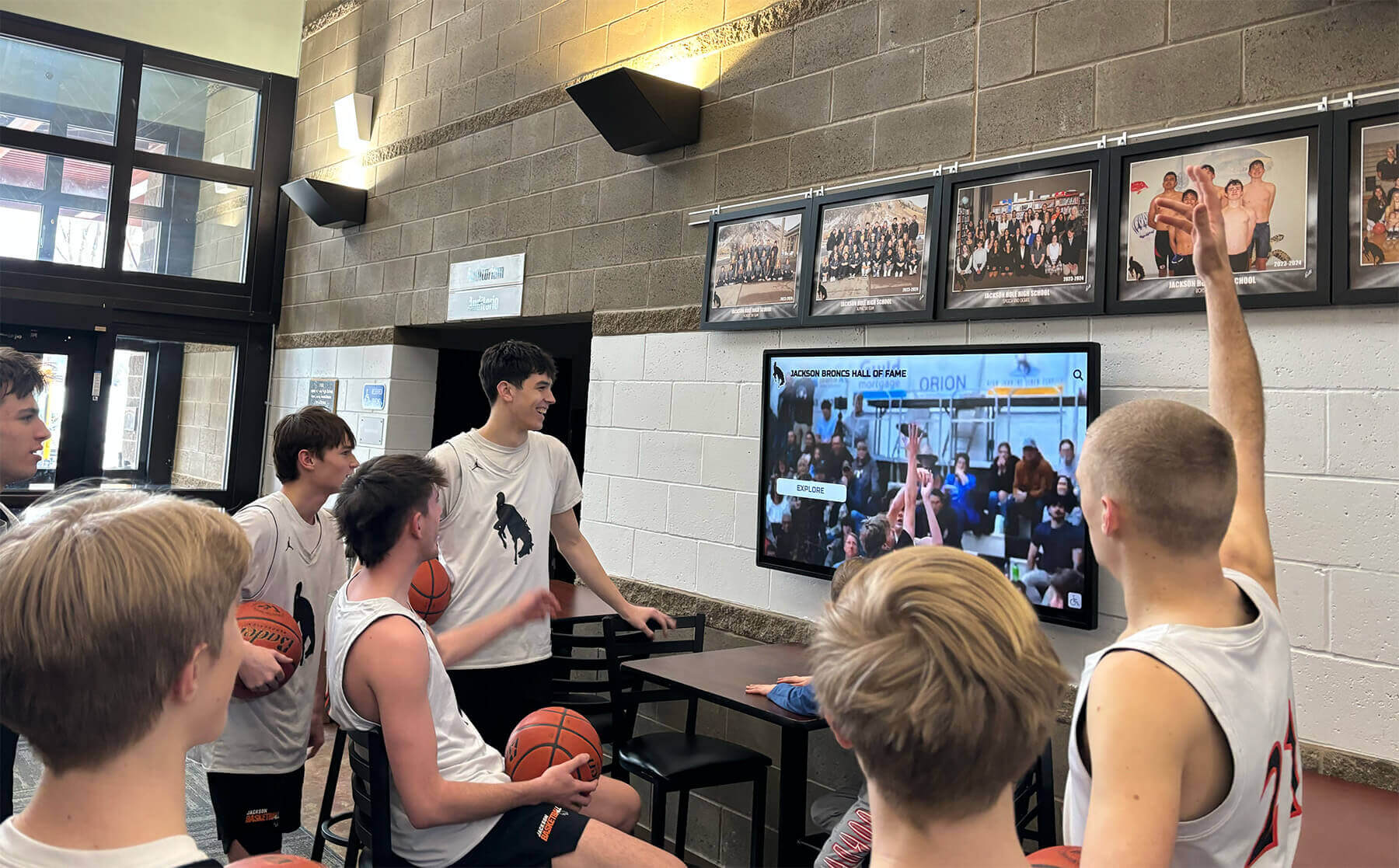
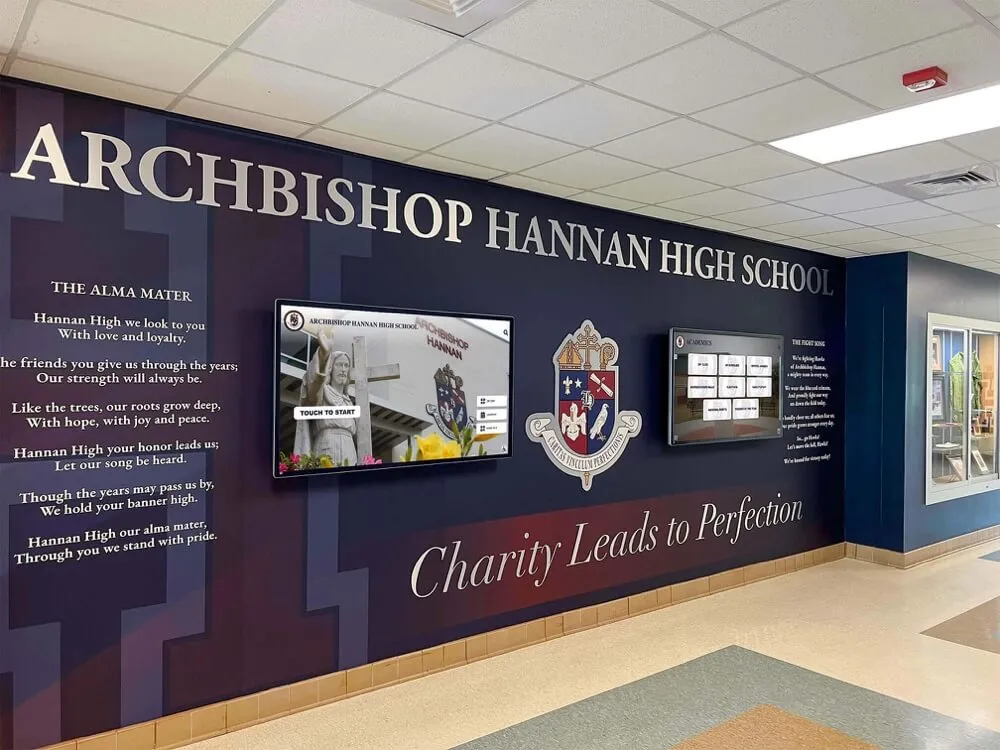
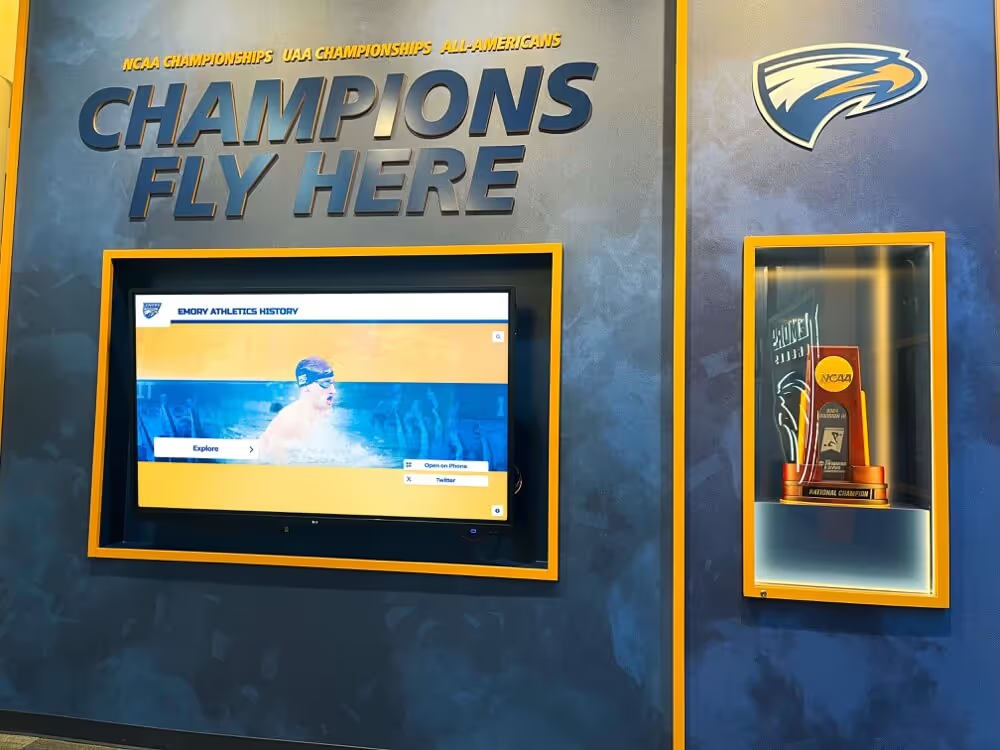
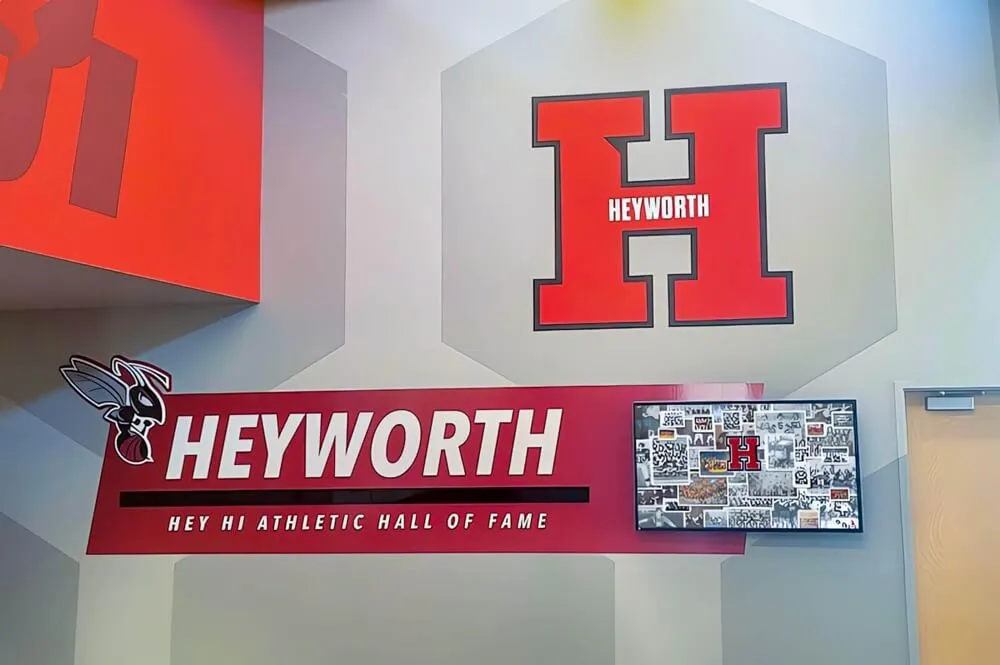
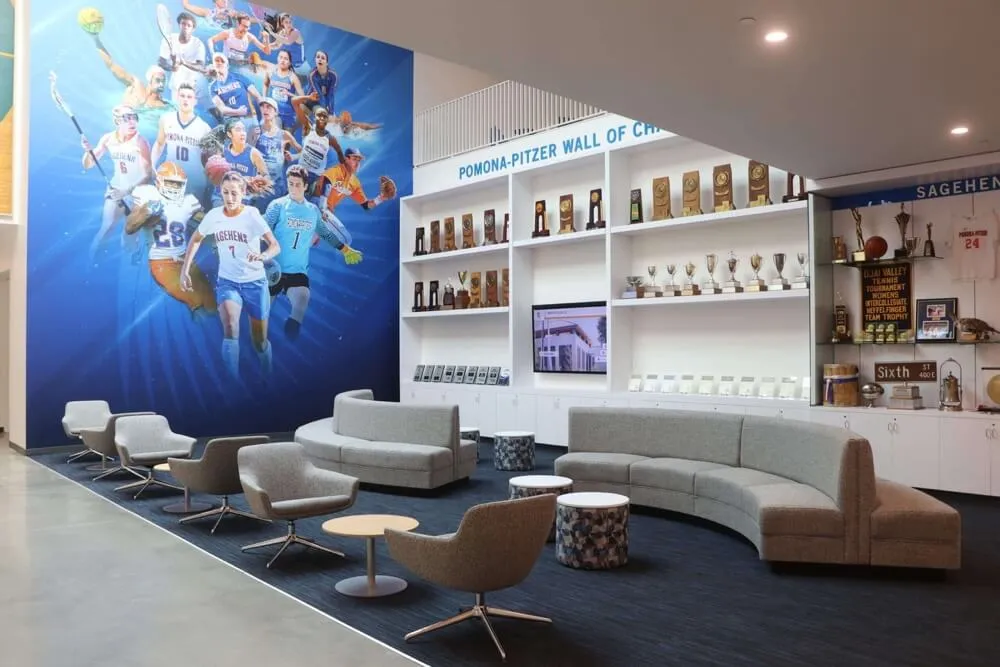
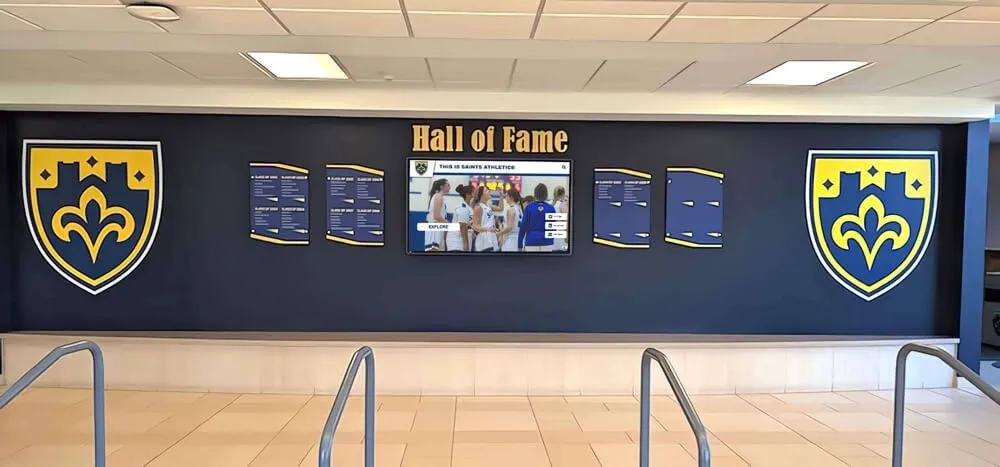
Commercial hardware specifications ensure displays operate reliably under continuous use in high-traffic educational environments
Custom Mounting and Installation Solutions
Hardware excellence requires professional installation matching institutional environments and accessibility standards. Rocket provides comprehensive installation services rather than shipping equipment with DIY instructions:
Professional Installation Services
Rocket’s installation process includes:
- Site assessment evaluating optimal placement, viewing distances, and accessibility
- Custom mounting solutions matching architectural aesthetics and structural requirements
- Professional electrical work ensuring code compliance and clean installations
- Network connectivity configuration coordinating with school IT departments
- ADA compliance verification ensuring wheelchair accessibility and appropriate mounting heights
- Post-installation testing confirming all systems operate correctly before handoff
Organizations attempting self-installation frequently encounter unexpected challenges—inadequate wall structure requiring reinforcement, electrical access complications, network configuration issues, and mounting height errors requiring reinstallation.
Mounting Options for Diverse Spaces
Rocket offers multiple mounting approaches accommodating different architectural contexts:
- Wall-Mount Installations: Low-profile mounting integrating displays into existing walls with tilted or flat orientations optimizing viewing angles and reducing glare
- Freestanding Kiosks: Self-contained floor stands enabling placement flexibility without wall modification, featuring custom branding and lockable enclosures protecting components
- Recessed Installations: Built-in mounting creating seamless architectural integration requiring construction coordination
- Mobile Solutions: Rolling stands supporting flexible positioning for multipurpose spaces or event usage
Each mounting approach addresses specific spatial constraints while maintaining professional aesthetics and accessibility requirements critical for institutional environments.
Hardware Warranty and Replacement Management
When hardware fails, schools using software-only vendors face navigating manufacturer warranty processes, coordinating shipping, and managing extended downtime waiting for repairs. Rocket’s approach fundamentally differs by assuming responsibility for all hardware issues regardless of underlying warranty structures.
Rocket-Managed Hardware Support
Even though OEM warranties exist in the background, Rocket serves as the single point of contact managing all hardware issues:
- Direct contact with Rocket Customer Success team rather than hardware manufacturers
- Rapid triage determining whether issues require software adjustment or hardware replacement
- Rocket-coordinated warranty claims eliminating school burden of manufacturer negotiations
- Advanced replacement shipping minimizing downtime rather than waiting for repair returns
- Rocket responsibility for outcome (working displays) rather than process (warranty documentation)
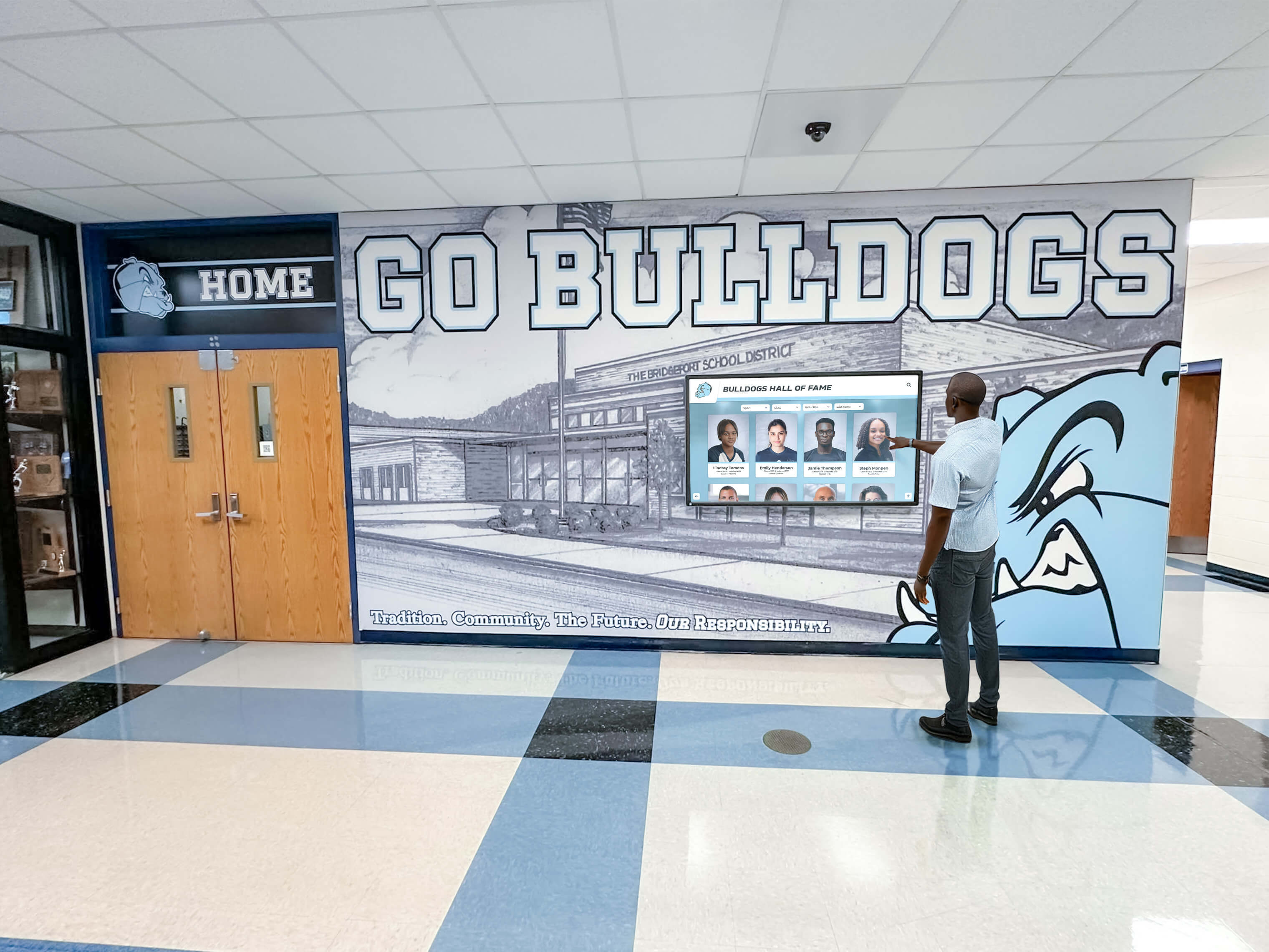
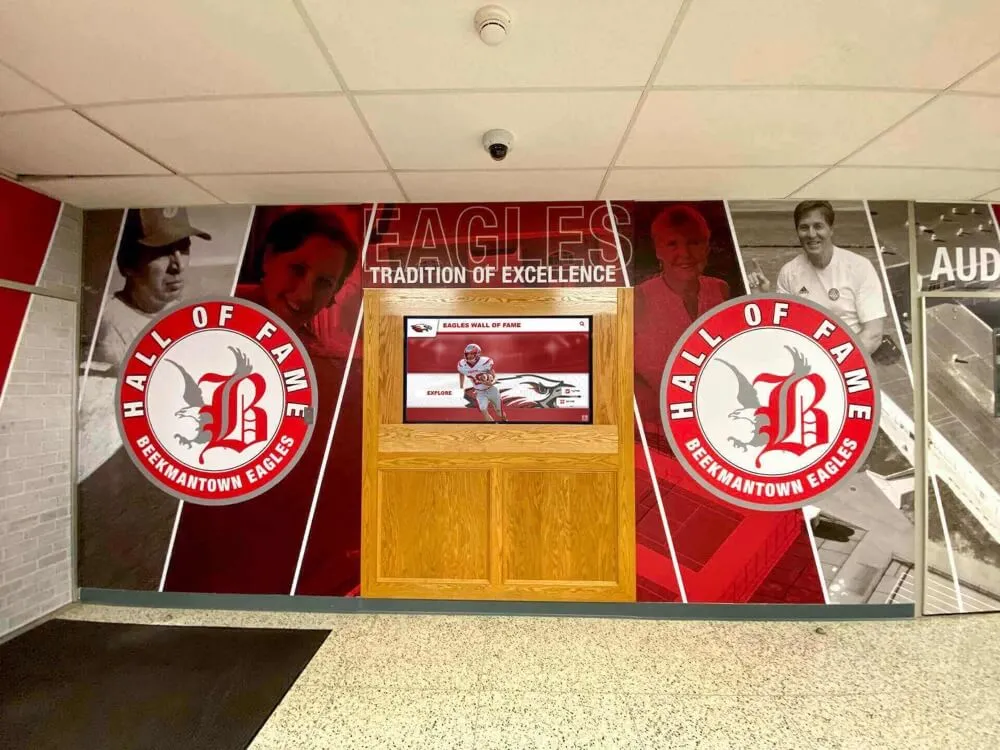
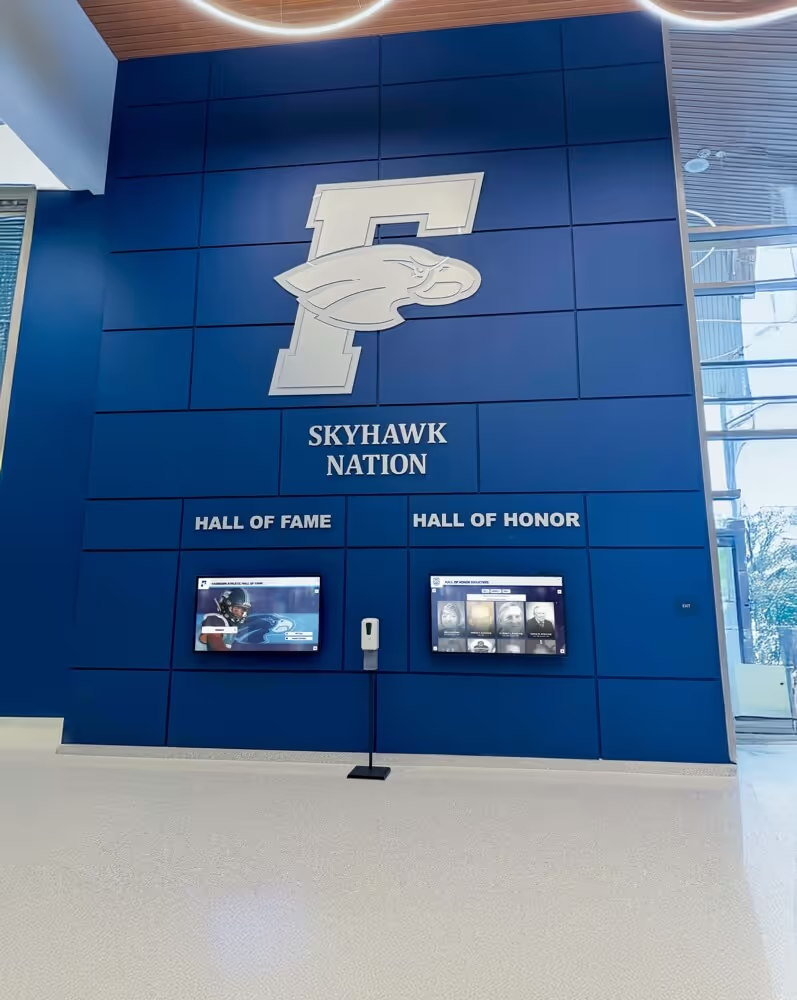
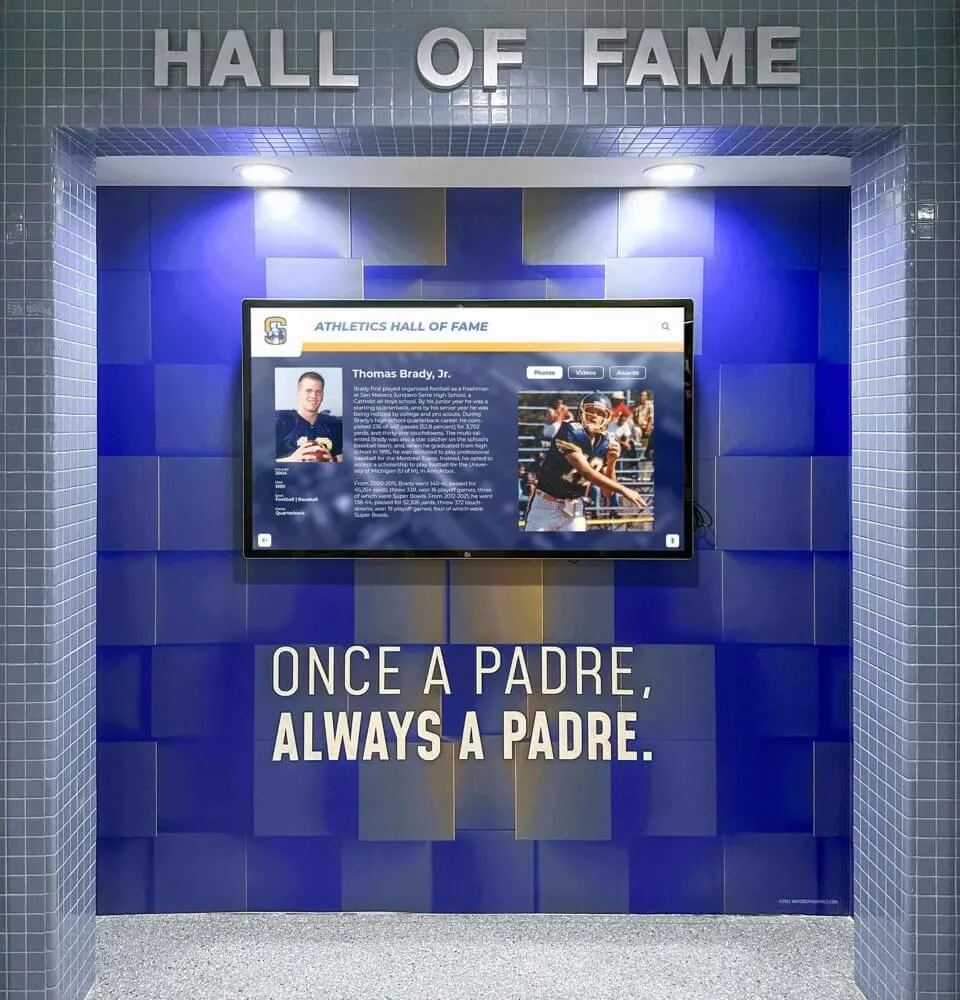
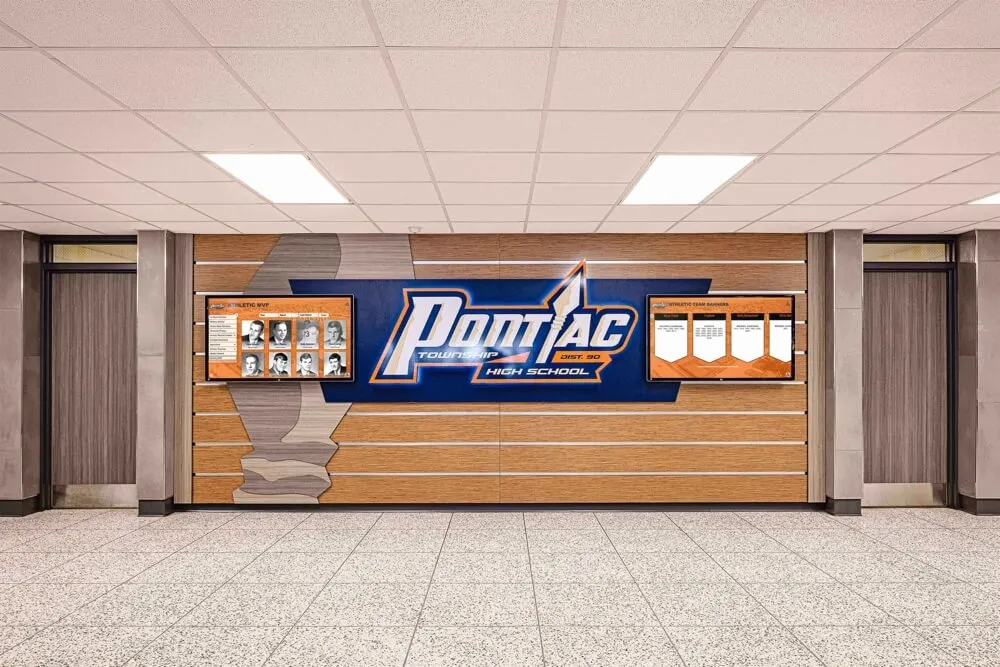
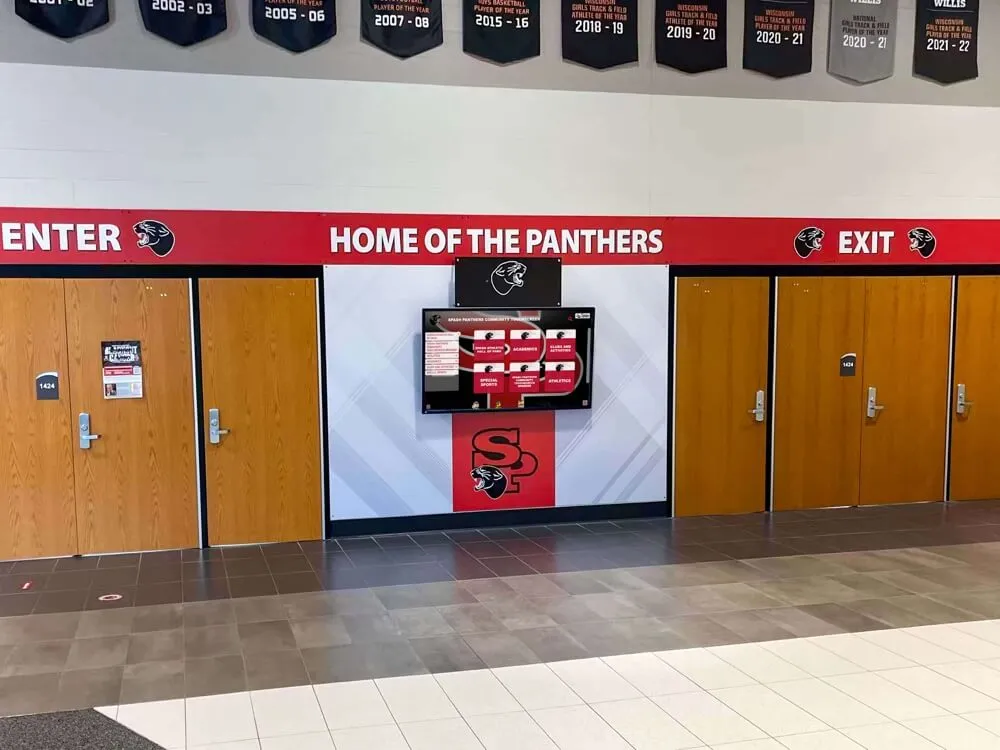
Professional installation and ongoing support ensure displays remain operational year after year
This approach eliminates the “you’ll be stuck dealing with third parties” concern entirely—schools always work with Rocket regardless of whether issues stem from hardware, software, or operational questions. Customer Success teams coordinate all backend processes transparently without requiring school involvement in technical warranty procedures.
Expert Full-Stack Technical Knowledge
Digital recognition displays represent complex systems integrating display hardware, touch technology, computing components, network connectivity, and specialized software. Issues can stem from any layer, making vendor technical expertise critical for rapid resolution.
Understanding the Complete Technology Stack
Software-only vendors lack expertise and authority over hardware layers, forcing customers to diagnose whether problems originate from displays, touch systems, computers, networks, or software before knowing which vendor to contact. This diagnostic burden falls on school staff lacking technical expertise.
Rocket’s Full-Stack Expertise Advantage
Because Rocket provides and supports every component, Customer Success teams possess comprehensive knowledge across all system layers:
Hardware Troubleshooting Capability
- Display panel diagnostics identifying backlight failures, color issues, or pixel defects
- Touch system calibration and responsiveness optimization
- Computer performance assessment and configuration adjustment
- Network connectivity troubleshooting coordinating with school IT
Software and Integration Knowledge
- Content management platform expertise supporting administrative workflow questions
- Browser and application compatibility ensuring reliable operation
- Security configuration balancing protection with operational requirements
- Cloud synchronization troubleshooting addressing content update delays
System Integration Understanding
- End-to-end data flow comprehension from content upload through display rendering
- Performance optimization identifying bottlenecks across hardware/software interactions
- User experience refinement based on engagement analytics and visitor feedback
- Proactive monitoring identifying potential issues before they impact operations
This comprehensive expertise enables rapid diagnosis and resolution regardless of issue origin. Schools never hear “that’s a hardware problem, contact the manufacturer” or “that’s software-related, we can’t help with hardware.” Rocket owns the complete solution.
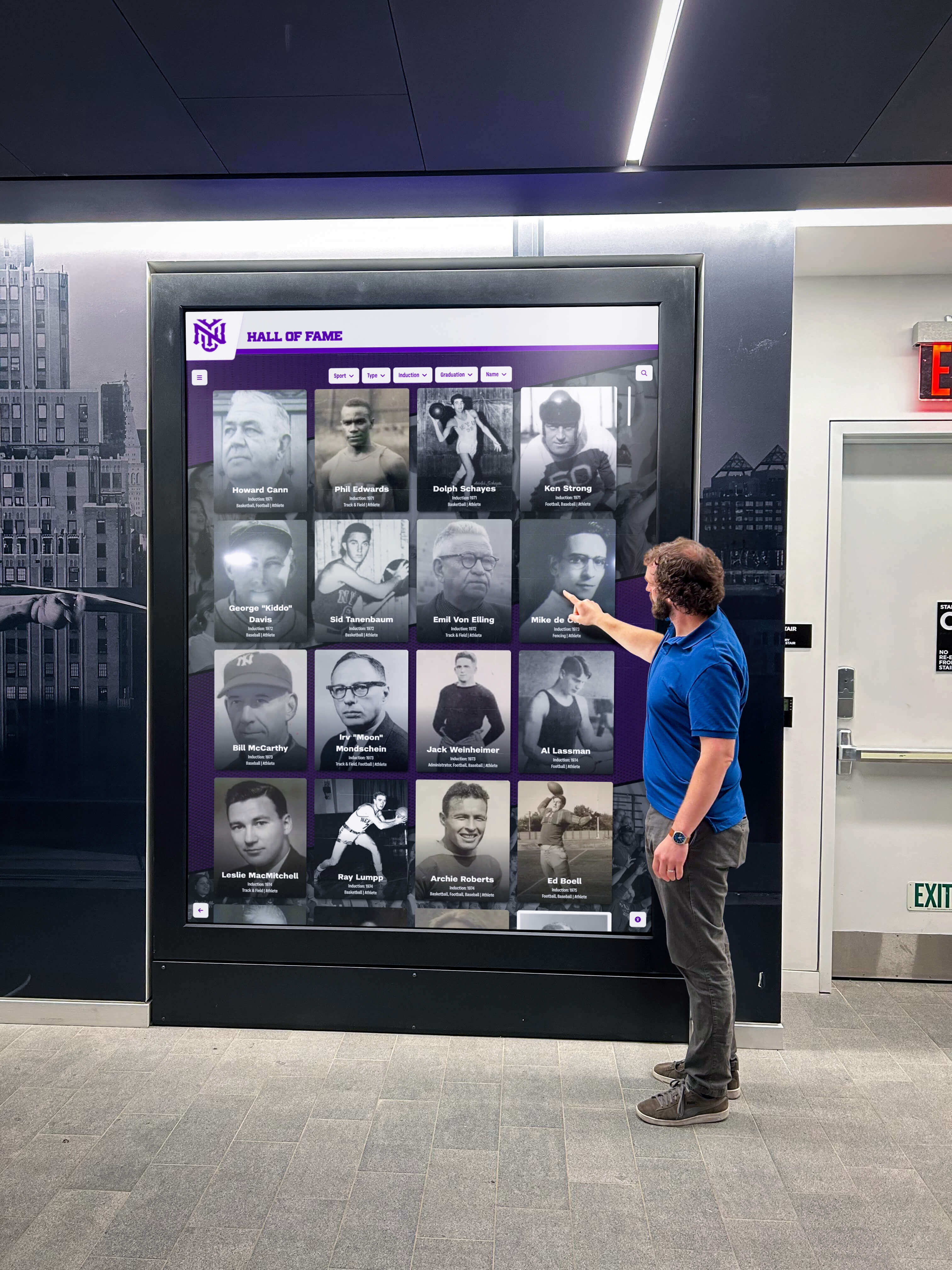
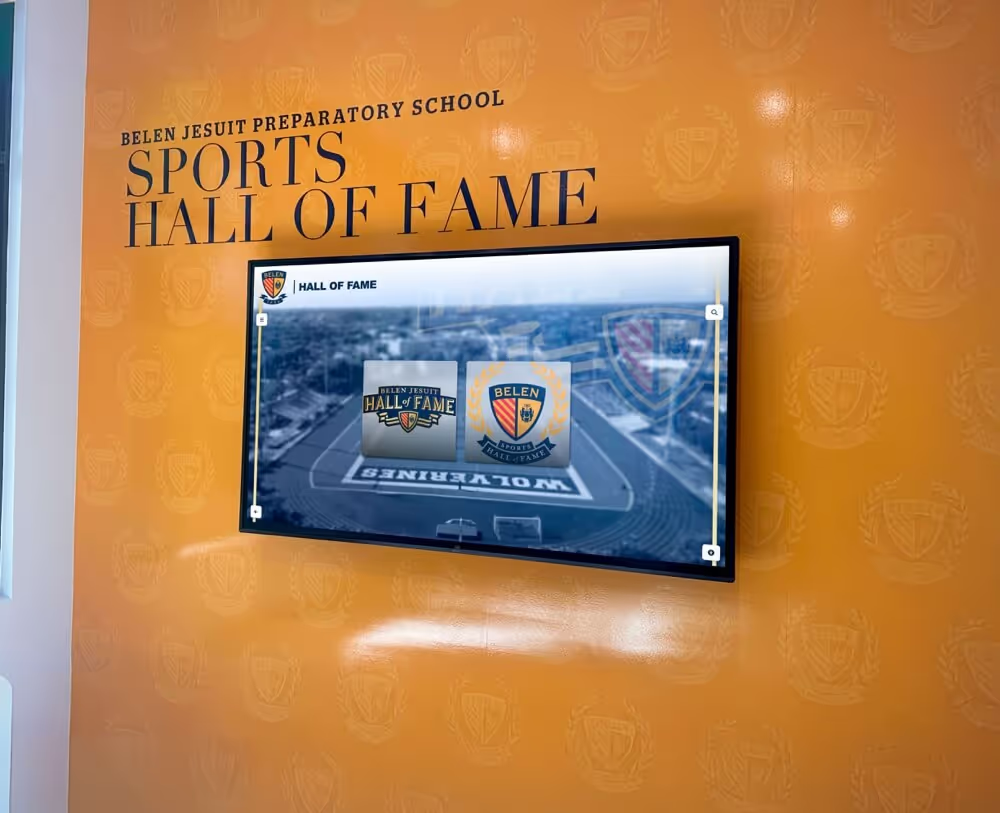
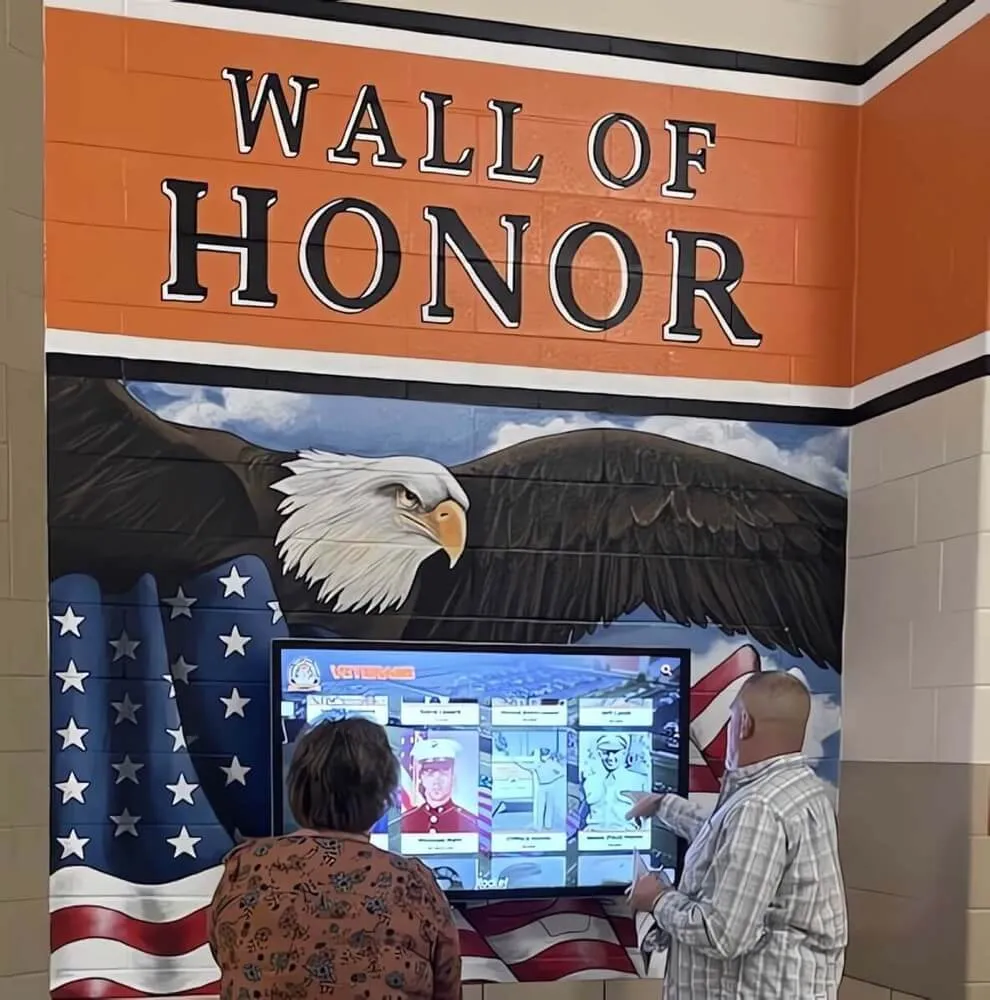
Expert technical knowledge across hardware and software ensures systems operate reliably without requiring school technical expertise
Proactive System Monitoring and Maintenance
Rather than waiting for schools to report problems, Rocket employs proactive monitoring identifying issues before they impact operations:
Remote Diagnostics and Health Monitoring
Rocket’s systems include monitoring capabilities providing:
- Uptime tracking identifying unexpected display downtime or restart patterns
- Performance metrics detecting degraded responsiveness or loading delays
- Connectivity status confirming reliable cloud synchronization
- Error logging capturing technical issues for proactive resolution
- Usage analytics demonstrating engagement patterns and system utilization
When monitoring identifies potential concerns, Customer Success teams proactively contact schools to address issues—often before staff notice problems.
Preventive Maintenance Approach
Long-term system reliability benefits from periodic maintenance addressing normal wear and system updates:
- Touch calibration verification ensuring optimal responsiveness over time
- Display cleaning and inspection during on-site visits when available
- Software updates and security patches deployed systematically
- Performance optimization based on observed usage patterns
- Hardware refresh recommendations as equipment ages beyond optimal lifespan
Organizations implementing digital hall of fame displays with proactive maintenance report significantly higher uptime and user satisfaction compared to reactive support models addressing only reported problems.
Dedicated Customer Success: Single Point of Contact
The most significant differentiator between software-as-a-service vendors and complete solution providers manifests in customer support philosophy and structure. Rocket’s Customer Success approach fundamentally differs from traditional technical support ticket systems.
Customer Success Team Structure
Rather than routing issues through generic help desks, Rocket assigns dedicated Customer Success managers to each client:
Relationship-Based Support Model
Each school works with consistent Customer Success contacts who develop deep familiarity with:
- Institutional context, recognition programs, and organizational priorities
- Specific display configurations, custom branding, and content strategies
- Key staff members and administrative workflows
- Historical issues, resolved challenges, and system optimization opportunities
- Long-term goals for recognition program expansion or enhancement
This relationship continuity eliminates repeatedly explaining context to different support agents with every interaction. Customer Success managers understand institutional needs and proactively suggest improvements based on observed usage and emerging best practices.
Comprehensive Support Scope
Rocket’s Customer Success teams address far broader support needs than pure technical troubleshooting:
- Hardware Issues: Display failures, touch responsiveness problems, mounting concerns
- Software Questions: Content management workflows, administrative access, feature utilization
- Content Strategy: Recognition program design, profile organization, multimedia integration
- User Experience Optimization: Navigation refinement, search improvement, engagement enhancement
- Training and Onboarding: Staff education, administrative workflow development, best practice guidance
- Strategic Planning: Program expansion, additional display consideration, feature enhancement roadmaps
Schools report that 40-50% of Customer Success interactions involve strategic guidance and optimization rather than pure issue resolution—demonstrating support scope far exceeding traditional technical help desks focused exclusively on problem tickets.
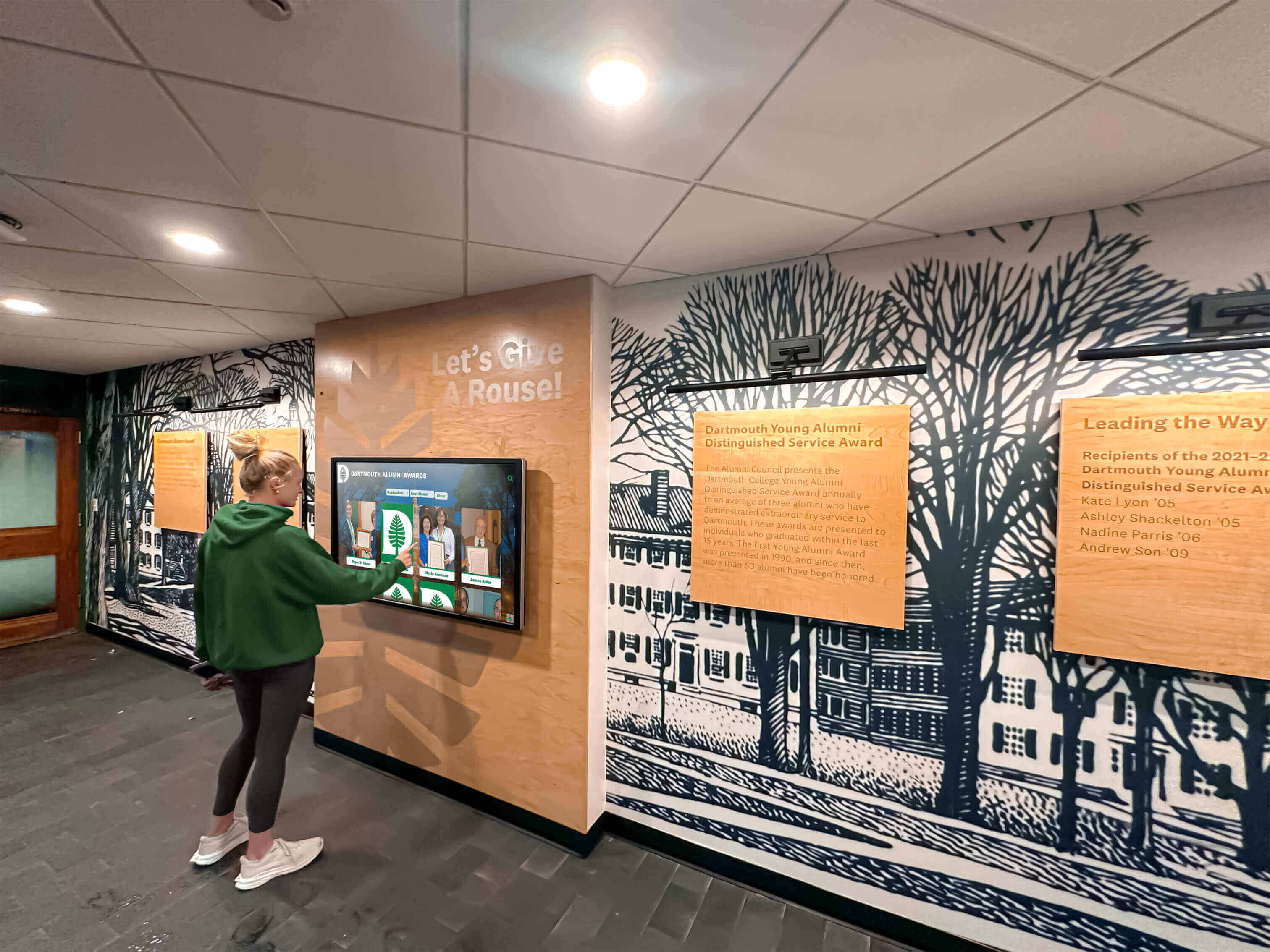
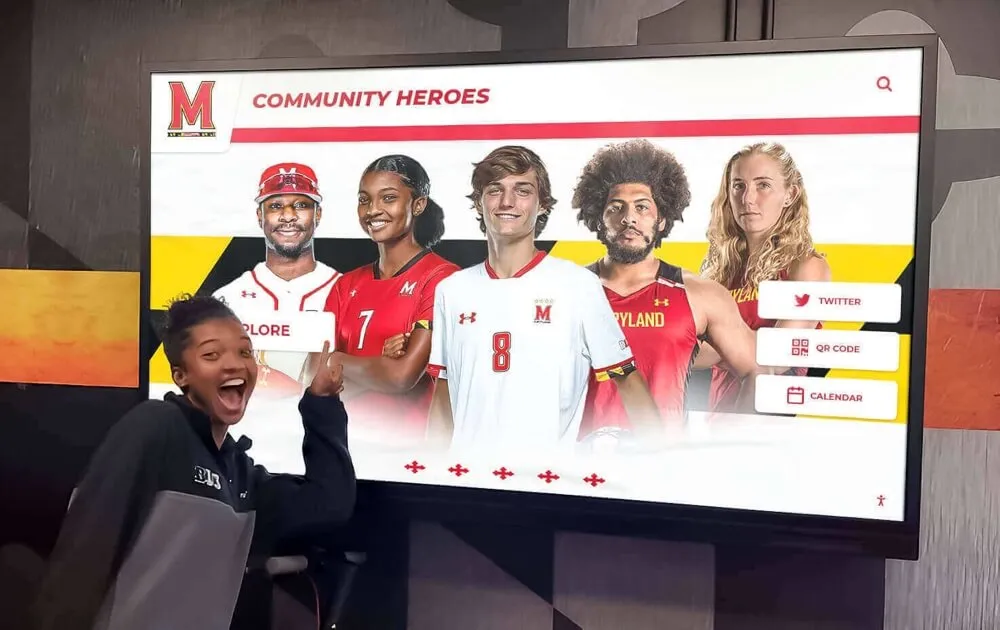
Dedicated Customer Success teams ensure recognition programs deliver maximum engagement and institutional value over time
Rapid Response and Guaranteed Resolution
Support responsiveness directly impacts whether display issues become minor inconveniences or extended operational failures undermining recognition program credibility:
Response Time Commitments
Rocket provides defined response guarantees eliminating uncertainty about support availability:
- Critical issues affecting display functionality receive response within 4 business hours
- Non-critical questions and optimization requests receive response within 24 business hours
- Direct phone and email access to Customer Success teams during extended business hours
- Emergency escalation procedures for urgent issues requiring immediate attention
Many digital signage vendors limit support to email-only ticket systems with multi-day response times, leaving schools without guidance when problems arise during critical periods like admissions events or donor recognition ceremonies.
Outcome-Focused Resolution
Rocket’s support philosophy emphasizes guaranteed outcomes rather than process compliance:
- Customer Success owns resolution responsibility until displays operate correctly
- Proactive replacement shipping rather than extended troubleshooting delays when hardware requires replacement
- Temporary workaround implementation when permanent fixes require vendor coordination
- Follow-up verification confirming sustained resolution rather than closing tickets prematurely
- Continuous improvement incorporating issue patterns into platform enhancement roadmaps
This outcome focus means schools never face “we’ve done what we can, this is a vendor limitation” responses. If displays don’t work correctly, Rocket continues engagement until functionality restores.
Training and Operational Enablement
Technical support addresses problems after they occur. Comprehensive enablement prevents many issues through proper training and operational guidance:
Onboarding and Initial Training
Every Rocket implementation includes structured onboarding ensuring staff understand content management and system operation:
- Live training sessions covering content creation, profile management, and administrative workflows
- Role-specific instruction tailored to athletic directors, communications staff, or IT administrators
- Hands-on practice with realistic scenarios building confidence before going live
- Reference documentation and video tutorials supporting ongoing learning
- Post-launch follow-up sessions addressing questions emerging from initial real-world usage
Schools implementing recognition displays without comprehensive training report significantly higher ongoing support burden as staff struggle with basic operations never properly explained during rushed deployments.
Ongoing Education and Best Practice Sharing
Customer Success teams provide continuous education beyond initial training:
- Quarterly check-ins reviewing engagement analytics and suggesting optimization opportunities
- New feature announcements with usage guidance maximizing platform capability utilization
- Best practice sharing based on successful approaches observed across client base
- Content strategy consultation ensuring recognition programs evolve with institutional priorities
- Administrative workflow refinement addressing pain points identified through support interactions
Organizations working with interactive kiosk solutions report that ongoing education delivers greater long-term value than initial setup, as staff discover advanced capabilities enabling richer recognition experiences over time.
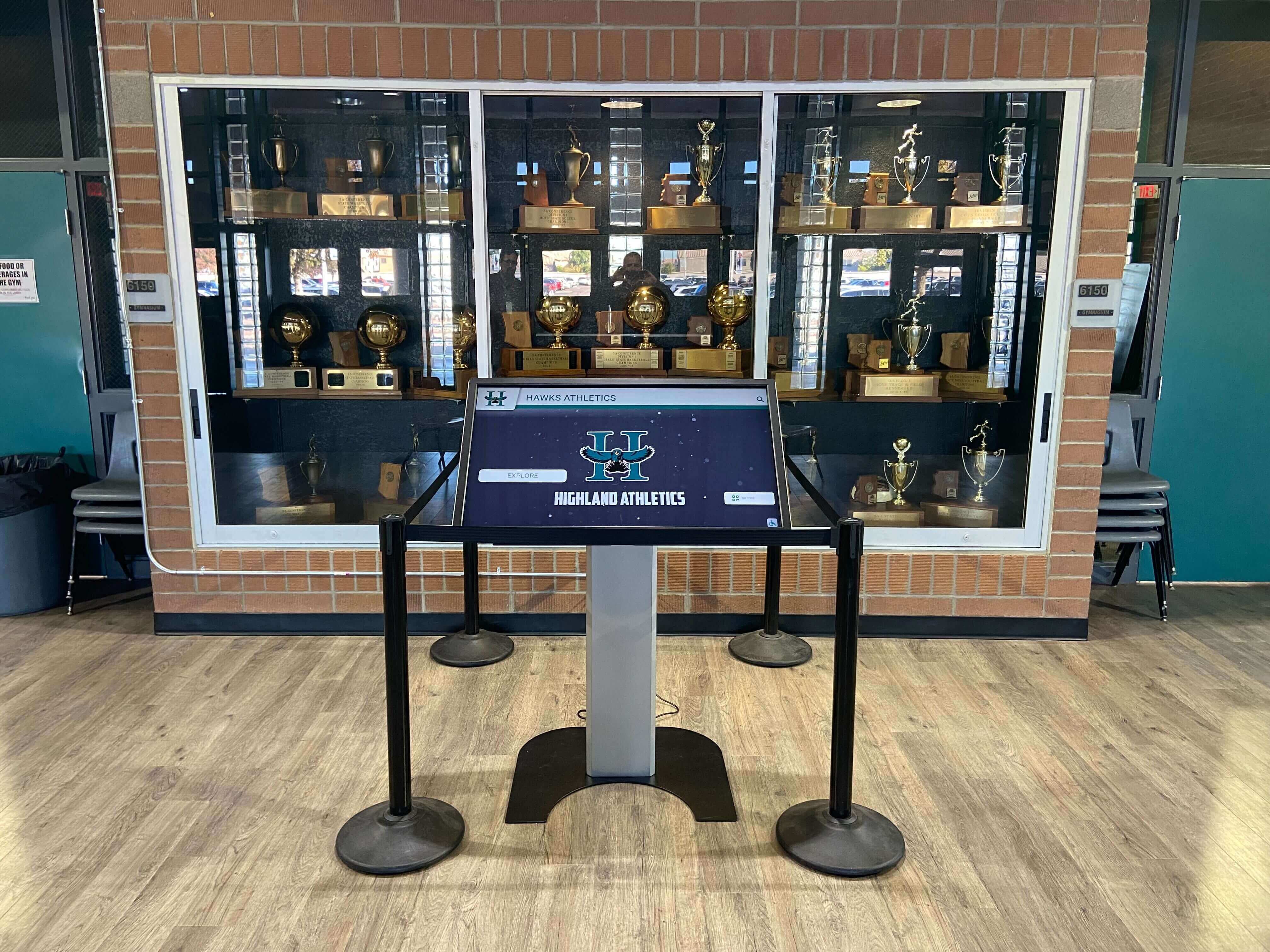
Comprehensive training and ongoing support enable schools to fully leverage recognition technology capabilities without requiring internal technical expertise
Real-World Support Scenarios: How Rocket Delivers
Understanding support philosophy proves easier through concrete examples demonstrating how Rocket’s approach differs from typical vendor responses:
Hardware Failure During Critical Events
Scenario: A high school’s hall of fame display stops responding two days before a major alumni event featuring recognition ceremony and facility tours.
Software-Only Vendor Response: “Our software is working correctly. This appears to be a hardware issue with your touchscreen or computer. You’ll need to contact your hardware manufacturer to diagnose the problem. We can help with software troubleshooting once hardware is functional again.”
Rocket Customer Success Response: “We’re on it. Our diagnostics indicate a display controller failure. We’re shipping an advanced replacement unit overnight with prepaid return labels for the defective display. We’ll coordinate with your facilities team tomorrow morning for installation, with remote support during setup ensuring everything works before your event. The replacement will be installed and tested by tomorrow afternoon.”
Content Management Workflow Questions
Scenario: An athletic director wants to reorganize recognition categories to better showcase individual sports while maintaining chronological browsing options.
Typical Support Response: “You can create custom categories in the admin panel under Settings > Content Organization. Refer to our documentation for detailed instructions on category creation and profile assignment.”
Rocket Customer Success Response: “That’s a great approach for your program. Let me share screen and walk you through the best way to structure this for your needs. I’m also going to show you a feature we added last month that lets visitors toggle between sport-focused and year-based views—several schools have found this really effective for programs like yours with strong individual sport traditions. Would you like me to set up the initial category structure, or would you prefer to practice while I guide you through?”
Network Connectivity Complications
Scenario: A display experiences intermittent connectivity issues preventing content synchronization, with school IT suggesting the problem originates from Rocket’s software.
Software-Focused Vendor Response: “Our cloud platform is operational. The issue likely involves your network firewall, port configurations, or local network stability. Please work with your IT department to review network settings and confirm our endpoints are accessible.”
Rocket Full-Stack Response: “Let’s work through this together. I’m going to join a call with you and your IT contact to review the complete connectivity path. We’ll check firewall rules, verify DNS resolution, test our specific endpoints, and review network stability together. I’ve seen similar patterns at other schools where specific security appliances required whitelist configuration—I have documentation ready to share if we identify that pattern. We’ll stay on this until synchronization works reliably.”
These scenarios illustrate fundamental differences between vendors treating displays as software delivery vehicles versus partners owning complete operational success regardless of where technical complexity originates.
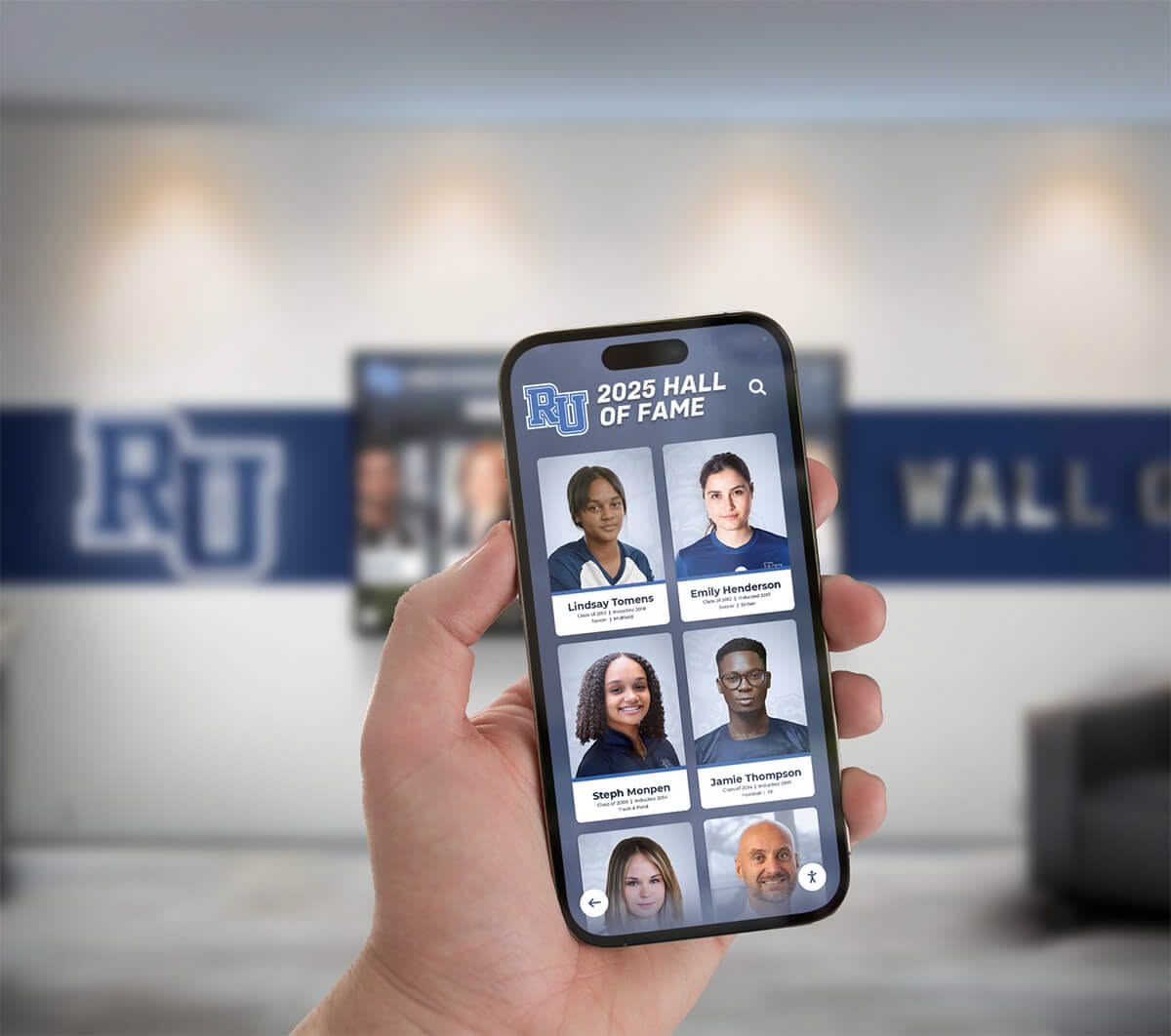
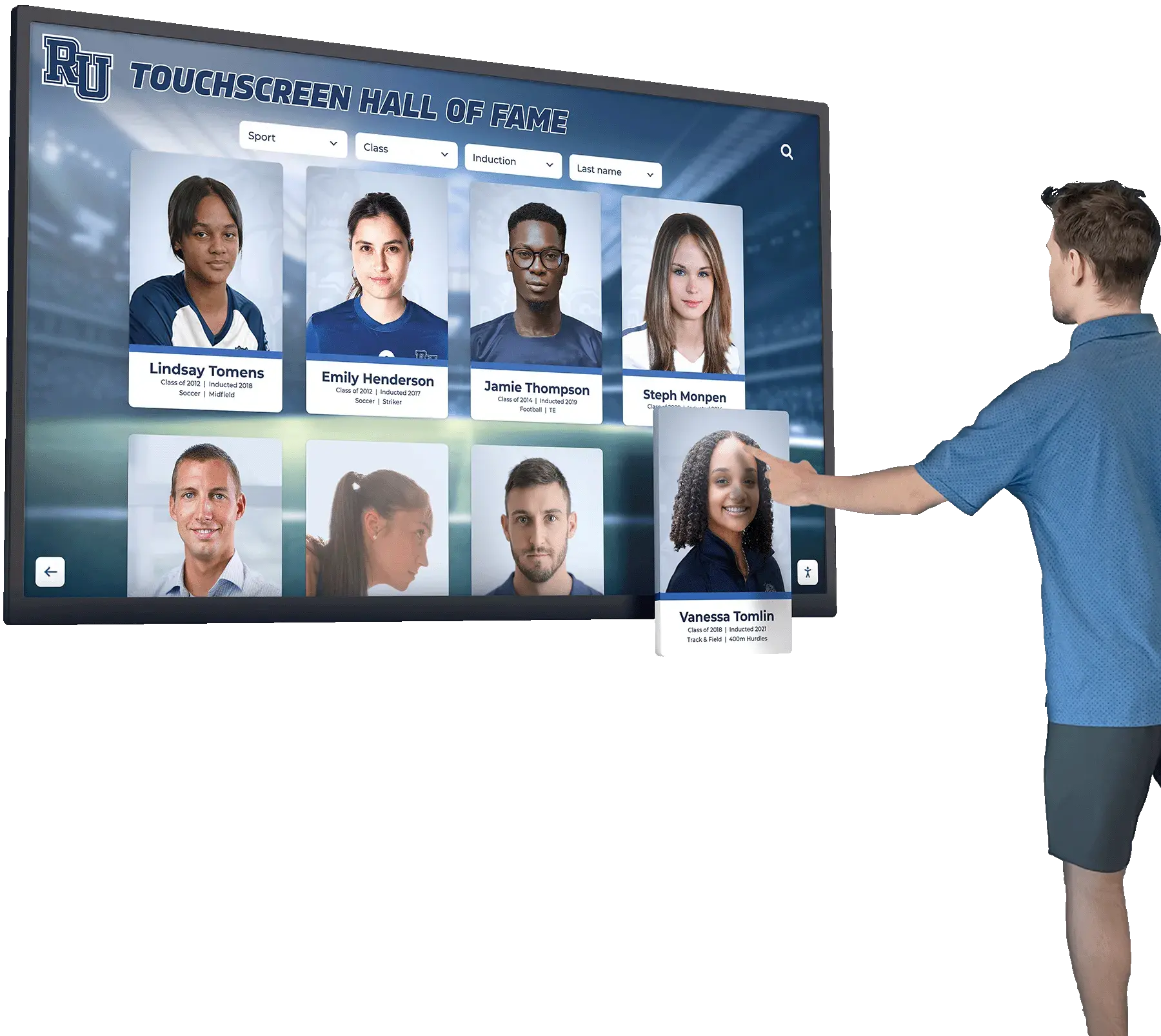
Cloud-based content management combined with expert support enables non-technical staff to maintain recognition displays confidently
Investment Value: Support Quality Impact on Total Cost of Ownership
Initial hardware and software pricing represents only a portion of total recognition display costs. Support quality profoundly impacts long-term operational expenses and program success:
Hidden Costs of Inadequate Support
Organizations implementing digital signage with limited vendor support encounter substantial hidden costs:
Staff Time Burden
- Troubleshooting technical issues without expert guidance wastes administrative hours
- Coordinating between multiple vendors for integrated hardware/software problems
- Learning complex administrative interfaces without proper training
- Managing warranty claims and replacement processes with manufacturers
- Researching solutions to common problems lacking documentation or responsive help
Schools report that inadequate vendor support consumes 10-20 hours monthly of staff time diverted from core educational responsibilities—representing thousands of dollars in opportunity costs annually.
Extended Downtime Costs
- Non-functional displays during admissions events undermine institutional impressions
- Recognition program delays damaging relationships with donors or hall of fame inductees
- Repeated failures eroding staff confidence and program enthusiasm
- Technical complexity preventing full platform utilization leaving capabilities dormant
The reputational and opportunity costs of unreliable systems significantly exceed any initial purchase price savings achieved by selecting cheaper vendors lacking comprehensive support.
Premature Replacement Expenses
- Consumer-grade hardware failures requiring complete system replacement within 2-3 years
- Platform abandonment due to excessive operational burden selecting new vendors
- Sunk content development investment when switching platforms requires reformatting
- Lost institutional knowledge and engagement history with system changes
Organizations implementing digital recognition displays calculate total cost of ownership over 5-7 year periods rather than initial purchase price alone, finding that comprehensive support dramatically reduces downstream costs offsetting higher initial investment.
Value of Comprehensive Support Model
Rocket’s full-stack support approach delivers quantifiable value across multiple dimensions:
Reduced Staff Burden
- Single point of contact eliminating vendor coordination complexity
- Expert guidance minimizing troubleshooting and research time
- Comprehensive training enabling efficient content management
- Proactive optimization suggestions improving outcomes without additional staff effort
Schools report 75-85% reduction in recognition display administrative burden compared to previous systems or alternatives requiring self-service hardware sourcing and technical management.
Maximized System Utilization
- Ongoing education revealing advanced capabilities beyond basic operation
- Strategic consultation ensuring programs evolve with institutional priorities
- Content strategy guidance maximizing engagement and recognition impact
- Feature enhancement recommendations optimizing user experiences
Organizations with dedicated Customer Success relationships utilize 60-70% more platform capabilities compared to self-service support models, delivering proportionally greater recognition program value from identical technology investments.
Long-Term Reliability
- Commercial-grade hardware reducing failure rates 3-5x versus consumer alternatives
- Proactive monitoring identifying issues before they impact operations
- Expert maintenance extending system lifespan beyond typical replacement cycles
- Relationship continuity ensuring consistent operational excellence across staff changes
The combination of superior hardware and expert support typically extends recognition display operational lifespan to 7-10 years versus 3-5 year typical replacement cycles for consumer equipment or inadequately supported systems.
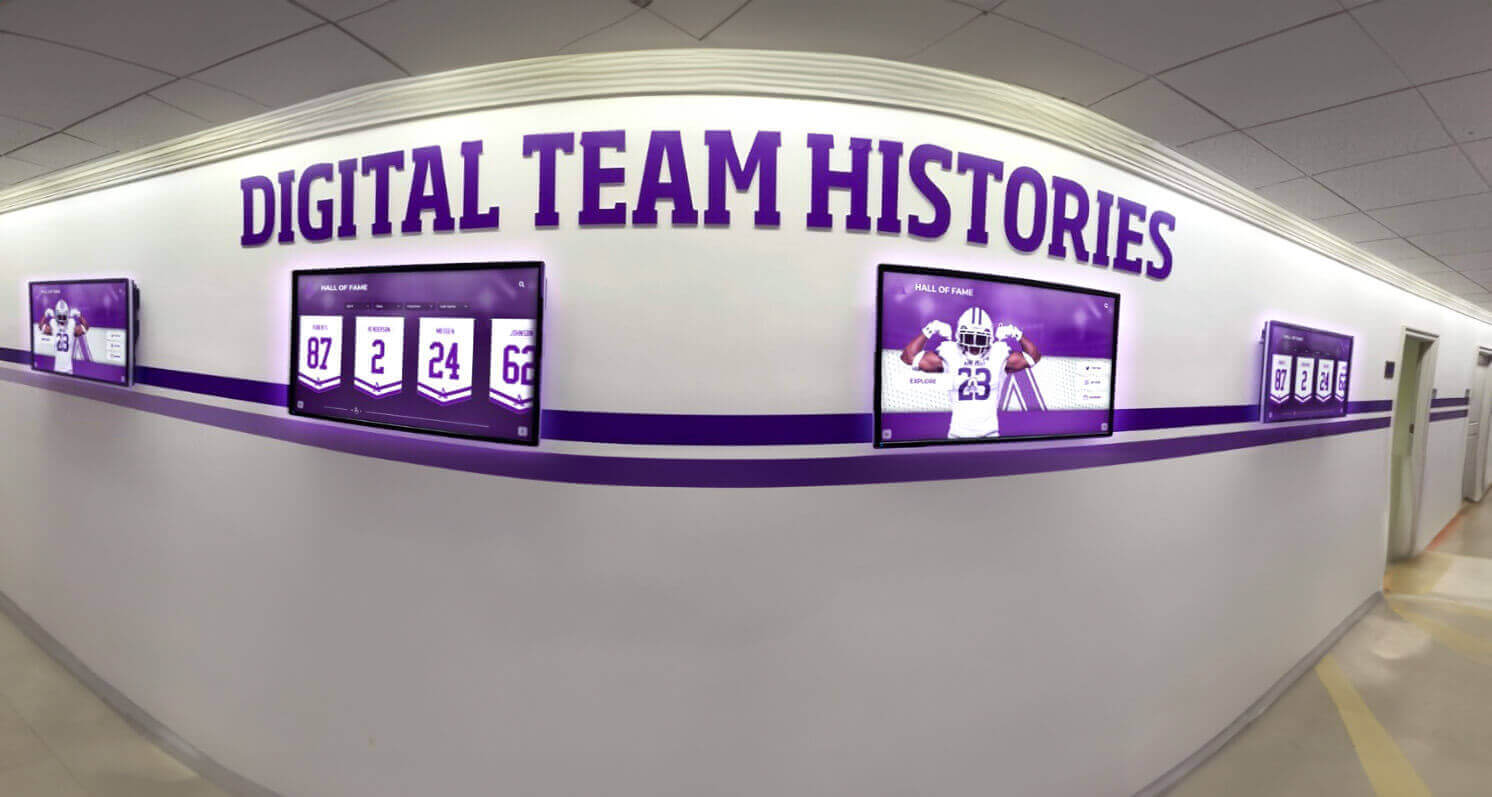
Comprehensive support ensures recognition display investments deliver sustained value for years through reliable operation and continuous optimization
Why Hardware and Support Integration Matters
The distinction between software-only vendors and complete solution providers fundamentally shapes digital recognition program success:
Software-Only Vendor Limitations
Companies selling digital signage software without hardware responsibility create structural limitations:
Fragmented Responsibility
- Hardware sourcing burden falls entirely on customers lacking technical expertise
- Display failures require navigating manufacturer warranties independently
- Integration issues between hardware and software lack clear ownership
- Support scope limited to software questions excluding hardware troubleshooting
Technical Expertise Gaps
- Software vendors lack hardware diagnostic capabilities
- Hardware manufacturers don’t understand recognition software requirements
- Schools become reluctant system integrators coordinating multiple specialists
- Issues falling between vendor scopes remain unresolved indefinitely
Misaligned Incentives
- Software vendors benefit from minimizing support cost regardless of customer outcomes
- Hardware manufacturers profit from equipment sales not operational success
- No party owns ultimate responsibility for working recognition displays
- Customer satisfaction depends on favorable hardware selection and flawless integration luck
Rocket’s Integrated Solution Advantage
Providing complete hardware, software, installation, and support creates fundamentally aligned incentives:
Unified Responsibility
- Rocket owns outcome (functional displays) not just software licensing
- Single point of contact for all issues eliminates vendor finger-pointing
- Comprehensive expertise across all system layers enables rapid diagnosis
- Customer success directly determines Rocket reputation and client retention
Optimized Integration
- Hardware specifications selected specifically for software performance requirements
- Testing and validation ensuring components work seamlessly together
- Troubleshooting authority spanning entire system rather than artificial boundaries
- Continuous improvement incorporating hardware and software evolution together
True Partnership Model
- Rocket success depends on client program success and satisfaction
- Long-term relationships incentivize excellence beyond initial sale
- Strategic guidance aligns vendor capabilities with institutional objectives
- Outcome guarantee ensures displays work reliably regardless of technical complexity
Organizations implementing interactive touchscreen kiosks consistently report dramatically higher satisfaction with vendors owning complete solutions versus attempting to coordinate hardware and software from separate providers.
Conclusion: Choosing Partners Who Own the Complete Solution
Digital recognition displays transform how schools and organizations celebrate achievement—but only when technology operates reliably and staff can manage content confidently without technical expertise. The difference between frustrated technology headaches and valued institutional assets depends primarily on vendor support philosophy and hardware responsibility.
Experience Complete Solution Support
Discover the difference comprehensive hardware, expert installation, and dedicated Customer Success support makes for digital recognition programs. Rocket Alumni Solutions eliminates the complexity and risk of coordinating multiple vendors by owning every aspect of recognition display success—from initial design and professional installation through years of ongoing optimization and support.
Software-only digital signage vendors require schools to source hardware independently, troubleshoot technical issues across fragmented vendor relationships, and accept limited support scope excluding hardware problems. This approach shifts technical burden and risk entirely to customers while vendors minimize support costs focusing exclusively on software licensing revenue.
Rocket Alumni Solutions delivers fundamentally different value by providing commercial-grade hardware specifically selected for educational environments, professional installation services ensuring accessibility compliance and architectural integration, comprehensive technical expertise spanning every system layer from displays through software, and dedicated Customer Success teams owning operational outcomes rather than just issue tickets.
The “you’ll be stuck dealing with third parties” concern simply doesn’t apply to Rocket implementations. While OEM warranties exist in the background, schools always work directly with Customer Success teams coordinating all backend processes transparently. If displays don’t work, Rocket owns resolution regardless of underlying technical complexity or vendor coordination required.
This complete solution approach creates aligned incentives where Rocket success depends entirely on client satisfaction and program outcomes. Schools implementing digital recognition displays should evaluate vendors not just on software features or initial pricing, but on commitment to operational excellence through comprehensive hardware responsibility, expert installation services, full-stack technical knowledge, and genuine partnership relationships supporting recognition programs for years.
Organizations prioritizing vendor support quality and complete solution ownership consistently report dramatically higher satisfaction, lower total cost of ownership through reduced staff burden and longer system lifespan, and greater recognition program impact through maximum platform utilization and continuous optimization. The marginal premium for comprehensive support proves insignificant compared to hidden costs and frustration of fragmented vendor relationships lacking unified responsibility.
Ready to explore recognition displays backed by complete hardware and support commitment? Learn about touchscreen display buyer considerations, discover installation best practices for educational environments, understand digital signage content strategies, and explore comprehensive recognition system implementation guides ensuring informed decisions selecting partners truly committed to long-term recognition program success through complete solution ownership and dedicated support excellence.