



Schools and organizations evaluating digital recognition displays often encounter concerns about subscription pricing models. Questions arise: Can we pay once and own it outright? What about multi-year budget cycles? How do we align purchases with bond funding or grant timelines?
Rocket Alumni Solutions addresses these procurement realities through flexible pricing that accommodates diverse institutional needs. Beyond standard annual subscriptions, Rocket offers heavily discounted multi-year prepay options extending up to 10 years, one-time payment structures for bond-funded purchases, and subscription models that fund continuous platform improvements benefiting all clients.
This guide explains how Rocket’s pricing flexibility serves schools navigating restrictive procurement requirements, multi-year budget planning, grant funding timelines, and cost certainty needs—while clarifying why subscription models protect institutional investments better than “buy once” perpetual licenses that shift risk and maintenance burdens onto schools.
Understanding pricing models for digital recognition technology requires looking beyond initial costs to total ownership value, maintenance realities, and how different structures align with institutional procurement processes.

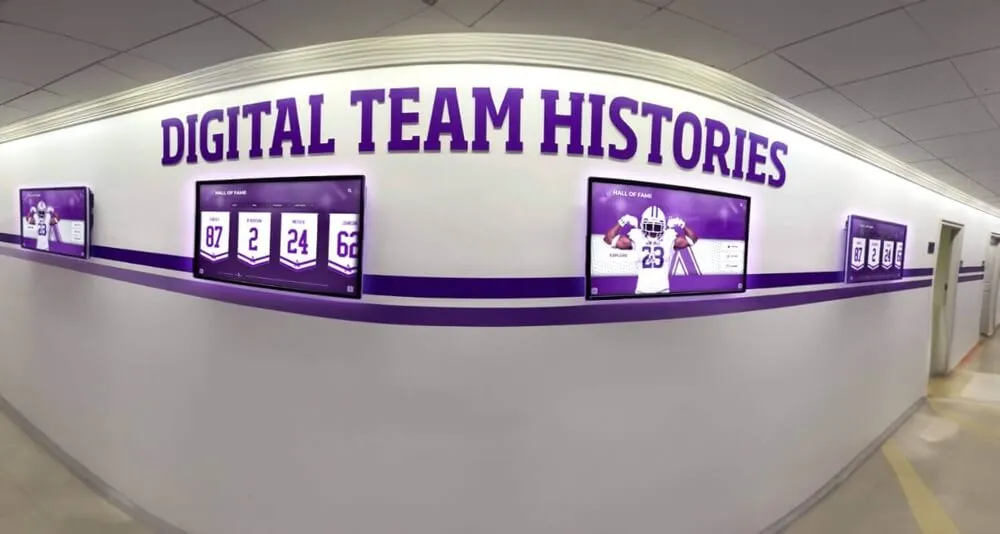
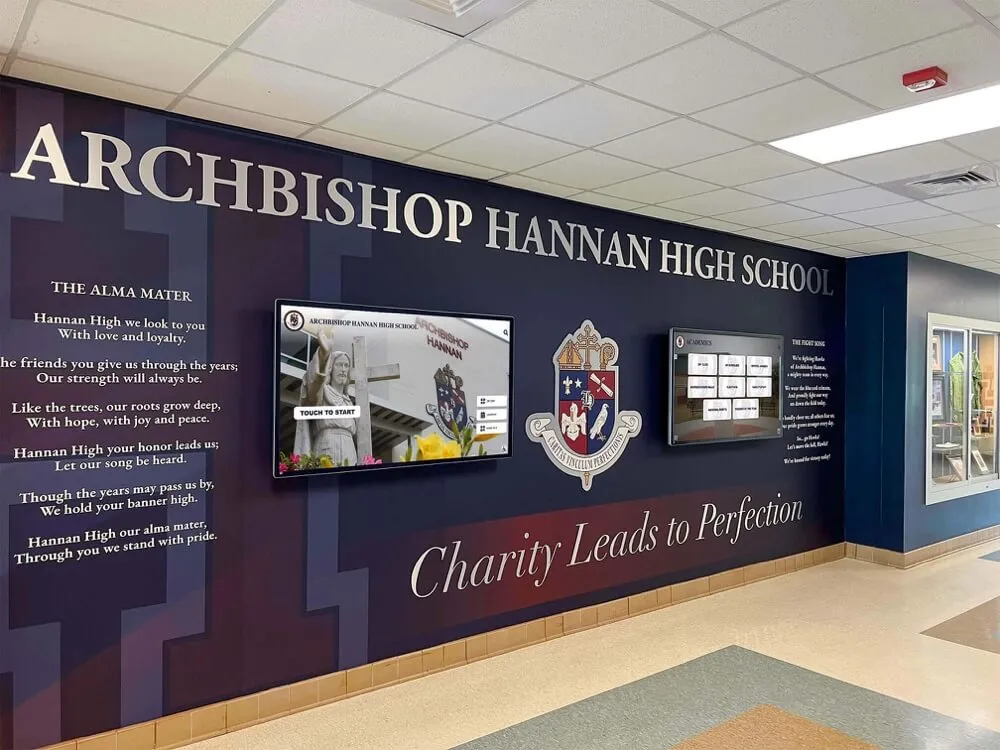
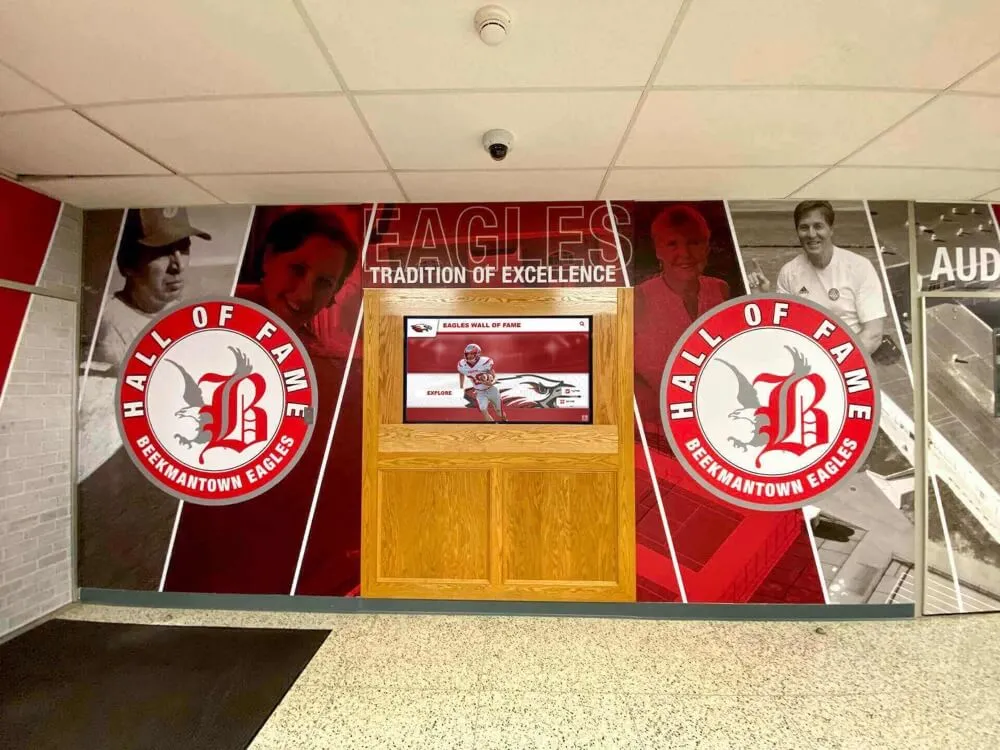
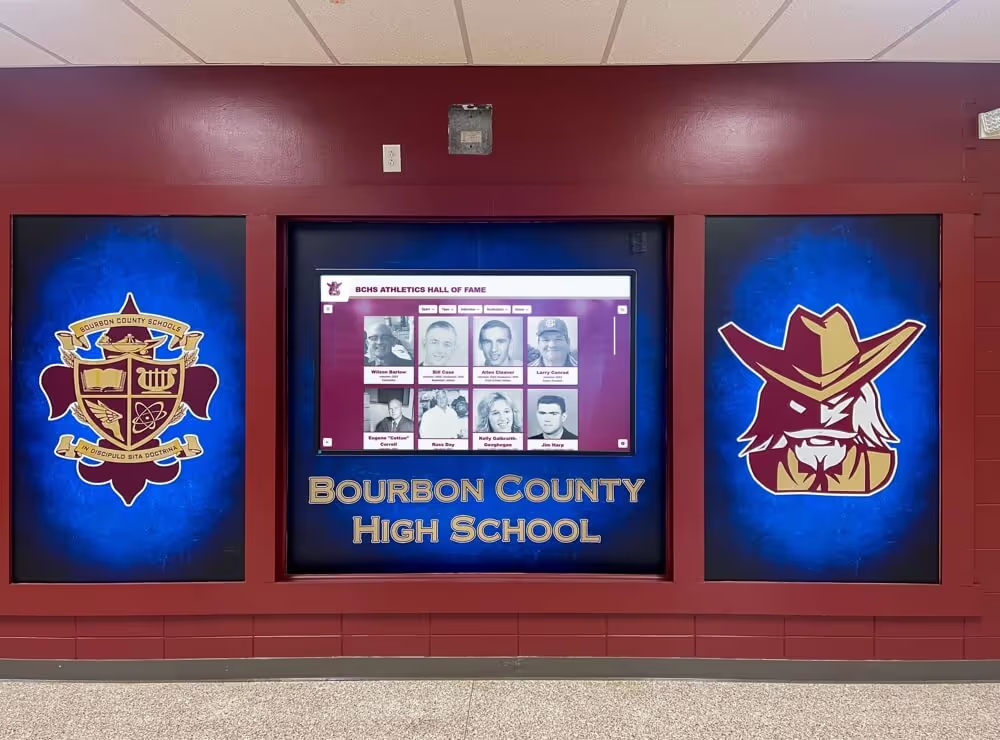
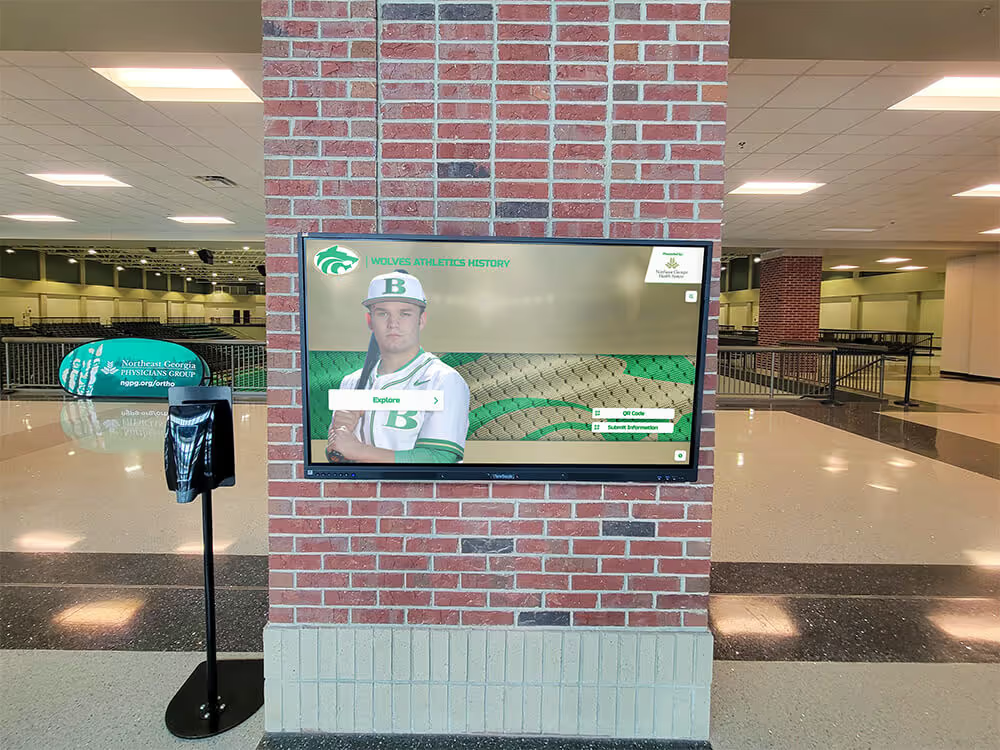
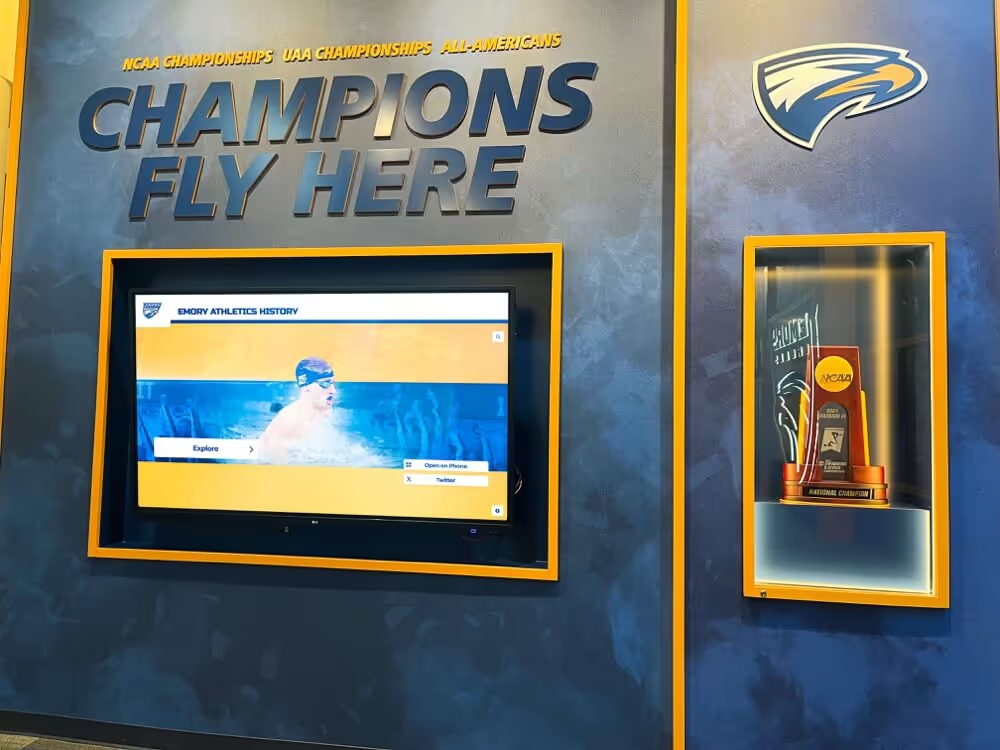
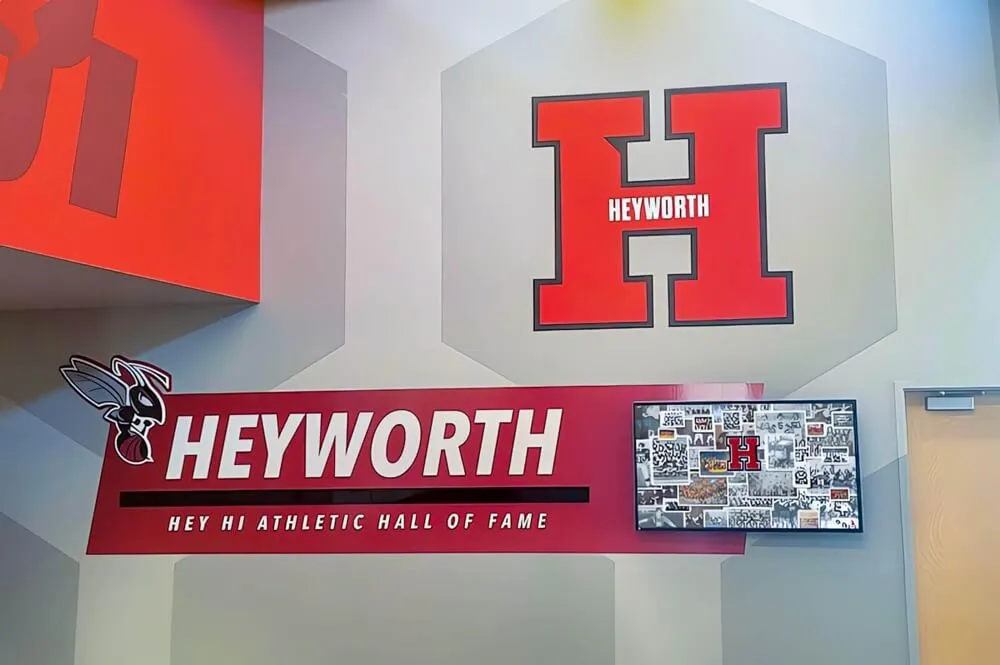
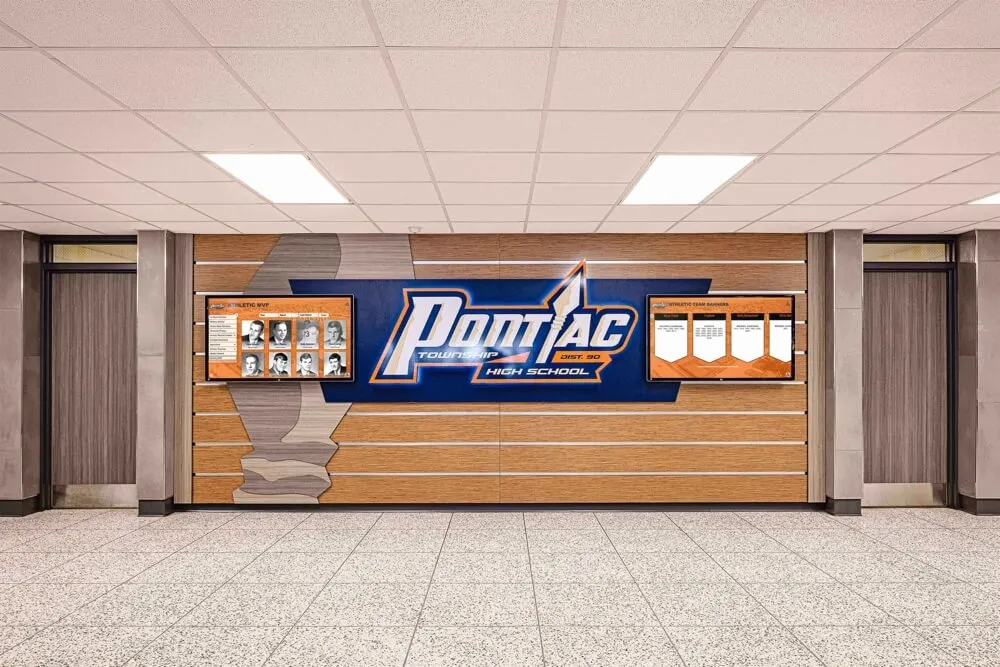
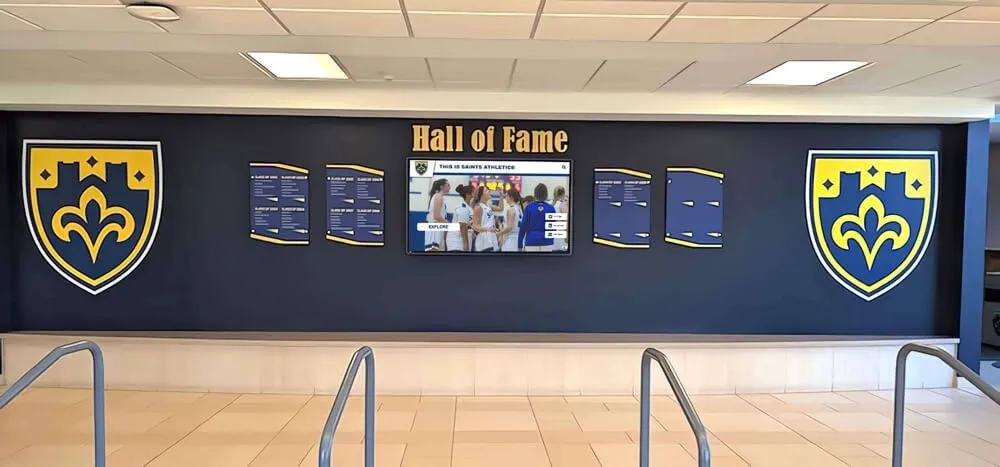
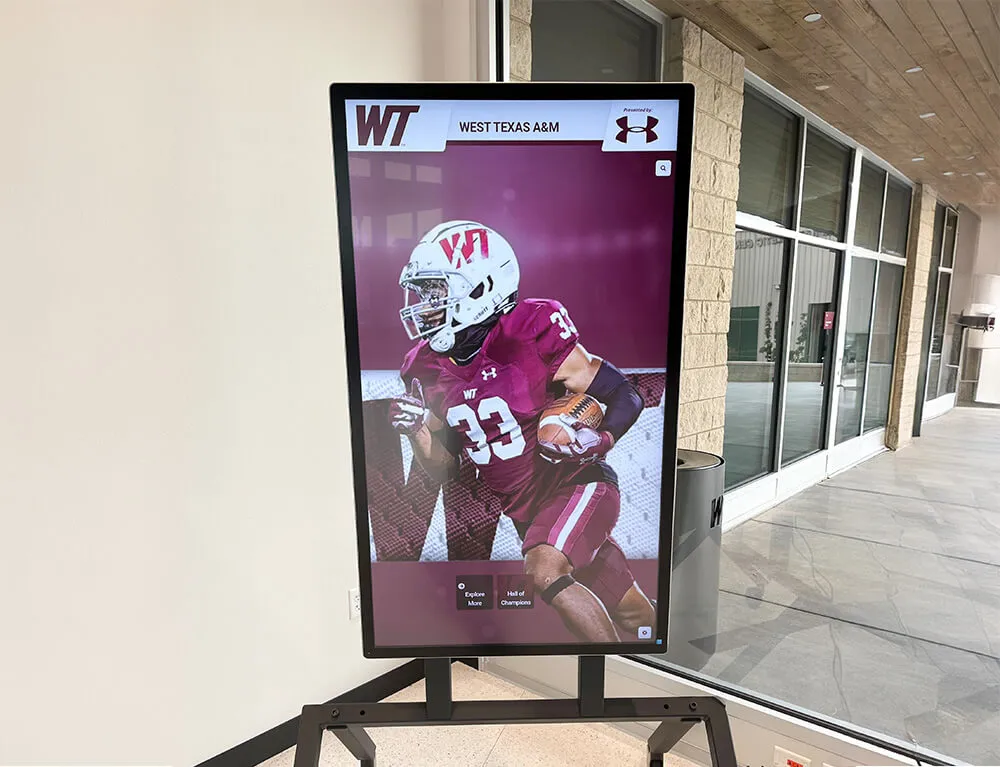
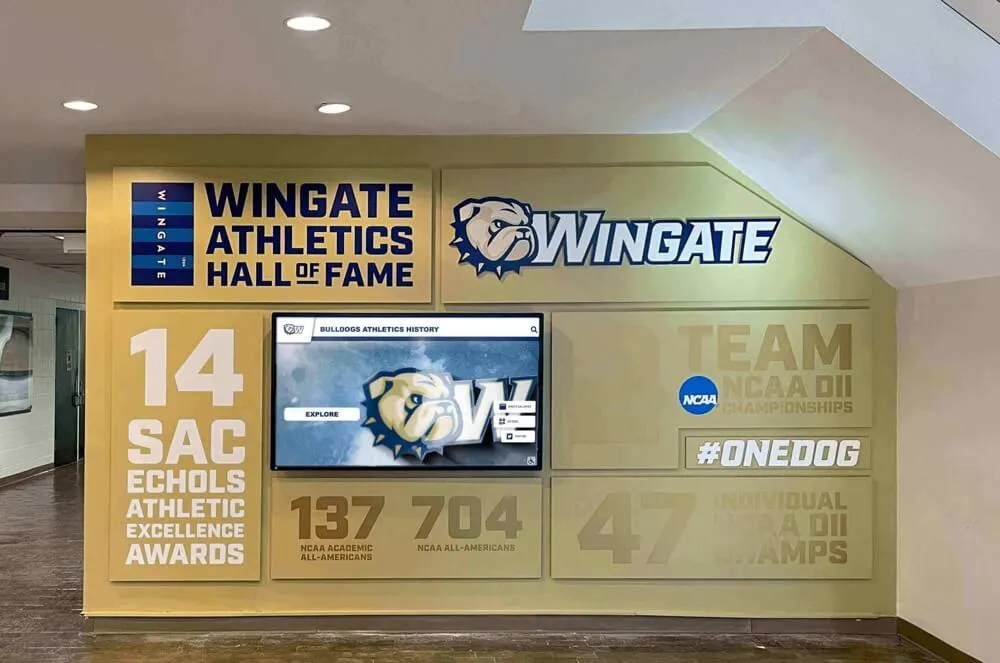
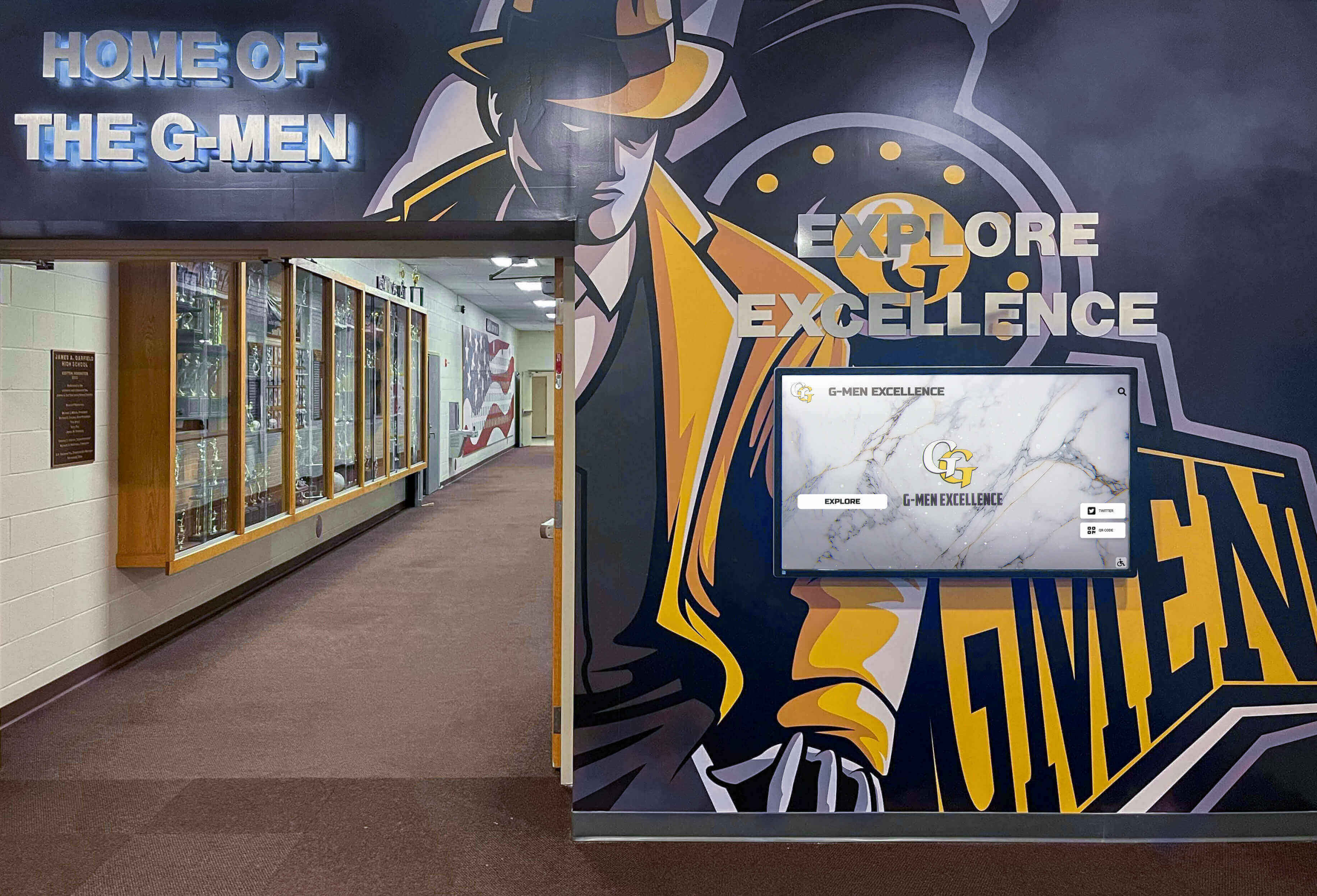
Schools balance traditional recognition with modern digital displays requiring sustainable funding models
Understanding Rocket’s Multi-Year Pricing Flexibility
Rocket Alumni Solutions recognizes that schools operate under diverse budget constraints and funding mechanisms requiring pricing structures beyond simple annual renewals.
Multi-Year Prepay Options with Major Discounts
Rocket offers extended prepay agreements spanning multiple years with significant discounts rewarding long-term commitments:
Available Prepay Timeframes
- 3-year agreements with tiered discounts
- 5-year commitments with enhanced savings
- 7-year arrangements for maximum budget certainty
- 10-year options for capital project alignment
These extended agreements directly address institutions seeking price predictability, schools wanting to lock in current pricing before budget increases, organizations aligning technology purchases with facility renovations, and programs funded through multi-year grants requiring matching expenditure timelines.
Discount Structure Benefits
Multi-year prepay discounts provide tangible savings:
- 3-year prepay typically saves 10-15% versus annual renewals
- 5-year commitments often reduce costs 20-25%
- 7-10 year agreements can deliver 30%+ savings compared to equivalent annual subscriptions
A school district spending $3,500 annually for recognition displays would pay $10,500 over three years with annual renewals, but might reduce that to approximately $9,000 through 3-year prepay—a meaningful $1,500 savings that frees budget for additional content development or expanded recognition programs.
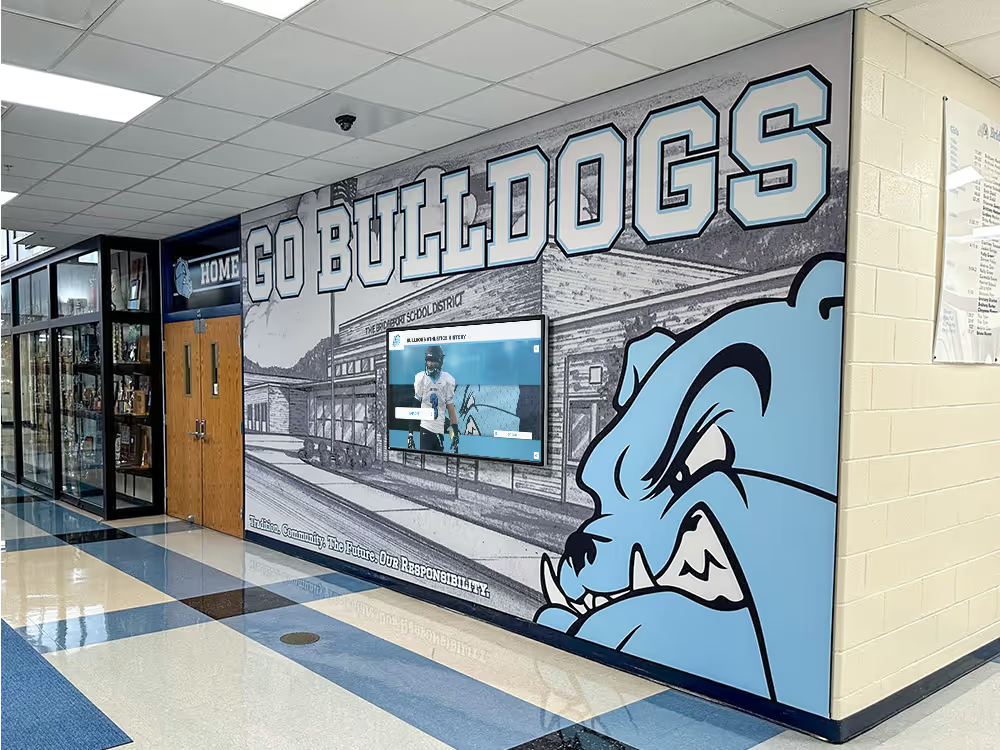
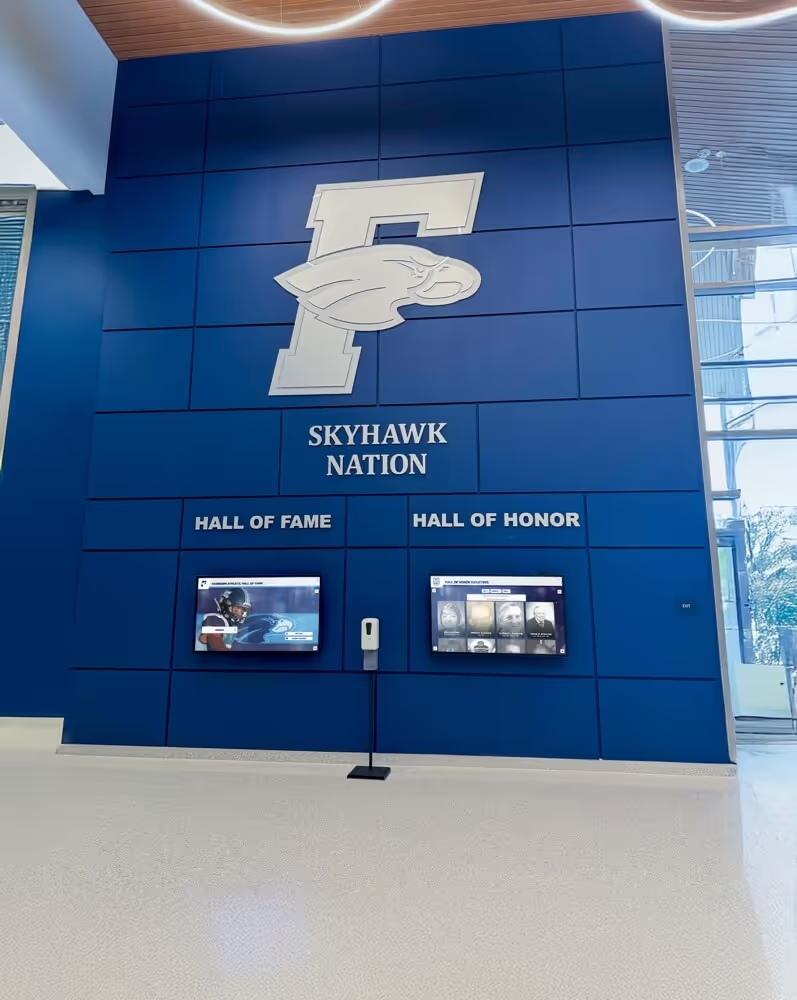
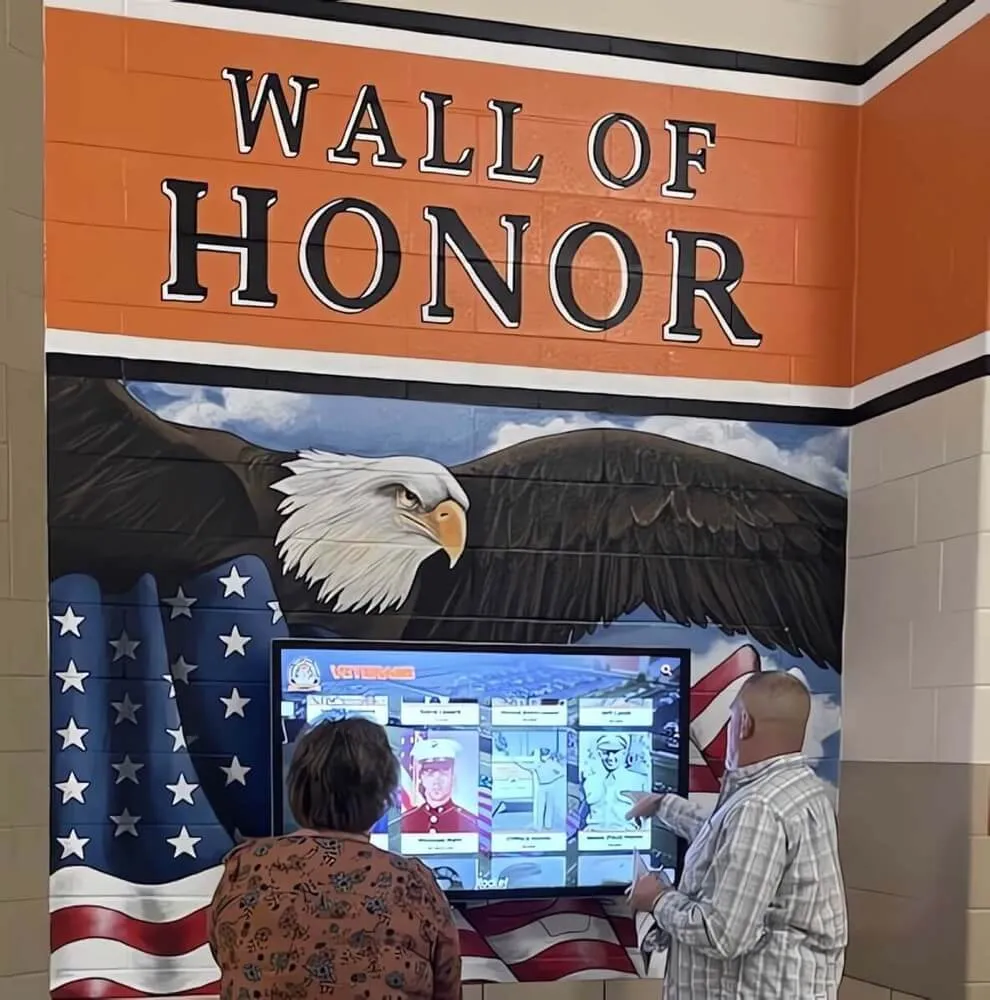
Schools implementing digital recognition displays benefit from pricing certainty while avoiding annual renewal friction.
Alignment with Grant and Bond Funding Cycles
Educational institutions frequently secure funding through mechanisms requiring specific expenditure patterns:
Grant Funding Compatibility
Grant-funded technology purchases often face restrictions on how funds deploy over time. Rocket’s multi-year prepay options accommodate:
- Technology grants requiring full expenditure within award periods
- Multi-year program grants expecting sustained implementation commitments
- Capital improvement grants funding infrastructure expected to serve long timeframes
- Matching grant requirements where institutional commitments must span specific durations
Bond-Funded Capital Projects
When schools issue bonds for facility construction or renovation, purchased technology should match the useful life expectations justifying bond financing. Digital recognition displays installed during gym renovations or new building construction work well with Rocket’s extended agreements—ensuring recognition technology receives ongoing support throughout the facility’s intended service life.
Institutions planning athletic facility recognition displays as part of larger construction projects benefit from pricing structures matching capital project timelines.
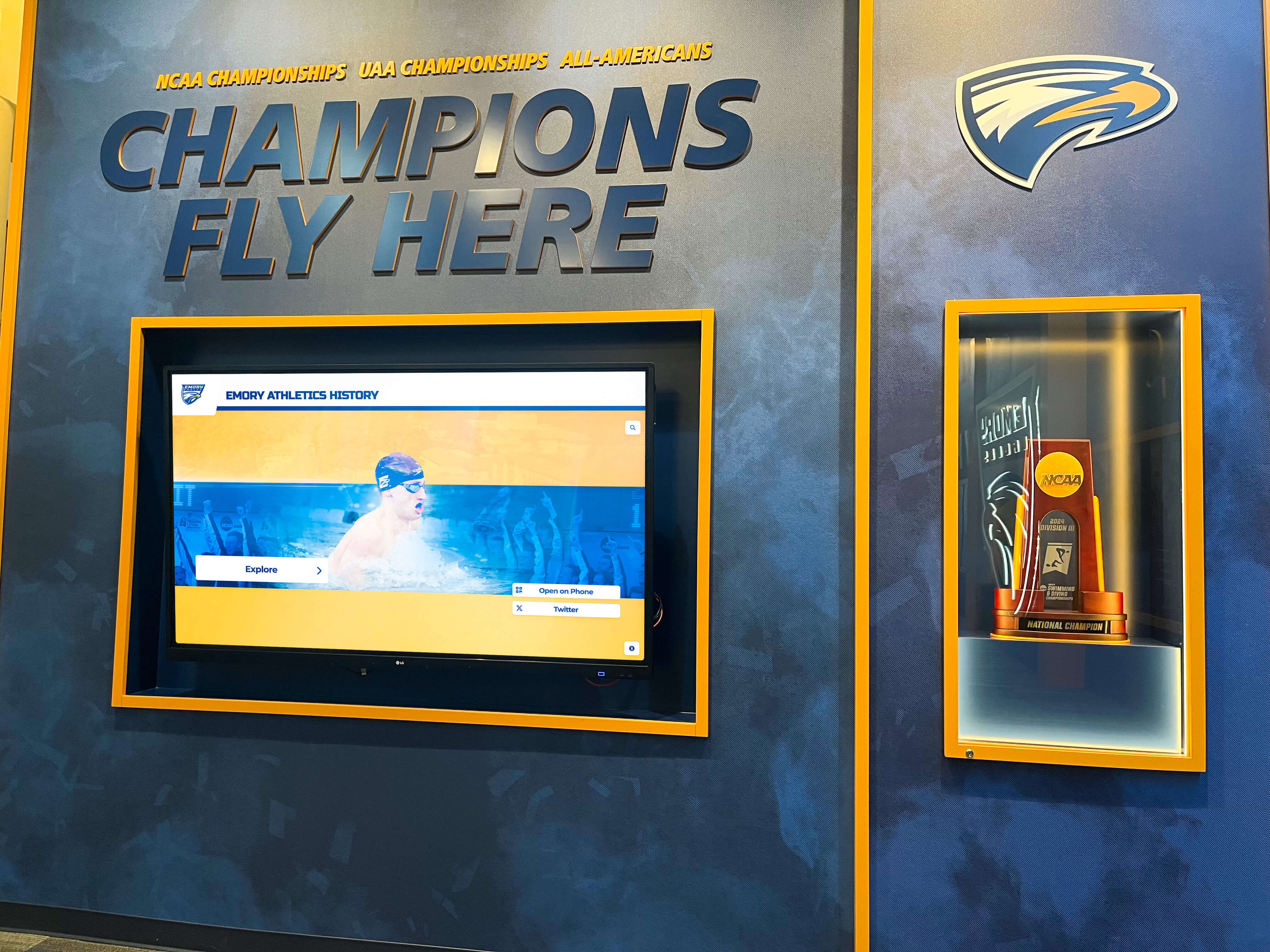
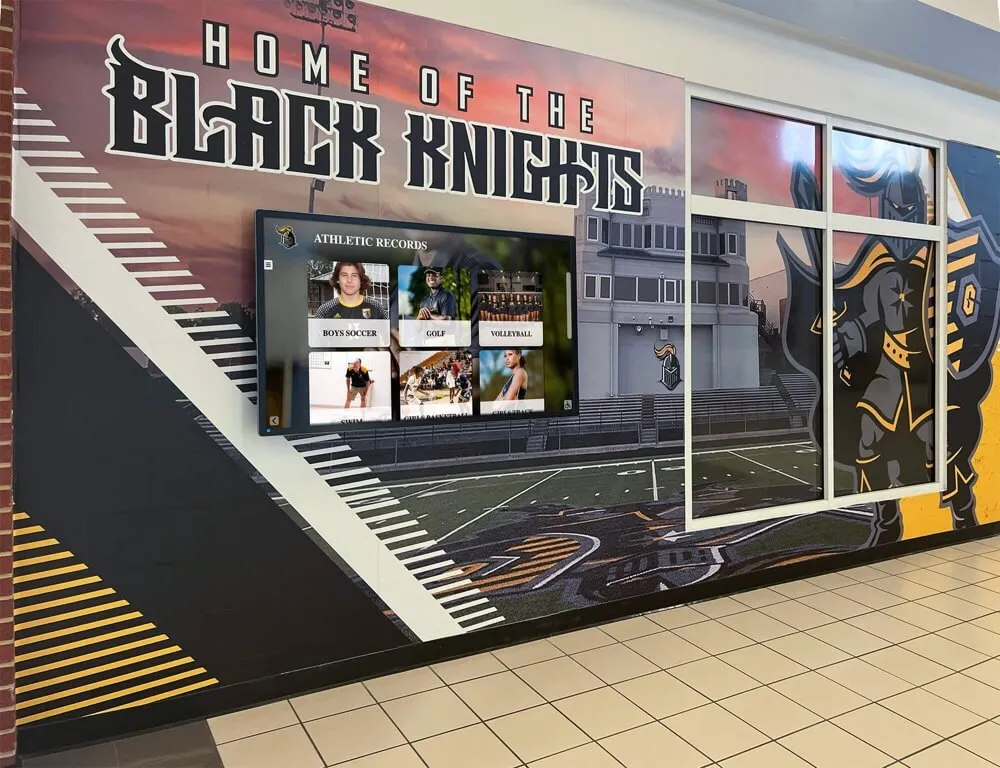
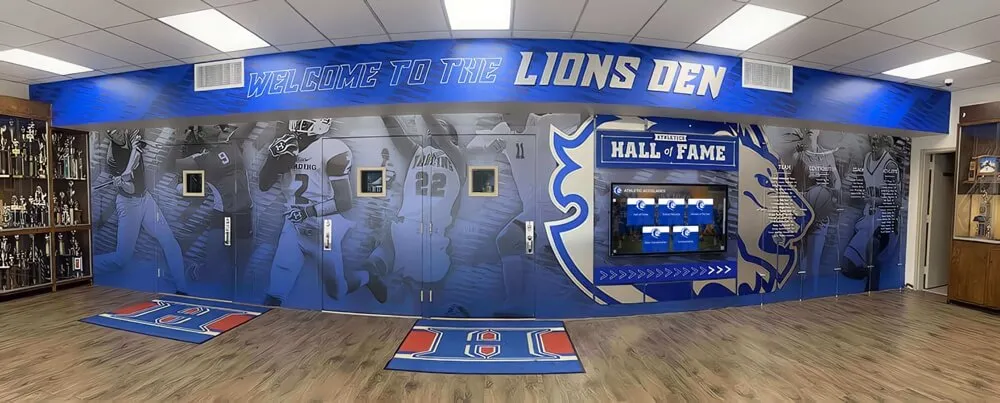
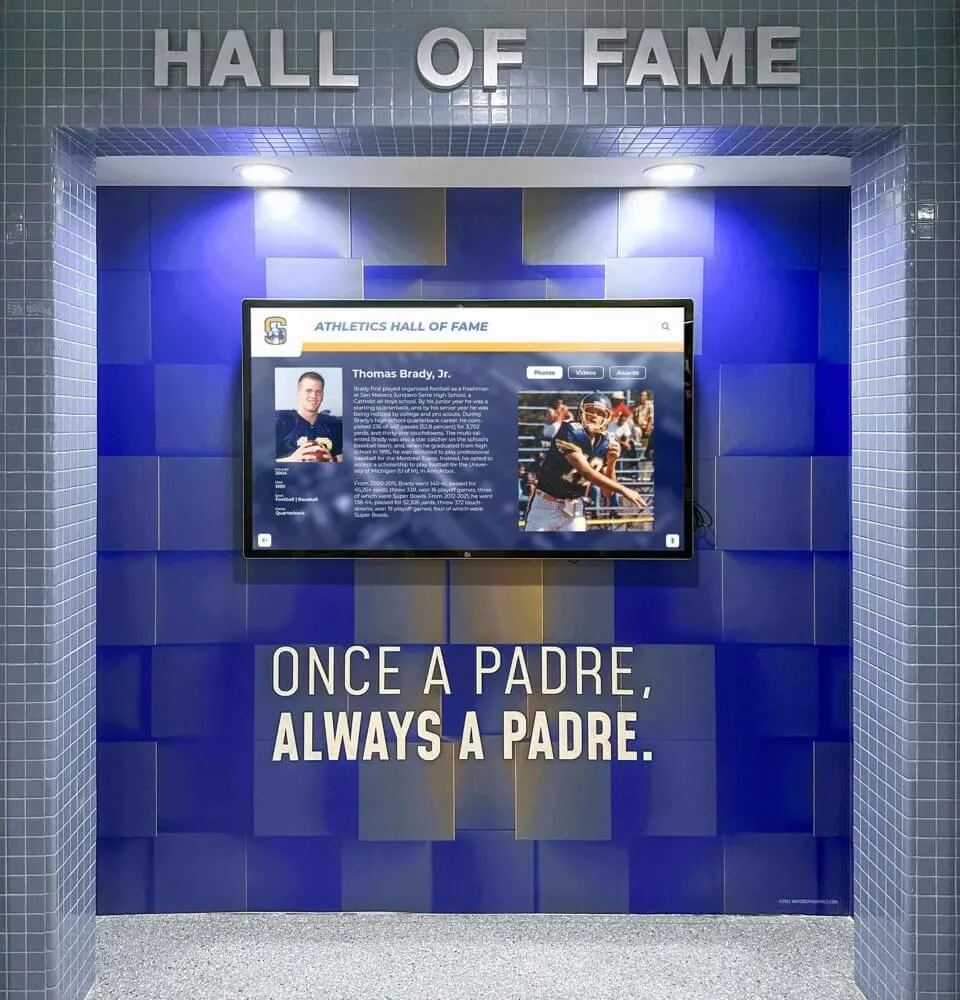
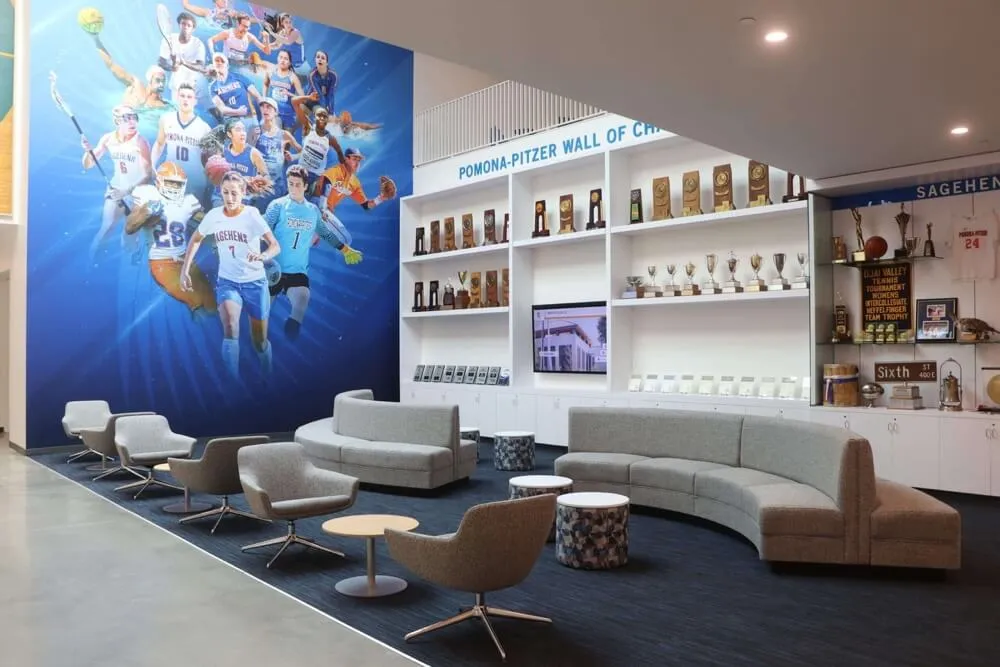
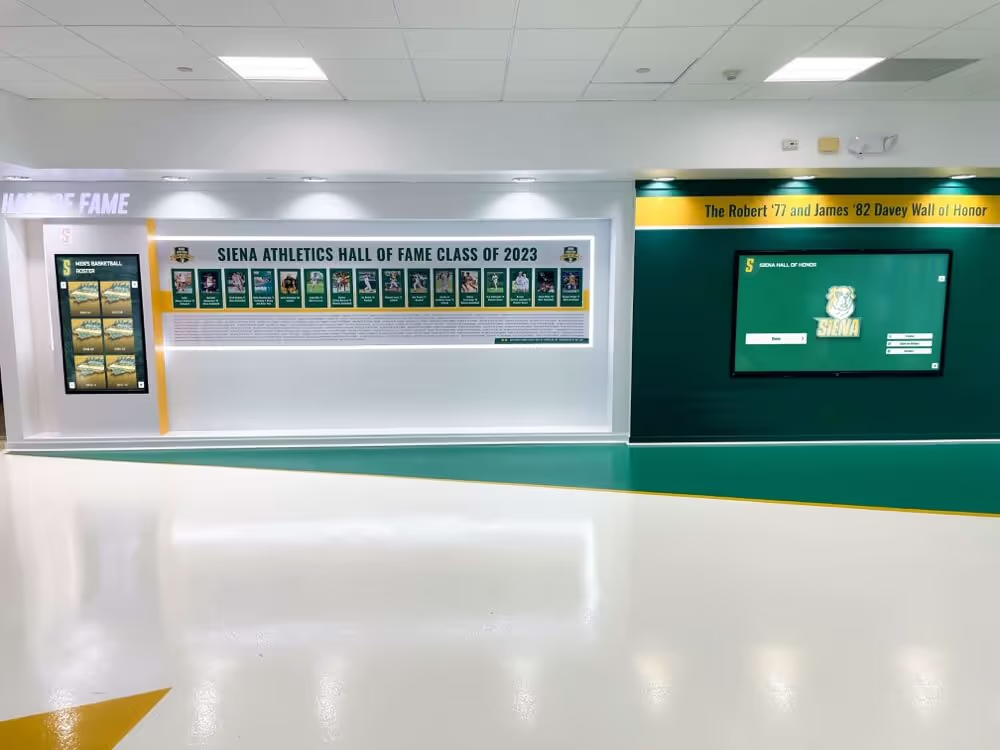
Major athletic recognition installations often align with facility renovations requiring multi-year funding
One-Time Payment Options for Procurement Requirements
While subscription models offer distinct advantages, Rocket accommodates situations where procurement policies or funding sources require one-time payment structures.
When One-Time Payments Make Sense
Certain institutional circumstances genuinely require purchase rather than subscription:
Bond Financing Requirements
Bond proceeds funding capital assets typically require expenditures creating owned assets rather than service contracts. When recognition displays fall under bond-funded facility construction, purchasing hardware outright with extended software licenses matches these requirements.
Capital Budget Classifications
Some institutions classify technology purchases above specific dollar thresholds as capital assets requiring different accounting treatment than operating expenses. One-time payment structures enable recognition technology to fit these classifications when necessary.
RFP-Driven Procurements
Formal Request for Proposal processes sometimes specify one-time purchase requirements rather than ongoing service agreements. Rocket structures proposals accommodating these specifications—providing owned hardware combined with extended software licensing and support agreements matching procurement language.
Endowment or Major Gift Funding
Significant one-time donations specifically funding recognition technology may require complete purchase rather than establishing ongoing funding commitments. Donors underwriting hall of fame displays often prefer knowing their contribution fully funds the implementation rather than just initiating ongoing subscriptions.
Organizations implementing donor recognition displays through philanthropic contributions benefit from pricing structures matching gift documentation expectations.
Understanding What “Buying Once” Actually Means
One-time payment terminology can create confusion about what schools actually receive and what ongoing responsibilities they assume.
Hardware Ownership vs. Software Licensing
True one-time purchases typically involve:
- Outright ownership of physical display hardware, mounting equipment, and computing devices
- Perpetual or extended-term software licenses (often 10-25 years)
- Initial content setup and platform configuration
- Defined training and onboarding support
However, ongoing requirements don’t disappear through one-time payment:
- Software updates maintaining security, compatibility, and functionality
- Technical support addressing issues and questions
- Cloud hosting and data storage for content management systems
- Content development, updates, and maintenance
- Platform monitoring, troubleshooting, and optimization
The Support and Maintenance Reality
Institutions choosing one-time payment structures should carefully evaluate whether support services come included for specific periods or become separate expenses. Questions to clarify include:
- How many years of software updates does the purchase include?
- When do software support services end or convert to annual fees?
- What happens if browsers, operating systems, or accessibility requirements change?
- Who handles technical troubleshooting after initial warranty periods?
- What costs might arise for required upgrades or security patches?
Understanding these distinctions helps schools accurately compare one-time payment structures against subscription models including ongoing support.
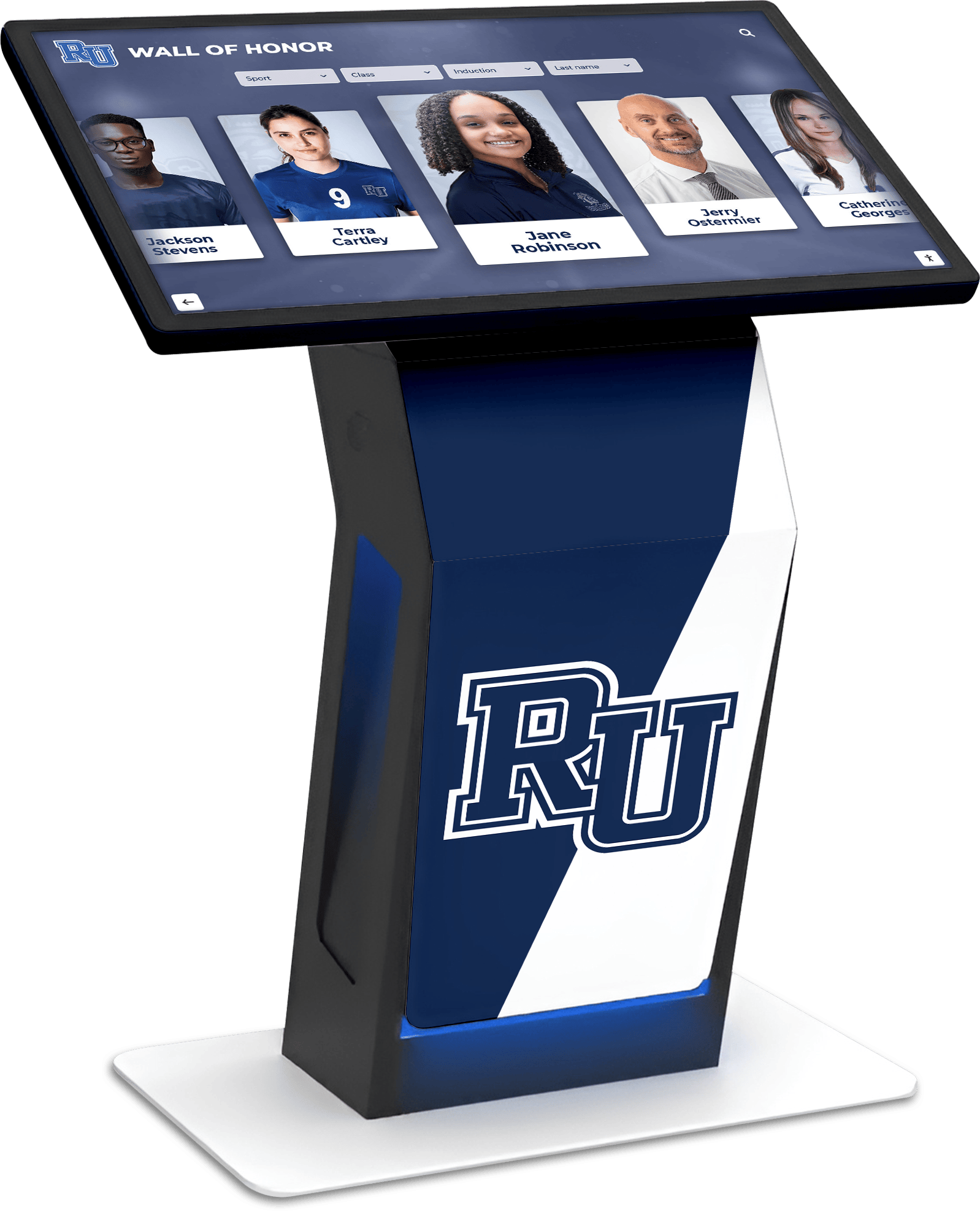
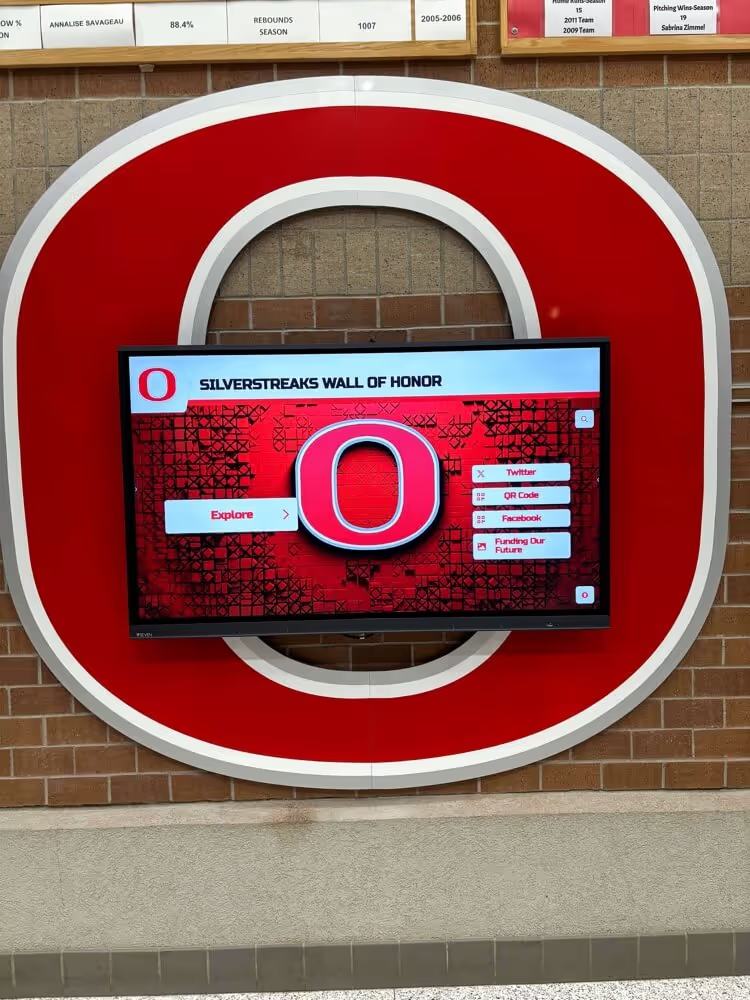
Recognition technology requires ongoing platform maintenance regardless of initial payment structure
Why Subscription Models Protect School Investments
While one-time payments appear attractive through lower initial commitment, subscription models actually reduce long-term risk and cost for schools implementing digital recognition.
Continuous Upgrades Included Without Additional Costs
Subscription pricing funds continuous platform development ensuring schools always access current capabilities:
Automatic Feature Enhancements
As Rocket develops new functionality—improved search algorithms, enhanced mobile experiences, additional content types, updated design templates, or expanded analytics—all existing clients receive these improvements automatically. Schools paying annual or multi-year subscriptions benefit from ongoing R&D investment without negotiating upgrade pricing or paying separate enhancement fees.
A school implementing recognition displays in 2024 receives the same advanced features developed in 2026 that newer clients access—ensuring no one falls behind technologically simply because they purchased earlier.
Platform Modernization Protection
Technology platforms require continuous investment maintaining compatibility:
- Browser updates (Chrome, Safari, Edge release major updates every 6-8 weeks)
- Operating system changes requiring software adjustments
- Mobile device platform evolution necessitating app updates
- Touchscreen hardware improvements requiring driver updates
- Cloud infrastructure migrations supporting performance and security
Subscription models fund this ongoing work—ensuring recognition displays function reliably regardless of the technological changes happening around them.
Organizations implementing digital hall of fame displays benefit from continuous compatibility maintenance without tracking technology changes themselves.
Security and Compliance Updates
Modern web-based platforms face continuous security and compliance obligations that subscription models address systematically.
Security Vulnerability Management
Software security requires ongoing vigilance:
- New vulnerabilities discovered in platforms, frameworks, and libraries require immediate patching
- Encryption standards evolve requiring implementation updates
- Authentication systems must strengthen against emerging attack patterns
- Data protection practices must adapt to new threats
Schools lacking internal cybersecurity expertise benefit from vendors managing these responsibilities—ensuring recognition platforms don’t become institutional security liabilities through outdated, vulnerable software.
Accessibility Compliance Evolution
Accessibility requirements continuously evolve as standards bodies refine guidelines and legal interpretations change:
- WCAG (Web Content Accessibility Guidelines) updates regularly with enhanced requirements
- Screen reader compatibility needs maintenance as assistive technologies evolve
- Keyboard navigation standards become more sophisticated
- Color contrast and text sizing requirements may adjust based on research
Subscription funding enables vendors to maintain compliance proactively—protecting schools from accessibility complaints or legal challenges arising from outdated implementations.
Schools implementing accessible digital recognition need vendors actively maintaining compliance rather than shifting that burden to school IT teams.
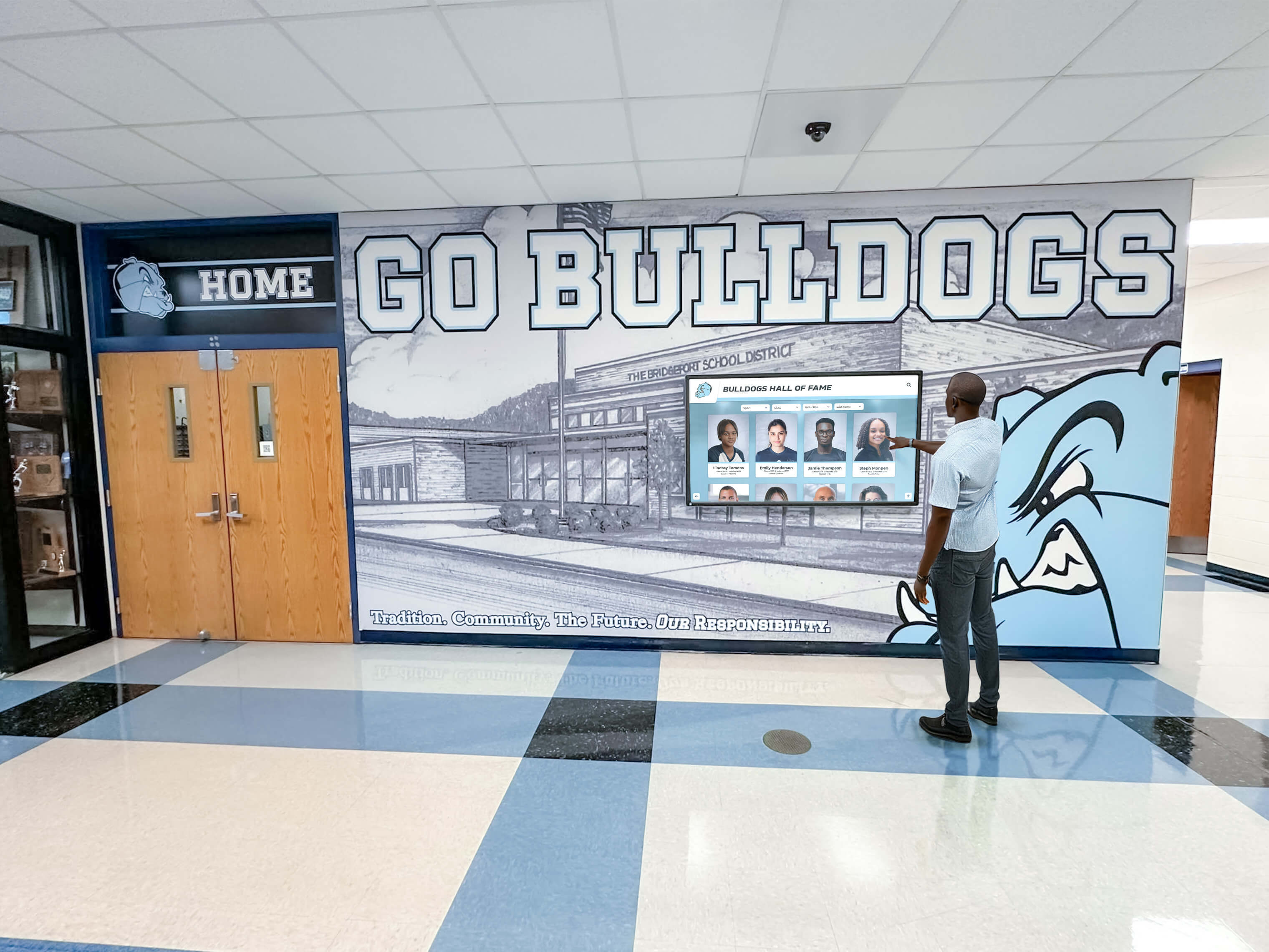
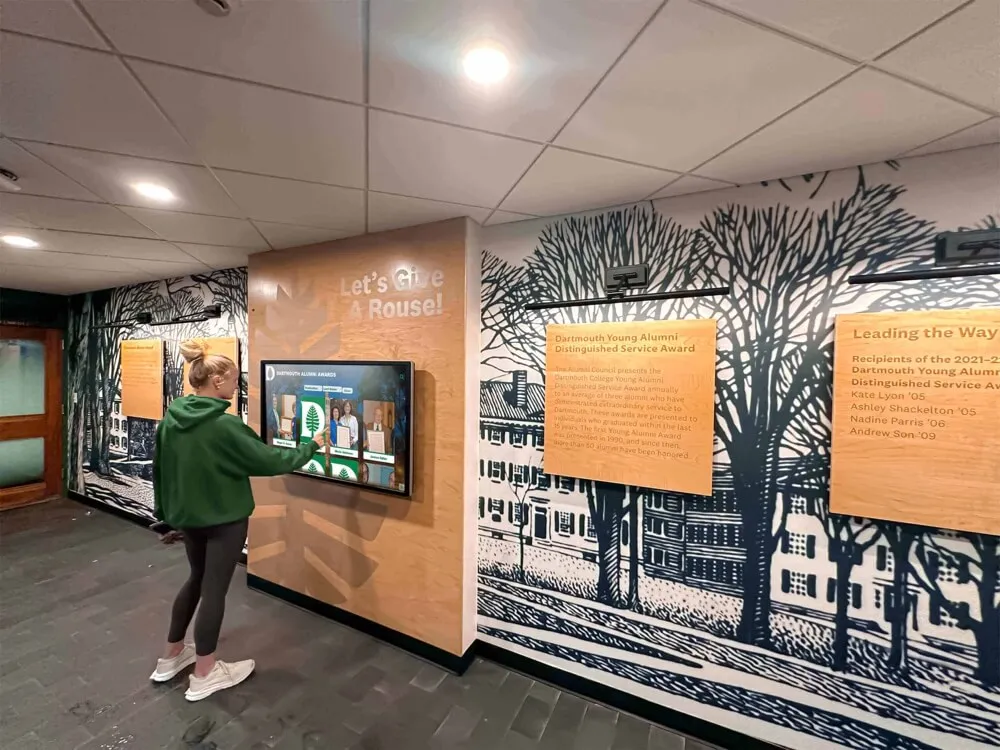
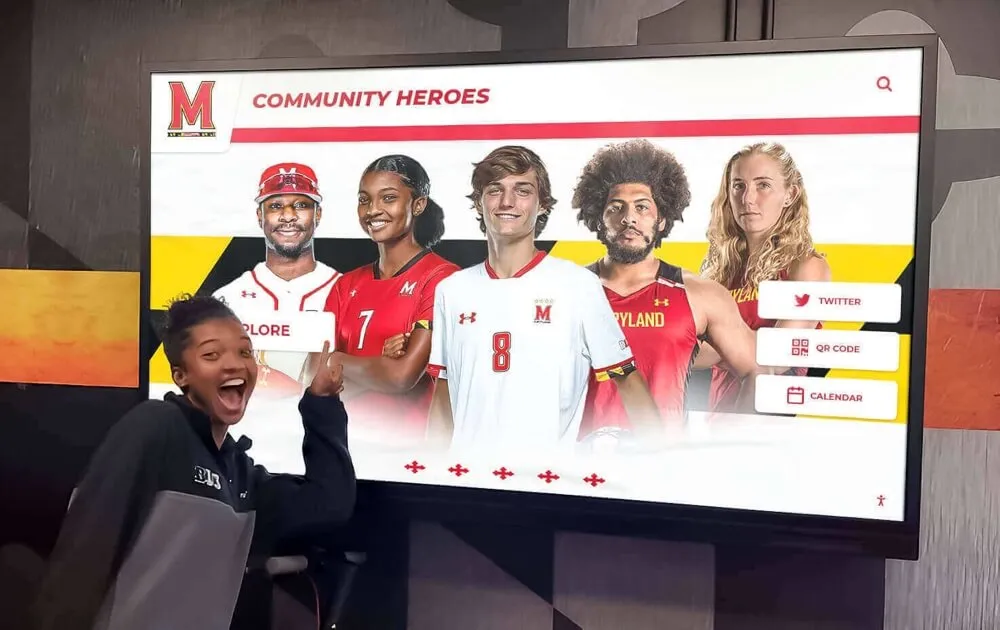
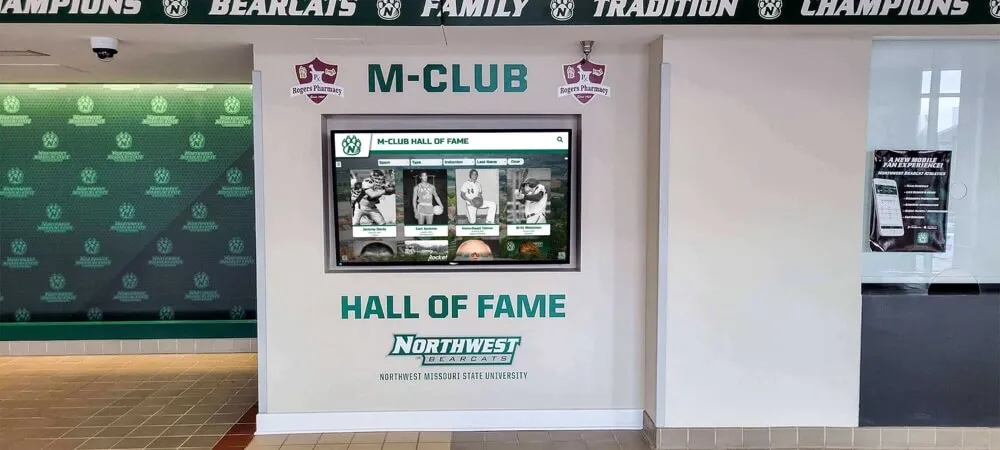
Students benefit from modern, reliable recognition platforms maintained through subscription support
Shared Platform Benefits All Clients Equally
Rocket’s architecture provides unique advantages through shared platform improvements benefiting all implementations simultaneously.
No Tiered Feature Access
Unlike some software vendors creating premium vs. basic tiers where advanced features cost extra, Rocket provides all platform capabilities to every client. Schools paying standard subscription rates access the same features as larger institutions—democratizing access to sophisticated recognition technology regardless of institutional size or budget.
Small rural schools receive the same powerful search functionality, multimedia profile capabilities, mobile experiences, and administrative tools as major universities—ensuring recognition quality doesn’t correlate with institutional resources.
Continuous Enhancement Benefits
Because all clients operate on Rocket’s shared platform, improvements benefit everyone immediately:
- A new filtering option developed for one school becomes available to all clients
- Analytics enhancements requested by one institution serve all implementations
- Design template additions expand everyone’s creative options
- Performance optimizations improve experiences across all displays
This shared model means schools benefit from development investment driven by collective client needs rather than each institution funding its own separate enhancements.
Organizations implementing interactive recognition displays gain from ongoing platform improvements funded collectively rather than individually.
The Hidden Costs of “Buy Once” Perpetual Licenses
Perpetual license models appealing through lower initial commitment often shift significant costs and risks onto purchasing institutions.
Ongoing Maintenance Realities Don’t Disappear
Technology platforms require continuous work regardless of how initial purchases structure:
Required Platform Maintenance
Systems failing to receive ongoing support encounter predictable problems:
- Browser incompatibility: Modern browsers update every 6-8 weeks; unsupported platforms stop functioning as browser vendors deprecate older web standards
- Security vulnerabilities: Unpatched systems become attack vectors for malware, ransomware, and data breaches
- Accessibility compliance gaps: Static platforms fall behind evolving WCAG requirements, exposing schools to complaints and legal risk
- Operating system conflicts: Windows, Mac, and mobile OS updates may break unsupported software
- Hardware obsolescence: New touchscreen models may lack compatible drivers for abandoned platforms
The question isn’t whether these issues arise—it’s who bears responsibility and cost addressing them.
The Support Services Reality
“Buy once” models typically structure ongoing support as:
- Paid upgrade paths: Major version updates cost 40-60% of original purchase price every 3-5 years
- Annual maintenance contracts: Voluntary support agreements running $500-2,000 annually
- Professional services fees: Troubleshooting, configuration changes, and technical assistance billed hourly at $150-300/hour
- Emergency support premiums: Critical issues requiring immediate attention cost significantly more
Schools assuming they’ve eliminated ongoing costs through perpetual licenses often discover total 5-year expenses exceed subscription equivalents—with added burden of tracking vendor terms, negotiating maintenance contracts, and potentially switching vendors when support becomes unavailable.
The Risk Transfer Problem
Perpetual licenses fundamentally transfer risk from vendors to customers:
Vendor Responsibility Ends
Once schools purchase perpetual licenses, vendors fulfill obligations through initial delivery. If systems subsequently fail meeting accessibility requirements, become incompatible with new hardware, or experience security vulnerabilities—responsibility falls to schools resolving these issues.
Small institutions lacking technical staff face particularly difficult situations when purchased systems require specialized expertise maintaining.
Technology Evolution Outpaces Static Systems
Digital recognition platforms interact with continuously evolving technology ecosystems:
- Touchscreen hardware generations requiring updated drivers
- Network security policies mandating modern authentication
- Cloud infrastructure migrations requiring reconfiguration
- Mobile device platforms changing compatibility requirements
- Accessibility standards raising minimum compliance thresholds
Static platforms purchased years earlier gradually lose compatibility—forcing schools into upgrade purchases or system replacements sooner than expected.
The Obsolescence Timeline
Recognition displays installed in 2020 running unsupported software often become obsolete by 2025-2027:
- Browser updates break functionality
- Security vulnerabilities become unpatched attack vectors
- Accessibility compliance falls behind requirements
- New feature needs (mobile access, advanced search, etc.) remain unavailable
- Technical support ends or becomes prohibitively expensive
Schools face difficult decisions: continue operating outdated, potentially vulnerable systems; pay significant upgrade costs; or replace entire systems years before expected hardware lifecycle ends.
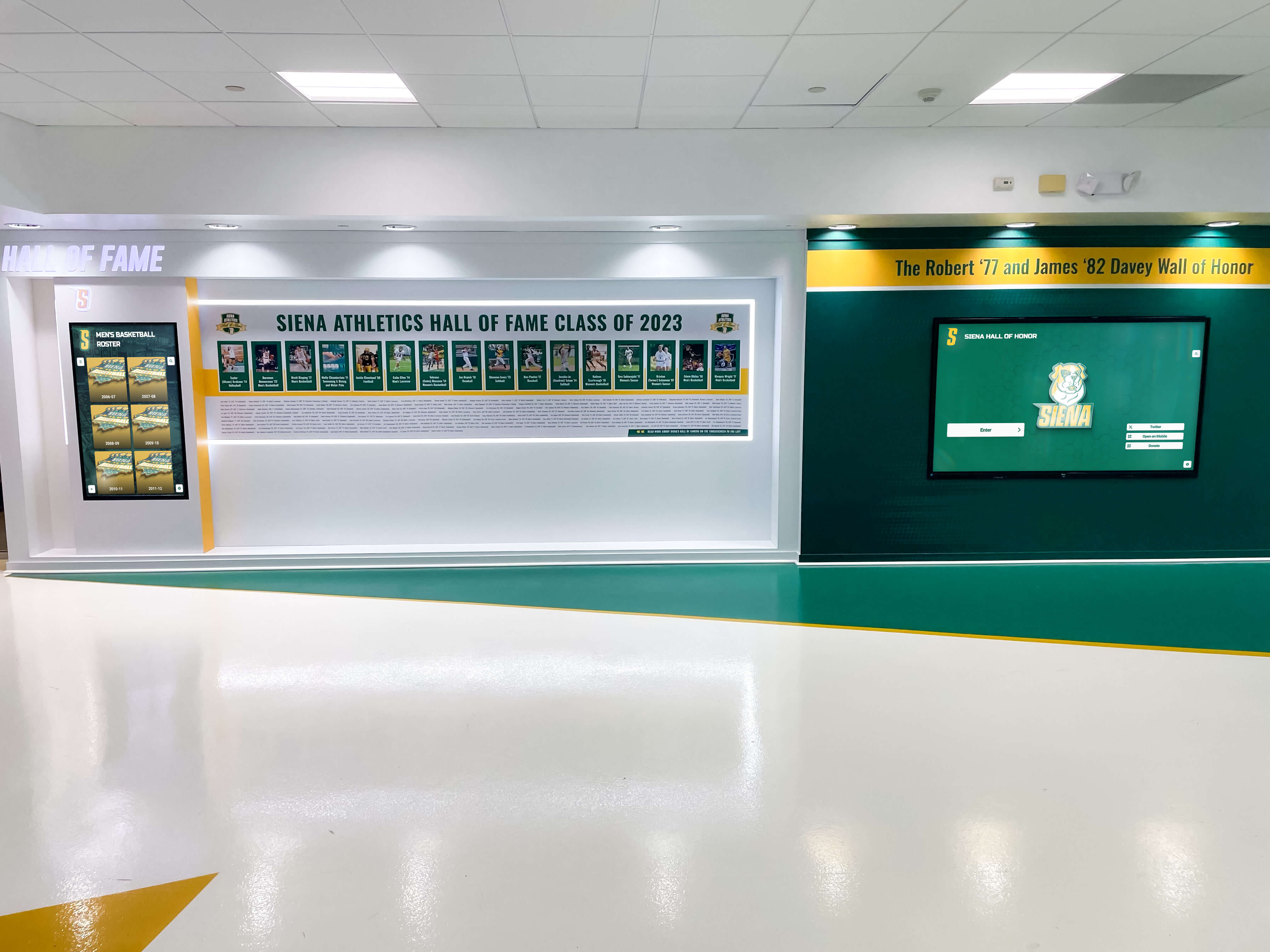
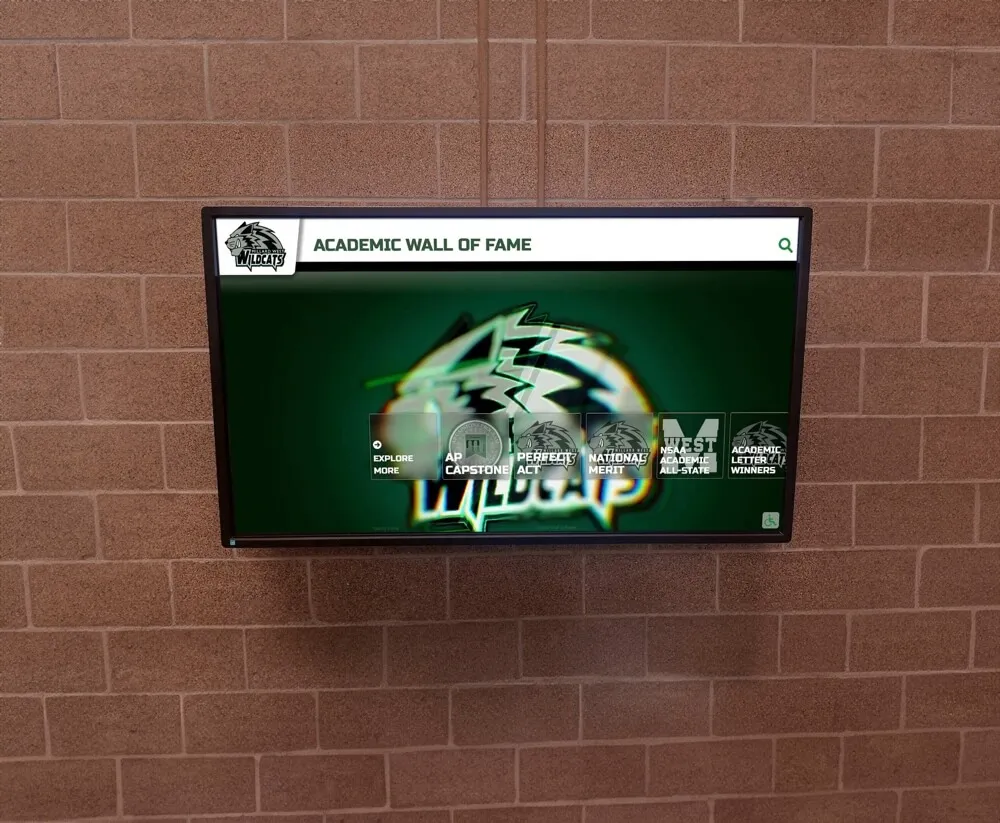
Recognition displays require long-term platform support maintaining reliability and security
The Operational Promise: Sleep at Night Knowing Systems Stay Current
Beyond cost structures, Rocket’s subscription model delivers operational benefits reducing institutional burden.
Automatic Updates Without IT Intervention
Cloud-based platforms with subscription support eliminate school IT involvement for routine maintenance:
Content Appears Automatically on Displays
When recognition staff publish new honoree profiles, update achievements, or refresh featured content, changes synchronize automatically to all connected displays. No one visits physical locations pushing updates, restarting systems, or troubleshooting synchronization failures.
This database-driven architecture means adding the 2026 state championship team updates all relevant displays immediately—team rosters, individual athlete profiles, championship records, and statistical leaderboards reflect new information without manual coordination across multiple screens.
Behind-the-Scenes Platform Maintenance
Rocket handles infrastructure maintenance transparently:
- Security patches apply automatically to cloud systems
- Performance optimizations deploy without disrupting access
- Database upgrades happen during maintenance windows with automatic failover
- Backup systems ensure data protection without school IT configuration
- Monitoring systems detect and resolve issues proactively
Schools benefit from enterprise-grade infrastructure management without maintaining that expertise internally.
Organizations implementing digital donor recognition systems appreciate vendors managing technical operations allowing development staff to focus on donor relationships rather than technology troubleshooting.
Compatibility Maintenance Across Evolving Technology Ecosystems
Modern recognition displays interface with numerous external systems requiring ongoing compatibility work:
Browser and Operating System Compatibility
Major browsers (Chrome, Safari, Edge, Firefox) release updates every 4-8 weeks introducing new web standards while deprecating older approaches. Rocket continuously tests and updates platform code ensuring displays function correctly despite these frequent changes—work schools would otherwise need technical staff performing.
Touchscreen Hardware Evolution
Commercial touchscreen manufacturers regularly introduce new models with improved sensitivity, resolution, durability, and capabilities. Rocket validates compatibility with emerging hardware—ensuring schools can upgrade displays to newer models without platform limitations forcing parallel software changes.
Mobile and Responsive Design Requirements
Web portals extending recognition beyond physical displays must function across iOS, Android, tablets, and diverse browsers. Subscription models fund ongoing responsive design testing and updates as mobile platforms evolve—ensuring consistent experiences across all access methods.
Accessibility Technology Compatibility
Screen readers, voice navigation systems, and assistive technologies update regularly with new capabilities and changed behaviors. Platforms must adapt ensuring recognition content remains accessible—work requiring specialized expertise most schools don’t maintain internally.
Schools implementing comprehensive digital recognition programs need vendors proactively managing compatibility rather than discovering problems after displays fail or accessibility complaints arise.
Reduced Maintenance Burden for School IT Teams
School technology departments face overwhelming demands maintaining networks, devices, learning management systems, student information systems, and countless other platforms. Recognition displays should reduce rather than add to these burdens.
Minimal Local IT Requirements
Well-designed cloud-based recognition platforms require minimal school IT involvement:
- Network connectivity (standard Ethernet or WiFi)
- Basic firewall allowances for cloud communication
- Physical display power management
Beyond these fundamentals, platform operation, content management, troubleshooting, and updates happen through vendor-managed cloud systems accessible to designated staff without IT department mediation.
Self-Service Content Management
Recognition administrators—athletics directors, development officers, alumni coordinators, or communications staff—manage content directly through straightforward web interfaces. They don’t file IT tickets to update profiles, add photos, publish new inductees, or create featured collections.
This autonomy reduces IT workload while accelerating recognition program responsiveness—state championship recognition appears within hours of victories rather than waiting for IT availability.
Vendor-Managed Technical Support
When technical issues arise, recognition staff contact Rocket support directly rather than opening school IT tickets. Vendor support teams with platform expertise resolve problems faster than school IT staff troubleshooting unfamiliar systems—reducing resolution time while freeing IT resources for other institutional priorities.

Recognition displays should complement facilities without creating technical support burdens
Comparing Total Cost of Ownership Across Pricing Models
Understanding true costs requires looking beyond initial investment to 5-10 year ownership periods reflecting realistic recognition technology lifecycles.
Five-Year Cost Comparison Example
Consider a school implementing a single 55-inch hall of fame display comparing three pricing approaches:
Annual Subscription Model
- Year 1: Hardware ($4,500) + Software/Support ($2,500) = $7,000
- Years 2-5: Software/Support ($2,500/year) = $10,000
- Five-Year Total: $17,000
- Includes: All software updates, security patches, technical support, cloud hosting, compatibility maintenance, feature enhancements
Three-Year Prepay (15% discount)
- Year 1: Hardware ($4,500) + 3-Year Software/Support ($6,375) = $10,875
- Years 4-5: Software/Support ($2,500/year) = $5,000
- Five-Year Total: $15,875
- Savings vs. Annual: $1,125 (6.6%)
Perpetual License with Maintenance
- Year 1: Hardware ($4,500) + Software ($4,000) = $8,500
- Years 2-5: Optional Maintenance ($1,200/year) = $4,800
- Year 4: Major upgrade (assume 50% of software cost) = $2,000
- Five-Year Total: $15,300
- Risk: Choosing to skip maintenance saves money initially but creates security/compatibility risks potentially requiring expensive emergency fixes or complete replacement
Perpetual License Without Maintenance
- Year 1: Hardware ($4,500) + Software ($4,000) = $8,500
- Years 2-5: No ongoing costs = $0
- Five-Year Total: $8,500
- Reality: By year 3-4, platform likely faces browser incompatibility, security vulnerabilities, or accessibility compliance issues requiring paid upgrades ($2,000-4,000) or complete replacement ($8,000+)
This analysis demonstrates that subscription models’ comprehensive support often costs comparably to perpetual licenses while eliminating risk and ensuring continuous improvement.
Ten-Year Ownership Economics
Extended timeframes further favor subscription models funding continuous platform evolution:
Long-Term Subscription Benefits
- Platform capabilities in year 10 dramatically exceed year 1 functionality
- All security updates, compliance improvements, and feature enhancements included
- No surprise expenses for required upgrades or compatibility fixes
- Technical support consistently available throughout entire period
- Predictable annual budgeting without upgrade spikes
Perpetual License Long-Term Challenges
- Original software likely unsupported by year 6-8
- Multiple paid upgrades required ($2,000-4,000 each) to maintain functionality
- Potential full replacement if vendor discontinues platform
- Accumulated technical debt from deferred updates creates system fragility
- Support availability uncertain as platforms age
Organizations implementing long-term recognition programs benefit from pricing models ensuring platform viability throughout extended timeframes.
Budget Planning Strategies for Digital Recognition
Schools can structure recognition technology purchases fitting diverse budget situations through strategic planning.
Aligning Recognition Technology with Budget Cycles
Different institutions face varied budget constraints requiring customized approaches:
Annual Operating Budget Alignment
Schools allocating recognition technology to operating budgets benefit from:
- Standard annual subscriptions matching fiscal year cycles
- Predictable yearly expenses simplifying budget planning
- Ability to adjust recognition program scale if budgets change
- No large upfront capital expenditure requirements
Capital Budget Strategies
Institutions treating recognition as capital improvements can:
- Purchase hardware outright while subscribing to software/support services
- Structure multi-year prepay agreements as capital expenditures
- Time recognition installations with facility construction or renovation bonds
- Amortize costs across multiple fiscal years through extended agreements
Grant and Restricted Fund Utilization
Special funding sources may enable recognition implementations:
- Technology grants covering initial hardware and multi-year software
- Capital campaign proceeds funding donor recognition displays
- Athletic fundraising supporting sports achievement celebrations
- Alumni association investments in graduate recognition
- Booster club contributions to athletic hall of fame installations
Schools planning athletic recognition systems often combine multiple funding sources—capital budgets for hardware and facility integration, operating budgets for ongoing platform costs, and athletic fundraising for content development.
Phased Implementation Approaches
Budget constraints don’t require delaying recognition entirely—phased strategies enable starting smaller while planning expansion:
Single Display Pilot Programs
Begin with one high-impact location:
- Main entrance lobby serving all visitors and programs
- Athletic facility serving sports recognition as pilot for broader academic implementation
- Development office donor wall demonstrating value before expanding
Successful pilots generate internal support and enthusiasm funding subsequent phases while proving operational feasibility.
Category-Specific Initial Focus
Launch recognition in single program areas before expanding:
- Athletic hall of fame first, adding academic honors later
- Current student recognition initially, adding historical alumni subsequently
- Donor recognition establishing development office workflows before broader recognition
Geographic Phasing for Districts
Large districts can implement sequentially:
- High school pilot followed by middle school adoption
- Phased rollout across multiple high schools based on facility renovation timing
- Central district office installation followed by building-level expansion
Phased approaches match budget availability while demonstrating value justifying continued investment.
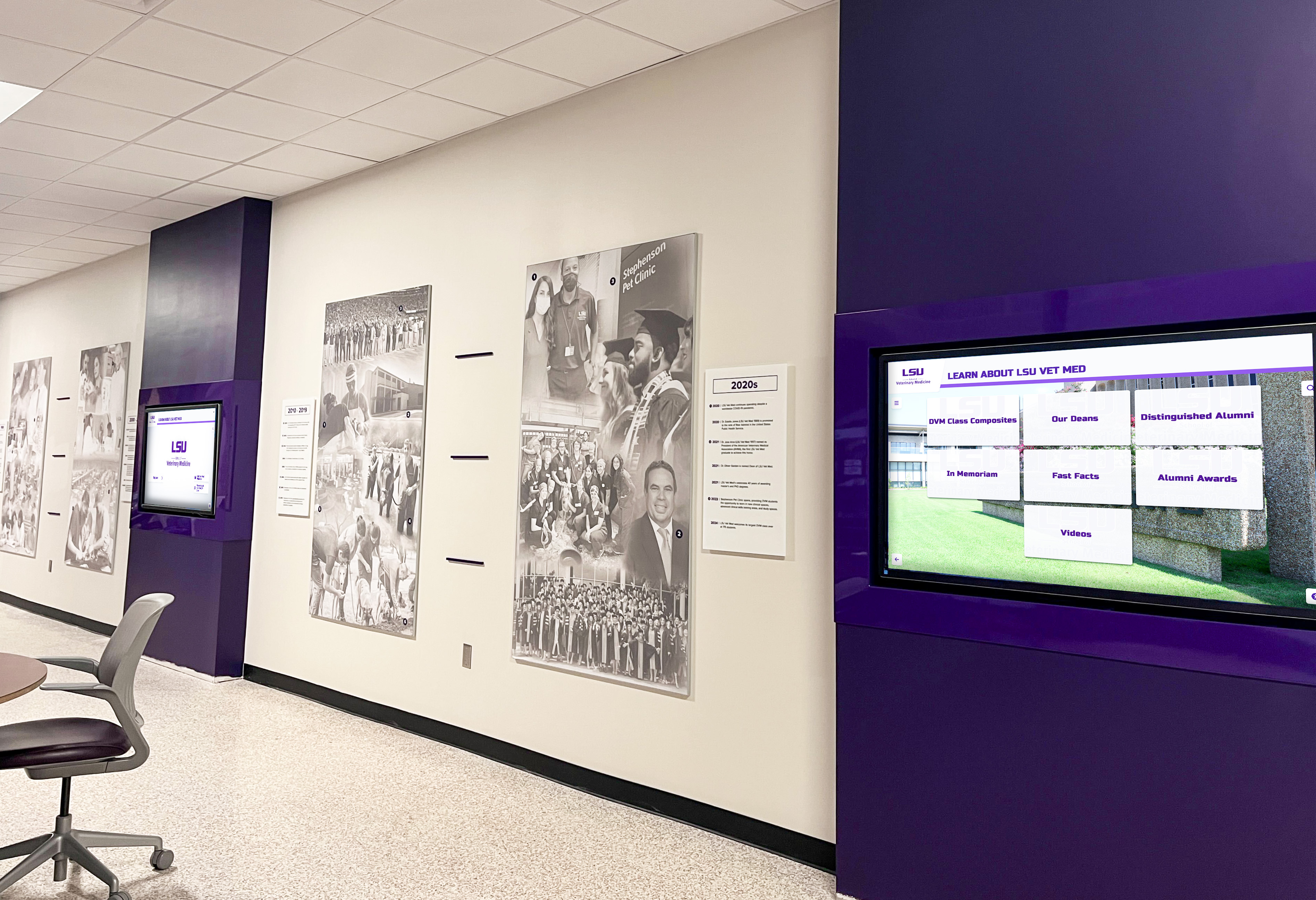
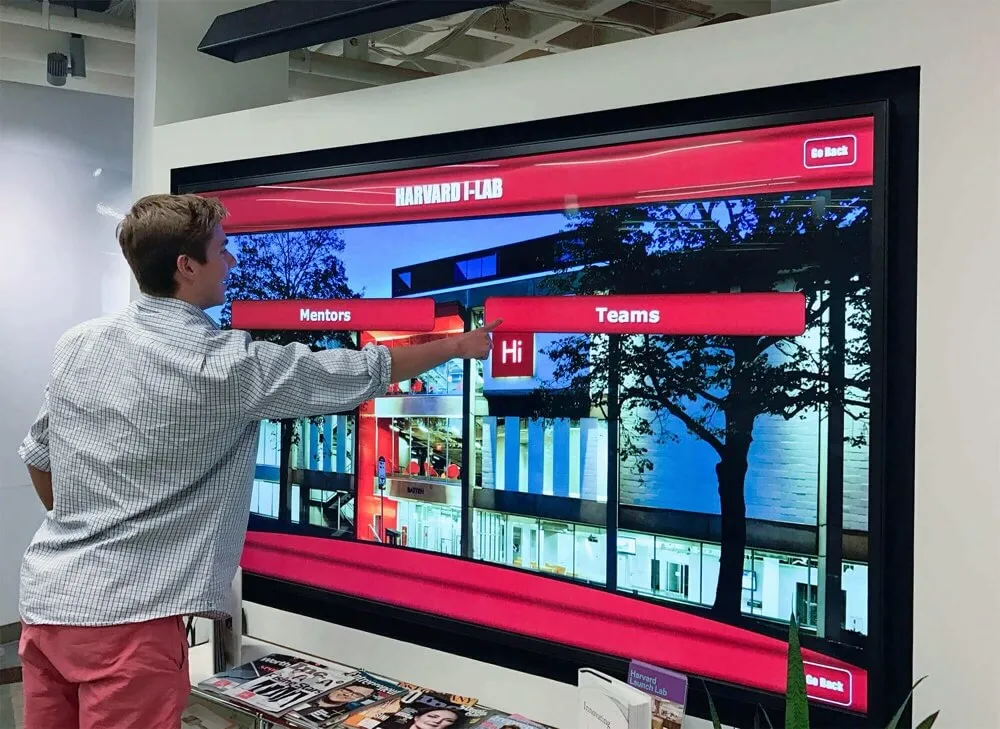
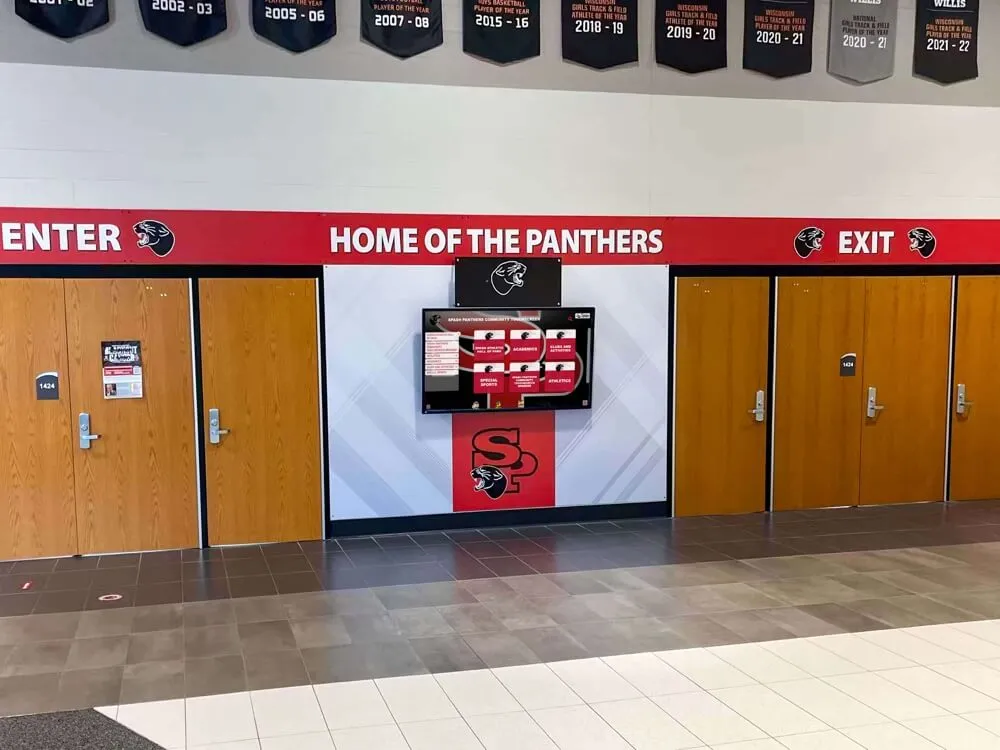
Large-scale recognition networks often implement through phased deployment matching budget availability
Making the Right Pricing Decision for Your Institution
Selecting optimal pricing structures requires evaluating institutional priorities, procurement constraints, and long-term recognition program goals.
Questions to Guide Pricing Model Selection
Consider these factors when comparing Rocket’s pricing options:
Budget and Funding Questions
- Do we have capital budget allocation for equipment purchases?
- Can we commit to multi-year agreements for significant savings?
- Are we restricted to single-year budget commitments?
- Do grant timelines require specific expenditure patterns?
- Would paying upfront through bonds or gifts make sense?
Technical Capacity Questions
- Do we have internal IT staff able to maintain recognition platforms?
- Can we manage security updates, browser compatibility, and accessibility compliance?
- Do we prefer vendors handling technical operations?
- How important is automatic, hands-off platform maintenance?
Long-Term Program Questions
- How long do we expect recognition displays to serve our institution?
- Do we want access to continuously improving platform capabilities?
- How important is protection against technology obsolescence?
- What happens if original vendor discontinues support?
Risk Tolerance Questions
- Are we comfortable assuming responsibility for long-term compatibility maintenance?
- Do we prefer predictable costs without surprise upgrade expenses?
- How concerned are we about security vulnerabilities in aging systems?
- What happens if regulations require accessibility improvements beyond current capabilities?
Honest answers guide institutions toward pricing structures matching their actual situations rather than initial cost perceptions.
Working with Rocket to Structure Optimal Agreements
Rocket’s sales and support teams work collaboratively with schools crafting pricing arrangements serving specific needs:
Custom Agreement Structuring
Rocket accommodates special requirements:
- Multi-year prepay agreements matching grant periods
- Hardware purchase combined with software subscriptions when procurement requires
- Phased expansion pricing supporting pilot-to-scale growth
- District-wide pricing when implementing across multiple buildings
- Bundled services when schools want comprehensive content development support
Procurement Language Support
When schools face RFP requirements or purchasing policies requiring specific contract terms, Rocket adapts proposals matching institutional language while maintaining solution integrity.
Budget Planning Assistance
Rocket provides detailed cost projections helping schools model different scenarios:
- Annual subscription vs. multi-year prepay comparisons
- Total cost of ownership across 5-10 year planning horizons
- Phased implementation budget spreading
- Funding strategy recommendations based on similar institutional experiences
This collaborative approach ensures schools select structures genuinely fitting their situations rather than being forced into one-size-fits-all models.
Conclusion: Flexible Pricing Serving Real Institutional Needs
Rocket Alumni Solutions’ pricing flexibility directly addresses the procurement realities, budget constraints, and funding mechanisms schools actually face when implementing digital recognition technology.
The subscription model funds continuous platform improvement ensuring schools access modern capabilities regardless of when they initially purchased systems. Security updates, browser compatibility maintenance, accessibility compliance, and feature enhancements flow automatically to all clients—protecting institutional investments while reducing school IT burden.
For institutions requiring multi-year commitments, Rocket’s heavily discounted prepay agreements deliver significant savings while providing budget certainty across extended timeframes. Schools aligning recognition technology with facility construction, grant funding, or capital campaigns benefit from pricing structures matching those specific financial situations.
When procurement policies genuinely require one-time payment structures, Rocket accommodates these needs while clearly communicating what ongoing support includes and what additional costs might arise. This transparency enables informed decisions rather than discovering hidden expenses years after initial purchase.
Explore Pricing Options for Your School
Discuss your institution's specific budget situation, procurement requirements, and recognition program goals with Rocket's team. Discover how flexible pricing structures can make digital recognition achievable regardless of funding constraints.
Talk to our teamThe genuine value proposition isn’t about payment structure—it’s about operational peace of mind. Schools implementing Rocket’s platforms sleep at night knowing displays stay secure, compatible, and accessible as technology evolves. Updates happen automatically. Technical issues receive expert support. New capabilities enhance experiences for all clients regardless of when they purchased or which pricing model they selected.
This approach recognizes that digital recognition serves institutional missions for decades—requiring vendors committed to long-term platform viability rather than extracting maximum upfront revenue before abandoning support. Subscription models match vendor and client interests: Rocket succeeds when recognition programs thrive, displays function reliably, and schools renew because platforms deliver ongoing value rather than because switching costs create lock-in.
Whether your school prefers annual subscriptions, multi-year prepay savings, or one-time purchase structures—Rocket’s flexible pricing accommodates your situation while ensuring recognition technology serves your community effectively throughout its expected lifecycle.