



High school basketball games represent peak moments when schools showcase athletic excellence, community pride, and program tradition. The gymnasium fills with current students, alumni returning to watch their alma mater compete, families supporting young athletes, and community members invested in local sports success. Yet many schools fail to capitalize on this concentrated audience by providing recognition displays that celebrate program heritage, honor individual achievements, and create engaging experiences connecting current competition with decades of basketball tradition.
Traditional recognition approaches limit what schools can accomplish during basketball games. Static championship banners hang from gymnasium rafters announcing years without context. Trophy cases sit in remote hallways where game attendees never encounter them. Printed programs provide basic rosters without rich player profiles or historical perspective. Halftime entertainment fills time without leveraging opportunities to celebrate program achievements or engage audiences with interactive content.
This comprehensive guide explores how Rocket Alumni Solutions touchscreen displays transform high school basketball game experiences by providing interactive recognition platforms that celebrate current players and teams while connecting audiences with complete program history. From pre-game arrival through halftime and post-game celebration, discover how strategic touchscreen deployment creates engaging recognition experiences that strengthen school pride, honor athletic achievement, and build lasting traditions around basketball excellence.
The evolution from basic scoreboard information to comprehensive interactive recognition represents more than technological advancement—it fundamentally changes how schools leverage concentrated game day audiences to celebrate achievements, build tradition, and create memorable experiences connecting athletics with institutional heritage spanning generations.

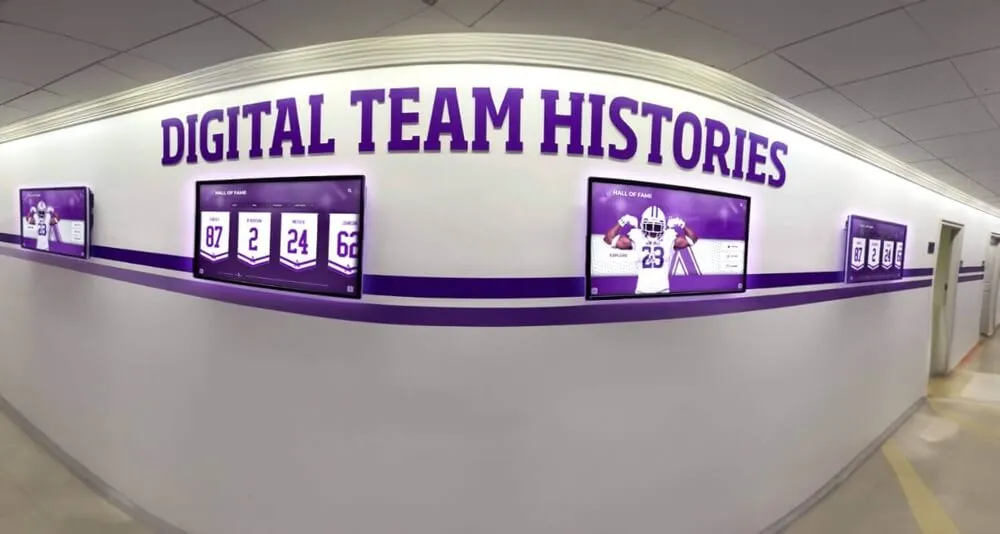
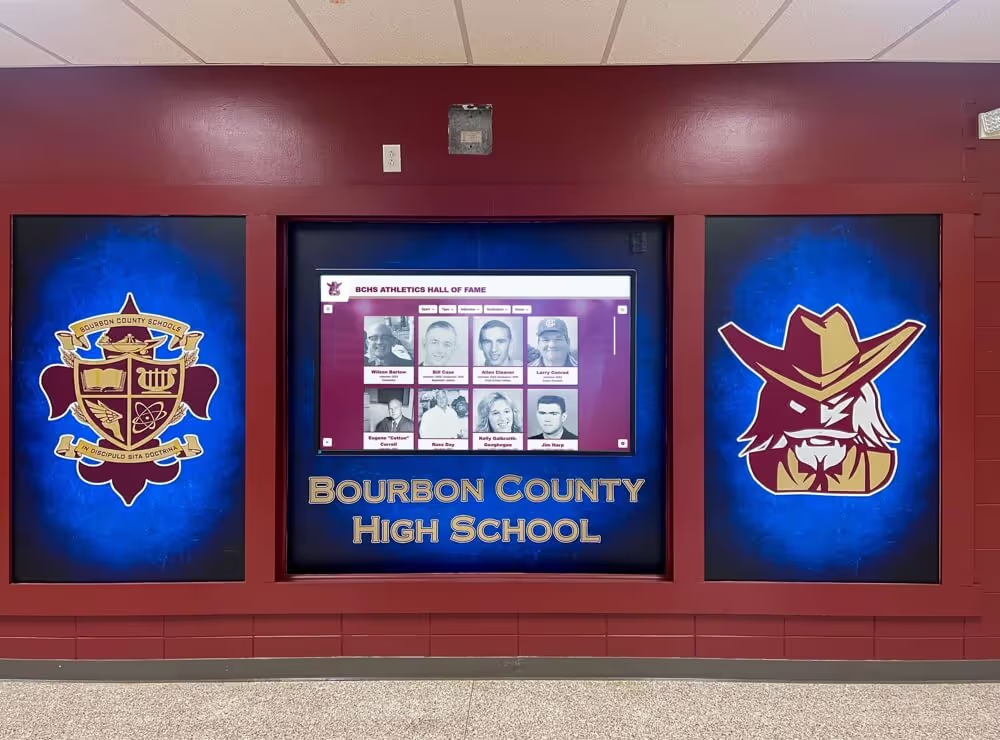
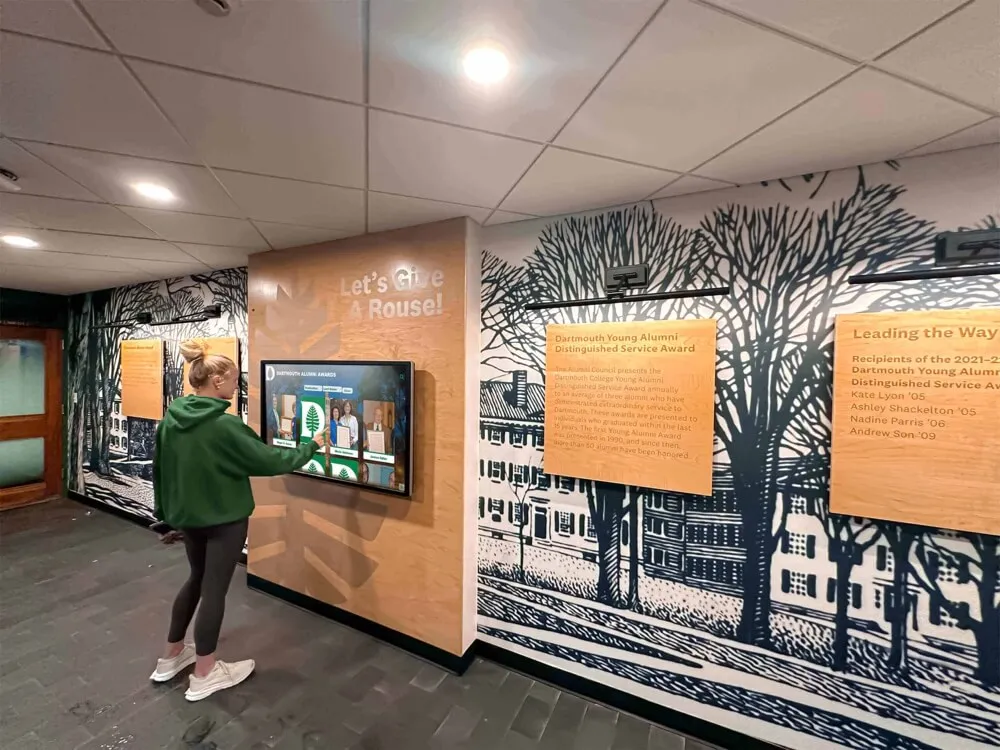
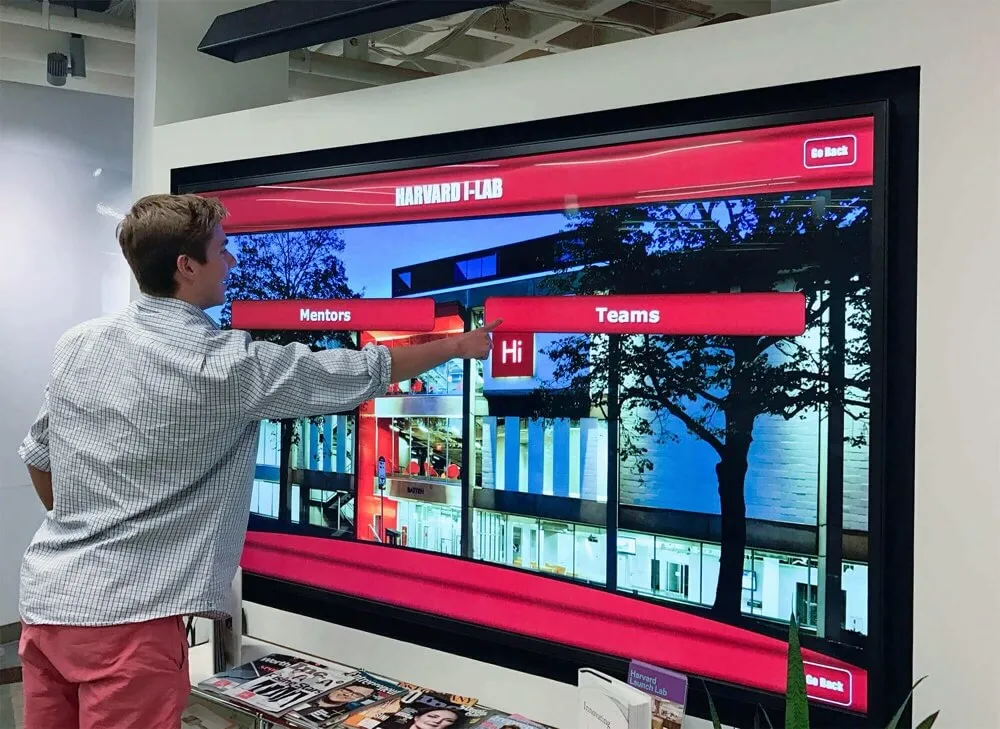
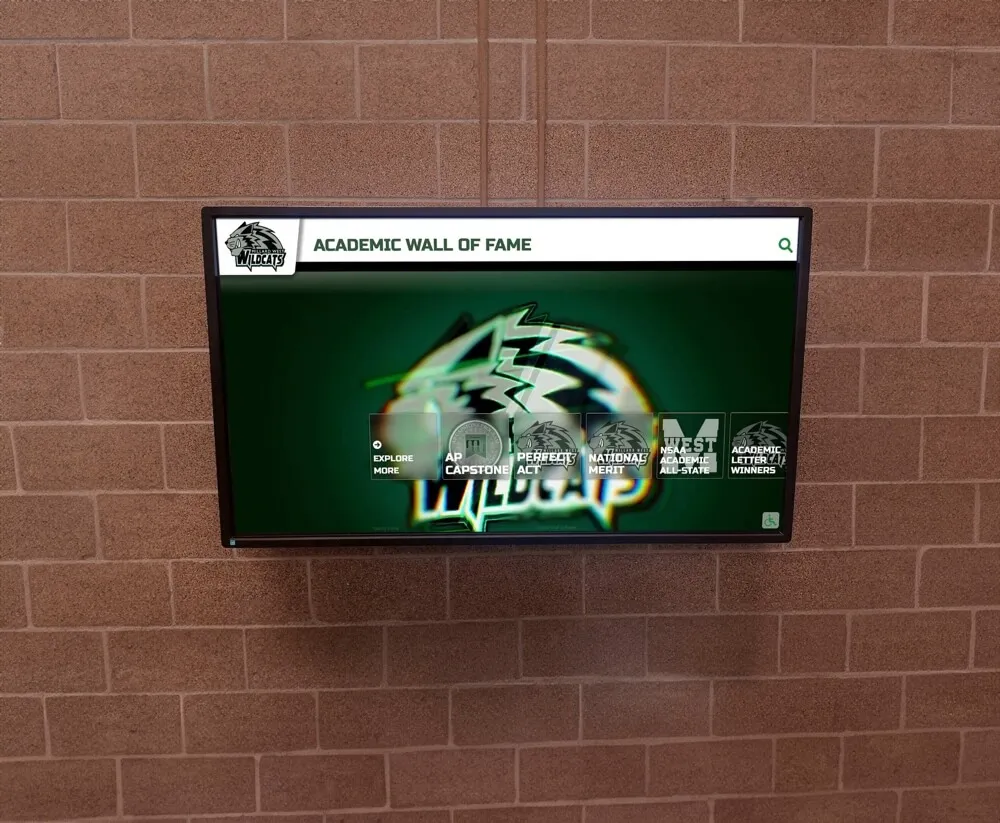
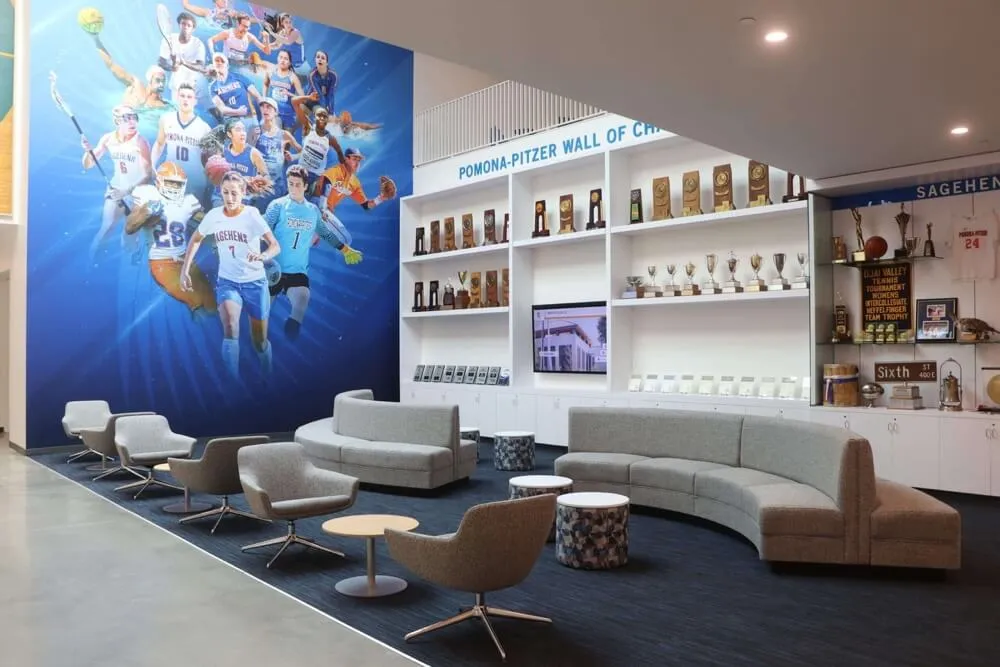
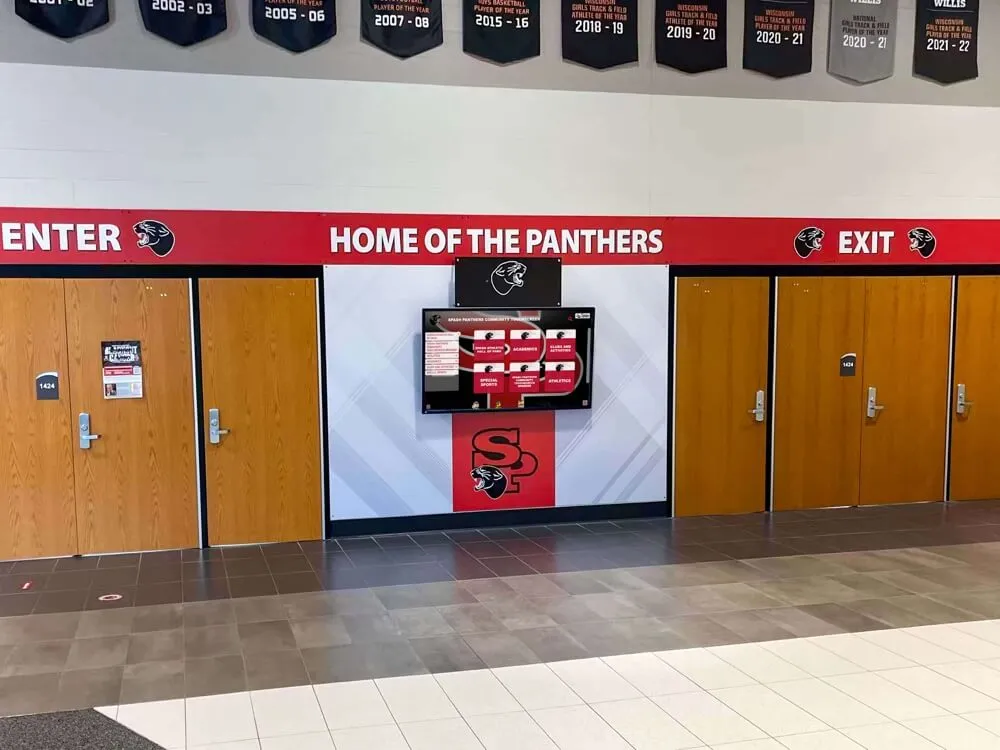
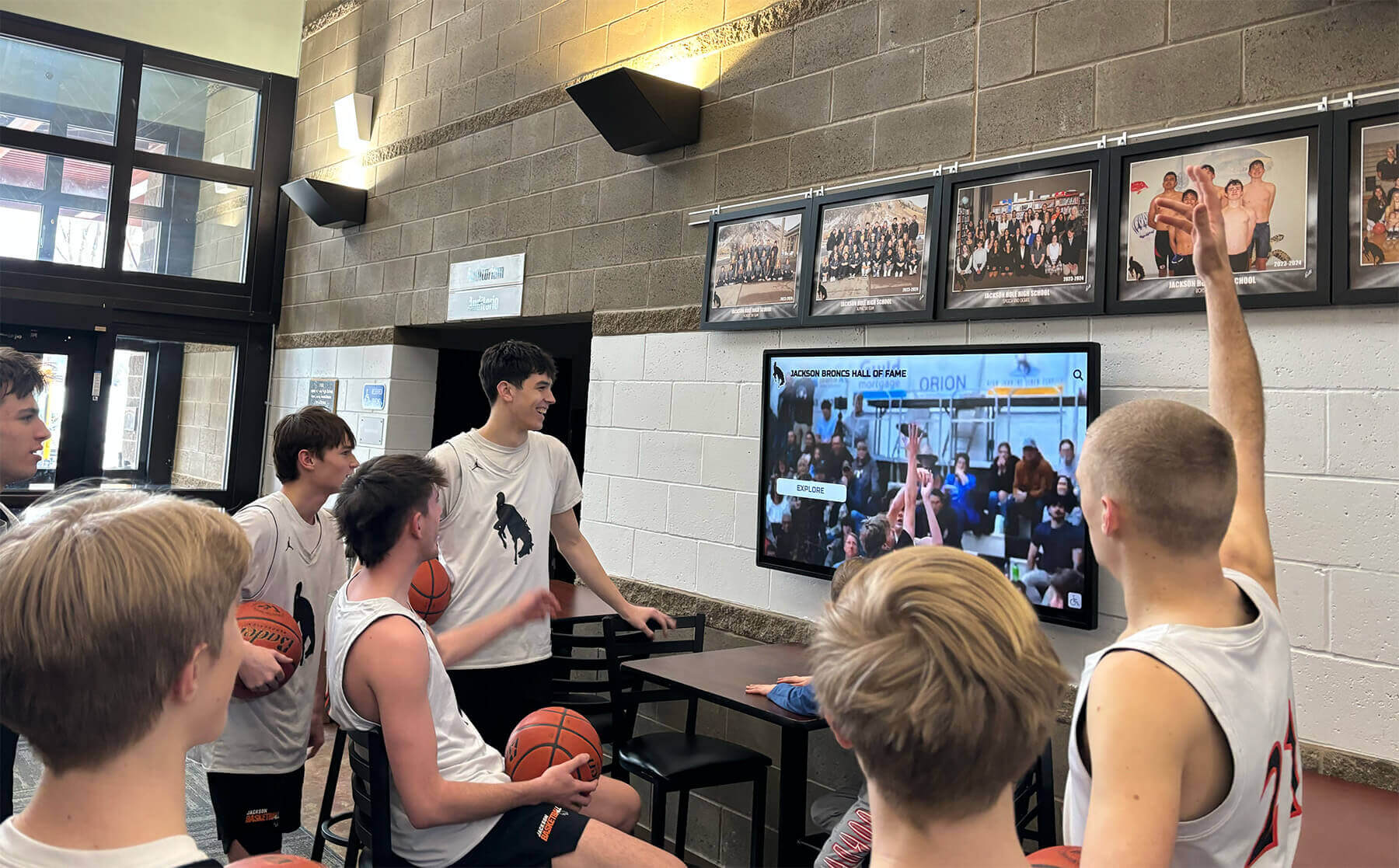
Pre-game lobby displays engage players and fans before competition begins, building excitement while celebrating program heritage
The Untapped Opportunity: Basketball Game Audiences
Understanding the unique characteristics of basketball game audiences reveals why these events represent prime opportunities for comprehensive athletic recognition.
Concentrated Community Attendance
High school basketball games attract diverse audiences rarely assembled simultaneously outside major school events. Regular season games typically draw 100-300 attendees for smaller programs, while competitive games featuring rival schools or playoff matchups can attract 500-1,000+ spectators filling gymnasium capacity.
Audience Diversity Creates Recognition Opportunities
Game attendees represent multiple stakeholder groups with distinct recognition interests. Current students arrive early and stay late, providing extended engagement windows before and after competition. Alumni return to support programs where they once competed, creating natural interest in historical recognition and program continuity. Families attend repeatedly throughout seasons, enabling recognition displays to build familiarity and engagement across multiple exposures. Community members with no direct school affiliation attend games as entertainment and civic engagement, offering opportunities to showcase institutional excellence and tradition.
This diversity means recognition content serving multiple interests generates broad engagement—current players exploring their profiles, alumni searching for their teams from decades past, and community members discovering program heritage they never previously encountered.
Extended Venue Time and Engagement Windows
Unlike brief school visits or facility tours, basketball game attendees spend extended time in venues where touchscreen displays create natural engagement opportunities. Spectators typically arrive 30-60 minutes before games begin, providing substantial pre-game engagement windows. Halftime intermissions last 10-15 minutes when audiences seek activity beyond concession visits. Post-game periods involve 15-30 minutes of lingering as crowds disperse gradually rather than exiting immediately.
These extended timeframes enable meaningful touchscreen interaction beyond quick glances at static displays. A family arriving early can spend 10+ minutes exploring recognition content, searching for relatives who played decades ago, investigating championship teams, and reviewing current season information—creating engagement depth impossible during brief hallway encounters between classes.
Research on visitor behavior at interactive displays consistently shows that dwell time correlates with engagement quality. When visitors spend 5-10 minutes actively exploring content rather than glancing briefly at static displays, recognition creates lasting impressions and emotional connections with subject matter.
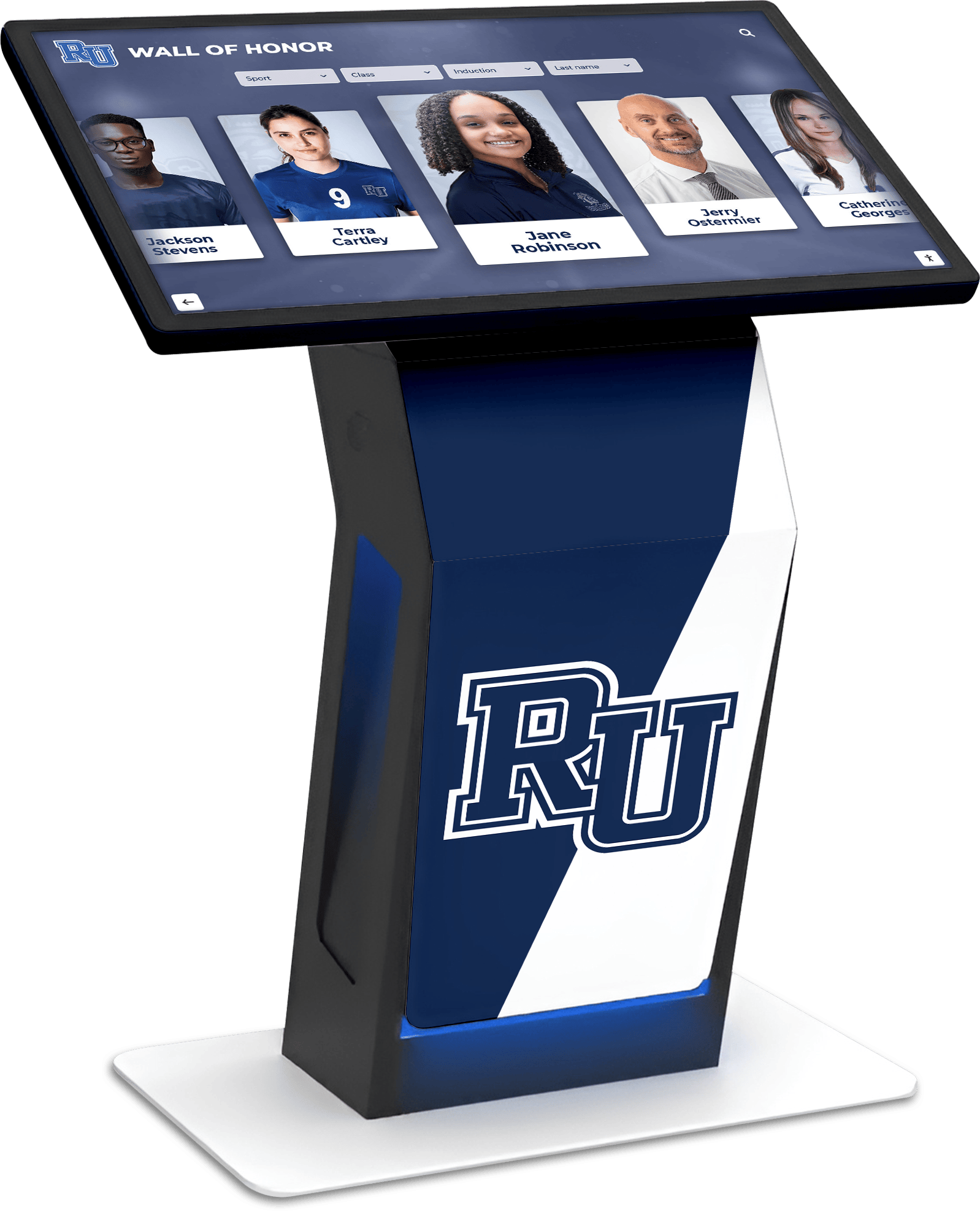
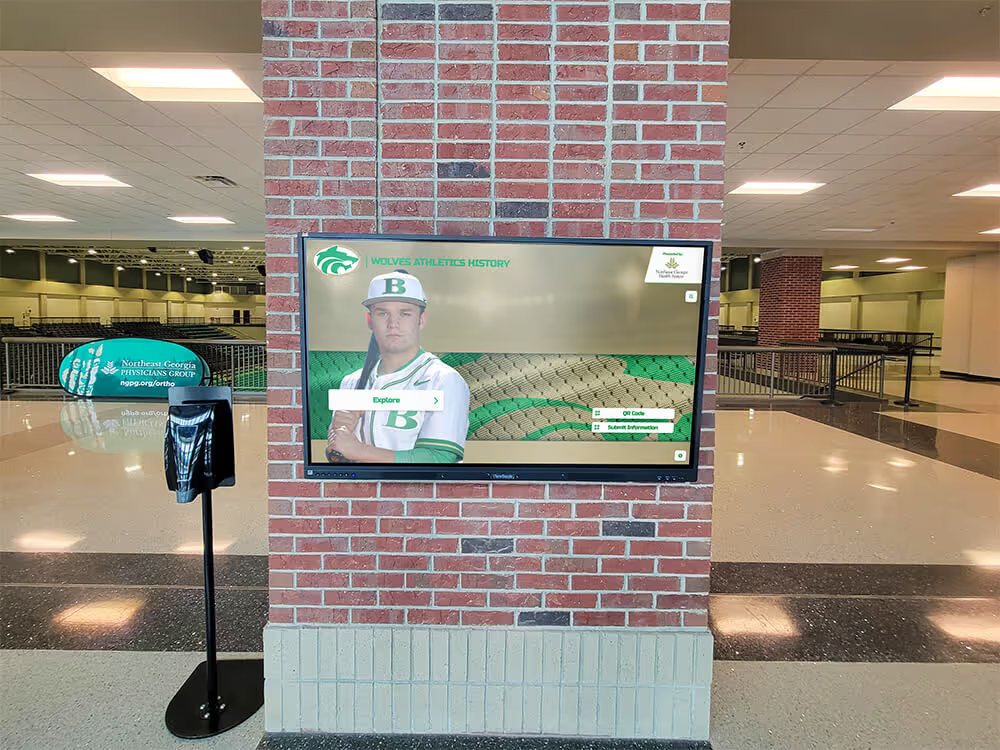
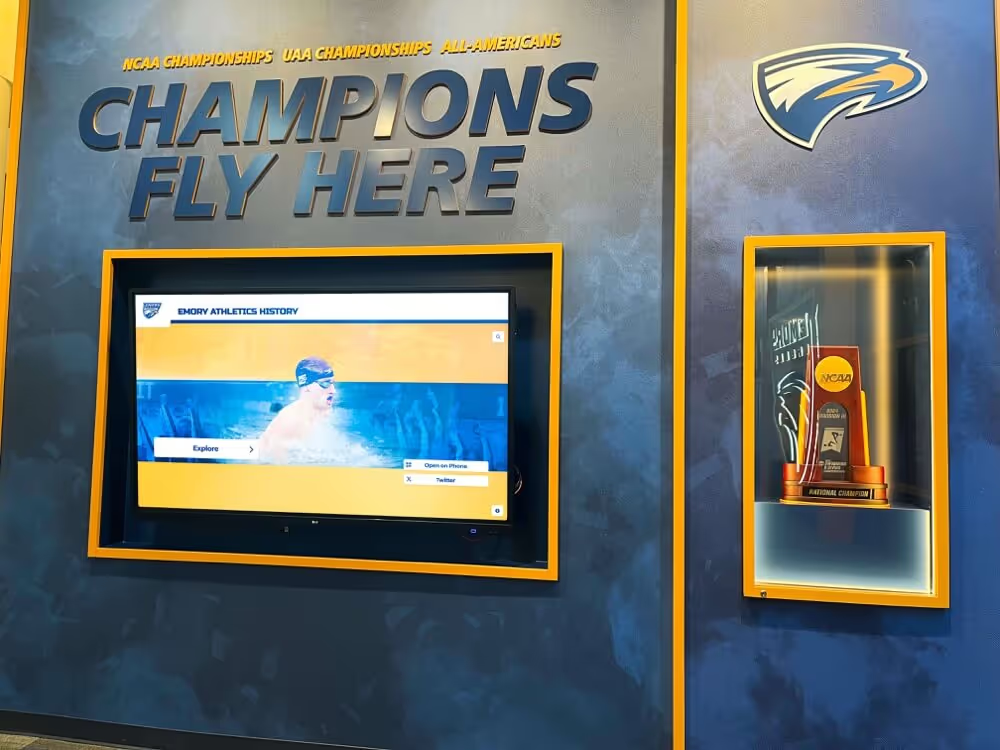
Strategically placed touchscreen kiosks in gymnasiums and athletic lobbies create natural gathering points during extended game day timeframes
Emotional Context Enhances Recognition Impact
Basketball games create emotional environments where recognition displays resonate more powerfully than during routine school days. Competitive excitement elevates engagement with content celebrating athletic excellence. School pride intensifies during games against rivals or playoff competitions, making recognition of program heritage feel immediately relevant. Victory celebrations provide ideal contexts for honoring current team achievements and connecting them with championship traditions. Even challenging losses benefit from recognition reminding athletes and supporters of program strength and historical resilience across decades.
This emotional amplification means recognition content viewed during games creates stronger impressions than identical information encountered in neutral school hallway contexts. When a current player sees their profile displayed during pre-game while feeling nervous excitement about upcoming competition, that recognition carries different weight than viewing the same content on random Tuesday afternoon between classes.
Competitive Differentiation and School Positioning
Beyond internal community benefits, basketball game recognition displays communicate institutional priorities to external audiences. Visiting teams and their supporters encounter comprehensive recognition systems demonstrating host school investment in celebrating achievement and honoring tradition. Prospective students and families attending games during recruitment processes observe how thoroughly schools document athletic excellence. College recruiters evaluating players see institutional commitment to athlete recognition and program professionalism.
These external perceptions influence school positioning within broader competitive environments. When visiting schools encounter sophisticated interactive recognition systems celebrating decades of basketball heritage, host institutions communicate values around honoring achievement, investing in athletics, and maintaining traditions connecting current excellence with historical foundations—differentiating themselves from competitors relying on basic championship banners alone.
Strategic Touchscreen Placement for Maximum Game Day Impact
Effective basketball game recognition requires thoughtful display positioning that captures audience attention during natural engagement windows throughout event experiences.
Gymnasium Entrance and Lobby Installations
Primary touchscreen locations should target high-traffic entry points where all game attendees pass through mandatory pathways. Gymnasium entrances force concentrated traffic through limited spaces, ensuring every visitor encounters recognition displays immediately upon arrival. Athletic facility lobbies serve as natural gathering spaces where families meet before games, athletes prepare mentally before competing, and crowds congregate during halftime seeking activity beyond concession stands.
Design Considerations for Entry Recognition
Entry installations should emphasize visual impact attracting attention immediately. Large-format displays of 65-75 inches create commanding presence impossible to overlook. Prominent positioning at eye level (center point 60-65 inches from floor) ensures comfortable viewing from various heights and distances. Multiple display installations in large facilities accommodate simultaneous engagement by different audience groups without creating crowding around single screens.
Content shown on entry displays should balance current season information with timeless program heritage. Featured content highlighting tonight’s game participants naturally attracts immediate interest. Rotating displays showing championship teams, program records, and distinguished alumni provide varied content ensuring repeat visitors encounter fresh recognition across multiple game attendances throughout seasons.
Implementation strategies for basketball hall of fame recognition demonstrate how comprehensive approaches honor complete program histories while maintaining focus on current season achievements most relevant to game day audiences.
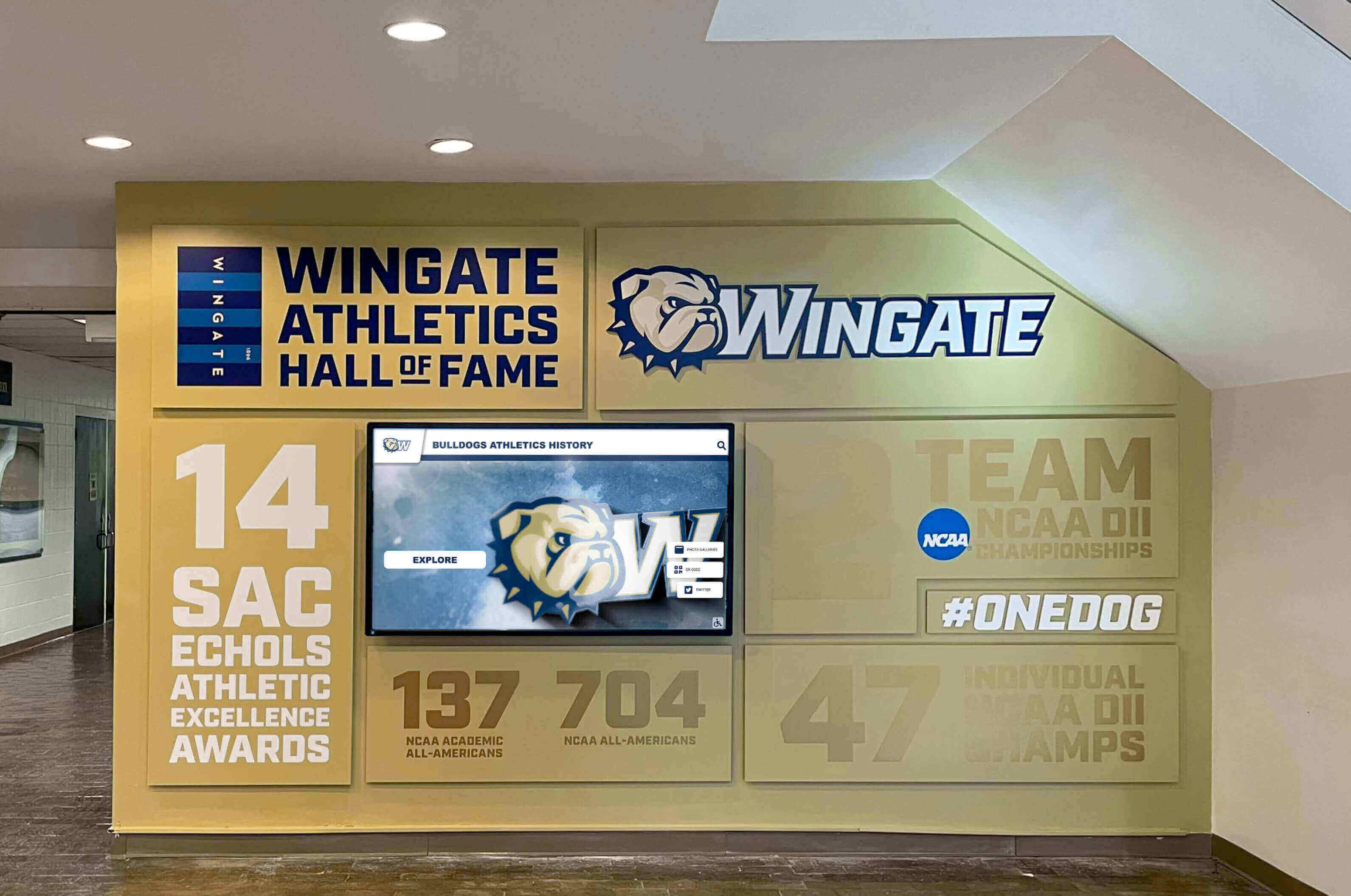
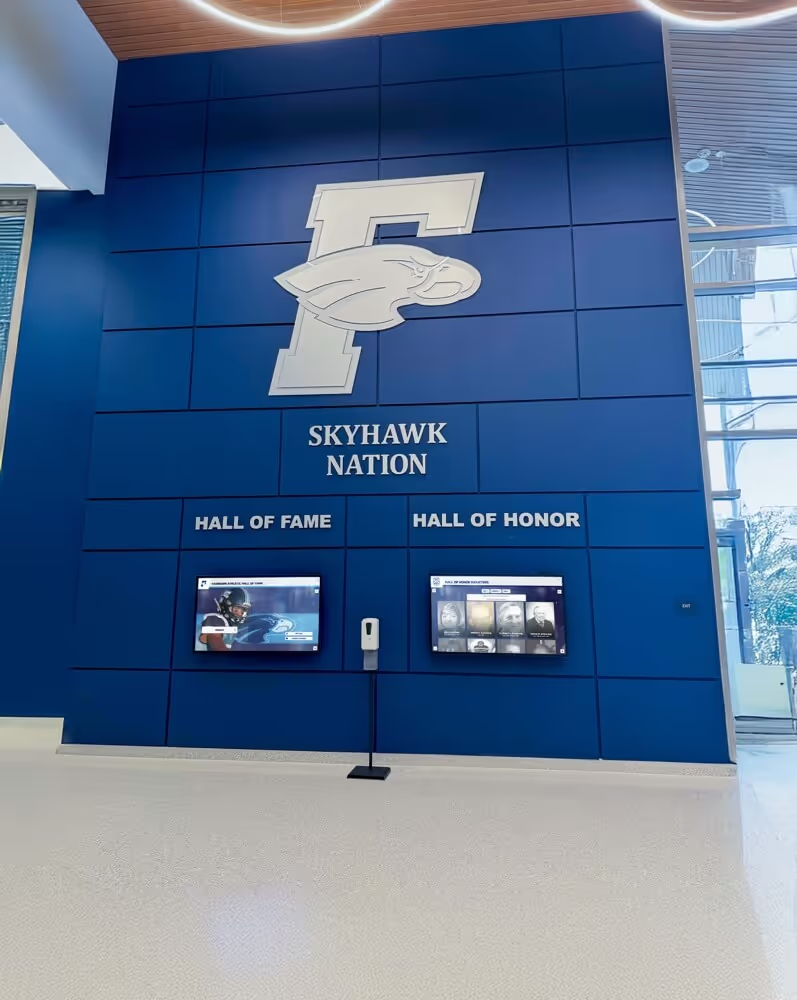
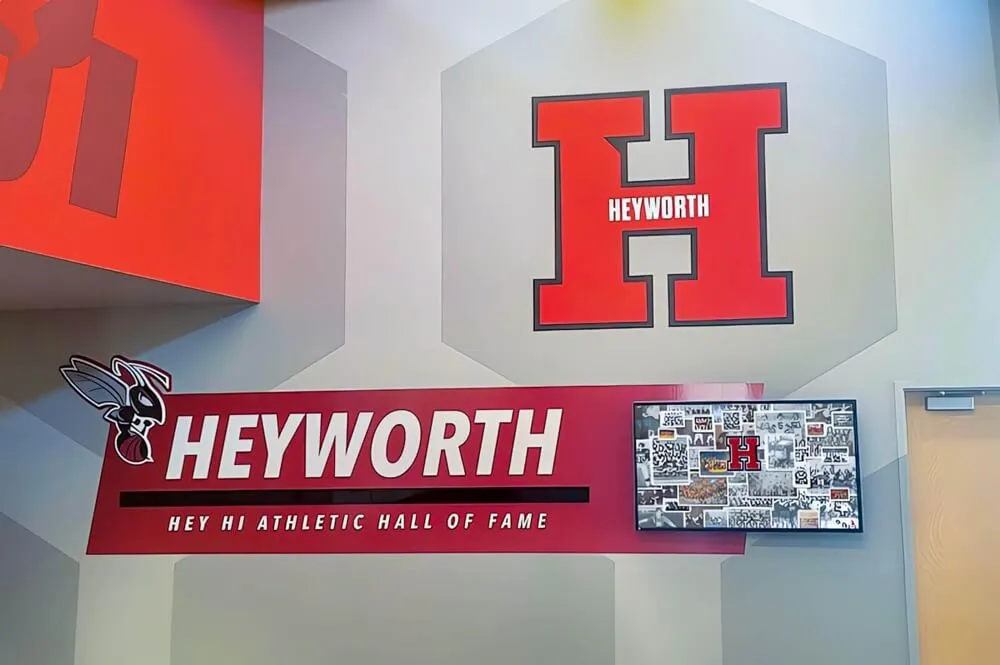
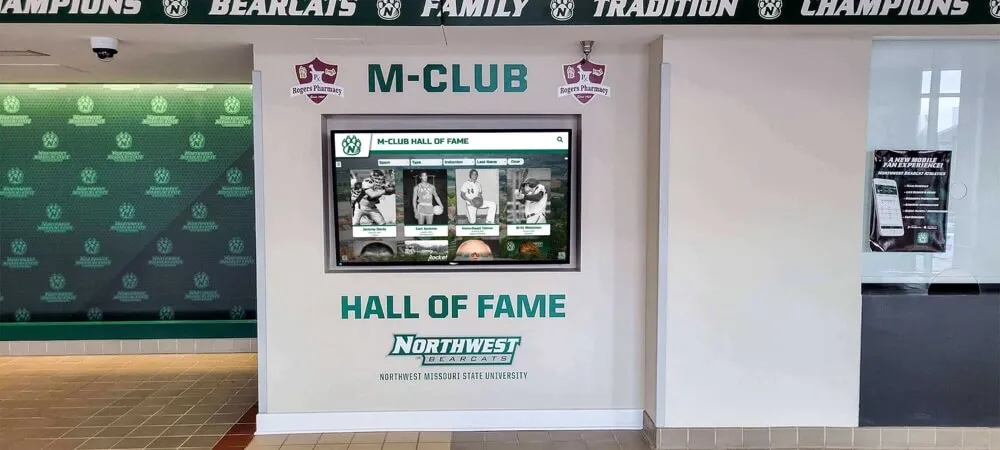
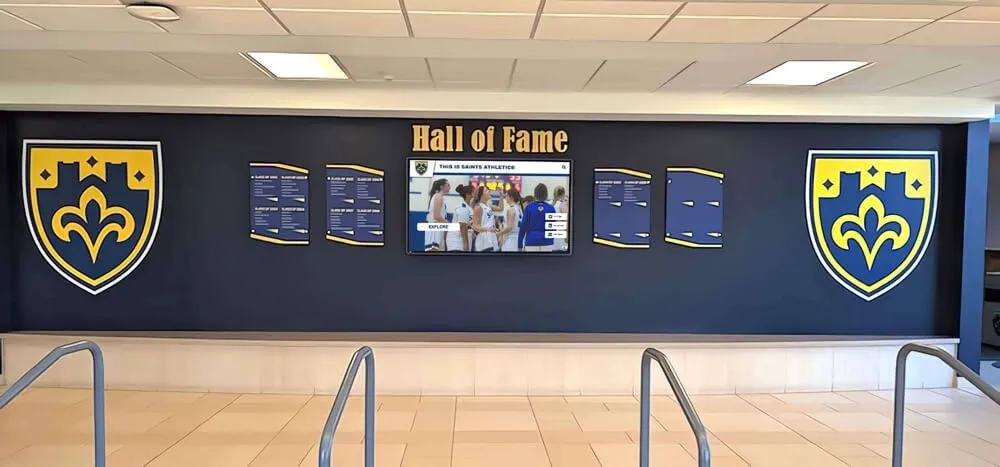
Athletic facility lobbies combining institutional branding with digital recognition create impressive spaces welcoming all game attendees
Concourse and Hallway Installations
Facilities with concourses connecting entrances to gymnasiums benefit from intermediate touchscreen placements capturing audiences during transitions between spaces. Hallways leading from parking areas through buildings to competition venues provide captive audience opportunities when early-arriving spectators navigate facilities before accessing seating areas.
These transitional spaces work best when recognition displays offer quick-engagement content appropriate to moving audiences. Search functionality enabling visitors to find specific individuals without extended browsing accommodates limited timeframes during facility navigation. Featured player profiles for tonight’s game participants provide immediately relevant content requiring minimal context. QR codes linking to web-based recognition platforms enable mobile continuation of exploration that visitors begin during brief hallway encounters.
Multi-Display Networks Create Comprehensive Coverage
Schools with substantial facilities should consider coordinated display networks ensuring recognition reaches audiences throughout venue complexes. Entry lobbies feature flagship installations with largest displays and most comprehensive content. Concourse locations provide secondary touchpoints reinforcing recognition messages. Near-court installations offer content directly visible from seating areas during pre-game and halftime periods. And trophy case integrations combine traditional physical recognition with digital displays expanding storytelling beyond what trophies alone communicate.
This network approach acknowledges that different audience segments engage recognition at different venue locations. Casual fans entering just before game start might encounter only near-court displays, while enthusiastic supporters arriving early explore comprehensive lobby installations. Coordinated content ensures all visitors experience program recognition regardless of their specific arrival patterns and facility navigation choices.
Gymnasium Interior and Near-Court Placement
When facility architecture and safety regulations permit, touchscreen installations within gymnasium spaces capture audiences during games themselves. Side wall placements visible from bleacher seating enable engagement during dead balls, timeouts, and halftime breaks when attention shifts from active competition. End zone installations behind baskets become focal points during natural viewing when play moves to opposite court ends.
Safety and Distraction Considerations
Interior gymnasium installations require careful planning ensuring displays enhance rather than detract from athletic competition. Screens should never create glare or visual distraction affecting player focus during games. Installations must meet safety codes ensuring displays don’t obstruct emergency exits or create hazards if displaced. Content scheduling should pause interactive features during active play, limiting displays to static recognition preventing audience distraction from ongoing competition. And brightness settings must balance visibility against creating lighting disruptions in facilities designed for optimal court illumination.
When these considerations are properly addressed, in-gymnasium displays provide unique recognition value by connecting celebration directly to competitive spaces where athletic excellence manifests. Players seeing their profiles displayed courtside before games experience recognition at precisely the moment they prepare to demonstrate the skills and dedication those profiles celebrate.
Guidance on digital touchscreen athletic displays provides frameworks for integrating recognition technology within active athletic facilities while maintaining appropriate focus on competition rather than allowing displays to become distractions.
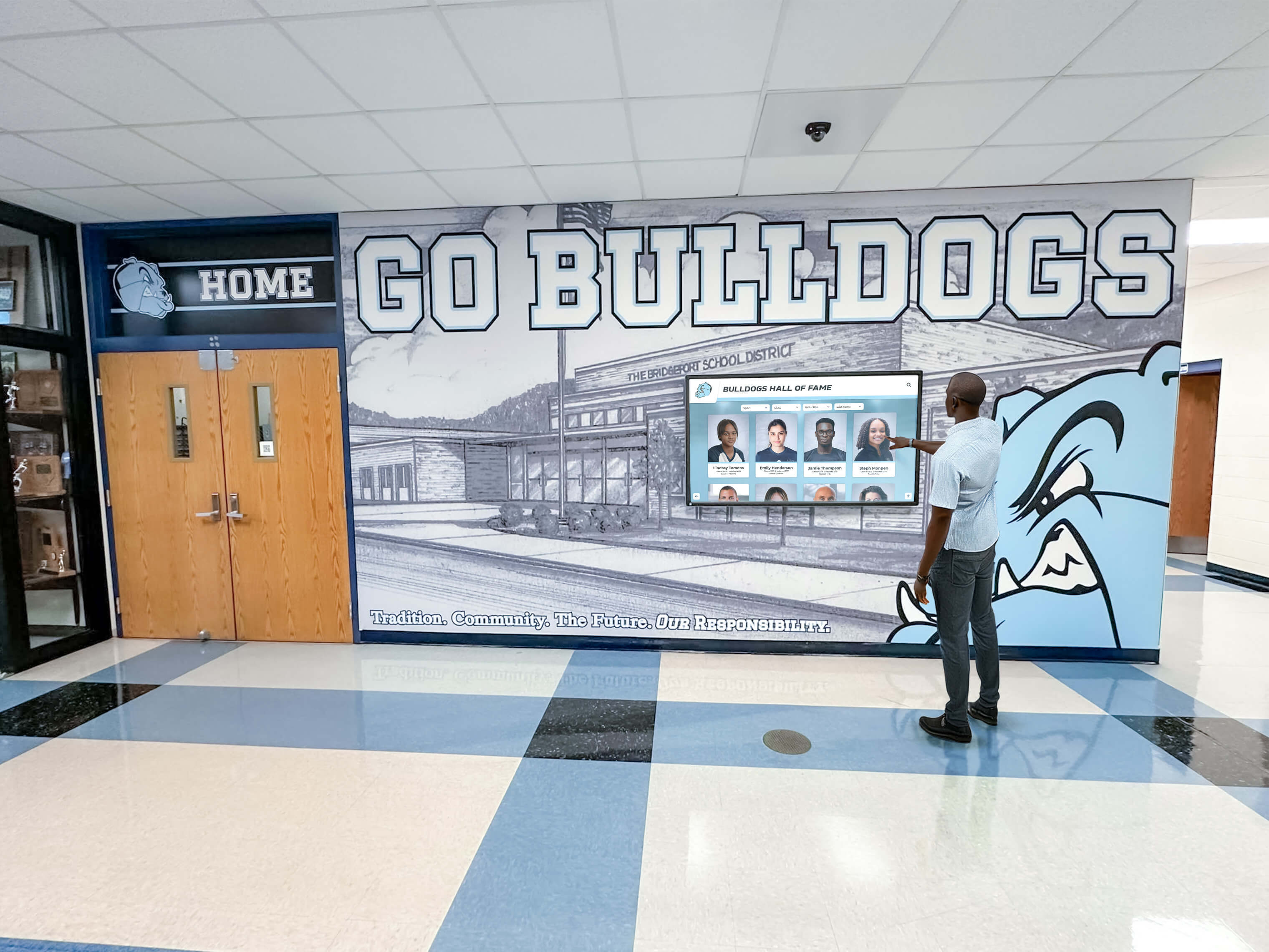
Hallway placements between parking areas and gymnasiums capture transitional audiences navigating facilities before games begin
Essential Recognition Content for Basketball Game Displays
Comprehensive touchscreen systems should showcase diverse content categories serving different audience interests while celebrating multiple dimensions of basketball program excellence.
Current Season Team and Player Profiles
The most immediately relevant content for game attendees focuses on current season teams and individual athletes competing tonight or throughout ongoing seasons. Comprehensive player profiles should include high-quality athlete photos in uniform, biographical information including year, position, and jersey number, season statistics showing scoring averages, rebounds, assists, and shooting percentages, career highlights documenting significant achievements and memorable performances, academic recognition showing honor roll status and subject excellence, and personal interests providing human context beyond athletic statistics alone.
Team Profiles Provide Season Context
Beyond individual players, team-level recognition includes complete roster listings with links to individual profiles, season schedules showing past results and upcoming games, team statistics comparing current season to historical performance, coaching staff profiles recognizing leadership beyond players, and season narratives explaining team development, challenges overcome, and aspirations for championship success.
This comprehensive current content ensures that game attendees seeking information about tonight’s competition find detailed recognition immediately relevant to the athletic performance they’re attending to witness. Parents can show extended family their child’s complete athletic profile. Alumni can compare current statistical performance to achievements from their playing eras. And scouts can access detailed information supporting player evaluation processes.
Historical Championship Recognition
Basketball programs with championship traditions should prominently feature historical team recognition celebrating past excellence. Championship team profiles should document complete rosters with player names linking to individual profiles when available, season records showing paths to championship success, tournament progression detailing playoff victories leading to titles, championship game summaries preserving memories of title-clinching performances, and contextual information explaining championship significance within broader program and competitive landscape.
Multimedia Documentation Brings History to Life
When available, historical championship recognition benefits tremendously from multimedia content including archival photos showing championship teams, celebrations, and key moments, newspaper clippings documenting contemporary coverage of title victories, program scans from championship seasons preserving complete team documentation, and video highlights when historical footage exists in accessible formats.
Schools should prioritize systematically documenting current championship seasons comprehensively, recognizing that today’s achievements become tomorrow’s cherished program heritage. Modern video and photography make comprehensive documentation simple compared to historical eras when athletic content rarely received systematic preservation beyond basic team photos.
Approaches to high school athletics recognition demonstrate frameworks for celebrating championship excellence while ensuring all teams and athletes receive appropriate recognition regardless of competitive outcomes, maintaining balance between honoring highest achievements and recognizing broad participation excellence.
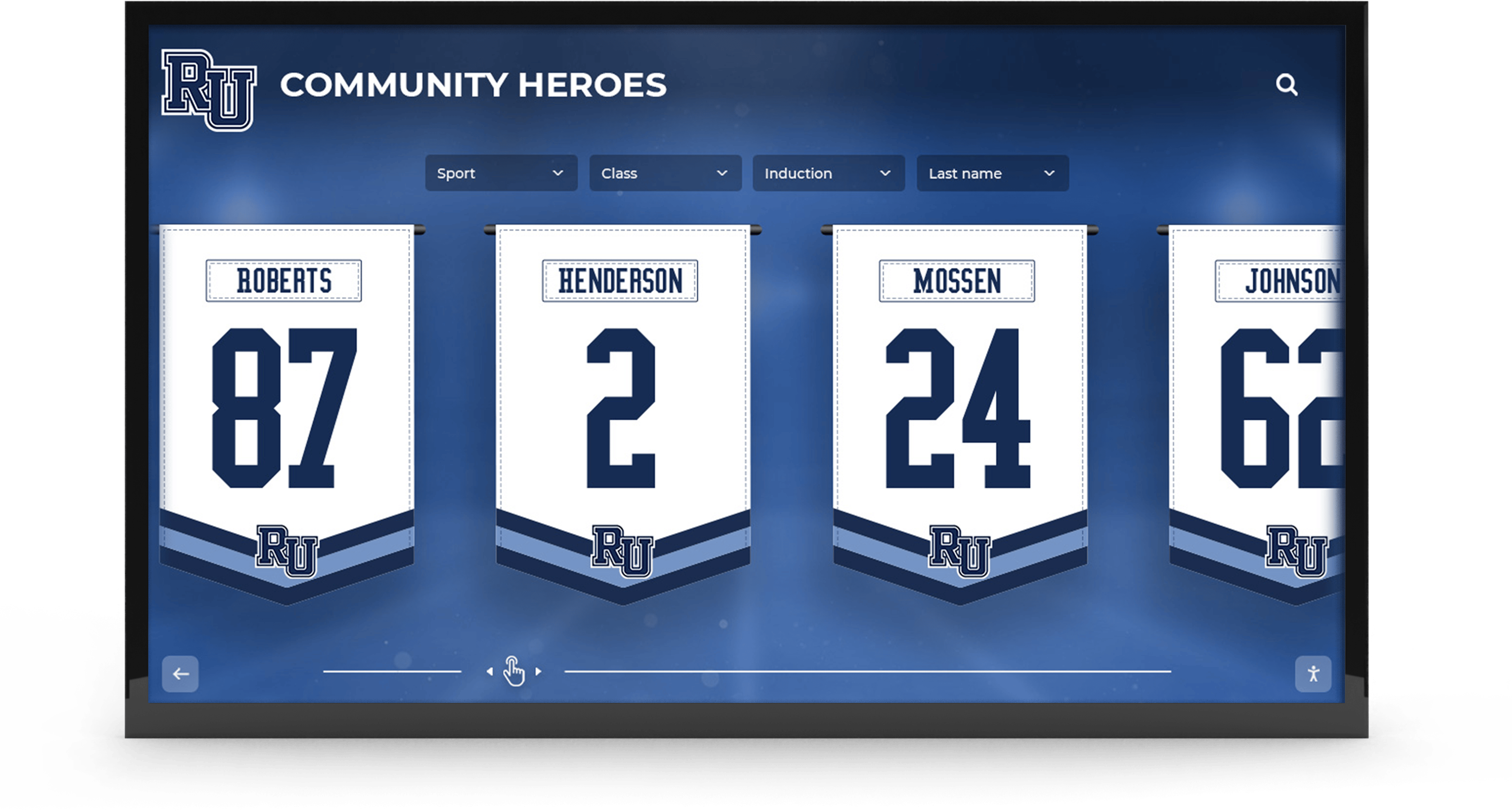
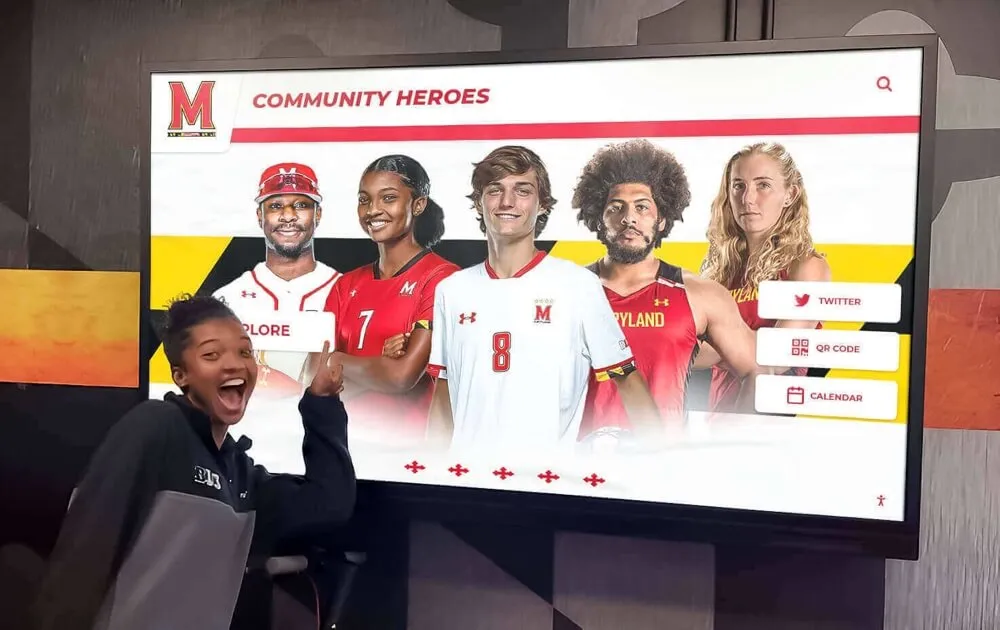
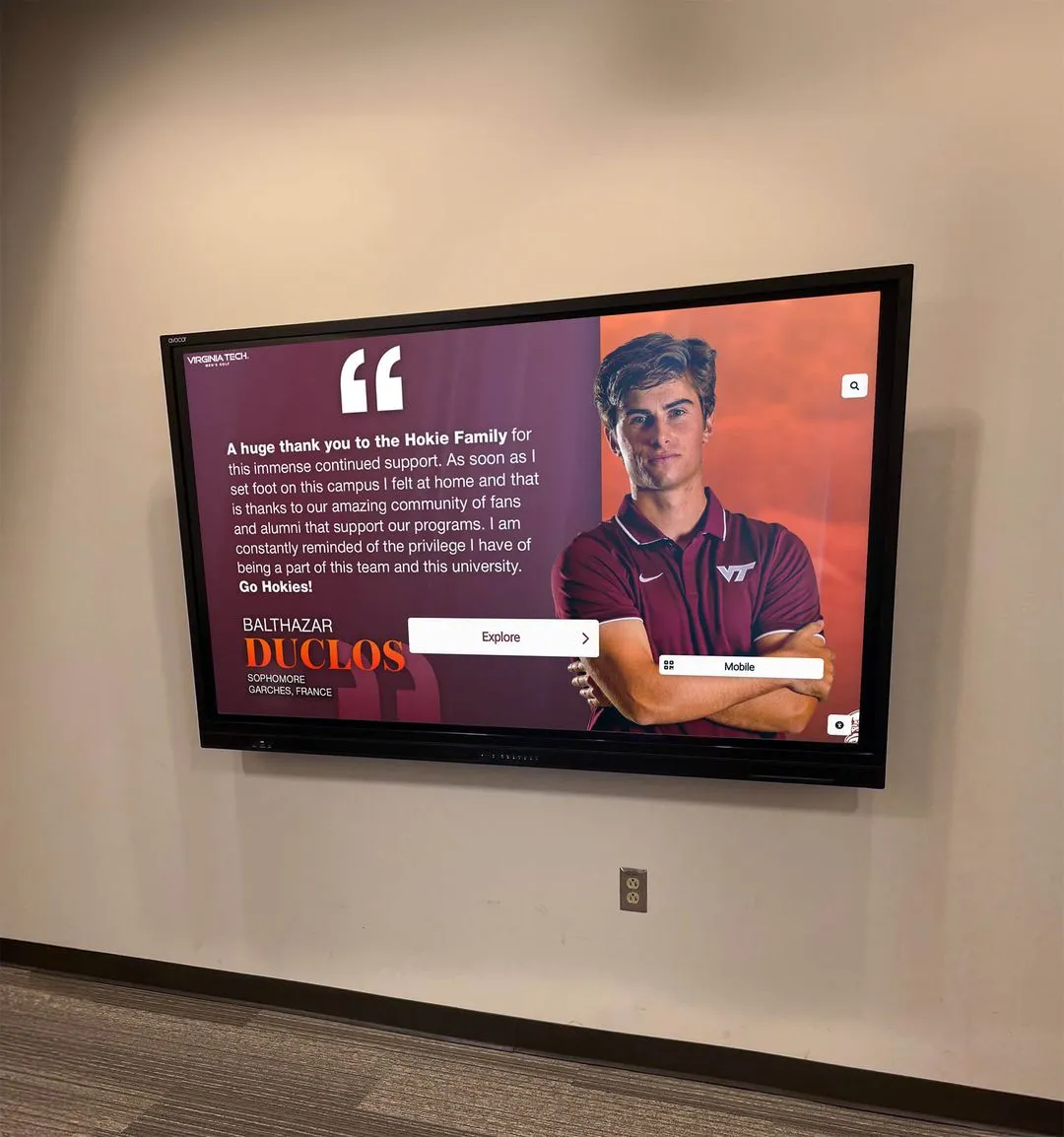
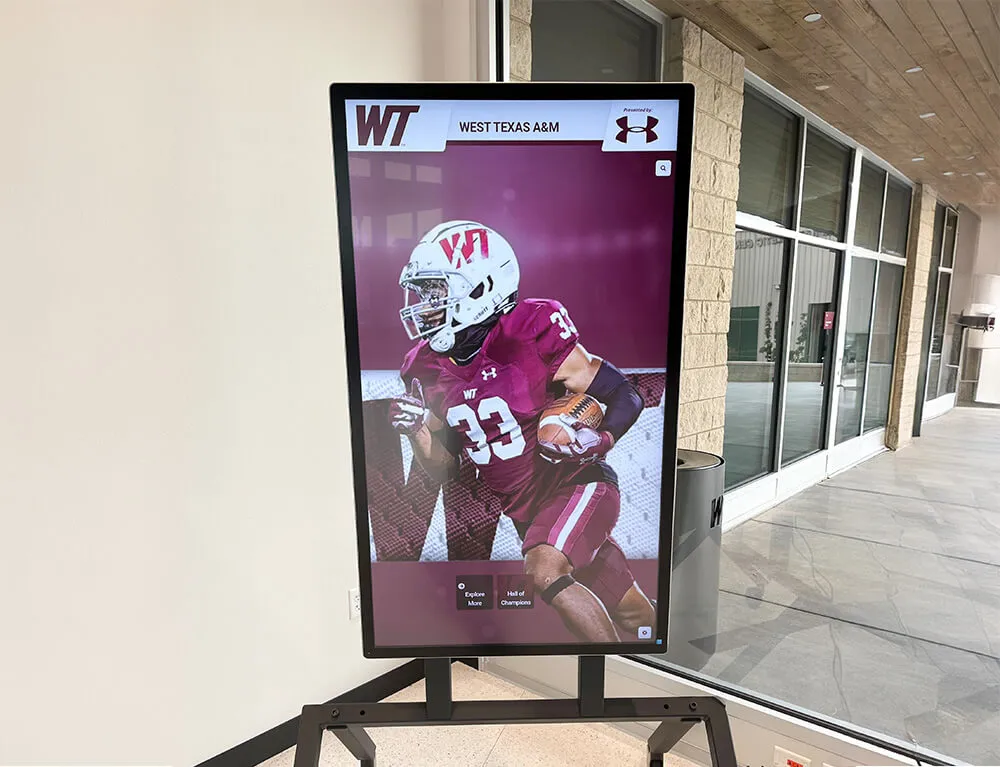
Dynamic displays celebrating current athletes create immediate relevance during games while serving as launching points for exploring deeper program history
Program Records and Achievement Milestones
Athletic records represent another recognition dimension particularly appropriate for basketball game displays where statistical achievement receives emphasis. Comprehensive record boards should catalog scoring records including single-game, season, and career point leaders, rebounding achievements across all-time and seasonal categories, assist leaders documenting playmaking excellence, shooting accuracy records showing field goal, three-point, and free throw percentages, defensive accomplishments including steals, blocks, and defensive player recognitions, and team records such as winning streaks, tournament victories, and championship totals.
Interactive Record Tracking Creates Engagement
Digital record boards surpass traditional vinyl or printed versions by providing interactive features including searchable athlete names linking records to complete profiles, record progression showing historical evolution as new athletes surpass previous marks, near-miss tracking showing current athletes approaching program records, contextual statistics explaining record significance and difficulty, and comparison tools enabling visitors to contrast athletes across eras.
When current players compete on track toward program records, pre-game recognition displays can feature “record watch” content highlighting potential milestone achievements during tonight’s game. This integration between historical record recognition and current competition creates excitement while honoring both historical excellence and contemporary performance potentially establishing new program benchmarks.
Implementation strategies for digital record boards provide detailed guidance on organizing athletic achievement data for maximum recognition impact and visitor engagement during interactive exploration.
Alumni Achievement and Professional Success
Basketball programs that develop players advancing to collegiate and professional levels should systematically recognize these post-high-school achievements. Alumni recognition content might include college commitment and scholarship information, collegiate career statistics and achievements, professional career documentation when athletes reach highest levels, coaching and sports industry careers pursued by former players, and personal success stories beyond athletics showing well-rounded life outcomes.
Inspirational Value for Current Athletes
Alumni achievement recognition serves multiple purposes beyond honoring individuals. Current players gain inspiration from discovering successful alumni who once competed on the same courts where they now play. Prospective athletes and families researching programs during recruitment decisions observe comprehensive player development track records. And alumni themselves experience continued connection to programs where their athletic foundations formed, strengthening lifelong relationships with institutions and communities.
When game attendees include alumni who achieved post-high-school athletic success, schools can coordinate special recognition during halftime ceremonies with touchscreen displays providing comprehensive documentation of careers and achievements that verbal announcements cannot fully communicate in limited ceremonial timeframes.
Technology Infrastructure Supporting Basketball Game Recognition
Successful touchscreen implementation requires appropriate hardware, software, and operational infrastructure supporting reliable game day performance and easy content management.
Hardware Selection for High-Traffic Athletic Environments
Basketball game displays must withstand demanding public environments while delivering reliable performance across years of continuous operation. Commercial-grade touchscreen displays rated for continuous 16-24 hour daily operation provide appropriate durability for high-traffic athletic facilities. Display sizes should typically range from 55 to 75 inches depending on venue scale and viewing distances—larger gymnasiums justify larger displays ensuring visibility from greater distances.
Environmental Protection and Durability
Athletic facility installations face environmental considerations requiring protective measures. Displays should feature impact-resistant screens protecting against accidental contact in crowded spaces. Mounting systems must support display weight securely while meeting safety codes ensuring installations don’t create hazards. Cable management should fully protect power and network connections preventing damage from public access areas. And ventilation must ensure adequate cooling during extended operation in environments where gymnasium heating and cooling systems create temperature fluctuations.
Professional installation ensures displays meet these requirements through proper mounting, electrical service, network connectivity, and protective housing appropriate to specific venue contexts and usage patterns expected during high-attendance events.

Multiple coordinated displays throughout athletic facilities create comprehensive recognition networks reaching audiences at various venue locations
Software Platforms for Recognition Management
Content management systems must enable athletic staff and administrators to maintain current recognition content easily without requiring technical expertise. Cloud-based platforms like Rocket Alumni Solutions provide web-based interfaces accessible from any internet-connected device, allowing updates from office computers, home devices, or mobile phones without requiring physical access to displays.
Essential Software Capabilities
Effective recognition platforms should provide intuitive content editing through simple web forms requiring no coding knowledge, bulk data import supporting efficient addition of complete team rosters and statistics, media libraries organizing photos, videos, and documents associated with athletes and teams, scheduled publishing enabling content preparation in advance of game days, and search functionality allowing visitors to find specific individuals quickly across decades of program history.
These capabilities ensure recognition systems remain current throughout seasons as new achievements occur, statistics update, and special recognition opportunities arise requiring rapid content additions coordinating with specific game events.
Network Infrastructure and Connectivity
Touchscreen displays require reliable network connectivity enabling content updates and usage analytics. Facilities should provide either hardwired ethernet connections offering maximum reliability and performance, or robust WiFi networks with adequate bandwidth and coverage throughout display locations. Backup connectivity options ensure continued operation if primary network connections experience temporary disruptions.
Remote Management and Troubleshooting
Cloud-based systems enable remote technical support when issues arise. Platform vendors can access systems remotely to diagnose problems, adjust settings, update software, and restore functionality without requiring on-site visits for most technical concerns. This remote support proves particularly valuable for schools without extensive in-house technical expertise available during evening and weekend game times when issues might emerge.
Schools should establish clear support relationships with display vendors ensuring rapid response when technical problems affect game day recognition functionality, minimizing disruption to planned recognition activities during high-stakes athletic events.
Resources on touchscreen software solutions provide comprehensive guidance on platform capabilities, selection criteria, and implementation best practices ensuring recognition systems deliver reliable performance throughout demanding athletic facility environments.
Engaging Game Day Experiences Through Interactive Recognition
Strategic content presentation and interactive features transform passive recognition displays into engaging experiences that captivate basketball game audiences.
Pre-Game Recognition Features
As spectators arrive before competition begins, touchscreen displays should emphasize content creating excitement and anticipation. Featured player showcases highlighting tonight’s starting lineups, statistical leaders, and athletes approaching milestones draw immediate attention. Team comparison displays showing season statistics for both competing teams enable visitors to understand competitive context. Historical rivalry content documents past meetings between opponents when games involve traditional competitors with long competitive histories. And countdown timers showing time until tipoff create anticipation while encouraging early arrival to ensure fans don’t miss opening moments.
Interactive Search Creates Personal Connection
Search functionality enables visitors to find themselves, family members, or specific athletes whose careers they want to explore. A simple name search interface should return all relevant results across current teams, historical rosters, and alumni achievements. When grandparents attending tonight’s game can search their own names and discover their 1970s team photo and statistics, powerful intergenerational connections form between past and present program excellence.
This personalization transforms generic recognition displays into individually relevant experiences where each visitor discovers content specifically meaningful to their personal school connections and athletic interests.
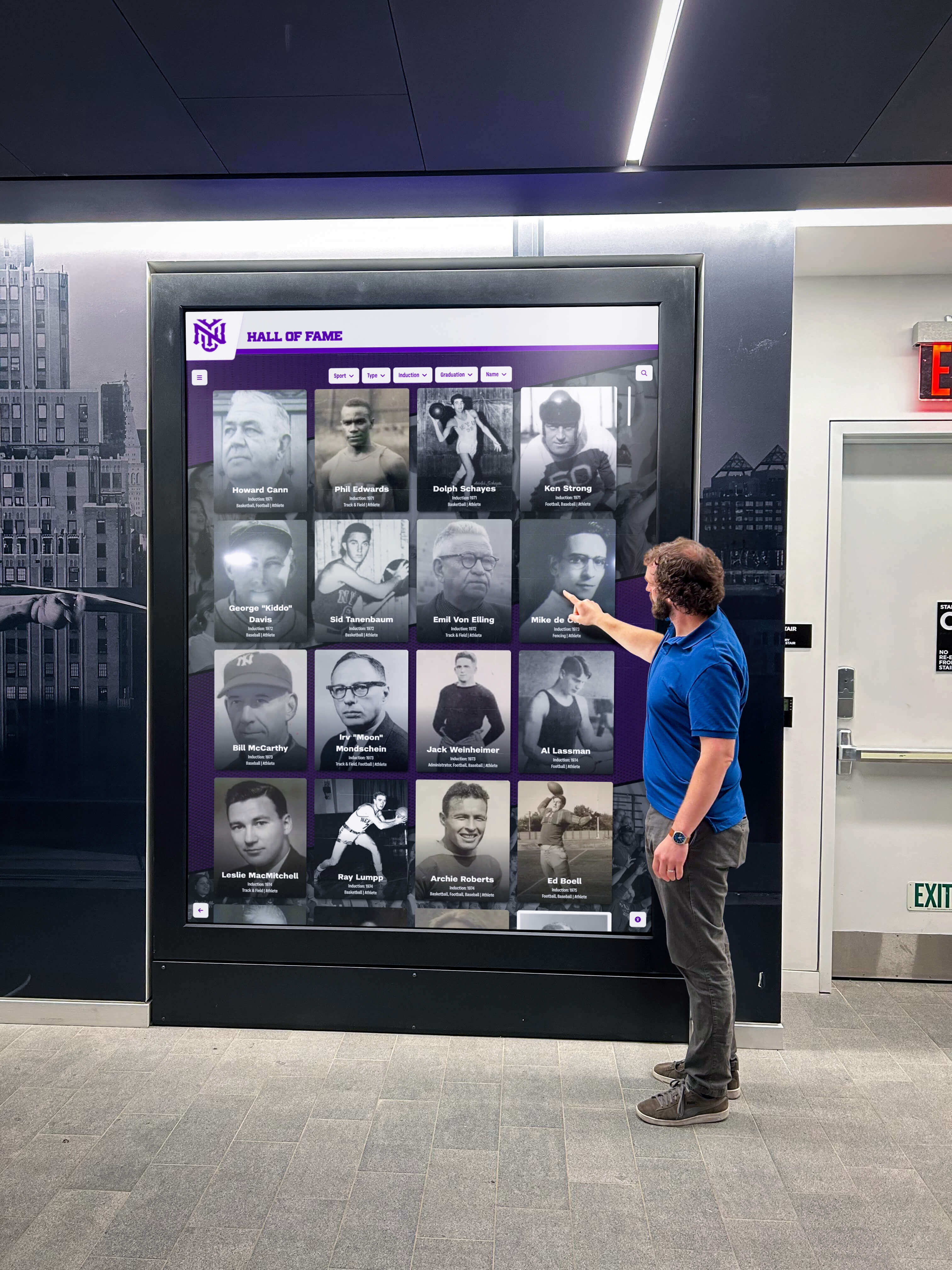
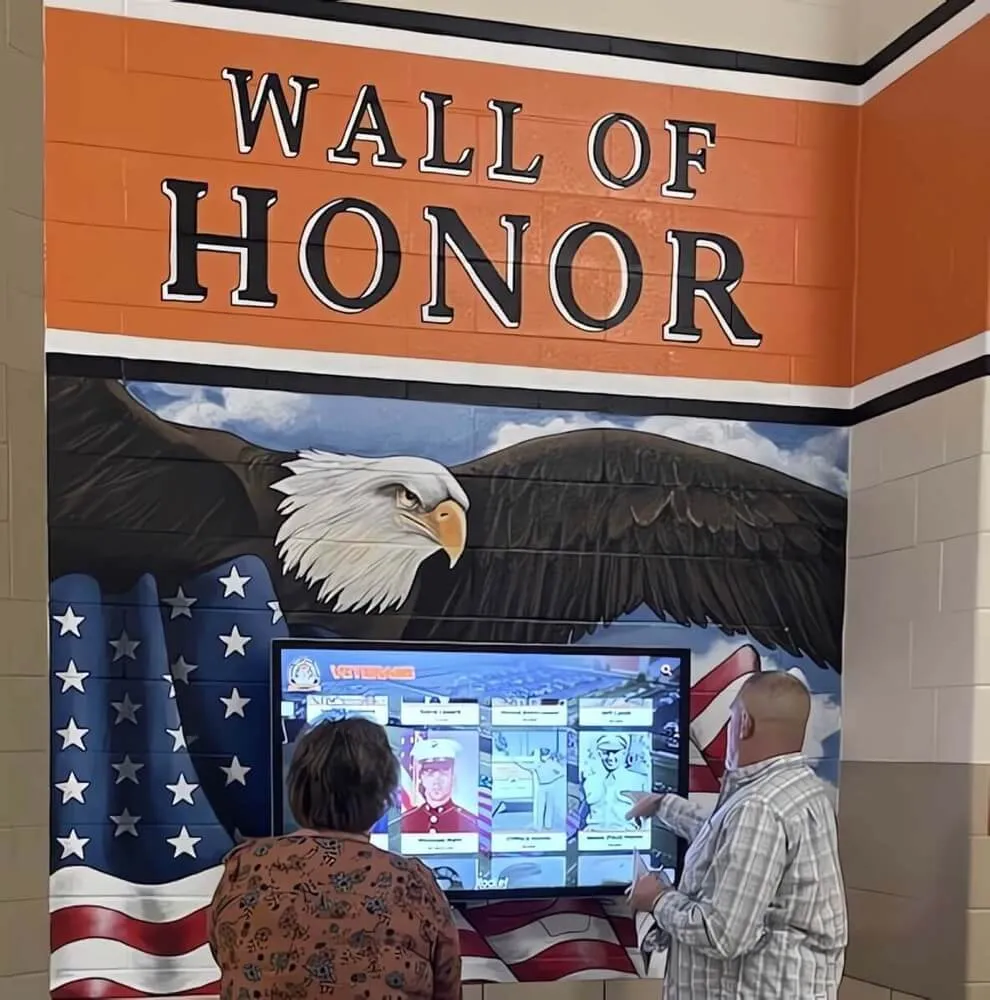
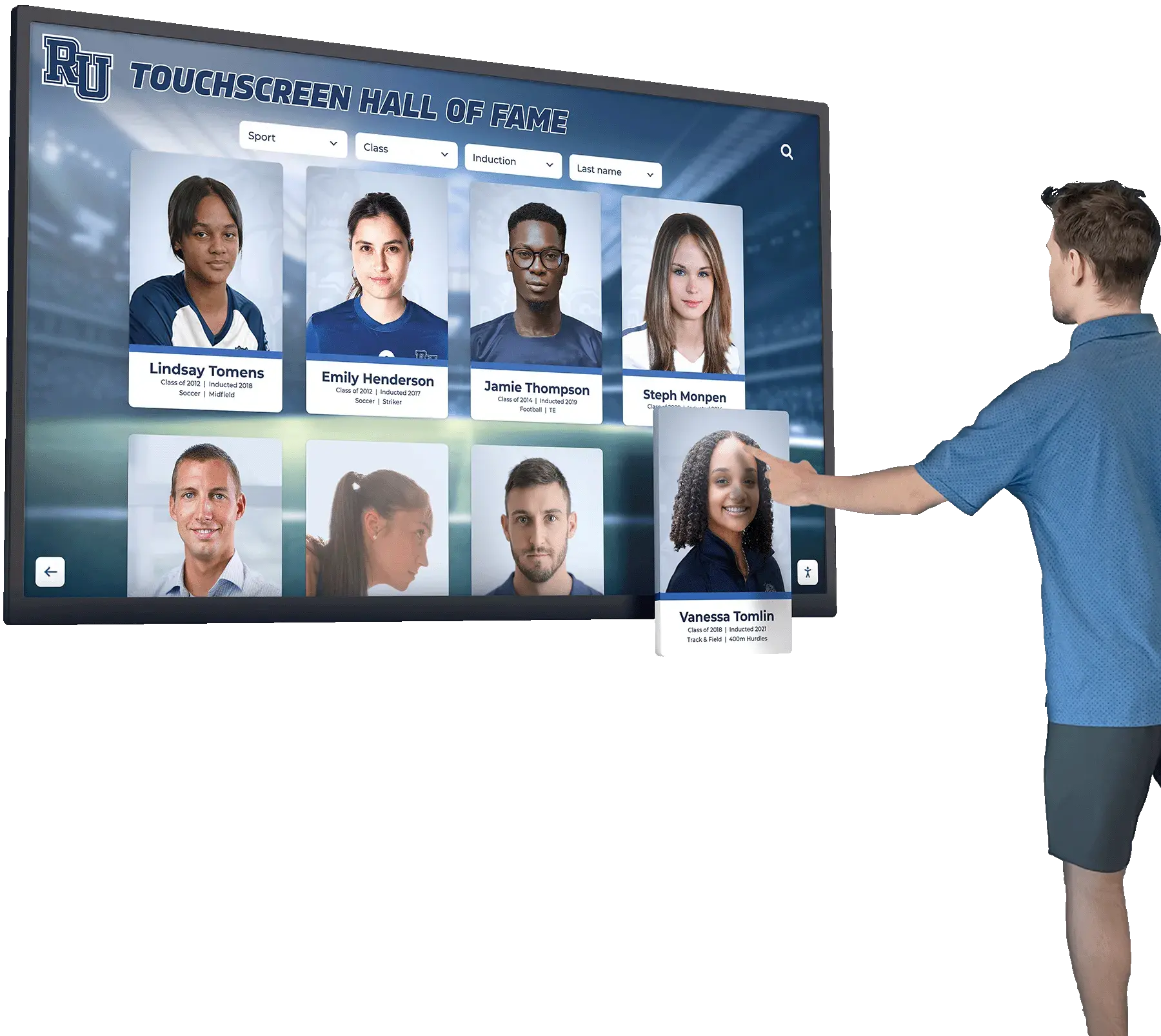
Intuitive touch interfaces enable visitors of all ages to explore recognition content independently without requiring instructions or assistance
Halftime Engagement Opportunities
Halftime intermissions provide 10-15 minute windows when audiences seek activity beyond remaining seated or visiting concessions. Touchscreen displays offering engaging content capture attention during these natural engagement periods. Championship team highlights enable visitors to quickly explore historical excellence through video and photo galleries. Record holder profiles showcase athletes who established program benchmarks current players chase. Alumni success stories demonstrate long-term outcomes beyond high school competition. And game prediction features allowing visitors to forecast final scores create interactive engagement combining entertainment with recognition content.
Coordinating Physical and Digital Recognition
Halftime provides optimal timing for coordinating traditional recognition ceremonies with touchscreen content. When schools honor alumni during halftime court ceremonies, displays should simultaneously feature comprehensive profiles providing details that verbal announcements cannot fully communicate. QR codes displayed on screens enable attendees to access recognition content on personal mobile devices, extending engagement beyond shared displays to individual phones where content remains accessible after ceremonies conclude.
This coordination ensures recognition ceremonies achieve maximum impact by leveraging both physical presence during court presentations and digital documentation providing complete storytelling that brief ceremony timeframes cannot accomplish alone.
Post-Game Recognition Extensions
After games conclude, touchscreen displays continue serving recognition functions during extended departure periods as crowds disperse gradually. Final score updates with links to complete game statistics satisfy information needs. Player of the game features honor outstanding individual performances immediately relevant after witnessing competition. Updated season statistics reflect tonight’s game results showing season progression. And championship qualification scenarios explain playoff implications when games affect tournament seeding or qualification.
Web Access Extends Recognition Beyond Venues
Recognition impact shouldn’t end when audiences leave gymnasiums. Web-based platforms extending physical display content to online access enable continued engagement. Parents can share their child’s player profiles via social media after strong performances. Athletes can review their statistical updates on mobile devices during rides home. Alumni can explore additional program history after brief display interactions sparked interest during pre-game arrivals. And prospective families researching programs after attending games can comprehensively investigate basketball tradition through complete online recognition access.
Solutions like digital recognition displays demonstrate how integrated approaches combining physical touchscreens with web accessibility create comprehensive recognition ecosystems reaching audiences across multiple touchpoints before, during, and after athletic events.
Building Traditions Around Basketball Game Recognition
Systematic recognition programs create lasting traditions strengthening school culture and athletic program identity across seasons and generations.
Season-Long Recognition Campaigns
Rather than treating recognition as one-time implementation, successful programs develop season-long strategies building engagement across multiple games. Opening night unveilings can launch new features or content additions celebrating current season teams. Mid-season updates refresh displays with current statistics, highlight reels from season-to-date, and recognition of emerging stars and breakthrough performances. Senior night recognition coordinates special content honoring graduating athletes and their complete high school careers. And playoff preparation features championship history and tournament traditions as teams pursue postseason success.
Anniversary Celebrations Connect Past and Present
Basketball programs should identify championship anniversaries and milestone events warranting special recognition during games. The 25th anniversary of a state championship provides opportunity to invite alumni team members back for halftime recognition with touchscreen displays featuring comprehensive documentation of championship seasons. Record holder celebrations when current athletes approach program benchmarks create anticipation and recognition connecting historical excellence with contemporary achievement.
These coordinated campaigns ensure recognition remains dynamic throughout seasons rather than becoming static installations that audiences ignore after initial novelty fades through lack of content updates and fresh recognition opportunities.
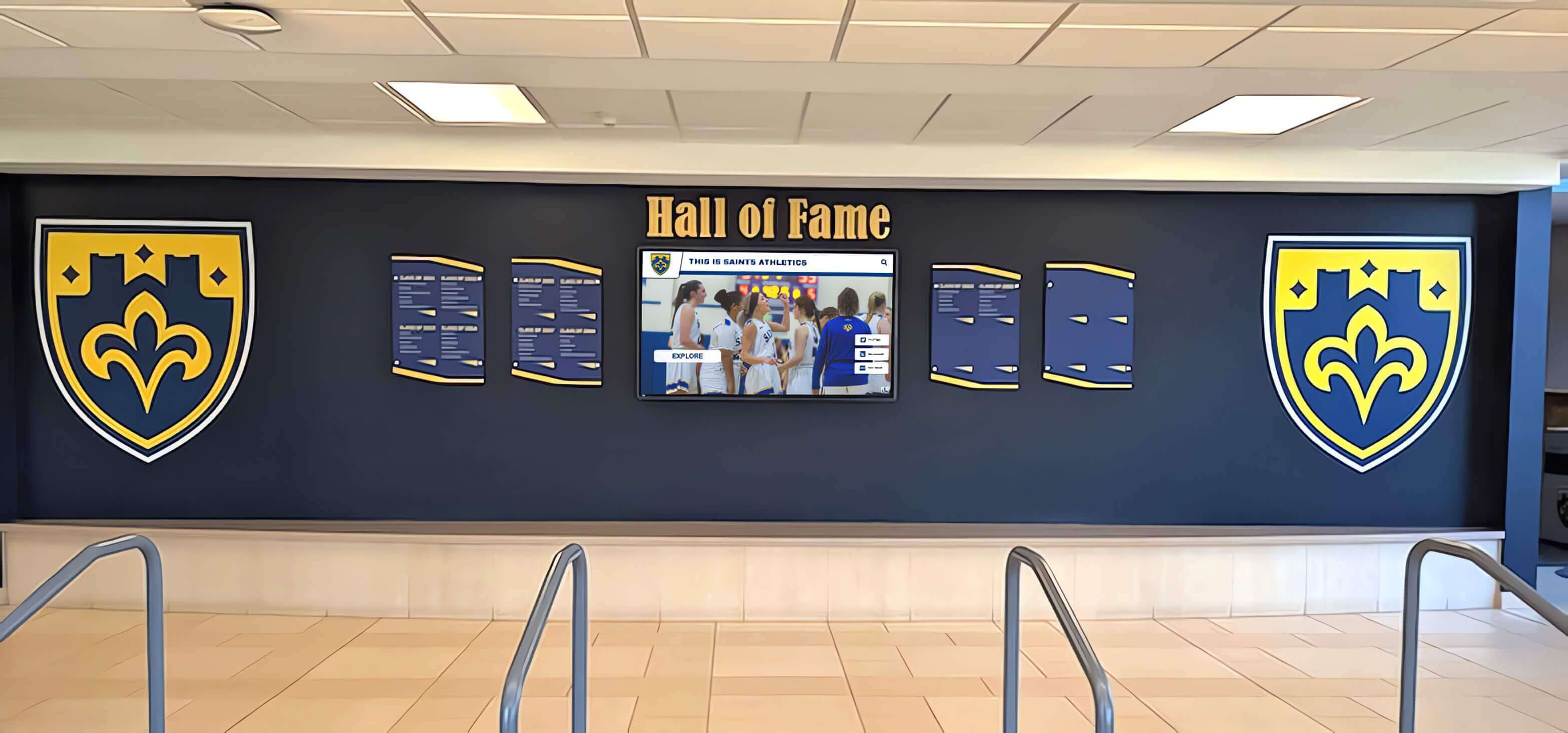
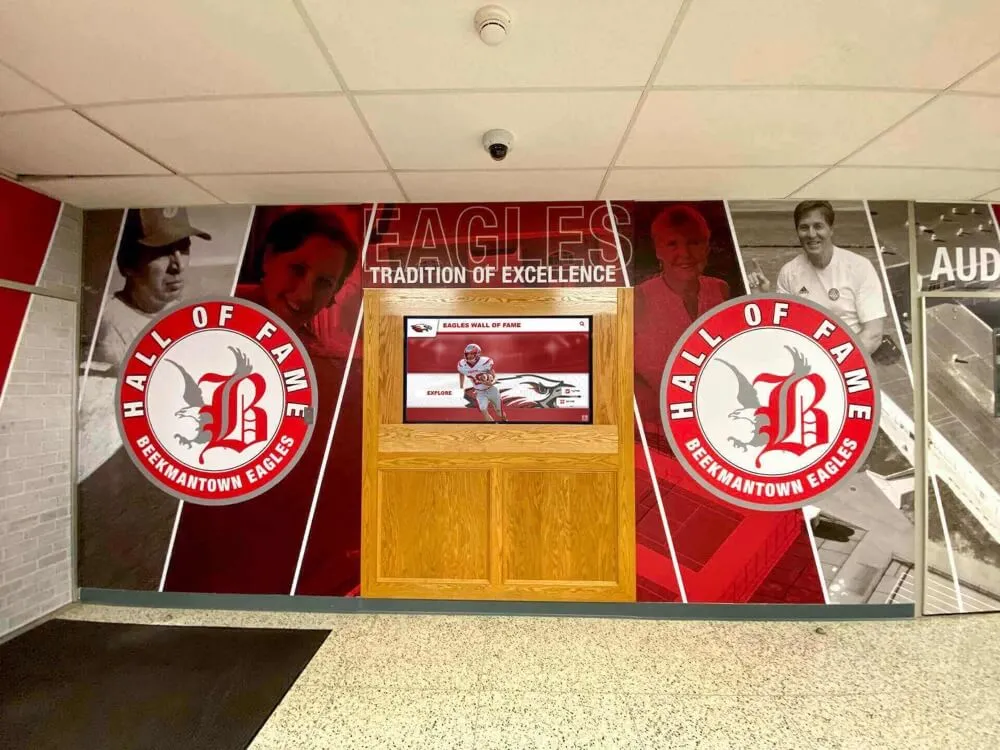
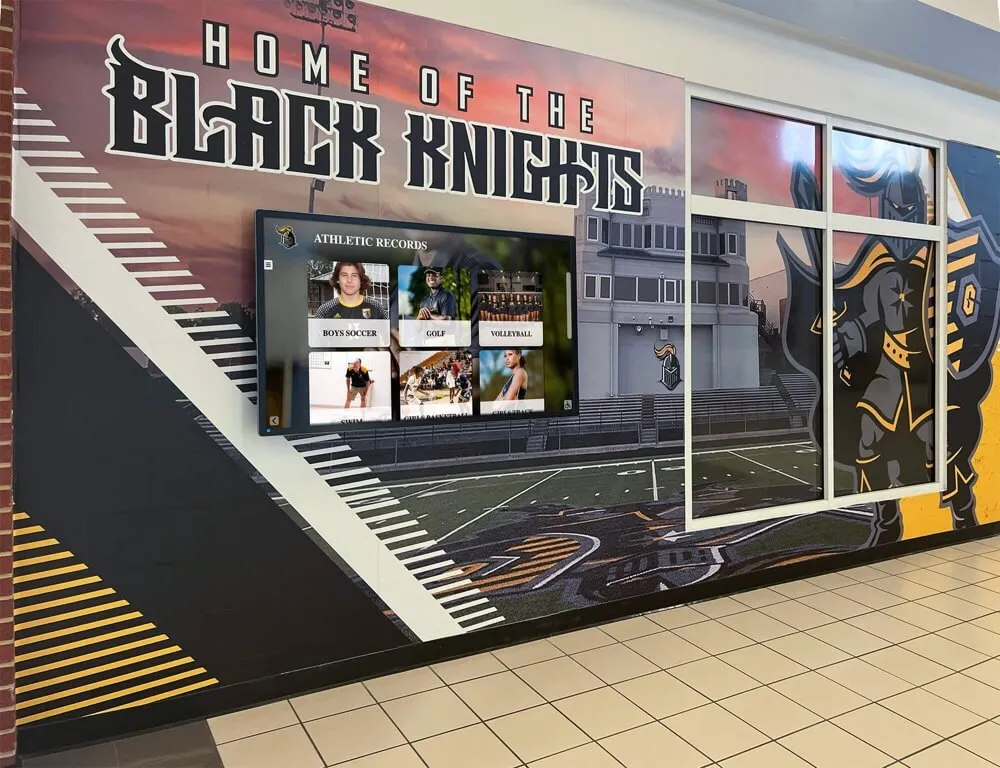
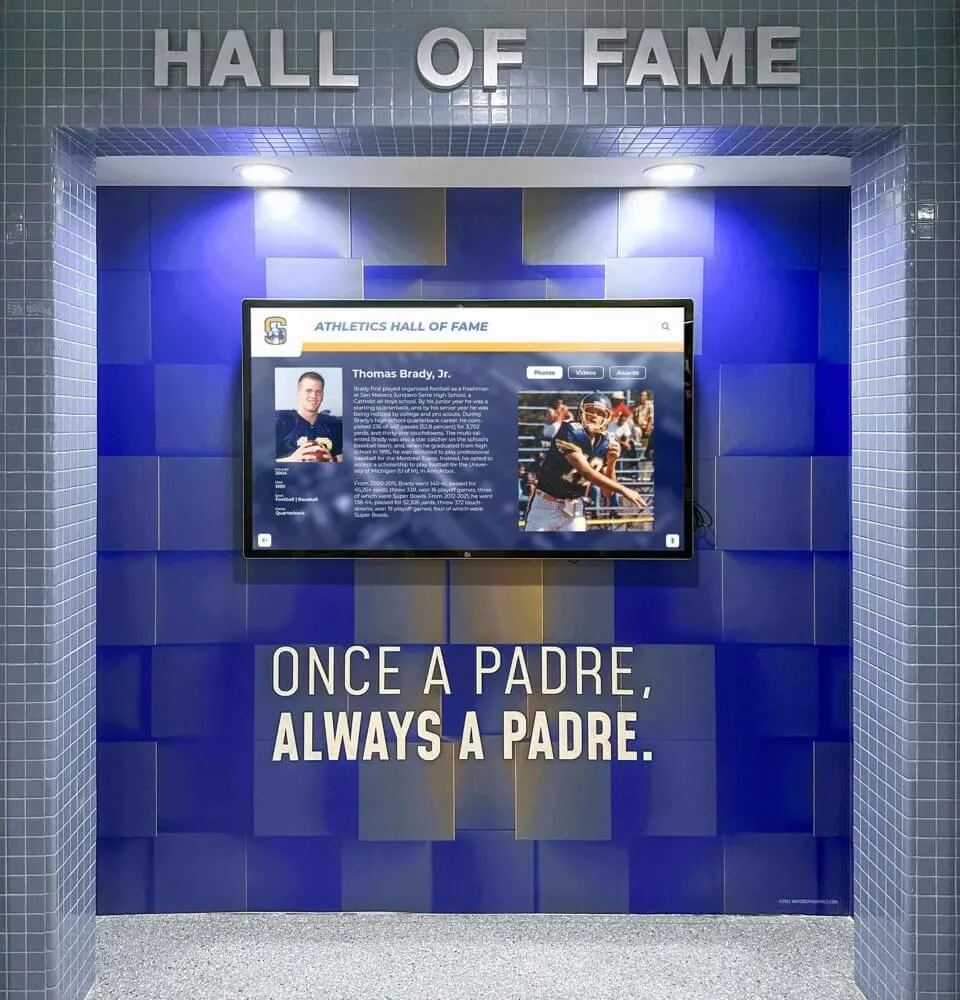
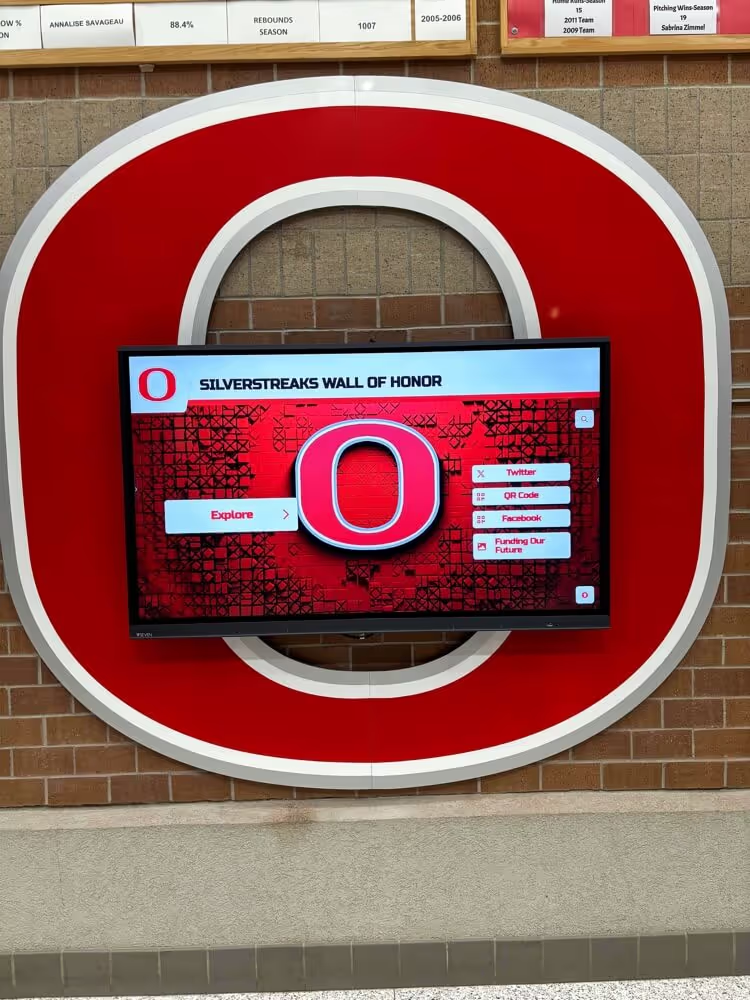
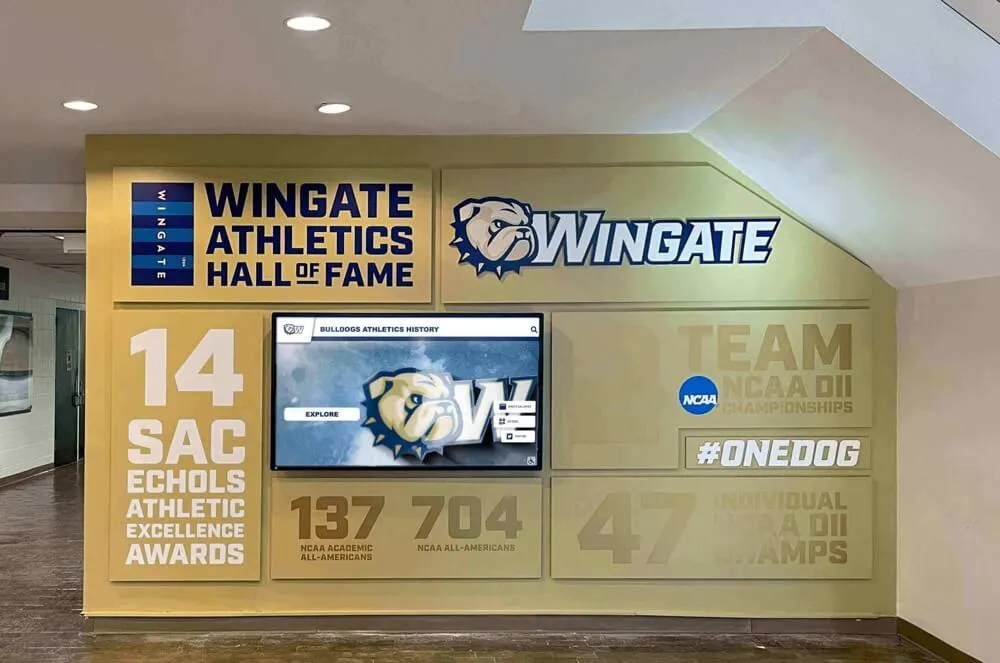
Entrance installations combining traditional recognition elements with modern displays create comprehensive environments honoring complete program heritage
Alumni Engagement Through Game Day Recognition
Basketball games provide natural alumni gathering opportunities when former players return to watch current teams compete. Systematic alumni recognition during games strengthens these connections. Pre-game social media announcements can invite alumni to find their recognition during tonight’s game, driving early attendance and display engagement. Alumni check-in programs coordinated with athletic boosters create organized reunion opportunities during games. Halftime recognition ceremonies honor distinguished alumni with touchscreen displays providing comprehensive career documentation. And alumni directories accessible through displays enable former teammates to reconnect during chance encounters at games.
Building Lifelong Program Relationships
The ultimate goal involves creating recognition traditions that keep alumni connected to programs throughout their lives. When former players know they can attend any game and see comprehensive documentation of their high school careers, they maintain stronger ongoing relationships with schools and programs. These sustained connections translate into broader program support through volunteer coaching, financial contributions, mentoring current athletes, and promoting program reputation within communities and networks.
Recognition systems serve as infrastructure enabling these lifelong relationships by ensuring every athlete receives permanent, accessible celebration of their contributions regardless of championship success or individual stardom—communicating that all participants matter to programs and institutions they represent.
Community Building Through Shared Recognition
Basketball game recognition extends beyond honoring individuals to building shared community identity around athletic programs. Multi-generational content showing families where parents, grandparents, and children all played creates powerful identity connections. Rival school comparisons documenting competitive histories establish tradition and intensify game atmosphere. Championship tradition displays communicate institutional excellence across decades. And comprehensive rosters showing hundreds of program participants over time demonstrate scale of community involvement in sustaining athletic programs.
These community-focused recognition elements transform individual athletic celebration into collective identity formation where entire communities take ownership of program heritage and success. When recognition systems make athletic tradition visible, accessible, and celebrated, they strengthen social bonds that extend far beyond players to encompass families, alumni, and community supporters whose collective engagement sustains programs across generations.
Frameworks for community recognition displays provide guidance on designing content strategies that build shared identity while honoring diverse individual contributors whose combined efforts create athletic program excellence.
Implementation Roadmap for Basketball Game Recognition Systems
Schools considering touchscreen recognition for basketball games should follow systematic implementation processes ensuring successful deployments that deliver intended recognition value.
Phase 1: Planning and Needs Assessment
Begin by evaluating current recognition practices and identifying specific gaps that touchscreen systems should address. Conduct stakeholder surveys gathering input from athletes, coaches, families, alumni, and athletic administrators about recognition priorities and desired capabilities. Document existing recognition assets including trophy collections, championship banners, historical photos and documents, and statistical records requiring digitization. Assess facility infrastructure including available wall space, electrical service, network connectivity, and viewing sight lines from key audience locations.
Budget Development and Funding
Establish realistic budget parameters including initial hardware costs for commercial touchscreen displays, software licensing for recognition platforms, professional installation and setup, content development for historical digitization and profile creation, and ongoing annual costs for platform licensing and technical support. Typical comprehensive implementations range $15,000-30,000 for initial deployment with $2,000-4,000 annual ongoing costs depending on scale and capabilities.
Explore funding strategies including athletic booster contributions, alumni fundraising campaigns, memorial giving opportunities, business sponsorships, and phased implementation spreading costs across multiple budget years. Many programs successfully fund recognition through dedicated campaigns when value is clearly communicated to potential supporters.
Phase 2: Vendor Selection and Technology Decisions
Research recognition platform options prioritizing purpose-built systems like Rocket Alumni Solutions designed specifically for celebrating athletic achievements rather than generic digital signage requiring customization for recognition applications. Evaluate vendors based on software ease of use for non-technical content management, content capacity and organizational flexibility, web accessibility extending recognition beyond physical displays, ongoing technical support and platform development, and reference installations at similar schools enabling site visits and reference checks.
Hardware Integration and Installation Planning
Work with selected vendors to specify appropriate display hardware meeting facility requirements and budget parameters. Develop installation plans addressing mounting approaches, electrical service, network connectivity, cable management, and protective housing. Many schools coordinate touchscreen installations with broader facility improvement projects, leveraging construction contractors already on-site for related work and achieving cost efficiencies through combined project management.
Establish clear implementation timelines targeting installation completion before basketball season begins, enabling full season availability for game day recognition during first year of operation.

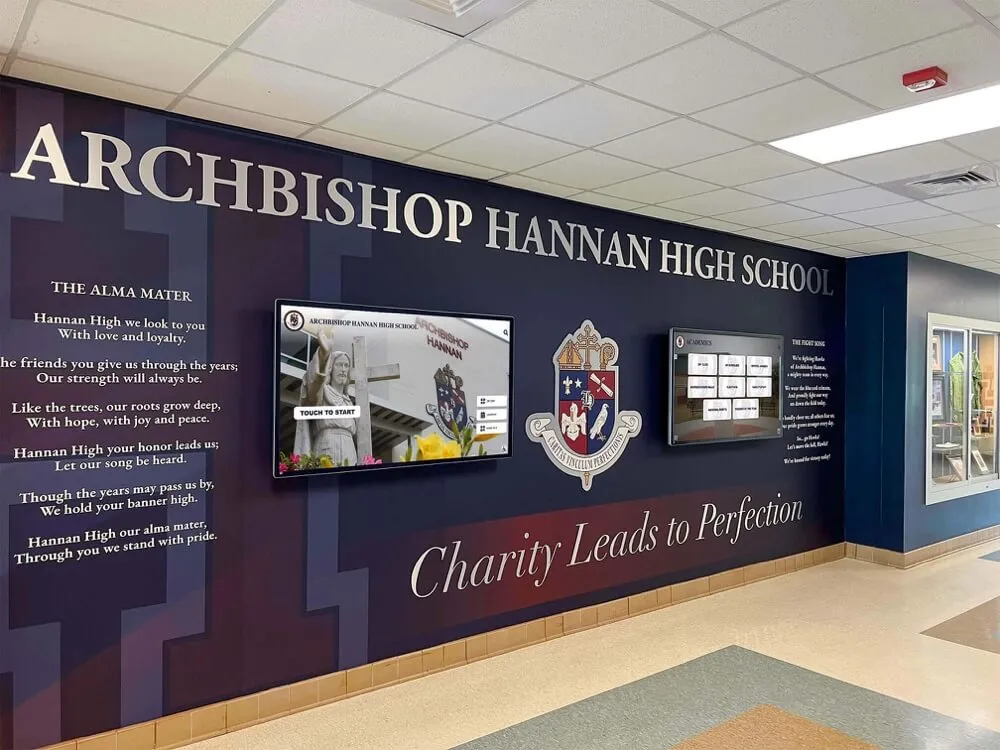
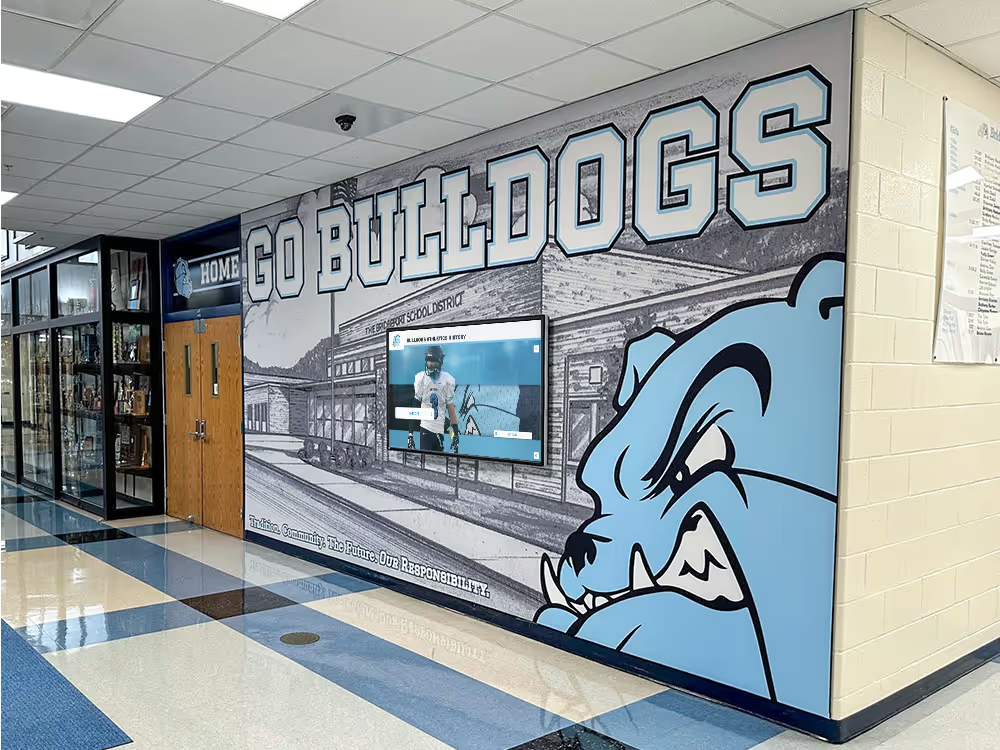
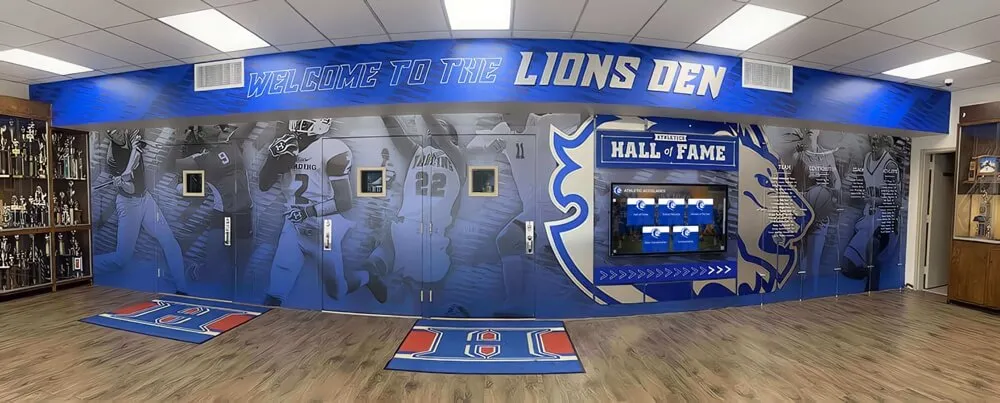
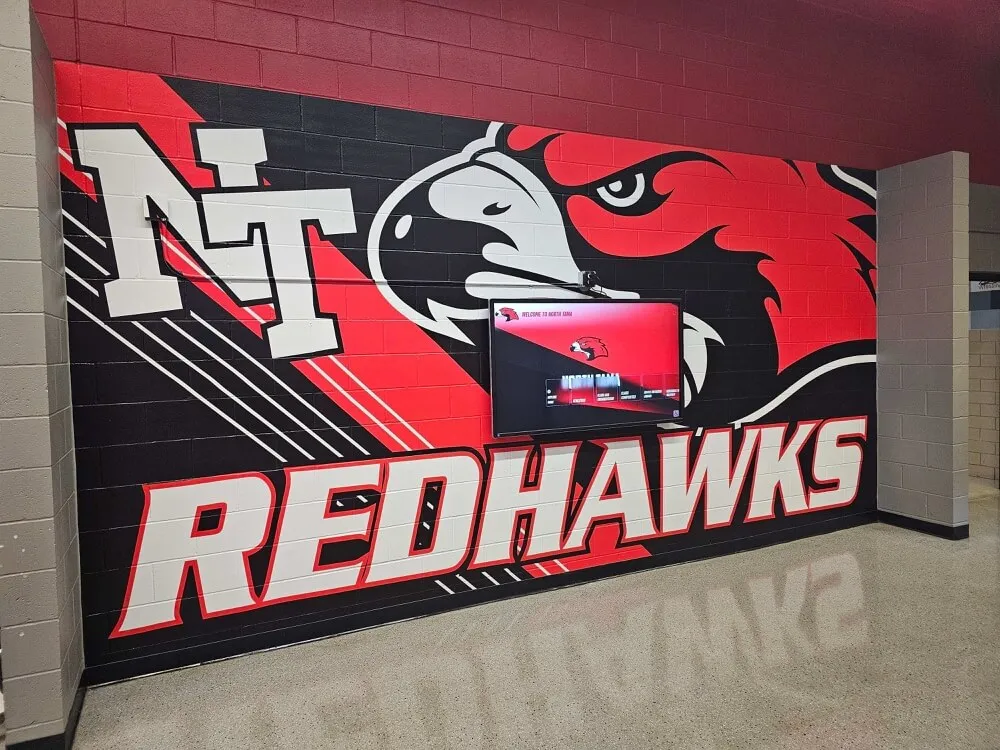
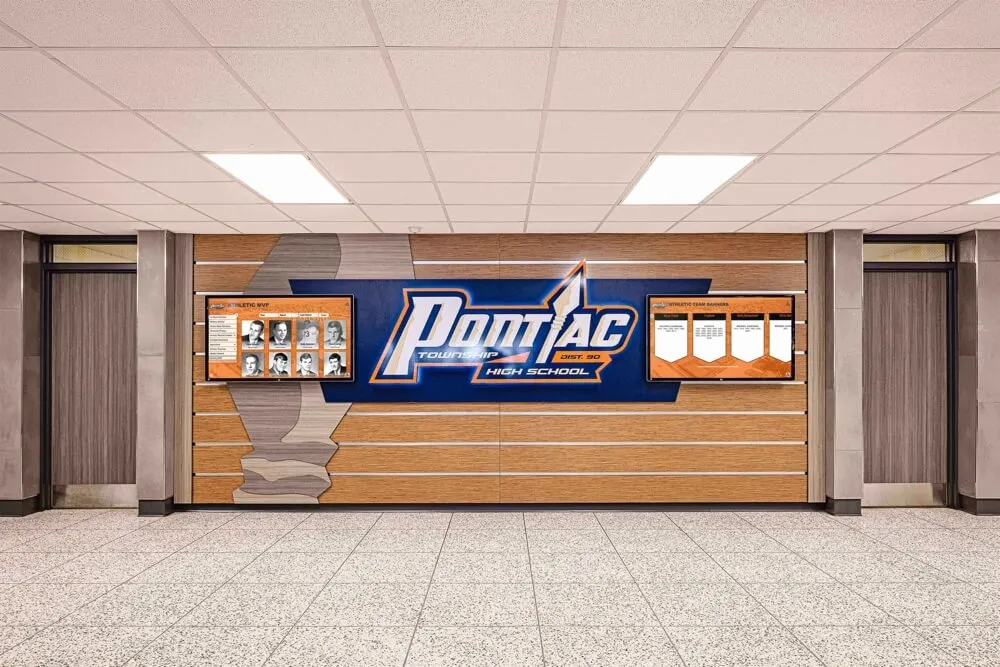
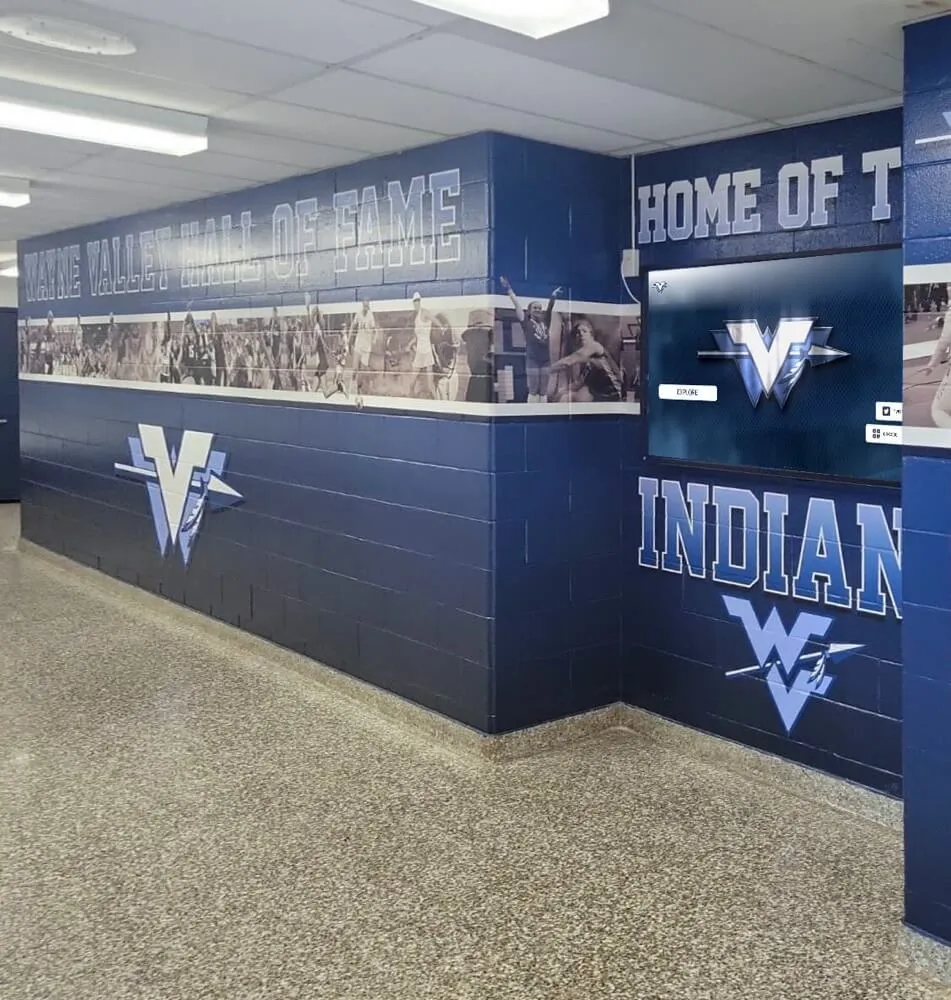
Athletic hallway installations combine traditional mural artwork with modern recognition technology creating comprehensive program celebration spaces
Phase 3: Content Development and Historical Preservation
Successful recognition depends on comprehensive, accurate content celebrating complete program history. Organize content development teams including historical research coordinators gathering information about past teams and athletes, photo archivists collecting and digitizing images from various sources, statistical researchers documenting records and achievements, content creators writing profiles and narratives, and quality reviewers ensuring accuracy before publication.
Prioritized Content Development
Begin content development with current season teams ensuring immediate game day relevance, then systematically expand historical coverage. Many schools successfully develop content through phased approaches starting with recent 3-5 years where information remains readily available, expanding to significant milestone achievements like championship teams regardless of era, then methodically filling historical gaps as time and resources permit.
Engage student volunteers, alumni contributors, and community historians in content development processes, distributing workload while building broader ownership and engagement with recognition projects.
Phase 4: Launch and Promotion
Coordinate recognition system launches with high-profile games maximizing community awareness and engagement. Opening night of basketball season provides natural launch timing when attendance peaks and excitement runs highest. Pre-game ceremonies can formally unveil displays with remarks from administrators, coaches, and athletic boosters. Social media campaigns should promote recognition availability encouraging game attendees to arrive early to explore displays. And printed materials like game programs can include information directing visitors to display locations and highlighting featured content.
Ongoing Promotion Throughout Seasons
Beyond initial launches, maintain recognition visibility through continuous promotion. Display content teasers through team social media accounts previewing featured athletes and historical content. Coordinate recognition spotlights with specific games honoring senior athletes, commemorating championship anniversaries, or celebrating record achievements. Encourage athletes to share their profiles on personal social media creating peer-to-peer promotion. And collect testimonials from users highlighting favorite features and meaningful recognition discoveries that promotional efforts can feature in encouraging broader community engagement.
Measuring Recognition Impact and Demonstrating Value
Understanding how communities engage with basketball game recognition helps schools demonstrate program value, justify investment, and continuously improve recognition effectiveness.
Quantitative Analytics and Usage Metrics
Quality recognition platforms provide comprehensive analytics tracking visitor engagement. Monitor total interaction sessions showing display usage frequency during games and events. Track average session duration indicating engagement depth with content rather than superficial viewing. Identify most-viewed profiles and content revealing what resonates most strongly with audiences. Document search patterns showing how visitors discover specific content and athletes. And analyze usage patterns by game type determining whether attendance levels or competition significance affects recognition engagement.
Demonstrating Return on Investment
Usage metrics help justify recognition investment by quantifying engagement. When displays generate 50-100 interaction sessions during typical games with average engagement times of 5-8 minutes, annual usage across full basketball seasons totals hundreds of hours of community engagement with athletic achievement content—significant return on initial investment when compared to alternatives like printed programs used briefly then discarded or trophy cases that most game attendees never encounter.
Calculate cost-per-engagement by dividing total investment by annual interaction sessions, demonstrating recognition systems deliver exceptional value compared to alternative recognition approaches or promotional activities.
Qualitative Assessment and Stakeholder Feedback
Beyond quantitative metrics, gather qualitative feedback revealing recognition impact that numbers alone cannot capture. Survey athletes about how recognition affects motivation, pride, and sense of accomplishment. Interview families about recognition value during game attendance and in sharing achievements with distant relatives. Collect alumni testimonials describing emotional experiences discovering their historical recognition. Document coach perspectives on recognition supporting team culture and program tradition. And gather administrator observations about recognition contributing to school pride and community engagement.
Recognition Stories Create Powerful Testimonials
The most compelling recognition validation comes from specific stories demonstrating impact. The grandmother who discovered her 1960s team photo and shared emotional memories with grandchildren attending tonight’s game. The college recruit whose family explored comprehensive program tradition during unofficial campus visit influencing commitment decision. The current player who found inspiration studying profiles of alumni who progressed to collegiate basketball after competing on the same court. These narrative accounts prove recognition value in ways that usage statistics alone cannot fully communicate.
Systematically collect these stories through feedback mechanisms built into displays, post-game surveys, and social media monitoring identifying organic recognition mentions and testimonials warranting documentation and promotional use.

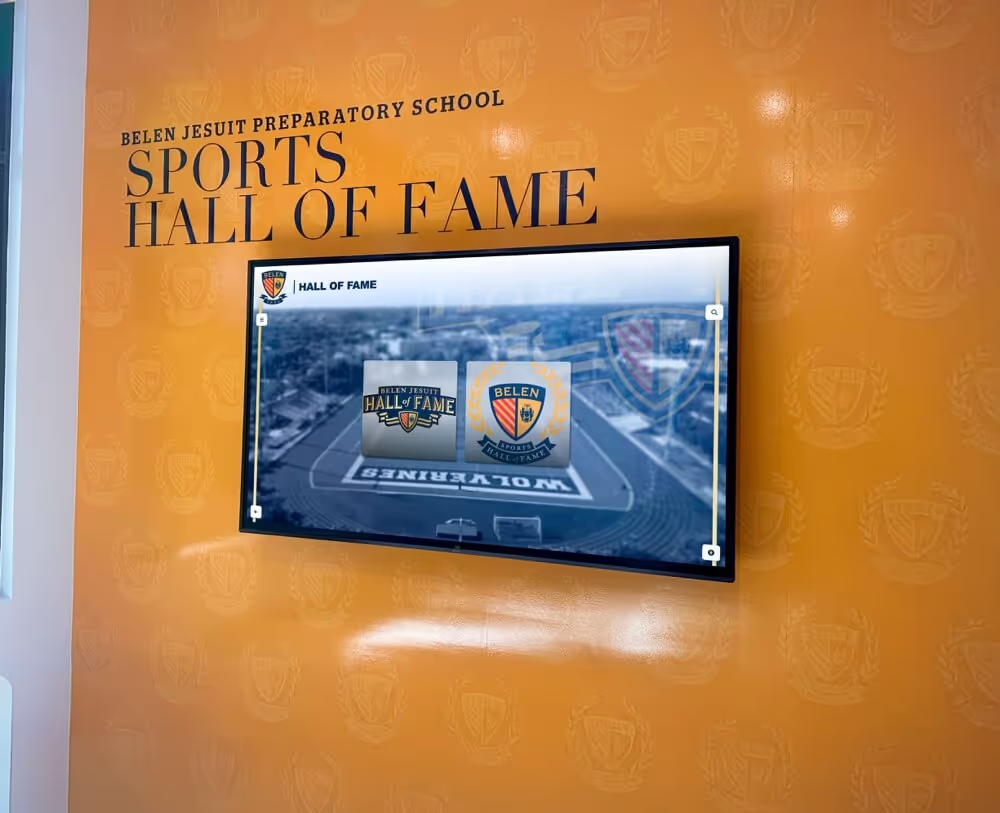
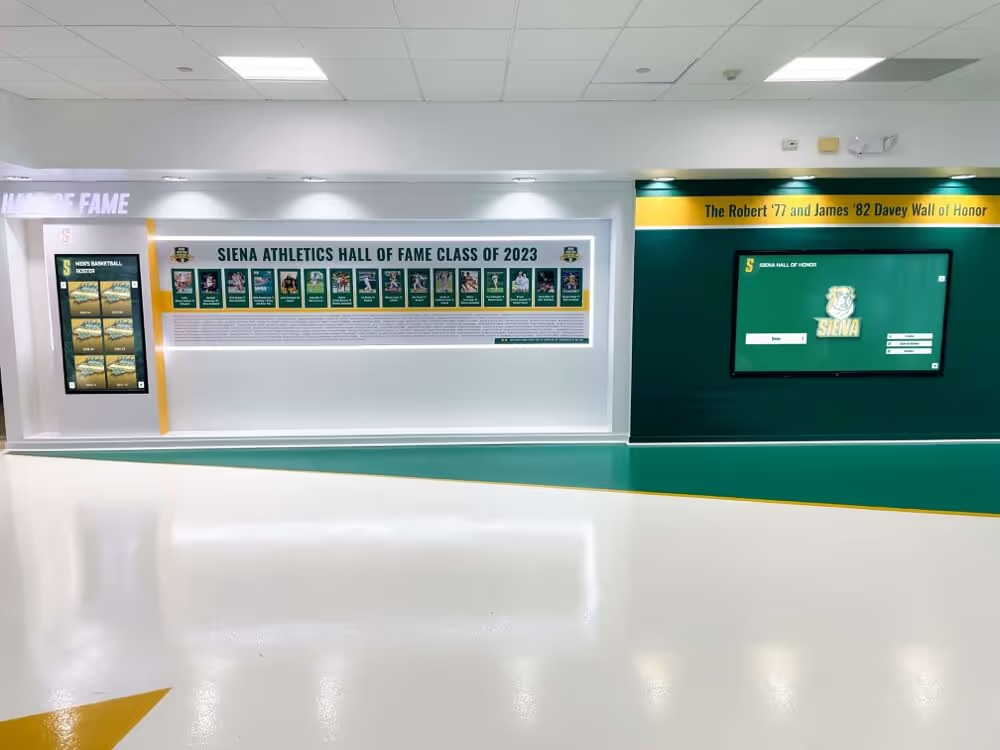
Professional recognition installations communicate institutional commitment to honoring athletic achievement and preserving program heritage
Conclusion: Elevating Basketball Programs Through Game Day Recognition
High school basketball games represent concentrated opportunities when diverse audiences gather in athletic facilities with extended timeframes, emotional engagement, and natural interest in program excellence. Traditional recognition approaches fail to capitalize on these unique circumstances by relegating celebration to static banners visible during competition, trophy cases located in remote hallways, or printed programs providing basic information without meaningful depth or interactivity.
Transform Your Basketball Game Recognition Experience
Discover how Rocket Alumni Solutions touchscreen displays create engaging game day recognition celebrating current athletes and teams while connecting audiences with complete program heritage through interactive exploration accessible before, during, and after competition.
Schedule Your Custom Recognition DemoInteractive touchscreen displays strategically positioned in gymnasium entrances, athletic lobbies, and facility hallways capture audience attention during natural engagement windows while providing comprehensive recognition content serving diverse interests. Current player profiles ensure immediate game relevance. Championship history celebrates program tradition. Record boards honor statistical excellence. Alumni achievements demonstrate long-term success. And intuitive search functionality enables personalized exploration connecting visitors with recognition specifically meaningful to their individual school relationships.
The technical infrastructure supporting game day recognition involves commercial-grade touchscreen hardware withstanding demanding public environments, cloud-based content management platforms enabling easy updates by non-technical staff, reliable network connectivity ensuring consistent performance, and professional installation meeting safety and visibility requirements. Schools prioritizing purpose-built recognition systems designed specifically for celebrating athletic achievement—like Rocket Alumni Solutions—achieve superior results compared to generic digital signage adapted for recognition applications without specialized capabilities.
Beyond immediate game day impact, systematic basketball recognition builds lasting traditions strengthening program identity across seasons and generations. Season-long recognition campaigns maintain engagement through continuous content updates and strategic feature releases. Alumni engagement programs leverage recognition platforms for reunion coordination and lifelong relationship building. And community identity formation occurs when multi-generational recognition demonstrates shared athletic heritage connecting families and neighborhoods through sustained program participation across decades.
Successful implementation requires thoughtful planning processes addressing stakeholder needs, appropriate technology selection, comprehensive content development, and strategic promotion ensuring community awareness and utilization. Schools following systematic approaches achieve recognition deployments that deliver sustained value throughout seasons rather than becoming novelty technology losing impact after initial launches fade from community consciousness through lack of ongoing engagement and fresh content additions.
Ready to transform your basketball program recognition? Explore comprehensive frameworks for high school athletic displays, discover interactive recognition strategies celebrating athletic commitment, understand digital signage approaches optimized for educational institutions, and learn athletic hall of fame best practices that honor program heritage while celebrating current excellence through modern interactive technology specifically designed for school athletics.