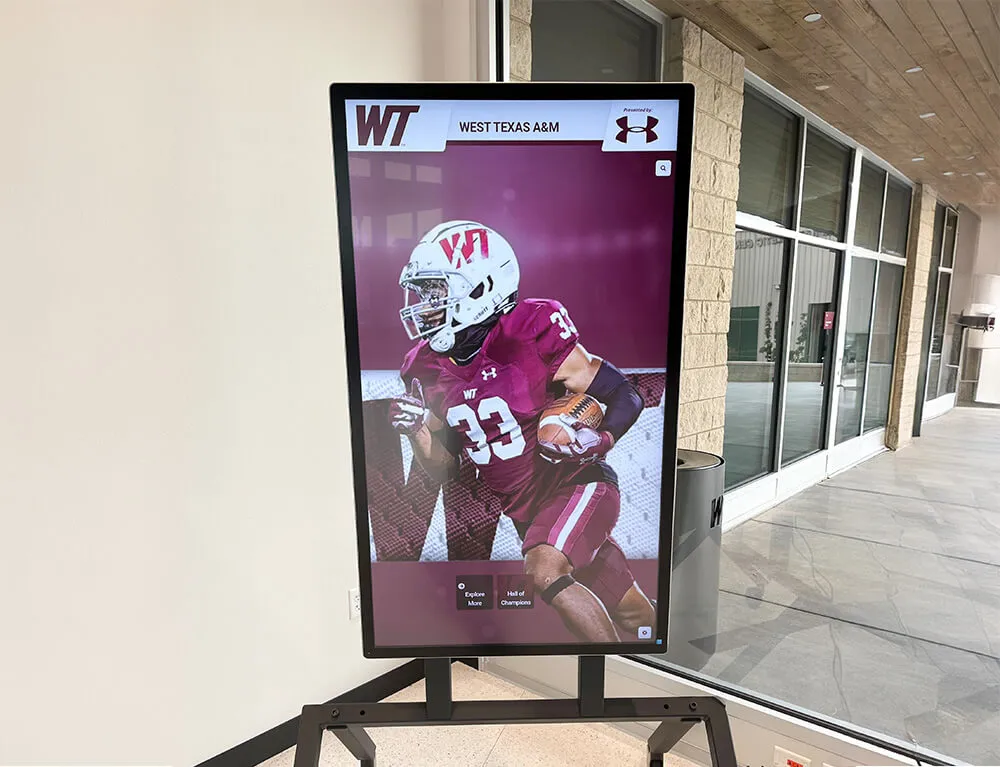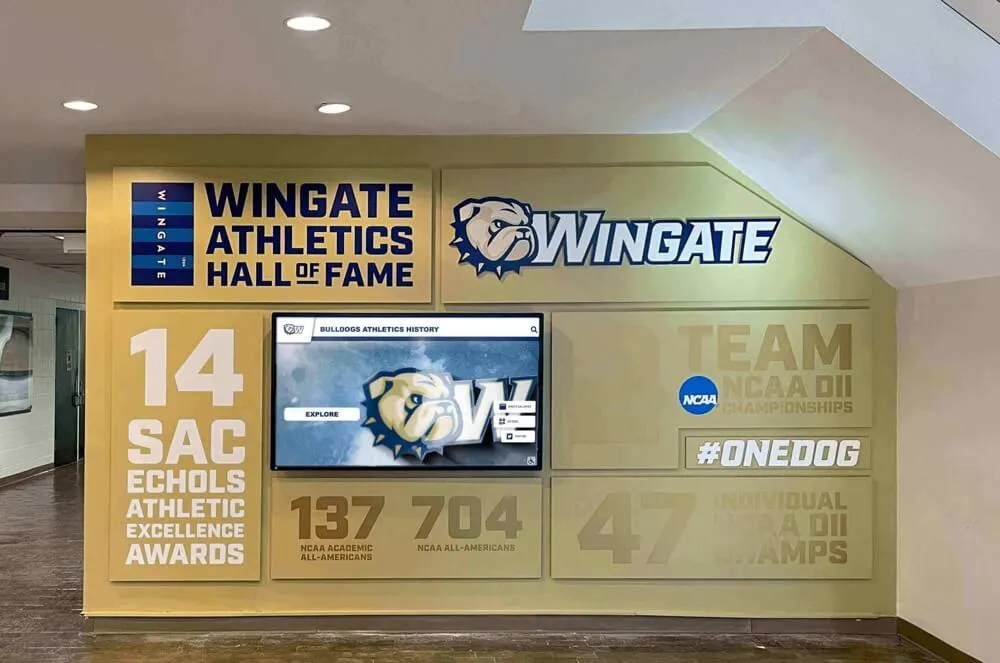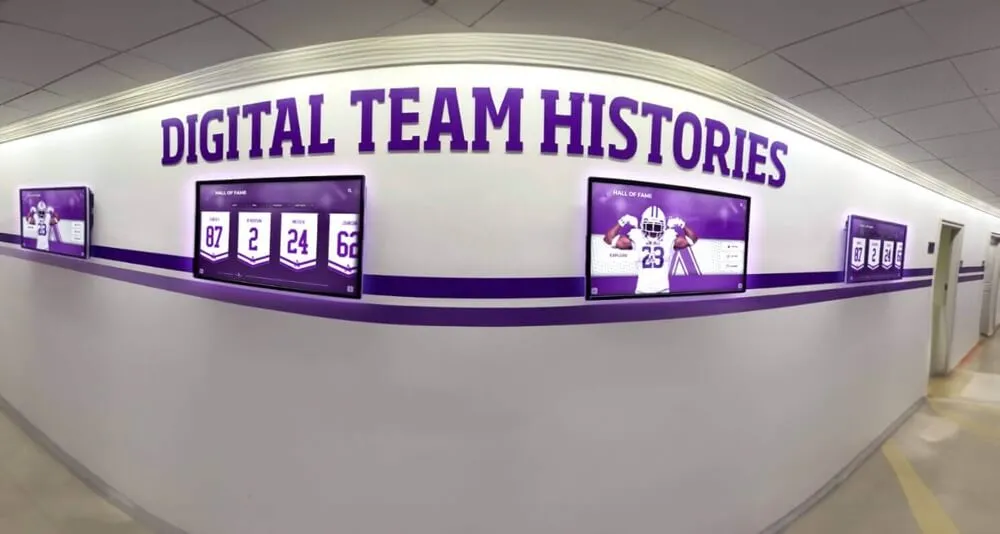




When planning digital recognition installations across multiple locations—screens in the gym, lobby, cafeteria, and athletic hallways—many schools and organizations encounter frustrating surprises as vendor quotes balloon with per-screen licensing fees, device charges, and multi-location premiums that weren’t apparent in initial discussions. What seemed like a $5,000 project suddenly costs $15,000 or $20,000 once you reveal plans for comprehensive campus-wide recognition networks rather than single-display implementations.
Rocket Alumni Solutions takes a fundamentally different approach: one subscription covers unlimited touchscreens across your entire facility, with no hidden per-screen fees, no device charges, and no multi-location premiums. Whether you install one screen in your main lobby or ten screens across gyms, cafeterias, athletic buildings, and entrance halls, your subscription cost remains the same—providing complete pricing transparency and enabling comprehensive recognition networks without budget surprises.
This comprehensive guide explores hidden costs that plague multi-screen digital signage deployments, explains why most platforms charge per-screen licensing fees, demonstrates how Rocket’s unlimited screen model eliminates these barriers, and provides frameworks for calculating true total ownership costs when comparing platforms. Large districts and schools implementing recognition networks across multiple buildings will discover how Rocket’s pricing model delivers dramatically better value while enabling more comprehensive recognition coverage than competitors limiting affordability through per-device fees.
Schools implementing Rocket Alumni Solutions consistently report surprise and relief discovering they can expand recognition across entire campuses without additional software licensing costs—enabling comprehensive visibility for all programs and achievements rather than forcing difficult decisions about which single location receives recognition displays due to budget constraints created by per-screen fees.

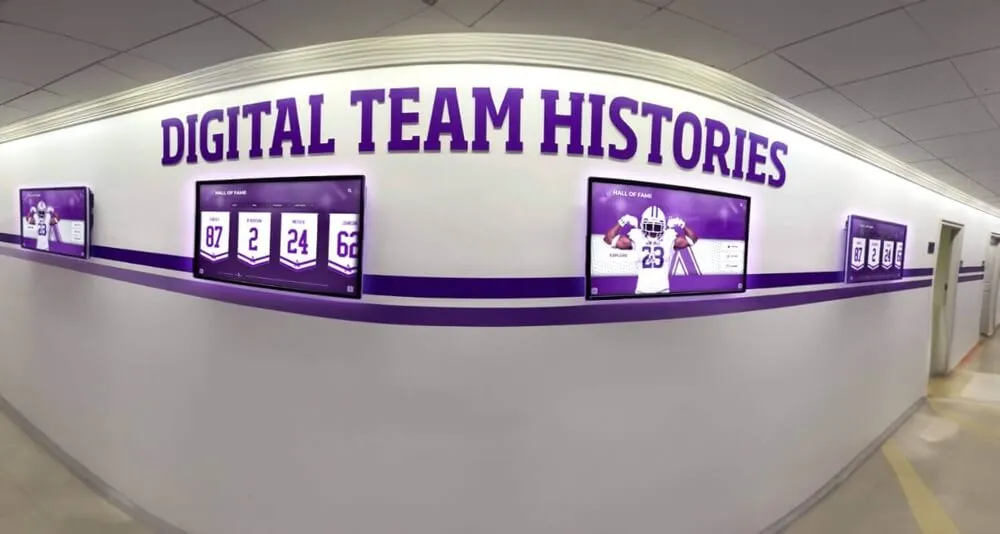
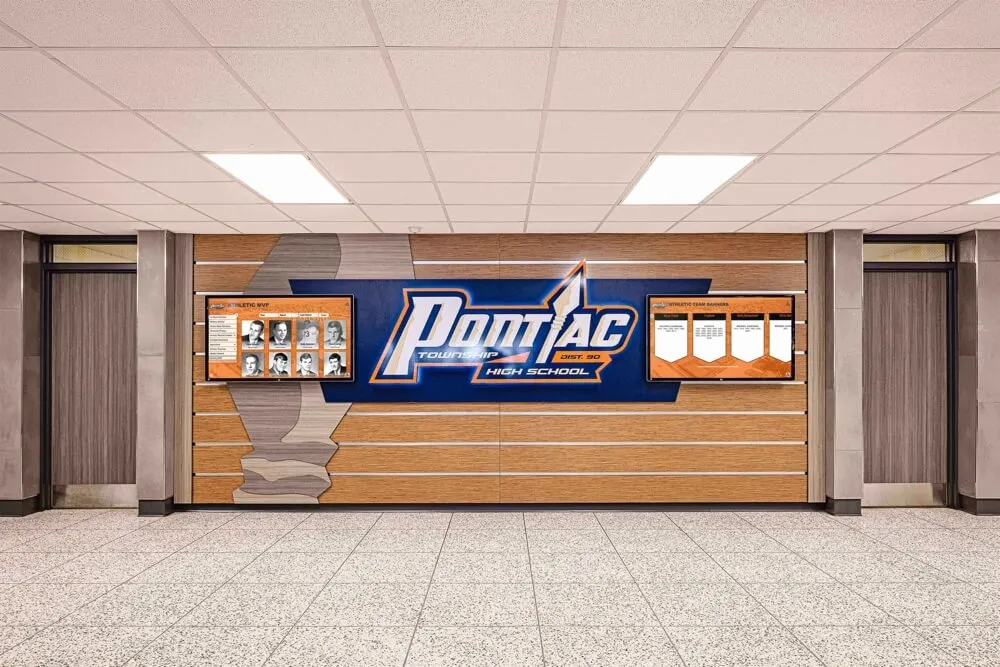
Comprehensive multi-screen recognition networks become financially feasible when unlimited screen licensing eliminates per-device fees
Understanding Hidden Costs in Multi-Screen Digital Signage
Before exploring Rocket’s transparent pricing model, understanding common hidden costs helps schools recognize budget traps that competitors often obscure during initial sales conversations.
The Per-Screen Licensing Model
Most digital signage platforms charge subscription fees based on screen count, creating escalating costs as organizations deploy comprehensive recognition networks:
Typical Per-Screen Fee Structures
Generic digital signage platforms commonly charge $15-40 monthly per screen, meaning a five-screen deployment costs $900-2,400 annually just for software licensing before considering hardware, installation, content development, or support services. This model appears reasonable for single-screen deployments but quickly becomes prohibitively expensive for schools wanting comprehensive recognition across multiple locations.
For example, a high school planning displays in the main lobby, gymnasium, cafeteria, athletic hallway, and performing arts center faces annual software costs ranging $900-2,400 with typical platforms—and that’s the discounted rate. Many platforms charge even higher per-screen fees, with some reaching $50-80 monthly per display for advanced features or interactive capabilities.
Why Vendors Use Per-Screen Pricing
Digital signage companies defend per-screen licensing by citing infrastructure costs—each additional screen theoretically requires server capacity, bandwidth, storage, and support resources. However, modern cloud architectures scale efficiently with marginal costs far below what per-screen fees suggest. The reality involves profit maximization rather than genuine cost recovery, with vendors recognizing that organizations committed to initial deployments face high switching costs discouraging migration to alternative platforms once content and workflows are established.
Device and Player Fees
Beyond screen-based licensing, many platforms add charges for media players, content delivery devices, or proprietary hardware connecting displays to content management systems:
Media Player Cost Structures
Some platforms require purchasing or leasing proprietary media players at $300-800 per screen, adding thousands in hardware costs beyond display purchases. Others mandate specific hardware brands or models, limiting competitive shopping and locking organizations into vendor-controlled supply chains with inflated pricing.
These device requirements create ongoing costs when hardware fails or needs replacing—and proprietary systems prevent using standard commercial computers or media players that organizations might already own or can purchase affordably through competitive channels.
Cloud Player Subscriptions
Alternative approaches use “cloud players” or software-based solutions running on generic computers—but charge ongoing subscription fees per device ranging $10-30 monthly. While this eliminates upfront hardware costs, it creates perpetual device licensing fees that accumulate substantially over five to ten year display lifespans.
Multi-Location and Network Fees
Large school districts deploying recognition across multiple buildings often encounter additional premium charges for multi-location management capabilities:
Enterprise Feature Surcharges
Vendors frequently position multi-location management, centralized content distribution, and network-wide analytics as “enterprise features” justifying premium tier subscriptions costing 50-200% more than basic packages. Schools wanting consistent recognition programs across elementary, middle, and high school buildings face pressure to upgrade to expensive enterprise tiers—or accept disconnected single-location implementations lacking district-wide coordination and shared content libraries.
Support and Service Tiers
Technical support levels also commonly tier by deployment size, with larger screen networks pushed toward premium support contracts. Basic support covering email responses within 48-72 hours proves inadequate for schools experiencing display failures affecting daily operations, forcing expensive premium support upgrades for acceptable response times and phone access.
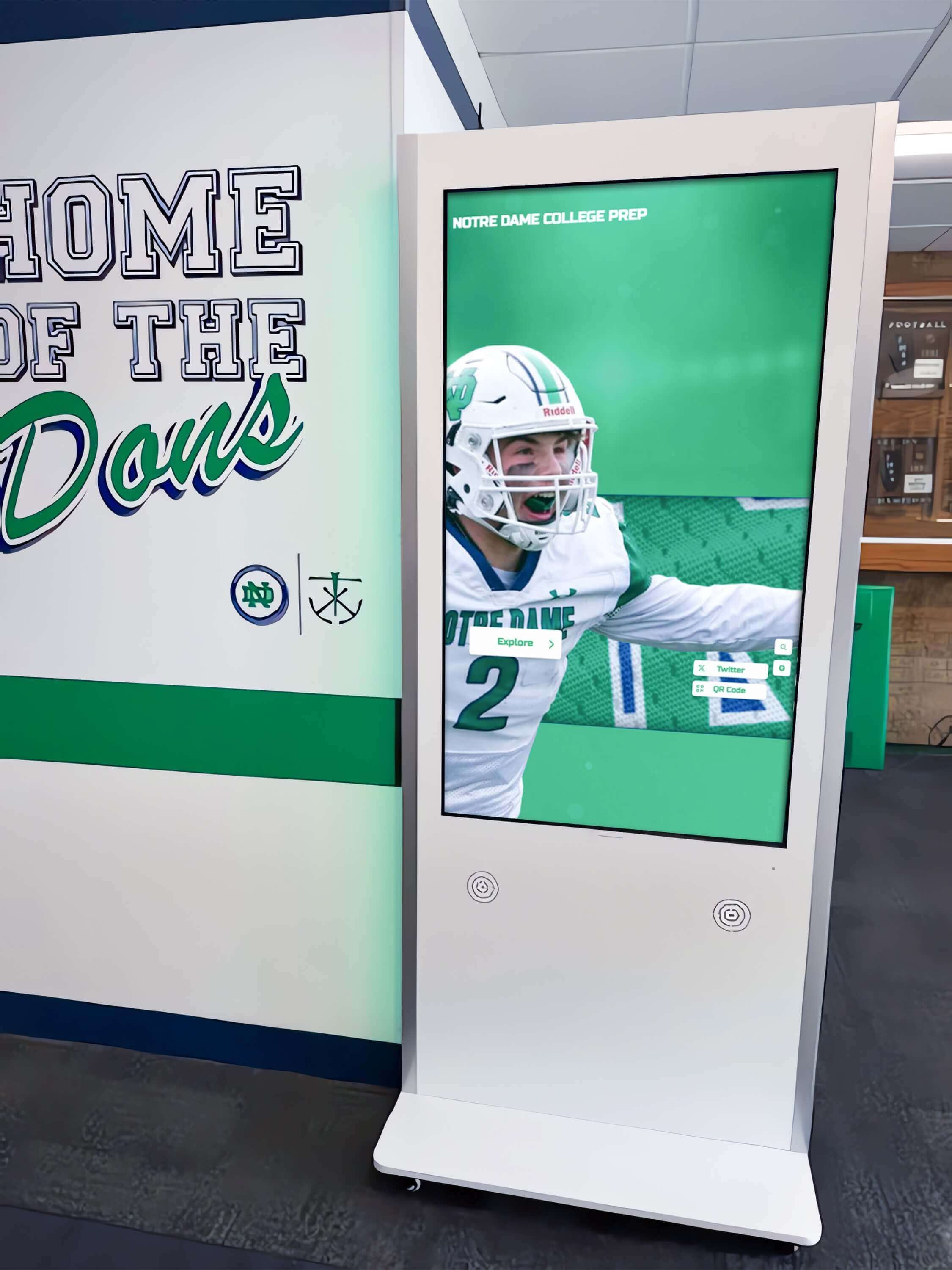
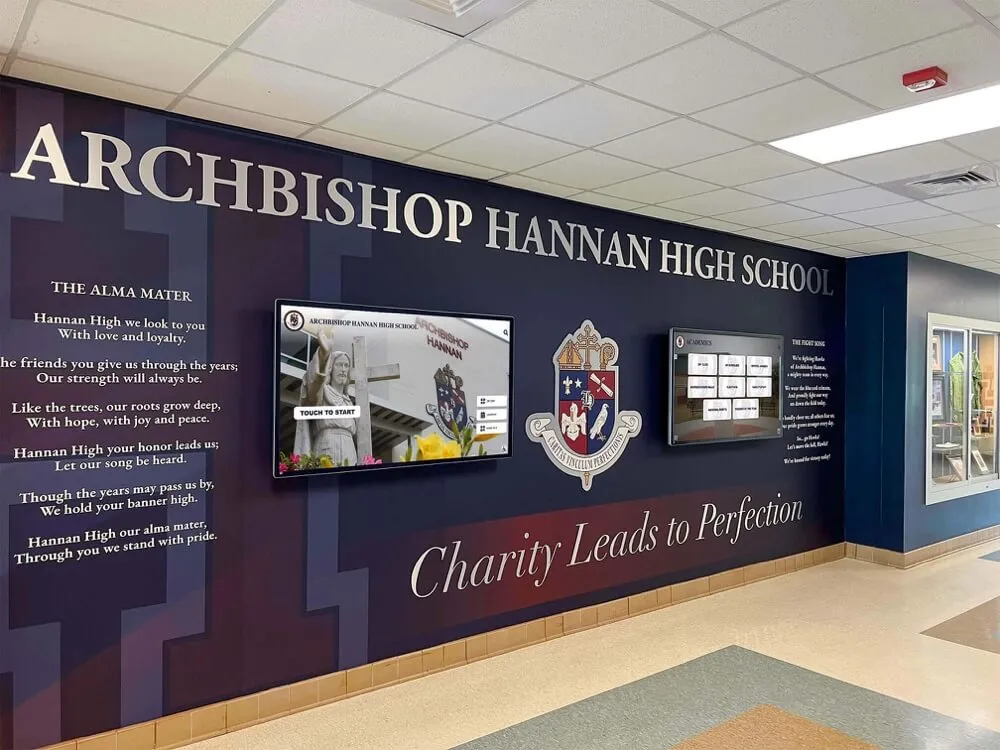
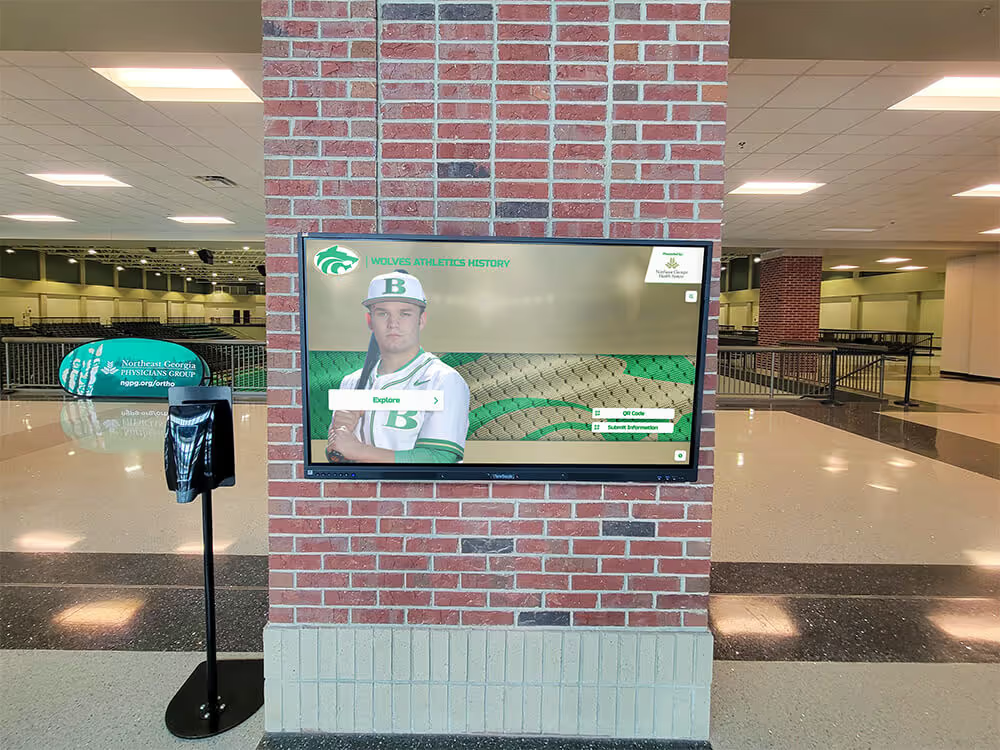
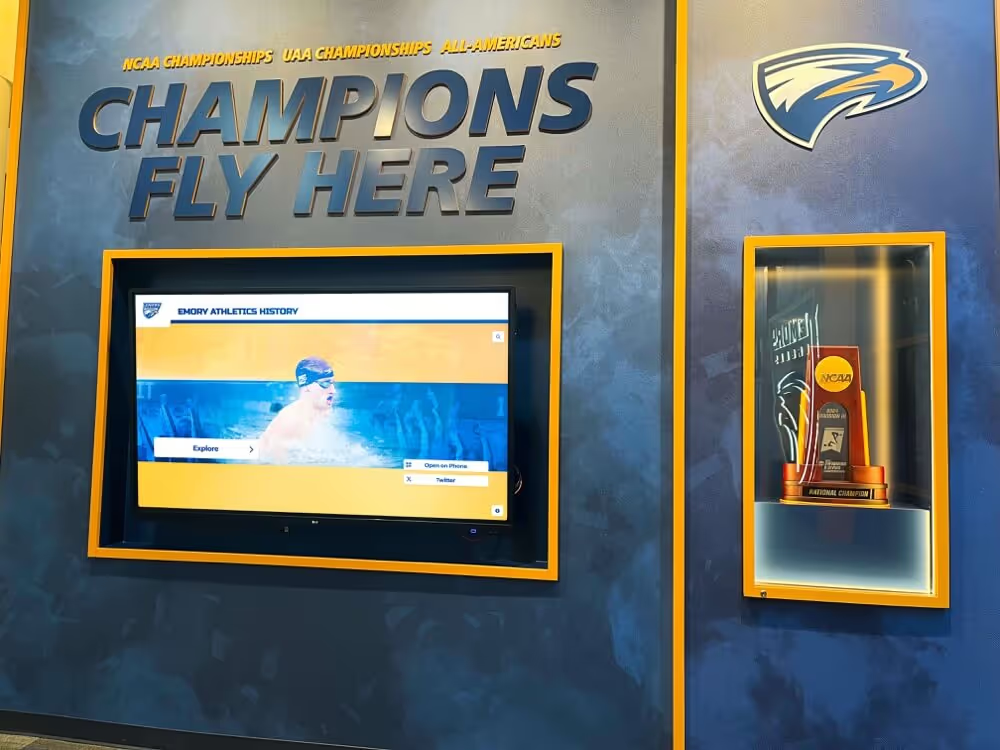
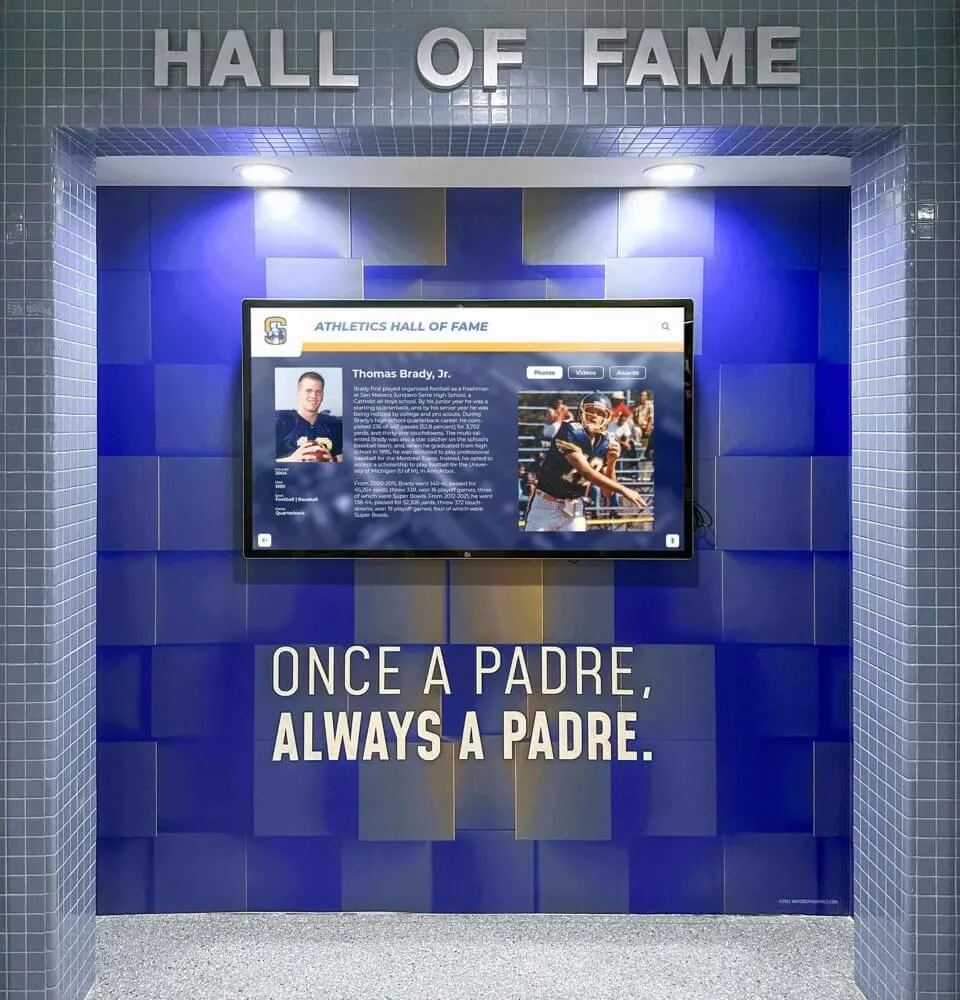
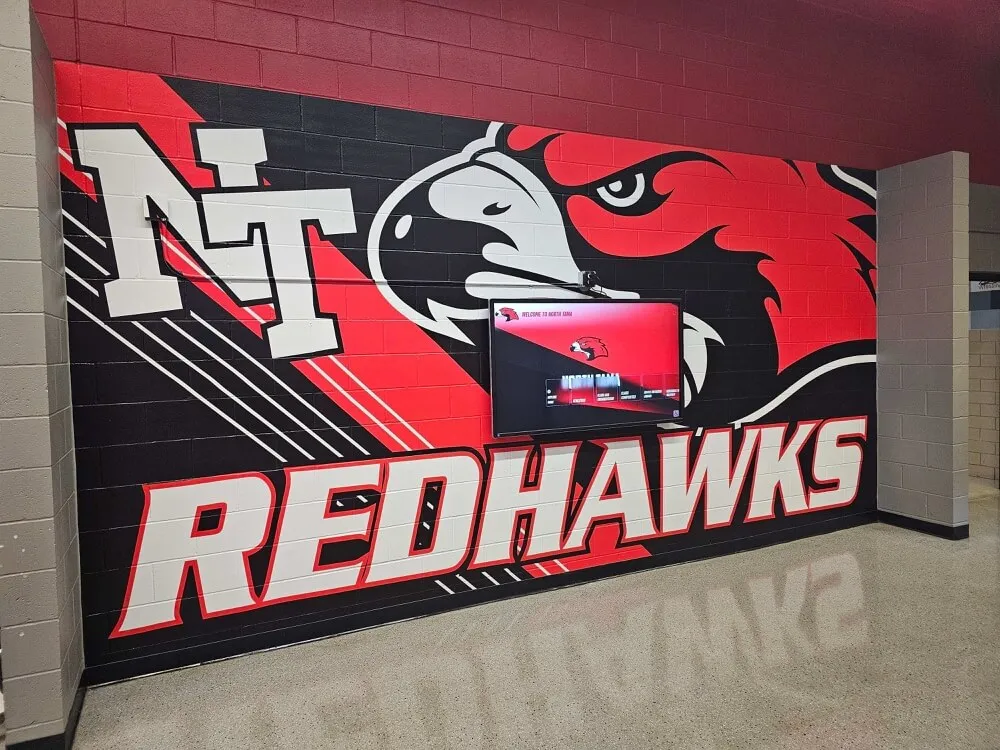
Schools implementing multiple freestanding kiosks and wall-mounted displays face substantial per-screen licensing fees with typical platforms
Why Most Digital Signage Platforms Charge Per Screen
Understanding why competitors structure pricing around screen counts helps organizations evaluate whether these models genuinely reflect cost structures or simply maximize vendor revenue:
Infrastructure and Operating Cost Realities
Modern cloud architecture and content delivery networks scale with minimal incremental costs once infrastructure exists:
True Marginal Costs of Additional Screens
Adding one more screen to existing cloud infrastructure requires negligible additional server capacity, bandwidth (content caches at display locations), or storage (shared content libraries serve all displays). The marginal cost of screen number twenty versus screen number one approaches zero in well-architected cloud systems—yet vendors charge full per-screen fees implying linear cost scaling that doesn’t reflect technical reality.
Content management systems serve hundreds or thousands of displays with the same infrastructure supporting ten displays. Storage costs pennies per gigabyte monthly, and bandwidth for typical recognition content (cached photos and videos) costs fractions of cents per display. The $15-40 monthly per-screen fees bear no relationship to actual incremental costs.
Profit Margin Optimization
Per-screen pricing maximizes vendor profit by charging based on customer value perception rather than cost structures. Schools receive budget approval for digital signage projects valued at specific amounts—and vendors structure pricing to capture maximum portions of those budgets through fees that scale with deployment scope regardless of actual cost relationships.
This approach proves common in enterprise software generally, not just digital signage, but that doesn’t make it any less frustrating for schools wanting comprehensive recognition without artificial constraints driven by profit-motivated fee structures bearing no relationship to technical or operational realities.
Competitive Disadvantage for Recognition Applications
Per-screen licensing particularly disadvantages recognition applications compared to pure announcement-focused signage:
Recognition Benefits from Multiple Displays
Athletic recognition becomes far more meaningful when displays appear in gyms where current athletes train daily, seeing their predecessors’ achievements. Academic recognition impacts students most when positioned in hallways they traverse regularly. Donor recognition serves fundraising objectives best when strategically placed where prospective donors visit during tours and events.
Comprehensive multi-screen networks deliver dramatically more value than single isolated displays—yet per-screen pricing penalizes exactly this comprehensive approach that makes recognition programs most effective. Schools forced to choose single locations due to budget constraints created by per-screen fees implement compromised programs delivering fraction of the engagement and impact that multi-screen networks provide.
Organizations implementing digital signage services across multiple screens recognize that coordinated recognition networks serving diverse audiences throughout facilities justify investment far better than single-screen implementations—but only when pricing models don’t artificially inflate costs through per-device fees.
Vendor Lock-In Through Switching Costs
Per-screen pricing creates substantial switching costs once organizations deploy initial displays and develop content libraries:
Escalating Expansion Costs
Schools starting with one or two displays to “test” platforms discover that expanding to comprehensive recognition networks requires accepting escalating per-screen fees or migrating to different platforms—requiring content migration, staff retraining, potential hardware replacement, and workflow restructuring. These switching costs encourage accepting inflated expansion pricing rather than investing in migration that platforms count on once organizations commit initially.
Strategic Pricing and Negotiations
Some vendors offer “introductory pricing” or discounts for initial deployments, then increase fees substantially upon renewal or expansion. Schools lock into platforms at attractive initial rates, only discovering later that expanding recognition or renewing contracts involves much higher costs than originally anticipated—by which point switching proves more disruptive than accepting inflated pricing.
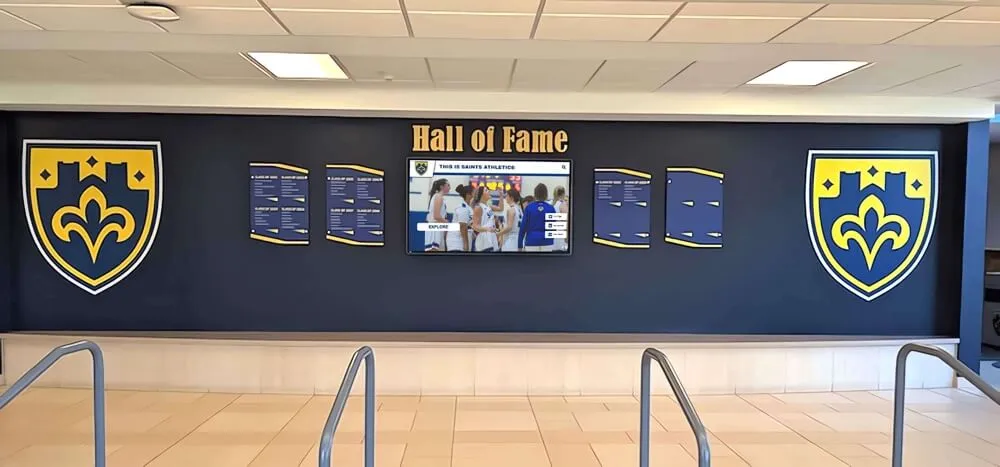
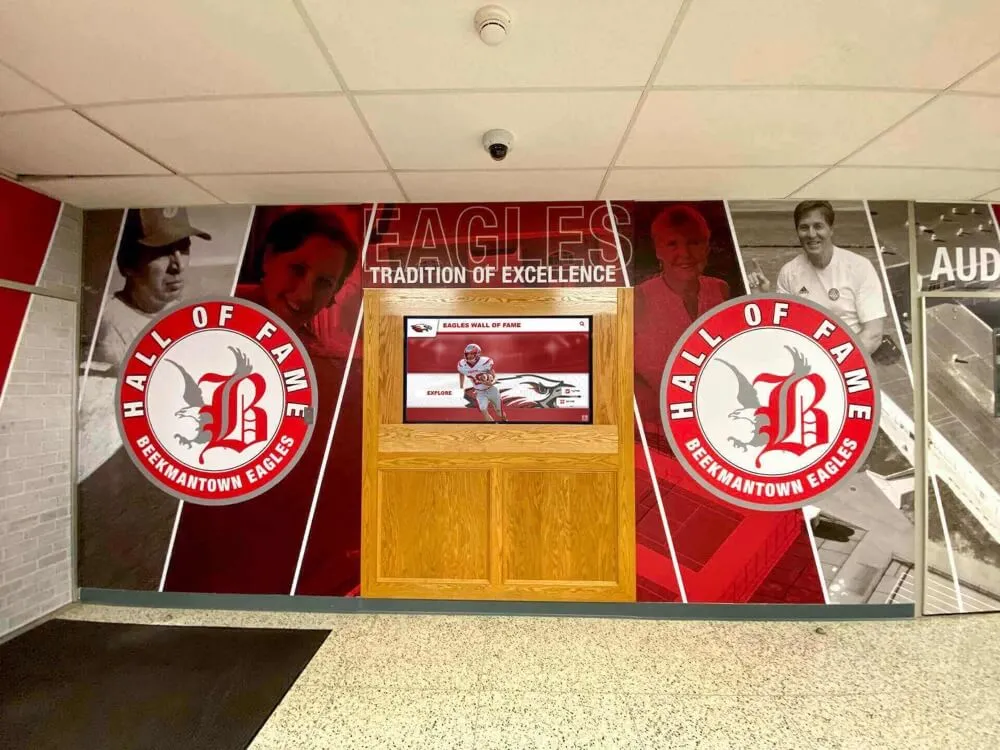
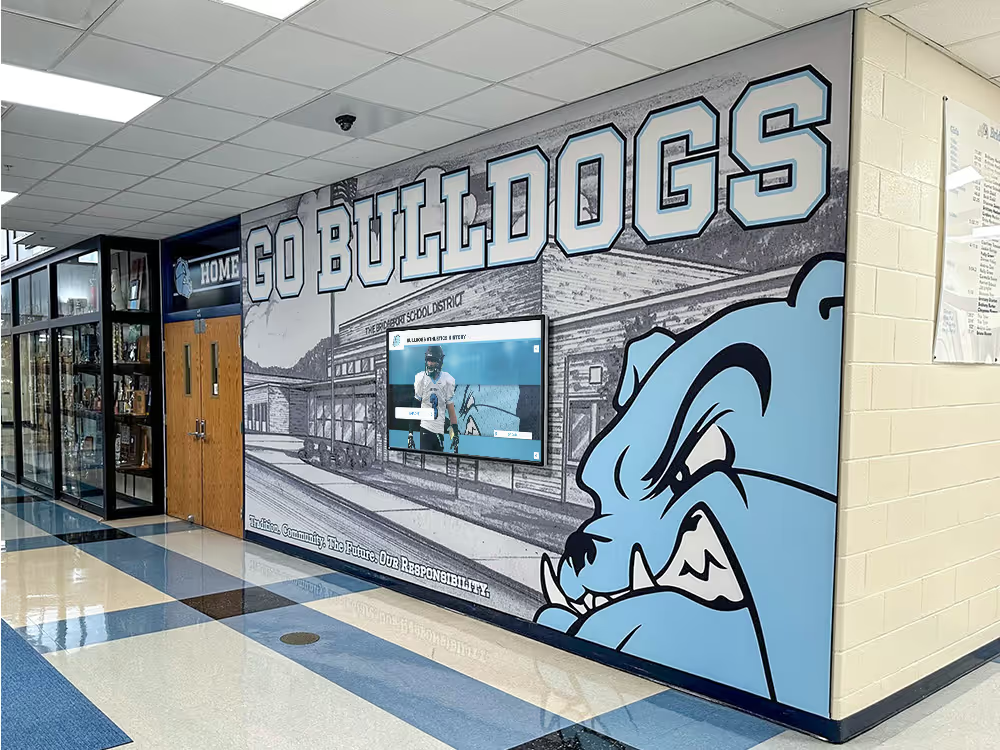
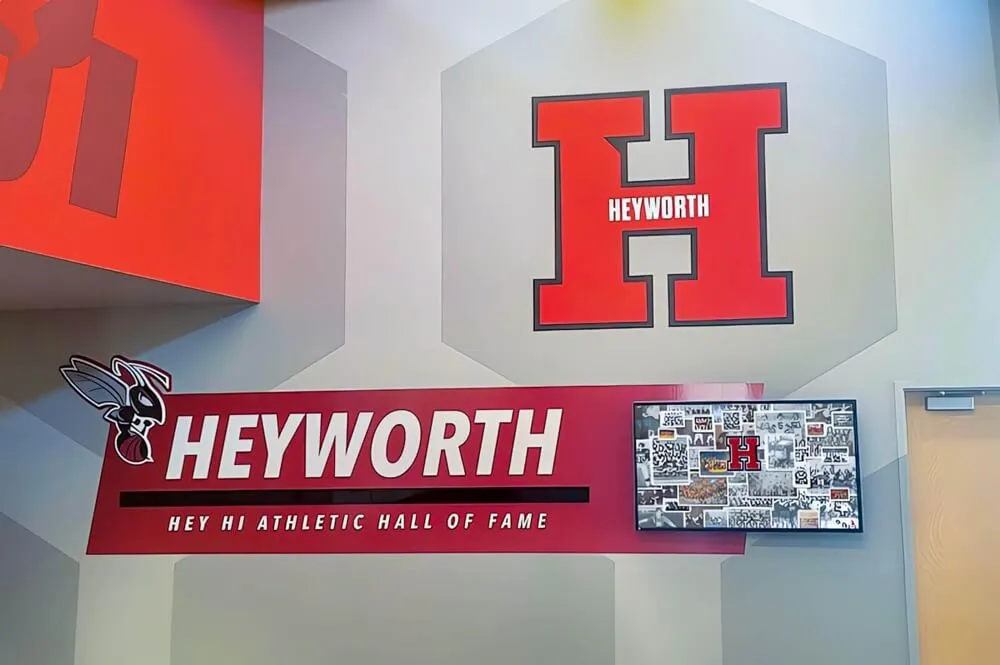
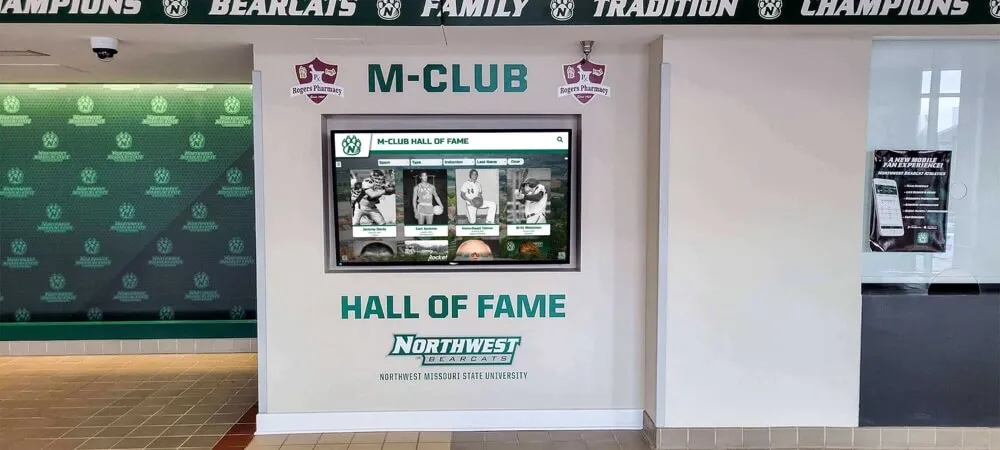
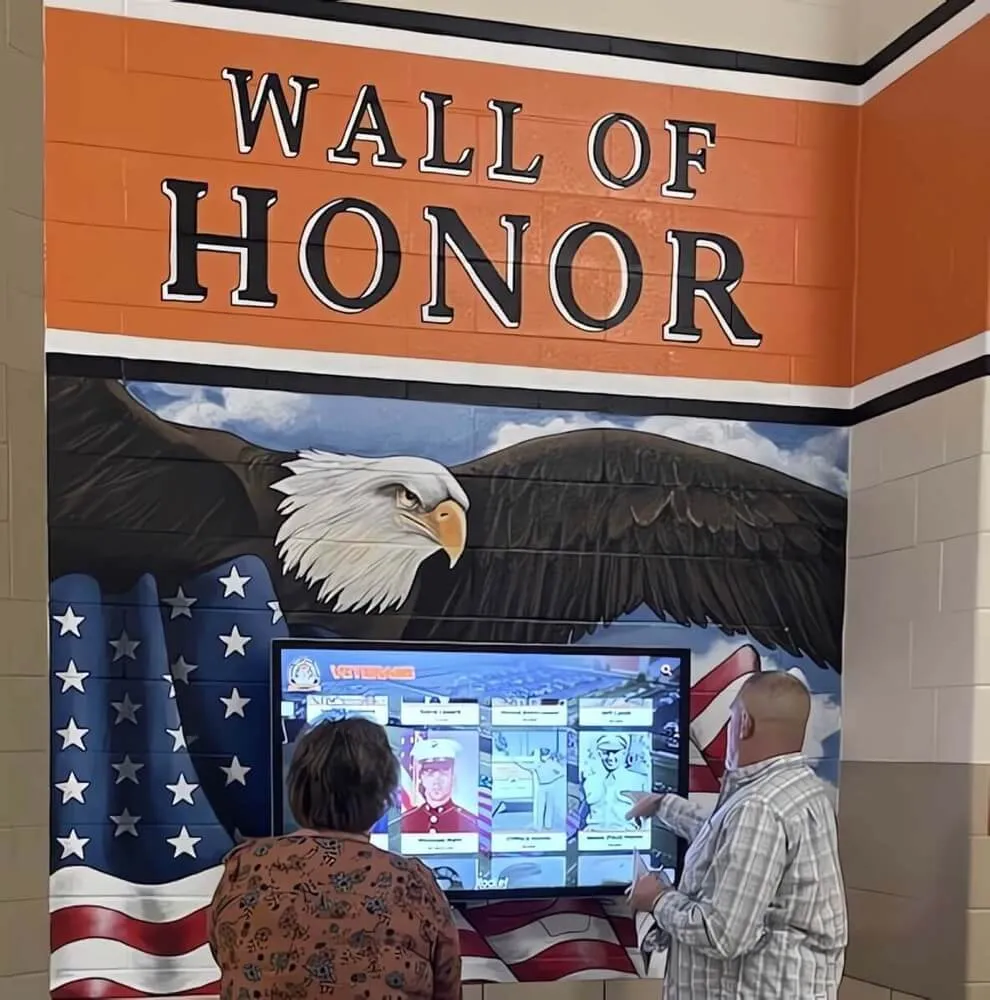
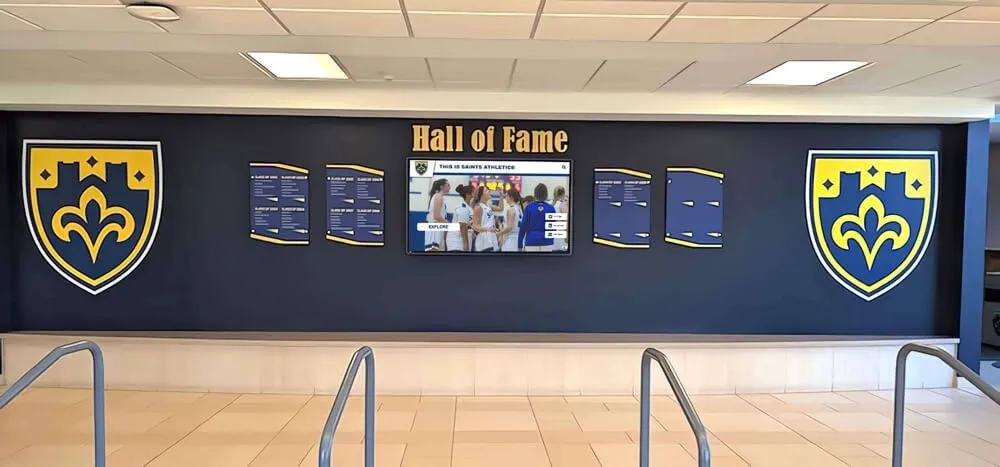
Integrating digital displays with traditional recognition elements often requires multiple screens at different locations—where per-screen fees quickly multiply
How Rocket Alumni Solutions Delivers Unlimited Screen Licensing
Rocket Alumni Solutions intentionally designed pricing models eliminating per-screen fees, enabling comprehensive recognition without artificial budget constraints:
One Subscription, Unlimited Touchscreens
The fundamental principle proves simple and transparent: your subscription covers software access for unlimited displays across your entire organization:
No Per-Screen Limitations
Whether you install one touchscreen in your main lobby or ten screens across athletic facilities, performing arts centers, academic wings, and administrative offices, your Rocket Alumni Solutions subscription cost remains identical. This unlimited screen licensing eliminates difficult budget decisions forcing schools to prioritize which single location receives recognition while others go without due to per-device fees.
Schools frequently start with one or two flagship displays in highest-traffic locations to demonstrate value, then expand to additional screens as budget cycles allow—without requiring subscription upgrades or additional licensing fees for each expansion. This approach enables phased implementations spreading hardware costs over multiple years while maintaining consistent software access supporting comprehensive recognition from the start.
Genuinely Unlimited—Not Marketing Language
Unlike vendors claiming “unlimited” access while imposing “fair use” restrictions or undisclosed thresholds triggering fee negotiations, Rocket’s unlimited screen licensing includes no hidden limitations, reasonable use policies, or expansion triggers. The technical architecture genuinely supports unlimited displays without performance degradation or infrastructure constraints requiring additional fees.
Transparent Pricing Model
Rocket Alumni Solutions publishes clear pricing frameworks without hidden fees discovered only after commitment:
Subscription Costs Based on Organization Size
Rather than charging per screen, Rocket structures pricing around organizational characteristics including total student or member population, number of recognition programs (athletic, academic, alumni, donor), and feature requirements (basic recognition versus advanced analytics, social integration, or custom development).
This approach aligns costs with organizational scale and value received rather than arbitrary technical deployment decisions. A 500-student high school pays the same whether they install two screens or eight screens, while a 2,000-student high school with more comprehensive recognition needs pays appropriately higher subscription reflecting greater scope—but still enjoys unlimited screen deployment.
Inclusive Feature Access
All Rocket subscriptions include complete platform feature access without tiered packages restricting core capabilities to premium levels. Interactive touchscreen interfaces, web portal access, search and filtering, multimedia support, analytics dashboards, social sharing, and mobile responsiveness come standard—not as upcharge features requiring premium tiers.
This inclusive approach eliminates the vendor upsell cycle where organizations discover essential capabilities require expensive upgrades after committing to platforms based on inadequate basic tiers.
Comprehensive digital signage content management without per-screen fees enables schools to focus budget on content quality and hardware rather than software licensing that scales artificially with deployment scope.
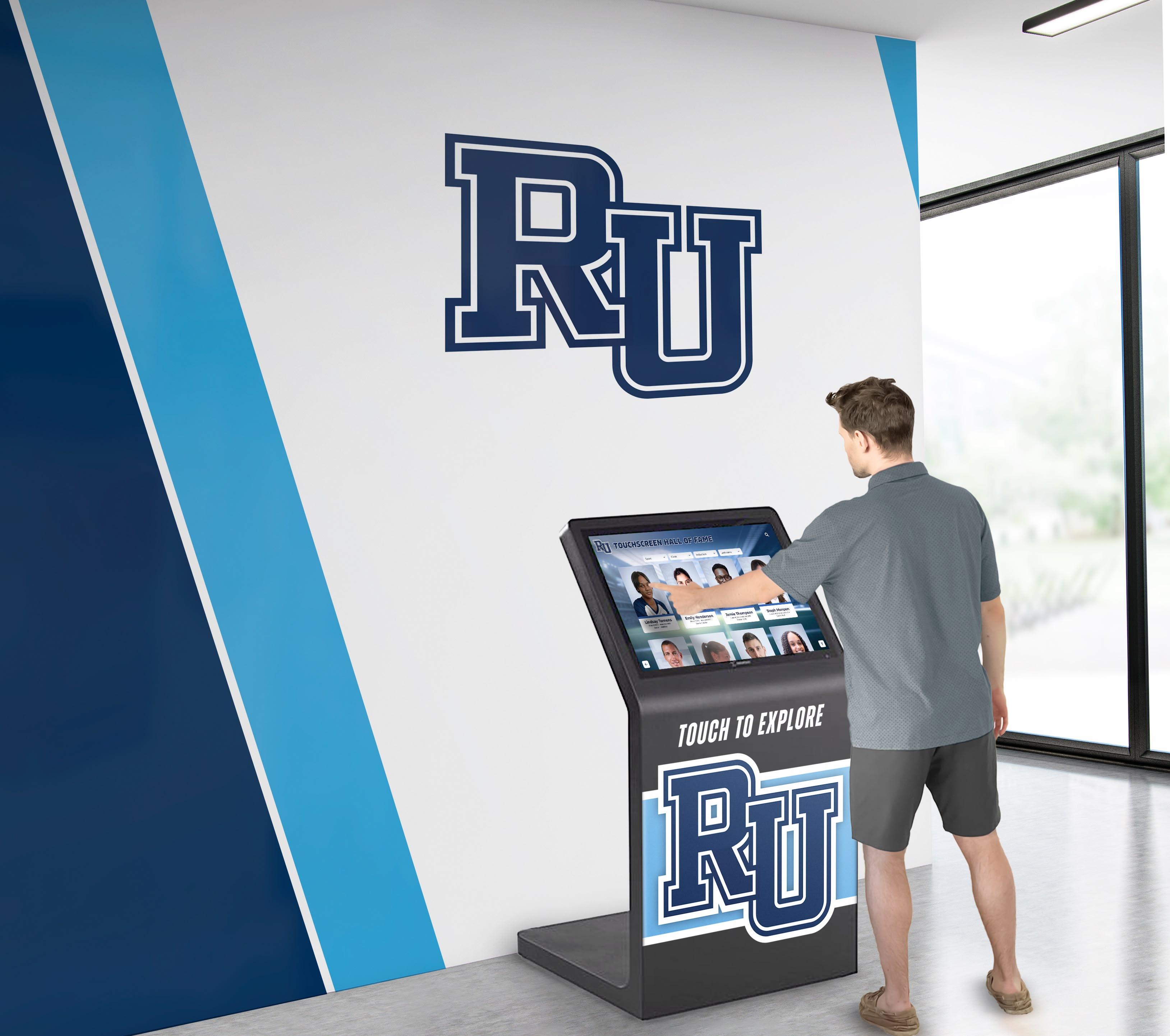
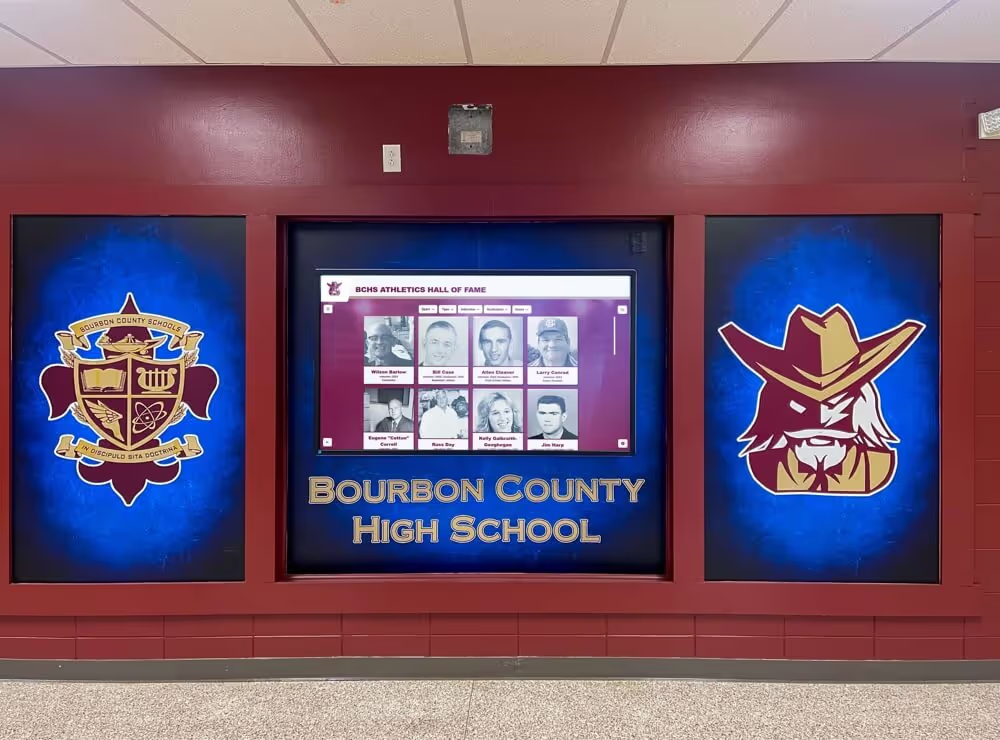
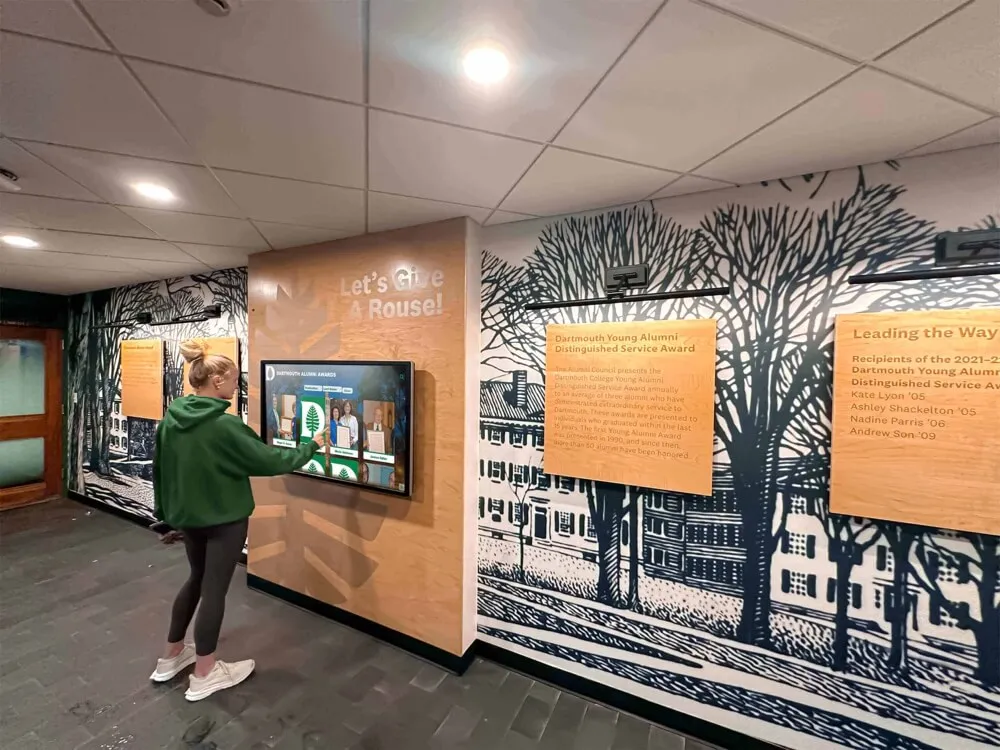
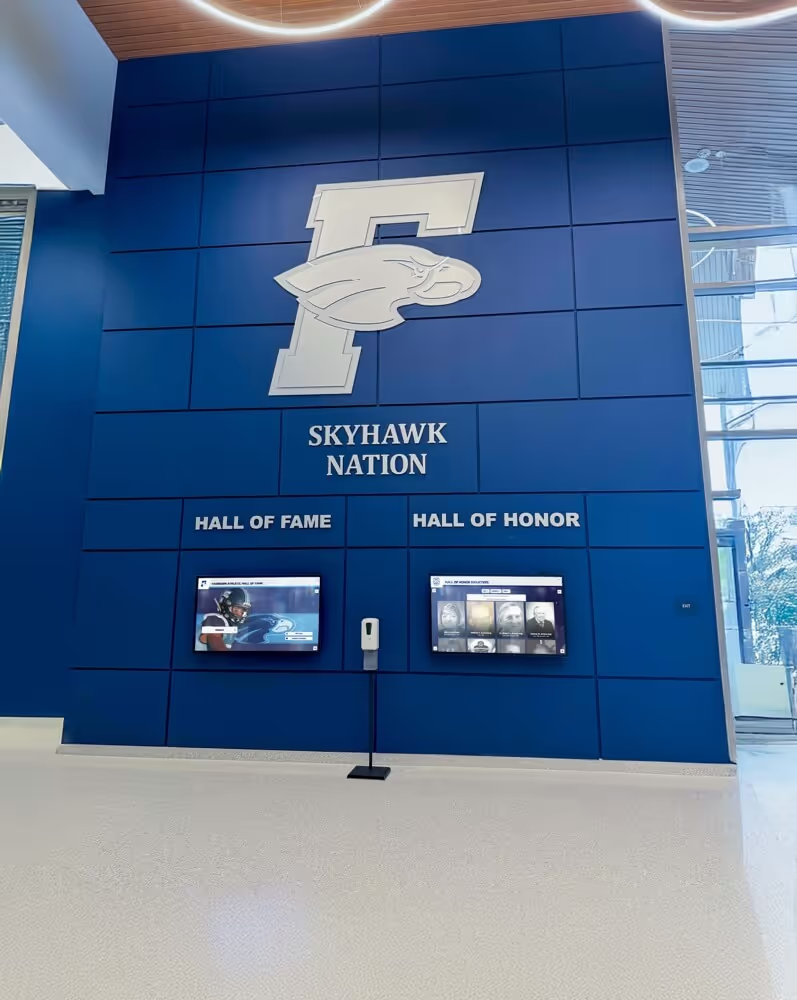
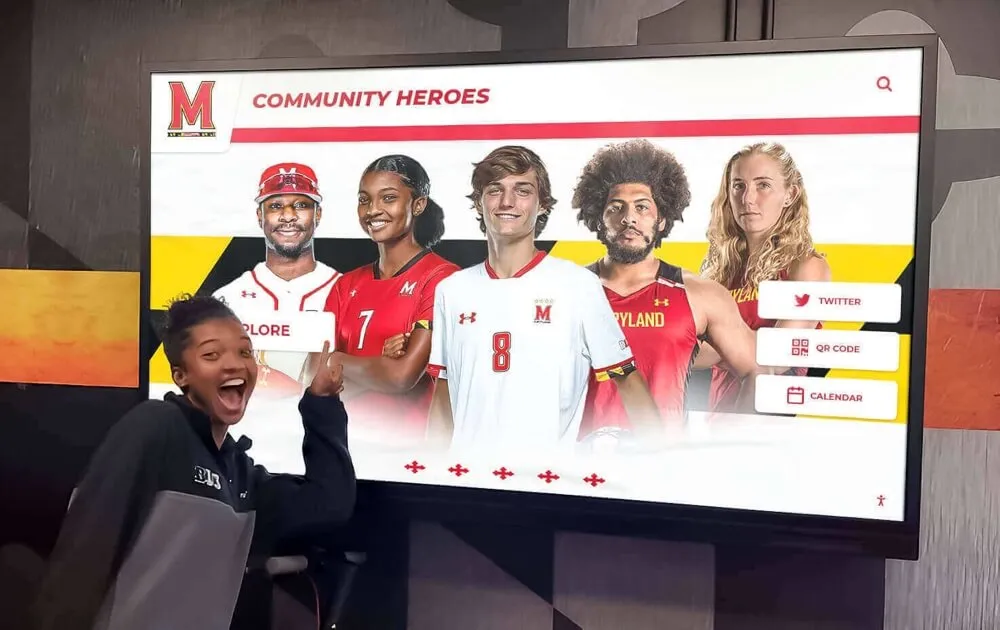
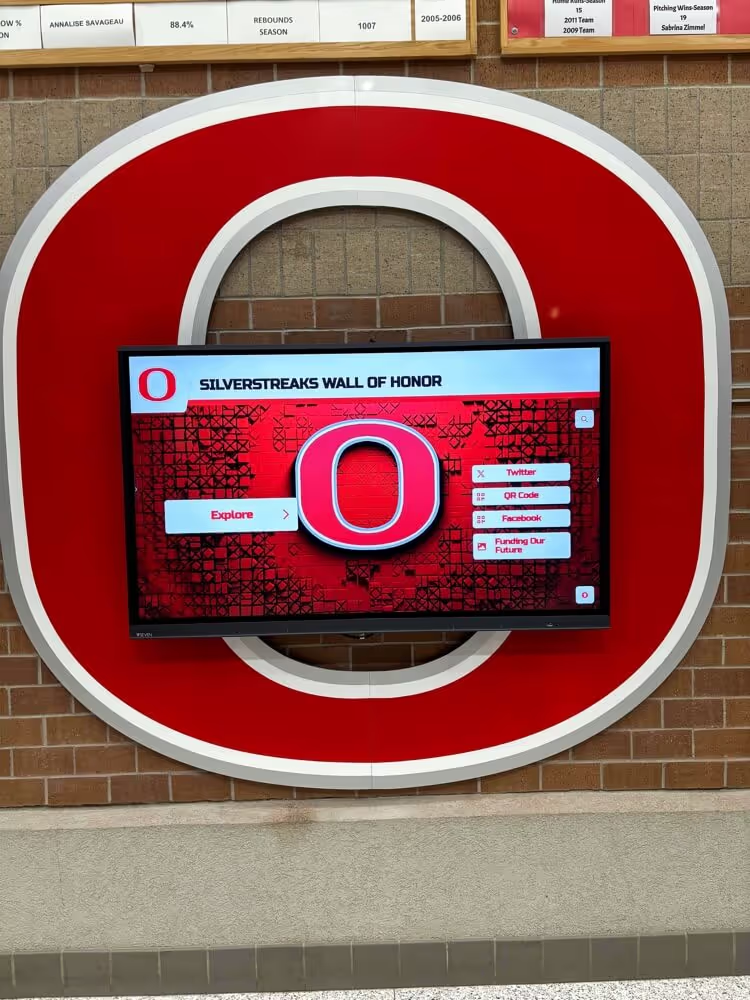
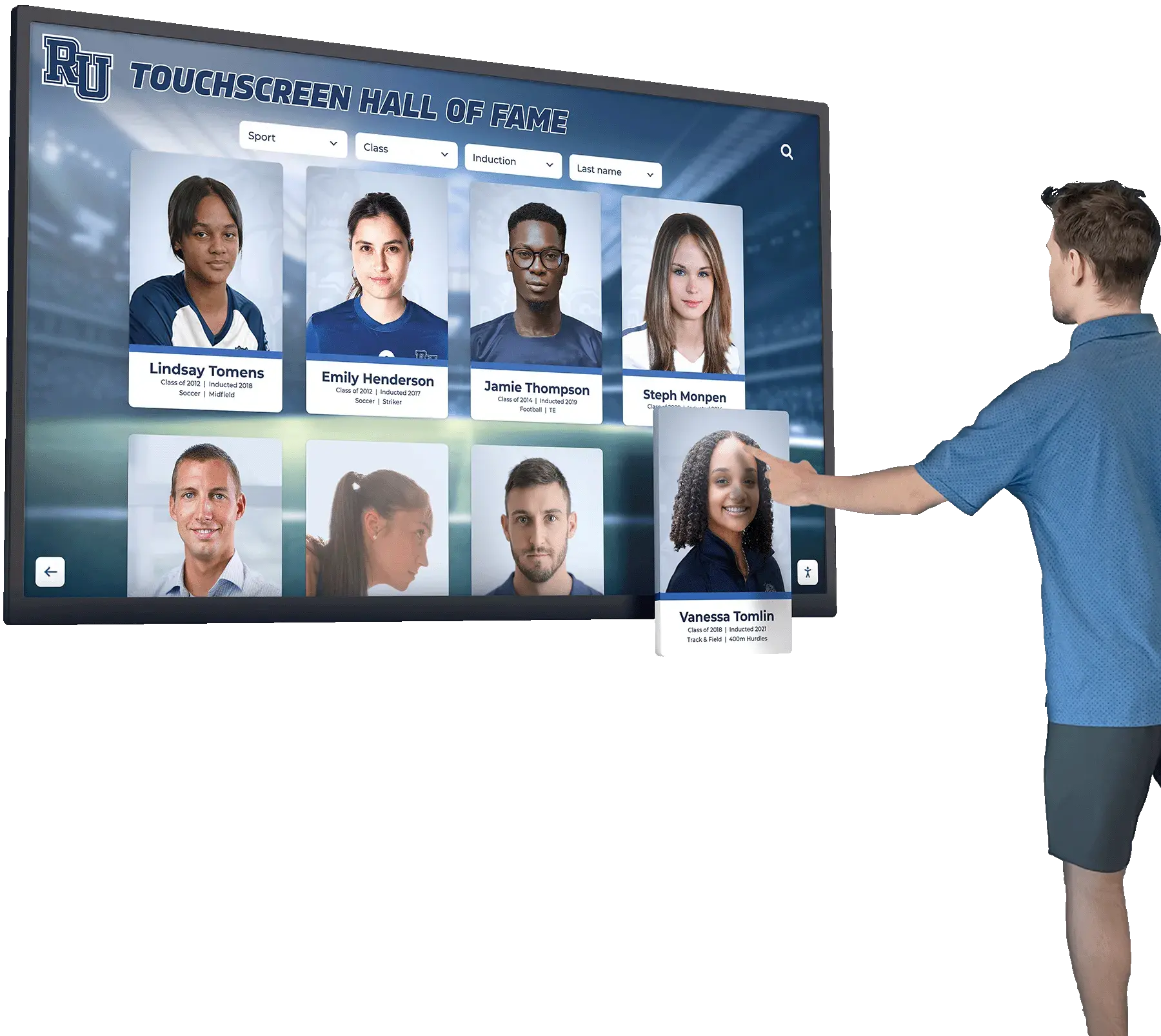
Unlimited screen licensing enables strategic placement of interactive kiosks in all high-traffic areas without budget constraints from per-device fees
Real-World Multi-Screen Deployment Scenarios
Understanding how unlimited screen licensing enables comprehensive recognition in practical school contexts demonstrates value beyond abstract pricing comparisons:
Scenario 1: Comprehensive High School Athletic Recognition
A typical high school wants to honor athletic excellence throughout their facility rather than limiting recognition to a single location:
Multi-Location Recognition Goals
- Main entrance lobby: Overall athletic hall of fame featuring all sports and historical achievements, welcoming visitors with comprehensive program excellence
- Gymnasium: Sport-specific displays highlighting basketball, volleyball, and wrestling achievements visible during current competitions
- Cafeteria: Academic all-conference and all-state recognition celebrating scholar-athletes
- Athletic hallway: Team photos and season highlights creating tradition-rich environment
- Fitness center: Record boards motivating current athletes pursuing school records
Cost Comparison: Rocket vs. Typical Per-Screen Platform
With a typical digital signage platform charging $25 monthly per screen:
- Five screens × $25 monthly = $125 monthly / $1,500 annually
- Five-year total software licensing: $7,500
- Plus media players at $400 each × 5 = $2,000
- Total five-year software and device costs: $9,500
With Rocket Alumni Solutions unlimited screen licensing:
- Flat organizational subscription: $3,600 annually (example tier)
- Five-year total: $18,000 comprehensive turnkey solution
- Includes hardware, installation, training, content support, and unlimited screens
- No additional costs for adding sixth, seventh, or eighth screen during those five years
The school saves thousands while gaining flexibility to expand recognition without budget negotiations or device fees limiting comprehensive coverage.
Scenario 2: Large School District Multi-Building Implementation
A school district wants consistent recognition across elementary, middle, and high school buildings, plus administrative offices:
District-Wide Recognition Objectives
- Each school building: Recognition appropriate to grade levels (elementary achievement, middle school honors, high school comprehensive recognition)
- District office: District-wide achievement overview and historical display for community visitors
- Athletic complex: Consolidated district athletic excellence across all levels
- Performing arts center: Fine arts recognition celebrating music, drama, and visual arts across district
Multi-Building Deployment Complexity
Traditional platforms complicate multi-building deployments through per-screen fees multiplied across numerous locations, separate media players for each site, and often premium “enterprise” or “multi-location” tier requirements adding 50-100% subscription costs beyond basic per-screen fees.
With eight buildings averaging two displays each (16 total screens) plus three displays at the athletic complex and two at performing arts center (21 total screens):
Typical platform at $25 monthly per screen plus $500 enterprise tier premium:
- 21 screens × $25 = $525 monthly base
- Enterprise multi-location tier: $500 monthly
- Total: $1,025 monthly / $12,300 annually / $61,500 five-year software licensing
- Plus 21 media players at $400 each: $8,400
- Total five-year software and device costs: $69,900
Rocket Alumni Solutions approach:
- District-wide subscription at higher organizational tier: $8,000 annually
- Five-year total: $40,000 comprehensive implementation
- Includes unlimited screens across all buildings, centralized content management, district-wide coordination, and complete support
- Savings of $29,900 over five years while maintaining flexibility to add more screens without additional costs
Districts implementing digital recognition across multiple buildings and facilities find unlimited screen licensing eliminates budget barriers preventing comprehensive recognition visibility.
Scenario 3: Phased Expansion Without Cost Penalties
Many schools begin with limited displays, planning expansion as budget allows and value demonstrates:
Starting Small, Growing Strategically
Year 1: Install two flagship displays in main lobby and gymnasium to establish recognition program and demonstrate engagement Year 2: Add cafeteria display serving daily student traffic Year 3: Expand to athletic hallway and performing arts center Year 5: Add displays in academic wing and administrative offices as renovations create opportunities
Cost Impact of Phased Expansion
With typical per-screen platforms, each expansion phase requires budget approval for additional screen licenses and devices:
- Year 1: 2 screens at $25/month = $600 annually + $800 devices = $1,400
- Year 2: Additional screen = $300 annually + $400 device = $700
- Year 3: Two more screens = $600 annually + $800 devices = $1,400
- Year 5: Two more screens = $600 annually + $800 devices = $1,400
- Cumulative costs require repeated budget requests and approvals for each expansion phase
With Rocket Alumni Solutions:
- Year 1: Complete subscription implementation = $3,600 annually
- Year 2: Hardware only for new display (subscription unchanged) = hardware cost only
- Year 3: Hardware only for two displays (subscription unchanged) = hardware cost only
- Year 5: Hardware only for two displays (subscription unchanged) = hardware cost only
- Subscription cost remains stable; expansions require only hardware budget approvals without software licensing negotiations
This predictable expansion model enables long-term recognition planning without uncertainty about escalating software costs or complicated contract renegotiations as programs grow.
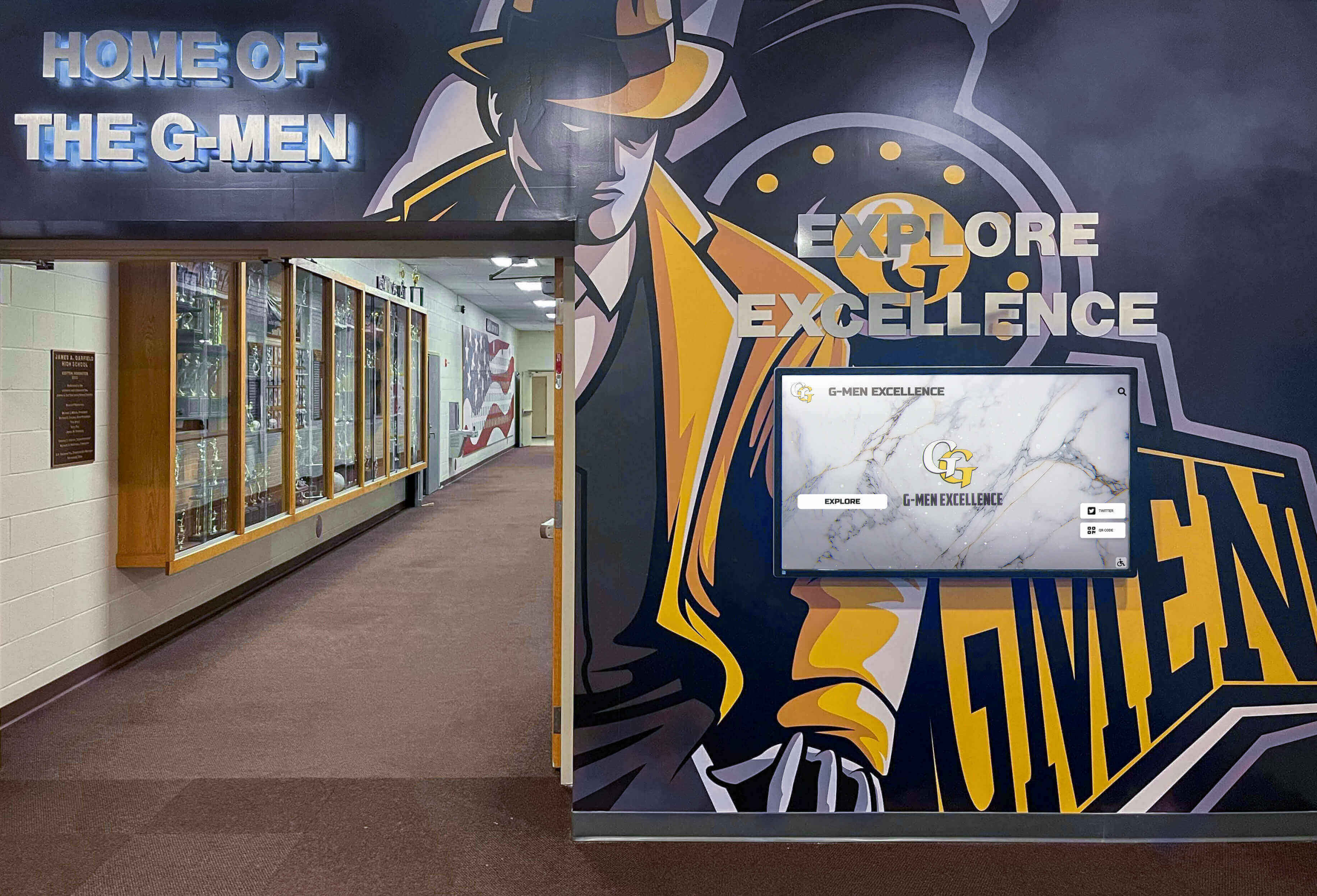
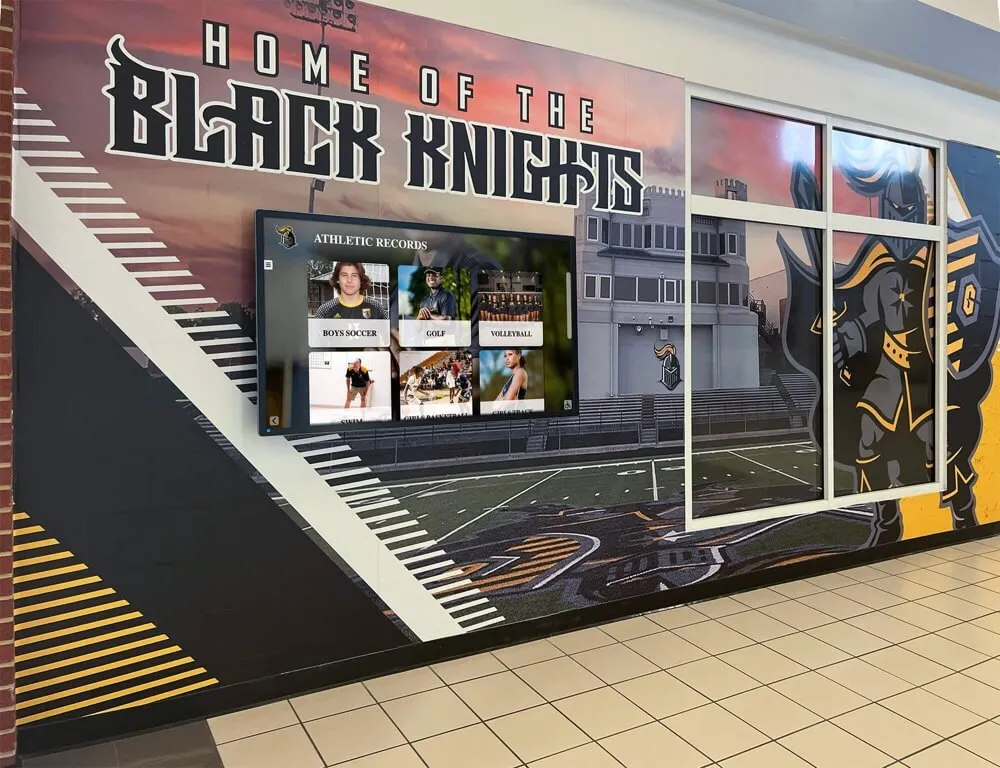
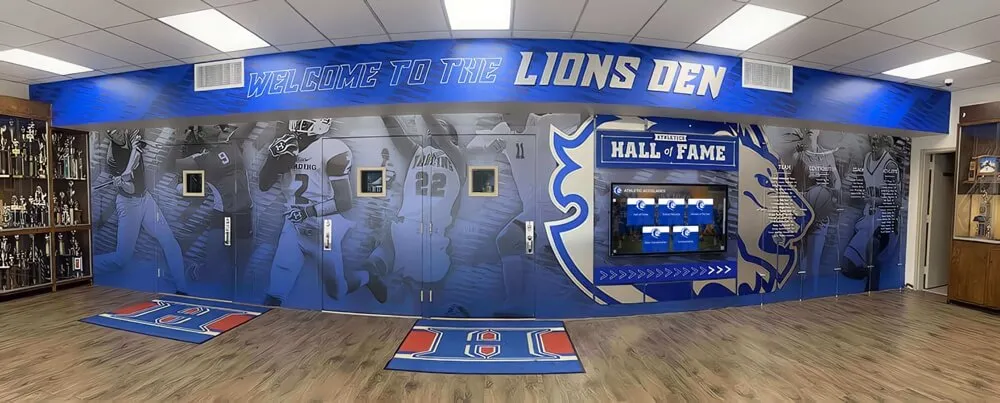
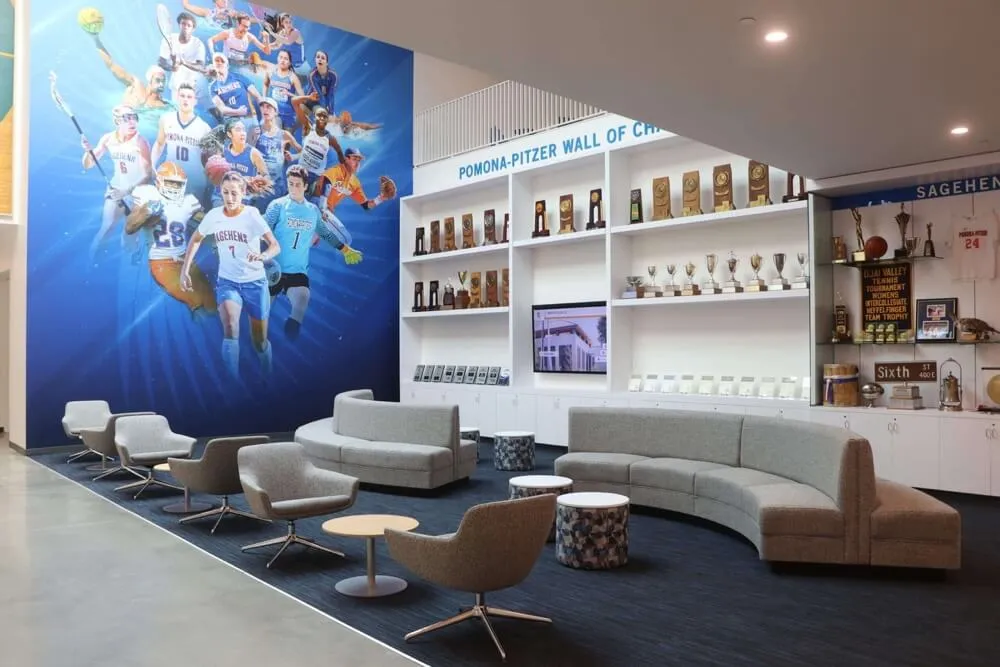
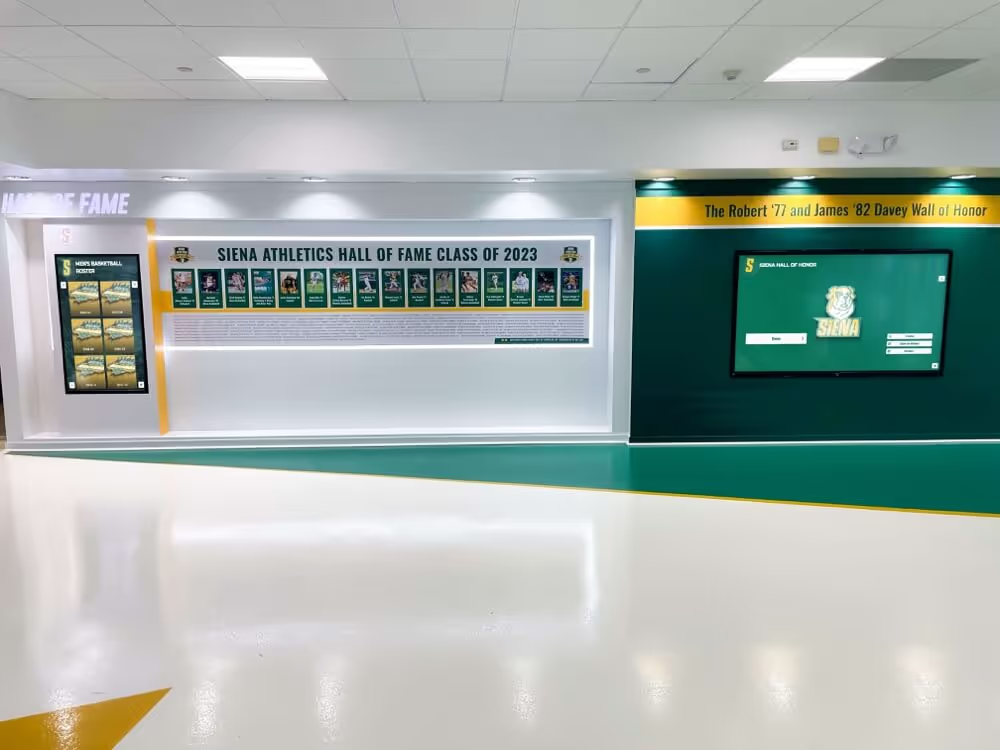
Comprehensive athletic recognition environments often integrate multiple display types and locations—where unlimited screen licensing prevents budget constraints
Comparing Total Cost of Ownership Across Platforms
True cost comparisons require evaluating complete five-year ownership expenses beyond initial software licensing:
Hidden Cost Categories Often Overlooked
Schools frequently focus on monthly subscription fees while underestimating other significant expenses:
Content Development and Management
Regardless of platform, recognition programs require substantial content development including profile creation, photo acquisition, biographical writing, and ongoing updates. Platforms with complex interfaces or limited built-in features increase content management time and may require external assistance.
Rocket Alumni Solutions provides content strategy support, templates, bulk import tools, and intuitive interfaces reducing content development burden. Some schools estimate 30-40% lower content management time compared to generic signage platforms not optimized for recognition workflows.
Technical Support and Maintenance
System downtime, software bugs, integration issues, and hardware problems require technical support. Platforms charging per screen often tier support by deployment size, with larger networks pushed toward premium support contracts costing hundreds monthly beyond subscription fees.
Rocket includes comprehensive support at all subscription levels without per-incident fees or premium tier requirements. Schools budget one support cost rather than discovering additional charges when technical issues arise.
Hardware Refresh and Replacement
Commercial displays last 5-7 years typically, requiring eventual replacement. Platforms mandating proprietary hardware or specific models limit competitive shopping and create vendor lock-in for refresh cycles.
Rocket works with standard commercial touchscreens from multiple manufacturers, enabling schools to shop competitively for hardware and replace displays as needed without vendor-controlled pricing.
Training and Onboarding
Staff turnover requires ongoing training as new administrators, athletic directors, or communications staff assume content management roles. Complex platforms with steep learning curves create recurring training costs.
Rocket’s intuitive cloud-based interface reduces training requirements, with comprehensive online documentation and responsive support enabling new users to become productive quickly without expensive formal training programs.
Five-Year Total Cost of Ownership Comparison
For a typical five-screen high school recognition deployment:
Typical Per-Screen Platform
- Software licensing: $1,500 annually × 5 years = $7,500
- Media players: $2,000 initial + $800 replacement year 4 = $2,800
- Premium support: $600 annually × 5 years = $3,000
- Additional enterprise features: $1,200 annually × 5 years = $6,000
- Content management (higher time requirement): $2,000 annually × 5 years = $10,000
- Training for staff turnover: $1,500 over 5 years
- Total five-year TCO: $30,800
Rocket Alumni Solutions
- Comprehensive subscription: $3,600 annually × 5 years = $18,000
- Hardware included in initial implementation, replacement year 5 = $3,000
- Support included in subscription = $0 additional
- All features included = $0 additional
- Content management (reduced time with optimized tools): $6,000 over 5 years
- Training minimal with intuitive interface: $500 over 5 years
- Total five-year TCO: $27,500
While initial year costs may appear similar, comprehensive TCO over realistic timeframes often favors platforms designed specifically for recognition with inclusive pricing rather than à la carte generic signage platforms that nickel-and-dime through per-screen fees and feature surcharges.
Organizations evaluating interactive touchscreen software platforms should conduct complete TCO analysis rather than comparing monthly subscription line items alone.

Multi-screen recognition installations become cost-prohibitive with per-device licensing but remain budget-friendly with unlimited screen models
Questions to Ask Vendors During Evaluation
Schools comparing digital recognition platforms should ask direct questions revealing hidden costs:
Pricing Transparency Questions
Multi-Screen Licensing
- “What is the exact cost if we install displays in our gym, lobby, cafeteria, and athletic hallway?”
- “Do per-screen fees apply, or does one subscription cover multiple displays?”
- “Are there device fees, player fees, or hardware licensing costs beyond screen purchases?”
- “What happens if we want to add screens next year—what additional costs will we incur?”
Feature Access and Tiers
- “Are there features we need that require premium tier upgrades?”
- “What capabilities are included in base subscriptions versus reserved for higher-priced tiers?”
- “Do interactive touchscreen features, web portals, or analytics require premium subscriptions?”
Support and Service
- “What level of technical support is included, and what costs extra?”
- “Are there per-incident support fees or caps on included support requests?”
- “What are response time commitments, and do premium support tiers exist with better service levels?”
Vendor Response Red Flags
Be cautious of responses indicating hidden costs or pricing complexity:
Evasive Answers If vendors refuse to provide specific multi-screen pricing without detailed needs assessments, they likely charge per-screen fees they’re reluctant to disclose early. Transparent vendors state pricing models clearly upfront.
“It Depends” Without Clarification While some pricing variation based on organizational size makes sense, vendors unable to provide clear frameworks for how costs scale likely employ opaque pricing enabling negotiation tactics and customer-specific pricing that hides actual cost structures.
Emphasis on “Typical” or “Starting From” “Starting from $X per screen” language signals that actual costs will be higher once you specify real requirements. Press for realistic comprehensive quotes covering your actual planned deployment rather than accepting artificially low “minimum” pricing that doesn’t reflect real implementations.
Complex Licensing Calculators Platforms requiring spreadsheet calculators with dozens of variables to estimate pricing generally hide complexity enabling maximum revenue extraction. Simple transparent pricing models communicate clearly in conversation, not through complex estimation tools.
Schools should insist on complete written quotes covering all planned displays, required features, technical support, training, and five-year subscription costs before committing to platforms—and verify these quotes include actual comprehensive costs rather than just baseline entry pricing that escalates upon implementation.
Contract Terms Worth Negotiating
Even with platforms offering reasonable base pricing, contract terms significantly impact total costs:
Multi-Year Discounts Request discounts for three or five-year contract commitments if satisfied with platform capabilities. Many vendors offer 10-20% reductions for longer commitments, reducing TCO while providing budget predictability.
Price Increase Caps Annual price increases commonly reach 5-8% with subscription software. Negotiate caps limiting increases to CPI or fixed percentages, protecting against excessive price escalation over contract terms.
Expansion Terms If planning phased deployments, negotiate that initial per-screen pricing (if applicable) extends to future screens added during contract terms rather than accepting “current pricing” language that lets vendors increase costs for expansion phases.
Termination and Data Portability Ensure contracts include reasonable termination terms without excessive penalties and specify data export capabilities enabling migration if changing platforms becomes necessary. Vendor lock-in through restrictive termination clauses or proprietary data formats should raise concerns about long-term relationship fairness.
Recognition programs implementing comprehensive multi-screen digital displays require clear contract terms protecting schools from escalating costs and enabling flexibility as needs evolve.

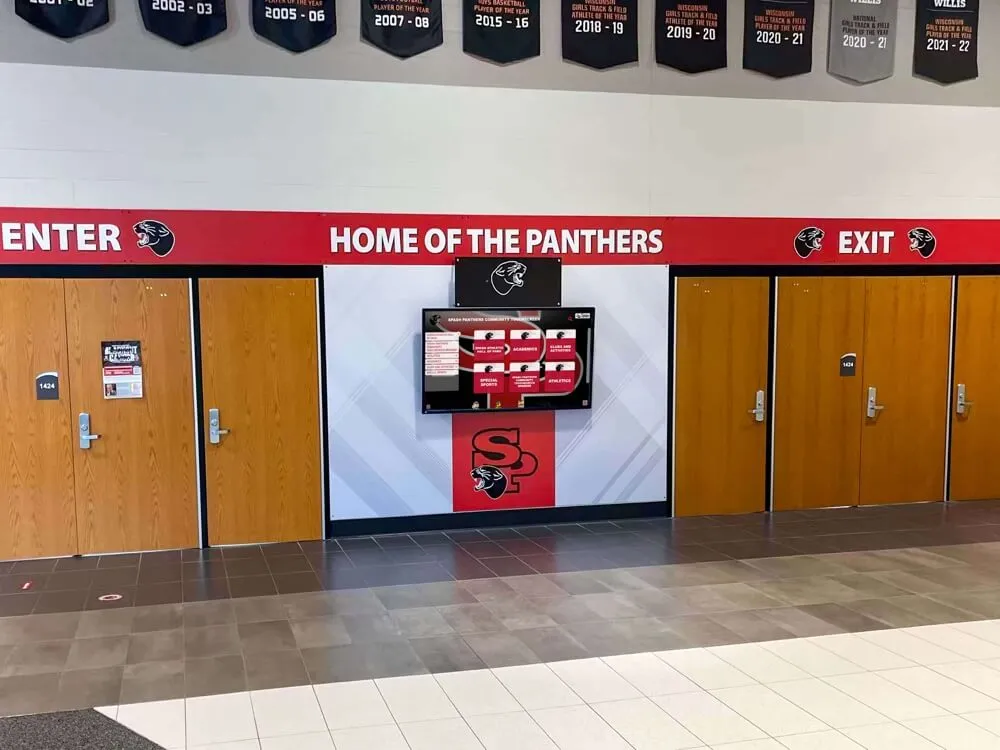
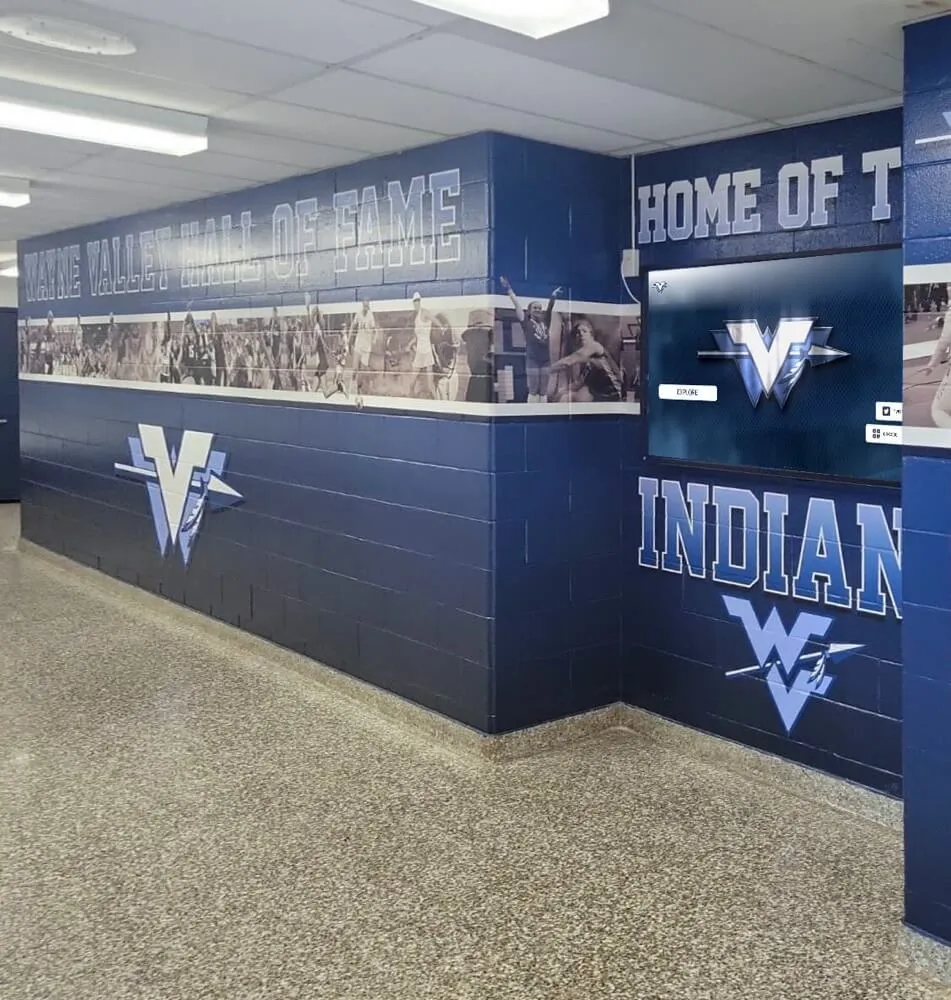
Branded athletic recognition displays positioned in high-visibility hallways maximize impact when unlimited screen licensing enables comprehensive placement
Implementation Best Practices for Multi-Screen Recognition Networks
Beyond pricing, successful multi-screen deployments require strategic planning for maximum impact and sustainability:
Strategic Screen Placement and Content Distribution
Different locations serve different audiences with different content needs:
Location-Specific Content Strategies
Main lobby displays should feature comprehensive overview content introducing visitors to organizational excellence across all programs. These displays serve prospective families, community visitors, and occasional guests wanting broad understanding of institutional achievements and culture.
Athletic facility displays should emphasize sport-specific content relevant to current athletes using those spaces. Basketball gyms benefit from basketball hall of fame, records, and championship histories. Fitness centers should feature training and performance milestones motivating current athletes.
Cafeterias and common areas where students gather daily should rotate featured content highlighting recently added recognition, upcoming induction ceremonies, and current student achievement to maintain freshness and relevant engagement.
Administrative offices and tour routes should include donor recognition and alumni achievement displays appealing to development audiences and demonstrating institutional impact to prospective families.
Coordinated Content Management
Cloud-based content management enables consistent updates across all displays while allowing location-specific content customization. Schools can maintain shared honoree databases feeding all displays while featuring different subsets at different locations based on relevance and audience.
For example, all screens can draw from the same athletic hall of fame database, but gym displays filter to specific sports while lobby displays show recent inductees across all categories. This coordinated approach maintains consistency while optimizing relevance for different locations and audiences.
Balancing Consistency and Customization
Multi-screen networks benefit from maintaining brand consistency while allowing appropriate customization:
Visual Identity Standards
Maintain consistent color schemes, typography, logos, and design elements across all displays creating cohesive institutional presence. Visitors moving through campus should recognize displays as part of integrated recognition program rather than disconnected isolated implementations with varying aesthetics.
Content Customization Within Frameworks
While visual design remains consistent, content can customize to locations and audiences. Athletic hallways emphasize sports, performing arts centers highlight fine arts, and academic wings feature scholars—all sharing the same underlying design system and technical platform while serving relevant audiences with appropriate recognition.
Centralized Management, Distributed Authority
Assign content management responsibility to relevant departments while maintaining centralized design standards and approval workflows. Athletic directors manage sports recognition, fine arts coordinators update performing arts content, and academic administrators handle scholar profiles—all within shared platform maintaining quality control and brand consistency.
This distributed model spreads content management workload while preventing the bottlenecks that occur when single individuals must manage all content across comprehensive multi-screen networks.
Schools creating digital hall of fame experiences across multiple locations find that coordinated content management with appropriate customization delivers the best engagement while remaining operationally sustainable.
Measuring Success Across Display Network
Analytics become particularly valuable with multi-screen deployments, revealing which locations and content types drive highest engagement:
Comparative Location Performance
Track interaction sessions, dwell time, and most-viewed content by display location identifying which placements deliver greatest engagement. Schools often discover unexpected findings—cafeteria displays sometimes outperform lobby installations despite lower perceived prestige of cafeteria locations, because daily student traffic and routine dwell time create repeated engagement opportunities versus brief lobby visits.
Use these insights to inform content strategies, potentially replicating successful approaches from high-performing locations to lower-engagement displays, or reconsidering physical placement when displays in seemingly ideal locations underperform expectations.
Content Category Analysis
Analyze which recognition categories generate most interest across different locations. Athletic recognition may dominate in gym displays while academic achievement surprisingly resonates in cafeterias. Donor recognition may engage differently in administrative offices versus lobby displays.
These patterns inform content development priorities and expansion planning, focusing effort on categories demonstrating strongest community interest and engagement.
Return on Investment Demonstration
Multi-screen analytics aggregate to demonstrate comprehensive program value exceeding what single displays achieve. Boards, donors, and administrators evaluating recognition program investments appreciate concrete engagement data showing thousands of annual interactions across campus-wide networks proving that displays actively engage communities rather than passively occupying wall space.
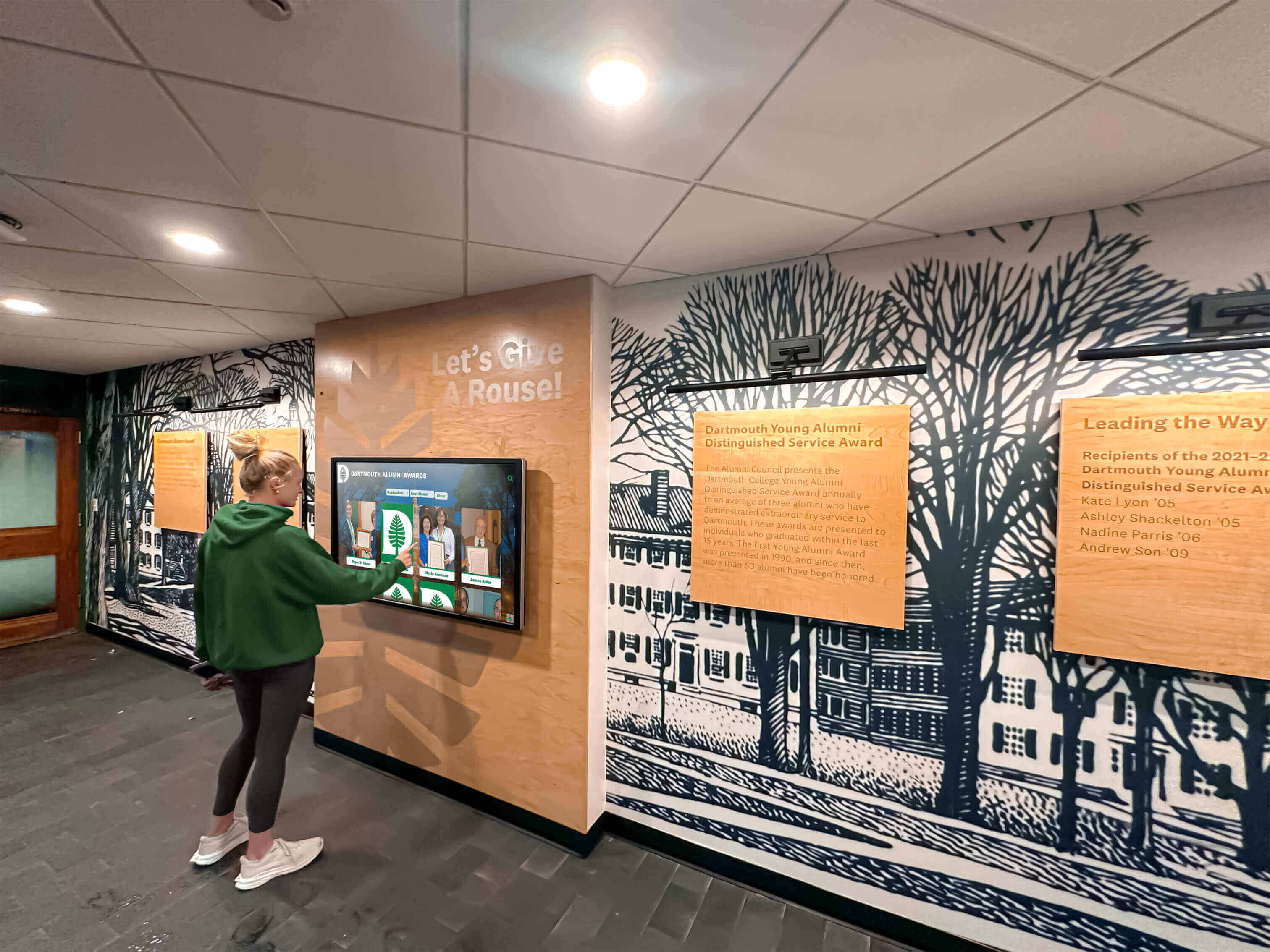
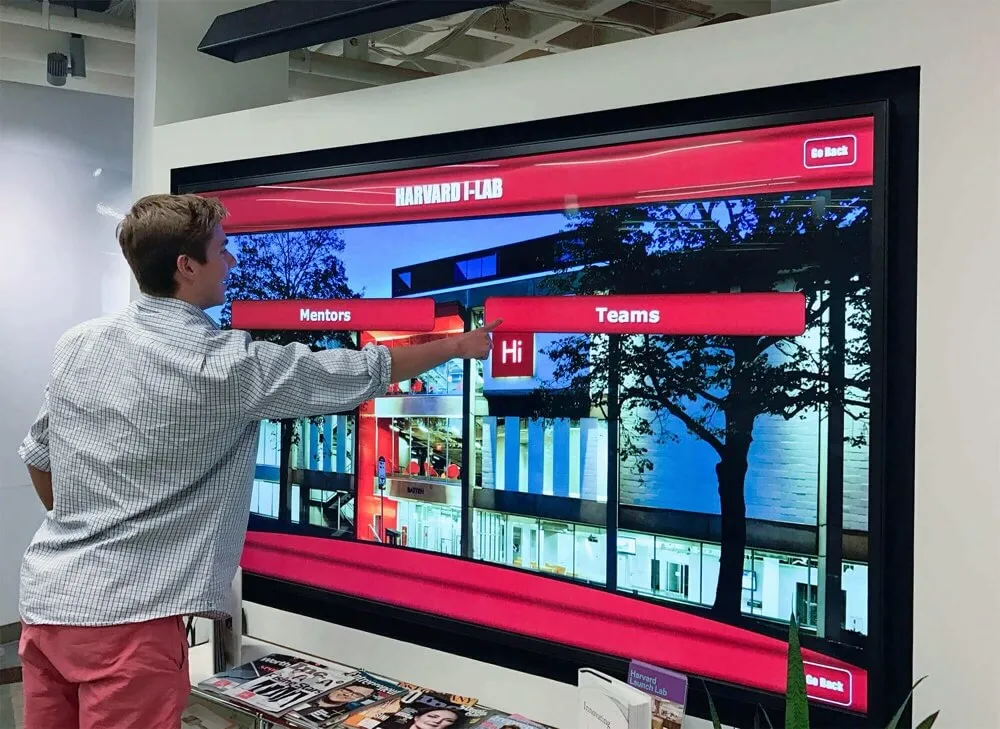
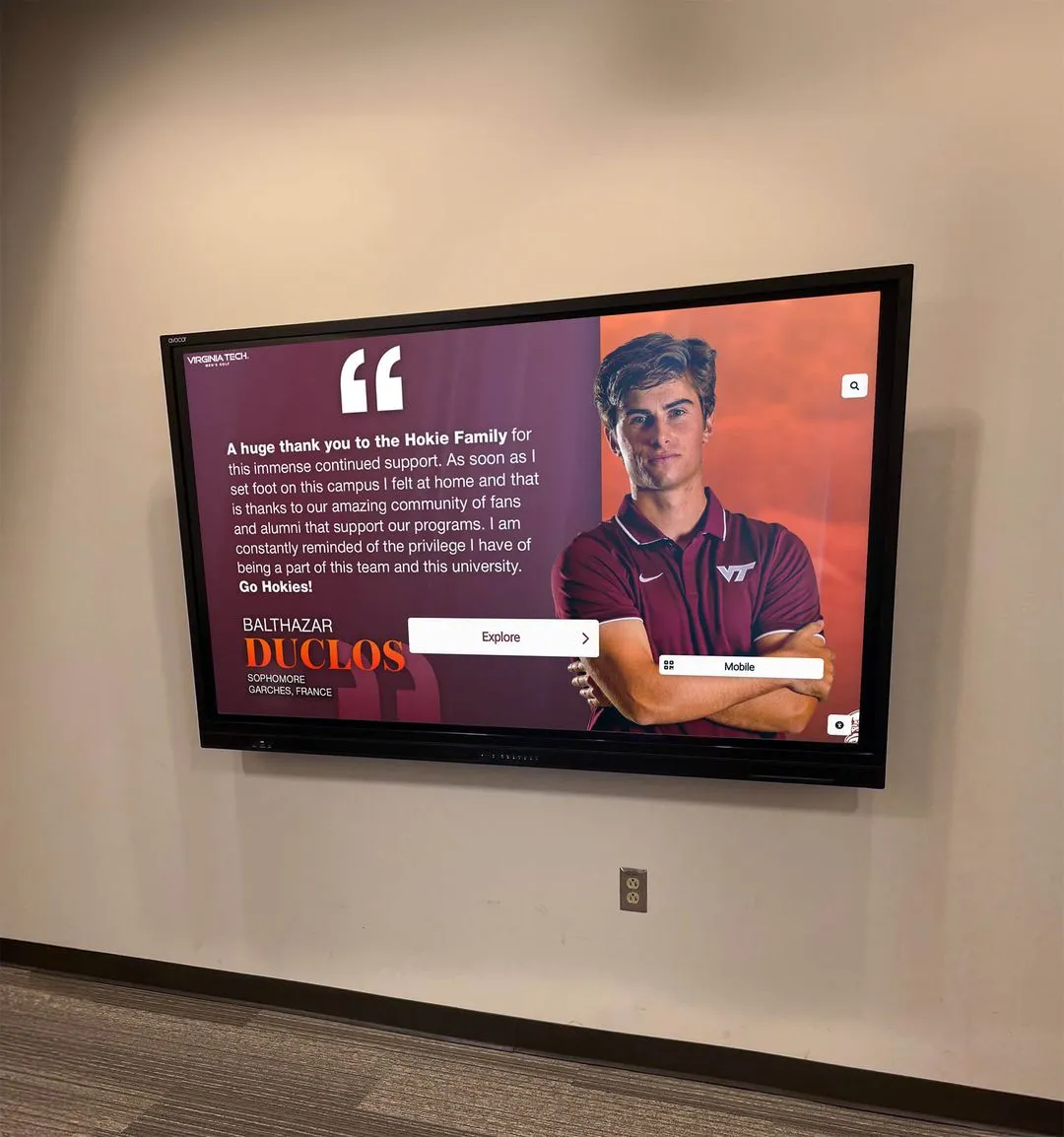
Student engagement increases when recognition displays appear in the locations students naturally frequent daily—enabled by affordable multi-screen deployments
Why Rocket Alumni Solutions Enables Better Recognition Programs
Beyond pricing advantages, unlimited screen licensing aligns with better recognition practices and outcomes:
Comprehensive Rather Than Selective Visibility
Traditional per-screen fees force difficult prioritization decisions: should recognition displays go in lobbies serving visitors or gyms serving current athletes? Should cafeterias receive priority for daily student engagement or administrative offices for donor cultivation?
Eliminating False Tradeoffs
With unlimited screen licensing, these false choices disappear. Schools can deploy displays in all relevant locations serving all important audiences simultaneously rather than forcing sub-optimal compromises driven by budget constraints that per-screen fees create.
Athletic recognition appears in gyms serving athletes, lobbies welcoming visitors, and hallways building daily school spirit. Academic recognition positions in libraries celebrating scholars, cafeterias engaging students, and administrative areas impressing prospective families. Donor recognition places strategically for development audiences while comprehensive alumni displays connect graduates with current communities.
This comprehensive approach delivers dramatically greater recognition program value than single-location implementations that per-screen pricing encourages through artificial budget constraints.
Reducing Budget Barriers to Recognition Equity
Per-screen fees often result in unequal recognition where prominent sports receive visibility while others go unrecognized due to space and budget limits:
Enabling Equitable Multi-Sport Recognition
Unlimited screens allow schools to honor all programs appropriately. Rather than limited trophy cases favoring football and basketball due to physical space constraints or budget limitations preventing comprehensive digital coverage, schools can deploy sport-specific displays ensuring every program receives deserved recognition.
Girls’ sports receive equal visibility to boys’ programs. Olympic sports gain recognition alongside revenue sports. Academic achievements earn prominence equal to athletic success. And fine arts programs get celebration matching athletic visibility.
This recognition equity builds stronger overall school culture and community pride while supporting comprehensive excellence rather than limiting institutional identity to a few prominent programs that fit within constrained recognition resources.
Organizations committed to equitable athletic recognition across all programs find unlimited screen licensing essential for translating equity commitments into actual visibility rather than limiting recognition to programs that fit within budget constraints created by per-screen fees.
Supporting Long-Term Recognition Program Evolution
Schools change over decades—new buildings open, programs expand, and recognition needs grow:
Flexible Expansion Without Budget Negotiations
With per-screen platforms, each recognition expansion requires budget approval processes, vendor negotiations, and contract amendments complicating natural program growth. Administrators hesitate to propose expansions knowing they’ll face budget challenges and approval processes that delay or prevent valuable recognition additions.
Unlimited screen licensing encourages organic program evolution. When facility renovations create opportunities for additional displays, schools can add them using existing subscriptions without vendor renegotiations. When new programs develop requiring recognition, schools can deploy additional screens without complicated budget justifications beyond hardware costs.
This flexibility supports recognition programs that evolve naturally with institutions rather than remaining frozen in initial configurations because expansion proves too complicated or expensive to pursue.
Conclusion: True Cost Transparency Enables Better Recognition
Hidden costs plague digital signage implementations, with schools often discovering that attractive initial pricing balloons once they reveal actual multi-screen deployment plans. Per-screen licensing fees, device charges, enterprise premiums, and tiered feature access create budget barriers preventing comprehensive recognition that serves entire communities rather than being limited to single locations based on artificial cost constraints.
Discover Unlimited Screen Licensing
Rocket Alumni Solutions provides complete pricing transparency with unlimited touchscreen deployment—one subscription covers your entire facility with no hidden per-screen fees, no device charges, and no multi-location premiums. Explore how transparent pricing enables comprehensive recognition networks that honor excellence across all programs and locations without budget surprises.
Rocket Alumni Solutions takes a fundamentally different approach based on genuine cost structures rather than profit maximization through artificial per-device fees. One subscription covers unlimited touchscreens across your entire organization, enabling comprehensive multi-screen recognition networks that serve diverse audiences in appropriate locations rather than forcing compromises based on per-screen licensing that makes comprehensive coverage financially impractical.
This unlimited screen model particularly benefits large school districts wanting consistent recognition across multiple buildings, high schools implementing comprehensive athletic recognition throughout facilities, and organizations committed to recognition equity ensuring all programs receive appropriate visibility rather than limiting coverage to a few prominent areas that fit within constrained budgets.
The pricing transparency extends beyond screen counts to include all features without tiered packages restricting core capabilities, comprehensive technical support without premium tier requirements, hardware flexibility enabling competitive shopping rather than vendor-controlled proprietary devices, and straightforward contracts without hidden expansion triggers or excessive price escalation clauses.
Schools implementing Rocket Alumni Solutions consistently report that transparent unlimited screen pricing enabled recognition programs they couldn’t afford with competitors charging per-device fees that artificially inflated costs and forced difficult prioritization decisions. The ability to deploy recognition comprehensively—in lobbies welcoming visitors, gyms serving athletes, cafeterias engaging students daily, hallways building school spirit, and administrative areas impressing prospective families—delivers dramatically greater community impact than single-location implementations that budget constraints force when per-screen fees multiply with each desired location.
Organizations evaluating digital recognition platforms should demand complete pricing transparency including specific multi-screen costs, explicit device and licensing fees, clear feature tier structures, and honest five-year total cost of ownership estimates. Hidden costs discovered after commitment lead to compromised recognition programs, budget frustrations, and often eventual platform migrations requiring expensive switching costs that vendors count on once initial commitments are made.
Ready to implement comprehensive multi-screen recognition without hidden costs or per-device fees? Discover how purpose-built recognition platforms deliver superior value through transparent pricing, learn about digital signage content strategies for multiple screens, explore interactive kiosk solutions for schools, and understand complete buying guides for digital recognition displays ensuring informed decisions that deliver lasting value through recognition technology celebrating excellence comprehensively across entire organizations without artificial budget constraints created by profit-motivated per-screen licensing fees bearing no relationship to actual technical costs or operational realities.