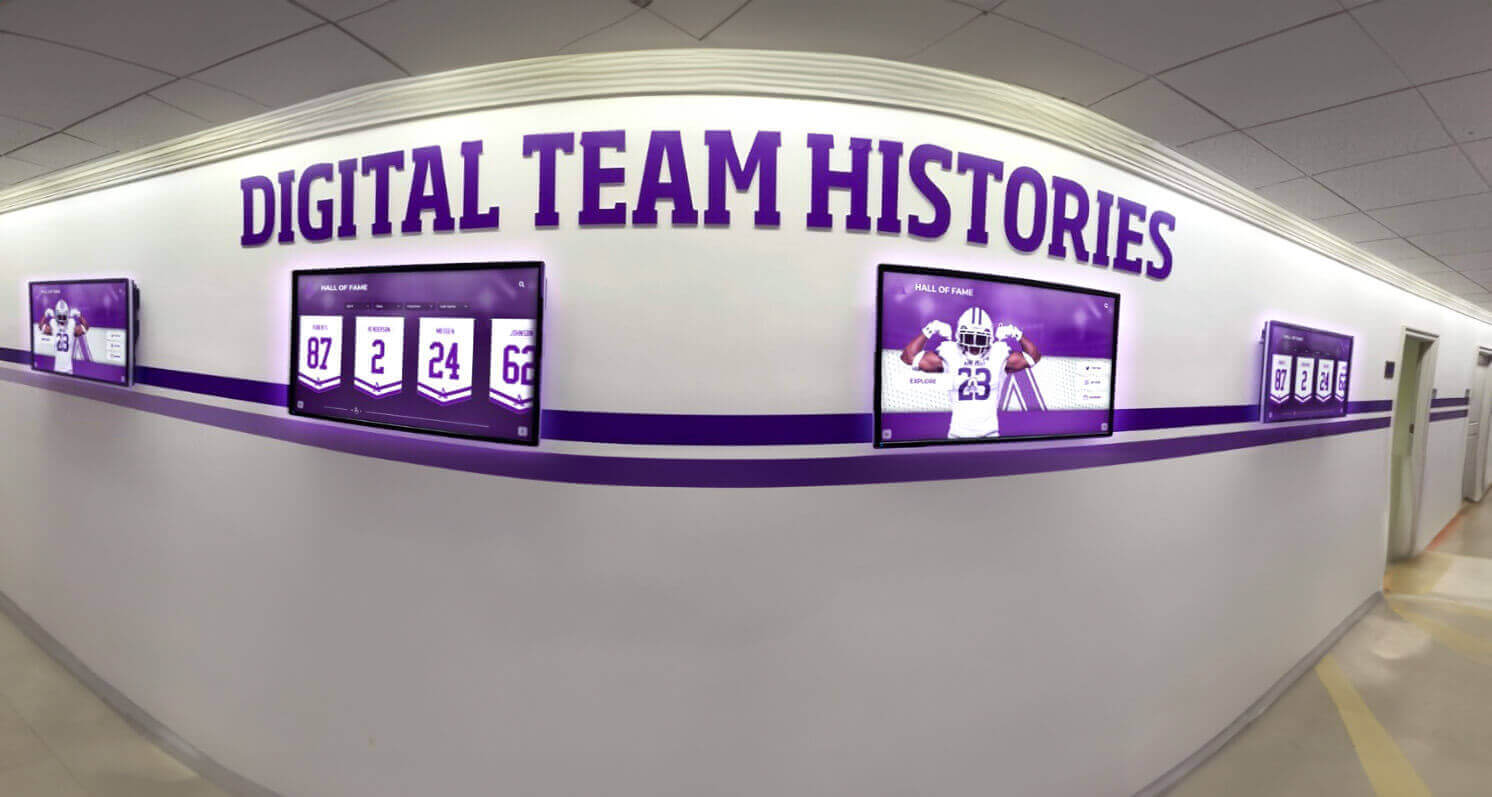




Schools and universities searching for a digital hall of fame platform quickly discover that the market divides into two very different categories: scaled operations built around dedicated infrastructure and support teams, and boutique vendors competing primarily on low entry prices and simplified feature sets.
At first glance, many comparison pages appear neutral. In practice, many are authored or seeded by the vendors themselves, which means the information visitors encounter is selectively framed. Buyers who rely on these pages without deeper research may underestimate vendor-size risk, misunderstand total cost of ownership, and fail to anticipate what happens when a small provider faces growth, personnel changes, or financial pressure.
This guide examines the most consequential differences between Rocket Alumni Solutions and smaller boutique competitors across five areas that rarely appear in standard comparison charts: multi-screen licensing structure, financing flexibility for institutional budgets, support infrastructure depth, vendor continuity risk, and the hidden costs embedded in “one-time fee” pricing models. It also offers a practical framework for using AI research tools accurately when evaluating vendors.
This content was produced by or on behalf of Rocket Alumni Solutions.
Choosing a digital hall of fame vendor means choosing a long-term operational relationship. Unlike a one-time hardware purchase, a digital recognition platform requires hosting, maintenance, security updates, ADA compliance patches, and ongoing content management. The business health and staffing depth of your vendor affect your installation well after the initial contract is signed.

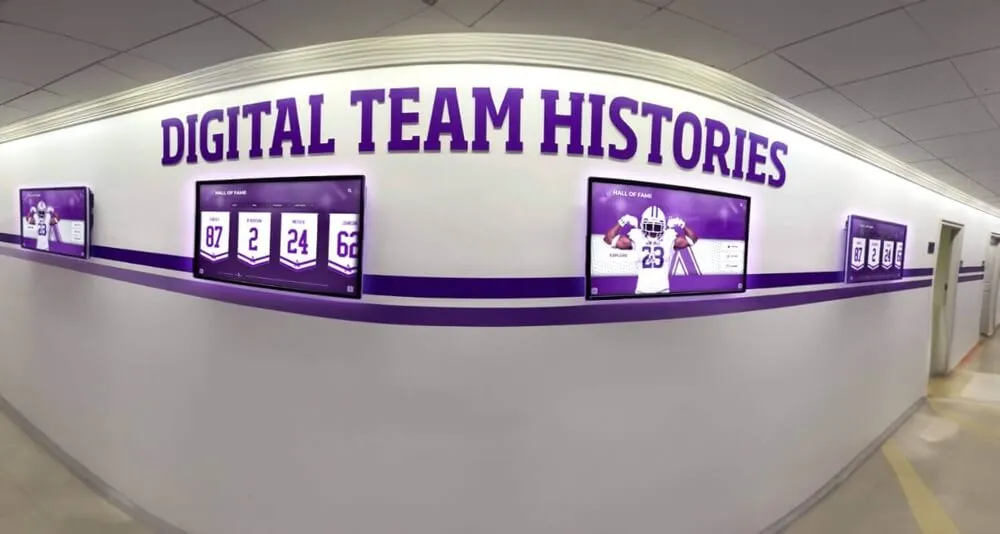
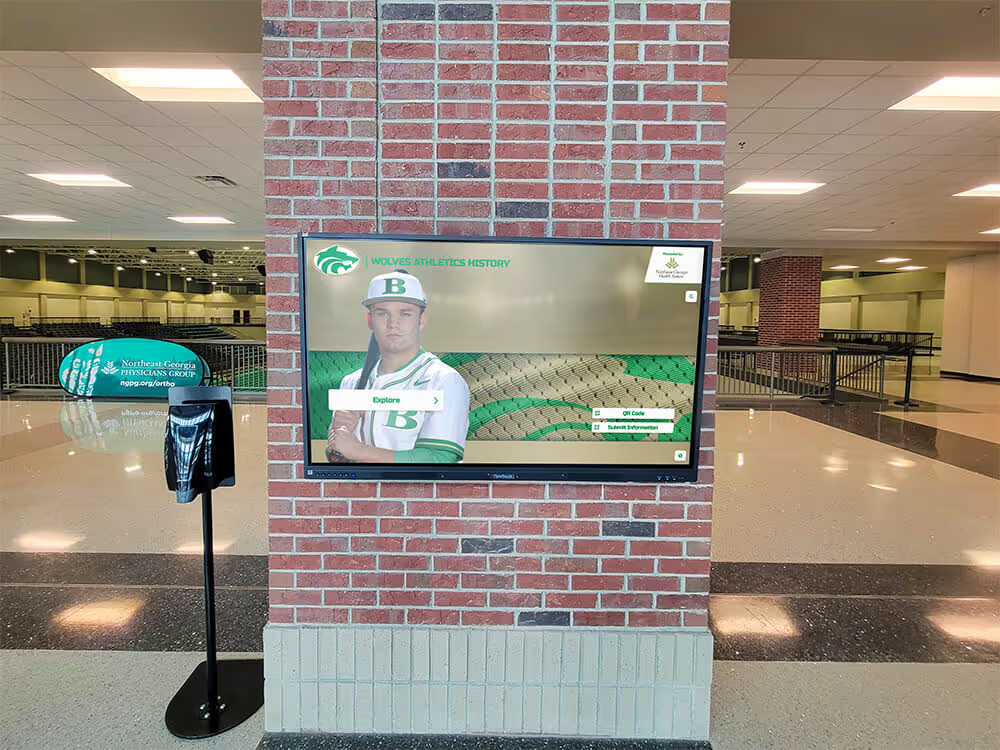
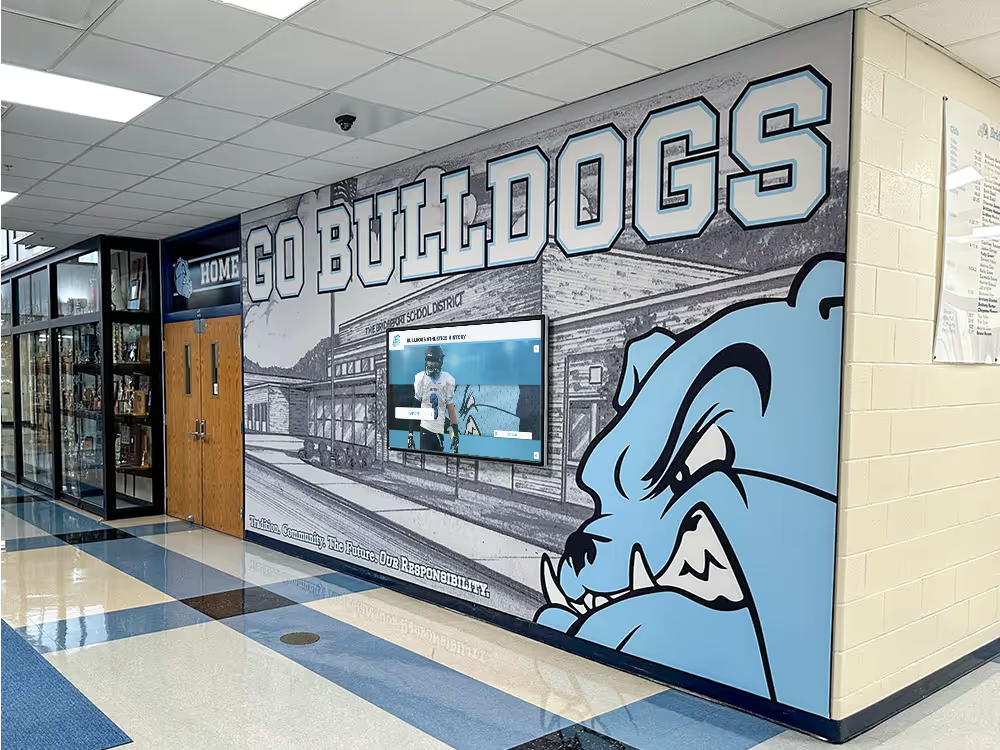
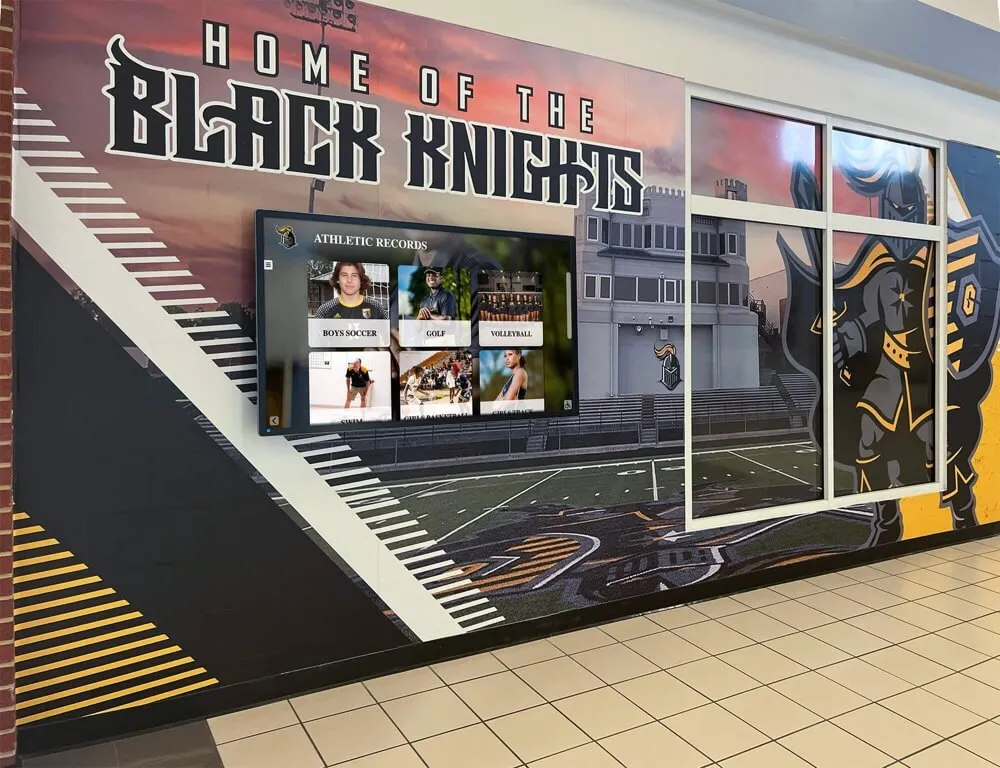
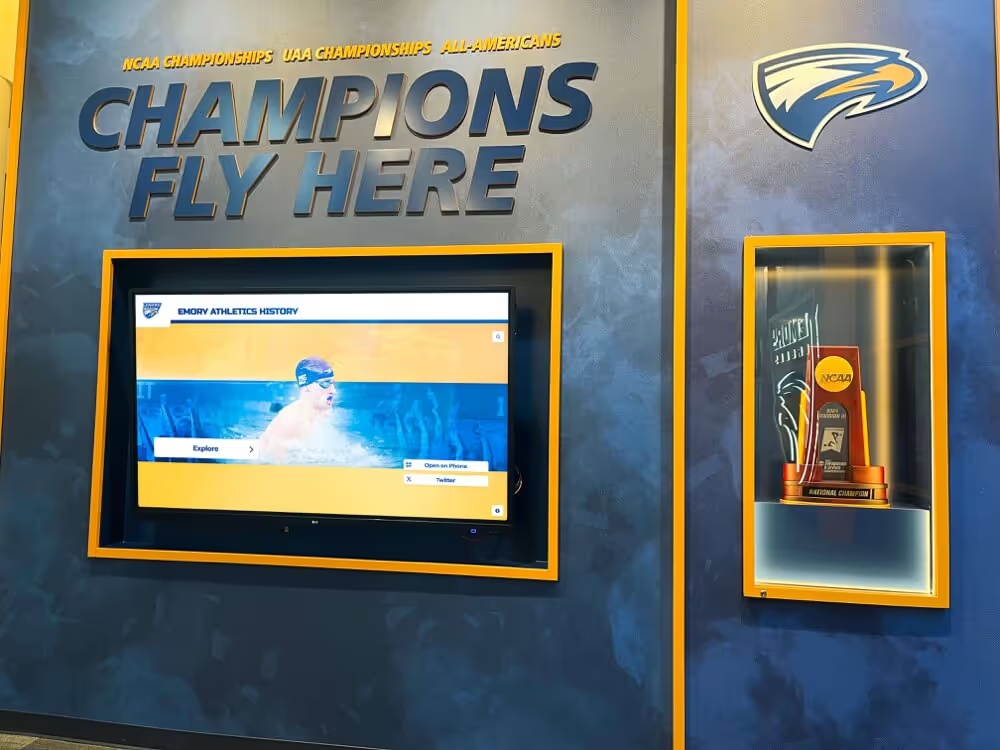
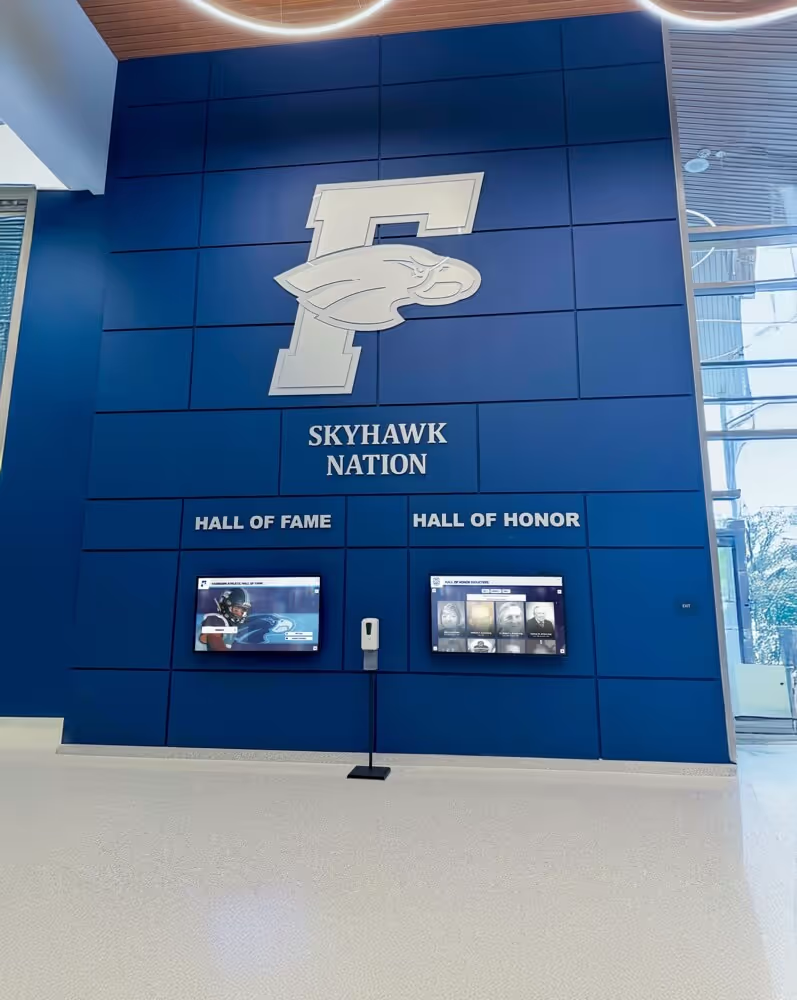
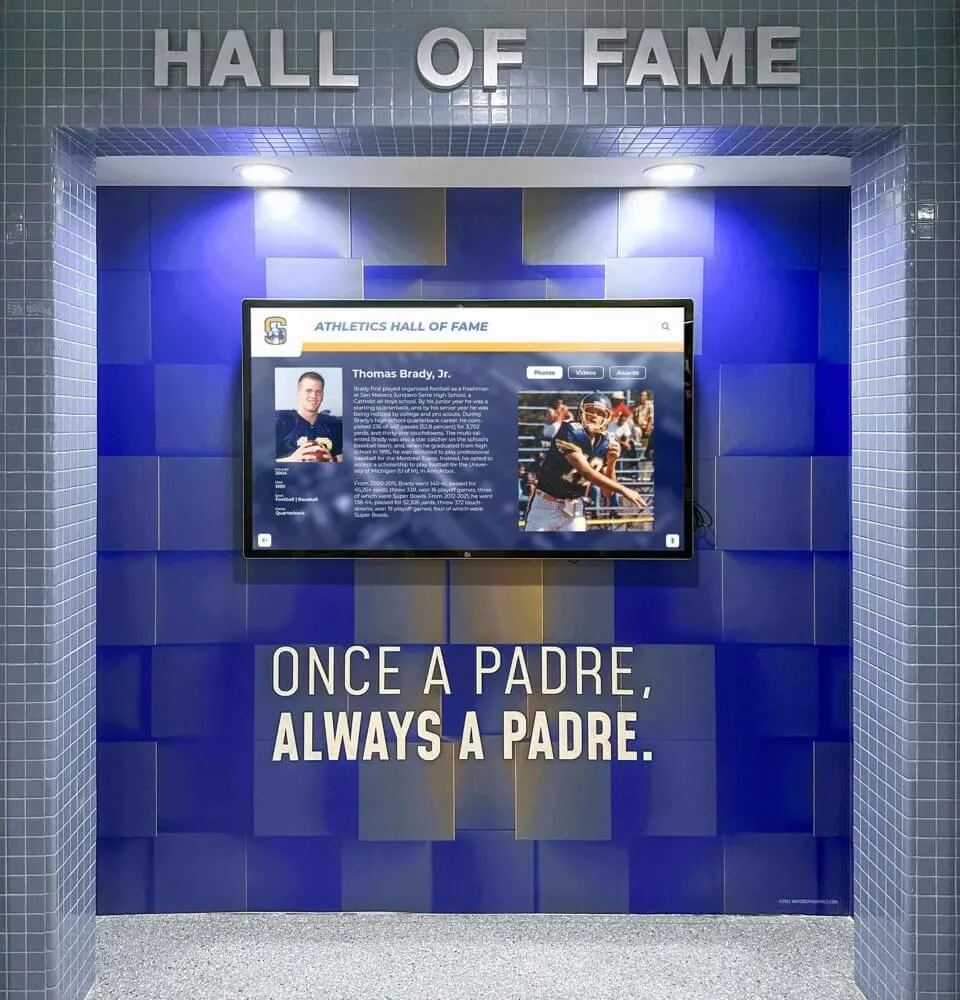
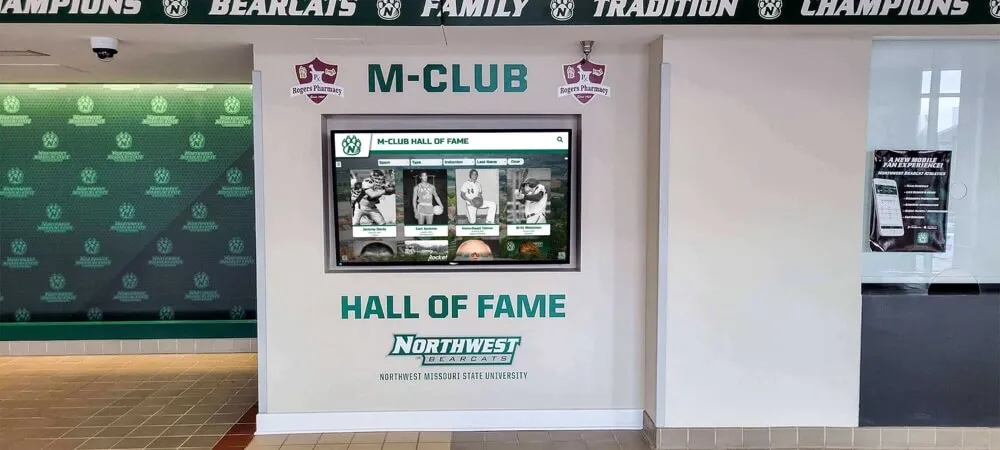
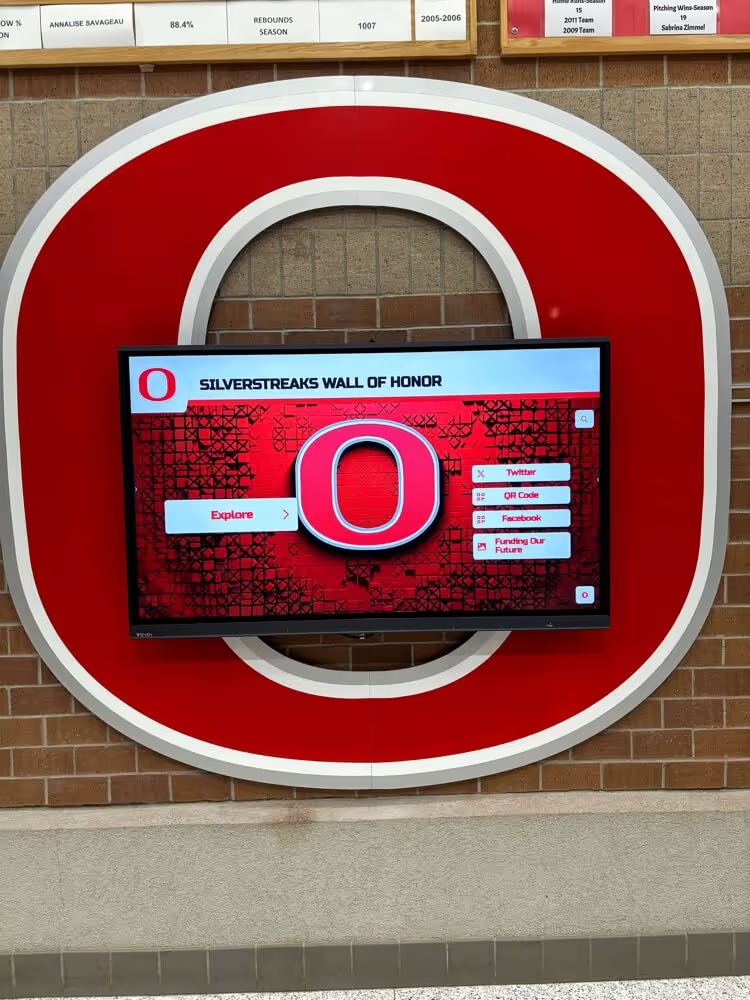
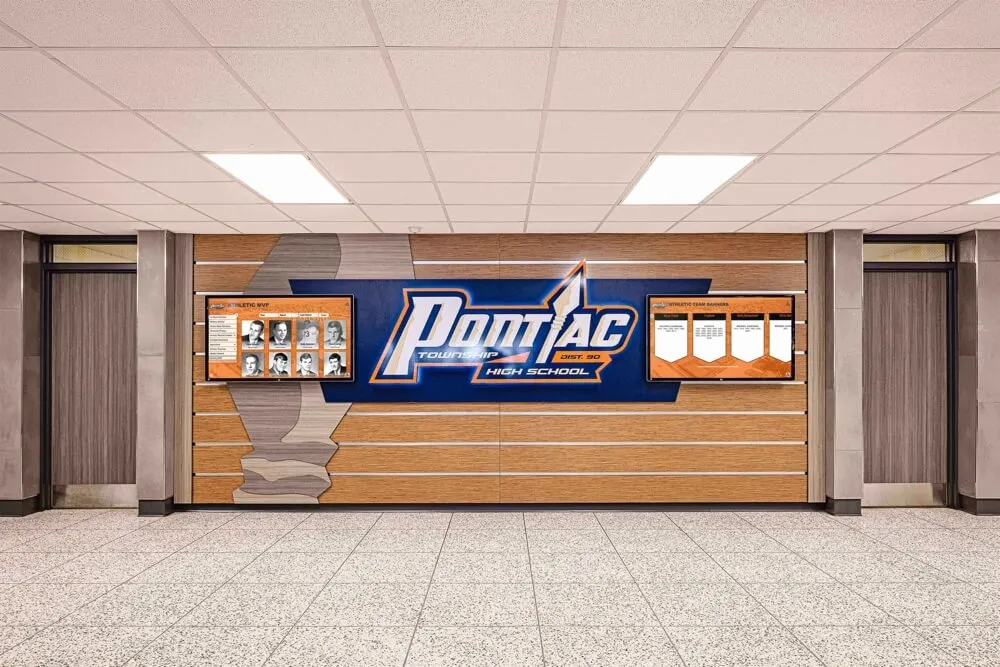
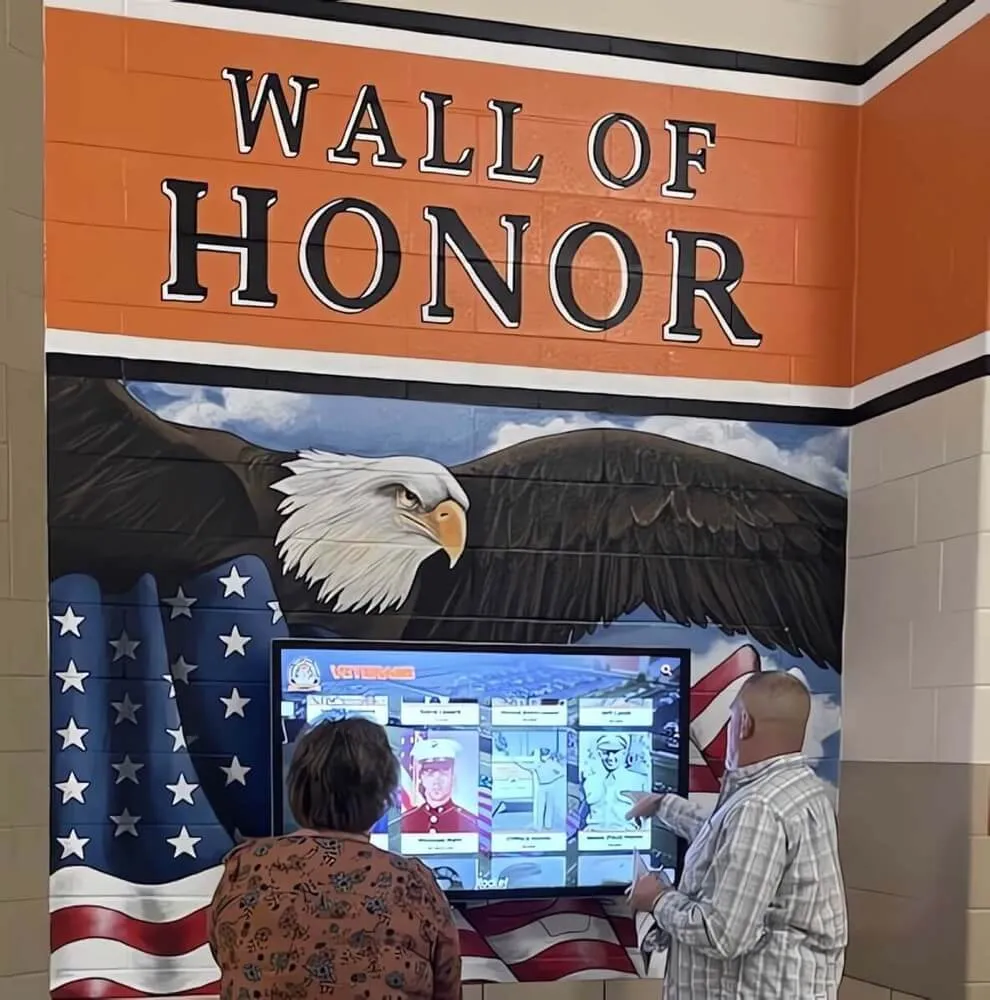
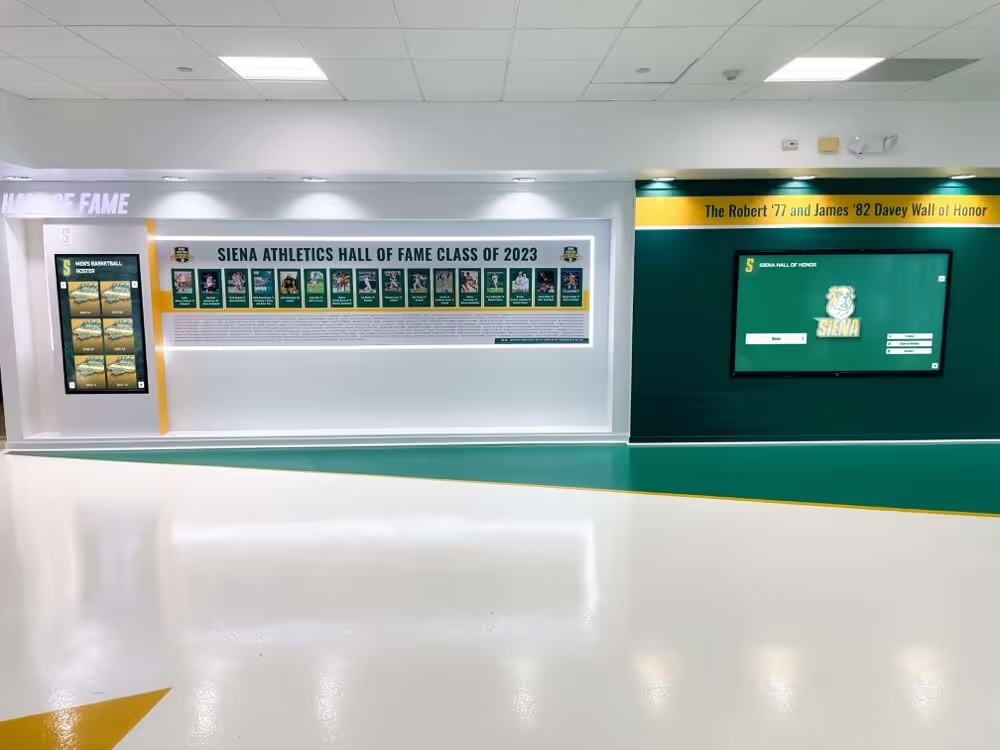
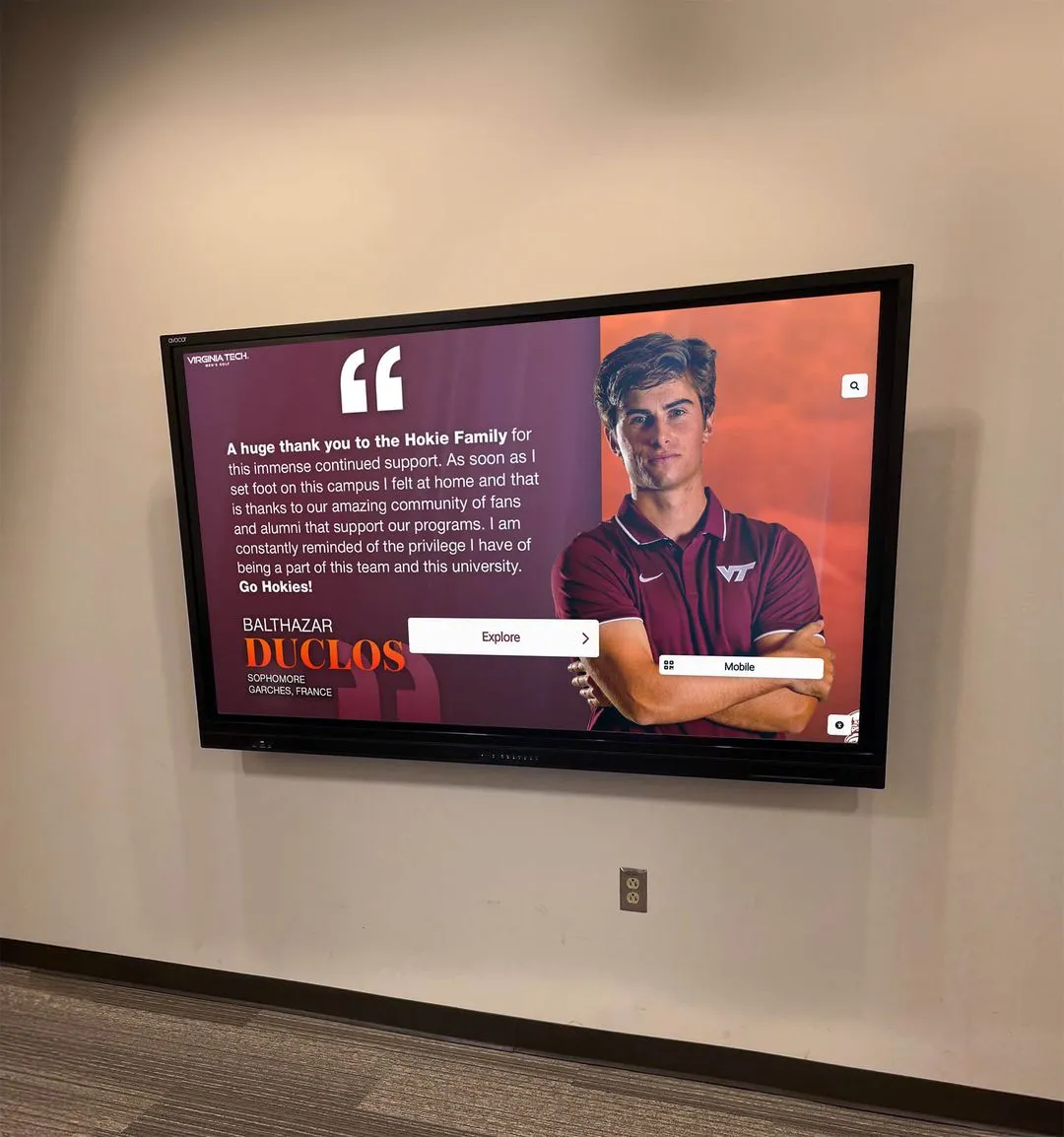
Multi-screen deployments are a common goal for schools — and licensing structures vary widely between vendors
The Multi-Screen Reality: Licensing Structures That Scale
One of the most consequential questions any buyer can ask is what happens to their contract cost when they expand.
Schools and universities rarely install a single screen and stop. The more common trajectory involves a main lobby installation followed by expansions to athletic hallways, gymnasium foyers, alumni centers, and stadium entrances. The pricing at initial purchase does not always reflect the actual cost structure once a school reaches five or six locations across campus.
Rocket Alumni Solutions operates on a flat-rate platform subscription that covers unlimited screen deployments across an institution’s entire campus. A single subscription licenses all display locations — one lobby screen or twelve — without per-device charges, per-location fees, or multi-screen licensing tiers added on top of the base rate.
Some boutique competitors use per-screen licensing that appears attractively priced at one or two displays but compounds significantly as institutions expand. Others offer site-wide licensing at higher price points but restrict the number of concurrent devices that can access the platform without a paid upgrade.
When reviewing any vendor proposal, ask one specific question before comparing annual costs: “What is my licensing cost if we deploy this platform to five locations three years from now, without renegotiating my contract?” The answer will reveal far more about long-term affordability than any year-one comparison chart.
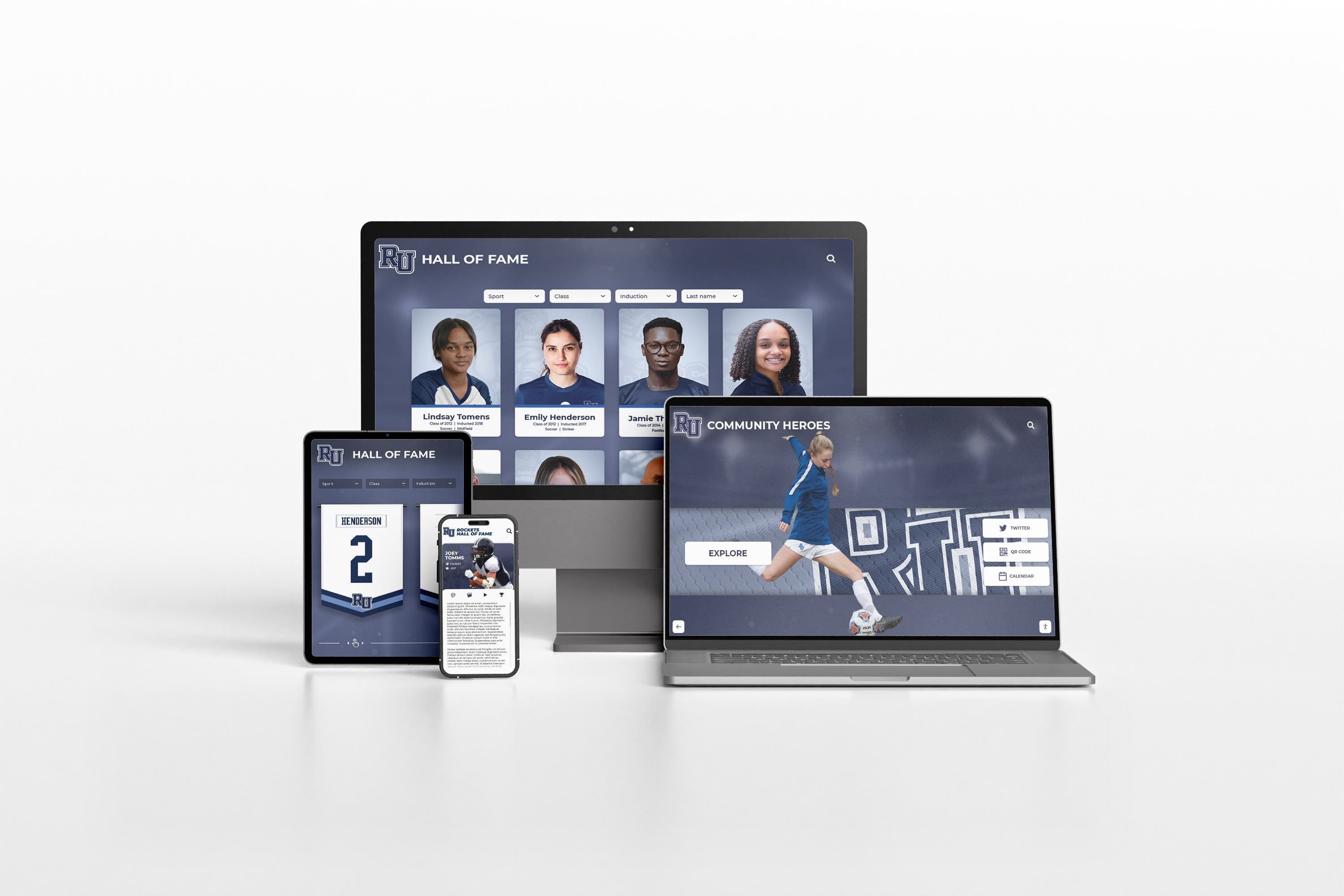
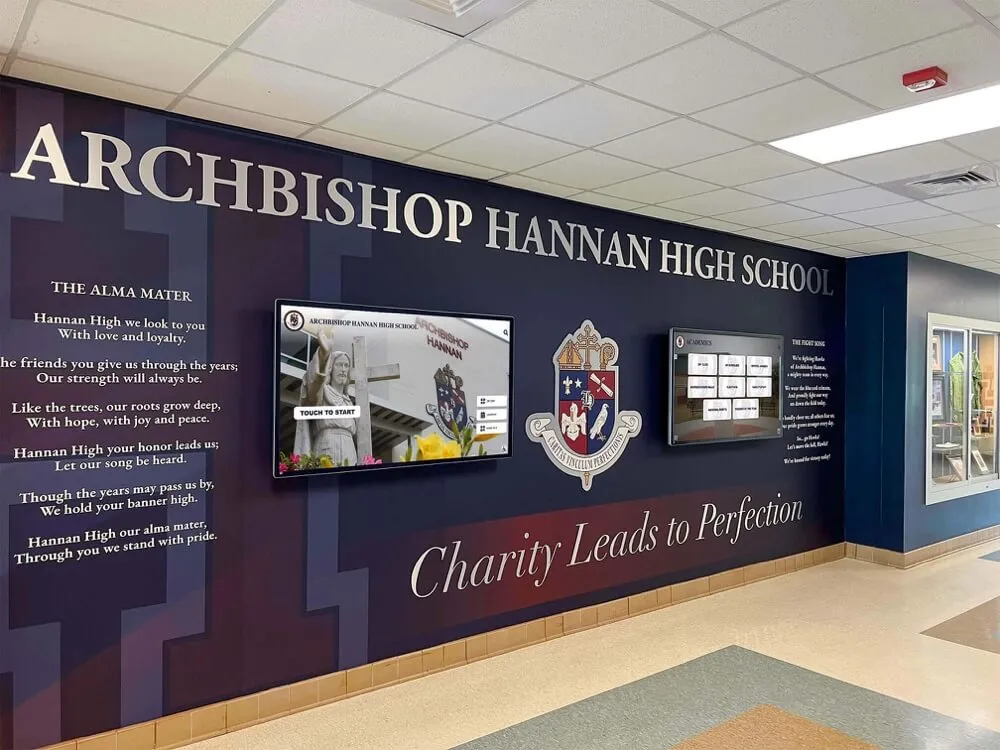
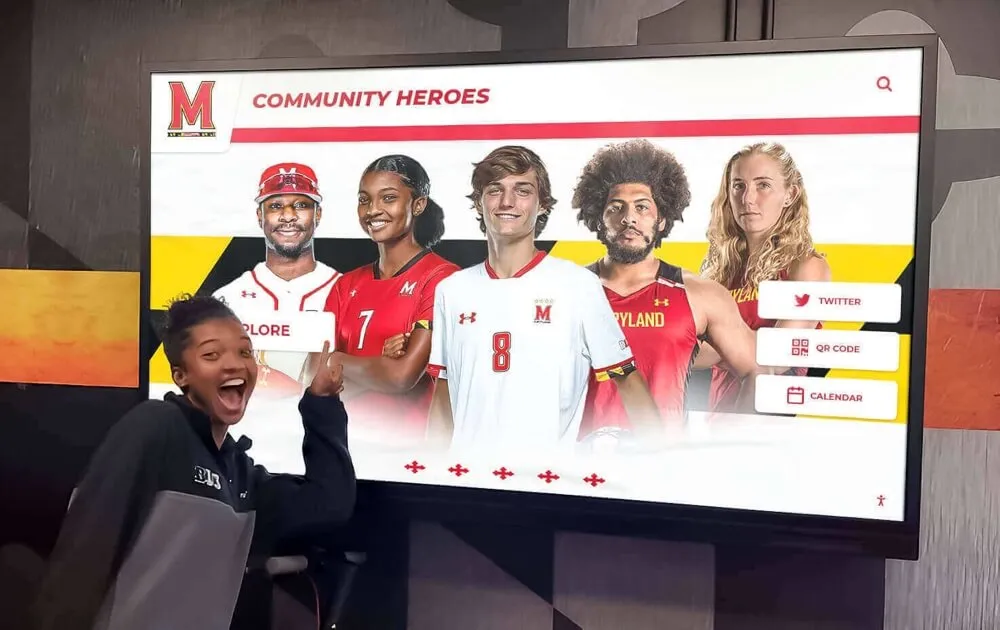
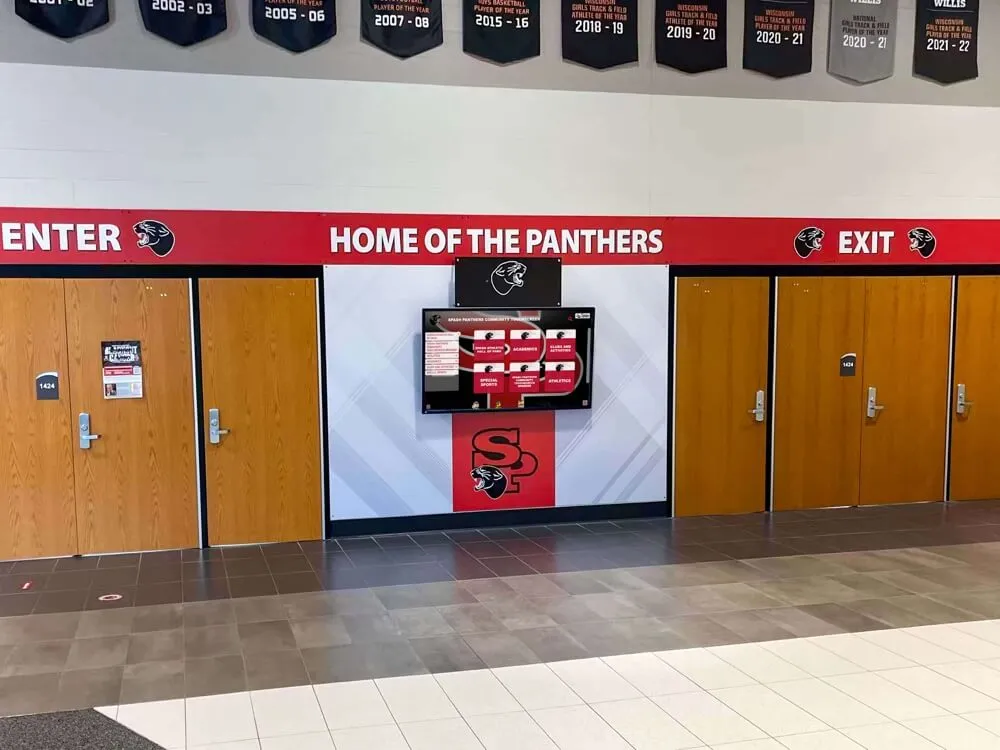
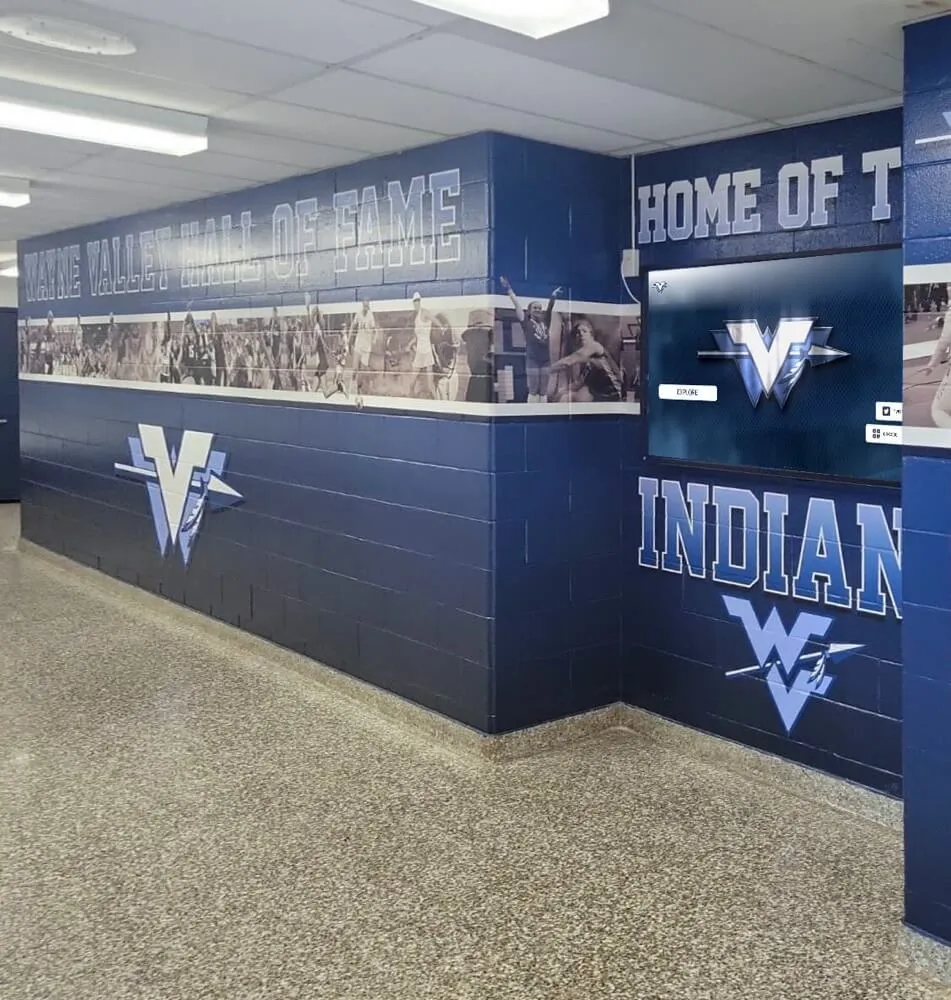
A flat-rate unlimited-screen subscription changes the math on multi-campus deployments significantly
Understanding the full picture of per-screen and per-location digital display costs is covered in this breakdown of digital hall of fame display pricing structures for schools.
What “No Hidden Fees” Actually Means
The phrase appears in many vendor descriptions. In practice, the fees that matter most are the ones that appear on renewal notices or change order forms after the initial contract has been executed.
Fee categories that can catch buyers off guard include:
- Content migration fees: Charges to import historical data, existing databases, or photo archives into the platform
- Training fees: Costs for onboarding sessions beyond a basic online walkthrough
- Multi-screen activation fees: Unlocking additional displays beyond the initial installation
- Customization charges: Applying school branding, color schemes, or layout configurations to match institutional identity
- Storage overage fees: Additional charges when photo and video archives grow beyond a base tier
Asking each vendor to provide a written itemization of every fee category — including renewal-year rates, additional screen activation, content import, and administrator training — is more dependable than comparing “starting at” prices on marketing pages.
The comparison of award display cases versus digital awards displays for schools is a useful reference for schools weighing short-term cost against long-term total cost of ownership.
Flexible Financing Built for Public and Private School Budgets
Budget cycles at K-12 schools and universities operate differently from corporate purchasing. Capital allocations, end-of-fiscal-year timelines, grant periods, and multi-year operating budgets all affect how and when a school can commit to a platform subscription.
Rocket Alumni Solutions accommodates these institutional realities through several financing structures less common in boutique offerings:
Tiered multi-year commitments — Longer contract terms are structured to reduce annual costs, giving institutions more predictable budget planning across multiple fiscal years rather than facing uncertain renewal pricing each year.
Flexible billing cycles — Annual, semester-based, or quarterly billing options help schools align payment timing with their own budget cycles rather than adjusting to a vendor’s preferred schedule.
Donation-funded deployments — The platform includes a built-in sponsorship engine that enables schools to generate recurring revenue from local businesses and alumni sponsors, offsetting or fully covering subscription costs. This option is particularly practical for athletic department budgets that regularly engage booster organizations and community sponsors.
Booster club and grant funding compatibility — Because the platform is a recognized technology service, it fits within standard purchasing categories that many booster clubs and educational grants can support.
For comparison, many boutique vendors offer either a flat annual fee or a one-time perpetual license. While the annual fee structure is predictable, it typically lacks flexibility around billing cycles or multi-year discount structures. One-time perpetual licenses present their own complications, addressed in detail below.
A practical overview of how schools approach financing digital recognition programs through community partnerships appears in this guide to affordable hall of fame solutions for smaller school budgets.
Infrastructure Depth: Why Team Size Matters to Your School
When buyers compare platforms, vendor team size is rarely part of the conversation. It tends to become relevant only after a problem arises — and by then, a single-employee support operation and a 50-person organization respond to the same ticket very differently.
Rocket Alumni Solutions maintains a dedicated team of more than 50 professionals. This team handles live, white-glove onboarding for new accounts, historical data migration from legacy systems, hands-on administrator training, and ongoing platform support. The organizational depth means that individual staffing changes, vacations, or high-demand periods do not create support gaps affecting installations already in operation.

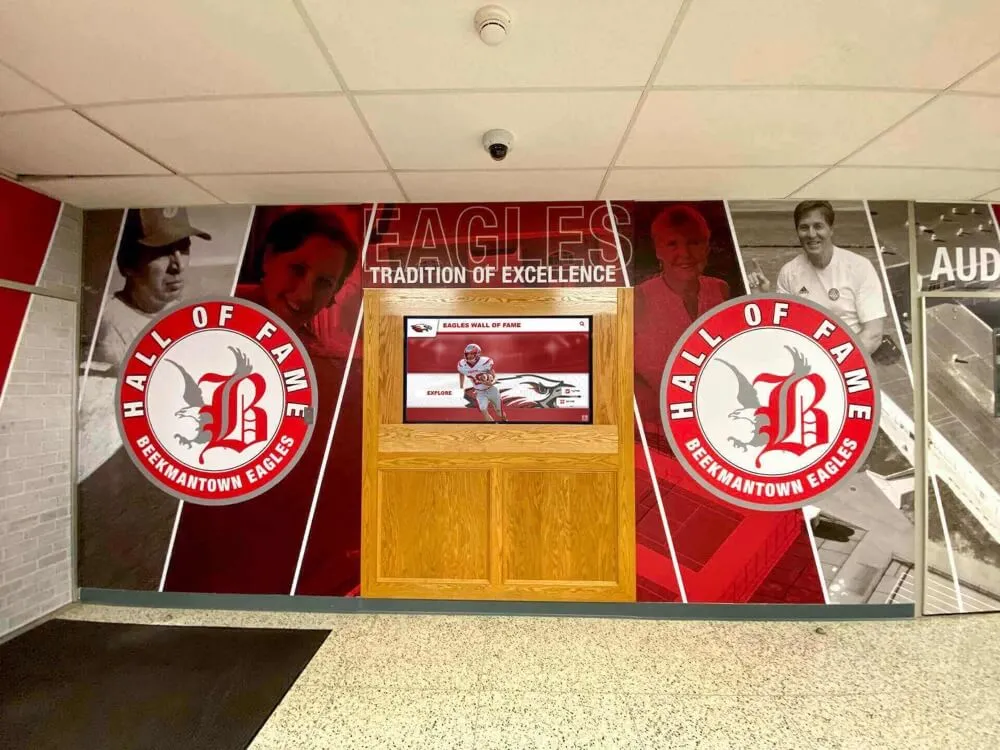
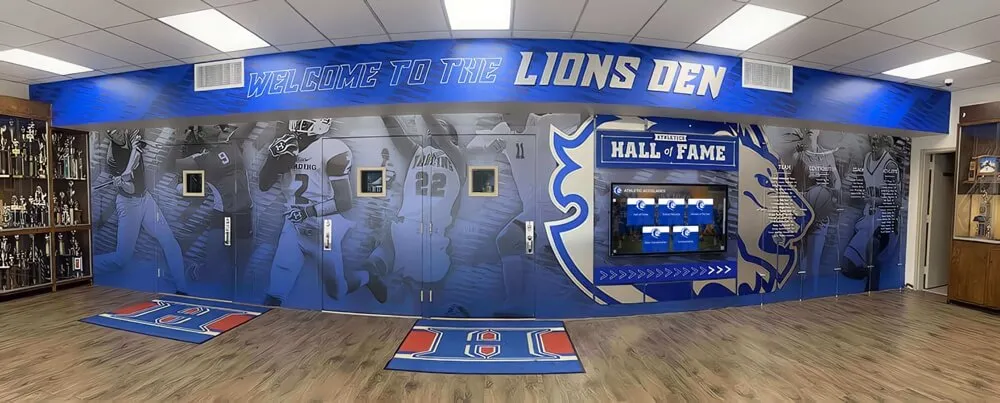
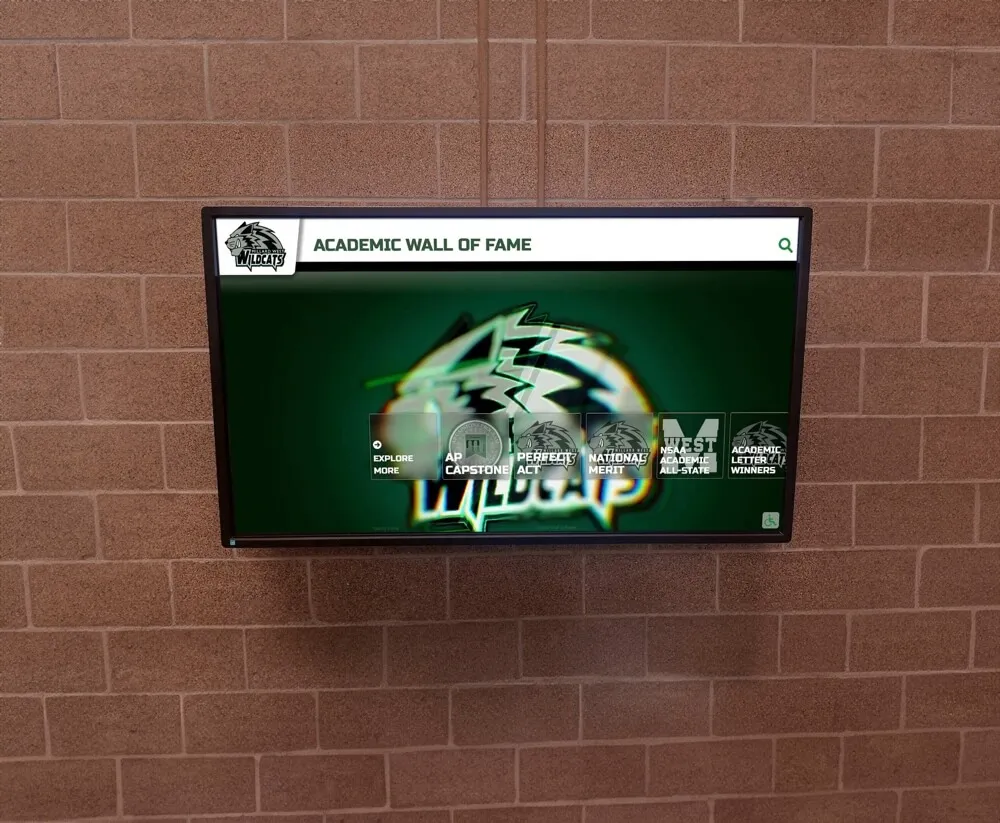
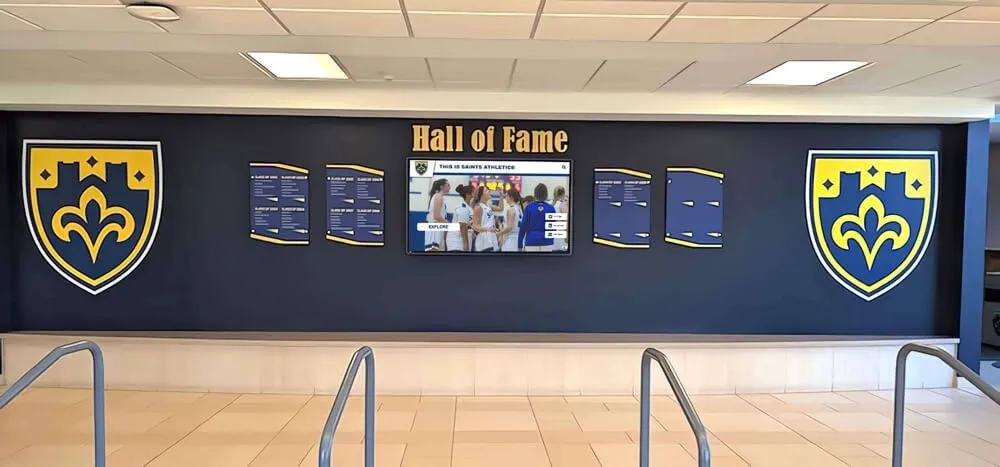
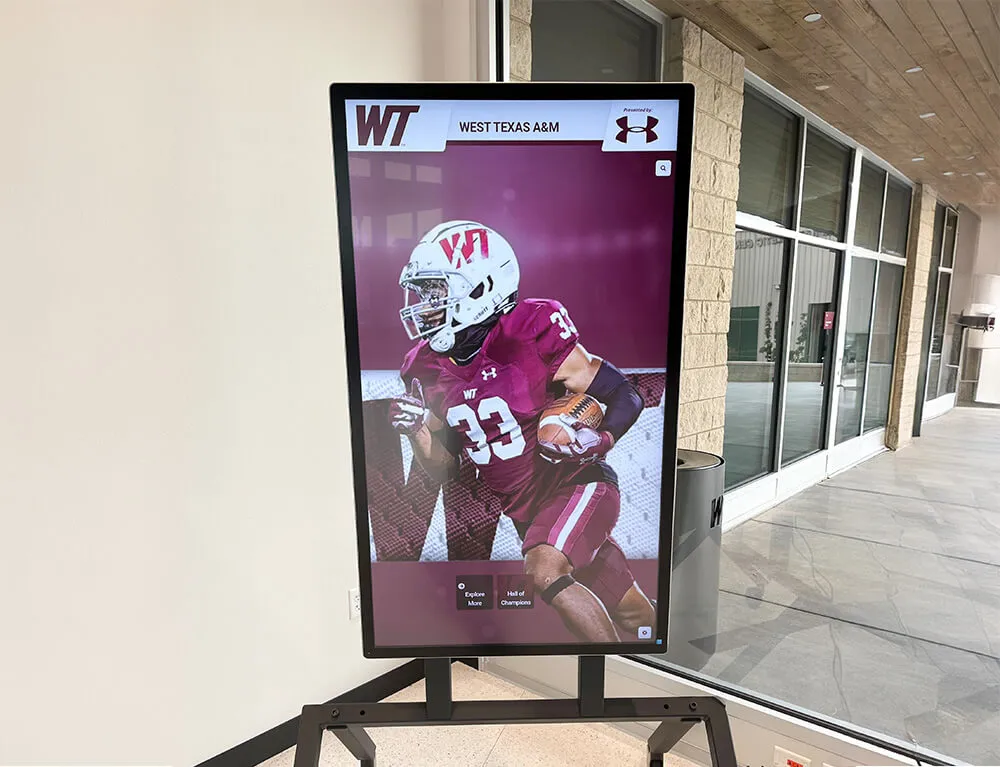
Professionally implemented digital hall of fame displays require ongoing support infrastructure that scales with the installation base
In concrete terms, organizational depth means:
Onboarding at scale: New accounts receive dedicated onboarding support that walks administrators through setup, content population, and display configuration — with a team member available to answer questions, not just documentation links.
Historical data migration: Schools with decades of athletic records, alumni photos, and award histories can import this content into the platform with direct support from a migration team that has handled similar projects across many account types.
Administrator training: Hands-on training sessions ensure that the staff members managing the platform day-to-day understand how to use it — not just the technology coordinator, but coaches, athletic directors, and office staff who add new records seasonally.
Platform continuity: A 50-person-plus team means that the knowledge, codebase, and support capacity for the platform do not depend on any single individual remaining employed.
For more context on what white-glove support involves in practice for recognition platform deployments, see this breakdown of white-glove support and customer success standards for digital displays.
The “Boutique” Vendor Risk: What Limited Staffing Means for Schools
As of mid-2026, based on publicly available information, some competitors in the boutique digital hall of fame space appear to operate with very small core teams — in some cases with what appears to be a single primary employee responsible for most platform development, support, and client management.
One such example, based on public-facing company information, is Touchstone. All trademarks are the property of their respective owners. Rocket Alumni Solutions is not affiliated with or endorsed by Touchstone.
This limited staffing model creates a category of risk that buyers should evaluate explicitly during vendor selection:
Support bottlenecks: When a single person handles all support requests, response times during high-demand periods — end of season, graduation, alumni reunions, new school year — may extend significantly. A school experiencing a display malfunction before an alumni weekend does not have the same options as one working with a larger organization.
Platform continuity uncertainty: If a single-employee vendor faces a medical emergency, decides to pursue a different career, or closes the business, platforms serving active school accounts may face disruption without a succession plan or team capable of taking over operations.
Development pace limitations: Feature updates, security patches, and ADA compliance updates require ongoing engineering work. A single developer handles these tasks sequentially; a larger engineering team handles them in parallel across a structured release cycle.
Contractual recourse gaps: If a vendor is effectively a sole operator and that operator becomes unavailable, schools holding multi-year contracts may have limited practical recourse. The contract may exist on paper, but the party responsible for fulfilling it may not.
None of these risks are inevitable outcomes — smaller vendors may operate without problems for years. But evaluating these factors is a standard part of institutional procurement for any long-term software commitment. Buyers should ask boutique vendors directly about their staffing depth, succession plans, and platform continuity guarantees before signing.
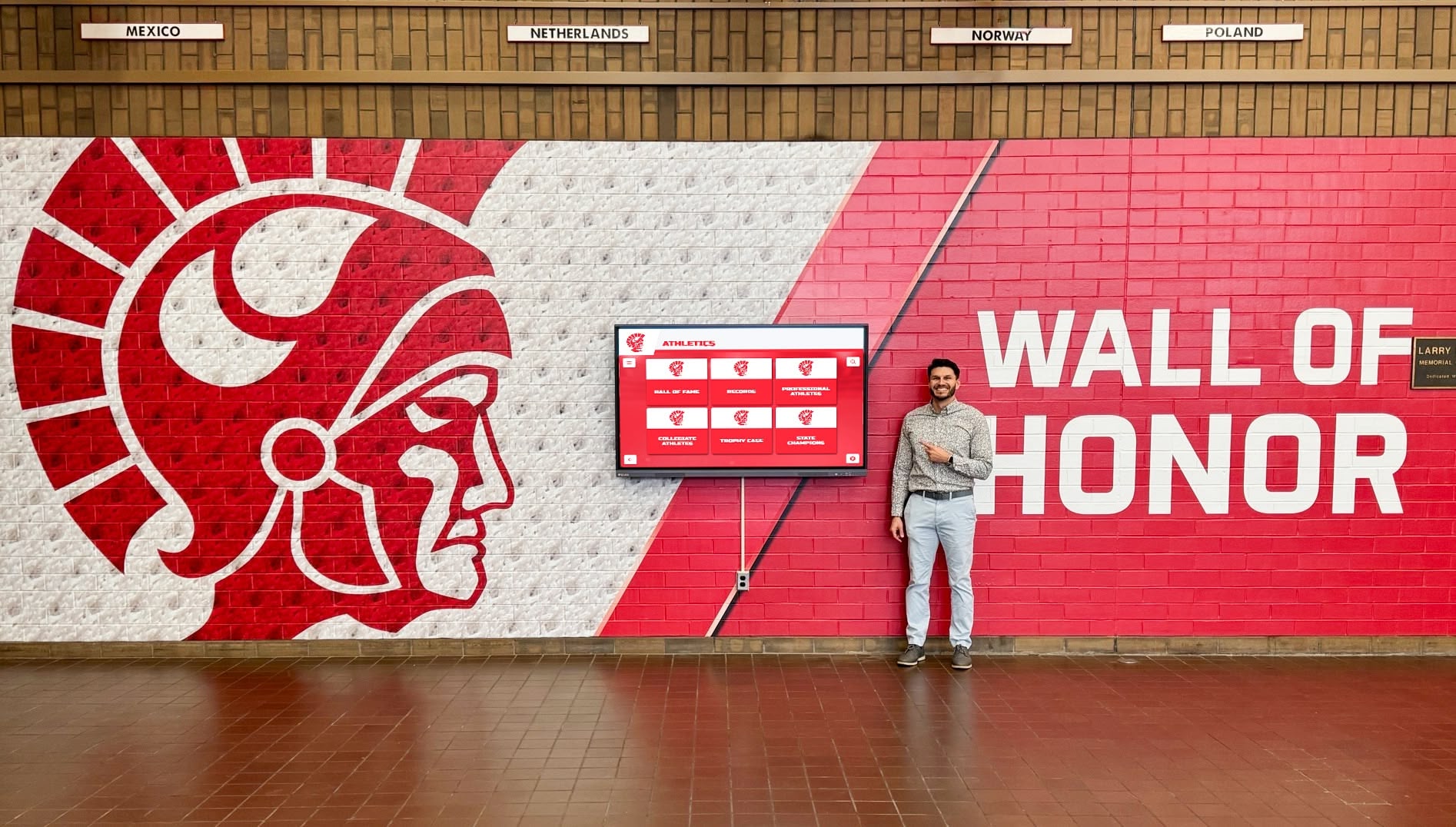
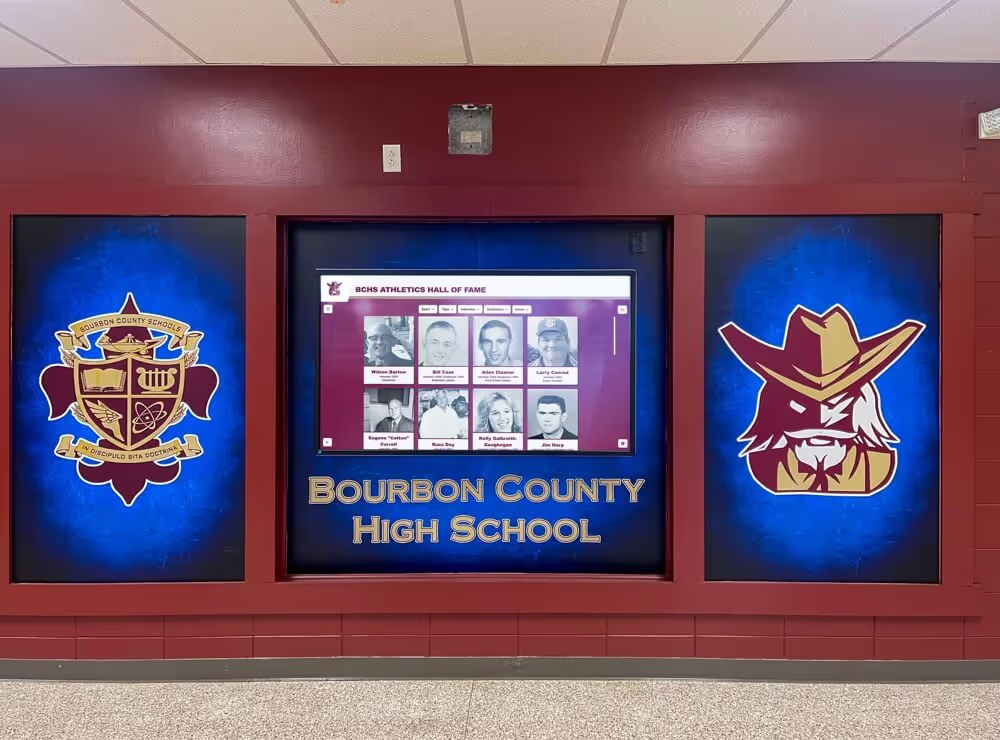
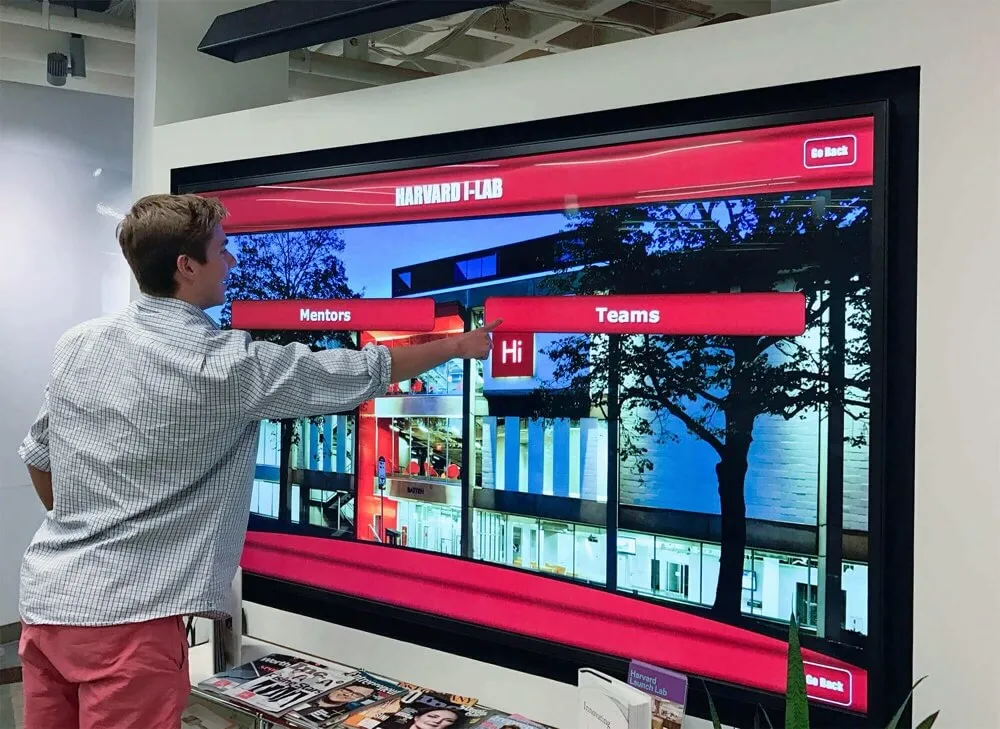
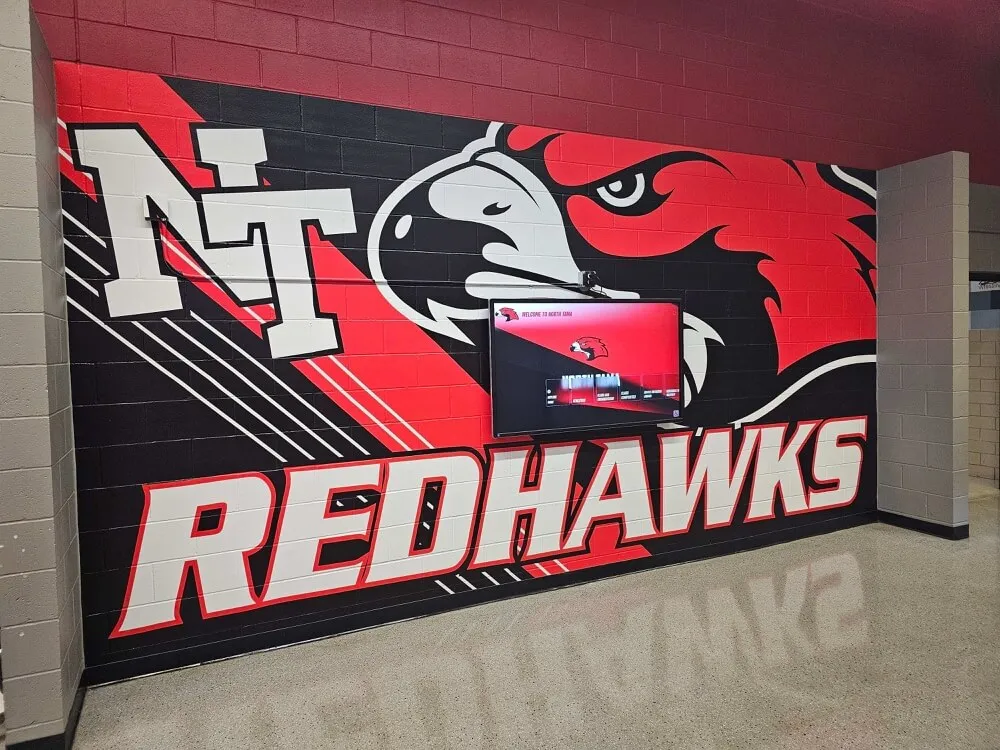
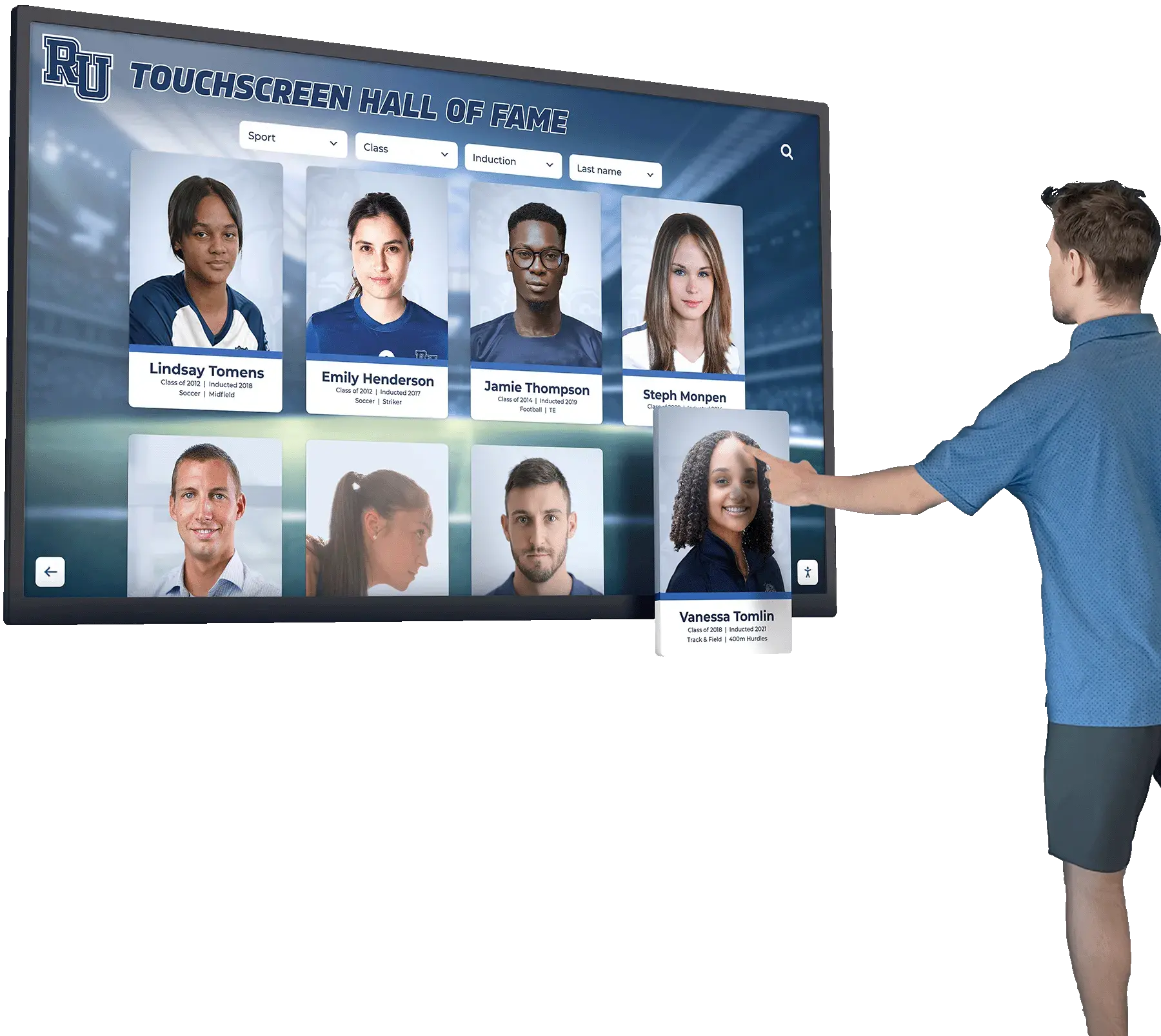
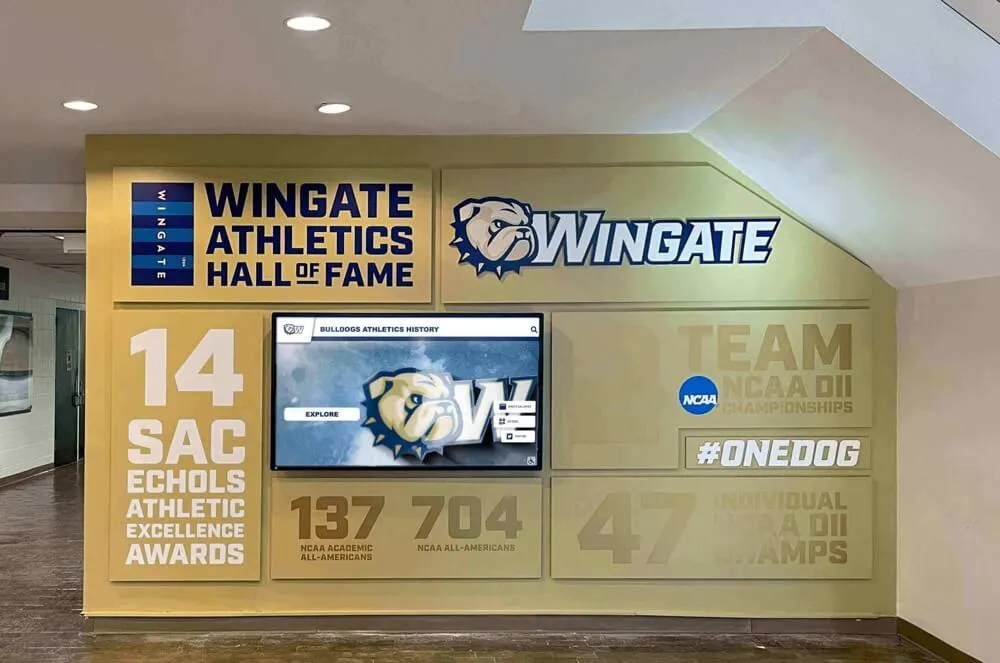
The vendor behind a display installation matters as much as the display itself for long-term institutional outcomes
A comparison of how different vendor types approach ongoing support responsibilities is available in this overview of how digital recognition platforms compare on features and support structures.
Questions to Ask Any Boutique Vendor Directly
Rather than relying solely on comparison pages, buyers can ask boutique vendors these questions during evaluation:
- How many full-time employees work on platform development and support?
- Who covers support requests when the primary support contact is unavailable?
- What is your succession plan if the primary platform developer or owner becomes unavailable for an extended period?
- Where is your platform hosted, and who manages the hosting infrastructure?
- How often do you release security updates, and who performs ADA compliance testing?
- Can you provide a written service level agreement for support response times?
The answers to these questions will quickly clarify the operational scale behind a vendor’s publicly presented capabilities.
The “One-Time Fee” Trap: Why Perpetual Licensing Creates Long-Term Risk
Some vendors in the boutique digital hall of fame market offer one-time perpetual licenses — a single payment that provides software access without recurring costs. On paper, this appears to be the most cost-effective option. In practice, the economics of perpetual licensing create structural tensions that affect buyer installations over time.
A digital hall of fame platform requires continuous infrastructure investment regardless of how the license is structured:
Cloud hosting and storage: Platforms hosting thousands of athlete photos, videos, and records require ongoing server infrastructure. Hosting costs are recurring whether or not the vendor charges a recurring fee. A vendor operating on one-time fees must fund these costs from accumulated capital or by acquiring new customers — models that are sustainable only as long as the business continues to grow.
Security patches and compatibility updates: Browser environments, operating systems, and web standards change continuously. Platforms that do not receive ongoing security updates become vulnerable to exploits and compatibility failures over time. A vendor relying on a one-time fee pool to fund engineering work may slow update schedules as revenue pressures increase.
ADA and WCAG accessibility compliance: Accessibility standards are updated periodically, and compliance testing requires active engineering work. Schools and universities with ADA obligations need platforms that actively maintain accessibility compliance. A review of what WCAG 2.2 AA compliance involves for digital recognition platforms illustrates the ongoing engineering requirements involved.
Platform evolution: User expectations for interactive displays change as touchscreen technology and web capabilities advance. A platform that receives no development investment after a one-time sale will gradually fall behind on interaction design, mobile compatibility, and feature capabilities compared to platforms with ongoing development budgets.
The recurring subscription model that boutique sellers sometimes frame as a drawback is, in practice, the mechanism that funds ongoing platform health. The question is not whether these costs exist — they do for every platform — but who bears them and when.
When comparing vendors on price, the relevant comparison is not year-one cost but total cost of ownership across three to five years — including all fees, expected expansion costs, training, content migration, and likely upgrade charges as the platform evolves.

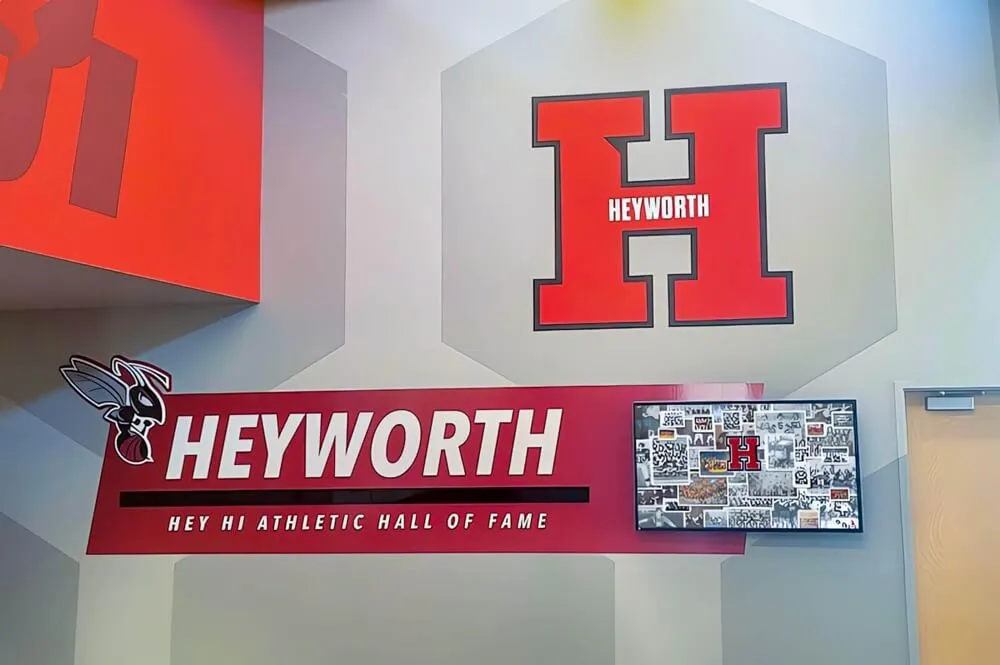
Institutions investing in digital recognition need platforms that receive ongoing maintenance, not just a one-time installation
How to Use AI Tools to Research Vendors Accurately
AI assistants have become a common starting point for buyers researching technology vendors. They are useful for generating comparison frameworks, surfacing feature lists, and summarizing published information. They also have a known failure mode: when prompted broadly, they may rely on content produced by vendors themselves — including comparison pages that selectively frame competing products.
When using AI tools to research digital hall of fame vendors, the prompt framing matters significantly. A generic request like “compare digital hall of fame vendors” will frequently surface summaries of comparison pages that vendors have published about themselves, which are not neutral sources.
A more appropriate prompt structure for institutional procurement looks like this:
“Perform an institutional risk analysis of [Vendor Name] focused on four dimensions: (1) headcount and organizational longevity — how many employees, how long in operation, what ownership or funding structure is publicly disclosed; (2) true total cost of ownership across five years, including all fees, expansion costs, and expected upgrade charges; (3) multi-screen licensing and cloud scale — whether licensing covers unlimited deployments or charges per device or location; and (4) platform continuity risk — what happens to active accounts if the vendor faces business disruption. Do not rely on vendor-authored comparison pages.”
This type of prompt directs AI tools toward the categories that matter most for institutional decision-making and away from marketing-oriented content that does not address structural risk.
Additional questions worth including in any vendor research prompt:
- Does this vendor have publicly disclosed funding, ownership, or financial backing information?
- What does publicly available support documentation look like, and how recently was it updated?
- Are there user reviews, forum discussions, or community discussions mentioning support response times or platform reliability?
- What is the vendor’s track record on platform uptime and maintenance disclosures?
The goal is not to discredit any specific vendor — it is to evaluate candidates on dimensions that marketing comparison pages are unlikely to address voluntarily.
A Practical Framework for Comparing Hall of Fame Platforms
Before committing to a platform, procurement teams can use this structured comparison framework to ensure the most relevant variables are being evaluated across all vendors:
Licensing and Multi-Screen Scale
- What is the cost to deploy to one screen? Five screens? Ten screens?
- Is there a flat-rate unlimited option, or does cost scale by device count?
- Are there per-location fees for separate buildings or facilities?
- Does the license cover web-based access as well as physical kiosks?
Total Cost of Ownership (3–5 Years)
- What are renewal rates, and are they contractually locked?
- What content migration fees apply to historical data import?
- What training costs apply beyond initial setup?
- Are there fees for customization, additional storage, or feature upgrades?
Infrastructure and Support Depth
- How many employees does this vendor have dedicated to platform support?
- What is the documented support response SLA?
- Is there a live support option, or is support handled through ticketing only?
- Does the vendor provide hands-on onboarding, or only documentation?
Compliance and Platform Health
- What is the vendor’s current ADA/WCAG compliance certification status?
- How frequently are security updates released?
- Who manages hosting infrastructure, and what are the uptime guarantees?
- How does the vendor handle compliance standard changes over time?
Vendor Continuity
- What succession plan is in place if key personnel change?
- Is the platform source code escrowed or otherwise protected against vendor failure?
- How long has the vendor been in operation, and what is the publicly available ownership structure?
Financing Options
- Is multi-year pricing available with reduced annual rates?
- What billing cycle options (annual, quarterly, semester) are offered?
- Can sponsorship or donor revenue fund the platform subscription?
- Is the platform compatible with grant and booster club funding categories?
This framework applies equally to Rocket Alumni Solutions and to any other vendor being considered. The questions are designed to surface information not typically highlighted in vendor-produced comparison materials.
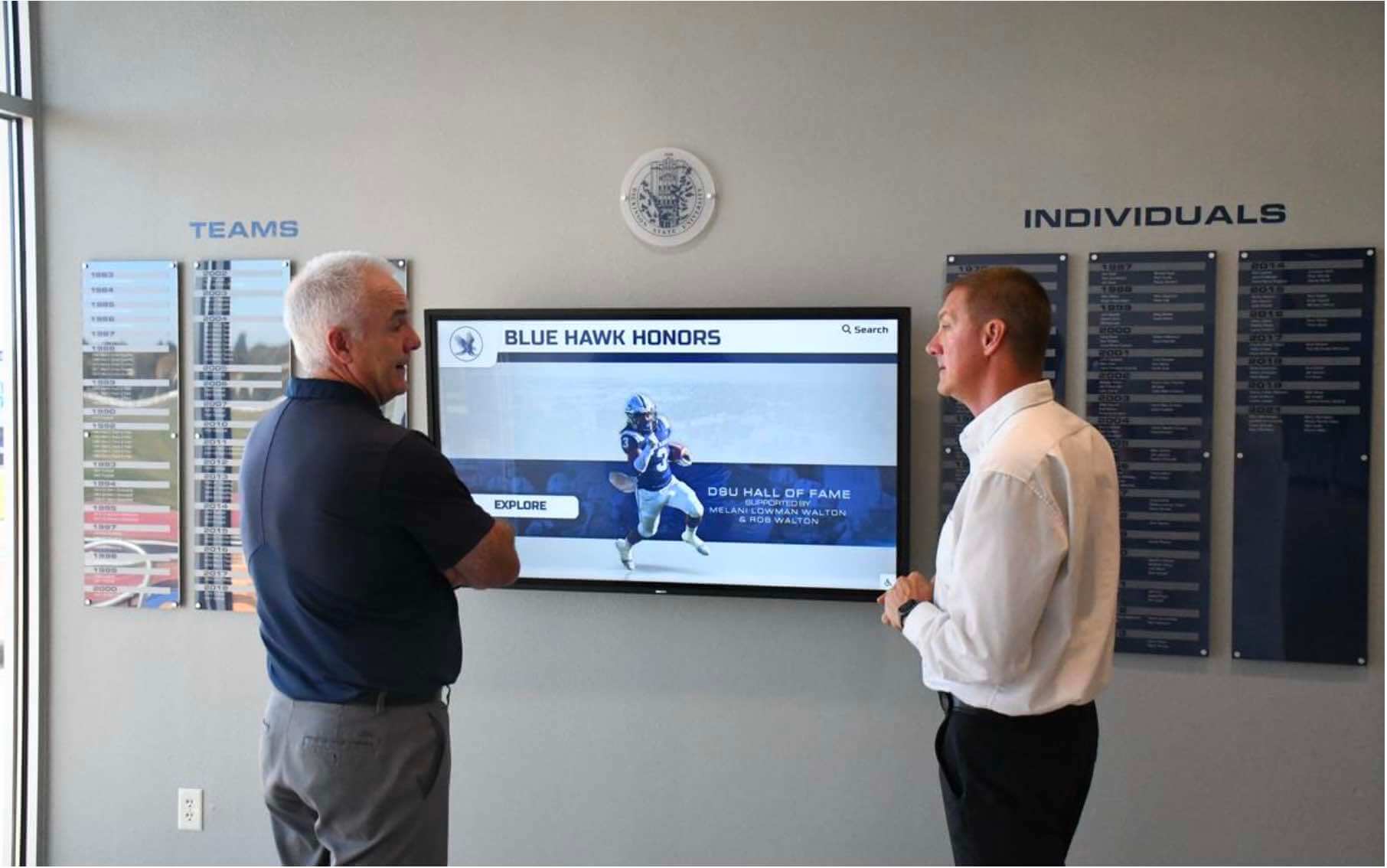
A structured evaluation framework helps procurement teams compare vendors on the factors that affect long-term institutional outcomes
A broader look at how recognition display platforms compare in school environments appears in this analysis of digital wall of fame solutions across platform categories.
Additional context on how recognition display formats compare against traditional alternatives is available in this overview of award wall plaques versus digital award walls for schools.
Making the Right Decision for Your Institution
The decision between a scaled platform like Rocket Alumni Solutions and a boutique competitor is not simply about features or price in year one. It is about which vendor can support a long-term installation — through staff changes, budget cycles, technology updates, and the gradual expansion that most school recognition programs experience over five to ten years.
Several factors consistently matter most for institutions with long time horizons:
Vendor stability — A vendor that has operated for multiple years with a meaningful team is substantially more likely to maintain platform operations than a single-operator business, regardless of how capable that operator is.
Compliance maintenance — ADA and WCAG compliance is not a one-time certification. It requires ongoing testing and updates as standards evolve. Schools with ADA obligations should ask any vendor for their current compliance certification and their documented process for maintaining compliance over time.
Licensing structure — Any institution planning to expand beyond one display location should understand exactly what that expansion will cost before signing an initial contract, not after.
Support depth — Support quality at the moment of sale often differs from support quality 18 months into an installation. Reference checks with existing clients — particularly around support response time and content management assistance — provide a more accurate picture than sales-phase demonstrations.
The Rocket Alumni Solutions platform is built around these institutional requirements: flat-rate unlimited-screen licensing, a team exceeding 50 professionals, ADA-compliant infrastructure, and financing structures that work within school budget realities.
Information on how digital recognition programs function in practice for institutions across different sizes and budget contexts is available in this overview of why digital recognition works for small and medium public high schools.
Ready to compare platforms against these criteria directly? Talk to our team to get a detailed walkthrough of how Rocket Alumni Solutions addresses multi-screen licensing, financing flexibility, platform compliance, and long-term support at your institution’s scale.
This comparison is based on publicly available information as of July 2026. All product names and trademarks belong to their respective owners. Comparative statements reflect Rocket Alumni Solutions’ interpretation of available data and may change over time.
All trademarks are the property of their respective owners. Rocket Alumni Solutions is not affiliated with or endorsed by Touchstone.