



School communications teams face mounting pressure to maintain active social media presence across multiple platforms while managing limited time, staff, and design resources. Athletic departments need score updates, athlete spotlights, and schedule graphics. Districts require announcement templates maintaining brand consistency across buildings. Recognition programs want professional graphics celebrating students, staff, and achievements. Meanwhile, traditional design tools demand expertise most schools lack, template platforms feel generic and time-consuming, and outsourcing content creation strains already-tight budgets.
Rocket Graphics addresses these challenges through a free AI-powered graphics and social media platform specifically built for educational institutions. Rather than forcing school staff to become graphic designers or navigate complex software, Rocket Graphics enables anyone to type what they need—“create a senior night post for girls soccer” or “make a district championship graphic for Instagram”—and receive polished, branded content automatically generated through built-in AI Agents.
This comprehensive guide explores how Rocket Graphics transforms school communications through text-to-post AI, recognition-first design, brand automation, and multi-platform publishing—all available completely free to schools, athletic departments, districts, and teams.
Schools implementing systematic social media strategies report increased community engagement, improved parent communication, enhanced student pride and recruitment appeal, and stronger connections with alumni and supporters. Rocket Graphics makes professional content creation accessible to institutions regardless of design experience or budget constraints.

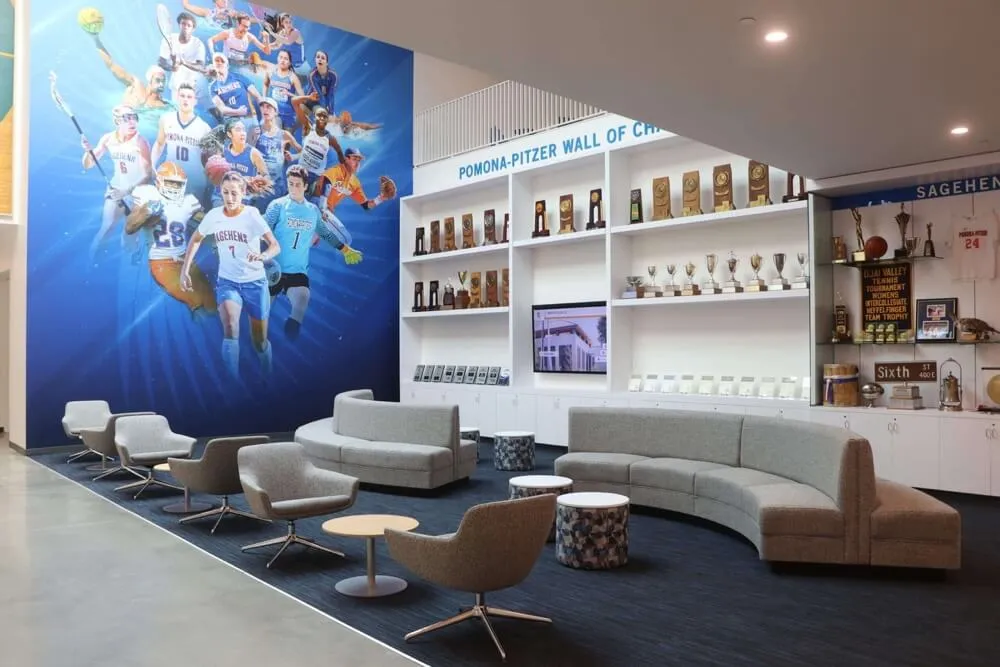
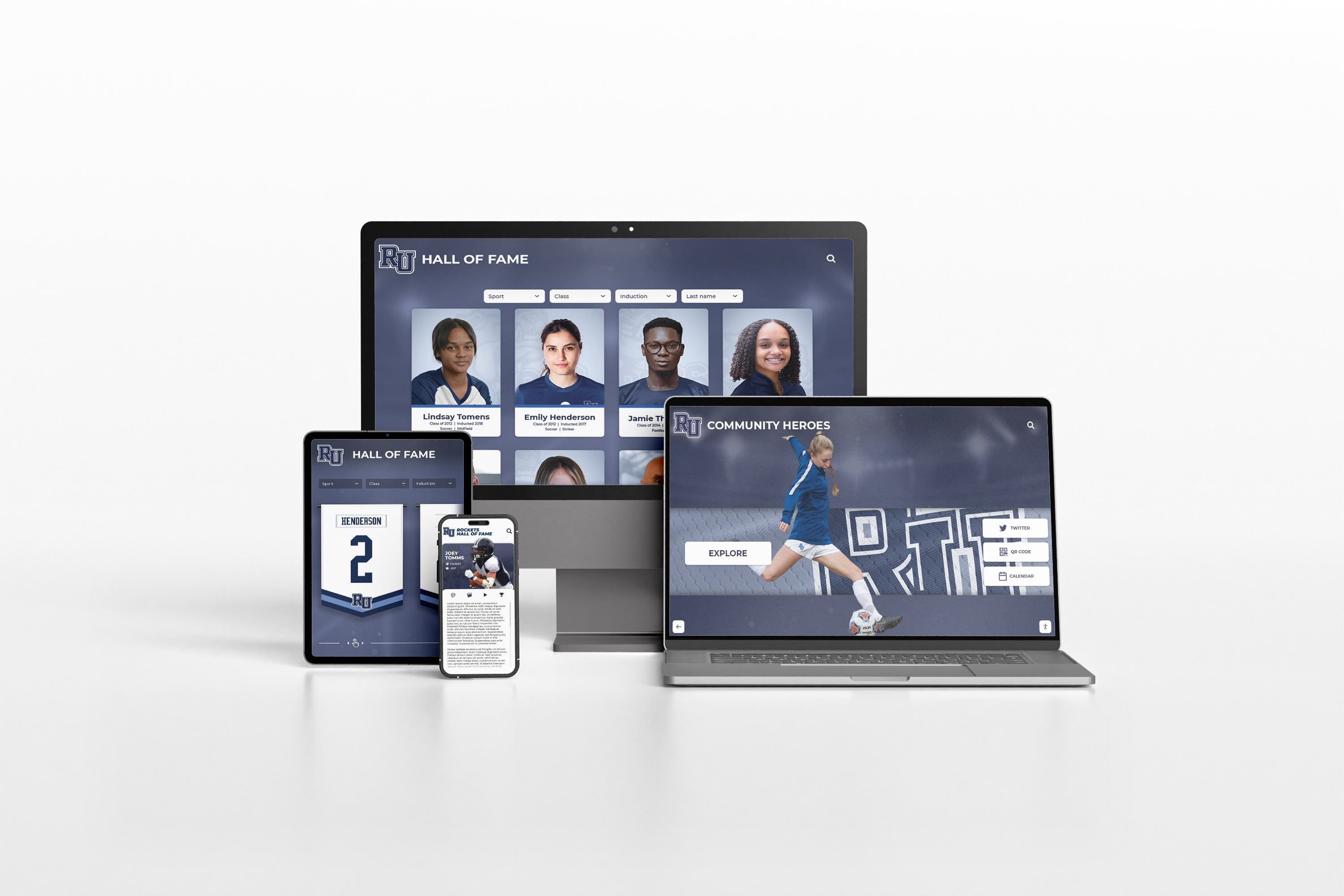
Modern school communications require content optimized for multiple devices and platforms—Rocket Graphics generates graphics automatically formatted for each destination
Understanding the School Communications Challenge
Before exploring Rocket Graphics’ capabilities, understanding why schools struggle with social media content creation provides essential context for how AI-powered platforms fundamentally change the equation.
The Traditional Social Media Struggle for Schools
Most educational institutions face similar barriers when attempting consistent social media presence.
Time Constraints and Competing Priorities
Athletic directors manage coaching staff, schedule games, coordinate facilities, handle eligibility, and oversee budgets—creating social graphics competes with dozens of higher-priority responsibilities. Communications coordinators juggle newsletters, websites, emergency notifications, and phone calls from parents—finding time for daily social posts proves difficult. Teachers and coaches lack bandwidth for designing graphics on top of instructional and program responsibilities.
The result: sporadic posting, outdated information, missed recognition opportunities, and frustration among staff expected to “just post more” without receiving time or tools making it realistic.
Design Skills and Software Barriers
Professional graphic design requires specialized training and artistic sensibility most school staff don’t possess. Traditional design software like Adobe Creative Suite demands steep learning curves, expensive subscriptions, and significant practice developing proficiency. Even simplified tools still require design decisions about layout, typography, color theory, and composition that non-designers find overwhelming.
Schools often resort to generic templates that lack personality, inconsistent amateur graphics that undermine professionalism, or simply text-only posts missing visual impact necessary for social media effectiveness.
Brand Consistency Challenges Across Departments
Large schools and districts face additional complications maintaining cohesive visual identity when multiple people create content across departments.
Without centralized brand controls, schools experience athletic department graphics using different logos than the main office, inconsistent color applications across social channels creating visual confusion, varied typography and design styles fragmenting brand recognition, and unauthorized use of mascots or imagery violating trademark guidelines.
The lack of consistency diminishes professional appearance while creating extra work for administrators trying to maintain brand standards across decentralized content creation.
Recognition Content Demands and Opportunities
Schools need substantial recognition-focused content celebrating students, athletes, staff, donors, volunteers, and achievements—exactly the content that builds community engagement and demonstrates institutional values.
However, creating quality recognition graphics demands personalization at scale, photo integration requiring editing and optimization, consistent design templates maintaining brand identity, and platform-specific formatting for Instagram, Facebook, Twitter, newsletters, and digital displays.
The time investment required for individual recognition posts prevents many schools from celebrating achievements as frequently and professionally as they’d prefer.
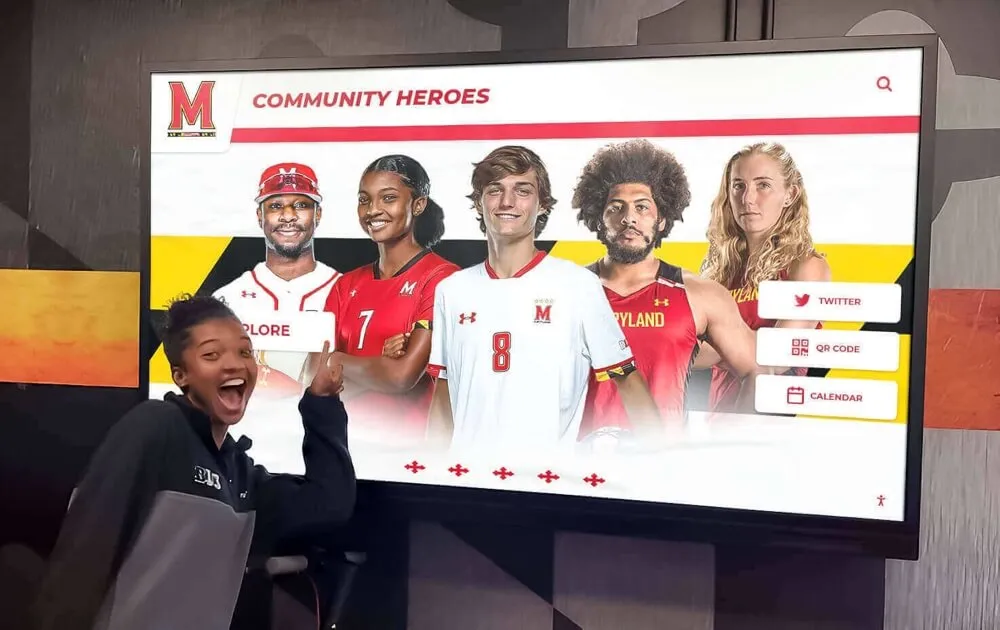
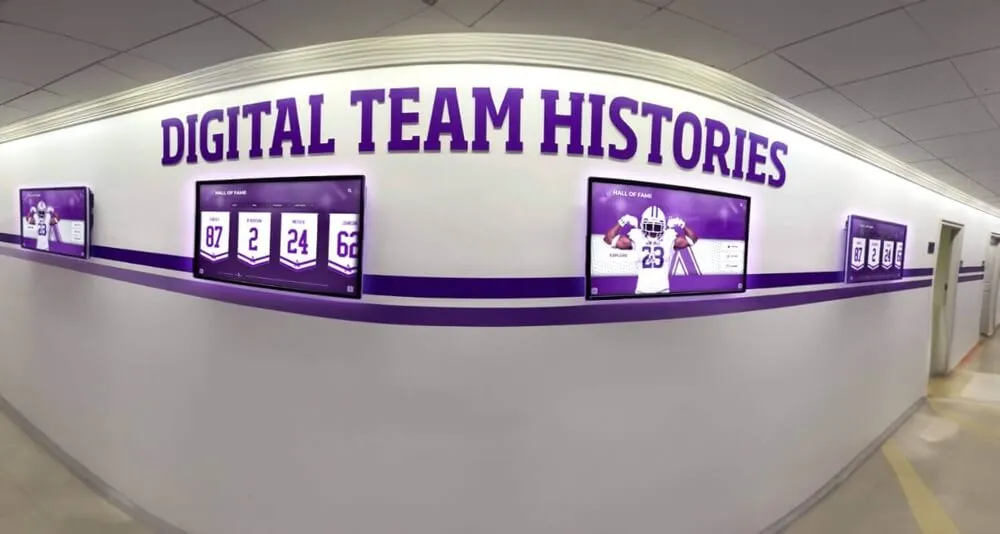
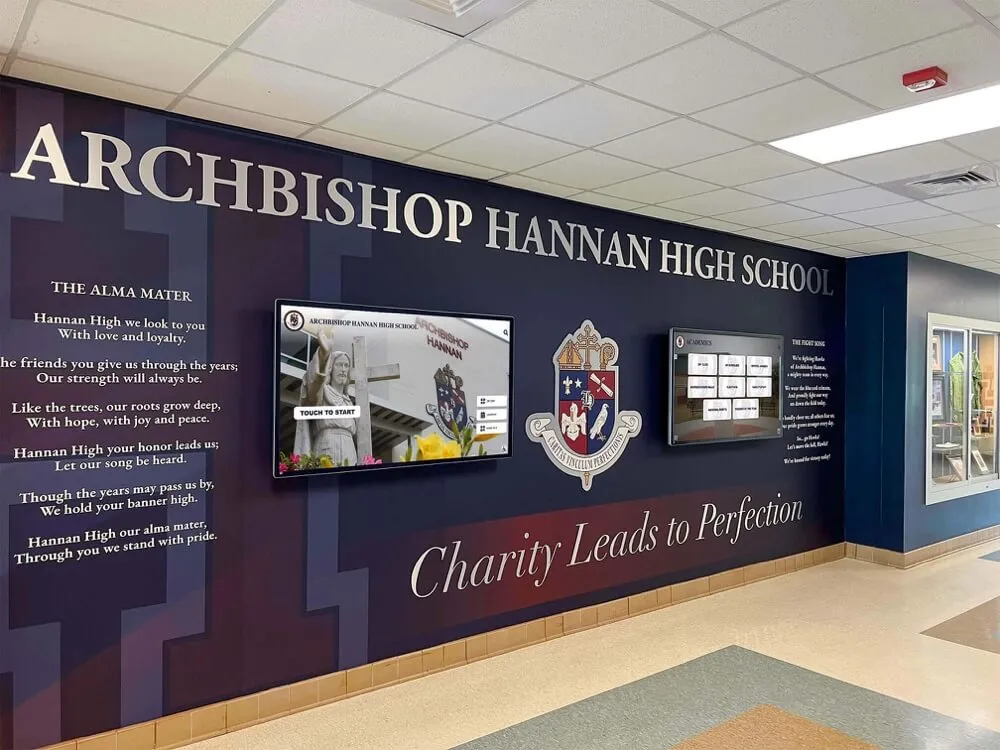
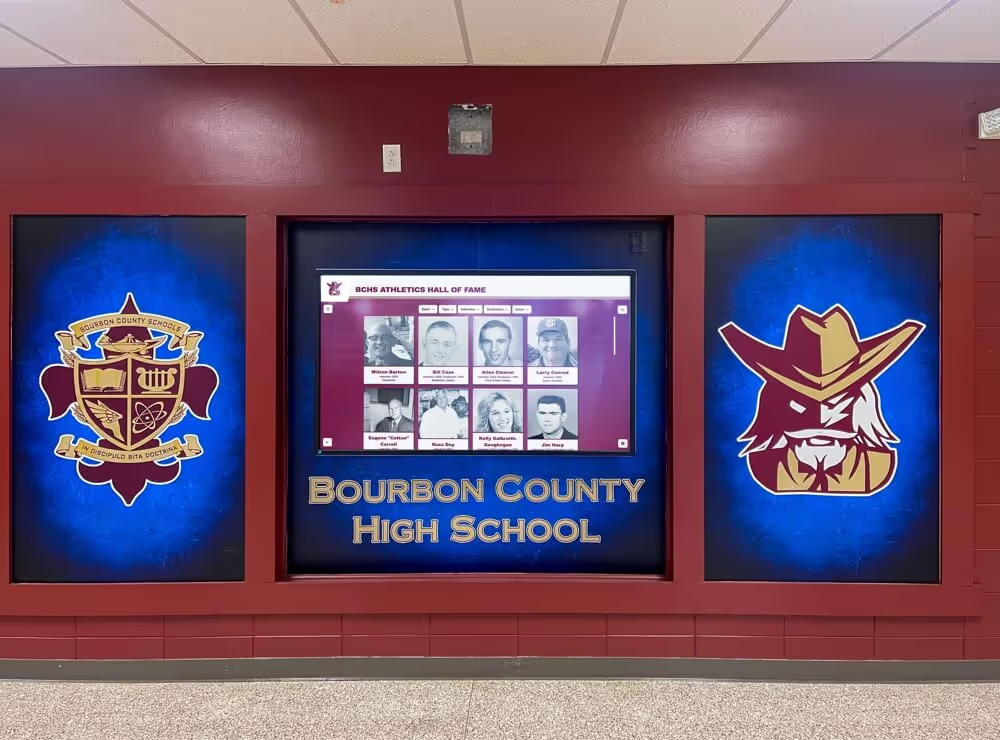
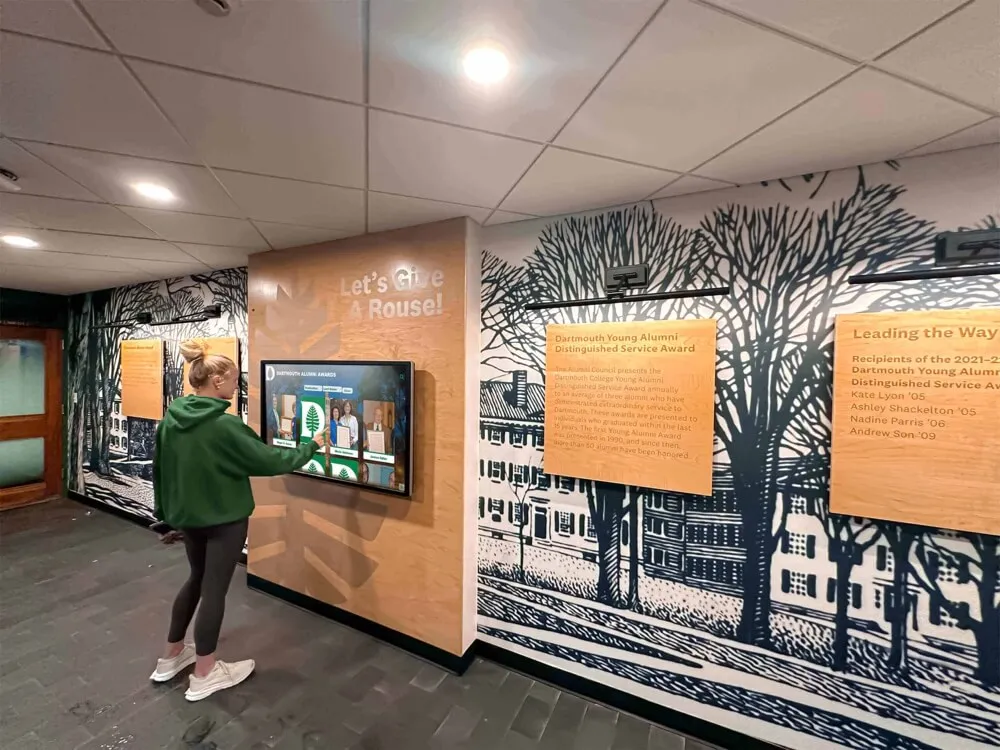
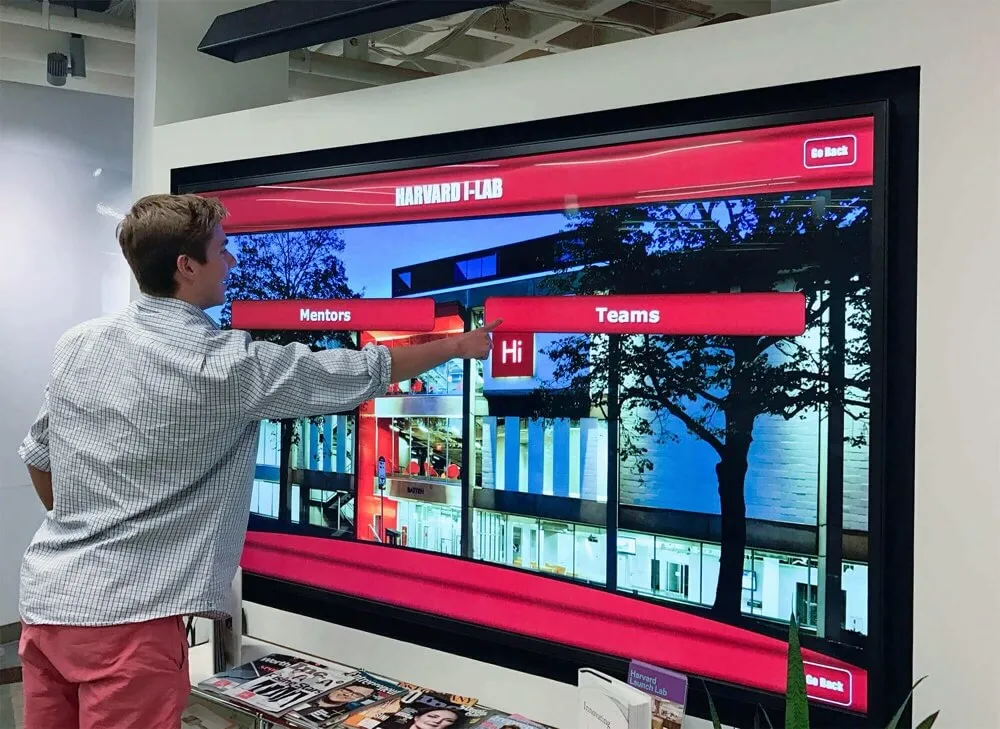
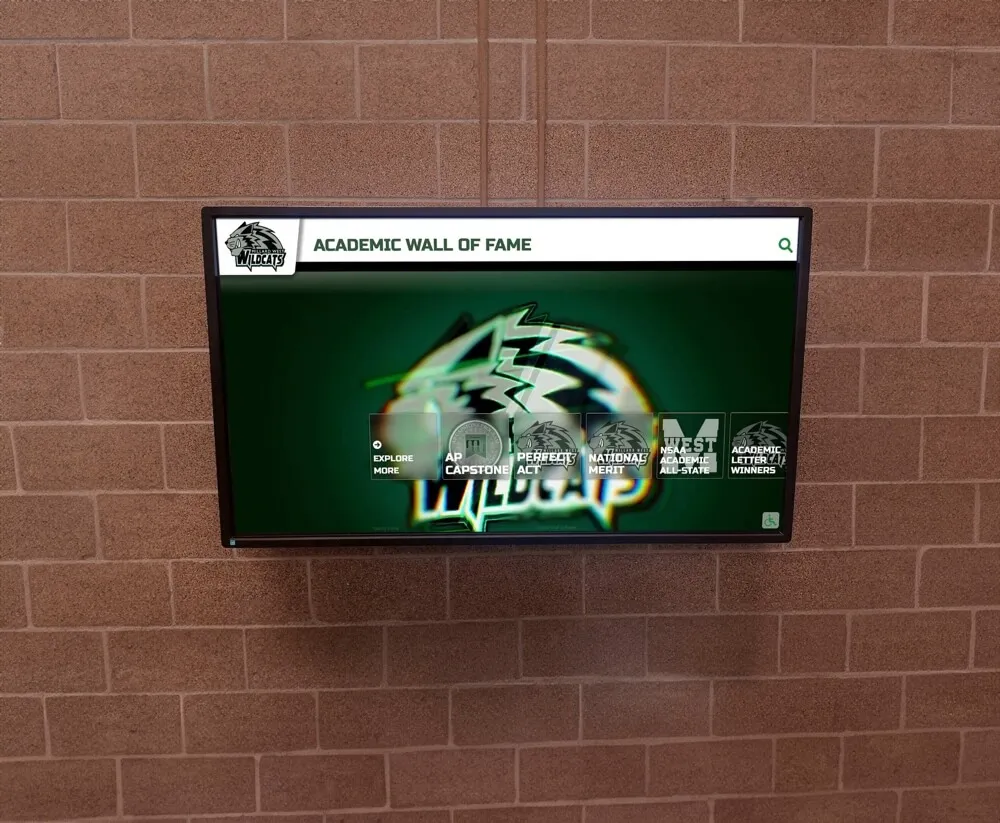
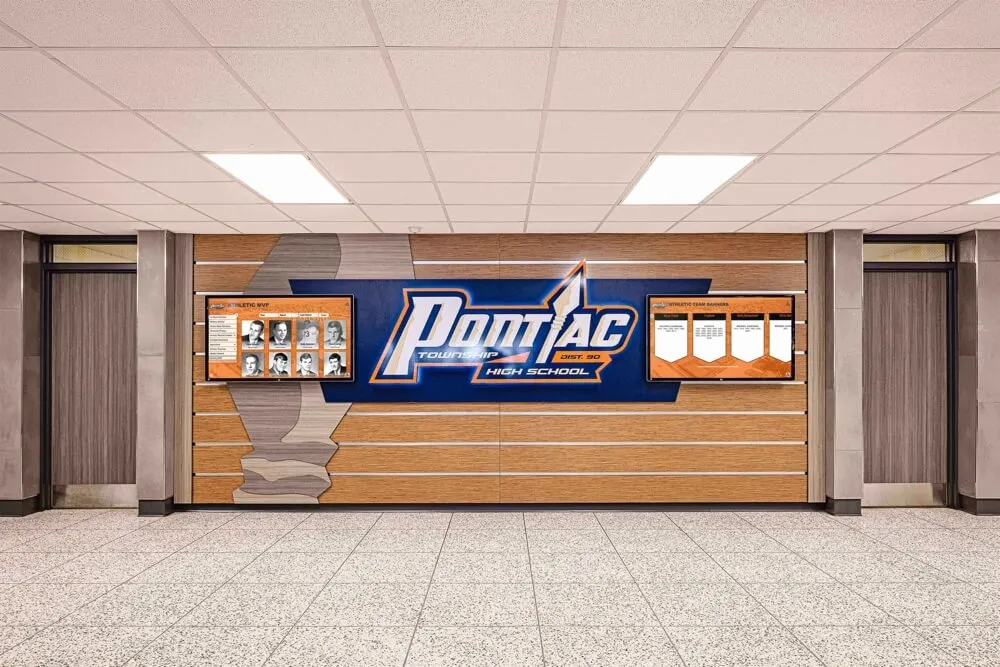
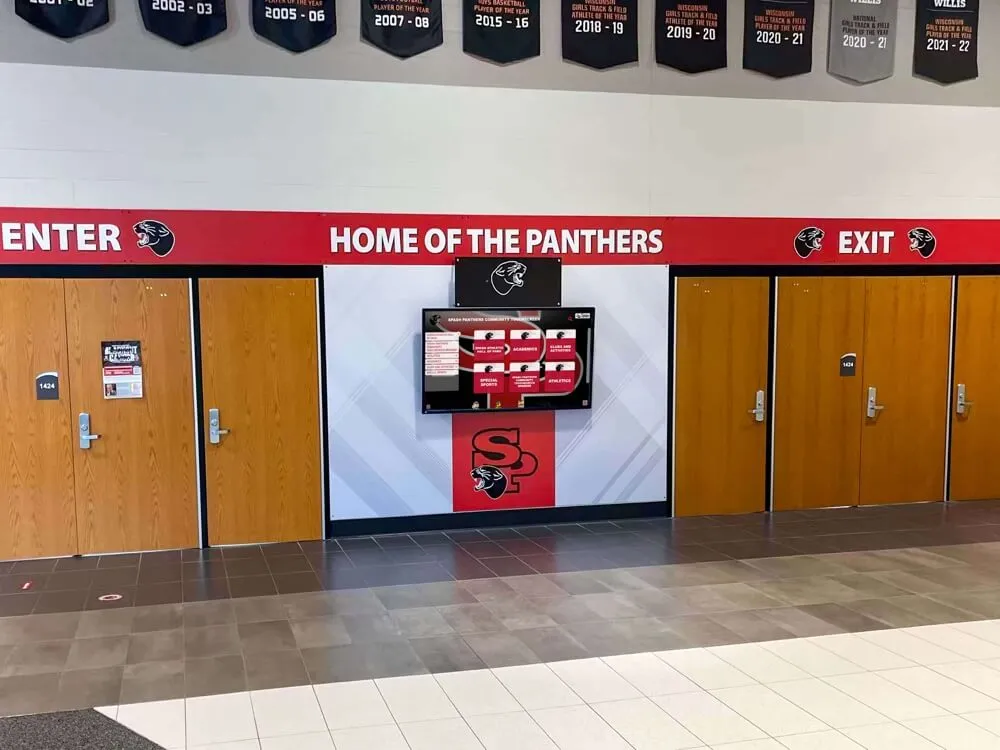
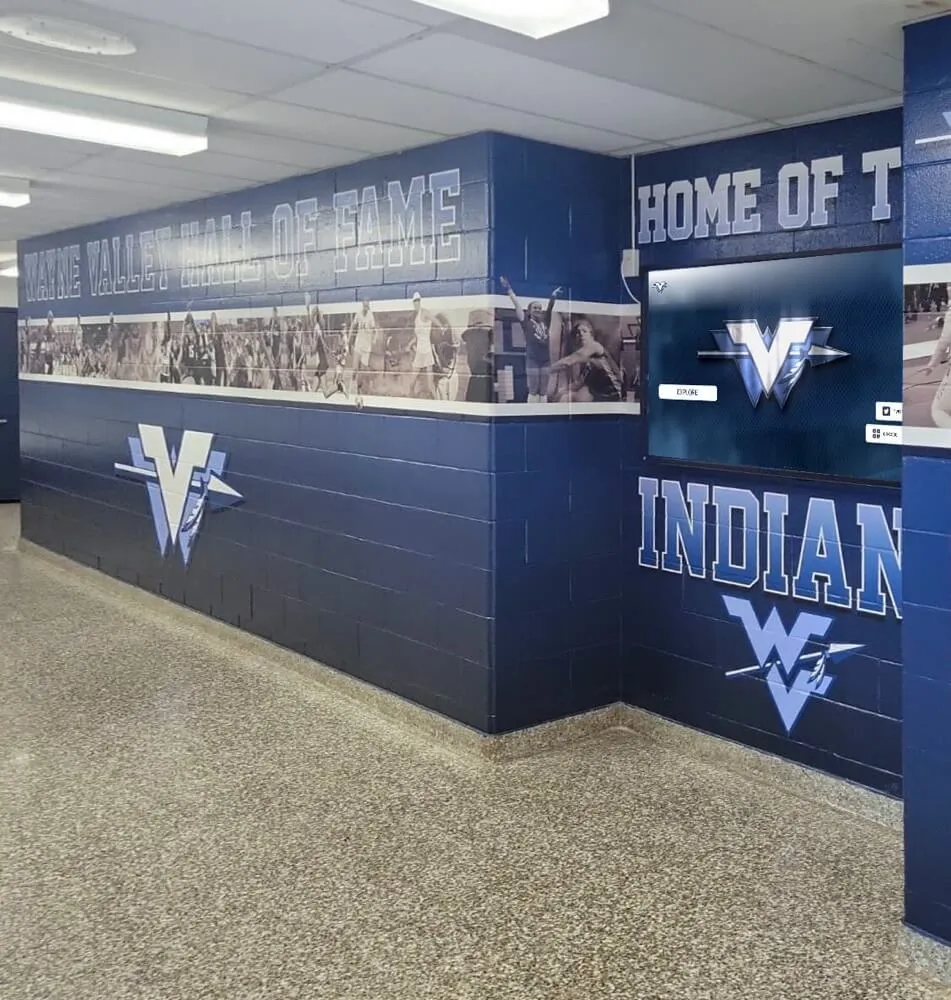
Recognition content extends beyond social media to [digital signage and displays](https://touchwall.tv/blog/school-digital-signage-how-interactive-displays-transform-communication/?utm_source=organic&utm_medium=seo&utm_campaign=rocket-graphics-free-social-media-graphics-full-suite&utm_content=touchscreenwebsitecom&utm_term=seo) throughout facilities—platforms that share content across channels maximize impact
Introducing Rocket Graphics: AI-Powered Content Creation for Schools
Rocket Graphics represents a fundamental shift from traditional design tools by embedding AI Agents directly into content creation workflows, enabling natural language requests that generate complete, branded graphics automatically.
What Makes Rocket Graphics Different
Rather than providing templates users must manually customize, Rocket Graphics interprets plain English prompts and creates finished content including graphics, captions, and platform-optimized formatting.
Text-to-Post AI That Understands School Needs
The platform’s AI understands educational and athletic contexts, generating appropriate content for common school scenarios.
Type “create a basketball game day post with score update” and receive a branded graphic incorporating your school colors, logo placement following brand guidelines, sport-specific imagery and design elements, space for score insertion or game details, and caption copy with relevant hashtags and calls-to-action.
The AI doesn’t require users to specify fonts, colors, layouts, or design elements—it automatically applies your institutional brand while creating contextually appropriate content for the request.
AI Agents That Assist Throughout the Process
Beyond initial content generation, Rocket Graphics includes AI Agents that help with the entire content lifecycle.
AI assists with editing and refinement—adjusting layouts, swapping imagery, or modifying text without starting over. It handles resizing for different platforms—automatically adapting Instagram square posts to Facebook landscape formats or Twitter dimensions. The AI rewrites captions for different audiences—adjusting tone for parents versus students or alumni. It schedules content across multiple platforms simultaneously, and suggests content ideas based on school calendar events and past performance.
This comprehensive assistance means school staff focus on what to communicate rather than how to design it.
Core Capabilities and Features
Understanding what Rocket Graphics can do helps schools envision practical applications for their specific needs.
Text-to-Post Generation
Simply describe the content needed: “Senior night graphic for volleyball player Sarah Johnson, #12, four-year varsity letter winner” generates personalized graphics automatically incorporating player details, appropriate recognition language, and school branding.
“Reminder post about tomorrow’s early dismissal at 1:00 PM for staff development” creates announcement graphics with clear messaging, appropriate visual hierarchy, and school brand elements.
The text-to-post functionality handles athlete spotlights and recognition, game schedules and score updates, event announcements and reminders, academic achievement celebrations, staff appreciation posts, facility updates and construction progress, fundraising campaigns and donor recognition, and community announcements relevant to school audiences.
Template Library for Quick Starts
When users prefer template-based workflows, Rocket Graphics provides extensive starting points organized by category.
Athletic templates cover game day posts, score updates, athlete of the week, senior night recognition, schedule announcements, recruiting graphics, championship celebrations, and record-breaking achievements. Academic templates address honor roll announcements, testing reminders, academic awards, scholarship recognition, and student achievement spotlights. Event templates include school calendar reminders, performance announcements, parent engagement events, fundraiser promotions, and community celebration posts.
All templates automatically apply school branding while remaining fully customizable if users want to adjust layouts, swap images, or modify content.
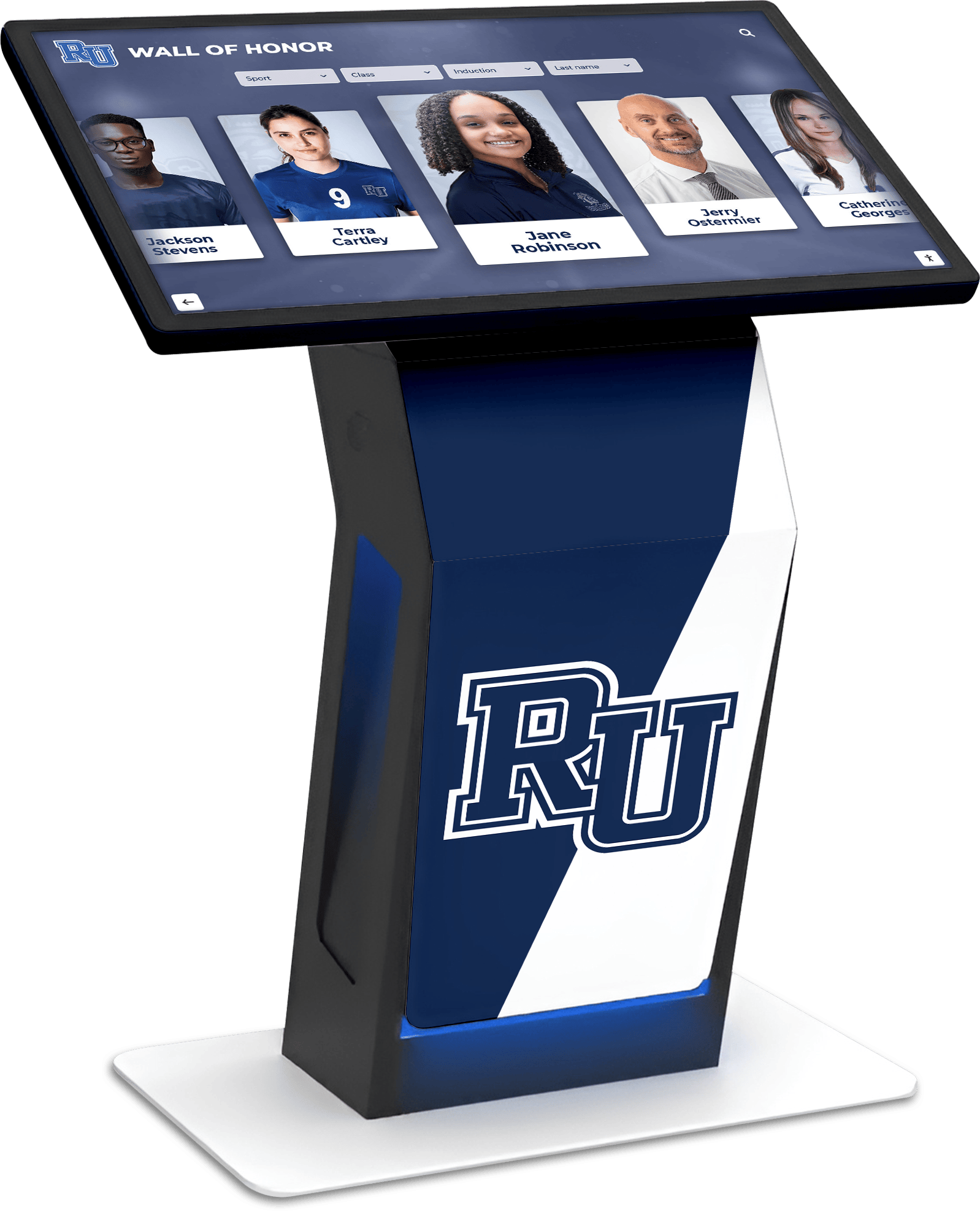
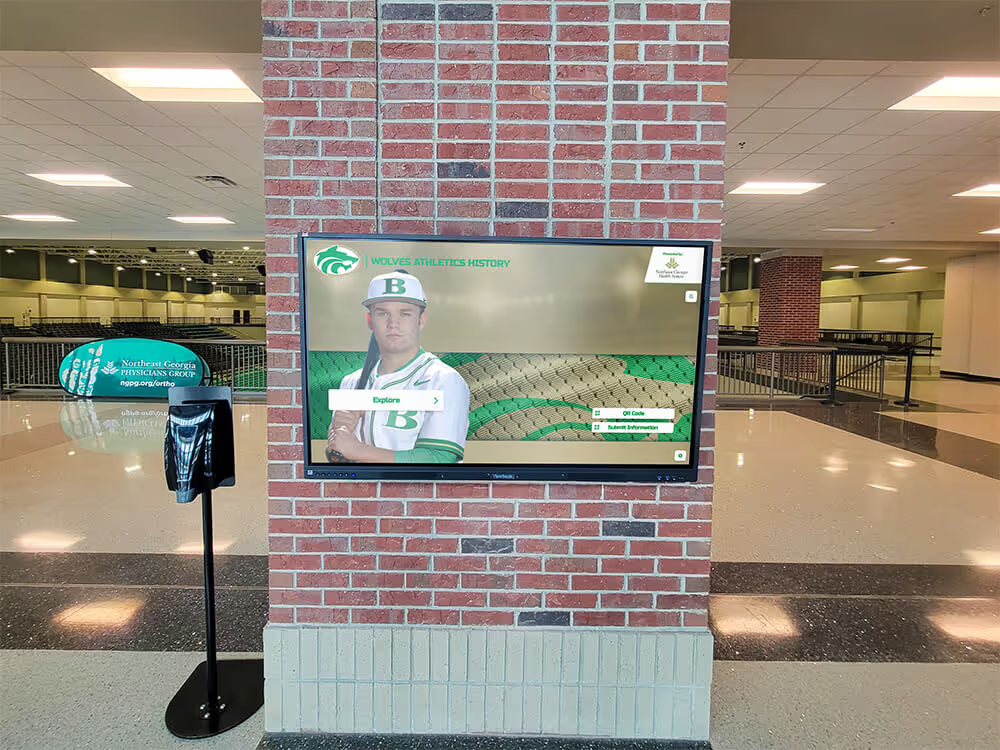
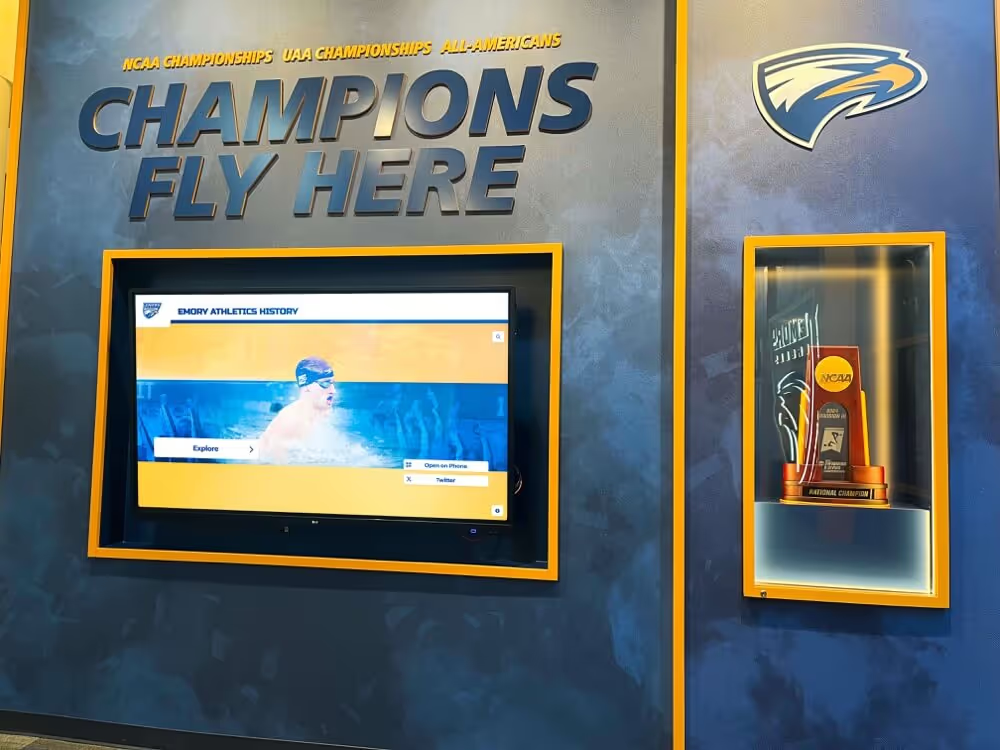
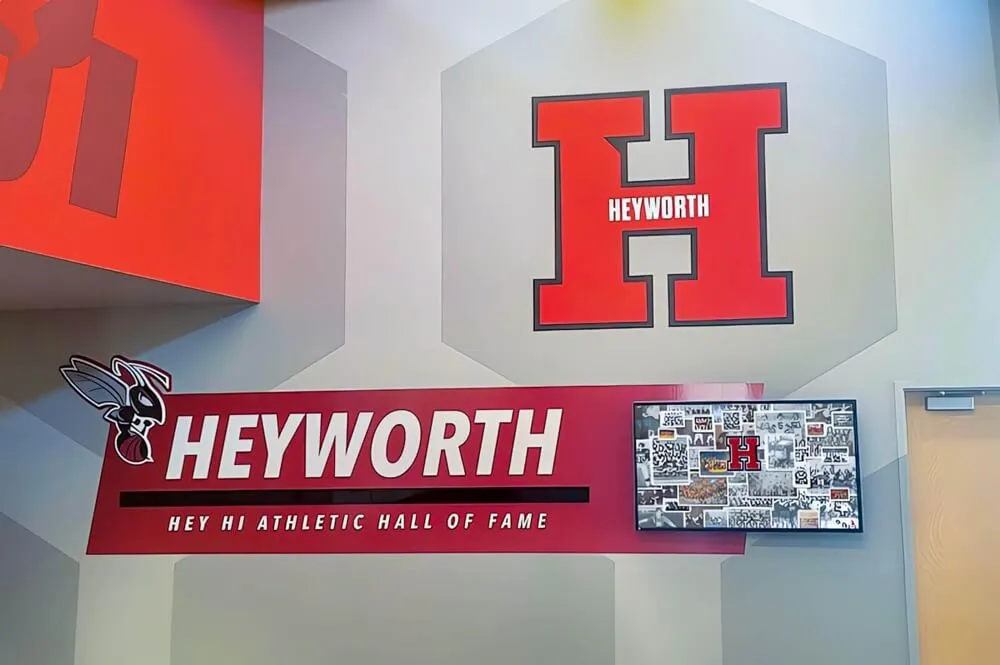
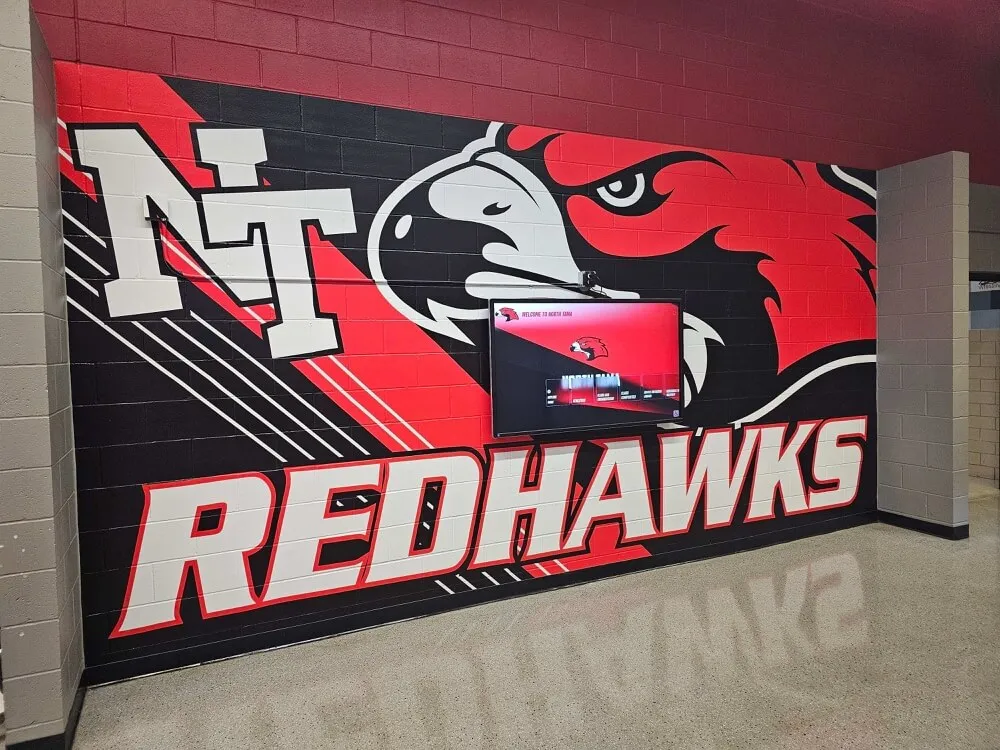
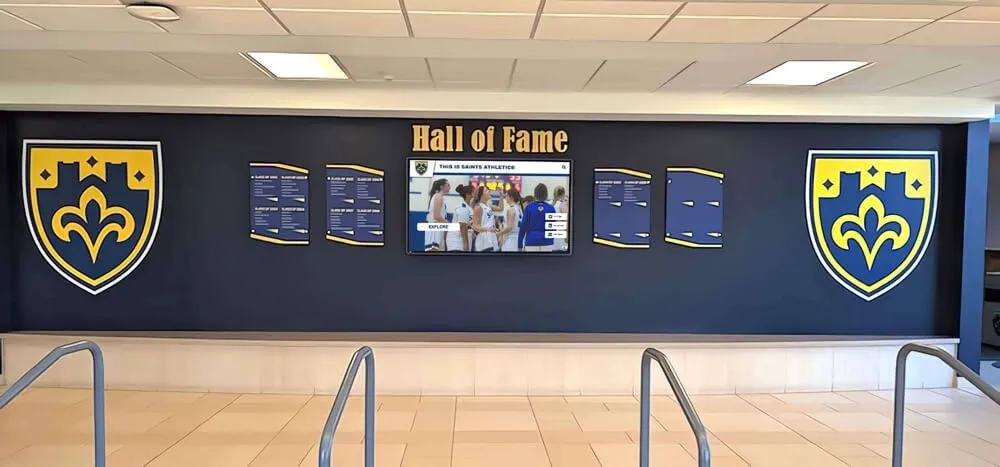
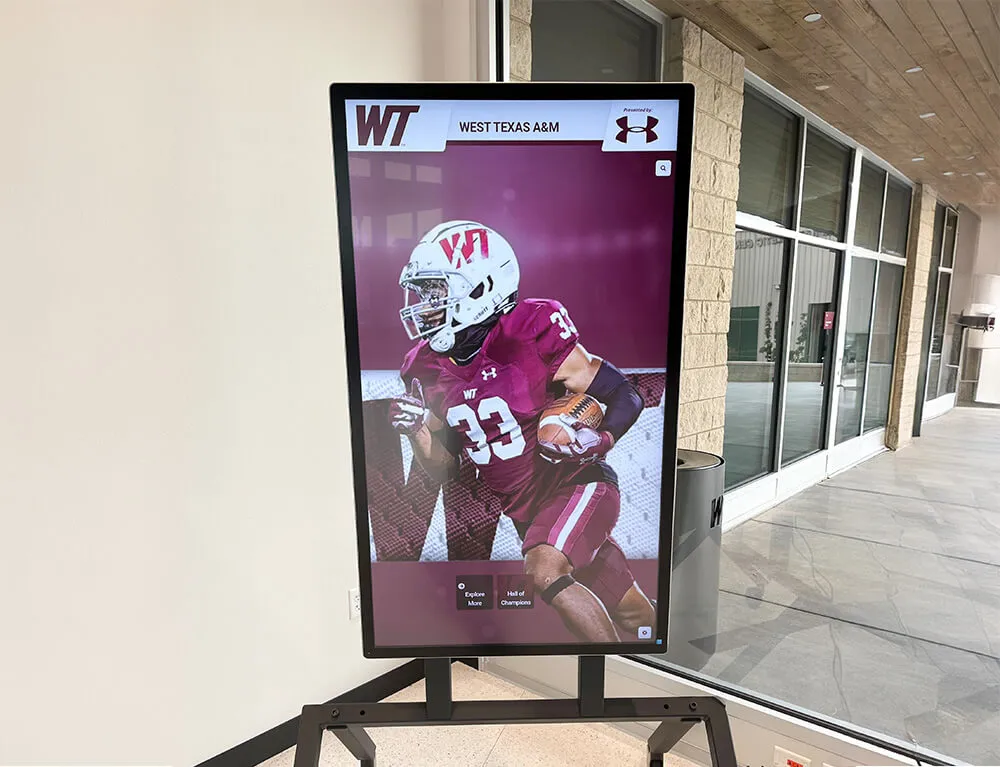
Schools using comprehensive recognition systems often combine social media content with [interactive displays](https://halloffame-online.com/blog/digital-trophy-wall-complete-guide/?utm_source=organic&utm_medium=seo&utm_campaign=rocket-graphics-free-social-media-graphics-full-suite&utm_content=touchscreenwebsitecom&utm_term=seo) that display achievements in high-traffic areas
Brand Control and Customization
Rocket Graphics learns institutional brand identity and automatically applies it across all generated content.
Upload school logos in various formats—the system knows when to use horizontal versus stacked versions, full-color versus single-color applications, and appropriate sizing for different graphic types. Define official color palettes including primary and secondary colors, proper color combinations, and accessibility-compliant contrast ratios. Set typography standards specifying approved fonts, text hierarchy, and readability guidelines. Establish design preferences around image styles, graphic elements, and overall aesthetic direction.
Once configured, every AI-generated graphic automatically adheres to brand standards without requiring manual application. When new staff members create content, they inherit proper branding automatically rather than needing extensive brand guideline training.
This centralized control ensures consistency across departments, buildings, and personnel while dramatically reducing the time administrators spend correcting off-brand content.
Multi-Platform Publishing and Optimization
Content created in Rocket Graphics automatically adapts to platform-specific requirements without recreating graphics manually for each destination.
The system handles dimension adjustments—generating Instagram square (1080x1080), Instagram story (1080x1920), Facebook landscape (1200x630), Twitter (1600x900), LinkedIn (1200x627), and custom sizes for newsletters or digital signage displays. File format conversion produces JPG, PNG, or platform-specific requirements. Caption refinement adjusts character counts and hashtag strategies for each platform’s algorithms and best practices.
Schools can publish to multiple platforms simultaneously rather than recreating content separately for each social channel—dramatically reducing the time investment required for comprehensive social media presence.
Recognition-First Content Philosophy
Unlike generic graphic design tools, Rocket Graphics specifically prioritizes recognition content celebrating people and achievements—exactly what schools need most.
The platform includes specialized templates and AI training for student athlete spotlights and team recognition, academic honor roll and achievement announcements, staff appreciation and employee of the month, volunteer and parent involvement recognition, donor acknowledgment and fundraising celebration, alumni achievement highlights, and milestone commemorations for individuals and programs.
This recognition focus means the AI understands appropriate language, imagery, and design elements for celebration rather than requiring users to create recognition content from generic business templates designed for corporate marketing.
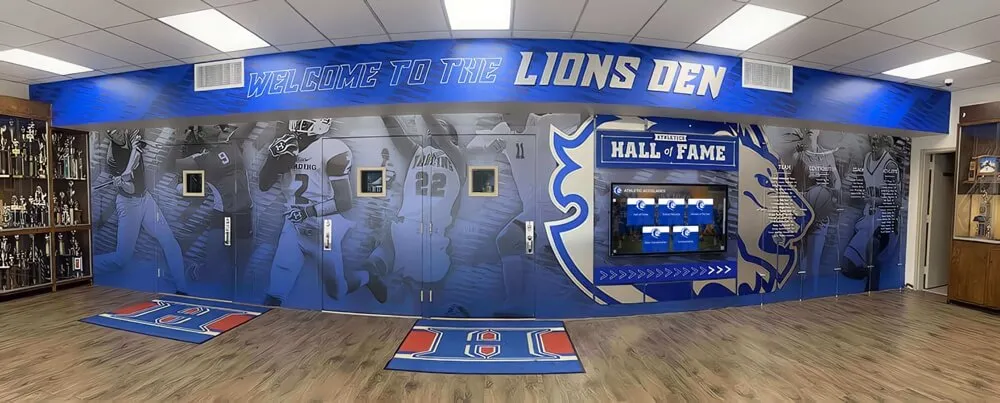
Schools interested in comprehensive recognition programs often combine social media celebration with permanent displays—learn more about digital recognition walls that provide lasting visibility beyond temporary social posts.
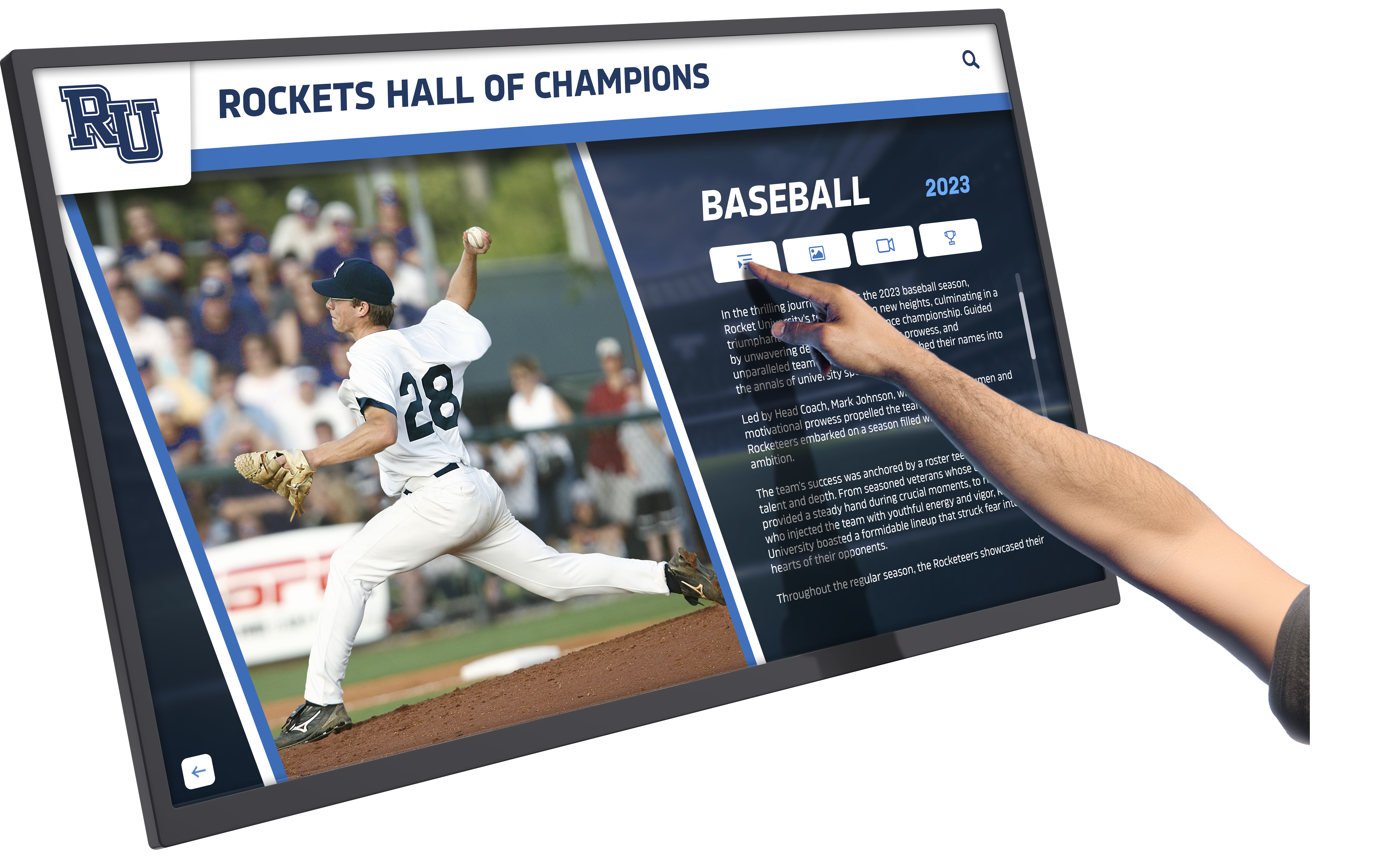
Intuitive interfaces for both digital creation and physical displays ensure broad accessibility regardless of technical expertise
Practical Applications for Schools and Athletic Departments
Understanding how different school departments and roles can utilize Rocket Graphics demonstrates the platform’s versatility across educational contexts.
Athletic Department Content Strategies
Athletic programs generate substantial content needs across multiple sports, seasons, and recognition opportunities.
Game Day and Competition Content
Before competitions, create schedule announcements with game times, locations, and ticket information, opponent previews highlighting matchups and season records, senior night and special event promotions, and rivalry game hype content building excitement and attendance.
During events, generate live score updates and quarter/half summaries, highlight reels and standout play recognition, fan engagement posts encouraging social sharing, and attendance appreciation thanking supporters.
After competitions, share final scores with season record updates, post-game coach quotes and reactions, player performance highlights and statistics, and next game preview maintaining momentum.
Rocket Graphics enables athletic departments to maintain this comprehensive content calendar without hiring dedicated social media staff—essential for programs with limited administrative support.
Athlete Recognition and Recruiting Content
Individual athlete spotlights provide recruitment visibility while building team culture. Create senior spotlight series featuring graduating athletes, underclassman introductions welcoming new varsity players, athlete of the week recognition for outstanding performances, academic all-conference acknowledgments, statistical milestone celebrations when athletes break records, and commitment announcements when athletes sign with colleges.
High-quality, consistent recognition content serves dual purposes—celebrating current athletes while demonstrating program culture to recruits and their families evaluating athletic opportunities. Schools with strong social media presence often see recruiting advantages as prospects perceive active programs with supportive communities.
Seasonal Team Content
Each season brings opportunities for team-focused content. Design roster reveal graphics introducing team members, season preview posts highlighting goals and key players, team bonding and practice content showing program culture, community service and volunteer activity highlights, team achievement milestones throughout the season, and end-of-season banquet recognition celebrating accomplishments.
Comprehensive team content builds community support, increases family engagement, and creates digital records preserving team history accessible through future digital archives and recognition displays.
Academic and Student Life Communications
Beyond athletics, schools need consistent content celebrating academic achievements, student activities, and campus life.
Academic Achievement Recognition
Regular academic recognition maintains focus on educational mission while motivating student performance. Create quarterly honor roll announcements with searchable student lists, perfect attendance recognition celebrating consistency, standardized test achievement spotlights for exceptional scores, academic competition success highlighting intellectual achievement, scholarship recipient announcements celebrating financial aid, and subject-specific awards recognizing excellence in particular disciplines.
Consistent academic recognition content ensures intellectual achievements receive visibility comparable to athletic accomplishments—reinforcing that schools value comprehensive excellence across all domains.
School Event Promotion and Documentation
Every school calendar generates content opportunities. Promote upcoming events through early-bird announcements building awareness, detailed information posts providing logistics, reminder posts approaching event dates, and day-of posts encouraging final participation.
Document events through photo recaps celebrating participation, attendee thank-you posts appreciating community support, highlights of special moments preserving memories, and teasers for next year building anticipation for annual traditions.
Event content creates community connections while preserving institutional history through visual documentation accessible beyond individual memories.
Staff and Faculty Appreciation
Teacher and staff recognition builds morale while demonstrating institutional values. Create employee spotlight series sharing personal stories, years-of-service milestone recognition, retirement tributes celebrating careers, new staff welcomes introducing community members, award and achievement announcements for professional recognition, and appreciation posts during Teacher Appreciation Week or similar occasions.
Staff recognition content improves workplace culture while publicly demonstrating commitment to the adults making educational mission possible—important messaging for recruitment and community perception.
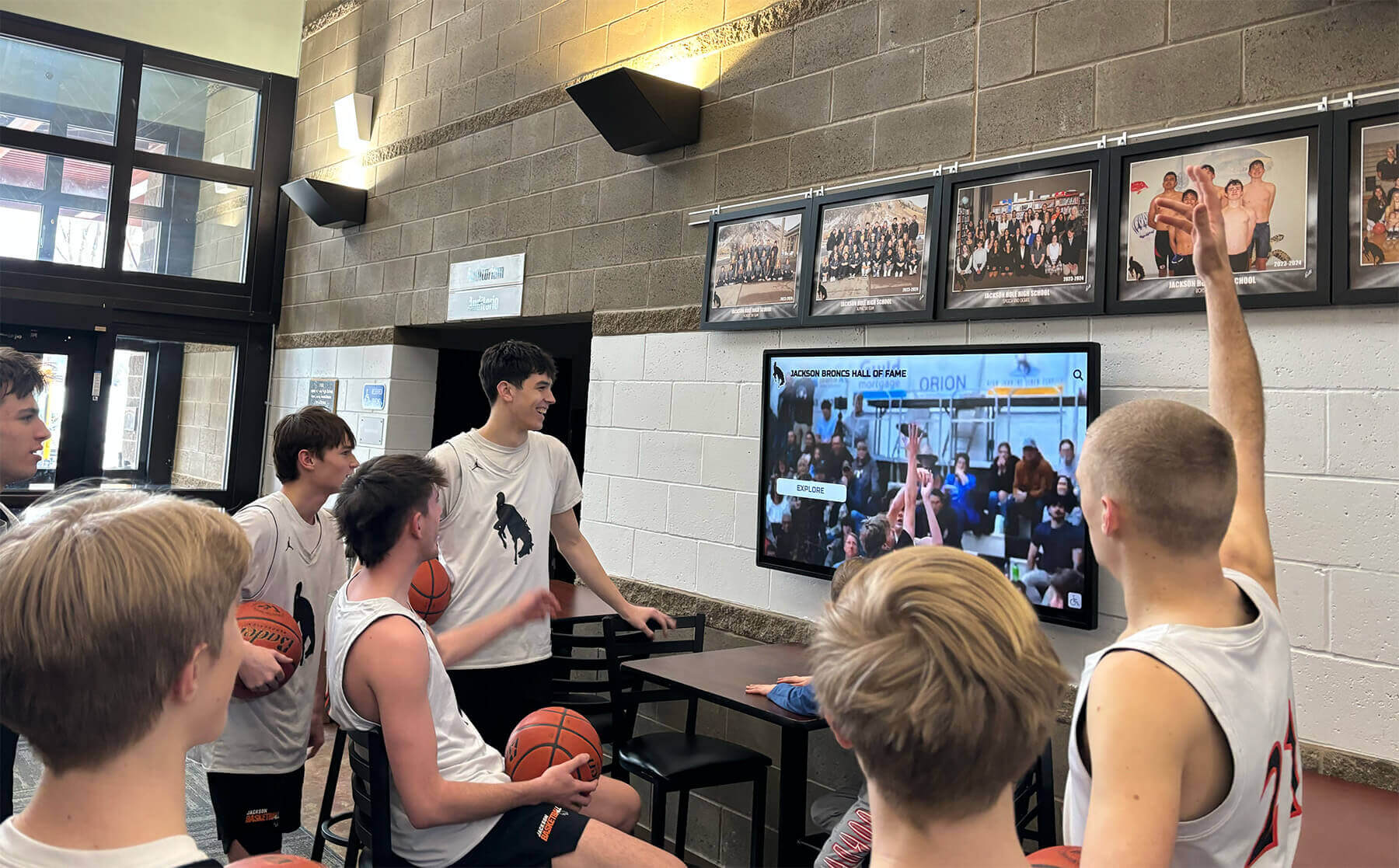
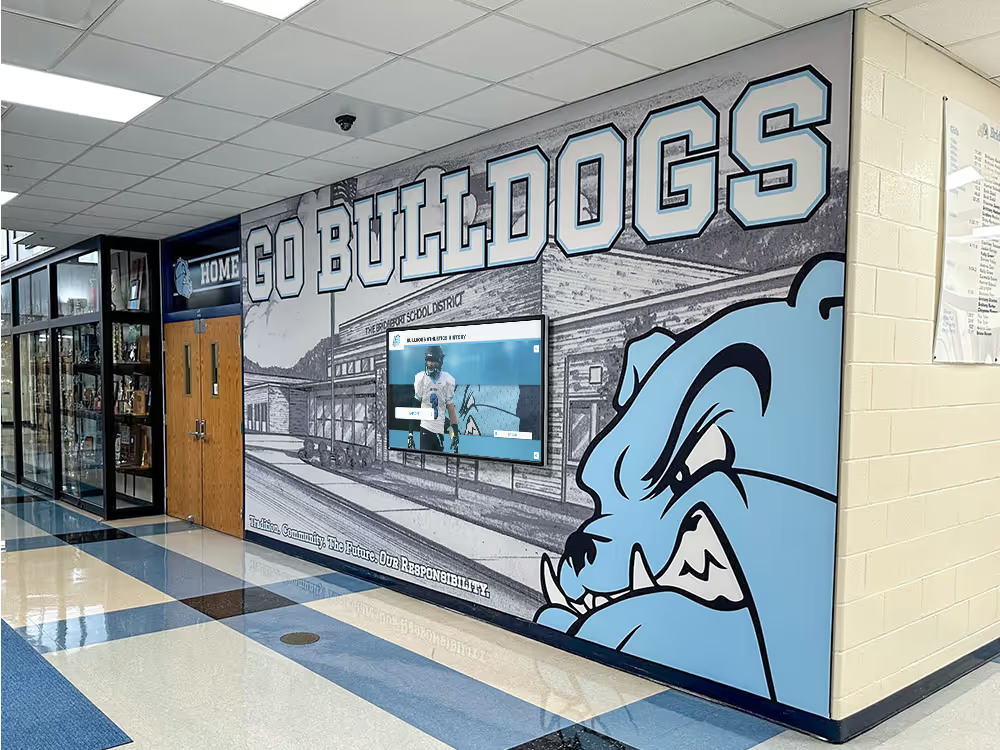
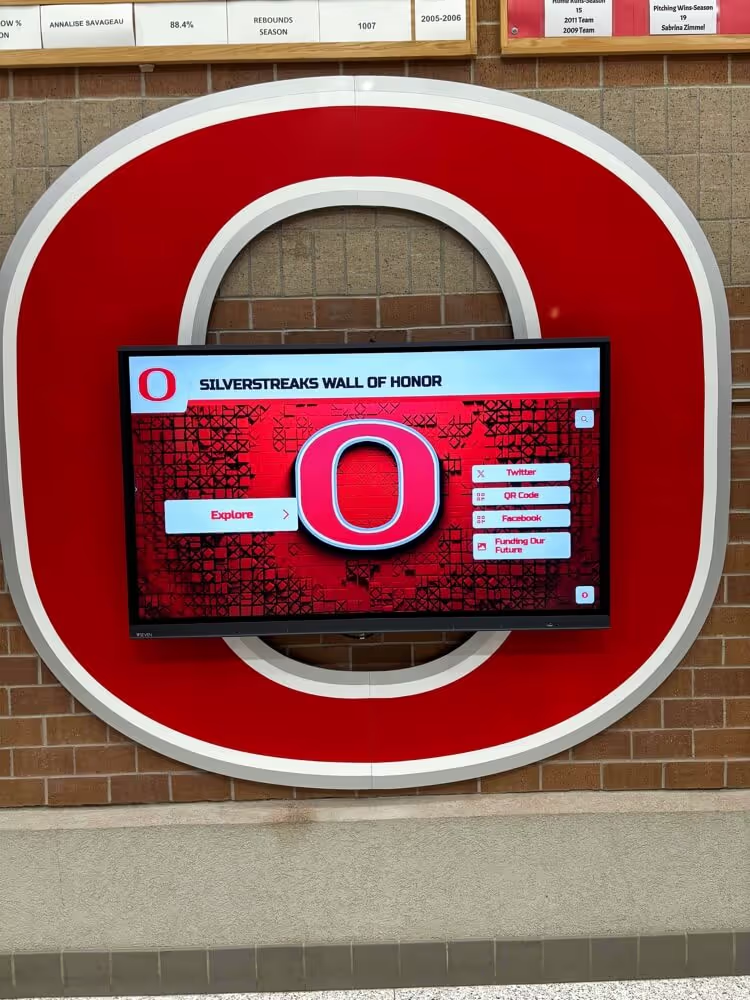
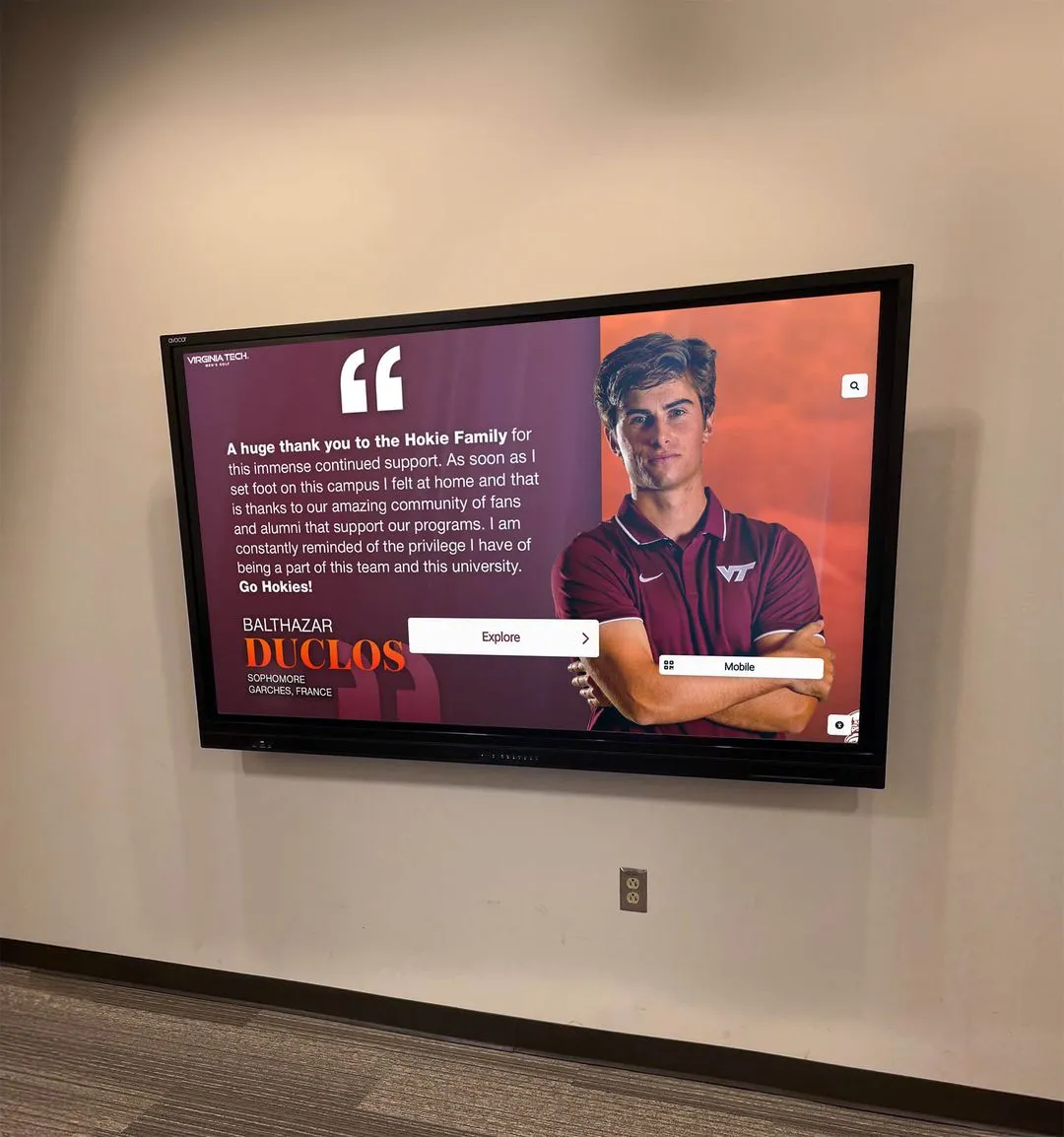
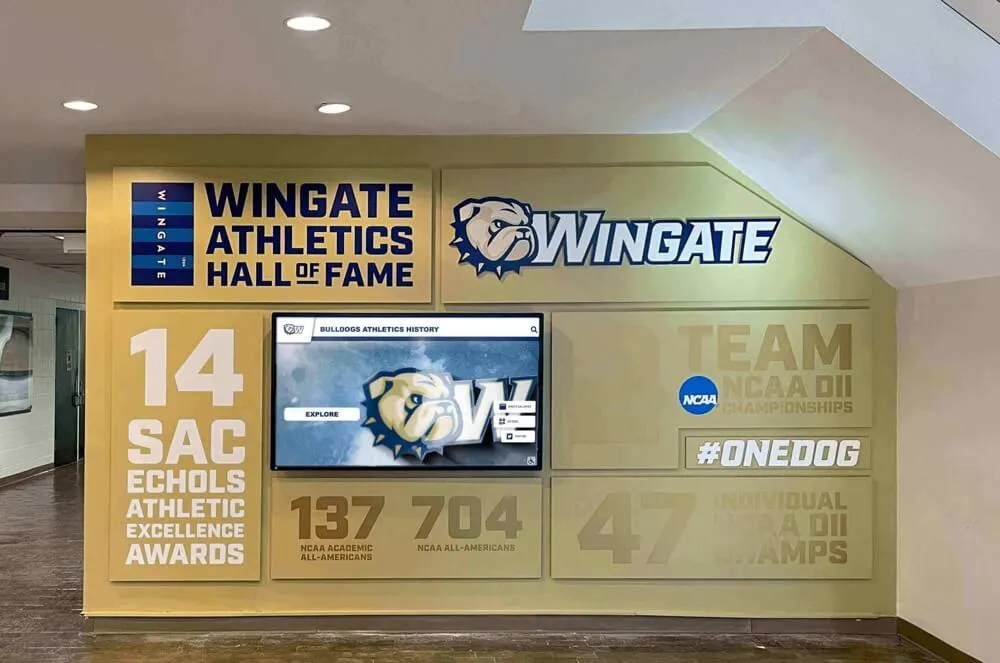
Content created for social media can simultaneously display on [digital signage throughout school facilities](https://halloffame-online.com/blog/exciting-hallway-displays-schools-guide/?utm_source=organic&utm_medium=seo&utm_campaign=rocket-graphics-free-social-media-graphics-full-suite&utm_content=touchscreenwebsitecom&utm_term=seo), maximizing reach and impact
District-Level Communications and Brand Management
School districts face unique challenges maintaining consistent messaging across multiple buildings, departments, and personnel.
Multi-School Brand Consistency
Districts using Rocket Graphics can establish district-wide brand standards while enabling building-level customization. Set core district brand elements including official logos, color palettes, and typography that automatically apply across all schools. Enable school-specific customization through building names, mascots, and secondary colors while maintaining district identity. Create approval workflows allowing central office review before public posting when desired. Generate usage analytics showing content volume and engagement across buildings.
This structure balances necessary consistency with building-level autonomy—ensuring district identity remains coherent while empowering individual schools to celebrate their unique communities.
District-Wide Initiative Promotion
When districts launch new programs, policies, or community engagement efforts, coordinated communications across buildings prove essential. Rocket Graphics enables districts to create campaign templates that individual schools customize for local audiences, generate multi-lingual content serving diverse communities, coordinate launch timing across multiple social channels and buildings, and track aggregate engagement measuring campaign effectiveness.
Centralized content creation with decentralized distribution ensures messages reach all stakeholders while reducing duplication of effort across buildings.
Crisis Communication and Emergency Messaging
During school closures, emergencies, or urgent situations, rapid content creation matters significantly. Rocket Graphics allows quick generation of emergency closure graphics with consistent formatting, weather-related schedule change announcements, safety information and procedure reminders, and return-to-normal messaging when situations resolve.
Pre-built emergency templates enable non-design staff to create appropriate communications quickly during stressful situations when timely information dissemination proves critical.
Best Practices for School Social Media Success with Rocket Graphics
Access to powerful tools matters less than strategic implementation—these practices maximize social media effectiveness regardless of platform capabilities.
Content Strategy and Planning
Successful social media presence requires intentional planning rather than reactive, sporadic posting.
Develop Content Calendars
Map content to school calendars identifying predictable opportunities including season starts and senior nights for each sport, testing periods and achievement announcement dates, school events and performances, recognition days and appreciation weeks, and district initiatives and campaigns.
With predictable content mapped, schools can batch-create graphics in advance during less busy periods rather than scrambling during hectic weeks when time proves scarce.
Establish Content Pillars
Organize content around consistent themes ensuring balanced coverage across institutional priorities. Common pillars include athletic achievement and competition, academic excellence and student learning, student life and extracurricular activities, staff and community recognition, and operational information and announcements.
Rotating through content pillars prevents overemphasizing particular areas while ensuring comprehensive representation of school experience.
Balance Planned and Responsive Content
While content calendars provide structure, save capacity for responsive, real-time content capitalizing on timely opportunities including unexpected achievements worth immediate celebration, trending topics or current events relevant to school community, student-generated content worth amplifying, and spontaneous moments capturing authentic school culture.
The most engaging social media balances planned consistency with authentic spontaneity—Rocket Graphics’ quick generation capabilities enable both approaches without demanding hours of design work.
Visual Design and Brand Standards
Even with automated brand application, understanding design principles improves content effectiveness.
Maintain Visual Consistency
Consistent visual language builds brand recognition and professional appearance. Use similar layouts for similar content types creating predictable visual patterns, maintain consistent color applications following brand guidelines, apply typography hierarchies appropriately emphasizing key information, and develop repeating graphic elements that become associated with your institution.
Visual consistency doesn’t mean identical templates—it means intentional patterns creating cohesive identity across varied content.
Adapt Content for Platform-Specific Best Practices
Different social platforms have different visual cultures and technical requirements. Instagram prioritizes high-quality imagery, clean design, and square or vertical formats. Facebook accommodates longer captions and link sharing with landscape-oriented graphics. Twitter demands concise messaging with graphics supporting rather than containing essential information. LinkedIn favors professional tone and content demonstrating educational leadership.
Understanding platform differences ensures content feels native to each environment rather than obviously cross-posted without adaptation.
Prioritize Accessibility
Inclusive design ensures content reaches all community members. Maintain sufficient color contrast between text and backgrounds meeting WCAG accessibility standards, avoid placing essential text over busy background images reducing readability, include alt text descriptions for images serving screen reader users, and caption video content for hearing-impaired viewers.
Accessible design improves usability for everyone while ensuring legal compliance and demonstrating inclusive values.
Engagement and Community Building
Content creation represents only half of social media success—engagement and responsiveness build genuine community connections.
Respond to Comments and Messages
Social media works bidirectionally—schools that only broadcast messages without responding miss opportunities. Monitor comments on posts answering questions and acknowledging feedback, respond to direct messages providing helpful information, thank community members for supportive comments and shares, and address concerns professionally when negative feedback appears.
Responsive engagement transforms social media from announcement bulletin board into actual community conversation space.
Encourage User-Generated Content
Community-created content builds authenticity while reducing institutional content creation burden. Create hashtags for school events encouraging attendee sharing, feature student and parent photos in stories or feeds with permission, repost athlete and club social content celebrating achievements, and recognize alumni sharing throwback memories connecting past and present.
User-generated content demonstrates active community while providing social proof of engagement attractive to prospective families evaluating schools.
Measure and Refine Based on Data
Effective social media management requires understanding what resonates. Track post engagement rates identifying high-performing content types, monitor follower growth measuring overall account health, analyze posting time performance optimizing when content reaches audiences, and identify top-performing posts to inform future content strategy.
Most social platforms provide native analytics—supplement with Rocket Graphics’ built-in tracking understanding which content types generate results worth repeating.

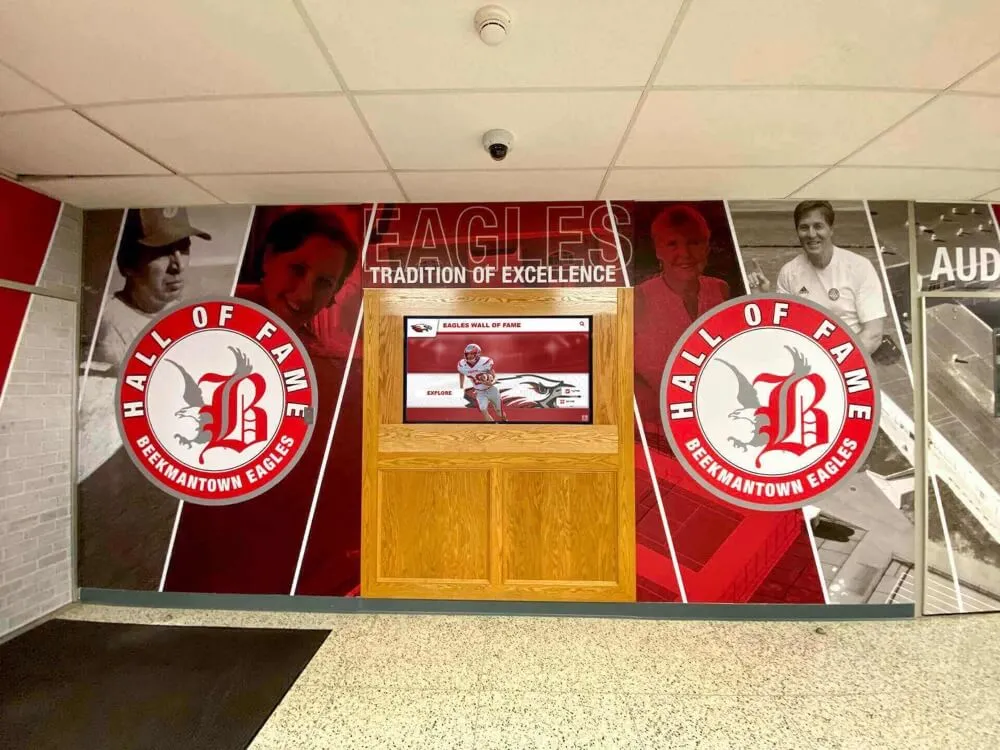
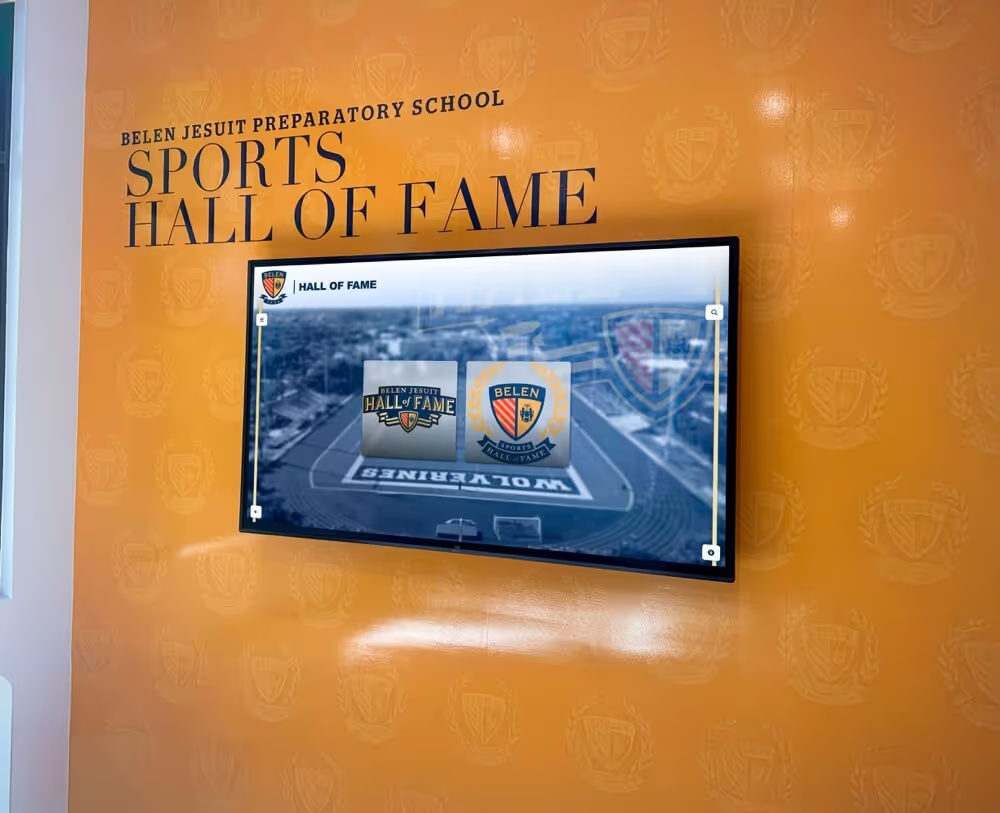
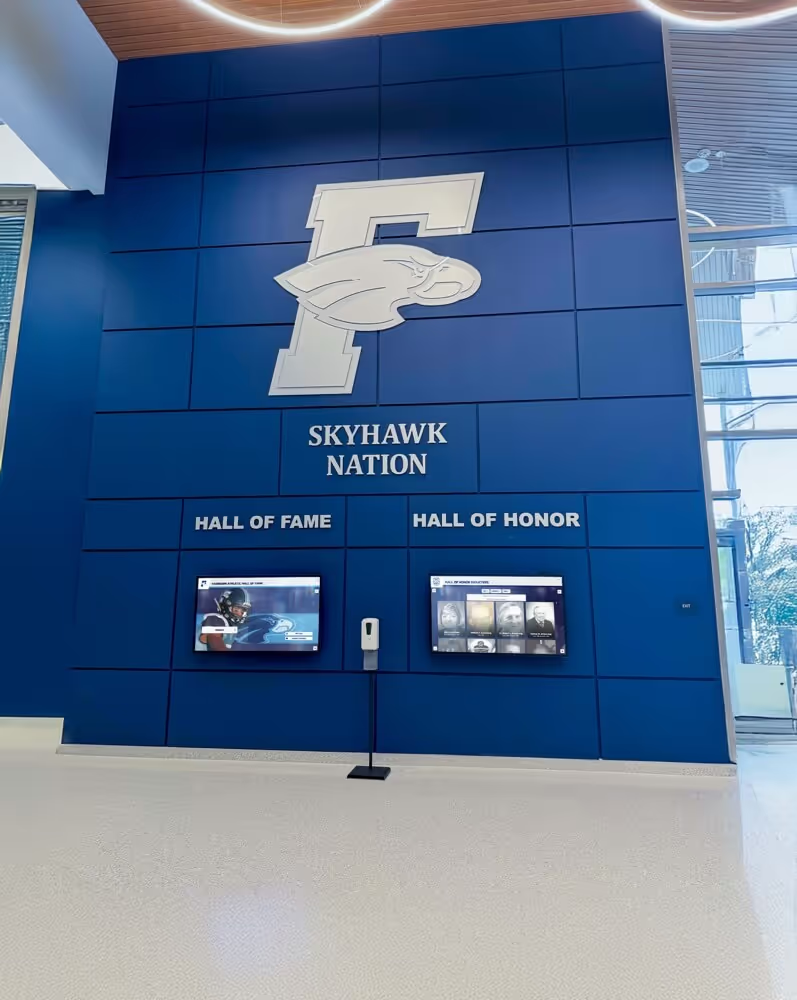
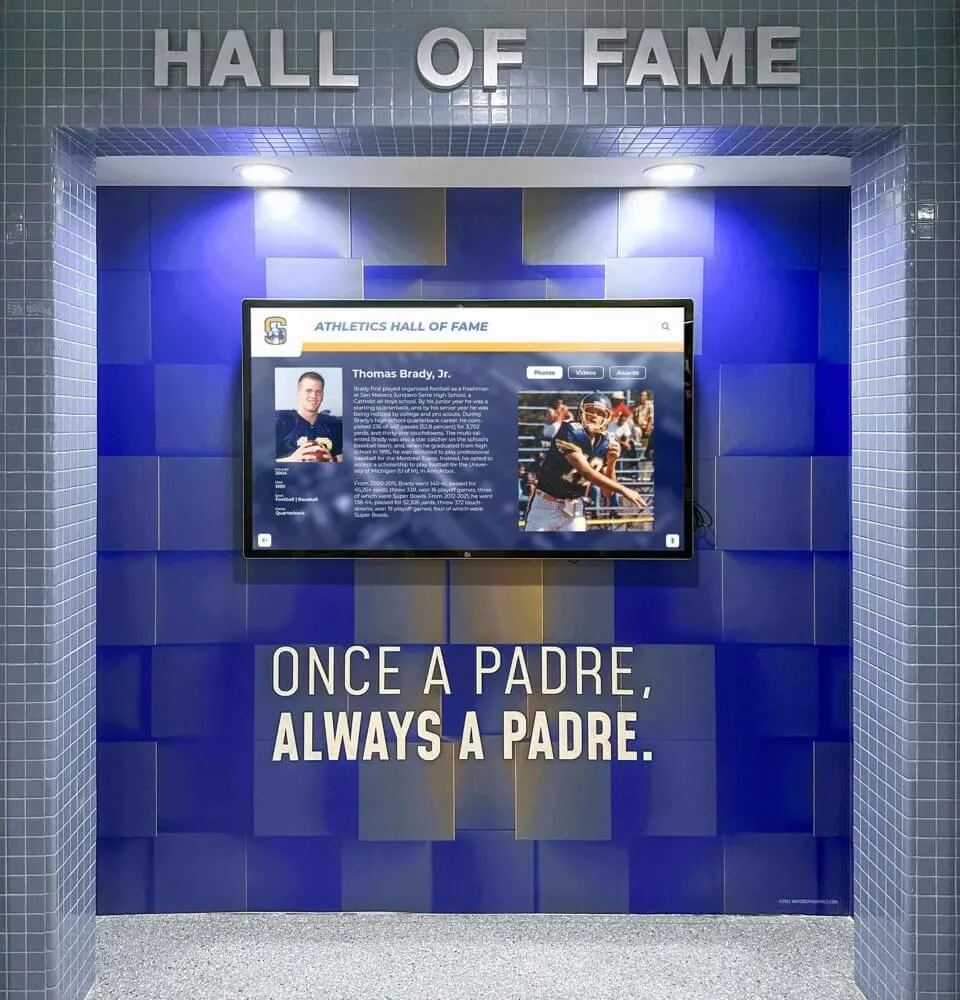
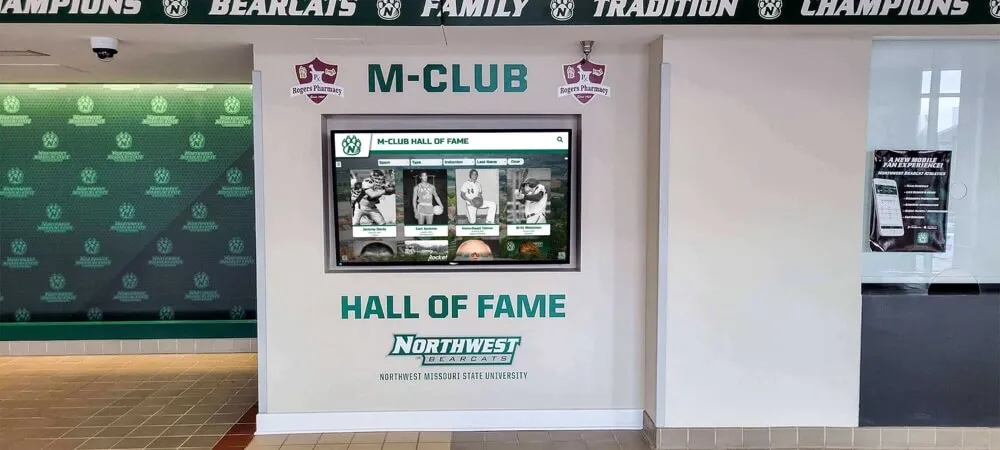
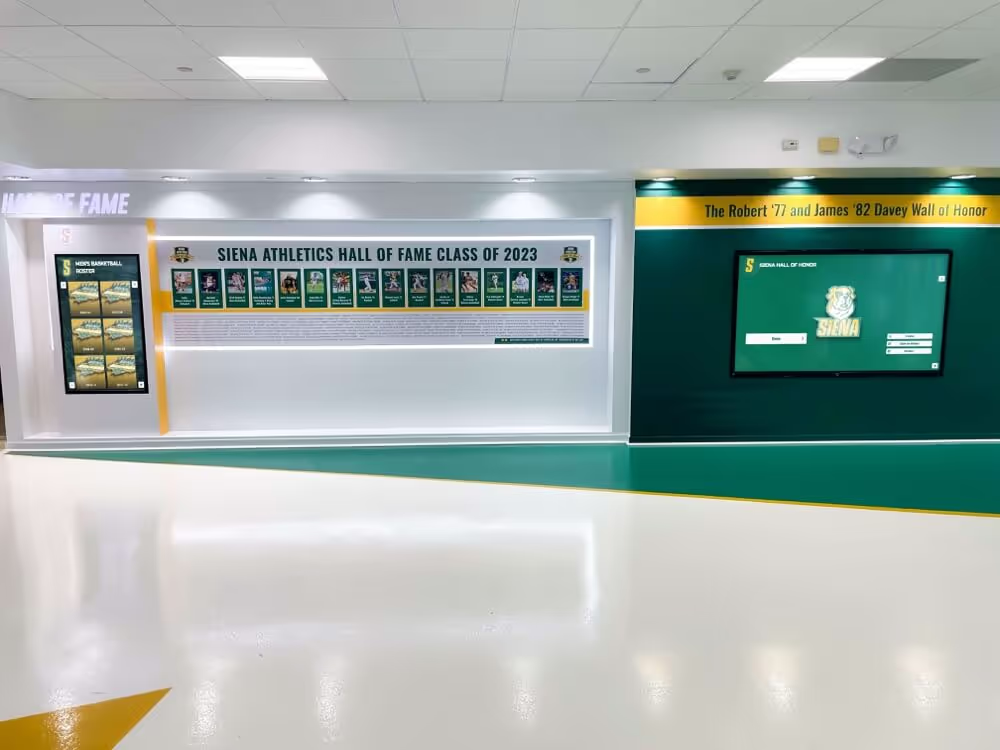
Comprehensive school communications strategies often combine dynamic social content with permanent [hall of fame displays](https://digitalwalloffame.com/blog/best-digital-wall-of-fame-complete-guide/?utm_source=organic&utm_medium=seo&utm_campaign=rocket-graphics-free-social-media-graphics-full-suite&utm_content=touchscreenwebsitecom&utm_term=seo) preserving achievements beyond temporary social media feeds
Integration with Broader Recognition and Communications Strategies
Rocket Graphics works most effectively when integrated into comprehensive communications approaches rather than existing in isolation.
Coordinating Social Media and Physical Recognition
Schools investing in digital recognition displays can maximize impact by coordinating content across channels.
Content created for social media can automatically display on digital signage in lobbies and hallways, athlete spotlights can populate both Instagram feeds and touchscreen athletic halls of fame, donor recognition can appear on both social channels and permanent digital donor walls, and achievement announcements can simultaneously reach social audiences and display on campus screens.
This multi-channel approach ensures recognition reaches stakeholders regardless of preferred communication methods—social media users see content in feeds while campus visitors encounter the same recognition on physical displays during school visits.
Schools considering comprehensive recognition systems that extend beyond social media often explore solutions like digital halls of fame that provide permanent, searchable records complementing temporary social content.
Building Content Libraries and Historical Archives
Social media content proves ephemeral—posts quickly disappear from feeds as new content publishes. Schools can preserve communications history by maintaining organized content libraries cataloging created graphics by category, date, and subject, archiving photos and media assets for future repurposing, documenting school year narratives through collected content, and creating searchable databases enabling historical content retrieval.
Systematic archiving transforms individual social posts into permanent institutional records preserving school history through visual documentation accessible beyond individual memories or physical scrapbooks.
Training and Empowering Distributed Content Creators
Districts and large schools benefit from training multiple staff members to create content rather than centralizing all social media with single individuals.
Rocket Graphics’ AI-powered approach enables broader training because participants don’t need graphic design expertise—reducing the skill barrier for participation. The automated brand application ensures consistency even with multiple creators—addressing quality control concerns. Template libraries provide guardrails for novice users—offering starting points reducing intimidation. AI assistance supports users throughout the process—answering questions and providing guidance in real-time.
Distributed content creation produces more comprehensive coverage, reduces bottlenecks when single social media managers become overwhelmed, provides backup when individuals leave positions, and ensures diverse perspectives across gender, race, and role inform institutional communications.
Why Rocket Graphics Matters: Democratizing Professional Communications
The significance of platforms like Rocket Graphics extends beyond convenience—they fundamentally address equity issues in educational communications.
Removing Resource Barriers
Traditionally, professional school communications required either hiring dedicated staff, contracting expensive agencies, or accepting amateur-quality output from well-meaning volunteers lacking design training.
Free, AI-powered platforms eliminate financial barriers enabling small schools with limited budgets to compete communications-wise with wealthy districts, rural schools to present professionally despite geographic isolation, underfunded athletic programs to promote achievements comparably to better-resourced competitors, and volunteer-dependent programs to produce quality output without hiring professionals.
When communications quality correlates with budget rather than effort or achievement, inequities compound—well-funded schools appear more impressive while lower-resourced institutions struggle for recognition regardless of actual program quality. Democratizing access to professional tools helps level playing fields.
Valuing Non-Design Expertise
School communications often fall to staff members whose expertise lies elsewhere—athletic directors understanding sports rather than Photoshop, teachers prioritizing instruction over graphic design, and administrators focused on educational leadership rather than visual communication.
AI-powered content creation respects that these professionals bring valuable domain knowledge and should communicate effectively without becoming graphic designers. Athletic directors know what athletes deserve recognition and when—they shouldn’t require typography training to post effectively. Teachers understand student achievements worth celebrating—they shouldn’t need Adobe Creative Suite proficiency to share accomplishments.
Platforms removing technical barriers enable experts to share their knowledge without learning unrelated skills—respecting professional expertise while enabling effective communication.
Supporting Consistent Recognition
Perhaps most significantly, reducing the time and skill required for recognition content means more students, staff, and community members receive the acknowledgment they deserve.
When creating recognition graphics requires 30-45 minutes of design work, schools limit recognition to highest achievements only—celebrating valedictorians but overlooking honor roll students, acknowledging state champions but missing individual improvement, recognizing major donors but underappreciating consistent volunteers.
When AI generates quality recognition graphics in 30 seconds, schools can celebrate more frequently and inclusively—spotlighting athletes across all sports and skill levels, acknowledging diverse academic achievements beyond traditional metrics, recognizing staff contributions across all roles, and appreciating community support regardless of contribution size.
More accessible tools enable more equitable recognition—ensuring appreciation extends throughout communities rather than concentrating on highly visible individuals whose achievements don’t require amplification.
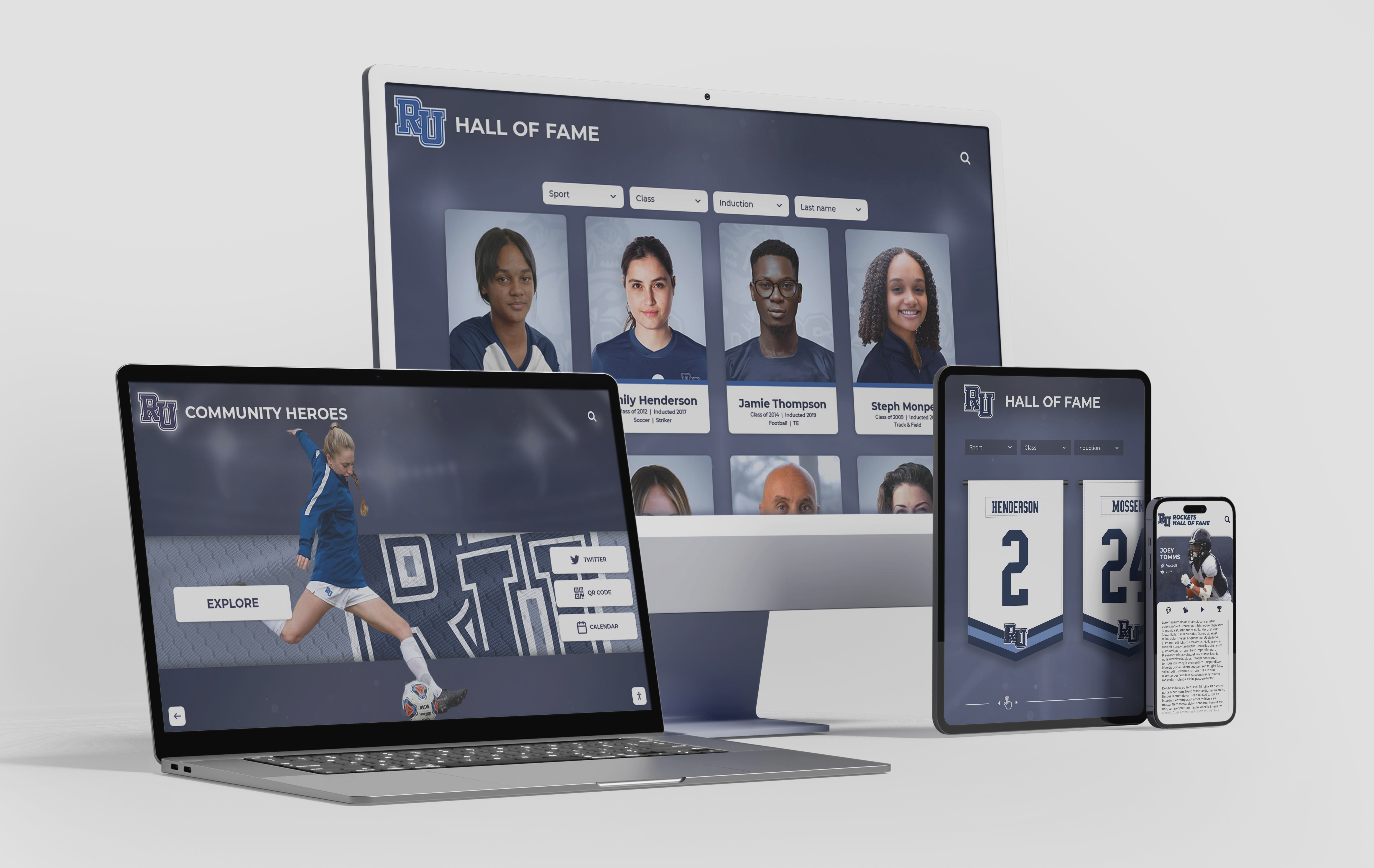
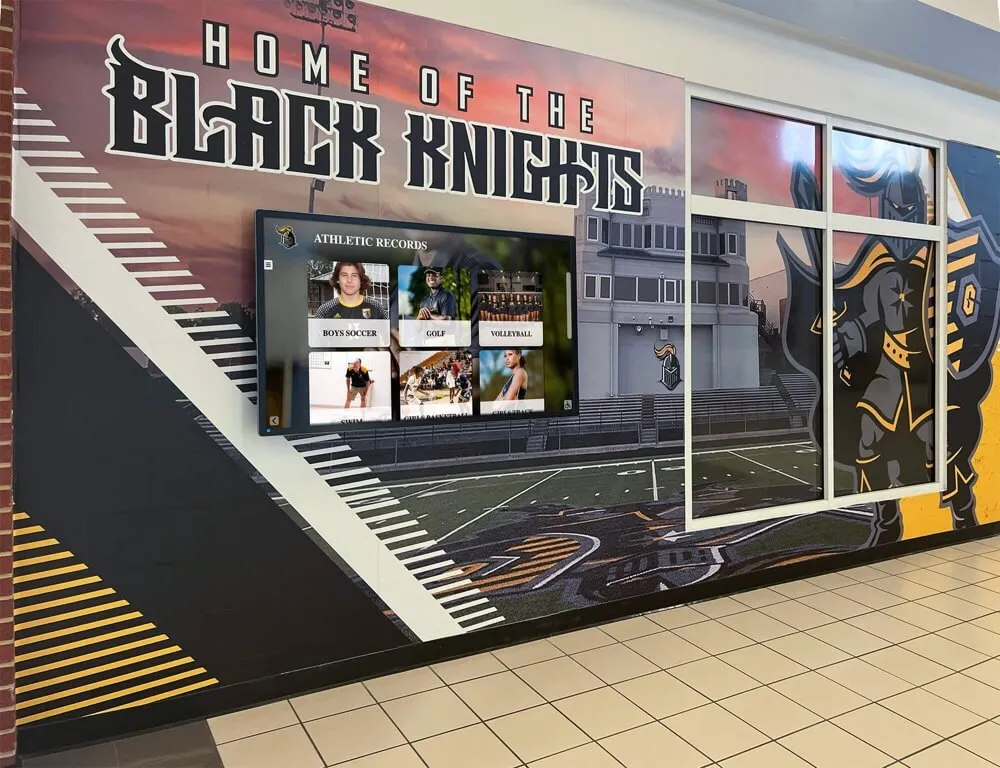
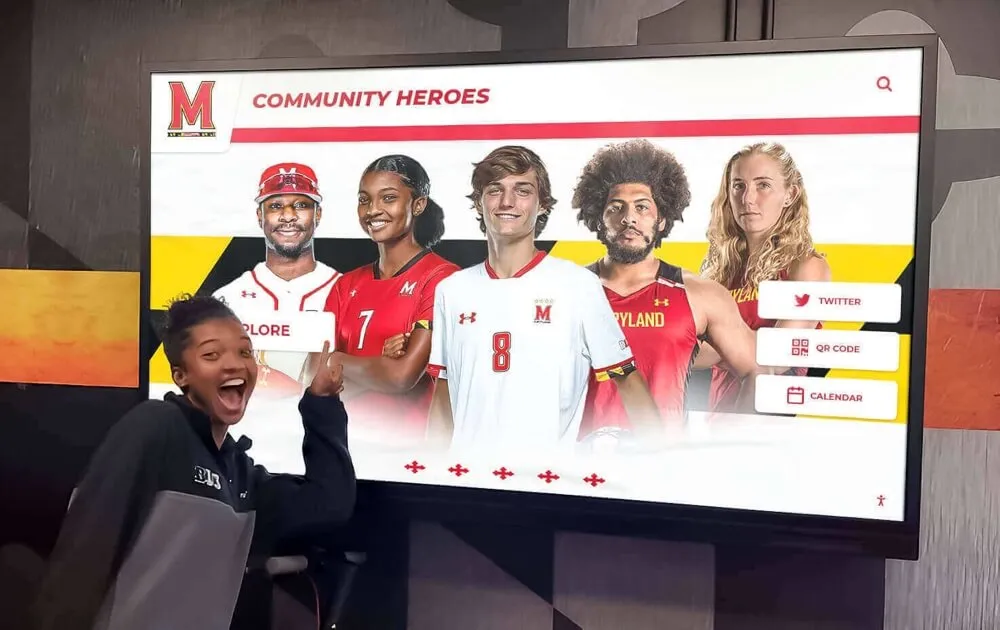
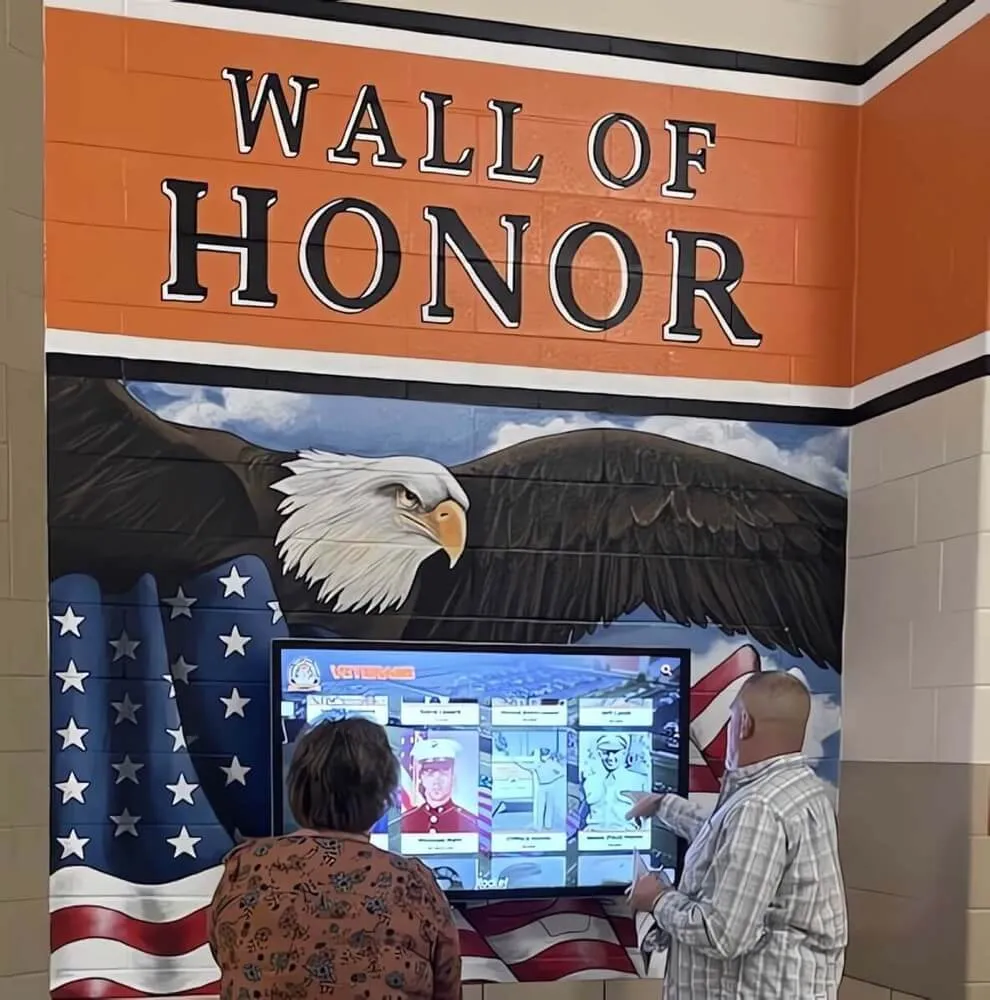
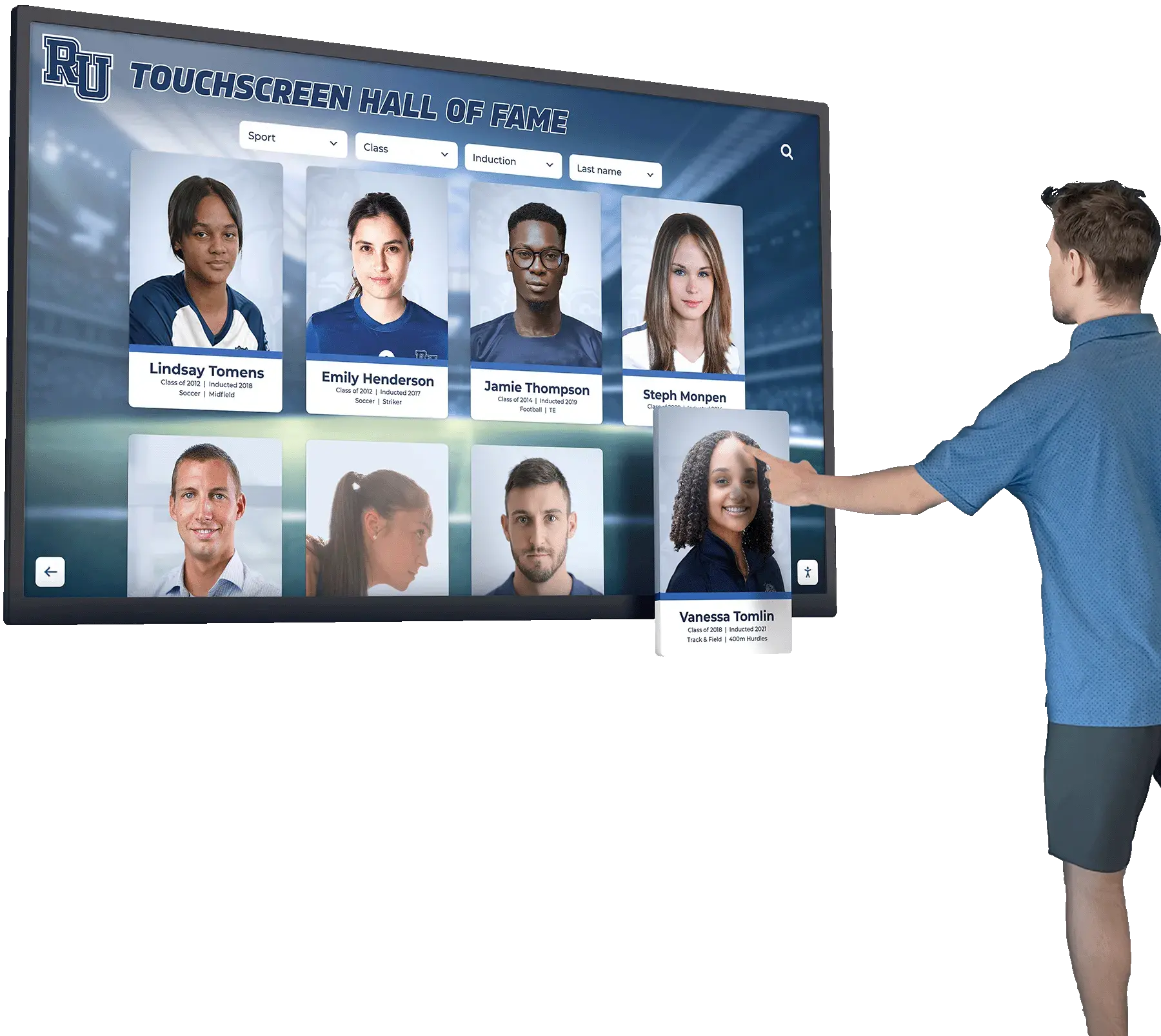
Modern recognition systems require responsive design ensuring accessibility across all devices—from mobile phones to desktop computers to physical touchscreen kiosks
Getting Started with Rocket Graphics
Schools interested in exploring the platform can begin implementation through straightforward onboarding processes.
Initial Setup and Brand Configuration
Platform setup begins with uploading institutional brand assets including primary and secondary logos in vector and raster formats, official color palettes with hex codes for digital accuracy, approved typography selections if specific fonts are required, and sample graphics demonstrating desired aesthetic direction.
The AI learns brand identity from these materials, applying standards automatically across generated content without requiring manual specification for each graphic.
Schools with established brand guidelines can upload existing documents; institutions without formal branding can work through guided setup helping define visual identity during configuration.
Content Creation Workflows
Once configured, creating content follows simple patterns. For text-to-post generation, describe desired content in plain English, review AI-generated options and select preferred design, make any desired adjustments using editing tools, and publish directly to connected social platforms or download files.
For template-based creation, browse template library by category or search keywords, select starting template closest to intended content, customize text, images, and details for specific use, and publish or download completed graphics.
Both workflows prioritize speed and simplicity, enabling staff to create content during available moments rather than blocking extended design sessions.
Training and Adoption Strategies
Successful platform adoption requires helping staff understand capabilities and develop comfort using new tools.
Effective training approaches include hands-on workshops where participants create real content they’ll actually use, role-specific sessions showing athletic staff, teachers, and administrators relevant use cases, quick-reference guides providing step-by-step instructions for common tasks, and ongoing support channels where users can ask questions and share tips.
Training should emphasize what’s possible rather than technical operation—staff who understand how Rocket Graphics can help their specific responsibilities find motivation to learn the straightforward mechanics.
Measuring Impact and Success
Schools should establish metrics evaluating whether social media efforts produce desired results. Track social media growth including follower increases and engagement rates, content output measuring posting frequency and category distribution, time savings comparing hours spent on social media before and after platform adoption, and community feedback through comments, shares, and anecdotal responses.
Data-informed assessment helps refine strategies, demonstrate value to stakeholders, and guide future content decisions.
Conclusion: Transforming School Communications Through Accessible AI
School communications shouldn’t require graphic design degrees, expensive software subscriptions, or hours of labor schools can’t spare. Rocket Graphics demonstrates how AI-powered platforms can democratize professional content creation—enabling any school, regardless of resources or expertise, to maintain consistent, high-quality social media presence celebrating achievements, engaging communities, and building institutional pride.
By removing technical barriers, automating brand consistency, and understanding school-specific content needs, the platform empowers educators to focus on their core mission—teaching students and building programs—while still communicating effectively with stakeholders who increasingly expect digital engagement.
The most effective school communications strategies combine social media content with complementary recognition approaches including digital displays, archived historical content, and multi-channel distribution. Schools interested in comprehensive recognition solutions that extend beyond temporary social posts often explore interactive touchscreen displays that preserve achievements through permanent, searchable recognition accessible to visitors, alumni, and community members long after social media posts disappear from feeds.
Whether starting with free social media tools or implementing comprehensive recognition programs spanning digital and physical spaces, the underlying principle remains constant: accessible technology enables schools to celebrate achievements, recognize contributions, and build community connections that define educational excellence beyond test scores and win-loss records.