



Junior varsity sports programs represent the foundation of high school athletics, providing essential development opportunities for younger athletes while building the competitive depth that sustains successful programs long-term. Yet JV athletes often receive minimal recognition compared to their varsity counterparts—playing in less-attended games, receiving limited media coverage, and rarely seeing their achievements celebrated beyond immediate team circles.
This recognition gap sends problematic messages about whose contributions matter, potentially discouraging continued athletic participation precisely when developmental programs need sustained engagement. JV hockey players dedicating countless hours to practice, conditioning, and competition deserve celebration that acknowledges their commitment while motivating excellence across all program levels.
Interactive touchscreen displays from solutions like Rocket Alumni Solutions transform how high schools recognize junior varsity athletes by creating comprehensive digital recognition platforms that celebrate JV achievements alongside varsity accomplishments. At JV hockey games specifically, these touchscreen installations provide engaging fan experiences, showcase complete team rosters and player profiles, document seasonal progress and achievements, and establish permanent recognition that honors all athletes regardless of competition level.
This comprehensive guide explores how Rocket touchscreen technology enhances JV hockey games and broader junior varsity recognition, providing schools with proven strategies for celebrating athletes at all levels while strengthening athletic culture, fan engagement, and community support across entire hockey programs.

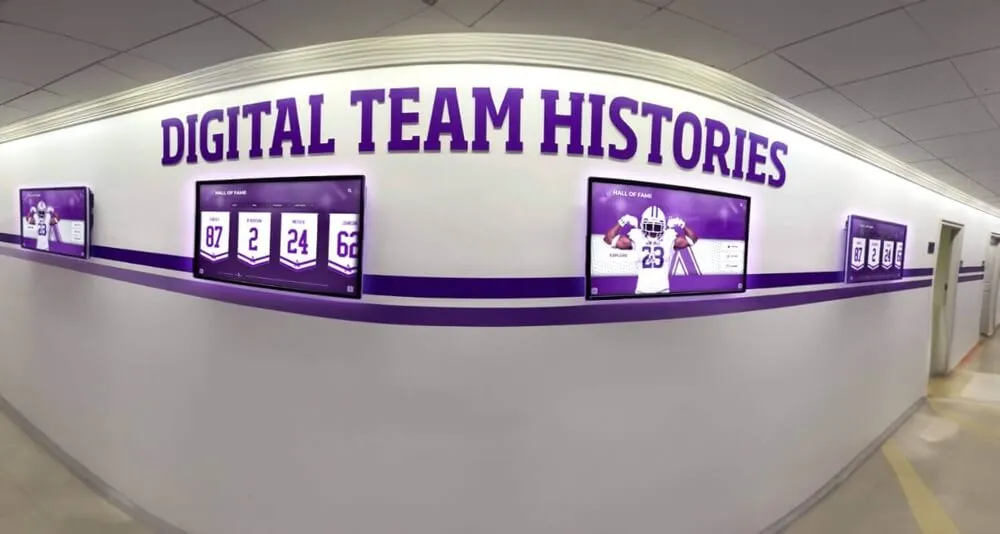
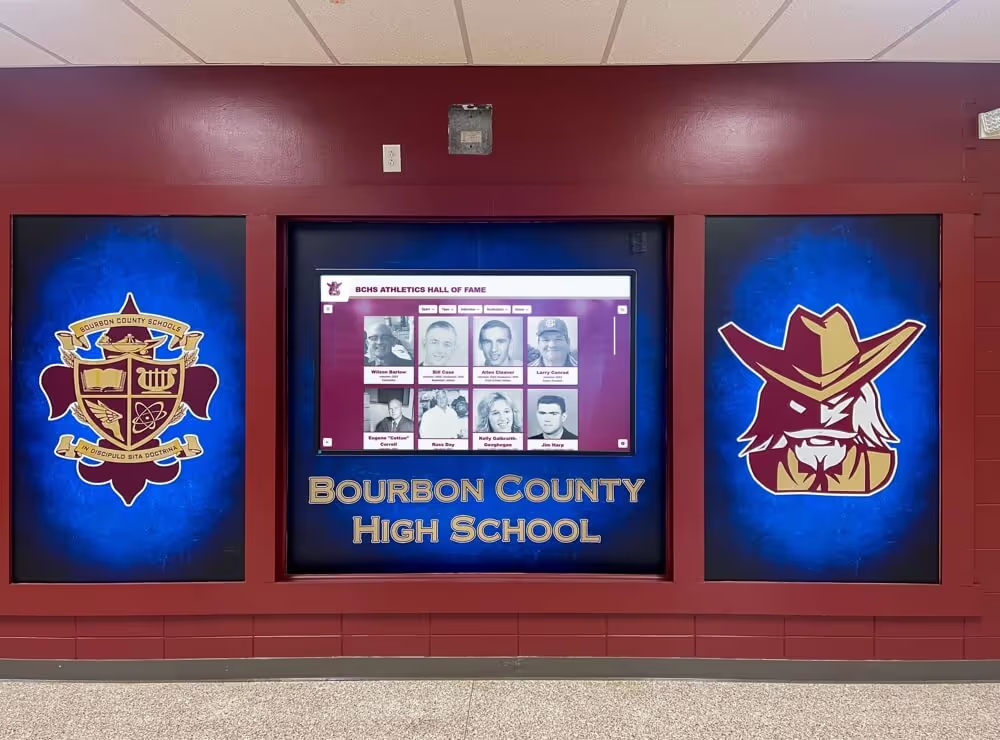
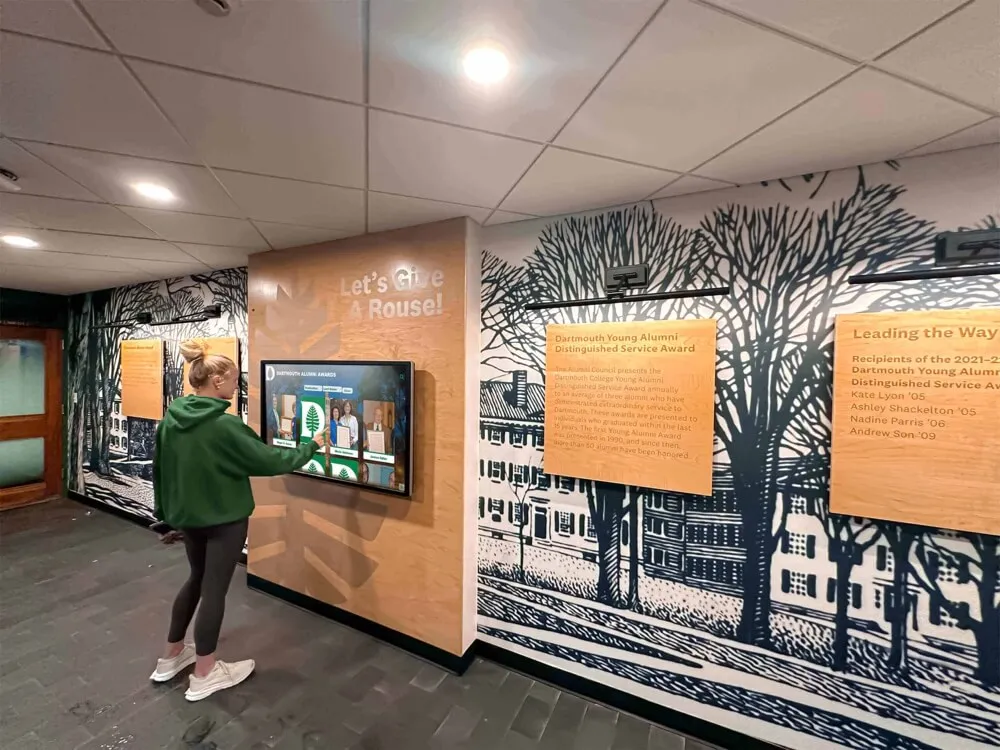
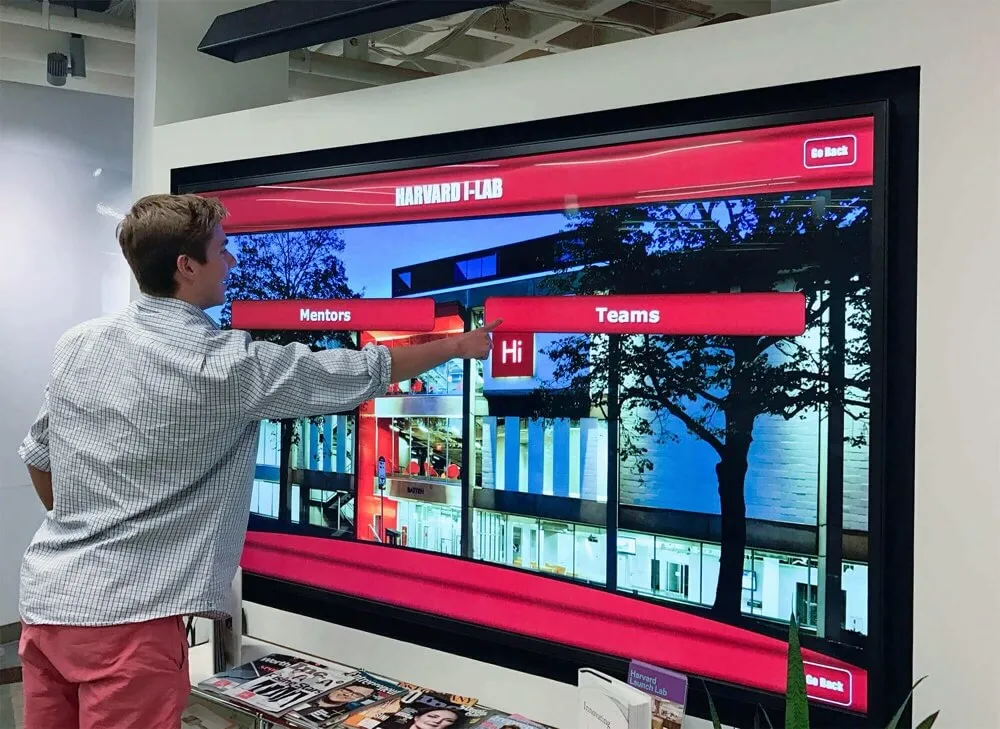
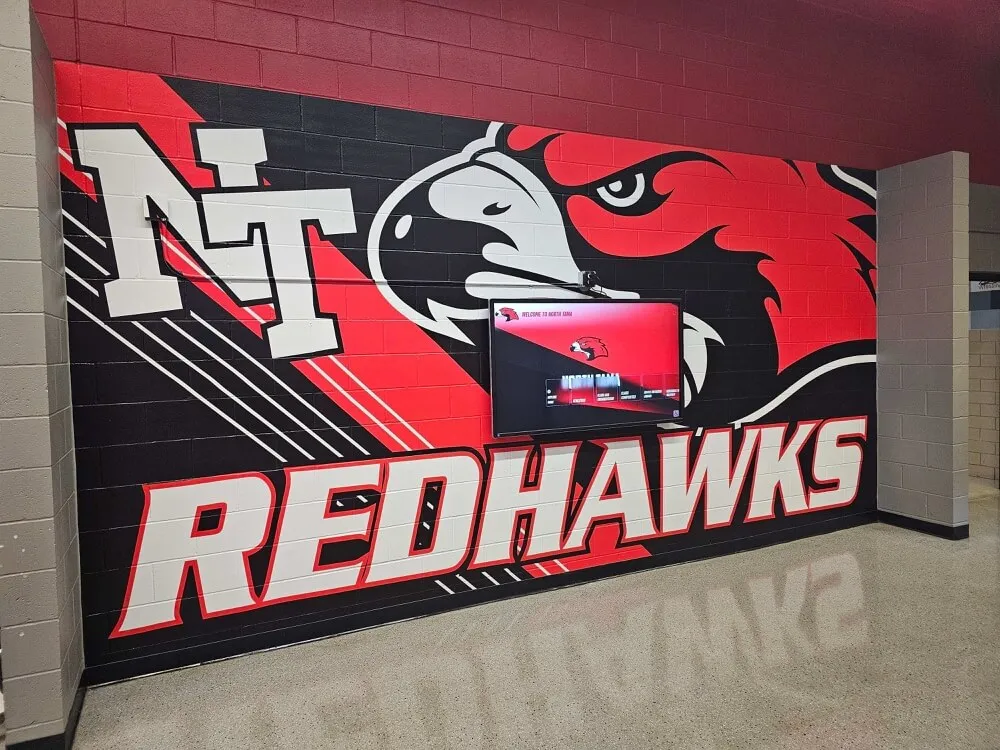
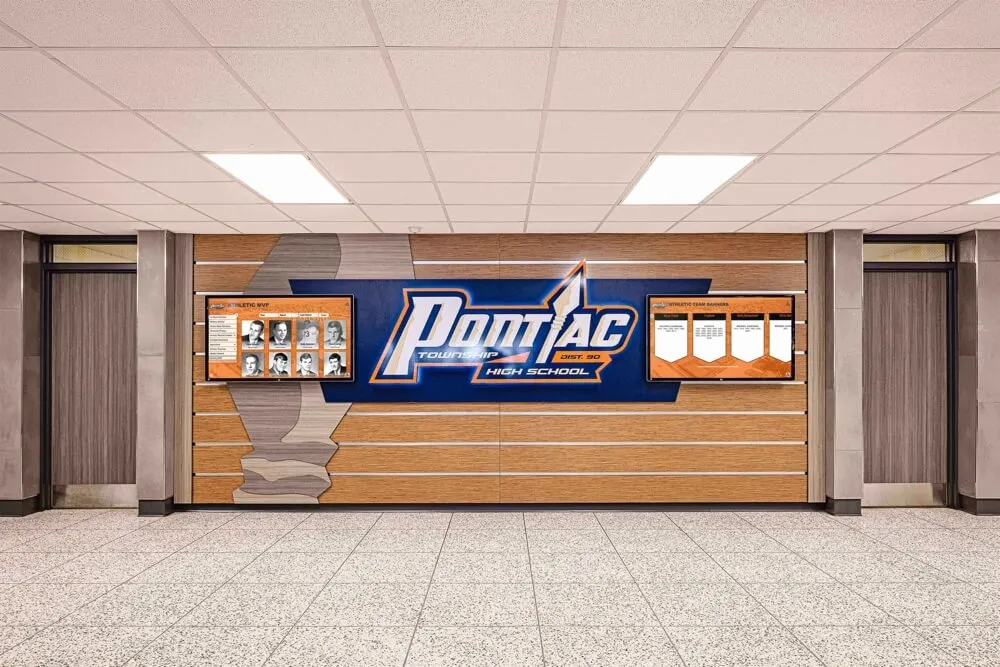
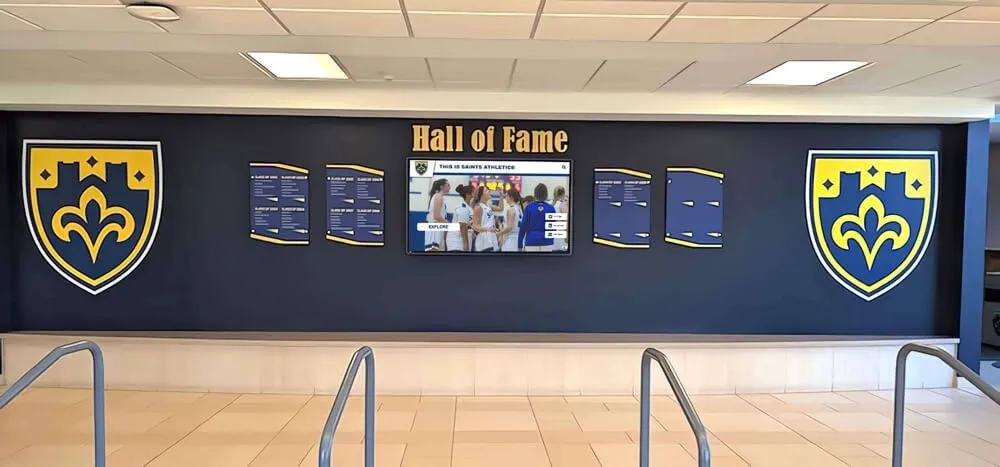
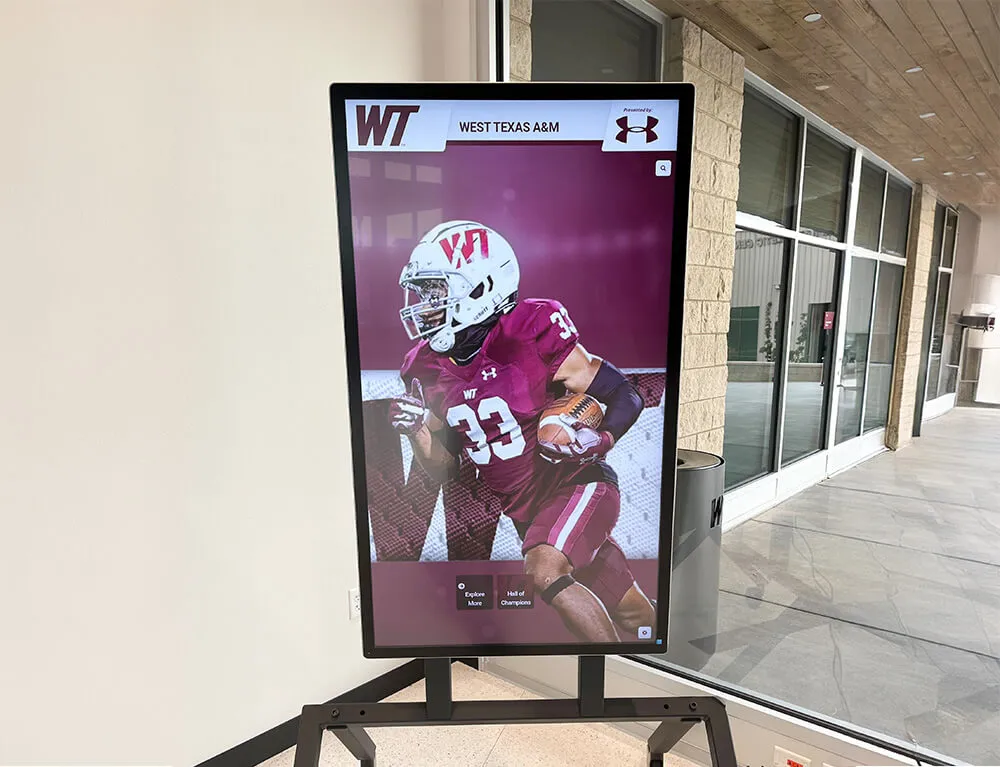
Interactive touchscreen kiosks positioned in athletic facilities provide year-round recognition for all athletes, including JV team members
The Junior Varsity Recognition Challenge
Before exploring how Rocket touchscreen displays address JV recognition needs, understanding current challenges helps schools appreciate why comprehensive digital solutions matter for developmental programs.
Limited Attention and Resources for JV Programs
Junior varsity sports face systematic disadvantages in recognition and resource allocation:
Attendance Disparities JV hockey games typically attract far smaller crowds than varsity competitions—often limited to immediate family members and close friends rather than broader school communities. These sparse attendance numbers mean fewer witnesses to JV achievements and less immediate feedback reinforcing athlete effort and progress.
Media Coverage Gaps School newspapers, yearbooks, websites, and social media channels focus overwhelmingly on varsity athletics. JV game scores may receive brief mentions, but detailed coverage, action photography, and individual player recognition rarely extend to developmental program levels. This media gap means JV achievements go largely undocumented beyond personal memories and team photos.
Recognition Space Limitations Trophy cases, championship banners, and hall of fame displays prominently feature varsity accomplishments while rarely acknowledging JV contributions. When physical recognition space becomes scarce, JV achievements typically face exclusion despite athletes demonstrating comparable dedication and commitment to their teams.
Budget and Equipment Constraints Athletic departments facing budget pressures often prioritize varsity programs for equipment purchases, facility improvements, and support services. While understandable from competitive priority perspectives, these resource disparities can create cultures where JV participation feels like secondary activity rather than valued developmental pathway.
Impact on Athlete Motivation and Retention
Recognition gaps affect more than feelings—they influence participation decisions and athletic development:
Developmental Program Attrition Athletes who feel undervalued or invisible within sports programs face greater temptation to discontinue participation. Research on youth sports consistently demonstrates that recognition and belonging significantly influence continued athletic engagement, particularly during adolescence when identity formation and peer validation matter intensely.
Motivation and Effort Levels When only varsity achievements receive systematic celebration, JV athletes may reduce training intensity, practice commitment, and competitive effort. Why dedicate maximum energy to pursuits that institutional recognition patterns suggest don’t really matter? Comprehensive recognition communicates that effort and improvement at all levels deserve acknowledgment.
Program Pipeline Development High school varsity programs depend on robust JV systems that develop younger athletes into future contributors. When weak JV recognition contributes to attrition and reduced motivation, varsity programs ultimately suffer from diminished depth and talent pipelines. Investing in JV recognition strengthens entire athletic programs over multi-year horizons.

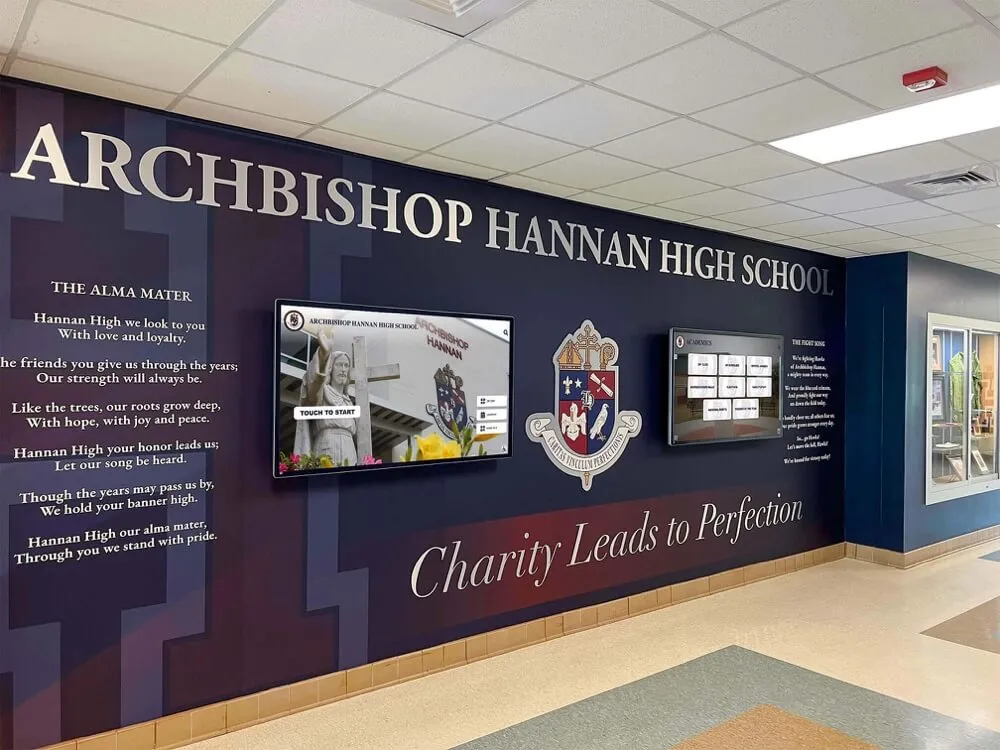
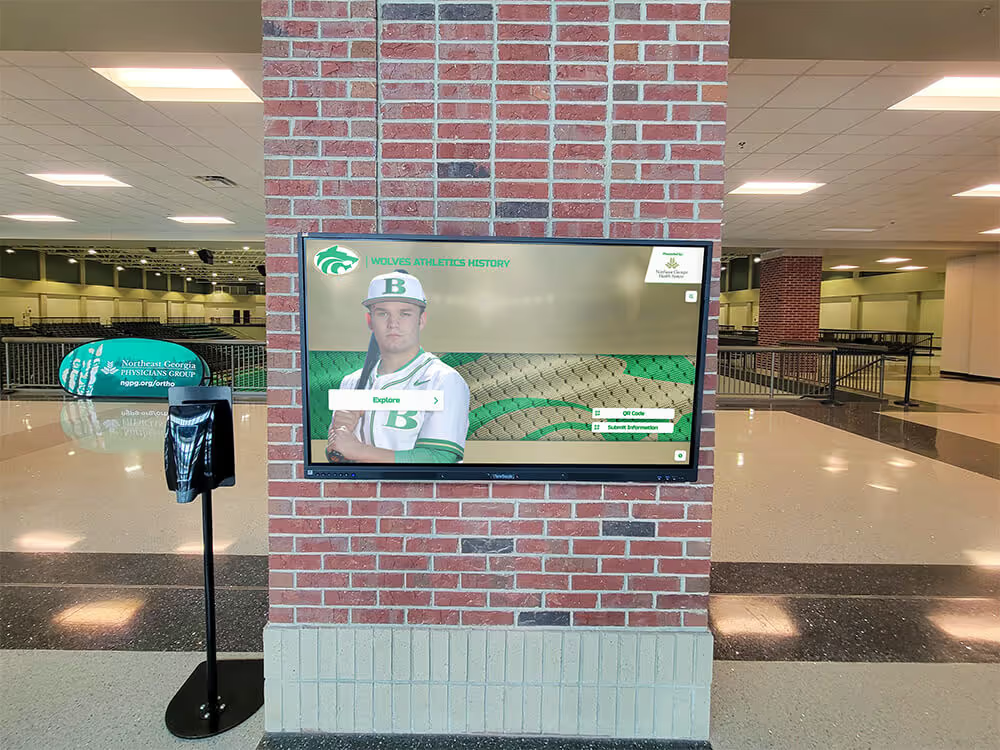
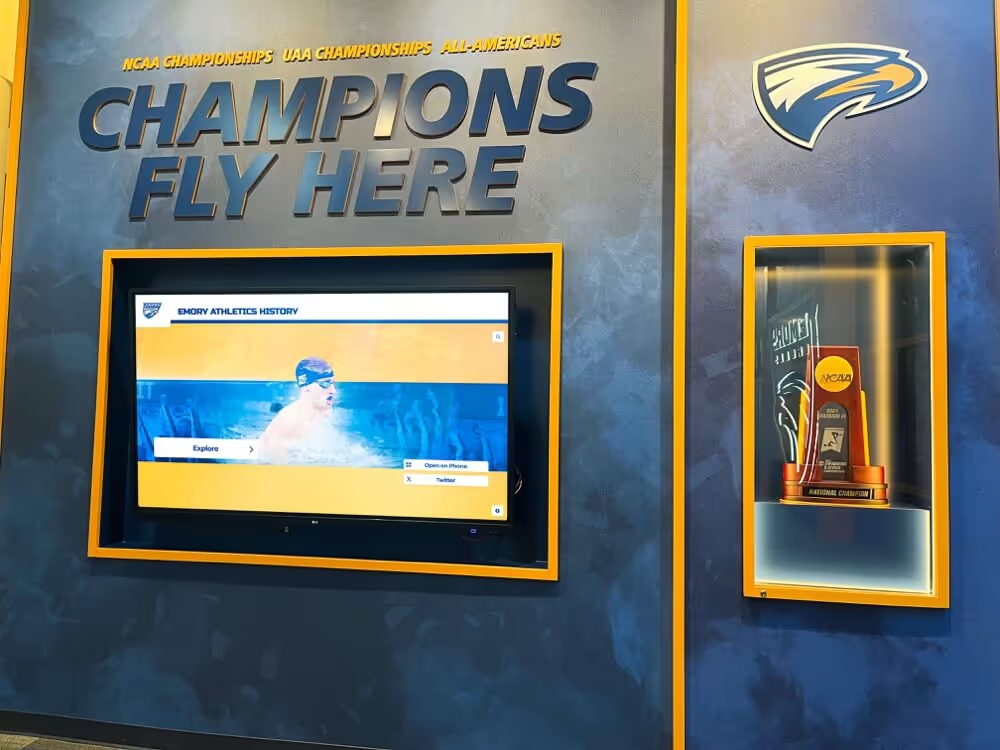
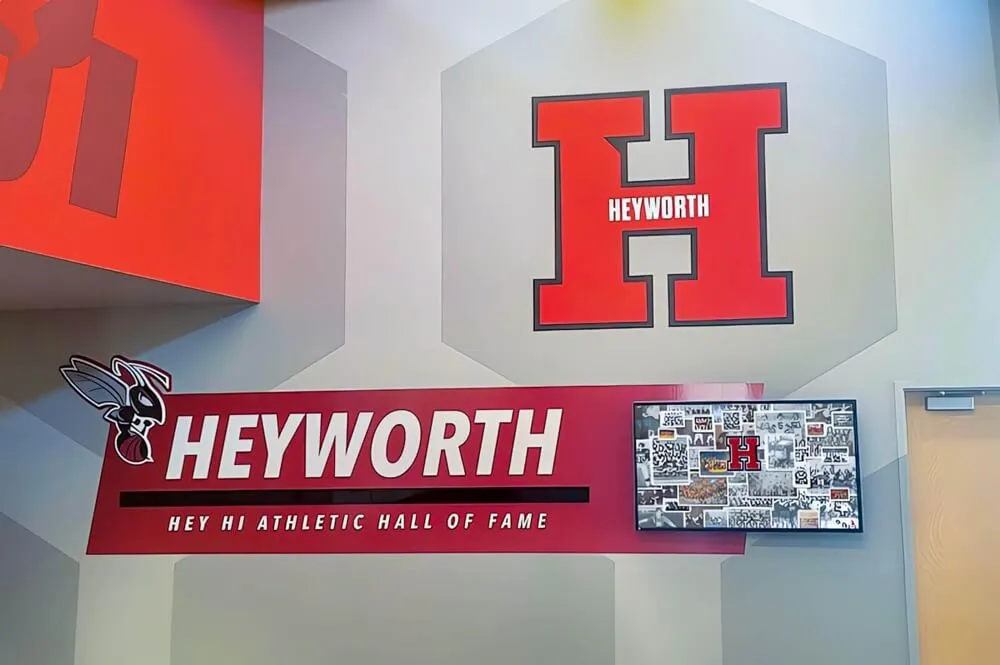
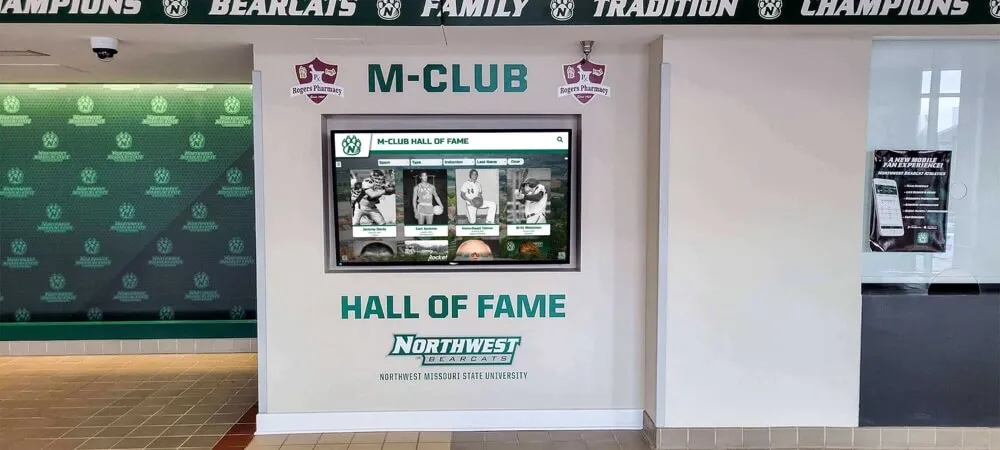
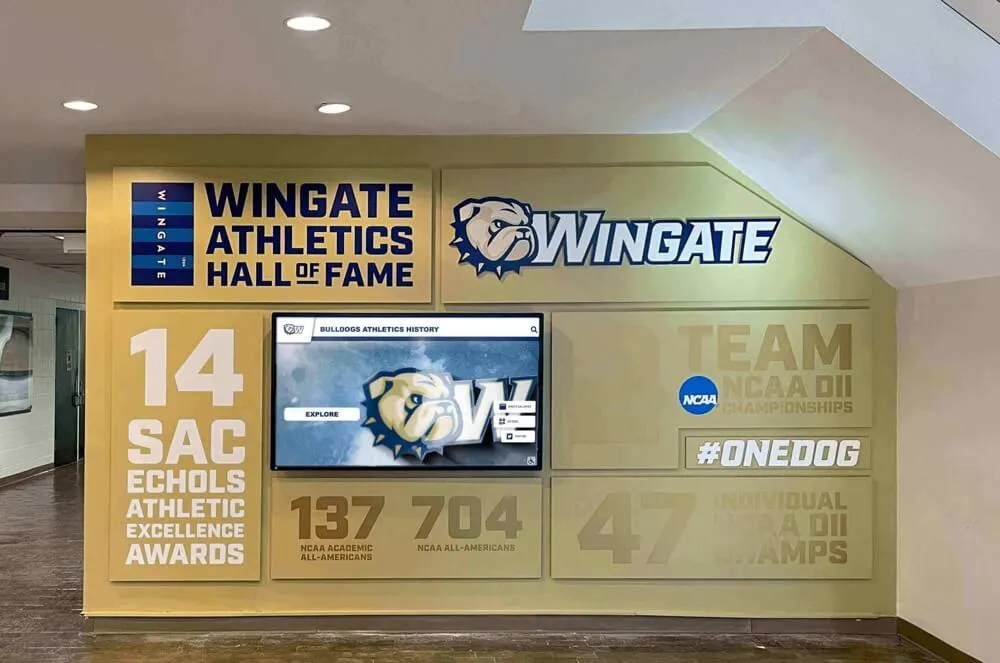
Athletic facilities featuring permanent digital recognition displays honor athletes across all program levels throughout the year
Cultural Messages About Value and Achievement
Recognition patterns communicate institutional values whether schools intend those messages or not:
Whose Contributions Matter When recognition systematically celebrates only highest-level achievements, schools implicitly communicate that only elite performance deserves acknowledgment. This contradicts educational principles emphasizing effort, improvement, and personal excellence rather than exclusive focus on winning or top-tier results.
Inclusion Versus Exclusivity Comprehensive recognition including JV athletes creates inclusive athletic cultures celebrating broad participation. Recognition limited to varsity achievement fosters exclusive cultures where only select individuals receive acknowledgment—potentially discouraging broader athletic participation that benefits student health, social development, and overall school culture.
Development Versus Pure Competition High school athletics should balance competitive excellence with developmental objectives preparing young people for lifelong physical activity and teaching valuable life lessons. Exclusive varsity recognition overemphasizes pure competition at the expense of development—potentially undermining broader educational purposes that athletics should serve.
How Rocket Touchscreen Displays Transform JV Hockey Recognition
Digital touchscreen technology enables comprehensive recognition approaches that traditional methods cannot match, creating systematic acknowledgment for junior varsity athletes alongside varsity programs.
Comprehensive Team and Individual Recognition
Rocket touchscreen platforms provide unlimited digital recognition capacity eliminating space constraints that exclude JV athletes from traditional displays:
Complete Roster Documentation Digital platforms can showcase every JV hockey team member with individual profile pages including player photos and biographical information, position, number, and season statistics, prior athletic experience and achievements, academic information and graduation year, and personal goals and post-high-school aspirations.
This comprehensive documentation ensures every athlete receives permanent recognition regardless of playing time, scoring statistics, or team competitive success. Simply making the team and committing to practice, conditioning, and competition deserves acknowledgment that Rocket touchscreen displays provide systematically.
Season Progress Tracking Digital recognition enables documentation of seasonal achievements including team records and schedule results, individual player statistics and performance metrics, game highlights and memorable moments, tournament participation and competitive results, and most improved players and season award recipients.
This ongoing documentation creates narrative arc for JV seasons, helping athletes, families, and broader communities follow team progress throughout years rather than viewing JV results as afterthoughts or footnotes to varsity action.
Equal Visual Prominence Unlike physical trophy cases and banner displays that physically separate varsity and JV recognition (when JV receives any recognition at all), digital touchscreen platforms can present all recognition within integrated systems. JV hockey players appear in same searchable databases, use identical profile formats, and receive equal visual presentation as varsity athletes—communicating that all athletes matter regardless of competition level.
Schools implementing comprehensive digital recognition through platforms like Rocket Alumni Solutions report significant positive impacts on JV athlete satisfaction, family appreciation, and overall program culture when developmental players receive acknowledgment equal to varsity stars.
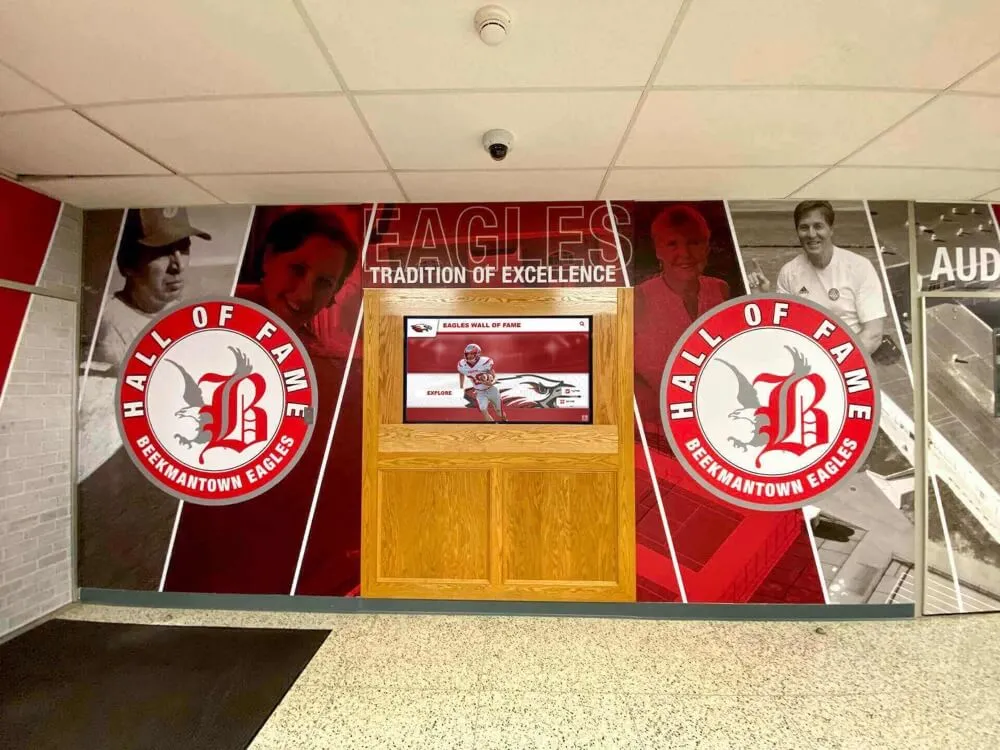
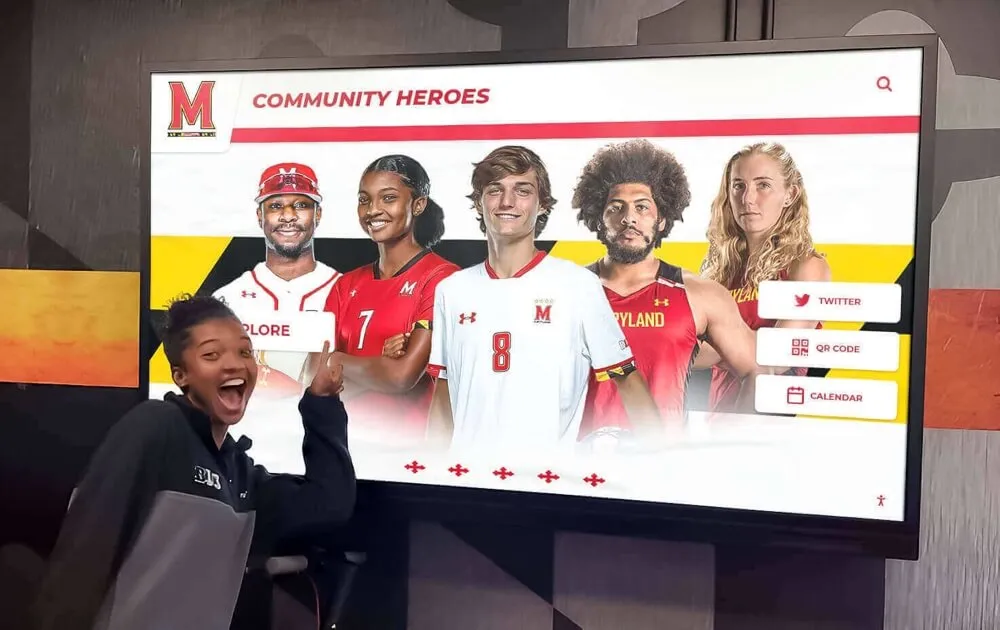
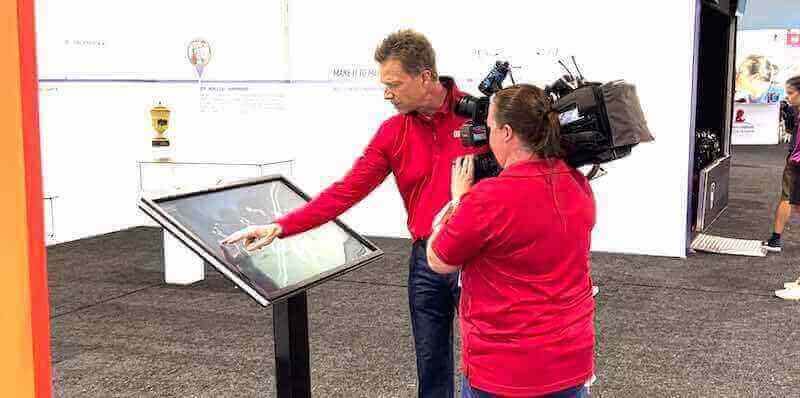
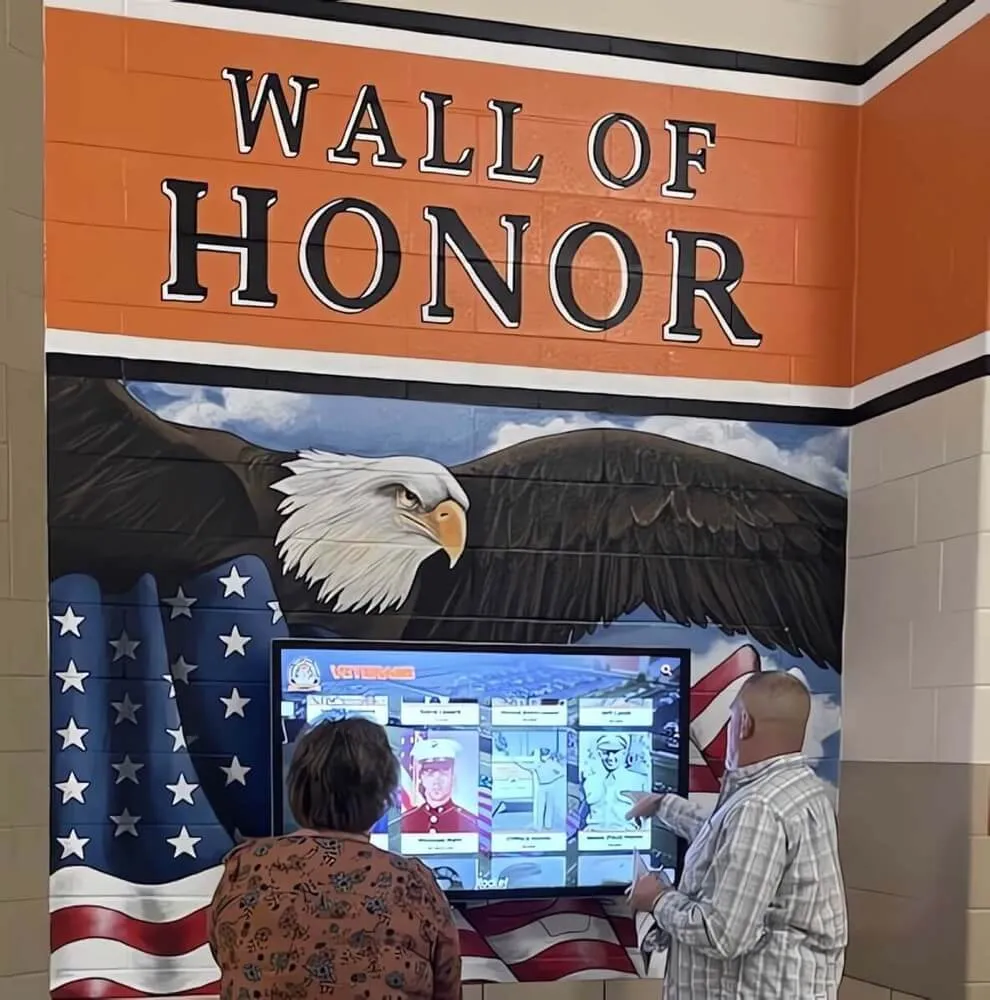
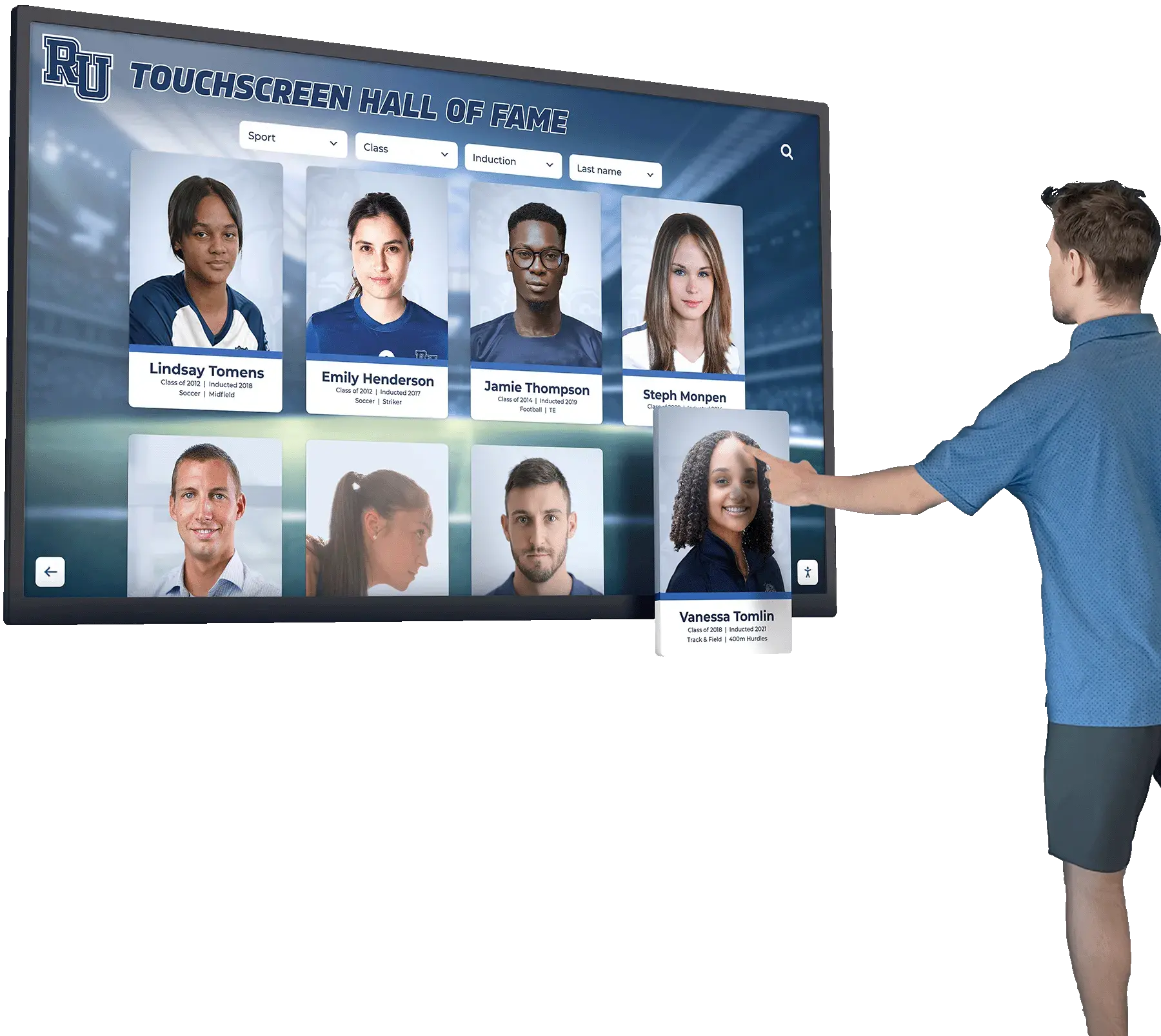
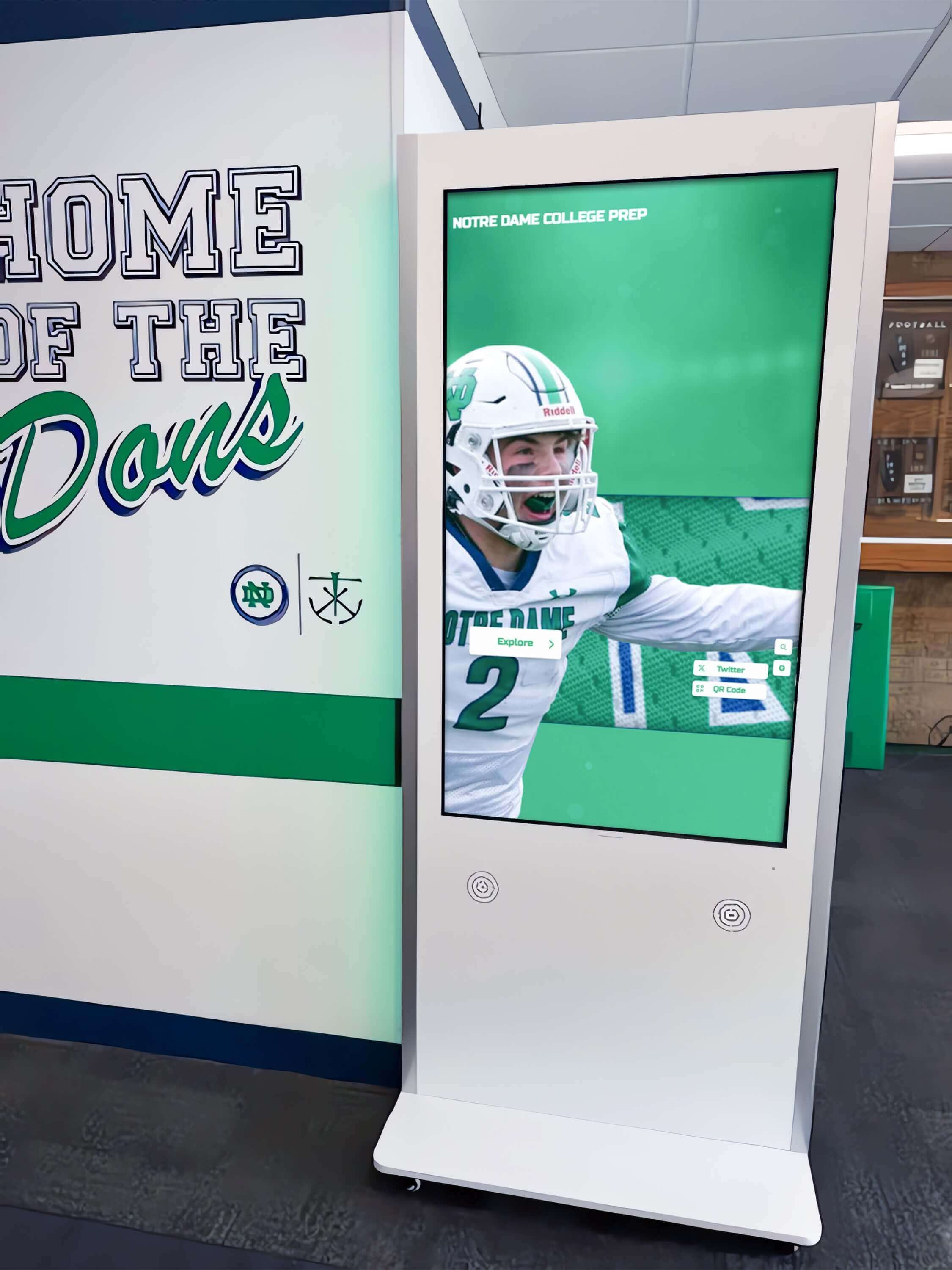
Students naturally engage with interactive displays during passing periods, discovering both current athletes and historical program achievements
Enhanced Game Day Experience at JV Hockey Games
Beyond permanent recognition installations, Rocket touchscreen displays can enhance actual JV hockey game experiences through engaging interactive content:
Pre-Game Player Introduction Rather than simple public address announcements, touchscreen displays in rink lobbies or viewing areas can showcase starting lineups with player photos, positions, and statistics, individual player profiles highlighting achievements and backgrounds, head-to-head matchup information comparing team strengths, and historical results between competing schools.
This rich pre-game content helps sparse JV crowds better appreciate players on ice, creating more informed and engaged spectator experiences even for family members with limited hockey knowledge.
Live Game Information and Statistics Digital displays can provide real-time game information including current score and period progression, shots on goal and power play statistics, penalty tracking and player time on ice, and scoring plays with goal and assist attribution.
For JV games that may not feature sophisticated scoreboards or arena displays, touchscreen installations provide professional presentation elevating game atmosphere and helping spectators follow action more effectively.
Historical Context and Program Heritage During periods, intermissions, and pre-game time, touchscreen displays can showcase hockey program history including past championship teams and tournament results, program records and notable achievements, alumni players who continued hockey careers at college or professional levels, and coaching history and program milestones.
This historical context helps current JV players understand they’re part of larger traditions, potentially increasing pride in program affiliation while educating families and spectators about institutional hockey heritage they may not otherwise know.
Post-Game Recognition and Highlights After games conclude, touchscreen displays can feature game stars and standout performances, updated season statistics reflecting game results, photo galleries from the just-completed game, and next game schedule and opponent information.
This immediate post-game recognition acknowledges excellent performances while they’re still fresh, providing satisfaction and validation for athletes who performed well while building anticipation for upcoming competition.
Building Fan Engagement and Attendance
One significant challenge JV hockey programs face involves minimal game attendance beyond immediate family members. Rocket touchscreen installations can help address this challenge through several engagement strategies:
Creating Compelling Pre-Game Attractions When touchscreen displays provide rich team information, player profiles, and program history, they create natural gathering points before games begin. Family members arriving early can explore comprehensive team content rather than sitting idle waiting for warm-ups. This improved pre-game experience may encourage earlier arrival and longer stays at JV facilities.
Educating Casual Fans Many JV game attendees have limited hockey knowledge—parents of first-year players, younger siblings, or grandparents attending to support family members. Touchscreen displays can provide educational content explaining hockey rules and positions, common penalties and their enforcement, strategic concepts and game situations, and player roles and responsibilities.
This educational content helps casual fans better appreciate game action, potentially increasing enjoyment and likelihood of continued attendance throughout seasons.
Connecting Students to JV Teams Student attendance at JV hockey games typically remains minimal—most students prefer varsity games or other evening activities. However, when comprehensive digital recognition makes JV rosters more visible throughout school days via displays in high-traffic locations, students may develop familiarity with JV players that increases game attendance interest.
Additionally, schools can leverage touchscreen displays for promotions highlighting special JV game events, theme nights, or rivalry matchups that might attract broader student attendance than typical weeknight games.

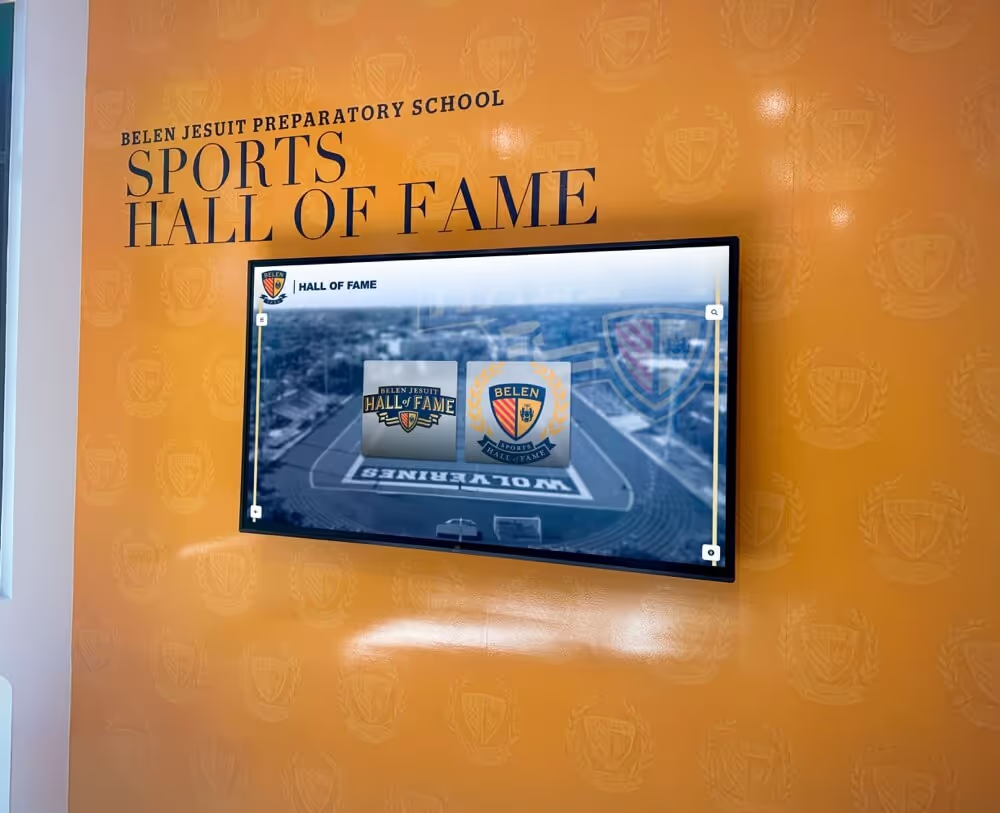
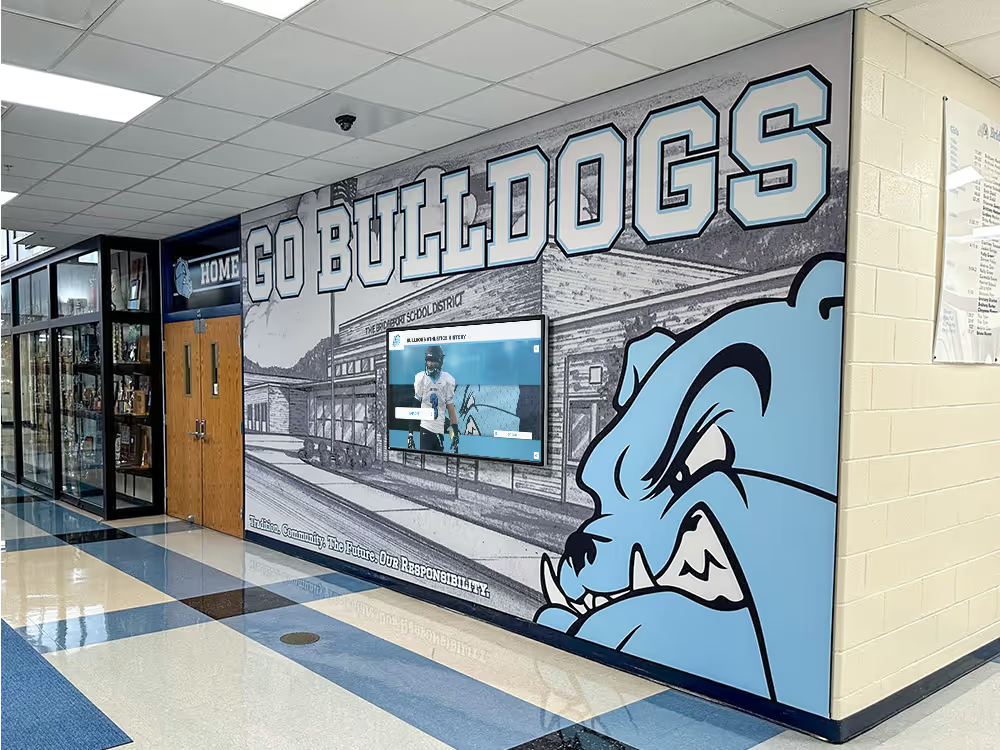
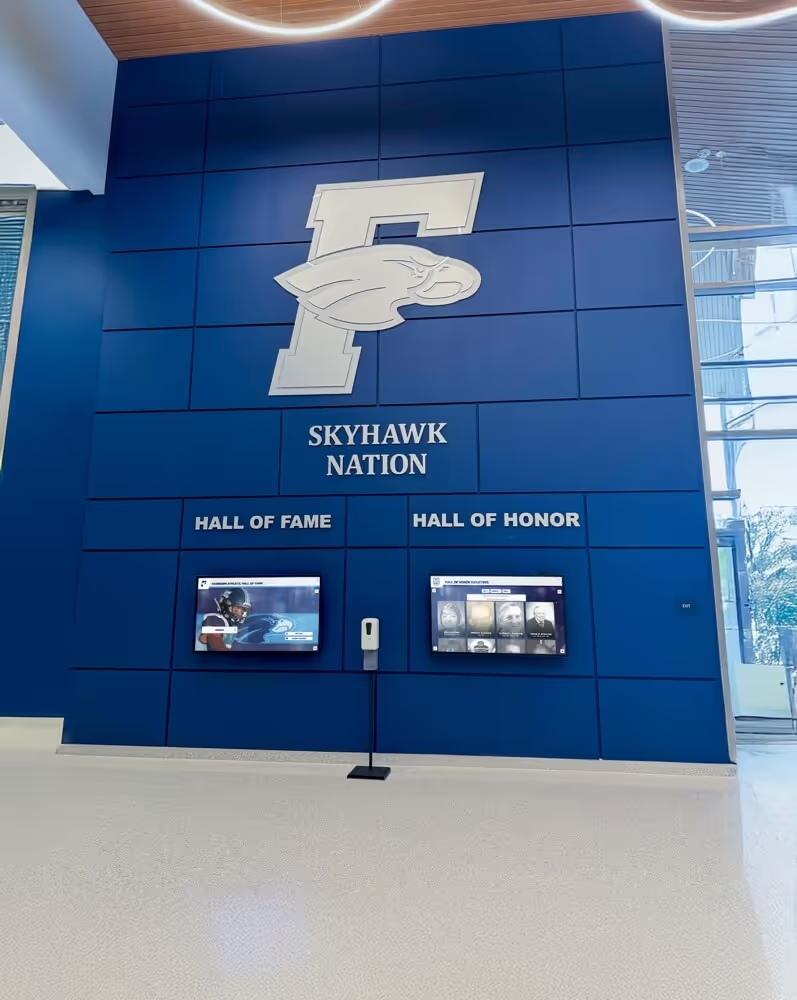
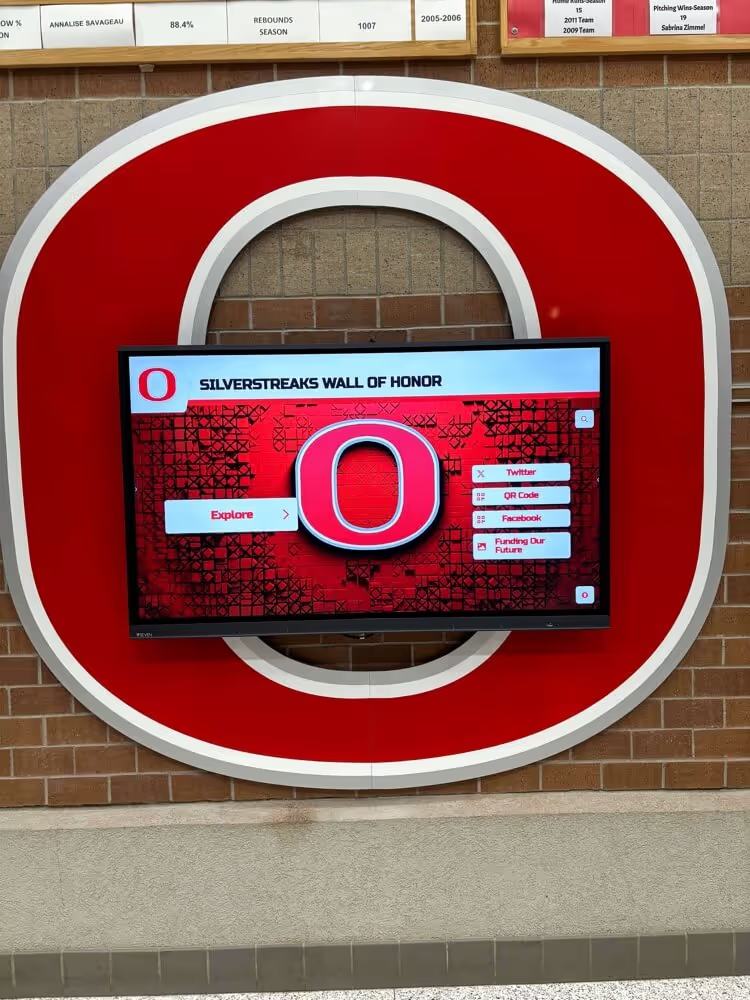
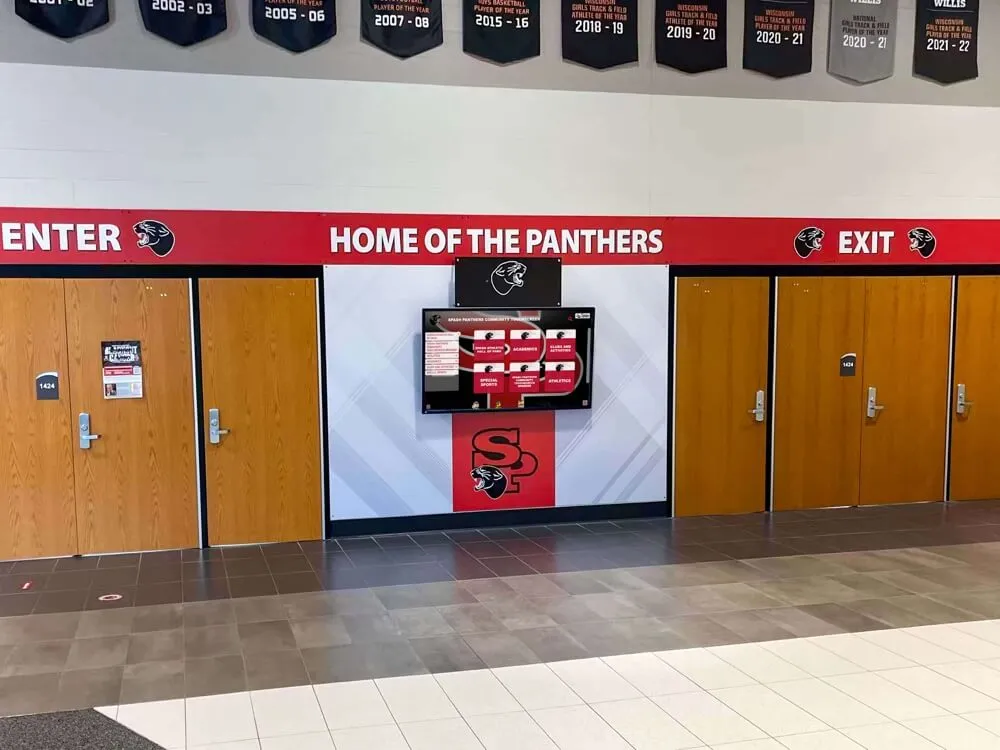
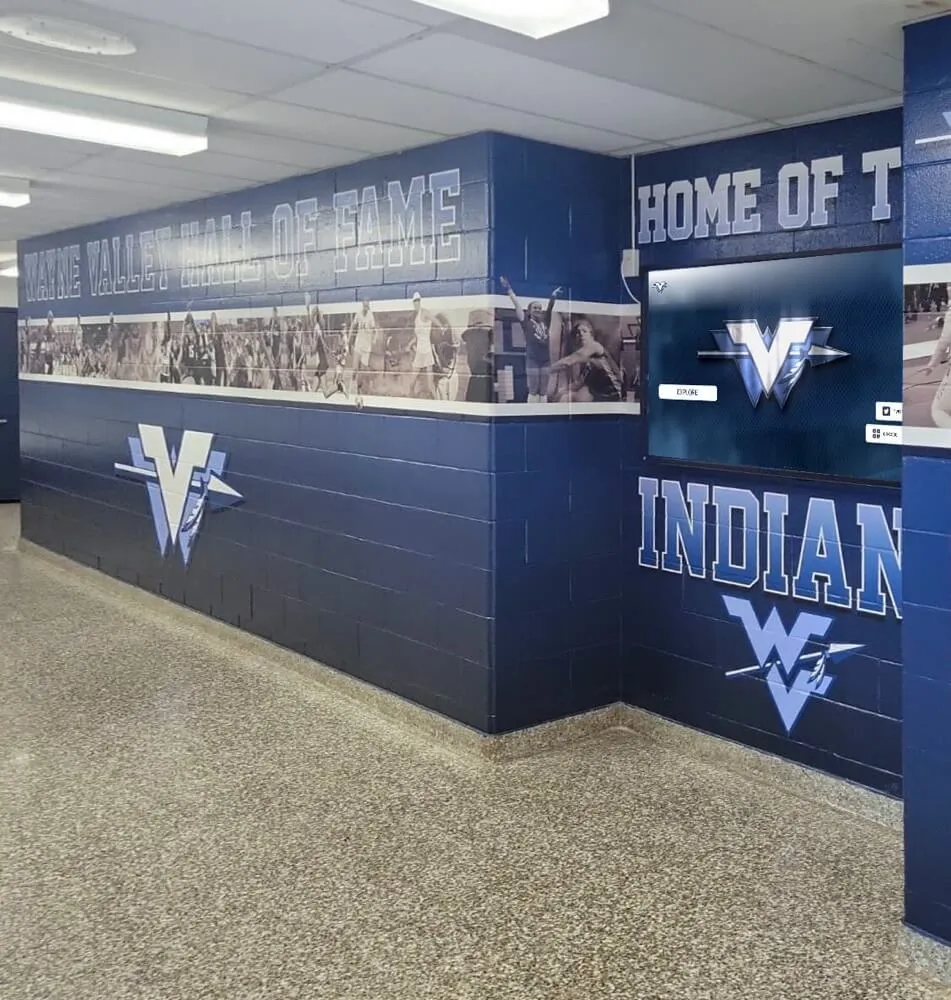
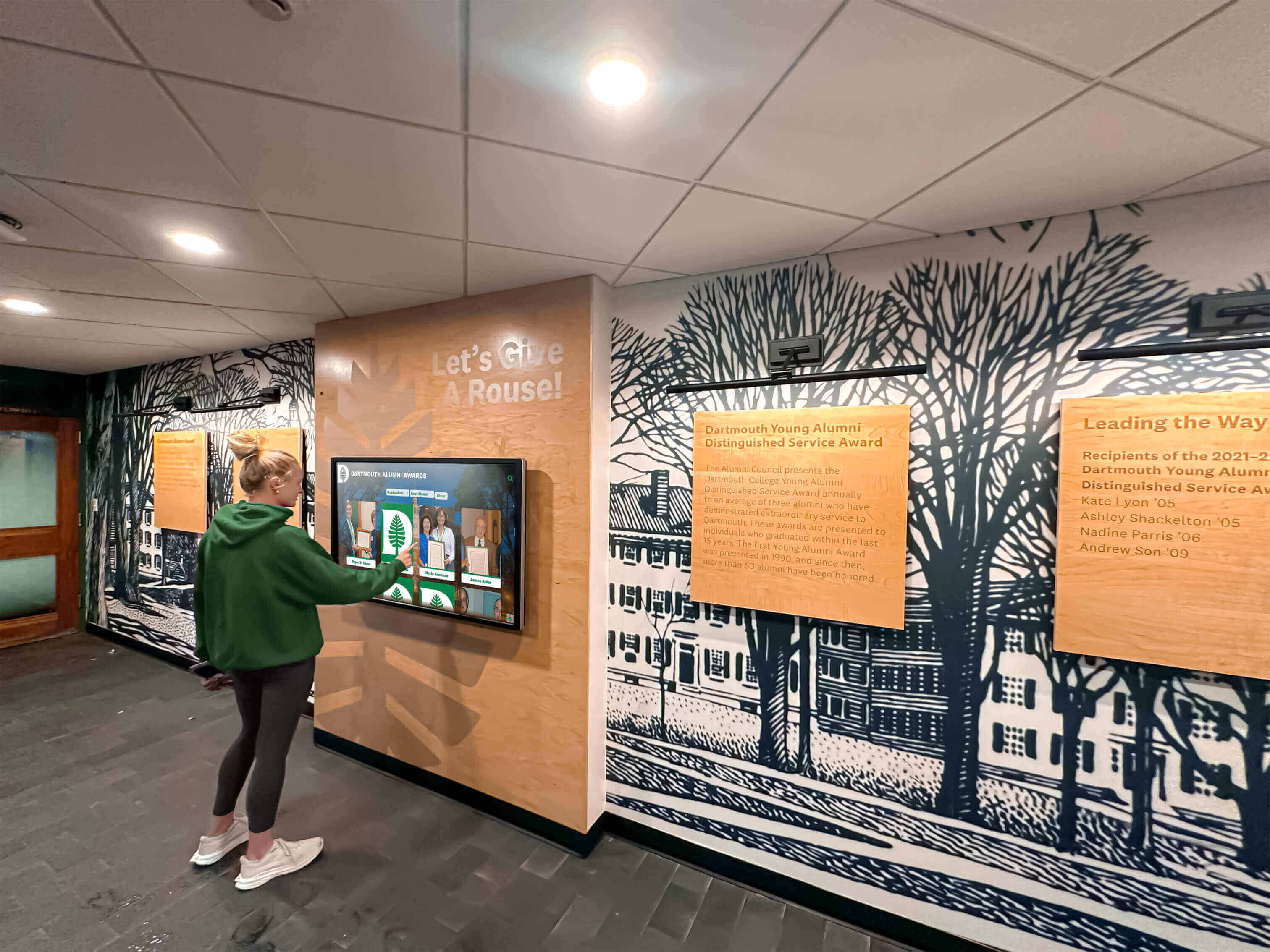
Hallway installations combining school branding with digital recognition create prominent visibility for athletic achievements across all competition levels
Strategic Implementation: Deploying Rocket Touchscreen at Hockey Facilities
Successful touchscreen implementation requires thoughtful planning addressing technology selection, content development, physical installation, and organizational adoption specific to hockey program needs.
Optimal Placement for Hockey Facility Installations
Location significantly impacts touchscreen effectiveness for hockey recognition and game day engagement:
Rink Lobby and Entry Areas Primary placement should target high-traffic entry points where all game attendees naturally pass. Lobby installations capture attention before games begin, during intermissions, and after games conclude—maximizing exposure while providing natural gathering spots for families and spectators.
Viewing Area Installations For facilities with lobby viewing areas overlooking rinks, touchscreen displays positioned near viewing windows enable spectators to explore content while maintaining sight lines to ongoing action. This dual engagement allows parents to watch games while occasionally exploring detailed player information.
Locker Room Vicinity Displays positioned near team locker rooms enable players to interact with their own recognition before and after practices and games. This placement reinforces that recognition exists specifically for them, building pride and motivation through regular exposure to their documented achievements.
School Building Integration Beyond rink facilities, schools should deploy touchscreen displays in main building high-traffic locations including entrance lobbies, athletic hallways, cafeterias, and commons areas. These school-building installations ensure hockey recognition reaches broader student populations beyond those who attend games at rink facilities.
Content Strategy for JV Hockey Recognition
Effective hockey touchscreen content requires systematic development addressing both comprehensive documentation and ongoing updates:
Initial Roster Development Begin by creating complete JV roster profiles including player headshots (from team photos or individual portraits), basic biographical information (year, position, number, hometown), prior hockey experience and achievements, and personal statements or quotes about goals and favorite aspects of hockey.
Gather this information through simple player questionnaires distributed at season start, ensuring every athlete receives comparable recognition regardless of skill level or playing time.
Seasonal Updates and Progress Documentation Establish workflows for ongoing content updates throughout seasons:
- After each game, update statistics and season records
- Upload game action photos on weekly basis
- Feature standout performers from recent games
- Document tournament participation and results
- Recognize special achievements like goals, assists, shutouts, and personal milestones
Assign clear responsibility for these updates—typically assistant coaches, athletic administrators, or student media team members—with defined submission deadlines ensuring content remains current and relevant.
Integration with Complete Hockey Program JV recognition should integrate seamlessly with comprehensive hockey program content including varsity team rosters and achievements, freshman/modified team documentation when applicable, historical championship teams and tournament results, program records across all competition levels, and coaching staff profiles and histories.
This integration communicates that JV hockey represents valued component of complete programs rather than separate, lesser activity disconnected from varsity success.
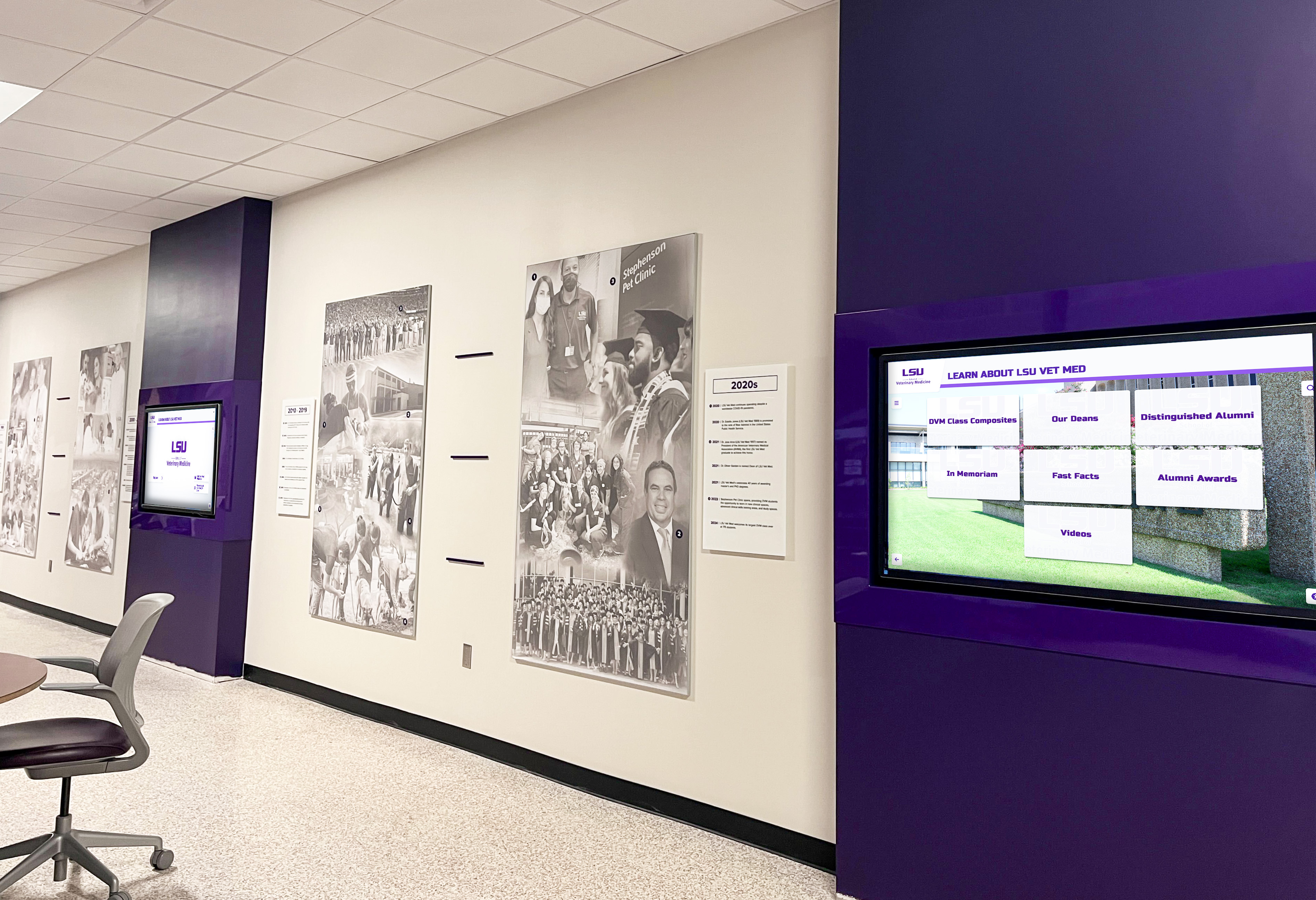
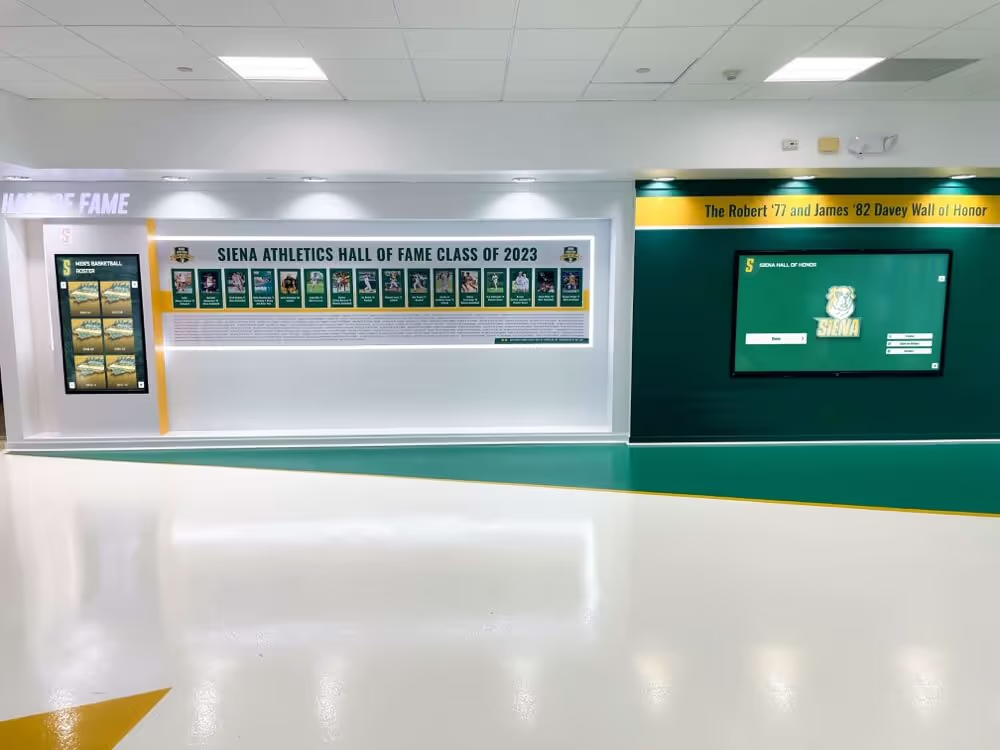
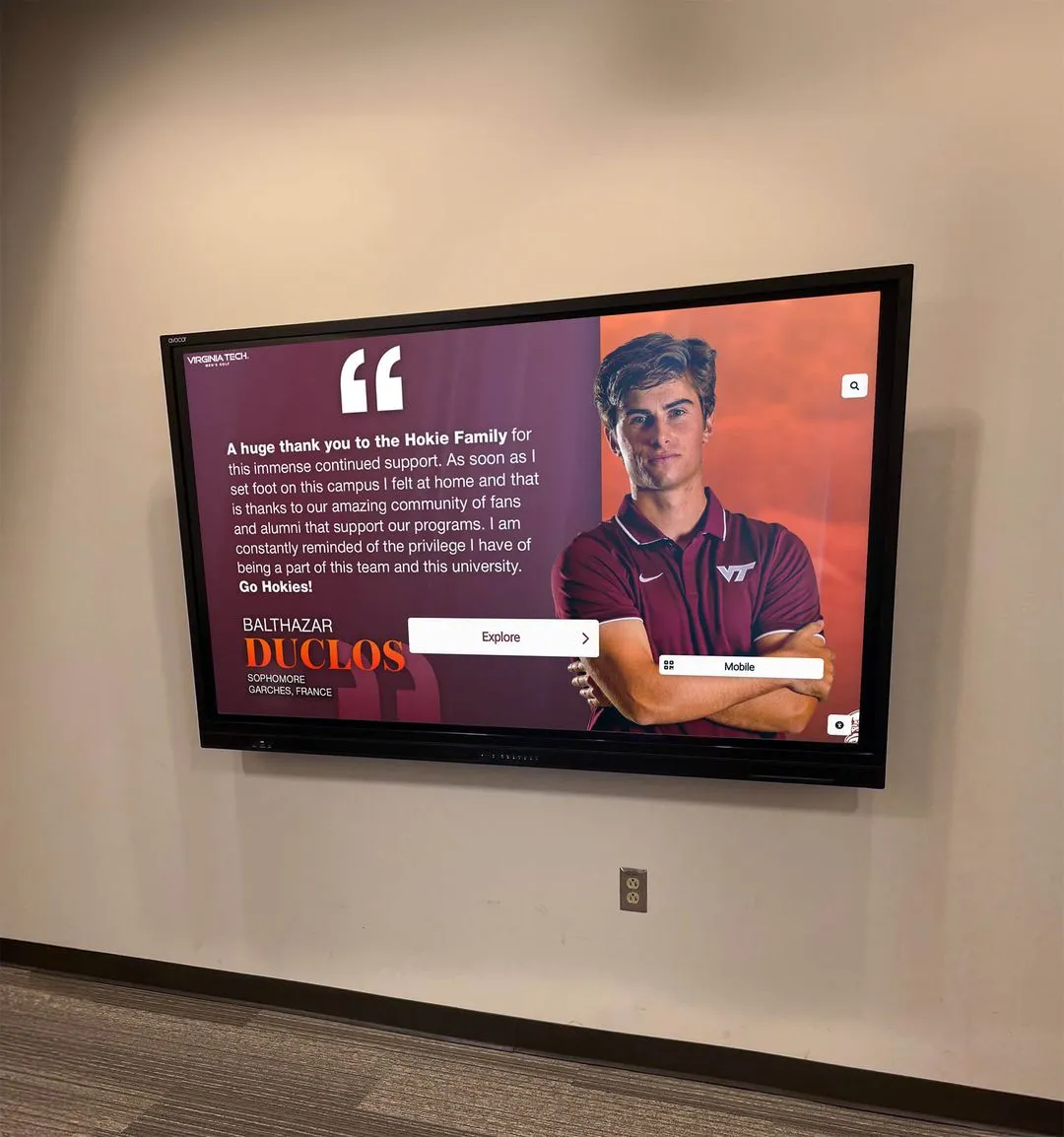
Larger athletic programs may deploy multiple coordinated displays throughout facilities, creating comprehensive recognition networks
Technical Considerations and Requirements
Successful touchscreen deployment requires addressing technical infrastructure needs:
Hardware Selection and Specifications Hockey facility installations require durable equipment suitable for varied environmental conditions:
- Commercial-grade touchscreens rated for continuous 16-24 hour daily operation
- Screen sizes between 55-75 inches for visibility in larger spaces
- Protective mounting preventing tampering or accidental damage
- Adequate brightness for well-lit lobby and viewing areas
- Responsive touch interfaces requiring minimal pressure for activation
Network Connectivity and Power Displays require reliable infrastructure:
- Hardwired ethernet connections preferred for stability (WiFi acceptable with strong signal)
- Dedicated power circuits preventing overload situations
- Backup power considerations for facilities with occasional outages
- Remote access capability enabling off-site content management
Content Management Systems Select platforms with user-friendly management interfaces:
- Cloud-based administration requiring no local software installation
- Intuitive upload processes for photos, statistics, and text content
- Template-based layouts ensuring consistent professional appearance
- Mobile-friendly management enabling updates from smartphones
- Multi-user access allowing multiple staff members to manage content
Solutions like Rocket Alumni Solutions provide purpose-built platforms designed specifically for athletic recognition rather than generic digital signage systems that require extensive customization for effective sports content presentation.
Budget Planning and Funding Sources
Touchscreen installations require initial investment typically ranging from $8,000-15,000 per display depending on screen size, mounting complexity, software platform, and professional installation requirements. Schools can pursue several funding strategies for hockey-specific recognition:
Hockey Booster Club Support Hockey booster organizations represent natural funding sources for displays benefiting hockey programs specifically. Present comprehensive proposals demonstrating how touchscreen recognition will enhance JV athlete acknowledgment, improve game day experience, strengthen program culture, and provide permanent recognition capacity for current and future teams.
Memorial and Tribute Giving Hockey families may wish to memorialize deceased players, coaches, or hockey supporters through permanent recognition installations. Memorial touchscreen displays can include dedicated recognition for honorees while serving broader program needs.
Multi-Sport Athletic Recognition Rather than funding displays exclusively for hockey, schools can propose comprehensive athletic recognition systems serving all sports including winter athletics beyond hockey, fall and spring sports programs, and broader student achievement recognition extending beyond athletics.
This comprehensive approach distributes costs across broader constituencies while creating more compelling funding appeals to athletic departments, athletic booster organizations, and alumni donors.
Phased Implementation Schools facing budget constraints can implement touchscreen recognition in phases:
- Phase 1: Single display in highest-traffic school building location
- Phase 2: Addition of rink facility lobby installation
- Phase 3: Expansion to additional school locations and athletic facilities
Phased approaches demonstrate value through initial installations before requesting additional funding for expanded deployment.
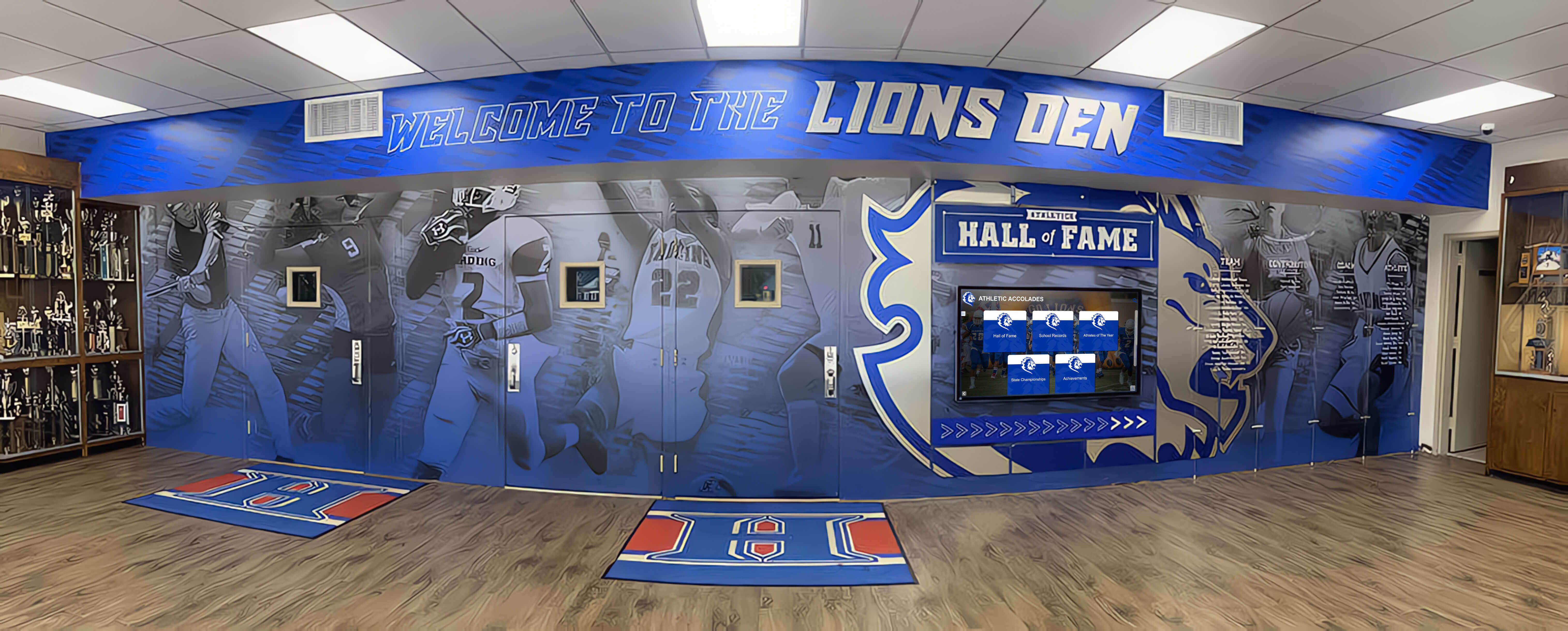
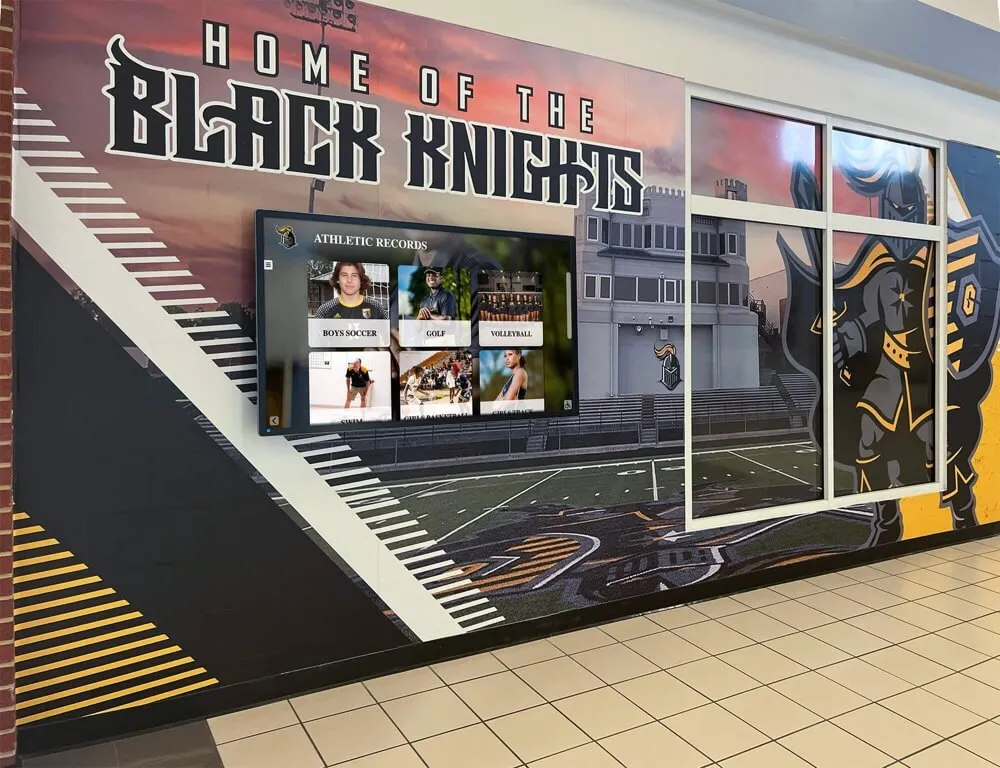
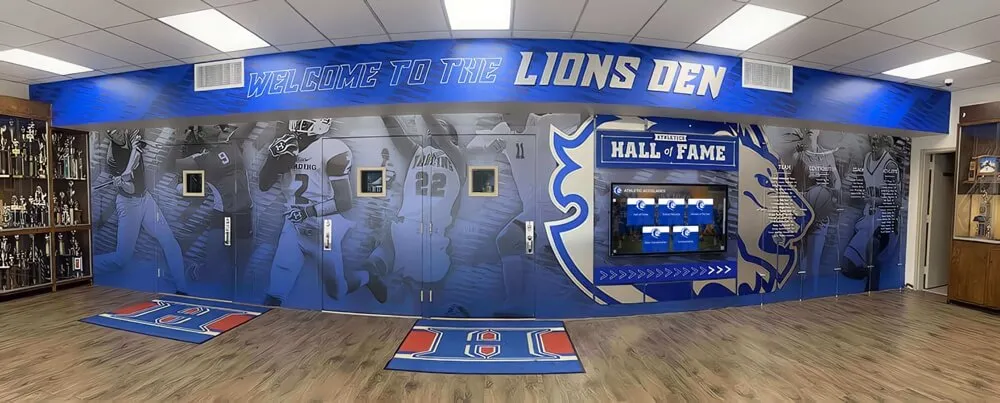
Combining traditional physical recognition elements with modern digital displays creates comprehensive celebration spaces honoring all achievements
Beyond JV Hockey: Comprehensive Athletic Recognition Systems
While this guide focuses specifically on JV hockey applications, comprehensive touchscreen recognition systems deliver maximum value when schools implement them across entire athletic programs rather than limiting deployment to single sports.
All-Sports Recognition Frameworks
Effective digital recognition celebrates achievements across all athletic programs:
Winter Sports Beyond Hockey Comprehensive recognition includes basketball teams at all competition levels, wrestling programs and individual wrestler achievements, swimming and diving teams and individual event records, gymnastics programs and competition results, indoor track athletes and performance results, and winter cheerleading and dance team recognition.
Complete Seasonal Coverage Year-round recognition encompasses fall sports including football, soccer, volleyball, cross country, field hockey, and fall cheerleading. Spring athletics recognition covers baseball, softball, lacrosse, tennis, golf, track and field, and spring performing groups.
This comprehensive approach ensures athletes in all sports receive equal recognition regardless of program size, competitive success, or traditional prominence within school athletics hierarchies.
Academic and Activity Recognition Integration
Maximum touchscreen value comes from expanding beyond pure athletics to celebrate comprehensive student achievement:
Academic Excellence Digital platforms can recognize honor roll students across all grade point average levels, Advanced Placement scholars and high test scores, subject-specific academic competition participants and award winners, National Honor Society and academic honor society members, and scholarship recipients and academic awards.
Arts and Performance Achievement Recognition can extend to theater production cast and crew members, musical ensemble performers across bands, orchestras, and choirs, visual arts students exhibiting work or winning competitions, dance team members and competition results, and individual artist profiles and portfolios.
Leadership and Service Recognition Comprehensive platforms celebrate student government officers and representatives, club presidents and organization leaders, community service hour milestones and volunteer achievements, and special recognition like Boys State, Girls State, and leadership conference attendance.
This multi-dimensional recognition communicates that schools value all forms of excellence rather than limiting celebration to athletic achievement alone—creating more inclusive and educationally appropriate recognition cultures.
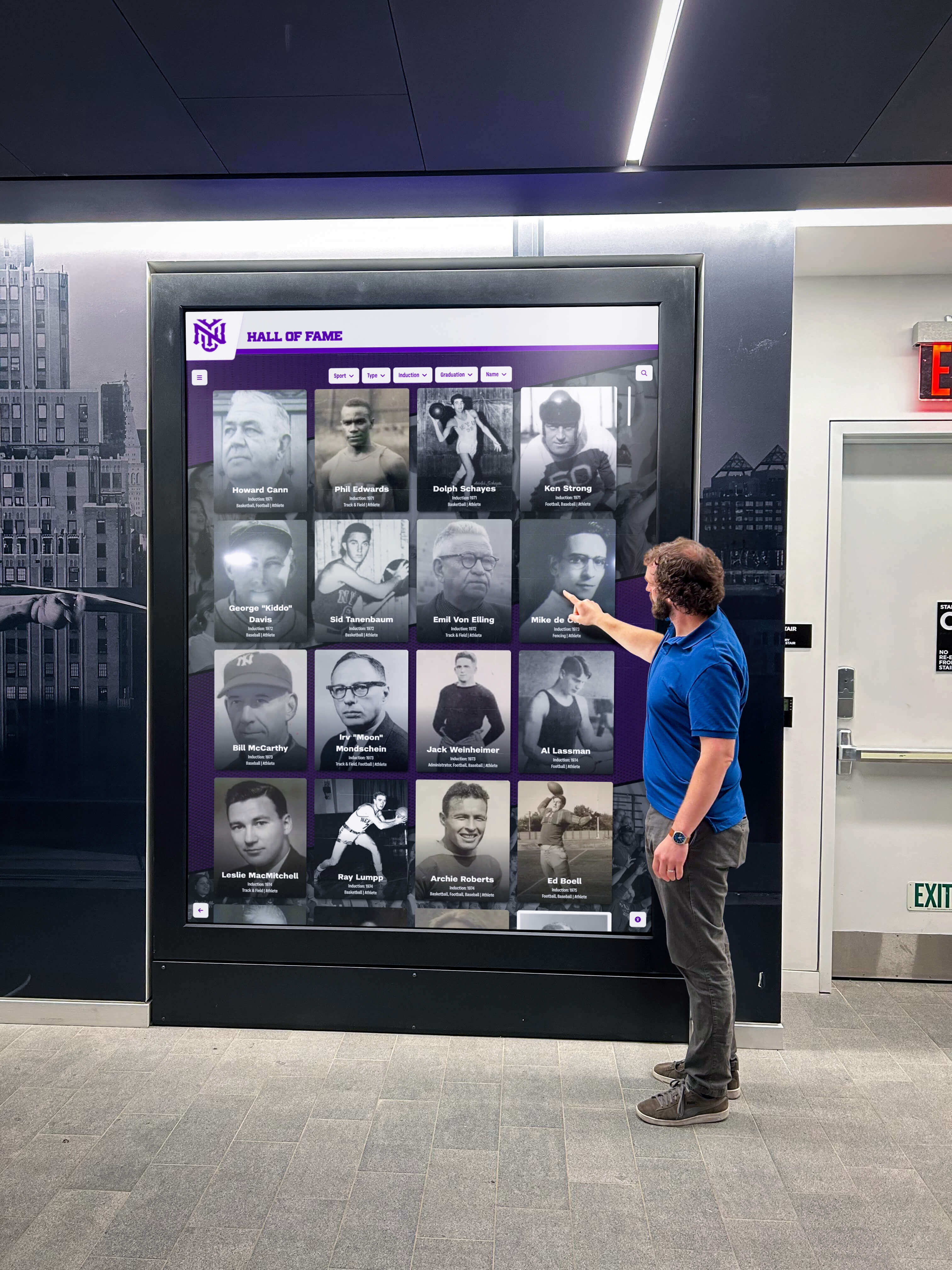
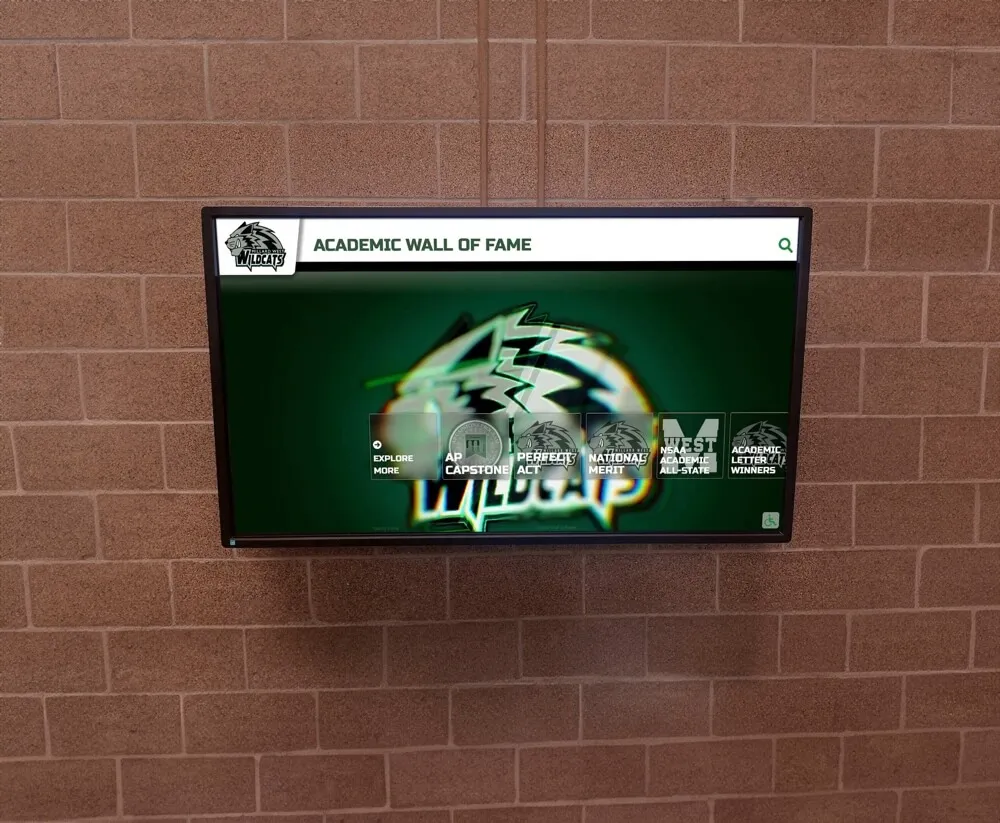
Interactive displays engage visitors of all ages, enabling alumni, prospective families, and community members to explore school achievements
Measuring Impact and Demonstrating Value
Understanding how athletes, families, and communities engage with touchscreen recognition helps schools demonstrate value and justify continued investment in digital recognition systems.
Quantitative Engagement Metrics
Quality touchscreen platforms provide comprehensive analytics tracking usage:
Interaction Volume and Frequency
- Total number of touch interactions over time periods
- Unique daily, weekly, and monthly users
- Peak usage times and days
- Average session duration demonstrating content engagement depth
- Return user rates showing repeated engagement
Content Popularity and Patterns
- Most-viewed individual athlete profiles
- Most-explored teams and sport categories
- Search terms revealing what visitors seek
- Featured content performance showing promotional effectiveness
- Geographic access patterns for web-based extensions
These quantitative metrics demonstrate actual usage, helping schools understand how communities engage with recognition while identifying opportunities for content improvement and expansion.
Qualitative Feedback and Testimonials
Beyond numbers, schools should gather qualitative insights from stakeholders:
Athlete Perspectives Survey JV hockey players about their awareness of digital recognition, feelings about being recognized alongside varsity athletes, impact on motivation and team pride, and whether recognition influences likelihood of continued participation.
Family Reactions Gather feedback from parents and family members about game day experience improvements, appreciation for comprehensive athlete recognition, likelihood of sharing digital recognition with extended family, and overall satisfaction with school’s approach to honoring all athletes.
Broader Community Response Assess reactions from students who don’t play hockey, faculty and staff observations about athletic culture, alumni impressions during visits and reunions, and prospective family feedback during campus tours and recruitment visits.
This qualitative feedback often reveals impact that metrics cannot capture—athletes expressing pride when showing family their recognition, parents appreciating that schools honor all participants rather than only stars, and prospective families impressed by comprehensive achievement celebration that suggests inclusive, supportive school cultures.
Long-Term Cultural Shifts
The most significant touchscreen recognition benefits often emerge over multi-year timeframes:
Enhanced Program Culture Schools implementing comprehensive JV recognition typically report increased JV athlete satisfaction and program pride, reduced attrition between freshman and senior years, stronger sense of team unity across competition levels, more robust parent and family engagement with programs, and improved relationships between JV and varsity team members.
Broader Recognition for Developmental Programs When JV athletes receive systematic acknowledgment, school communities develop greater awareness of and appreciation for developmental program contributions. This cultural shift can lead to improved JV game attendance from broader student populations, increased media coverage in school publications and social channels, enhanced fundraising support for equipment and program needs, and stronger administrative and community backing for junior varsity athletics.
Recruitment and Enrollment Benefits Prospective students and families evaluating schools increasingly value institutional cultures celebrating all students rather than exclusively focusing on highest achievers. Comprehensive recognition including JV athletes communicates inclusive values that can influence enrollment decisions, particularly for families with students who may not become varsity stars but want schools that will acknowledge their athletic participation and improvement.
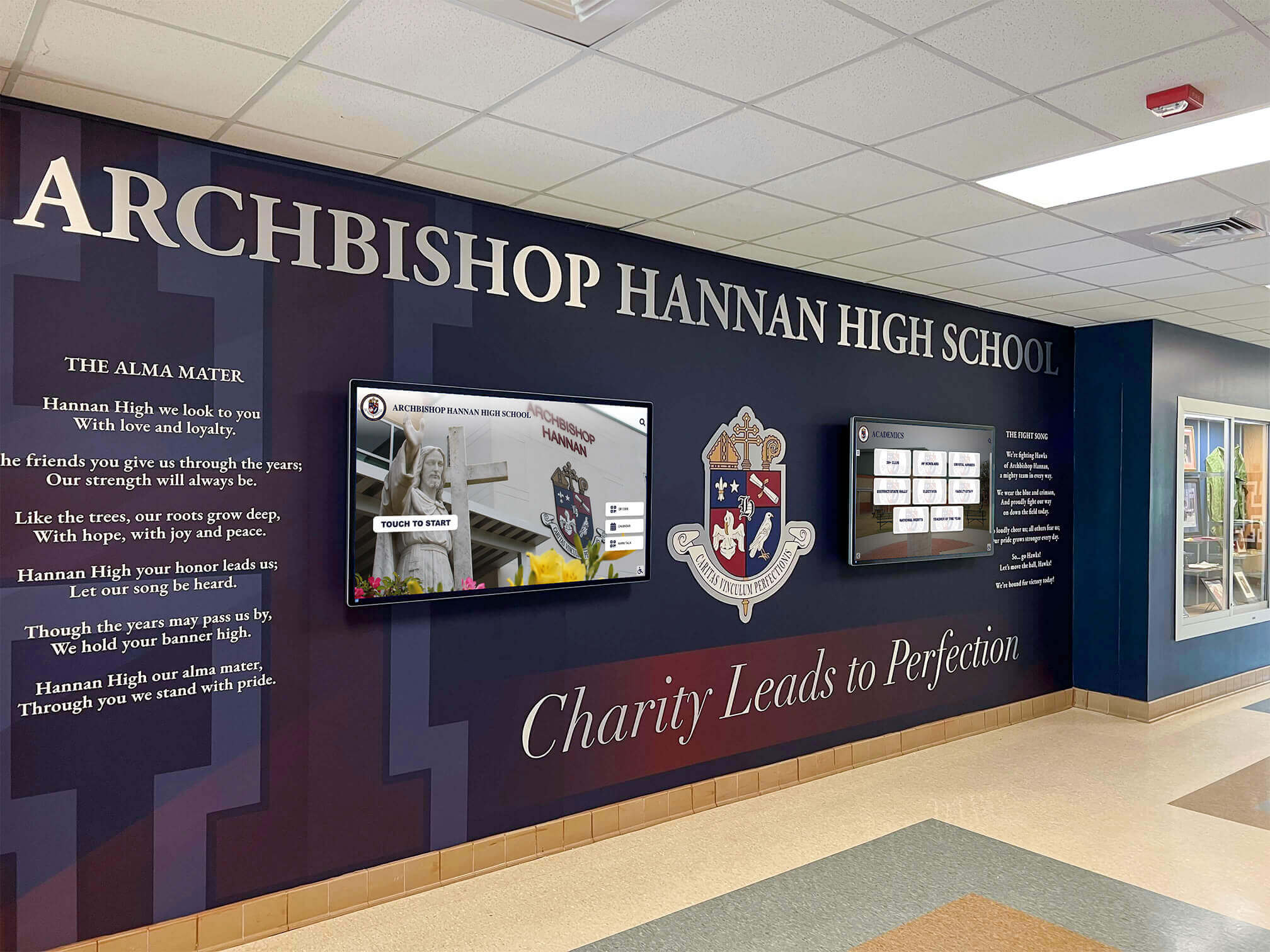
Main entrance installations combining school emblems with digital recognition create powerful first impressions for visitors and prospective families
Best Practices for JV Hockey Recognition Programs
Implementing effective JV hockey recognition through Rocket touchscreen displays requires attention to several best practice principles:
Equality in Recognition Format and Presentation
Ensure JV athletes receive recognition truly equal to varsity rather than obviously inferior acknowledgment:
Consistent Profile Formats Use identical layout templates, information fields, and visual presentation for all athletes regardless of competition level. When visitors explore touchscreen content, they should not immediately identify which athletes play JV versus varsity based on profile appearance differences suggesting unequal treatment.
Equal Access and Visibility Position JV teams prominently in navigation menus rather than burying them in subcategories requiring multiple clicks to access. Feature JV content in rotating highlights alongside varsity achievements rather than limiting featured content exclusively to highest competition levels.
Comparable Content Depth Provide equal detail in JV recognition including photos, statistics, biographical information, and season documentation rather than limiting JV content to bare-minimum roster listings while providing extensive varsity content with multimedia richness.
Celebrating Improvement and Effort
JV recognition should acknowledge development and growth rather than exclusively focusing on competitive results:
Most Improved Recognition Highlight athletes demonstrating significant skill development throughout seasons regardless of absolute performance levels. Most improved awards communicate that growth and effort matter as much as natural talent or prior experience.
Effort and Leadership Awards Recognize athletes exemplifying maximum practice effort, positive team attitudes, leadership by example, dedication through adversity, and commitment to team success over individual statistics.
Personal Milestone Documentation Celebrate individual achievements including first goals, assists, and points scored, significant improvement in specific skills, overcoming injuries or setbacks, and personal performance bests regardless of team context.
Long-Term Historical Documentation
Comprehensive recognition preserves JV hockey history that might otherwise disappear:
Complete Roster Archives Maintain permanent digital records of all JV hockey rosters across years, ensuring alumni can return decades later to find their JV season documentation even after graduating to varsity levels or discontinuing participation.
Season Result Documentation Record complete season results including game scores, tournament participation, final records, and team awards even for seasons without championship success. Every season represents significant athlete commitment deserving historical documentation.
Coaching Staff Recognition Acknowledge JV coaches with profiles documenting their contributions, coaching philosophies, career records, and impact on player development. JV coaches perform essential developmental work that varsity success depends upon—their contributions deserve systematic recognition.
Conclusion: Transforming Junior Varsity Recognition Through Digital Innovation
Junior varsity athletes dedicate comparable time, effort, and commitment to their sports as varsity competitors while facing systematic recognition gaps that diminish motivation, increase attrition risk, and send problematic messages about whose contributions institutional communities value. Digital touchscreen technology from solutions like Rocket Alumni Solutions provides proven approaches for addressing these recognition challenges through comprehensive platforms celebrating all athletes regardless of competition level.
Transform Your Athletic Recognition Program
Discover how Rocket Alumni Solutions delivers purpose-built touchscreen platforms that celebrate athletes at all levels while building stronger athletic cultures and community engagement.
Explore Recognition SolutionsAt JV hockey games specifically, Rocket touchscreen installations enhance game day experiences through rich player profiles and team information, provide engaging pre-game and intermission content, educate casual fans improving spectator enjoyment, and create professional presentation elevating entire game atmosphere. Beyond immediate game day applications, permanent touchscreen installations in school buildings ensure JV hockey athletes receive year-round visibility equal to varsity programs while preserving complete historical documentation of developmental program contributions.
The most successful JV hockey recognition implementations understand that digital touchscreens represent tools enabling cultural values rather than technological solutions themselves. Schools genuinely committed to honoring all athletes at all levels will leverage touchscreen capabilities for systematic comprehensive recognition. Schools primarily interested in celebrating only highest-level achievement will implement limited recognition regardless of available technology. Technology enables and amplifies values—it doesn’t create them independently.
Ready to explore how Rocket touchscreen displays can transform your athletic recognition programs? Learn about comprehensive athletic facility technology solutions, discover proven frameworks for celebrating championship teams across all competition levels, explore strategies for athletic record board displays, and understand how digital recognition platforms create lasting documentation celebrating athlete achievements that traditional recognition methods simply cannot match.
Your junior varsity athletes deserve recognition equal to varsity programs. Rocket touchscreen technology makes comprehensive celebration possible—transforming JV hockey games and broader developmental sports recognition while building inclusive athletic cultures where all dedicated athletes receive the acknowledgment their commitment merits.