



Russ Houks Wrestling Camp at Maple Lake in Forksville, Pennsylvania, represents one of the most significant chapters in American wrestling history. From 1962 through the mid-1970s, this legendary camp served as the official U.S. Olympic and Pan-American Games Training Camp, hosting wrestling icons like Dan Gable, Chris Taylor, and the Peterson brothers while shaping the future of American Olympic wrestling. For wrestling programs, alumni associations, and sports facilities today, preserving these remarkable camp histories presents both a challenge and an opportunity to honor the athletes, coaches, and traditions that built the foundation of competitive wrestling in America.
Traditional methods of preserving wrestling camp history—physical photo albums, printed rosters, aging memorabilia—gradually fade and become inaccessible to new generations of wrestlers and fans. Important details about legendary training sessions, championship preparation, and the daily routines that produced Olympic medalists risk being lost as years pass and memories fade. Modern digital recognition solutions now make it possible to comprehensively document, preserve, and share these invaluable wrestling legacies in ways that engage current athletes while honoring the camps that shaped champions.
This comprehensive guide explores the remarkable history of Russ Houks Wrestling Camp, the broader legacy of wrestling camps in America, and how wrestling programs today can preserve their own camp histories through modern digital recognition displays that make decades of achievement accessible to wrestlers, families, and communities for generations to come.

Digital recognition technology transforms how wrestling programs preserve and present camp histories, making decades of achievements, photographs, and athlete stories accessible through interactive displays that honor tradition while engaging modern audiences.
The Origins of Russ Houks Wrestling Camp: 1962-1964
Russ Houk established his groundbreaking wrestling camp at Maple Lake, Forksville, Pennsylvania in 1962, creating one of the first intensive summer wrestling training programs in the United States. Having been hired as Bloomsburg State College head wrestling coach in 1957, Houk brought collegiate coaching expertise and a visionary approach to developing young wrestlers through immersive, multi-week training experiences.
The camp’s original mission focused on providing Pennsylvania wrestlers access to college-level coaching techniques, intensive skill development, and exposure to competitive wrestlers from other regions. In an era when most wrestling training happened only during school seasons, Houk’s summer camp concept represented an innovative approach to year-round athlete development that would later become standard in American wrestling.
The Camp’s Early Years and Growing Reputation
During its first two years, the camp attracted wrestlers primarily from Pennsylvania and neighboring states, with attendees ranging from middle school athletes to college competitors seeking off-season training. The camp’s location at Maple Lake provided an ideal setting—remote enough to minimize distractions while offering natural beauty and recreational opportunities that made the intensive training more enjoyable for young athletes.
Houk structured the camp around fundamental wrestling technique, conditioning, and competitive drilling, with each day including multiple training sessions, practice matches, and instructional periods. This intensive approach, combined with Houk’s coaching reputation and connections within the wrestling community, quickly established the camp as a premier destination for serious young wrestlers.
Word spread throughout the wrestling community about the quality of instruction, the caliber of attending wrestlers, and the camp’s impact on participant development. By 1963, the camp was drawing wrestlers from across the eastern United States, with many attendees returning year after year and bringing training partners and teammates with them.
Becoming the Official U.S. Olympic Training Center: 1964-1973
The most remarkable chapter in Russ Houks Wrestling Camp history began in 1964 when it was designated as the official U.S. Olympic and Pan-American Games Training Camp, a status it maintained through 1973. This designation transformed the camp from a regional training program into an international training facility that attracted America’s elite wrestlers and served as the primary preparation site for U.S. Olympic teams.
The Olympic Training Center Years
During the 1964-1973 period, the camp served multiple crucial functions in American Olympic wrestling development:
Olympic Team Preparation: U.S. Olympic team members used the camp for intensive pre-competition training camps, including the critical weeks before Olympic Games and Pan-American Games competitions. The remote location and focused environment enabled athletes to train without distractions while benefiting from coaching by Houk and other elite wrestling instructors.
National Team Selection Events: The camp hosted training camps and evaluation sessions that helped determine U.S. national team selections for various international competitions. Wrestlers competing for Olympic team positions trained alongside one another under evaluation by national team coaching staff.
International Training Exchange: The camp also served as the host training center for the Canadian World and Olympic teams, creating unique international training opportunities where American and Canadian wrestlers trained together, shared techniques, and competed in practice matches that elevated both nations’ programs.
Year-Round Elite Training: Beyond Olympic years, the camp provided elite American wrestlers with access to world-class training during summer months, maintaining fitness and skill levels during off-seasons and providing developmental opportunities for emerging talents who aspired to future Olympic teams.
Legendary Wrestlers Who Trained at Russ Houks Camp
The roster of wrestling legends who trained at Russ Houks Wrestling Camp during its Olympic Training Center era reads like a who’s who of 1960s and 1970s American wrestling:
Dan Gable
Dan Gable, perhaps the most famous American wrestler of all time, trained at the camp during his rise to dominance. Gable’s Olympic gold medal at the 1972 Munich Olympics (without surrendering a single point throughout the tournament) and his subsequent legendary coaching career at the University of Iowa were built on training foundations that included the intensive preparation at Houk’s camp.
Chris Taylor
Chris Taylor, the 400-pound superheavyweight wrestler who won bronze at the 1972 Olympics and dominated international competition in the early 1970s, utilized the camp for training and weight management during his competitive career. Taylor’s presence at the camp became legendary among other attendees, who witnessed his combination of size, athleticism, and technique.
The Peterson Brothers
John and Ben Peterson, both Olympic champions (John won gold in 1972 at 180.5 pounds; Ben won gold in 1972 at 198 pounds and silver in 1976), trained at the camp during their preparation for Olympic competition. The Peterson brothers represented the type of technically sound, physically dominant wrestlers that Houk’s training system helped develop.
Additional Olympic-Level Athletes
Other Olympic-level wrestlers who trained at the camp included:
- Rick Sanders: World Champion and Olympic silver medalist known for innovative technique and conditioning
- Stan Dziedzic: 1976 Olympic gold medalist at 163 pounds
- Wade Schalles: Multiple-time national champion famous for his pinning ability and record-setting career
- Wayne Wells: 1972 Olympic gold medalist at 163 pounds
- Gray Simons: Elite heavyweight competitor and national team member
- Don Behm: Top-level competitor who trained alongside Olympic teammates
The concentration of Olympic medalists, world champions, and elite wrestlers at a single training facility created an environment where everyday training partners might be world-class athletes, elevating the intensity and technical sophistication of all training sessions.

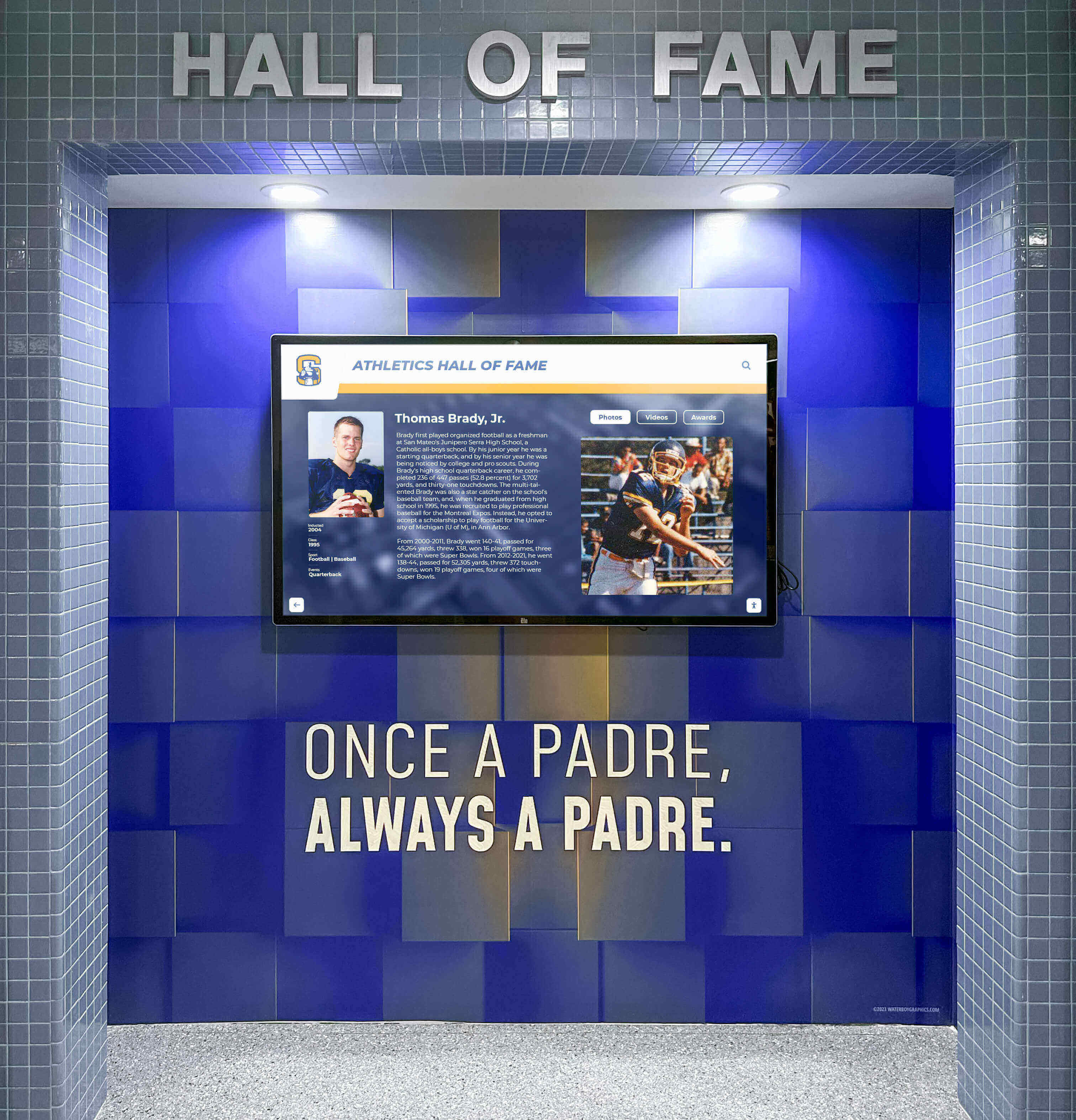
Modern wrestling facilities integrate digital recognition displays with traditional murals and trophy cases, creating comprehensive presentations of program history that include camp achievements, Olympic competitors, and championship records accessible through interactive technology.
Russ Houk’s Role in American Olympic Wrestling
Russ Houk’s influence on American wrestling extended far beyond his camp operations. His service on the United States Olympic Wrestling Committee from 1964 to 1976 positioned him as a key figure in American Olympic wrestling development during a golden era of U.S. wrestling success.
Olympic Team Management
Houk served as manager for the U.S. freestyle wrestling team at both the 1972 Munich Olympics and the 1976 Montreal Olympics. In this capacity, he handled team logistics, coordinated training schedules, managed equipment and facilities, and served as a liaison between athletes, coaches, and Olympic officials.
The 1972 Olympics proved particularly significant for American wrestling, with the U.S. team winning three gold medals, three silver medals, and two bronze medals—one of the most successful performances in American Olympic wrestling history. Houk’s management and the training foundation provided by his camp contributed to this remarkable achievement.
Building Bloomsburg’s Wrestling Legacy
As head coach at Bloomsburg State College (now Bloomsburg University), Houk built one of the nation’s respected college wrestling programs. His dual role as college coach and camp operator created synergies where college wrestlers served as camp counselors and training partners, while promising high school wrestlers attending the camp later recruited to Bloomsburg’s program.
Houk’s coaching philosophy emphasized technical fundamentals, physical conditioning, and mental toughness—principles that defined both his college program and his camp training methods. Many wrestlers who trained at his camp later competed at the collegiate level, carrying forward the techniques and training approaches they learned during summer sessions at Maple Lake.
The Camp Experience: Daily Life at Maple Lake
Understanding the significance of Russ Houks Wrestling Camp requires appreciating what daily life at the camp entailed. Former campers describe an intense, immersive experience that combined rigorous athletic training with the camaraderie and tradition of summer camp.
Training Schedule and Structure
A typical day at the camp during its Olympic Training Center years included:
Morning Sessions: Early morning conditioning runs or circuits, followed by technique instruction focusing on specific skills or positions. Morning sessions typically emphasized learning new techniques and drilling fundamentals.
Midday Training: After lunch, wrestlers participated in live wrestling sessions, including practice matches and competitive drilling where athletes tested techniques learned during morning instruction against resisting opponents.
Afternoon Conditioning: Dedicated strength and conditioning sessions focused on building the physical attributes necessary for elite wrestling—explosive power, grip strength, cardiovascular endurance, and functional flexibility.
Evening Sessions: Evening training often included position-specific instruction, review of techniques from earlier sessions, and additional live wrestling for athletes seeking extra work.
Film Study: When available, film sessions enabled wrestlers to study their own technique, learn from Olympic competitors’ matches, and understand tactical approaches to different styles and body types.
The Impact of Training with Legends
For young wrestlers attending the camp, training alongside Olympic champions and national team members provided invaluable learning experiences. Drilling with Dan Gable, receiving technique tips from Wade Schalles, or sparring with Chris Taylor created memories and learning opportunities that shaped entire wrestling careers.
Former campers describe how training with elite wrestlers raised everyone’s level—the intensity, technical precision, and competitive drive of Olympic-level athletes established standards that all campers strived to match. Young wrestlers learned not just techniques but the mindset, work ethic, and attention to detail that separated good wrestlers from champions.
The Broader Legacy of American Wrestling Camps
Russ Houks Wrestling Camp was part of a broader American wrestling camp tradition that fundamentally changed how wrestlers trained and developed. Understanding this context helps appreciate the camp’s historical significance within American wrestling.
The Wrestling Camp Movement
Wrestling camps emerged in the 1960s as American wrestling coaches recognized the value of intensive, focused training periods that supplemented school-season coaching. These camps provided several advantages over traditional training:
Extended Training Time: Summer camps enabled wrestlers to train for weeks at a time rather than the few hours weekly available during off-seasons, accelerating skill development and conditioning improvements.
Specialized Instruction: Camps brought together expert coaches who could focus on specific techniques, positions, or skills in ways that general practice sessions couldn’t accommodate.
Competitive Training Partners: Camps assembled wrestlers from multiple programs, providing training partners with different styles, techniques, and body types than athletes typically encountered.
Immersive Environment: The residential nature of most camps eliminated distractions and created focused training environments where wrestling dominated daily life for weeks at a time.
Other Historic Wrestling Camps
While Russ Houks Camp stood out for its Olympic Training Center designation, other camps also contributed significantly to American wrestling development:
J Robinson Intensive Camps: Founded in 1978 by National Wrestling Hall of Fame member J Robinson, these camps became the largest wrestling camp system in the nation, training over 60,000 wrestlers before closing in 2021. The 28-Day Intensive Camp earned reputation as “the most challenging athletic camp in the country” and shaped multiple generations of wrestlers.
Ken Chertow’s Gold Medal Camps: Founded by U.S. Olympian Ken Chertow, these camps represent the longest-running wrestling camp system in the nation and have trained 10+ Olympians, over 100 NCAA All-Americans, and thousands of state champions.
Howell System Wrestling Camps: Established in 1987 by former NCAA competitor Dicky Howell, these camps have provided quality wrestling instruction in Delaware and surrounding regions for nearly four decades.
These camps, along with dozens of others operated by college programs, club teams, and private organizations, created a comprehensive development system that helped establish American wrestling as an international power in the sport. Solutions like Rocket Alumni Solutions now enable these historic camps to preserve and share their legacies through digital recognition displays that document decades of athletes, achievements, and traditions.
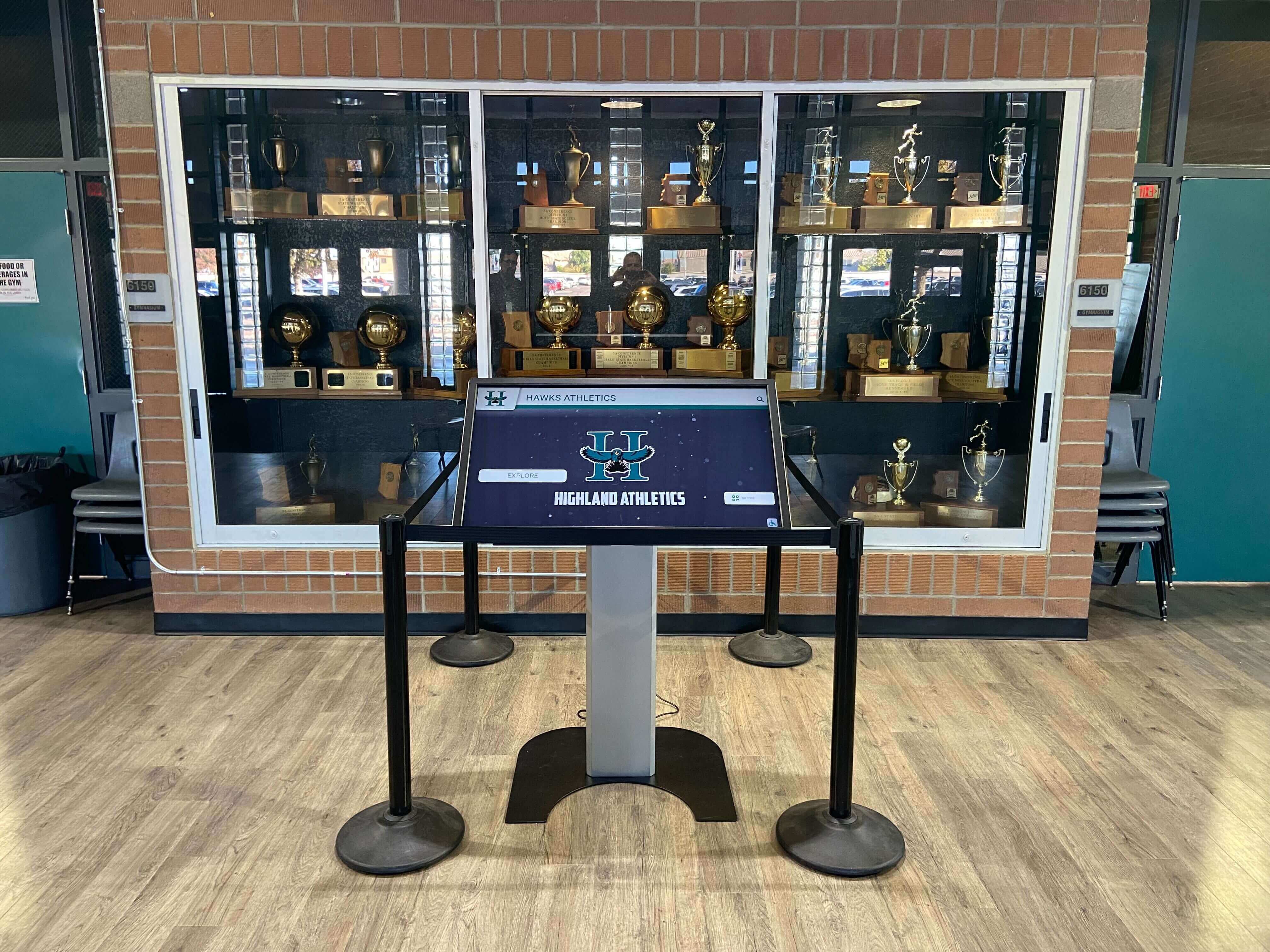
Wrestling facilities integrate interactive digital displays with traditional trophy cases, creating comprehensive recognition systems where camp histories, athlete profiles, and achievement records enhance physical awards and memorabilia collections.
Preserving Wrestling Camp History Through Digital Recognition
For wrestling programs, alumni associations, and sports facilities, preserving camp histories like Russ Houks Wrestling Camp presents both challenges and opportunities in the digital age. Modern digital recognition displays enable comprehensive preservation and presentation of wrestling legacies in ways impossible with traditional methods.
Challenges of Traditional History Preservation
Wrestling camps and programs attempting to preserve histories through traditional methods face several limitations:
Physical Space Constraints: Trophy cases, photo walls, and plaque displays can accommodate only limited selections of achievements, athletes, and memories, forcing difficult decisions about what to preserve and what to omit.
Deteriorating Materials: Printed photographs fade, newspaper clippings yellow and become brittle, and physical awards tarnish or break over time, gradually losing the visual impact that made them meaningful.
Inaccessibility: Materials stored in albums, boxes, or archives become inaccessible to current athletes, visiting families, and community members who might appreciate the history if it were more readily available.
Limited Context: A trophy or plaque provides minimal context about the athlete, the competition, or the significance of the achievement, leaving viewers without the stories that make history meaningful.
Update Difficulties: Adding new achievements, updating athlete information, or correcting errors in physical displays requires physical modifications—new plaques, reprinted signs, or case reconfigurations—that are expensive and time-consuming.
Digital Solutions for Wrestling History Preservation
Modern digital recognition platforms designed specifically for athletic programs solve these traditional limitations while adding capabilities that enhance how wrestling histories are preserved and shared:
Unlimited Capacity: Digital platforms enable programs to document every camp attendee, every achievement, every photograph, and every story without physical space limitations. Programs can preserve comprehensive histories spanning decades without difficult exclusion decisions.
Rich Multimedia Content: Digital displays support photographs, videos, audio recordings, documents, and text in ways that bring wrestling history to life. Imagine browsing profiles of Olympic wrestlers who trained at a camp, watching video of legendary matches, hearing audio interviews with camp founders, and viewing historical photographs in context.
Searchable Organization: Visitors can search by athlete name, year, achievement type, weight class, or other categories to quickly find specific information. A wrestler can instantly locate profiles of all camp attendees from their home state, or families can find every achievement by a specific athlete across multiple years.
Regular Updates: Adding new content to digital platforms takes minutes rather than weeks, enabling programs to keep histories current as new achievements occur, additional materials are discovered, or corrections are identified.
Broader Accessibility: Digital archives can be accessed through on-site touchscreen kiosks in athletic facilities, through online portals accessible from anywhere, or through mobile apps that put wrestling history literally in users’ hands. Schools using platforms like interactive touchscreen displays make decades of wrestling history accessible to current athletes, visiting alumni, and community members through engaging digital experiences.
Professional Presentation: Purpose-built platforms ensure all content displays with consistent, professional formatting that honors the significance of achievements and athletes, eliminating the varying quality levels typical of assemblages of physical materials collected over decades.
Content Elements for Comprehensive Wrestling Camp History
Programs preserving camp histories through digital recognition should consider documenting:
Camp Timeline: Chronological history of the camp’s founding, significant years, major changes, and lasting legacy, providing context for individual achievements.
Athlete Profiles: Detailed profiles of notable campers including photographs, camp years attended, achievements during and after camp participation, and current information when available.
Coaching Staff: Recognition of camp directors, head coaches, assistant coaches, and counselors who shaped the camp experience and athletes’ development.
Training Methods: Documentation of training philosophies, signature drills, conditioning programs, and teaching approaches that defined the camp’s methodology.
Notable Achievements: Records of Olympic qualifiers, national champions, state champions, and other significant achievements by camp alumni.
Historical Photographs: Comprehensive photo archives showing training sessions, living areas, recreational activities, and daily camp life across different eras.
Personal Stories: First-person accounts from campers, coaches, and staff describing memorable experiences, breakthrough moments, and lasting friendships formed at camp.
Location History: Information about camp facilities, geographic setting, and how physical spaces shaped the camp experience.
Cultural Impact: Recognition of how the camp influenced regional wrestling, feeder programs, and the broader wrestling community.
Many wrestling programs find that athletic history preservation projects uncover forgotten achievements, reconnect alumni communities, and create engagement opportunities with current athletes who discover their programs’ rich traditions.
Creating Interactive Wrestling Heritage Displays
Wrestling programs implementing digital recognition displays for camp history preservation should consider several design approaches that maximize engagement and accessibility:
Touchscreen Kiosk Displays
Freestanding touchscreen kiosks positioned in wrestling rooms, athletic hallways, or lobby areas provide high-visibility access to camp histories. These displays function like interactive trophy cases that enable visitors to explore decades of achievements through intuitive touch interfaces.
Effective kiosk implementations include:
Strategic Placement: Position kiosks where wrestlers, families, and visitors naturally gather—near wrestling room entrances, in athletic lobbies, or adjacent to traditional trophy displays and recognition walls.
Intuitive Navigation: Design interfaces that enable users of all ages and technical abilities to easily browse camp history, search for specific athletes or years, and discover content through multiple navigation pathways.
Featured Content: Highlight exceptional achievements, significant anniversaries, or seasonal content on main screens, drawing visitors into deeper exploration of full archives.
Offline Functionality: Ensure kiosks function without active internet connections, preventing technical issues from interrupting access to wrestling history during high-traffic events or facility tours.
Wall-Mounted Displays
Large wall-mounted displays integrate seamlessly with traditional athletic recognition areas, complementing trophy cases, championship banners, and photo walls with dynamic digital content that updates continuously.
Wall-mounted display considerations:
Display Size: Select screen sizes that match the viewing distances and space scales of installation locations—larger displays for distant viewing in gyms or lobbies, moderate sizes for close viewing in hallways.
Content Rotation: Program displays to rotate through featured athletes, historical photographs, achievement highlights, and current season information, keeping content fresh for regular viewers while showcasing historical depth.
Integration with Traditional Elements: Position digital displays to complement rather than compete with existing recognition elements, creating unified presentations that honor both historical and modern achievements. Programs implementing championship recognition displays often find that combining traditional banners with digital content creates more engaging, comprehensive presentations than either approach alone.
Remote Management: Utilize cloud-based content management systems that enable staff to update displays from any location, eliminating the need for on-site technical expertise or direct device access.
Online Access Extensions
Extending wrestling history archives beyond physical displays to online platforms maximizes accessibility and engagement:
Program Websites: Embed searchable wrestling history archives directly into program websites, enabling alumni, families, and community members to explore camp histories from anywhere.
Mobile Applications: Develop or integrate mobile apps that put wrestling history in users’ hands, enabling them to browse archives, save favorite athletes or achievements, and share content through social media.
QR Code Connections: Place QR codes near physical awards, photographs, or recognition areas that link to detailed digital content about specific athletes, teams, or achievements, bridging physical and digital experiences.
Social Media Integration: Enable users to share athlete profiles, historical photographs, and achievement highlights through social media, expanding awareness of wrestling program history beyond immediate communities.
Wrestling programs pursuing comprehensive digital transformation of historical archives often discover that online access generates unexpected engagement from distant alumni, connects long-separated teammates, and attracts prospective athletes drawn to programs with rich traditions.

Effective wrestling recognition combines traditional design elements like team murals and colors with modern digital technology, creating unified presentations that honor program history while providing the flexibility and capacity of digital platforms.
Building Camp History Archives: Where to Find Materials
Wrestling programs embarking on camp history preservation projects often wonder where to locate historical materials, photographs, and information that may be scattered across decades and multiple locations. Successful archive-building projects typically draw from several sources:
Alumni Networks
Former campers represent the richest source of camp history materials and stories:
Direct Outreach: Contact known camp alumni through social media, email, or mail, requesting photographs, memorabilia, stories, and any materials they preserved from their camp years.
Alumni Events: Utilize wrestling program reunions, homecoming events, or dedicated history-gathering events to collect materials and conduct interviews with former campers who can provide first-person accounts.
Social Media Campaigns: Create social media groups or pages dedicated to camp history, enabling alumni to connect, share memories, post photographs, and contribute materials they’ve preserved.
Interview Projects: Conduct recorded interviews with camp alumni, particularly those who attended during significant years or achieved notable success, capturing detailed memories and stories before they’re lost to time.
Institutional Archives
Educational institutions and organizations associated with camps often maintain historical records:
University Archives: Colleges that operated camps through their wrestling programs often preserve photographs, records, promotional materials, and documentation in institutional archives.
Local Historical Societies: Community historical societies near camp locations may have collected materials about locally significant institutions like wrestling camps that brought regional attention.
State Wrestling Organizations: State wrestling associations and hall of fame organizations often maintain historical records about significant camps, coaches, and athletes from their regions.
National Wrestling Organizations: The National Wrestling Hall of Fame and other national organizations preserve materials related to significant camps, particularly those like Russ Houks Camp that served as Olympic training centers.
Coaching Staff and Families
Camp founders, directors, coaches, and their families frequently preserve materials from camp operations:
Personal Collections: Former camp staff often retain photographs, documents, training plans, and memorabilia from their coaching years.
Family Archives: Families of deceased camp founders or coaches may possess extensive materials preserved by loved ones who recognized the historical significance of camp operations.
Published Materials: Some coaches published books, articles, or instructional materials that document camp philosophies, training methods, and significant moments.
Media Archives
News organizations, wrestling publications, and media outlets documented camps through their coverage:
Newspaper Archives: Local and regional newspapers often covered summer camps, particularly when they hosted Olympic-level athletes or produced championship-level wrestlers.
Wrestling Publications: Specialized wrestling magazines and newsletters documented camp operations, interviewed camp founders, and followed the careers of notable camp alumni.
Television and Film: Some camps were featured in television news coverage or documentary projects, particularly during Olympic years or significant anniversaries.
Online Collections: Digital newspaper archives, library digitization projects, and online historical collections increasingly make historical materials discoverable through keyword searches.
Programs developing historical photo archives for wrestling camps often find that outreach efforts generate unexpected responses from distant alumni eager to contribute materials and see their camp experiences preserved and honored.
Engaging Current Wrestlers with Historic Camp Legacies
One of the most valuable outcomes of preserving wrestling camp histories is creating connections between current wrestlers and their programs’ rich traditions. Effective engagement strategies help modern athletes appreciate and draw inspiration from camp legacies:
Making History Relevant
Current wrestlers engage more deeply with camp history when connections to their own experiences are emphasized:
Weight Class Connections: Enable wrestlers to explore achievements and athletes from their specific weight classes, creating natural identification with historical figures who competed in similar roles.
Hometown Links: Highlight camp alumni from wrestlers’ hometowns, high schools, or regions, demonstrating that athletes from similar backgrounds achieved success through camps.
Training Technique Evolution: Show how signature techniques, training methods, or coaching philosophies developed at historic camps still influence current program approaches.
Competition Comparisons: Connect historical achievements at specific tournaments, competitions, or opponent schools to current season schedules, helping wrestlers appreciate continuity of rivalries and traditions.
Creating Mentorship Connections
Camp history preservation projects can facilitate direct connections between current wrestlers and camp alumni:
Alumni Contact Information: With permission, provide current wrestlers with contact information for camp alumni willing to serve as mentors, advice-givers, or connection points at colleges they’re considering.
Virtual Mentorship Programs: Arrange video calls, online Q&A sessions, or ongoing correspondence between current wrestlers and accomplished camp alumni.
Reunion Events: Host camp history celebrations or reunion events where current wrestlers can meet, train with, and learn from camp alumni of various eras.
Guest Coaching Sessions: Invite accomplished camp alumni to lead practice sessions, providing current wrestlers with direct instruction from athletes whose achievements they’ve discovered through camp history archives.
Programs building sustained engagement ecosystems around wrestling history often find that connections formed between current athletes and program alumni extend beyond individual relationships to create lasting cultural traditions that strengthen programs across generations.
Incorporating History into Training Culture
Thoughtful integration of camp history into daily training culture reinforces its relevance and significance:
Daily History Moments: Begin practices with brief stories about camp alumni, significant achievements, or historical moments, making history a regular part of team culture.
Achievement Goals: Frame seasonal goals in historical context—matching achievement levels of specific historical teams, extending winning streaks, or qualifying more wrestlers than previous record years.
Visual Reminders: Ensure historical photographs, achievement displays, and athlete profiles are visible in training spaces, keeping camp legacy present in wrestlers’ daily experiences.
Tradition Ceremonies: Develop ceremonies or recognition moments that connect current achievements to camp history, such as inducting season award winners into ongoing legacy programs or presenting awards named for historic camp figures.
Wrestling programs that successfully integrate camp history into training culture often find that historical awareness builds program pride, reinforces high standards, and creates motivational frameworks that elevate performance. Digital platforms from providers like Rocket Alumni Solutions make this integration practical by ensuring historical content is always accessible, easily updated, and professionally presented.
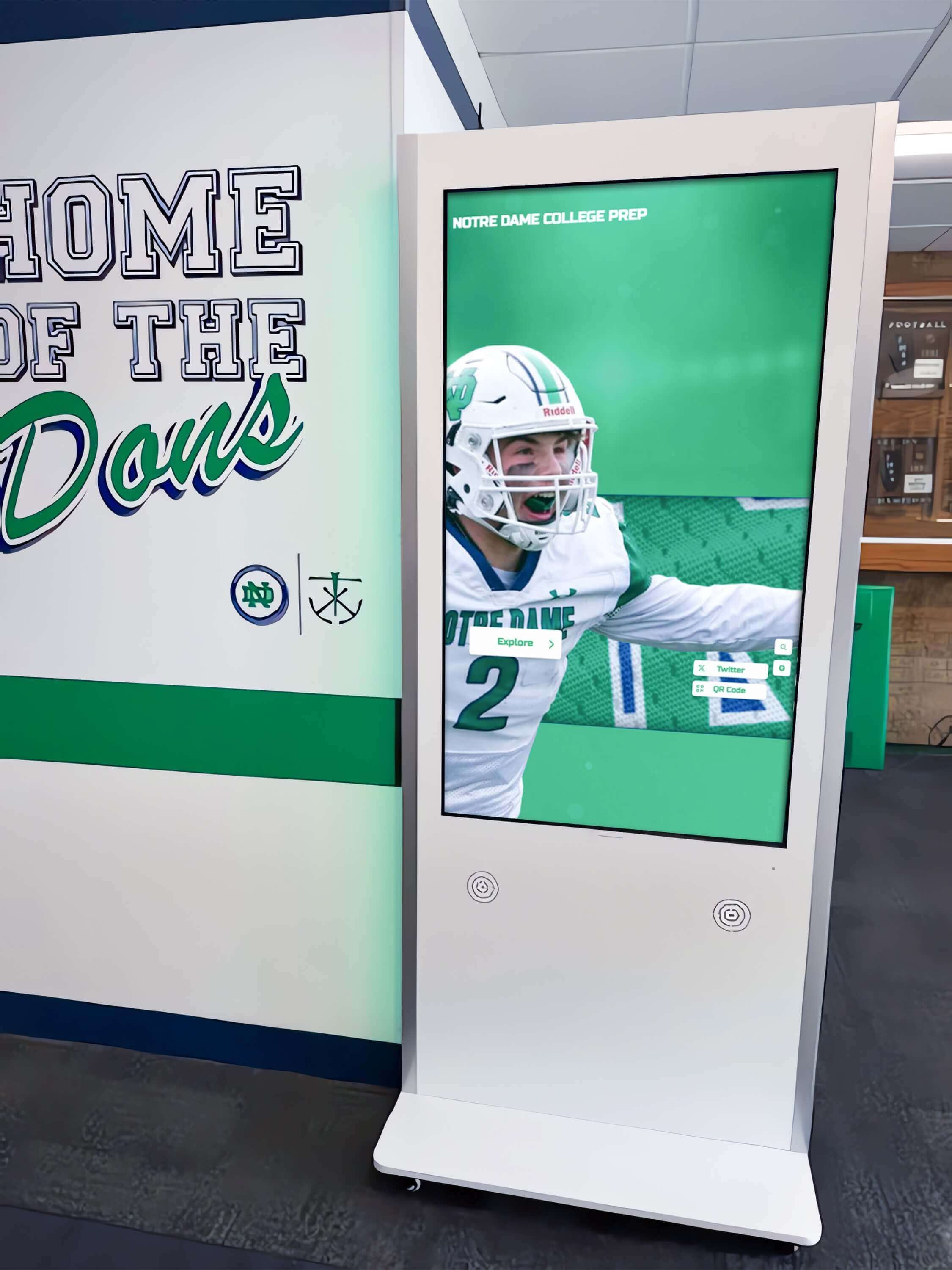
Wrestling programs install interactive digital kiosks in high-traffic athletic areas, transforming wrestling history preservation from static displays with limited content into comprehensive, searchable archives that engage visitors and honor program legacies comprehensively.
The Technical Foundation: Digital Recognition Platform Features
Wrestling programs selecting digital recognition platforms for camp history preservation should evaluate systems based on capabilities essential for long-term success:
Content Management Capabilities
Effective platforms provide intuitive content management that enables non-technical staff to maintain historical archives:
User-Friendly Interfaces: Administrative dashboards should enable staff to add content, update information, and manage displays without specialized technical knowledge or coding skills.
Bulk Import Tools: Efficient import capabilities enable programs to upload large collections of historical photographs, athlete records, or achievement data without manually entering each item individually.
Template Systems: Pre-designed templates for common content types—athlete profiles, achievement records, historical timelines—ensure consistent, professional formatting without requiring design expertise.
Version Control: Systems should maintain content history, enabling administrators to review changes, restore previous versions, or track who made specific modifications.
Approval Workflows: For programs with multiple content contributors, approval systems ensure administrators review submissions before public display, maintaining quality and accuracy standards.
Display and Presentation Features
Platform presentation capabilities determine how effectively wrestling history engages audiences:
Responsive Design: Content should display properly across different device types—touchscreen kiosks, wall-mounted displays, desktop computers, tablets, and smartphones—adapting to screen sizes and input methods automatically.
Search and Filter Tools: Robust search capabilities enable visitors to quickly locate specific athletes, years, achievements, or content types within extensive archives.
Media Support: Platforms should handle photographs, videos, audio files, documents, and text content, enabling rich multimedia presentations of wrestling history.
Customization Options: Display designs should be customizable to match program branding, school colors, and visual identities while maintaining professional appearance standards.
Offline Functionality: Displays should function without active internet connections, preventing technical issues from interrupting access during events or facility tours.
Integration and Accessibility
Effective platforms extend wrestling history access beyond individual displays:
Website Integration: Archives should be embeddable in program websites, enabling online access to complete historical databases.
Mobile Accessibility: Responsive designs or dedicated mobile applications enable smartphone and tablet users to explore wrestling history from any location.
Social Sharing: Built-in sharing capabilities enable visitors to post athlete profiles, historical photographs, or achievement highlights to social media platforms.
QR Code Generation: Systems should generate QR codes that link directly to specific athletes, achievements, or content sections, bridging physical and digital experiences.
API Access: For technically sophisticated programs, API access enables custom integrations with other systems, advanced analytics, or specialized applications.
Programs implementing content management systems for recognition displays often find that platform capabilities directly determine long-term success—intuitive management encourages regular updates while limited functionality leads to stagnant, outdated content.
Security and Reliability Features
Historical archives represent significant investments in time and resources, making security and reliability essential:
Data Backup: Automatic backup systems protect against data loss due to technical failures, user errors, or security incidents.
User Authentication: Secure login systems ensure only authorized personnel can modify content while enabling broad public viewing access.
Cloud Infrastructure: Cloud-based hosting provides reliability advantages over local servers, including automatic updates, professional maintenance, and geographic redundancy.
Uptime Guarantees: Service level agreements should specify minimum uptime percentages, ensuring displays remain accessible during critical events and high-traffic periods.
Support Access: Technical support should be readily available to resolve issues, answer questions, and provide guidance on effective platform use.
Measuring Success: Impact of Wrestling History Preservation
Wrestling programs investing in digital camp history preservation should track outcomes that demonstrate project value and guide ongoing improvements:
Engagement Metrics
Digital platforms provide detailed usage data that reveals how audiences interact with wrestling history:
Session Duration: Average time visitors spend exploring historical archives indicates content engagement levels and discovery patterns.
Content Views: Tracking which athlete profiles, photographs, achievements, or time periods receive most views reveals audience interests and guides content development priorities.
Search Patterns: Understanding what visitors search for helps identify gaps in content coverage or opportunities to highlight underutilized materials.
Return Visitors: Tracking whether visitors return multiple times indicates whether content has sustained appeal or merely novelty interest.
Device Usage: Understanding whether access happens primarily through on-site kiosks, program websites, or mobile devices helps optimize content formatting and access pathways.
Alumni Engagement
Wrestling camp history preservation projects often catalyze renewed alumni connections:
Contact Database Growth: Track increases in alumni contact information collected through history project outreach, providing foundations for ongoing engagement.
Event Attendance: Monitor whether camp history celebrations, reunions, or recognition events attract alumni who previously had limited program involvement.
Material Contributions: Measure ongoing contributions of photographs, stories, and materials from alumni who discover preservation projects and want to contribute to comprehensive archives.
Social Media Activity: Track social media engagement around historical content posts, shares, and discussions, revealing how camp history resonates with alumni communities.
Mentorship Connections: Count mentorship relationships, guest coaching sessions, or advisory roles that emerge when current wrestlers and camp alumni connect through history projects.
Programs finding success with alumni recognition and engagement often attribute improvements to comprehensive history preservation that reminds graduates of meaningful experiences and creates natural reconnection opportunities.
Current Athlete Impact
The ultimate value of camp history preservation lies in how it influences current wrestlers:
Program Pride Indicators: Survey wrestlers about awareness of program history, pride in wrestling legacy, and motivation derived from learning about past achievements.
Performance Comparisons: While many factors influence athletic performance, programs sometimes observe improved results following history preservation projects that build program culture and raise competitive standards.
Recruitment Advantages: Track whether prospective wrestlers and families reference program history during recruiting conversations, and whether history presentations influence commitment decisions.
Retention Improvements: Monitor whether wrestlers remain in programs through high school completion at higher rates after history preservation projects strengthen program culture.
Tradition Participation: Measure wrestler engagement in program traditions, history-related events, or legacy programs that connect current athletes to camp heritage.
Preserve Your Wrestling Program's Legacy
Discover how Rocket Alumni Solutions helps wrestling programs preserve camp histories, honor athlete achievements, and engage communities through purpose-built digital recognition displays that make decades of tradition accessible to current and future generations.
Explore Digital Recognition SolutionsBeyond Camp History: Comprehensive Wrestling Program Recognition
While camp history preservation represents a significant recognition opportunity, comprehensive wrestling program recognition extends to numerous achievement categories and recognition opportunities:
Individual Achievement Recognition
State Qualifiers and Placers: Document every wrestler who qualified for state tournaments throughout program history, including placement results, weight classes, and years of participation.
Conference and Regional Champions: Recognize wrestlers who won conference titles, regional championships, or other significant competitive achievements that demonstrate sustained excellence.
Career Statistics Leaders: Highlight wrestlers who achieved program records in wins, pins, career winning percentages, or other statistical categories.
Award Recipients: Honor wrestlers who received sportsmanship awards, team MVP recognition, coaching staff awards, or other distinctions that recognize character and leadership beyond competitive results.
College Commitments: Celebrate wrestlers who continued their careers at collegiate level, including college commitment recognition that documents the programs and scholarship levels wrestlers achieved.
Team Achievement Recognition
Championship Teams: Document team state championships, conference titles, tournament championships, and other collective achievements that represent program peaks.
Dual Meet Records: Preserve records of exceptional team dual meet records, winning streaks, or victories over traditional rivals.
Team Rankings: Track highest state rankings, national rankings, or power ratings achieved by teams throughout program history.
Tournament Success: Recognize strong team performances at prestigious invitational tournaments, showing program’s competitive standing beyond conference and state competition.
Coaching Recognition
Coaching Tenures: Honor head coaches, assistant coaches, and program contributors who shaped wrestling traditions across different eras.
Coaching Achievements: Document coaches’ win-loss records, championship teams, coaches of the year honors, and other professional recognition.
Coaching Trees: Map how assistant coaches and wrestlers from the program went on to coaching careers, showing program’s broader influence on wrestling development.
Coaching Philosophies: Preserve coaching methodologies, training approaches, and program philosophies that defined different eras and contributed to sustained success.
Programs developing comprehensive athletic recognition systems find that inclusive approaches that recognize multiple achievement types create broader community engagement than selective recognition that honors only the most elite accomplishments.
Getting Started: Planning Your Wrestling History Preservation Project
Wrestling programs ready to preserve camp or program history through digital recognition should follow structured planning processes that ensure successful implementations:
Phase 1: Assessment and Goal Setting
Inventory Existing Materials: Catalog all historical materials currently in possession—photographs, records, awards, documents, memorabilia—to understand what content already exists.
Identify Gaps: Determine what materials, information, or time periods are missing or inadequately represented in existing collections.
Define Objectives: Clarify what the project should accomplish—preserve specific camp history, document all-time program achievements, engage current wrestlers, reconnect alumni, or attract recruits.
Establish Scope: Determine whether the initial project should be comprehensive (all program history) or focused (specific camp era, recent decades, or particular achievement categories).
Set Budget Parameters: Define available resources for platform selection, content development, display hardware, and ongoing maintenance.
Phase 2: Platform Selection and Content Strategy
Research Platform Options: Evaluate digital recognition platforms based on features, pricing, support quality, and fit with program needs and technical capabilities.
Request Demonstrations: View actual platform demonstrations to understand functionality, interface design, and whether systems meet requirements.
Review References: Contact other wrestling programs using platforms under consideration to learn about satisfaction levels, support quality, and long-term experiences.
Develop Content Plan: Outline what content types will be included (athlete profiles, photographs, documents, videos), organizational structure, and creation timeline.
Assign Responsibilities: Designate who will manage content development, gather historical materials, coordinate alumni outreach, and maintain ongoing platform administration.
Phase 3: Content Development and Launch
Material Gathering: Execute outreach to alumni, review institutional archives, scan photographs and documents, and assemble content for platform loading.
Content Creation: Develop athlete profiles, write achievement descriptions, organize photographs, and prepare materials according to platform requirements and content standards.
Quality Review: Review all content for accuracy, appropriate tone, consistent formatting, and proper attribution before public launch.
Soft Launch: Initially deploy the platform to limited audiences (coaching staff, current wrestlers, selected alumni) to identify issues and gather improvement suggestions.
Public Launch: Promote completed platform broadly to alumni, families, and community, encouraging exploration and ongoing material contributions.
Phase 4: Ongoing Management
Regular Content Updates: Establish schedules for adding new content, updating existing information, and ensuring platform remains current.
Community Engagement: Maintain ongoing outreach to alumni requesting materials, stories, and corrections that enhance archive comprehensiveness and accuracy.
Usage Monitoring: Review analytics data to understand how audiences use the platform, what content resonates, and where improvements might increase engagement.
Technology Maintenance: Ensure display hardware receives regular maintenance, software updates are applied, and technical issues are resolved promptly.
Continuous Improvement: Annually review platform performance, gather stakeholder feedback, and implement enhancements that increase value and engagement.
Programs approaching history preservation as ongoing initiatives rather than one-time projects achieve better long-term results, as continuous improvement maintains relevance and engagement across changing audiences and technologies. Digital recognition platforms like those from Rocket Alumni Solutions simplify ongoing management through intuitive interfaces, cloud-based access, and support resources that enable non-technical staff to maintain comprehensive wrestling history archives.
Conclusion: Honoring Wrestling’s Past While Building Its Future
Russ Houks Wrestling Camp at Maple Lake stands as a defining chapter in American wrestling history—a decade-long period when a remote Pennsylvania camp served as the crucible where Olympic champions trained, breakthrough techniques developed, and the foundation of modern American wrestling was built. The camp’s legacy lives on through the athletes it shaped, the programs they built, and the wrestling traditions they passed forward.
For today’s wrestling programs, preserving camp histories and program legacies represents both a responsibility to past generations and an opportunity to strengthen current and future programs. Modern digital recognition technology transforms history preservation from a space-constrained, static display challenge into a comprehensive, accessible, and engaging experience that honors wrestling tradition while inspiring current athletes.
Whether documenting legendary camps like Russ Houks, preserving program-specific camp traditions, or creating comprehensive wrestling program recognition systems, purpose-built digital platforms enable wrestling communities to ensure their histories remain accessible, meaningful, and inspiring for generations to come. The wrestlers, coaches, and camps that built American wrestling deserve to be remembered—and today’s technology makes comprehensive preservation both practical and powerful.
As wrestling programs across America work to preserve their own camp histories and program traditions, they join a broader movement honoring the sport’s rich heritage while strengthening the cultural foundations that support current athletes’ success and development. The legends trained at camps like Russ Houks; today’s wrestlers train in their shadow, inspired by their achievements, and connected to their legacy through thoughtful preservation of wrestling’s remarkable history.
Related Resources:































