Schools thrive because of dedicated people in dozens of specialized roles—teachers crafting tomorrow’s innovators, custodians maintaining safe learning environments, cafeteria staff providing nutritious fuel for young minds, bus drivers ensuring safe journeys, counselors supporting emotional wellbeing, and administrators orchestrating complex operations. Yet employee recognition too often defaults to a single week in May for teachers while other essential contributors work in relative anonymity.
The reality is that school success depends on every role functioning effectively. When custodial staff don’t maintain clean, safe spaces, learning suffers. When cafeteria workers don’t provide quality meals, student focus diminishes. When bus drivers don’t execute safe routes, families lose confidence. Comprehensive employee appreciation recognizes this interdependence, celebrating contributions across all roles throughout the entire year rather than concentrating recognition in narrow windows.
This guide provides a complete calendar of school employee appreciation days spanning twelve months, practical recognition strategies for each role, and modern approaches to making appreciation visible, meaningful, and lasting. From nationally recognized days to creative recognition opportunities your school can establish, you’ll discover actionable frameworks for building a culture where every employee feels genuinely valued.
Schools implementing systematic year-round employee appreciation report significantly higher staff retention rates, improved morale, stronger collaborative cultures, and better student outcomes. Recognition doesn’t replace competitive compensation, but it creates emotional connections that transform workplaces from jobs into communities.

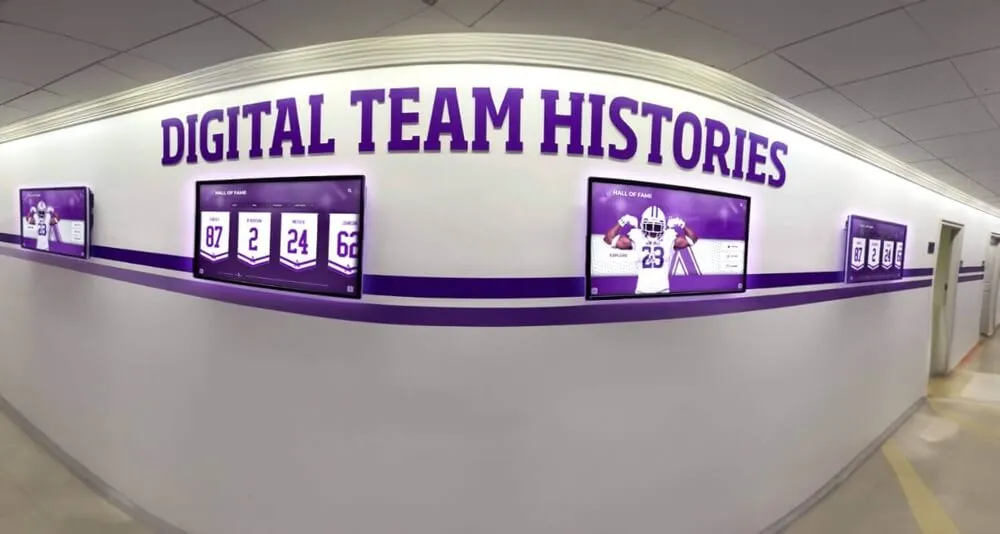
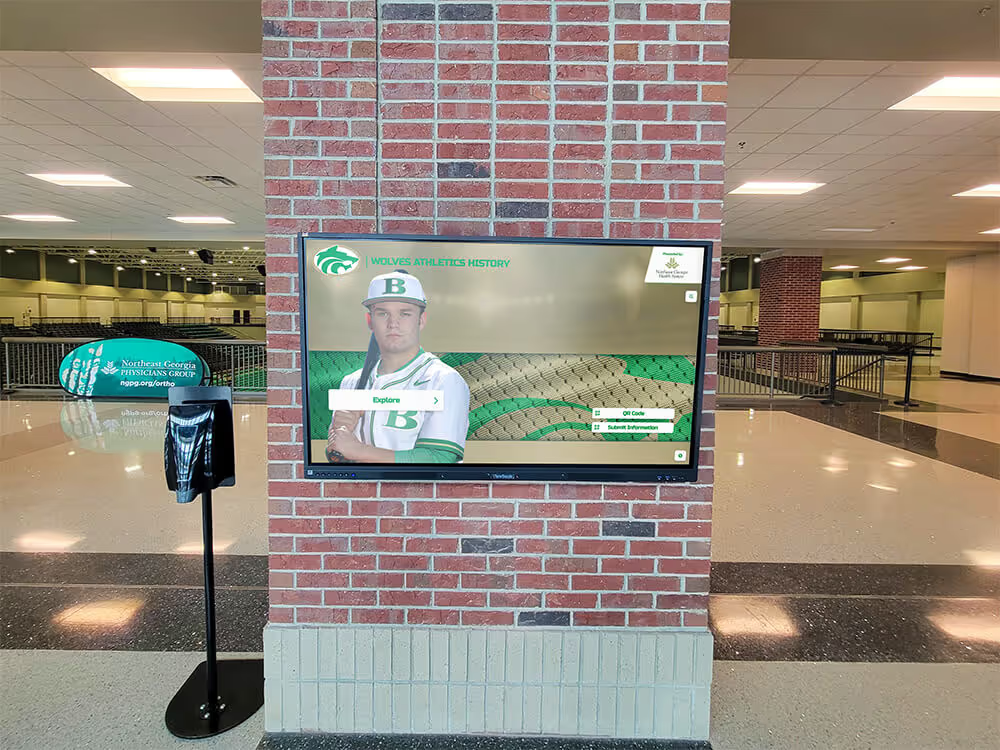
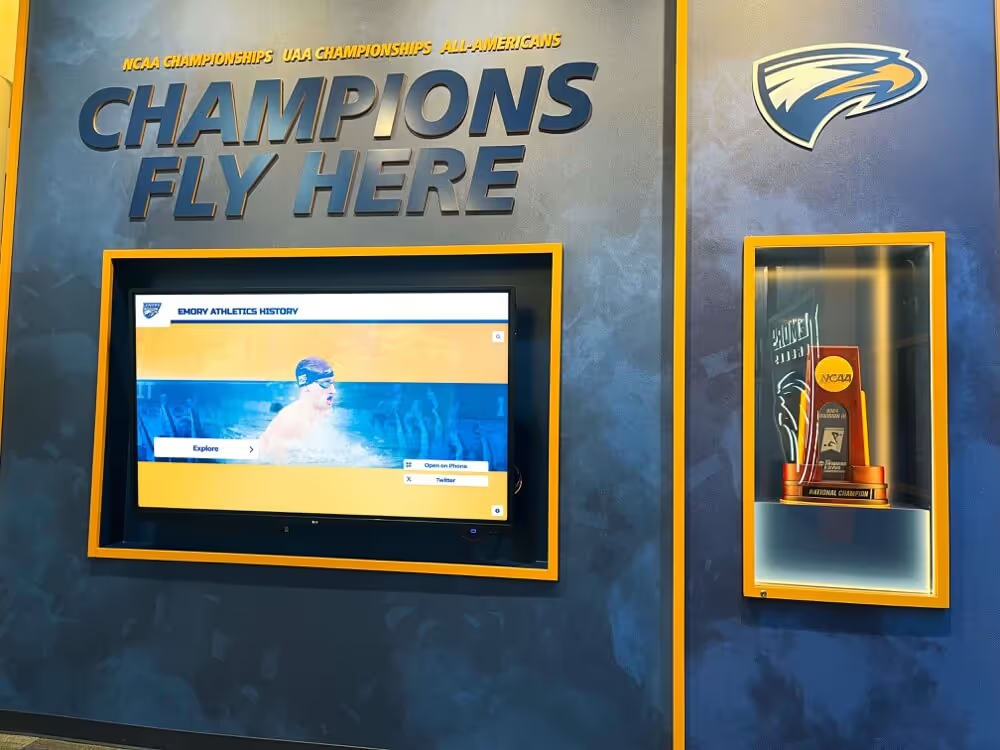
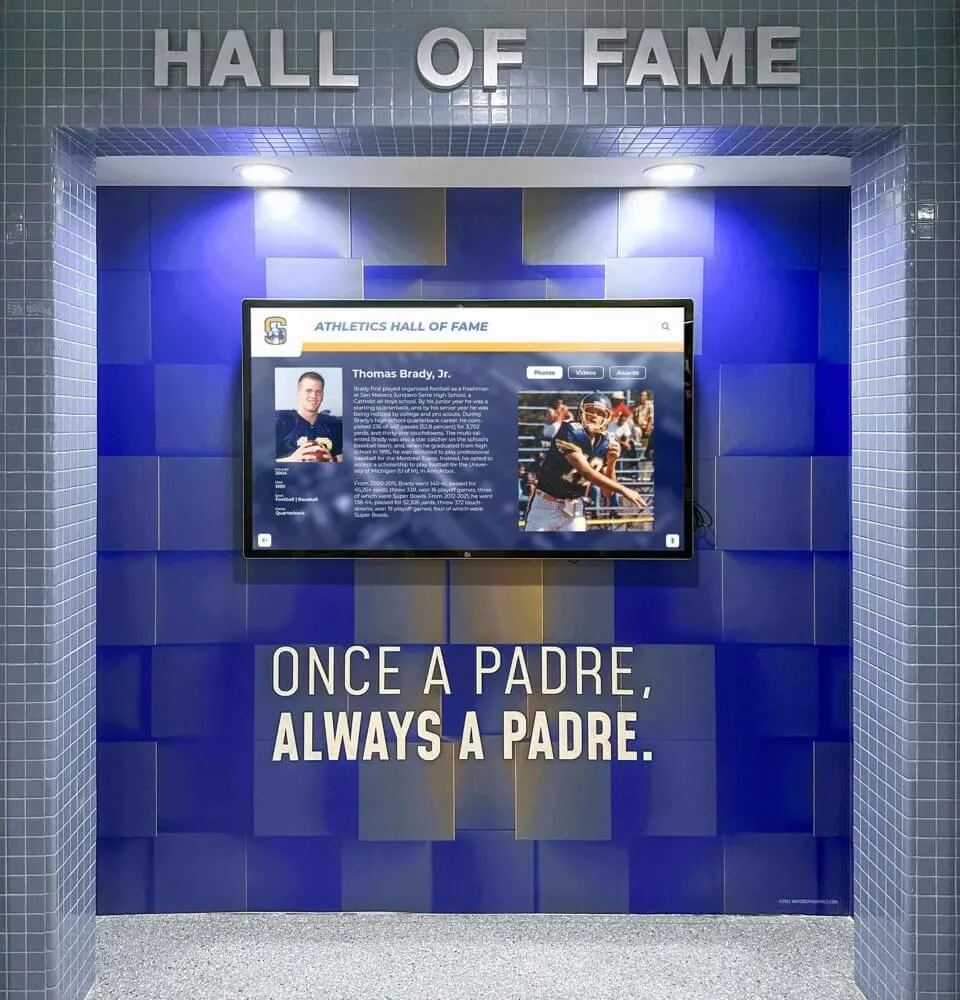
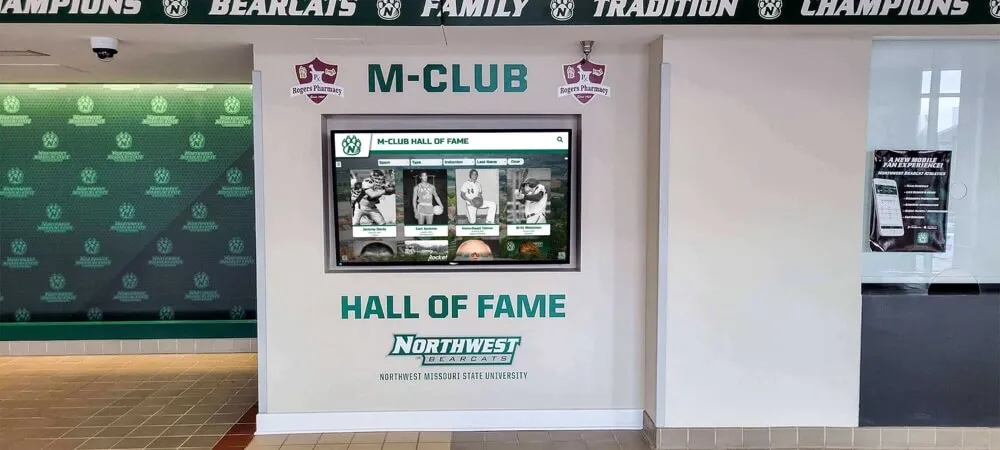
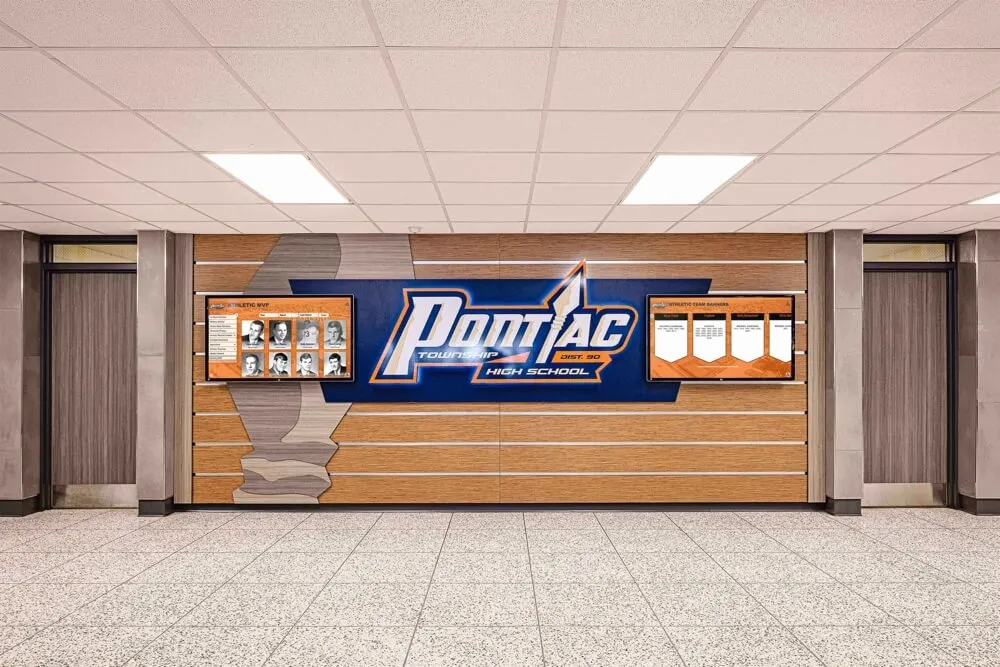
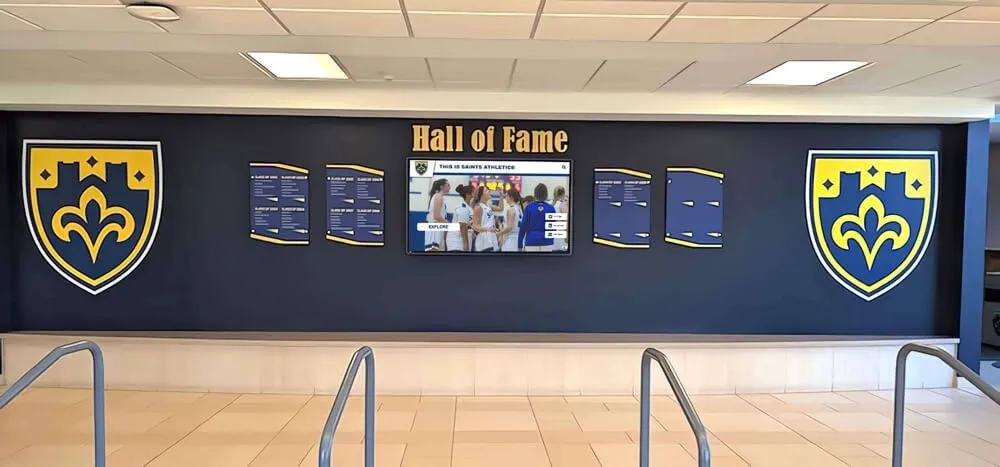
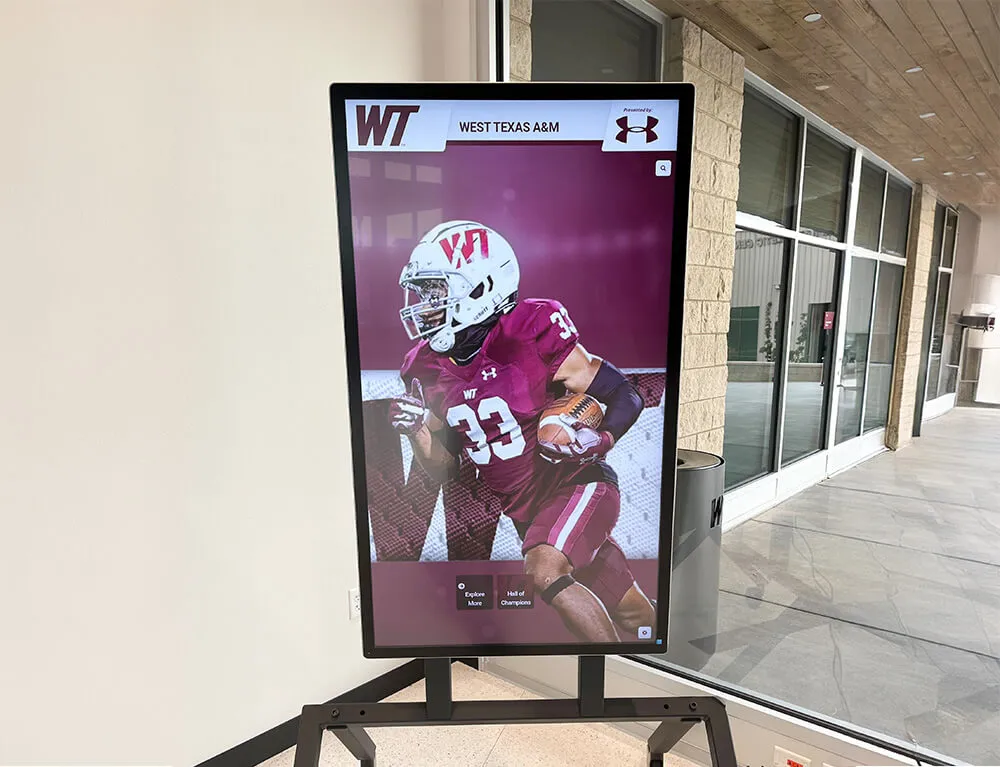
Modern school lobbies increasingly feature digital displays that can rotate employee recognition alongside student achievements and institutional messaging
Understanding the Impact of Employee Recognition in Schools
Before diving into specific appreciation days, understanding why recognition matters helps schools invest appropriate resources and design meaningful programs.
The Research Behind Employee Appreciation
Educational workplace research demonstrates clear connections between recognition and performance:
Retention and Recruitment Benefits
- Schools with systematic recognition programs experience 31% lower turnover than those without
- Employee appreciation ranks as a top factor in workplace satisfaction across all school roles
- Recognition culture significantly improves recruitment by building positive institutional reputations
- Appreciated employees become the strongest ambassadors for schools in their communities
Performance and Engagement Outcomes
- Recognized employees demonstrate higher productivity and quality metrics across measurable dimensions
- Staff appreciation correlates with improved student outcomes in academic achievement and behavior
- Recognition programs reduce absenteeism by creating stronger workplace connections
- Employees receiving regular appreciation show greater initiative and problem-solving engagement
According to research from the Association for Supervision and Curriculum Development, schools that systematically recognize all employee categories—not just teaching staff—create more collaborative cultures, experience fewer interpersonal conflicts, and demonstrate better cross-departmental coordination.
Recognition’s Broader Effects
Employee appreciation impacts extend beyond individual recipients:
School Culture Development
- Systematic recognition models gratitude and respect for students
- Appreciation programs create positive workplace atmospheres that students perceive
- Recognition reinforces institutional values around respect and community
- Visible appreciation reduces divisive hierarchies between role categories
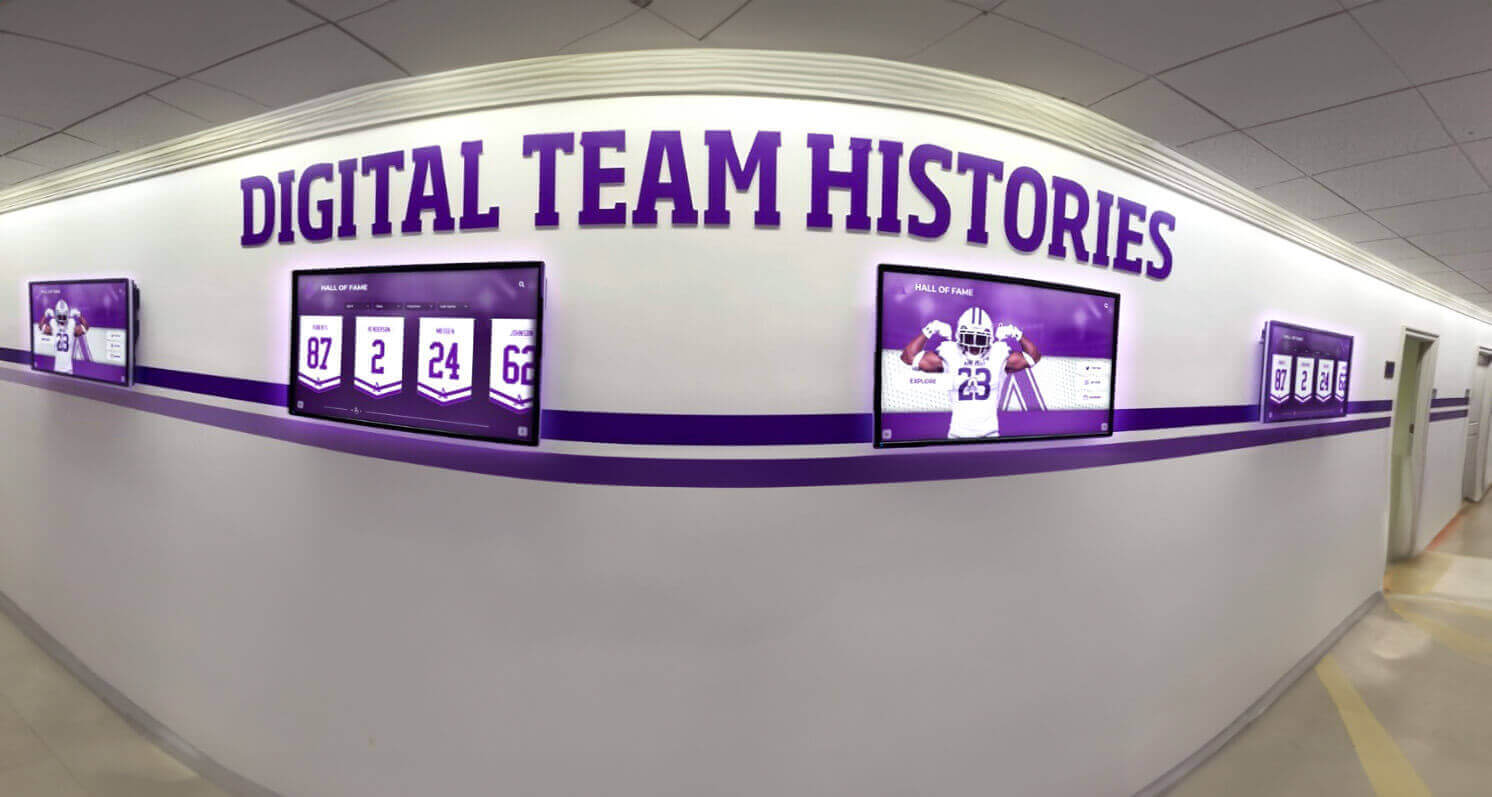
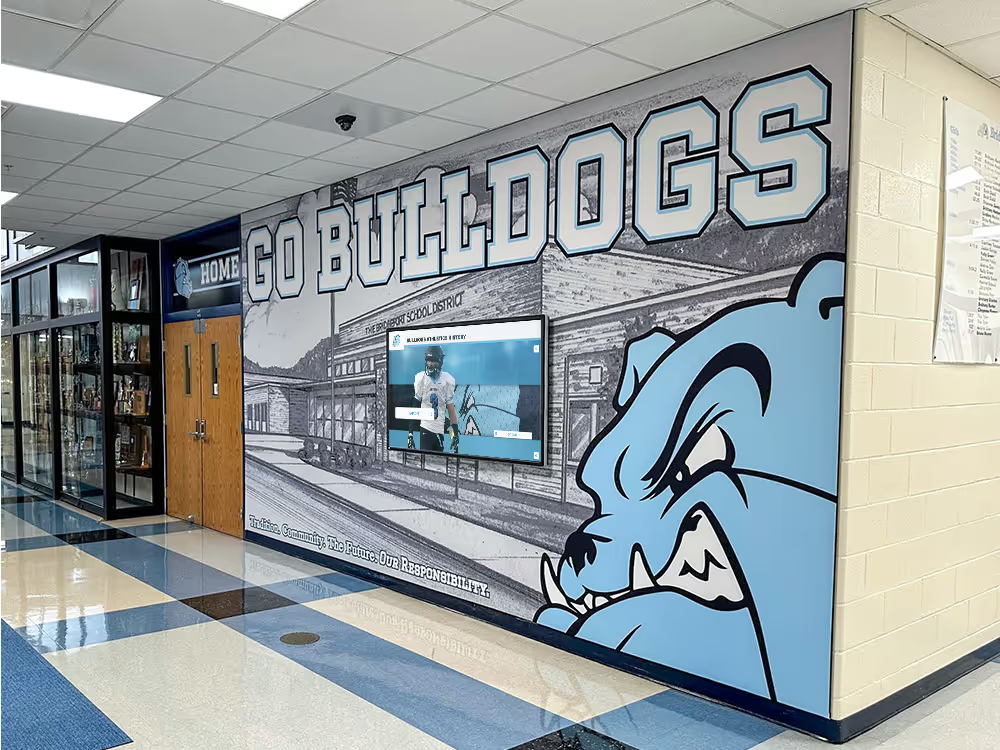
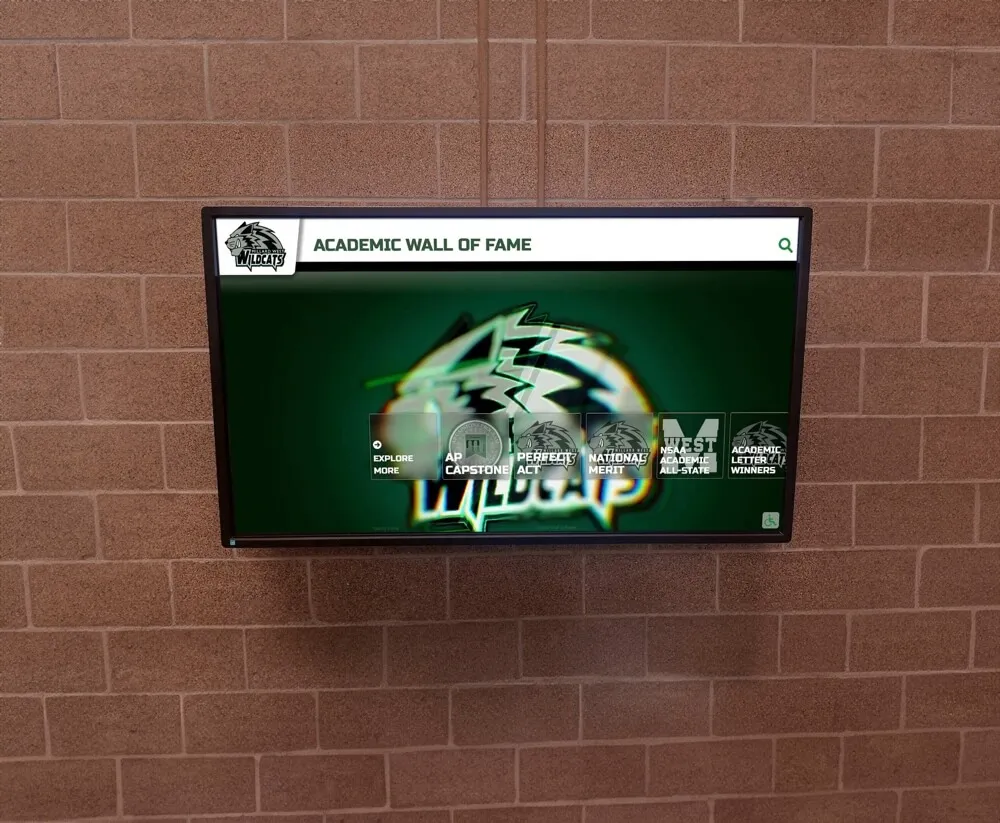
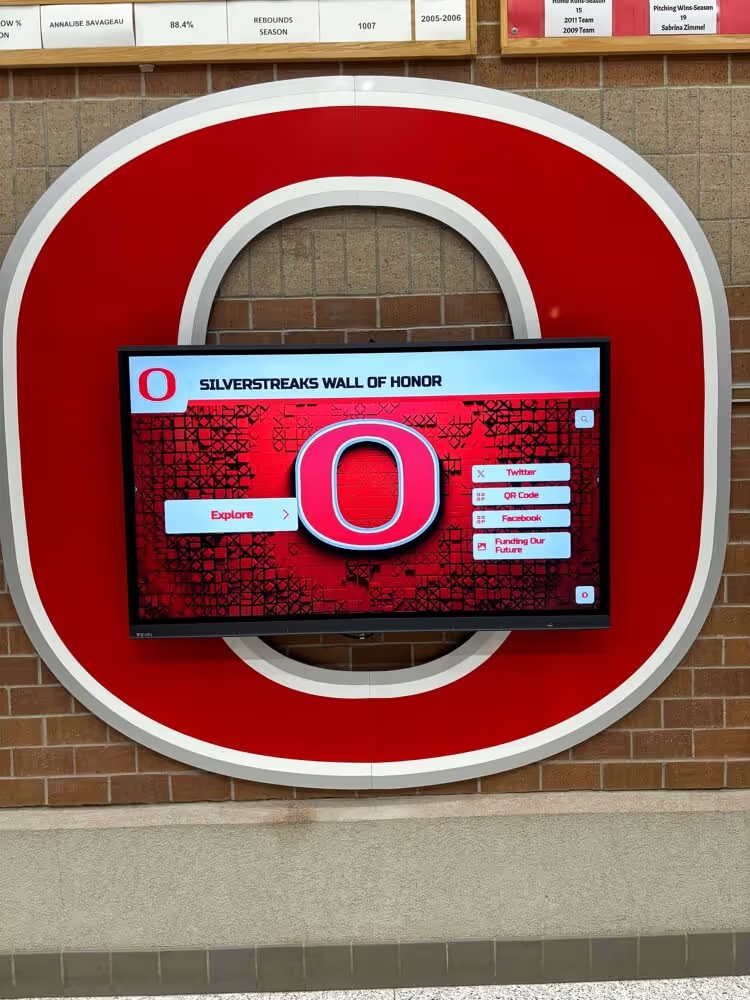
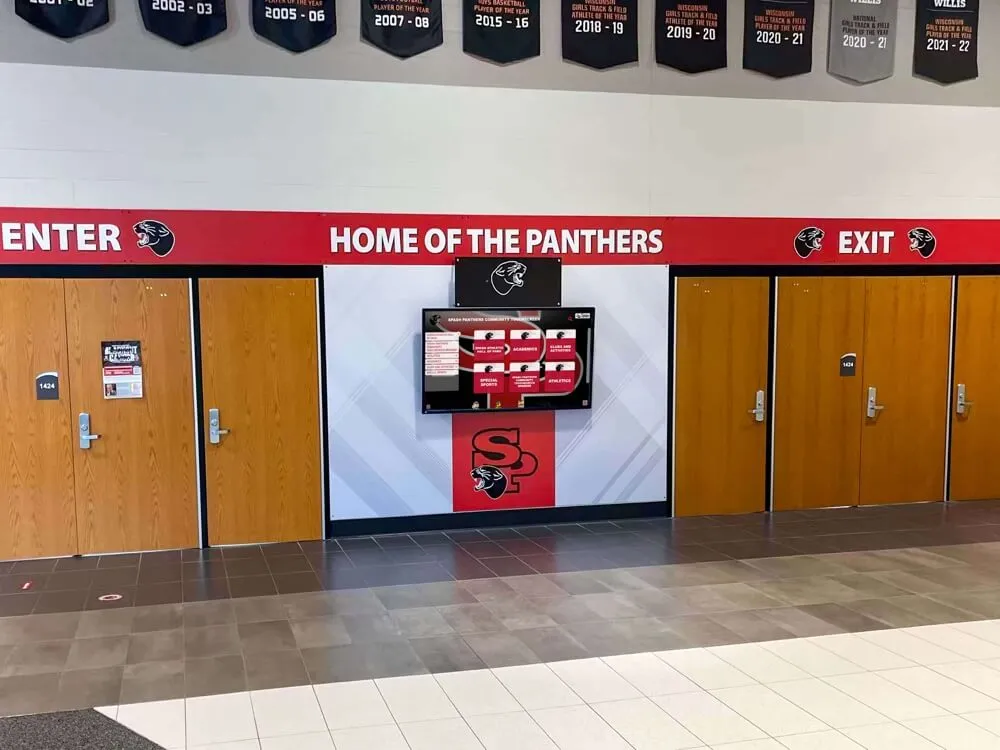
Hallway displays make employee recognition continuously visible throughout buildings, reinforcing appreciation messages
Student Learning from Recognition Culture
- Students in schools with strong appreciation cultures demonstrate greater empathy
- Recognition models professional respect students carry into future workplaces
- Appreciation programs teach students to value diverse contributions
- Visible employee recognition builds student respect for all school roles
The key to maximizing these benefits involves creating systematic recognition that feels authentic, reaches all employee categories, and extends throughout the entire year rather than concentrating in brief periods.
Complete Calendar of School Employee Appreciation Days
This comprehensive calendar provides nationally recognized days alongside opportunities schools can establish for comprehensive year-round appreciation.
January: New Year Recognition and Goal-Setting
National Mentoring Month (All January) Recognize staff members who mentor new employees, student teachers, or colleagues developing new skills. Mentorship represents one of the most valuable but often invisible contributions experienced employees make.
Appreciation Ideas:
- Host a mentoring breakfast where mentors and mentees share their experiences
- Create digital profiles highlighting mentor contributions and wisdom they’ve shared
- Establish mentoring awards recognizing exceptional guidance and support
- Feature mentor-mentee pairs on school communication channels
School Bus Driver Appreciation Day (Last Friday of January) Bus drivers ensure safe transportation for thousands of student journeys annually while often being first and last school employee students interact with daily.
Recognition Approaches:
- Student-created thank you cards displayed in driver break rooms
- Appreciation breakfast before morning routes
- Social media features highlighting driver tenure and safe driving records
- Small gift cards to local restaurants or coffee shops
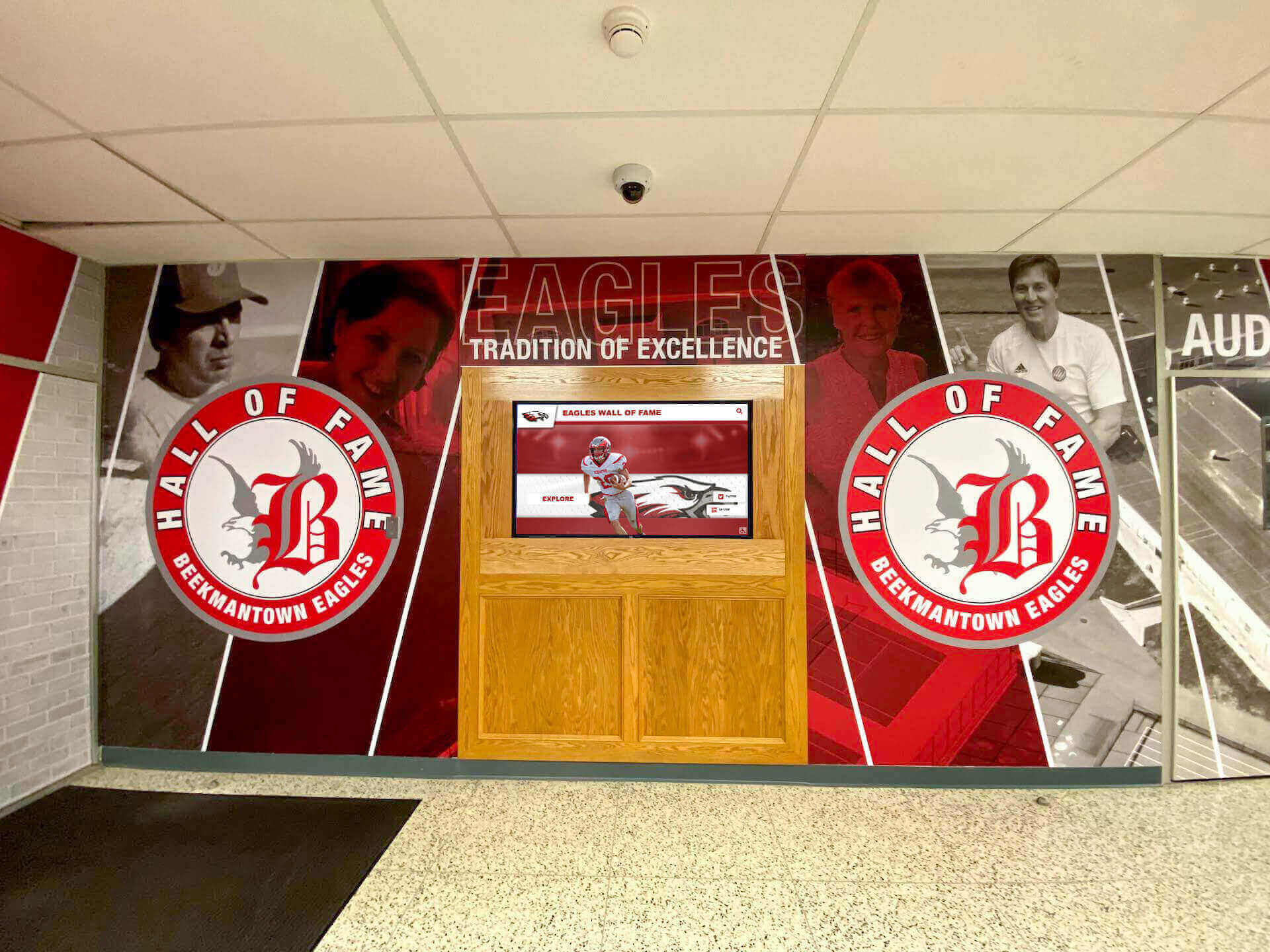
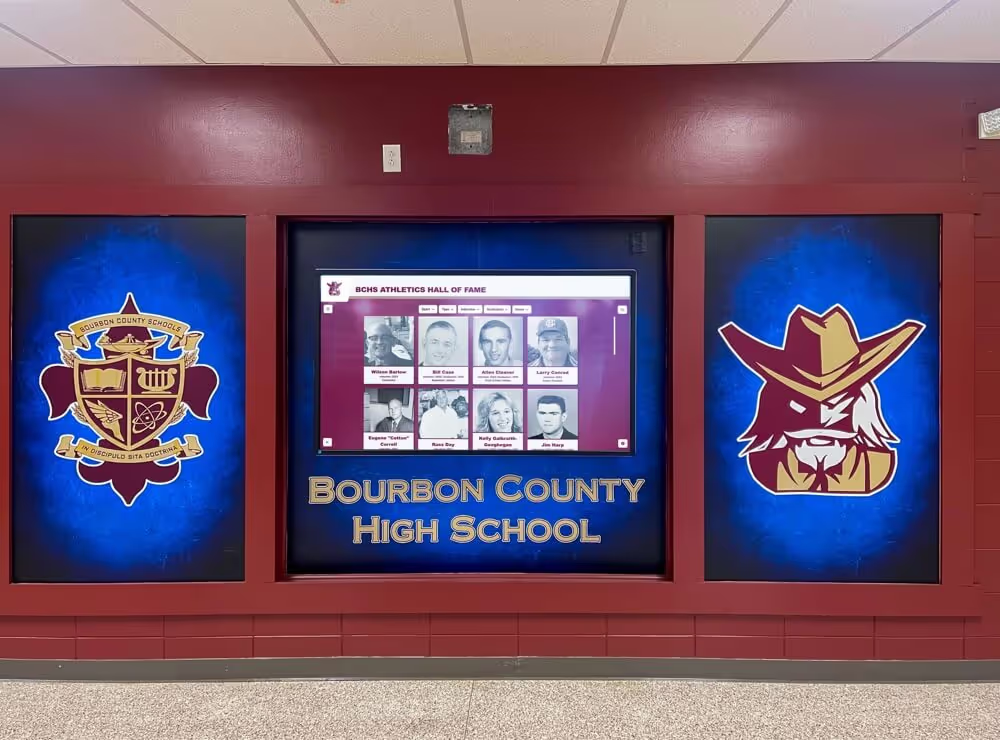
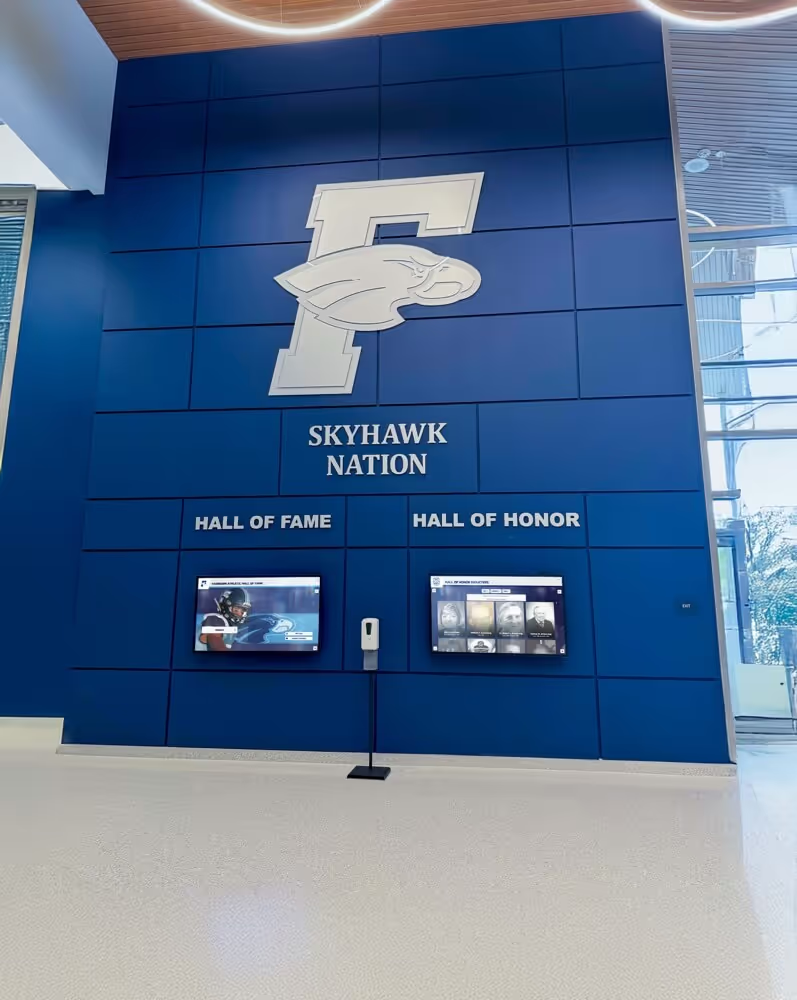
Lobby recognition spaces provide ideal locations for rotating employee spotlights that celebrate different roles throughout the year
February: Supporting Staff and Specialists
School Counselor Appreciation Week (First Full Week of February) Counselors support student academic success, college planning, personal challenges, and crisis intervention—often handling emotionally demanding situations with limited recognition.
Meaningful Recognition:
- Student testimonials (anonymous if preferred) about counselor impact
- Professional development funding for counselor conferences or certifications
- Appreciation notes from administrators acknowledging specific student success stories
- Featured profiles in school newsletters sharing counselor expertise and backgrounds
Similar recognition structures work beautifully for other support specialists including speech therapists, occupational therapists, physical therapists, and special education coordinators who provide essential services often invisible to broader school communities.
When implementing appreciation programming for specialized roles, consider featuring these staff members on interactive touchscreen displays in school lobbies or common areas, creating rotating spotlights that educate students and families about diverse professional roles contributing to educational success.
March: Operational Excellence Recognition
Cafeteria Worker Appreciation Week (First Full Week of March) Cafeteria staff prepare thousands of nutritious meals annually, accommodate dietary restrictions, maintain health standards, and often provide warm interactions that brighten student days.
Appreciation Strategies:
- Student-decorated appreciation posters displayed in cafeteria spaces
- Administration serves cafeteria staff lunch to reverse traditional roles
- Social media features showcasing cafeteria staff specialties and tenure
- Recipe book fundraiser featuring cafeteria favorites with proceeds benefiting staff
Athletic Trainer Appreciation Month (March) Athletic trainers prevent injuries, provide immediate medical response, coordinate rehabilitation, and ensure student athlete safety—often working beyond regular school hours during seasons.
For schools investing in comprehensive athletic recognition, modern trophy case displays can incorporate trainer recognition alongside athlete achievements, acknowledging the essential support roles enabling athletic success.
April: Administrative and Support Recognition
Administrative Professionals Day (Last Wednesday of April) School secretaries, office managers, attendance coordinators, and administrative assistants manage complex operations, serve as first points of contact for families, and solve countless problems daily.
Recognition Ideas:
- Breakfast or lunch catered for administrative staff
- Flowers or plants for administrative workspace areas
- Student-created appreciation video compiled from classes throughout the school
- Professional development opportunities or conference attendance funding
School Library Month (April) Librarians and media specialists cultivate reading cultures, teach information literacy, manage technology resources, and create welcoming spaces for diverse learners.
Meaningful Appreciation:
- Feature librarian book recommendations in newsletters and announcements
- Student testimonials about favorite library experiences or librarian assistance
- Budget allocations for new materials or resources librarians have requested
- Professional recognition highlighting librarian expertise and credentials
May: Celebrating Teachers and Educators
Teacher Appreciation Week (First Full Week of May) The most nationally recognized education appreciation period celebrates classroom teachers’ profound impact on student learning, development, and futures.
Comprehensive Recognition Approaches:
- Daily themed appreciation (Monday: breakfast, Tuesday: treats, Wednesday: lunch, Thursday: gifts, Friday: recognition assembly)
- Student letters expressing specific ways individual teachers made differences
- Parent video messages compiled into appreciation montages
- Featured teacher spotlights sharing educational philosophies and backgrounds
- Professional gift cards or resources for classroom supplies
While teacher appreciation receives significant attention, schools should ensure this week doesn’t eclipse recognition for other essential roles. Consider expanding May recognition to include teaching assistants, paraprofessionals, substitute teachers, and student teachers who contribute to educational delivery.
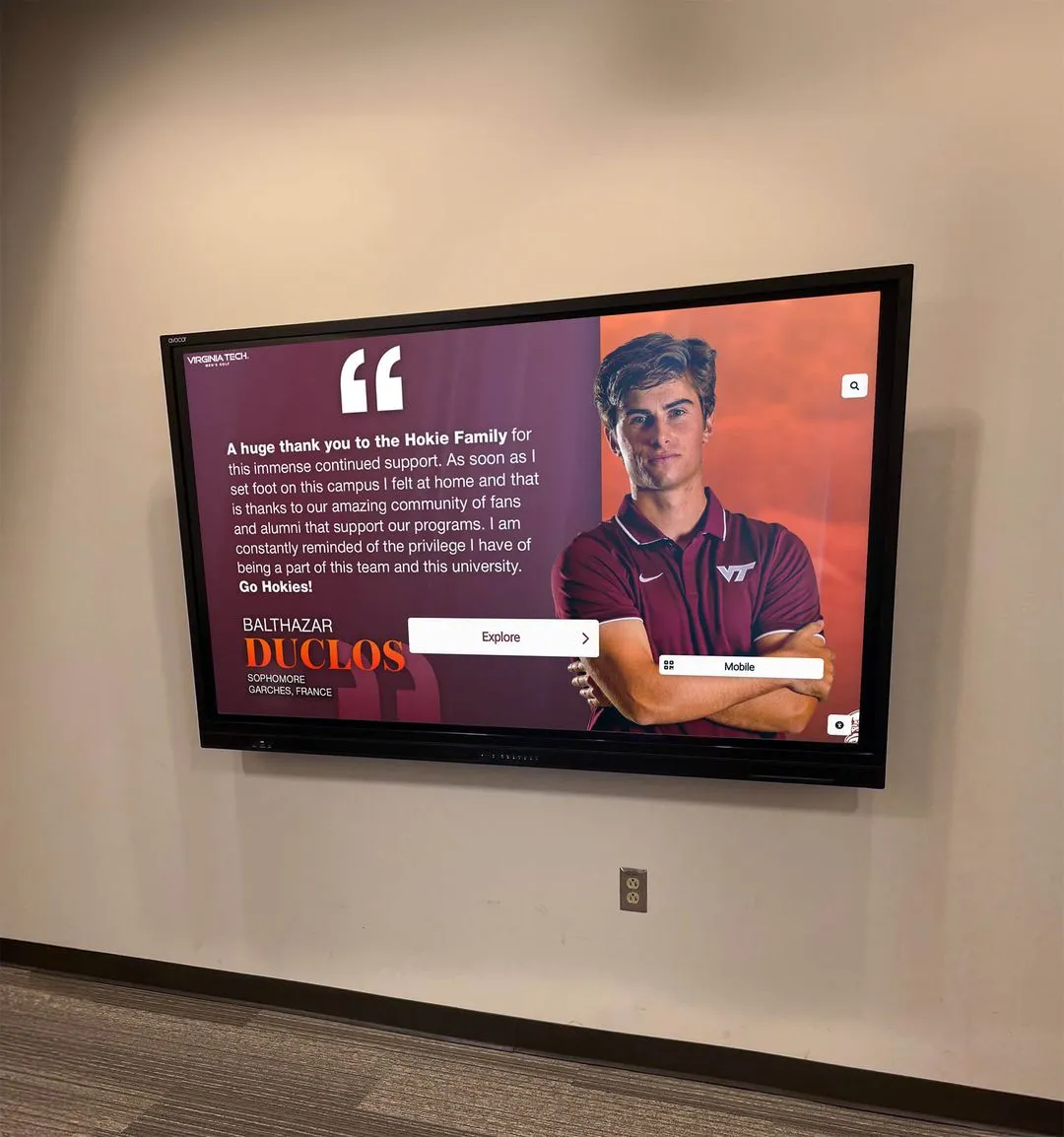
Many schools now feature teachers year-round on digital recognition displays that rotate between student achievements and staff spotlights, creating ongoing visibility rather than concentrating appreciation in a single week.
School Nurse Appreciation Day (Wednesday of Teacher Appreciation Week) School nurses provide critical health services, manage chronic conditions, respond to emergencies, coordinate health screenings, and support student wellness.
Recognition Strategies:
- Stock nurse offices with supplies they’ve requested
- Student appreciation notes acknowledging care received
- Professional development funding for nursing certifications
- Featured profiles highlighting nurse credentials and specializations
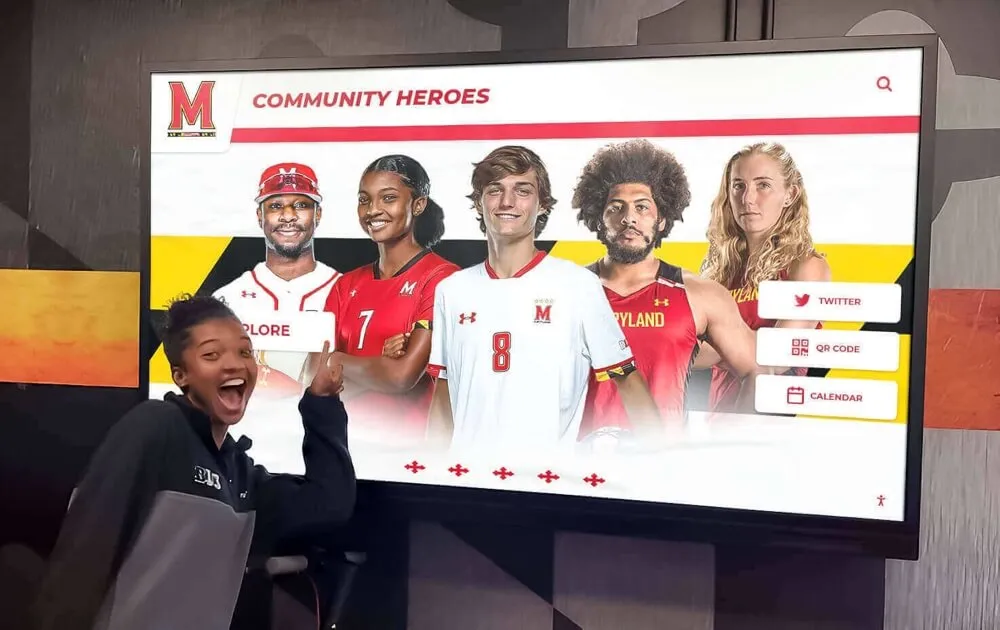
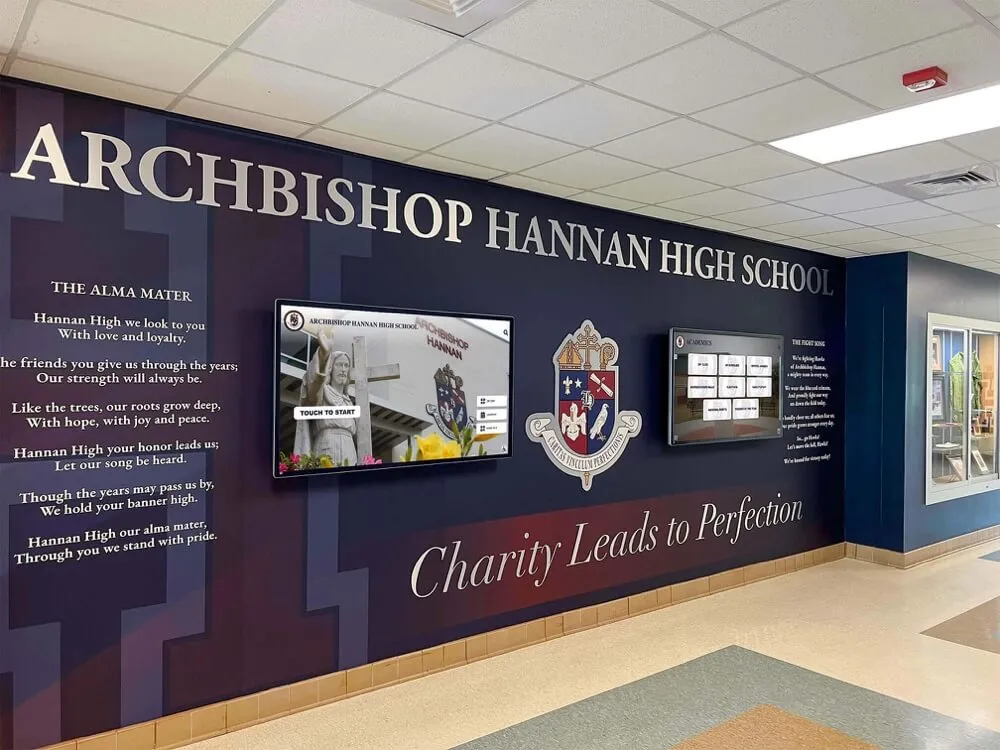
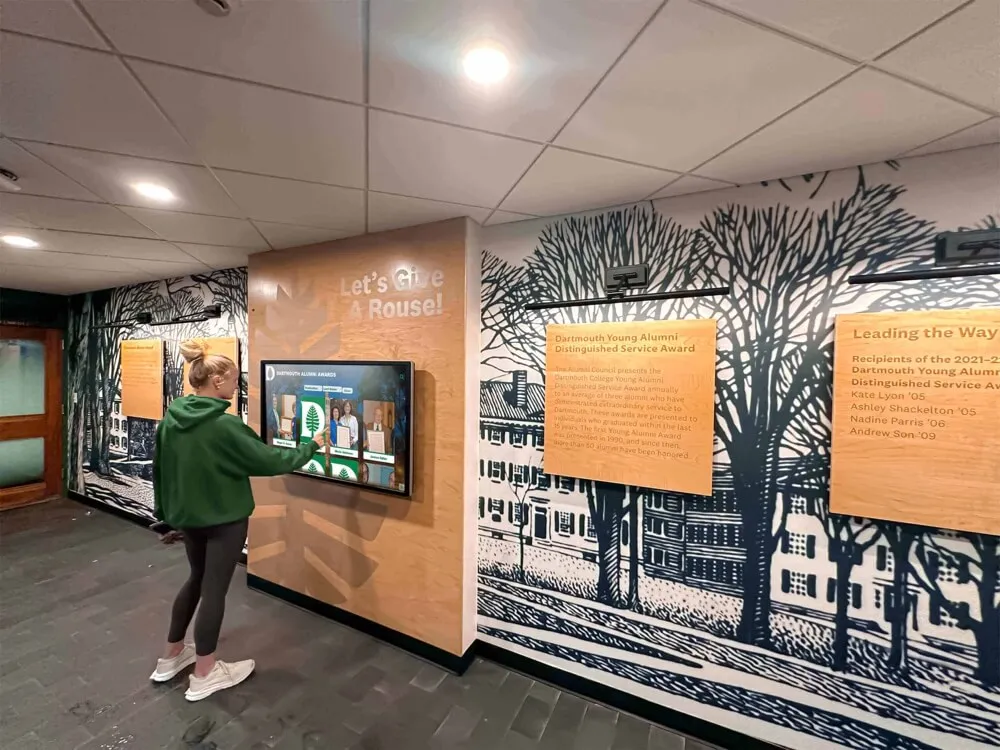
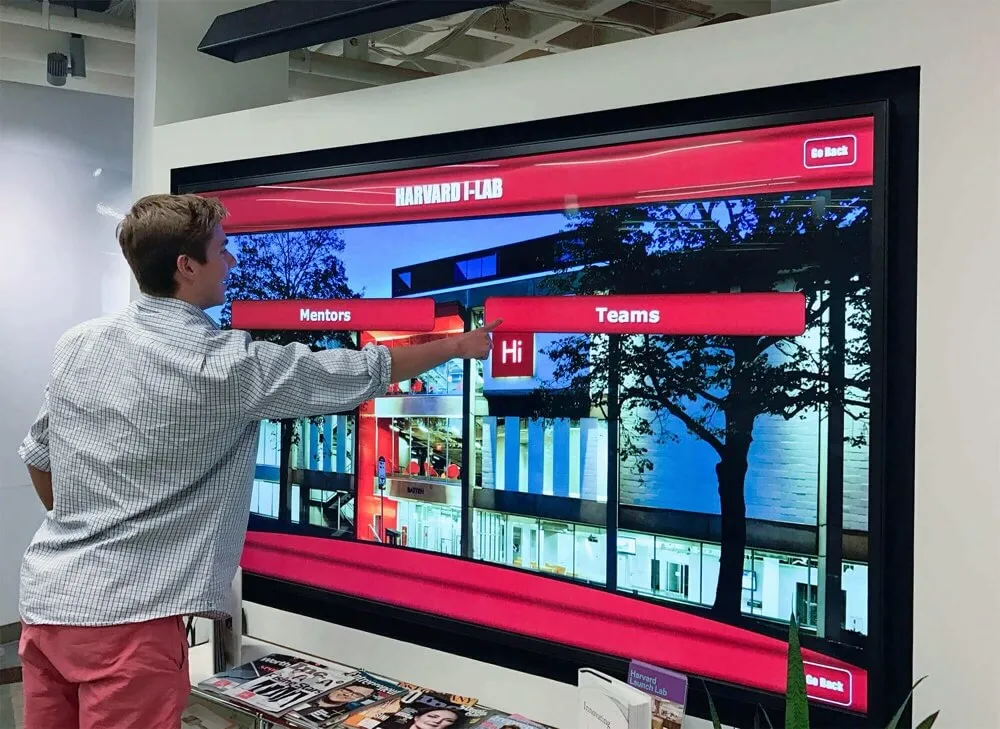
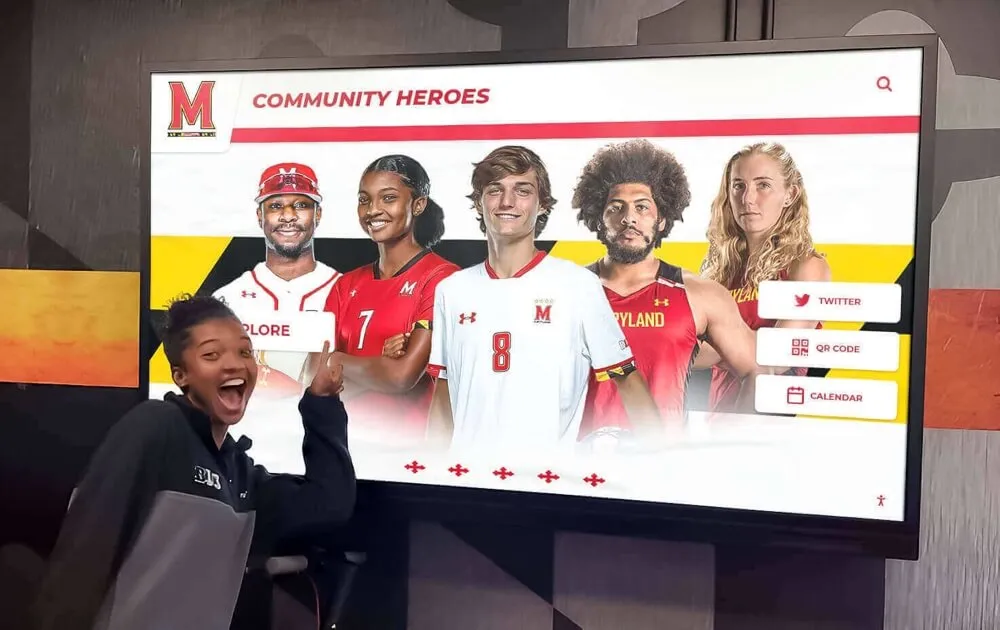
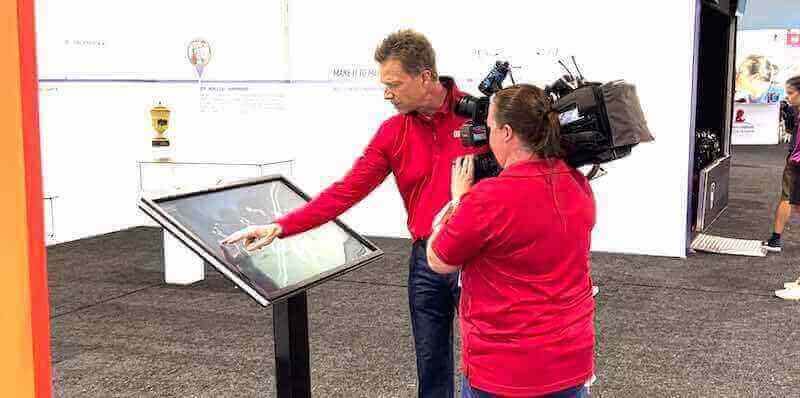
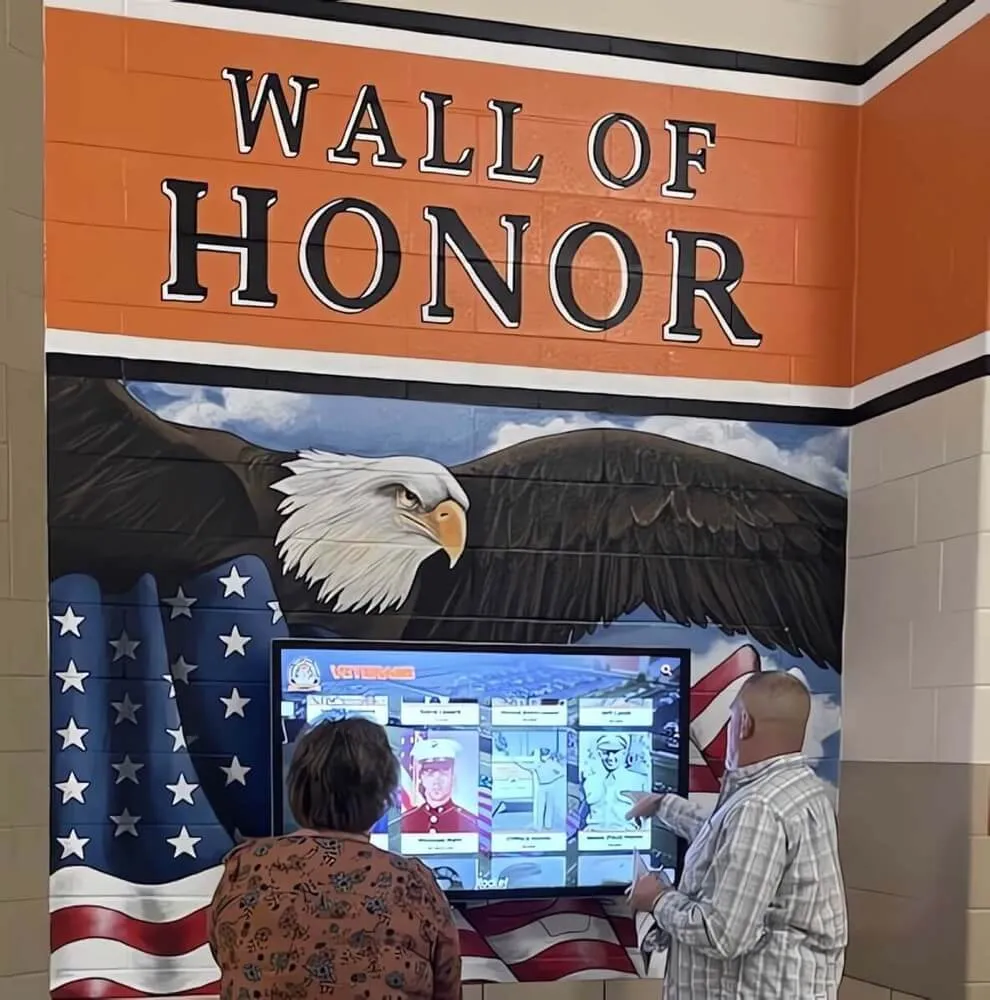
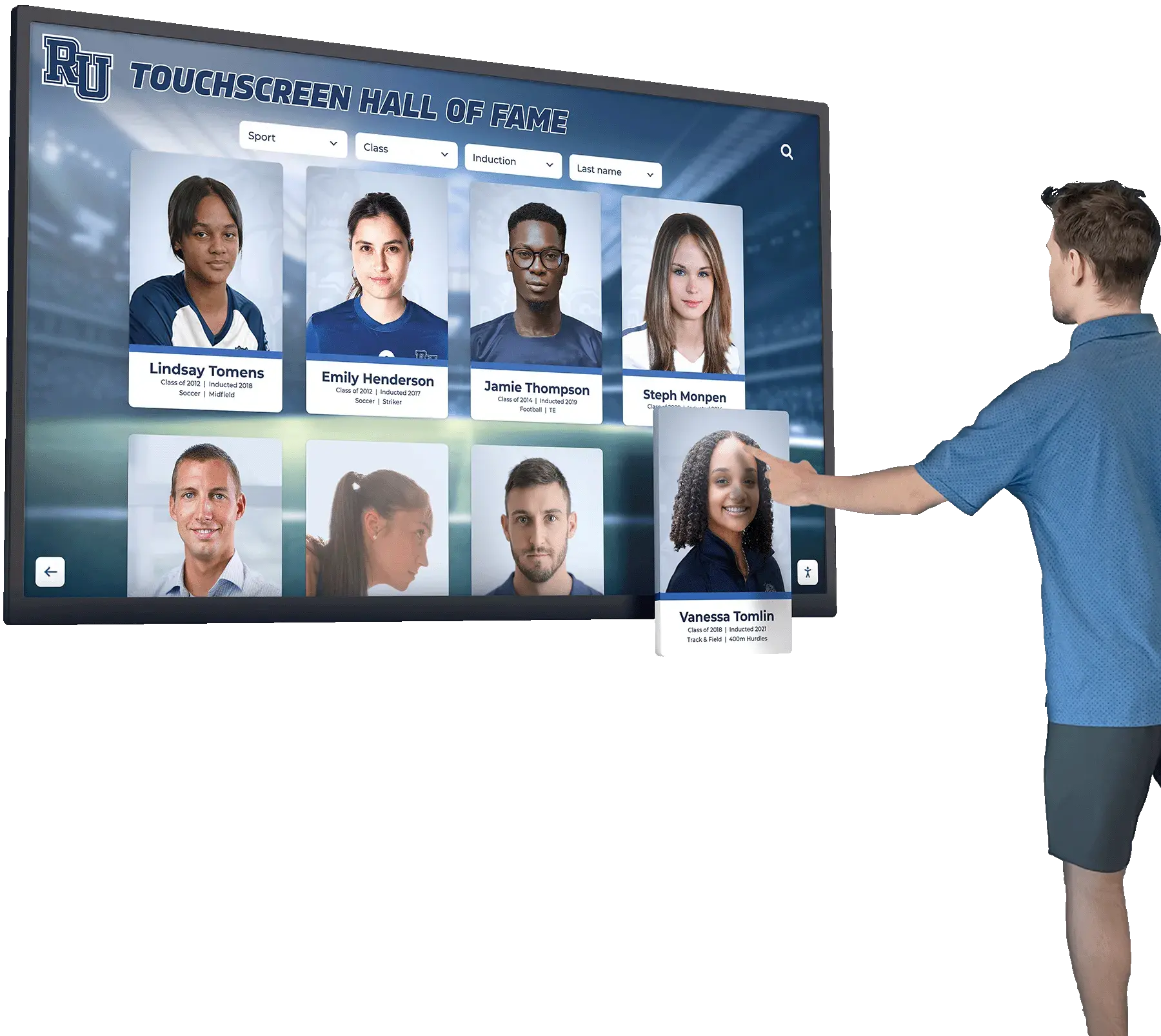
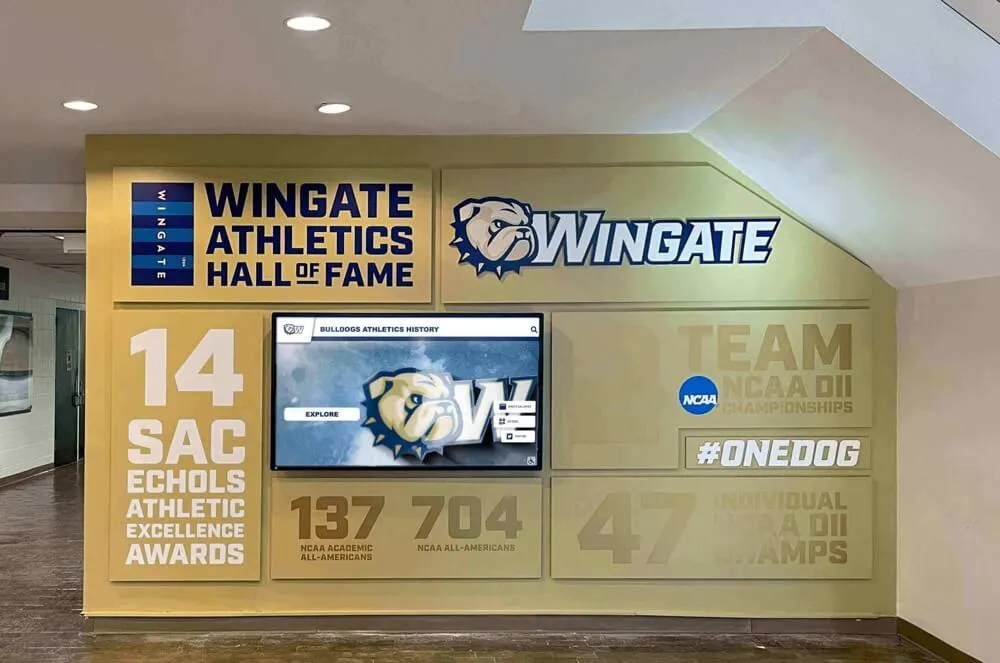
Interactive displays allow students to explore employee contributions and stories, building appreciation and understanding across school communities
June: Custodial and Maintenance Recognition
Custodian Appreciation Day (June 2) Custodial staff maintain clean, safe, welcoming learning environments—work that’s most noticed when not done well but rarely celebrated when executed excellently.
Meaningful Recognition:
- Surprise appreciation breakfast or lunch for custodial teams
- Student-created thank you cards distributed throughout buildings
- Social media features highlighting custodian tenure and behind-the-scenes work
- Small bonuses or gift cards acknowledging extra effort during challenging school years
- Equipment upgrades or facility improvements custodians have requested
Facilities and Maintenance Recognition (Ongoing in June) Maintenance staff ensure buildings function safely, coordinate repairs, manage grounds, and solve countless technical problems keeping schools operational.
Appreciation Approaches:
- Completed project recognition highlighting maintenance accomplishments
- Budget allocations for tools or equipment maintenance staff need
- Featured profiles sharing maintenance expertise and backgrounds
- Appreciation events acknowledging responsiveness to urgent repair situations
July-August: Summer Support Staff
While schools operate differently during summer, many staff members work extended calendars maintaining facilities, processing enrollments, preparing for new school years, and coordinating summer programming.
Summer Recognition Opportunities:
- Appreciation for extended-year administrators and secretarial staff
- Recognition for summer school teachers and support staff
- Custodial and maintenance team appreciation during intensive summer facility projects
- Summer program coordinators and camp counselors
- Technology staff preparing device deployments and infrastructure updates
Consider summer months ideal timing for updating employee recognition displays in preparation for fall. Schools implementing digital recognition walls often use summer installation periods to minimize disruption.
September: Back-to-School Recognition
Transportation Staff Appreciation (Ongoing in September) The successful start of school years depends heavily on transportation coordination, with bus drivers, dispatchers, and mechanics ensuring thousands of safe daily journeys.
Recognition Ideas:
- First week appreciation breakfast for all transportation staff
- Student thank-you campaigns during opening weeks
- Featured driver profiles in school communications
- Safety milestone recognition for accident-free driving records
Technology Support Staff Appreciation (Ongoing in September) Technology coordinators, help desk staff, and IT professionals enable modern learning while troubleshooting countless technical issues during critical back-to-school periods.
Appreciation Approaches:
- Recognition for successful device rollouts and orientation support
- Professional development funding for technology certifications
- Equipment upgrades or tools IT staff have requested
- Featured profiles highlighting technology expertise and problem-solving
October: Support Services Recognition
School Lunch Hero Day (October, typically second Friday) This recognition opportunity celebrates cafeteria workers, nutrition directors, and food service professionals ensuring students receive quality meals.
Recognition Strategies Similar to March Appreciation:
- Student thank-you campaigns and appreciation artwork
- Administrator-served meals reversing traditional service roles
- Social media campaigns featuring cafeteria staff stories
- Breakfast or catered lunch for food service teams
Facilities Recognition (October) October provides ideal timing for recognizing facilities teams as schools settle into routines and staff can appreciate clean, functional, well-maintained learning environments.
Many schools coordinate this with facilities improvement projects, celebrating both staff and enhanced spaces simultaneously.
November: Gratitude Month Recognition
American Education Week (Week Before Thanksgiving) This week-long celebration provides opportunities to recognize all education professionals simultaneously while maintaining specific daily themes for different roles.
Week-Long Recognition Framework:
- Monday: Administrative staff appreciation
- Tuesday: Teacher and educator recognition
- Wednesday: Support services (counselors, nurses, specialists)
- Thursday: Operational staff (custodians, maintenance, cafeteria)
- Friday: Community appreciation (volunteers, substitutes, coaches)
Substitutes and Paraprofessionals Recognition November provides ideal timing to recognize substitutes and paraprofessionals whose flexibility and support enable continuous educational delivery despite staff absences.
Recognition Approaches:
- Preferred substitute appreciation events building relationships
- Paraprofessional spotlights highlighting specialized skills
- Flexibility appreciation for last-minute coverage
- Professional development opportunities for career advancement
December: Year-End Appreciation
End-of-Calendar-Year Recognition December provides natural opportunities to acknowledge contributions throughout entire calendar years and express gratitude before winter breaks.
Comprehensive Year-End Appreciation:
- Holiday appreciation events or meals for all staff categories
- Year-in-review recognition highlighting departmental and individual accomplishments
- Small gifts or bonuses acknowledging dedication throughout challenging periods
- Thank-you notes from administrators to every staff member
- Updated recognition displays featuring year-end accomplishments
For schools planning meaningful employee recognition gifts, December provides ideal timing for thoughtful tokens acknowledging specific contributions.
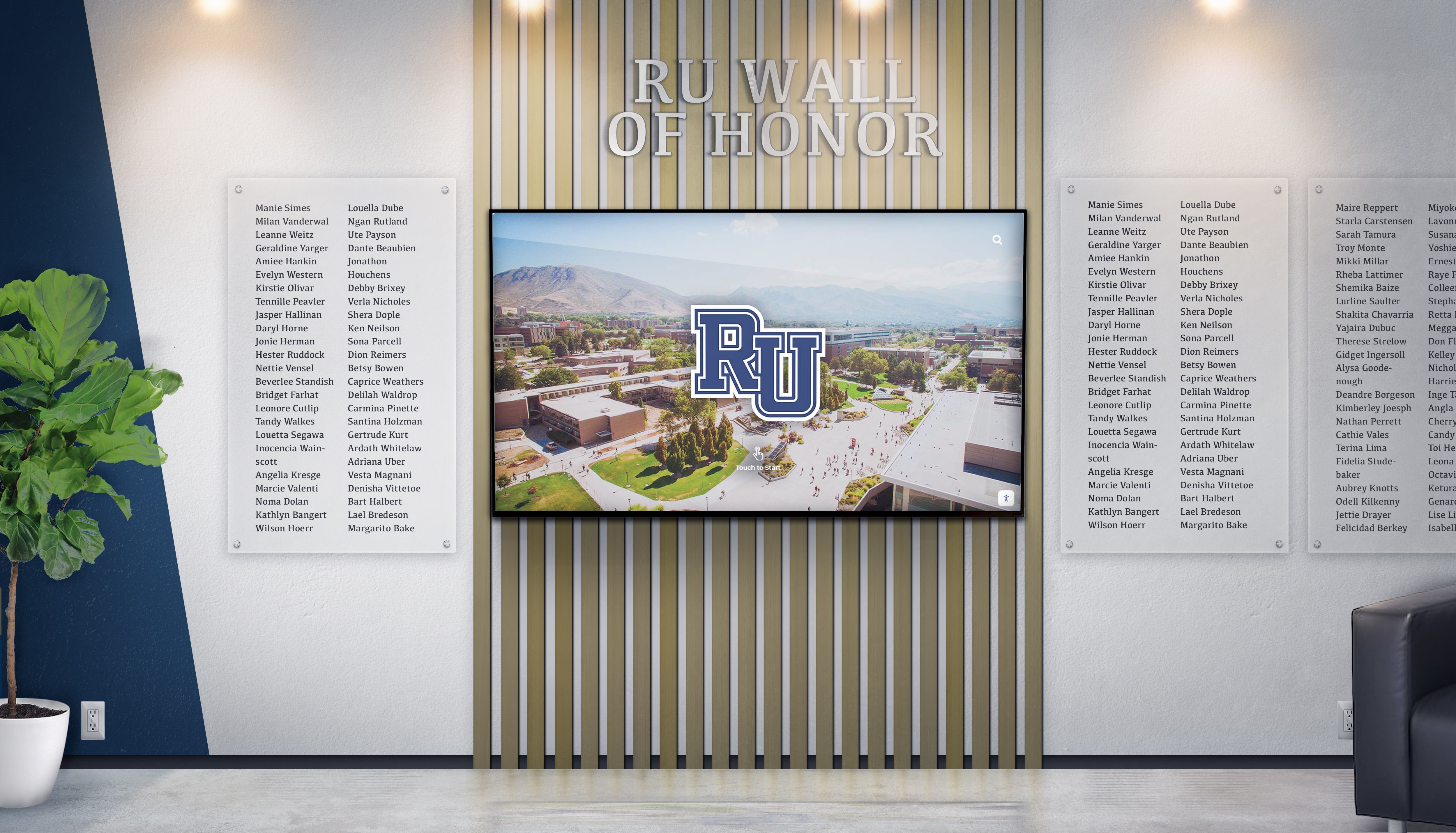
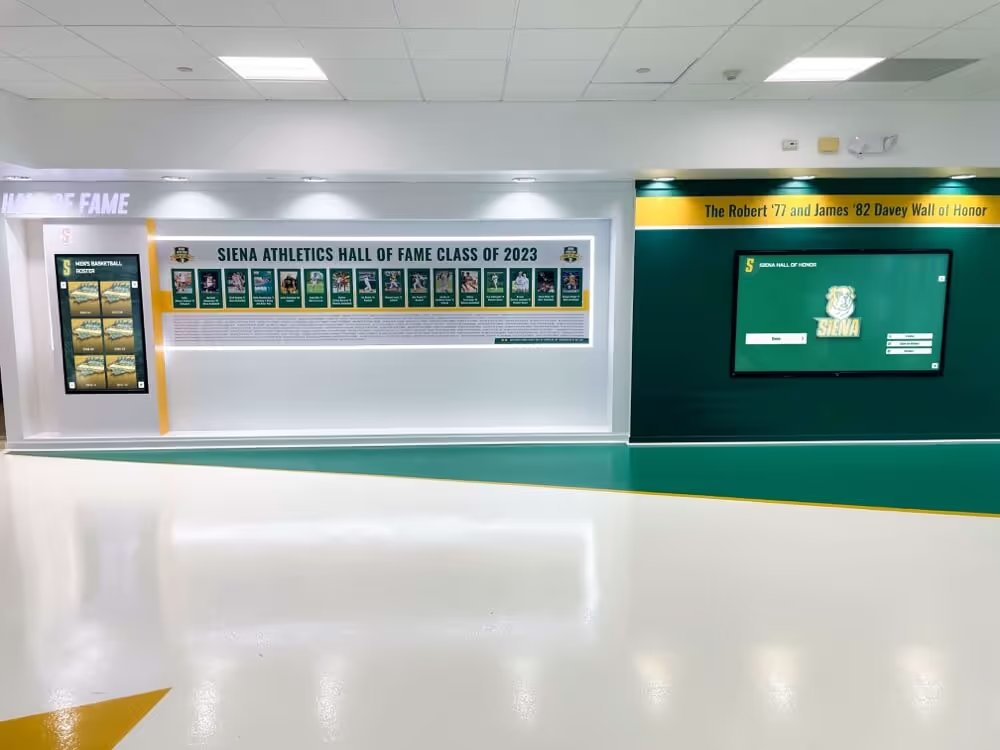
Permanent recognition displays honor long-term employee contributions while digital components allow regular updates celebrating current accomplishments
Creative Recognition Strategies Beyond Traditional Approaches
While national appreciation days provide frameworks, creative recognition approaches often create the most meaningful impact.
Employee of the Month/Quarter Programs
Structured recognition programs celebrating individual excellence create ongoing appreciation rhythms.
Program Design Principles:
- Rotate categories to ensure all employee types receive recognition (teacher one month, custodian next month, administrator following, etc.)
- Establish clear nomination processes allowing peer and student nominations
- Create meaningful recognition beyond certificates—featured parking, profile features, small stipends
- Display recipients prominently in high-traffic areas
Digital Recognition Implementation: Modern schools increasingly implement employee recognition through digital displays in lobbies and common areas. These systems allow rotating spotlights featuring different employees monthly or quarterly, incorporating photos, brief biographies, testimonials from colleagues or students, and specific contributions being recognized.
These displays serve multiple purposes simultaneously—celebrating individual employees, educating communities about diverse school roles, modeling appreciation culture for students, and creating visible reminders that every role matters.
Schools planning recognition display installations should consider optimal installation timing to minimize disruption while maximizing visibility during high-traffic periods.
Service Milestone Recognition
Tenure recognition celebrates loyalty and accumulated expertise while encouraging long-term commitment.
Milestone Categories:
- 5, 10, 15, 20, 25+ year service anniversaries
- Retirement celebrations honoring complete careers
- Position promotion or role advancement recognition
- Professional certification or advanced degree completion
Recognition Approaches:
- Public board meeting recognition for milestone achievements
- Personalized plaques or awards reflecting tenure
- Permanent recognition displays in school facilities
- Incremental gift values increasing with tenure length
- Special parking spaces or privileges for long-serving staff
Daily and Weekly Appreciation Practices
Systematic small gestures often create more sustained impact than infrequent large events.
Daily Recognition Micro-Practices:
- Morning announcement shout-outs for specific employee contributions
- Administrator walkthrough recognition noting excellent work
- Colleague peer recognition programs with simple thank-you cards
- Student-led appreciation campaigns with rotating employee focus
- Digital signage rotating through different employee spotlights
Weekly Appreciation Rhythms:
- Friday email recognitions highlighting weekly contributions
- Staff meeting recognition moments celebrating team accomplishments
- Social media employee spotlights on consistent schedules
- Newsletter features rotating through different departments
- Weekly drawings for small recognition gifts creating surprise appreciation
Student-Involved Recognition Programs
Student participation in employee appreciation creates authentic impact while teaching gratitude and professional respect.
Student Recognition Initiatives:
- Classroom projects creating appreciation cards for specific employee categories
- Student council organized appreciation events
- Student-produced videos or presentations honoring employees
- Student nominations for employee recognition awards
- Student art or writing displayed honoring favorite school employees
When students participate in creating appreciation, both recipients and student creators benefit—employees receive authentic recognition while students develop empathy and understanding of diverse professional contributions.
Modern Technology for Year-Round Employee Recognition
Traditional recognition approaches—plaques, certificates, announcements—provide value but often lack ongoing visibility. Modern technology creates dynamic recognition that remains fresh, engaging, and continuously visible.
Digital Recognition Display Systems
Interactive touchscreen displays installed in school lobbies, main hallways, or common areas provide ideal platforms for comprehensive employee recognition programs.
System Capabilities:
- Rotating employee spotlights featuring photos, biographies, and contributions
- Departmental recognition highlighting team accomplishments
- Service milestone celebrations with tenure timelines
- Interactive browsing allowing community members to explore employee stories
- Integration with student achievement displays creating comprehensive recognition ecosystems
- Remote content management allowing easy updates throughout school years
These systems transform static recognition into dynamic experiences that keep appreciation visible and current. Rather than plaques gathering dust in administrative hallways, digital displays in high-traffic locations ensure thousands of daily impressions reinforcing appreciation messages.
Schools implementing these solutions report increased employee morale as staff see themselves represented alongside student achievements in prominent locations, reinforcing their value to institutional communities.
For institutions planning comprehensive recognition approaches, strategic lobby design incorporating digital recognition creates welcoming environments celebrating both students and staff.
Integration with Existing Communication Systems
Recognition technology works most effectively when integrated with broader communication infrastructures:
Multi-Channel Recognition:
- Digital displays in physical spaces
- Website features highlighting employee spotlights
- Social media campaigns celebrating employee contributions
- Email newsletters with recognition sections
- Mobile apps featuring employee directories and recognition
Coordinated Recognition Campaigns: Rather than treating each recognition opportunity as isolated event, coordinated campaigns create sustained appreciation atmospheres. For example, October custodial appreciation might include week-long digital display features, social media daily spotlights, student thank-you card campaigns, printed newsletter features, and appreciation breakfast—all coordinated around single recognition theme.
This multi-touch approach ensures recognition reaches employees through multiple channels while educating entire school communities about contributions being celebrated.
Content Management for Sustained Recognition
The challenge with recognition technology involves maintaining fresh, current content rather than allowing displays to become stale or outdated.
Content Planning Strategies:
- Annual recognition calendars mapping content for each month
- Responsibility assignments ensuring content creation doesn’t overwhelm individuals
- Template systems simplifying new content creation
- Student involvement in content generation (photography, interviews, writing)
- Archive systems preserving recognition content for historical reference
Schools most successful with digital recognition treat content planning as seriously as curriculum planning, establishing clear processes, responsibilities, and quality standards ensuring recognition remains meaningful rather than perfunctory.
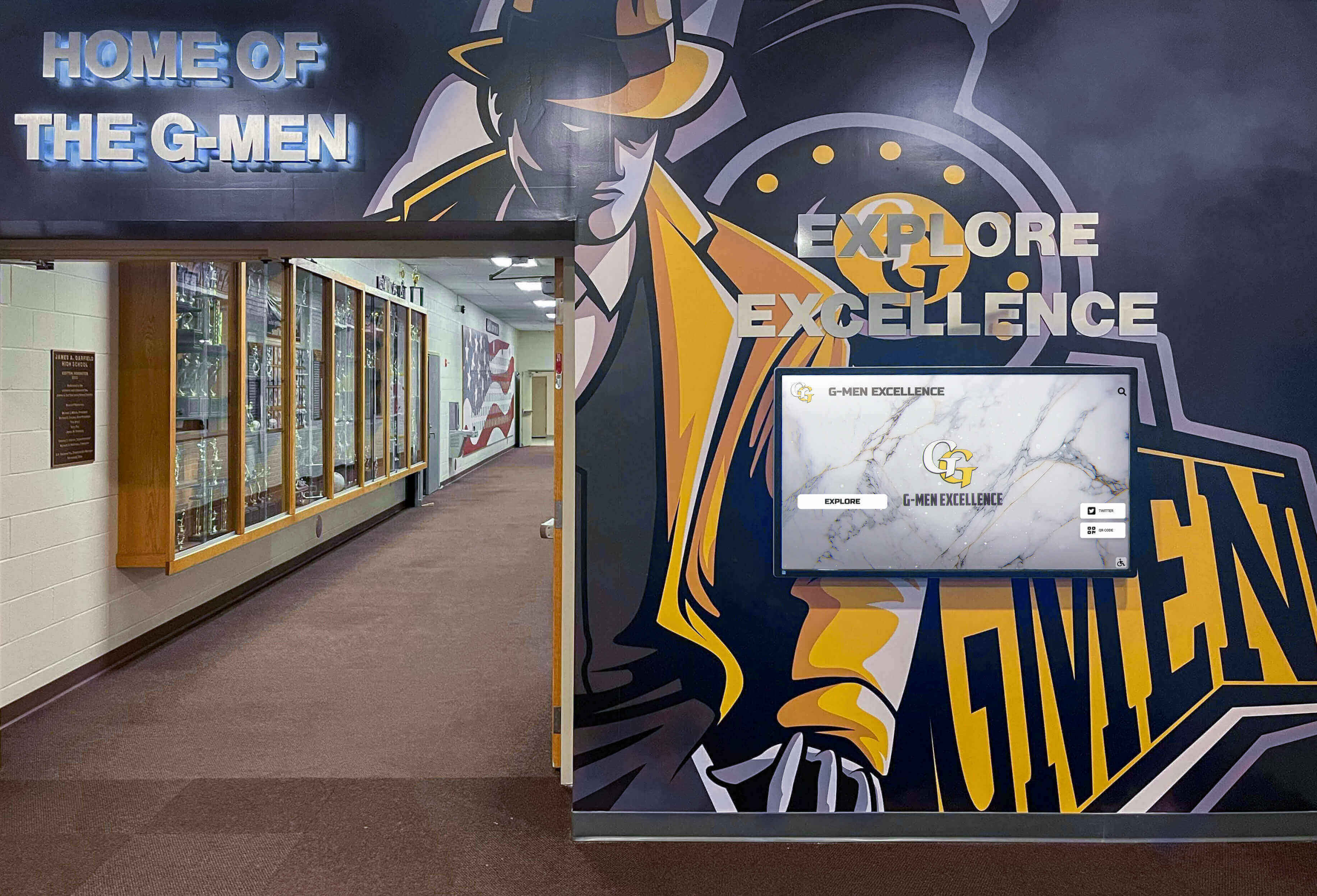
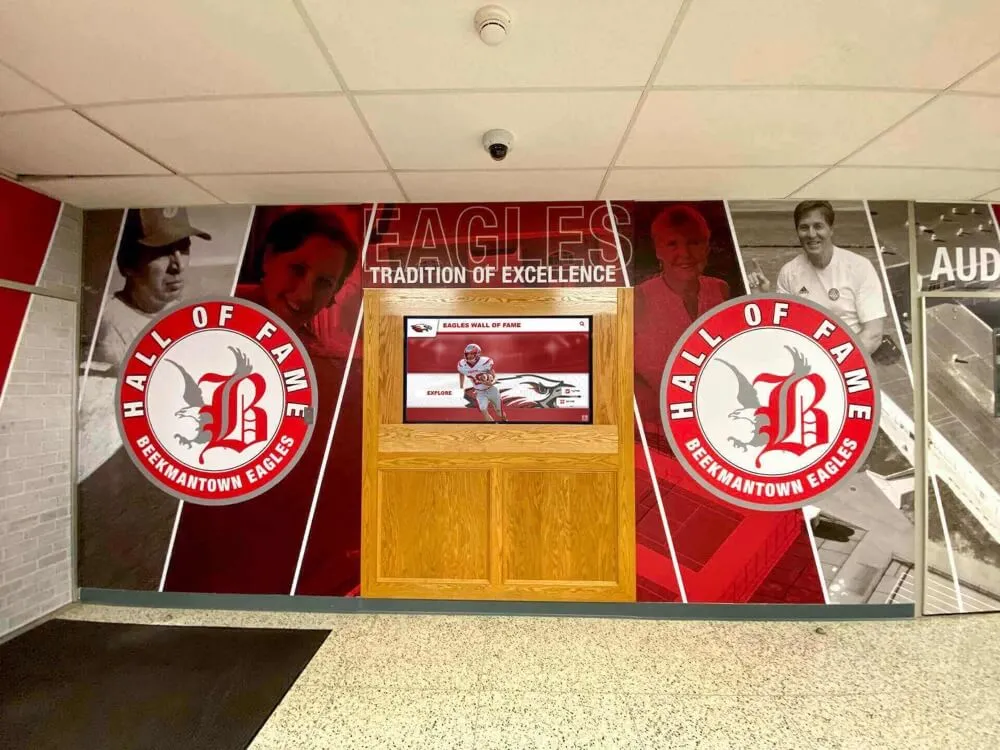
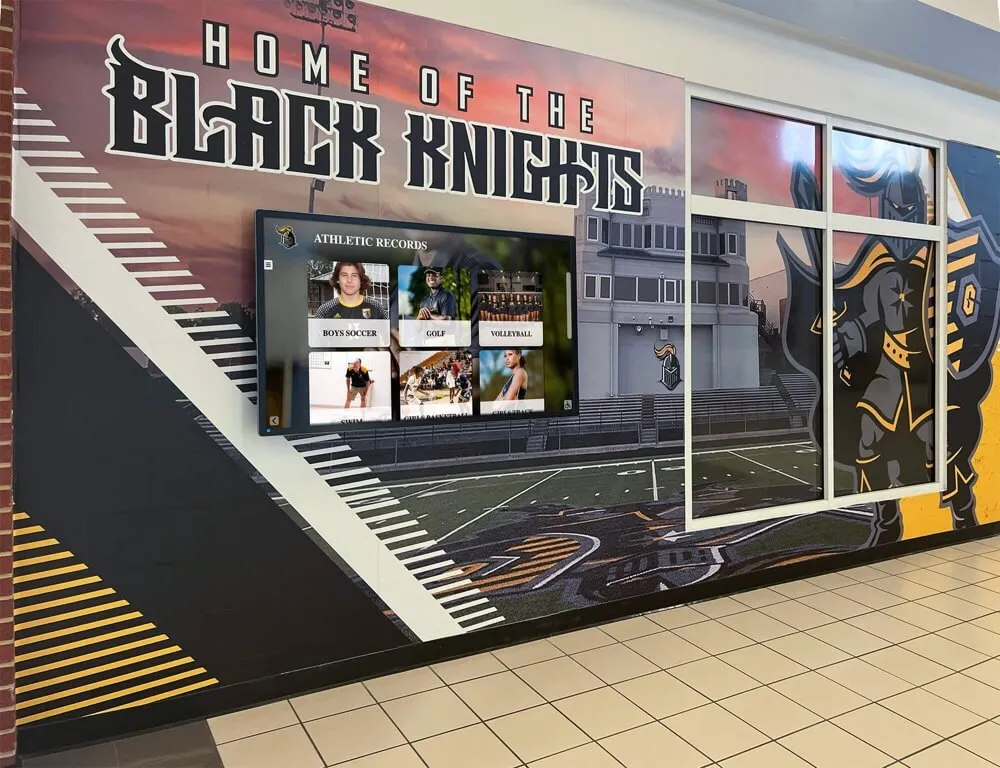
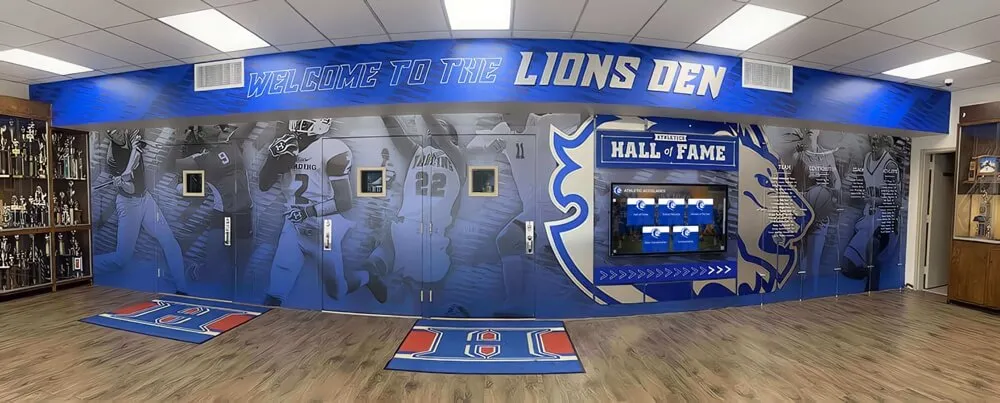
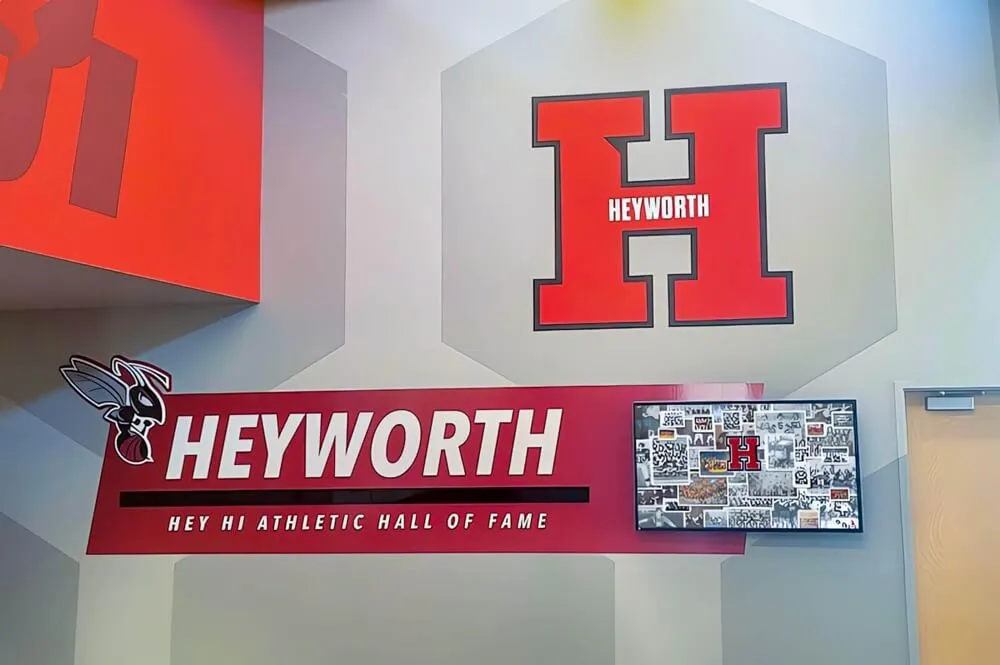
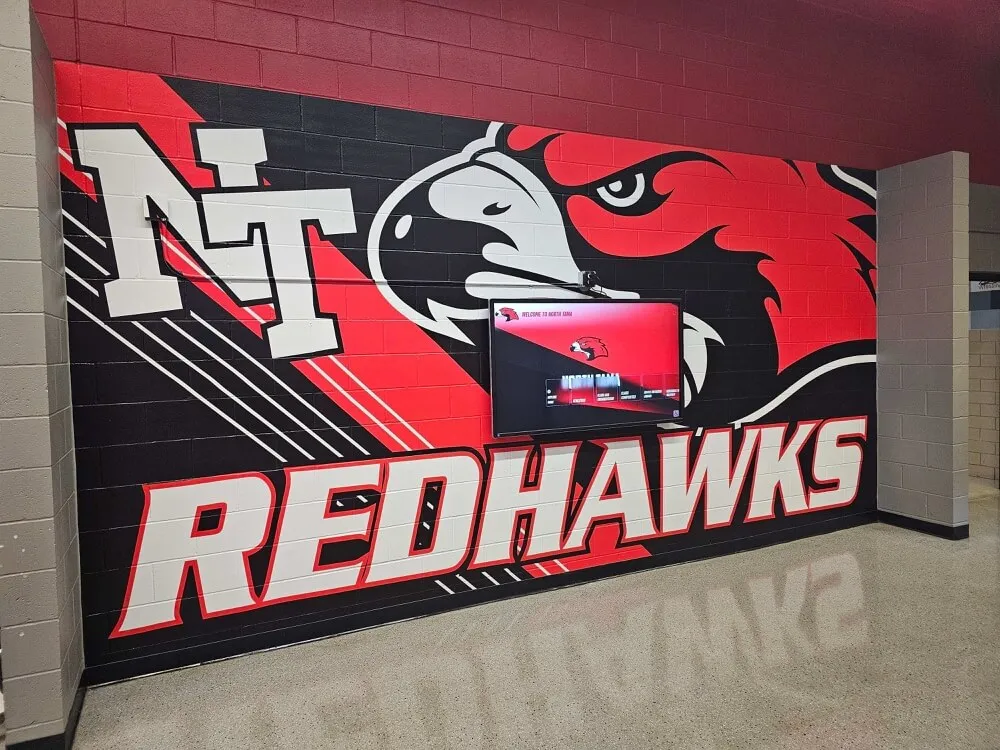
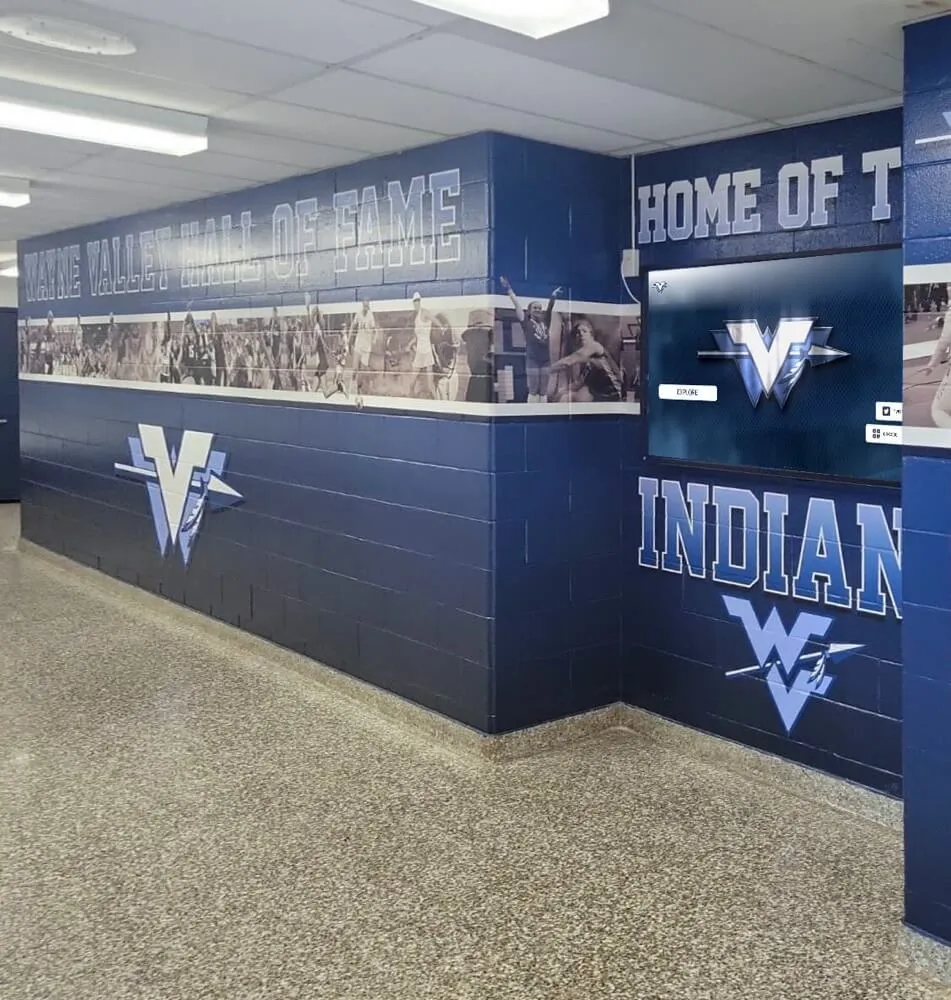
Comprehensive recognition environments combine traditional elements like murals and trophy cases with modern digital displays creating layered appreciation spaces
Creating Meaningful Recognition: Quality Over Quantity
While systematic year-round recognition provides structure, meaningfulness matters more than frequency. Poorly executed recognition can feel hollow or even insulting, while thoughtful appreciation creates lasting impact.
Elements of Meaningful Employee Recognition
Research on effective workplace recognition identifies key components that differentiate meaningful appreciation from token gestures:
Specificity and Personalization Generic “great job” recognition lacks impact compared to specific acknowledgment of particular contributions. Meaningful recognition identifies exactly what someone did, why it mattered, and how it contributed to broader institutional success.
Generic: “Thanks for being a great custodian!” Meaningful: “Thank you for staying late Tuesday to clean the cafeteria after the water pipe leak. Your quick response prevented the space from being unavailable for Wednesday’s community event, and your thorough work ensured a safe, clean environment for our guests.”
Timeliness and Relevance Recognition delivered weeks or months after contributions loses emotional impact. Timely appreciation acknowledging recent specific actions creates stronger connections between behavior and recognition.
Public vs. Private Appropriateness While many employees appreciate public recognition, others prefer private acknowledgment. Effective recognition systems offer both options, allowing individualized approaches based on employee preferences.
Authenticity and Sincerity Employees easily detect insincere or obligatory recognition. Meaningful appreciation comes from genuine gratitude rather than checking boxes on recognition calendars.
Avoiding Common Recognition Mistakes
Well-intentioned recognition programs sometimes create problems when poorly designed:
Mistake 1: Teacher-Only Recognition Concentrating appreciation exclusively on teachers while ignoring other essential roles creates divisive hierarchies and resentment. Comprehensive recognition celebrates all contributors.
Mistake 2: One-Size-Fits-All Approaches Different employee categories value different recognition forms. While teachers might appreciate classroom supplies, custodians might prefer equipment upgrades, and administrators might value professional development opportunities.
Mistake 3: Recognition Replacing Compensation Employee appreciation should complement—never replace—competitive compensation and working conditions. Recognition cannot substitute for fair pay, reasonable workloads, or adequate resources.
Mistake 4: Inconsistent or Forgotten Programs Starting recognition programs with enthusiasm then allowing them to fade creates worse outcomes than never starting. Sustainable recognition requires institutional commitment and allocated resources.
Mistake 5: Top-Down Only Recognition While administrator recognition matters, peer-to-peer and student-to-employee appreciation often creates deeper emotional impact through authentic grassroots acknowledgment.
Budget-Friendly Recognition Strategies
Meaningful employee appreciation doesn’t require massive budgets. Creative, thoughtful recognition often costs little while creating significant impact.
Low-Cost High-Impact Recognition Ideas
Written Appreciation:
- Handwritten thank-you notes from administrators
- Colleague appreciation card campaigns
- Student-created appreciation artwork and letters
- Social media recognition posts
- Newsletter features and email shout-outs
Time-Based Recognition:
- Casual dress days for specific employee groups
- Extended lunch periods on appreciation days
- Early release privileges for afternoon shifts
- Flexible scheduling accommodations
- Preferred duty assignments or scheduling considerations
Experience-Based Recognition:
- Administrator coverage allowing employees special lunch periods
- Reserved parking spaces for recognition recipients
- Break room upgrades with comfortable seating and refreshments
- Workspace personalization allowances
- Professional development attendance without personal time usage
Collaborative Recognition:
- Potluck appreciation meals with dish contributions
- Student performance dedications to honored employees
- Community partner donated services (car washes, restaurant meals)
- Alumni network recognition contributions
- Parent organization funded appreciation gifts
Even schools implementing larger recognition investments like digital display systems can minimize ongoing costs through student-created content, volunteer management, and integration with existing communication infrastructures.
For schools exploring long-term recognition planning, early investments in infrastructure create platforms supporting years of meaningful appreciation with minimal incremental costs.
Implementing Your Year-Round Recognition Calendar
Moving from concept to reality requires systematic planning and institutional commitment.
Steps to Launch Comprehensive Employee Recognition
Step 1: Assess Current Recognition Practices
- Audit existing appreciation programs identifying what’s working and what’s missing
- Survey employees about recognition preferences and valued appreciation forms
- Identify employee categories receiving insufficient recognition
- Review budget allocations available for recognition programs
Step 2: Establish Recognition Committee
- Form cross-functional team representing diverse employee categories
- Include student representatives in age-appropriate contexts
- Assign clear roles for recognition planning, execution, and communication
- Create sustainable committee structures preventing individual burnout
Step 3: Design Comprehensive Calendar
- Map national appreciation days relevant to your employee categories
- Identify gaps where key employee groups lack recognition
- Create school-specific appreciation opportunities for unique roles
- Distribute recognition throughout year preventing concentration
Step 4: Allocate Resources
- Establish realistic recognition budgets
- Identify volunteer support from parents, alumni, or community partners
- Determine technology needs for modern recognition systems
- Assign staff time for recognition coordination
Step 5: Communicate and Launch
- Announce comprehensive recognition calendar to staff
- Explain recognition philosophy emphasizing all-employee appreciation
- Create visible calendars showing upcoming recognition opportunities
- Establish feedback mechanisms for continuous program improvement
Step 6: Execute and Evaluate
- Implement planned recognition according to calendar
- Document participation and employee response
- Collect feedback about meaningful vs. less effective approaches
- Adjust subsequent recognition based on learning
Sustaining Recognition Long-Term
Initial enthusiasm often fades without systems sustaining programs through transitions and competing priorities.
Sustainability Strategies:
- Embed recognition in organizational culture and expectations
- Include recognition responsibilities in relevant job descriptions
- Allocate recurring budget lines rather than one-time funds
- Establish measurement systems tracking recognition program health
- Create recognition champions at all organizational levels
- Celebrate recognition program successes building institutional pride
Schools treating employee recognition as strategic priority rather than optional nicety create self-sustaining cultures where appreciation becomes expected practice rather than exceptional effort.
The Connection Between Recognition and Retention
Employee recognition represents one lever among many influencing retention, but research consistently demonstrates significant impact.
Recognition as Retention Strategy
In educational environments facing nationwide staffing challenges, retention of excellent employees provides competitive advantage. Every experienced employee retained represents thousands of dollars in avoided recruitment costs, preserved institutional knowledge, and maintained relationship continuity with students and families.
Recognition’s Retention Impact:
- Employees reporting adequate recognition demonstrate 58% lower turnover likelihood
- Systematic appreciation programs reduce first-year teacher departure rates
- Recognition strengthens emotional workplace connections beyond compensation alone
- Visible appreciation builds professional respect reducing burnout from feeling undervalued
Recognition in Comprehensive Retention Approaches: Recognition works most effectively as component of holistic retention strategies including:
- Competitive compensation and benefits
- Reasonable workloads and adequate planning time
- Professional development and advancement opportunities
- Collaborative, supportive workplace cultures
- Administrative backing and problem-solving support
- Physical workspace quality and resource availability
Schools cannot recognize their way out of fundamental workplace problems, but recognition combined with other retention strategies creates environments where talented professionals choose to build careers.
For institutions investing in comprehensive employee experience improvements, recognition technology often pairs with broader facility and technology enhancements creating modern, appreciation-rich learning environments.
Making Recognition Visible: The Power of Physical Displays
While personal recognition moments create individual impact, visible public recognition influences entire organizational cultures by making appreciation tangible and continuous.
Strategic Recognition Display Locations
High-Traffic Visibility Zones:
- Main entrance lobbies where every visitor sees recognition
- Central hallways connecting major building sections
- Cafeteria spaces where staff and students gather
- Faculty lounges providing staff-specific appreciation visibility
- Administrative office areas honoring support staff contributions
Multi-Purpose Recognition Spaces: Rather than dedicating entire areas exclusively to employee recognition, most effective approaches integrate staff recognition with student achievement displays, institutional history, and community celebration. This integration sends powerful messages about schools as comprehensive communities where everyone’s contributions matter.
Modern recognition displays allow flexible content rotation featuring students one week, employees the next, historical accomplishments following, creating dynamic spaces that remain fresh and engaging rather than static installations people stop noticing.
Combining Traditional and Digital Recognition
The most effective recognition environments layer multiple approaches:
Traditional Elements:
- Permanent plaques honoring service milestones
- Trophy cases featuring departmental achievements
- Hallway murals celebrating institutional heritage
- Framed photographs of employee recognition moments
- Award displays from professional organizations
Digital Components:
- Touchscreen displays with rotating employee spotlights
- Video wall presentations celebrating departments
- Interactive browsing of comprehensive employee directories
- Dynamic content allowing regular updates
- Integration with student achievement systems
This combination honors tradition while embracing technology’s flexibility, creating recognition environments that feel both established and contemporary.
Schools planning comprehensive recognition spaces often coordinate with facility renovation projects, integrating recognition into broader campus improvement initiatives.

Effective recognition environments blend traditional visual elements like painted murals with modern digital displays creating dynamic yet grounded appreciation spaces
Special Considerations for Different School Types
Recognition strategies should adapt to institutional contexts and student populations.
K-12 Public Schools
Unique Recognition Opportunities:
- Student-created appreciation artwork from younger grades
- Community partnership leveraging local business support
- Board recognition at public meetings
- Integration with existing parent organization structures
- Coordination with district-wide appreciation initiatives
Challenges and Solutions:
- Budget constraints: Focus on low-cost meaningful recognition
- Large staff sizes: Create systems ensuring everyone receives attention
- Diverse role categories: Establish rotating recognition ensuring equity
- Community visibility: Leverage local media for recognition amplification
Private and Independent Schools
Recognition Advantages:
- Typically smaller staff enabling more personalized appreciation
- Greater budget flexibility for recognition investments
- Stronger community connections facilitating recognition participation
- Enhanced ability to customize recognition to institutional culture
Effective Approaches:
- Donor-supported recognition endowments or programs
- Alumni network involvement in employee appreciation
- Family partnership in recognition event planning
- Integration with institutional tradition and heritage
Charter and Specialized Schools
Unique Contexts:
- Mission-driven cultures creating natural recognition frameworks
- Smaller scales allowing innovative recognition approaches
- Flexibility in traditional calendar modifications
- Entrepreneurial environments encouraging creative appreciation
Strategic Recognition:
- Alignment with founding missions and educational philosophies
- Flexibility adapting national appreciation days to unique calendars
- Innovation in recognition approaches reflecting school culture
- Community building through appreciation reinforcing institutional identity
The Role of Leadership in Recognition Culture
Effective employee recognition requires authentic leadership commitment beyond delegating appreciation to committees.
Administrator Modeling and Participation
Leaders establish cultural norms through behavior more than policy. When administrators consistently demonstrate genuine appreciation, recognition permeates organizational culture:
Leadership Recognition Behaviors:
- Regular walkthrough appreciation acknowledging excellent work
- Personal thank-you notes for specific contributions
- Public recognition at meetings highlighting employee accomplishments
- Resource allocation prioritizing recognition programs
- Vulnerability acknowledging personal gratitude and dependence on staff excellence
Avoiding Leadership Recognition Mistakes:
- Perfunctory or rushed appreciation feeling obligatory
- Recognition concentrated on visible roles while ignoring others
- Failure to follow through on recognition program commitments
- Taking credit for employee contributions rather than acknowledging their work
- Recognition only during appreciation weeks then silence remaining year
Creating Recognition Permission Culture
Sometimes employees hesitate expressing appreciation to peers due to perceived hierarchies or professional formality. Leaders create cultures where recognition flows freely in all directions—administrator to employee, peer to peer, employee to administrator, and student to employee.
Permission-Creating Strategies:
- Modeling peer-to-peer appreciation in leadership team contexts
- Establishing simple recognition mechanisms (kudos boards, digital platforms)
- Celebrating recognition givers alongside recipients
- Removing barriers making appreciation difficult or time-consuming
- Explicitly encouraging cross-departmental recognition
Addressing Recognition Equity and Inclusion
Thoughtful recognition programs ensure all employees feel valued regardless of role, tenure, demographics, or visibility.
Ensuring Equitable Recognition Distribution
Common Equity Challenges:
- Recognition concentrated on most visible roles (teachers, administrators)
- Long-serving employees receiving attention while newer staff feel overlooked
- Personality differences where extroverted staff receive more recognition
- Demographic patterns where certain employee groups get disproportionate appreciation
- Full-time employees recognized while part-time, substitute, or temporary staff ignored
Equity Strategies:
- Systematic tracking ensuring all employee categories receive recognition
- Structured rotation preventing repeated recognition of same individuals
- Multiple recognition pathways accommodating different contribution types
- Intentional inclusion of typically invisible roles
- Anonymous nomination processes reducing favoritism
Culturally Responsive Recognition
Employees bring diverse cultural backgrounds influencing how they perceive and value recognition. Culturally responsive appreciation acknowledges these differences:
Cultural Considerations:
- Public vs. private recognition preferences varying across cultures
- Individual vs. team recognition emphasis
- Formality expectations around appreciation expressions
- Gift-giving customs and appropriate recognition tokens
- Language considerations for multilingual staff
Effective recognition programs offer multiple appreciation forms allowing individualized approaches respecting cultural differences while ensuring everyone receives meaningful acknowledgment.
Measuring Recognition Program Effectiveness
Like any institutional initiative, employee recognition programs benefit from measurement and continuous improvement.
Recognition Program Metrics
Participation and Reach Metrics:
- Percentage of employees receiving recognition across time periods
- Distribution of recognition across employee categories
- Frequency of recognition events and activities
- Participation rates in recognition programs
- Recognition diversity (multiple forms and channels)
Impact and Outcome Metrics:
- Employee satisfaction survey results regarding appreciation
- Retention rates compared to pre-recognition program baselines
- Exit interview feedback about recognition and appreciation
- Employee engagement scores
- Workplace climate assessment results
Process Quality Metrics:
- Timeliness of recognition following contributions
- Specificity and personalization of appreciation
- Resource allocation to recognition programs
- Leadership participation in recognition activities
- Recognition program sustainability indicators
Continuous Improvement Processes
Feedback Collection:
- Regular employee surveys about recognition preferences
- Focus groups exploring recognition program effectiveness
- Exit interviews including appreciation questions
- Suggestion mechanisms for recognition improvements
- Recognition committee retrospectives
Program Adjustments:
- Evidence-based modifications addressing identified gaps
- Resource reallocation based on preference data
- Calendar adjustments improving participation
- Communication improvements increasing awareness
- Recognition form diversification serving varied preferences
Schools approaching recognition as evolving practice rather than static program create increasingly effective appreciation cultures over time as they learn what resonates with their specific communities.
Beyond Recognition: Creating Comprehensive Appreciation Cultures
While systematic recognition provides structure, truly appreciated workplaces extend appreciation beyond formal programs into daily interactions, decision-making processes, and organizational values.
Daily Appreciation Micro-Practices
Interpersonal Appreciation:
- Greeting colleagues warmly acknowledging their presence
- Expressing genuine interest in colleague wellbeing
- Offering assistance during challenging periods
- Celebrating personal milestones beyond work achievements
- Active listening communicating respect and value
Structural Appreciation:
- Including staff voices in relevant decisions
- Respecting professional expertise and judgement
- Providing autonomy appropriate to roles
- Investing in professional development
- Creating comfortable, well-resourced work environments
Cultural Appreciation:
- Celebrating successes as community rather than individual achievements
- Acknowledging failures as learning opportunities without blame
- Demonstrating flexibility accommodating personal circumstances
- Modeling work-life balance respecting personal time
- Building genuine community beyond professional relationships
These daily practices create appreciation atmospheres where formal recognition programs feel authentic rather than isolated gestures disconnected from everyday experience.
Integration with Broader Employee Experience
Recognition represents one component of comprehensive employee experience including:
Professional Elements:
- Competitive compensation and benefits
- Career development and advancement opportunities
- Quality professional development
- Appropriate workloads and resources
- Effective leadership and management
Physical Environment:
- Safe, clean, well-maintained facilities
- Adequate workspace and resources
- Modern technology and tools
- Comfortable break spaces
- Accessible, functional design
Cultural Elements:
- Collaborative, supportive colleagues
- Clear communication and transparency
- Inclusive, welcoming environment
- Alignment between stated and lived values
- Meaningful work connected to larger purpose
Recognition programs work most effectively within positive overall employee experiences where appreciation complements rather than compensates for other workplace elements.
Conclusion: Building Year-Round Appreciation into School Culture
School employee appreciation days provide frameworks for systematic recognition, but truly appreciated workplaces extend gratitude beyond calendar dates into institutional DNA. When schools recognize contributions from every role throughout entire years, they create cultures where feeling valued becomes standard experience rather than exceptional event.
The investment in comprehensive employee recognition returns dividends through improved retention, enhanced morale, stronger collaboration, and ultimately better student outcomes as appreciated educators and staff bring their best selves to work daily. Recognition doesn’t replace fair compensation or adequate resources, but it creates emotional connections transforming workplaces from jobs into communities.
Whether implementing simple low-cost appreciation gestures or investing in comprehensive recognition technology, what matters most is authenticity, consistency, and genuine gratitude for the diverse contributions making educational success possible.
Schools ready to elevate employee recognition beyond traditional approaches are discovering how modern recognition technology creates year-round appreciation visibility. Rocket Alumni Solutions specializes in interactive touchscreen displays that bring employee recognition to life in school lobbies and common areas, creating dynamic platforms where staff spotlights rotate alongside student achievements, institutional history, and community celebration. These systems transform static plaques into engaging digital experiences ensuring every employee—from veteran teachers to first-year custodians—receives visible, meaningful recognition that reinforces their value to your school community.