



School playbill displays serve as powerful celebration tools for theater and performing arts programs, documenting productions, honoring student performers, and preserving the rich history that defines theatrical excellence. Yet many schools struggle to showcase their performing arts heritage effectively—printed playbills sit forgotten in storage boxes, cast photos remain scattered across yearbooks, production histories exist only in fading memories, and current students remain disconnected from the theatrical traditions that preceded them.
Traditional approaches to theater recognition face significant limitations. Physical display cases fill quickly as productions accumulate, forcing difficult decisions about which shows receive visibility. Static poster boards become outdated immediately after closing night, requiring labor-intensive replacement for each new production. Paper playbills provide beautiful keepsakes for participants but fail to reach broader audiences or create lasting institutional recognition that strengthens program culture and community support.
This comprehensive guide explores modern strategies for creating school playbill displays that solve these persistent challenges while building performing arts programs that thrive for generations. From understanding why theater recognition matters through planning comprehensive display systems and selecting appropriate technology, you’ll discover proven approaches that celebrate every production, honor all contributors, and inspire continued excellence.
Theater education transforms students’ lives while enriching entire school communities. According to the Arts Education Partnership, students participating in theater programs demonstrate significantly higher academic achievement, develop enhanced communication skills, build confidence through performance, and create lasting connections to educational institutions. Recognition systems that celebrate these achievements strengthen programs by honoring contributions, inspiring continued participation, attracting community support, and preserving institutional heritage.

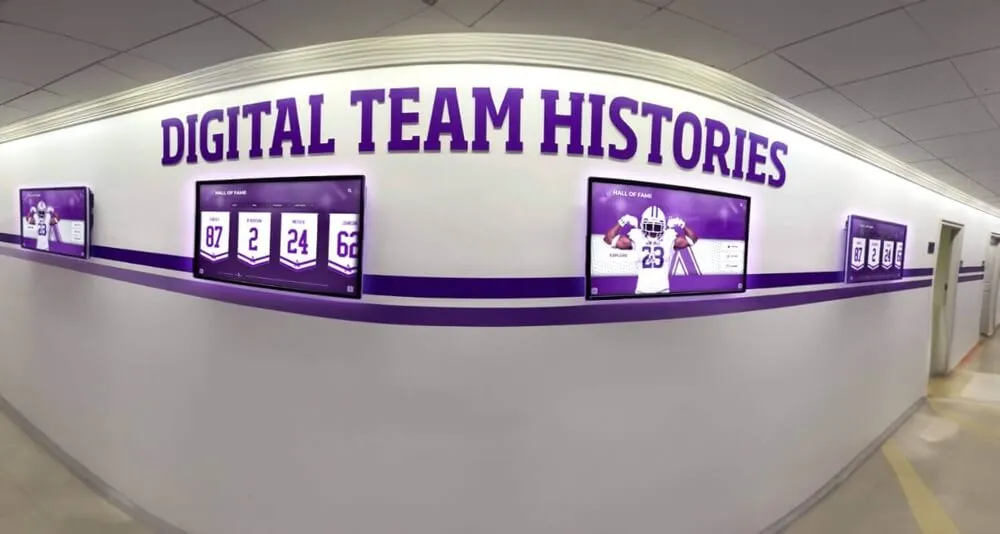
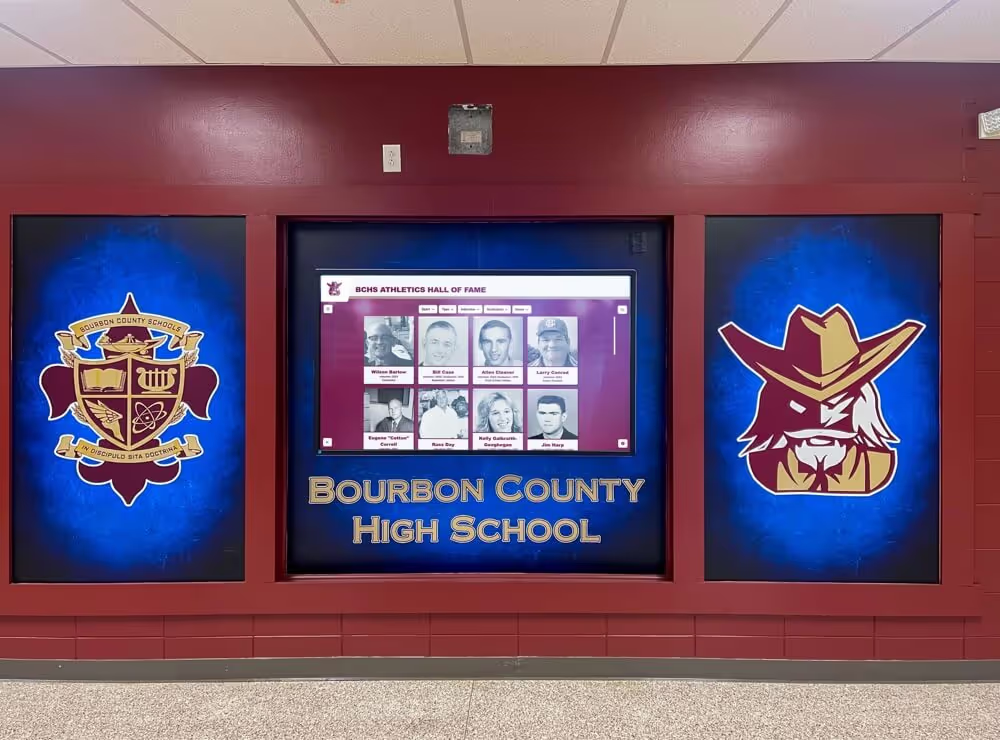
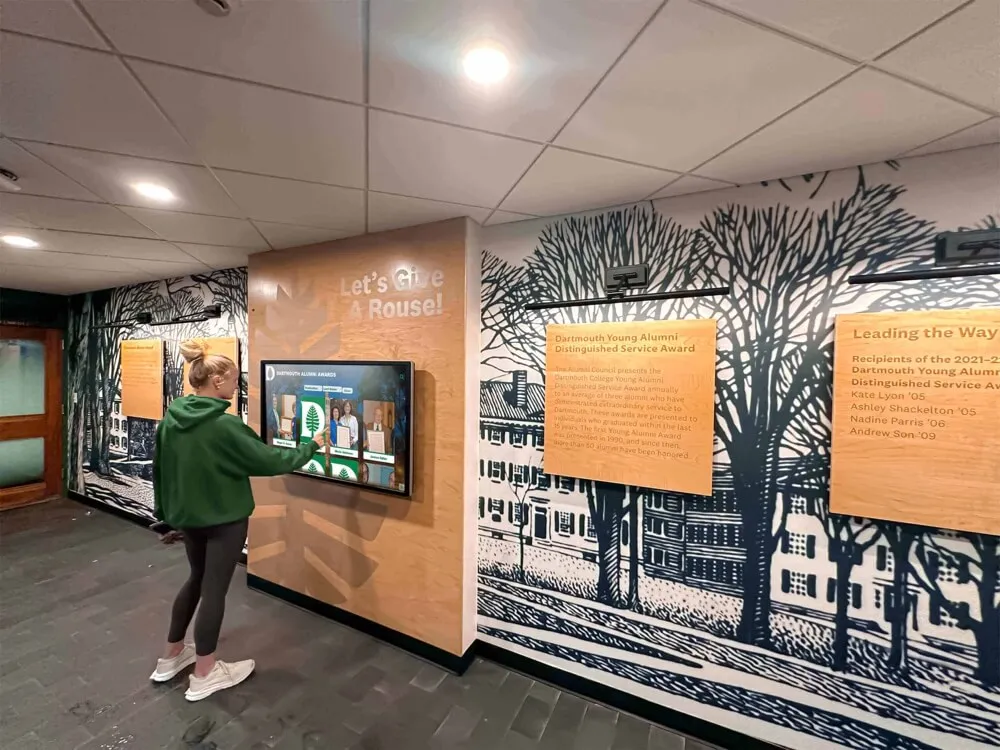
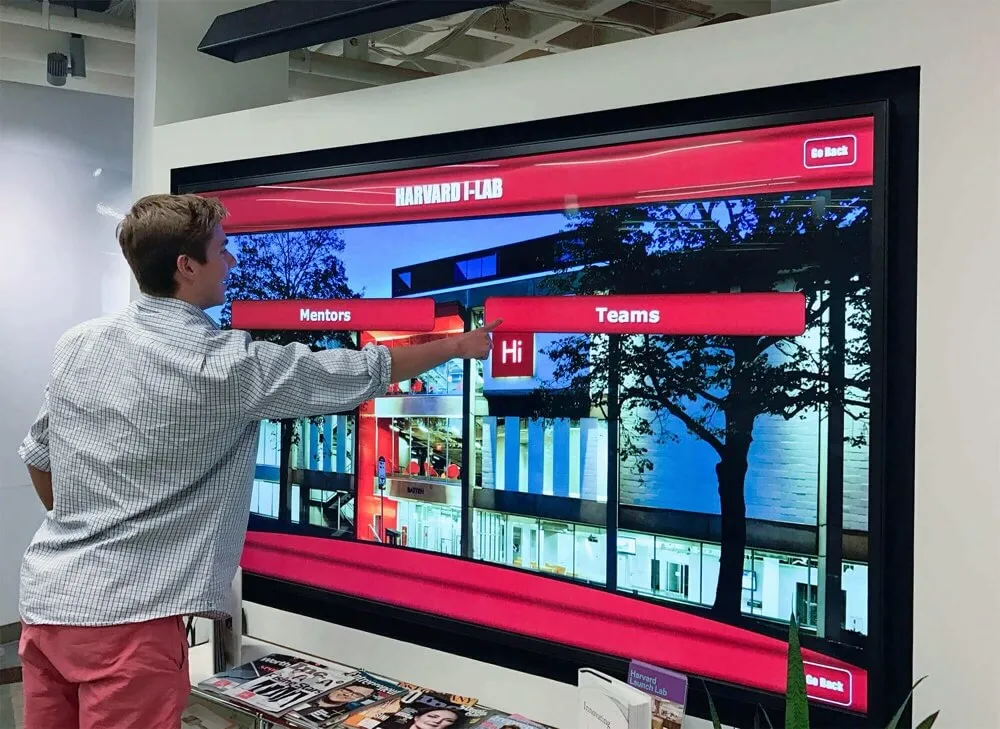
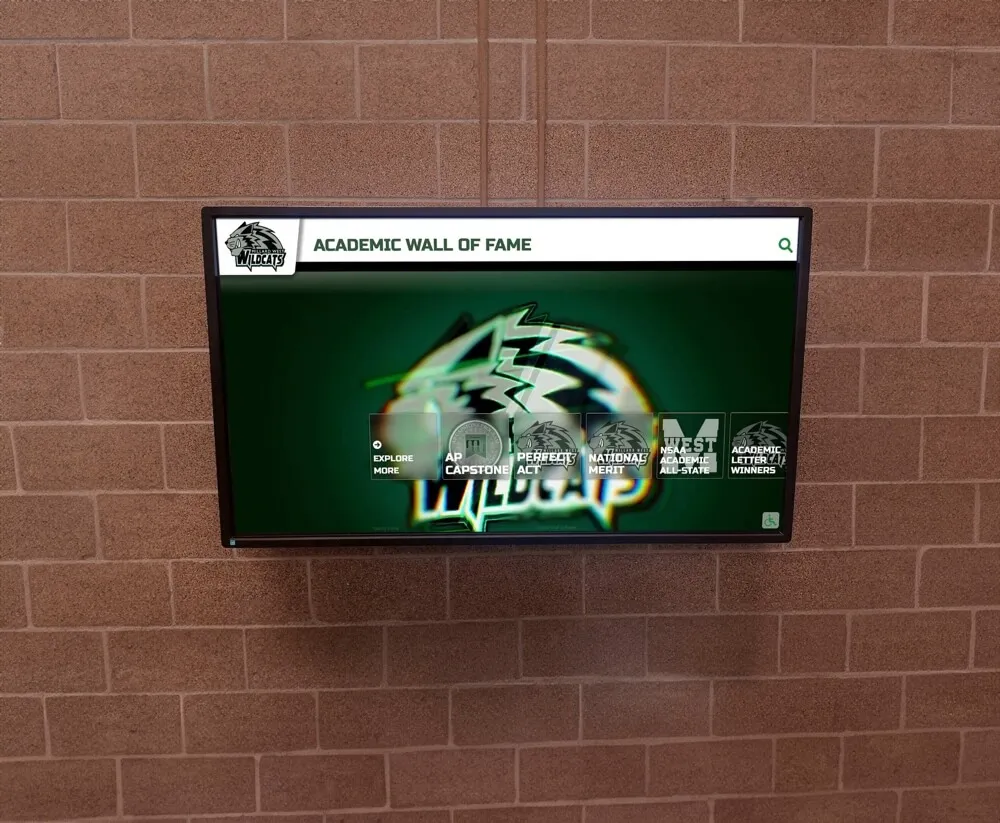
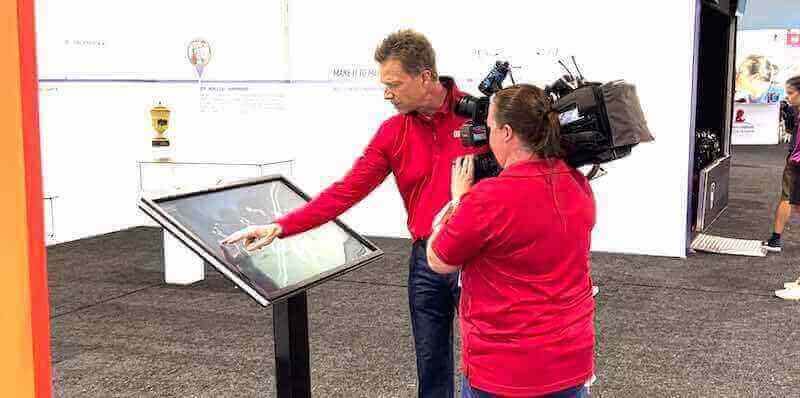
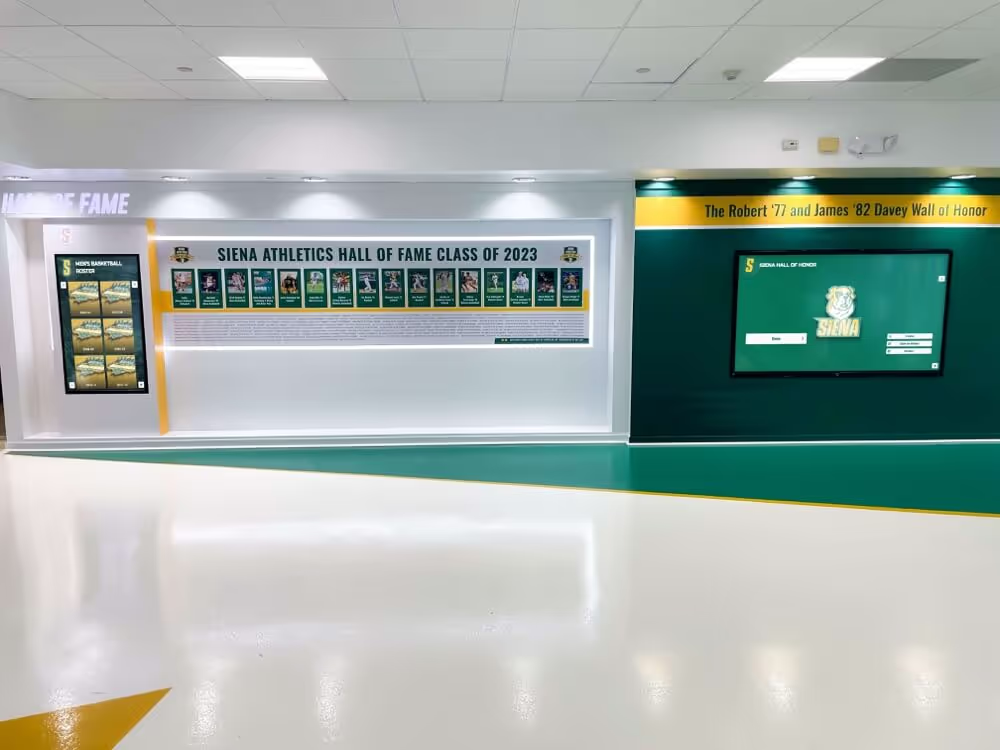
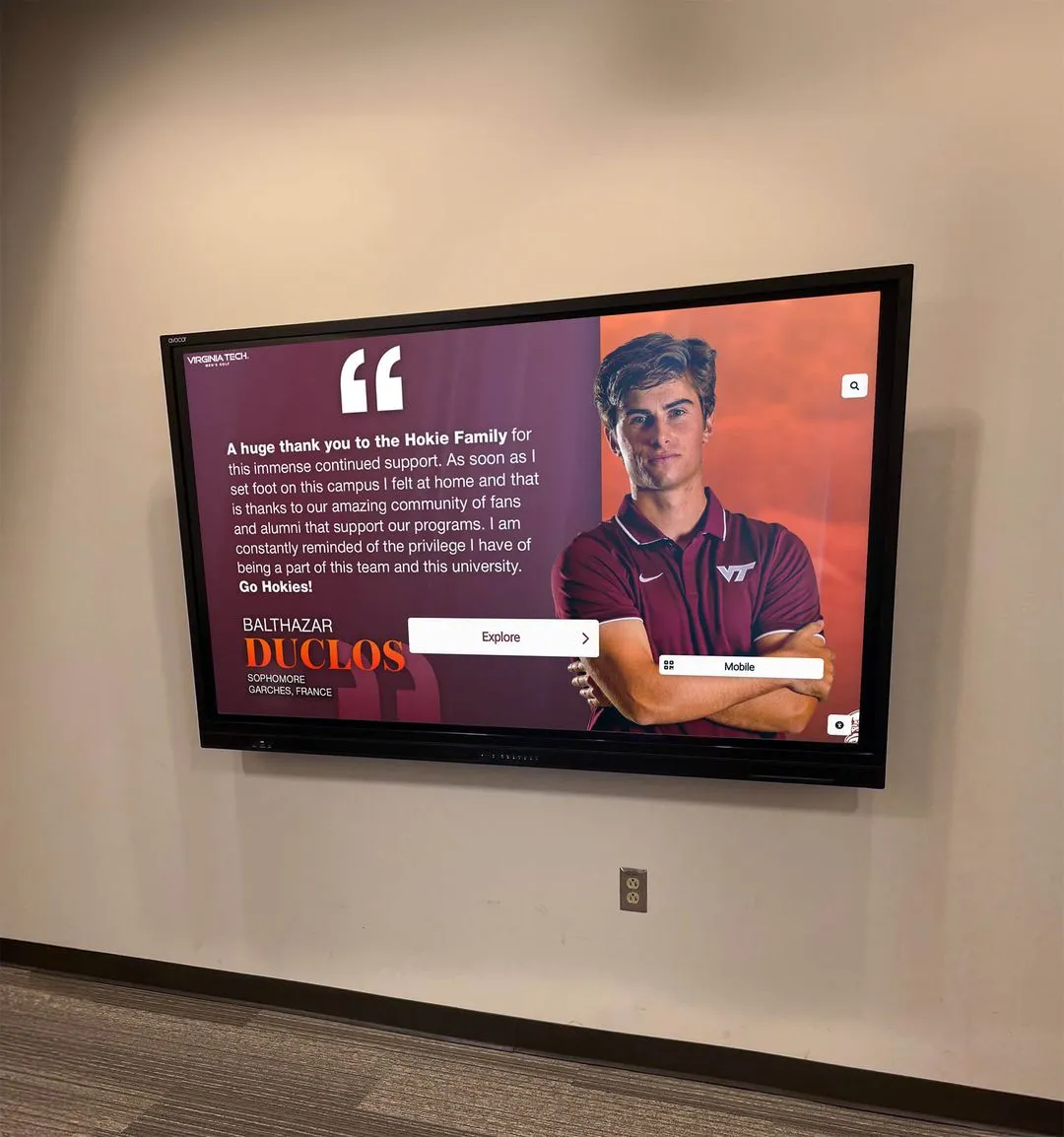
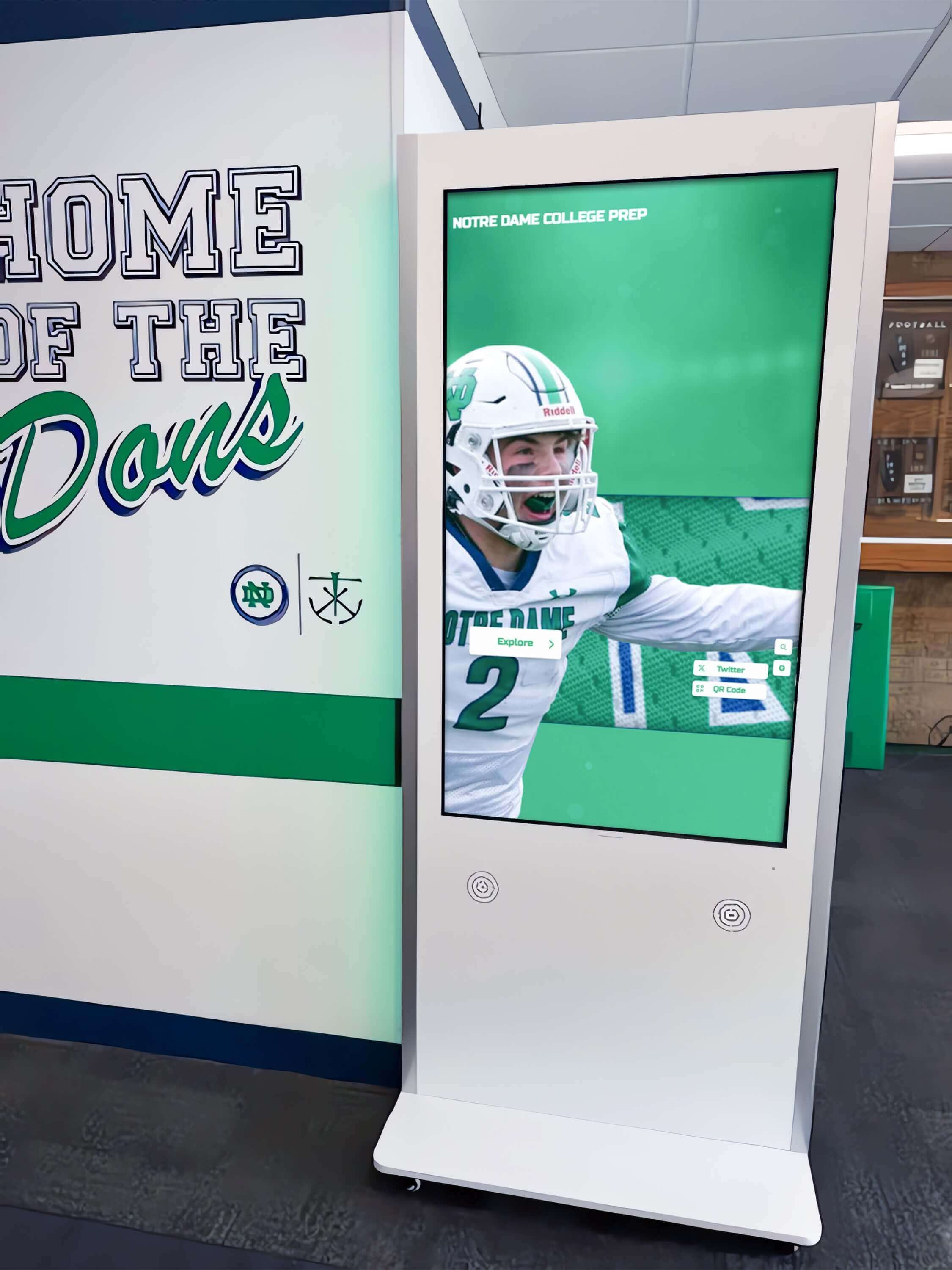
Modern digital displays bring theater program excellence to life through interactive exploration of productions, performers, and performances
Why School Theater Recognition Matters More Than Ever
Understanding the strategic value of comprehensive playbill displays helps justify investment while shaping implementation approaches that maximize impact across multiple stakeholder groups.
Building Stronger Theater Programs Through Recognition
Systematic recognition creates measurable benefits extending throughout performing arts programs:
Student Motivation and Retention
- Visible recognition of theatrical contributions provides powerful validation for student performers, technical crew, and production teams
- Documentation of individual roles and achievements creates tangible evidence of participation valuable for college applications and scholarship opportunities
- Historical displays showing decades of productions inspire current students by connecting them to theatrical traditions
- Recognition of diverse contributions—from lead roles to backstage crew—ensures all participants feel valued regardless of stage visibility
Community and Family Engagement
- Comprehensive displays provide focal points for family visits celebrating student achievements
- Production histories demonstrate program quality and consistency attracting prospective students and families
- Community partnerships and local sponsors gain recognition that encourages continued financial and volunteer support
- Alumni connections strengthen as former participants revisit their theatrical experiences through accessible displays
Research consistently demonstrates that students who feel recognized for contributions participate longer, perform at higher levels, and develop stronger connections to programs and institutions. Theater recognition creates these outcomes while simultaneously building the community support that sustains programs financially and culturally.
Preserving Theatrical Heritage Before It’s Lost
School theater programs accumulate remarkable histories worth preserving—decades of productions, thousands of student performers, memorable performances, transformational directors, and community impact that collectively define program identity. Yet this heritage remains vulnerable without systematic preservation:
Fragile Historical Records
- Paper playbills deteriorate from age, handling, and environmental conditions
- Production photographs fade or become damaged over time
- Cast lists scattered across yearbooks prove difficult to access comprehensively
- Set designs, costume sketches, and technical documentation disappear as storage areas get cleared
- Oral histories about significant productions vanish as faculty retire and alumni age
According to the National Archives, proper preservation of cultural heritage materials requires both environmental controls and digitization—making digital display systems valuable not just for recognition but for archival protection ensuring future generations can explore theatrical legacies.
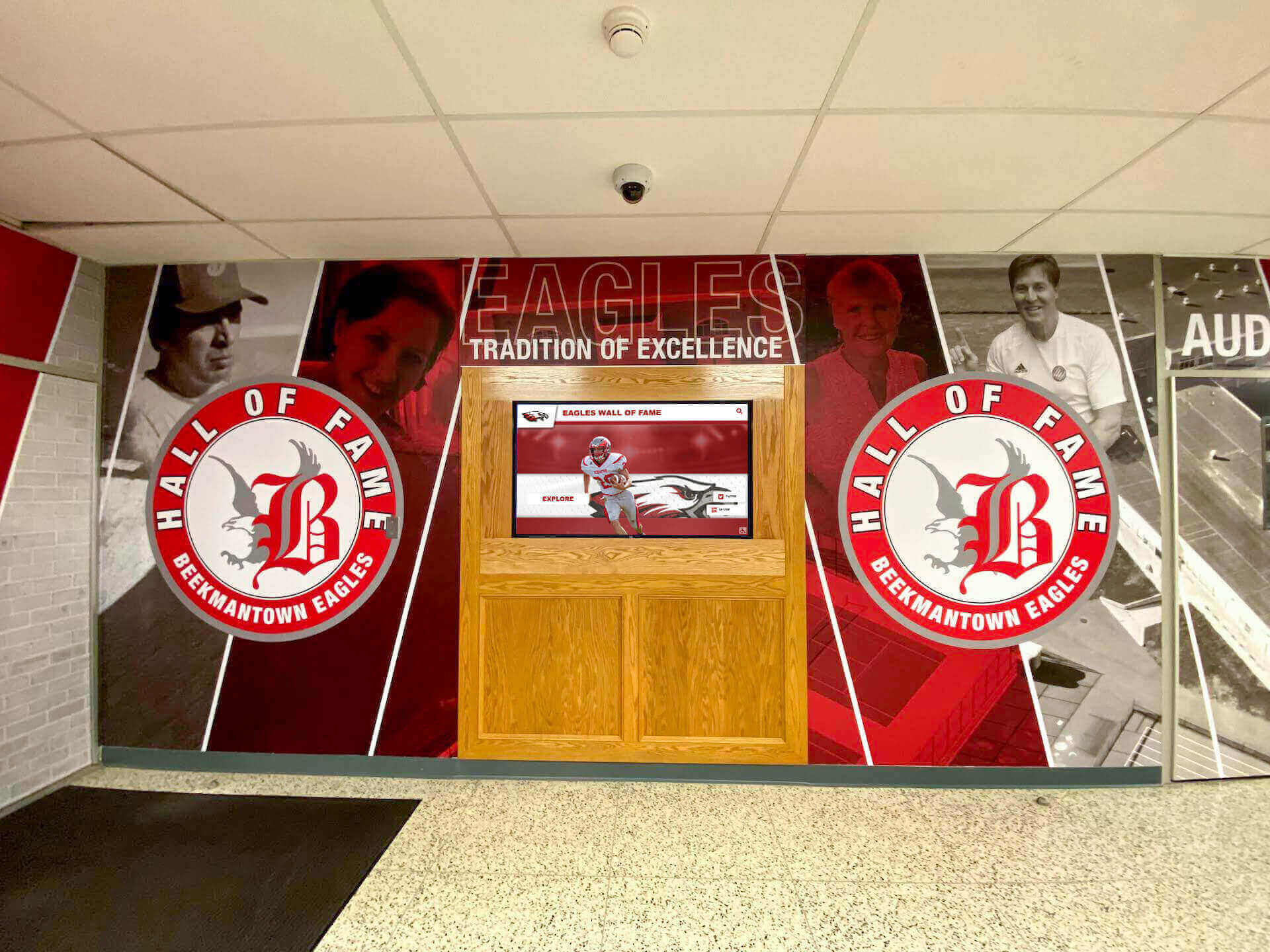
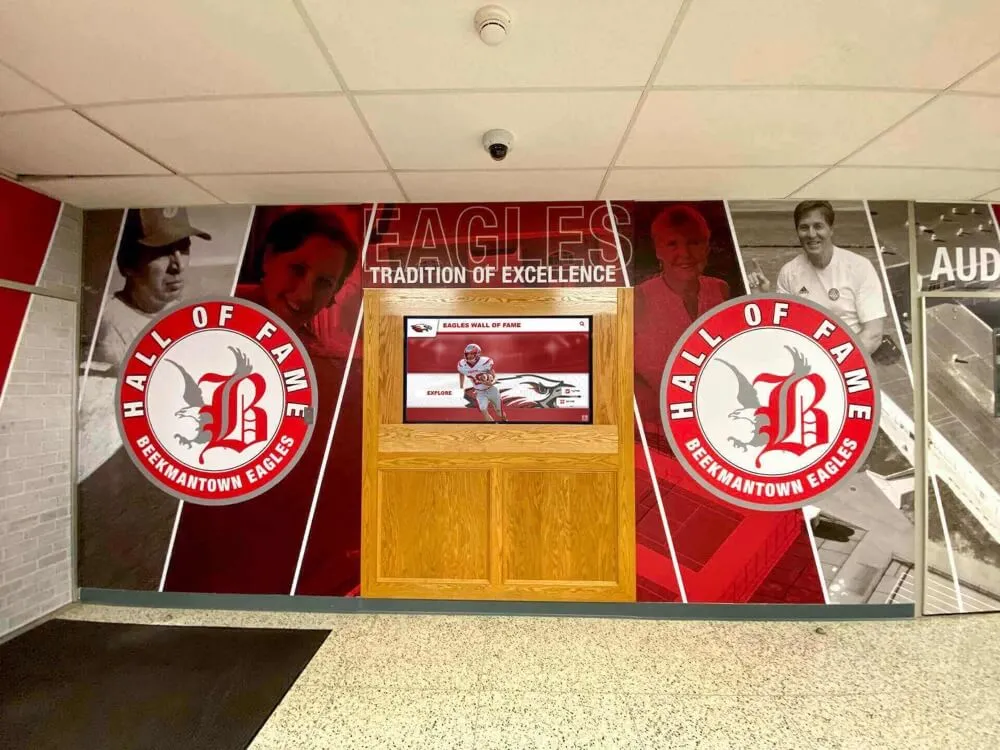
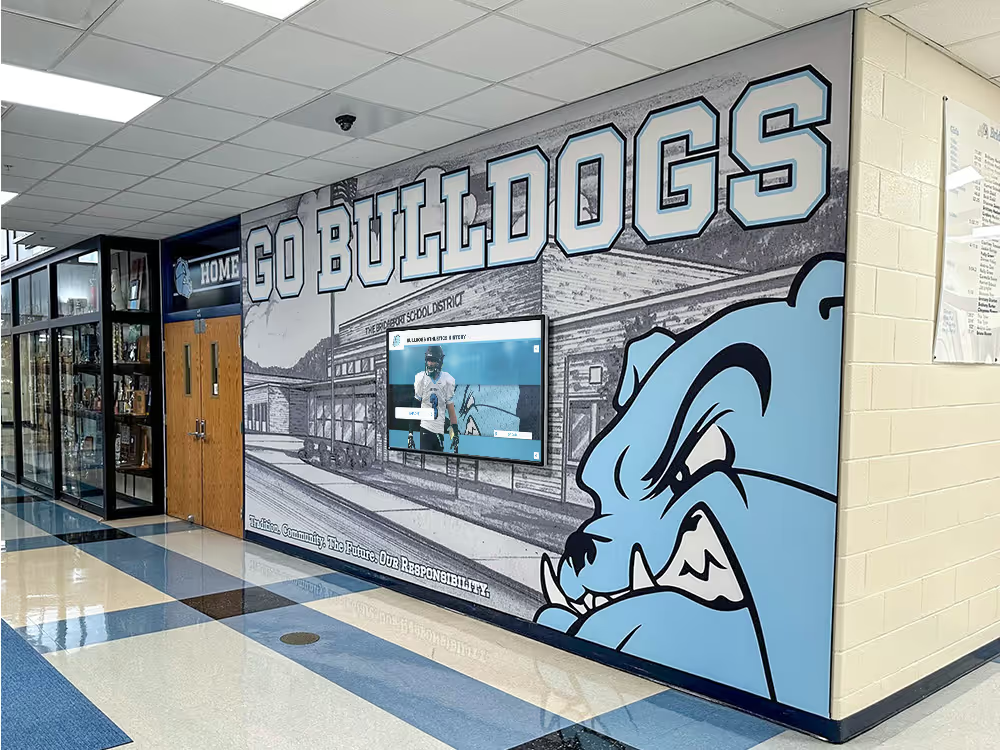
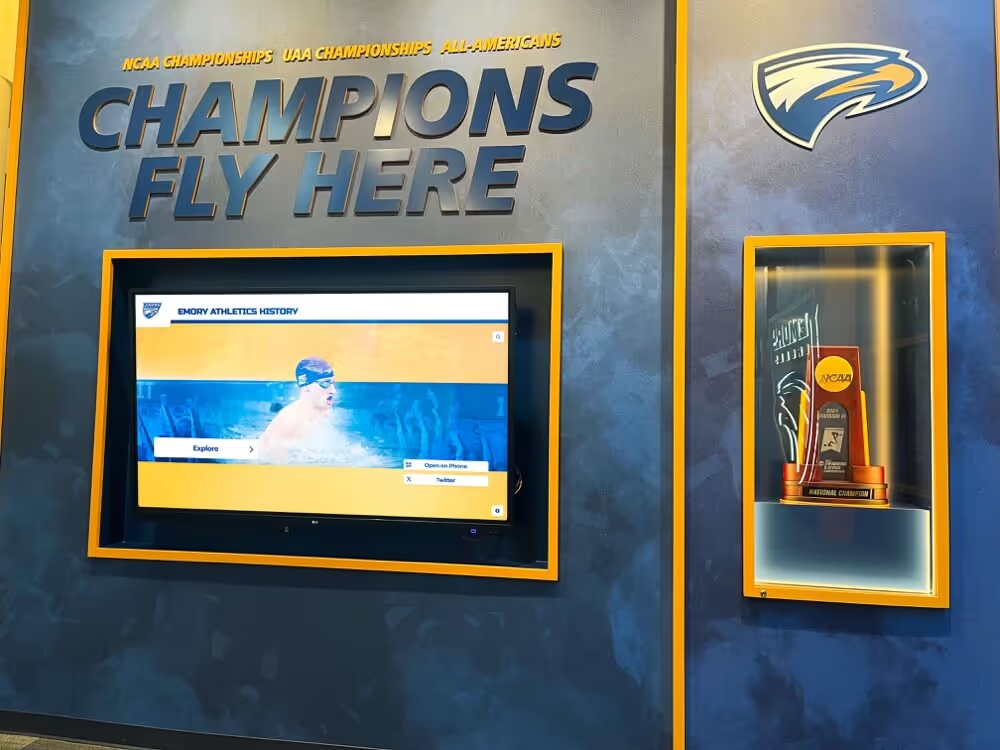
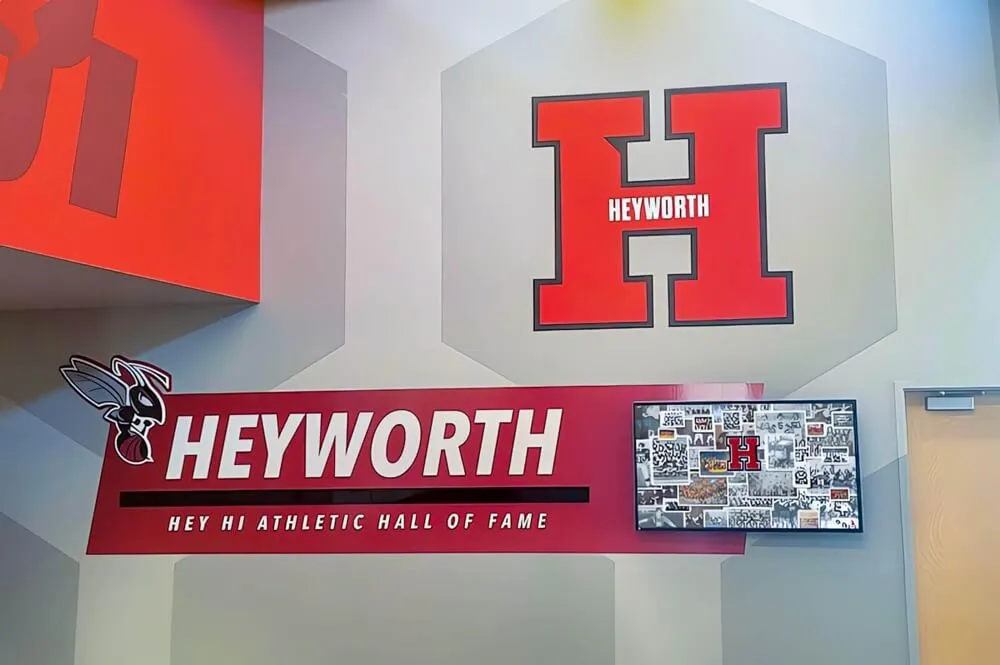
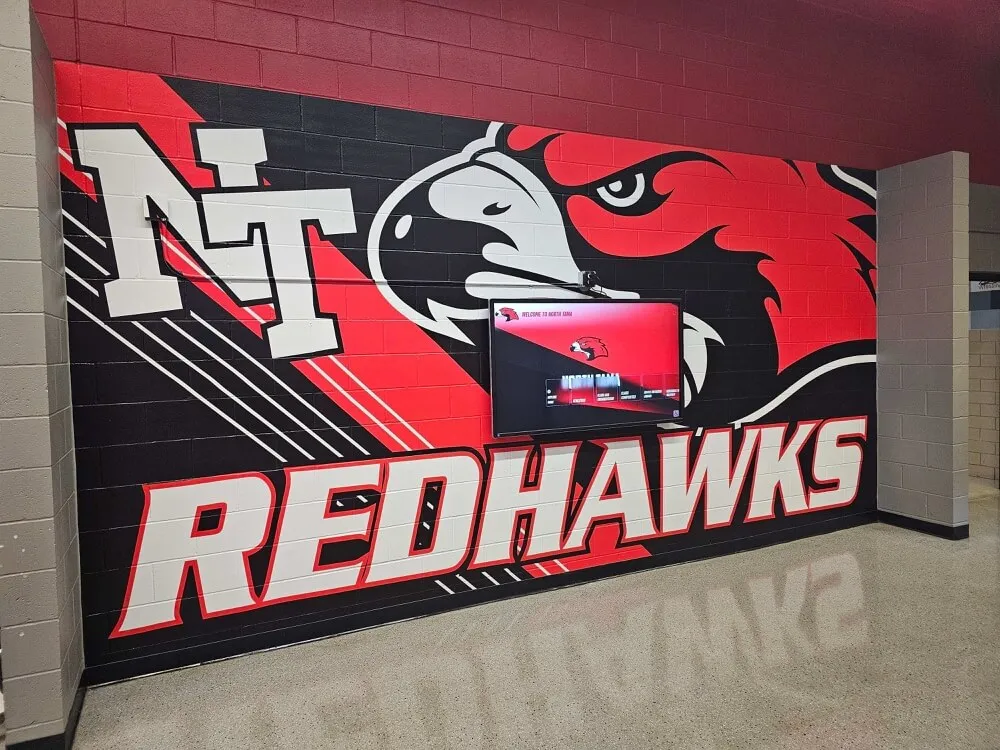
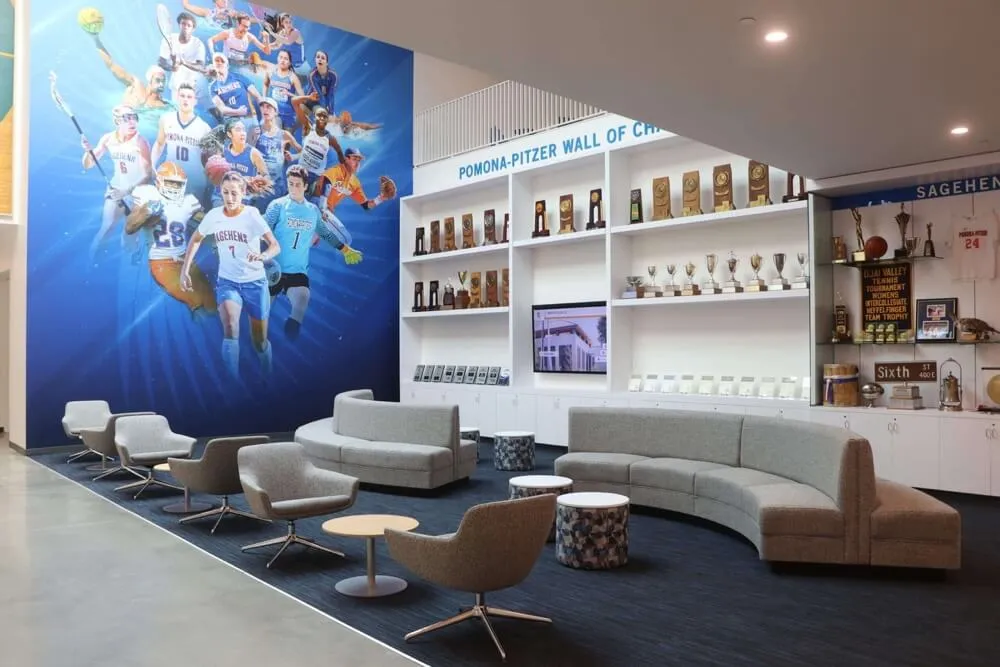
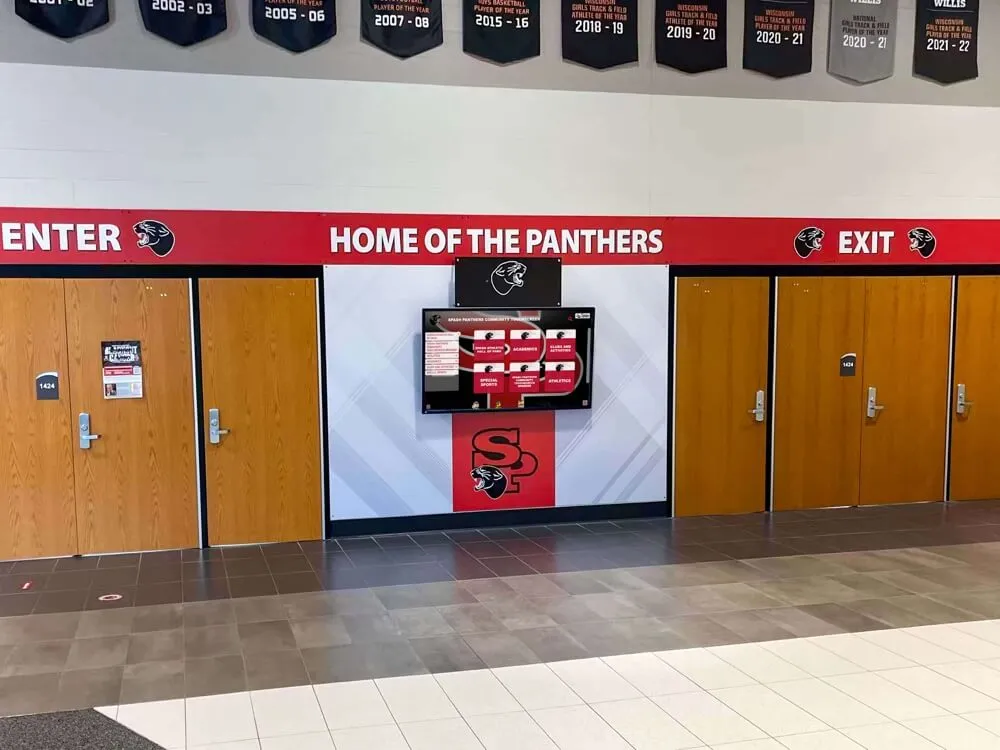
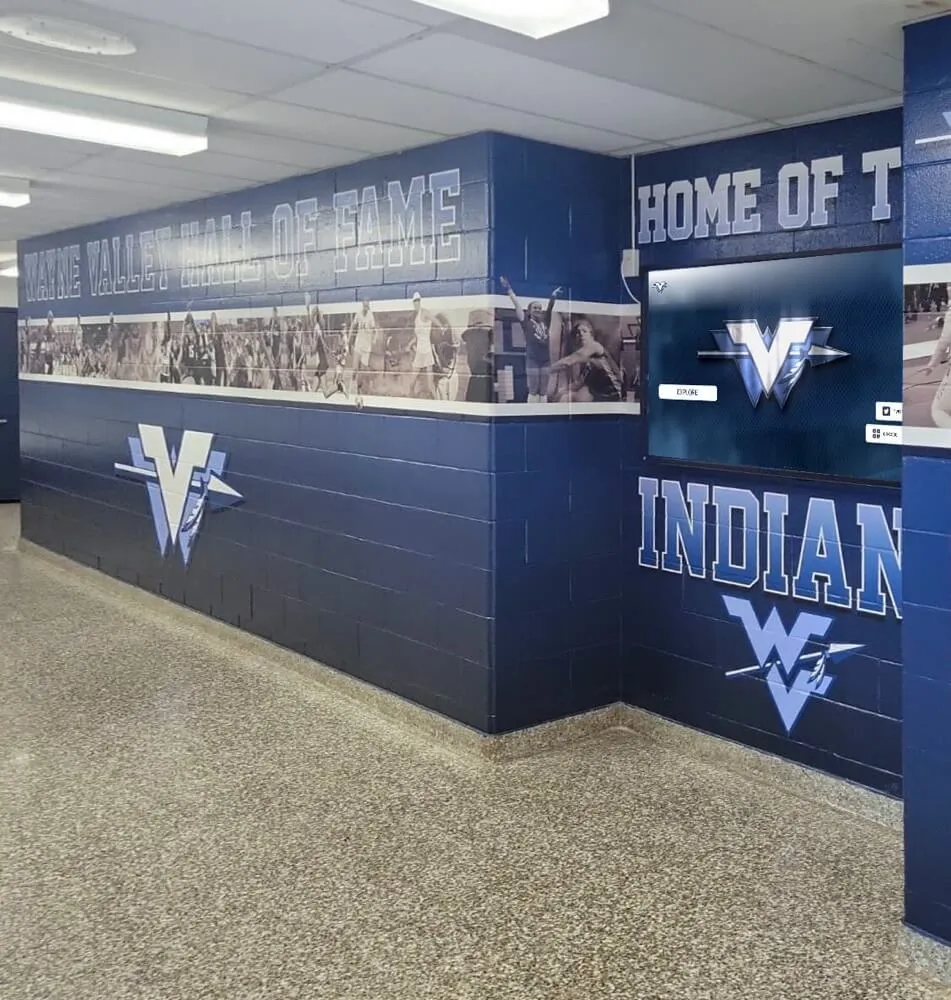
Permanent displays create powerful statements about institutional values while celebrating performing arts excellence
Systematic Documentation Urgency Each theatrical season that passes without comprehensive documentation makes historical research increasingly difficult:
- Faculty holding decades of institutional knowledge retire without formal documentation
- Alumni from significant productions become harder to locate as years pass
- Physical production materials in storage face deterioration without proper archival conditions
- Informal stories about memorable performances disappear as community members lose connection to programs
- Gaps in recognition create incomplete narratives that undervalue program significance
Effective playbill displays serve dual purposes—celebrating current excellence while systematically preserving heritage through digitization and proper documentation.
Traditional Approaches to Theater Recognition
Understanding conventional methods helps appreciate both their value and limitations when planning comprehensive recognition strategies.
Physical Playbill Collections and Display Cases
Traditional printed playbills represent the classic theater documentation approach, offering tangible artifacts that participants treasure:
Advantages of Physical Playbills
- Beautiful printed keepsakes that performers and families preserve for decades
- Professional presentation creating pride among participants
- Advertising revenue opportunities supporting program fundraising
- Tangible artifacts suitable for signatures and personal mementos
- No technology requirements for creation or distribution
Limitations to Consider
- Distribution primarily reaches audience members attending specific performances, missing broader community
- Storage challenges as decades of playbills accumulate with limited archival quality
- Difficult accessibility for future research or historical exploration
- Limited distribution quantities based on printing costs
- No capacity for multimedia content like video or audio recordings
Display Case Challenges Schools attempting to showcase playbills in physical cases face severe constraints:
- Extremely limited capacity forcing selection of only a few productions from potentially hundreds
- Static presentations providing minimal context beyond what printed playbills already contain
- Difficult updates requiring physical access and reinstallation for each season
- Visibility challenges as small print becomes illegible behind glass
- Fading and deterioration from light exposure damaging displayed playbills over time
Poster Boards and Lobby Displays
Many theater programs create temporary displays for each production:
Common Lobby Display Elements
- Production posters featuring artwork and performance information
- Cast lists with character assignments
- Crew recognition acknowledging technical and production teams
- Director and staff appreciation
- Program notes explaining production context
These temporary displays serve immediate recognition needs during performance runs but disappear immediately afterward—losing the accumulated historical record that builds program prestige and tradition. Schools report that creating lobby displays for each production requires 8-15 hours of staff or volunteer time, representing significant ongoing labor for recognition that provides only fleeting visibility.
Yearbook Theater Sections
School yearbooks typically include performing arts pages documenting annual productions:
Yearbook Recognition Value
- Permanent documentation distributed to entire student body
- Professional photography capturing key moments and performers
- Archival quality preservation through proper yearbook printing
- Integration with broader school history and cultural record
- Widespread distribution creating visibility beyond theater participants
Yearbook Recognition Limitations
- Space constraints limiting coverage to 2-4 pages annually regardless of production quantity or significance
- Publication timing often missing fall productions or capturing only partial season
- Limited accessibility after initial distribution as yearbooks remain in personal collections
- Minimal context beyond captions and basic cast information
- No capacity for video, audio, or interactive exploration
Explore comprehensive approaches to displaying school history that integrate theater programs with broader institutional heritage.
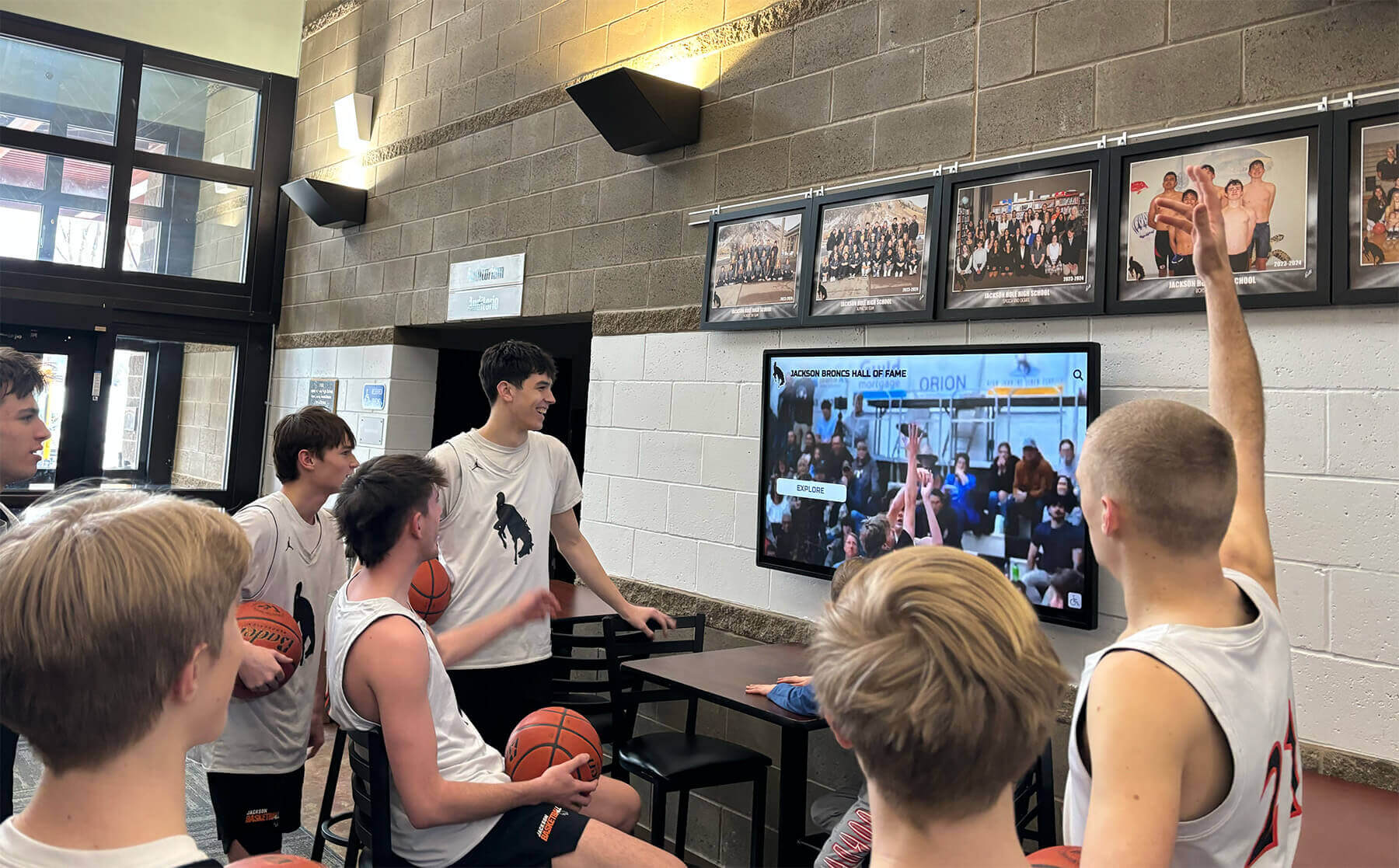
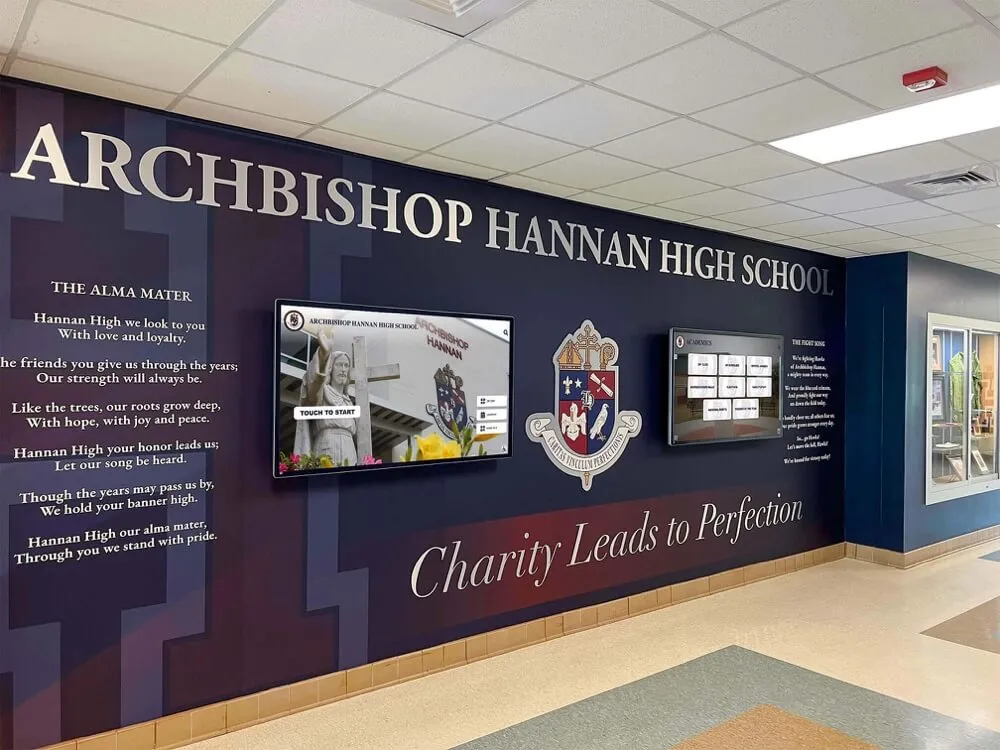
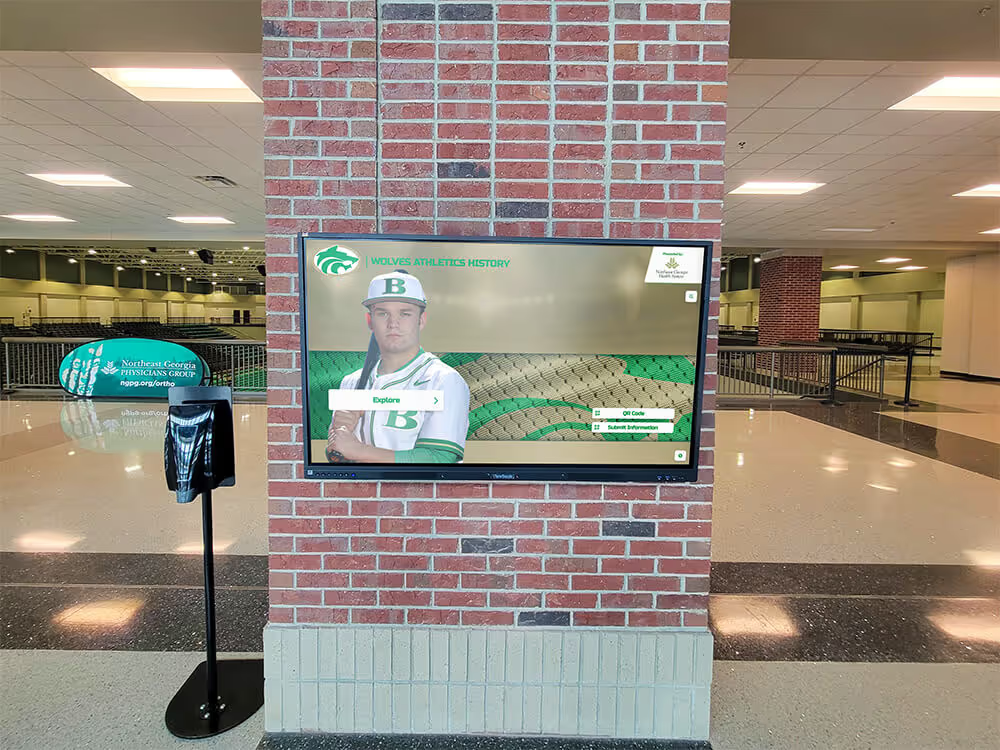
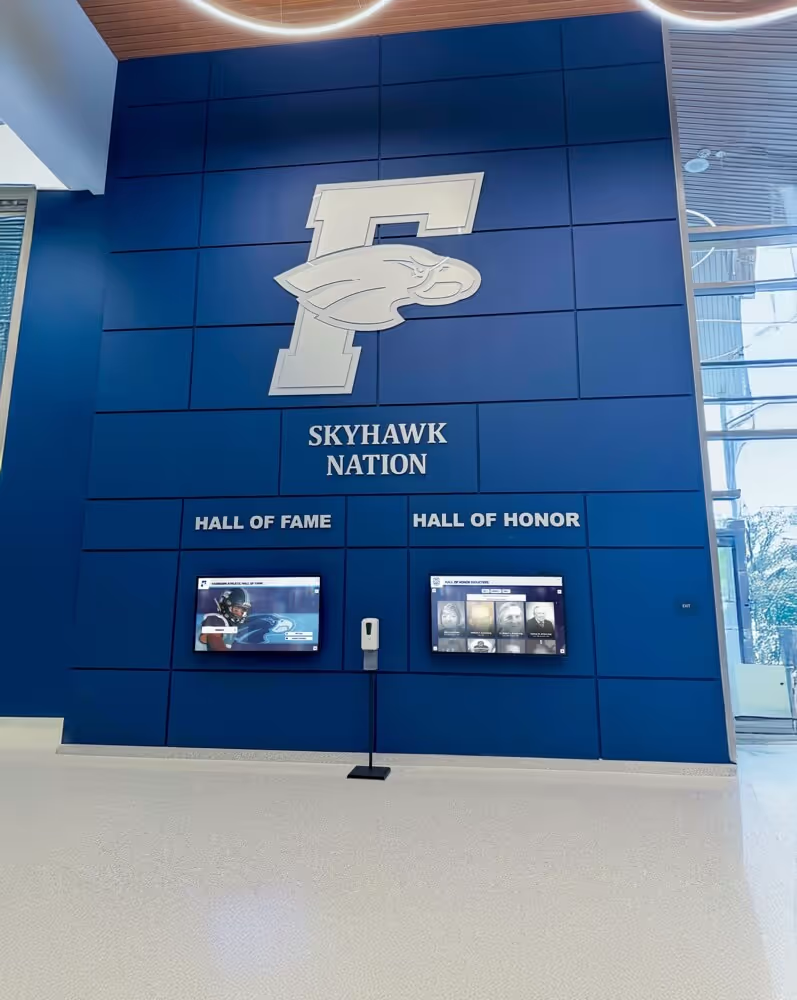
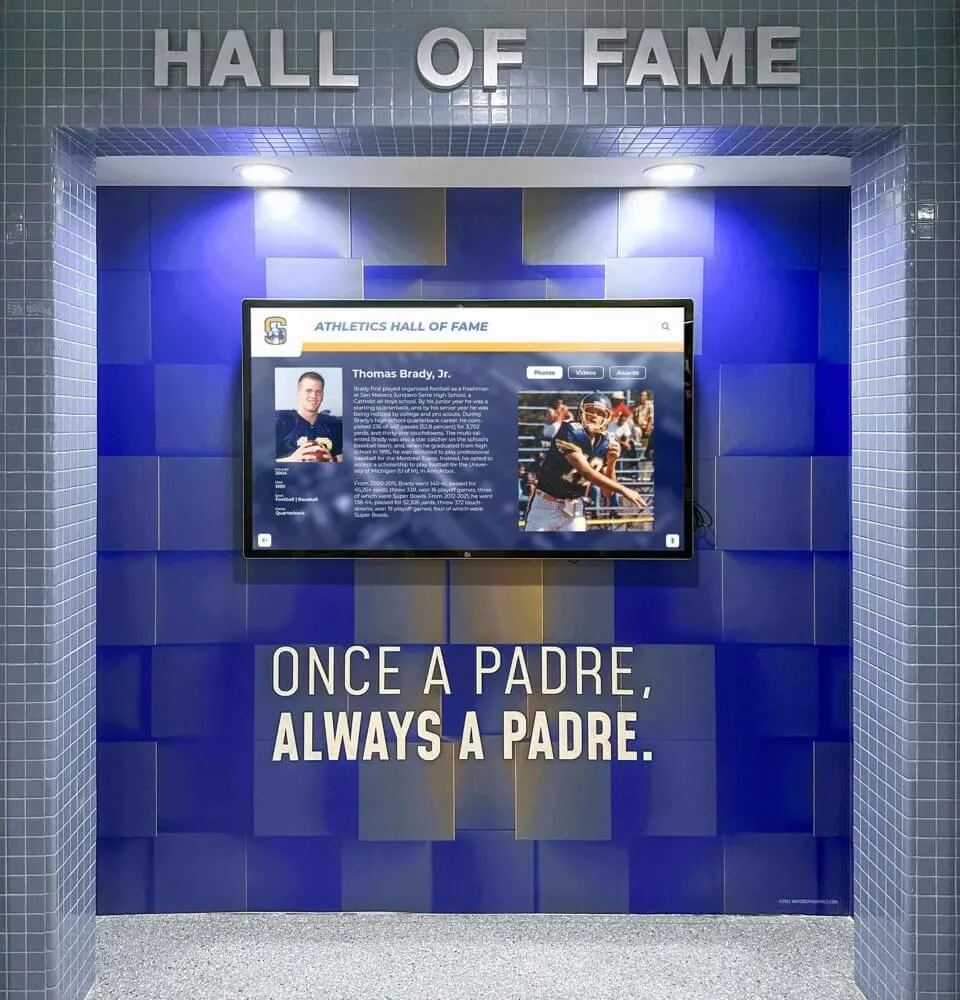
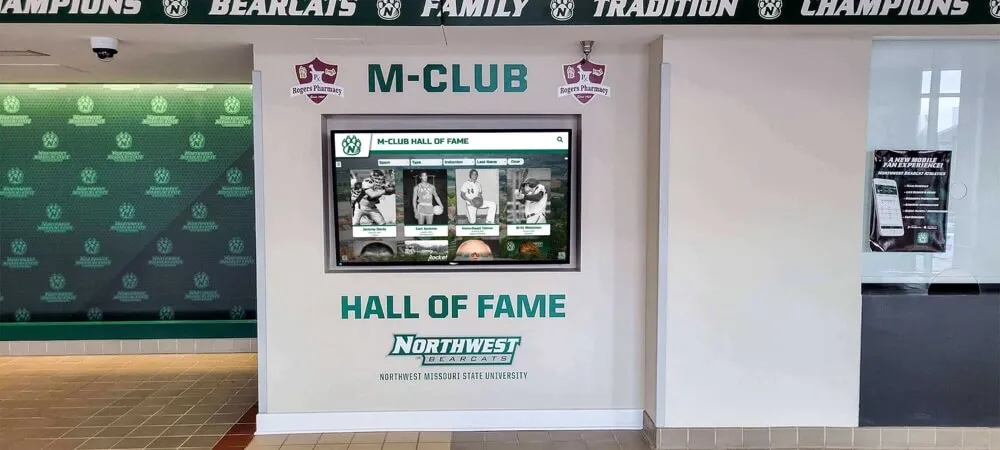
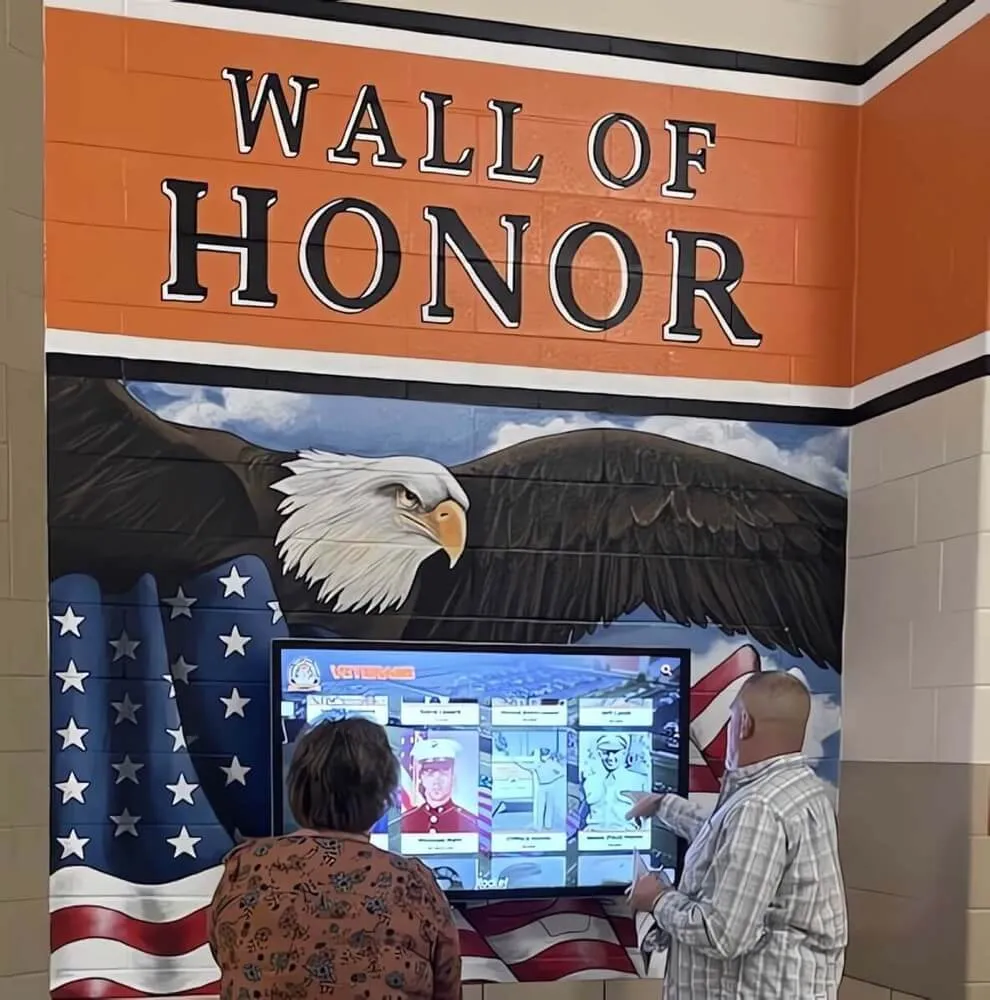
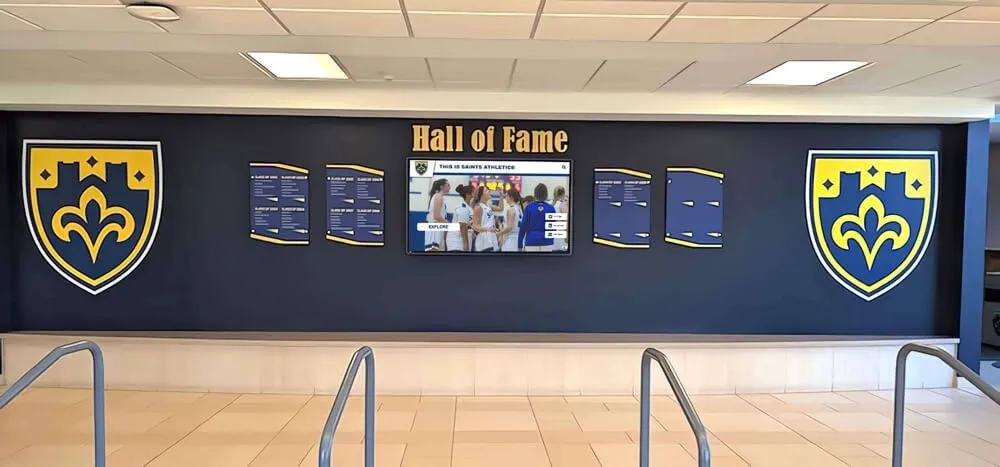
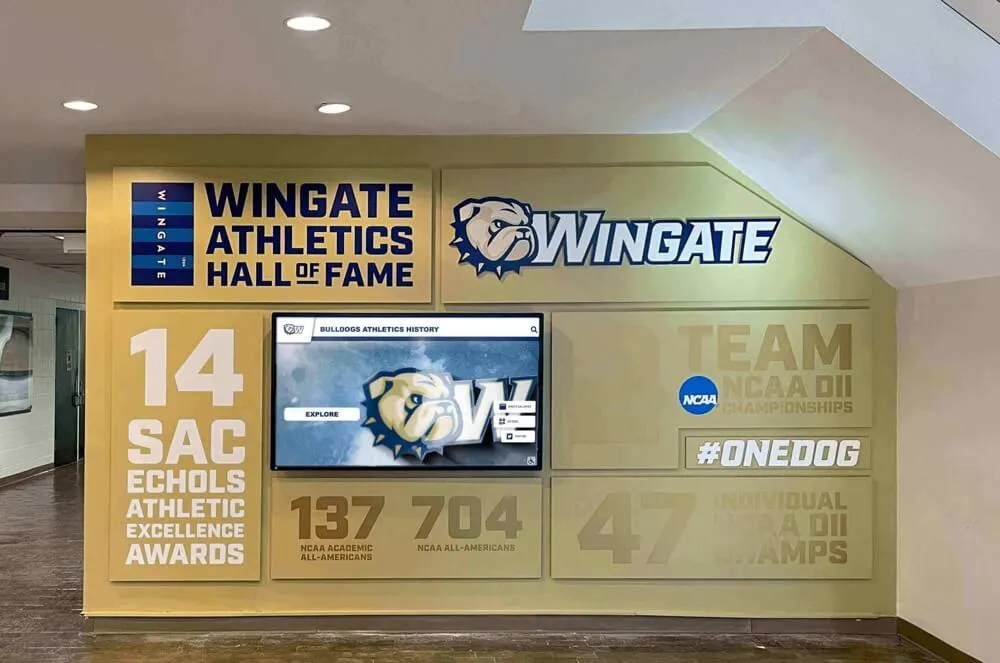
Interactive displays create opportunities for students to explore performing arts achievements and connect with program history
Modern Digital Solutions for Theater Recognition
Digital platforms transform school playbill displays by eliminating space constraints while adding capabilities that dramatically enhance recognition effectiveness and program impact.
Comprehensive Digital Playbill Archives
Purpose-built digital recognition systems enable schools to create searchable archives showcasing entire theatrical histories:
Unlimited Capacity for Complete Documentation
- Showcase every production across decades without space limitations forcing selective recognition
- Include multiple shows per season—fall plays, spring musicals, one-acts, showcases—giving all productions equal visibility
- Document historical productions retroactively, preserving institutional heritage systematically
- Accommodate growing programs without requiring physical expansion or display replacement
- Eliminate difficult prioritization decisions about which shows deserve recognition
Rich Multimedia Production Profiles Digital platforms support comprehensive production documentation impossible with traditional displays:
Production-level content includes:
- High-resolution production photography capturing key scenes and memorable moments
- Video highlights preserving actual performances for historical record and family sharing
- Complete cast lists with character assignments and understudy documentation
- Full crew recognition acknowledging technical theater, stage management, costume, lighting, and sound teams
- Director statements and program notes providing artistic context
- Set design renderings and technical documentation preserving creative processes
- Costume designs and construction details celebrating artistic achievement
- Review excerpts and audience testimonials capturing reception and impact
Individual performer profiles can showcase:
- Complete theatrical participation history across multiple years and productions
- Character portfolios documenting role progression and artistic development
- Performance photography highlighting individual contributions
- Academic recognition integration connecting theater achievement with broader educational excellence
- College and career trajectories demonstrating long-term impact of theater education
- Alumni updates maintaining connections between former participants and current programs
Solutions like Rocket Alumni Solutions provide platforms specifically designed for comprehensive performing arts recognition, combining intuitive content management with engaging interactive displays that make theatrical heritage accessible and compelling for all audiences.
Interactive Exploration Features
Modern touchscreen displays create engaging experiences that static playbills and display cases cannot match:
Search and Discovery Capabilities
- Name search enabling students, alumni, and families to find individual participation instantly
- Production search by show title, season, or year
- Filter by role type (performer, crew, director, musician)
- Keyword search across program notes and production descriptions
- Browse chronologically through complete program history
Social and Sharing Features
- Digital sharing enabling performers to showcase achievements via social media
- Direct links to specific productions or individual profiles
- Email and text message distribution expanding reach beyond campus
- Mobile-responsive web access ensuring smartphone and tablet compatibility
- Alumni engagement tools helping former participants reconnect with program history
Analytics and Insights Digital platforms provide valuable data about community engagement:
- Track which productions generate most interest and exploration
- Identify peak usage times informing promotional strategies
- Understand geographic distribution of web visitors revealing alumni locations
- Monitor search terms showing what content audiences seek most
- Measure social sharing indicating most compelling recognition elements
These engagement features transform passive acknowledgment into active exploration that deepens connections between community members and performing arts programs.
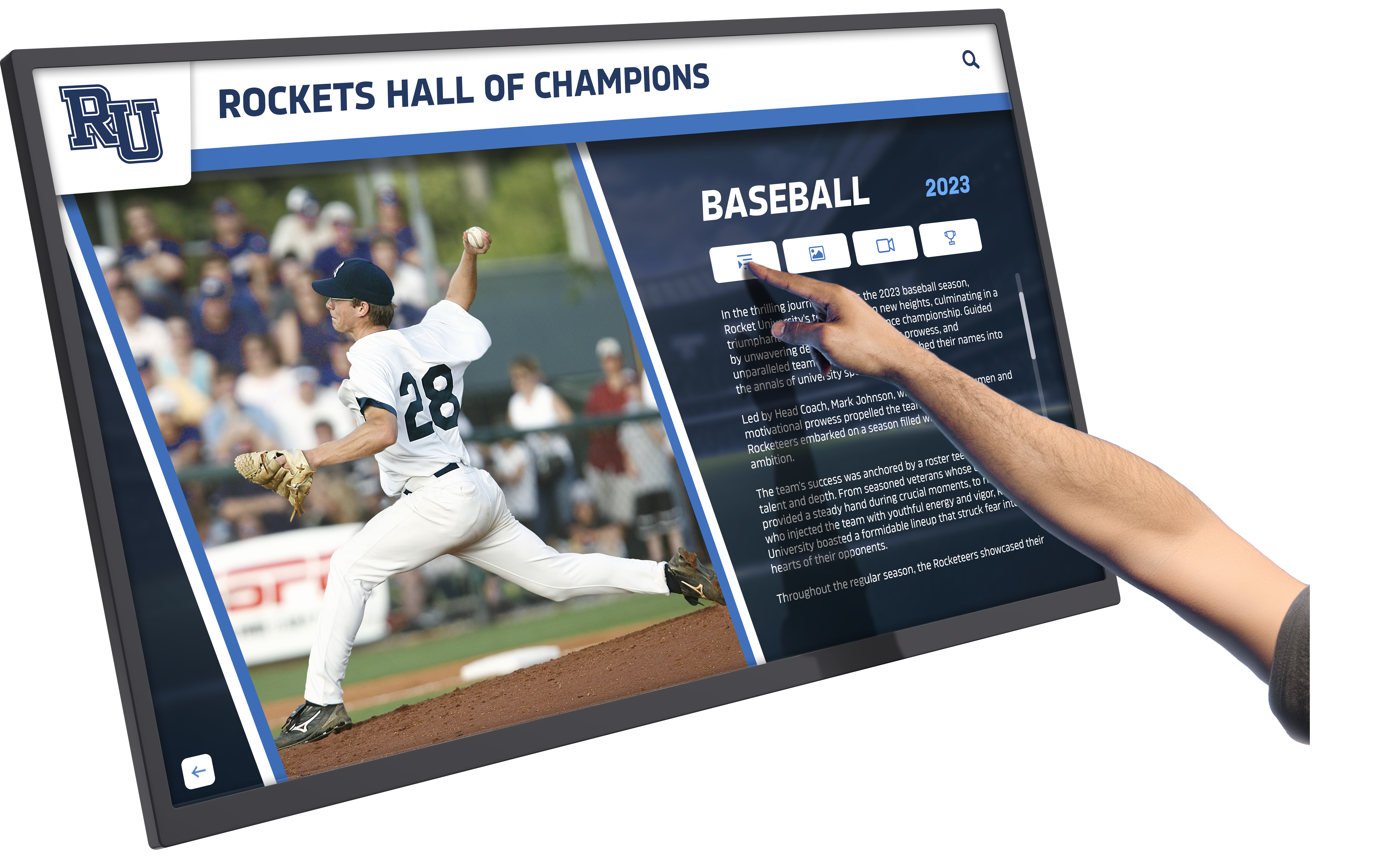
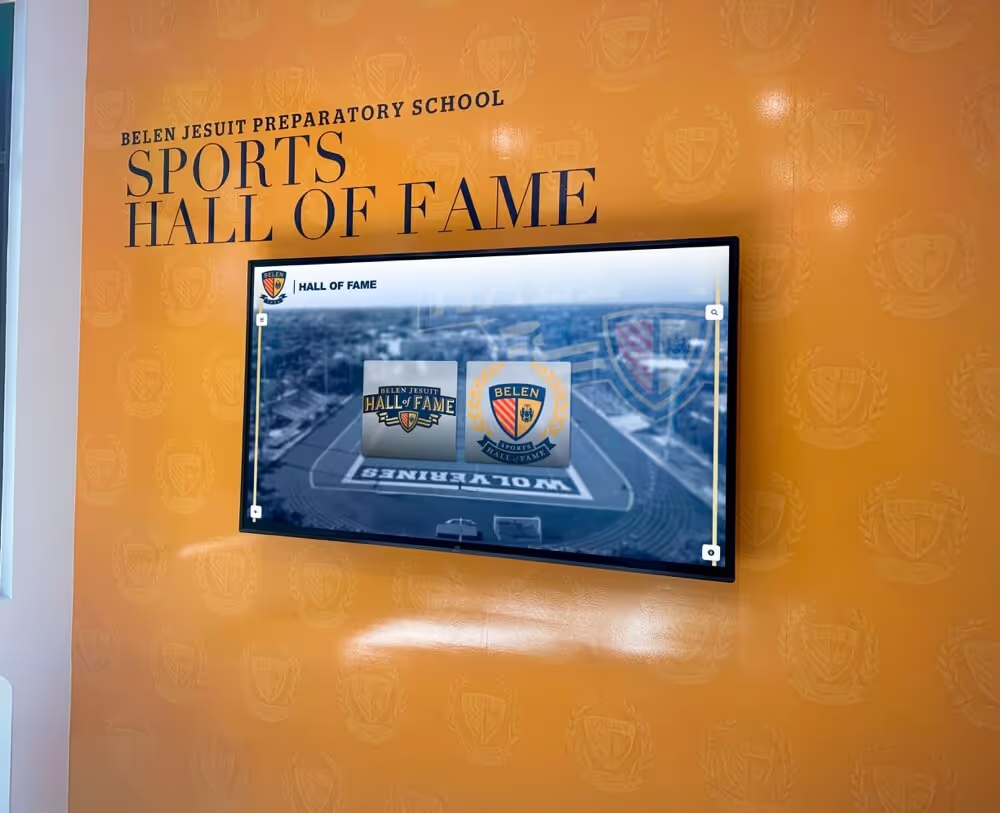
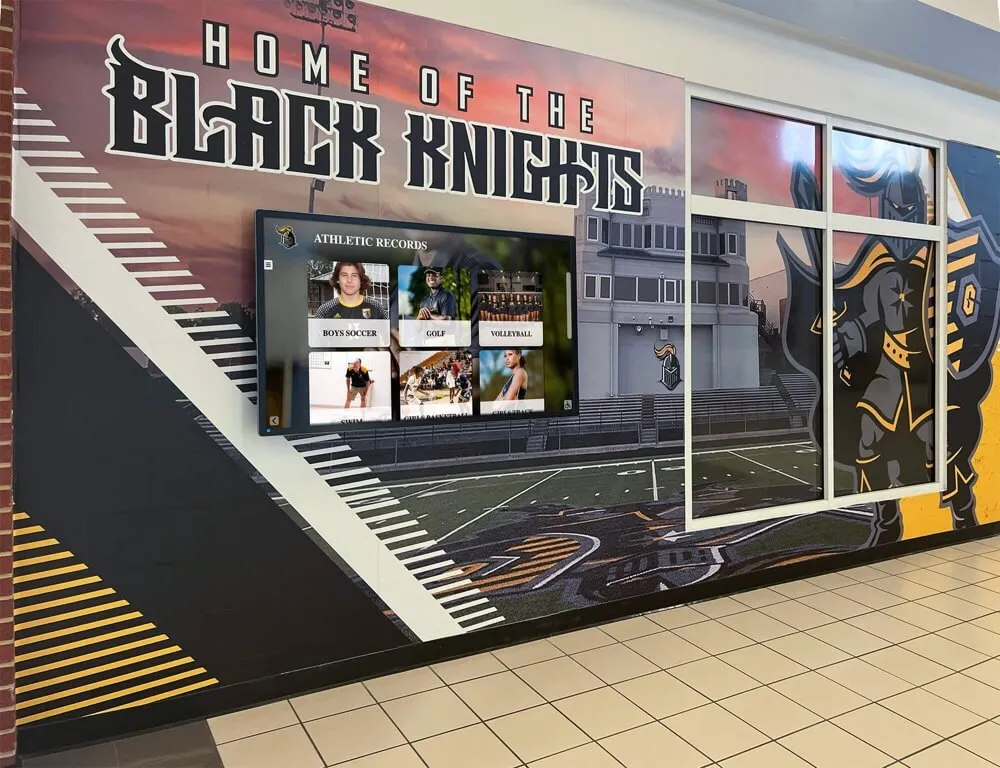
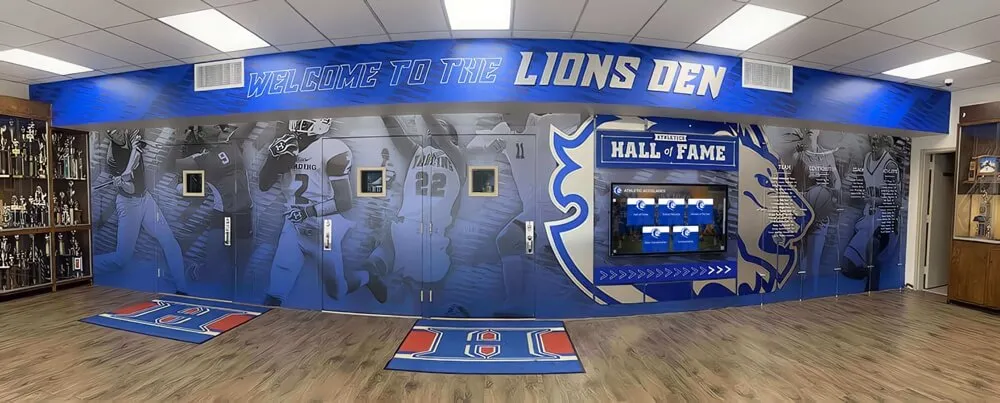
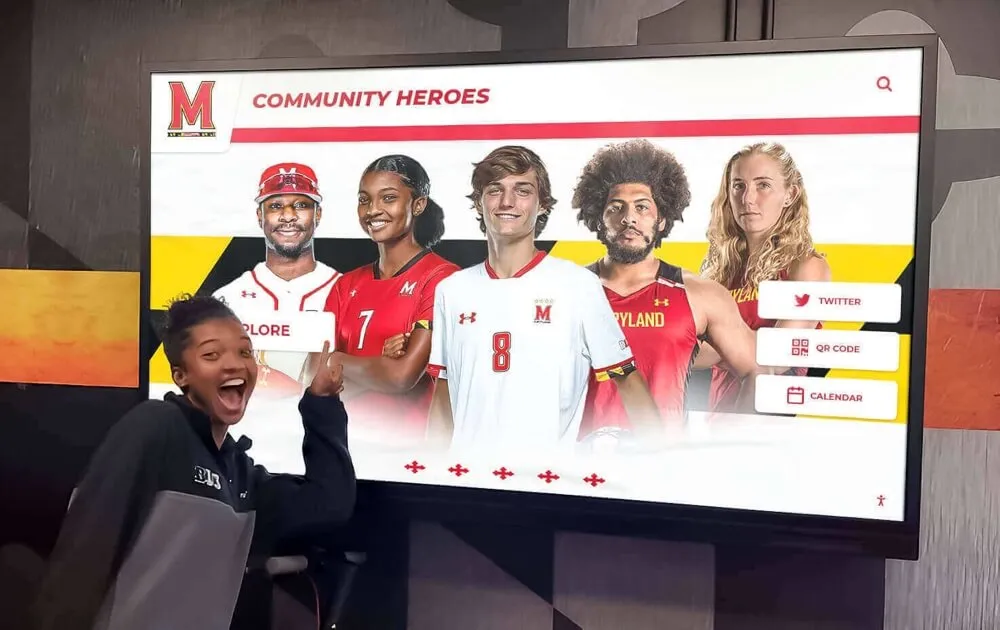
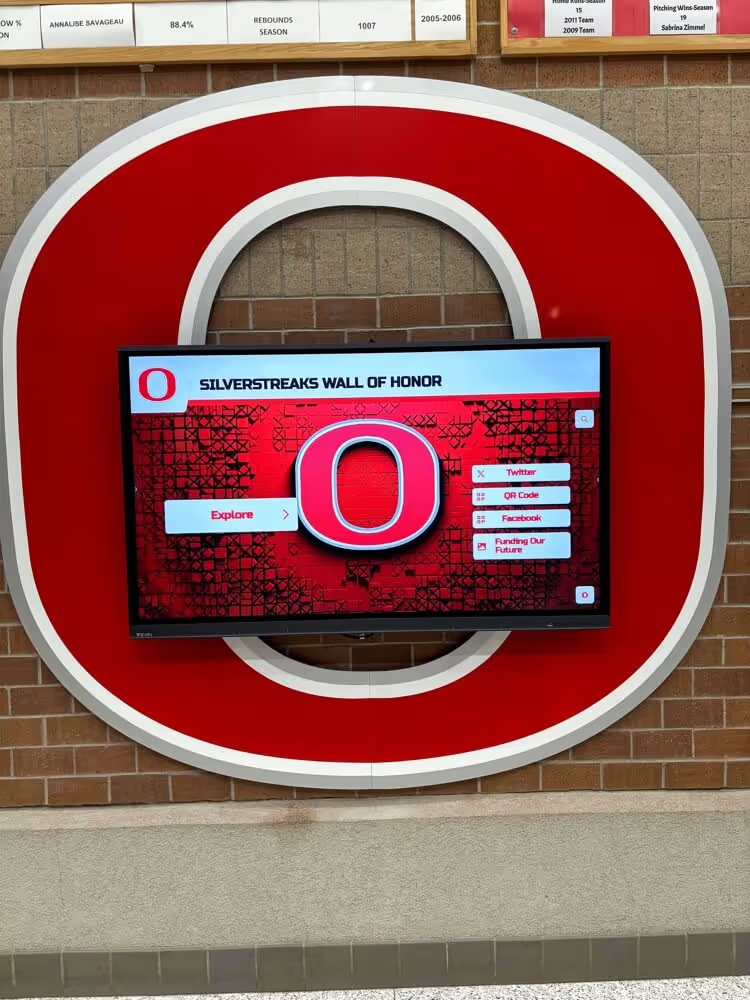
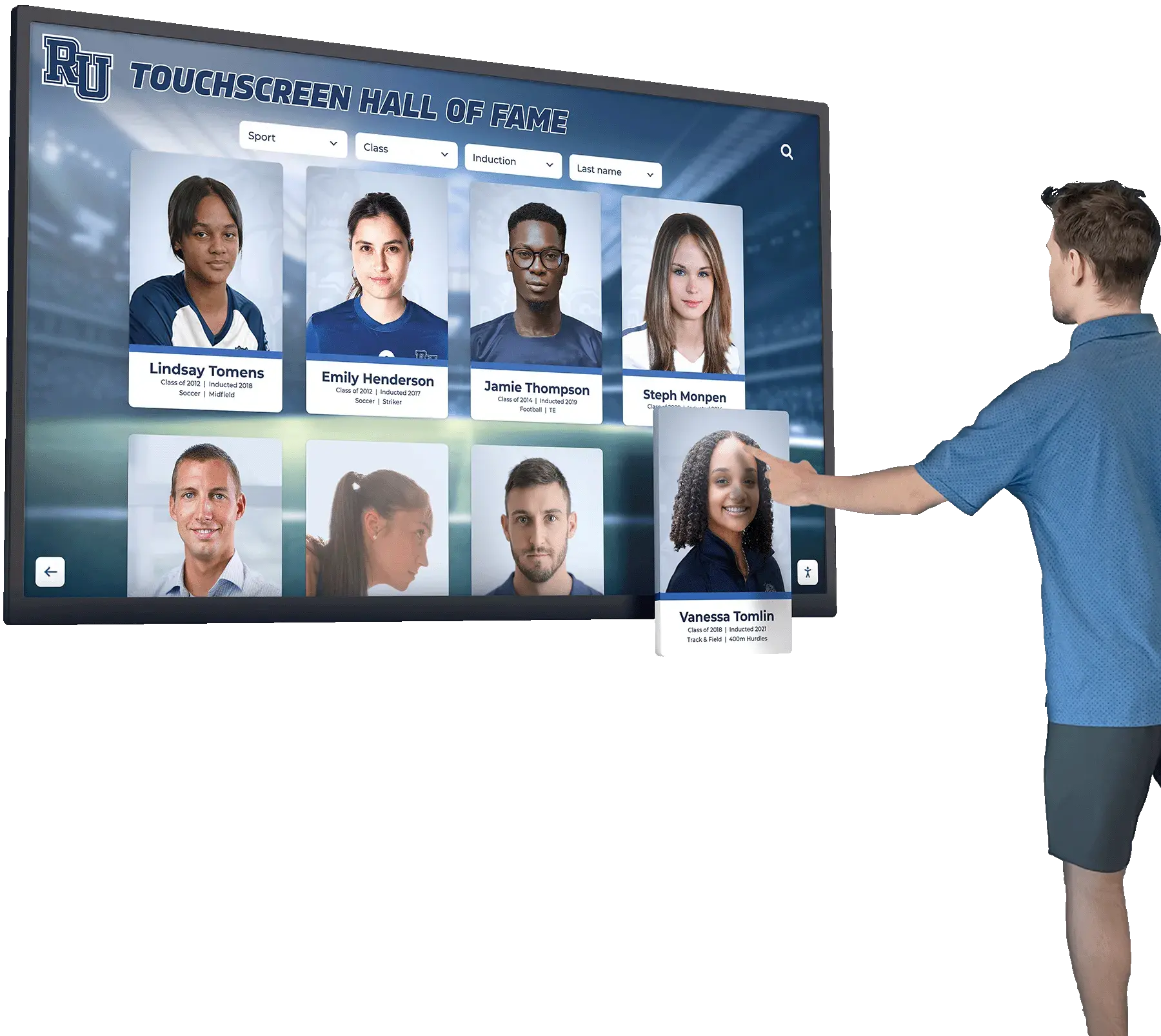
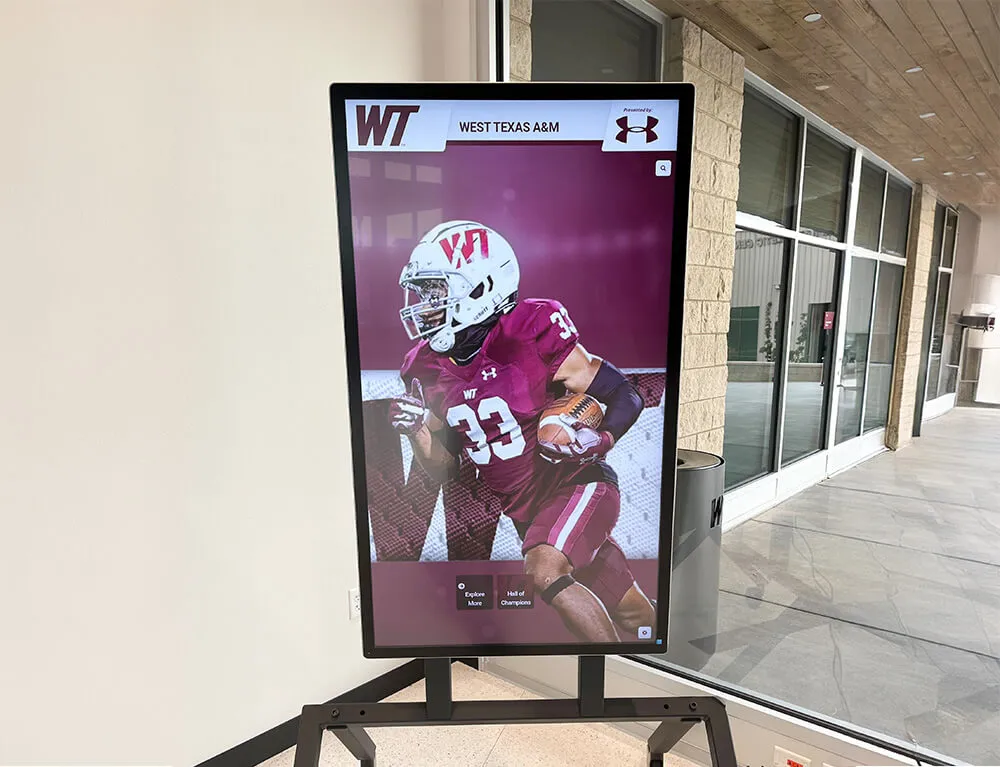
Touchscreen interfaces enable intuitive exploration of complete theatrical histories through natural interaction
Web-Based Access Extending Recognition Reach
Comprehensive theater recognition extends beyond physical campus through web-accessible platforms:
Universal Accessibility Benefits
- Alumni worldwide can explore their theatrical experiences regardless of geographic location
- Family members unable to attend performances can view production documentation
- College admissions offices and scholarship committees can verify student achievements
- Community members can learn about program excellence without campus visits
- Prospective students and families can evaluate program quality during school selection
Program Promotion and Recruitment Web-accessible recognition serves as powerful recruitment tool:
- Demonstrates program depth and quality through extensive production history
- Showcases professional-quality documentation indicating well-supported program
- Provides evidence of diverse production selection appealing to various interests
- Illustrates comprehensive recognition philosophy valuing all contributions
- Creates shareable content that students can use when promoting productions or recruiting peers
Development and Fundraising Support Digital platforms strengthen fundraising efforts:
- Provides recognition opportunities for sponsors and donors supporting productions
- Demonstrates stewardship by documenting how financial support enables excellence
- Creates content for grant applications proving program quality and community impact
- Enables crowdfunding campaigns by showcasing what contributions accomplish
- Offers advertising opportunities generating revenue similar to printed playbills
Learn more about student recognition programs that increase program participation and community support.
Essential Content for Comprehensive Playbill Displays
Thoughtful content planning ensures displays tell complete stories that honor all contributors while preserving institutional heritage.
Production-Level Documentation
Every show deserves comprehensive documentation capturing its unique character and achievements:
Core Production Information
- Show title and playwright/composer identification
- Performance dates and venue information
- Director and production staff recognition
- Musical director and choreographer credits
- Design team acknowledgment (set, lighting, sound, costumes, makeup)
- Stage management and technical crew documentation
- Production sponsor and donor recognition
- Ticket sales data and attendance statistics
Artistic Context and Interpretation
- Director’s notes explaining artistic vision and production approach
- Dramaturgical context providing historical or cultural background
- Set and costume design concepts with sketches or renderings
- Technical challenge descriptions highlighting problem-solving and innovation
- Music selection rationale for musicals or productions incorporating original composition
- Connections to curriculum or educational objectives
Performance Documentation
- Professional production photography from dress rehearsals and performances
- Video highlights capturing key scenes and memorable moments
- Audio recordings preserving musical performances
- Curtain call photos documenting full casts and crew
- Backstage photography showing technical theater and preparation processes
- Opening night and closing night documentation
Cast and Performer Recognition
Individual recognition creates personal connections while documenting student achievement:
For Each Performer
- Full name with preferred name formatting
- Character(s) portrayed including understudies
- Graduation year and grade level during production
- Previous productions and role history
- Post-graduation updates for alumni
- Performance-specific achievements or recognition
- Personal reflections about experiences
- College/career information showing theater impact
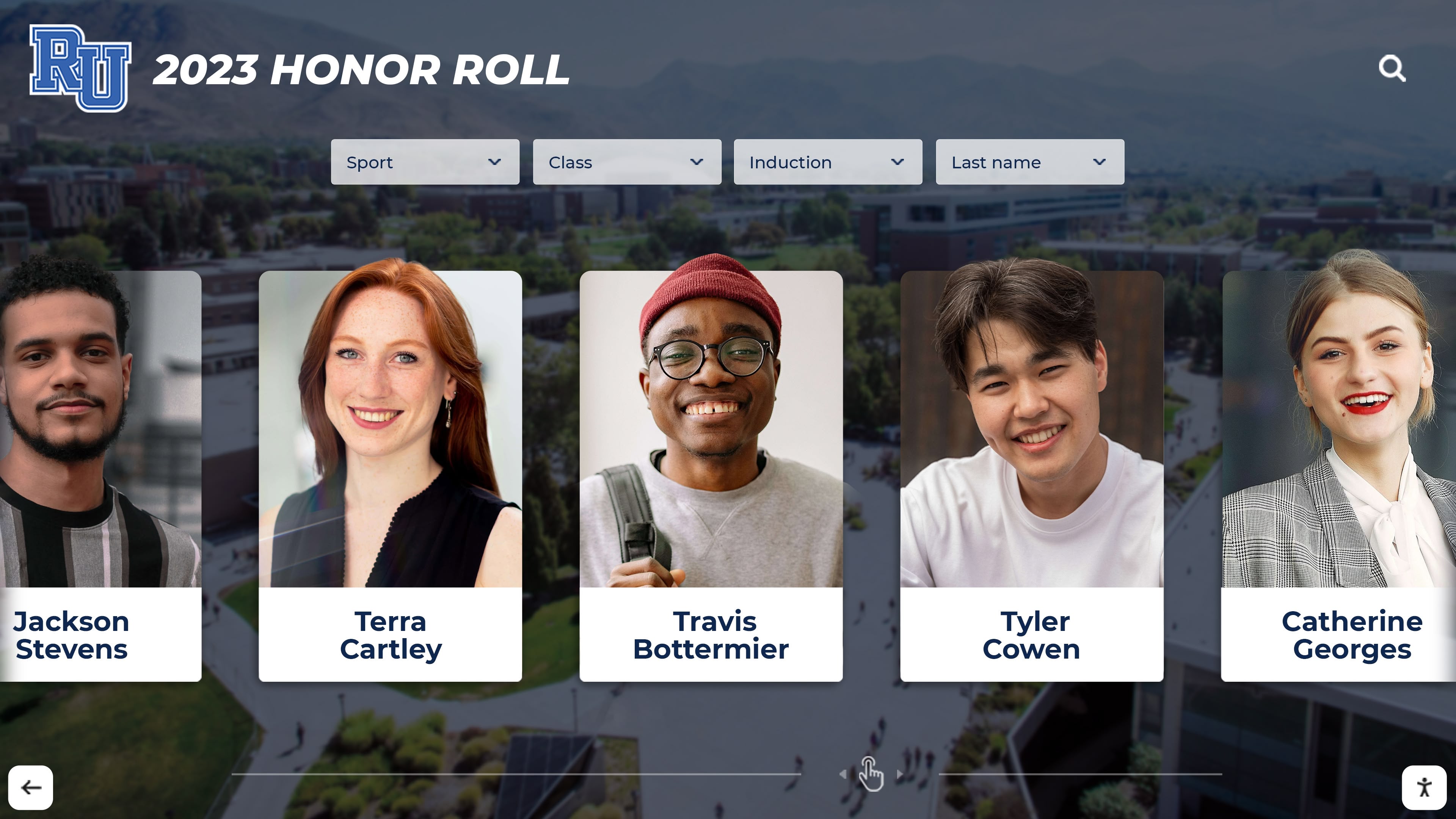
Individual performer profiles celebrate specific contributions while building comprehensive participation records
Ensemble Recognition Many productions feature ensemble roles deserving specific acknowledgment:
- Chorus members in musical productions
- Dance ensemble participants
- Non-speaking roles contributing to production atmosphere
- Swing performers covering multiple ensemble tracks
- Featured ensemble members with specialized moments
- Children’s ensemble recognition when productions include young performers
Technical Theater and Crew Acknowledgment
Behind-the-scenes contributors enable theatrical excellence and deserve equal recognition:
Production Management Team
- Stage managers coordinating all production elements
- Assistant stage managers supporting operations
- Production managers overseeing technical execution
- House managers ensuring audience experience
- Student producers gaining leadership experience
Technical Crew Recognition
- Set construction crew building physical environments
- Lighting crew programming and operating lighting designs
- Sound crew managing audio systems and execution
- Costume crew constructing and maintaining wardrobe
- Props crew sourcing and managing production properties
- Makeup crew creating character transformations
- Fly crew operating rigging systems
- Run crew executing scene changes and backstage operations
Design Team Documentation
- Scenic designers creating visual environments
- Lighting designers crafting illumination and atmosphere
- Sound designers developing audio landscapes
- Costume designers establishing character appearance
- Makeup designers defining character physicality
- Properties designers selecting and creating objects
- Technical directors translating designs into reality
Recognition of technical theater builds program strength by validating contributions that prove just as essential as performance yet often receive less visibility. Comprehensive acknowledgment ensures all participants—regardless of stage visibility—feel valued and motivated to continue contributing expertise.
Explore effective approaches to recognizing all types of student achievement across programs and activities.
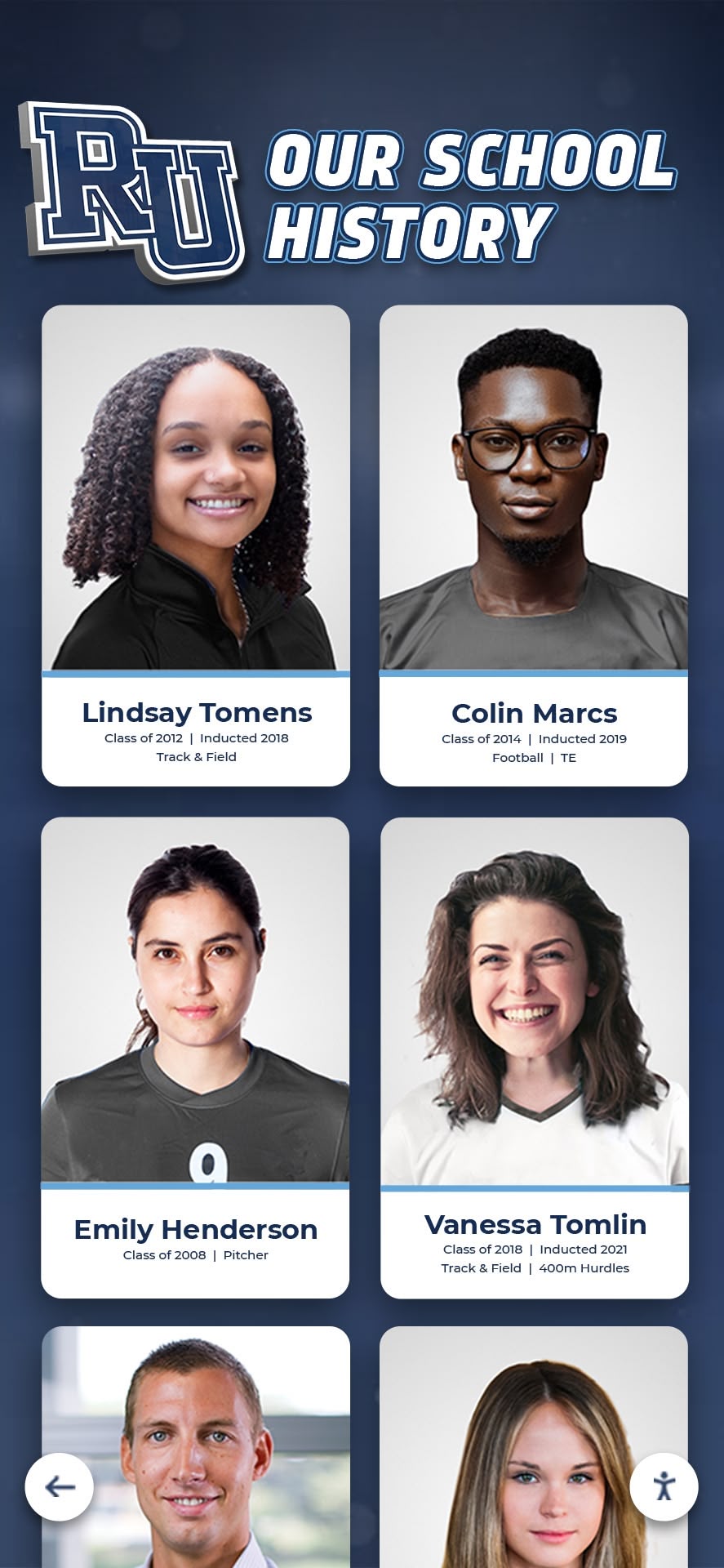
Complete documentation honors every contributor while building comprehensive program participation records
Program Leadership and Faculty Recognition
Directors, educators, and staff who lead theatrical programs deserve prominent acknowledgment:
Theater Faculty and Staff
- Theater teachers and directors guiding artistic vision
- Assistant directors supporting production leadership
- Technical theater instructors developing student expertise
- Music directors for musical productions
- Choreographers creating movement and dance
- Vocal coaches developing performer skills
- Design mentors teaching technical theater arts
Long-Term Leadership Documentation
- Career production histories showing sustained program leadership
- Milestone achievements and significant productions
- Student success stories demonstrating educational impact
- Program growth metrics reflecting effective leadership
- Awards and recognition received for theatrical excellence
- Alumni testimonials about transformational influence
- Retirement tributes honoring decades of service
Guest Artists and Community Partners
- Professional directors brought in for specific productions
- Choreographers and designers sharing expertise
- Technical consultants providing specialized knowledge
- Orchestra conductors for musical productions
- Community theater partnerships enabling resource sharing
- University faculty providing mentorship and education
- Industry professionals conducting workshops or masterclasses
National and Regional Theater Recognition Programs
Connecting local theater recognition with broader achievement designations enhances program prestige while celebrating individual excellence.
National High School Musical Theater Awards
The Jimmy Awards® represent the pinnacle of high school musical theater recognition, celebrating outstanding student achievement at the national level:
Program Structure The National High School Musical Theatre Awards annually showcase the nation’s best high school musical theater performers. According to the official Jimmy Awards program, nominees from approximately 50 regional programs across America compete for Best Performance by an Actress and Best Performance by an Actor awards, with winners receiving scholarships and professional recognition.
Regional nominating programs conduct local competitions throughout the school year, selecting two nominees (one actress, one actor) to represent their regions at the national event in New York City. Participants receive intensive coaching from Broadway professionals, perform before industry judges, and experience professional theater culture firsthand.
School Recognition Strategies Programs should prominently celebrate:
- Students selected as regional nominees in local programs
- Participation in regional showcase events
- Achievement advancing to national competition
- Jimmy Award wins or honorable mentions
- Scholarship awards and recognition received
- Ongoing career trajectories showing lasting impact
Regional Programs to Highlight Notable regional programs feeding into the Jimmy Awards include:
- Blumey Awards (California)
- Jerry Herman Awards (Florida)
- CAPPIES (National, multiple chapters)
- Star Awards (North Carolina)
- Kevin Kline Awards (Missouri)
- Tommy Tune Awards (Texas)
Schools should research regional programs available in their areas and prominently celebrate student participation and achievements in these competitive showcases.
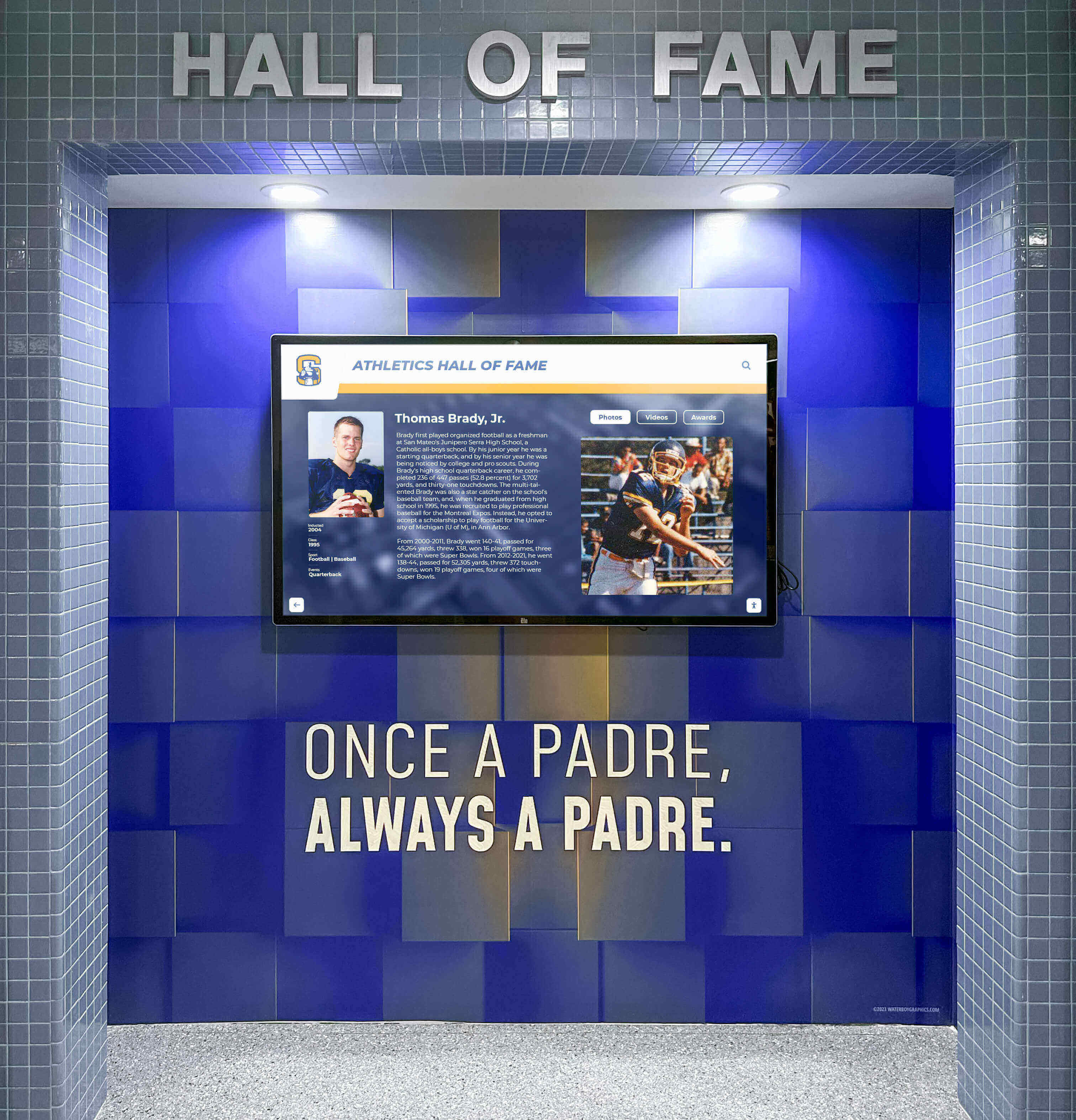
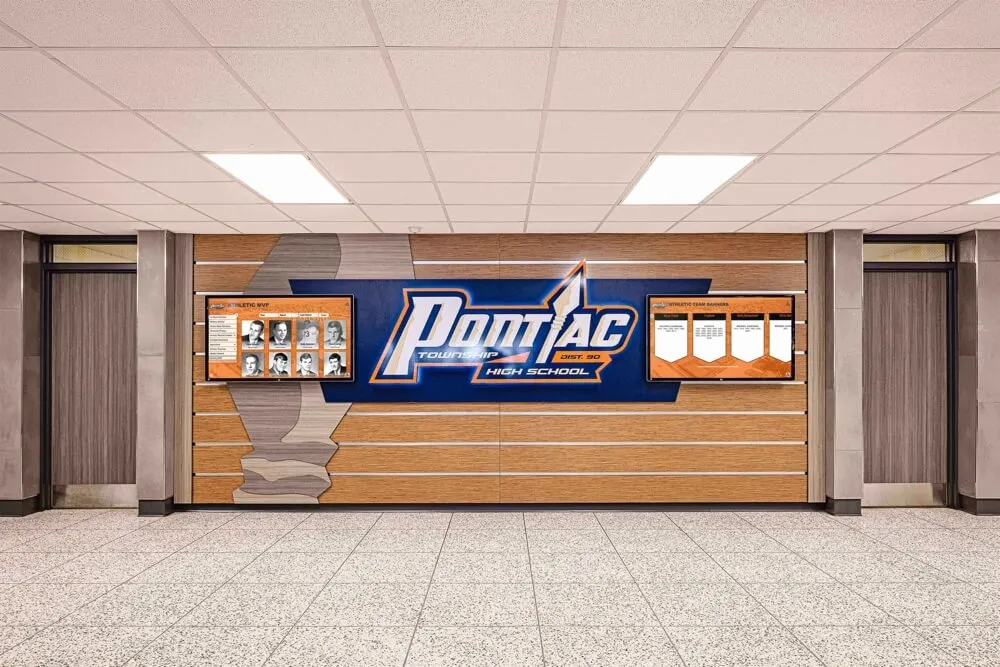
Professional-quality displays elevate program prestige while celebrating individual and collective achievements
State and Regional Recognition
Many states and regions conduct theater festivals, competitions, and showcase events worth celebrating:
State Thespian Festivals The Educational Theatre Association coordinates International Thespian Society chapters in schools nationwide. Annual state thespian festivals provide:
- Individual Events competition in categories including monologue, duet acting, musical theatre, technical theatre
- Superior and Excellent ratings from professional adjudicators
- Scholarships and recognition for outstanding participants
- Technical theater exhibition and competition
- All-State cast selections and performances
Schools should maintain comprehensive records of:
- Individual Events participation and ratings received
- Superior ratings achieved deserving special recognition
- Scholarship awards and amounts
- All-State cast selections
- Technical theater competition achievements
- Chapter officer leadership positions
- Induction milestones and honor thespian recognition
Regional Theater Competitions Many regions conduct showcase events modeled after the Tony Awards:
- Miami Valley High School Theatre Awards (Ohio)
- DPAC Rising Star Awards (North Carolina)
- Nebraska Theater Academy Showcase
- Fox Cities PAC Showcase (Wisconsin)
- Iowa High School Musical Theater Awards
Recognition should document:
- School productions selected for participation
- Individual award nominees and categories
- Winners in performance, technical, and design categories
- Outstanding production awards received
- Scholarship opportunities and awards
- Professional feedback and adjudication results
Learn about comprehensive student awards recognition approaches across performing arts disciplines.
Professional Theater Participation
Some students achieve recognition through participation with professional and community theater organizations:
Community Theater Involvement
- Roles in community theater productions
- Technical theater work with professional companies
- Internships with regional theaters
- Participation in professional development programs
- Youth ensemble memberships in equity theaters
National Youth Arts Programs
- National Student Drama Festival participation
- Broadway Junior licensing productions
- Music Theatre International recognition
- Theatrical Rights Worldwide showcase opportunities
- Disney Theatrical licensing productions
Documentation of these achievements demonstrates how school programs prepare students for engagement with broader theatrical communities while highlighting individual student accomplishments worthy of celebration.
Planning Your School Playbill Display System
Successful implementation requires systematic planning aligning technology with program needs, budget realities, and community expectations.
Defining Recognition Scope and Philosophy
Clear recognition criteria ensure programs maintain credibility while serving theatrical community comprehensively:
Production Coverage Decisions Determine which productions qualify for comprehensive documentation:
- Universal recognition: All productions regardless of scale receive full documentation creating complete historical record
- Selective focus: Major productions (fall play, spring musical) receive comprehensive recognition while smaller shows receive abbreviated documentation
- Retrospective scope: Decide how far back to document—current year only, past decade, complete program history
- Student-directed work: Establish whether student one-acts and directed pieces receive equal recognition
Participant Recognition Standards Define recognition levels for various roles:
- Lead performers: Comprehensive profiles with photos, videos, and extended biographical content
- Supporting performers: Standard profiles documenting participation and characters
- Ensemble members: Recognition within cast lists with optional individual profiles
- Technical crew: Full acknowledgment with option for individual profiles or collective recognition
- Production staff: Complete documentation of all leadership roles
Content Depth Guidelines Establish documentation standards balancing comprehensiveness with practical content development capacity:
- Minimum content for all productions (cast list, basic information, photos)
- Enhanced content for major productions (videos, extended notes, comprehensive media)
- Individual profile requirements varying by participation level
- Alumni update policies maintaining long-term connections
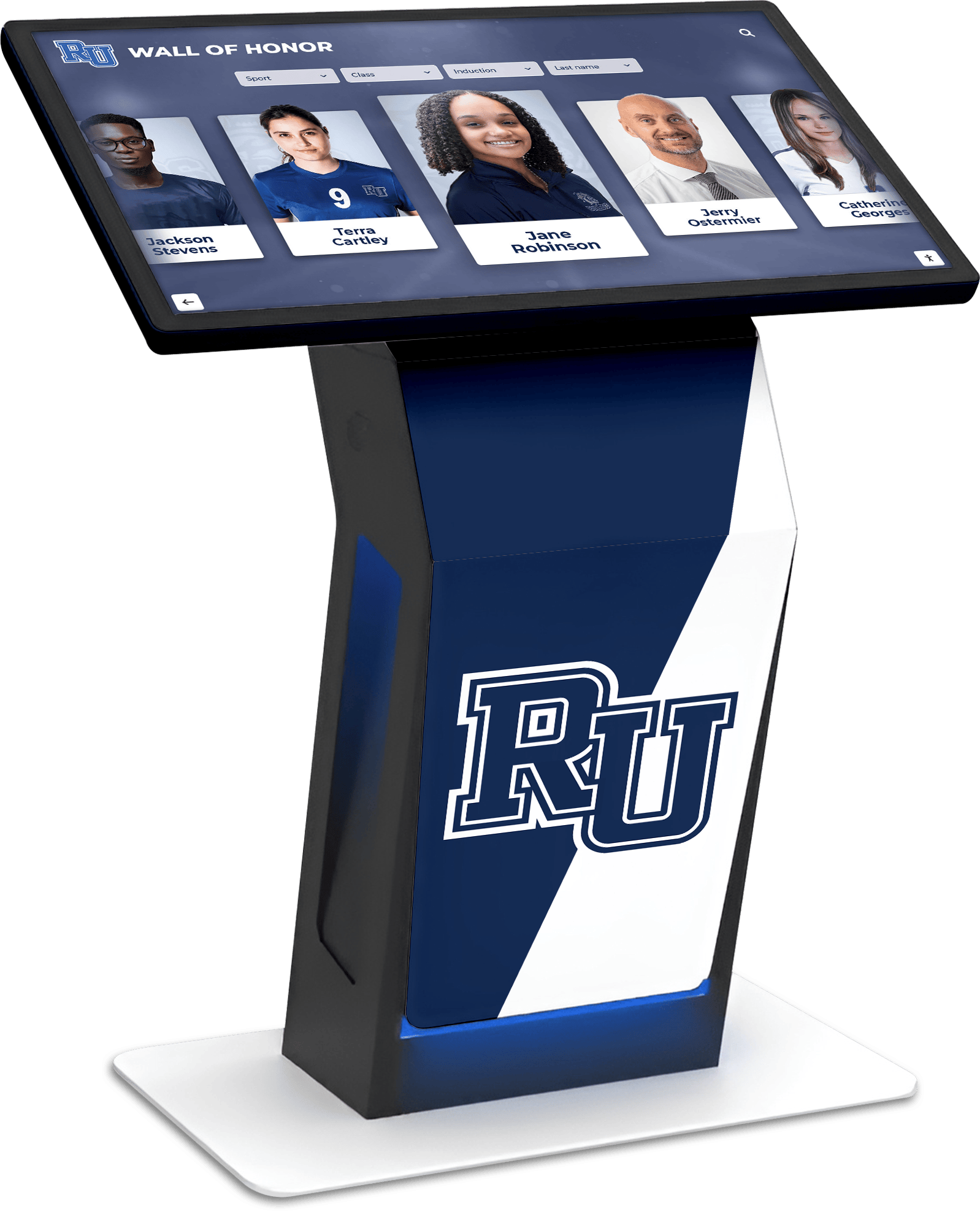
Professional recognition systems create engaging experiences while providing comprehensive content management capabilities
Budget Planning and Resource Allocation
Comprehensive budgeting ensures recognition programs remain financially sustainable while generating value justifying investment:
Initial Implementation Costs Digital playbill display systems typically require these initial investments:
- Hardware (touchscreen displays): $8,000-$25,000 for commercial-grade equipment rated for continuous operation in public spaces
- Software platform and implementation: $12,000-$25,000 for purpose-built recognition systems with cloud management
- Content development: $5,000-$15,000 for initial production documentation, photography, and historical archive creation depending on scope
- Installation and infrastructure: $3,000-$8,000 for professional mounting, electrical work, and network connectivity
- Training and launch support: $2,000-$5,000 for staff training and implementation assistance
Total initial investment: $30,000-$78,000 depending on display size, content complexity, historical archive depth, and customization requirements.
Annual Operating Expenses
- Platform subscriptions: $4,000-$10,000 annually for software licensing, cloud hosting, technical support, and updates
- Content maintenance: Regular production documentation requiring 4-8 hours per production for photo selection, caption writing, and information compilation
- Hardware maintenance: $800-$2,000 annually for cleaning, calibration, and preventive maintenance
- Content refresh: Ongoing production photography and documentation
Offsetting Costs Through Revenue Digital platforms can generate revenue offsetting operational costs:
- Advertising opportunities similar to printed playbills
- Sponsor recognition creating fundraising opportunities
- Patron acknowledgment encouraging booster donations
- Business partnership recognition generating annual support
- Program advertising generating $3,000-$8,000 annually depending on community engagement
Alternative Funding Sources
- Theater booster organizations fundraising campaigns
- School foundation grants for technology or arts programs
- Community foundation grants supporting arts education
- Corporate sponsorships from businesses supporting education
- Parent association funding for student recognition programs
Location Selection and Installation Planning
Strategic placement maximizes recognition visibility and engagement:
Optimal Location Criteria Theater recognition displays achieve maximum impact when located in:
- Theater lobbies where audiences, families, and performers naturally congregate
- Performing arts center entrances creating focal points celebrating program excellence
- Main school lobbies ensuring visibility extends beyond theater participants to entire community
- Fine arts hallways clustering performing arts recognition with visual arts and music
- Library or media centers integrating theater history with broader institutional heritage
- Cafeteria or commons areas reaching students who may not regularly visit theater spaces
Multiple Display Strategies Larger programs or schools with significant budgets may implement multiple coordinated displays:
- Primary comprehensive display in theater lobby with complete historical archive
- Secondary display in main school entrance highlighting current season
- Web-based platform extending access beyond physical displays
- Mobile kiosks brought to performances, orientations, or recruitment events
Accessibility and Universal Design Ensure installations serve all community members:
- ADA-compliant mounting heights enabling comfortable wheelchair-user interaction
- Adequate lighting without screen glare ensuring readability
- Sufficient clearance allowing multiple simultaneous users
- Clear sight lines from primary pathways making displays discoverable
- Comfortable seating nearby enabling extended engagement
- Hearing loop integration for accessibility (when including audio)
Learn about technical considerations for digital recognition ensuring successful implementation.
Creating Compelling Theater Recognition Content
Engaging content transforms technology platforms into meaningful recognition experiences that honor theatrical achievement while strengthening programs.
Production Photography Best Practices
High-quality visual documentation preserves performances while creating compelling recognition content:
Essential Production Photography
- Dress rehearsal photography capturing scenes without audience distractions
- Performance photography documenting actual shows with audience energy
- Curtain call photos showing complete casts and celebrating ensemble
- Backstage photography revealing technical theater and preparation
- Cast party and closing night documentation preserving community
- Headshots of lead performers creating personal profile content
- Technical crew photos acknowledging behind-scenes contributors
Photography Guidelines for Quality
- Use appropriate theatrical lighting equipment accommodating low-light conditions
- Capture multiple moments from each scene providing selection variety
- Document both wide ensemble shots and intimate character moments
- Photograph technical theater work validating crew contributions
- Obtain photo releases from all students ensuring proper usage rights
- Organize photos systematically by production, date, and scene for efficient management
- Edit for quality selecting best images rather than including everything
Video Documentation Strategies
- Record complete performances preserving full productions for historical archives
- Create highlight videos of 3-5 minutes capturing key scenes and memorable moments
- Film interviews with directors, leads, and crew providing context and reflection
- Document technical theater processes showing set construction, lighting programming, costume creation
- Capture curtain speeches and awards presentations preserving special moments
- Record opening night announcements and program notes
- Film bows and curtain calls celebrating full casts
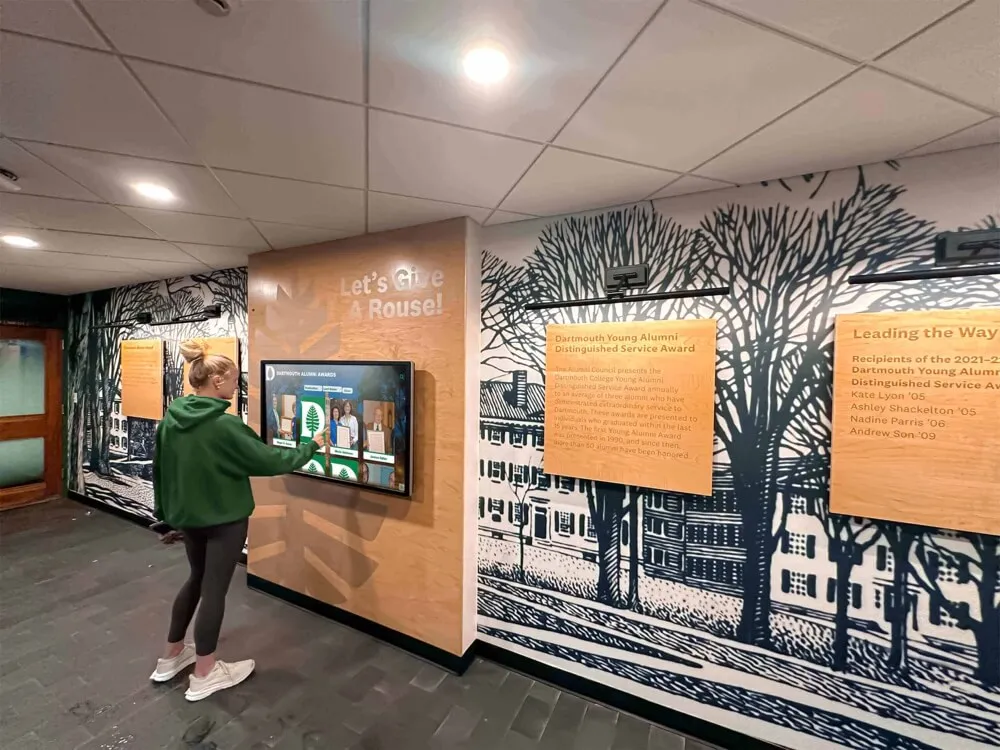
Strategic placement of recognition displays in high-traffic areas maximizes visibility and community engagement
Writing Compelling Production Descriptions
Narrative content provides context that photographs alone cannot convey:
Production Overview Content Well-crafted descriptions should include:
- Show synopsis providing context for those unfamiliar with productions
- Director’s artistic vision explaining interpretive choices
- Production challenges and solutions highlighting problem-solving
- Historical context for period pieces or culturally significant works
- Educational objectives when productions connect to curriculum
- Community impact describing audience reception and significance
- Unique elements distinguishing this production from typical interpretations
Individual Reflections and Testimonials First-person content adds authentic voices:
- Director reflections about production processes and artistic outcomes
- Lead performer testimonials describing character development and experiences
- Technical director descriptions of design challenges and solutions
- Student quotes capturing memorable moments and learning experiences
- Parent testimonials about student growth observed through participation
- Alumni reflections years later about lasting impact of theatrical experience
Contextual Documentation Additional content enriching understanding:
- Playbill scans preserving printed program documentation
- Script excerpts with annotation explaining cuts or adaptations
- Design renderings showing artistic vision development
- Rehearsal notes revealing creative process evolution
- Review excerpts from school newspapers or community publications
- Awards and recognition received from competitions or festivals
Organizing Content for Intuitive Navigation
Structure content enabling easy exploration across potentially decades of productions:
Primary Organization Approaches
- Chronological by season: Productions organized by school year (2024-2025, 2023-2024)
- Alphabetical by title: All productions searchable by show name
- Genre categories: Musicals, dramas, comedies, one-acts, showcases organized separately
- Director history: Productions organized by director enabling leadership legacy documentation
- Student participation: Individual profiles linking all productions in which students participated
Featured Content and Rotation
- Spotlight current season productions prominently on home screens
- Feature historical productions with significant anniversaries
- Highlight award-winning productions and recognized achievements
- Showcase alumni who pursued theater professionally or maintained involvement
- Rotate seasonal content connecting to school calendars (fall play season, spring musical season)
- Create thematic collections around genres, directors, or time periods
Explore best practices for digital recognition platforms ensuring effective content organization and presentation.
Technology Selection and Platform Evaluation
Choosing appropriate technology ensures recognition vision becomes reliable, sustainable reality serving programs for many years.
Hardware Requirements for Theater Recognition
Commercial Display Specifications Theater recognition demands commercial displays far exceeding consumer equipment:
- Operating hours rated 16-24 hours daily supporting continuous operation
- Durability features including hardened glass resisting scratches in public spaces
- Brightness levels 350-450 nits ensuring visibility in typical theater lobby lighting
- Resolution minimum 1080p, preferably 4K creating crisp text and detailed images
- Touch technology supporting multi-touch enabling intuitive interaction
- Warranty coverage minimum 3-year commercial protection with on-site service
Consumer displays designed for residential use typically fail within 18-24 months under institutional usage patterns—making higher initial cost of commercial displays significantly better long-term investments.
Form Factor Considerations
- Wall-mounted displays: Clean appearance suitable for lobbies with limited floor space
- Freestanding kiosks: Flexible placement enabling repositioning and prominent visibility
- Tablet-style displays: Angled presentation comfortable for extended browsing
- Video wall configurations: Multiple coordinated displays creating dramatic visual impact
- Mobile carts: Portable solutions enabling movement to performances or events
Computing Requirements
- Processor: Intel i5 or AMD Ryzen 5 equivalent minimum for smooth performance
- Memory: 8GB RAM minimum, 16GB preferred for video playback
- Storage: 256GB+ SSD for fast content loading and local media caching
- Graphics: Dedicated GPU for smooth 4K display and multimedia rendering
- Connectivity: Gigabit ethernet preferred over WiFi for reliability
Software Platform Capabilities
Software fundamentally determines long-term value, usability, and program success:
Content Management Features Look for platforms offering:
- Intuitive interfaces requiring no technical expertise enabling theater staff to maintain recognition independently
- Drag-and-drop media upload simplifying addition of photos, videos, and documents
- Template-based production profiles ensuring consistency while allowing customization
- Bulk import capabilities handling historical archives efficiently
- Scheduled publishing automating content updates coordinating with performance calendars
- Multi-user access with role-based permissions enabling collaborative management among directors, tech staff, and administrators
- Cloud-based operation enabling remote management from any internet-connected device
Theater-Specific Features Purpose-built platforms should provide:
- Cast and crew role management organizing participants by production
- Character assignment tracking linking performers to roles across multiple shows
- Production history tracking documenting individual participation across years
- Award and recognition documentation integrating competition results
- Sponsor and advertiser management similar to printed playbill functionality
- Alumni tracking maintaining long-term connections with program graduates
Interactive Experience Features
- Responsive touchscreen interface design creating engaging user experiences
- Comprehensive search and filtering enabling visitors to find specific productions or performers
- Multimedia support incorporating photos, videos, audio, and documents seamlessly
- Analytics and reporting dashboards tracking engagement and informing optimization
- Web and mobile extensions enabling access beyond physical displays
- Social sharing tools amplifying recognition reach through performer networks
Solutions like Rocket Alumni Solutions provide platforms specifically designed for comprehensive performing arts recognition rather than generic digital signage systems adapted for the purpose. Purpose-built solutions deliver superior functionality addressing unique needs of theater recognition that generic platforms lack.
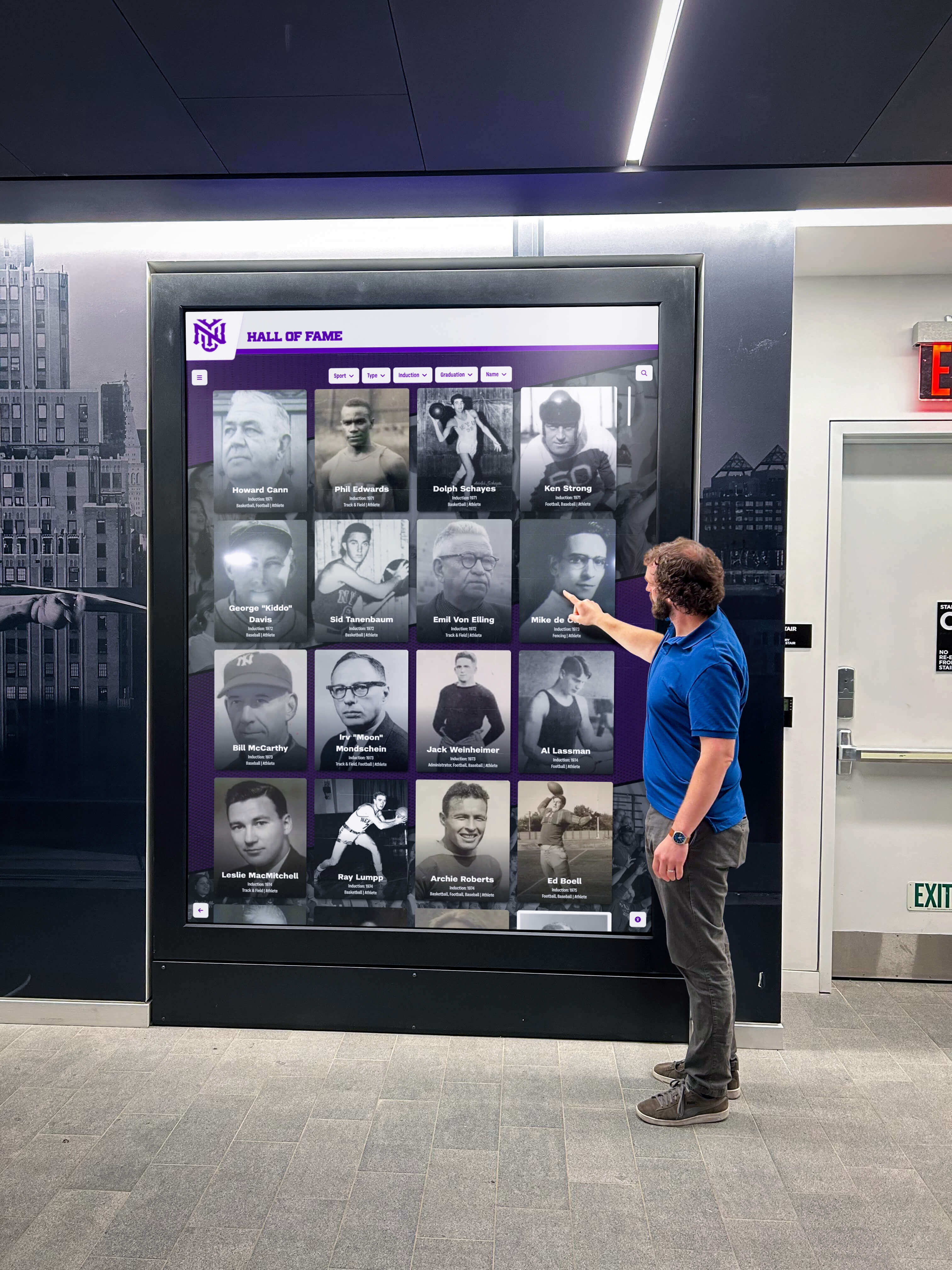
Interactive displays create engaging experiences enabling visitors to explore complete theatrical histories through intuitive navigation
Integration with Existing Systems
Consider platforms offering:
- Student information system connectivity reducing duplicate data entry
- Website embedding options extending recognition beyond physical displays
- Social media integration enabling automated sharing
- Ticketing system connections linking recognition to attendance
- Learning management system integration connecting to curriculum
- Yearbook coordination preventing duplicate documentation efforts
Implementation Best Practices for Theater Programs
Organizations achieving exceptional results follow proven practices maximizing program benefit and community engagement.
Systematic Historical Archive Development
Building comprehensive archives requires organized approaches:
Prioritized Digitization Strategies
- Start with most recent productions where materials are readily available
- Work backward chronologically through recent history (past 5-10 years)
- Identify significant historical productions deserving priority (award winners, milestones, notable alumni)
- Engage alumni in historical research providing photos, playbills, and memories
- Coordinate with yearbook archives mining existing documentation
- Create standardized intake forms for collecting historical information consistently
Student Involvement Approaches Theater students can contribute significantly to archive development:
- Assign archive research projects as class work teaching historical research skills
- Create student archivist positions responsible for ongoing documentation
- Develop internship opportunities for students interested in arts administration
- Engage technical theater students in digitization and content management
- Connect archive work to National Honor Society service hours
Community Engagement for Historical Content
- Host alumni reunions specifically focused on theatrical heritage sharing
- Create online submission forms enabling alumni to contribute photos and memories
- Partner with local historical societies that may hold relevant documentation
- Reach out to community newspapers for production photos and reviews
- Contact professional photographers who documented past productions
Ongoing Content Maintenance Workflows
Sustainable programs establish systematic processes ensuring timely documentation:
Per-Production Documentation Timeline
- Pre-production: Create production profile with basic information, production team, concept description
- During rehearsals: Photograph technical theater processes, conduct director interviews, document creative process
- Tech week: Capture dress rehearsal photography, finalize cast lists, record design documentation
- Opening weekend: Photograph performances, record video highlights, capture curtain calls
- During run: Collect audience testimonials, document attendance, gather awards or recognition
- Post-closing: Upload all media, compile final production documentation, create summary content
Responsibility Assignment Designate specific individuals responsible for documentation:
- Technical theater teacher managing technical documentation
- Theater teacher/director overseeing artistic content and production notes
- Student photographer capturing production photography
- Student archivist compiling and organizing materials
- Media specialist or tech coordinator handling digital platform updates
- Booster volunteers managing historical research and alumni outreach
Quality Control Procedures
- Review all content before publishing ensuring accuracy and appropriateness
- Fact-check cast lists, crew assignments, and dates against programs and records
- Verify photo permissions ensuring proper releases exist
- Edit photos for quality selecting best images representing productions well
- Proofread all text content for spelling, grammar, and factual accuracy
Learn about student recognition programs that create lasting impact through systematic, high-quality documentation.
Promotion and Community Engagement
Maximize recognition value through strategic promotion:
Launch Event Strategies
- Host dedication ceremony unveiling display system with performances
- Invite alumni to reunions centered around theatrical heritage celebration
- Create media coverage through local newspapers and community publications
- Conduct demonstration sessions teaching community how to explore content
- Distribute promotional materials explaining how to access web-based versions
Ongoing Promotional Approaches
- Include display information in production programs directing audiences to explore
- Feature recognition system in recruitment materials for prospective students
- Create social media campaigns highlighting specific productions or performers
- Send email updates to alumni when historical productions they participated in are added
- Include display tours as part of campus visits and orientation programs
Curriculum Integration
- Use archives as teaching resources for theater history classes
- Assign research projects requiring students to explore historical productions
- Create comparative analysis assignments examining production interpretations across decades
- Connect to broader humanities curriculum studying cultural and social contexts
- Develop technical theater lessons analyzing design evolution over program history
Measuring Success and Program Impact
Data-driven assessment ensures recognition programs deliver maximum value while continuously improving.
Engagement Analytics
Modern platforms provide rich data revealing how audiences interact:
Usage Metrics
- Total daily interactions establishing baseline engagement
- Average session duration (target: 5-8 minutes) indicating content interest depth
- Peak usage times informing promotional timing and content updates
- Most-searched productions revealing community interests
- Most-viewed performers showing which participants generate greatest interest
Content Performance
- Most popular productions identifying shows generating strongest engagement
- Video completion rates determining whether multimedia content maintains attention
- Photo gallery engagement assessing visual content effectiveness
- Historical content usage showing value of archive development
- Alumni profile views demonstrating ongoing connections
Web and Social Engagement
- Website traffic to online recognition platforms
- Social media shares and mentions measuring viral spread
- Geographic distribution of visitors revealing alumni locations
- Mobile versus desktop usage informing platform optimization
- Return visitor rates showing sustained interest
Program Outcome Correlations
Ultimate recognition program success appears in broader theater program metrics:
Student Participation Trends
- Audition numbers tracking interest in performing
- Technical crew volunteer rates measuring behind-scenes engagement
- Multi-year participation tracking retention and deepening involvement
- New student attraction from non-theater backgrounds
- Advanced coursework enrollment in theater classes
Community Support Indicators
- Audience attendance trends at productions
- Booster organization membership and volunteer participation
- Financial contributions and sponsorship revenue
- Community partnership development and support
- Alumni engagement and continued connection to program
Achievement and Recognition
- Competition results and awards received at regional and state levels
- College acceptance for theater majors and scholarship awards
- National recognition program participation and achievements
- Professional theater involvement by graduates
- Student testimonials about program value and personal growth
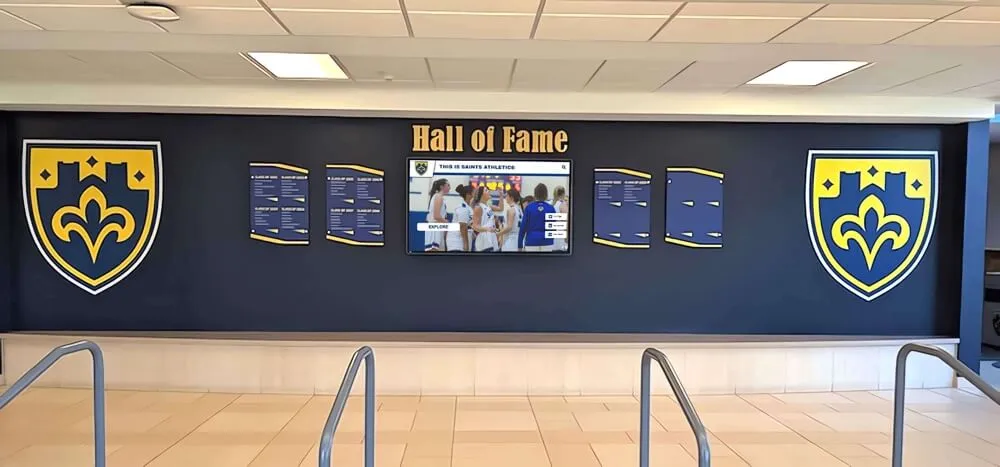
Integrated recognition systems create comprehensive celebration spaces honoring complete theatrical heritage
Special Considerations for Different Program Sizes
Recognition approaches should scale appropriately to program size and resources:
Small Program Recognition (1-2 Productions Annually)
Even modest programs deserve comprehensive recognition:
Focused Documentation Strategies
- Concentrate resources on thorough documentation of each production
- Develop depth rather than breadth in historical archives
- Engage students directly in documentation as learning opportunity
- Leverage free or low-cost technology solutions to minimize expenses
- Partner with other fine arts programs for shared recognition systems
Cost-Effective Implementation
- Start with web-based recognition before investing in physical displays
- Use consumer-grade displays in protected areas for initial implementation
- Leverage existing school website platforms for online recognition
- Create DIY kiosk solutions using tablets and custom stands
- Phase implementation adding capabilities as budget allows
Medium Program Recognition (3-5 Productions Annually)
Programs with multiple annual productions require systematic approaches:
Balanced Documentation
- Differentiate documentation depth by production significance
- Focus comprehensive multimedia on major productions (fall play, spring musical)
- Provide streamlined documentation for smaller shows and one-acts
- Develop efficient workflows preventing content management burden
- Assign specific roles distributing documentation responsibilities
Sustainable Resourcing
- Invest in quality commercial hardware ensuring long-term reliability
- Select purpose-built software platforms supporting efficient management
- Train multiple staff members preventing single-point dependency
- Create student leadership positions managing ongoing documentation
- Develop booster support specifically for recognition program funding
Large Program Recognition (6+ Productions Annually)
Extensive programs demand sophisticated systems and dedicated resources:
Comprehensive Documentation Systems
- Implement professional content management workflows
- Consider multiple coordinated displays across facilities
- Develop specialized documentation teams for different aspects
- Create archival standards ensuring consistency across productions
- Invest in professional photography and videography for quality
Resource Requirements
- Dedicate staff positions with recognized responsibility for documentation
- Budget appropriately for ongoing content development and platform fees
- Invest in premium hardware and professional installation
- Develop intern programs providing hands-on arts administration experience
- Create endowment support ensuring long-term recognition sustainability
Learn about building comprehensive recognition systems that scale with growing programs.
Conclusion: Transforming Theater Recognition for Lasting Impact
School playbill displays represent far more than simple acknowledgment of theatrical productions—they embody strategic investment in program culture, student motivation, community engagement, and institutional heritage preservation that collectively determine whether theater programs merely exist or truly thrive.
The limitations of traditional recognition—space constraints forcing incomplete documentation, static displays providing fleeting visibility, scattered materials creating fragmented narratives, labor-intensive maintenance discouraging comprehensive recognition—all dissolve when schools embrace purpose-built digital recognition platforms combining unlimited capacity with engaging interactive experiences and systematic preservation.
Schools implementing comprehensive digital theater recognition consistently report remarkable outcomes: increased student participation as recognition validates contributions, stronger community support from enhanced visibility and engagement, improved program sustainability through booster development and alumni connection, and preserved theatrical heritage that would otherwise be lost to time and deterioration.
Transform Your Theater Program Recognition
Discover how modern digital recognition solutions can help you celebrate every production, honor all contributors, and build the thriving performing arts program your students deserve.
Explore Theater Recognition SolutionsThe most successful recognition programs view playbill displays as integral components of comprehensive performing arts strategies celebrating achievement while strengthening the culture that sustains excellence across generations. By combining thoughtful planning with compelling content creation, appropriate technology implementation, and sustained commitment to maintenance and enhancement, schools create recognition experiences that participants genuinely value—experiences acknowledging not just what students accomplished, but how participation transformed their lives and contributed to something larger than themselves.
Ready to begin transforming your theater program recognition? Explore how digital arts and music showcase platforms provide comprehensive recognition across all performing arts disciplines. Discover approaches to homecoming festivities that can integrate theatrical traditions into broader school celebrations. Learn about middle school recognition programs adapted for younger theater participants. Consider comprehensive platforms from Rocket Alumni Solutions designed specifically for educational institutions prioritizing performing arts excellence and recognition.
Your theater program creates transformative experiences that shape students’ lives, build confidence, develop skills, and create lasting connections. These contributions deserve thoughtful, meaningful recognition that honors every participant while preserving the remarkable heritage your program creates season after season. With strategic planning, appropriate technology, and genuine commitment to comprehensive documentation, you can create recognition systems that inspire current participants while celebrating the theatrical traditions that define your program’s excellence for generations to come.