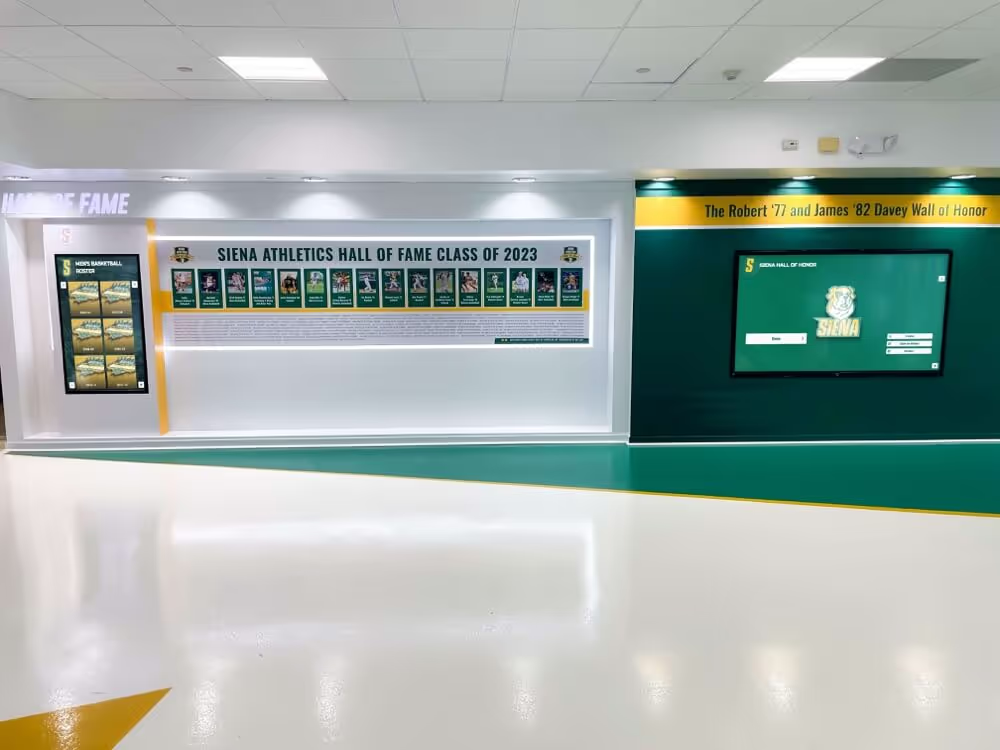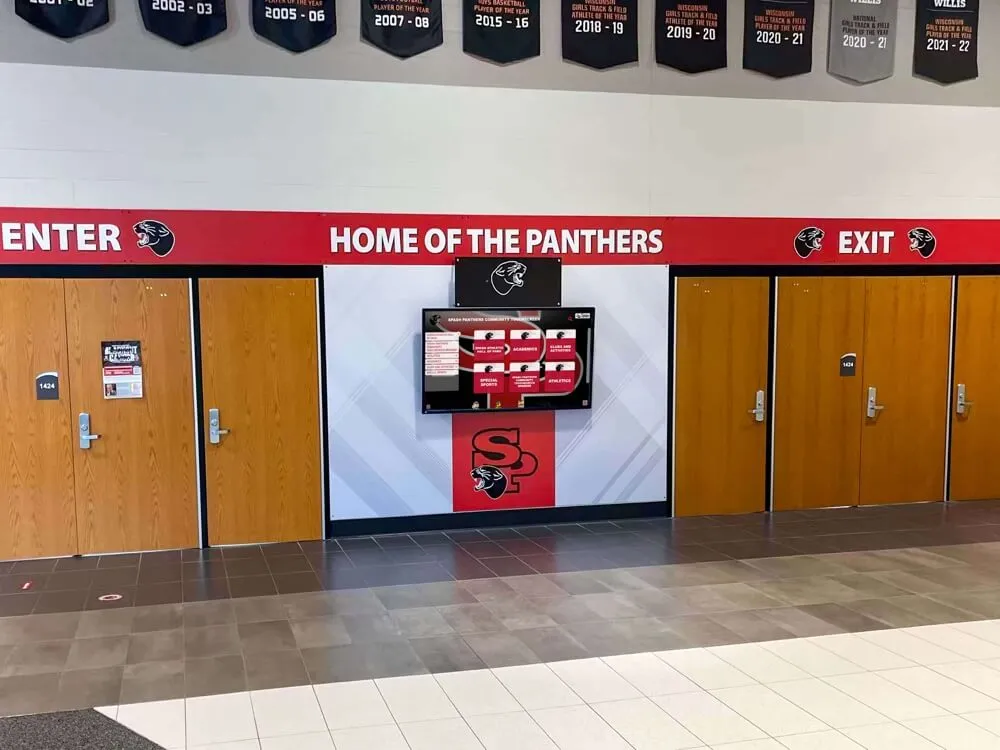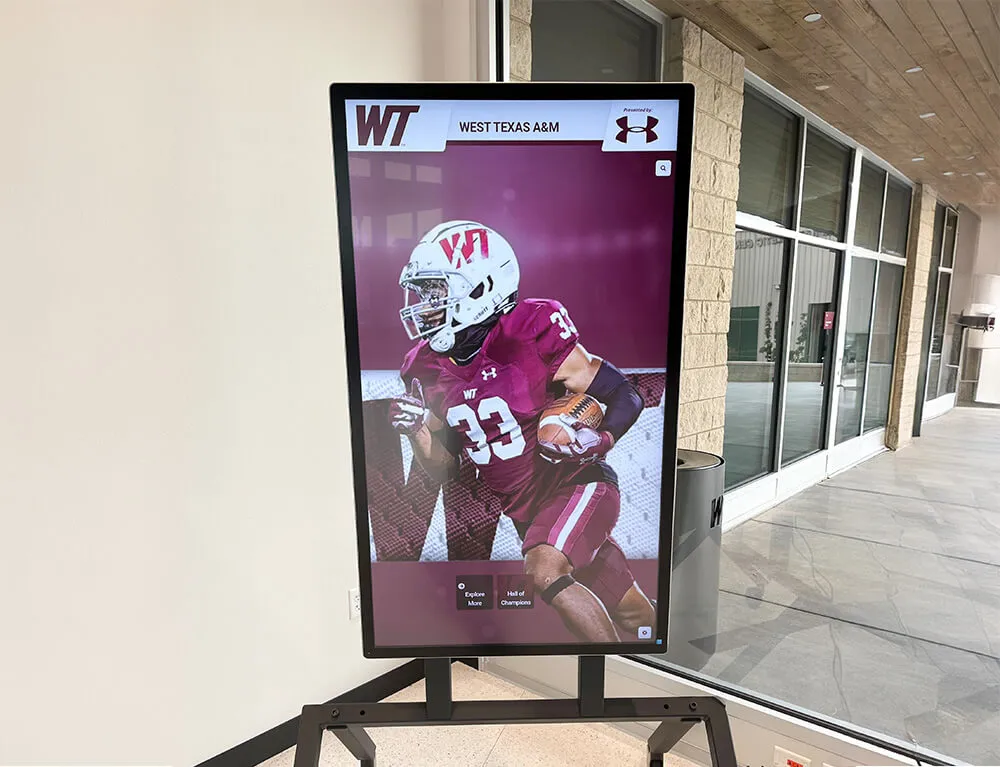




When a school changes the hostname that delivers recognition display content — migrating to a new content platform, correcting a subdomain, restructuring a district DNS zone, or switching from one cloud endpoint to another — every DNS resolver on the path between the kiosk and the internet may have already cached a negative answer for that hostname. A negative DNS answer, called an NXDOMAIN response (Name Non-Existent), tells the querying resolver that the hostname does not exist. Under RFC 2308, resolvers cache that negative response for a duration set by the zone’s SOA record. Until that negative cache entry expires — or is explicitly flushed — any kiosk, content player, or browser on the school network that queries the new hostname receives NXDOMAIN from cache rather than performing a fresh lookup against authoritative DNS.
The practical effect on a school’s recognition display program is that inductee portraits stop loading, athletic record boards show stale data, and championship highlights stop cycling — even though the platform’s new A record is correctly published and resolves perfectly from outside the school network. Staff troubleshooting the outage typically check firewall rules, verify HTTPS connectivity, and restart the kiosk application before anyone examines whether the school’s local DNS resolver is returning a cached NXDOMAIN for the content hostname. This checklist gives school IT administrators, athletic directors coordinating with IT, and recognition program managers the specific steps to identify stale NXDOMAIN responses, determine how long they will persist without intervention, flush negative caches on the school’s managed DNS infrastructure, and verify that recognition display content is flowing again — restoring athlete stories, team records, and alumni recognition without waiting for the cache to expire on its own.
Quick answer: After a recognition display content hostname change, school recognition display DNS negative caching can block content delivery for the duration of the SOA record’s minimum TTL — typically 5 minutes to 1 hour, sometimes longer. To clear it: confirm the new A record is published in authoritative DNS (nslookup <new-hostname> 8.8.8.8), flush the Windows Server DNS cache (Clear-DnsServerCache -Force in elevated PowerShell on the DNS server), flush the kiosk’s local resolver cache (ipconfig /flushdns in an elevated Command Prompt), then re-run nslookup <new-hostname> from the kiosk to confirm a positive A record answer is returned. If the kiosk’s internal resolver still returns NXDOMAIN after flushing, the negative entry is cached at an upstream forwarder — identify which forwarder the school’s resolver uses and flush it there as well.

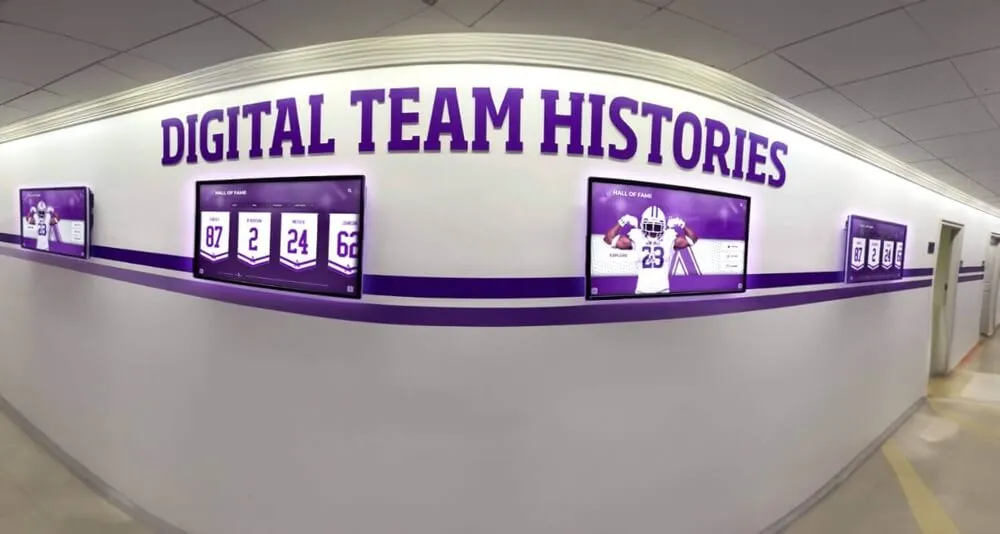
A school hallway recognition display that stops loading content after a hostname change may be receiving a cached NXDOMAIN response from the school's DNS resolver — clearing negative cache entries restores content delivery without waiting for the cache to expire on its own
What DNS Negative Caching Is and Why It Affects School Recognition Displays
DNS negative caching, defined in RFC 2308, is the behavior where a DNS resolver stores the fact that a hostname does not exist — an NXDOMAIN response — and returns that cached negative answer to subsequent queries without re-contacting the authoritative DNS server. Negative caching improves overall DNS performance by preventing repeated lookups for non-existent names. For recognition display deployments, negative caching is an obstacle specifically during hostname changes, because the resolver may have already cached NXDOMAIN for the new content endpoint before the A record was published.
How negative cache entries are created for recognition display hostnames:
A negative cache entry for a recognition display content hostname is created in two common situations:
Before the A record exists: During a platform migration or hostname change, school IT or the platform vendor publishes the new hostname in communication with the school before the new A record is live in authoritative DNS. A kiosk, a browser, or the DNS resolver itself queries the hostname during that window and receives NXDOMAIN from the authoritative server. That NXDOMAIN response is cached.
After a hostname is decommissioned: If a recognition platform was previously hosted at a subdomain that was later removed from DNS, resolvers that queried it after removal cached NXDOMAIN. If the school later creates a new hostname at the same subdomain label — even with a different target IP — resolvers that have the NXDOMAIN cached will continue returning that negative answer until the negative TTL expires.
How long the negative cache entry lasts:
The duration of a negative cache entry is determined by the SOA (Start of Authority) record for the hostname’s DNS zone. The SOA record contains a Minimum TTL field, and RFC 2308 defines the negative TTL as the minimum of the SOA Minimum TTL and the TTL of the NXDOMAIN response itself. In practice, many DNS zone administrators set the SOA Minimum TTL between 300 and 3600 seconds (5 minutes to 1 hour). Some zones use longer values — 86400 seconds (24 hours) is not uncommon for stable production zones — which means a recognition display kiosk on a school network could receive NXDOMAIN for an entire day after the correct A record is published, unless the cache is actively flushed.
Why this failure mode is hard to diagnose:
The recognition display failure from DNS negative caching is indistinguishable from a permanent DNS failure at the kiosk. The display’s application attempts to reach the content platform, receives NXDOMAIN, and reports a connection failure. From the IT team’s perspective, the platform is unreachable. From the platform vendor’s perspective, the A record is correctly published and the hostname resolves worldwide. The school’s local DNS resolver is the invisible intermediate that is returning a stale negative answer — and it requires a deliberate cache flush step rather than waiting for the error to self-resolve.
For recognition programs managing a year-round content calendar of athletic and alumni updates, a content outage that persists hours past a hostname migration — when the fix was available in authoritative DNS within minutes of the change — is an avoidable delay. This checklist makes the DNS negative caching dimension the first thing school IT teams check after a hostname change, not the last.
When Negative Cache Clearing Is Needed: Decision Table
Not every DNS problem after a content hostname change is caused by negative caching. Use this table to identify whether negative caching is the likely cause before running the flush steps.
| Observed Symptom | Negative Caching Likely? | Alternate Cause | First Check |
|---|---|---|---|
| Display worked yesterday; content stopped loading after a planned platform migration | Yes | Firewall rule not updated for new IP | nslookup <new-hostname> from kiosk — if NXDOMAIN returned, negative caching is the cause |
| Display never reached the new hostname even immediately after the A record was published | Yes | A record not yet propagated to authoritative servers | nslookup <new-hostname> 8.8.8.8 — if NXDOMAIN from public DNS, the A record is not yet live; if A record from public DNS but NXDOMAIN from internal resolver, negative cache is the cause |
| Display reaches content correctly on one school network; fails on another school in the same district | Yes | Different internal resolvers with different cache states | Each building’s DNS server may have cached NXDOMAIN independently; flush each separately |
| Display fails with a connection timeout, not a name resolution error | No | Firewall, routing, or application-layer issue | Check firewall rules and platform HTTPS endpoint availability |
| Display resolves the hostname to an IP but content does not load | No | HTTPS/TLS issue, expired certificate, or platform-side error | Check HTTPS connectivity and certificate validity |
| Display stopped loading content after a kiosk OS update, not a hostname change | No | Browser or application settings reset; certificate trust change | Check browser configuration and trust store |
nslookup <hostname> from kiosk returns an IP address but the old one | Partial | A record TTL not yet expired; positive cache entry for old IP still active | Wait for the positive cache TTL to expire, or flush the positive cache entry alongside the negative cache flush |
The key diagnostic question is whether nslookup <new-hostname> from the kiosk returns NXDOMAIN or an IP address. NXDOMAIN from an internal resolver when the A record is live in public DNS is the definitive indicator of a negative cache problem requiring the steps in this checklist.
Pre-Checklist Information to Gather
Before flushing DNS caches, collect the following information. Accurate inputs reduce the risk of flushing the wrong zone, clearing unrelated cache entries, or missing an upstream resolver that continues serving the stale NXDOMAIN answer.
| Item | How to Collect | Why It Matters |
|---|---|---|
| New recognition display content hostname (FQDN) | Platform vendor migration documentation or admin console | The specific name to test in nslookup commands; must match exactly what the display application queries |
| Authoritative DNS confirmation that the A record is live | nslookup <hostname> 8.8.8.8 — must return an IP, not NXDOMAIN | Flushing local caches while the authoritative A record is not yet published will result in the resolver re-querying authoritative DNS and caching NXDOMAIN again immediately |
| SOA Minimum TTL for the hostname’s zone | nslookup -type=SOA <zone-apex> 8.8.8.8 — read the Minimum TTL field from the SOA record output | Tells you how long the negative cache entry was set to persist; confirms whether the issue can self-resolve in a short time or requires active flushing |
| School’s internal DNS server IP | ipconfig /all on the kiosk — DNS Servers field | The server whose cache must be flushed; must have administrative access |
| Upstream forwarder(s) configured on the school’s DNS server | DNS Manager → Properties → Forwarders tab on Windows Server DNS | If the school’s resolver forwards to an upstream (district DNS, ISP DNS, or cloud DNS), that forwarder may also have cached NXDOMAIN and require a separate flush |
| DNS server software and version | Windows Server DNS or BIND; named --version for BIND | Flush commands differ between Windows Server DNS and BIND |
| Whether DoH (DNS-over-HTTPS) is enabled on the kiosk browser | Browser settings or Group Policy report | If browser-level DoH is active, flushing the OS resolver cache may not affect the browser’s DNS queries — the browser resolves via an external DoH resolver independently |
Step 1: Confirm the A Record Is Live in Authoritative DNS
Before clearing any local or internal cache, verify that the new recognition display content hostname resolves to a valid A record in authoritative public DNS. Flushing an internal resolver cache when the A record is not yet live causes the resolver to re-query authoritative DNS, receive NXDOMAIN again, and immediately re-populate the negative cache — which accomplishes nothing.
Test from outside the school’s DNS infrastructure:
nslookup <new-recognition-content-hostname> 8.8.8.8
Replace <new-recognition-content-hostname> with the exact FQDN the recognition display connects to. The 8.8.8.8 argument directs the query to Google’s public resolver, bypassing the school’s internal DNS entirely.
Expected output if the A record is live:
Server:  dns.google
Address: 8.8.8.8

Name:    new-content-hostname.recognitionplatform.com
Address: 203.0.113.45
If this output shows an IP address, proceed to Step 2. The authoritative record is published and local cache clearing will produce correct positive resolution.
Expected output if the A record is NOT yet live:
Server:  dns.google
Address: 8.8.8.8

*** dns.google can't find new-content-hostname.recognitionplatform.com: Non-existent domain
If this output appears, the platform vendor has not yet published the A record in authoritative DNS. Do not flush any caches yet — wait for the authoritative record to propagate, then repeat this step until a positive A record answer is confirmed.
Check the SOA Minimum TTL while waiting:
If you are waiting for the authoritative record, use the time to check the SOA Minimum TTL for the hostname’s zone, which tells you how long a negative cache entry will persist after it is created:
nslookup -type=SOA recognitionplatform.com 8.8.8.8
In the output, look for the Minimum TTL field. A value of 300 (5 minutes) means negative entries expire quickly and the display may self-recover in a few minutes once the A record is live. A value of 3600 or higher means active cache flushing is the only way to restore content delivery within the hour.
Step 2: Identify the Current DNS State on the Kiosk
Before flushing any caches, document the current DNS state from the recognition display kiosk itself. This confirms that negative caching is the active problem and provides a before-state for comparison after the cache is cleared.
Open an elevated Command Prompt on the kiosk (Windows):
nslookup <new-recognition-content-hostname>
Note the Server: line — this shows which resolver the kiosk is using. If this is a public resolver (8.8.8.8 or 1.1.1.1), the kiosk is not using the school’s managed DNS and Step 3 (flushing the internal server cache) may not affect the display. Correct the resolver assignment first via DHCP option 6.
If nslookup returns NXDOMAIN from the school’s internal resolver:
Server:  schooldc01.district.edu
Address: 10.1.1.53

*** schooldc01.district.edu can't find new-content-hostname.recognitionplatform.com: Non-existent domain
This confirms the internal resolver has NXDOMAIN cached. The A record is live in public DNS (confirmed in Step 1) but the internal resolver’s negative cache entry is blocking resolution. Proceed to Step 3.
Check the negative cache TTL remaining on the internal resolver (Windows Server DNS):
On the Windows Server DNS host, open an elevated PowerShell session and query the server’s cache directly:
Get-DnsServerCache | Where-Object { $_.HostName -like "*recognition*" -or $_.HostName -like "*<platform-subdomain>*" }
This command lists cached entries matching a keyword. If a negative cache entry (record type SOA in the cache, representing a cached NXDOMAIN) is present, its remaining TTL will appear in the output. If the remaining TTL is under 60 seconds, waiting for natural expiry is a viable alternative to flushing — but for longer TTLs, active flushing is the correct path.
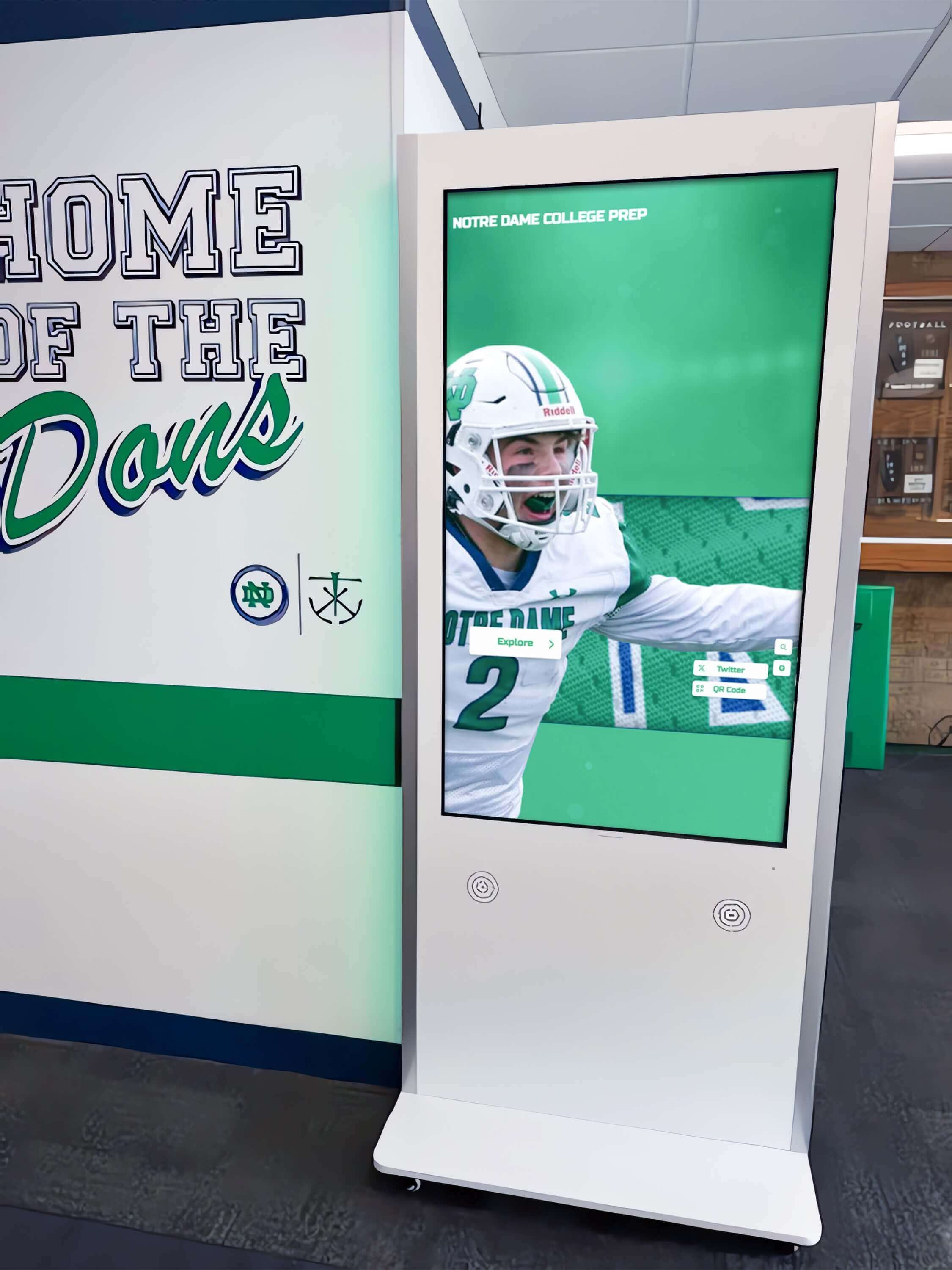
A recognition display kiosk in a hallway connects to its content platform with every content sync — a stale NXDOMAIN response in the school's DNS resolver prevents every sync attempt from reaching the platform until the negative cache entry is cleared
Step 3: Flush the Negative Cache on the School’s DNS Resolver
Once the A record is confirmed live in authoritative DNS and NXDOMAIN is confirmed in the internal resolver’s cache, flush the server-side cache. This removes all negative (and positive) cached entries from the resolver, forcing it to re-query authoritative DNS the next time any client asks for the recognition content hostname.
On Windows Server DNS (elevated PowerShell on the DNS server):
Clear-DnsServerCache -Force
This command clears the entire DNS server cache — all cached A records, AAAA records, MX records, and negative NXDOMAIN entries. Entries for all domains, not just the recognition platform hostname, are removed. The resolver will re-query authoritative DNS for any subsequent lookup it receives. On a busy school DNS server, this causes a brief spike in outbound DNS queries as clients’ lookups trigger fresh authoritative resolution — this is normal and resolves within a minute or two as the cache repopulates.
To flush only the specific hostname rather than the full cache:
Windows Server DNS does not support single-name cache flushing via PowerShell, but you can use the DNS Manager GUI:
- Open DNS Manager on the Windows Server DNS host.
- Click the server name in the left panel to select it.
- From the View menu, select Advanced to enable the Cache node in the tree.
- Expand Cached Lookups and navigate to the zone containing the recognition platform hostname.
- Locate the specific hostname entry and right-click → Delete to remove only that entry.
On BIND / named (Linux DNS server):
To flush the entire cache:
rndc flush
To flush the cache for a specific zone (less disruptive to other cached entries):
rndc flushname <new-recognition-content-hostname>
For example:
rndc flushname content.recognitionplatform.com
After flushing, verify the cache is cleared:
rndc dumpdb -cache
Then inspect the dump file (typically /var/named/data/cache_dump.db) to confirm the NXDOMAIN entry for the recognition hostname is no longer present.
On Cisco Umbrella, Cloudflare Gateway, or other managed DNS filtering services:
Managed cloud DNS services do not expose a direct cache flush command for individual records. Options include:
- Using the service’s domain bypass or local domain configuration to override the cached NXDOMAIN with an explicit A record entry for the duration of the outage.
- Contacting the service vendor’s support to request a cache flush for the specific hostname.
- Temporarily switching the recognition display kiosk to use the school’s local resolver (if one exists outside the cloud service) until the negative cache TTL expires in the cloud service.
Deploying or migrating a school recognition display platform and need IT-ready documentation for DNS configuration, negative cache management, and content hostname changes? Rocket Alumni Solutions works with school IT teams through every stage of deployment.
Talk to Rocket Alumni Solutions about your recognition display deployment
Step 4: Flush the Kiosk’s Local Resolver Cache
After clearing the server-side DNS cache, clear the client-side (kiosk-side) DNS cache. The kiosk maintains its own resolver cache in the operating system, separate from the server-side cache. Even after the server clears its NXDOMAIN entry, the kiosk may have its own cached copy of the negative response.
On Windows (elevated Command Prompt on the kiosk):
ipconfig /flushdns
Successful output:
Windows IP Configuration

Successfully flushed the DNS Resolver Cache.
This command clears all cached DNS entries on the Windows client — both positive A record entries and negative NXDOMAIN entries.
On Linux-based kiosk hardware:
The DNS cache lives in the resolver daemon. For systems using systemd-resolved:
sudo systemd-resolve --flush-caches
Confirm the flush:
systemd-resolve --statistics | grep "Current Cache Size"
The cache size should drop to zero or near zero immediately after the flush.
For systems using nscd (Name Service Cache Daemon):
sudo nscd -i hosts
For systems using dnsmasq:
sudo killall -HUP dnsmasq
Browser-level DNS cache:
Modern browsers maintain their own DNS cache independently of the OS resolver. After flushing the OS cache, clear the browser-level cache on the kiosk as well.
In Google Chrome (or a Chromium-based kiosk browser), open the internal DNS settings page and flush:
- Navigate to
chrome://net-internals/#dnsin the browser address bar. - Click Clear host cache.
In Mozilla Firefox:
- Navigate to
about:networking#dnsin the address bar. - Click Clear DNS Cache.
For kiosk applications that use an embedded browser (Electron-based or CEF-based), consult the application documentation — some provide a built-in cache flush, while others require a full application restart to clear the browser-level DNS cache.
Step 5: Flush Upstream Forwarders and Check Propagation
If the school’s internal DNS resolver forwards queries to an upstream resolver — a district-level DNS server, an ISP-provided resolver, or a cloud DNS filtering service — that upstream resolver may also have cached NXDOMAIN for the recognition display content hostname. Flushing the school’s local resolver causes it to re-query the upstream forwarder; if the upstream still has NXDOMAIN cached, the school’s resolver immediately re-caches that NXDOMAIN response and the kiosk continues to receive NXDOMAIN.
Identify the upstream forwarder:
On Windows Server DNS, open DNS Manager, right-click the server name, select Properties, and navigate to the Forwarders tab. The listed IP addresses are the upstream resolvers the school’s DNS server queries when it does not have a cached answer.
Run nslookup directly against each listed upstream forwarder:
nslookup <new-recognition-content-hostname> <upstream-forwarder-ip>
If any upstream forwarder returns NXDOMAIN, that forwarder’s cache needs to be cleared before the school’s local resolver can cache a positive A record answer.
For district-managed upstream resolvers:
Contact the district IT team and request a cache flush for the specific hostname on the district DNS server. Provide the FQDN to flush and confirm that the authoritative A record is live before making the request (Step 1 of this checklist).
For public upstream resolvers (Google, Cloudflare, or similar):
Public resolvers honor the SOA Minimum TTL and do not expose a user-accessible cache flush for specific hostnames. If the school’s internal resolver forwards to a public resolver and that public resolver has NXDOMAIN cached, the options are:
- Wait for the negative TTL to expire in the public resolver’s cache.
- Change the school’s internal resolver to use authoritative DNS directly (remove the forwarder temporarily) so the school’s resolver bypasses the public resolver and queries authoritative DNS for the recognition platform hostname itself.
- Use a conditional forwarder on the school’s DNS server that routes queries for the recognition platform’s domain directly to a specific public authoritative resolver rather than the school’s default upstream forwarder.
For Google’s public DNS (8.8.8.8):
Google provides a public DNS cache flushing tool for domain owners and administrators. Verify whether this tool is accessible and whether it covers the specific hostname — it is intended for authoritative DNS administrators, not end-users, but school IT teams managing their own recognition platform subdomains may be able to use it.
The mDNS service discovery guide for recognition displays covers a related name-resolution mechanism — multicast DNS — that operates on the local network without depending on the external DNS infrastructure covered in this checklist. Schools running recognition displays that use mDNS for local service discovery alongside standard DNS for cloud content delivery should confirm that both name resolution paths are functioning after a hostname change.
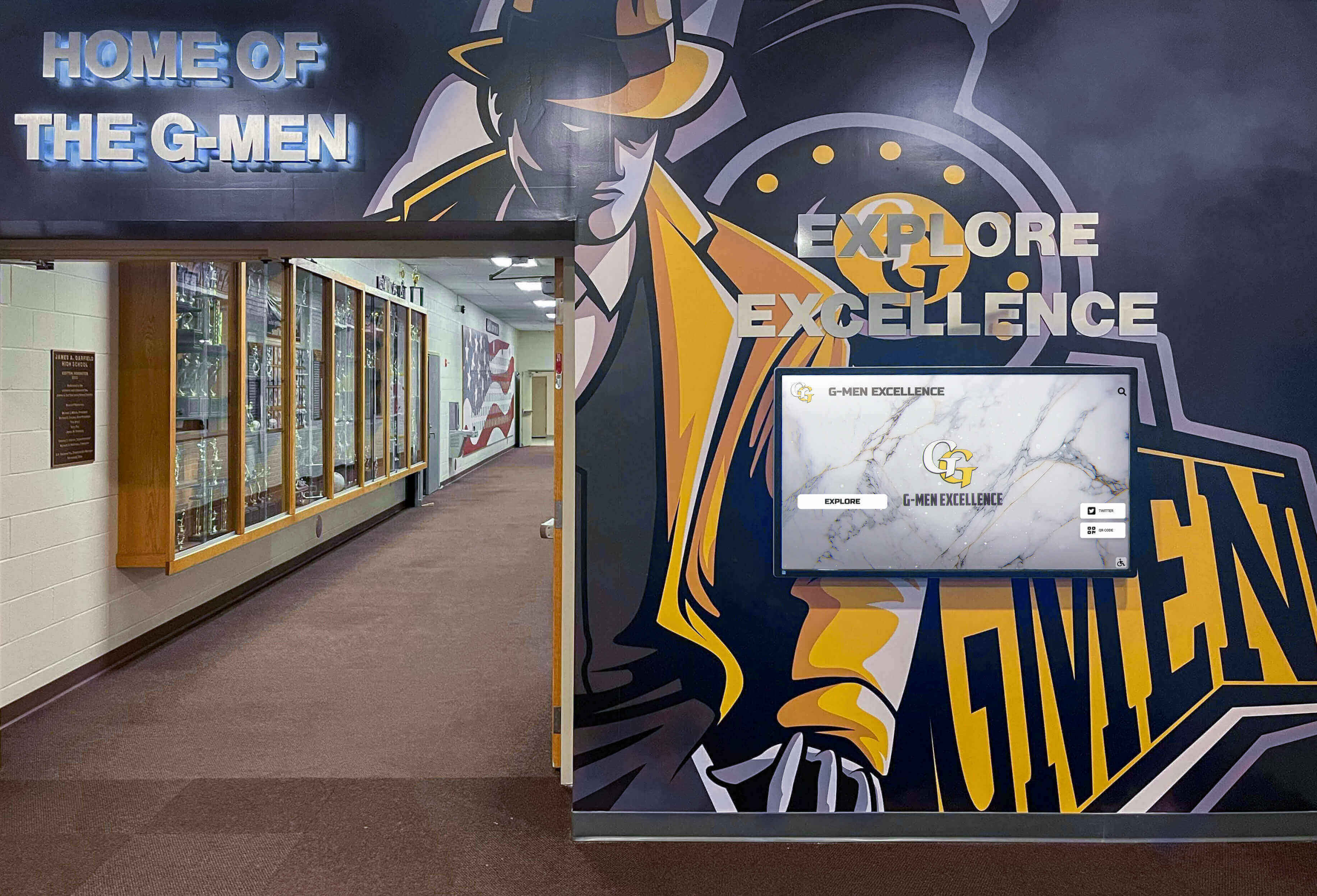
School hallway recognition displays that serve athlete stories, championship records, and team histories depend on DNS resolution succeeding at every level — from the kiosk's local OS cache through the school's resolver and any upstream forwarder — before content can reach the screen
Step 6: Verify Fresh Resolution on the Recognition Display
After flushing both the server-side and client-side caches, confirm that the recognition display kiosk now resolves the content hostname to the correct IP address.
Run a fresh resolution test from the kiosk:
nslookup <new-recognition-content-hostname>
Expected output after successful cache flush:
Server:  schooldc01.district.edu
Address: 10.1.1.53

Name:    new-content-hostname.recognitionplatform.com
Address: 203.0.113.45
The Address: field should show the IP address that matches the authoritative DNS answer confirmed in Step 1. The Server: field should show the school’s internal resolver — confirming the kiosk is using the managed resolver and that the internal resolver is now returning a positive answer after the flush.
Test TCP connectivity to the resolved IP:
After confirming name resolution, verify that the kiosk can reach the content server over HTTPS:
Test-NetConnection -ComputerName <new-recognition-content-hostname> -Port 443
TcpTestSucceeded: True confirms that DNS negative caching was the only blocking issue and that content delivery should resume. If this test fails after successful name resolution, a firewall rule, routing, or server-side issue is also present and requires separate investigation.
Test application-layer content delivery:
curl.exe -v https://<new-recognition-content-hostname>/health 2>&1
A 200 OK response confirms both DNS resolution and HTTPS connectivity are working end-to-end from the kiosk. If the recognition platform’s content application has a built-in connectivity test or status indicator, use that as the final verification step before considering the kiosk restored.
For school programs managing interactive touchscreen directory systems and recognition content across multiple areas of the building, run the resolution test and application-layer content check on each display independently — particularly if displays on different network segments or VLANs may have cached NXDOMAIN at different times or from different resolvers.
Negative Cache TTL Reference Table
Use this table to plan the urgency of cache flushing based on the SOA Minimum TTL discovered in Step 1, and to identify the scope of the flush needed for each deployment scenario.
| SOA Minimum TTL | Natural Expiry Wait Time | Recommended Action | DNS Components to Flush |
|---|---|---|---|
| 60–300 seconds (1–5 minutes) | Low — cache will self-clear within minutes | Flush client cache only; optionally wait for natural expiry | ipconfig /flushdns on kiosk; browser DNS cache |
| 300–900 seconds (5–15 minutes) | Acceptable for low-visibility outages; active flush reduces downtime | Flush client cache and server cache | ipconfig /flushdns on kiosk; Clear-DnsServerCache on Windows Server DNS |
| 900–3600 seconds (15 min–1 hour) | Too long for events or morning content checks | Flush client cache, server cache, and upstream forwarder if reachable | Kiosk OS, browser, school DNS server, district/upstream DNS if accessible |
| 3600–86400 seconds (1–24 hours) | Unacceptable for any operational content outage | Active flush required; escalate to upstream if necessary | All layers: kiosk OS, browser, school DNS server, upstream forwarder, district DNS — use conditional forwarder bypass if upstream flush unavailable |
| Unknown | Treat as high-urgency | Flush all caches immediately after confirming A record is live | All layers |
Finding the SOA Minimum TTL:
nslookup -type=SOA <zone-apex-domain> 8.8.8.8
For a hostname like content.recognitionplatform.com, the zone apex is recognitionplatform.com. The output will include a minimum TTL or Minimum = field — that is the negative cache TTL that applies to NXDOMAIN responses for all names in that zone.
Maintaining Recognition Display DNS Health After Content Hostname Changes
DNS negative caching is one part of a broader DNS health picture for school recognition display deployments. After a hostname change is complete and content is flowing again, document the change and schedule a follow-up check to confirm the negative cache did not re-populate after the flush.
Post-change verification schedule:
- Immediately after flush: Run Step 6 from each kiosk in the building to confirm positive resolution and application-layer connectivity.
- 30 minutes after flush: Re-run
nslookup <hostname>from the kiosk to confirm the positive A record is still being returned and has not been replaced by a new NXDOMAIN entry from an upstream that was not flushed. - Next school day: Check the recognition platform’s management console for each display and confirm last-sync timestamps are current — confirming content delivery resumed and remained stable overnight.
Update DNS documentation after each hostname change:
Record the previous hostname, new hostname, date of change, SOA Minimum TTL, and which DNS servers and clients required cache flushing. This record supports faster response for future hostname changes and gives the recognition program team a contact point for DNS-related content outages.
For schools managing a full roster of recognition display content — including team rosters, athlete profiles, and social recognition graphics that represent the school’s athletic identity — a content hostname change is a planned event that should include a DNS negative cache checklist as a required step, not an afterthought. Proactive scheduling of the flush steps reduces the window between authoritative DNS update and content restoration on the display.
The recognition display scaler and mixed-resolution content test covers the rendering side of a recognition content check — a useful parallel step to confirm that after DNS is restored, content is also displaying correctly at the intended resolution on every screen in the deployment.
For recognition programs building academic honor roll content alongside athletic recognition, the academic recognition programs guide provides context on the types of recognition content that schools manage through their display platforms — all of which depend on the DNS pipeline operating correctly to deliver updates.
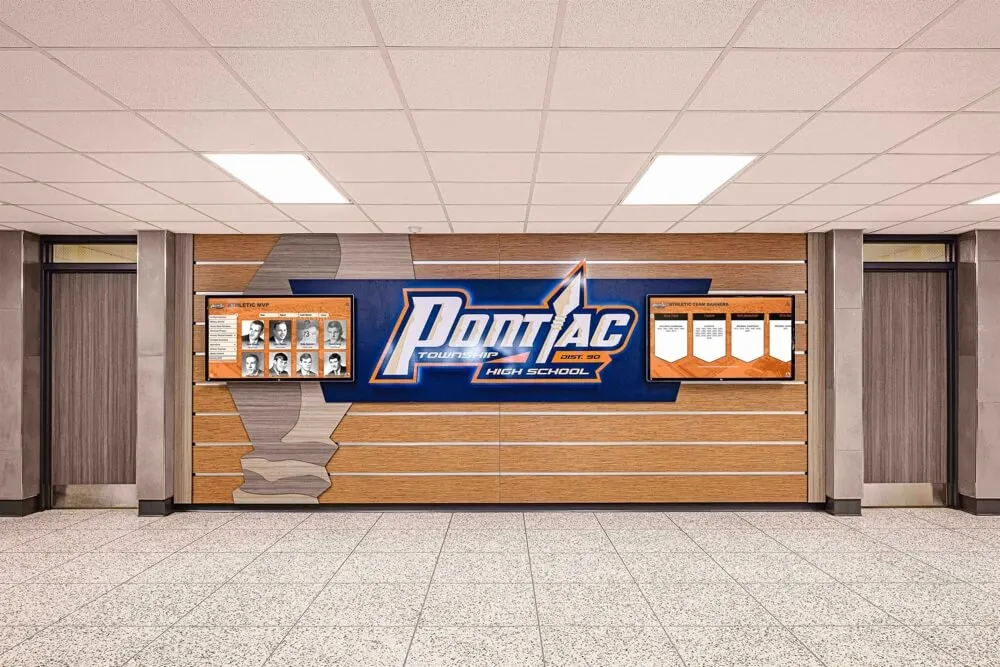
A school athletic honor wall delivers current content only when the recognition platform's hostname resolves correctly from the display's DNS perspective — a DNS negative caching checklist ensures a hostname change does not leave the display showing stale data for hours past the authoritative DNS update
Frequently Asked Questions
What is DNS negative caching, and how is it different from normal DNS caching?
Normal DNS caching stores positive answers — A records, AAAA records, CNAME records — so that resolvers do not need to re-query authoritative DNS for every request. DNS negative caching, defined in RFC 2308, stores the absence of a record: when a resolver queries a hostname that does not exist and receives an NXDOMAIN response, it caches that negative answer for the negative TTL period. Subsequent queries for the same hostname are answered from cache with NXDOMAIN, without re-querying authoritative DNS. For school recognition displays, the distinction matters because a hostname change creates a window where the new hostname may receive NXDOMAIN from any resolver that queried it before the A record was published — and those resolvers continue returning NXDOMAIN until their negative cache expires or is flushed.
How do I find out the negative cache TTL that applies to our recognition platform’s hostname?
Run nslookup -type=SOA <zone-apex-domain> 8.8.8.8 where <zone-apex-domain> is the root domain of the recognition platform (for example, recognitionplatform.com). In the output, find the Minimum TTL field — this is the value in seconds that authoritative DNS has specified for negative cache duration. If the output is hard to read, an alternative is to query a nonexistent hostname in the same zone and look at the TTL field on the returned NXDOMAIN response: nslookup nonexistent-xyzabc.recognitionplatform.com 8.8.8.8 — the TTL of the authority section in the response corresponds to the negative cache duration.
Why does the recognition display fail even though the hostname resolves correctly on my office workstation?
The office workstation and the recognition display kiosk may use different DNS resolvers. The workstation may use a public resolver (8.8.8.8 or 1.1.1.1) that has a fresh or flushed cache, while the kiosk uses the school’s internal DNS server that has a cached NXDOMAIN from before the A record was published. Run ipconfig /all on both the workstation and the kiosk to confirm which resolvers each device is using. If they differ, flush the specific resolver the kiosk uses.
Does clearing the DNS cache on the DNS server affect other network users?
Yes. Running Clear-DnsServerCache -Force on Windows Server DNS clears all cached DNS entries for all clients that use that server — including cached A records for websites, services, and internal resources. Resolvers will re-query authoritative DNS for any name they receive a request for immediately after the flush. On a school network, this causes a brief surge in outbound DNS traffic as the cache repopulates over the following minutes. The operational impact is a short delay (typically under 5 seconds per lookup) for any DNS query made immediately after the flush while the resolver reaches out to authoritative DNS. This impact is minor and temporary; it is not a reason to avoid flushing when a recognition display content hostname change has caused NXDOMAIN to be cached.
What if the recognition platform vendor tells us the A record is live but nslookup <hostname> 8.8.8.8 still returns NXDOMAIN?
DNS changes in authoritative DNS must propagate across the authoritative server cluster before all resolvers see the new record. If the vendor published the A record very recently, try querying one of the authoritative name servers directly: find the authoritative name servers with nslookup -type=NS <zone-apex> 8.8.8.8, then query one directly with nslookup <new-hostname> <authoritative-ns-ip>. If the authoritative name server returns the A record, the record is live and will propagate to public resolvers within minutes; if the authoritative server also returns NXDOMAIN, the vendor’s update has not reached the authoritative server yet and no amount of local cache flushing will restore content delivery.
Can we prevent this issue in future hostname changes by reducing the SOA Minimum TTL?
Yes, for recognition platform hostnames where the school controls the DNS zone. A lower SOA Minimum TTL means NXDOMAIN responses are cached for a shorter period, reducing the window during which a premature hostname lookup causes a negative cache entry to persist. A value of 60–300 seconds for the negative TTL is appropriate for content platform hostnames that may change during migrations. However, school IT teams typically do not control the DNS zone for hosted recognition platforms — the vendor controls that zone and sets the SOA Minimum TTL. Asking the vendor what their SOA Minimum TTL is, and what their recommended pre-migration procedure is, before a planned hostname change is the best preventive step.
What should we do if we cannot access the DNS server to flush caches?
If you cannot flush the school’s DNS server cache (for example, during off-hours when the DNS administrator is unavailable), two options remain. First, add a hosts file entry on the recognition display kiosk that maps the new hostname directly to the correct IP address, bypassing DNS entirely: on Windows, edit C:\Windows\System32\drivers\etc\hosts and add a line in the format <ip-address> <new-hostname>. Remove this entry once the DNS negative cache has expired and the kiosk resolves the hostname correctly from DNS. Second, temporarily change the kiosk’s DNS resolver to a public resolver (8.8.8.8 or 1.1.1.1) that may not have cached the NXDOMAIN. Remove this change once the internal resolver’s cache has cleared to ensure the kiosk remains under the school’s managed DNS policy.
Keeping School Recognition Content Flowing Through Hostname Changes
A school recognition display that cannot resolve its content platform hostname presents the same blank screen or stale content as one that has lost power or network access. From the perspective of a student browsing an athletic hall of fame in a lobby, or a family member checking a championship record board before a game, the cause is invisible — the display simply is not showing the current content it should. From the IT team’s perspective, distinguishing a DNS negative caching issue from a firewall rule gap, a certificate problem, or a platform outage within the first few minutes of a support call is the difference between a quick flush command and an extended investigation across multiple network layers.
The checklist in this guide makes school recognition display DNS negative caching the first diagnostic step after a planned hostname change — not the last. Confirming the authoritative A record is live before touching any local caches, flushing server-side and client-side caches in sequence, verifying fresh resolution from the kiosk itself, and checking upstream forwarders when the internal flush is not sufficient covers the full DNS negative cache pipeline. Combined with documentation of the SOA Minimum TTL and a scheduled follow-up check, the procedure ensures that athlete stories, team records, alumni spotlights, and championship histories reach the display within minutes of a content hostname change rather than hours.
See How Rocket Alumni Solutions Supports School Recognition Display Deployments
Rocket Alumni Solutions provides recognition display platforms for school athletic and alumni programs, with IT deployment documentation covering DNS requirements, hostname configuration, and network compatibility for managed school environments. Request a demo to see how the platform supports your school's recognition program and how the team works with IT through content hostname changes and network deployments.
Request a Recognition Display Demo