



Spirit weeks represent some of the most anticipated events on school calendars—transforming ordinary weeks into celebrations of campus identity, unity, and tradition. When executed thoughtfully, these themed celebrations create memories students cherish long after graduation while strengthening the sense of belonging that makes schools feel like communities rather than institutions.
Yet many schools struggle with spirit week planning. Recycled themes generate declining participation as students anticipate the same “Pajama Day” and “Crazy Hair Day” they’ve experienced since elementary school. Meanwhile, overly complex themes confuse rather than engage, requiring elaborate costumes or expensive accessories that exclude students lacking resources to participate fully. The result: spirit weeks that fail to unite campuses, with visible participation limited to specific friend groups or student leadership rather than representing genuine whole-school engagement.
This comprehensive guide explores school spirit week ideas that genuinely unite diverse student populations through accessible themes requiring minimal resources while maximizing participation and fun. From proven daily theme structures through strategic recognition integration, complete planning timelines, and innovative digital celebration approaches, you’ll discover actionable frameworks for creating spirit weeks that students actually embrace—fostering the school pride and community connection that makes educational environments thrive.
Schools implementing well-designed spirit week programs report participation rates exceeding 70% of student populations when themes remain accessible, fun, and genuinely inclusive. This widespread engagement creates visible demonstrations of school pride that strengthen institutional identity while giving students ownership of campus culture and tradition.

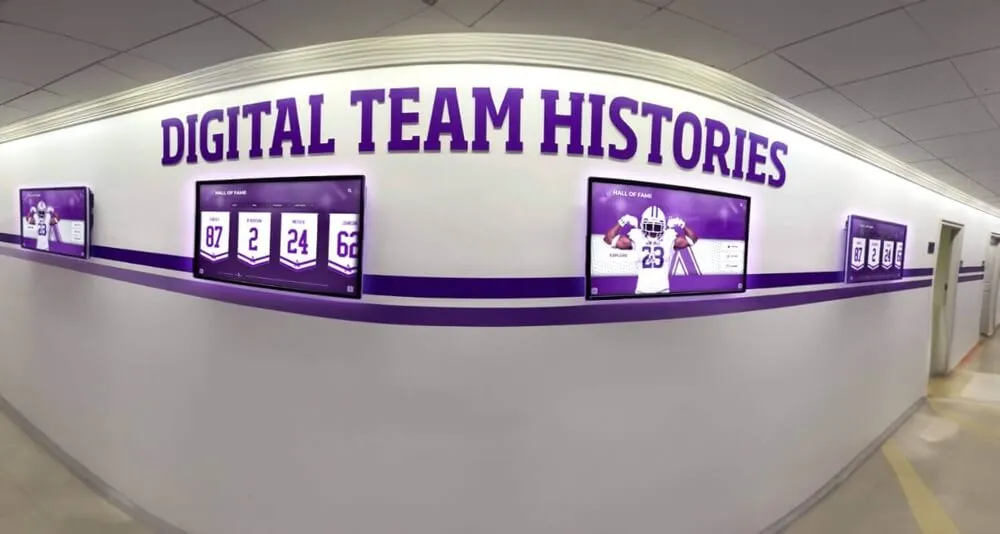
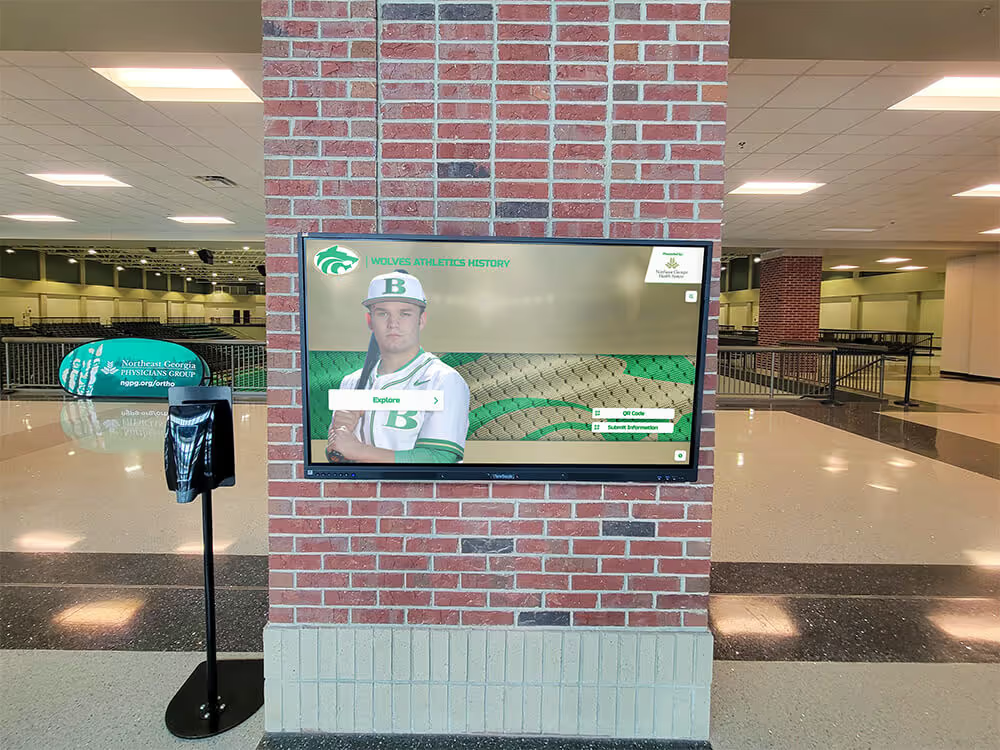
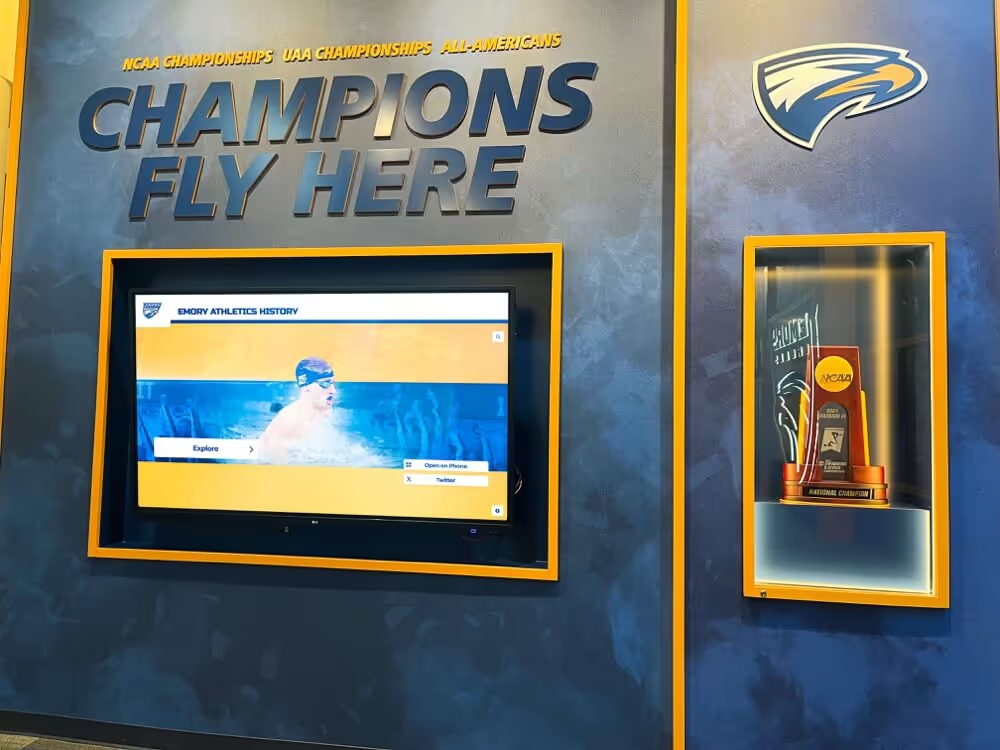
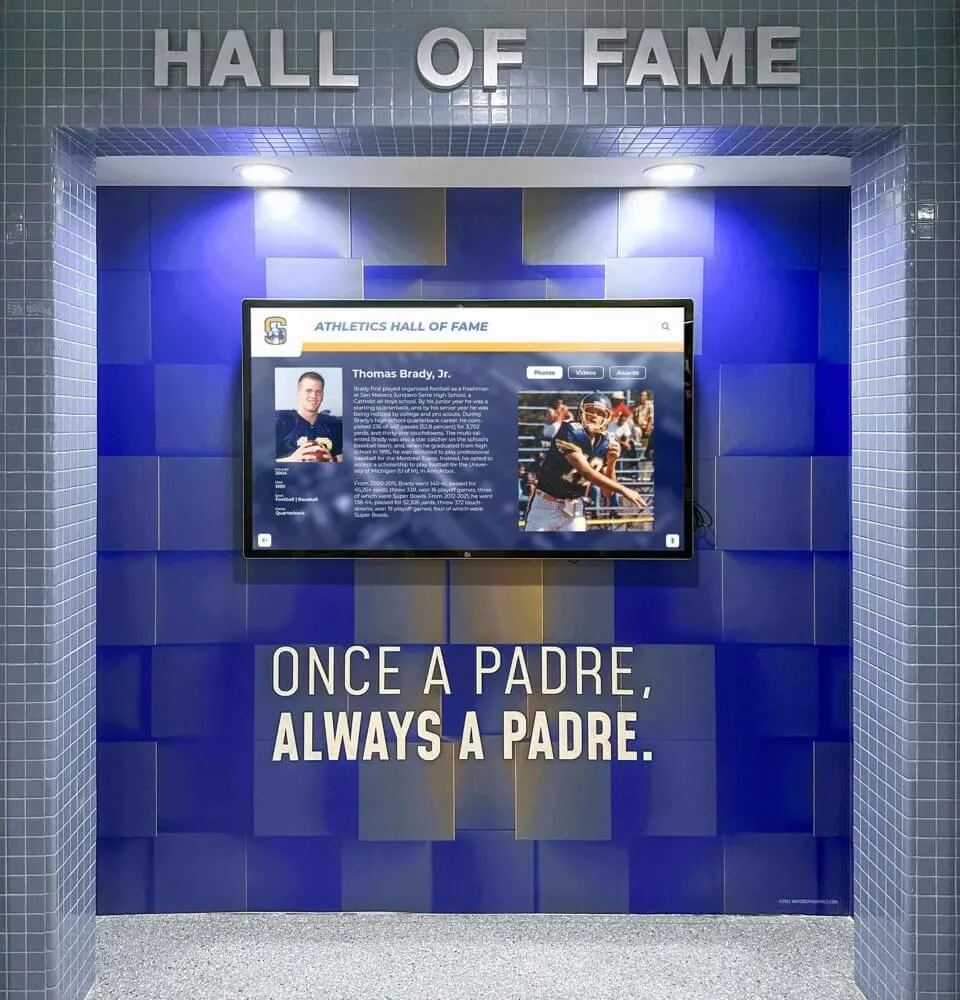
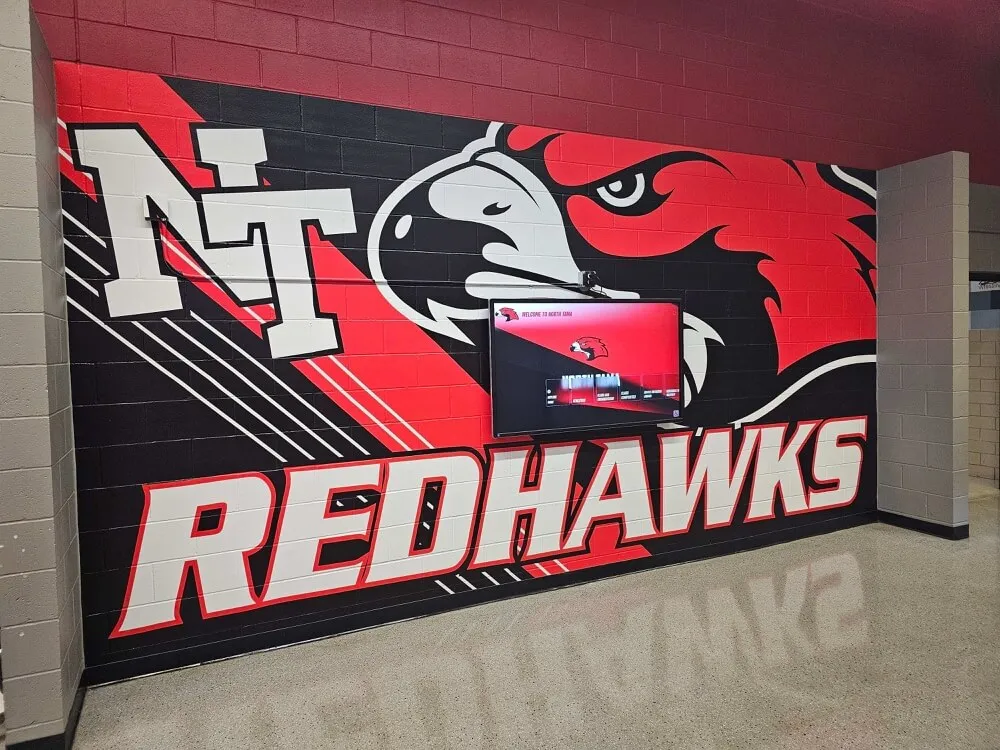
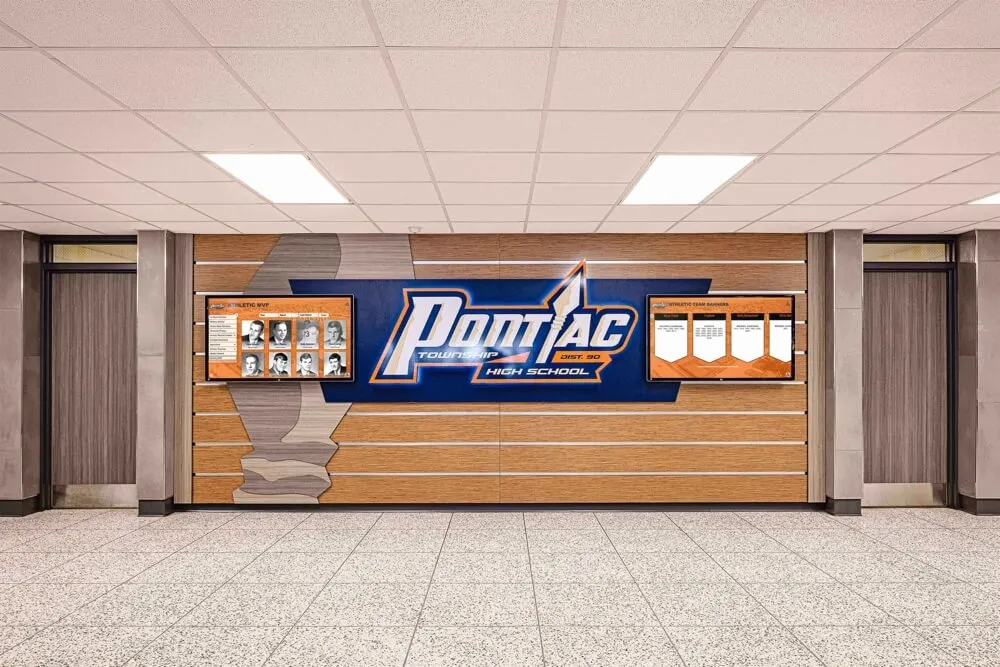
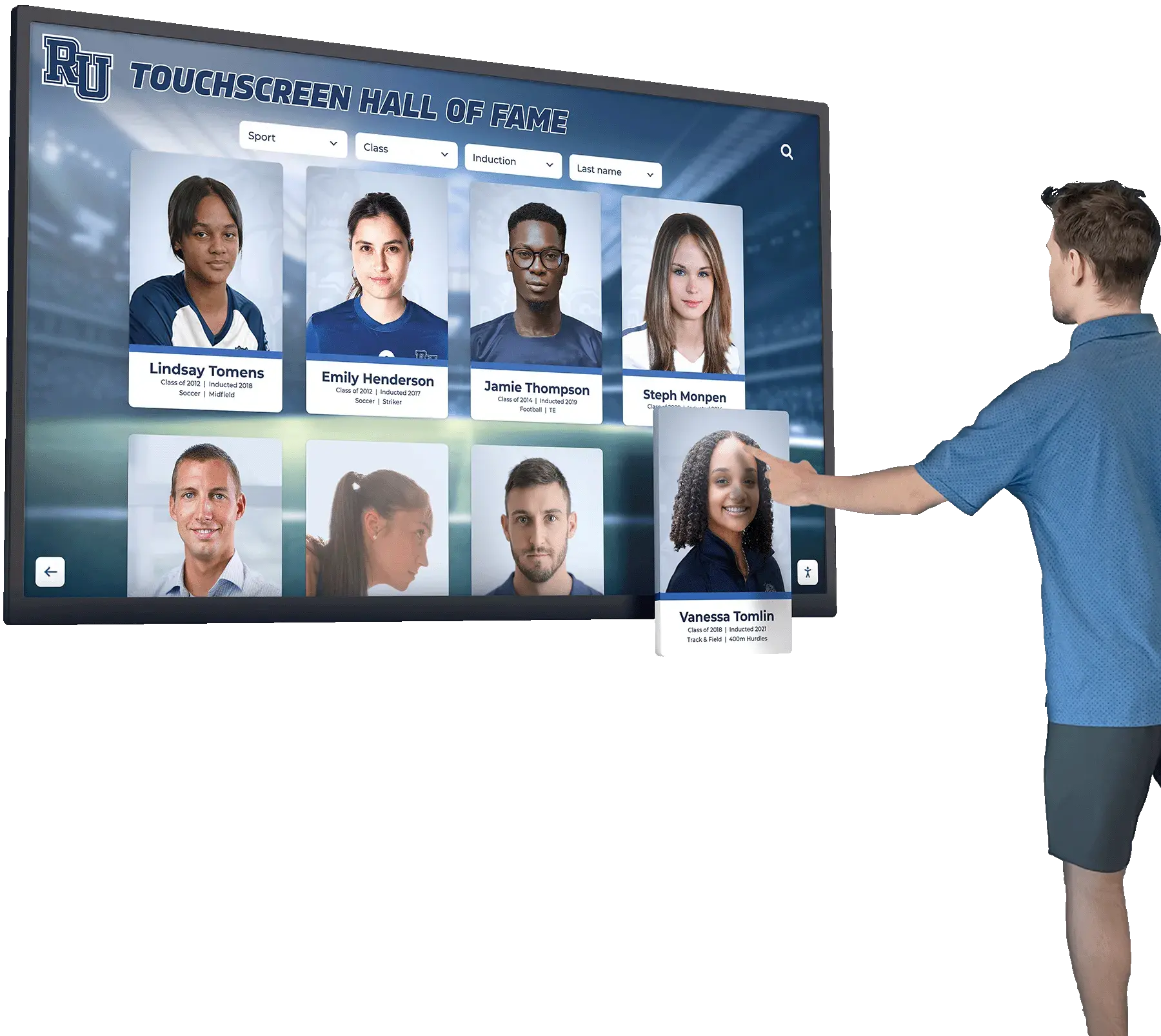
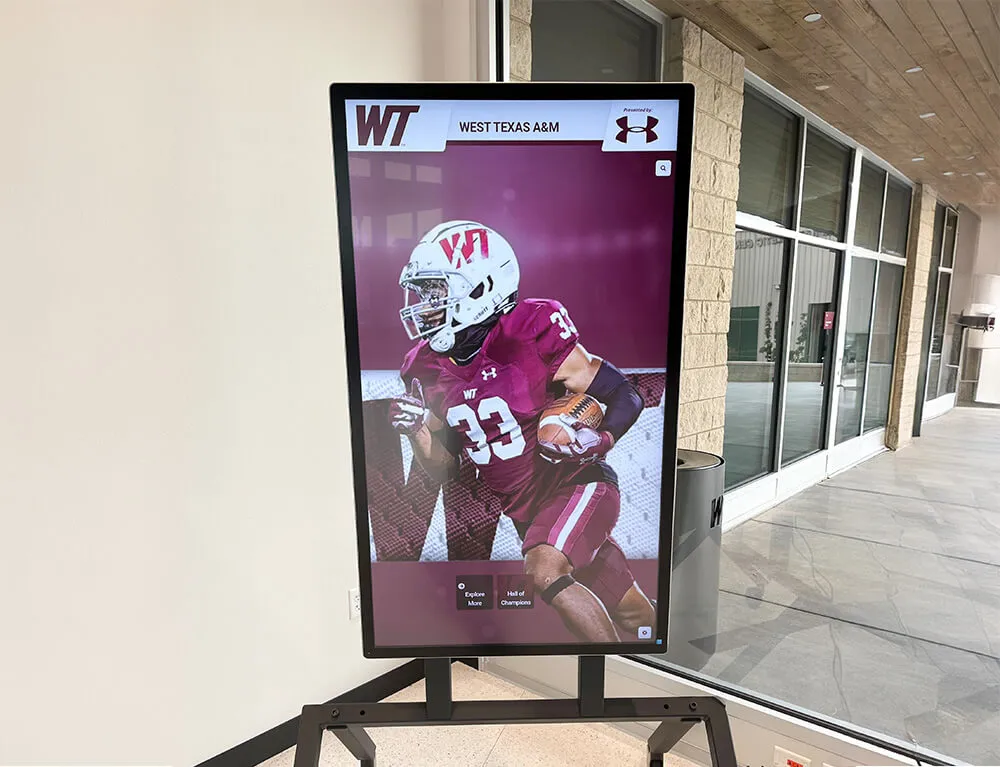
Interactive displays showcase spirit week participation and winners, creating lasting documentation of campus celebrations
Understanding What Makes Spirit Weeks Successful
Before diving into specific theme ideas, understanding fundamental success principles ensures your spirit week achieves maximum participation and positive impact.
The Core Elements of Engaging Spirit Weeks
Accessibility Above All—effective themes require no special purchases, elaborate preparation, or resources beyond what typical students already own. The moment participation requires shopping trips or expensive items, you’ve excluded economically disadvantaged students and created barriers that undermine the inclusive spirit these events should foster.
Clear Daily Structure—students need obvious daily themes communicated well in advance. Ambiguous or complicated concepts generate confusion rather than excitement. The best themes need minimal explanation—students immediately understand “Decades Day” or “School Colors Day” without requiring detailed instructions.
Varied Participation Levels—recognize that students have different comfort zones with public expression. Include themes accommodating both enthusiastic participants willing to go all-out and quieter students preferring subtle participation through simple color choices or small accessories.
Competition With Community—healthy inter-class or inter-grade competitions drive participation, but the spirit week atmosphere should feel celebratory rather than cutthroat. Structure competitions rewarding participation percentages rather than just “best” costumes, ensuring all students feel their involvement matters.
Visible Recognition—document spirit week participation through photos, videos, daily announcements recognizing participating homerooms or classes, and—most effectively—permanent digital displays showcasing spirit week traditions across years. When students see their participation documented and celebrated, they feel valued while establishing traditions that future classes will want to continue.
Solutions like Rocket Alumni Solutions enable schools to create permanent spirit week galleries showcasing participation across years—building traditions while giving students ongoing access to memories from these defining campus experiences. Digital recognition extends spirit week impact far beyond the actual event days.
Common Spirit Week Mistakes to Avoid
Overly Complex Themes—“Historical Figures Through Cinema History Portrayed Via Underwater Creatures Day” sounds creative in planning meetings but confuses students and kills participation. Simple beats clever when engagement matters most.
Insufficient Planning Time—announcing spirit week one week in advance leaves inadequate preparation time. Students need 3-4 weeks minimum to plan, gather items, and build anticipation.
Ignoring Dress Code Boundaries—fun themes shouldn’t compromise appropriate school environments. Clearly communicate what remains off-limits even during spirit week, preventing situations requiring disciplinary action during celebratory events.
No Documentation Strategy—spirit weeks create incredible community moments that vanish without systematic photo/video documentation. Assign specific staff or student media teams to comprehensively capture participation, ensuring memories survive beyond the event itself.
Overlooking Inclusivity—themes referencing specific cultural experiences, economic privileges, or family structures can inadvertently exclude students. “Disney Character Day” seems harmless until you realize not all students have access to Disney media. “Family Heritage Day” can feel exclusionary to students in foster care or adopted from different cultural backgrounds than current families.

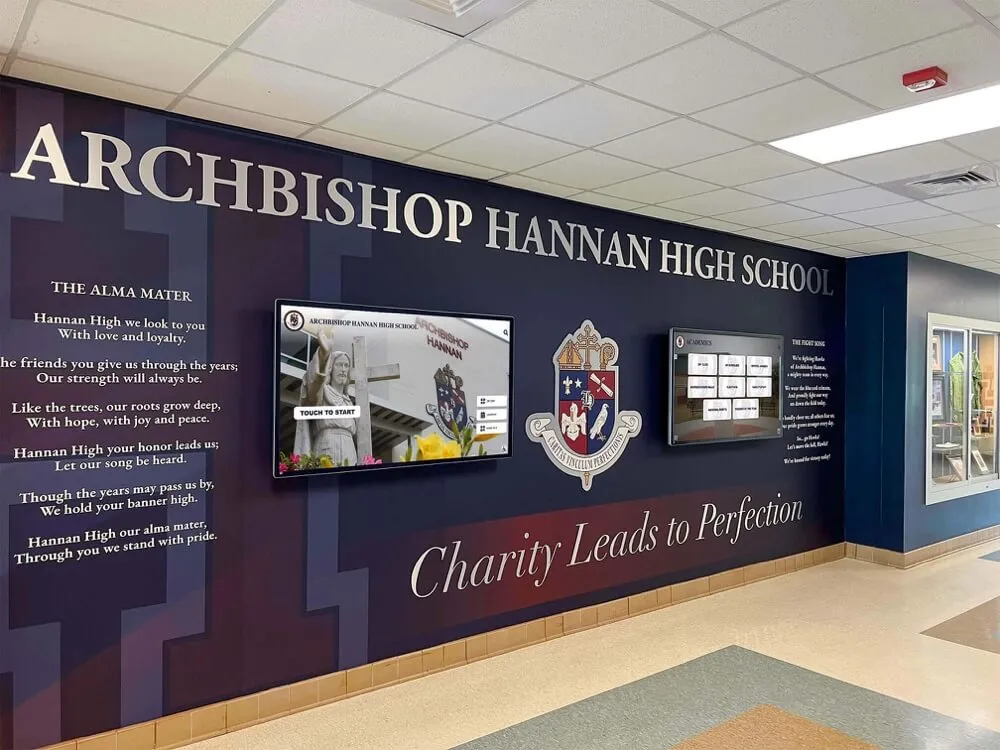
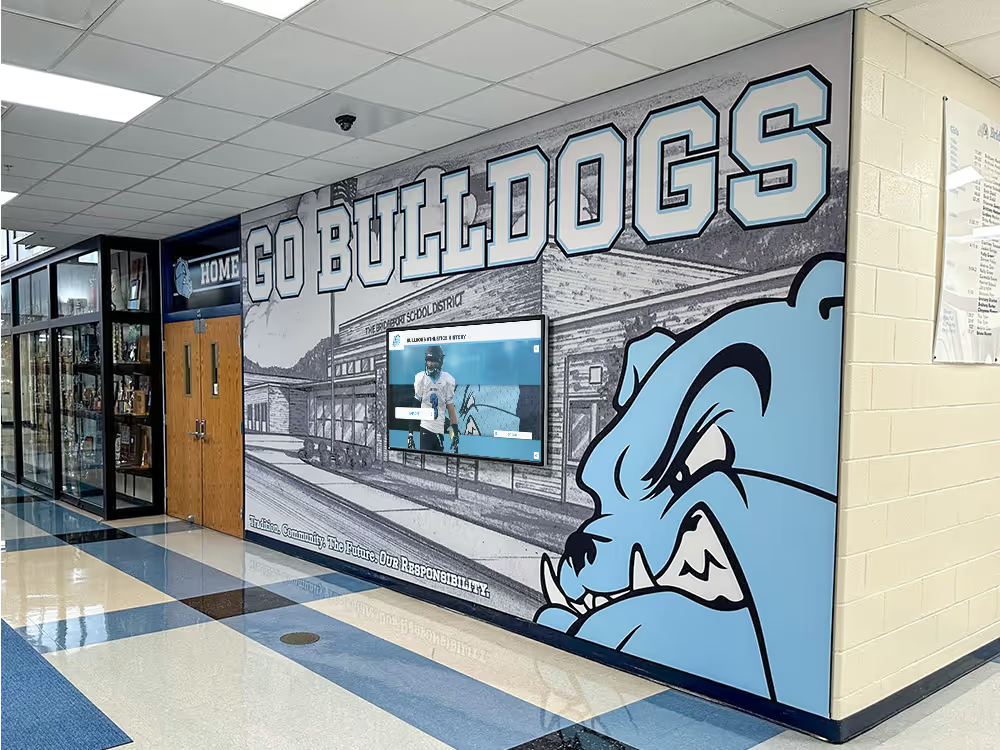
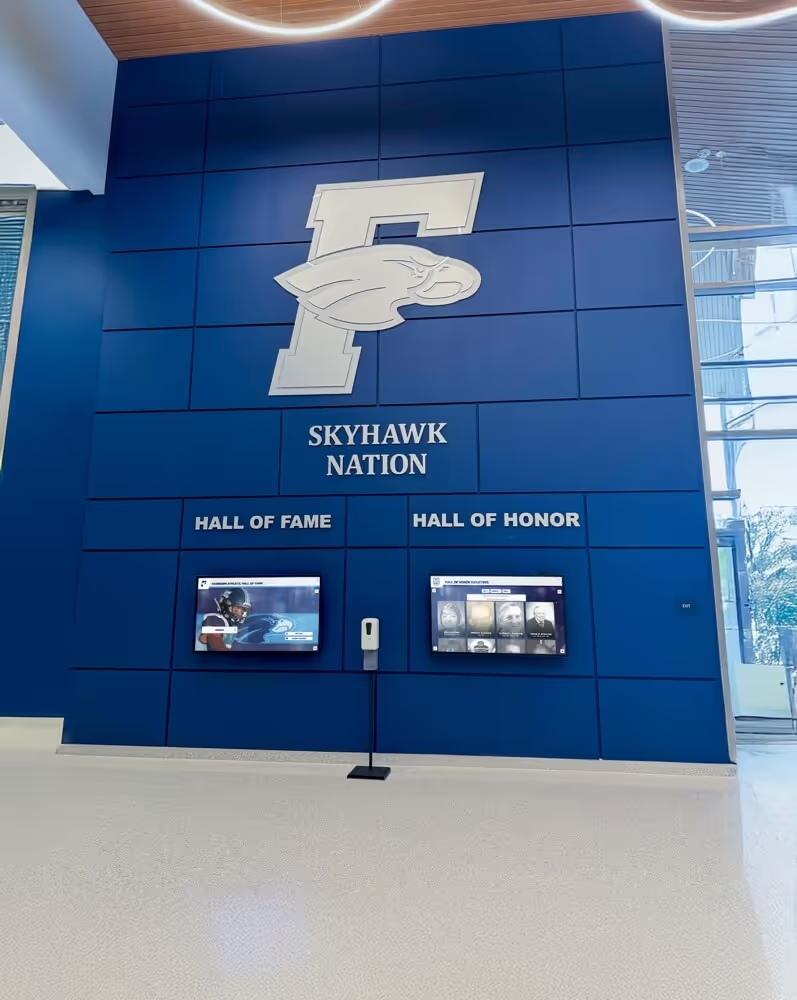
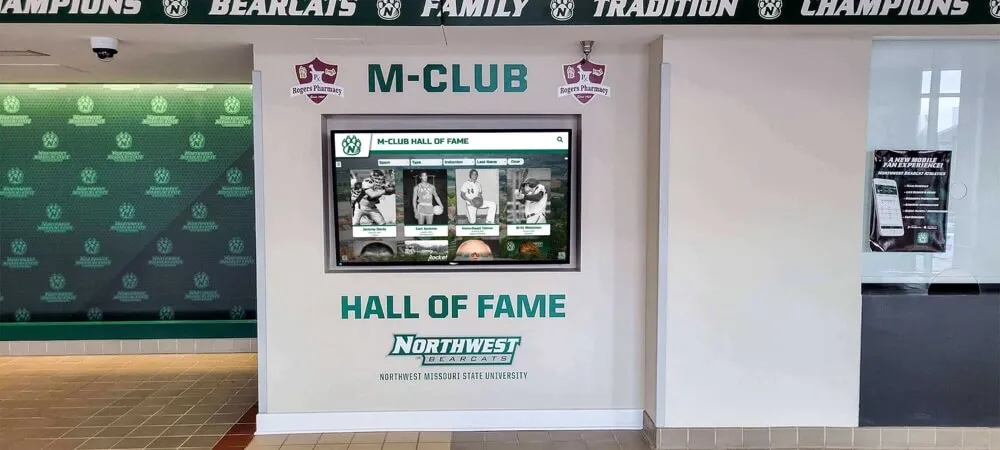
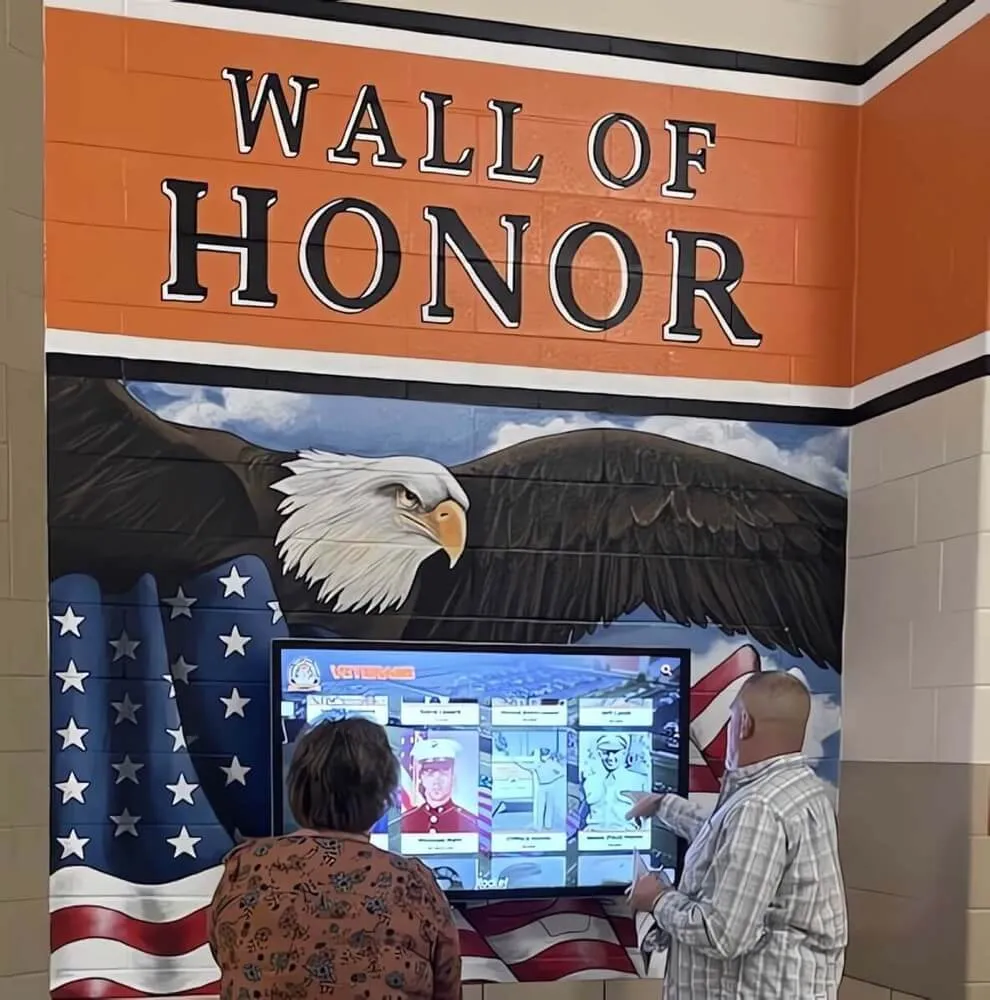
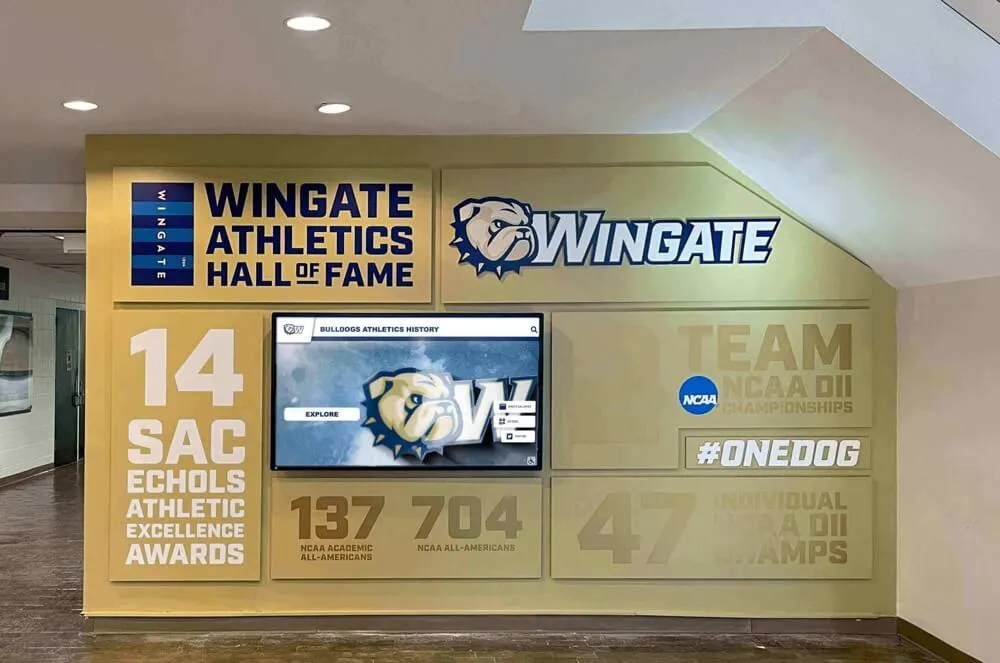
Permanent recognition displays document spirit week traditions while celebrating ongoing school pride and achievement
Daily Theme Ideas That Maximize Participation
The following theme categories provide proven options generating high participation across diverse student populations.
Classic Accessible Themes
These tried-and-true themes work because they’re immediately understandable, require minimal resources, and accommodate varied participation comfort levels:
School Colors Day The foundational spirit week theme requiring only clothing in school colors—items nearly all students already own or can easily borrow.
Participation Strategies:
- Morning homeroom competitions for highest percentage wearing school colors
- Grade-level color variations (freshmen wear white, sophomores navy, etc.)
- Spirit points for accessories like face paint, temporary tattoos, or ribbons
- Photo stations in main lobbies for documentation
Twin/Triplet/Squad Day Students coordinate matching outfits with friends, fostering existing social connections while creating visible unity.
Participation Strategies:
- All-school twin photo gallery in cafeteria
- “Largest Matching Group” competition with categories by size
- Simple coordination options (matching t-shirt colors, similar hairstyles)
- Teacher participation modeling fun coordination
Pajama Day Perennially popular because participation requires literally no preparation—students wear what they already slept in (within appropriateness guidelines).
Participation Strategies:
- Cozy reading corners or movie periods maximizing the relaxed vibe
- “Best Pajama” categories recognizing funny, creative, or most comfortable
- Morning “breakfast” treats or hot chocolate making the experience special
- Photo opportunities with oversized pillows or stuffed animals
Jersey Day Students wear sports jerseys from any team—school teams, professional sports, recreational leagues—celebrating athletic identity broadly.
Participation Strategies:
- Jersey lending station for students lacking jerseys
- Recognition for students wearing school team jerseys vs. any jerseys
- “Jersey Stories” where students share significance of jerseys they’re wearing
- Athletes wear jerseys from sports they don’t normally play, building cross-team connections
Understanding athletic recognition programs helps schools connect spirit week celebrations with ongoing athlete appreciation, strengthening sports culture year-round.
Decade and Era Themes
Time-period themes generate creativity while remaining accessible through closet improvisation:
Decades Day Assign different decades to grade levels—freshmen do 2000s, sophomores ’90s, juniors ’80s, seniors ’70s—or let students choose their favorite era.
Accessible Participation Elements:
- Simple era markers: sunglasses for ’80s, flannel for ’90s, athletic wear for 2000s
- Decade-appropriate music during passing periods
- Historical context lessons in classes connecting decades to curriculum
- Generation connections where students interview family members about their era
Throwback Thursday (Throughout the Week) Students dress as younger versions of themselves or bring childhood favorites, celebrating personal growth and nostalgia.
Accessible Participation Elements:
- Childhood photos displayed in hallways with “Guess Who” contests
- Elementary school shirts or clothing from earlier grades
- Favorite childhood books or toys brought for display
- “Baby Picture Recognition” games building community through shared histories
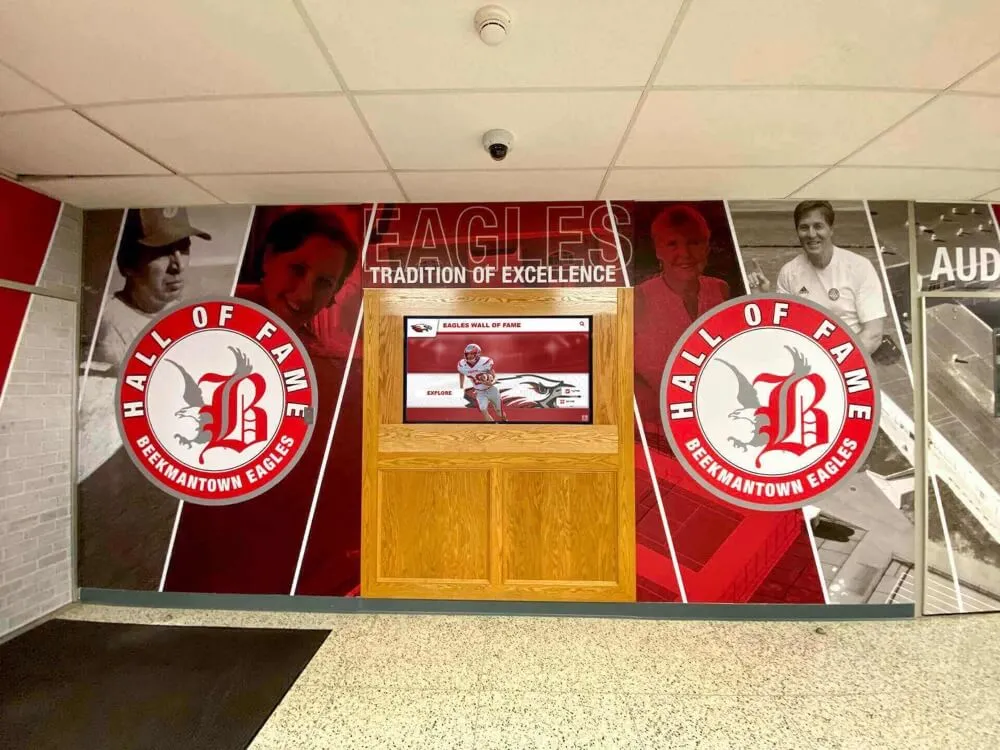
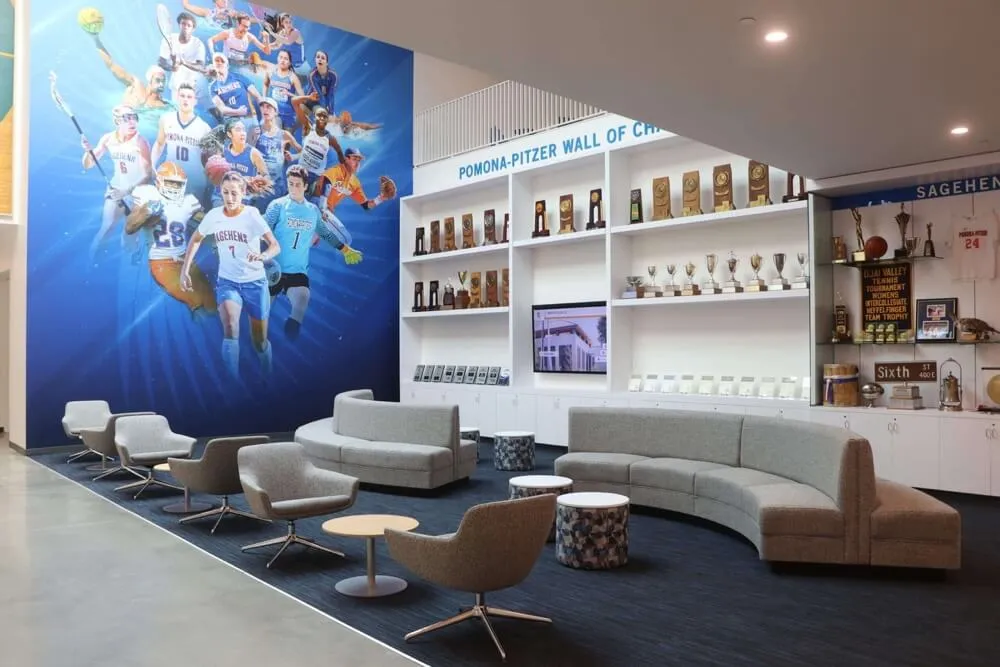
School lobbies become celebration spaces combining permanent traditions with rotating spirit week recognition
Career and Future-Focused Themes
Aspirational themes connect spirit week to students’ developing identities and goals:
Career Day / Profession Day Students dress representing careers they’re interested in pursuing or admire.
Accessible Participation Elements:
- Simple career representations: scrubs for medical, ties for business, hard hats for construction
- Career fair elements with alumni or community professionals visiting
- Class discussions about career pathways and educational requirements
- Recognition for creative career representations and research into professions
Schools can connect career days with academic recognition programs highlighting student achievements in various academic paths.
College Colors Day Students wear colors of colleges they’re interested in attending or family members attended—particularly engaging for upperclassmen.
Accessible Participation Elements:
- College information fair with representatives or materials
- “College Knowledge” trivia during lunch periods
- Teacher participation wearing their alma mater gear
- Display of college acceptance letters and scholarship recognition
Especially relevant during college decision season, this theme can integrate with college commitment celebrations that honor senior achievements.
Teacher/Staff Appreciation Day While not traditional “dress-up,” dedicating one spirit day to celebrating educators creates meaningful community building.
Participation Activities:
- Students dress as favorite teachers (with permission and respect)
- Thank-you note writing campaigns for educators
- Classroom decoration teams surprising teachers
- Video montages of student appreciation messages
Color and Pattern Themes
Visual unity themes create spectacular photo opportunities while requiring minimal preparation:
Rainbow Day Assign different colors to grade levels, creating vibrant rainbow effect in assemblies and gatherings.
Implementation Strategies:
- Coordinated assembly entrances by grade level creating rainbow effect
- Color-mixing activities where grade levels collaborate
- Rainbow photo compositions shot from above in outdoor spaces
- Color-based team competitions throughout the day
Neon/Glow Day Bright colors create energetic atmosphere and spectacular photos, especially if concluded with black light dance or gathering.
Accessible Participation Elements:
- Neon accessories like bracelets or headbands available for students lacking neon clothing
- UV reactive face paint stations during lunch
- Glow stick distribution for afternoon assembly or dance
- Black light photo booth opportunities
Pattern Clash Day Students wear intentionally mismatched patterns—polka dots with stripes, plaid with florals—celebrating organized chaos.
Participation Appeal:
- No wrong answers—more patterns equals more participation points
- Comfortable for students who love or hate fashion coordination equally
- Photo opportunities highlighting most spectacular pattern combinations
- Teacher participation modeling enthusiastic mismatch
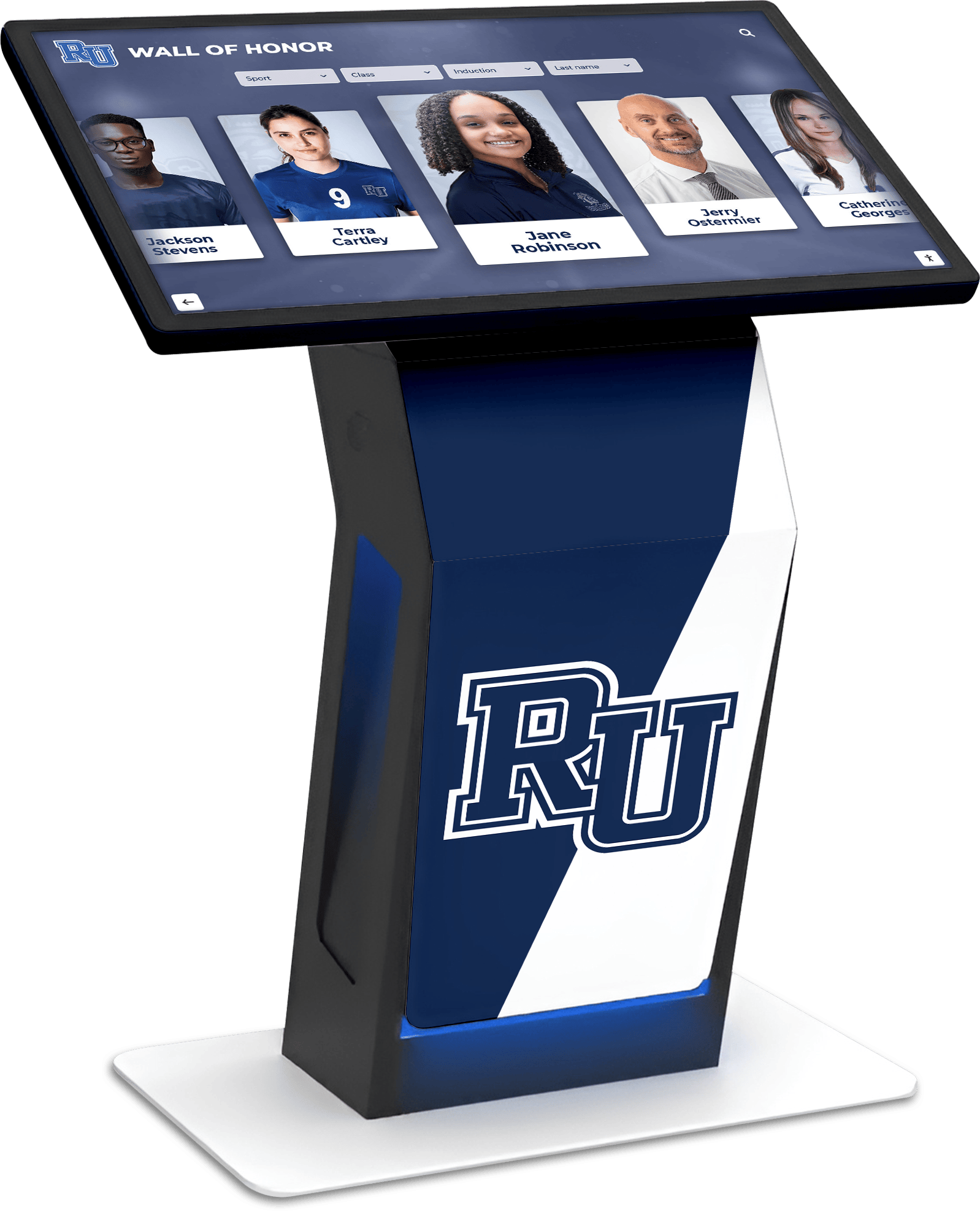
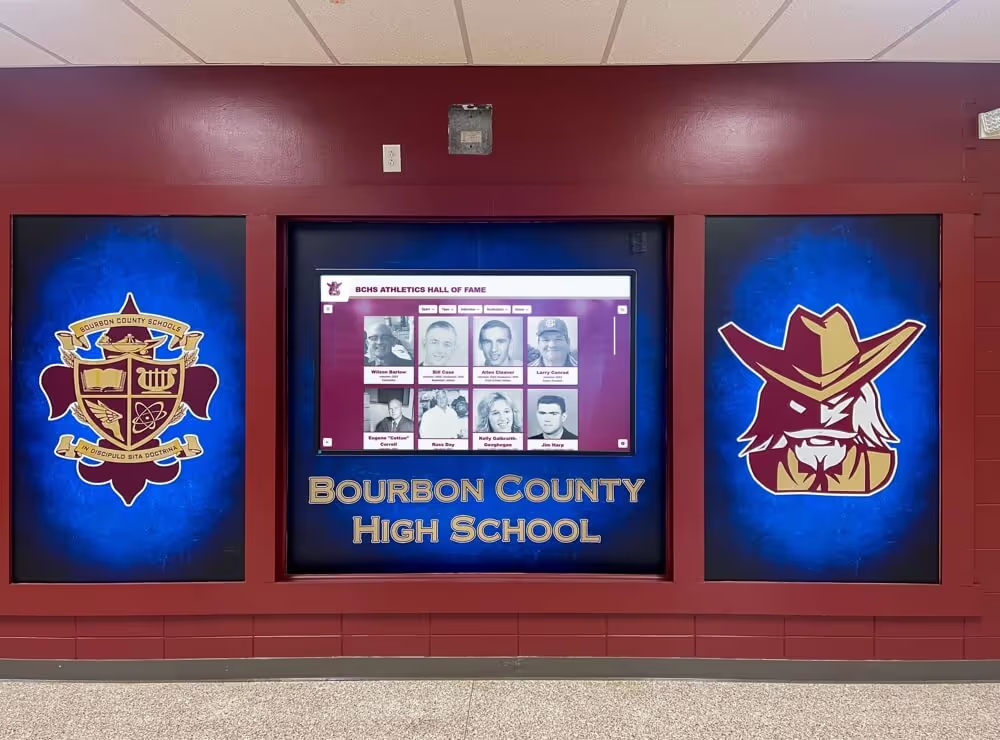
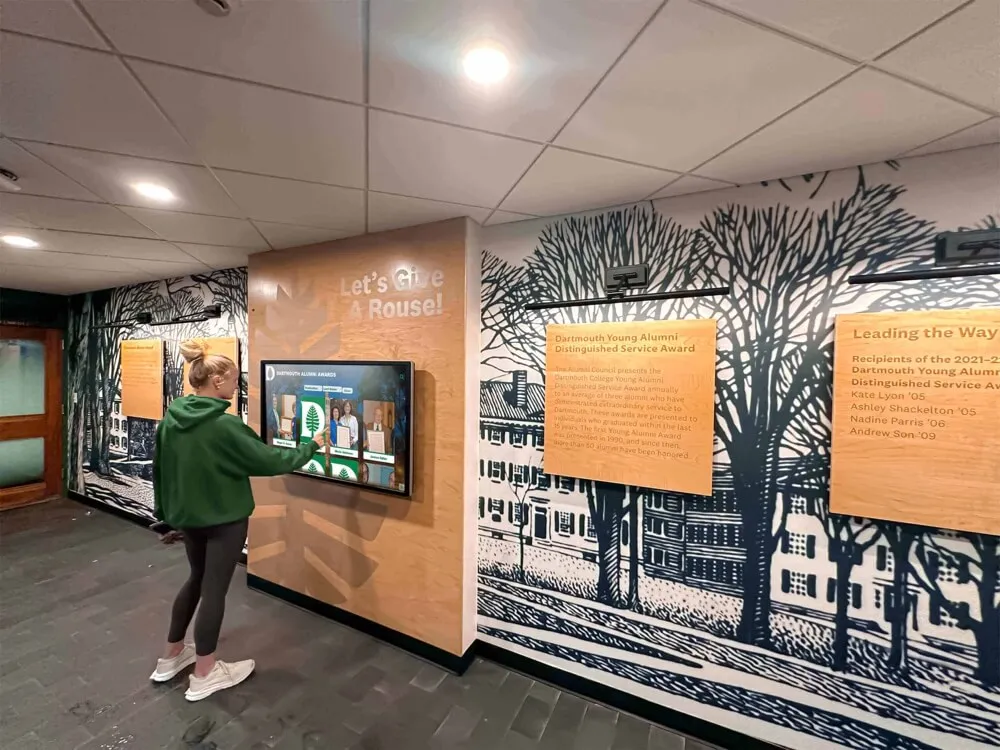
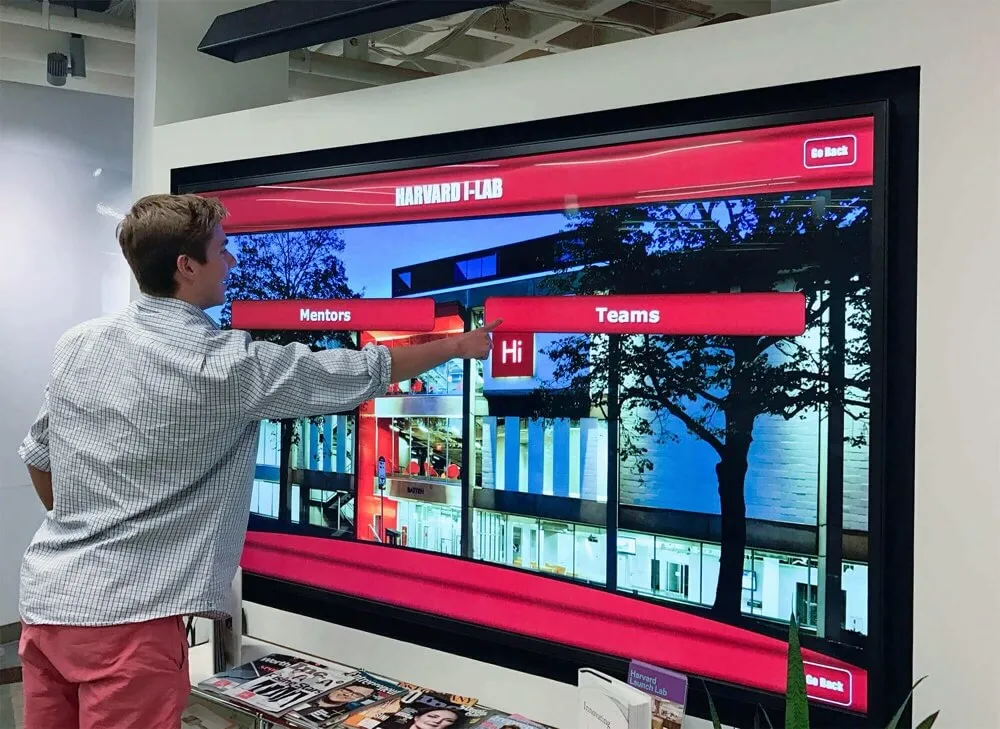
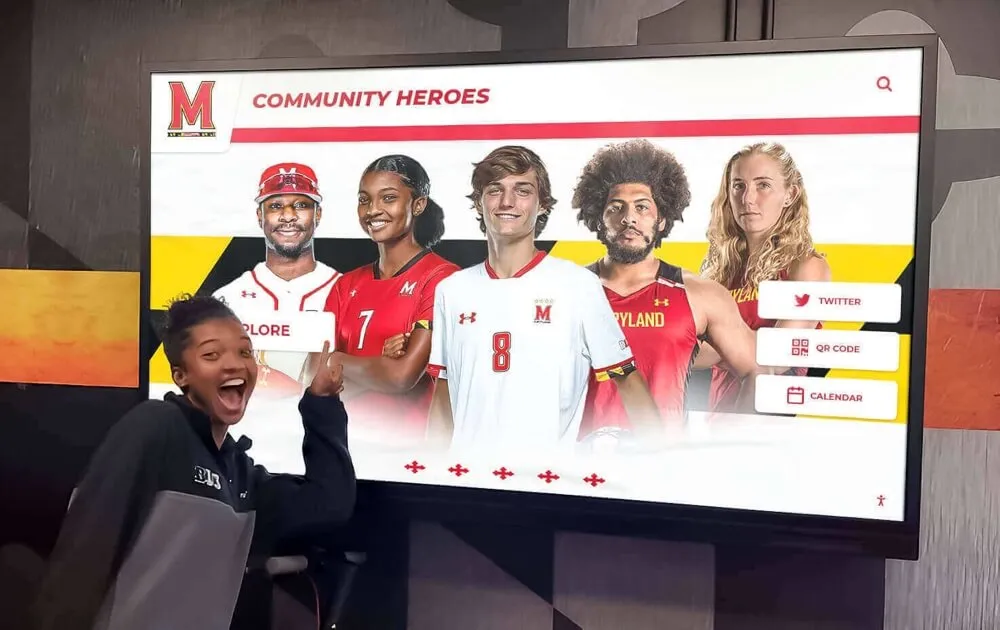
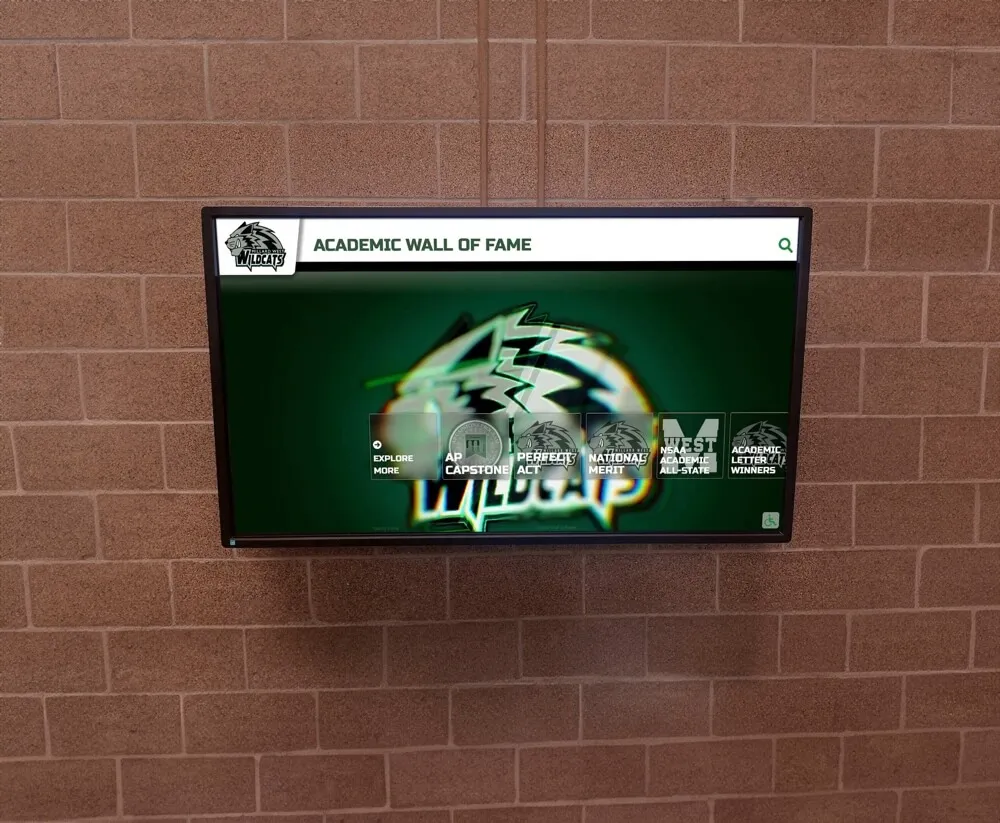
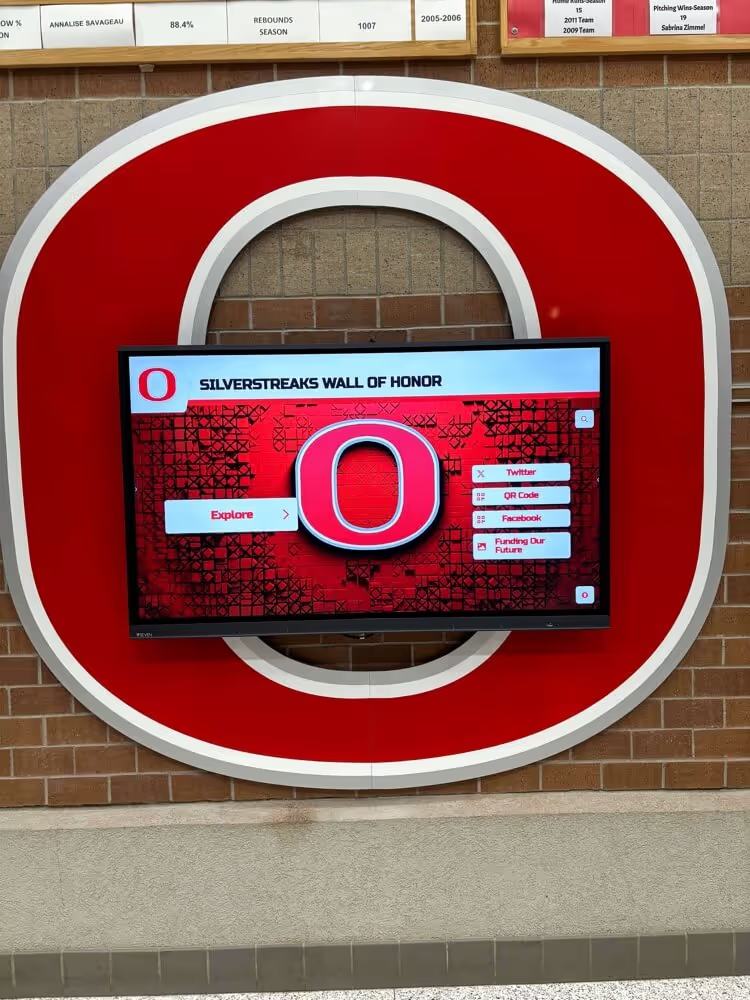
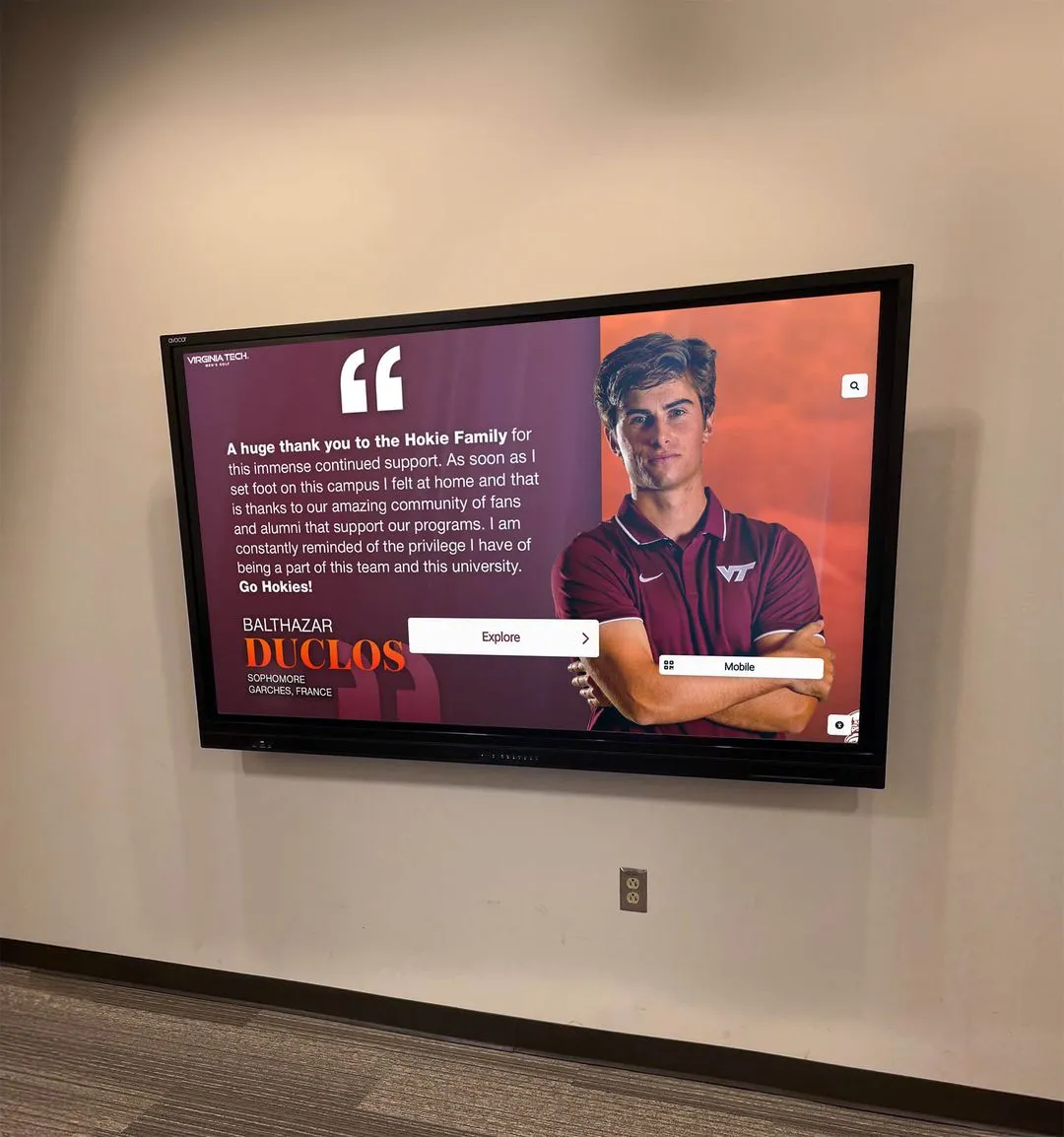
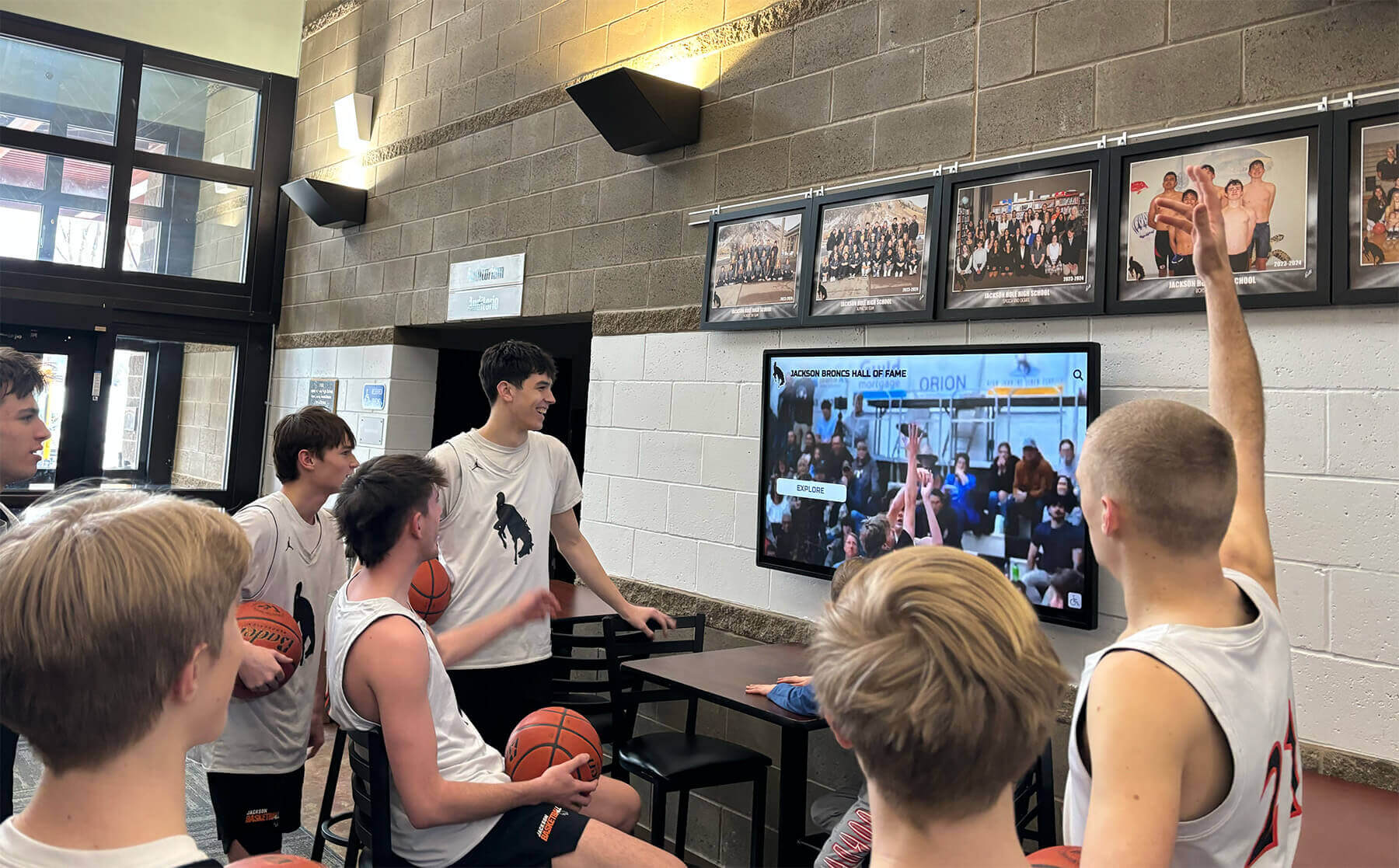
Interactive kiosks enable students to explore spirit week histories and participate in digital competitions
Themed Spirit Weeks: Multi-Day Coordinated Concepts
Beyond individual daily themes, some schools implement overarching week-long themes with coordinated daily elements:
Seasonal and Holiday Spirit Weeks
Homecoming Spirit Week The most traditional themed spirit week, building toward homecoming game and dance.
Daily Theme Structure Example:
- Monday: Class Colors Day (grade levels wear designated colors)
- Tuesday: Dynamic Duo Day (pairs coordinate matching outfits)
- Wednesday: Decades Day (era assignments by grade)
- Thursday: School Spirit Day (school colors and gear)
- Friday: Blue and Gold Day (formal school colors for game day)
Homecoming represents ideal opportunity to integrate pep rally activities that amplify spirit week energy and community engagement.
Winter Wonderland Spirit Week Celebrating winter season with cozy, festive themes.
Daily Theme Structure Example:
- Monday: Cozy/Comfy Day (pajamas, slippers, oversized sweaters)
- Tuesday: Winter Sports Day (jerseys, athletic wear from winter sports)
- Wednesday: Ugly Sweater Day (festive or humorous sweaters)
- Thursday: Snow Day Style (whites, silvers, blues)
- Friday: School Spirit Day (school colors with winter accessories)
Spring Into Spirit Week Celebrating renewal and approaching end of academic year.
Daily Theme Structure Example:
- Monday: Flower Power Day (florals, bright spring colors)
- Tuesday: Outdoor Adventure Day (camping, hiking, nature-themed attire)
- Wednesday: Spring Sports Day (spring sports jerseys and team gear)
- Thursday: Throwback Thursday (childhood or earlier school year clothing)
- Friday: Spring Formal Colors (pastel school colors, semi-formal style)
Academic and School Identity Themes
Mascot Pride Week Centering spirit week around school mascot and identity.
Daily Theme Structure Example:
- Monday: Mascot Colors (primary school color focus)
- Tuesday: What Our Mascot Eats Day (if Eagles, dress as fish; if Lions, dress as prey animals)
- Wednesday: Mascot Habitat Day (representing where mascot lives)
- Thursday: Mascot Attitude Day (embodying mascot characteristics—brave, strong, fierce, wise)
- Friday: Mascot Mania (full school colors, mascot costumes, maximum spirit)
Understanding mascot traditions helps schools build spirit weeks reinforcing school identity and community connection.
Around the World Week Celebrating diversity and global awareness through geographic themes.
Daily Theme Structure Example:
- Monday: North America Day
- Tuesday: South America and Africa Day
- Wednesday: Europe and Middle East Day
- Thursday: Asia and Oceania Day
- Friday: Unity Day (school colors representing global school community)
Important Considerations: Ensure this theme celebrates authentic cultural appreciation rather than stereotypes or appropriation. Focus on geographic learning rather than costume caricatures. Involve cultural organizations and international students in planning to maintain respect.
Subject Spirit Week Connecting spirit days to academic departments and learning.
Daily Theme Structure Example:
- Monday: Math and Science Day (lab coats, math puns on shirts, scientific themes)
- Tuesday: English and Arts Day (book characters, artistic expression, literary themes)
- Wednesday: History and Social Studies Day (historical eras, geographic regions)
- Thursday: Physical Education and Health Day (athletic wear, sports themes)
- Friday: School Pride Day (celebrating all learning with school colors)
This approach reinforces academic recognition while making learning celebration part of school culture.

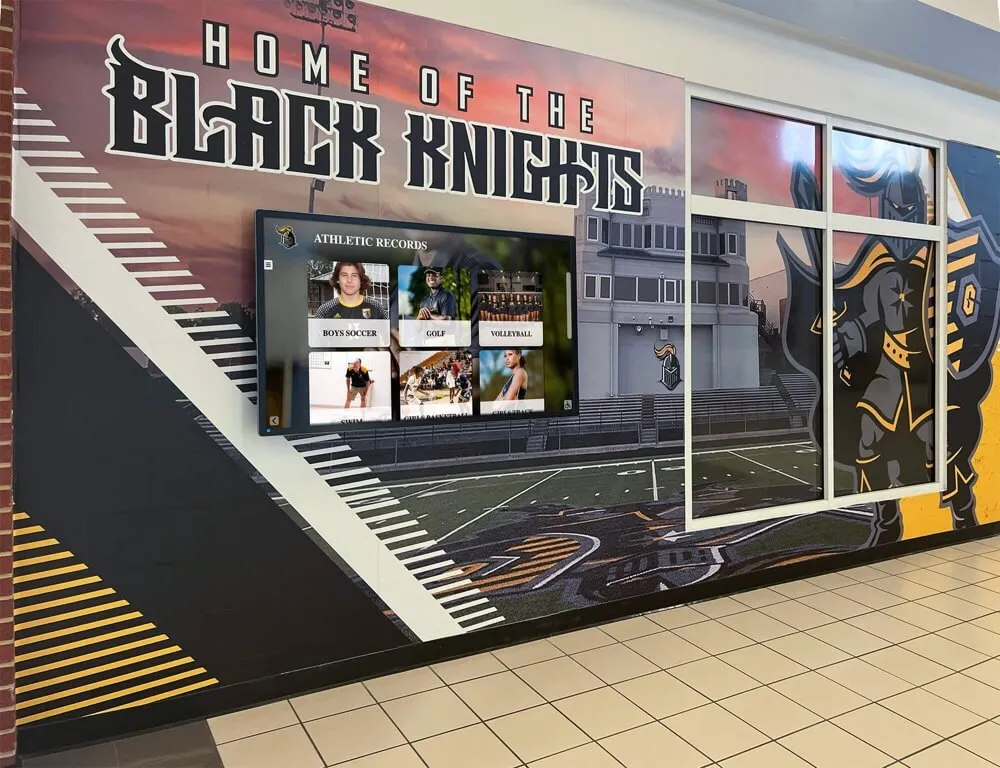
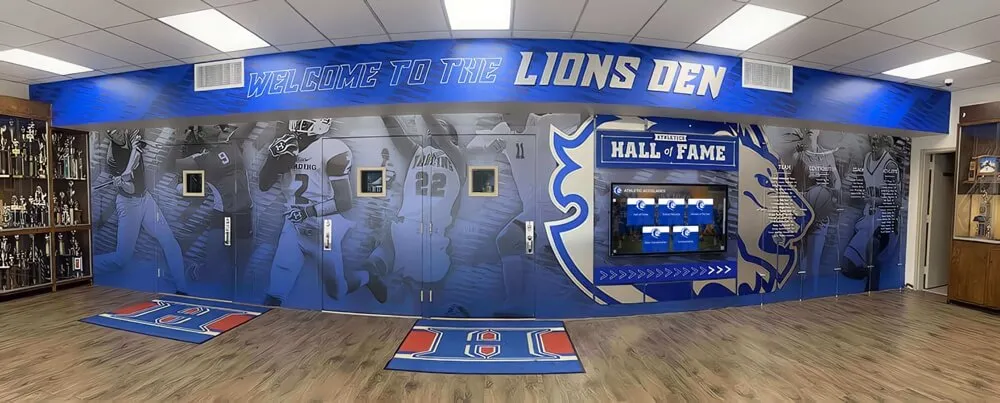
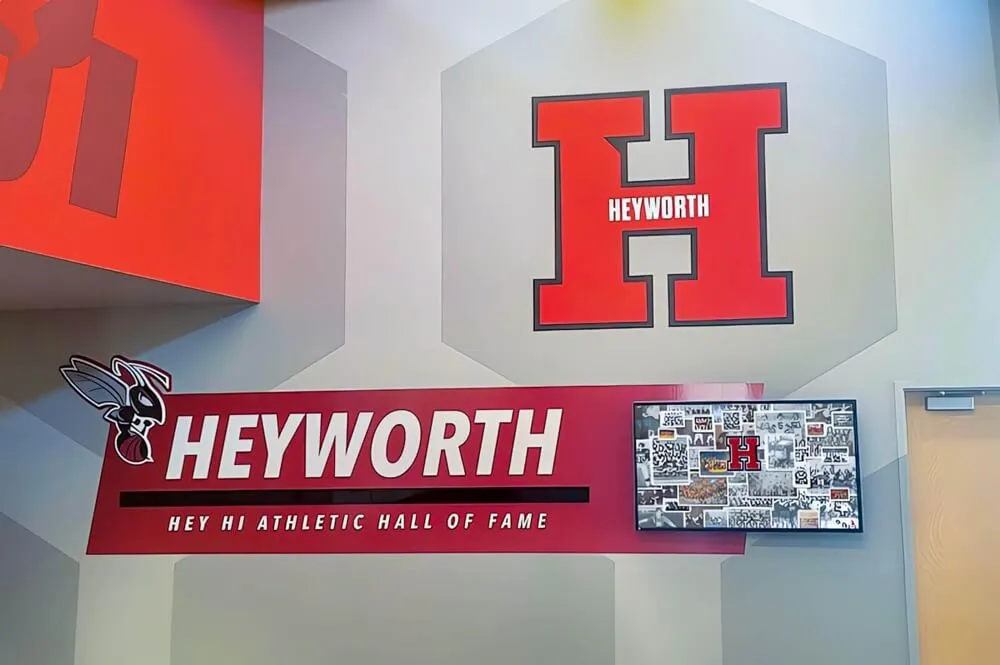
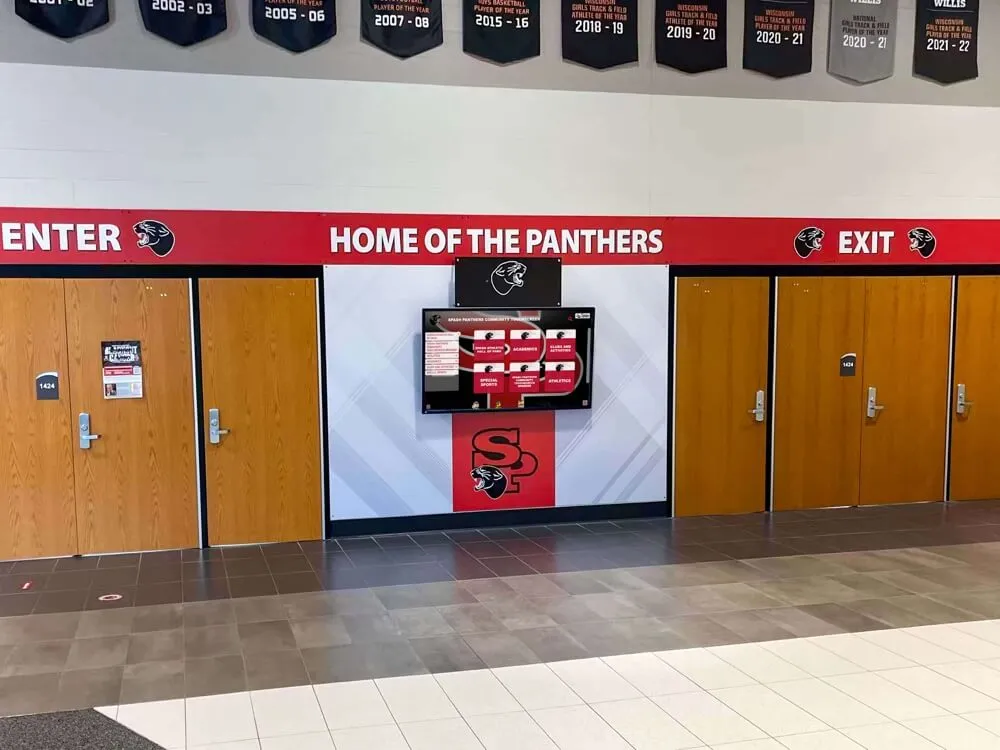
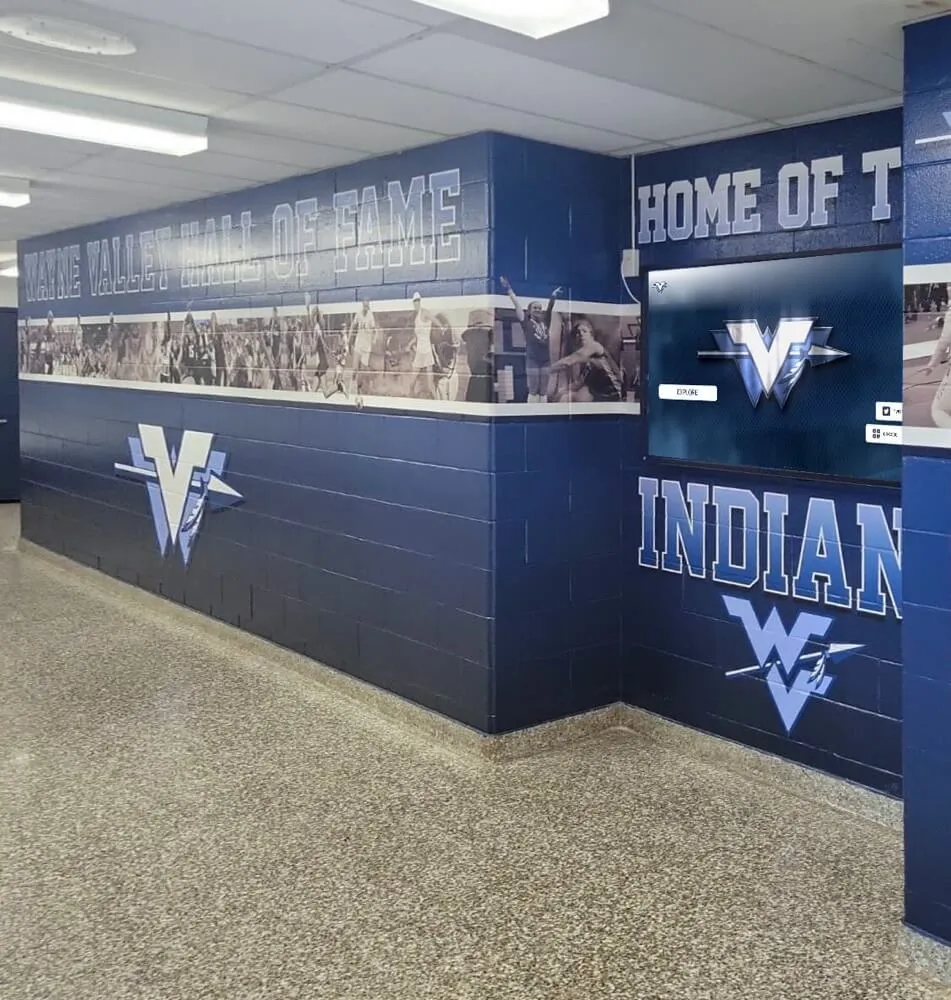
Permanent hallway displays document athletic traditions while providing spaces to celebrate current spirit week participation
Planning and Implementing Successful Spirit Weeks
Great themes fail without proper planning and execution—here’s how to ensure your spirit week succeeds:
Timeline for Spirit Week Planning
8-10 Weeks Before: Initial Planning
- Form spirit week planning committee (student council, administration, class representatives)
- Review previous spirit week participation data and feedback
- Brainstorm theme options considering calendar context (homecoming, holidays, testing periods)
- Select final daily themes balancing accessibility, fun, and variety
- Establish participation tracking methods and recognition approaches
6-8 Weeks Before: Approval and Communication
- Present spirit week plan to administration for approval
- Confirm themes comply with dress code while allowing maximum appropriate expression
- Create promotional materials and communication plan
- Begin generating excitement through social media teasers
- Recruit student photographers and documentation team
4-6 Weeks Before: Promotion Launch
- Launch comprehensive promotion campaign across all communication channels
- Hang posters in hallways with daily theme explanations
- Send parent communications explaining spirit week and encouraging support
- Create social media content explaining themes and showing example participation
- Begin homeroom or class competitions registration
2-3 Weeks Before: Final Preparations
- Distribute detailed participation instructions to all students
- Confirm assembly or special event plans for spirit week conclusion
- Organize photo documentation plan with assigned locations and photographers
- Prepare participation tracking systems (homeroom check-ins, digital tallies)
- Arrange any props, decorations, or materials needed for themes or activities
Spirit Week: Daily Implementation
- Conduct morning announcements highlighting daily themes
- Station photographers at strategic locations throughout campus
- Track participation by homeroom, grade, or class for competition purposes
- Share photos and updates on social media throughout each day
- Announce daily winners or participation highlights
Post-Spirit Week: Recognition and Documentation
- Compile participation statistics and announce overall winners
- Create photo galleries or video montages celebrating participation
- Distribute certificates or recognition to winning classes/homerooms
- Upload comprehensive documentation to digital recognition platforms
- Gather feedback for improving future spirit weeks
Creating Inclusive Participation Opportunities
Genuine inclusivity requires proactive planning beyond simply avoiding obviously exclusive themes:
Economic Accessibility
- Ensure all themes work with clothing students already own
- Create lending libraries of accessories (jerseys, ties, costume elements)
- Avoid themes requiring purchases or elaborate preparations
- Offer simple participation alternatives for every theme
Cultural Sensitivity
- Avoid themes that could be culturally appropriative or insensitive
- Consult diverse student voices during theme selection
- Provide educational context for themes touching on cultural elements
- Celebrate authentic cultural expression when students choose to share heritage
Comfort Zone Accommodation
- Include at least 2-3 low-key themes requiring minimal visibility
- Offer “participation credit” for small theme elements (wearing theme color, small accessory)
- Never require participation for grades or mandatory activities
- Celebrate enthusiastic participation without pressuring reluctant students
Physical and Sensory Considerations
- Avoid themes requiring specific physical abilities
- Provide sensory-friendly participation options for students with sensitivities
- Ensure costume elements don’t create safety hazards or mobility challenges
- Accommodate students with medical equipment or physical differences
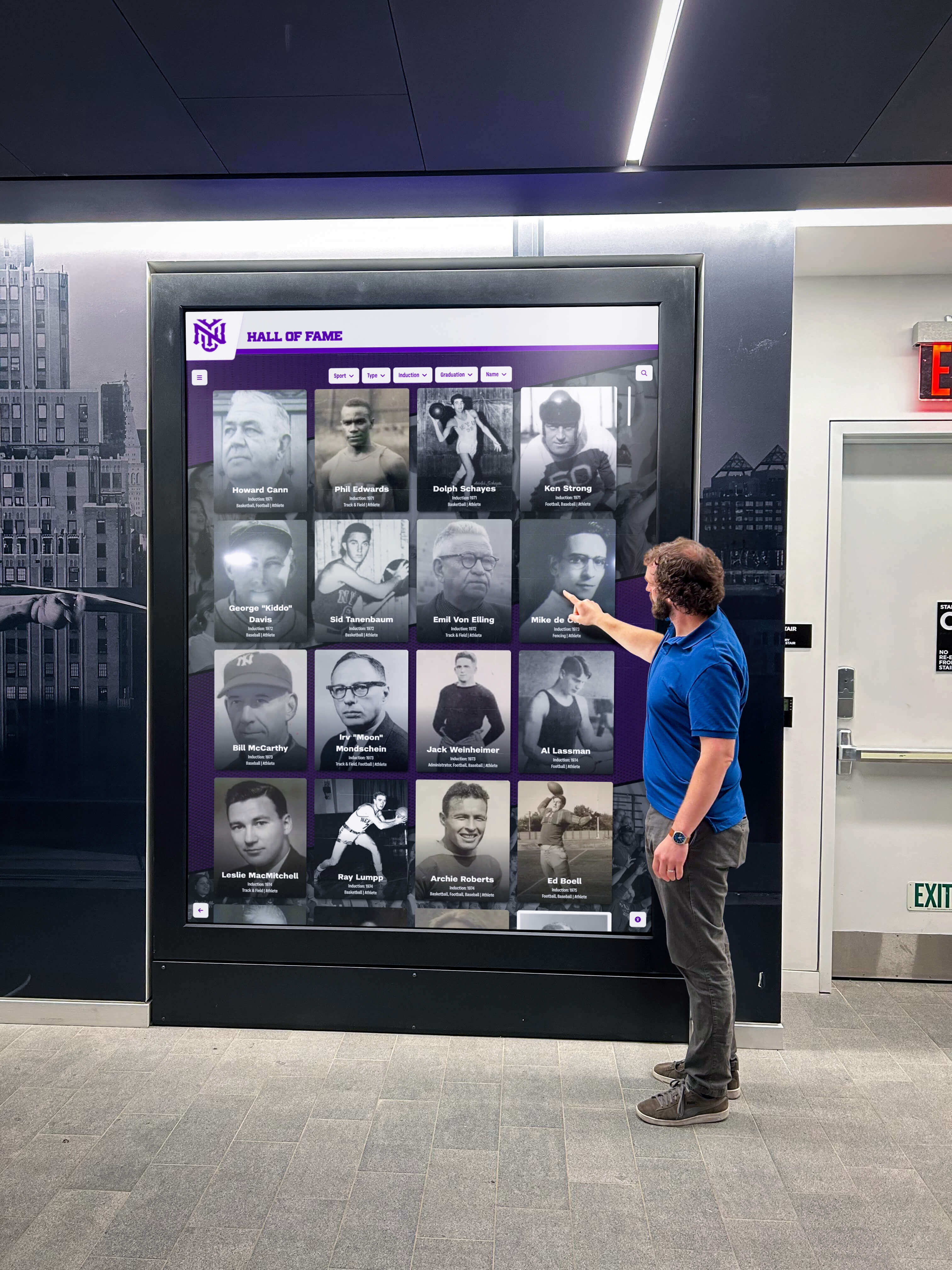
Lobby recognition displays become community gathering points celebrating current spirit weeks alongside historical traditions
Integrating Digital Recognition Into Spirit Week
Modern schools enhance spirit week impact through digital documentation and recognition systems that extend celebration beyond event days:
Real-Time Spirit Week Documentation
Live Social Media Coverage
- Designated student media teams capturing participation throughout each day
- Hashtag campaigns enabling students to share participation photos
- Instagram/Twitter feeds featuring best costumes and participation highlights
- Real-time participation tallies building competitive excitement
Digital Display Integration
- Rotate spirit week photos on lobby and hallway displays throughout the week
- Create live participation leaderboards showing class/grade competition standings
- Display “Spirit Week Hall of Fame” featuring memorable moments
- Showcase historical spirit week photos alongside current participation
Interactive Voting and Recognition
- Digital voting systems where students select favorite themes or participation examples
- QR codes linking to spirit week photo galleries for family viewing
- Mobile apps enabling participation documentation and sharing
- Virtual recognition ceremonies celebrating participation milestones
Permanent Spirit Week Archives
The most innovative schools create permanent spirit week documentation preserving these community traditions:
Digital Spirit Week Galleries Platforms like Rocket Alumni Solutions enable schools to build comprehensive spirit week archives spanning years:
- Searchable photo galleries organized by year and theme
- Student profiles showing their spirit week participation across grade levels
- Class composite displays featuring entire grades’ participation photos
- Historical timelines showing spirit week evolution and tradition development
Community Engagement Benefits
- Alumni can revisit their own spirit week memories from graduation years
- Prospective families see vibrant school culture during tours and open houses
- Current students connect with school traditions spanning generations
- Community members access school culture highlights showcasing positive campus environment
Organizations can explore how digital recognition displays support ongoing community engagement beyond individual events.
Tradition Building Through Documentation When students see comprehensive documentation of previous spirit weeks, they understand they’re participating in living traditions rather than isolated events. This historical context elevates spirit week significance while inspiring creative participation that students hope will be remembered in future archives.
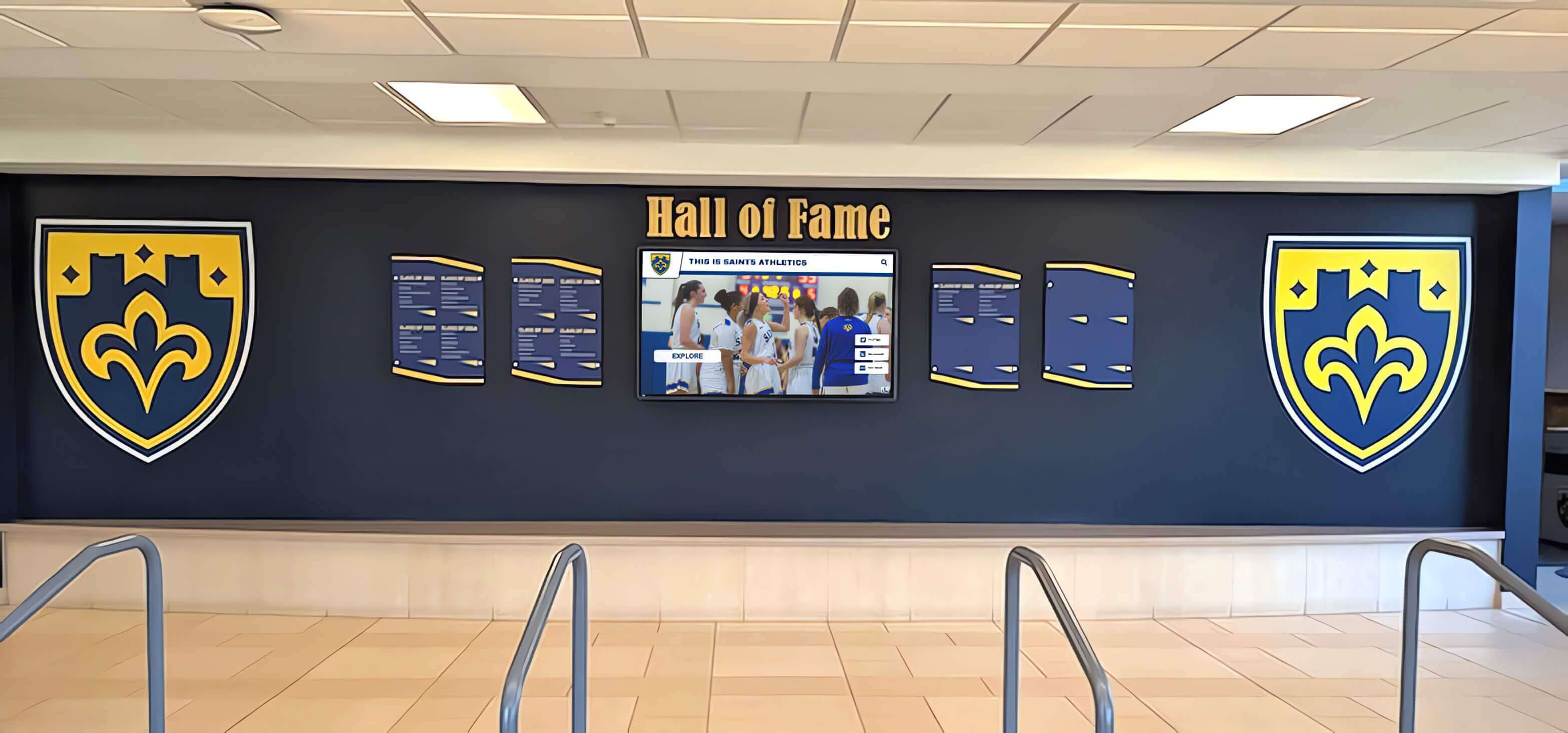
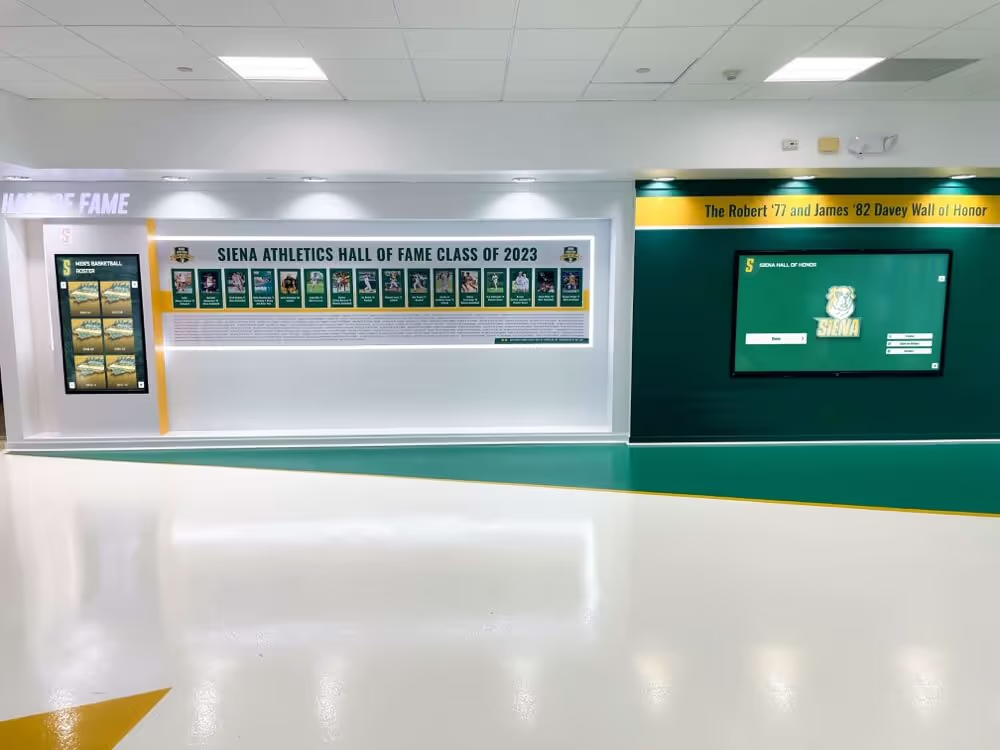
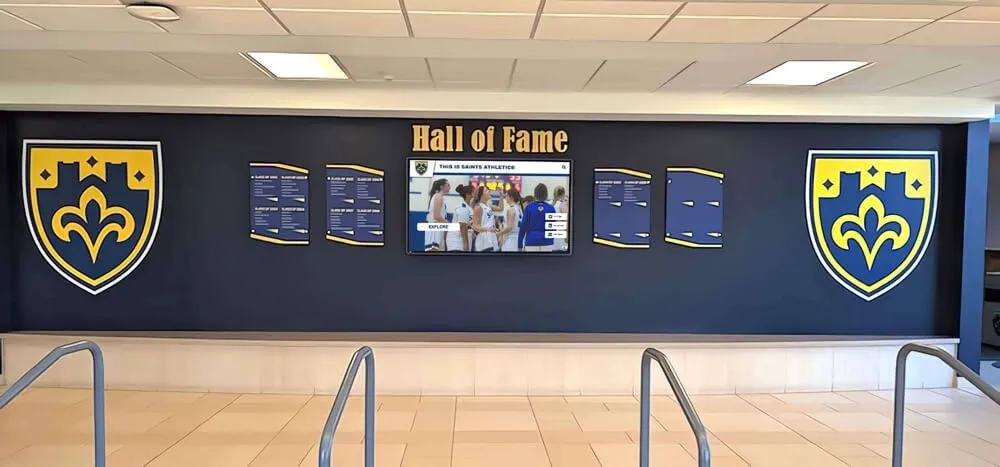
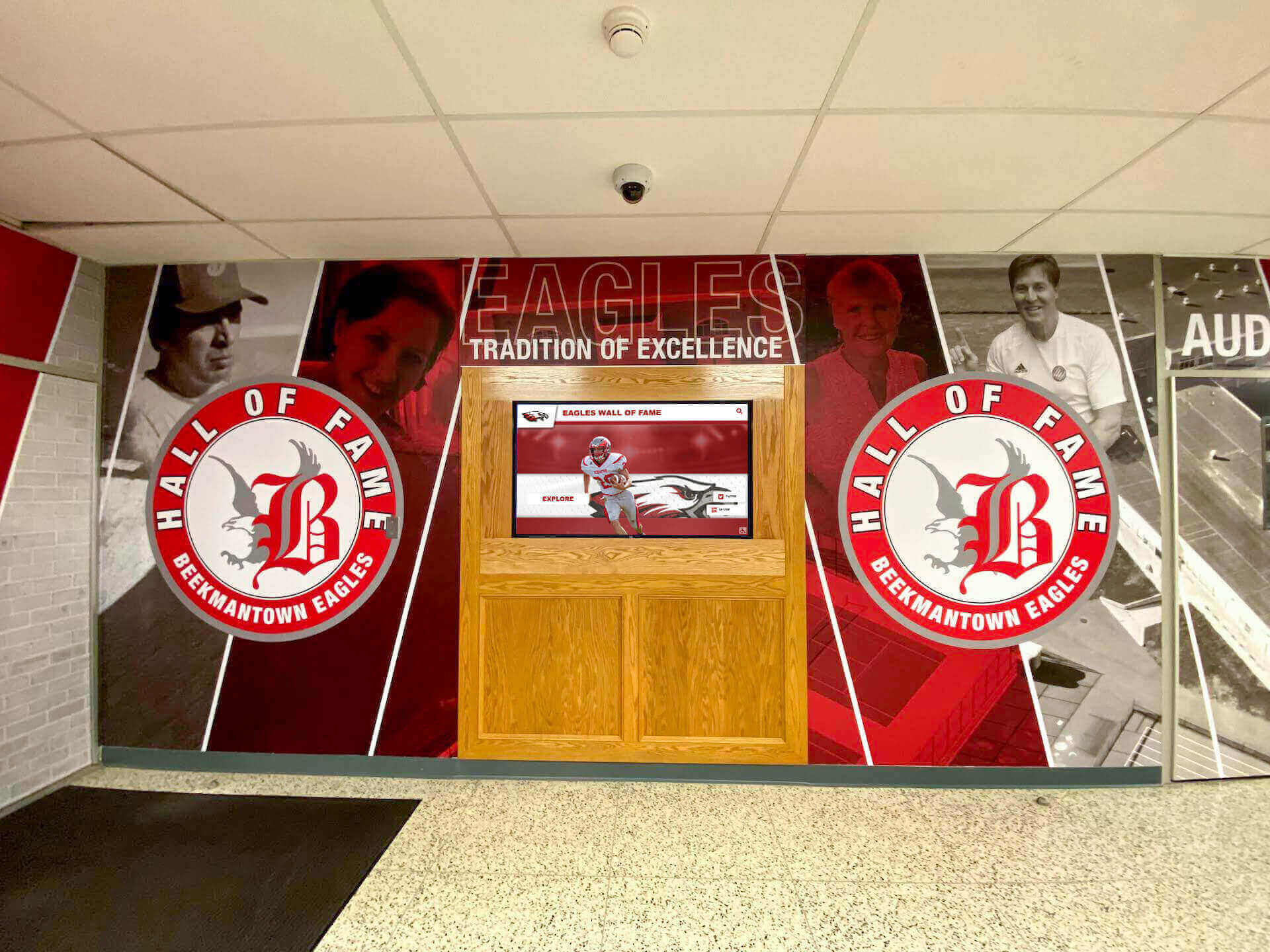
Lobby walls combine traditional recognition elements with digital displays documenting spirit traditions
Spirit Week Competitions and Recognition Structures
Strategic competition structures drive participation while maintaining positive, inclusive atmospheres:
Effective Competition Frameworks
Participation Percentage Competitions Rather than judging “best” costumes, track percentage of students participating from each homeroom, advisory, or grade level.
Advantages:
- Every student’s participation carries equal weight
- Eliminates subjective judging potentially favoring certain styles
- Encourages peer encouragement rather than criticism
- Rewards inclusive participation rather than elite performance
Implementation: Morning homeroom attendance time includes quick visual scan counting participants. Percentages calculate as participants divided by total homeroom enrollment. Daily and weekly winners receive recognition.
Multi-Category Recognition Create various recognition categories ensuring diverse participation styles receive acknowledgment:
Category Examples:
- Most Creative Interpretation
- Most Enthusiastic Participation
- Best Group Coordination
- Funniest Theme Execution
- Most School Spirit Demonstrated
- Best Teacher Participation
- Most Improved Participation (compared to previous days)
Multiple categories mean more students receive recognition, building momentum as week progresses.
Progressive Spirit Points System Assign points for participation across the week, with cumulative scoring determining overall class or grade winners:
Point Structure Example:
- Basic participation: 1 point per student
- Exceptional theme execution: 2-3 points (limited to top 10% to maintain broad participation incentive)
- Group coordination: Bonus points for coordinated groups of 5+
- Teacher participation: Bonus points when teachers participate in homeroom themes
- Social media engagement: Points for positive theme-related posts with school hashtag
Progressive systems maintain engagement throughout entire weeks since early low participation days can be overcome through strong later participation.
Recognition and Celebration Strategies
Daily Recognition
- Morning announcements highlighting previous day’s participation
- Social media features showcasing standout participants
- Digital displays rotating participation photos
- Prize drawings among participants (small items like spirit wear, school supplies, cafeteria privileges)
Weekly Culmination
- Spirit assembly celebrating participation and announcing winners
- Video montage highlighting week’s best moments
- Certificate or trophy presentation to winning classes
- Special privileges for winning groups (casual dress days, preferred lunch seating, homework passes)
Permanent Documentation
- Digital recognition platforms archiving spirit week photos
- Yearbook spreads featuring spirit week highlights
- Trophy cases or display spaces showing spirit week tradition
- Annual “Spirit Week Hall of Fame” inducting memorable moments
Schools implementing comprehensive recognition programs understand that celebrating diverse achievements—including spirit week participation—builds cultures where all students feel valued.

Athletic recognition areas integrate spirit celebration displays, connecting team pride with campus-wide participation
Spirit Week Ideas for Different School Levels
Effective spirit weeks adapt to developmental stages and school cultures:
Elementary School Spirit Weeks
Younger students benefit from simple, clearly-defined themes emphasizing fun over competition:
Age-Appropriate Theme Examples:
- Favorite Color Day (simple choice all students can make)
- Wacky Hair Day (fun self-expression)
- Superhero Day (broad category with countless options)
- Stuffed Animal Day (bringing comfort items)
- Silly Sock Day (simple accessory focus)
Elementary Implementation Keys:
- Shorter spirit weeks (3 days instead of 5) maintain enthusiasm
- Heavy teacher participation modeling engagement
- Emphasis on fun rather than competition
- Simple participation tracking (stickers, stamps, certificates)
- Parent communication explaining themes and accessibility
Middle School Spirit Weeks
Pre-adolescent and early adolescent students need themes balancing self-expression with social comfort:
Developmentally Appropriate Themes:
- Twin Day (celebrating friendships)
- Team Jersey Day (sports identity emerging)
- Crazy Pattern Day (fun without requiring elaborate costumes)
- Throwback Thursday (nostalgia for elementary years)
- School Colors Friday (pride with minimal risk)
Middle School Implementation Keys:
- Multiple participation level options acknowledging varied comfort zones
- Strong peer leadership from student council
- Digital documentation emphasizing positive moments
- Inclusive messaging that non-participation is acceptable
- Grade-level variations building class identity
High School Spirit Weeks
Older students appreciate sophisticated themes allowing creative expression while building senior-year traditions:
Engaging High School Themes:
- Decade Day with grade-level decade assignments
- Career Day connecting to post-graduation futures
- College Colors Day (especially for juniors and seniors)
- Teacher Swap Day (students dress as favorite teachers)
- Senior Throwback (seniors wear elementary school clothing)
High School Implementation Keys:
- Student-led planning creating ownership
- Senior class privilege themes (throwback day exclusively for seniors)
- Integration with homecoming, prom, or graduation season
- Sophisticated digital documentation and social media engagement
- Alumni connection through historical spirit week archives
Schools can connect spirit week traditions with senior recognition programs celebrating graduating classes.
Budget-Friendly Spirit Week Implementation
Effective spirit weeks need not consume significant budgets—creativity matters more than expenditure:
Low-Cost Participation Support
Spirit Week Supply Stations Create “spirit closets” with donated or inexpensive items students can borrow:
- Thrift store jerseys for team jersey day
- Hats, sunglasses, and accessories for various themes
- Face paint and temporary tattoos in school colors
- Colored t-shirts in various sizes
DIY Decoration and Props Student groups create reusable spirit week decorations:
- Grade-level banners for hallway displays
- Photo booth backdrops featuring school mascots or colors
- Poster campaigns promoting daily themes
- Classroom door decorating competitions using craft supplies
Digital-First Documentation Eliminate expensive professional photography through strategic digital approaches:
- Student media teams using school equipment
- Smartphone photos from teachers and students
- Social media aggregation reducing need for formal galleries
- Cloud storage eliminating physical photo printing costs
Maximizing Existing Resources
Leverage School Infrastructure
- Use morning announcements for promotion and recognition
- Utilize existing social media accounts for documentation
- Incorporate spirit week into regular assembly schedules
- Connect to existing school traditions (homecoming, rivalry weeks)
Community Partnerships
- Local businesses donate small prizes for competitions
- Parent volunteers assist with decoration or documentation
- Alumni associations fund spirit week recognition elements
- Booster clubs provide school spirit items as prizes
Student Leadership
- Student council manages planning and implementation
- Class officers drive participation within grade levels
- Media students handle documentation and promotion
- Volunteers serve as photographers and social media managers
Effective spirit weeks demonstrate that energy, creativity, and student ownership matter infinitely more than budget size in creating memorable, unifying campus celebrations.
Conclusion: Building School Community Through Spirit Week Traditions
Well-executed spirit weeks transcend simple dress-up days—they create defining moments in students’ educational experiences while fostering the sense of belonging and pride that transforms schools from institutions into communities. When themes remain accessible ensuring all students can participate regardless of resources, daily structures provide clear expectations eliminating confusion, recognition systems celebrate diverse participation styles, and permanent documentation preserves these traditions across generations, spirit weeks become powerful tools strengthening campus culture and student engagement.
Preserve Your Spirit Week Traditions Digitally
Discover how digital recognition platforms help schools document spirit week celebrations while building permanent archives that strengthen traditions and community pride across generations.
Explore Recognition SolutionsThe most successful schools view spirit weeks not as isolated events but as opportunities to strengthen ongoing school culture. They document participation comprehensively through digital platforms preserving memories students and families can revisit indefinitely. They connect spirit week themes to broader recognition programs celebrating achievement across athletics, academics, arts, and service. And they evolve spirit week traditions based on student feedback and participation data, ensuring these celebrations genuinely reflect current student populations while honoring established traditions.
Whether implementing homecoming spirit weeks building toward championship games, seasonal celebrations marking academic year rhythms, or standalone spirit weeks simply strengthening campus community, the themes and strategies explored throughout this guide provide actionable frameworks for creating events students anticipate eagerly while administrators can implement confidently.
Start by evaluating your current spirit week approaches against the accessibility, clarity, and inclusivity principles outlined here. Identify themes generating highest participation while noting which elements students mention positively years later as graduates. Consider how digital recognition platforms might extend spirit week impact beyond event days through permanent archives and year-round celebration. Most importantly, involve students authentically in planning processes—spirit weeks succeed when students feel ownership rather than merely following administrator directives.
Spirit week participation becomes cherished memory when students feel their involvement mattered, their participation was celebrated, and their grade or class contributed to building traditions that future students will remember and continue. This sense of contributing to something larger than individual participation creates the community connection that makes schools feel like home rather than just educational institutions where students spend required hours.
Schools interested in comprehensive approaches to building campus culture can explore additional resources on student recognition programs, discover how digital displays enhance school events, and learn about creating permanent traditions through recognition technology that celebrates achievement across all dimensions of school life.