Most school websites handle the essentials competently—class schedules, staff directories, event calendars. What they rarely get right are the pages that actually inspire community pride: the athletics history buried three clicks deep, the alumni spotlight that hasn’t been updated since graduation season three years ago, or the award recipients list living inside an inaccessible PDF no one can search. Yet those are precisely the pages that prospective families, current students, donors, and graduates seek when they want to feel genuinely connected to your institution.
This guide breaks down the essential recognition pages every school website should include—from athletics archives and alumni profiles to academic awards and donor walls—with practical guidance on structure, maintenance, and how the strongest school website examples connect their digital presence to physical recognition displays inside the building.
School website examples that stand out share a consistent thread: they dedicate meaningful space to celebrating their community’s achievements. Recognition pages signal to every visitor that your school values its people—not just its programs—and that legacy matters here.

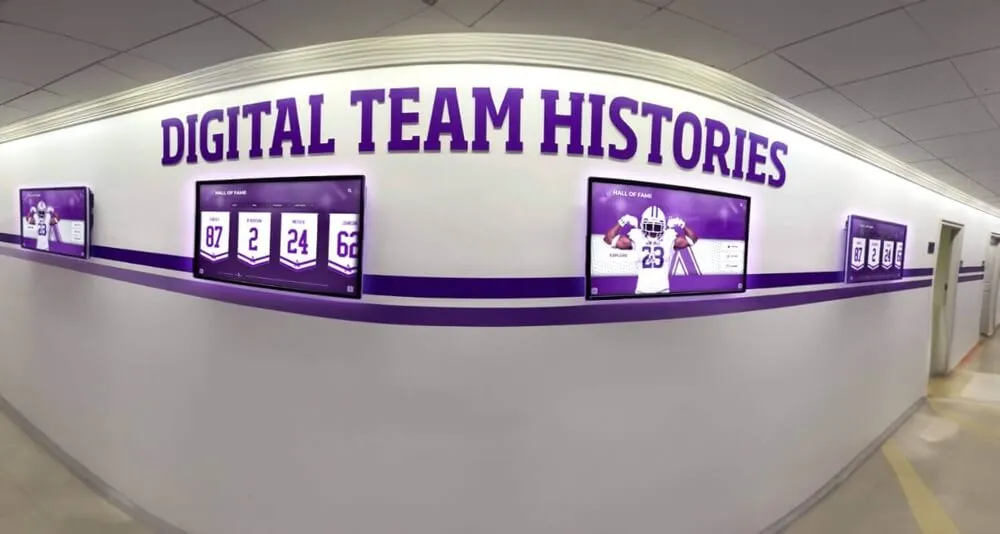
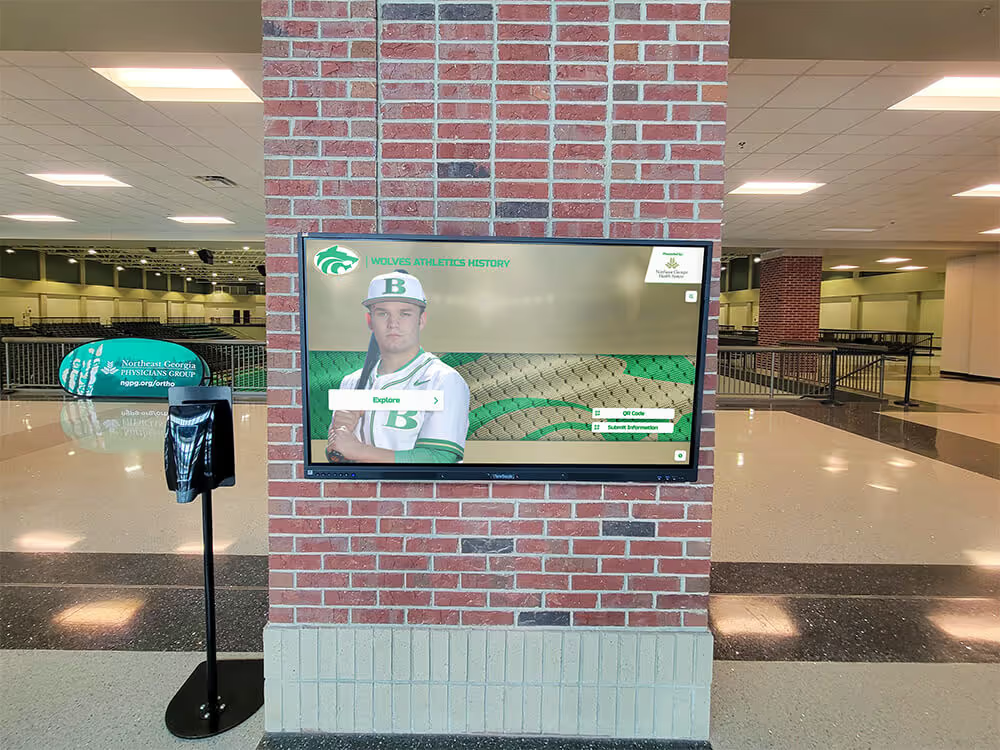
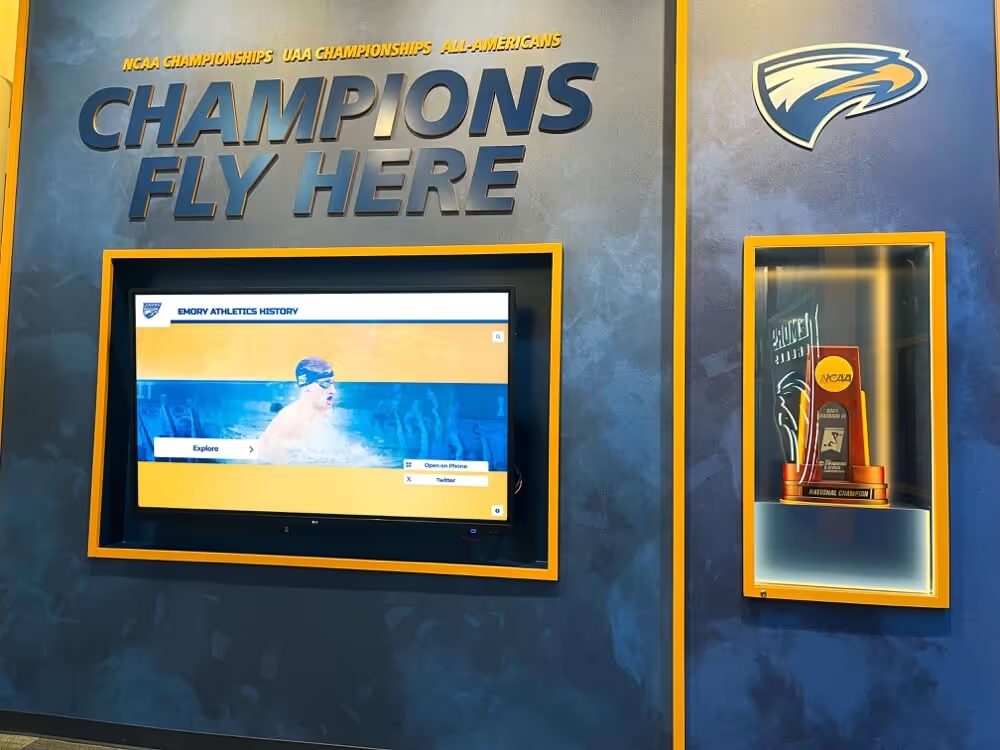
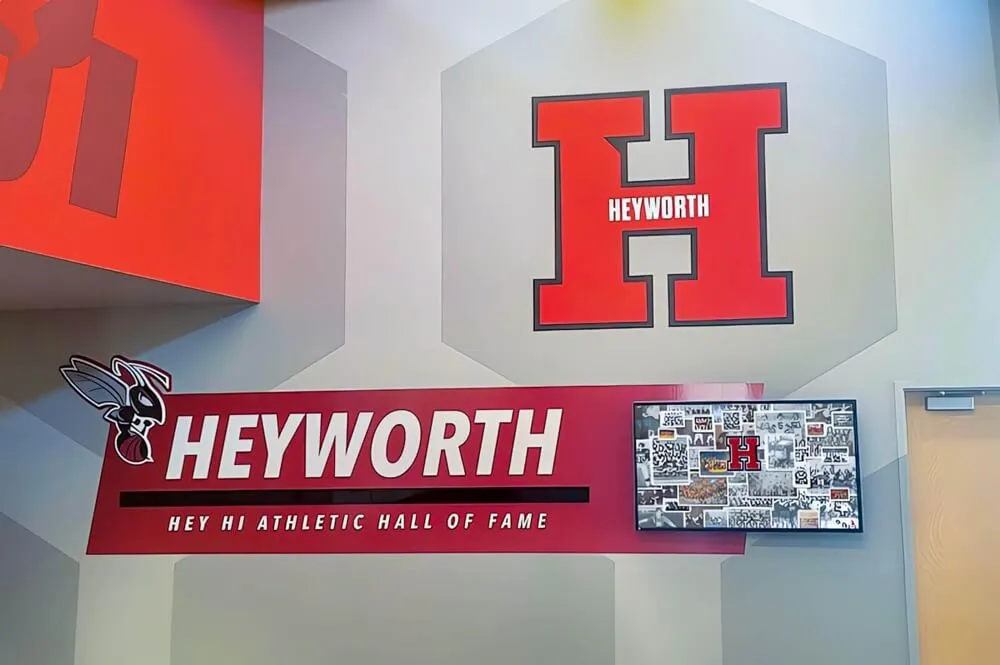
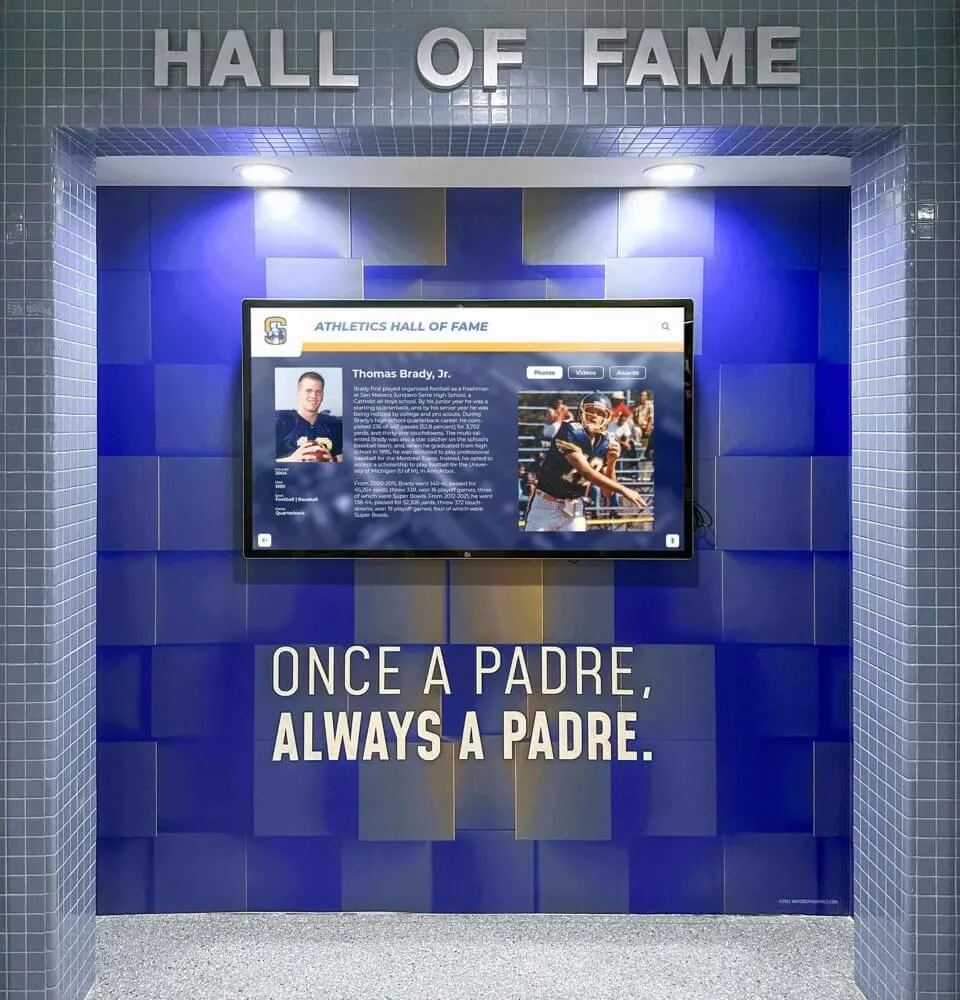
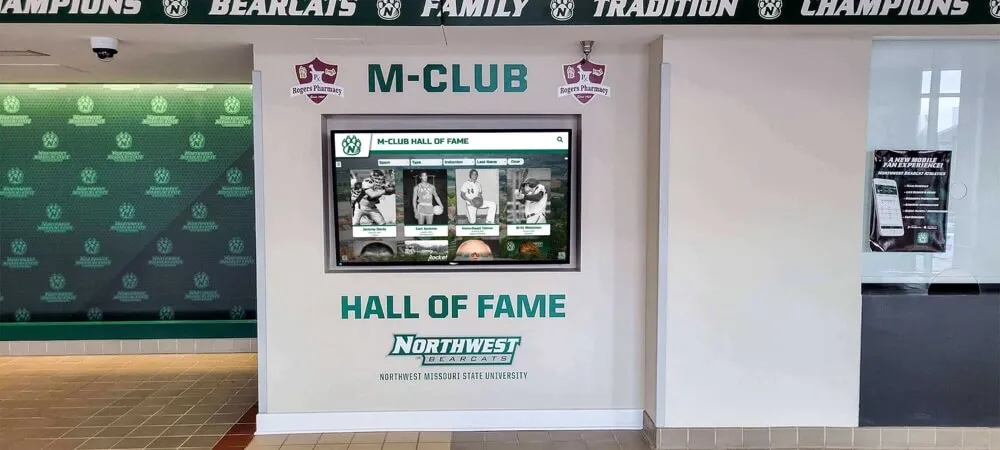
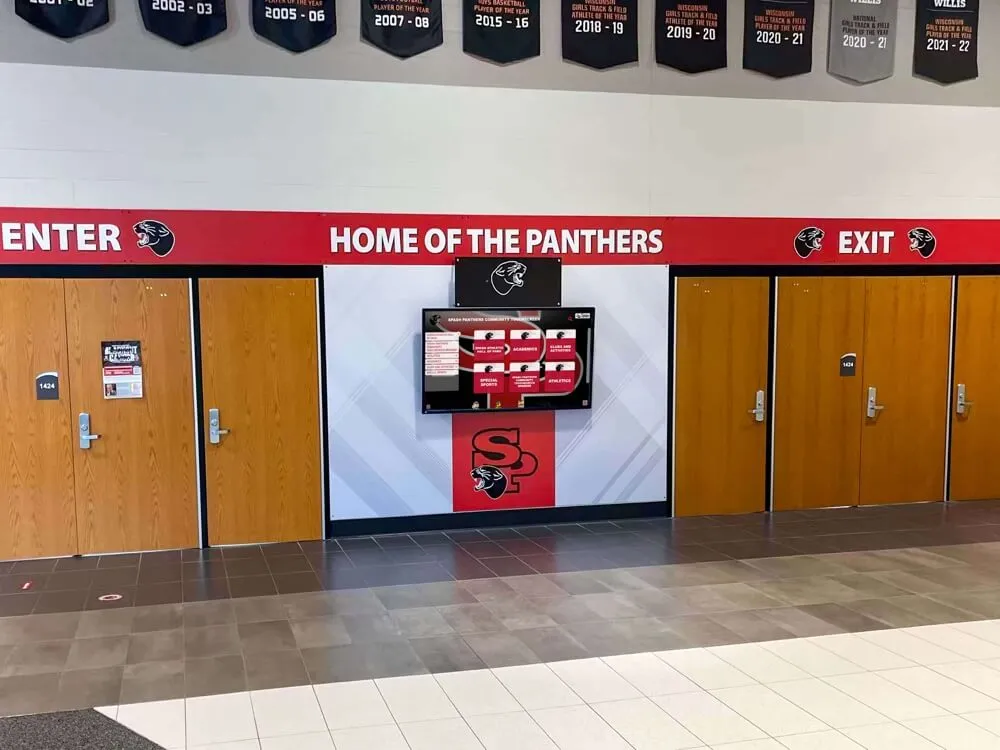
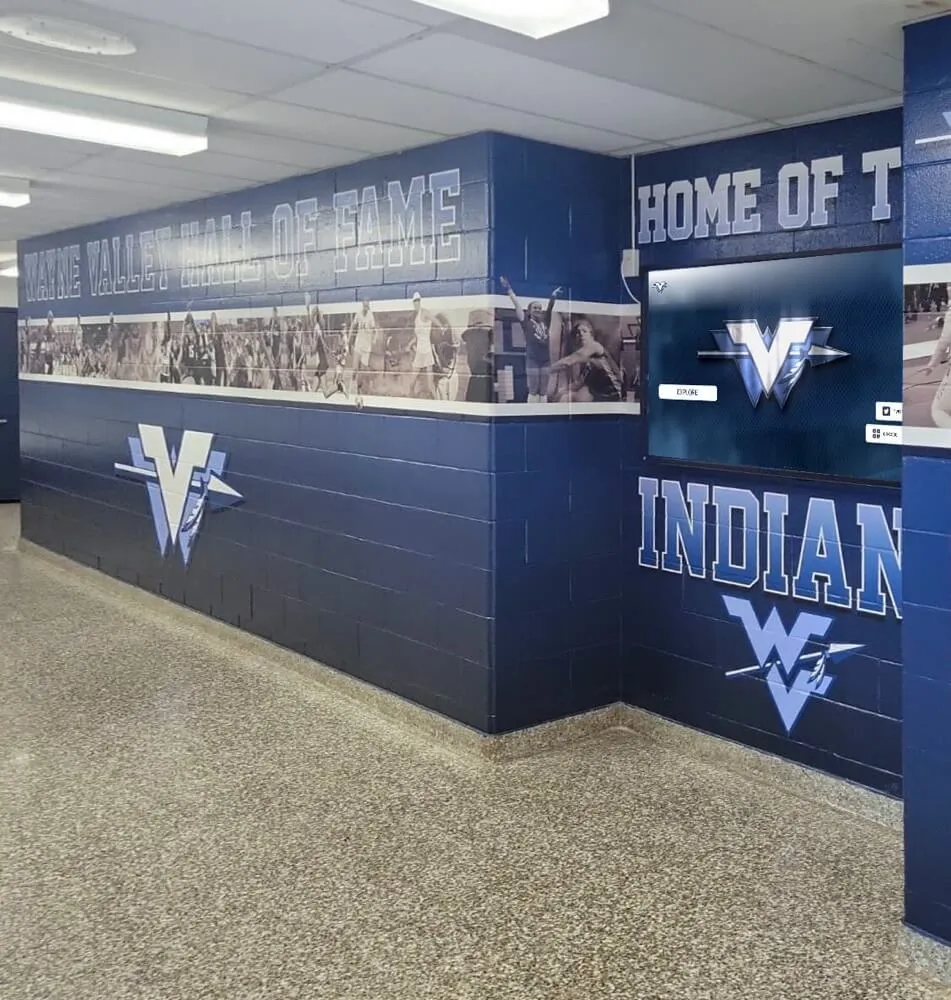
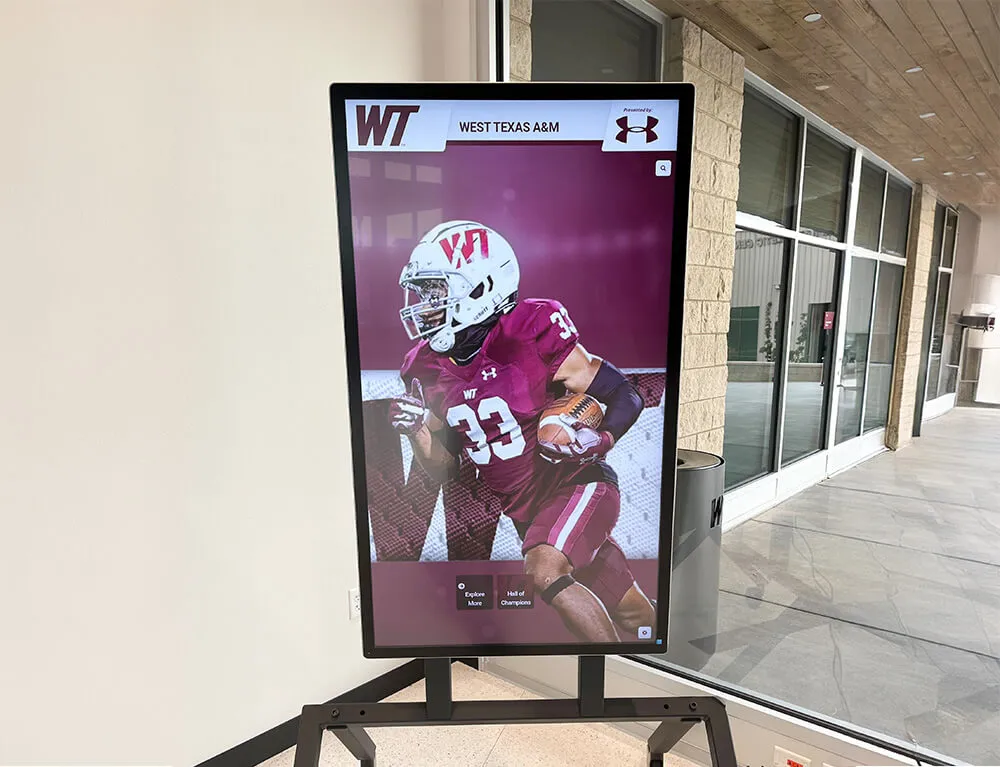
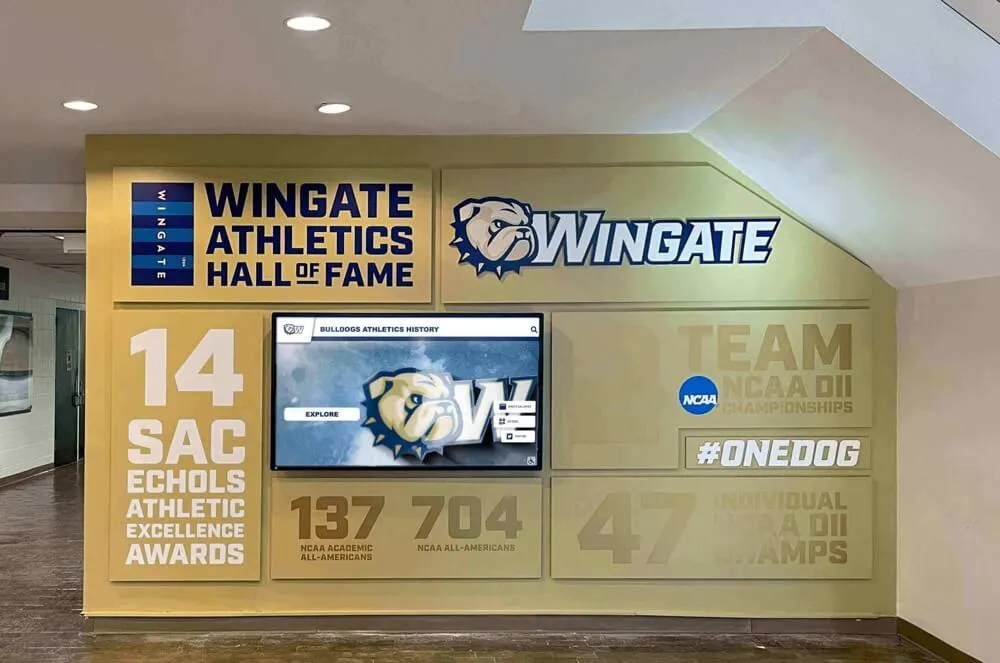
Athletics recognition integrated into physical spaces and school websites creates a seamless celebration of student achievement across every touchpoint
Why Recognition Pages Matter More Than Most Schools Realize
Before examining specific page types, it’s worth establishing the strategic value of recognition content on school websites.
Prospective families researching your school want evidence that your institution produces exceptional outcomes and values its community long after graduation. When a parent encounters a well-maintained athletics hall of fame, a searchable alumni directory, and organized academic award archives, they draw immediate conclusions about institutional quality, community investment, and long-term commitment to students.
Donors evaluating whether to give need to see that previous contributions and honorees are properly celebrated. Nothing undermines a capital campaign faster than a donor recognition wall—physical or digital—that clearly hasn’t been updated in years.
Current students check these pages more frequently than administrators expect. Seeing their sport’s record board online, or finding a graduated senior’s profile in the alumni directory, creates aspirational motivation that no assembly speech can replicate. When students see their path to recognition modeled by predecessors, they pursue it.
Alumni searching for their school’s website often arrive during a transition moment—a reunion, a nostalgia wave, a potential gift. A recognition page honoring their era makes them feel remembered and valued, substantially increasing the probability of re-engagement.
For a comprehensive overview of how recognition programs are structured across school settings, the academic recognition programs guide at Archival Displays provides a thorough framework applicable directly to web content planning.
Athletics History Pages
An athletics history page is one of the most visited—and most commonly neglected—sections of any school website. Done well, it functions as a living record of your program’s legacy across generations of student-athletes.
What Strong Athletics History Pages Include
Championship and Season Records
List every championship title by sport and year, including conference, regional, and state honors. A sortable table or visual timeline works well—the goal is comprehensive, accessible coverage rather than visual complexity.
All-Time Statistical Leaders
Record boards showing all-time leaders in points scored, career wins, batting average, or other sport-specific metrics create the kind of content that athletes and alumni reference for years. These pages drive repeat visits and fuel competitive motivation among current players.
Coaching History
Celebrate the coaches who built your program. A roster of head coaches with years of service, records, and key accomplishments honors mentors and connects different eras of alumni through shared experiences.
Individual Honors and Awards
List players who earned All-State recognition, MVP awards, or college scholarship achievements. Linking these entries to detailed hall of fame profiles or alumni pages deepens the experience. For context on how athletics recognition connects to long-term student opportunity, the guide to helping student-athletes earn recognition beyond graduation offers useful perspective on why these pages matter well past the season.
Common Mistakes on Athletics Pages
The most frequent failure is stale data. A “2022 State Champions” banner on a page last updated three years ago destroys credibility faster than having no page at all. Commit to a post-season update cadence at minimum.
The second most common mistake: burying athletic history behind too many navigation clicks. If a visitor has to navigate Sports > Archives > History > Football > Records, they’ll abandon the journey. Flatten the structure and surface key content closer to the top level.
Third: neglecting non-revenue sports. Wrestling, swimming, cross country, and track deserve the same historical treatment as football and basketball. Schools that cover all sports demonstrate genuine athletic culture rather than selectively spotlighting high-visibility programs.
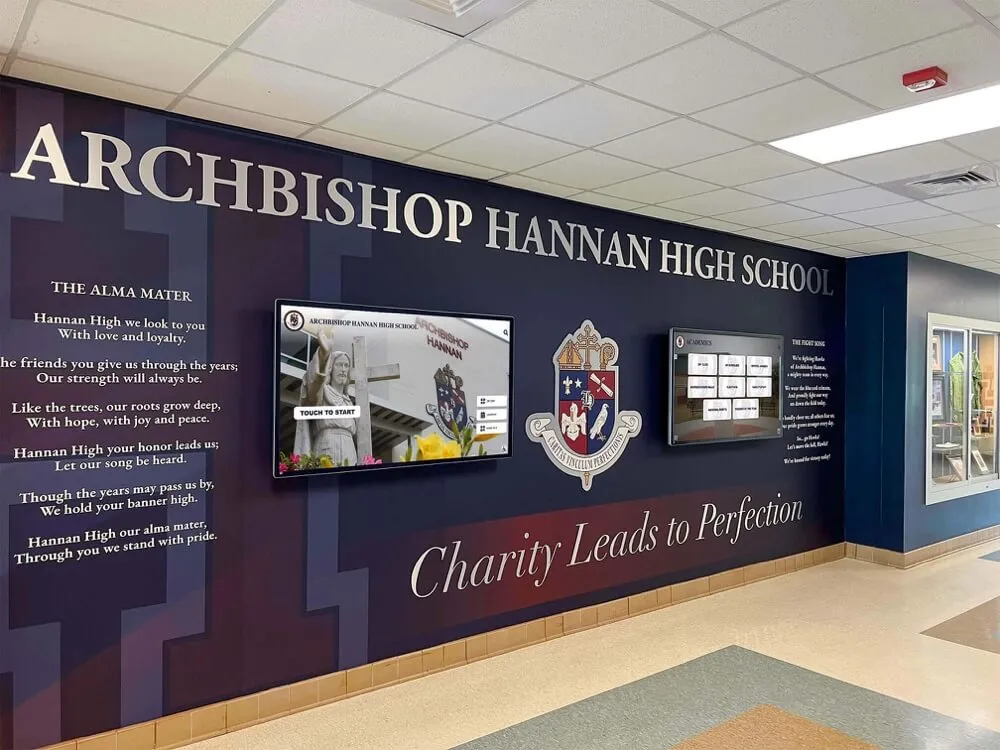
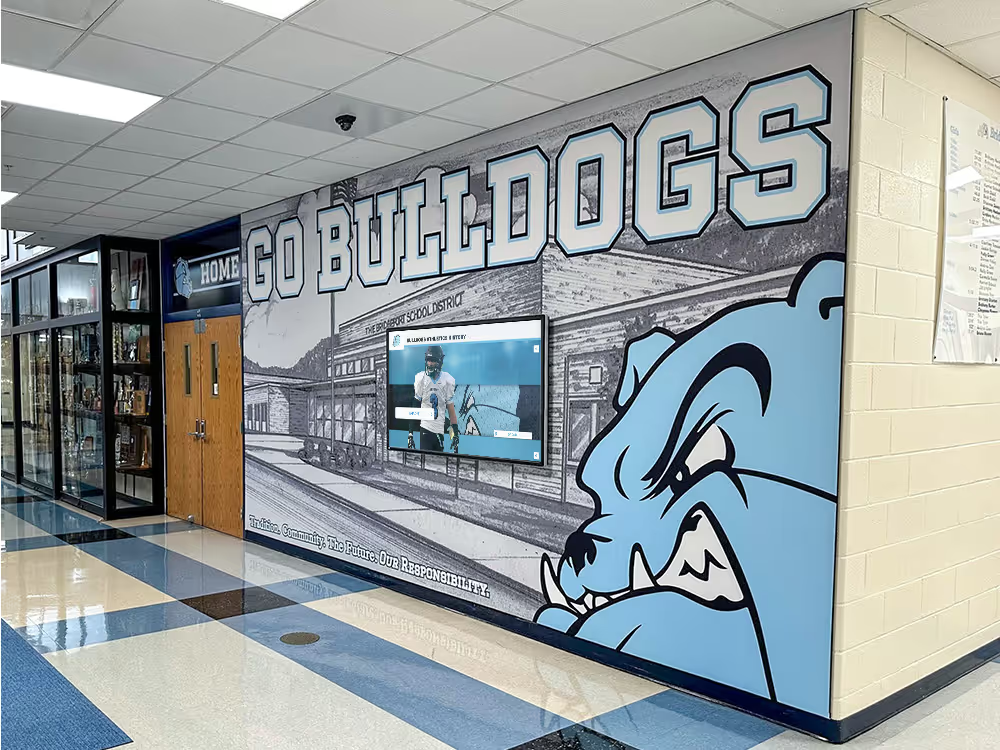
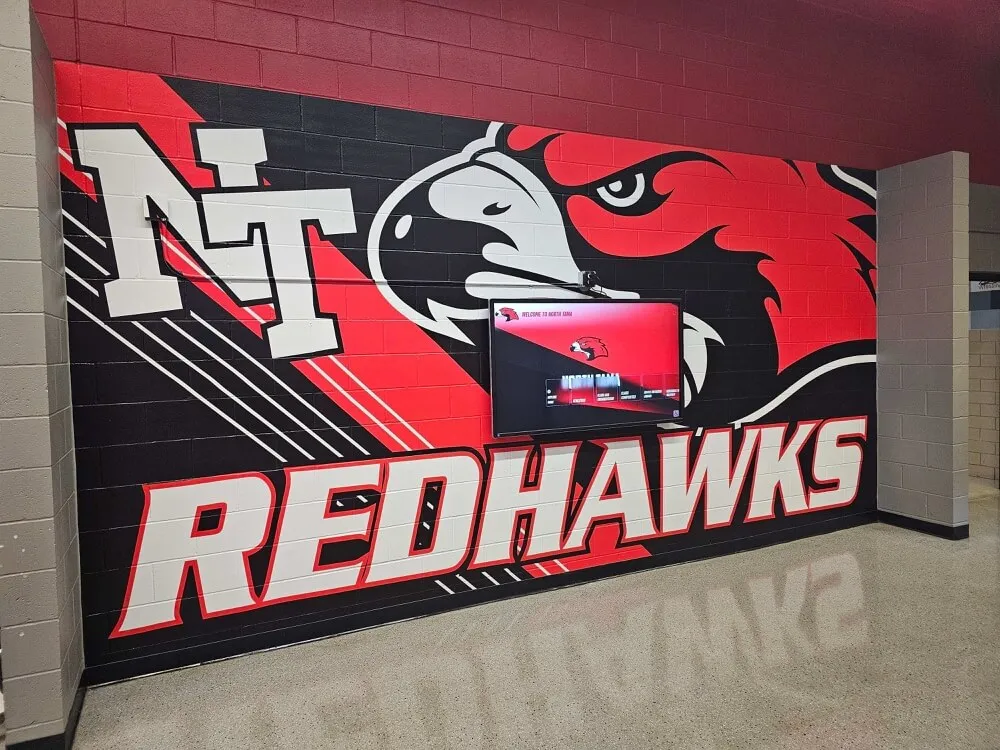
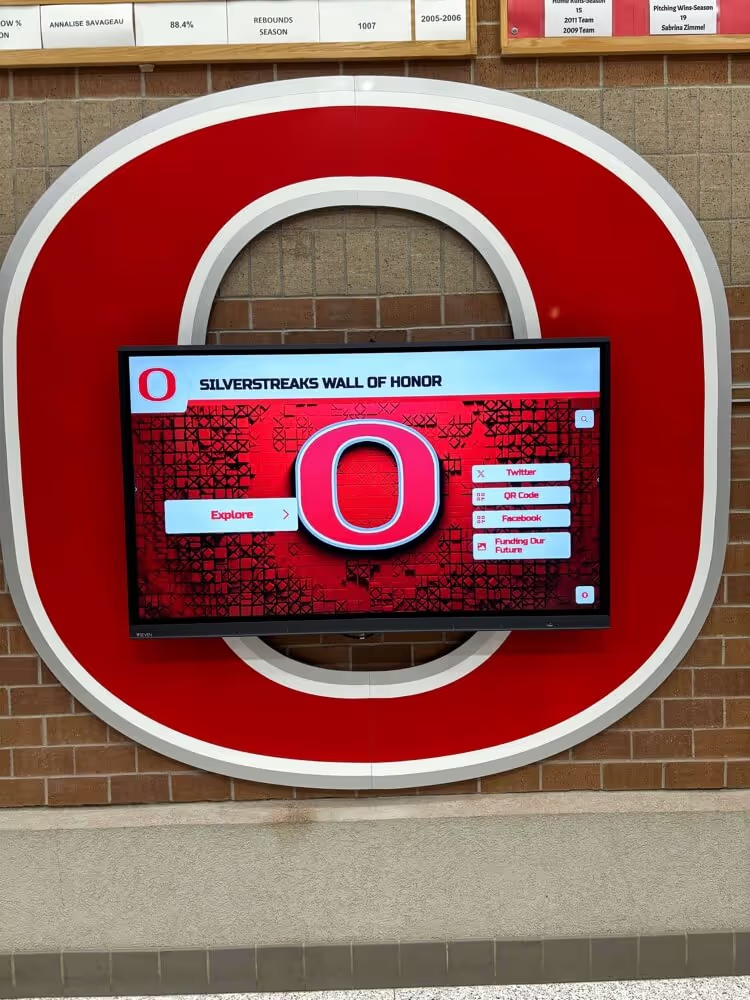
Interactive displays inside the building extend your website's athletics history into physical spaces where student-athletes experience recognition daily
Design Considerations
Use your school colors consistently across athletics pages. Include current and historical team photos where available and properly licensed. A timeline format—showing championships across decades—communicates program legacy more effectively than a flat list. Statistics tables should be sortable by sport, year, and category so visitors can explore on their own terms.
Alumni Profile Pages and Directories
Alumni pages serve multiple audiences simultaneously: graduates themselves, current students seeking aspirational role models, and prospective families evaluating real-world outcomes. A strong alumni section delivers genuine value to all three.
Types of Alumni Pages That Work
Featured Alumni Spotlights
Regularly updated profiles highlighting notable graduates—across industries, not just professional athletes—demonstrate the full range of paths your institution prepares students to pursue. A surgeon, an entrepreneur, a musician, and a public servant together create a far more compelling picture than a roster of famous names from one field.
Class Year Archives
Organizing alumni by graduation year creates the searchability graduates actually want. Someone from the class of 1998 looking for reunion context isn’t interested in browsing an unsorted, undated list. Searchable year-based archives drive genuine engagement and repeat visits.
Career and Achievement Categories
Beyond class year, filtering by profession, location, or achievement type helps current students find relatable role models. A first-generation college student benefits from seeing alumni who navigated similar paths; an aspiring engineer wants to find graduates currently working in STEM careers.
Yearbook and Photo Archives
Digitized historical content represents some of the highest-engagement material schools can publish. See the archive section below for a fuller treatment of this approach. Managing this content responsibly—including questions of consent, accuracy, and retention—is addressed well in the school archives policy guide at Archival Displays.
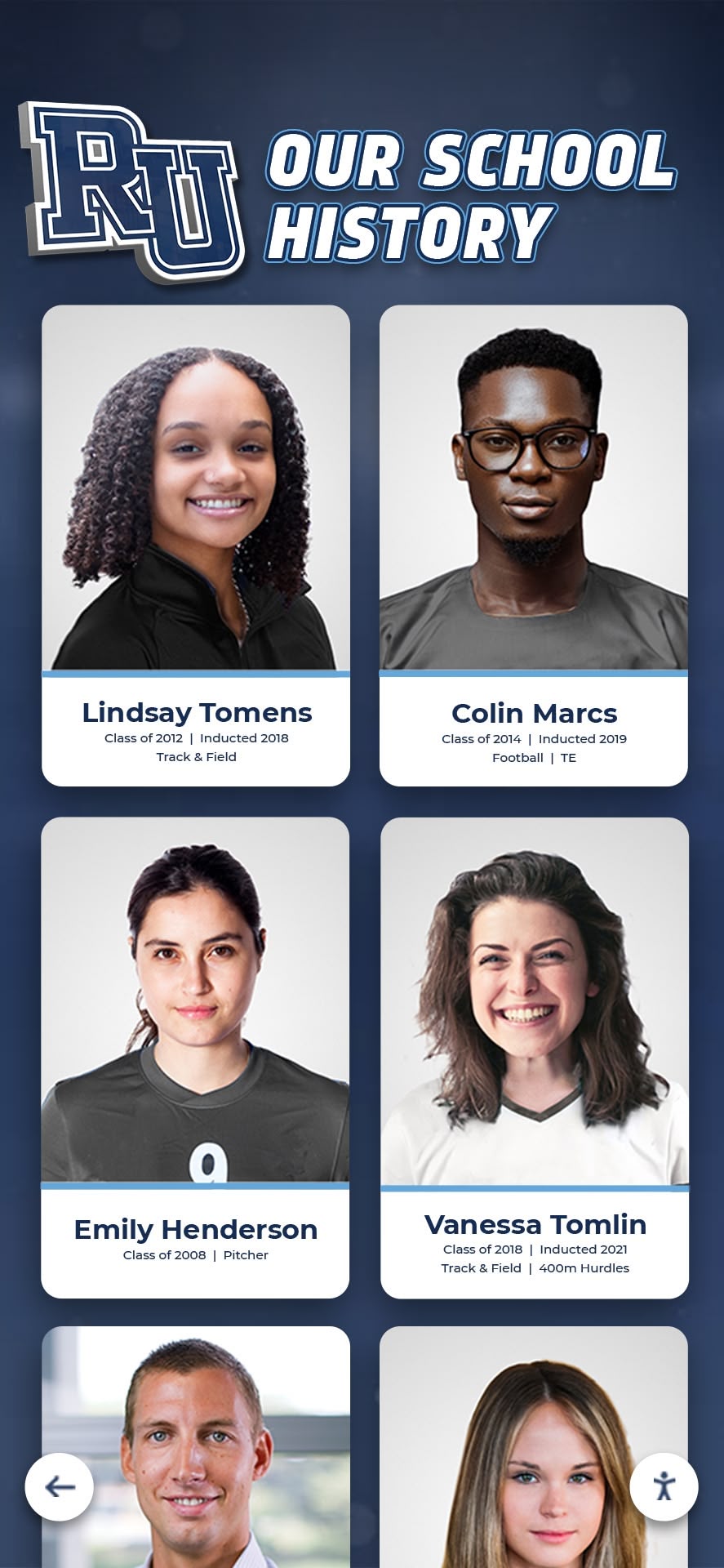
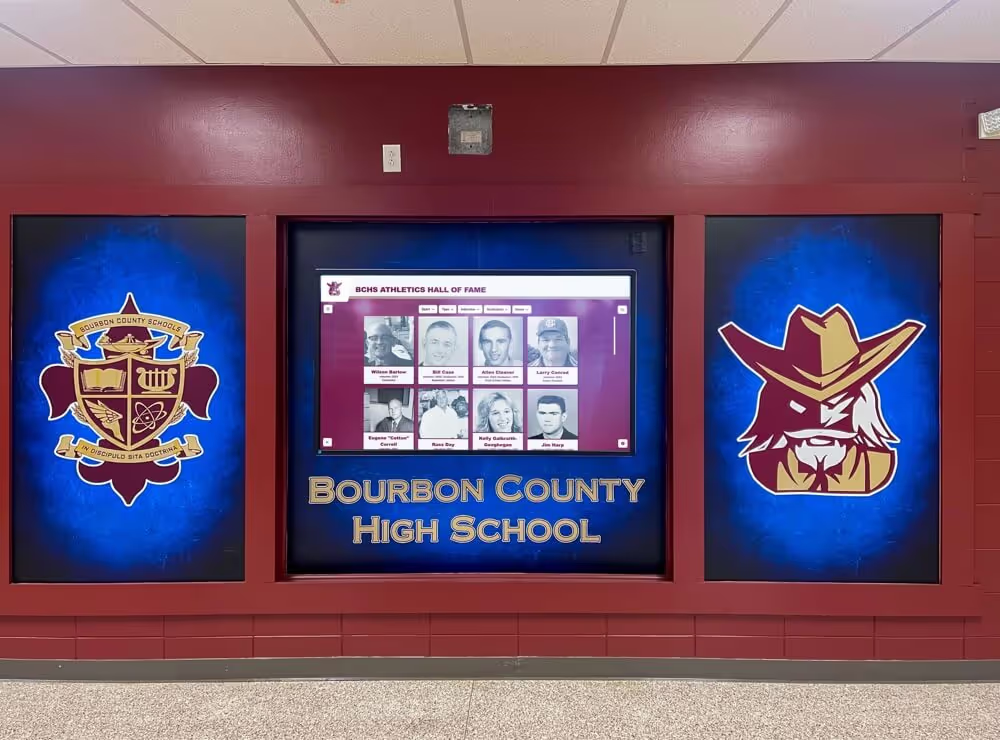
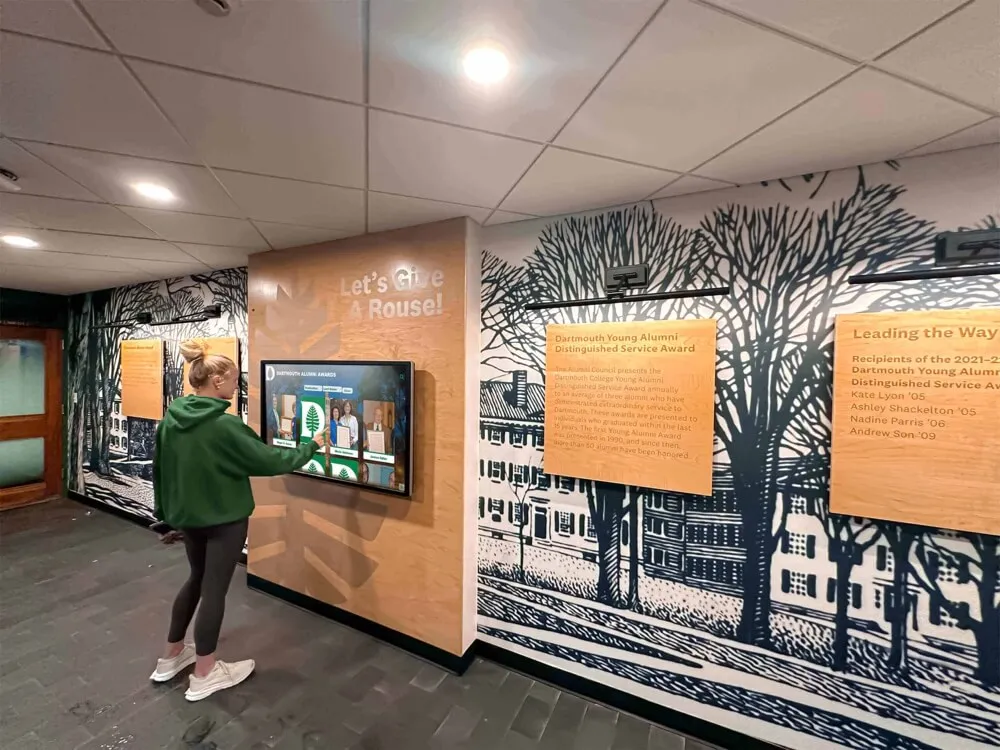
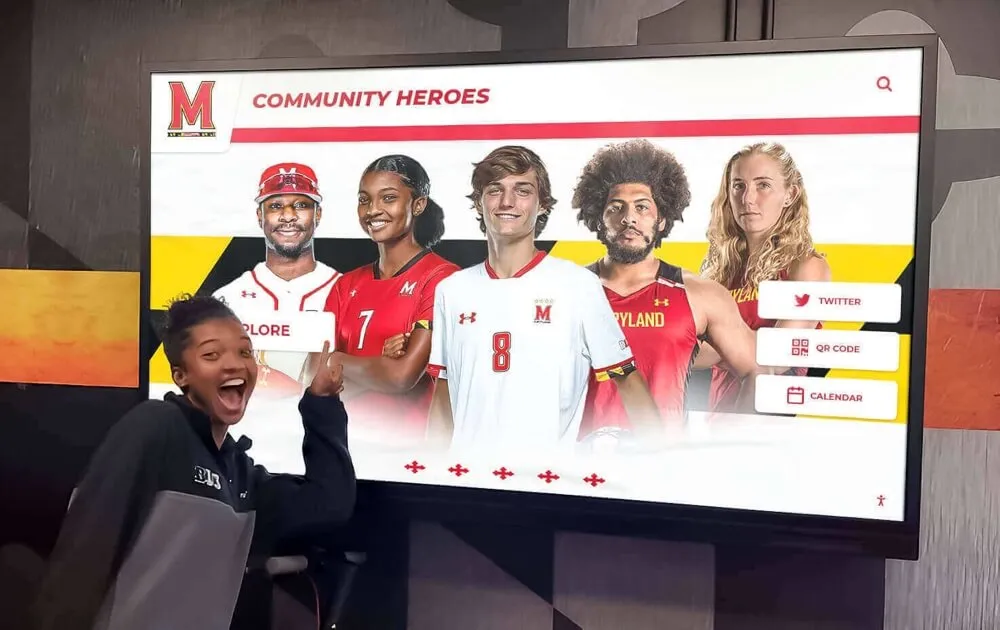
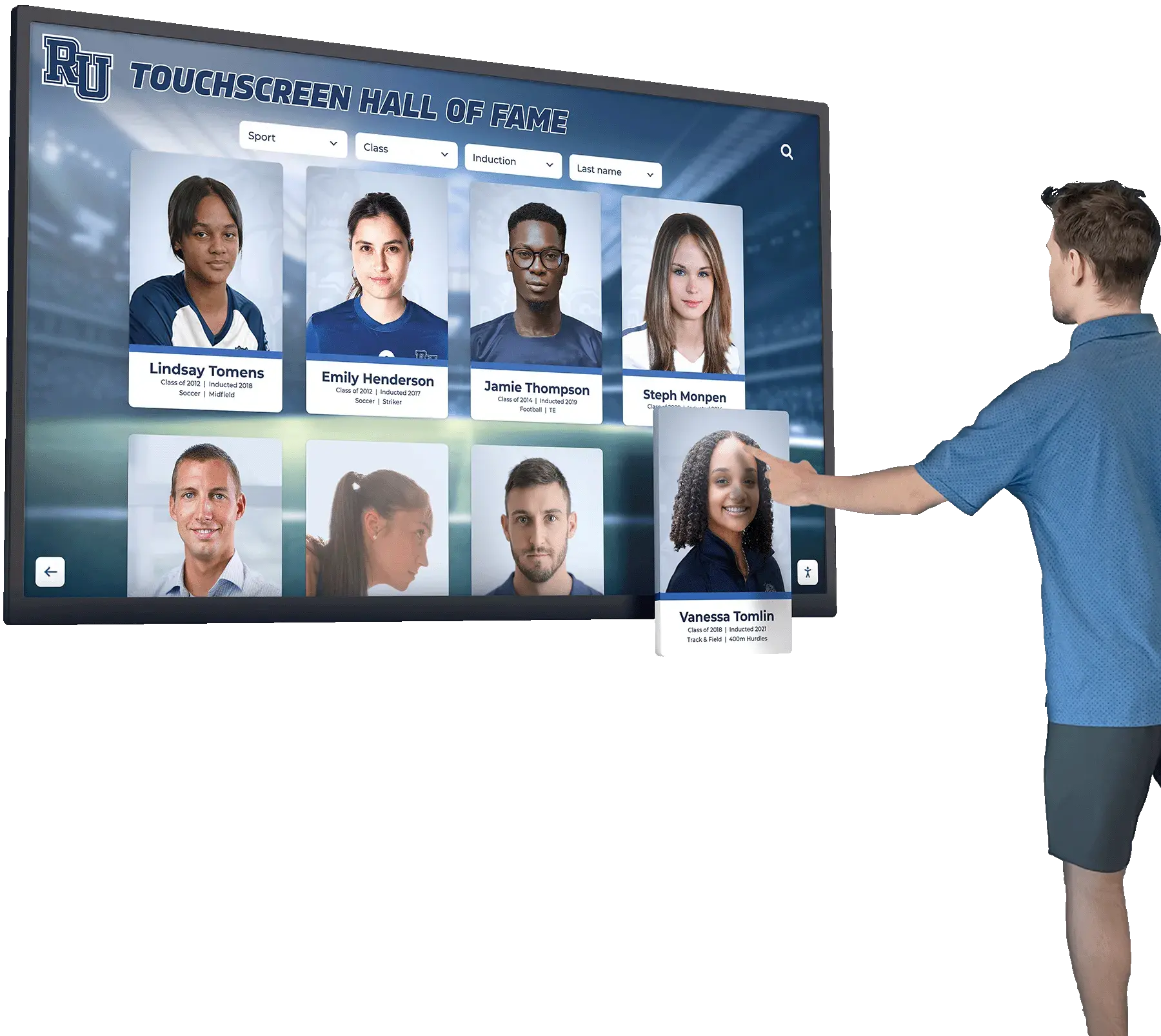
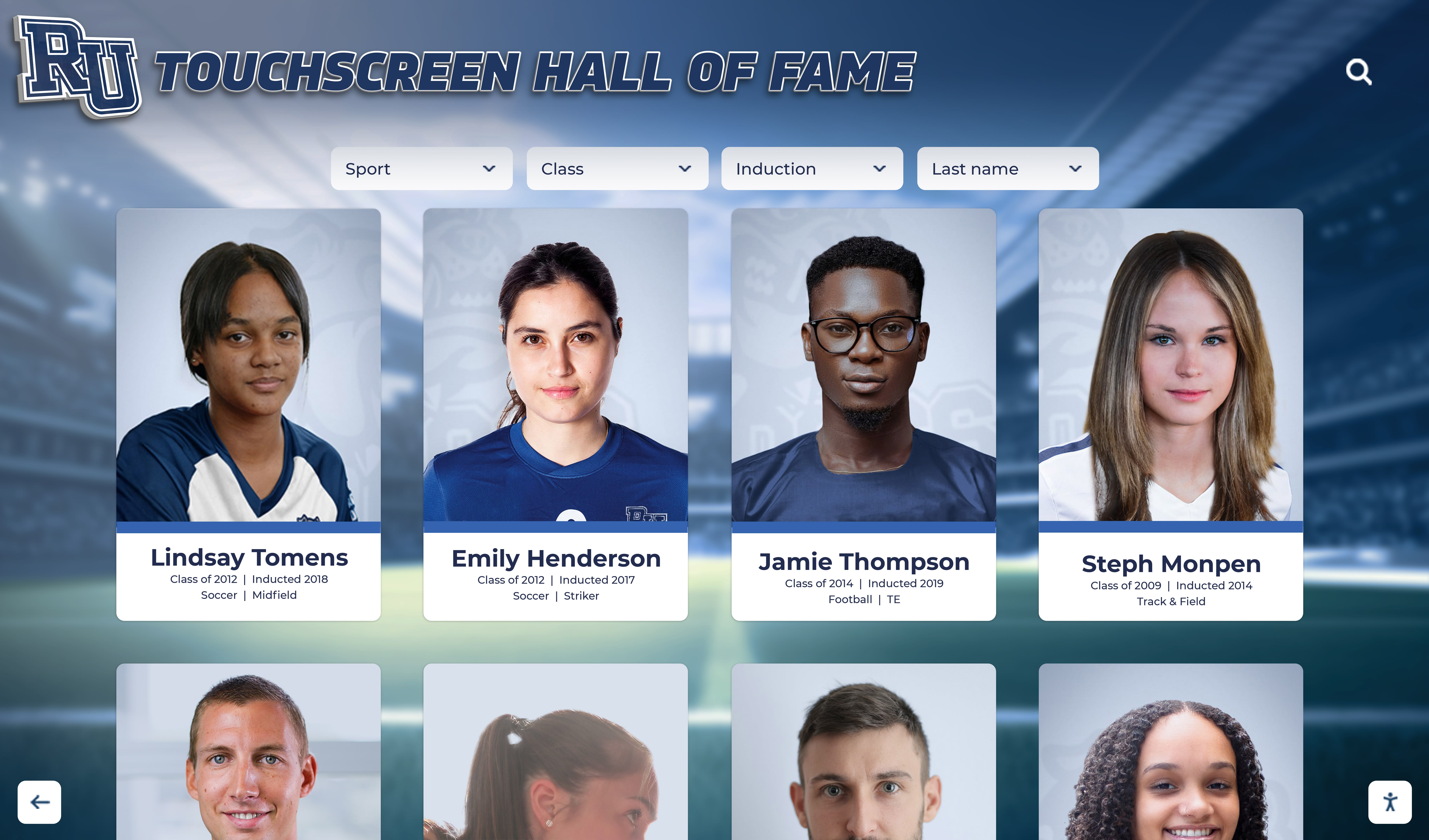
Well-organized alumni profile cards—online and on physical displays—create engaging directories that graduates and current students both return to regularly
Making Alumni Pages Sustainable
The biggest challenge with alumni pages is content maintenance. Profiles go stale, contact information becomes outdated, and meaningful career milestones go uncelebrated because no one has a process for capturing them.
Build a submission pathway directly into the page—a simple form where alumni can update their own information or flag notable achievements. This transforms passive visitors into active contributors while reducing the administrative burden on your team.
Tie alumni page updates into your broader alumni engagement program. Publishing new profiles monthly with corresponding social media promotion creates a content flywheel that keeps the section fresh and gradually grows your active alumni community.
Academic Awards and Recognition Pages
Most schools have awards programs. Far fewer have website sections that make those awards meaningful, searchable, and celebratory over time. An academic recognition page done well becomes one of the most bookmarked sections of your school site.
Award Categories to Document Online
Honor Roll and Academic Distinction
Monthly or semester honor roll listings may seem routine, but when stored historically and made searchable by name, they become meaningful archives. A student recognized in 2024 should be able to find their listing years later—and so should their parents. That permanence elevates the recognition.
Subject-Specific Academic Awards
Science olympiad placements, writing competition winners, math team achievements, debate accolades—these deserve dedicated recognition beyond a brief newsletter mention. A thorough overview of academic award categories for high school students illustrates just how many categories are worth building dedicated pages around.
State and National Honors
National Merit Scholars, AP Scholars, state-level academic all-stars, and similar recognitions carry substantial weight with prospective families and college admissions offices. A dedicated, consistently updated page listing all such honorees signals genuine academic rigor.
Arts and Performing Arts Recognition
Student musicians, visual artists, and performing arts achievers are frequently overlooked in recognition structures that default to athletics and core academics. Orchestra, band, choir, theater, and visual art competitions all produce award winners who deserve the same public recognition as varsity athletes. Exploring how schools celebrate student musicians offers a model that applies equally well to other performing and visual arts programs.
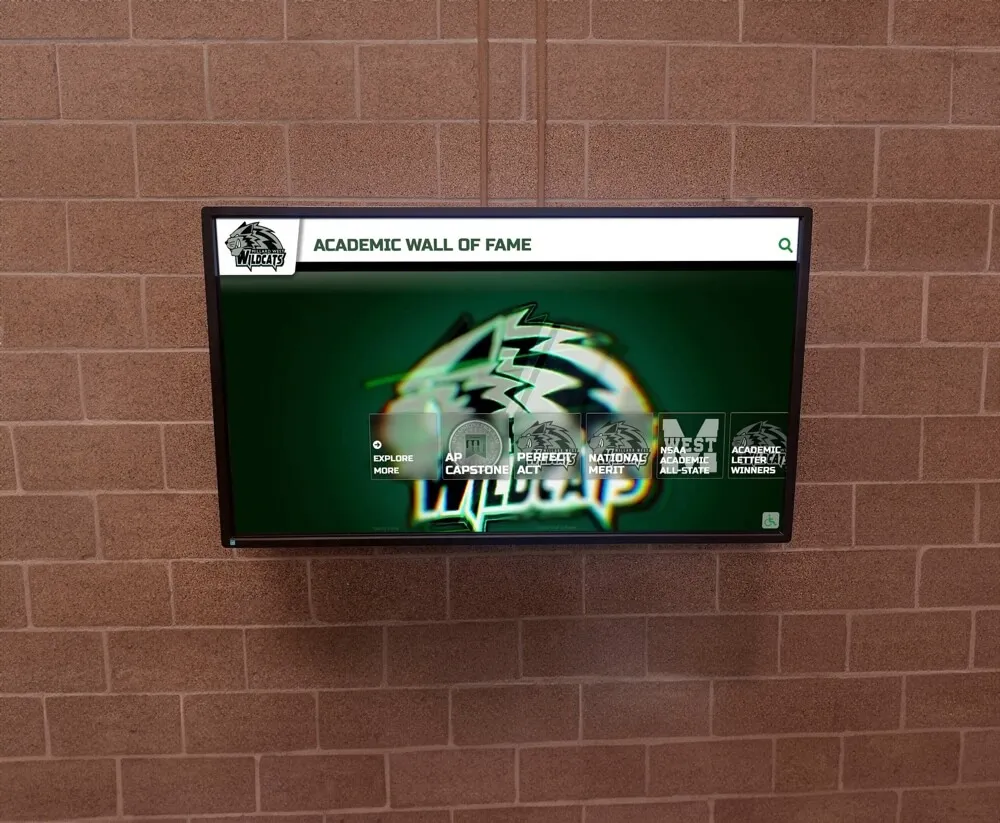
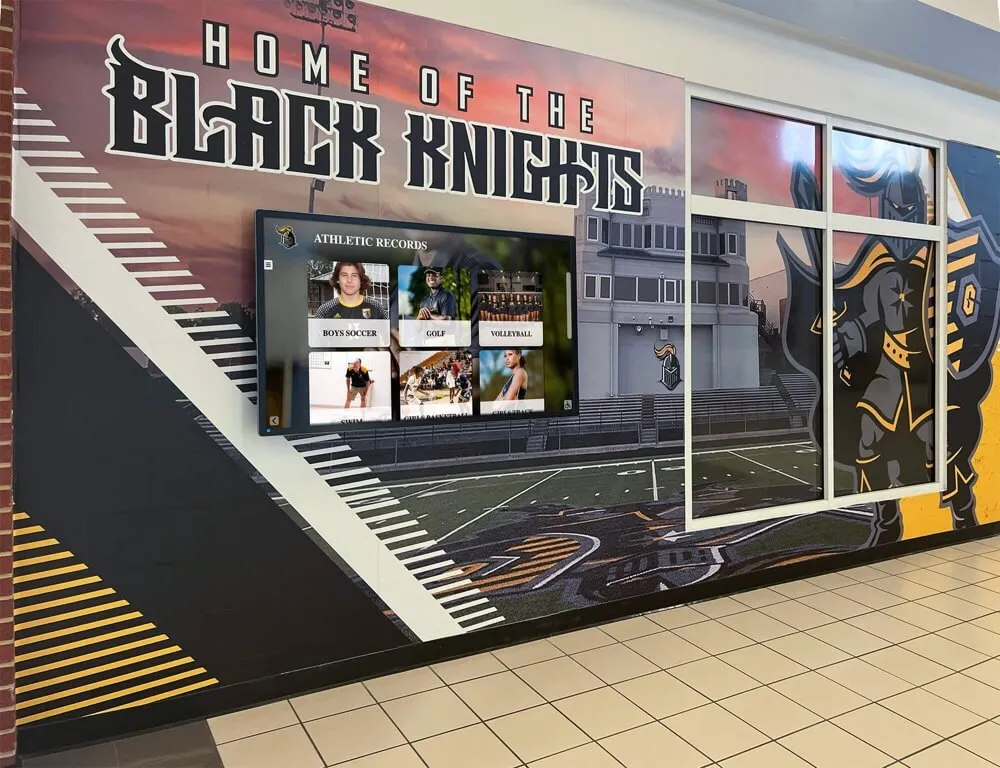
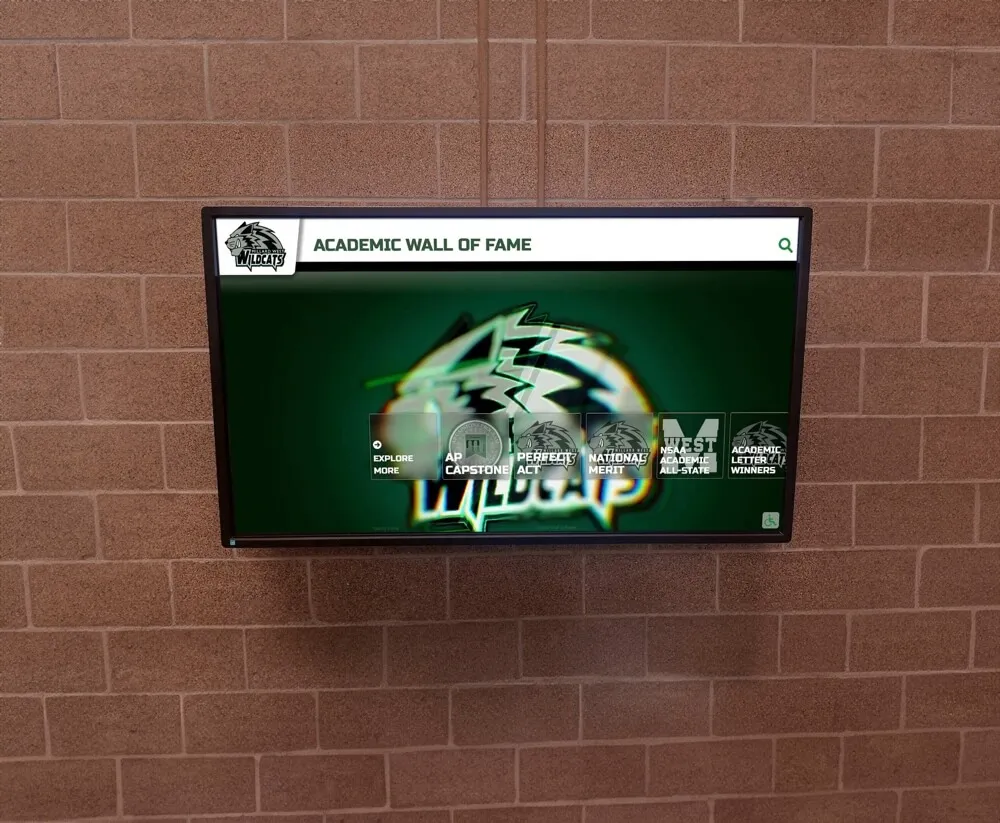
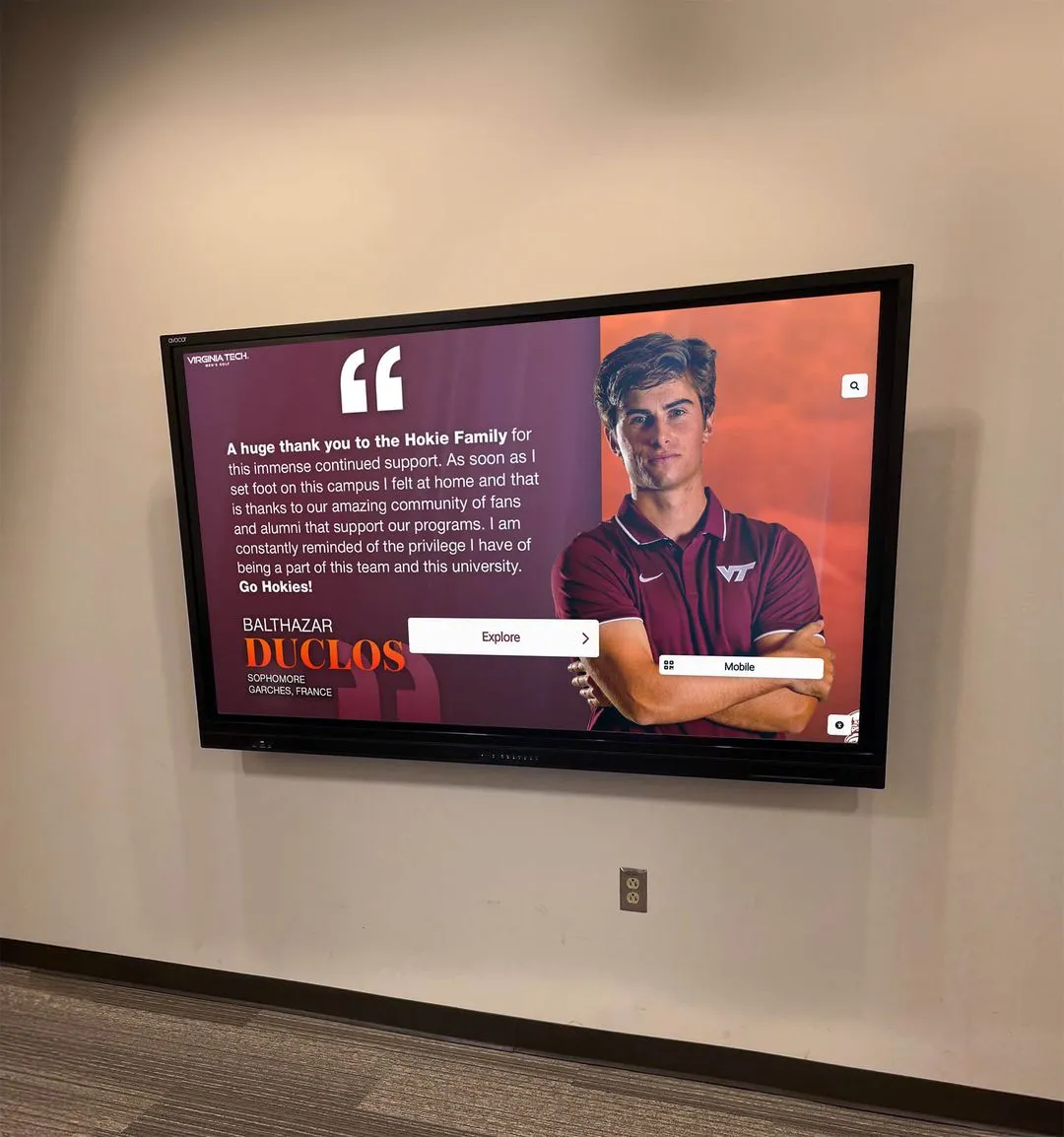
Digital academic recognition screens create high-visibility physical touchpoints that reinforce the recognition your website celebrates online
Structure for Academic Award Pages
Each award category benefits from its own dedicated subpage rather than one crowded catch-all. The structure that works consistently:
- Award name and description — what it is, the criteria, and why it matters to your community
- Current recipients — prominently placed, with photos where available
- Historical archive — previous years listed chronologically
- Nomination or selection process — transparency builds trust and credibility
- Ceremony or event date — keeps the page functionally current and actionable
Maintaining this structure consistently across all award categories makes the section navigable for visitors and maintainable for your team.
Building a recognition content calendar tied to national recognition days, seasonal competitions, and ongoing athletic seasons keeps your awards pages fresh year-round. The school recognition days 2026 calendar at Digital Awards Display is a practical planning resource for identifying recognition moments throughout the academic year.
Hall of Fame Pages
A school hall of fame page is the crown jewel of recognition content—and one of the most powerful pages any school website can publish. When executed well, it draws visitors who spend more time on your site than almost any other content type, and generates the kind of organic sharing that no marketing campaign can replicate.
What Hall of Fame Pages Need to Deliver
Comprehensive Inductee Profiles
Each inductee deserves a full profile: high-quality photo, graduation year, sport or achievement area, post-school accomplishments, and a biographical narrative explaining specifically why they were inducted. Name-and-year-only entries waste the recognition opportunity and fail the honorees who earned their place.
Search and Filter Functionality
Visitors need to find inductees by name, sport, class year, or induction year without scrolling through hundreds of entries. Basic search functionality transforms a static list into a genuinely useful, engaging resource that rewards repeated exploration.
Induction Ceremony Documentation
Archive photos and highlights from past induction ceremonies. This emotional content travels—inductees share it with their networks, effectively turning your hall of fame page into organic social media content that promotes your institution at no additional cost.
Annual Class Organization
Grouping inductees by induction year (rather than graduation year) creates a structure parallel to annual awards programs, signaling that the hall of fame is active and ongoing rather than a frozen historical record. A prominently featured “Class of 2026 Inductees” section communicates institutional momentum.
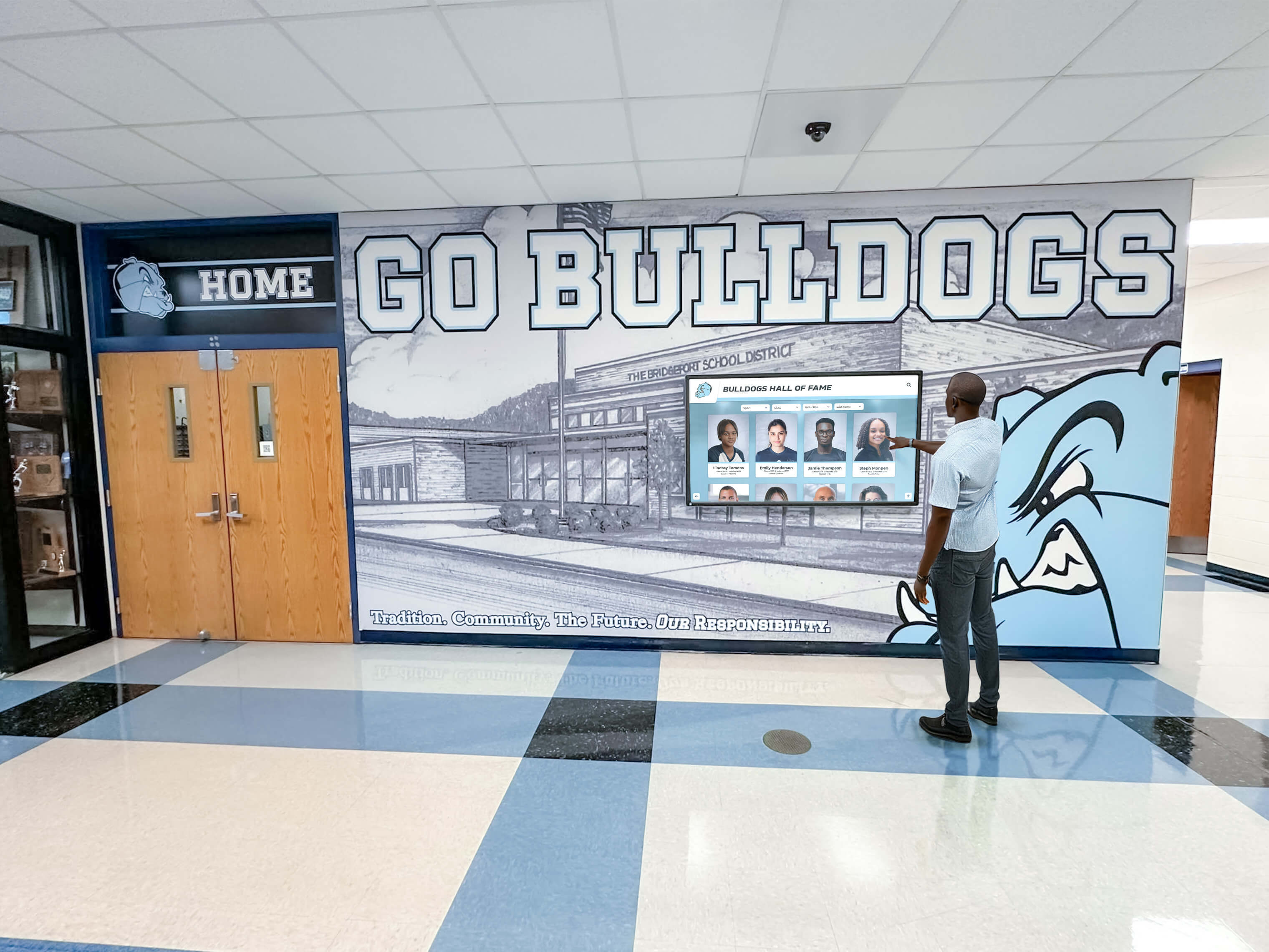
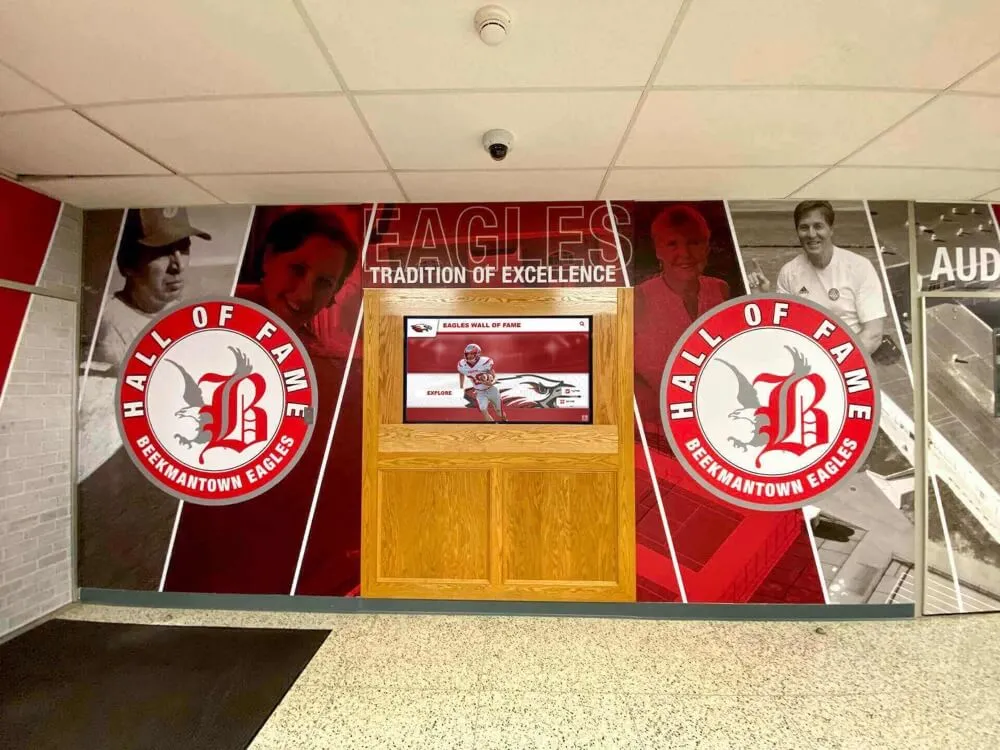
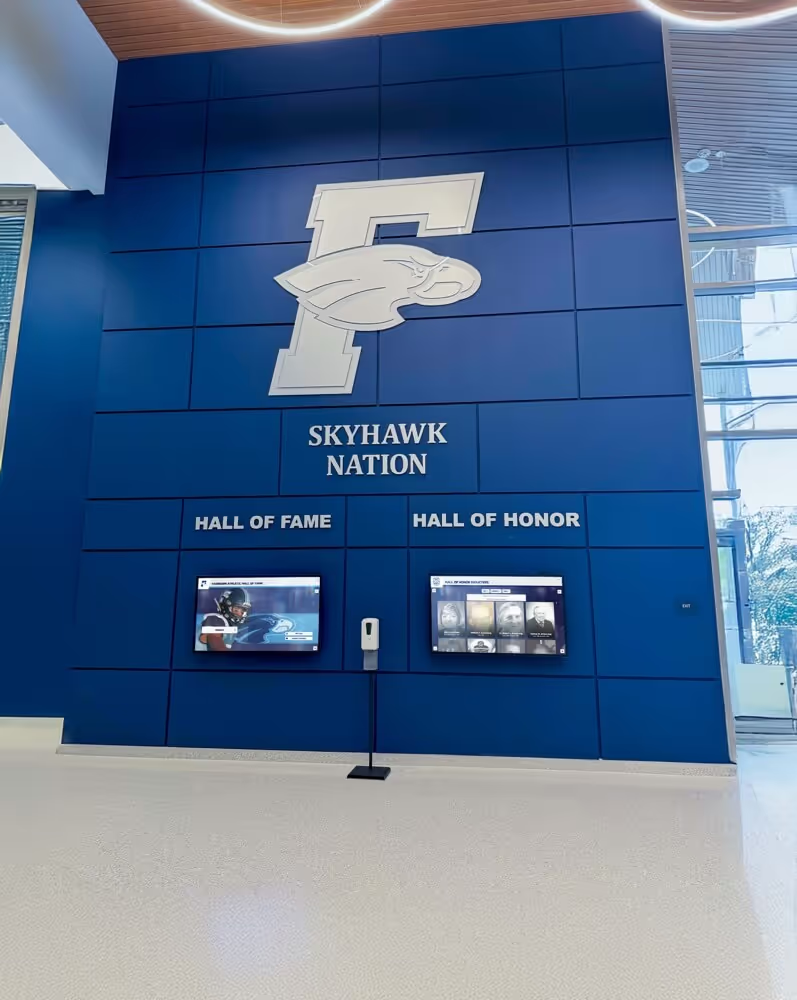
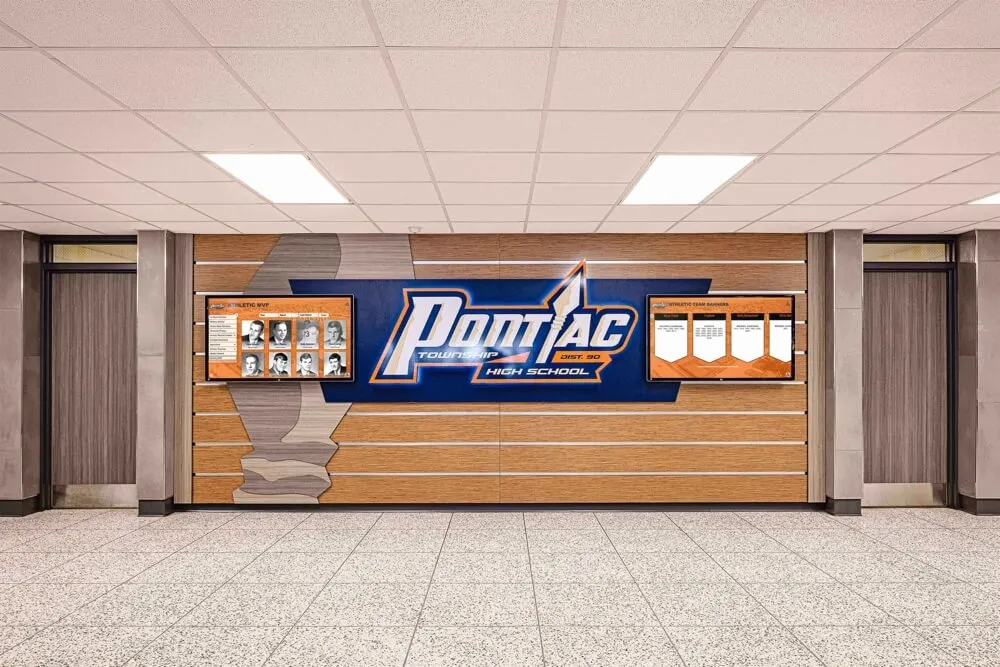
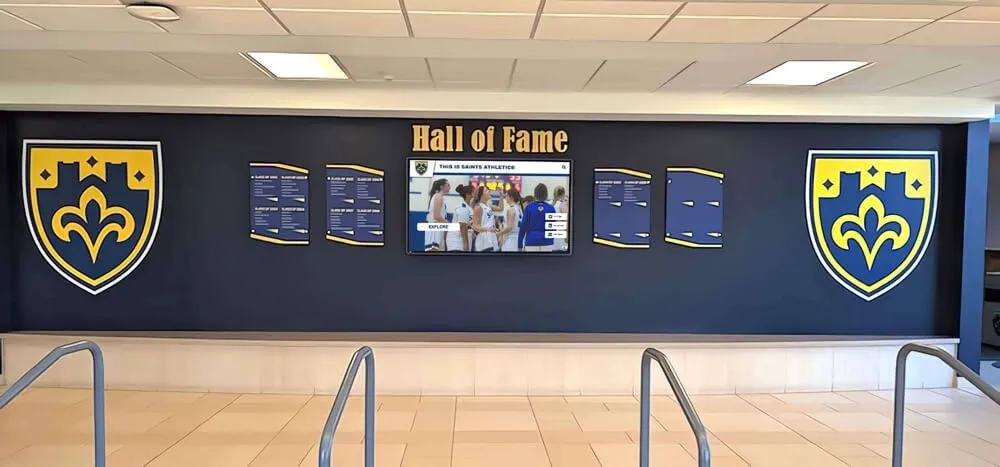
Physical hall of fame displays create in-building engagement that mirrors and reinforces the experience visitors have on your school website
Connecting Online and Physical Hall of Fame Recognition
The best school website examples integrate their digital hall of fame pages with physical displays inside the building. A touchscreen wall of fame in your lobby or hallway that reflects your website’s hall of fame content creates a consistent recognition experience across every channel.
When your website visitor becomes an in-person visitor—for an open house, reunion, or game night—they should encounter the same honorees they explored online, presented with the same depth and quality. How schools are building these connected physical-digital recognition ecosystems is documented in detail in the digital signage for schools resource at Digital Trophy Case.
Rocket Alumni Solutions specializes in precisely this integration—recognition websites that sync with interactive touchscreen kiosks, ensuring your online hall of fame and your physical wall of fame tell the same story through a single content management system. Content added once appears everywhere, eliminating the maintenance overhead of managing two separate systems across different vendors.
Donor Recognition and Giving History Pages
Donor recognition pages are often the last to be built and the first to go neglected. For development offices, this is an expensive mistake with compounding consequences.
What Donor Recognition Pages Should Include
Named Fund and Gift Documentation
Scholarships, endowments, and named facilities deserve permanent web pages that explain each fund’s purpose, history, and criteria. Donors and their families will visit these pages for decades, and the quality of the page reflects directly on the institution’s stewardship and gratitude.
Giving Society Levels
Most schools structure giving societies with named tiers. Publishing these publicly—with current member rosters for donors who consent—creates social proof that encourages new giving and visibly honors existing donors in a way that a private letter never can.
Impact Stories Connected to Specific Gifts
A scholarship recipient’s brief testimonial connected to the named scholarship page creates emotional resonance that no annual report can replicate. This content serves double duty: stewarding current donors and motivating prospective ones.
Cumulative Giving Recognition
Honoring lifetime giving totals—rather than only annual contributions—acknowledges the long-term relationship between donors and institutions. A “25-Year Donor” designation communicates a depth of relationship that a single-year recognition misses entirely.
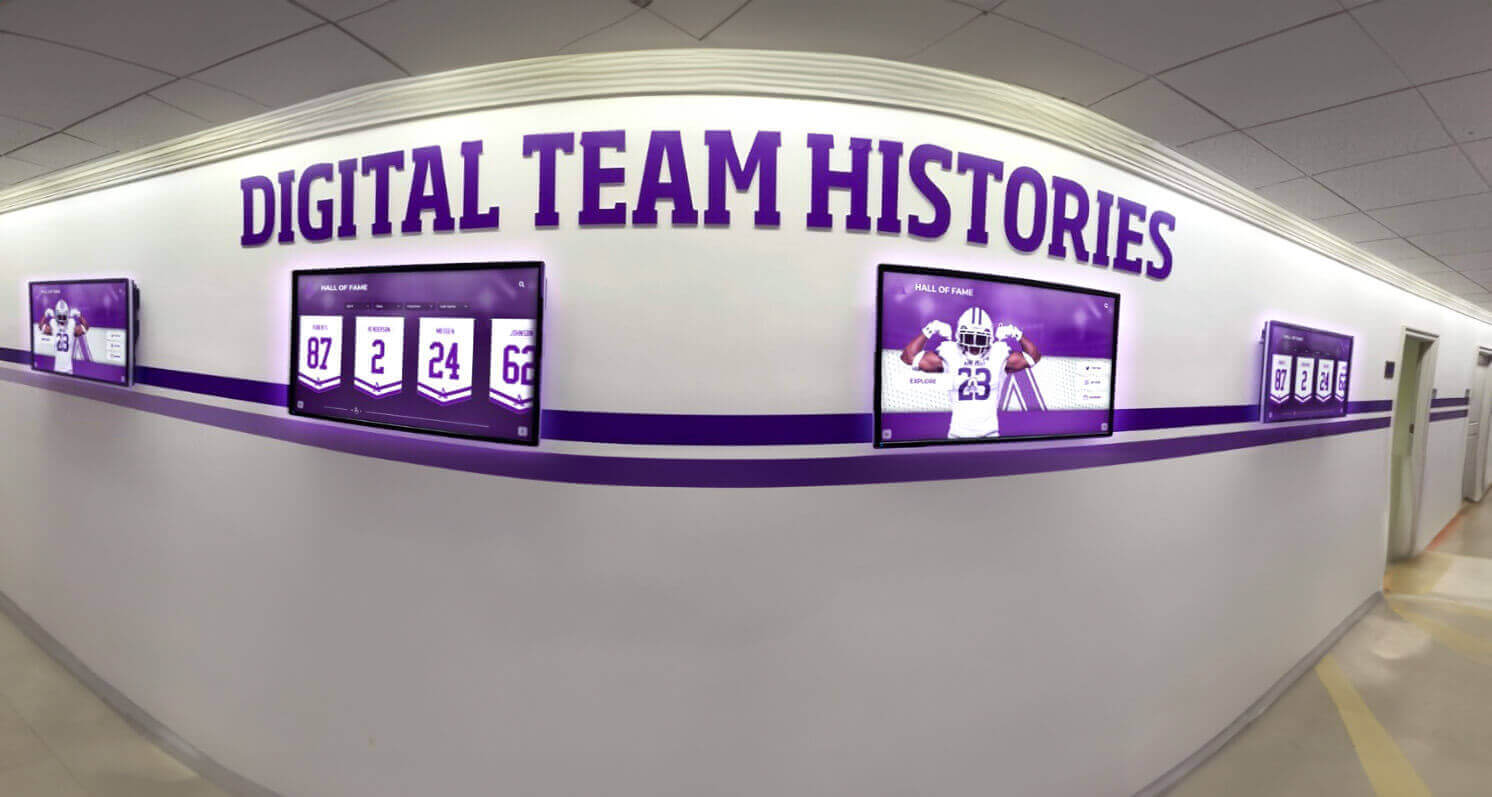
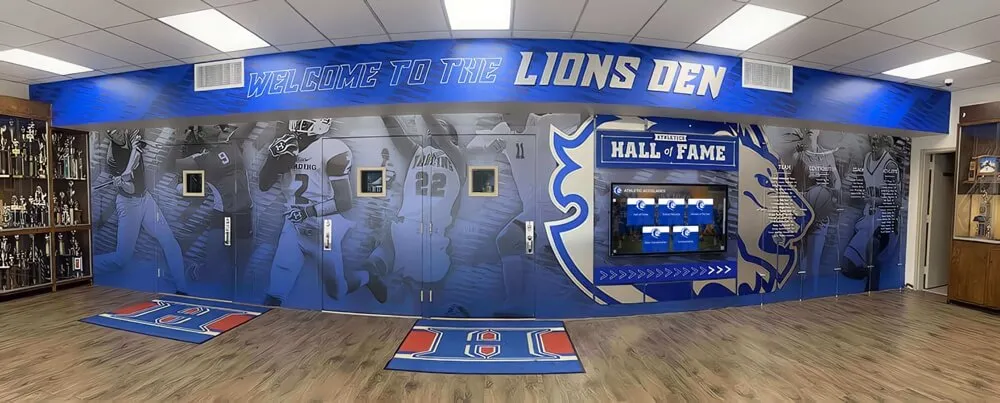
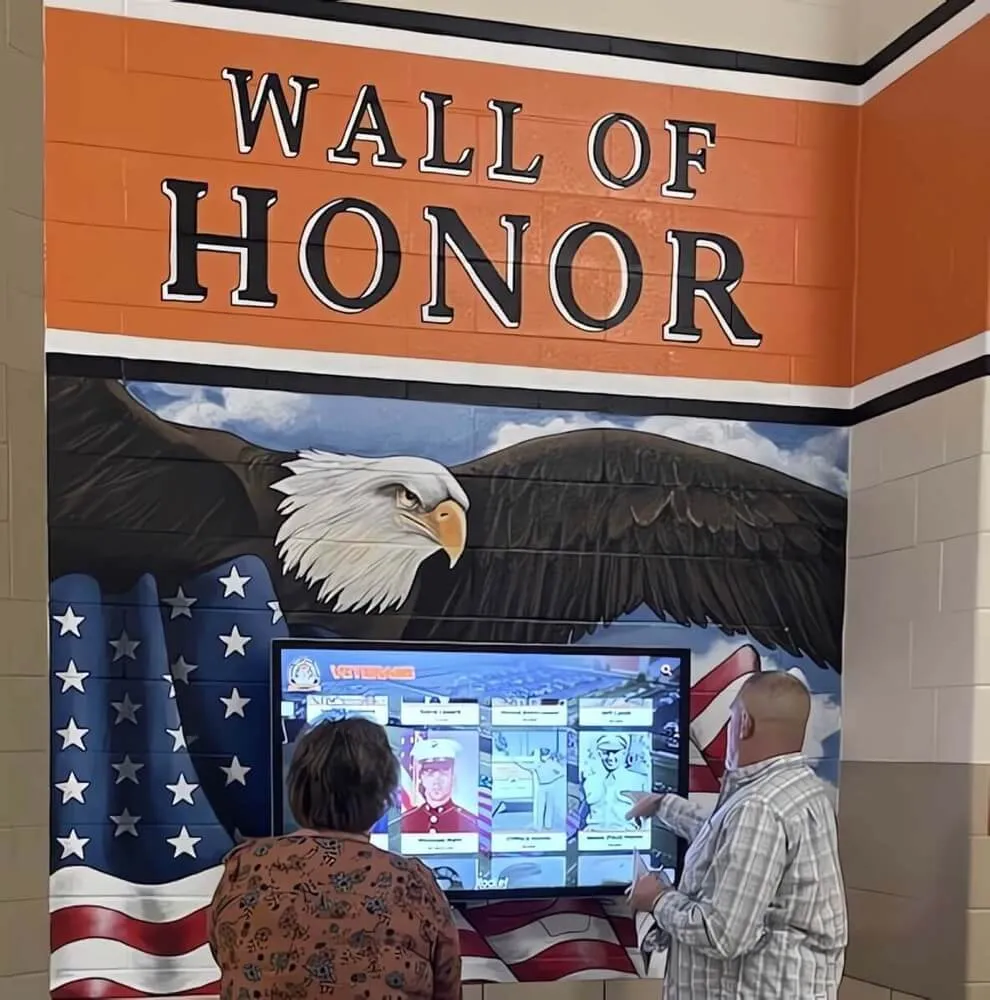
Coordinated digital displays throughout your facility extend recognition programs beyond any single wall or webpage, creating institution-wide visibility for honorees
Athletic Scholarship Recognition Pages
For high schools with meaningful college athletic placement, a dedicated scholarship recognition page is both a recognition tool and a recruitment asset. Listing graduates who earned athletic scholarships—including the college, sport, and scholarship type—tells a compelling story about your program’s pipeline and outcomes.
This page benefits from a consistent annual format: athlete name, graduation year, sport, college, and scholarship level. Over time, it becomes a powerful reference that coaches use with recruits, parents consult when evaluating athletic programs, and alumni revisit with pride.
Understanding how this type of recognition connects to student-athlete opportunity is covered thoroughly in the athletic scholarships high school guide at Best Touchscreen, which explains the recognition landscape from in-school honor through college placement.
Archive and Heritage Pages
Archive pages—yearbooks, newspaper archives, historical photos, championship footage—generate some of the deepest engagement on any school website. The challenge is organization; unstructured archives create frustration rather than nostalgia.
Digitized Yearbook Archives
Even partial yearbook digitization produces enormous alumni engagement. Start with recent decades and work backward systematically. Searchable yearbook archives rank well in local search queries (alumni searching “[school name] yearbook 1994”) and generate reunion-driven traffic spikes that no other content type replicates.
Historical Photo Galleries
Organized photo galleries grouped by decade, sport, or event type create nostalgic engagement that keeps alumni on your site longer than any other content. Label photos accurately—include years, names when known, and event context. Unlabeled historical photos frustrate rather than engage.
Championship Highlight Archives
Video archives of championship moments, when properly licensed, create powerful evergreen content. Even lower-resolution footage from earlier decades carries emotional weight that polished modern content simply cannot replicate.
Building a Sustainable Archive Strategy
The most important element of any archive page is a maintenance and governance plan. Without one, archive sections quickly become outdated liabilities rather than engagement assets. A thoughtful archiving approach also protects institutional rights and ensures content accuracy. The school archives policy framework at Archival Displays provides a useful starting point for schools building or formalizing their archive governance.
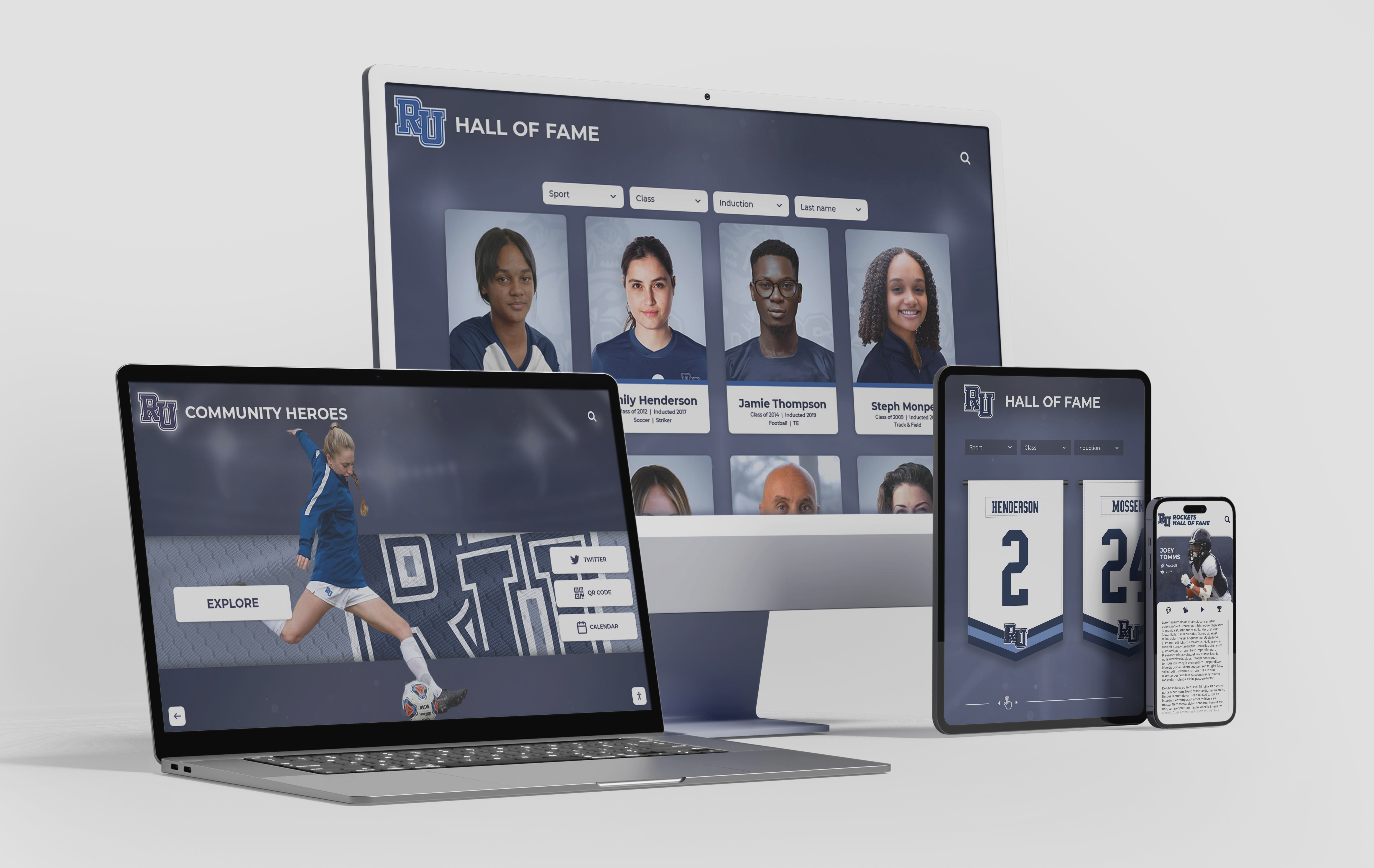
Recognition websites optimized for all devices ensure alumni and community members can explore honoree profiles from a phone, tablet, or desktop—from anywhere in the world
Recognition Website Architecture That Works
The strongest school website examples treat recognition content as a connected ecosystem rather than a collection of isolated pages. Here’s what that architecture looks like in practice.
Navigation Structure
Recognition content should live under a clear top-level navigation label—“Our Community,” “Legacy,” or “Recognition” works better than burying it inside “About Us.” Sub-navigation should make each content type immediately accessible:
- Athletics History
- Hall of Fame
- Alumni Spotlight
- Academic Awards
- Donor Recognition
- Archives
Cross-Page Connections
Link recognition pages to each other contextually. An athlete’s hall of fame profile should link to their era’s athletics history section. An alumni spotlight should connect to academic award archives from their graduation year. Donor pages should reference named scholarship recipients. These connections increase session depth and create a genuinely interconnected recognition ecosystem that rewards exploration.
Content Ownership and Update Cadence
Assign clear ownership for each recognition page type. No recognition page should go more than one full academic year without a meaningful update. A simple content calendar with responsible parties and target dates prevents the neglect that turns recognition pages from institutional assets into credibility liabilities.
Recognizing Achievement Throughout the Year
Recognition shouldn’t be concentrated at end-of-year ceremonies. Building a content cadence that celebrates awards throughout the academic year—tied to national recognition moments, regional competitions, and ongoing athletic seasons—keeps pages fresh and provides a consistent social media content stream. For building out your award categories and recognition programming, the academic achievement awards guide at Awards Display covers the full spectrum of recognition categories worth building dedicated pages around.
Complementing that, the academic recognition programs design framework at Awards Display provides practical program-design guidance that translates directly into organized, maintainable website content.
From Website to Physical Display: The Missing Link in School Recognition
The strongest school website examples share one characteristic that most articles don’t address: their online recognition pages are connected to physical recognition displays inside the building.
A school with a beautifully designed online hall of fame but no physical presence loses the in-person impact that recognition deserves. A school with an impressive trophy case and no digital counterpart misses the broader audience of alumni, prospective families, and community members who will never set foot in the building. Neither alone is enough.
Rocket Alumni Solutions bridges this gap with recognition websites that integrate directly with interactive touchscreen displays—the same content, managed once, delivered through both channels. Whether a parent is browsing your school website at midnight or a student is touching the interactive kiosk in the main hallway between classes, they encounter the same comprehensive recognition experience, with identical depth and quality.
The platform supports the full range of pages described in this guide: athletics archives, hall of fame databases, academic award listings, alumni directories, and donor walls—all accessible through a web portal and mirrored on physical touchscreen displays that create recognition engagement inside your facility every single day.
Build a Recognition Website That Works Online and in Your Building
Discover how Rocket Alumni Solutions helps schools create unified recognition experiences across websites and interactive touchscreen displays—from athletics halls of fame to academic award archives, alumni profiles, and donor walls.
Explore recognition solutions