



Intent: Inspire yearbook committees and advisors with creative, actionable ideas for themes, layouts, and pages that transform yearbooks from routine publications into cherished keepsakes celebrating school community and student achievement.
Creating a memorable school yearbook involves far more than simply documenting the academic year through standard portraits and event photos. The most successful yearbooks balance comprehensive coverage with creative storytelling, capturing the authentic spirit of each graduating class while providing engaging layouts students genuinely want to explore and share. Yet yearbook committees often struggle with theme selection, page planning, and design execution that feels fresh rather than formulaic.
School yearbook ideas that truly resonate combine timeless documentation with innovative presentation—creative themes providing cohesive visual identity, thoughtfully planned pages ensuring comprehensive coverage across all student groups, engaging layouts maintaining visual interest throughout hundreds of pages, and increasingly, digital extensions that preserve memories while enabling sharing and interaction impossible in printed formats alone.
This comprehensive guide explores proven yearbook ideas spanning themes, page concepts, layout strategies, and modern digital enhancements. Whether you’re planning your first yearbook or refreshing traditions for new generations, you’ll discover actionable strategies for creating publications students treasure for decades while honoring every member of your school community.
Yearbook committees implementing creative planning frameworks report dramatically higher student satisfaction and engagement compared to routine approaches—with well-designed yearbooks achieving 95+ percent positive feedback scores and becoming genuinely prized possessions rather than dusty shelf occupants. The difference lies not in budget or page count but in thoughtful planning that celebrates authentic school culture through compelling visual storytelling.

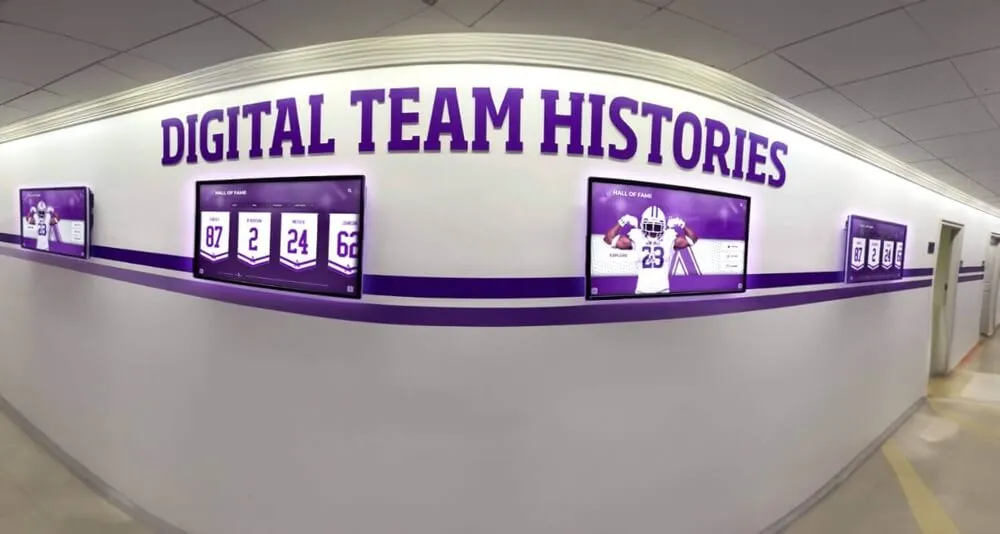
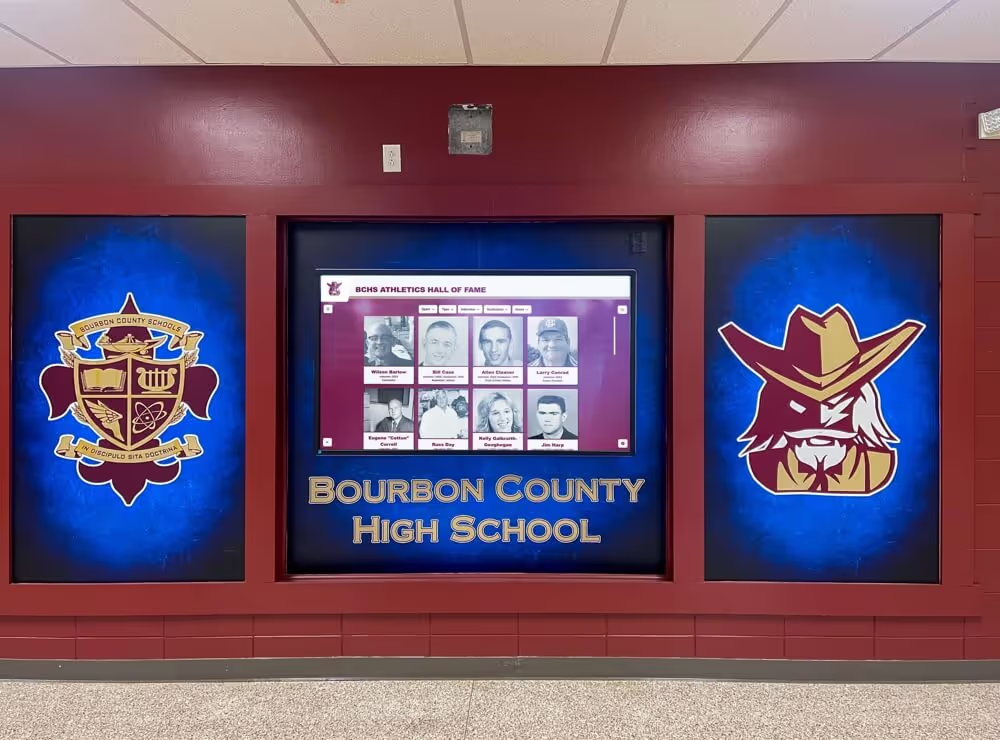
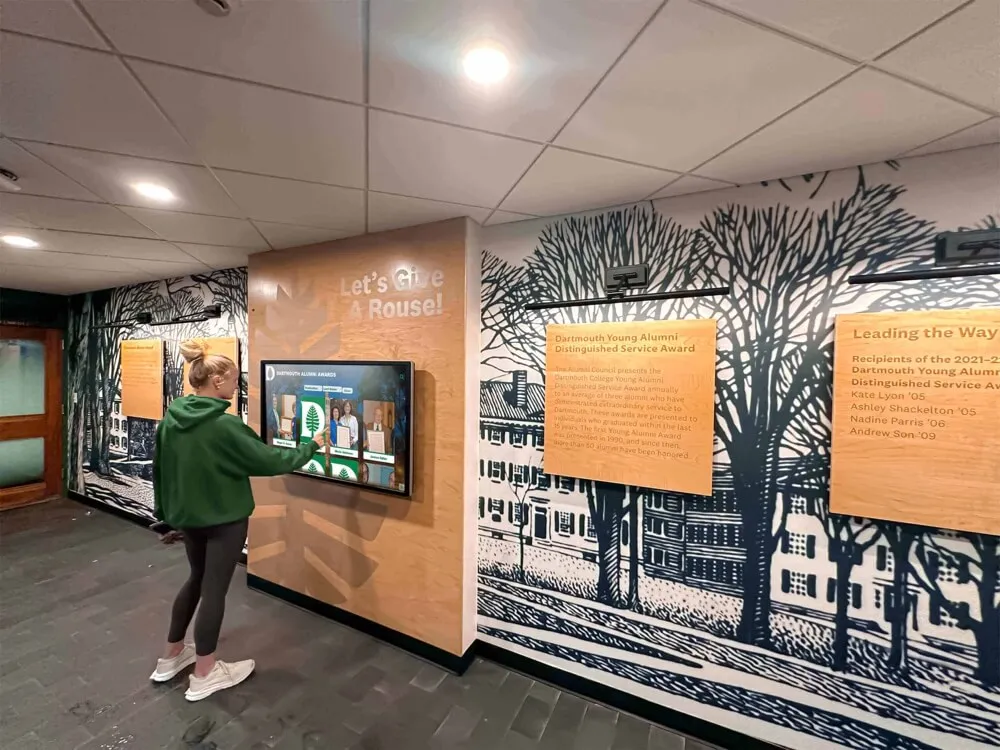
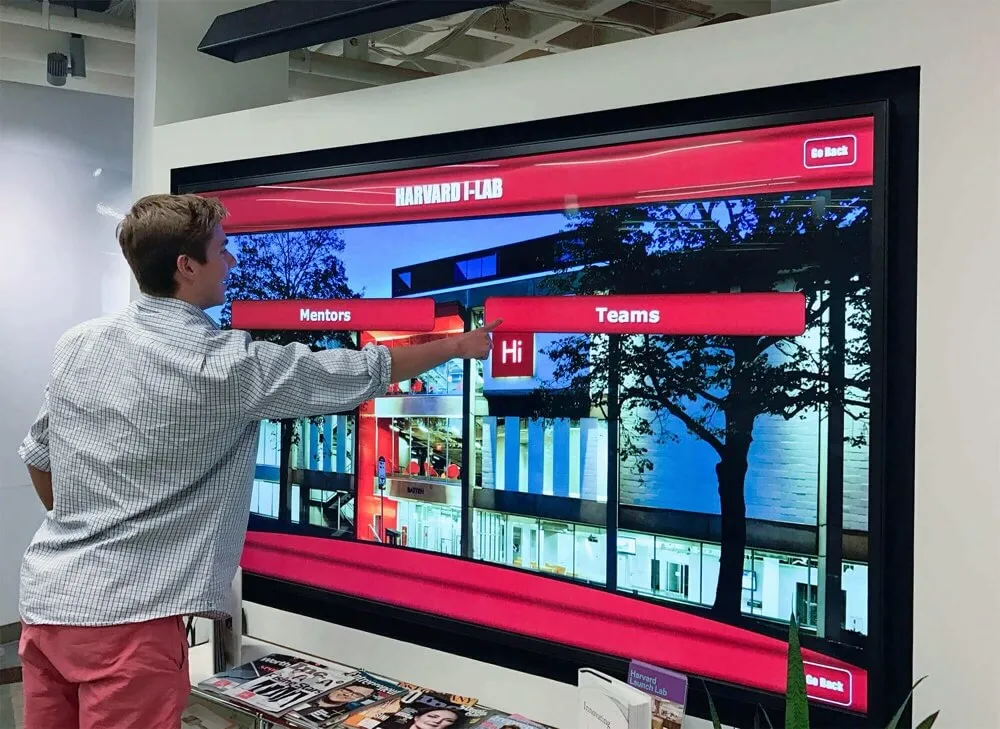
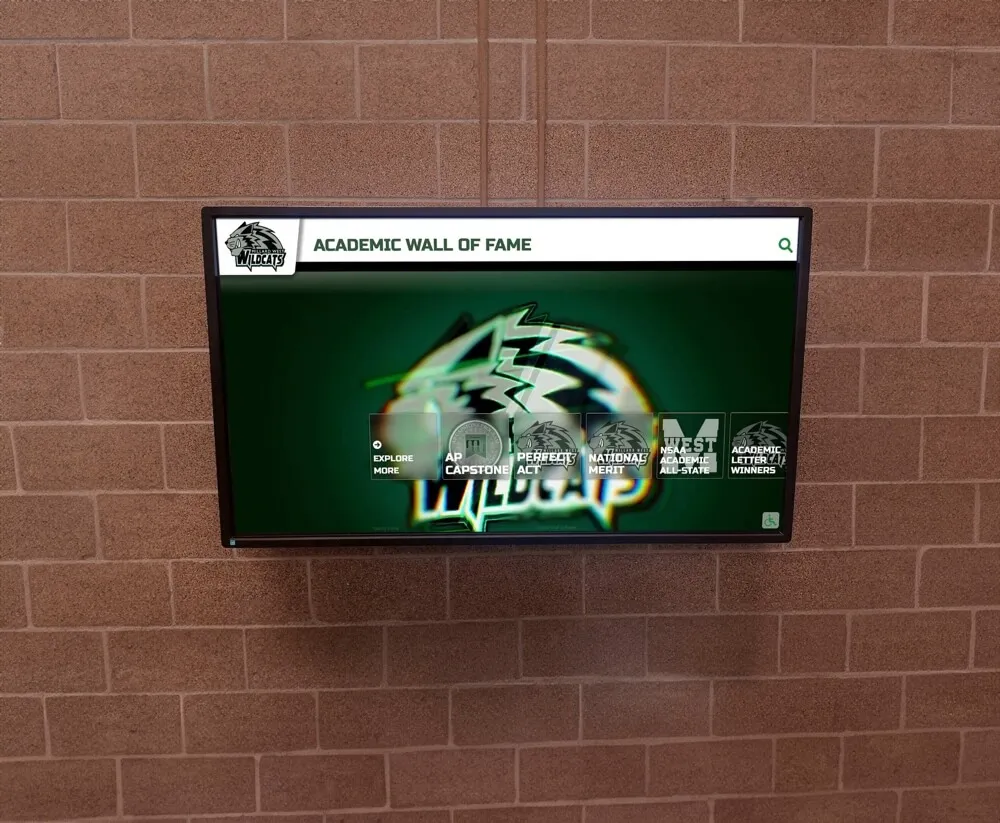
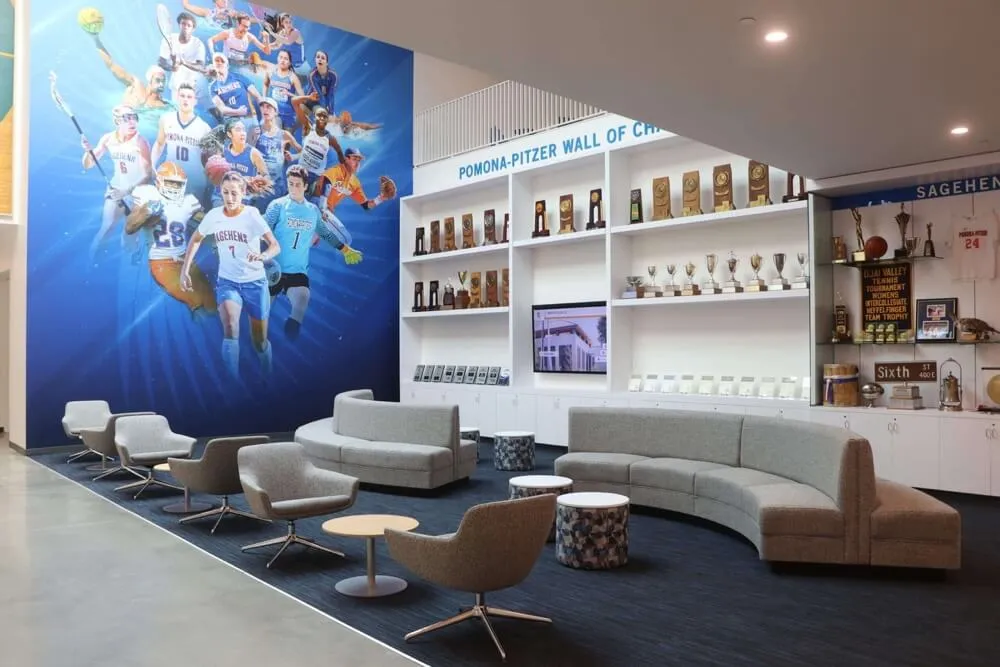
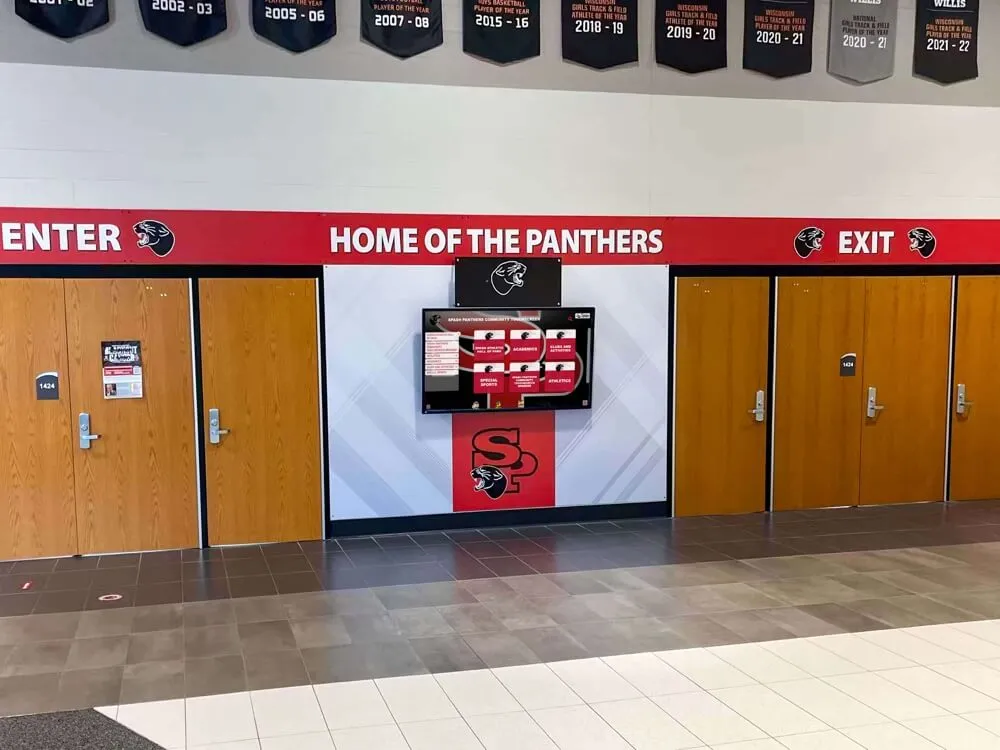
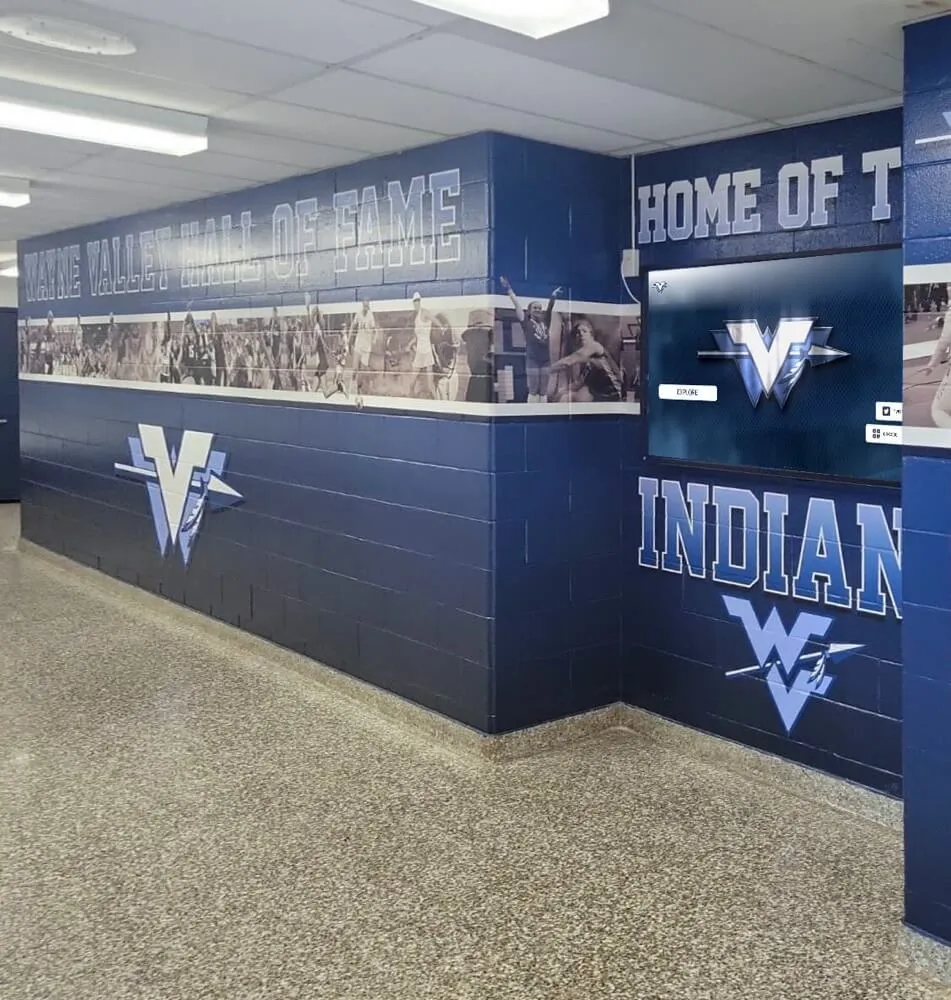
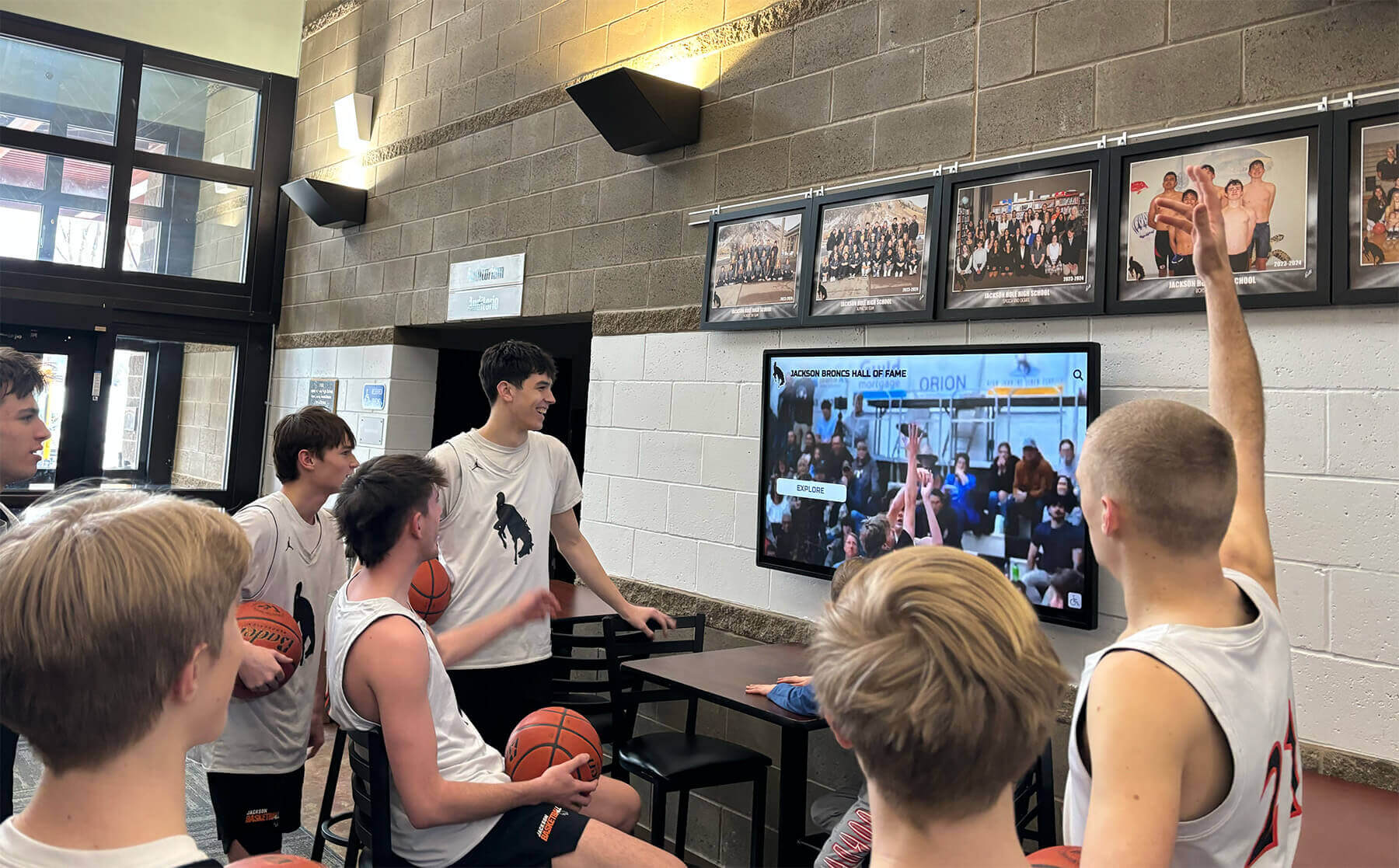
Modern schools celebrate student achievement through multiple formats—from traditional yearbooks to interactive displays that extend recognition beyond printed pages
Why Creative Yearbook Planning Matters
Before diving into specific ideas, understanding what makes yearbooks meaningful helps committees prioritize efforts toward highest-impact elements.
Yearbooks as Community Archives
School yearbooks serve multiple critical functions extending far beyond simple photo collections. They document institutional history preserving school culture, traditions, and communities for future generations. They celebrate individual achievement recognizing students across academics, athletics, arts, service, and leadership. They strengthen community bonds by creating shared artifacts connecting classmates decades after graduation. And they provide tangible recognition making every student visible within their school community.
These functions demand thoughtful planning ensuring comprehensive coverage rather than highlighting only prominent students or marquee events. The yearbook committee’s fundamental responsibility involves creating publications where every student sees themselves represented authentically, not just through directory portraits but through candid moments, quoted reflections, and activity documentation showing genuine participation in school life.
When yearbooks fail this comprehensive coverage test—overlooking certain student populations, ignoring non-athletic activities, or focusing exclusively on seniors—they cease functioning as true community archives and instead become narrow chronicles of limited school segments. Great yearbook ideas prioritize inclusive storytelling ensuring all voices and experiences receive authentic representation.
Balancing Tradition with Innovation
Successful yearbooks honor established traditions while incorporating fresh ideas preventing stale repetition. Schools typically maintain certain evergreen elements including senior portraits and quotes, sports team photos and season recaps, club and organization documentation, faculty and staff recognition, and historical traditions specific to individual institutions.
These traditional elements provide continuity across yearbook editions, enabling alumni from different eras to recognize familiar structures when exploring modern yearbooks. However, tradition alone creates predictable publications lacking distinctive character reflecting current students’ authentic experiences and perspectives.
Innovation enters through creative themes providing unique visual identity for each yearbook edition, experimental page layouts breaking from standard templates, contemporary design aesthetics reflecting current visual culture, student voice integration through quotes, reflections, and creative content, and digital extensions complementing printed editions with interactive features impossible in static formats.
The most beloved yearbooks strike careful balance—familiar enough that alumni immediately recognize yearbook conventions while distinctive enough that current students feel the publication authentically represents their specific class and era rather than generic school documentation.
Creative Yearbook Theme Ideas Students Love
Unifying themes create visual cohesion across yearbook pages while providing creative frameworks inspiring page layouts and content development.
Theme Selection Strategies
Effective yearbook themes share several characteristics regardless of specific concepts. They connect authentically to school culture, traditions, or community values rather than feeling arbitrarily imposed. They provide flexible creative frameworks supporting diverse page content without forcing awkward connections. They inspire visual design elements including color palettes, typography selections, graphic motifs, and layout approaches. And they remain relevant throughout yearbook production cycles lasting entire academic years.
School Spirit and Tradition Themes
Themes celebrating school identity and heritage create natural connections for yearbook content. Examples include school mascot integration (“The Pride Roars: Celebrating Lion Legacy”), school colors as organizing principle (“Living in the Blue and Gold”), geographic community connections (“Hometown Heroes: Our City, Our Story”), and historical milestone anniversaries (“100 Years of Excellence: Past, Present, Future”).
These approaches work particularly well for schools with strong traditions and community identity, providing familiar touchpoints while allowing creative interpretation preventing generic execution.
Journey and Growth Themes
Themes emphasizing personal development and shared experiences throughout the school year resonate emotionally while providing narrative structure. Journey-based concepts include “The Adventure Continues: Exploring New Paths,” “Building Our Story: Chapters of Growth,” “Full Circle: From First Day to Last,” and “The Journey Home: Where We Belong.”
Growth themes acknowledge that school years represent transformative experiences, with students evolving significantly between September and June. These frameworks naturally accommodate diverse content—academic achievements, athletic development, artistic growth, friendship evolution, and personal milestones all fit within overarching journey narratives.
Contemporary Culture and Media Themes
Themes reflecting current popular culture create immediate recognition and engagement with student audiences. Careful selection ensures references remain relevant throughout multi-year yearbook lifespans rather than feeling dated immediately. Examples include “Streaming Our Story: Every Moment Featured,” “Behind the Scenes: The Making of [School Name],” “[School Name]: The Director’s Cut,” and “Your Feed: Moments Worth Sharing.”
Media-inspired themes provide rich visual possibilities through familiar interfaces and design patterns students recognize from streaming platforms, social media, and digital content they consume daily. However, committees must balance contemporary relevance with longevity—avoiding hyper-specific references to trending platforms or memes that date publications rapidly.
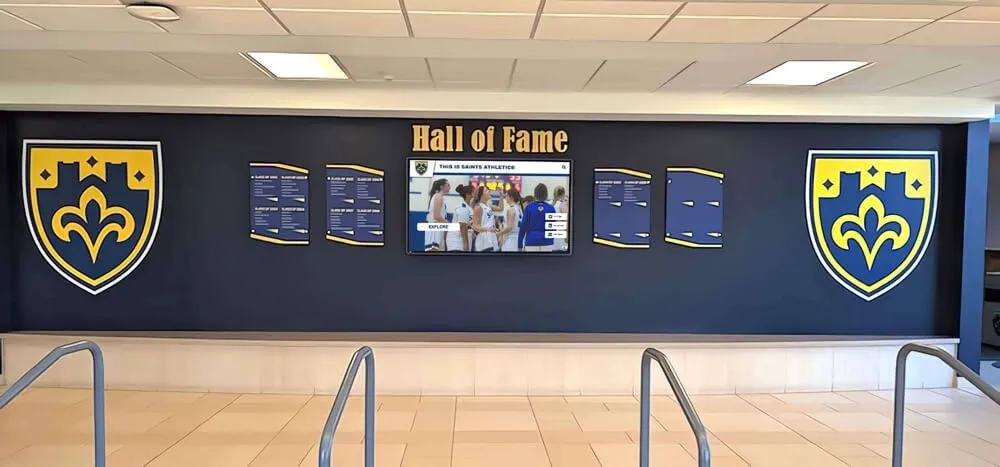
Contemporary students engage naturally with visual media and digital storytelling—yearbook themes reflecting these preferences create immediate connection and relevance
Unity and Community Themes
Themes emphasizing collective experience and shared identity prove particularly powerful for schools navigating challenging periods or celebrating diversity. Unity-focused concepts include “Stronger Together: Our Collective Story,” “Many Voices, One Community,” “United We Stand: [School Name] Family,” and “Connected: The Ties That Bind Us.”
These themes work across diverse student populations by celebrating what connects community members rather than emphasizing differences. They naturally support inclusive coverage ensuring all student groups receive recognition within broader community narrative.
Theme Implementation Through Visual Design
Selected themes must translate into consistent visual elements appearing throughout yearbook pages. Implementation strategies include:
Color Palette Development
Theme-inspired color schemes create immediate visual recognition. School spirit themes typically emphasize institutional colors. Journey themes might employ sunset/horizon palettes suggesting progression. Media themes could reference interface colors from relevant platforms. Unity themes often embrace rainbow or mosaic color approaches representing diversity within community.
Consistency matters enormously—establishing 3-5 primary colors and 2-3 accent colors used consistently across all pages creates cohesive publications feeling intentionally designed rather than randomly assembled.
Typography and Graphic Elements
Font selections and recurring graphic motifs reinforce thematic identity. Journey themes might incorporate pathway or map elements. Media themes could use play buttons, frames, or screen-style borders. School spirit themes often feature mascot illustrations or school crest integrations. Historical themes may embrace vintage typography and archival design elements.
These graphic touchpoints appear in section dividers, page headers, photo borders, and transitional elements throughout yearbooks, creating visual rhythm and thematic consistency making publications feel professionally designed.
Section Organization Aligned to Theme
Rather than generic section titles (Sports, Academics, Activities), theme-aligned alternatives create cohesive narratives. A “Streaming Our Story” theme might organize content as “Featured Content” (highlights), “Recommended for You” (personalized stories), “Trending Now” (popular moments), and “Continue Watching” (ongoing narratives). A journey theme could use “Departure” (fall semester), “Exploration” (winter), “Discovery” (spring), and “Homecoming” (year’s end).
Creative section organization requires more planning than standard approaches but significantly enhances thematic execution creating publications that feel conceptually unified rather than merely decorated with theme-related graphics.
Essential Yearbook Page Ideas for Comprehensive Coverage
Beyond overarching themes, specific page concepts ensure yearbooks document all aspects of school life while maintaining engaging variety throughout publications.
Student Life and Culture Pages
The most memorable yearbook content often comes from authentic student life documentation rather than formal portraits and posed team photos.
A Day in the Life Features
Chronological documentation following typical school days creates relatable narrative sequences. These spreads might follow specific students from various grades through complete days—morning routines, class periods, lunch, activities, homework, sports practice. Alternatively, committees might document specific time snapshots across campus showing simultaneous moments happening throughout buildings during particular periods.
Day-in-life features provide excellent opportunities for candid photography capturing authentic expressions and interactions rather than staged images. They also highlight overlooked aspects of school experience including hallway interactions, cafeteria culture, study habits, and after-school routines that formal event coverage misses entirely.
Behind the Scenes Documentation
Showing preparation and backstage moments surrounding major events reveals effort and camaraderie invisible in final performance or competition coverage. Behind-scenes content might include theater production rehearsals and technical preparations, athletic team conditioning and practice sessions, club planning meetings and project development, student government deliberations and event coordination, and facilities staff preparations enabling school operations.
These features humanize school operations while recognizing often-invisible contributions from diverse community members. They also provide visual variety contrasting finished performances and competitions with authentic working moments.
Tradition and Ritual Documentation
School-specific traditions deserve thoughtful documentation preserving cultural practices for future generations. Pages dedicated to annual traditions might cover homecoming festivities and spirit weeks, pep rallies and athletic traditions, academic ceremonies and honors convocations, seasonal celebrations specific to school calendars, and senior traditions marking graduation milestones.
Rather than simply listing traditions, effective documentation includes historical context explaining origins, student reflections describing personal significance, and photo sequences showing traditions’ evolution across years. Schools creating historical timeline displays often draw content from yearbook tradition documentation, creating connections between printed archives and interactive recognition installations.
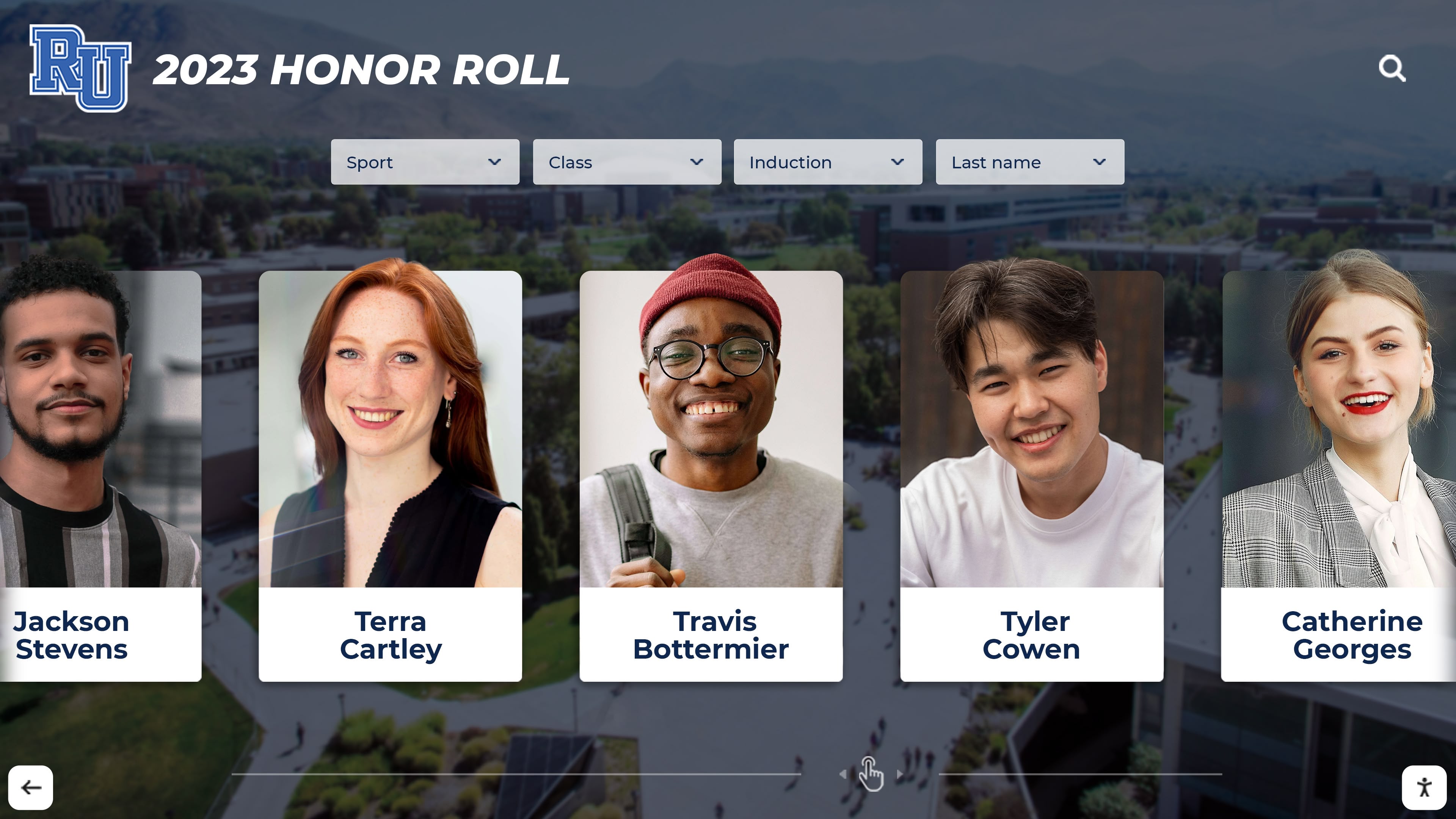
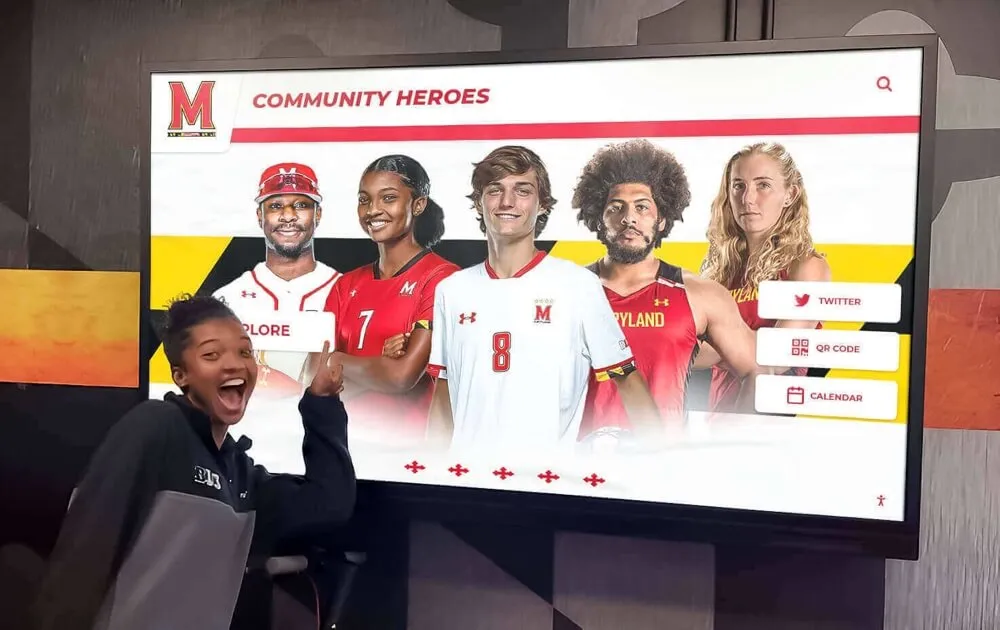
Consistent portrait layouts create professional presentation while enabling students to quickly locate friends and classmates within yearbook pages and digital displays
Recognition and Achievement Pages
Comprehensive achievement recognition ensures all accomplishment types receive appropriate celebration beyond traditional athletic focus.
Academic Excellence Features
Academic achievement deserves prominent recognition equivalent to athletic success. Academic recognition pages might include honor roll and academic achievement listings, department awards and subject-specific excellence, academic competition results (math teams, debate, science olympiad, quiz bowl), research presentations and STEM showcase highlights, and advanced placement and college credit achievements.
Presenting academic achievements with equivalent prominence to athletic accomplishments communicates institutional values while recognizing students whose primary contributions involve classroom and intellectual pursuits. Many schools complement yearbook coverage with class ring ceremonies celebrating academic milestones with formal recognition events.
Arts and Creative Achievement
Visual and performing arts accomplishments demand creative presentation matching artistic content. Arts recognition includes theater production highlights with cast and crew documentation, musical performance coverage including concerts and competitions, visual arts showcases featuring student artwork and exhibitions, creative writing and literary magazine contributions, and film, video, and media arts student productions.
Rather than listing participants, effective arts coverage reproduces student work directly—printing poems and creative writing, photographing artwork, publishing design projects, and including performance photography capturing artistic moments rather than only posed group shots.
Service and Leadership Recognition
Student contributions to school community and broader society deserve celebration alongside competitive achievements. Service and leadership pages document community service projects and volunteer hours, student government and class leadership, peer mentoring and tutoring programs, club leadership and organization management, and advocacy initiatives addressing school or community issues.
These pages often feature student reflections explaining motivations and describing impact, creating narrative context beyond simple participation listings. Including student voice quotes and perspectives transforms recognition pages from directories into authentic storytelling.
Creative Spread Concepts Adding Visual Interest
Breaking from standard layouts periodically throughout yearbooks maintains visual engagement across hundreds of pages.
Timeline and Infographic Spreads
Visual data presentation creates scannable, information-dense pages communicating substantial content through compact, engaging formats. Timeline spreads might document school year chronologically, track graduating class journey from freshman year forward, or illustrate historical school evolution across decades. Infographic treatments work well for statistical information (enrollment data, achievement metrics, participation rates), survey results revealing student opinions and preferences, and comparative data across classes, teams, or time periods.
These spreads provide excellent opportunities to incorporate theme-related graphic design while presenting information types that don’t fit traditional photo-and-caption layouts. They also appeal to visual learners who engage more effectively with graphic presentations than text-heavy alternatives.
Then and Now Comparisons
Juxtaposing historical and contemporary images creates engaging visual narratives showing school evolution. Comparison spreads might feature facility transformations showing building renovations or new construction, tradition evolution illustrating how annual events change across decades, fashion and style changes through yearbook portrait comparisons, and technology progression documenting how students learn and communicate.
Then-and-now features work particularly well for anniversary years, milestone celebrations, or schools with rich historical archives. They also provide natural opportunities to encourage alumni engagement during reunion events where returning graduates reconnect with current traditions while reminiscing about their own experiences.
Senior Superlatives and Fun Features
Light-hearted pages celebrating personality and humor balance serious achievement documentation. Popular fun features include creative senior superlatives beyond standard categories, “most likely to” predictions for future paths, faculty and staff fun facts and personality profiles, student favorites revealing popular music, movies, food, and trends, and candid moment compilations capturing genuine expressions and interactions.
While maintaining respectful tone, these features humanize yearbooks by acknowledging that school experience encompasses joy, humor, and personality alongside achievement and documentation. They also often become most-referenced pages as students explore classmates’ personalities beyond academic and athletic accomplishments.
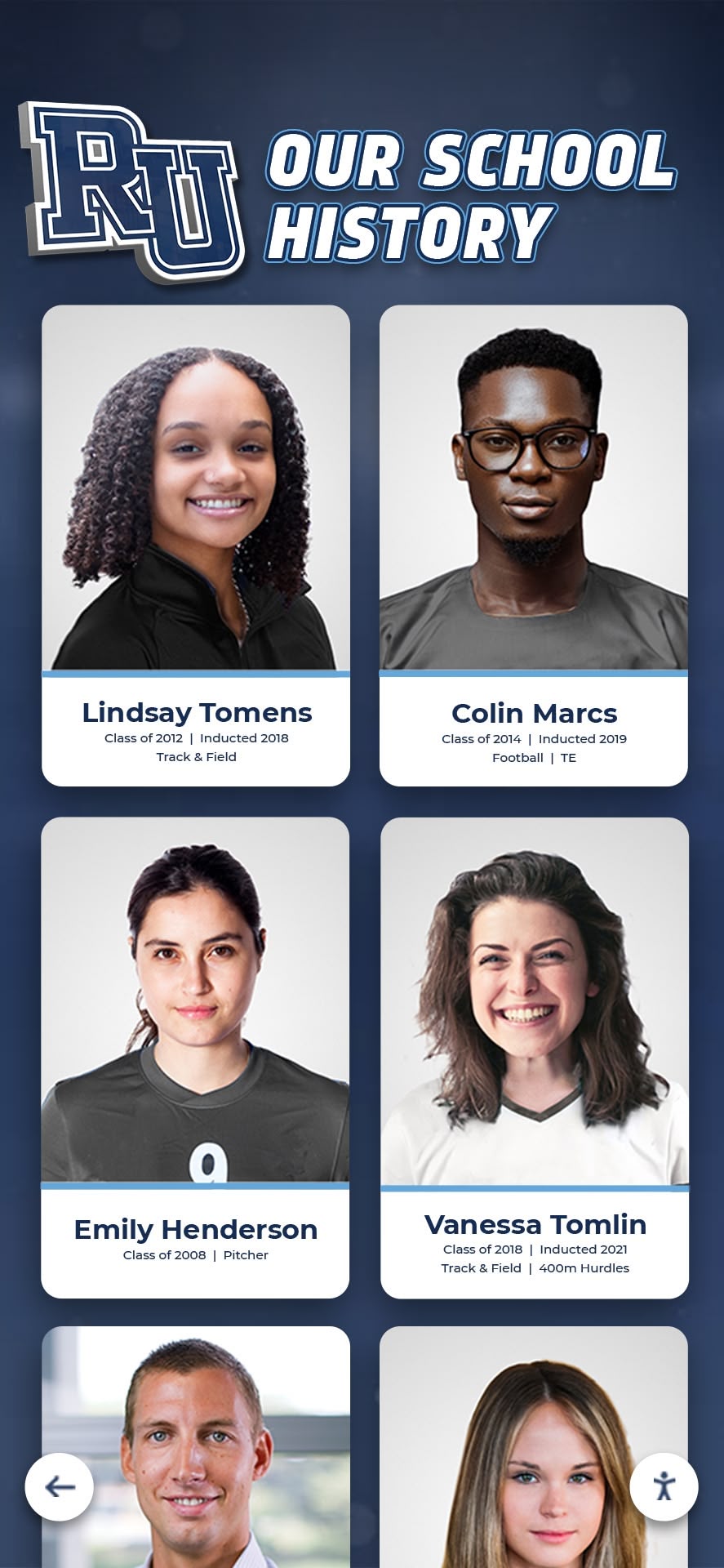
Historical perspective features connecting current students with alumni predecessors create continuity across generations while celebrating enduring school traditions
Yearbook Layout and Design Best Practices
Creative ideas require effective execution—understanding design principles ensures concepts translate into professional, engaging pages.
Layout Fundamentals for Yearbook Pages
Several core principles distinguish professionally designed yearbooks from amateur publications regardless of specific creative choices.
Grid-Based Design for Consistency
Professional yearbooks employ consistent grid systems providing invisible frameworks for photo and text placement. Common approaches include modular grids dividing pages into equal rectangular units, column-based grids establishing consistent text zones, and custom grids reflecting theme-specific layouts while maintaining structural consistency.
Grids prevent arbitrary element placement that creates visual chaos. Even creative, dynamic layouts benefit from underlying grid structures ensuring alignments, proportions, and spacing patterns remain consistent across pages despite varied content.
Visual Hierarchy and Eye Flow
Effective layouts guide reader attention through intentional visual hierarchy. Hierarchy techniques include dominant images drawing initial attention through size and placement, headline typography creating clear entry points, supporting images and captions elaborating on primary content, and body text providing comprehensive detail for engaged readers.
Eye flow typically follows Z or F patterns—readers scanning top-left to top-right, then diagonally or vertically downward before scanning horizontally again. Placing most important content within these natural scan paths ensures critical information receives attention even from casual browsers.
White Space and Breathing Room
Amateur yearbook layouts often attempt cramming maximum content into every page, creating visually overwhelming, cluttered spreads that discourage engagement. Professional designers understand white space (unmarked page areas) serves critical functions: providing visual breathing room preventing claustrophobia, directing attention by creating contrast around important elements, conveying sophistication through refined, uncluttered aesthetics, and improving readability by separating distinct content elements.
Generally, 30-40 percent white space creates balanced, professional appearance. Dense pages may drop to 20-25 percent for content-heavy spreads, while feature pages often increase to 40-50 percent emphasizing select imagery and minimal text.
Photo Quality and Selection Standards
Photography quality dramatically impacts overall yearbook effectiveness. Quality standards include resolution sufficient for print reproduction (minimum 300 DPI at final size), proper exposure and lighting avoiding muddy shadows or blown highlights, sharp focus on primary subjects, and thoughtful composition following basic photographic principles.
Beyond technical quality, photo selection should prioritize authentic expressions and genuine moments over forced smiles, diverse subject representation avoiding repetitive coverage of same individuals, action and emotion rather than static posed shots whenever possible, and contextual backgrounds showing school environments rather than blank walls.
Typography Best Practices
Font selections and text treatment significantly impact yearbook readability and aesthetic quality.
Font Selection and Pairing
Effective typography typically combines two font families—one for headlines and another for body text. Headline fonts might be distinctive display typefaces reflecting theme identity while maintaining readability. Body text demands highly legible serif or sans-serif fonts optimizing extended reading comfort.
Common mistakes include using too many different fonts (more than three across entire yearbook creates visual chaos), selecting decorative fonts for body text sacrificing readability for style, and insufficient contrast between headline and body fonts making visual hierarchy unclear.
Text Sizing and Readability
Printed yearbooks demand larger minimum text sizes than screen-based publications. Conservative minimums include 10-11 point body text, 8-9 point caption text, 18+ point secondary headlines, and 24+ point primary headlines.
These sizes assume standard yearbook trim dimensions (typically 8.5x11 or 9x12 inches). Smaller formats or readers with vision challenges benefit from larger minimums. Caption text particularly tempts committees toward tiny sizes cramming extensive information into limited space—resist this temptation as unreadable captions communicate nothing regardless of comprehensive content.
Text Contrast and Backgrounds
Text must contrast sufficiently with backgrounds for comfortable reading. Black or very dark text on white or very light backgrounds (or inverse) provides optimal readability. Colored text on colored backgrounds, text over complex photo backgrounds, and reversed text (white on black) in extended passages all challenge reading comfort.
When placing text over photographs—common in yearbook design—techniques ensuring readability include darkening or lightening photos through semi-transparent overlays, using solid-color text boxes behind copy, applying drop shadows or outlines to text, and restricting photo backgrounds to areas with minimal visual complexity.
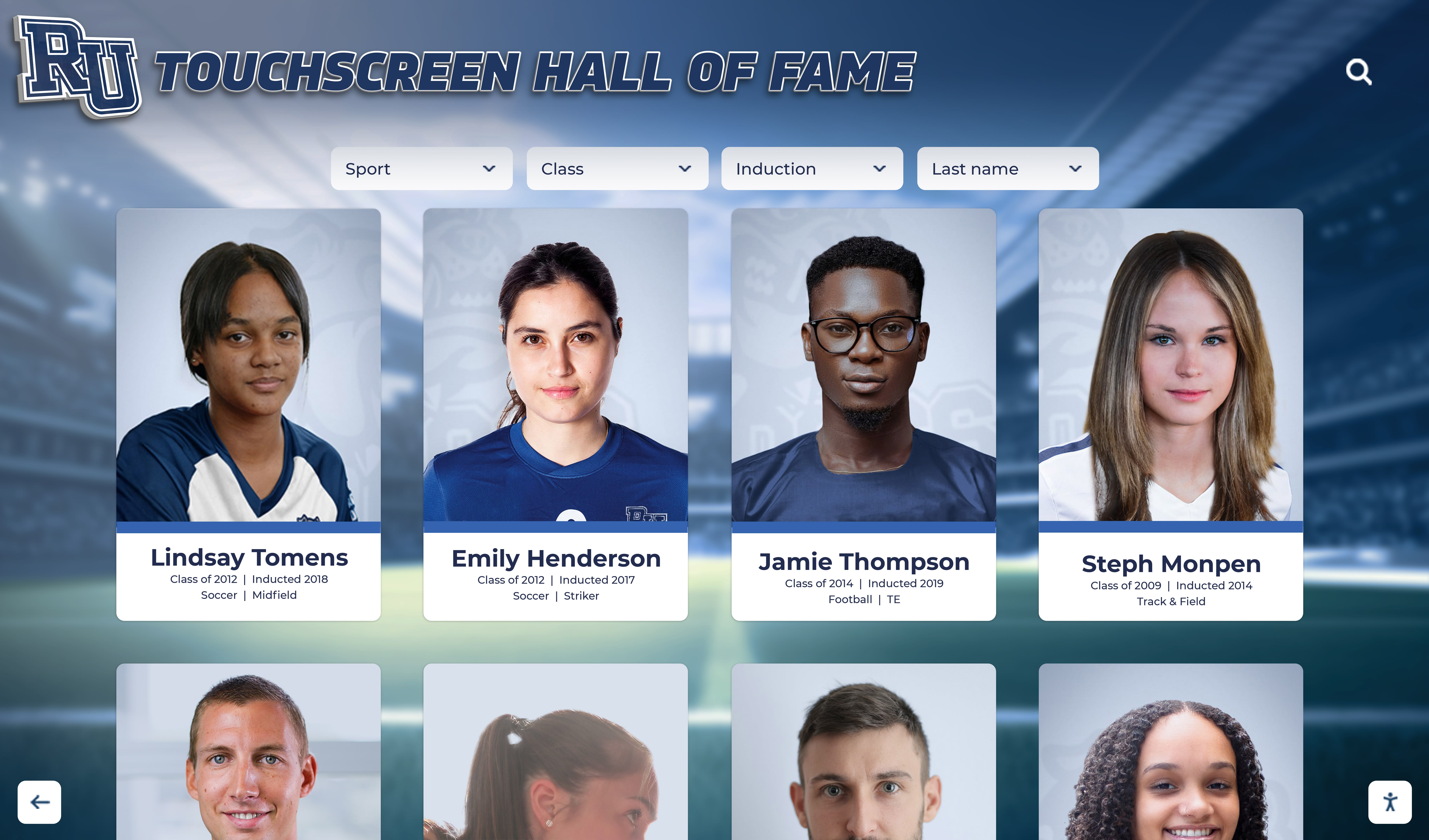
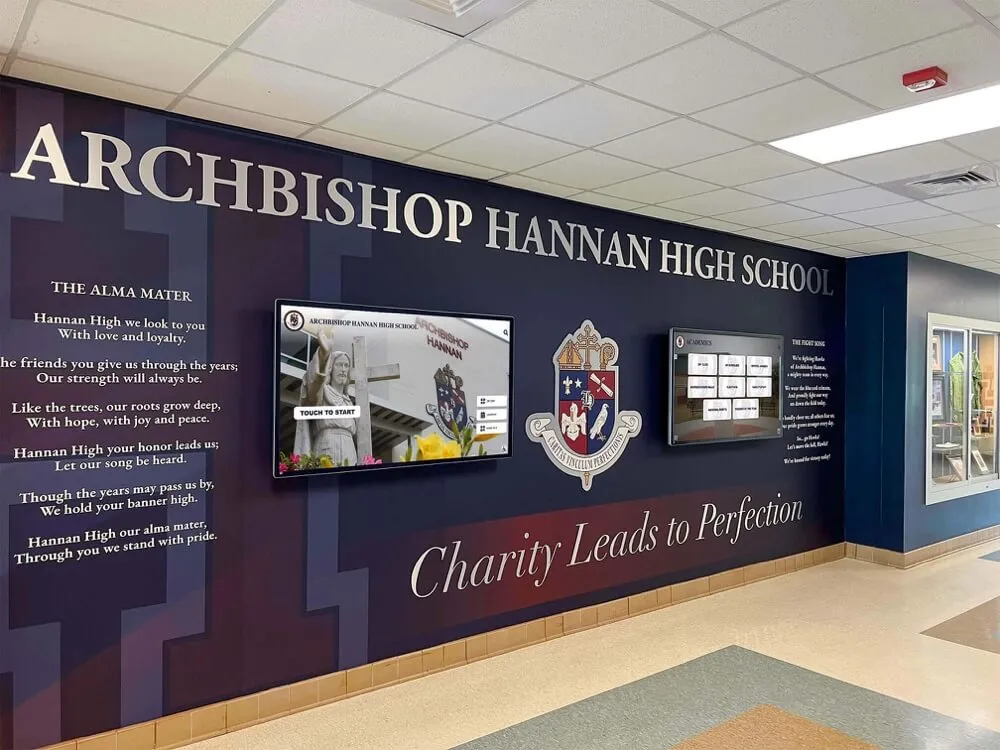
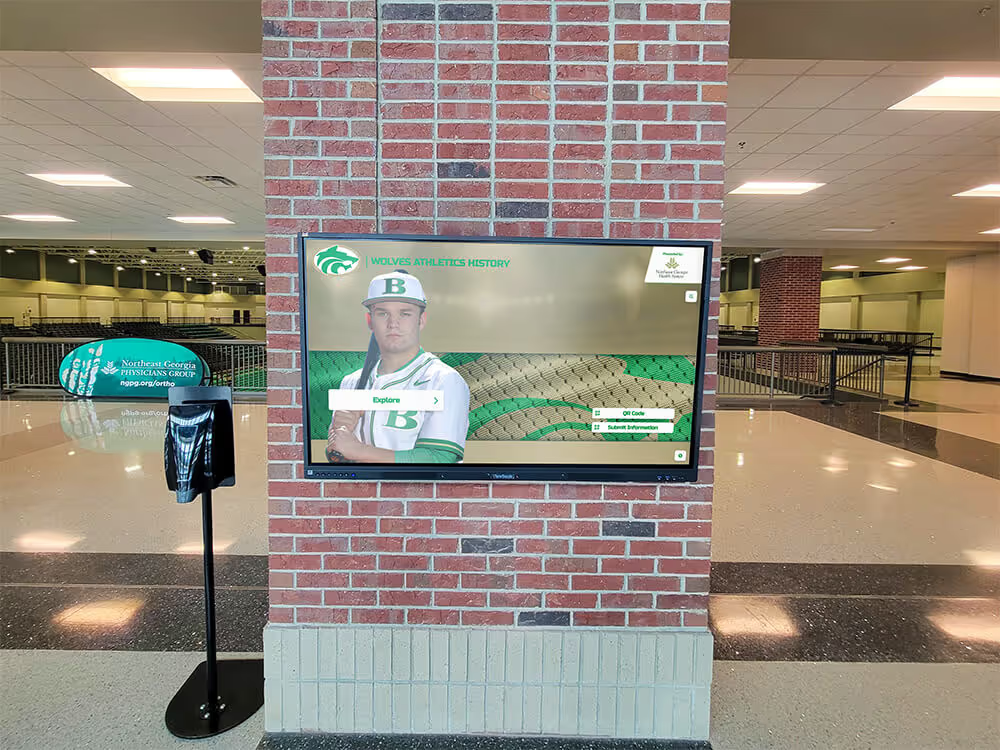
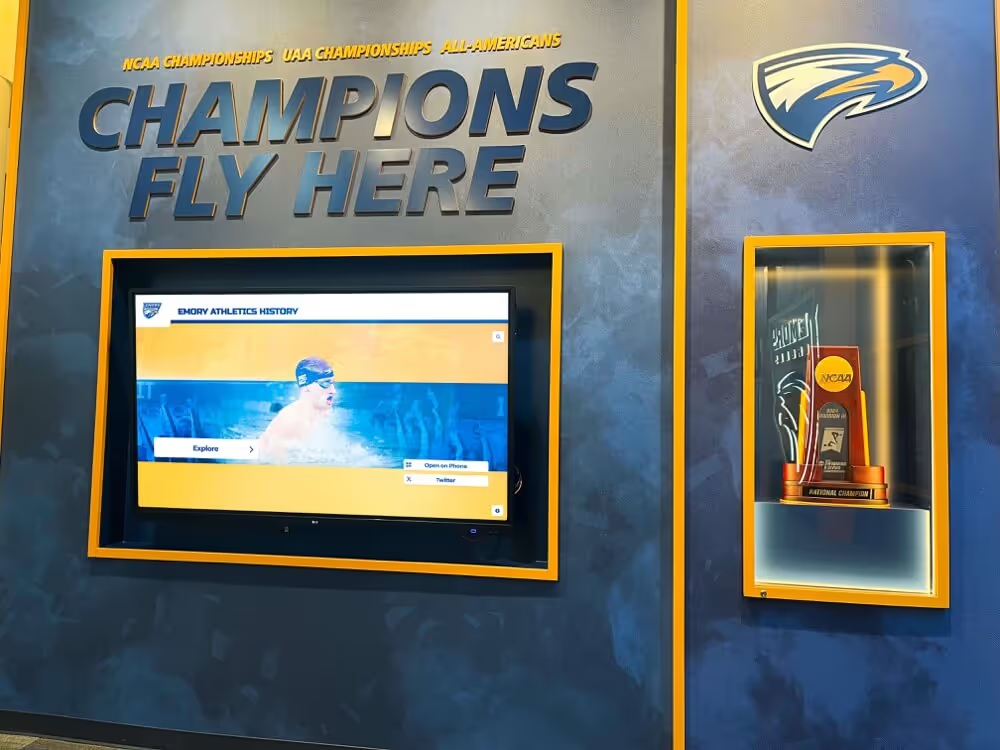
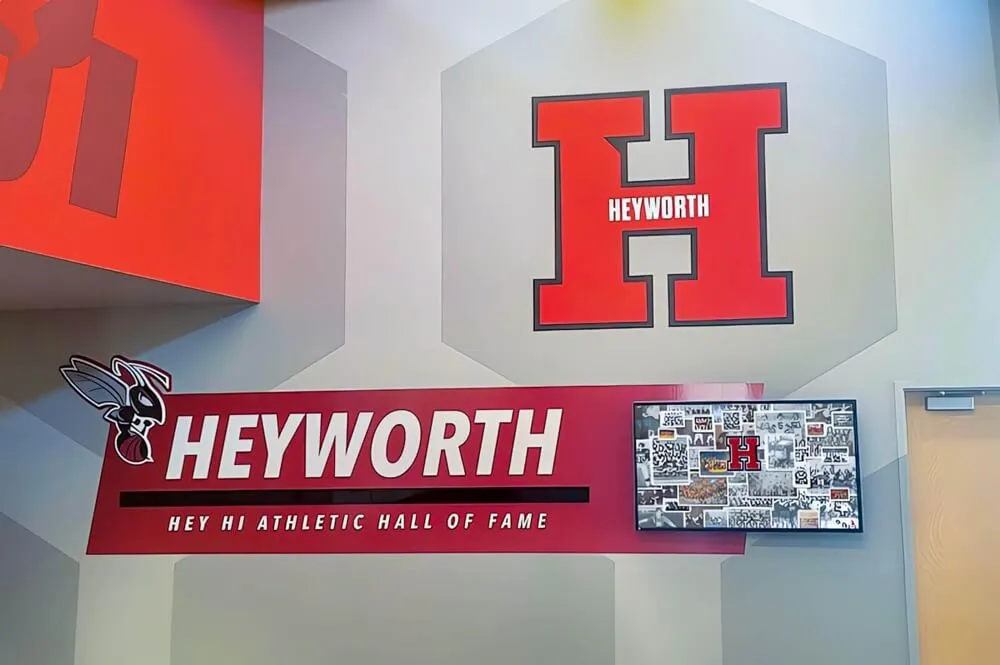
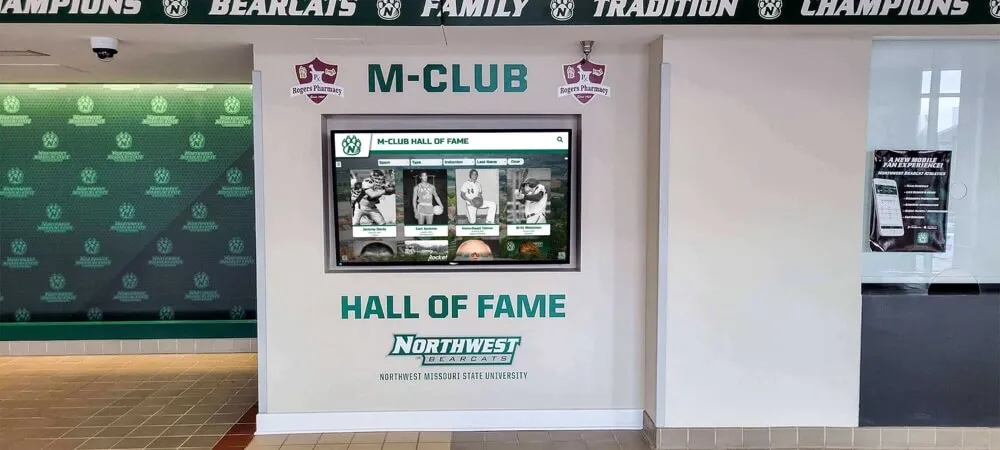
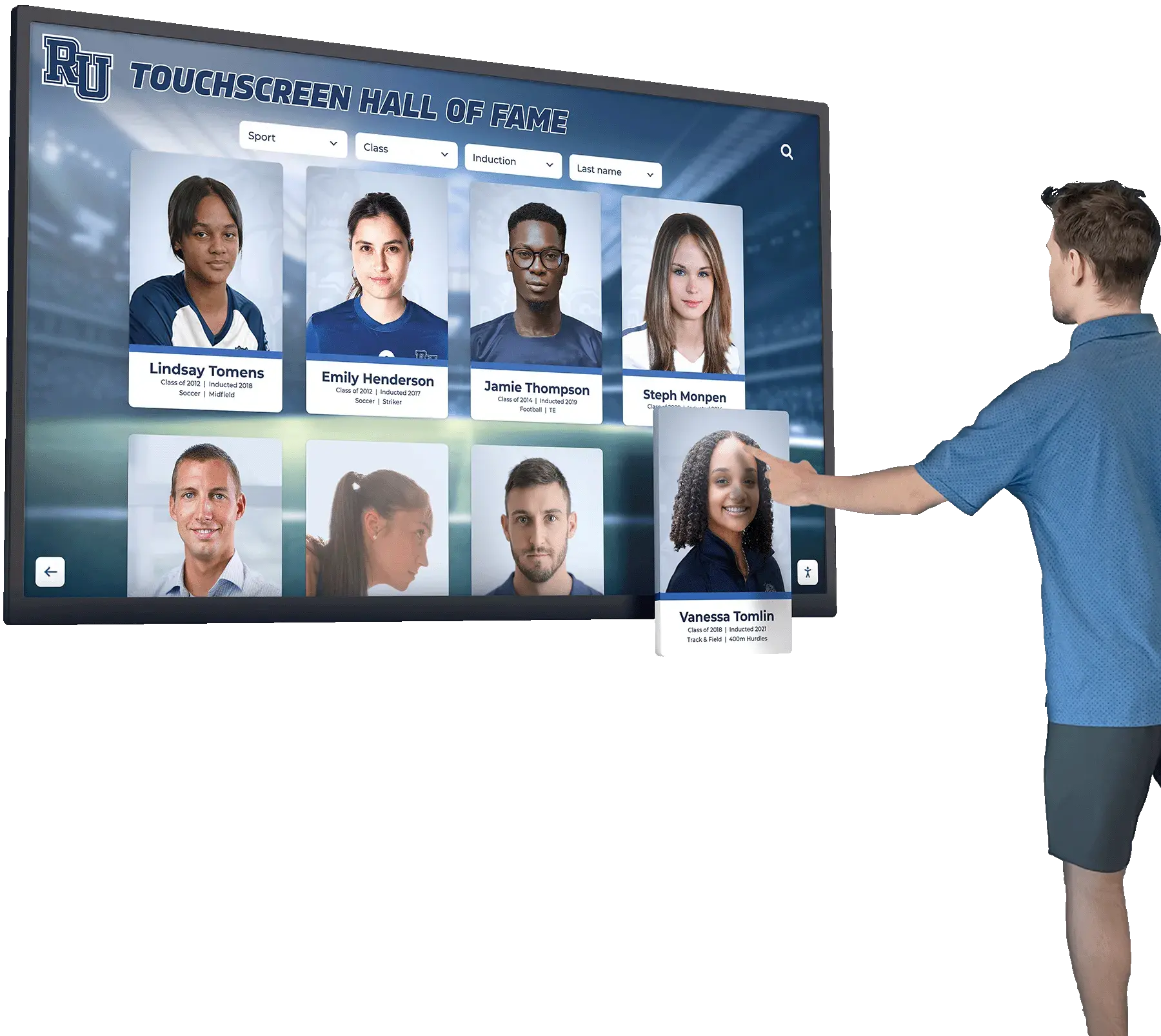
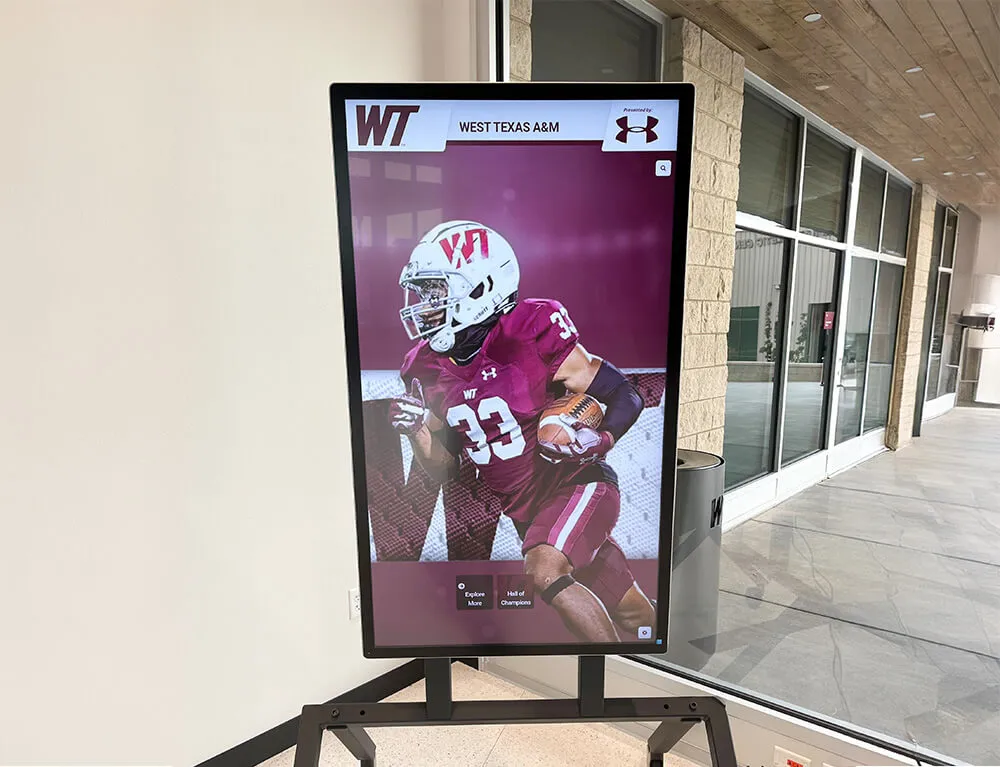
Digital displays complement traditional yearbooks by enabling interactive browsing, searchable archives, and unlimited space for comprehensive recognition beyond physical page constraints
Making Yearbooks Interactive and Engaging
Modern yearbooks increasingly incorporate elements encouraging active exploration rather than passive page-turning.
Interactive Print Elements
Even traditional printed yearbooks can incorporate interactive features beyond static text and photos.
QR Codes Linking to Digital Content
QR codes embedded throughout yearbook pages connect print publications to extended digital content including video highlights from performances and competitions, audio recordings of musical performances or speeches, extended photo galleries exceeding print space constraints, virtual tours of facilities or exhibits, and student-produced content like podcasts or video features.
Strategic QR placement throughout yearbooks transforms publications into gateways accessing rich multimedia archives impossible within printed formats alone. This approach particularly appeals to digital-native students expecting multimedia experiences rather than exclusively static content.
Augmented Reality Integration
Augmented reality (AR) technology enables smartphone or tablet users to view virtual content overlaid on physical yearbook pages when viewed through AR applications. AR enhancements might include 3D mascot animations appearing above school logo, video playback when viewing team photos through AR apps, interactive graphics and animations on special feature pages, and virtual galleries expanding photo coverage beyond printed selections.
While requiring greater technical sophistication than QR codes, AR creates novel experiences differentiating yearbooks as forward-thinking publications rather than traditional print-only formats. Implementation requires AR platform selection and content development but often proves more accessible than committees initially assume.
Hidden Elements and Easter Eggs
Deliberate hidden content throughout yearbooks rewards careful exploration encouraging thorough page examination. Hidden elements might include visual continuity across page spreads creating unified imagery when books fully opened, marginal illustrations or recurring characters appearing throughout publication, coded messages or puzzles solved through careful yearbook examination, and subtle variations in repeating design elements creating discovery opportunities.
These playful touches transform yearbooks from documents to explore rather than simply receive, creating engagement extending beyond initial distribution. They also generate social sharing as students discuss discoveries and compete to locate all hidden features.
Caption Writing That Engages
Captions represent critical yearbook content often receiving insufficient attention relative to photography and layout design.
The Five Ws Formula
Effective captions answer fundamental journalistic questions: Who appears in photo (full names with proper spelling), What action or event documentation shows, When photo was taken (specific dates or general timeframe), Where location or context, and Why moment matters or what it represents.
Complete captions provide context ensuring photos communicate clear meaning rather than requiring viewer interpretation. They also serve archival purposes—decades later, comprehensive captions help alumni recall specific moments and contexts that images alone might not clearly convey.
Student Voice and Quotes
Beyond objective documentation, incorporating student perspectives and reflections brings authentic voice to yearbook content. Effective quote integration includes direct student reactions to events or experiences, reflections on significance or personal meaning, humorous observations revealing personality and perspective, and personal narratives describing moments photos cannot fully capture.
Student quotes humanize coverage while ensuring yearbooks represent student perspectives rather than exclusively adult-generated documentation. They also dramatically improve engagement as students seek their own quotes and read classmates’ reflections throughout publications.
Storytelling vs. Simple Description
Rather than merely describing visible photo content (“Students walk through hallway”), effective captions tell stories providing context and meaning (“Sophomores navigate crowded north hallway during mid-morning passing period, part of daily routine accommodating 1,847 students in building designed for 1,400”).
Storytelling captions transform documentation into narrative, helping readers understand not just what happened but why it mattered and what it reveals about school culture and student experience.
Digital Yearbook Extensions and Modern Alternatives
While printed yearbooks remain beloved traditions, digital platforms offer complementary experiences addressing limitations inherent in physical publications.
Digital Yearbook Platforms and Supplements
Numerous platforms now enable digital yearbook creation or supplementation of traditional print editions.
Online Yearbook Portals
Web-based yearbook platforms provide searchable digital access to yearbook content with advantages including unlimited photo capacity unconstrained by printing costs, video and multimedia integration impossible in print, searchability enabling instant name or keyword location, social sharing features encouraging broader distribution, and perpetual access avoiding physical yearbook loss or damage.
Digital platforms work particularly well as print supplements rather than complete replacements—printed yearbooks retain emotional significance and physical presence digital equivalents cannot replicate, while digital extensions eliminate space constraints and enable multimedia richness print cannot accommodate.
Social Media Integration
Many schools create dedicated yearbook social media accounts or hashtags aggregating student-contributed content throughout academic years. Social integration strategies include Instagram or TikTok accounts featuring daily school life moments, hashtag campaigns encouraging student content submission, year-end digital yearbook compilations from collected social content, and student takeover features where different students control accounts temporarily.
Social approaches democratize content creation beyond yearbook committee control while capturing spontaneous authentic moments professional documentation might miss. However, they require careful moderation ensuring appropriate content and protecting student privacy.
Interactive Digital Recognition Displays
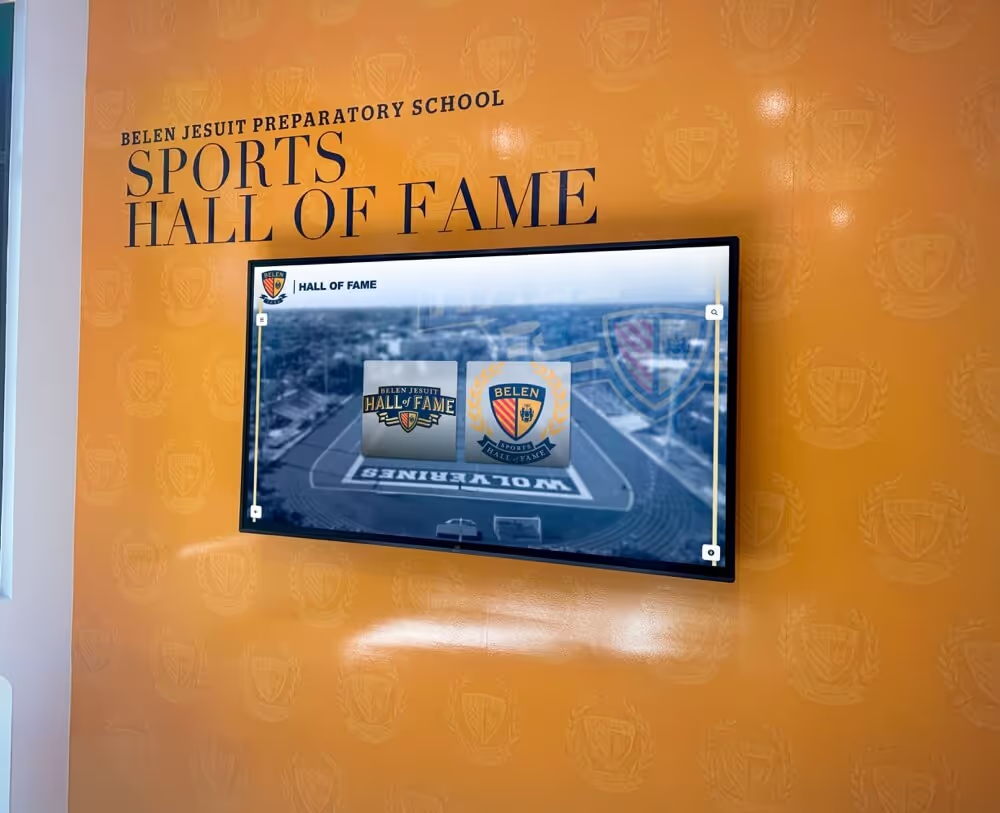
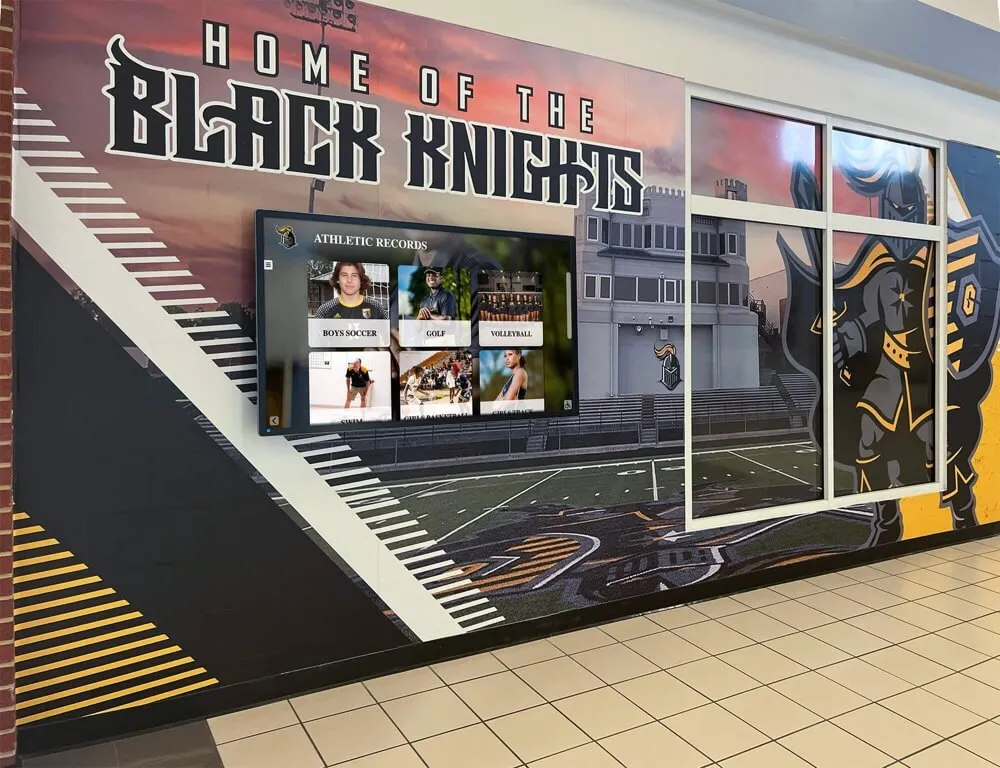
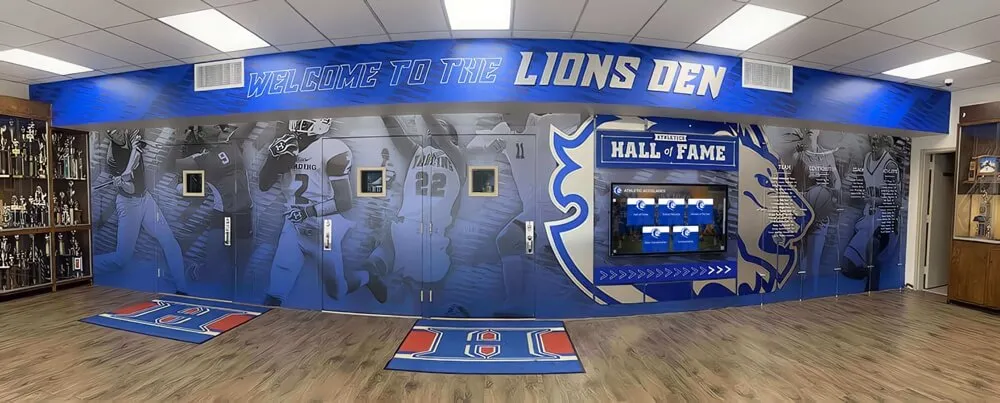
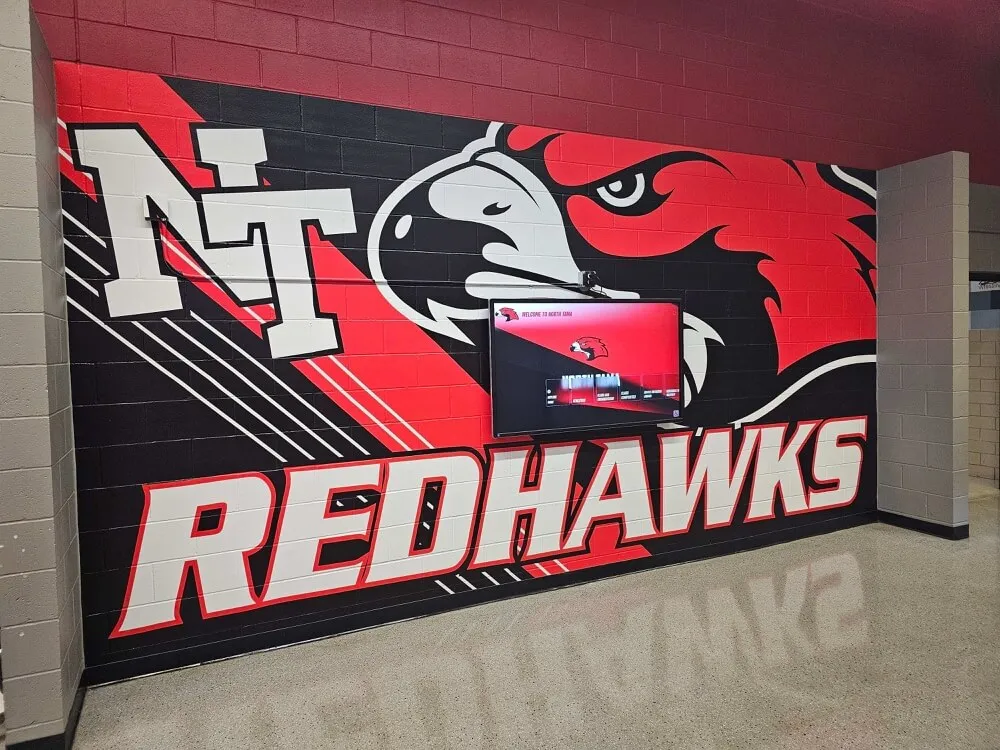
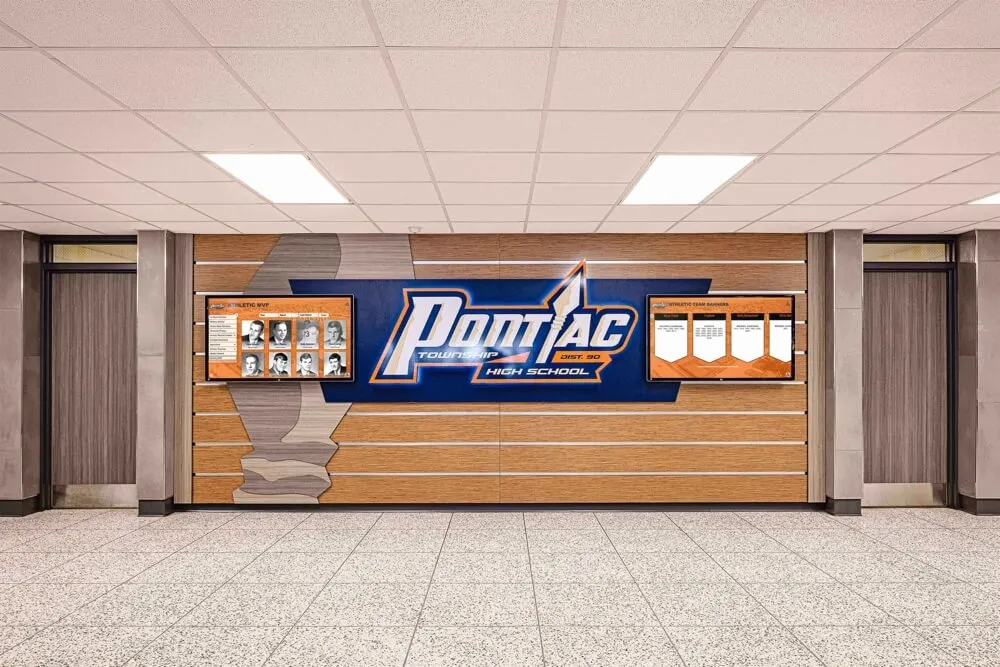
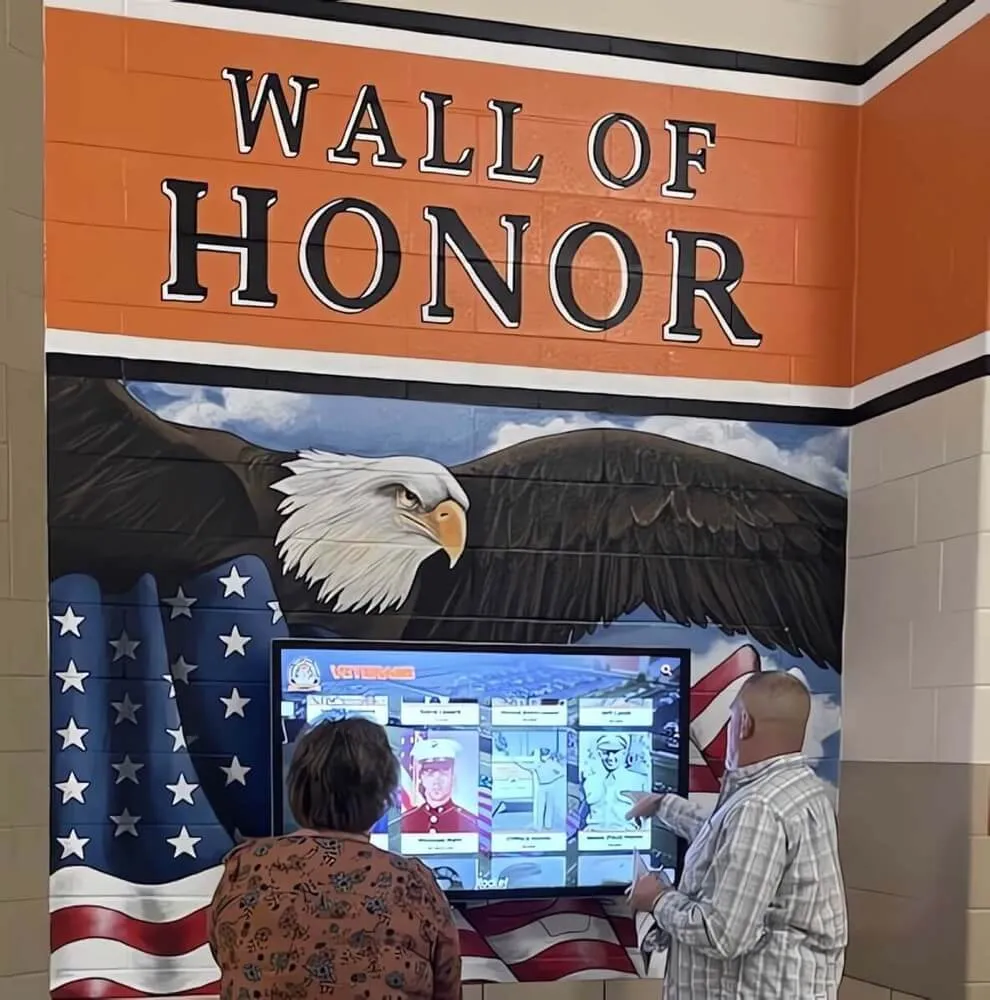
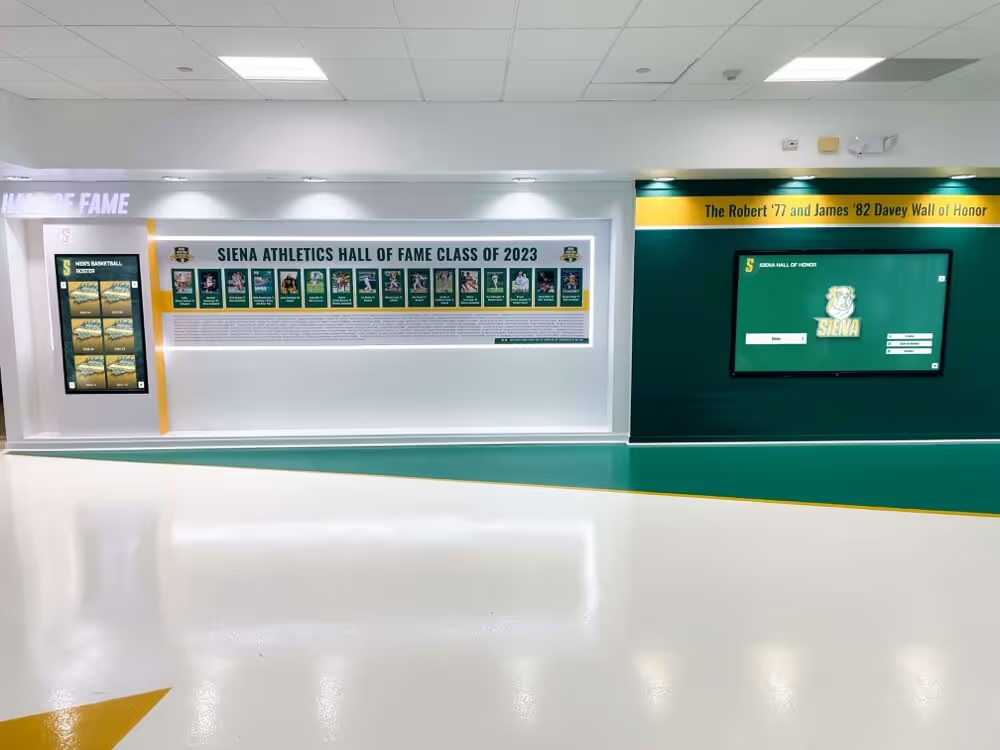
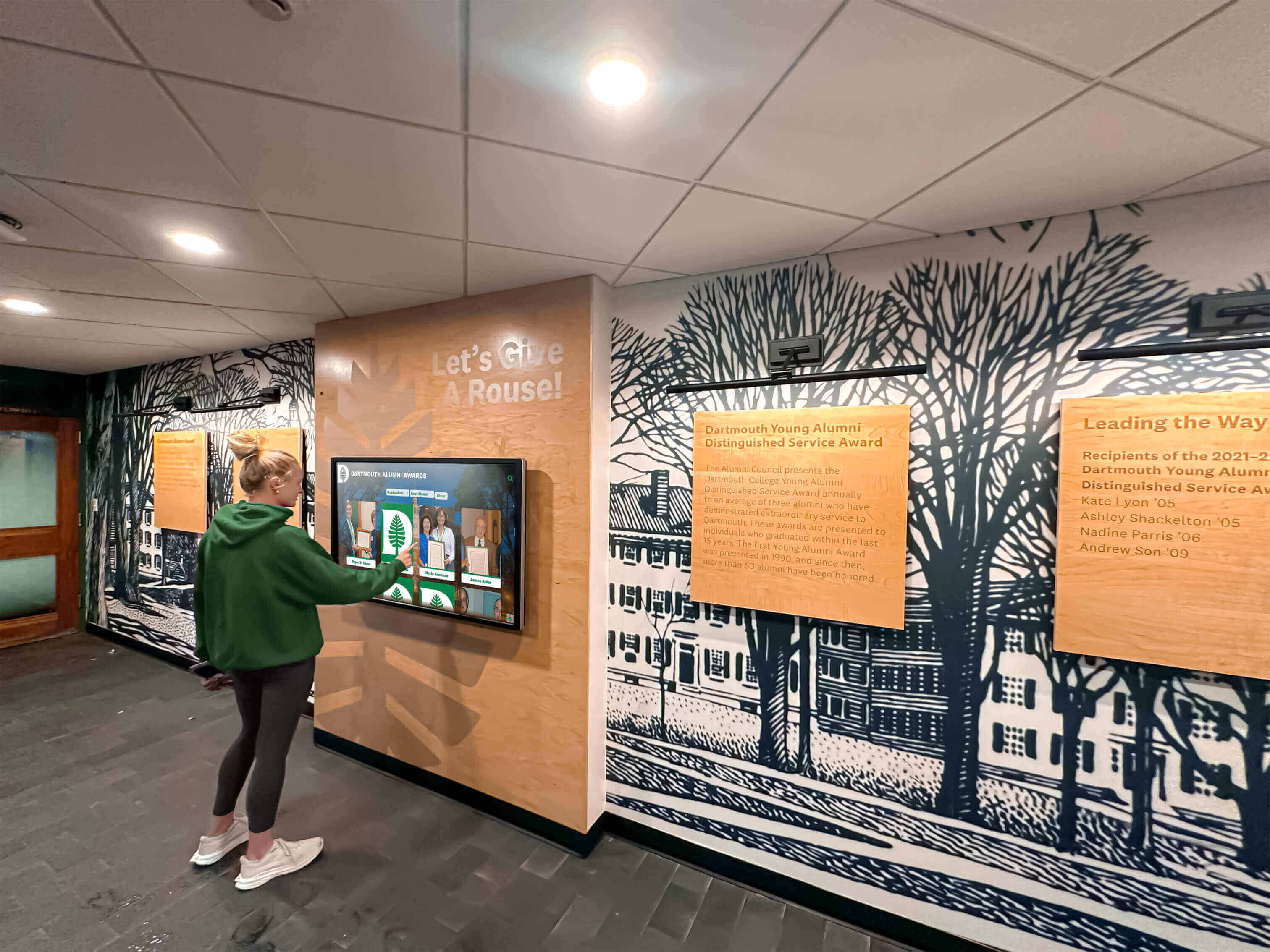
Schools increasingly complement traditional yearbooks with permanent digital installations celebrating student achievement across years. These interactive displays enable browsing alumni and student achievement archives, viewing historical yearbook content digitally, exploring school history through interactive timelines, and searching comprehensive recognition databases impossible to maintain in print.
Organizations implementing digital asset management for school districts often discover archived yearbook content provides rich source material for permanent recognition installations. Schools can even digitize old yearbooks creating comprehensive digital archives accessible through interactive touchscreen displays in hallways and common areas.
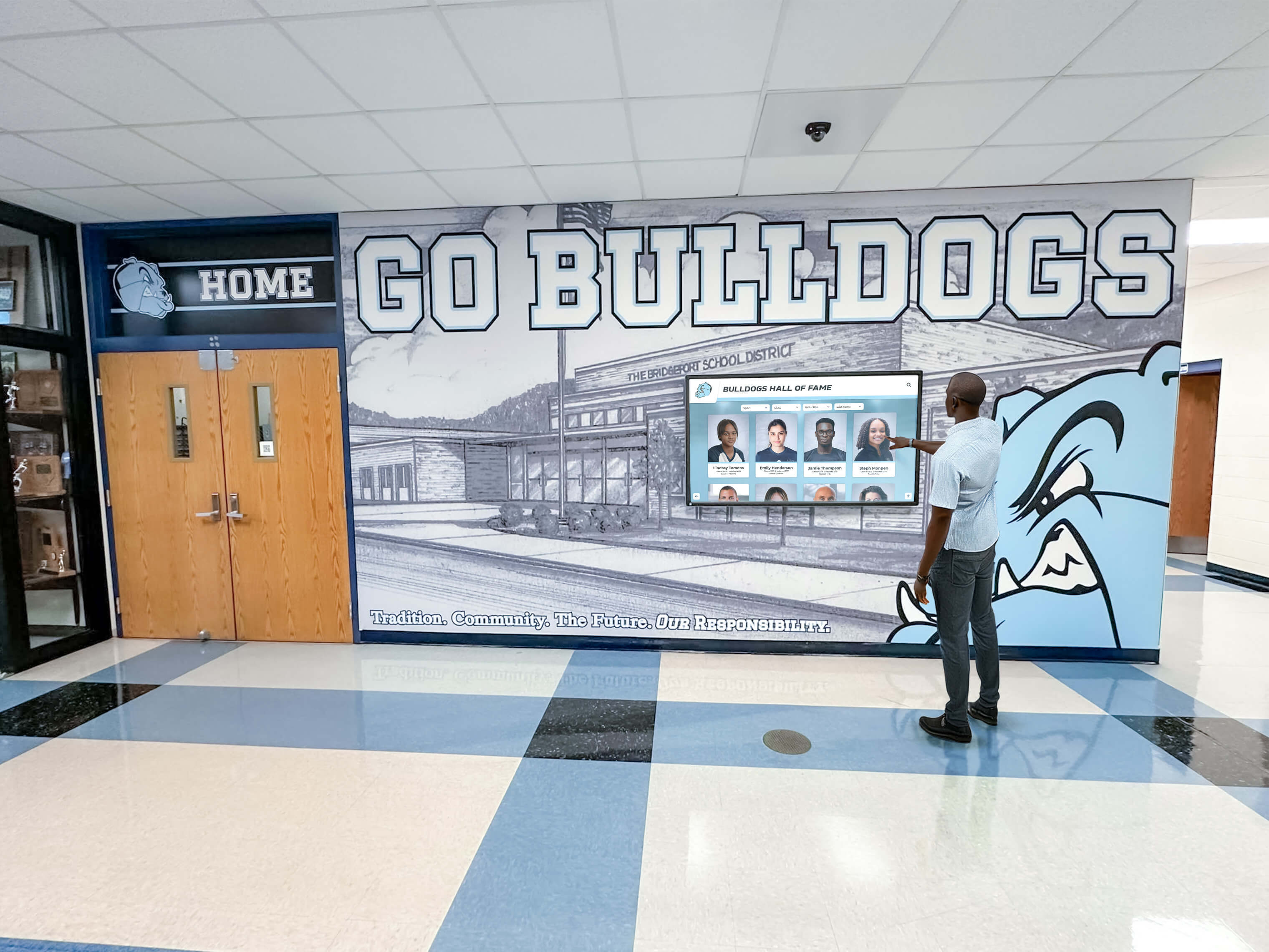
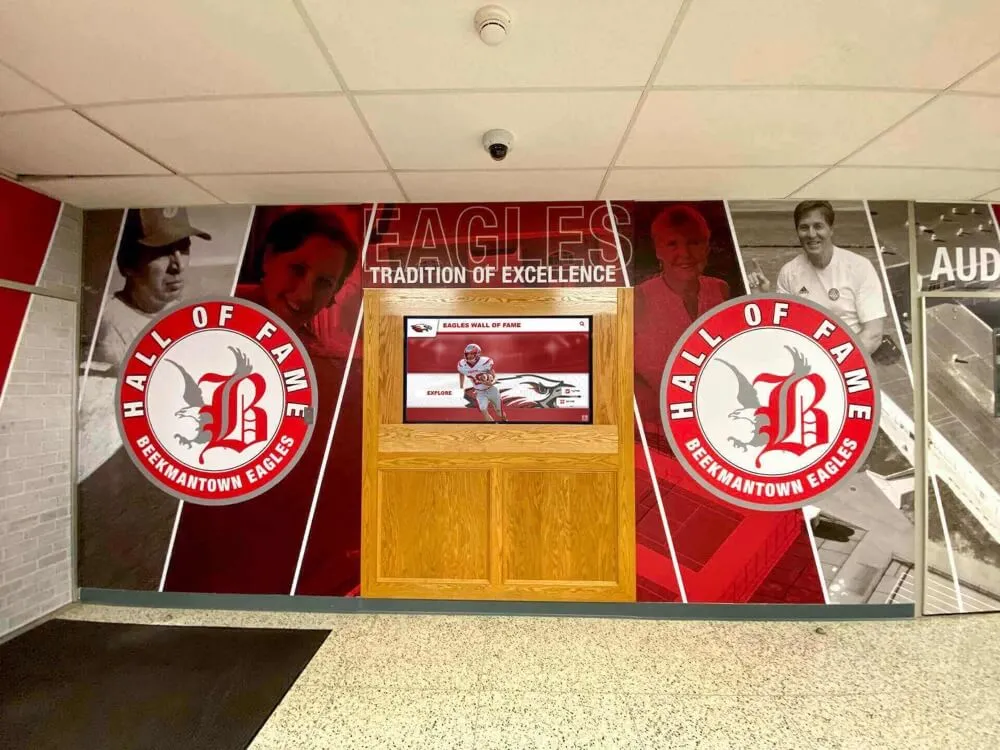
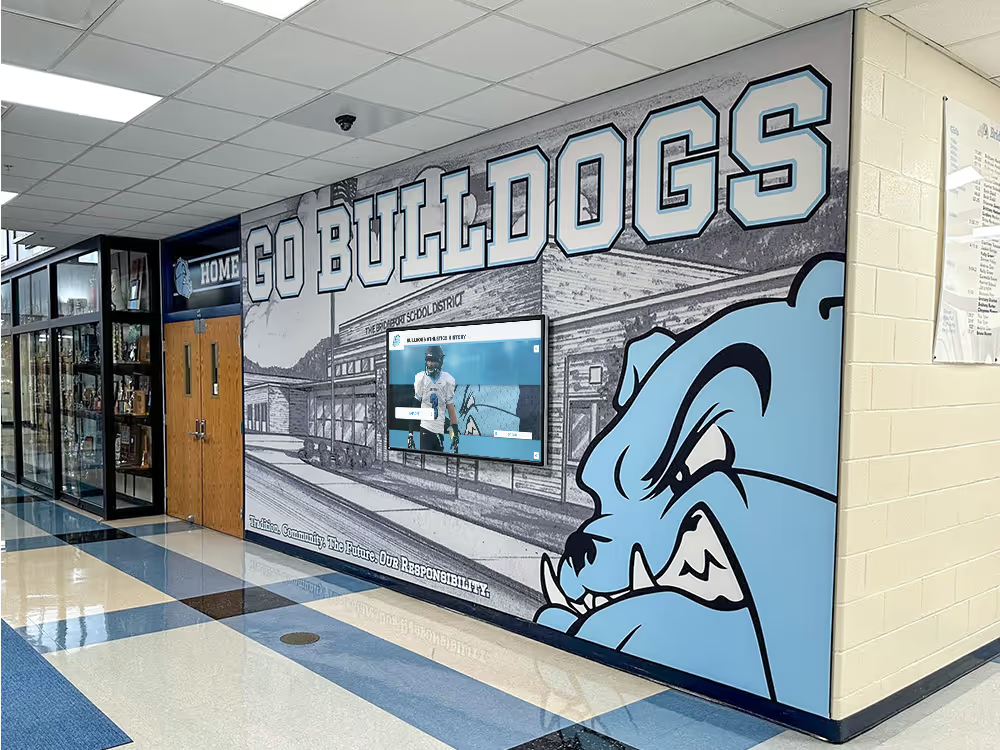
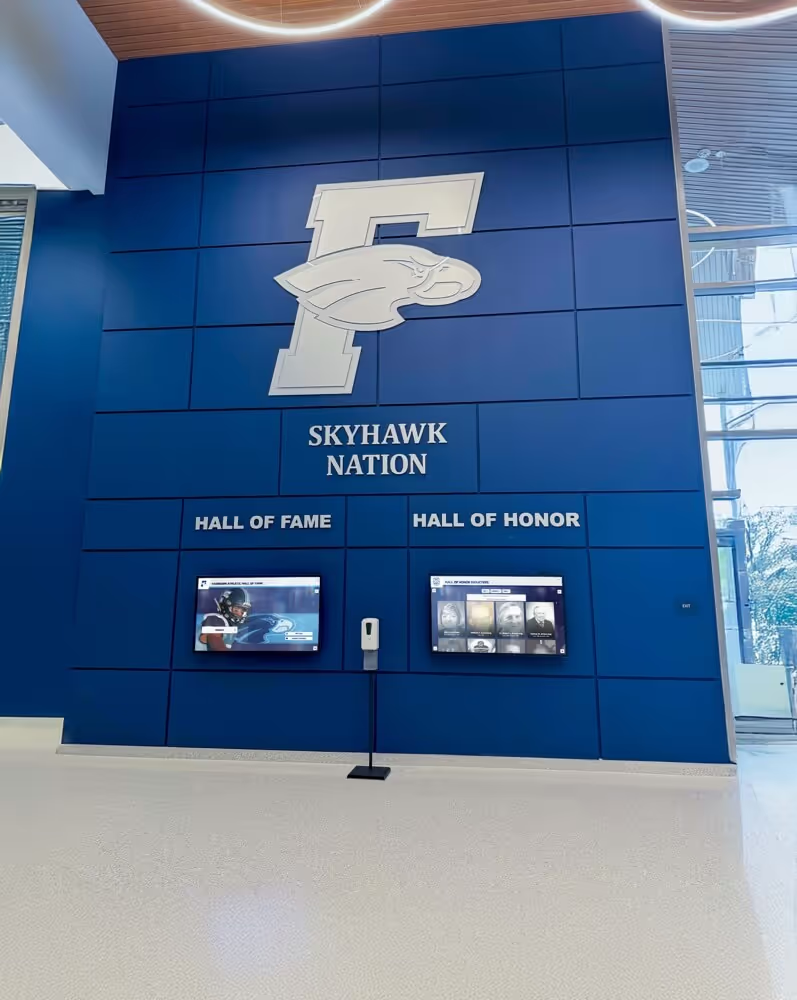
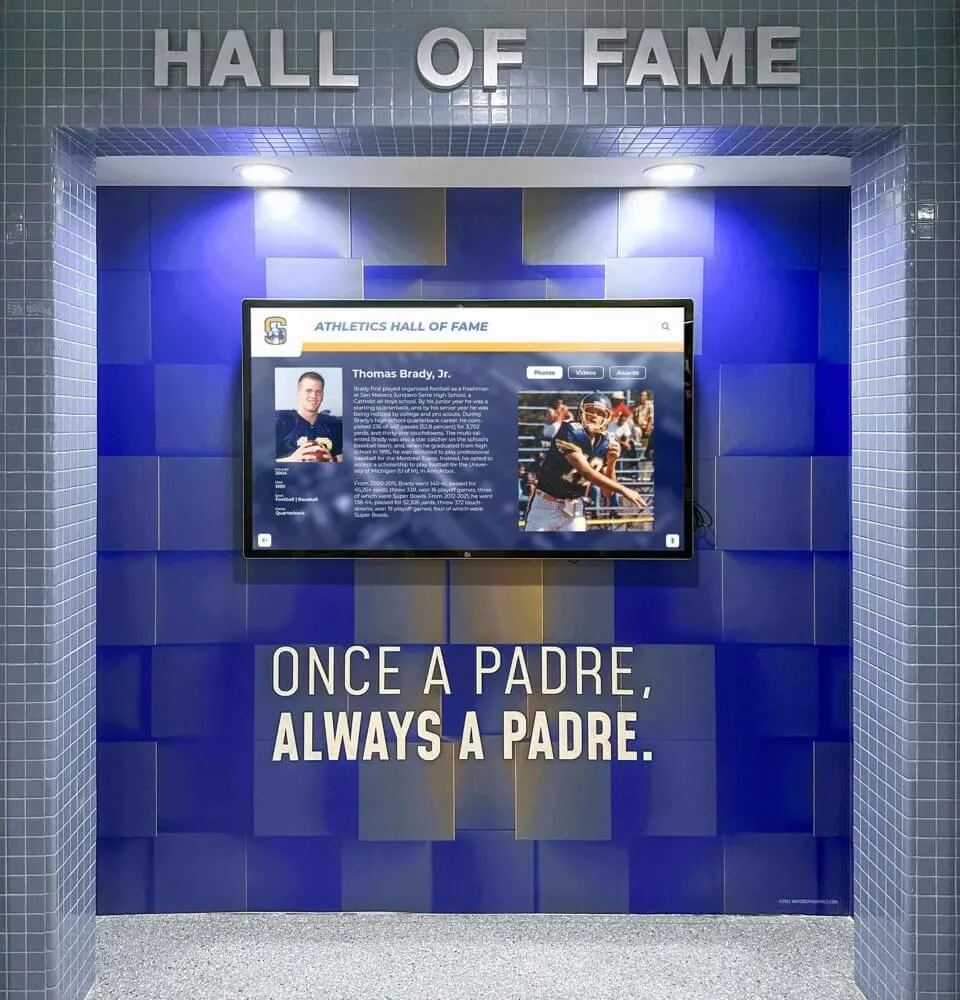
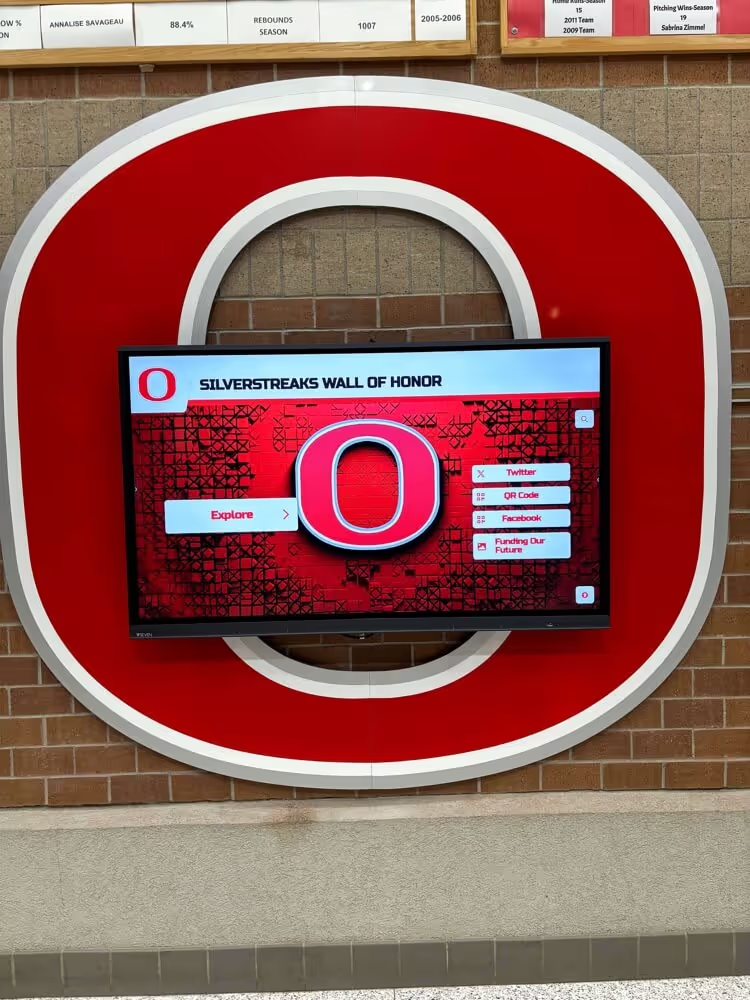
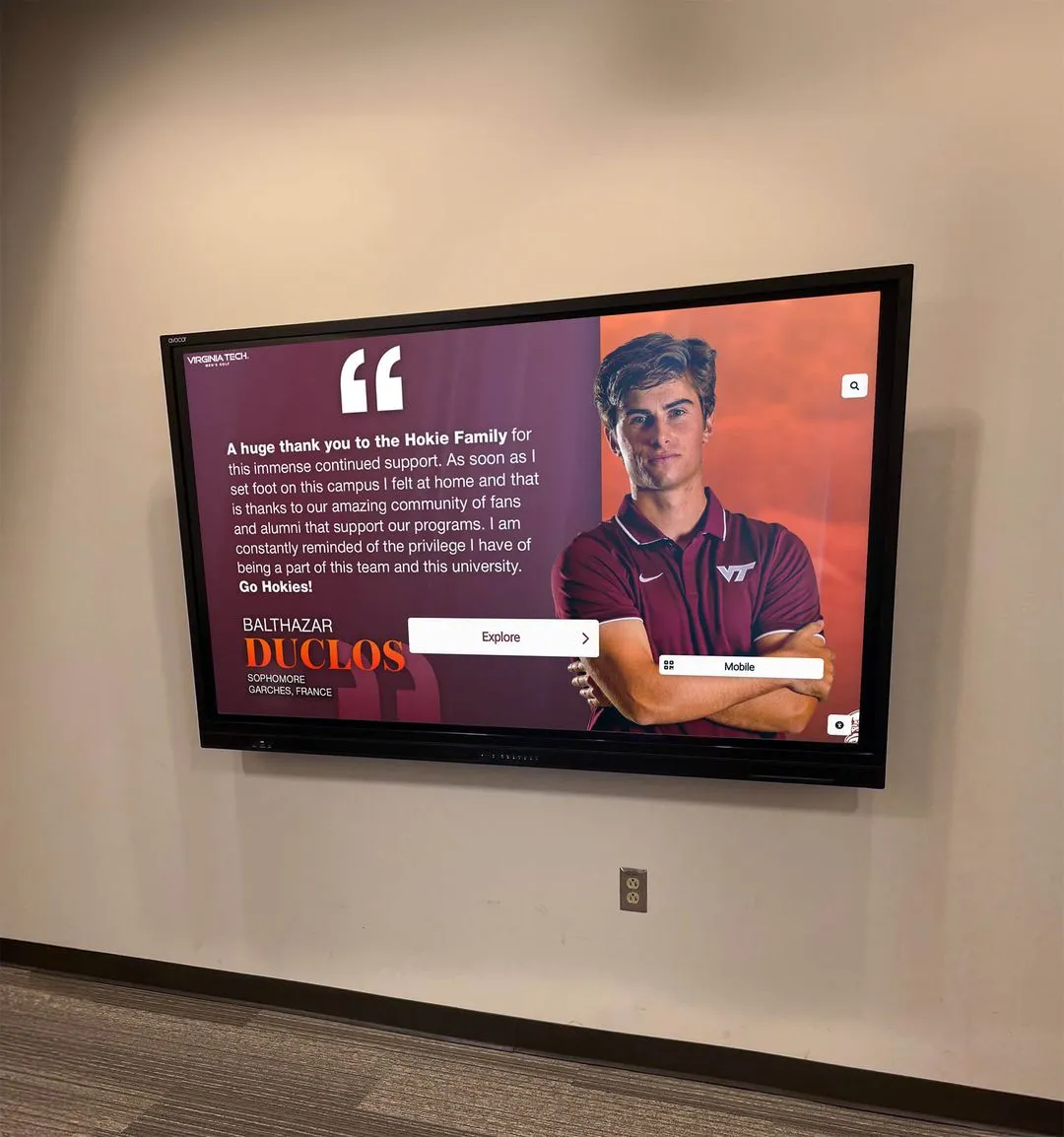
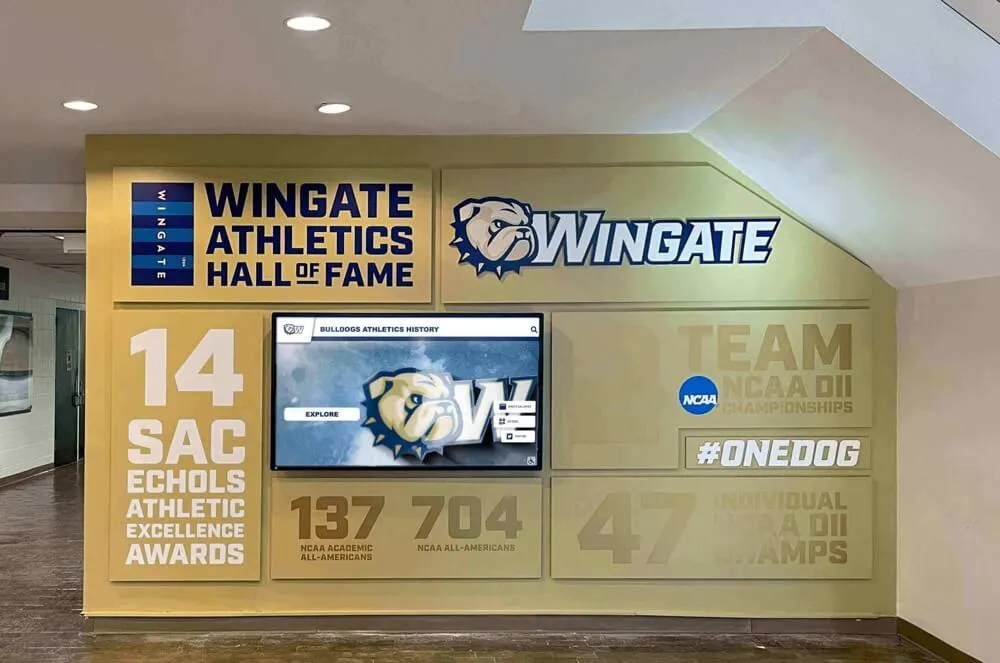
Permanent interactive displays extend yearbook traditions by enabling ongoing exploration of student achievement and school history long after print distribution
Balancing Print and Digital Approaches
Rather than choosing between traditional and digital yearbooks, many schools implement hybrid strategies combining both formats’ advantages.
Print for Permanence and Sentiment
Physical yearbooks provide irreplaceable benefits including tangible keepsakes with emotional significance, signature collection creating personalized artifacts, casual browsing without device requirements, archival permanence outlasting changing digital formats, and nostalgic value appreciated decades after graduation.
These qualities ensure printed yearbooks remain relevant despite digital alternatives’ technical advantages. The visceral experience of receiving physical yearbooks, collecting signatures, and rediscovering them years later creates emotional connections digital platforms cannot fully replicate.
Digital for Capacity and Accessibility
Digital platforms excel where print limitations create constraints: unlimited capacity accommodating comprehensive coverage impossible within page-count budgets, multimedia integration bringing experiences to life through video and audio, searchability and organization enabling instant content location, perpetual accessibility for alumni worldwide, and cost efficiency for extensive coverage.
Strategic hybrid approaches leverage each format’s strengths—printed yearbooks provide core content and traditional experiences while digital supplements offer extended coverage, multimedia enhancements, and perpetual access. This combination satisfies traditionalists while acknowledging contemporary expectations for digital experiences and unlimited access.
Many schools also create custom wall wraps and environmental graphics incorporating yearbook imagery and themes into physical school environments, extending yearbook recognition beyond books themselves into daily campus experiences.
Building Sustainable Yearbook Programs
Great yearbooks require systematic approaches ensuring consistent quality and committee continuity across years.
Yearbook Committee Structure and Workflows
Effective programs establish clear roles, responsibilities, and production workflows preventing last-minute chaos and ensuring comprehensive coverage.
Role Specialization
Rather than generalized committee members handling all tasks, specialized roles create accountability and develop expertise. Common role structures include editor-in-chief providing overall vision and coordination, section editors managing specific yearbook areas, photographers documenting events and capturing portraits, writers developing captions and feature content, designers creating page layouts and visual elements, business managers handling budget and sales, and marketing coordinators promoting distribution and engagement.
Clear role definition prevents crucial responsibilities from falling through cracks while enabling members to develop specialized skills rather than attempting mastering all aspects simultaneously.
Production Timeline and Milestones
Professional yearbook production follows structured timelines working backward from delivery deadlines. Typical milestones include theme selection and design development in summer or early fall, portrait photography in fall semester, page templates and section planning by winter break, first-semester content completion by January, spring content collection through April, final proofing and submission in late spring, and delivery before school year conclusion.
Adhering to structured timelines prevents common yearbook disasters—missed deadlines, rushed final production, incomplete coverage, and quality compromises from inadequate production time. Setting interim deadlines throughout years maintains steady progress rather than concentrating work in chaotic pre-submission periods.
Content Collection Strategies
Comprehensive coverage requires systematic approaches ensuring no events, students, or achievement types get overlooked.
Event Coverage Planning
Rather than ad-hoc event documentation, successful committees plan comprehensive coverage calendars ensuring major events receive appropriate attention while avoiding overcoverage of popular activities at expense of smaller programs.
Coverage strategies include assigning specific photographers to major events, coordinating with activity advisors scheduling advance coverage, maintaining organizational calendars tracking all school events, and establishing minimum coverage quotas ensuring equity across activities regardless of popularity or prominence.
Student Contribution Systems
Engaging broader student body in content creation generates more comprehensive coverage while building community ownership. Contribution strategies include student photo submissions through online portals, student writing contests for feature content, class-specific content assignments ensuring underclassmen inclusion, and departmental liaison programs where students represent specific areas.
Democratizing content creation beyond yearbook committee prevents narrow coverage limited by small committee perspectives while capturing authentic student viewpoints across diverse populations.
Quality Control and Proofreading
Amateur yearbooks often suffer from spelling errors, factual mistakes, and quality inconsistencies undermining professional appearance. Quality assurance processes include multi-reader proofreading catching spelling and grammar errors, fact-checking verifying names, dates, and statistical accuracy, consistency reviews ensuring design standards maintained throughout, photo quality audits removing substandard images, and administrative review processes catching sensitive content or policy violations.
While time-consuming, rigorous quality control prevents embarrassing errors that diminish yearbook credibility and create lasting negative impressions of careless production.
Creating Yearbooks Students Treasure Forever
The most successful school yearbooks balance comprehensive documentation with creative presentation, capturing authentic school culture while employing professional design and production approaches. They recognize all students equitably across achievement categories and demographic groups. They incorporate both timeless traditions and innovative features reflecting contemporary experiences. And increasingly, they extend beyond printed formats through digital supplements and interactive installations that preserve memories while enabling sharing and exploration impossible in physical publications alone.
Whether maintaining traditional yearbook programs or exploring modern alternatives, the fundamental goal remains unchanged—creating artifacts that authentically celebrate school communities while honoring individual achievements in formats students genuinely value and treasure throughout their lives. Great yearbooks accomplish this through thoughtful planning, creative execution, and commitment to inclusive storytelling that ensures every community member sees themselves reflected in publications documenting shared experiences.
For schools looking to extend yearbook traditions beyond printed publications, interactive digital recognition displays provide permanent installations celebrating student achievement year after year. These systems complement traditional yearbooks by enabling unlimited capacity, searchable archives, and engaging exploration that brings school history to life for current students, visiting families, and returning alumni. Modern schools increasingly discover that digital recognition displays and virtual alumni engagement create powerful complements to traditional yearbooks, ensuring recognition endures and remains accessible long after distribution day.
Ready to explore how interactive touchscreen displays can extend your school’s yearbook traditions and student recognition programs? Discover how Rocket Alumni Solutions creates engaging recognition experiences that celebrate achievement while preserving school history for generations to come.