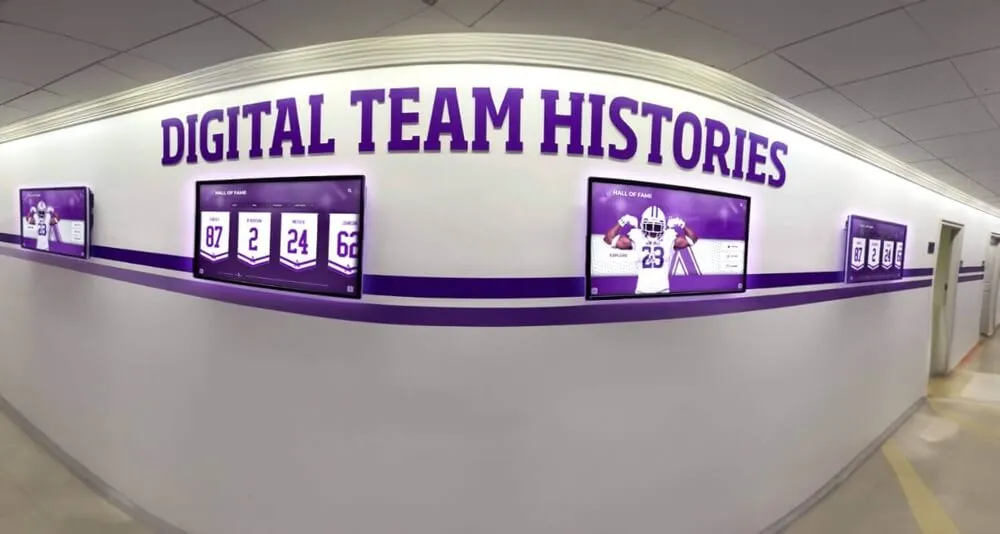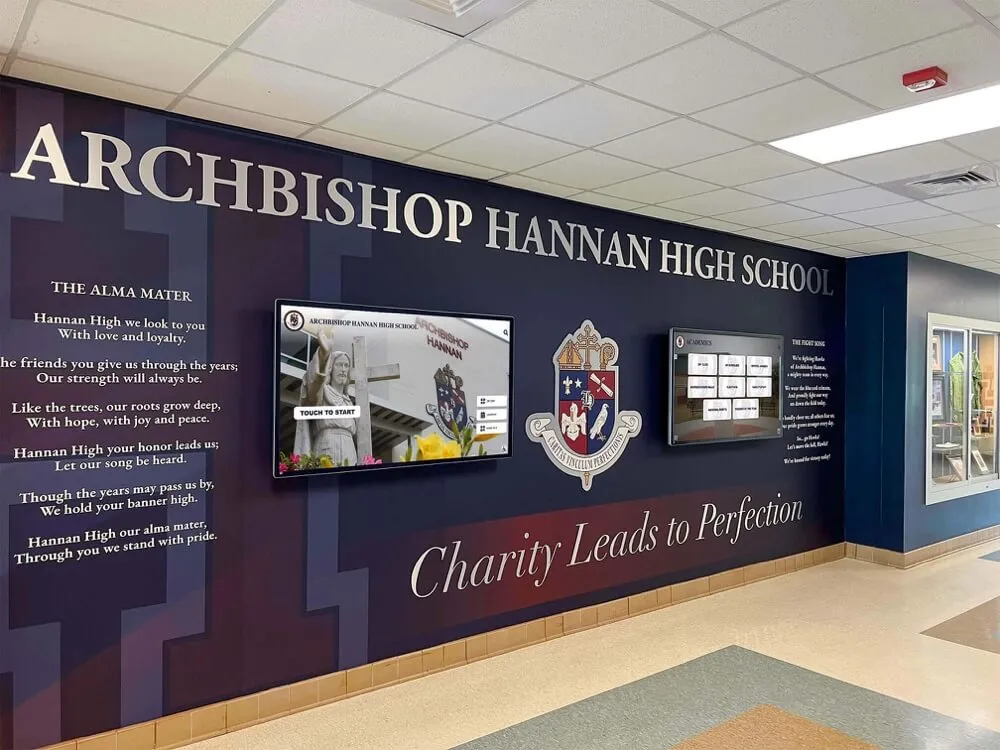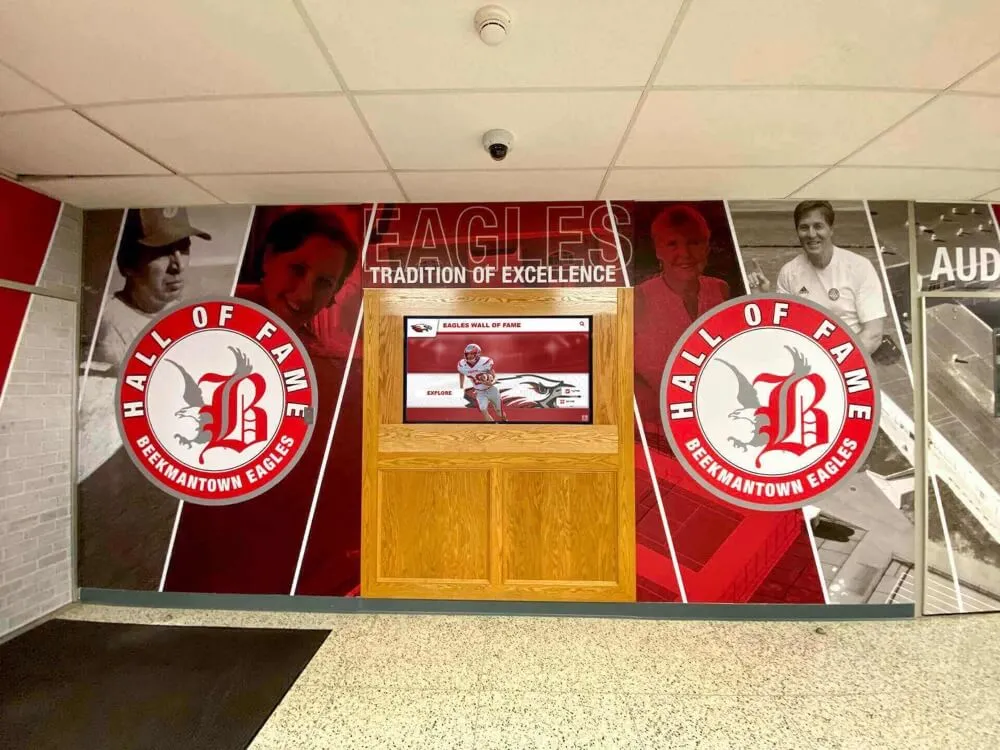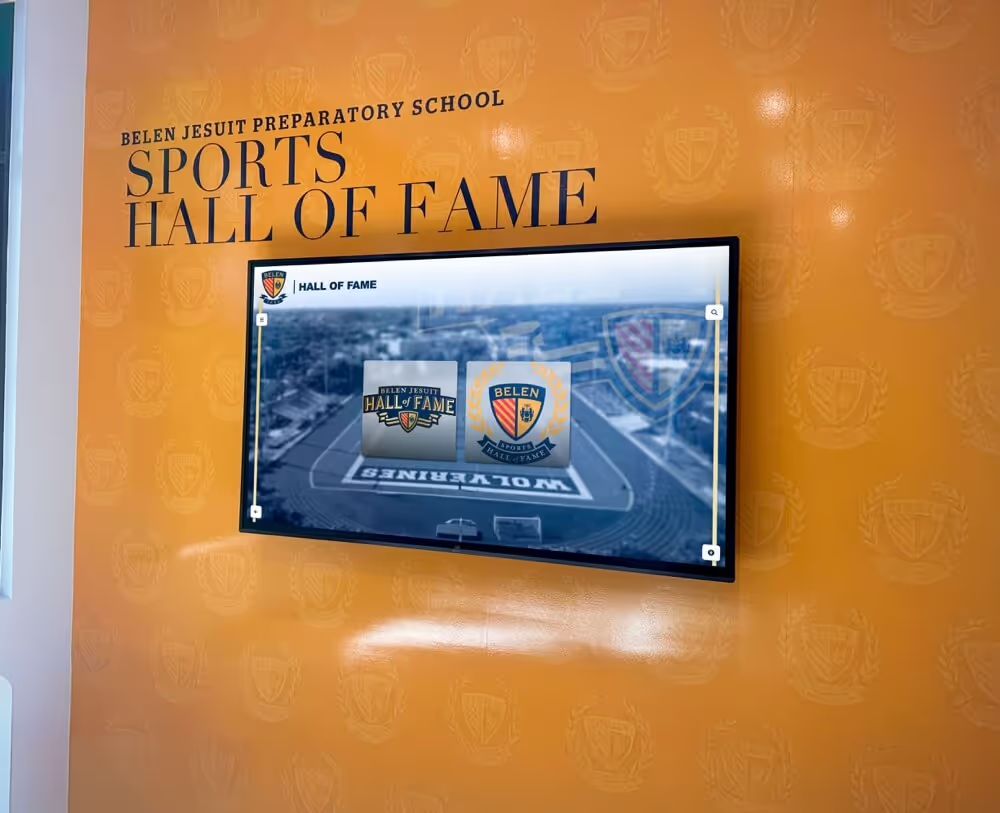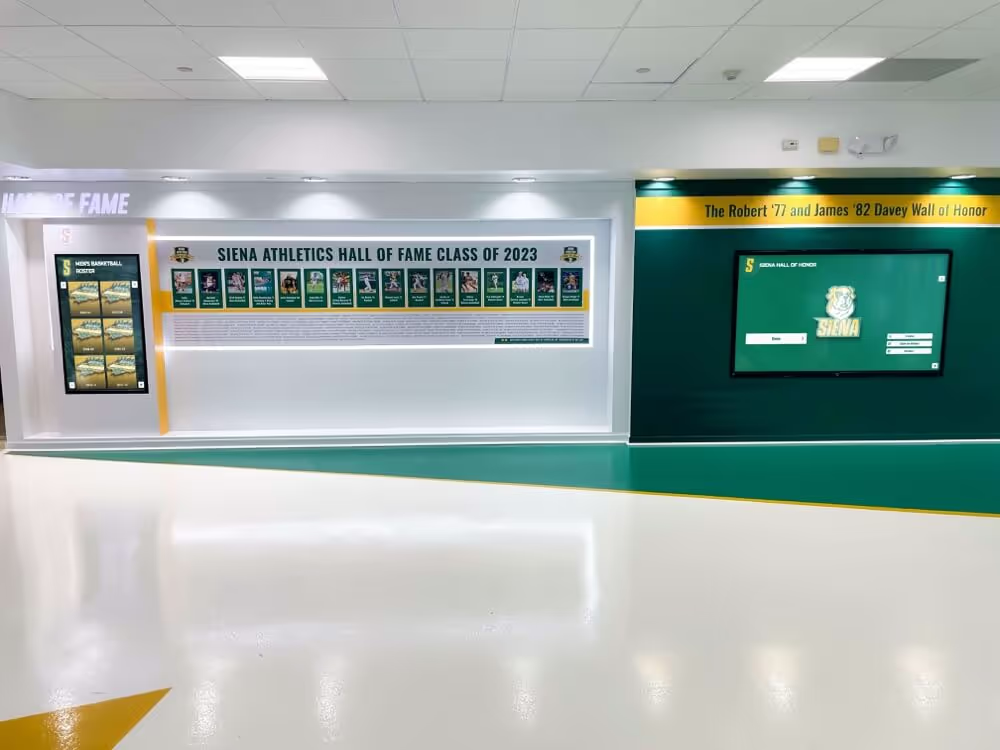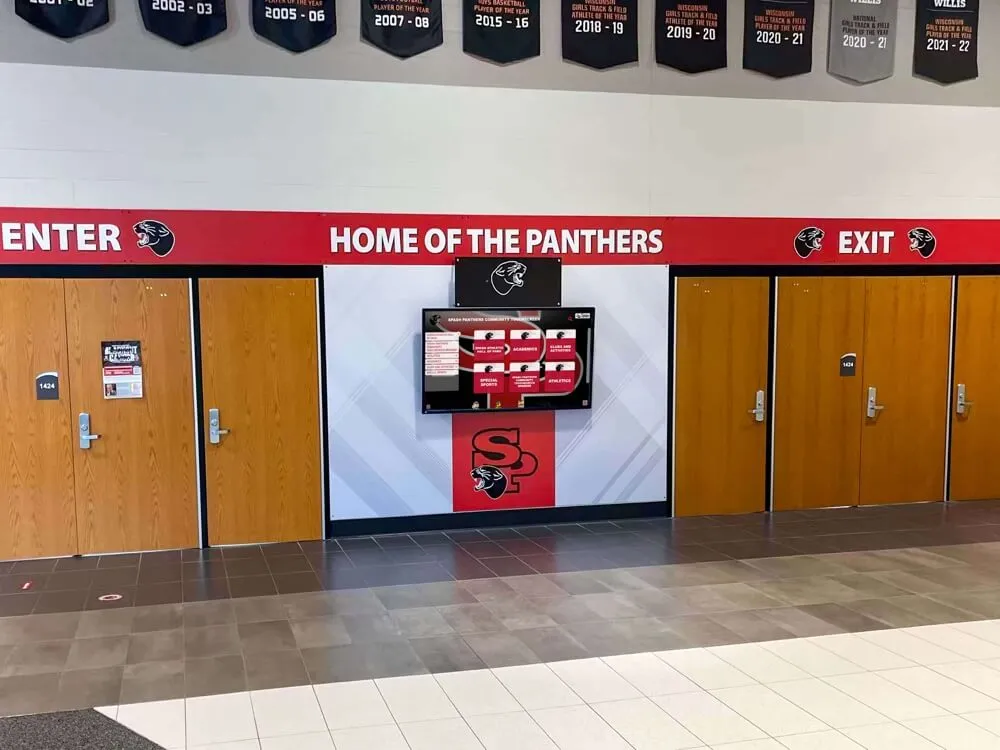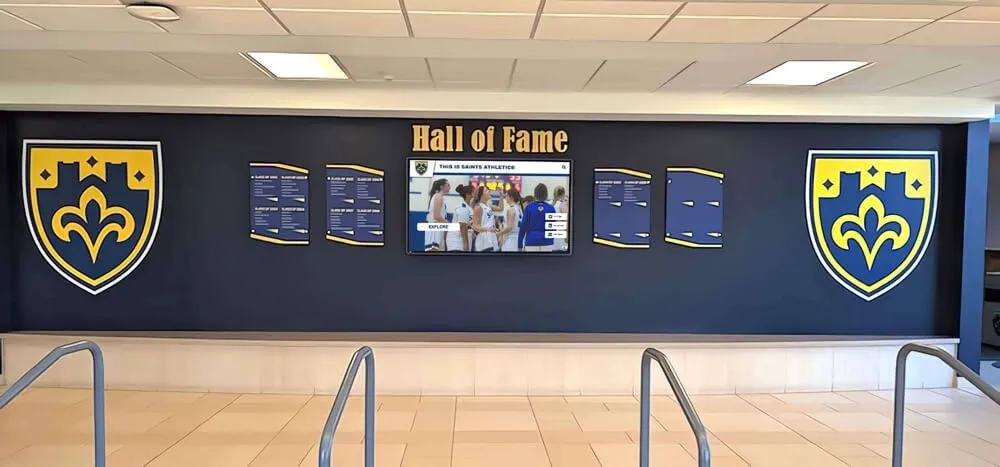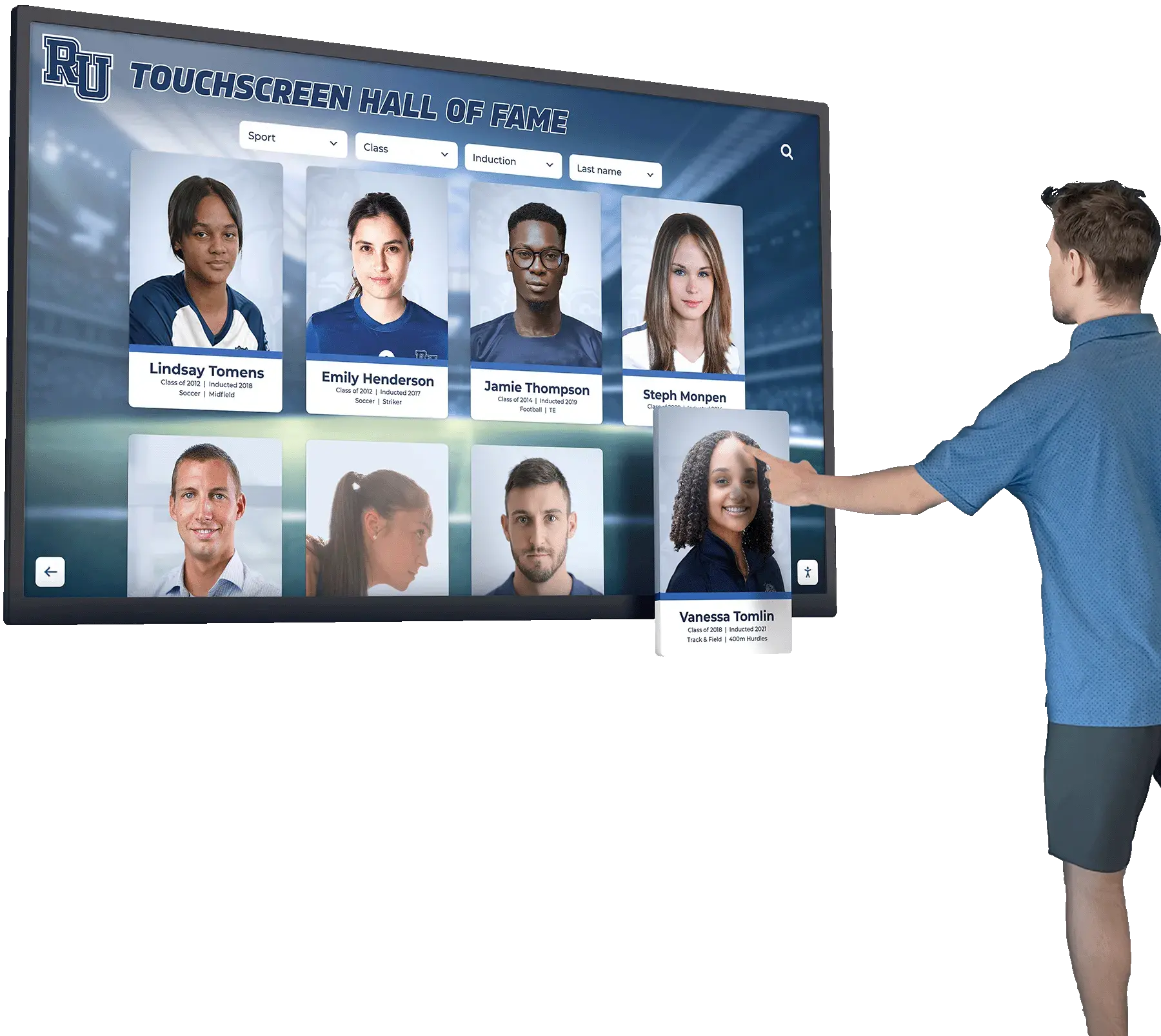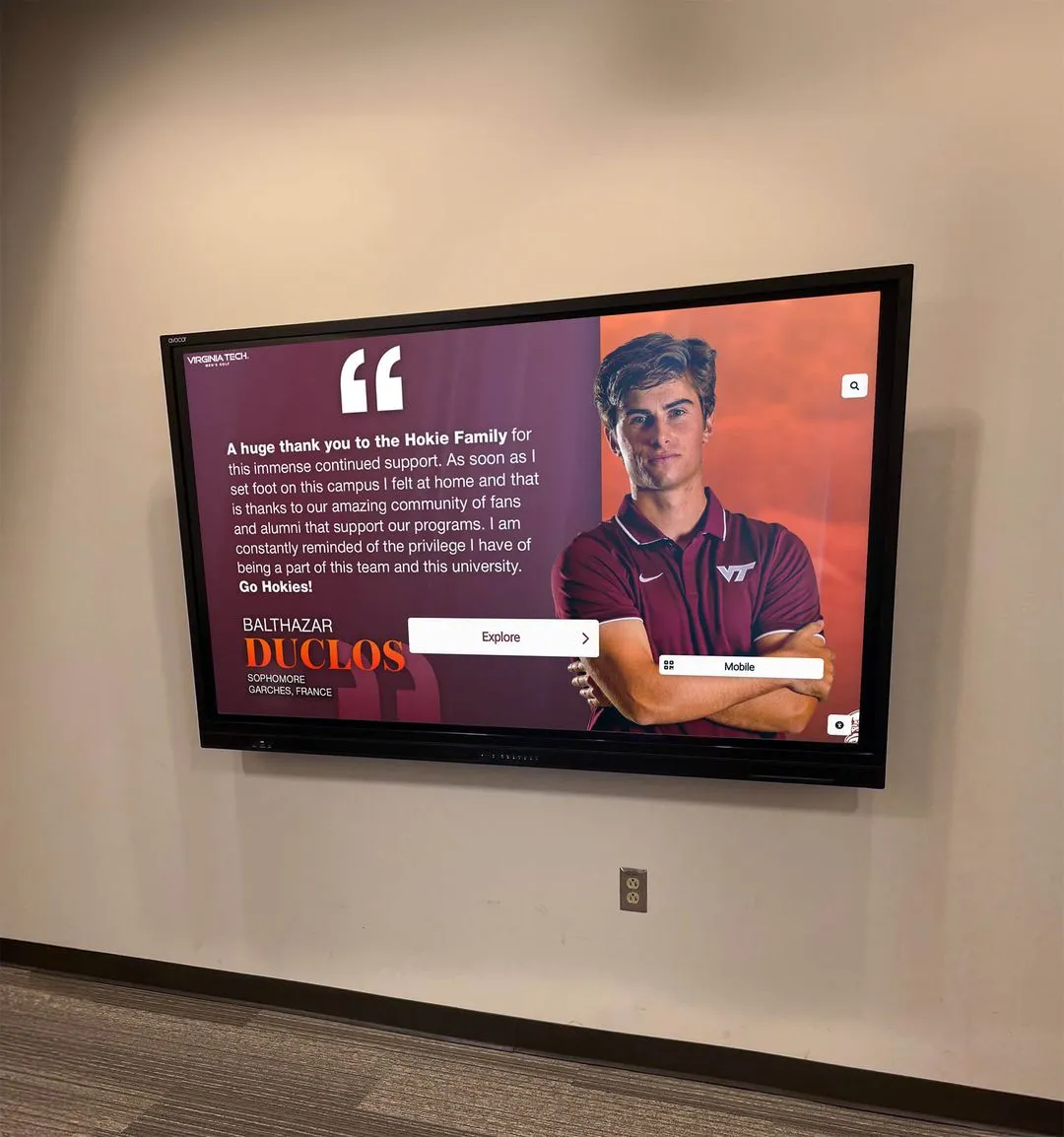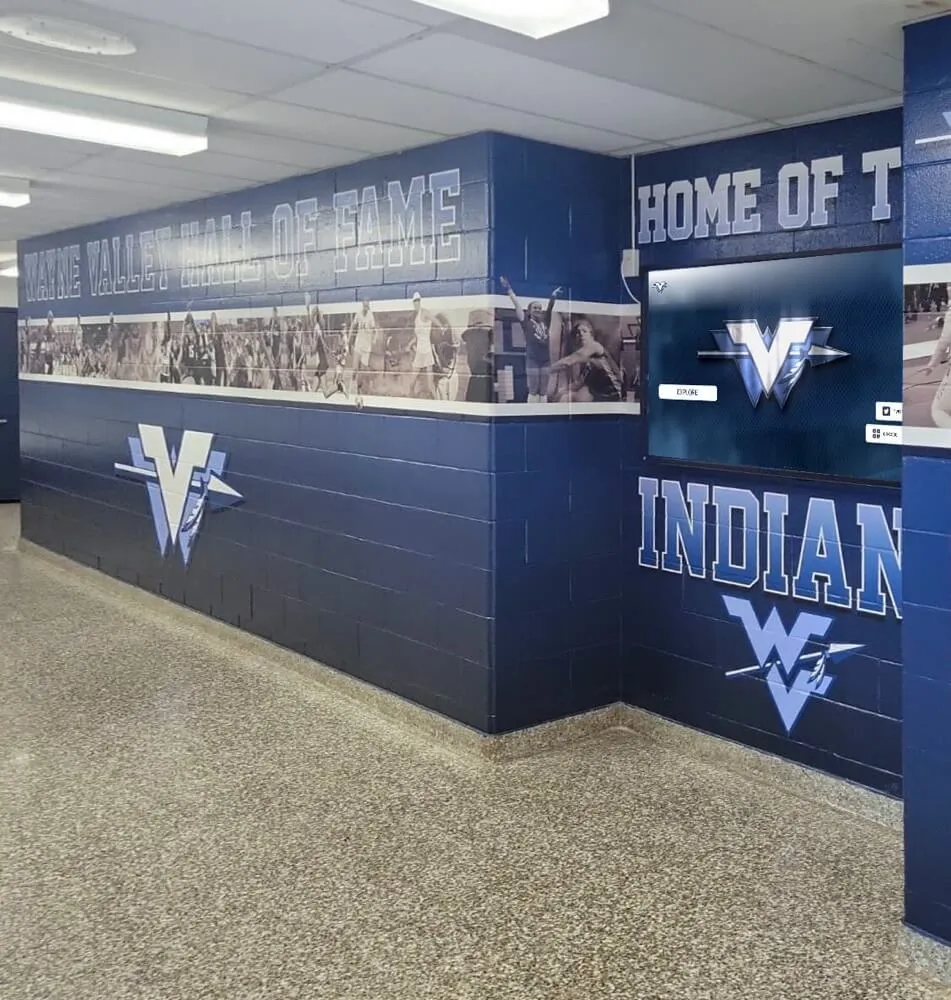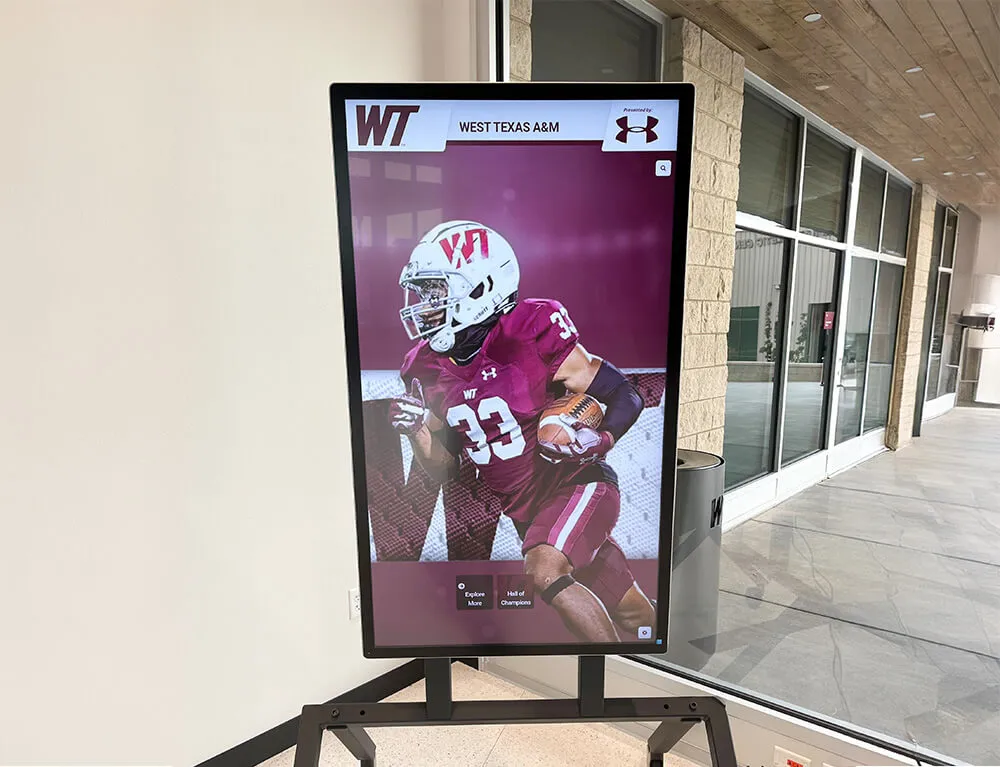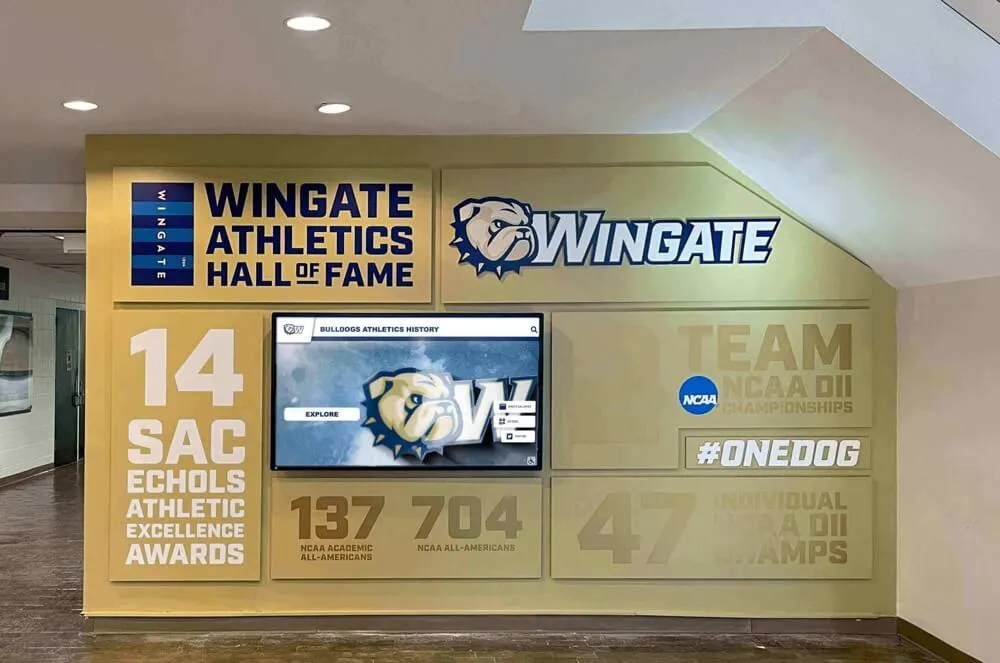




Senior living touchscreen awards represent a modern approach to recognizing the people who make care communities thrive—from dedicated staff members providing daily care to residents achieving personal milestones, volunteers enriching community life, and donors supporting facility improvements. These interactive digital displays showcase achievements, celebrate contributions, and build the culture of appreciation that distinguishes exceptional senior communities from facilities where recognition is an afterthought.
Traditional recognition approaches in senior living facilities—printed certificates framed in hallways, static bulletin boards with faded photos, annual awards dinners where only attendees witness acknowledgment—fail to create the sustained visibility and emotional impact that drives genuine community engagement. Staff members working evening and night shifts never see recognition displays updated during business hours. Families visiting on weekends miss announcements posted temporarily during weekday events. Residents with memory challenges forget yesterday’s celebrations without visual reminders reinforcing community connections.
This comprehensive guide explores how senior living communities implement touchscreen award systems that address these limitations while serving multiple stakeholder groups simultaneously. You’ll discover 20 specific recognition display ideas tailored to senior care contexts, understand the strategic value recognition delivers across operations and culture, learn implementation approaches balancing technology with accessibility for older adults, and gain practical frameworks for creating award programs that strengthen staff retention, resident satisfaction, family engagement, and community reputation.
Recognition in senior living extends beyond acknowledging individual achievements to shaping institutional culture, influencing staff retention in an industry facing persistent workforce shortages, affecting family perceptions during facility selection, and creating emotional connections that transform healthcare environments into true communities where everyone feels valued.

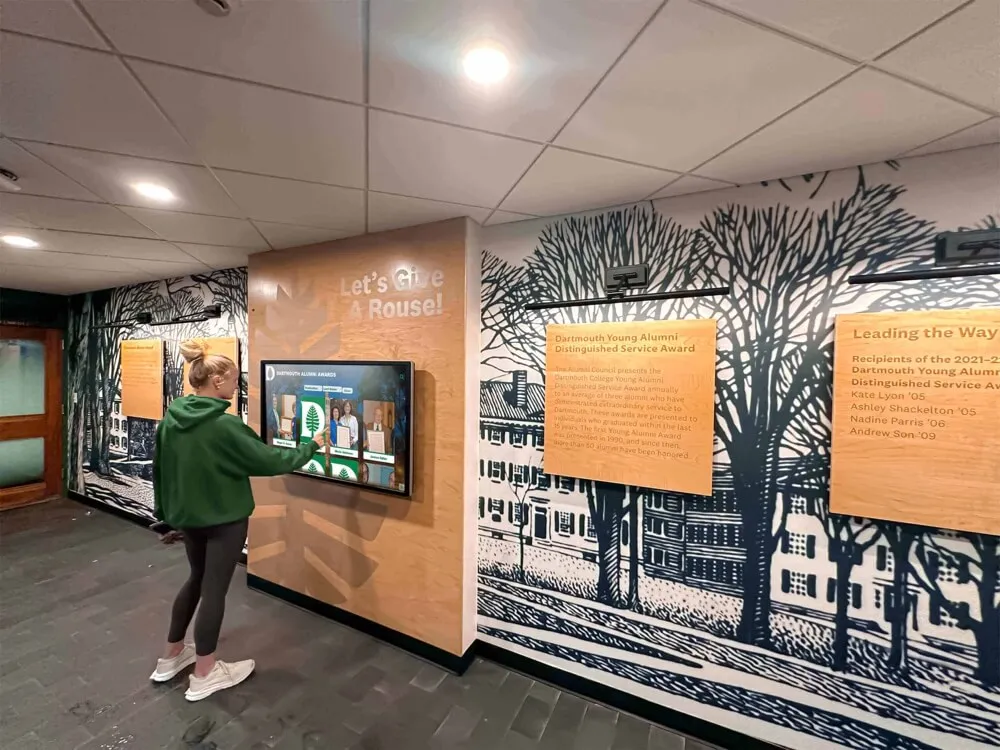
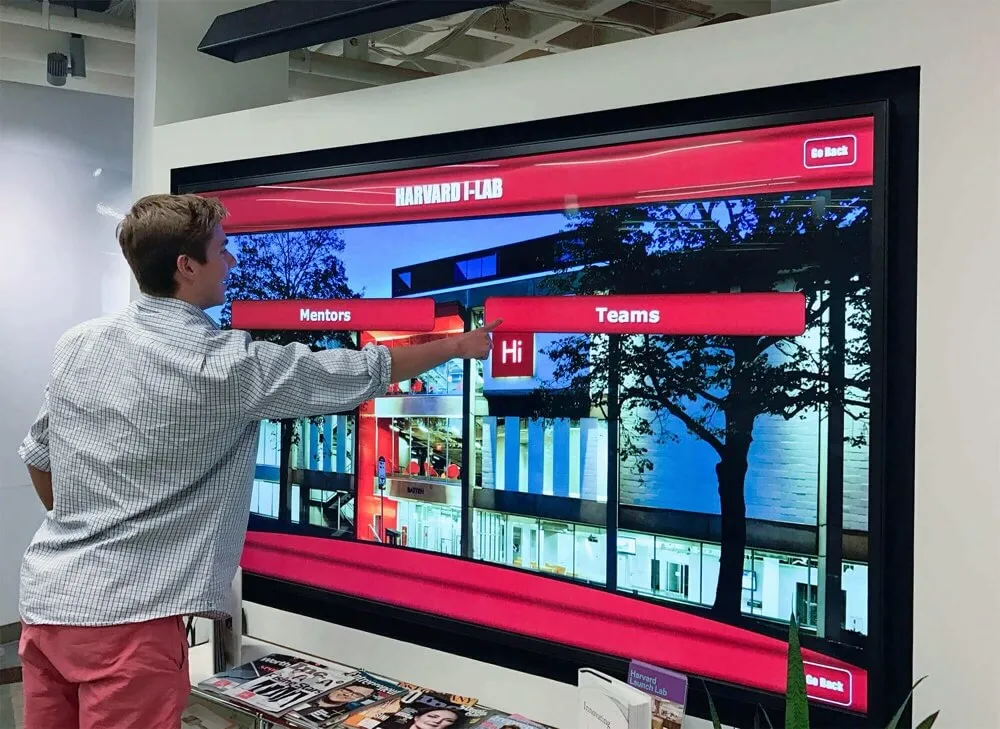
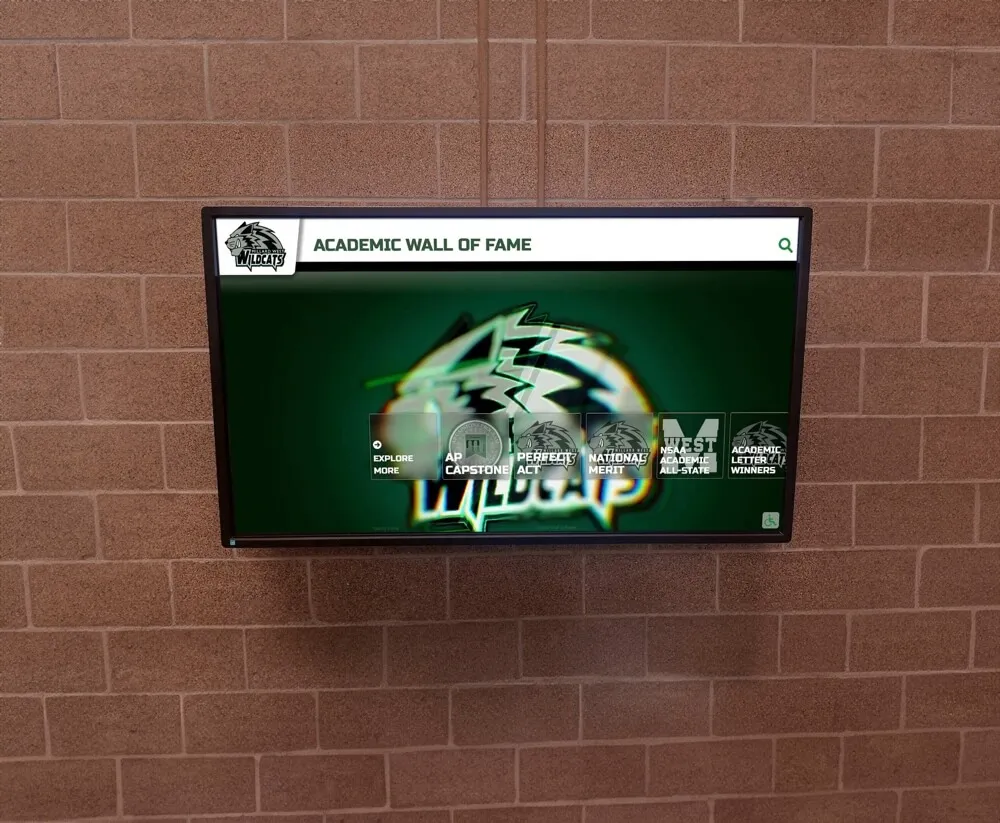
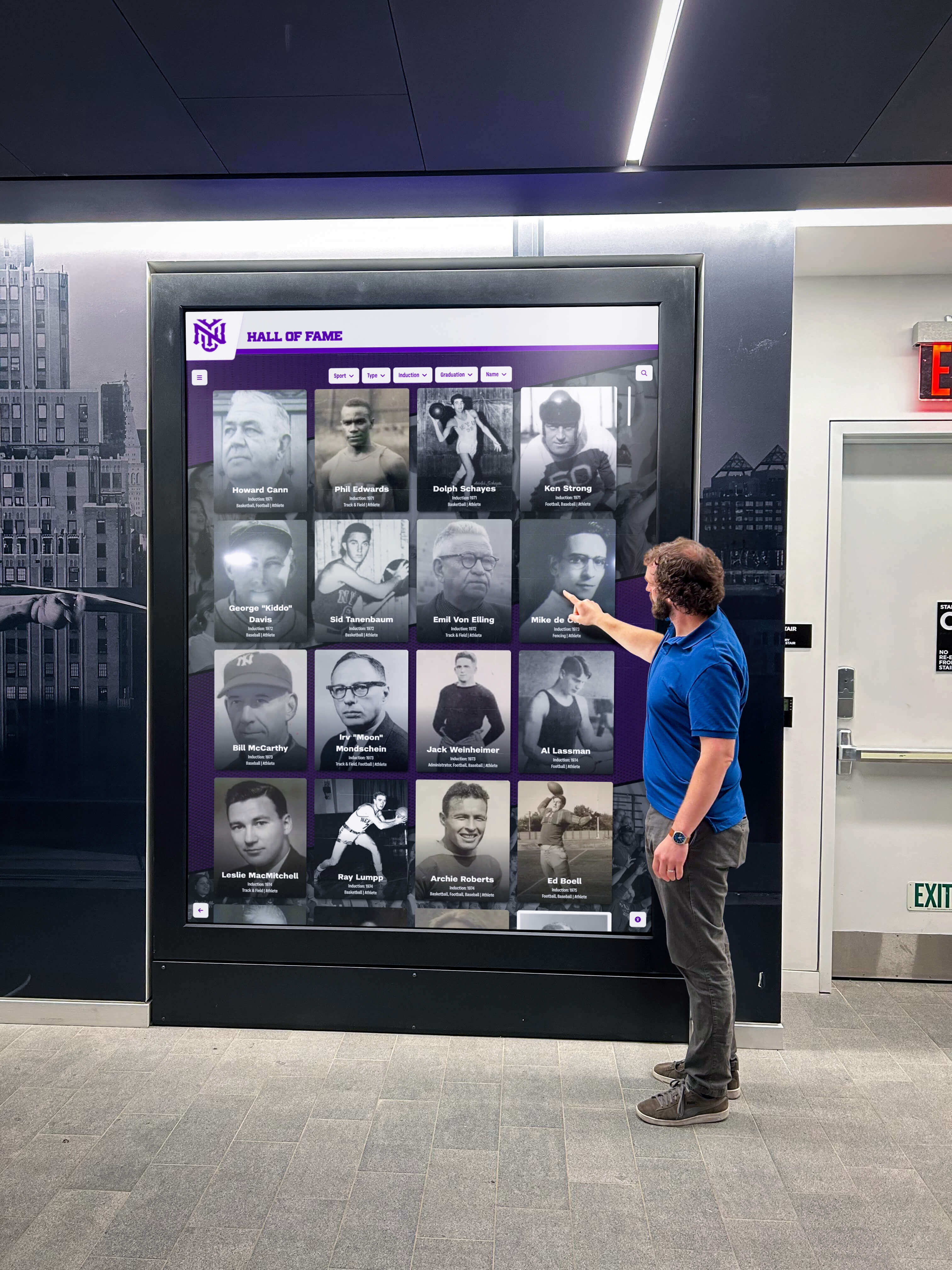
Modern touchscreen displays welcome families while showcasing the achievements and people that define community excellence
Understanding Recognition Priorities in Senior Living Communities
Before implementing touchscreen award systems, understanding what matters most to different stakeholder groups ensures recognition programs deliver meaningful impact rather than becoming expensive decorations.
What Senior Living Facilities Care About Most
Senior care administrators balance competing priorities across quality care delivery, regulatory compliance, financial sustainability, and community satisfaction. Recognition displays support these objectives when designed strategically rather than treated as peripheral amenities.
Staff Retention and Morale
The senior care industry faces persistent staffing challenges with national turnover rates for certified nursing assistants exceeding 65% annually according to industry workforce studies. This instability disrupts care continuity, increases training costs, and impacts resident experience. Visible recognition programs address underlying dissatisfaction by demonstrating that contributions are noticed, valued, and celebrated publicly.
Touchscreen displays amplify recognition impact by ensuring acknowledgment remains visible 24/7 rather than being limited to shift-specific meetings or break room bulletin boards that evening and night staff may never see. When CNAs working overnight shifts arrive for their rounds, seeing their colleague recognized as “Employee of the Month” on the main lobby display creates awareness that would be impossible with recognition shared only during day shift meetings.
Resident Dignity and Personhood
Person-centered care philosophies emphasize maintaining resident identity beyond their medical conditions and care needs. Recognition displays celebrating resident birthdays, life accomplishments, hobbies, and contributions to community life reinforce that individuals remain full people with histories worth honoring—not just recipients of services.
For residents with dementia or cognitive challenges, visual recognition provides ongoing reminders of community membership and personal significance even when verbal communication becomes difficult. Family photographs, military service recognition, career highlights, and hobby achievements displayed digitally create conversation starters and memory prompts supporting cognitive engagement.
Family Confidence and Satisfaction
Adult children making placement decisions for aging parents evaluate facilities across multiple dimensions. Professional recognition displays signal management investment in creating positive culture and valuing the people providing care. When families observe staff recognition, resident celebrations, and community achievements prominently showcased, these visible demonstrations of institutional values build confidence that their loved ones will receive attentive, compassionate care.
Recognition displays also provide families with ongoing connection to community life between visits. Seeing photos of their parent participating in activities, celebrating birthdays with fellow residents, or being acknowledged for contributions creates reassurance that isolation is actively addressed rather than accepted as inevitable.
Quality Reputation and Marketing
Competitive senior living markets require differentiation beyond basic care services. Facilities showcasing quality awards, staff certifications, resident achievements, and community partnerships through professional touchscreen displays demonstrate commitment to excellence that influences prospective resident decisions.
During facility tours, recognition displays provide concrete evidence of values claimed in marketing materials. Rather than simply stating “we value our staff,” showing years-of-service recognition for employees who have dedicated decades to the community proves the claim through visible action.
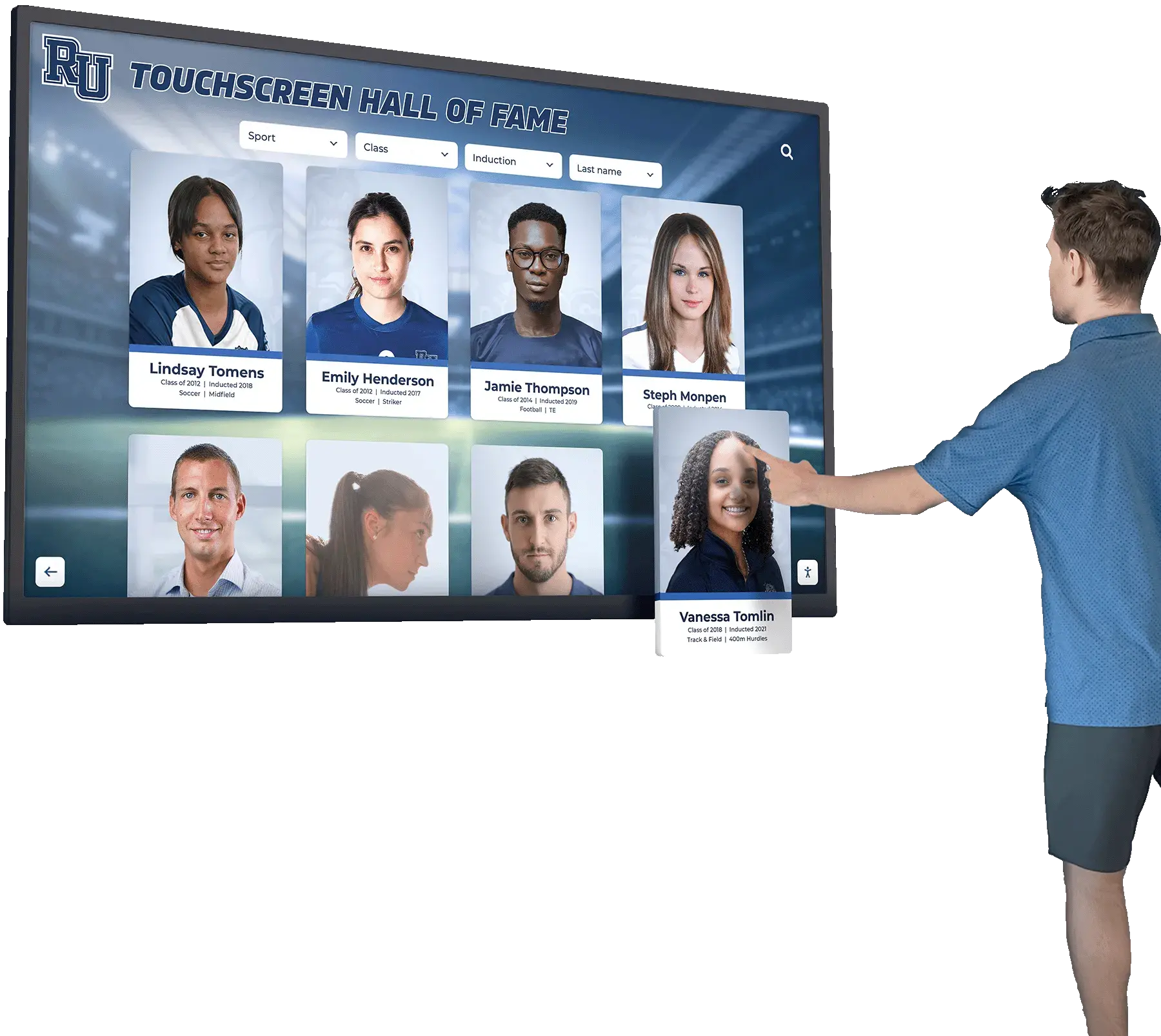
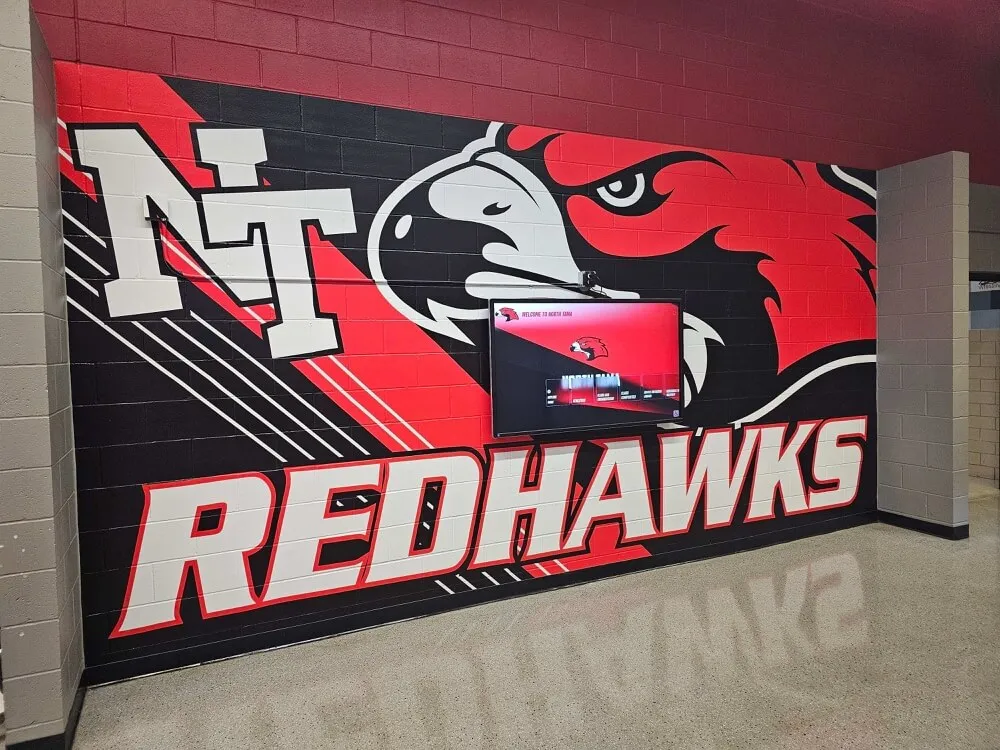
User-friendly interfaces enable staff to maintain current recognition content without technical expertise
Regulatory Compliance and Quality Metrics
Many senior living facilities pursue voluntary certifications, quality awards, and accreditations beyond minimum regulatory requirements. These achievements—CMS five-star ratings, culture change certifications, green building credentials, specialized dementia care designations—deserve prominent display as evidence of quality commitment. Touchscreen systems enable dynamic showcasing of current certifications with expiration dates, survey scores, and improvement trends impossible to display effectively through static materials.
Similar recognition principles used in employee recognition programs across other industries translate effectively to senior care contexts, where visible appreciation directly impacts critical business outcomes including retention, satisfaction, and reputation.
Key Stakeholder Groups Requiring Recognition
Effective senior living recognition systems address multiple audience segments with distinct contributions and recognition needs.
Direct Care Staff
Certified nursing assistants, nurses, medication technicians, and care coordinators provide hands-on daily support representing the most critical employee group. Recognition categories include employee of the month awards, years of service milestones, certification achievements, exceptional care stories nominated by families, perfect attendance recognition, and safety achievements.
Visible recognition combats the reality that direct care work often feels invisible despite being the foundation of quality care delivery. When CNAs see colleagues celebrated on prominent lobby displays, the message that their work matters becomes concrete rather than remaining abstract management rhetoric.
Activities and Enrichment Staff
Activity directors, life enrichment coordinators, and program specialists create the engagement opportunities that prevent social isolation and maintain cognitive stimulation. Recognition should highlight innovative program development, participation rate achievements, special event coordination, community partnership building, and volunteer program management.
This acknowledgment validates that enrichment programming represents essential care components rather than optional extras, reinforcing institutional commitment to holistic wellbeing beyond medical maintenance.
Culinary and Dining Services
Food service teams directly impact resident satisfaction and nutritional health. Recognition categories include menu innovation, dietary accommodation excellence, special meal service during events and holidays, sanitation and safety achievements, and resident satisfaction scores.
When residents and families see dietary staff acknowledged for creating special birthday meals or accommodating complex dietary needs, the message that quality nutrition matters strengthens community perception of comprehensive care attention.
Environmental Services and Maintenance
Housekeeping, maintenance, and groundskeeping teams create the clean, safe, attractive environment where residents live and families visit. Recognition should include cleanliness scores, safety achievements, beautification projects, energy efficiency improvements, and responsiveness to resident requests.
These employees often receive the least recognition despite visible environmental quality directly influencing family perceptions during tours and visits. Touchscreen displays provide opportunities to celebrate contributions that might otherwise go unnoticed.
Leadership and Administration
Administrators, directors of nursing, social workers, business office staff, and department managers deserve recognition for tenure, professional certifications, regulatory achievements, special projects, and industry leadership. This acknowledgment validates behind-the-scenes work essential for facility operation while demonstrating leadership accessibility and accountability.
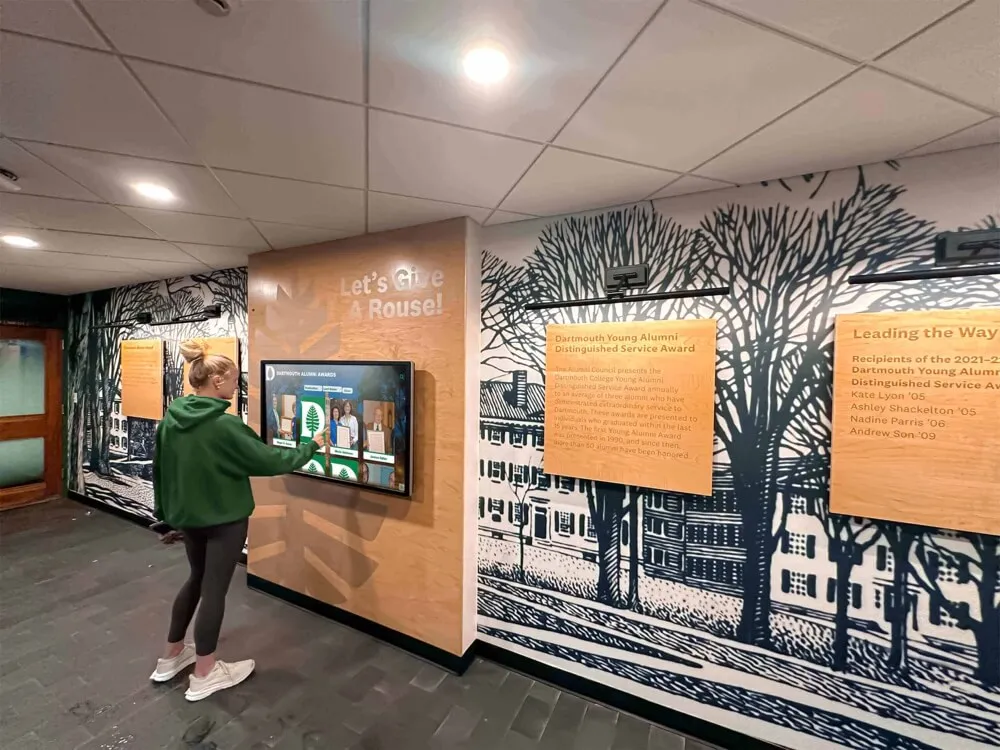
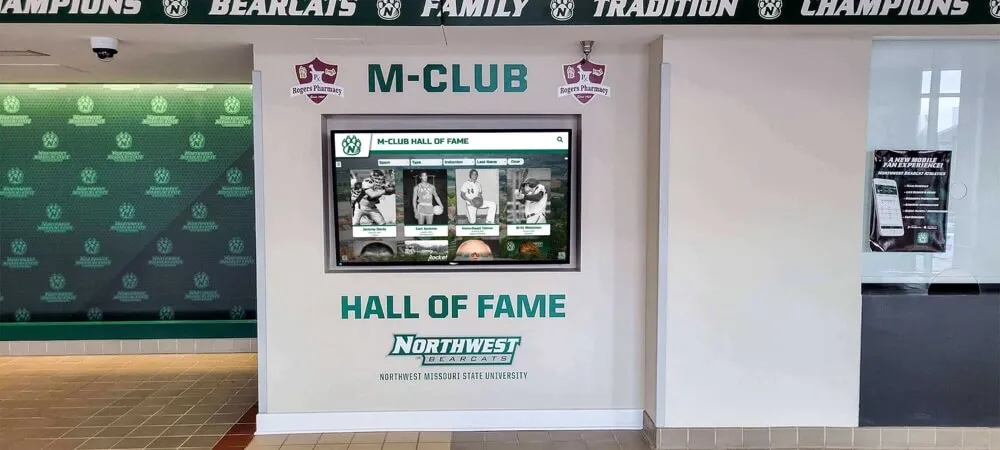
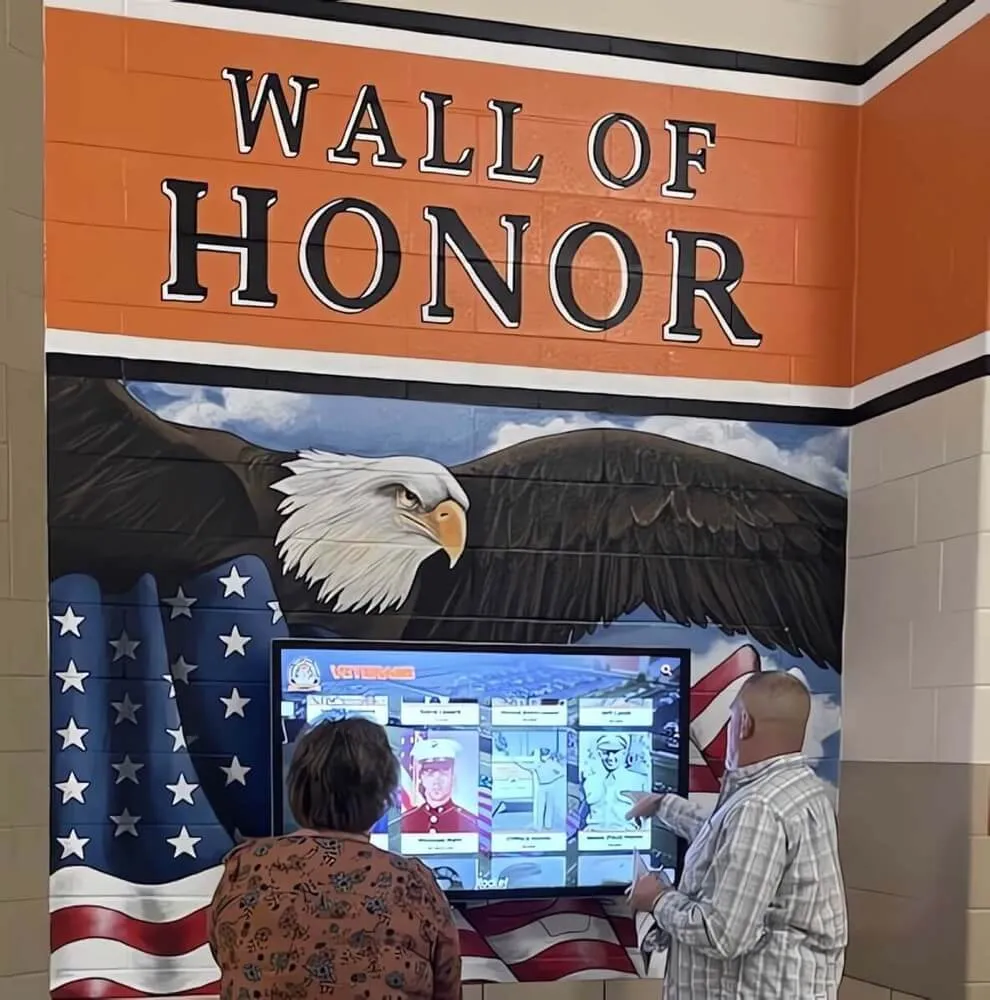
Accessible placement and intuitive design ensure recognition displays serve diverse users including elderly residents and family members
20 Touchscreen Recognition Display Ideas for Senior Living
Strategic recognition programs address multiple stakeholder groups through varied display concepts serving distinct purposes while collectively building comprehensive community culture.
Staff Recognition Displays (1-7)
1. Years of Service Hall of Honor
Celebrate employee tenure milestones from five-year anniversaries through career-spanning dedication. Digital displays enable dynamic presentation with employee photographs, start dates, department information, and personal statements about what makes the community special. Include historical photos showing facility evolution during long-term employees’ careers, creating powerful visual narratives about sustained commitment.
Interactive features allow viewers to explore individual profiles with career histories, special memories, and congratulatory messages from colleagues and families. For facilities with employees spanning multiple decades, this recognition becomes living institutional memory celebrating both individuals and organizational history.
2. Monthly and Quarterly Excellence Awards
Showcase employee of the month, quarter, and year recognitions across departments or facility-wide. Include selection criteria explaining what behaviors and achievements earn recognition, nominee highlights when programs involve peer or family nominations, winner profiles with photos and accomplishment descriptions, and previous winners creating year-over-year recognition history.
Rotation between departments ensures various roles receive visibility—clinical care one month, activities the next, then dining services, environmental services, and administration. This balanced approach prevents perception that only certain positions merit recognition.
3. Certification and Continuing Education Achievements
Healthcare requires ongoing professional development and specialized certifications. Recognize staff members completing certifications like dementia care specialist training, wound care certification, medication administration credentials, management and leadership programs, and specialized therapy certifications.
Display recent achievements prominently while maintaining searchable archives of all certifications earned. This visible commitment to professional development demonstrates quality-focused culture while motivating other staff to pursue advancement.
4. Exceptional Care Story Showcase
Create rotating displays featuring specific stories where staff demonstrated exceptional care, compassion, or problem-solving. Include family testimonials, specific situations and staff responses, photos when privacy-appropriate, and lasting impacts on residents or families.
These narrative recognitions prove more emotionally compelling than generic “great employee” statements, providing concrete examples of values in action. Stories become teaching tools demonstrating desired behaviors while honoring individuals who exemplify community culture.
5. Perfect Attendance and Reliability Recognition
Reliable staffing directly impacts care quality and colleague workload. Recognize employees with perfect or excellent attendance records, those consistently accepting extra shifts during staffing challenges, employees responding to emergency call-ins, and teams with collective reliability achievements.
While some debate whether attendance merits recognition given it represents basic expectations, in industries with chronic absenteeism challenges, acknowledging reliability reinforces its value and motivates consistent performance.
6. Safety and Infection Control Champions
Healthcare safety requires constant vigilance. Recognize safety observation reporting, infection rate reduction achievements, injury-free periods, safety training completion, and implementation of safety improvements.
During periods of heightened public health concern (flu season, COVID-19 variants), this recognition reinforces that safety vigilance protects both residents and staff, deserving celebration as fundamental care quality.
7. Staff Milestone Celebrations
Beyond formal awards, recognize personal milestones including work anniversaries, retirements, professional certifications, educational achievements like nursing degrees earned while working, and family celebrations staff choose to share.
Personal recognition humanizes employees beyond their professional roles, reinforcing that they’re complete individuals whose lives outside work matter to the community. This creates emotional connection difficult to achieve through purely performance-based recognition.
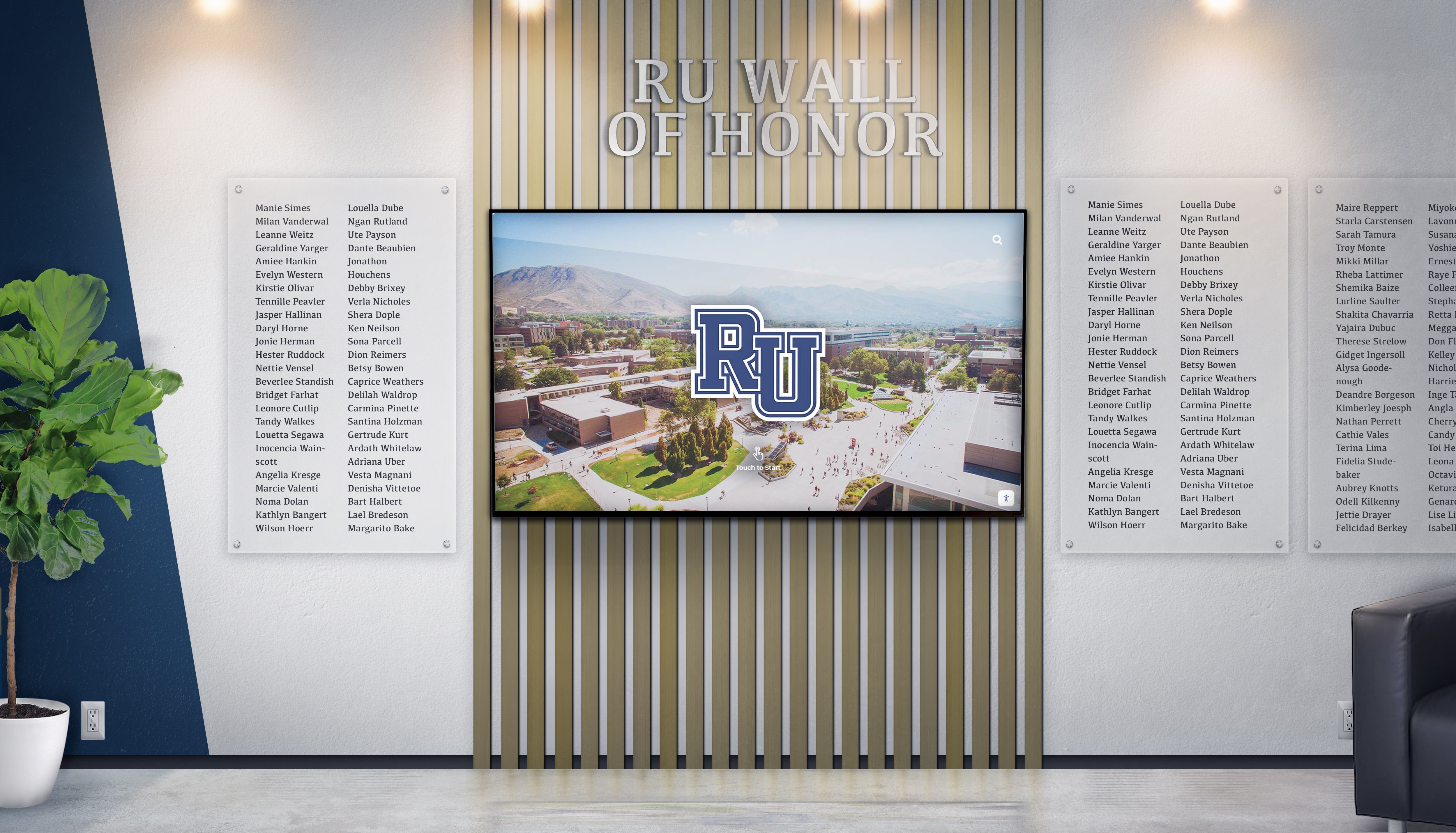
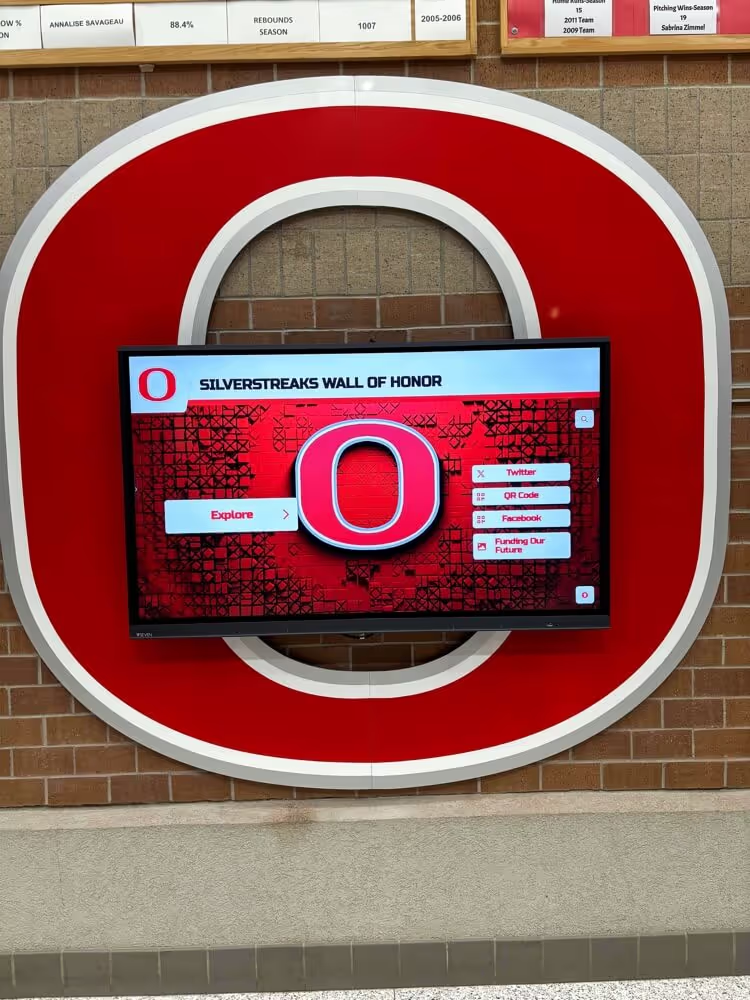
Multi-purpose recognition displays accommodate various content types from staff awards to resident celebrations within cohesive presentation
Resident Recognition Displays (8-13)
8. Monthly Birthday and Anniversary Celebrations
Create automated displays showcasing resident birthdays and wedding anniversaries by month. Include resident photos, birth dates showing age being celebrated, years married for anniversary recognition, hometown or birthplace adding personal context, and space for family-submitted photos or messages.
Many senior communities already celebrate monthly birthdays through parties, but touchscreen displays extend recognition beyond single-day events, building anticipation before birthdays and maintaining celebration visibility afterward. Families visiting throughout the month see their loved one’s birthday acknowledged even if they cannot attend party events.
9. New Resident Welcome Showcase
Introduce new community members through welcome displays featuring recent arrivals with photos, hometowns and previous residences, career or life highlights, hobbies and interests, and family information residents choose to share.
These introductions help existing residents and staff learn about newcomers, facilitating social integration and conversation starters. For new residents, prominent welcome signals they’re valued community members rather than anonymous new admits, supporting psychological adjustment during major life transitions.
10. Resident Achievement and Contribution Recognition
Celebrate resident accomplishments and community involvement including activity participation milestones, volunteer work within the facility, creative works from art, writing, or craft programs, learning achievements like completing educational programs, and community leadership through councils or committees.
This recognition reinforces that active, purposeful life continues beyond retirement and healthcare needs. When residents see peers acknowledged for contributions and achievements, social norms emphasizing continued engagement rather than passive existence are reinforced.
11. Life Story and Historical Recognition
Create rotating spotlights on individual residents sharing their life stories. Include career histories and professional achievements, military service and wartime experiences, family histories and legacy, hobbies and passions throughout life, and community involvement before senior living placement.
These biographical recognitions preserve personal history while educating staff and fellow residents about each individual’s full life story. For residents with dementia, seeing their own achievements displayed provides ongoing identity reinforcement, while family members value institutional recognition of their loved one’s complete personhood.
12. Resident Talent and Creativity Displays
Showcase resident artistic, musical, literary, and craft achievements. Rotate digital galleries of paintings, drawings, and photographs created by residents, share recordings of musical performances by resident musicians or singers, display poetry and writing from creative writing programs, and highlight craft projects and handwork.
These displays validate that creative expression remains meaningful regardless of age, while demonstrating to prospective residents and families that vibrant programming supports continued personal growth rather than merely filling time.
13. Memorial and Remembrance Recognition
Handle sensitively, but thoughtfully recognize community members who have passed. Create tasteful memorial sections with names and service dates, photos from their time in the community, tributes from family, staff, or fellow residents, and information about memorial gifts or dedications.
Thoughtful remembrance demonstrates that residents’ lives and community contributions have lasting meaning. For continuing residents and staff, visible honoring of deceased members validates that each person matters individually rather than being interchangeable occupants.
Similar resident recognition approaches used in academic achievement displays for educational settings translate effectively to senior living contexts, where celebrating individual accomplishments and milestones supports dignity and identity preservation.

Professional portrait layouts and clear information presentation create dignified recognition appropriate for senior care environments
Volunteer and Donor Recognition (14-17)
14. Volunteer Appreciation Showcase
Senior living facilities depend on volunteers providing companionship, activity assistance, special programs, and community connection. Recognize individual volunteers with photos and contribution summaries, volunteer groups from churches, schools, and civic organizations, volunteer hours and cumulative impact, special projects volunteers made possible, and long-term volunteer milestone anniversaries.
Visible appreciation encourages continued volunteering while demonstrating to residents and families that the broader community actively supports and engages with the facility—reducing perception of institutional isolation.
15. Donor Recognition and Giving Levels
For nonprofit senior care facilities conducting fundraising, professional donor recognition proves essential for acknowledging support and encouraging continued giving. Display donor names organized by giving levels, recognition of memorial and tribute gifts, corporate and foundation supporters, legacy society members who included facility in estate plans, and capital campaign contributors for building and renovation projects.
Digital donor walls offer advantages over static plaques by accommodating regular updates as new donors contribute, highlighting current campaign priorities and progress, sharing impact stories showing how donations improve resident lives, and maintaining permanent recognition even as giving continues over years.
16. Community Partnership Recognition
Acknowledge external organizations enriching community life. Recognize healthcare partners providing services, educational institutions offering intergenerational programs, arts organizations presenting performances or workshops, businesses providing services or support, and civic organizations coordinating volunteer activities.
This recognition demonstrates facility integration within broader community networks, reducing stigma that senior living represents isolation from mainstream society. When families see evidence of active community partnerships, confidence grows that their loved ones maintain connection to varied experiences and relationships.
17. Family Council and Advisory Board Recognition
Families actively participating in facility governance and advocacy deserve acknowledgment. Recognize family council members and leadership, resident council participants, advisory board members, and family members leading special projects or fundraising.
This recognition validates that family engagement is valued and welcomed rather than viewed as intrusive oversight, encouraging continued involvement while demonstrating resident-centered governance to prospective families evaluating facilities.
Quality Achievement and Community Recognition (18-20)
18. Facility Awards and Quality Certifications
Prominently display achievements demonstrating quality commitment. Showcase CMS five-star ratings and survey scores, Best Of awards from media and industry organizations, specialized certifications like dementia care or green building credentials, safety and compliance achievements, and accreditations from quality organizations.
During facility tours, these recognitions provide objective third-party validation of quality claims, building family confidence in facility selection. For current residents and families, visible quality achievements offer reassurance that they’ve chosen communities maintaining excellence standards.
19. Internal Committee and Council Recognition
Many facilities organize resident and family governance through councils addressing concerns and providing input. Recognize resident council and committee members, family council participants, safety committee representatives, quality improvement team members, and special project workgroups.
This acknowledgment reinforces that governance involves active participation beyond administrative decision-making, encouraging broader engagement while demonstrating responsive management to regulatory auditors and prospective families.
20. Community Event and Program Showcases
Beyond individual recognition, showcase community activities and programs. Display upcoming event calendars with photos from similar past events, activity program highlights with participation photos, special celebration recaps from holidays and themed events, intergenerational program documentation, and community outing summaries.
These content types bridge recognition and communication, celebrating collective community experiences while promoting continued participation. When prospective residents and families view active programming evidence during tours, abstract marketing claims about “vibrant community life” become concrete through visual demonstration.
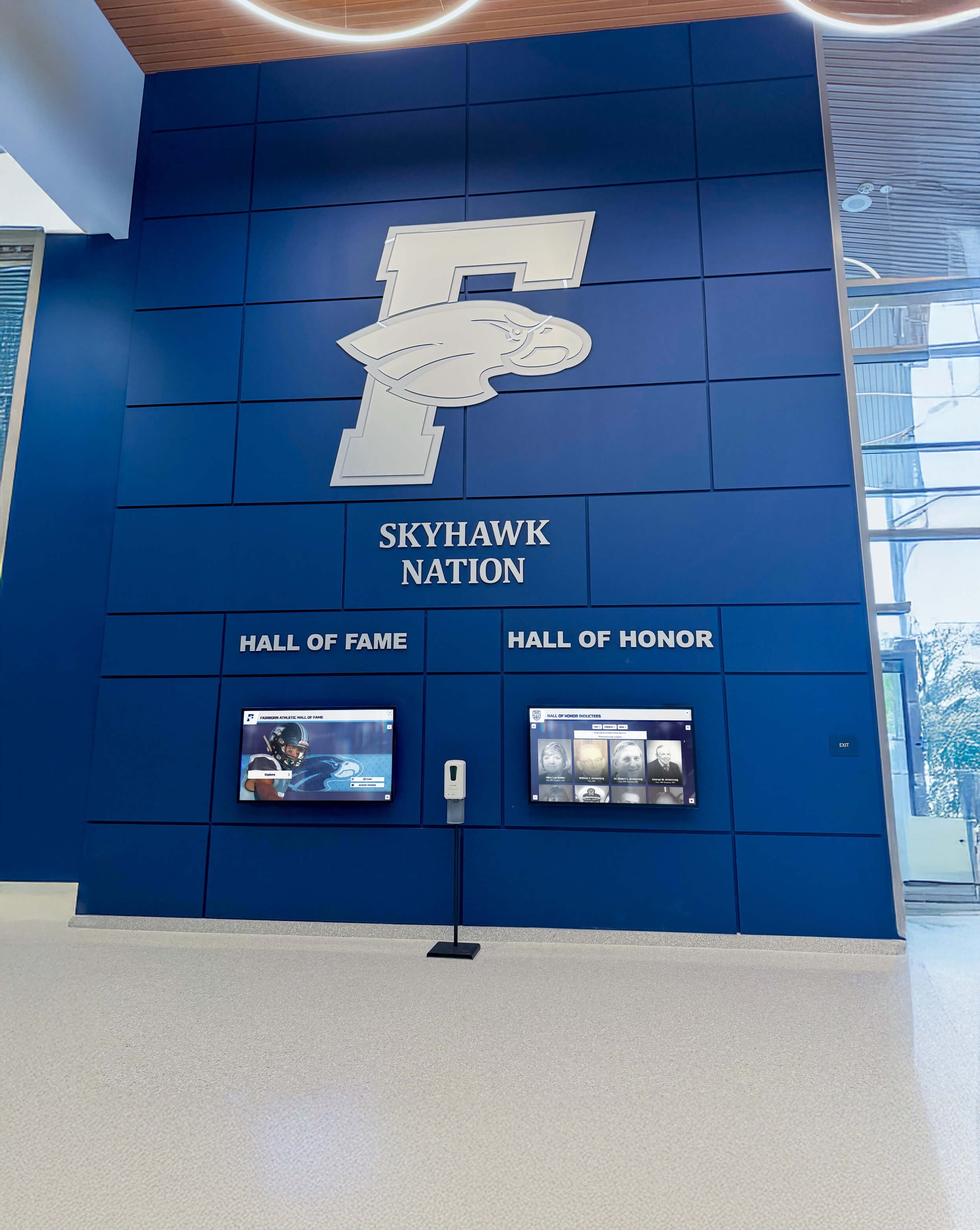
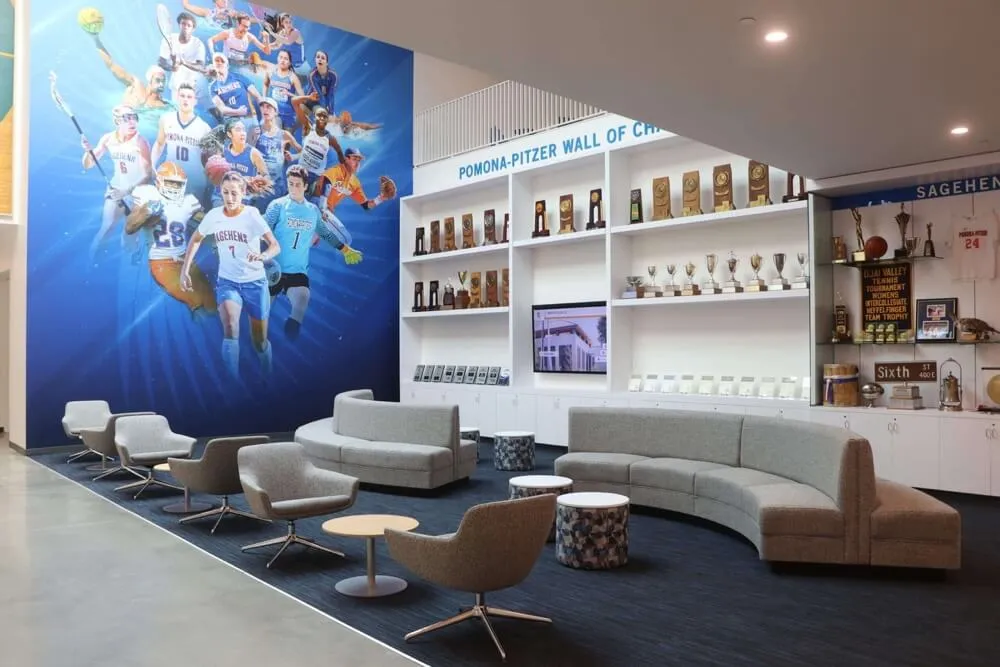
Prominent lobby placement ensures recognition displays create immediate positive impressions for visitors while remaining accessible to residents
Strategic Benefits of Touchscreen Recognition Systems
Understanding how recognition displays impact organizational outcomes beyond surface-level appreciation helps justify investment and guides implementation priorities.
Staff Retention and Recruitment Advantages
Healthcare workforce challenges make retention and recruitment primary operational concerns for senior living administrators.
Retention Impact Through Recognition
Research on employee retention consistently identifies recognition as among the most powerful drivers of job satisfaction and continued employment. In senior care where compensation often remains constrained by reimbursement limitations and market conditions, non-financial recognition gains outsized importance.
Touchscreen displays amplify recognition impact through sustained visibility. When staff members are honored as employee of the month, recognition doesn’t disappear after a brief ceremony—it remains visible to colleagues, residents, families, and visitors throughout the recognition period. This extended exposure provides ongoing positive reinforcement and social acknowledgment from multiple community members commenting on the recognition.
For facilities tracking retention metrics, implementing comprehensive recognition programs including visible touchscreen displays correlates with reduced turnover rates. While isolating recognition impact from other retention initiatives proves difficult, administrators consistently report that employees cite recognition and feeling valued among primary reasons for remaining with organizations during exit interviews and satisfaction surveys.
Recruitment Marketing Value
When recruiting new employees in competitive healthcare labor markets, visible recognition demonstrates organizational culture valuing employees beyond rhetoric. During facility tours with prospective hires, recognition displays provide concrete evidence that staff contributions are noticed and celebrated publicly.
Job candidates evaluating multiple offers frequently reference recognition programs as differentiators influencing final decisions. The message that “we value our people” becomes credible when backed by visible systems proving the commitment rather than remaining abstract claims in recruiting materials.
Resident Satisfaction and Family Confidence
Quality perception in senior living depends partly on objective care delivery and partly on subjective emotional experience for residents and families.
Dignity and Personhood Maintenance
Medical models of senior care risk reducing individuals to conditions requiring treatment rather than complete people with histories, preferences, and ongoing capacity for growth. Recognition displays celebrating resident life stories, achievements, and contributions counteract this dehumanization by maintaining visibility of personhood beyond healthcare needs.
For residents themselves, seeing personal recognition on facility displays reinforces identity and community membership. For those with cognitive challenges where short-term memory fails, ongoing visual reminders provide orientation and belonging that verbal assurances alone cannot sustain.
Family members observing their loved ones recognized through birthday celebrations, activity participation, or contribution acknowledgment gain confidence that staff view residents as individuals deserving dignity and celebration rather than anonymous care recipients.
Transparency and Communication
Recognition displays create transparency about facility culture and priorities. Families seeing staff members honored for years of service understand that employment stability exists, suggesting quality work environment and care continuity. Recognition of quality certifications and awards provides objective validation of excellence claims. Celebration of community activities with participation photos offers evidence that engagement programming actively occurs rather than existing only in marketing materials.
This transparency builds family confidence and trust, reducing anxiety common when placing loved ones in institutional care settings.
Marketing and Competitive Differentiation
In competitive senior living markets, differentiation beyond basic care services drives occupancy and premium pricing.
Tour Experience Enhancement
Facility tours represent critical decision moments where families form lasting impressions influencing placement decisions. Professional touchscreen recognition displays create modern, sophisticated visual impacts signaling investment in quality and innovation.
When tour guides pause at recognition displays highlighting staff tenure, quality awards, and vibrant community programming, these visual anchors reinforce verbal descriptions with concrete evidence. Rather than asking families to imagine community culture from abstract descriptions, displays provide literal examples of values in action.
Online and Social Media Marketing
Digital recognition content provides ongoing material for social media posts, website updates, and email newsletters. Photos of recent award recipients, quality certifications earned, and community celebrations create authentic content demonstrating culture and values.
This user-generated content performs more effectively than generic marketing images because it features real community members and genuine achievements. Families researching facilities online increasingly value authentic glimpses into actual community life over polished but impersonal marketing photography.
Similar marketing benefits achieved through donor recognition displays in nonprofit contexts translate directly to senior living applications, where visible appreciation influences both internal stakeholders and external audiences evaluating facility quality.
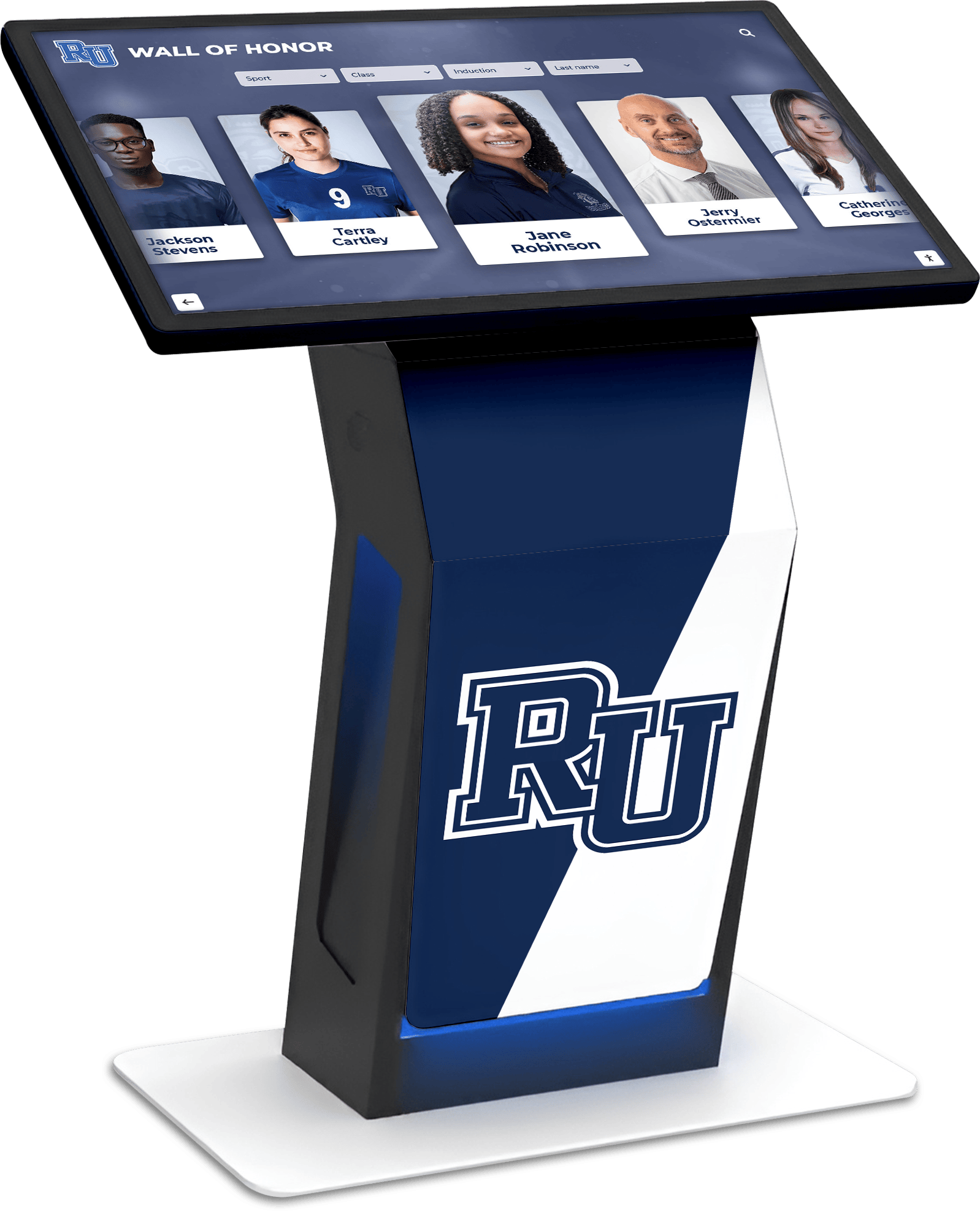
Purpose-built kiosk designs combine professional aesthetics with accessibility features appropriate for senior care environments
Implementation Considerations for Senior Living Contexts
Successful touchscreen recognition systems in senior care require adaptations addressing the unique needs of elderly populations and healthcare facility constraints.
Accessibility for Older Adult Users
Senior living recognition displays must accommodate age-related physical and cognitive changes affecting how residents interact with technology.
Physical Interface Design
Touchscreen systems serving senior populations require specific physical adaptations. Mount displays at heights accessible to residents using wheelchairs and walkers while remaining visible to standing adults, with recommended mounting placing screen centers 48-54 inches from the floor. Ensure adequate clearance in front of displays allowing wheelchair maneuvering and walker accommodation without blocking traffic flow in lobbies or hallways.
Select screen sizes and resolutions supporting large, high-contrast text readable from 6-10 feet away without requiring close approach. For facilities serving residents with low vision, consider displays 55 inches or larger with 4K resolution maintaining clarity at large text sizes.
Anti-glare screen treatments prove essential in facilities with large windows where natural light creates reflections making screens difficult to read during certain times of day. Professional installations should evaluate lighting conditions at various times before finalizing placement.
Visual and Cognitive Accessibility Features
Content design must accommodate vision changes and cognitive processing differences common in older adults. Use large fonts with minimum 24-point text for body content and 36-48 point headings, employ high contrast color schemes with dark text on light backgrounds or white text on dark backgrounds avoiding low-contrast combinations difficult to perceive, maintain simple layouts limiting the number of elements per screen, and minimize motion and animation that can be disorienting for residents with cognitive changes.
For facilities serving memory care populations, recognition content should be especially simple with large photos, minimal text, and clear identification avoiding confusion. While interactive features add value, displays in memory care units often work better with automatic rotation eliminating need for resident navigation that may prove frustrating.
Audio Options for Vision Impairment
Consider audio features supporting residents with significant vision loss. Text-to-speech capabilities can read recognition content aloud when residents approach displays, volume controls must accommodate hearing differences without creating excessive noise in common areas, and professional voice recording rather than synthesized speech provides clearer comprehension.
Balance audio features with concerns about privacy and distraction in shared spaces. Some facilities implement headphone jacks for private listening rather than broadcasting audio content in busy lobbies.
Privacy and Consent Considerations
Healthcare settings require heightened attention to privacy and consent when displaying personal information and photographs.
HIPAA Compliance Requirements
While recognition displays don’t typically include protected health information, facilities must ensure content doesn’t inadvertently reveal medical conditions, treatments, or health status. Obtain explicit written consent from residents and families before displaying photographs or personal information, maintain documentation of consent in resident files, and provide simple processes for residents or families to withdraw consent and request content removal.
Clarify that recognition display participation remains voluntary, ensuring residents never feel pressured to participate in public recognition if they prefer privacy.
Sensitive Content Guidelines
Establish clear policies for appropriate recognition content. Avoid displaying information about financial giving amounts for individual donors unless explicitly approved, handle memorial and remembrance content with dignity and family input, obtain family approval before sharing personal stories or testimonials, and respect cultural and religious preferences affecting appropriate recognition formats.
For residents with estranged family relationships or protective orders, ensure recognition doesn’t inadvertently reveal location information creating safety concerns.
Content Management and Sustainability
Recognition displays only deliver value when content remains current and accurate. Long-term success requires sustainable content management workflows.
Staff Roles and Responsibilities
Assign clear content management responsibilities preventing gaps where everyone assumes someone else will handle updates. Typical models include activity directors managing resident recognition and event content, human resources or administrator managing staff recognition, development or advancement staff managing donor recognition, and designated marketing or communications staff coordinating overall display management and design consistency.
Provide training ensuring assigned staff members feel confident using content management systems without requiring technical expertise. Select display platforms with intuitive interfaces similar to social media or document editing tools familiar to non-technical staff.
Content Update Workflows
Establish regular update schedules preventing stale content that undermines credibility. Weekly reviews identify upcoming birthdays, anniversaries, and events requiring display updates, monthly refreshes rotate featured recognition stories and highlighted achievements, quarterly audits remove outdated content and verify information accuracy, and annual reviews assess overall recognition program effectiveness and gather stakeholder feedback.
Build content creation into existing workflows rather than treating it as additional separate tasks. When employee of the month winners are announced, content creation becomes integrated into the recognition process rather than a delayed follow-up task easily forgotten amid competing priorities.
Photo and Content Collection Systems
Successful displays require ongoing photo and information gathering. Implement systematic approaches including staff photo policies capturing headshots during onboarding and annually for tenure recognition, family photo submission processes for resident birthdays and welcome displays, activity documentation protocols with activity staff capturing event photos routinely, and volunteer information gathering at the time of initial volunteer registration.
Digital content collection through mobile apps, email submission forms, or cloud storage systems proves more sustainable than requesting physical photos requiring scanning and digitization.
Approaches used for content management in digital recognition displays for other sectors provide valuable frameworks applicable to senior living contexts with appropriate adaptations for healthcare privacy requirements and accessibility needs.
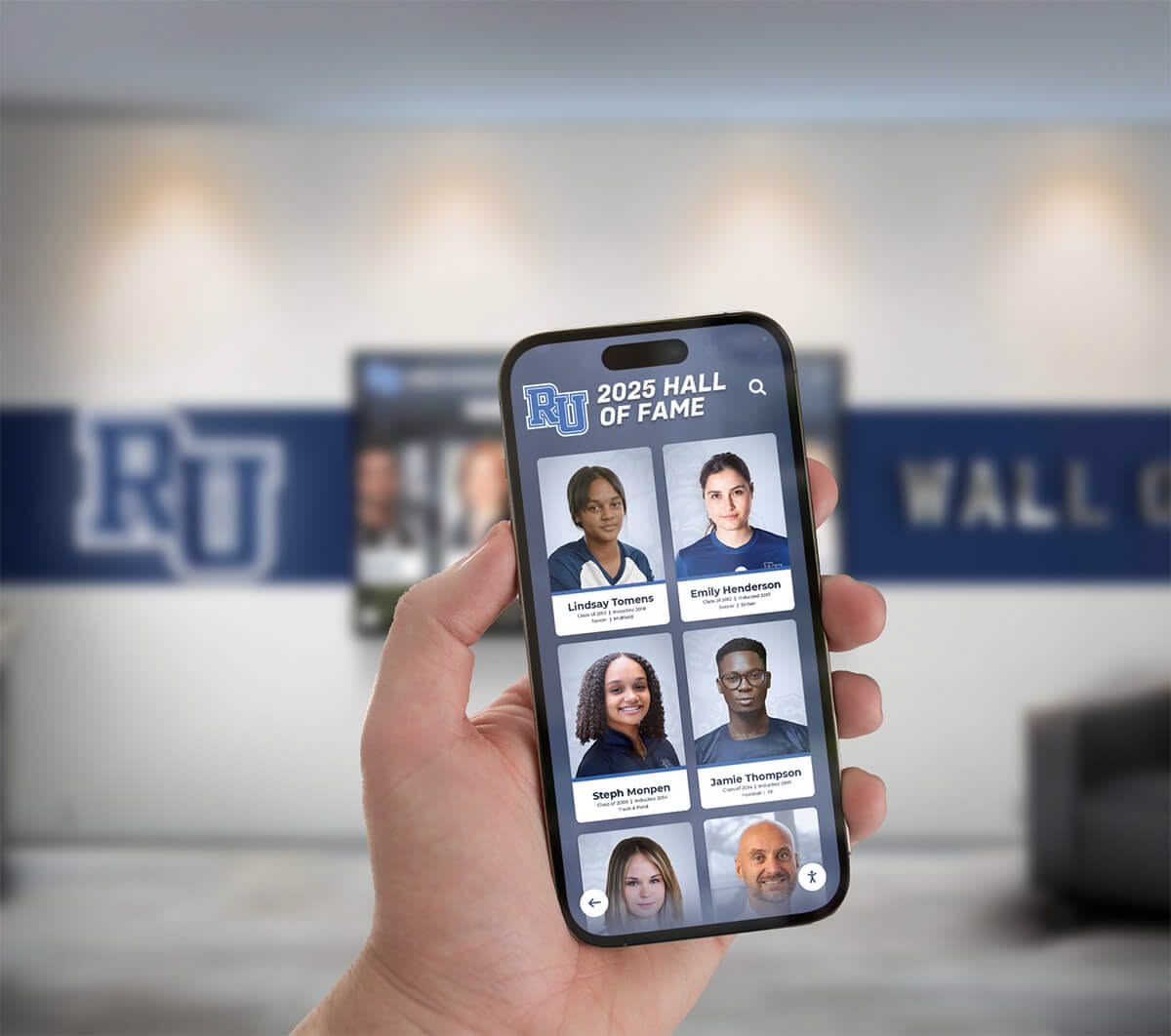
Mobile content management enables staff to update recognition displays remotely without requiring physical access to display hardware
Technology Selection for Senior Care Facilities
Choosing appropriate touchscreen systems requires evaluating options against senior living specific requirements rather than generic digital signage criteria.
Hardware Considerations
Physical display hardware must balance functionality with durability and healthcare appropriateness.
Commercial-Grade Displays
Senior care facilities require displays rated for continuous operation in public spaces. Commercial displays designed for 16-24 hour daily operation prevent overheating and premature failure common with consumer televisions used beyond intended specifications. Extended warranty periods of 3-5 years rather than standard one-year consumer warranties protect investment over realistic deployment lifespans. Anti-microbial bezels and screens facilitate cleaning with healthcare-appropriate disinfectants without damaging display surfaces.
While commercial displays cost more initially, total cost of ownership over 5-7 year service lives typically proves lower than repeatedly replacing consumer equipment failing under continuous use.
Screen Size and Resolution
Lobby installations typically require 55-65 inch displays visible from 15-20 feet away in main entrance areas. Secondary locations like dining rooms or activity centers may use 42-50 inch displays appropriate for smaller spaces and closer viewing distances. Memory care unit installations might use smaller 32-42 inch displays in more intimate common areas.
Resolution should be 4K (3840x2160) for displays 50 inches and larger, supporting crisp text and photo quality when viewed at close distances by residents examining recognition content.
Interactive vs. Non-Interactive Displays
Consider whether touch interaction adds sufficient value to justify additional cost and cleaning requirements. Interactive touchscreens enable residents and visitors to explore recognition content at their own pace, search for specific individuals or achievements, view detailed profiles with additional photos and information, and personalize experience based on interests.
However, touchscreens require more frequent cleaning (especially in healthcare settings concerned about infection transmission), may confuse residents unfamiliar with touch interfaces or experiencing cognitive changes, and add cost compared to static displays.
Many facilities implement hybrid approaches with touchscreens in main lobbies for visitor use while using non-interactive displays in resident areas where automatic content rotation serves needs adequately without interaction complexity.
Software Platform Requirements
Content management systems determine how easily staff can create and update recognition content.
Cloud-Based Management
Modern display platforms use cloud-based content management enabling staff to update displays from any internet-connected device without requiring physical access to display hardware. This flexibility proves valuable when displays are located in locked lobbies accessible only during limited hours, when multiple displays exist across campus or multiple buildings, and for facilities where display management responsibility shifts between staff members with varying schedules.
Cloud systems also enable corporate or regional staff at management companies to support display management for individual facilities without requiring on-site presence.
User-Friendly Content Creation
Select platforms with intuitive interfaces accessible to non-technical staff. Drag-and-drop content builders requiring no coding or graphic design expertise, pre-built templates for common recognition types (employee of month, birthday celebrations, donor acknowledgment), media libraries storing frequently-used graphics, logos, and brand elements, and preview capabilities showing exactly how content will appear before publishing.
Some platforms designed specifically for healthcare settings include recognition templates appropriate for senior care contexts, reducing the need for facilities to design layouts from scratch.
Scheduling and Automation
Content scheduling enables efficient management without requiring daily staff attention. Schedule birthday and anniversary recognition to automatically display during appropriate months, rotate recognition spotlights automatically through established sequences, schedule seasonal or holiday-themed content in advance, and implement dayparting showing different content during morning, afternoon, and evening periods.
Emergency override capabilities allow urgent announcements (severe weather, facility emergencies, important policy changes) to supersede regular content without requiring complex technical intervention.
Analytics and Engagement Tracking
For interactive touchscreens, analytics provide insights about content engagement. Tracking most-viewed recognition profiles, time spent viewing different content types, peak usage times, and touchscreen interaction patterns helps optimize content and justify program investment through demonstrated usage.
While non-interactive displays lack detailed analytics, basic monitoring confirming displays remain online and operational provides valuable system management information.
Solutions like Rocket Alumni Solutions, while primarily serving educational contexts, offer relevant technology capabilities including user-friendly content management, cloud-based platforms, and recognition-specific features that translate effectively to senior living applications when combined with appropriate healthcare adaptations.
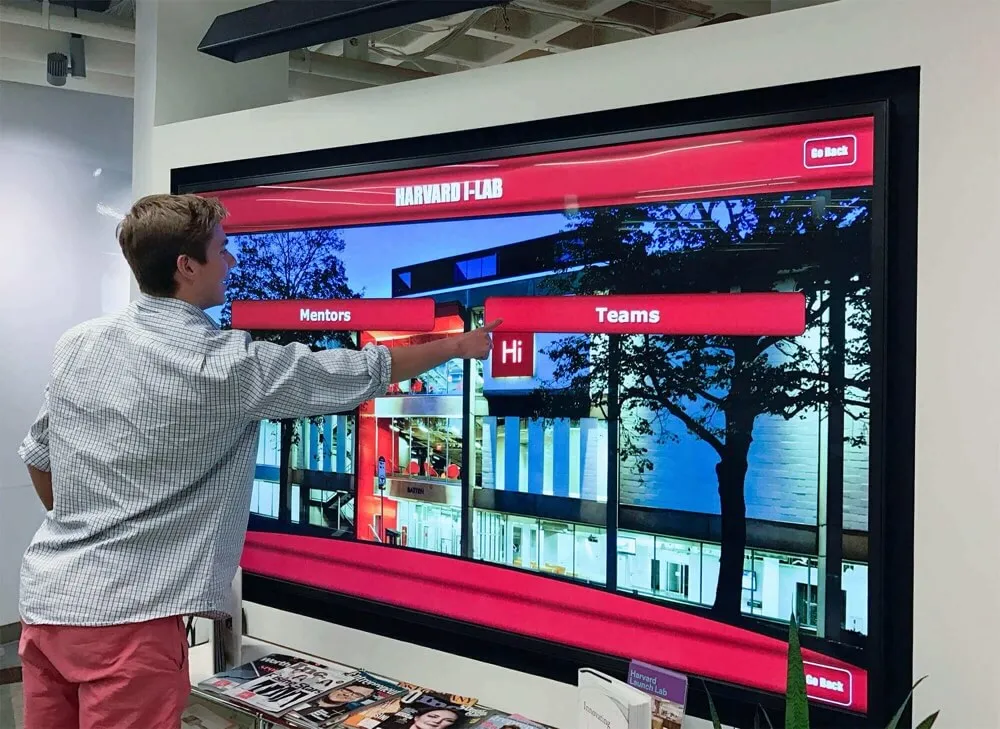
Intuitive management interfaces enable activity directors and administrators to maintain recognition content without IT department dependency
Measuring Recognition Program Impact
Assessing recognition display effectiveness demonstrates value while identifying optimization opportunities.
Quantitative Metrics
Objective measurement approaches track program impacts across key performance areas.
Staff Retention and Turnover Rates
Compare employee turnover rates before and after recognition program implementation, particularly for high-turnover positions like CNAs. While isolating recognition impact from other retention initiatives proves challenging, consistent measurement over time reveals trends potentially linked to enhanced appreciation culture.
Track retention specifically among employees who have received recognition compared to those who haven’t, recognizing that selection bias complicates interpretation (high performers more likely to be recognized may have higher baseline retention).
Resident and Family Satisfaction Scores
Monitor satisfaction survey responses related to communication, community culture, staff attentiveness, and overall satisfaction. Look for improvements following recognition display implementation, particularly in areas related to feeling informed, sense of community, and staff caring attitude.
Track participation rates in activities and programs promoted through recognition displays, comparing attendance before and after implementation for insights about promotional effectiveness.
Recruitment and Vacancy Metrics
Measure time-to-fill for open positions and candidate quality, monitoring whether recruitment improves as recognition programs become established and word spreads about positive culture. Track prospective employee tour conversions assessing what percentage of candidates touring facility accept employment offers.
Occupancy and Move-In Rates
Monitor facility occupancy levels and move-in conversions from facility tours. While many factors influence these metrics, consistent improvement following recognition display implementation suggests positive impact on competitive positioning and family decision-making.
Qualitative Assessment
Subjective feedback reveals impacts that numbers alone cannot capture.
Staff Feedback and Morale Indicators
Conduct regular surveys or focus groups asking staff about recognition program awareness, perception of whether contributions are valued, impact on job satisfaction, and suggested program improvements. Monitor informal feedback during meetings, supervision sessions, and casual conversations for unprompted comments about recognition experiences.
Watch for cultural shifts where recognition becomes normalized expectation rather than rare event, and peer recognition increases with colleagues nominating and celebrating each other.
Resident and Family Comments
Gather feedback through satisfaction surveys asking specifically about recognition displays, casual conversations during resident council meetings or family visits, and comments in online reviews mentioning display content or overall community culture.
Positive indicators include families commenting that displays help them feel connected to community life between visits, residents demonstrating pride when seeing their recognition displayed, and visitors noting professional appearance and positive culture signaled by displays.
Tour Guide and Marketing Feedback
Ask admissions staff conducting facility tours about how often recognition displays become conversation topics, whether prospective residents and families respond positively, and how displays compare to competitor facilities.
Track whether admissions staff incorporate displays into tour narratives as selling points, suggesting they perceive value in highlighting recognition culture.
Similar measurement approaches used in volunteer appreciation programs and other recognition contexts provide frameworks for assessing senior living display impact while accounting for healthcare-specific considerations and stakeholder priorities.
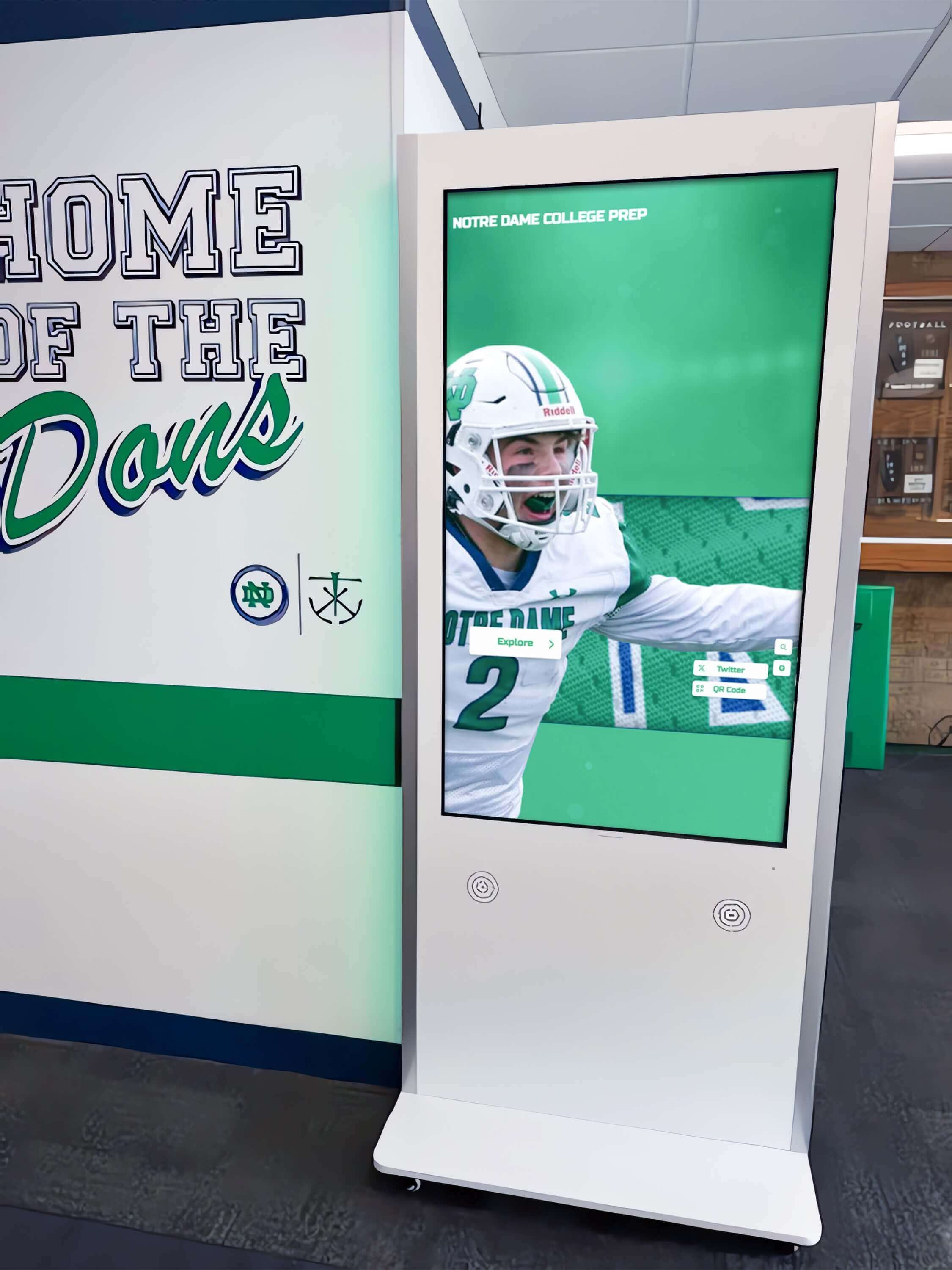
Professional installation quality and strategic placement maximize recognition display visibility and impact
Overcoming Common Implementation Challenges
Anticipating and addressing typical obstacles increases likelihood of successful recognition program deployment.
Budget Constraints and ROI Justification
Digital display systems require upfront investment that budget-conscious administrators may question.
Total Cost of Ownership Analysis
Calculate comprehensive costs including initial hardware purchase for displays and mounting equipment, software licensing or subscription fees, installation and configuration services, staff time for initial content creation, and ongoing content management time allocation.
Compare against current recognition expenses including printed certificates and framing, bulletin board materials and maintenance, annual recognition events and awards, and administrative time coordinating traditional recognition approaches.
While digital displays typically require higher initial investment, ongoing costs may be lower than cumulative traditional approach expenses over multi-year periods. Additionally, digital systems provide capabilities impossible through traditional methods, representing enhanced value rather than simple cost comparison.
Phased Implementation Approaches
Budget limitations need not prevent starting recognition programs. Begin with single display in highest-impact location like main lobby, demonstrating value through initial implementation before expanding. Add displays to additional locations as budgets allow and program success becomes evident. Start with basic content categories before developing comprehensive recognition across all stakeholder groups.
This gradual approach reduces initial financial commitment while building organizational capability and enthusiasm before broader deployment.
Alternative Funding Sources
Explore funding beyond operating budgets. Pursue foundation grants focused on senior care innovation or workforce development, seek corporate sponsorships from local businesses supporting senior services in exchange for recognition, develop memorial giving programs where families fund displays honoring deceased residents, and redirect savings from reduced staff turnover costs toward recognition program funding.
Staff Buy-In and Participation
Technology initiatives sometimes face resistance from staff comfortable with traditional approaches or skeptical of adding responsibilities.
Early Involvement and Input
Include front-line staff in planning processes asking direct care workers, activity staff, and other stakeholders about what recognition matters most and how displays should work. Demonstrate that input shapes implementation rather than presenting completed plans for passive acceptance.
When staff see their suggestions incorporated, investment in program success increases because it becomes “our program” rather than “management’s initiative.”
Training and Support
Provide comprehensive training ensuring assigned content managers feel confident using display systems. Offer multiple training formats including hands-on practice sessions, written quick-reference guides, short video tutorials accessible when needed, and ongoing refresher training as staff turnover occurs.
Establish clear technical support channels so staff know exactly whom to contact when questions or problems arise, preventing frustration that erodes enthusiasm.
Celebrating Early Wins
Highlight initial successes encouraging continued participation. Share positive feedback from staff, residents, or families about recognition displays, post examples of particularly effective recognition content, recognize staff members who contribute excellent photos or stories for displays, and track and report early metrics suggesting positive impact.
This reinforcement demonstrates that effort invested in recognition content creation delivers meaningful returns, motivating sustained commitment.
Technical and Maintenance Concerns
Facilities without robust IT departments sometimes worry about supporting digital technology long-term.
Vendor Selection and Support
Choose vendors offering comprehensive support including technical assistance, training, and troubleshooting rather than expecting facilities to manage technical issues independently. Prioritize cloud-based platforms requiring minimal on-site technical infrastructure, avoiding systems demanding significant local server management or network configuration.
Verify vendor support includes phone, email, and remote access assistance during business hours (ideally extended hours accommodating evening and weekend staff schedules common in 24/7 care facilities).
Redundancy and Backup Planning
Implement basic continuity approaches preventing single points of failure. Train multiple staff members on content management preventing dependency on single individuals, maintain cloud backups of content libraries protecting against local computer failures, and establish vendor relationships including loaner equipment availability during hardware failures requiring repair.
Accept that occasional brief downtime will occur with any technology. Focus on minimizing frequency and duration rather than expecting perfect uptime impossible to achieve at reasonable cost.
Maintenance and Cleaning Protocols
Develop clear cleaning procedures appropriate for touchscreen displays in healthcare settings. Use approved disinfectants safe for electronic displays, establish cleaning frequency preventing visible smudging while avoiding excessive cleaning wearing down anti-fingerprint coatings, and train environmental services staff on appropriate cleaning techniques avoiding damage from excessive moisture or harsh chemicals.
For interactive touchscreens in high-traffic areas, daily cleaning may be necessary, while displays in lower-touch locations require less frequent attention.
Integration with Broader Community Culture Initiatives
Recognition displays work most effectively when integrated within comprehensive community culture strategies rather than implemented as isolated technology projects.
Connecting Recognition to Values and Mission
Align recognition categories with stated facility values. If mission statements emphasize person-centered care, ensure resident dignity and achievement recognition features prominently. If values highlight family partnership, develop robust family recognition beyond basic visitor appreciation. If workforce excellence represents a priority, make staff recognition comprehensive and sustained rather than occasional.
This alignment demonstrates that recognition represents authentic culture expression rather than superficial decoration disconnected from operational reality.
Coordination with Other Communication Channels
Digital recognition displays should complement rather than replace other communication methods. Continue email newsletters but use displays for visual impact impossible in text-based email, maintain family portals or apps integrating recognition content accessible remotely, coordinate social media posts showcasing display content for broader marketing reach, and preserve personal recognition including direct conversations, handwritten notes, and face-to-face celebrations.
The goal involves creating recognition ecosystems where various methods reinforce each other, ensuring acknowledgment reaches people through preferred channels while maintaining sustained visibility through permanent display presence.
Building Recognition into Operational Processes
Embed recognition within routine workflows rather than treating it as separate activity. Include recognition planning in monthly administrative meetings identifying upcoming recognition opportunities, incorporate recognition nomination into performance review processes where managers identify exceptional staff for formal acknowledgment, make recognition content creation part of event planning checklists so programming naturally generates display material, and establish recognition criteria within quality improvement initiatives linking operational excellence to public acknowledgment.
When recognition becomes integrated into how work happens rather than separate supplementary activity, sustainability and impact increase substantially.
Similar integration approaches used in school spirit and community building initiatives translate effectively to senior care contexts, where recognition displays support comprehensive culture development while serving distinct operational functions.

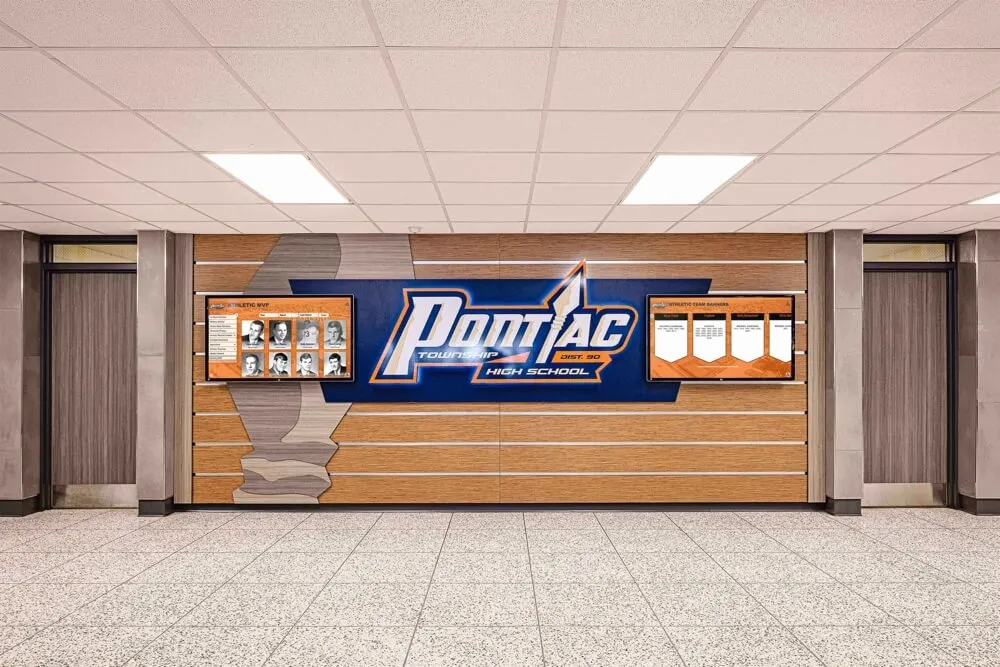
Multiple coordinated displays enable comprehensive recognition across various stakeholder groups while maintaining cohesive presentation
Future Trends in Senior Living Recognition Technology
Emerging technologies promise enhanced recognition capabilities addressing current limitations and creating new engagement opportunities.
Personalization and Individual Preferences
Future systems may offer individualized recognition experiences respecting diverse preferences. Residents and families could opt into or out of specific recognition types, control what personal information displays publicly versus remains private, select recognition notification preferences, and access personalized recognition profiles through facility apps or kiosks.
This personalization acknowledges that recognition preferences vary—some individuals value public acknowledgment while others prefer private appreciation—enabling programs serving diverse populations without imposing one-size-fits-all approaches.
Artificial Intelligence and Automated Content Creation
AI capabilities may automate recognition content creation reducing administrative burden. Systems could automatically generate birthday recognition content pulling resident data from management systems, analyze event photos selecting best images for display use, create recognition announcements from basic information input, and suggest recognition opportunities based on staff tenure or resident milestone patterns.
While human oversight remains essential ensuring quality and appropriateness, AI assistance could dramatically reduce time required for routine recognition content management.
Extended Reality and Immersive Experiences
Augmented and virtual reality technologies may enable enhanced recognition experiences. Families could virtually place themselves in facility spaces viewing recognition displays when unable to visit in person, historical recognition content could be explored through immersive timelines showing facility evolution, and life story recognition could incorporate VR experiences recreating significant moments from residents’ past lives.
While these technologies remain primarily speculative for widespread senior care adoption, pilot implementations demonstrate potential for meaningful enhancement of recognition experiences.
Integration with Smart Building Systems
Recognition displays may increasingly integrate with broader smart facility technologies. Displays could highlight environmental achievements tracked through building management systems, showcase wellness metrics from fitness tracking programs, integrate with access control systems for automated volunteer check-in recognition, and coordinate with digital care planning systems acknowledging care milestone achievements.
This integration transforms displays from standalone recognition tools into comprehensive facility communication hubs coordinating various data sources within unified presentation frameworks.
Conclusion: Building Recognition Culture in Senior Living Communities
Touchscreen recognition displays represent powerful tools for transforming senior care community culture, but technology alone cannot create appreciation environments where all stakeholders feel genuinely valued. Success requires institutional commitment to recognition as foundational culture rather than peripheral amenity, sustainable content management processes ensuring displays remain current and relevant, inclusive recognition programs addressing all community members rather than limited constituencies, and authentic acknowledgment reflecting genuine appreciation rather than formulaic obligation.
Transform Recognition in Your Senior Living Community
Discover how interactive touchscreen recognition displays can strengthen culture, improve retention, and enhance satisfaction across your care community. Solutions like Rocket Alumni Solutions offer proven platforms adaptable to senior living contexts.
Explore Recognition Display SolutionsThe 20 recognition display ideas presented throughout this guide provide starting points for developing comprehensive programs addressing staff, residents, volunteers, donors, and community partners. Facilities need not implement all categories simultaneously—starting with highest-priority recognitions for staff and residents builds foundation for gradual expansion as resources and capabilities grow.
Implementation success depends on viewing recognition displays as components of broader culture strategies rather than isolated technology installations. When coordinated with other appreciation initiatives including personal acknowledgment, written recognition, celebration events, and operational policies demonstrating value for people, digital displays amplify overall culture impact by providing sustained visibility impossible through ephemeral approaches alone.
The strategic benefits recognition delivers—improved staff retention during workforce crises, enhanced resident dignity and family satisfaction, competitive marketing differentiation, and demonstrated culture quality—justify implementation investment when measured against costs of high turnover, occupancy challenges, and quality reputation damage from insufficient appreciation culture.
Senior living facilities implementing thoughtful touchscreen recognition programs consistently report that visible acknowledgment transforms institutional culture in ways both measurable through retention and satisfaction metrics and observable through intangible improvements in morale, community connection, and shared pride in collective achievement.
Ready to develop recognition displays for your senior care community? Explore digital recognition approaches applicable across various organizational contexts. Learn about interactive display design principles ensuring accessibility and engagement. Discover content management strategies supporting sustainable operations. And investigate how solutions like Rocket Alumni Solutions provide platforms combining sophisticated functionality with healthcare-appropriate accessibility and user-friendly management interfaces supporting long-term recognition program success.