



Senior year represents a milestone worth celebrating—the culmination of twelve years of growth, achievement, and memorable experiences. For parents, senior yearbook ads offer a unique opportunity to publicly honor graduates with personalized messages that classmates, friends, and the entire school community will see for years to come. These full-page or partial-page tributes combine photographs, heartfelt messages, and creative design elements into lasting recognition that graduates treasure long after graduation ceremonies conclude.
Yet many parents struggle with yearbook ad creation. What should the message say? Which photos work best? How do you design a layout that feels polished rather than cluttered? Should the tone be sentimental, humorous, or inspirational? And how can a single page possibly capture eighteen years of memories, achievements, and pride in ways that feel authentic rather than clichéd?
This comprehensive guide explores creative senior yearbook ad ideas across multiple dimensions—from message writing strategies and photo selection approaches to design layouts and common pitfalls to avoid. Whether you’re creating your first yearbook ad or seeking fresh inspiration for making this year’s tribute especially memorable, you’ll discover practical frameworks that transform blank pages into meaningful recognition celebrating your graduate’s unique journey.
Senior yearbook ads have evolved from simple congratulatory notes into sophisticated recognition pieces incorporating multiple photos, creative design elements, and personalized messages that reflect each graduate’s individual personality and achievements. The best ads strike perfect balances—professional yet personal, celebratory without being overwhelming, and meaningful without becoming overly sentimental.

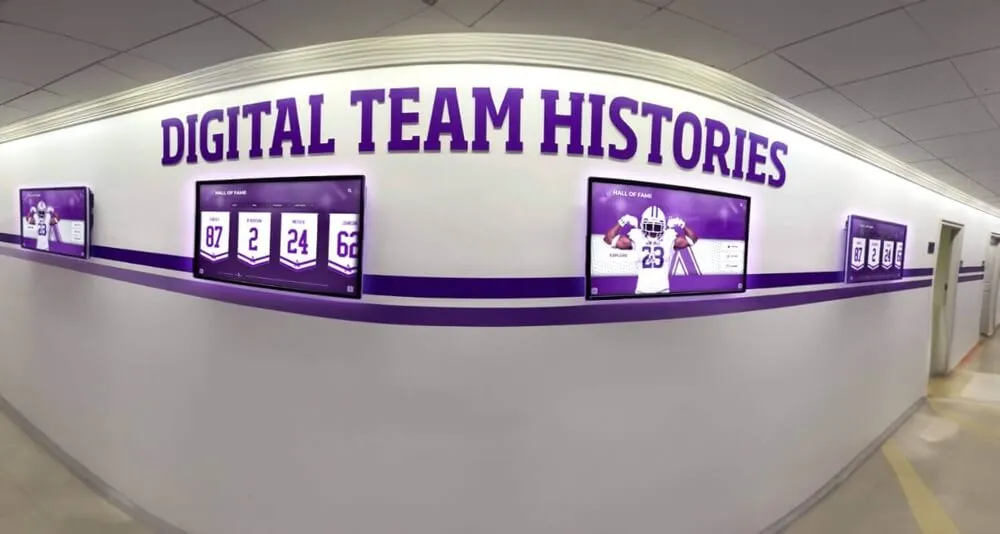
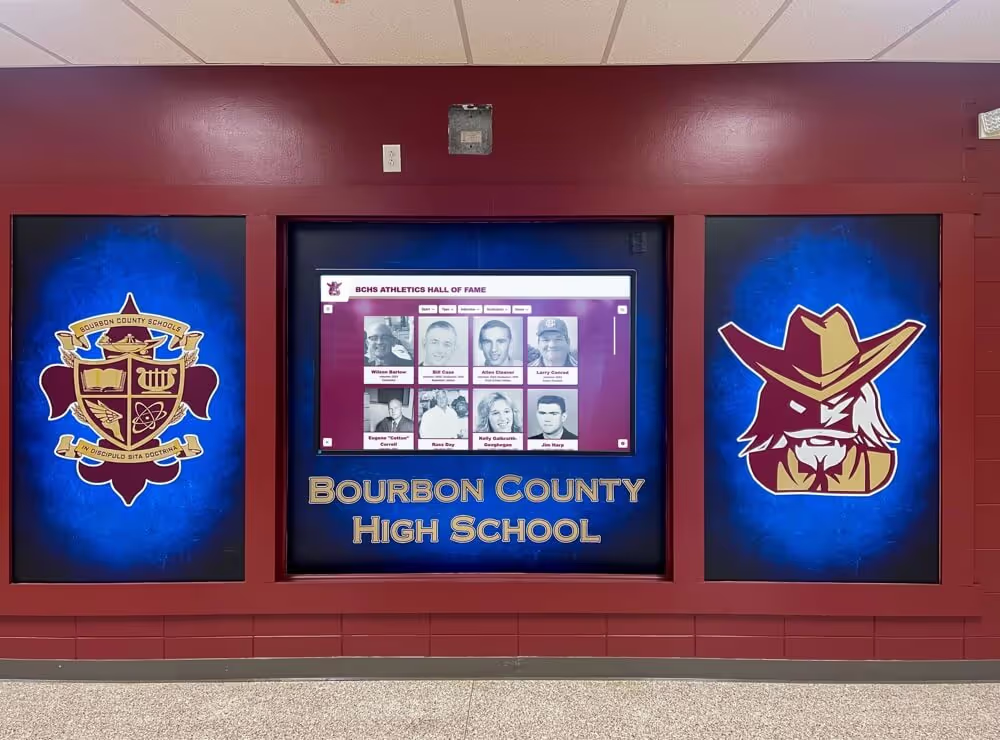
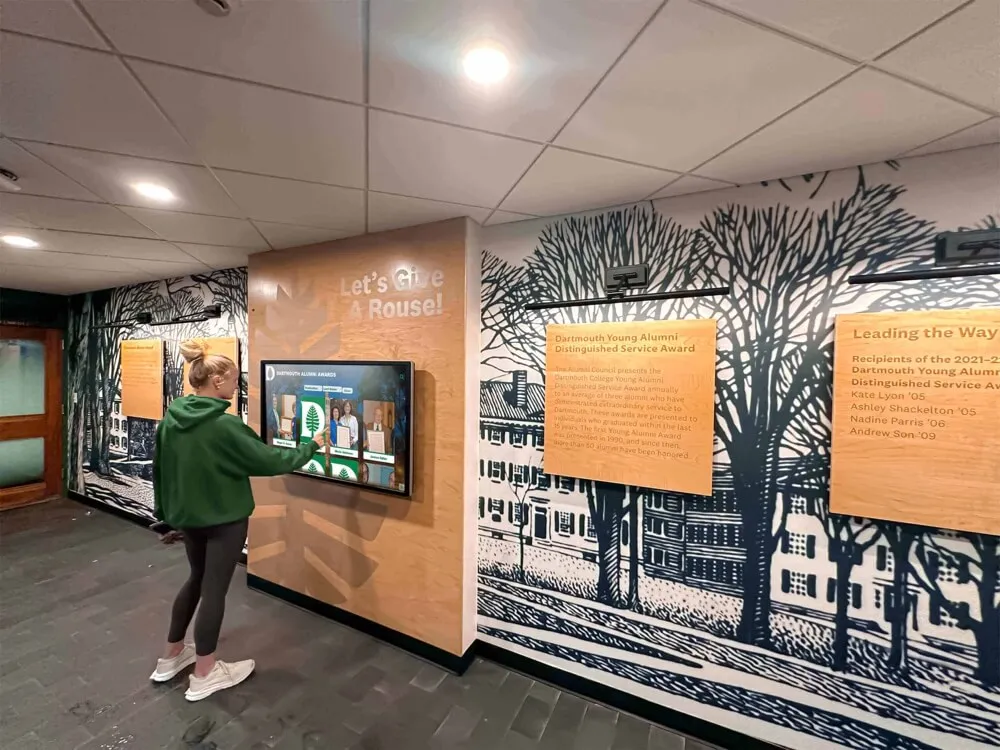
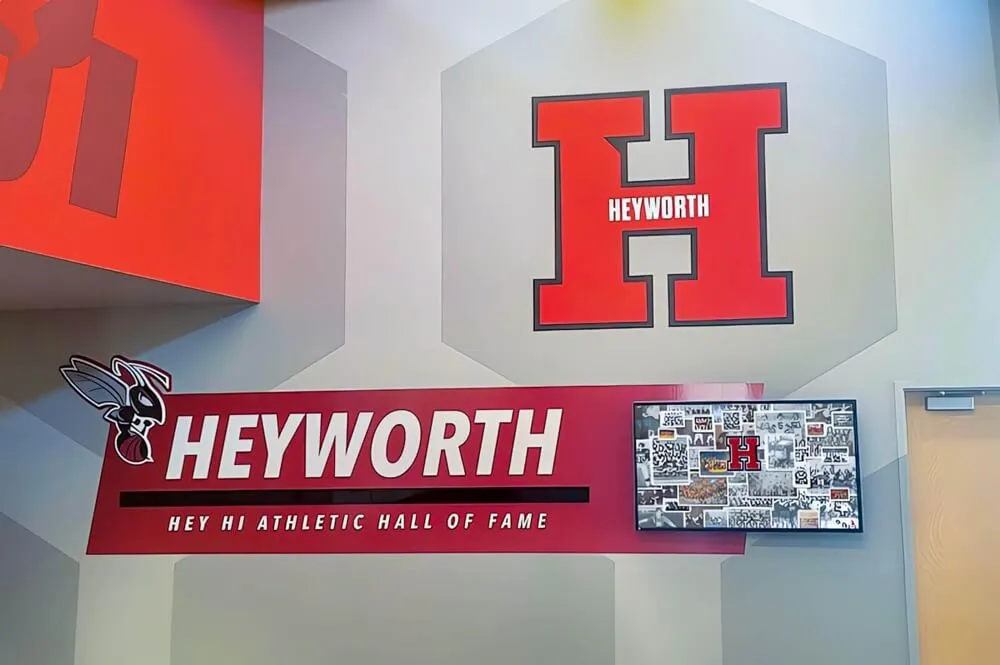
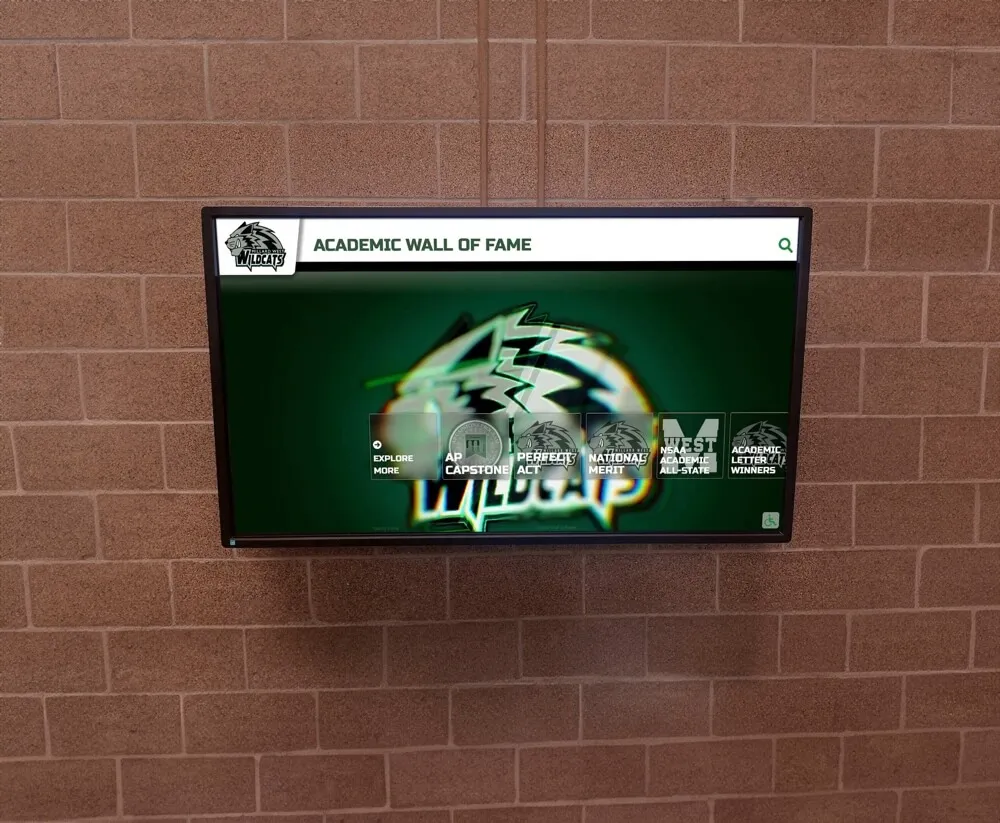
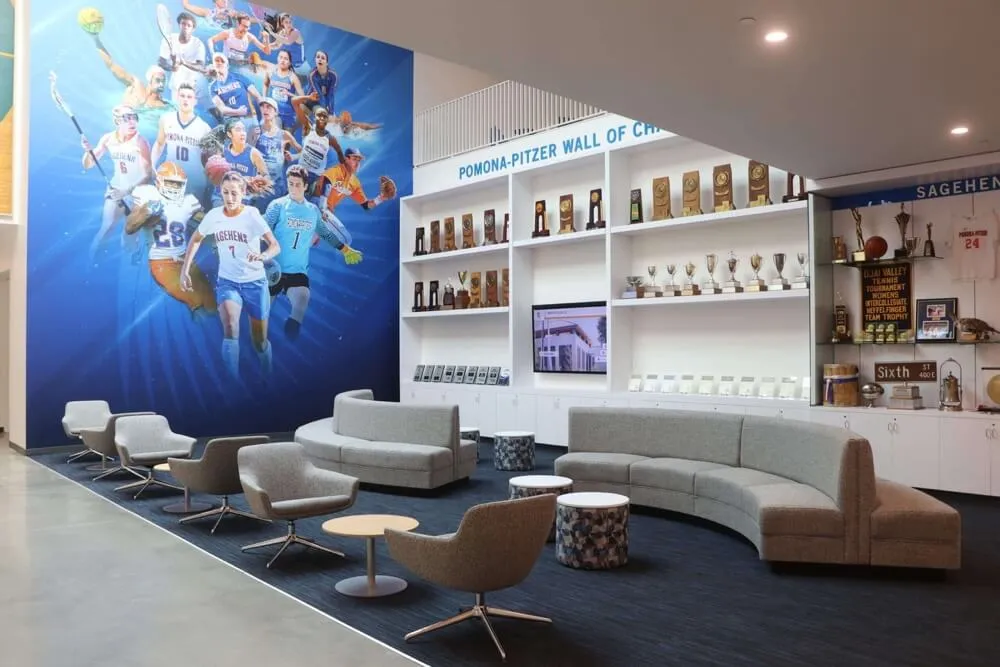
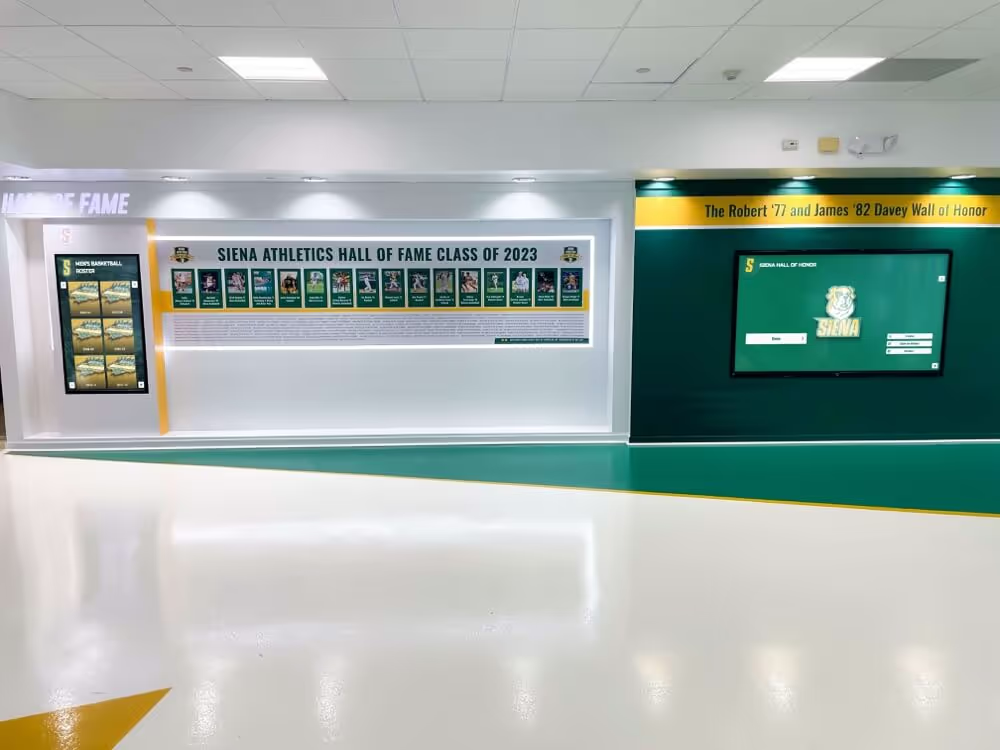
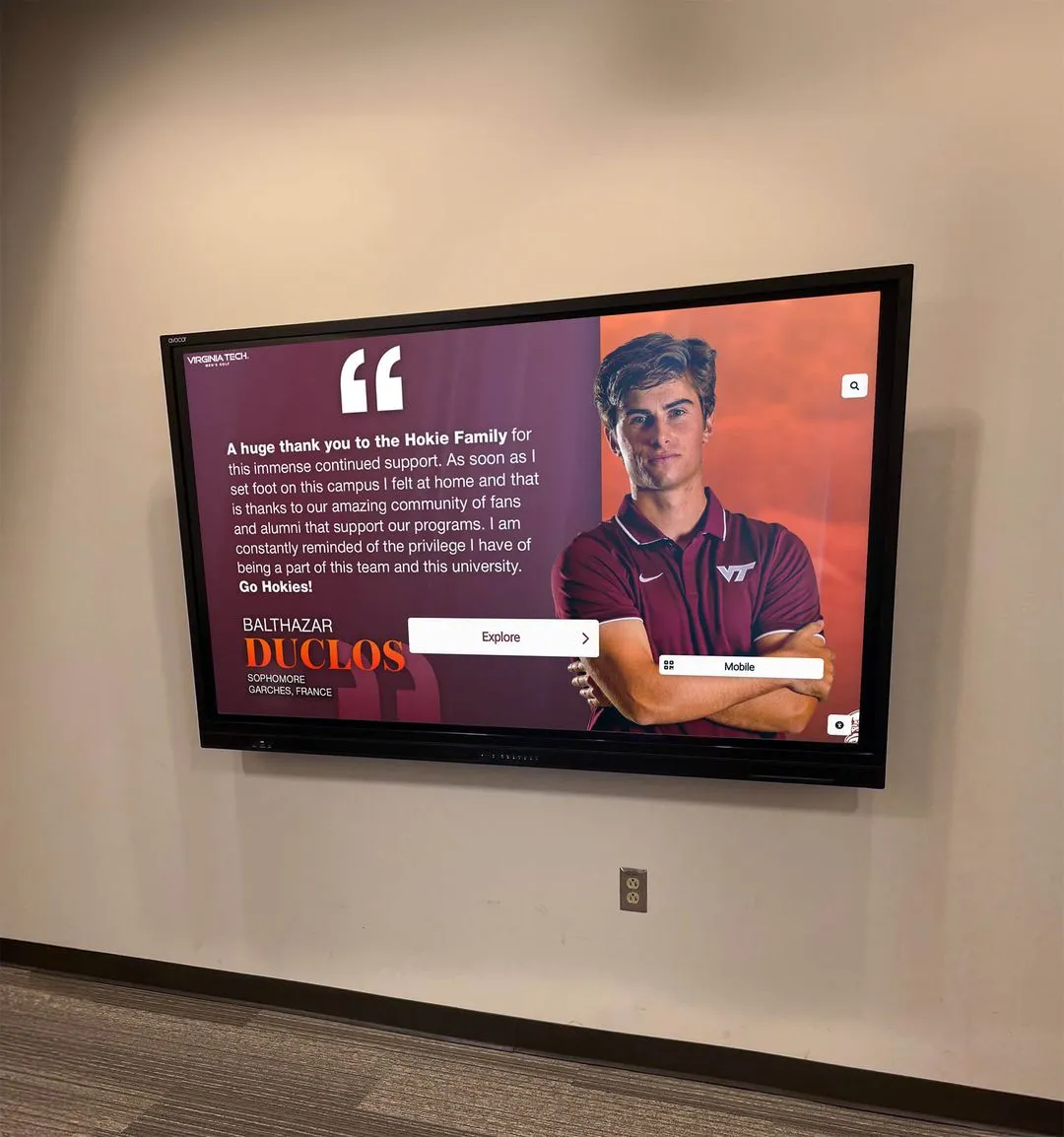
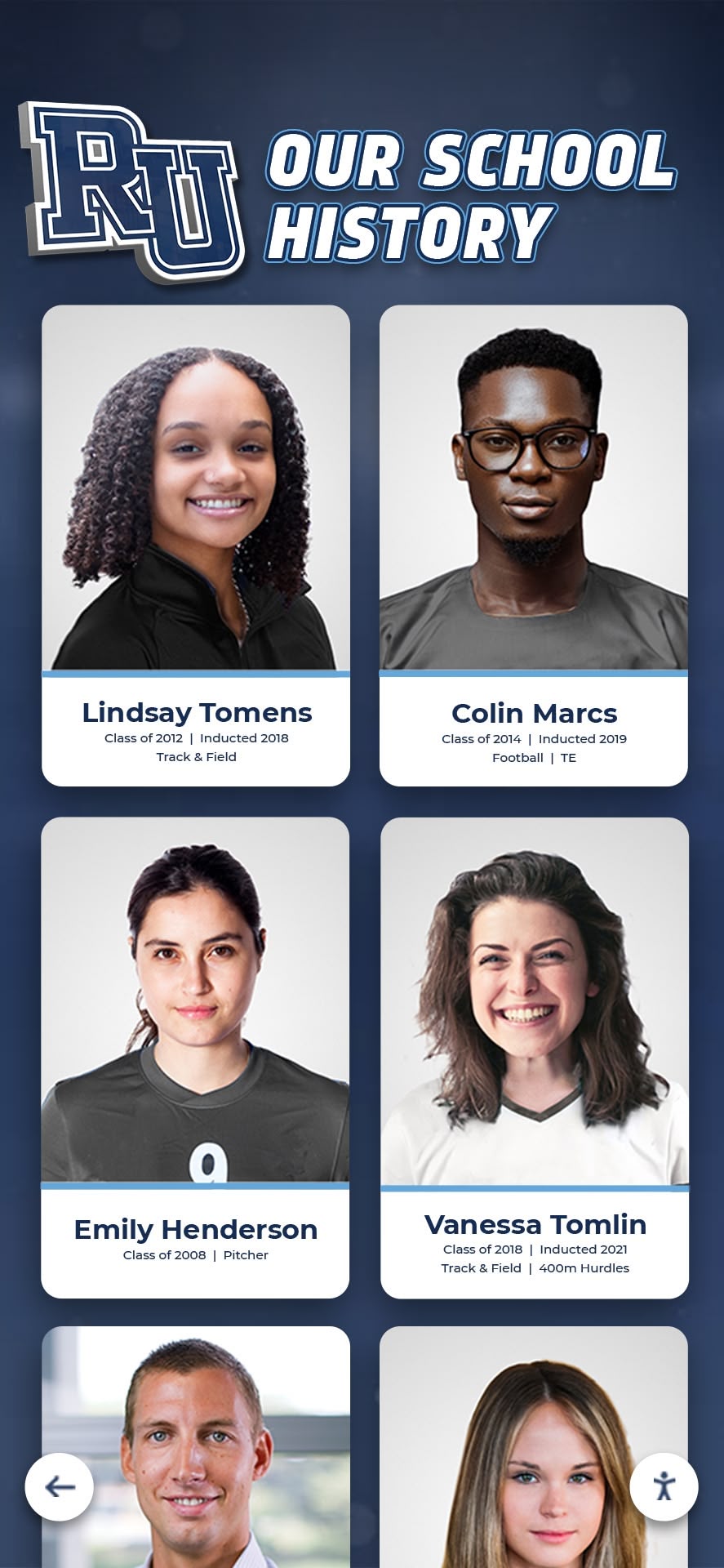
Recognition displays celebrate student achievements and milestones throughout educational journeys
Understanding Senior Yearbook Ad Options and Formats
Before diving into creative content, parents should understand available format options and constraints that shape yearbook ad decisions.
Standard Yearbook Ad Sizes
Most schools offer several ad size options at different price points:
Full Page Ads Full-page tributes provide maximum creative space enabling comprehensive recognition:
- Accommodate 6-12 photos in various layout configurations
- Support longer messages, multiple quotes, and extensive content
- Create dramatic visual impact when classmates browse yearbook pages
- Typically cost $250-$500 depending on school and printing specifications
- Ideal for families wanting comprehensive celebration of senior’s journey
Full-page formats work especially well when highlighting athletic careers, artistic achievements, or extensive activity participation requiring multiple photos documenting diverse accomplishments.
Half Page Ads Half-page options balance impact with affordability:
- Include 3-6 photos arranged in creative layouts
- Support meaningful messages without overwhelming length
- Cost $150-$300 at most schools
- Provide significant visibility while managing budget constraints
- Allow focus on most important memories and messages
Half-page ads force creative prioritization—ensuring included content represents the most meaningful memories and messages rather than attempting comprehensive documentation.
Quarter Page and Business Card Ads Smaller formats offer budget-friendly participation:
- Quarter-page ads include 1-3 photos with brief messages ($75-$150)
- Business card-sized ads feature single photos and short congratulations ($40-$75)
- Enable participation when budgets limit larger ad purchases
- Work well for extended family members purchasing supplemental ads
- Create simple, focused recognition highlighting specific achievements
Parents should select formats matching their budget, desired content volume, and creative vision for celebrating their graduates.
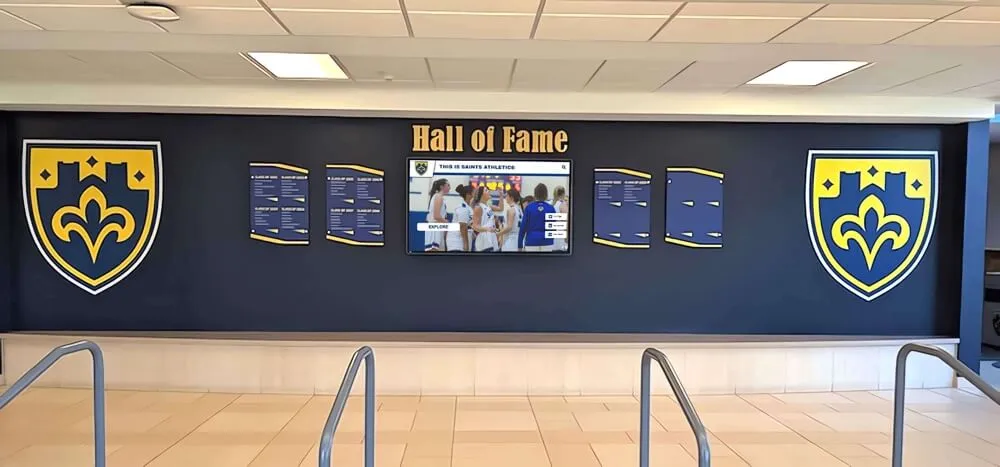
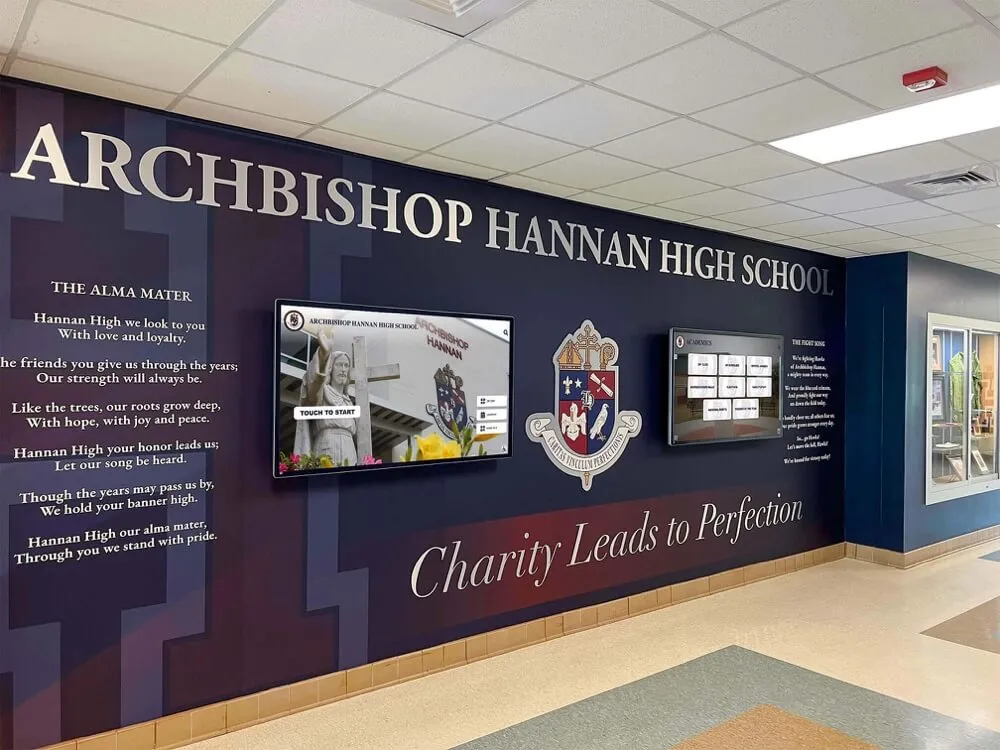
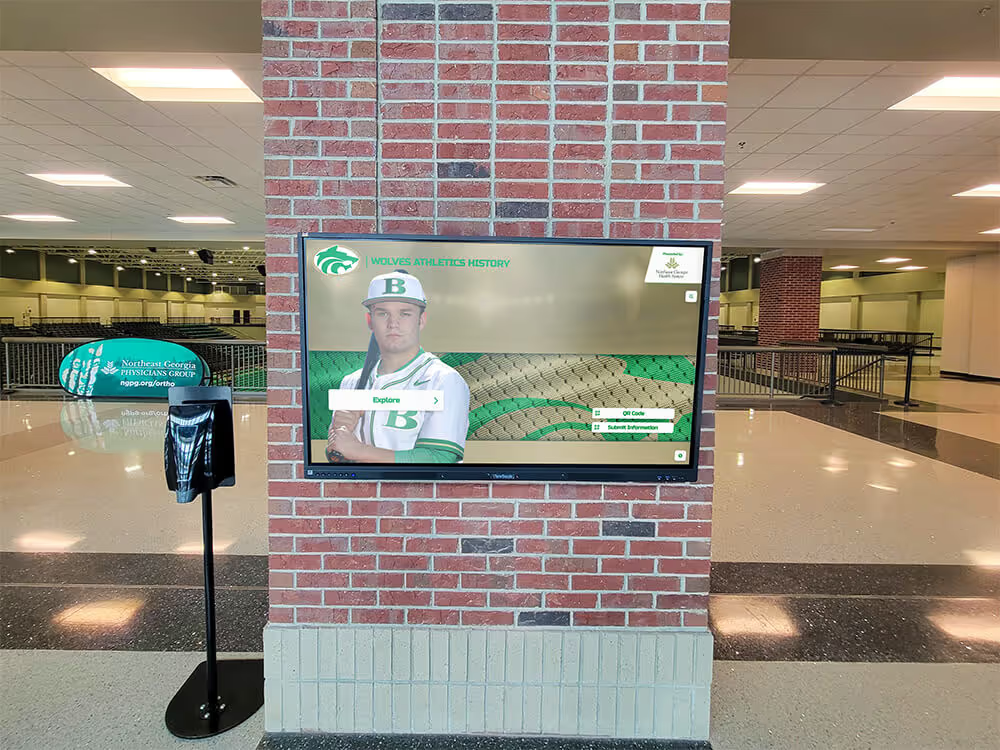
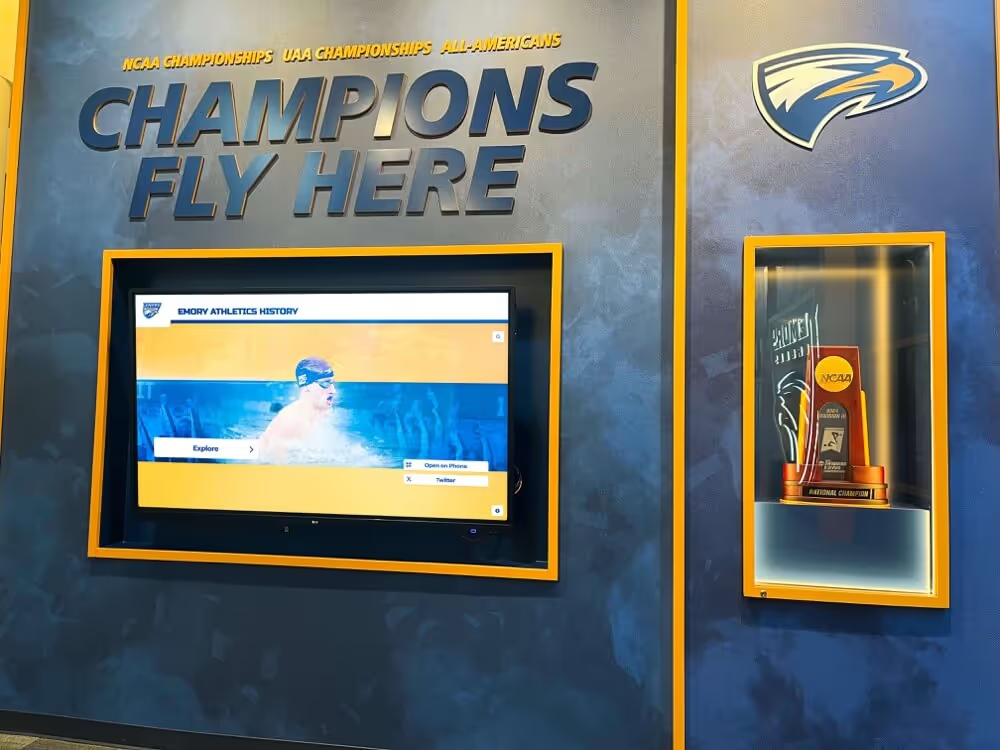
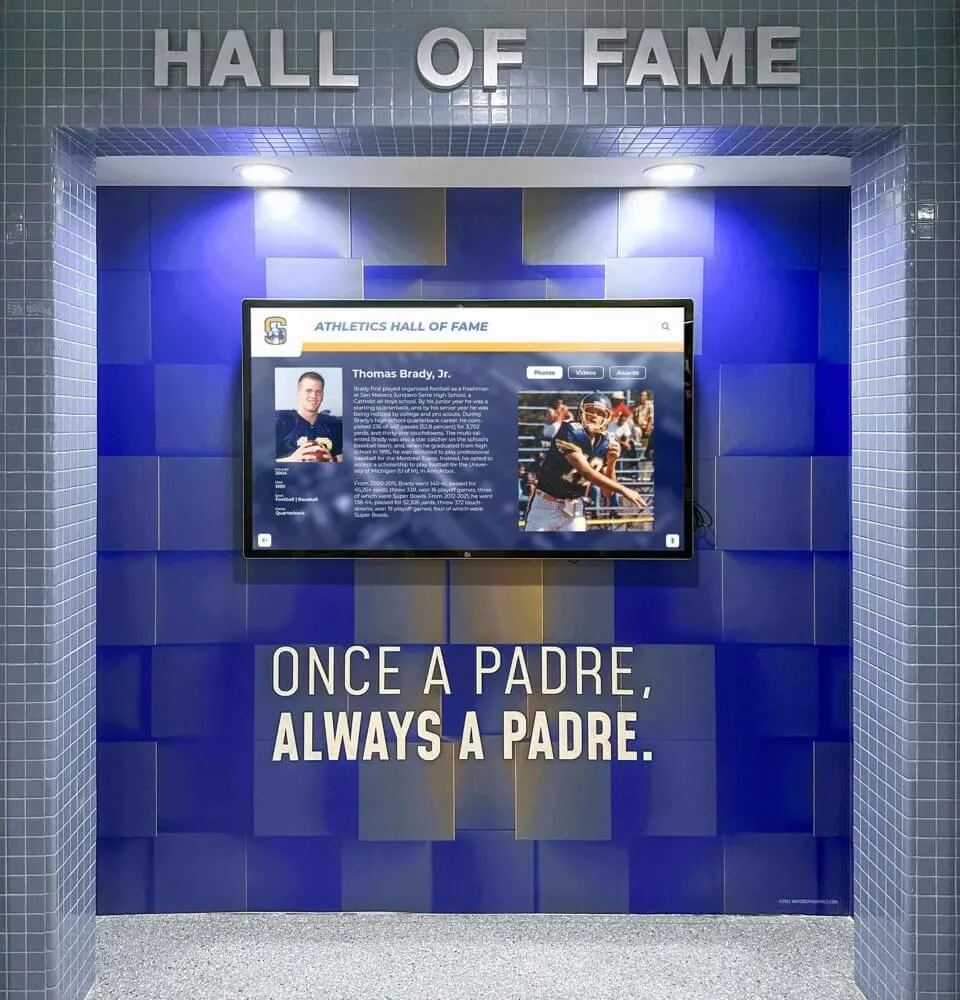
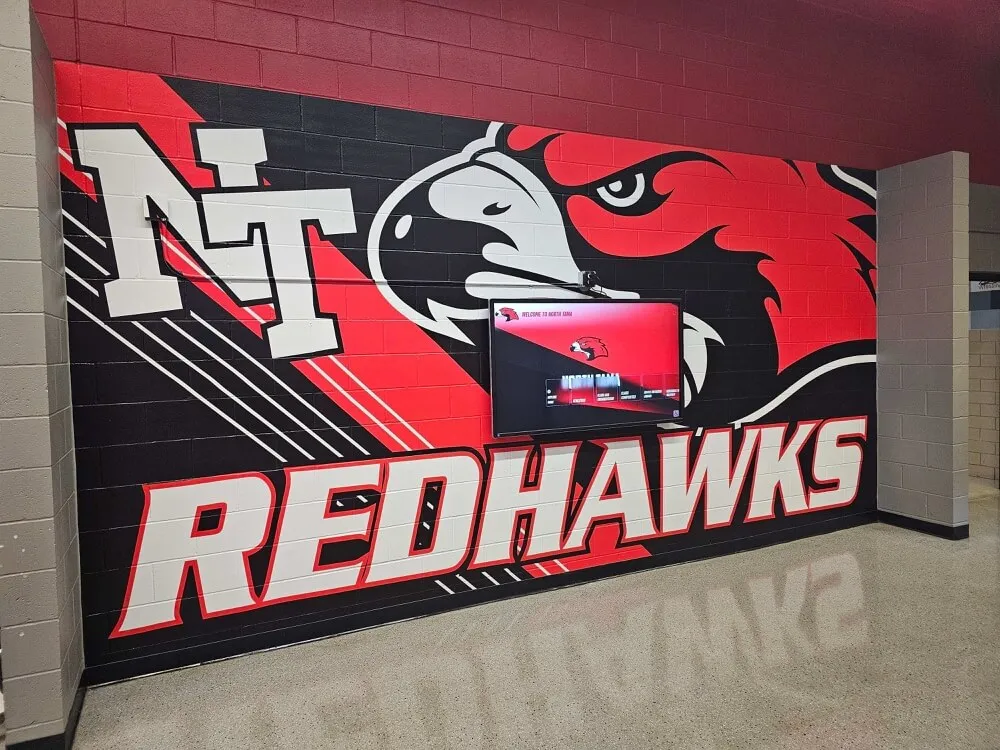
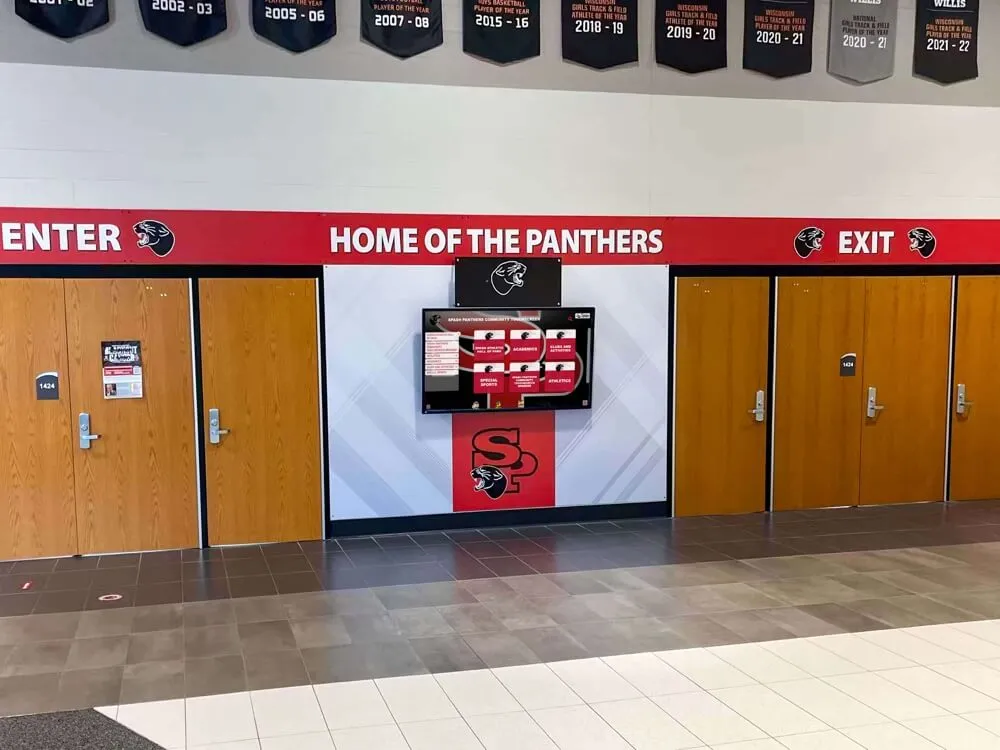
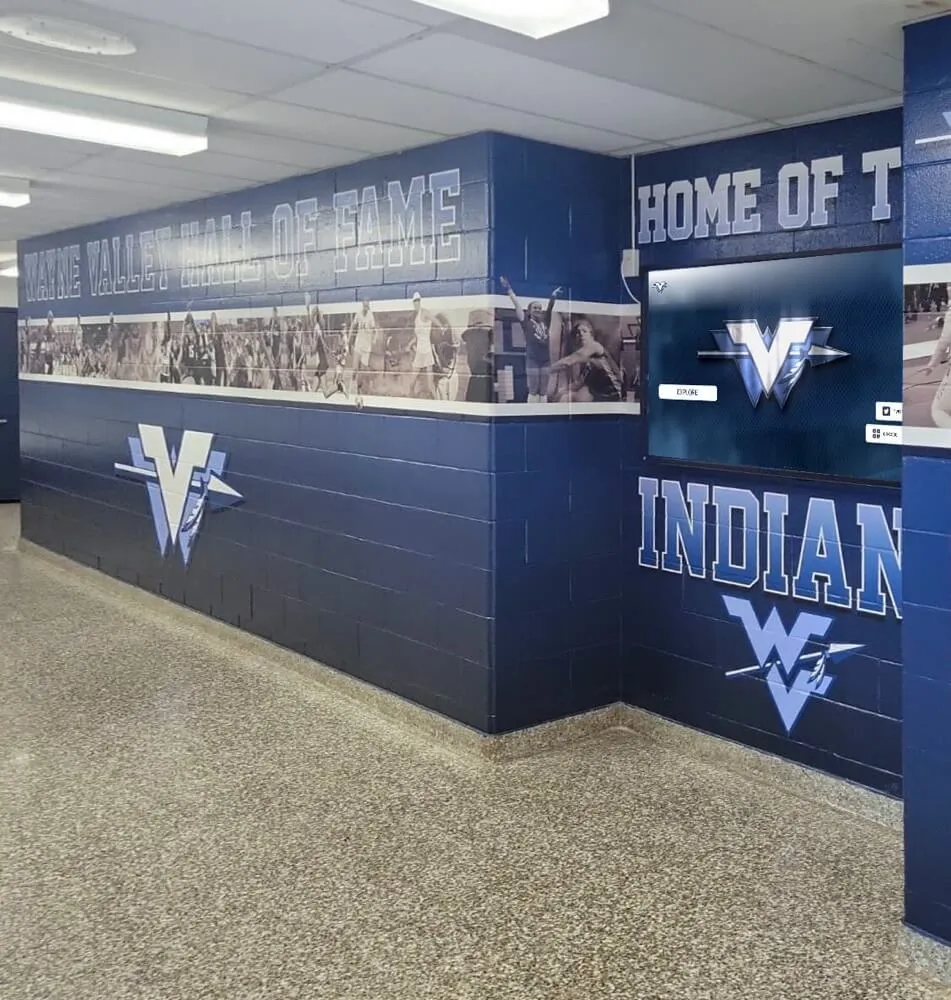
Recognition displays blend traditional design elements with modern technology to celebrate student achievement
Yearbook Ad Submission Requirements
Understanding submission requirements prevents last-minute scrambles meeting deadlines:
Timeline Considerations
- Purchase deadlines typically occur 2-4 months before yearbook distribution
- Design submission deadlines follow 4-8 weeks after purchase
- Some schools offer rush processing for late submissions at premium prices
- Earlier submission enables revision opportunities before final printing
- Missing deadlines means forfeiting ad purchases in most cases
Start planning early—allowing time for photo selection, design development, message writing, and multiple revision rounds before final submission.
Technical Specifications Schools provide specific requirements ensuring print quality:
- Resolution minimums (typically 300 DPI for photos)
- Accepted file formats (PDF, JPG, PNG)
- Color mode specifications (CMYK for printing vs. RGB for screens)
- Bleed requirements for full-page designs
- Font restrictions or approved typeface lists
- Template files simplifying design within correct dimensions
Following technical specifications prevents printing issues causing blurry photos, incorrect colors, or rejected submissions requiring rushed last-minute corrections.
Content Guidelines Schools establish content policies maintaining yearbook appropriateness:
- Prohibited content (alcohol, drugs, weapons, inappropriate language)
- Nickname and name usage guidelines
- Photo appropriateness standards
- Message tone expectations
- Copyright compliance for borrowed images or quotes
- Approval processes for borderline content
Review guidelines carefully before design finalization—ensuring your creative vision complies with school policies preventing rejection or required modifications.
Photo Selection Strategies for Yearbook Ads
Photographs form the visual foundation of memorable yearbook ads, making strategic selection essential for maximum impact.
Choosing Meaningful Photos That Tell Stories
Effective photo selection balances aesthetic appeal with emotional significance:
The Journey Approach Create visual narratives documenting growth from childhood through senior year:
- Baby or toddler photo showing adorable early years
- Elementary school photo capturing youthful innocence
- Middle school photo documenting awkward but endearing transitional years
- Multiple high school photos showing progression and maturity
- Senior portrait or recent candid as final image
Journey layouts powerfully illustrate transformation from small child to confident graduate—creating emotional impact as classmates recognize familiar faces across different life stages.
Achievement Focus Highlight specific accomplishments through relevant imagery:
- Athletic photos capturing competitive excellence
- Performance photos from theatrical productions, concerts, or recitals
- Academic achievement images from competitions, presentations, or special recognitions
- Leadership photos showing student government, club activities, or volunteer work
- Hobby and interest photos documenting passions beyond school activities
Achievement-focused selections work especially well when graduates demonstrated exceptional excellence in specific areas deserving highlighted celebration.
Relationship Emphasis Celebrate important connections through group photographs:
- Family photos showing close bonds and support systems
- Friend group photos documenting important peer relationships
- Sibling photos highlighting family dynamics
- Teammate photos from sports or activity participation
- Mentor relationships with coaches, teachers, or advisors
Relationship photos acknowledge that success results from community support—honoring people who contributed to your graduate’s journey alongside individual achievement.
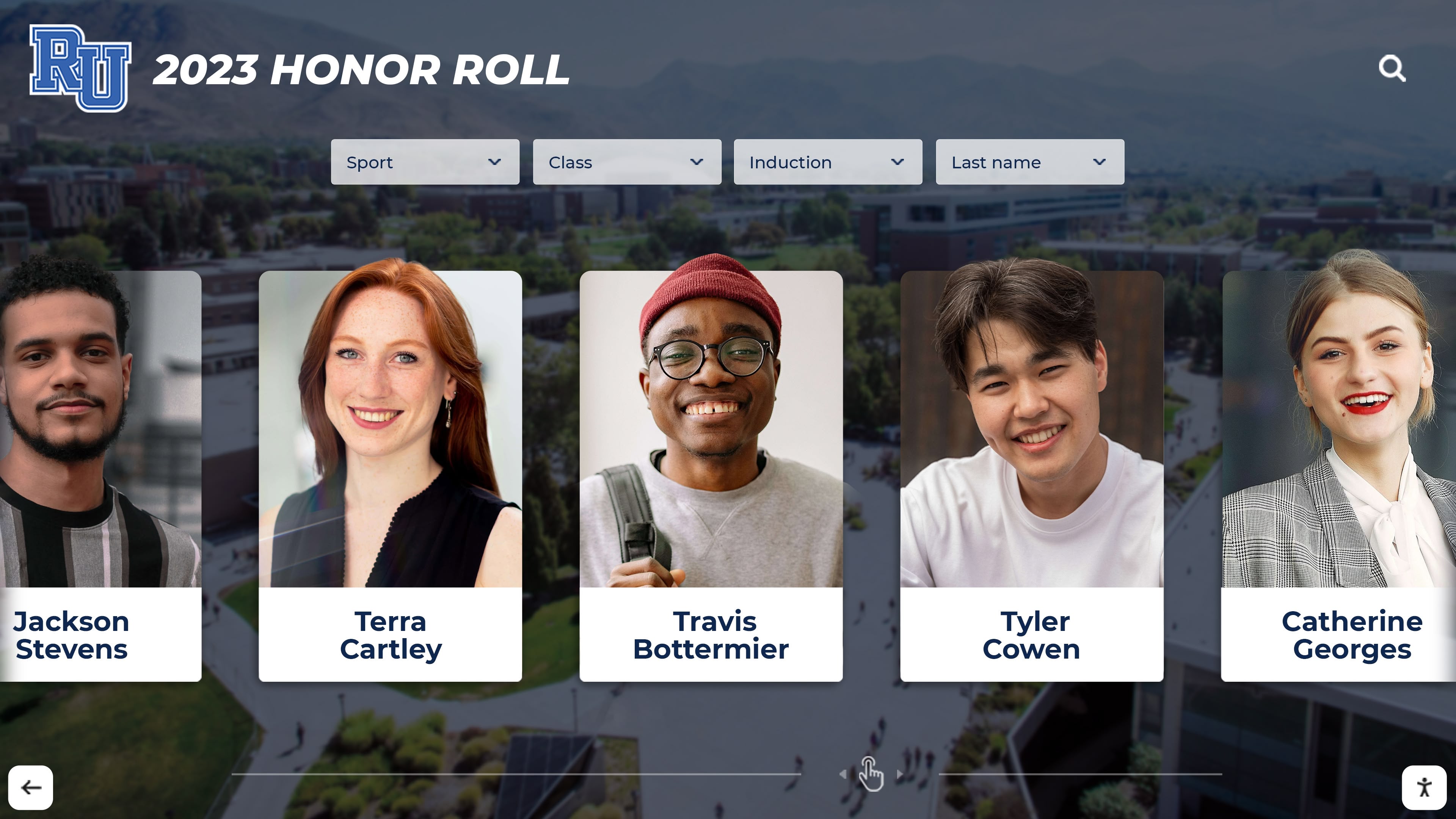
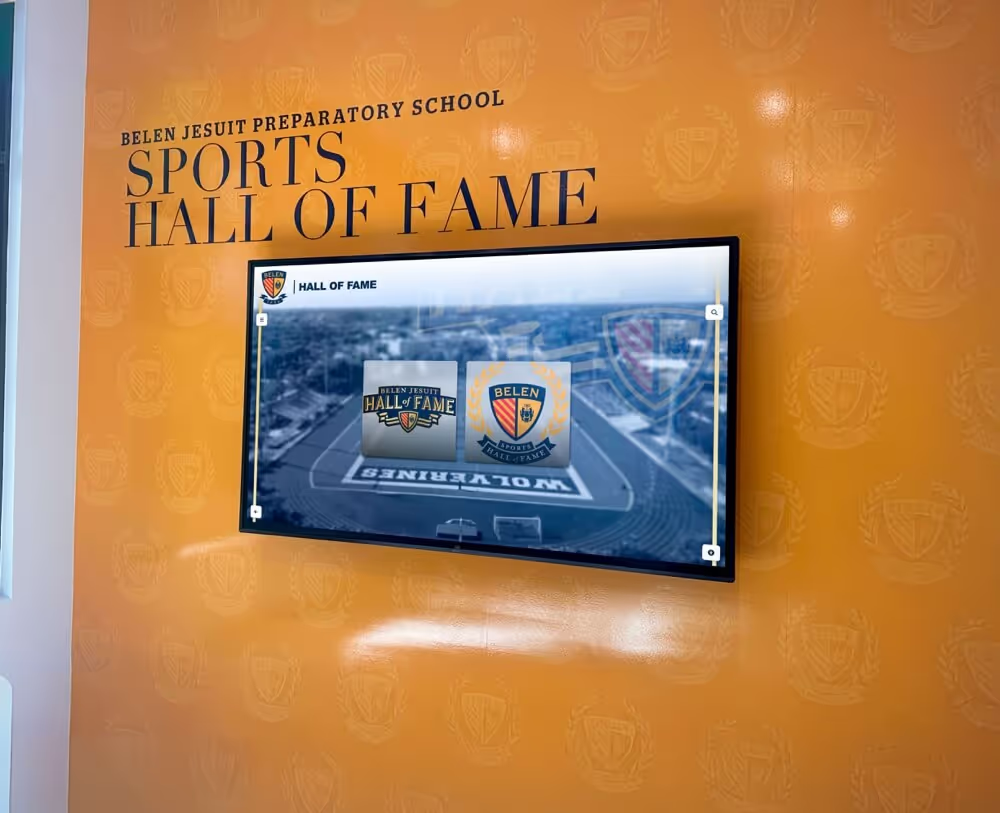
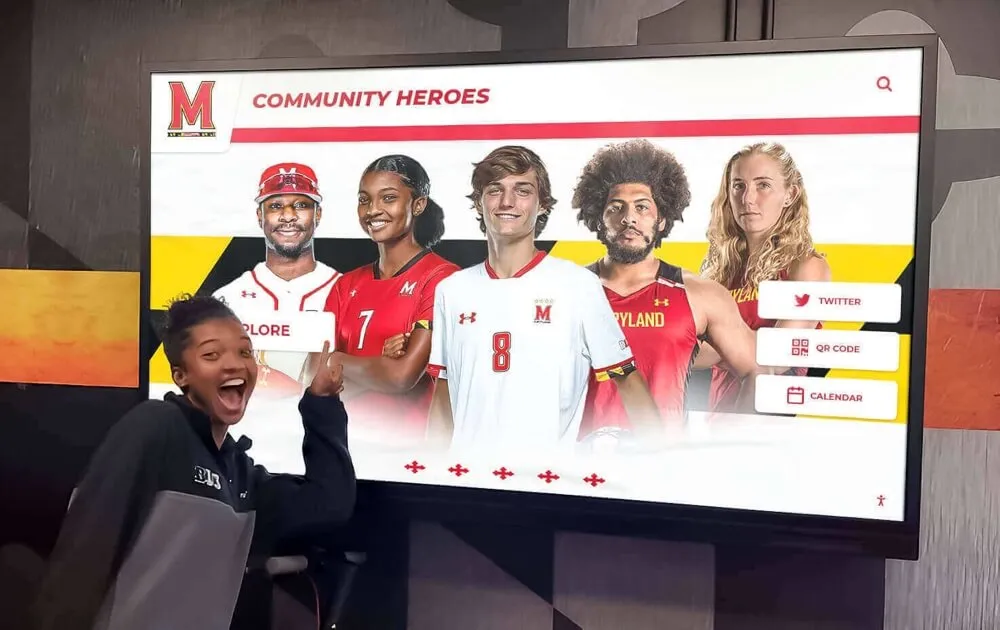
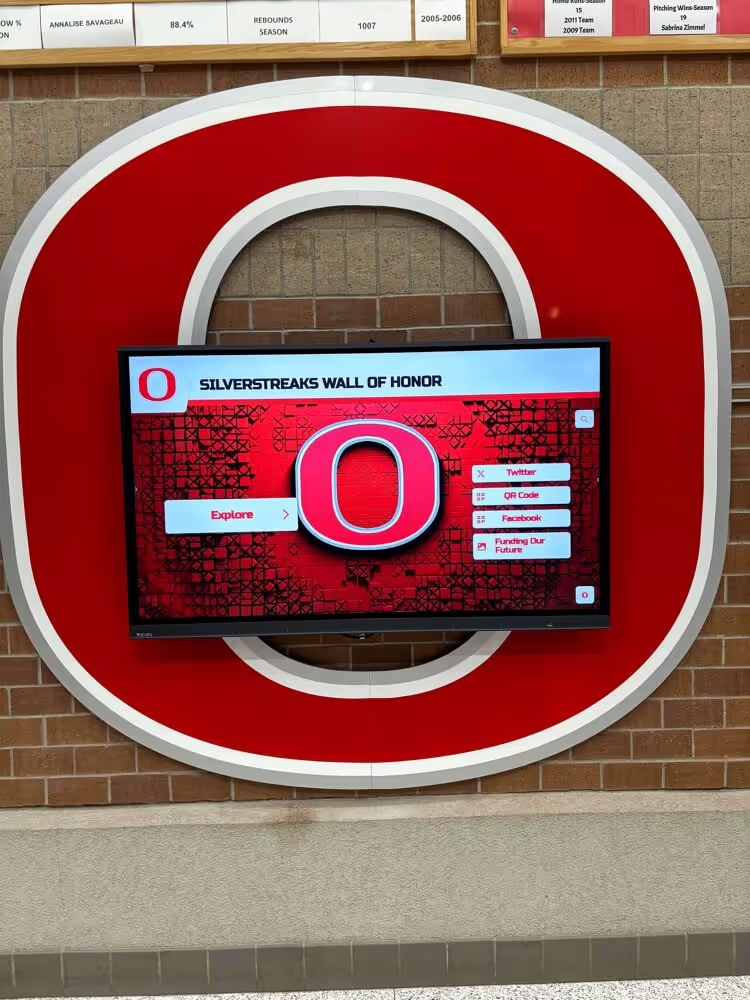
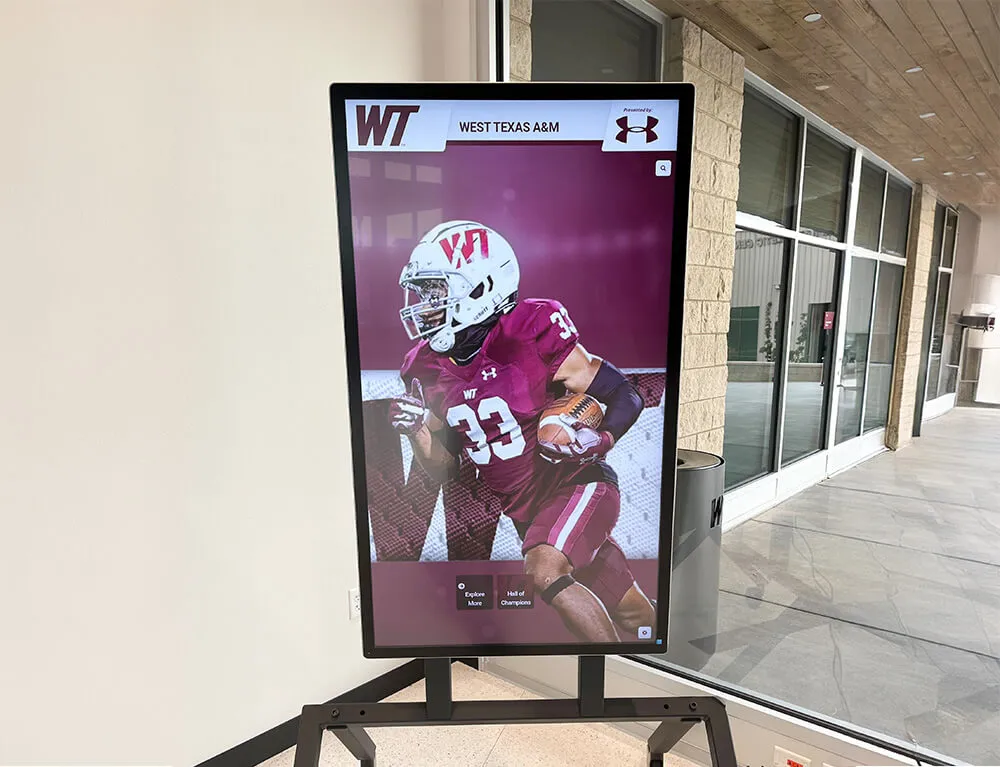
Individual recognition profiles celebrate specific student achievements and milestones
Personality Showcase Select images revealing authentic character:
- Candid photos capturing genuine emotions and natural expressions
- Humorous moments showing sense of humor and fun-loving nature
- Action shots revealing energy, passion, and engagement
- Quiet moments demonstrating thoughtfulness or introspection
- Unexpected photos showing surprising interests or lesser-known sides
Personality-driven selection creates ads that feel authentically representative rather than generically congratulatory—enabling classmates to recognize the real person behind formal portraits.
Photo Quality and Technical Considerations
Beautiful design requires technically sound source images:
Resolution Requirements Digital photos need sufficient resolution for quality printing:
- Minimum 300 DPI at printed size
- Larger source files enable better cropping flexibility
- Older photos may require professional scanning at high resolution
- Avoid enlarging small images beyond 150% of original dimensions
- Test print small samples verifying acceptable quality before submission
Blurry, pixelated photos undermine otherwise strong designs—making technical quality verification essential before finalizing selections.
Composition and Cropping Consider how photos will work in planned layouts:
- Vertical vs. horizontal orientation affects placement options
- Subject positioning enables strategic cropping highlighting focal points
- Busy backgrounds may require selective editing or vignette effects
- Close-up portraits work well in smaller spaces; wide shots need larger placement
- Group photos require sufficient size ensuring face recognition
Effective designers consider composition during selection rather than discovering incompatibility after layout development begins.
Color and Lighting Consistency Visual cohesion improves when photos share similar characteristics:
- Consistent color treatment across all images (all color, all black-and-white, or intentional mix)
- Similar lighting quality prevents jarring transitions between images
- Professional color correction can unify images from different sources and time periods
- Consider overall page color palette when selecting images
Technical consistency creates polished, professional appearance distinguishing thoughtful designs from haphazard photo collections.
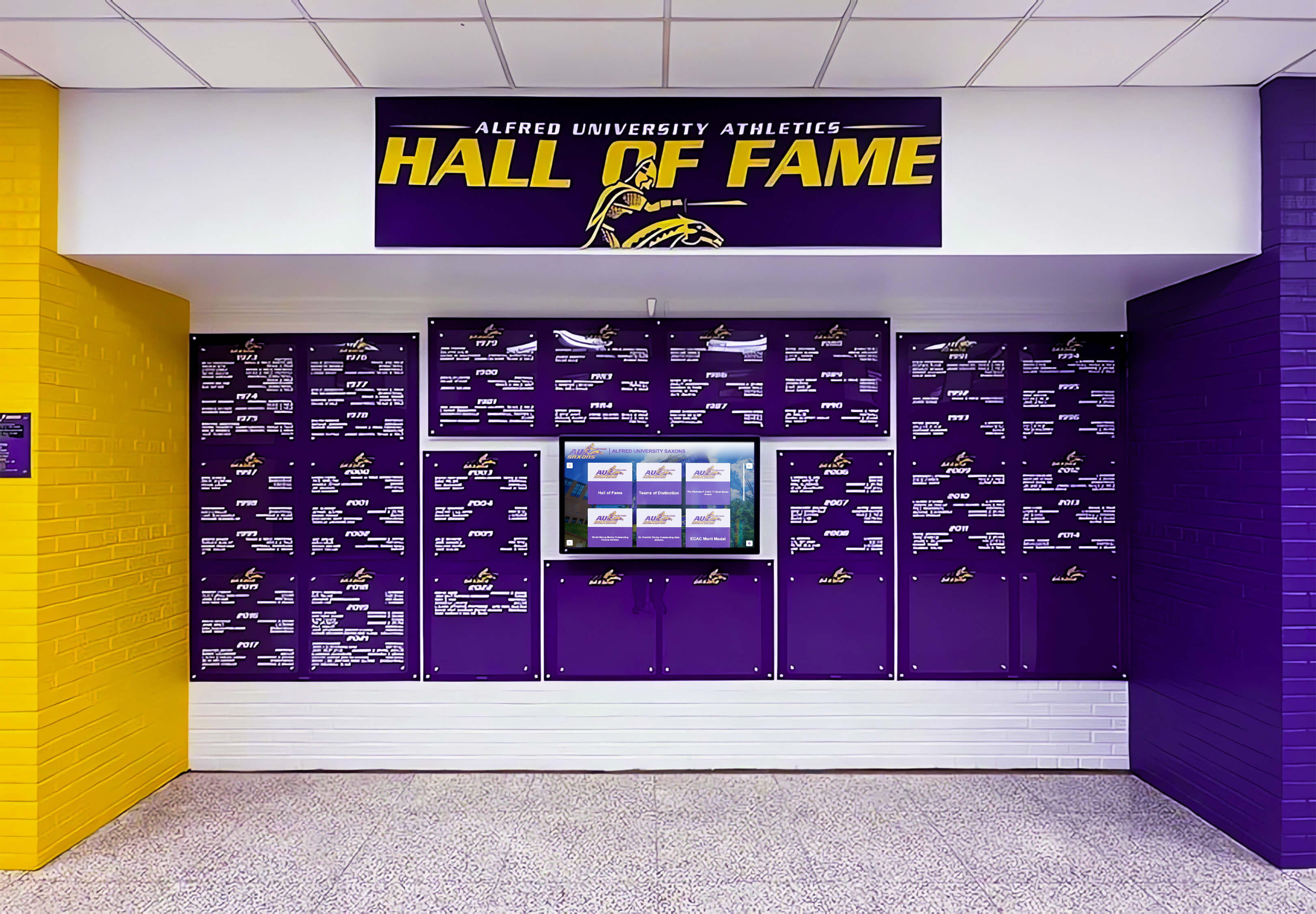
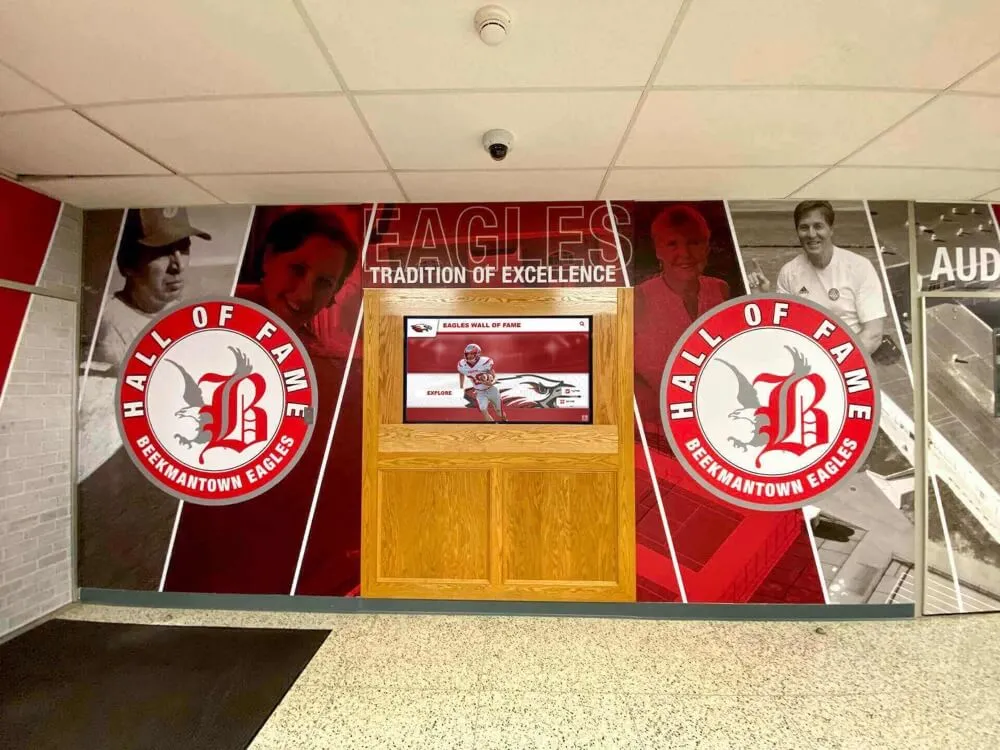
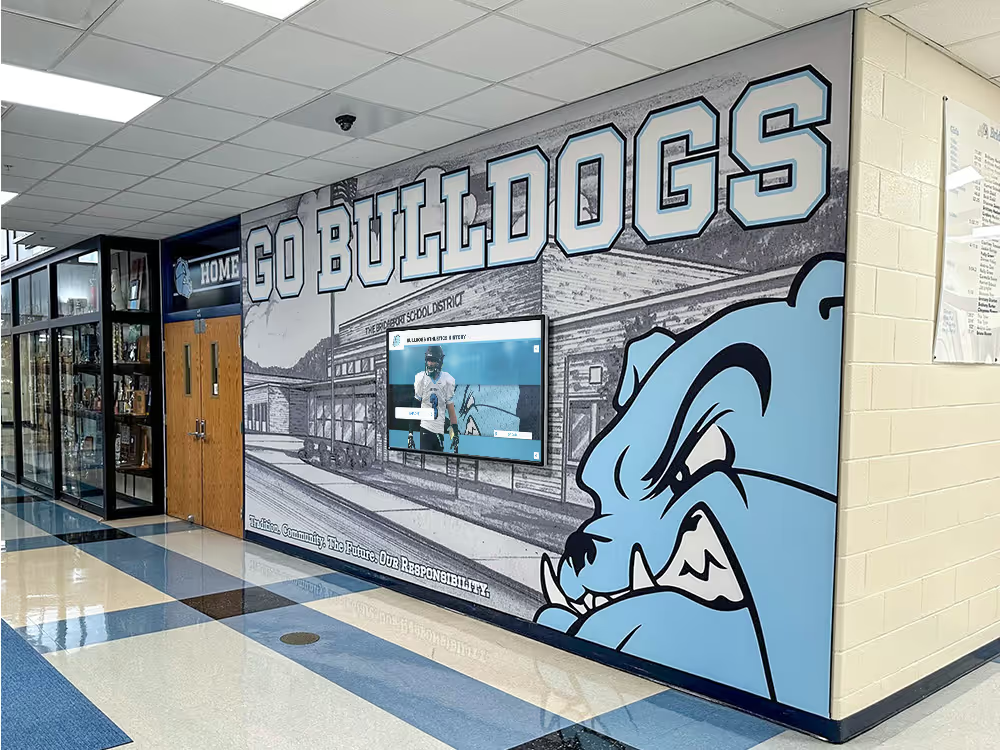
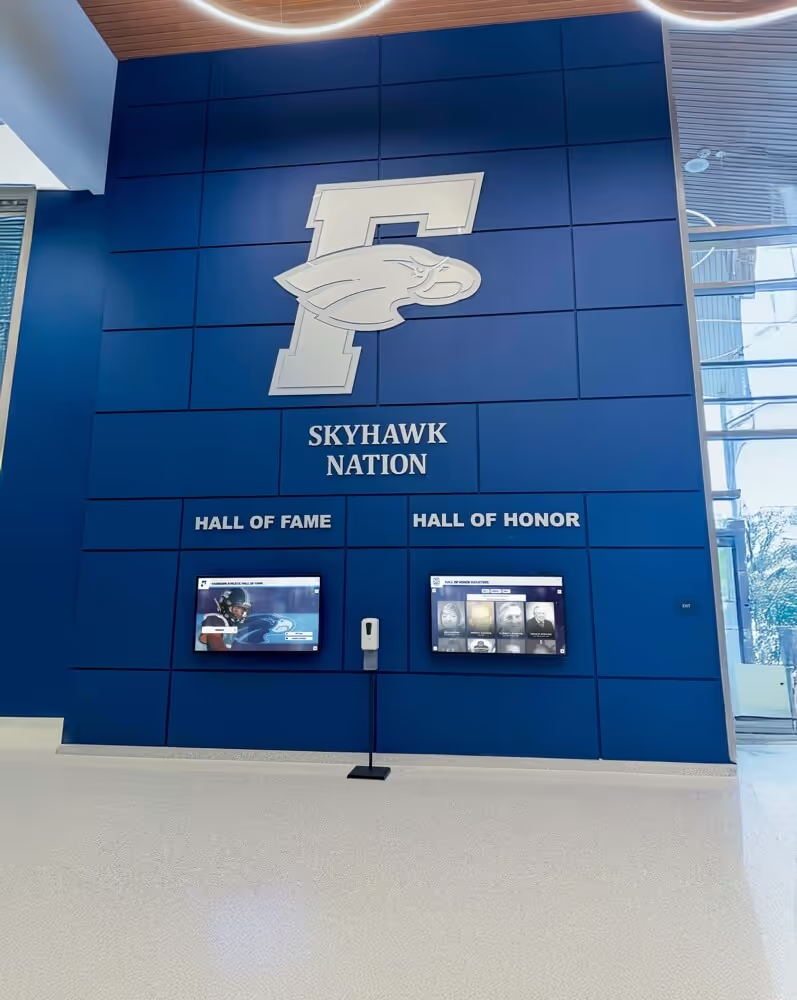
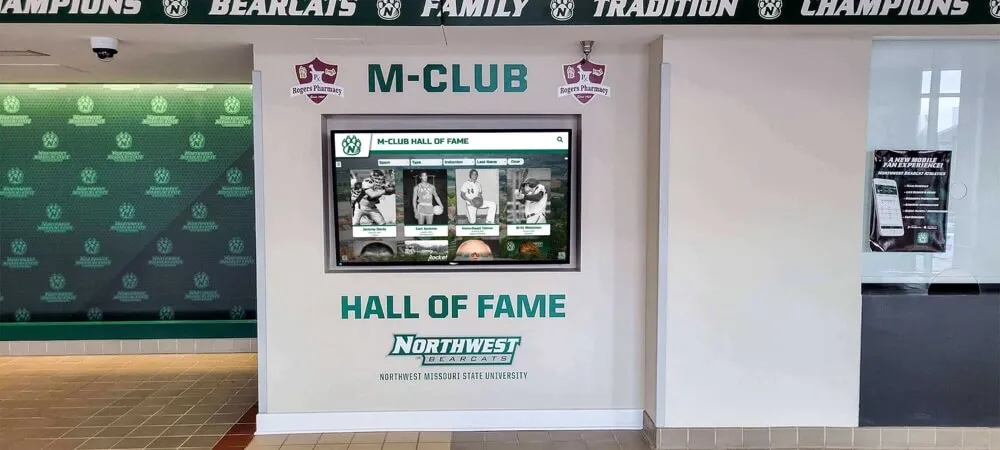
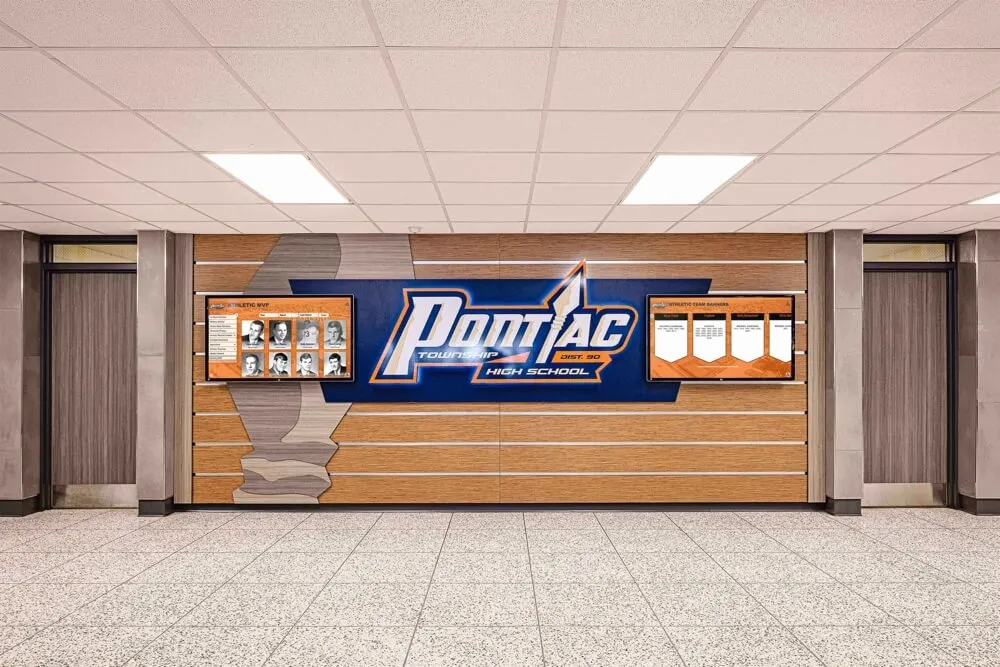
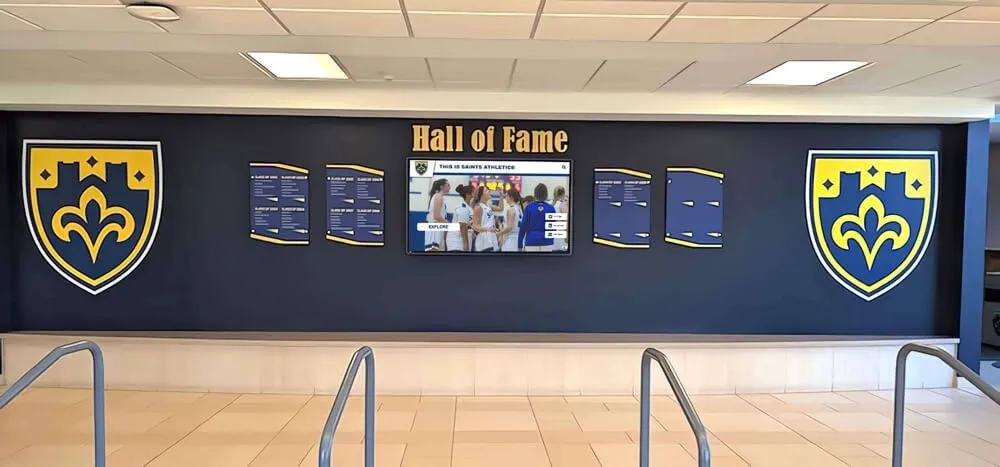
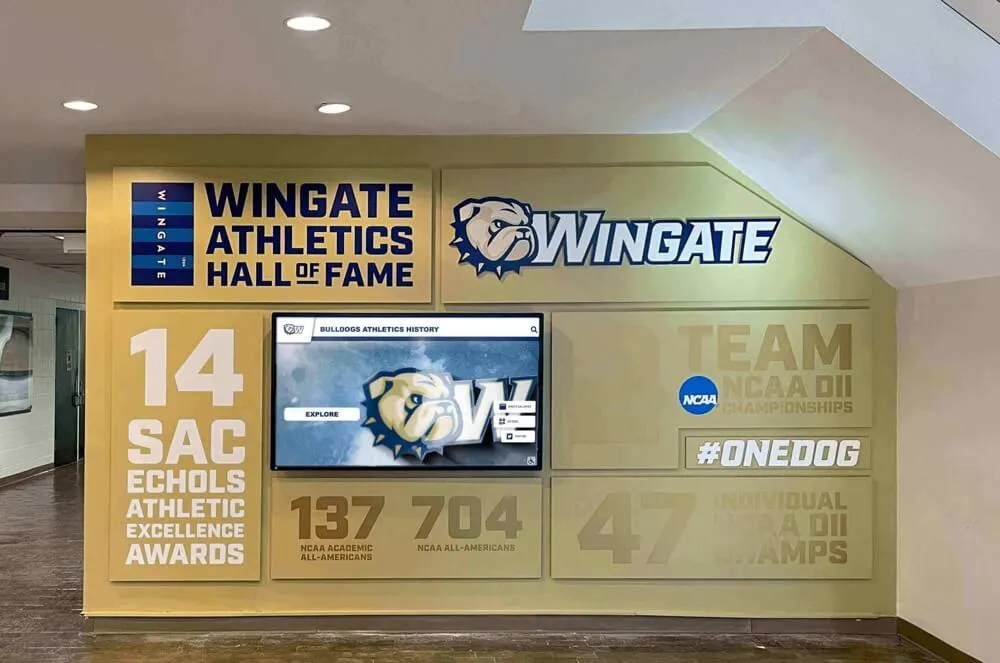
Brand-integrated recognition displays celebrate achievement while reinforcing institutional identity
Crafting Meaningful Messages and Text Content
While photos provide visual impact, written messages deliver emotional resonance that makes yearbook ads truly memorable.
Message Writing Approaches and Styles
Different writing styles create distinct emotional tones:
Heartfelt and Sentimental Traditional emotional messages express pure parental pride:
“Sarah, watching you grow from our curious little girl into the confident, compassionate young woman you’ve become has been our greatest joy. Your dedication to swimming, passion for environmental science, and genuine kindness toward everyone you meet inspire us daily. We’re so proud of everything you’ve accomplished and can’t wait to see the amazing things your future holds. Love always, Mom and Dad.”
Sentimental approaches work well when authentic emotion feels natural rather than forced—speaking directly from the heart without worrying about perfect polish.
Humorous and Lighthearted Playful messages celebrate personality through levity:
“Jake—We knew you were special when you learned to walk and immediately started running. Eighteen years later, you’re still moving at full speed! From soccer fields to drama stages to late-night calculus cram sessions, you’ve attacked everything with trademark enthusiasm and questionable volume control. Thanks for making our lives infinitely louder, messier, and more fun. Proud of you, kiddo! -Mom and Dad”
Humor works best when it reflects actual family dynamics rather than generic jokes—ensuring the tone matches your graduate’s personality and your typical communication style.
Inspirational and Motivational Forward-looking messages emphasize future potential:
“Marcus, your journey is just beginning. The leadership skills you developed as student body president, the resilience you demonstrated recovering from injury, and the integrity you’ve shown in every situation have prepared you for extraordinary things. As you head to college, remember: success isn’t about being the best—it’s about being your best. We believe in you. All our love, Mom and Dad.”
Inspirational approaches work especially well for graduates facing exciting but uncertain futures—providing encouragement alongside celebration.
Letter Format Extended narrative messages create intimate personal tributes:
“Dear Emily,
Eighteen years ago, we brought home a tiny baby who seemed determined to take on the world. You haven’t slowed down since. From winning state debate championships to organizing the school food drive to staying up helping friends through tough times, you’ve shown us what it means to use your gifts serving others.
We’ve watched you work through challenges that would’ve stopped most people. When anxiety threatened to overwhelm you freshman year, you sought help, did the hard work, and came out stronger. That took courage we’ll always admire.
Thank you for being exactly who you are—brilliant, kind, occasionally stubborn, always authentic. College is lucky to get you. The world is lucky to have you.
All our love forever, Mom and Dad”
Letter formats enable nuanced messages acknowledging complexity alongside celebration—particularly valuable for graduates whose journeys included challenges alongside triumphs.
Incorporating Quotes, Verses, and External Content
Many parents enhance personal messages with meaningful external content:
Famous Quotes Selected carefully, quotes add resonance:
- Dr. Seuss: “You have brains in your head. You have feet in your shoes. You can steer yourself any direction you choose.”
- Maya Angelou: “We delight in the beauty of the butterfly, but rarely admit the changes it has gone through to achieve that beauty.”
- Inspirational quotes matching graduate’s interests or aspirations
- Humorous quotes reflecting personality
- Movie or book quotes holding personal significance
Quote selection should feel authentic rather than generic—reflecting genuine connection to your graduate’s interests or experiences rather than arbitrary inspiration poster sentiments.
Biblical Verses or Religious Content Faith-centered families often include spiritual messages:
- Jeremiah 29:11 about future plans and hope
- Proverbs 3:5-6 about trusting guidance
- Philippians 4:13 about strength through faith
- Personal religious significance rather than generic inclusion
- Respect for diverse school communities when incorporating faith content
Religious content works best when faith genuinely shaped your graduate’s journey rather than feeling like obligatory inclusion in otherwise secular recognition.
Song Lyrics and Personal References Meaningful lyrics create instant emotional connections:
- Songs that played during significant moments
- Lyrics capturing your graduate’s outlook or journey
- Family anthem or frequently referenced music
- Inside joke references classmates might not understand but graduate will cherish
- Copyright considerations for published lyrics
Personal references create intimacy that generic content cannot achieve—making ads feel specifically crafted for your unique graduate rather than templated congratulations.
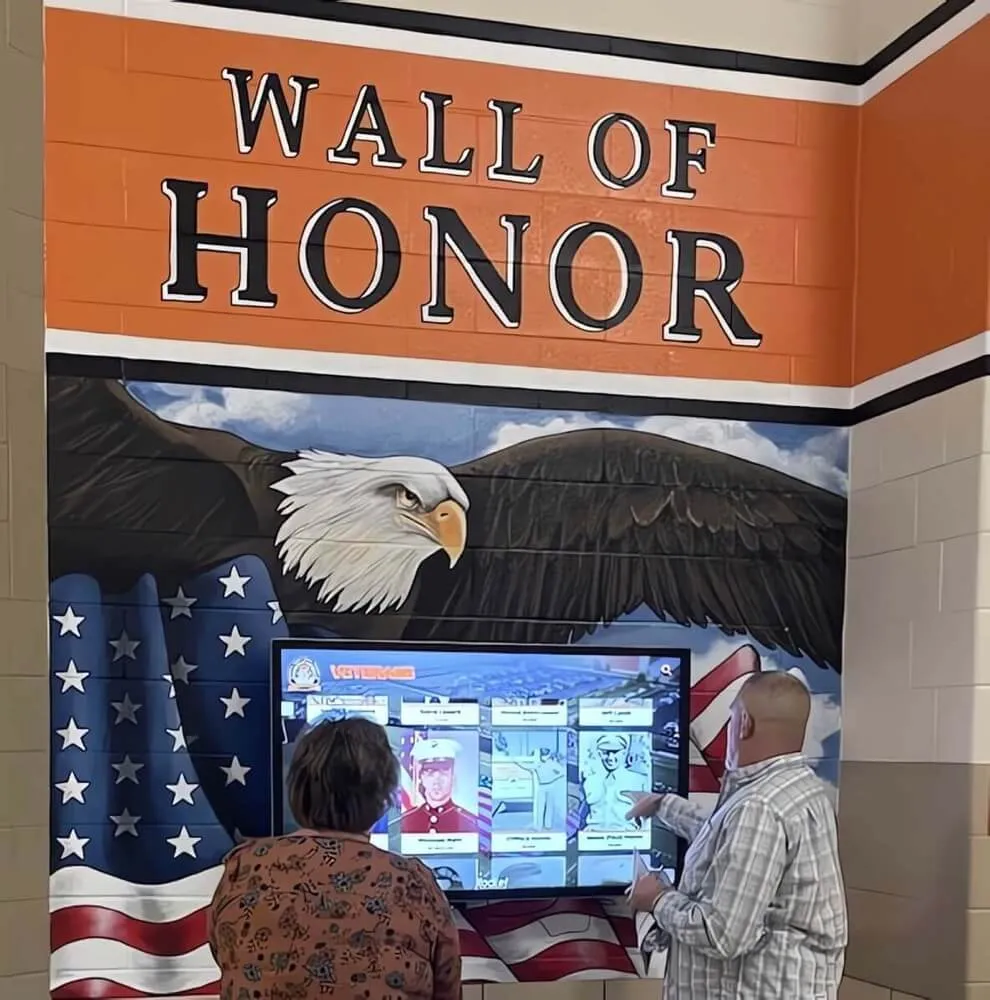
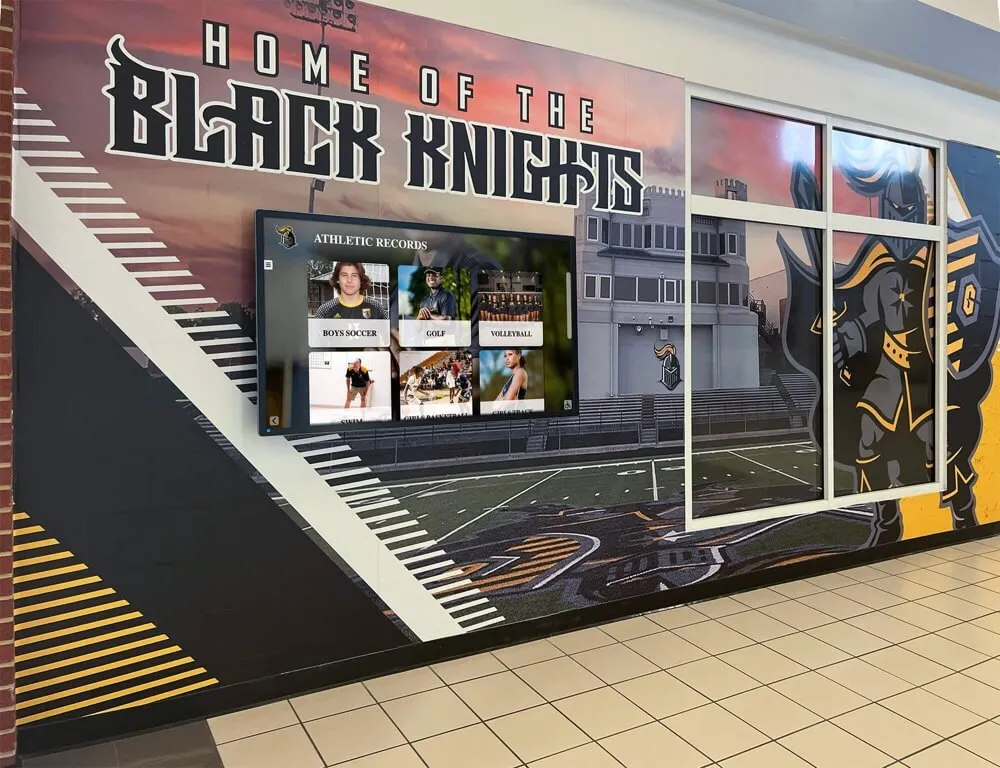
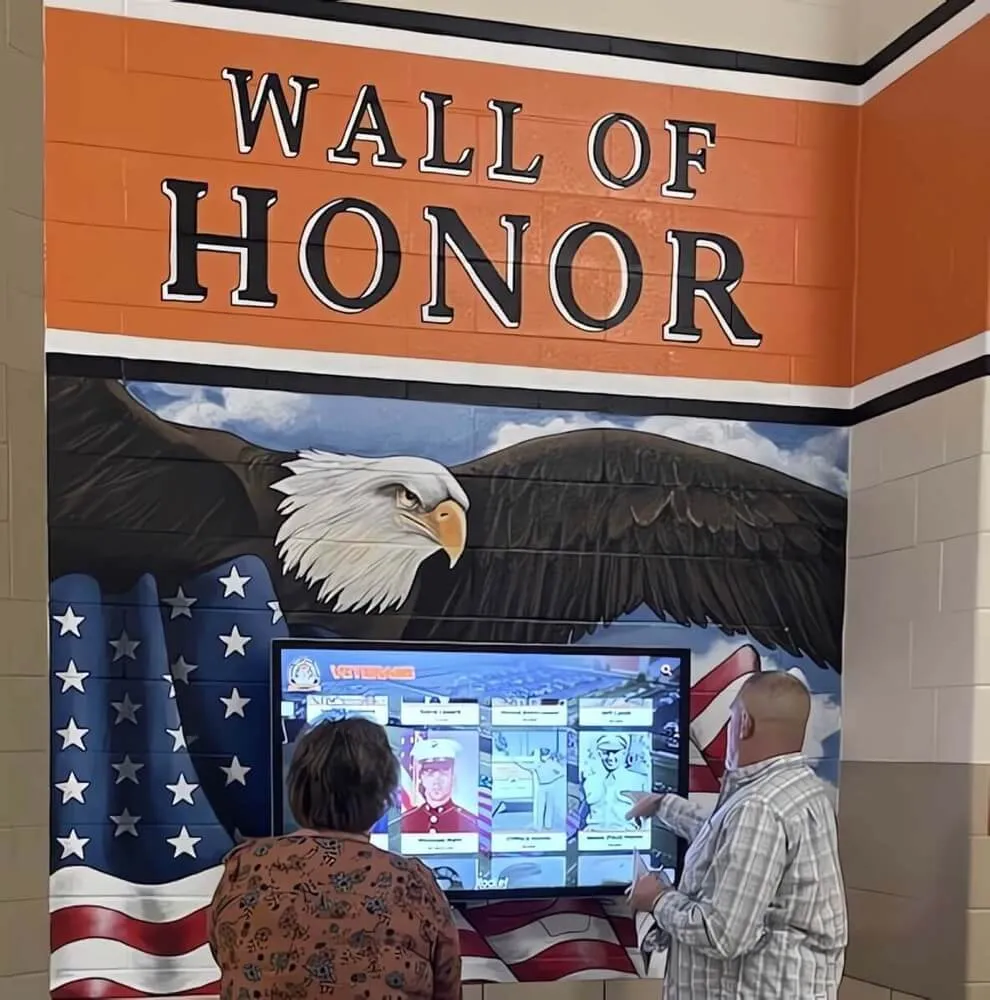
Patriotic recognition displays honor achievement while celebrating community values and traditions
Design Layout Ideas and Visual Composition
Strategic design transforms selected photos and messages into cohesive visual presentations that capture attention and communicate effectively.
Popular Layout Approaches
Different compositional strategies create distinct visual impacts:
Timeline Layout Chronological arrangements document growth journeys:
- Photos arranged left-to-right or top-to-bottom showing age progression
- Dates or grade levels labeled beneath each image
- “Then and Now” comparisons highlighting transformation
- Timeline graphics connecting images with visual flow indicators
- Text message positioned alongside or below photo sequence
Timeline layouts work exceptionally well for journey-focused ads emphasizing growth from childhood through graduation.
Collage Style Energetic compositions celebrate diverse experiences:
- Multiple photos in varying sizes creating dynamic visual interest
- Overlapping images suggesting abundance of memories
- Rotated or tilted photos adding movement and energy
- Mixed formal portraits with candid action shots
- Colorful backgrounds or graphics enhancing youthful vibrancy
Collage approaches suit graduates with diverse interests and activities—visually communicating active, engaged high school experiences through abundant imagery.
Clean Minimalist Design Sophisticated simplicity emphasizes quality over quantity:
- 2-4 carefully selected photos with generous white space
- Simple, elegant typography
- Refined color palette
- Strategic use of negative space creating breathing room
- Focus on emotional impact of individual images rather than comprehensive documentation
Minimalist designs work well for graduates with refined aesthetic sensibilities or when single powerful photos deserve featured prominence without competing distractions.
Split-Page Composition Divided layouts create clear content zones:
- Photos dominating one half with text occupying the other
- Before/after comparisons occupying distinct page sections
- Achievement categories divided into organized quadrants
- Visual separation through color blocking or graphic elements
- Balanced weight distribution preventing lopsided appearance
Split compositions work well for complex content requiring organization—preventing chaotic appearance when incorporating multiple photos, text blocks, and design elements.
Design Elements and Visual Enhancements
Strategic additions elevate basic layouts into polished presentations:
Color Schemes Thoughtful color selection creates visual cohesion:
- School colors honoring institutional identity
- Graduate’s favorite colors personalizing design
- Complementary color palettes creating professional aesthetic
- Black and white sophistication emphasizing photos over decoration
- Gradient backgrounds adding dimension without overwhelming
Color choices should enhance rather than dominate—supporting content presentation rather than competing for attention with photos and messages.
Typography Choices Font selection significantly impacts perceived tone:
- Elegant serif fonts (Garamond, Baskerville) creating formal sophistication
- Clean sans-serif fonts (Helvetica, Futura) conveying modern simplicity
- Script fonts adding personality for names or short emphasis
- Avoid excessive font variety—typically 2-3 maximum for visual consistency
- Ensure readability at printed size, especially for body text
Typography should match your message tone—playful fonts for humorous content, classic choices for sentimental messages, bold modern fonts for inspirational themes.
Graphic Elements and Embellishments Strategic additions create visual interest:
- Border designs framing entire composition
- Decorative corner elements or page accents
- Subtle background patterns or textures
- Icons or graphics representing interests (musical notes, sports equipment, academic symbols)
- Divider lines or geometric shapes organizing content sections
Graphics should enhance without overwhelming—avoiding excessive decoration that transforms professional tributes into cluttered craft projects.
Photo Effects and Treatments Image processing adds polish:
- Black and white conversion for timeless aesthetic
- Selective color highlighting specific subjects
- Vignette effects softening photo edges
- Filters creating consistent visual treatment across all images
- Border treatments distinguishing photos from backgrounds
Effects should be applied consistently and purposefully—creating unified visual presentation rather than appearing as random experimentation with available software features.
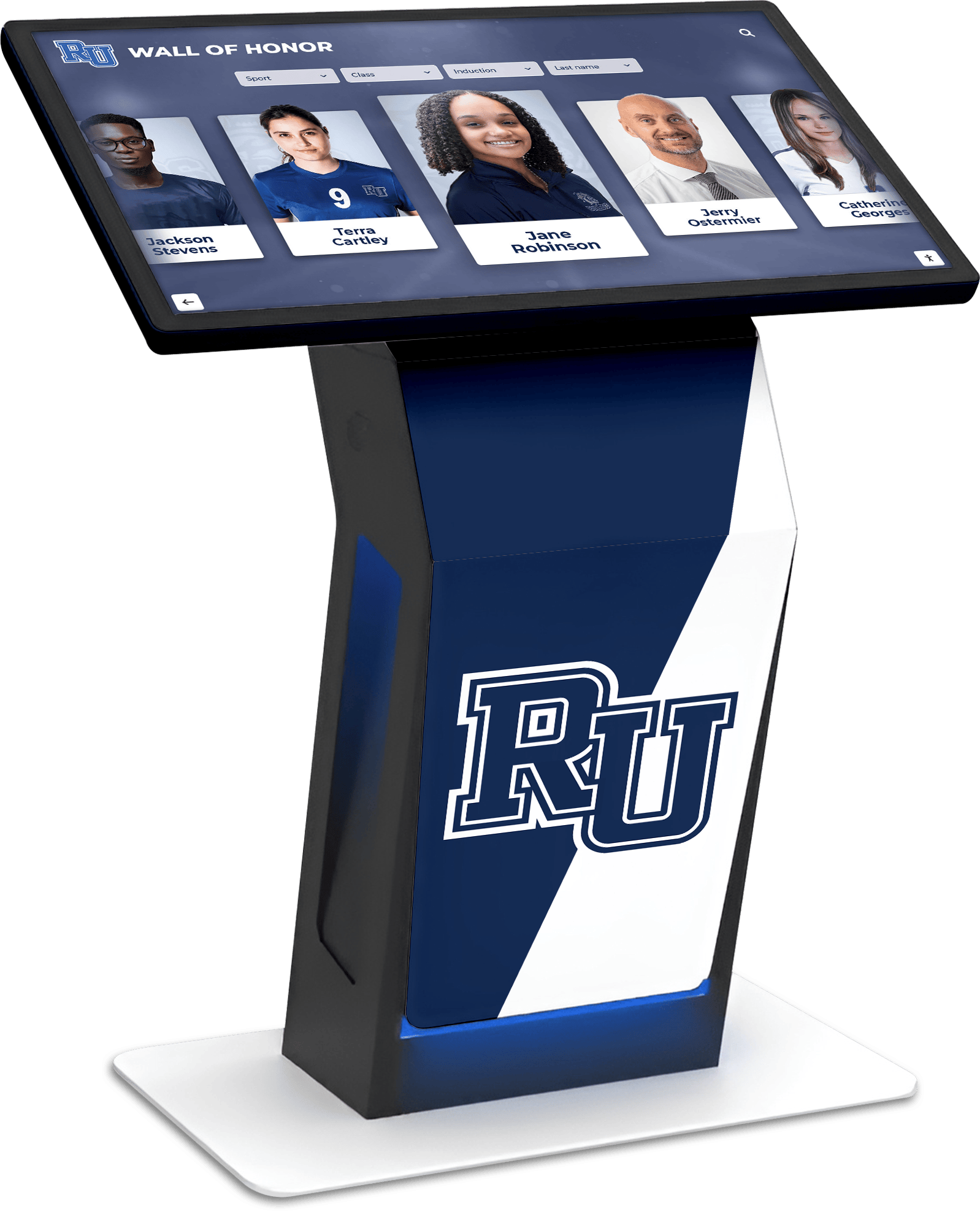
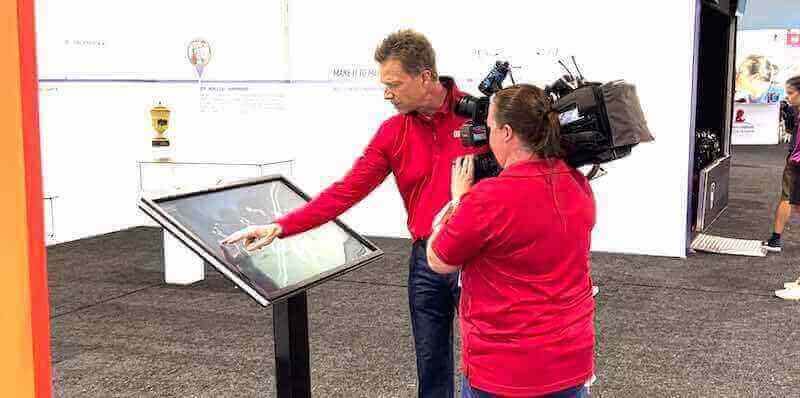
Modern interactive kiosks create engaging recognition experiences that extend beyond traditional printed materials
Creative Theme Ideas for Senior Yearbook Ads
Themed approaches provide creative frameworks organizing content into cohesive presentations that feel intentionally designed rather than randomly assembled.
Achievement-Focused Themes
Athletic Career Tribute Celebrate sports excellence through dedicated recognition:
- Action photos from all sports participated in across high school years
- Statistics, records, or significant achievements listed
- Team photos with championship or memorable squads
- Coach quotes about athlete’s contributions
- Message connecting athletic lessons to future success
Athletic themes work best for multi-sport athletes or those where sports participation defined significant portions of high school experiences.
Academic Excellence Recognition Honor scholarly achievement through focused celebration:
- Academic awards and recognition photos
- Competition achievements (Science Olympiad, Math League, Debate)
- Honor society inductions
- Notable projects or research accomplishments
- University acceptance or scholarship announcements
Academic themes particularly suit valedictorians, scholarship recipients, or students whose intellectual pursuits deserve highlighted recognition beyond general celebration.
Arts and Performance Celebration Showcase creative accomplishments:
- Performance photos from theater, band, choir, or dance
- Artwork or creative project images
- Competition results and festival participations
- Behind-the-scenes photos showing creative process
- Quotes about artistic passion or future creative aspirations
Arts-focused themes enable comprehensive celebration of talents that typical yearbook coverage may not fully document—particularly valuable for dedicated artists whose creative work defined high school identity.
Leadership Journey Document growth in student leadership:
- Photos from student government, club presidency, or organizational leadership
- Images showing community service or volunteer leadership
- Documentation of initiatives or programs created
- Team or group photos from organizations led
- Message about impact made through leadership opportunities
Leadership themes work well for student government officers, club presidents, or graduates whose high school experiences centered on serving others through organizational involvement.
Personality and Life Themes
Favorite Memories Collection Highlight most meaningful high school moments:
- Photos from favorite trips, events, or experiences
- Images with closest friends and family
- Candid moments capturing joy and laughter
- Brief captions explaining each memory’s significance
- Message about how these experiences shaped graduate
Memory-focused themes work well when specific experiences hold exceptional meaning deserving featured recognition rather than being buried within comprehensive documentation.
Passion and Hobby Showcase Celebrate interests defining your graduate:
- Photos pursuing favorite activities or hobbies
- Competition or performance images
- Informal practice or leisure activity photos
- Equipment, artwork, or hobby-related elements as design motifs
- Message connecting passion to character development or future plans
Hobby themes particularly suit graduates with distinctive interests sometimes overlooked in school contexts—celebrating what makes them unique beyond typical academic or athletic categories.
Bucket List Achievement Document completion of long-held goals:
- Photos representing completed bucket list items
- Checkboxes or checkmarks indicating achievement status
- Mix of serious goals and humorous aspirations
- Future bucket list preview for college and beyond
- Message celebrating goal-oriented mindset
Bucket list themes create engaging visual narratives while conveying character traits like determination, adventurousness, and goal-setting focus.
Inside Jokes and Family Culture Create personalized tributes only insiders fully understand:
- Photos referencing family traditions or inside jokes
- Humorous captions family members will understand
- References to personality quirks or family dynamics
- Playful tone throughout content
- Balance between privacy and inclusion—ensuring it doesn’t feel exclusionary to classmates
Inside joke approaches work best for families comfortable with humor and graduates who appreciate playful rather than traditionally sentimental recognition.
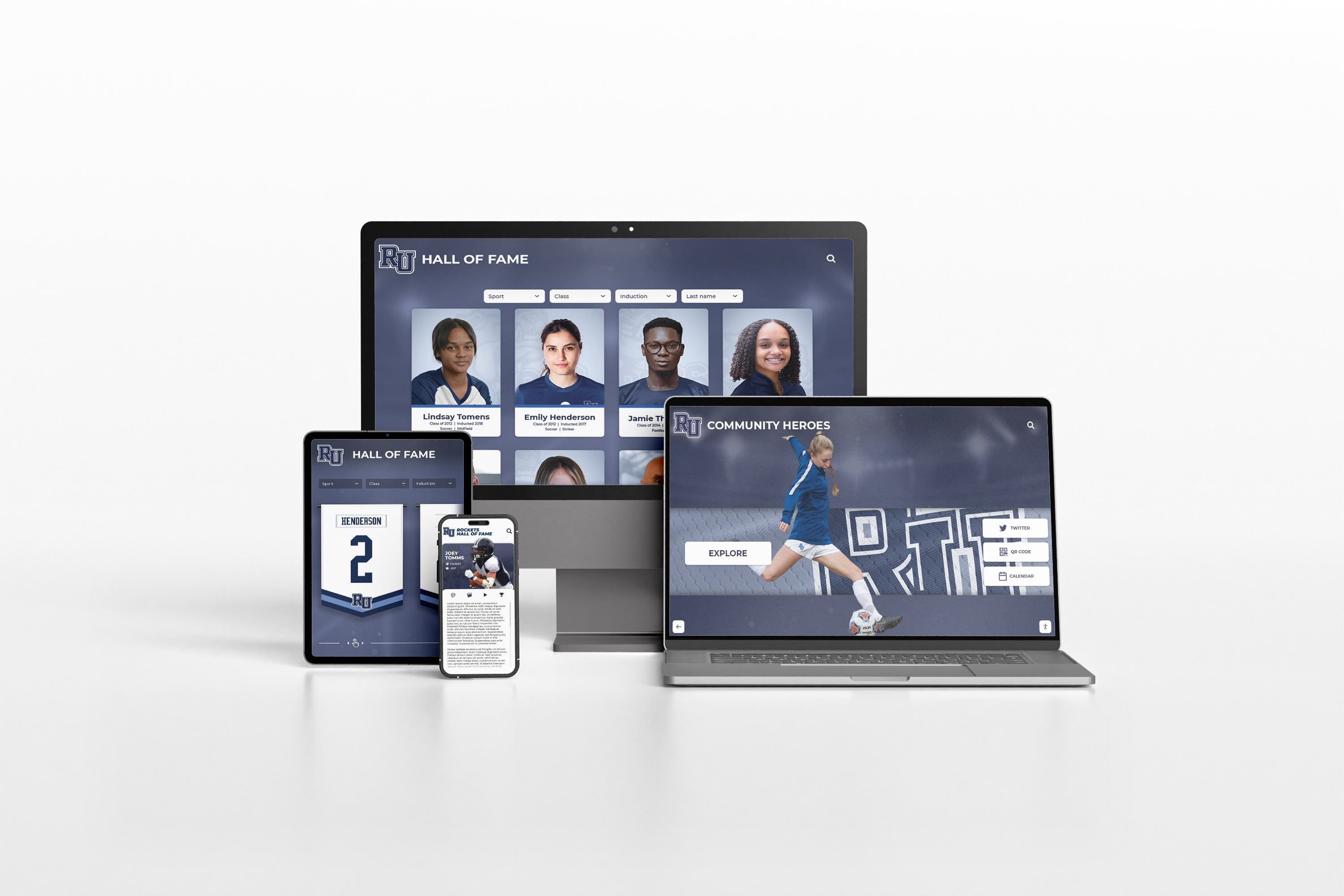
Responsive digital recognition platforms extend beyond printed yearbooks, creating accessible celebration on any device
Professional Design Tools and Resources
Creating polished yearbook ads requires appropriate tools and sometimes professional assistance.
DIY Design Software Options
Many parents successfully create yearbook ads using accessible design tools:
Canva Popular user-friendly platform offering:
- Thousands of pre-designed templates specifically for yearbook ads
- Drag-and-drop interface requiring no design expertise
- Free version with substantial functionality
- Pro version ($13/month) providing additional features
- Direct export to required file formats
- Collaboration features enabling family input
Canva works exceptionally well for parents comfortable with basic computer skills seeking professional results without steep learning curves.
Adobe Creative Suite Professional-grade tools for advanced users:
- Photoshop for photo editing and image preparation
- InDesign for layout design and text composition
- Illustrator for custom graphics and design elements
- Significant learning curve for new users
- Subscription pricing ($55/month for full suite)
- Professional results when skills match tool capabilities
Adobe tools suit parents with existing design experience or willingness to invest time mastering professional software for maximum creative control.
Free Alternatives Budget-conscious options providing basic functionality:
- GIMP (free Photoshop alternative) for photo editing
- Inkscape (free Illustrator alternative) for graphics
- Scribus (free InDesign alternative) for layout
- Microsoft PowerPoint for simple layouts
- Google Slides for collaborative design development
Free tools often require patience adapting to less intuitive interfaces but enable quality results without financial investment.
Professional Design Services
When DIY feels overwhelming, professional help provides stress-free alternatives:
School-Affiliated Designers Many yearbook programs offer design services:
- Package deals combining ad purchase with design assistance
- Templates customizable through school coordination
- Familiarity with technical requirements preventing submission issues
- Variable quality depending on designer skill and time availability
- Typically $50-$150 additional fee for design service
School services work well for parents wanting guidance while maintaining reasonable cost control and ensuring technical compliance.
Independent Professional Designers Freelance designers offer comprehensive custom service:
- Completely custom designs reflecting your unique vision
- Professional photo editing and enhancement
- Multiple revision rounds ensuring satisfaction
- Consultation sessions capturing your message and style preferences
- Typically $150-$400 depending on designer experience and complexity
Professional designers particularly benefit parents lacking design confidence or time—transforming content provision into finished products without design burden.
Online Design Services Specialized yearbook ad companies provide streamlined processes:
- Template selection from curated design galleries
- Simple online forms capturing content requirements
- Professional designers creating ads from provided materials
- Quick turnaround appropriate for deadline pressure
- Typically $100-$250 for standard service packages
Online services balance professional results with cost-consciousness—providing more customization than school templates while remaining more affordable than boutique independent designers.
Regardless of approach, start early—preventing rushed decisions when time pressure limits creative exploration and revision opportunities.
Common Yearbook Ad Mistakes to Avoid
Learning from common pitfalls prevents disappointment with final printed results.
Design and Technical Mistakes
Low-Resolution Photos The most frequent technical error undermining otherwise strong designs:
- Blurry, pixelated photos ruin professional appearance
- Social media downloads often lack sufficient resolution
- Always use original high-resolution source files
- Test print samples before final submission
- When in doubt, contact school for resolution verification
No design brilliance compensates for poor image quality—making technical verification essential before submission.
Excessive Text Overwhelming message volume reduces impact:
- Dense text blocks feel exhausting rather than heartfelt
- Readers skim rather than absorb lengthy passages
- Edit ruthlessly—every word should earn its place
- Respect white space and visual breathing room
- Consider whether content serves graduate or parental catharsis
If your message requires scrolling in design software, it’s almost certainly too long for effective yearbook ad presentation.
Cluttered Design Too many elements create chaotic rather than celebratory impression:
- Excessive photos competing for attention
- Too many fonts, colors, or graphic elements
- Insufficient space between design components
- Busy backgrounds obscuring text readability
- Missing focal point guiding viewer attention
Design restraint often produces stronger results than attempting to include every possible photo, quote, and decorative element.
Inconsistent Visual Style Mismatched elements undermine cohesion:
- Random assortment of photo filters or effects
- Clashing color schemes
- Incompatible fonts creating visual discord
- Mixed design metaphors (elegant fonts with cartoon graphics)
- No apparent organizational logic connecting design choices
Successful designs demonstrate intentional decision-making—every element should work together toward unified aesthetic vision.
Content and Message Mistakes
Overly Generic Messages Template sentiments lack authentic emotional impact:
- “We’re so proud of you and can’t wait to see what the future holds” could apply to anyone
- Specific details, memories, and personal references create authenticity
- Generic congratulations feel obligatory rather than heartfelt
- Unique personality traits deserve mention over universal platitudes
- Inside references create intimacy that generic language cannot
If your message could work equally well for any graduate, it needs more specific personalization reflecting your actual relationship and experiences.
Embarrassing Content Well-intentioned humor sometimes crosses comfort boundaries:
- Potty training stories or similar childhood embarrassments
- Unflattering photos from awkward phases
- Private family matters graduates prefer remain private
- Jokes at graduate’s expense rather than gentle teasing
- Content that will embarrass graduate in front of entire senior class
Preview content with your graduate when possible—ensuring celebration doesn’t create discomfort or resentment about unwanted public exposure.
Comparison or Competitive Undertones Recognition should celebrate your graduate without subtle competition:
- Excessive achievement listing feeling like resume rather than tribute
- Comparisons to siblings, cousins, or peers
- Focus on prestige or status rather than genuine celebration
- Message serving parental pride more than graduate honor
- Competitive tone conflicting with yearbook celebration spirit
Authentic celebration honors your graduate’s unique journey without needing to establish superiority over others or comprehensively document every accomplishment.
Excluding Important People Recognition omissions can create hurt feelings:
- Only mentioning one parent when both deserve recognition
- Ignoring stepparents who played significant roles
- Overlooking siblings or grandparents important to graduate
- Forgetting to acknowledge divorced or separated parent
- Only including part of blended family
Consider all family members important to your graduate—ensuring recognition includes appropriate people without creating notable exclusions causing family tensions.
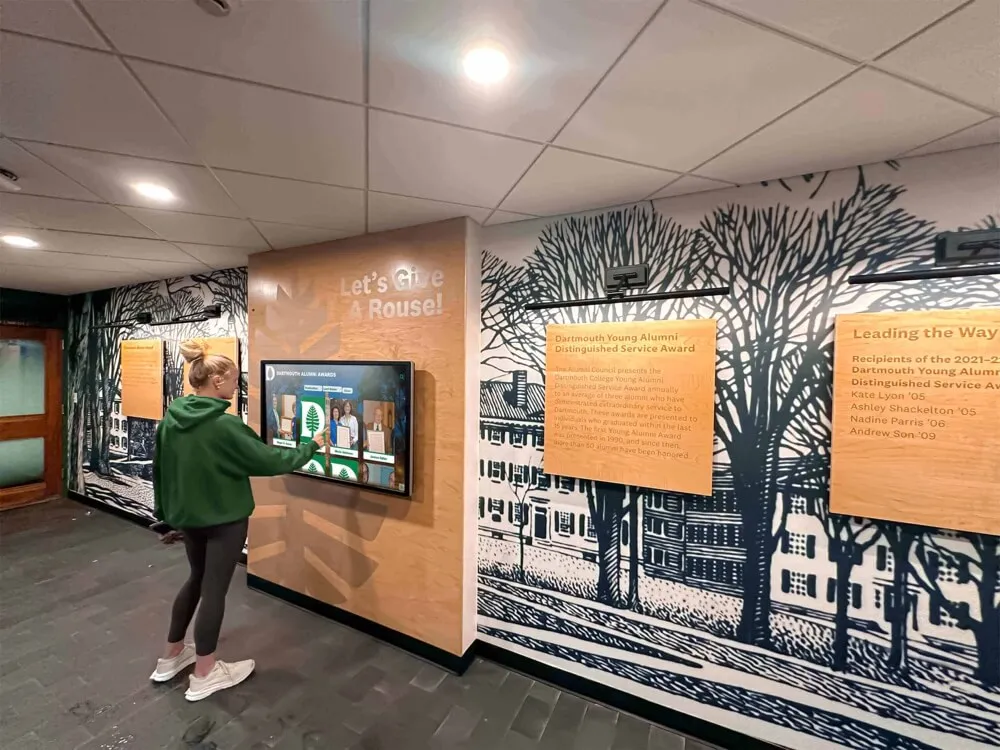
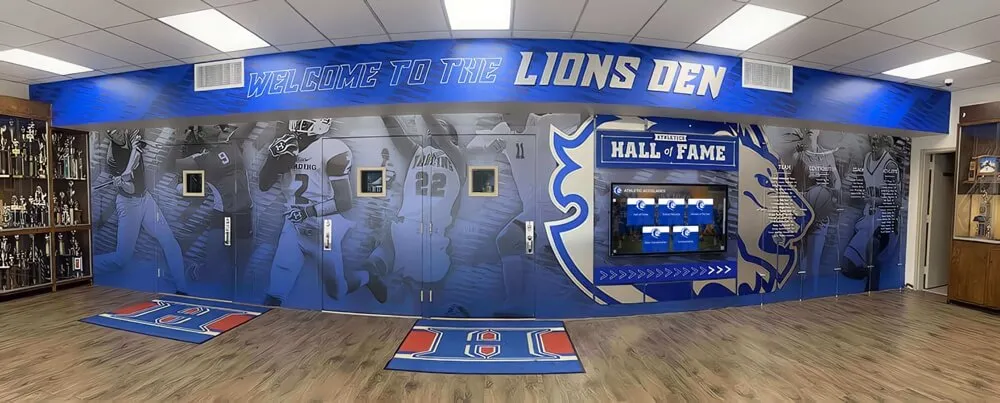
Interactive recognition installations in prominent locations ensure ongoing visibility and engagement with achievement celebrations
Beyond Yearbook Ads: Extending Senior Recognition
While yearbook ads create lasting printed recognition, modern technology enables additional celebration opportunities that extend beyond traditional formats.
Digital Recognition Platforms
Schools increasingly implement comprehensive recognition systems that celebrate student achievement through multiple channels:
Interactive Digital Displays Modern touchscreen installations provide dynamic recognition that physical yearbooks cannot match:
- Unlimited content capacity unconstrained by page limits
- Multimedia profiles incorporating photos, videos, and comprehensive achievements
- Searchable interfaces enabling graduates to easily find themselves
- Year-round accessibility versus single yearbook publication
- Regular updates adding new achievements and recognitions
- Community visibility in high-traffic locations
Solutions like Rocket Alumni Solutions create permanent digital recognition infrastructure that celebrates senior achievements alongside broader institutional history—providing context showing where each graduating class fits within school tradition.
Web-Based Recognition Online platforms extend recognition reach:
- Alumni and family members worldwide can view celebrations
- Social media sharing capabilities enabling broader visibility
- Mobile-optimized access on any device
- Permanent archives accessible long after graduation
- Integration with school websites and communication platforms
- Analytics tracking engagement and viewership
Digital platforms particularly benefit families with geographically dispersed extended family unable to attend graduation ceremonies or obtain physical yearbooks—enabling remote celebration participation.
Comprehensive Achievement Profiles Modern recognition systems document complete high school journeys:
- Academic honors and achievements
- Athletic accomplishments and statistics
- Club participation and leadership roles
- Arts and performance recognition
- Community service contributions
- Special awards and distinctions
Comprehensive documentation provides richer recognition than yearbook ads’ space constraints allow—creating complete portraits of student achievement across all dimensions of high school experience.
Permanent School Recognition Infrastructure
Schools committed to honoring student achievement implement systematic recognition that extends beyond printed yearbooks:
Senior Recognition Walls Dedicated displays celebrate graduating classes:
- Senior portraits from current and historical classes
- Notable achievements and milestones
- College destinations and scholarship awards
- Individual senior tributes and profiles
- Searchable digital access to historical graduates
Permanent recognition infrastructure demonstrates institutional commitment to honoring achievement while creating traditions connecting current students with alumni who preceded them.
Organizations can explore how digital recognition displays for schools provide comprehensive celebration extending beyond single yearbook publications.
Hall of Fame Integration Exceptional graduates receive featured recognition:
- Academic excellence acknowledgment alongside athletic honors
- Comprehensive achievement documentation
- Interactive profiles telling complete success stories
- Connection to distinguished alumni networks
- Ongoing visibility inspiring current students
Hall of fame systems ensure truly exceptional achievement receives appropriate elevated recognition distinguishing pinnacle accomplishment from general graduation celebration.
Schools interested in comprehensive recognition approaches can learn about high school wall of fame programs that celebrate student excellence systematically.
Ongoing Digital Updates Unlike static yearbooks, digital systems accommodate continuous recognition:
- Post-graduation achievement updates (college successes, career accomplishments)
- Alumni networking and community building
- Regular content refreshes maintaining current relevance
- Multimedia additions as new content becomes available
- Engagement analytics showing community interest and viewership
Digital recognition infrastructure transforms one-time graduation celebration into ongoing relationships connecting alumni to institutions throughout their lives.
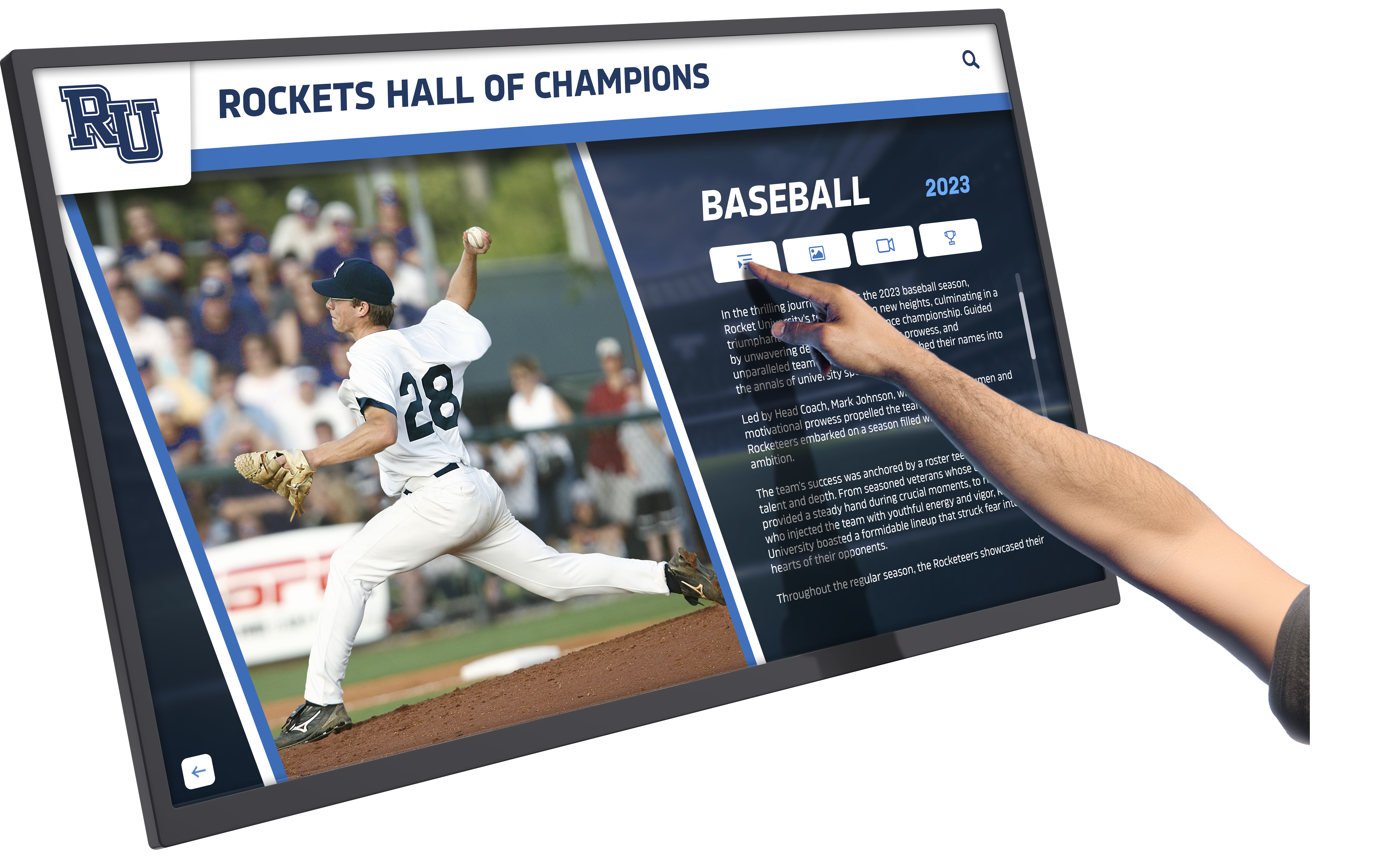
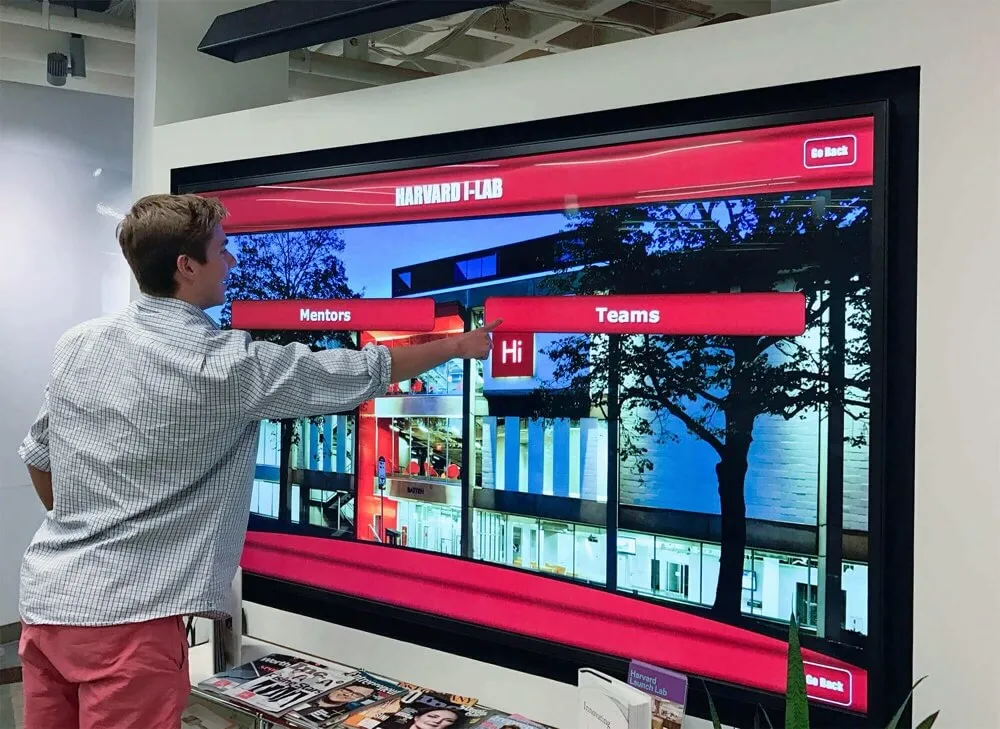
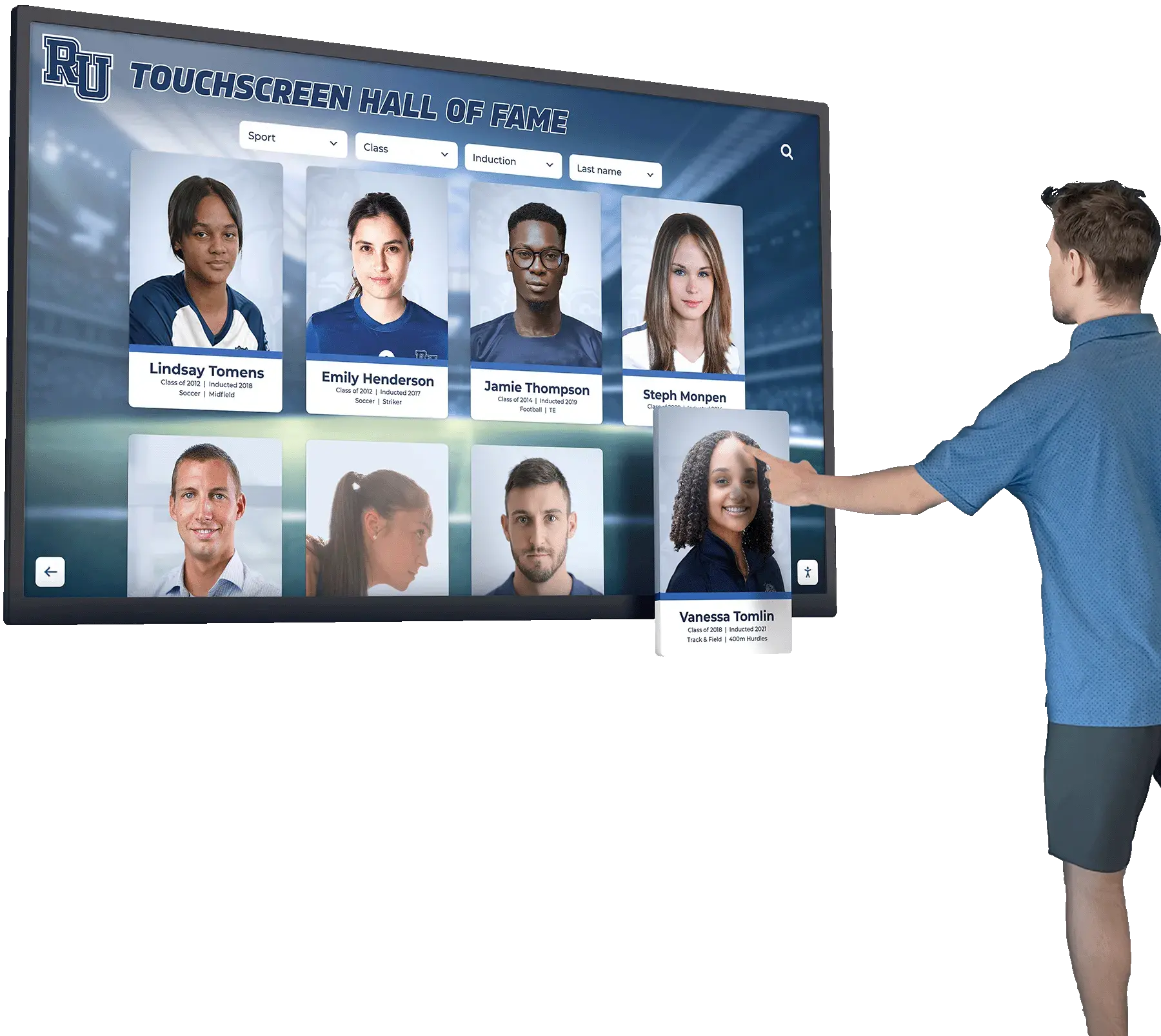
Intuitive touchscreen interfaces make exploring achievement profiles engaging and accessible for all users
Timeline and Planning Guide for Yearbook Ad Creation
Strategic planning prevents last-minute stress while ensuring thoughtful, polished final products.
4-6 Months Before Yearbook Distribution
Initial Planning Phase
Begin yearbook ad consideration early:
- Review school’s available ad sizes and pricing
- Determine budget and select appropriate format
- Decide whether DIY design or professional assistance
- Begin photo collection from various sources
- Start message brainstorming and content development
- Research design inspiration from previous yearbooks
Early planning provides time for thoughtful decision-making without deadline pressure compromising quality.
Content Gathering
Systematic collection prevents last-minute scrambling:
- Request photos from relatives, coaches, and friends
- Scan physical photos requiring digitization
- Organize digital photos by timeframe or theme
- Begin drafting potential messages or content ideas
- Identify quotes or special content for inclusion
- Gather input from family members
Comprehensive content collection ensures access to best available materials rather than settling for whatever’s immediately accessible under time pressure.
8-12 Weeks Before Distribution
Design Development Phase
Transform collected content into cohesive designs:
- Review school’s technical requirements and templates
- Select photos for inclusion based on quality and relevance
- Experiment with layout approaches
- Draft and revise text messages
- Develop or select color schemes and design elements
- Create multiple design variations for comparison
Design development requires iterative experimentation—rarely does first attempt represent optimal solution. Allow time exploring alternatives before committing to final direction.
Feedback and Revision
External perspectives improve final results:
- Share designs with trusted family members or friends
- Solicit graduate’s input when appropriate
- Request honest critique about readability and impact
- Verify technical specifications compliance
- Test print small samples checking color and resolution
- Make revisions based on feedback received
Feedback sessions catch problems invisible to designers too close to their own work—preventing regrettable oversights in permanently printed materials.
4-6 Weeks Before Distribution
Finalization and Submission
Complete final preparations:
- Make final revisions incorporating all feedback
- Proofread all text content multiple times
- Verify photo resolution and quality
- Confirm compliance with all technical requirements
- Export files in required formats
- Submit before deadline with time buffer for issues
Submit early rather than at final deadline—providing cushion for addressing potential submission problems rather than discovering issues after deadline passes without opportunity for correction.
Confirmation and Follow-up
Ensure successful submission:
- Confirm school received submission
- Address any technical issues identified during review
- Make required corrections if submission rejected
- Obtain proof copy if available
- Save backup copies of all materials
- Mark calendar for yearbook distribution date
Confirmation prevents discovering months later that your ad never appeared due to unreceived submission or unaddressed technical problems.
Conclusion: Creating Senior Recognition Worth Treasuring
Senior yearbook ads represent unique opportunities to publicly celebrate graduates in ways that become permanent parts of institutional memory. Unlike ephemeral social media posts disappearing into endless feeds or verbal congratulations forgotten shortly after utterance, yearbook tributes remain permanently visible—discovered years later as graduates revisit high school memories and share their experiences with future family members.
The most meaningful yearbook ads balance multiple considerations: heartfelt messages that feel authentic rather than formulaic, photo selections that tell visual stories about graduates’ unique journeys, design aesthetics that feel polished without becoming overwhelming, and overall presentations that honor achievement while maintaining appropriate tone and content boundaries. These tributes work best when they authentically reflect your actual relationship and experiences rather than attempting to match idealized templates or conform to perceived expectations about what yearbook ads should contain.
Extend Senior Recognition Beyond Yearbook Pages
Discover how modern digital recognition platforms help schools create comprehensive, permanent celebration systems that honor student achievement across all dimensions—from academics to athletics to community contributions.
Explore Recognition SolutionsTechnology increasingly complements traditional yearbook recognition through digital platforms enabling richer storytelling, unlimited content capacity, and permanent accessibility extending beyond single printed publications. Schools implementing comprehensive recognition infrastructure honor senior achievement while creating traditions that connect graduating classes to broader institutional legacy—ensuring today’s graduates join distinguished communities of accomplished alumni whose own high school successes inspired future excellence.
Whether creating standalone yearbook ads or participating in broader recognition programs, the goal remains consistent: celebrating your graduate’s unique journey in ways that feel meaningful, authentic, and appropriate for permanently preserved institutional memory. Start planning early, solicit input from multiple perspectives, prioritize quality over comprehensiveness, and above all, let genuine love and pride guide your creative decisions. Your graduate will treasure thoughtful recognition far more than elaborate productions lacking authentic emotional connection.
Every senior deserves celebration acknowledging the growth, achievements, and unique characteristics that made their high school journey meaningful. With careful planning, creative vision, and heartfelt messages, your yearbook ad can provide lasting tribute that graduates revisit throughout their lives—reminding them of your pride in their accomplishments and excitement about their futures. That permanent reminder of support and celebration represents the greatest gift any graduation recognition can provide.
Schools and organizations interested in comprehensive recognition approaches can explore academic recognition programs or learn about digital signage content ideas that extend recognition beyond traditional formats.