



Intent: Demonstrate how athletic administrators can leverage comprehensive software ecosystems to streamline operations, enhance athlete experiences, and build engaging recognition programs that celebrate excellence while reducing administrative burden.
Athletic administrators today face unprecedented complexity managing multi-sport programs spanning registration and eligibility verification, compliance and safety protocols, scheduling and facility coordination, communication with athletes, parents, and staff, budget management and fundraising, and performance tracking and analytics. The global Sports Management Software Market was valued at $10.20 billion in 2025 and is expected to reach $17.54 billion by 2030, reflecting how digital transformation has become essential rather than optional for effective athletic program administration.
This comprehensive guide explores 30 essential software categories and specific tools that athletic directors, coordinators, and administrators need to operate efficient, compliant, and engaging sports programs. From foundational systems managing registration and scheduling through specialized solutions for compliance, performance analytics, and digital recognition, you’ll discover practical frameworks for building technology ecosystems that support excellence across all program dimensions while allowing administrators to focus on what matters most—developing student-athletes and building championship programs.
Modern athletic administrators operate as program managers, compliance officers, communications directors, financial analysts, and community engagement specialists simultaneously. Without strategic technology implementation, these multifaceted responsibilities create overwhelming workloads leading to inefficiency, compliance risks, and diminished program experiences. The right software products transform chaos into systematic operations where information flows seamlessly, compliance happens automatically, and community engagement strengthens through professional digital experiences.

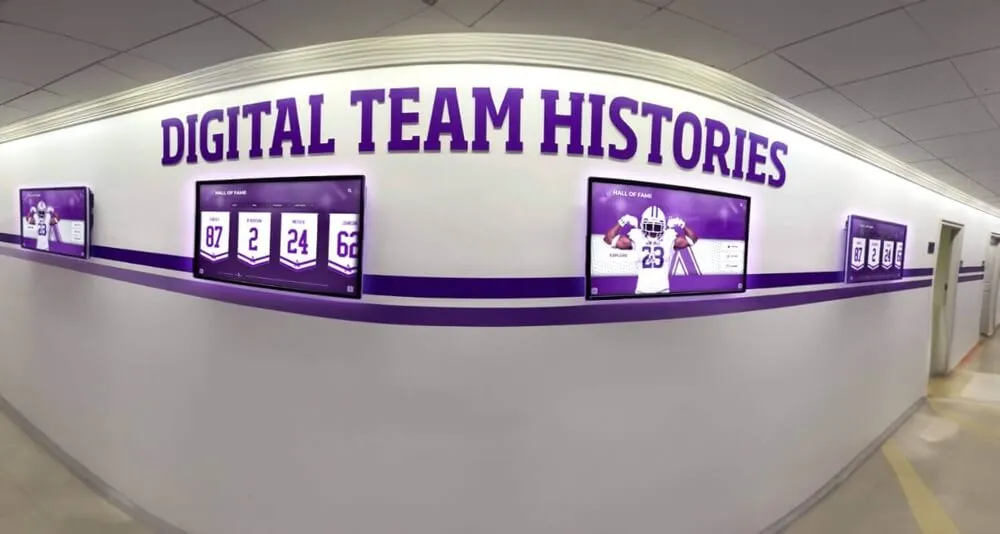
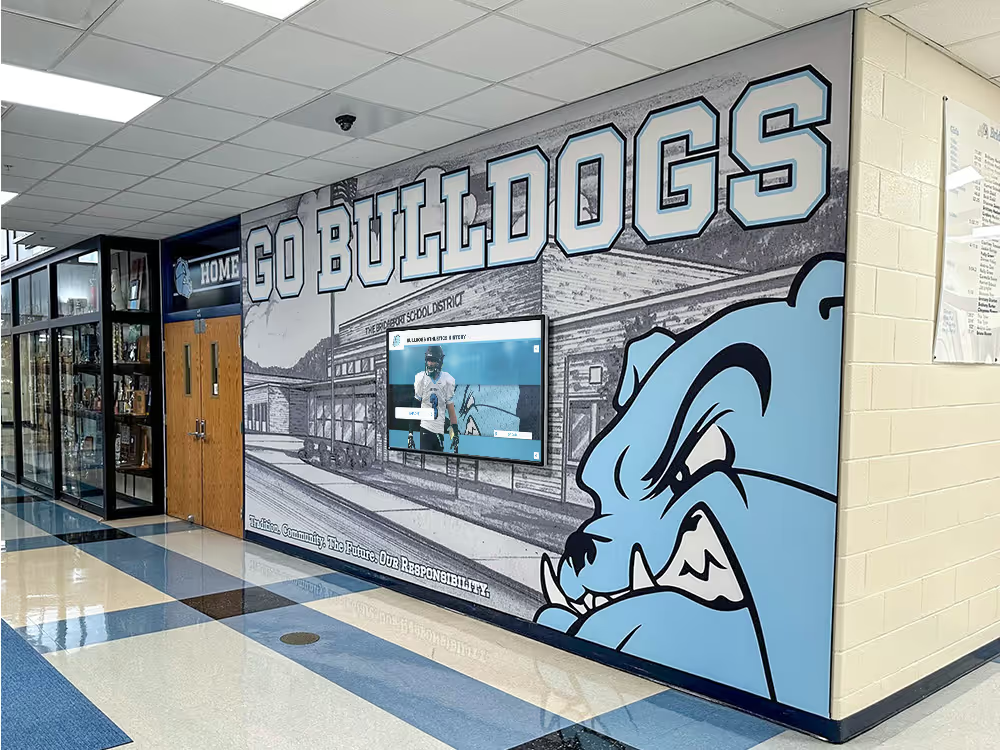
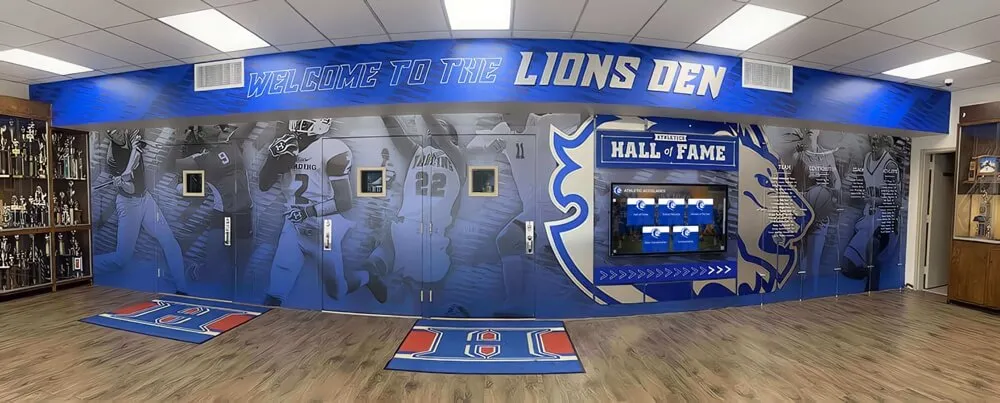
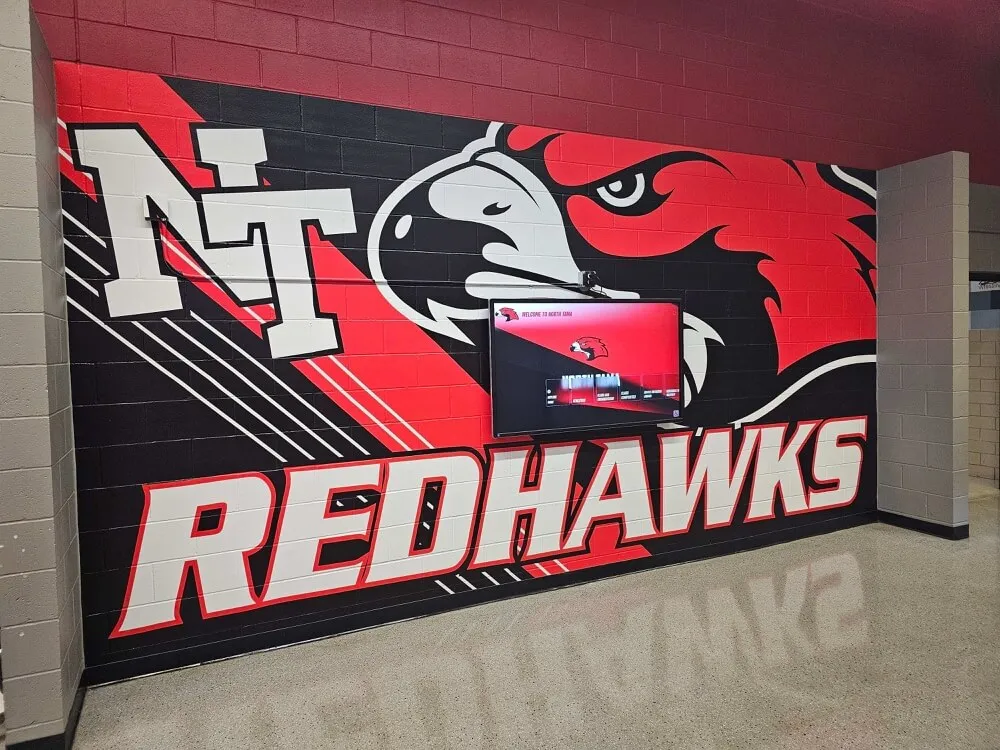
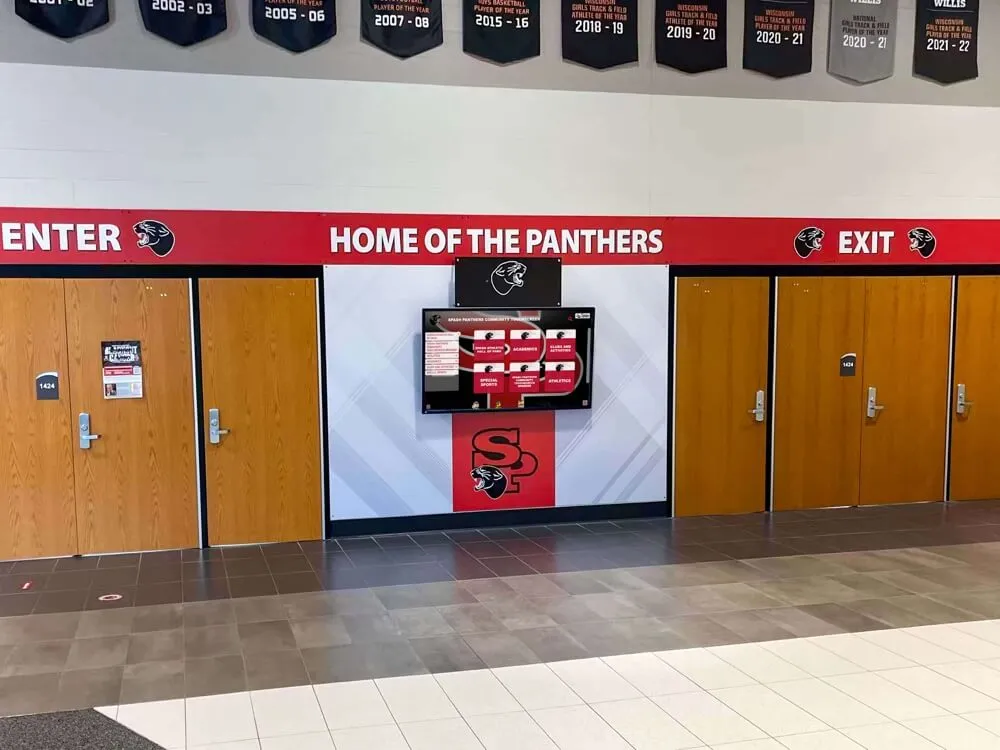
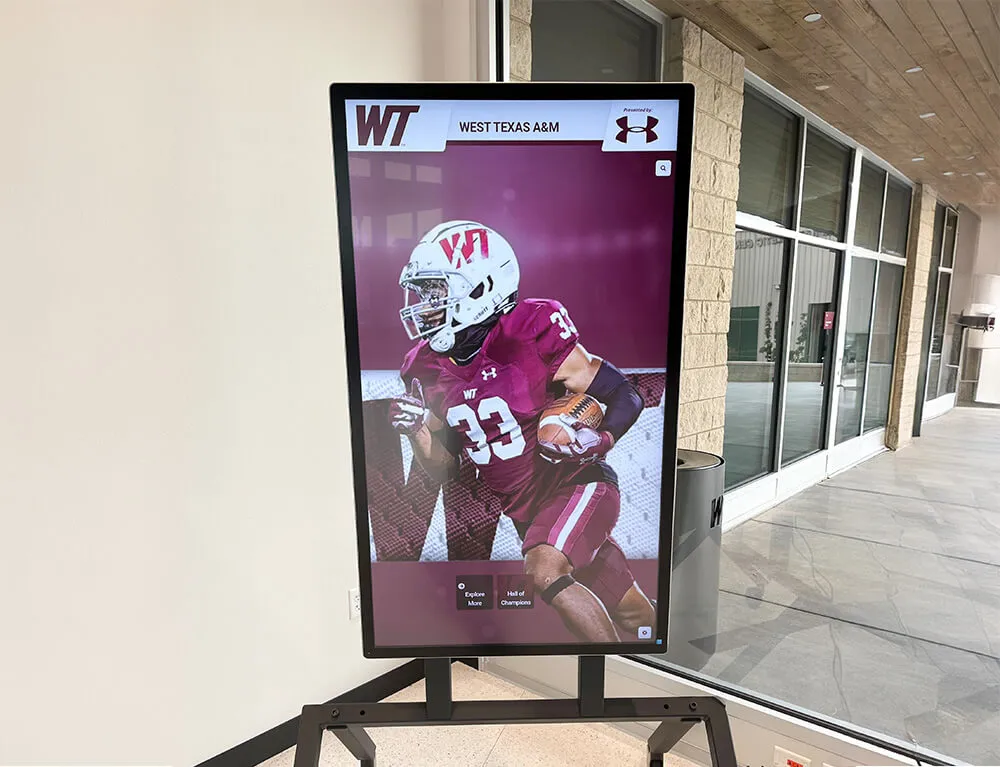
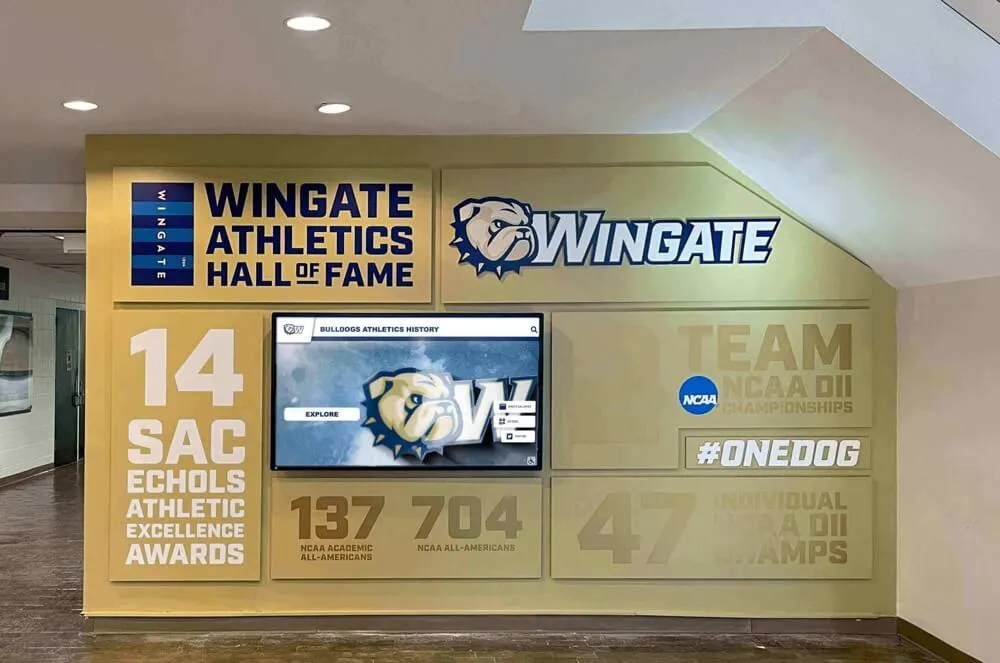
Modern athletic programs integrate technology throughout facilities creating comprehensive operational and recognition ecosystems
Understanding the Athletic Administrator’s Technology Ecosystem
Before diving into specific software categories, understanding how various tools interconnect creates context for strategic technology selection.
The Integrated Athletic Management Stack
Effective athletic administration requires layered technology serving distinct but complementary functions:
Foundation Layer: Core Administration Systems
These mission-critical platforms manage fundamental operations including student-athlete registration and eligibility verification, scheduling for practices, competitions, and facility usage, roster management and team assignments, and communication infrastructure connecting all stakeholders. Without reliable foundation systems, programs face constant administrative firefighting rather than strategic program development.
Operations Layer: Specialized Management Tools
Building on administrative foundations, specialized tools address specific operational needs such as compliance tracking ensuring adherence to Title IX, safety protocols, and organizational rules, transportation and travel coordination for away competitions, equipment and inventory management, facility maintenance and reservation systems, and financial management including budgets, payments, and fundraising.
Engagement Layer: Community Connection Platforms
Modern athletic programs extend beyond competition management to comprehensive stakeholder engagement through communication platforms reaching athletes, families, and communities, social media management tools building program visibility, digital recognition systems celebrating achievement and preserving history, ticketing and attendance management, and performance tracking providing transparency around athlete development.
Intelligence Layer: Analytics and Insights
Data-driven decision making requires sophisticated analysis capabilities including performance analytics tracking athletic and academic progress, engagement metrics demonstrating community connection, compliance reporting verifying adherence to regulations, financial analytics optimizing resource allocation, and predictive tools identifying trends and opportunities.
Understanding this layered architecture helps administrators avoid fragmented technology approaches where disconnected tools create information silos and redundant data entry. The most effective technology ecosystems feature integration enabling data flow across systems, cloud-based accessibility supporting management from any location, mobile optimization allowing access from phones and tablets, automated workflows reducing manual administrative tasks, and comprehensive reporting providing visibility across all program dimensions.
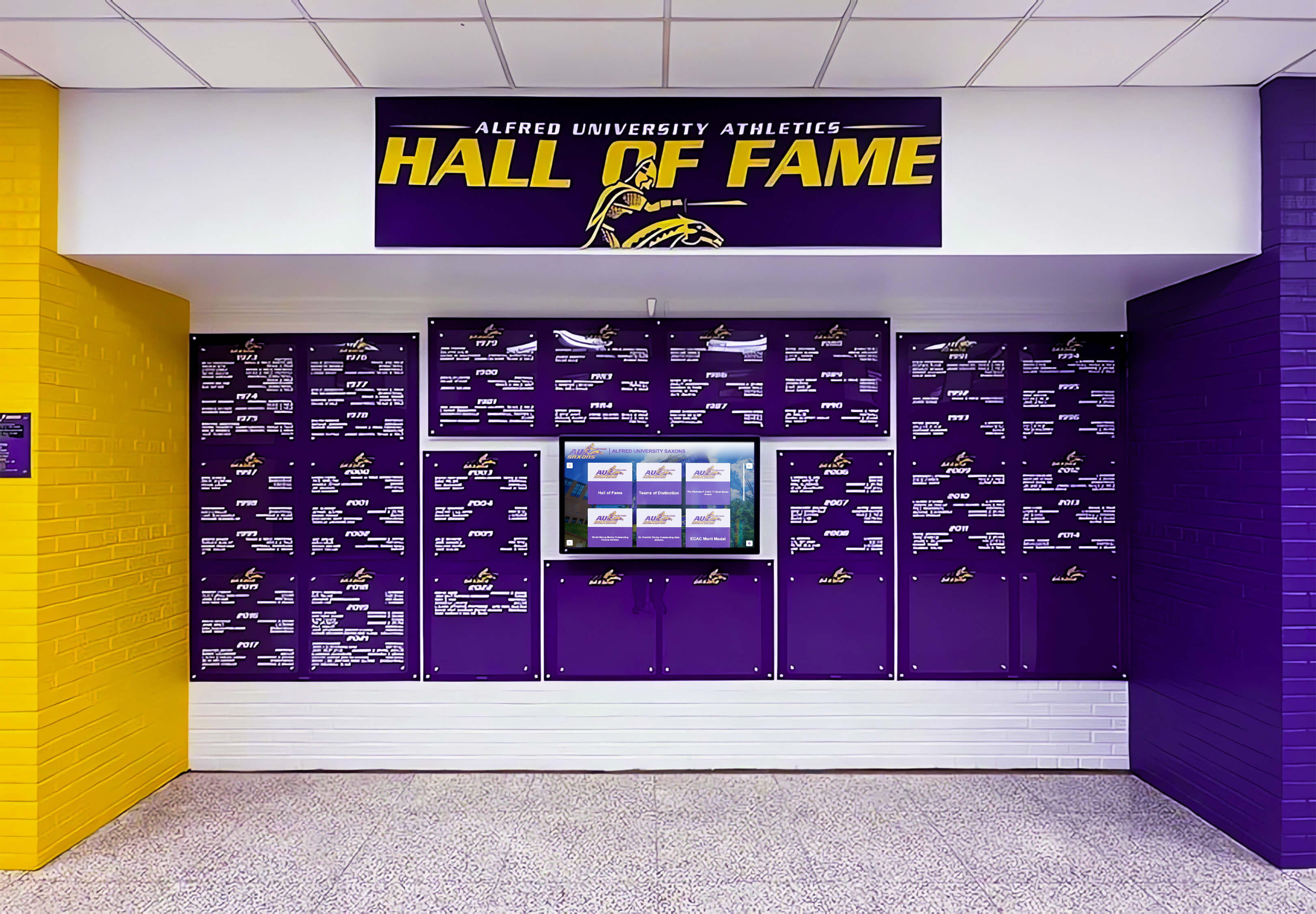
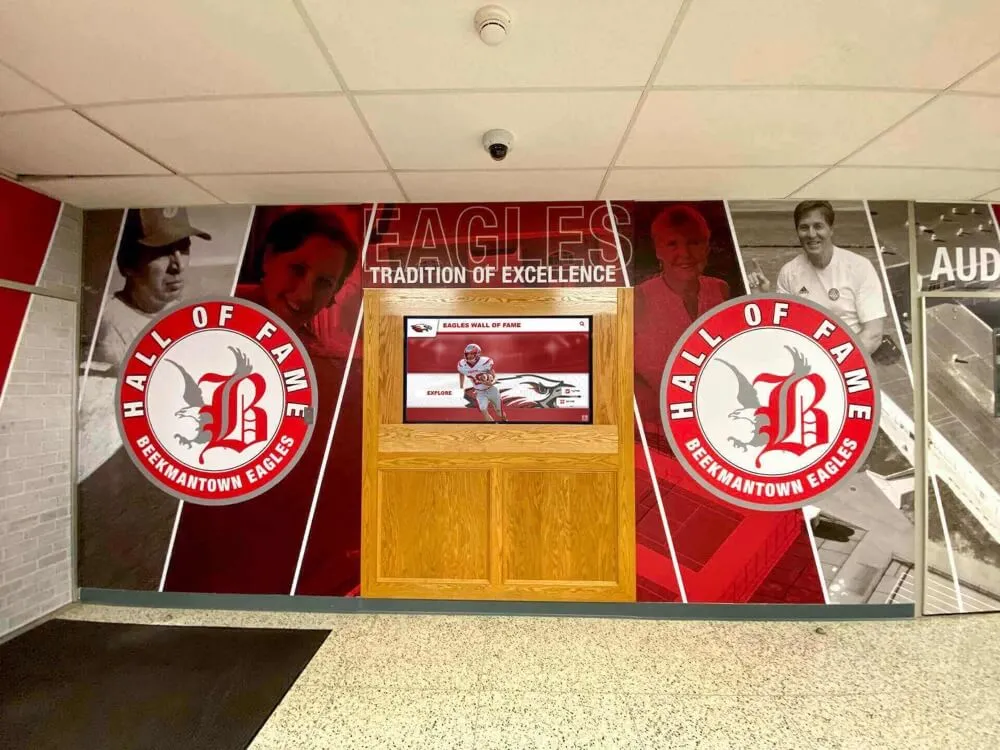
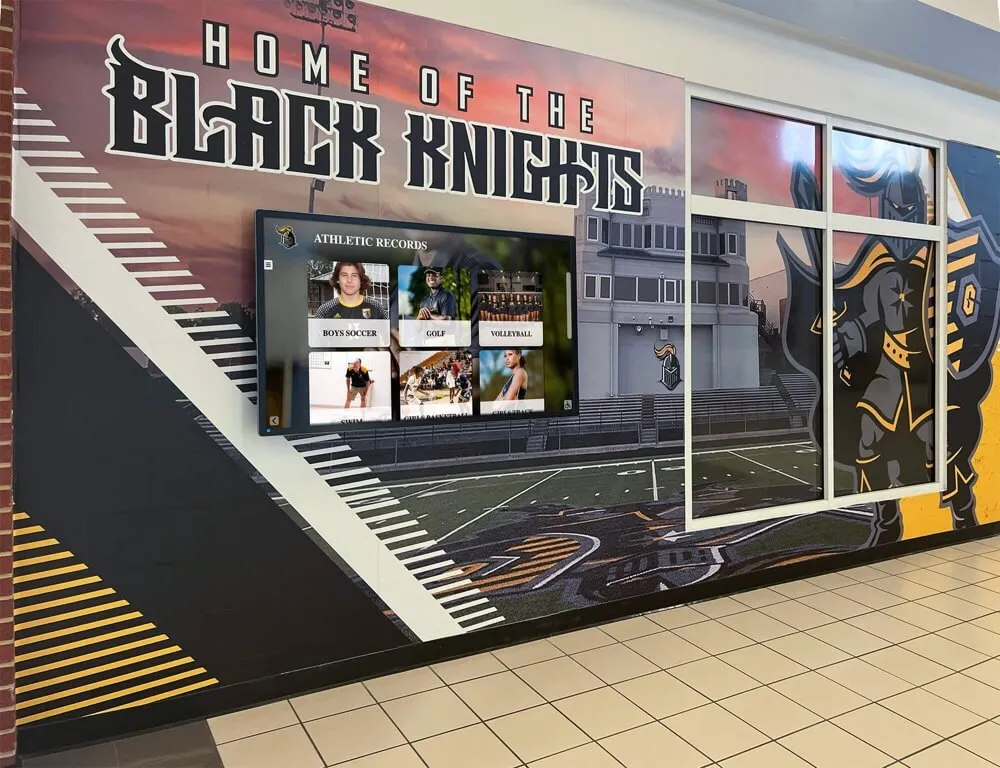
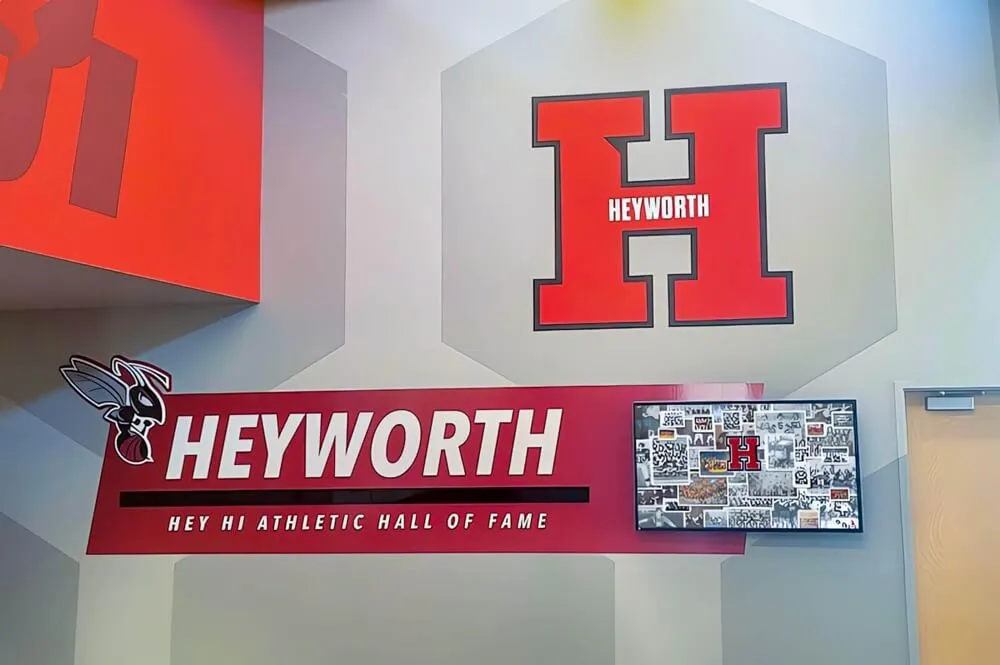
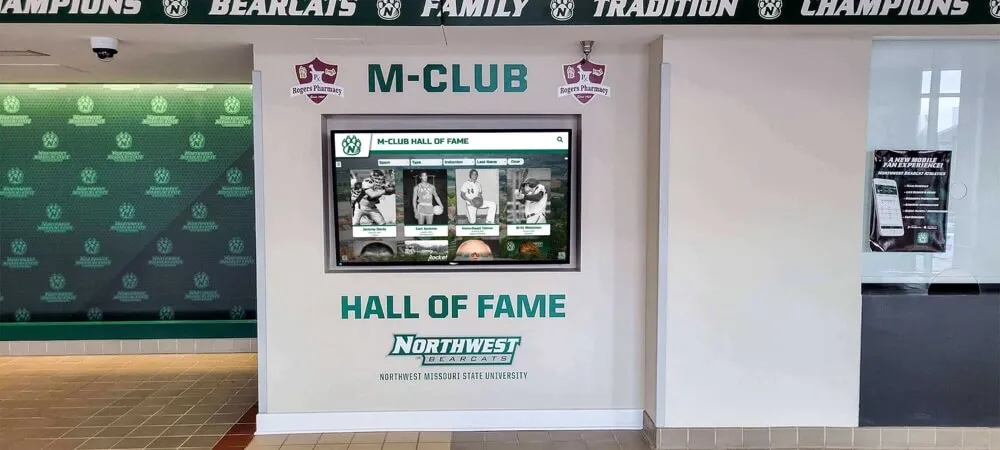
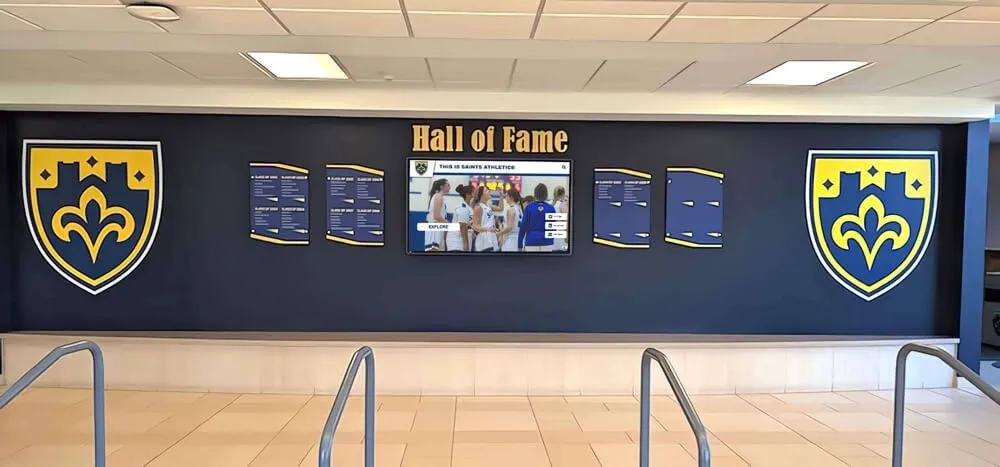
Comprehensive athletic programs combine operational software with engaging recognition technology creating complete program ecosystems
Key Selection Criteria for Athletic Software
When evaluating software products, athletic administrators should consider multiple factors beyond basic features:
Usability and Training Requirements
The best software means nothing if staff cannot use it effectively. Prioritize solutions with intuitive interfaces requiring minimal training, comprehensive documentation and training resources, responsive customer support addressing issues quickly, and user communities providing peer-to-peer assistance.
Integration and Compatibility
Standalone systems create information islands. Evaluate whether potential solutions integrate with existing systems you use, provide APIs enabling custom integrations when needed, support common data import/export formats, and work seamlessly across devices and operating systems.
Scalability and Flexibility
Programs evolve, requiring technology that grows with them. Consider whether solutions accommodate program growth without requiring complete replacement, offer flexible pricing aligned with program size, provide customization supporting unique workflows, and maintain backward compatibility during updates.
Security and Compliance
Student-athlete data deserves strong protection. Verify that systems implement enterprise-grade security protecting sensitive information, comply with FERPA and other relevant data protection regulations, provide role-based access controlling who sees what information, and maintain regular backups preventing data loss.
Total Cost of Ownership
Beyond subscription fees, consider implementation costs including setup and training, ongoing support and maintenance expenses, integration costs connecting with other systems, and potential savings from efficiency gains and reduced manual processes.
Core Administrative Software Products (1-10)
These foundational systems manage essential athletic program operations that every administrator needs.
1. Comprehensive Athletic Management Platforms
All-in-one athletic management platforms serve as operational hubs integrating multiple functions. According to research on essential athletic management software, comprehensive platforms combine registration, scheduling, communication, and reporting in unified systems reducing administrative complexity.
Key Features to Prioritize:
- Student-athlete registration with digital forms and automated eligibility verification
- Master scheduling calendars coordinating practices, competitions, and facility usage
- Integrated communication tools reaching teams, families, and staff
- Financial management tracking budgets, payments, and expenses
- Reporting dashboards providing visibility across program operations
- Mobile applications enabling access from phones and tablets
Leading platforms in this category include comprehensive solutions managing registration, schedules, rosters, and communication, unified systems connecting all program operations in single platforms, and cloud-based tools accessible from any device. When evaluating all-in-one platforms, prioritize depth of features in your most critical operations—some platforms excel at scheduling while others provide superior communication or financial management capabilities.
2. Online Registration and Eligibility Management
Student-athlete registration and eligibility verification represent fundamental administrative functions consuming significant time when managed manually. Modern registration systems automate most processes while maintaining necessary oversight.
Essential Registration Capabilities:
- Customizable digital forms collecting required information
- Automated eligibility verification checking academic, age, and residency requirements
- Physical examination tracking ensuring medical clearance
- Document collection gathering required forms, waivers, and signatures
- Parent/guardian approvals with electronic signature capture
- Integration with student information systems avoiding duplicate data entry
- Reporting tools identifying incomplete registrations requiring follow-up
According to industry analysis of athletic program software needs, comprehensive and secure registration systems that collect digital forms, verify eligibility, and compile rosters eliminate paper-based processes while ensuring compliance with eligibility requirements.
Effective registration software transforms multi-week paper-based processes involving printed forms, manual data entry, and physical file storage into streamlined digital workflows completing in days with automated reminders, instant verification, and centralized records accessible to authorized staff.
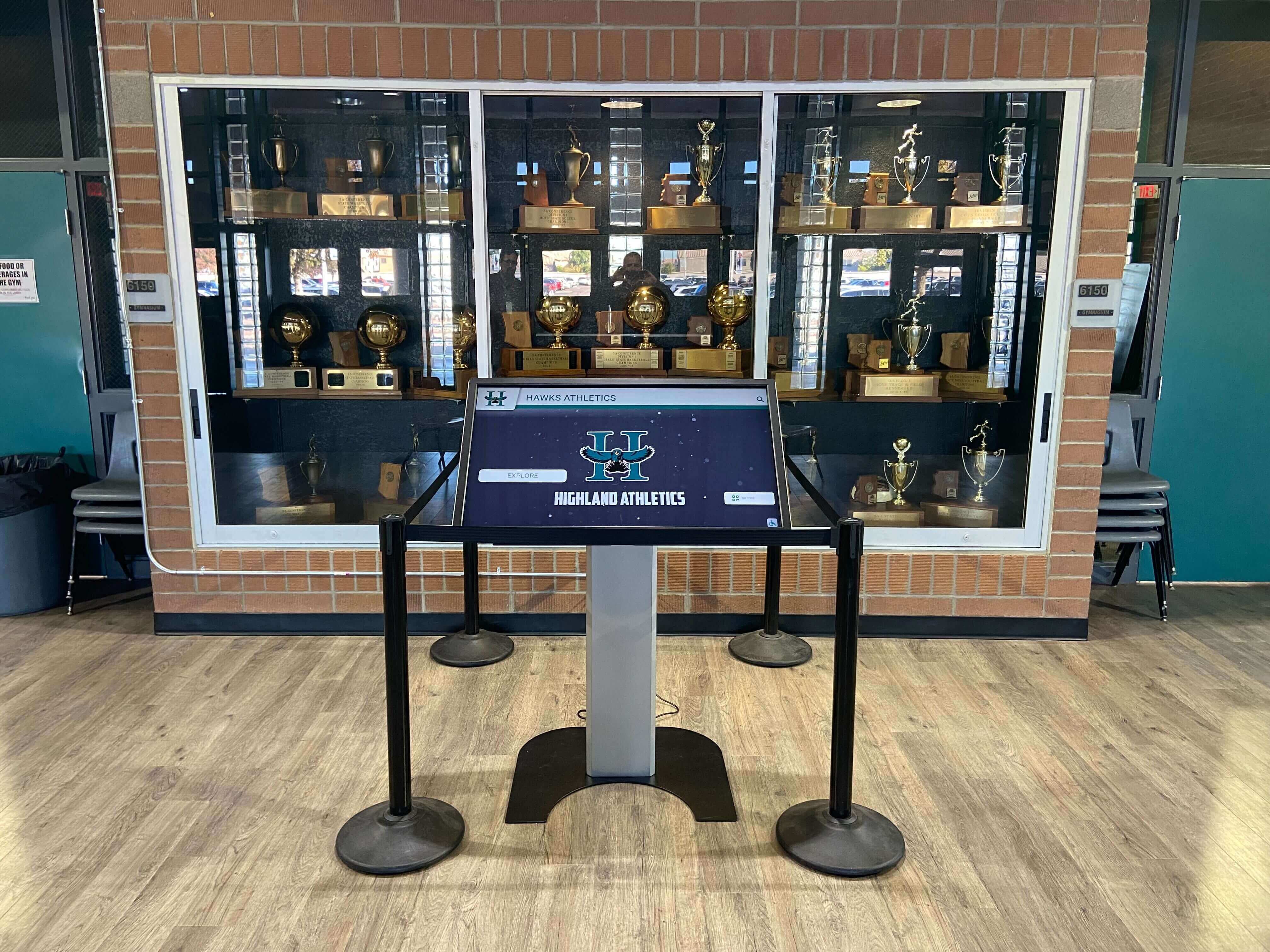
Digital management systems streamline registration, eligibility, and roster management eliminating paper-based workflows
3. Scheduling and Calendar Management Systems
Coordinating practices, competitions, facility usage, and official assignments across multiple sports represents ongoing administrative challenges. Sophisticated scheduling software prevents conflicts while optimizing resource utilization.
Critical Scheduling Features:
- Multi-sport calendar views showing all activities simultaneously
- Facility and resource scheduling preventing double-bookings
- Automated conflict detection identifying scheduling issues
- Official and referee assignment and communication
- Transportation coordination linking schedules with travel needs
- Weather and cancellation management with notification capabilities
- Schedule publishing to websites and mobile applications
- Integration with registration systems ensuring scheduled athletes are eligible
Research indicates that modern athletic scheduling software generates team schedules in seconds while managing complex multi-team coordination that previously required hours of manual effort. These efficiency gains allow administrators to focus on program improvement rather than administrative coordination.
4. Communication and Messaging Platforms
Effective communication connects athletic programs with diverse stakeholders including current student-athletes, parents and guardians, coaching staff, administrators and support personnel, alumni and boosters, and broader school and community audiences. Managing these communication channels efficiently prevents information gaps while avoiding message overload.
Essential Communication Capabilities:
- Multi-channel messaging supporting email, SMS, and mobile push notifications
- Segmented contact lists targeting specific teams, groups, or roles
- Automated messaging for routine communications like schedule changes
- Two-way communication enabling replies and confirmations
- Emergency notification systems reaching stakeholders instantly
- Message templates streamlining common communications
- Delivery tracking verifying message receipt
- Integration with scheduling systems automatically notifying of schedule updates
According to industry analysis, centralized messaging systems for teams, parents, and administrators eliminate scattered communications across multiple platforms while ensuring critical information reaches appropriate audiences. Simple, reliable, and secure communication helps eliminate information gaps that undermine program operations.
5. Team and Roster Management Software
Beyond basic registration, comprehensive roster management maintains current, accurate team information throughout seasons. Effective systems track roster changes, participation status, uniform assignments, position information, statistical records, contact information for athletes and families, emergency medical information, and participation tracking for awards and recognition eligibility.
Advanced Roster Features:
- Hierarchical organization supporting varsity, junior varsity, and freshman teams
- Season-long participation tracking documenting who played when
- Automated eligibility monitoring flagging athletes approaching limits
- Photo roster management maintaining current athlete images
- Statistical integration connecting roster data with performance records
- Historical archives preserving past rosters and participation
- Export capabilities providing roster data to other systems
Comprehensive roster systems create single sources of truth preventing discrepancies between what coaches, administrators, trainers, and other staff believe about team composition and athlete status.
6. Official and Referee Assignment Systems
Competitions cannot occur without qualified officials. Software designed specifically for official management streamlines assignment, communication, and payment processes that become complex across multi-sport programs.
Official Management Capabilities:
- Official availability tracking showing who can work when
- Automated assignment algorithms matching officials to events
- Communication tools notifying officials of assignments
- Confirmation tracking verifying official acceptance
- Payment processing managing official compensation
- Evaluation systems collecting feedback on official performance
- Credential tracking ensuring officials maintain required certifications
- Integration with scheduling systems linking assignments to competition calendars
These specialized systems reduce the administrative burden of official coordination while improving reliability through systematic tracking and communication rather than informal email exchanges and spreadsheets.
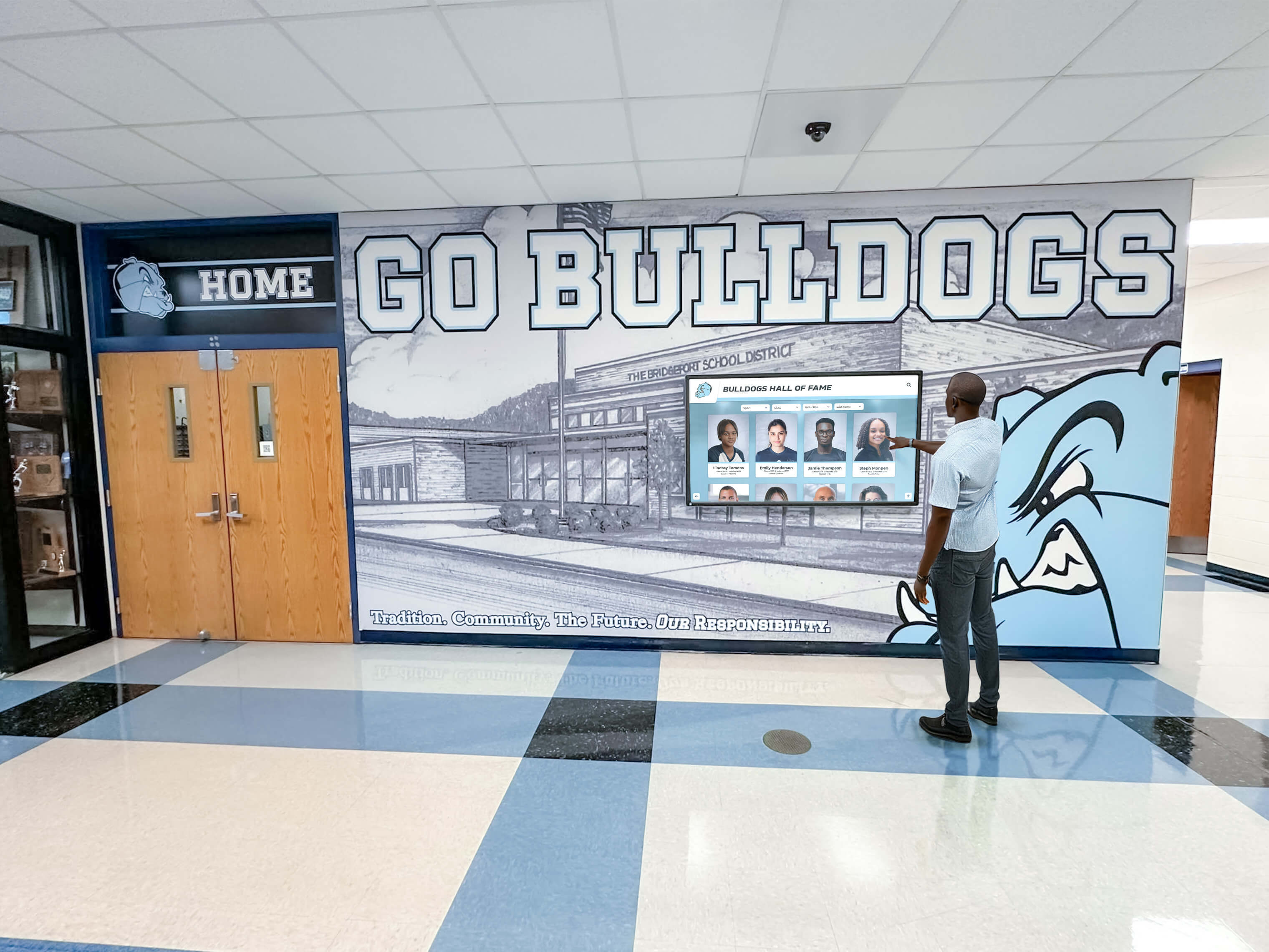
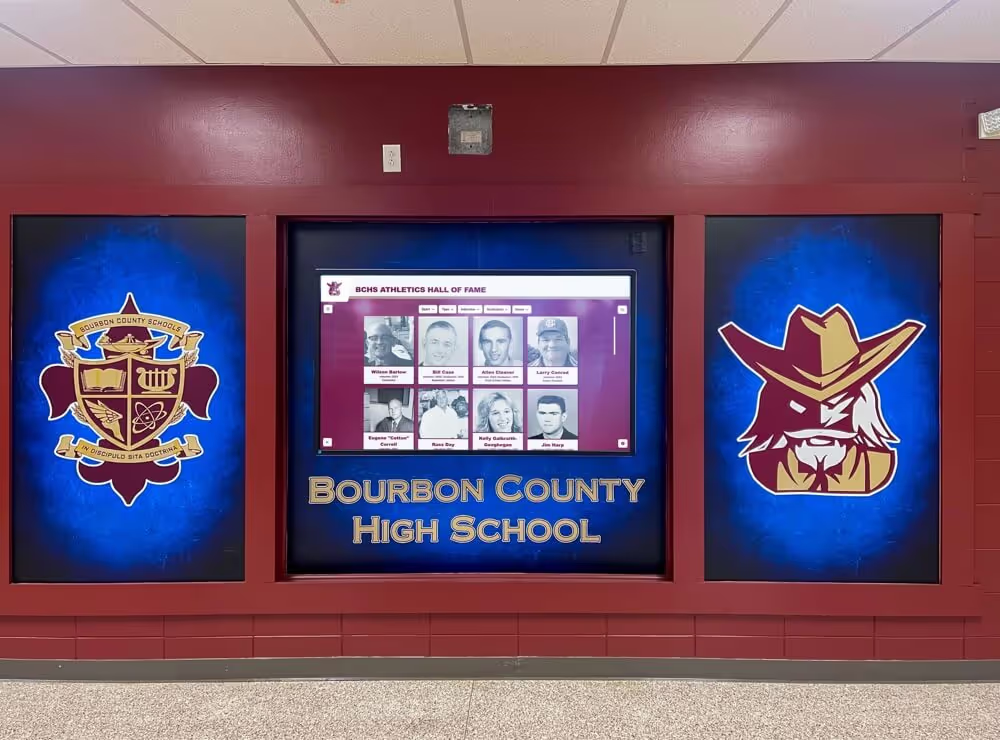
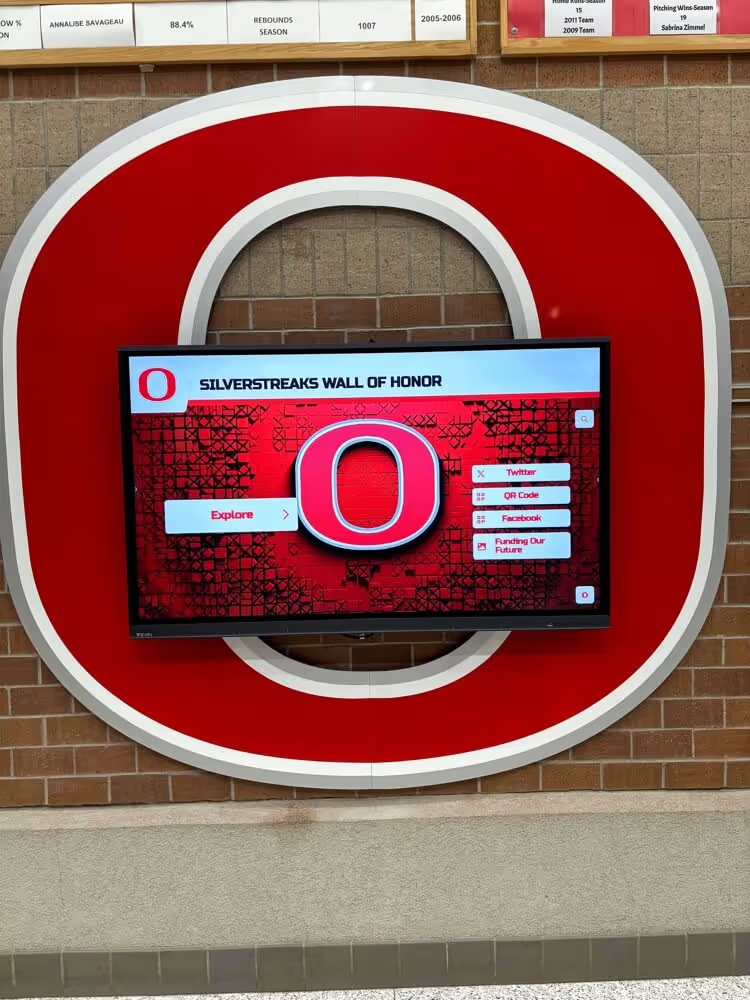
Integrated systems ensure all stakeholders access current information about teams, schedules, and achievements
7. Facility and Resource Management Tools
Athletic programs manage significant physical resources including gymnasiums, fields, weight rooms, training facilities, equipment inventories, uniforms and apparel, transportation vehicles, and storage spaces. Facility management software prevents conflicts while optimizing resource utilization.
Key Facility Management Features:
- Reservation systems allowing authorized users to book facilities
- Visual calendars showing facility availability at a glance
- Conflict prevention automatically flagging scheduling overlaps
- Maintenance scheduling tracking cleaning, repairs, and inspections
- Equipment checkout systems monitoring who has what
- Inventory management tracking quantities and locations
- Automated reminders for returns and maintenance
- Usage reporting demonstrating facility utilization patterns
Effective facility management reduces conflicts, prevents double-bookings, ensures proper maintenance, and provides data supporting resource allocation decisions and facility investment justifications.
8. Transportation and Travel Coordination Software
Away competitions require systematic transportation coordination. Specialized travel management tools handle bus scheduling and driver assignment, travel rosters documenting who’s traveling, departure and return time coordination, lodging reservations for overnight trips, meal planning and per diem management, expense tracking and reimbursement, emergency contact information, and itinerary distribution to families and administrators.
Advanced Travel Features:
- Integration with competition schedules automatically identifying travel needs
- Automated communication notifying families of travel details
- Permission slip management collecting required authorizations
- GPS tracking for real-time bus location visibility
- Expense reporting documenting travel costs
- Historical archives for repeat trip planning
- Vendor management for hotels, restaurants, and transportation services
Systematic travel management increases safety, reduces administrative burden, improves family communication, and provides documentation for budget planning and compliance purposes.
9. Equipment and Uniform Inventory Systems
Athletic programs invest significantly in equipment and uniforms requiring systematic tracking. Inventory management software monitors equipment assignments to athletes, available inventory quantities, equipment condition assessments, uniform sizing and assignments, checkout and return processes, maintenance and replacement schedules, purchase orders and vendor management, and cost tracking for budget planning.
Essential Inventory Capabilities:
- Barcode or RFID tracking for efficient item identification
- Athlete assignment records documenting who has what
- Automated alerts when inventory falls below thresholds
- Season-end collection processes ensuring returns
- Loss and damage documentation for accountability
- Historical usage data informing purchase decisions
- Integration with financial systems tracking equipment spending
Systematic inventory management prevents loss, ensures athletes have necessary equipment, extends equipment lifespan through proper maintenance, and provides data supporting budget requests for equipment replacement and expansion.
10. Financial Management and Budget Tracking Tools
Athletic programs manage significant budgets requiring careful financial oversight. Comprehensive financial management systems track budget allocations by sport and category, actual spending against budget, payment processing for registrations and fees, fundraising revenue and donor management, expense approval workflows, financial reporting for administrators and boards, forecasting and multi-year planning, and audit trails documenting all financial transactions.
Critical Financial Features:
- Real-time budget visibility showing current financial status
- Multi-level approval workflows requiring authorization for expenditures
- Integration with school or organization accounting systems
- Automated reconciliation reducing manual accounting work
- Grant and fundraising tracking separating restricted funds
- Per-athlete cost analysis demonstrating program efficiency
- Historical comparison showing year-over-year trends
According to analysis of athletic administration needs, budgeting and financial management tools help track expenses, create budgets, and ensure financial accountability, leading to more effective resource allocation across diverse program needs.
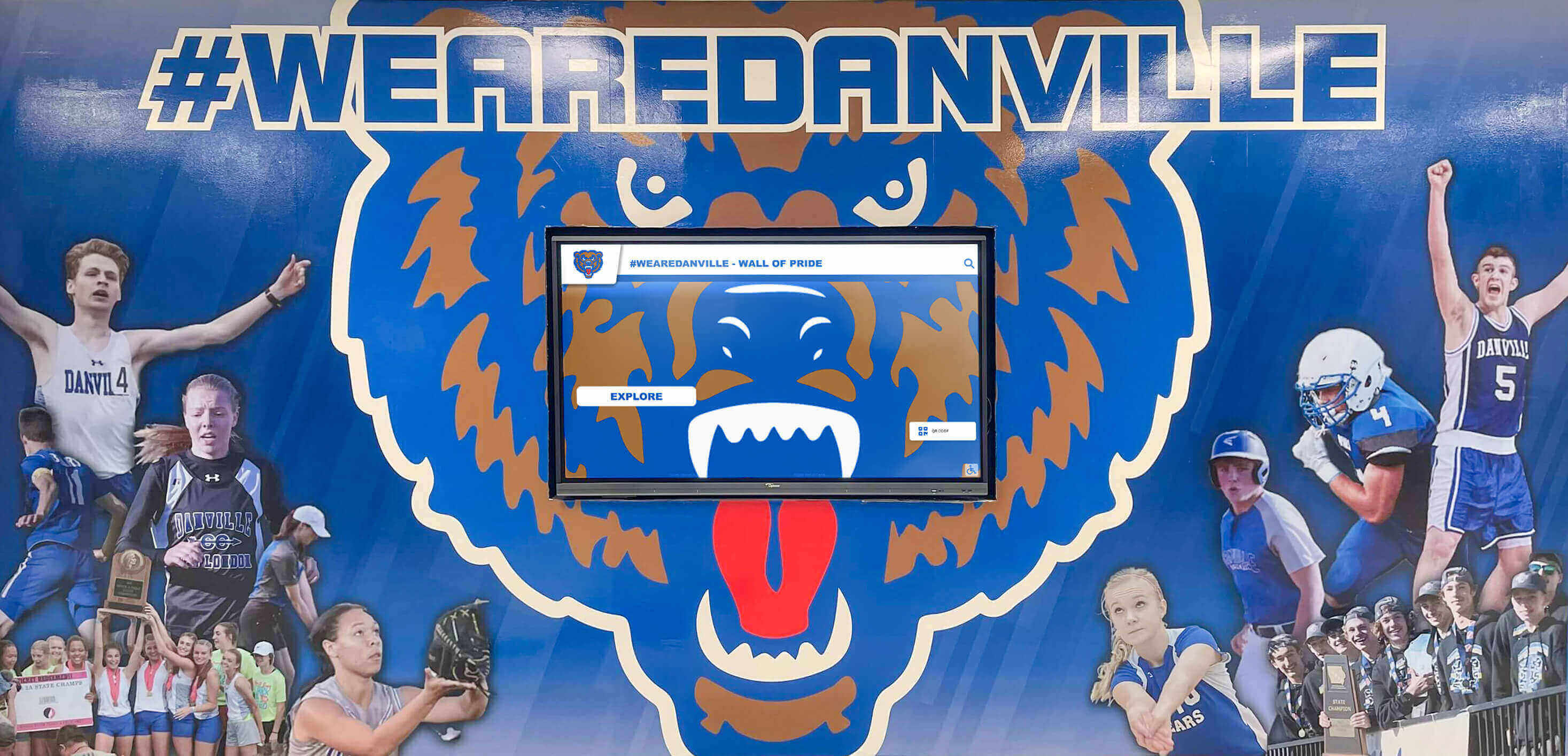
Comprehensive facility management integrates scheduling, resource tracking, and visual communication in athletic spaces
Compliance and Safety Software Products (11-15)
Beyond operational management, athletic administrators must ensure programs comply with regulatory requirements while prioritizing student-athlete safety and wellbeing.
11. Compliance Management and Tracking Systems
Athletic programs face extensive compliance obligations including Title IX gender equity requirements, state and national athletic association rules, concussion protocols and return-to-play procedures, physical examination and medical clearance, safety training and certification requirements, and academic eligibility standards. Manual compliance tracking creates risks that comprehensive software mitigates.
According to research on compliance management solutions, comprehensive and flexible compliance platforms unify athletic departments by automating processes, centralizing data, and mitigating the risk of costly compliance violations through systematic tracking and reporting.
Essential Compliance Features:
- Automated monitoring flagging potential compliance issues
- Documentation storage centralizing required records
- Deadline tracking with automated reminders
- Audit trail documentation demonstrating compliance oversight
- Reporting dashboards showing compliance status across programs
- Integration with registration systems verifying eligibility
- Historical archives supporting investigations and audits
- Customizable rules engines reflecting specific regulatory requirements
Sophisticated compliance software transforms reactive responses to problems into proactive prevention systems identifying and addressing issues before they escalate into violations.
12. Athletic Training and Injury Management Software
Athletic trainers play critical roles in student-athlete health and safety, requiring specialized electronic medical record (EMR) systems designed specifically for sports medicine. According to industry analysis, injury and treatment tracking software automates documentation, storage, and retrieval of student-athlete injuries, treatments, and participation status.
Critical Injury Management Features:
- HIPAA-compliant medical record storage protecting sensitive health information
- Injury documentation with photos, notes, and diagnostic information
- Treatment tracking recording all interventions and therapies
- Participation status management indicating clearance for practice and competition
- Concussion protocol management ensuring proper return-to-play procedures
- Communication tools connecting trainers with coaches, parents, and physicians
- Statistical reporting identifying injury trends and prevention opportunities
- Integration with roster systems linking injuries to specific athletes
Systematic injury management improves athlete care, reduces liability through proper documentation, supports injury prevention through trend analysis, and ensures appropriate return-to-play decision making.
13. Concussion Management and Baseline Testing Systems
Concussion awareness has transformed sports safety, requiring systematic baseline testing, injury assessment protocols, and graduated return-to-play procedures. Specialized concussion management systems provide computerized baseline testing measuring cognitive function, post-injury assessments comparing to baseline, symptom tracking monitoring recovery, return-to-play protocols ensuring safe reintegration, documentation demonstrating proper concussion management, and reporting tools identifying concussion trends.
Advanced Concussion Features:
- Evidence-based assessment tools validated by sports medicine research
- Automated protocol enforcement preventing premature return
- Parent and physician communication documenting all stakeholders’ involvement
- Historical tracking showing concussion history across athlete careers
- Reporting capabilities demonstrating program safety commitment
- Integration with practice and competition schedules restricting participation
- Education modules training athletes, coaches, and parents about concussion risks
Systematic concussion management prioritizes athlete safety while demonstrating appropriate care protocols that protect programs from liability.
14. Physical Examination and Medical Clearance Tracking
Most athletic programs require pre-participation physical examinations. Managing medical clearance across hundreds of athletes across multiple sports creates administrative complexity that specialized software addresses through physical exam requirement tracking, document collection and storage, expiration monitoring with automated reminders, clearance status visibility showing who can participate, restriction documentation for athletes with medical limitations, integration with registration preventing participation without clearance, reporting tools identifying athletes needing exams, and historical archives documenting examination compliance.
Systematic medical clearance management ensures only properly cleared athletes participate while reducing administrative burden tracking individual examination status across entire programs.
15. Emergency Action Plan and Crisis Management Tools
Athletic administrators must prepare for medical emergencies, severe weather, facility issues, and other crisis situations. Emergency management software provides digital emergency action plans accessible from mobile devices, facility-specific response protocols for each venue, emergency contact databases for athletes and staff, automated alert systems notifying response personnel, incident documentation recording what occurred, post-incident review workflows analyzing response effectiveness, training modules preparing staff for emergencies, and integration with facility maps showing AED locations and evacuation routes.
Comprehensive emergency preparedness improves response effectiveness, reduces panic during crisis situations, demonstrates proper preparation during investigations, and provides frameworks for continuous safety improvement.
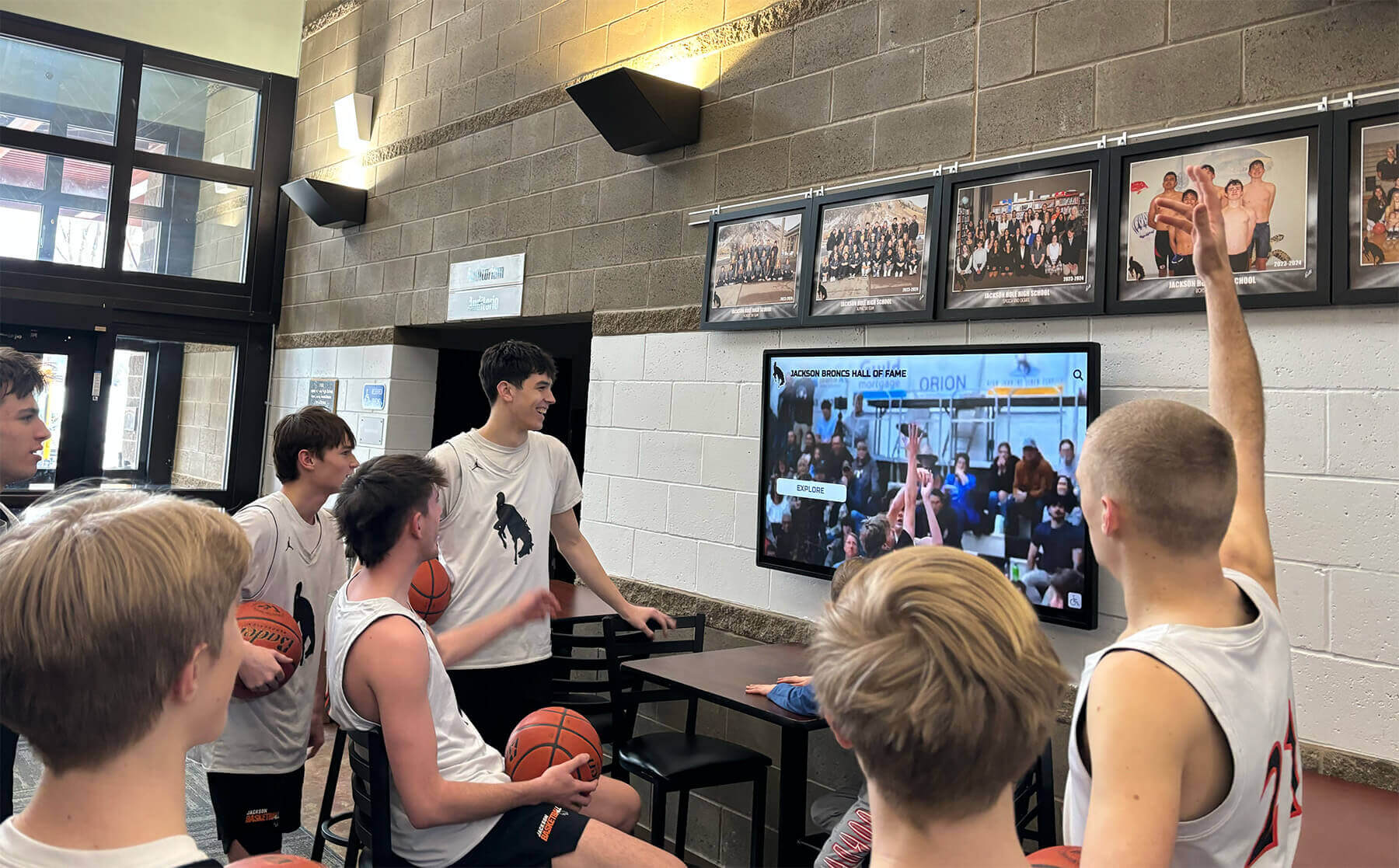
Safety and compliance systems protect athletes while ensuring programs maintain required documentation and protocols
Performance and Analytics Software Products (16-20)
Data-driven approaches enhance athletic performance and program effectiveness through sophisticated analysis and tracking.
16. Performance Tracking and Analytics Platforms
According to industry trends research, athletic directors are increasingly turning to AI-driven analytics, wearable performance trackers, and data visualization tools to improve athletic performance and injury prevention. Modern performance platforms provide athlete performance data collection from practice and competition, statistical analysis identifying strengths and opportunities, progress tracking documenting improvement over time, comparative analysis benchmarking against team and historical performance, video integration linking statistics with film analysis, training load monitoring preventing overtraining, and injury risk prediction identifying athletes requiring attention.
Advanced Analytics Features:
- Customizable dashboards presenting key performance indicators
- Automated data collection from timing systems, wearables, and video analysis
- Machine learning algorithms identifying performance patterns
- Mobile applications providing athletes with personal performance data
- Integration with training planning systems aligning analysis with preparation
- Reporting tools communicating performance insights to coaches and athletes
- Historical archives tracking athlete development across seasons and years
Performance analytics transform subjective coaching observations into objective data-driven insights supporting targeted athlete development and evidence-based training decisions.
17. Video Analysis and Film Study Software
Video represents one of the most powerful tools for athletic improvement. Specialized video analysis platforms provide game and practice video capture and storage, tagging and categorization organizing clips by play type or situation, side-by-side comparison viewing multiple angles or performances simultaneously, drawing and annotation tools highlighting key teaching points, playlist creation organizing clips for team or individual film sessions, statistical integration linking video to performance data, sharing capabilities distributing film to athletes and coaches, and mobile applications enabling film study from phones and tablets.
Systematic video analysis accelerates athlete learning, strengthens coaching effectiveness, and provides visual documentation supporting both individual development and team strategy refinement.
18. Strength and Conditioning Management Tools
Strength and conditioning programs require systematic tracking to optimize training and prevent overtraining. Specialized software manages workout planning and programming, exercise library with demonstrations and progressions, weight and repetition tracking documenting athlete performance, training load monitoring preventing excessive volume, progress visualization showing improvement over time, workout completion tracking ensuring athletes follow programs, integration with performance testing linking training to results, and mobile applications enabling athletes to log workouts independently.
Comprehensive strength and conditioning software ensures systematic progressions, prevents overtraining, demonstrates training program effectiveness, and provides data connecting training to performance outcomes.
19. Academic Performance and Study Hall Management
Student-athletes face dual demands of sport and academics requiring systematic academic support. Academic management software tracks grade point averages and academic eligibility, attendance monitoring for classes and study halls, tutor scheduling and session documentation, academic goal setting and progress tracking, early warning systems identifying struggling students, communication tools connecting coaches, advisors, and families, reporting demonstrating academic program effectiveness, and integration with school academic systems avoiding duplicate data entry.
Systematic academic management ensures student-athletes receive necessary support, maintains eligibility through proactive intervention, and demonstrates institutional commitment to student-athlete academic success.
20. Recruiting and Prospective Athlete Management Systems
For programs with competitive recruiting processes, customer relationship management (CRM) systems designed for athletic recruiting provide prospective athlete database management, communication tracking documenting all recruiting contact, event and visit scheduling, evaluation and rating systems, offer management and acceptance tracking, compliance monitoring ensuring recruiting rule adherence, integration with admissions systems, and reporting tools analyzing recruiting effectiveness.
Systematic recruiting management ensures consistent communication with prospects, prevents compliance violations, optimizes staff time allocation, and provides data informing strategic recruiting decisions.
Performance analytics systems transform data into actionable insights supporting athlete development and program improvement
Community Engagement Software Products (21-25)
Modern athletic programs extend beyond internal operations to comprehensive community engagement creating connections with diverse stakeholders.
21. Website Management and Content Publishing Platforms
Athletic program websites serve as primary communication hubs requiring content management systems designed for educational athletics. Effective platforms provide easy content updates without technical expertise, responsive design working across all devices, schedule and roster publishing with automatic updates, news and story publishing tools, photo and video galleries, social media integration, staff and coach profile pages, record book hosting, and analytics tracking website usage.
According to research on athletic department software, comprehensive website platforms manage content, schedules, and communications in unified systems specifically designed for educational athletic programs rather than generic website builders lacking sports-specific features.
22. Social Media Management and Publishing Tools
Athletic programs increasingly rely on social media for community engagement requiring systematic content management. Social media tools provide multi-platform publishing posting to multiple networks simultaneously, content calendars planning posts in advance, media libraries organizing photos and videos, scheduling capabilities posting content at optimal times, engagement tracking monitoring comments and messages, analytics demonstrating reach and engagement, and team collaboration enabling multiple staff members to contribute content.
As discussed in resources on digital storytelling for athletic programs, social media has become core to athletic communication strategies requiring professional management approaches rather than ad hoc posting.
23. Live Streaming and Broadcasting Platforms
Many programs now stream competitions expanding audience reach beyond physical venues. Live streaming solutions provide multi-camera production capabilities, graphics and scoreboard overlays, live commentary and announcing, archival storage for on-demand viewing, subscription or pay-per-view revenue options, mobile viewing compatibility, social media integration, and analytics tracking viewership.
According to research on student media programs, live streaming provides valuable educational experiences for student broadcasters while documenting athletic achievements comprehensively and generating potential revenue.
24. Ticketing and Attendance Management Systems
Athletic events require systematic ticketing and attendance management. Modern platforms provide online ticket sales with mobile-friendly purchasing, mobile ticketing eliminating physical tickets, season pass and multi-game package options, complimentary ticket allocation for teams and staff, capacity management for venue limits, contactless entry scanning, revenue reporting and reconciliation, integration with donor and booster management, and attendance analytics tracking trends.
Effective ticketing systems improve fan experience, increase revenue through convenient purchasing options, reduce fraud through digital verification, and provide data supporting facility planning and program evaluation.
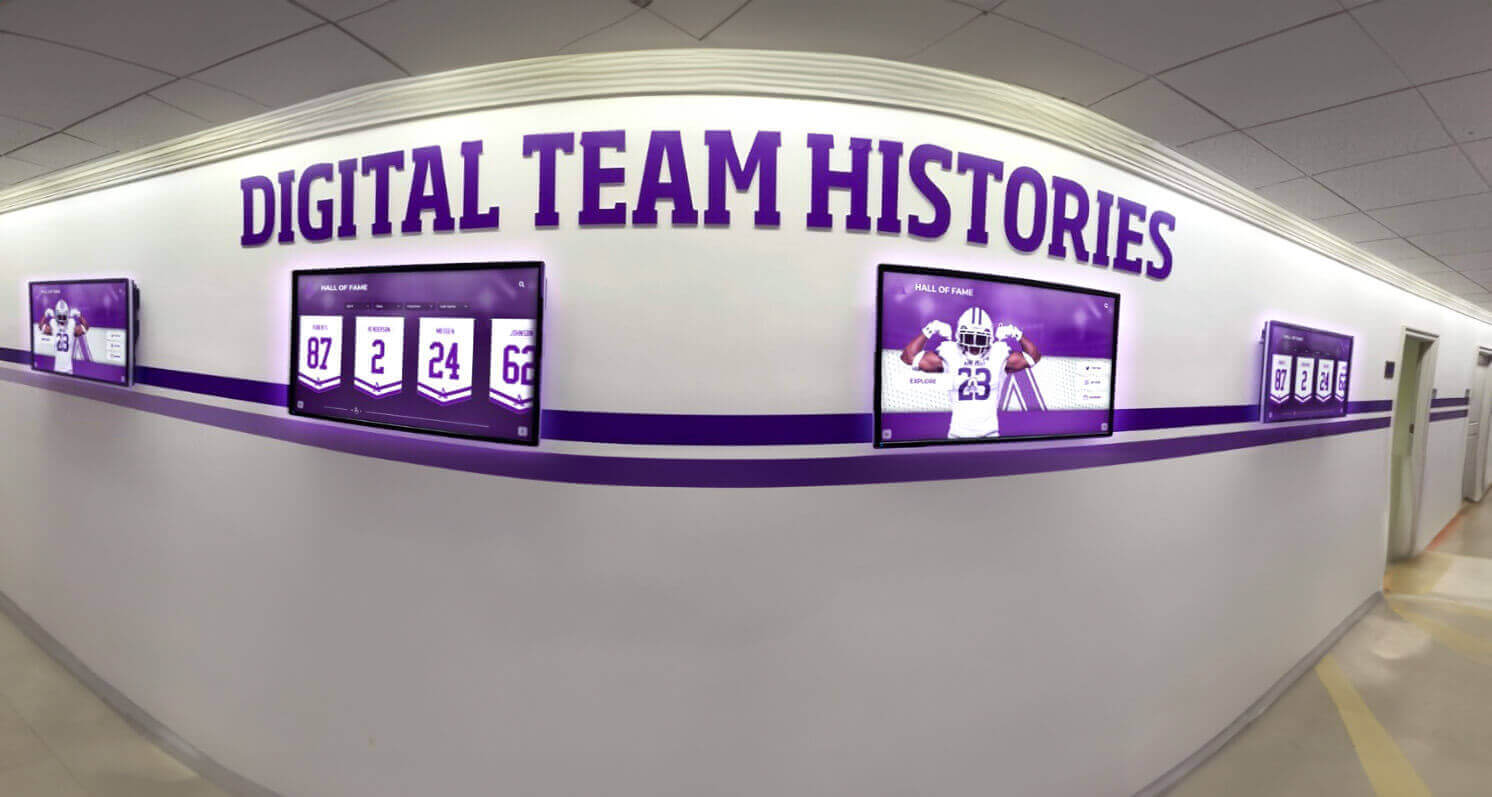
25. Digital Recognition and Hall of Fame Systems
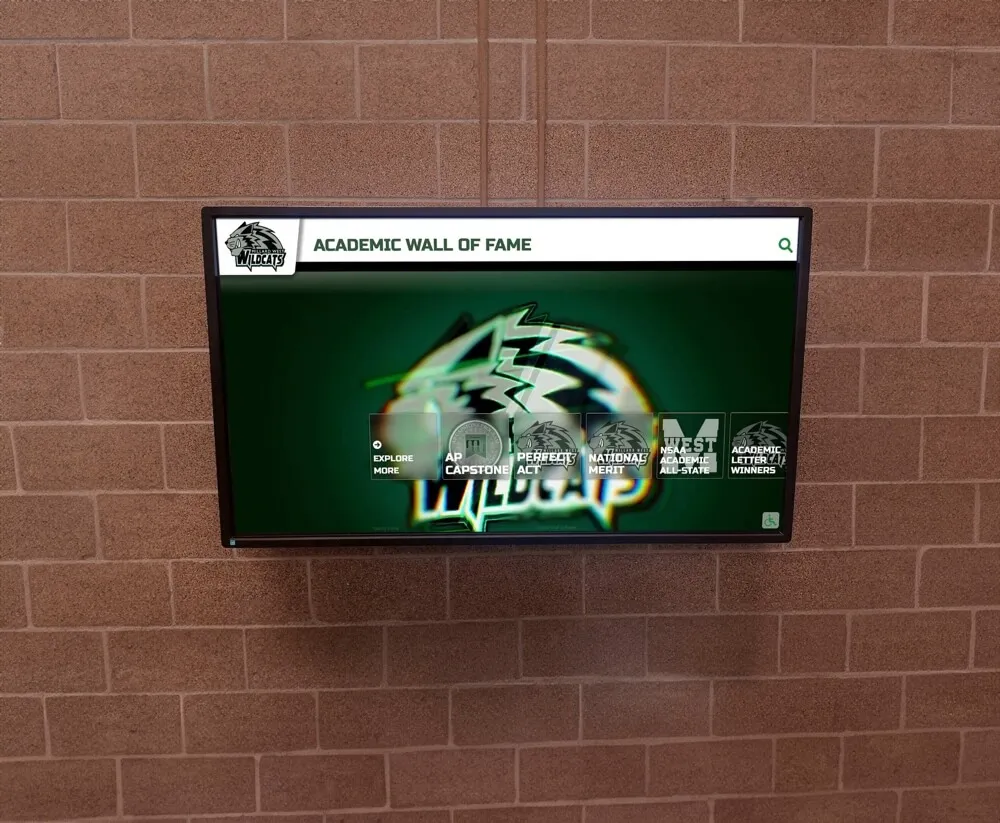
Traditional trophy cases and wall plaques face significant limitations celebrating athletic achievement across program history. Interactive digital recognition systems overcome these constraints through unlimited capacity accommodating all achievements without space restrictions, comprehensive profiles documenting athlete careers with statistics and multimedia, searchable databases enabling visitors to explore content by sport, athlete, or year, and web accessibility extending recognition beyond physical displays.
Essential Recognition Features:
- Intuitive content management accessible to non-technical staff
- Professional display quality impressing recruits and visitors
- Cloud-based systems enabling updates from any device
- Multi-category organization supporting athletic, academic, and distinguished alumni recognition
- Social sharing allowing athletes and families to distribute recognition
- Analytics revealing how communities engage with athletic content
- Integration with current social media and video content
- Mobile and web access extending recognition worldwide
Solutions like Rocket Alumni Solutions provide purpose-built platforms specifically designed for athletic recognition, combining sophisticated functionality with accessibility ensuring programs of all sizes can celebrate achievement professionally.
As detailed in guides to digital athletic recognition systems, modern recognition technology transforms static trophy cases into dynamic interactive experiences that engage visitors while honoring achievement comprehensively across program history.

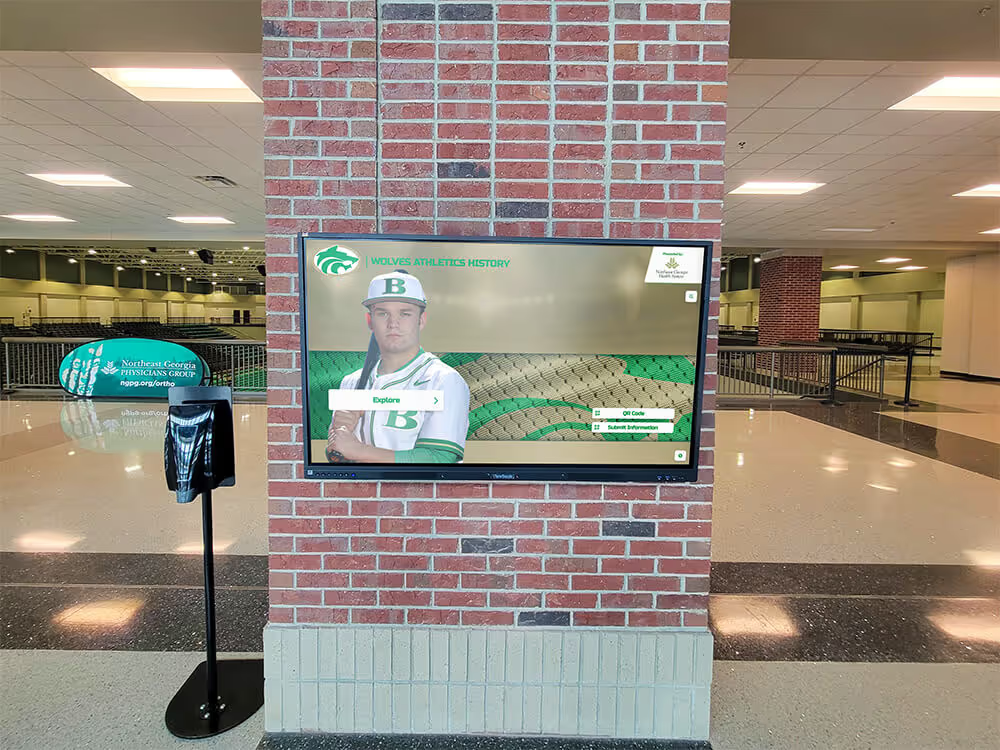
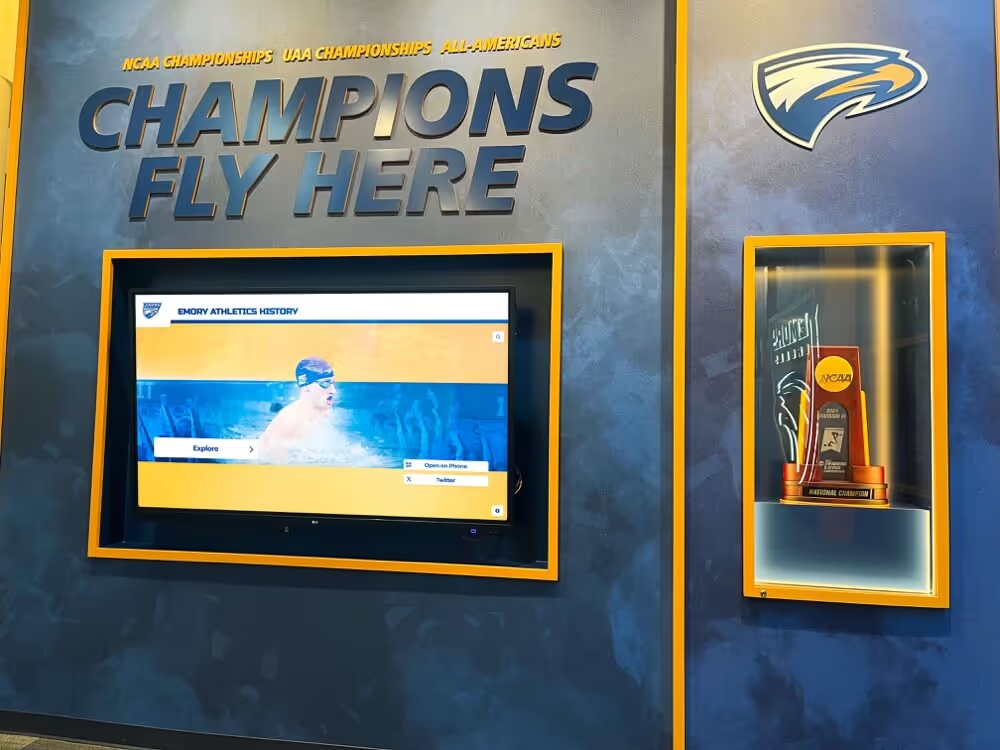
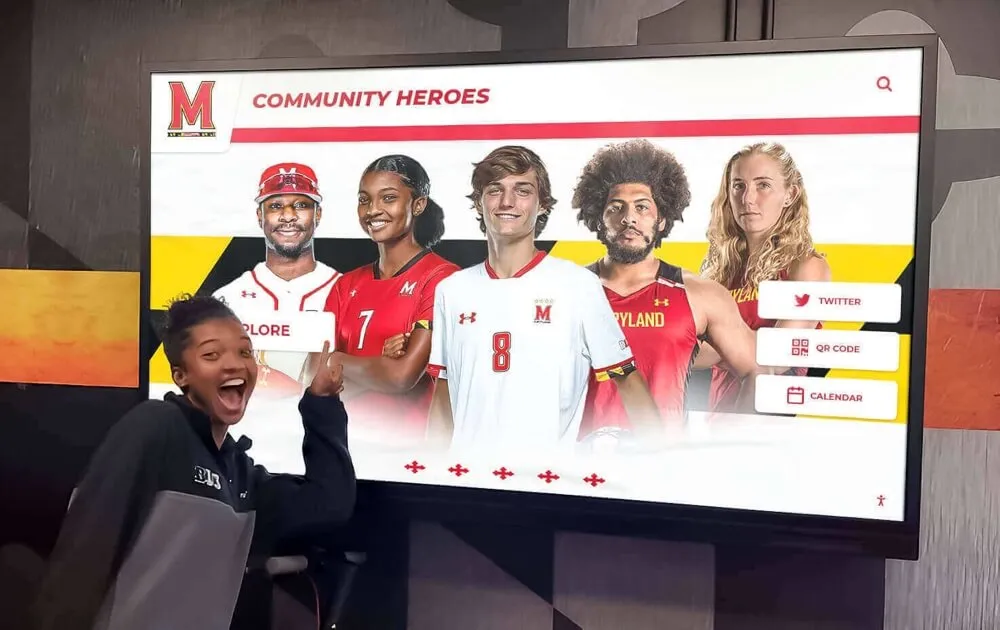
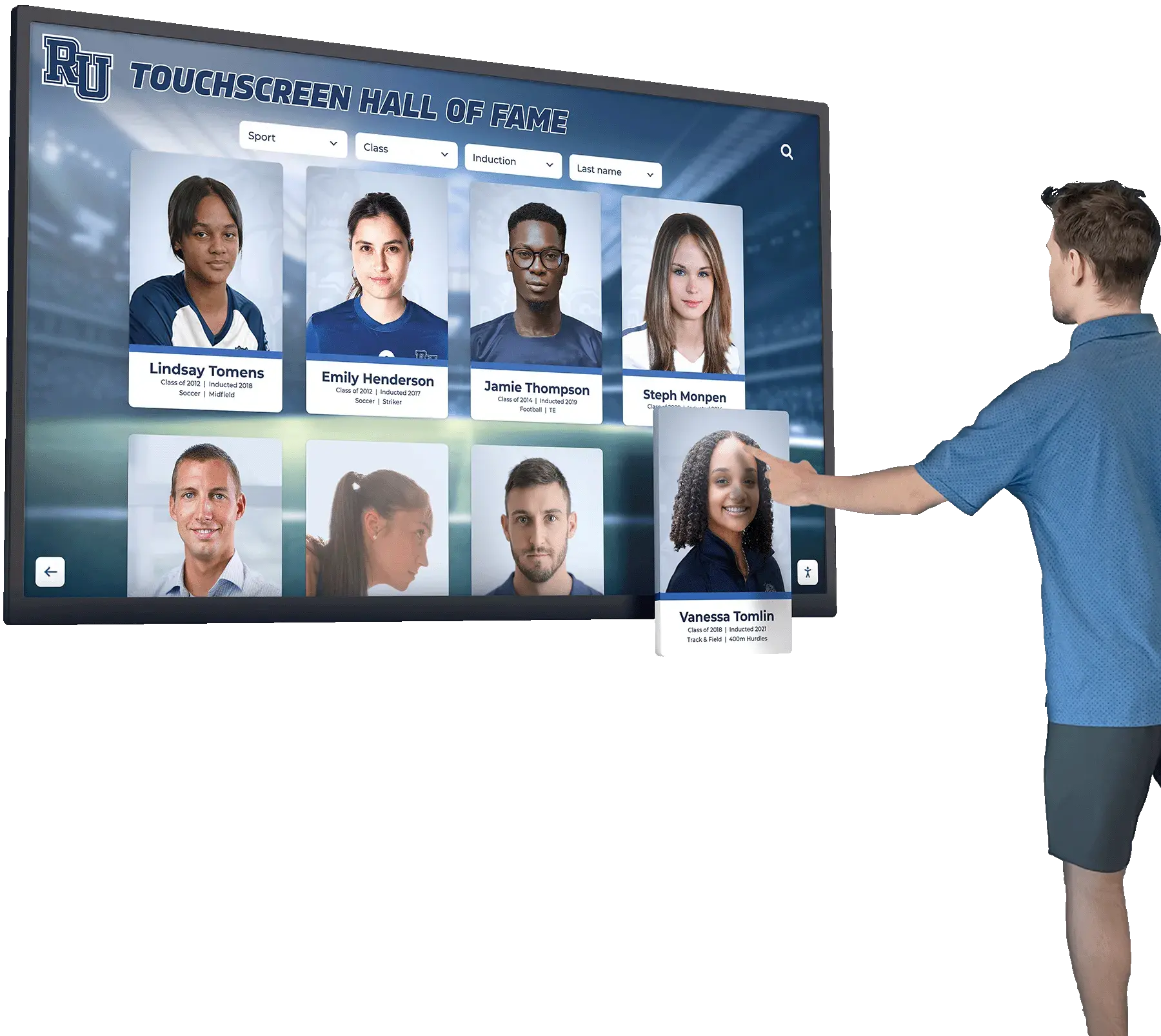
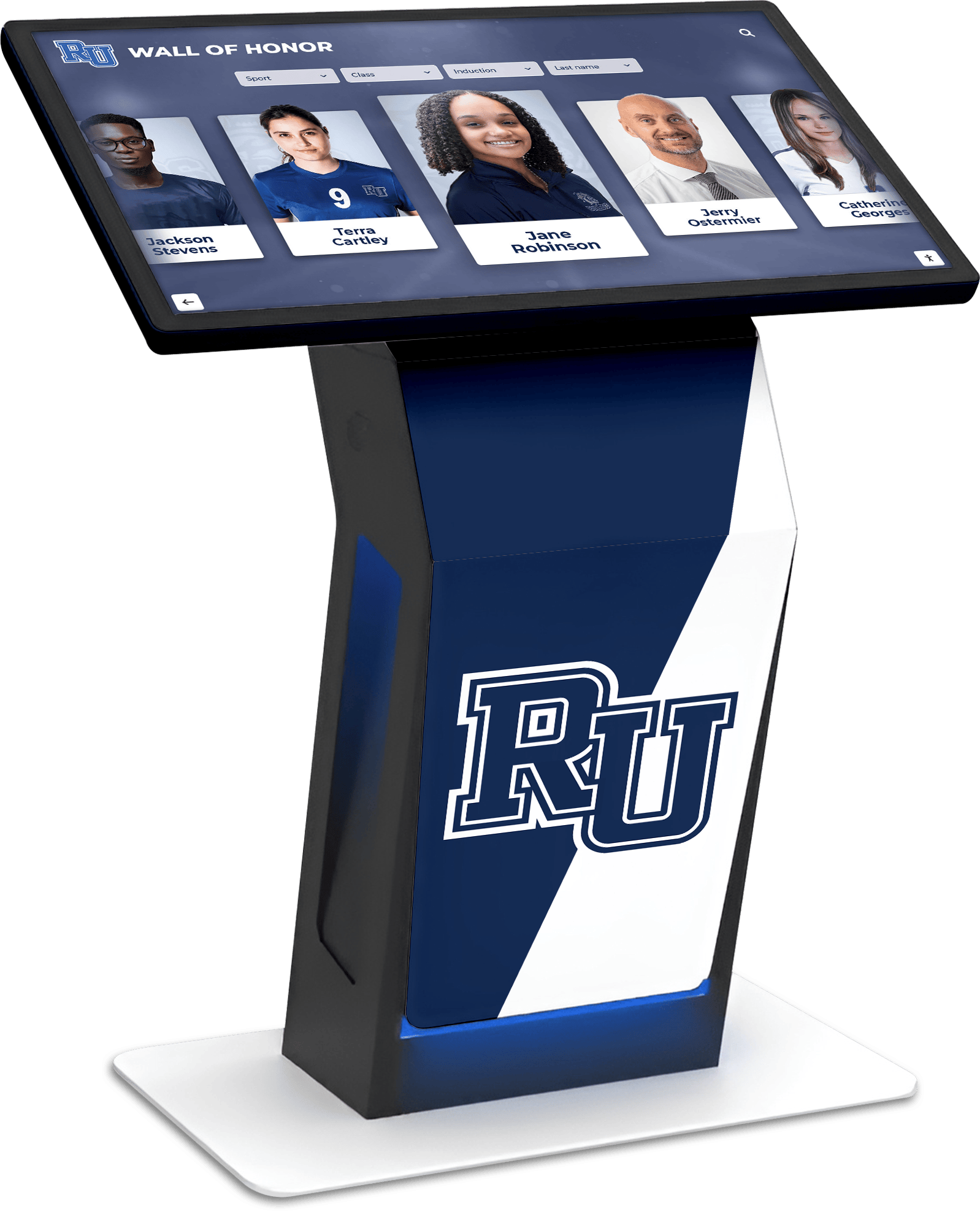
Interactive recognition systems provide unlimited capacity celebrating all achievements through engaging touchscreen experiences
Specialized Administrative Software Products (26-30)
Beyond core categories, specialized software addresses specific administrative needs arising in athletic program management.
26. Fundraising and Donor Management Systems
Athletic programs increasingly rely on fundraising requiring systematic donor management. Fundraising platforms provide donor database management with gift history, online donation processing with recurring gift options, campaign management tracking specific fundraising initiatives, pledge tracking and payment reminders, donor recognition tier management, communication tools targeting donor segments, event management for fundraising events, grant tracking for foundation support, and reporting demonstrating fundraising effectiveness.
For athletic programs, fundraising software should integrate with digital donor recognition displays ensuring contributor acknowledgment receives appropriate visibility and sophistication.
27. Booster Club and Volunteer Management Tools
Many athletic programs benefit from booster clubs and volunteer support requiring coordination. Volunteer management software provides member databases with contact information and skills, volunteer opportunity posting and signup, hour tracking documenting contribution, communication tools reaching volunteers, event planning and coordination, fundraising integration connecting volunteers with giving, recognition programs acknowledging outstanding volunteers, and reporting demonstrating volunteer program impact.
Systematic volunteer management increases engagement, reduces coordination burden, ensures critical volunteer roles get filled, and strengthens community connections supporting athletic programs.
28. Merchandise and Apparel Management Systems
Athletic programs often sell team merchandise and spirit wear. E-commerce and inventory platforms provide online stores with shopping cart functionality, product catalogs with photos and descriptions, inventory tracking preventing overselling, order fulfillment and shipping coordination, payment processing, customer communication with order updates, sizing tools helping customers select appropriate sizes, team stores for custom team orders, and sales reporting tracking revenue and popular items.
Effective merchandise management generates revenue supporting programs, strengthens school spirit, and provides convenient purchasing for families and fans.
29. Survey and Feedback Collection Tools
Continuous improvement requires systematic stakeholder feedback. Survey platforms provide customizable questionnaires addressing specific questions, multi-channel distribution via email, social media, and websites, anonymous response options when appropriate, response tracking monitoring participation rates, automated analysis identifying trends, comparative reporting showing year-over-year changes, integration with other systems connecting feedback to operational data, and mobile optimization enabling responses from any device.
Regular feedback collection from athletes, families, coaches, and community members informs strategic decisions ensuring programs evolve meeting stakeholder needs rather than operating on assumptions about satisfaction and priorities.
30. Business Intelligence and Reporting Dashboards
Athletic administrators need comprehensive visibility across all program dimensions. Business intelligence tools provide centralized dashboards displaying key performance indicators, automated report generation eliminating manual compilation, data visualization presenting information through charts and graphs, drill-down capabilities exploring details behind summary metrics, scheduled reports automatically distributing to stakeholders, customizable views focusing on specific areas of interest, mobile access reviewing data from phones and tablets, and integration across systems combining data from multiple sources.
Comprehensive business intelligence transforms scattered data across multiple systems into coherent insights supporting strategic decision making and demonstrating program effectiveness to administrators, boards, and communities.
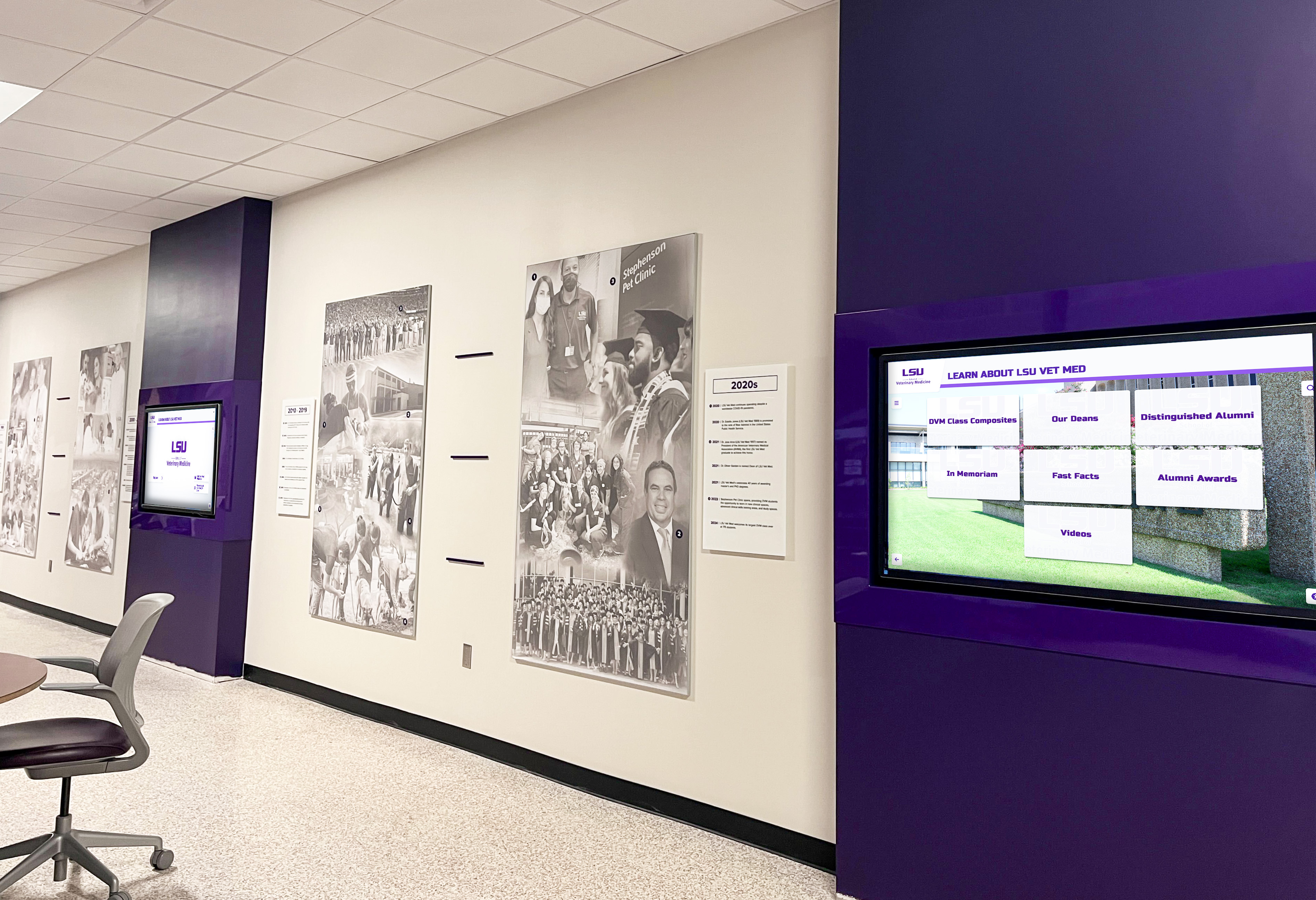
Integrated software ecosystems connect all program dimensions from operations through community engagement
Implementation Strategy: Building Your Athletic Technology Ecosystem
Understanding what software exists differs from implementing it effectively. Strategic technology adoption requires systematic approaches maximizing value while minimizing disruption.
Conducting a Technology Audit and Needs Assessment
Begin by evaluating your current state through inventory of existing software documenting what you currently use, identification of pain points where current approaches create problems, stakeholder input from coaches, staff, athletes, and families about needs, workflow documentation understanding how work currently happens, integration analysis identifying where systems do and don’t connect, cost analysis documenting current technology spending, and gap identification where critical needs lack adequate solutions.
This comprehensive assessment provides foundation for strategic technology planning rather than reactive purchasing responding to immediate frustrations without considering broader ecosystem needs.
Prioritizing Software Investments
Most athletic programs cannot implement comprehensive technology ecosystems simultaneously. Prioritize investments based on critical operational needs where problems significantly impair program function, compliance requirements where lack of proper systems creates regulatory risk, high-impact opportunities where technology delivers substantial improvement, integration potential where new systems connect with existing infrastructure, user adoption likelihood evaluating whether staff will actually use proposed solutions, and budget constraints balancing ideal solutions with financial reality.
Strategic prioritization typically addresses foundation layer systems first ensuring basic administrative operations function reliably, then adds operational layer tools addressing specific pain points, followed by engagement layer platforms strengthening community connection, and finally intelligence layer analytics providing sophisticated insights.
Managing Implementation and Change
Technology implementation represents organizational change requiring deliberate management. Successful approaches include stakeholder involvement engaging users in selection processes, comprehensive training ensuring staff understand new systems, phased rollout implementing gradually rather than all at once, ongoing support providing assistance during adoption periods, feedback collection identifying problems and improvement opportunities, process documentation establishing standard operating procedures, and continuous improvement refining usage as experience develops.
Technology fails most often not because systems lack capabilities but because inadequate change management prevents effective adoption. Even excellent software adds no value if staff cannot or will not use it effectively.
Ensuring Data Security and Privacy
Student-athlete data deserves strong protection requiring deliberate security measures. Verify that systems implement encryption protecting data in transit and at rest, access controls limiting who can view sensitive information, regular security audits identifying vulnerabilities, compliance with FERPA and other regulations, data backup and disaster recovery protecting against loss, vendor security practices ensuring third-party providers maintain appropriate protection, and staff training recognizing and preventing security threats.
Security breaches create legal liability, damage institutional reputation, and most importantly violate trust that students, families, and communities place in athletic programs. Prioritize security throughout technology selection and implementation.
Measuring Return on Investment
Technology investments require justification demonstrating value. Track metrics including time savings quantifying administrative efficiency gains, error reduction measuring improved accuracy, compliance improvement demonstrating reduced violations, engagement increases showing stronger community connection, performance enhancement tracking athletic improvement, and cost savings documenting reduced expenses from automation.
Systematic ROI measurement supports ongoing technology investment, identifies systems delivering value versus those requiring replacement, and demonstrates to administrators and boards how technology enables program excellence.

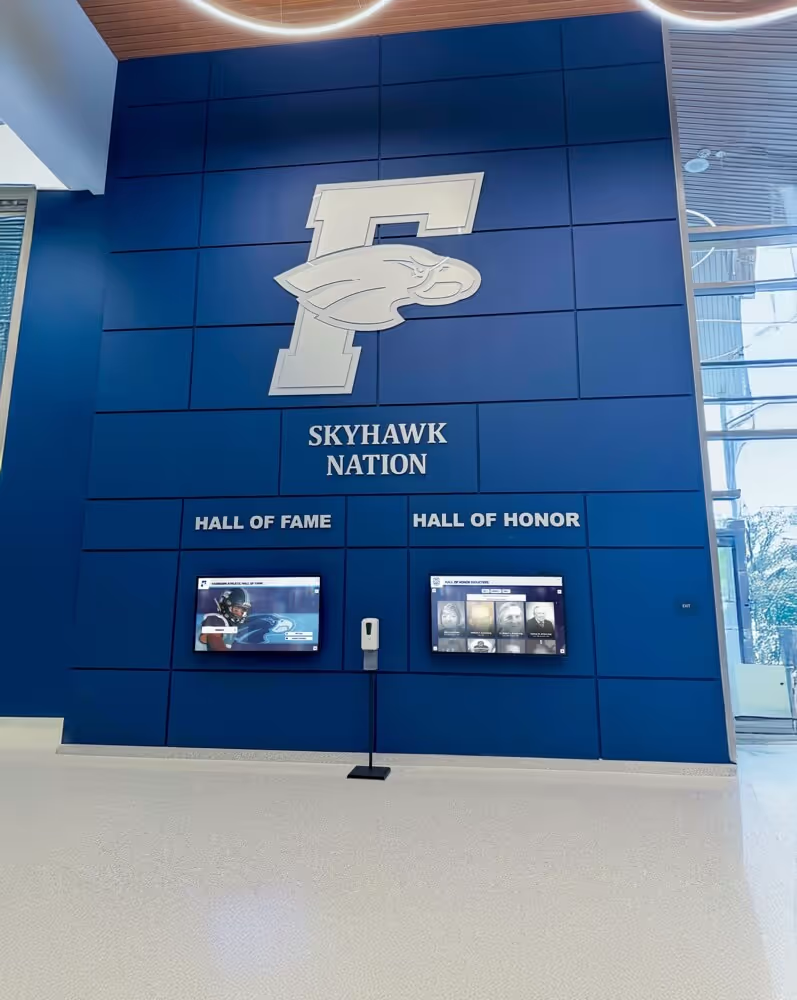
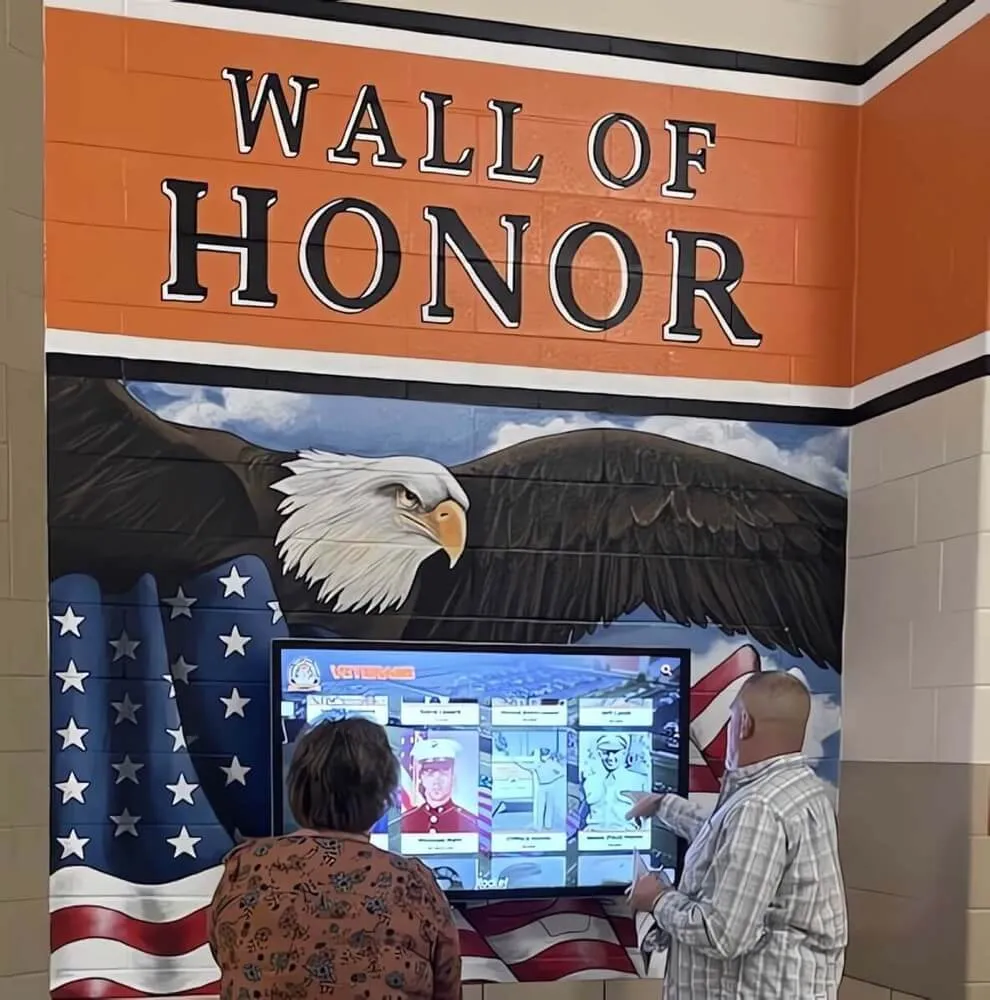
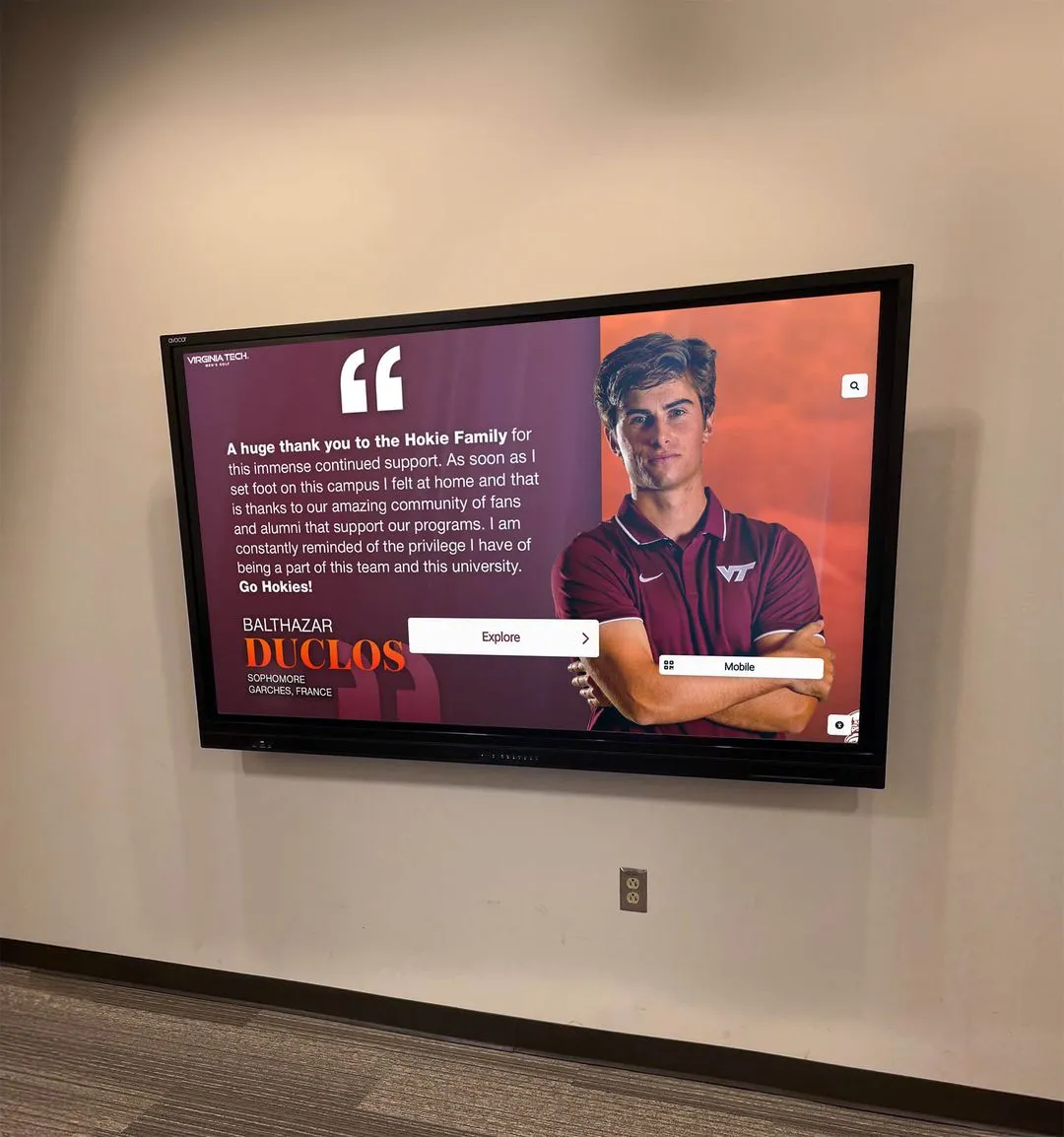
Effective technology implementation puts powerful tools in hands of students, athletes, families, and communities
Future Trends in Athletic Administration Technology
Technology evolution continues creating new opportunities for enhanced athletic program management.
Artificial Intelligence and Machine Learning Applications
AI capabilities promise significant enhancements including automated administrative tasks like scheduling and registration, predictive analytics identifying injury risks and performance trends, personalized athlete development adapting training to individual needs, intelligent chatbots answering common questions, advanced video analysis automatically identifying key plays and teaching points, recruitment optimization identifying prospects matching program needs, and natural language processing analyzing large volumes of feedback data.
These AI applications will reduce administrative burden while enabling more sophisticated analysis and personalized experiences impossible with current approaches.
Internet of Things and Connected Devices
Connected devices expand data collection and automation including wearable sensors tracking athlete load, biometrics, and performance, smart facility systems managing lighting, climate, and access, equipment sensors monitoring usage and maintenance needs, automated attendance tracking verifying practice and competition participation, connected weight room equipment logging workouts automatically, and environmental monitoring tracking field and facility conditions.
IoT integration creates comprehensive data ecosystems providing unprecedented visibility into athlete preparation, facility utilization, and program operations.
Enhanced Mobile and Contactless Experiences
Mobile-first approaches will dominate including mobile-native applications replacing desktop-focused systems, contactless check-in for practices and competitions, mobile payments for registrations, tickets, and merchandise, push notifications replacing email for time-sensitive communications, mobile video analysis enabling film study anywhere, and augmented reality features overlaying digital information on physical facilities.
These mobile experiences align with how modern users interact with technology while providing convenient access supporting engagement.
Integration and Ecosystem Platforms
Rather than standalone tools, future systems will feature comprehensive platforms integrating all program functions, open APIs enabling custom integrations connecting any systems, data standardization allowing seamless information flow, unified authentication providing single sign-on across all tools, and centralized analytics combining data from all sources.
Integrated ecosystems eliminate information silos, reduce redundant data entry, and provide comprehensive visibility impossible with disconnected tools.
Conclusion: Building Technology-Enabled Athletic Excellence
The 30 software categories explored in this comprehensive guide represent essential technology infrastructure supporting modern athletic program administration. From foundational systems managing registration, scheduling, and communication through specialized tools addressing compliance, performance analytics, and community engagement, strategic technology implementation transforms overwhelming administrative complexity into systematic operations where information flows seamlessly, compliance happens automatically, and community engagement strengthens through professional digital experiences.
Get Your Touchscreen Mock-Up
Discover how interactive digital recognition displays can transform how your athletic program celebrates achievement, preserves history, and engages your community. Rocket Alumni Solutions creates customized recognition experiences that complement your broader technology ecosystem.
Schedule Your Design ConsultationAccording to market research, the Sports Management Software Market size of $10.20 billion in 2025 growing to projected $17.54 billion by 2030 reflects not passing trends but fundamental transformation in how athletic programs operate. Digital transformation has moved from optional enhancement to operational necessity for programs competing for athletes, managing complex compliance requirements, and serving communities expecting professional, accessible experiences.
The most successful athletic administrators recognize that technology serves means, not ends. Software products exist to reduce administrative burden allowing focus on what truly matters—developing student-athletes, building championship programs, strengthening community connections, and creating environments where excellence flourishes across athletic, academic, and personal dimensions.
Whether you’re managing a small high school program with limited resources or overseeing comprehensive collegiate athletics with dozens of sports, the right technology ecosystem enables effectiveness impossible through manual processes. Start with clear needs assessment understanding your specific challenges. Prioritize strategically addressing most critical needs first while building toward comprehensive long-term vision. Implement deliberately with proper training, support, and change management. And measure consistently demonstrating value while identifying continuous improvement opportunities.
Your athletes deserve programs where administrative excellence matches athletic excellence. Your staff deserves tools eliminating tedious manual work while enabling focus on meaningful coaching and development. Your community deserves professional, engaging experiences celebrating achievement and building connections. And you deserve technology infrastructure supporting success rather than creating burden.
The 30 software categories explored here provide framework for building technology ecosystems supporting athletic program excellence. Combined with strategic implementation, proper training, and commitment to continuous improvement, these tools transform administration from overwhelming complexity into systematic operations where programs thrive through operational excellence, compliance confidence, and community engagement strength.
Ready to explore how digital recognition displays fit within your broader technology ecosystem? Discover comprehensive digital hall of fame solutions, learn about athletic recognition best practices, explore digital record board applications, and understand interactive display implementation strategies that celebrate achievement through modern technology purpose-built for honoring excellence while engaging communities across generations.
Sources
- BigTeams: Software Products for Athletic Administrators
- Spry: All-In-One Intercollegiate Athletics Management Tool
- Why Athletic Programs Need Management Software | Sportskey
- 2025 Athletics Revolution: 7 Trends Shaping the Future of Athletic Directors
- Sports Management Software Market Size & Forecast, 2025-2032
- Student-Athlete Compliance Software | Teamworks
- A Buyer’s Guide for Athlete Management System Software - SimpliFaster
- Which Tools Do Athletic Directors Use? - Software Career Guide
- Athletic Department Software for Schools | Finalsite