



Students passionate about Spanish language and Hispanic culture often seek recognition that celebrates their dedication while opening doors to future opportunities. Spanish Honor Society membership provides exactly this—prestigious acknowledgment of linguistic achievement, cultural appreciation, and academic excellence that distinguishes students in college applications while connecting them to a community of language enthusiasts.
Whether you’re considering applying for membership, already inducted and wondering how to maximize your involvement, or an educator establishing a chapter at your school, understanding the requirements, benefits, and best practices surrounding Spanish Honor Society can help you leverage this opportunity fully while building meaningful connections to the Spanish-speaking world.
Spanish Honor Society—formally known as Sociedad Honoraria Hispánica (SHH)—represents one of the most prestigious academic organizations for secondary school students studying Spanish language and culture. Established by the American Association of Teachers of Spanish and Portuguese (AATSP), the society recognizes students who demonstrate exceptional proficiency in Spanish while promoting continued interest in Hispanic studies throughout educational communities.
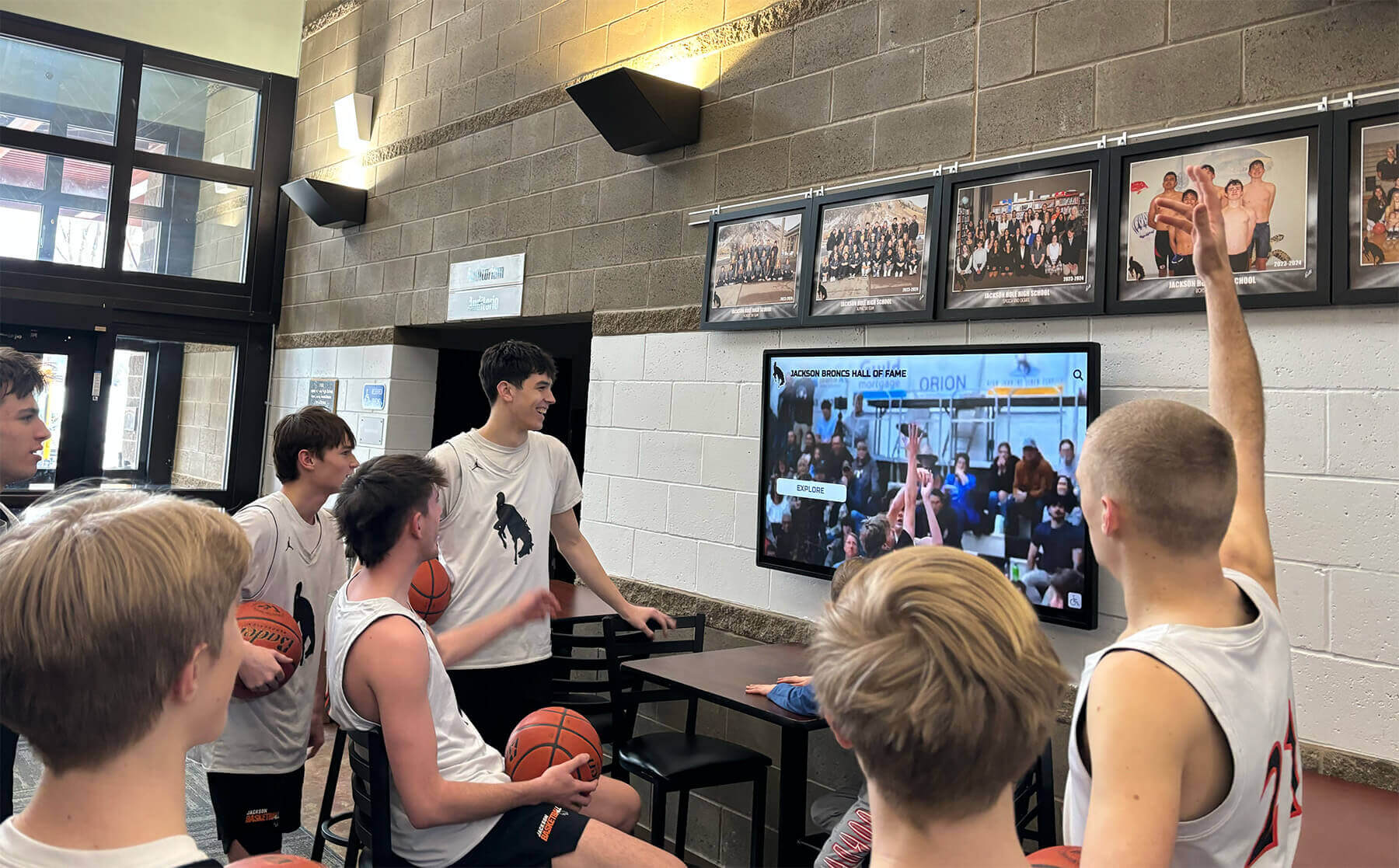
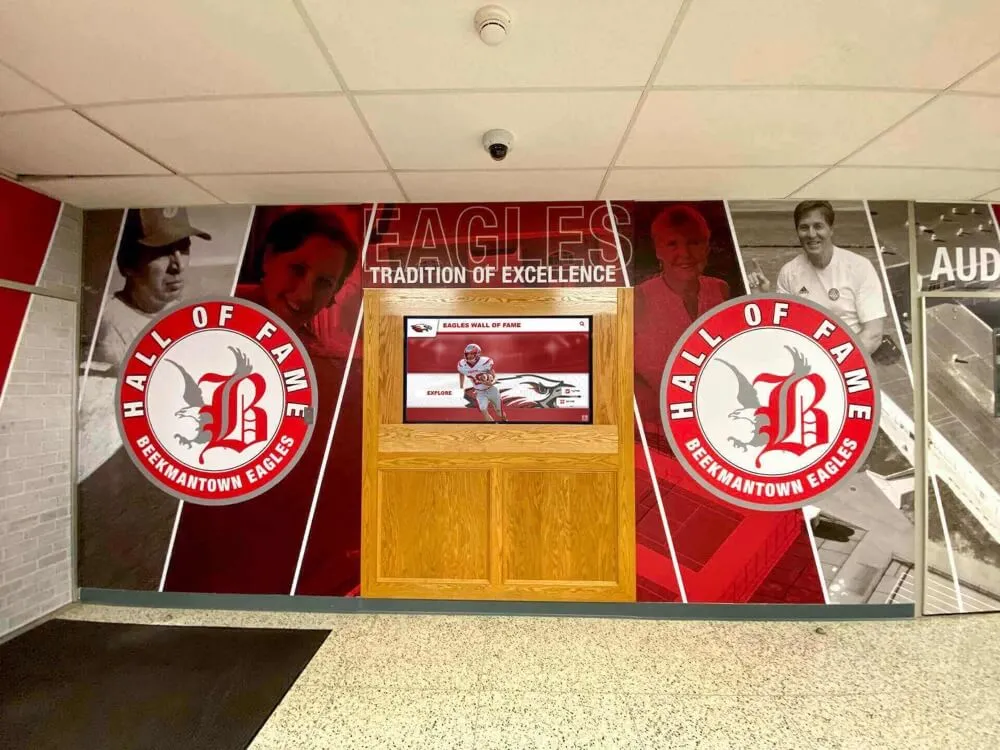
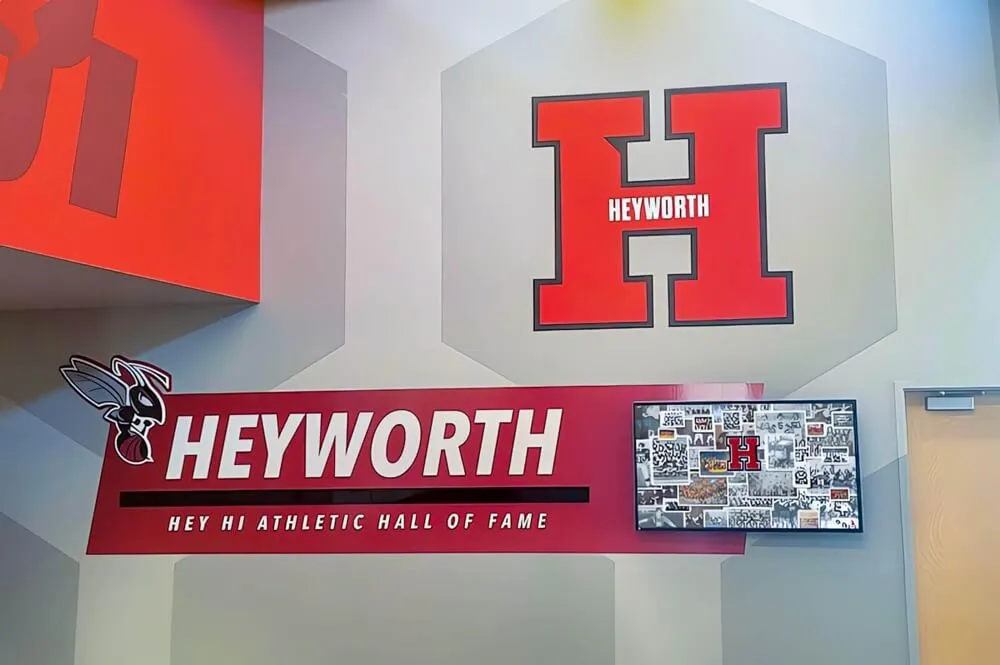
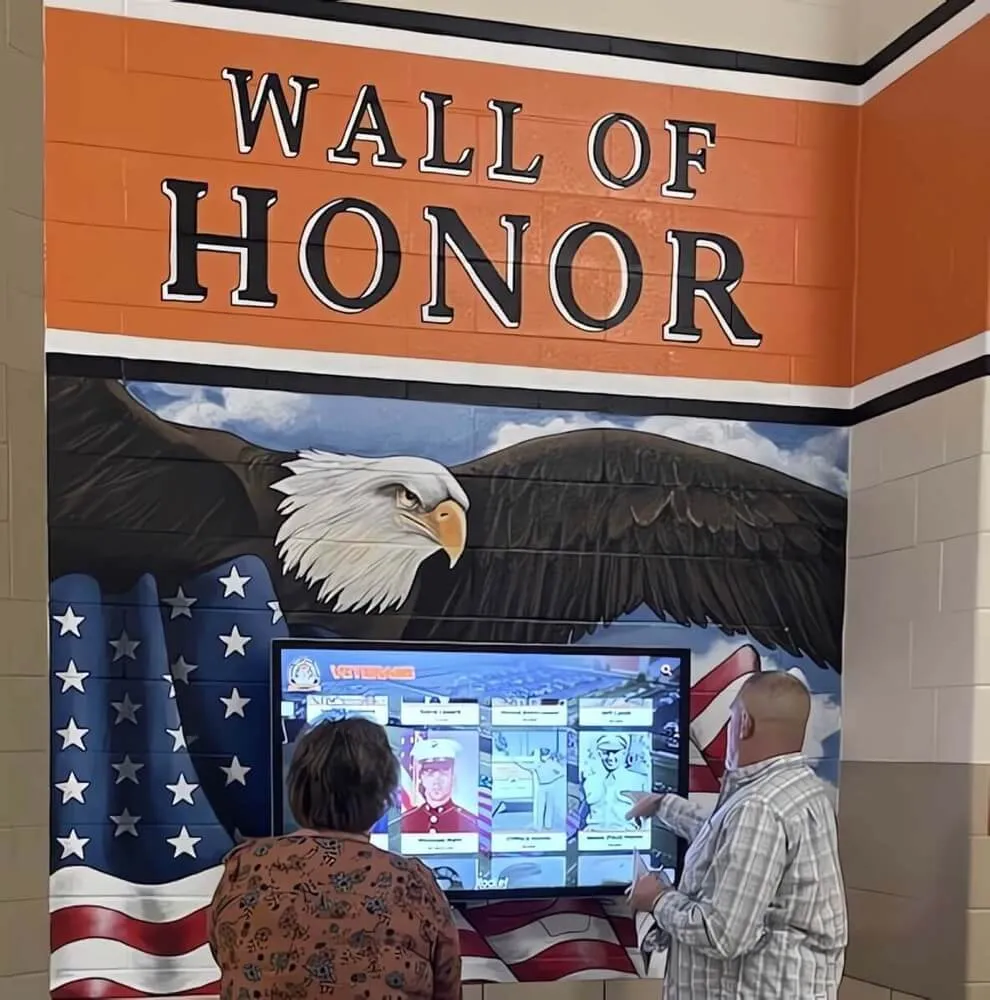
Modern recognition displays help schools celebrate academic achievements including language honors alongside athletic accomplishments
Understanding Spanish Honor Society: Purpose and Structure
Spanish Honor Society serves multiple interconnected purposes that benefit individual members, school communities, and the broader mission of promoting world language education.
The Mission of Spanish Honor Society
The primary purpose of Spanish Honor Society centers on recognizing students who excel in Spanish language study while fostering continued interest in Hispanic language, literature, and culture. Unlike simple participation in Spanish courses, SHH membership requires demonstrated proficiency, sustained commitment, and genuine interest extending beyond classroom requirements.
Core Organizational Goals:
- Recognize outstanding achievement in Spanish language acquisition and proficiency
- Stimulate interest in Hispanic studies and cultural understanding
- Promote goodwill and understanding between nations of different languages
- Encourage students to pursue advanced Spanish study in college and beyond
- Create community among students passionate about language learning
- Provide leadership opportunities through chapter activities and service
- Connect language study to meaningful cultural engagement and authentic communication
Spanish Honor Society chapters operate within individual schools under guidance from faculty advisors who are typically Spanish teachers. The national organization, administered by AATSP, provides framework, standards, and support while local chapters implement programming reflecting their unique school communities and student interests.
National Organization and Chapter Structure
The American Association of Teachers of Spanish and Portuguese oversees Spanish Honor Society nationally, establishing membership criteria, providing resources for chapters, and maintaining quality standards ensuring that SHH recognition carries consistent meaning across thousands of schools nationwide.
National Framework Benefits:
According to the AATSP official guidelines, the national organization provides chapter starter kits with induction ceremony materials, membership certificates and pins recognizing achievement, access to national contests and scholarship opportunities, and professional resources supporting chapter advisors.

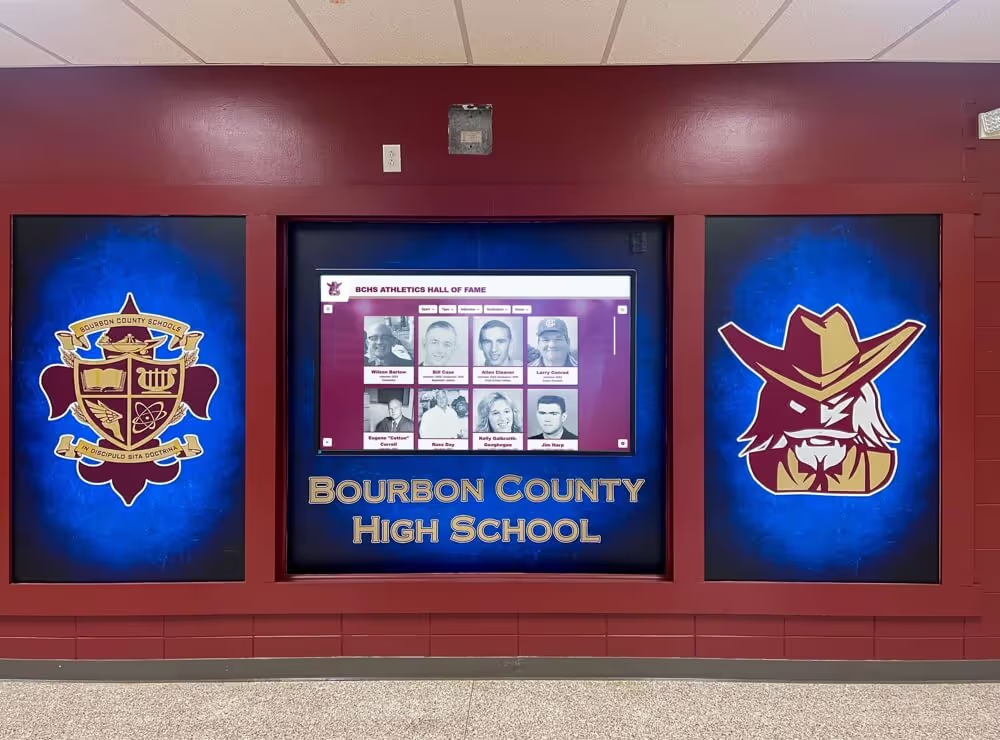
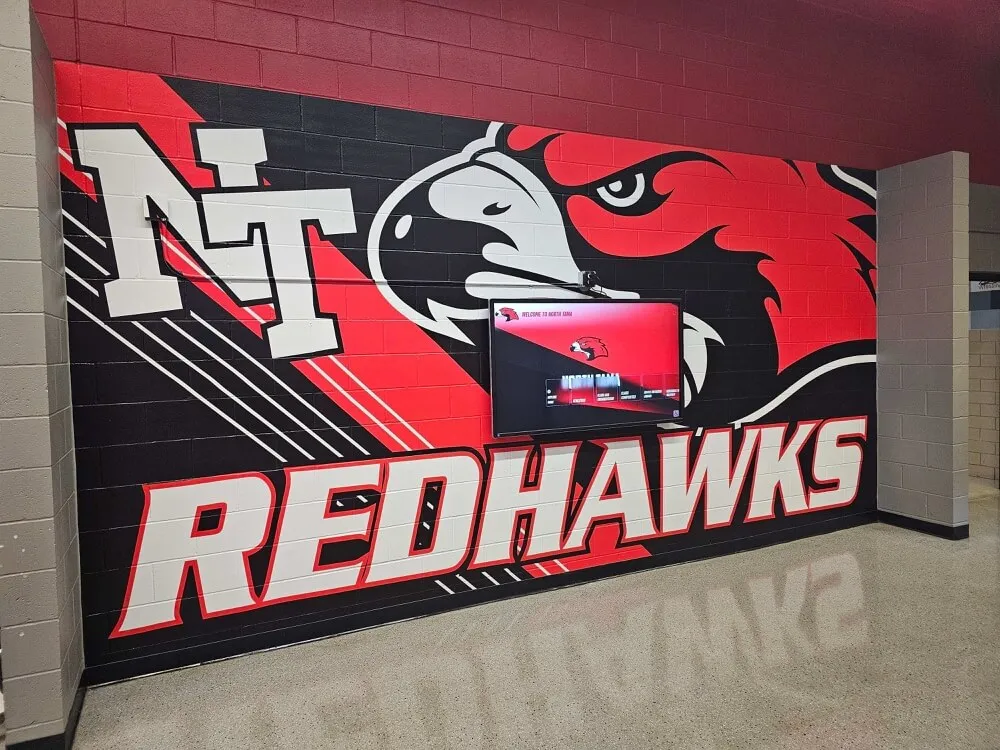
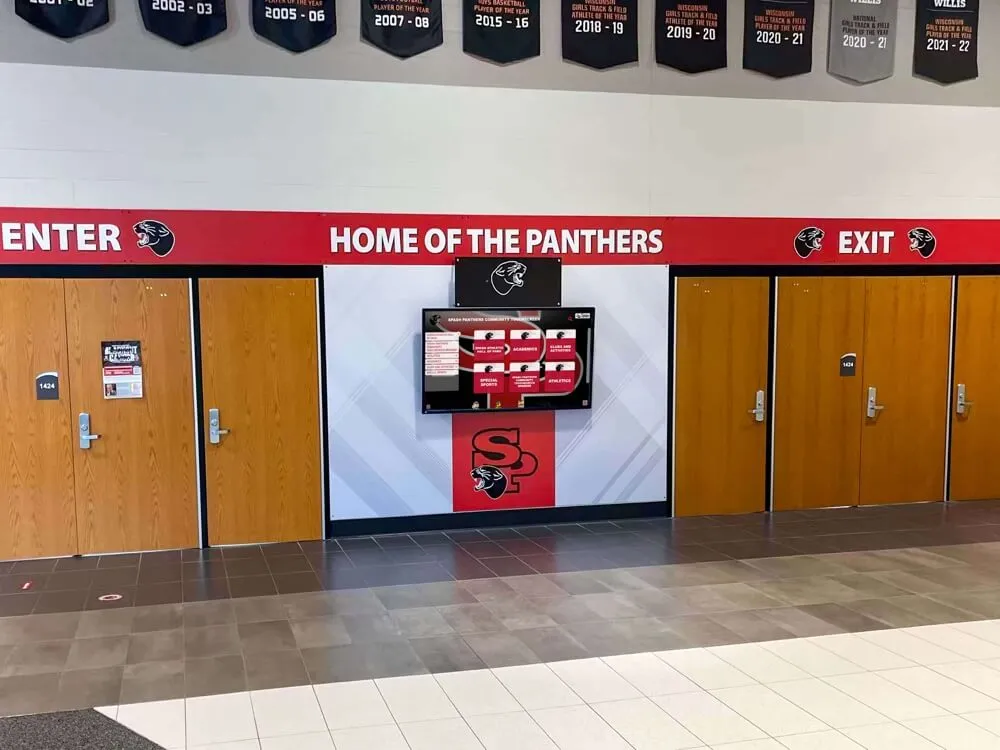
Comprehensive recognition systems document achievement journeys including honor society memberships across academic careers
Local Chapter Autonomy:
While national standards ensure consistency, individual chapters enjoy substantial flexibility in programming, activities, and community engagement initiatives. Schools determine induction ceremony formats, plan service projects supporting Hispanic communities, organize cultural events celebrating Hispanic heritage, coordinate fundraising for chapter activities, and create leadership opportunities through officer positions and committee structures.
This balance between national standards and local autonomy enables Spanish Honor Society to maintain prestige and consistent meaning while adapting to diverse school contexts, student populations, and community resources.
Spanish Honor Society Membership Requirements
Understanding the specific criteria for membership helps prospective students determine eligibility while planning coursework and activities maximizing their chances of achieving this distinction.
Academic Performance Requirements
Spanish Honor Society establishes clear academic standards ensuring that membership recognizes genuine proficiency and sustained achievement rather than simply completing required courses.
Minimum GPA Standards:
Most chapters require cumulative Grade Point Average of 3.0 or higher (B average) on a 4.0 scale. However, many schools establish more stringent requirements—commonly 3.5 or higher—reflecting local academic cultures and the competitive nature of their applicant pools.
Crucially, GPA requirements typically apply both overall (across all courses) and specifically within Spanish language courses. Students might need to maintain an A average (3.7 or 4.0) in Spanish classes even if overall GPA requirements permit slightly lower performance in other subjects.
Spanish Course Completion:
Chapters commonly require completion of at least two years of Spanish language study, with many specifying Level 3 Spanish or higher. Some competitive chapters require completion of Spanish 4, AP Spanish Language, or AP Spanish Literature before students qualify for membership consideration.
This coursework requirement ensures that members possess intermediate or advanced Spanish proficiency rather than basic conversational skills, aligning membership with genuine linguistic competence and sustained commitment to language study.

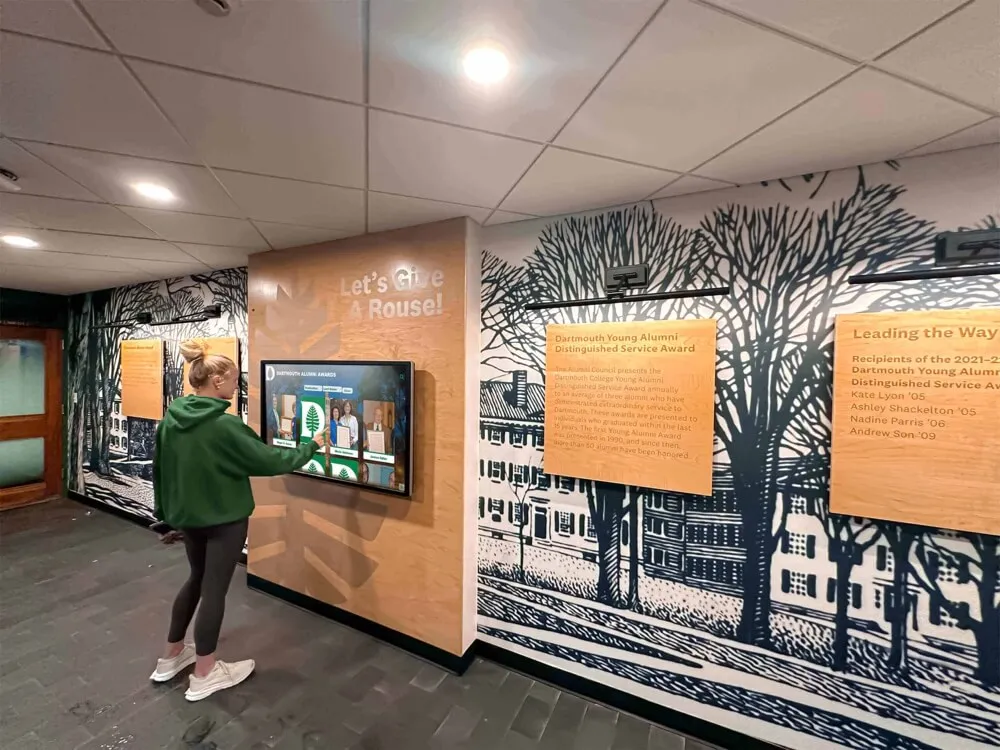
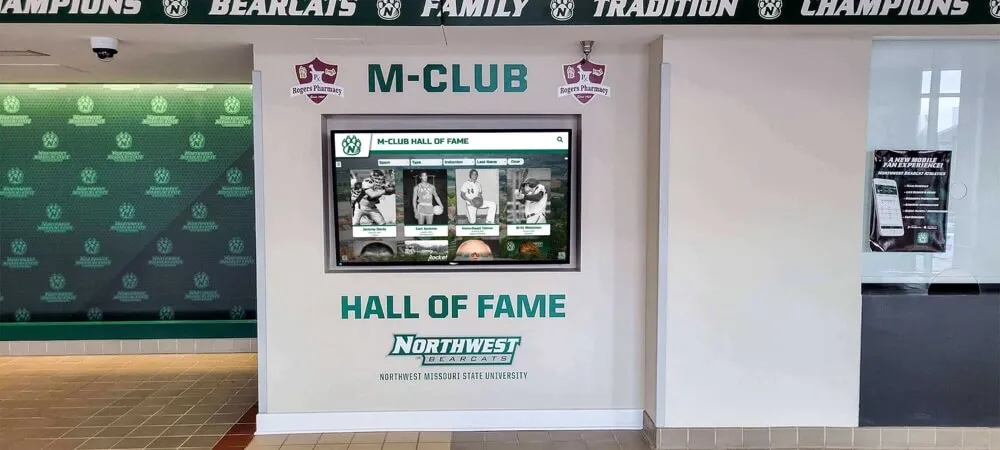
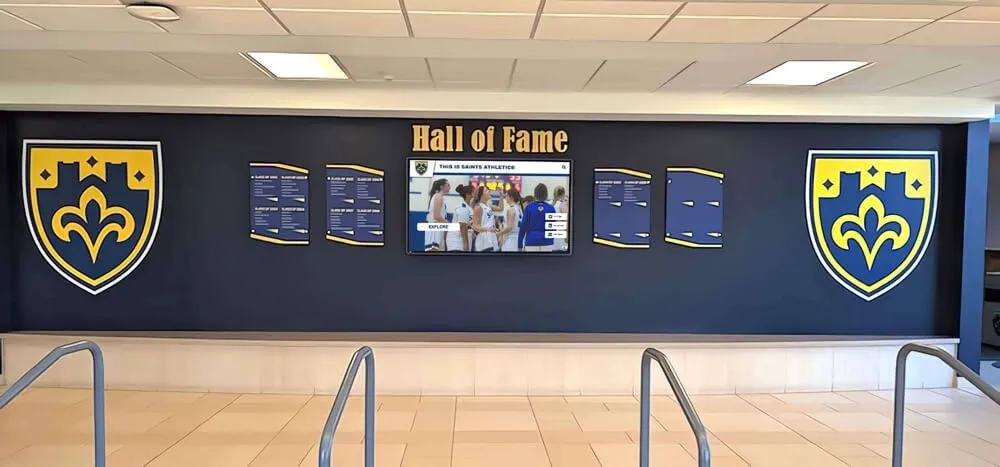
Interactive displays enable students to explore diverse achievements including academic honor society recognitions
Character and Service Requirements
Beyond academic metrics, Spanish Honor Society evaluates character qualities and service commitment reflecting holistic excellence aligned with organizational mission and values.
Character Evaluation:
Students must demonstrate good character evidenced by minimal disciplinary issues, positive teacher recommendations, and ethical behavior consistent with honor society values. Chapter advisors and selection committees consider attendance records, conduct reports, and teacher input assessing whether candidates exemplify integrity, responsibility, and positive citizenship.
This character evaluation ensures that Spanish Honor Society recognizes not just academic capability but complete students who contribute positively to school communities while representing the organization’s values appropriately.
Service and Leadership Considerations:
Many chapters require or strongly prefer evidence of service contributions and leadership experience. While specific hour requirements vary, chapters commonly value participation in Spanish Club or other language-related activities, volunteer work supporting Hispanic communities or language initiatives, leadership roles in school organizations demonstrating initiative, and cultural engagement including attending Hispanic cultural events or artistic performances.
Service requirements connect language study to meaningful community engagement, reinforcing that linguistic proficiency serves purposes beyond personal advancement—enabling authentic communication, cultural bridge-building, and service to diverse populations.
Application and Selection Process
Spanish Honor Society operates through selective application processes rather than automatic membership for students meeting minimum criteria, allowing chapters to evaluate candidates holistically.
Application Components:
Students typically submit formal applications including academic transcripts demonstrating GPA and course completion, teacher recommendations from Spanish instructors attesting to proficiency and character, personal statements or essays explaining interest in Spanish language and Hispanic culture, and documentation of relevant activities, service, or leadership experiences.
Some chapters conduct brief interviews assessing Spanish conversational ability, cultural knowledge, and genuine enthusiasm for continued language study. This interview component allows selection committees to evaluate proficiency firsthand while identifying students most likely to contribute actively to chapter activities and cultural programming.
Selection Committee Decisions:
Spanish teacher advisors often lead selection committees that may include current student officers providing peer perspective. Committees evaluate applications holistically considering academic achievement as baseline requirement, Spanish language proficiency through coursework performance and interview, character through recommendations and school records, and potential contribution to chapter activities and cultural mission.
This comprehensive evaluation ensures that Spanish Honor Society membership recognizes well-rounded students who demonstrate not just linguistic capability but genuine passion for Hispanic culture and commitment to the organization’s broader educational and cultural mission.
Explore comprehensive approaches to academic recognition programs that celebrate diverse student achievements including honor society memberships.
Benefits of Spanish Honor Society Membership
Spanish Honor Society provides tangible advantages extending from high school through college and into professional careers, making membership valuable beyond simple resume enhancement.
College Application Advantages
Spanish Honor Society membership strengthens college applications through multiple pathways that demonstrate academic excellence, cultural engagement, and sustained commitment to meaningful pursuits.
Academic Distinction Documentation:
College admissions officers view honor society memberships—particularly in academic subjects rather than purely participation-based clubs—as evidence of achievement verified by faculty selection committees. Spanish Honor Society indicates that students not only took Spanish courses but excelled sufficiently to earn faculty recognition through competitive processes.
This distinction matters particularly at selective institutions where most applicants present strong grades and test scores. Spanish Honor Society differentiates candidates by demonstrating specialized excellence in specific academic disciplines while signaling intellectual curiosity extending beyond minimum graduation requirements.

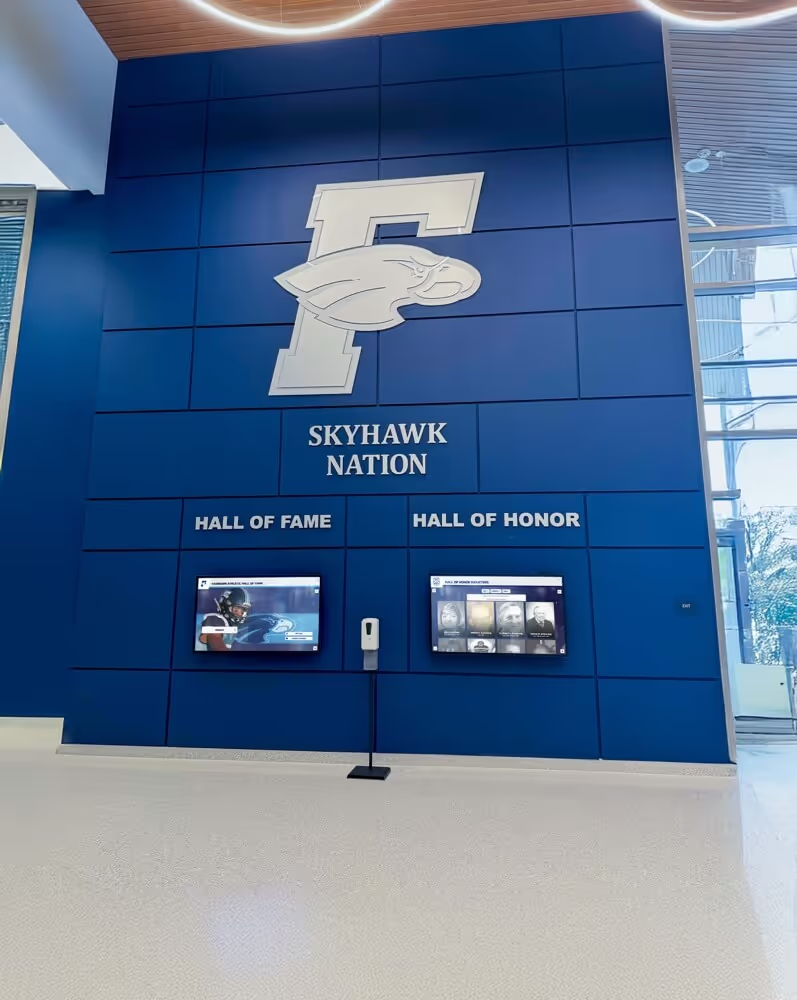
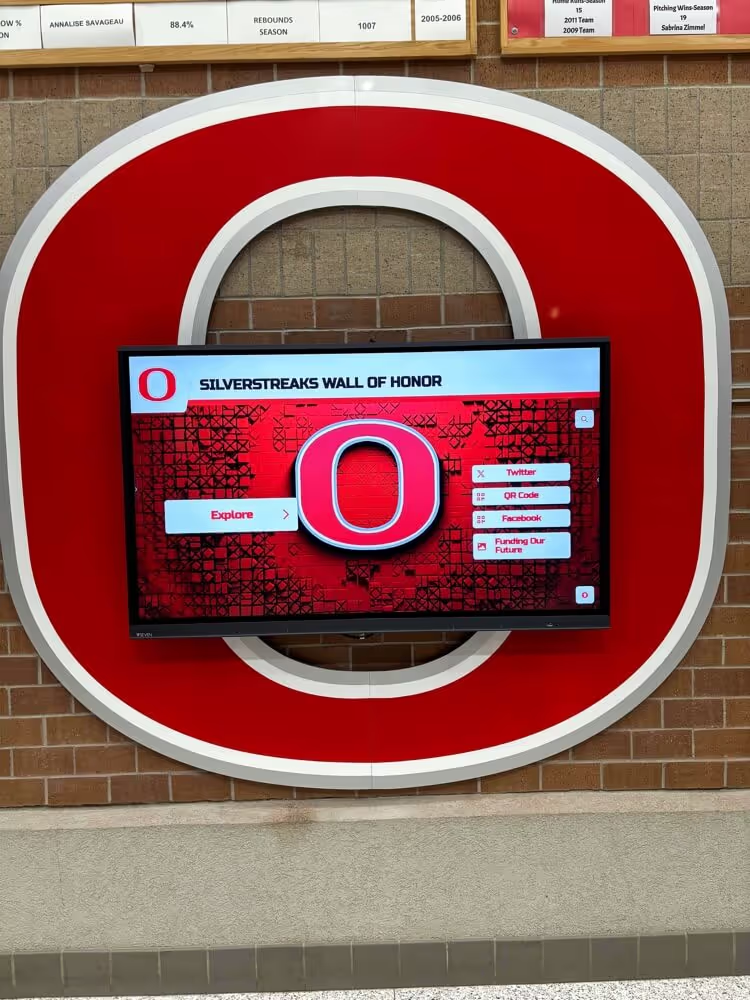
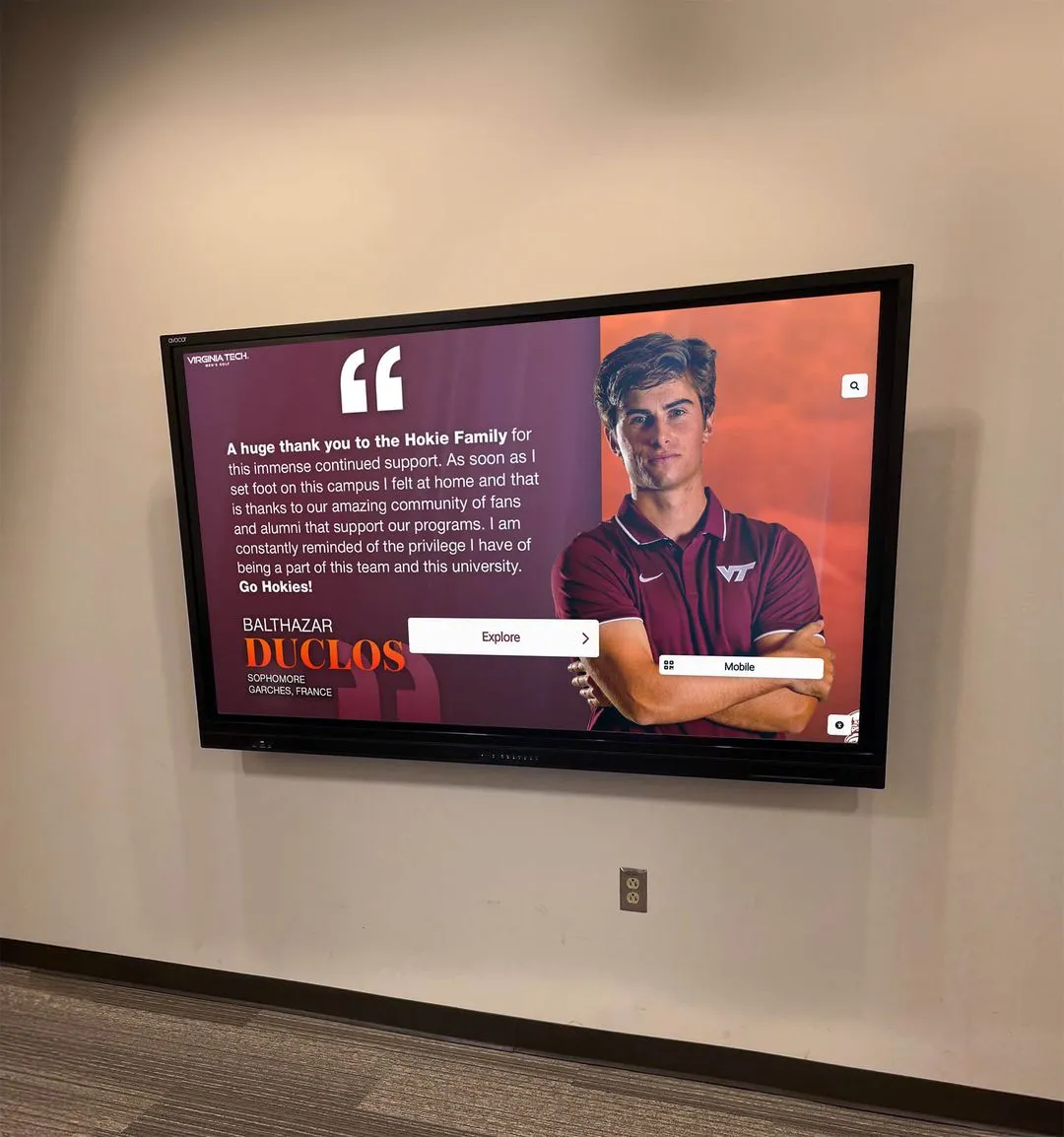
Modern recognition systems combine digital displays with traditional elements celebrating honors including academic society memberships
Cultural Competence and Global Perspective:
In increasingly globalized contexts, colleges value students demonstrating cultural awareness and multilingual capabilities. Spanish Honor Society membership provides concrete evidence that students possess language skills supporting international engagement while showing genuine interest in understanding diverse cultures and perspectives.
As language proficiency and cultural competence become increasingly valued professional skills, colleges seek students who can contribute to diverse campus communities while preparing for careers requiring cross-cultural communication and global awareness.
Scholarship Opportunities:
Some colleges and external scholarship organizations specifically recognize Spanish Honor Society members when awarding merit-based financial aid. While membership alone doesn’t guarantee scholarships, it strengthens applications for awards prioritizing academic achievement, language study, or Hispanic cultural engagement.
Additionally, the AATSP Foundation offers scholarships to Spanish Honor Society members pursuing Hispanic studies at the college level, providing direct financial benefits for continued language study and cultural engagement in undergraduate programs.
Leadership and Community Building
Spanish Honor Society creates unique opportunities for developing leadership skills while building community among peers sharing interests in language learning and Hispanic culture.
Officer Positions and Governance:
Most chapters establish officer structures including president, vice president, secretary, treasurer, and cultural committee chairs. These leadership positions provide authentic governance experience where students plan events, manage budgets, coordinate service projects, represent the chapter at school functions, and develop organizational skills transferable to college and career contexts.
Leadership opportunities within Spanish Honor Society allow students to apply language skills in practical contexts—conducting meetings partially in Spanish, creating bilingual promotional materials, and coordinating with Hispanic community organizations—connecting classroom learning to real-world application.
Cultural Programming and Events:
Spanish Honor Society chapters organize diverse cultural activities enriching school communities while deepening members’ understanding of Hispanic traditions and contemporary issues. Common activities include Hispanic Heritage Month celebrations featuring music, dance, and food, film screenings and discussions of Spanish-language cinema, guest speaker presentations from Hispanic professionals or cultural experts, tutoring programs supporting younger Spanish students, and community partnerships with Hispanic organizations or cultural centers.
These programming opportunities allow students to move beyond textbook learning into authentic cultural engagement while developing event planning, public speaking, and project management capabilities valuable in numerous future contexts.
Learn more about how schools can showcase diverse achievements through digital recognition displays that celebrate academic honors alongside athletic and service accomplishments.
Professional and Personal Development
Spanish Honor Society membership provides benefits extending well beyond college applications into professional careers and personal growth throughout members’ lives.
Career Preparation and Networking:
Language proficiency represents an increasingly valuable professional skill across industries from healthcare to international business. Spanish Honor Society membership documents commitment to developing bilingual capabilities while demonstrating cultural competence that employers value in diverse workplaces and global markets.
Many professionals cite high school language experiences—particularly authentic cultural engagement through organizations like Spanish Honor Society—as foundational to careers requiring cross-cultural communication, international collaboration, or service to multilingual populations in fields like education, medicine, law, and social services.
Cultural Understanding and Personal Growth:
Beyond instrumental benefits, Spanish Honor Society fosters genuine appreciation for Hispanic cultures, literature, and artistic traditions that enriches members’ personal lives. Students develop cultural humility and perspective-taking skills that support meaningful relationships across difference while avoiding stereotyping and cultural bias that undermine authentic connection.
For heritage speakers—students with family backgrounds in Spanish-speaking countries—Spanish Honor Society provides opportunity to develop academic language proficiency complementing conversational fluency while connecting more deeply with cultural heritage through formal study and community engagement.
How to Join Spanish Honor Society: Step-by-Step Guide
Students interested in Spanish Honor Society membership should approach the process strategically, understanding both formal requirements and practical steps maximizing their chances of selection.
Preparing for Membership During Spanish Study
Successful Spanish Honor Society candidates typically demonstrate consistent excellence and genuine engagement throughout their Spanish coursework rather than focusing on honor society preparation only during junior or senior year.
Academic Excellence from the Start:
Students should prioritize strong performance in Spanish classes from Spanish 1 forward, recognizing that cumulative GPA and consistent achievement matter more than single standout years. This means actively participating in class discussions and activities, completing homework thoroughly rather than minimally, seeking extra help when concepts prove challenging, and pursuing genuine understanding rather than just memorizing for tests.

Schools increasingly recognize diverse academic achievements including language honor society memberships through permanent digital displays
Building Relationships with Spanish Teachers:
Strong teacher recommendations significantly impact Spanish Honor Society selection. Students should develop positive relationships with Spanish teachers through consistent participation and genuine interest, seeking help during office hours when needed, volunteering for class presentations or activities, showing curiosity about Hispanic culture beyond required coursework, and demonstrating enthusiasm for language learning through effort and engagement.
These authentic relationships enable teachers to write compelling recommendations highlighting not just grades but character, passion for language study, and potential contributions to Spanish Honor Society chapter activities and mission.
Cultural Engagement Beyond the Classroom:
Students strengthen applications by demonstrating sustained interest in Hispanic culture through activities like Spanish Club participation, attending Hispanic cultural events in their communities, traveling to Spanish-speaking countries when possible, engaging with Spanish-language media including films, music, and literature, and volunteering with organizations serving Hispanic populations.
This authentic cultural engagement demonstrates that students view Spanish as living language connected to rich cultural traditions rather than simply academic requirement—exactly the perspective Spanish Honor Society seeks to recognize and cultivate.
The Application Process
Understanding typical application procedures helps students prepare materials effectively while meeting deadlines and following chapter-specific guidelines.
Research Your Chapter’s Specific Requirements:
Spanish Honor Society chapters establish their own specific criteria, deadlines, and application procedures within national framework guidelines. Students should meet with chapter advisors early in the application cycle to clarify GPA requirements specific to their school, minimum Spanish course level required, application deadline and required materials, interview format if applicable, and selection timeline and notification procedures.
This early consultation prevents misunderstandings while ensuring students understand precisely what their chapter values and expects from applicants.
Prepare a Compelling Application:
Successful applications typically include several key components students should develop carefully:
Personal Statement Strategy: Rather than generic statements about “loving Spanish” or “wanting to learn about culture,” effective essays provide specific examples demonstrating genuine passion and meaningful engagement. Students might discuss particular moments when language study connected to authentic communication, specific aspects of Hispanic culture that fascinate them with concrete examples, how Spanish study shaped their perspective or future goals, or meaningful interactions with Spanish speakers in their communities or travels.
Teacher Recommendations: Students should request recommendations from Spanish teachers who know them well and can speak specifically to their Spanish proficiency, character, and contributions. Providing teachers with resume of activities, explanation of career interests, and reminder of specific class contributions or projects helps them write detailed, compelling letters rather than generic statements.
Activity Documentation: Students should maintain ongoing records of Spanish-related activities, volunteer hours, cultural events attended, and leadership experiences rather than trying to reconstruct participation history when applications come due. This documentation enables accurate, comprehensive presentation of engagement demonstrating sustained commitment beyond classroom requirements.

Modern recognition systems help schools showcase student achievements including honor society inductions through engaging interactive displays
Maximizing Your Membership Experience
Students accepted into Spanish Honor Society can maximize the experience by actively participating in chapter activities and leveraging membership strategically.
Active Participation in Chapter Activities:
Rather than viewing Spanish Honor Society as purely resume credential, engaged members participate actively in planning cultural events and programs, attending chapter meetings and contributing ideas, taking on officer positions or committee roles, organizing service projects supporting Hispanic communities, and representing the chapter at school functions and ceremonies.
This active engagement provides the leadership development and community building that make Spanish Honor Society meaningful beyond honorary recognition while creating memorable experiences and authentic connections to Hispanic culture and language study.
Leveraging Membership for Future Opportunities:
Students should document Spanish Honor Society participation comprehensively for college applications, including membership in activities section with description of chapter involvement, listing officer positions or leadership roles prominently, describing specific programs or service projects participated in or organized, and mentioning membership in personal statements or essays when relevant to career goals or cultural interests.
Some students use Spanish Honor Society experience as foundation for college essays discussing cultural learning, leadership development, or commitment to continued Spanish study and Hispanic cultural engagement at the undergraduate level.
Recognizing Spanish Honor Society Achievements in Schools
Schools committed to celebrating academic excellence should ensure Spanish Honor Society members receive appropriate recognition comparable to honors in other disciplines including athletics and traditional academic subjects.
Creating Comprehensive Honor Society Recognition
Many schools struggle to give honor society achievements—particularly in specialized areas like world languages—the visibility they deserve compared to more prominent athletic or traditional academic recognition.
Challenges with Traditional Recognition Approaches:
Physical plaques or bulletin boards quickly exhaust available space when schools seek to recognize Spanish Honor Society members alongside National Honor Society, subject-specific honors, athletic achievements, and other accomplishments. This space constraint forces schools to choose which achievements receive permanent visibility and which remain ephemeral or relegated to temporary displays that fail to create lasting recognition or inspire younger students.
Traditional approaches also struggle to provide context about Spanish Honor Society—what membership requires, why it matters, or how students can pursue similar achievement—limiting the educational and motivational value of recognition displays for broader school communities.
Modern Recognition Solutions:
Digital recognition systems like Rocket Alumni Solutions address these limitations by providing unlimited capacity to recognize every Spanish Honor Society member across all graduation years without space constraints, rich multimedia profiles telling complete stories about students’ Spanish language journeys and cultural engagement, interactive search and filtering enabling easy discovery of specific members or graduation years, integration with web platforms extending recognition access beyond physical campus to families worldwide, and comprehensive inclusion of diverse achievements from academic honors to service recognition and athletic accomplishments.
These modern approaches ensure that Spanish Honor Society receives recognition equal to other prestigious achievements while preserving complete institutional tradition across decades of language education excellence.
Learn about comprehensive approaches to student achievement recognition that celebrate diverse accomplishments including honor society memberships.
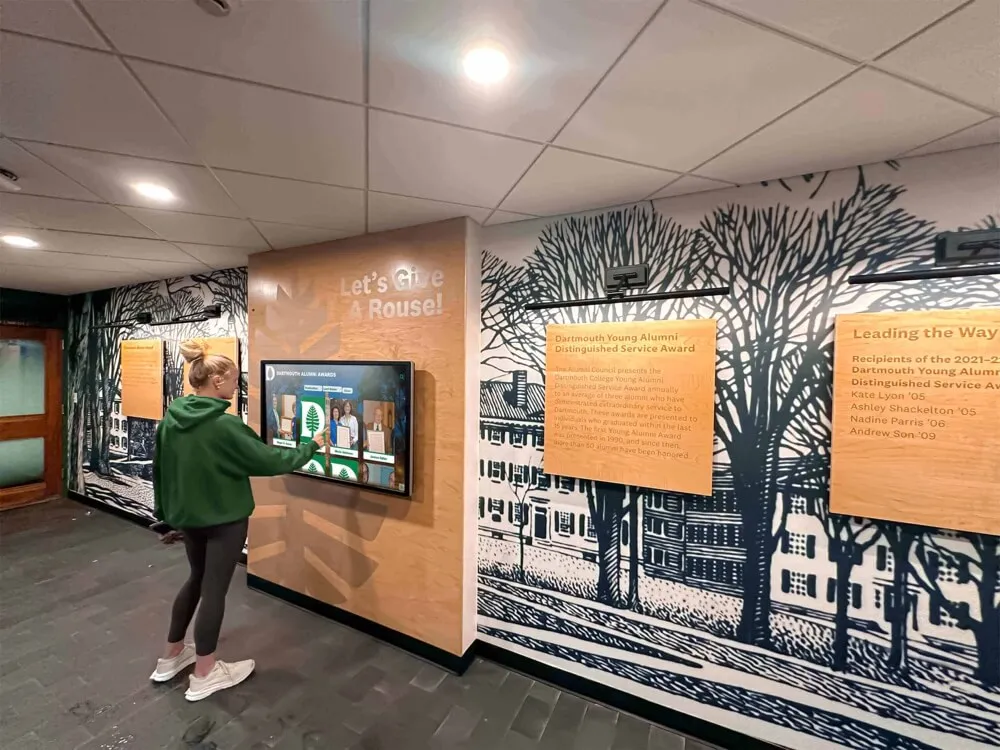
Strategic placement of recognition displays in high-traffic areas ensures honor society achievements receive ongoing visibility throughout school communities
Induction Ceremony Best Practices
Spanish Honor Society induction ceremonies provide opportunities to celebrate new members while inspiring younger students and engaging families in recognizing academic achievement.
Meaningful Ceremony Elements:
Effective induction ceremonies incorporate Spanish language components demonstrating linguistic proficiency, recognition of individual members with brief biographical highlights, presentation of certificates and membership pins, current member or officer remarks about chapter activities and culture, and family involvement ensuring parents share in celebrating their students’ achievements.
Some schools coordinate Spanish Honor Society inductions with broader academic recognition events celebrating multiple honor societies simultaneously, creating comprehensive celebrations of intellectual achievement across disciplines while demonstrating institutional commitment to academic excellence in all subject areas.
Digital Documentation and Preservation:
Schools should document induction ceremonies through photography and video suitable for inclusion in digital recognition displays, social media posts celebrating new inductees and promoting academic excellence, school websites and newsletters showcasing Spanish program success, and yearbook sections preserving Spanish Honor Society tradition as part of institutional history.
This comprehensive documentation ensures that Spanish Honor Society recognition extends beyond ceremony day into ongoing visibility and preservation as part of school culture and tradition.
Starting a Spanish Honor Society Chapter
Schools without existing Spanish Honor Society chapters can establish new programs providing students opportunities for recognition while strengthening Spanish language education and cultural programming.
Requirements for Establishing a Chapter
The American Association of Teachers of Spanish and Portuguese establishes guidelines for schools seeking to create official Spanish Honor Society chapters.
Institutional Requirements:
Schools must employ at least one Spanish teacher who is an AATSP member to serve as chapter advisor, offer Spanish language instruction at multiple levels through at least Spanish 3, enroll sufficient students in upper-level Spanish courses to support viable chapter membership, and commit to maintaining chapter for multiple years rather than one-time recognition.
These requirements ensure that chapters operate within schools with established Spanish programs and committed faculty support enabling sustainable chapter operation and meaningful student participation.
Application and Charter Process:
Faculty advisors interested in establishing chapters should review AATSP Spanish Honor Society guidelines available on the association website, complete chapter application forms with required institutional information, pay initial chapter charter fees and annual membership dues, and establish local chapter bylaws within national framework including GPA requirements and selection procedures.
The national organization provides substantial support for new chapters including starter materials for first induction ceremony, guidance on establishing selection criteria and procedures, resources for planning chapter activities and cultural programming, and connection to network of existing chapters sharing best practices.
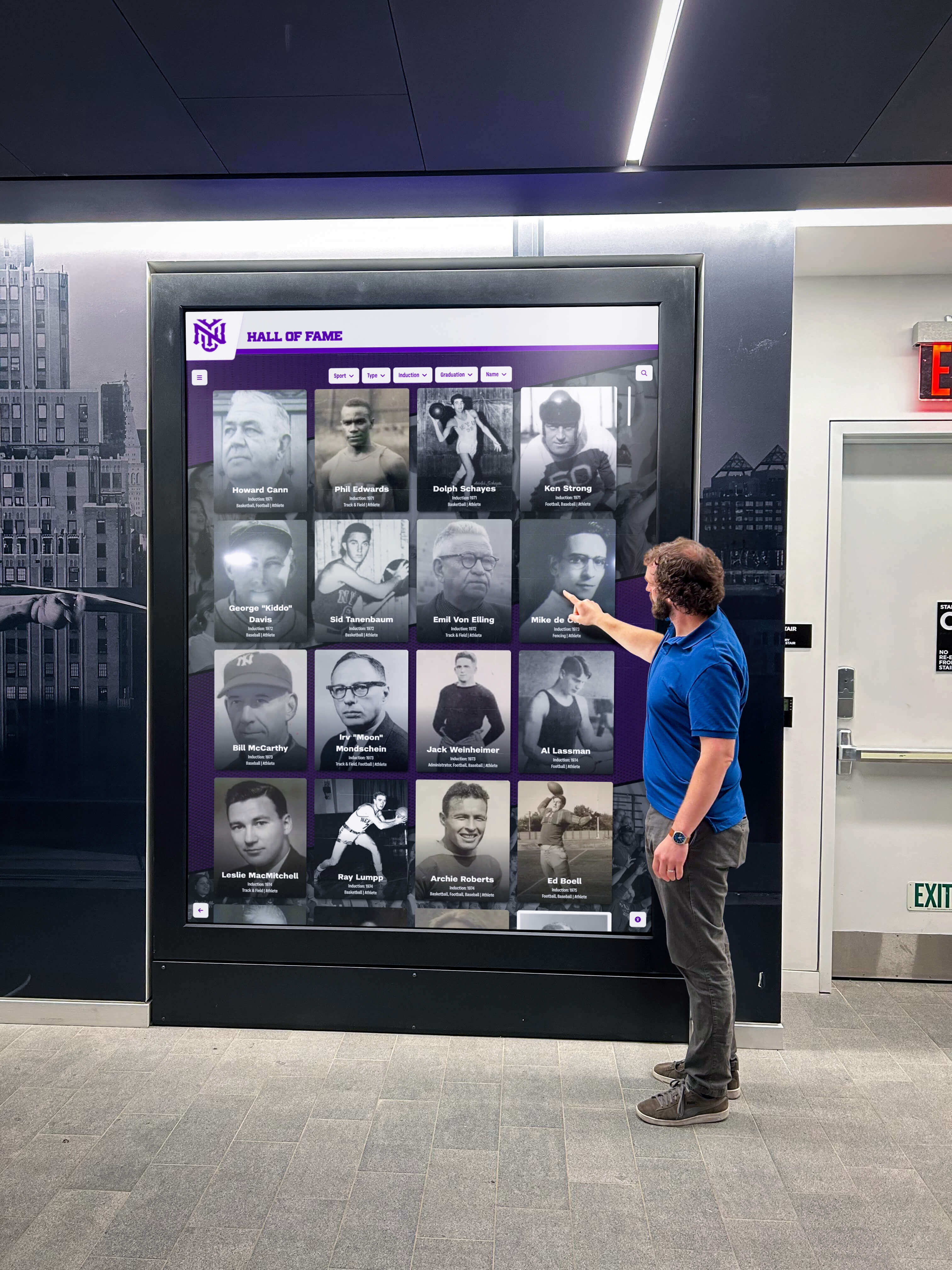
Interactive recognition displays enable families and community members to explore Spanish Honor Society achievements during campus visits and special events
Planning Successful Chapter Programs
Newly established chapters benefit from strategic planning ensuring active, meaningful programming that serves members while enriching broader school communities.
First-Year Priorities:
New chapters should focus on establishing strong foundations through clear communication of membership criteria and selection processes, successful first induction ceremony creating positive tradition, at least one major cultural event demonstrating chapter purpose and engagement, officer election processes establishing governance structures, and partnership development with school administration, Spanish department, and potential community organizations.
Starting with achievable, high-impact activities builds momentum and demonstrates chapter value while avoiding overextension that leads to burnout or unsustainable programming demands.
Sustainable Programming Development:
Successful chapters develop annual rhythms including fall recruitment and application processes for new members, spring induction ceremonies celebrating newly selected students, Hispanic Heritage Month activities in September/October, service projects supporting Hispanic communities throughout the year, and cultural events featuring film, music, food, or guest speakers enriching school cultural programming.
This balanced approach provides regular chapter activities maintaining member engagement and visibility while remaining manageable for advisors and student leaders juggling multiple academic and extracurricular commitments.
Spanish Honor Society vs. Other Language Honor Societies
Students interested in language recognition should understand how Spanish Honor Society compares to similar organizations recognizing achievement in other world languages.
National Language Honor Societies
The American Classical League, American Association of Teachers of French, and American Association of Teachers of German sponsor honor societies for Latin, French, and German respectively, all following similar models recognizing language achievement while promoting cultural engagement.
Comparable Structure and Benefits:
These language-specific honor societies share common characteristics including national organization providing standards and resources, local chapters with substantial autonomy in programming, selective membership based on GPA and language proficiency, induction ceremonies and formal recognition, officer opportunities and cultural programming, and college application benefits demonstrating sustained language study.
Students studying multiple languages may qualify for multiple honor societies, with membership in several organizations strengthening college applications by demonstrating exceptional commitment to world language study and cross-cultural competence.
Spanish Honor Society Distinctive Features:
Spanish Honor Society represents the largest language honor society due to Spanish’s popularity as most widely studied world language in U.S. secondary schools. This scale means more widespread name recognition among college admissions officers, larger networks of chapters enabling potential connections across schools, and more robust national programming including contests and scholarship opportunities.
Additionally, Spanish’s practical utility in the United States—with significant Spanish-speaking populations across many regions—provides distinctive opportunities for authentic community engagement and service projects where students apply language skills in meaningful contexts supporting Hispanic communities.
Explore how comprehensive recognition programs celebrate diverse achievements across organizations including schools.
National Honor Society Comparison
Students often wonder how Spanish Honor Society compares to National Honor Society (NHS)—arguably the most prestigious and widely recognized high school honor society.
Distinctive Focus and Criteria:
National Honor Society recognizes well-rounded excellence across four pillars: scholarship, leadership, service, and character. Membership requires strong overall academic achievement (typically 3.5+ GPA) along with demonstrated leadership and service rather than excellence in specific subject areas.
Spanish Honor Society focuses specifically on achievement in Spanish language study and interest in Hispanic culture. Students with lower overall GPAs but exceptional Spanish proficiency might qualify for Spanish Honor Society while not meeting NHS standards, and conversely, some NHS members without particular Spanish excellence might not qualify for Spanish Honor Society.
Complementary Rather Than Competing:
Students shouldn’t view these organizations as competing alternatives but rather as complementary recognition opportunities. Many high-achieving students earn membership in both NHS and Spanish Honor Society (plus potentially other subject-specific honor societies), with each membership highlighting different aspects of their achievement profile and academic interests.
For college applications, multiple honor society memberships demonstrate both breadth (NHS recognizing overall excellence) and depth (Spanish Honor Society showing specialized achievement in particular discipline), creating comprehensive pictures of well-rounded students with particular strengths and sustained interests in specific academic areas.
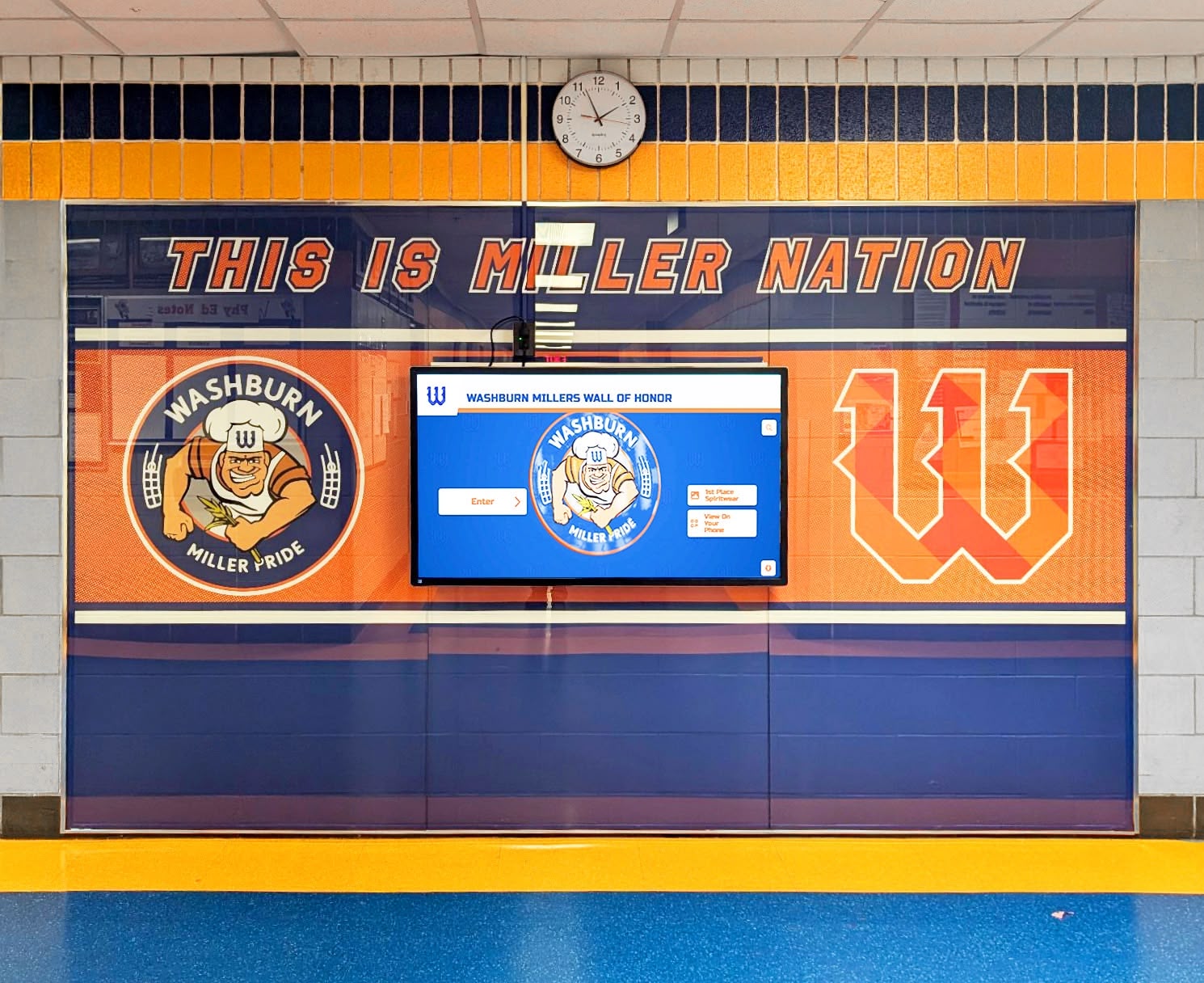
Comprehensive recognition systems showcase multiple achievement types including honor society memberships across academic disciplines
Maximizing Spanish Honor Society Impact on College Applications
While Spanish Honor Society provides inherent value through cultural engagement and community building, students should also leverage membership strategically within college application contexts.
Strategic Presentation in Applications
The Common Application and other college application platforms provide specific sections for honors and activities where students should list Spanish Honor Society membership prominently and strategically.
Activities Section Strategy:
Students should list Spanish Honor Society in activities section with clear description of organization, selection criteria, and participation. Rather than simply stating “Member of Spanish Honor Society,” effective descriptions specify selection based on GPA requirements and Spanish proficiency, officer positions held if applicable, specific programs or service projects organized or participated in, and time commitment including meetings, events, and planning activities.
This detailed description helps admissions officers understand that Spanish Honor Society represents selective recognition requiring demonstrated achievement rather than simple participation available to all students.
Honors Section Placement:
Some students alternatively list Spanish Honor Society in honors/awards section if activity space seems limited or if they held minimal active participation beyond membership itself. This placement emphasizes the selective recognition aspect while saving activities space for organizations where students held more active ongoing involvement.
Essay Integration Opportunities:
Students shouldn’t feel compelled to write college essays specifically about Spanish Honor Society, but membership can provide relevant examples when essays address topics like cultural learning, identity development for heritage speakers, service to diverse communities, leadership through officer positions, or passion for language study influencing intended college major or career goals.
The key involves incorporating Spanish Honor Society naturally when genuinely relevant rather than forcing references that feel artificial or using membership as entire essay focus unless it represents truly transformative experience warranting extended reflection.
Connecting to Intended Major and Career Goals
Spanish Honor Society provides particularly strong application support for students planning to pursue Hispanic studies, modern languages, international relations, or careers requiring bilingual capabilities.
Major-Specific Connections:
Students applying for programs in Spanish language and literature, Latin American studies, international business or relations, bilingual education, or translation/interpretation should emphasize Spanish Honor Society membership prominently, as it provides direct evidence of sustained achievement and genuine interest in their intended field.
Admissions officers evaluating candidates for competitive language programs or international studies look specifically for demonstrated commitment extending beyond simply meeting graduation requirements—Spanish Honor Society membership provides exactly this confirmation of genuine passion and proven proficiency.
Professional Goals and Service Orientation:
Students pursuing careers serving diverse populations—medicine, social work, law, education—can frame Spanish Honor Society membership as preparation for working with Hispanic communities. Essays or interviews might discuss how language study motivated interest in serving bilingual populations or how cultural understanding developed through Spanish Honor Society activities shaped career aspirations toward professions requiring cross-cultural competence.
This connection demonstrates thoughtful career planning and genuine commitment to service rather than simply listing achievements without explaining their personal significance or professional relevance.
Learn more about showcasing academic excellence through comprehensive recognition that inspires current and future students.
Common Questions About Spanish Honor Society
Students and parents frequently have specific questions about Spanish Honor Society membership, requirements, and benefits.
Can heritage speakers join Spanish Honor Society?
Absolutely. Heritage speakers—students who grew up speaking Spanish at home or in family contexts—are welcome and often encouraged to join Spanish Honor Society chapters. In fact, heritage speakers bring valuable authentic linguistic and cultural knowledge that enriches chapter programming and cultural understanding.
However, heritage speakers should recognize that membership criteria apply equally regardless of linguistic background. They must meet the same GPA requirements, character standards, and course completion expectations as students learning Spanish as a foreign language. Some heritage speakers find that Spanish for Heritage Speakers courses or advanced literature classes provide appropriate challenge levels enabling them to demonstrate academic Spanish proficiency beyond conversational fluency.
Spanish Honor Society provides heritage speakers opportunity to develop academic language registers complementing conversational abilities while connecting more formally with cultural heritage through literary study, historical exploration, and structured cultural programming.
Does Spanish Honor Society require fluency?
Spanish Honor Society does not necessarily require complete fluency in the sense of native-like proficiency or ability to discuss any topic in sophisticated academic Spanish. However, membership does require demonstrated proficiency beyond basic conversational Spanish—typically intermediate or advanced capability developed through at least two to three years of high school Spanish study.
Students should be able to communicate effectively in Spanish on familiar topics, understand spoken and written Spanish at appropriate levels, and demonstrate cultural knowledge showing engagement beyond surface-level stereotypes. The specific proficiency level expected varies somewhat by chapter, with schools offering advanced courses like AP Spanish Language or AP Spanish Literature typically setting higher informal proficiency expectations.
Rather than focusing on whether they’ve achieved arbitrary “fluency,” prospective members should ask whether they’ve developed genuine Spanish communication capability, maintained strong grades demonstrating proficiency growth, and cultivated authentic interest in Hispanic cultures—these qualities matter more than abstract fluency standards.

Schools preserve honor society traditions through permanent digital displays documenting member achievements across graduation years
What if my school doesn’t have a Spanish Honor Society chapter?
Students at schools without Spanish Honor Society chapters have several options. First, they might approach Spanish teachers about establishing a chapter, offering to help with research and planning to reduce teacher workload concerns. The AATSP provides substantial support for new chapters making establishment more achievable than teachers might initially assume.
If establishing a formal chapter proves impossible due to insufficient enrollment or teacher availability, students can still demonstrate exceptional Spanish achievement through alternative recognition including AP Scholar designation earned through strong performance on AP Spanish Language or AP Spanish Literature exams, departmental awards or recognitions from school Spanish department, language proficiency certifications like DELE or STAMP offered through external organizations, or National Hispanic Recognition Program designation through College Board.
Additionally, students can create informal Spanish clubs organizing cultural activities and service projects even without formal Spanish Honor Society charter. While these alternatives don’t provide official SHH membership, they demonstrate similar commitment to Spanish language and Hispanic culture that strengthens college applications through concrete evidence of sustained interest and achievement.
How does Spanish Honor Society differ from Spanish Club?
Spanish Club and Spanish Honor Society serve related but distinct purposes within school Spanish programs. Spanish Club typically operates as participation-based organization open to any students interested in Spanish language and Hispanic culture regardless of grades or proficiency level. Spanish Club focuses on cultural activities, social events, and creating community among Spanish students while promoting language learning and cultural appreciation broadly.
Spanish Honor Society, by contrast, operates as selective recognition organization with membership criteria including GPA minimums, demonstrated proficiency, and faculty recommendation. Spanish Honor Society emphasizes academic achievement and honors students who excel in Spanish study rather than simply providing cultural programming for interested students.
Many schools operate both organizations serving complementary functions—Spanish Club provides inclusive community and cultural programming accessible to all interested students, while Spanish Honor Society recognizes top achievers and provides leadership opportunities for advanced students. Students often participate in Spanish Club during earlier Spanish levels before applying for Spanish Honor Society once they meet eligibility criteria in later high school years.
Conclusion: Embracing Spanish Language and Hispanic Culture Through Honor Society Membership
Spanish Honor Society provides meaningful recognition celebrating students who excel in language study while fostering genuine engagement with Hispanic cultures, literature, and global perspectives. Beyond simply adding credentials to college applications, Spanish Honor Society membership creates opportunities for leadership development, cultural learning, community building, and authentic use of language skills in service contexts that make classroom learning meaningful and relevant.
Celebrate Academic Excellence Including Honor Society Achievements
Discover how modern digital recognition solutions help schools showcase Spanish Honor Society members alongside other academic, athletic, and service achievements—creating comprehensive celebration of student excellence while inspiring future achievement across your educational community.
Explore Recognition SolutionsStudents pursuing Spanish Honor Society membership should approach the opportunity strategically while maintaining authentic passion for language learning and cultural engagement. Meeting academic requirements, building relationships with Spanish teachers, engaging genuinely with Hispanic culture beyond minimum requirements, and participating actively in chapter programming creates meaningful experiences that provide intrinsic value alongside instrumental benefits for college applications and future opportunities.
For schools committed to celebrating academic achievement across disciplines, ensuring Spanish Honor Society receives recognition equal to other prestigious honors communicates that world language excellence matters as much as traditional academic subjects or athletic accomplishments. Modern recognition solutions enable comprehensive celebration of diverse achievements without space constraints that historically forced schools to prioritize certain accomplishments over others.
Whether you’re a student working toward Spanish Honor Society membership, an educator establishing or enhancing a chapter, or a school administrator seeking to recognize linguistic achievement appropriately, understanding the requirements, benefits, and best practices surrounding Spanish Honor Society helps you maximize this valuable opportunity for recognizing excellence while promoting language learning and cultural understanding that prepare students for increasingly interconnected global futures.
Your commitment to Spanish language study and Hispanic cultural engagement deserves meaningful recognition and authentic community. Spanish Honor Society provides exactly this—prestigious acknowledgment from national organization, supportive community of peers sharing your interests, and practical benefits opening doors to future opportunities in education, careers, and lifelong cultural learning that enriches your personal and professional life throughout the years ahead.
Ready to learn more about comprehensive student recognition? Explore approaches to showcasing diverse student achievements or discover how modern recognition systems help schools celebrate academic excellence across all disciplines.