



Sport end of year awards represent critical moments when athletic programs celebrate achievement, reinforce team values, and recognize contributions that extend beyond final scores and championship trophies. These ceremonies mark seasonal conclusions while honoring the dedication, sportsmanship, and growth that define successful athletic experiences across all competition levels.
Yet many athletic programs struggle with awards that feel predictable, overlook meaningful contributions, or fail to generate genuine excitement among athletes and families. Traditional MVP and Most Improved awards, while valuable, miss opportunities to celebrate the full spectrum of athletic excellence—from leadership and character to specialized skill development and behind-the-scenes contributions that enable team success.
This guide explores 20 creative sport end of year award ideas alongside proven strategies for designing ceremonies that genuinely honor athletic achievement while strengthening team culture and community engagement. From fresh recognition categories to modern presentation approaches, you’ll discover practical frameworks for creating awards programs that athletes and families remember long after seasons conclude.
Effective sport end of year awards accomplish multiple strategic objectives simultaneously—recognizing individual excellence while reinforcing team unity, celebrating achievement while acknowledging effort and growth, and honoring current athletes while inspiring future participants. Programs that excel at season-ending recognition create traditions that strengthen athletic culture across generations while providing athletes with meaningful acknowledgment that validates their commitment and sacrifice.

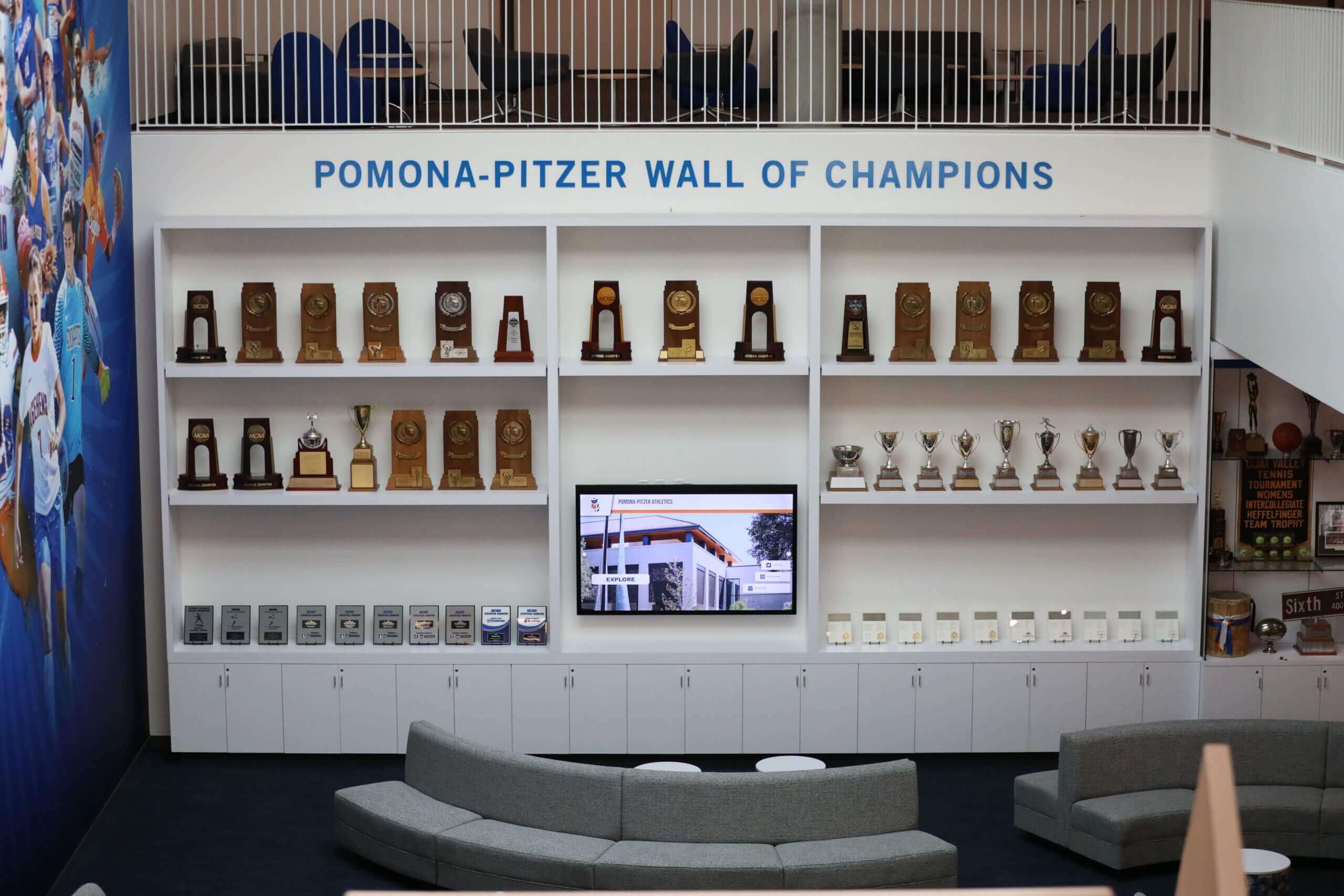
Comprehensive athletic recognition spaces celebrate championship achievements while honoring individual contributions
The Strategic Value of Sport End of Year Awards
Before planning specific awards and ceremony formats, understanding the multiple functions these recognition programs serve helps athletic directors and coaches design more effective approaches that advance program priorities beyond simple acknowledgment.
Building Team Culture and Values
Sport end of year awards communicate what athletic programs genuinely value beyond winning records. When programs systematically recognize leadership, sportsmanship, improvement, and team contribution alongside statistical achievement, they signal that success encompasses multiple dimensions—potentially influencing athlete behavior throughout seasons as participants strive for recognition aligned with personal strengths.
Awards that celebrate character and citizenship demonstrate that athletic programs prioritize personal development alongside competitive performance. This values alignment proves particularly important for programs serving youth and high school athletes where educational missions emphasize growth in multiple domains rather than sport-specific excellence exclusively.
Culture-Building Recognition Functions
Effective awards strengthen program culture through:
- Value reinforcement making abstract principles concrete through specific athlete acknowledgment
- Behavioral modeling identifying examples other team members can emulate in future seasons
- Inclusive excellence ensuring recognition opportunities exist for athletes with varied strengths and contributions
- Tradition creation establishing annual awards that become meaningful program touchstones across generations
- Community identity building shared understanding of what the program represents beyond competitive results
Athletic programs with strong recognition traditions often report higher athlete retention, better team chemistry, and more consistent performance across coaching changes compared to programs lacking systematic acknowledgment approaches.
Motivating Continuous Improvement
Recognition programs designed thoughtfully create motivation for ongoing athletic development rather than simply celebrating accomplishments already achieved. Awards acknowledging improvement, skill development, work ethic, and commitment encourage athletes to maintain dedication during challenging periods when competitive success remains elusive.
Growth-oriented awards prove particularly valuable for developing athletes who contribute meaningfully despite limited playing time or statistical production. When programs recognize practice dedication, skill progression, or attitude contributions, they validate that athletic participation delivers value beyond varsity letters and starting positions—potentially preventing dropout and maintaining engagement among athletes whose competitive roles remain limited.
Research on athletic motivation consistently demonstrates that recognition strengthens intrinsic motivation when acknowledgment focuses on controllable factors like effort, improvement, and character rather than exclusively celebrating talent-dependent outcomes like scoring or winning. Programs that balance outcome recognition with process acknowledgment create healthier motivation patterns supporting long-term athletic development.
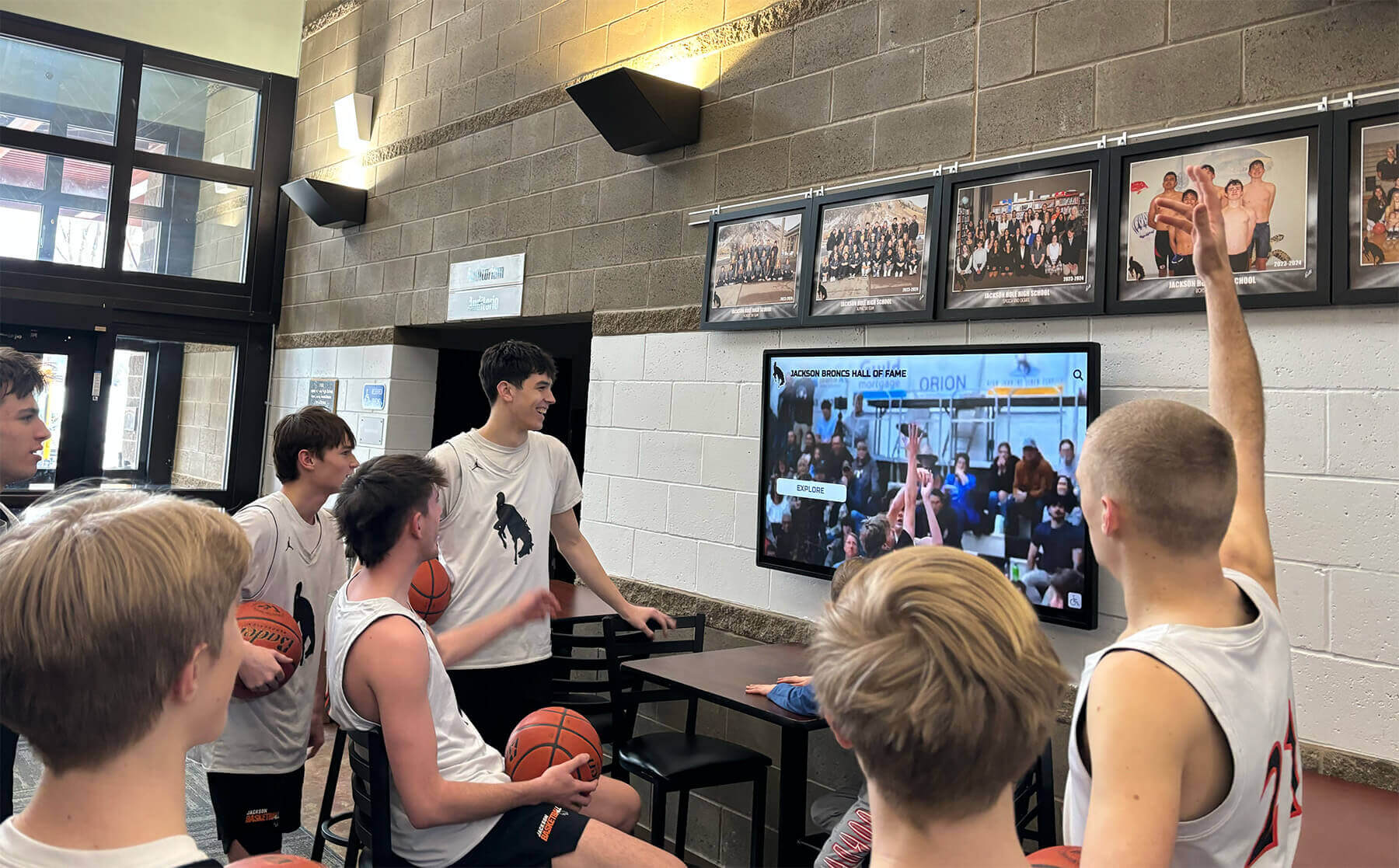
Modern displays enable athletes to relive season highlights while exploring individual and team achievements
Strengthening Family and Community Engagement
Sport end of year awards create meaningful family involvement opportunities when designed as celebration events rather than brief administrative formalities. Ceremonies that honor athletes in front of parents, siblings, and community members provide tangible recognition of time investments families make supporting athletic participation through transportation, equipment, attendance, and encouragement.
These recognition moments often represent highlights for families whose athletes receive limited public acknowledgment during seasons—particularly parents of reserve players, injured athletes, or participants in non-revenue sports receiving minimal media attention compared to high-profile programs. Awards ceremonies democratize recognition by ensuring every athlete receives individual acknowledgment regardless of competitive role or statistical production.
Well-designed ceremonies also strengthen community connection to athletic programs by demonstrating comprehensive development occurring beyond competitive results. When community members observe sportsmanship awards, academic achievement recognition, and character acknowledgment alongside competitive honors, they develop fuller appreciation for program contributions to youth development—potentially translating to enhanced volunteer support and fundraising engagement.
20 Creative Sport End of Year Award Ideas
Beyond traditional MVP, Most Improved, and Coaches Award categories, these creative recognition options celebrate the full spectrum of athletic excellence while ensuring every team member can earn meaningful acknowledgment through varied contributions.
Performance and Achievement Awards
These awards recognize competitive excellence and statistical accomplishment while expanding beyond simple scoring leaders to celebrate specialized contributions.
1. Statistical Excellence Awards
Sport-specific recognition for athletes leading team categories:
- Leading scorer, rebounder, or assist leader in basketball
- Batting average, RBI, or ERA leaders in baseball and softball
- Rushing, passing, or defensive leaders in football
- Goals, assists, or saves leaders in soccer and hockey
- Individual event champions or point leaders in track and swimming
Customize statistical categories to sport-specific metrics ensuring specialized contributions receive appropriate recognition. Include team records context showing how individual performance compares to program history.
2. Championship Performance Award
Recognizing athletes who elevate performance during tournaments, playoffs, or championship competition:
- Athletes with exceptional postseason statistics exceeding regular season averages
- Clutch performances in elimination games or championship matches
- Tournament MVP performances or all-tournament team selections
- Athletes who consistently perform best against top competition
This award celebrates competitors who thrive under pressure—a characteristic valuable beyond athletics that programs should explicitly recognize and encourage.

Digital recognition systems enable dynamic content showcasing season highlights and individual achievements
3. Defensive Excellence Award
Sport-specific defensive recognition often overlooked in offense-focused awards:
- Basketball defensive player based on steals, rebounds, charges taken, or defensive assignments
- Soccer goalkeeper achievement or defensive player shutout contributions
- Football defensive coordinator selection for consistent assignment execution
- Wrestling or individual sport athletes with best win-loss records in weight class
Defensive contributions often receive insufficient recognition despite determining competitive outcomes equally with offensive production.
4. Iron Player Award
Recognizing athletes who played the most minutes, innings, matches, or possessions:
- Basketball players with highest minutes per game across the season
- Baseball/softball pitchers with most innings or position players with most at-bats
- Soccer players with highest field time across all competitions
- Track athletes competing in most events consistently
This award honors durability, reliability, and fitness—acknowledging athletes coaches trust most consistently throughout demanding seasons.
5. Breakout Athlete Award
Recognizing athletes whose performance dramatically exceeded expectations:
- Reserve players who earned starting positions through performance
- Athletes who developed unexpected capabilities benefiting the team
- First-year program participants who made immediate competitive impacts
- Athletes returning from injury who reclaimed or exceeded previous performance
Leadership and Character Awards
These recognitions celebrate off-field contributions and personal qualities that strengthen team culture while modeling program values for future participants.
6. Captain’s Leadership Award
Honoring the athlete who best exemplified leadership qualities:
- Consistent positive example in practice attendance, effort, and attitude
- Effective communication bridging coaching staff and teammates
- Conflict resolution and team chemistry contributions
- Mentorship of younger athletes and program newcomers
- Representation of team values in school and community settings
Consider team voting for this award, empowering athletes to identify peers they most respect and would follow.
7. Unsung Hero Award
Recognizing athletes whose contributions exceeded visibility:
- Reserve players maintaining exceptional practice effort despite limited playing time
- Athletes accepting role changes for team benefit without complaint
- Behind-the-scenes contributions to team preparation, equipment, or logistics
- Support provided to struggling teammates during challenging periods
- Consistent positive attitude regardless of personal circumstances or team results
This award ensures programs acknowledge athletes whose contributions might otherwise go unrecognized despite meaningfully enabling team success.

Hallway recognition installations ensure athletic achievements remain visible throughout the school year
8. Sportsmanship Award
Celebrating athletes exemplifying competitive integrity and respect:
- Consistent respect for opponents, officials, and game traditions
- Helping opponents up, acknowledging good plays, and demonstrating grace
- Zero technical fouls, unsportsmanlike conduct penalties, or disciplinary issues
- Positive representation of program values in victory and defeat
- Role modeling appropriate competitive behavior for younger athletes
Many state athletic associations offer sportsmanship recognition that programs should nominate deserving athletes for annually.
9. Heart and Hustle Award
Recognizing athletes who consistently demonstrated maximum effort:
- Diving for loose balls, chasing down plays, and giving full effort on every possession
- Enthusiasm and energy that elevated team performance and morale
- Willingness to do thankless tasks that contribute to team success
- Competitive fire and refusal to concede regardless of score or circumstances
This award acknowledges that while talent varies, effort remains controllable—validating athletes who maximize abilities through consistent dedication.
10. Team-First Award
Honoring athletes who prioritized team success over individual recognition:
- Accepting role reductions or position changes benefiting team strategy
- Sacrificing statistical opportunities through unselfish play
- Supporting teammates’ success through assists, screens, blocks, or setup contributions
- Celebrating others’ accomplishments as enthusiastically as personal success
This recognition reinforces values essential for team sports while providing acknowledgment for athletes whose unselfishness might otherwise reduce personal accolades.
Development and Growth Awards
These awards celebrate improvement and skill development, particularly motivating for athletes who may never lead statistical categories but demonstrate meaningful progression.
11. Most Improved Player
Traditional award with enhanced specificity:
- Quantify improvement through statistics, playing time, or skill assessments
- Describe specific areas of growth with before/after examples
- Acknowledge work ethic and practice dedication enabling improvement
- Connect improvement to future potential and next season expectations
Provide context making improvement concrete rather than abstract, helping athletes understand specifically what they accomplished and how to continue progressing.
12. Skill Development Award
Recognizing athletes who mastered specific technical capabilities:
- Developed new skills expanding positional versatility
- Corrected technical flaws limiting previous performance
- Achieved measurable benchmarks in strength, speed, endurance, or flexibility
- Learned complex strategy or tactical concepts elevating game understanding
This award acknowledges that athletic development encompasses more than competitive results, celebrating growth that positions athletes for future success.
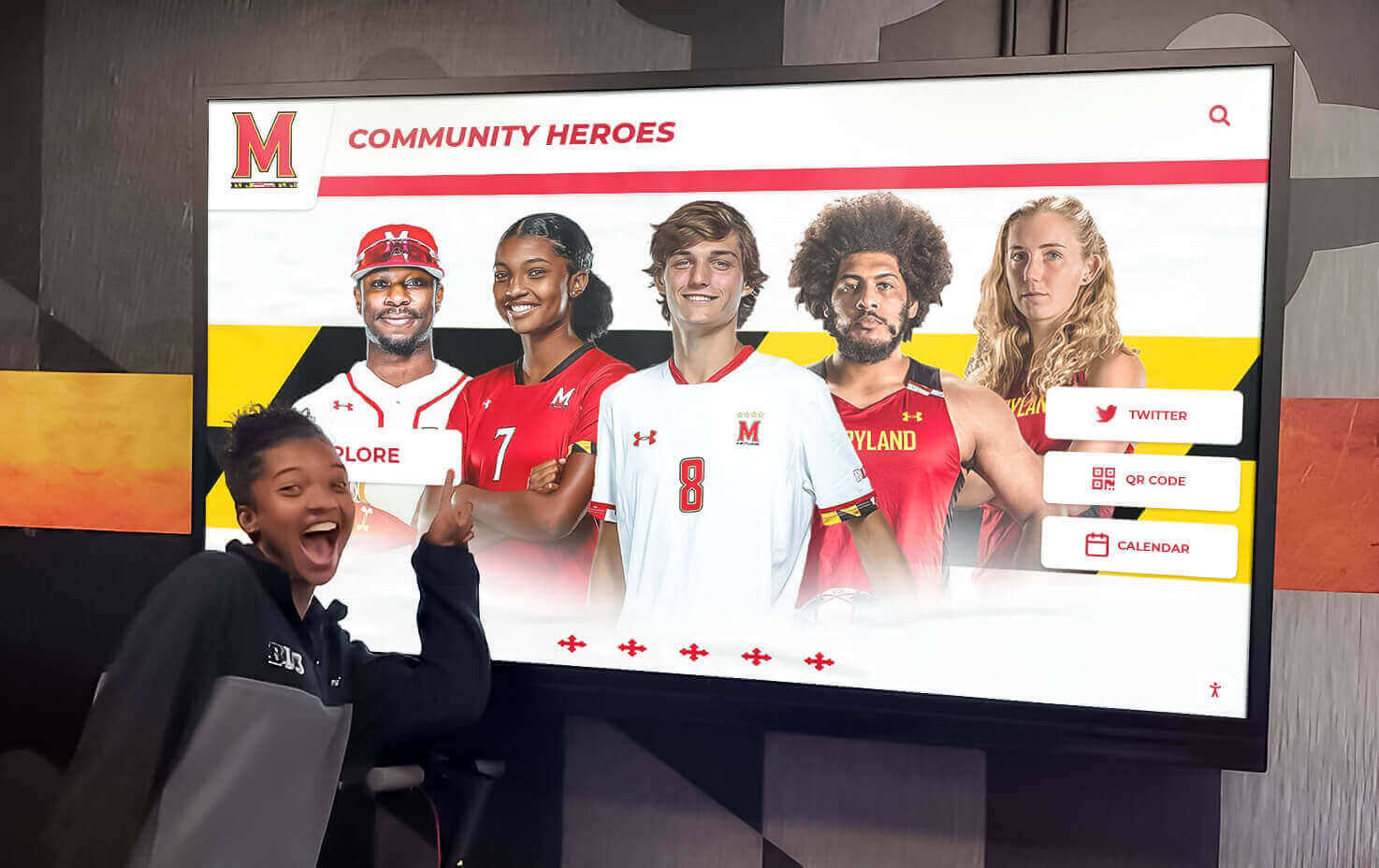
Recognition displays inspire younger athletes while celebrating the achievements of program participants
13. Comeback Player Award
Honoring athletes who overcame adversity:
- Return from significant injury to meaningful participation or previous performance level
- Overcoming personal challenges affecting athletic performance
- Regaining position or role after losing it temporarily
- Persevering through difficult season circumstances to finish strong
This recognition validates resilience and determination—characteristics valuable throughout life that athletic challenges develop when athletes persist through difficulty.
14. Rookie of the Year
Recognizing the most accomplished first-year program participant:
- Statistical production or competitive contribution exceeding typical first-year performance
- Leadership and integration into program culture despite newcomer status
- Skill development rate suggesting significant future potential
- Awards or recognition earned in first season
Particularly valuable for programs with many new athletes annually, creating recognition pathway for athletes who may not yet compete for upperclassman-dominated awards.
Specialized Contribution Awards
These recognitions celebrate roles and contributions beyond on-field performance that enable team success.
15. Academic Excellence Award
Recognizing outstanding academic achievement by athletes:
- Highest GPA among team members for the season or year
- Significant academic improvement while maintaining athletic participation
- Academic awards or honors achieved during athletic season
- Successful balance of academic and athletic demands
This award reinforces that academic achievement remains the priority purpose of educational athletics while celebrating athletes who excel in both domains. Learn more about comprehensive academic recognition programs that motivate student-athletes.
16. Leadership Beyond the Field Award
Honoring athletes’ broader school and community contributions:
- Student government, clubs, or organizational leadership roles
- Community service and volunteer participation beyond athletic requirements
- Mentoring, tutoring, or supporting other students
- Representing athletic program and school in community events
This recognition demonstrates that athletic programs value comprehensive personal development rather than sport-specific excellence exclusively.
17. Hype Award / Spirit Award
Celebrating athletes who elevated team energy and morale:
- Consistent enthusiasm on bench supporting teammates during competition
- Positive attitude and encouragement during practice regardless of circumstances
- Creative ways of building team unity and celebration
- Energy that made practices and competitions more enjoyable for everyone
Often awarded to athletes whose playing time doesn’t reflect their team impact, ensuring these vital contributions receive appropriate acknowledgment.
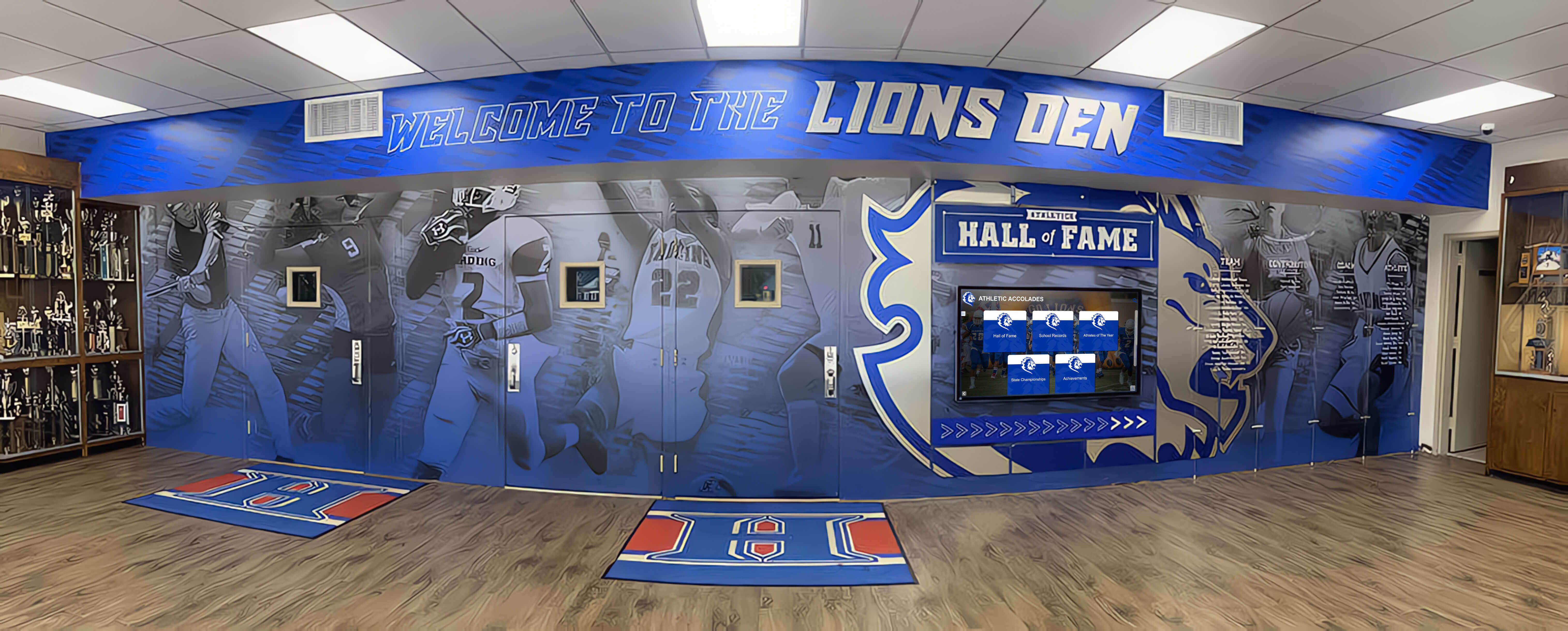
Athletic facilities that celebrate program history create pride and motivation for current and future athletes
18. Strength and Conditioning Award
Recognizing dedication to physical development:
- Most weight room attendance or training session participation
- Greatest measurable strength or speed improvement
- Consistent nutrition and recovery protocol adherence
- Injury prevention through proper preparation and body maintenance
This award reinforces that athletic success requires year-round commitment to physical development beyond sport-specific practice.
Peer-Voted and Special Recognition Awards
These awards incorporate team voice or recognize unique circumstances deserving acknowledgment.
19. Teammates’ Choice Award
Allowing athletes to recognize peers they most respect:
- Anonymous voting for teammate who best represented program values
- Recognition of peer most respected for any reason athletes choose
- Opportunity for athletes to honor contributions they observed that coaches might miss
Peer-voted awards often carry special significance because athlete respect frequently matters more than adult acknowledgment during adolescence and young adulthood.
20. Coaches’ Award
The traditional recognition of athletes embodying program ideals:
- Comprehensive evaluation across multiple dimensions rather than single criteria
- Typically honoring athletes who exemplify program culture and values completely
- May recognize athletes who overcame obstacles, demonstrated character, or contributed beyond statistics
- Often presented as the most prestigious team honor when thoughtfully awarded
Rather than defaulting to star athletes, reserve this award for athletes who genuinely represent what programs most value—sometimes resulting in surprising but meaningful selections that reinforce values authentically.
Designing Effective Awards Ceremonies
Even exceptional award selections deliver diminished impact through poorly designed presentation ceremonies that feel rushed, impersonal, or anticlimactic. Thoughtful ceremony design transforms recognition into memorable experiences athletes and families cherish.
Ceremony Format and Structure
Effective awards ceremonies balance formal recognition with entertainment and engagement elements that maintain attention and create positive emotional experiences for diverse audiences.
Opening Elements
Strong ceremonies begin with components establishing appropriate tone:
- Welcome from athletic director, principal, or program leadership establishing significance
- Season overview video or presentation highlighting memorable moments and team accomplishments
- Introduction of coaching staff and their contributions to team development
- Recognition of team managers, trainers, and support staff whose work enabled success
- Acknowledgment of families, boosters, and community supporters
This opening context frames individual awards within broader team narrative while ensuring all contributors receive appropriate appreciation.
Award Presentation Approach
Present individual awards with care and detail:
- Describe award criteria and significance clearly
- Explain specifically why the recipient earned recognition
- Share anecdotes or examples illustrating why this athlete deserved selection
- Provide physical awards, certificates, or meaningful tokens
- Opportunity for brief recipient remarks or coach comments

Comprehensive recognition spaces create destinations where families and alumni explore athletic heritage
Avoid simply reading names without context—detailed explanation makes recognition meaningful while helping audience understand each athlete’s specific contributions and why they matter.
Closing Components
Finish ceremonies with elements creating positive conclusions:
- Recognition of graduating seniors with special remarks or acknowledgments
- Preview of upcoming season and offseason training expectations
- Final team recognition and appreciation from coaches
- Invitation to reception, refreshments, or informal gathering
- Photo opportunities for award recipients and families
Making Recognition Memorable and Meaningful
Beyond ceremony structure, specific approaches deepen recognition impact and create lasting positive memories athletes associate with program participation.
Personalization and Specificity
Generic recognition lacks emotional resonance compared to personalized acknowledgment:
- Reference specific moments, plays, or situations exemplifying why athlete earned recognition
- Describe observable growth or development the coaching staff noticed throughout the season
- Share athlete contributions to team culture or specific examples of valued characteristics
- Connect recognition to athlete’s individual goals or challenges they overcame
This specificity demonstrates genuine awareness of each athlete’s journey while making recognition feel earned rather than perfunctory.
Family Involvement
Recognize that family support enables athletic participation:
- Invite families prominently and communicate that their attendance matters
- Acknowledge family sacrifices of time, resources, and support
- Allow family members on stage or in photos during individual recognition
- Provide family-friendly ceremony timing and environment accommodating siblings and relatives
Athletes often report that receiving recognition in front of proud family members represents the most meaningful aspect of awards ceremonies beyond the awards themselves.
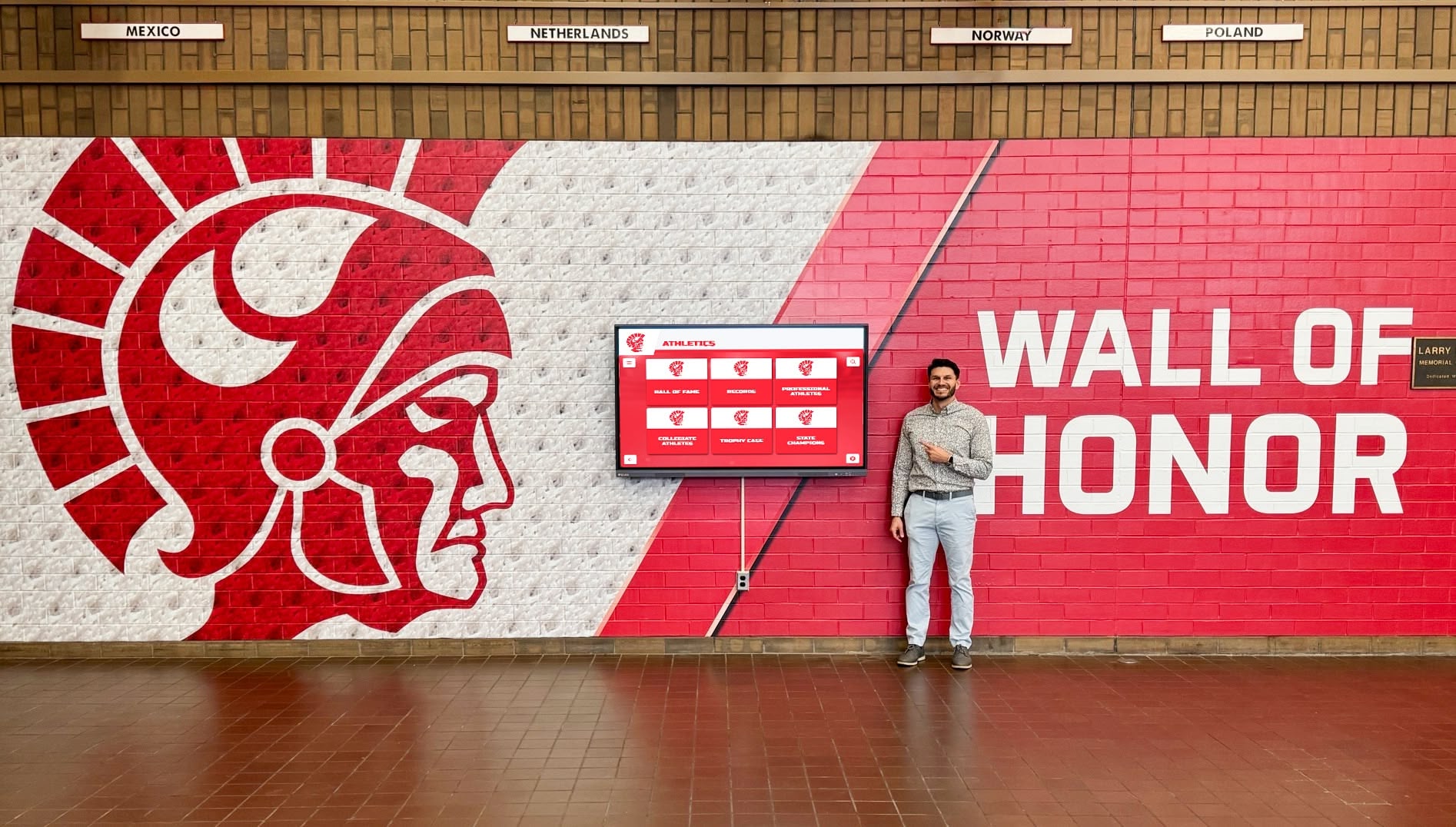
Interactive recognition walls invite exploration and conversation about athletic achievements and program history
Physical Awards Quality
Tangible recognition should reflect accomplishment significance:
- Quality trophies, plaques, or awards that athletes can display proudly
- Certificates with detailed accomplishment descriptions rather than generic forms
- Team photos, videos, or memorabilia providing lasting season memories
- Custom elements like engraving, specific details, or individual touches
While physical awards represent expenses, they provide lasting reminders of achievement that athletes value for years—justifying reasonable investment in quality recognition tokens.
Documentation and Sharing
Extend recognition beyond ceremony attendees through strategic documentation:
- Professional photography capturing award presentations and family moments
- Video recording enabling absent family members to experience ceremonies
- Social media sharing celebrating individual and team achievements
- Local media engagement covering awards and significant recognitions
- School communication channels highlighting athletic recognition
This expanded visibility amplifies recognition impact while building program reputation and community awareness of athletic accomplishments.
Modern Digital Recognition Solutions
Traditional trophy cases and static plaques face significant limitations for comprehensive athletic recognition—space constraints force selective display, static content becomes outdated quickly, and limited contextual information reduces emotional connection between viewers and recognized athletes.
Advantages of Digital Athletic Recognition
Modern solutions like Rocket Alumni Solutions transform athletic recognition through interactive displays eliminating traditional constraints while creating engaging experiences impossible with conventional approaches.
Unlimited Recognition Capacity
Digital systems solve the space limitation problem:
- Single touchscreen display showcases unlimited athletes across all sports and seasons
- No need to remove historical recognition to accommodate current award recipients
- Every athlete who earns any award receives permanent digital recognition
- All sports receive equal recognition capacity regardless of facility space allocation
This unlimited capacity enables truly comprehensive recognition celebrating every athlete rather than restricting visibility to elite performers exclusively.
Rich Multimedia Storytelling
Digital recognition enables depth impossible with engraved plaques:
- Individual athlete profiles with biographical information, statistics, and accomplishments
- Season highlight videos showing athletes in competition
- Photo galleries documenting athletic careers across multiple seasons
- Award descriptions explaining specific achievements and recognition criteria
- Coach testimonials or athlete reflections providing personal context
These multimedia capabilities create emotional connections that simple names on walls cannot match, particularly for families and community members exploring athletic program heritage. Explore comprehensive approaches in digital athletic history displays that engage communities.
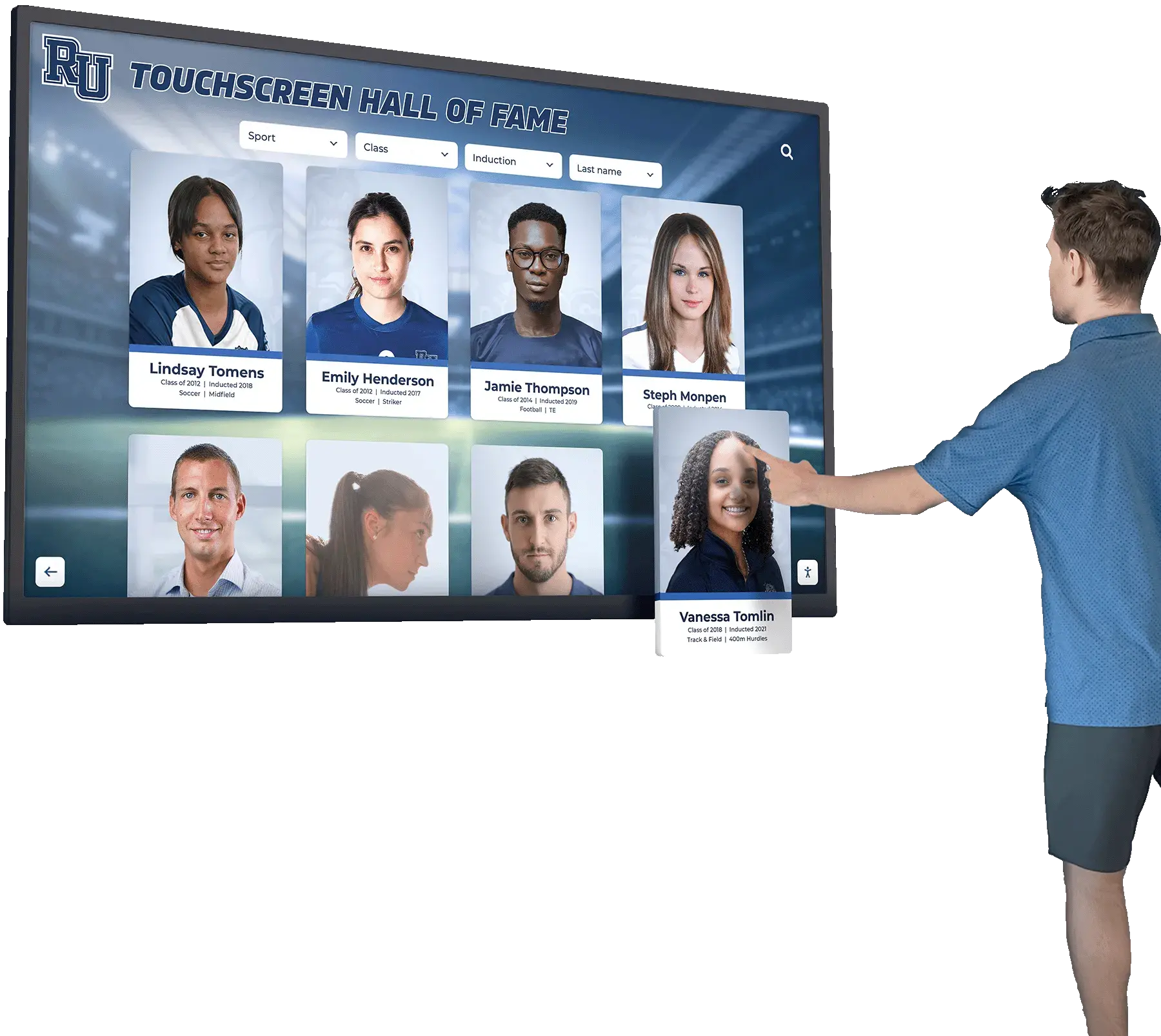
Touchscreen systems enable exploration of individual athlete stories and comprehensive achievement documentation
Easy Content Updates
Cloud-based management systems simplify ongoing recognition:
- Athletic directors update content remotely from any internet-connected device
- Immediate updates following awards ceremonies or season conclusions
- Bulk import capabilities adding entire award recipient lists efficiently
- Correction and updates happen instantly without expensive plaque replacement
- Template systems ensuring consistent professional presentation across all content
Programs report that digital systems reduce administrative time spent on recognition while dramatically increasing comprehensiveness and currency.
Interactive Exploration Features
Modern displays create engagement impossible with static recognition:
- Search functionality allowing athletes and families to find specific individuals
- Filtering by sport, season, award type, or graduation year
- Related athlete connections showing teammates or family members
- Statistical comparisons and program record context
- QR code access enabling mobile device exploration extending beyond physical display
These interactive capabilities transform recognition from passive viewing into active exploration that athletes and visitors find genuinely engaging. Learn about implementation approaches in best ways to showcase athletic achievement digitally.
Implementation Considerations
Athletic programs considering digital recognition should evaluate several factors ensuring successful implementation:
Strategic Placement
Location determines recognition visibility and impact:
- Athletic facility entrances or lobbies where athletes, families, and visitors naturally congregate
- School main entrances ensuring academic community observes athletic achievement
- Gymnasium or stadium concourses capturing game day traffic
- Hallways connecting athletic facilities to main school buildings
- Multiple displays at larger facilities creating comprehensive presence
Content Development Strategy
Plan sustainable content management approaches:
- Determine which awards and achievements warrant digital recognition
- Establish data collection processes for athlete information, photos, and statistics
- Define update schedules following season conclusions or awards ceremonies
- Assign staff responsibilities for ongoing content maintenance
- Create athlete submission or nomination processes for historical recognition
Budget and Funding
Digital recognition systems involve both initial and ongoing costs:
- Hardware investment for displays, mounting, and infrastructure typically $15,000-$45,000
- Annual software licensing and support fees around $3,000-$8,000
- Initial content development time and potential photography costs
- Consider booster club funding, alumni donations, or capital campaign inclusion
- Calculate return on investment through stronger community engagement and program culture
Many athletic programs discover that comprehensive digital recognition becomes affordable when positioned as multi-year investment serving multiple sports and hundreds of athletes annually rather than expense benefiting limited populations.
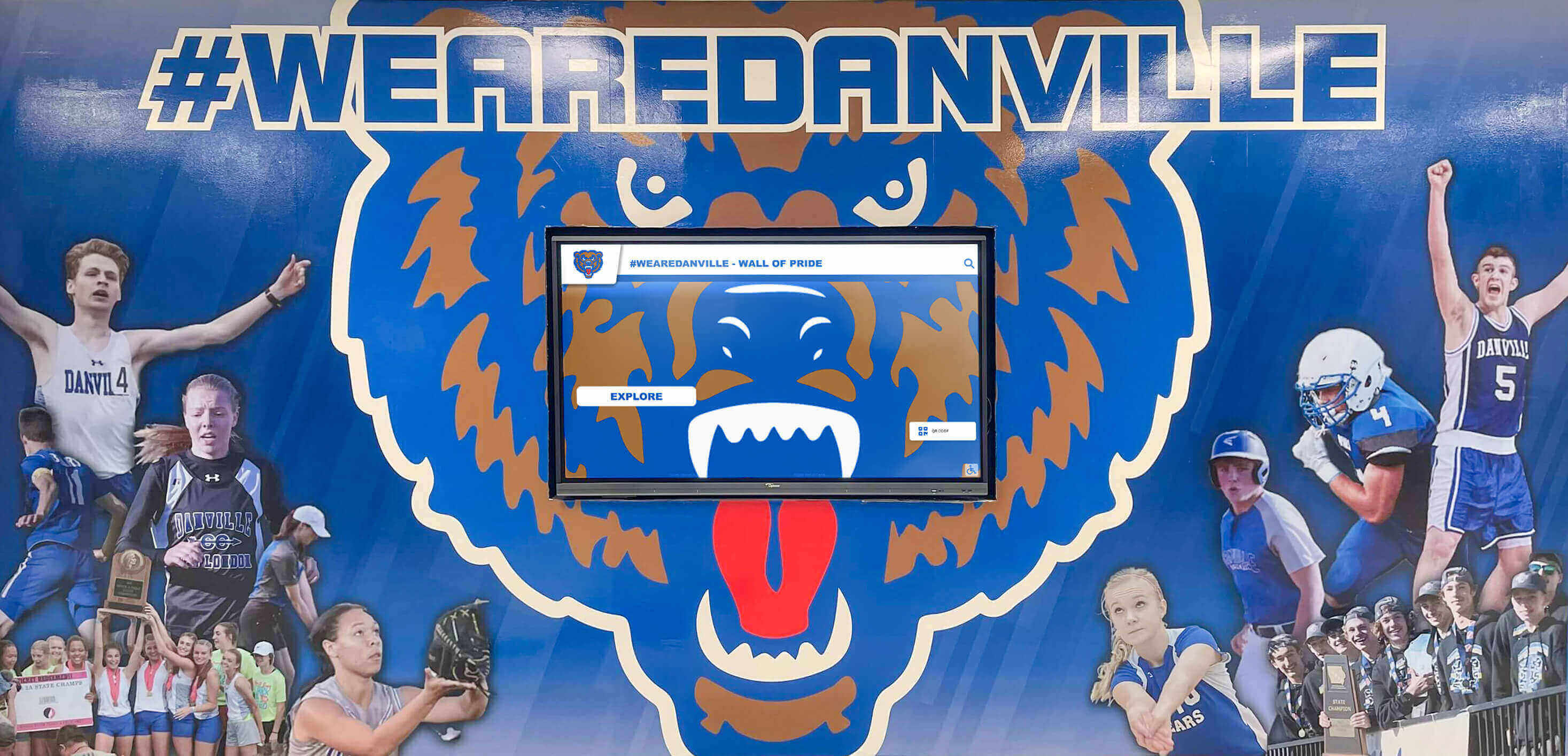
Coordinated recognition solutions combine traditional artistic elements with modern digital capabilities
Creating Year-Round Recognition Culture
Sport end of year awards represent important annual moments, but the most effective athletic recognition extends throughout seasons and across years through systematic approaches that continuously celebrate achievement while maintaining motivation.
In-Season Recognition Practices
Don’t restrict recognition to year-end ceremonies:
Weekly Recognition Programs
- Player of the week awards following each competition
- Practice player awards recognizing exceptional effort between games
- Statistical achievement acknowledgment for career or program milestones reached
- Improvement spotlights celebrating development observable during season
- Character moments highlighting sportsmanship or leadership examples
Public Acknowledgment Channels
- Social media posts celebrating individual and team accomplishments
- School announcements recognizing athletic achievements to broader community
- Local media engagement submitting athlete features and achievement stories
- Athletic program newsletters or communications highlighting weekly recognition
- Website updates maintaining current athlete and team achievement information
Consistent in-season recognition maintains motivation while making year-end awards feel like culmination of ongoing acknowledgment rather than isolated moments.
Historical Recognition Preservation
Programs with strong recognition traditions maintain institutional memory across generations:
Athletic Hall of Fame Programs
Formal hall of fame induction processes recognize most distinguished program alumni:
- Clear criteria defining hall of fame worthy achievement
- Annual selection processes considering eligible former athletes
- Induction ceremonies during high-visibility events like homecoming
- Permanent recognition through physical or digital displays
- Connection programs pairing hall of famers with current athletes
Explore comprehensive planning approaches in basketball hall of fame recognition strategies applicable to all sports.
Record Board Maintenance
Systematic tracking and recognition of program records:
- Comprehensive database of team and individual records across seasons
- Visible display of current record holders with contextual information
- Recognition ceremonies when records fall acknowledging historical and current athletes
- Integration of records into competitive narratives motivating athletes to pursue benchmarks
Digital record boards enable comprehensive documentation impossible with painted gymnasium walls limited to top few performances. Review modern solutions for digital record boards that inspire athletic excellence.

Hallway recognition creates daily visibility for athletic achievements throughout the academic year
Multi-Sport Recognition Integration
Athletic programs serving multiple sports should ensure equitable recognition avoiding common patterns where high-profile sports dominate acknowledgment:
Comprehensive Program Recognition
Design systems serving all sports equally:
- Awards ceremonies covering multiple sports rather than sport-specific events
- Digital displays providing proportional coverage across programs
- Recognition criteria applicable across sports avoiding sport-specific bias
- Budget allocation ensuring all programs receive recognition resources
- Visibility for non-revenue sports comparable to high-profile programs
Seasonal Recognition Rhythm
Create recognition patterns matching athletic calendar:
- Fall sports awards following season conclusions typically November
- Winter sports recognition after basketball and wrestling seasons conclude
- Spring sports awards completing annual cycle typically May or June
- All-sports awards or athletic department recognition celebrating comprehensive achievement
This seasonal rhythm maintains consistent recognition throughout year rather than concentrating acknowledgment during specific periods.
Conclusion: Creating Lasting Recognition Traditions
Sport end of year awards represent valuable opportunities to celebrate athletic achievement, reinforce program values, and create positive experiences athletes remember throughout their lives. The creative award ideas and ceremony strategies explored throughout this guide provide frameworks for designing recognition programs that genuinely honor diverse contributions while strengthening team culture and community engagement.
The most effective awards programs extend beyond predictable categories to celebrate the full spectrum of athletic excellence—from competitive achievement and statistical production to leadership, character, improvement, and specialized contributions that enable team success. When programs systematically recognize varied accomplishments through 15-20 different awards rather than limiting acknowledgment to handful of traditional categories, they ensure every athlete can earn meaningful recognition through contributions aligned with individual strengths.
Transform Your Athletic Recognition Program
Discover how modern digital recognition solutions can help you celebrate every athlete's achievements and create lasting traditions that strengthen program culture for generations.
Explore Recognition SolutionsThoughtful ceremony design amplifies recognition impact by creating memorable experiences that honor athletes in front of supportive families and communities. When programs invest in detailed presentations explaining why each athlete deserves recognition, provide quality physical awards athletes can treasure, and document ceremonies for extended sharing, they transform simple acknowledgment into meaningful validation that influences how athletes remember athletic participation throughout their lives.
Modern digital recognition solutions address limitations that have constrained comprehensive athletic acknowledgment for generations. Systems like those from Rocket Alumni Solutions eliminate space restrictions enabling unlimited athlete recognition across all sports and seasons, provide rich multimedia storytelling impossible with static plaques, and simplify content management making comprehensive recognition sustainable even for programs with limited administrative capacity.
Start where you are with awards programs you can implement immediately, then systematically expand to create comprehensive approaches your athletes deserve. Every athlete who receives meaningful recognition for their contributions develops stronger connection to athletic programs and greater motivation to continue pursuing excellence in athletics and beyond.
Your athletes invest countless hours pursuing excellence, overcoming challenges, and representing your programs and schools with dedication. They deserve recognition that genuinely honors the full scope of their contributions—not just the most visible statistics or most celebrated performances, but also the character, leadership, improvement, and commitment that define successful athletic experiences equally with competitive results.
Ready to enhance your athletic recognition? Explore comprehensive approaches to student athlete recognition programs that drive engagement. Discover strategies for recognizing athletic achievement beyond statistics. Learn about team recognition approaches that build culture. And when you’re ready to discuss your specific program needs, talk to our team about creating the comprehensive athletic recognition your athletes deserve.































