



A well-built sports banquet agenda is the difference between a celebration that flows naturally and one that stalls between the salad course and the first award. Athletic directors, coaches, and boosters invest months building a season worth celebrating—then sometimes hand off the banquet itself to a loose outline on a napkin. This guide gives you a complete run of show: a timed, segment-by-segment agenda you can adapt for any sport, any level, and any venue, plus an athletic banquet checklist, best practices for each segment, and a framework for turning the night’s photos and award data into permanent recognition that lasts far beyond the dinner.
Whether you are organizing a varsity football banquet for 400 people or an end-of-year swim team dinner for 60, the bones of an effective sports banquet agenda are the same. The program must honor every athlete, hold attention without dragging, give coaches and administrators the stage time they need, and create clear photo moments that families can share. Most importantly, the night should end with recognition that continues—not recognition that disappears with the tablecloths.

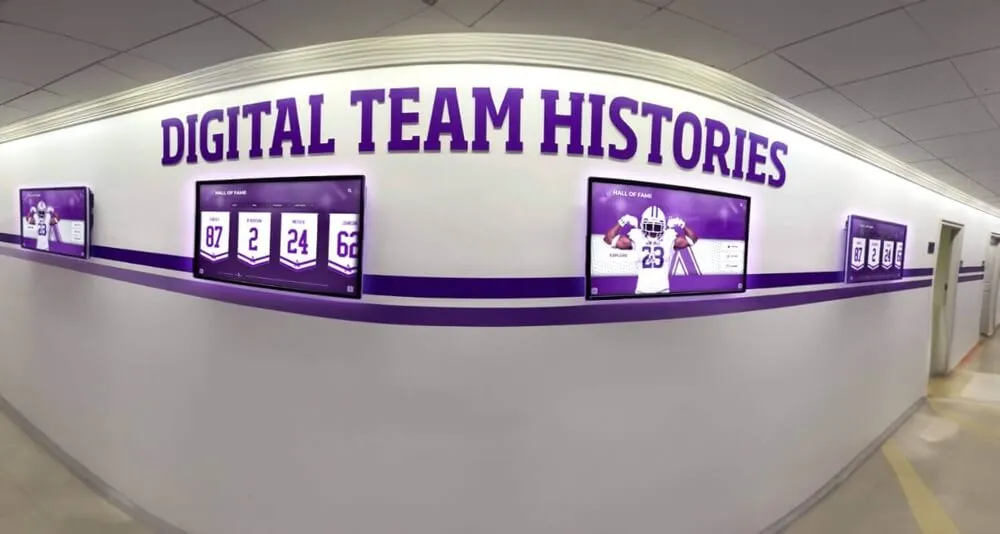
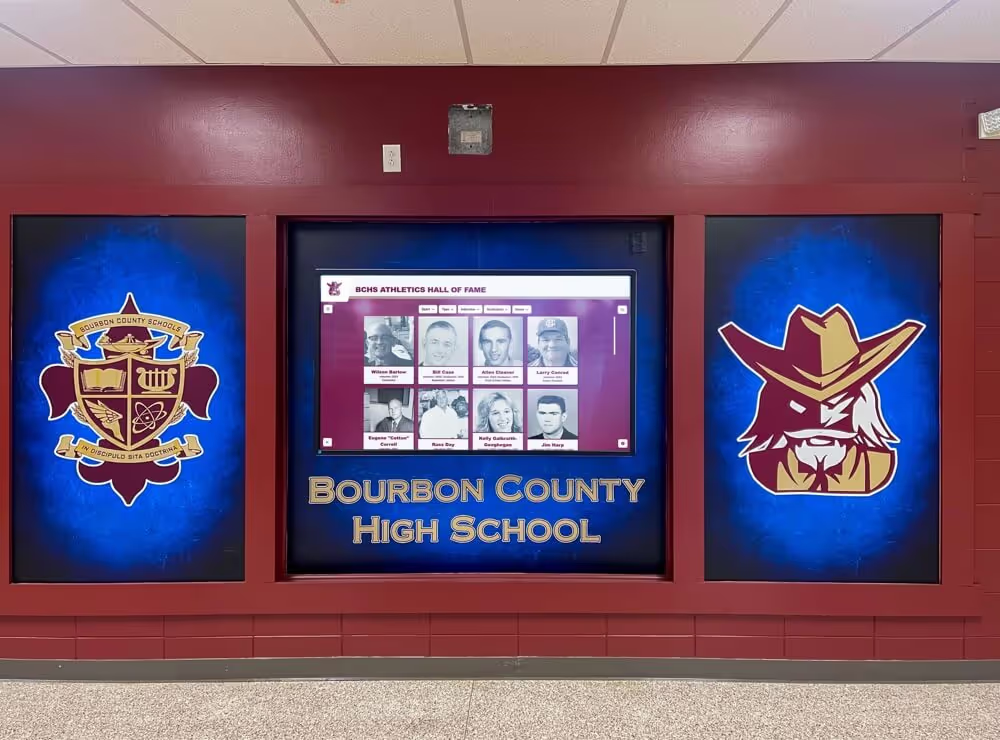
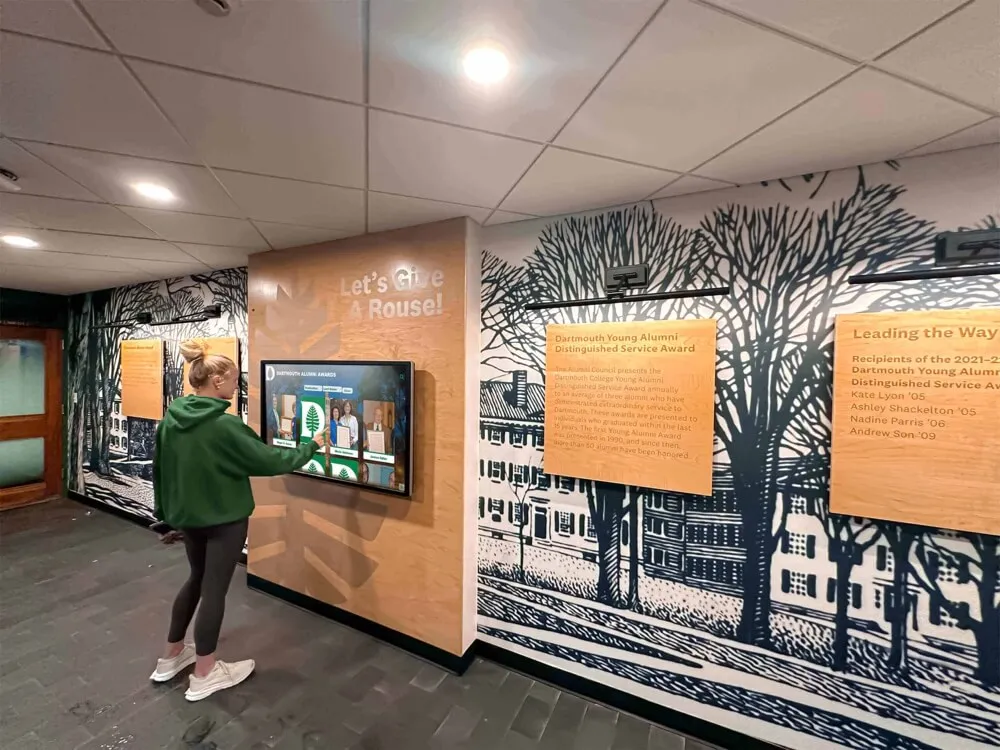
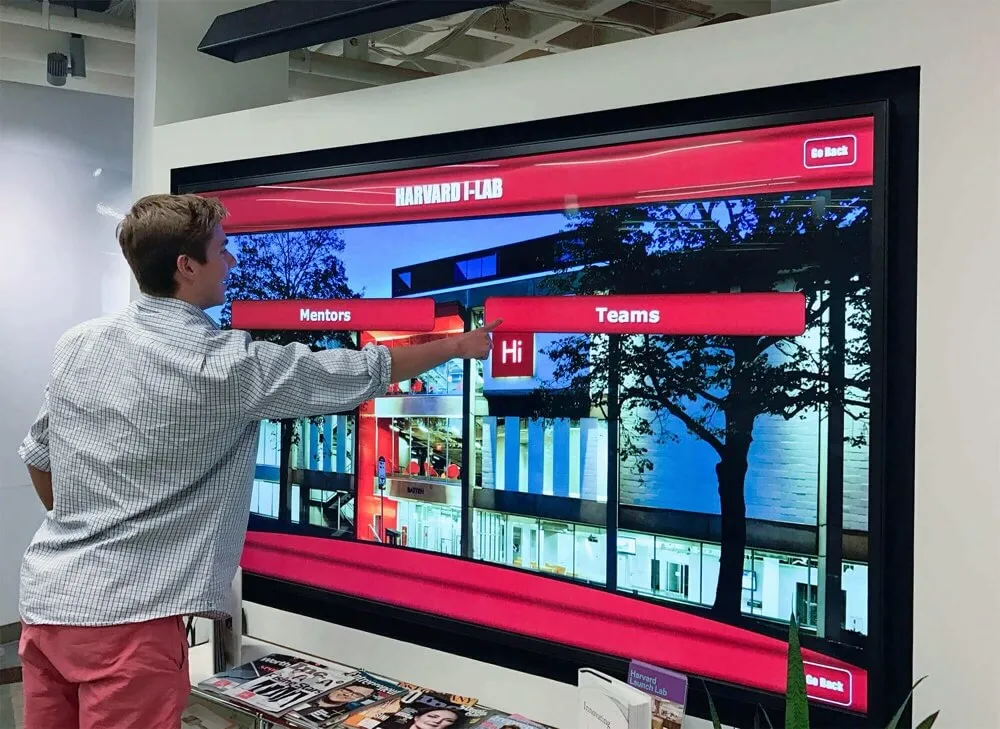
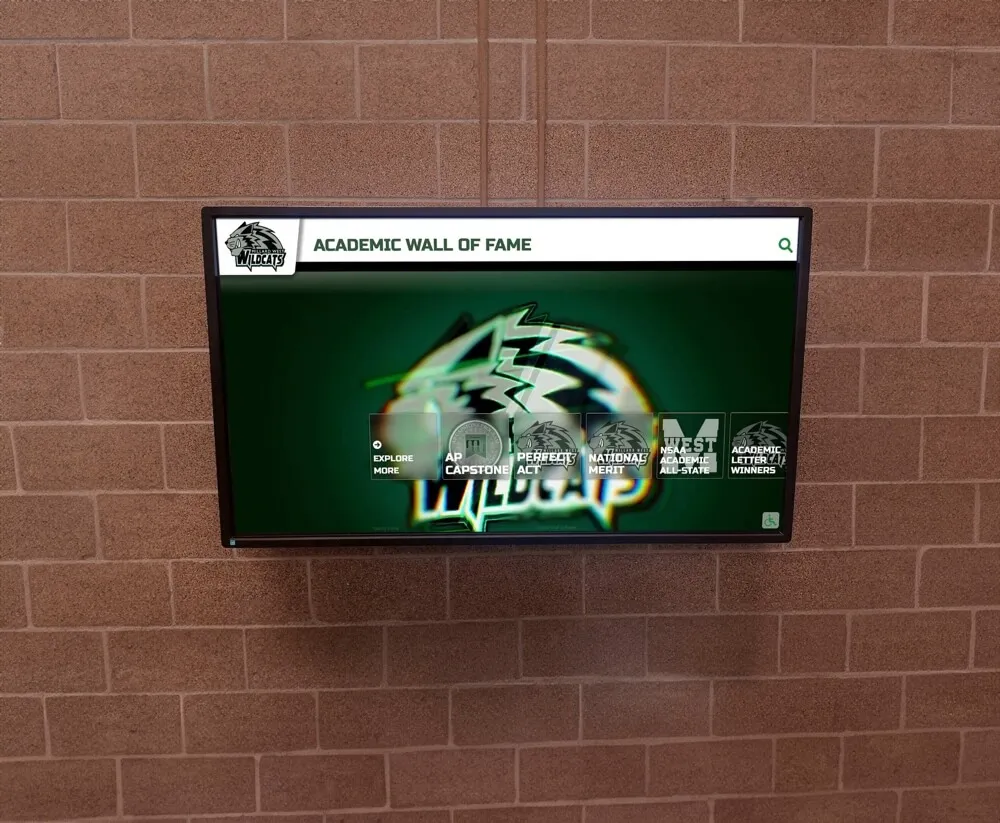
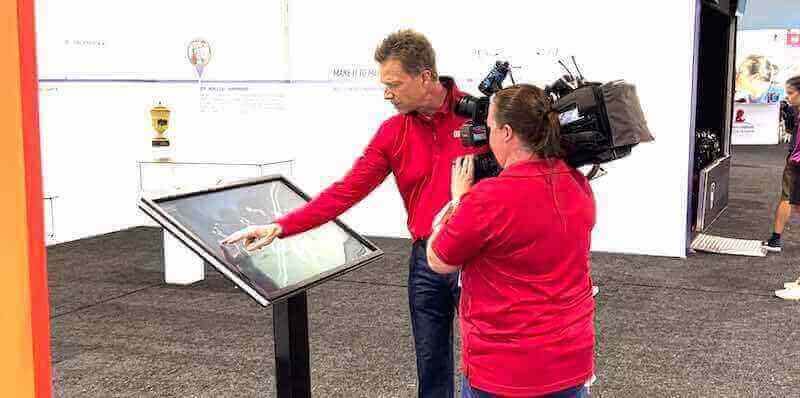
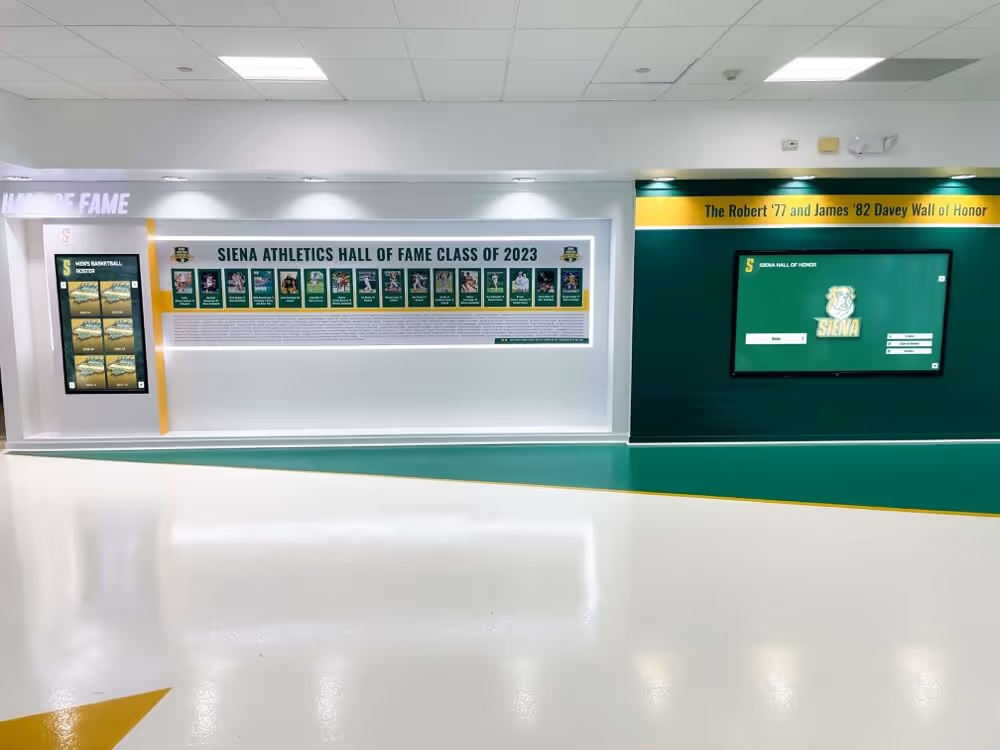
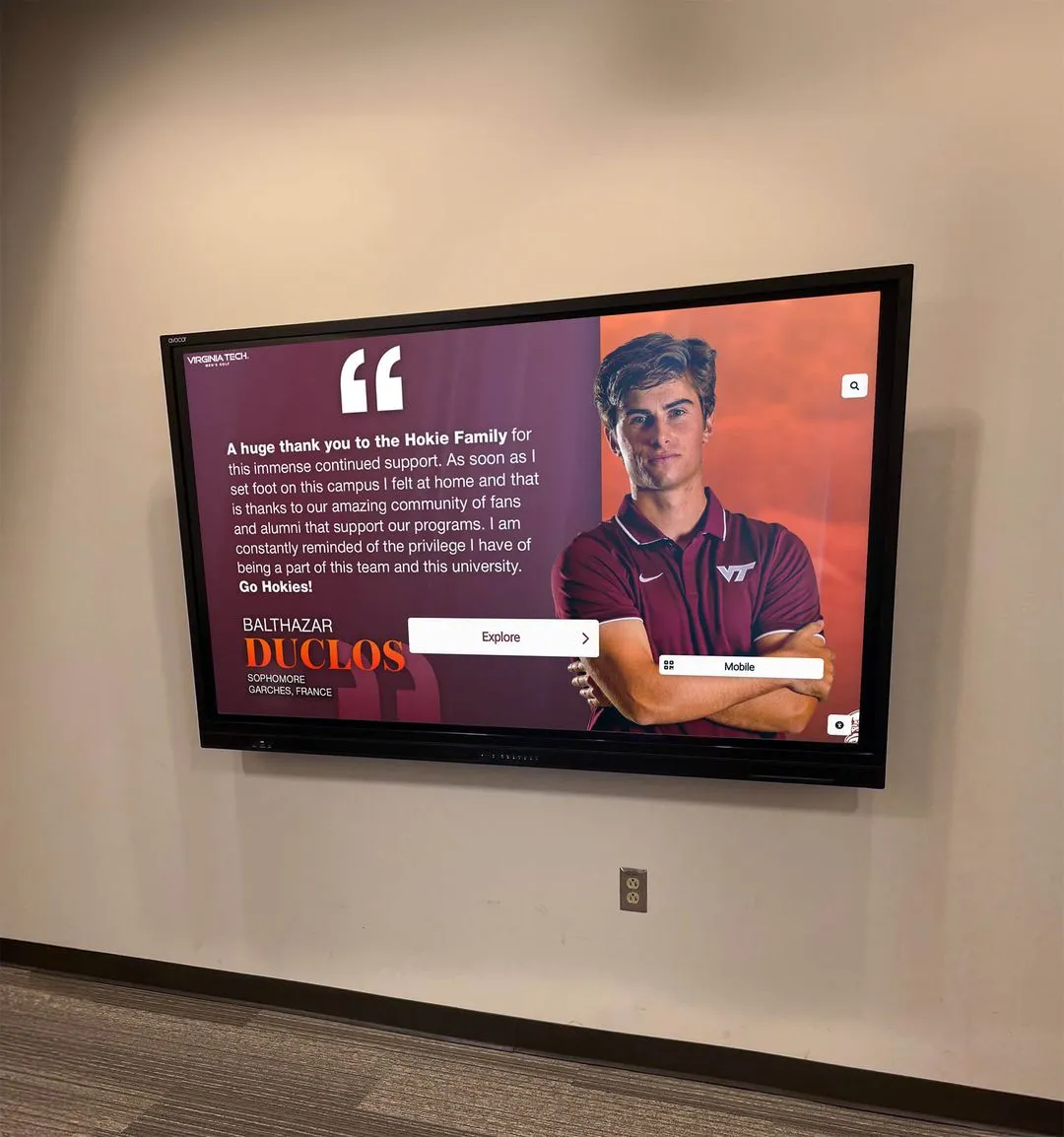
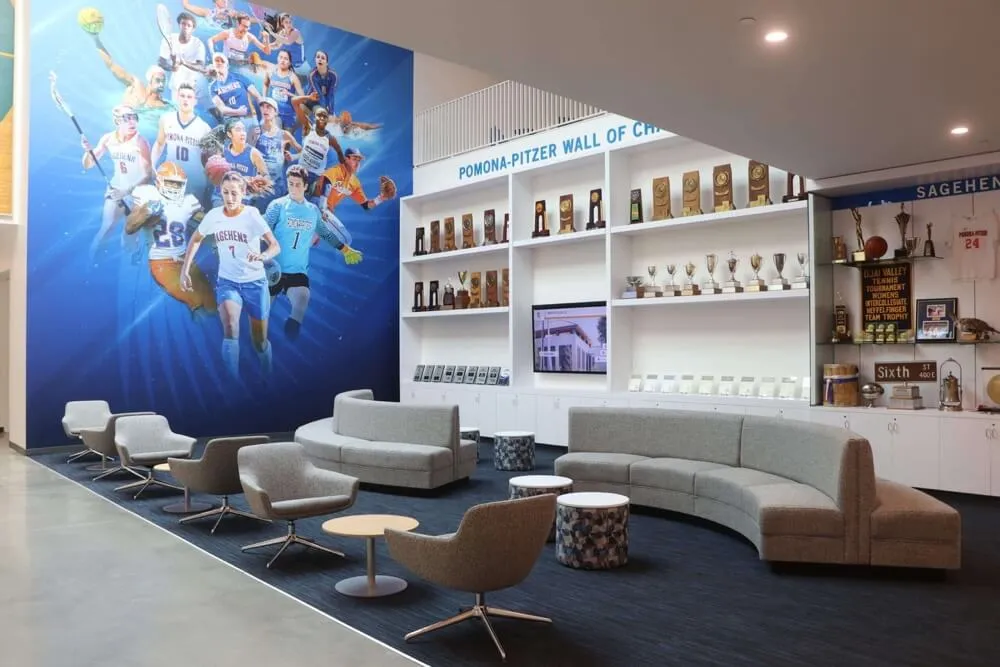
A banquet is most valuable when it connects to permanent recognition spaces like trophy walls and digital displays that keep achievements visible year-round
Why Your Sports Banquet Needs a True Run of Show
Many banquet programs exist as a simple list of award names—no timing, no transitions, no assigned roles. That approach puts the evening’s momentum entirely in the hands of whoever holds the microphone, and it makes it nearly impossible to capture the right photos or collect the award data needed for display updates afterward.
A run of show treats your sports banquet agenda the way a broadcast team treats a live event: every segment has a start time, a duration, a responsible person, and a defined outcome. When something runs long—and it always does—the MC knows what to trim. When the photographer needs to be in position, they know exactly when. When the communications staff needs athlete names and photos for the school’s digital display update, they have a checklist ready to execute the same night.
The payoff is threefold: the event feels polished, families get the moments they came for, and your school’s recognition systems stay current without a scramble weeks later.
Sample Sports Banquet Agenda (Run of Show)
The schedule below uses a 6:00 PM dinner start—adjust all times proportionally for your event. Segments marked with [DATA] are moments your team should treat as data-capture opportunities for post-banquet display updates.
4:30 PM — Setup Complete / AV Test
- Confirm all slides, videos, and audio are loaded and tested
- Verify award table is organized in presentation order
- Position photographer briefing area
5:15 PM — Volunteer and Staff Briefing
- Walk all helpers through the run of show
- Assign a dedicated note-taker to record each award winner’s full name, sport, and award title [DATA]
- Confirm photographer knows the shot list (podium, award handoff, team photo)
5:30 PM — Doors Open / Arrival and Social Time
- Background music playing
- Slideshow of season highlights on screen (keeps early arrivals engaged)
- Photo station open for informal family portraits
- Name tags or seating cards available at entrance
6:00 PM — Dinner Service Begins
- MC welcomes guests informally while dinner is served
- Background music continues at low volume
- Avoid formal program during eating; let families settle
6:40 PM — Welcome and Opening Remarks (10 minutes)
- Athletic director or principal opens program
- Brief overview of the season’s themes and accomplishments
- Acknowledge sponsors, boosters, and parent volunteers by name
6:50 PM — Special Guest or Keynote (10–12 minutes)
- Alumni speaker, community figure, or senior athlete reflection
- Keep this tight—audiences are most receptive early in the program
7:02 PM — Coaches’ Season Reflections (15–20 minutes)
- Each head coach speaks for 3–4 minutes maximum
- Encourage specific stories rather than generic thanks
- If multiple sports are represented, stagger coaches alphabetically or by season
7:22 PM — Academic and Character Awards (10–12 minutes)
- Scholar-athlete awards, GPA recognition, team captain honors
- Present in groups to manage time; individual handshakes for top honors
- [DATA] Note-taker captures every recipient name and award [DATA]
7:34 PM — Team and Performance Awards (20–25 minutes)
- Most Valuable Player, Offensive/Defensive Player of the Year, Most Improved
- Present with a 30–45 second context statement for each major award
- Alternate between coaches presenting and MC announcing to vary the rhythm
- [DATA] Capture names, award titles, and sport for each honoree [DATA]
7:58 PM — Senior Recognition Segment (10 minutes)
- Each senior athlete walks to the stage as their name and future plans are read
- Family members join seniors for a brief moment if venue allows
- Strong photo opportunity—photographer should be positioned at stage left
8:08 PM — Hall of Fame or Legacy Awards (8–10 minutes)
- Reserved for multi-year contributors, retired numbers, or hall-of-fame inductees
- These carry the most weight; give them room
- [DATA] Collect headshot or action photo release for display updates immediately after [DATA]
8:18 PM — Team Photo Block (15 minutes)
- Organized team photos by sport or squad
- MC announces each group and calls them to the photo area
- Families can join for informal shots after the official group photo
8:33 PM — Closing Remarks and Community Moment (5 minutes)
- Head coach or athletic director closes the formal program
- Preview what’s coming next season—recruits, schedules, milestones
- Thank families, remind them of the display or recognition wall in the building
8:38 PM — Open Reception / Display Viewing (20 minutes)
- Background music resumes
- If the school has a hall of fame or digital recognition display nearby, direct attendees to it
- Staff collects any remaining award data or photo releases
9:00 PM — Formal End / Venue Turnover Begins
This sports banquet agenda totals approximately 2.5 hours from doors opening to formal end—a manageable length that respects families’ evenings without feeling rushed.
Athletic Banquet Checklist: The Six Weeks Before
A solid run of show can’t save a banquet that wasn’t prepared. Use this athletic banquet checklist to confirm the essential elements are locked well before the event.
Six Weeks Out
- Confirm venue, date, and catering contract
- Set ticket price and open registration (if applicable)
- Begin award nomination process with coaches
- Book photographer and confirm package includes digital files
Four Weeks Out
- Finalize award categories and recipients
- Draft the run of show and share with all presenters
- Order physical trophies, plaques, or certificates
- Request headshots or action photos from families for slides and display updates
Two Weeks Out
- Build the awards slide deck (name, award, photo for each recipient)
- Finalize printed program with all recipient names
- Confirm AV equipment and test with venue
- Brief MC, coaches, and special guests on timing expectations
One Week Out
- Send final run of show to all staff and volunteers
- Prepare data-capture sheets for note-taker (columns: Name, Sport, Award, Photo Y/N)
- Organize awards in presentation order on labeled table
- Confirm photographer shot list: individual podium shots, team photos, candids
Day Of
- AV system tested by 4:30 PM
- Award table verified against master list
- Staff briefed on run of show and data-capture roles
- Photo station props and backdrop in place
Night Of (Post-Event)
- Collect all signed photo releases
- Confirm note-taker data sheet is complete and legible
- Transfer photographer files to school server or cloud folder before midnight
Keeping this sports banquet checklist current across planning cycles means each year’s event is smoother than the last—and the data needed for recognition displays is captured systematically rather than reconstructed from memory.
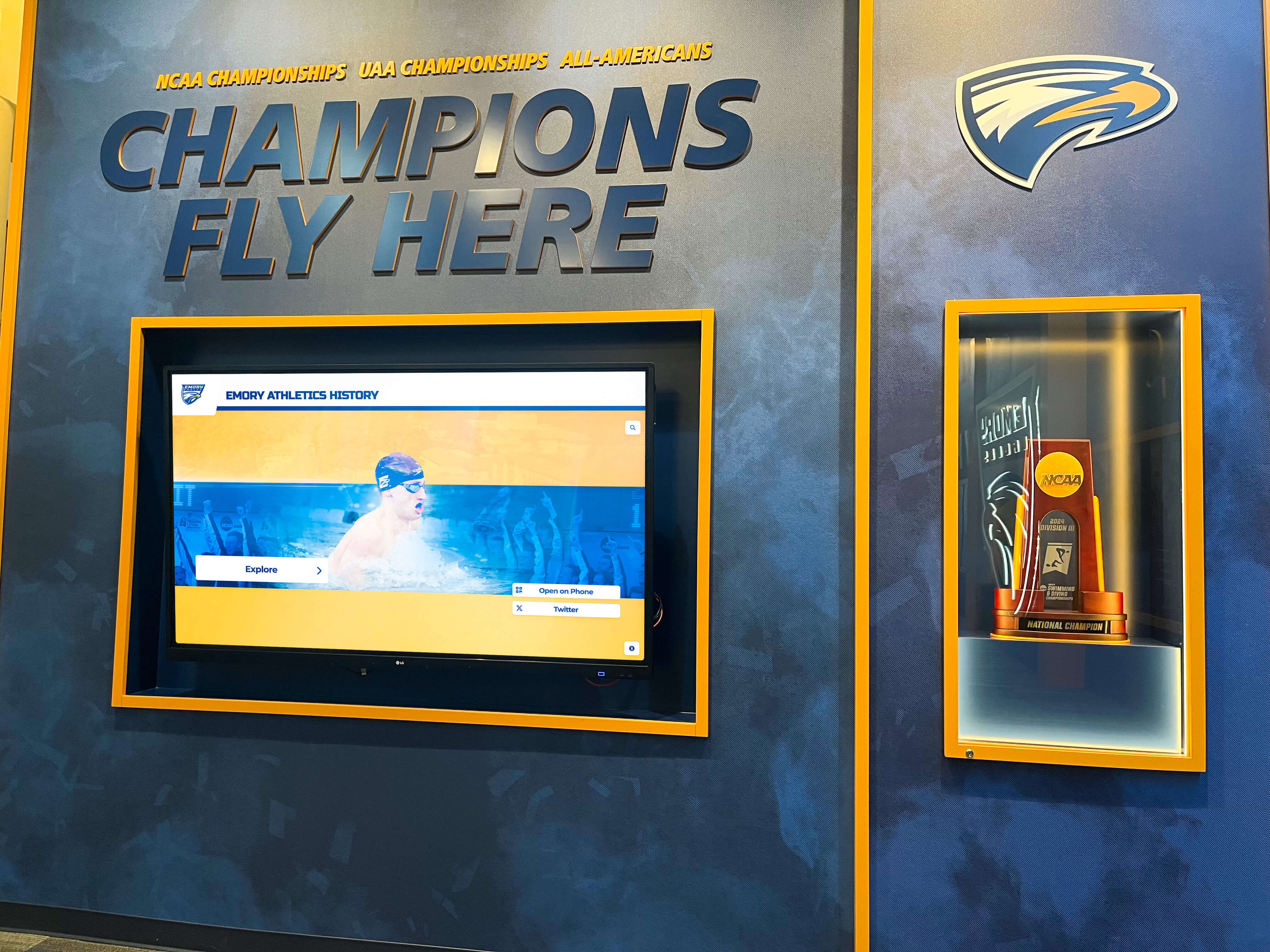
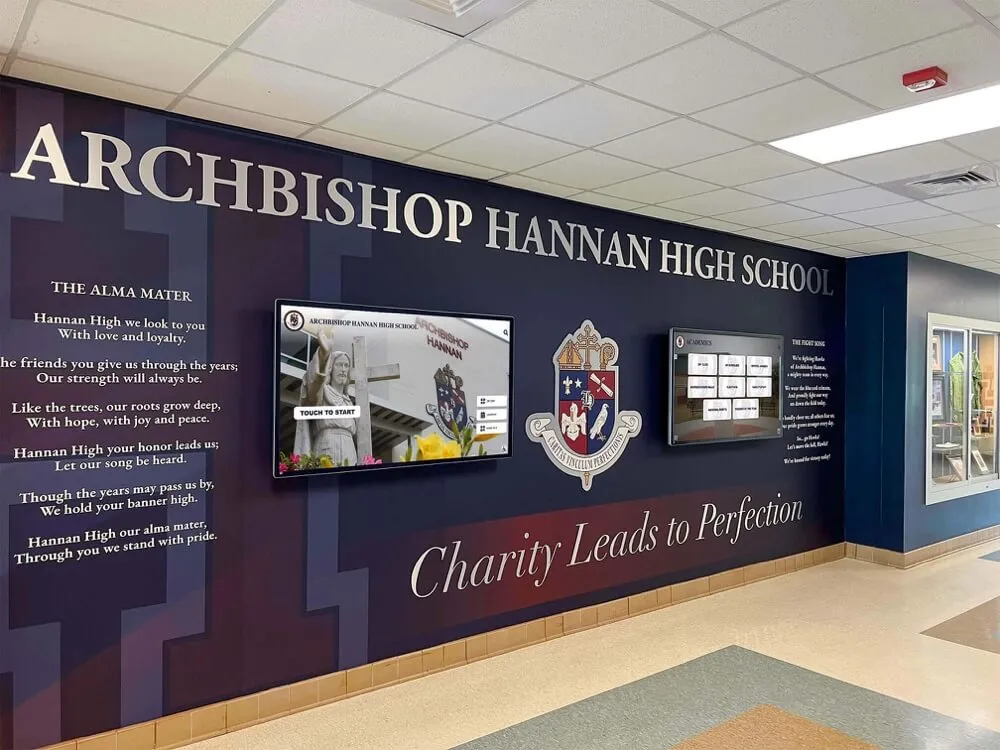
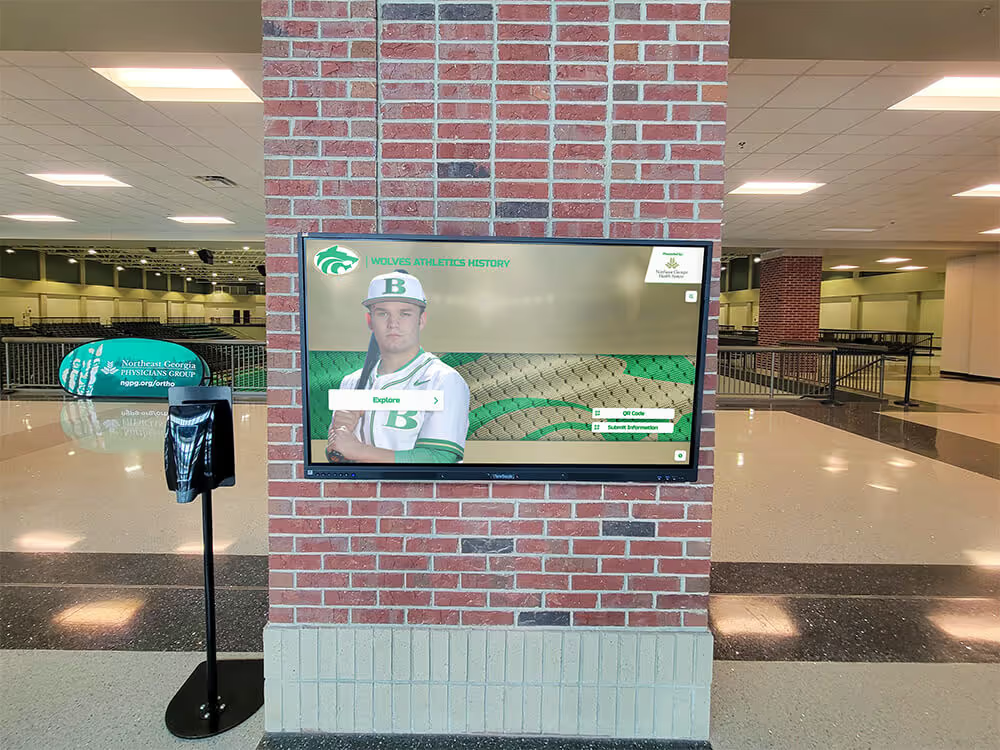
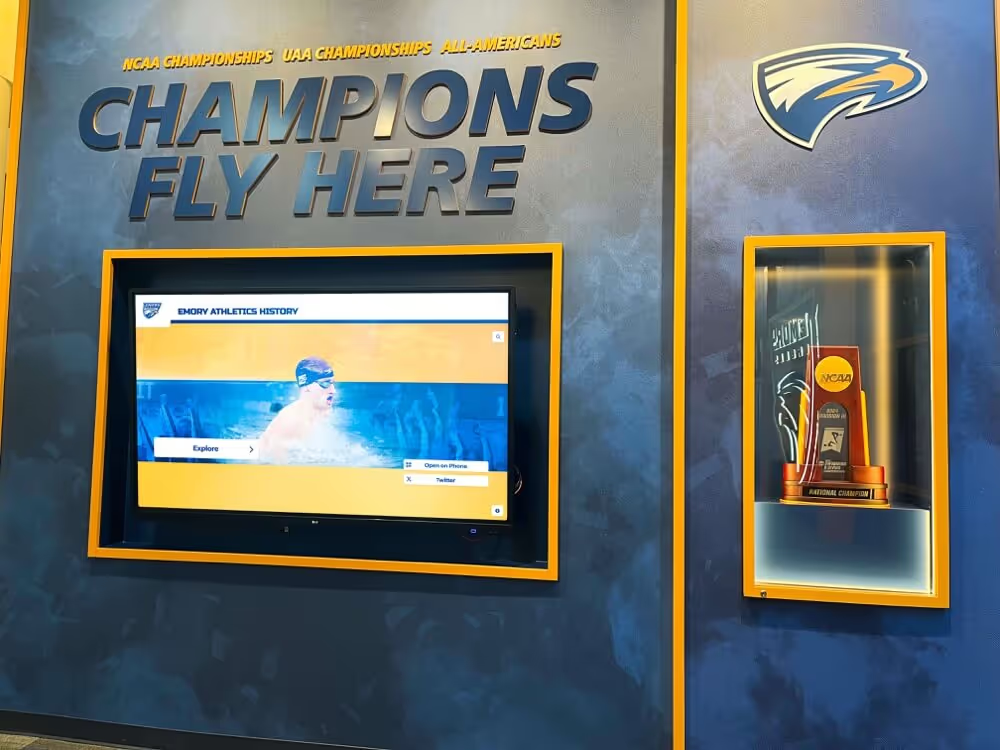
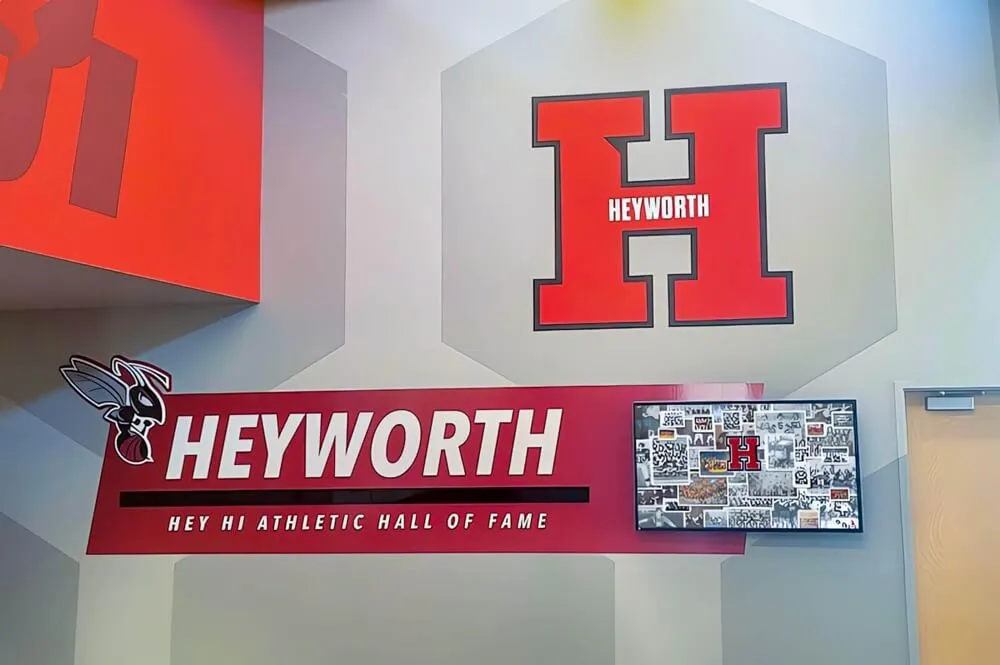
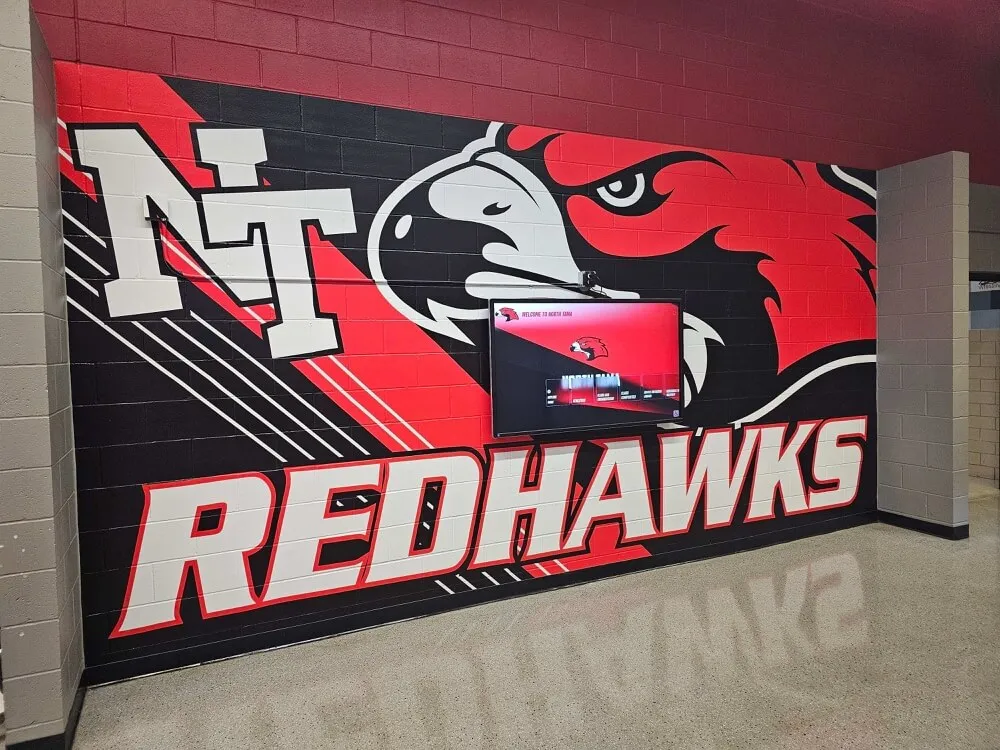
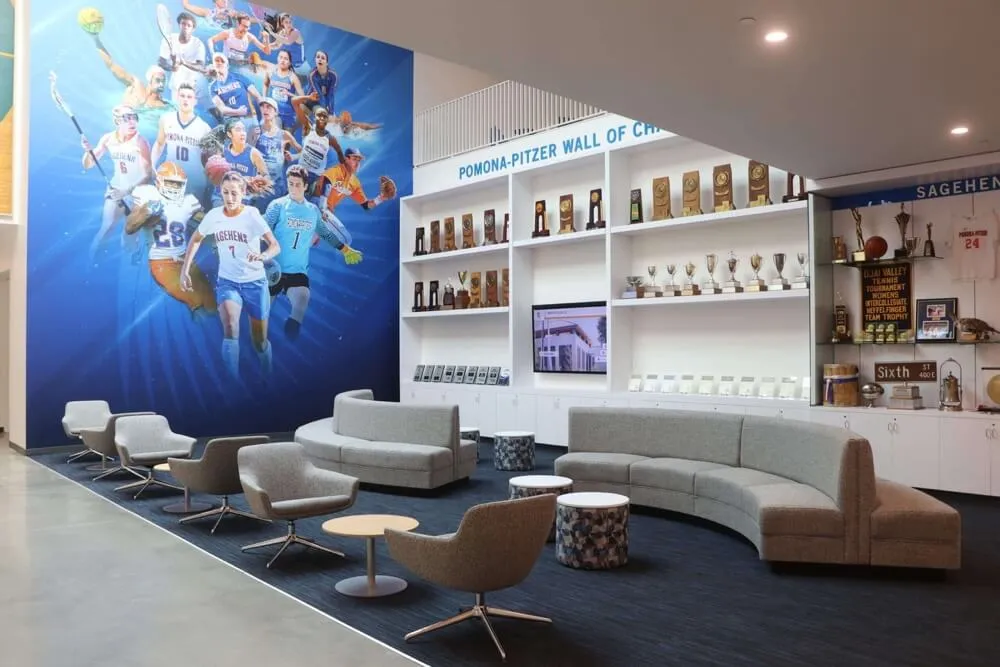
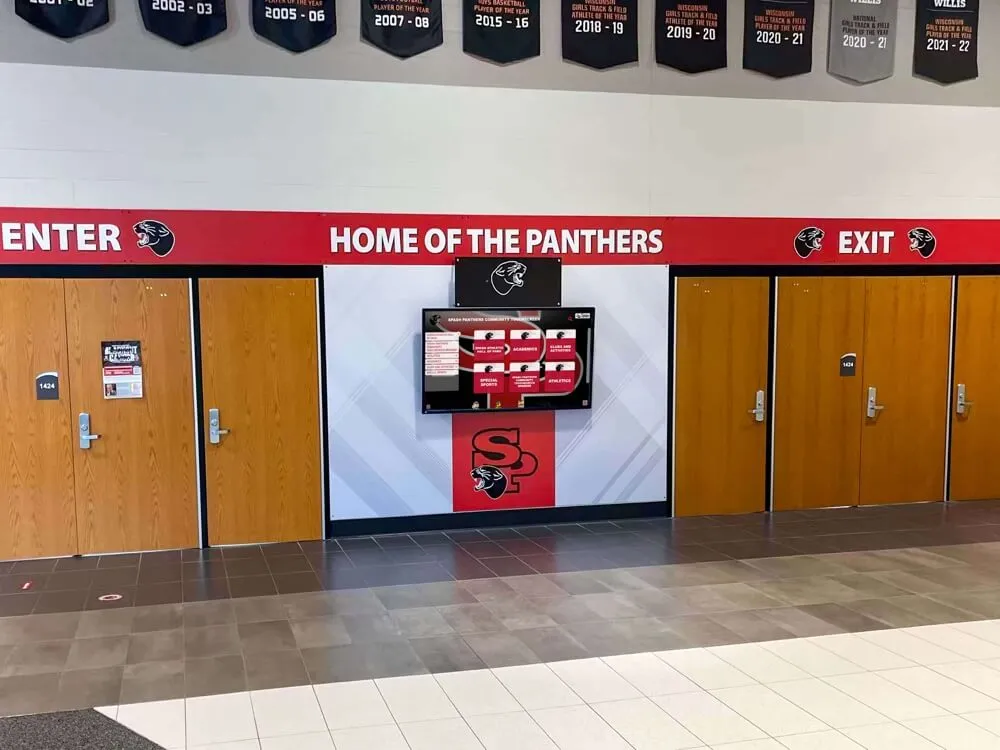
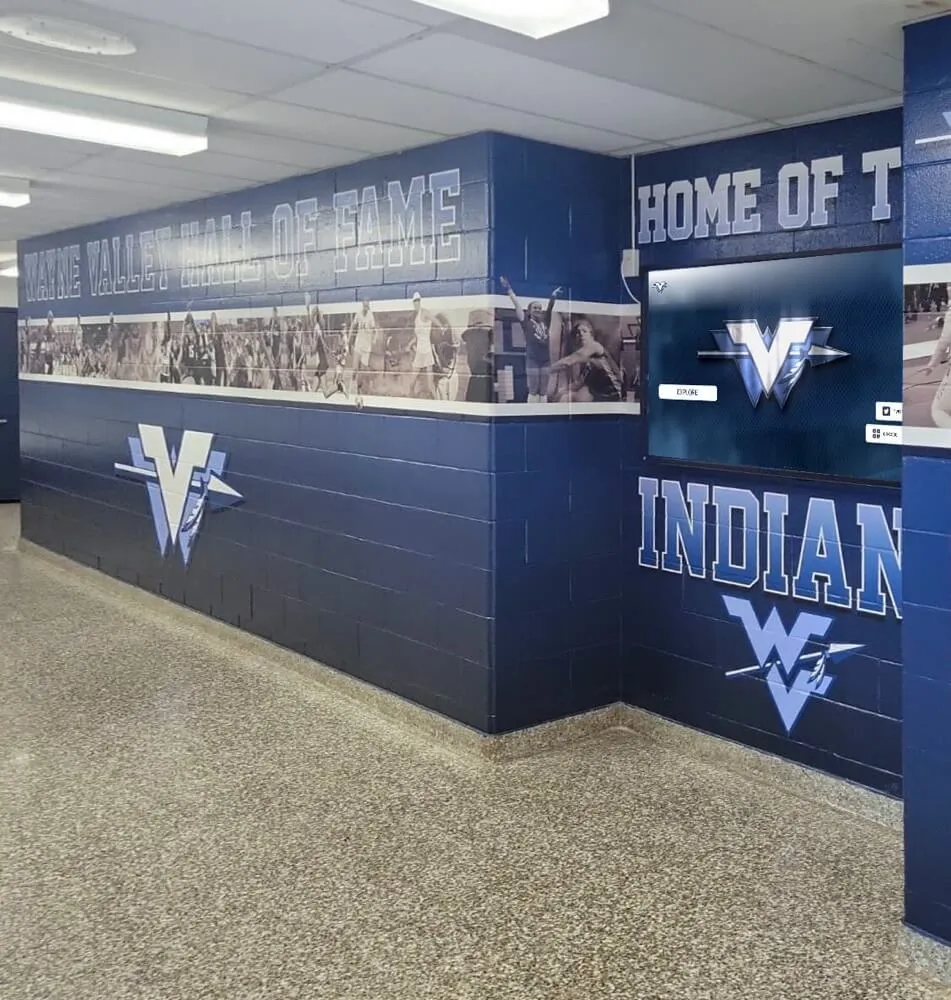
Award data captured during the banquet can update physical and digital recognition displays immediately after the event, keeping walls current and honorees visible
Awards Presentation Best Practices
The awards segment is the heart of any sports banquet agenda. A few structural choices determine whether it energizes the room or gradually drains it.
Keep Context Statements Tight
A 30–45 second context statement before each major award does three things: it tells the audience why this award matters, builds anticipation before the name is revealed, and gives the photographer time to get in position. Longer speeches eat into the program; skipping the context entirely reduces awards to name-reading exercises.
A useful formula: one sentence on what the award represents, one sentence on why this season’s recipient earned it, then the name. That’s it.
Vary the Presentation Rhythm
Alternate who presents awards—coaches, the athletic director, senior team captains, or a parent booster. A single voice announcing every award for 25 minutes numbs the room regardless of the content. Rotating presenters keeps attention fresh and distributes the program’s spotlight across the community rather than concentrating it in one role.
Group Participation Awards Early, Elevate Major Honors
Present broader participation certificates and team awards before the major individual honors. This structure builds toward a natural climax, keeps early-program energy high, and ensures the MVP or scholar-athlete award lands with appropriate weight at the end of the awards block rather than buried in the middle.
Schools that recognize youth athletes of the year in formal ceremonies know that presentation order matters as much as the award itself—a capstone recognition placed last in the sequence carries more emotional resonance than the same award delivered in the middle of a long list.
Managing Speeches and Remarks
Speeches are the most common source of banquet overrun. A coach who planned a four-minute reflection can easily become a twelve-minute one without structure.
Set time expectations in writing. The run of show you share with coaches should include explicit time limits beside each segment. “Coach remarks — 3 minutes each” is harder to ignore than a polite verbal request made the week before.
Assign a visible time signal. Give the MC a discreet signal system—a hand raise or a card—for the two-minute mark and the “wrap up now” mark. Brief presenters on this system before the event.
Reserve the longest speech slot for the highest-ranking administrator. The athletic director or principal’s opening sets the tone for the entire evening and earns the most runway. Coach remarks should be shorter and more personal. Guest speakers should be the tightest of all—audiences receive a focused, well-prepared five-minute reflection better than a wandering fifteen-minute talk.
Write out key points, not a full script. Encourage coaches and guest speakers to prepare three to five bullet points rather than reading from a prepared text. Bullet points produce more natural, energetic delivery and are easier to cut if time is short.
Photo Opportunities: Capturing Recognition Moments
Photos serve two masters: families who want personal keepsakes, and schools that need images for their recognition displays, website, social channels, and printed programs.
A dedicated photographer is worth the investment for any banquet with more than 50 attendees. Smartphone photos from the audience rarely produce the clean, consistently lit headshots that update a digital hall of fame or a wall display effectively.
Define a clear shot list before the event:
- Each individual award recipient at the podium, receiving the award
- Each senior athlete with their family during the senior segment
- Team photos by sport in the photo block
- Candid tables-and-laughter shots during dinner
- Detail shots of physical trophies and plaques
Create a labeled “photo handoff” moment after the event. When the photographer is a parent volunteer, award photos can take weeks to surface. Set an expectation in writing: digital files delivered within 48 hours to a shared drive. This becomes the photo library for display updates, press releases, and next year’s banquet slides.
Award night photos are among the most valuable assets for yearbook senior pages and school memory collections—capturing them intentionally rather than incidentally transforms the banquet from a one-night event into a source of institutional content.
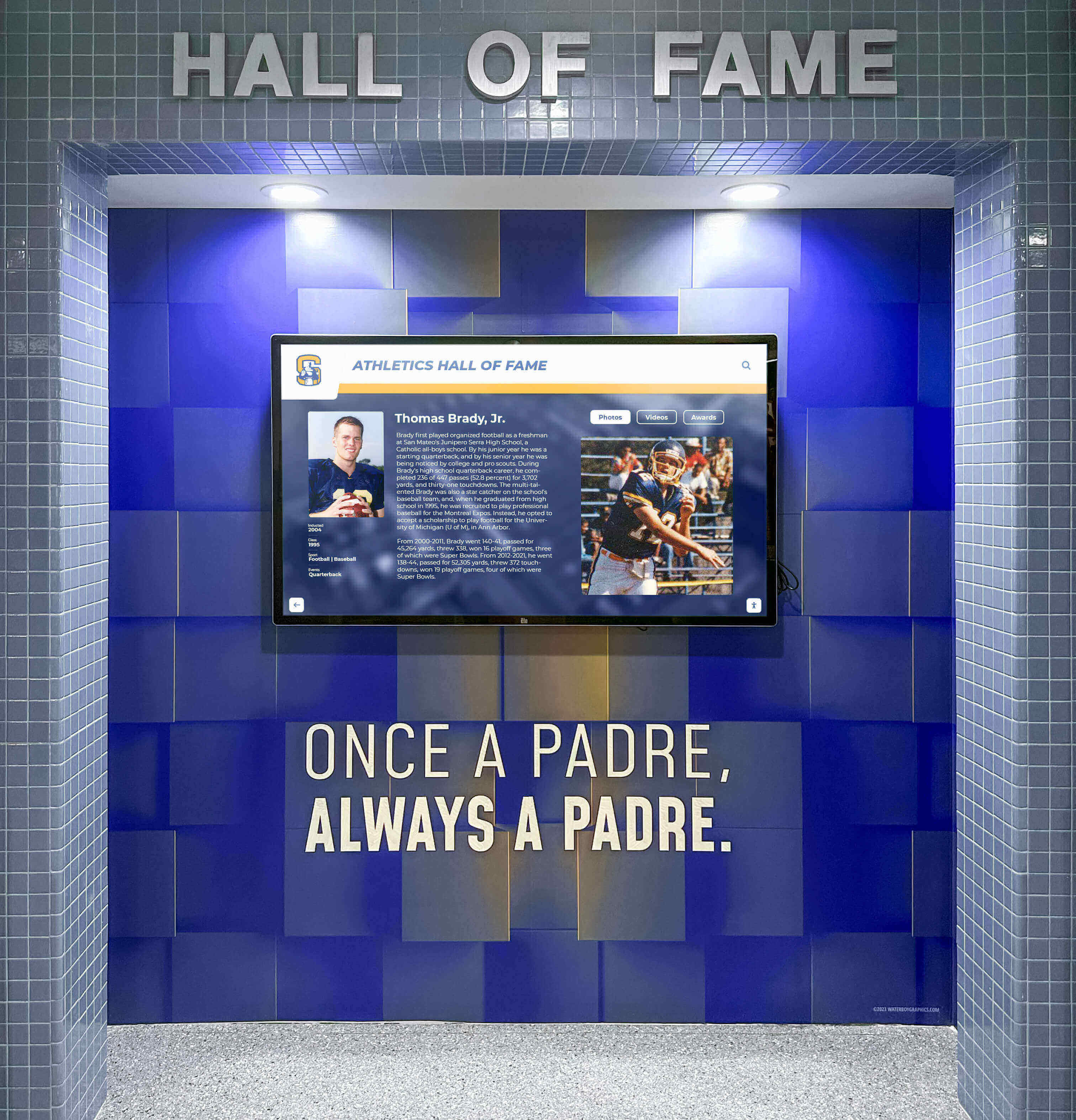
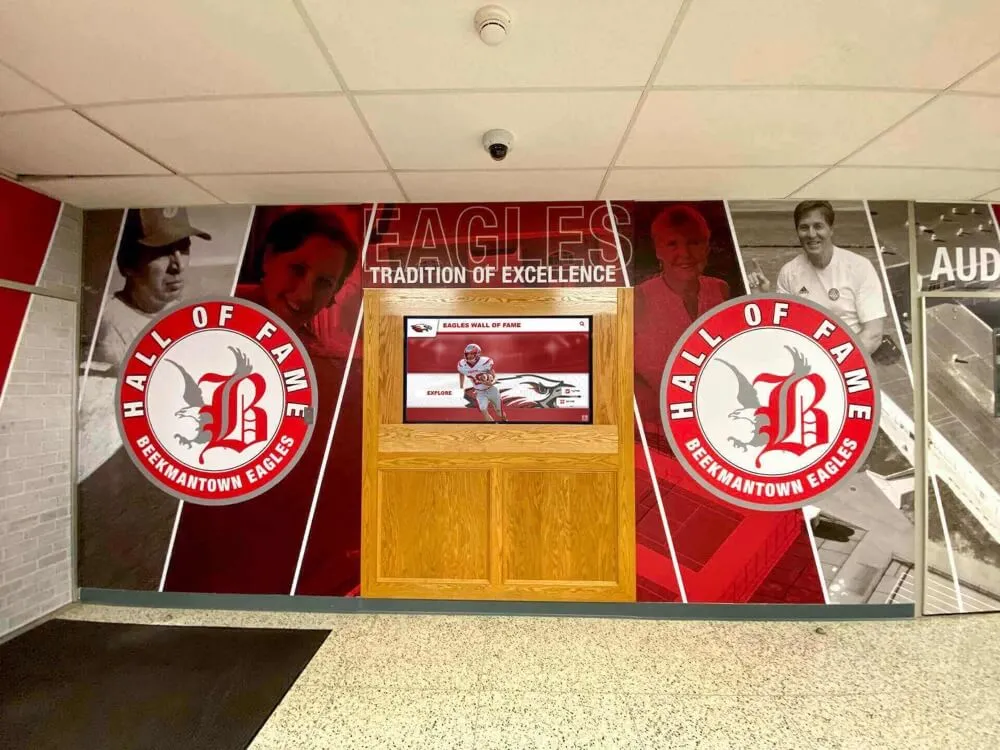
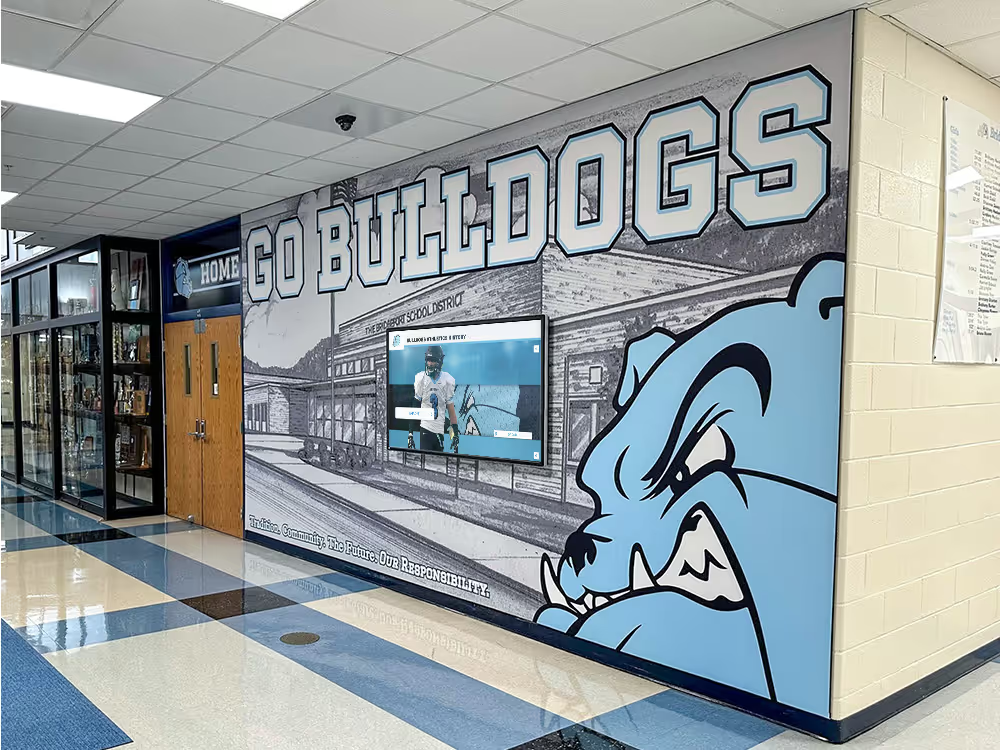
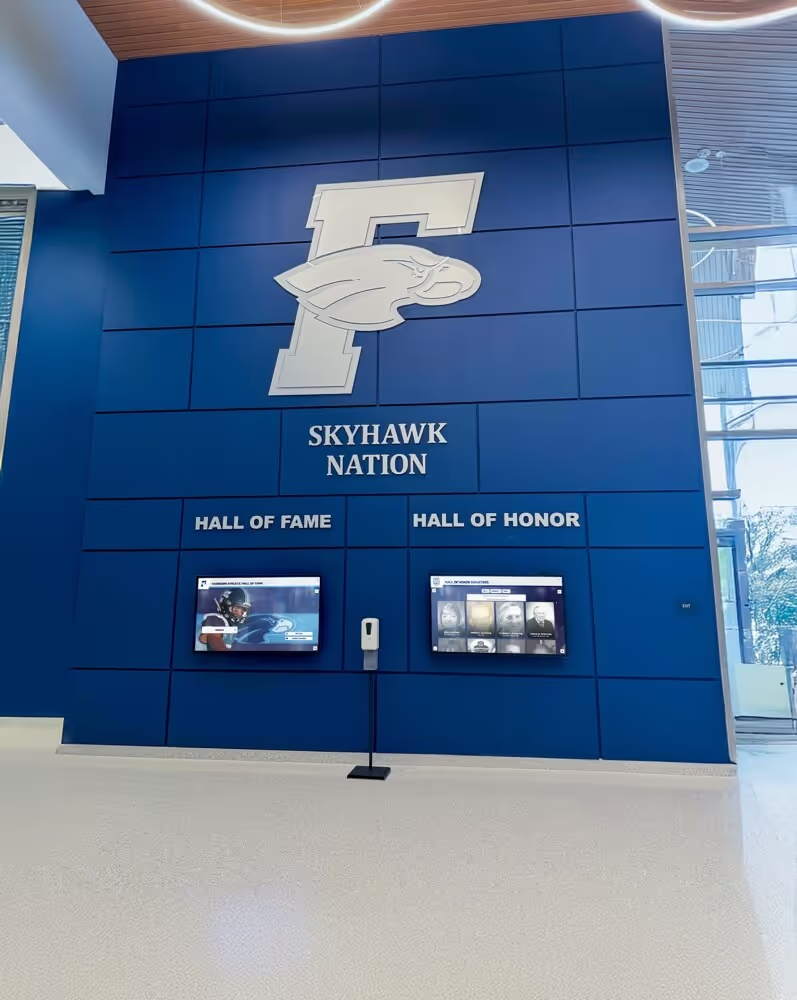
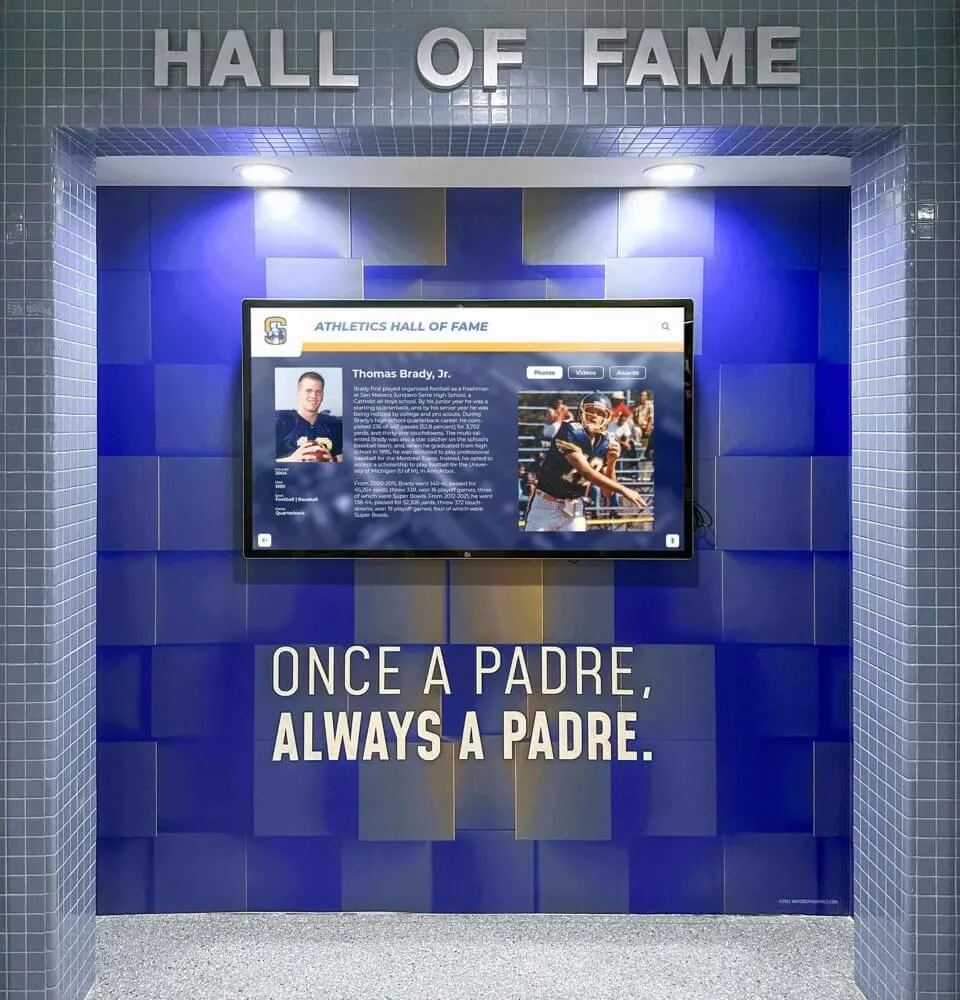
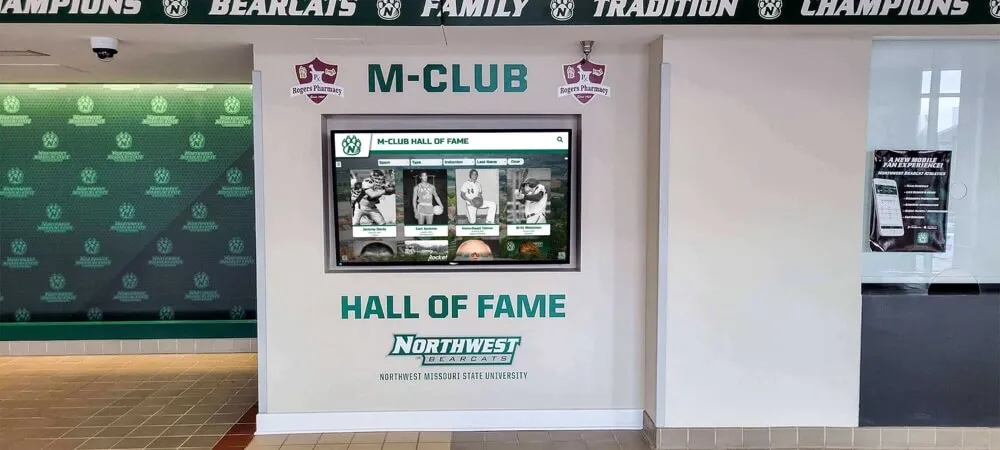
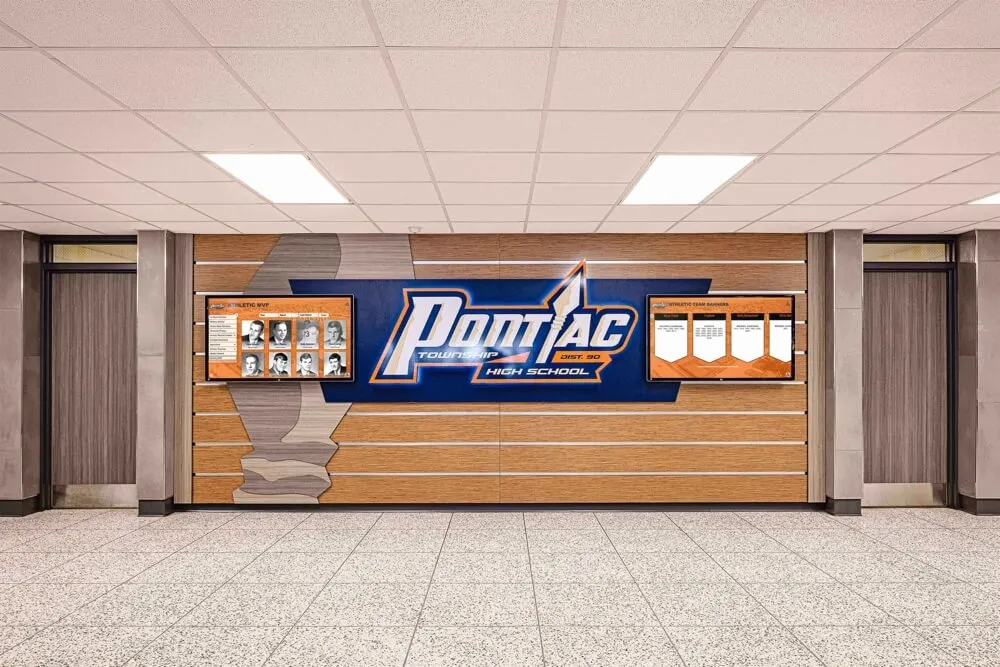
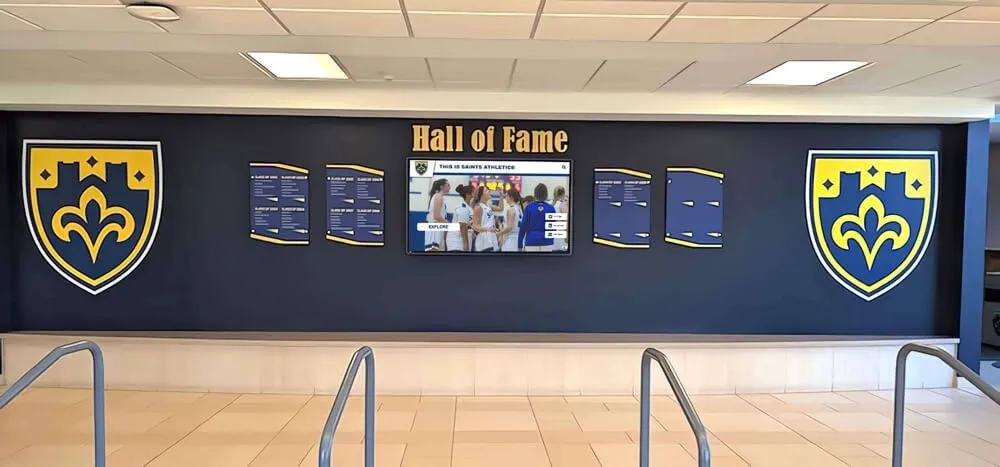
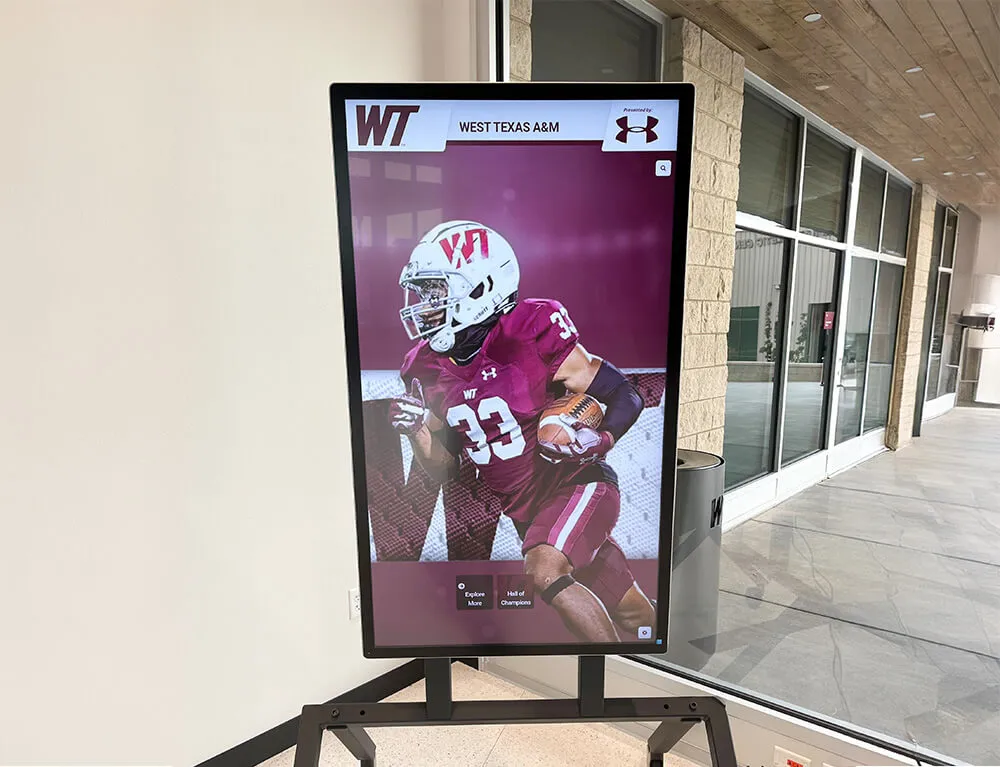
Digital displays updated immediately after the banquet ensure award honorees are recognized in the building within days, not months
The Follow-Up: Turning Banquet Night Into Permanent Recognition
The most underused part of any sports banquet agenda is what happens after the last car leaves the parking lot. Athletic directors who treat the banquet as a data-capture event—not just a celebration—build recognition systems that compound in value each year.
The 48-Hour Recognition Window
Within 48 hours of the banquet:
Update the awards database. Use the note-taker’s data sheet from the evening to record every award, recipient, and sport in your school’s records system. This is the raw material for trophy cases, digital displays, yearbook copy, and social media posts.
Send athlete photos to the display team. Whether your school uses a physical trophy case, a digital wall, or a touchscreen recognition system, award photos need to move from the photographer’s drive to whoever manages the display—immediately, while the event is current.
Post recognition content on social channels. Tag athletes, coaches, and families. A brief post for each major award winner performs well and extends the banquet’s reach to people who couldn’t attend.
File signed photo releases. These releases authorize using athlete images on the school’s displays, website, and promotional materials. Filed correctly, they protect the school and enable future recognition use without chasing families retroactively.
Building a Cumulative Award Archive
A single season’s banquet produces a modest data set: 20–40 names, a handful of photos, a list of awards. Over five years, that becomes a comprehensive institutional record of athletic achievement. Schools that maintain this archive—either in a well-organized digital folder structure or through a purpose-built recognition platform—discover that past banquet data powers current recognition in ways that are impossible to replicate later.
Establishing a clear school archives policy for athletic recognition records ensures this data survives coaching changes, administrative turnover, and technology migrations. Without policy, award histories live in individual coaches’ spreadsheets or personal email accounts—and disappear when those coaches leave.
School memorabilia display ideas built from cumulative banquet data—photos, plaques, records, and stories—create hallways and common areas that feel genuinely rich with history rather than sparsely decorated.

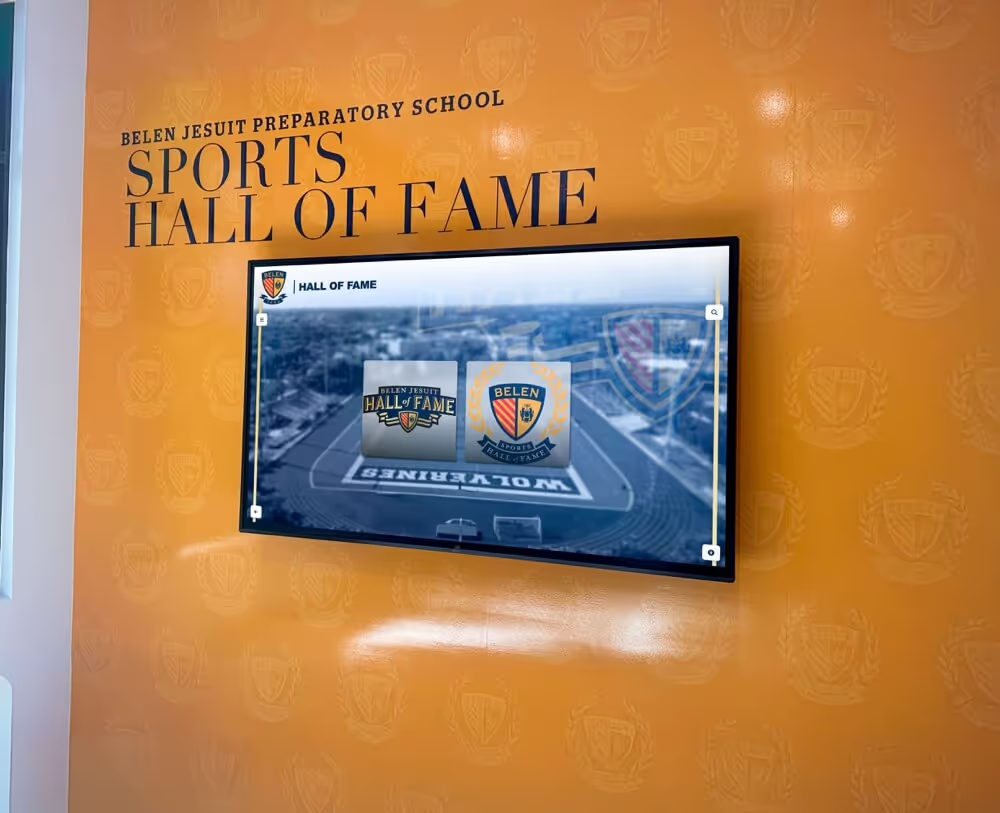
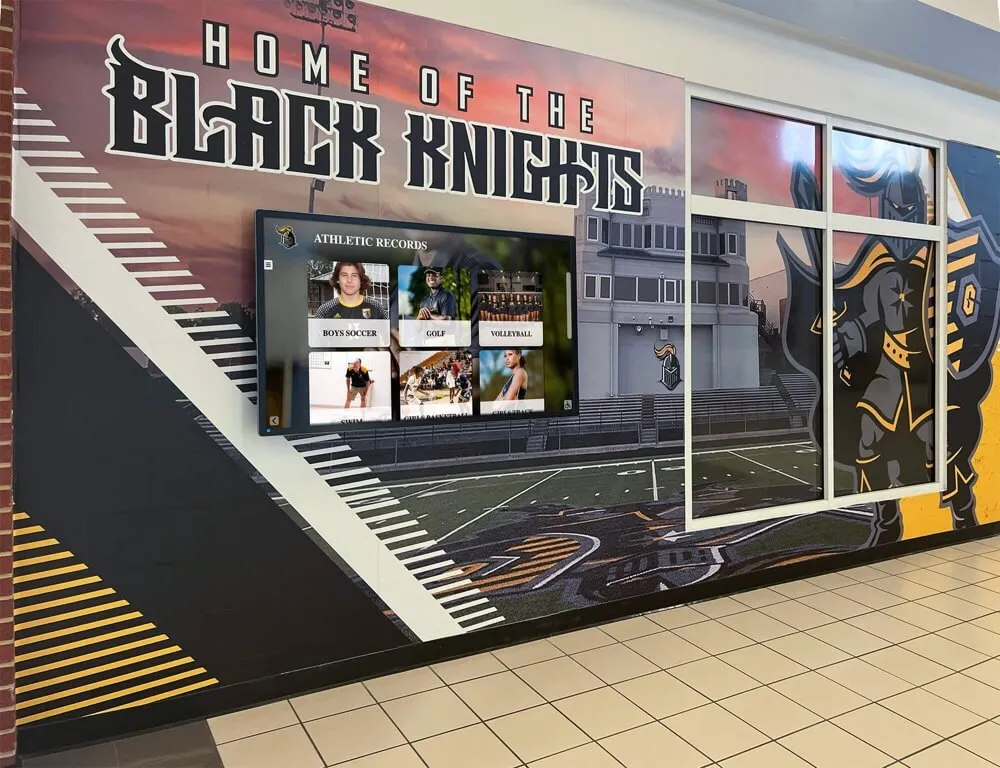
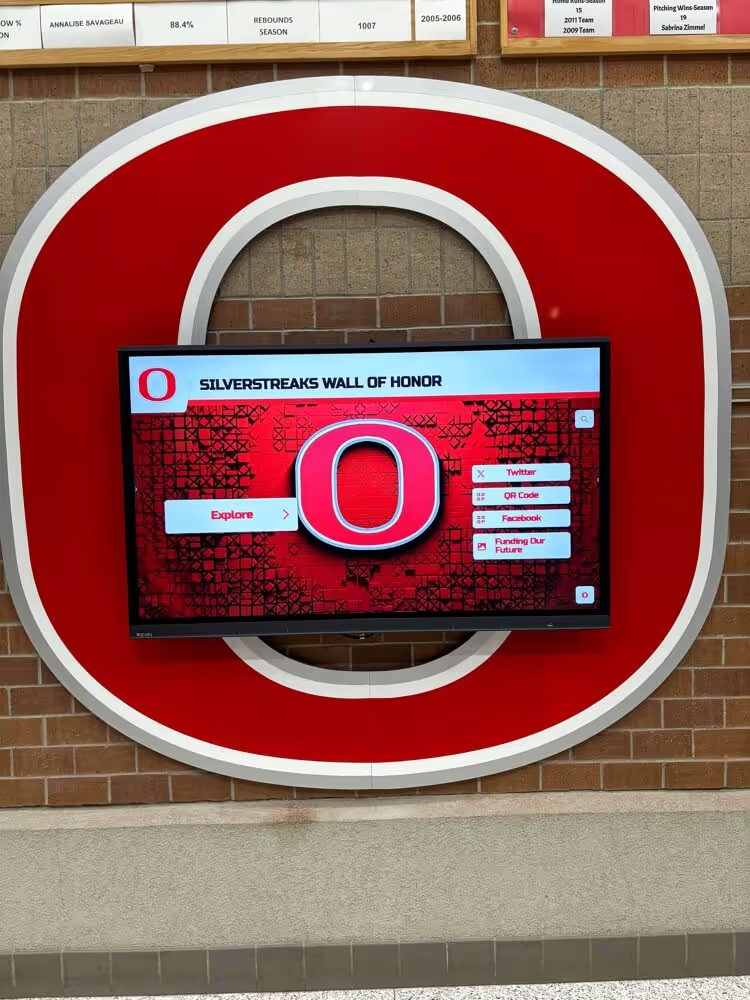
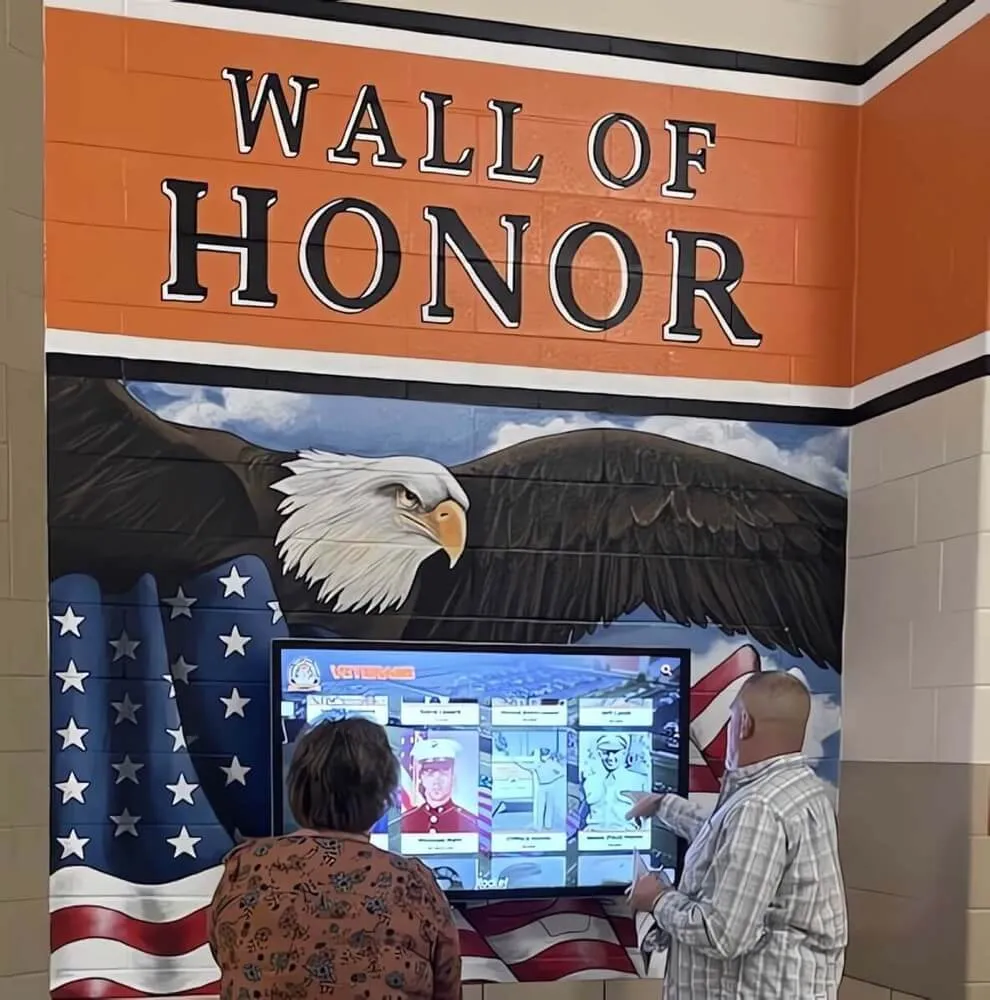
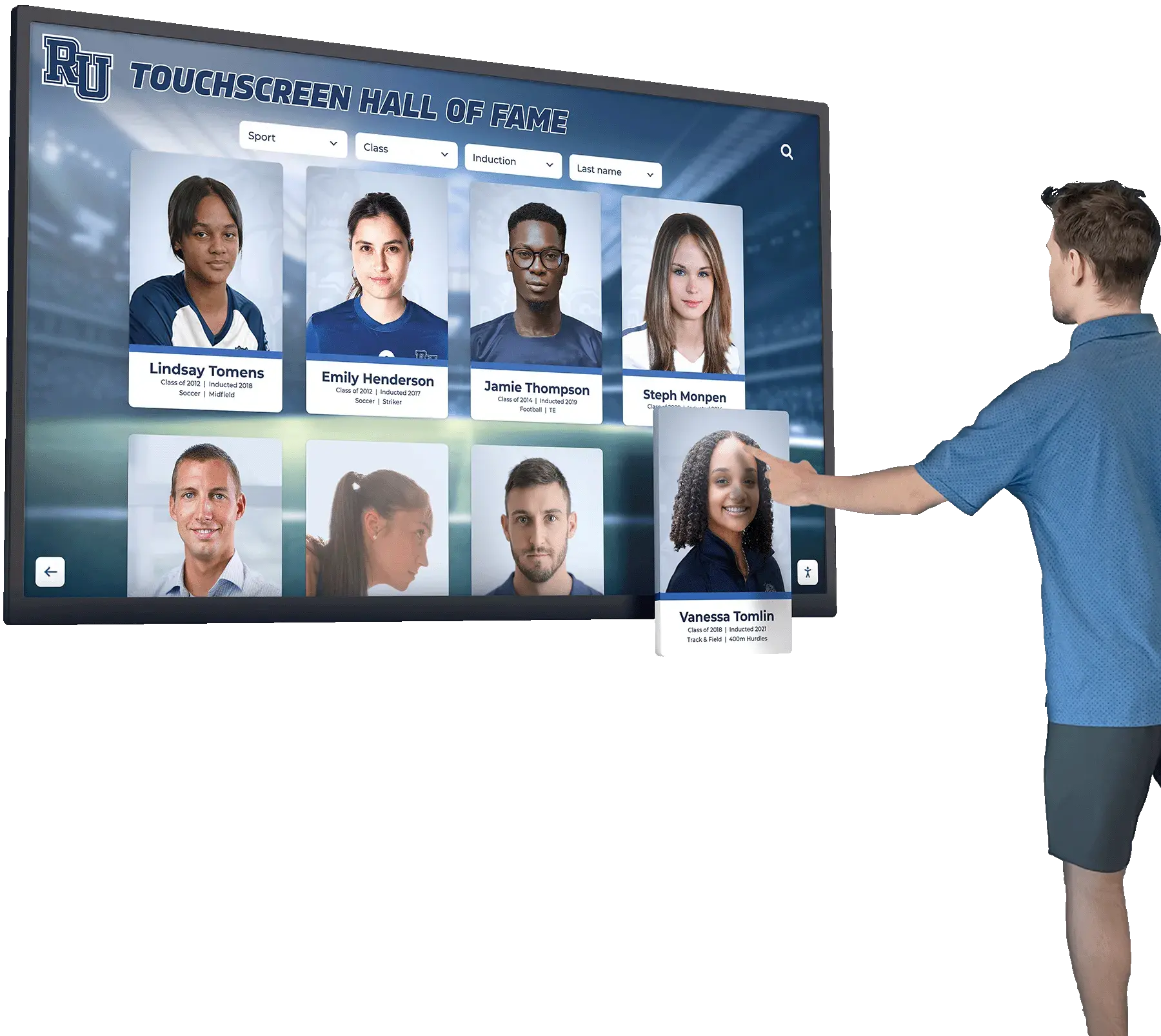
Award data captured methodically at each banquet becomes the searchable profile database that students, alumni, and families explore on recognition displays for years
Digital Displays as a Recognition Capstone
A well-executed sports banquet agenda naturally generates four types of assets: award records, recipient photos, video highlights from the season, and signed releases. These are exactly the inputs that power a digital recognition display.
Interactive recognition displays—the kind installed in athletic hallways, lobby entrances, and student centers—surface most powerfully when the data feeding them is current, comprehensive, and consistent. Schools that update their displays within a week of the banquet demonstrate institutional commitment to recognition. Schools that update them three months later, or not at all, signal the opposite—however good the event itself was.
Yearbooks on touchscreen represent one of the most popular use cases for this kind of display: a searchable, browsable library of school memory organized by year, sport, or individual that visitors can explore at their own pace. The banquet supplies the raw content; the display makes it permanently accessible.
Programs that recognize youth athletes of the year at annual banquets can build inductee profiles that persist for decades—the same athlete celebrated in the gymnasium on a Friday night appears in a searchable display the following Monday when their younger sibling walks past it on the way to class.
The most effective recognition ecosystems treat the banquet and the display as two phases of the same system: the banquet celebrates achievement publicly and captures the data, and the display preserves that achievement for the community to encounter continuously.
What to Collect During the Banquet
When you treat the banquet as Phase 1 of a recognition workflow, here is the minimum data set worth capturing for each award recipient:
- Full legal name (for display engraving or digital profile)
- Preferred name or nickname (for social posts and announcements)
- Sport and position
- Award title
- Graduation year (for archival organization)
- Best available headshot or action photo (at minimum a high-resolution phone photo at the podium)
- Photo release signature
This takes roughly 60 seconds per honoree to log when a note-taker is assigned specifically to the task. Attempting to reconstruct it afterward can take hours—or prove impossible.
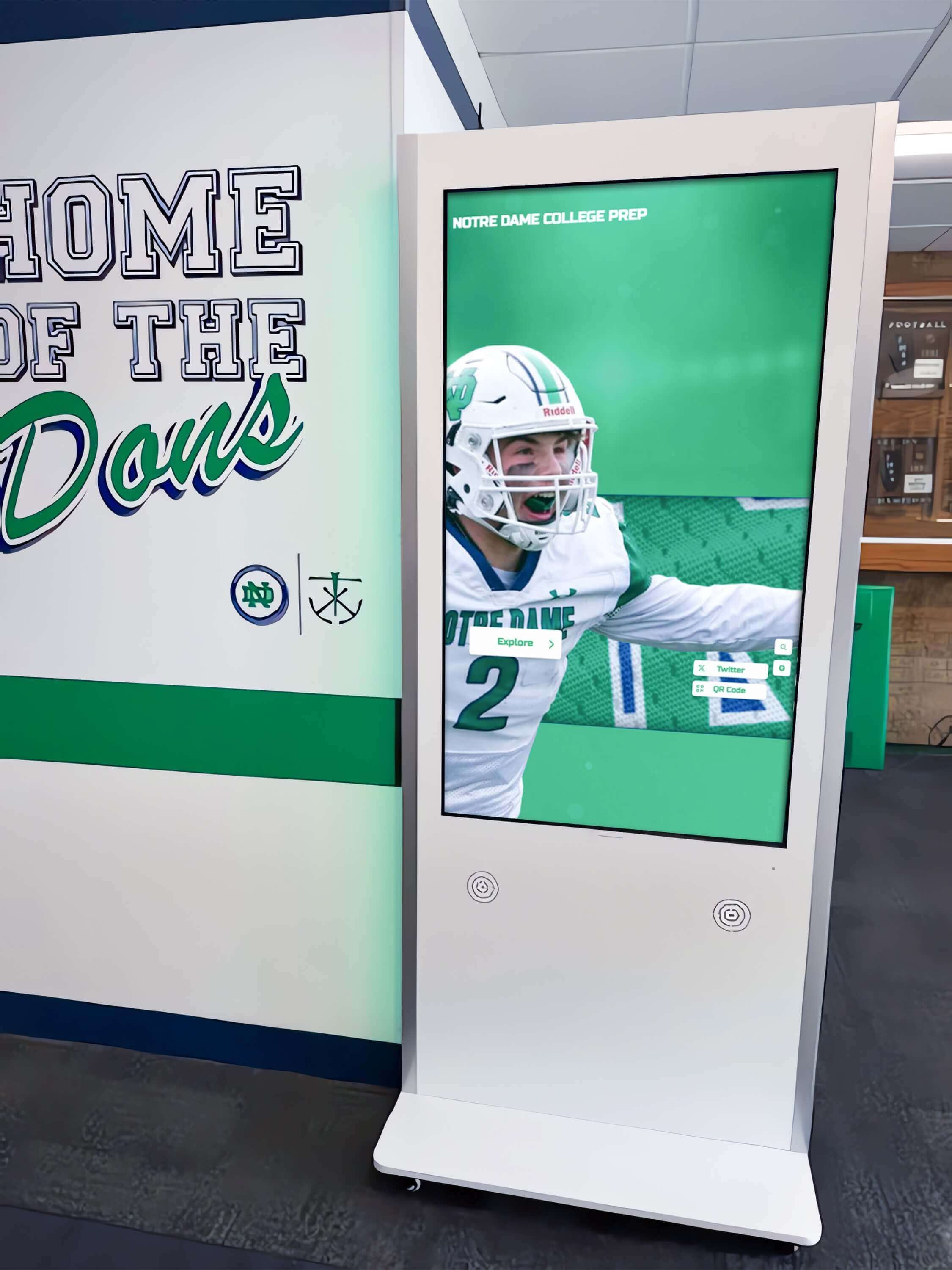
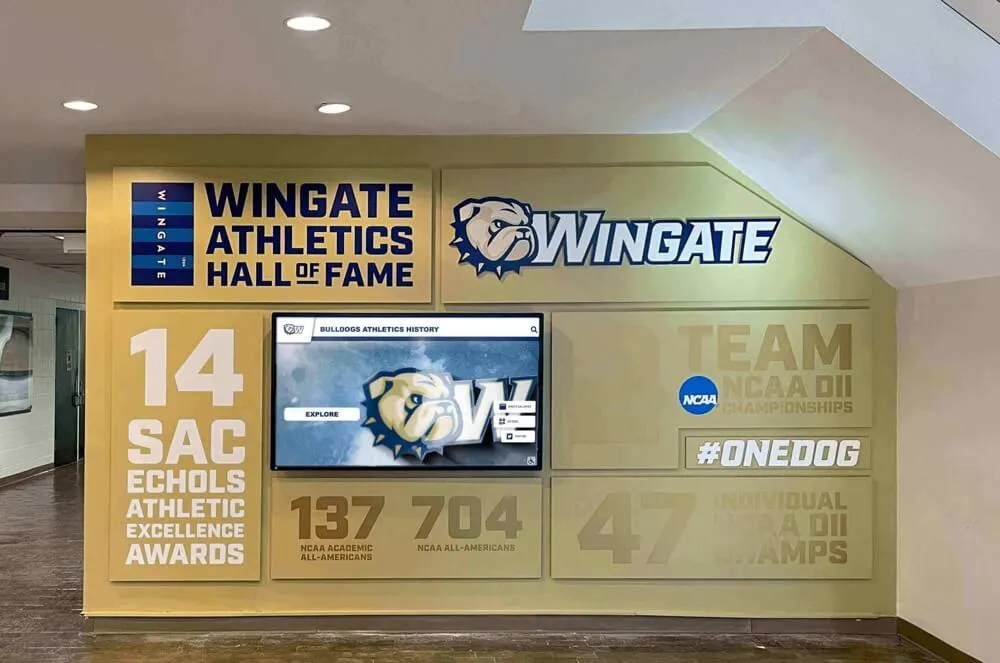
Hallway recognition kiosks stay current and compelling when banquet award data flows directly into the display system after each event
Building Year-Over-Year Recognition Traditions
The sports banquet agenda is not just an operational document—it is a tradition-building tool. Each year’s event, when run consistently, creates reliable rhythms that athletes, families, and coaches anticipate.
Senior athletes know the senior recognition segment is coming and prepare for it emotionally. Coaches know their reflection time is limited and prepare more carefully. Families know when to have cameras ready. These expectations, once set, elevate the entire event without additional effort.
Yearbook cover design teams often draw from banquet photography as a primary source for the year’s signature images—another reason that the photo segment of the agenda deserves intentional planning rather than informal improvisation.
Programs that honor athletic achievement beyond the playing field—through Latin honors recognition for scholar-athletes, community service awards, or leadership honors—find that building those categories into the banquet agenda gives them the formal weight they deserve alongside traditional performance awards.
Building a tradition around the banquet also means documenting what works each year. A simple one-page debrief filed after each event—timing notes, what ran long, what attendees responded to best—compounds into an invaluable planning resource over a decade.
Making the Agenda Work at Any Scale
A varsity football banquet for 350 people and an end-of-season cross country dinner for 30 operate differently, but both benefit from the same structural discipline.
Larger events need tighter time controls, more explicit volunteer assignments, and a longer photo block with multiple simultaneous stations. Plan for transitions—moving 300 people from dinner tables to a photo area takes five minutes you need to build in.
Smaller events can afford more flexibility and personal storytelling, but still benefit from a written run of show. Even a 30-person banquet needs someone tracking time, or the evening will expand to fill whatever space it’s given.
Multi-sport banquets should assign each sport a defined window within the awards block rather than interleaving sports randomly. Audiences track awards better when similar sports are grouped, and families for each sport can mentally prepare for their athletes’ recognition moments.
Closing: The Banquet That Keeps Giving
A great sports banquet agenda gives athletes the public recognition they’ve earned, gives families the memories they came for, and gives your school the data it needs to keep those achievements visible long after the dinner plates are cleared. Planning the event and the follow-up workflow as a unified system—not two separate efforts—makes both better.
When the banquet flows well, the season ends with clarity: coaches feel the year was properly honored, athletes feel genuinely seen, and the institution has a fresh layer of recognition data ready to update its displays, archives, and communications.
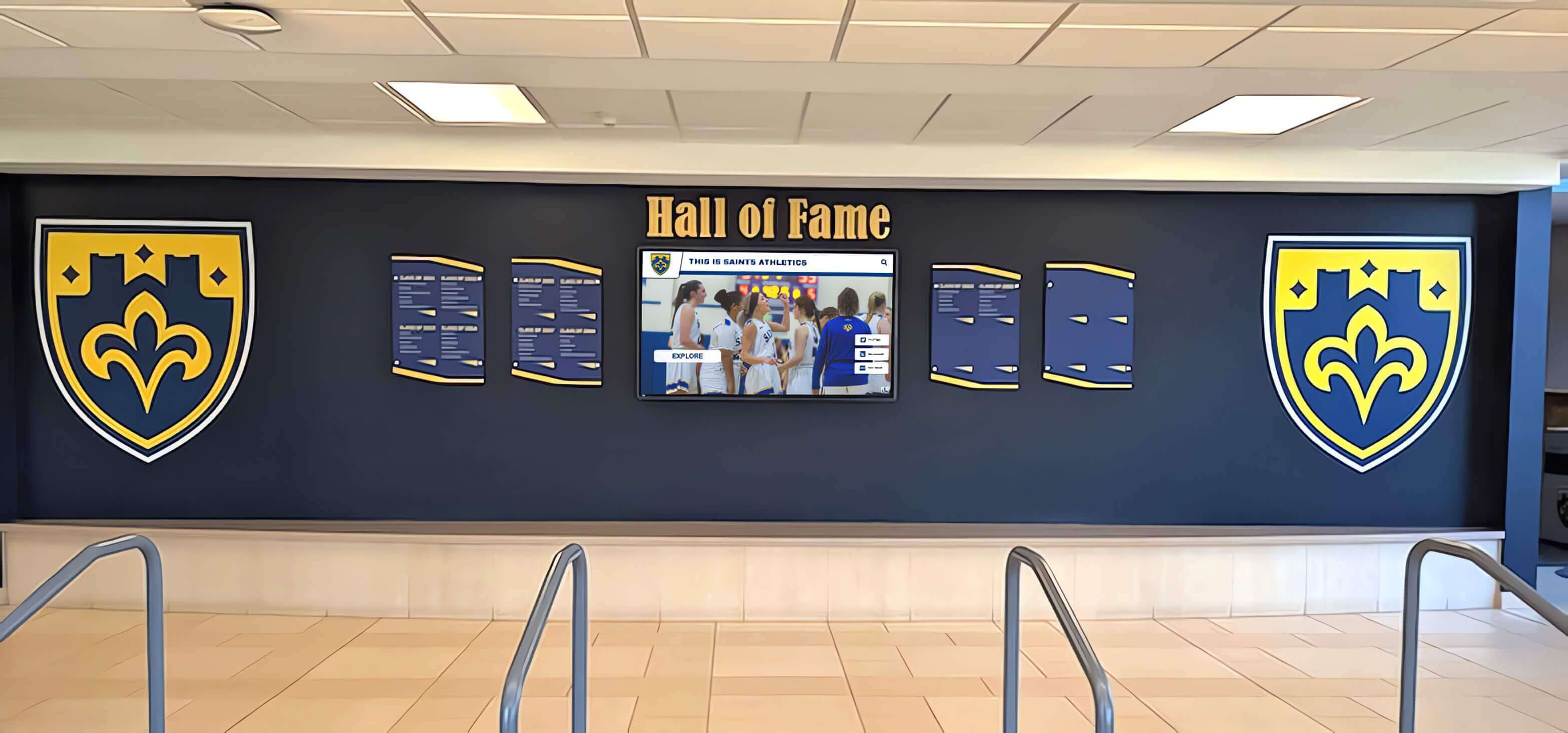
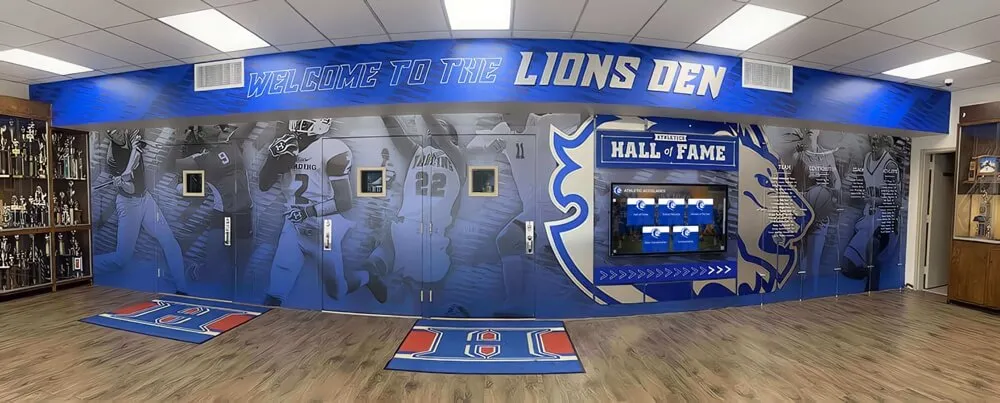
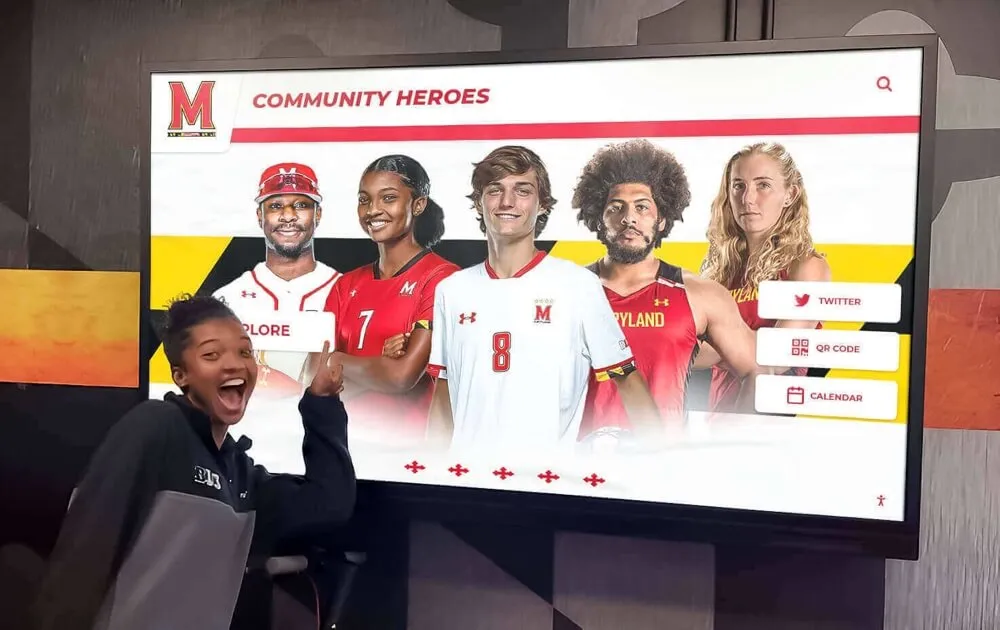
Combining traditional and digital recognition formats gives schools the flexibility to celebrate achievement in the moment and preserve it for the long term
Turn Your Banquet into a Lasting Recognition System
Rocket Alumni Solutions helps schools connect banquet award data to permanent digital recognition displays—touchscreen walls of fame, digital trophy cases, and interactive archives that keep athlete achievements visible every day, not just on banquet night. See how it works for your program.
Request a DemoA sports banquet agenda built around clear timing, intentional data capture, and a post-event workflow transforms your end-of-season event from a one-night celebration into the launch point for year-round recognition. Every trophy presented, every name read, every photo taken becomes part of a growing institutional record that honors your athletes for as long as your school exists—not just for the two and a half hours the banquet runs.