



Every year, high school athletes suffer millions of injuries ranging from minor sprains to career-ending trauma that affects their long-term health and quality of life. While athletic competition inherently involves physical risk, sports injury prevention programs represent systematic, evidence-based approaches that dramatically reduce injury rates while enhancing performance and building cultures where athlete safety becomes as important as winning championships.
Yet many high school athletic programs lack comprehensive prevention strategies, relying instead on reactive approaches that address injuries only after they occur. Without dedicated warm-up protocols, strength and conditioning programs, sport-specific training, monitoring systems, and educational initiatives, schools leave athletes vulnerable to preventable injuries that could have been avoided through systematic prevention efforts.
This comprehensive guide explores how high schools can implement effective injury prevention programs that protect student-athletes while demonstrating institutional commitment to safety through coordinated training protocols, facility improvements, staff education, and recognition systems that celebrate both competitive achievement and the individuals who keep athletes healthy throughout their careers.
Student-athletes today face increasing injury risks as training intensifies, specialization begins earlier, and competitive pressures mount. Creating comprehensive prevention programs requires systematic approaches addressing biomechanics, conditioning, education, monitoring, and culture development that prioritizes long-term athlete health alongside competitive success.

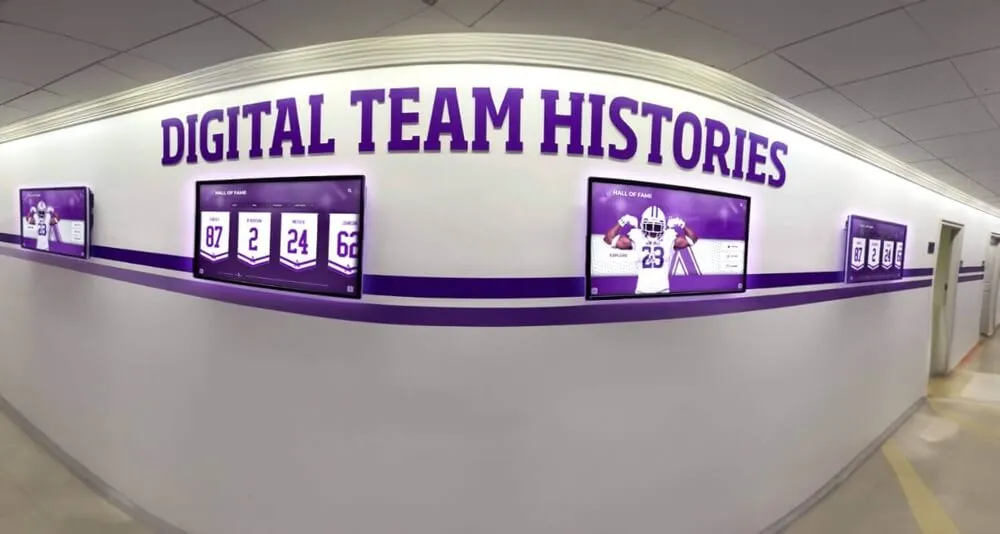
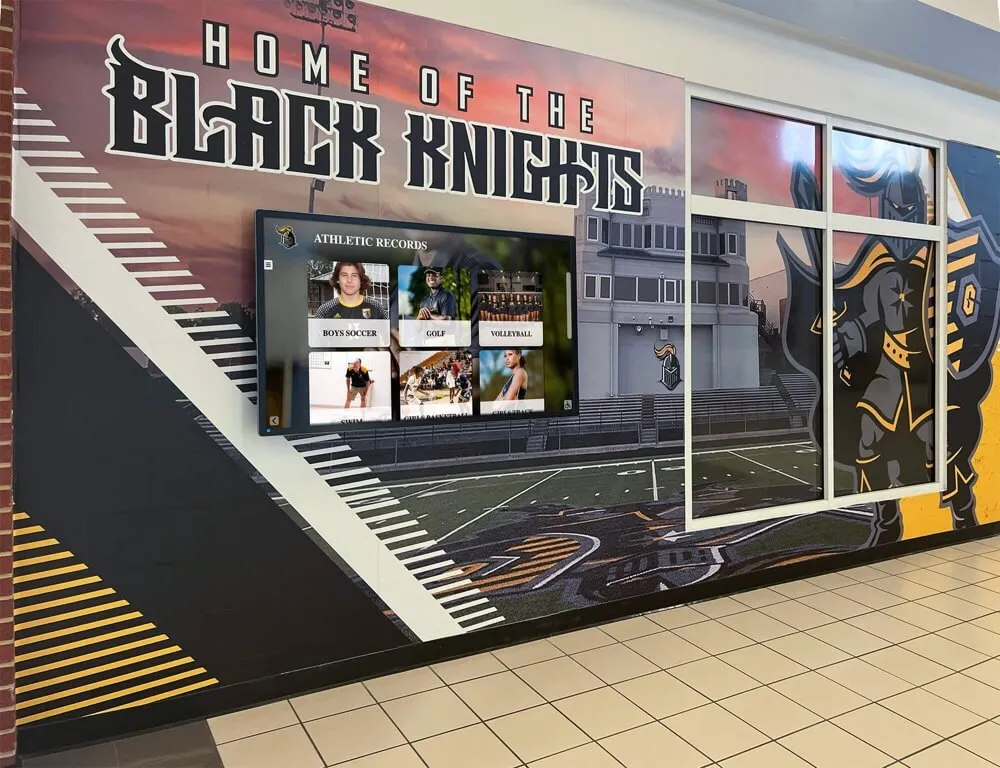
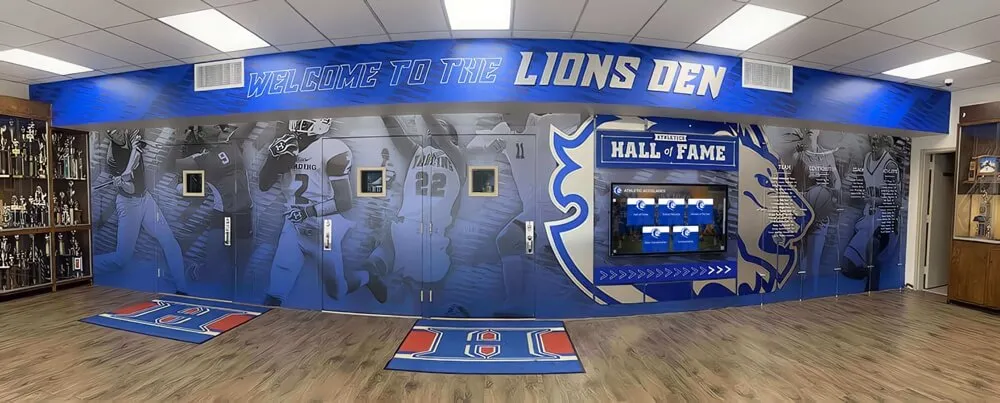
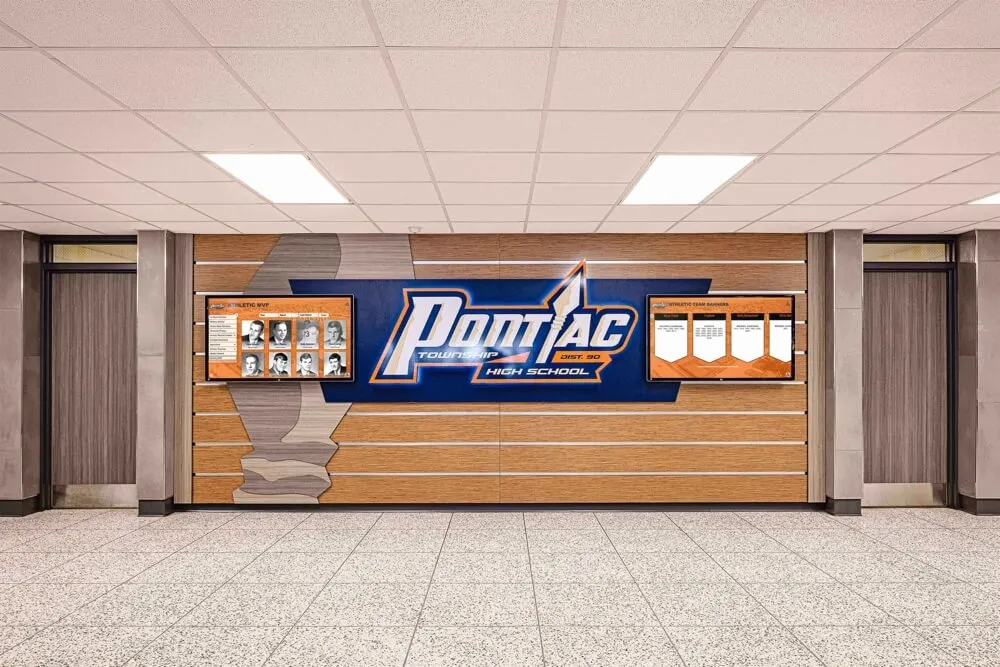
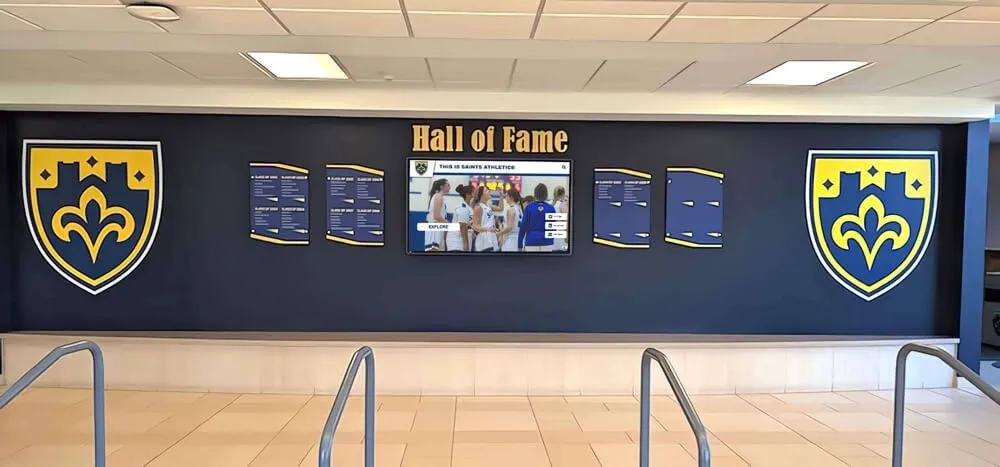
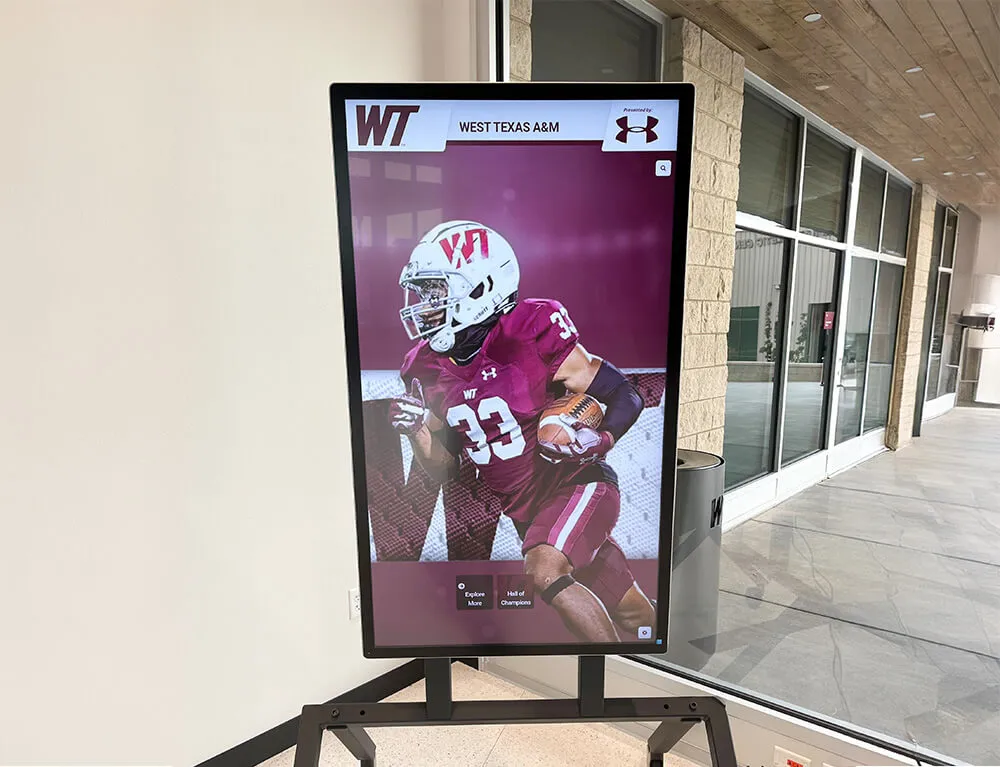
Modern athletic facilities integrate educational content and recognition displays that reinforce training principles and celebrate injury-free seasons
Understanding Sports Injury Prevention in High School Athletics
Before implementing prevention strategies, understanding the injury landscape and evidence-based prevention principles provides essential foundation for effective program development.
The High School Sports Injury Landscape
Athletic injuries affect high school athletes at concerning rates, with patterns varying by sport, gender, and competition level.
Injury Prevalence and Patterns
The Centers for Disease Control and Prevention reports that more than 2.6 million children aged 0-19 years are treated in emergency departments each year for sports and recreation-related injuries. High school athletes face particular vulnerability during adolescence when rapid growth, developing coordination, and competitive intensity create unique risk factors. The most common injuries include sprains and strains affecting ligaments and muscles, stress fractures from overuse and repetitive impact, concussions and head injuries across contact sports, overuse injuries from sport specialization and inadequate recovery, and acute traumatic injuries from collisions and falls.
Sport-Specific Injury Risks
Different sports present distinct injury patterns requiring tailored prevention approaches. Football carries the highest overall injury rates with significant concussion risk, basketball generates frequent ankle and knee injuries from jumping and cutting movements, soccer presents substantial lower extremity injury risk including ACL tears, baseball and softball create overuse arm and shoulder injuries from throwing mechanics, and track and field athletes face stress fractures and overuse injuries from repetitive training loads.
Understanding these sport-specific patterns enables targeted prevention strategies addressing the unique biomechanical demands and injury mechanisms within each sport.
Long-Term Health Consequences
Athletic injuries extend beyond immediate pain and missed competition, potentially affecting long-term health and quality of life. Recurrent ankle sprains can lead to chronic instability and early arthritis, ACL tears increase risk for future knee problems and osteoarthritis, repetitive concussions may cause lasting cognitive effects, overuse injuries can create persistent pain limiting future activity, and early specialization injuries may end athletic careers prematurely while creating lifelong physical limitations.
These long-term consequences make prevention programs essential investments protecting not just competitive seasons but athletes’ entire futures.
Core Components of Effective Injury Prevention Programs
Comprehensive prevention requires coordinated strategies addressing multiple risk factors through systematic interventions implemented consistently across all athletic programs.
Dynamic Warm-Up and Movement Preparation Protocols
Proper preparation before training and competition represents one of the most effective injury prevention strategies, yet many teams still rely on outdated static stretching rather than dynamic movement protocols.
Evidence-Based Warm-Up Programs
Research-validated warm-up protocols like FIFA 11+ for soccer, Knee Injury Prevention Program (KIPP) for basketball, and Shoulder Injury Prevention Program (SIPP) for baseball demonstrate significant injury reduction when implemented consistently. These programs combine dynamic stretching activating muscles through movement patterns, neuromuscular training improving coordination and body awareness, plyometric exercises building power and landing mechanics, balance and stability exercises enhancing proprioception, and sport-specific movement preparation mimicking competitive demands.
According to research published in the British Journal of Sports Medicine, the FIFA 11+ program reduces overall injuries by approximately 30-50% when teams complete the protocol at least twice weekly throughout the season.
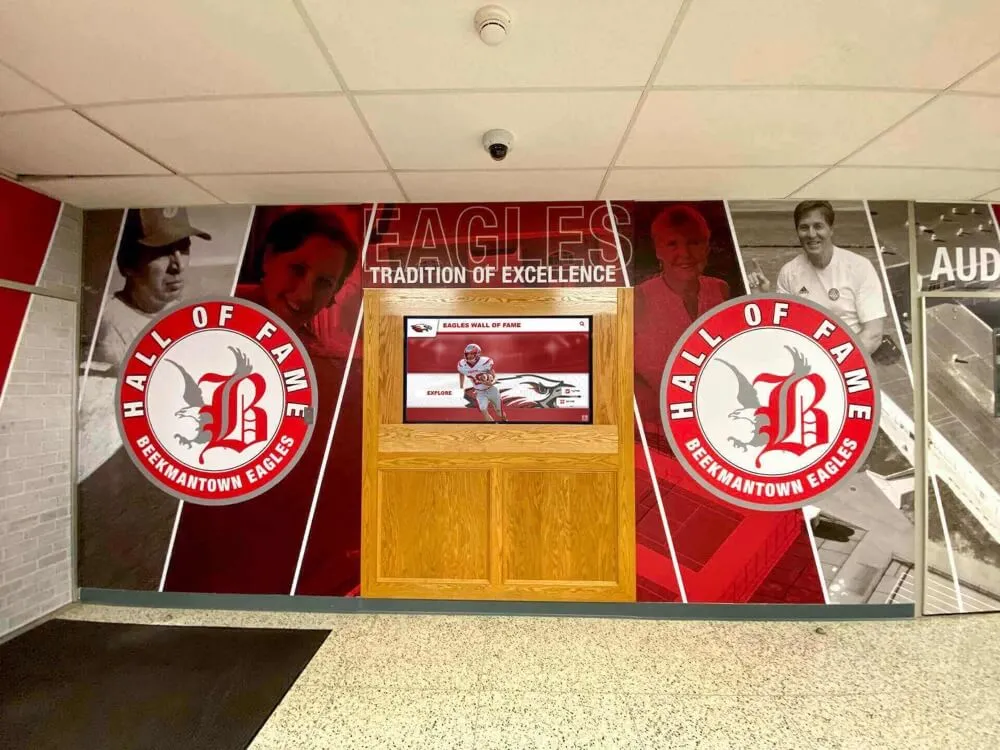
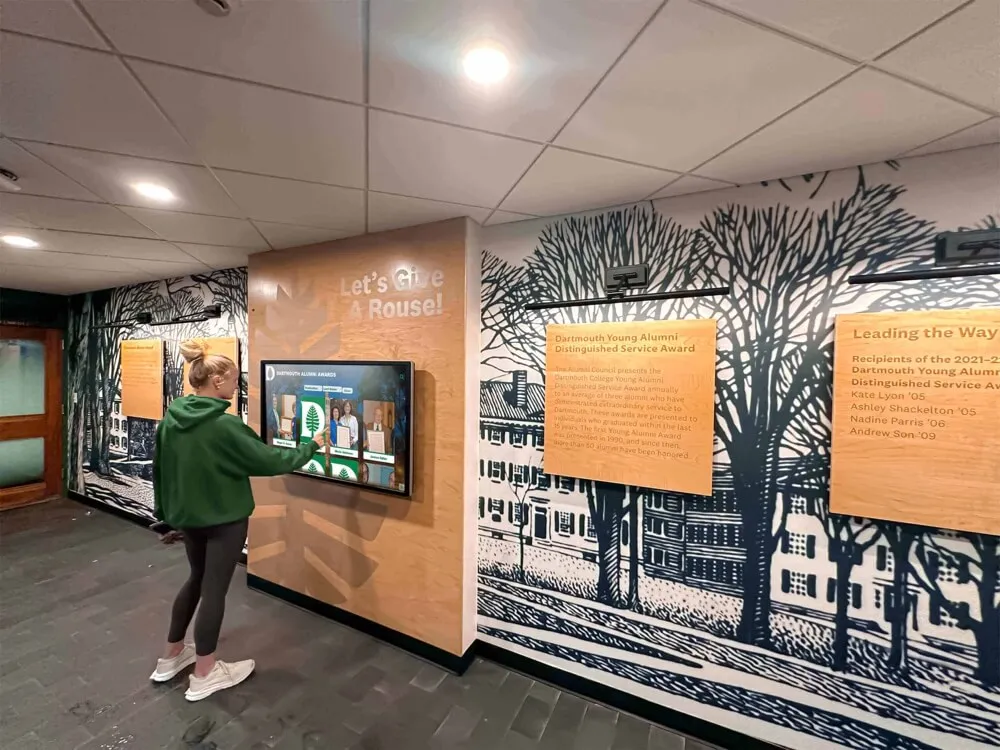
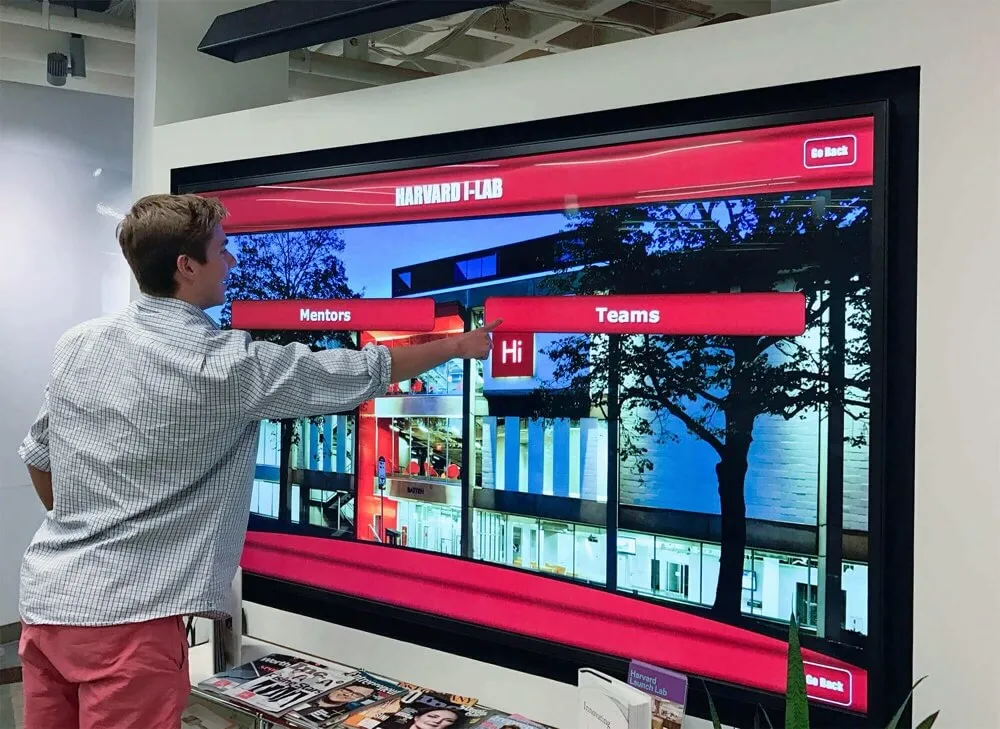
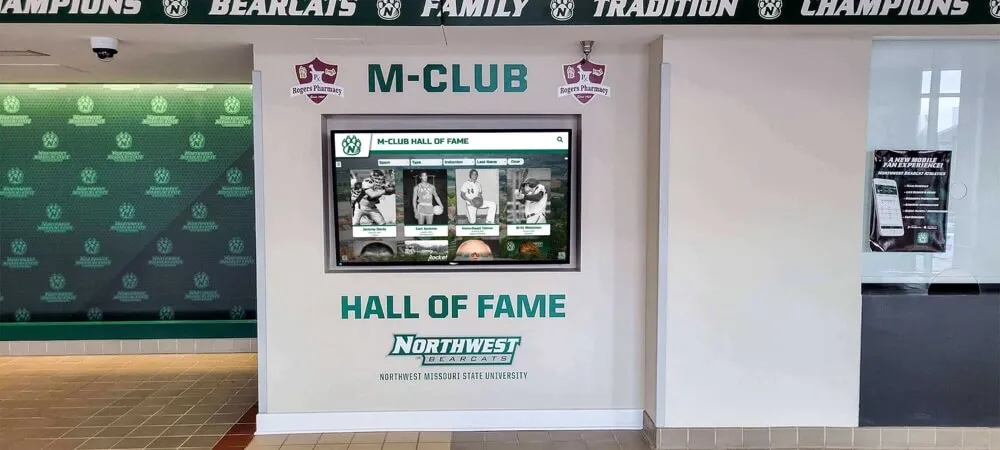
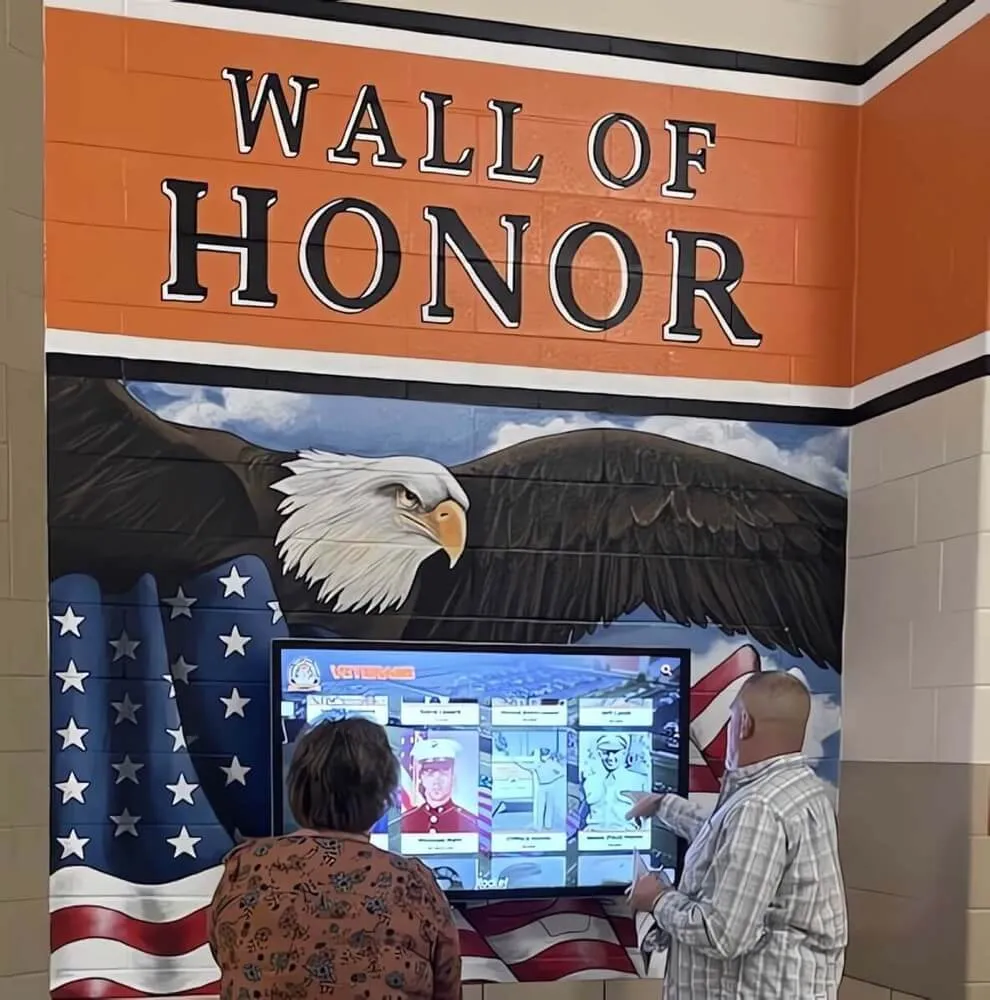
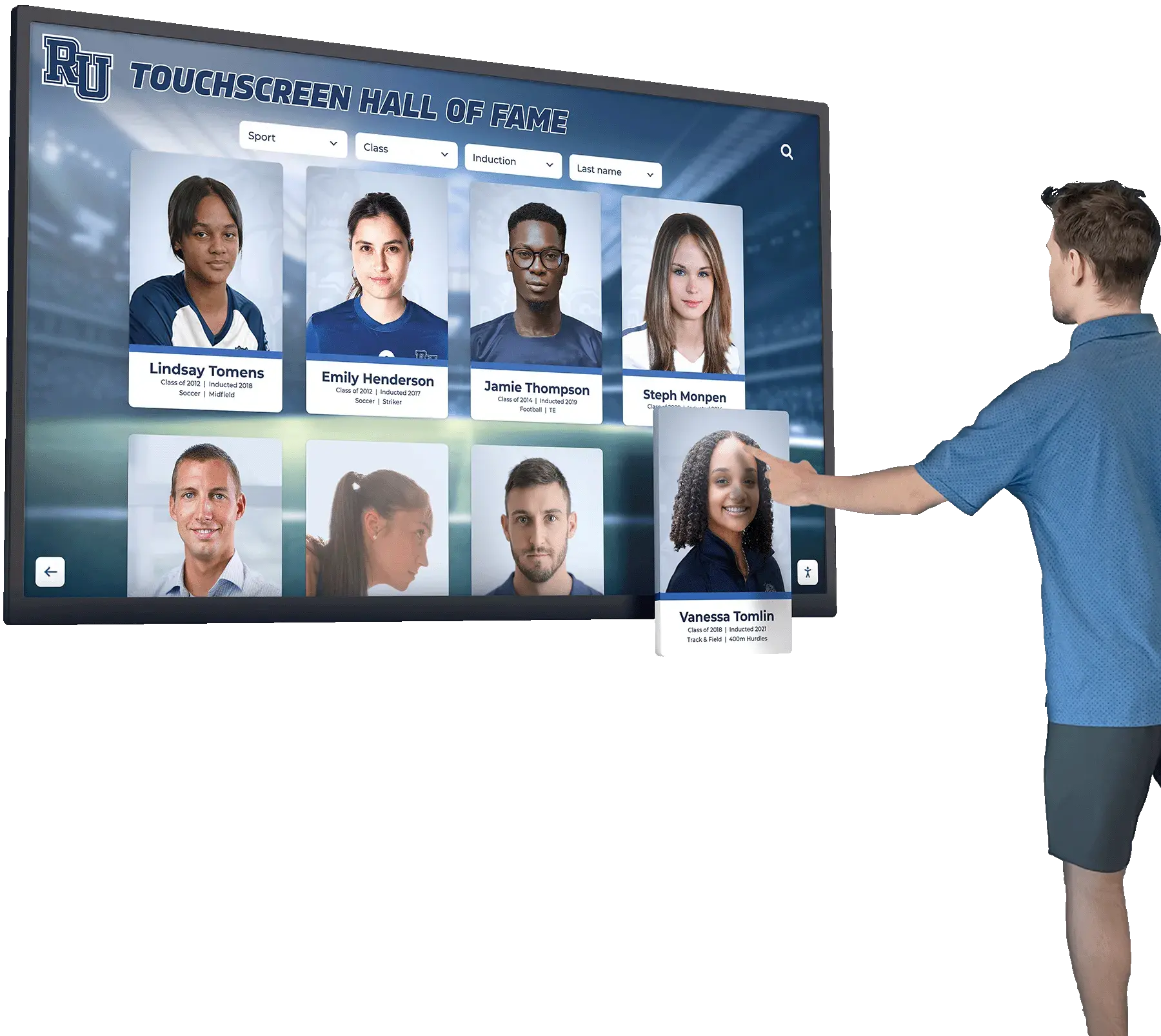
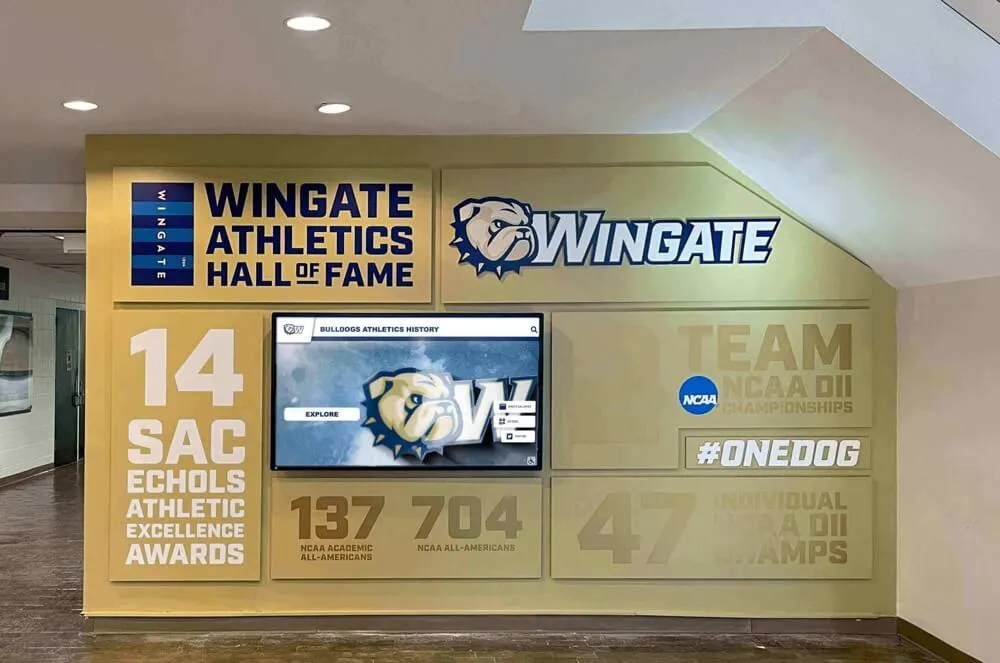
Recognition displays celebrating injury-free seasons and safety milestones reinforce prevention culture throughout athletic facilities
Implementation Strategies for High Schools
Successful warm-up program implementation requires dedicated time allocation before practices and competitions, coach education and buy-in ensuring consistent execution, progressive advancement as athletes master movement patterns, monitoring and accountability tracking completion rates, and integration with existing practice schedules without extending total training time. Teams should dedicate 15-20 minutes to comprehensive warm-up protocols, positioning this time as essential preparation rather than optional pre-practice activity.
Movement Quality Assessment
Before implementing dynamic warm-ups, baseline movement screening identifies individual risk factors and technique deficiencies requiring correction. Functional Movement Screen (FMS) assessments evaluate fundamental movement patterns, identify asymmetries and limitations requiring attention, and provide objective baselines tracking improvement over time. While specialized athletic trainers typically conduct comprehensive screening, coaches can implement basic movement quality observation identifying obvious technique issues during warm-up execution.
Learn more about comprehensive athletic facility planning that supports injury prevention through modern gymnasium design integrating training spaces and recovery areas.
Strength and Conditioning Programs
Proper physical preparation builds resilience protecting athletes from injury while enhancing performance across all sports.
Year-Round Training Periodization
Effective strength and conditioning follows systematic periodization adjusting training loads and intensities across different season phases. Off-season training builds general strength and conditioning foundation, pre-season preparation transitions toward sport-specific power and speed development, in-season maintenance preserves strength while managing fatigue, and post-season recovery allows physical restoration before beginning the next training cycle.
This periodized approach prevents overtraining while systematically building physical capacities that protect against injury during competitive seasons.
Injury-Specific Prevention Training
Beyond general strength development, targeted exercises address common injury mechanisms within specific sports.
ACL Injury Prevention
Anterior cruciate ligament tears represent devastating injuries particularly common in female athletes during cutting and landing movements. Prevention programs emphasize proper landing mechanics with controlled knee alignment, eccentric hamstring strengthening providing dynamic knee stability, plyometric training improving neuromuscular control during high-force movements, and balance training enhancing proprioception and joint position awareness.
The American Journal of Sports Medicine reports that neuromuscular training programs reduce ACL injury risk by 50% or more in female athletes when implemented consistently.
Shoulder and Elbow Injury Prevention
Overhead athletes in baseball, softball, volleyball, and swimming face significant shoulder and elbow injury risk from repetitive throwing and striking movements. Prevention strategies include rotator cuff strengthening maintaining dynamic shoulder stability, scapular stabilization exercises supporting proper shoulder blade positioning, posterior shoulder flexibility addressing internal rotation deficits, throwing mechanics coaching ensuring efficient technique reducing joint stress, and pitch count monitoring preventing overuse in baseball and softball.
Implementation in Resource-Limited Settings
High schools without dedicated strength coaches or elaborate facilities can still implement effective training using bodyweight exercises requiring no equipment, resistance bands providing portable strength training options, basic free weights enabling fundamental lifting patterns, partner exercises creating resistance through teammate assistance, and coach education programs teaching fundamental strength training principles.
The key lies in consistent implementation of evidence-based exercises rather than requiring expensive equipment or elaborate facilities.
Resources about high school gym makeover ideas demonstrate how schools can upgrade athletic facilities to better support training and injury prevention programs.
Concussion Management and Prevention Protocols
Head injuries represent the most concerning athletic injury category, requiring specialized protocols for prevention, identification, and management.
Baseline Testing and Education
Comprehensive concussion management begins before any injuries occur through systematic baseline assessment and education initiatives.
Preseason Baseline Cognitive Testing
Computerized neurocognitive testing platforms like ImPACT, CogSport, or SCAT5 (Sport Concussion Assessment Tool) establish individual baseline measurements of memory, reaction time, processing speed, and symptom reporting. These baselines provide objective comparison points when evaluating athletes following suspected concussions, enabling evidence-based return-to-play decisions rather than subjective symptom reporting alone.
Schools should conduct baseline testing before each season begins, ensuring current data accounts for normal development and learning that occurs across academic years. Many state athletic associations now mandate baseline testing for contact sport athletes, though best practices extend testing to all sports given concussion risk across athletic activities.
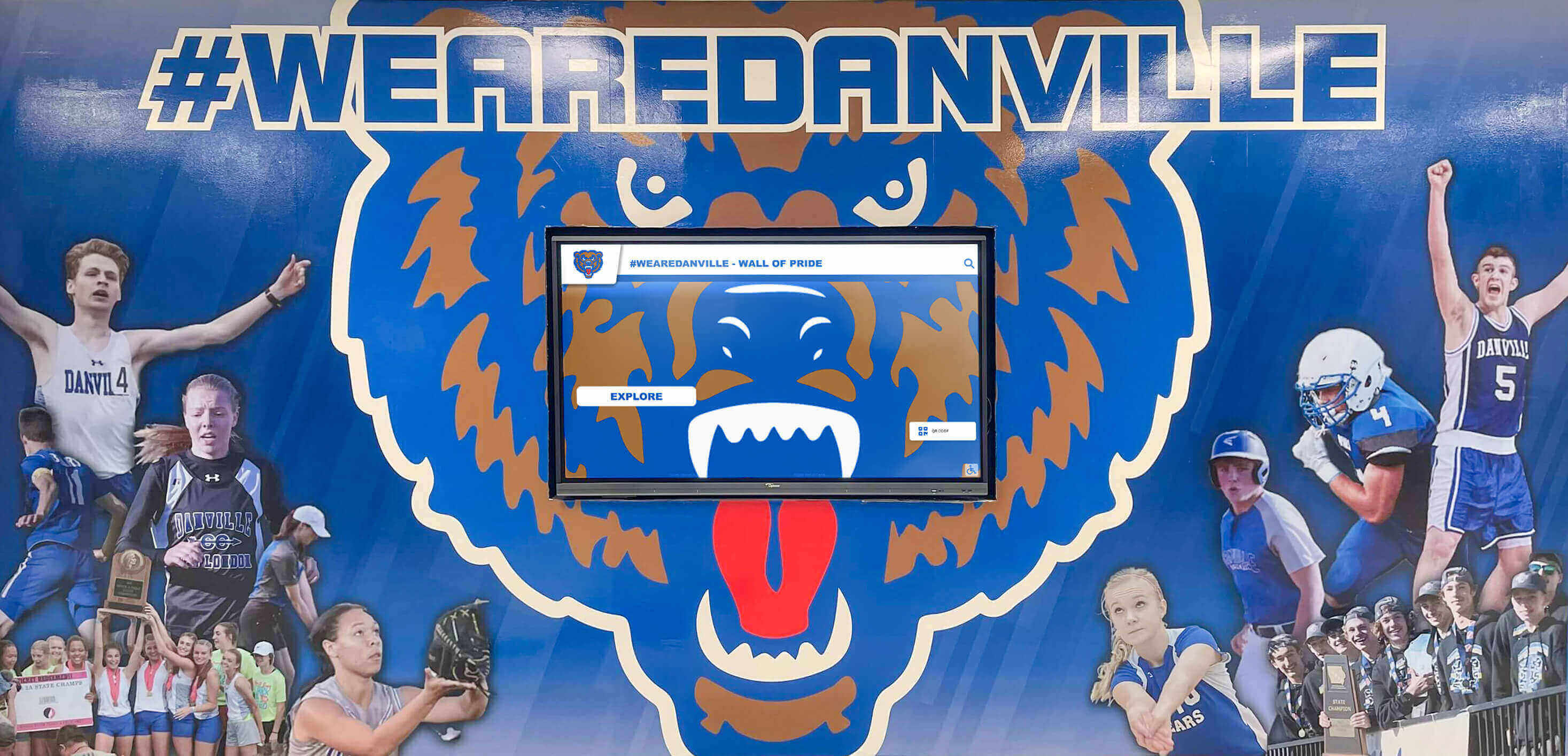
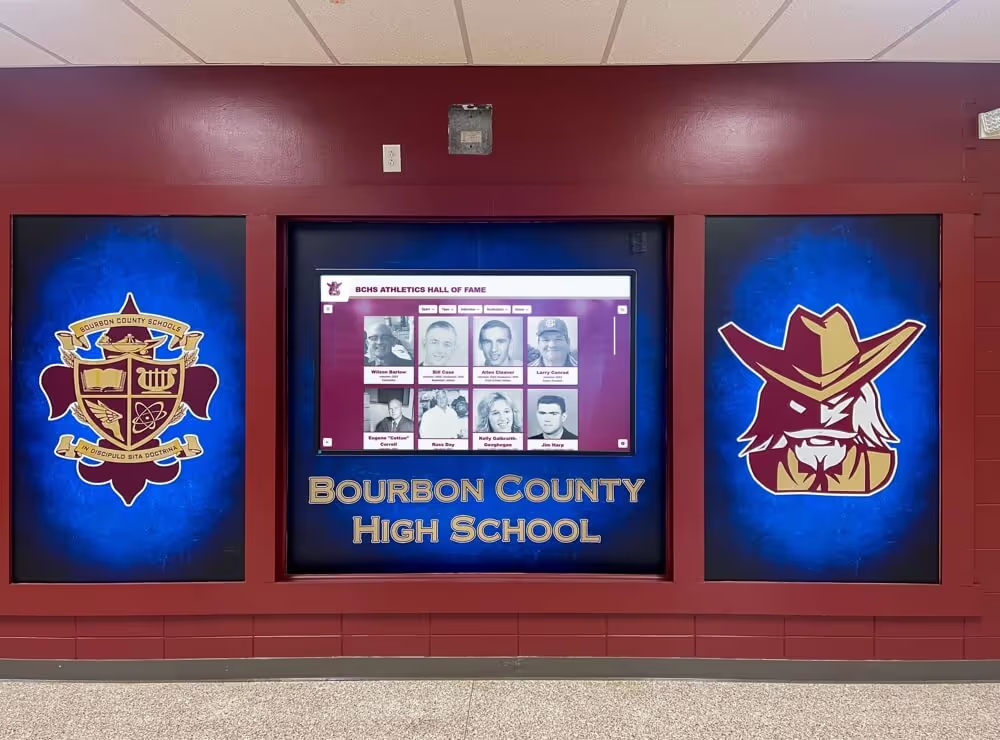
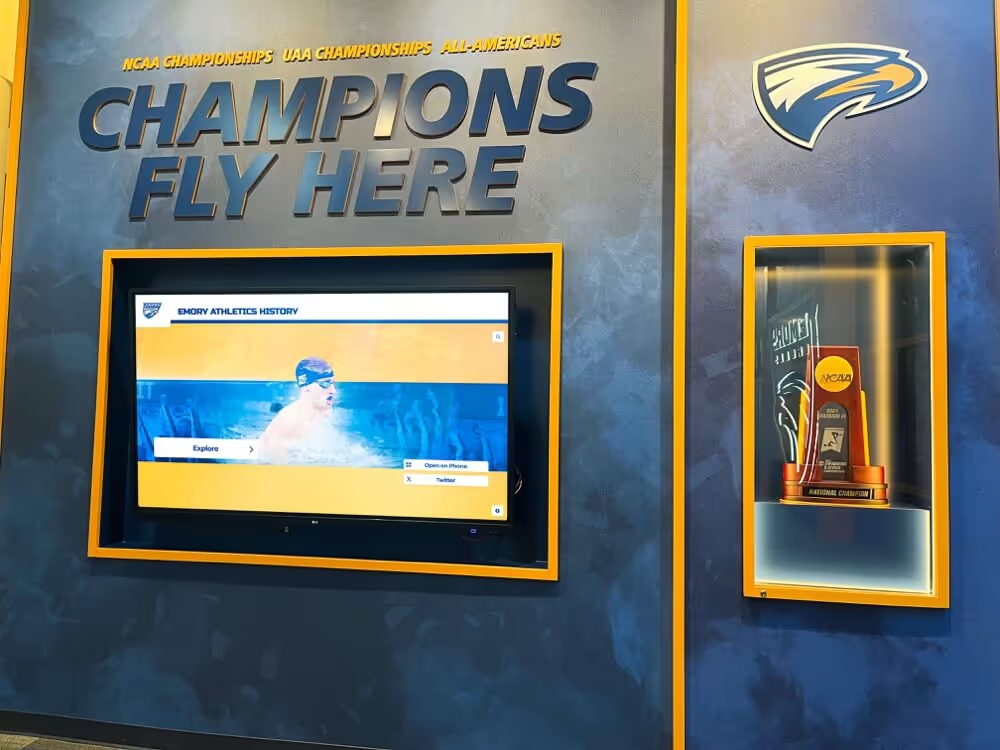
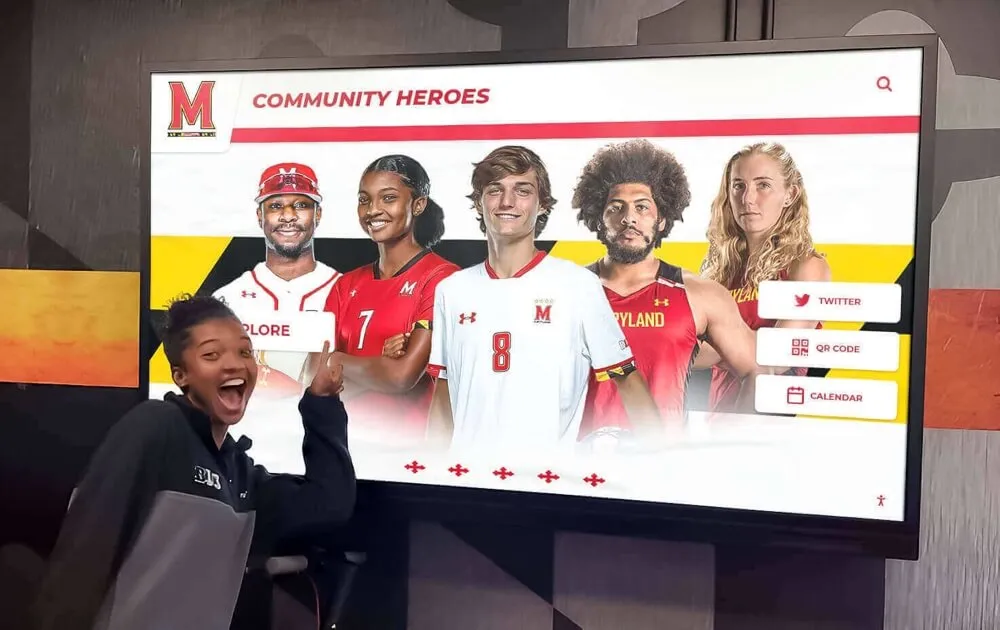
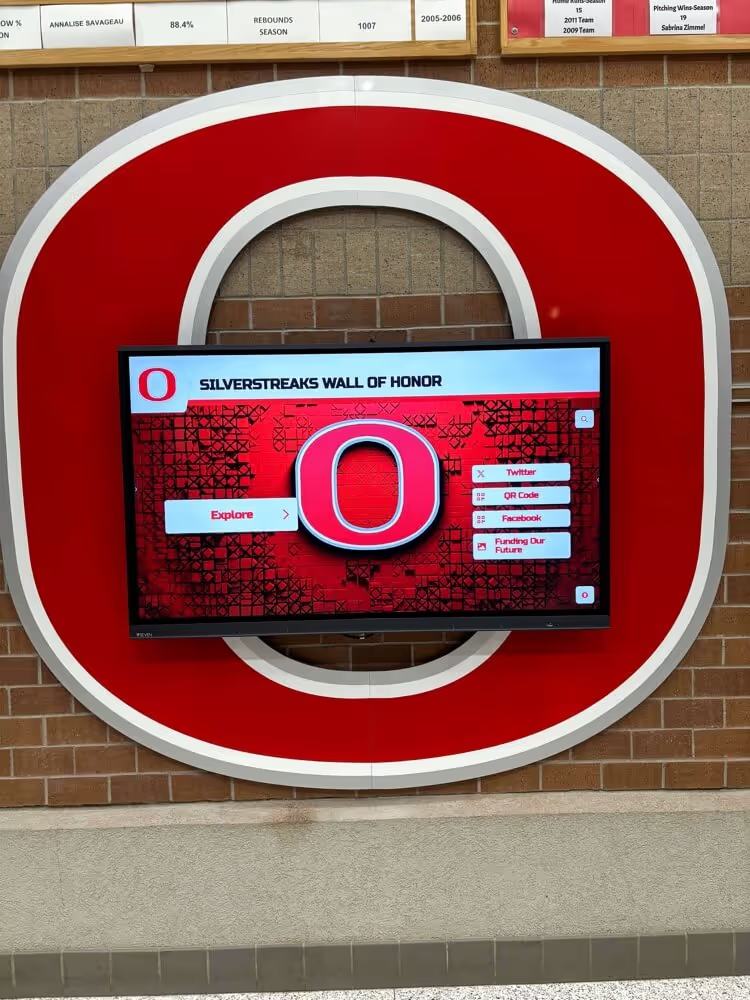
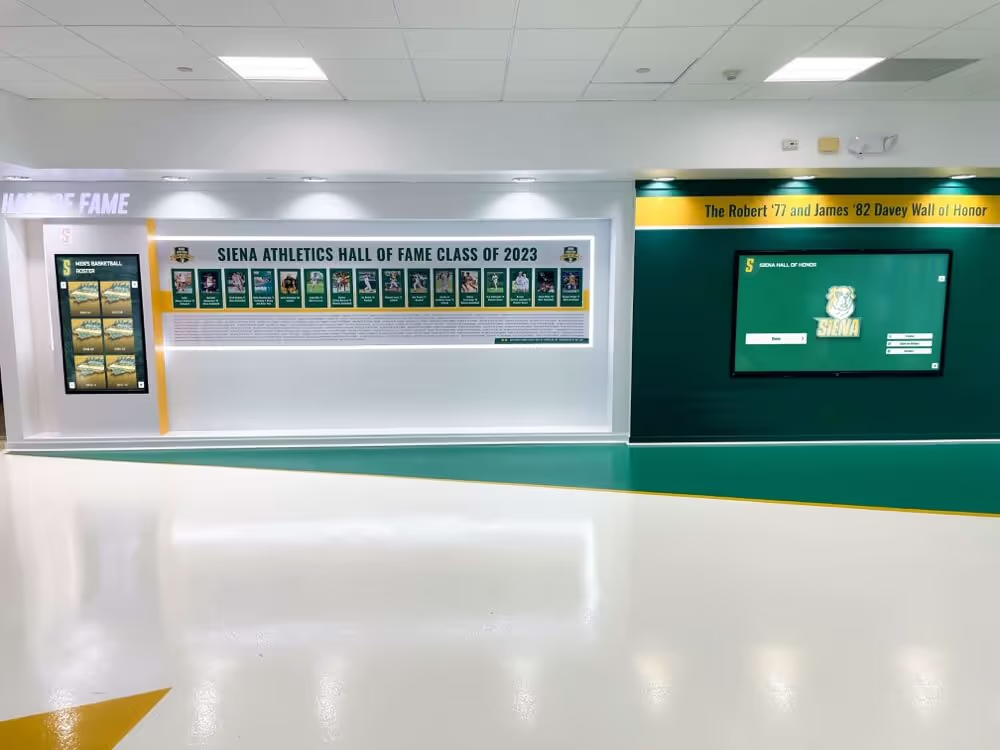
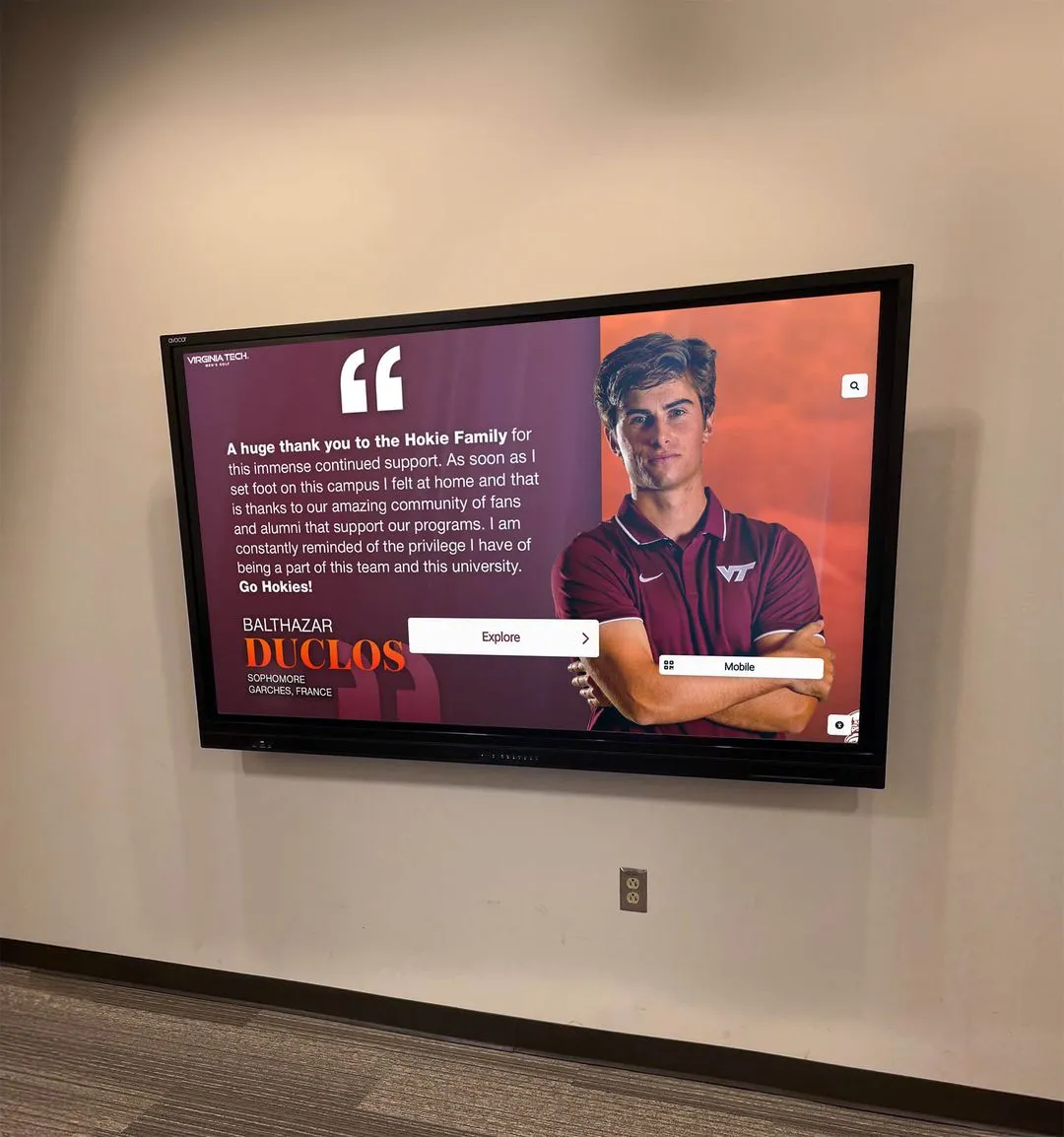
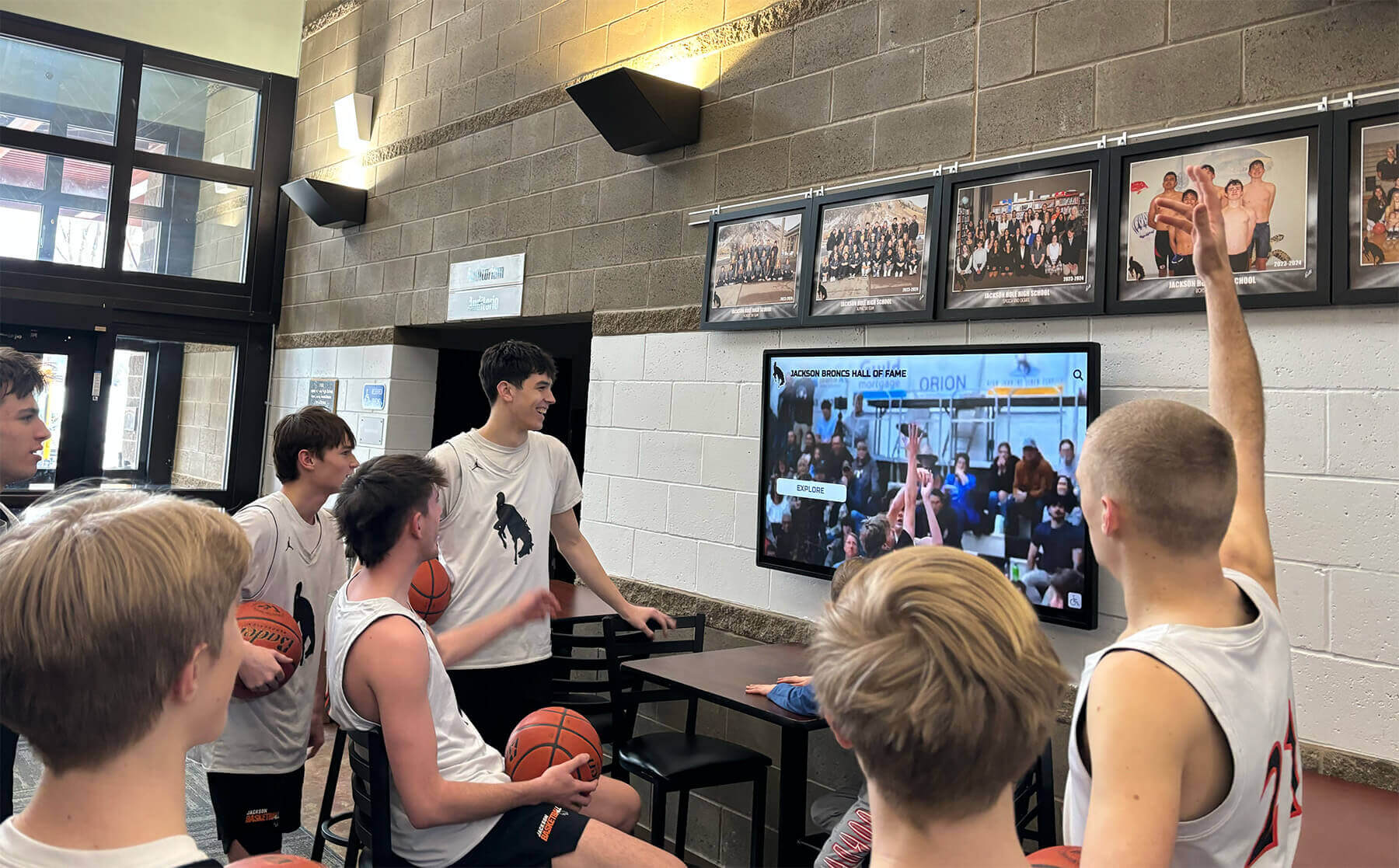
Digital displays throughout athletic facilities can deliver ongoing concussion education and safety messaging alongside achievement recognition
Athlete, Coach, and Parent Education
Effective concussion management requires education across all stakeholders understanding signs, symptoms, reporting expectations, and return-to-play protocols. Education initiatives should cover recognizing concussion signs including headache, dizziness, confusion, memory problems, nausea, and sensitivity to light or noise, reporting expectations emphasizing that continuing play with concussion symptoms creates serious health risks, understanding that concussions may not involve loss of consciousness, long-term consequences of repeated head injuries including chronic traumatic encephalopathy, and proper return-to-play protocols requiring medical clearance before athletic participation.
Schools should implement annual mandatory education sessions for coaches, athletes, and parents, with documentation confirming training completion before seasonal participation begins.
Immediate Response and Return-to-Play Protocols
When concussions occur despite prevention efforts, systematic management protocols protect athlete health and prevent premature return risking second-impact syndrome.
Sideline Assessment and Removal From Play
Any athlete exhibiting concussion signs or symptoms must be immediately removed from participation and evaluated by qualified medical personnel. Sideline assessment tools like the SCAT5 provide systematic evaluation frameworks including symptom checklists, cognitive screening tests, balance assessment, and immediate memory evaluation.
The fundamental principle requires that when in doubt, sit them out—athletes exhibiting any concerning signs should not return to play the same day regardless of symptom resolution, as immediate symptom improvement doesn’t indicate brain healing.
Progressive Return-to-Play Progression
Following medical clearance to begin return-to-play progression, athletes advance through graduated stages including initial rest with cognitive and physical rest allowing symptom resolution, light aerobic exercise with activities like walking or stationary cycling, sport-specific exercise introducing running and skill work without contact, non-contact training drills with progressive resistance training, full-contact practice following medical clearance, and return to competition after completing all stages symptom-free.
Athletes should spend minimum 24 hours at each stage, with progression stopping immediately if symptoms return at any level. This gradual return ensures brain healing occurs before exposing athletes to re-injury risk during vulnerable recovery periods.
Comprehensive approaches to athlete wellness programs are explored in detail through athlete recovery and wellness hub planning, demonstrating holistic support systems for student-athlete health.
Building a Culture of Injury Prevention
Beyond specific protocols and training programs, creating lasting injury prevention requires cultural transformation where safety becomes embedded in athletic program values and daily operations.
Coach Education and Accountability
Coaches represent the frontline of injury prevention, making their education and buy-in essential for program success.
Comprehensive Coach Training Programs
Athletic directors should implement systematic coach education covering injury prevention principles and evidence-based practices, sport-specific risk factors and prevention strategies, proper technique instruction reducing injury risk, recognizing early warning signs of overuse and overtraining, communication protocols with athletic trainers and medical staff, and creating practice environments balancing competitive intensity with appropriate safety measures.
Many states now require coaches to complete certification courses addressing injury prevention, concussion management, sudden cardiac arrest recognition, and heat illness prevention as conditions for coaching eligibility. Schools should exceed minimum requirements by providing ongoing education keeping coaches current with evolving best practices.
Practice Planning and Monitoring
Coaches should systematically plan practices balancing skill development, conditioning, and recovery while monitoring athlete workloads preventing overuse injuries. Effective practice design includes progressive skill introduction building complexity gradually, appropriate work-to-rest ratios preventing excessive fatigue, position rotation limiting repetitive stress on the same body parts, hydration breaks particularly during heat exposure, and monitoring athlete response to training loads through communication about soreness and fatigue.

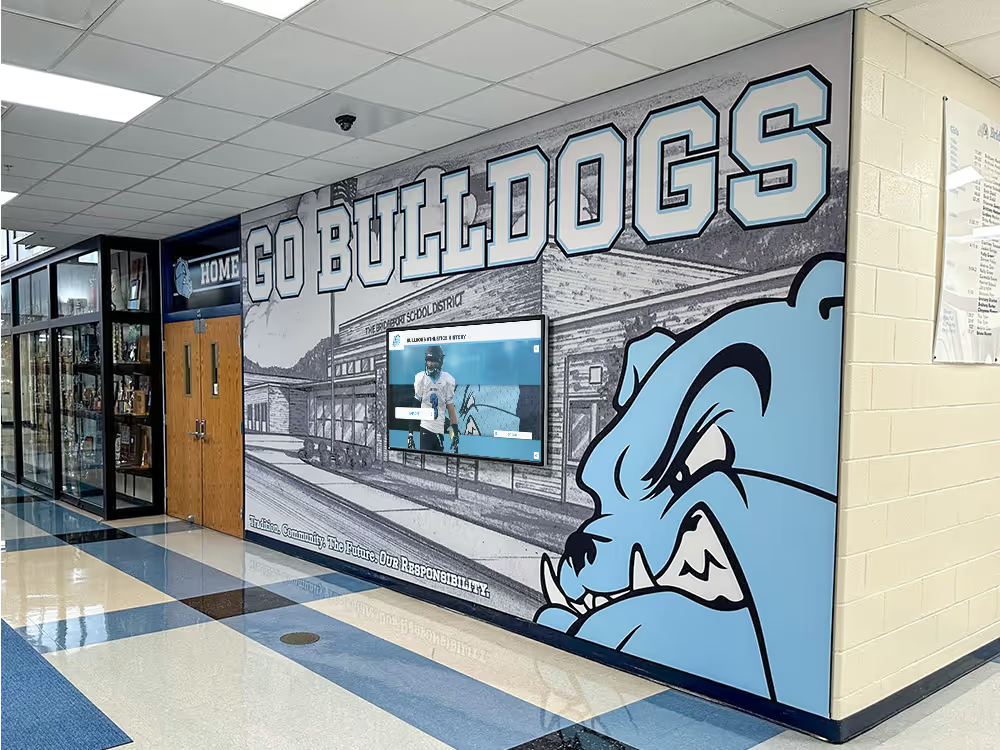
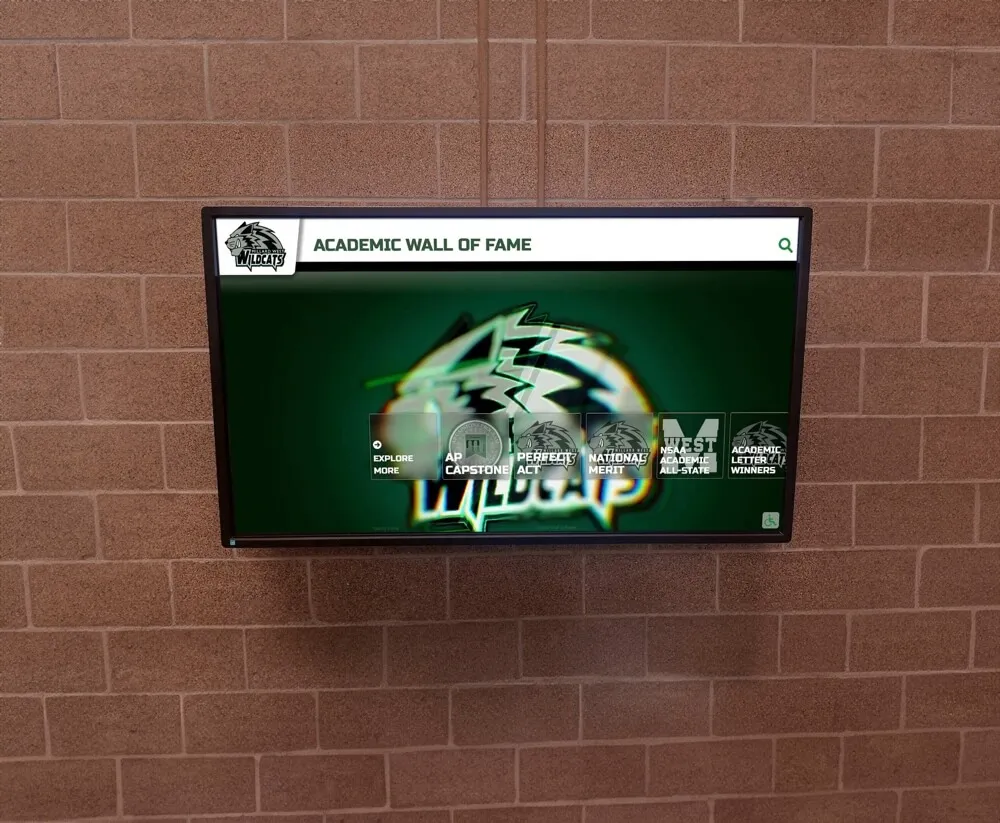
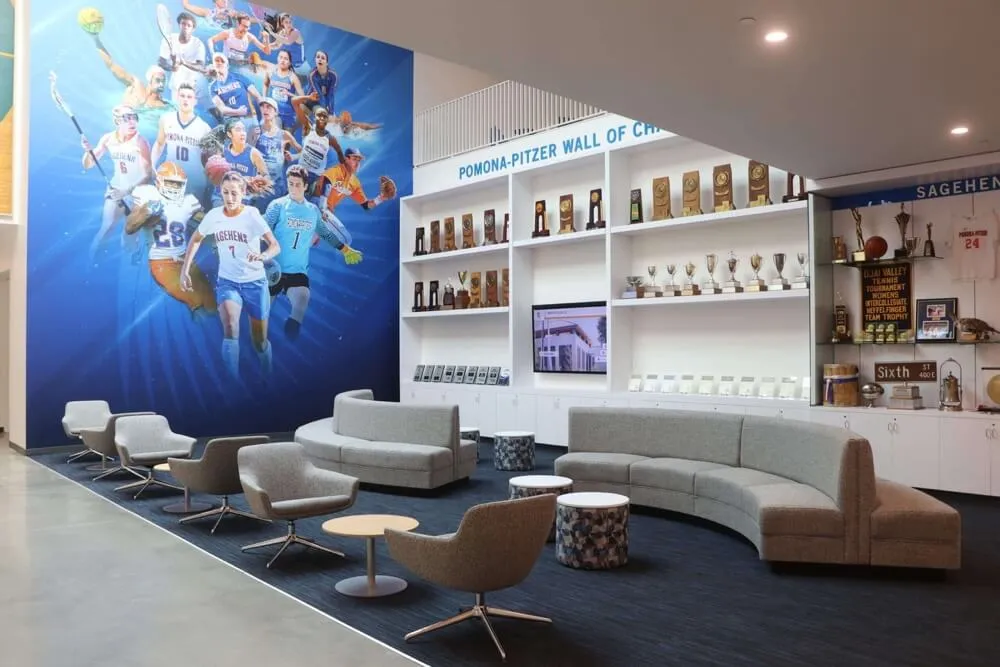
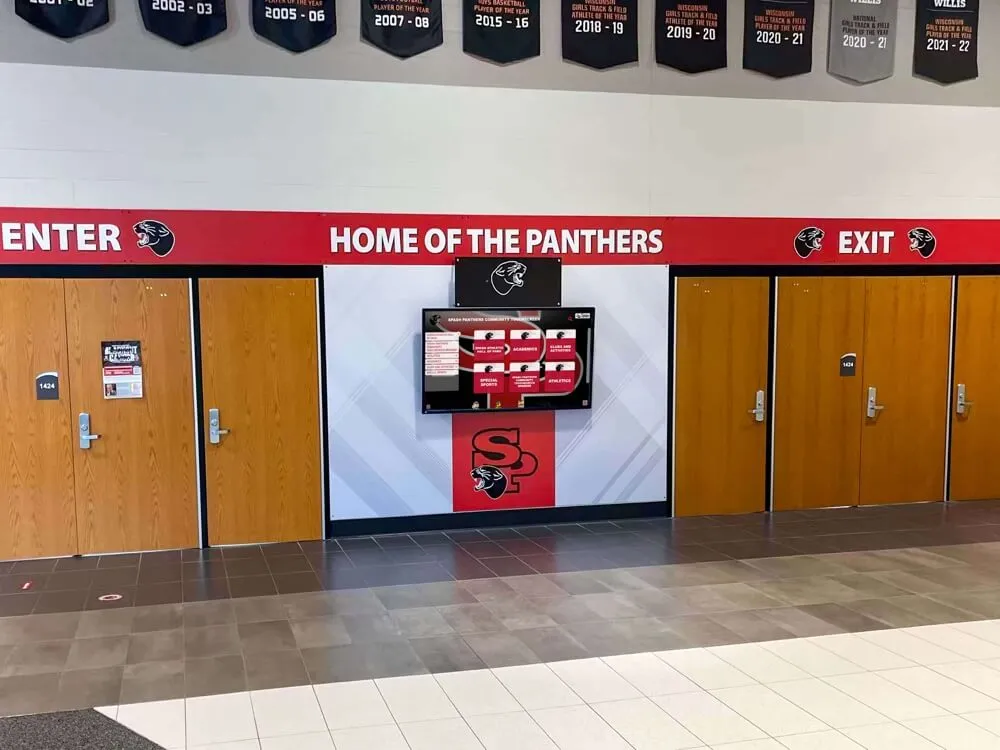
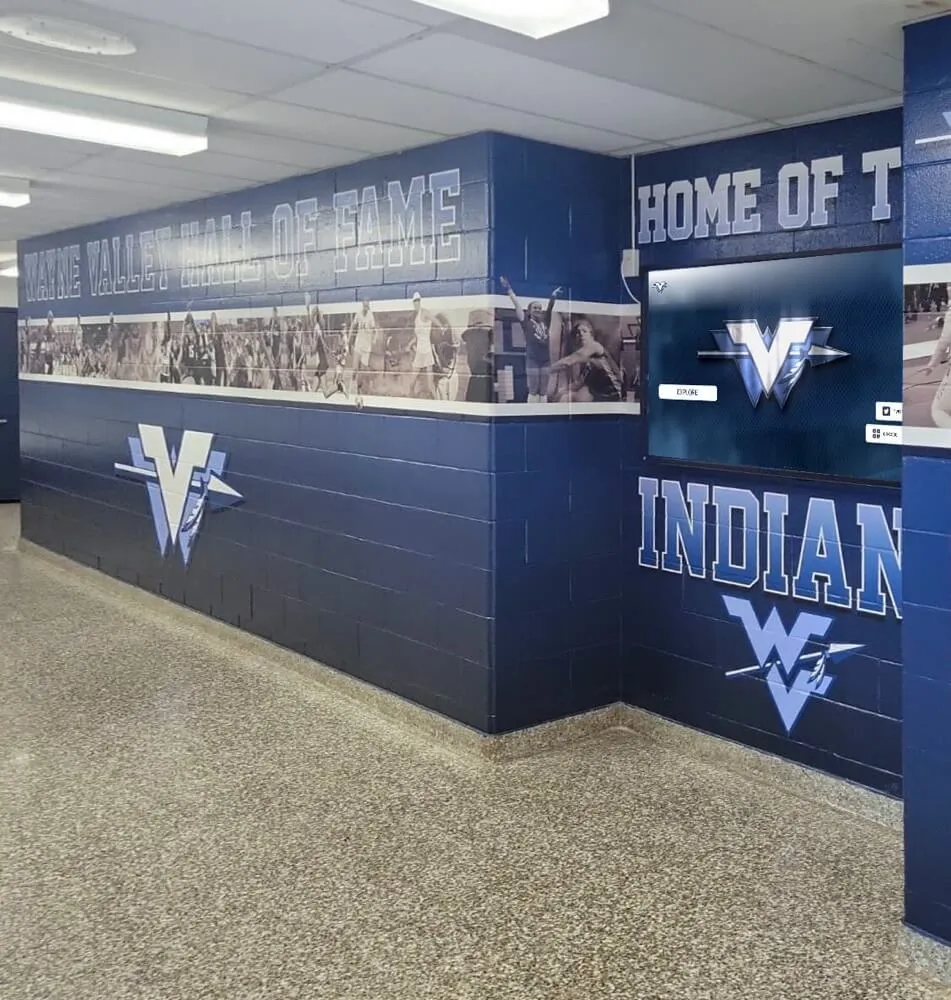
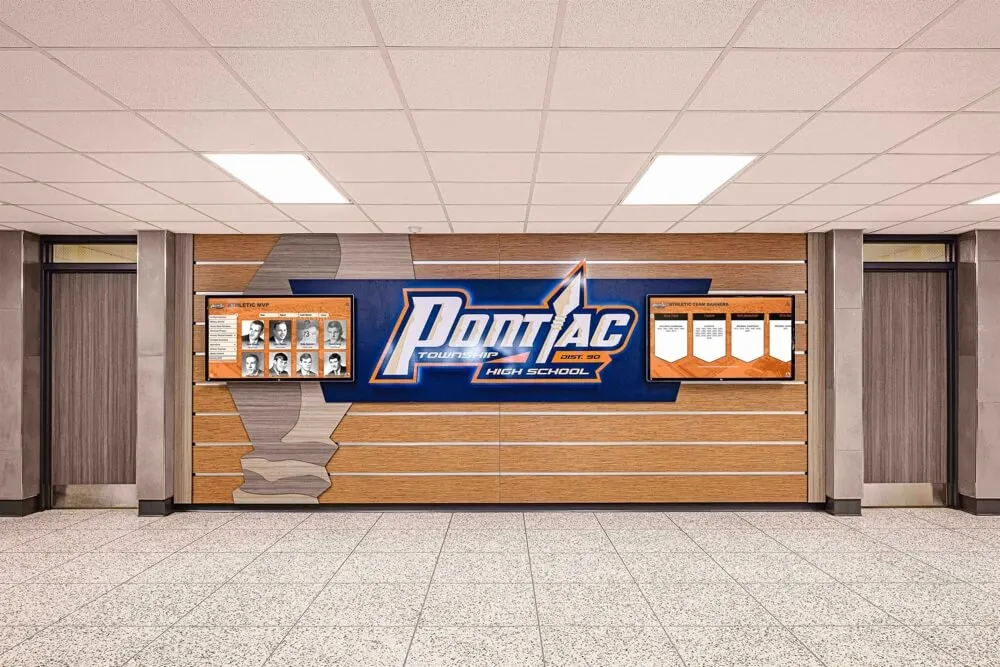
Athletic recognition displays celebrating program achievements can include safety milestones and injury prevention accomplishments
Accountability and Safety Metrics
Athletic departments should track and evaluate injury prevention metrics including injury rates per 1,000 athlete exposures by sport and injury type, compliance rates with warm-up protocol implementation, strength and conditioning program participation, concussion baseline testing completion rates, and return-to-play protocol adherence.
Publishing these metrics creates accountability while demonstrating institutional commitment to athlete safety alongside competitive results. Schools might recognize coaches whose teams achieve injury-free seasons or demonstrate exceptional prevention program implementation, elevating safety culture through positive reinforcement.
Athlete Empowerment and Education
While coaches direct training programs, athletes themselves must understand prevention principles and take ownership of their health and safety.
Peer Leadership and Safety Champions
Designating athlete safety champions or peer leaders creates distributed ownership of injury prevention culture. These student leaders can assist with warm-up protocol execution ensuring proper technique, monitor teammate workload and fatigue during training, promote proper nutrition and sleep supporting recovery, model proper reporting of injuries and symptoms rather than hiding problems, and reinforce strength and conditioning program participation.
Peer influence often exceeds adult authority in shaping athlete behavior, making peer-led safety initiatives particularly effective for cultural transformation.
Athlete Education Curriculum
Systematic athlete education should address injury mechanisms and prevention principles specific to their sports, proper technique fundamentals reducing injury risk, the importance of reporting symptoms rather than playing through pain, nutrition and hydration supporting performance and recovery, sleep requirements for adolescent athletes, the risks of sport specialization and overuse, and body awareness recognizing early warning signs of injury development.
Schools might integrate this education into team meetings, pre-season orientations, or dedicated athlete development sessions throughout the year, creating consistent messaging reinforcing prevention priorities.
Effective student engagement strategies demonstrate how schools create cultures where students actively participate in programs rather than passively receiving instruction.
Athletic Training and Medical Support Systems
Qualified medical professionals represent essential components of comprehensive injury prevention, providing expertise that coaches alone cannot deliver.
The Athletic Trainer’s Role in Prevention
Certified athletic trainers (ATCs) bring specialized expertise in injury prevention, evaluation, treatment, and rehabilitation that transforms athletic program safety.
Prevention-Focused Athletic Training Services
Athletic trainers contribute to injury prevention through pre-participation physical examinations identifying pre-existing conditions and risk factors, baseline concussion testing and management protocols, movement screening and biomechanical assessment, injury prevention program design and implementation, environmental monitoring for heat illness and weather-related risks, equipment fitting and safety checks, and coordination with team physicians and specialists.
The National Athletic Trainers’ Association emphasizes that prevention represents the primary focus of athletic training practice, with injury treatment being secondary to preventing injuries from occurring initially.
Coverage Models for High Schools
Many high schools face challenges providing adequate athletic training coverage given budget constraints and the number of athletic programs requiring support. Coverage models include full-time employed athletic trainers serving one school, shared athletic trainers splitting time across multiple schools, contracted services through sports medicine clinics or healthcare systems, volunteer or stipend-based coverage from local ATCs, and student athletic training programs supervised by certified professionals.
While any athletic training coverage surpasses none, schools should strive toward full-time dedicated coverage enabling consistent prevention program implementation and immediate injury response across all sports and practice settings.

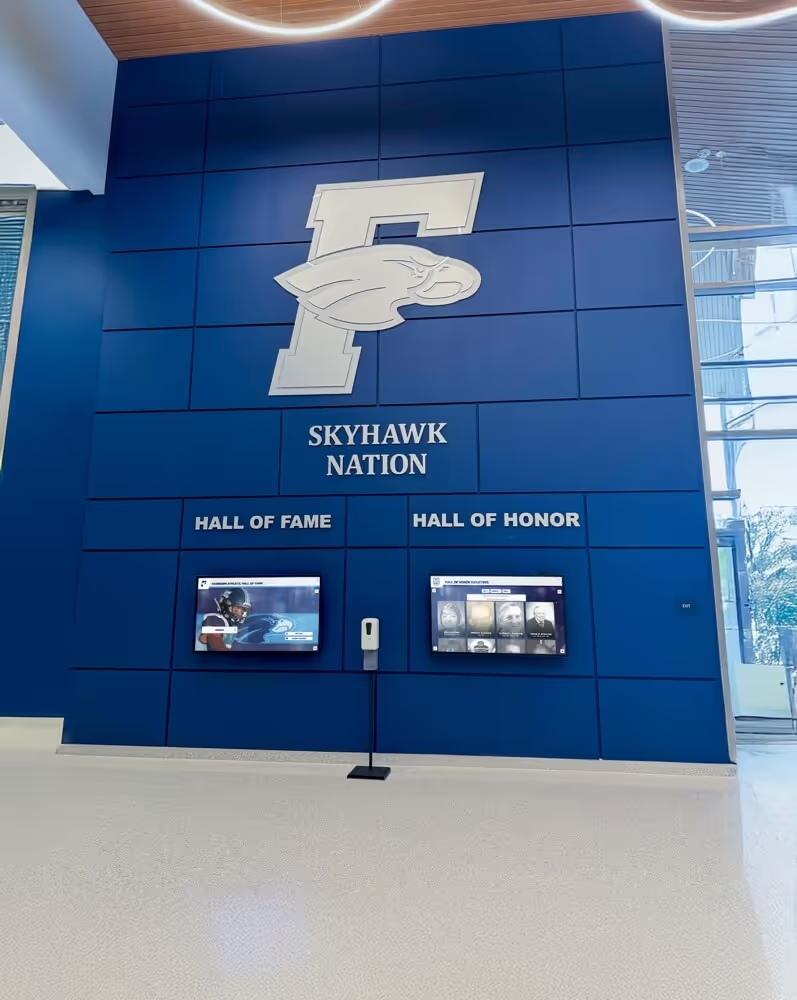
Modern athletic facilities integrate medical support spaces with recognition displays celebrating both competitive excellence and program safety achievements
Medical Emergency Action Plans
Beyond injury prevention, comprehensive safety requires systematic emergency response protocols ensuring rapid, coordinated action during catastrophic events.
Sport-Specific Emergency Action Plans
Each sport and practice venue requires specific emergency action plans addressing location-specific circumstances and available resources. Plans should identify location of emergency equipment including AED placement, emergency medical supplies, spine boards and stabilization equipment, communication methods for activating emergency medical services, designated roles for coaches and staff during emergencies, access routes for emergency vehicles to reach practice and competition venues, and procedures for specific emergencies like cardiac arrest, severe head/neck injuries, heat stroke, and severe bleeding.
Schools should rehearse emergency action plans annually with all coaches and staff, ensuring everyone understands their responsibilities before crisis situations demand immediate, coordinated response.
Emergency Equipment and Training
Essential emergency equipment includes automated external defibrillators (AEDs) at all athletic venues with staff trained in CPR/AED use, spine boards and stabilization equipment for suspected neck injuries, emergency medical kits with appropriate supplies, environmental monitoring equipment for heat and weather conditions, and communication devices ensuring reliable emergency service contact.
All coaches and staff should maintain current CPR/AED certification and receive training on emergency action plan implementation specific to their sport and venue.
Resources about locker room design and planning address how athletic facility layouts can support both injury prevention programs and emergency response protocols.
Recognizing and Celebrating Safety Culture
Creating visible recognition of injury prevention achievements reinforces cultural values while demonstrating institutional commitment to athlete safety alongside competitive success.
Celebrating Injury Prevention Milestones
Just as schools recognize championships and individual achievements, celebrating safety milestones elevates prevention within athletic program values.
Safety Achievement Recognition
Schools might recognize teams completing injury-free seasons without significant injuries requiring extended absence, athletes demonstrating exemplary commitment to prevention protocols and warm-up participation, coaches implementing innovative injury prevention initiatives, athletic trainers and medical staff supporting athlete health and safety, and safety champions or peer leaders promoting prevention culture among teammates.
This positive recognition reinforces that athlete safety represents a core program value deserving celebration equal to competitive accomplishments.
Digital Recognition Platforms
Modern digital recognition displays enable schools to prominently celebrate injury prevention achievements alongside traditional athletic honors. Interactive touchscreen systems can showcase injury-free season achievements highlighting teams and individuals, profile athletic trainers and medical staff supporting athlete health, document injury prevention program evolution over time, display educational content about proper warm-up techniques and injury prevention principles, and recognize safety champions and peer leaders modeling prevention behaviors.
These permanent, visible displays demonstrate lasting institutional commitment to athlete safety while educating current athletes about prevention principles every time they enter athletic facilities.
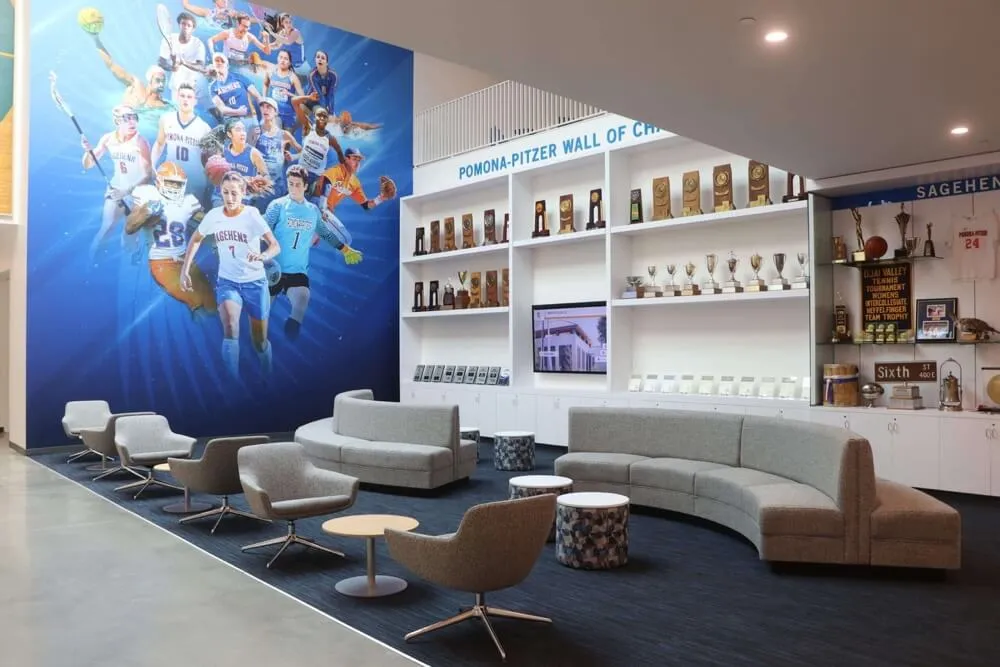
Athletic spaces that celebrate both competitive achievement and safety culture reinforce comprehensive values supporting student-athlete development
Integrating Prevention into Athletic Program Identity
The most effective injury prevention cultures integrate safety into fundamental program identity rather than treating it as separate from competitive excellence.
Mission and Values Alignment
Athletic department mission statements should explicitly address athlete safety and injury prevention alongside competitive goals, demonstrating that health represents the foundation enabling all other achievements. Program values might emphasize long-term athlete development over short-term competitive results, creating environment where athletes feel supported reporting injuries rather than hiding problems to maintain playing time, prioritizing proper technique and training progression over rushing skill development, and celebrating comprehensive excellence including safety achievements, academic performance, and sportsmanship alongside wins and championships.
This values alignment creates permission structures where coaches and athletes prioritize health without feeling they’re compromising competitive commitment.
Visual Identity and Messaging
Athletic facility design and visual messaging throughout training spaces, locker rooms, and competitive venues should reinforce safety culture through prominent display of injury prevention protocols and proper technique demonstrations, recognition displays celebrating safety achievements alongside competitive honors, educational content about injury mechanisms and prevention principles, mission statements emphasizing athlete health and development, and inspiring messages from coaches and team physicians about long-term athlete welfare.
This consistent environmental messaging creates immersive culture where safety consciousness becomes automatic rather than requiring constant external reminders.
Creating comprehensive athletic recognition programs that celebrate multiple dimensions of excellence is explored through high school awards ceremony planning demonstrating how schools honor diverse achievements beyond just competitive results.
Implementation Strategies for High School Athletic Directors
Translating injury prevention principles into systematic programs requires leadership, resource allocation, and sustained commitment from athletic administration.
Developing Comprehensive Prevention Plans
Athletic directors should create systematic implementation plans addressing all components of comprehensive injury prevention programs.
Assessment and Needs Analysis
Begin by evaluating current injury prevention practices and identifying gaps through review of injury data tracking types, frequency, and circumstances of recent injuries, assessment of current warm-up and strength training protocols, evaluation of athletic training coverage and medical support, analysis of coach education and certification levels, examination of emergency action plans and equipment, and survey of athletes, coaches, and parents about safety perceptions and concerns.
This assessment data identifies priorities for improvement and establishes baselines measuring program progress over time.
Strategic Planning and Resource Allocation
With assessment data informing priorities, develop multi-year strategic plans systematically advancing injury prevention including hiring or expanding athletic training coverage, implementing evidence-based warm-up protocols across all sports, developing year-round strength and conditioning programs, establishing coach education requirements and professional development, upgrading equipment and facility safety features, and implementing injury surveillance and data tracking systems.
Resource-limited schools should prioritize high-impact, low-cost initiatives like standardized warm-up protocols and coach education before pursuing expensive facility upgrades or equipment purchases.
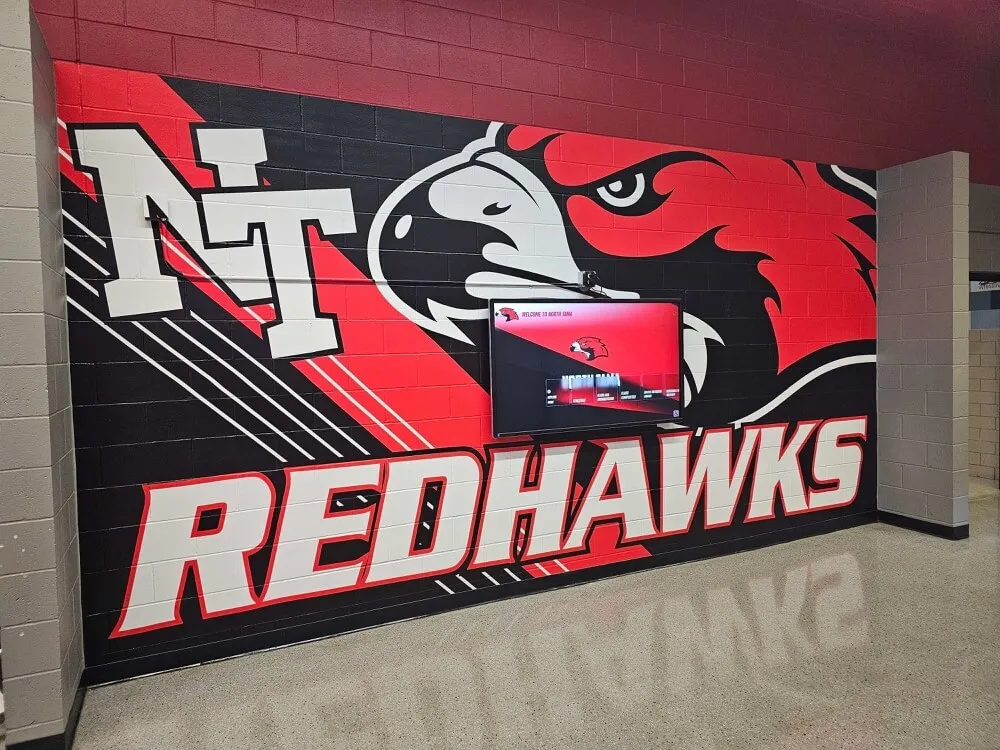
Strategic placement of recognition and educational displays throughout athletic facilities reinforces prevention culture daily
Stakeholder Engagement and Communication
Successful implementation requires buy-in and support from coaches, athletes, parents, school administration, school boards, and community members. Athletic directors should communicate clearly about injury prevention priorities and initiatives, demonstrate how prevention supports rather than conflicts with competitive success, share data documenting injury rates and prevention program impact, celebrate prevention achievements alongside competitive accomplishments, and involve stakeholders in planning and decision-making processes.
This transparent communication builds support for resource allocation and cultural changes necessary for comprehensive prevention program implementation.
Measuring Program Effectiveness
Systematic evaluation ensures prevention initiatives achieve desired outcomes while identifying areas requiring adjustment or enhanced focus.
Injury Surveillance and Data Collection
Effective measurement requires consistent injury tracking including injury type, severity, and body part affected, circumstances and mechanisms of injury occurrence, time lost from participation due to injury, sport and activity during which injuries occurred, and athlete demographics and relevant individual factors.
Standardized injury surveillance systems like those recommended by the National Athletic Trainers’ Association enable comparison across seasons and benchmarking against peer schools and national data.
Prevention Program Compliance Monitoring
Beyond tracking injury outcomes, monitoring prevention program implementation provides insight into program fidelity affecting results including warm-up protocol completion rates across teams, strength and conditioning program participation levels, coach education and certification completion, baseline concussion testing compliance, and emergency action plan drill completion.
Low compliance indicates implementation challenges requiring attention before expecting injury reduction outcomes.
Outcome Evaluation and Continuous Improvement
Athletic directors should review prevention program data annually, comparing current year injury rates to historical baselines and trends, identifying sports or injury types showing improvement or concerning increases, evaluating relationships between prevention program compliance and injury outcomes, gathering feedback from coaches, athletes, trainers, and parents, and adjusting programs based on outcome data and stakeholder input.
This continuous improvement cycle ensures prevention programs evolve based on evidence rather than remaining static despite changing circumstances or emerging best practices.
Building Long-Term Athlete Safety Culture
The most successful injury prevention programs transcend specific protocols or training regimens, creating enduring cultures where athlete safety becomes embedded in program DNA across coaching changes, administrative transitions, and evolving competitive circumstances.
Sustaining Prevention Commitment Across Leadership Changes
Cultural sustainability requires institutionalizing prevention values and practices beyond any individual leader’s tenure.
Documented Policies and Procedures
Athletic departments should formalize injury prevention commitments through written policies establishing minimum prevention program standards, emergency action plan requirements, coach education and certification expectations, athletic training coverage guarantees, and injury reporting and return-to-play protocols.
These documented policies create accountability ensuring prevention priorities survive administrative and coaching transitions rather than disappearing when champions of these initiatives move to other positions.
Recognition Systems Reinforcing Safety Values
Permanent recognition displays celebrating injury prevention achievements create visible, lasting testament to safety culture that transcends current personnel. Modern touchscreen recognition systems enable comprehensive celebration of safety milestones alongside competitive honors, flexible content updating as new achievements occur without requiring physical renovation, educational content delivery keeping prevention principles visible, and storytelling about program values and athlete health priorities.
These systems demonstrate institutional commitment extending beyond any individual’s advocacy, embedding safety culture within program identity and facility environment where all athletes, coaches, and visitors encounter consistent messaging about athlete welfare priorities.
Learn more about creating interactive touchscreen experiences that support both recognition and education within athletic facilities.
Connecting Prevention to Broader Student-Athlete Development
The most effective injury prevention programs connect safety to comprehensive student-athlete development recognizing that health represents foundation enabling all other achievements.
Holistic Wellness Integration
Rather than treating injury prevention as isolated from other athletic program components, integrate safety with broader wellness initiatives including mental health support and stress management resources, academic success programs and study skills development, nutrition education and healthy eating promotion, sleep hygiene and recovery optimization, leadership development and life skills training, and career planning and post-athletic transition preparation.
This holistic approach recognizes that healthy, well-supported athletes perform better competitively while developing skills and habits supporting lifelong health and success beyond athletic careers.
Alumni Connections and Long-Term Perspective
Connecting current athletes with program alumni provides powerful perspective about long-term health importance transcending short-term competitive priorities. Alumni can share how high school injuries affected college athletics and beyond, emphasize injury prevention practices they wish they’d understood earlier, model healthy behaviors and wellness practices they maintained post-competition, mentor current athletes about balancing competition with long-term health, and demonstrate that athletic identity can evolve into lifelong wellness commitment.
These connections help current athletes understand that choices made during high school athletics affect health and quality of life for decades to come.
Resources about training like an athlete and building student-athlete mindset demonstrate comprehensive approaches to athletic development emphasizing long-term health and performance.
Conclusion: From Prevention Protocols to Safety Culture
Effective sports injury prevention in high schools extends far beyond implementing specific warm-up routines or strength training protocols. While evidence-based programs and systematic procedures provide essential foundation, lasting impact requires cultural transformation where athlete safety becomes as fundamental to program identity as competitive excellence, team tradition, or championship pursuit.
Schools that successfully reduce injury rates and protect athlete health share common characteristics: leadership committed to prevention as core value rather than compliance requirement, systematic implementation of evidence-based protocols across all sports and teams, qualified medical professionals supporting prevention and injury management, comprehensive coach education ensuring consistent prevention practice, athlete empowerment creating distributed ownership of safety culture, visible recognition celebrating prevention achievements alongside competitive honors, continuous evaluation driving program improvement, and integration of prevention with broader student-athlete development initiatives.
These programs demonstrate that injury prevention doesn’t conflict with competitive success—rather, keeping athletes healthy represents the fundamental prerequisite enabling sustained excellence while developing responsible, health-conscious young adults who maintain active, healthy lifestyles long after their competitive careers conclude.
By building comprehensive injury prevention programs supported by systematic training, qualified medical support, cultural commitment, and visible recognition of safety achievements, high schools create environments where student-athletes can pursue competitive excellence while protected by communities genuinely committed to their long-term health and well-being.
Ready to create a comprehensive athletic recognition system that celebrates both competitive achievement and the safety culture protecting your student-athletes? Rocket Alumni Solutions specializes in creating touchscreen recognition displays that showcase injury-free season milestones, honor athletic trainers and medical staff, document injury prevention program evolution, and deliver educational content reinforcing proper training principles—all while celebrating championships and individual athletic excellence. Our interactive systems help schools build visible safety cultures that protect athletes while inspiring the next generation. Discover how modern recognition technology can transform your athletic facilities and demonstrate your commitment to student-athlete welfare.