



In an era when athletic achievement often reduces to statistics, championship banners, and recruiting rankings, sportsmanship awards stand as essential reminders that character matters as much as performance. These distinctive recognitions celebrate athletes who demonstrate respect for opponents, integrity under pressure, grace in both victory and defeat, and commitment to values transcending scoreboard outcomes—qualities that define truly exceptional competitors and prepare young people for meaningful lives beyond athletics.
Yet implementing effective sportsmanship recognition requires more than simply handing out generic “good sport” certificates at end-of-season banquets. Meaningful programs establish clear criteria distinguishing genuine character from superficial compliance, create selection processes earning peer and coaching respect, design ceremonies that genuinely honor exemplary conduct, and implement lasting recognition systems ensuring sportsmanship receives visibility equivalent to performance-based awards.
This comprehensive guide explores how schools, athletic programs, and organizations implement sportsmanship awards that authentically celebrate character in athletics—from defining meaningful criteria and establishing fair selection frameworks, to designing impactful presentations and creating permanent recognition that inspires future athletes toward excellence in competition and conduct.
Athletic programs prioritizing character development alongside competitive success report measurably stronger team cultures, reduced conduct incidents requiring disciplinary action, enhanced program reputations attracting quality student athletes, and improved alumni engagement from former athletes who remember values-based recognition experiences. Sportsmanship awards, properly implemented, become powerful culture-building tools that shape how athletes compete, interact, and represent their institutions.

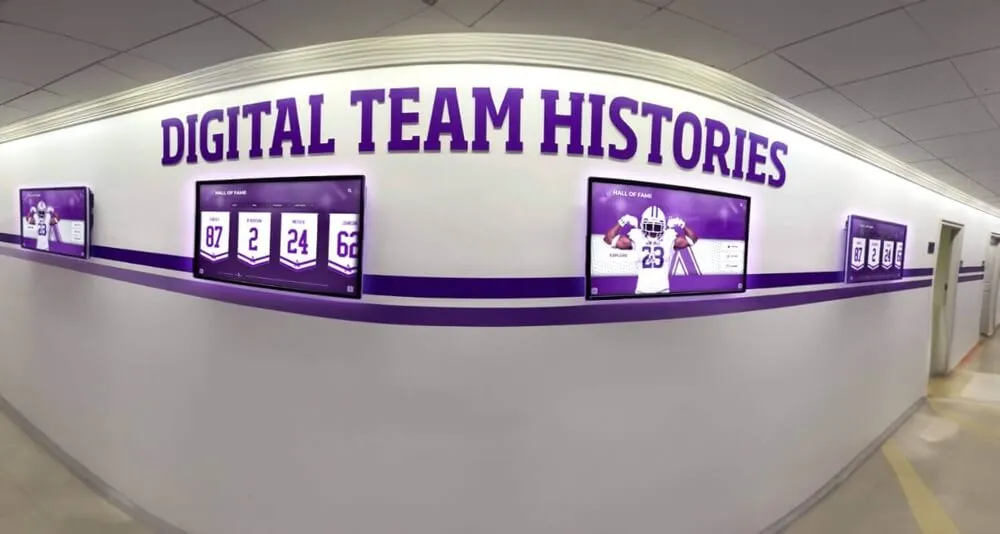
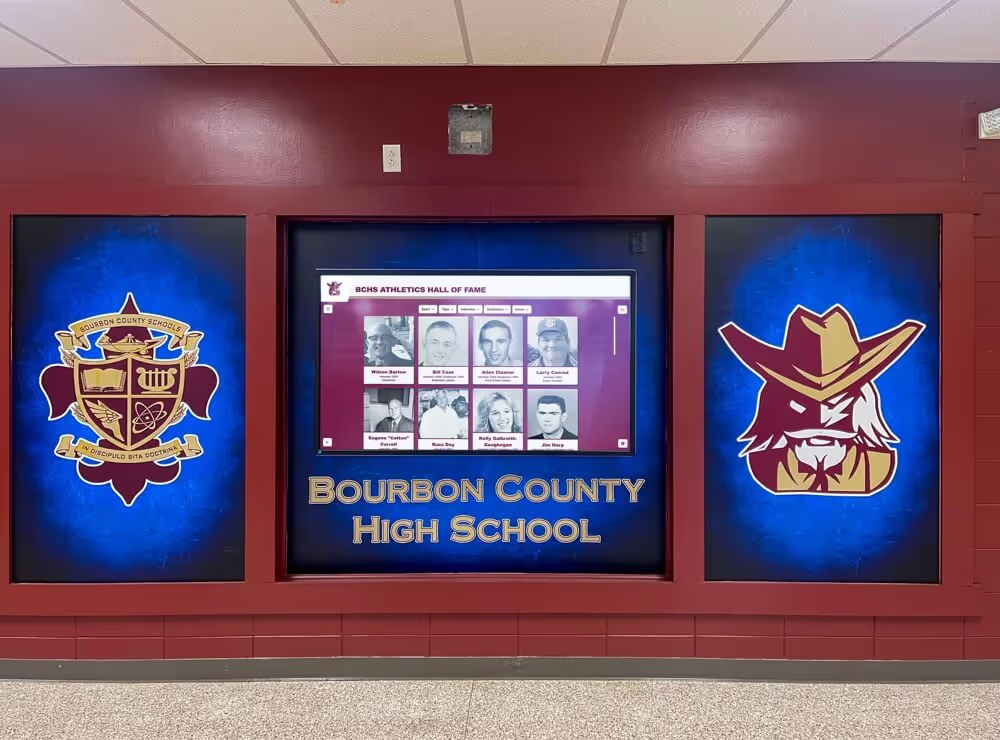
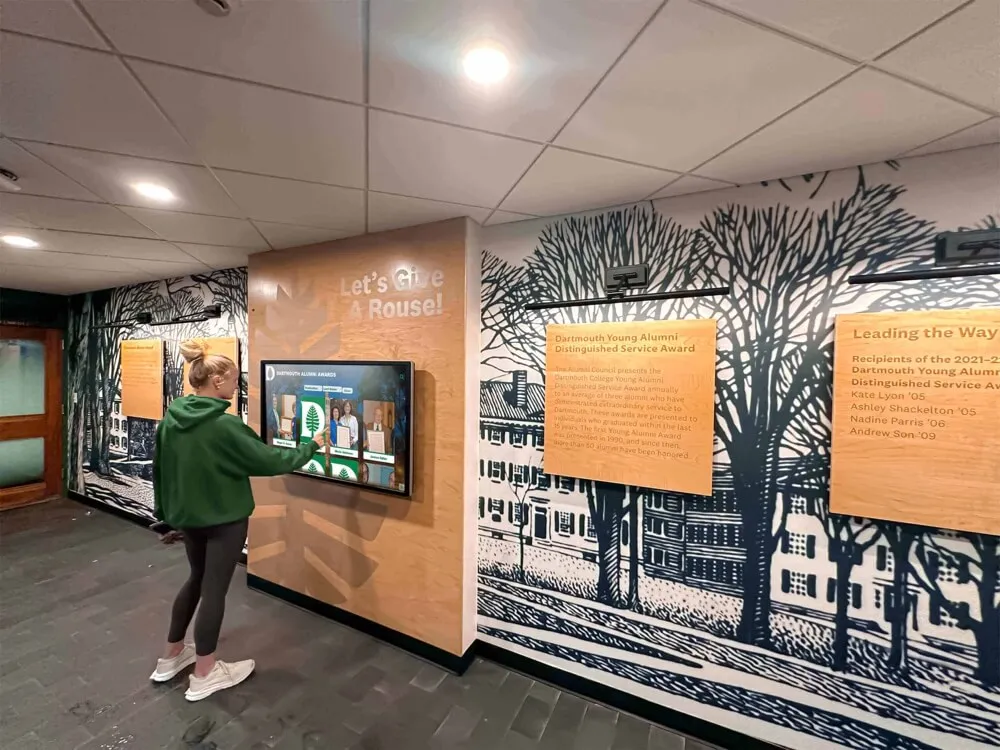
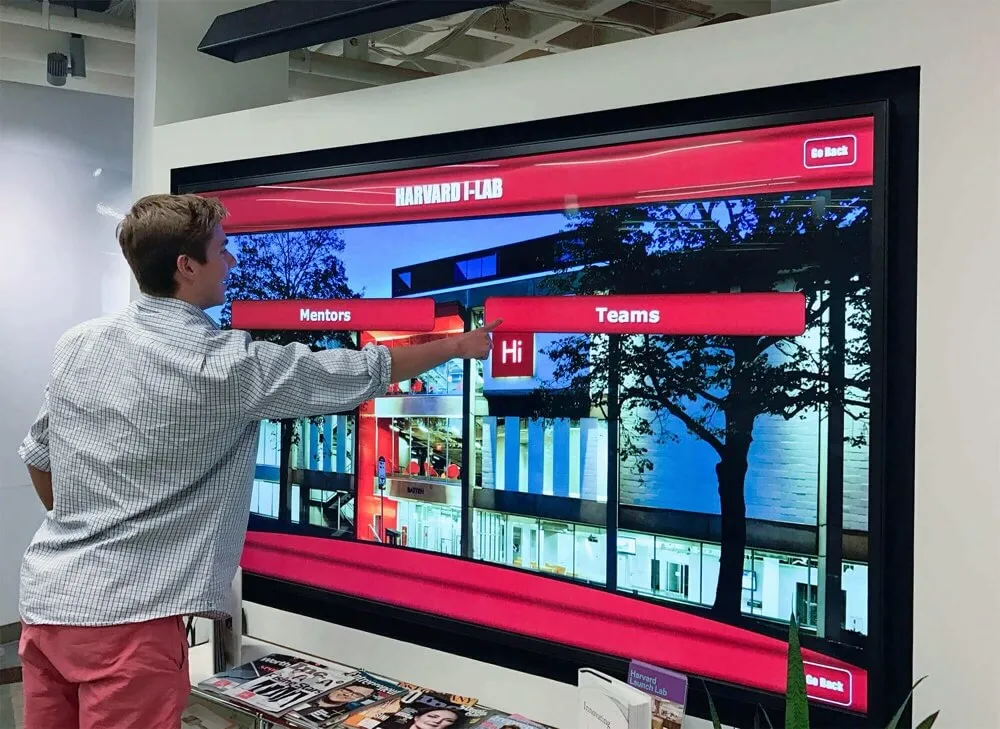
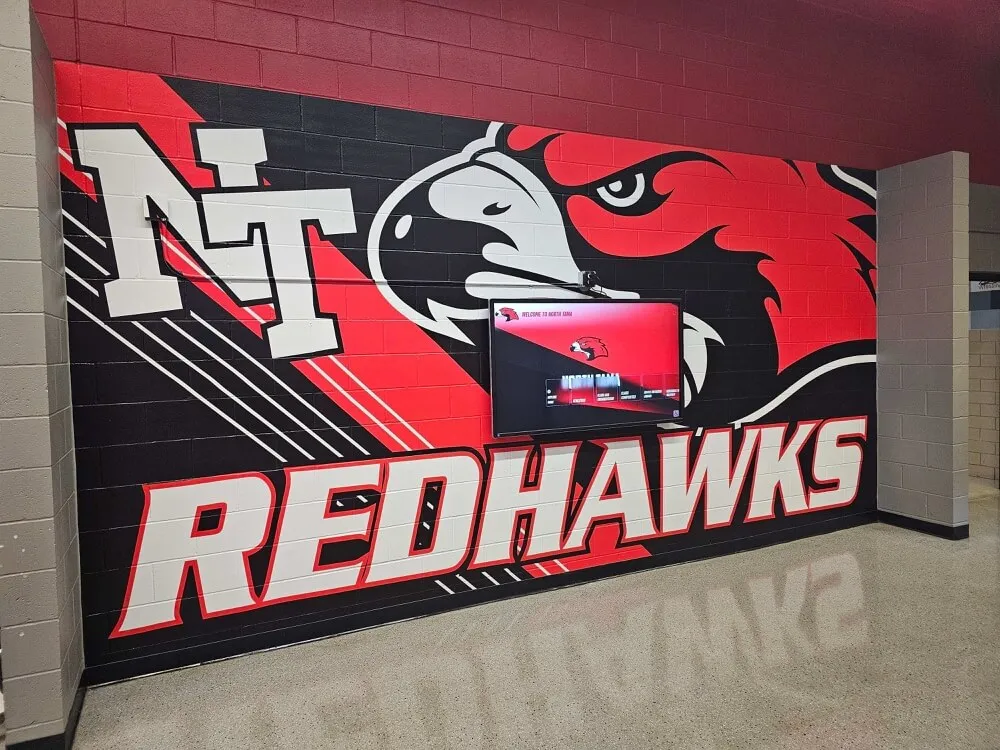
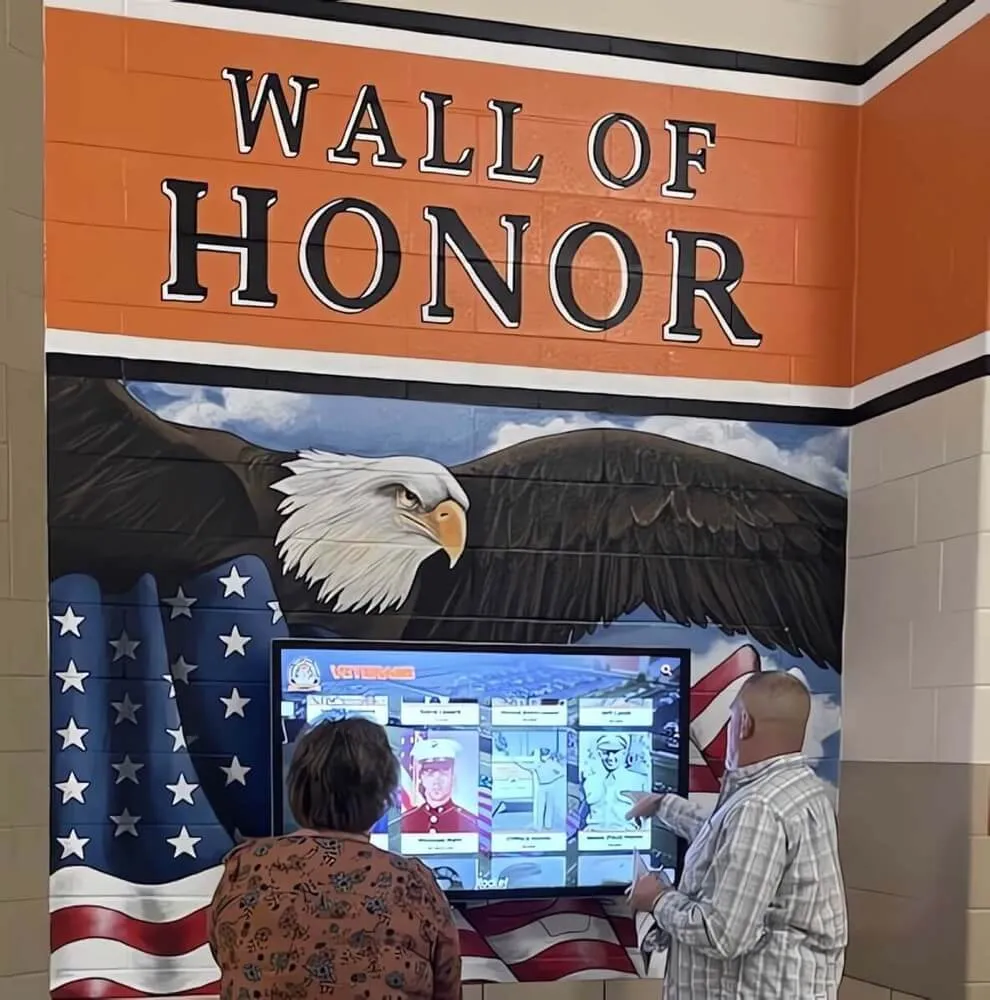
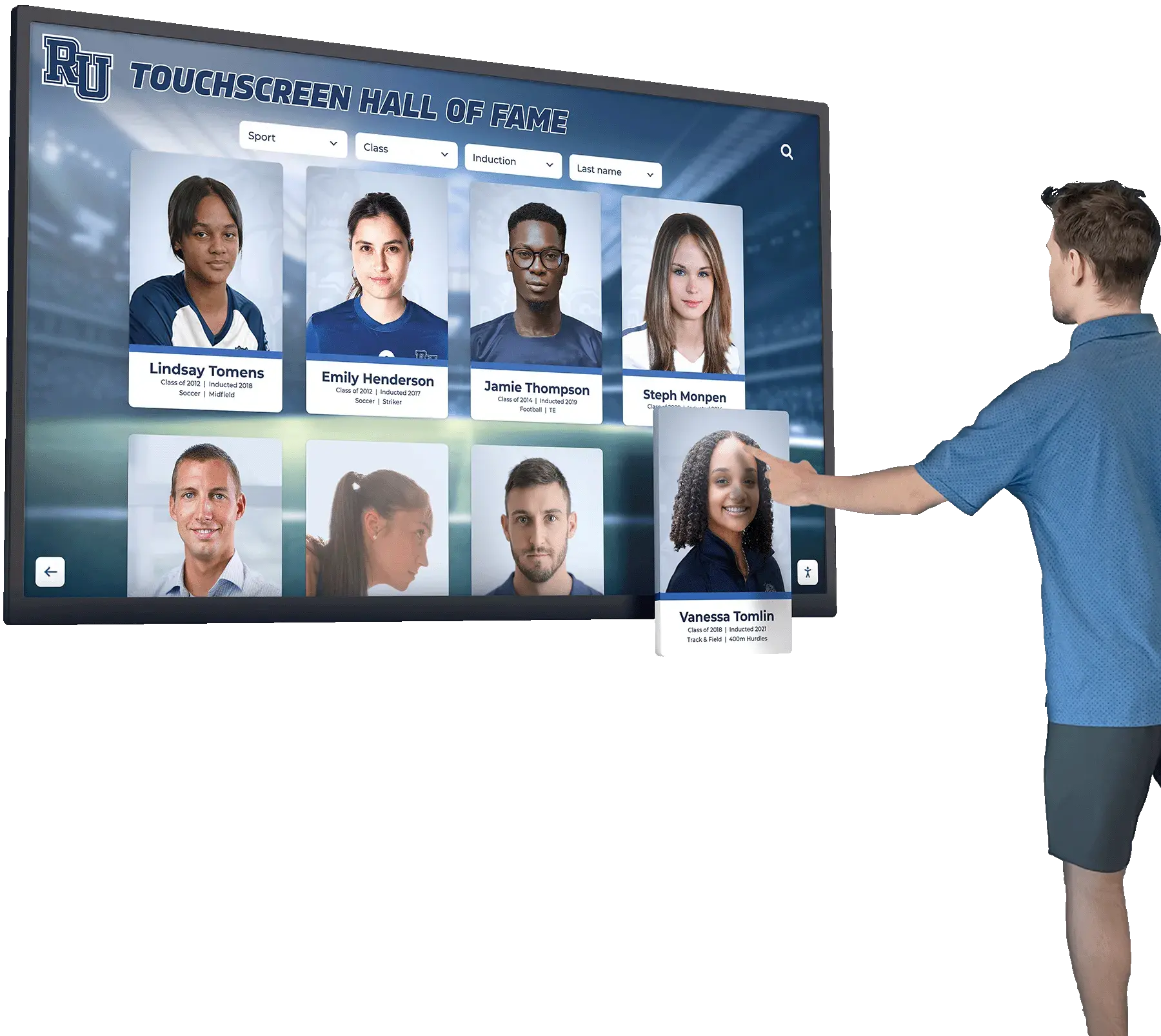
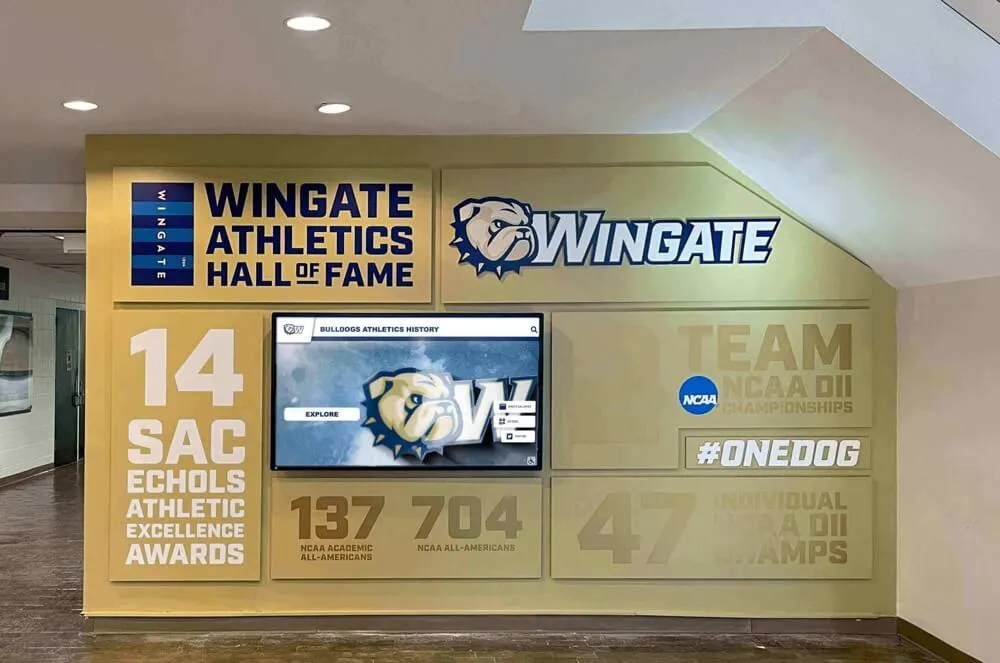
Modern recognition systems celebrate both performance excellence and character values through engaging display solutions students genuinely interact with
Why Sportsmanship Awards Matter Beyond Traditional Recognition
Understanding the unique value sportsmanship recognition provides reveals why comprehensive athletic programs make character awards central to their recognition systems rather than afterthought additions.
Balancing Performance Culture with Values Education
Competitive athletics naturally emphasize performance outcomes—winning games, breaking records, earning championships. While healthy competition drives improvement and excellence, exclusive performance focus creates problematic culture:
Unbalanced Recognition Systems—when programs only celebrate statistical leaders, championship teams, and record-breakers, athletes receive implicit messaging that winning justifies questionable conduct, that character only matters after competitive success, and that respect for opponents represents weakness rather than strength.
Win-At-All-Costs Mentality—without explicit character recognition, athletic cultures drift toward accepting poor sportsmanship as normal competitive behavior. Trash-talking becomes “mind games,” rule-bending becomes “competitive intelligence,” and disrespectful celebration becomes “passion.”
Missing Educational Mission—schools exist fundamentally to develop young people, not simply field winning teams. Athletic programs failing to explicitly recognize character miss critical opportunities demonstrating that educational institutions value comprehensive human development beyond narrow performance metrics.
Sportsmanship awards provide essential balance—communicating that institutions value how athletes compete alongside performance results, that character demonstrates strength rather than weakness, and that respect, integrity, and grace define athletic excellence as genuinely as physical skill.
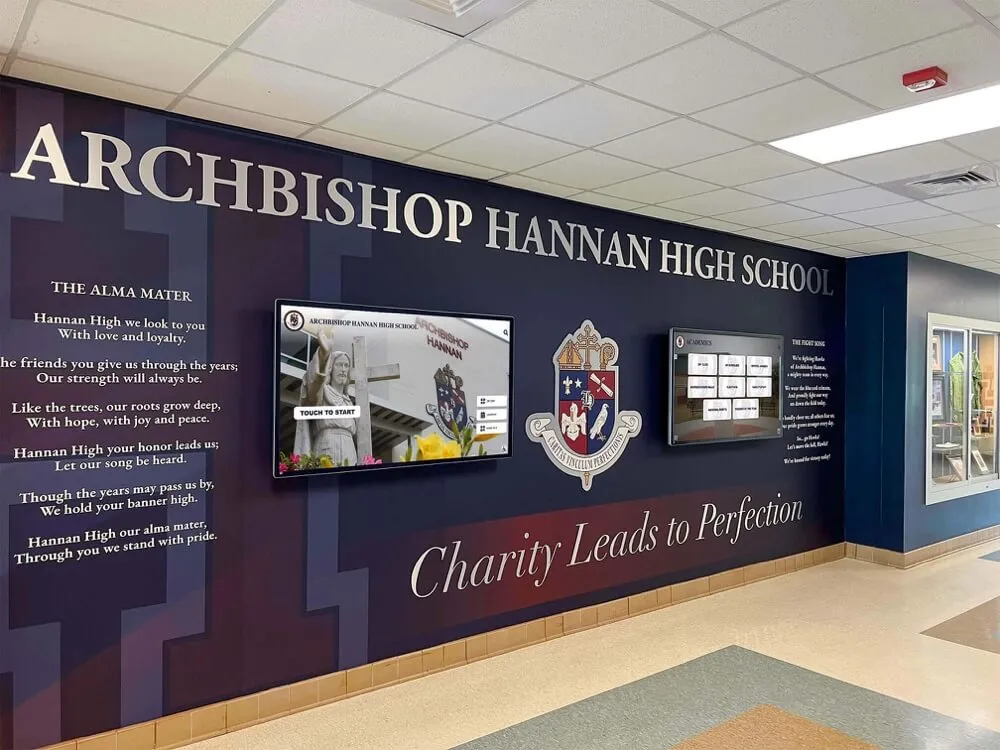
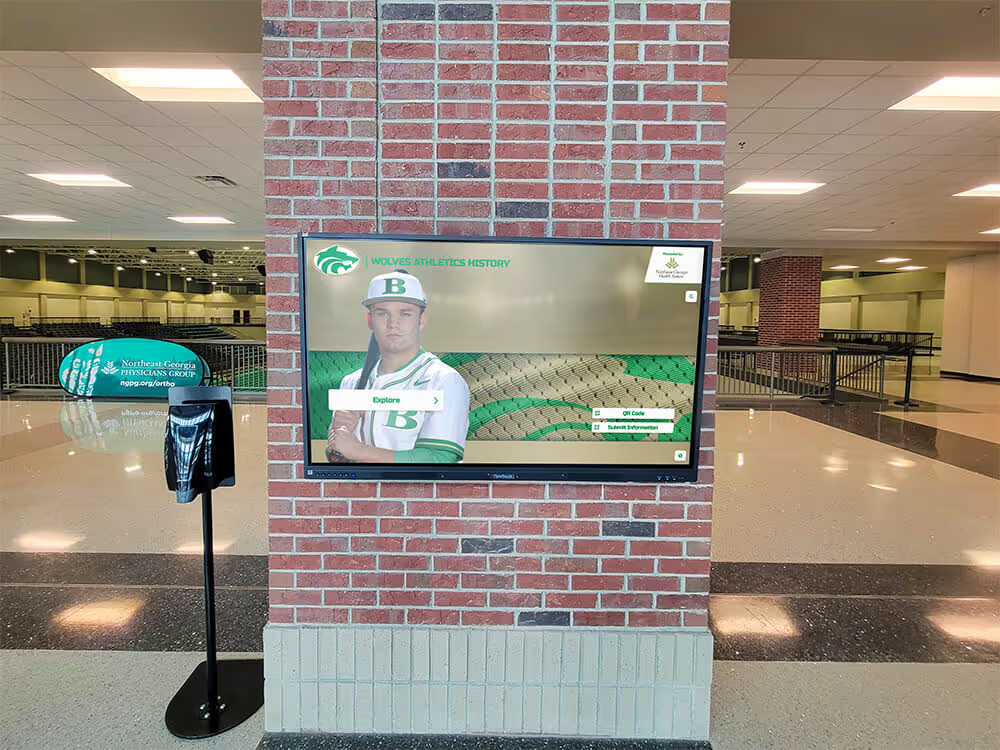
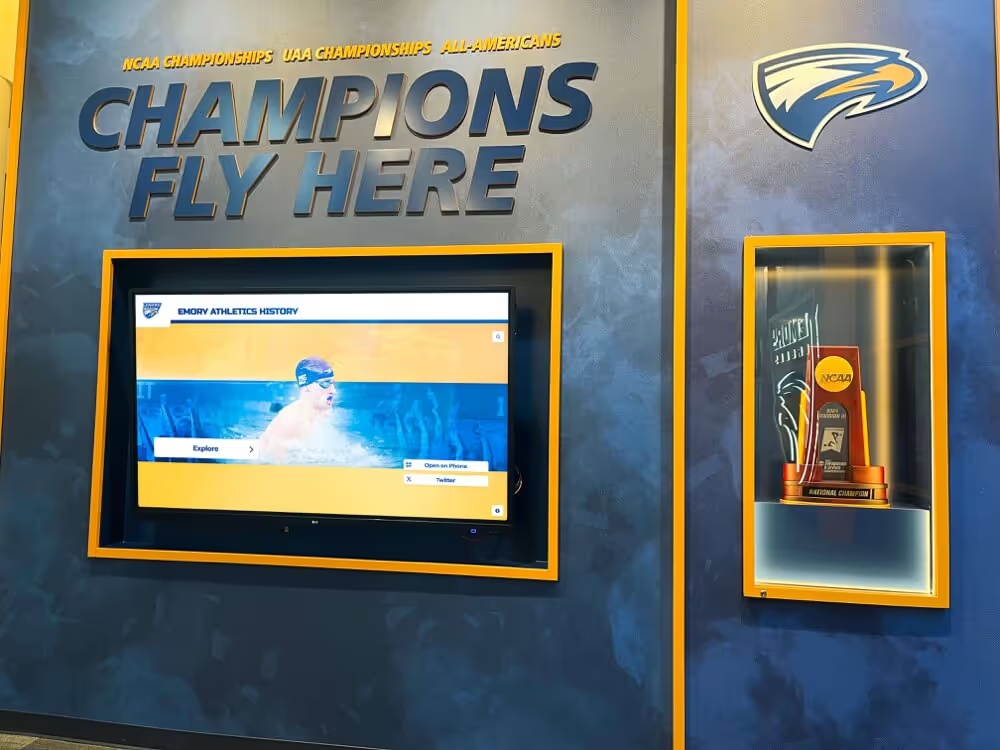
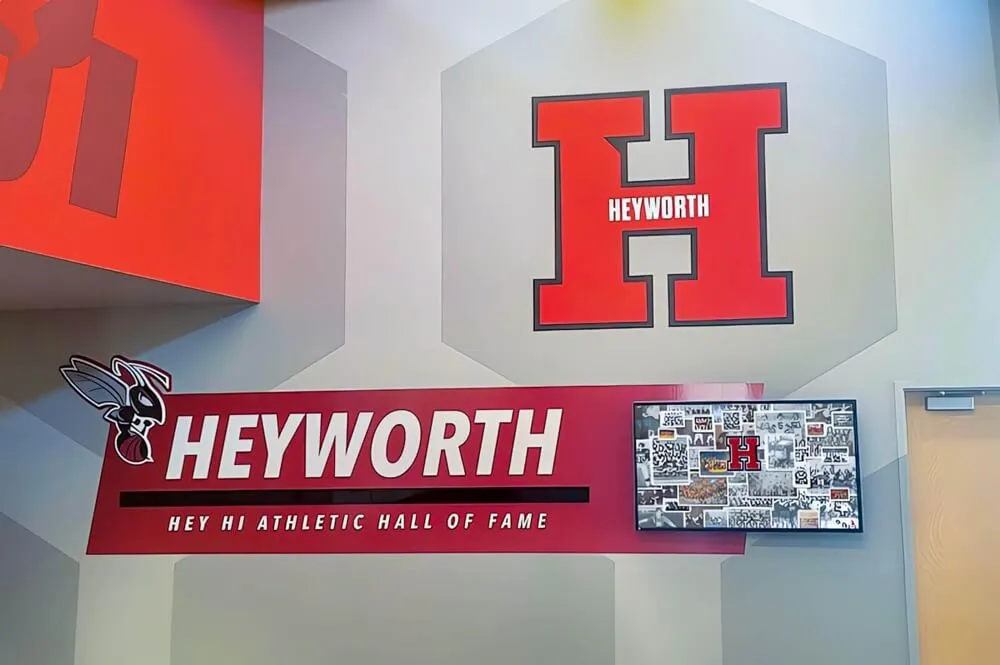
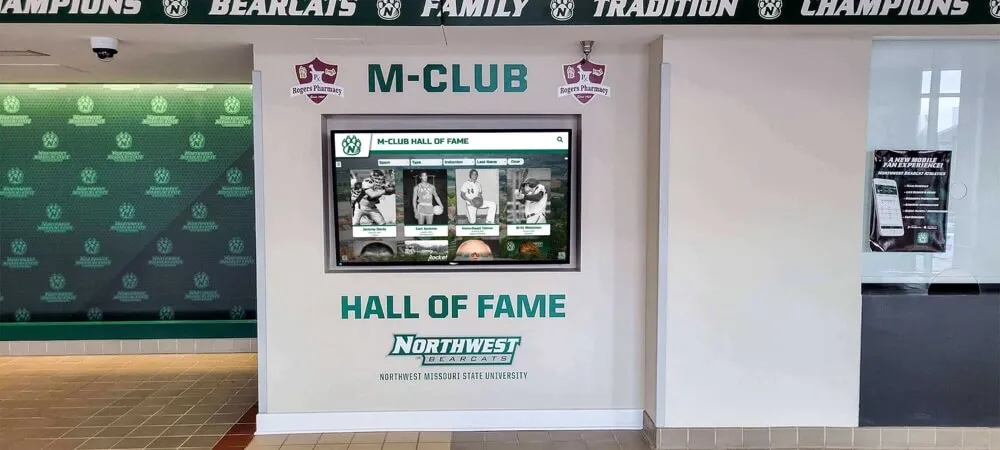
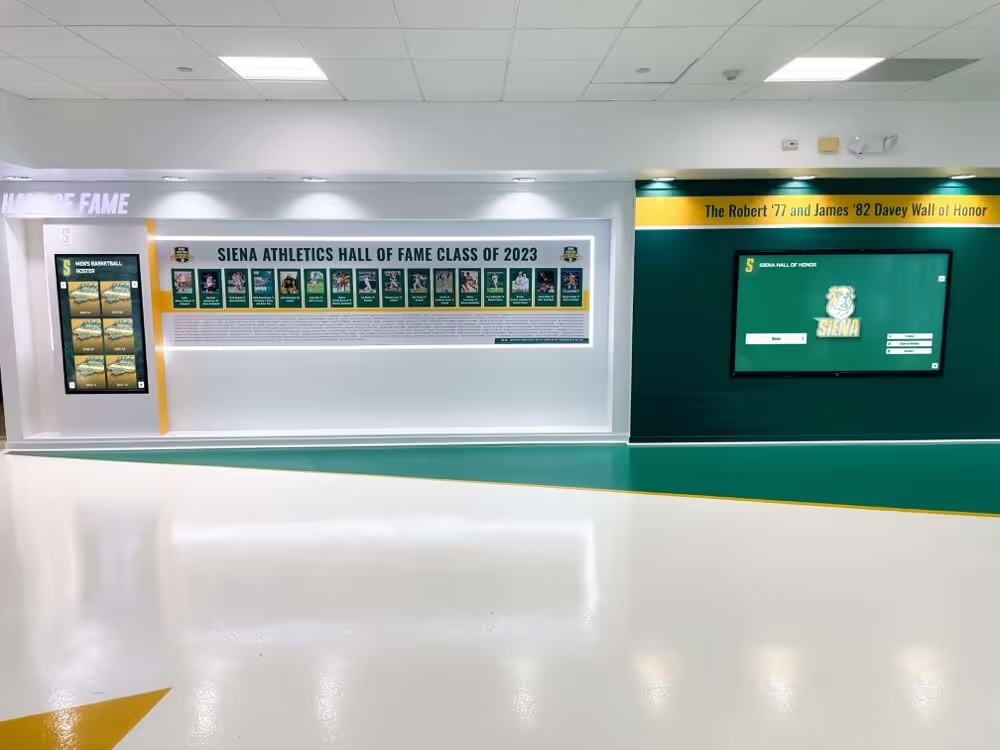
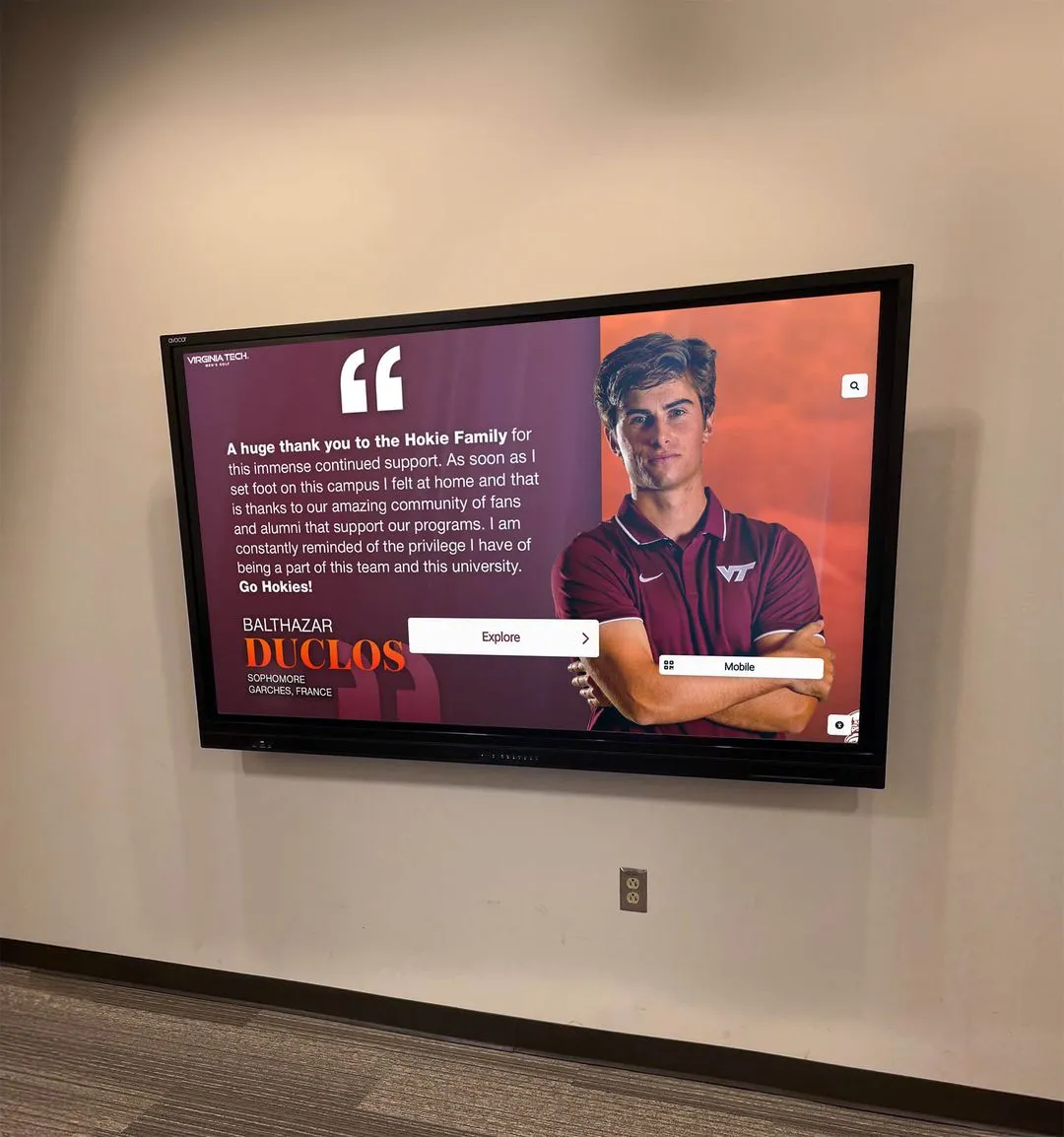
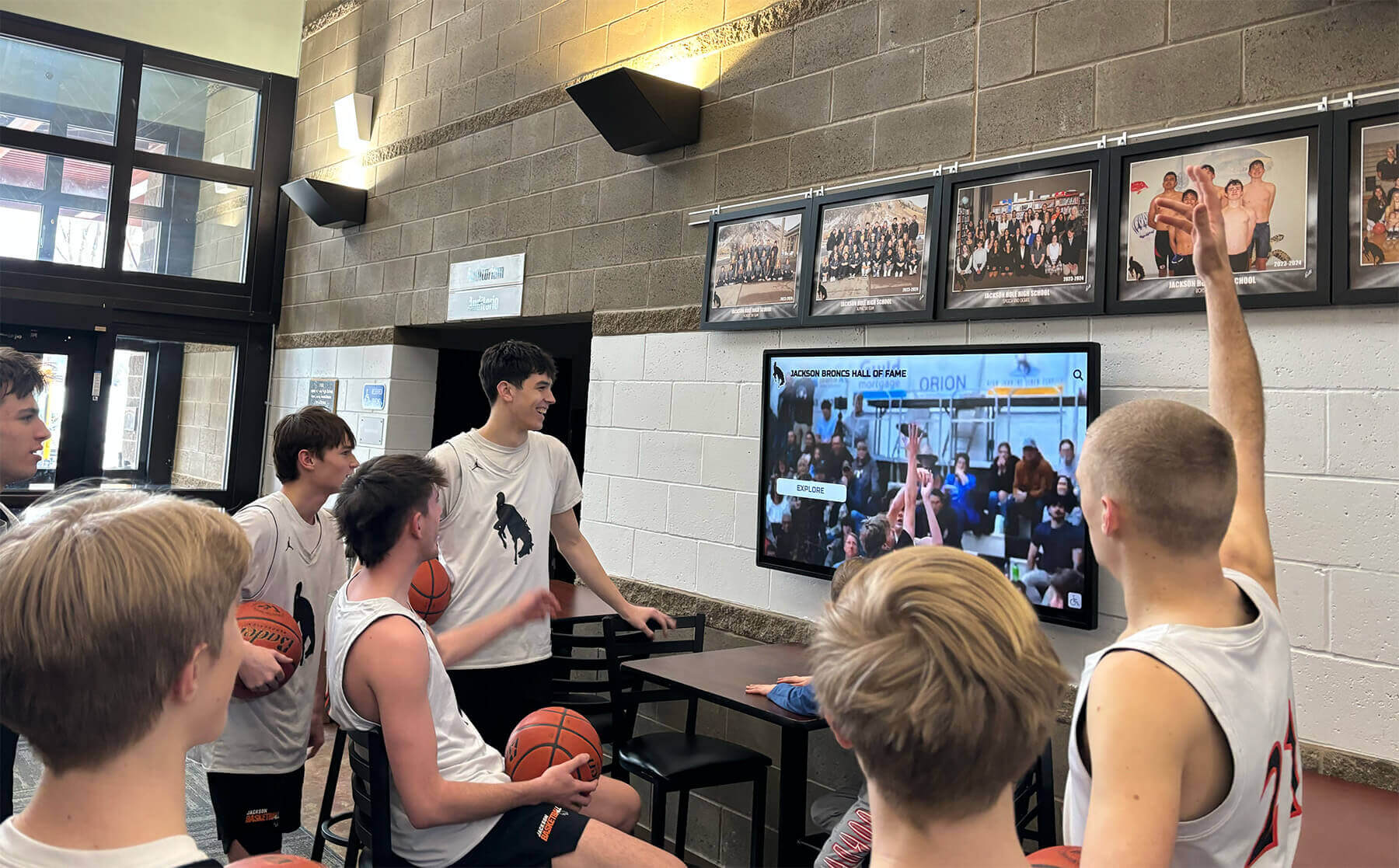
Comprehensive recognition systems integrate character-based awards alongside performance recognition, communicating balanced institutional values
Teaching Lifelong Values Through Athletic Recognition
Athletic experiences provide powerful laboratories for character development when programs intentionally leverage competitive environments for values education:
Pressure Testing Character—competition reveals character through adversity, disappointment, and temptation in ways classroom environments cannot replicate. Sportsmanship awards acknowledge athletes demonstrating integrity when facing bad calls, maintaining composure during heated rivalry games, and showing respect after crushing defeats.
Modeling Positive Behavior—publicly recognizing exemplary sportsmanship establishes visible role models demonstrating that respectful competition garners genuine institutional appreciation. Athletes observing sportsmanship award recipients receive clear behavioral models worth emulating.
Building Transferable Skills—character qualities sportsmanship awards celebrate—grace under pressure, respectful disagreement, integrity when unobserved, perseverance through disappointment—translate directly to professional environments, community leadership, and personal relationships long after athletic careers conclude.
Creating Institutional Memory—permanent sportsmanship recognition alongside performance achievements documents that institutions historically valued character, creating traditions shaping future program culture through visible reminders that excellence encompasses conduct alongside competition.
Programs thoughtfully implementing character recognition through frameworks like building school pride through creative ideas discover that values-based awards significantly impact overall athletic culture beyond individual recipients.
Differentiating Programs Through Values Emphasis
In competitive athletic recruiting environments, character-focused programs create meaningful differentiation:
Attracting Quality Families—parents evaluating athletic programs increasingly prioritize environments teaching values alongside competitive skills. Visible sportsmanship recognition signals that programs take character development seriously rather than treating it as public relations rhetoric.
Building Sustainable Culture—programs built exclusively around winning face constant instability as competitive success fluctuates. Character-centered cultures remain stable through rebuilding seasons because values persist regardless of win-loss records.

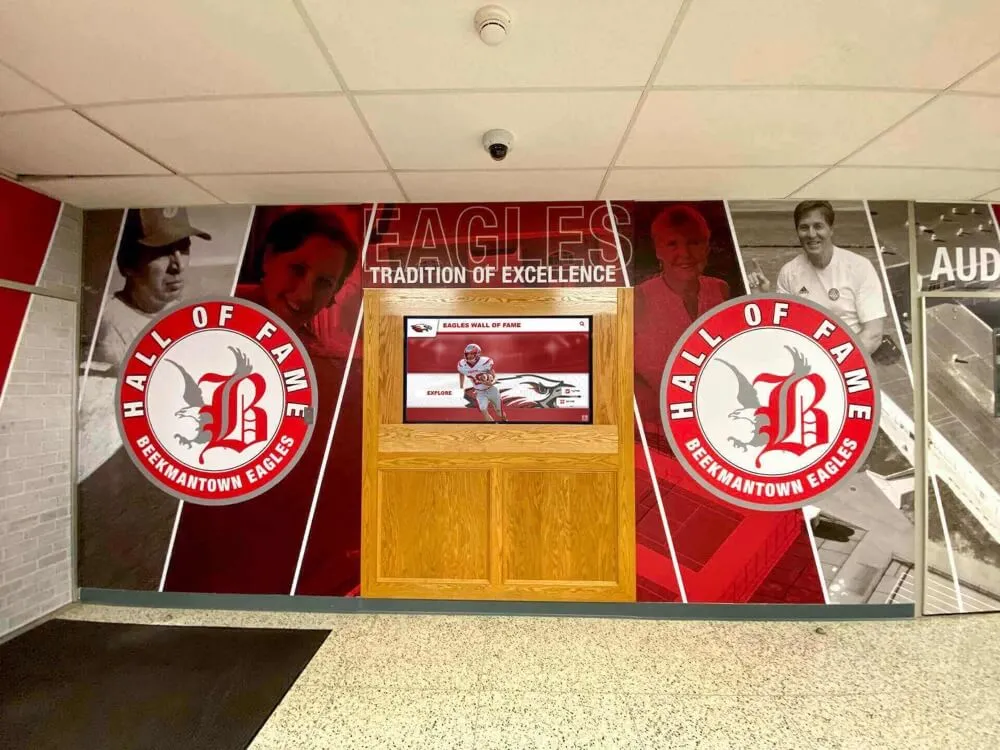
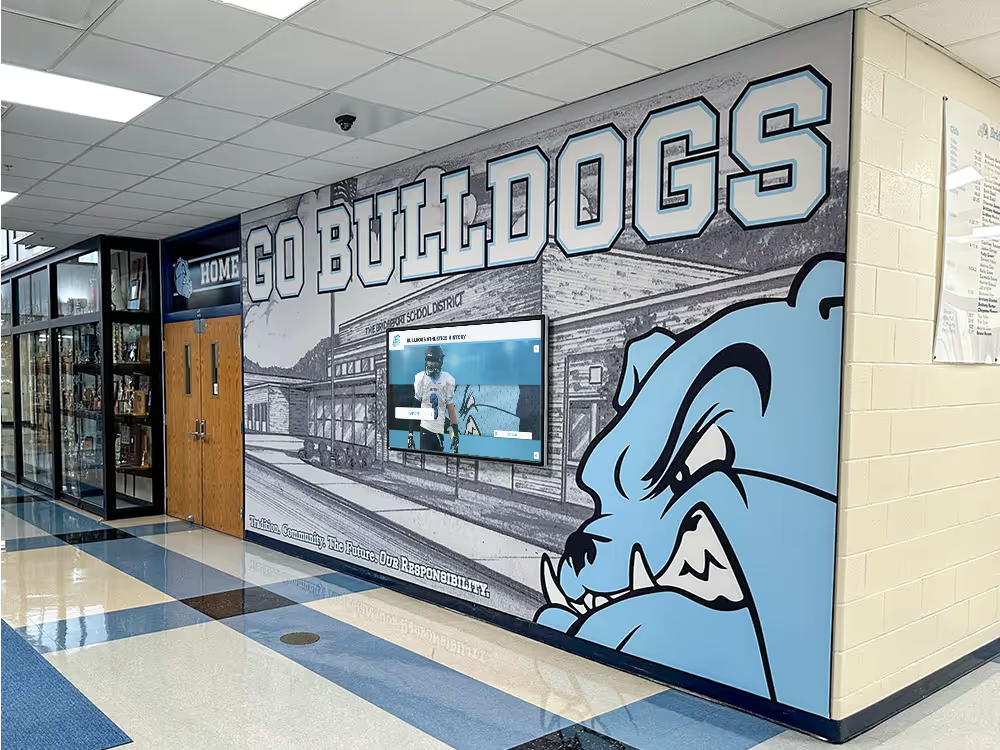
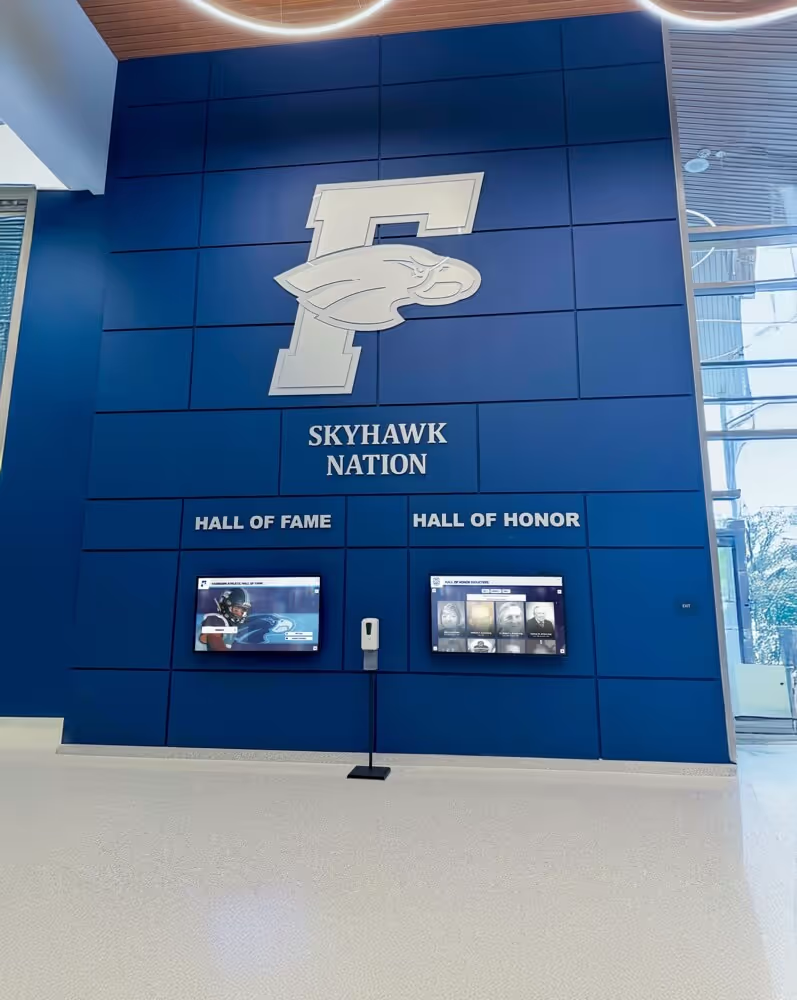
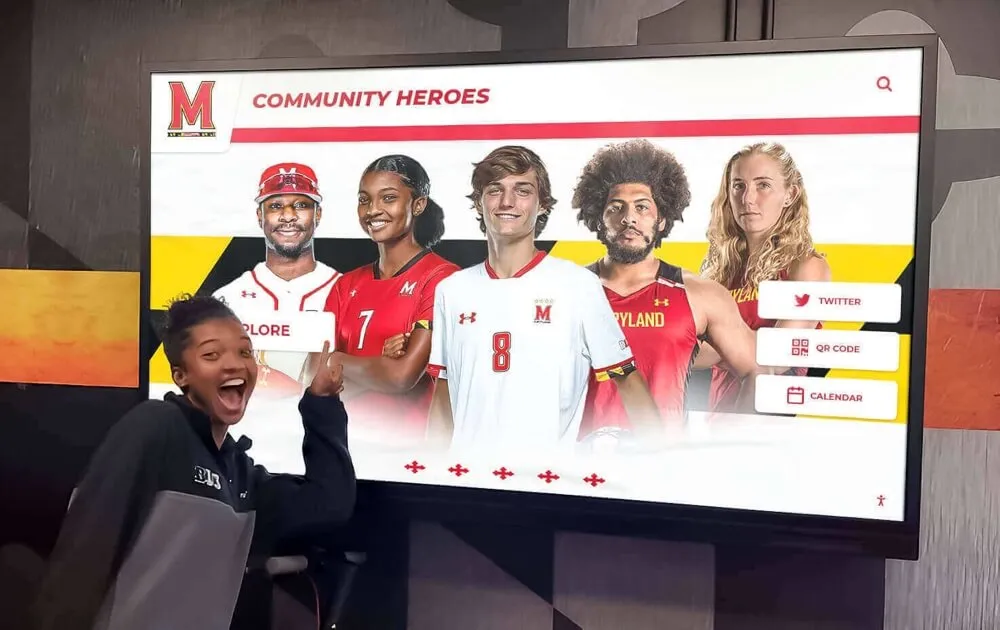
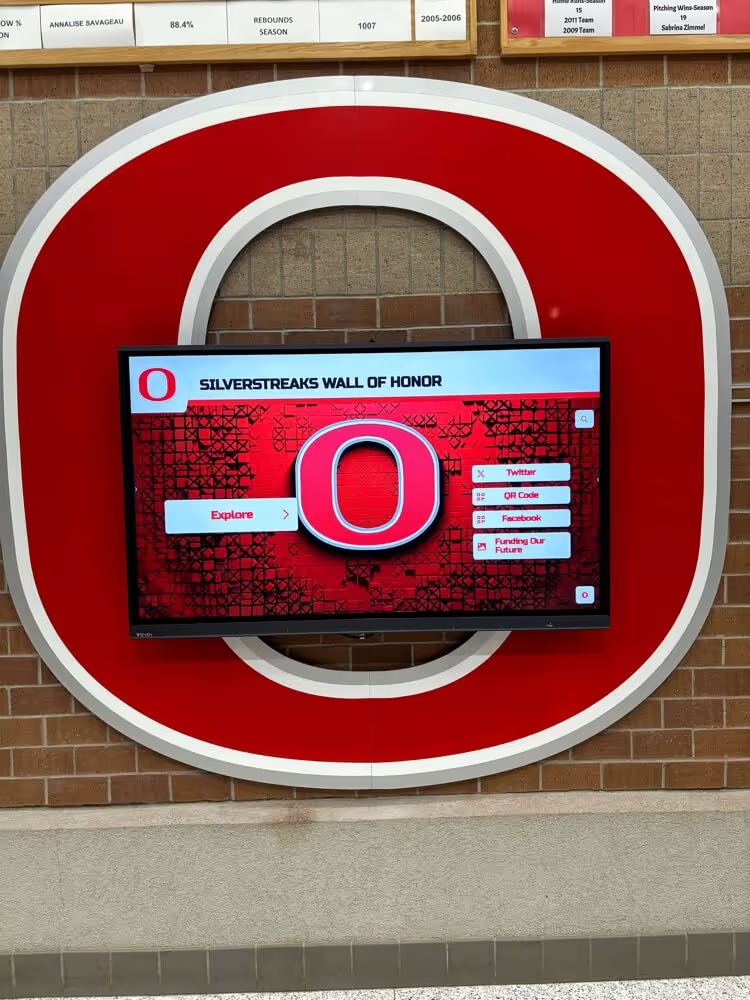
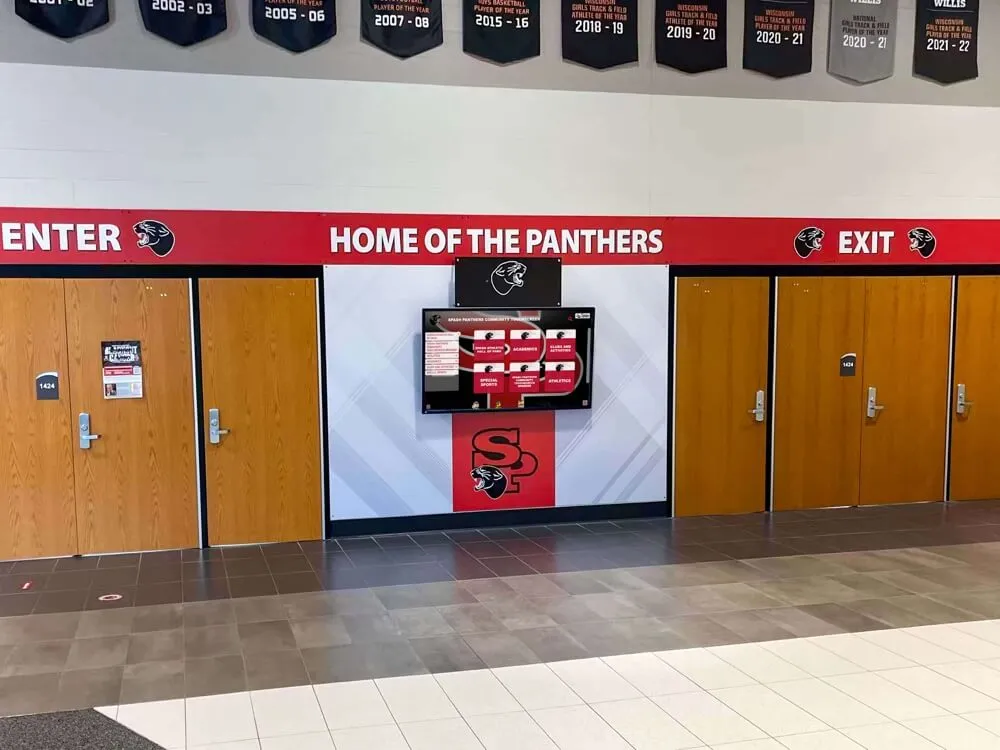
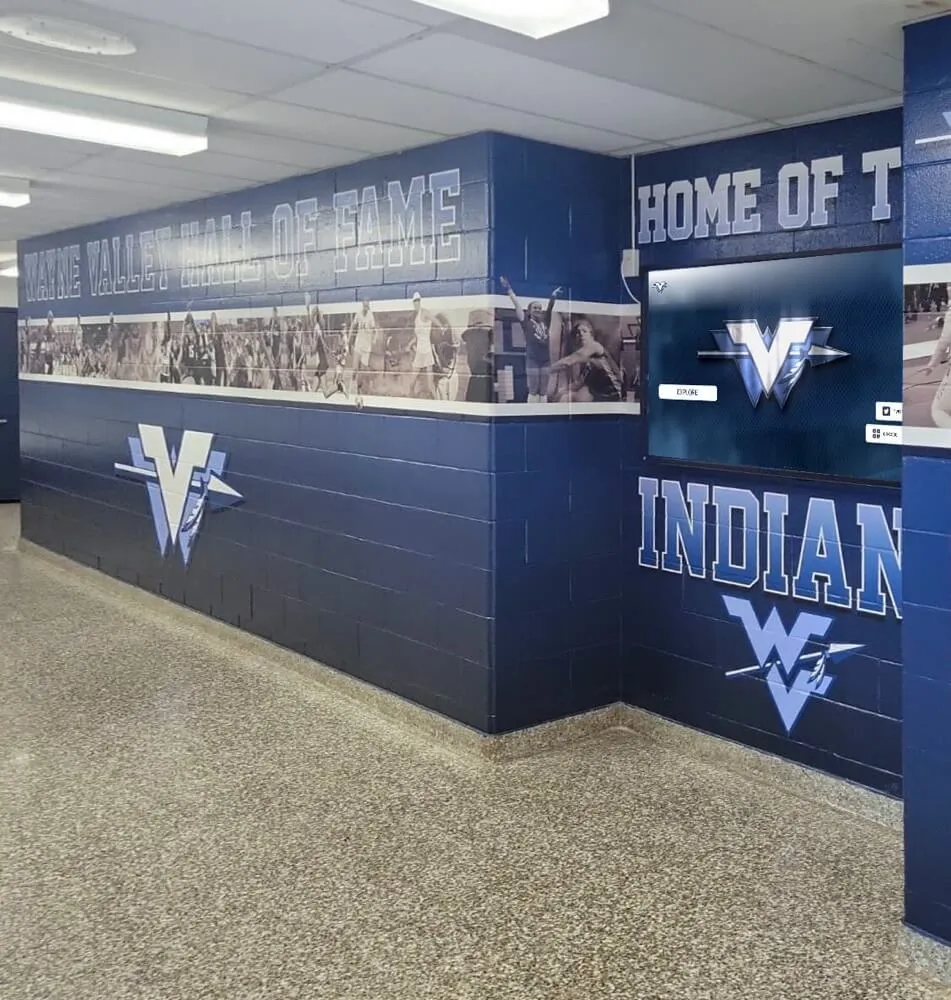
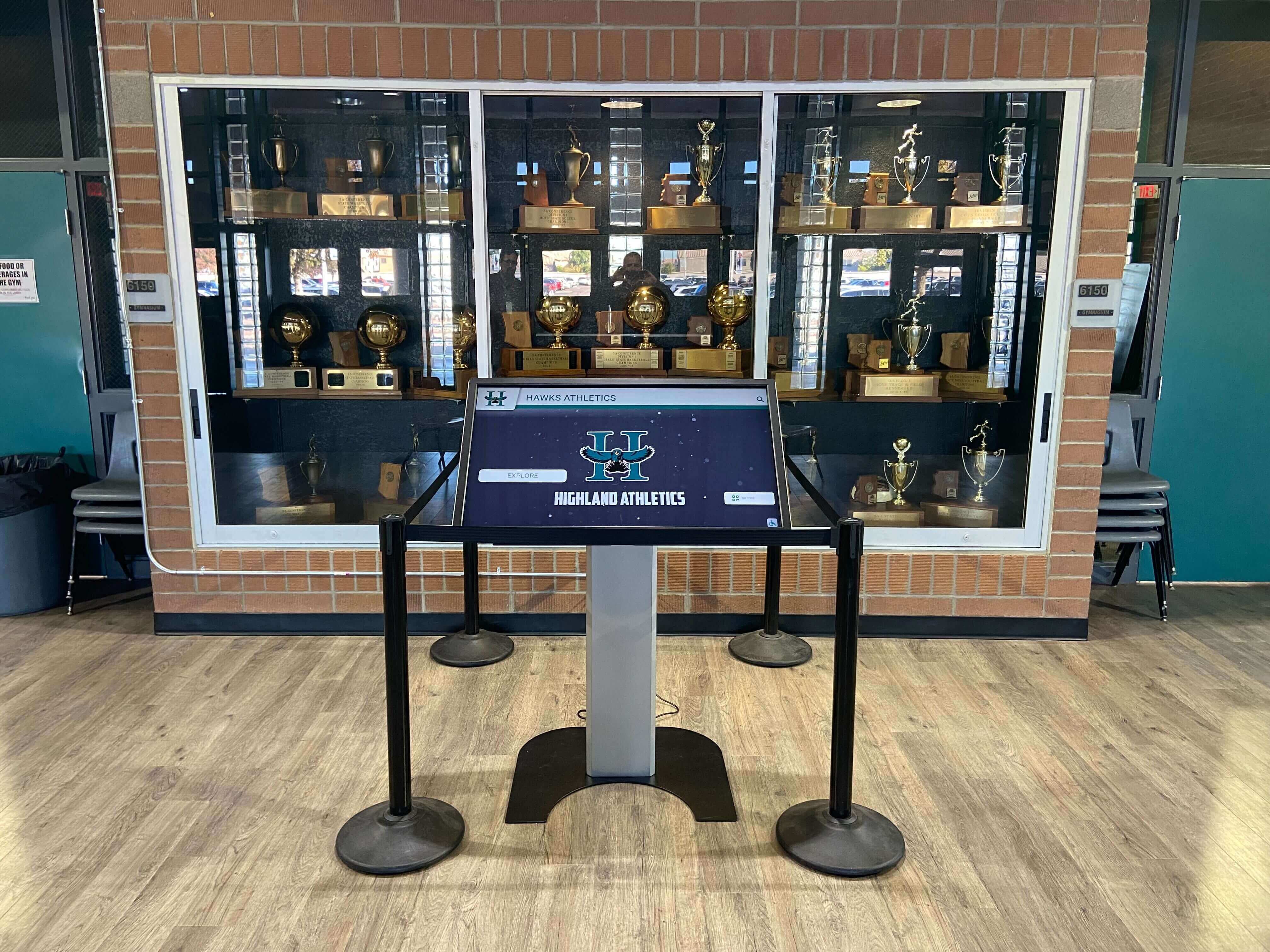
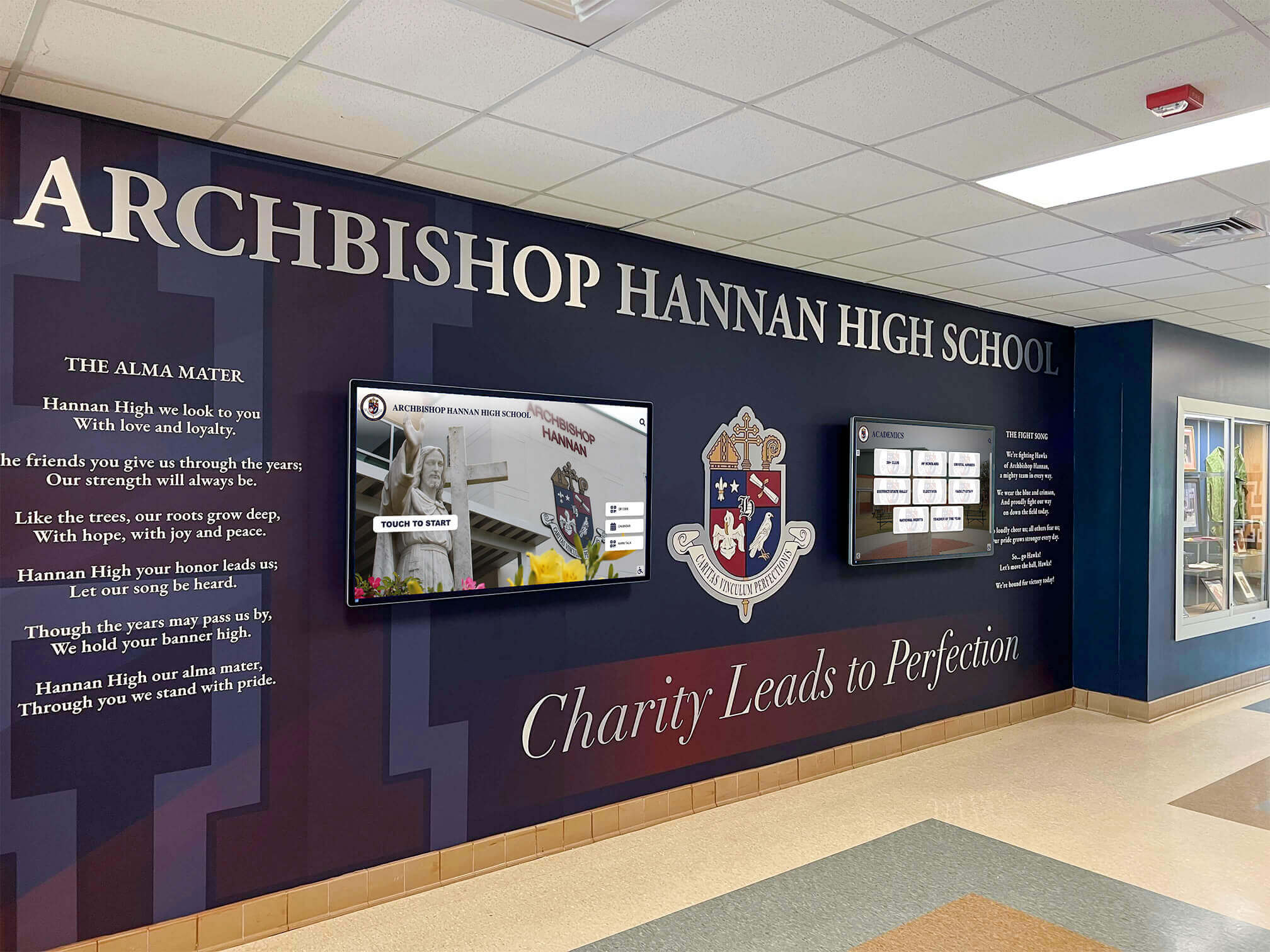
Prominent character recognition displays communicate institutional values while inspiring current athletes toward exemplary conduct
Enhancing Institutional Reputation—schools known for sportsmanship develop reputations as quality institutions extending beyond athletic departments, positively influencing enrollment, donor relationships, and community standing.
Supporting College Placement—college coaches increasingly value character alongside athletic ability. Documented sportsmanship recognition provides meaningful talking points during recruiting conversations and application processes.
Defining Meaningful Sportsmanship Award Criteria
Effective sportsmanship recognition requires clear, specific criteria distinguishing genuine character from superficial compliance while providing concrete standards guiding athlete behavior and informing selection decisions.
Core Character Dimensions Worth Recognizing
Comprehensive sportsmanship frameworks typically encompass multiple character dimensions rather than generic “good sport” concepts:
Respect for Competition and Opponents
This fundamental dimension includes consistently demonstrating respect toward opponents before, during, and after competition, accepting official decisions without excessive argument or theatrical displays, showing genuine graciousness in victory without demeaning celebration, and displaying dignity in defeat without excuse-making or blame-shifting.
Athletes exemplifying competitive respect treat opponents as worthy adversaries deserving honor rather than enemies warranting hostility. They understand that competition quality depends on opponent excellence, making opponents essential to meaningful athletic experiences rather than obstacles to overcome.
Integrity and Ethical Conduct
Beyond basic rule compliance, integrity encompasses competing honestly without attempting to deceive officials or gain unfair advantages through rule manipulation, maintaining ethical standards when unobserved by coaches or officials, accepting responsibility for mistakes and rule violations without excuse-making, and demonstrating consistency between stated values and actual competitive behavior.
Integrity-focused athletes compete within both letter and spirit of rules, recognizing that ethical shortcuts undermine athletic meaning and personal character regardless of competitive advantages gained.
Composure Under Adversity
Character reveals itself most clearly under pressure, making emotional regulation central to sportsmanship assessment:
Athletes worthy of character recognition maintain composure when facing questionable calls or missed opportunities, respond to physical play or verbal antagonism without retaliation, demonstrate resilience after disappointments without blaming teammates or making excuses, and continue giving maximum effort regardless of score or circumstances.
Composure represents emotional maturity enabling athletes to compete excellently without allowing circumstances to dictate behavior—demonstrating self-control that serves them throughout life well beyond athletics.
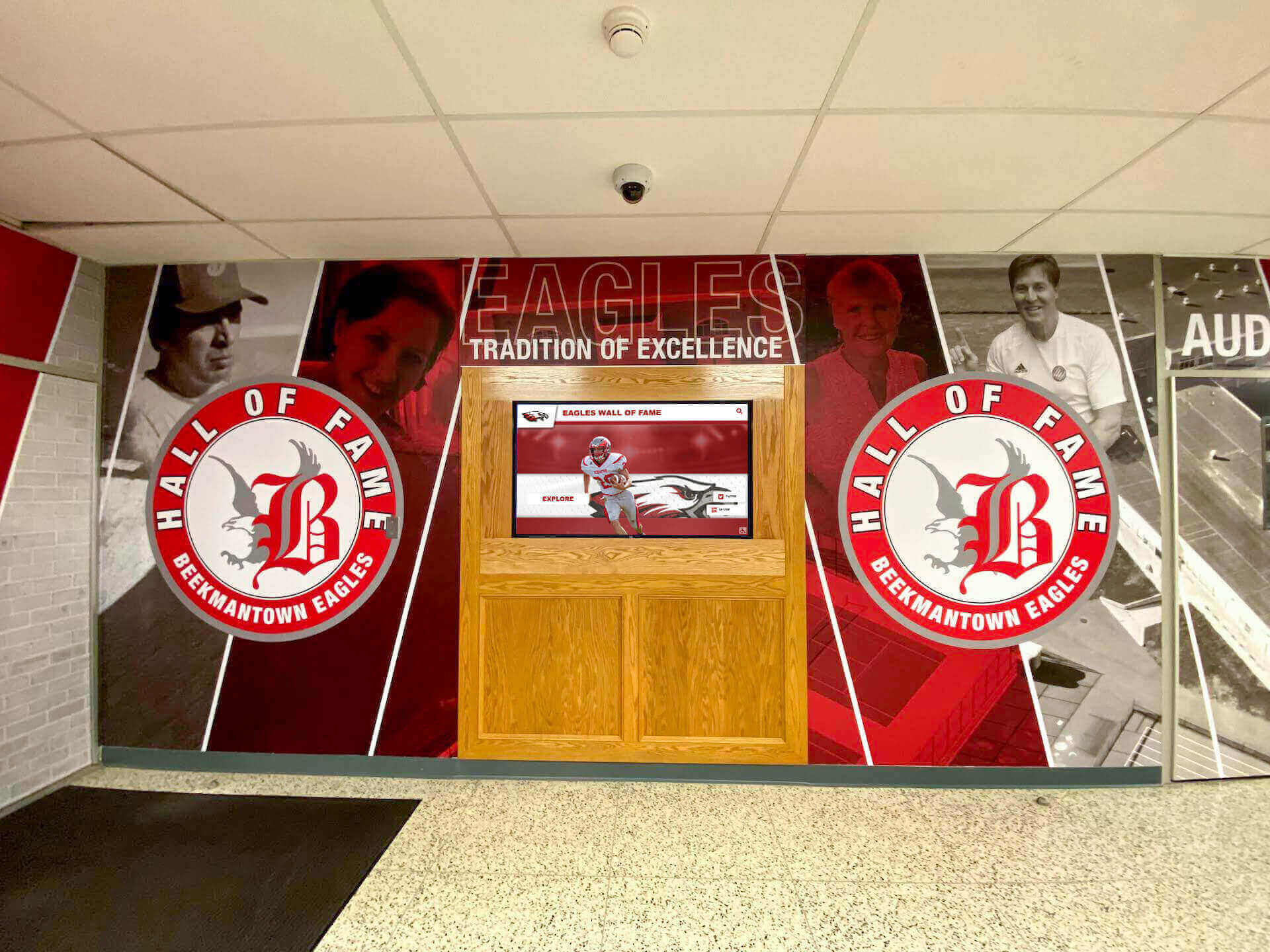
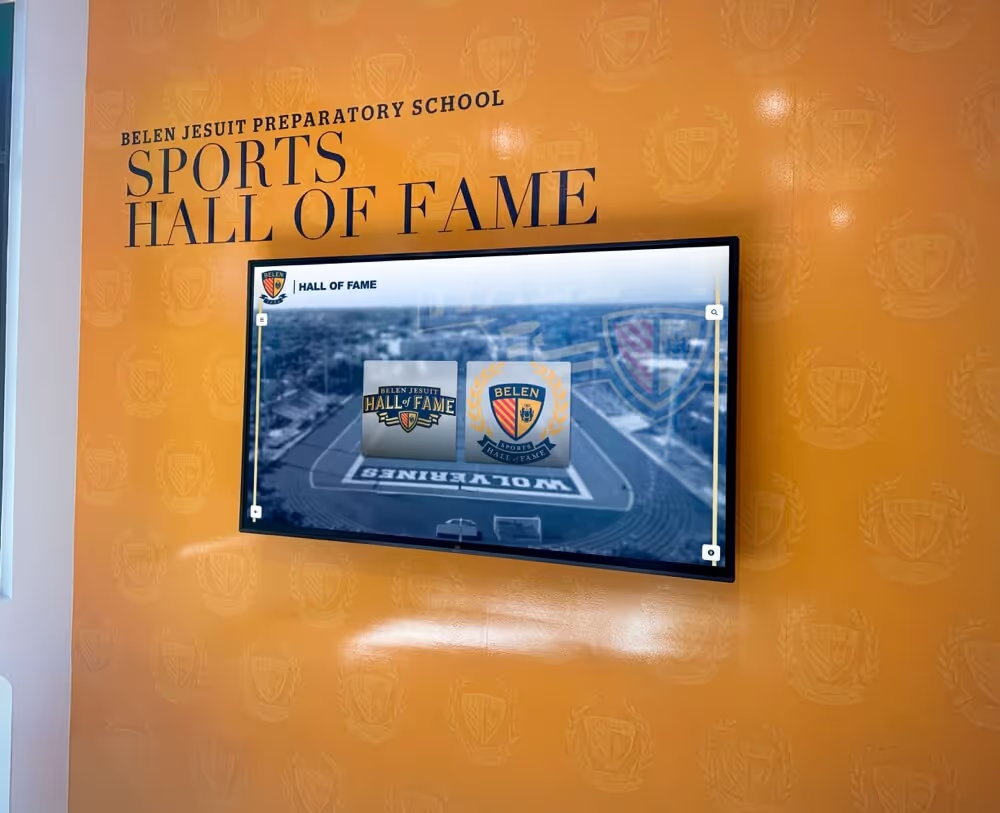
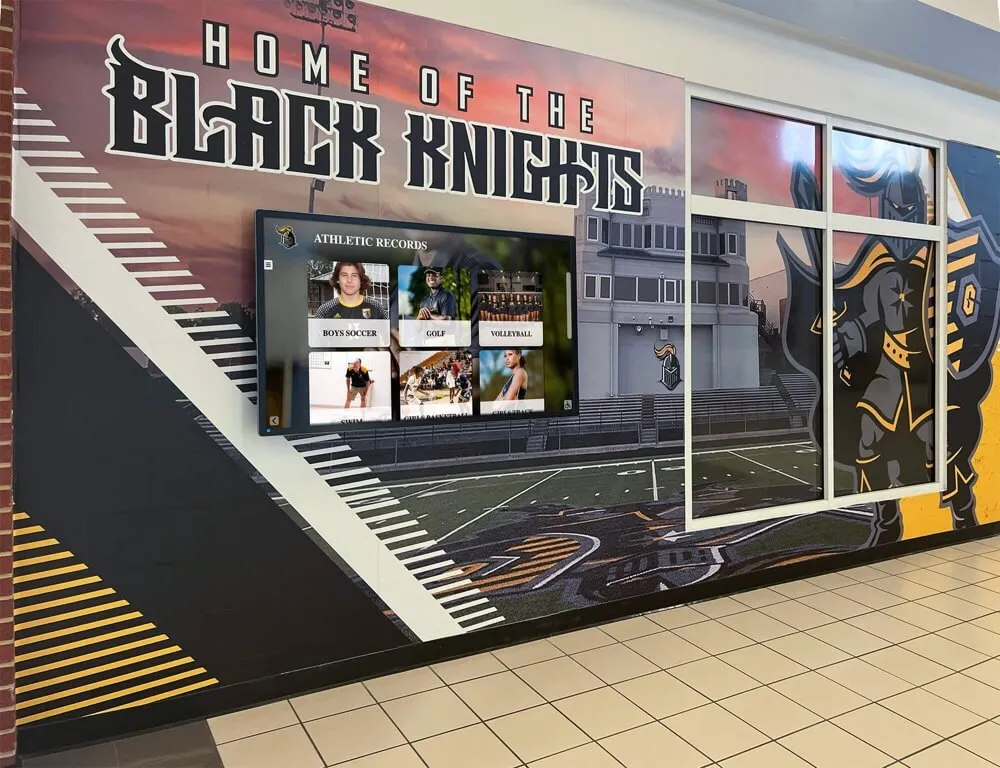
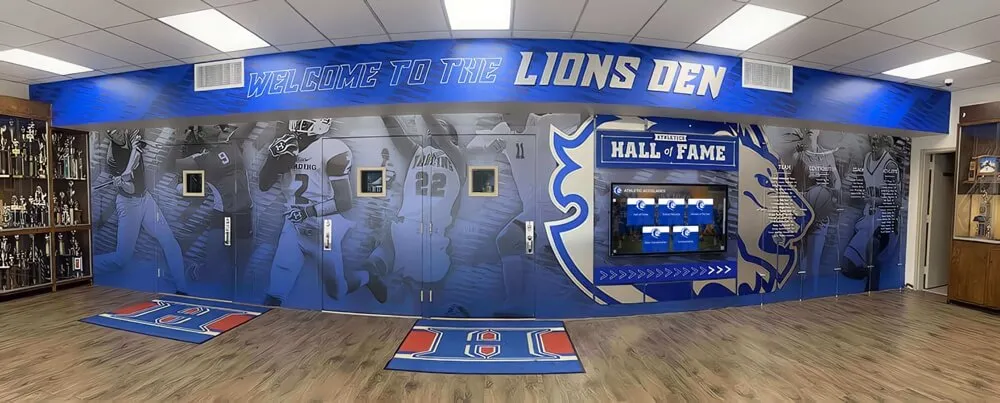
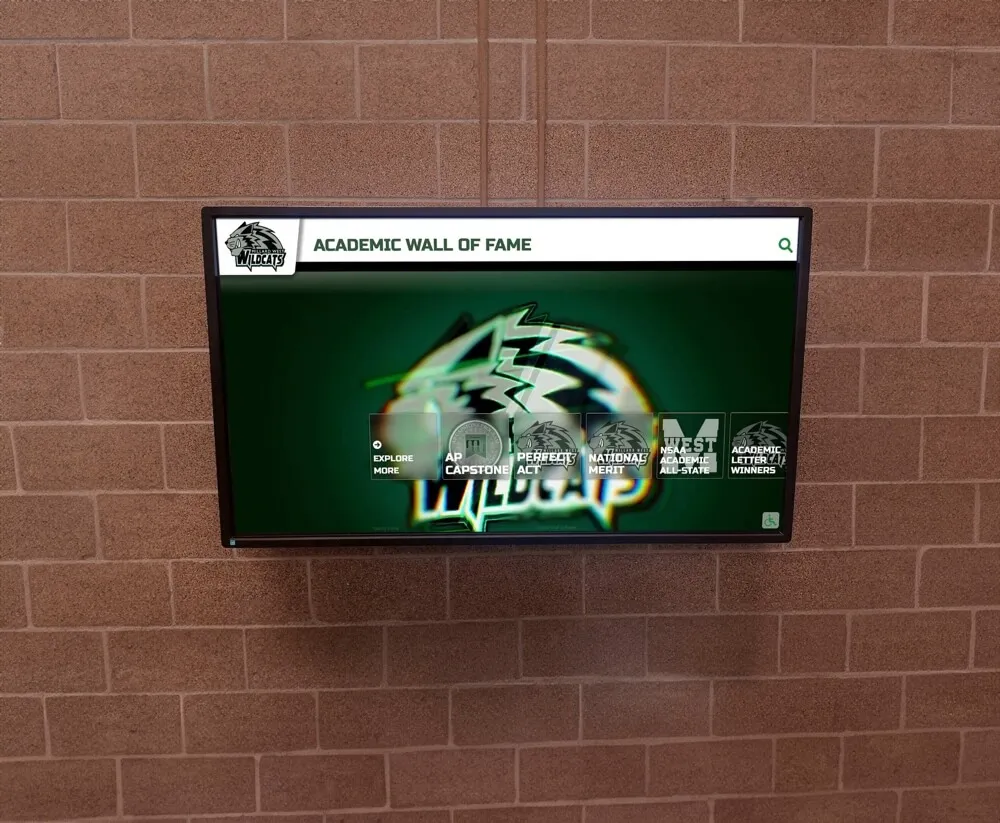
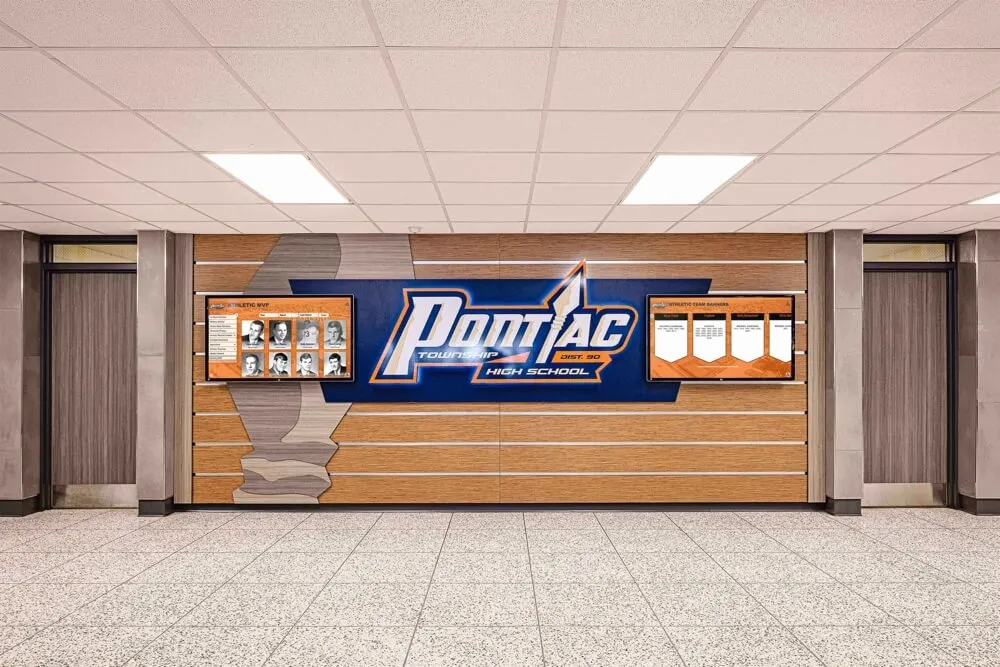
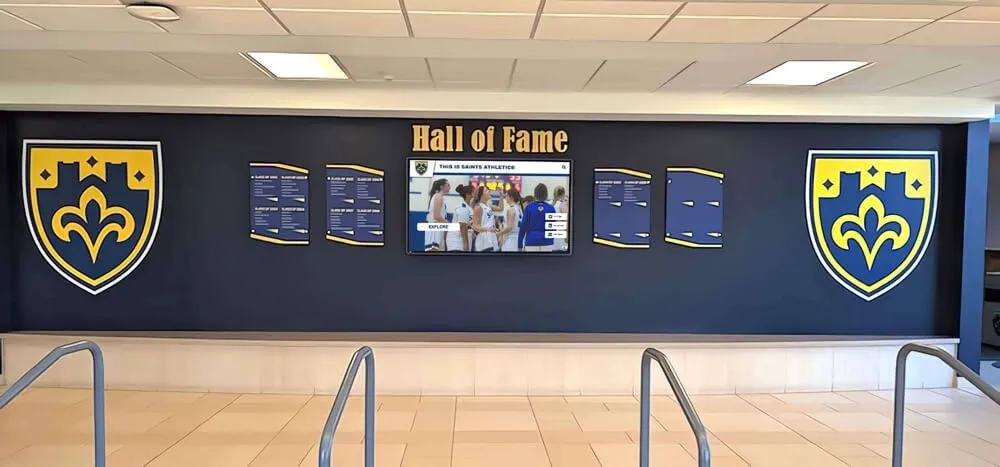
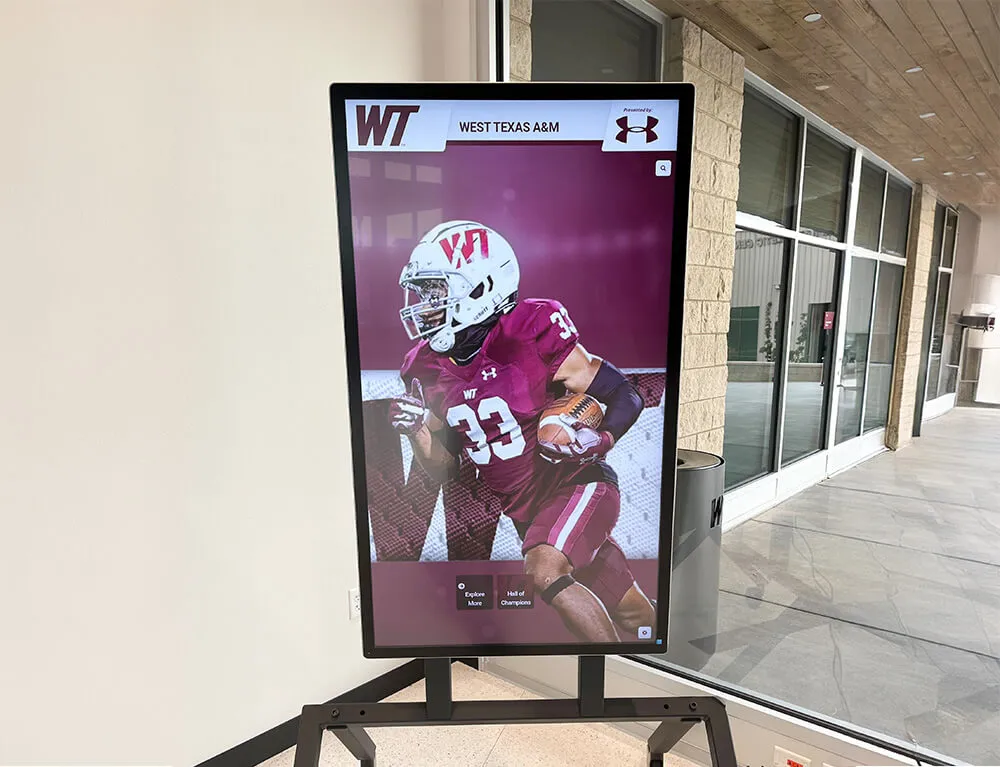
Comprehensive athletic recognition environments celebrate character alongside competitive achievements, creating balanced cultural messaging
Team-First Attitude and Positive Leadership
While individual sportsmanship matters, character award criteria should recognize team-oriented conduct:
Exemplary athletes prioritize team success over individual statistics or recognition, support teammates through encouragement rather than criticism during struggles, demonstrate positive leadership through example rather than empty verbal motivation, and contribute to inclusive, supportive team environments where all members feel valued.
Team-focused character creates sustainable program cultures where collective values outlast individual athlete tenure, establishing traditions shaping future team behavior.
Sportsmanship Toward Officials and Authority
Relationships with officials provide particularly clear character indicators since referee interactions occur under competitive pressure with immediate competitive stakes:
Character-oriented athletes treat officials respectfully regardless of call quality, accept that officiating mistakes represent part of competition rather than conspiracies, demonstrate understanding that officials work to ensure fair competition rather than determine outcomes, and recognize that official respect teaches broader lessons about respectfully disagreeing with authority figures throughout life.
Programs emphasizing official respect typically experience fewer technical fouls, game ejections, and the disciplinary headaches accompanying poor athlete-official relationships.
Observable Behaviors Making Criteria Actionable
Abstract character concepts become meaningful through specific, observable behaviors evaluators can identify and document:
Pre-Competition Behaviors—greeting opponents respectfully before games, participating genuinely in team handshakes or acknowledgment traditions, displaying appropriate focus without disrespectful posturing or intimidation attempts, and supporting teammates through positive preparation rather than negative anxiety.
In-Competition Conduct—helping fallen opponents to their feet regardless of team affiliation, acknowledging good opponent plays through appropriate gestures, maintaining composed body language after setbacks, refraining from excessive celebration or taunting behaviors, and continuing maximum effort regardless of score.
Post-Competition Behaviors—participating genuinely in post-competition handshakes or acknowledgments, congratulating opponents sincerely after losses, celebrating victories respectfully without opponent-directed taunting, and representing programs positively when discussing competition results.
Practice and Off-Field Conduct—demonstrating consistent character during practices when public attention absent, treating junior varsity or reserve players respectfully despite different competitive roles, showing respect toward support staff, officials, and facility workers, and maintaining academic and community conduct standards reflecting positively on programs.
Specific behavioral criteria enable fair evaluation while providing clear guidance helping athletes understand concrete actions demonstrating sportsmanship beyond vague “be nice” instructions. Understanding how these values connect to broader athletic recognition, as discussed in track awards ideas for recognizing achievement, helps create comprehensive recognition programs.
Establishing Fair Sportsmanship Award Selection Processes
Selection methodology significantly impacts award credibility and cultural influence, making systematic selection processes essential for meaningful character recognition.
Multiple Evaluator Perspectives Creating Balanced Assessment
Single-evaluator selection creates perception problems and actual blind spots that undermine award legitimacy:
Coaching Staff Evaluation
Coaches observe athletes across practices, competitions, and team interactions, providing comprehensive perspective on consistent behavior patterns rather than isolated incidents. However, coaches also carry biases toward high-performing athletes and may unconsciously favor players they personally connect with over equally deserving athletes with different personality styles.
Opponent Coach Recognition
Some programs implement opponent coach voting where opposing coaches nominate athletes demonstrating exceptional sportsmanship during competition. This external perspective carries particular credibility since opponents lack incentive to recognize athletes beyond genuine merit—making their nominations especially meaningful.
Official and Game Staff Input
Game officials interact with athletes under maximum competitive pressure when character reveals itself most clearly. Systematic official feedback about respectful athletes provides valuable perspective otherwise unavailable to selection committees.
Peer Nomination and Voting
Teammate perspective offers unique insight into practice behavior, locker room conduct, and consistency between public and private character. Peer voting communicates that sportsmanship recognition reflects authentic character rather than simply performance around authority figures.
However, popularity contests represent real risks requiring careful process design—perhaps limiting peer input to nomination rounds with coaching staff making final selections from peer-nominated candidates, ensuring both peer credibility and adult judgment.
Multi-dimensional recognition environments celebrate diverse athletic values including competitive excellence and exemplary character
Structured Evaluation Rubrics Ensuring Consistency
Subjective character assessment benefits from structured frameworks providing evaluation consistency across evaluators and time periods:
Scoring Dimension Development
Effective rubrics break sportsmanship into specific scoring dimensions—perhaps rating athletes separately on opponent respect (1-5 scale), official respect (1-5), composure under adversity (1-5), team-first attitude (1-5), and consistent character (1-5). Dimensional scoring forces evaluators to consider multiple character aspects rather than relying on overall impressions subject to recency bias or personality preferences.
Behavioral Evidence Requirements
Quality rubrics require evaluators to cite specific behavioral evidence supporting ratings rather than accepting unsupported opinions. Requiring concrete examples forces evaluators to distinguish observed behavior from general impressions while creating documentation explaining selection reasoning to athletes and families.
Comparative Evaluation Approaches
Rather than rating athletes against abstract perfection standards, comparative frameworks ask evaluators to rank athletes relative to peers—identifying top 10-20% demonstrating exemplary sportsmanship. Comparative approaches account for normal human behavioral variation while identifying genuinely exceptional athletes deserving recognition.
Documentation Systems Supporting Ongoing Evaluation
Season-long evaluation beats end-of-season selection because character assessment based on recent memory suffers from recency bias where late-season incidents disproportionately influence evaluation regardless of season-long patterns.
Systems enabling coaches, officials, and staff to document character incidents—both positive and negative—throughout seasons provide evidence-based selection foundations superior to memory-based season-end voting. Simple documentation forms noting dates, behaviors, and contexts create selection records supporting decisions while modeling systematic evaluation approaches athletes can learn from.
Multiple Award Levels Recognizing Broad Character Excellence
Single recipient awards create winner-take-all dynamics where one athlete receives recognition while equally deserving athletes receive nothing:
Team-Level Recognition
Many programs designate one team sportsmanship award recipient per team per season, ensuring character recognition spans all sports and competition levels rather than concentrating on high-profile varsity programs. Team-level awards also enable recognition calibrated to team-specific contexts rather than forcing cross-sport comparisons between athletes operating in different competitive environments.
School or Program-Wide Character Awards
Premier character awards recognizing exemplary athletes across entire athletic programs create highest-prestige recognition signaling extraordinary character worthy of institution-wide celebration. These selective awards carry particular weight because scarcity communicates genuine distinction rather than participation recognition.
Conference or League Sportsmanship Recognition
League-level character awards provide external validation carrying credibility beyond internal institutional recognition. Many athletic conferences implement all-conference sportsmanship teams parallel to all-conference athletic performance teams, enabling character recognition alongside performance honors.
Special Recognition Categories
Some programs create specialized character awards recognizing specific dimensions—perhaps separate awards for athletes demonstrating greatest opponent respect, most improved sportsmanship, or most positive team leadership. Category diversity enables recognition addressing different character strengths while communicating that sportsmanship encompasses multiple dimensions beyond single unified concept.
Understanding how character recognition fits within comprehensive systems, as explored through senior night ideas for athlete celebration, ensures balanced recognition programs celebrating diverse athletic values.
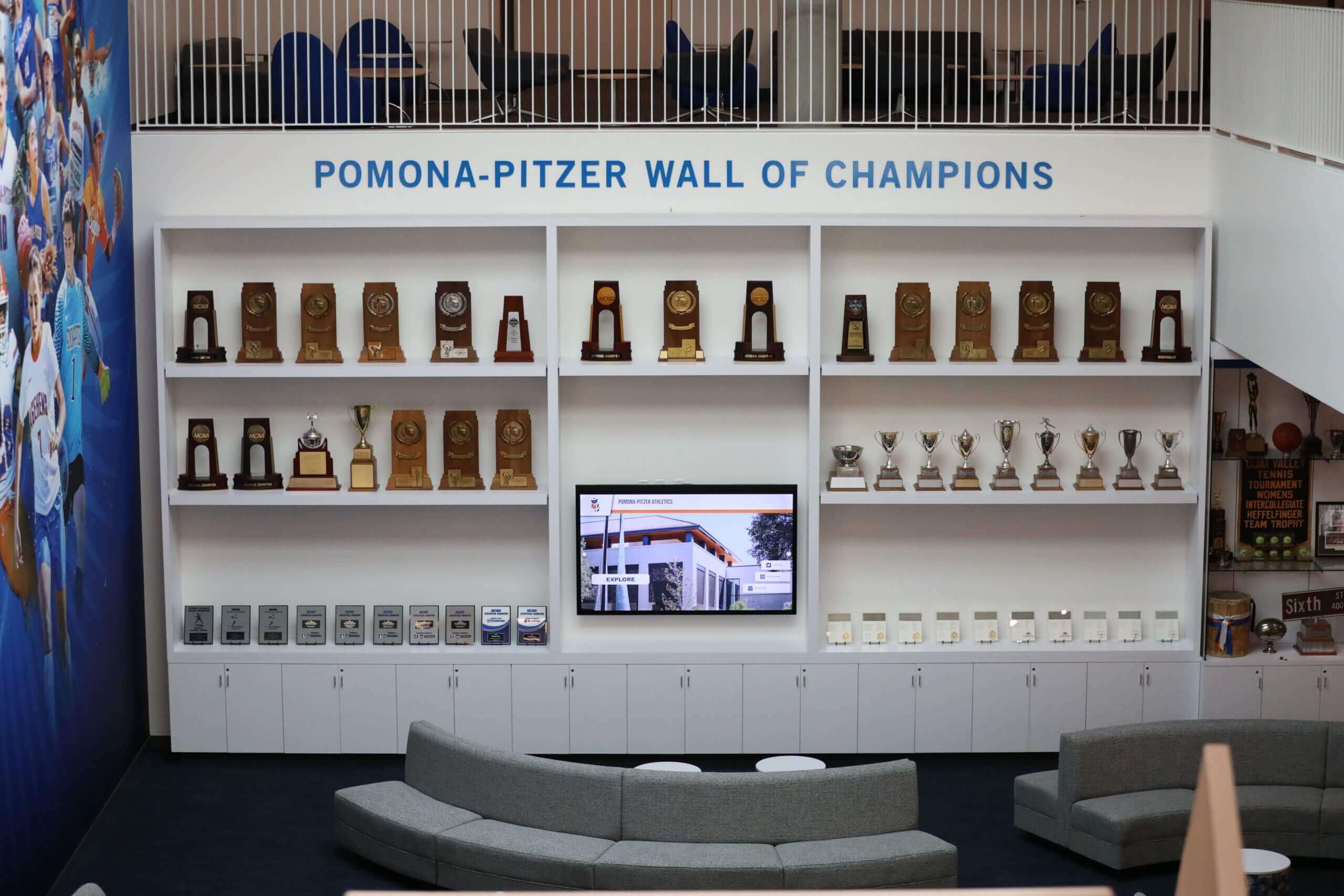
Comprehensive recognition spaces integrate character awards alongside performance trophies, reinforcing that institutions value balanced athletic excellence
Designing Meaningful Sportsmanship Award Presentations
Presentation context significantly influences award impact—making thoughtful ceremony design essential for sportsmanship recognition that genuinely honors recipients while inspiring observers.
Strategic Timing Creating Appropriate Recognition Context
When and where sportsmanship awards present affects their perceived importance:
Awards Banquet Integration
Traditional end-of-season awards banquets provide natural sportsmanship award venues enabling comprehensive recognition alongside performance awards. Thoughtful programs present character awards before performance awards, communicating that character provides foundation making athletic achievement meaningful rather than treating sportsmanship as consolation prize for athletes who didn’t win performance recognition.
Alternatively, concluding ceremonies with premier character awards positions sportsmanship as ultimate recognition crowning complete athletes exemplifying both skill and character—the model reinforcing character as apex achievement rather than secondary consideration.
School Assembly Recognition
School-wide assemblies celebrating athletic achievement provide opportunities for broader sportsmanship recognition visibility beyond athlete and parent audiences attending team-specific banquets. Assembly recognition communicates that character excellence warrants whole-school celebration, exposing all students to positive role models demonstrating that respectful conduct garners genuine institutional appreciation.
Senior Night and Special Event Recognition
Senior night celebrations often include special awards presented before home-crowd audiences during emotionally meaningful concluding home competitions. These high-visibility presentations leverage family presence and community attention while creating memorable experiences recipients and families cherish long after athletic careers conclude.
Conference Award Ceremonies
League-level character recognition during conference championship events or all-conference celebrations provides external validation from neutral parties—carrying particular credibility because conference administrators and opponent coaches have no institutional incentive to recognize athletes beyond genuine merit.
Presentation Elements Communicating Genuine Appreciation
How awards present affects recipient experience and observer perception:
Personalized Citation Language
Generic “good sportsmanship” certificates feel perfunctory rather than meaningful. Personalized citations citing specific behavioral examples—“demonstrated exceptional composure when facing adversity during the district semifinal,” “consistently treated opponents and officials with respect throughout a challenging season,” “exemplified positive leadership that elevated entire team culture”—communicate genuine attention rather than formulaic recognition.
Specific language also provides documentation helping families and recipients understand exactly what behaviors earned recognition, reinforcing positive patterns while creating meaningful memories.
Presenter Selection and Commentary
Who presents awards signals importance—having athletic directors, principals, or guest speakers present premier character awards communicates institutional significance beyond team-level recognition. Presenter commentary should explain award criteria, describe recipient’s exemplary conduct through specific examples, and articulate why character matters within competitive athletics.
Educational commentary transforms presentations from simple award handoffs into teaching moments helping all athletes understand character expectations while honoring specific recipients.
Physical Award Quality and Design
Award physical quality communicates value—cheap participation ribbons suggest perfunctory recognition while quality plaques, trophies, or medals signal genuine institutional appreciation. Awards should match or exceed performance award quality, ensuring character recognition doesn’t visually communicate secondary status through inferior physical presentation.
Some programs create distinctive sportsmanship award designs differentiating character recognition while maintaining quality equivalent to performance awards. Unique design makes sportsmanship awards instantly recognizable while avoiding generic quality that dilutes recognition meaning.
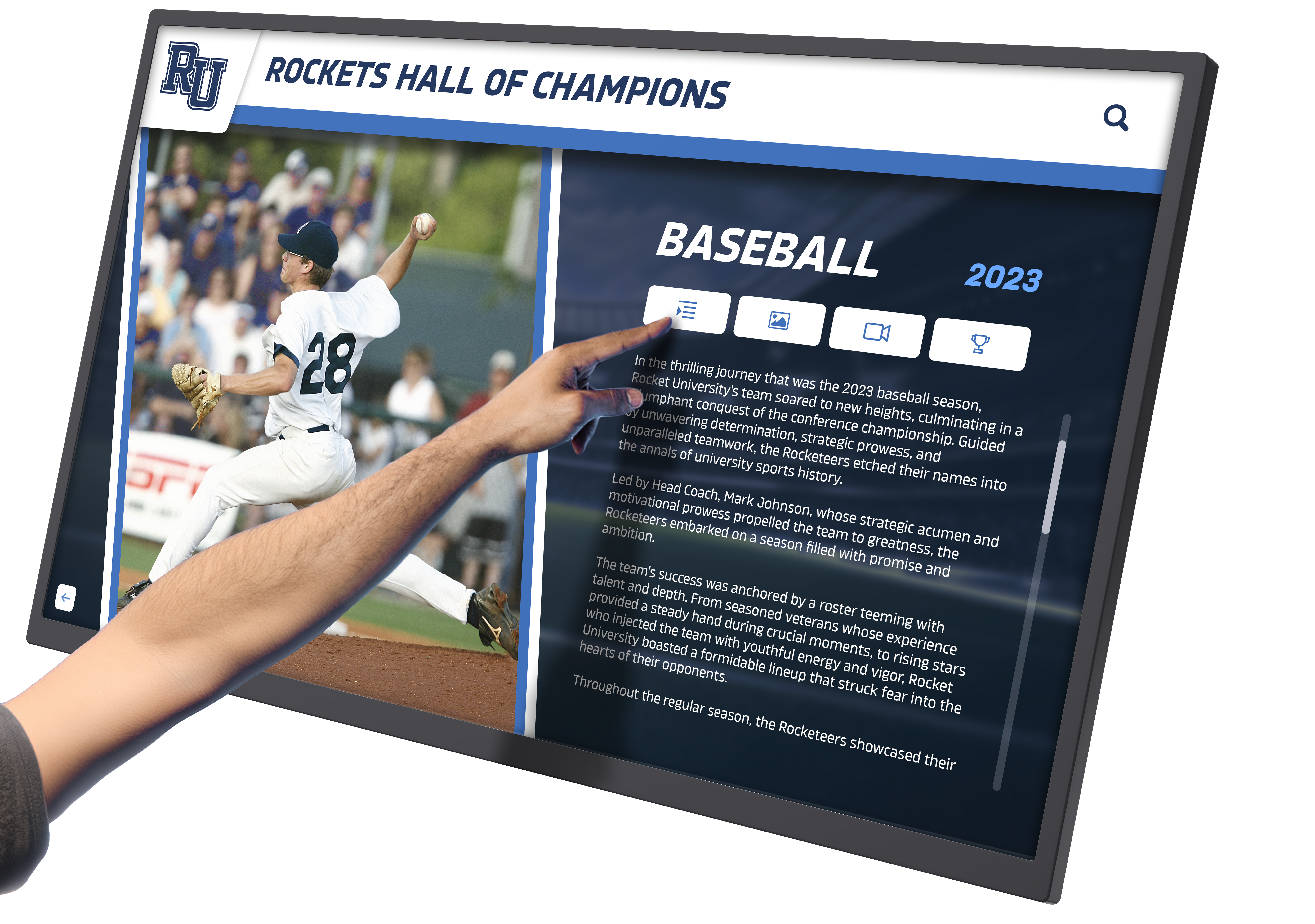
Digital recognition platforms enable rich storytelling celebrating both athletic performance and character excellence through engaging multimedia content
Family and Peer Involvement Amplifying Recognition Impact
Strategic involvement of meaningful relationships enhances award emotional resonance:
Family Presentation or Attendance
Enabling family members to attend presentations or even participate in award handoff creates emotionally powerful moments connecting athletic recognition to broader family relationships. Public family presence also honors parents who supported character development throughout athletic journeys—acknowledging that strong character typically reflects positive family influence.
Teammate and Coach Testimonials
Brief testimonials from teammates or coaches describing specific character examples provide authentic peer and mentor validation more meaningful than administrator pronouncements. Testimonials also create documentation helping recipients remember specific behaviors that earned recognition while providing behavioral models for younger athletes observing ceremonies.
Recipient Reflection Opportunities
Enabling recipients to share brief reflections about what sportsmanship means to them, who influenced their character development, or what values guide their competitive approach creates reciprocal teaching moments. Athlete voice amplifies recognition impact while positioning recipients as character educators for younger athletes seeking behavioral guidance.
Creating Permanent Sportsmanship Recognition Systems
Lasting recognition visibility ensures character awards influence ongoing athletic culture rather than creating brief ceremony moments forgotten once athletes graduate.
Traditional Physical Recognition Approaches
Historical recognition methods provide tangible commemoration with inherent limitations:
Dedicated Display Spaces
Some schools create dedicated character recognition displays separate from performance-focused trophy cases—perhaps “Sportsmanship Wall of Honor” or “Character Hall of Fame” installations documenting historical recipients. Separated display communicates that character warrants recognition equivalent to performance rather than sharing space suggesting secondary status.
However, integrated approaches combining performance and character recognition in unified displays can effectively communicate that complete athletic excellence encompasses both dimensions. Display design philosophy should reflect institutional values about character-performance relationship.
Recognition Plaques and Nameplates
Traditional engraved plaques provide permanent documentation enabling future students to discover historical character award recipients, creating institutional memory connecting current athletes to program traditions. Plaques also enable family members to visit schools years later to show children and grandchildren permanent recognition documenting their athletic character.
Physical limitations represent primary disadvantage—display space capacity creates difficult selection choices about which awards receive permanent recognition versus storage, while updating and maintenance create ongoing work as recognition accumulates across decades.
Championship Banner Integration
Some programs integrate sportsmanship recognition into gym or facility banner displays alongside championship documentation—perhaps dedicated character banners parallel to championship banners, or integrated designs listing both championship years and character award recipients. Banner integration communicates equivalent status while maximizing visibility in high-traffic athletic facilities.
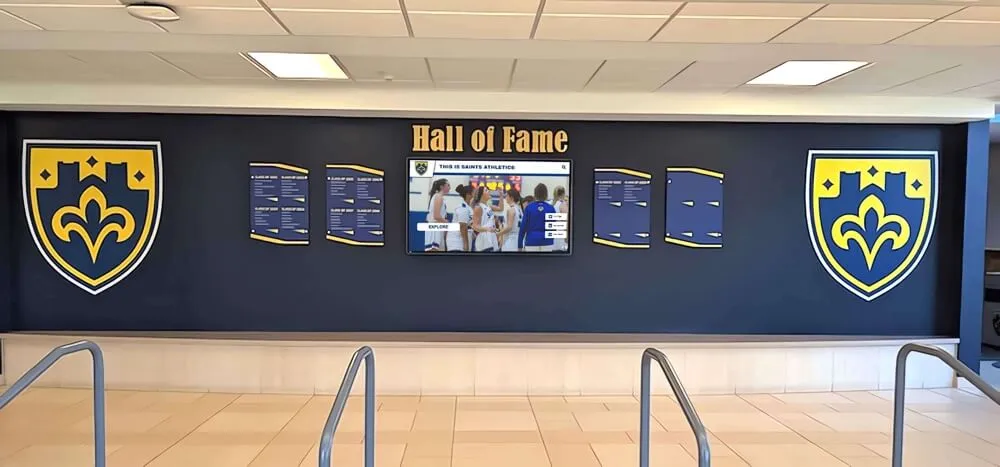
Hybrid recognition systems combine traditional physical elements with digital capabilities, balancing heritage aesthetic with modern functionality
Digital Recognition Platforms Solving Traditional Limitations
Modern recognition technology addresses physical display constraints while enabling richer character celebration:
Unlimited Recognition Capacity
Digital platforms eliminate space scarcity that forced administrators to choose which achievements deserve permanent recognition. Systems can comprehensively document all character award recipients across all sports, competition levels, and years—ensuring equitable recognition regardless of sport prominence or display space politics.
Comprehensive documentation also enables searchable databases where students, families, and alumni can discover character award history spanning entire institutional history rather than just recent years fitting limited physical displays.
Rich Multimedia Storytelling
While plaques limit recognition to engraved names and dates, digital systems enable comprehensive profiles including recipient photographs, detailed award citations explaining specific character examples, coach or peer testimonials describing exemplary conduct, video highlights showing actual sportsmanship moments, and biographical information providing context about recipients’ broader athletic careers.
Rich storytelling transforms recognition from basic documentation into inspiring narratives helping current athletes understand what exceptional character looks like through concrete examples rather than abstract concepts.
Dynamic Content Updates and Accessibility
Digital systems enable immediate recognition updates following awards ceremonies—ensuring current recipients receive timely celebration rather than waiting months or years for physical display production and installation. Remote accessibility through web-based platforms also extends recognition visibility beyond physical campus locations, enabling families to share recognition with extended networks while supporting alumni engagement long after graduation.
Analytics Revealing Engagement Patterns
Quality digital platforms track visitor interaction—revealing which athletes generate most profile views, what content types drive deepest engagement, and how recognition programs perform relative to benchmarks. Usage analytics enable evidence-based recognition program optimization based on actual behavior rather than assumptions, while engagement metrics demonstrate recognition return on investment to administrators evaluating program value.
Integration with Comprehensive Recognition Ecosystems
The most effective implementations integrate character recognition into comprehensive digital systems celebrating all institutional achievements—athletics, academics, arts, community service, leadership. Unified platforms communicating institutional values across all recognition domains rather than fragmenting into disconnected systems for different achievement types.
Solutions like Rocket Alumni Solutions provide purpose-built platforms specifically designed for educational and athletic character recognition, offering intuitive content management enabling staff to easily maintain recognition programs, unlimited capacity accommodating growth across decades without space constraints, and engaging touchscreen interfaces students actually enjoy exploring rather than ignoring like typical digital signage.
Programs implementing digital recognition displays discover significantly higher community engagement compared to traditional static displays, with interactive systems generating measurably more interaction while requiring less maintenance effort than physical trophy cases demanding ongoing cleaning, repair, and reorganization.
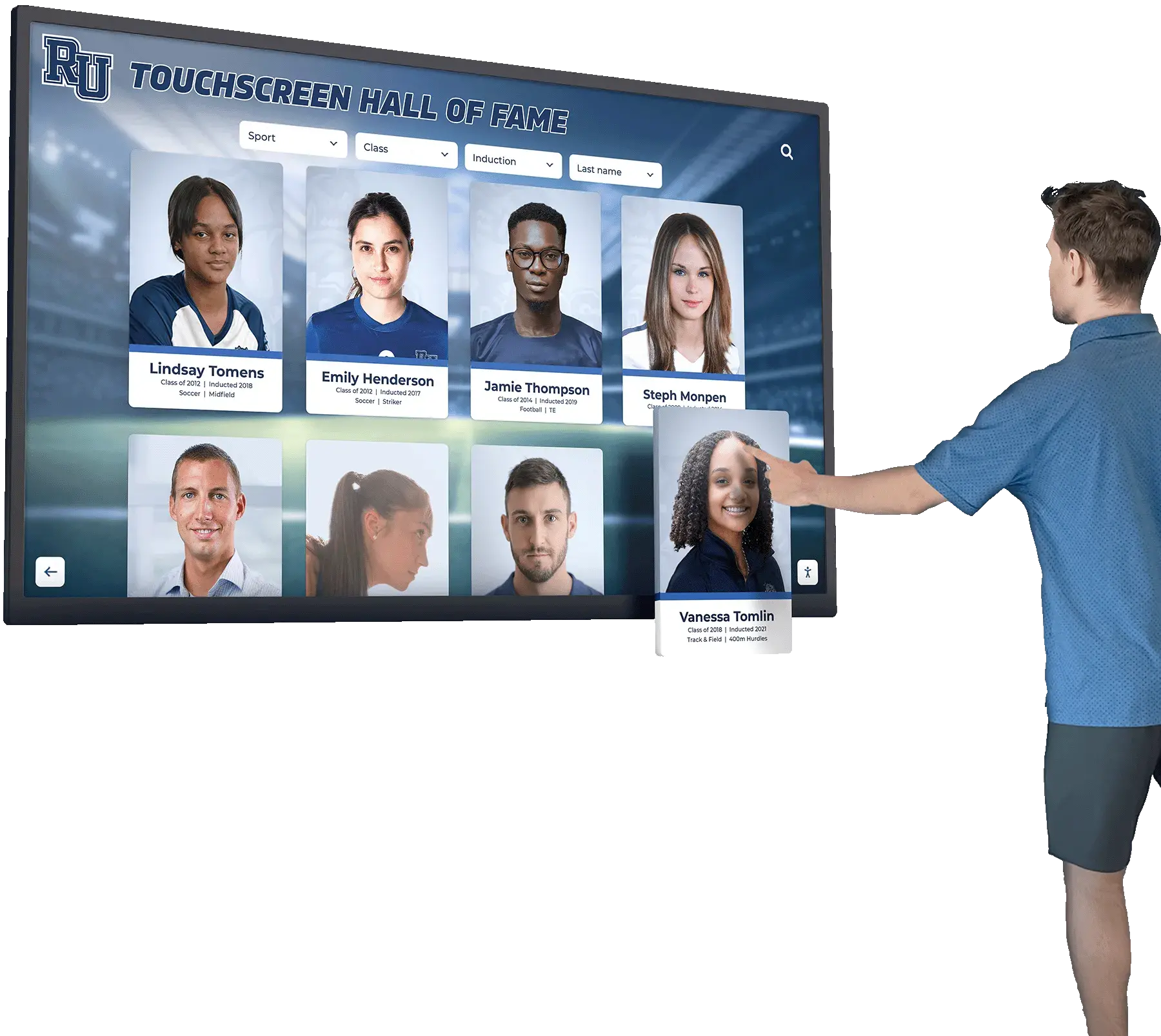
Interactive recognition platforms create engaging exploration experiences enabling visitors to discover character award recipients through intuitive search and browsing
Hybrid Approaches Balancing Tradition and Innovation
Many schools implement blended strategies combining traditional and digital recognition:
Physical Awards with Digital Documentation
Athletes receive traditional trophies or plaques maintaining tangible keepsake value while permanent digital profiles provide comprehensive storytelling impossible with physical awards alone. Hybrid approaches honor tradition while enabling modern functionality—respecting heritage aesthetic preferences while solving traditional limitations.
High-Traffic Display Installations
Strategic placement in gym lobbies, main entrances, athletic facility corridors, or other high-visibility locations maximizes recognition exposure ensuring character awards influence daily athletic environment rather than hiding in back hallways. Gym lobby touchscreen displays exemplify strategic positioning creating natural engagement opportunities.
QR Code Integration Connecting Physical and Digital
Physical plaques or displays can include QR codes linking to comprehensive digital profiles—enabling visitors to quickly access rich content while maintaining traditional visual presentation. QR bridges also enable physical display updates without replacement costs by linking to digitally-updated content accessed through unchanged QR codes on permanent physical installations.
Social Media Integration Extending Recognition
Sharing character award recipients through school social channels extends recognition visibility beyond physical campuses while creating shareable content families appreciate. Social integration also demonstrates to current students that institutions genuinely value character by publicly celebrating exemplary conduct rather than only promoting competitive achievements.
Leveraging Sportsmanship Awards for Broader Cultural Impact
Strategic implementation maximizes character recognition’s influence on overall athletic culture:
Early Season Criteria Communication
Waiting until awards banquets to discuss sportsmanship wastes recognition’s motivational potential. Effective programs communicate character expectations and award criteria during pre-season team meetings—explaining specific behaviors defining sportsmanship, introducing evaluation rubrics showing how selection works, and emphasizing that character excellence receives recognition equivalent to performance achievement.
Early communication enables athletes to intentionally develop sportsmanship throughout seasons rather than hoping character naturally emerges. It also establishes shared understanding helping athletes recognize what behaviors merit recognition versus what conduct falls short.
In-Season Character Coaching and Feedback
Sportsmanship shouldn’t remain invisible until awards ceremonies. Quality programs provide ongoing character feedback—praising exemplary conduct immediately when observed, correcting poor sportsmanship through teaching moments rather than only punitive discipline, and discussing character development during individual athlete meetings alongside performance coaching.
Ongoing feedback communicates that character genuinely matters rather than representing superficial concern only activated during awards ceremonies. It also enables athletes to adjust behavior based on feedback rather than discovering character shortcomings only after seasons conclude.
Historical Recognition Storytelling
Past character award recipients provide powerful behavioral models when programs intentionally share their stories:
Coaches can reference historical sportsmanship award winners during team meetings—describing specific examples of their exemplary conduct and connecting past recipients to current behavioral expectations. Digital recognition platforms enable easy access to historical profiles making storytelling logistically simple rather than requiring archival research.
Athlete panels featuring recent sportsmanship award recipients discussing what character means, how they developed strong sportsmanship, and what recognition meant to them create authentic peer education more influential than adult lectures.
Alumni spotlight features highlighting former sportsmanship award recipients’ post-athletic success demonstrate that character recognized in high school correlates with later life achievement—reinforcing that institutions value sportsmanship because it matters beyond athletics rather than representing arbitrary school rules.
Understanding how this connects to broader recognition, as discussed in college football awards and honors, helps programs position character recognition within comprehensive athletic celebration frameworks.

High-visibility recognition installations in main athletic corridors ensure character awards influence daily program culture through constant environmental messaging
Parent and Community Education
Sportsmanship initiatives gain power when parents and community members understand and reinforce institutional values:
Pre-Season Parent Meetings
Athletic departments can discuss sportsmanship expectations during parent orientation meetings—explaining award criteria, describing how programs evaluate character, and enlisting parent support reinforcing respectful competition values at home. Parent education ensures families understand that schools seriously prioritize character rather than treating sportsmanship as lip service contradicted by win-at-all-costs coaching.
Community Code of Conduct
Comprehensive sportsmanship initiatives extend beyond athletes to spectators—implementing fan conduct standards expecting respectful behavior toward opponents, officials, and all participants. Connecting athlete character expectations to community behavioral standards creates consistent cultural messaging rather than expecting athlete sportsmanship while tolerating adult spectator poor conduct.
Communication About Award Recipients
Publicly celebrating character award recipients through school communications, local media recognition, and community events educates broader audiences about what sportsmanship looks like while honoring exemplary athletes. Public celebration also demonstrates to current athletes that character recognition creates meaningful visibility rather than serving as private consolation for athletes who didn’t win performance awards.
Common Sportsmanship Award Implementation Challenges
Understanding typical obstacles enables proactive problem-solving:
Perception as “Consolation Prize”
The most common challenge: sportsmanship awards viewed as recognition for athletes who didn’t earn performance-based awards rather than prestigious honors in their own right.
Solutions:
- Present character awards before or separate from performance awards rather than after performance recognition concludes
- Ensure physical award quality matches performance award standards
- Communicate early and often that character recognition represents distinct honor rather than performance award substitute
- Recognize that exceptional athletes can win both performance and character awards—many programs’ most decorated athletes should receive both forms of recognition
- Feature sportsmanship award recipients as prominently as performance award winners in recognition displays, social media, and school communications
Difficulty Defining and Measuring Character
Abstract character concepts challenge systematic evaluation:
Solutions:
- Develop specific behavioral criteria defining what sportsmanship looks like through observable actions rather than vague niceness concepts
- Create structured evaluation rubrics providing consistent assessment frameworks
- Require evaluators to cite specific behavioral evidence supporting assessments rather than accepting general impressions
- Implement season-long documentation systems capturing character incidents when fresh rather than relying on end-of-season memory
- Use multiple evaluator perspectives reducing individual bias through triangulated assessment
Popularity Contests Undermining Merit
Peer voting without proper structure risks becoming popularity competitions rather than genuine character assessment:
Solutions:
- Use peer input for nominations rather than final selection, with coaching staff or administrators making final decisions from peer-nominated candidates
- Implement blind voting where possible, preventing vote trading or popularity dynamics
- Require voters to provide behavioral evidence supporting nominations rather than accepting names alone
- Establish voting pools extending beyond single teams when appropriate, reducing in-group favoritism
- Consider eliminating peer voting entirely if popularity dynamics prove impossible to control, relying instead on coach, opponent, and official evaluation

Modern recognition platforms present character award recipients through professional profiles featuring photos, citations, and comprehensive achievement documentation
Limited Visibility Reducing Cultural Impact
Character awards creating brief ceremony moments but lacking ongoing visibility fail to influence broader athletic culture:
Solutions:
- Implement permanent recognition systems documenting historical character award recipients
- Feature sportsmanship award recipients in high-traffic display locations equivalent to performance recognition placement
- Leverage digital platforms enabling comprehensive, searchable character award documentation accessible beyond physical campus
- Integrate character award announcements into school communications, social media, and community relations
- Reference past sportsmanship award recipients regularly rather than only during awards ceremonies
Administrative Burden Preventing Sustainability
Complex evaluation systems or labor-intensive physical displays create unsustainable workload preventing consistent implementation:
Solutions:
- Design streamlined selection processes balancing thoroughness with administrative feasibility
- Leverage digital recognition platforms eliminating physical display production and installation workload
- Create clear annual timelines distributing responsibilities across administrative calendar rather than concentrating during busy season-end periods
- Develop templates for citations, certificates, and communications enabling efficient production
- Consider conference-level or league-wide character programs sharing administrative burden across multiple schools
Getting Started with Meaningful Sportsmanship Recognition
Schools initiating or improving character awards can begin with practical first steps:
Start with Pilot Implementation—rather than attempting comprehensive system immediately, begin with single sport or single season pilot testing award criteria, selection processes, and presentation approaches. Pilot experience provides learning opportunities before expanding to full athletic program.
Engage Stakeholders in Design—involve coaches, athletes, parents, and administrators in developing award criteria and selection processes. Collaborative design builds buy-in while incorporating diverse perspectives creating more robust systems.
Review Existing Resources—examine what other successful programs do well, adapt proven approaches to local context rather than inventing everything from scratch, and leverage available platforms like digital recognition solutions from Rocket Alumni Solutions rather than building custom systems.
Establish Clear Criteria Before First Awards Cycle—define specific behavioral expectations and evaluation standards before selection begins. Clear criteria enable fair assessment while providing behavioral guidance for athletes seeking recognition.
Plan for Sustainability—design systems feasible to maintain long-term rather than elaborate initiatives requiring unsustainable administrative effort. Sustainable systems create lasting cultural impact while ambitious but impractical programs collapse after initial enthusiasm fades.
Commit to Multi-Year Implementation—recognize that cultural change through recognition takes time. Character awards won’t transform athletic culture overnight but create cumulative impact across years as historical recipients establish traditions and younger athletes observe genuine institutional commitment to values.
Conclusion: Character Recognition as Cultural Investment
Sportsmanship awards represent far more than feel-good recognition for athletes who demonstrate basic decency. Thoughtfully implemented character recognition serves as powerful cultural tool shaping how athletes compete, interact, and develop—creating program cultures that balance competitive excellence with values education preparing young people for meaningful lives beyond athletics.
The investment required—developing clear criteria, establishing fair selection processes, creating meaningful presentations, and implementing lasting recognition systems—pays dividends through stronger team cultures, enhanced program reputations, reduced disciplinary incidents, and improved alumni engagement. Most importantly, character recognition fulfills educational institutions’ fundamental missions developing complete human beings rather than simply fielding winning teams.
As athletic programs navigate increasing competitive pressure, recruiting intensity, and performance expectations, maintaining clear focus on character development becomes more critical than ever. Sportsmanship awards provide essential tools communicating that institutions genuinely value how athletes compete alongside whether they win—demonstrating that athletic excellence ultimately encompasses both exceptional skill and exemplary character.
Schools implementing comprehensive character recognition discover that celebrating values alongside victories creates athletic programs worthy of the educational missions they serve while developing athletes prepared for success extending far beyond final scoreboards.
Ready to implement permanent character recognition celebrating sportsmanship alongside athletic achievement? Discover how digital recognition platforms from Rocket Alumni Solutions enable schools to comprehensively document character awards through engaging, accessible systems requiring minimal administrative maintenance while creating inspiring recognition experiences students genuinely interact with and remember throughout their lives.