



When winter’s chill finally releases its grip and temperatures begin climbing, high school campuses transform into hubs of athletic energy as spring high school sports launch across fields, courts, tracks, and greens. For many students, spring represents the pinnacle athletic season—a final competitive push for seniors completing their high school careers, perfect weather enabling outdoor competition, and championship seasons culminating months of preparation. Baseball teams take infields under bright afternoon sun, softball players perfect their swings, track athletes chase personal records and state qualification times, tennis players battle through conference matches, lacrosse teams navigate intense tournament brackets, and golfers compete for individual and team honors across meticulously maintained courses.
Yet spring sports often receive less institutional attention than high-profile fall football programs or winter basketball seasons. Athletic directors and school administrators seeking to build comprehensive recognition systems need clarity understanding which sports comprise spring seasons, when competitions occur, how recognition opportunities align with seasonal timelines, and what systems effectively celebrate spring athletic achievement extending beyond brief ceremony moments. Parents supporting student athletes wonder about sport-specific commitments, competitive structures, and how schools honor dedication their students invest throughout demanding spring campaigns.
This complete guide explores spring high school sports comprehensively—examining each major sport played during spring seasons, understanding typical schedules and championship structures, discovering recognition opportunities celebrating spring athletes effectively, and exploring modern display solutions ensuring spring sports receive visibility matching their importance. Whether you’re an athletic director planning comprehensive year-round recognition, a coach seeking ideas to honor your spring sport athletes, or a school administrator exploring how to celebrate all athletic programs equitably, you’ll discover proven frameworks ensuring spring sports receive the celebration they genuinely deserve.
Schools implementing systematic spring sports recognition report 42% higher athlete satisfaction across non-fall sports, enhanced program balance preventing football-centric culture, improved recruitment across diverse athletic offerings, and stronger alumni engagement from former spring athletes who remember their institutional recognition experiences positively.

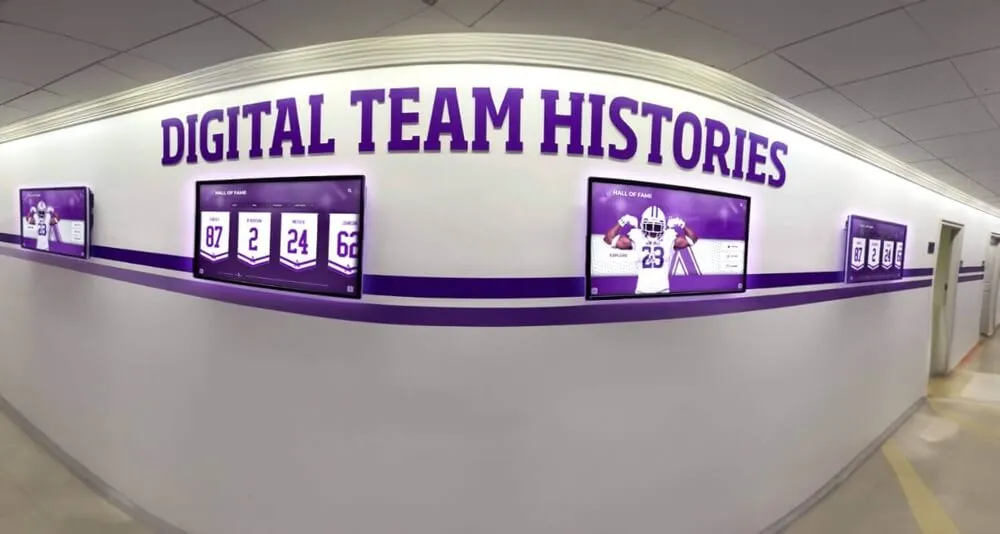
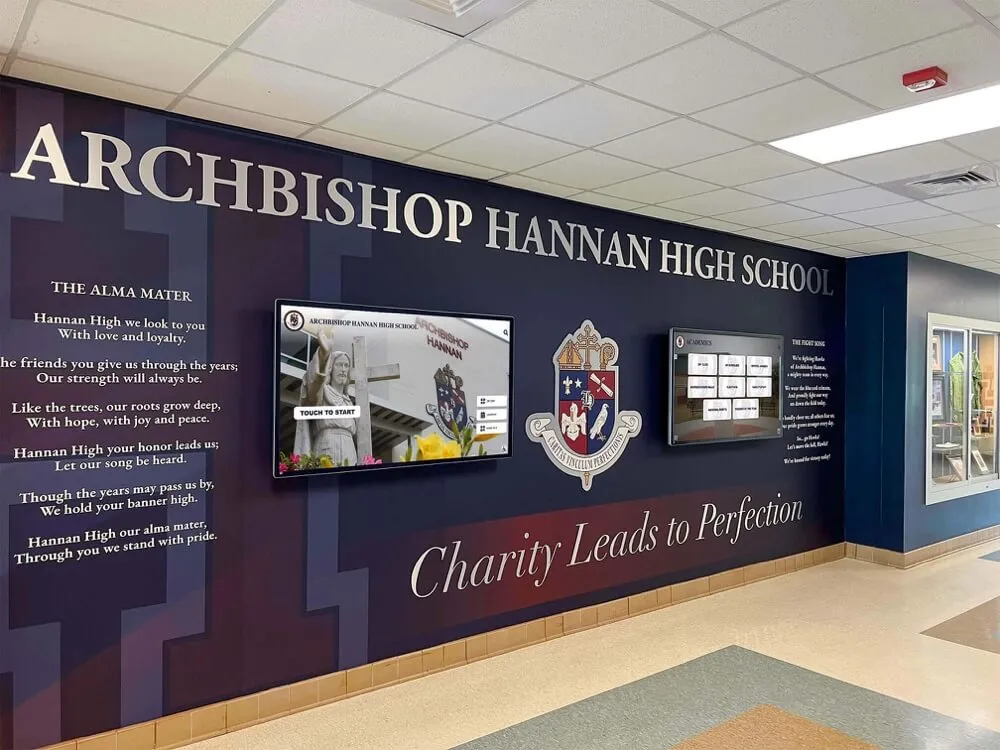
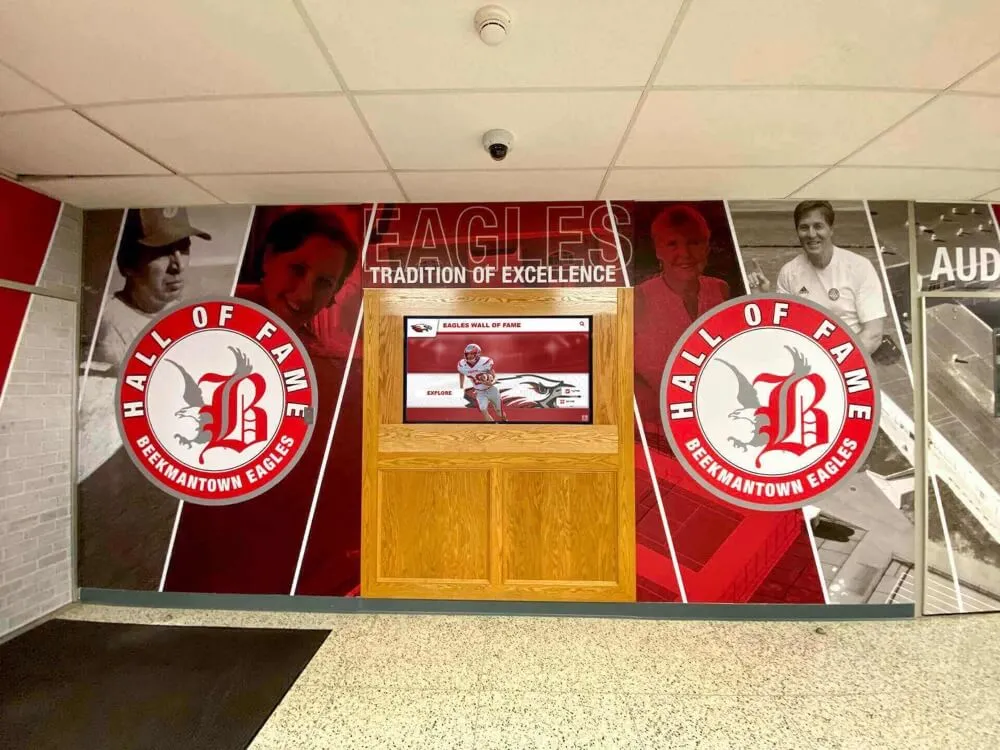
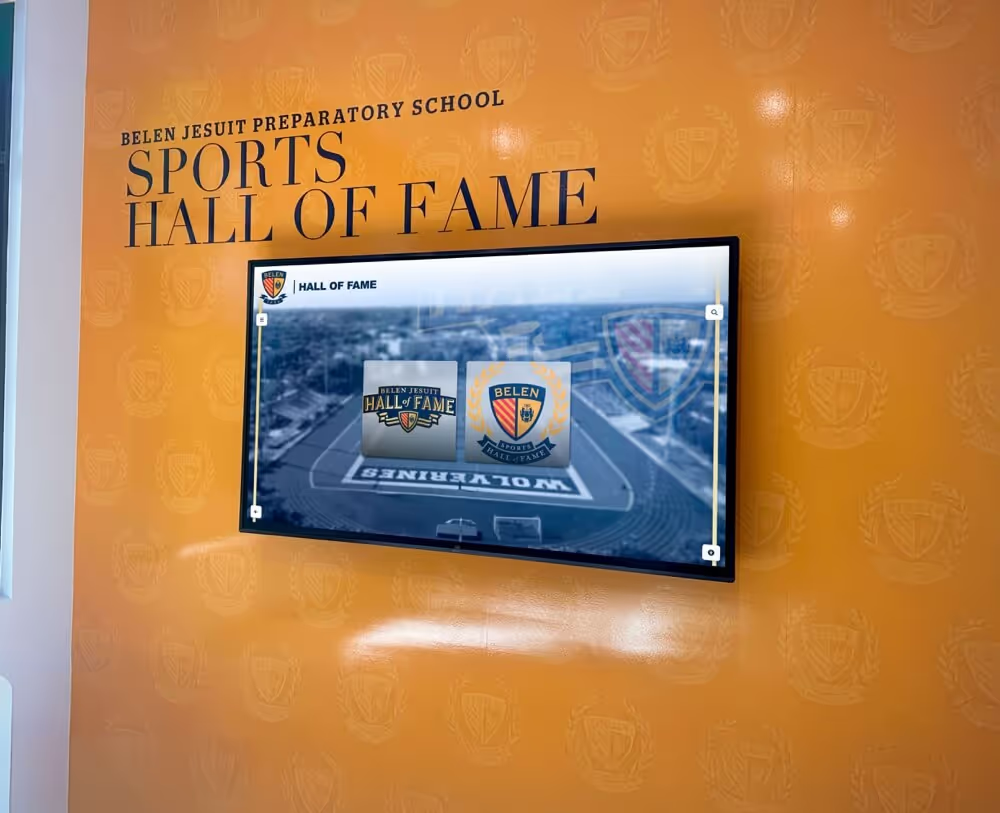
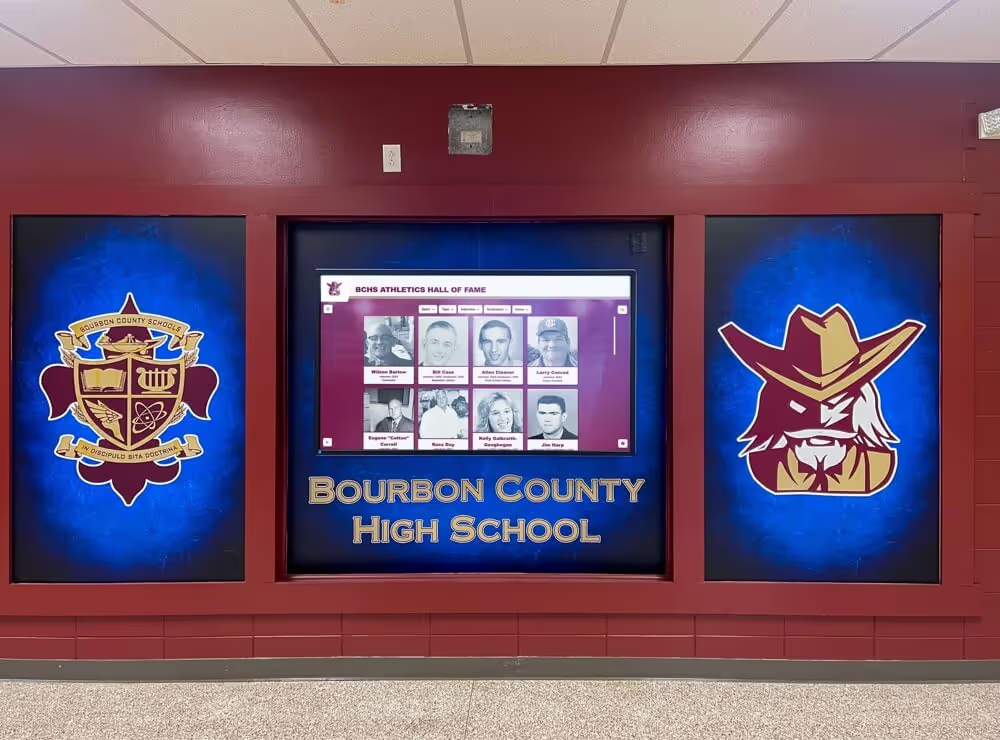
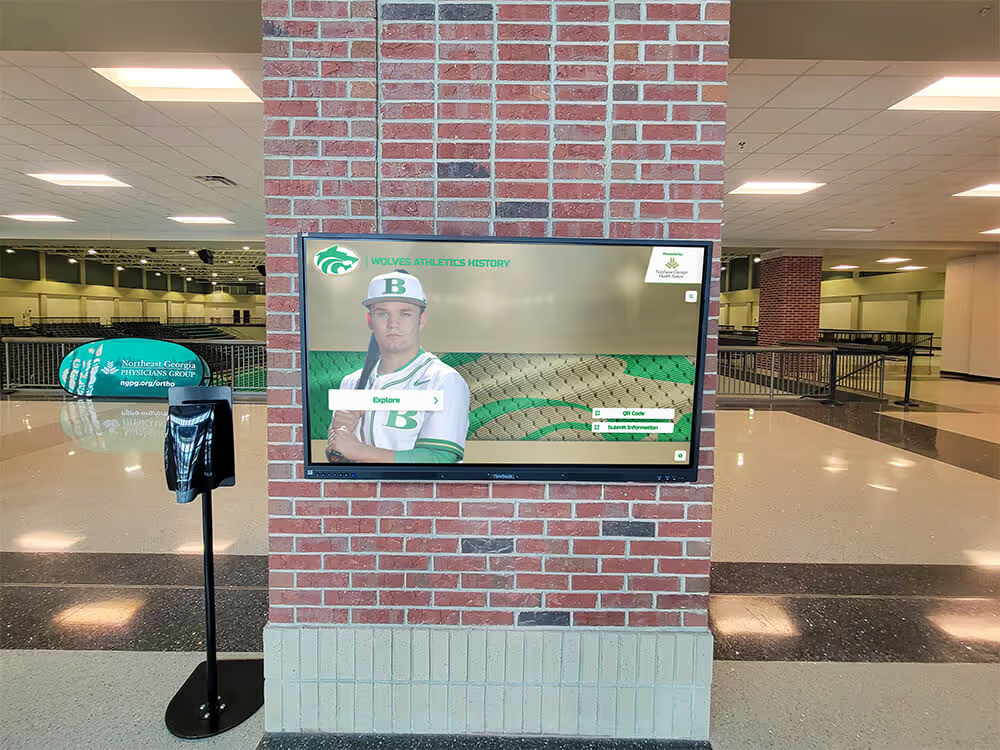
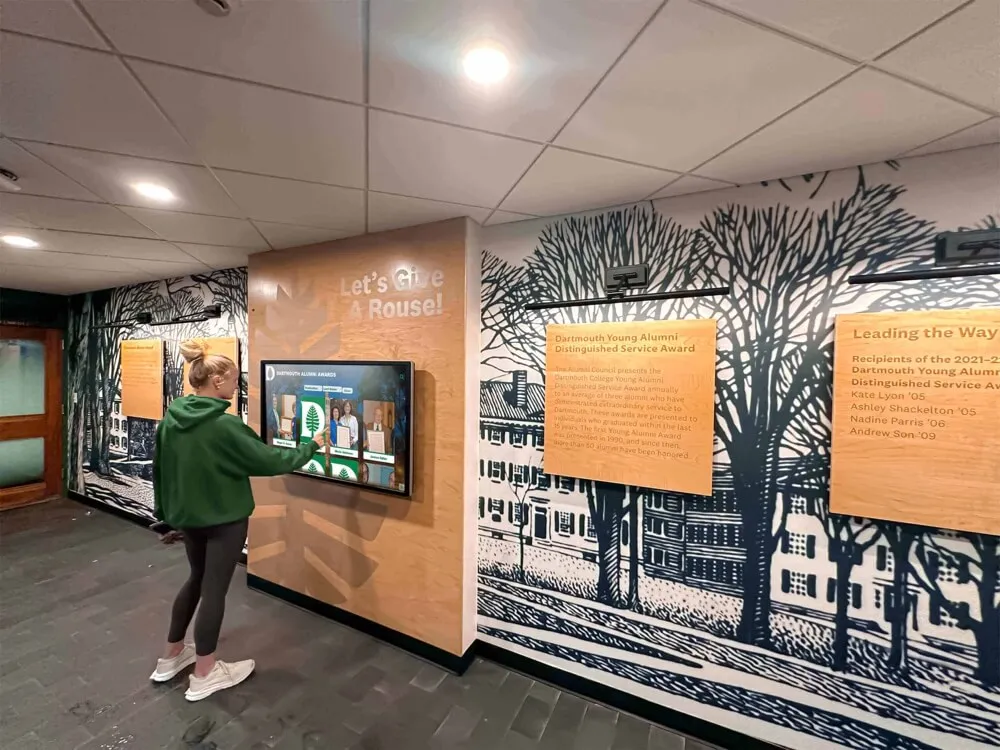
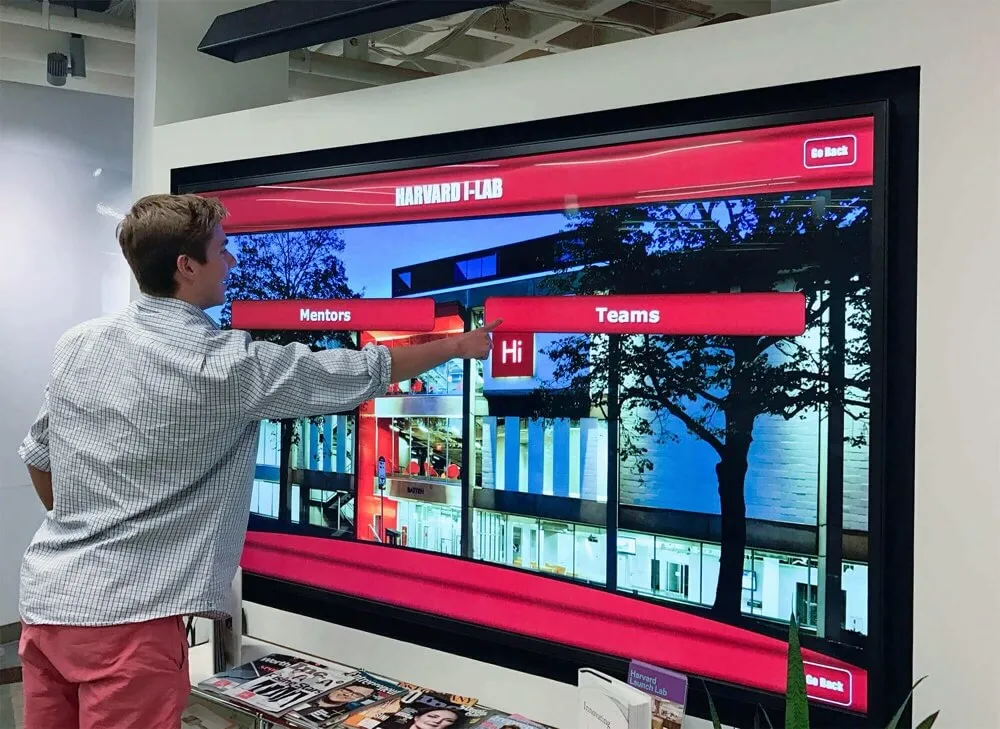
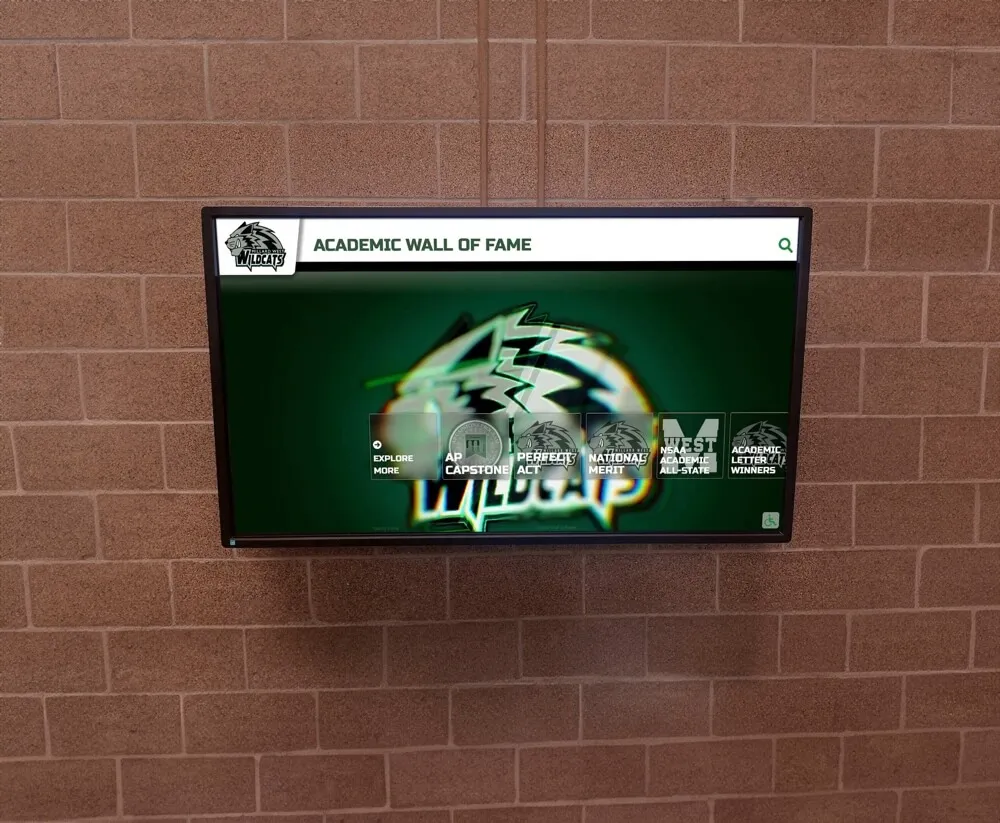
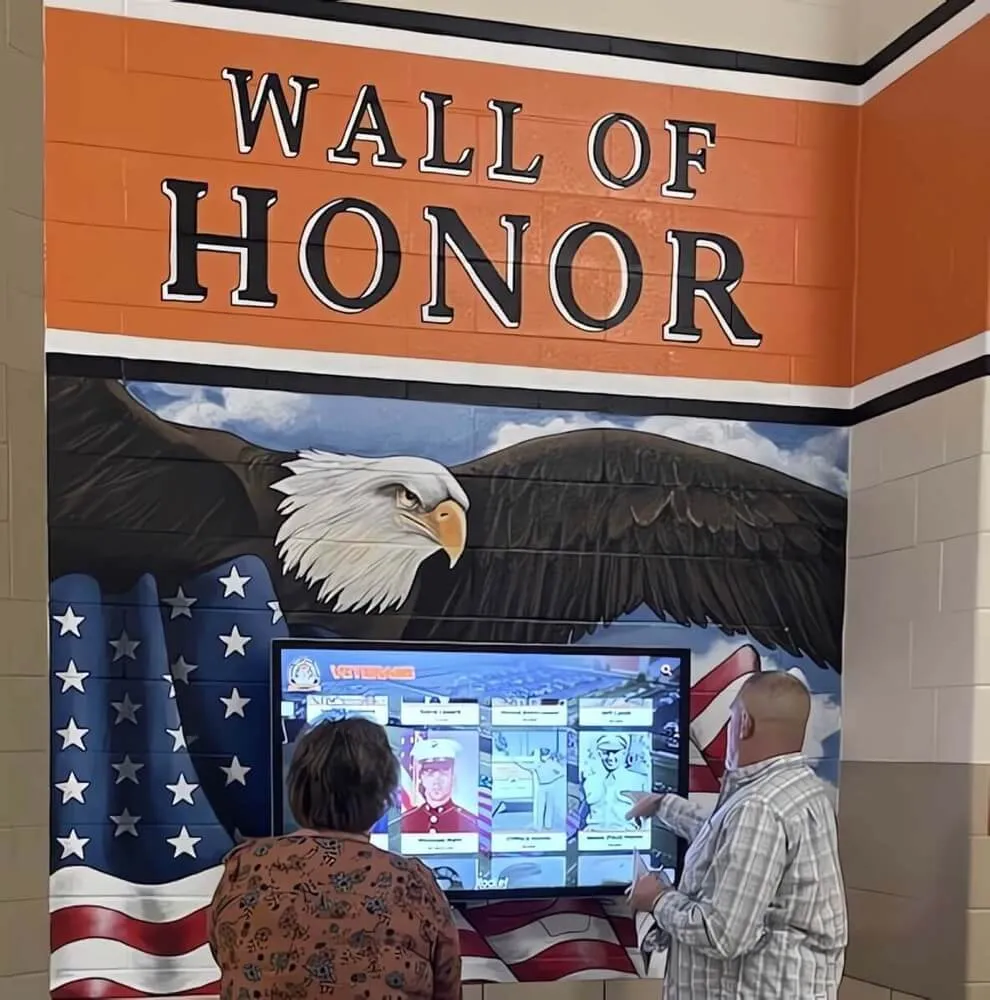
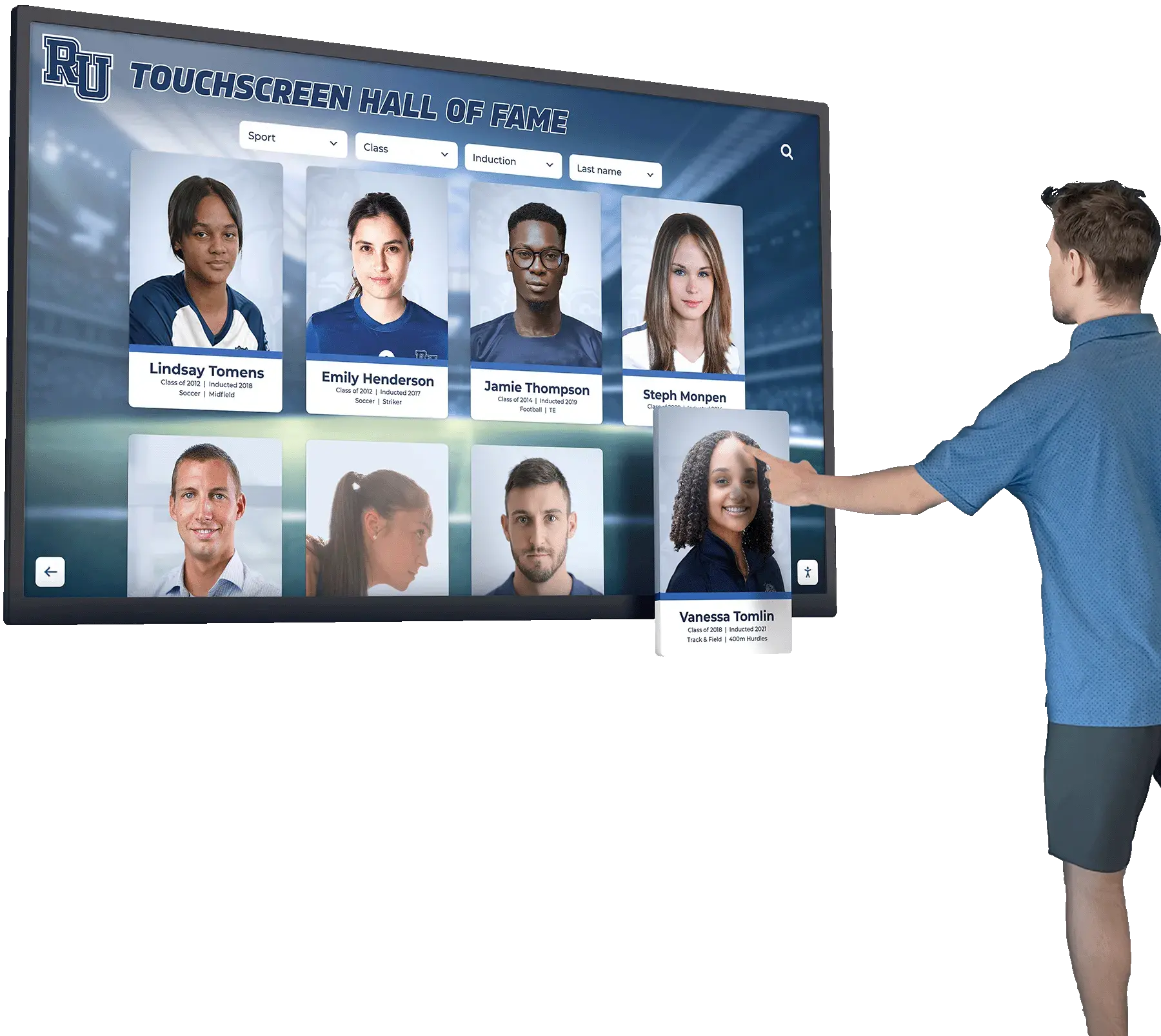
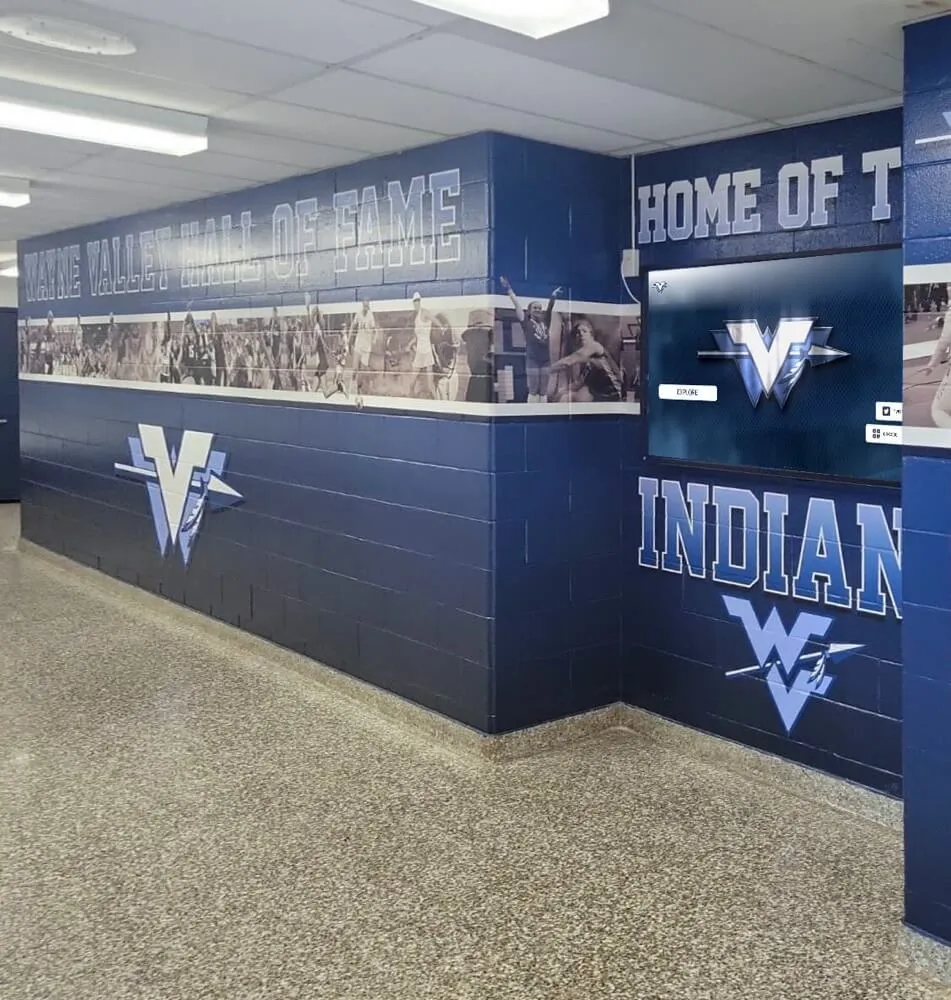
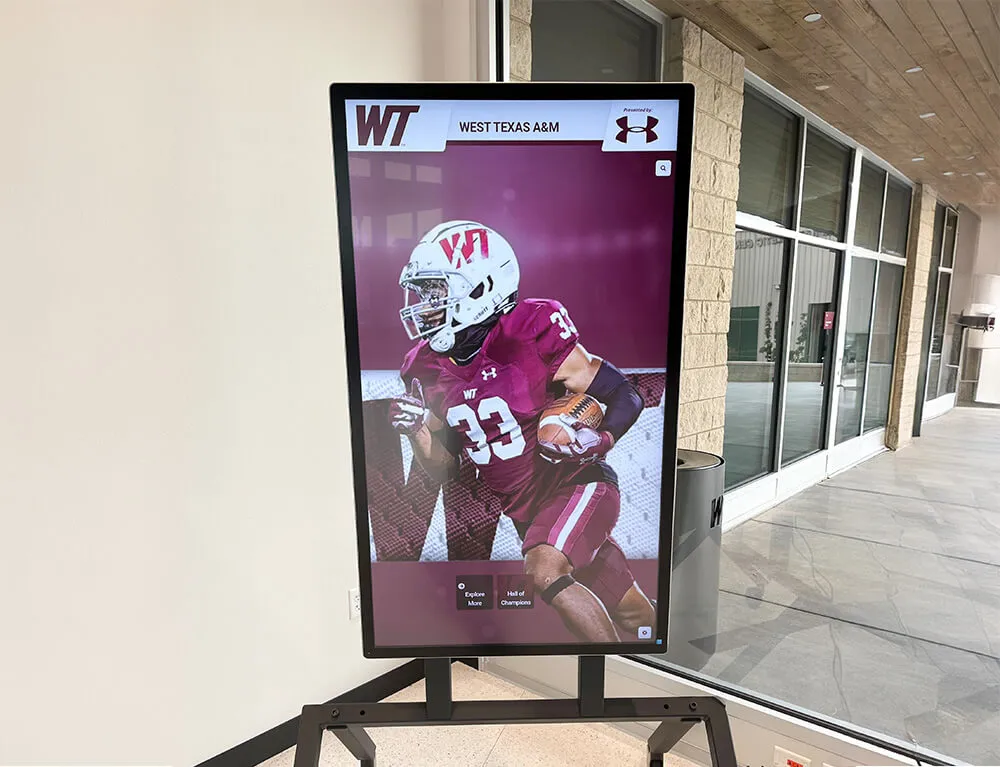
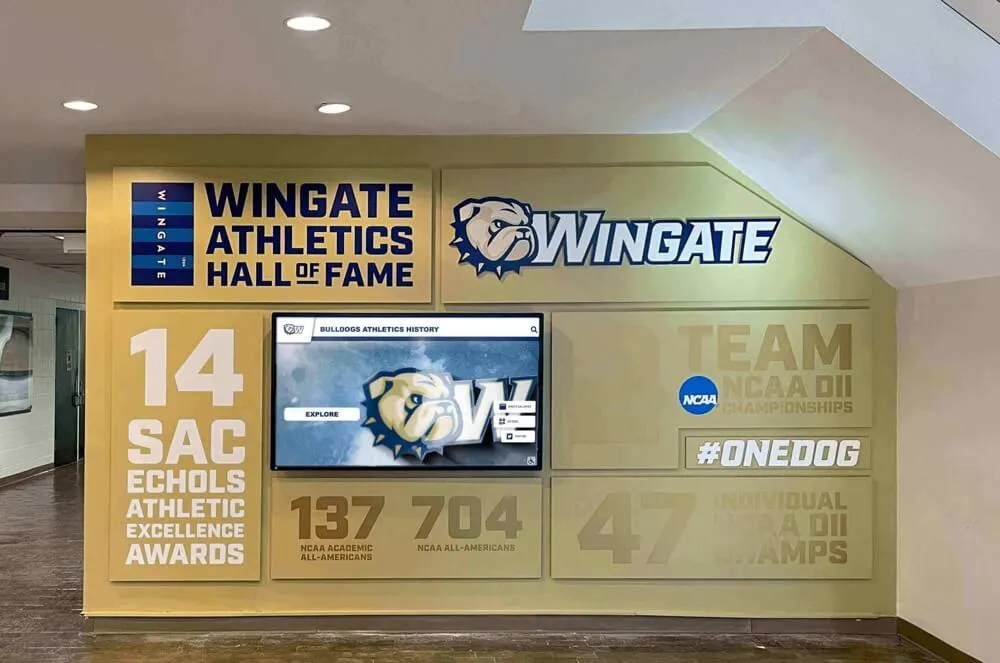
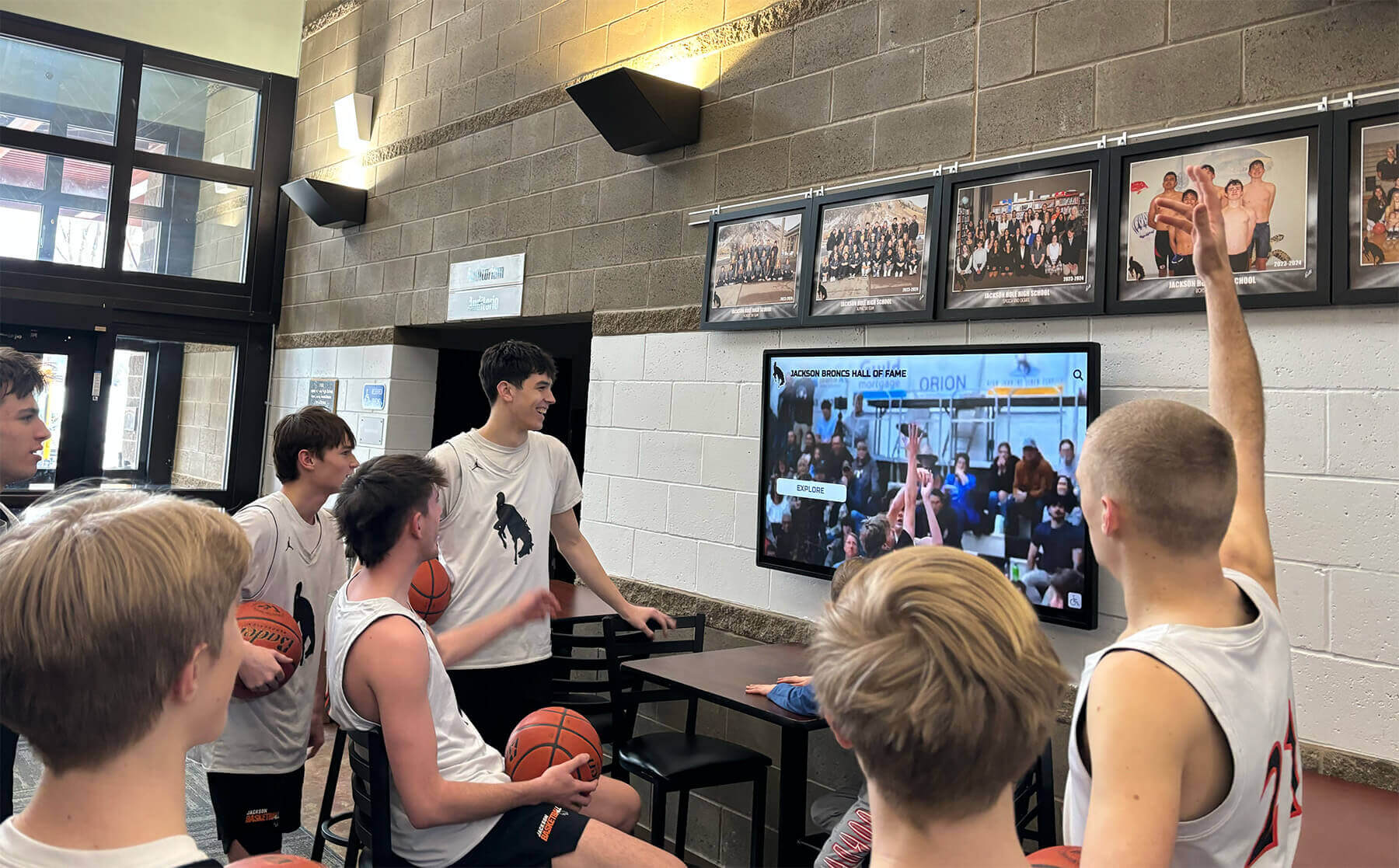
Interactive displays showcasing spring sport highlights create engaging experiences celebrating achievements across baseball, softball, track, tennis, lacrosse, and golf programs
Understanding Spring High School Sports Season Structure
Spring athletic seasons follow consistent patterns across most states and athletic associations, though specific dates vary by region, climate, and governing body regulations.
Typical Spring Sports Calendar and Timeline
Most spring high school sports seasons begin in early March and conclude by late May or early June:
Season Start and Practice Periods
Official practice typically commences in late February or early March, with exact dates determined by state athletic associations establishing uniform start times ensuring competitive equity across schools. Pre-season conditioning often begins weeks earlier as athletes prepare physically for rigorous spring competition demands. Teams use early practices establishing fundamentals, building team chemistry, conducting tryouts determining roster composition, and preparing for season-opening competitions typically scheduled mid-to-late March.
Early season timing creates unique challenges—particularly in northern climates where weather remains unpredictable. Baseball and softball teams frequently practice indoors or on partially-cleared fields, while outdoor track athletes may begin training in gymnasiums or indoor facilities when conditions prohibit outdoor work.
Regular Season Competition
Peak spring competition occurs throughout April and early May as teams accumulate wins determining conference standings and post-season seeding. Most sports compete 1-3 times weekly depending on sport—baseball and softball teams might play 3-4 games weekly during peak schedule periods, while tennis matches, track meets, and golf tournaments occur 1-2 times weekly. Lacrosse schedules vary significantly by region, with established eastern programs playing extensive regular seasons while emerging western programs operate compressed schedules limited by team availability.
Regular season duration typically spans 6-8 weeks, providing sufficient competitions for athlete development, statistical accumulation, and competitive evaluation while avoiding excessive season length potentially conflicting with academic priorities as school years conclude.
Post-Season Championships and State Tournaments
Spring seasons culminate with conference tournaments and state championship competitions typically occurring late May through early June. Tournament structures vary by sport—team sports like baseball, softball, and lacrosse utilize bracket-style single or double elimination formats, while individual sports like track, tennis, and golf employ qualification systems advancing top performers through sectional, regional, and state championship levels.
State tournament success represents the ultimate spring achievement, with championship victories and individual state qualifications carrying particular prestige. Schools celebrating spring athletic excellence should prominently recognize post-season achievements as defining accomplishments warranting permanent commemoration.
Resources exploring high school end-of-year awards planning help administrators coordinate spring sports recognition within broader year-end celebration scheduling.
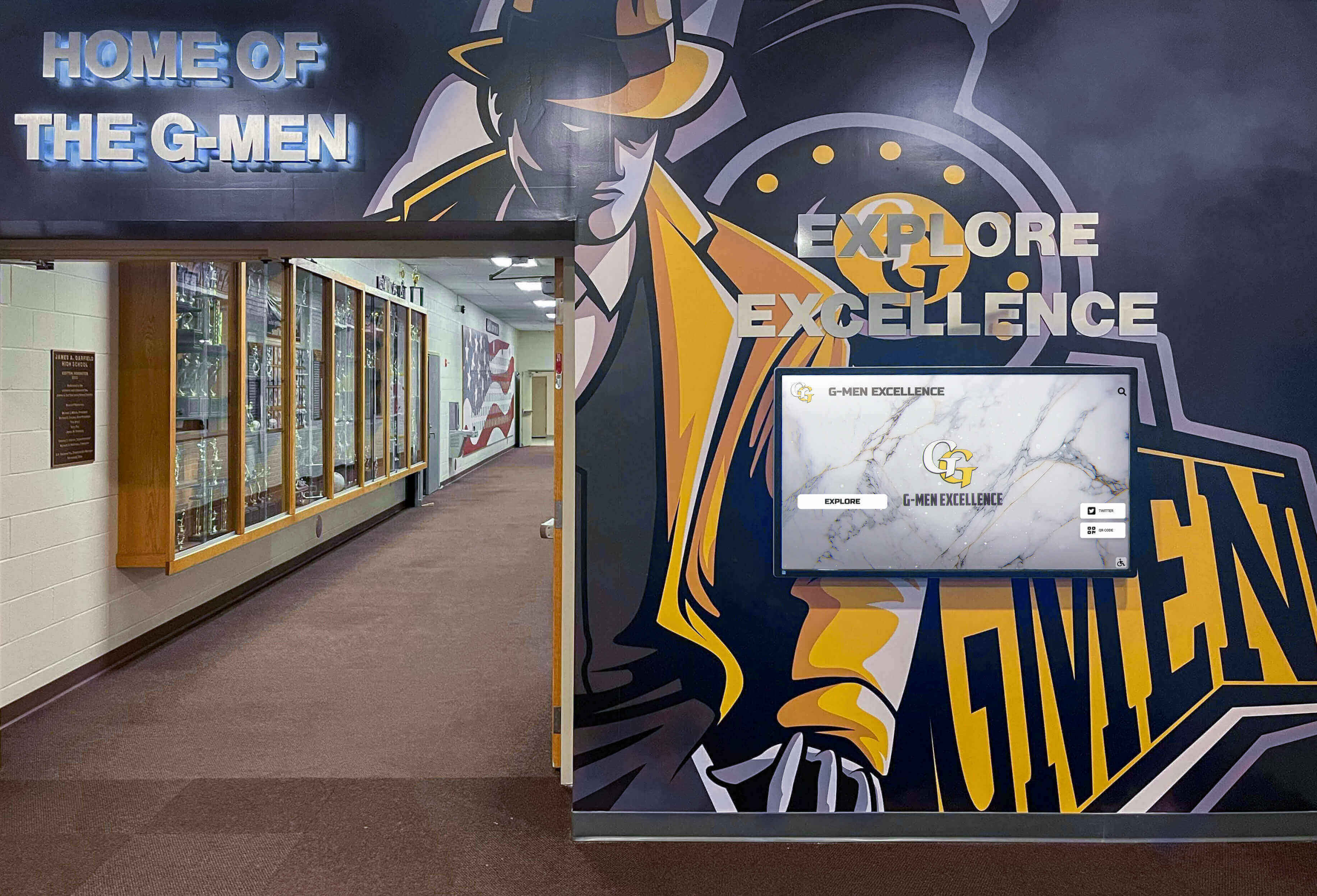
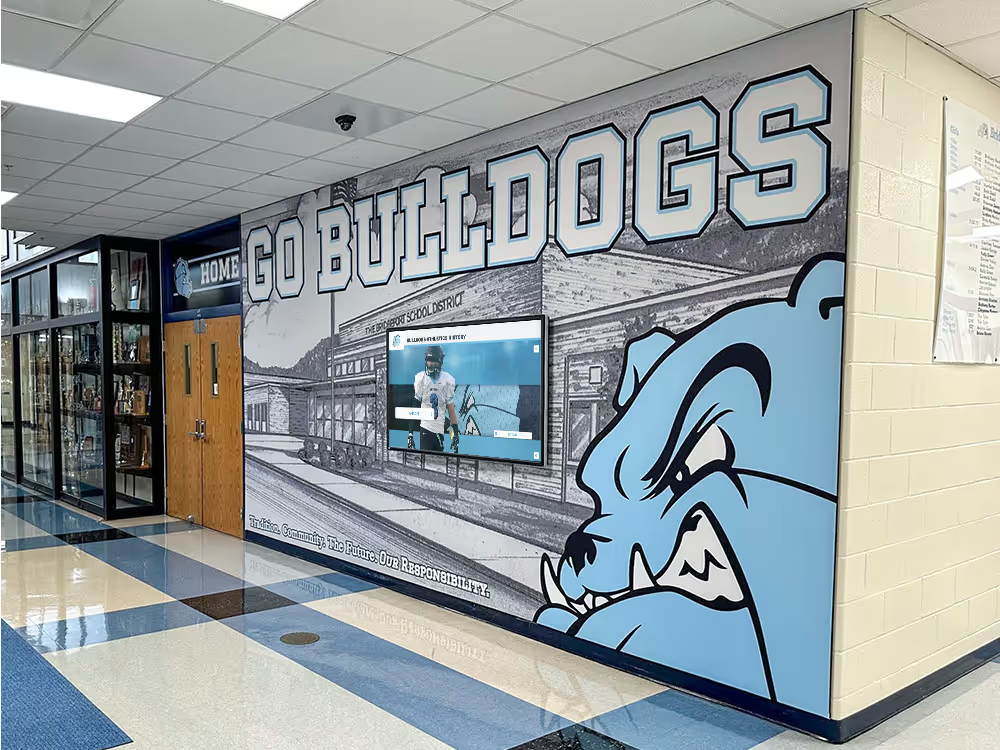
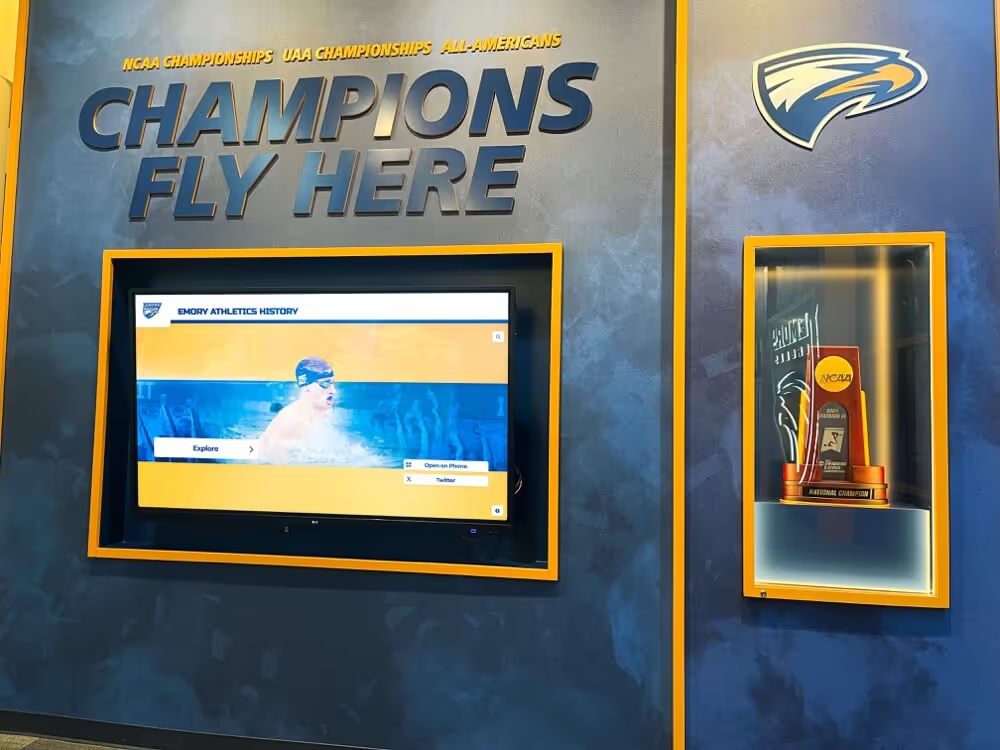
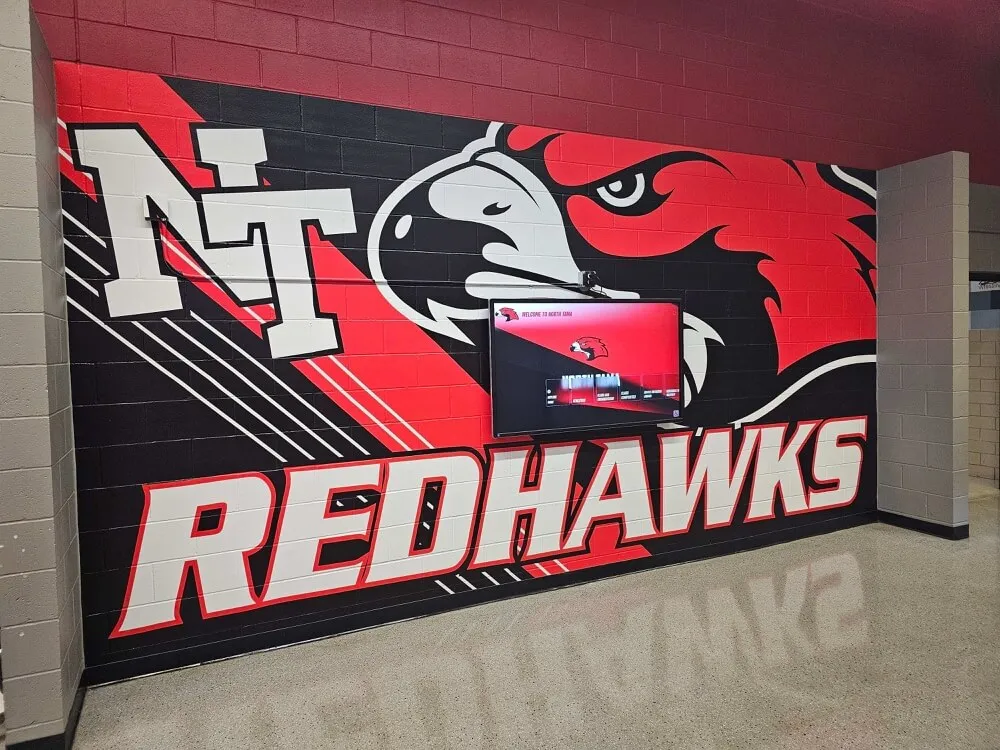
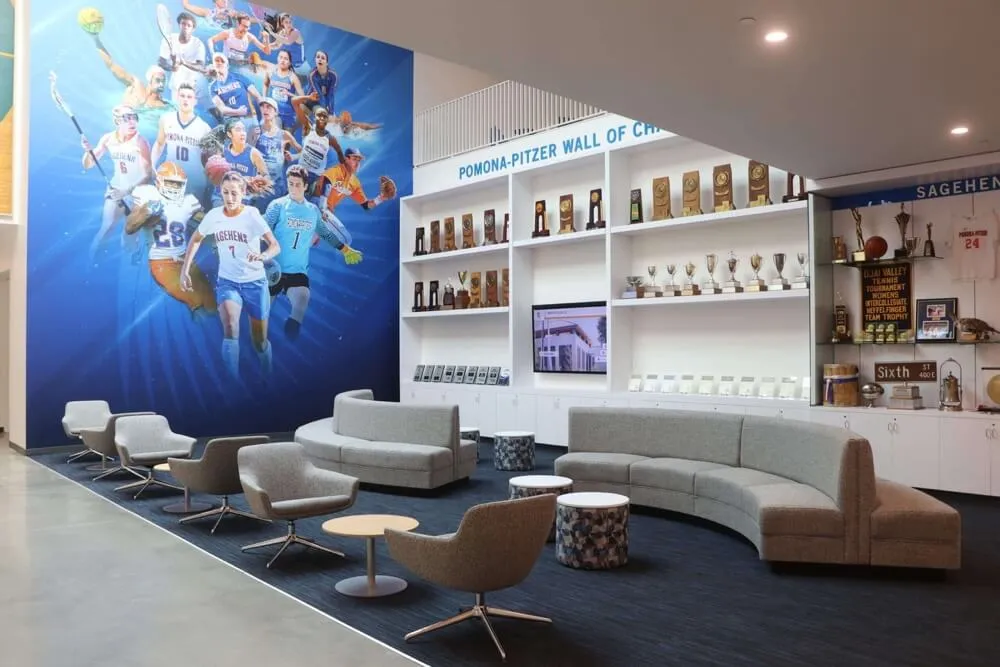
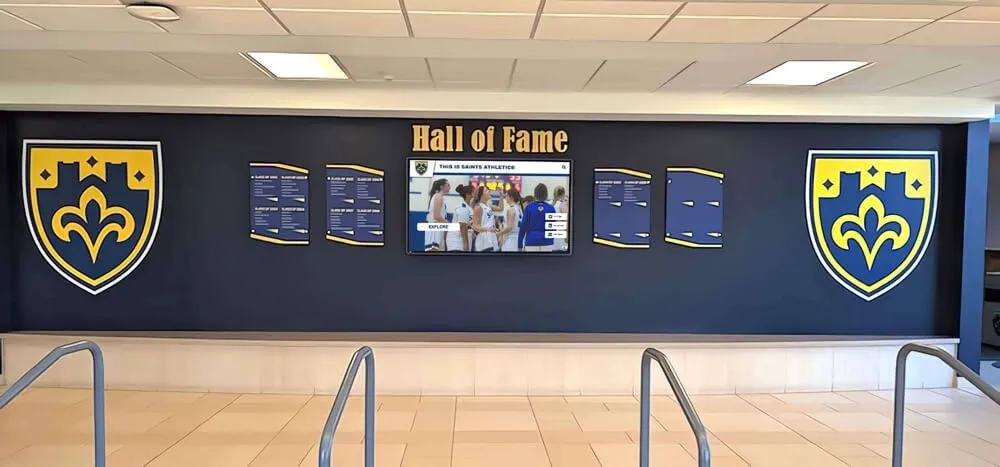
Comprehensive athletic spaces celebrate spring sports alongside fall and winter programs—creating year-round recognition environments honoring all competitive seasons equitably
Regional and Climate Variations in Spring Sports
Geographic location significantly influences spring sports participation and scheduling:
Southern and Western States
Warmer climates enable earlier season starts and extended competition windows. Southern schools may begin practices in early February with competitions starting mid-February, while consistently favorable weather permits outdoor sports operating without weather-related interruptions. Some warm-climate states schedule certain spring sports—particularly baseball—across fall and spring seasons to avoid extreme summer heat, creating year-round baseball programs split across multiple competitive seasons.
Northern and Midwestern States
Cold-climate schools face unique challenges as spring sports launch while winter conditions persist. Late snowfall and frozen ground delay outdoor field preparation, forcing baseball and softball teams to practice indoors or travel to indoor facilities for early-season games played at neutral sites with adequate field conditions. Track and field programs utilize indoor tracks when available, while outdoor athletes train in gymnasiums until weather permits outdoor transition.
Northern state athletic associations typically schedule later season starts—mid-March or even early April in coldest regions—accommodating realistic weather expectations. However, compressed seasons create intensive competition schedules as teams fit required game minimums into shorter windows before school year conclusion.
Altitude and Geographic Considerations
Mountain and high-altitude schools adapt spring sports to local conditions. Golf programs may face limited course availability as high-elevation courses remain snow-covered into late spring, while track athletes training at altitude gain physiological advantages but may struggle when competing at lower elevations where oxygen density differs significantly from training conditions.
Understanding Iowa state track meet structures demonstrates how individual states organize culminating spring sport championships specific to regional contexts and athletic traditions.
Baseball: America’s Pastime at High School Level
High school baseball remains one of the most popular and tradition-rich spring sports, with extensive participation, passionate fan followings, and deep connections to American sports culture.
Baseball Season Structure and Competition Format
Baseball’s unique characteristics create distinctive season experiences:
Game Frequency and Schedule Intensity
Baseball teams typically compete more frequently than other spring sports—often playing 20-30 games across regular seasons compared to 12-16 contests in many other team sports. This intensive schedule includes weekday afternoon games, weekend doubleheaders, and tournament formats where teams play multiple games daily. High game frequency enables extensive statistical accumulation, continuous skill refinement, and substantial playing time even for larger rosters utilizing pitching rotations and position placements strategically.
The demanding schedule requires exceptional commitment—players might compete Monday, Tuesday, Thursday, and Saturday in peak season weeks while maintaining academic responsibilities and managing physical recovery between contests.
Position Specialization and Roster Depth
Baseball’s position-specific nature creates unique team dynamics. Unlike basketball where players rotate positions fluidly or soccer where positions overlap substantially, baseball players typically specialize—pitchers focusing exclusively on mound work, catchers developing specialized receiving skills, infielders perfecting position-specific defensive techniques, and outfielders mastering their territorial responsibilities.
This specialization enables larger rosters where 20-25 players may participate meaningfully through pitching rotations, defensive substitutions, pinch hitting roles, and designated hitter opportunities—creating recognition challenges as programs honor diverse contributions across varied playing time distributions.
Statistical Achievement and Record Documentation
Baseball generates extensive statistics documenting individual and team performance through traditional metrics like batting average, earned run average, wins and losses, stolen bases, and fielding percentages. Modern analytics add sophisticated measurements including on-base percentage, slugging percentage, batting average on balls in play, and advanced defensive metrics.
This statistical richness enables comprehensive achievement documentation supporting detailed recognition—programs can celebrate career leaders, single-season records, and specific performance milestones through data-driven acknowledgment impossible in less quantifiable sports.
Comprehensive approaches to baseball awards and recognition demonstrate effective celebration strategies honoring diverse position contributions and statistical achievements.
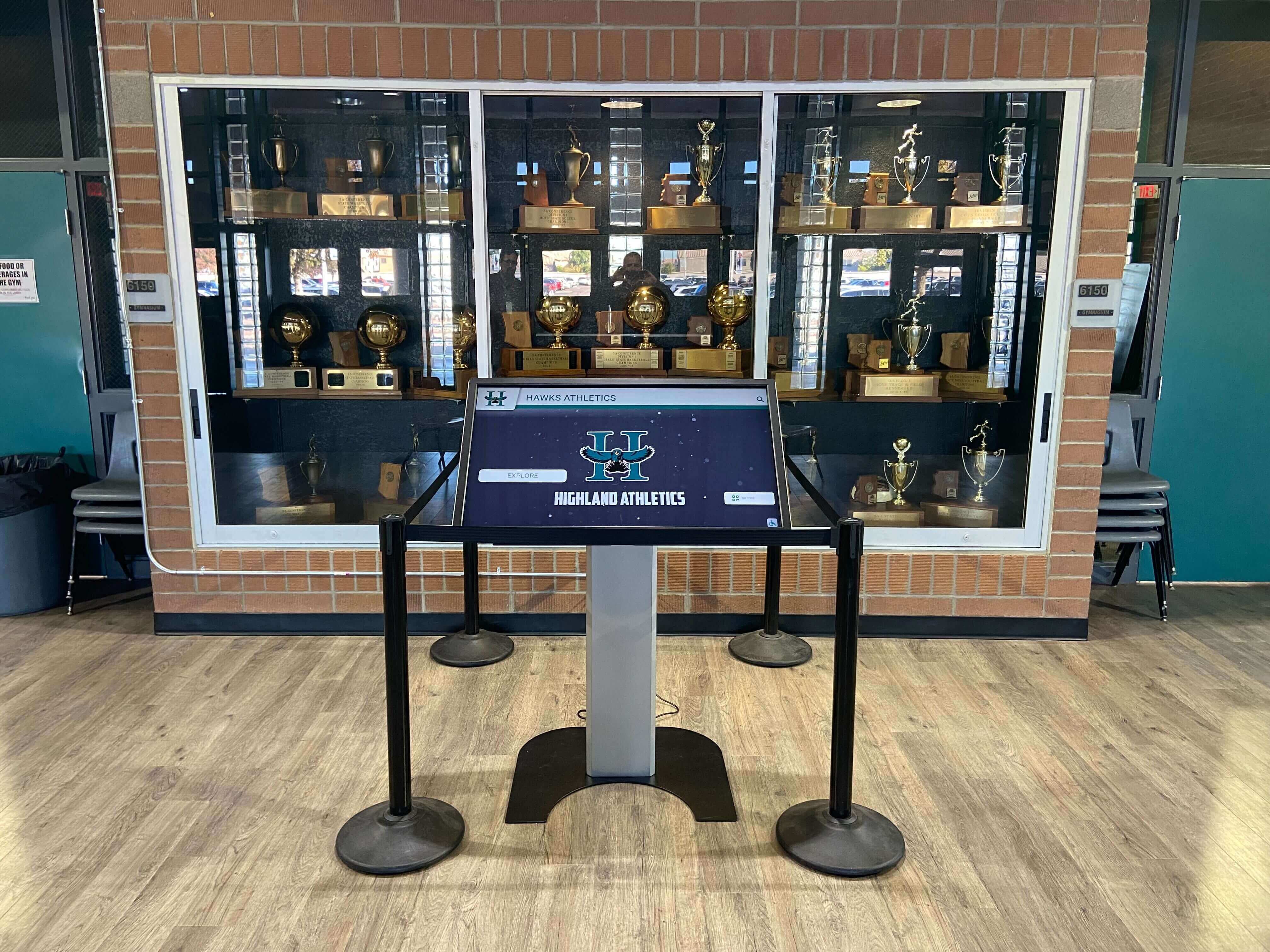
Baseball recognition combines traditional championship trophy displays with digital systems documenting comprehensive statistics, career achievements, and team histories
Baseball Recognition Opportunities and Traditions
Baseball’s prominence and statistical nature create numerous recognition possibilities:
Individual Performance Awards
Traditional baseball recognition includes batting champion awards honoring season and career statistical leaders, pitching excellence recognition celebrating win totals and earned run averages, Gold Glove awards acknowledging defensive excellence at each position, stolen base leaders celebrating speed and aggressive base running, and RBI leaders recognizing run production and clutch hitting ability.
Team Achievement Celebration
Collective baseball recognition honors conference championships reflecting regular season excellence, state tournament advancement celebrating post-season success, winning records acknowledging successful campaigns, and rivalry victories commemorating signature wins against traditional opponents carrying particular community significance.
Senior Night and Career Recognition
Baseball teams typically conduct senior night ceremonies during final home games, honoring graduating players through pre-game recognition presentations, parent accompaniment creating family celebration moments, career highlight documentation reviewing four-year contributions, and permanent recognition ensuring senior legacies receive lasting commemoration beyond single-night celebration.
Understanding senior night planning for baseball programs ensures meaningful ceremony experiences athletes remember throughout their lives.
Softball: Fast-Pitch Excellence and Team Unity
High school softball combines athletic skill, strategic complexity, and tight-knit team cultures creating passionate programs with dedicated player and fan bases.
Softball Season Characteristics and Competition
Softball shares baseball’s spring timeline but operates with distinctive characteristics:
Accelerated Game Pace
Fast-pitch softball features quicker game tempo than baseball—pitchers throwing from closer distances, defensive plays occurring more rapidly, and complete games often concluding in 90-120 minutes compared to baseball’s typically longer duration. This accelerated pace means teams may complete doubleheaders in timeframes single baseball games require, enabling intensive tournament formats where teams compete multiple times daily.
Pitching-Centric Team Dynamics
Softball’s underhand pitching mechanics enable pitchers to throw more frequently than baseball counterparts. Elite softball pitchers often throw complete games multiple times weekly, with some athletes pitching both games in doubleheaders. This creates unique team dependencies where programs heavily rely on 1-2 dominant pitchers compared to baseball’s necessary rotation of multiple arms across longer seasons.
Recognition should acknowledge this reality—softball programs celebrating exceptional pitchers whose statistical dominance and durability carried teams through successful seasons deserve prominent individual acknowledgment, while defensive players and offensive contributors preventing games from becoming pitcher-only showcases merit recognition for comprehensive team success.
Position Versatility
Softball rosters typically run smaller than baseball—often 12-18 players compared to baseball’s 20-25—creating situations where athletes play multiple positions or fill diverse roles. This versatility generates recognition opportunities celebrating multi-position excellence, demonstrating comprehensive skill sets, and highlighting athletes making impacts across varied team needs.
Systematic approaches to softball coach recognition and gifts extend celebration beyond players to essential program leadership.
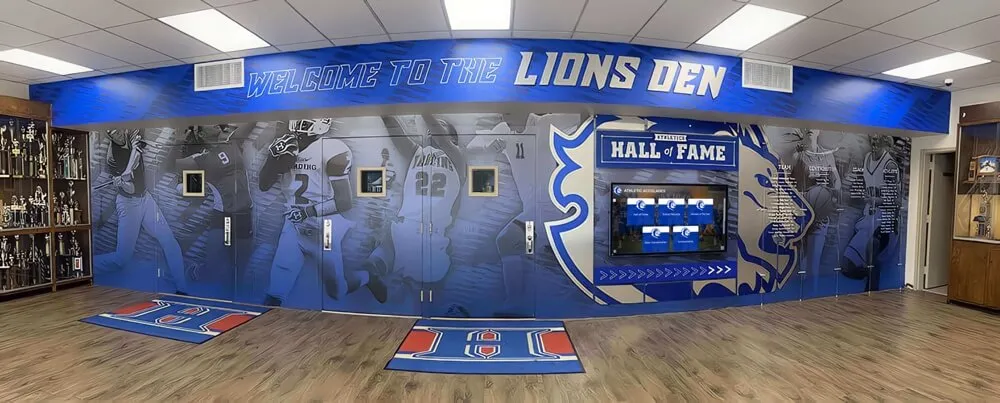
Dedicated softball recognition within comprehensive athletic displays ensures program-specific achievement receives visibility matching its institutional importance
Softball Recognition Strategies and Traditions
Softball programs deserve recognition systems acknowledging their unique competitive characteristics:
Pitching Excellence Awards
Given softball’s pitching centrality, specific recognition should celebrate win totals documenting successful seasons, strikeout leaders demonstrating dominance, earned run averages reflecting consistent excellence, complete games pitched showing remarkable durability, and no-hitters or perfect games commemorating extraordinary individual performances.
Offensive and Defensive Recognition
Balanced softball recognition includes batting average leaders celebrating consistent hitting, home run champions acknowledging power production, stolen base leaders recognizing aggressive base running, fielding percentage awards honoring defensive reliability, and clutch performance recognition celebrating athletes delivering in pressure moments during critical games.
Team Chemistry and Leadership Awards
Softball culture often emphasizes tight team bonding—many programs develop distinctive cheers, dugout rituals, and celebration traditions creating memorable team identities. Recognition can acknowledge these cultural elements through team spirit awards celebrating athletes embodying program character, leadership recognition honoring captains and vocal leaders, and sportsmanship awards acknowledging athletes exemplifying competitive integrity and respect.
Programs seeking comprehensive frameworks can explore softball senior night planning ideas ensuring graduating athletes receive celebration matching their program contributions.
Track and Field: Individual Excellence Within Team Context
Track and field represents the largest participation sport in many spring programs, with dozens of athletes competing across diverse events requiring vastly different athletic skills.
Track and Field Season Structure and Events
Track and field’s complexity creates unique organizational and recognition challenges:
Event Diversity and Specialization
Track and field encompasses sprints, middle distance races, distance running, hurdles, relays, high jump, long jump, triple jump, pole vault, shot put, and discus—each requiring specialized training, technique, and body types. Unlike most sports where all participants develop similar skill sets, track athletes specialize dramatically—sprinters train nothing like distance runners, while throwers develop completely different physical capabilities than jumpers or pole vaulters.
This diversity means single programs accommodate extraordinary athlete variety—powerful throwers, explosive sprinters, enduring distance runners, technical hurdlers, and fearless pole vaulters all contributing to team scoring despite minimal competitive overlap between their specific events.
Individual Competition Within Team Scoring
Track operates through individual event competition where athletes earn points contributing to team totals. Unlike baseball or softball where collective play determines outcomes, track athletes compete individually for placement—first place finishes earning maximum points, with decreasing totals for subsequent placements. Team championships emerge from cumulative individual performances across all events throughout meets.
This structure creates dual recognition needs—individual achievement honoring personal records, event victories, and state qualifications alongside team success celebrating conference championships and overall competitive excellence built through comprehensive squad depth.
Qualifying Systems and State Tournament Advancement
Track’s post-season structure differs from bracket-style team sport tournaments. Athletes qualify for state championships by achieving specific time standards or placing highly at sectional/regional qualifying meets. State tournaments feature individual event competition where athletes from qualifying schools compete head-to-head, with final placements determining individual recognition and team championship scoring.
Elite athletes may qualify in multiple events, while team success requires depth across numerous events rather than single-star dominance—creating complex recognition scenarios acknowledging both individual excellence and collective contribution.
Comprehensive guidance on track and field awards and athlete recognition provides detailed frameworks celebrating diverse event achievements effectively.
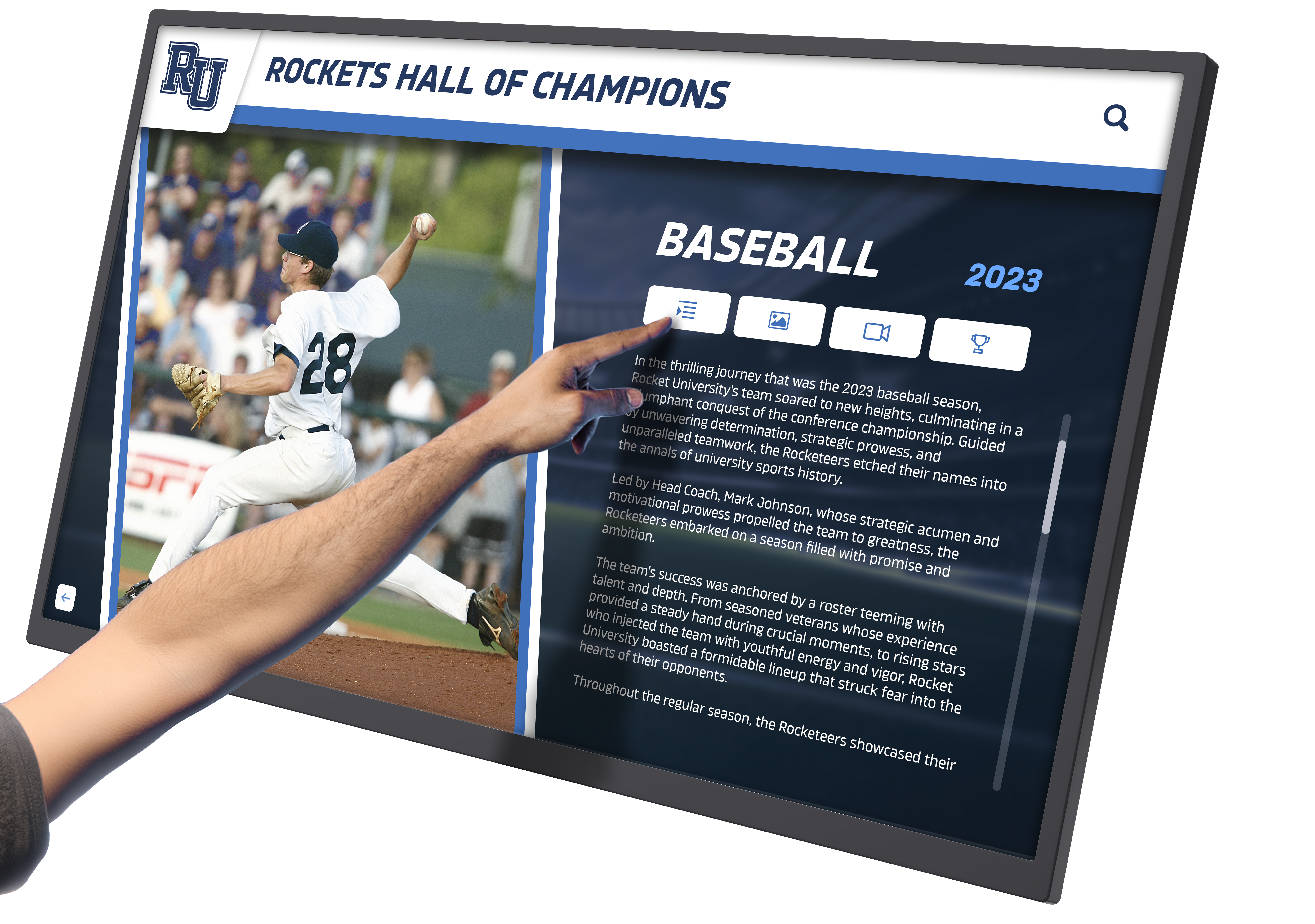
Track and field recognition benefits from digital displays documenting extensive statistical records across multiple events, personal records, and state qualification achievements
Track and Field Recognition Approaches
Comprehensive track recognition requires systematic approaches accommodating event diversity:
Event-Specific Excellence Awards
Recognition should span all competitive areas including sprinting excellence celebrating 100m, 200m, and 400m champions, middle distance recognition honoring 800m and 1600m standouts, distance running awards acknowledging 3200m and cross country-style distance specialists, hurdle achievement celebrating technical excellence over barriers, field event recognition honoring jumpers, vaulters, and throwers, and relay team acknowledgment celebrating collective sprint and distance relay success.
Event-specific recognition ensures all track specialties receive equivalent visibility—preventing sprint-focused celebration overshadowing field events, distance running, or technical hurdle disciplines that less-informed audiences might overlook.
Personal Record Achievement and Improvement
Track’s precisely measurable nature enables recognition celebrating personal record improvements throughout seasons. Athletes dramatically improving times or distances—even without winning events—demonstrate excellence deserving acknowledgment. Most improved athlete awards prove particularly meaningful in track, where quantifiable progress validates training commitment producing tangible results.
State Qualification and Championship Recognition
Reaching state championships represents pinnacle track achievement—recognition should prominently celebrate state qualifiers regardless of final placement, state medalists earning top-eight finishes, state champions winning individual events, and school record holders establishing new program standards through extraordinary performances.
State qualification often proves most challenging achievement—advancing past sectional and regional competition requires consistent excellence across multiple meets, making qualification itself worthy of significant recognition independent of state tournament outcomes.
Tennis: Individual Battles and Team Competition
High school tennis combines individual match competition with team scoring systems, creating unique dual recognition opportunities.
Tennis Season Format and Competition Structure
Tennis operates through individual and doubles matches contributing to team victories:
Match Formats and Scoring Systems
High school tennis teams compete through individual singles matches and doubles partnerships, with each contest contributing points toward team totals. Typical dual meet formats feature multiple singles positions and doubles teams, with team victories determined by total points accumulated across all individual matches. Some conferences emphasize individual tournament formats where athletes compete independently for conference championships separate from team competition.
This dual structure means tennis players experience both individual responsibility—carrying personal match outcomes—and collective team context where individual results contribute to shared success or disappointment.
Singles and Doubles Recognition
Recognition should acknowledge both competitive contexts through singles championship recognition celebrating individual excellence, doubles partnership success honoring collaborative achievement, conference tournament victories acknowledging both team and individual formats, and state tournament advancement celebrating ultimate competitive achievement at both individual and team levels.
Ranking Systems and Position Ladders
Many tennis programs utilize internal ranking ladders determining match assignments. Top-ranked players compete at first singles or first doubles positions facing opponent’s strongest players, while lower ladder positions match up against comparably skilled opponents. Movement up or down ladders throughout seasons based on practice performance and challenge match results creates dynamic competition within teams.
Recognition can acknowledge ladder position achievement—celebrating athletes earning and maintaining top positions through sustained excellence, while also recognizing athletes improving significantly to climb ladder rankings demonstrating development and competitive growth.
Resources exploring tennis senior night planning and recognition provide sport-specific ceremony guidance ensuring meaningful athlete celebration.
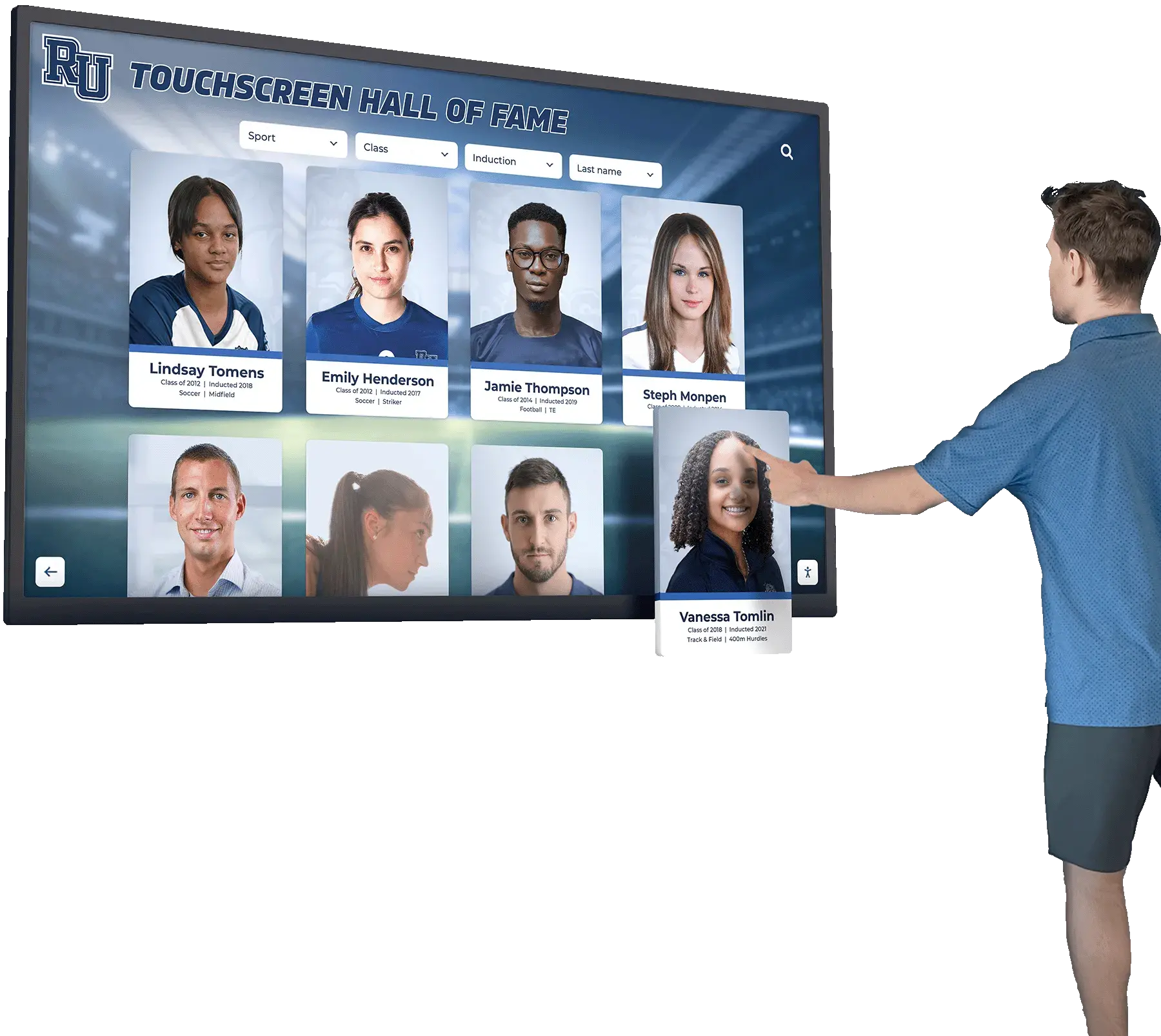
Tennis recognition displays document both individual achievements and doubles partnerships—celebrating the sport's unique dual competitive nature comprehensively
Tennis Recognition Opportunities and Traditions
Tennis programs benefit from recognition strategies honoring both individual and collective achievement:
Individual Performance Recognition
Singles excellence deserves prominent acknowledgment through conference singles championships celebrating tournament victories, position-specific recognition honoring athletes excelling at particular ladder positions, undefeated season recognition celebrating athletes completing seasons without losses, and state tournament qualification acknowledging elite competitive advancement.
Doubles Partnership Excellence
Successful doubles teams develop remarkable chemistry and strategic coordination deserving specific recognition through conference doubles championships honoring partnership victories, season win-loss records celebrating consistently successful tandems, and longest partnership recognition acknowledging athletes who played together throughout multiple seasons building exceptional teamwork.
Team Achievement Awards
Collective tennis recognition includes conference team championships reflecting cumulative match success, state tournament advancement celebrating team-format post-season achievement, dual meet winning streaks acknowledging extended excellence, and improvement recognition honoring teams dramatically elevating competitive performance across seasons.
Lacrosse: Fast-Growing Spring Sport
Lacrosse represents the fastest-growing high school sport nationally, transitioning from regional eastern sport to increasingly popular nationwide athletic offering.
Lacrosse Season Characteristics and Regional Variations
Lacrosse participation and competitive structures vary dramatically by region:
Eastern Established Programs vs. Emerging Western Growth
Traditional lacrosse strongholds in Mid-Atlantic and Northeast states feature extensive program depth, intense competition, long-established traditions, and widespread community familiarity. Schools in these regions operate mature programs with experienced coaching, developed youth feeder systems, and passionate fan bases comparable to more universal sports like basketball or soccer.
Western and southern states increasingly adopt lacrosse but often operate emerging programs with limited competition, club-based rather than school-sponsored formats, compressed seasons due to fewer opponents, and developmental focuses as programs build participation and competitive infrastructure.
Recognition should acknowledge competitive context—conference championships in established eastern leagues represent different achievement levels than titles in emerging western conferences, though both deserve celebration appropriate to their specific competitive circumstances.
Boys’ vs. Girls’ Lacrosse Rule Differences
Unlike most sports with identical rules across genders, boys’ and girls’ lacrosse operate under substantially different regulations. Boys’ lacrosse permits significant physical contact, requires protective equipment including helmets and pads, and features aggressive defensive play. Girls’ lacrosse prohibits most physical contact, requires minimal protective equipment, and emphasizes skill and finesse over physicality.
These rule differences create distinct competitive characteristics—boys’ programs emphasizing physical toughness and aggressive play, while girls’ games showcase technical stick skills and field awareness. Recognition should reflect these differences through position-specific awards and achievement categories acknowledging each game’s unique competitive priorities.
Position Specialization and Role Recognition
Lacrosse features distinct positions including attackers focusing on offensive scoring, midfielders playing both ends of field, defenders specializing in preventing scores, and goalies serving as last line of defense. Recognition should honor position-specific excellence through leading scorer awards for attackers, ground ball leader recognition for midfielders and defenders, save percentage awards for goalies, and assist leader acknowledgment for playmaking attackers and midfielders.

Lacrosse recognition integrated within comprehensive athletic displays demonstrates institutional commitment to emerging sports alongside traditional program offerings
Lacrosse Recognition and Celebration
Growing lacrosse programs benefit from structured recognition establishing traditions:
Statistical Achievement Awards
Lacrosse generates clear statistical measures including leading scorers documenting goal totals, assist leaders recognizing playmaking ability, points leaders combining goals and assists, save percentage recognition for goalies, ground ball leaders celebrating defensive hustle, and caused turnover acknowledgment for defensive pressure creating opponent mistakes.
All-Conference and External Recognition
As lacrosse matures, increasing external recognition emerges through all-conference team selections by league coaches, all-state honors in states with developed programs, all-American recognition for elite athletes in established regions, and recruiting recognition as college lacrosse growth creates scholarship opportunities.
Program Development and Growth Awards
Emerging programs might create recognition categories celebrating program-building contributions through inaugural season recognition honoring first team rosters, program milestone achievements like first victories or first playoff appearances, and leadership awards acknowledging athletes whose commitment enabled program launches and early development.
Golf: Individual Pursuit With Team Implications
High school golf operates primarily as individual sport with team scoring components creating dual recognition opportunities.
Golf Season Format and Competition Structure
Golf’s unique characteristics create distinctive competitive experiences:
Tournament-Based Competition
Unlike most sports with scheduled head-to-head matchups, golf operates through tournament formats where schools send teams to compete at host courses. Individual golfers record stroke totals across 9 or 18-hole rounds, with lowest scores winning individual medals while team totals—typically combining top 4-5 individual scores from each school—determine team placement.
This format means golfers compete simultaneously against opponents while also pursuing personal scoring excellence, and team success depends on multiple athletes performing well rather than single-player dominance.
Individual Medalist Recognition vs. Team Championships
Conference and invitational tournaments award individual medalist honors to lowest-scoring golfers alongside team championships for schools with best cumulative scores. State tournaments similarly crown individual state champions while also determining team state champions through combined scoring.
Recognition should celebrate both achievement types—individual medalists earning personal glory and team champions experiencing collective success requiring multiple contributors performing consistently.
Course Conditions and Par-Based Achievement
Golf performance contextualizes relative to course difficulty. Shooting under par represents exceptional achievement regardless of placement, while posting best-in-program scores on particularly challenging courses warrants recognition even when absolute scores exceed par. Recognition should acknowledge course-specific records, par-relative performance excellence, and competitive context rather than simply celebrating lowest raw score totals without considering difficulty variables.
Resources on golf team distinguished alumni recognition demonstrate long-term celebration strategies building program traditions through historical documentation.

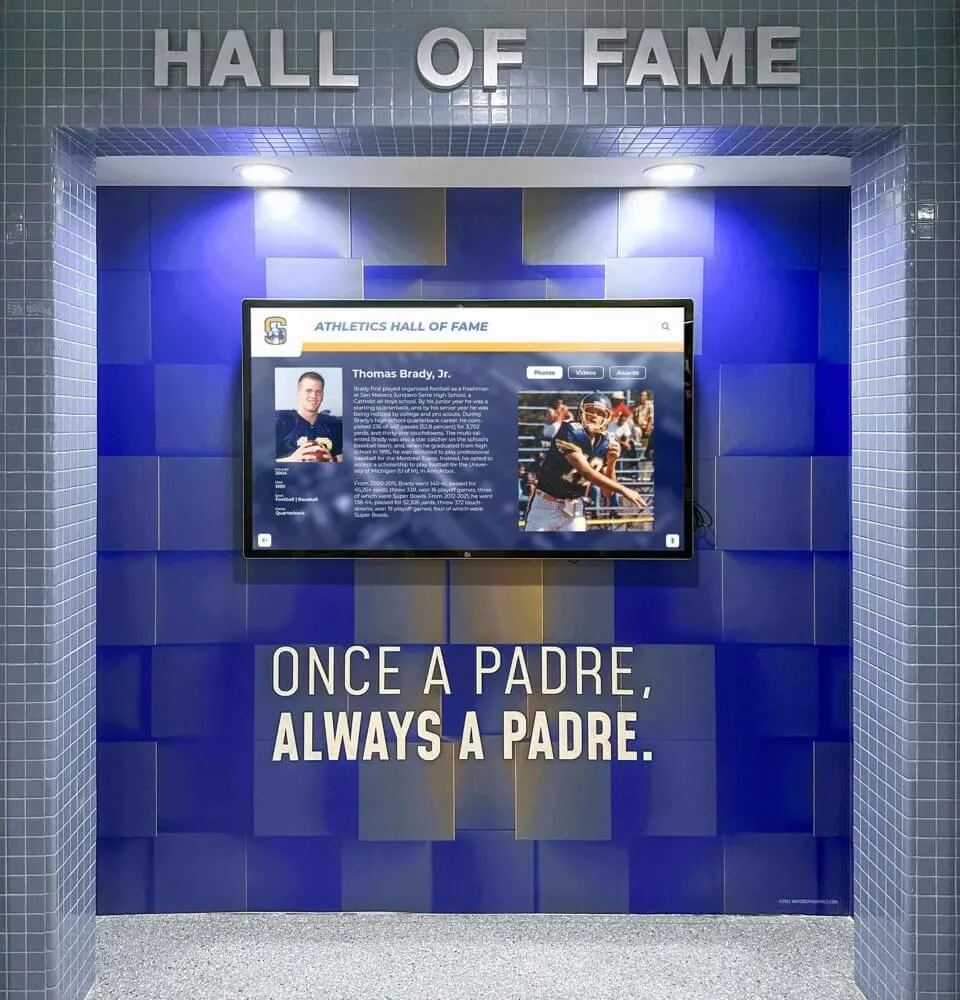
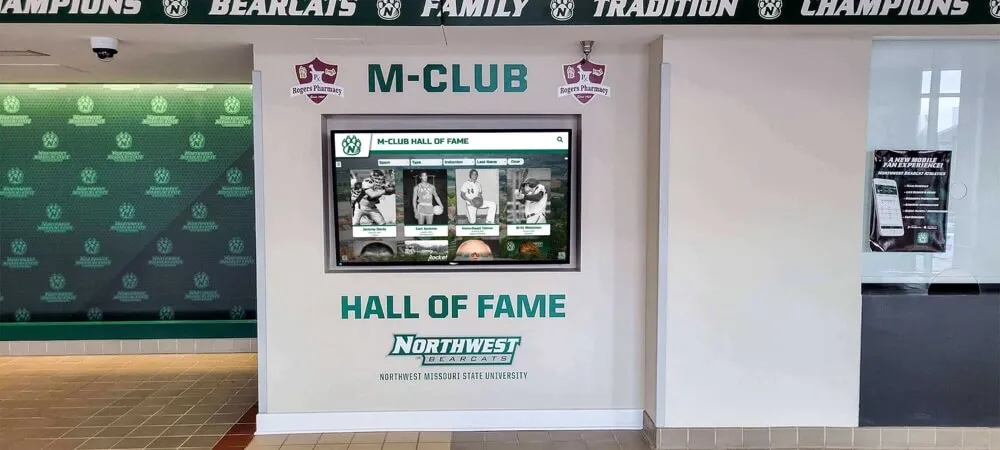
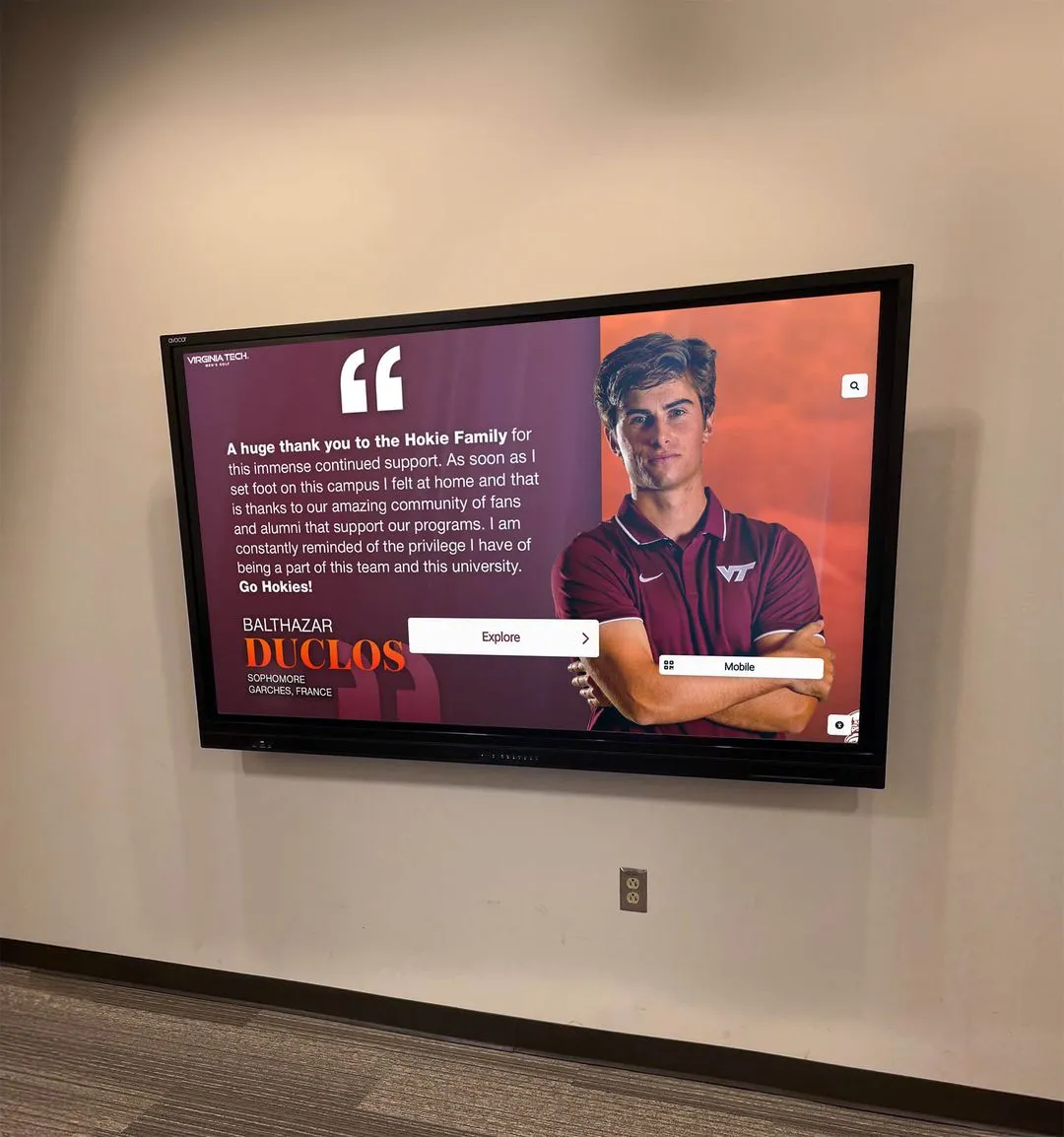
Golf recognition extends beyond physical facilities through web platforms enabling alumni and families to explore achievements remotely—particularly valuable for individual sports where athletes may graduate before experiencing team championship success
Golf Recognition Opportunities and Traditions
Golf programs benefit from recognition celebrating both individual excellence and team contribution:
Individual Performance Recognition
Golf-specific recognition includes tournament medalist awards celebrating event victories, low average stroke recognition honoring season-long consistency, sub-par round acknowledgment celebrating exceptional performances, course record recognition documenting best scores on specific courses, and improvement awards honoring athletes dramatically lowering scoring averages across seasons.
Team Achievement Celebration
Collective golf recognition acknowledges conference championship teams accumulating best cumulative tournament results, state tournament qualification celebrating teams advancing to ultimate competition, and team scoring records documenting historically low combined totals during particular tournaments or across complete seasons.
State Tournament and Championship Recognition
Reaching state tournaments represents golf’s pinnacle achievement—recognition should prominently celebrate state qualifiers advancing as individuals or team members, state medalists finishing among top individual placements, state champions winning individual titles, and team state champions earning collective supremacy.
Creating Comprehensive Spring Sports Recognition Systems
Effective programs ensure spring athletes receive visibility and celebration matching fall and winter sports.
Avoiding Seasonal Recognition Imbalance
Many schools inadvertently emphasize fall athletics—particularly football—while spring sports receive diminished attention:
Equal Resource Allocation Across Seasons
Athletic directors should audit recognition investment ensuring spring sports receive proportional resources including equivalent award budgets per athlete across all seasons, ceremony quality matching regardless of sport or season, display prominence providing equitable facility visibility, and communication emphasis ensuring spring achievements receive coverage matching fall and winter programs.
Regular equity reviews comparing recognition across seasons identify potential imbalances requiring correction—ensuring football championships don’t dominate trophy cases while baseball, softball, and track achievements receive minimal acknowledgment.
Timing Recognition Appropriately
Spring sports conclude as school years end, creating scheduling challenges for recognition ceremonies. Schools should plan carefully to ensure spring athletes receive celebration before summer dispersal through scheduled end-of-season banquets occurring before school dismissal, awards assemblies recognizing spring achievements before student departure, immediate display updates adding spring accomplishments to facility recognition, and social media celebration amplifying spring success throughout communities.
Delayed recognition—pushing spring celebration into following fall—dramatically reduces emotional impact and athlete satisfaction compared to timely acknowledgment occurring close to season conclusion.
Multi-Sport Athlete Considerations
Many students compete across multiple seasons—recognition systems should acknowledge comprehensive athletic commitment through multi-sport athlete awards celebrating participation across diverse programs, cumulative achievement recognition documenting total athletic contribution, and coordinated ceremony scheduling enabling athletes to celebrate each sport’s achievements distinctly rather than forcing consolidated annual recognition missing season-specific timing.
Understanding comprehensive athletic recognition program design helps administrators implement systematic celebration ensuring equitable visibility across all sports and seasons.
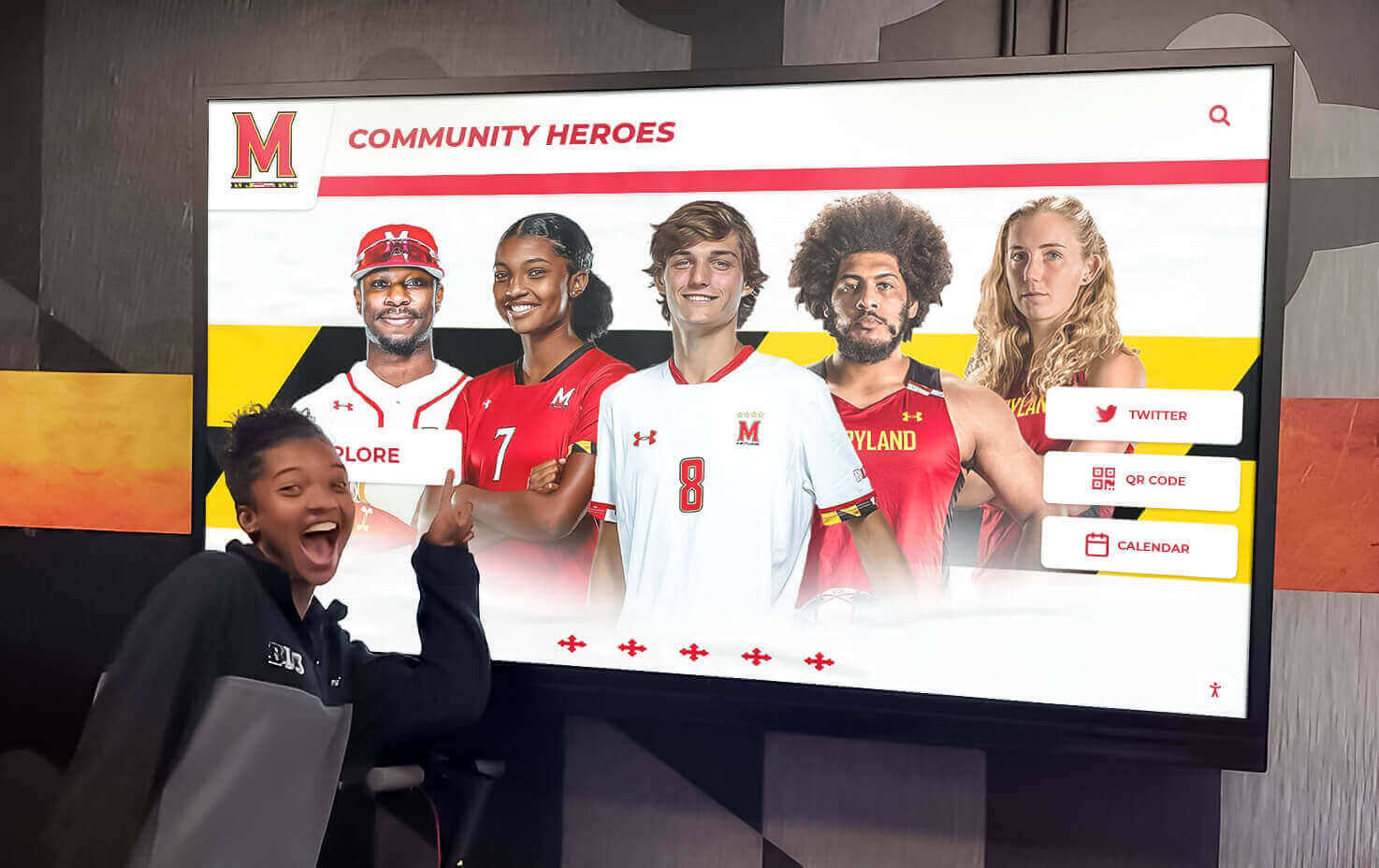
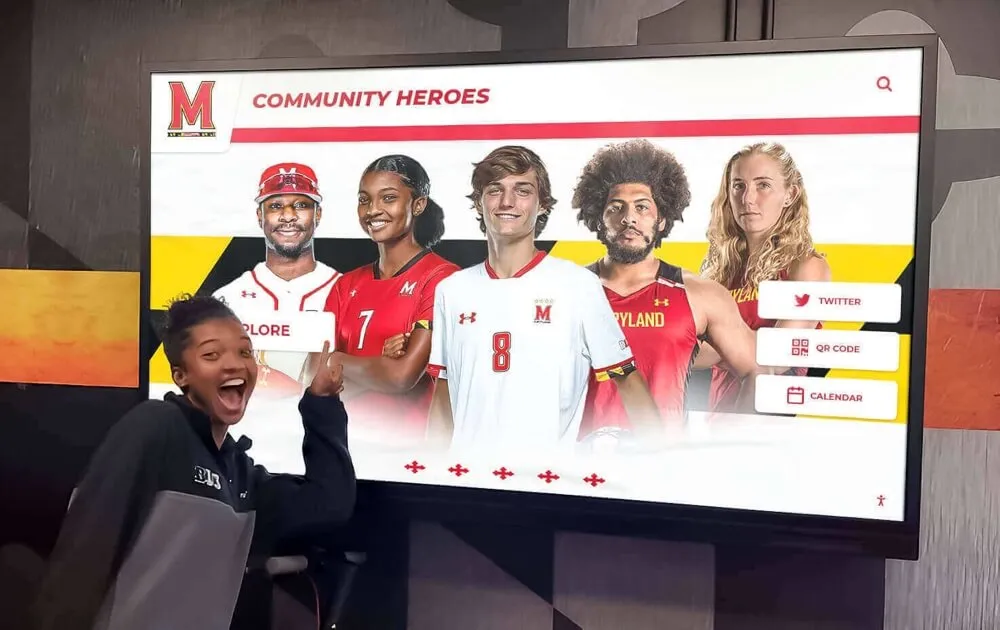
Accessible spring sports recognition inspires younger students while celebrating current athletic excellence—creating aspirational visibility motivating future athlete participation
Planning Spring Sports Banquets and Ceremonies
Systematic ceremony planning ensures meaningful end-of-season celebration:
Sport-Specific vs. Combined Recognition Events
Schools typically choose between individual sport banquets enabling deep program-specific celebration or combined spring sports nights acknowledging all spring athletes together. Sport-specific events provide intimate program focus, extended time for comprehensive recognition, and stronger team bonding. Combined events create efficient resource utilization, broader community visibility showcasing multiple programs, and cross-sport community building.
Many schools implement hybrid approaches—conducting sport-specific regular season recognition while hosting combined spring celebration honoring all spring athletes during culminating school assemblies or award ceremonies before year-end.
Incorporating Senior Recognition and Career Celebration
Spring seasons carry particular significance for graduating seniors completing high school athletic careers. Banquets should prominently acknowledge senior contributions through individual senior spotlight moments reviewing career highlights, parent recognition thanking families for support enabling athletic participation, career statistical documentation celebrating four-year cumulative achievement, and future plans sharing where seniors will attend college or what paths they’ll pursue.
Senior recognition creates powerful emotional moments athletes and families remember permanently—schools should invest time and attention ensuring graduating athletes receive celebration worthy of their multi-year program commitment.
Multimedia Integration and Season Documentation
Contemporary spring banquets benefit from rich media including highlight videos documenting memorable season moments, statistical presentations visualizing achievement and program records, photo slideshows celebrating team culture throughout seasons, and coach remarks contextualizing accomplishments and expressing gratitude for athlete dedication.
Multimedia elements create engaging experiences maintaining audience attention while providing context making recognition more meaningful than simply announcing names and distributing awards.
Detailed resources on sports banquet planning and memorable celebrations offer comprehensive guidance ensuring successful recognition events.
Modern Display Solutions for Spring Sports Recognition
Technology-enabled platforms address traditional recognition limitations while creating engaging interactive experiences celebrating spring athletics comprehensively.
Challenges of Traditional Physical Recognition
Conventional display approaches face inherent constraints particularly problematic for spring sports:
Space Limitations and Seasonal Imbalance
Physical trophy cases and display areas face finite capacity constraints. As programs accumulate achievement across decades, space limitations force difficult decisions about what recognition to maintain versus remove. Often, high-profile fall sports—particularly football—consume disproportionate display space while spring sports receive minimal visibility despite comparable achievement levels and athlete participation numbers.
This space scarcity creates recognition inequity where spring athletes see limited institutional acknowledgment of their accomplishments compared to fall programs with extensive trophy case presence and gymnasium banner displays.
Static Content and Limited Storytelling
Traditional plaques and trophies provide minimal information—typically names, dates, and brief achievement descriptions. This limitation prevents rich storytelling documenting season narratives, detailed statistics, personal backgrounds, or comprehensive career achievements. Spring athletes with remarkable statistical accomplishments or overcoming significant obstacles receive identical basic name-and-date recognition as athletes with less compelling stories—missing opportunities for meaningful narrative celebration.
Maintenance Challenges and Update Delays
Physical displays require ongoing maintenance including cleaning, repair of damaged elements, and periodic updates adding current achievements. This maintenance burden often results in outdated displays showing years-old recognition without current accomplishments, or deferred maintenance creating shabby appearances undermining rather than honoring athlete achievement.
Adding new spring sports recognition to physical displays requires fabrication lead times, installation scheduling, and budget allocation—often delaying visible recognition by months after season conclusion, dramatically reducing emotional impact compared to immediate acknowledgment.
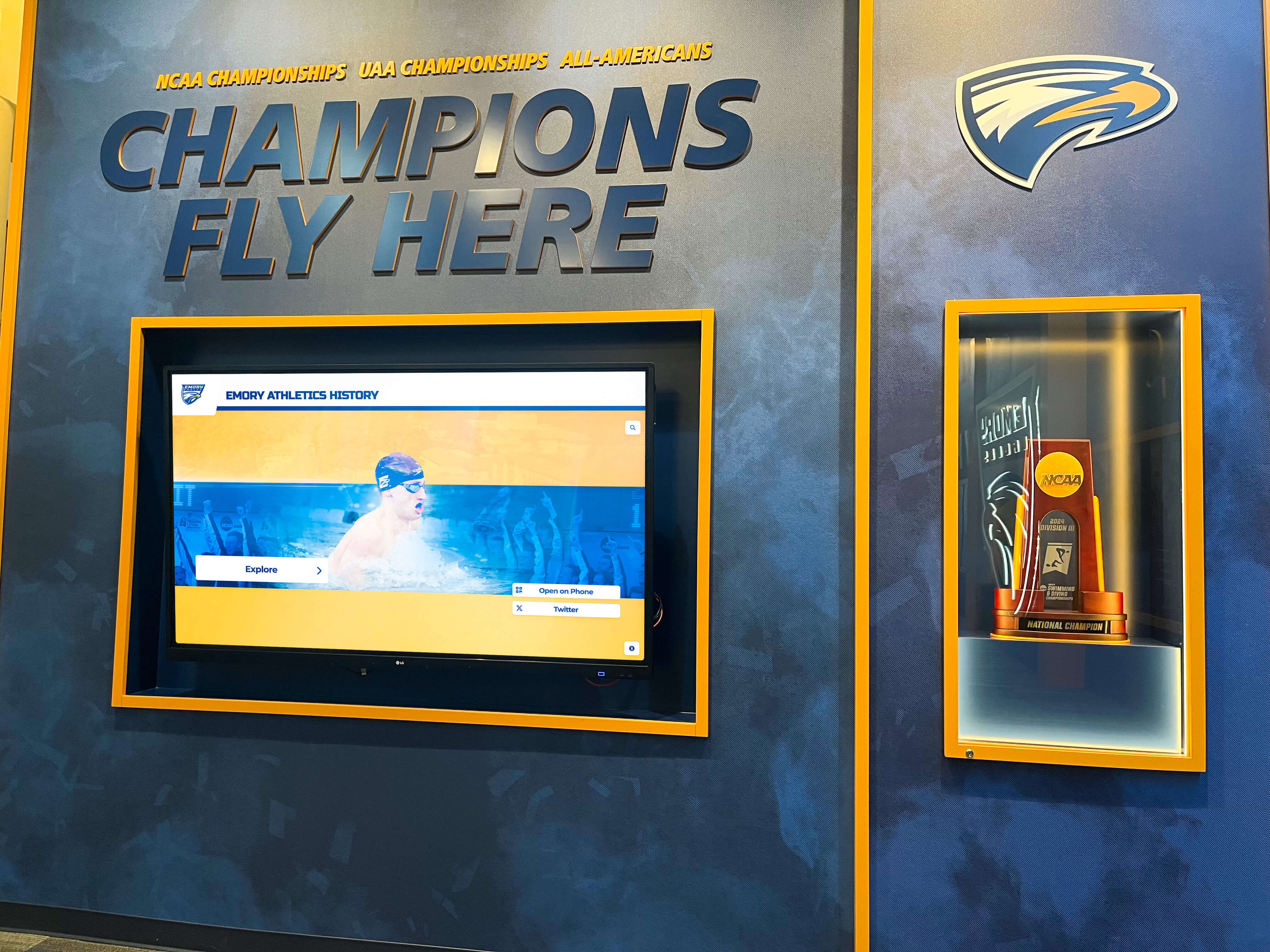
Spring sports championships deserve prominent trophy display positioning matching fall and winter achievements—demonstrating institutional commitment to comprehensive year-round athletic excellence
Digital Recognition Platforms for Spring Sports
Modern interactive displays address traditional limitations while creating engaging experiences:
Unlimited Recognition Capacity
Digital platforms eliminate physical space constraints entirely—accommodating unlimited athletes across unlimited sports and seasons without expansion requirements. Spring sports programs can celebrate complete rosters across baseball, softball, track, tennis, lacrosse, and golf without competing for limited display space or facing removal to accommodate current recognition.
This unlimited capacity proves particularly valuable for high-participation sports like track and field where dozens of athletes contribute throughout seasons—comprehensive documentation becomes practically achievable rather than physically impossible.
Rich Multimedia Spring Athlete Profiles
Interactive systems support comprehensive documentation including high-resolution action and portrait photography capturing athletes competing, complete season and career statistics providing detailed performance records, video highlights showcasing memorable plays and competitive excellence, biographical narratives sharing athlete backgrounds and post-graduation paths, and achievement context explaining significance of particular accomplishments within program history.
Multimedia depth transforms simple name listings into engaging storytelling visitors genuinely explore—particularly valuable for spring sports where casual observers might not understand significance of baseball ERA statistics, track and field personal records, or golf scoring achievements without explanatory context.
Immediate Recognition Updates
Cloud-based management enables instant content updates the moment seasons conclude. Athletic administrators add spring sport achievements through intuitive content management systems—changes appearing immediately rather than requiring months-long fabrication and installation processes. Real-time updating ensures spring recognition maintains timeliness while eliminating ongoing physical modification costs eventually making traditional displays financially unsustainable.
Accessible Recognition Beyond Physical Facilities
Modern platforms extend recognition through responsive web access enabling alumni exploring program history remotely regardless of geographic location, prospective athletes researching spring sport traditions during recruitment processes, families sharing athlete achievements via social media, and community members following spring program success without visiting campus facilities.
Web accessibility dramatically expands spring sports recognition reach compared to physical displays limited to campus visitors—enabling achievement celebration inspiring far broader audiences while building program visibility supporting recruitment and community engagement.
Solutions like Rocket Alumni Solutions provide purpose-built athletic recognition platforms combining commercial-grade touchscreen hardware with intuitive content management—enabling schools to maintain comprehensive spring sports celebration without technical expertise while ensuring baseball, softball, track, tennis, lacrosse, and golf athletes receive visibility matching their institutional importance.
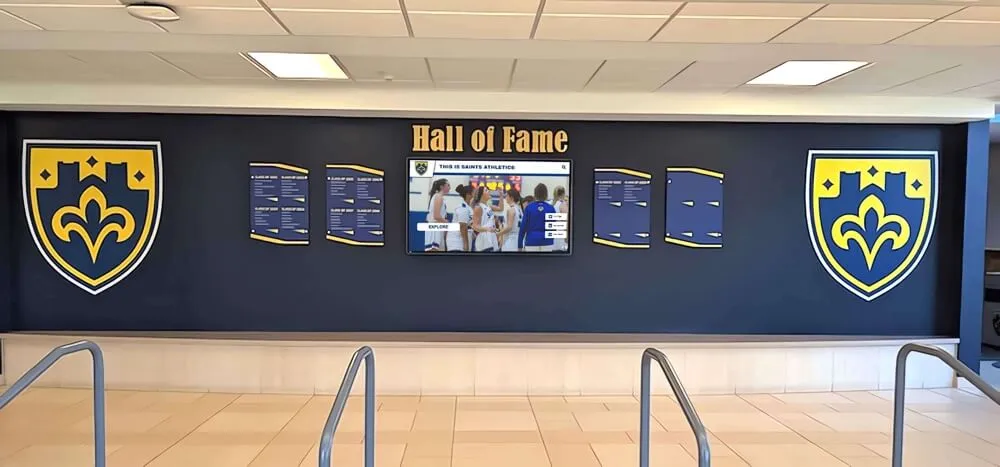
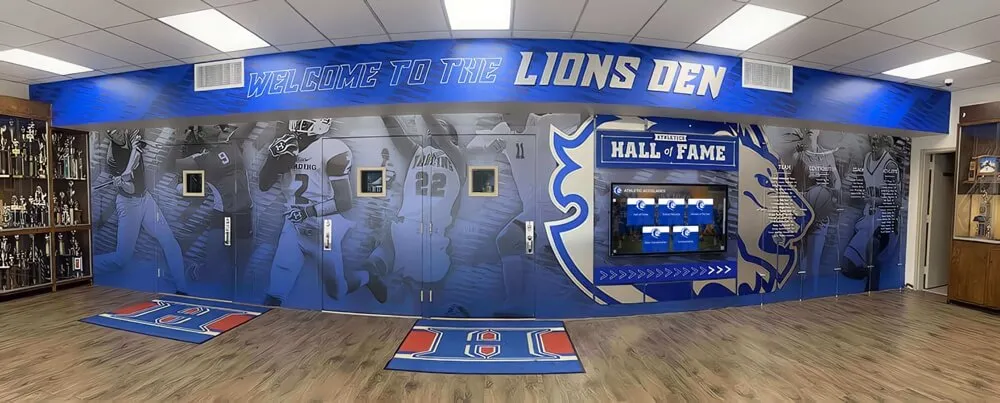
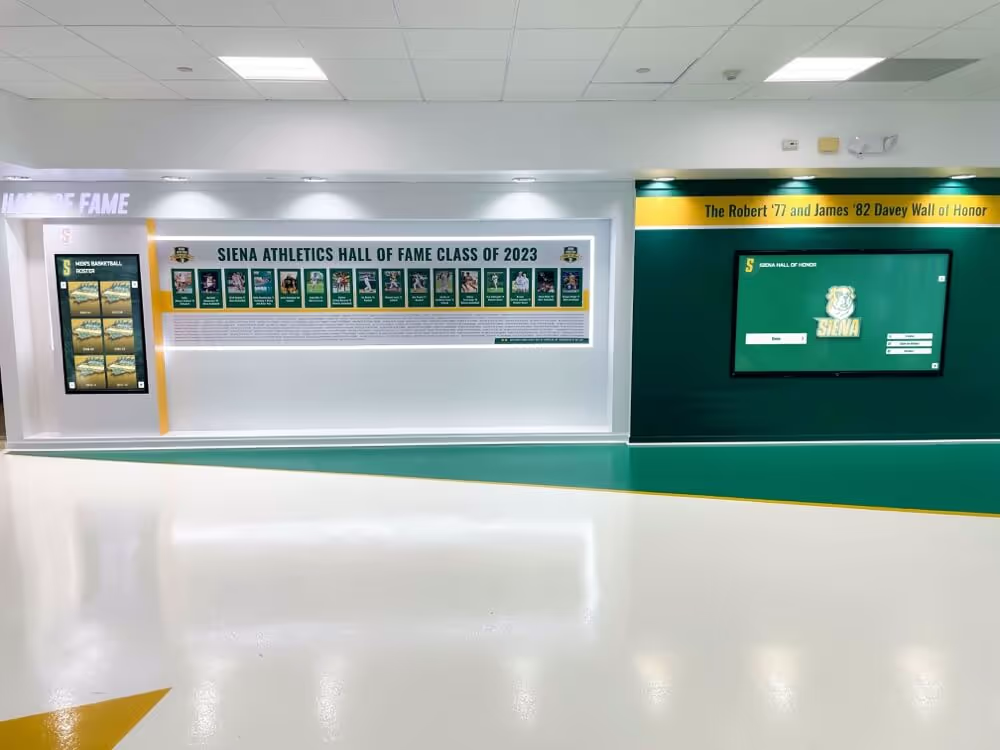
Hybrid recognition combining traditional physical elements with digital capability creates comprehensive spring sports celebration satisfying constituencies valuing tangible displays while adding modern functionality addressing conventional limitations
Implementing Spring Sports Recognition Displays
Strategic installation maximizes visibility and community impact:
High-Traffic Location Placement
Recognition displays should occupy prominent positions including main entrance lobbies ensuring maximum daily visibility, athletic wing corridors where student athletes and teams gather, gymnasium entrances creating pre-game engagement opportunities, and cafeteria or commons areas reaching entire student populations daily.
Strategic placement ensures spring sports recognition generates continuous visibility rather than languishing in low-traffic areas where infrequent discovery undermines implementation investment.
Coordinated Spring Sports Content Strategy
Comprehensive spring recognition should systematically document all spring programs through dedicated content sections for each sport enabling focused exploration, cross-sport navigation allowing visitors comparing achievements across baseball, softball, track, tennis, lacrosse, and golf, chronological organization tracking program evolution across seasons and years, and statistical record boards celebrating all-time leaders and milestone achievements.
Organized content architecture ensures visitors can easily discover spring athlete achievements through intuitive navigation reflecting how people naturally explore athletic accomplishments.
Seasonal Content Rotation and Highlighting
Digital flexibility enables dynamic content presentation including current season spotlights featuring active spring athletes and ongoing competitions, historical throwbacks connecting current programs to institutional traditions, championship celebration highlighting recent spring tournament success, and senior recognition showcasing graduating spring athletes completing high school careers.
Rotating content maintains fresh engagement encouraging repeated interaction while ensuring recognition feels current rather than static historical documentation lacking connection to ongoing athletic programs.
Resources exploring digital trophy case implementation and modernizing athletic recognition provide detailed guidance transitioning from traditional physical approaches to contemporary comprehensive platforms.
Leveraging Spring Sports Recognition for Program Development
Strategic spring sports celebration creates value extending beyond simple athlete acknowledgment:
Building Spring Sports Program Prestige
Visible recognition enhances spring program reputation and recruiting appeal:
Showcasing Spring Sport Tradition and Excellence
Comprehensive recognition demonstrates program commitment through documented championship histories establishing competitive credibility, statistical record boards creating measurable standards current athletes pursue, visible facility investment in recognition infrastructure signaling institutional athletic priorities, and alumni success documentation connecting spring sport participation to post-graduation achievement.
Recognition visibility during campus tours and recruiting visits communicates spring program quality—influencing athlete recruitment decisions during competitive selection processes where families evaluate institutional commitment to their student’s specific sport interests.
Social Media and Digital Marketing Content
Spring sports achievements provide compelling content for program promotion through ceremony photos and videos documenting celebratory moments, achievement announcements celebrating recent honors and selections, athlete spotlight features profiling individual stories and accomplishments, and historical content connecting current spring programs to institutional traditions.
Systematic recognition generates continuous content supporting spring sport marketing without requiring separate content creation infrastructure—schools leveraging recognition systems for marketing purposes discover unexpected promotional value beyond primary acknowledgment objectives.
Addressing Title IX and Gender Equity
Many spring sports feature significant female participation—softball represents primary spring girls’ team sport in most schools, while track and field, tennis, lacrosse, and golf all offer girls’ programs. Comprehensive spring sports recognition helps ensure equitable visibility for female athletes whose sports might receive diminished attention compared to higher-profile boys’ programs.
Regular equity audits examining recognition across gender lines identify potential imbalances requiring correction—ensuring female spring athletes receive celebration matching male counterparts through equivalent resource allocation, ceremony quality, display prominence, and communication emphasis.
Guidance on what senior night ceremonies accomplish helps schools implement meaningful spring sport traditions honoring graduating athletes appropriately.
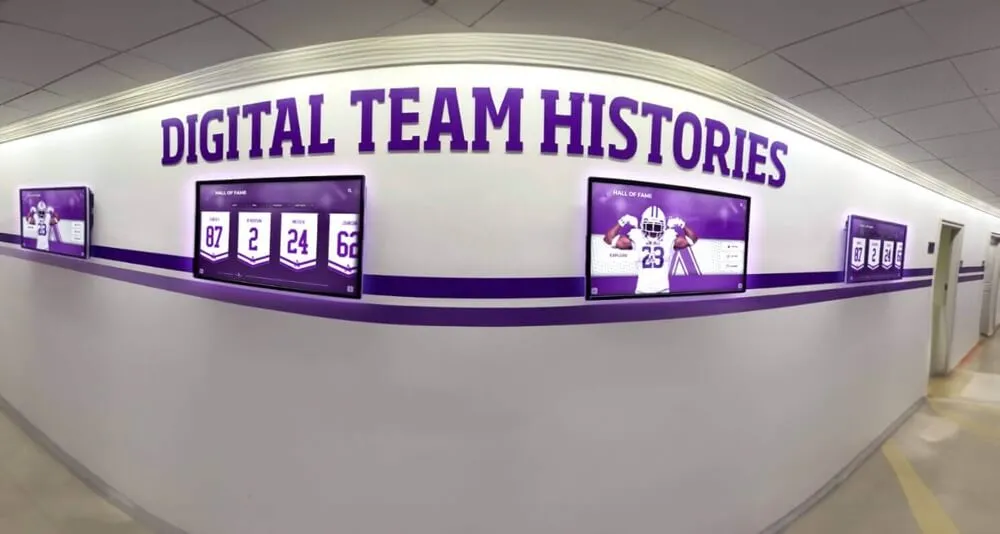
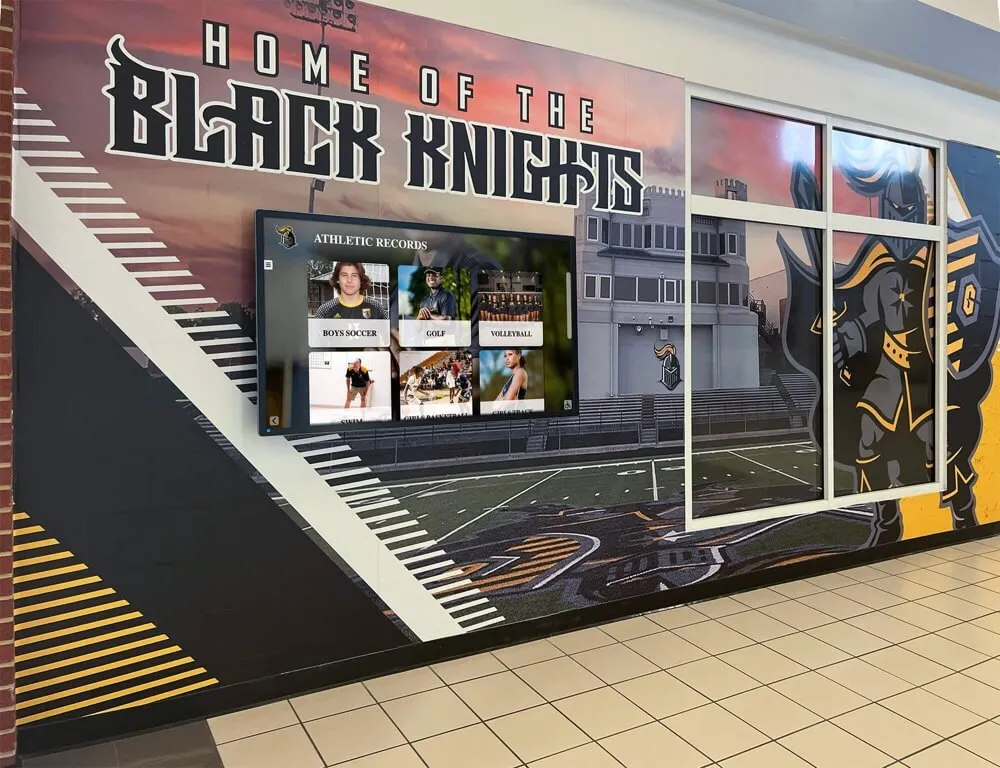
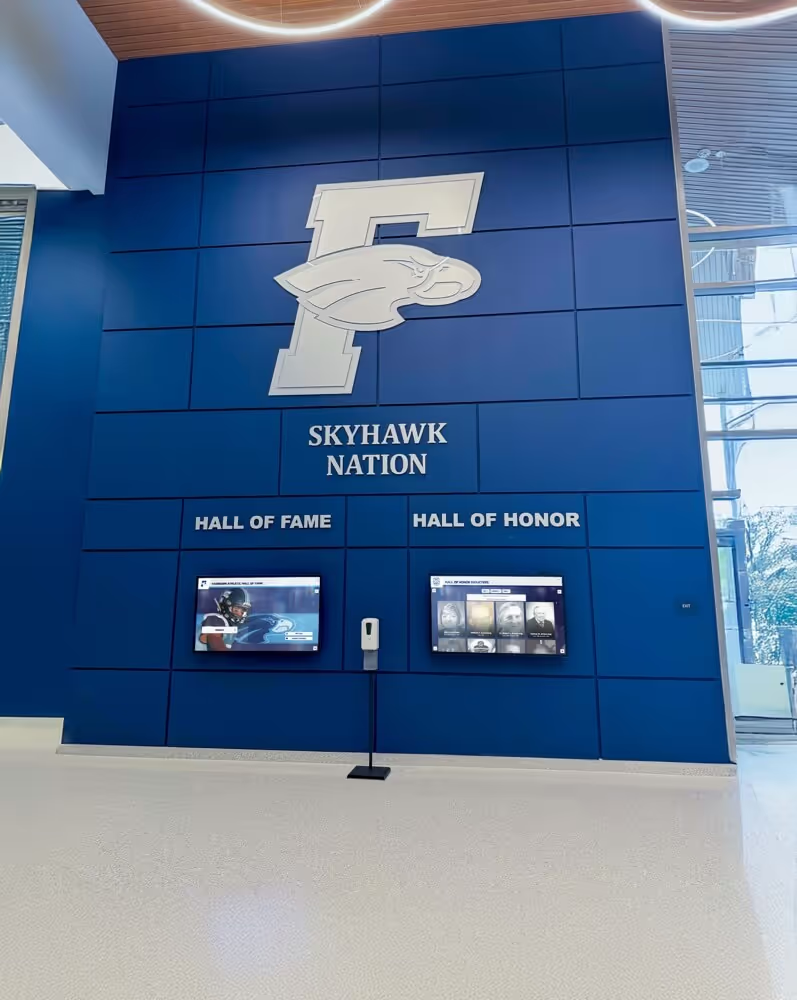
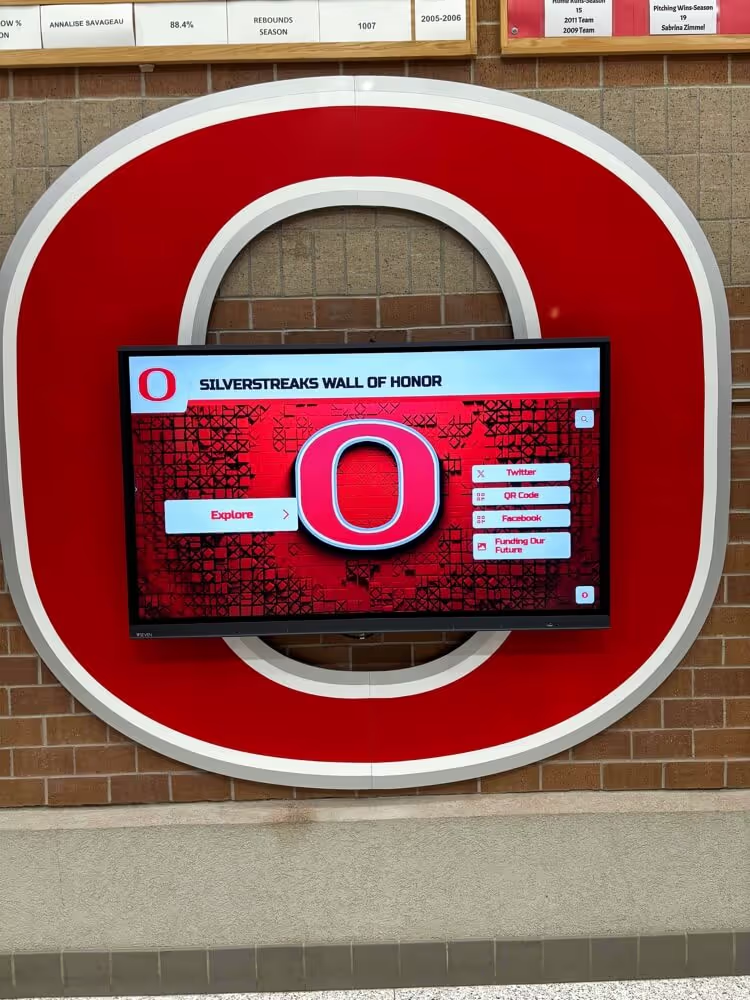
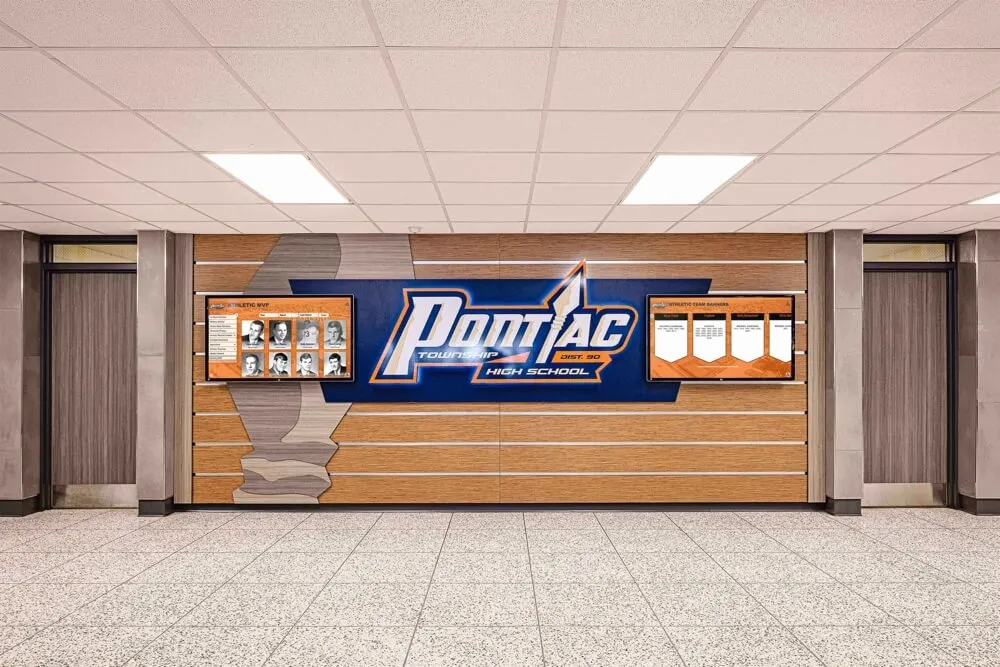
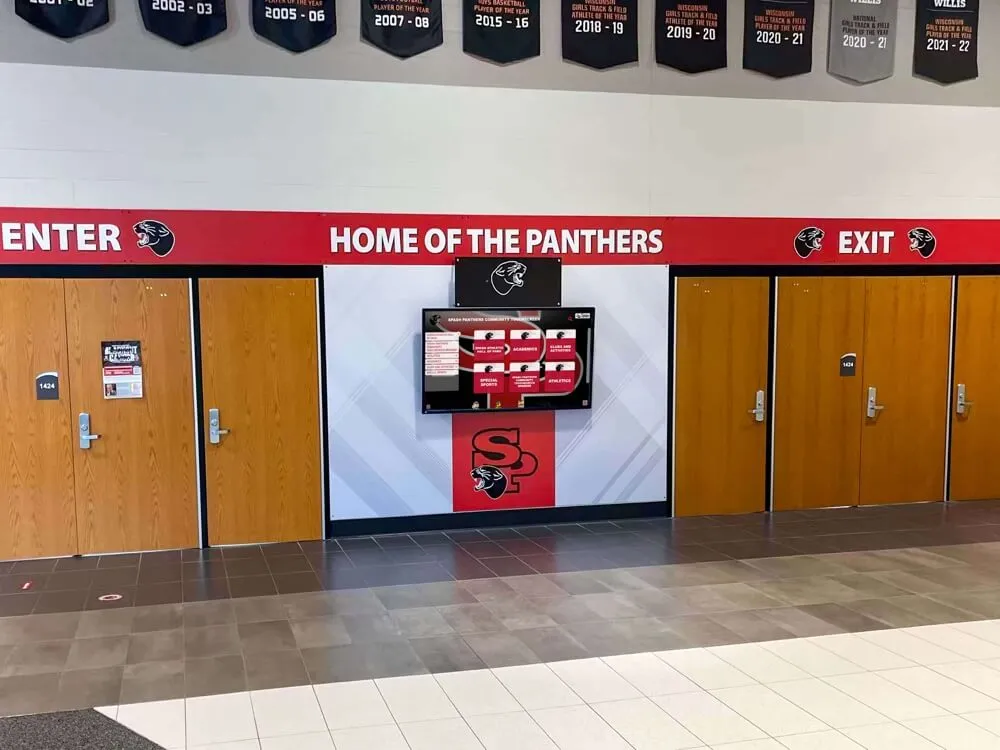
Strategic corridor placement creates daily spring sports recognition engagement—transforming recognition from occasional trophy case visits into continuous visibility celebrating baseball, softball, track, tennis, lacrosse, and golf achievements comprehensively
Spring Sports Alumni Engagement
Recognition provides natural connection point with graduated spring athletes:
Building Lifelong Spring Program Connections
Former spring athletes recognized through comprehensive programs demonstrate stronger engagement including higher spring sport event attendance by alumni returning to support programs, increased volunteer involvement serving as assistant coaches or program supporters, enhanced giving participation supporting facilities, equipment, or scholarship funds, and active mentorship of current spring athletes sharing experience and guidance.
Recognition communicates that schools value spring athletic contributions beyond immediate competitive years—creating appreciation and loyalty generating sustained graduate support advancing program development.
Recognition-Based Fundraising for Spring Sports
Many programs leverage recognition as development vehicle through naming opportunities where donors receive acknowledgment integrated with spring athletic celebration, memorial gifts honoring deceased spring athletes or coaches through dedicated awards or recognition, and capital campaigns for spring sport facilities or recognition infrastructure funded through targeted appeals.
Alumni demonstrate willingness supporting programs celebrating their spring sport contributions—creating natural fundraising opportunities aligned with recognition initiatives particularly valuable for spring sports potentially operating with smaller operating budgets than high-profile fall programs.
Conclusion: Celebrating Spring High School Sports Excellence
Spring high school sports represent critical components of comprehensive athletic programs—engaging hundreds of athletes across baseball, softball, track and field, tennis, lacrosse, and golf in competitive pursuits developing character, building community, and creating lasting memories. When thoughtfully recognized through systematic programs acknowledging diverse achievement across all spring sports, schools create powerful institutional cultures celebrating excellence, inspiring continued athletic pursuit, and building connections between athletes, programs, and communities extending throughout graduated athletes’ lives.
The difference between perfunctory recognition and transformative celebration lies in comprehensive program design ensuring spring sports receive visibility matching fall and winter programs, equitable resource allocation across all competitive seasons, meaningful ceremonies creating memorable experiences, and permanent display solutions extending acknowledgment beyond brief ceremony moments. Schools developing effective spring sports recognition discover measurable benefits including enhanced athlete satisfaction and program loyalty, stronger school-wide pride engaging entire communities, improved recruitment attracting quality athletes to all spring programs, and lasting alumni connections generating sustained graduate support.
Transform Your Spring Sports Recognition
Discover how modern digital recognition platforms enable comprehensive spring athletic celebration with unlimited capacity, engaging multimedia profiles, and accessible systems ensuring baseball, softball, track, tennis, lacrosse, and golf athletes receive visibility matching their dedication. Create lasting appreciation honoring every spring athlete who invested themselves in your program's success.
Explore Spring Sports Recognition SolutionsWhether implementing new spring sports recognition programs, enhancing existing celebration systems, or exploring how digital technology addresses traditional display limitations, the frameworks explored throughout this guide provide proven approaches creating acknowledgment spring athletes remember throughout their lives. Your spring athletes arrive early for morning practices, compete multiple times weekly while maintaining academic excellence, sacrifice spring weekends for tournaments and competitions, and commit themselves to team success requiring individual dedication. This investment deserves recognition matching its significance through thoughtful celebration, memorable ceremonies, and lasting visibility documenting their achievement appropriately.
Spring sports strengthen schools, build character in young athletes, and create communities united through shared competitive pursuit and mutual celebration of excellence. Every recognition opportunity represents a chance to communicate what your institution genuinely values—whether supporting all athletic programs equitably or inadvertently emphasizing only high-profile sports, whether celebrating complete committed rosters or exclusively honoring statistical leaders, whether providing fleeting acknowledgment or creating permanent institutional memory preserving spring athletic achievement indefinitely. Build recognition systems reflecting your actual priorities and educational mission—because the spring athletes investing themselves in your baseball, softball, track, tennis, lacrosse, and golf programs deserve celebration worthy of their extraordinary dedication and the lasting positive influence sports participation creates throughout their developing lives.
Ready to enhance your spring sports celebration? Explore how schools recognize outstanding coaching contributions extending recognition beyond athletes, discover end-of-year academic and athletic award strategies coordinating spring recognition within broader school celebration, learn about digital display solutions for state championship recognition showcasing spring tournament achievements, and understand comprehensive recognition program planning ensuring spring sports receive systematic institutional celebration matching their importance to student athletes, families, and communities supporting comprehensive athletic programs.