



Every day in schools across the country, students achieve remarkable things. A struggling reader finally conquers a challenging book. A math student solves their first complex equation independently. An athlete breaks a personal record. A musician nails a difficult piece after weeks of practice. A science student presents groundbreaking research. These achievements—both monumental and incremental—represent critical moments in students’ educational journeys that deserve recognition and celebration.
Yet many schools struggle to systematically track and celebrate the full spectrum of student achievement. Recognition often defaults to honor roll lists that quickly become outdated, award ceremonies that highlight only the highest performers, or trophy cases that showcase athletics while academic accomplishments receive less visibility. Meanwhile, important achievements like dramatic improvement, persistent effort, specialized talents, and diverse accomplishments across all areas go unnoticed or forgotten.
This comprehensive guide explores effective strategies for tracking student achievement across multiple dimensions and implementing celebration systems that motivate all learners, strengthen school culture, and create lasting impact that extends beyond individual students to transform entire educational communities.
Effective student achievement recognition extends far beyond identifying top performers—it requires systematic approaches that acknowledge excellence across multiple dimensions while ensuring opportunities exist for students at all achievement levels. Schools that excel at recognizing student success create environments where accomplishment becomes visible, celebrated, and central to institutional identity.

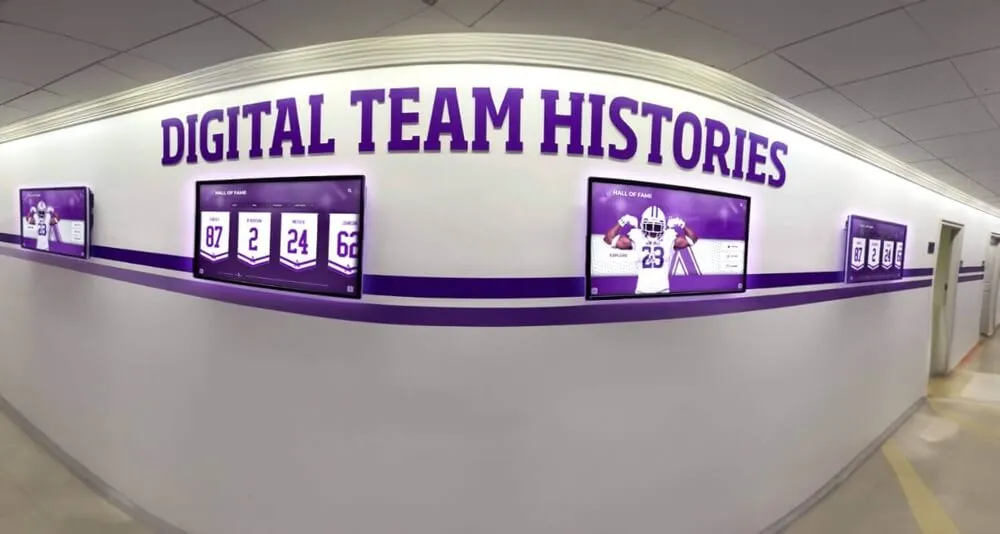
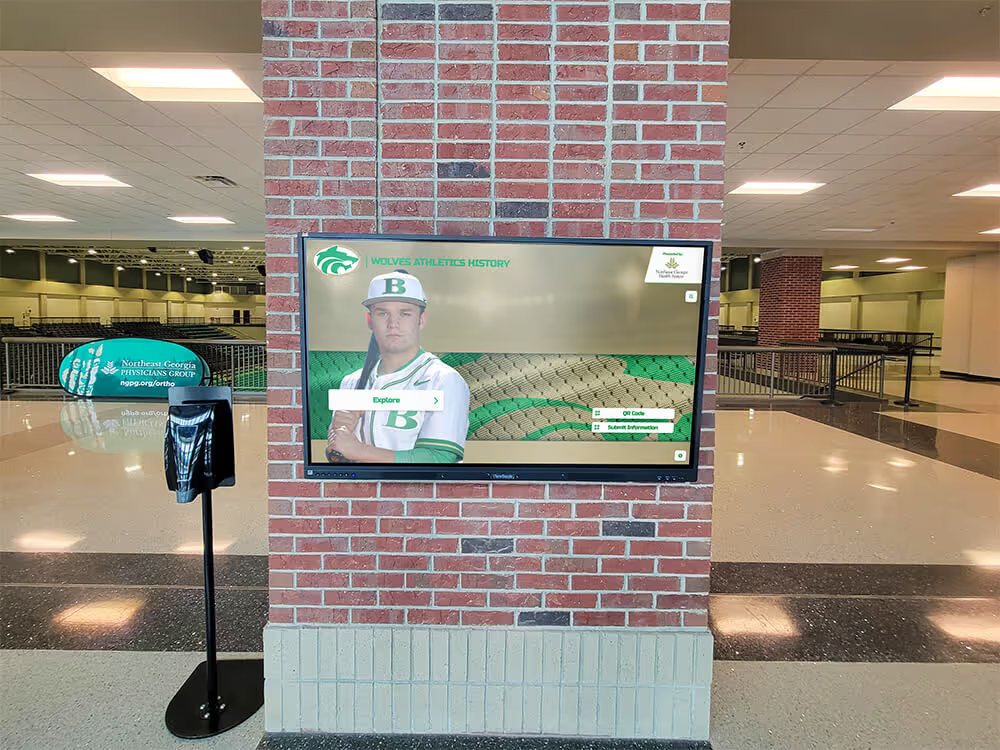
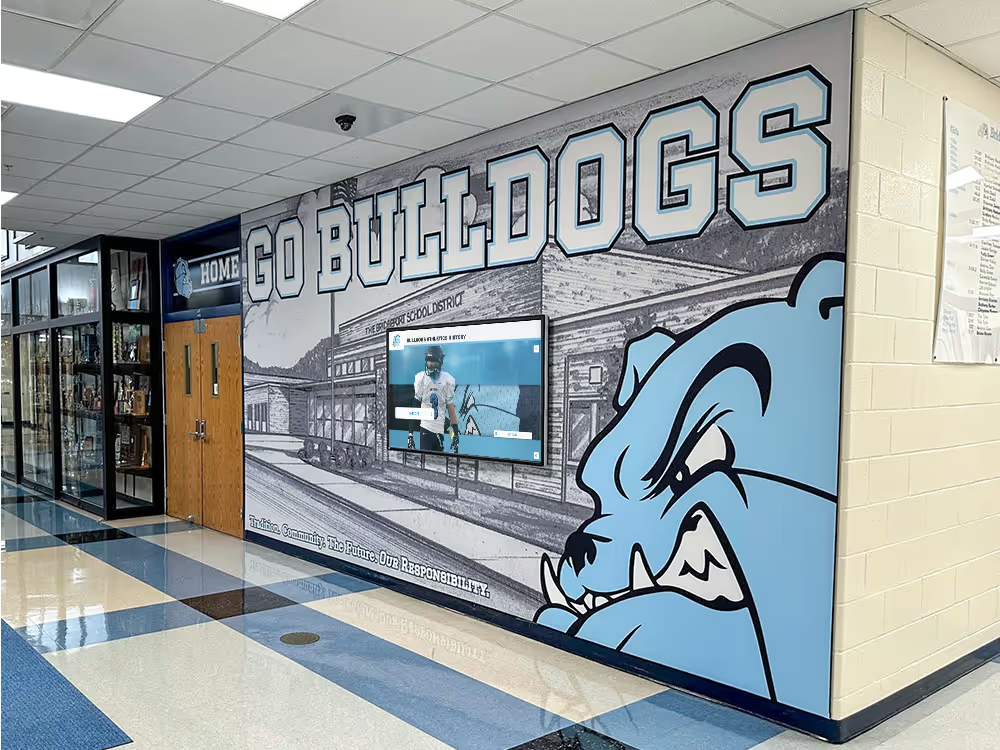
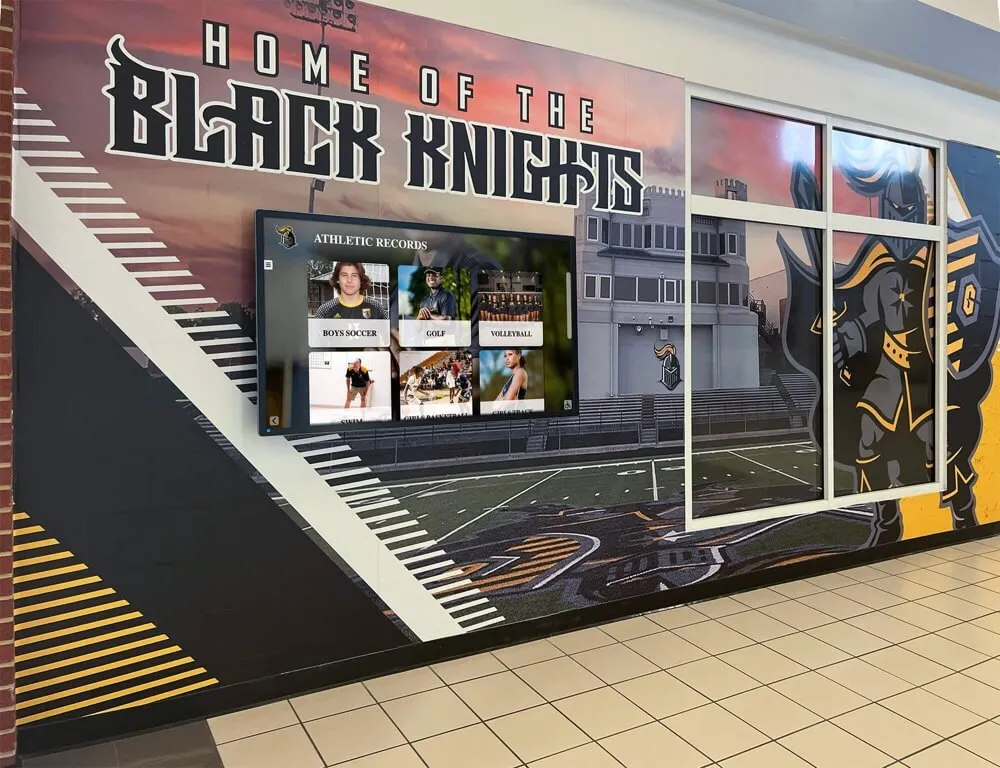
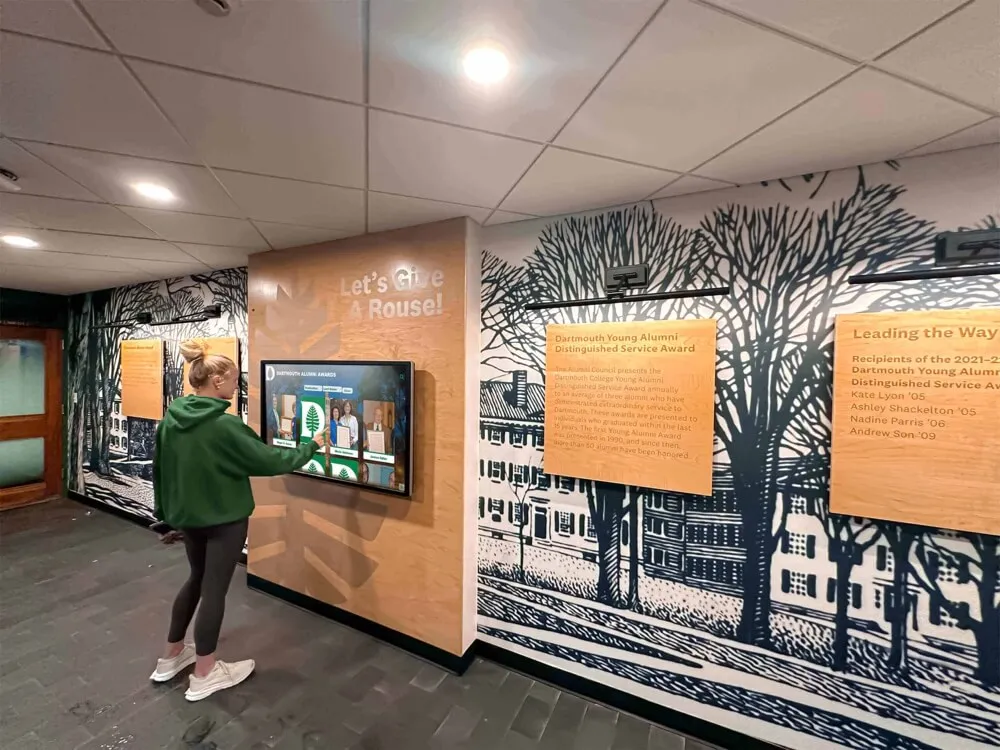
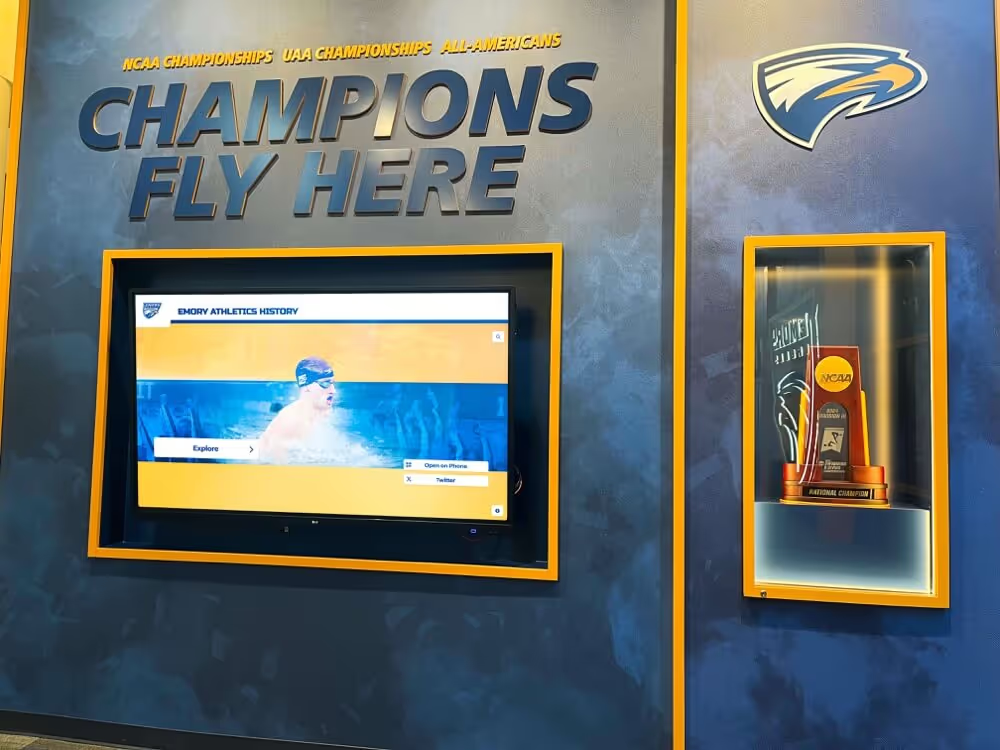
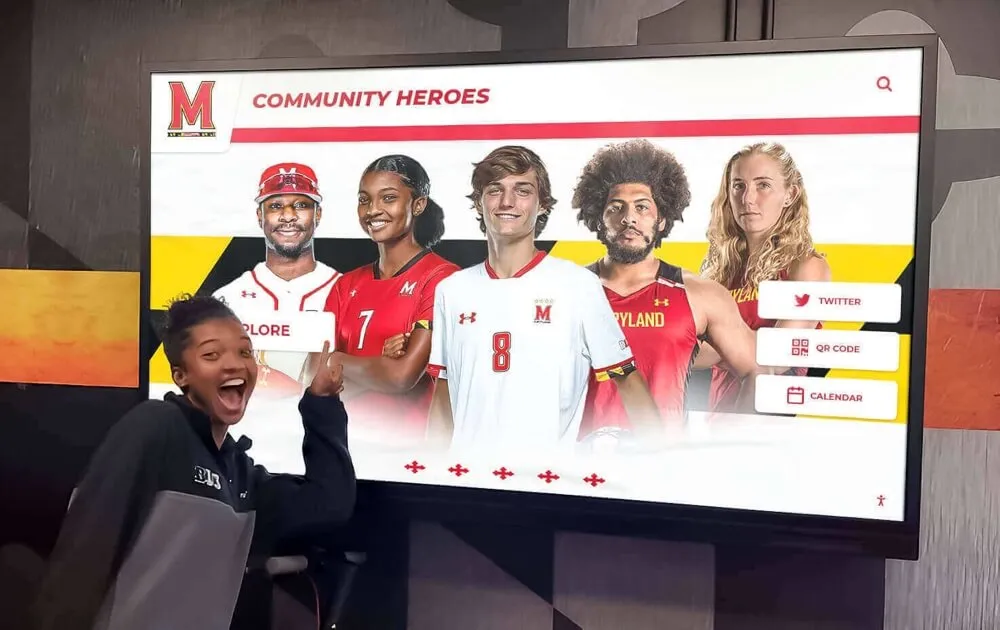
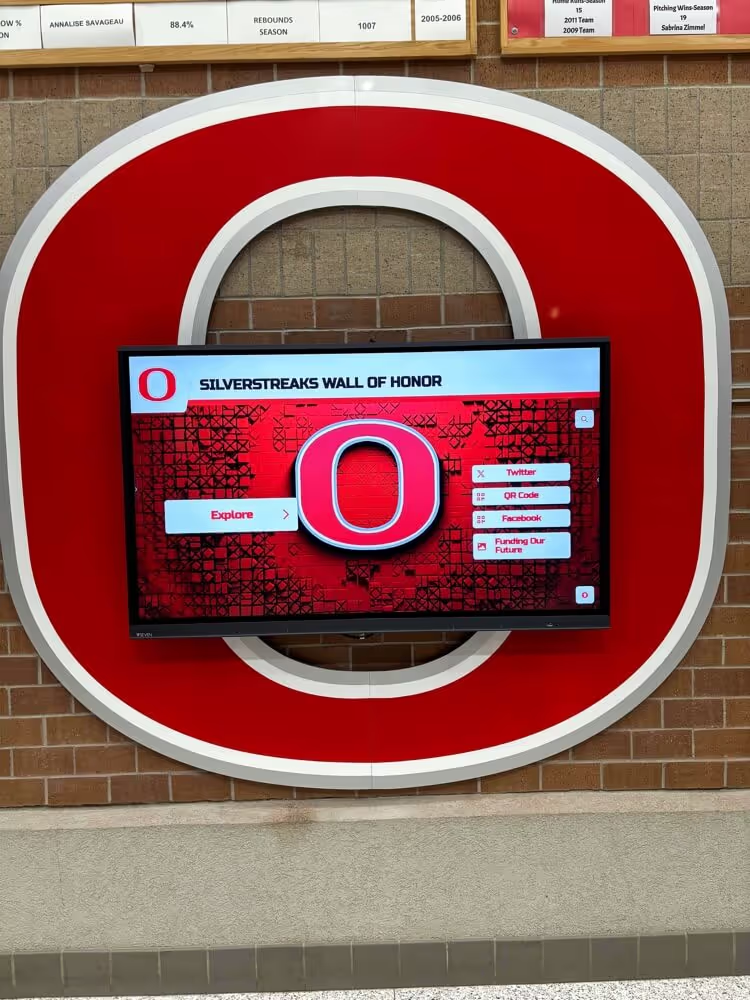
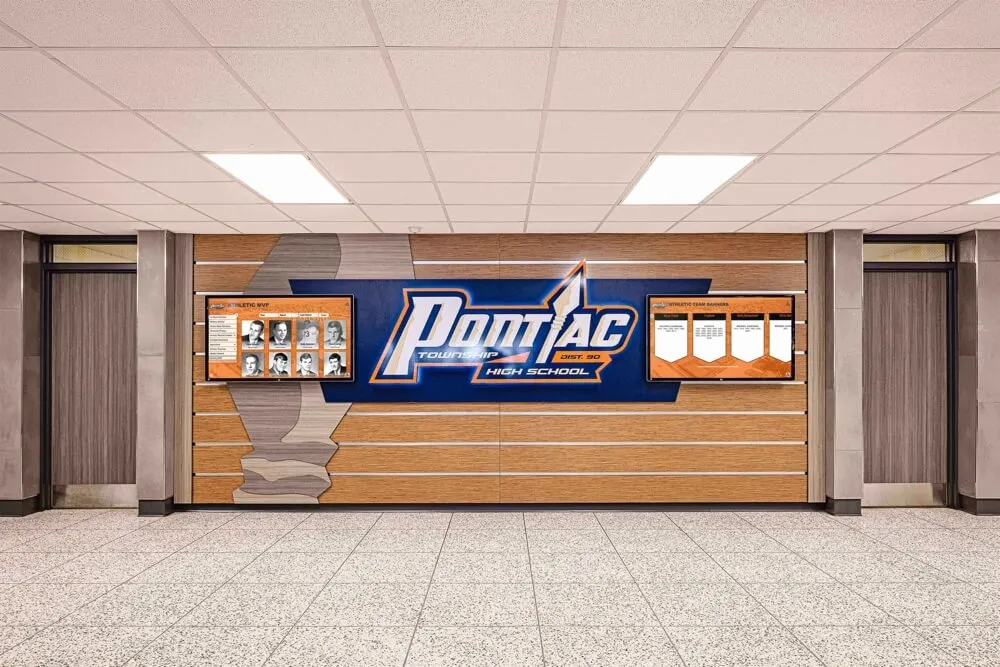
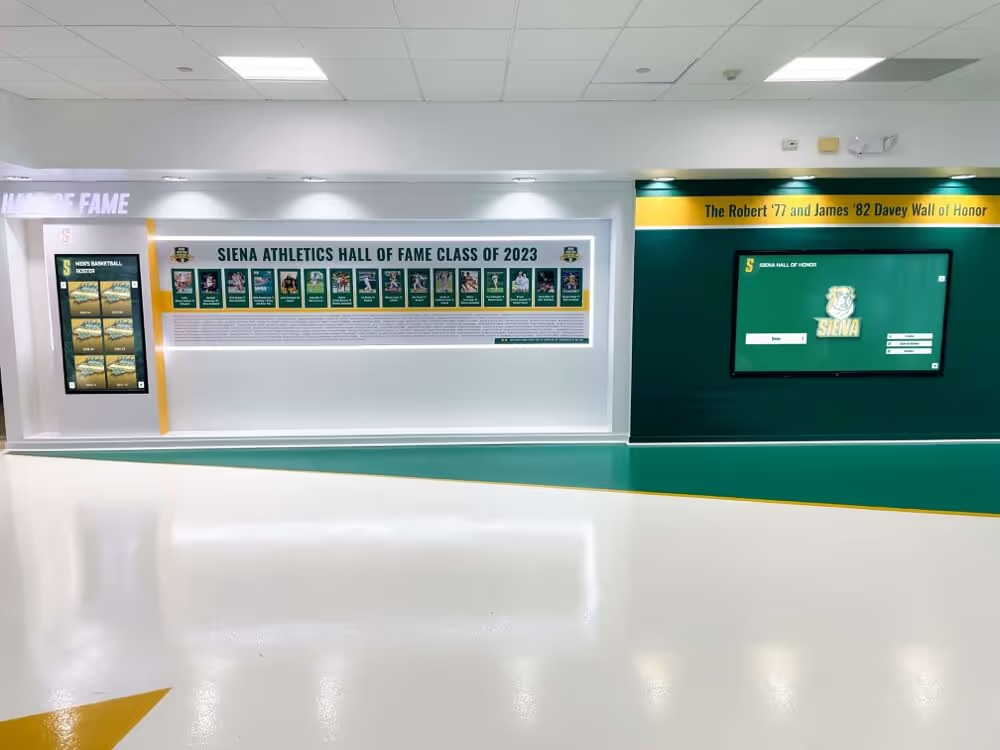
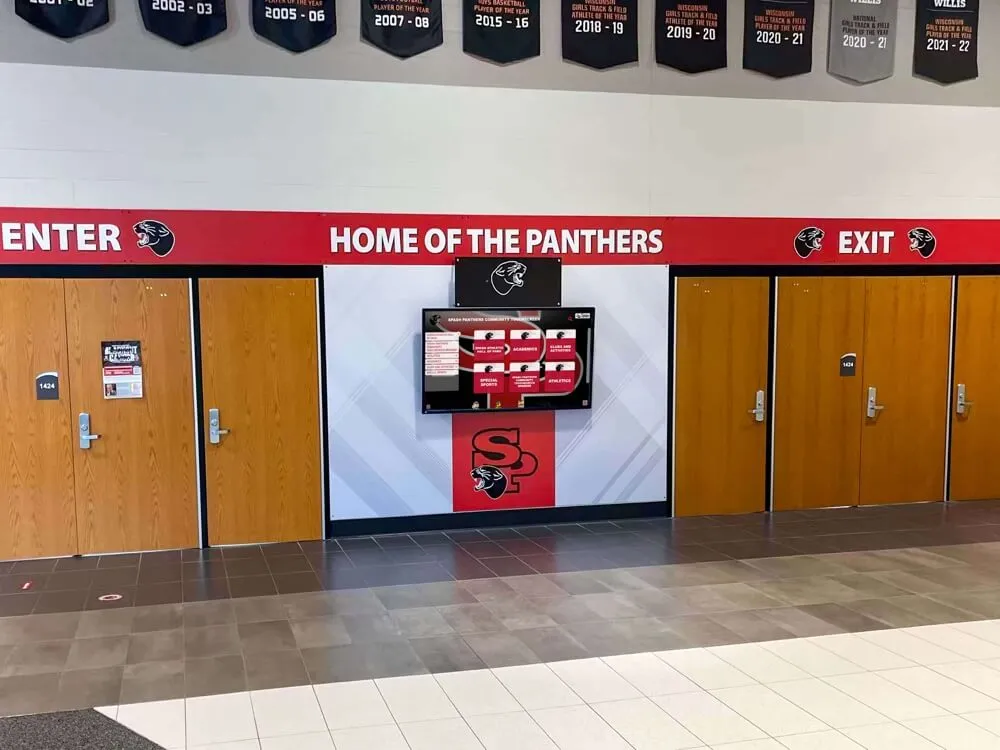
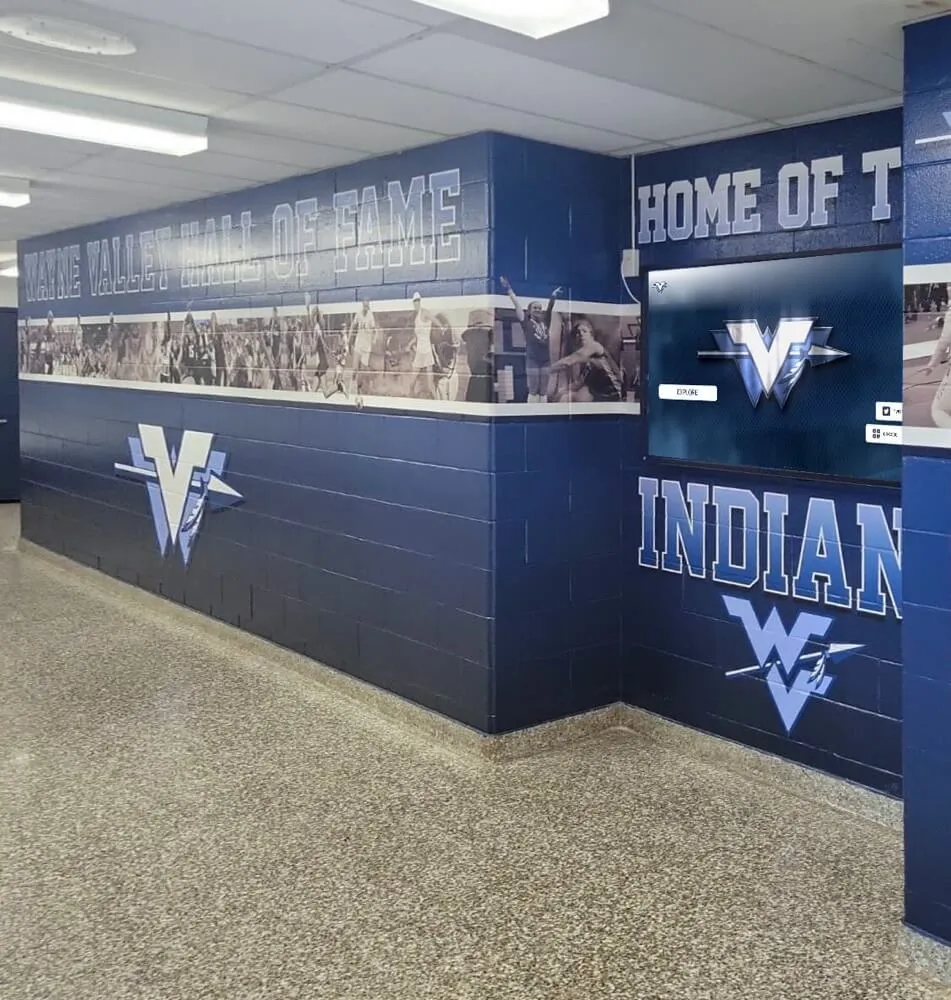
Modern recognition displays make student achievement visible throughout the school community, creating cultures where success is celebrated consistently
Why Systematic Student Achievement Tracking Matters
Understanding the profound impact of structured achievement recognition helps schools justify resource investment and design programs that maximize positive outcomes.
The Motivational Power of Recognition
Educational research consistently demonstrates that recognized students achieve at higher levels than their non-recognized peers. When schools systematically track and celebrate accomplishments, they create powerful motivational cycles where recognition reinforces positive behaviors, public acknowledgment normalizes achievement as desirable, visible accomplishments inspire other students to strive for similar recognition, and clear achievement pathways help students understand what excellence looks like.
According to research by the American Educational Research Association, students who receive consistent recognition for achievements demonstrate 18-25% higher sustained performance over time compared to control groups. This impact extends beyond academics to encompass athletics, arts, leadership, service, and specialized talents across all dimensions of student development.
Cultural Transformation Through Recognition
Beyond individual motivation, comprehensive achievement tracking transforms entire school cultures. When diverse accomplishments receive equal visibility—academic excellence alongside athletic success, artistic achievement alongside technical skills, character development alongside competition victories—schools signal that multiple pathways to success exist and all forms of achievement matter equally.
This cultural shift proves particularly important for students who may not excel in traditional academic metrics but demonstrate remarkable talents in other areas. Comprehensive recognition ensures every student finds opportunities to be celebrated for genuine accomplishments, building the sense of belonging and self-efficacy that drives continued growth and engagement.
Building Institutional Memory
Systematic achievement tracking creates permanent records preserving institutional history and honoring legacies that might otherwise be forgotten. When schools maintain comprehensive databases documenting student accomplishments across years and decades, they create living archives that:
- Connect current students with role models who came before them
- Enable alumni to rediscover their achievements years after graduation
- Preserve institutional traditions and excellence standards
- Demonstrate progress and growth over time
- Honor every generation’s contributions to school legacy
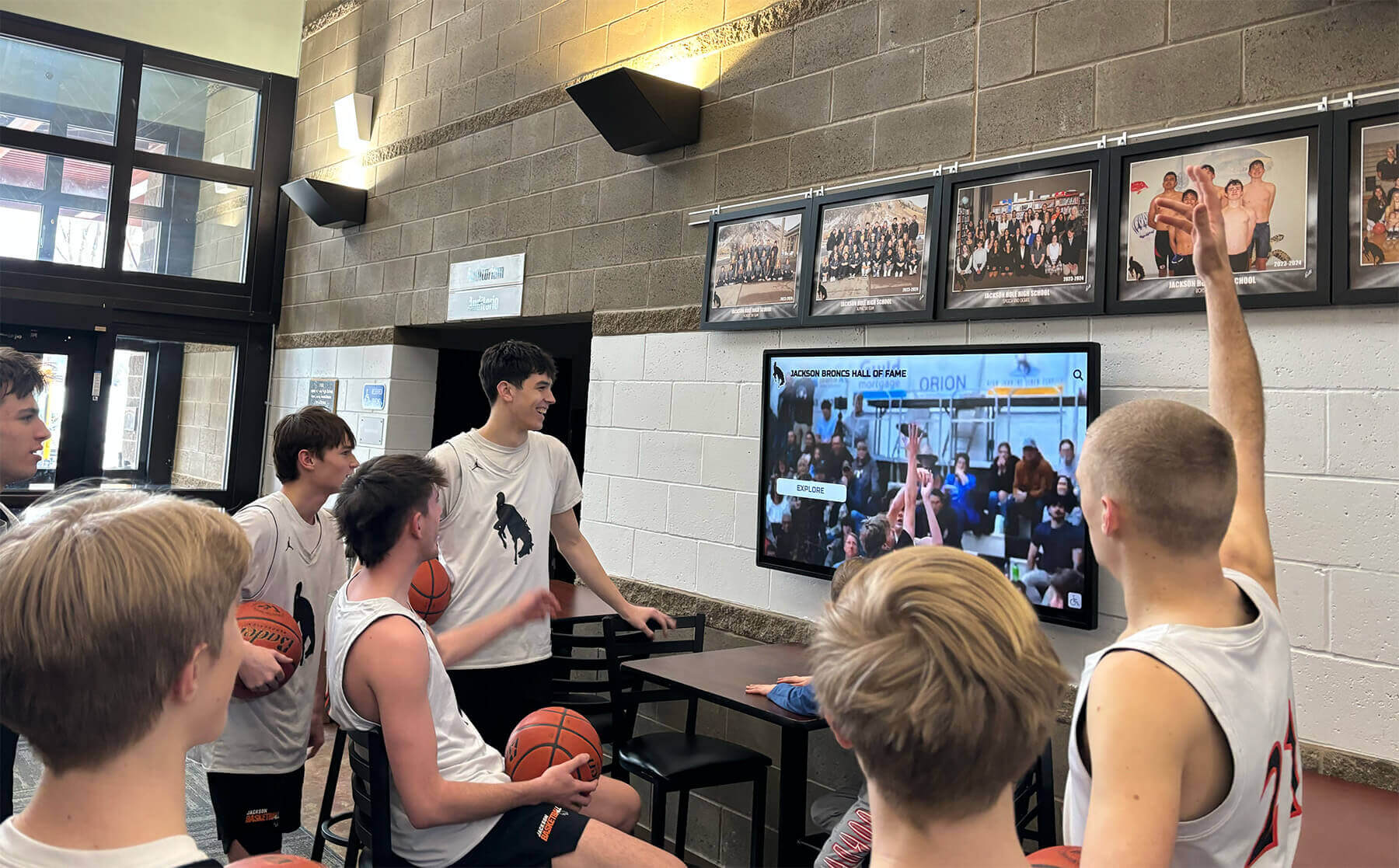
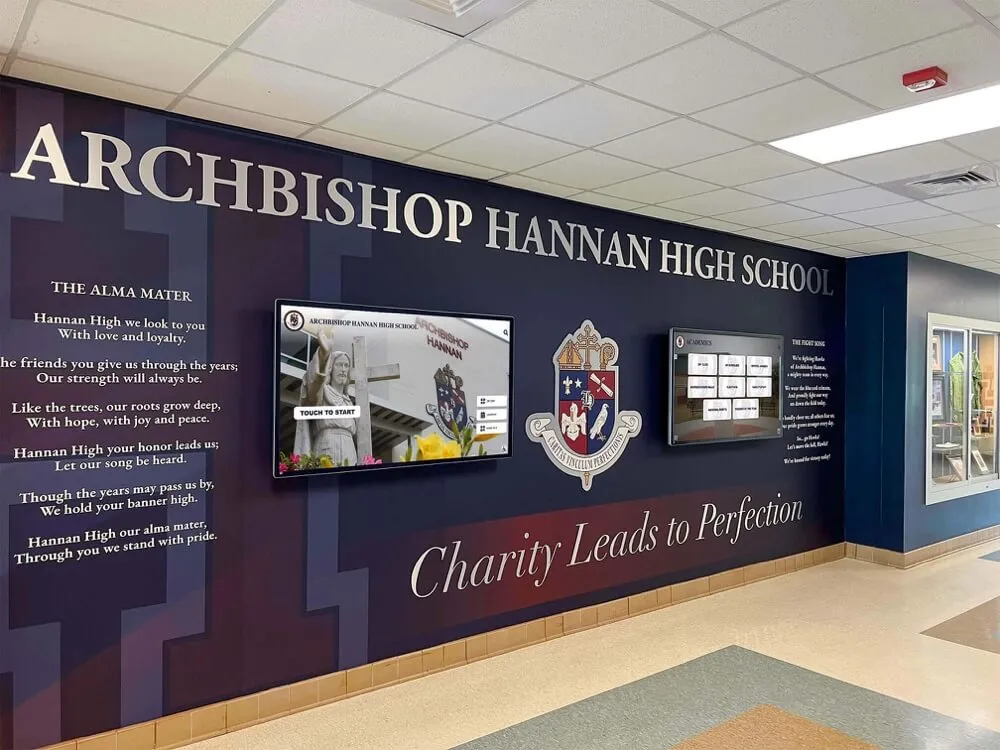
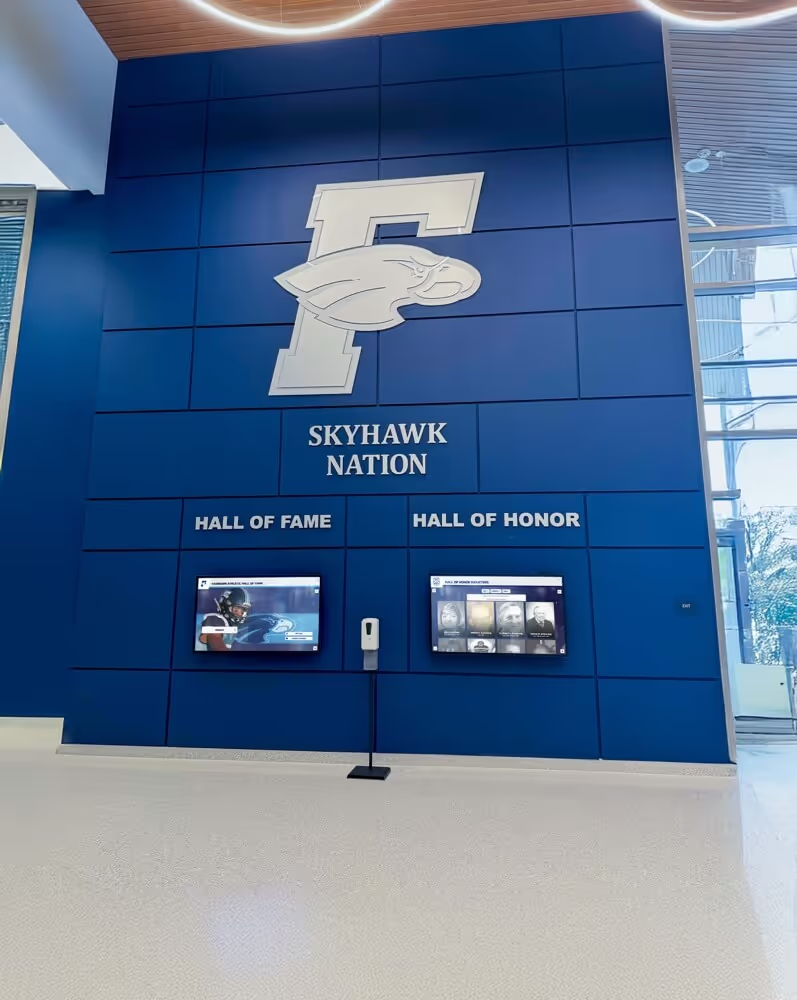
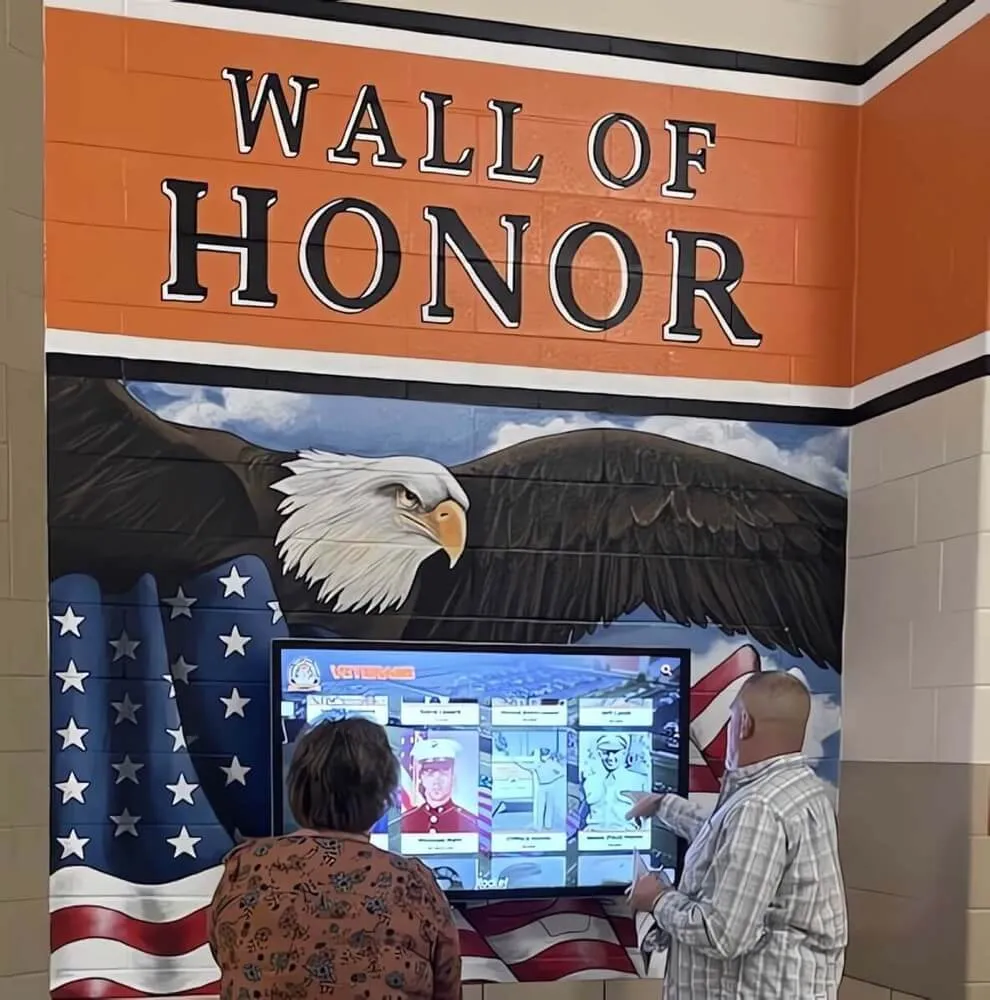
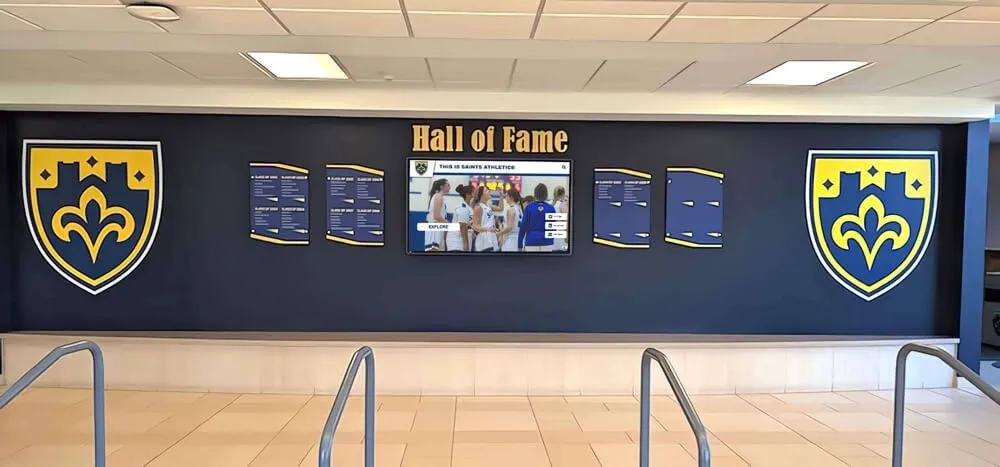
Interactive displays create opportunities for students to explore achievements and connect with school excellence traditions
Digital recognition systems ensure these historical records remain accessible and engaging rather than gathering dust in forgotten file cabinets or deteriorating in outdated displays. Solutions like Rocket Alumni Solutions provide platforms where decades of achievement data become searchable, explorable, and celebrated through modern interfaces that bring institutional history to life.
Defining Achievement: Beyond Traditional Metrics
The first step in effective achievement tracking involves defining what accomplishments deserve recognition. Comprehensive approaches acknowledge diverse excellence rather than limiting celebration to narrow categories.
Academic Achievement Categories
Academic recognition should extend across the full curriculum rather than privileging certain subjects over others:
Traditional Academic Excellence
- Honor roll designations and GPA thresholds
- Perfect attendance recognition
- Course-specific excellence awards
- Advanced Placement and honors program participation
- Standardized test achievement milestones
- National Merit and academic competition recognition
Learn more about comprehensive academic recognition program strategies that celebrate intellectual achievement systematically.
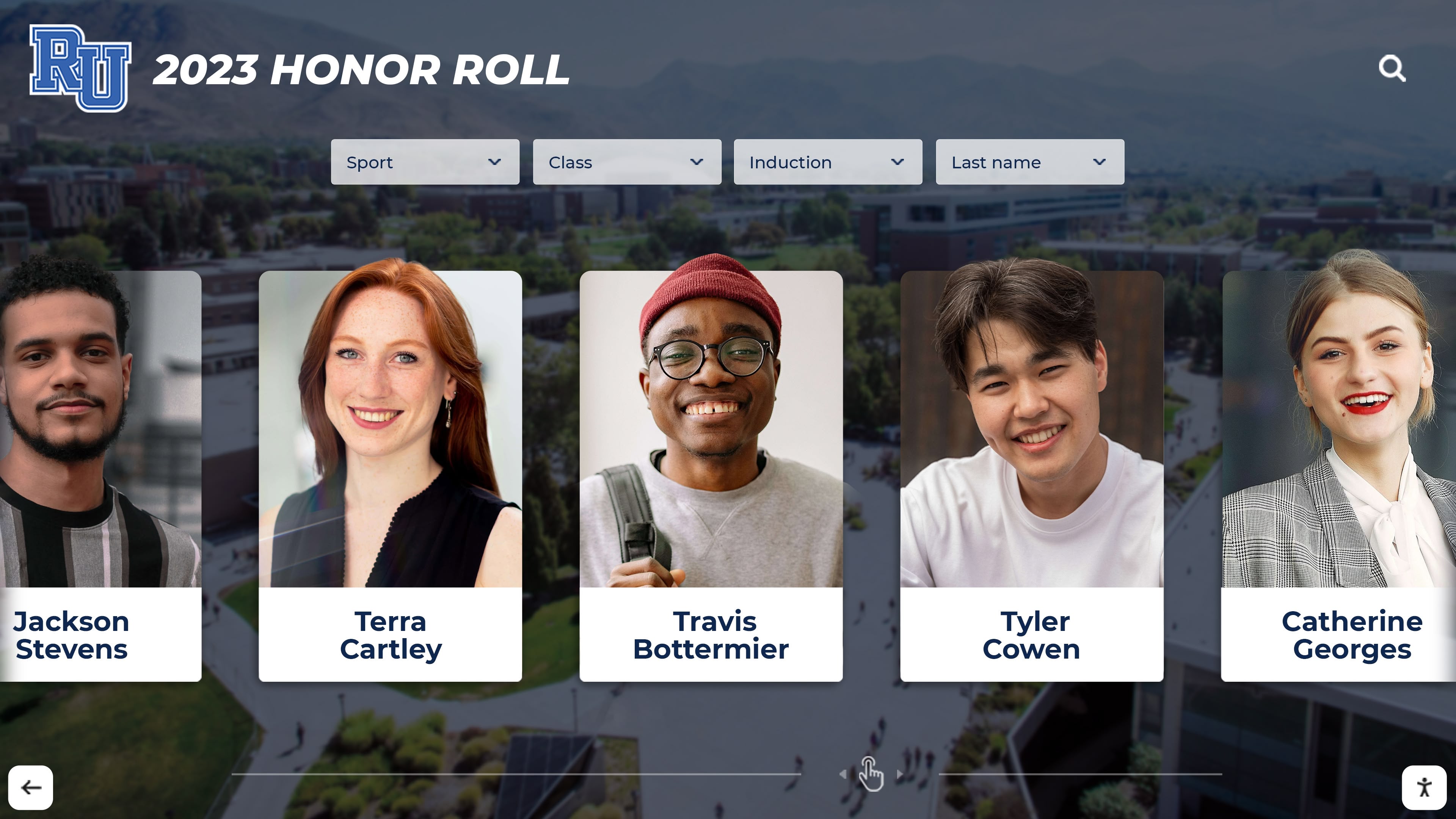
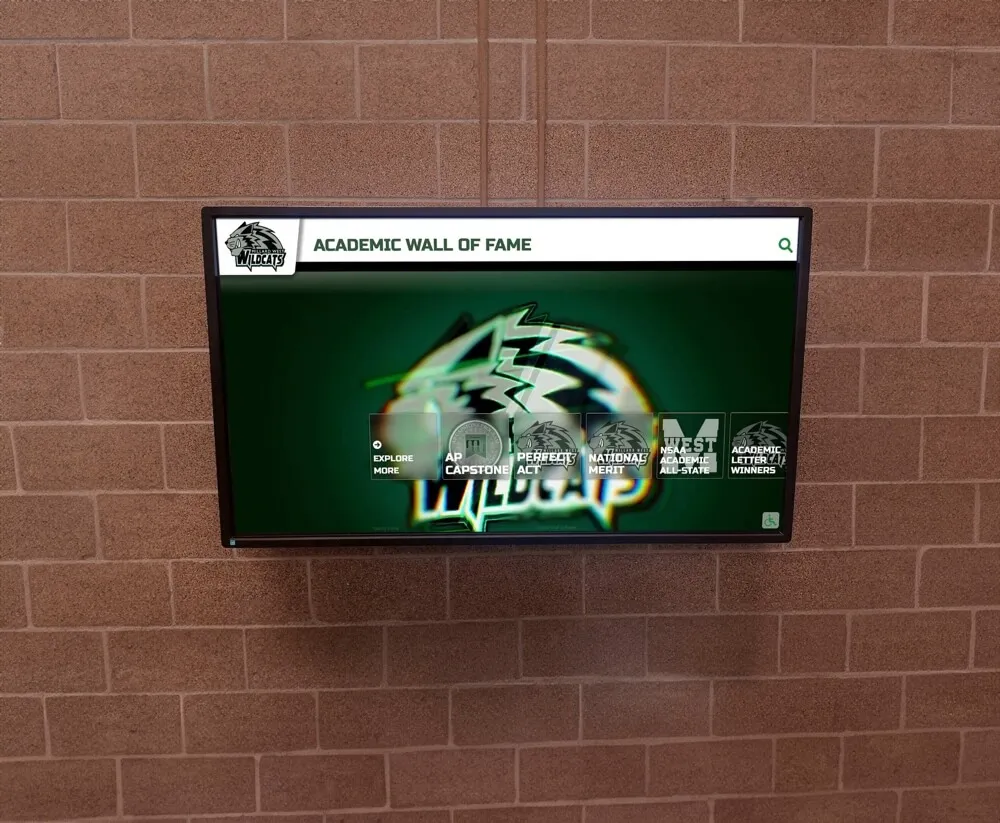
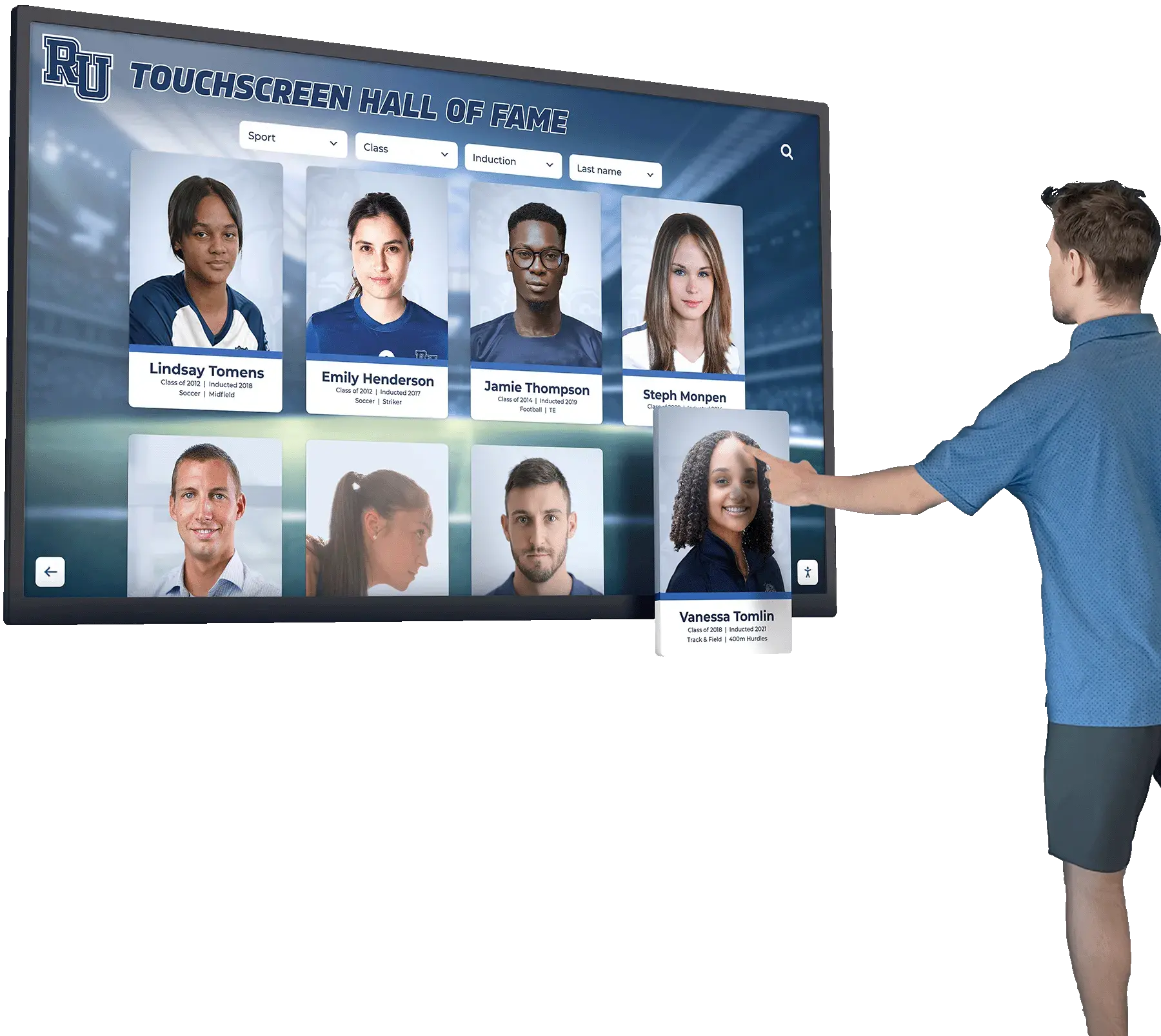
Individual recognition profiles celebrate specific academic achievements and honor student dedication
Growth and Improvement Recognition Improvement-based achievement honors students making significant progress regardless of absolute performance levels:
- Most improved GPA by marking period
- Reading level advancement beyond expected growth
- Grade improvement in challenging subjects
- Attendance and engagement improvement
- Skill mastery progressions in specific areas
This category proves crucial for ensuring that students starting at different achievement levels all find recognition opportunities. A student improving from a D to a B demonstrates remarkable growth deserving celebration equal to a student maintaining consistent A grades.
Specialized Academic Accomplishments
- STEM competition achievements and science fair recognition
- Writing contest awards and publication achievements
- Foreign language proficiency certifications
- Career and technical education certifications
- Interdisciplinary project excellence
Explore approaches for celebrating National Honor Society recognition and other prestigious academic designations.
Athletic Achievement Recognition
Athletics provide clear achievement metrics that should receive systematic documentation:
Competition Success
- Team championship victories and tournament placement
- Individual event victories and personal records
- All-conference, all-region, and all-state selections
- Athletic scholarship commitments
- State and national ranking achievements
Effort and Character Recognition
- Sportsmanship awards and team leadership
- Most improved athlete designations
- Practice dedication and work ethic honors
- Team captain and leadership roles
- Character awards recognizing positive athletic citizenship
Resources on high school trophy case design provide insights into showcasing athletic achievements effectively.
Arts, Activities, and Leadership Recognition
Non-athletic extracurricular achievements deserve equal systematic tracking:
Performing and Visual Arts Excellence
- All-state music selections and competition achievements
- Theater performance recognition and lead role casting
- Art competition awards and exhibition selection
- Dance competition achievements
- Creative writing and journalism recognition
Leadership and Service Achievements
- Student government positions and leadership roles
- Club president and organization leadership
- Community service hour milestones
- Peer mentorship and tutoring participation
- School improvement project leadership
Specialized Talents and Competitions
- Debate team achievements and speech competitions
- Robotics and engineering competition success
- Academic bowl and knowledge competition recognition
- Skills competition achievements in technical fields
- Entrepreneurship competition participation
Character and Citizenship Recognition
Achievement tracking should include non-performance-based accomplishments demonstrating positive character:
Behavioral Excellence
- Consistent positive behavior and discipline records
- Peer kindness and inclusive behavior recognition
- Conflict resolution and peacemaking acknowledgment
- Mentoring younger students
- Demonstrating school values consistently
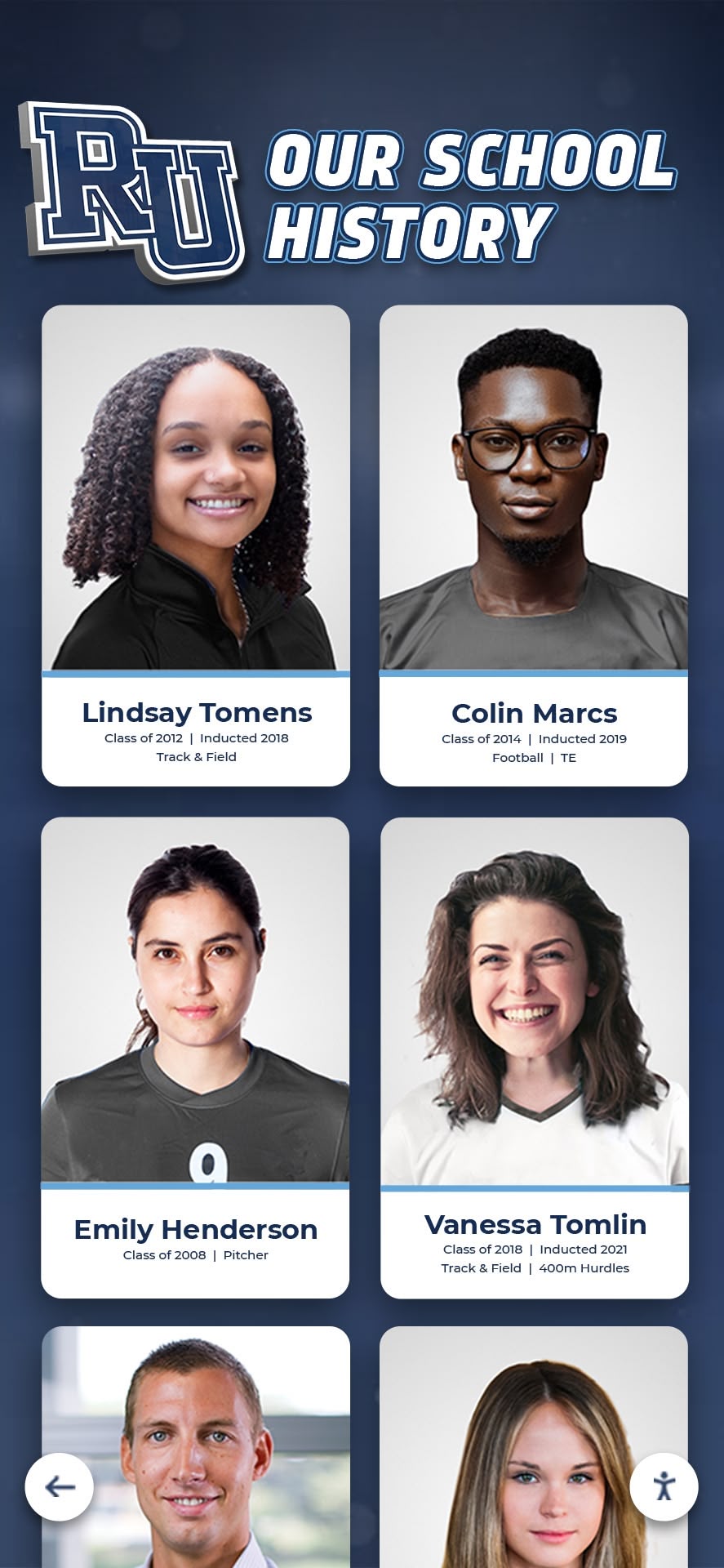
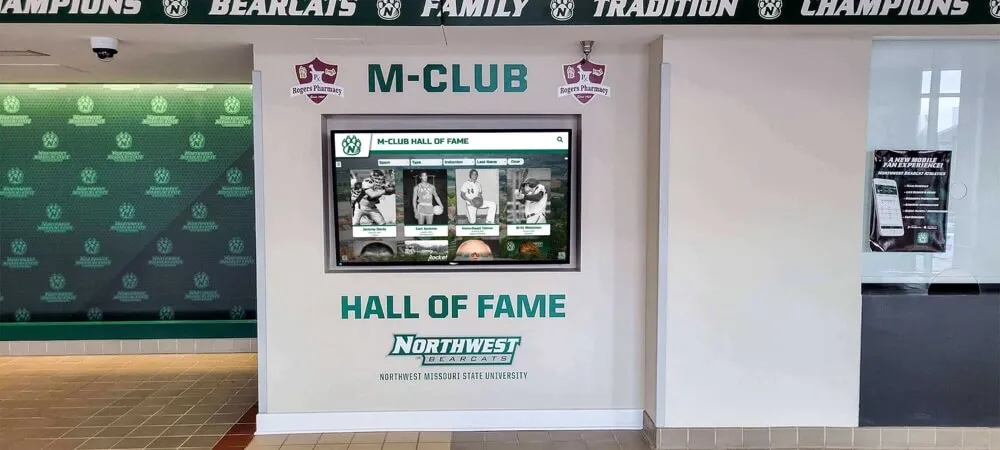
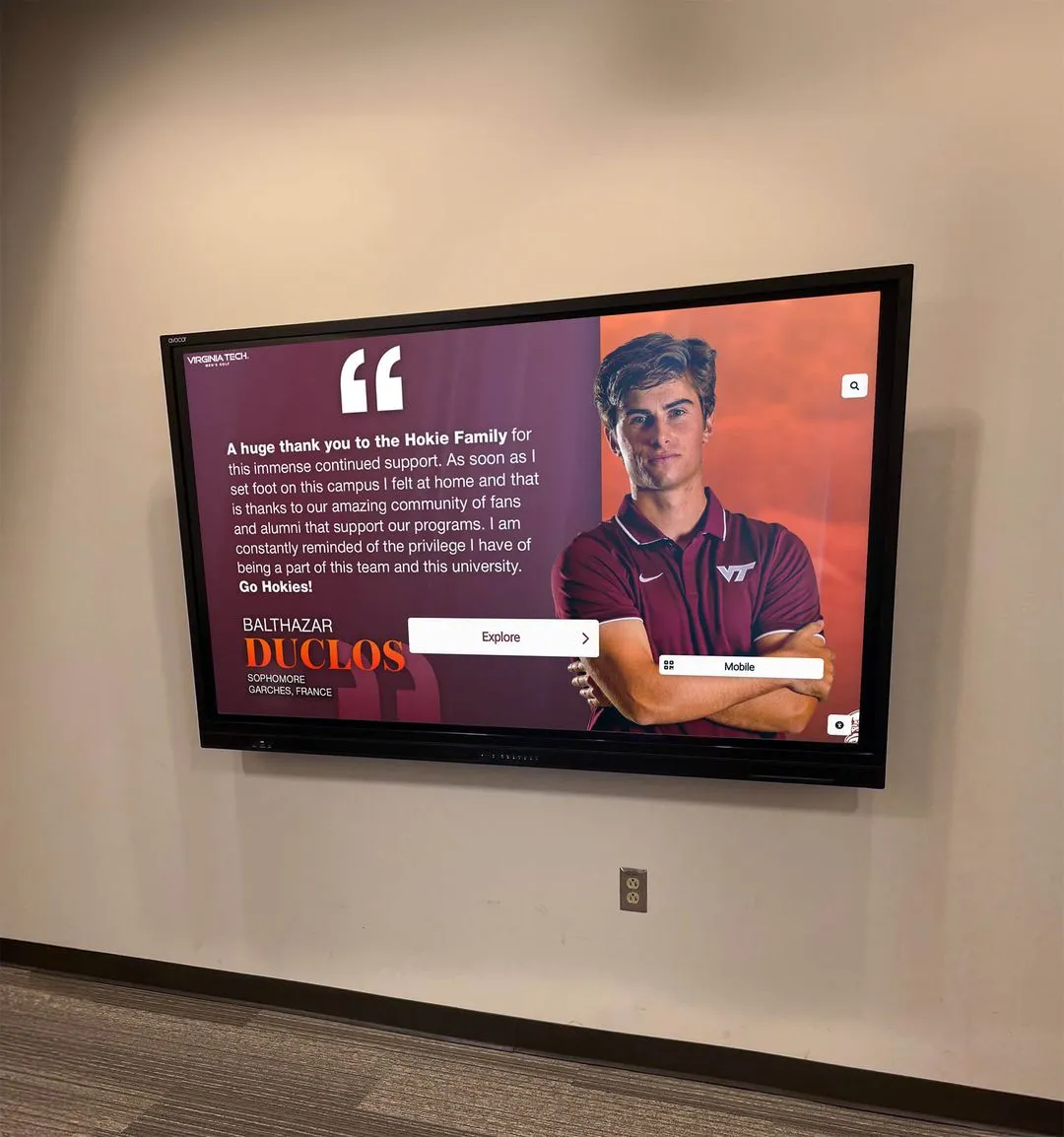
Recognition systems documenting achievements across years preserve institutional history while celebrating excellence
Community Contribution
- Volunteer service milestones and community impact
- Environmental stewardship and sustainability leadership
- Fundraising achievement for worthy causes
- School spirit demonstration and event participation
- Positive representation of school in community
This comprehensive definition of achievement ensures recognition opportunities exist for students across all interest areas, talents, and starting points—creating inclusive systems where every student can experience the motivation and belonging that recognition provides.
Creating Effective Achievement Tracking Systems
Once achievement categories are defined, schools need systematic processes for capturing, organizing, and maintaining accomplishment data.
Centralized Achievement Databases
Effective tracking begins with unified systems consolidating achievement data from multiple sources:
Database Essential Components
- Student profile information and graduation year
- Achievement category classifications
- Date and context for each accomplishment
- Supporting documentation and evidence
- Photos and visual recognition assets
- Milestone tracking across academic careers
Modern digital platforms enable schools to maintain comprehensive databases that were impossible with paper-based systems. Cloud-based solutions provide secure storage, easy updating from multiple administrators, searchable archives spanning decades, and automated backup preventing data loss.
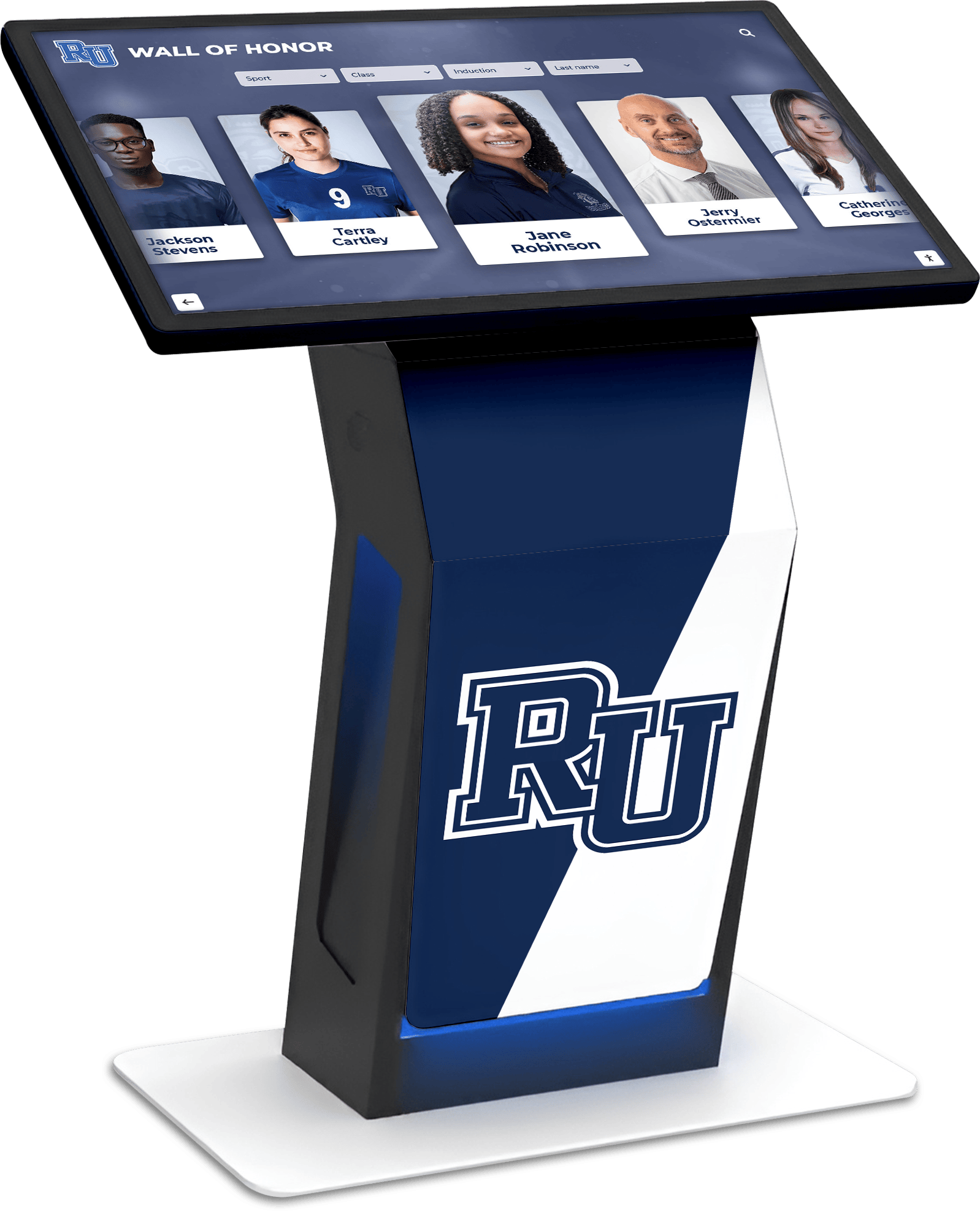
Digital kiosks enable interactive exploration of achievement databases through intuitive touchscreen interfaces
Data Collection Workflows
Establishing clear processes ensures achievements are captured systematically rather than sporadically:
- Automated imports from gradebook systems for honor roll
- Teacher nomination forms for classroom excellence recognition
- Coach submission systems for athletic achievement
- Advisor reporting for club and activity accomplishments
- Self-nomination opportunities for student-reported achievements
- Regular data validation ensuring accuracy and completeness
Integration with Existing School Systems
Achievement tracking works best when integrated with systems schools already use:
Student Information System Connections Many schools maintain student information systems (SIS) that store attendance, grades, and demographic data. Integrating achievement tracking with existing SIS platforms eliminates duplicate data entry while enabling comprehensive profiles combining academic records with achievement documentation.
Communication Platform Integration When achievement databases connect with school communication systems, recognition can trigger automated notifications to families, enabling timely celebration of accomplishments as they occur rather than weeks or months later.
Athletic and Activity Management Systems Many schools use specialized software for managing athletics, fine arts, and activities. Connecting these systems with centralized achievement tracking creates seamless workflows where coaches and advisors document accomplishments in familiar platforms while data flows automatically to comprehensive recognition databases.
Learn about digital hall of fame implementation strategies that integrate with existing school technology ecosystems.
Establishing Recognition Criteria and Standards
Clear criteria ensure achievement recognition remains meaningful rather than inflating until all participation receives equal acknowledgment:
Tiered Achievement Levels
- Pinnacle recognition for extraordinary once-in-a-career achievements
- Significant achievement recognition for major accomplishments
- Standard recognition for meeting established excellence thresholds
- Improvement recognition for notable progress and growth
- Participation acknowledgment for engagement and effort
Objective vs. Subjective Criteria
Some achievements have clear quantitative thresholds—honor roll GPA requirements, competition placements, test score benchmarks—while others require subjective judgment—sportsmanship awards, character recognition, artistic excellence. Effective systems combine both objective standards ensuring fairness and subjective recognition acknowledging qualities that can’t be reduced to numbers.
Regular Criteria Review
Achievement standards should receive periodic evaluation ensuring they remain appropriately challenging without becoming unattainable. If honor roll standards result in 50% of students qualifying, recognition loses meaning; if only 1% qualify, most students lose motivation. Regular analysis helps schools maintain meaningful standards that motivate broad participation while preserving the significance of recognition.
Celebrating Student Achievement: Display and Recognition Strategies
Tracking achievements matters little if accomplishments remain hidden in databases rather than celebrated publicly. Effective celebration strategies create visibility that motivates students and strengthens school culture.
Physical Recognition Displays
Strategic placement of achievement displays throughout school buildings ensures consistent visibility:
Main Entrance and Lobby Displays The most prominent recognition opportunities exist in main entrances where students, families, and visitors begin their school experiences. Solutions like Rocket Alumni Solutions provide interactive touchscreen displays that transform lobbies into celebration spaces showcasing comprehensive achievement databases through engaging interfaces.
These prominent displays communicate institutional values immediately—when visitors encounter recognition displays celebrating diverse student achievements before seeing anything else, schools signal that honoring student success represents a core priority.
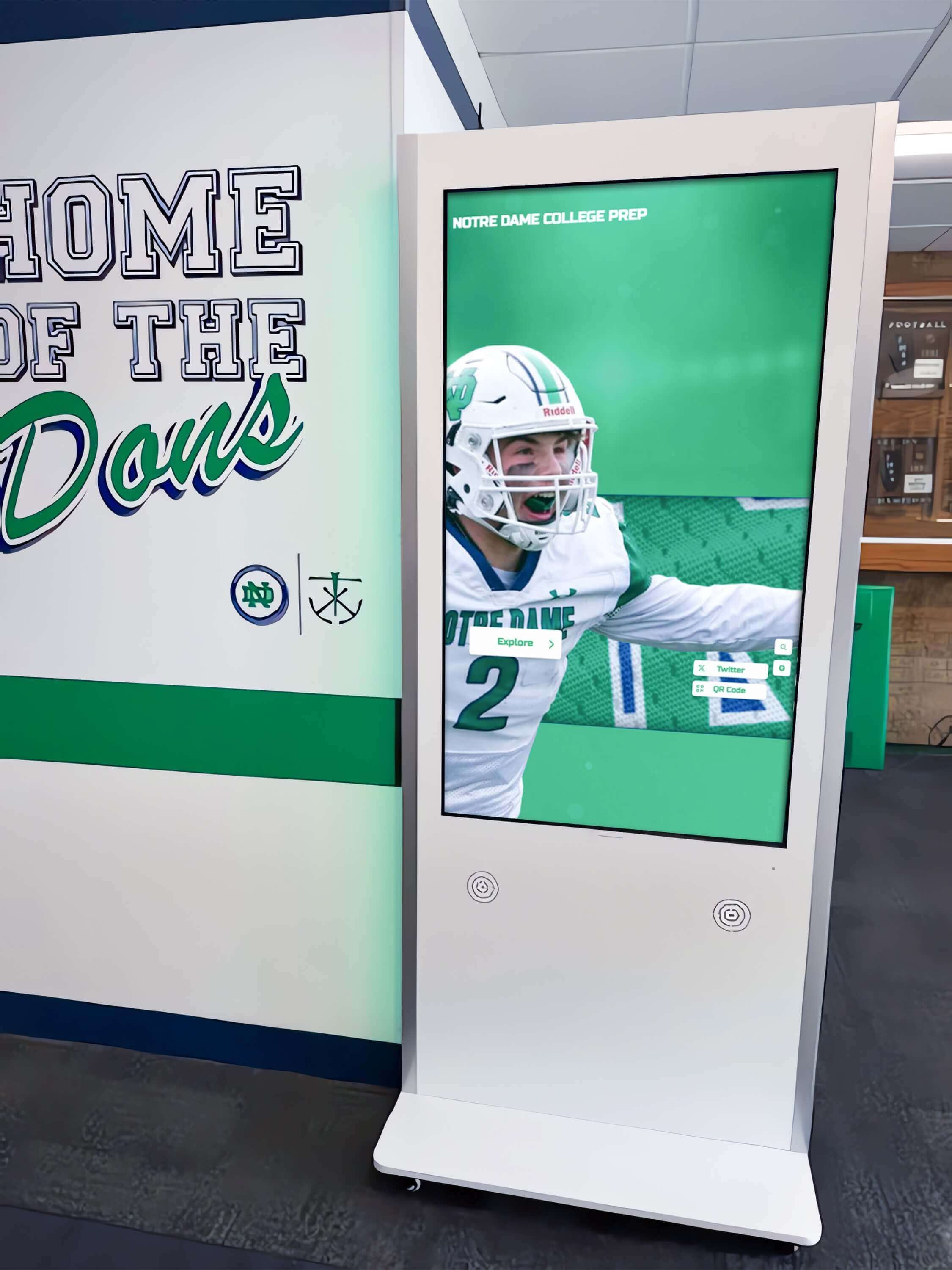
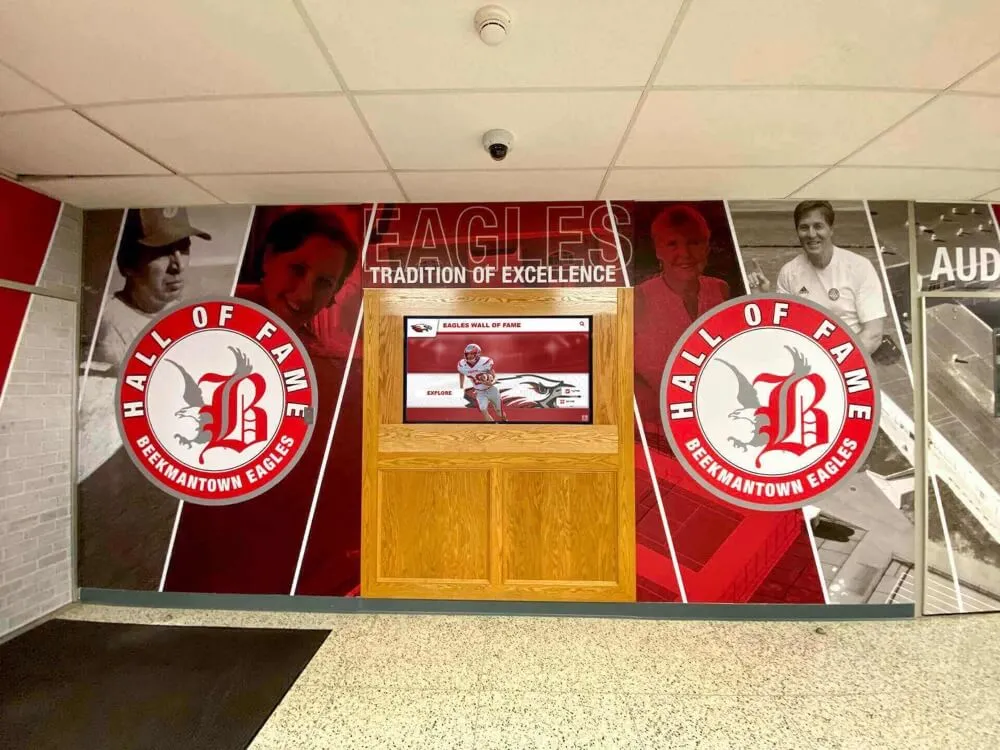
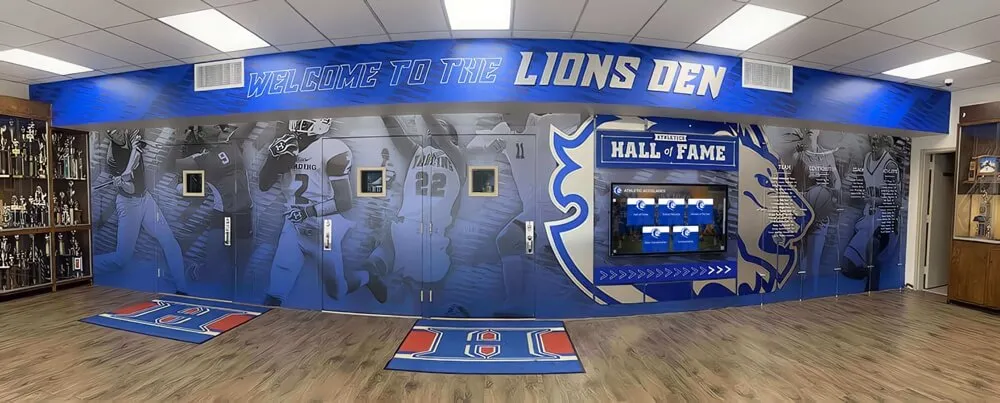
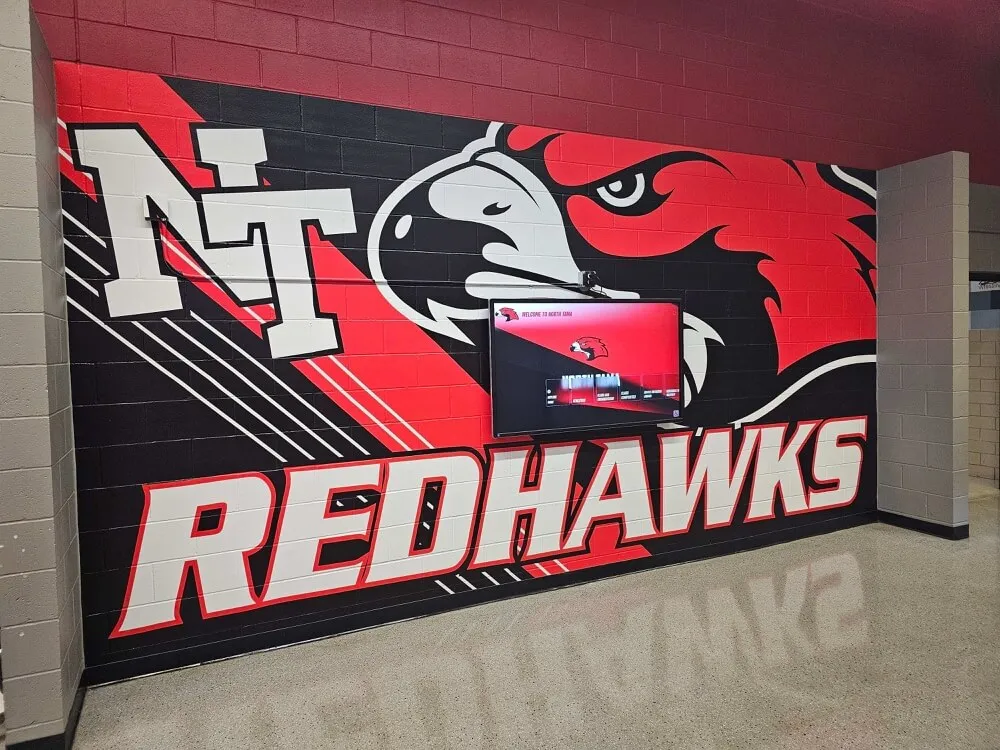
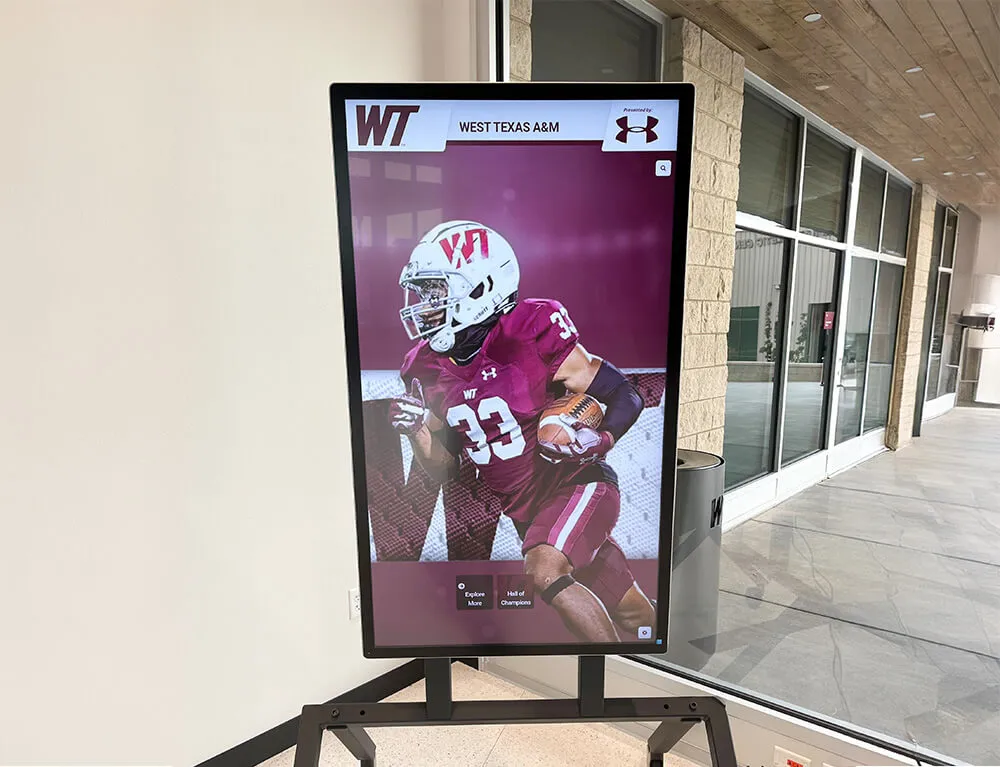
Standalone interactive kiosks in high-traffic areas create consistent visibility for student achievement recognition
Department and Program-Specific Recognition Academic departments, athletic facilities, and activity spaces benefit from localized recognition celebrating area-specific achievements:
- Science wing displays showcasing STEM competition success
- Athletic facility recognition of team and individual records
- Performing arts center celebration of musical and theatrical achievement
- CTE program areas honoring certifications and skills competitions
- Library recognition of reading achievements and literary accomplishments
This distributed approach ensures students encounter relevant achievement recognition in the spaces where they pursue those accomplishments, reinforcing connections between effort and recognition.
Classroom-Level Achievement Recognition Individual teachers can maintain classroom recognition systems celebrating student achievements specific to their courses—perfect scores, exceptional projects, remarkable improvement, or consistent excellence. These immediate, teacher-level acknowledgments complement school-wide recognition systems by providing more frequent, personalized celebration.
Digital and Interactive Recognition Platforms
Modern technology enables recognition experiences impossible with traditional static displays:
Touchscreen Interactive Displays
Interactive digital displays transform passive viewing into engaging exploration. Students, families, and visitors can search comprehensive achievement databases, filter by achievement type or year, view detailed profiles with photos and accomplishment descriptions, and discover connections between current students and historical achievers.
These interactive experiences create natural gathering points during school events, orientations, and daily activities. Rather than walking past static plaques without engagement, visitors spend minutes exploring achievements, discovering students they know, and learning about institutional excellence traditions.
Discover how interactive display technology transforms school spaces into dynamic recognition environments.
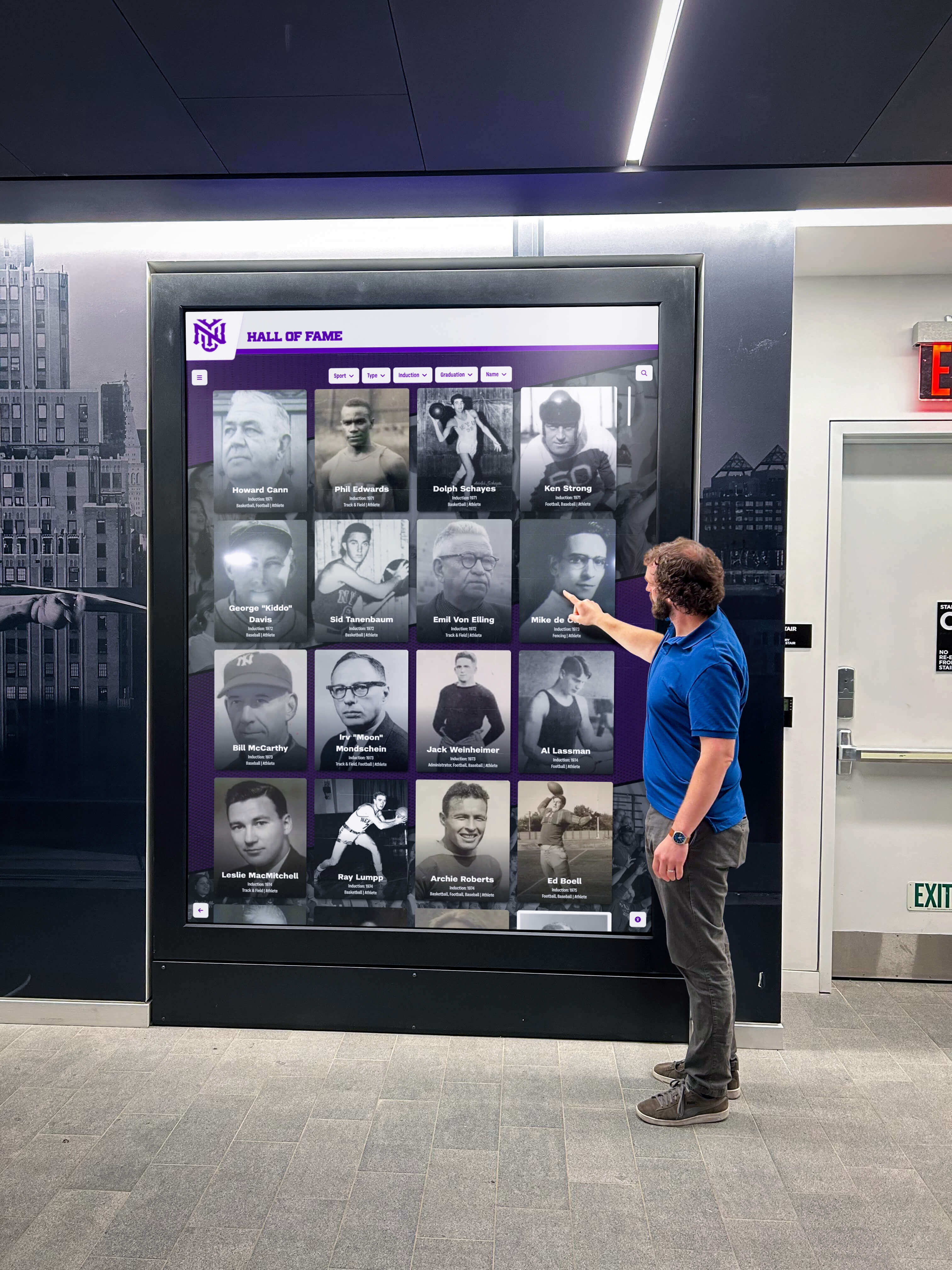
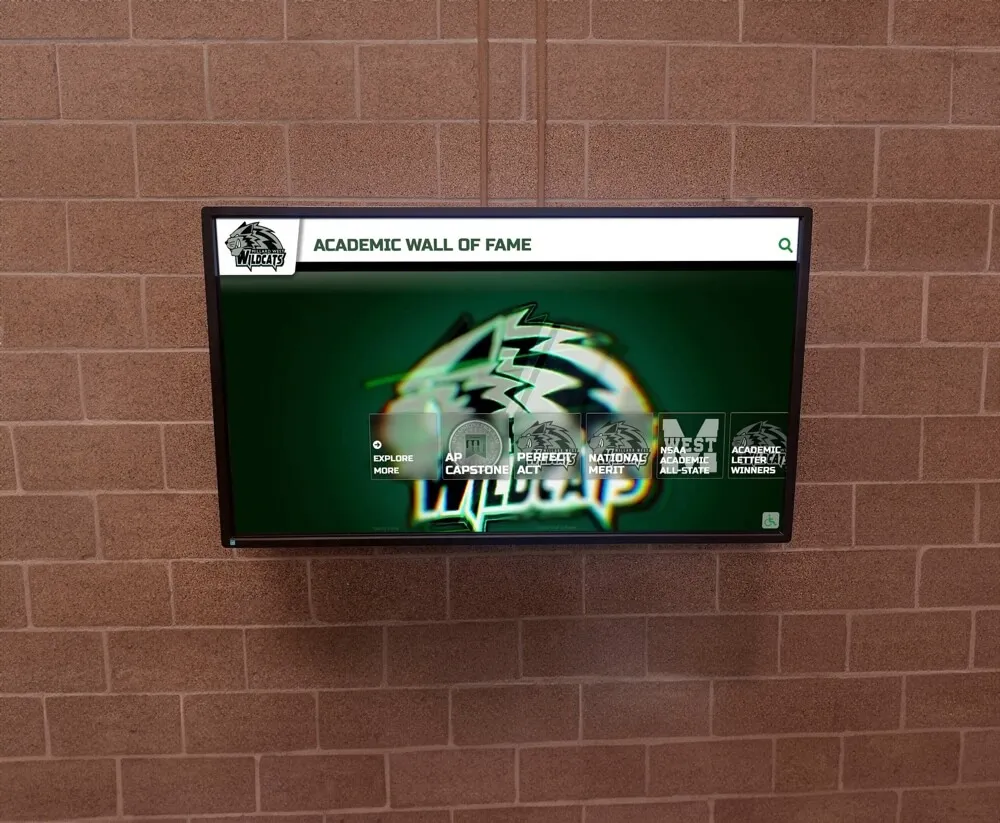
Interactive displays enable self-directed exploration of achievement databases at individual pace and interest
Web-Based Recognition Portals
Recognition should extend beyond physical campus to reach families, alumni, and broader communities:
- Public achievement websites showcasing current student accomplishments
- Password-protected portals enabling students to claim their recognition profiles
- Mobile-responsive designs ensuring accessibility across devices
- Social sharing capabilities allowing students to celebrate achievements with extended networks
- Search engine optimization ensuring achievements appear in online searches
Web platforms dramatically expand recognition reach—families across the country can view their students’ accomplishments, alumni can reconnect with their historical achievements, and prospective families can discover the culture of excellence that defines institutions.
Digital Signage Integration
Modern schools increasingly deploy digital signage throughout buildings for announcements, calendars, and communication. Integrating achievement recognition into these existing displays ensures regular visibility:
- Rotating achievement spotlights in hallway displays
- Daily celebration of recent accomplishments in morning announcements
- Cafeteria displays showcasing weekly achievement highlights
- Gymnasium scoreboards celebrating athletic records between games
- Classroom displays recognizing subject-specific excellence
Explore comprehensive school digital signage implementation strategies that incorporate achievement recognition.
Recognition Ceremonies and Events
While permanent displays provide ongoing visibility, special events create memorable recognition moments:
Quarterly Recognition Assemblies
- Honor roll recognition ceremonies each marking period
- Department-specific award presentations
- Character and citizenship award celebration
- Improvement recognition honoring significant growth
- Student recognition from teachers and peers
Annual Excellence Celebrations End-of-year comprehensive achievement recognition creates capstone experiences:
- Academic awards night honoring top scholars
- Athletic banquets celebrating season achievements
- Fine arts showcases recognizing artistic excellence
- Leadership awards acknowledging student contributions
- Senior recognition honoring cumulative high school achievements
Resources on high school end-of-year awards provide frameworks for comprehensive celebration events.
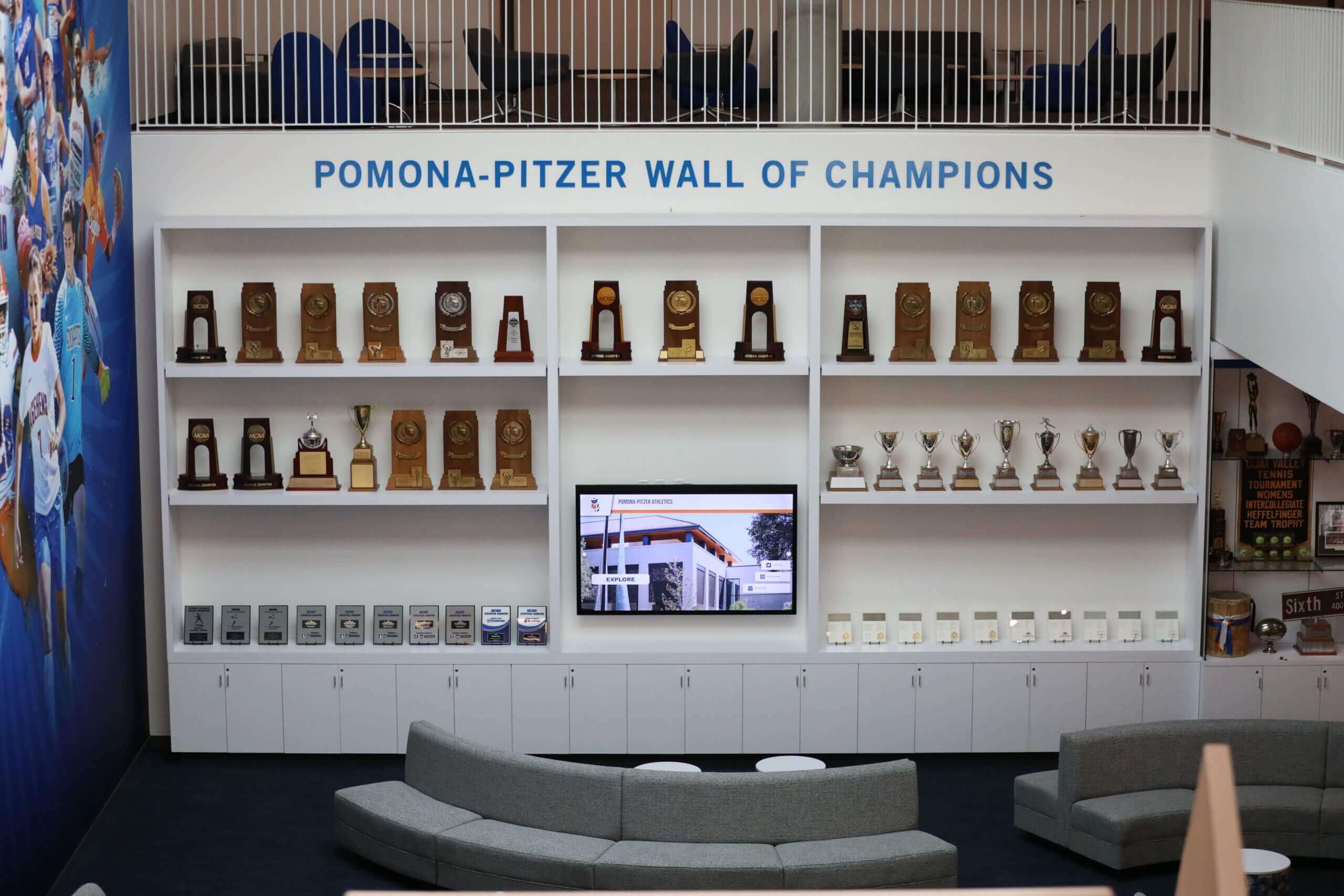
Dedicated recognition lounges provide comfortable spaces where community members celebrate institutional excellence
Ongoing Recognition Touchpoints Beyond formal ceremonies, consistent recognition maintains visibility:
- Morning announcement recognition of daily achievements
- Social media celebration of accomplishments as they occur
- Newsletter features highlighting recent recognition
- Email notifications to families when students receive honors
- Bulletin board updates in high-traffic areas
This multi-channel approach ensures achievements receive visibility through varied formats reaching diverse audiences and maintaining consistent celebration rather than limiting recognition to infrequent special events.
Implementing Achievement Recognition Technology
Modern schools benefit from purpose-built platforms designed specifically for tracking and celebrating student achievement.
Digital Recognition Display Solutions
Solutions like Rocket Alumni Solutions provide comprehensive systems addressing the full achievement recognition lifecycle:
Unlimited Recognition Capacity Digital displays eliminate physical space constraints that force difficult choices about whose achievements receive visibility. Single touchscreen displays can showcase unlimited students across all achievement categories, preserve historical achievements indefinitely without removing older recognition, display comprehensive details impossible on physical plaques, and update instantly as new achievements occur.
Engaging Interactive Experiences Modern touchscreen interfaces transform recognition from passive viewing into active exploration. Students search for themselves and friends, filter achievements by category or year, view detailed profiles with photos and descriptions, watch video highlights of performances and competitions, and discover historical achievers who inspire current students.
Learn about interactive kiosk solutions designed specifically for schools that create engaging recognition experiences.
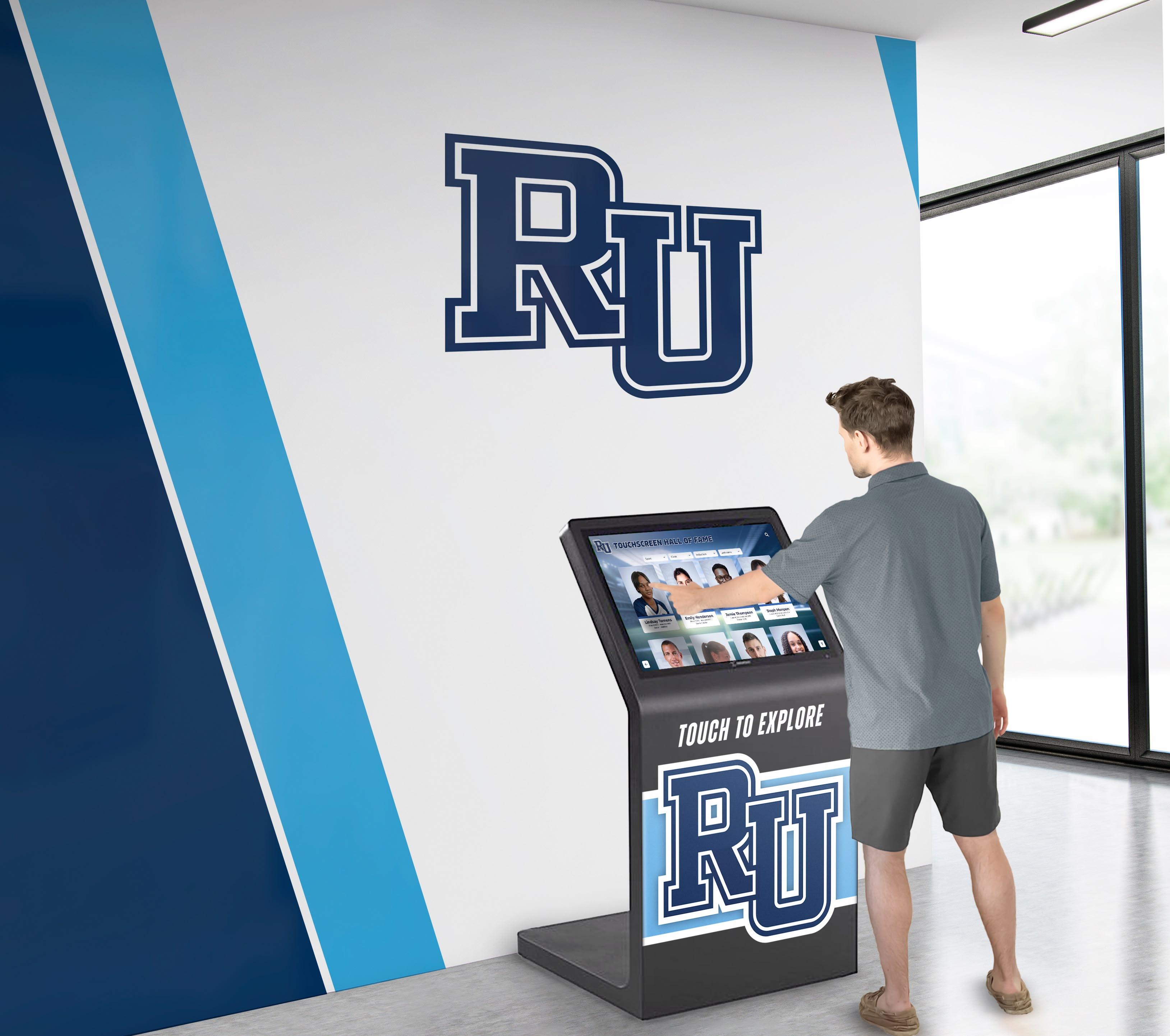
User-friendly interfaces enable intuitive exploration of achievement databases by students of all ages
Simple Content Management Cloud-based management platforms eliminate technical barriers to maintaining achievement recognition:
- Web-based updating from any internet-connected device
- No software installation or IT expertise required
- Drag-and-drop interfaces for adding achievements and photos
- Bulk import tools for historical data and large datasets
- Scheduled publishing automating semester and year-end recognition
- Role-based permissions enabling appropriate staff access
Schools report 80-90% reduction in time spent maintaining recognition displays after implementing digital systems compared to traditional approaches requiring physical updates.
Comprehensive Achievement Categories Modern platforms support diverse achievement types beyond traditional athletics:
- Academic excellence and honor roll recognition
- Athletic achievements and sports records
- Fine arts recognition across music, theater, and visual arts
- Leadership and service accomplishments
- Character and citizenship awards
- Career and technical education certifications
This flexibility ensures all achievement categories receive equal celebration rather than privileging certain areas simply because they’re easier to display physically.
Selecting Recognition Technology
Schools evaluating digital recognition solutions should consider several factors:
Technical Requirements
- Display size and resolution appropriate for viewing distances
- Touchscreen vs. non-interactive digital signage
- Indoor vs. outdoor installation requirements
- Network connectivity and power availability
- Mounting options and physical installation needs
Content Management Capabilities
- Ease of adding and editing achievement data
- Support for photos, videos, and rich media
- Historical data migration from existing systems
- Multi-user access and permission controls
- Mobile updating and remote management
Integration and Compatibility
- Web portal access extending recognition beyond physical displays
- Social media sharing capabilities
- Student information system data imports
- Existing school website integration
- Mobile app availability for on-the-go access
Support and Sustainability
- Training and onboarding assistance
- Ongoing technical support and troubleshooting
- Software updates and feature enhancements
- Hardware warranty and replacement policies
- Long-term vendor viability and commitment
Explore touchscreen kiosk solutions designed for educational environments that meet these comprehensive requirements.
Best Practices for Achievement Recognition Programs
Successful implementation requires attention to program design details that determine whether recognition systems achieve intended outcomes.
Ensuring Recognition Equity and Inclusivity
Effective programs provide genuine recognition opportunities for diverse students:
Multiple Achievement Pathways Students have different strengths, interests, and starting points. Recognition systems acknowledging only traditional academic achievement or competitive athletics leave many students without opportunities for celebration. Comprehensive programs ensure pathways exist for:
- Students starting at different performance levels
- Learners with varied talents and interest areas
- Those demonstrating remarkable improvement vs. sustained excellence
- Individuals excelling in specialized or niche areas
- Students showing exceptional character alongside measurable accomplishments
Avoiding Recognition Inflation While ensuring broad opportunities, schools must maintain meaningful standards. If every student receives equivalent recognition regardless of achievement level, acknowledgment loses motivational power. Tiered recognition systems solve this challenge by celebrating participation, acknowledging meeting standards, highlighting excellence, and honoring extraordinary achievement—each at appropriate levels.
Accessibility Considerations Physical recognition displays should comply with ADA requirements for placement, height, and viewing angles. Digital systems should incorporate screen reader compatibility, high-contrast viewing modes, text magnification options, and multilingual content supporting diverse communities.
Maintaining Recognition Currency
Achievement recognition loses impact when displays become outdated:
Regular Update Schedules
- Weekly recognition of recent achievements as they occur
- Monthly spotlight features rotating through different categories
- Quarterly comprehensive updates for marking period honor rolls
- Semester archiving moving older achievements to historical sections
- Annual reviews ensuring accuracy and completeness
Distributed Responsibility Single-person recognition management creates bottlenecks risking outdated displays when individuals become busy or leave positions. Distributing responsibility across multiple administrators, department heads, coaches, and teachers ensures sustainability while reducing workload on any individual.
Automated Workflows Technology enables automation reducing manual maintenance burden—scheduled publishing of honor roll data at semester end, automated notifications prompting updates from responsible parties, and regular reminder systems ensuring recognition remains current.
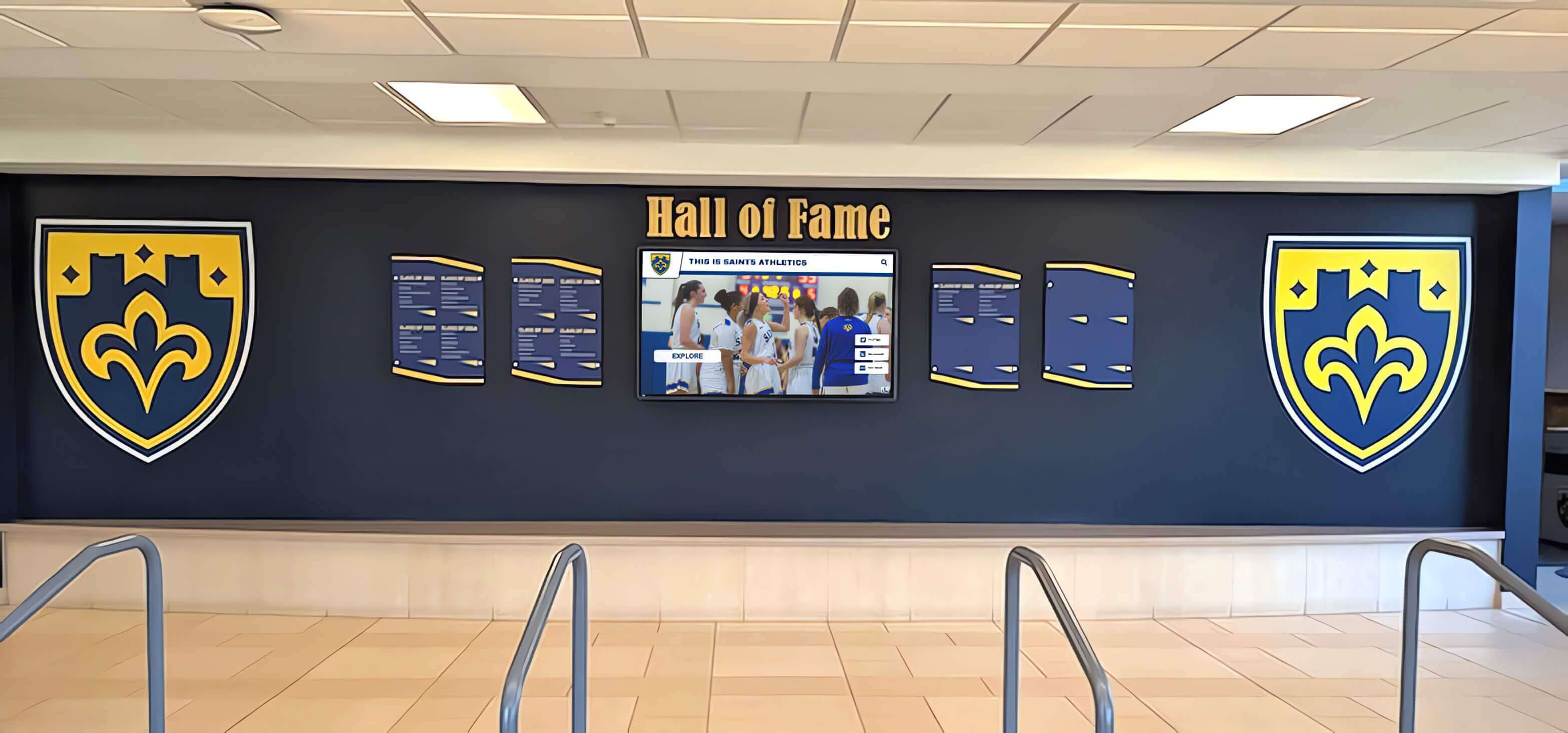
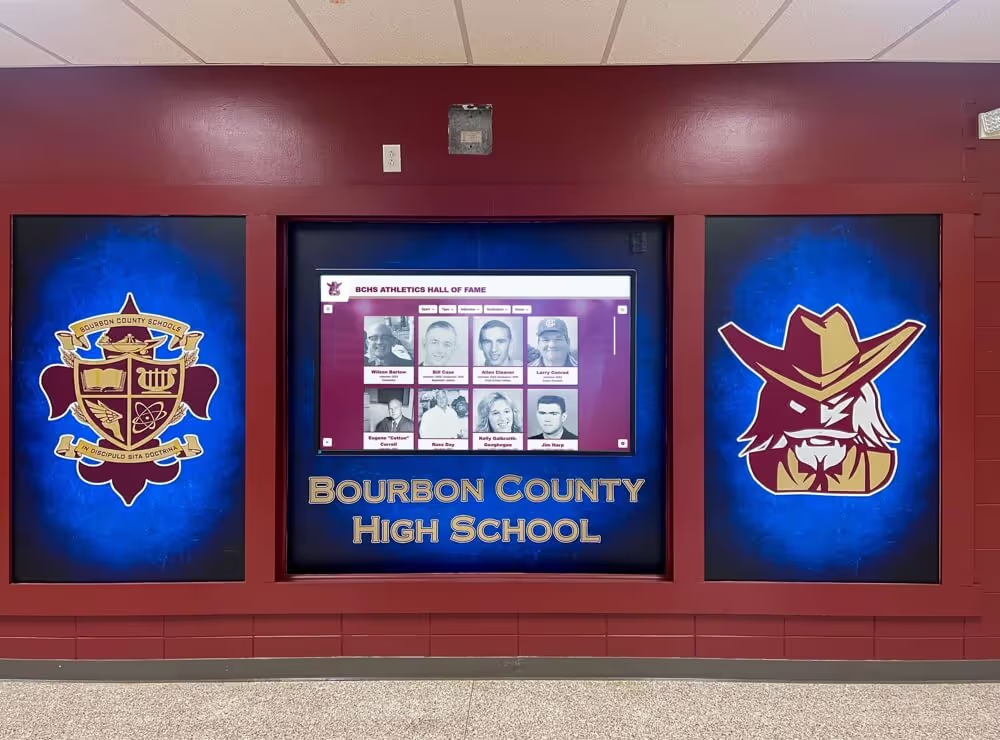
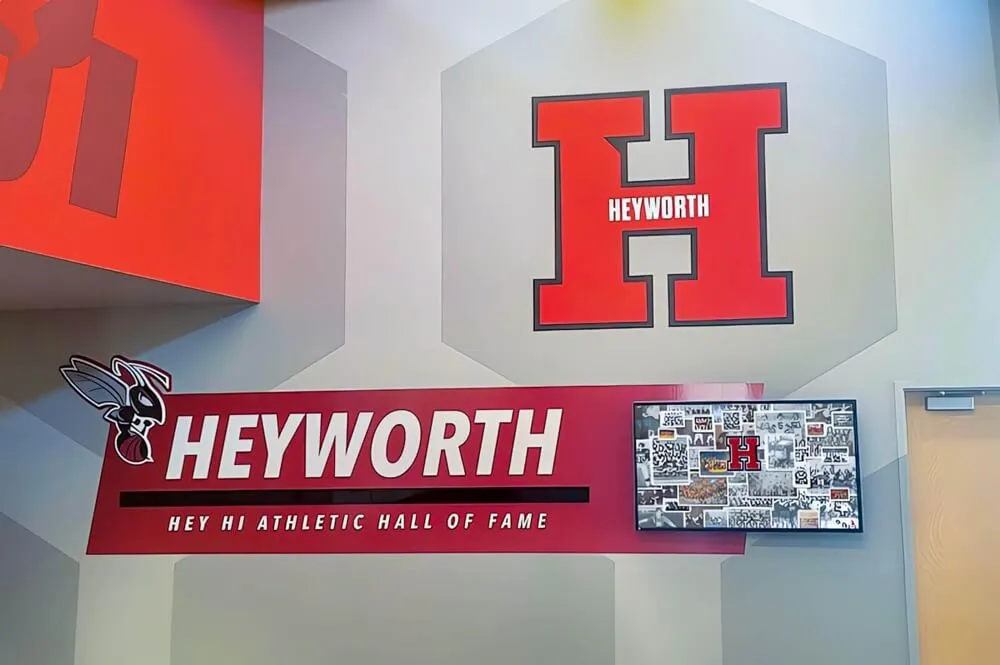
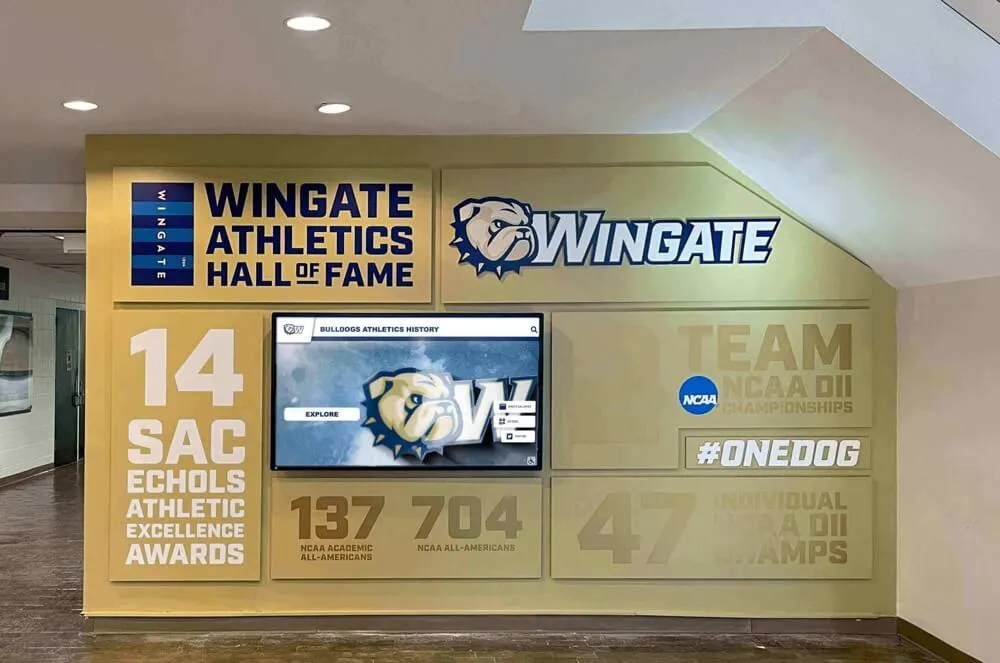
Multiple display screens enable showcasing diverse achievement categories simultaneously in prominent locations
Connecting Recognition to School Values
Achievement recognition provides powerful opportunities to reinforce institutional values and priorities:
Mission Alignment Recognition categories should reflect stated school missions. If institutions prioritize character development, recognition should celebrate character alongside academics and athletics. If schools emphasize creative thinking, innovative projects should receive visibility equal to traditional metrics.
Strategic Emphasis Schools can strategically emphasize developing areas through recognition—highlighting STEM achievements when building science program, celebrating diversity and inclusion efforts when strengthening school culture, or acknowledging community service when developing civic engagement traditions.
Balancing Tradition and Innovation Effective recognition honors historical traditions establishing institutional identity while remaining flexible enough to evolve with changing priorities and student populations. Regular program evaluation ensures recognition systems remain relevant rather than preserving outdated categories simply because “we’ve always done it that way.”
Measuring Recognition Program Impact
Systematic assessment ensures achievement recognition delivers intended value while identifying improvement opportunities:
Quantitative Metrics
Participation and Coverage
- Percentage of students receiving some recognition annually
- Distribution across grade levels and demographic groups
- Recognition frequency per student
- Coverage across different achievement categories
- Year-over-year participation trends
Engagement Indicators
- Digital display interaction rates and session duration
- Web portal traffic and page views
- Social media engagement with recognition content
- Family attendance at recognition ceremonies
- Student feedback on recognition awareness and value
Outcome Correlations
- Achievement trends among recognized vs. non-recognized students
- Impact on student attendance and engagement
- Relationship between recognition and continued achievement
- College acceptance and scholarship rates
- Alumni reflection on recognition influence
Qualitative Assessment
Stakeholder Feedback
- Student surveys about recognition program awareness and impact
- Family perception of recognition program fairness
- Staff assessment of recognition manageability
- Alumni perspective on recognition long-term influence
- Community perception of institutional priorities
Cultural Indicators
- Observed changes in school culture and student motivation
- Behavioral data relating to engagement and belonging
- School climate survey results
- Student sense of community measures
- Anecdotal evidence of recognition impact
Regular assessment enables continuous improvement ensuring recognition programs remain meaningful, equitable, and aligned with institutional goals while justifying continued resource investment.
Common Achievement Recognition Challenges and Solutions
Understanding typical obstacles helps schools proactively address issues:
Challenge: Limited Staff Time and Resources
Solutions:
- Leverage technology automating routine tasks
- Distribute responsibility across multiple staff members
- Establish clear, simple nomination and submission processes
- Start with manageable programs and expand gradually
- Utilize student assistants for routine maintenance tasks
Challenge: Maintaining Enthusiasm Over Time
Solutions:
- Refresh recognition displays and formats regularly
- Introduce new achievement categories addressing emerging interests
- Celebrate program milestones and recognition anniversaries
- Share impact stories demonstrating recognition value
- Involve students in recognition program design and maintenance
Challenge: Balancing Recognition Across Activities
Solutions:
- Establish clear criteria ensuring equity across categories
- Audit recognition distribution identifying underrepresented areas
- Create rotating spotlight systems ensuring varied visibility
- Educate community about diverse achievement categories
- Systematically track and adjust recognition to ensure balance
Challenge: Technology Adoption and Training
Solutions:
- Select intuitive platforms requiring minimal technical expertise
- Provide comprehensive training during initial implementation
- Create simple documentation and quick-reference guides
- Establish peer support systems among staff users
- Schedule regular refresher training as staff changes
Explore comprehensive student of the month program strategies that address these common implementation challenges.
Conclusion: Building Cultures of Achievement Through Recognition
Systematic student achievement tracking and celebration represents one of the most powerful tools schools possess for motivating excellence, strengthening culture, and creating environments where all students thrive. When schools move beyond limiting assumptions about achievement recognition—that only top performers deserve acknowledgment, that physical space constraints must dictate recognition capacity, that certain subjects deserve more visibility than others—they unlock transformative possibilities for student motivation and institutional culture.
The strategies explored in this guide provide comprehensive frameworks for building recognition systems that honor diverse achievements while remaining sustainable, equitable, and aligned with educational goals. From digital displays eliminating space constraints to multi-tiered programs ensuring recognition opportunities at all achievement levels, these approaches transform student acknowledgment from occasional gestures to systematic celebration woven throughout school culture.
Transform Your Student Achievement Recognition
Discover how modern digital recognition solutions can help you celebrate every student's accomplishments and build a thriving culture of excellence across academics, athletics, arts, and activities.
Explore Recognition SolutionsModern technology makes comprehensive achievement recognition achievable for schools of all sizes and budgets. Solutions like Rocket Alumni Solutions provide purpose-built platforms specifically designed for educational achievement tracking and celebration—combining intuitive content management with engaging interactive displays that bring recognition to life throughout campus and online.
Successful achievement recognition requires understanding that one-size-fits-all approaches no longer suffice when student populations encompass diverse talents, interests, starting points, and achievement trajectories. The schools achieving strongest outcomes offer varied recognition categories serving different constituencies—traditional high achievers, students demonstrating remarkable improvement, those excelling in specialized areas, and individuals showing exceptional character alongside measurable accomplishments.
Every student achievement—from making honor roll for the first time to winning state championships, from mastering challenging concepts to earning specialized certifications, from demonstrating daily kindness to leading transformative service projects—deserves recognition that honors effort, celebrates success, and motivates continued growth. With thoughtful planning, appropriate technology, and consistent implementation, schools create recognition systems that honor every achievement while building the positive, motivating educational cultures where all students thrive.
Ready to begin transforming your achievement recognition? Explore related resources including end-of-year student awards, academic letter awards programs, and digital trophy case implementations that bring comprehensive recognition visions to life.
Your students’ achievements deserve celebration equal to their remarkable efforts. Start where you are with recognition programs you can implement immediately, then systematically expand to create the comprehensive approaches your entire school community deserves. Every achievement recognized represents a student motivated to continue growing, learning, and striving for excellence—and that transformative impact extends far beyond individual recognition moments to shape entire educational cultures where success becomes the expectation, not the exception.