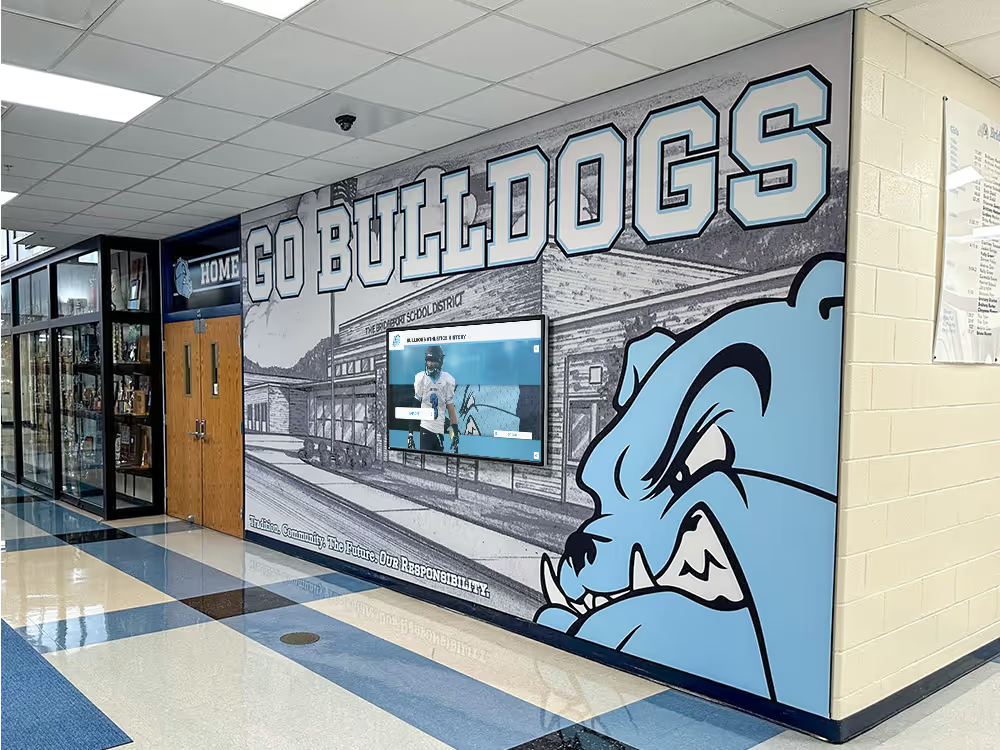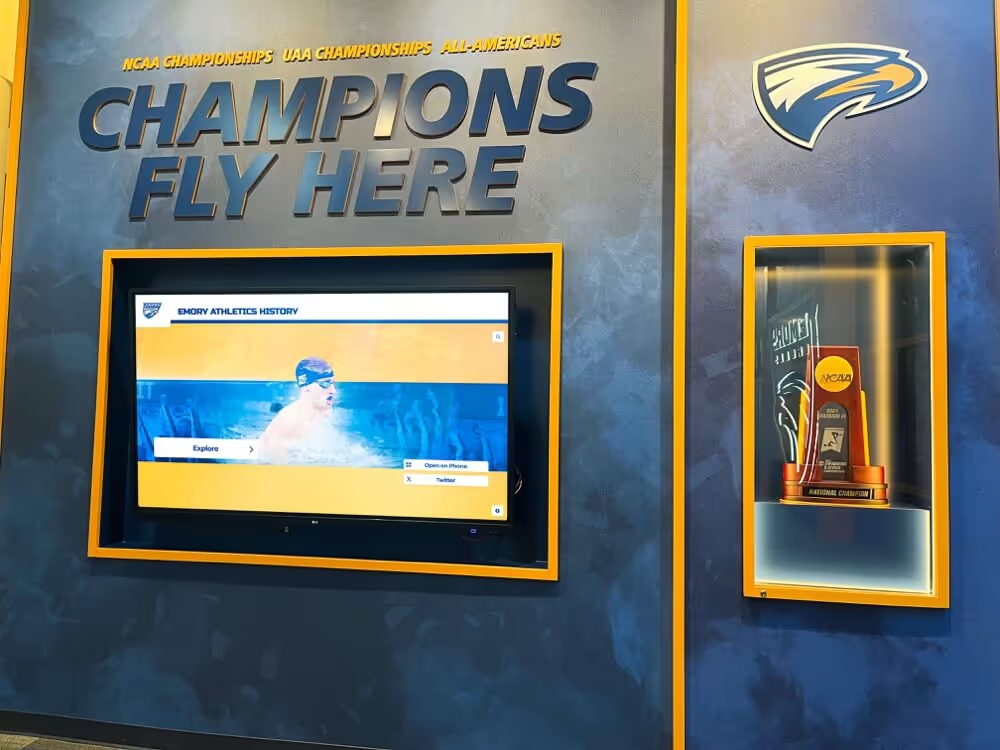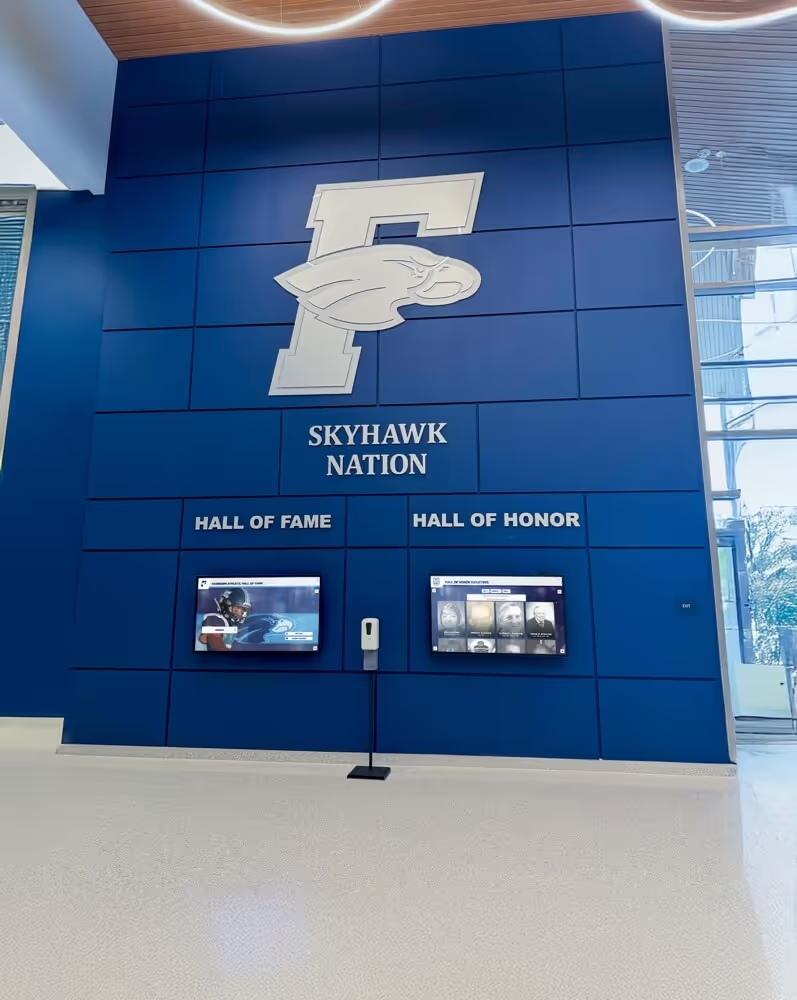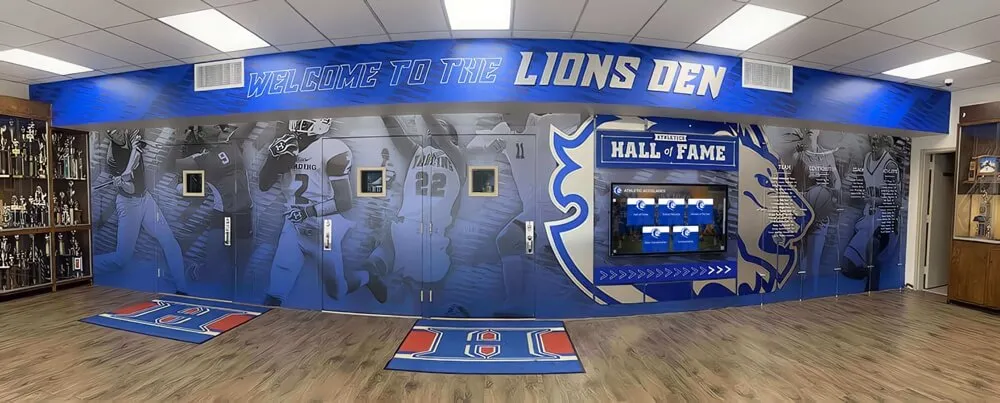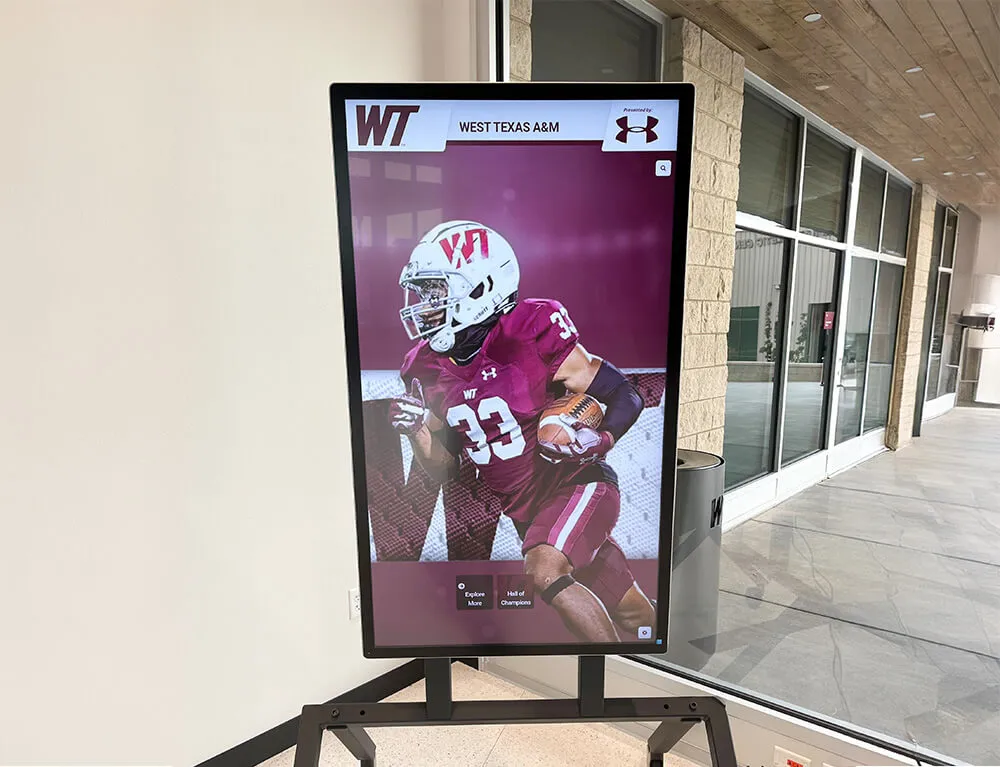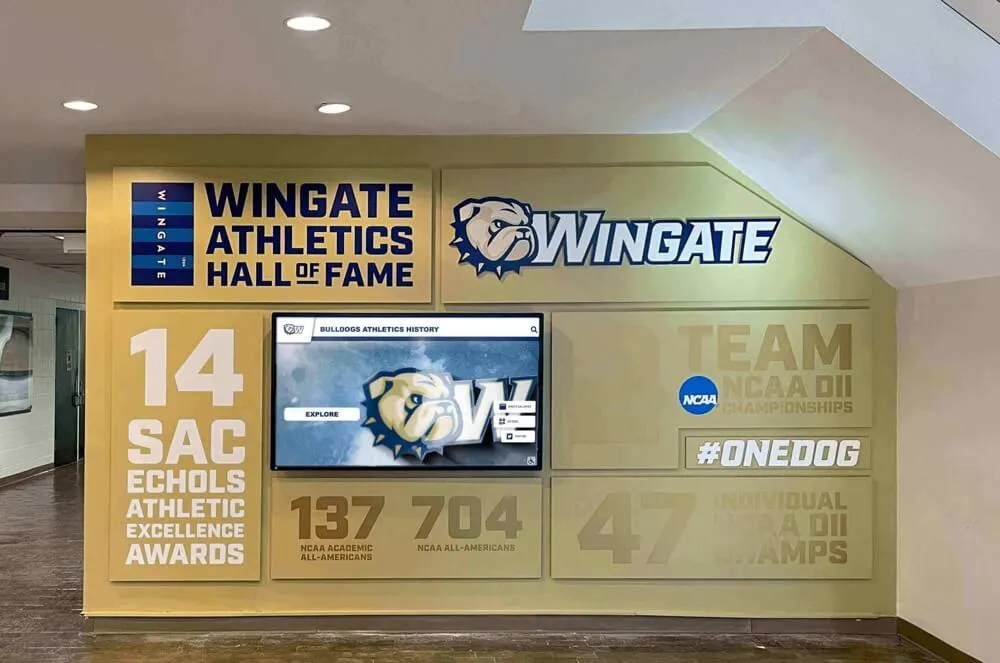




A student athlete code of conduct does more than list disciplinary rules. When written well, it defines the eligibility standards that govern every recognition decision a school makes: which athletes qualify for post-season awards, whose records are officially certified for display, who is eligible for hall of fame induction, and when an athlete’s name and photo can appear on a public-facing wall or digital screen.
Most schools have conduct policies. Fewer have connected those policies directly to their recognition infrastructure. The result is a gap: award committees debate eligibility on a case-by-case basis, record boards display names without a documented certification standard, and hall of fame committees face undocumented criteria that change with each new committee chair.
This guide covers the specific template sections that close that gap—the clauses and criteria that belong in every student athlete code of conduct to protect the integrity of awards, records, and recognition programs over the long term.
The short answer: a complete student athlete code of conduct should include at least six sections specifically governing recognition: award eligibility, record certification, hall of fame standards, public display policy, leadership and captaincy criteria, and reinstatement procedures. Each section should define minimum standards, disqualifying conditions, and the process for appealing a recognition decision.

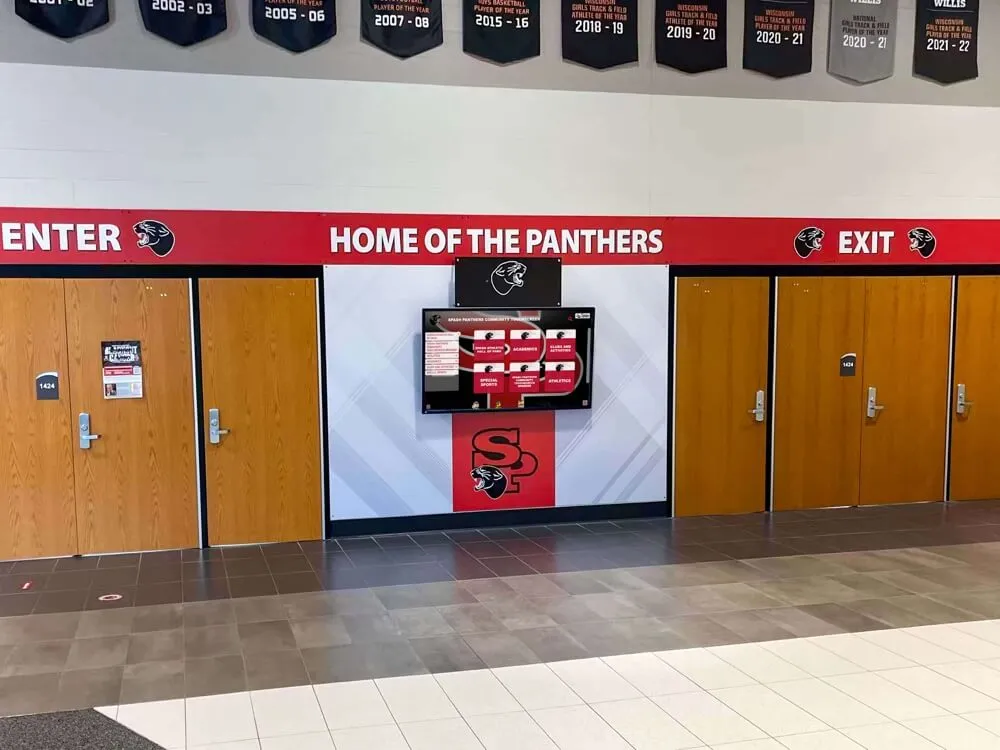
Recognition walls carry institutional weight. The code of conduct defines who earns a place on them and under what conditions that place can be withheld or removed.
Why the Code of Conduct Must Drive Recognition Decisions
Athletic recognition—trophies, record boards, hall of fame plaques, digital displays—is permanent or near-permanent. A plaque mounted in 2024 will still bear that athlete’s name in 2044. If the school later discovers that the selection violated the program’s own stated standards, the options are all bad: remove the plaque publicly, leave it up while acknowledging the problem, or say nothing and hope no one notices.
A code of conduct with clearly documented recognition criteria prevents this situation. It creates:
- Defensible decisions — committees can point to specific criteria that were met or not met
- Consistent standards — criteria do not shift based on who is on the committee that year
- Appeal pathways — athletes and families know the basis for a denial and the process for contesting it
- Archival integrity — records displayed publicly carry the weight of documented certification
Schools with comprehensive academic recognition programs find that the same governance logic applies to athletic recognition: the policy infrastructure matters as much as the display infrastructure.
Template Section 1: Award Eligibility Criteria
This section governs who qualifies for end-of-season awards—team MVP, most improved, all-conference nominations, sportsmanship awards, academic athlete honors, and any other formal recognition the program confers.
Minimum Eligibility Standards
| Standard | Common Threshold | Notes |
|---|---|---|
| Academic standing | Minimum GPA (e.g., 2.0 cumulative) | Use the same threshold as participation eligibility; do not create a separate standard for awards |
| Participation minimum | Appeared in ≥50% of contests | Define "appeared" (dressed and played vs. dressed only); injury exceptions should be documented |
| Active roster status | On official roster at season's end | Athletes who transferred, quit, or were removed mid-season are typically ineligible |
| Conduct standing | No unresolved major violations at award date | Distinguish between pending investigations and resolved violations with completed consequences |
| Sportsmanship | No ejections / flagrant violations in final X games | Sportsmanship award nominees should have a clean record for the entire season |
Disqualifying Conditions
The template should enumerate conditions that automatically disqualify an athlete from award consideration. Common examples:
- Dismissal from the team for cause at any point during the season
- Suspension that removed the athlete from more than one contest for a conduct violation (not an injury)
- Academic ineligibility during a portion of the season (even if eligibility was restored)
- Violation of the school’s athletic code that resulted in formal discipline from the athletic department
The Nomination and Selection Process
Award selection should be a documented process, not an informal vote at the end-of-season banquet. The template section should specify:
- Who nominates — head coach only, coaching staff collectively, or a panel that includes the athletic director
- Who selects — and whether nominees are disclosed to athletes before the vote
- Documentation requirement — a written record of who was considered and why the selection was made
- Publication timeline — when and how awards are announced
Schools developing academic achievement award programs for high school athletes follow a similar documentation model to ensure consistency across years and coaching staff changes.
Template Section 2: Record Certification and Display Standards
Athletic records are a permanent part of a school’s heritage. A student athlete code of conduct should define the conditions under which a performance is officially certified and eligible for public display.
What Makes a Record Official
A record cannot simply be the best performance ever recorded—it must be verified and certified. The template should define:
- Official timing or measurement — the standard for how the performance was measured (hand-timed vs. fully automated, official scorebook vs. press box estimate)
- Opponent level — whether records must be set against opponents of a minimum classification
- Weather or condition exclusions — relevant for track, swimming, and outdoor sports
- Score reporting — the form and deadline for submitting a record claim
Conduct Requirements for Record Certification
This is the section most schools omit. The template should state explicitly: if an athlete is found to have violated conduct standards during or immediately around the performance in question, the record may be withheld from display or certification pending review.
Specific language to include:
- Records set during a contest in which the athlete was subsequently ejected for flagrant misconduct are subject to administrative review before certification
- Records will not be added to the school’s official display until the athlete meets academic standing requirements
- Records set by an athlete who is later found to have violated the school’s prohibited substance policy during the relevant season are subject to retroactive decertification per NFHS guidelines
The Public Record Display Policy
Once certified, the display of athletic records—on a physical scoreboard, a digital record board, or a website—carries its own governance questions. The template should address:
- Which records are displayed publicly versus maintained internally
- The standard for updating a displayed record (who verifies, who approves the update, and what documentation accompanies it)
- Whether the athlete’s name, photo, or jersey number appears alongside the record
- The retention period for records before they cycle off a display
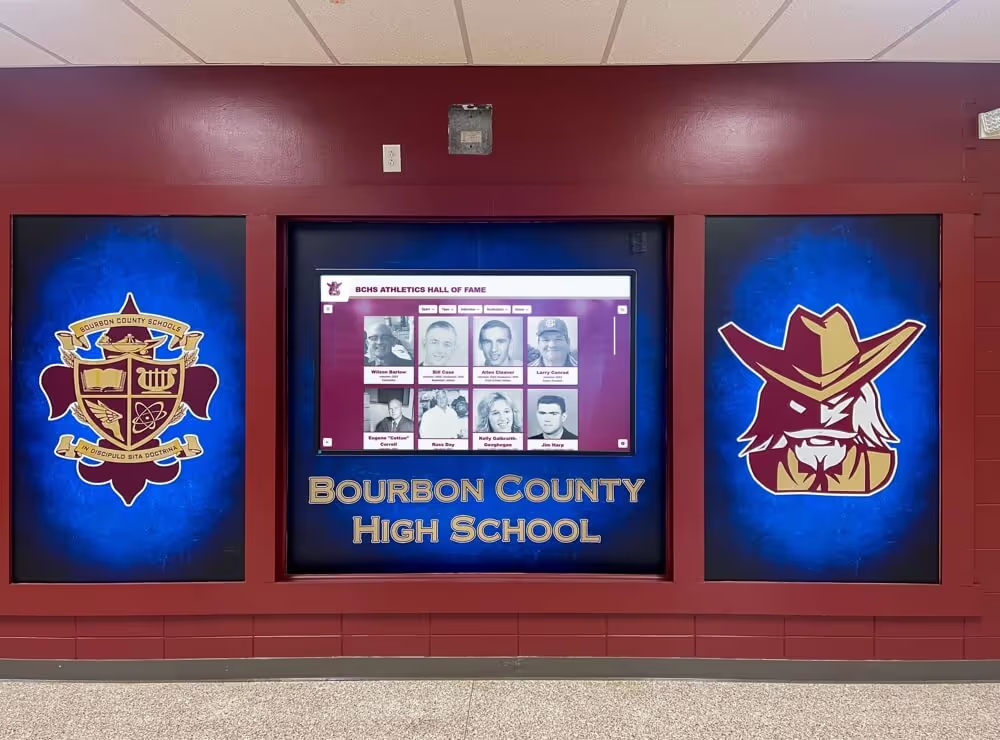
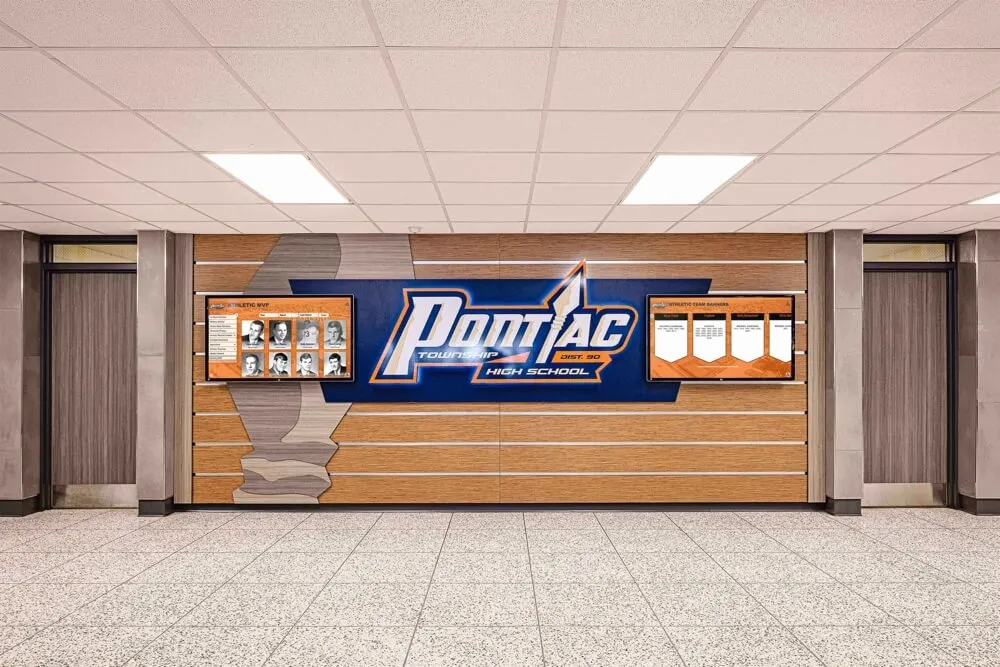
Schools building digital record board and hall of fame systems find that a documented certification standard makes the platform’s content far more defensible when questions arise years later.

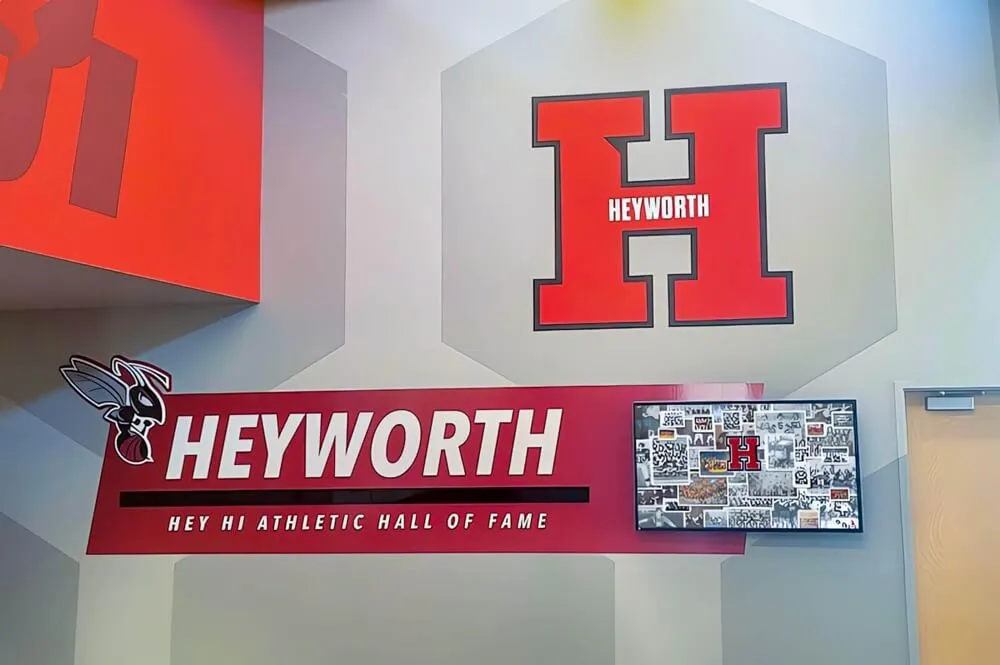
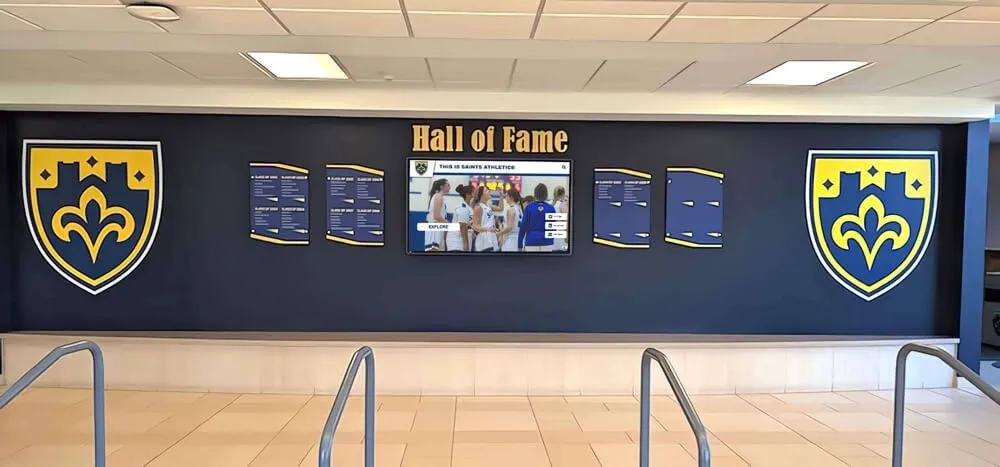
Digital and physical record boards become part of a school's permanent athletic record. Certification standards protect their accuracy and integrity over time.
Template Section 3: Hall of Fame and Legacy Induction Standards
Hall of fame induction is the highest form of athletic recognition a school confers. Because it is permanent and highly visible, the eligibility criteria deserve the most careful documentation in the code of conduct.
Minimum Eligibility Criteria
| Criterion | Standard Language |
|---|---|
| Years since graduation | Nominee must have graduated or otherwise separated from the program at least [3–5] years prior to nomination |
| Athletic achievement | Nominee demonstrated exceptional performance as measured by [records, championships, all-state/all-conference selections, program-level achievements] |
| Academic standing at time of participation | Nominee maintained academic eligibility throughout their participation; violations that were resolved through the school's process do not automatically disqualify |
| Character and conduct | Nominee's overall conduct during and after their tenure reflects positively on the program; committee may consider post-graduation conduct that would materially affect the school's reputation |
| Representation of program values | Nominee embodies the sportsmanship, teamwork, and academic expectations defined in this code of conduct |
Conduct-Based Ineligibility
The template should distinguish between:
- Disqualifying conditions that automatically remove a nominee from consideration (e.g., criminal conviction directly related to the school’s student conduct policy, documented falsification of eligibility records)
- Reviewable conditions that give the committee discretion (e.g., violations that were resolved during the athlete’s enrollment, historical context that the committee should weigh)
Avoid language that makes the committee a moral arbitration panel for general life conduct. Focus the criteria on conduct directly connected to the athlete’s participation in the school’s program and the school’s current public values.
Retroactive Removal
The template should define whether and how induction can be rescinded:
- The process for bringing a removal motion (who can initiate, what evidence is required)
- The voting threshold for rescission (higher than for initial induction is typical)
- Whether the inductee is notified and given an opportunity to respond
- The physical or digital outcome of rescission—name removal from displays, archival treatment of the induction record
Schools examining hall of fame tools and governance models for athletics programs consistently cite retroactive removal provisions as one of the most legally and reputationally significant sections in the entire recognition policy.
Template Section 4: Public Display and Media Policies
A student athlete code of conduct should define when, where, and how an athlete’s name, image, and likeness are used in school-controlled recognition infrastructure.
Display Authorization
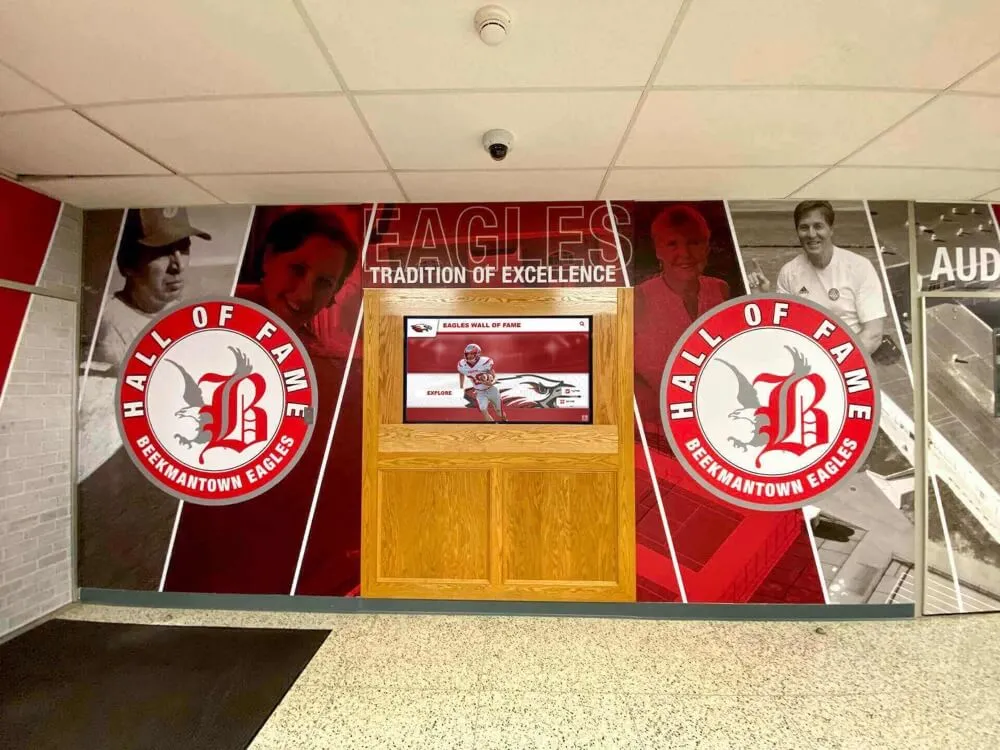
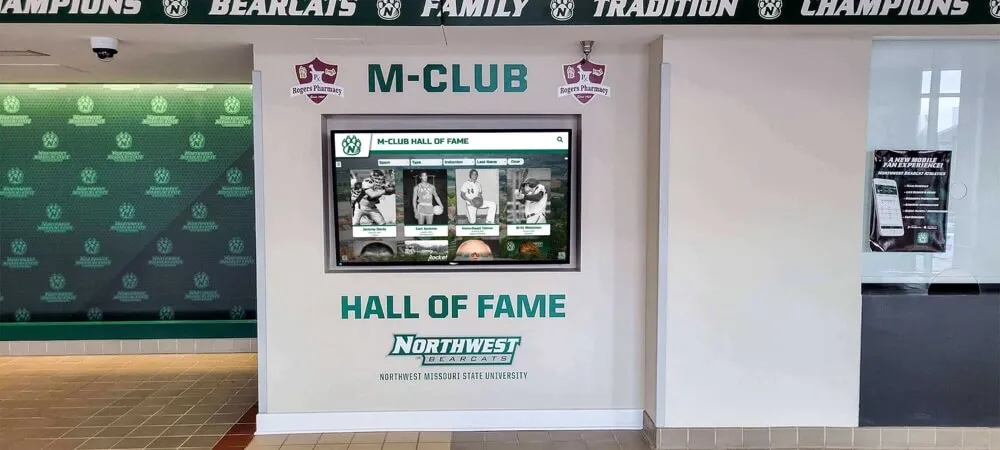
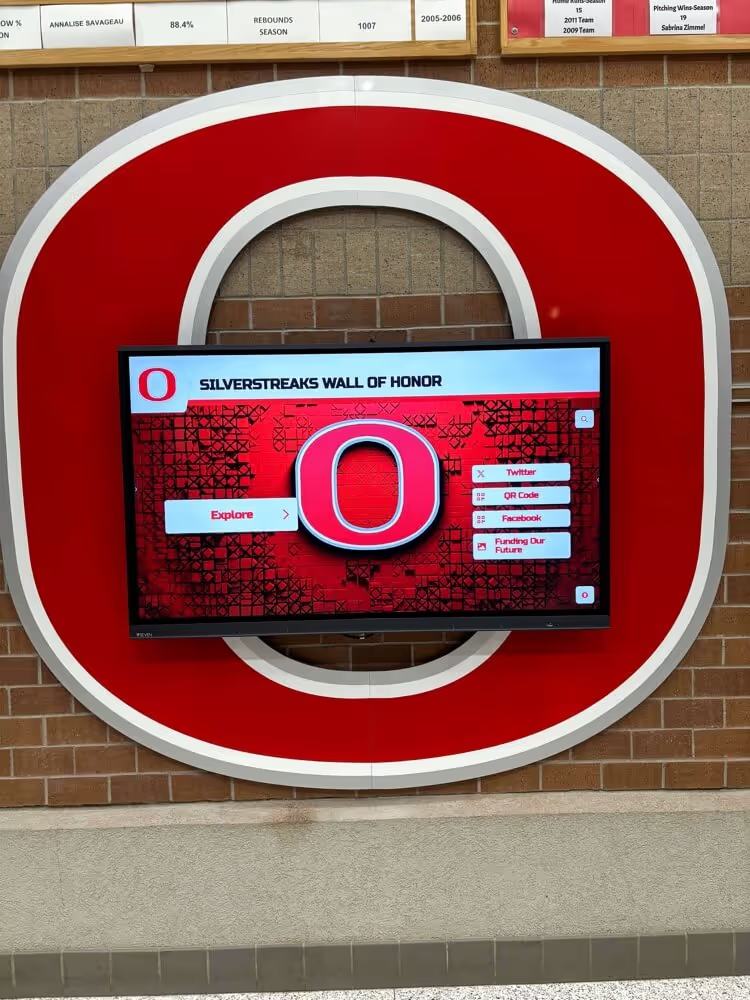
Schools that operate digital recognition displays—interactive touchscreen walls, lobby screens, digital trophy cases, social media recognition feeds—need explicit policy language covering:
- Consent for display — particularly for minors, what parental authorization is required for a student’s photo and name to appear on a public-facing display
- Display duration — how long a current athlete’s profile remains active on a display after they leave the program
- Removal requests — the process by which a former athlete or their family can request removal of their information from a display
- Photo standards — what constitutes an approved image for public display (official school photo, action photo, no personal social media photos without written permission)
Conduct-Based Removal from Active Displays
The template should state clearly: an athlete’s profile may be removed from active public display while a conduct investigation is pending, and will be removed if the investigation results in dismissal from the team or significant disciplinary action. The policy should specify:
- Who has authority to approve a removal (athletic director alone, or in consultation with administration)
- Whether removal is disclosed to the athlete and family in advance
- The process for restoring a profile if a student is reinstated or if an investigation is resolved without a finding
Social Media and External Recognition
Schools that share athlete recognition content on social media should address:
- Which recognitions are announced publicly (all-conference selections, award winners) versus shared only with the team
- Whether athletes in conduct-pending status are featured in recognition posts
- The school’s policy on tagging athletes in public posts (relevant for student privacy)
Institutions building comprehensive academic recognition programs with public-facing components address similar questions for academic honors, and the same policy framework translates directly to athletic recognition contexts.
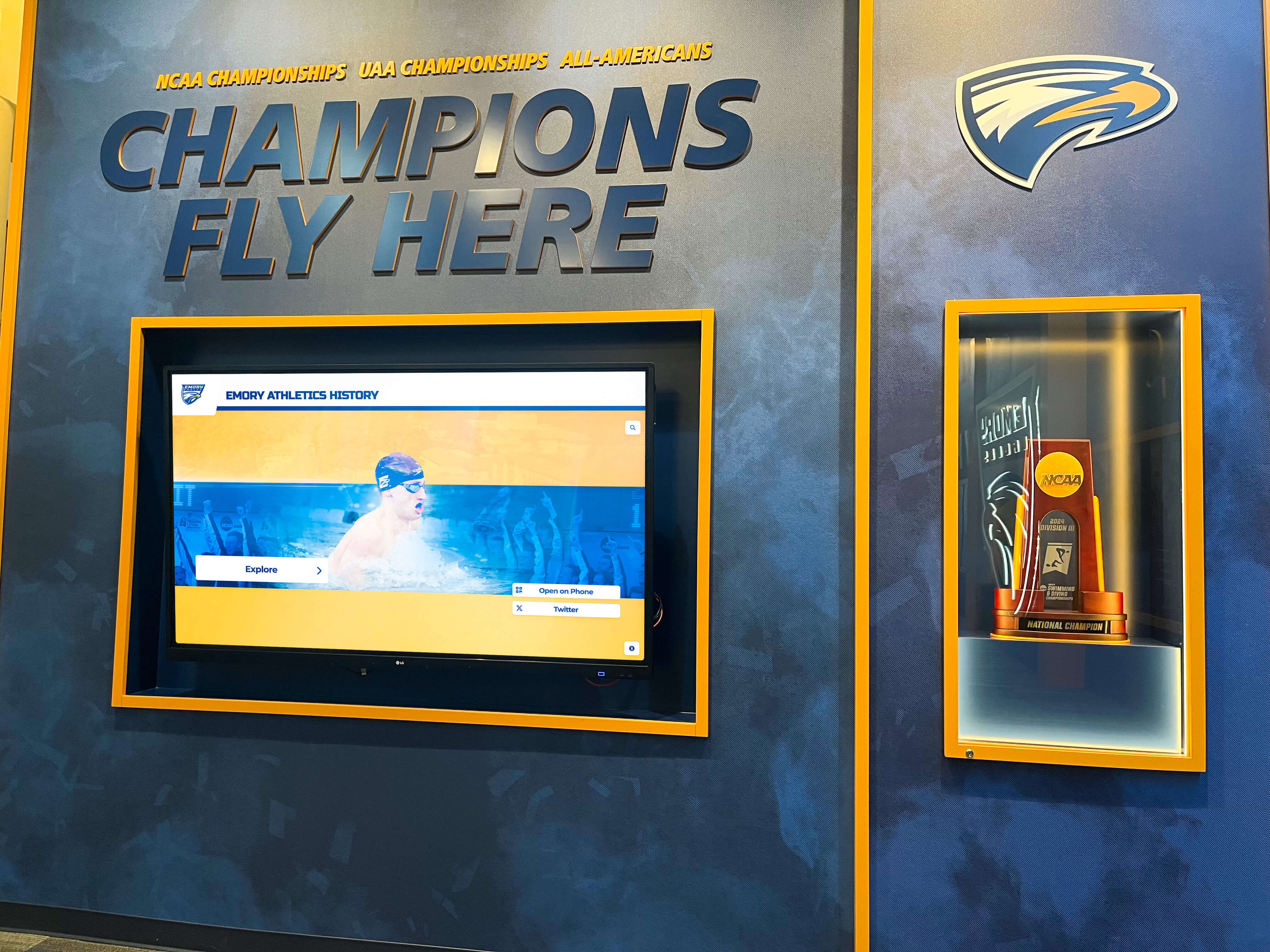
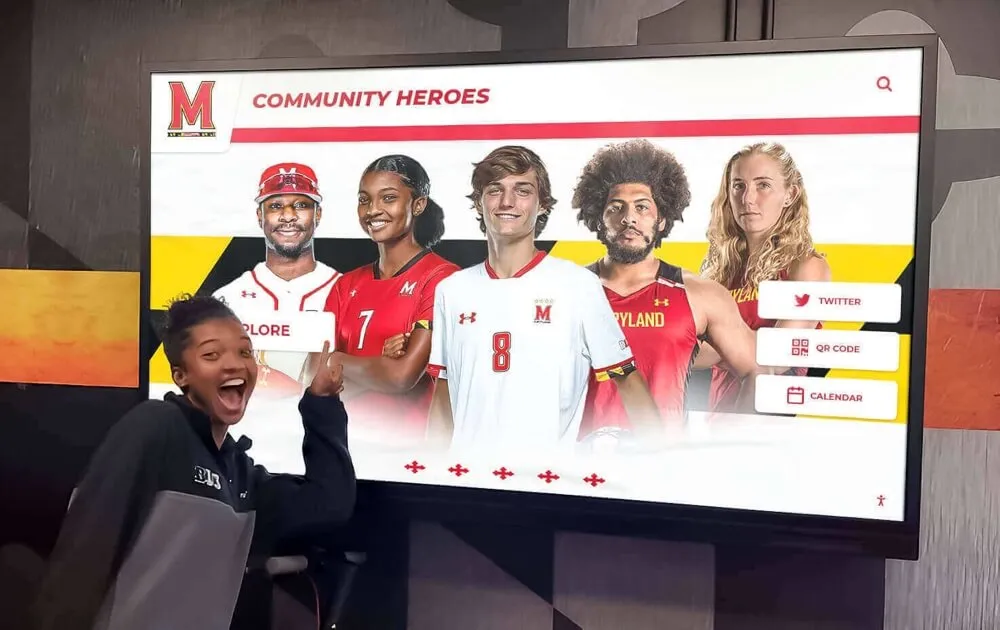
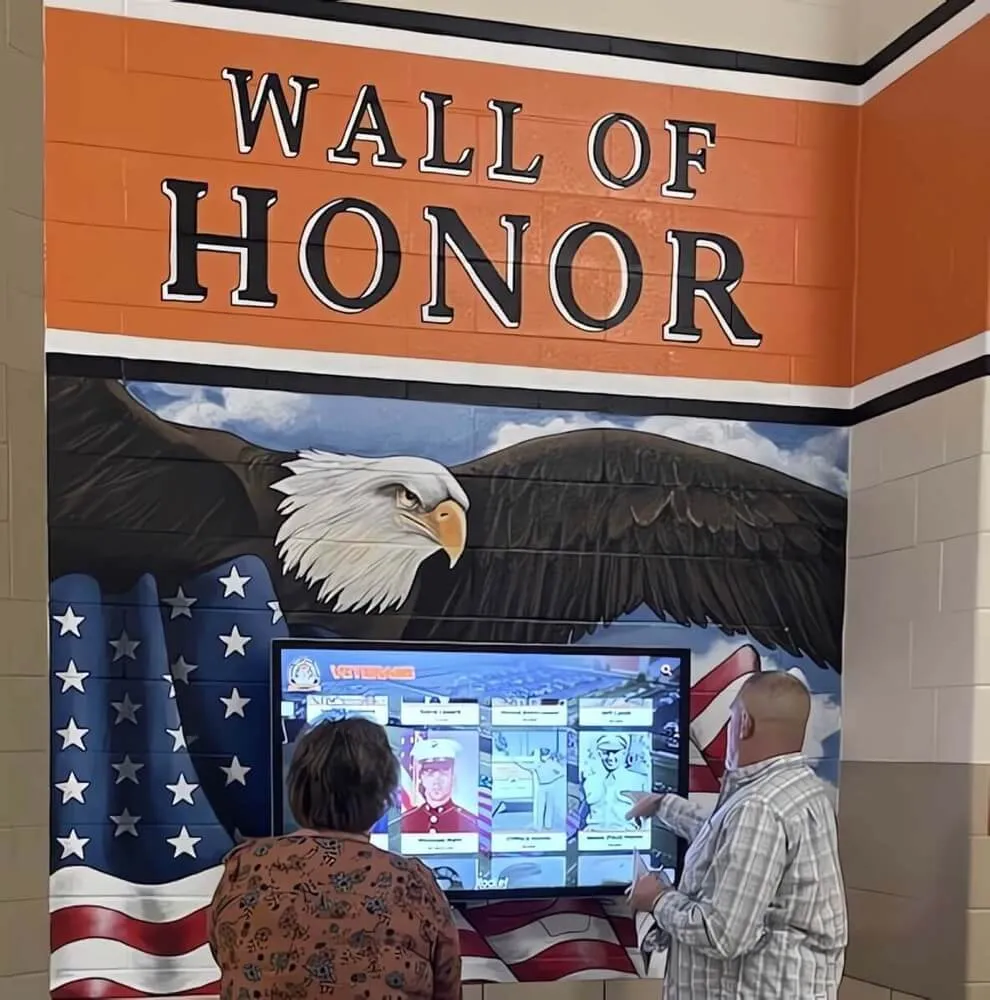
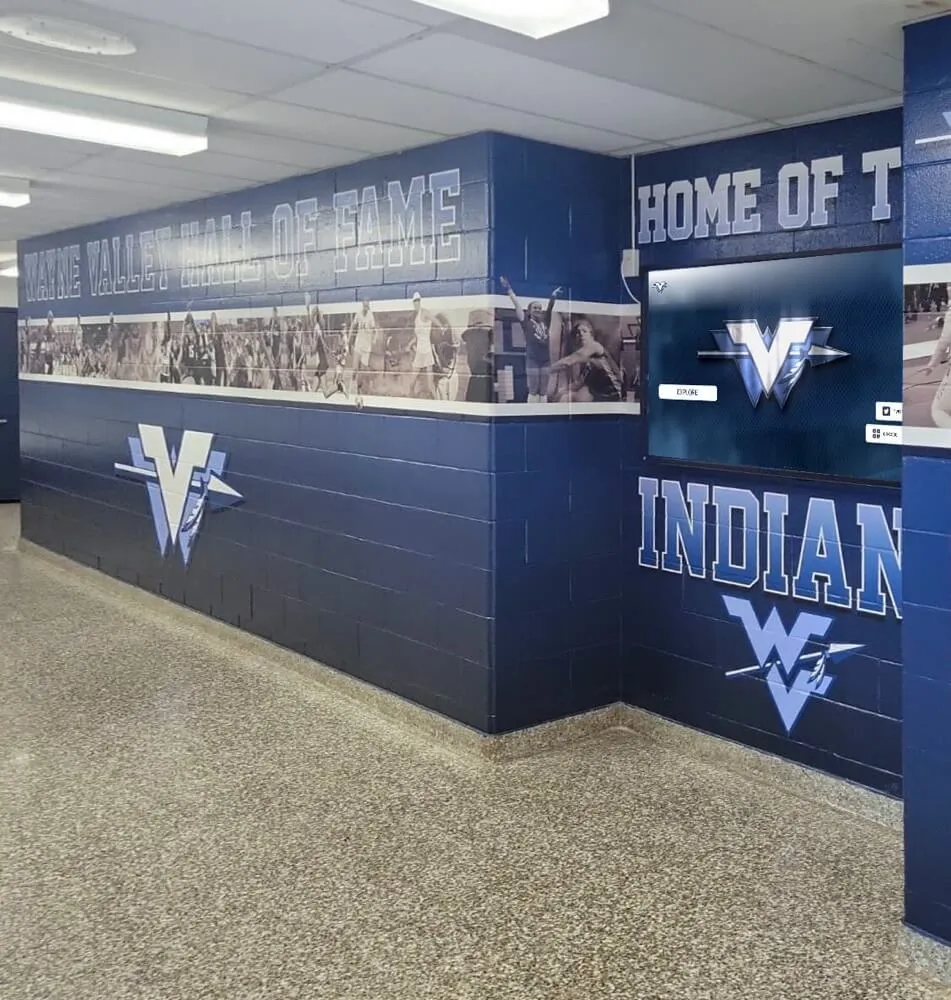
Public-facing recognition displays represent the school's institutional voice. Display policies determine whose achievements are shown and under what conditions.
Template Section 5: Leadership and Captaincy Recognition
Team captains, program ambassadors, and leadership award recipients occupy a specific category within athletic recognition: they are identified publicly as representatives of the program’s values, not just its performance.
Captaincy Eligibility Standards
The code of conduct section governing captaincy should specify:
| Standard | Rationale |
|---|---|
| Minimum participation history (e.g., two varsity seasons) | Captains should have established credibility within the program before representing it publicly |
| Academic standing in good standing throughout designation period | Academic eligibility problems during captaincy create scheduling and perception issues |
| No active conduct violations at time of selection | A captain under investigation cannot credibly enforce the code of conduct with teammates |
| Coach recommendation required | Coaching staff must affirm the candidate's readiness for a public leadership role |
| Conduct standard maintained throughout designation period | Captaincy can be revoked mid-season if conduct standards are violated after designation |
Leadership Awards
The same standards that apply to captaincy should be documented for leadership awards (senior leadership award, most coachable, teammate of the year, and similar honors). These awards carry reputational weight precisely because they signal character, not just performance—making conduct standards more important to document here than in performance-based award categories.
Captaincy and Hall of Fame Nomination
Some schools give captains priority consideration in eventual hall of fame nominations. If the code of conduct creates this pathway, document it explicitly—and document whether a revoked captaincy affects that priority consideration.
Schools exploring how recognition programs honor both individual performance and institutional values can reference examples in how programs recognize scholar-athlete teams for academic decathlon and similar dual-achievement contexts, where leadership and conduct criteria are built into nomination standards.
Template Section 6: Reinstatement and Record Correction Procedures
A student athlete who was denied an award, had a record withheld, or had a display profile removed has a legitimate interest in understanding how those decisions can be revisited. The code of conduct should include a clear reinstatement and appeal process.
Appeal Timeline and Process
- Notice of denial — the athlete (and family, if a minor) is notified in writing of any recognition denial citing code of conduct, within five business days of the decision
- Grounds for appeal — the appeal must be based on a factual dispute (the violation finding was incorrect) or a procedural claim (the process defined in the code was not followed); general disagreement with the policy is not grounds for appeal
- Who hears the appeal — typically the athletic director, a small committee, or in significant cases, the principal or superintendent; the appeal body should not include the original decision-maker
- Decision timeline — a written decision within fifteen business days of the appeal submission
- Final authority — the appeal decision is final; the code should state this clearly to prevent indefinite escalation
Reinstatement After Completed Consequences
The code should address what happens to withheld recognition after an athlete has completed all assigned consequences:
- If a record was withheld pending conduct resolution, the certification process resumes when the student is in good standing
- If an award was denied due to suspension status, the athlete is eligible for future award cycles under the standard criteria
- If a display profile was removed, the restoration timeline should be specified (immediately upon reinstatement, or at the next scheduled display update cycle)
Retroactive Award Correction
The template should address the rarer case in which a previously granted award or record is found to have been made in error—either because eligibility criteria were not properly applied at the time, or because new information emerged. The same appeal body and decision standard should govern corrections in both directions.
Schools that have invested in digital recognition infrastructure appreciate having documented correction procedures. Platforms that manage awards and recognition across school events and reunion cycles face exactly this issue: when a legacy award is questioned, the school needs a documented process to review and correct the historical record.
How Digital Recognition Systems Enforce These Standards
A code of conduct is a policy document. Enforcement happens through the systems schools use to manage recognition—and the two need to align.
Digital Record Boards
A digital record board that pulls from a structured data source can be configured to flag records in a “pending certification” state until an administrator approves them. This creates a natural checkpoint that aligns with the code’s certification requirements. Schools that rely on manual entry without an approval workflow are more vulnerable to records appearing before the certification process is complete.
Interactive Hall of Fame Displays
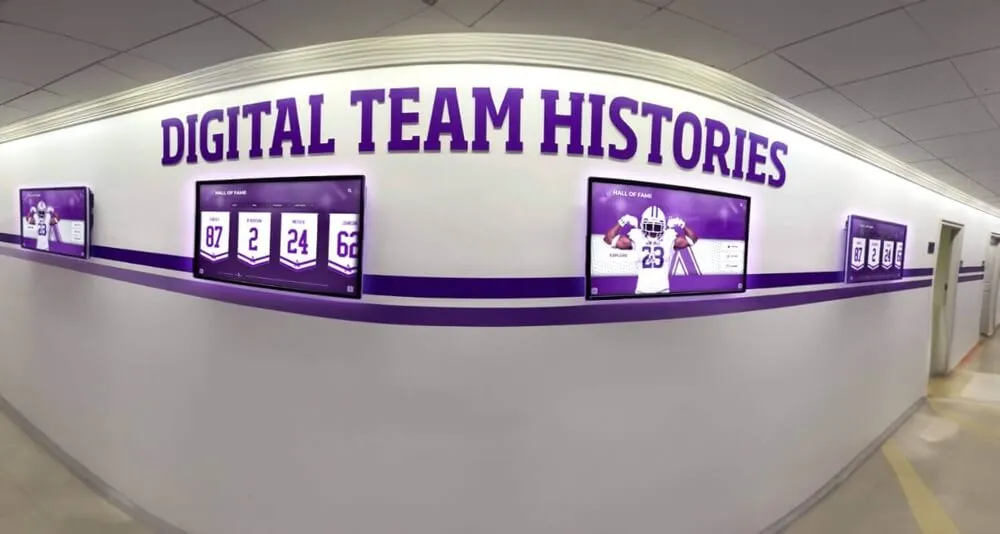
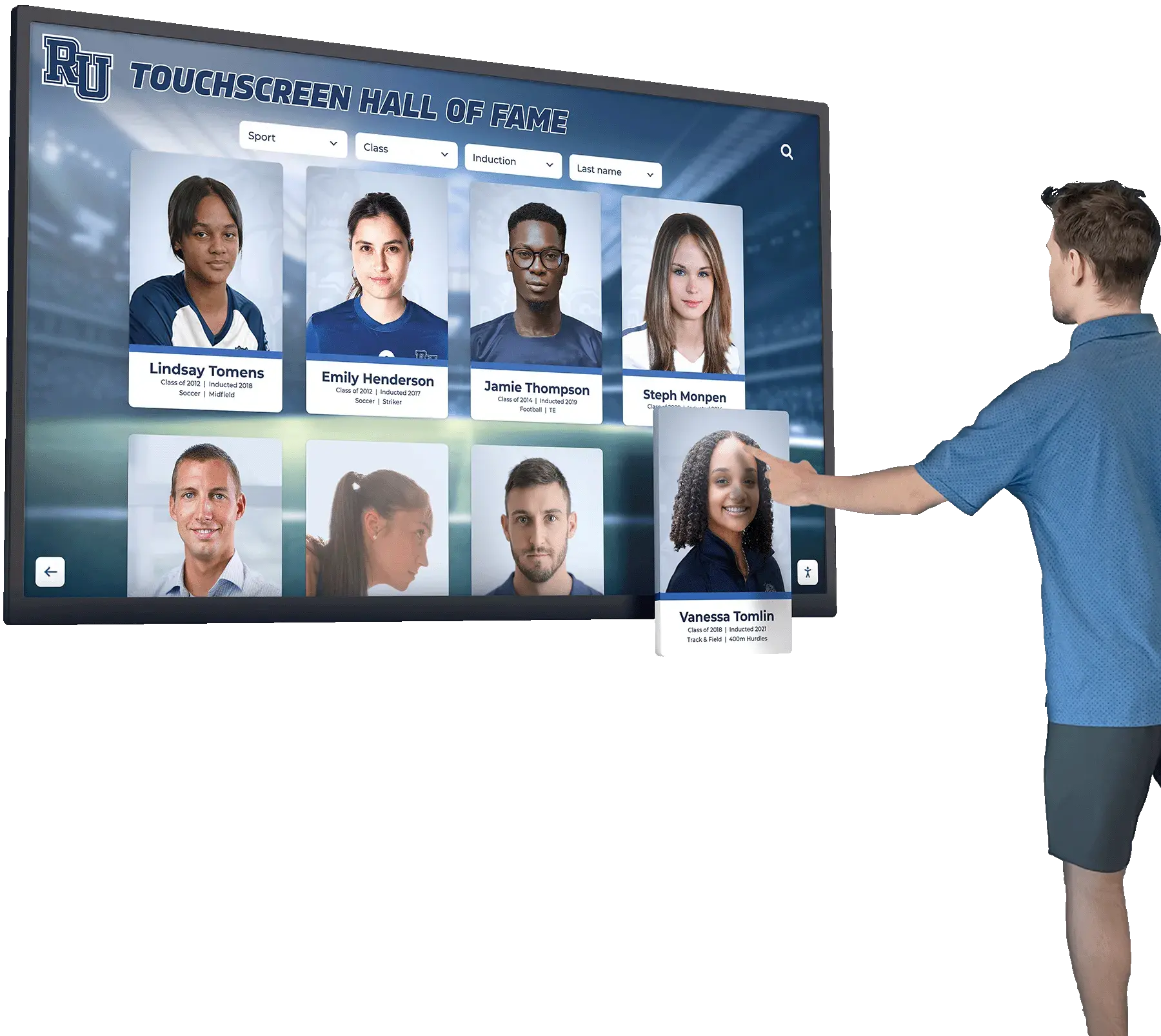
Interactive touchscreen walls that display inductee profiles can be managed with a draft/published workflow that mirrors the code’s recognition process. An inductee’s profile is built and reviewed in draft form before going live on the display, giving the committee an opportunity to confirm all eligibility criteria are met before public display. Schools using these systems can explore the range of hall of fame tools available for athletic and academic recognition to find platforms that support this kind of governance workflow.
Public Display Removal Capability
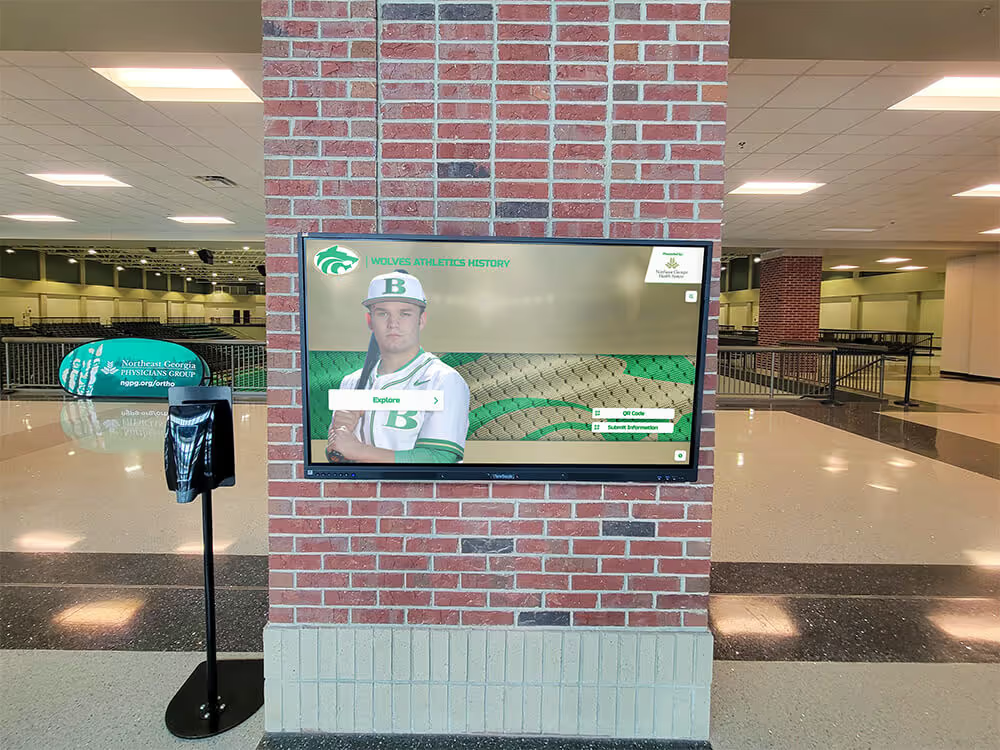
Any school that commits to a conduct-based display removal policy in its code of conduct must have the operational capability to execute that removal quickly. A static printed plaque cannot be removed without a visible gap. A digital display can be updated within minutes. Schools adopting conduct-linked display policies should factor this operational reality into their choice of recognition infrastructure.
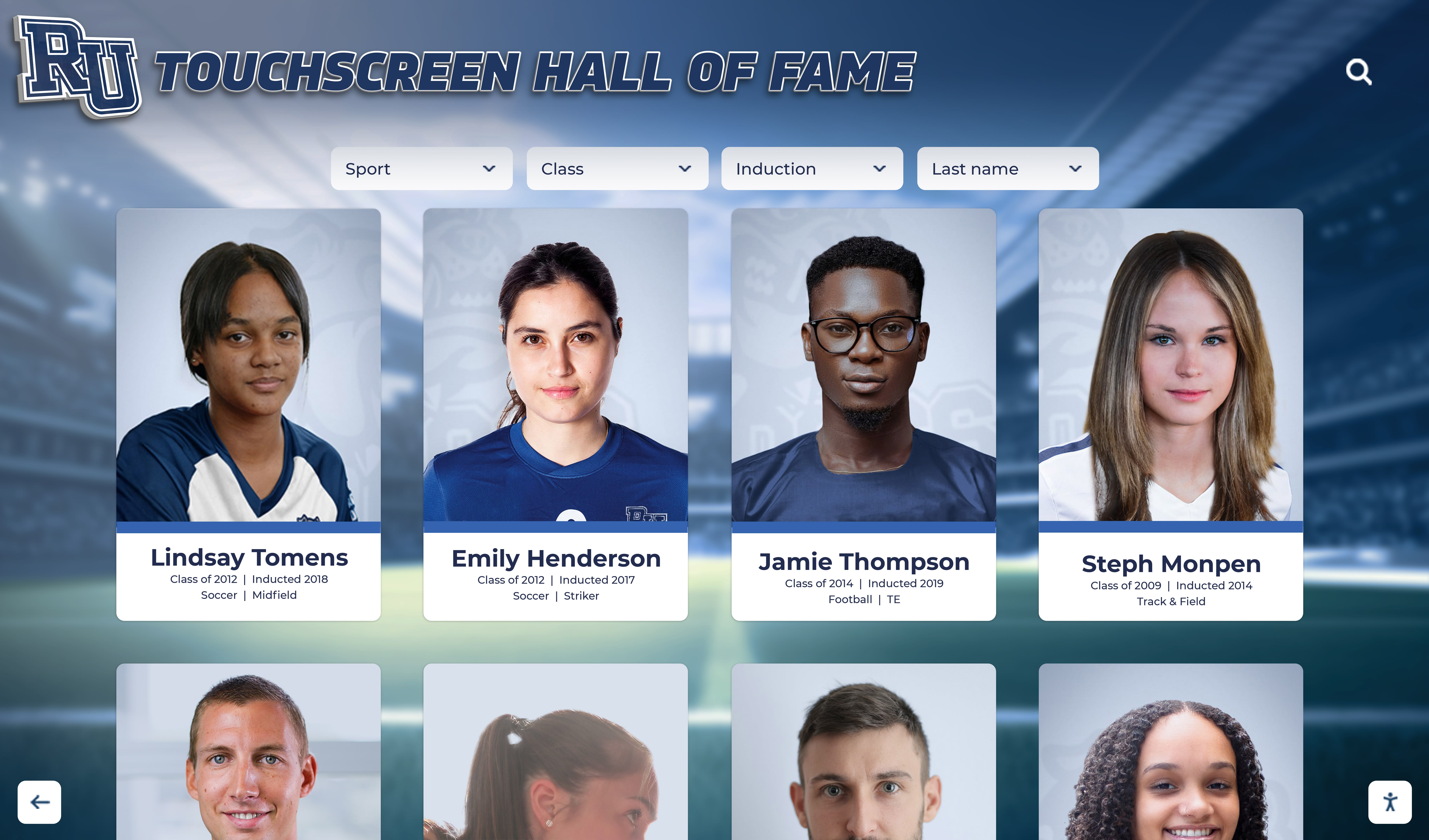
Digital recognition platforms give schools the administrative control to enforce display policies that static physical installations cannot match.
Code of Conduct Checklist for Recognition Programs
Use this checklist to audit an existing code of conduct or draft a new one. A complete policy addresses all items.
| Recognition Area | Policy Element | Included? |
|---|---|---|
| Awards | Academic eligibility minimum for award candidates | ☐ |
| Awards | Participation minimum (% of contests) | ☐ |
| Awards | Conduct standing requirement at award date | ☐ |
| Awards | Documented nomination and selection process | ☐ |
| Records | Official measurement / verification standard | ☐ |
| Records | Administrative approval before display | ☐ |
| Records | Retroactive decertification provision | ☐ |
| Hall of Fame | Years-since-graduation minimum | ☐ |
| Hall of Fame | Character / conduct criteria defined | ☐ |
| Hall of Fame | Retroactive removal process defined | ☐ |
| Public Display | Photo and name consent requirement | ☐ |
| Public Display | Conduct-based removal authorization | ☐ |
| Public Display | Restoration / reinstatement process | ☐ |
| Leadership / Captaincy | Selection criteria documented | ☐ |
| Leadership / Captaincy | Mid-season revocation provision | ☐ |
| Appeals | Written notice requirement | ☐ |
| Appeals | Grounds for appeal defined | ☐ |
| Appeals | Independent appeal body identified | ☐ |
| Appeals | Decision timeline specified | ☐ |
FAQ: Student Athlete Code of Conduct and Recognition
Does a student athlete code of conduct need to address recognition specifically, or is it enough to have a general conduct section?
A general conduct section is not sufficient for recognition governance. General sections define prohibited behaviors and their disciplinary consequences. Recognition sections define how those disciplinary outcomes affect eligibility for awards, records, hall of fame induction, and display inclusion. Without the recognition-specific language, every eligibility question becomes a case-by-case interpretation.
Can a school remove a student’s name from a record board or trophy for conduct reasons?
Yes, but the authority and process should be documented in advance. Retroactive removal—especially from permanent installations—is administratively and reputationally significant. Schools that have documented their decertification and removal criteria before the question arises are in a far stronger position than those improvising a policy in response to a specific incident.
What is the NFHS position on conduct and athletic record eligibility?
The National Federation of State High School Associations (NFHS) provides guidance on prohibited substance policies and their effect on record eligibility. Schools should consult their state athletic association’s specific policies, which typically follow NFHS guidelines but may add state-specific provisions. The school’s code of conduct should reference the state association’s prohibited substance policy by name to ensure alignment.
How should the code of conduct handle situations where a student was found in violation after receiving an award?
The template should address this scenario directly. Most schools define a review trigger (new information, subsequent finding) and a review process (same committee, same standards). The outcome options—rescinding the award, retaining the award with a notation, or taking no action—should each be defined with their governing criteria. Committees that face this situation without documented guidance default to politics rather than policy.
Should conduct criteria for hall of fame induction include post-graduation behavior?
This is a values question that schools answer differently. Some limit eligibility criteria to conduct during enrollment. Others include post-graduation conduct that “materially affects the school’s reputation.” If your school chooses to include post-graduation conduct, document the scope carefully—and document who makes that determination and under what standard of evidence. Vague character clauses create litigation exposure.
How does a digital recognition display help enforce a conduct-linked display policy?
A managed digital platform allows administrators to activate and deactivate individual profiles, add “pending certification” flags to records, and manage draft versus published states for new inductees—all without physically altering infrastructure. This operational capability is what makes a conduct-linked display removal policy workable. Schools relying solely on physical installations face significantly higher barriers to enforcement.
What is the difference between award ineligibility and record decertification?
Award ineligibility means a specific athlete cannot be selected for a specific honor during a specific cycle. Record decertification means a performance is removed from the school’s official record and cannot be displayed as an achievement. Award ineligibility is prospective; decertification is retroactive. Both require documented criteria and processes, but decertification carries higher stakes—records represent the school’s official history—and should require a higher evidentiary threshold.
Build Recognition Displays That Your Policy Can Defend
Rocket Alumni Solutions helps schools build interactive touchscreen halls of fame, digital record boards, and lobby displays with the administrative controls needed to enforce a student athlete code of conduct—draft workflows, profile activation, certified records management, and update capabilities that static displays cannot match.