



Student council elections represent far more than choosing next year’s leadership—they’re opportunities to build democratic engagement, develop student voice, and create excitement around school governance. When campaigns capture attention through creative banners, compelling videos, and modern voting experiences, participation increases dramatically while students develop critical civic skills they’ll carry into adult citizenship.
Yet many schools struggle with student council campaigns that feel stale and predictable, with identical poster board designs lining hallways year after year, voter turnout declining as students disengage from outdated processes, campaigns lacking the visual impact and polish students expect from their media-saturated world, and voting procedures that feel bureaucratic rather than engaging and accessible.
This comprehensive guide explores innovative student council election campaign ideas that resonate with today’s students—from eye-catching banner designs and professional video campaigns to interactive touchscreen voting booths that transform elections from administrative obligations into engaging school-wide events students genuinely care about.
Schools implementing modern campaign and voting infrastructure report significantly higher election participation rates, increased candidate diversity as students from various backgrounds feel empowered to run, stronger student government legitimacy when robust participation validates leadership, and lasting civic engagement skills developed through authentic democratic experiences.

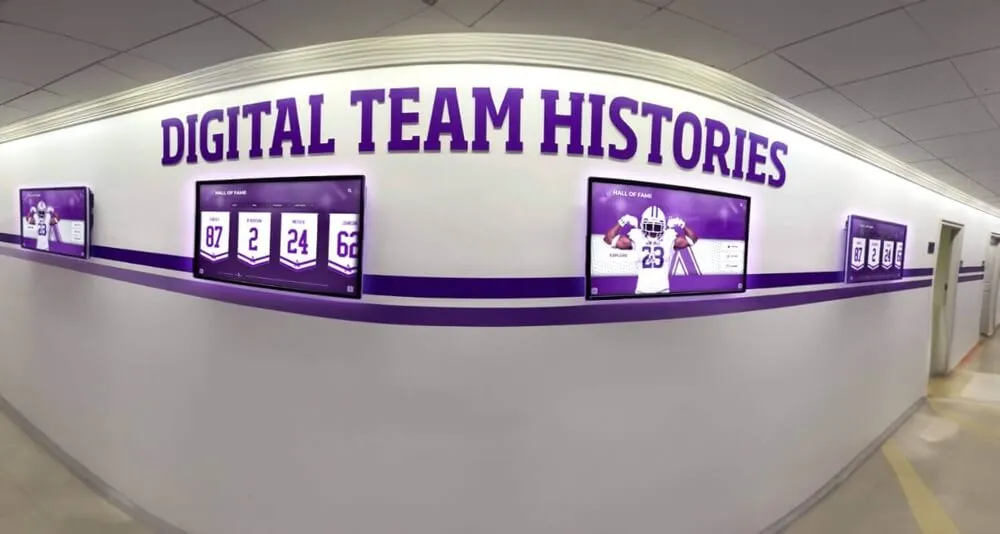
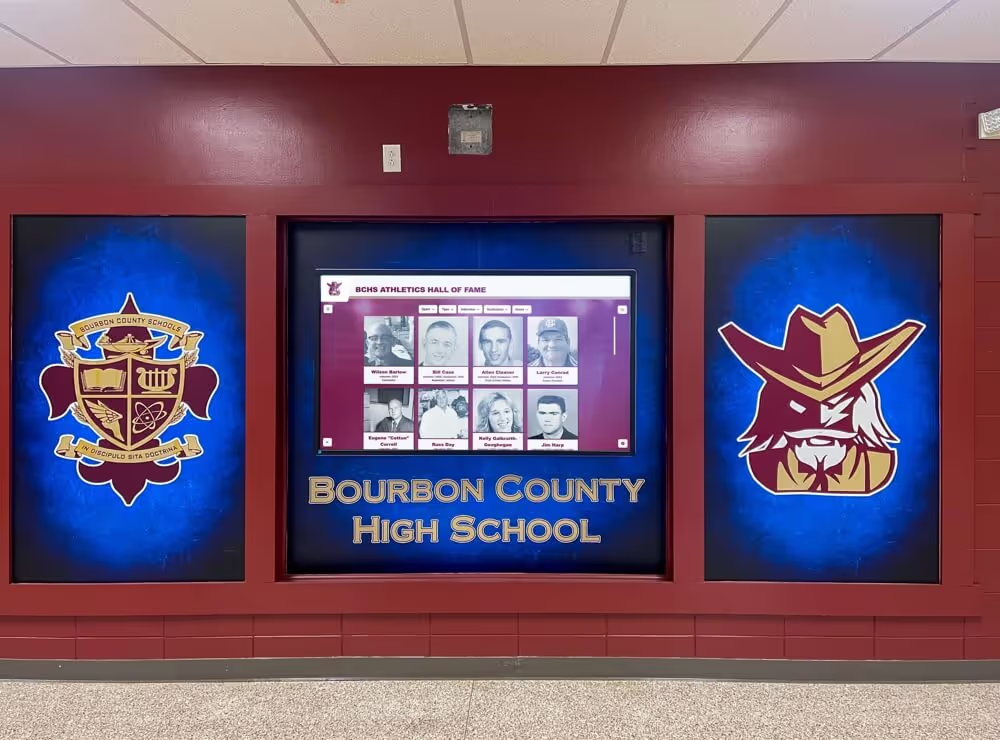
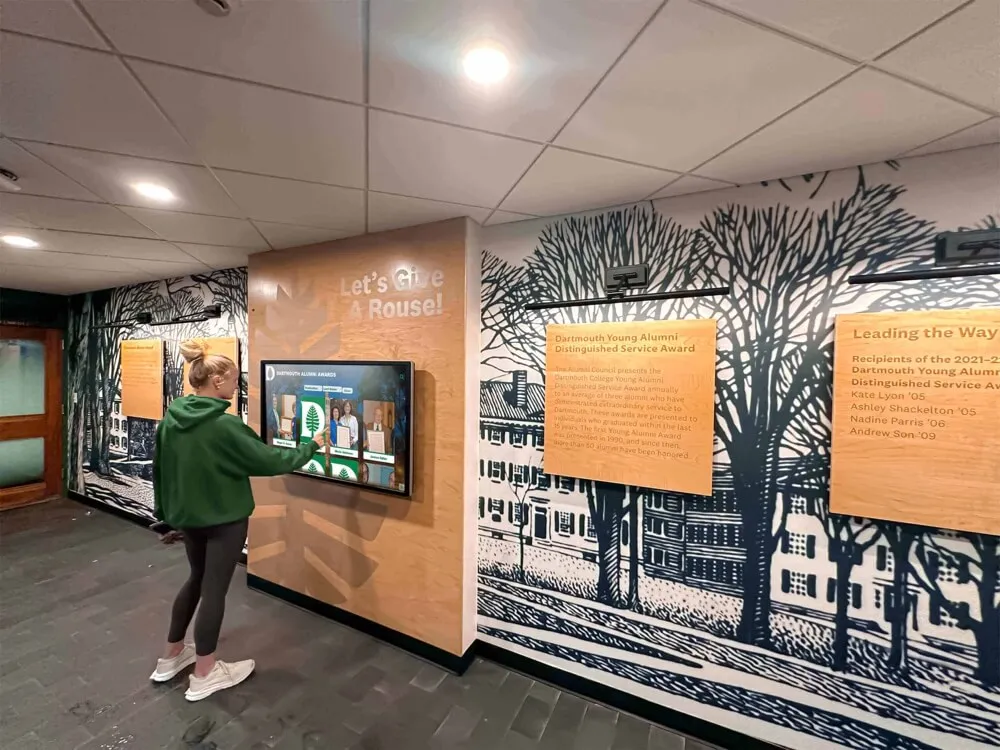
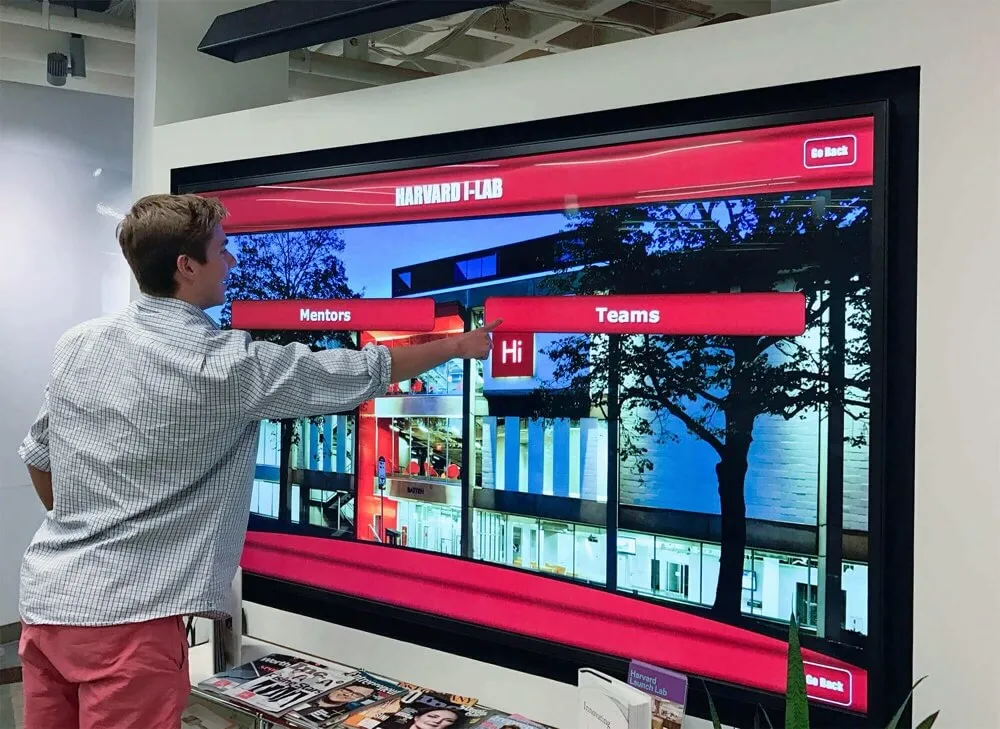
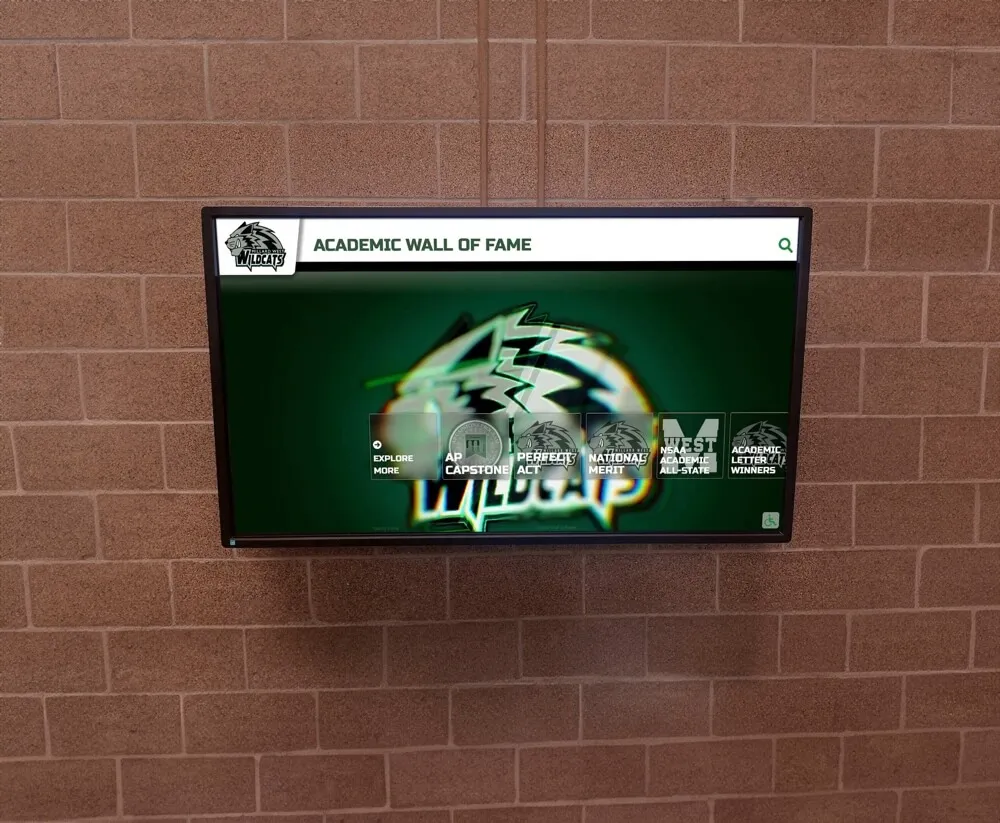
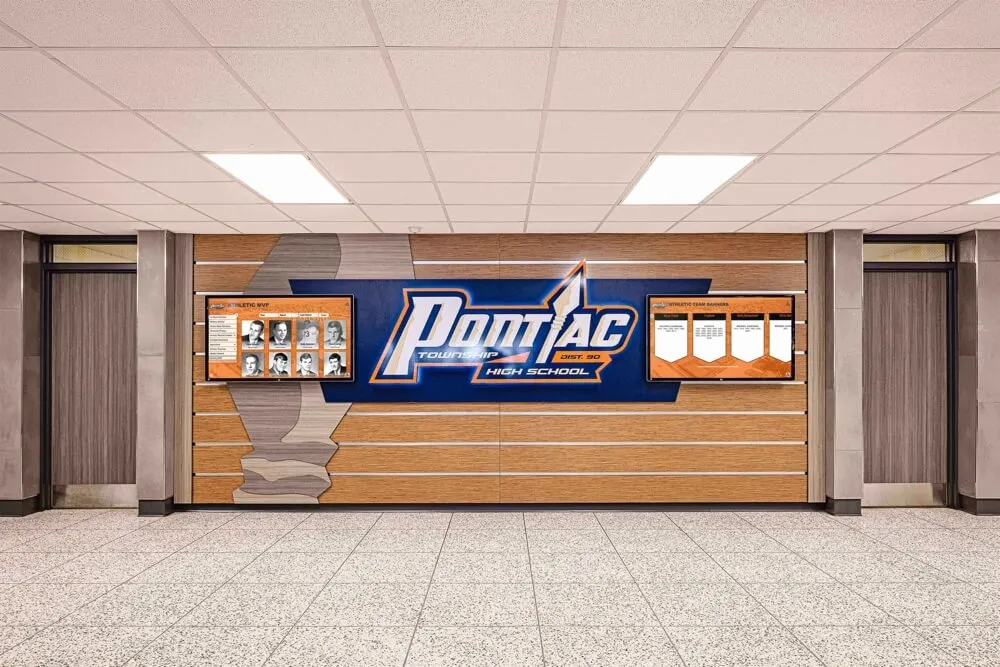
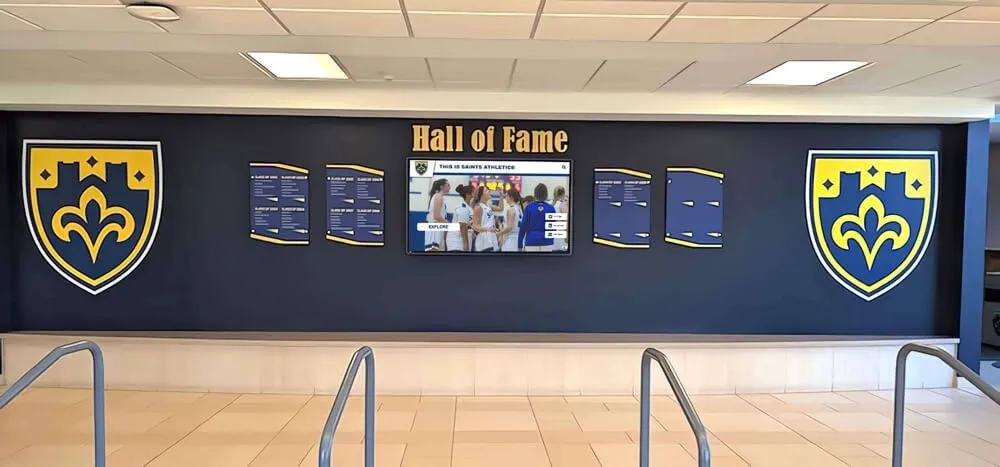
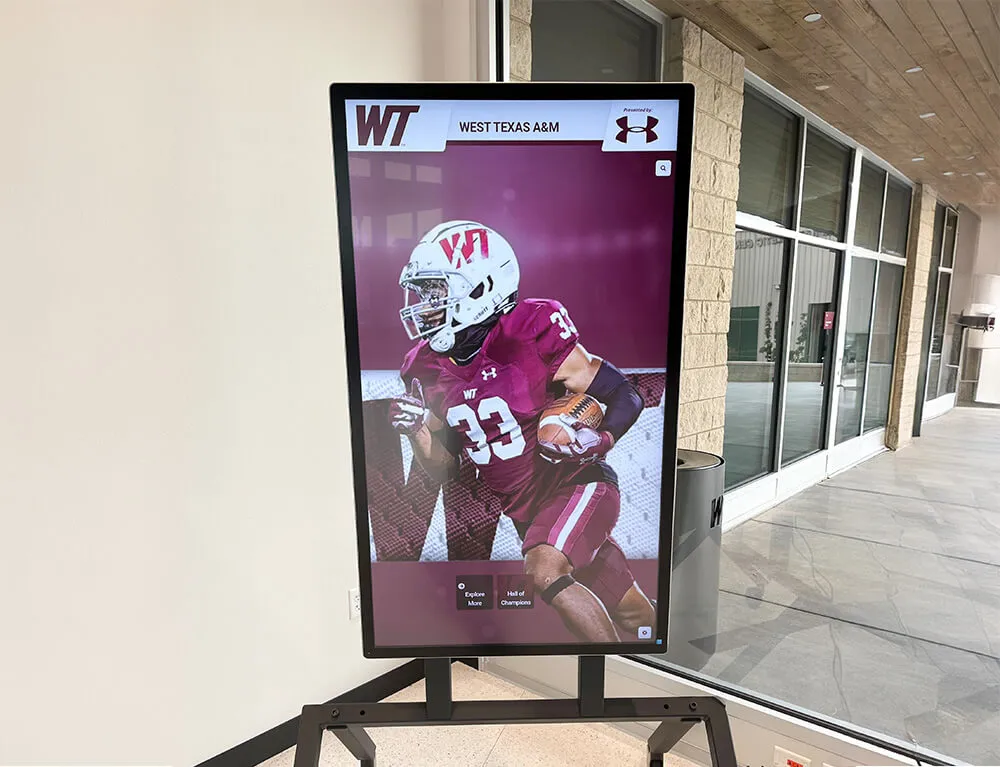
Interactive touchscreen technology transforms student engagement with school programs—including modern voting experiences that make elections accessible and exciting
Understanding Modern Student Council Campaign Dynamics
Before exploring specific campaign tactics, understanding what motivates student voters and how campaign environments have evolved provides essential context for effective strategy development.
The Digital Generation Campaign Challenge
Today’s students consume information differently than previous generations, creating distinct campaign requirements for reaching and engaging student voters effectively.
Visual-First Communication Expectations
Students raised on Instagram, TikTok, and YouTube expect high-quality visual content that communicates instantly. Traditional text-heavy campaign posters struggle to capture attention when competing against professional media production students encounter constantly. Effective modern campaigns recognize these visual expectations while adapting messaging formats accordingly.
Campaign visuals must communicate candidate identity and platform within seconds of exposure—the time students spend glancing at hallway displays between classes. This immediacy requirement favors bold graphics, clear typography, compelling imagery, and concise messaging over dense information blocks that few students will read completely.
Authenticity and Peer Connection
Despite sophisticated media literacy, students respond powerfully to authentic peer voices and genuine connection rather than polished but impersonal content. The most effective campaigns balance professional presentation quality with authentic candidate personality, creating materials that feel both visually impressive and genuinely representative of real students rather than adult-manufactured political theater.
Video content particularly enables authenticity when candidates speak directly to peers about issues mattering to student communities. Unlike scripted speeches at assemblies, well-produced videos allow candidates to communicate naturally while reaching audiences on their own time through platforms students already use daily.
Campaign Rules and Ethical Frameworks
Successful campaigns operate within clear boundaries ensuring fair competition while maintaining positive school culture throughout election processes.
Establishing Clear Campaign Guidelines
Student councils and faculty advisors should establish campaign rules well before elections begin, covering allowable campaign locations and materials, spending limits ensuring equitable access regardless of personal resources, timeline restrictions preventing early advantages, content standards maintaining appropriate tone and truthfulness, and removal requirements for post-election materials.
Transparent, consistently enforced rules prevent disputes while ensuring that elections remain accessible to all students rather than only those with significant resources or connections. Published guidelines help candidates plan effective campaigns within established parameters rather than testing boundaries or creating enforcement challenges.
Promoting Positive Campaign Culture
The most valuable student council campaigns demonstrate democratic principles through respectful competition focused on ideas and qualifications rather than personal attacks or divisive tactics. Schools should explicitly encourage positive campaigning emphasizing candidate qualifications and platform ideas, respectful treatment of opponents throughout campaigns, issue-focused messaging addressing real student concerns, inclusive language welcoming diverse student perspectives, and collaborative spirit recognizing that all candidates serve school communities regardless of election outcomes.
When adults model and expect positive campaign culture, students develop democratic engagement skills emphasizing constructive discourse rather than absorbing toxic political polarization increasingly common in broader society.
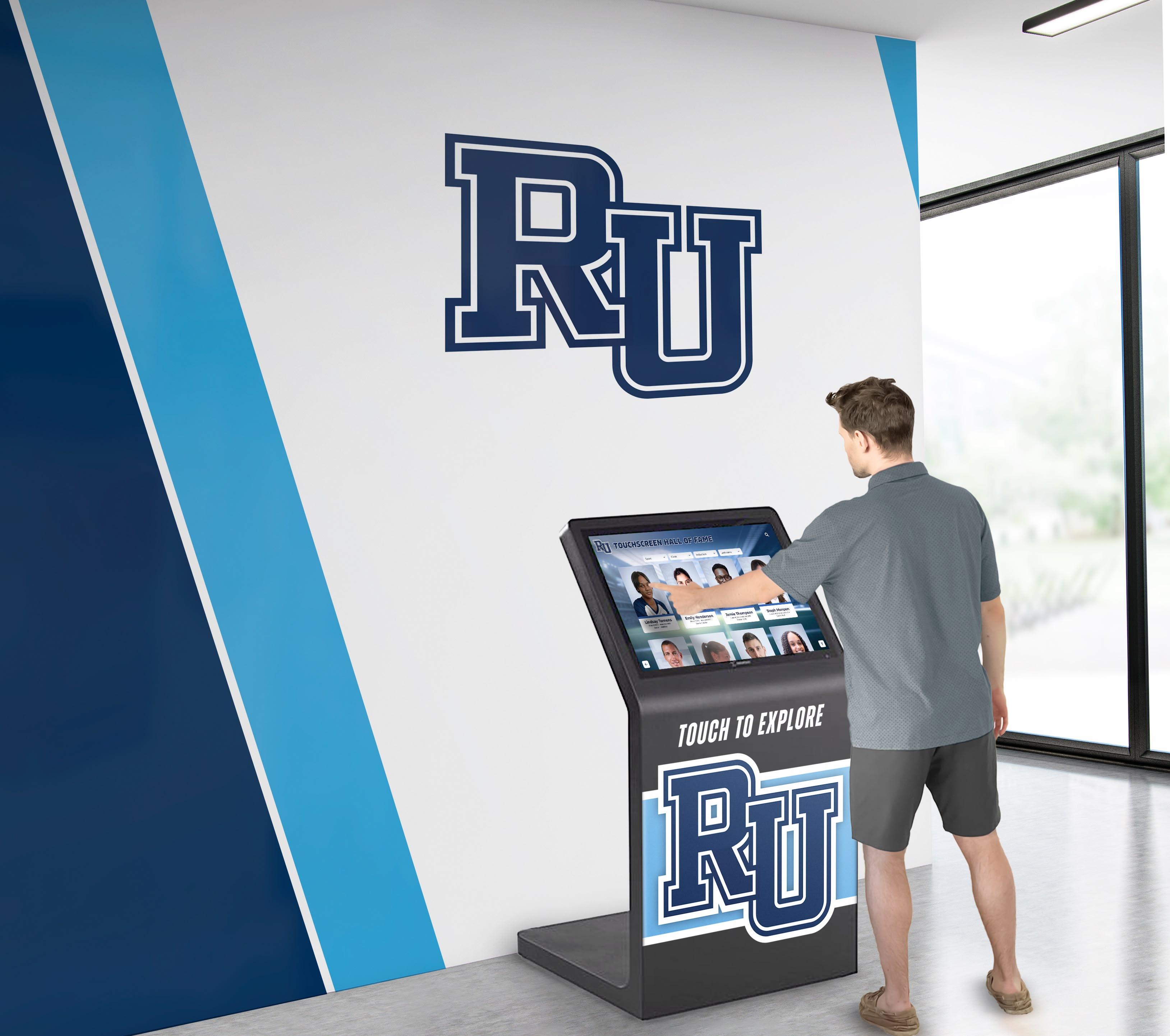
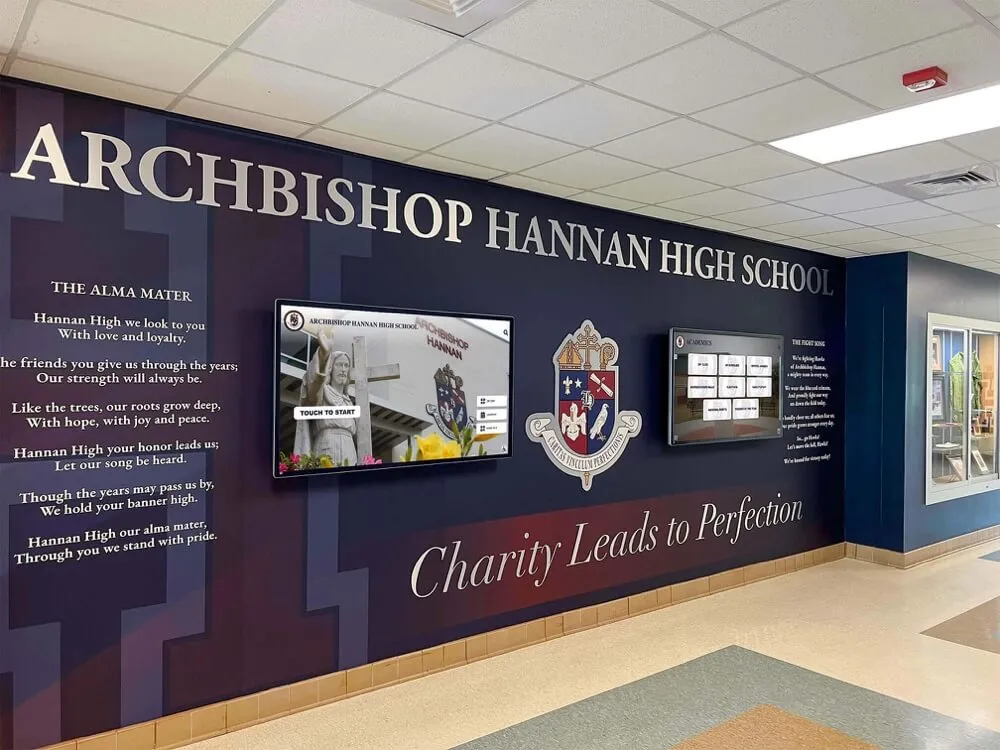
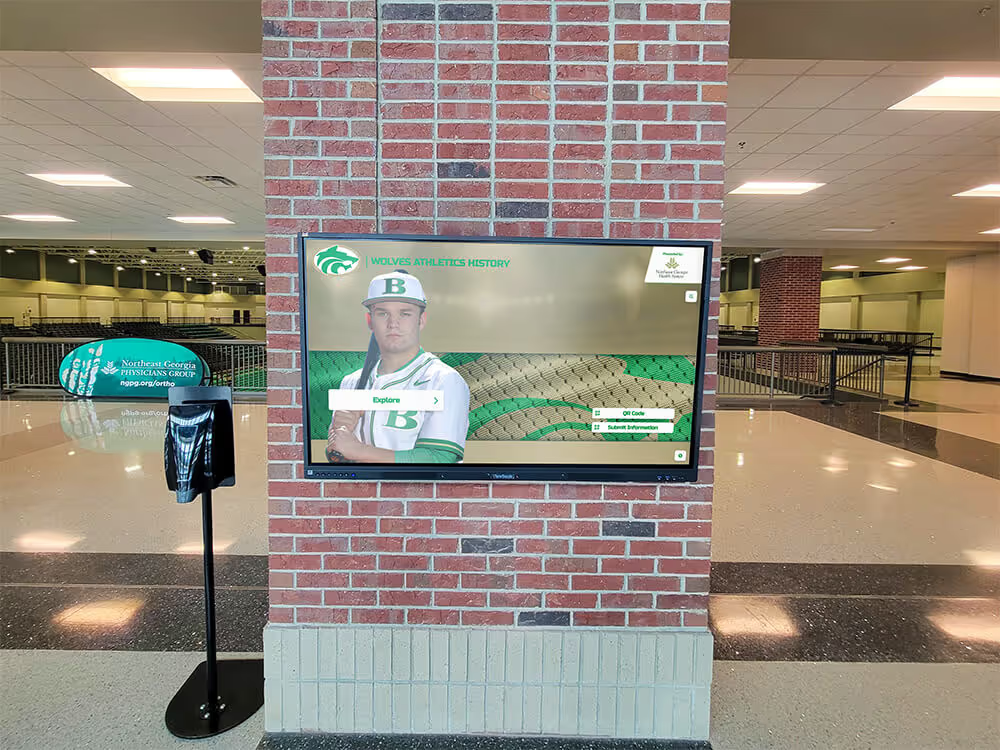
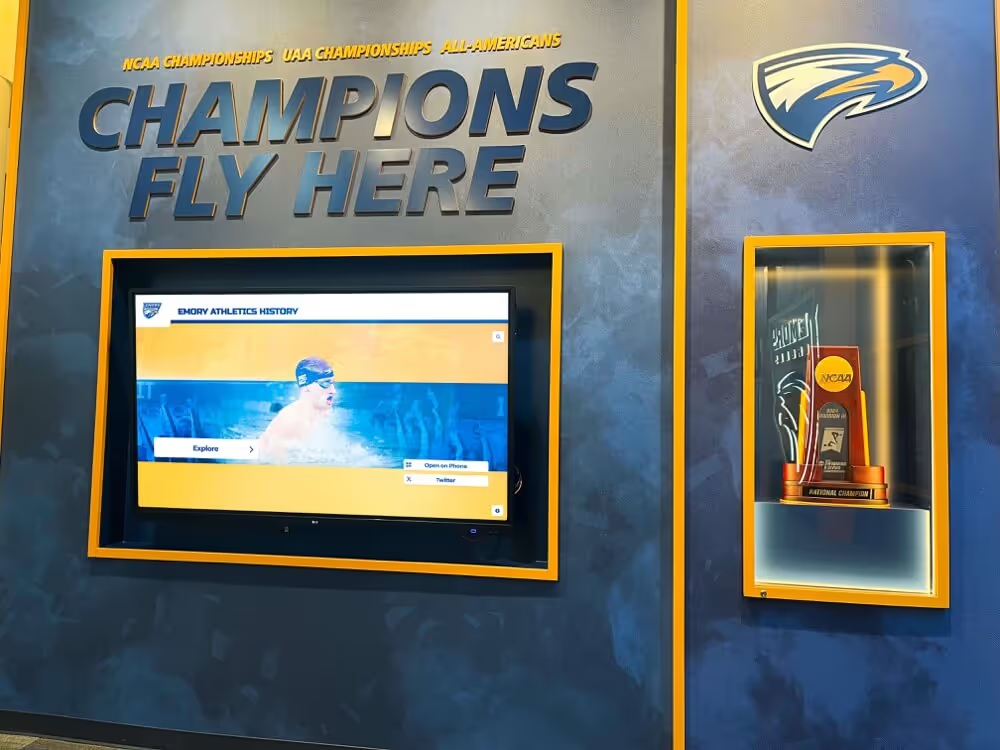
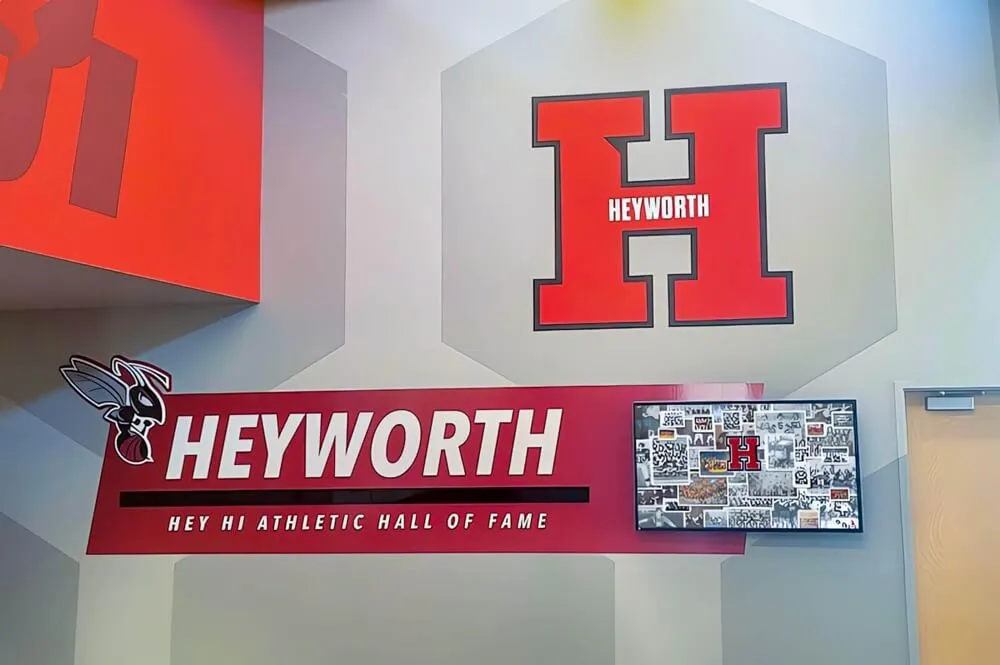
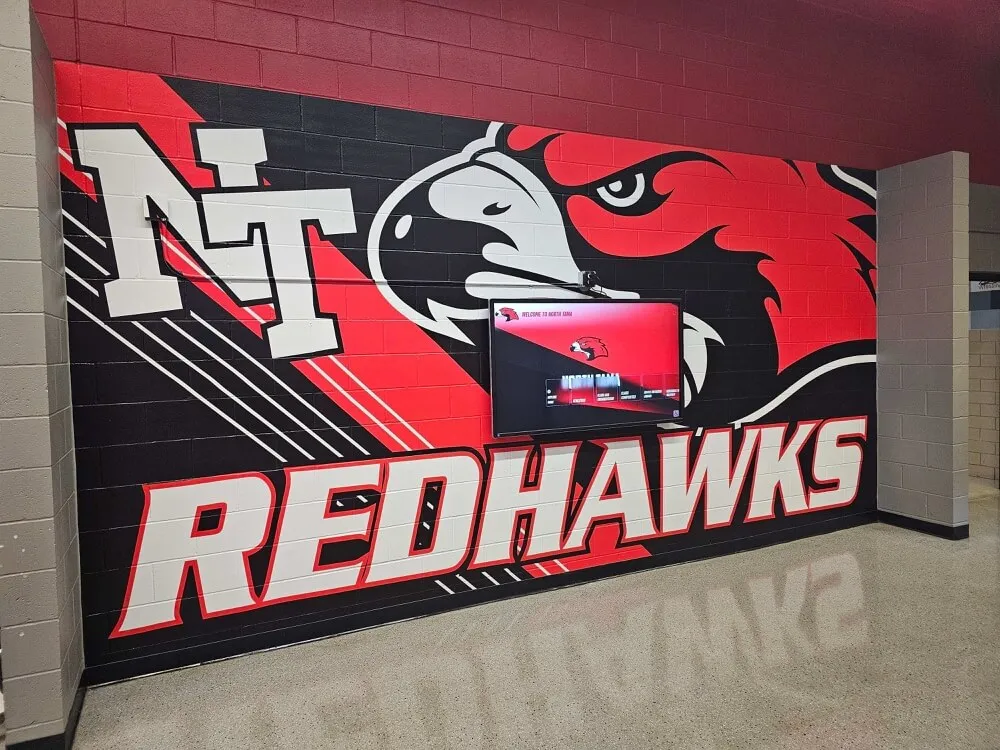
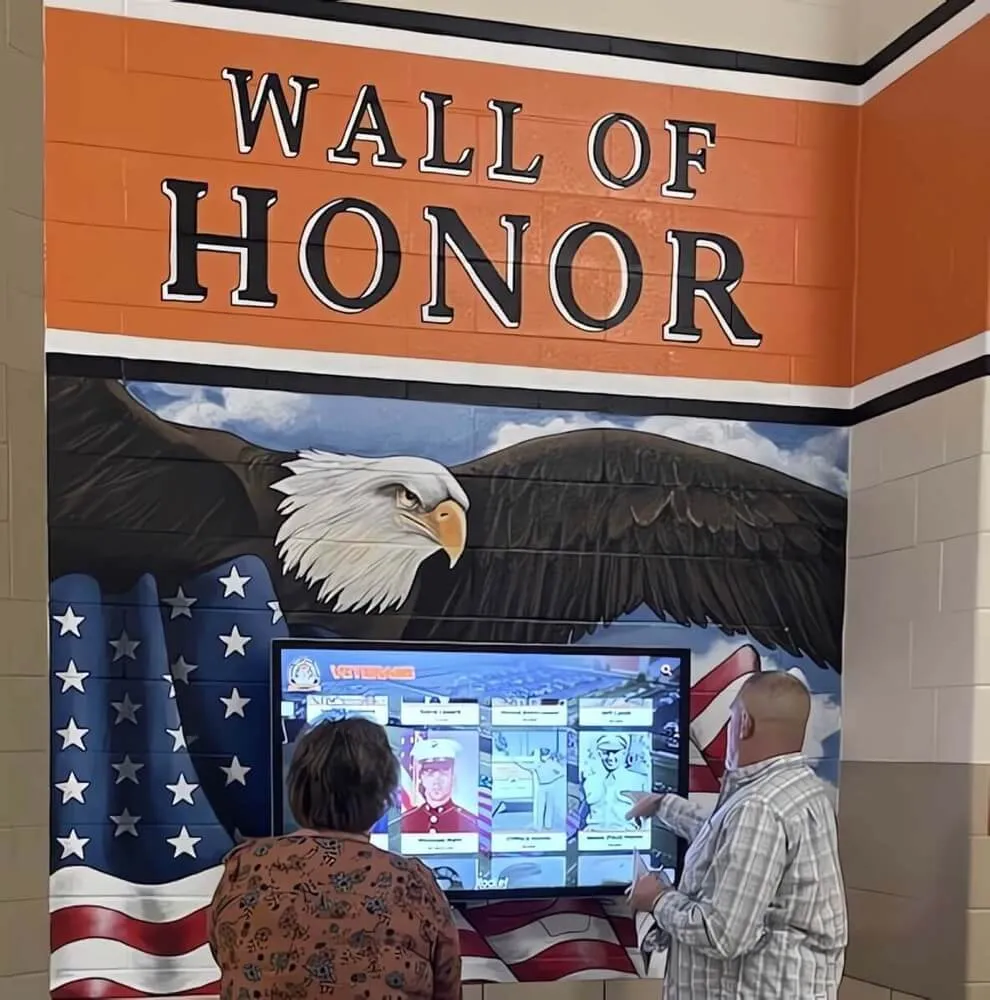
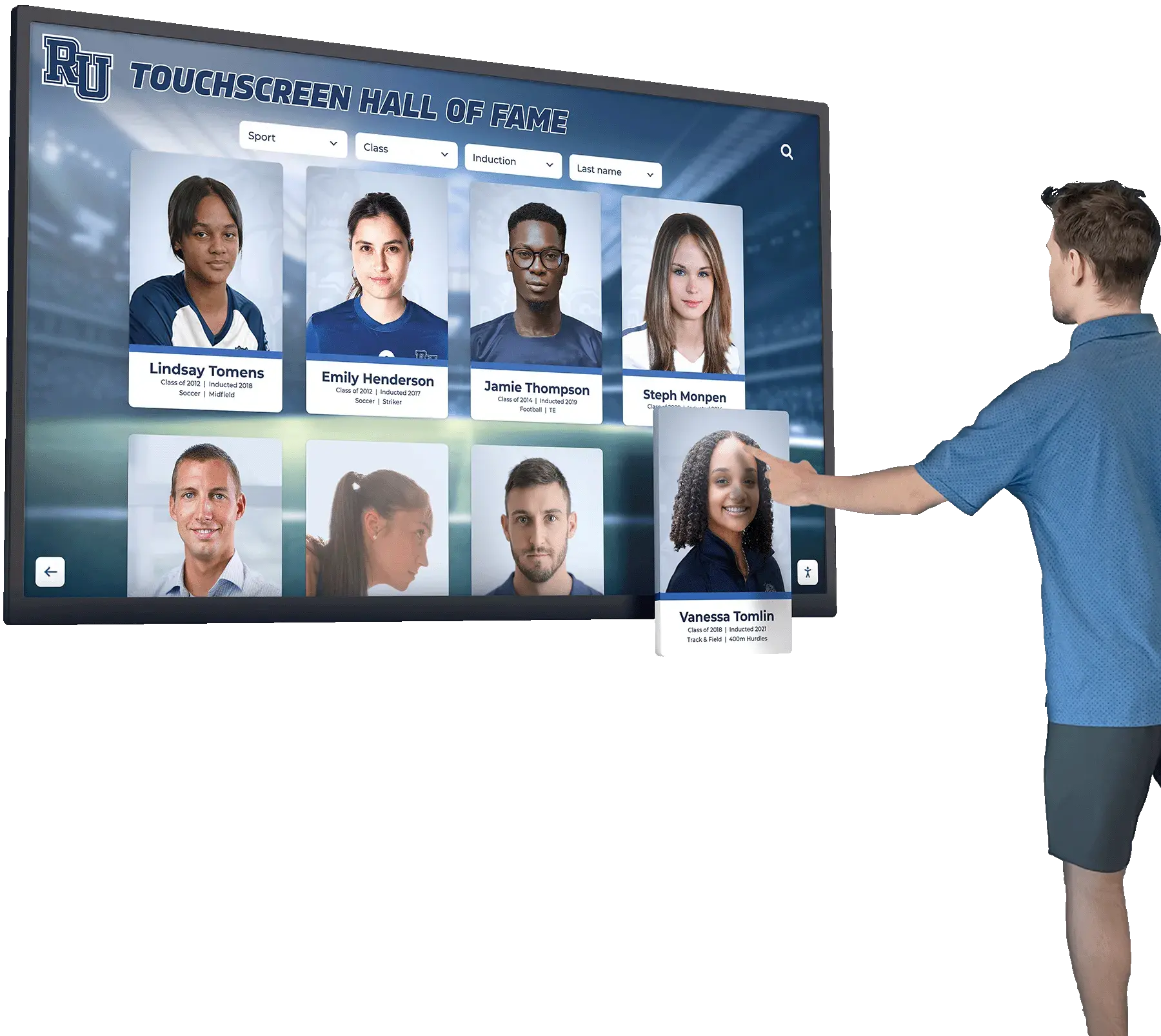
Touchscreen kiosks provide engaging platforms for campaign information and voting experiences that students find intuitive and accessible
Creating Impactful Campaign Banners and Visual Displays
Physical campaign materials remain crucial for building candidate visibility throughout school buildings, with strategic design and placement determining effectiveness.
Professional Banner Design Principles
Moving beyond basic poster board markers requires understanding visual design fundamentals that make campaigns memorable and persuasive.
Typography and Readability Hierarchy
Effective banner typography ensures information communicates clearly from various distances and viewing angles throughout busy hallways and common spaces.
Primary elements include candidate names in large, bold typefaces readable from 20+ feet away, positions sought in secondary but clear typography, brief taglines or slogans in supporting sizes emphasizing key messages, and contact information or platform details in smaller readable fonts for close inspection.
Font selections dramatically impact campaign perception—modern sans-serif typefaces feel contemporary and approachable, traditional serif fonts communicate seriousness and formality, script or hand-lettered styles suggest creativity and personality, and bold display fonts create confident, energetic impressions.
Avoid mixing too many typeface families within single designs—two complementary fonts typically provide sufficient variety while maintaining cohesive visual identity across campaign materials.
Color Psychology and School Brand Integration
Strategic color choices influence voter perception while creating visual distinction in crowded campaign environments.
Color psychology research suggests that blue conveys trustworthiness, stability, and competence, red communicates energy, passion, and urgency, yellow suggests optimism, creativity, and approachability, green implies growth, balance, and environmental consciousness, and purple combines passion and stability while suggesting creativity.
Smart campaigns incorporate school colors demonstrating institutional pride and belonging while adding accent colors creating distinctive candidate identity. This approach builds school spirit connections while preventing campaigns from blending into generic school color backgrounds throughout buildings.
Compelling Visual Elements
Beyond typography and color, additional visual elements strengthen campaign impact and memorability.
High-quality candidate photography helps students connect personally with candidates—friendly, approachable headshots work better than formal or distant poses. Ensure photos feature good lighting, neutral backgrounds not competing with text, and genuine expressions suggesting personality and warmth.
Graphic elements like icons representing platform issues, geometric shapes creating visual structure, school mascots or symbols building connection, and pattern elements establishing visual rhythm enhance professional appearance while communicating campaign themes visually.
Strategic Placement and Campaign Geography
Even brilliantly designed materials fail without strategic placement reaching target voters effectively throughout school facilities.
High-Traffic Location Prioritization
Campaign visibility depends on securing premium locations where maximum students encounter materials repeatedly throughout days.
Priority locations include main entrances where all students pass during arrival and dismissal, cafeteria and commons areas where students gather during lunch and free periods, hallways connecting major areas creating natural traffic flows, areas outside auditoriums and gymnasiums before assemblies and events, and grade-level specific hallways targeting appropriate voter constituencies.
Campaign rules typically limit quantity and placement locations—successful campaigns prioritize fewer materials in premium locations rather than saturating less visible spaces with redundant content.
Creating Visual Consistency Across Touchpoints
Professional campaigns maintain consistent visual identity across all materials and locations, building recognition through repeated exposure to unified design elements.
Consistency includes matching color palettes across all campaign pieces, repeated typography and layout structures creating familiar visual patterns, consistent candidate photography maintaining recognition, unified messaging and taglines reinforcing key themes, and coordinated timing ensuring all materials appear simultaneously for maximum impact.
This cohesive approach makes campaigns feel professionally organized while building cumulative recognition as students encounter consistent visual identity multiple times throughout days.
Much like schools create consistent visual identity through recognition displays and branded environments, effective campaigns establish recognizable visual presence throughout school spaces.
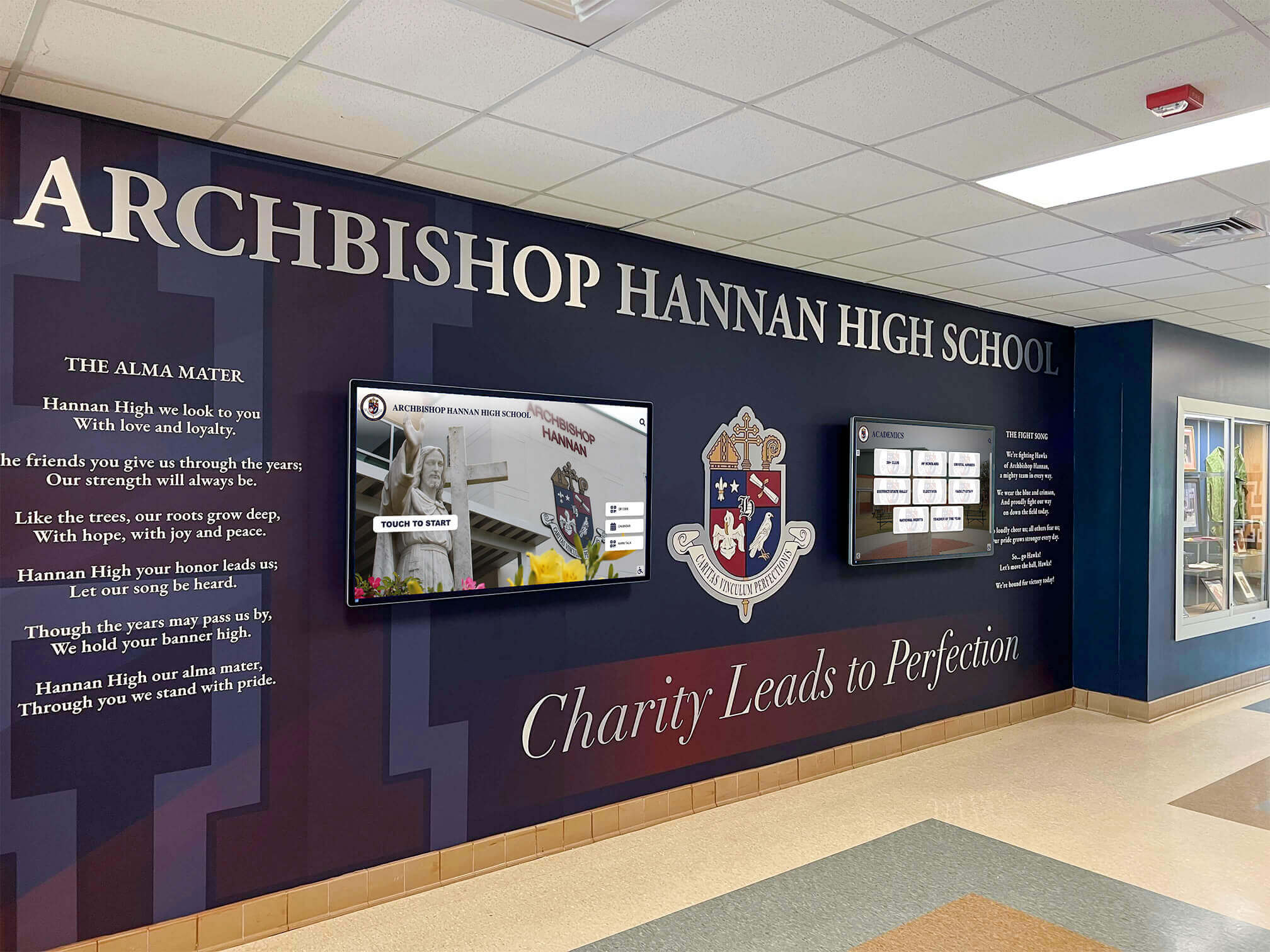
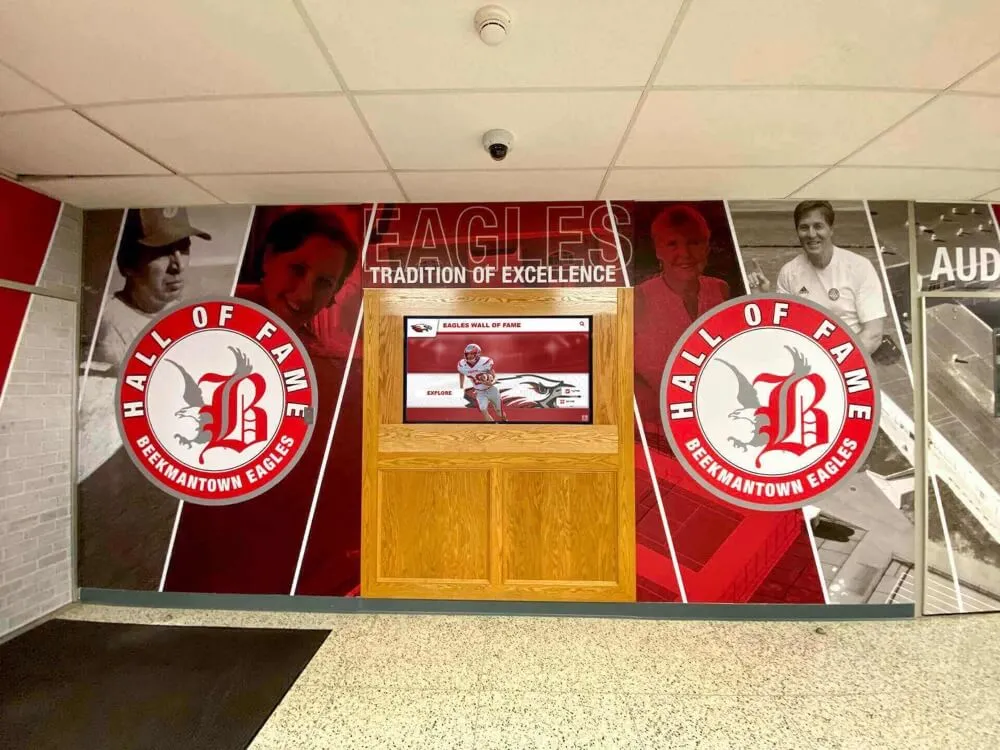
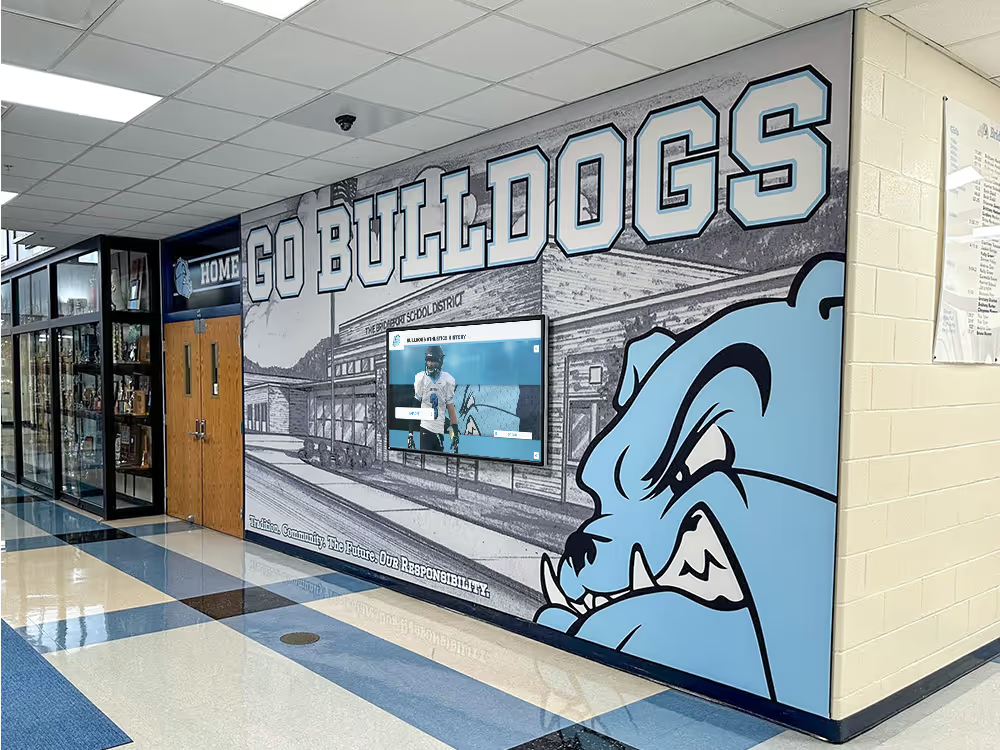
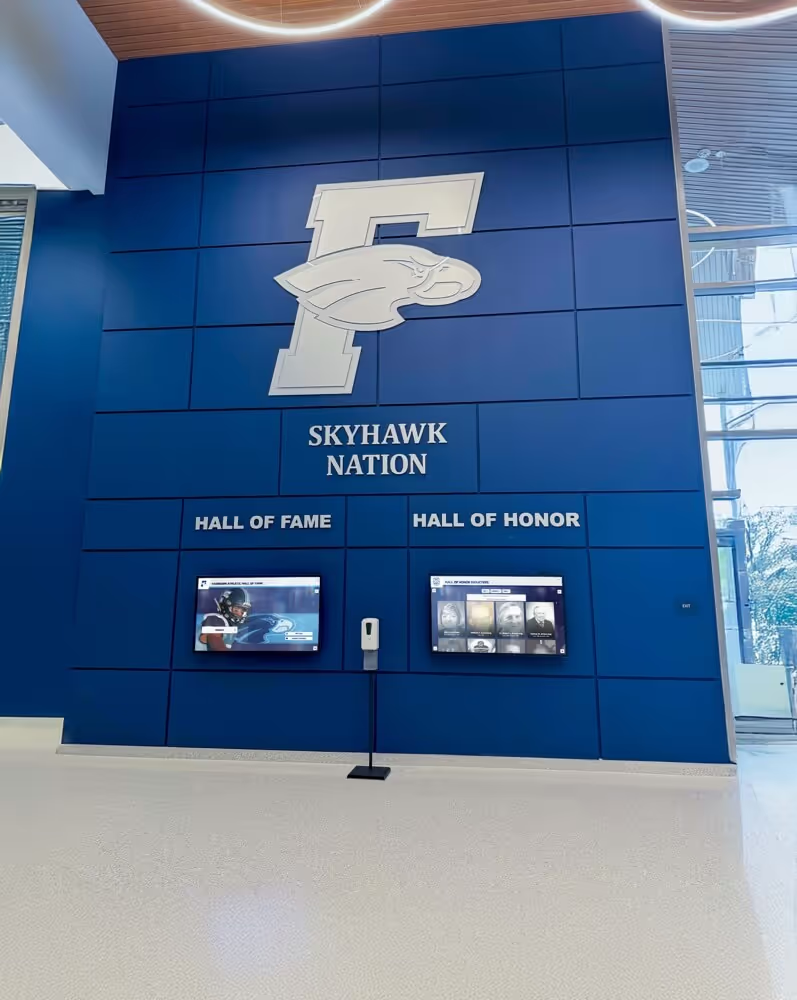
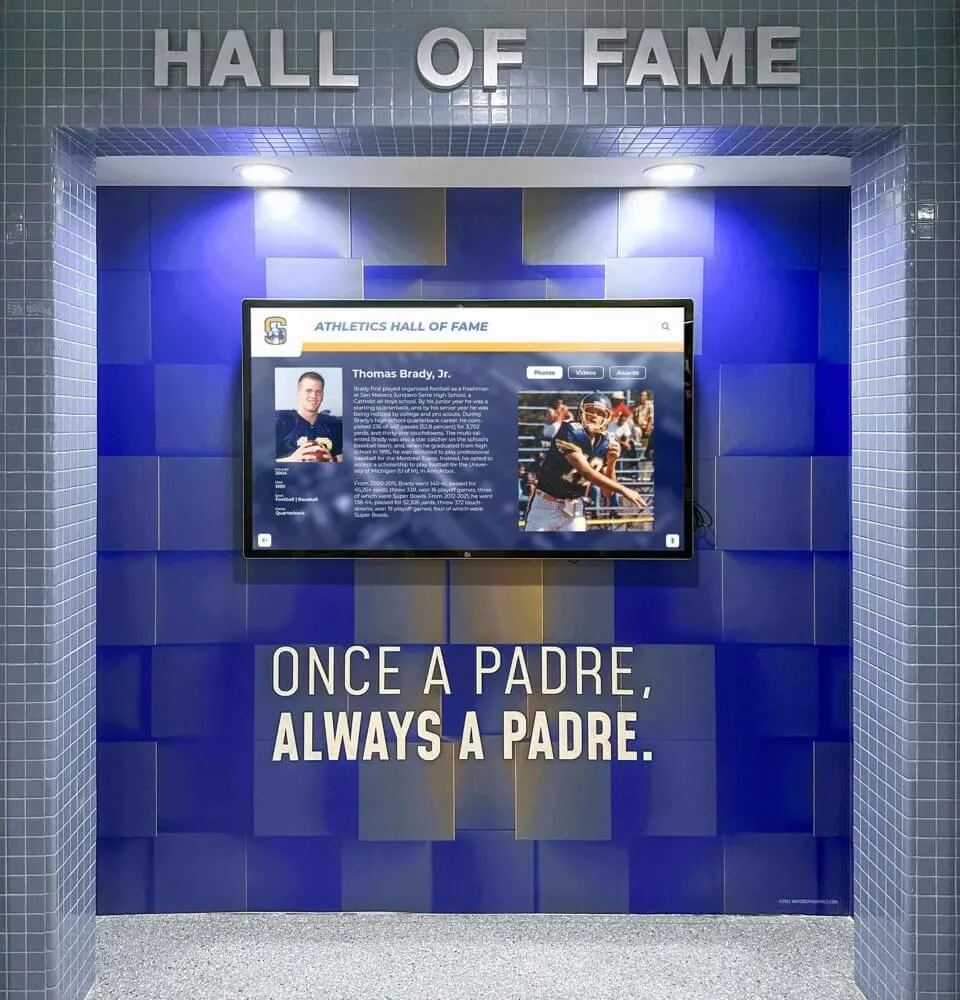
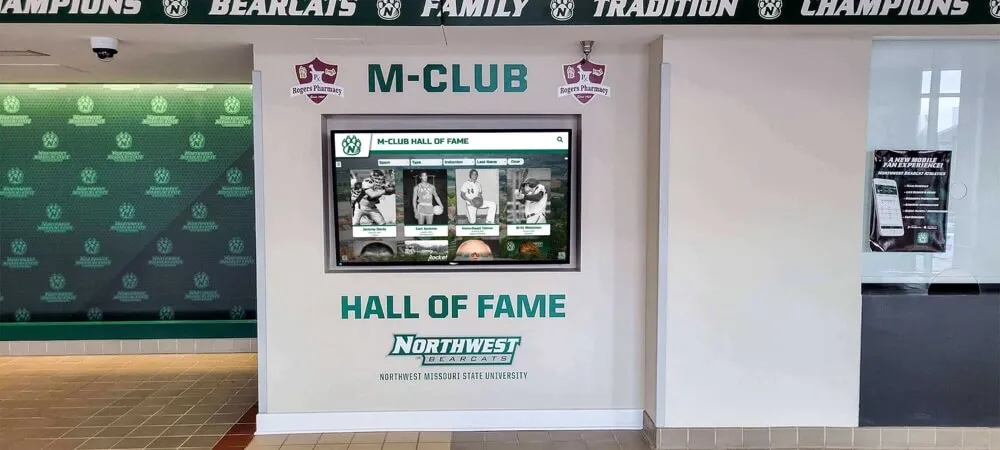
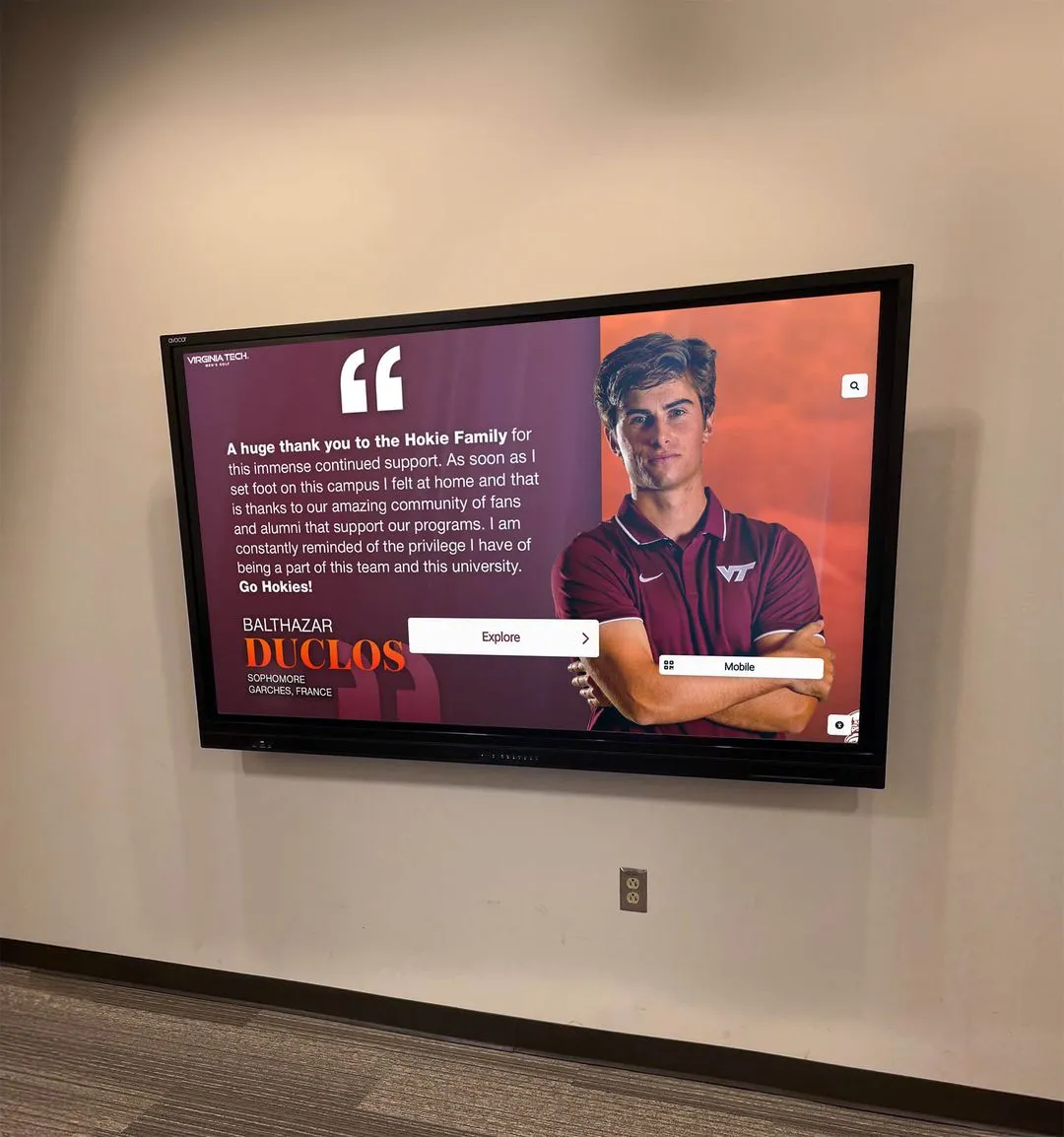
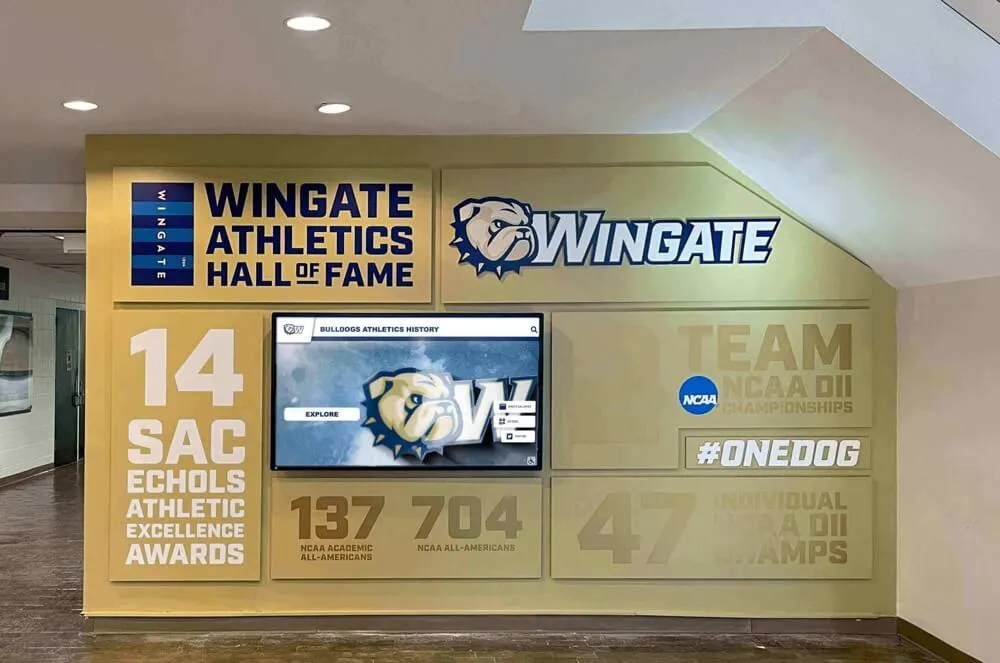
Modern schools integrate digital displays throughout common areas—technology that can showcase campaign videos and candidate information during election seasons
Producing Engaging Campaign Videos
Video content allows candidates to communicate personality, platform, and vision far more effectively than static materials alone, reaching students through formats they consume constantly.
Video Format and Length Optimization
Different video formats serve distinct campaign purposes, with strategic format selection matching content to context and viewer attention patterns.
Short-Form Social Media Content
Brief videos optimized for student social media consumption build awareness and shareability through platforms students already use daily.
15-30 second introduction clips presenting candidate personality and core message work exceptionally well for attention-scarce social platforms. These micro-videos should hook viewers immediately with compelling openings, communicate one clear message rather than comprehensive platforms, include clear calls to action directing next steps, and maintain high production quality signaling campaign professionalism.
Candidate challenges, trending format adaptations, and humor-based content can increase sharing and engagement when executed authentically and appropriately. However, avoid forced trend-chasing that feels inauthentic to candidate personality or trivializes serious leadership positions.
Mid-Length Platform Presentations
1-3 minute videos allow comprehensive platform communication while respecting limited student attention spans.
These presentations should open with brief personal introduction establishing candidate identity, clearly articulate 3-5 specific platform priorities with concrete examples, explain why issues matter to student community with relevant context, demonstrate candidate qualifications through specific experiences and skills, and close with memorable call to action and voting information.
Mid-length videos work well for classroom screening during designated campaign periods, posting to school websites and digital displays, sharing through email or learning management systems, and social media posting for engaged students seeking detailed information.
Behind-the-Scenes and Authenticity Content
Less polished behind-the-scenes content showcasing campaign process, candidate personality, and authentic moments can build connection and differentiation.
Campaign journey videos showing poster creation, strategy sessions, supporter interviews, and preparation processes humanize candidates while demonstrating work ethic and organization. These informal videos balance polished presentations with authentic glimpses of real students managing real campaigns—building trust through transparency rather than over-produced political theater.
Production Quality Essentials
Professional-feeling videos don’t require expensive equipment—smartphones and basic technique deliver impressive results when fundamentals are executed well.
Lighting and Audio Quality
Poor lighting and audio undermine otherwise strong content, making production feel amateurish regardless of message quality.
Natural window lighting creates flattering, professional-looking illumination without equipment investment. Position subjects facing windows with soft indirect light rather than harsh direct sun. For indoor filming, position subjects to avoid overhead fluorescent lighting creating unflattering shadows—instead use desk lamps or practical lights creating more dimensional lighting.
Audio quality matters even more than video—viewers tolerate moderate visual quality far better than poor audio. Use smartphone microphones in quiet locations close to subjects, or invest in inexpensive external microphones dramatically improving sound quality. Avoid filming in echoing spaces, near HVAC systems, or during high background noise periods.
Framing and Composition
Basic composition principles dramatically improve visual professionalism without requiring technical expertise.
Frame subjects using rule of thirds—position faces approximately one-third from frame edges rather than dead center. Maintain eye level camera height for natural, respectful perspective. Include headroom above subjects without excessive empty space. Ensure backgrounds support rather than distract from subjects—neutral walls or visually interesting but not cluttered environments work well.
For horizontal videos, maintain consistent framing throughout. For vertical social media content, adapt framing to platform-specific aspect ratios ensuring subjects fill frames appropriately.
Editing and Pacing
Strategic editing transforms raw footage into engaging final products maintaining viewer attention throughout.
Cut unnecessary pauses, verbal fillers, and false starts creating tight pacing. Add text overlays emphasizing key platform points, candidate names, and voting information. Include background music at subtle volumes supporting energy without overwhelming speech—royalty-free music libraries provide free options avoiding copyright issues.
Keep individual shots relatively brief—cutting between different angles or content maintains visual interest better than static long takes. However, avoid excessively rapid cutting feeling frantic rather than energetic.
Free editing software including iMovie, DaVinci Resolve, and CapCut provide powerful capabilities accessible to students without technical backgrounds. Many schools offer media production courses or clubs that can support campaign video creation.

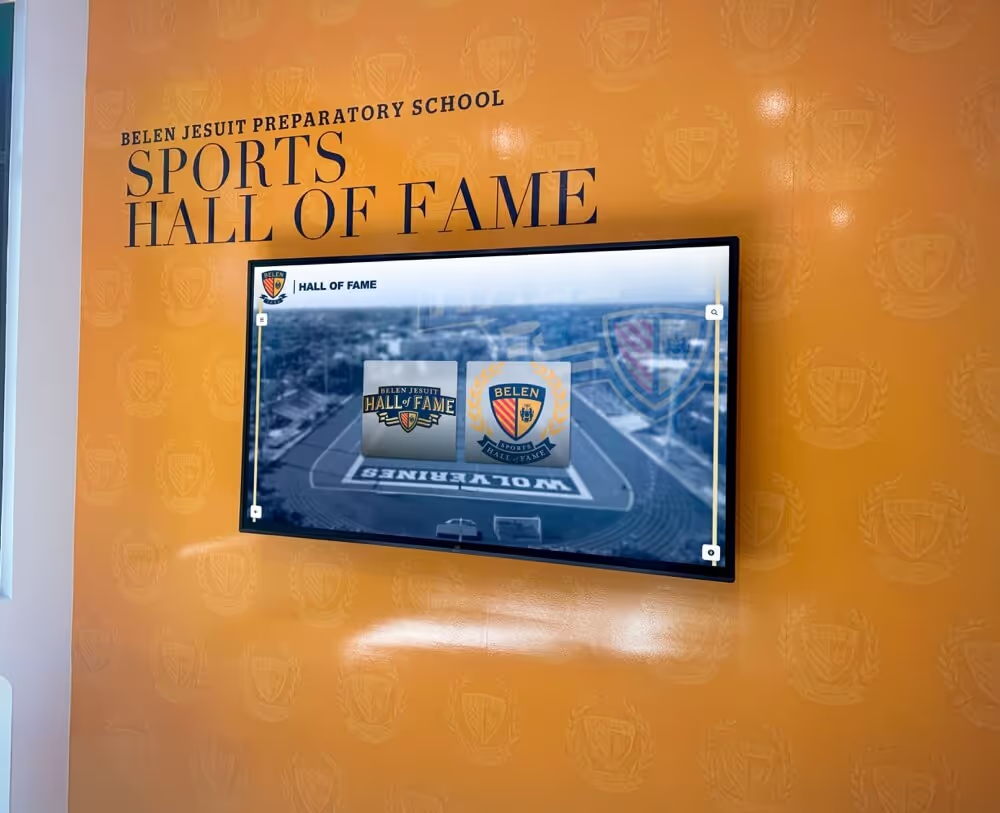
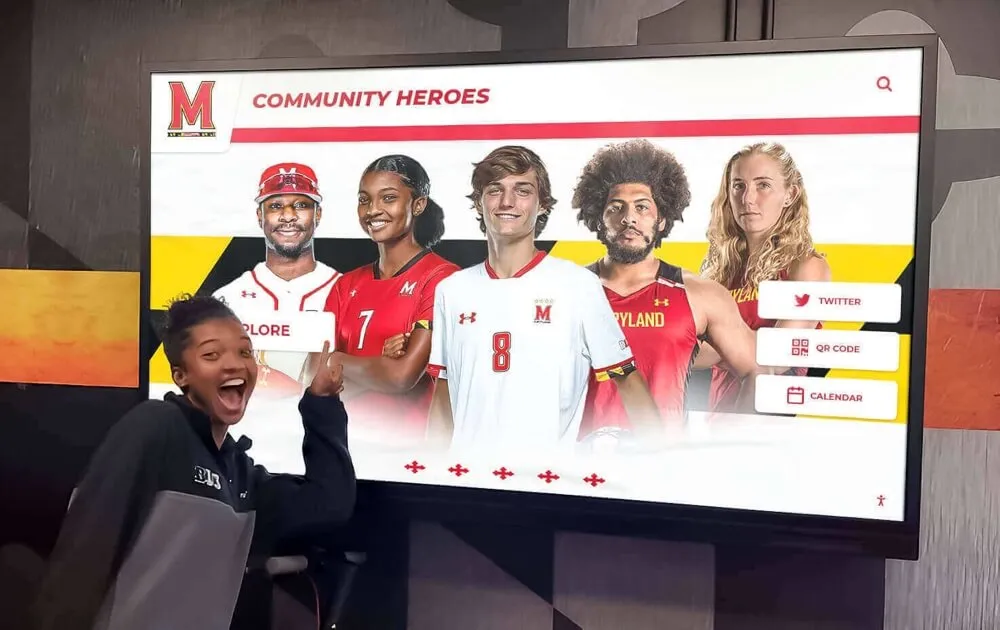
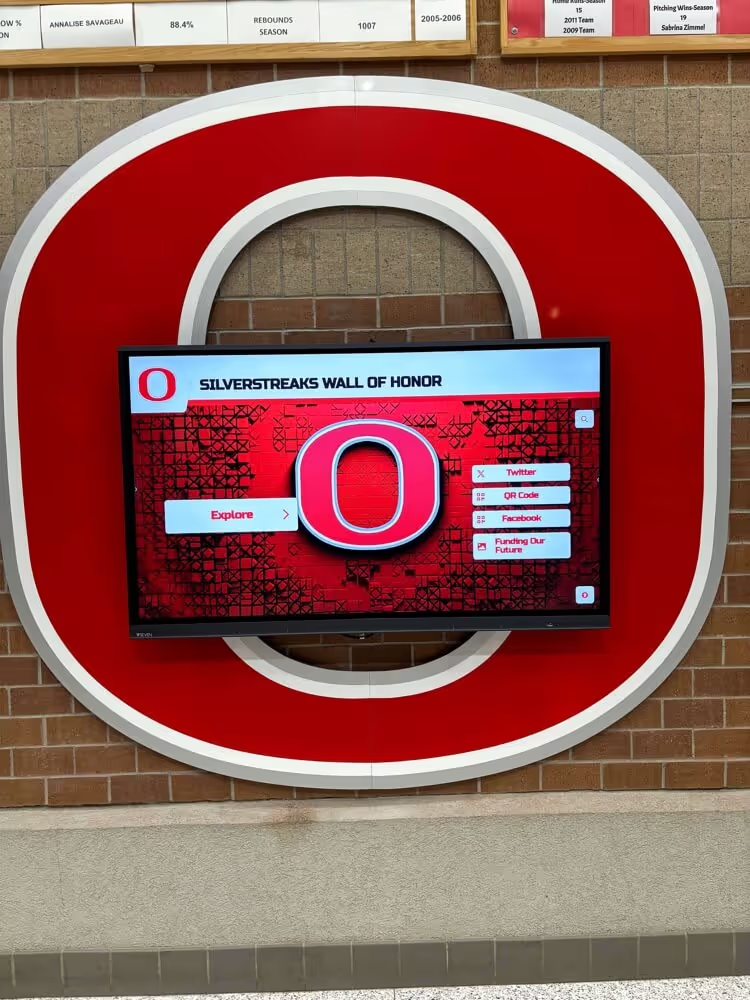
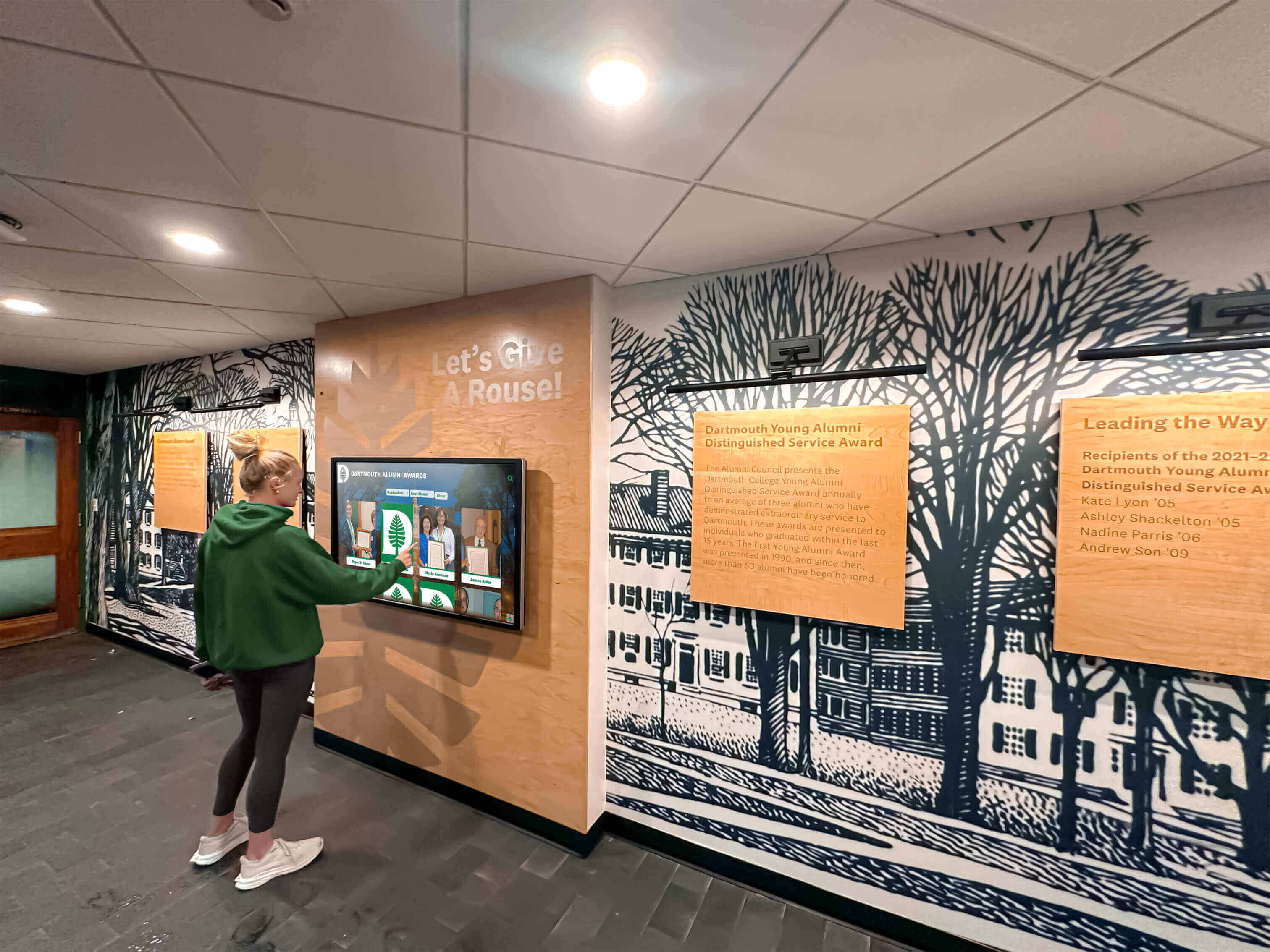
Touchscreen interfaces allow intuitive selection and exploration—technology applicable to modern voting experiences where students navigate candidate profiles and cast ballots digitally
Implementing Modern Touchscreen Voting Booths
Perhaps the most transformative innovation for student council elections involves replacing traditional paper ballots with interactive touchscreen voting experiences that increase accessibility, engagement, and perceived legitimacy.
The Case for Digital Voting Infrastructure
Modern touchscreen voting systems address numerous challenges inherent in traditional paper ballot processes while creating experiences aligned with how students interact with technology daily.
Increased Accessibility and Participation
Digital voting removes barriers that suppress participation in traditional systems.
Students can vote during extended windows rather than specific periods, accommodating varied schedules and reducing crowding. Touchscreen interfaces support accessibility features including text-to-speech for vision-impaired students, adjustable text sizes for readability, multiple language options for ESL students, and intuitive navigation requiring minimal instruction.
Strategic placement of voting stations throughout buildings—cafeterias, libraries, commons areas—creates multiple convenient access points rather than single polling locations creating bottlenecks or requiring students to travel during limited passing periods.
Enhanced Engagement and Experience
Interactive voting transforms elections from administrative tasks into engaging civic experiences students find genuinely interesting.
Touchscreen voting booths can display candidate photos, videos, and platform information directly within voting interfaces, allowing informed decision-making even for less-engaged students. This integrated information access proves particularly valuable for down-ballot positions students may know less about, reducing uninformed voting while encouraging participation across entire ballots.
The interactive experience itself creates positive associations with voting and democratic participation. When schools make voting feel modern, accessible, and even enjoyable, students develop civic engagement patterns potentially lasting into adult citizenship. Studies of early voting experiences suggest that positive initial encounters with democratic processes increase lifetime participation likelihood.
Immediate Results and Transparency
Digital systems enable instant vote tabulation eliminating multi-day counting processes and enabling prompt result announcements.
Immediate results allow same-day or next-day announcements maintaining election momentum and excitement. Automated tabulation removes human counting errors while providing transparent audit trails. Digital systems can generate detailed participation analytics helping schools understand voting patterns, identify potential barriers, and improve future election processes.
Touchscreen Voting Implementation Strategies
Schools can implement digital voting through various approaches matching different resource levels and technical capabilities.
Dedicated Touchscreen Voting Kiosks
Purpose-built interactive touchscreen kiosks provide professional, permanent voting infrastructure usable for multiple elections and applications throughout school years.
Companies like Rocket Alumni Solutions offer touchscreen display systems originally designed for recognition and engagement that can be configured for voting applications during election periods. These displays feature intuitive touchscreen interfaces students find familiar from smartphones and tablets, professional mounting and installation creating impressive presence, secure content management systems controlling ballot design and access, and multi-purpose functionality supporting recognition programs, announcements, and engagement beyond election seasons.
Permanent installations in high-traffic areas like cafeterias or main lobbies create visible democratic infrastructure communicating that student voice matters institutionally. The same displays can showcase elected student council members post-election, display school announcements, feature student achievements, and support various engagement initiatives throughout years—providing value well beyond voting applications alone.
Tablet-Based Portable Voting Stations
Schools with existing tablet inventories can deploy portable voting stations using consumer devices and specialized voting software.
This approach offers lower infrastructure costs leveraging existing technology, flexible deployment across multiple locations during voting periods, easy storage between elections, and familiar interfaces students already use daily.
Portable stations work well for schools testing digital voting before committing to permanent infrastructure, institutions with limited budgets prioritizing accessible implementation, or situations requiring vote collection across multiple buildings or satellite locations.
Hybrid Approaches Combining Traditional and Digital
Some schools implement gradual transitions offering both paper and digital options during transition periods or permanently accommodating different preferences and ensuring inclusive access.
Hybrid approaches allow students and families uncomfortable with digital voting to maintain traditional options while others benefit from modern alternatives. This flexibility can ease concerns while demonstrating digital voting security and usability, potentially leading to fuller adoption as confidence builds.
However, maintaining parallel systems requires additional coordination and creates some tabulation complexity requiring careful planning to ensure accurate result compilation from multiple sources.
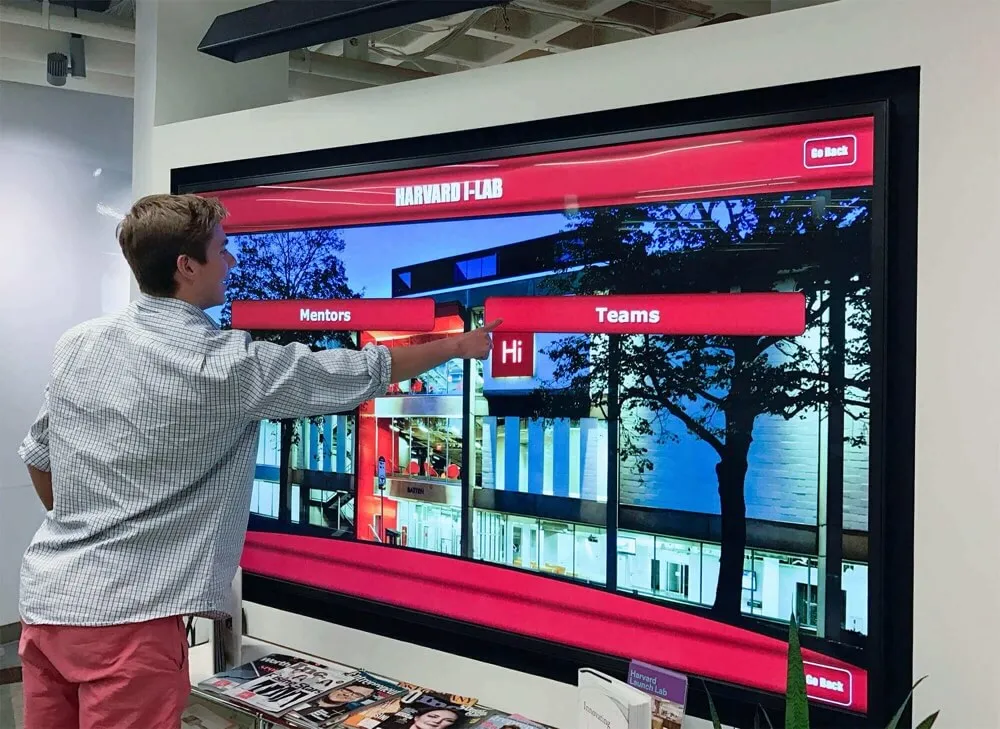
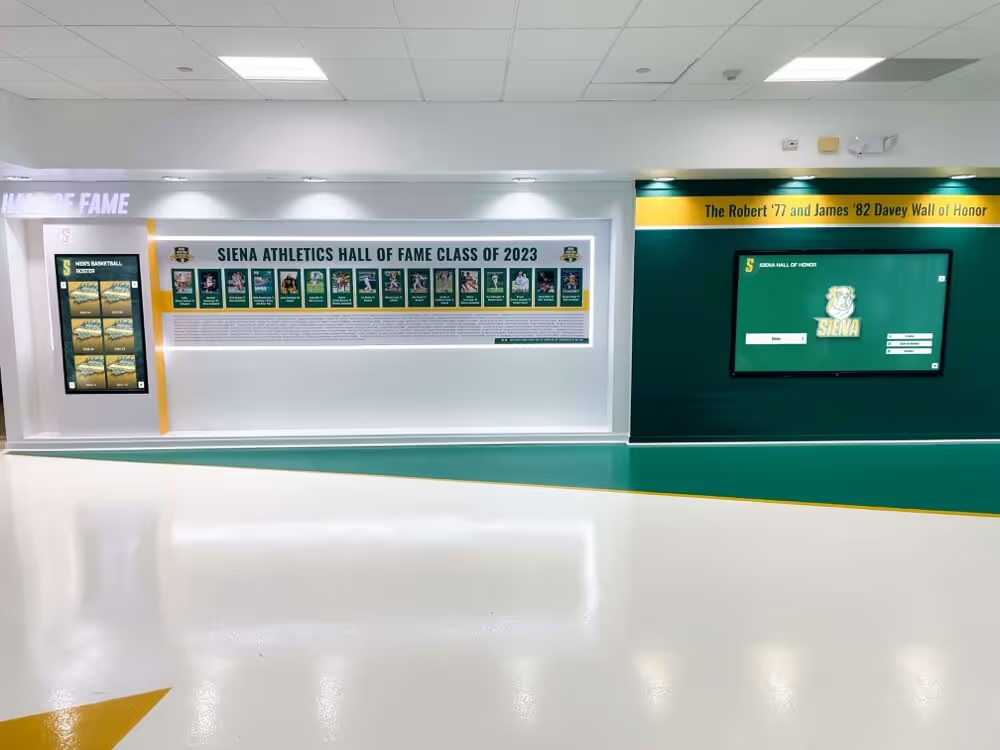
Touchscreen menus provide intuitive navigation through complex information—similar interfaces guide voters through candidate profiles and ballot options
Ensuring Voting Security and Integrity
Digital voting systems must incorporate security measures ensuring election integrity, maintaining voter privacy, and building community confidence in results.
Authentication and Ballot Access Control
Preventing duplicate voting while maintaining accessibility requires thoughtful authentication approaches.
Student ID scanning or manual verification ensures each student votes once without complex password systems. Administrative dashboards track which students have voted (without recording their specific choices) preventing duplicate ballots while identifying non-participants for targeted turnout efforts.
For schools without digital ID systems, supervised voting stations with check-in lists provide effective authentication. Student council or faculty monitors verify voter identity, mark attendance lists, and enable ballot access—combining security with appropriate adult supervision.
Vote Privacy and Anonymity
Secure systems must separate voter identity verification from actual ballot choices, ensuring administrators can confirm who voted without seeing how they voted.
Touchscreen systems should display ballots only after authentication completes and never associate specific votes with individual students. Back-end databases store participation records separately from actual ballots, with technical architecture preventing connection between identity and choices.
Physical booth design or privacy screens ensure other students cannot observe voting in progress, maintaining confidential ballot principles fundamental to democratic processes.
Audit Trails and Result Verification
Transparent audit capabilities build confidence in digital voting accuracy and integrity.
Systems should generate encrypted ballot records enabling result verification without compromising privacy, maintain detailed logs of system access and administrative actions, allow recounts or verification when requested, and provide summary reports documenting participation rates and result distributions.
Some schools implement parallel verification where sample hand counts of paper backup ballots verify digital tabulations, similar to approaches used in governmental elections. While adding complexity, this verification can build confidence during initial digital voting implementations.
Coordinating Comprehensive Campaign Strategies
Most effective campaigns integrate multiple tactics—banners, videos, digital engagement, and voting experiences—into cohesive strategies reinforcing key messages across touchpoints.
Timeline Planning and Campaign Rhythm
Successful campaigns unfold strategically over election periods, building awareness, communicating platforms, and mobilizing voters through distinct phases.
Announcement and Awareness Phase
Initial campaign period focuses on introducing candidates and building name recognition throughout student bodies.
Early activities include campaign announcements and candidate introductions, initial banner placement in high-traffic locations, social media account launches and follower building, and teaser content generating interest in upcoming platform releases.
This foundation phase establishes candidate presence and begins building familiarity before detailed platform communication begins.
Platform Communication and Persuasion
Middle campaign period emphasizes detailed platform sharing and voter persuasion through substantive messaging.
Core activities include video platform presentations released and promoted, detailed banners communicating specific policy proposals, candidate forums or debates if organized, targeted outreach to specific student groups and constituencies, and social media content addressing student questions and concerns.
This persuasion phase differentiates candidates and provides information enabling informed voting decisions.
Mobilization and Get-Out-the-Vote
Final campaign period focuses on maximizing voter turnout among supporters and persuadable students.
Closing activities include voting logistics communication emphasizing when, where, and how to vote, reminder content across all channels as voting opens, social media mobilization encouraging peers to participate, and visible presence near voting locations (within rules) maintaining campaign visibility through voting period.
Strong campaigns plan timeline backwards from voting dates, ensuring adequate time for each phase while building momentum toward election day.
Multi-Channel Message Coordination
Integrated campaigns reinforce consistent messages across physical, digital, and in-person channels creating cumulative impact greater than individual tactics alone.
Visual Brand Consistency
Maintain unified visual identity across banners, videos, social media, and digital voting display content using consistent color palettes, typography systems, logo or graphic treatments, photography styles, and messaging frameworks.
This coherence makes campaigns feel professionally organized while building recognition through repeated exposure to distinctive visual language.
Channel-Specific Content Adaptation
While maintaining consistent brand, adapt content appropriately for different channels and contexts.
Banner content emphasizes brevity and bold visuals communicating instantly, video content allows deeper personality and platform exploration, social media supports ongoing engagement and conversation, and voting booth information displays provide final decision support during actual ballot casting.
Understanding each channel’s strengths and adapting content accordingly maximizes effectiveness while maintaining strategic coherence.
The same coordination schools apply when creating comprehensive recognition programs across physical and digital touchpoints applies to integrated campaign strategies spanning multiple communication channels.
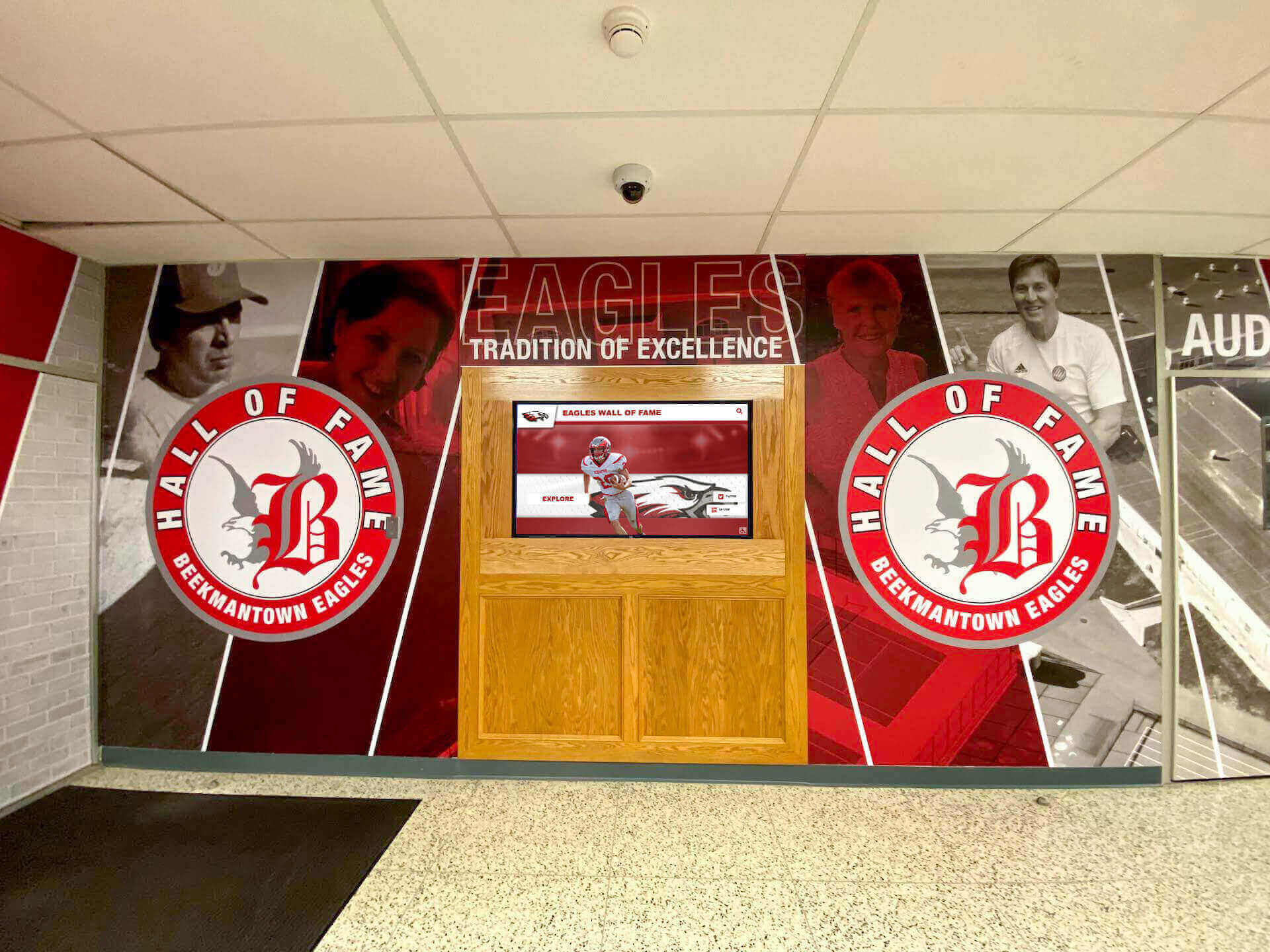
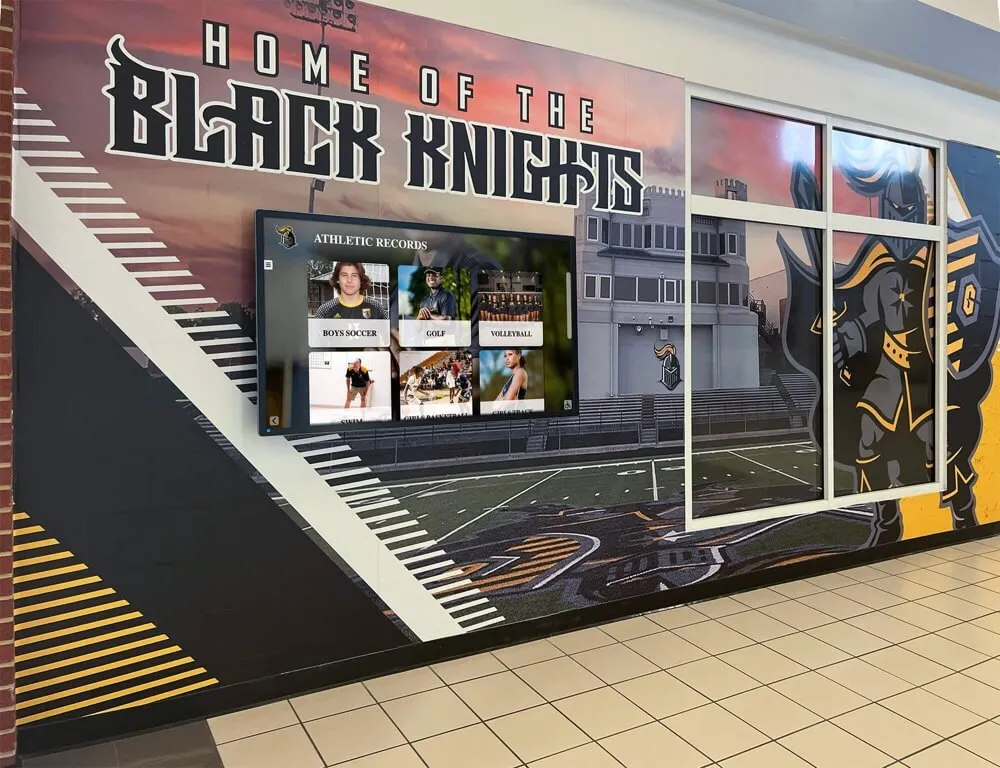
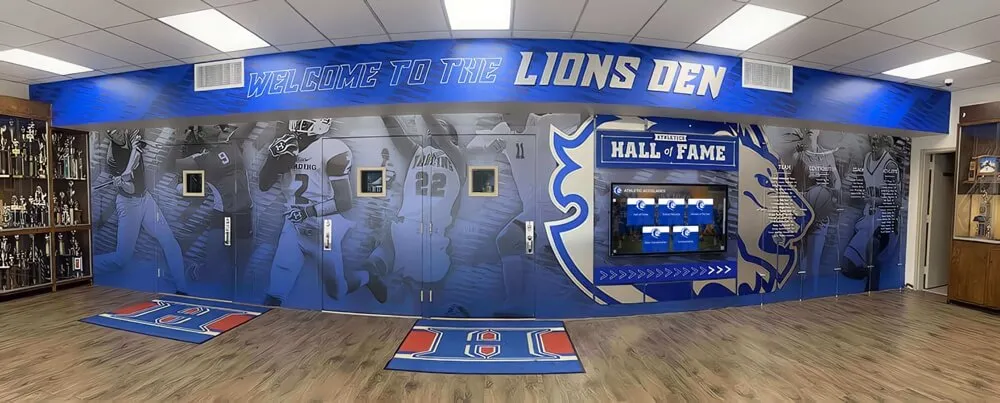
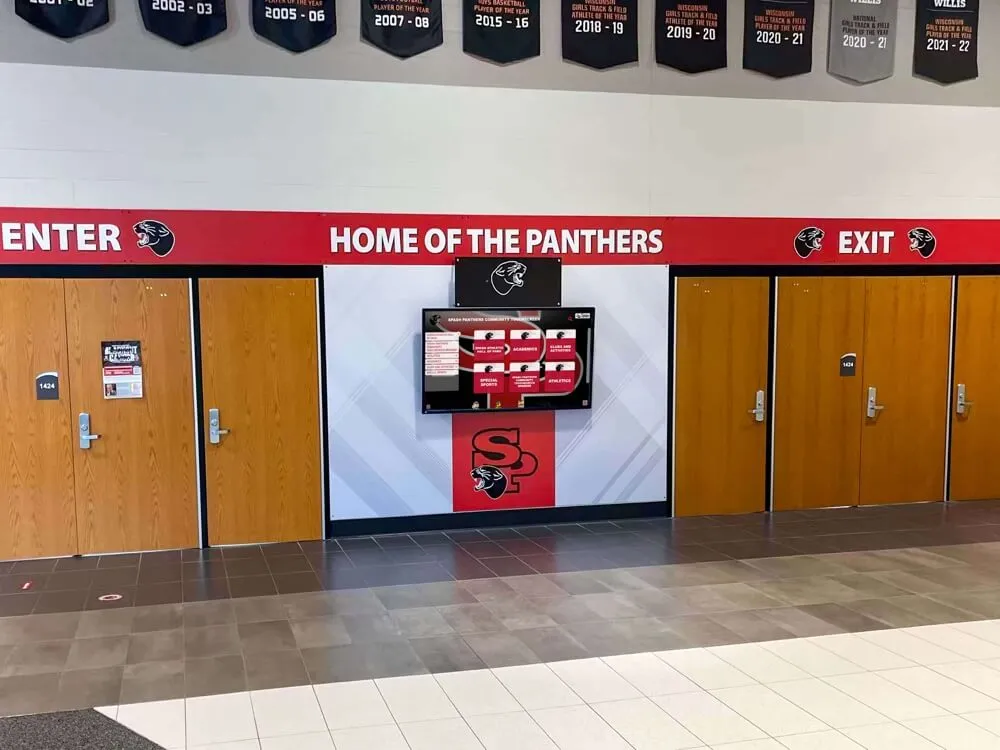
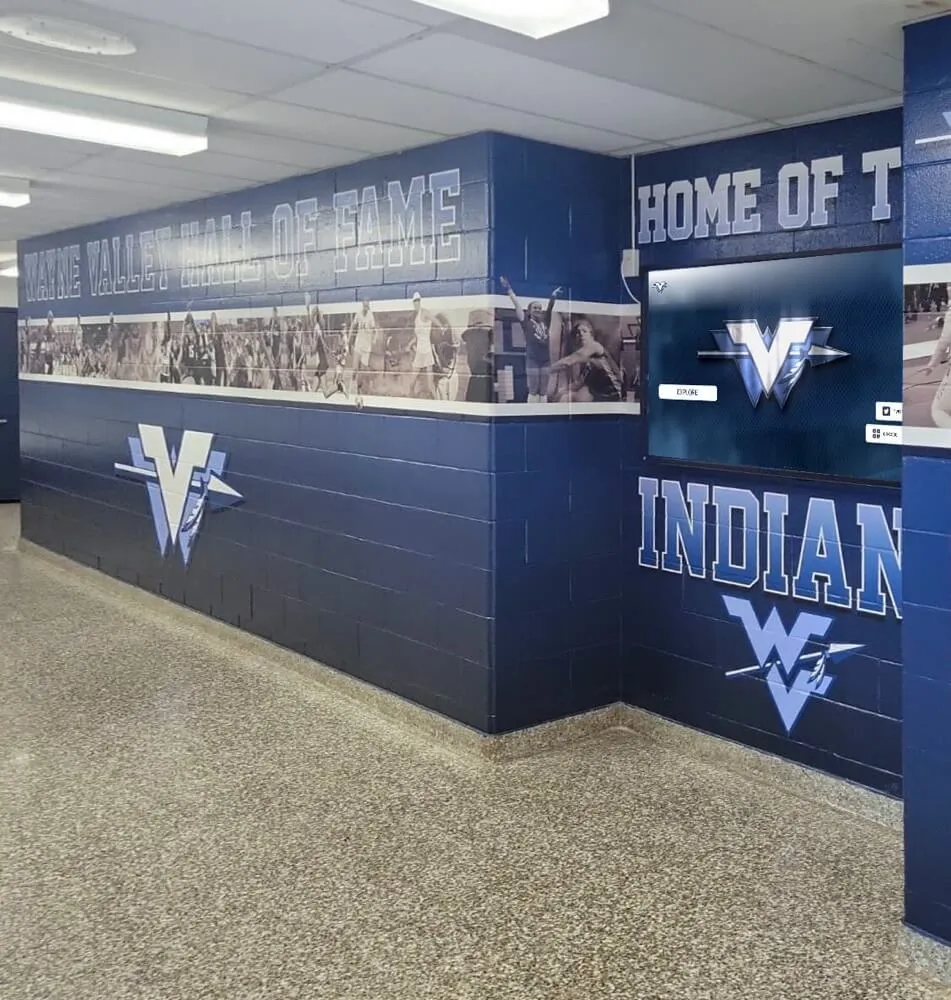
School lobbies often feature murals and displays celebrating community—spaces that can also showcase campaign materials and house voting kiosks during election periods
Post-Election Transition and Recognition
Elections don’t end with vote counting—thoughtful post-election processes consolidate democratic learning while honoring all participants and beginning effective leadership transitions.
Results Communication and Celebration
Announcement strategies should celebrate winners while honoring all candidates’ contributions and service.
Transparent Result Reporting
Clear result communication builds trust in election integrity while providing closure for candidates and voters.
Announce complete results including vote counts and percentages when appropriate, recognition of all candidates who participated regardless of outcomes, voter turnout data celebrating democratic participation, and transition timeline explaining when new leadership assumes responsibilities.
Digital displays and touchscreen systems that facilitated voting can showcase election results, creating full-circle experiences from campaign through outcome announcement.
Honoring All Candidates
Recognize that all students willing to run for leadership deserve acknowledgment for their civic courage and service.
Post-election recognition might include certificates or recognition for all candidates, thank you messages from administrators and advisors, feature articles in school publications highlighting candidates’ platforms and contributions, and invitation to serve in appointed positions or committees when possible.
Students who run and lose still demonstrated democratic engagement deserving encouragement rather than stigma—positive recognition regardless of outcomes encourages future participation and leadership development.
Transition Planning and Onboarding
Effective leadership transitions ensure institutional knowledge transfers while new student councils begin productively.
Structured Transition Processes
Outgoing councils should document ongoing projects and institutional knowledge, introduce newly elected leaders to administrative partners and processes, share contact information for key stakeholders and resources, and establish clear transition timeline and milestone expectations.
Many schools implement overlap periods where outgoing and incoming councils work together, facilitating knowledge transfer while building relationships.
Inaugural Recognition
Formal installation ceremonies or events celebrating new leadership create meaningful transitions while highlighting democratic processes.
Installation programs might feature oath-taking or commitment ceremonies, speeches from new and outgoing leadership, recognition from administration acknowledging election legitimacy, and public introduction of new council members to school community.
The same touchscreen displays used for voting can showcase newly elected leaders through profiles, photos, and platform commitments—maintaining visibility and accountability throughout terms. This continued presence reminds school communities of democratic choices while helping students connect with their representatives.
Similar to how schools maintain ongoing engagement with recognized achievements through digital displays, student council recognition can extend beyond initial election through continued visibility.
Building Long-Term Democratic Engagement Culture
Individual elections matter, but lasting impact comes from cultivating sustained democratic engagement cultures where student voice genuinely influences school communities.
Year-Round Student Government Visibility
Effective councils maintain presence and engagement throughout terms rather than disappearing after elections conclude.
Regular communication through social media, digital displays, announcements, and meetings keeps students informed about council activities and decisions. Transparent reporting of initiatives, outcomes, and challenges builds trust while demonstrating that elected leadership actually works on students’ behalf.
Councils should create regular feedback mechanisms—surveys, suggestion systems, open forums—enabling ongoing student input rather than limiting participation to annual voting. This continuous engagement reinforces that democracy extends beyond elections to active ongoing citizenship.
Developing Future Civic Leaders
Student council experiences introduce democratic processes, leadership skills, and civic engagement patterns potentially influencing lifetime citizenship trajectories.
Schools should intentionally frame elections as learning experiences emphasizing democratic skills development alongside competitive outcomes. Post-election reflection activities might explore what campaigns learned about communication, persuasion, organization, and resilience regardless of election results.
Connecting student council experiences to broader civic education curriculum reinforces democratic learning while building appreciation for legitimate democratic processes, diverse perspectives, respectful discourse, and representative governance.
Continuous Improvement Based on Participation Data
Digital voting systems generate valuable data enabling election process improvement over time.
Analyze participation patterns identifying which students voted and potential barriers facing non-participants. Examine whether participation varies by grade level, demographics, or other factors—using insights to address engagement gaps in future elections.
Survey students about campaign and voting experiences, gathering feedback about what worked well and potential improvements. Successful democratic systems continuously evolve based on participant experience rather than maintaining static processes indefinitely.
Conclusion: Elections as Engagement Opportunities
Student council elections represent remarkable opportunities for building democratic skills, increasing student voice, and creating school culture where leadership matters and participation creates real influence. When schools invest in modern campaign infrastructure—professional banners, engaging video platforms, and particularly innovative touchscreen voting experiences—participation increases while students develop positive associations with civic engagement lasting far beyond individual school years.
The most successful approaches recognize that election quality matters as much as outcomes. When campaigns feel engaging rather than obligatory, when voting experiences feel accessible and even enjoyable, and when democratic processes genuinely empower student voice, schools create cultures where participation becomes natural rather than exceptional.
Modern touchscreen technology enables particularly transformative improvements, replacing outdated paper ballot processes with interactive experiences aligned with how students naturally engage with information and technology. These same systems support year-round recognition and engagement applications, providing value extending well beyond election seasons while building institutional infrastructure celebrating student voice and achievement.
As you plan your next student council election, consider how creative campaign strategies, professional presentation standards, and particularly modern voting infrastructure might transform participation while building democratic engagement skills students will carry throughout their lives.
Ready to transform your student council elections with modern touchscreen voting and engagement technology? Rocket Alumni Solutions provides interactive touchscreen displays supporting voting applications, student recognition, and school-wide engagement programs that bring democratic participation into the modern era. Request a consultation to discover how touchscreen technology can revolutionize student voice and participation at your school.