



Student recognition transforms school culture. When schools systematically spotlight student achievements, character development, and unique contributions throughout the year—not just at formal ceremonies—they create environments where excellence becomes contagious, students feel genuinely valued, and positive behaviors multiply naturally across the student body.
Yet most schools struggle to move beyond predictable recognition patterns. The same high-achieving students receive spotlight after spotlight while equally deserving peers go unnoticed. Recognition becomes formulaic—honor roll announcements, athlete of the week profiles, and quarterly awards that feel repetitive rather than inspiring. Meanwhile, countless spotlight-worthy moments pass unrecognized: the struggling reader who finally breaks through, the quiet student who consistently helps classmates, the artist whose work deserves celebration but lacks a competitive outlet.
This comprehensive guide provides 30 creative student spotlight ideas across academic achievement, character development, leadership, arts, athletics, service, and unique talents—ensuring every student finds opportunities for meaningful recognition that motivates continued excellence and builds lasting positive school culture.
Effective student spotlight programs create systematic approaches ensuring diverse achievements receive consistent visibility throughout the school year. Rather than concentrating recognition during formal events, schools that excel at student spotlights weave acknowledgment into daily routines, creating continuous reinforcement that motivates all students while showcasing institutional values through whom and what receives celebration.

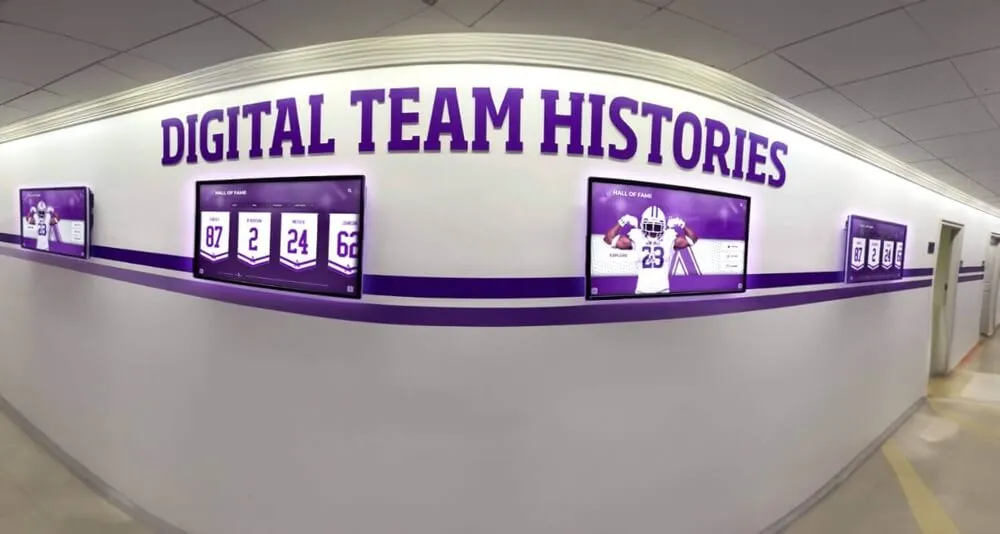
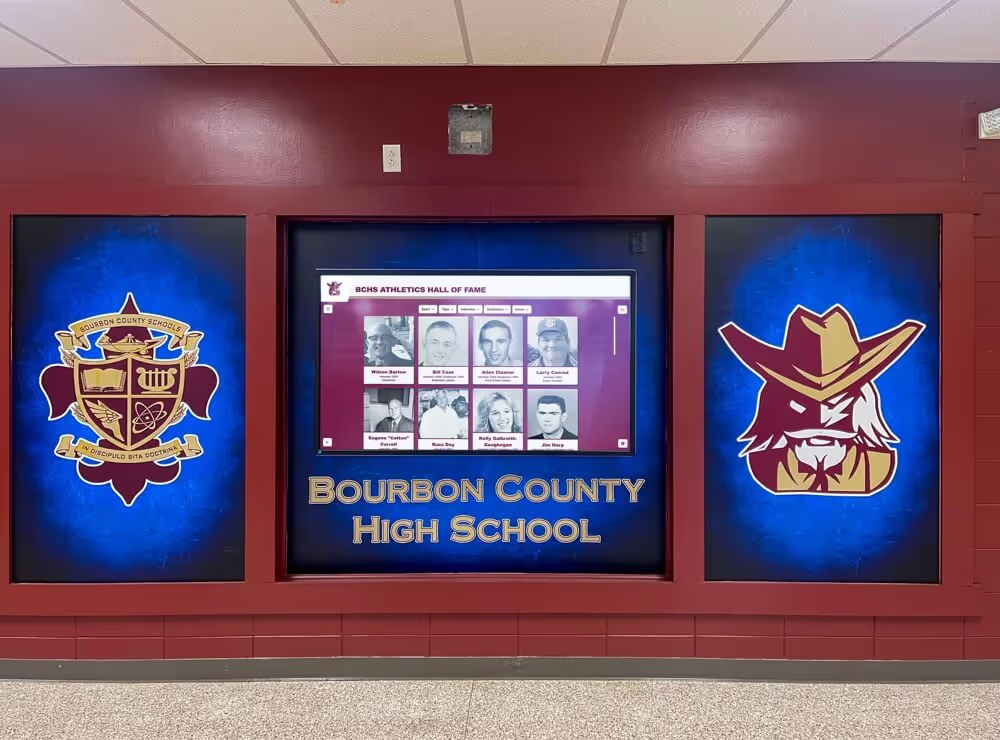
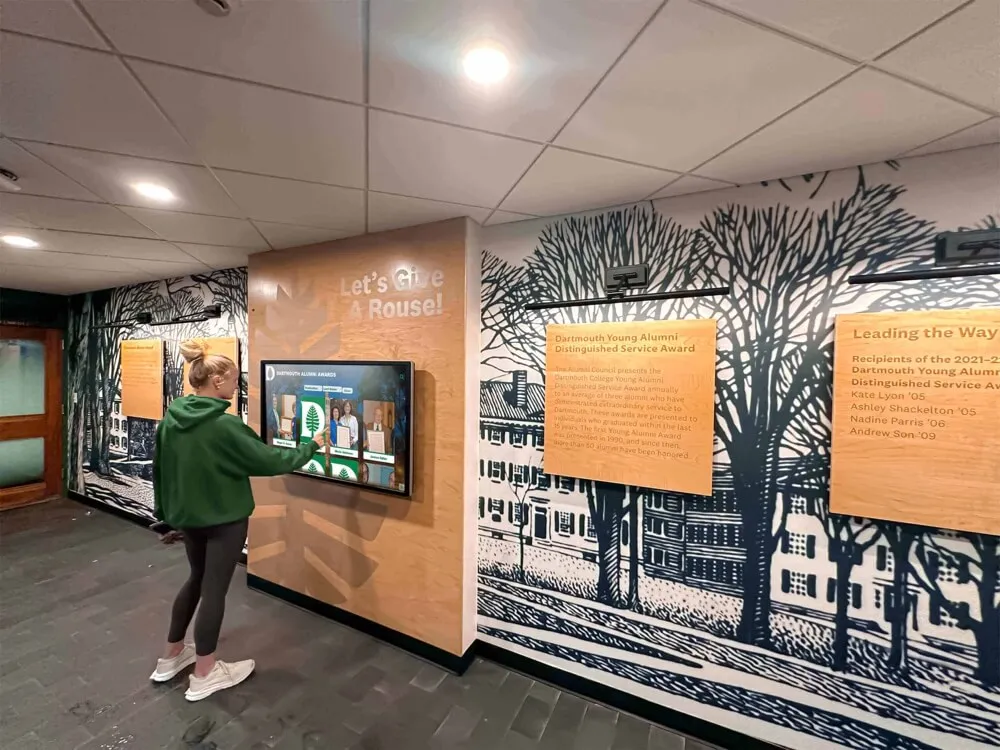
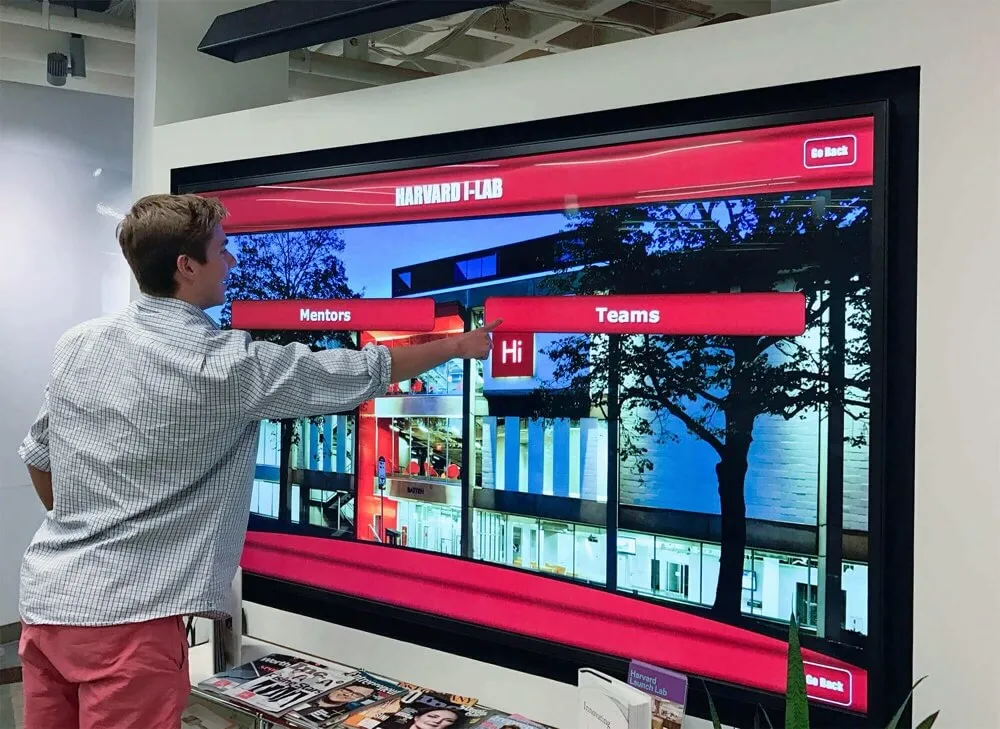
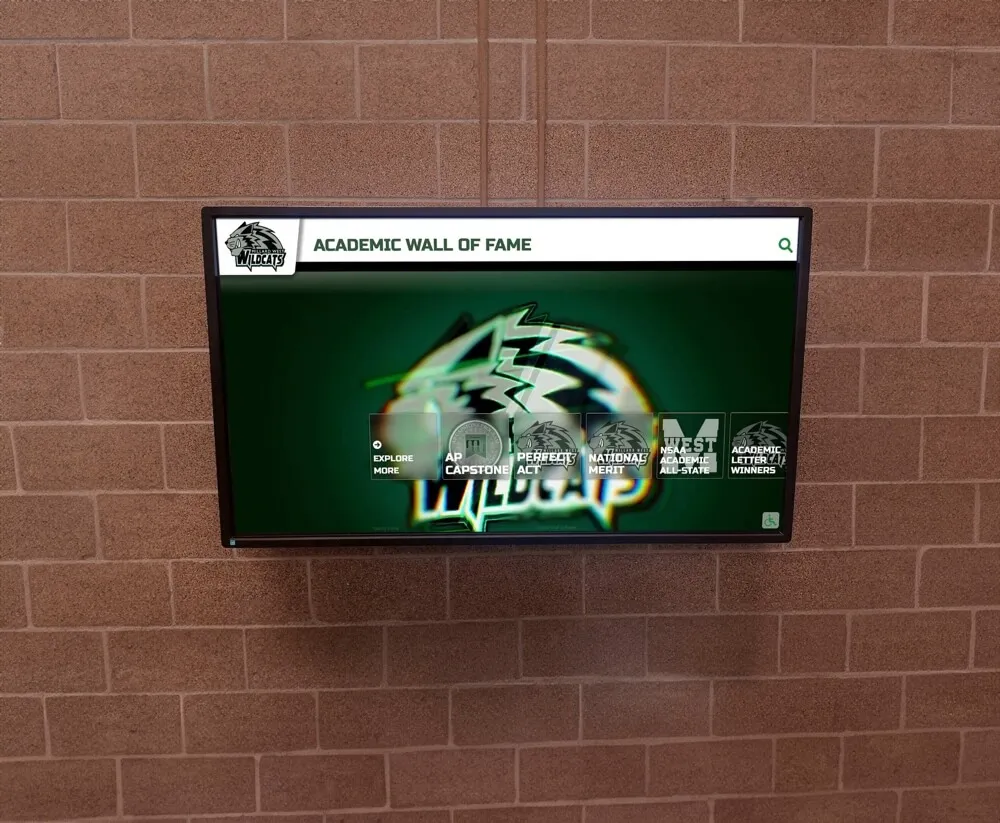
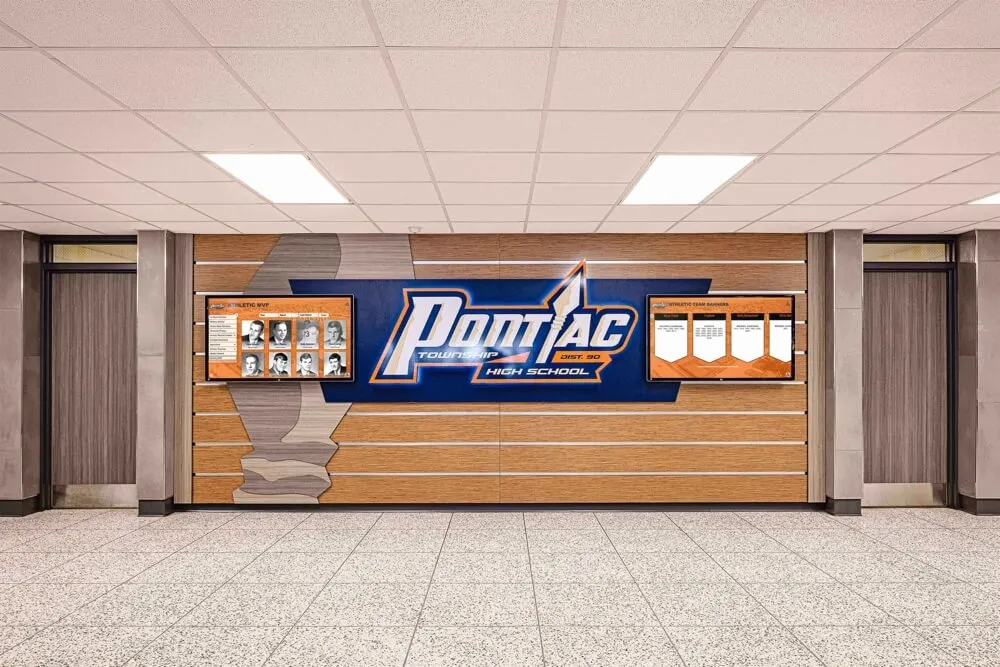
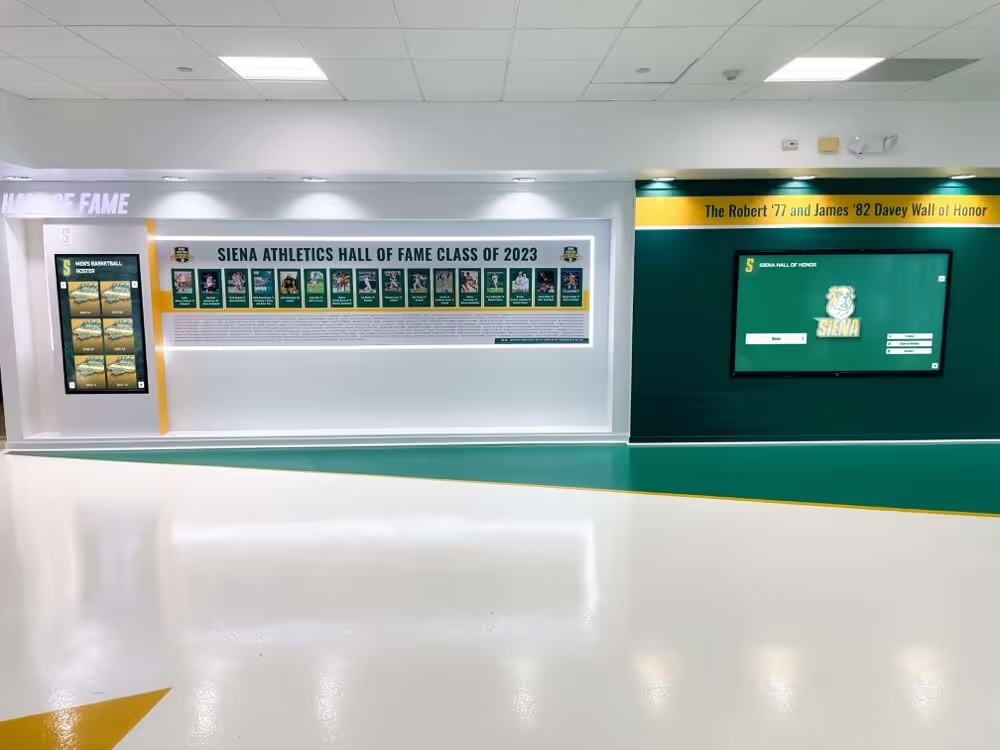
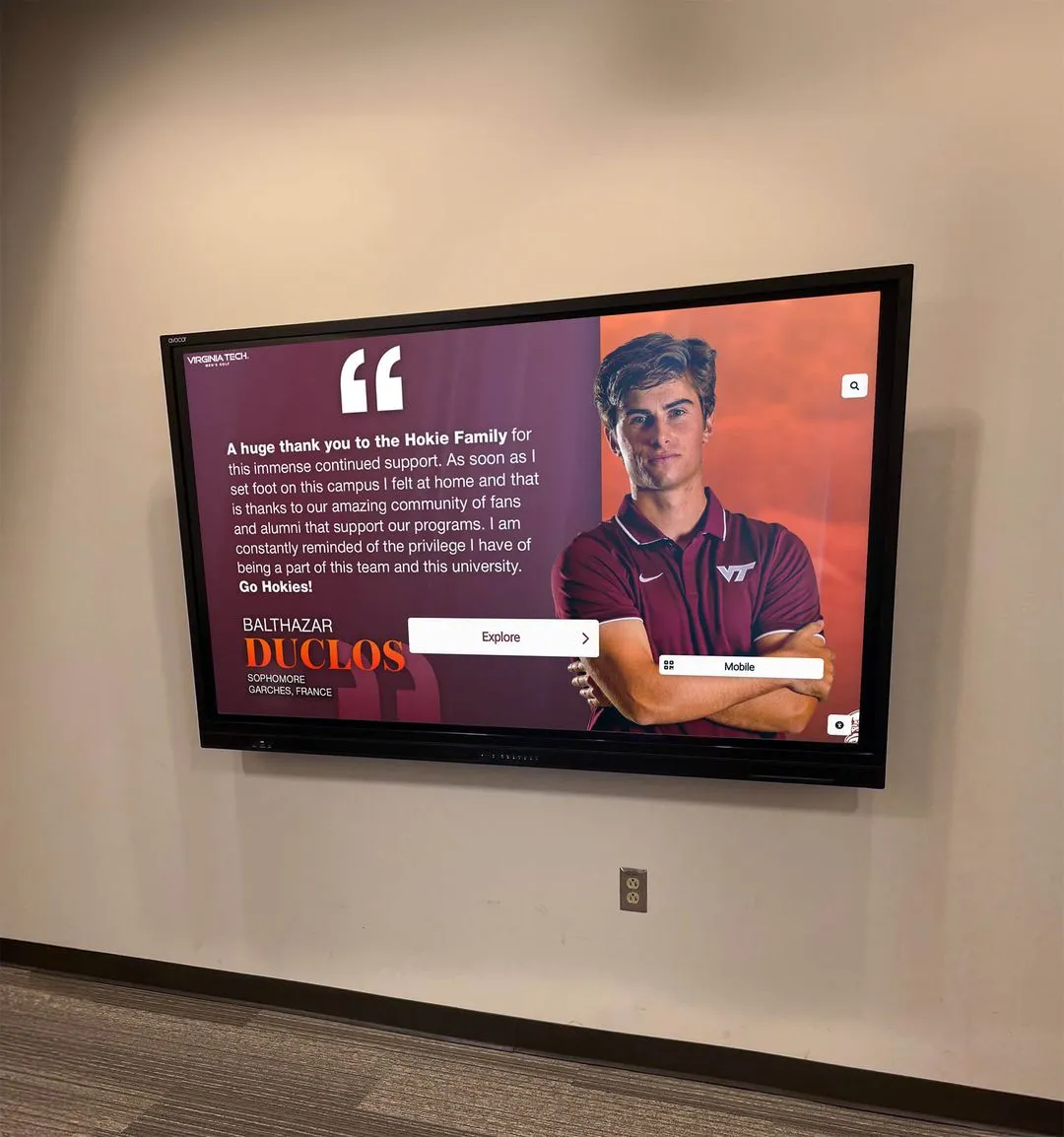
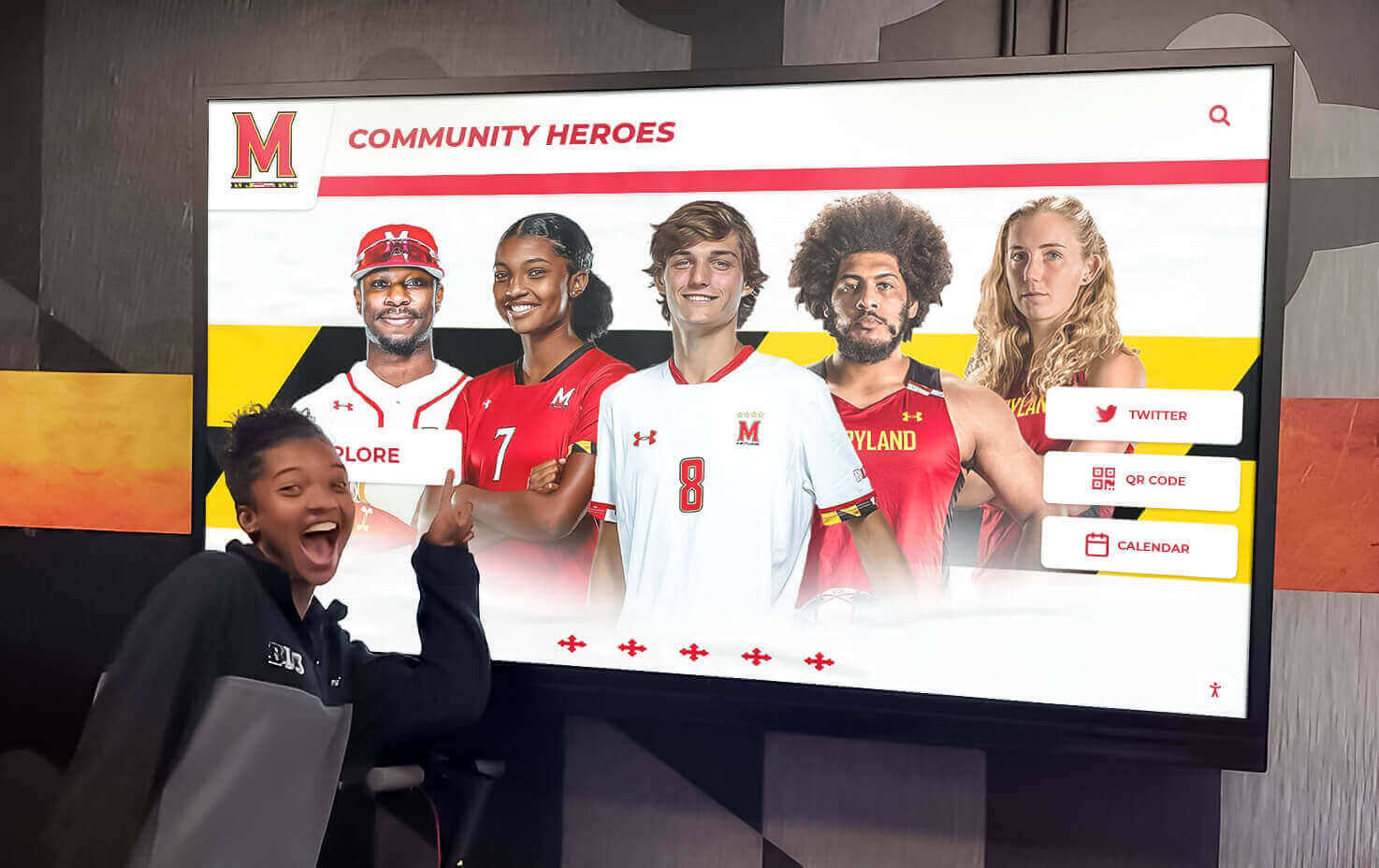
Modern digital displays transform how schools spotlight student achievement, creating engaging year-round recognition experiences
Academic Achievement Spotlight Ideas
Academic excellence deserves systematic, visible recognition that extends beyond traditional honor roll announcements.
1. Subject-Specific Star Students
Spotlight students demonstrating exceptional achievement in individual subjects each month. Rotate through all academic departments ensuring every discipline receives equal recognition—from mathematics and science to world languages, arts, and career-technical education. Feature these students on digital displays with photos, achievement details, and inspirational quotes about their learning journey.
2. Most Improved Academic Performance
Recognition shouldn’t only celebrate those starting at the top. Spotlight students showing significant academic growth from previous marking periods, emphasizing that improvement represents genuine achievement regardless of absolute performance levels. This approach motivates struggling students by showing that effort and progress receive acknowledgment.
3. Perfect Attendance Academic Achievers
Combine attendance excellence with academic achievement, spotlighting students who maintain strong grades while demonstrating exceptional reliability. This dual recognition reinforces that consistent presence contributes directly to academic success. Schools using honor roll certificate recognition approaches can extend these into regular spotlight features.
4. Advanced Placement and Honors Course Success
Feature students tackling challenging coursework, spotlighting not just final exam scores but the courage to attempt rigorous academics. Share student perspectives on why they chose advanced courses and lessons learned through academic challenge, inspiring peers to pursue similar opportunities.
5. Academic Competition Champions
Spotlight students achieving success in math competitions, science olympiads, robotics challenges, debate tournaments, and other academic contests. Document preparation journeys alongside final achievements, showing the dedication behind competitive success. Schools can explore how FBLA award recognition programs create ongoing spotlight opportunities.
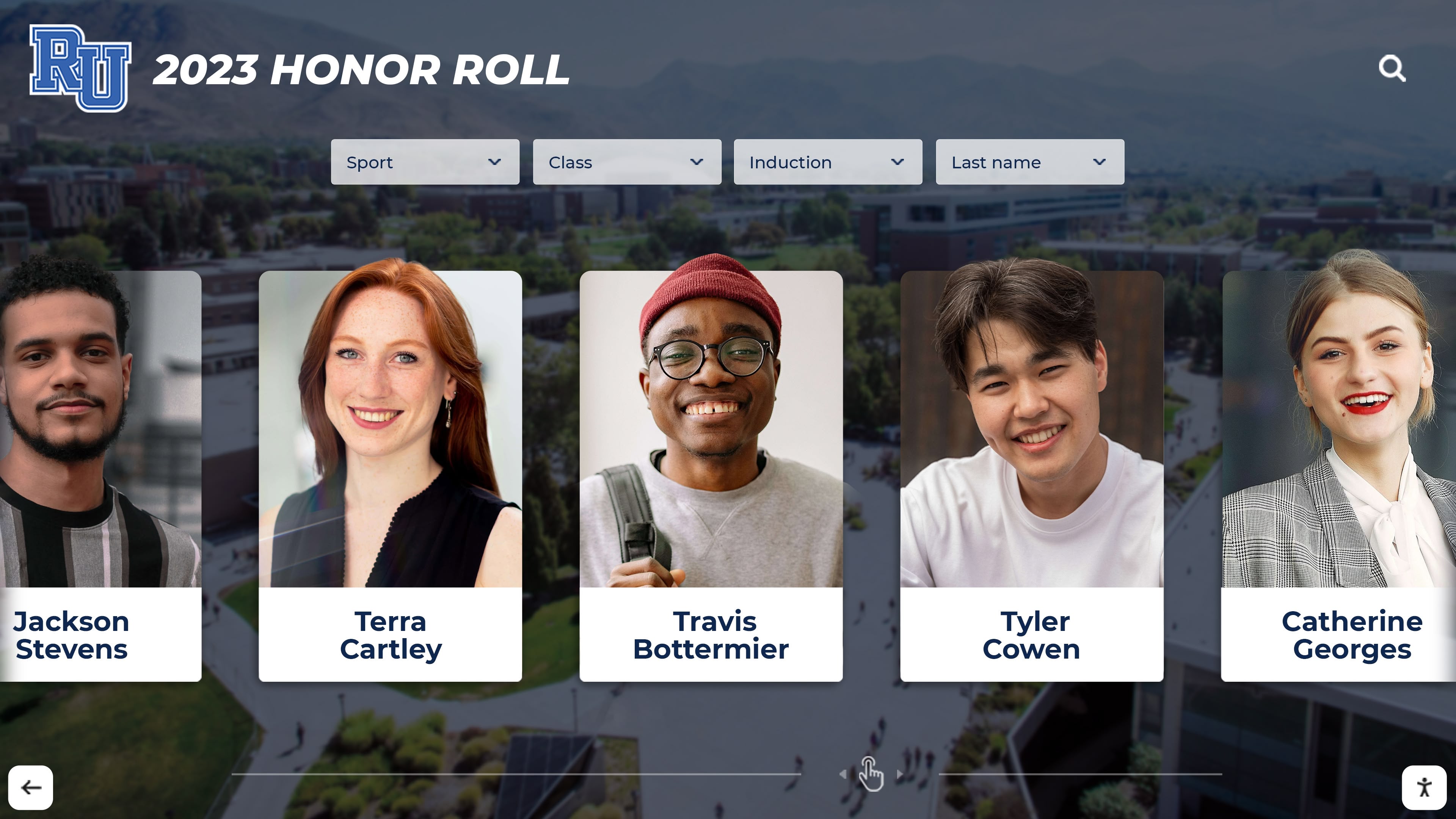
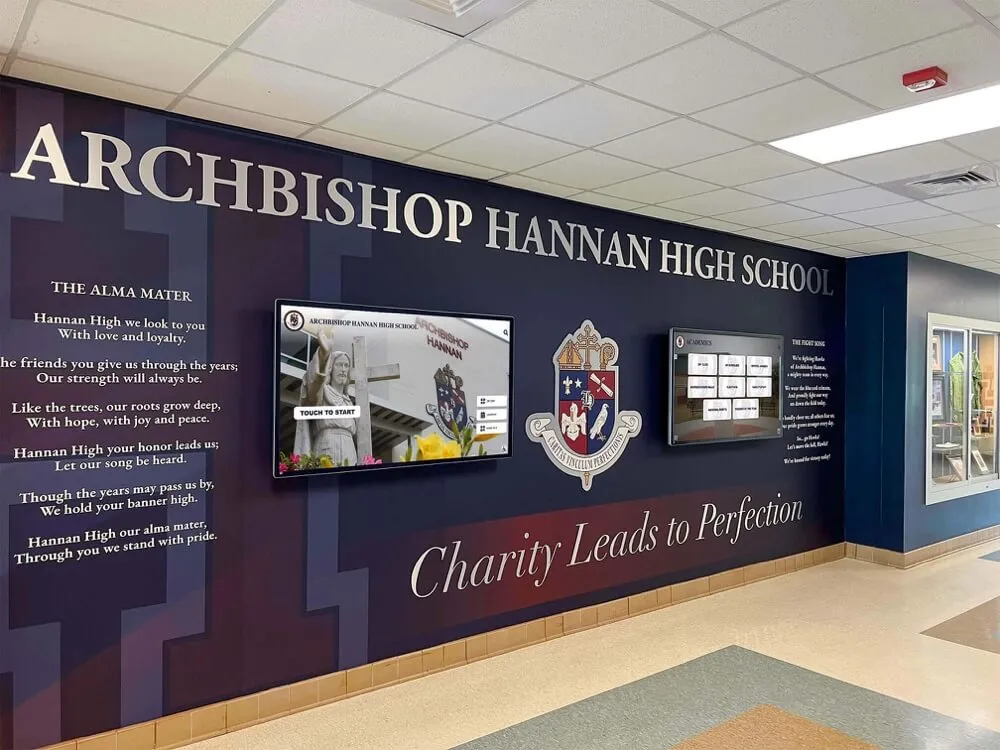
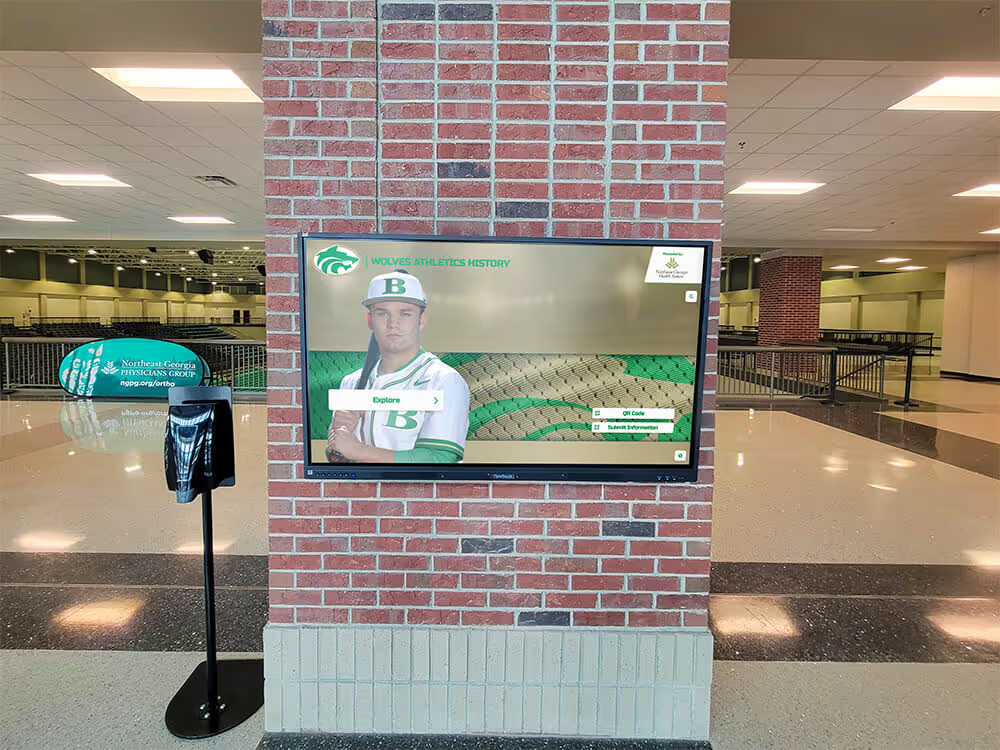
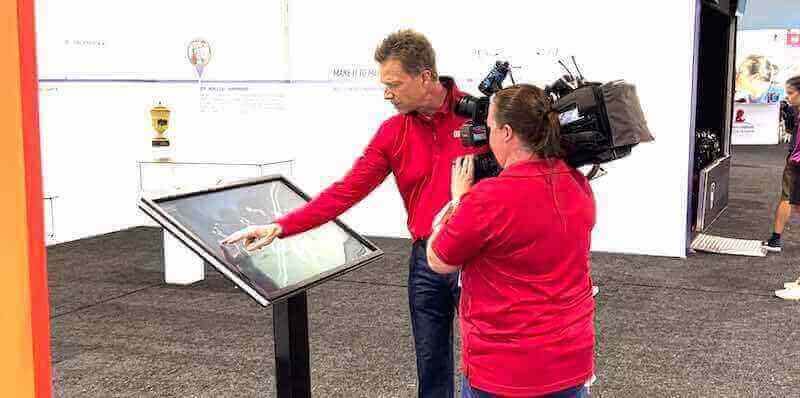
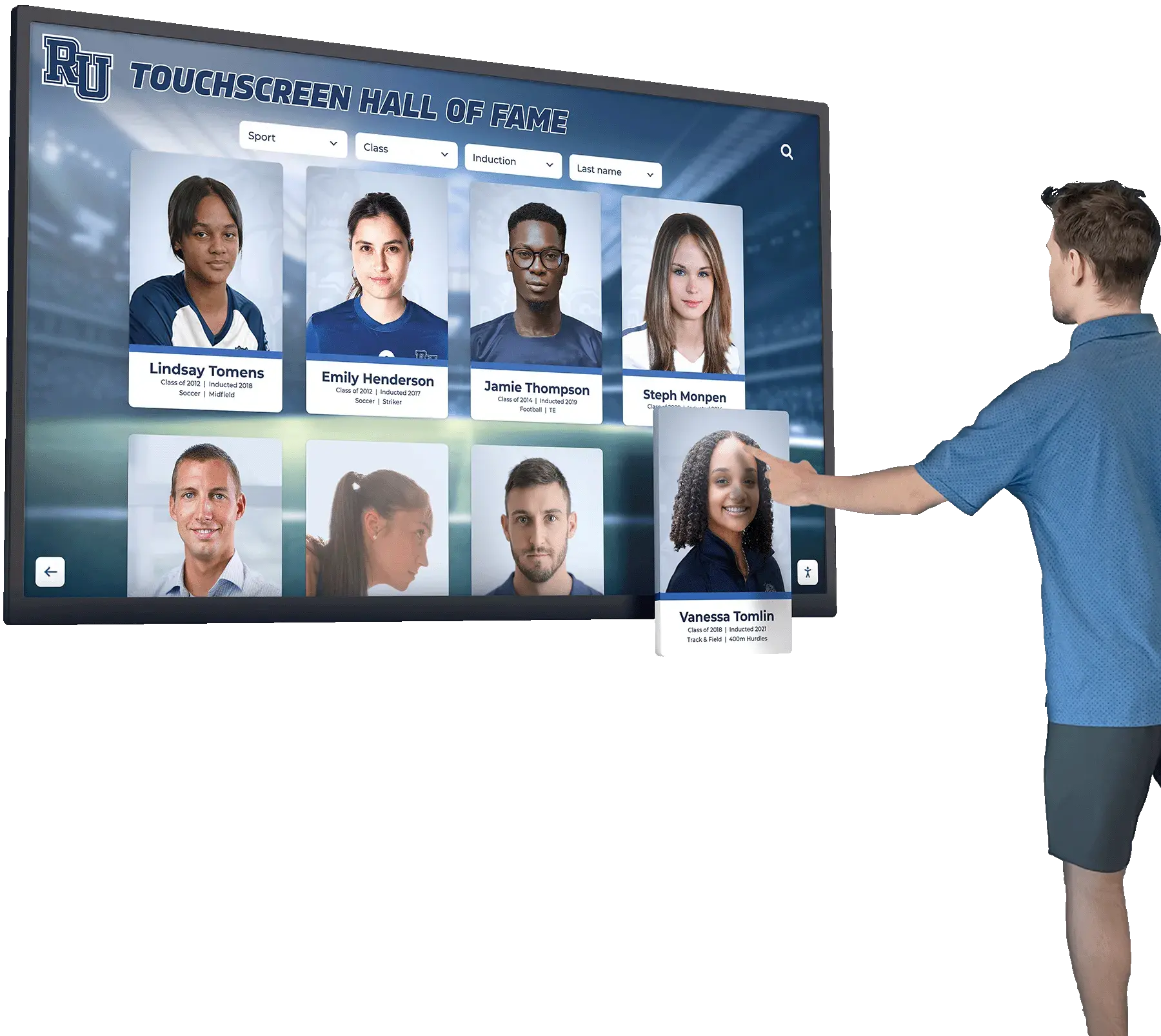
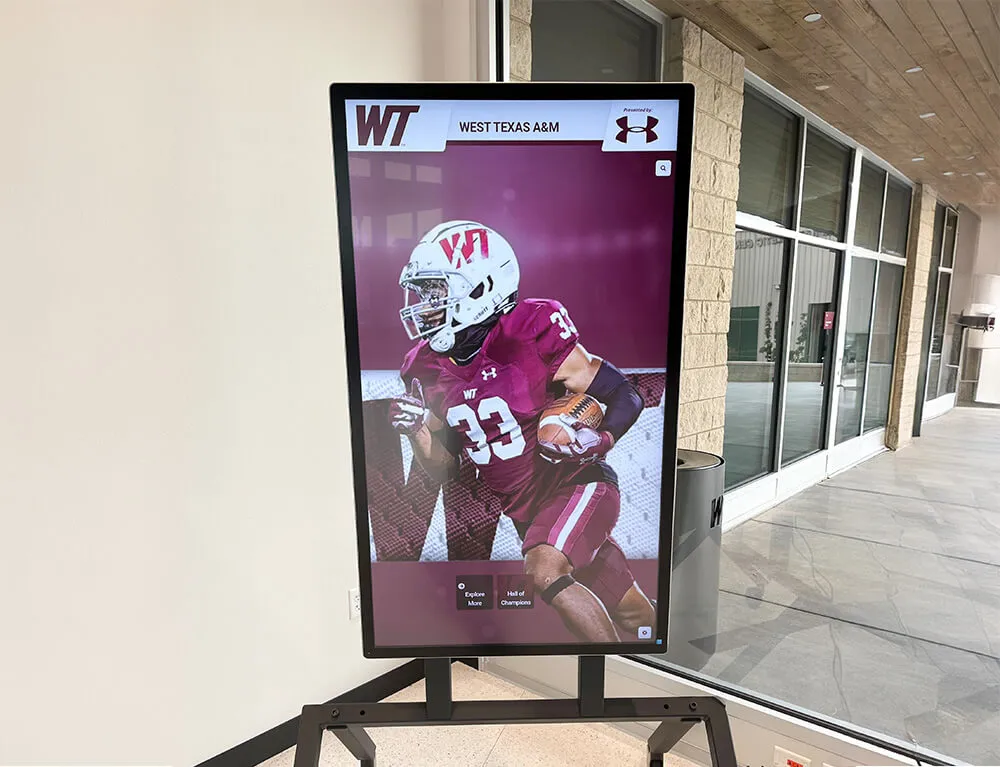
Individual student portrait cards create personalized recognition that celebrates specific academic achievements
6. Reading Milestone Celebrations
Elementary and middle schools should spotlight students reaching significant reading level advancements, book count milestones, or literacy benchmarks. Feature favorite books and reading recommendations from spotlighted students, creating peer influence that promotes reading culture school-wide.
7. Research Project Excellence
Highlight students producing exceptional research across all subjects—from history research papers to science investigations. Share project questions, methodologies, and findings, demonstrating authentic academic inquiry while inspiring intellectual curiosity among peers.
Character and Values Recognition
Student character often impacts school culture more significantly than academic achievement, making character spotlights essential for building positive environments.
8. Random Acts of Kindness Features
Create systems enabling teachers, staff, and students to nominate peers demonstrating spontaneous kindness—helping struggling classmates, including isolated students, or showing compassion during difficult moments. Regular kindness spotlights reinforce that caring behaviors receive visibility equal to academic and athletic achievement.
9. Integrity in Action Spotlights
Feature students demonstrating honesty, ethical behavior, and moral courage in challenging situations—admitting mistakes, standing up against peer pressure, or making difficult right choices. These spotlights teach that character decisions matter and receive recognition.
10. Peer Helper Recognition
Spotlight students who consistently assist classmates with academic concepts, welcome new students, or provide emotional support during challenges. Peer helping represents essential school culture building that deserves systematic acknowledgment.
11. Sportsmanship Beyond Athletics
Recognition sportsmanship in all competitive contexts—academic competitions, performing arts, and classroom activities alongside traditional athletics. Feature students who demonstrate grace in both victory and defeat, respect for opponents, and commitment to fair play regardless of competitive arena.
12. Growth Mindset Champions
Spotlight students exemplifying growth mindset principles—embracing challenges, persisting through setbacks, learning from criticism, and celebrating others’ success. Share specific examples showing how these students approached difficult situations with positive, learning-oriented attitudes. Schools implementing cum laude academic recognition can incorporate character alongside academic criteria.
Leadership Spotlight Ideas
Recognizing diverse leadership styles ensures students understand leadership extends beyond traditional student government and athletic captain roles.
13. Quiet Leaders Making Impact
Spotlight students leading through example rather than visibility—those who organize study groups, coordinate peer support, or maintain positive team culture without seeking attention. These features broaden student understanding of leadership beyond charismatic public roles.
14. Student Organization Leadership
Feature leaders across all student organizations—from academic clubs to special interest groups, service organizations to hobby clubs. Rotate monthly through different organizations ensuring comprehensive leadership recognition. Digital displays from solutions like Rocket Alumni Solutions enable unlimited spotlight capacity, eliminating the space constraints of traditional bulletin boards.
15. Peer Mentorship Recognition
Highlight students serving as formal peer mentors, tutors, or buddy program participants. Share mentorship experiences from both mentor and mentee perspectives, demonstrating leadership through supporting others’ success.
16. Initiative Starters
Spotlight students who identified problems and created solutions—starting new clubs, organizing events, or proposing program improvements. Feature both successful initiatives and valuable learning from attempts that didn’t succeed as planned, normalizing entrepreneurial experimentation.
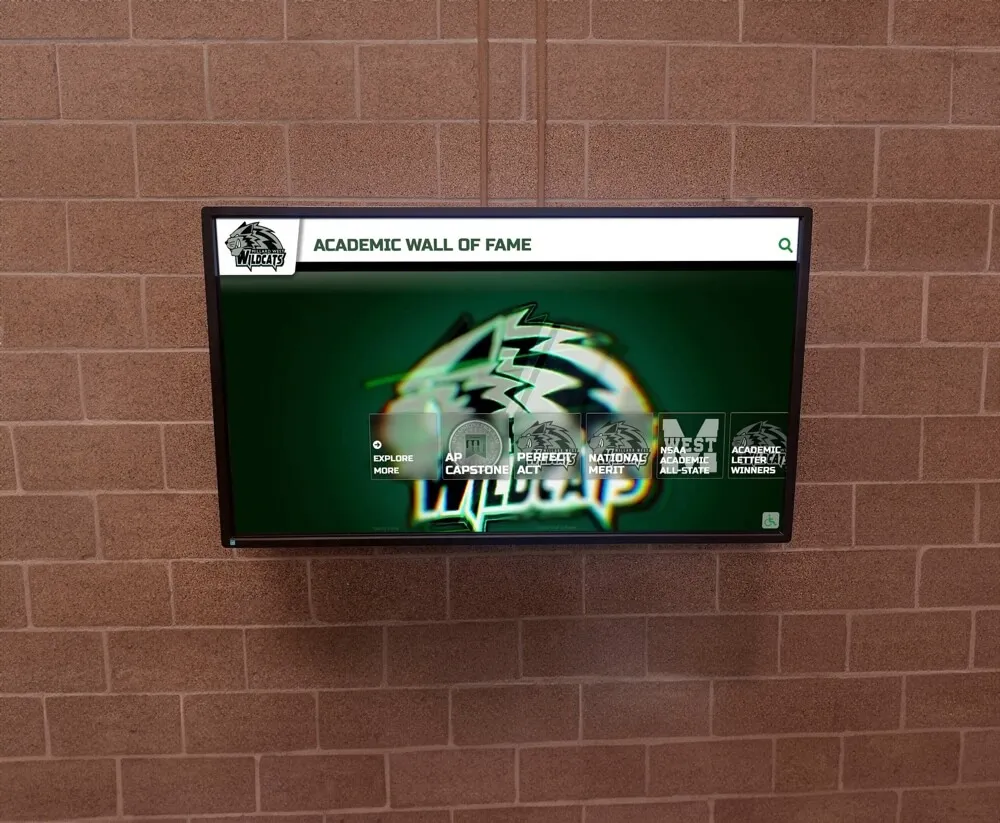
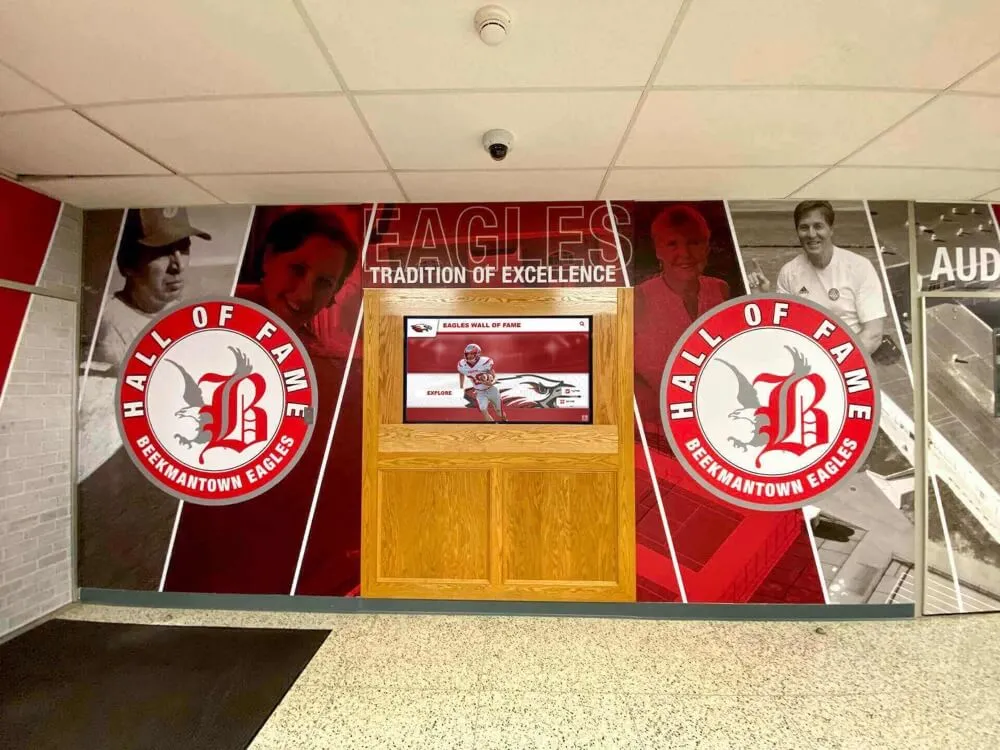
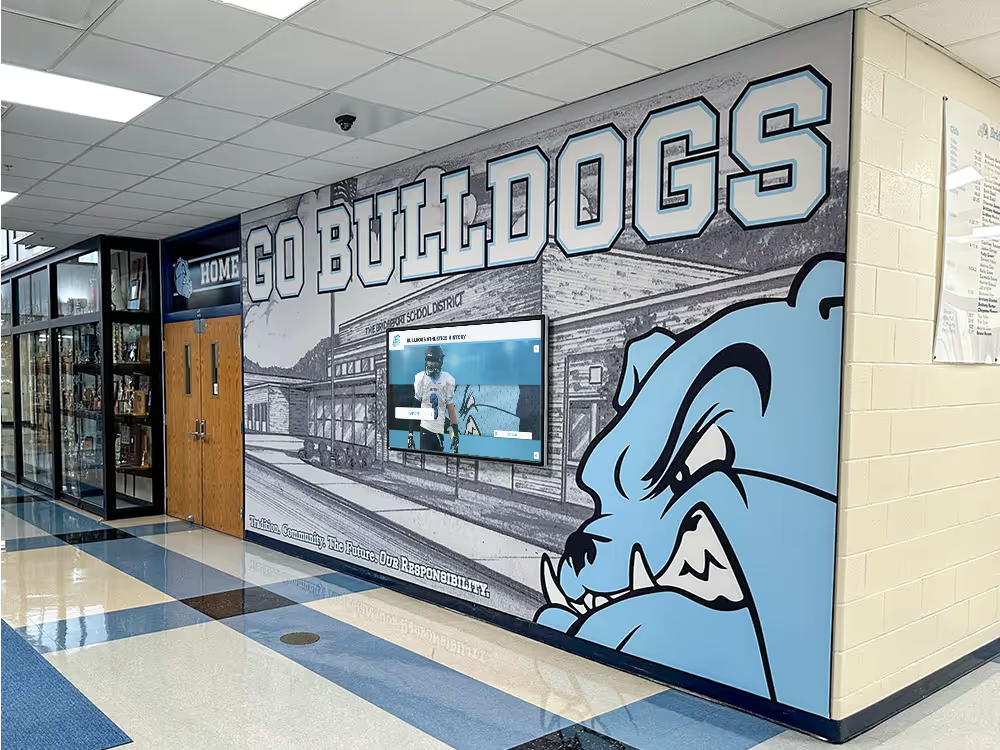
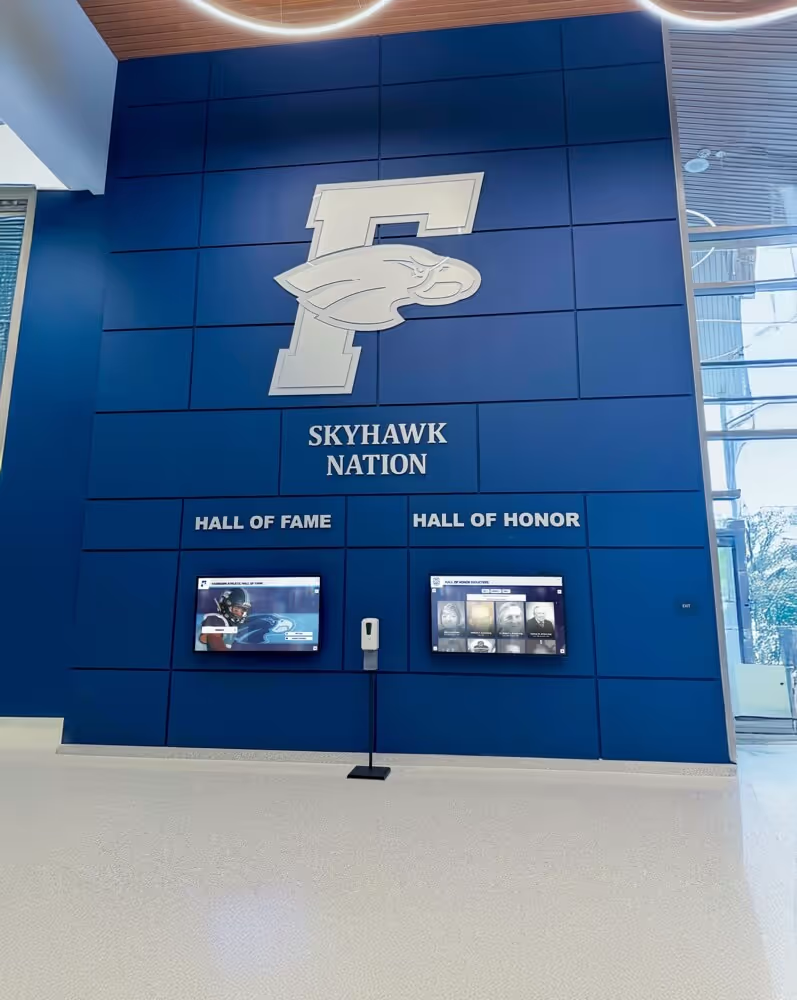
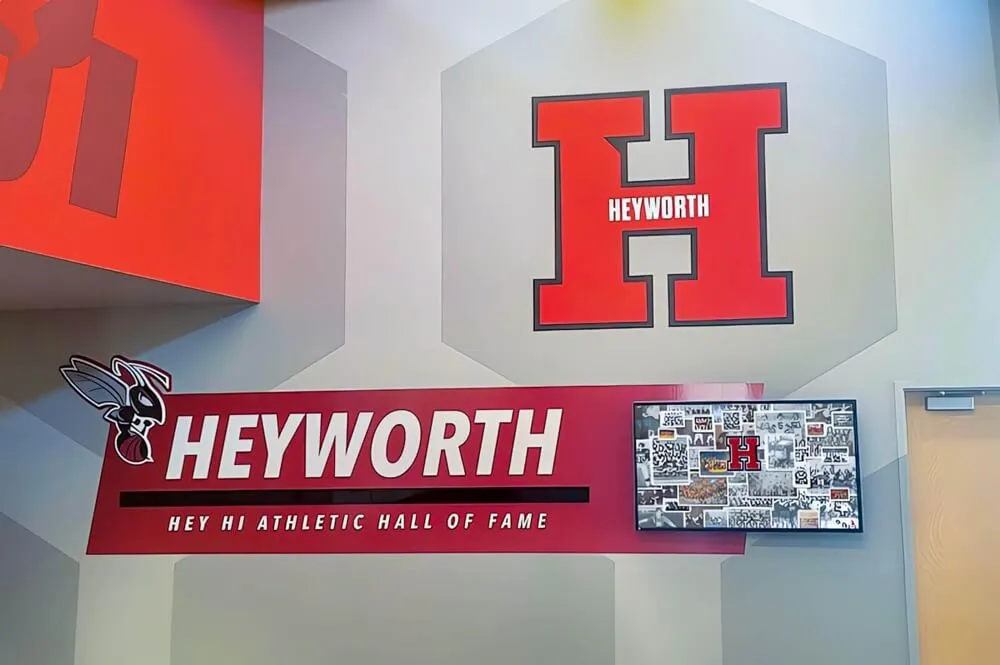
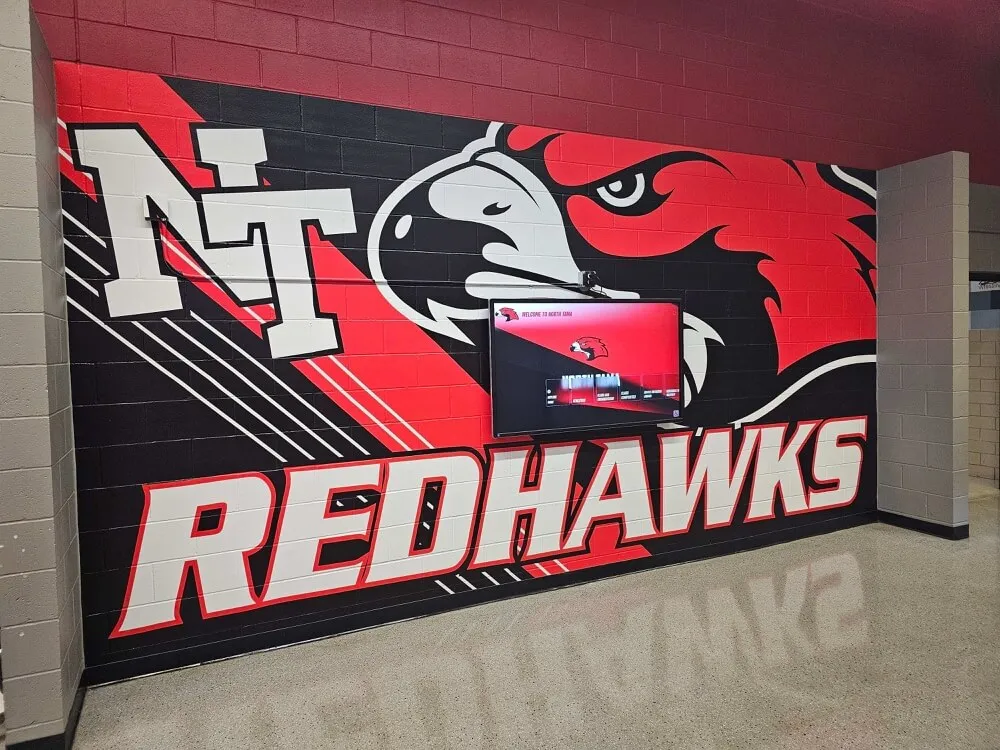
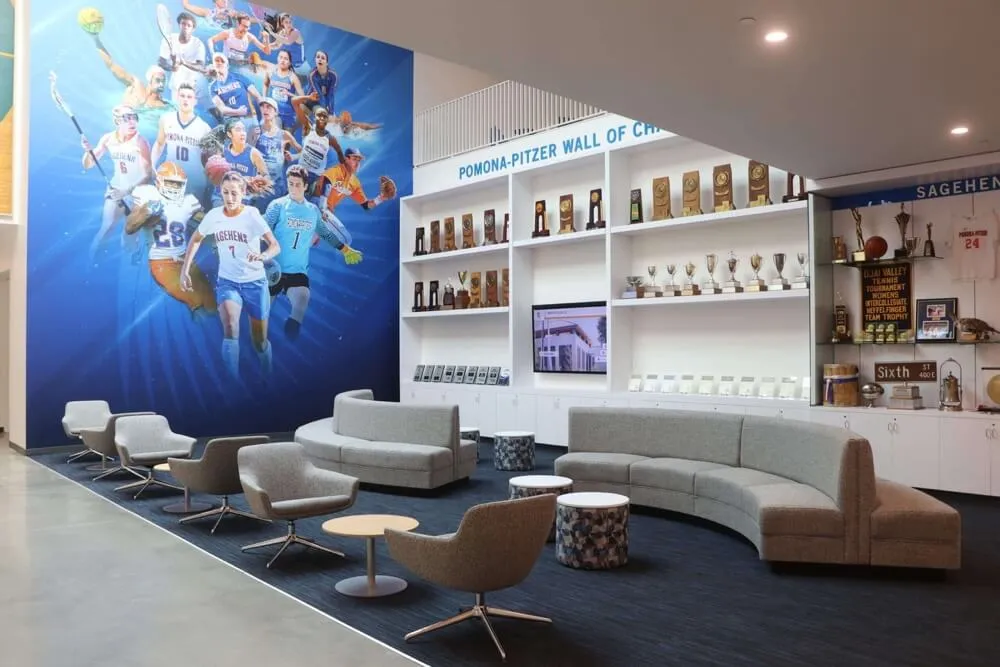
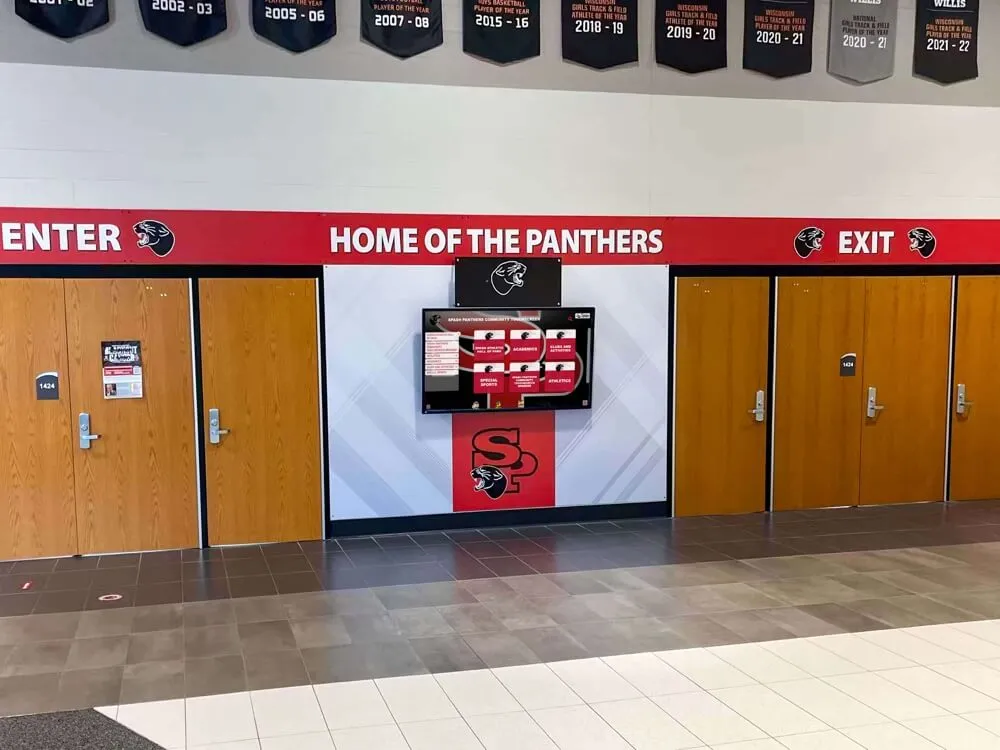
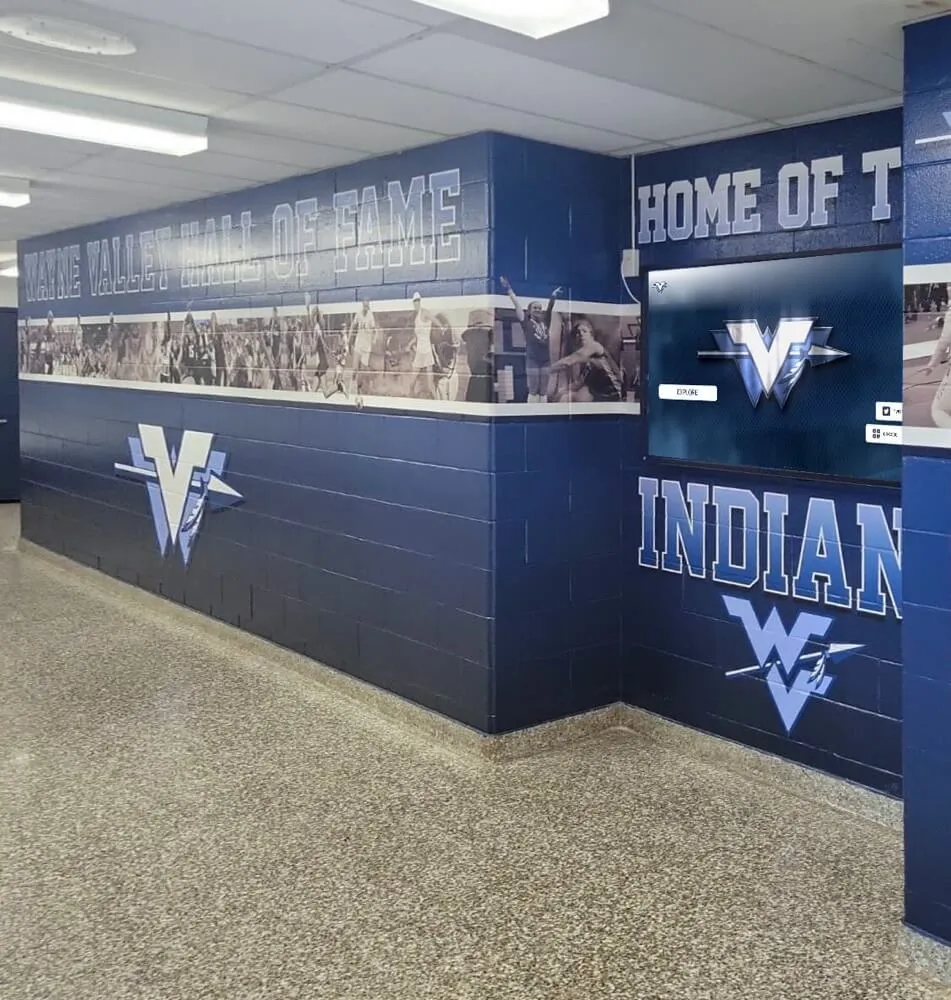
Prominent placement of recognition displays ensures student spotlights receive the visibility they deserve
17. Collaborative Leadership Teams
Rather than spotlighting individual leaders, feature student teams accomplishing significant collaborative achievements—student council committees, event planning groups, or project teams. This approach recognizes that effective leadership often involves coordinated group effort.
Arts and Creativity Recognition
Artistic and creative achievements deserve spotlight visibility equal to academic and athletic recognition.
18. Student Artist Showcases
Create rotating monthly spotlights featuring individual student artists across all visual arts disciplines—painting, sculpture, photography, digital art, and mixed media. Include artist statements explaining creative processes and inspirations, treating student art with the seriousness professional galleries afford established artists. Schools can explore digital art gallery approaches that extend recognition beyond physical display limitations.
19. Performing Arts Stars
Spotlight students excelling in band, orchestra, choir, theater, and dance throughout the year, not just surrounding major performances. Feature practice dedication, skill development journeys, and performance preparations alongside final achievement celebrations.
20. Creative Writing Recognition
Publish and spotlight exceptional student writing—poetry, short stories, personal essays, and journalistic pieces. Create visible platforms ensuring written creativity receives acknowledgment comparable to visual and performing arts.
21. Innovation and Maker Spotlights
Feature students creating through engineering, coding, robotics, and maker activities. Showcase invention processes, problem-solving approaches, and lessons learned through experimentation, inspiring peers to pursue creative technical challenges.
Athletic Achievement Beyond Varsity Stars
Athletic recognition should celebrate diverse sports participation, not just varsity championship athletes.
22. Multi-Sport Athlete Recognition
Spotlight students successfully participating across multiple sports seasons, celebrating commitment, time management, and versatility. These students model balanced athletic engagement deserving systematic recognition. Schools implementing all-state athlete recognition programs can extend to broader athlete populations.
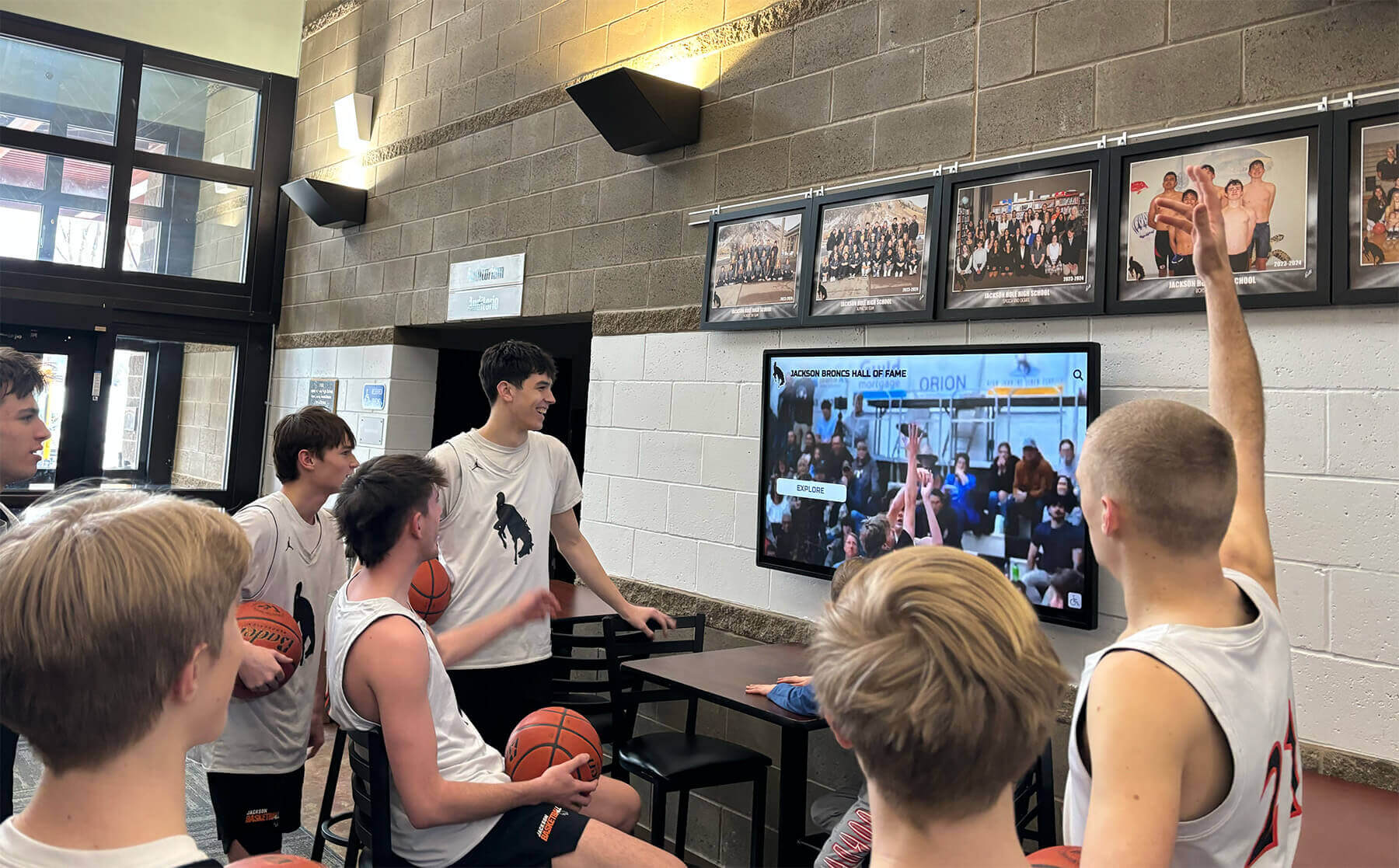
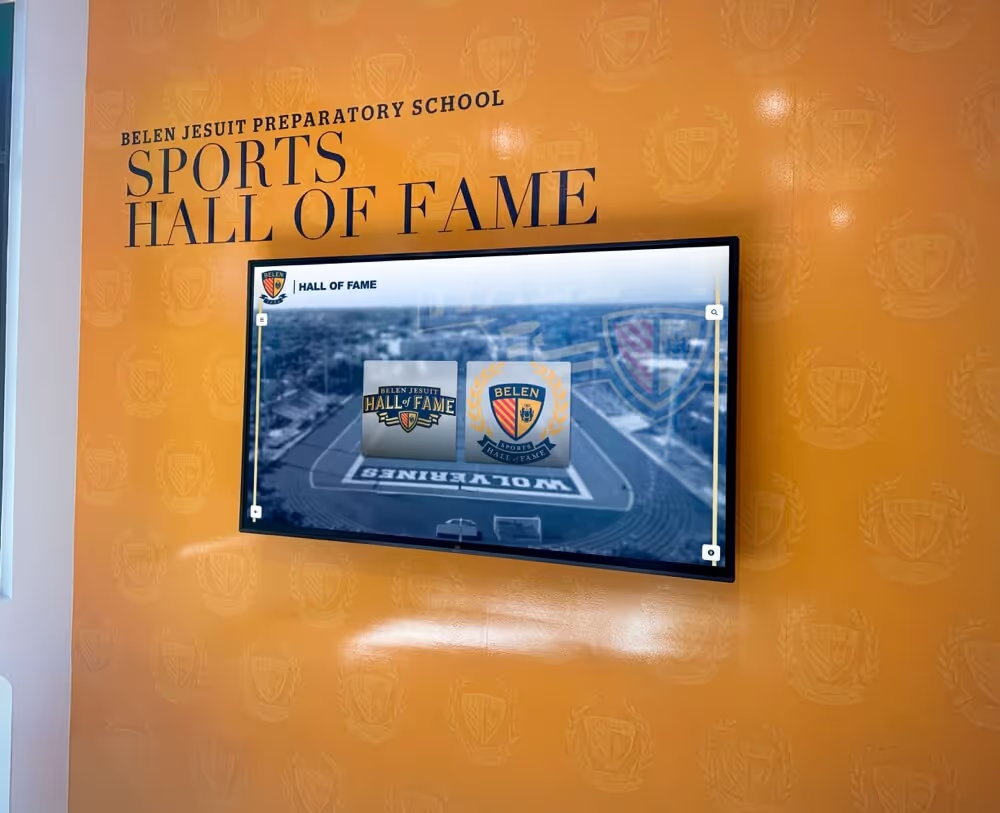
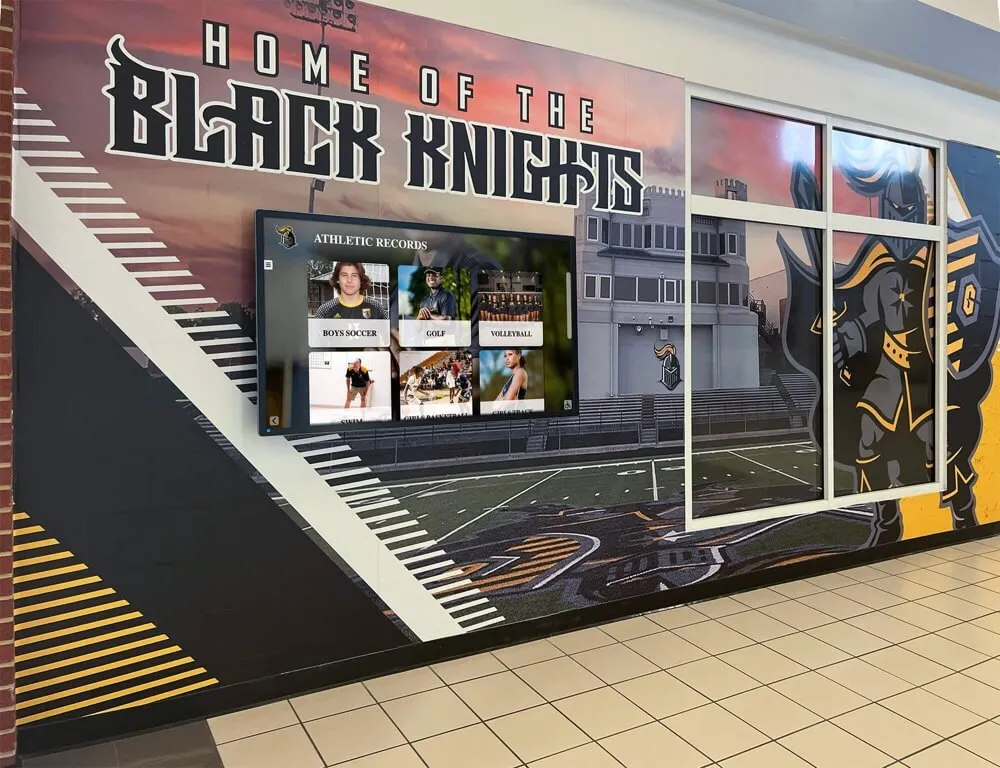
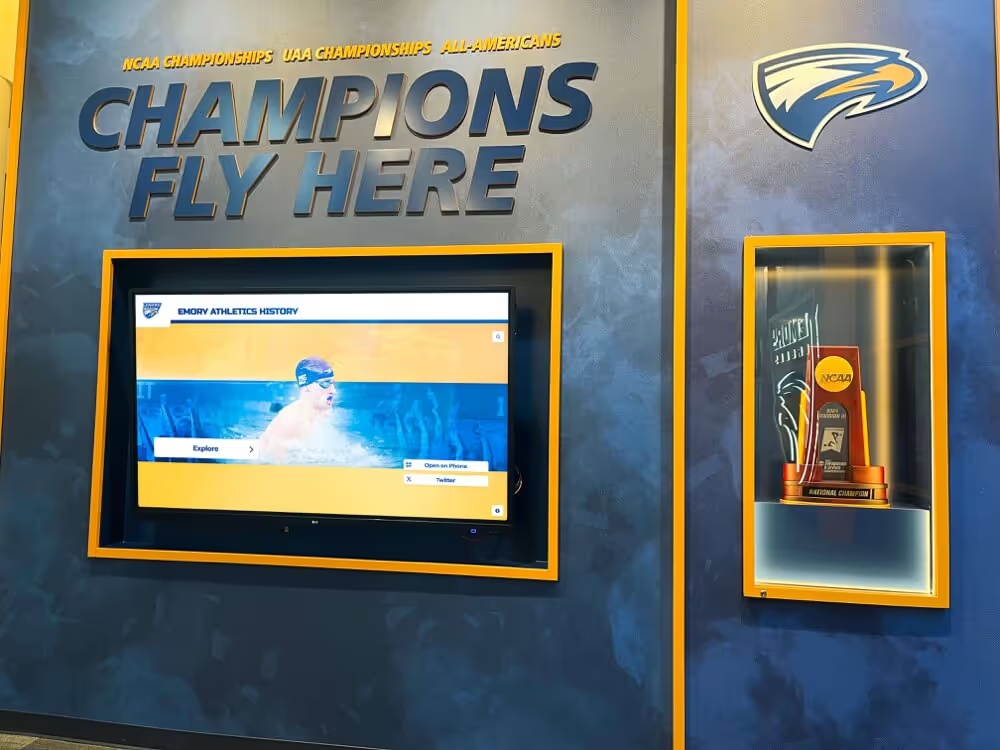
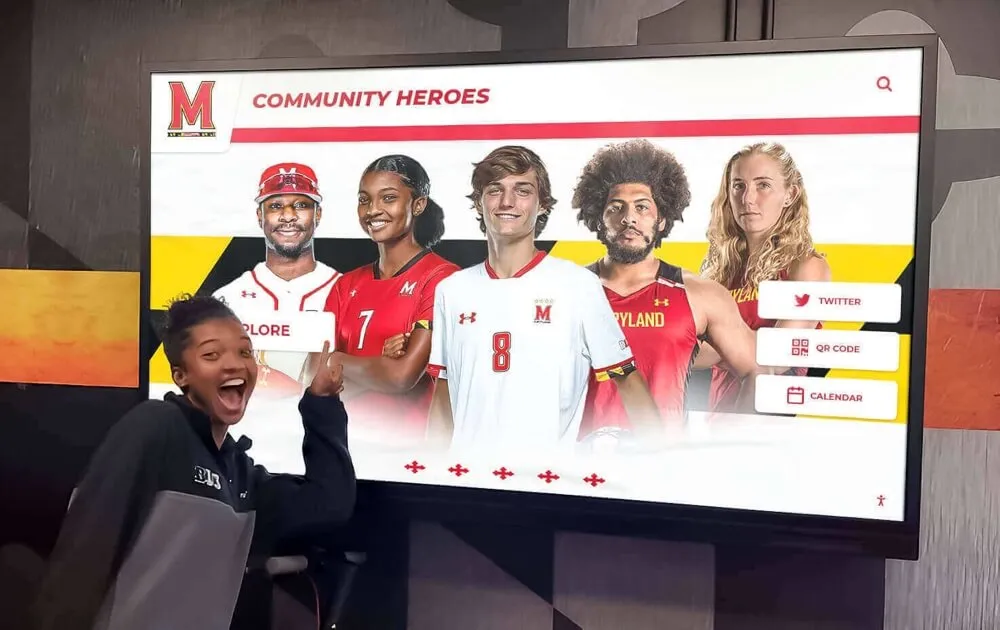
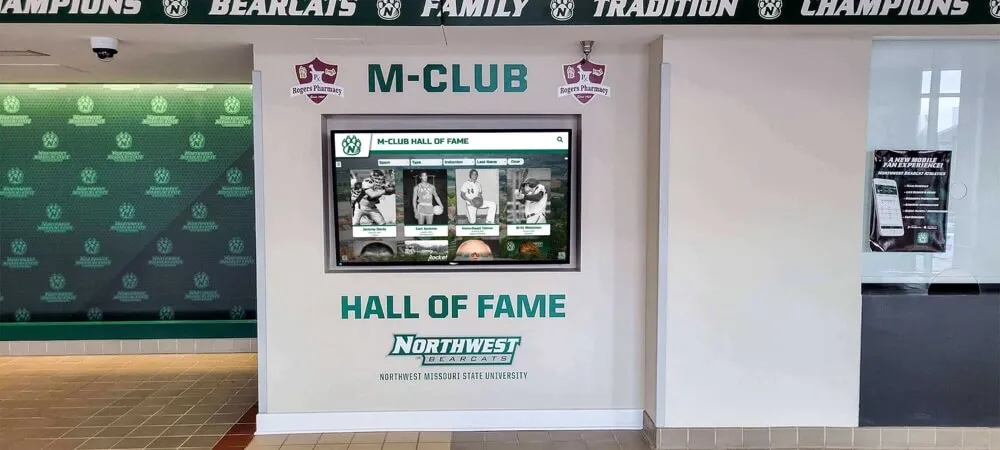
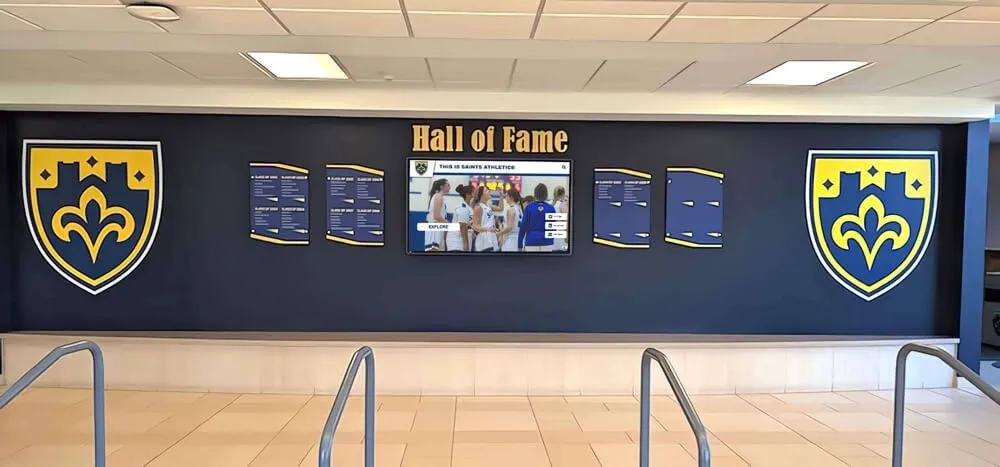
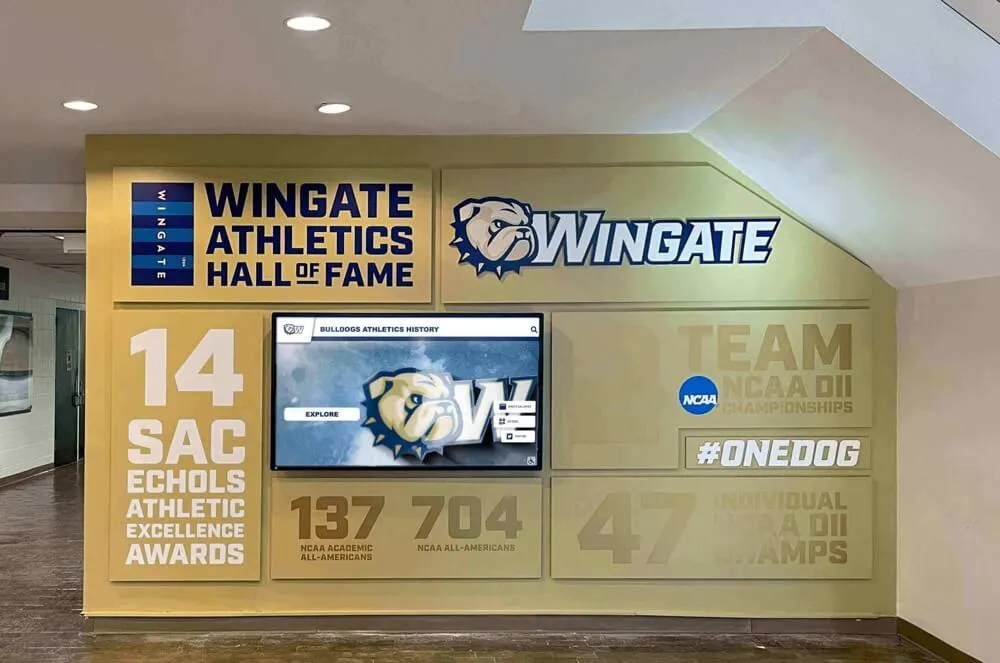
Interactive displays enable athletes to explore achievements and relive memorable moments throughout the school year
23. Most Improved Athletes
Feature athletes demonstrating significant skill development across seasons, emphasizing that athletic growth represents genuine achievement. Share training dedication and practice habits contributing to improvement, providing roadmaps peers can follow.
24. Team Player Recognition
Spotlight athletes who elevate teammates through encouragement, leadership, and selfless play—even when individual statistics might not stand out. These features teach that team contribution extends beyond scoring leaders and MVP awards.
25. Sportsmanship and Character Athletes
Recognize athletes demonstrating exceptional sportsmanship, respect for officials and opponents, and positive representation of school values during competition. Schools can reference end-of-season award approaches that prioritize character alongside performance.
26. Recreation and Intramural Stars
Extend athletic recognition beyond competitive varsity sports to recreation leagues, intramural competitions, and club sports. These athletes deserve acknowledgment for athletic participation even when playing outside formal school teams.
Service and Community Impact
Student service contributions build community connections and develop civic responsibility deserving systematic recognition.
27. Community Service Leaders
Spotlight students dedicating significant time to community service—volunteering at food banks, senior centers, environmental projects, or other community organizations. Feature service motivations, experiences, and community impact, inspiring peers toward civic engagement.
28. School Service Contributors
Recognize students who improve school community through behind-the-scenes contributions—library assistants, office helpers, technology support, peer tutors, and other service roles that keep schools functioning smoothly.
29. Fundraising and Awareness Campaign Leaders
Feature students organizing fundraisers for worthy causes or raising awareness about important issues. Share planning processes, challenges overcome, and ultimate impact achieved, demonstrating student capability to create meaningful change.
Unique Talents and Contributions
Not all exceptional students fit traditional recognition categories. Create spotlights celebrating unique talents and contributions.
30. Passion Project Spotlights
Feature students pursuing exceptional personal interests—independent research, community projects, creative endeavors, or skill development in areas outside standard curriculum. These spotlights communicate that schools value diverse talents and self-directed learning, even when passions don’t align with traditional academic subjects. Schools implementing comprehensive recognition can explore award ceremony planning approaches that incorporate diverse achievement categories.
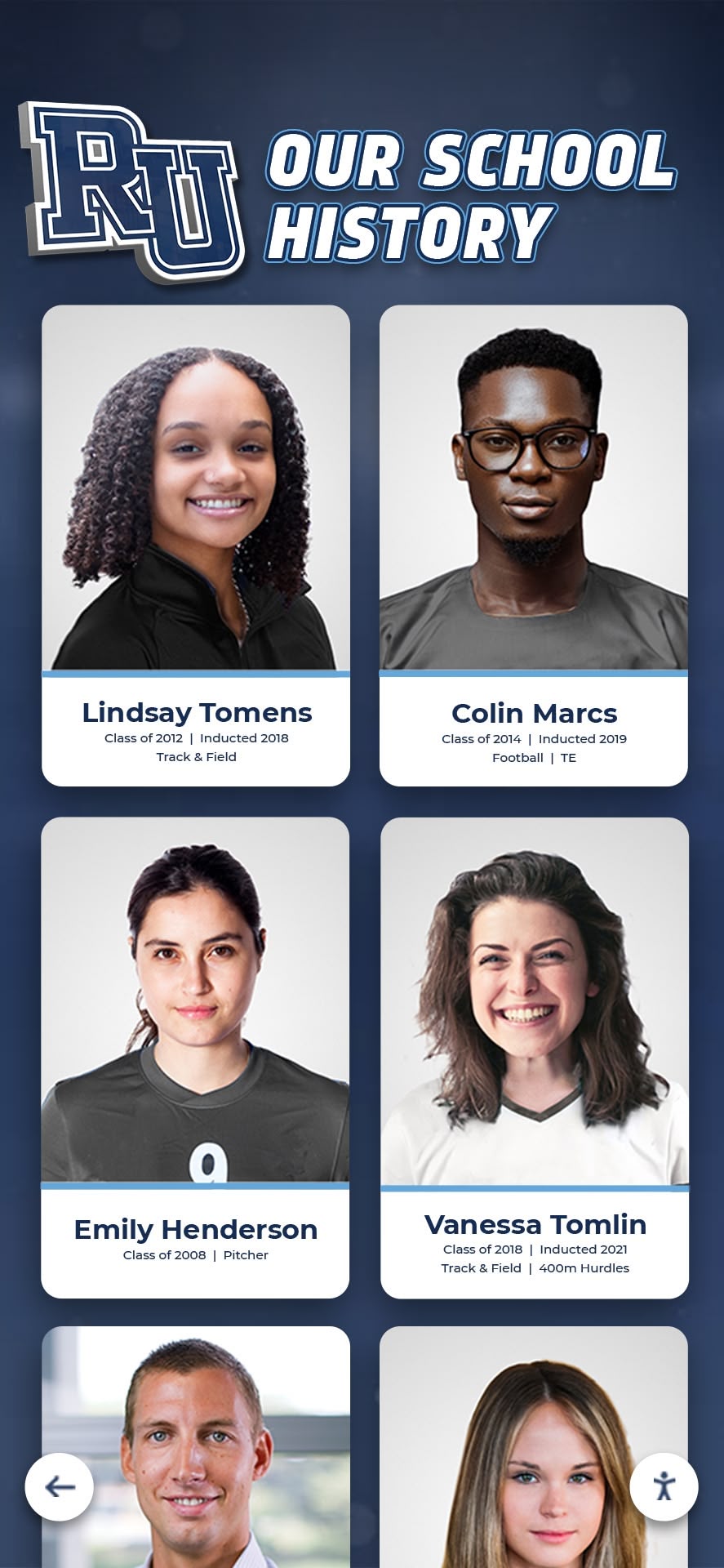
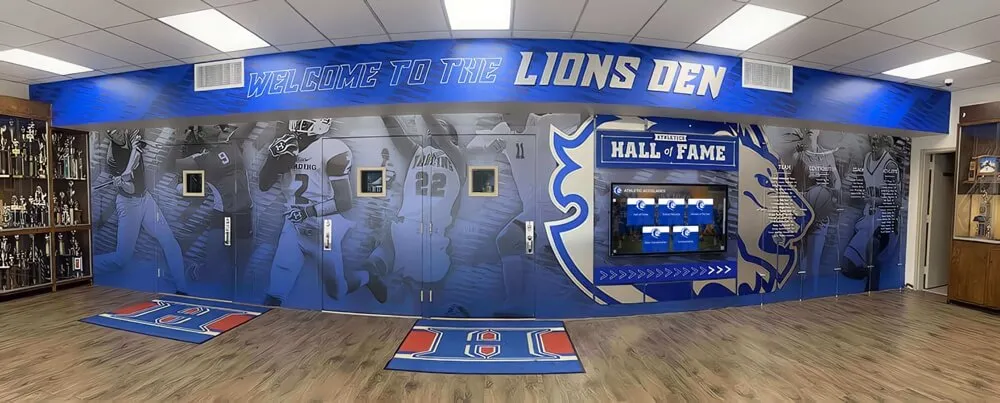
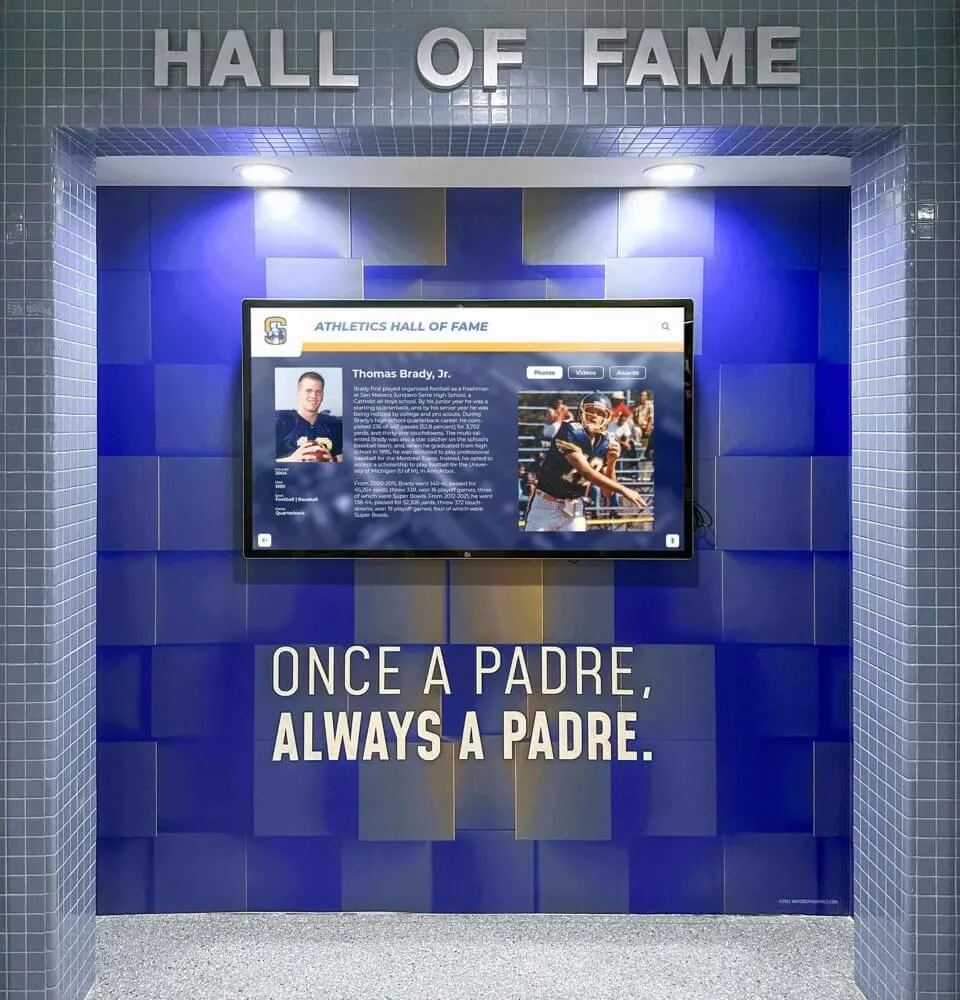
Archiving student spotlights creates lasting records celebrating institutional achievement traditions across generations
Implementing Effective Student Spotlight Programs
Creating diverse spotlight lists represents only the first step. Effective implementation requires systematic planning ensuring spotlights achieve maximum positive impact.
Creating Nomination Systems
Multi-Source Nominations Effective spotlight programs accept nominations from diverse sources:
- Teacher recommendations based on classroom observations
- Staff nominations highlighting behind-the-scenes student contributions
- Peer nominations enabling students to recognize classmates
- Self-nominations encouraging students to advocate for their achievements
- Family nominations sharing perspectives on student growth
Multi-source systems ensure spotlight selections reflect comprehensive student contributions rather than limited perspectives.
Clear Selection Criteria Establish transparent criteria for different spotlight categories:
- Academic spotlights might require specific GPA thresholds, improvement percentages, or competition achievements
- Character recognition needs concrete behavioral examples demonstrating values
- Service spotlights should quantify time commitments or impact measures
- Talent spotlights require achievement documentation appropriate to each field
Clear criteria maintain spotlight credibility while ensuring fairness.
Equitable Distribution Tracking
Monitor spotlight distribution across:
- Grade levels ensuring all students receive age-appropriate recognition opportunities
- Demographic groups verifying equitable recognition access
- Achievement categories ensuring balanced celebration across academics, arts, athletics, character, and service
- Previous recipients preventing spotlight concentration among small student groups
Digital recognition platforms enable sophisticated tracking impossible with manual systems, ensuring truly comprehensive student celebration.
Display and Communication Strategies
Traditional bulletin boards limit spotlight visibility and capacity. Modern solutions transform how schools showcase student recognition.
Digital Recognition Display Benefits
Solutions like Rocket Alumni Solutions overcome traditional spotlight limitations:
- Unlimited capacity enables spotlighting far more students than physical bulletin board space allows
- Prominent placement in high-traffic areas—lobbies, cafeterias, athletic facilities—ensures maximum visibility
- Interactive exploration lets students search spotlights by name, category, or timeframe
- Automatic rotation keeps displays fresh without manual updating
- Archive access preserves historical spotlights creating lasting achievement records
- Multi-location deployment ensures recognition appears throughout campus
Schools report dramatic increases in students viewing recognition after implementing digital displays versus traditional static bulletin boards.
Multi-Channel Communication
Maximize spotlight impact through coordinated communication:
- Morning announcements provide daily spotlight features reaching all students
- Social media posts extend recognition to families and community
- School newsletters include spotlight features in regular communications
- Classroom announcements enable teachers to highlight spotlighted students during relevant lessons
- Family notifications directly inform families when their students receive spotlight recognition
This omnichannel approach ensures spotlights reach audiences beyond those physically passing displays. Organizations interested in comprehensive communication can explore pep rally recognition approaches that integrate student spotlights into school culture events.
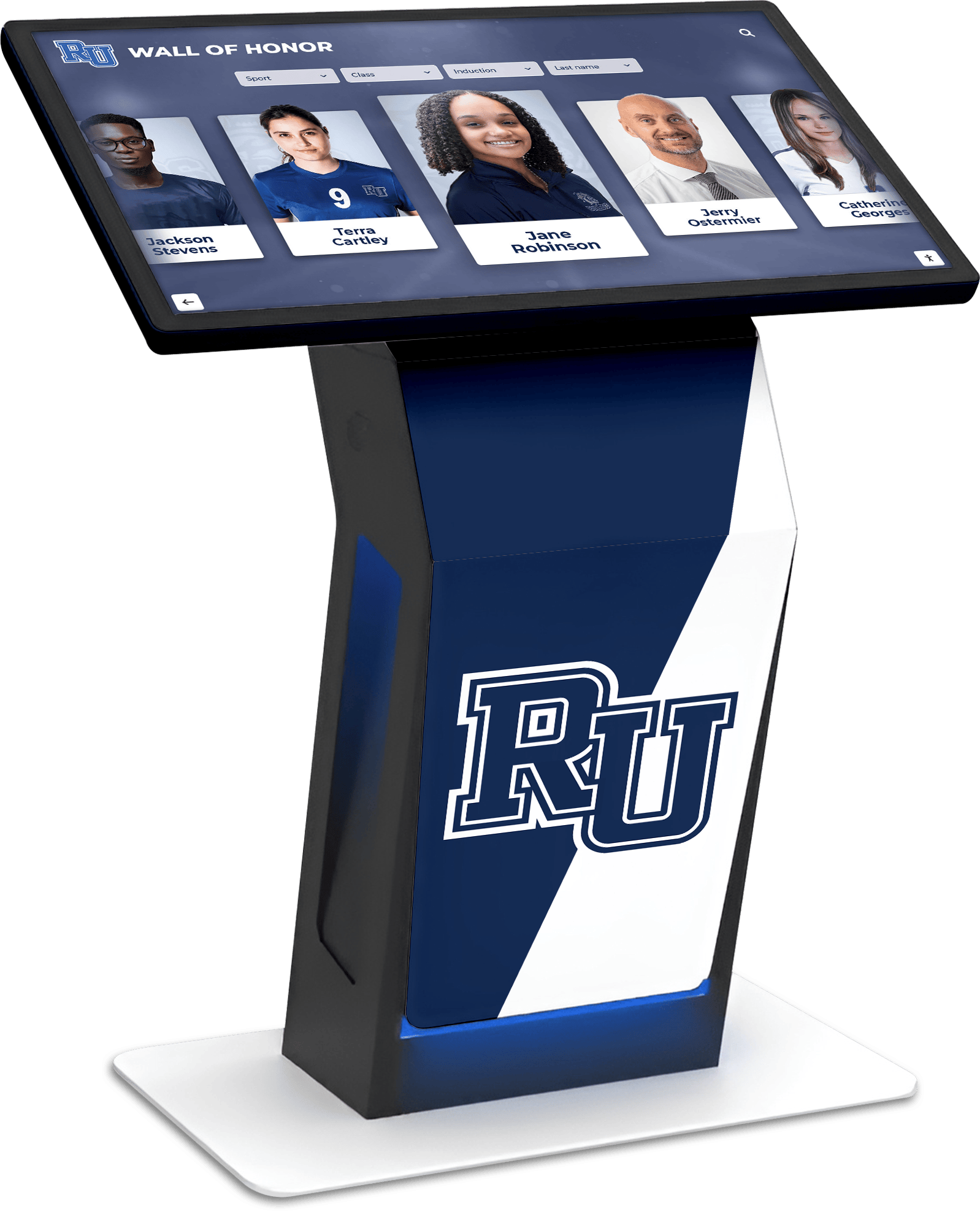
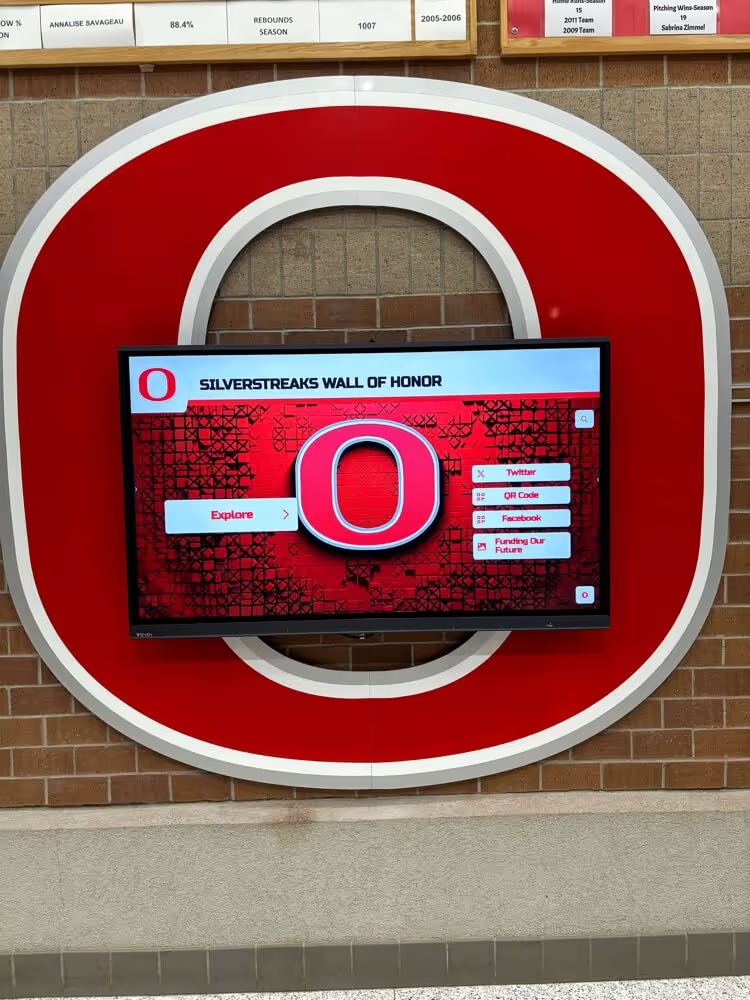
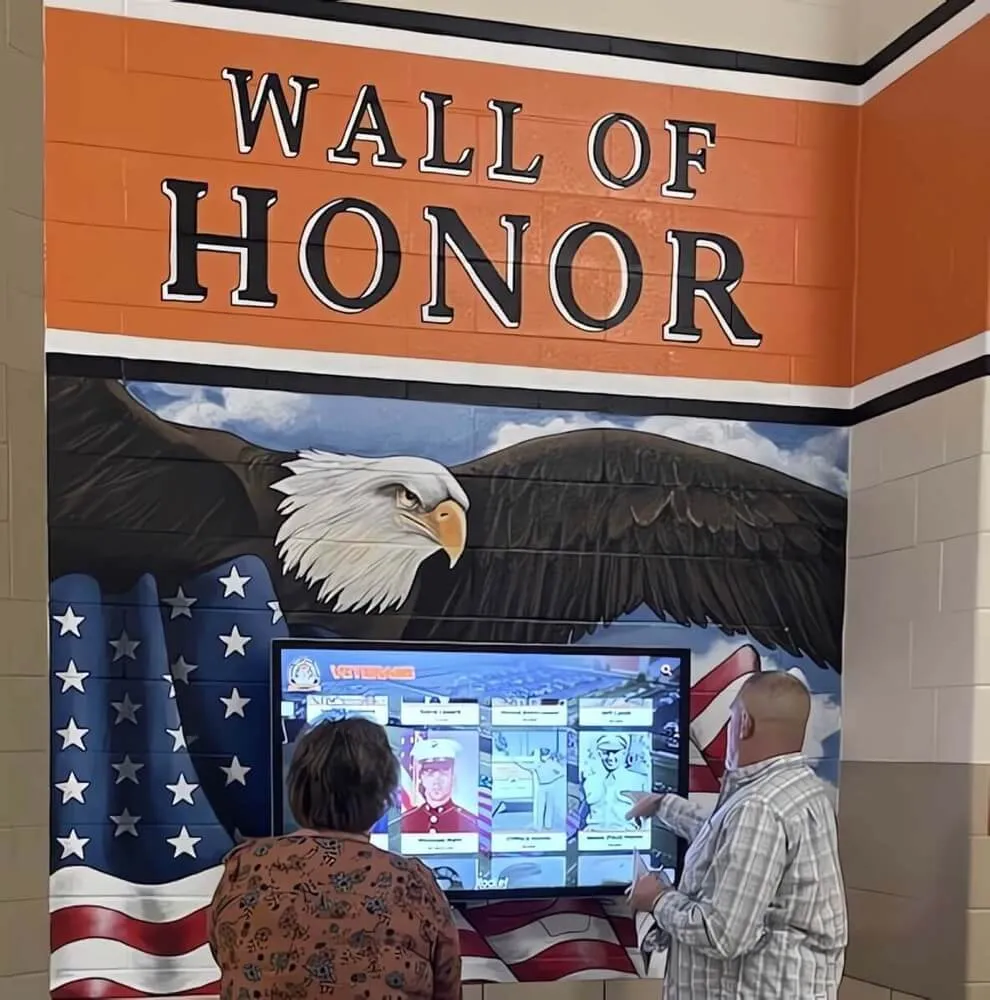
Interactive touchscreen kiosks transform student recognition by enabling exploration, search, and engagement with achievement stories
Creating Meaningful Spotlight Content
Generic spotlight announcements (“Congratulations to Student X for making honor roll”) waste recognition opportunities. Effective spotlights tell compelling stories.
Comprehensive Student Profiles
Quality spotlights include:
- High-quality photos showing students engaged in spotlight-worthy activities
- Achievement context explaining what students accomplished and why it matters
- Personal perspectives through brief student quotes or interviews
- Journey narratives describing paths to achievement, not just final outcomes
- Peer and teacher perspectives providing external validation and additional context
- Inspiration for others highlighting lessons, habits, or approaches others can emulate
These detailed profiles transform simple acknowledgment into meaningful celebration that resonates with spotlighted students and inspires peers.
Regular Update Schedules
Maintain spotlight impact through consistent updating:
- Daily spotlights provide continuous recognition perfect for morning announcements or digital display rotation
- Weekly features enable deeper profiles suitable for newsletters and social media
- Monthly comprehensive recognition creates anticipated events students look forward to
- Seasonal collections group related achievements during natural school year segments
Consistent scheduling ensures recognition becomes expected school culture element rather than occasional occurrence.
Avoiding Common Spotlight Pitfalls
Recognition Concentration Schools often unintentionally spotlight the same high-achieving students repeatedly while overlooking equally deserving peers. Combat this through:
- Explicit tracking of previous spotlight recipients
- Recognition limits preventing individual students from dominating spotlights
- Intentional seeking of diverse achievement types beyond traditional academics and athletics
- Regular audit of spotlight distribution across student populations
Insincere or Forced Recognition Students quickly detect when recognition feels mandatory rather than authentic. Maintain spotlight integrity by:
- Requiring substantive achievement rather than creating categories to distribute recognition equally
- Allowing some categories to remain unfilled rather than lowering standards inappropriately
- Focusing on genuine behaviors and achievements rather than generic participation
- Ensuring spotlight content provides specific examples and context
Administrative Burden Spotlight programs fail when they require excessive staff time. Sustainable approaches:
- Distribute nomination responsibilities across staff rather than centralizing with single person
- Use simple nomination forms requiring minimal information
- Implement digital recognition platforms with efficient content management systems
- Create student leadership opportunities managing aspects of spotlight programs
- Schedule realistic update frequencies matching available staff capacity
Schools implementing National Honor Society recognition programs can extend systematic approaches to broader student spotlight systems.
Grade-Level Spotlight Considerations
Effective spotlight programs adapt to developmental stages and educational contexts.
Elementary School Spotlights
Young students benefit from:
- Frequent, immediate recognition reinforcing positive behaviors
- Visual spotlight formats accessible to developing readers
- Celebration of effort and growth alongside achievement outcomes
- Character and kindness recognition equal to academic acknowledgment
- Whole-class spotlights building community alongside individual recognition
- Parent involvement in spotlight nominations and celebrations
Elementary spotlights should emphasize encouragement and belonging over competition.
Middle School Recognition
Adolescent students respond well to:
- Peer nomination opportunities providing social validation
- Achievement diversity ensuring multiple paths to recognition
- Leadership and initiative recognition as students develop agency
- Balance between public celebration and avoiding unwanted attention
- Recognition connecting to future opportunities and skill development
- Authentic achievement standards students perceive as genuine
Middle school represents critical years when recognition significantly influences continuing engagement.
High School Spotlights
Secondary students value:
- Recognition with external credibility supporting college applications
- Achievement documentation creating portfolio evidence
- Specialized recognition reflecting developed interests and talents
- Peer and community visibility establishing reputation and identity
- Connection between recognition and post-graduation opportunities
- Sophisticated acknowledgment matching student maturity
High school spotlights should balance comprehensive inclusion with meaningful achievement standards. Schools can integrate spotlights with senior recognition programs creating complete K-12 recognition systems.
Measuring Spotlight Program Impact
Assess spotlight program effectiveness through multiple indicators:
Participation Metrics
- Percentage of student body receiving spotlight recognition annually
- Distribution across grade levels, demographics, and achievement categories
- Nomination submission rates from different stakeholder groups
- Repeat recognition rates indicating concentrated versus distributed spotlights
Engagement Indicators
- Digital display interaction rates and viewing duration
- Social media engagement with spotlight posts
- Student and family feedback through surveys
- Spotlight ceremony and event attendance
- Anecdotal evidence of student motivation from recognition
Cultural Impact Measures
- Student survey responses about recognition fairness and visibility
- Behavioral data related to spotlighted activities
- Participation rates in spotlight-eligible activities
- School climate indicators and belonging measures
- Academic achievement trends among recognized versus non-recognized students
Regular assessment enables continuous improvement ensuring spotlights achieve intended motivational and cultural goals.
Conclusion: Building Recognition-Rich School Cultures
Systematic student spotlight programs represent strategic investments in school culture, student motivation, and community building. When schools move beyond predictable recognition patterns to celebrate diverse achievements across academics, character, leadership, arts, athletics, service, and unique talents—and deliver that recognition through engaging, visible platforms accessible year-round—they create environments where every student finds opportunities for meaningful acknowledgment.
The 30 spotlight ideas explored throughout this guide provide comprehensive frameworks for recognizing the full spectrum of student excellence. Whether your school implements academic achievement features, character recognition spotlights, leadership acknowledgment, artistic celebration, or unique talent features, the goal remains consistent: ensuring every student experiences genuine recognition for their authentic contributions to school community.
Transform Your Student Recognition Program
Discover how modern digital recognition solutions enable schools to spotlight unlimited students across all achievement categories while building engaging, lasting recognition experiences that motivate excellence and strengthen school culture.
Explore Student Recognition SolutionsTraditional bulletin boards and occasional assembly announcements severely limit how many students schools can meaningfully spotlight. Digital recognition platforms eliminate these constraints, enabling comprehensive celebration that reaches every deserving student while creating engaging, searchable archives preserving achievement stories for years to come.
Programs combining diverse spotlight categories with modern display technology create competitive advantages in school culture development. Students gravitate toward environments where achievement receives visible celebration, families appreciate schools demonstrating genuine attention to individual student contributions, and staff benefit from recognition systems requiring minimal administrative burden while maximizing positive impact.
Start by evaluating current recognition practices against the spotlight ideas explored throughout this guide. Identify student populations receiving insufficient acknowledgment. Consider which spotlight categories would authentically celebrate your students’ unique contributions. Explore how digital recognition solutions might extend spotlight reach beyond traditional limitations. Most importantly, commit to creating recognition systems ensuring every student experiences meaningful spotlight recognition at least once annually.
Every school year represents opportunities to shape how students view themselves, their capabilities, and their value to school community. Student spotlight programs that authentically celebrate diverse excellence across all achievement dimensions ensure every student leaves your institution having experienced the motivating power of genuine recognition—and that represents the most important educational outcome any school can achieve.