



Planning a school talent show creates opportunities to celebrate student abilities that extend far beyond traditional academics and athletics. Every school contains hidden talents—students who excel at singing, dancing, comedy, magic, instrumental performance, or creative arts—yet these abilities rarely receive the same visibility and recognition as achievements on the playing field or honor roll. A well-organized talent show transforms your auditorium into a celebration space where every type of excellence receives appreciation and applause.
Many schools struggle with talent show planning, however. Events become chaotic without clear structure, participation remains limited to the same confident performers each year, less polished acts feel discouraged by comparison to advanced students, and recognition fades immediately after the curtain closes with no lasting acknowledgment of participants’ courage and creativity. These challenges prevent talent shows from achieving their full potential as community-building events that genuinely honor diverse student abilities.
This comprehensive guide provides practical talent show ideas covering audition strategies, performance categories, event logistics, audience engagement techniques, and modern recognition systems ensuring every participant receives lasting acknowledgment for sharing their talents with the school community.
When planned thoughtfully, talent shows become signature school events that students anticipate eagerly, families attend enthusiastically, and entire communities remember fondly—celebrations affirming that every student possesses unique abilities deserving recognition and celebration.

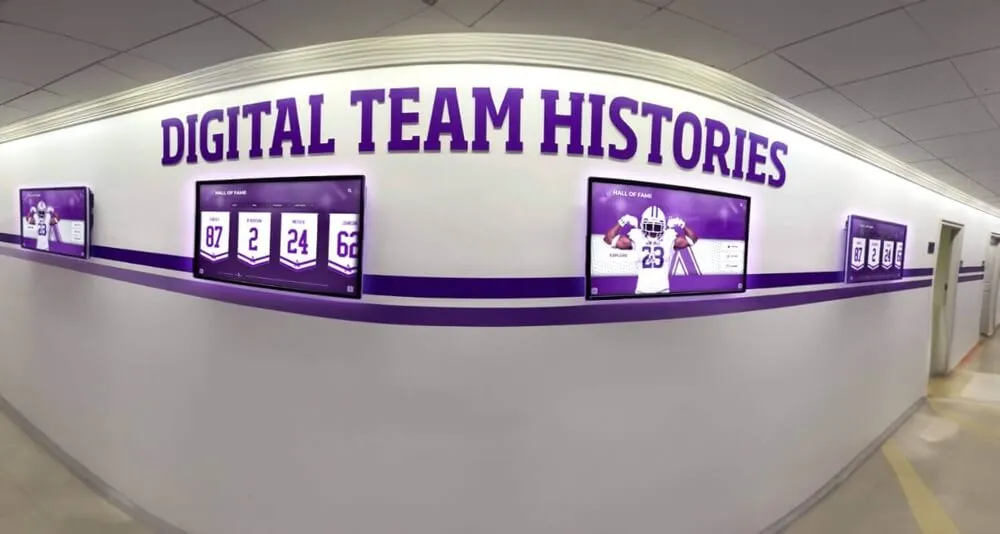
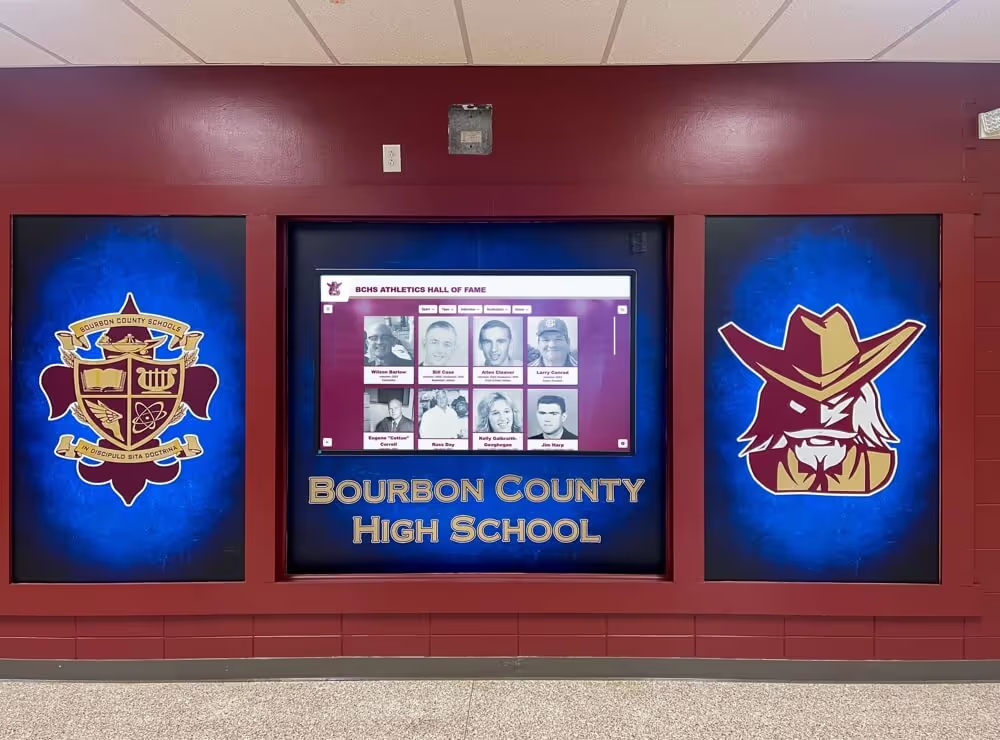
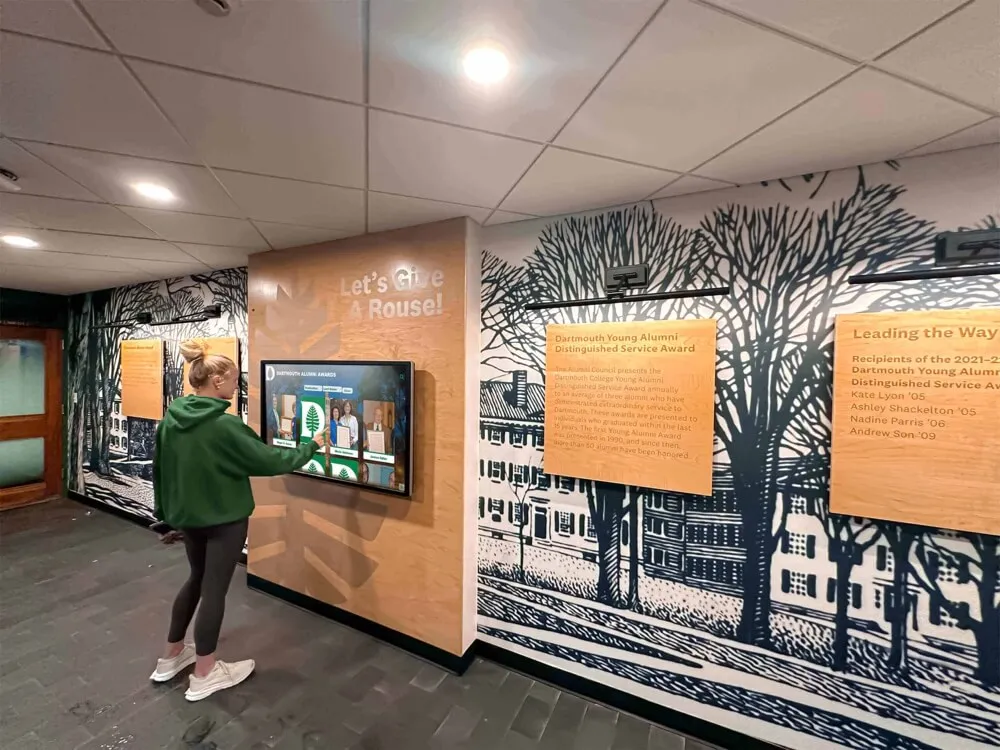
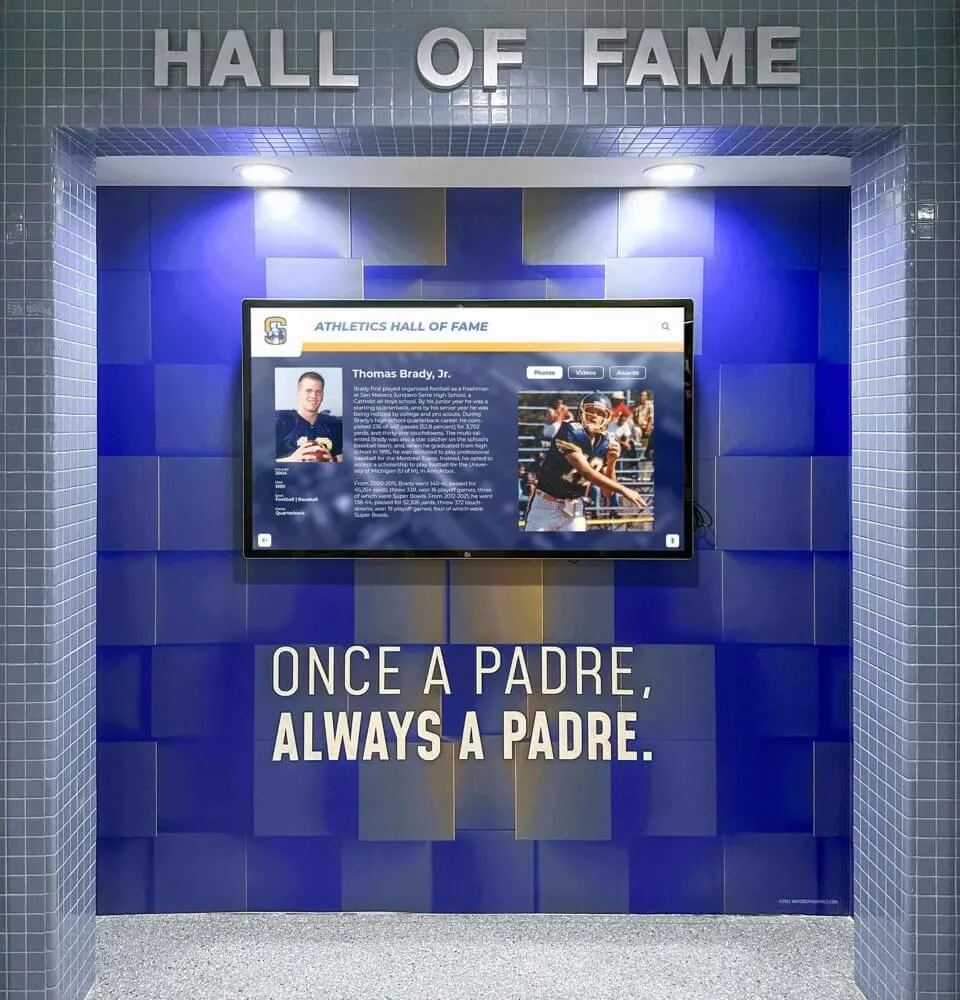
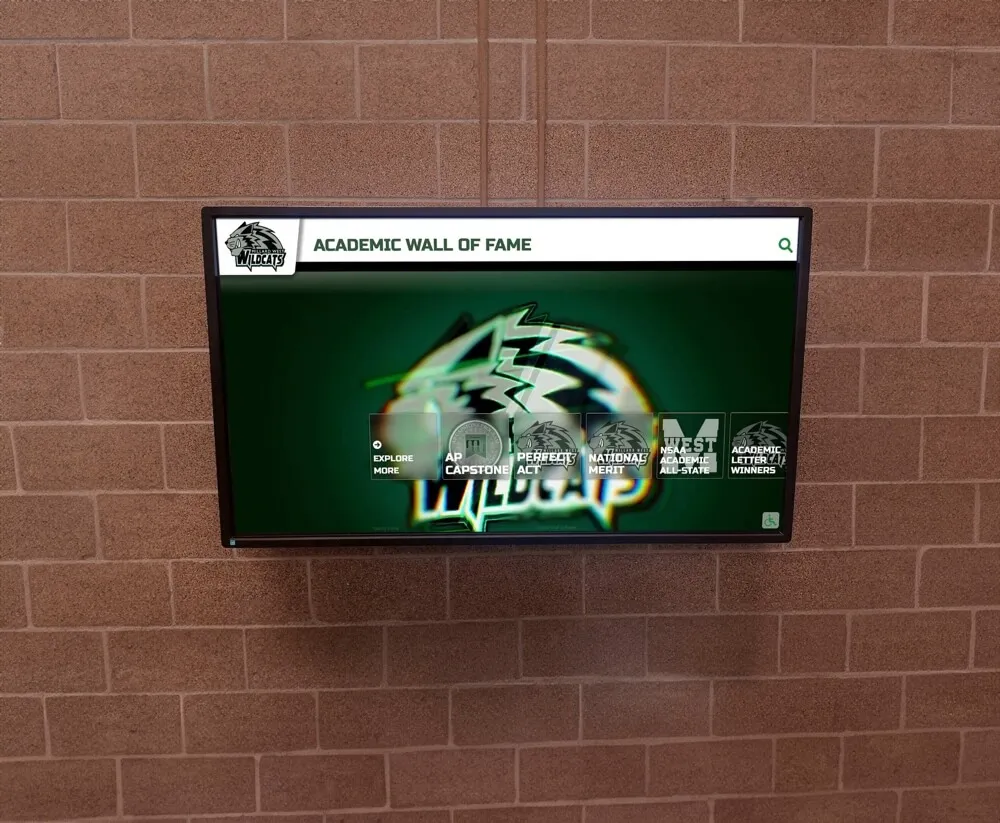
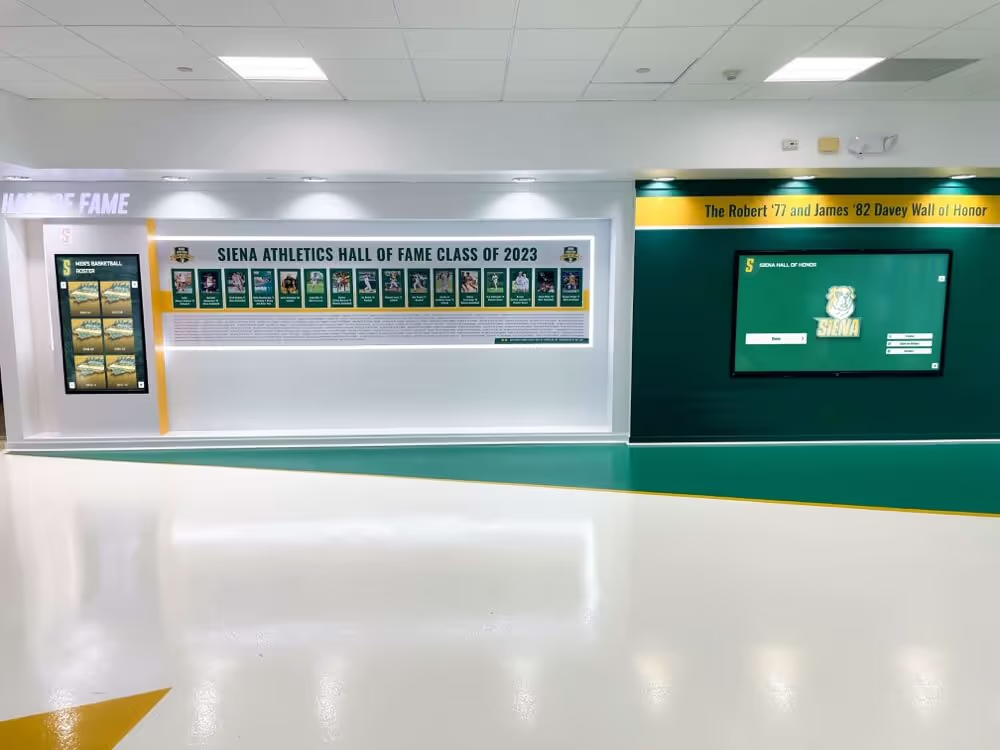
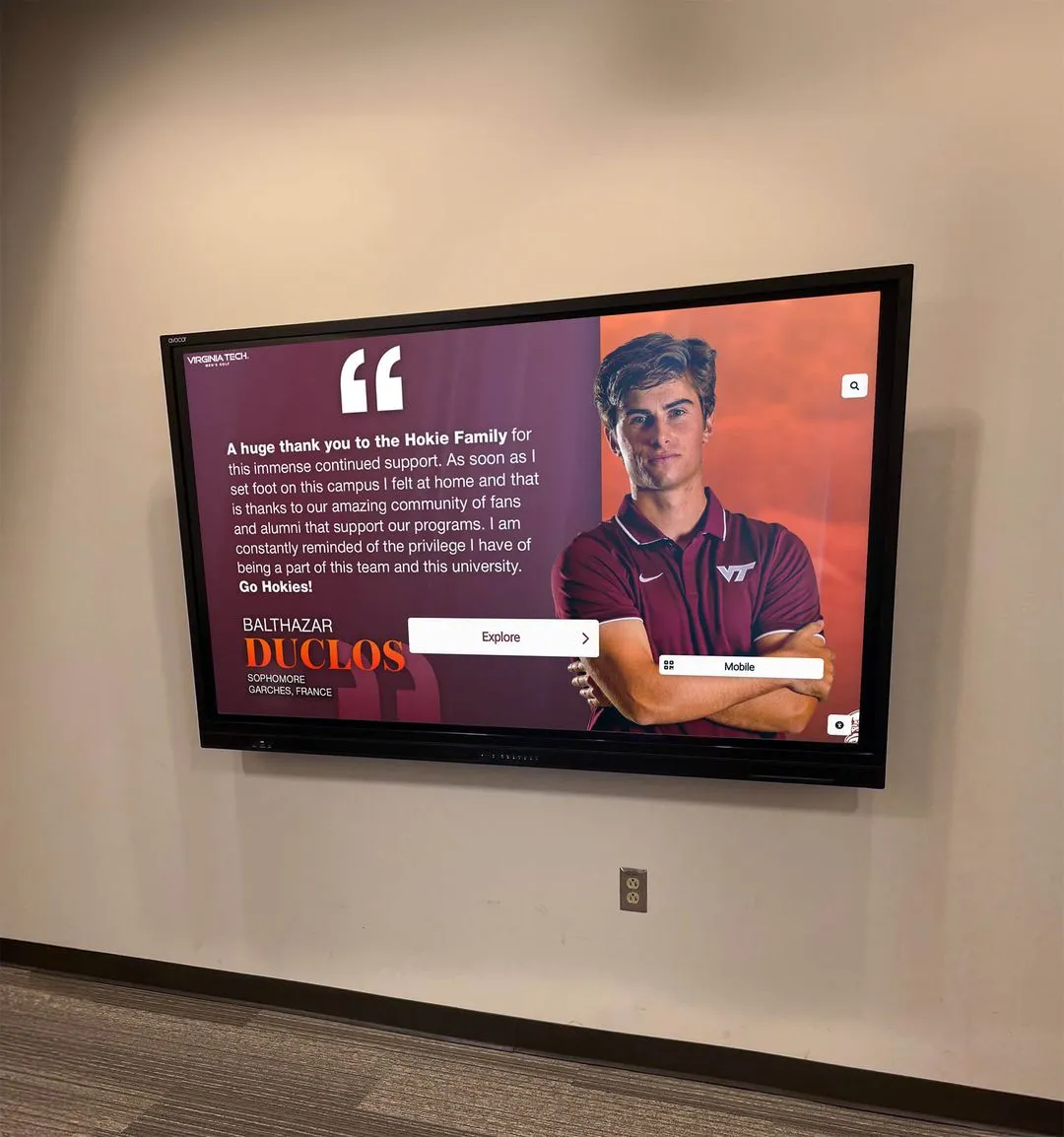
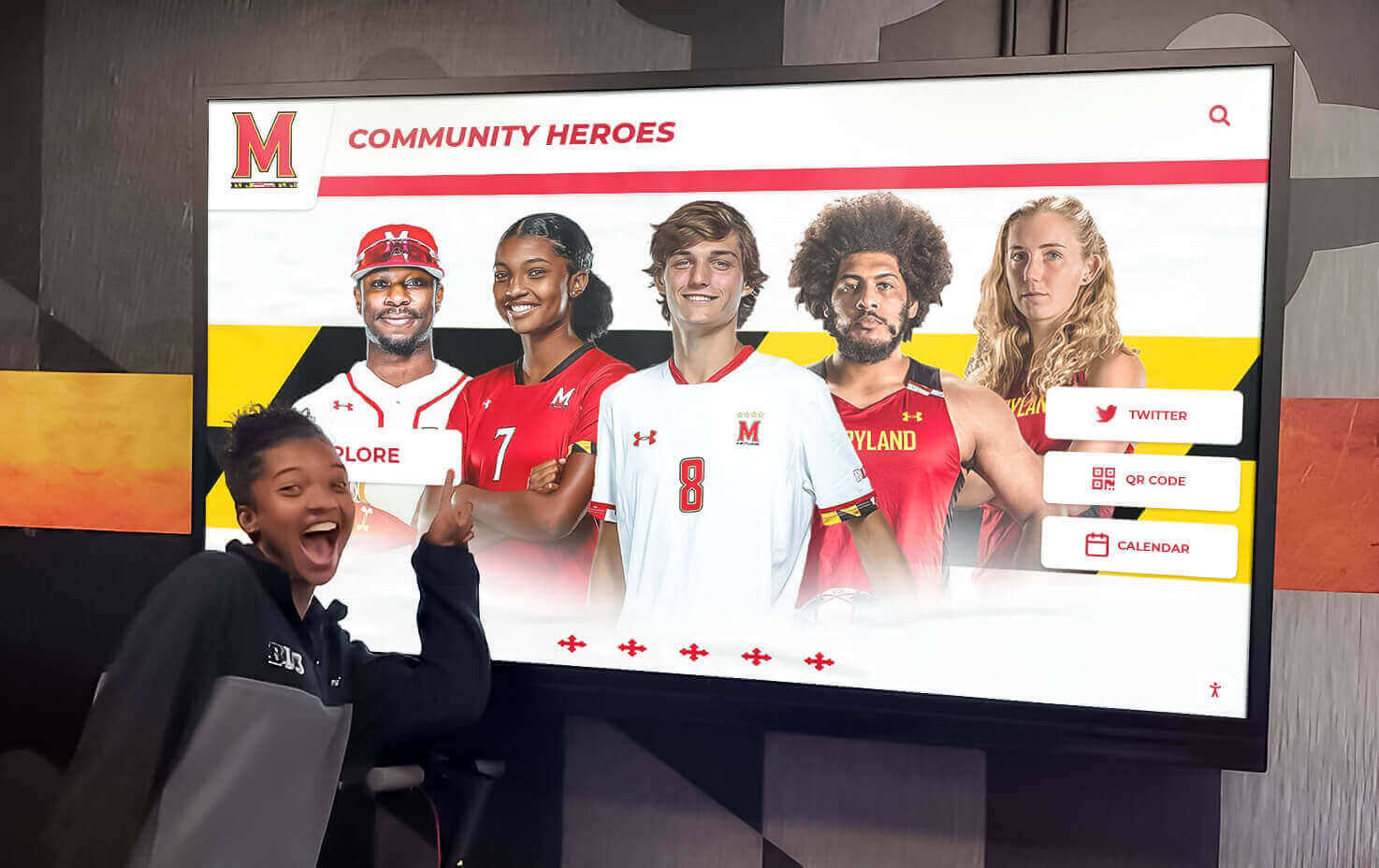
Modern recognition systems celebrate achievements across all areas including performing arts and creative talents
Understanding Talent Show Benefits for School Communities
Before diving into specific planning strategies, understanding the comprehensive benefits talent shows provide helps administrators and organizers appreciate why these events deserve significant attention and resources.
Building Student Confidence and Self-Expression
Talent shows create transformative experiences for participating students:
Stage Experience and Public Speaking Skills
Performing before live audiences develops confidence that transfers to classroom presentations, interviews, and future professional situations. Students who perform regularly demonstrate significantly improved public speaking abilities and reduced performance anxiety in academic settings.
Creative Expression and Identity Development
Adolescence represents critical periods for identity formation. Talent shows provide structured opportunities for students to explore and express who they are becoming through performance, artistic creation, or technical production involvement. This self-expression supports healthy identity development.
Overcoming Fear and Building Resilience
The courage required to audition, rehearse, and perform before peers builds resilience applicable throughout life. Students who participate in performing arts recognition programs report increased willingness to attempt challenging tasks in other areas.
Celebrating Diverse Abilities and Inclusion
Talent shows honor students whose gifts might otherwise remain invisible:
Recognition Beyond Traditional Achievements
Athletic competitions and academic honor rolls celebrate specific achievement types, potentially overlooking students with exceptional artistic, creative, or performance abilities. Talent shows ensure these capabilities receive equal recognition and celebration.
Schools implementing comprehensive recognition approaches examine academic recognition program strategies that celebrate diverse student excellence.

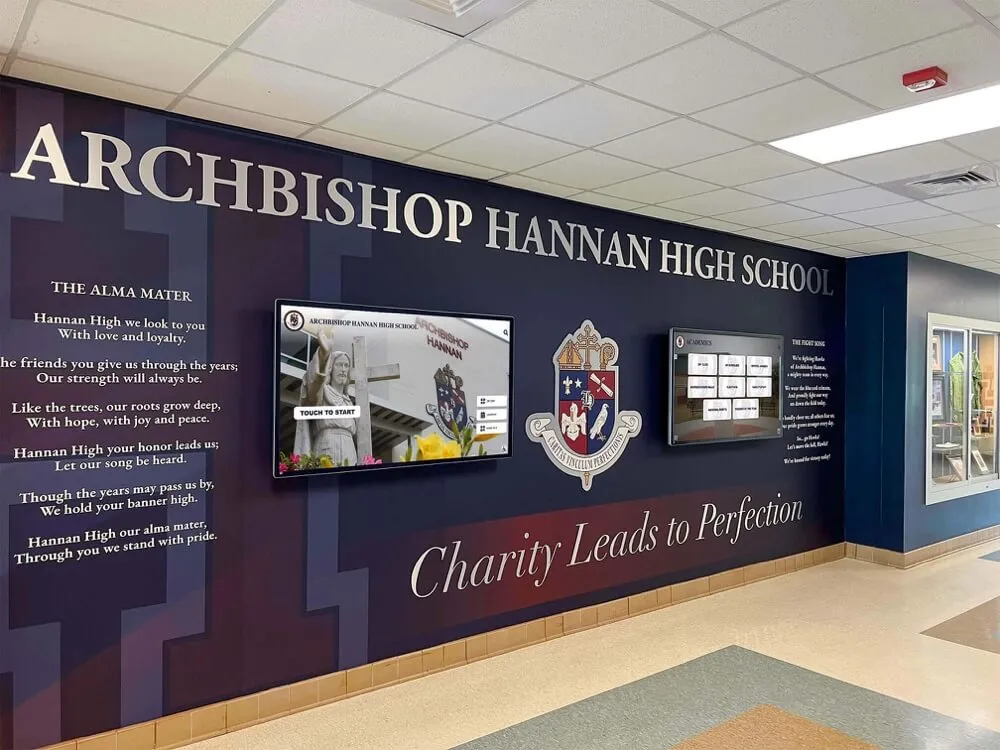
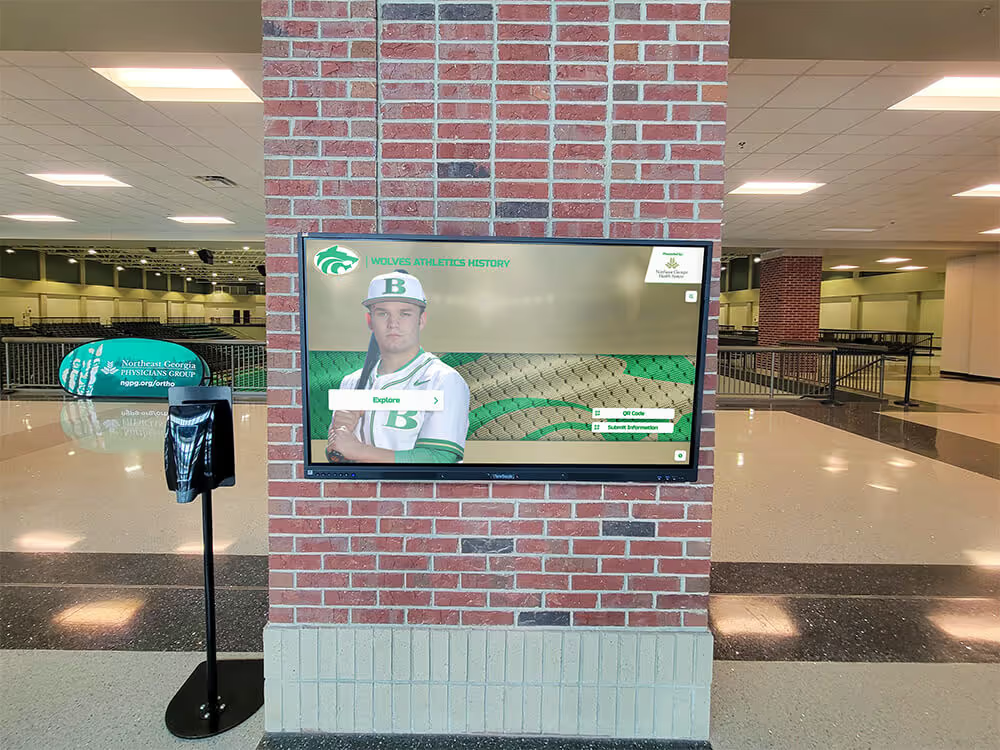
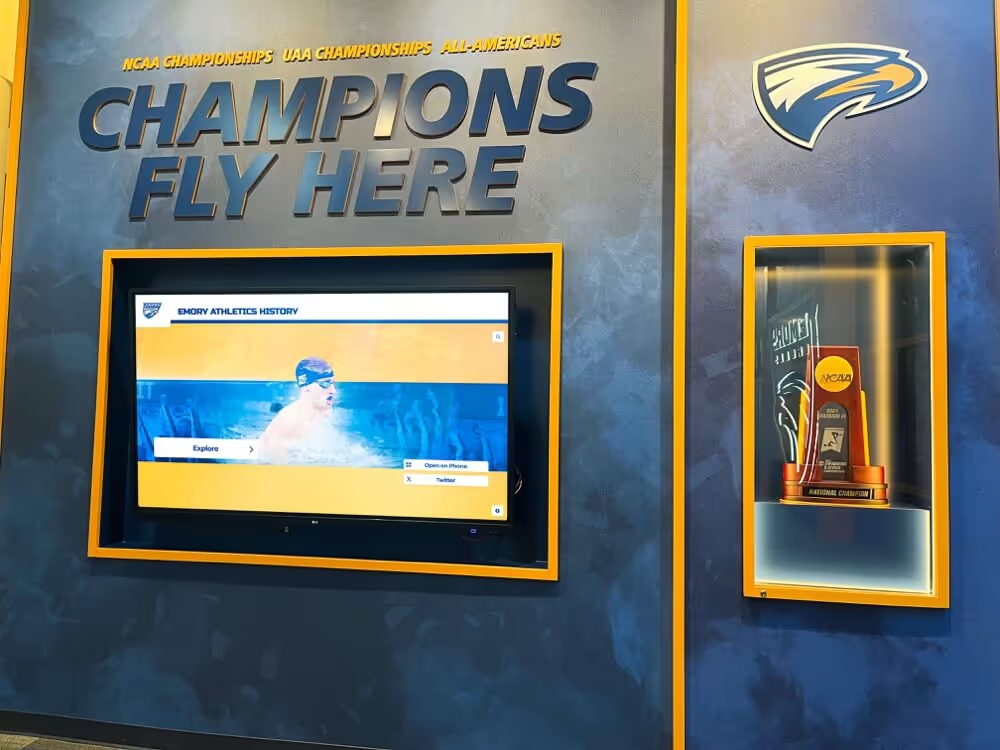
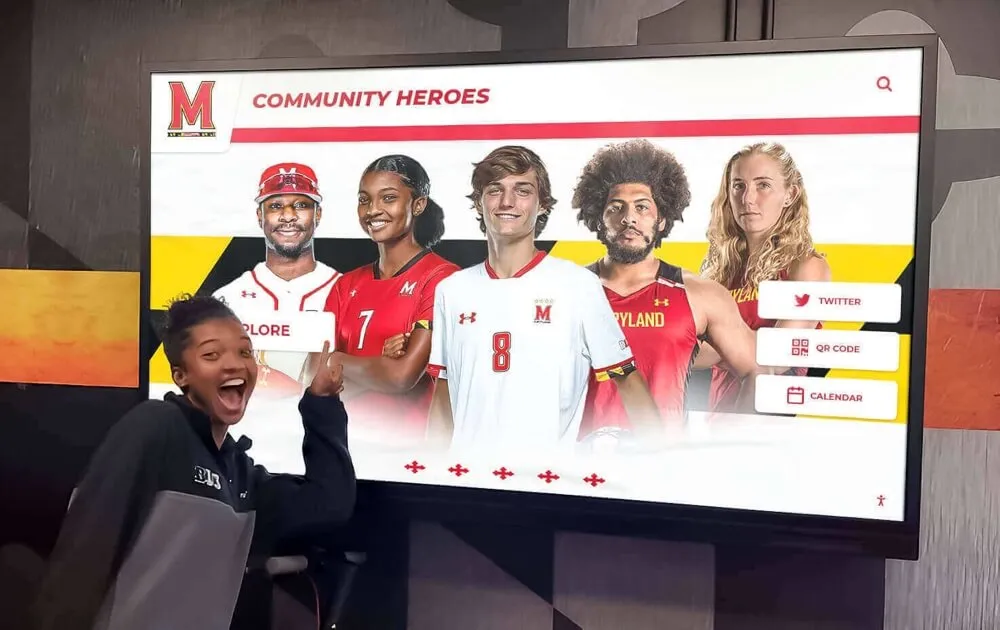
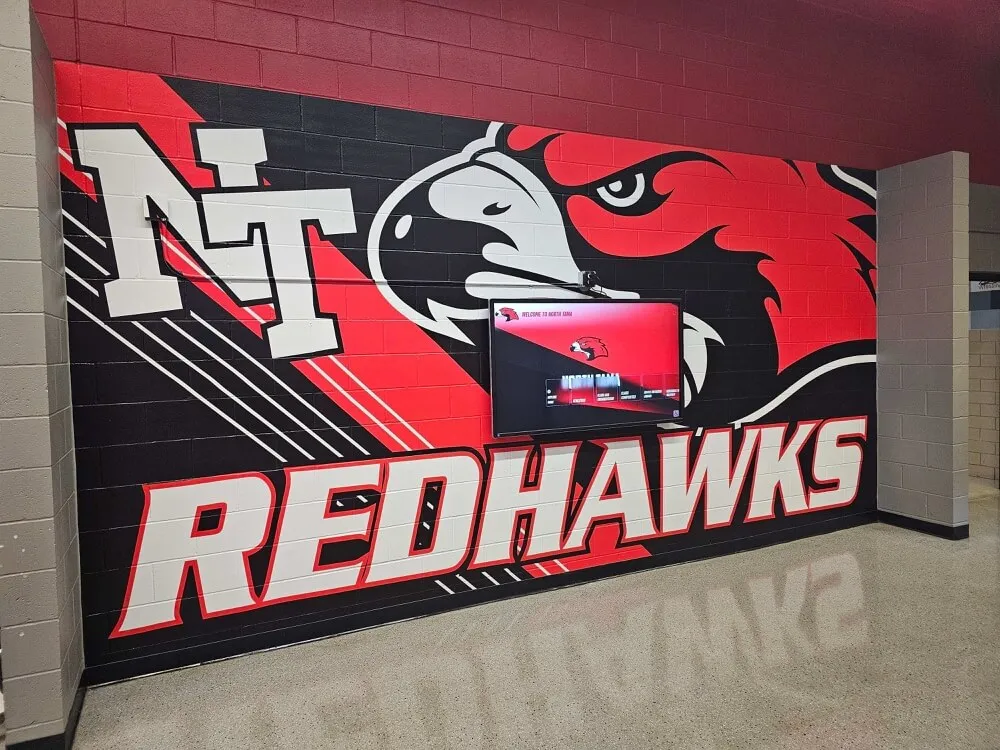
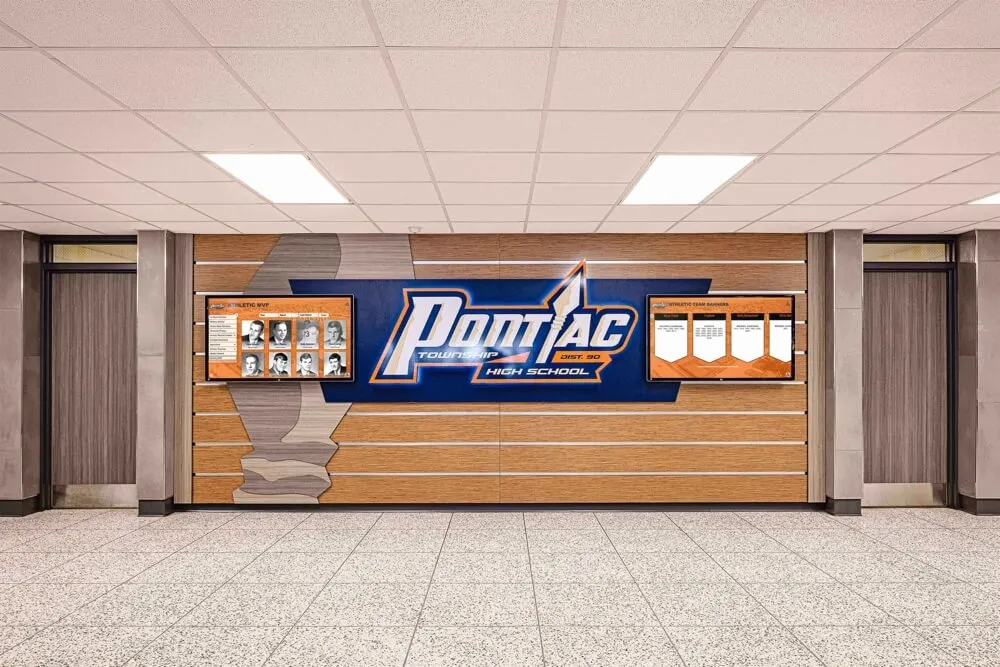
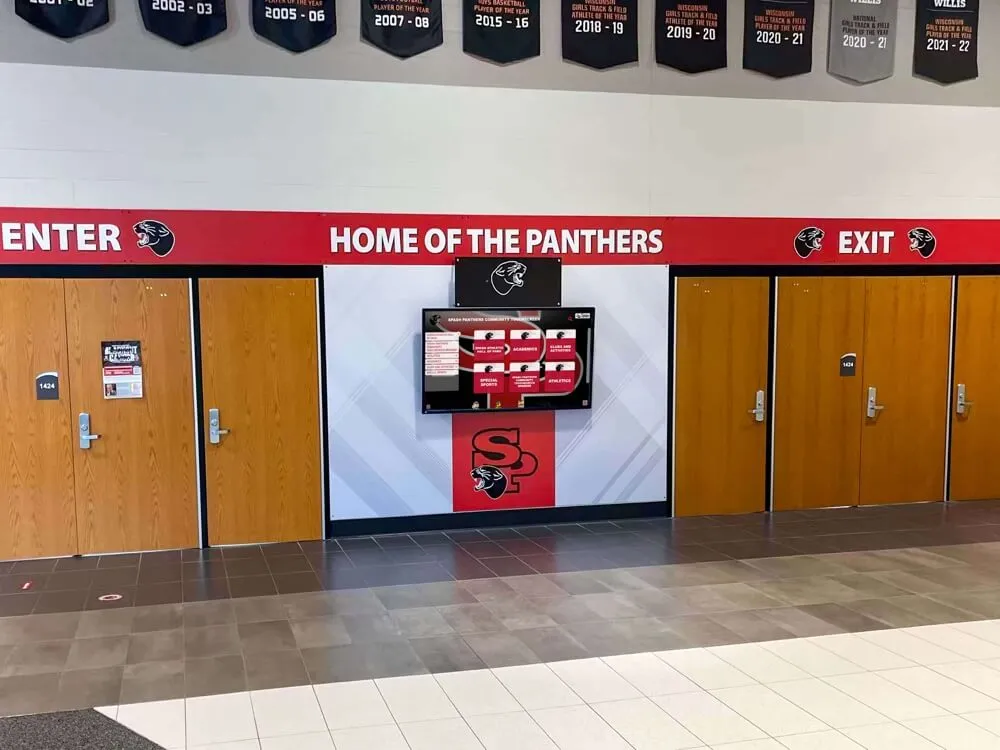
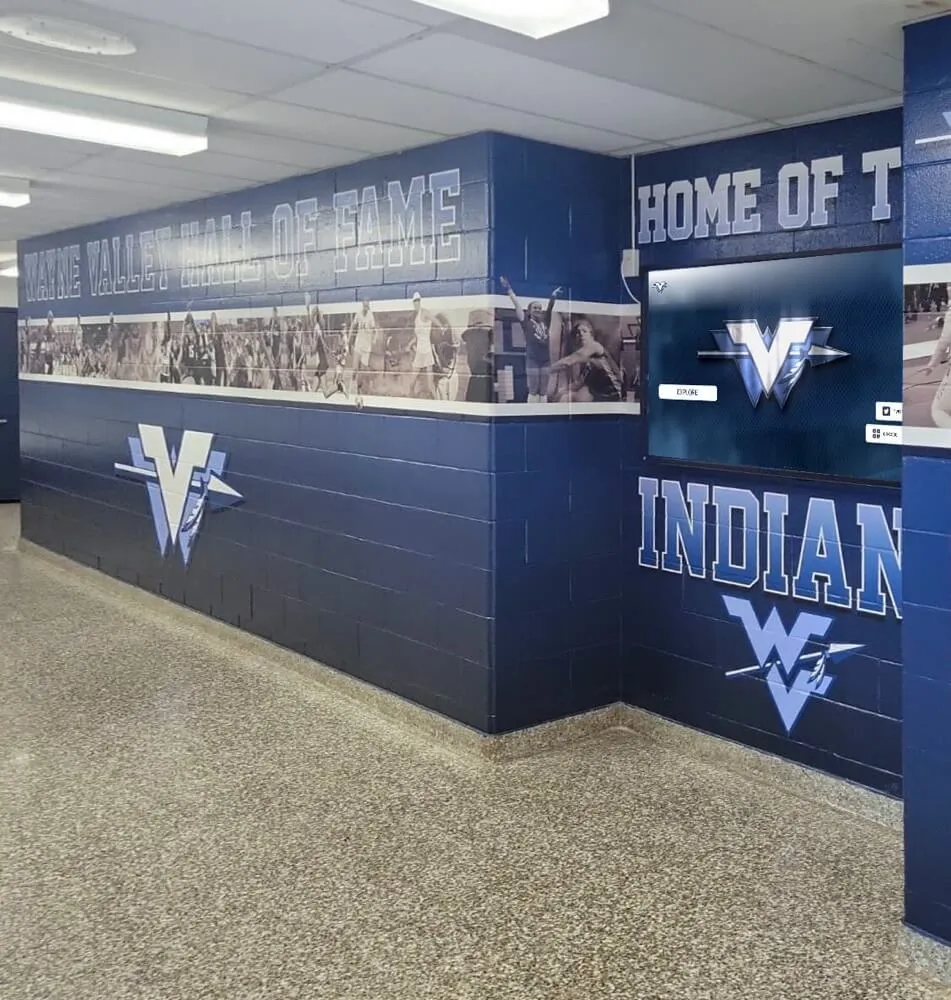
Strategic recognition displays showcase achievements across academics, athletics, and performing arts
Creating Inclusive Environments
Talent shows enable participation from students across ability levels, cultural backgrounds, and interest areas. Unlike competitive athletics requiring specific physical capabilities, talent shows accommodate wheelchair users, students with different learning styles, and those with varying confidence levels through diverse performance categories.
Discovering Hidden Talents
Many students never reveal their abilities without structured opportunities encouraging participation. Talent shows uncover remarkable talents that might otherwise remain unknown to teachers, peers, and sometimes even the students themselves.
Strengthening School Culture and Community Bonds
Talent shows create shared experiences unifying school communities:
Building School Spirit and Pride
Successful talent shows generate excitement extending beyond participants to entire student bodies. When students see peers courageously sharing talents, school pride increases as communities recognize the exceptional individuals among them.
Family Engagement Opportunities
Talent shows attract families who might otherwise have limited school involvement. Parents, grandparents, and extended family members attend performances, strengthening connections between schools and the families they serve.
Creating Lasting Memories and Traditions
Students remember talent shows for years after graduation—often recalling performances, behind-the-scenes moments, and the courage required to participate. These memories become part of school identity and culture.

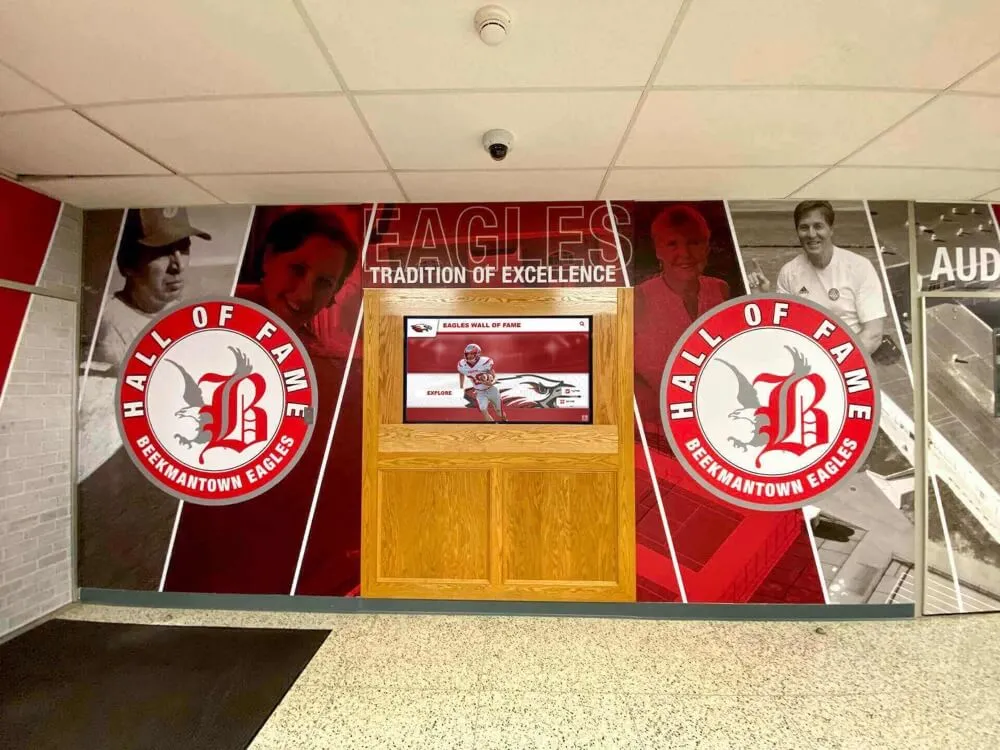
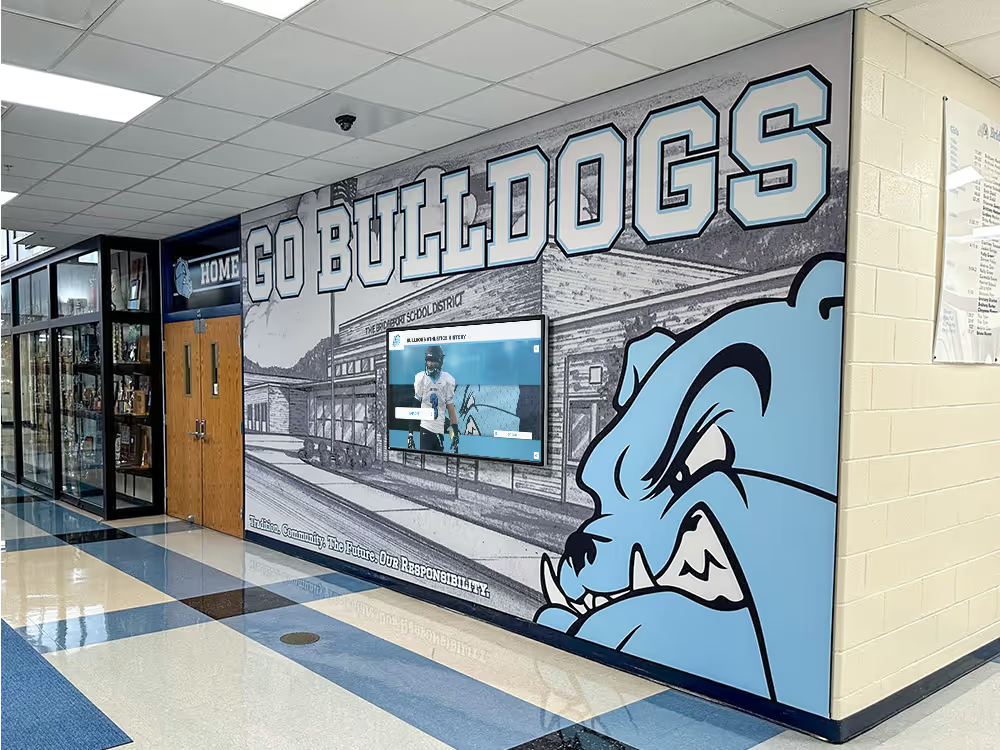
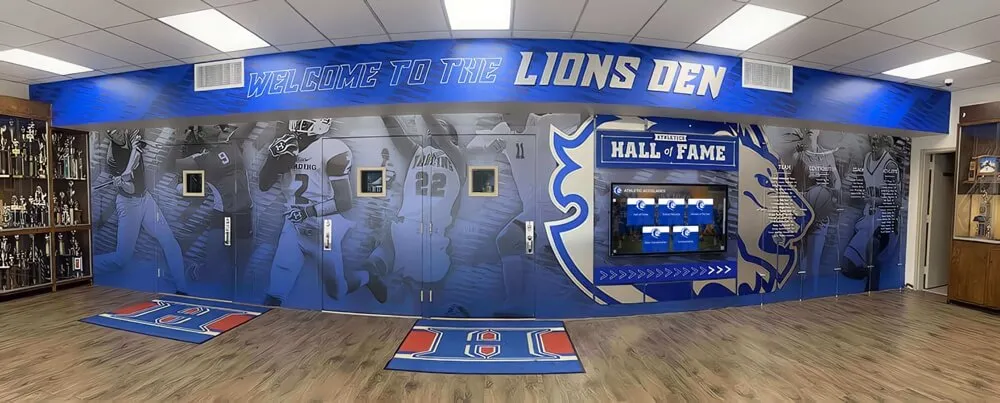
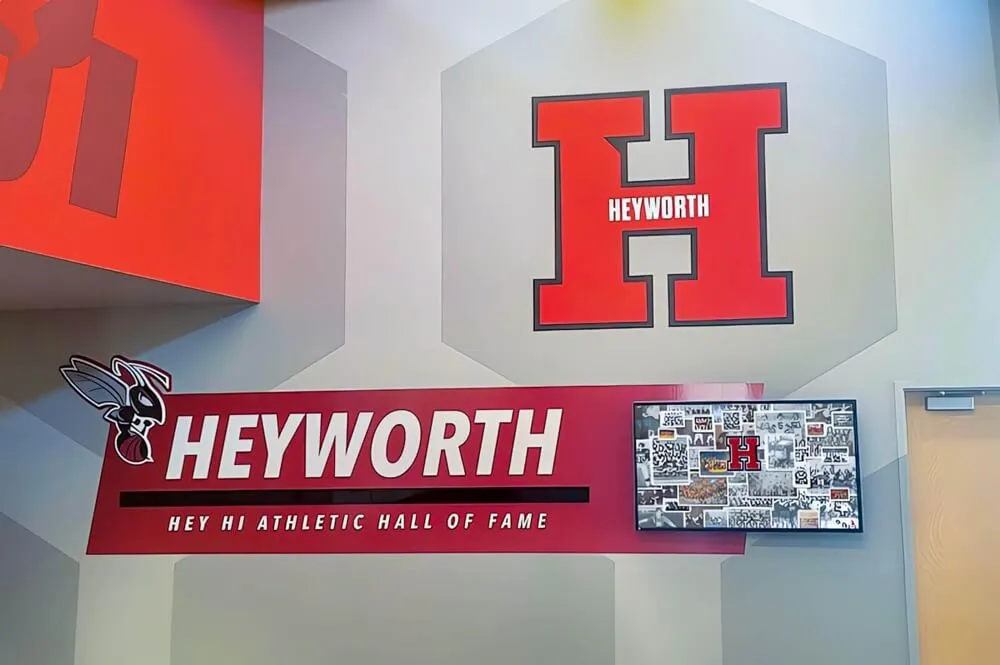
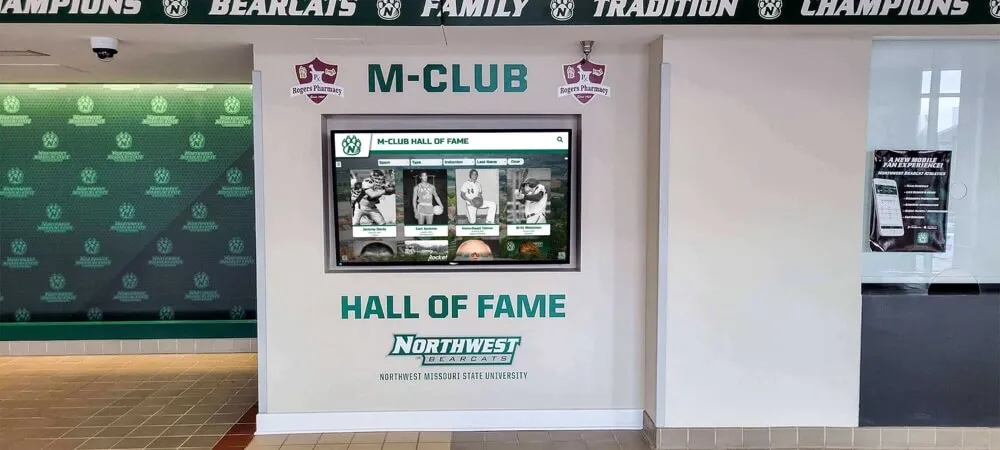
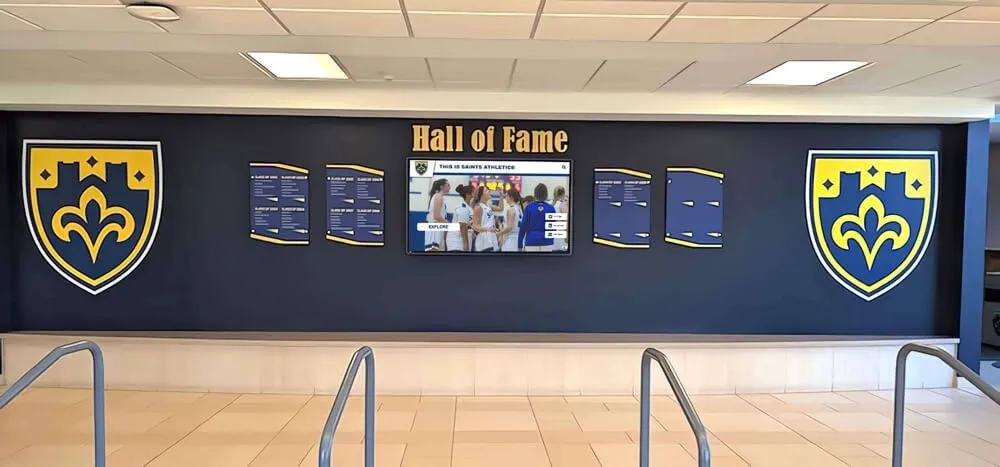
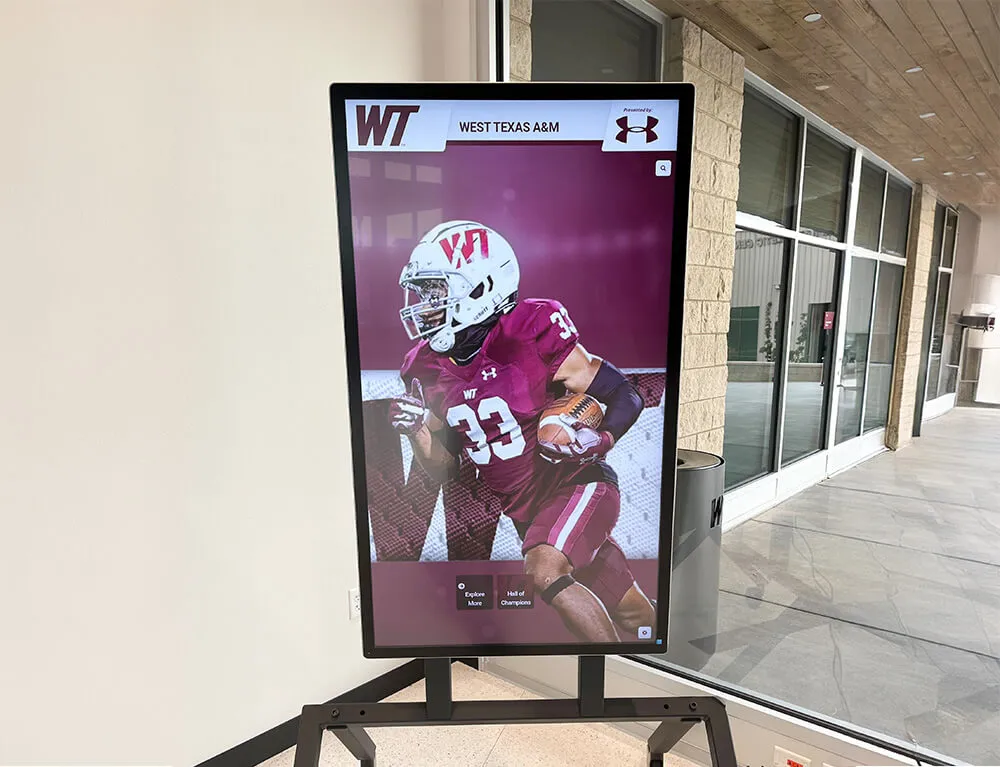
Permanent recognition installations preserve talent show participation and performing arts achievements
Essential Planning Timeline for Successful Talent Shows
Proper planning prevents last-minute chaos while ensuring comprehensive organization addressing all event components.
8-10 Weeks Before: Initial Planning and Committee Formation
Establish Planning Committee
Assemble a diverse team including:
- Administrative sponsor providing oversight and resource access
- Student activities coordinator managing logistics
- Performing arts teachers offering technical expertise
- Student representatives providing peer perspectives
- Parent volunteers assisting with specific responsibilities
Define Event Scope and Format
Determine fundamental parameters:
- Target audience (elementary, middle, high school, or multi-level)
- Expected participant numbers
- Performance time limits
- Show length and structure
- Awards and recognition categories
- Budget allocation for expenses
Secure Venue and Date
Reserve performance space early, considering:
- Auditorium capacity relative to expected attendance
- Technical capabilities (lighting, sound, stage equipment)
- Accessibility for all participants and audience members
- Scheduling conflicts with other school events
- Adequate rehearsal time availability
6-8 Weeks Before: Promotion and Audition Preparation
Launch Comprehensive Promotion Campaign
Create excitement through multiple channels:
- Assembly announcements showcasing previous year highlights
- Posters in high-traffic areas featuring compelling graphics
- Social media campaigns with video teasers
- Classroom visits encouraging participation
- Email communications to families
- Morning announcements building anticipation
Develop Audition Process and Guidelines
Establish clear expectations:
- Audition submission deadlines and format requirements
- Performance time limits (typically 2-4 minutes for auditions, 3-6 minutes for show)
- Content appropriateness standards
- Required audition materials (recordings, written descriptions)
- Selection criteria and decision timeline
- Appeals process for audition decisions
Create Registration System
Implement organized participant tracking:
- Online registration forms collecting essential information
- Emergency contact details and permissions
- Performance descriptions and technical requirements
- Music or accompaniment submission process
- Liability waivers and photo release forms
4-6 Weeks Before: Auditions and Show Curation
Conduct Fair and Encouraging Auditions
Create positive audition experiences:
- Private auditions reducing performance anxiety
- Encouraging feedback for all participants
- Clear scoring rubrics considering originality, stage presence, technical skill, and school appropriateness
- Respectful communication of decisions
- Alternative participation opportunities for non-selected acts (tech crew, emcee assistants, etc.)
Develop Compelling Show Running Order
Structure performances strategically:
- Strong opening act capturing attention immediately
- Varied performance types preventing monotony
- Strategic placement of longer or shorter acts
- Consideration of transition time requirements
- Memorable closing number leaving lasting impressions
Plan Technical Requirements
Coordinate all technical elements:
- Sound check schedule for each act
- Lighting design and special effects needs
- Stage setup changes between performances
- Backdrop or set piece requirements
- Video recording equipment and positioning
Schools managing multiple recognition events can explore digital signage content strategies for promoting upcoming performances and celebrating past achievements.
2-4 Weeks Before: Rehearsals and Final Preparations
Schedule Individual and Full Rehearsals
Provide adequate preparation time:
- Individual tech rehearsals on actual performance stage
- Lighting and sound cue finalization
- Entrance and exit choreography
- Full dress rehearsals with complete running order
- Emergency substitution plans for absent performers
Finalize Production Elements
Complete all supporting details:
- Program design including performer information and sponsor acknowledgments
- Ticket sales or reservation system
- Volunteer coordination for ushering, ticket collection, and backstage management
- Refreshment sales or reception planning
- Photography and videography arrangements
- Emergency procedures and first aid availability
Prepare Recognition and Awards
Plan meaningful acknowledgment:
- Award categories beyond “best performance” (most creative, most courageous, audience favorite, etc.)
- Participation certificates or recognition items for all performers
- Special recognition for technical crew and volunteers
- Digital recognition integration for lasting acknowledgment
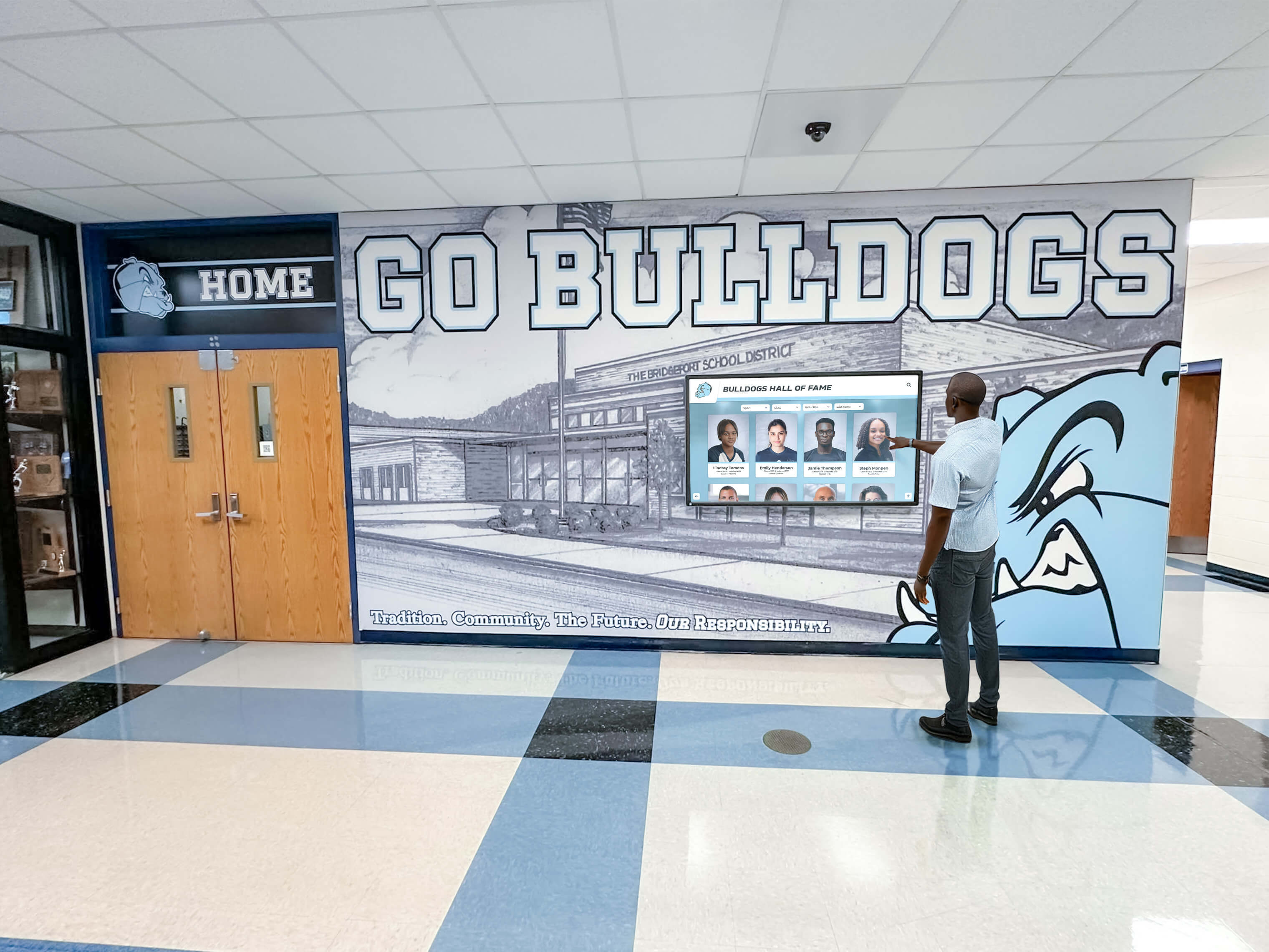
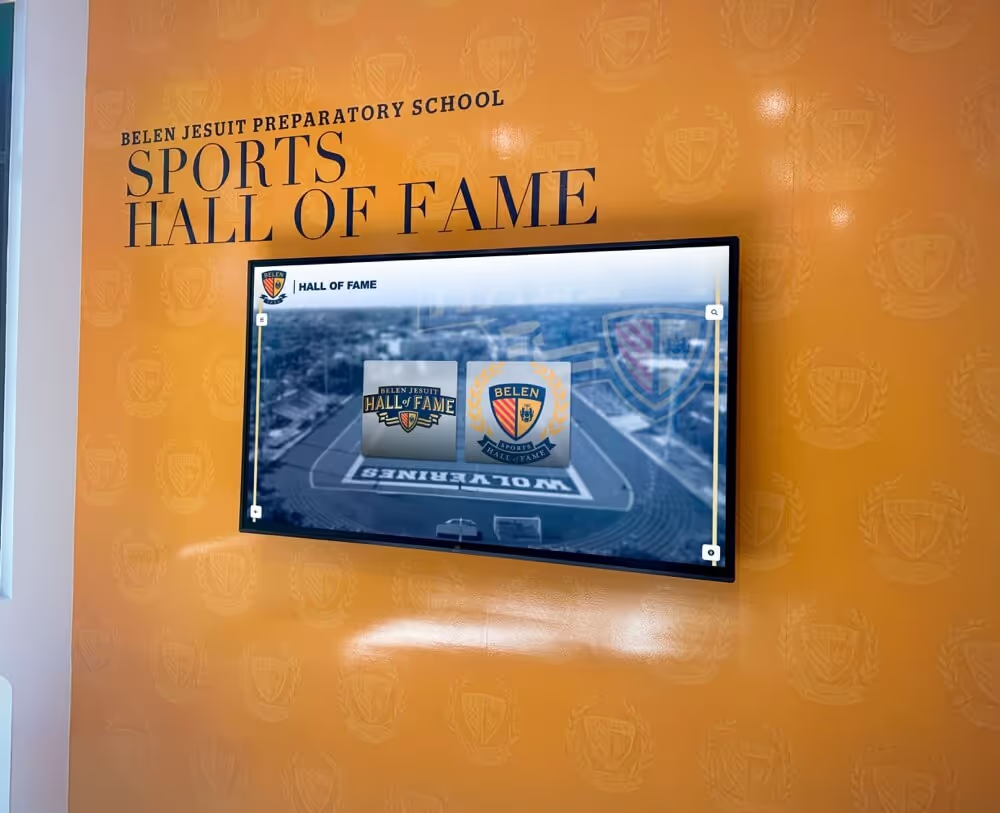
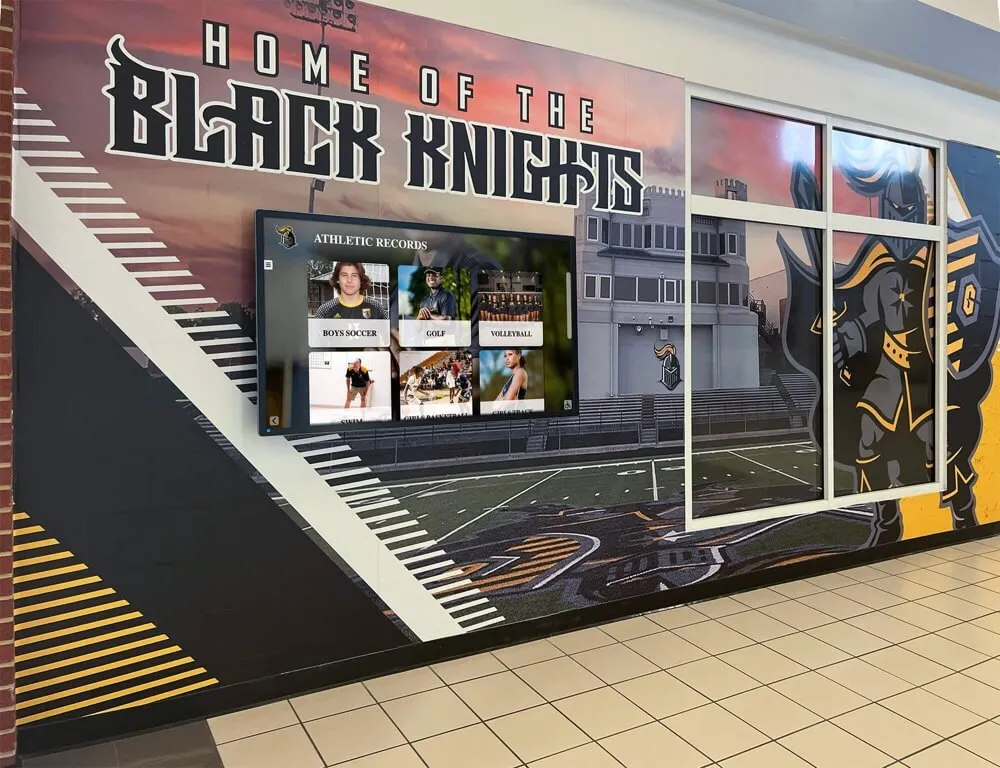
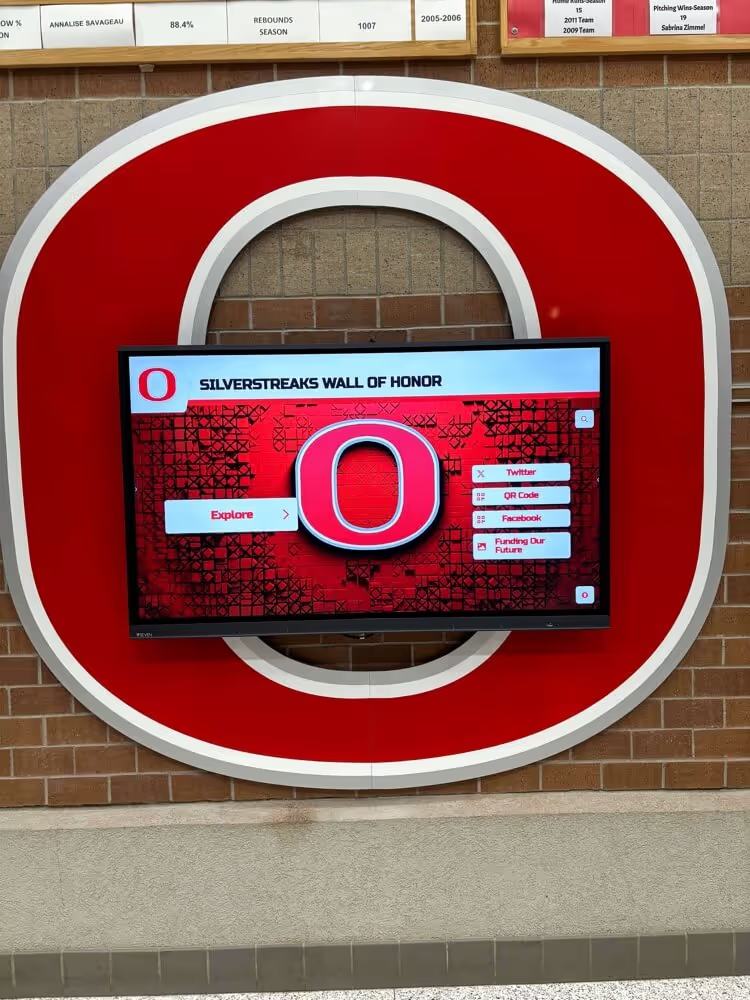
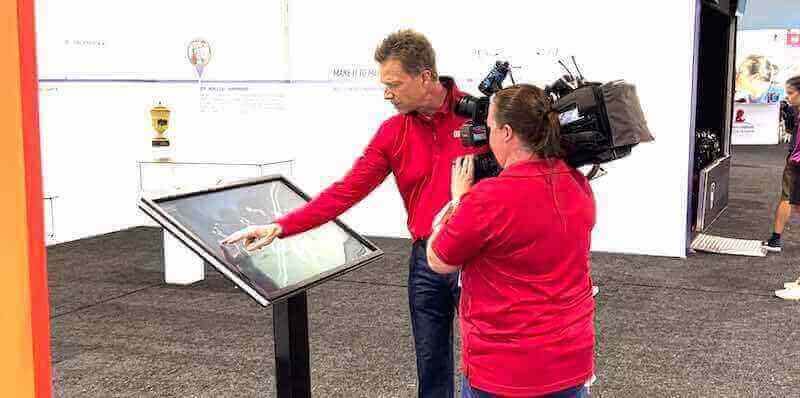
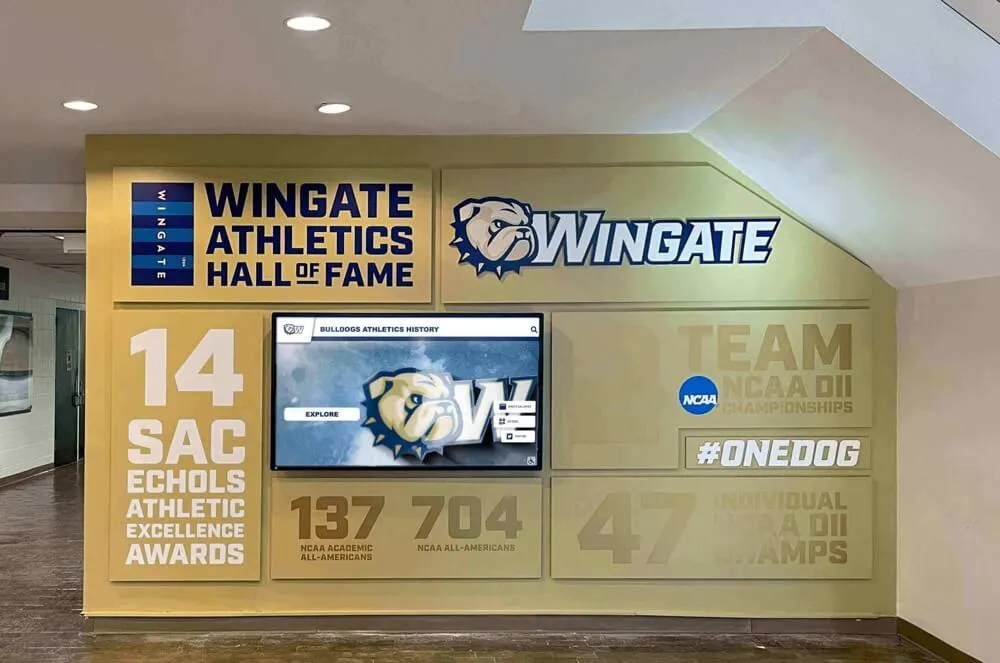
Interactive displays enable ongoing exploration of performing arts achievements and talent show highlights
Creative Talent Show Act Categories and Performance Ideas
Diverse categories encourage participation from students with varying abilities and interests while creating dynamic, entertaining shows.
Musical Performance Categories
Vocal Performances
Musical performances remain talent show staples:
- Solo vocal performances showcasing individual voices
- Duets and small group harmonies
- A cappella arrangements eliminating instrumental accompaniment needs
- Musical theater selections demonstrating acting alongside singing
- Original song compositions celebrating student creativity
- Karaoke performances making participation more accessible
Instrumental Performances
Instrumental acts demonstrate technical skill:
- Classical instrument solos (piano, violin, cello, etc.)
- Contemporary instrument performances (guitar, drums, bass)
- Jazz or improvisational performances
- Instrumental ensembles and chamber groups
- DJ mixing and electronic music creation
- Beatboxing and vocal percussion
Dance and Movement Arts
Choreographed Dance Performances
Dance acts create visual excitement:
- Contemporary or modern dance expressions
- Hip-hop and street dance styles
- Ballet and classical dance
- Cultural or traditional dance showcasing heritage
- Partner or ballroom dancing
- Musical theater dance numbers
- Step dancing or percussive dance forms
Creative Movement and Athletics
Movement-based performances demonstrate physical artistry:
- Gymnastics and tumbling routines
- Martial arts demonstrations
- Cheerleading routines
- Jump rope or hula hoop tricks
- Parkour demonstrations (with appropriate safety measures)
- Yoga or flexibility showcases
Comedy and Spoken Word
Comedic Performances
Humor engages audiences uniquely:
- Stand-up comedy routines
- Sketch comedy scenes
- Improv comedy performances
- Comedic monologues
- Parody songs or performances
- Ventriloquism or puppetry acts
Spoken Word and Poetry
Verbal artistry deserves recognition:
- Original poetry readings
- Slam poetry performances
- Dramatic monologues
- Storytelling performances
- Spoken word with musical accompaniment
- Multilingual performances celebrating language diversity
Unique Talents and Special Skills
Magic and Illusion
Magic acts create wonder:
- Close-up magic and sleight of hand
- Stage illusions
- Mentalism and mind reading acts
- Escape artistry
- Comedic magic routines
Artistic and Creative Performances
Non-traditional performances expand definitions of talent:
- Live painting or drawing demonstrations
- Speed art creation
- Fashion design presentations
- Culinary demonstrations (when facilities permit)
- Photography or videography showcases
- Technological demonstrations (robotics, coding, etc.)
Special Skills and Novelty Acts
Unique abilities captivate audiences:
- Juggling or object manipulation
- Yo-yo tricks and performances
- Cup stacking speed demonstrations
- Rubik’s cube solving speed records
- Memory demonstrations
- Musical saw or unusual instrument performances
Programs celebrating diverse achievements can examine end-of-year student awards approaches that honor excellence across all areas including performing arts.
Creating Inclusive Participation Opportunities
The most successful talent shows ensure students across all confidence and ability levels find meaningful ways to participate.
Strategies for Encouraging Reluctant Participants
Group Performance Options
Group acts reduce individual pressure:
- Ensemble performances distributing attention across multiple performers
- Large dance numbers where individuals blend into choreography
- Class or grade-level group acts building collective courage
- Faculty-student collaborative performances reducing pressure through mentor presence
Behind-the-Scenes Participation
Technical roles provide involvement without stage performance:
- Lighting and sound board operation
- Stage management and cue calling
- Set design and construction
- Costume design and coordination
- Makeup and hair styling
- Photography and videography
- Program design and creation
- Social media documentation
Low-Pressure Performance Formats
Alternative formats accommodate varying comfort levels:
- Pre-recorded video performances eliminating live audience anxiety
- Performances from orchestra pit or behind screens
- Group participation in opening or closing numbers
- Narration or emcee roles involving speaking but not performing
- Audience participation acts sharing spotlight with crowd
Accommodating Students with Different Abilities
Physical Accessibility
Ensure complete access:
- Wheelchair-accessible stage entry and positioning
- Adaptive equipment for students with physical limitations
- Modified performance requirements when needed
- Technical solutions enabling participation (microphones, amplification, etc.)
- Buddy systems pairing students requiring assistance with peer helpers
Sensory Considerations
Accommodate sensory needs:
- Controlled lighting for students with light sensitivity
- Sound level management for hearing sensitivity
- Quiet backstage spaces for students needing breaks
- Visual schedules and advanced walkthroughs for students with autism spectrum disorders
- Sensory-friendly rehearsal times with reduced stimulation
Learning and Cognitive Support
Provide necessary assistance:
- Extended rehearsal times when needed
- Visual cue cards or prompts for students with memory challenges
- Simplified performance elements accommodating developmental levels
- Peer mentors supporting students throughout the process
- Modified expectations recognizing individual capabilities
Schools committed to inclusive recognition can explore building school pride strategies that celebrate all students regardless of ability differences.
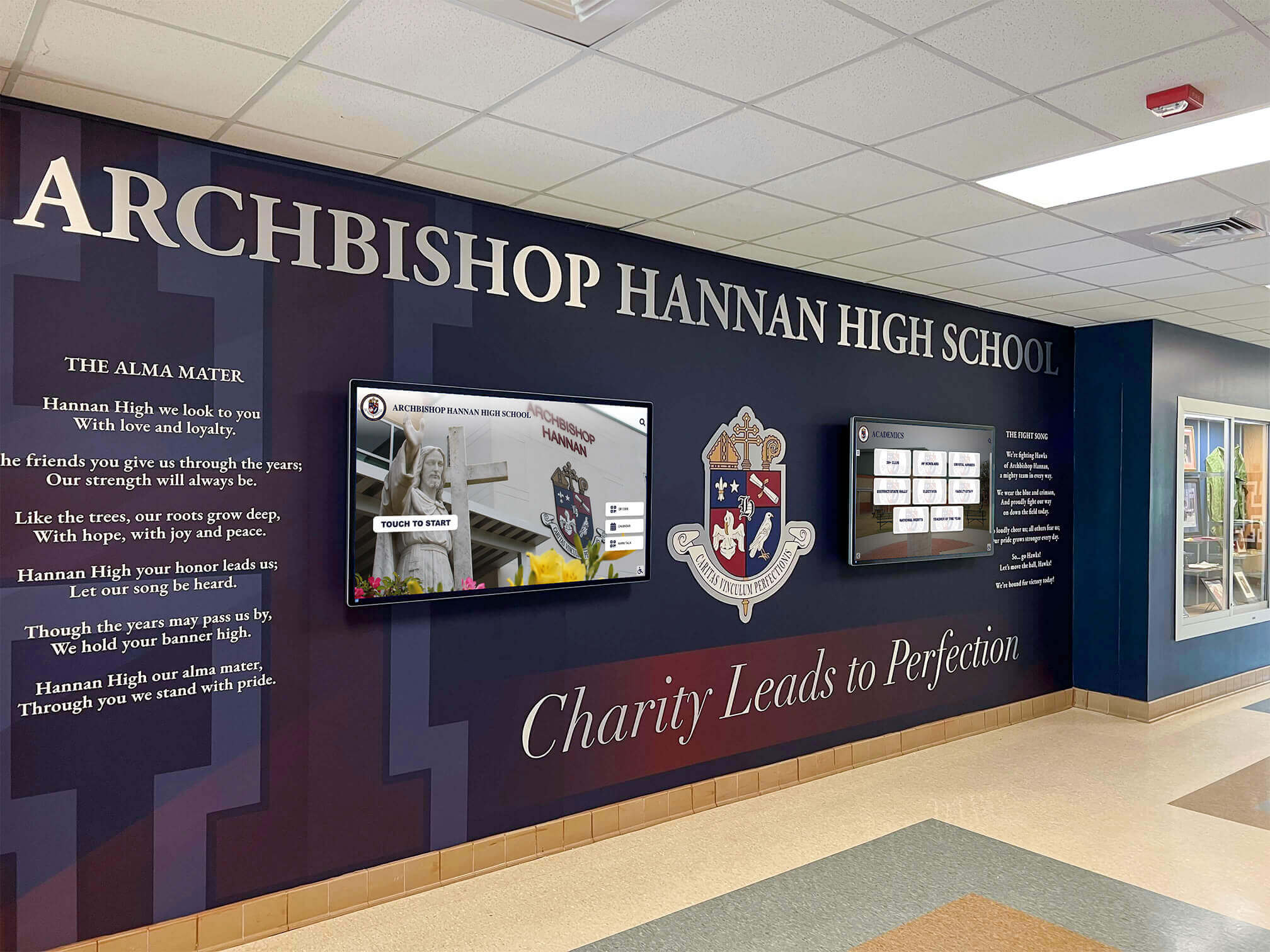
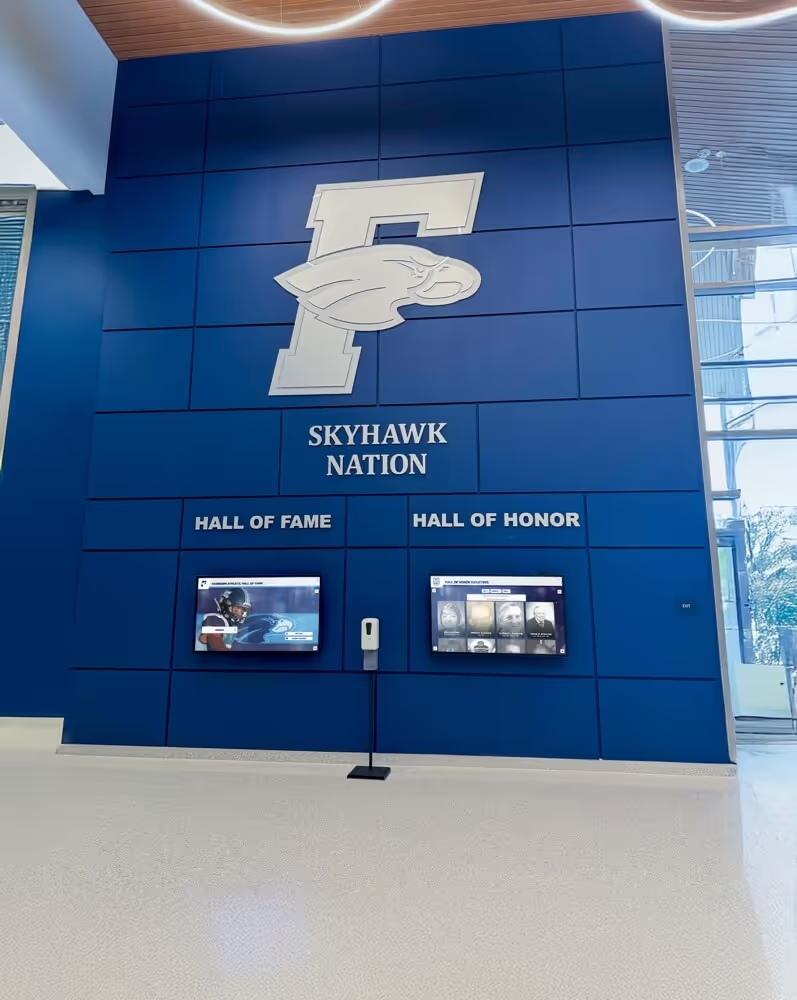
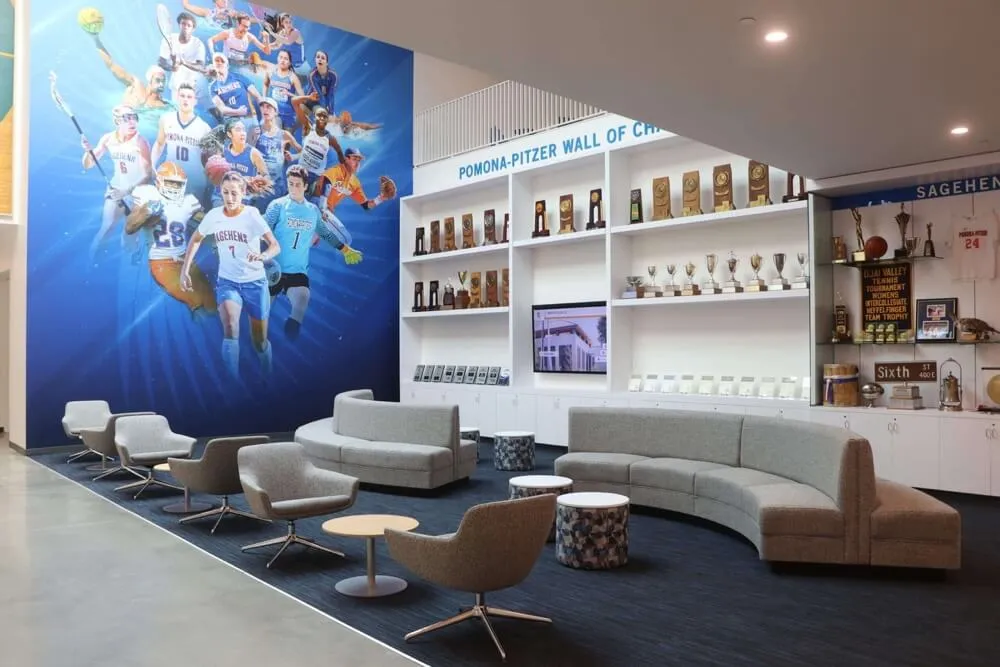
Prominent entrance displays ensure performing arts achievements receive visibility equal to other accomplishments
Audience Engagement and Show Enhancement Strategies
Creating engaging experiences for audiences enhances overall event success while building community connections.
Interactive Audience Elements
Audience Participation Acts
Involve spectators directly:
- Acts inviting audience members on stage
- Call-and-response musical numbers
- Audience voting for favorite performances
- Interactive magic or comedy requiring volunteer participation
- Sing-along opportunities with familiar songs
- Flash mob performances involving audience members
Social Media Integration
Connect digital audiences:
- Live event hashtags displaying audience comments
- Photo contest encouraging social sharing
- Behind-the-scenes content posted throughout event
- Live streaming for families unable to attend in person
- Post-event highlight reels and performer spotlights
- Interactive polls during intermissions
Professional Production Value Enhancements
Technical Excellence
Elevate production quality:
- Professional sound system setup ensuring all performers are heard clearly
- Dynamic lighting design highlighting performers appropriately
- Backdrop projection systems creating visual interest
- Spot lighting techniques directing audience focus
- Wireless microphone systems providing movement freedom
- Recording equipment capturing high-quality video memories
Visual and Environmental Elements
Create immersive atmospheres:
- Themed decorations coordinating with show concepts
- Professional programs with performer photos and biographies
- Pre-show video montages building anticipation
- Intermission entertainment maintaining energy
- Photo booth opportunities creating memorable souvenirs
- Red carpet entrance creating celebrity experiences for performers
Creating Memorable Traditions
Signature Show Elements
Establish recognizable traditions:
- Opening numbers featuring previous year’s winners
- Faculty or administrator surprise performances
- Alumni guest appearances
- Traditional closing numbers uniting all performers
- Signature awards with special significance
- Time capsule elements preserving each year’s memories
Organizations can explore digital display content approaches that showcase talent show traditions and performing arts program excellence year-round.
Award Categories and Recognition Systems
Thoughtful recognition ensures all participants feel valued while maintaining standards acknowledging exceptional performances.
Comprehensive Award Categories
Performance Excellence Awards
Recognize outstanding achievement:
- Best Overall Performance recognizing exceptional talent
- Best Musical Performance for vocal or instrumental excellence
- Best Dance Performance celebrating choreography and execution
- Most Original Act honoring creative uniqueness
- Best Group Performance acknowledging ensemble excellence
- Technical Excellence Award for skill demonstration
Character and Courage Awards
Honor important qualities:
- Most Courageous Performer celebrating vulnerability and risk-taking
- Most Improved Performer acknowledging significant growth
- Rising Star Award identifying emerging talent
- Showmanship Award recognizing stage presence and audience connection
- Best Newcomer for first-time performers
- Audience Choice Award determined by popular vote
Inclusive Recognition
Ensure comprehensive acknowledgment:
- Participation certificates for all performers
- Behind-the-Scenes Excellence for technical crew members
- Best Supporting Performer for ensemble contributions
- Most Entertaining Act celebrating audience engagement
- Special Recognition for unique contributions
- Spirit Award for positive attitude and encouragement
Creating Lasting Recognition Through Digital Systems
Traditional talent show recognition often disappears after events conclude. Modern digital recognition solutions transform single performances into permanent acknowledgments that inspire future participants.
Permanent Digital Recognition Benefits
Solutions like Rocket Alumni Solutions provide comprehensive platforms enabling schools to:
- Preserve Performance Memories - Upload photos and videos from talent shows creating permanent digital archives accessible years later
- Showcase Performer Profiles - Create dedicated recognition pages for each participant including photos, performance descriptions, and achievement acknowledgments
- Build Performing Arts Traditions - Document talent show history across years demonstrating program evolution and celebrating all participants
- Increase Visibility - Position digital displays in high-traffic areas ensuring performing arts achievements receive recognition equal to athletics
- Enable Easy Sharing - Allow students and families to share their recognition through social media and mobile devices
- Support Recruitment - Showcase vibrant performing arts programs to prospective students and families evaluating schools
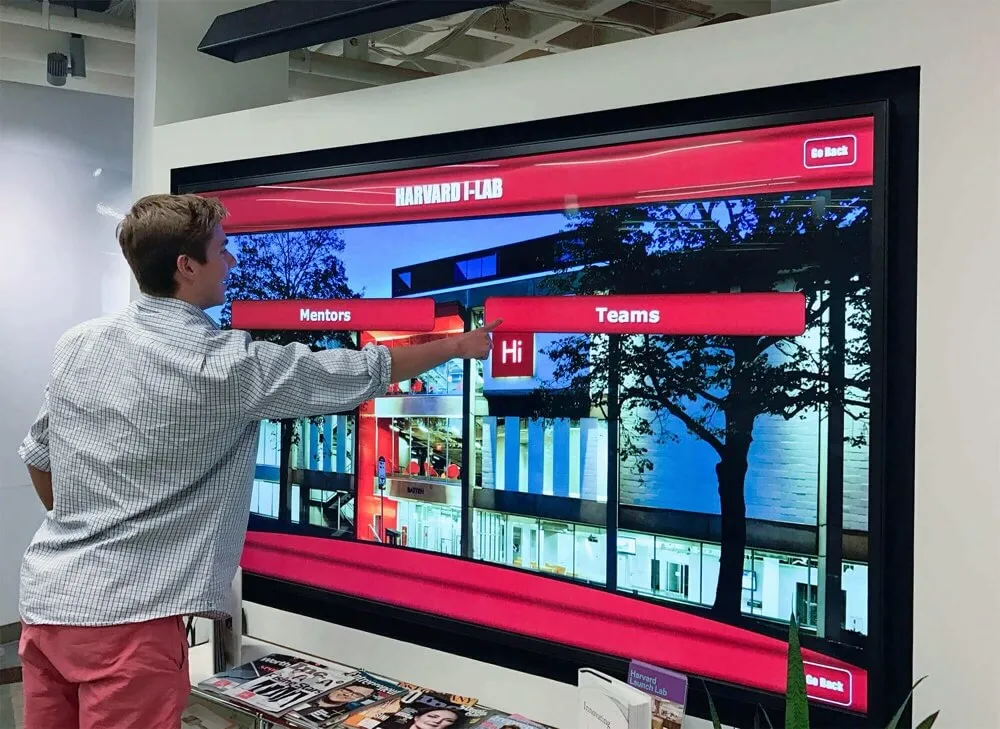
Schools implementing comprehensive recognition examine touchscreen kiosk solutions specifically designed for educational environments.
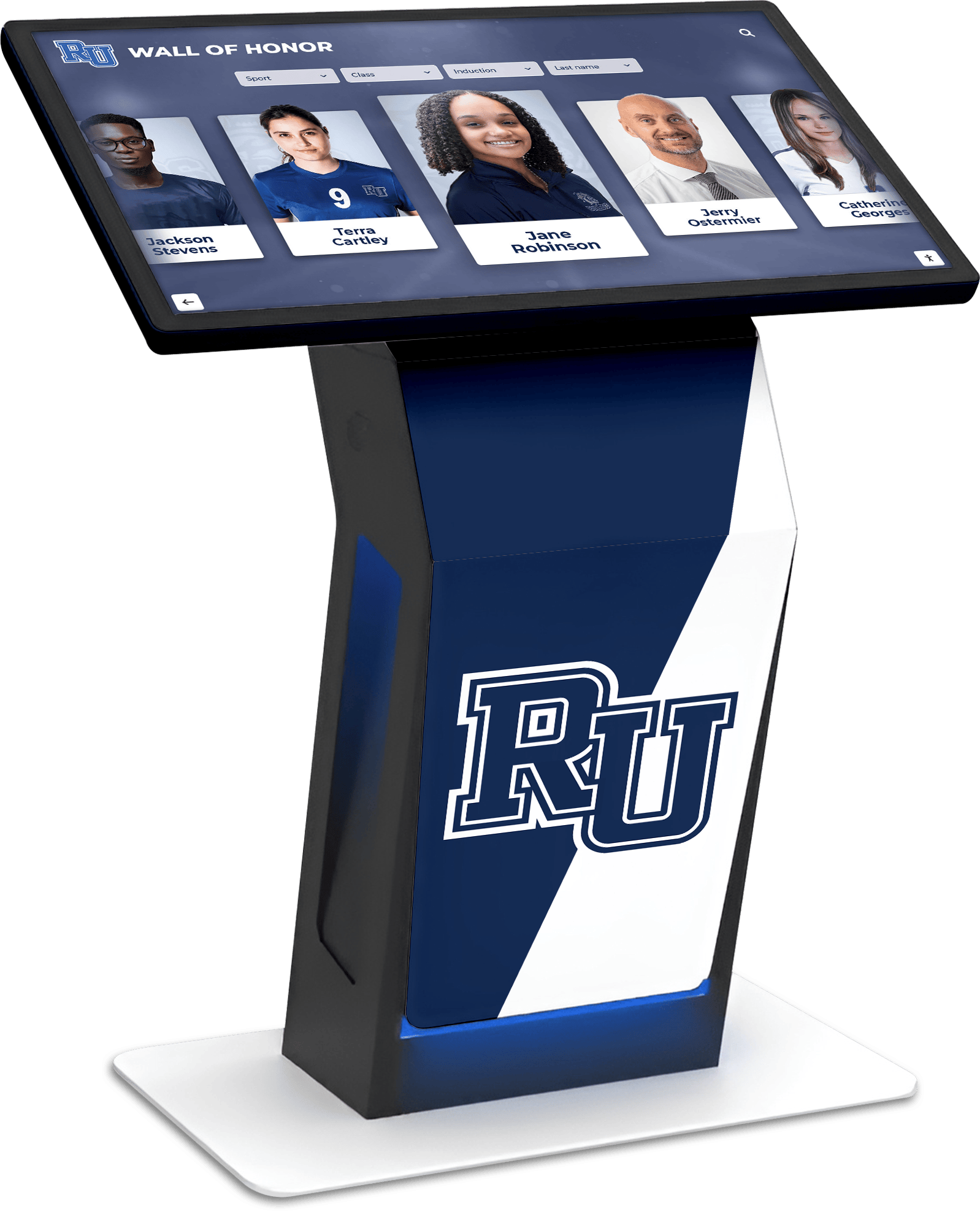
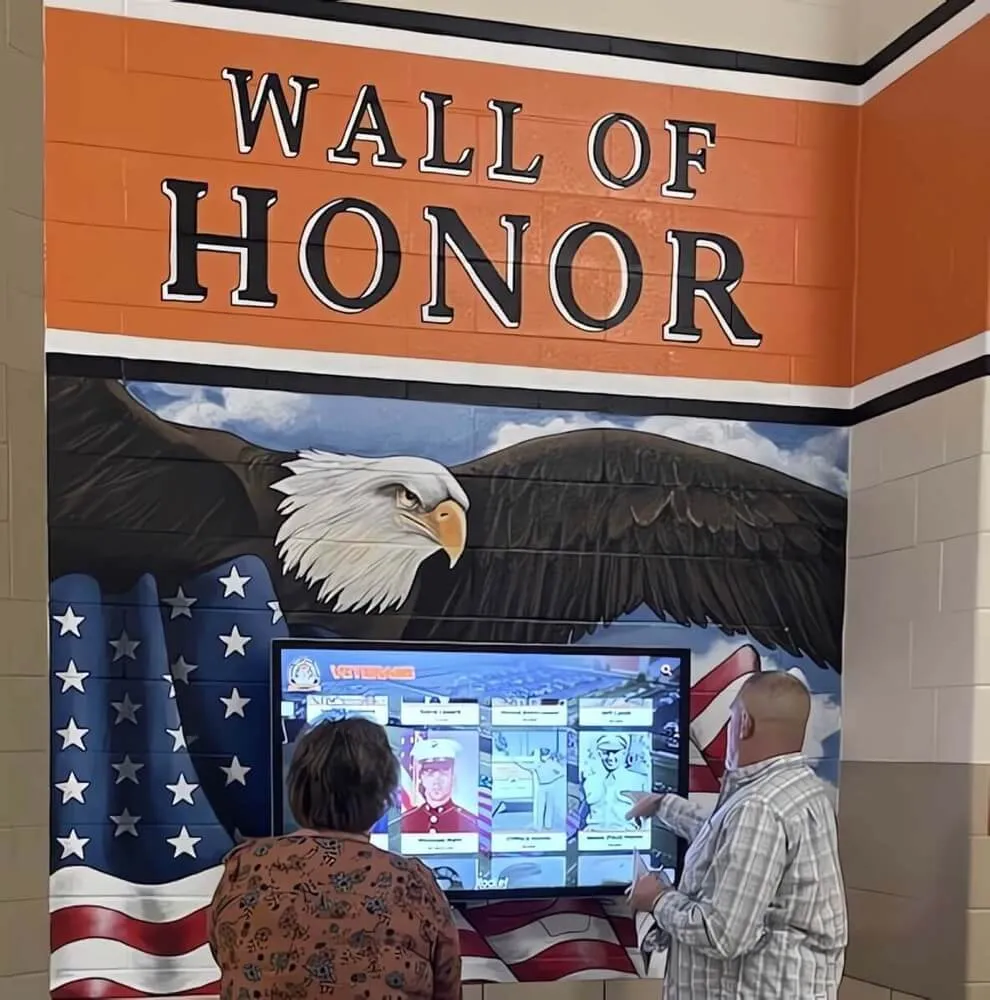
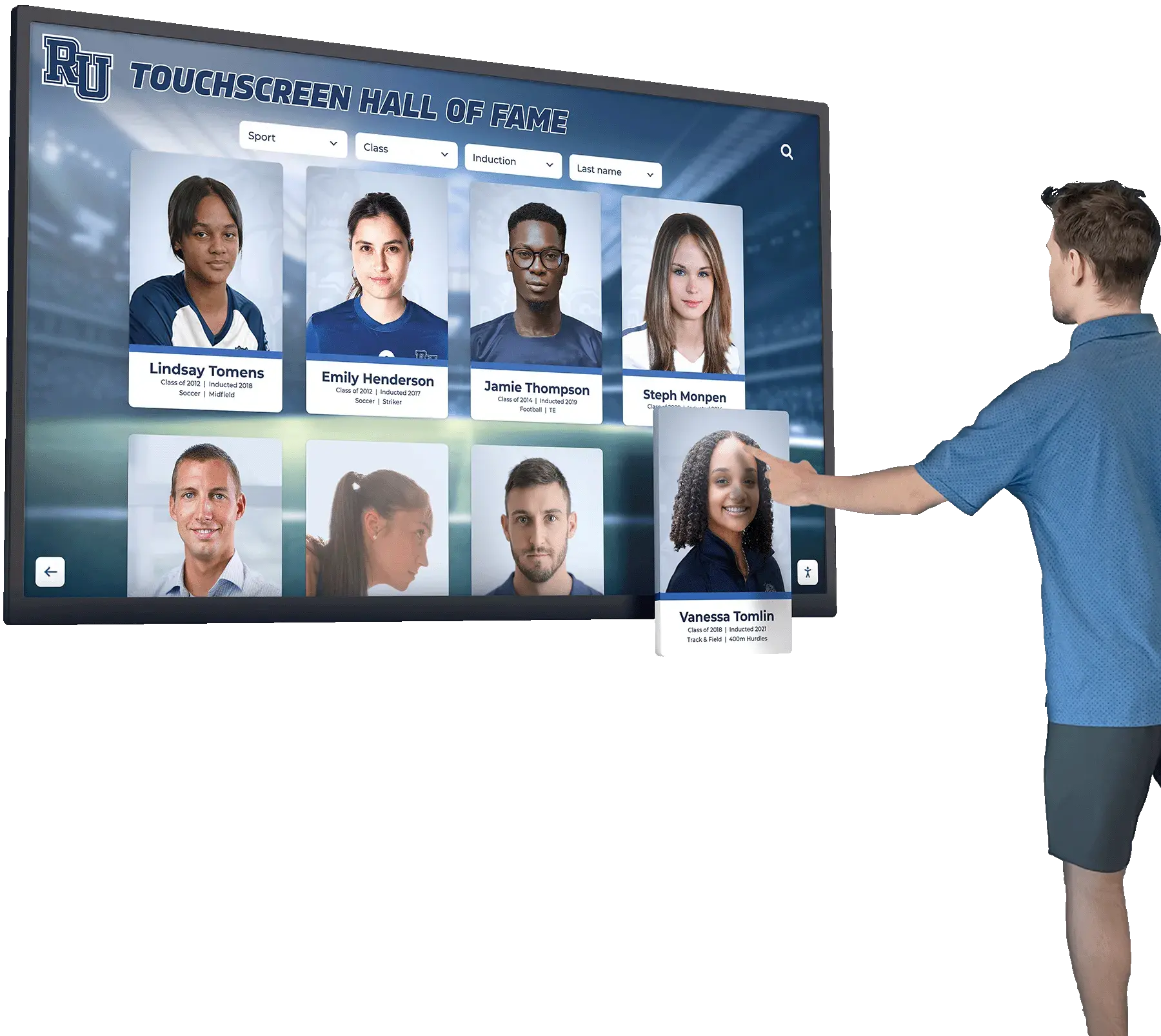
Purpose-built recognition kiosks provide professional platforms celebrating student achievement across all areas
Budget-Conscious Talent Show Planning
Creating memorable talent shows doesn’t require excessive spending when strategic resource allocation focuses investments on highest-impact elements.
Cost-Effective Production Strategies
Maximizing Existing Resources
Leverage available assets:
- School auditorium facilities eliminating venue rental costs
- Student-designed programs and promotional materials
- Borrowed or school-owned sound and lighting equipment
- Student or parent volunteers replacing paid staff
- Digital ticket distribution reducing printing expenses
- Social media promotion eliminating advertising costs
Strategic Budget Allocation
Prioritize spending:
- Professional sound system rental if school equipment is inadequate (sound quality significantly impacts audience experience)
- High-quality video recording preserving memories and enabling future promotion
- Meaningful recognition items or awards acknowledging participants
- Minimal costume or set piece budget when performances require specific elements
- Emergency contingency fund for unexpected needs
Revenue Generation Options
Offset expenses through fundraising:
- Ticket sales priced accessibly while generating revenue
- Program advertising from local businesses
- Concession sales during intermissions
- Donation appeals to booster organizations or parent groups
- Sponsor partnerships providing funding in exchange for recognition
- Merchandise sales featuring talent show branding
Volunteer Coordination and Delegation
Essential Volunteer Roles
Distribute responsibilities across willing helpers:
- Backstage coordinators managing performer flow
- Lighting and sound board operators
- Ticket sales and collection teams
- Ushers guiding audiences and distributing programs
- Refreshment stand managers
- Photography and videography volunteers
- Social media documentation teams
- Setup and breakdown crews
Effective Volunteer Management
Ensure positive volunteer experiences:
- Clear role descriptions preventing confusion
- Advance training or orientation sessions
- Manageable time commitments preventing burnout
- Appreciation recognition following events
- Feedback opportunities for continuous improvement
Organizations exploring budget-friendly recognition can examine creating impactful donor recognition displays using cost-effective digital solutions applicable to student recognition.
Post-Event Follow-Through and Continuous Improvement
Talent show success extends beyond final curtain calls through thoughtful follow-up and systematic improvement.
Immediate Post-Event Actions
Participant Recognition and Appreciation
Show gratitude to everyone involved:
- Thank-you messages to all performers, crew members, and volunteers
- Social media recognition featuring highlights and participant acknowledgments
- Certificate or award distribution if not completed during event
- Photo galleries posted online for viewing and sharing
- Video highlight reel creation and distribution
- Individual performer photos and performance clips shared with families
Event Documentation
Preserve comprehensive records:
- Complete video recording archived for future reference
- Photographer images organized and backed up
- Program copies saved in school archives
- Financial records documenting income and expenses
- Volunteer lists for future recruitment
- Lessons learned documentation while details remain fresh
Long-Term Recognition Integration
Digital Recognition Platform Updates
Maintain year-round visibility:
- Upload all participant information, photos, and videos to recognition systems
- Create searchable performer directories enabling alumni to find themselves years later
- Develop talent show history sections documenting program evolution
- Feature current and historical content on lobby displays
- Enable mobile and web access ensuring families can share recognition
Building Performing Arts Traditions
Create sustainable programs:
- Establish annual talent show traditions creating continuity
- Document best practices for future organizers
- Create planning templates and checklists
- Build institutional knowledge preventing reinvention annually
- Develop alumni networks connecting past performers
- Integrate talent shows into broader performing arts recognition
Schools committed to comprehensive recognition can explore field day games and activities recognition demonstrating how schools celebrate diverse student participation.
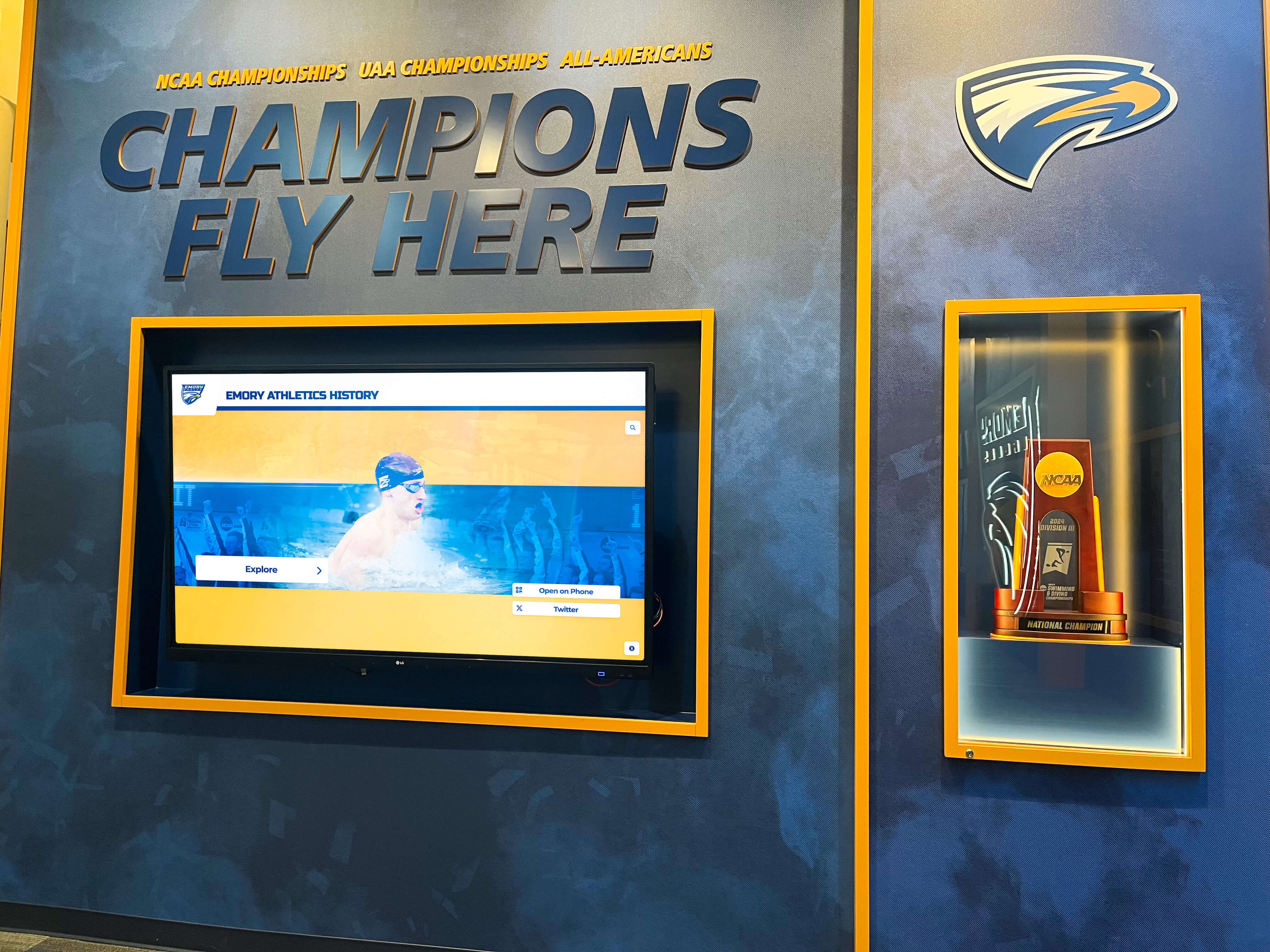
Effective recognition combines traditional elements with modern technology creating comprehensive celebration
Evaluation and Improvement Process
Gathering Comprehensive Feedback
Collect insights from all stakeholders:
- Performer surveys assessing experience quality, communication effectiveness, and suggestions for improvement
- Audience feedback forms evaluating entertainment value and event logistics
- Volunteer debriefing sessions identifying operational challenges
- Planning committee post-mortem meetings analyzing successes and areas needing attention
- Administrative review of budget, scheduling, and resource allocation
Implementing Continuous Improvements
Apply lessons learned:
- Address identified weaknesses in next year’s planning
- Expand successful elements that resonated with participants and audiences
- Streamline processes that proved inefficient
- Enhance technical elements based on production experience
- Improve communication systems as needed
- Strengthen participant support and preparation processes
Conclusion: Creating Talent Show Traditions That Inspire
Well-planned talent shows transform schools into communities celebrating every student’s unique gifts. When administrators invest thoughtful attention in comprehensive planning, inclusive participation strategies, meaningful recognition systems, and continuous improvement processes, talent shows evolve from single performances into cherished traditions that students anticipate eagerly and remember fondly throughout their lives.
Traditional approaches treating talent shows as one-time events with recognition disappearing after closing curtains fail to capture full potential these celebrations offer. Brief acknowledgment during award presentations, programs discarded after audiences leave, and memories fading without documentation all represent missed opportunities to build lasting performing arts traditions inspiring future participation.
Transform Your Performing Arts Recognition
Discover how modern digital recognition solutions help schools celebrate talent show participants and build thriving performing arts programs where creative excellence receives the visibility it deserves.
Explore Recognition SolutionsModern recognition technology enables schools to extend talent show impact indefinitely through comprehensive digital platforms showcasing performer achievements alongside athletic and academic accomplishments. Solutions like Rocket Alumni Solutions provide integrated systems where content uploaded once publishes automatically across physical touchscreens positioned in school entrances and common areas, web portals accessible to families and alumni worldwide, and mobile applications enabling convenient sharing and exploration—all maintained through simple cloud-based management requiring no technical expertise.
Schools implementing comprehensive talent show recognition consistently report remarkable outcomes: increased participation as students witness meaningful acknowledgment awaiting performers, stronger performing arts program identity as talent shows become signature school traditions, enhanced community engagement as families attend events celebrating diverse student abilities, improved student confidence as participants see their courage and creativity permanently honored, and deeper institutional cultures affirming that every type of excellence—athletic, academic, and artistic—receives equal recognition and celebration.
The most successful schools view talent shows not as isolated annual events but as integral components of comprehensive student recognition systems celebrating achievement across all domains. By combining strategic planning ensuring smooth event execution, inclusive participation strategies enabling involvement from students across all ability levels and confidence ranges, meaningful recognition extending beyond single performances through permanent digital acknowledgment, and sustained commitment to continuous improvement strengthening programs annually, schools create talent show traditions that genuinely resonate with entire communities while inspiring students to courageously share their gifts.
Ready to enhance your talent show recognition? Explore how schools implement coach appreciation recognition programs celebrating program leaders, discover military appreciation month activities honoring service and sacrifice, learn about memorial wall ideas preserving legacies, and understand how Rocket Alumni Solutions provides purpose-built platforms specifically designed for educational institutions prioritizing comprehensive student achievement recognition across academics, athletics, and performing arts.
Your students possess remarkable talents deserving celebration extending far beyond single performance nights. With thoughtful planning creating positive participant experiences, comprehensive recognition ensuring every performer receives lasting acknowledgment, and modern technology enabling year-round visibility for performing arts achievements, you can establish talent show traditions that students treasure while building school cultures affirming that every gift, every talent, and every courageous act of creative expression matters and merits genuine celebration.