



Every May, schools across the country pause to celebrate Teacher Appreciation Week—a designated time to honor the educators who shape young minds, inspire curiosity, and dedicate countless hours beyond the classroom. Yet many school leaders struggle with how to meaningfully recognize teachers in ways that feel genuine rather than perfunctory. Generic gift baskets, brief assembly acknowledgments, and standard “thank you” emails often fall short of expressing the true magnitude of what teachers contribute to students, schools, and communities.
The challenge intensifies when considering your entire educational staff. Teachers certainly deserve recognition, but what about counselors, librarians, intervention specialists, paraprofessionals, office staff, custodians, cafeteria workers, and bus drivers who collectively make school operations possible? Comprehensive appreciation requires celebrating everyone who contributes to student success—not just classroom teachers—while creating recognition that feels personal, lasting, and proportional to their dedication.
This comprehensive guide explores creative teacher appreciation week ideas for staff that go beyond superficial gestures. You’ll discover how to plan meaningful appreciation events, create personalized recognition reflecting individual contributions, implement year-round appreciation cultures rather than confining gratitude to one week annually, and leverage modern recognition technology that celebrates educator excellence permanently while remaining accessible and engaging for current students, families, and alumni.
Schools that invest in comprehensive staff appreciation report 37% higher retention rates among quality educators, improved recruitment appeal from prospective teachers evaluating workplace culture, enhanced family engagement as parents observe institutional respect for educators, and stronger community support recognizing that schools genuinely value the professionals serving their children.

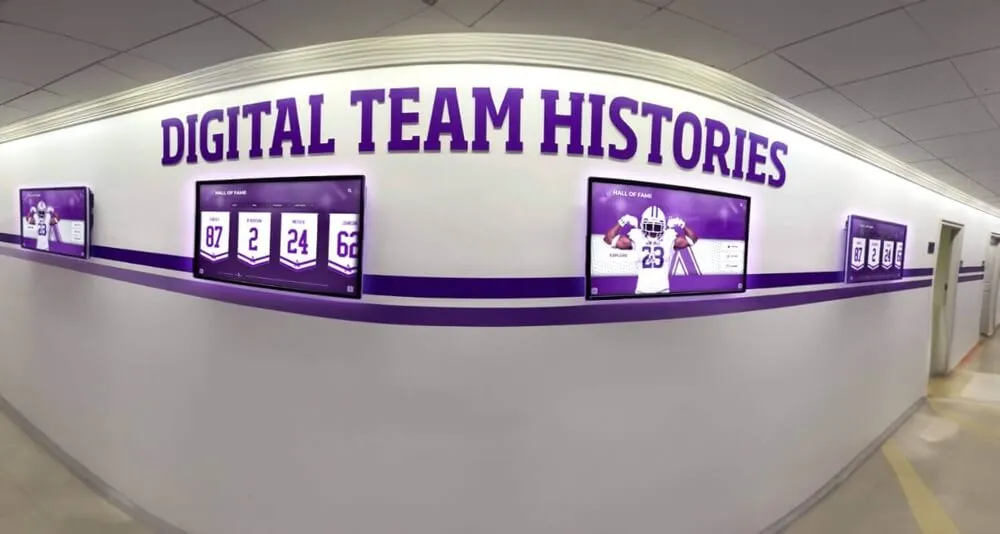
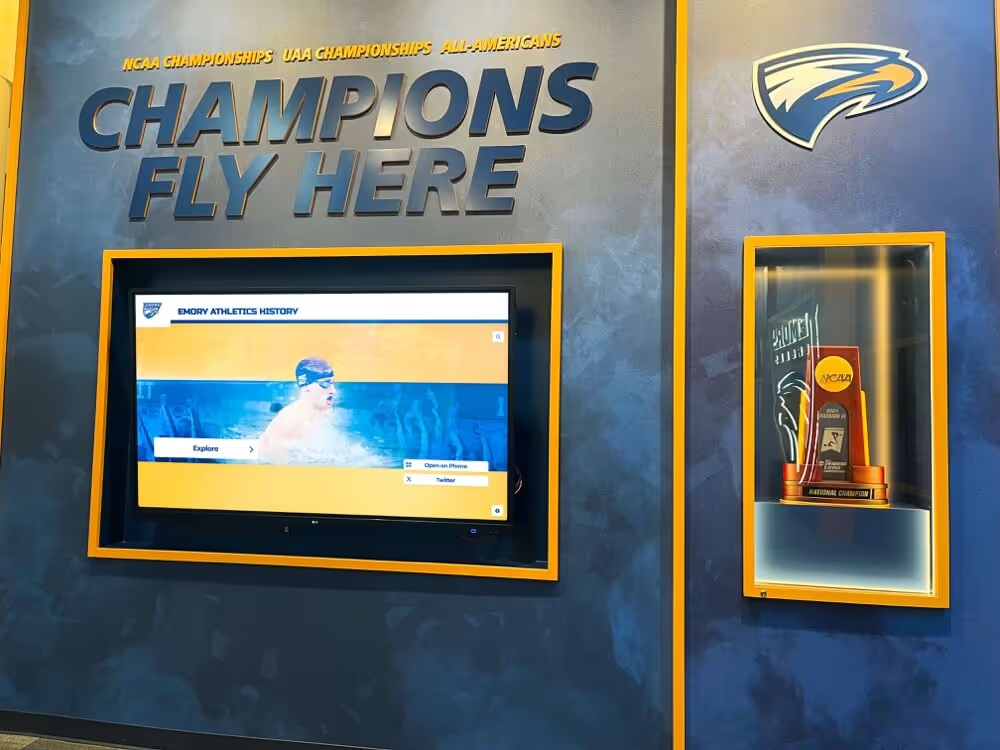
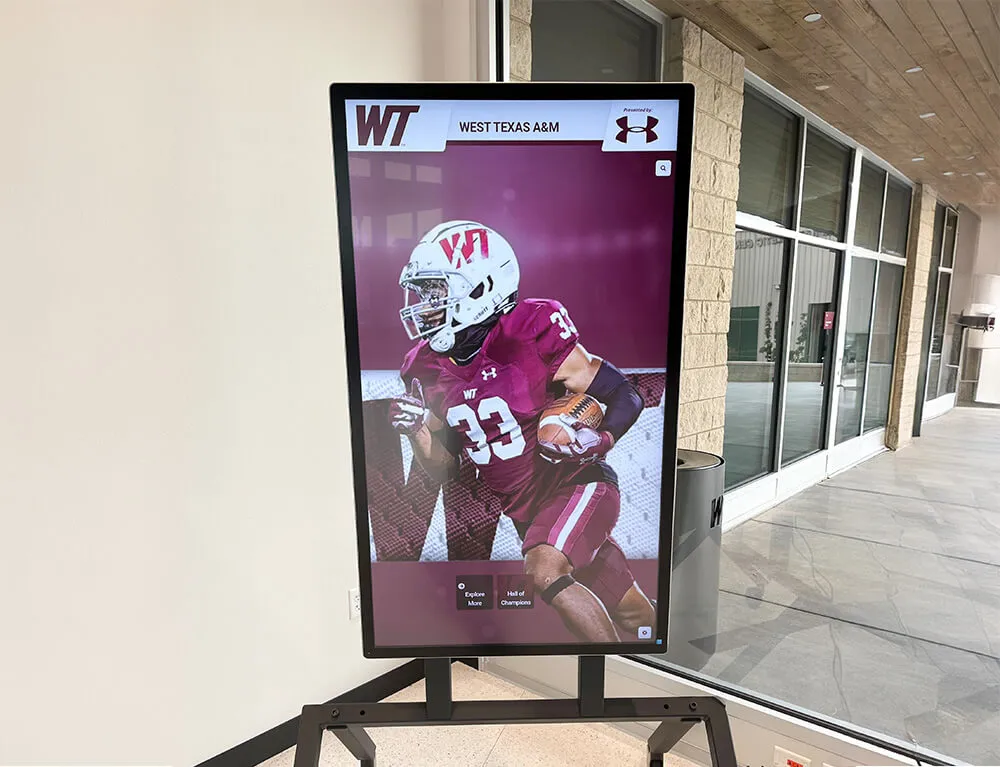
Strategic recognition spaces in high-traffic areas ensure staff members receive daily visibility and appreciation from students, colleagues, and visitors
Understanding What Educators Truly Value in Recognition
Effective appreciation begins with understanding what genuinely resonates with educational professionals rather than generic gestures that miss the mark.
Beyond Surface-Level Acknowledgment
Teachers and staff appreciate recognition demonstrating authentic understanding of their roles and contributions.
Acknowledging Time and Emotional Investment
Educators invest far beyond contracted hours—arriving early for lesson preparation, staying late for extra help sessions, grading assignments into evenings and weekends, attending extracurricular events supporting students, and maintaining constant emotional availability for student needs. Effective appreciation explicitly recognizes this extraordinary commitment through specific acknowledgment of these often-invisible contributions rather than generic thanks disconnected from daily realities.
Specific recognition means more than vague praise: “Ms. Rodriguez, we notice you arrive at 6:45 AM every Tuesday and Thursday for before-school tutoring, stay until 5 PM most days helping students, and spend your Saturdays attending debate tournaments. Your 15-hour weekly investment beyond contract time profoundly impacts student achievement and demonstrates dedication far exceeding any job description.”
This specificity shows leaders genuinely understand individual contributions rather than offering hollow appreciation divorced from actual educator experiences.
Recognizing Diverse Professional Roles
Comprehensive staff appreciation extends beyond classroom teachers to acknowledge every position supporting student success. Librarians curate resources and teach information literacy, counselors provide emotional support and college guidance, intervention specialists serve students with learning differences, paraprofessionals work directly with students requiring additional support, administrative assistants manage complex logistics enabling smooth operations, custodians maintain safe learning environments, cafeteria workers ensure proper nutrition, and transportation staff safely deliver students to campus.
Each role deserves specific recognition acknowledging unique contributions: “Mr. Thompson, your library transformed into a welcoming space where reluctant readers discovered books they love. Your ‘genre of the month’ displays and personalized recommendations created lifelong readers among students who previously avoided the library entirely.”
Role-specific acknowledgment validates that everyone matters—not just those in traditionally celebrated teaching positions.
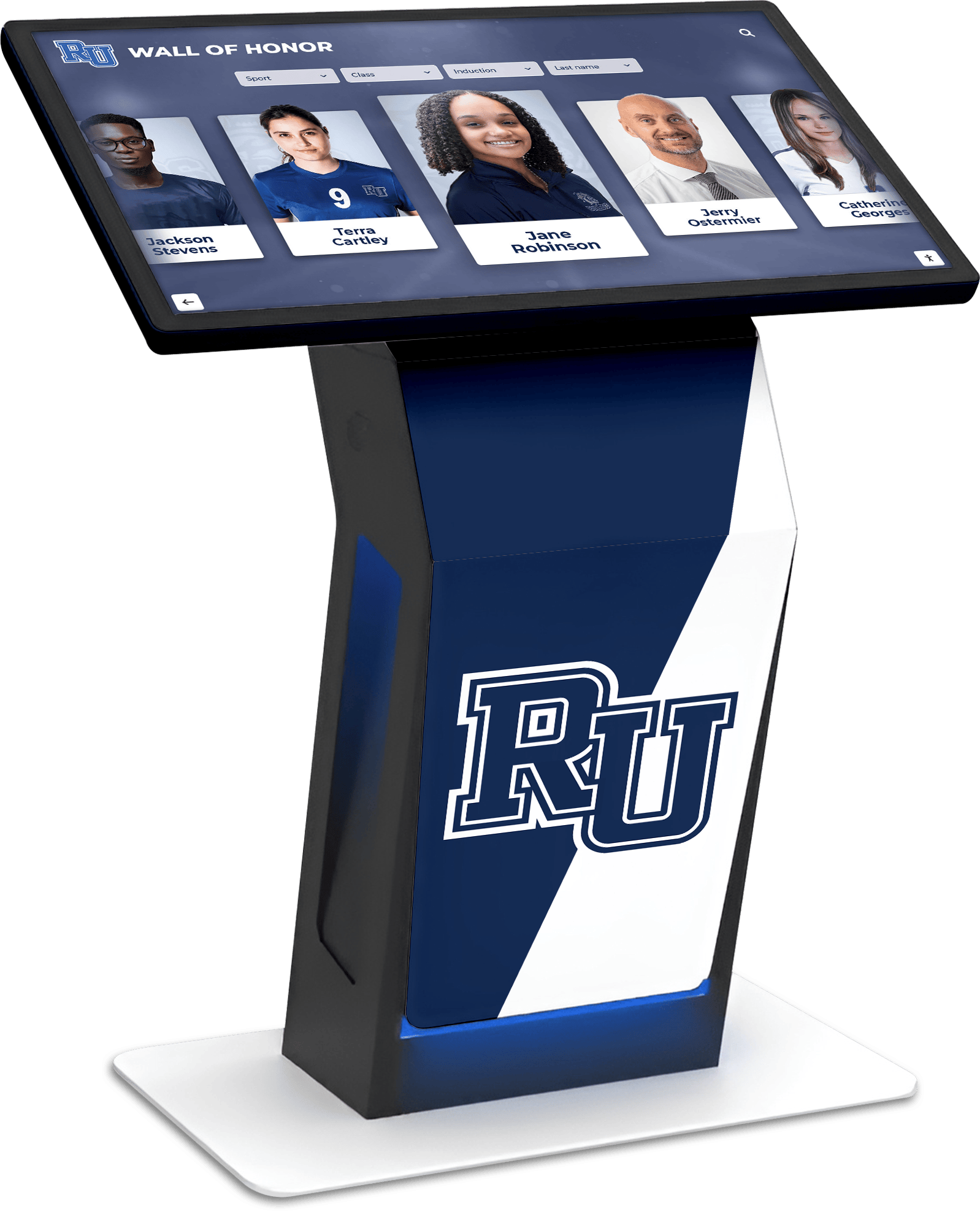
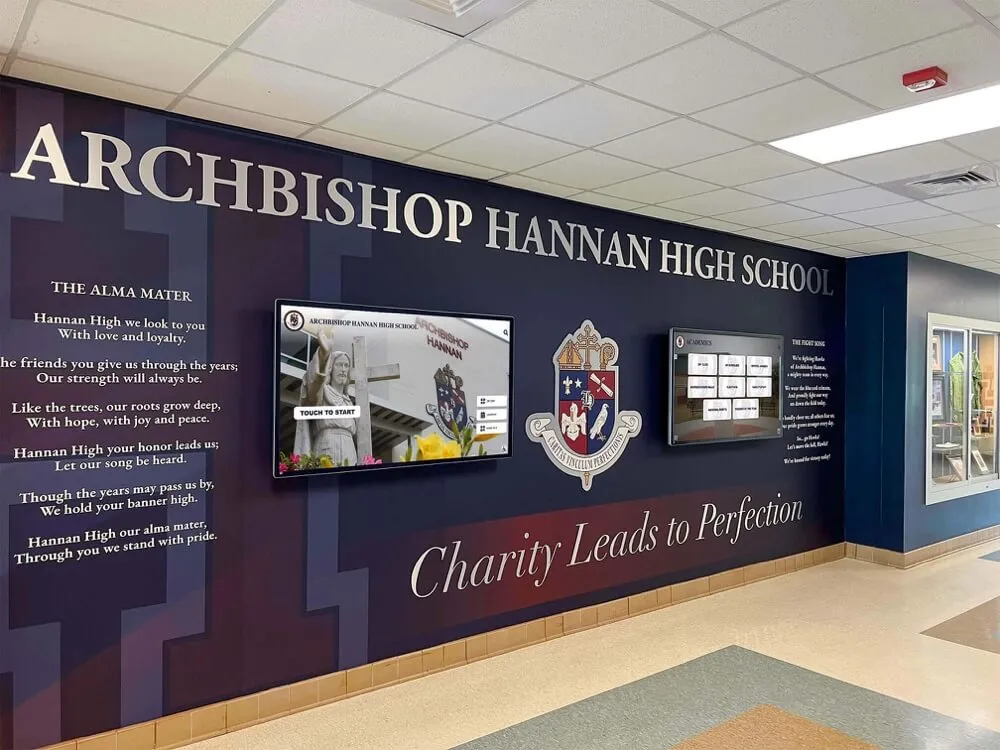
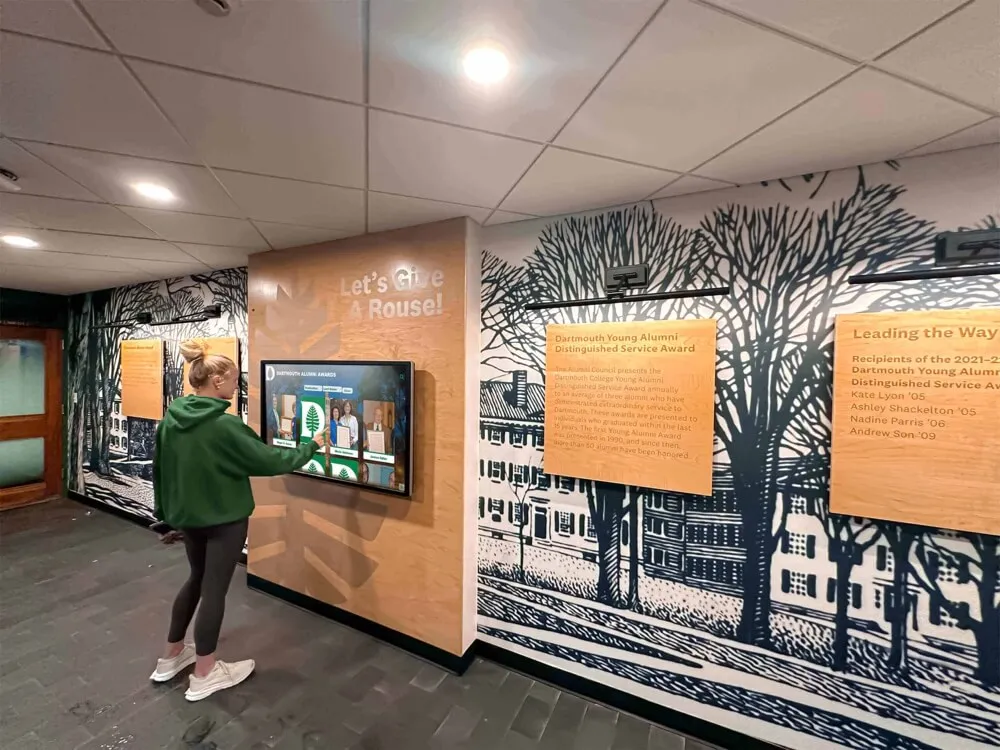
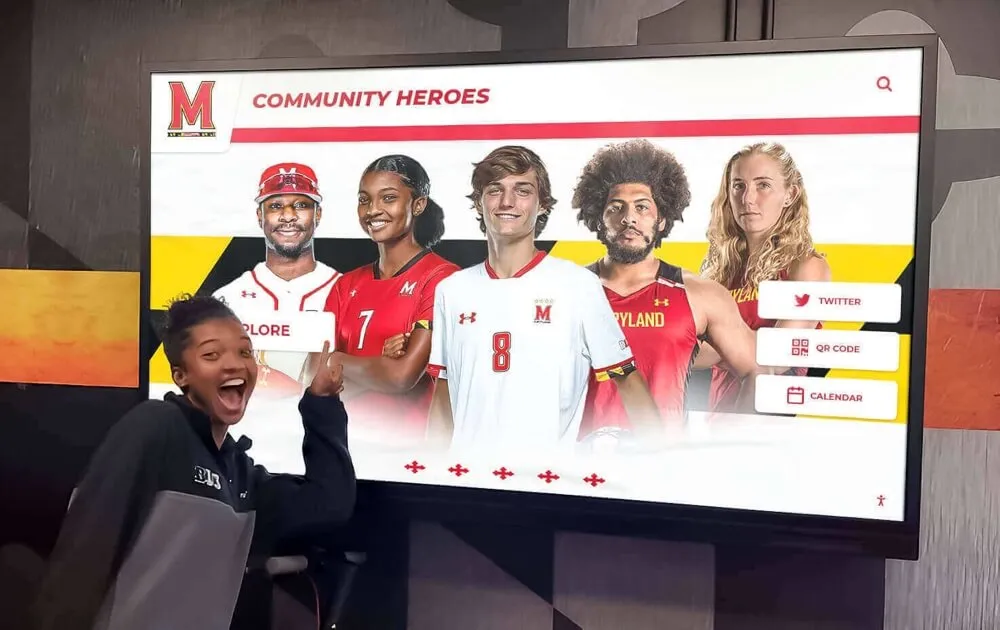
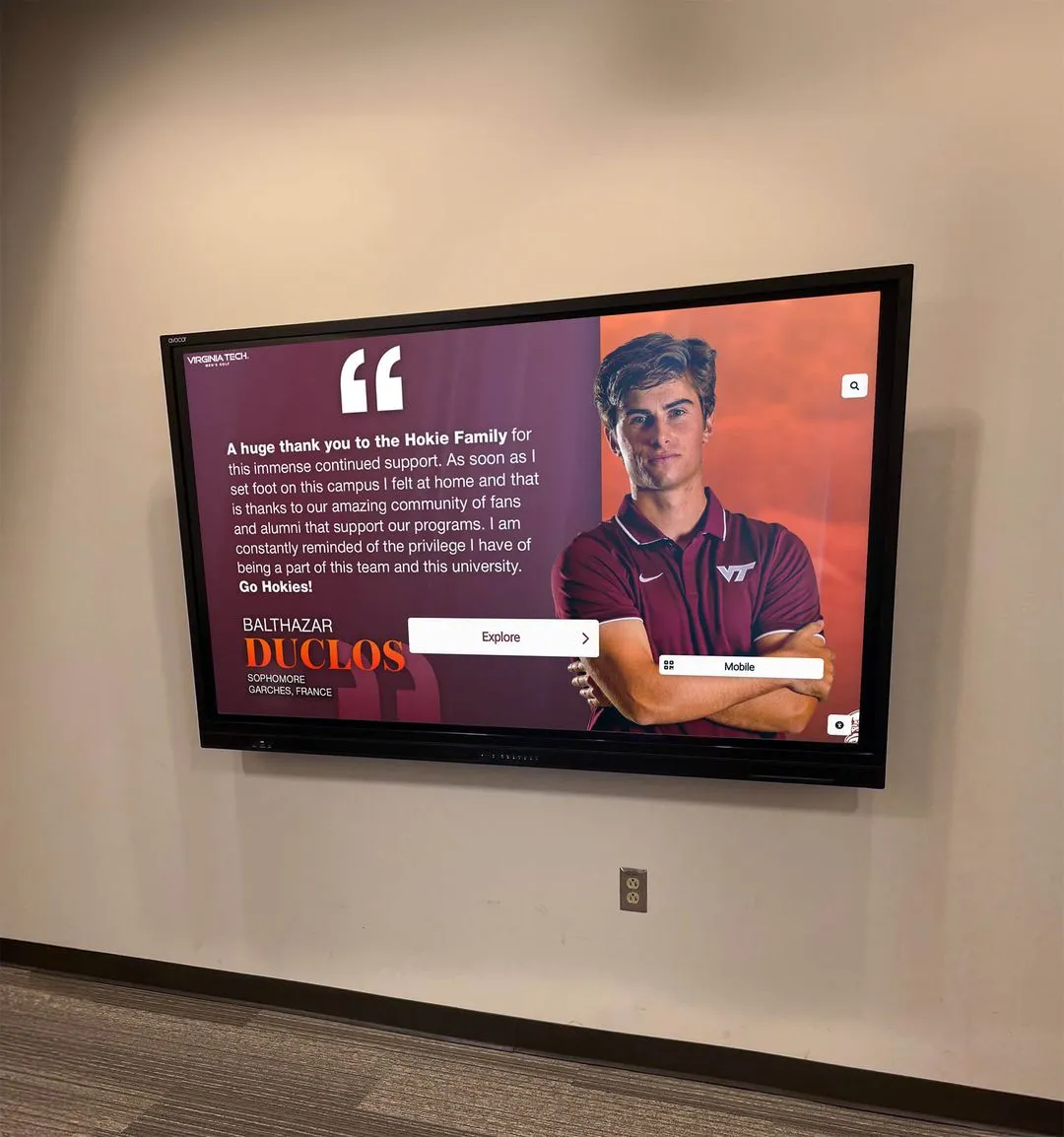
Modern recognition systems enable comprehensive storytelling about educator philosophies, teaching approaches, and contributions spanning entire careers
Valuing Professional Growth and Innovation
The most meaningful recognition acknowledges educators’ commitment to continuous improvement—professional development attended, new instructional approaches implemented, curriculum innovations developed, mentorship of newer colleagues, and leadership in school improvement initiatives. Recognition emphasizing these dimensions validates professional growth efforts extending beyond minimum job requirements.
Highlight specific examples: “Your implementation of project-based learning in 9th grade science increased student engagement scores 42% while improving assessment performance. Your willingness to experiment, iterate based on results, and share successful practices with colleagues exemplifies professional excellence elevating our entire instructional program.”
Educators investing energy in professional growth feel most appreciated when recognition acknowledges this continuous development rather than only longevity or compliance with baseline expectations.
Recognition Timing and Context
When and how appreciation occurs significantly impacts meaning and effectiveness.
Immediate Day-to-Day Recognition
Regular acknowledgment throughout the year demonstrates ongoing appreciation rather than annual afterthoughts. Effective approaches include weekly email highlights from principals noting specific staff contributions, mid-year appreciation events showing sustained gratitude, regular public acknowledgment during staff meetings recognizing recent accomplishments, social media spotlights celebrating educator excellence throughout semesters, and peer nomination systems enabling colleagues to recognize each other’s exceptional efforts.
Consistent recognition creates sustained appreciation cultures versus single annual gestures suggesting staff value receives consideration only during designated appreciation weeks.
Teacher Appreciation Week Intensification
While year-round recognition proves essential, Teacher Appreciation Week provides natural opportunities for concentrated celebration when broader communities expect visible gratitude expression. Strategic week-long approaches include daily themed appreciation focusing on different staff categories or qualities, coordinated family and student involvement in appreciation activities, community partner participation providing resources or services, culminating events celebrating collective contributions, and permanent recognition installations unveiled during appreciation week creating lasting acknowledgment beyond temporary decorations.
Week-long focus demonstrates serious institutional commitment while creating momentum that can sustain appreciation cultures throughout subsequent months.
Permanent Legacy Recognition
The most meaningful appreciation creates lasting acknowledgment preserving educator legacies beyond active service. Permanent recognition approaches include staff halls of recognition documenting career contributions, recognition displays featuring educator profiles with accomplishments and teaching philosophies, named spaces honoring long-serving educators, endowed positions supporting future educator excellence, and biographical documentation preserving teaching wisdom for future generations.
Solutions like Rocket Alumni Solutions enable schools to create permanent educator recognition alongside student achievement celebration—comprehensive digital platforms where staff profiles include career highlights, teaching philosophies, student testimonials, innovation documentation, and professional growth narratives preserving complete educator legacies. Permanent recognition communicates that contributions matter enough for institutional memory preservation rather than fading when educators retire.
Consider how digital recognition displays for schools can transform how institutions celebrate and preserve educator excellence across generations.
Creative Teacher Appreciation Week Event Ideas for All Staff
Organized appreciation events create memorable celebrations when planned thoughtfully around staff preferences and school cultures.
Themed Daily Recognition Throughout the Week
Different daily themes enable focused appreciation addressing various aspects of educator contributions.
Monday: Gratitude Launch and Personal Notes
Begin the week with personal gratitude expression including handwritten notes from administrators to every staff member highlighting specific contributions, student-created thank-you cards distributed throughout buildings, family video messages compiled into appreciation montages, morning announcements celebrating individual staff accomplishments, and breakfast or coffee service demonstrating immediate hospitality.
Personal notes prove remarkably powerful—principals investing time to write specific, individualized messages to every staff member create profound impact disproportionate to effort required. Quality recognition doesn’t always require elaborate budgets or complex logistics.
Tuesday: Student-Led Appreciation Activities
Empower students to express gratitude including classroom visits where students share appreciation for specific educators, hallway decoration by student groups creating visible celebration throughout buildings, performance presentations featuring student talents dedicated to staff appreciation, student-produced videos highlighting favorite teacher moments and lessons learned, and service projects where students perform tasks lightening staff workloads.
Student-led activities often resonate most powerfully with educators—genuine expressions from those they serve daily validate that teaching efforts genuinely impact young lives.
Wednesday: Professional Pampering and Self-Care
Provide relaxation and wellness support including extended lunch periods enabling genuine breaks, on-site massage or wellness services, catered lunches eliminating meal preparation concerns, fitness class offerings or wellness activities, and duty coverage allowing educators time for personal needs rather than constant responsibility.
Self-care emphasis acknowledges that educator wellbeing enables sustained excellence—demonstrating institutional concern for staff as complete humans rather than only professional resources.
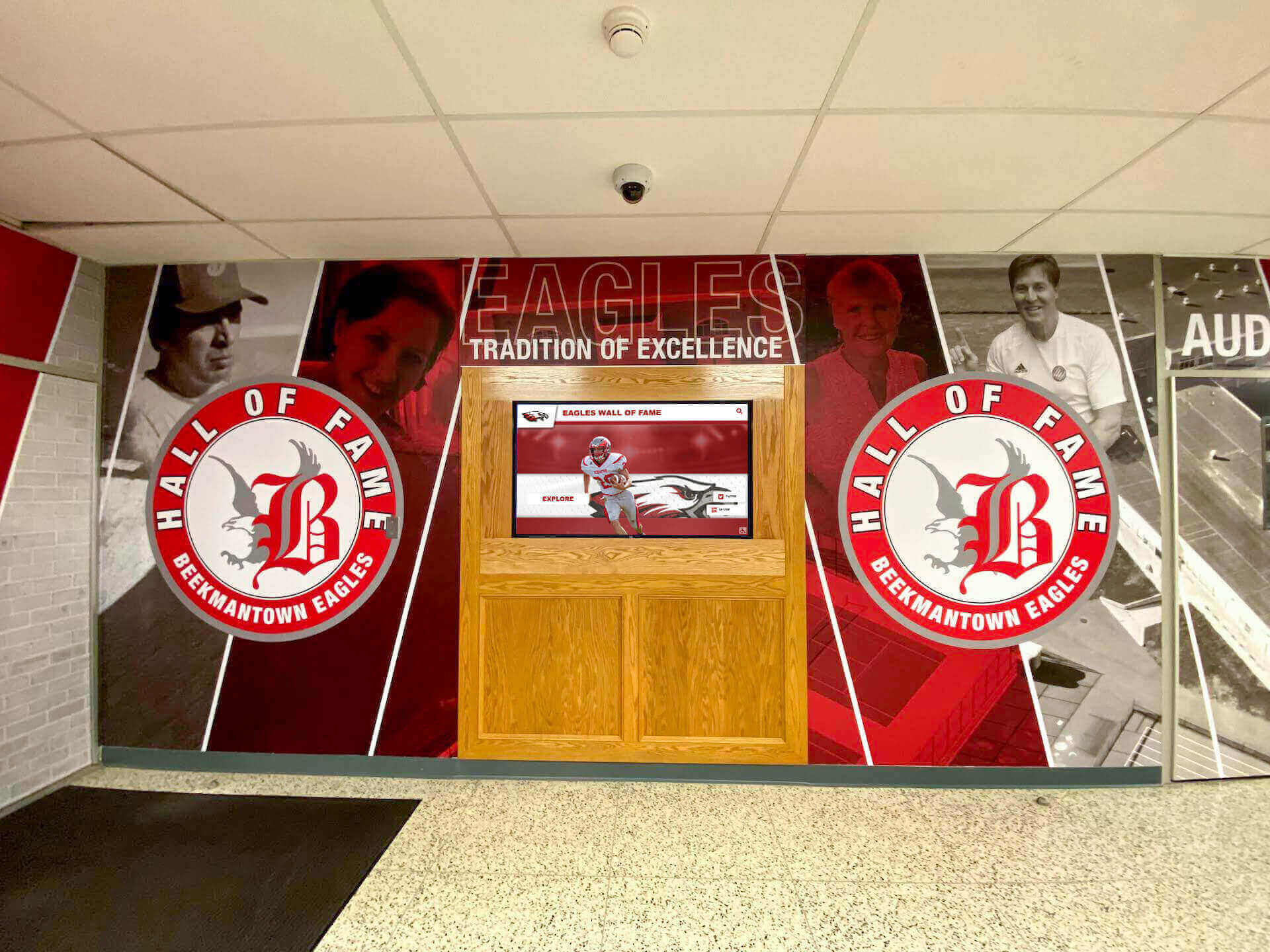
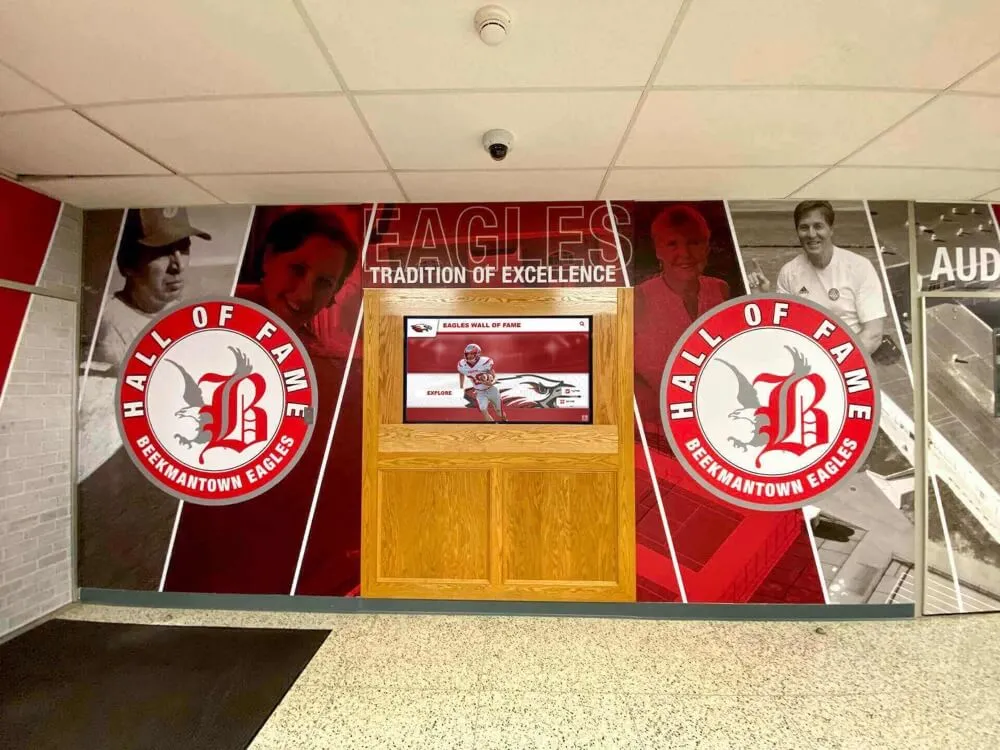
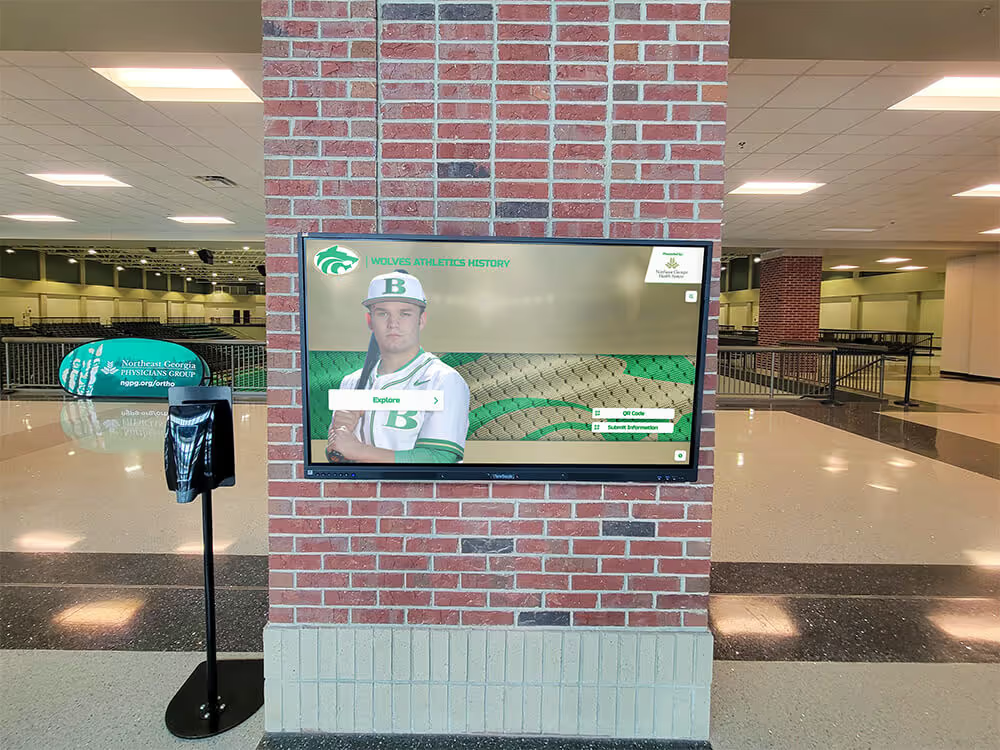
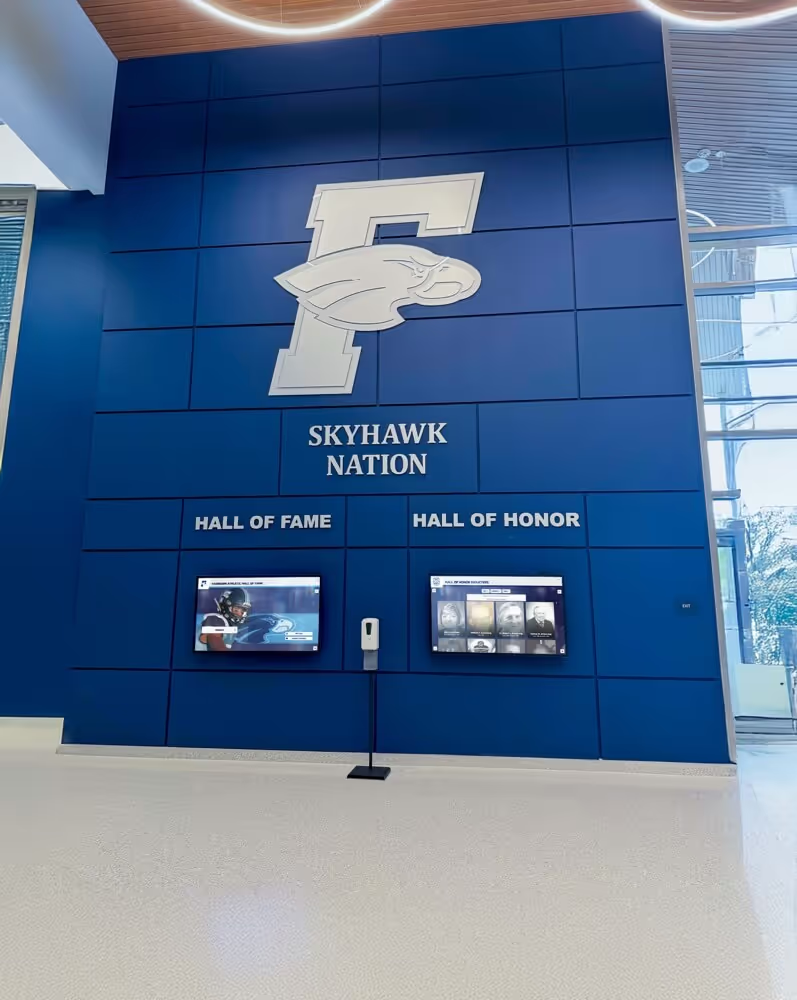
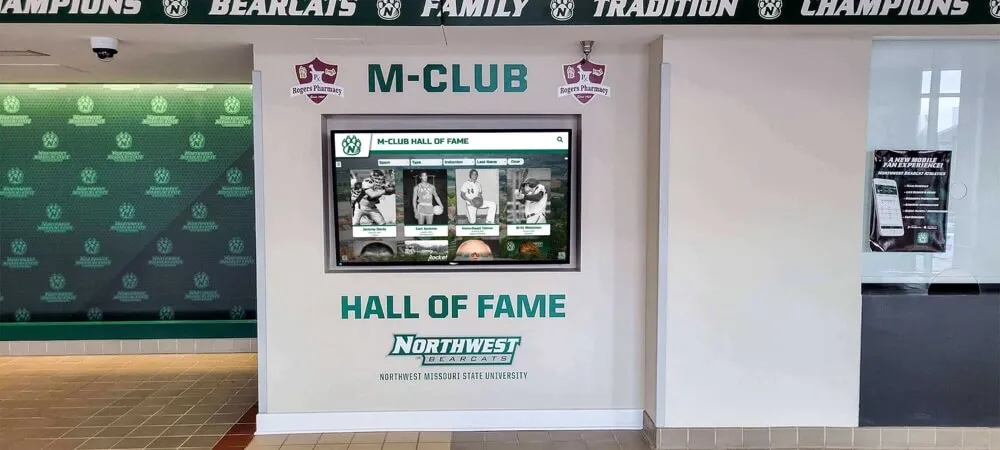
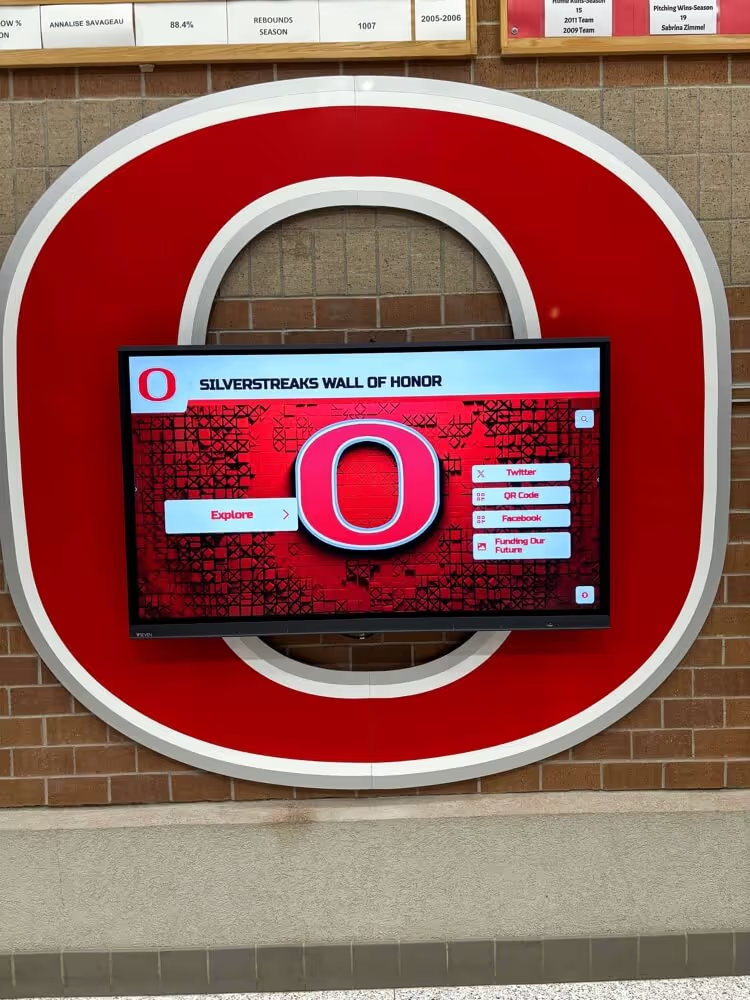
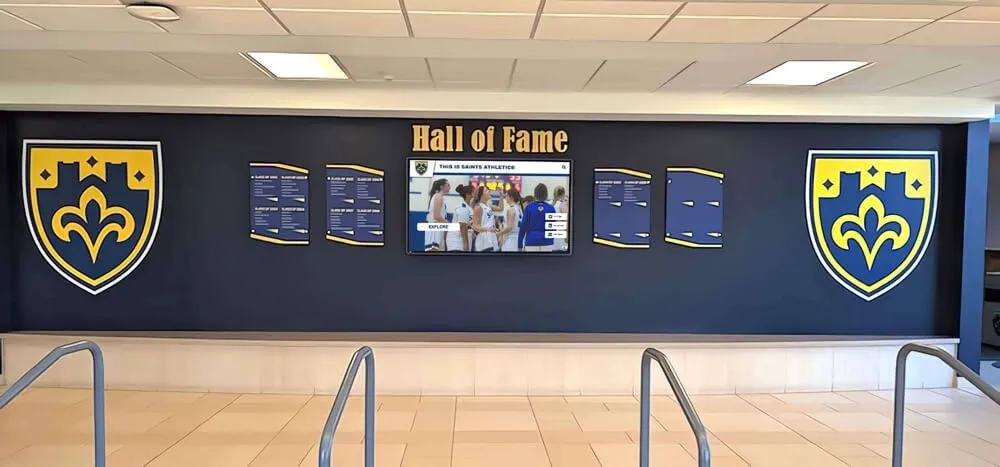
Prominent lobby installations create immediate visibility for educator recognition—ensuring visitors, families, and students regularly engage with staff celebration
Thursday: Community and Business Partner Appreciation
Engage external partners in recognition including local business donations of goods, services, or gift certificates, community member visits expressing gratitude, parent organization coordinated appreciation deliveries, local restaurant discounts or complimentary meals, and partnership announcements of sponsored educator grants or classroom resources.
Community involvement demonstrates that appreciation extends beyond school administration—broader constituencies recognizing educator value to community wellbeing and future success.
Friday: Celebration Culmination and Legacy Recognition
Conclude with comprehensive celebration including all-staff appreciation luncheon or reception, awards presentation recognizing exceptional contributions, unveiling of permanent recognition installations honoring educator excellence, reflection sessions where staff share meaningful moments from their work, and transition into sustained appreciation commitments extending recognition beyond single week.
Culminating celebrations create memorable shared experiences while connecting immediate appreciation to longer-term recognition commitments ensuring gratitude continues year-round.
Comprehensive Staff Category Recognition
Ensure appreciation extends equitably across all roles contributing to student success.
Classroom Teachers and Instructional Staff
Traditional teaching positions deserve recognition acknowledging their core educational responsibilities including innovative instruction engaging diverse learners, assessment practices providing meaningful feedback, curriculum development aligning with standards while maintaining relevance, classroom management creating productive learning environments, family communication building home-school partnerships, and continuous professional learning improving practice.
Recognition for classroom teachers should acknowledge both visible achievements like test scores and less visible contributions such as student relationships and emotional support that profoundly impact student development.
Student Support Professionals
Counselors, social workers, psychologists, and intervention specialists provide essential services including crisis intervention supporting students during challenges, college and career guidance preparing students for next steps, special education services ensuring access for all learners, mental health support addressing increasing student wellness needs, and family connection facilitating communication between home and school.
These professionals often work behind scenes with profound impact deserving explicit recognition comparable to classroom instruction: “Ms. Chen, your crisis intervention with students experiencing trauma creates stability enabling them to remain engaged in learning. Your work changes lives in ways that never appear in traditional achievement metrics but matter immensely to student wellbeing and success.”
Paraprofessionals and Instructional Aides
Paraprofessionals provide direct student support enabling inclusive education including individualized assistance for students with learning differences, small-group instruction reinforcing concepts, behavior support helping students develop self-regulation, communication facilitation for students with speech or language needs, and general classroom support enabling teachers to differentiate instruction effectively.
Paraprofessionals deserve recognition as essential educational professionals—not assistants but specialized support providers with expertise in student learning and development: “Mr. Jackson, your patient work with students in reading intervention groups produced measurable growth in fluency and comprehension. Your specialized knowledge and relationship-building skills created breakthroughs for students who struggled for years.”
Explore how schools can implement comprehensive staff recognition systems that honor all contributors to student success, not just traditional teaching roles.
Administrative and Operational Support
Office staff, registrars, attendance coordinators, and administrative assistants manage essential operations including complex scheduling and record-keeping, family communication and problem-solving, compliance documentation ensuring regulatory adherence, visitor management maintaining campus security, and operational logistics enabling smooth daily functioning.
Recognition acknowledging operational excellence: “Ms. Taylor, your efficient management of attendance, registration, and records enables smooth school operations. Your problem-solving when families face challenges and your welcoming presence for visitors creates positive first impressions reflecting our school values. You make everything work behind the scenes.”
Facilities and Nutrition Services
Custodians, maintenance workers, and cafeteria staff create essential conditions for learning including clean, safe facilities supporting health and wellbeing, properly maintained equipment preventing disruptions, nutritious meal service ensuring proper student nutrition, responsive maintenance addressing issues promptly, and pride in school environment reflecting institutional values.
These roles deserve explicit appreciation: “Mr. Rodriguez, your attention to facility cleanliness and maintenance creates welcoming learning environments. Students notice when facilities are cared for, and your work directly contributes to school pride and positive learning conditions. Your professional pride in your work sets standards for excellence students observe daily.”
Transportation Personnel
Bus drivers and transportation coordinators ensure safe student travel including reliable transportation enabling attendance, safe driving protecting student wellbeing, positive relationships with students starting and ending days positively, accommodation of special needs ensuring all students can access education, and communication with families addressing transportation concerns.
Transportation recognition: “Ms. Williams, you safely transport students daily while building relationships that make buses positive spaces rather than chaotic transitions. Parents trust you with their children’s safety, and students remember your kindness years after graduation. Your work matters profoundly to school success.”

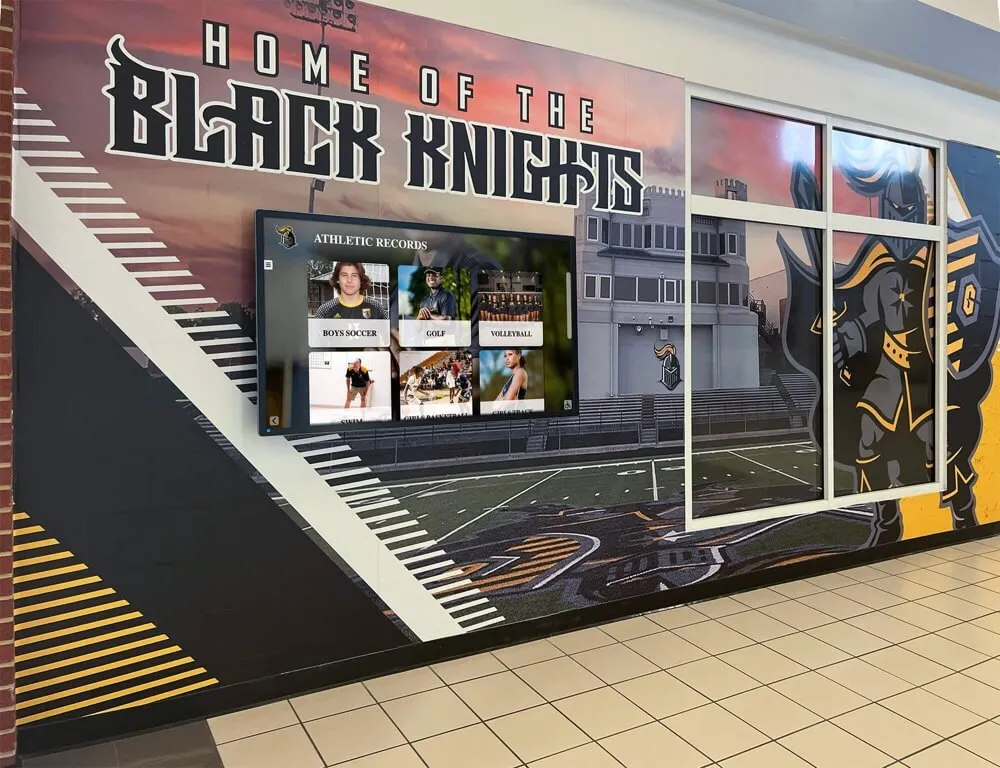
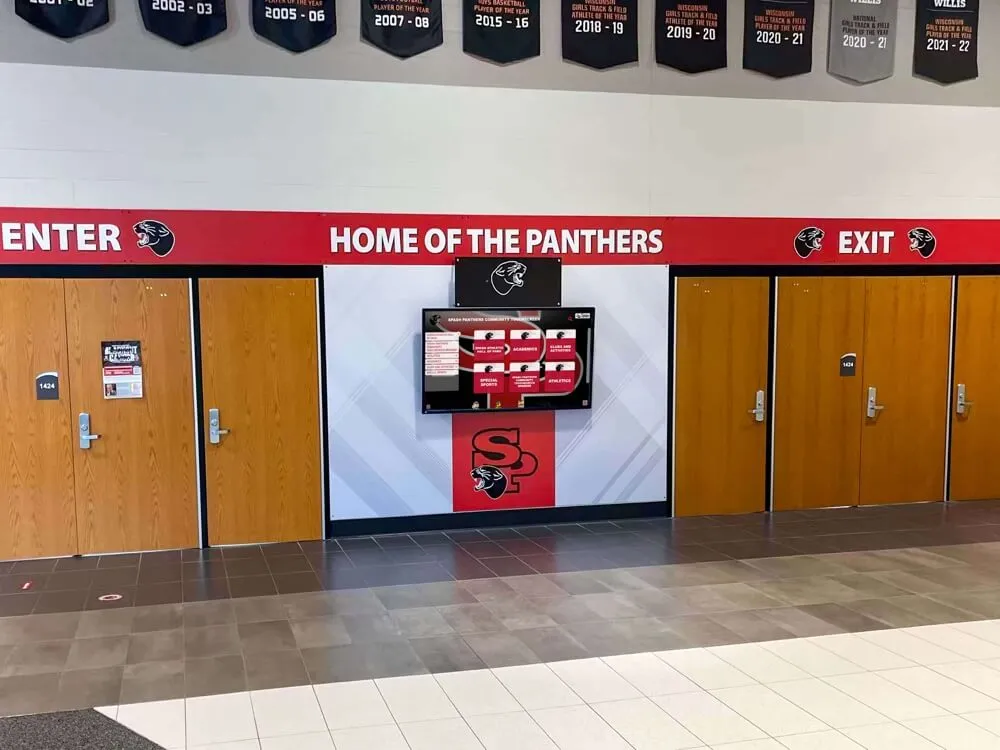
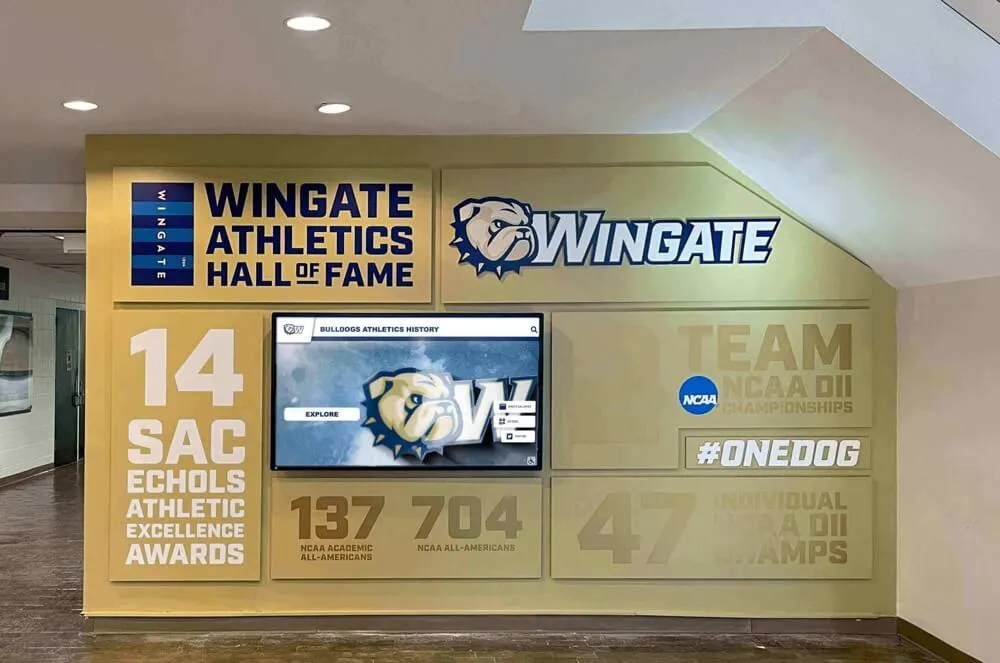
Strategic placement in athletic facilities and activity spaces ensures recognition reaches diverse school populations throughout daily activities
Personalized Recognition Reflecting Individual Contributions
Generic appreciation feels hollow compared to personalized acknowledgment demonstrating genuine knowledge of individual staff members.
Understanding Individual Educator Identities
Effective personalization requires understanding each educator’s unique characteristics and contributions.
Teaching Philosophy and Approach Recognition
Different educators emphasize different pedagogical values deserving specific acknowledgment. Identify each teacher’s primary focus—whether student-centered learning, rigorous academic standards, social-emotional development, experiential education, technology integration, or culturally responsive teaching—and craft recognition explicitly acknowledging their distinctive approach and impact.
Example personalized recognition: “Mr. Thompson, your project-based learning approach transforms abstract concepts into engaging real-world applications. Your philosophy that students learn best through authentic problem-solving influenced how entire departments approach instruction. You model the innovation and creativity we want students to develop.”
Generic “thanks for your dedication” means far less than recognition demonstrating understanding of individual teaching identity and intentional instructional choices reflecting personal values.
Career Stage Considerations
Recognition appropriate for retiring veteran educators differs from acknowledgment suited to developing teachers early in careers.
For veteran educators nearing retirement, emphasize legacy, accumulated wisdom, generations of students influenced, program building from foundation to current excellence, and lasting institutional impact ensuring their contributions receive permanent documentation before departure.
For emerging educators building careers, emphasize potential, growth observed across early years, specific strengths emerging in teaching practice, investment in continuous learning, and institutional commitment to supporting their development through mentorship and professional development opportunities.
Personal Interests and Passions
Educators exist as complete humans beyond professional roles. Incorporate personal interests into appreciation: if Ms. Martinez loves gardening, coordinate plant-themed gifts or garden center certificates; if Mr. Johnson follows specific sports teams, include related memorabilia or game tickets; if Ms. Williams enjoys reading, provide gift certificates to bookstores or curated book recommendations.
Personal interest incorporation communicates appreciation for complete person rather than only professional teaching role—recognizing educators as multidimensional individuals rather than just instructional resources.
Milestone Recognition Frameworks
Specific career milestones warrant tailored appreciation approaches.
Career Anniversaries
Multi-year teaching tenure deserves systematic recognition:
- 5-Year Anniversary: Acknowledge foundational contributions and emerging teaching identity
- 10-Year Anniversary: Celebrate established excellence and measurable program impact
- 15-Year Anniversary: Honor veteran status and institutional knowledge preservation
- 20-Year Anniversary: Recognize exceptional longevity and generational influence
- 25+ Year Anniversary: Celebrate legendary status and lasting institutional legacy
- Retirement: Comprehensive career celebration and permanent legacy recognition
Anniversary recognition creates regular appreciation rhythm ensuring educators receive acknowledgment throughout careers rather than only upon retirement when opportunities for ongoing impact motivation pass.
Professional Achievement Milestones
Career accomplishments beyond longevity deserve celebration including National Board Certification recognizing advanced teaching expertise, advanced degrees demonstrating commitment to professional learning, instructional leadership roles mentoring colleagues, curriculum development contributions improving programs, published research or writing sharing expertise broadly, and awards from professional organizations recognizing excellence.
Present professional achievement recognition publicly during staff meetings or appreciation events—enabling community-wide celebration and immediate validation rather than delayed acknowledgment diminishing special moment impact.
Student Impact Documentation
The most meaningful recognition often connects directly to student success including testimonials from current and former students, college acceptance and success stories, standardized assessment improvements, student engagement increases, and life-changing interventions supporting struggling students.
Compile student impact examples: “Ms. Anderson, fifteen former students wrote to share how your AP English class prepared them for college writing demands. Your rigorous standards combined with genuine care created confidence and capability students carry forward. This is your lasting impact—students succeeding because of foundations you built.”
Learn about recognition approaches for coaches and educators that document comprehensive contributions beyond surface-level acknowledgment.
Building Permanent Staff Recognition Systems
Beyond single appreciation events, comprehensive programs implement lasting recognition infrastructure honoring educator excellence across generations.
Establishing Educator Halls of Recognition
Systematic staff recognition preserves institutional memory and celebrates career achievement.
Recognition Program Criteria
Develop objective standards for educator recognition including minimum years of service ensuring sustained institutional commitment, instructional excellence evidenced through assessment data or peer observation, innovation in curriculum or pedagogy advancing institutional practice, student impact documented through testimonials or achievement gains, professional leadership including mentorship or committee service, community contribution extending beyond classroom responsibilities, and character standards reflecting institutional values.
Written criteria ensure fair, transparent selection preventing political complications while establishing aspirational standards motivating active educators toward recognition-worthy careers.
Multi-Category Recognition Framework
Comprehensive programs recognize diverse contributions:
- Master Educator Recognition: Honoring exceptional classroom instruction and student impact
- Instructional Innovation Awards: Celebrating curriculum development and pedagogical advancement
- Student Advocate Recognition: Acknowledging educators going beyond academic instruction to support whole child development
- Service and Leadership Awards: Honoring contributions to school improvement and professional community
- Lifetime Achievement Recognition: Celebrating sustained excellence across multi-decade careers
- Emerging Educator Awards: Recognizing exceptional early-career teachers demonstrating future excellence potential
Multi-category approaches ensure various contributions receive appropriate recognition rather than only veteran educators with decades of service earning acknowledgment.
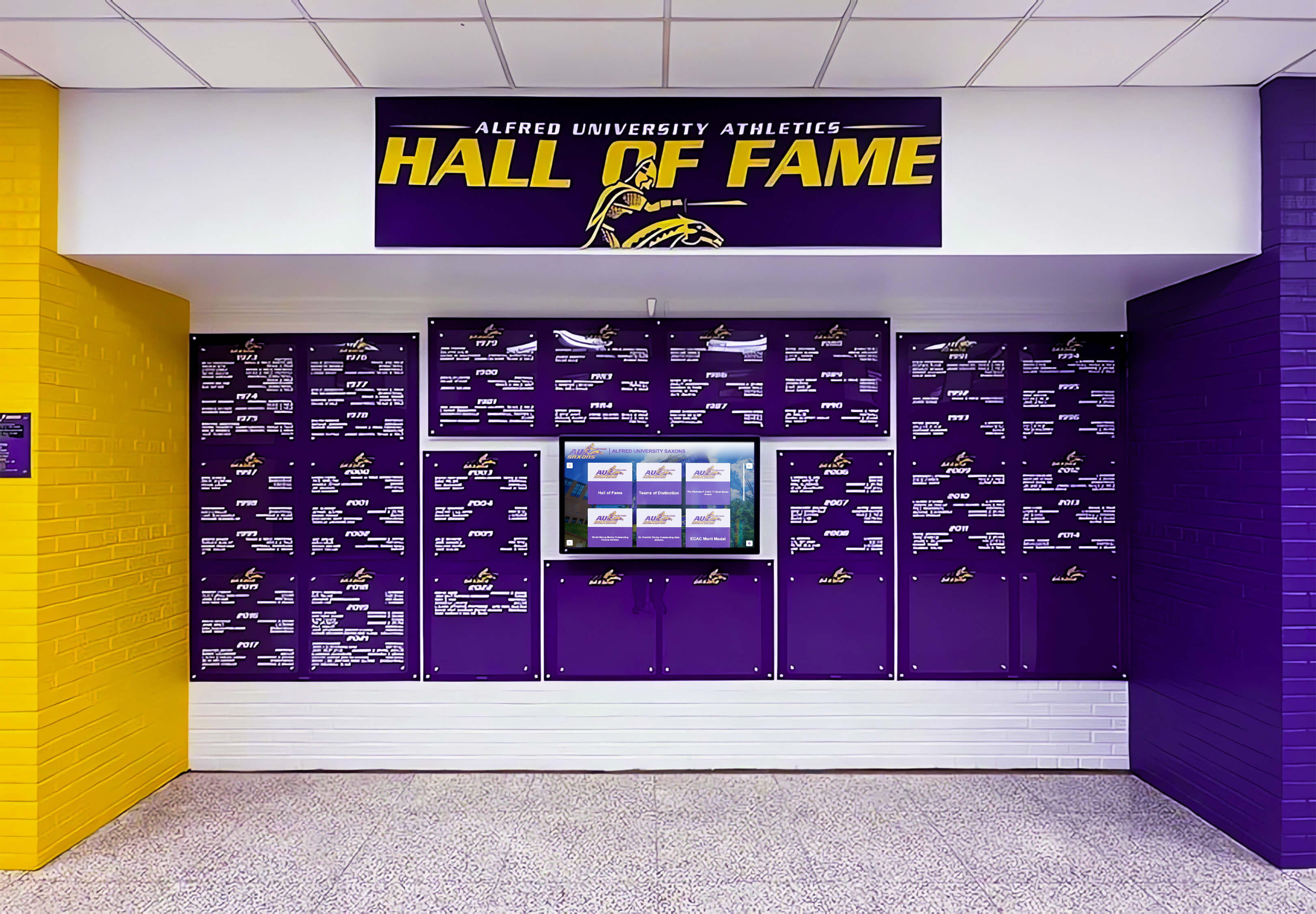
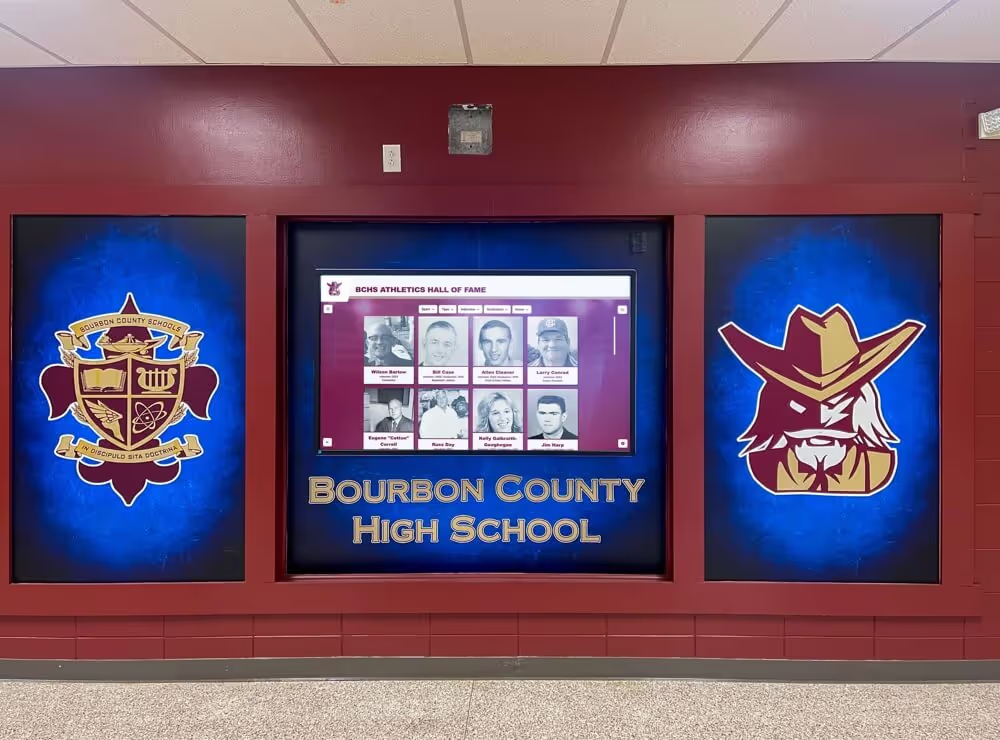
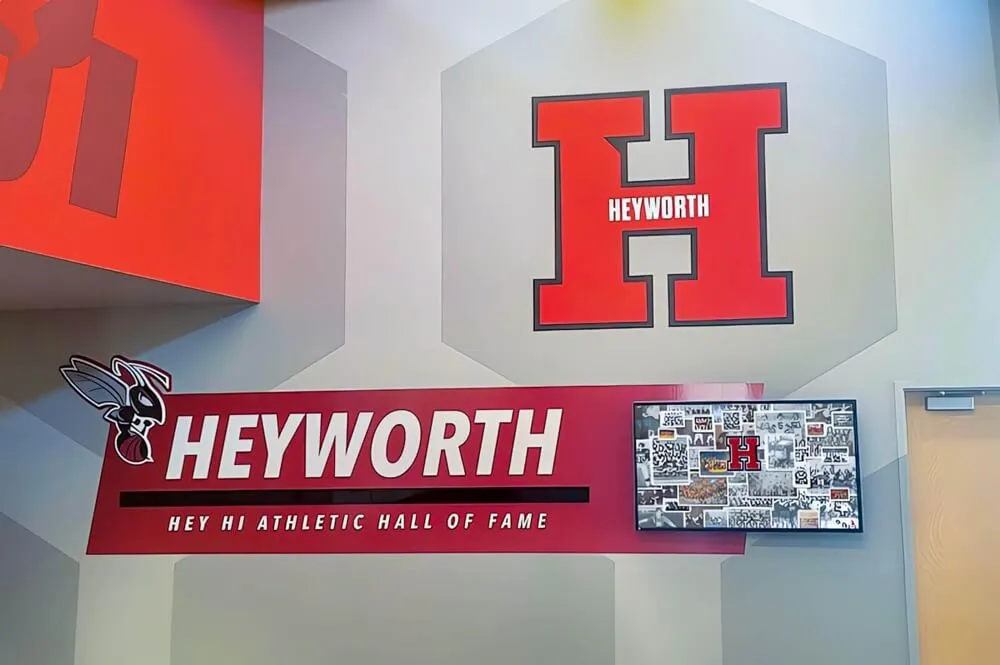
Brand-integrated recognition displays incorporate institutional colors and identity—creating cohesive appreciation experiences reflecting school pride and tradition
Implementing Modern Recognition Technology
Digital platforms address traditional staff recognition limitations while creating engaging experiences.
Unlimited Recognition Capacity
Physical plaque walls eventually exhaust available space forcing difficult decisions about which educators warrant limited recognition positions. Digital platforms eliminate capacity constraints entirely—recognizing unlimited staff members through searchable databases accommodating decades or centuries of educator history without physical expansion requirements.
Schools never face removal of earlier educator plaques to accommodate current honorees, and comprehensive recognition across all roles and eras becomes practically achievable rather than physically impossible.
Rich Multimedia Staff Profiles
Interactive platforms enable comprehensive educator documentation including high-resolution photos across career stages, complete service histories with roles and accomplishments, video interviews documenting teaching philosophies and memorable moments, biographical narratives explaining instructional approaches and student impact, student testimonials sharing personal development stories, and post-retirement career updates documenting continued contribution and achievement.
Multimedia depth transforms simple name acknowledgment into compelling storytelling that students, families, and community members genuinely engage with rather than briefly glancing at traditional text-only plaques.
Immediate Content Updates
Cloud-based management enables instant recognition updates without construction delays. When educators reach milestones or retire, administrators update digital displays within minutes through remote access—changes appearing immediately rather than requiring months-long physical modification processes and ongoing fabrication costs.
Solutions like Rocket Alumni Solutions provide purpose-built platforms specifically designed for educational staff recognition, combining commercial-grade touchscreen hardware with intuitive content management administrators can maintain without specialized technical expertise. These comprehensive systems support both staff and student recognition within unified platforms—ensuring educator excellence receives equal prominence alongside student achievement in institutional celebration.
Web and Mobile Accessibility
Modern recognition extends beyond physical locations through responsive web portals. Alumni, prospective families, and community members can explore educator legacies remotely—accessing career highlights, reading student testimonials, and watching video tributes from anywhere. Social sharing enables educators to share their recognition with personal networks, extending appreciation impact beyond those physically visiting school facilities.
This accessibility proves particularly valuable for retired educators who’ve relocated or students now distant from campus—maintaining lasting connections to teaching relationships that shaped their development through accessible digital recognition preserving these important bonds.
Discover how digital recognition wall systems create comprehensive staff celebration alongside student achievement recognition within unified institutional platforms.
Creating Year-Round Appreciation Cultures
Beyond designated appreciation weeks, sustained recognition cultures make educators feel valued continuously throughout their careers.
Regular Recognition Practices
Systematic acknowledgment throughout school years maintains ongoing appreciation rather than confining gratitude to single weeks annually.
Weekly Staff Spotlights
Feature individual educators through various channels including social media posts highlighting specific teaching contributions, email newsletters sharing educator accomplishments and milestones, morning announcements recognizing instructional excellence or student impact, website features profiling teaching philosophies and backgrounds, and hallway displays rotating monthly to showcase different staff members.
Regular spotlights ensure all staff receive periodic recognition rather than only administrators or high-profile positions attracting attention.
Administrative Check-Ins and Observations
Principals and instructional leaders scheduling regular conversations with educators demonstrate genuine interest in their experiences, challenges, and support needs. Meaningful interactions include inquiries about specific classroom developments, offers of resource support or problem-solving assistance, acknowledgment of observed teaching excellence or student engagement improvements, and personal questions showing interest in educator wellbeing beyond just performance metrics.
Educators feeling supported and valued through regular administrative engagement demonstrate higher satisfaction and retention compared to those receiving only annual performance evaluations without ongoing relationship investment.
Peer Recognition Systems
Enable staff to recognize colleague excellence including nomination platforms where educators can highlight exceptional peer contributions, “caught being awesome” acknowledgment systems celebrating observed excellence, collaborative celebration during staff meetings featuring peer testimonials, mentorship recognition honoring educators supporting newer colleagues, and team achievement celebration acknowledging collaborative successes.
Peer recognition often resonates powerfully—validation from colleagues who understand daily work challenges carries special significance compared to external acknowledgment from those less familiar with specific contexts.

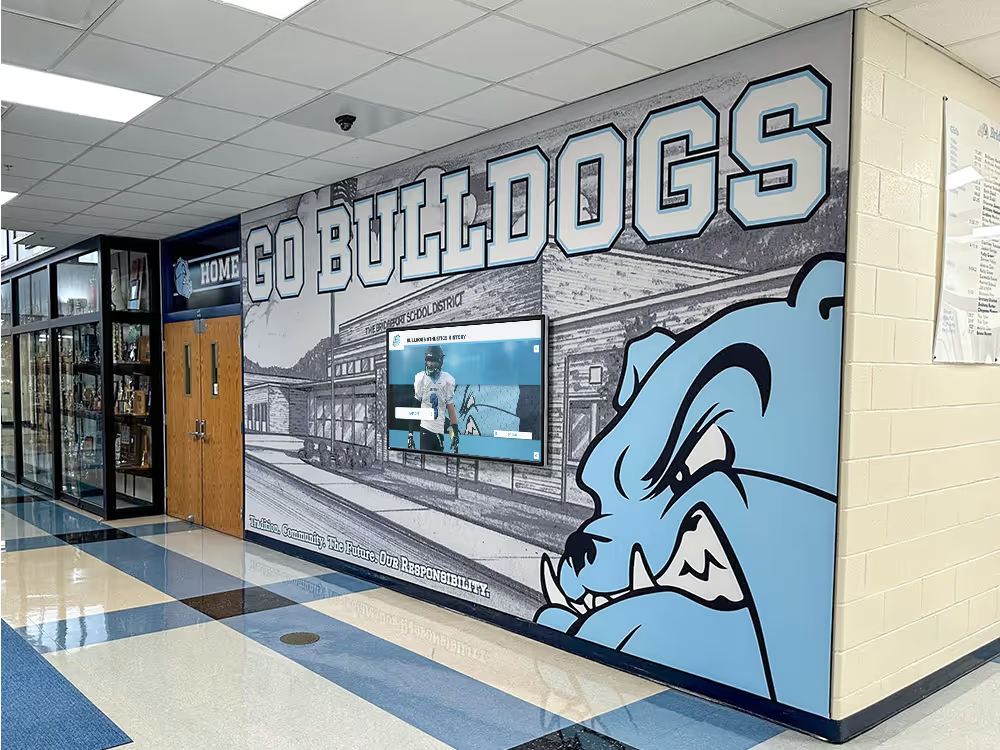
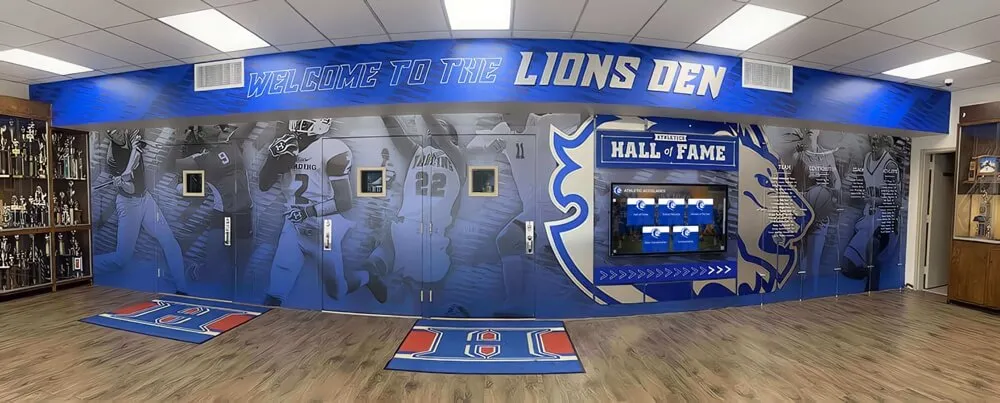
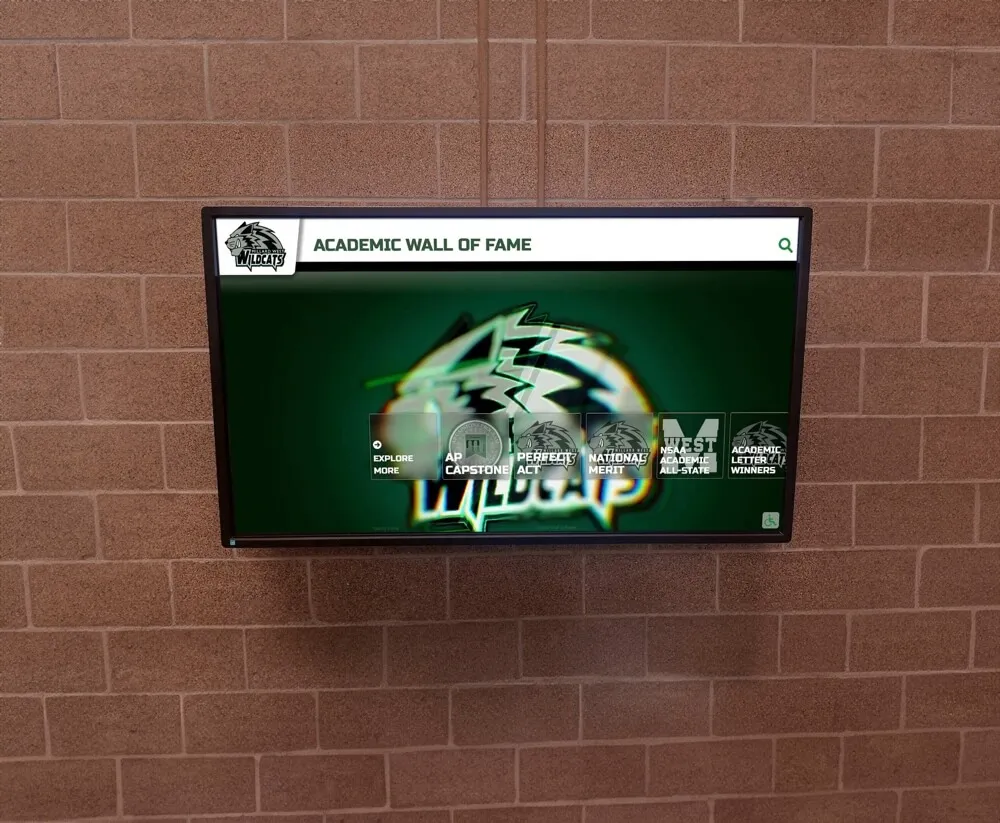
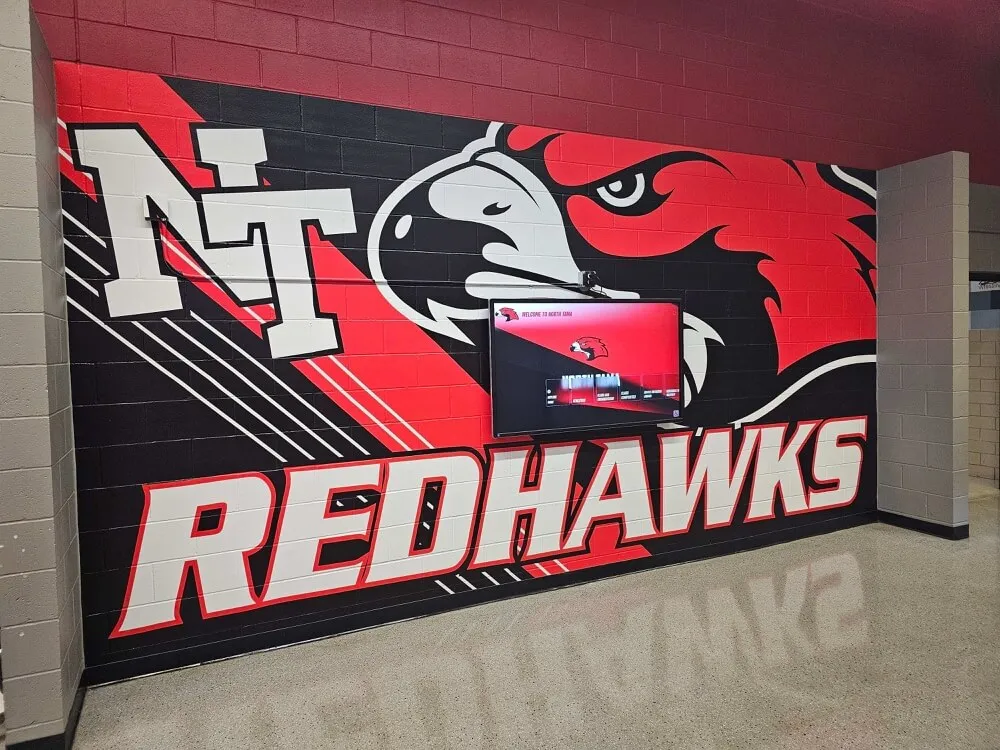
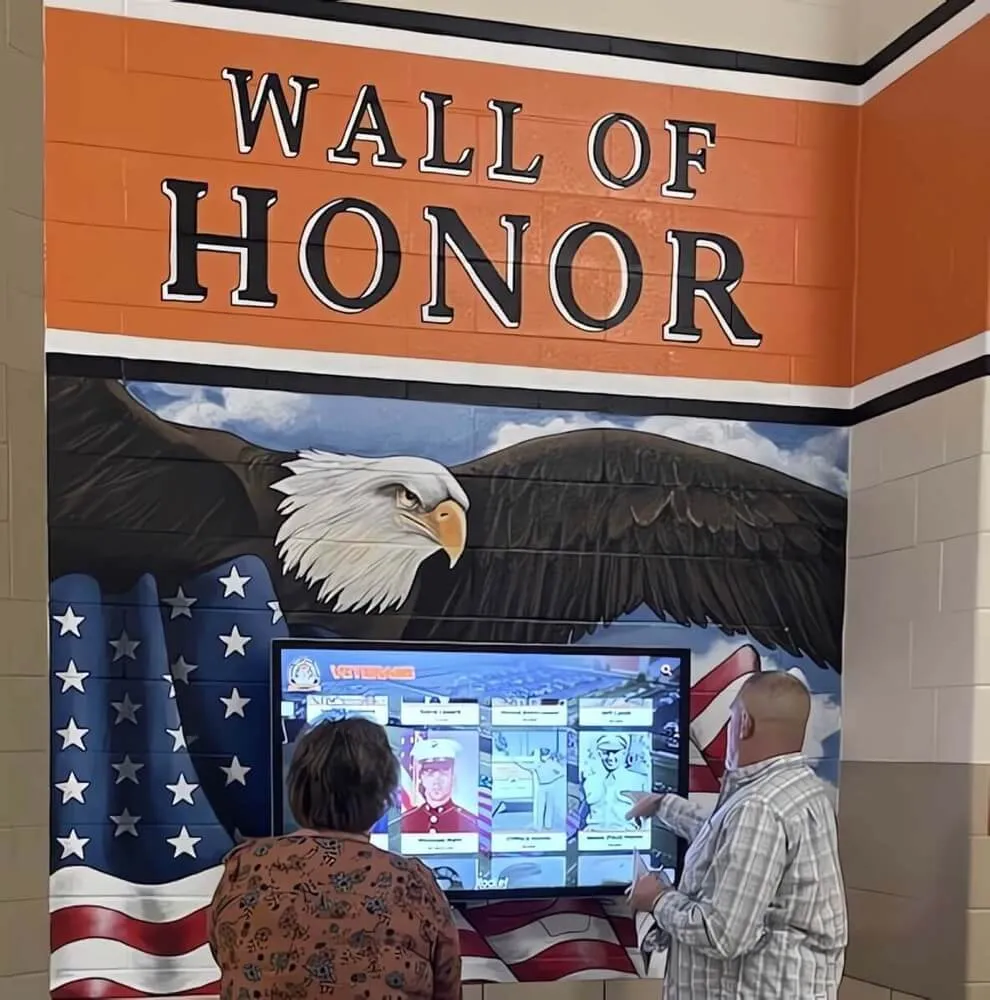
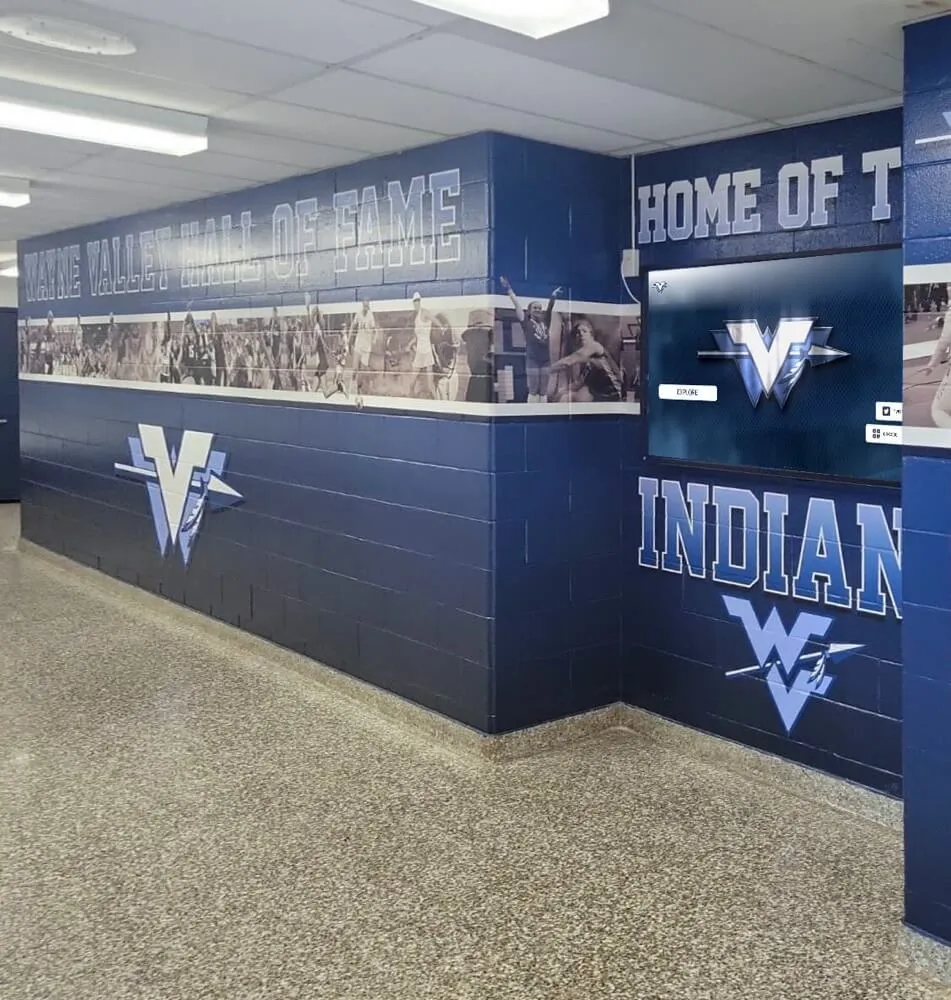
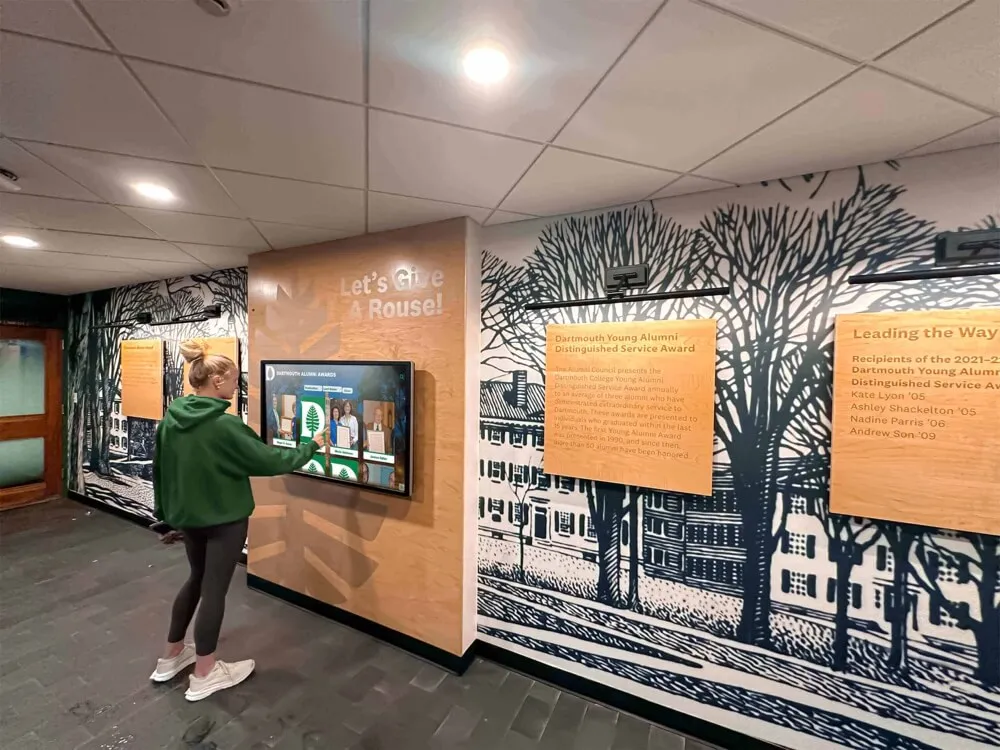
Integrated recognition displays blend with existing murals and architectural features—creating comprehensive recognition environments throughout school facilities
Supporting Educator Development and Wellbeing
Appreciation includes investment in professional growth and personal wellness.
Professional Development Opportunities
Provide and fund educator development including conference attendance for instructional learning and networking, certification programs advancing teaching credentials, graduate coursework supporting advanced degree completion, instructional coaching providing personalized feedback and growth, collaborative planning time enabling curricular development, and subscription resources for teaching platforms and content libraries.
Development investment communicates institutional commitment to teaching excellence and individual educator growth—appreciating staff through tangible support rather than only ceremonial acknowledgment.
Resource Allocation and Instructional Support
Support educators with adequate resources including quality instructional materials and curriculum resources, technology tools enabling effective instruction, classroom supplies eliminating personal expense requirements, paraprofessional support for students with intensive needs, planning time for lesson development and grading, and reduced class sizes enabling personalized instruction.
Educators feel most appreciated when institutions invest meaningfully in instructional infrastructure enabling teaching excellence rather than expecting outstanding results without competitive resources.
Work-Life Balance Support
Acknowledge that teaching demands strain personal lives and relationships. Demonstrate appreciation through reasonable workload expectations calibrated to contract time, flexibility accommodating important personal events when possible, mental health resources supporting emotional wellbeing, family involvement in school celebrations creating shared experiences, and realistic assessment of what educators can accomplish within available time and resources.
Educators experiencing institutional understanding and support regarding work-life integration demonstrate higher long-term satisfaction and retention compared to those feeling pressured to sacrifice all personal wellbeing for professional achievement.
Understanding how programs can implement recognition systems honoring educational excellence alongside student achievement creates comprehensive appreciation cultures valuing all program contributors equally.
Budget-Conscious Staff Appreciation Strategies
Meaningful recognition need not require excessive spending—thoughtfulness and consistency matter more than expense.
Cost-Effective Appreciation Ideas
Student and Family Coordination
Most impactful appreciation often involves minimal expense when students and families invest personal effort:
- Handwritten thank-you notes from every student requiring only paper and time
- Student-created appreciation videos using smartphones and free editing software
- Family-organized appreciation meals where parents contribute dishes creating feasts with minimal individual cost
- Homemade gifts demonstrating personal investment like photo albums, artwork, or memory books
- Service projects benefiting educators like classroom organization, bulletin board creation, or supply donations
Personal investment communicates appreciation more powerfully than expensive gifts lacking thought or personalization.
Community Partnership Leveraging
Engage local businesses in supporting educator appreciation through donated goods or services, discounted offerings enabling expanded appreciation within budget constraints, promotional partnerships where businesses gain visibility supporting community educators, and sponsorship opportunities funding specific appreciation programs or awards.
Community businesses often willingly support education—particularly when recognition provides positive publicity demonstrating community investment in schools and teaching profession.
Digital Recognition Efficiency
While initial technology investment exists, digital recognition systems prove remarkably cost-effective long-term compared to traditional physical approaches.
Physical educator plaques typically cost $300-600 per person for fabrication, engraving, and professional installation—creating ongoing expenses each time staff members warrant recognition. Schools recognizing 5-10 educators annually face perpetual costs of $1,500-6,000 yearly just maintaining basic physical recognition without accounting for display expansion or maintenance requirements.
Digital platforms enable unlimited educator recognition within fixed subscription costs. Schools report 60-75% cost reduction managing comprehensive digital staff recognition compared to traditional physical systems over 10-year timelines—while providing dramatically superior content depth, accessibility, and engagement compared to limited text-only plaques.
Administrators can explore budget-effective recognition solutions that serve comprehensive appreciation needs within realistic school budgets while creating more meaningful, engaging recognition than expensive physical installations.
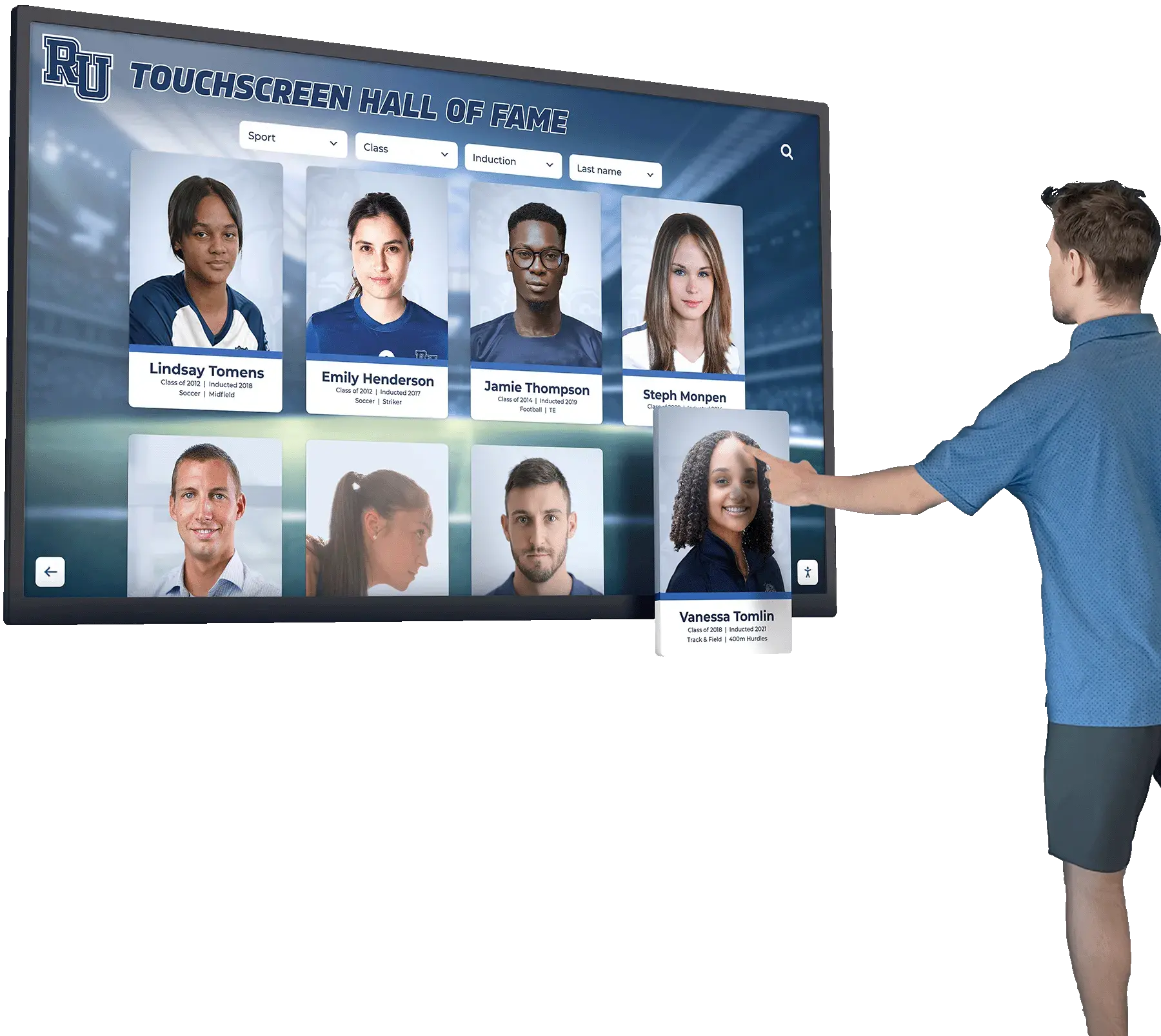
Freestanding kiosk installations create destination recognition experiences—inviting exploration and engagement rather than passive viewing
Implementing Teacher Appreciation Week: Step-by-Step Planning
Systematic planning ensures successful appreciation events rather than last-minute scrambling compromising quality and impact.
Timeline and Planning Framework
8-12 Weeks Before Appreciation Week
Establish appreciation committee including administrative representation, teacher leaders, support staff representatives, parent organization members, and student government involvement. Set appreciation week dates coordinating with calendar constraints, determine event formats based on school culture and budget, establish preliminary budget and identify funding sources, identify recognition honorees and specific acknowledgment plans, and create project timeline with specific milestones and responsibilities.
Early planning enables thoughtful coordination rather than rushed execution compromising quality and personalization.
6-8 Weeks Before Appreciation Week
Recruit volunteers for specific roles including event coordination, communication management, food service coordination, multimedia production, gift procurement, and space setup. Begin content development for appreciation videos, program materials, and presentations. Coordinate with community partners securing donations or sponsorships. Launch staff nomination processes if implementing special recognition awards. Secure venue reservations, catering contracts, and any required equipment.
4-6 Weeks Before Appreciation Week
Finalize appreciation programming including daily themes and activities, special event schedules, recognition award selection processes, and culminating celebration formats. Complete gift procurement and personalization ensuring items arrive with adequate preparation time. Develop promotional materials including posters, announcements, and digital communications. Test all technology including video playback, touchscreen displays, and presentation equipment. Confirm all vendor commitments and coordinate final logistics.
2-4 Weeks Before Appreciation Week
Conduct venue walkthroughs confirming setup arrangements and addressing facility concerns. Distribute communications promoting appreciation week through multiple channels including email, social media, school announcements, and community newsletters. Coordinate student participation including classroom activities, hallway decorations, and performance preparations. Finalize participation counts for catering and seating arrangements. Prepare contingency plans for potential complications including technology failures or schedule conflicts.
Week Before Appreciation Week
Confirm all vendor deliveries and service commitments, conduct rehearsals for special events with participants, stage all materials and gifts for easy access, coordinate volunteer schedules and responsibilities, establish event communication plans ensuring smooth coordination, and prepare backup plans for common complications preventing delays from minor issues.
During Appreciation Week Execution
Implement daily themed activities maintaining schedule and quality, document appreciation moments through photos and videos, maintain communication with volunteers and participants, address emerging issues promptly, celebrate staff genuinely and enthusiastically, and gather informal feedback informing future planning.
Post-Appreciation Week Follow-Up
Distribute thank-you notes to volunteers and contributors, share appreciation photos and videos with staff and community, gather formal feedback through surveys informing future planning, process expense reports and sponsor recognition, document successes and lessons learned for institutional memory, and transition to sustained year-round appreciation maintaining momentum beyond single week.
Systematic planning creates professional, memorable appreciation demonstrating genuine respect for educator contributions deserving thoughtful execution rather than haphazard acknowledgment communicating minimal institutional commitment.
Addressing Common Staff Appreciation Challenges
Anticipate typical obstacles enabling proactive solutions ensuring recognition achieves intended purposes.
Balancing Recognition Across Roles and Departments
Equity Concerns
Schools must ensure appreciation extends equitably across all staff rather than only high-visibility positions:
Establish consistent appreciation standards applying to all employees regardless of role, recognize excellence across diverse contribution dimensions beyond only instructional achievement, rotate special recognition opportunities ensuring various positions receive featured appreciation, and monitor cumulative recognition ensuring no groups consistently excluded from meaningful acknowledgment.
Title IX and employment equity require particular attention—ensure female staff receive equal recognition to male counterparts, monitor for unconscious bias in appreciation language or selection, and document recognition distribution demonstrating systematic equity consideration protecting against potential discrimination concerns.
Classroom Teachers Versus Support Staff Recognition
While classroom teachers often receive more visible acknowledgment, appreciation systems should honor all staff whose contributions enable student success:
Create specific recognition categories acknowledging specialized support roles, include all staff in school-wide achievement celebration, recognize individual accomplishments beyond instructional metrics, and establish career pathways showing institutional commitment to support staff development and advancement opportunities.
Support staff feeling genuinely appreciated demonstrate higher retention rates and institutional loyalty compared to those perceiving themselves as less valued than teaching professionals.
Explore how comprehensive recognition approaches can celebrate diverse contributions across educational teams beyond traditional teaching roles.
Managing Sensitive Recognition Situations
Retiring Staff with Mixed Performance Records
Employees retiring without stellar performance histories still deserve respectful appreciation for years of service:
Emphasize longevity, specific positive contributions, relationship building with colleagues or students, institutional knowledge preservation, and professional commitment regardless of performance concerns. Highlight memorable moments defining career contributions and positive impacts on school community.
Every staff member dedicating years to education deserves professional acknowledgment regardless of performance levels—sustained service represents commitment and value beyond perfect execution.
Staff Departures Under Difficult Circumstances
Departures following performance concerns, philosophical conflicts, or behavior issues complicate recognition:
Maintain professional acknowledgment proportional to actual positive contributions while avoiding celebration inappropriate to departure circumstances. Brief acknowledgment of service years and specific constructive contributions enables closure without extensive recognition implying endorsement of problematic behavior or performance.
Consult with human resources and legal advisors regarding appropriate recognition for sensitive departures preventing potential complications from well-intentioned but ill-advised appreciation gestures creating documentation concerns.
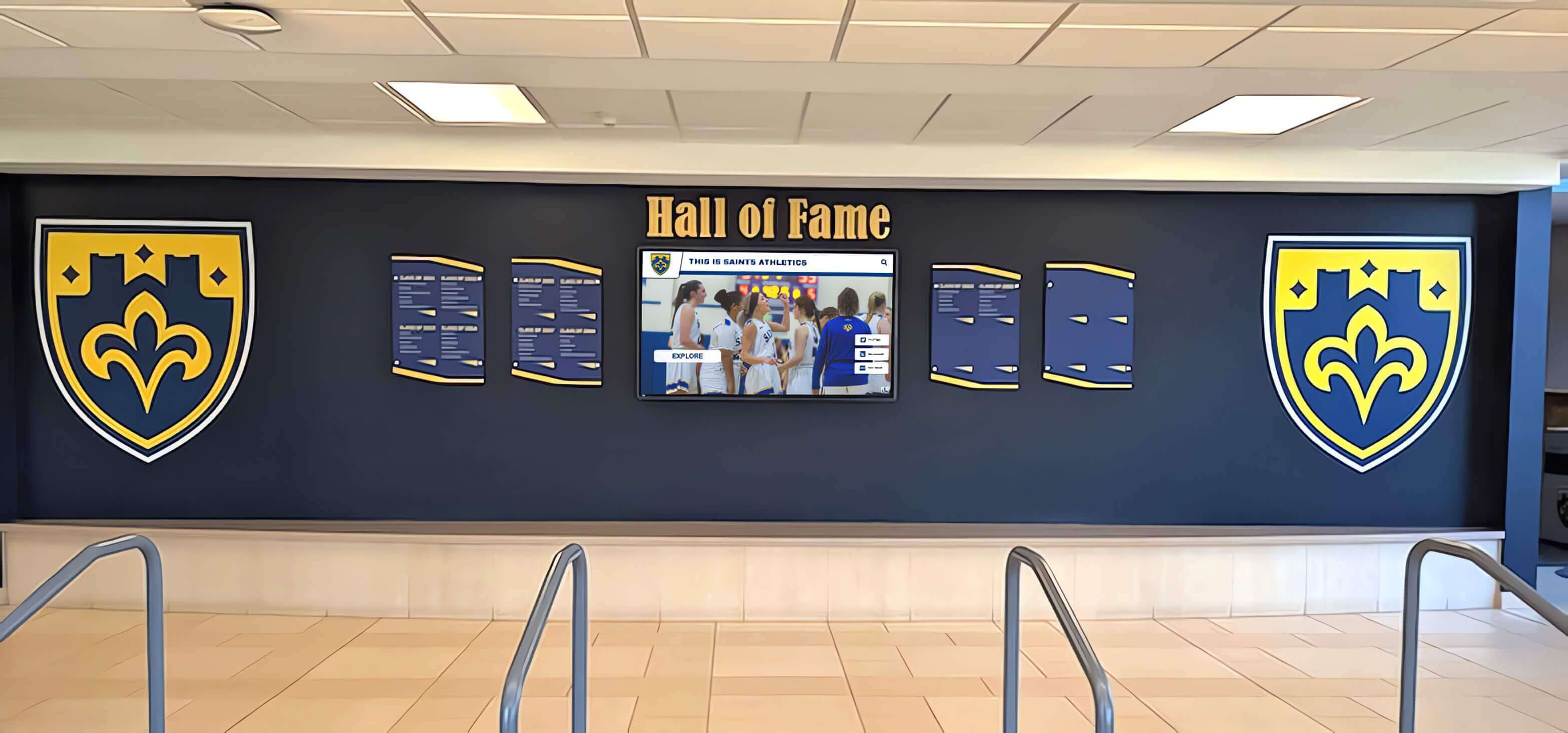
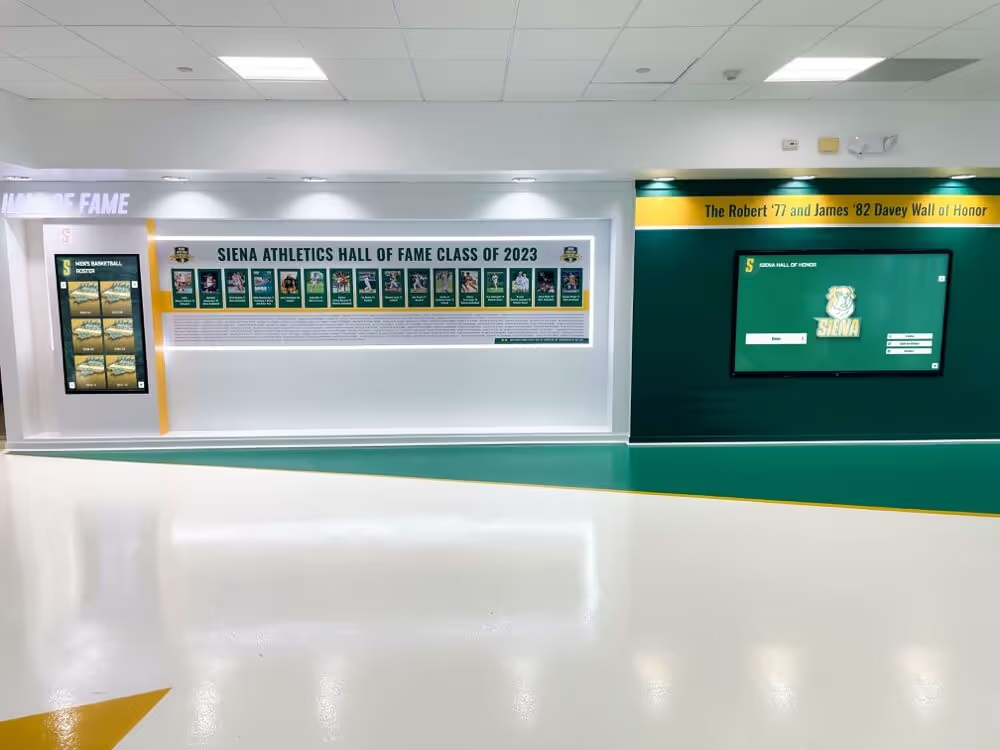
Combined physical and digital recognition creates comprehensive celebration—blending traditional plaque aesthetics with modern multimedia storytelling capabilities
The Long-Term Impact of Meaningful Staff Recognition
Systematic educator appreciation generates measurable benefits extending beyond individual satisfaction to institutional health and student outcomes.
Staff Retention and Recruitment
Schools with strong recognition cultures retain quality educators significantly longer.
Educators feeling genuinely valued demonstrate 35-45% longer average tenure compared to those in schools lacking systematic appreciation. Extended tenure enables deeper student relationships, more sophisticated instructional practice, stronger family connections, and accumulated institutional knowledge improving decision-making and program development.
High staff turnover disrupts instructional continuity, forces students to constantly adapt to new educators, prevents long-term program implementation, and signals community concerns about workplace culture potentially affecting recruitment and family enrollment decisions.
Recognition investment preventing turnover proves remarkably cost-effective—replacing educators requires advertising, interview processes, hiring coordination, onboarding training, and early-tenure productivity losses while new staff establish themselves. Retaining educators through meaningful appreciation avoids these transition costs while maintaining instructional momentum and program quality.
Enhanced Recruitment and Institutional Reputation
Strong staff appreciation creates competitive advantages during hiring.
Prospective educators evaluating opportunities prioritize schools demonstrating genuine staff support and appreciation. Robust recognition systems signal institutional commitment to employee wellbeing attracting quality candidates during hiring processes.
Current staff in appreciative environments speak positively about workplace culture through professional networks—creating positive reputation attracting applicants and potentially enabling more selective hiring identifying best cultural fits and instructional talent.
Families also consider staff satisfaction and retention during enrollment decisions. Schools known for supporting and retaining quality educators gain competitive advantages over institutions experiencing constant turnover suggesting workplace dysfunction or inadequate support.
Improved School Culture and Student Outcomes
Visible staff appreciation strengthens overall school culture benefiting students directly.
Educators feeling valued demonstrate higher engagement, more positive interactions with students, greater willingness to invest discretionary effort, enhanced collaboration with colleagues, and sustained enthusiasm preventing burnout—all factors directly impacting instructional quality and student experiences.
Students observing genuine staff appreciation learn valuable lessons about respect, professional recognition, and workplace culture that shape their own career expectations and interpersonal behaviors. Schools modeling authentic appreciation teach character lessons as important as academic content.
Digital recognition platforms extending staff celebration beyond physical locations enable worldwide appreciation access. Explore how comprehensive recognition systems honor educator excellence alongside student achievement creating complete school community celebration accessible to all stakeholders.
Conclusion: Building Cultures That Honor Educational Excellence
Teacher Appreciation Week represents not simply annual ceremonial obligations but opportunities to reinforce values-driven institutional cultures genuinely recognizing that educator contributions shape young lives far beyond test scores or graduation rates. The most meaningful appreciation extends beyond single weeks—creating year-round recognition cultures, implementing permanent legacy celebration systems, and demonstrating through consistent actions that institutions genuinely value staff dedication enabling educational excellence.
From immediate personalized appreciation gestures to comprehensive digital recognition platforms preserving educator legacies permanently, schools have numerous options for meaningfully honoring the professionals behind their programs. The strategies explored throughout this guide—from thoughtful event planning to permanent recognition technology—provide frameworks ensuring staff members feel genuinely appreciated for their extraordinary investments in student development and school community success.
Honor Your Educators Permanently
Discover how modern recognition displays enable comprehensive celebration of teaching excellence—preserving educator legacies through engaging multimedia profiles, unlimited capacity, and worldwide accessibility that traditional plaques cannot provide.
Explore Recognition SolutionsSystematic staff appreciation transforms institutional cultures—creating environments where educators feel supported, valued, and motivated to invest their best energy in student development. When schools implement meaningful recognition combining immediate personal appreciation with permanent legacy celebration, they create sustainable teaching excellence attracting quality educators, retaining valuable institutional knowledge, and building program stability generating competitive advantages extending across generations.
Start by evaluating your current staff appreciation practices. Do educators feel genuinely valued beyond perfunctory gestures? Does recognition extend equitably across all roles and departments? Have you implemented permanent systems ensuring educator legacies receive lasting institutional honor? These questions guide recognition program development creating comprehensive staff appreciation matching the profound impact educators create for students, families, and communities.
Your educators dedicate thousands of hours annually developing young people—teaching academic content while simultaneously building character, resilience, critical thinking, and life skills that students carry forward throughout their lives. This extraordinary investment deserves recognition reflecting its true significance—thoughtful, personal, sustained appreciation demonstrating genuine institutional understanding of what educators contribute and lasting value they create for individuals and society.
Whether implementing simple immediate appreciation ideas or exploring comprehensive recognition technology preserving educator legacies permanently, every step toward meaningful staff appreciation strengthens your institution, honors your professionals appropriately, and creates cultures attracting quality teaching talent essential for sustained educational excellence and comprehensive student development serving your school’s core mission.
Teaching shapes futures. Recognition honors that impact. Build appreciation systems worthy of the professionals behind your school’s success—because the educators investing themselves in your students deserve recognition matching their extraordinary dedication and lasting influence on the young people they mentor every day throughout their careers.