



As the school year winds down and students count the days until summer break, many parents, students, and administrators face the familiar question: what teacher end of year gifts truly express meaningful appreciation for educators who have invested countless hours shaping young minds? Beyond the conventional apple-themed items and generic gift cards that teachers receive year after year, thoughtful end-of-year recognition requires understanding what educators genuinely value—acknowledgment of their professional impact, respect for their expertise, and appreciation that extends beyond momentary gestures to create lasting tribute.
The challenge isn’t just selecting appropriate gifts for individual teachers; it’s building a recognition culture where educator contributions receive consistent, meaningful appreciation rather than perfunctory obligation. The most impactful end-of-year recognition balances personal thoughtfulness with institutional commitment, individual gestures with collective celebration, and temporary gifts with permanent tribute.
This comprehensive guide explores teacher end-of-year gift strategies spanning individual presents, class contributions, parent-organized recognition, administrative approaches, and institutional systems that create lasting appreciation extending far beyond June’s final bell—transforming obligatory year-end gestures into meaningful recognition that sustains and inspires the educators shaping our children’s futures.
The most meaningful teacher recognition combines immediate personal appreciation with lasting institutional tribute, ensuring educators feel valued not just during ceremonial moments but throughout their careers and beyond.

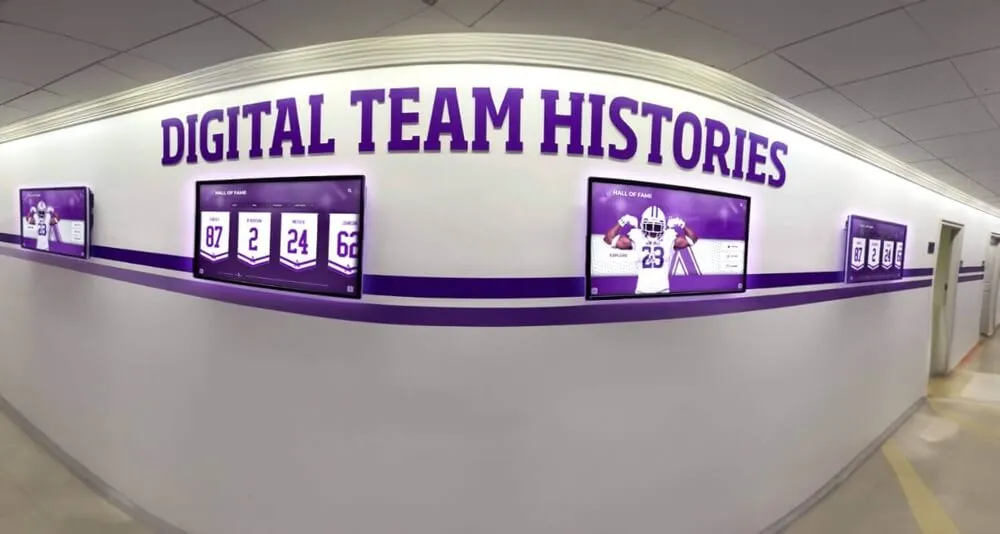
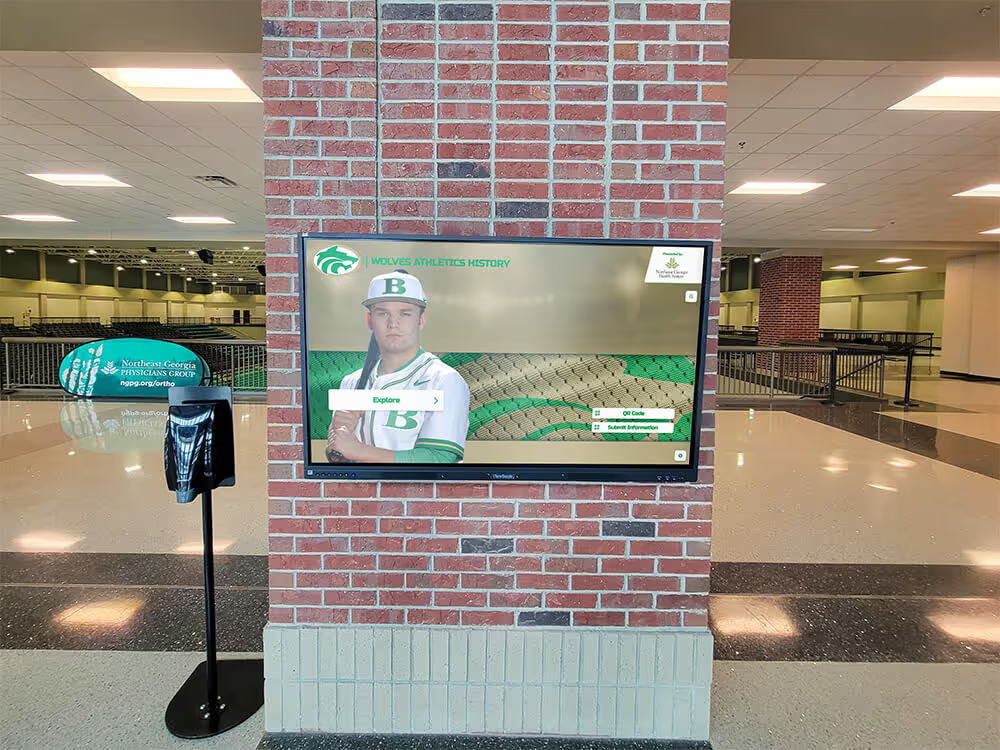
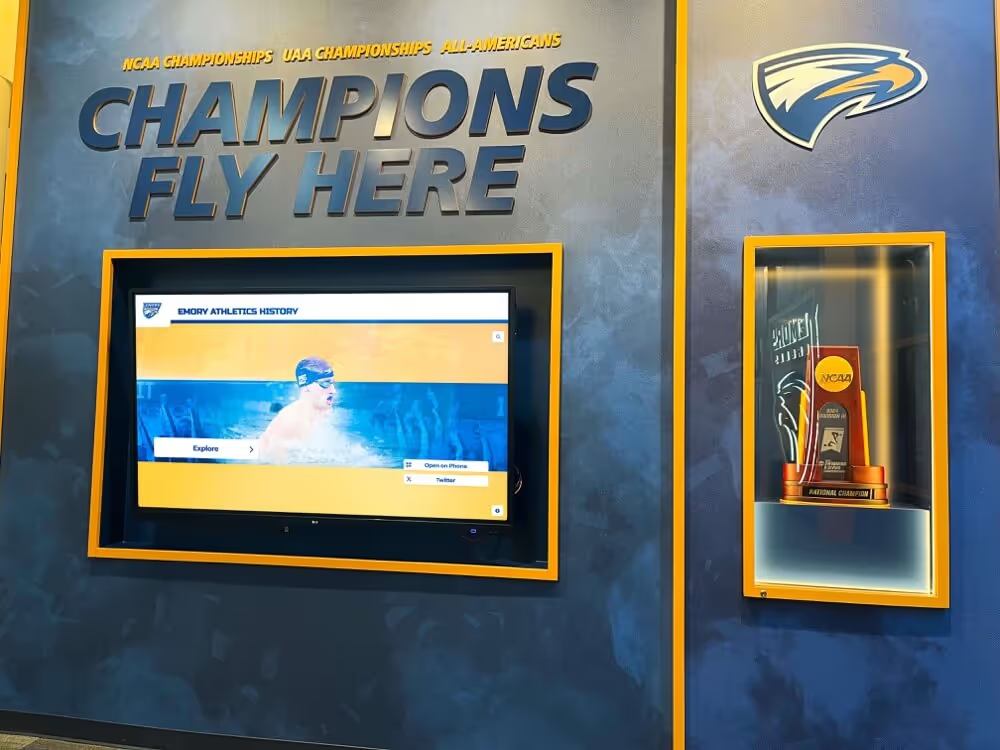
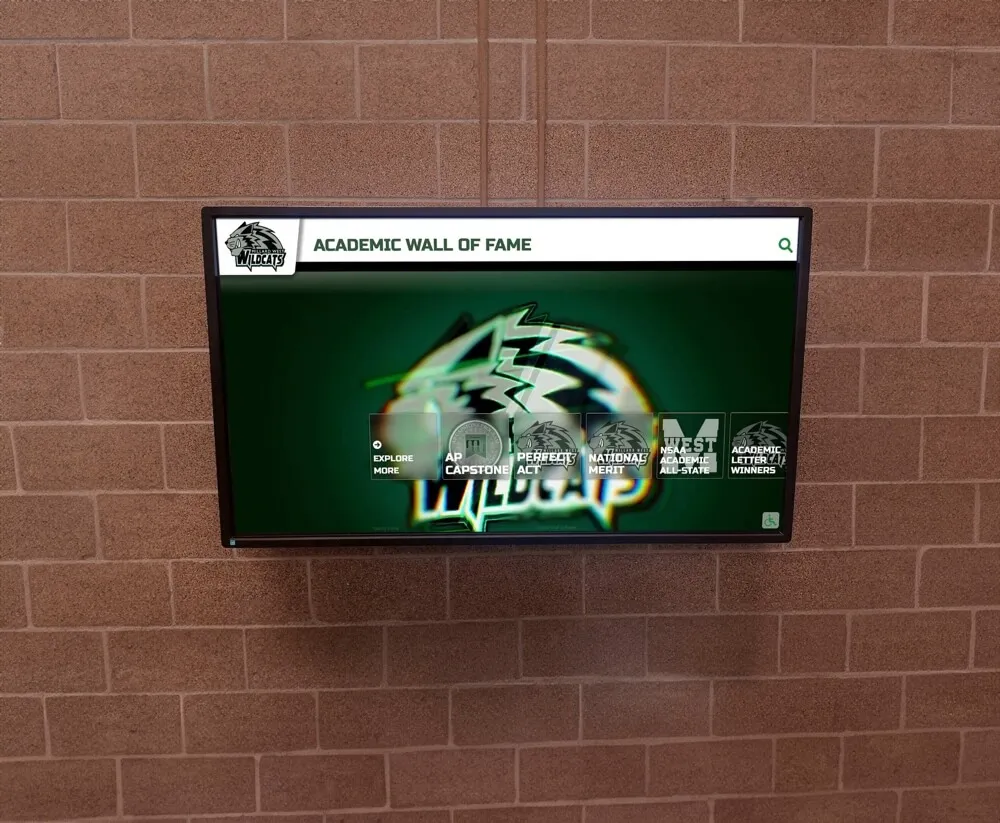
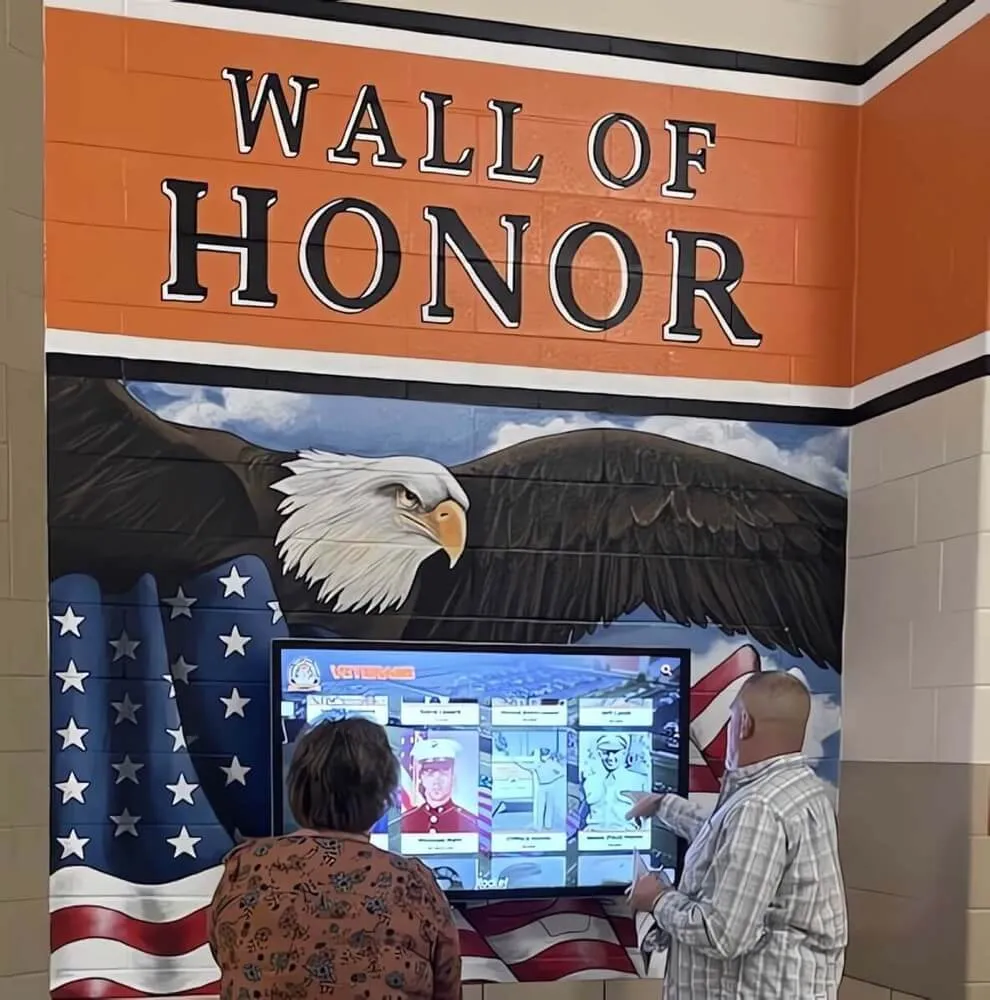
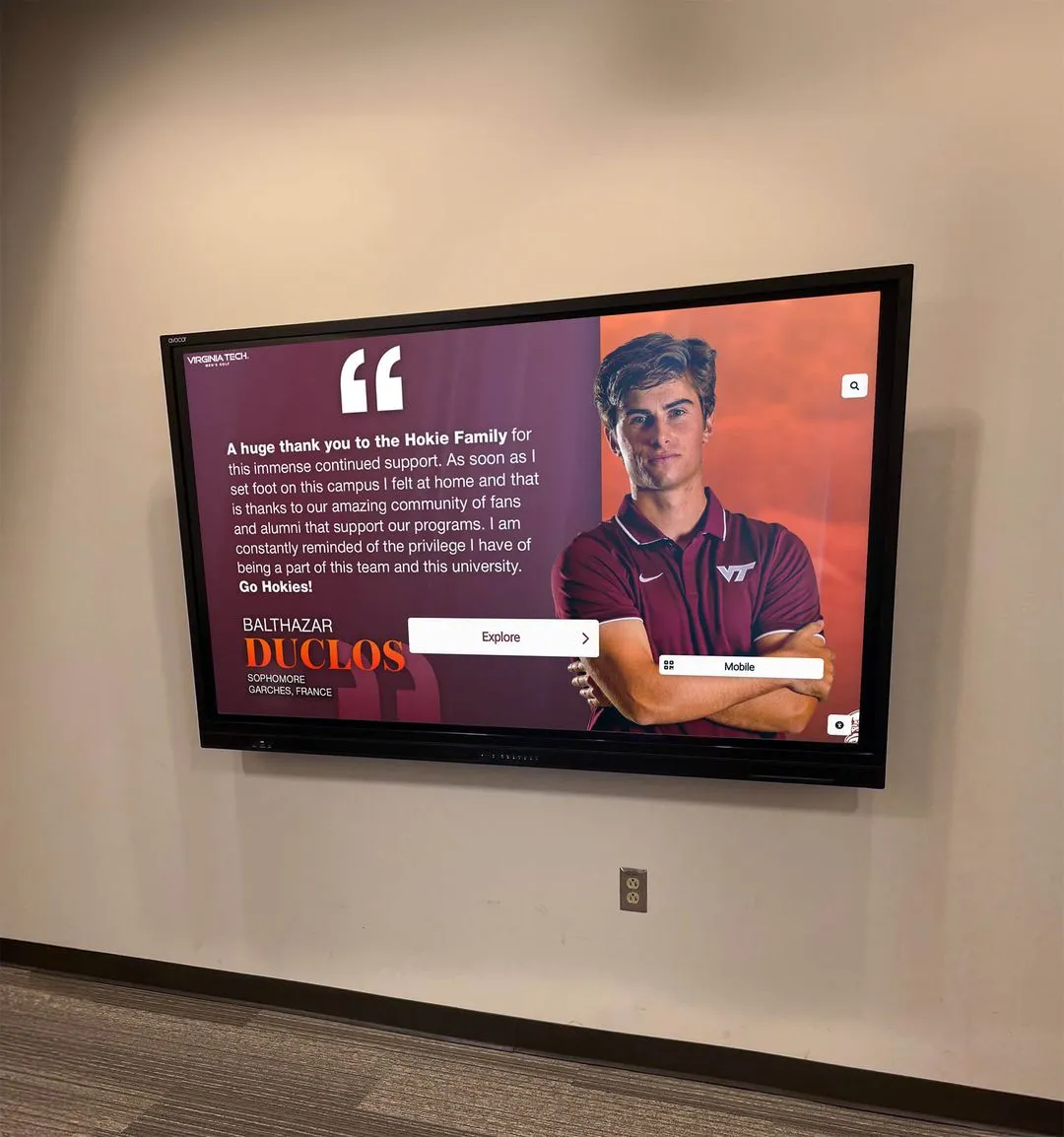
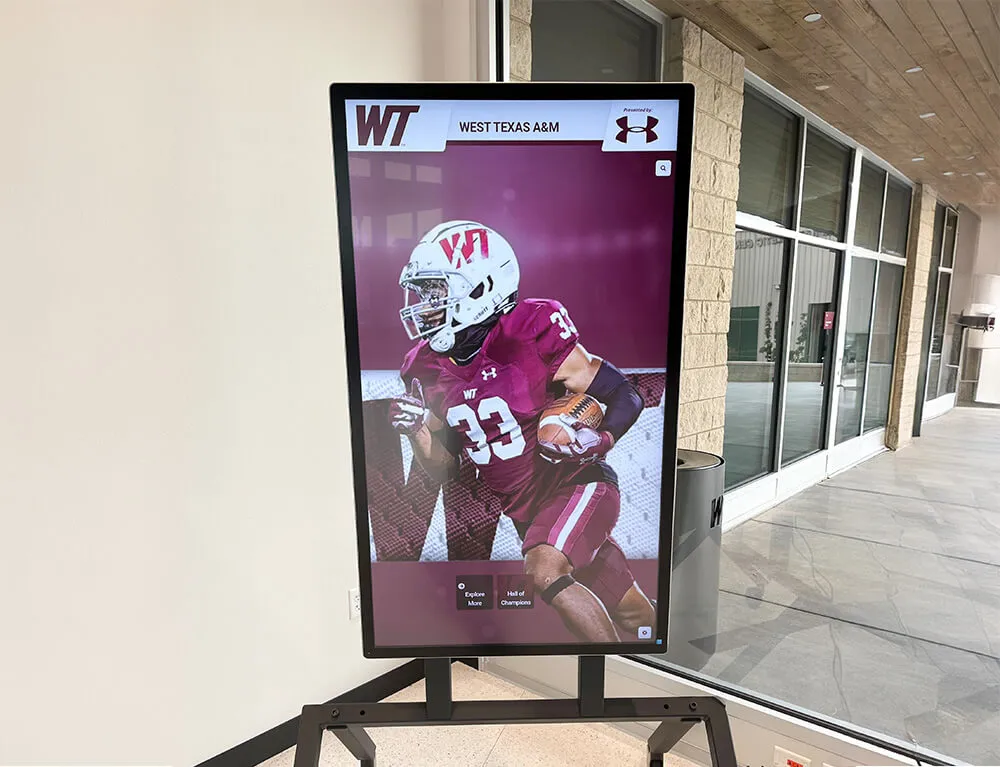
Permanent recognition installations at school entrances create year-round appreciation extending far beyond end-of-year gift moments
Understanding What Teachers Actually Value in End-of-Year Gifts
Before selecting specific gifts, understanding teacher perspectives on recognition helps ensure appreciation efforts resonate rather than becoming burdensome additions to already-cluttered classrooms.
Moving Beyond Generic Teacher Stereotypes
The education profession suffers from gift-giving stereotypes reducing complex professionals to apple motifs and “World’s Best Teacher” mugs accumulating in storage closets.
What Teachers Say About Conventional Gifts
Educator surveys and informal discussions reveal consistent themes about end-of-year presents. Teachers appreciate the thought behind any gift but often struggle with classroom storage limitations making physical items challenging. Duplicate gifts—multiple coffee mugs, similar picture frames, or repetitive decorative items—create appreciation dilemmas where declining feels ungrateful but accepting means managing accumulating belongings.
Generic items disconnected from the teacher’s actual interests or personality, while well-intentioned, carry less emotional impact than personalized recognition demonstrating that gift-givers noticed specific qualities, interests, or classroom moments. Teachers particularly value gifts acknowledging their professional expertise and intellectual work rather than reducing teaching to childcare or reinforcing outdated stereotypes about the profession.
The most appreciated gifts demonstrate genuine observation—recognition that Mrs. Johnson loves specific authors, that Mr. Chen coaches robotics beyond his math classes, that Ms. Rodriguez coordinates the community service program, or that Mr. Thompson has transformed the school garden into an outdoor learning laboratory.
The Hidden Challenge: End-of-Year Timing
End-of-year gift-giving concentrates appreciation into narrow windows when teachers simultaneously manage assessment completion, report card finalization, classroom organization, materials inventory, summer planning, and emotional transitions from current students to next year’s groups. This timing creates peculiar dynamics where appreciation gestures arrive during maximum stress rather than thoughtfully distributed throughout the year.
Teachers often express that consistent recognition throughout the school year—acknowledgment of specific lessons, appreciation for extra support provided to struggling students, or thanks for creative approaches solving particular challenges—carries more emotional weight than concentrated end-of-year presents, however generous. Regular appreciation demonstrates ongoing observation and gratitude rather than obligatory seasonal gestures.
What Educators Actually Want: Professional Respect and Meaningful Recognition
Beyond physical gifts, teachers consistently identify several recognition forms carrying particular significance.
Specific, Personalized Appreciation
Generic praise (“You’re a great teacher!”) feels less meaningful than specific acknowledgment demonstrating genuine observation. Teachers value recognition identifying particular moments: “The way you helped Sarah understand fractions through that cooking analogy finally made math click for her,” or “Your classroom library expansion this year gave my daughter access to authors she’d never discovered otherwise,” or “The growth I’ve seen in my son’s confidence during class presentations reflects your patient encouragement.”
Specific appreciation proves that parents, students, or administrators actually noticed the teacher’s work rather than offering formulaic acknowledgment. Handwritten notes from students describing particular learning moments or parent letters detailing specific impacts often become treasured keepsakes teachers preserve throughout their careers.
Time and Autonomy
Professional recognition respecting teachers’ expertise and time carries enormous value. Consider end-of-year gifts including professional development funds allowing teachers to pursue learning aligned with their interests rather than mandated training, classroom supply budgets or grants supporting teacher-designed innovations without bureaucratic approval processes, extra planning time or coverage allowing curriculum development, and flexibility in professional responsibilities demonstrating administrative trust.
Time represents perhaps the most valuable gift in a profession characterized by insufficient planning periods, expanding responsibilities, and constant demands. Any recognition creating breathing room rather than adding obligations demonstrates genuine understanding of teaching realities.
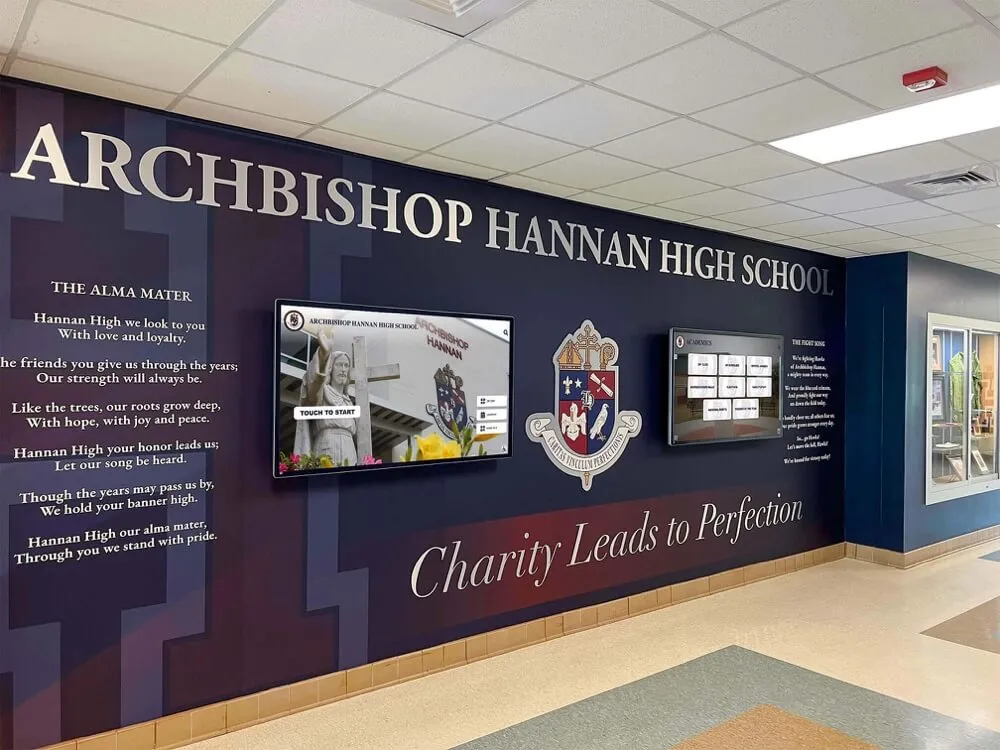
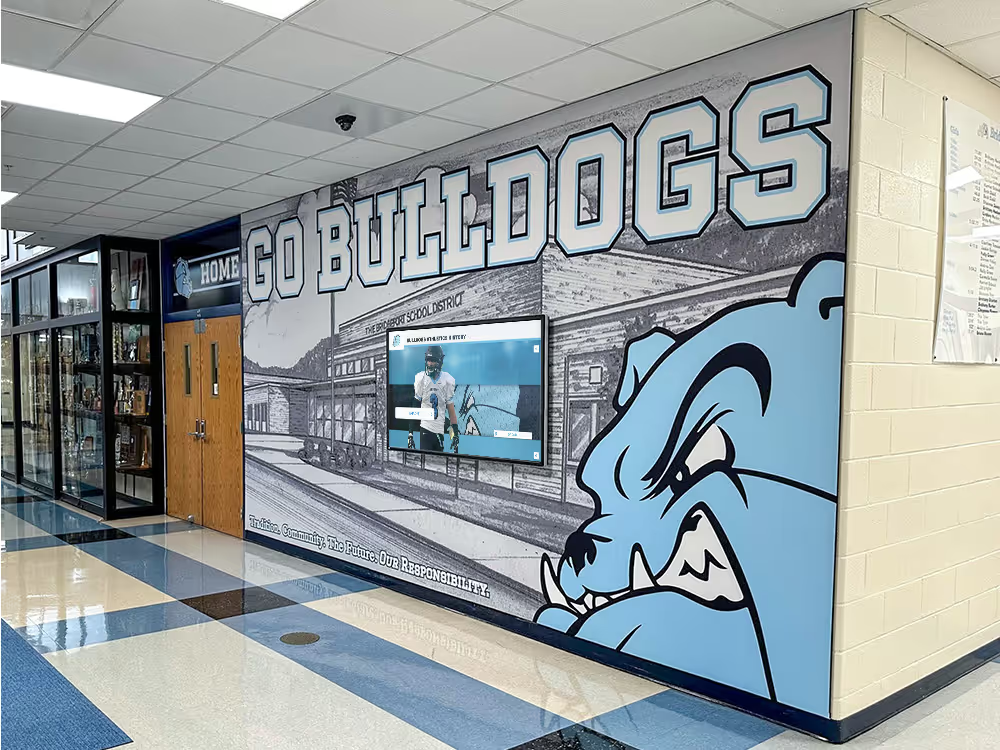
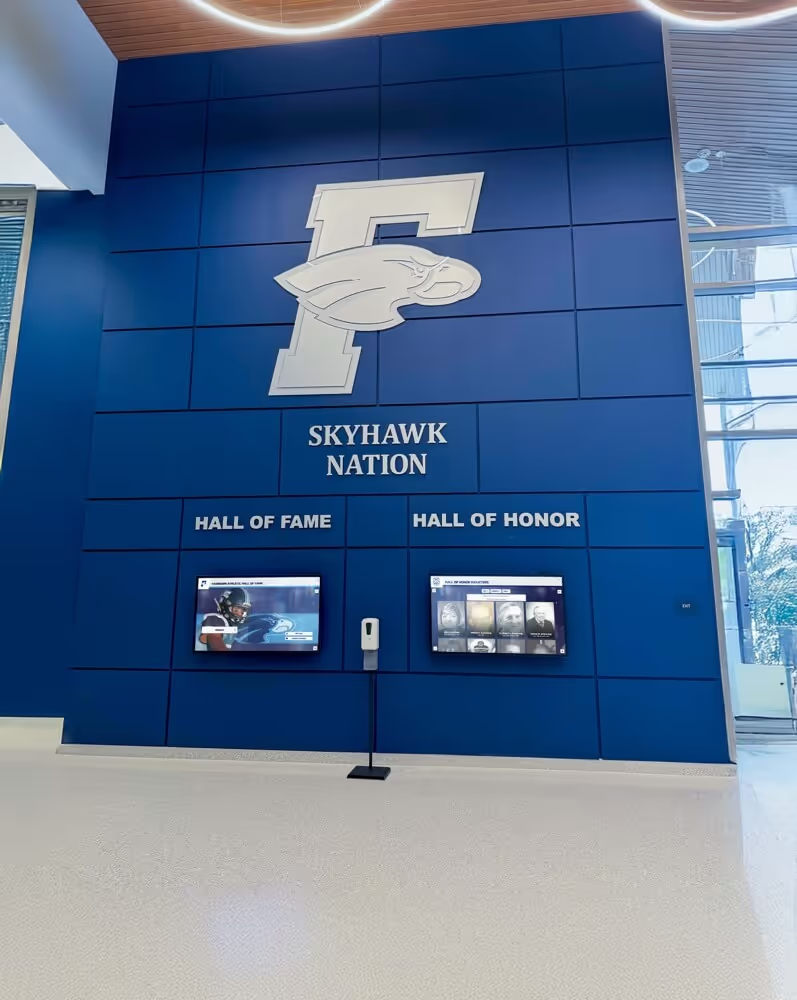
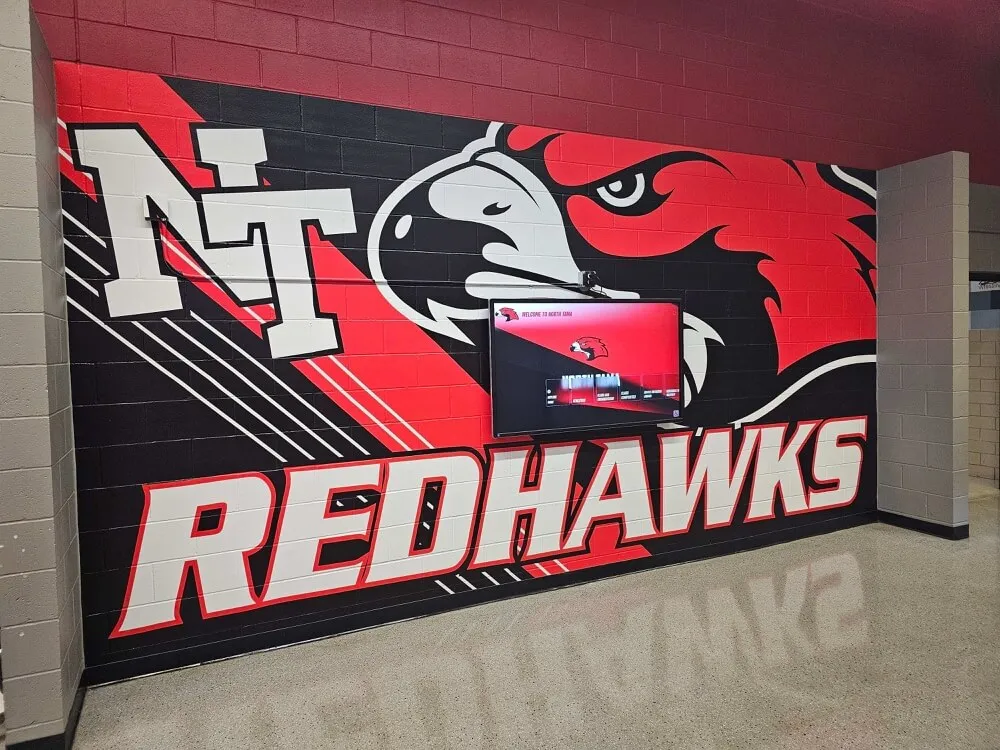
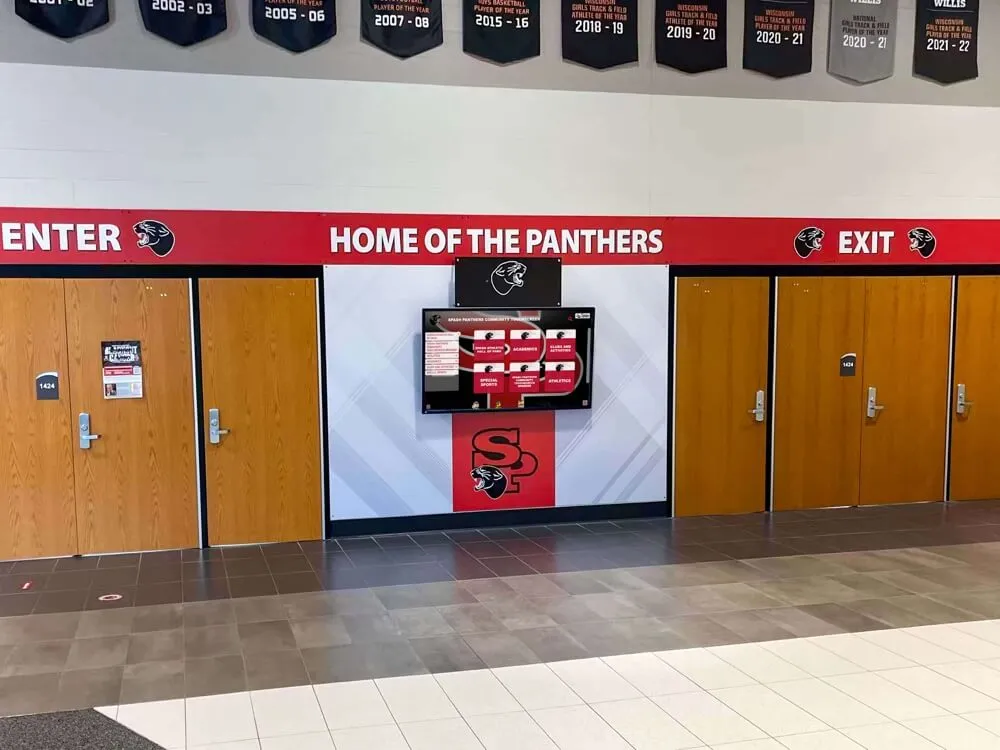
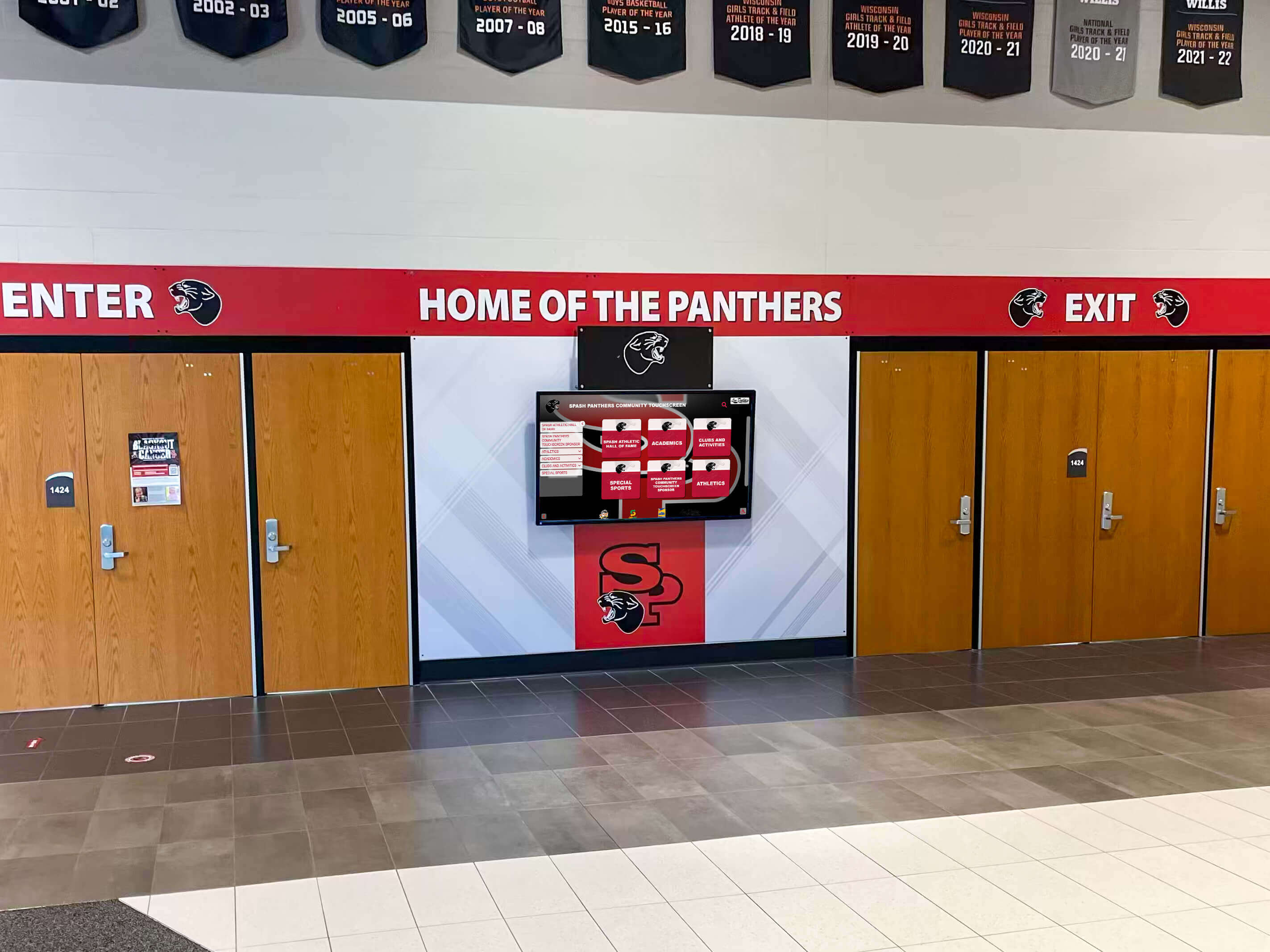
Recognition displays in high-traffic school corridors ensure daily visibility for teacher appreciation and student inspiration
Individual Gift Ideas That Teachers Genuinely Appreciate
When selecting individual gifts, thoughtfulness and personalization matter far more than expense or elaborateness.
Personalized and Practical Gifts
The most successful individual teacher gifts balance personalization demonstrating observation with practical utility avoiding classroom clutter.
Customized Classroom Tools
Consider gifts supporting actual classroom work including custom stamps for feedback on student work (reduces repetitive writing while maintaining personalization), high-quality classroom supplies like premium markers, specialized scissors, or organizational tools teachers wouldn’t purchase personally, personalized stationery or notecards for parent communication, customized book plates for classroom library additions, or specialized tools aligned with specific subjects (scientific calculators, art supplies, musical equipment, or athletic coaching tools).
These functional gifts acknowledge the teacher’s professional work while providing genuinely useful resources that enhance rather than burden their practice.
Experience-Based Gifts
Items creating experiences rather than accumulating in closets often carry particular value. Consider local restaurant gift cards allowing summer relaxation meals, coffee shop certificates for caffeinated curriculum planning sessions, bookstore gift cards letting teachers choose professional resources or personal reading, streaming service subscriptions supporting summer downtime, membership renewals for museums, gardens, or cultural institutions aligned with teacher interests, or tickets to local events, performances, or attractions.
Experience gifts provide enjoyment without requiring storage space while demonstrating attention to the teacher’s life beyond the classroom.
Consumable Comfort Items
Gifts that get used and enjoyed rather than stored indefinitely avoid clutter challenges while providing genuine pleasure. Quality options include specialty coffee, tea, or hot chocolate for the classroom beverage station (if teachers maintain one), baked goods or food baskets for end-of-year exhaustion (with attention to dietary restrictions), quality hand lotion or self-care items addressing the physical toll of constant hand-washing and active days, candles or aromatherapy items for home relaxation, or plants brightening classroom or home spaces without requiring permanent display space.
Consumables demonstrate care without creating long-term storage obligations or gift-retention guilt when items don’t match personal taste.
Gifts From Students: Balancing Heart and Practicality
Student-created gifts carry special emotional significance regardless of practical utility.
Student-Created Appreciation
The most treasured student gifts often include handwritten letters describing specific learning moments, favorite lessons, or ways the teacher impacted their year, student artwork or creative projects demonstrating effort and thought, photo compilations from classroom moments throughout the year, video messages from students sharing appreciation and favorite memories, or collaborative class projects like quilts, posters, or memory books involving all students.
These gifts require time and thought rather than expense while creating meaningful keepsakes teachers preserve throughout careers. Many educators report that student letters become sources of encouragement during challenging moments, reminding them why teaching matters when bureaucracy or frustration threatens to overwhelm purpose.
Age-Appropriate Gift Considerations
Elementary students naturally create different gifts than high schoolers. Younger children’s gifts often emphasize artistic creation, craft projects, and sweet expressions of appreciation. Middle school students might create more sophisticated projects, collaborative presentations, or technology-enhanced tributes. High school students can offer more mature reflection on learning growth, intellectual development, or specific content mastery.
All age levels benefit from adult guidance ensuring gifts avoid becoming burdensome projects for students or their families. The goal is meaningful appreciation, not competitive gift-giving creating pressure or inequality.
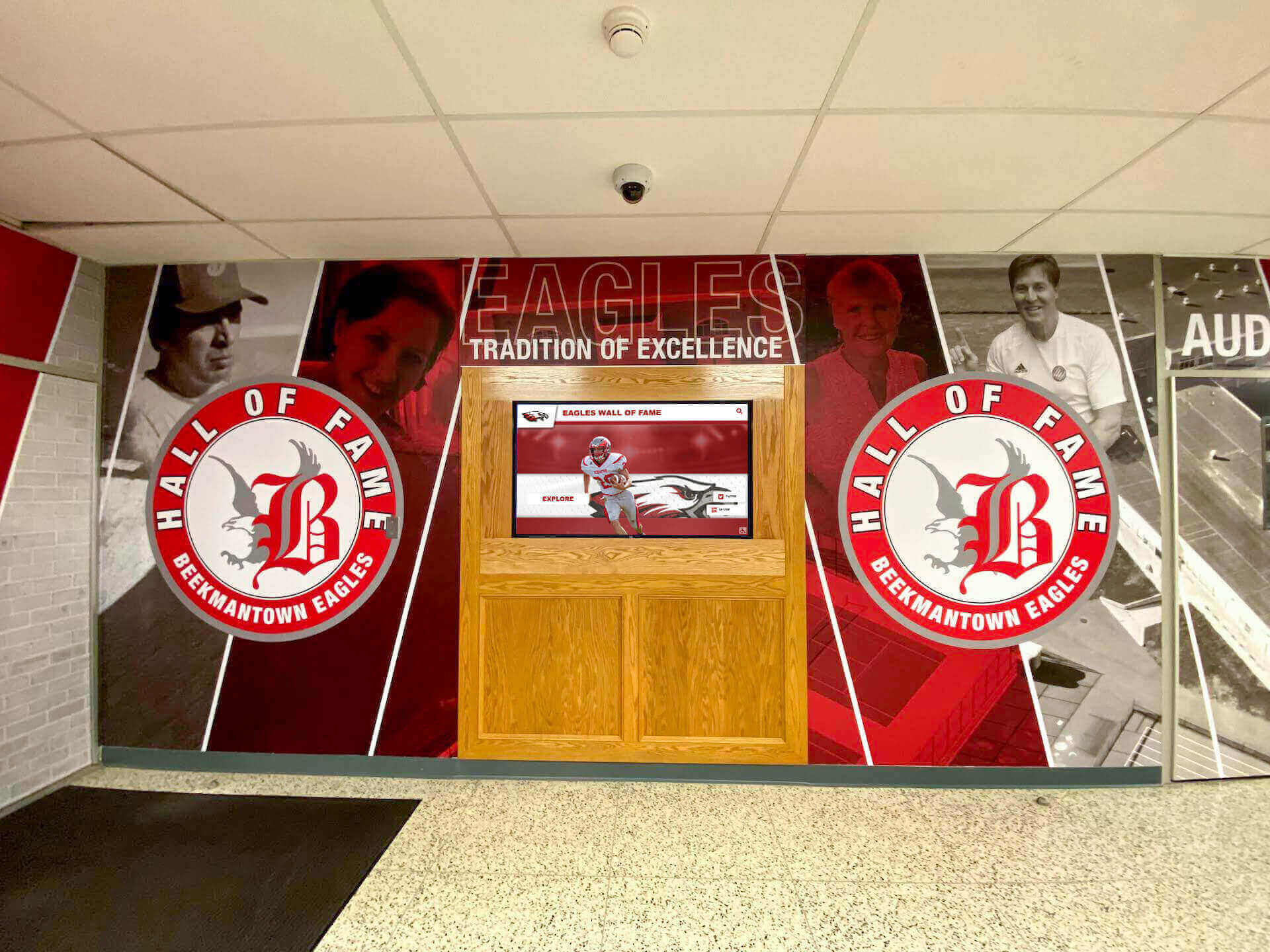
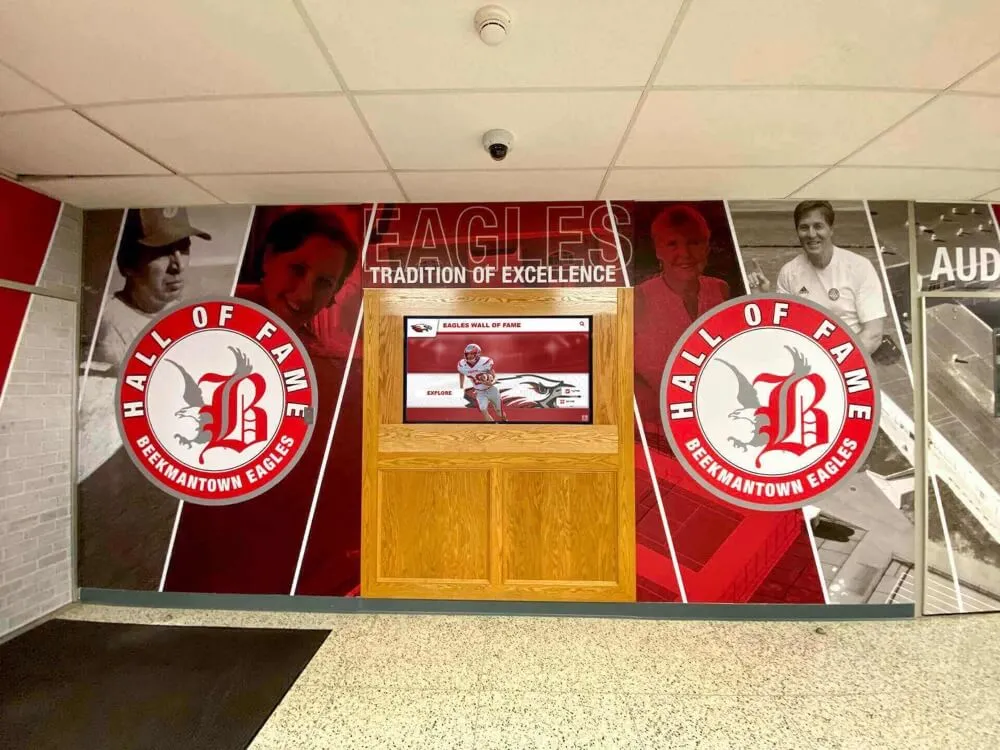
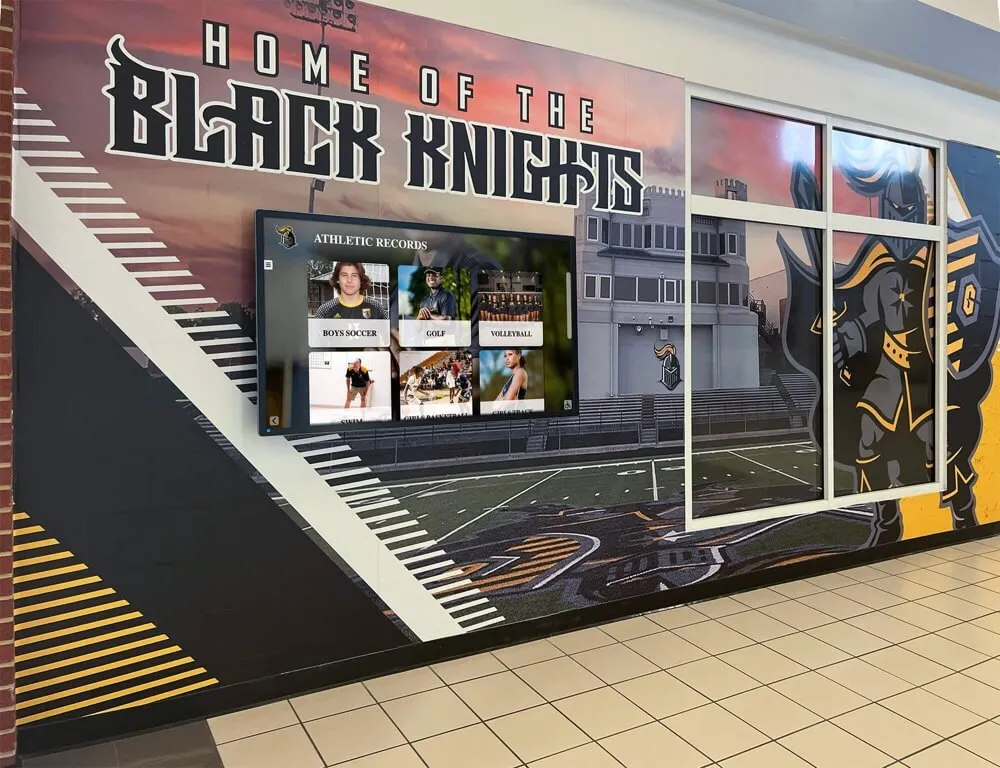
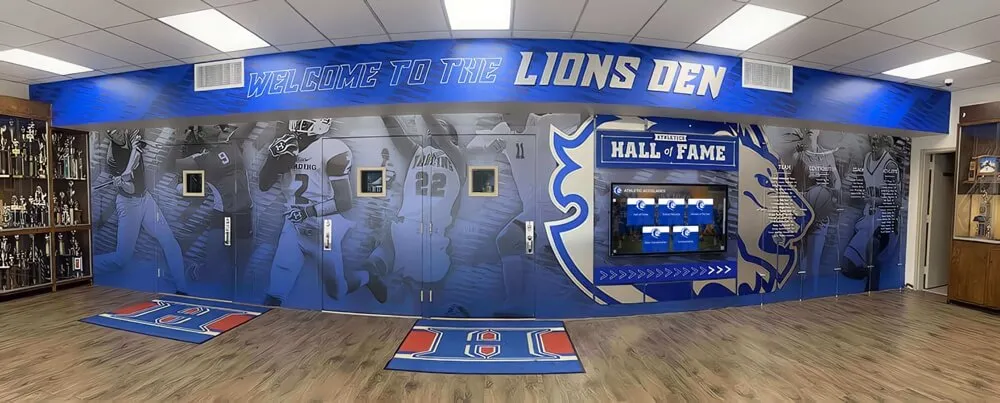
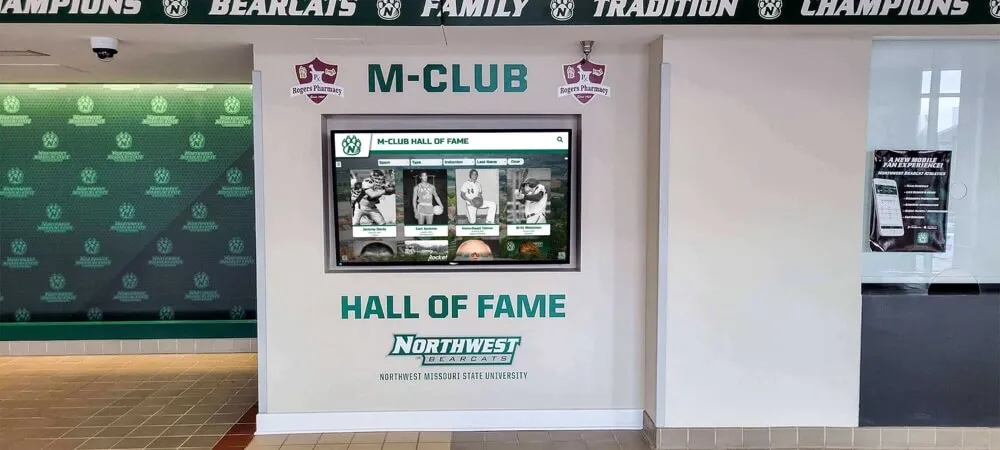
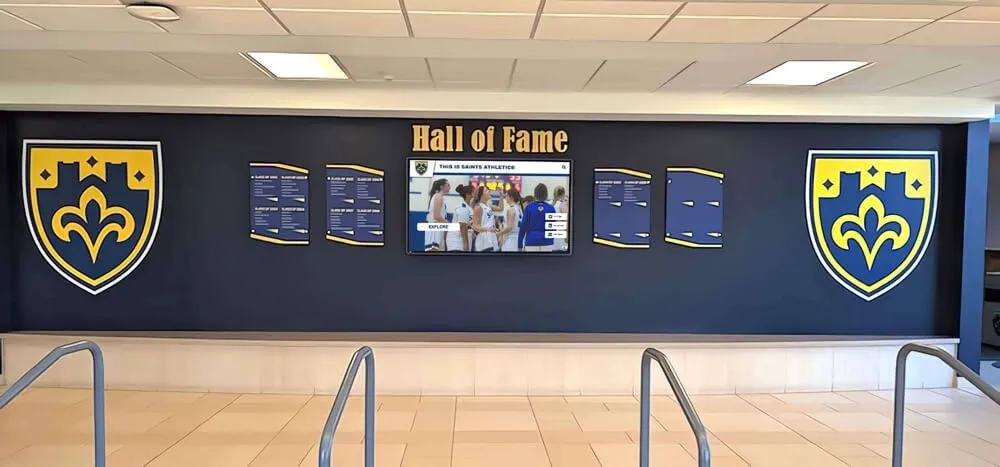
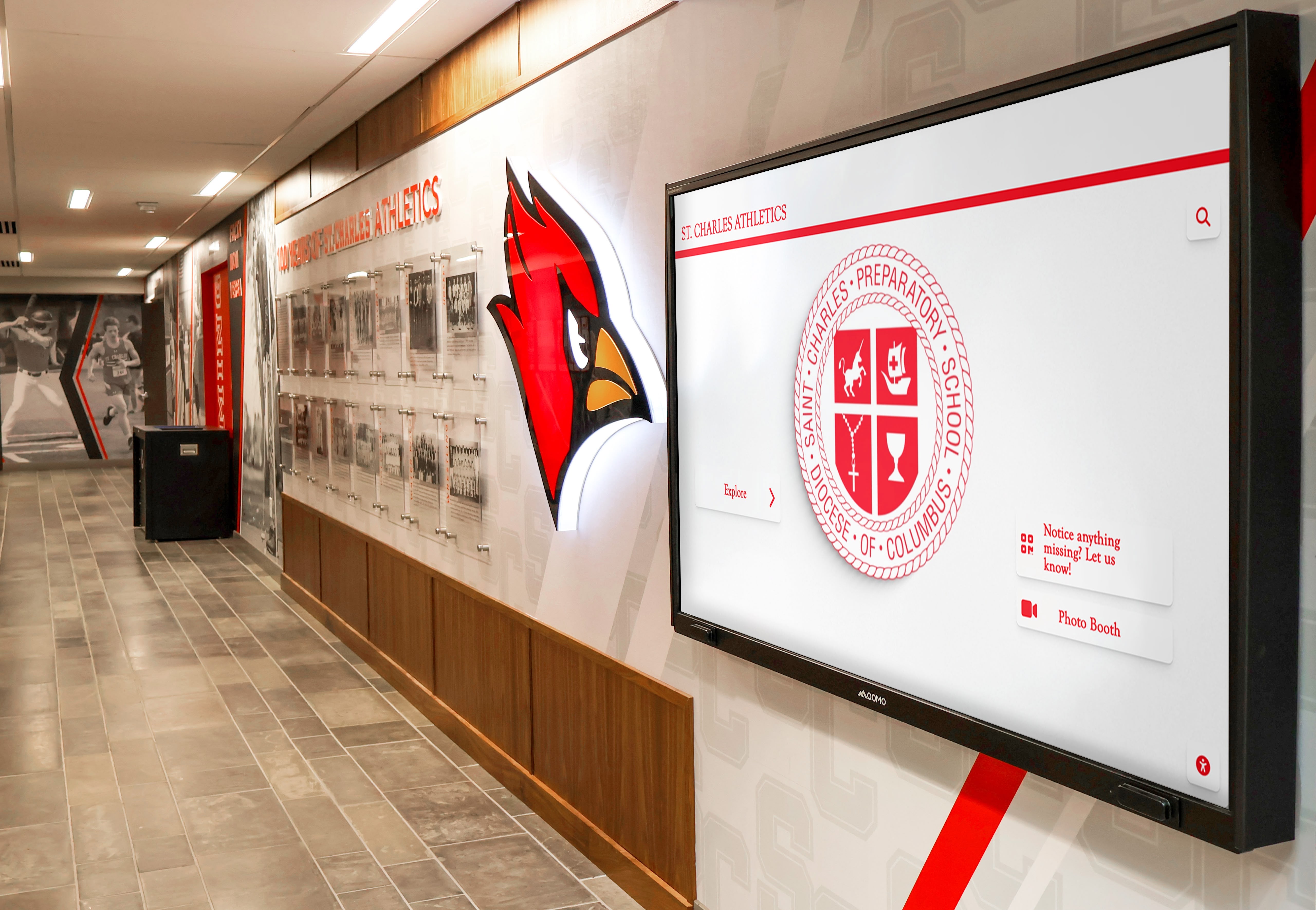
Comprehensive recognition installations in school lobbies combine traditional design elements with modern display technology for maximum impact
Class and Group Gift Strategies
When parents or students organize collective gifts, coordination and transparency prevent awkwardness while maximizing impact.
Organizing Effective Group Gifts
Collaborative gifts allow meaningful recognition without placing disproportionate financial burden on individual families.
Room Parent Coordination
Effective group gift organization typically involves room parents or volunteer coordinators who collect contributions, select appropriate gifts based on teacher preferences, and manage logistics discreetly. Successful approaches include optional contribution requests explicitly noting participation welcomes all families regardless of financial ability, transparent budget and gift selection communication showing respectful stewardship, preference surveys gathering teacher input without creating expectation pressure, and alternative contribution options allowing families to donate supplies, volunteer time, or non-monetary support.
Clear communication prevents assumptions about expected contribution amounts, ensures all families feel included regardless of financial circumstances, and demonstrates organizational respect for diverse family situations. Schools implementing comprehensive recognition program best practices understand that inclusive approaches build stronger community culture than exclusionary gift-giving creating visible inequity.
Pooled Gift Options
Collective contributions enable more substantial gifts than individual families might provide. Popular pooled gift options include significant gift cards allowing teachers to select preferred items or experiences, classroom wish list items like flexible seating, updated library books, or specialized equipment, professional development course fees or conference registrations, subscription services for classroom resources or personal enjoyment, and donations to teacher-selected charities honoring their values and commitments.
Group gifts work best when coordinated early allowing adequate collection time, communicated transparently regarding budget and selection, and delivered thoughtfully with acknowledgment of all contributing families.
Avoiding Gift-Giving Pitfalls and Pressure
Well-intentioned recognition can inadvertently create uncomfortable dynamics requiring conscious navigation.
Managing Financial Pressure
Gift-giving should never become competitive or create financial burden for families. Establish norms including clear communication that participation is entirely optional, suggested contribution ranges making participation accessible across income levels, alternative contribution options beyond monetary gifts, and strong messaging that teacher appreciation comes in many forms beyond purchased presents.
No child should feel their family loves or appreciates the teacher less because financial constraints limit gift-giving capacity. Recognition culture should unite rather than divide school communities along economic lines.
Respecting District Policies and Legal Limits
Many school districts maintain gift policies limiting individual present values, regulating group gifts, or restricting certain gift categories. Familiarize yourself with applicable policies including maximum gift values from individual families or collective groups, prohibited gift categories (alcohol, gift cards above certain thresholds, or items potentially creating conflicts of interest), required disclosure processes for gifts exceeding specified values, and alternative recognition approaches when policies restrict conventional gifts.
These policies exist to prevent actual or perceived favoritism, protect teachers from uncomfortable situations declining inappropriate gifts, and maintain professional boundaries. Respecting policies demonstrates community appreciation for professional standards rather than attempting to circumvent reasonable guidelines.
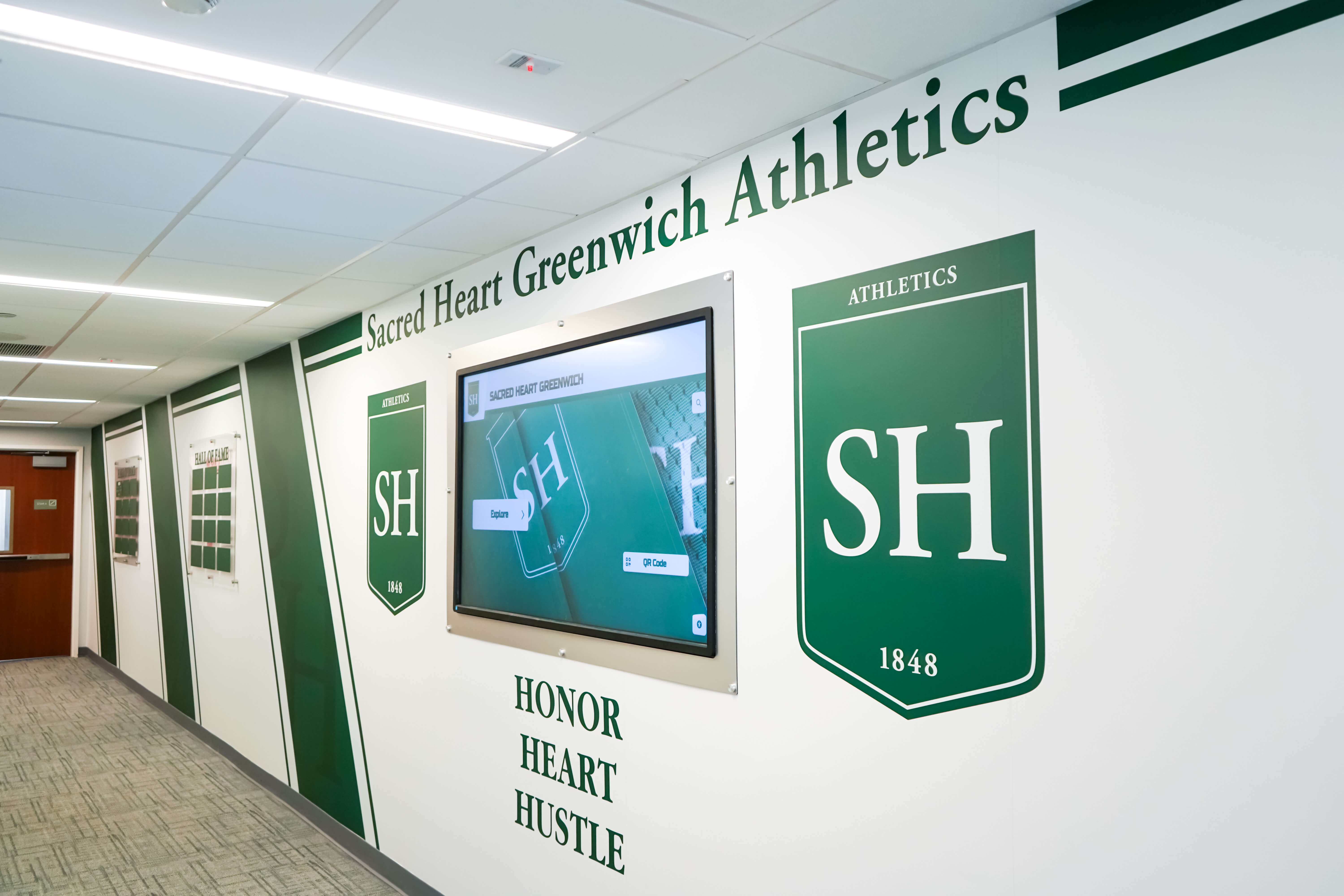
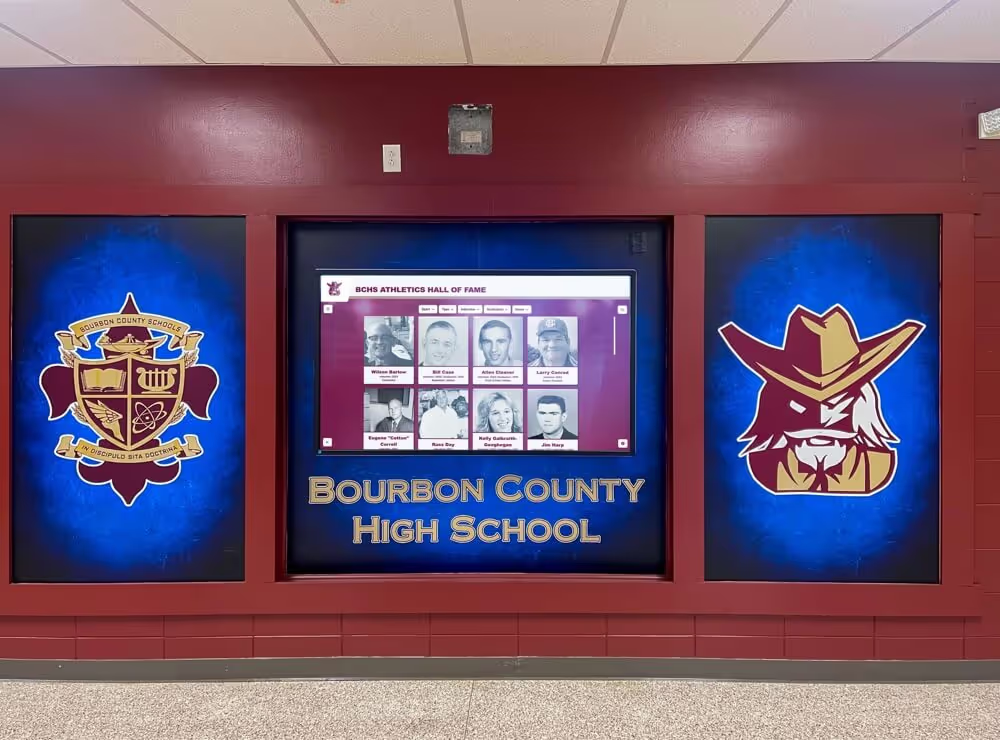
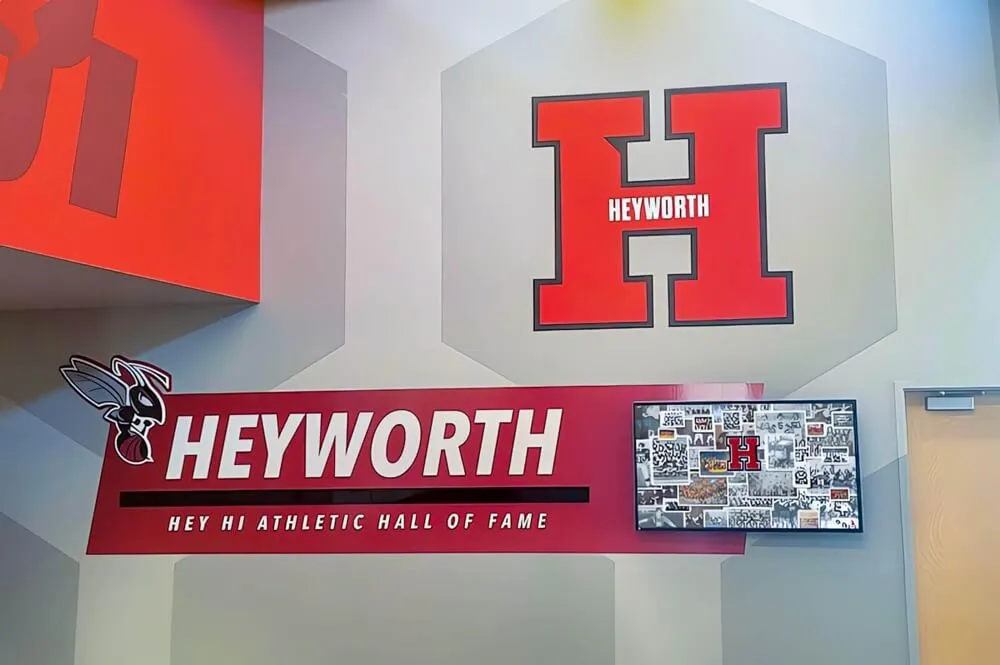
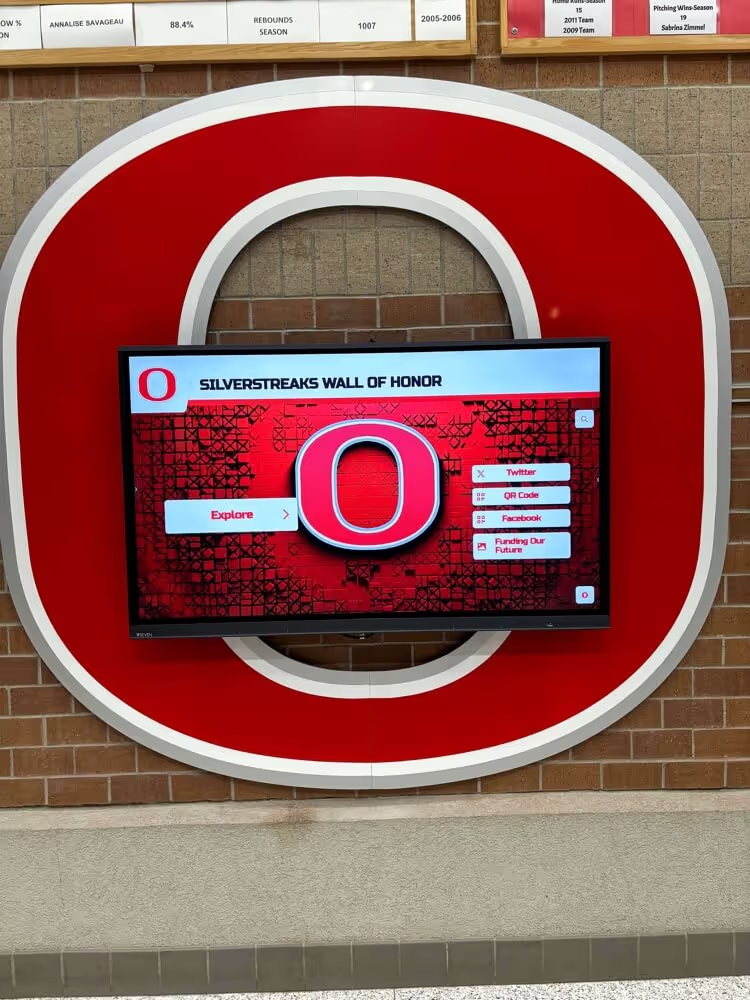
Traditional recognition elements combined with modern presentation create dignified appreciation displays honoring educator contributions
Administrative and Institutional Recognition Approaches
While individual gifts matter, systematic institutional recognition creates sustainable appreciation culture extending beyond isolated gestures.
Creating Comprehensive Faculty Recognition Programs
School administrators hold unique responsibility and opportunity for establishing recognition cultures valuing all educators.
End-of-Year Recognition Events
Formal appreciation events create community-wide celebration of educator contributions. Effective approaches include faculty appreciation luncheons or dinners honoring the year’s work, recognition ceremonies acknowledging specific accomplishments and milestones, informal social gatherings allowing relaxation and colleague connection, personalized appreciation notes from administrators identifying specific observations and contributions, and public acknowledgment during board meetings or community events demonstrating institutional commitment.
Events work best when they genuinely honor teachers rather than creating additional work burdens. Avoid scheduling during already-chaotic end-of-year periods, minimize required attendance at events framed as appreciation, and ensure recognition feels authentic rather than performative checkbox exercises satisfying external expectations.
Professional Growth Support
Perhaps the most meaningful administrative recognition involves investing in teacher development and professional satisfaction. Consider end-of-year recognition including professional development stipends allowing teacher-directed learning, conference attendance support encouraging intellectual engagement, leadership opportunity nominations recognizing emerging or established expertise, collaborative planning time respecting the intellectual work of teaching, and classroom innovation grants funding teacher-proposed improvements.
These approaches demonstrate respect for teachers as professionals continuously developing expertise rather than static practitioners simply implementing predetermined curricula. Schools implementing thoughtful employee recognition programs best practices understand that ongoing development support builds stronger organizational culture than isolated appreciation gestures.
Milestone Recognition and Career Celebration
Systematic recognition of career milestones creates appreciation extending beyond single years to honor cumulative contributions.
Service Anniversary Recognition
Acknowledge career longevity through structured programs including formal recognition at five-year increments celebrating sustained commitment, retirement celebrations honoring career-long contributions to students and community, decade service awards providing substantive recognition of ongoing excellence, and public acknowledgment creating community awareness of educator dedication.
Many schools implement retirement celebration approaches ensuring departing educators receive meaningful tribute acknowledging their impact on generations of students and the institution itself.
Achievement and Excellence Awards
Beyond tenure recognition, celebrate professional accomplishment through teacher of the year programs acknowledging instructional excellence, innovation awards recognizing creative approaches and risk-taking, mentorship recognition honoring teachers supporting colleague development, student impact awards based on learning growth and relationship building, and community contribution acknowledgment for service extending beyond classroom walls.
Structured award programs work best with transparent criteria, diverse selection committees, and meaningful recognition extending beyond ceremonial moments to lasting tribute and genuine professional opportunities.
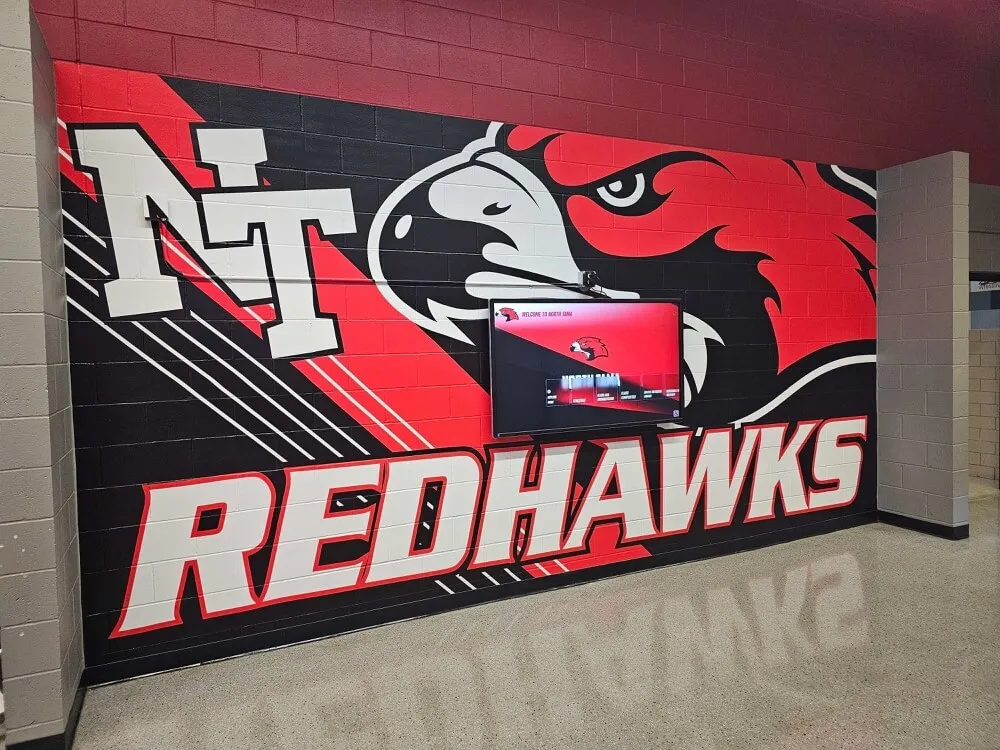
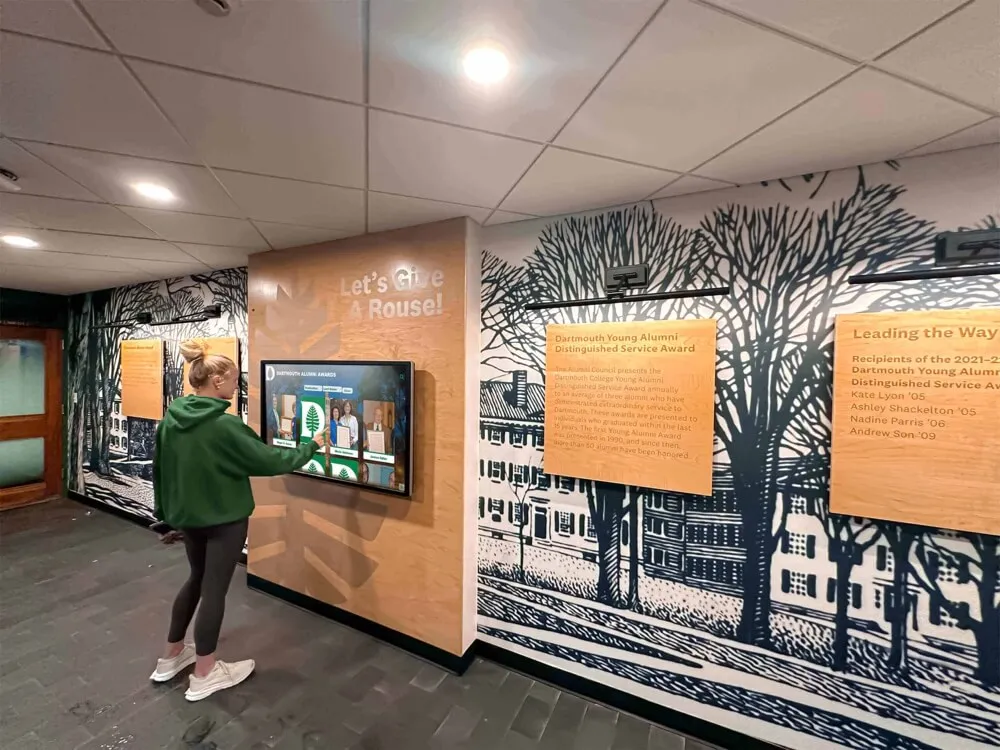
Integrated recognition systems combining artistic design with dynamic digital content create engaging tributes to educator excellence
Creating Lasting Recognition Beyond Temporary Gifts
While individual gifts and annual events provide important appreciation moments, the most impactful recognition creates permanent tribute honoring educator contributions for years beyond their immediate service.
Permanent Recognition Installations
Physical recognition systems transform momentary appreciation into enduring institutional commitment.
Traditional Recognition Displays
Conventional approaches include dedicated educator walls of fame featuring photos and accomplishments, engraved plaques recognizing teachers of the year and career milestones, named spaces honoring retired educators or those who made particular impact, memorial tributes acknowledging educators who passed away, and donor recognition when educators contribute financially to school initiatives.
These permanent installations communicate institutional values, inspire current educators, and demonstrate to students that teaching excellence receives lasting honor rather than temporary acknowledgment. Strategic placement in high-traffic areas like main entrances, libraries, or common spaces ensures ongoing visibility rather than relegating recognition to administrative offices few people access.
When planning comprehensive installations, schools often explore display case ideas for schools balancing traditional elements with contemporary presentation approaches that resonate with current students and families.
Modern Digital Recognition Solutions
Contemporary technology enables more dynamic, engaging recognition extending beyond static plaques’ limitations. Digital trophy case solutions allow schools to create interactive recognition experiences including searchable databases allowing students to explore educator histories and accomplishments, rotating displays showcasing teacher features with photos, biographies, and classroom highlights, video integration sharing teaching moments, student testimonials, and career reflections, automatic updates ensuring current information without manual plaque maintenance, and unlimited capacity expanding recognition without physical space constraints.
Digital systems particularly resonate with contemporary students accustomed to interactive technology, making educator recognition feel relevant and engaging rather than outdated institutional formality. Interactive displays invite exploration rather than passive viewing, allowing deeper engagement with teacher stories and contributions.
Enduring Tribute Through Named Opportunities
Creating lasting recognition through named programs, spaces, or initiatives honors specific educators while benefiting ongoing school operations.
Named Scholarships and Awards
Establish enduring recognition through scholarships named for outstanding educators, supporting students pursuing education careers or demonstrating qualities the honored teacher embodied, annual awards named for retired educators recognizing current teachers demonstrating similar excellence, grants funding classroom innovations in honor of teachers who championed particular approaches, and leadership programs named for administrators who shaped school culture and direction.
These living tributes ensure educator impact continues influencing students and colleagues long after retirement or passing, creating legacy extending far beyond individual classroom years. Many schools coordinate named recognition with comprehensive school award ceremony planning ensuring systematic rather than ad hoc appreciation.
Dedicated Spaces and Programs
Honor educator contributions through named classrooms, laboratories, or specialized spaces, libraries or reading rooms recognizing teachers who championed literacy, gardens or outdoor learning areas honoring environmental educators, performance or arts spaces named for creative teachers who built programs, and athletic facilities or fields recognizing coaches who developed championship programs.
Physical spaces create daily reminders of educator impact, inspire current teachers toward excellence, and demonstrate institutional commitment to honoring those who built the school’s academic and cultural foundation.

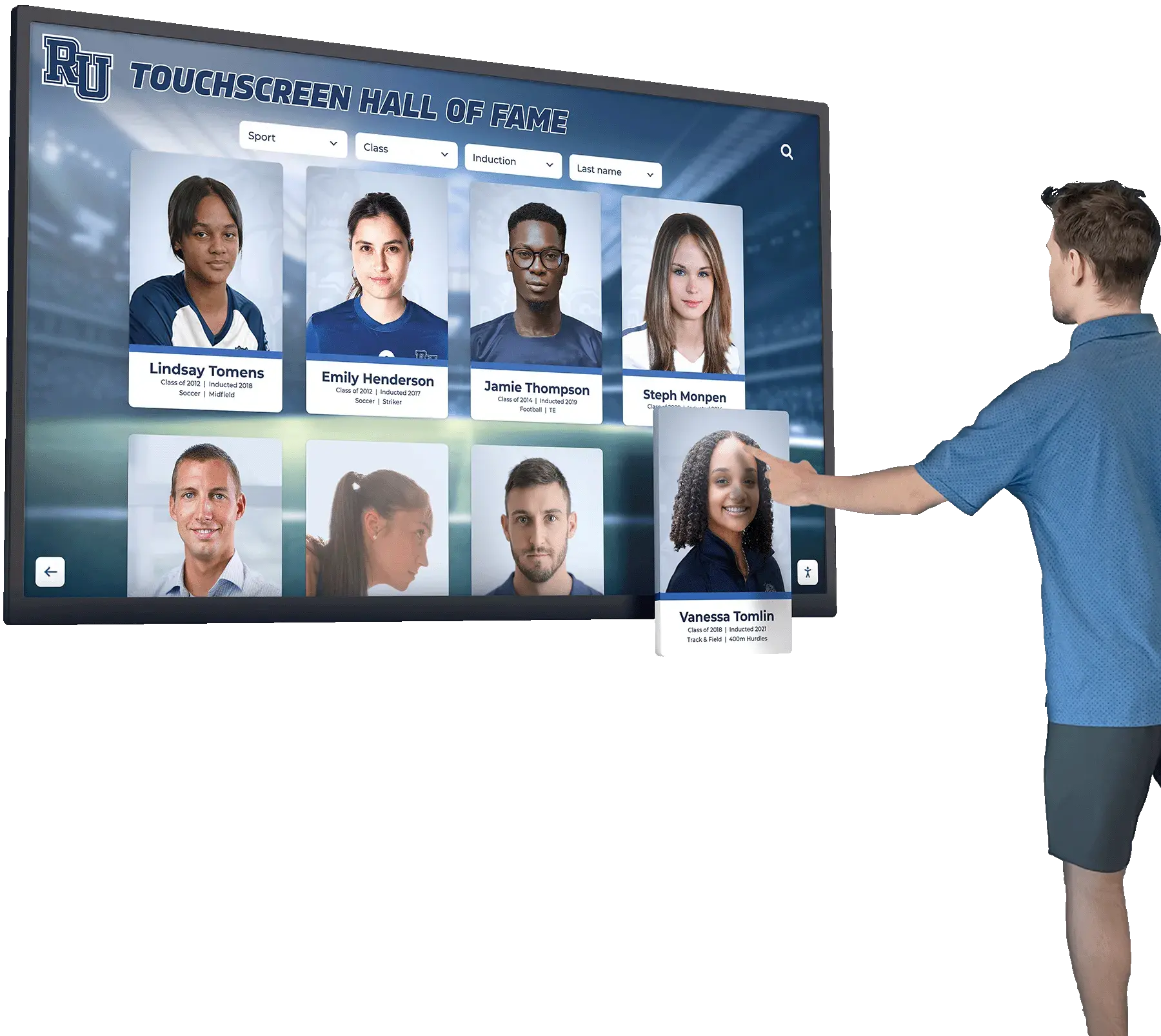
Modern recognition technology enables rich, multimedia tributes sharing educator stories, accomplishments, and impact through engaging digital experiences
Practical Implementation: Building Sustainable Recognition Culture
Transforming appreciation from sporadic gestures to sustainable culture requires systematic approaches, administrative commitment, and community engagement.
Establishing Recognition Traditions and Expectations
Sustainable recognition emerges from established traditions rather than annual improvisation.
Creating Annual Recognition Calendars
Develop structured recognition schedules including back-to-school appreciation launching years positively, fall events celebrating progress and relationship building, winter recognition providing encouragement during challenging seasons, teacher appreciation week systematic celebration beyond individual effort, and end-of-year tribute honoring the year’s work and relationships.
Distributed recognition throughout the year maintains consistent appreciation rather than concentrating all acknowledgment into narrow windows when teachers face maximum stress. Regular recognition demonstrates ongoing gratitude rather than obligatory seasonal gestures.
Communicating Recognition Expectations and Norms
Clear communication about recognition practices prevents confusion, reduces inequity, and builds inclusive participation. Share information about gift policies and limitations, group gift coordination processes, alternative recognition approaches for families unable to participate in conventional gift-giving, and institutional recognition programs ensuring all teachers receive appreciation regardless of individual family engagement.
Transparent communication prevents competitive dynamics, reduces pressure on families navigating financial constraints, and ensures recognition strengthens rather than divides school communities.
Engaging Diverse Stakeholders in Recognition Planning
Comprehensive recognition involves multiple community constituencies working collaboratively.
Parent and Family Engagement
Engage families in recognition through volunteer-led appreciation committees coordinating group gifts and events, communication channels sharing appreciation opportunities and expectations, alternative contribution pathways welcoming varied family circumstances, and recognition events inviting family participation and celebration.
Family engagement works best when inclusive, transparent, and respectful of diverse resources rather than assuming uniform capacity for participation in conventional gift-giving or volunteer coordination.
Student Involvement in Teacher Appreciation
Students offer unique perspectives on teacher impact and can meaningfully participate in recognition including student letters and appreciation messages describing learning moments, student-led appreciation events planned and executed by older students, creative projects and performances honoring teachers, video tributes and digital recognition students create using contemporary skills, and input on formal recognition programs ensuring student voices shape appreciation.
Student involvement ensures recognition reflects learning impact rather than only administrative or parent perspectives, provides authentic feedback teachers genuinely value, and teaches young people to recognize and appreciate adults who contribute to their development.
Administrative Coordination and Support
School leaders hold particular responsibility for systematic recognition including budget allocation ensuring adequate resources for meaningful appreciation, policy development establishing clear guidelines preventing inequity or inappropriate gifts, recognition training helping teachers, parents, and students navigate effective appreciation, and modeling recognition through consistent acknowledgment of educator contributions.
Administrative commitment signals institutional values, provides resources enabling effective recognition, and establishes culture where appreciation becomes expected rather than exceptional.
Beyond Gifts: Building Year-Round Appreciation Culture
The most meaningful teacher recognition extends beyond end-of-year gifts to create sustained appreciation cultures where educators feel valued throughout careers.
Daily Recognition and Ongoing Acknowledgment
Sustainable appreciation emerges from consistent practice rather than annual ceremonies.
Simple Daily Appreciation Practices
Regular recognition requires minimal resources but significant intention including specific verbal appreciation acknowledging particular teaching moments, written notes describing observed excellence and student impact, public acknowledgment during meetings celebrating innovations and accomplishments, peer recognition encouraging teachers to appreciate colleague contributions, and administrator visibility demonstrating engagement with and appreciation for classroom work.
These practices cost nothing but convey genuine respect and observation, often carrying more emotional weight than expensive gifts purchased without understanding recipient preferences or accomplishments.
Systematic Feedback and Professional Support
Professional recognition involves respecting teacher expertise through meaningful evaluation processes providing growth-oriented feedback, collaborative planning time honoring the intellectual work of instruction, professional development opportunities supporting continuous learning, leadership pathways recognizing and utilizing teacher expertise, and autonomy in professional practice demonstrating trust in teacher judgment.
Support systems communicate respect for teaching as complex professional work requiring continuous development, intellectual engagement, and expert judgment—far more meaningful than generic appreciation gestures reducing educators to service workers deserving tips for good performance.
Connecting Recognition to Institutional Mission
Effective appreciation aligns with broader educational values and goals.
Recognition Reflecting Educational Priorities
Systematic recognition should celebrate behaviors and accomplishments advancing institutional mission including innovation in instruction demonstrating commitment to continuous improvement, equity-focused teaching ensuring all students receive excellent education, collaborative practice building collective capacity rather than isolated individual work, student relationship building recognizing education’s relational foundation, and community engagement extending school impact beyond classroom walls.
Recognition aligned with mission reinforces values, models desired practice, and demonstrates that appreciation serves strategic purposes beyond making people feel good.
Creating Recognition as Cultural Foundation
The ultimate measure of recognition effectiveness lies not in ceremonial moments but in the degree to which appreciation becomes cultural foundation shaping daily interactions, professional relationships, and institutional identity. Schools with strong appreciation cultures demonstrate teachers supporting and celebrating colleague excellence, students recognizing and valuing educator contributions, families actively participating in appreciation practices, administrators consistently modeling recognition behavior, and institutional systems sustaining appreciation beyond individual leadership or temporary initiatives.
These cultures retain talented educators, attract excellent candidates, inspire continuous professional growth, and create learning environments where students witness authentic appreciation for the adults shaping their education—teaching young people to recognize and value those who contribute to their development.
Creating Recognition That Lasts Beyond the School Year
End-of-year teacher gifts represent important appreciation opportunities, but the most meaningful recognition extends far beyond individual presents or annual ceremonies. Thoughtful appreciation balances immediate personal gestures with lasting institutional tribute, temporary gifts with permanent recognition, individual acknowledgment with collective celebration, and obligatory seasonal gestures with sustained culture valuing educator contributions throughout careers and beyond.
As you consider end-of-year recognition for the teachers shaping your children’s education, move beyond generic items and obligatory gestures toward appreciation demonstrating genuine observation, specific acknowledgment, and lasting tribute. Whether through personalized individual gifts reflecting unique interests, coordinated group contributions enabling meaningful recognition, administrative programs honoring professional excellence, or institutional systems creating permanent tribute, ensure your appreciation communicates what teachers most need to hear: that their work matters, their impact extends beyond immediate moments, and their contributions receive lasting honor worthy of the profession’s profound importance.
The educators shaping young minds, building intellectual curiosity, fostering social-emotional development, and preparing the next generation for futures we cannot yet imagine deserve recognition matching their contributions’ significance. As school years conclude and summer beckons, ensure your appreciation extends beyond temporary moments to create lasting recognition honoring those who dedicate their careers to building stronger students, stronger schools, and ultimately stronger communities through education.
Ready to create permanent recognition honoring educator excellence throughout your school community? Discover how modern recognition solutions including interactive digital displays, dynamic content management, and engaging touchscreen experiences can transform how your institution celebrates teacher accomplishments—creating lasting tributes that inspire excellence for years to come while demonstrating genuine commitment to honoring the educators who shape your students’ futures and your community’s strength.