



Team GPA leaderboard digital displays represent an innovative approach to academic recognition that harnesses the motivational power of competition while promoting collaboration, teamwork, and collective achievement. Unlike traditional individual honor roll systems that celebrate solitary excellence, team-based GPA leaderboards create dynamic environments where students support peers, classes compete constructively, and academic improvement becomes a shared goal uniting entire groups toward intellectual achievement.
Traditional academic recognition typically focuses exclusively on individual accomplishment—honor roll lists, valedictorian designations, and singular awards that inherently limit recognition to top performers. While individual achievement deserves celebration, these approaches miss powerful opportunities to motivate students who may never reach highest honors individually but can contribute meaningfully to collective success. Meanwhile, schools struggle to create academic cultures rivaling the team spirit and competitive energy surrounding athletic programs, and students who learn best through collaboration find limited recognition opportunities in individually-focused systems.
This comprehensive guide explores how team GPA leaderboard digital displays transform academic motivation by creating collaborative competition structures, leveraging real-time visual feedback, celebrating diverse contribution pathways, building community through shared goals, and using engaging technology that makes intellectual achievement as visible and celebrated as any athletic accomplishment throughout your school community.
Team-based academic competition creates unique motivational dynamics that complement traditional individual recognition. When students understand their academic efforts contribute to collective success, peer support replaces isolation, collaborative study groups form organically, struggling students receive help from high-achieving classmates invested in team performance, and academic excellence becomes socially reinforced through team identity rather than viewed as solitary pursuit disconnected from peer relationships and school community.

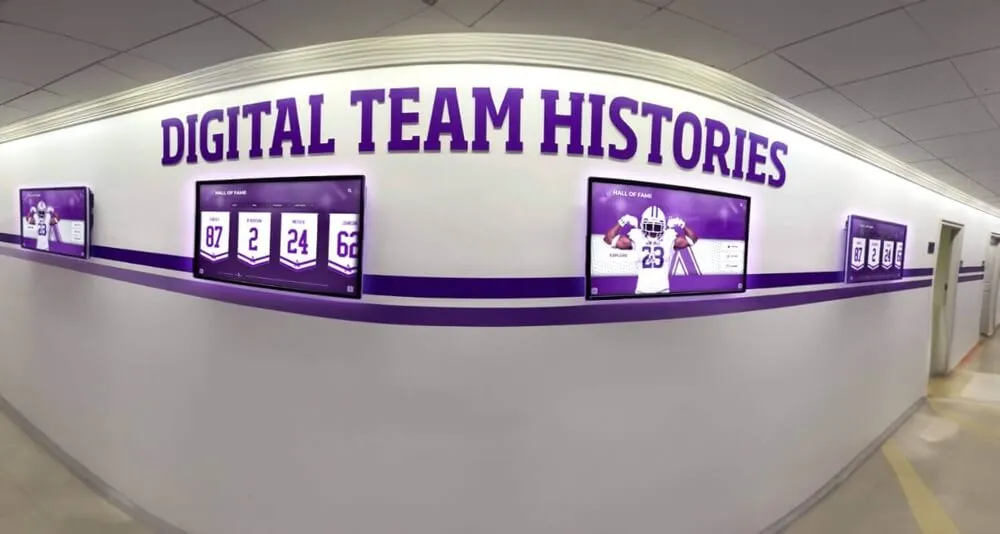
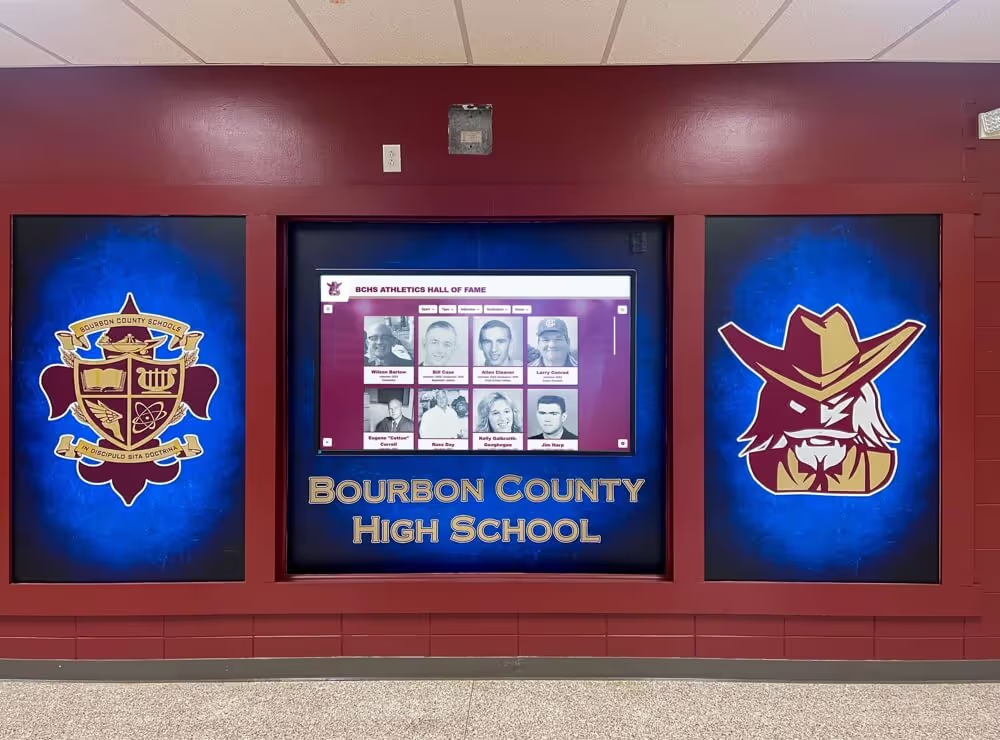
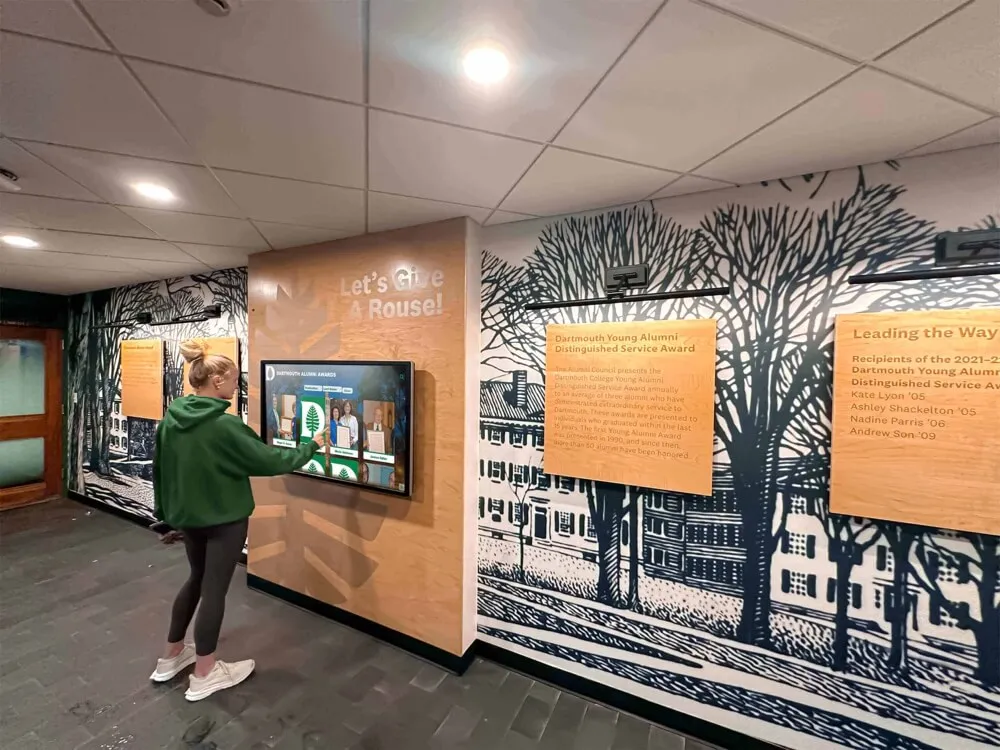
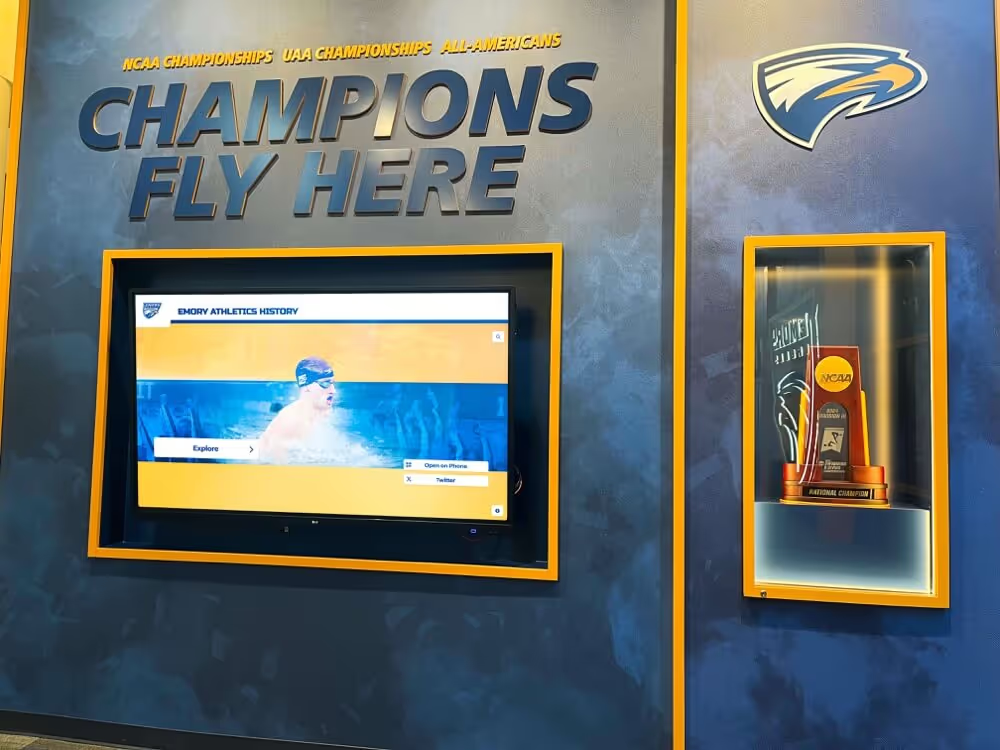
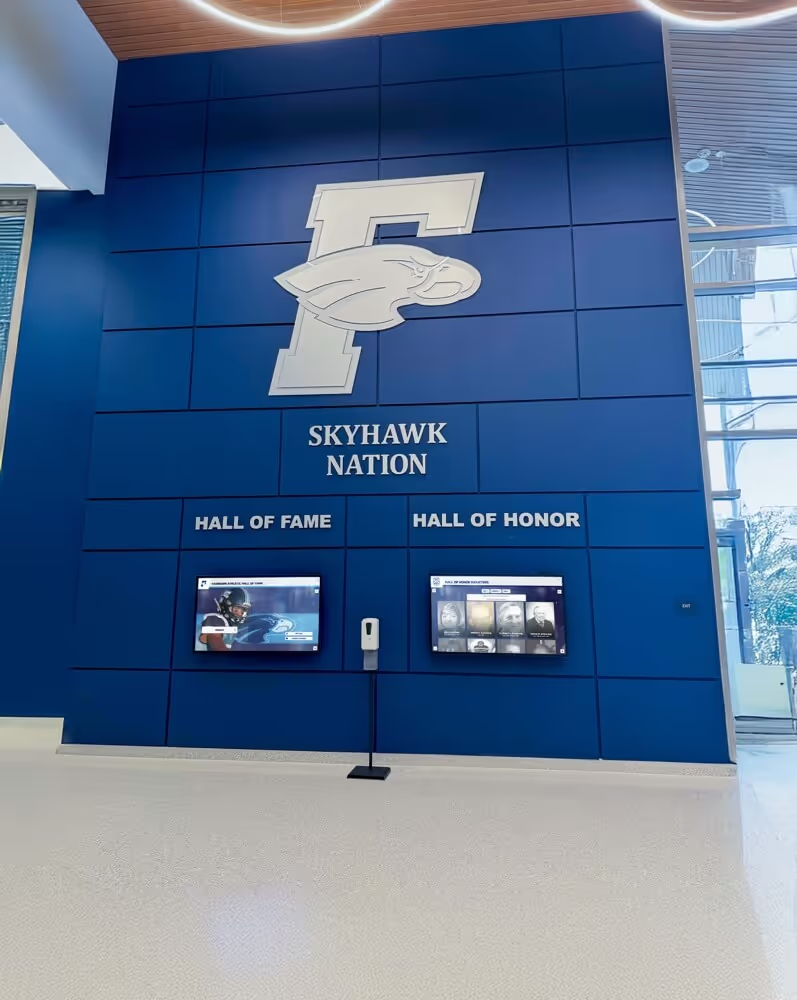
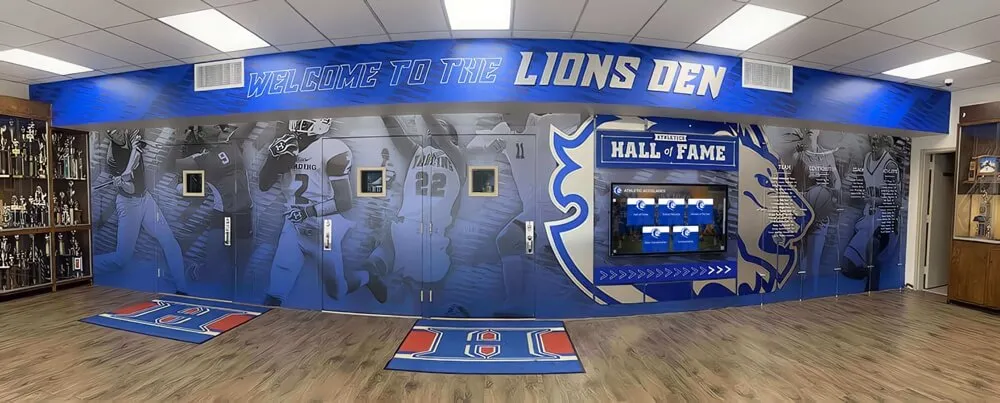
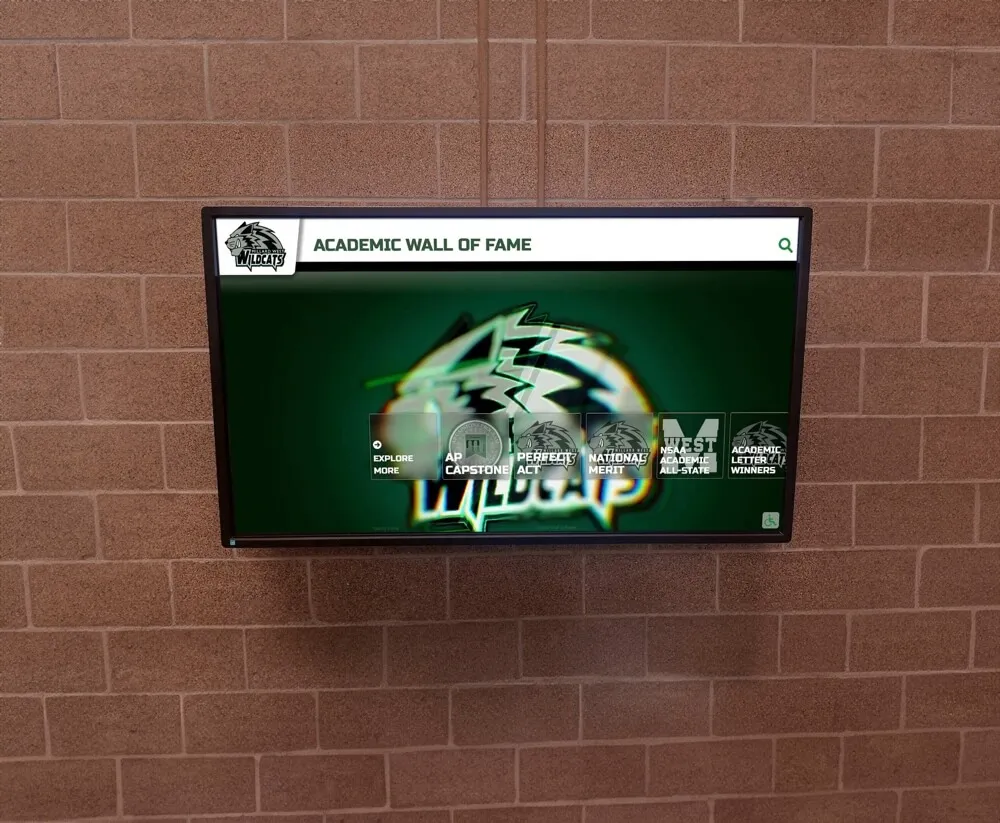
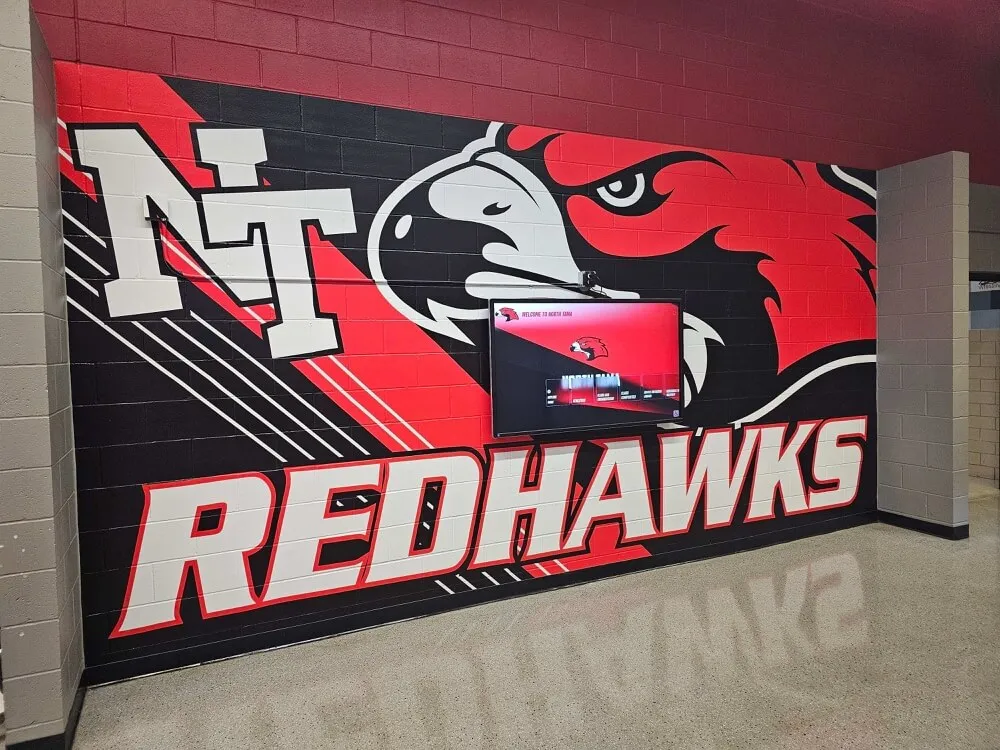
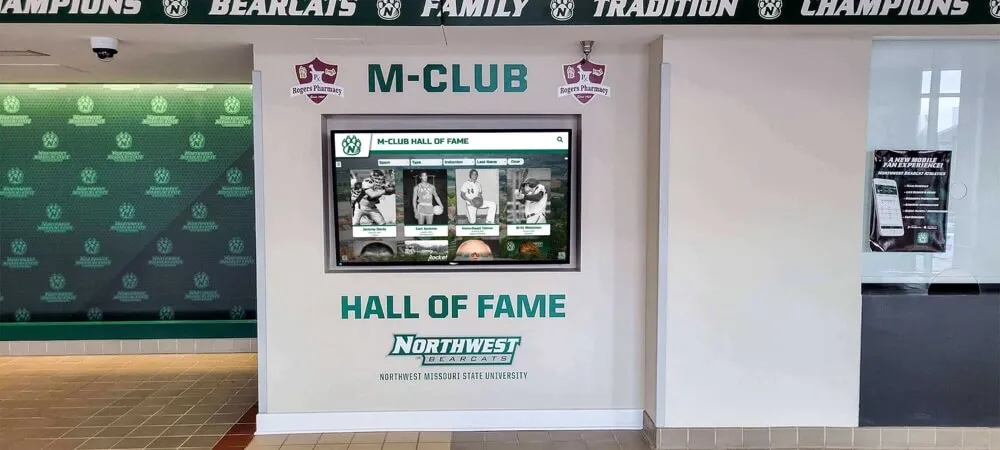
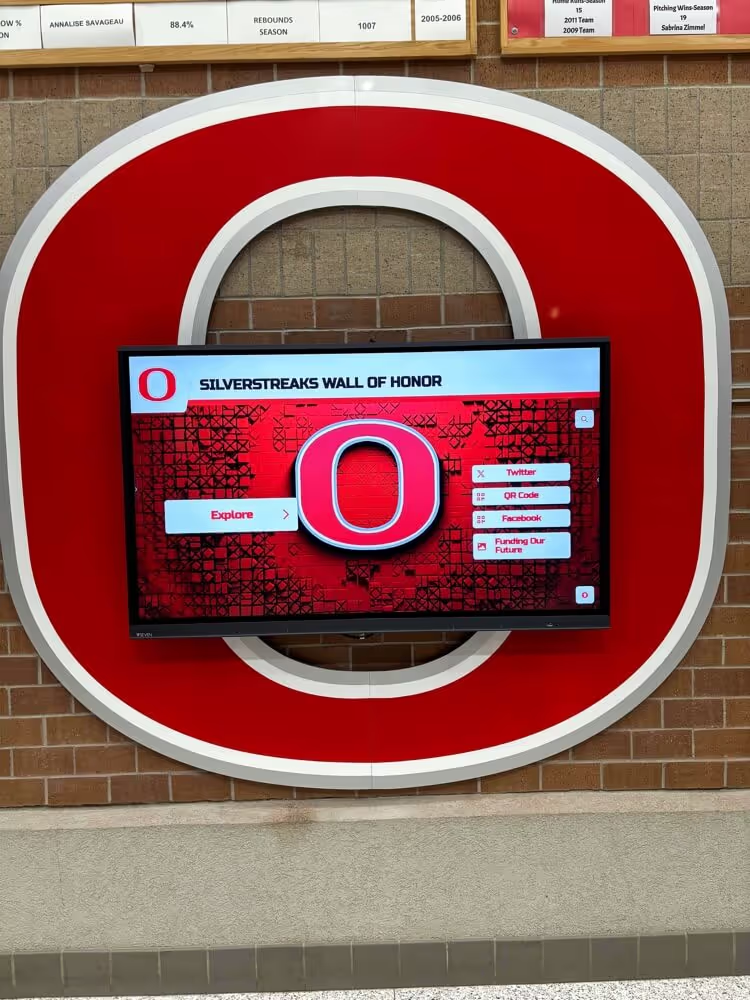
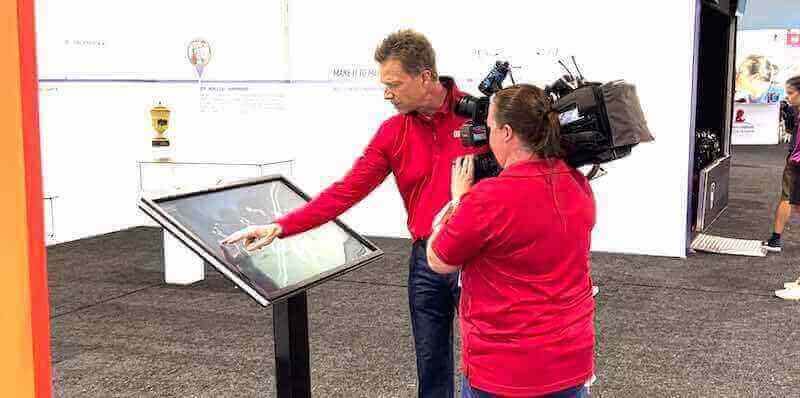
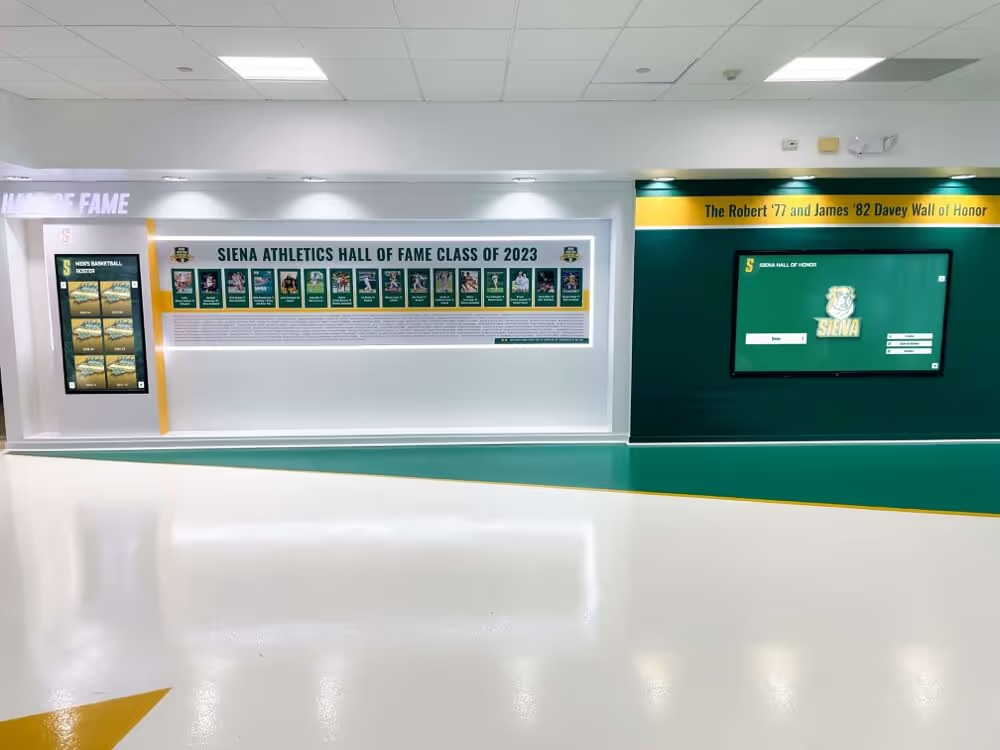
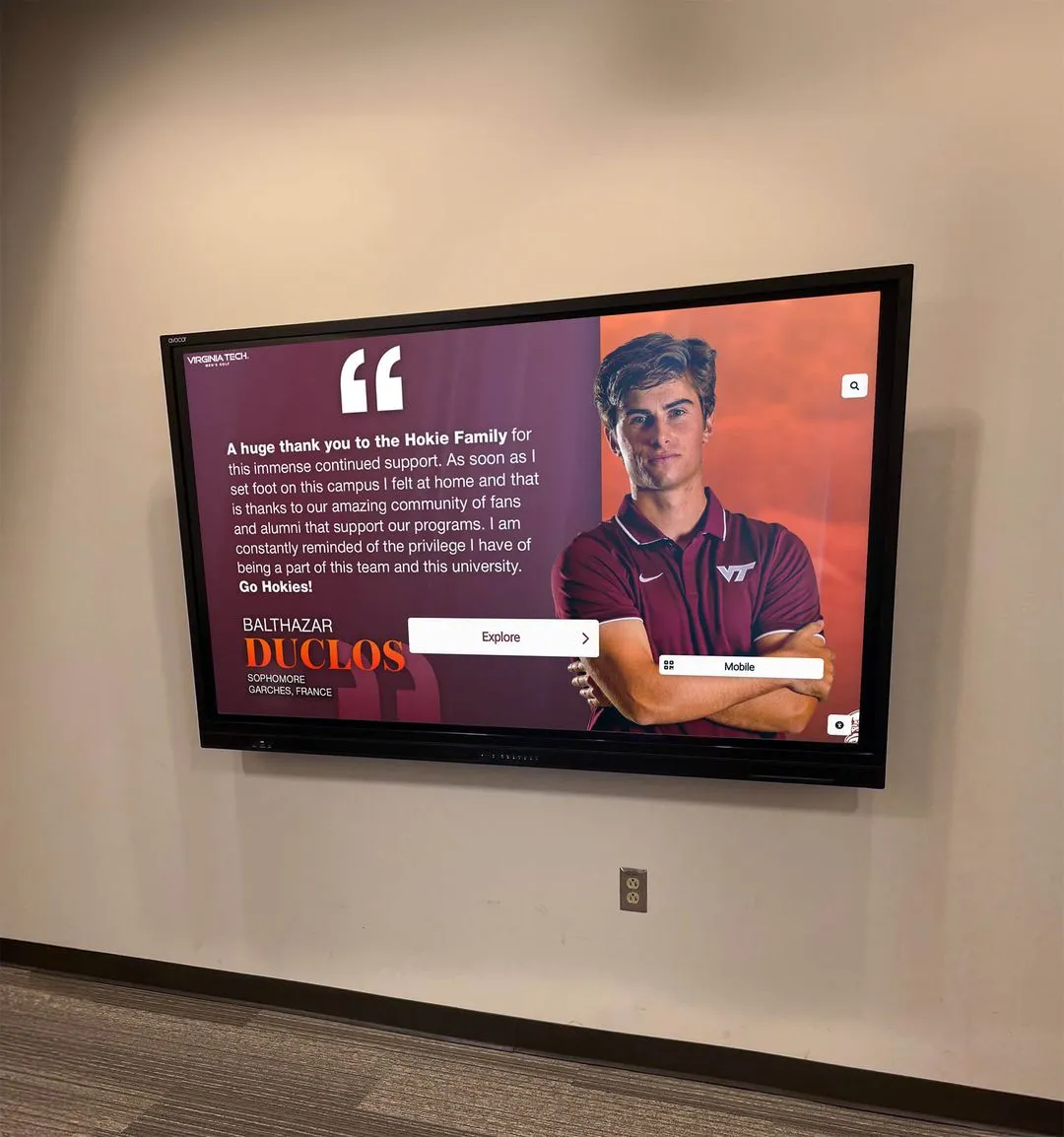
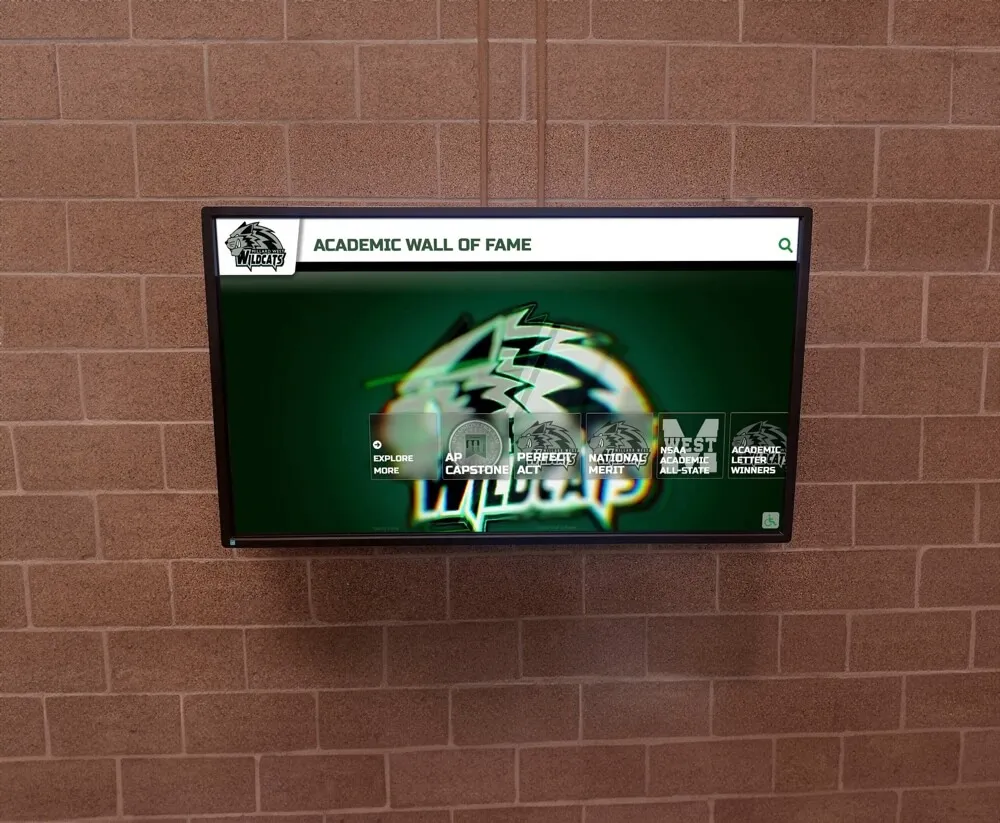
Modern digital displays make team-based academic competition visible and engaging, creating motivational environments where collective achievement drives individual effort
Understanding Team-Based Academic Competition
Before implementing team GPA leaderboards, understanding the psychology, benefits, and best practices of collaborative academic competition ensures programs motivate effectively while avoiding common pitfalls that can undermine educational goals.
The Psychology of Team-Based Academic Motivation
Research in educational psychology reveals that team structures create powerful motivational dynamics distinct from purely individual competition.
Social Accountability and Peer Support
Team-based systems leverage social relationships to enhance academic motivation:
- Students feel accountability to teammates creating additional motivation beyond personal achievement
- Peer tutoring and support occur naturally as teams recognize collective benefit from helping struggling members
- Social identity with high-performing teams becomes source of pride motivating sustained effort
- Team structures reduce isolation often experienced by high-achieving students in anti-academic peer cultures
- Collaborative study and learning become normalized rather than stigmatized when supporting team goals
According to educational research on cooperative learning, students in collaborative structures demonstrate improved achievement outcomes, particularly students who might struggle in purely competitive individual environments. Team approaches activate social motivations that complement individual achievement drives.
Inclusive Excellence Opportunities
Team structures create recognition pathways for diverse student strengths:
- Students with moderate GPAs contribute meaningfully to team averages rather than receiving no recognition
- Improvement matters regardless of absolute achievement level when boosting team performance
- Different learning styles and academic strengths combine for comprehensive team achievement
- Leadership opportunities emerge for students organizing study groups and supporting teammates
- Recognition extends beyond top individual performers to all contributors to team success
This inclusivity builds broader engagement with academic achievement across more diverse student populations than traditional individual-only recognition systems typically reach.
Benefits of Team GPA Competition Systems
Well-designed team leaderboards deliver multiple advantages for schools seeking to enhance academic culture and student motivation.
Academic Performance Enhancement
Team systems improve outcomes through multiple mechanisms:
- Collaborative learning amplifies individual study effectiveness through peer teaching
- Friendly competition between teams motivates increased effort and engagement
- Team accountability reduces academic disengagement and procrastination
- Visible progress tracking provides regular feedback reinforcing positive behaviors
- Celebration of improvement motivates sustained effort toward academic goals
Schools implementing team-based academic competition typically report increased average GPAs, particularly among middle-performing students who find motivation through team contribution opportunities not available in individual-only systems.
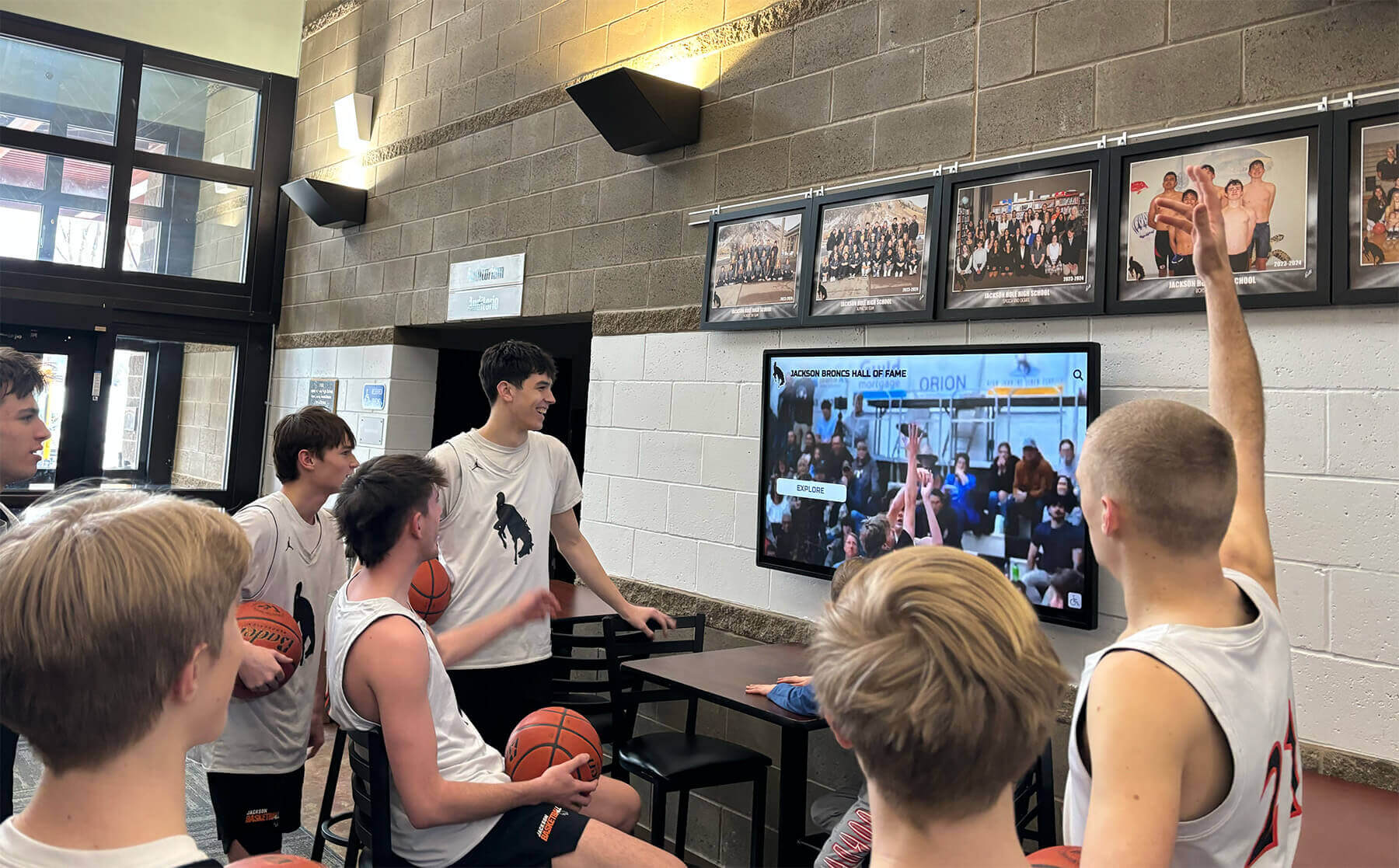
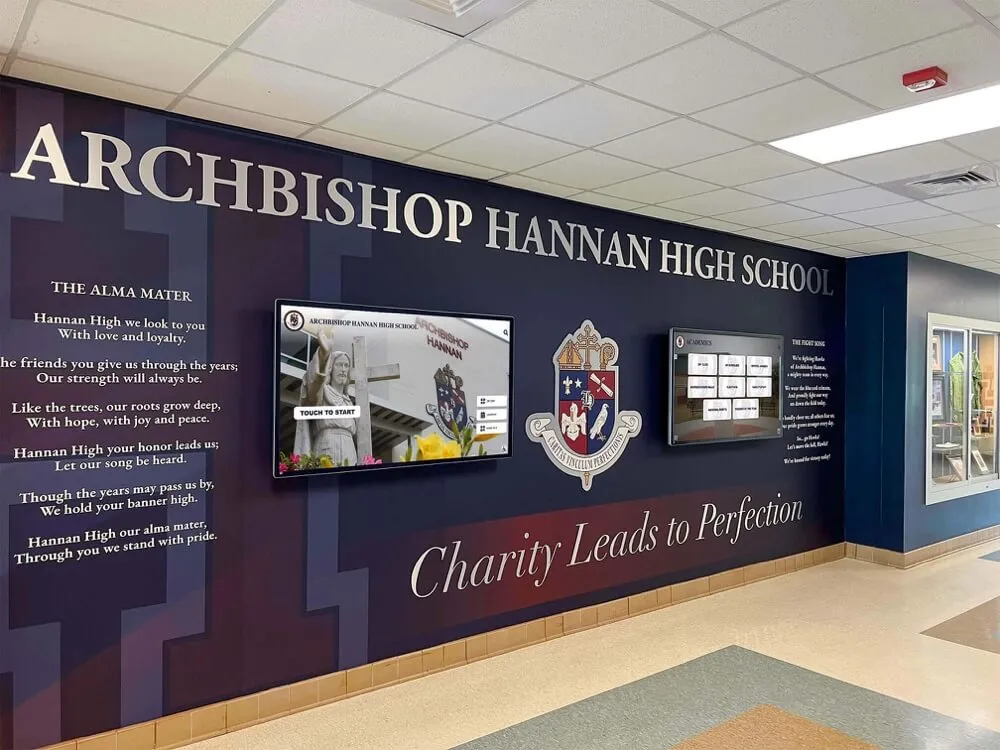
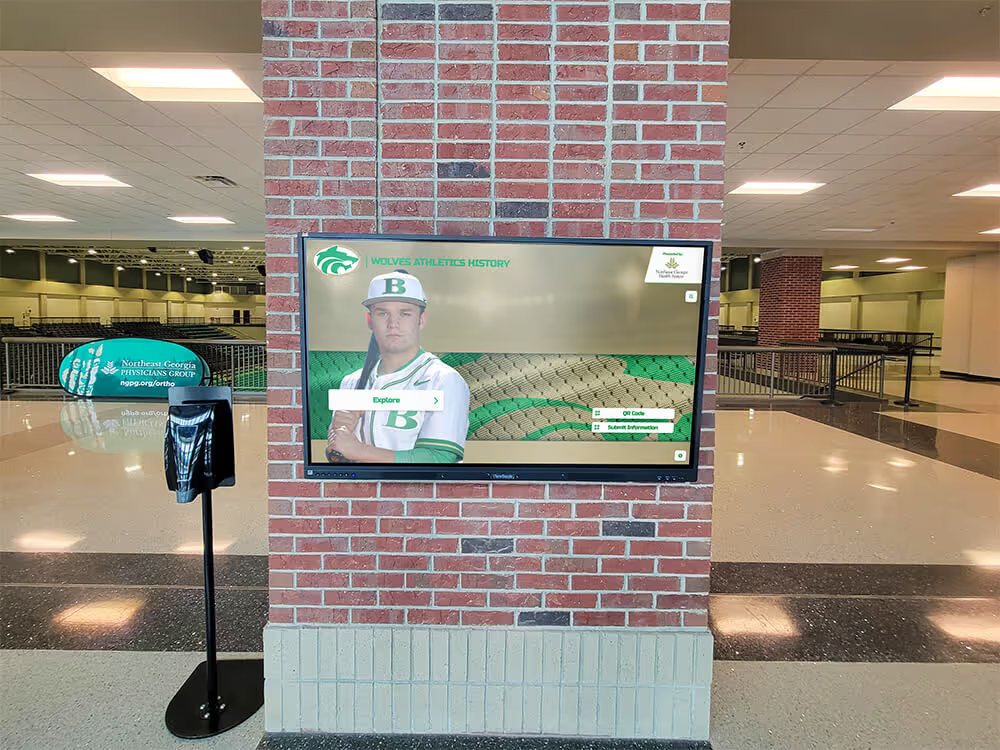
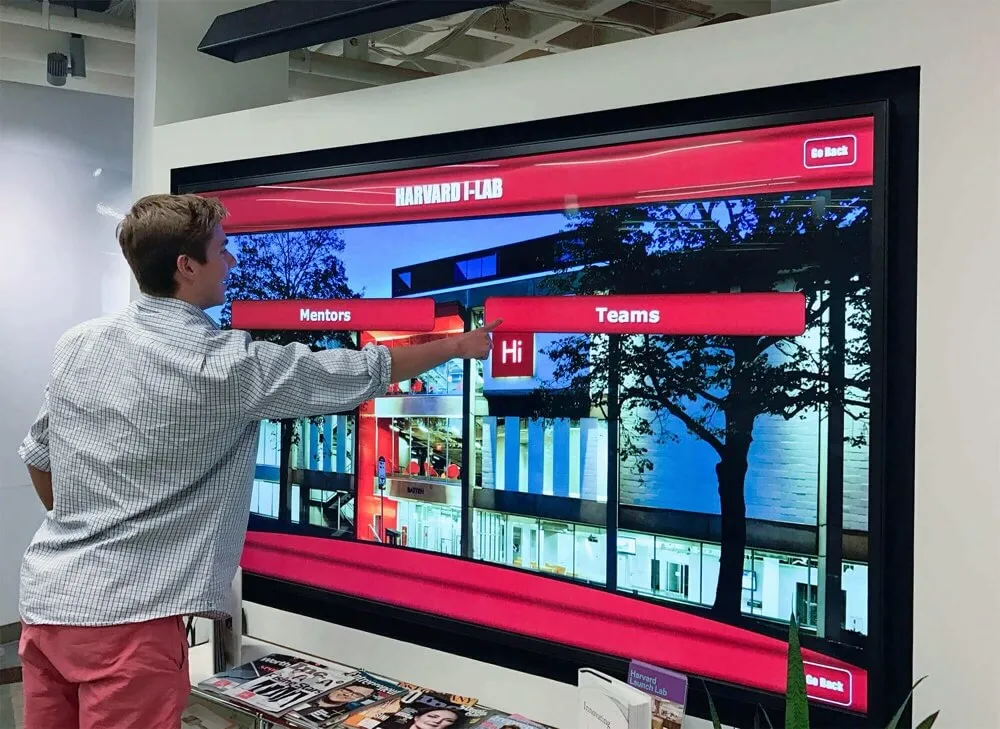
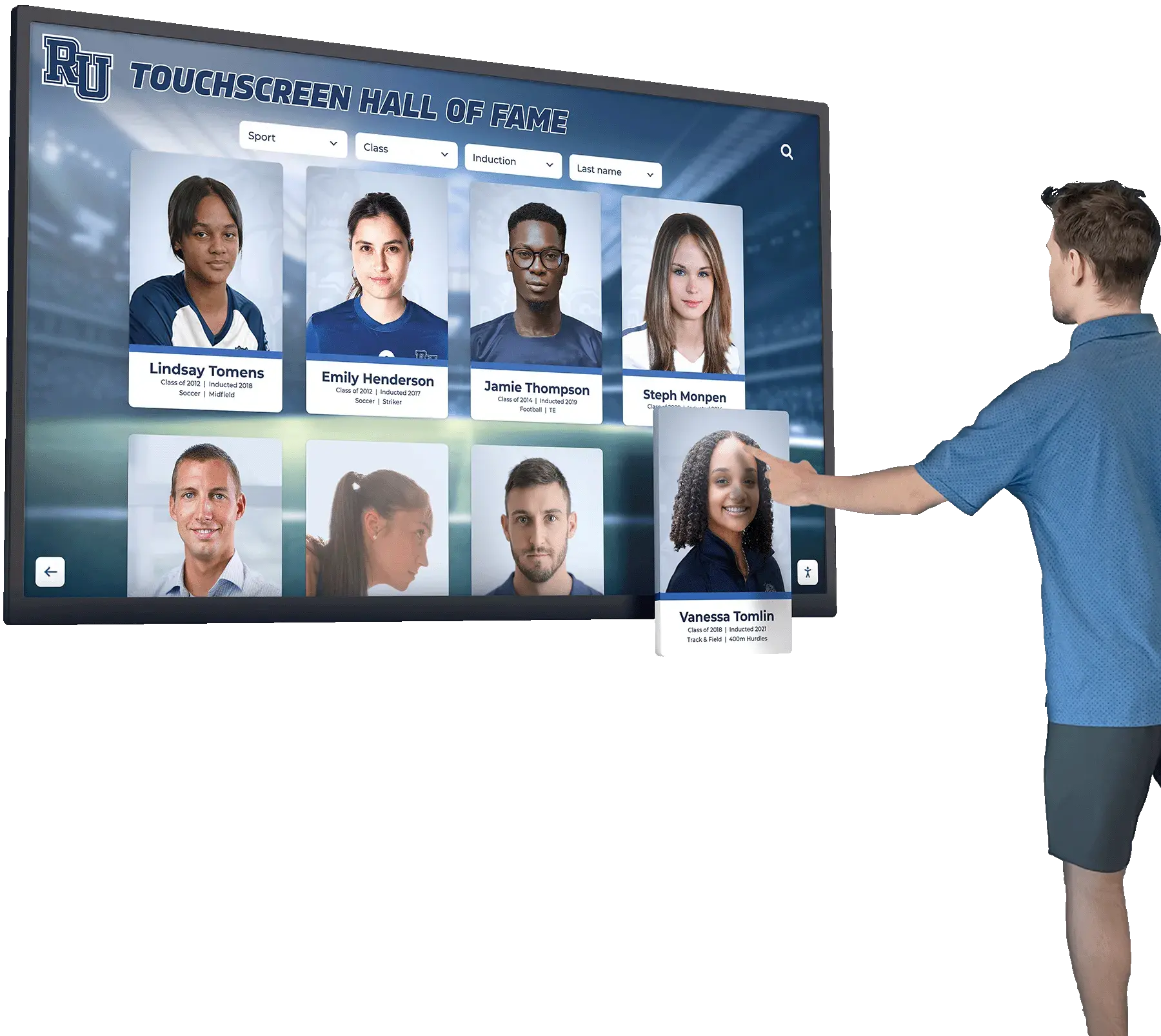
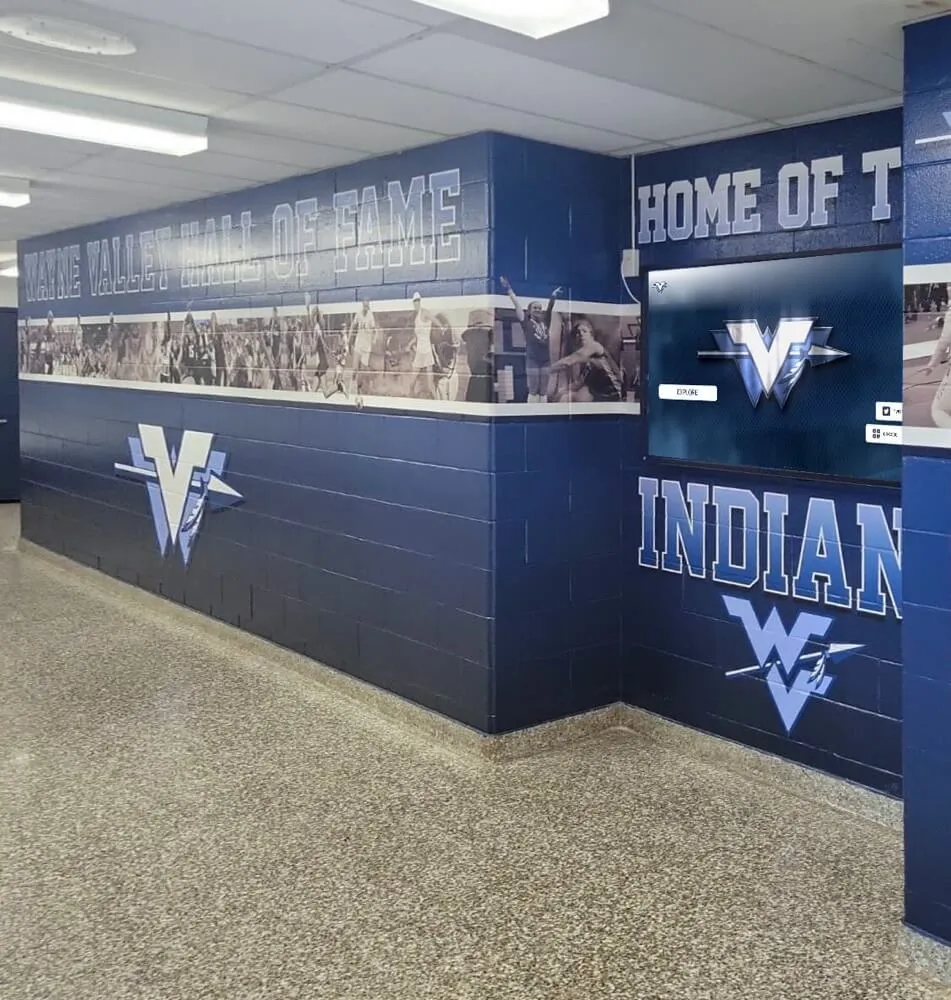
Interactive displays create natural engagement opportunities where students explore team achievements and track competitive standings
School Culture Development
Team GPA competition shapes institutional culture positively:
- Academic achievement receives visibility comparable to athletic competition
- Healthy competitive spirit around learning becomes normalized
- Class pride and identity develop around academic performance
- Collaborative values reinforce broader educational goals
- Intellectual achievement becomes celebrated part of school identity
These cultural benefits extend beyond individual participants to shape how entire school communities view and value academic excellence, creating environments where learning and achievement receive genuine celebration and social reinforcement.
Student Engagement and Belonging
Team structures enhance connection to school community:
- Participation in team competition increases school connectedness
- Collaborative relationships form around shared academic goals
- Recognition opportunities exist for students across achievement spectrum
- Team identity provides sense of belonging and community
- Shared celebration creates positive school memories and traditions
Learn more about comprehensive approaches in academic recognition programs that celebrate diverse excellence.
Designing Effective Team GPA Competition Structures
Successful team leaderboard implementation requires thoughtful design addressing team composition, scoring systems, recognition tiers, and competition timeframes that maximize motivation while maintaining educational integrity.
Team Composition Strategies
How teams are formed significantly affects competition fairness, participant engagement, and motivational impact.
Grade-Level Class Competition
The most common structure organizes teams by academic classes:
Advantages of Class-Based Teams
- Natural existing groups requiring no artificial team creation
- Class pride and identity already established supporting engagement
- Balanced competition with similar-aged students
- Simple administration leveraging existing organizational structures
- Multi-year tradition development as classes progress together
Implementation Considerations
- Large grade levels may benefit from homeroom or advisory subdivisions creating manageable team sizes
- Schools should ensure roughly equivalent class sizes for fair competition
- Consider separate competitions for different grade levels rather than cross-grade comparison
- Track participation rates ensuring all classes engage rather than creating one-sided competitions
Class-based competition works particularly well in middle and high schools where grade-level identity and multi-year cohort development create natural team structures and competitive dynamics.
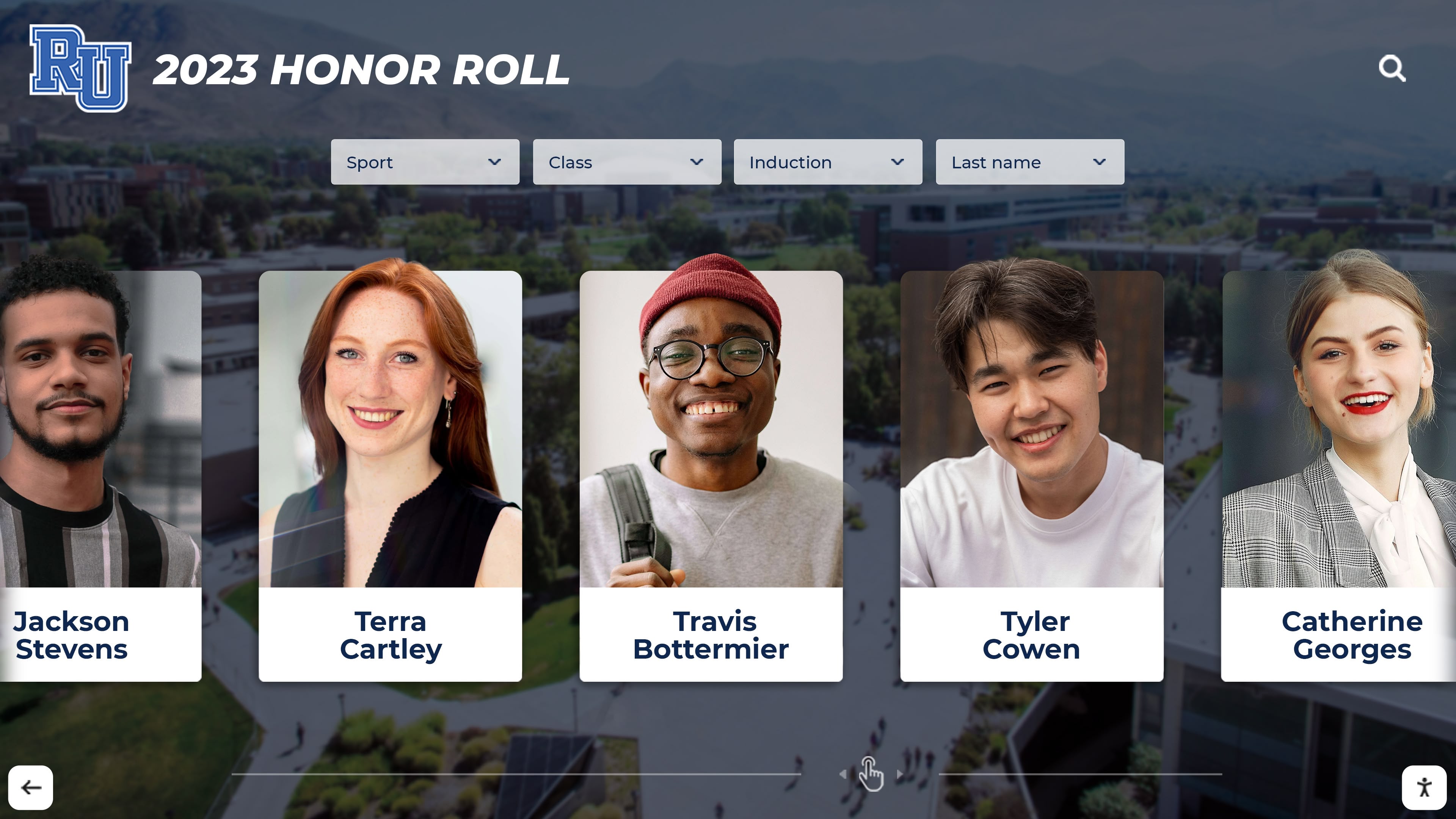
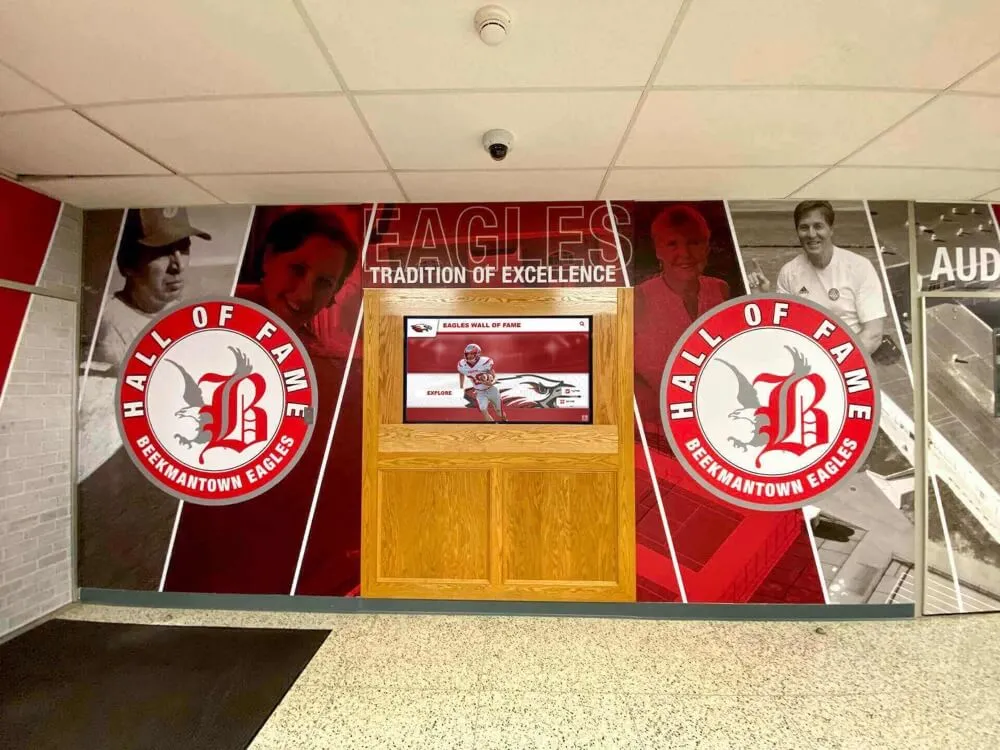
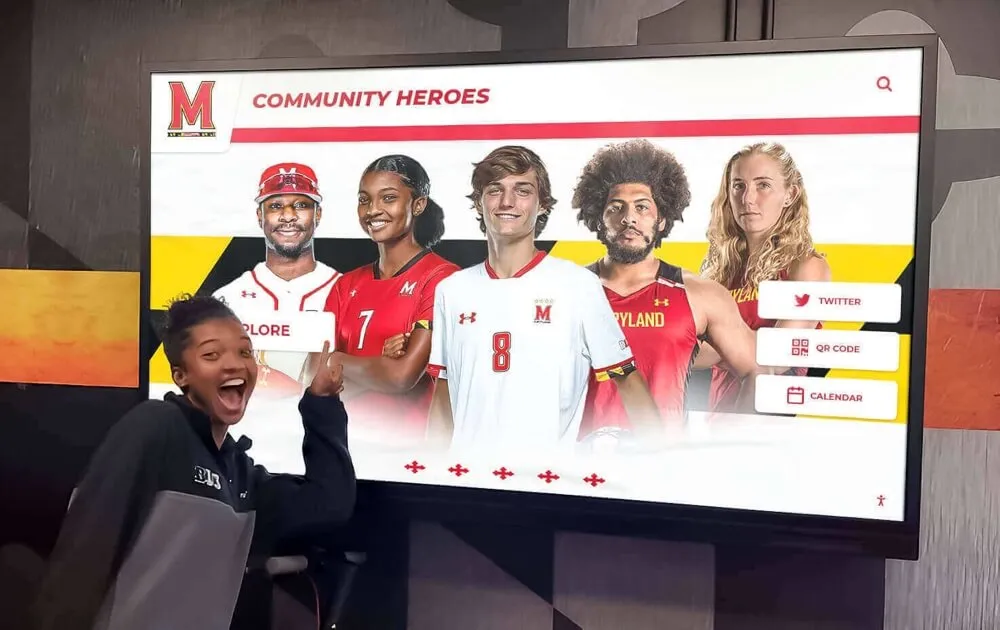
Individual student profiles within team displays celebrate both personal achievement and contribution to collective success
Subject Area or Academic Track Teams
Alternative structures organize teams by academic programs or tracks:
Advanced Placement vs. Honors vs. Standard Track Competition
- Creates more equitable competition among students with similar academic preparation
- Motivates achievement within realistic peer comparison groups
- Recognizes excellence across different academic pathways
- Avoids discouragement from comparison with vastly different preparation levels
STEM vs. Humanities vs. CTE Program Teams
- Celebrates excellence within specialized academic focuses
- Creates program identity and pride
- Encourages students to excel within chosen pathways
- Recognizes diverse definitions of academic achievement
These structures work well in larger schools with multiple distinct academic programs where program-based identity rivals or exceeds grade-level identity.
House System or Advisory-Based Teams
Schools using house systems or advisory structures can leverage these for team organization:
Benefits of Advisory-Based Competition
- Creates cross-grade teams with diverse age representation
- Enables peer mentoring between younger and older students
- Builds vertical community connections across grade levels
- Works particularly well in smaller schools where grade levels alone create too few teams
Design Considerations
- Ensure balanced distribution of high and low performers across advisory groups
- Consider weighted scoring that accounts for grade level differences in coursework difficulty
- Create opportunities for mentorship and tutoring within advisory teams
- Balance competition with collaborative support across age differences
Explore strategies for organizing peer leadership spotlights and recognition systems that can integrate with team structures.
Scoring Systems and Calculation Methods
Fair, transparent scoring mechanisms ensure teams compete equitably while motivating desired behaviors and academic outcomes.
Basic Team Average GPA Scoring
The most straightforward approach calculates average GPA across all team members:
Calculation Method
- Sum all individual student GPAs within team
- Divide by total number of students on team
- Update regularly (weekly, monthly, or by grading period)
- Display current standings with historical comparison
Advantages
- Simple to understand and calculate
- Transparent scoring that students can verify
- Reflects overall team academic performance clearly
- Easily automated with student information system integration
Potential Concerns
- Teams with high-performing students have inherent advantages
- Does not reward improvement separately from absolute achievement
- May create pressure on lower-performing students feeling responsible for team standing
- Existing performance distribution affects results more than actual effort
Basic averaging works best when team composition balances high and lower performers roughly equally, preventing situations where one team dominates simply through fortunate initial distribution of top students.
Improvement-Based Scoring Systems
Alternative approaches emphasize growth rather than absolute achievement:
Semester-Over-Semester Improvement Scoring
- Calculate change in team average GPA from previous period
- Award points based on degree of improvement
- Recognize teams showing greatest growth regardless of starting point
- Reset baselines periodically to maintain achievability
Advantages of Improvement Scoring
- All teams can compete meaningfully regardless of initial performance level
- Motivates sustained effort rather than relying on existing achievement
- Celebrates growth mindset and continuous improvement values
- Reduces advantages for teams with initially high-performing student distributions
Implementation Considerations
- Requires baseline period before competition begins
- May be more complex to explain and calculate than simple averages
- Can create ceiling effects where high-performing teams struggle to improve further
- Works well as complement to absolute achievement scoring rather than replacement
Learn about comprehensive student recognition that increases future success through well-designed recognition criteria.
Hybrid Scoring Combining Multiple Factors
Sophisticated systems balance multiple achievement dimensions:
Multi-Factor Scoring Components
- Absolute team GPA average (40% weight)
- Semester improvement over baseline (30% weight)
- Honor roll participation percentage (20% weight)
- Perfect attendance academic weeks (10% weight)
This approach rewards both absolute achievement and improvement, team consistency and participation rates, supporting behaviors like attendance, while creating multiple pathways to competitive success.
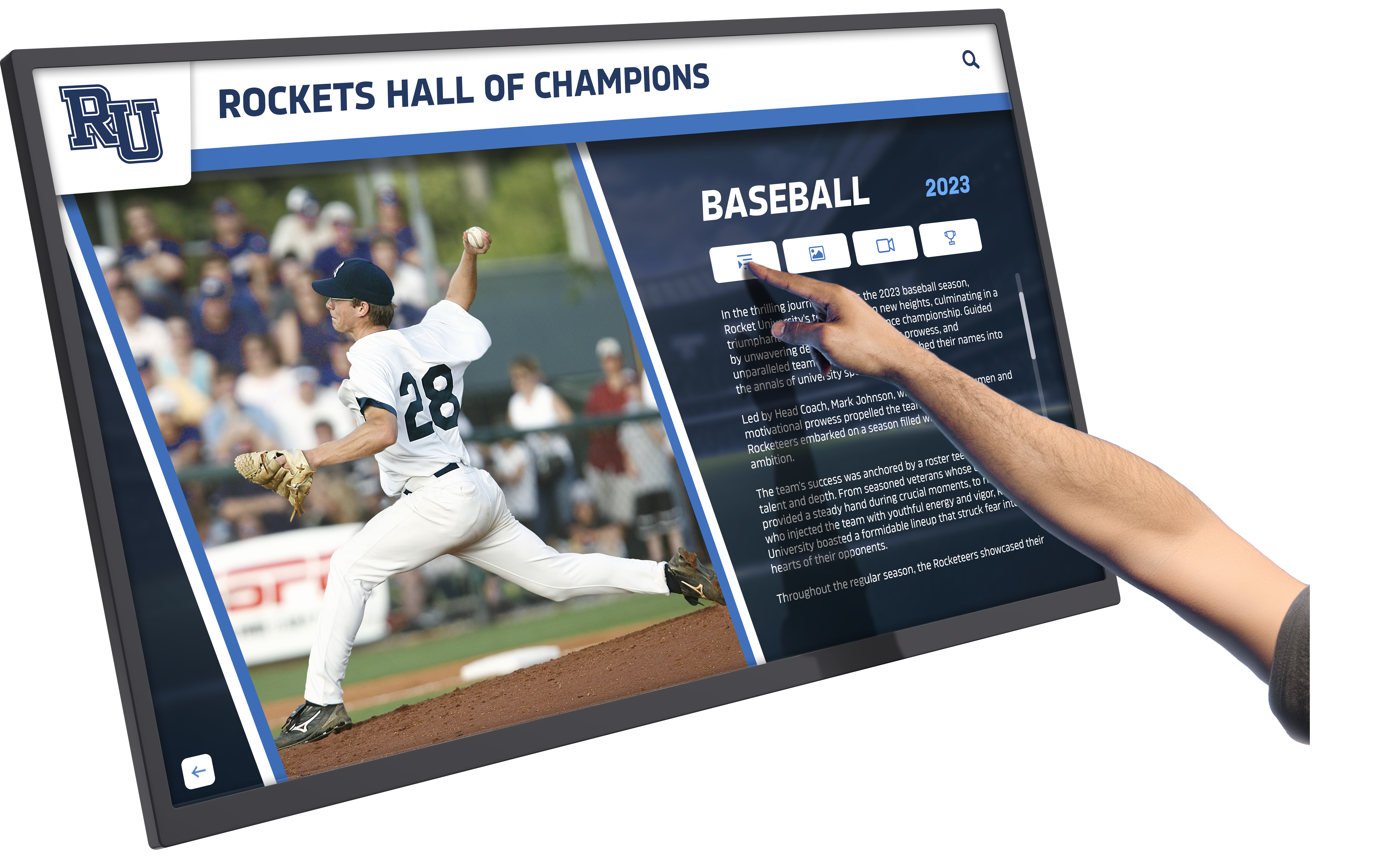
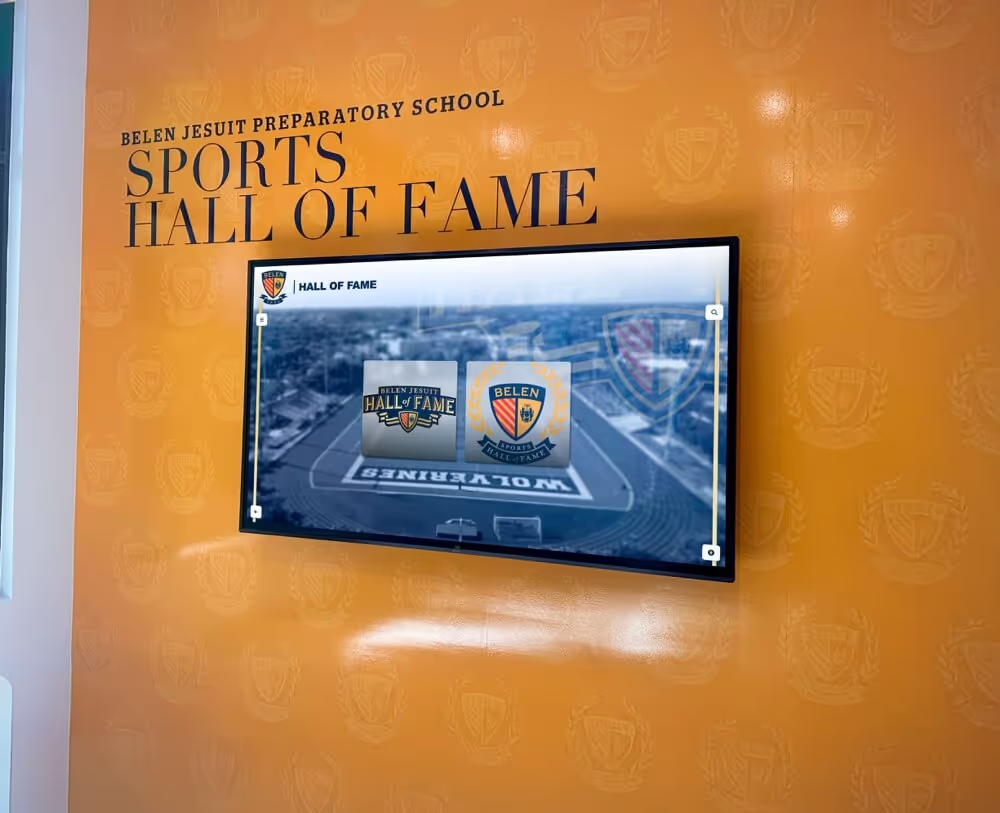
Intuitive touch interfaces make exploring team standings and individual contributions engaging and accessible
Weighted GPA Considerations
Schools should decide whether to use weighted or unweighted GPAs:
Weighted GPA Arguments
- Rewards students taking rigorous advanced courses
- Incentivizes challenging course selection
- Reflects true academic achievement levels including difficulty
- Aligns with college admissions and scholarship criteria
Unweighted GPA Arguments
- Creates equity across students with different access to advanced courses
- Avoids penalizing students in schools with limited AP/IB offerings
- Simpler to understand and calculate
- Focuses on performance rather than course selection opportunities
Many schools compromise by offering separate leaderboards for weighted and unweighted GPAs, or by creating separate competitions for honors/AP track versus standard track students.
Competition Timeframes and Recognition Cadence
When and how frequently standings update and recognition occurs significantly affects sustained engagement and motivational effectiveness.
Semester-Long Competitions with Periodic Updates
The most common structure runs competitions aligned with academic terms:
Timeline Structure
- Launch competition at semester start with kickoff assembly
- Update standings weekly or biweekly maintaining visibility
- Provide mid-semester progress reports and recognition
- Conduct major recognition at semester end celebrating winners
- Reset competition for new semester with adjusted teams or categories
Engagement Strategies Throughout Competition
- Weekly standing announcements during morning programs
- Mid-competition recognition events celebrating improvement and leaders
- Progress displays in high-traffic locations maintaining daily visibility
- Social media updates celebrating team achievements and milestones
- Faculty involvement encouraging and supporting student academic efforts
Semester-length competitions balance sustained effort requirements with maintaining student engagement without excessive competition fatigue from overly extended timelines.
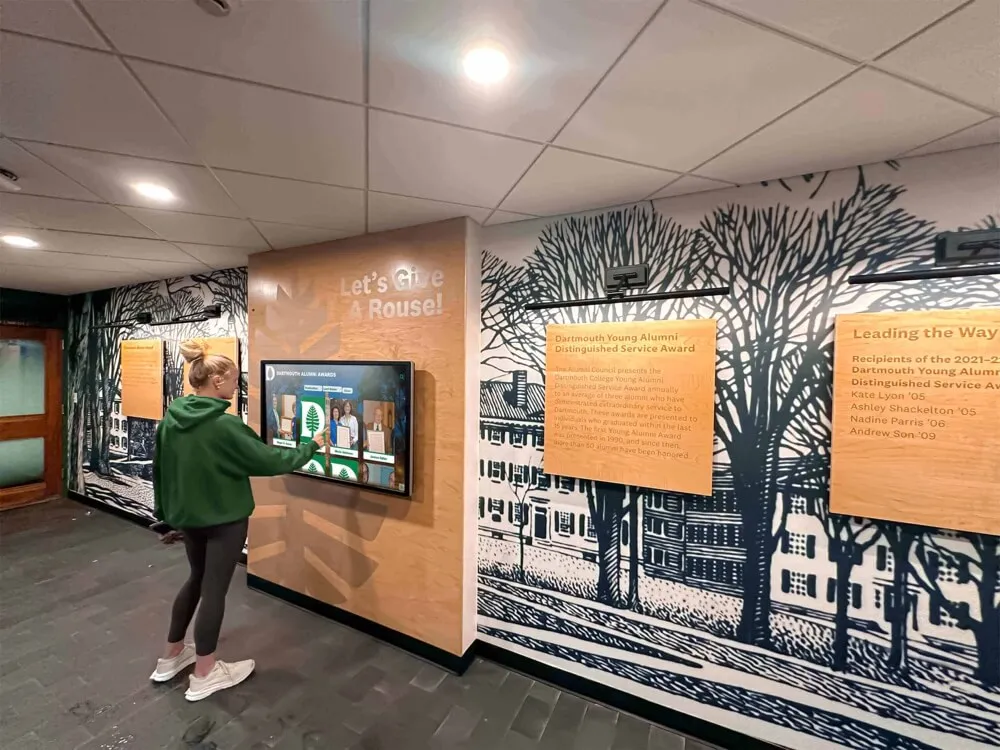
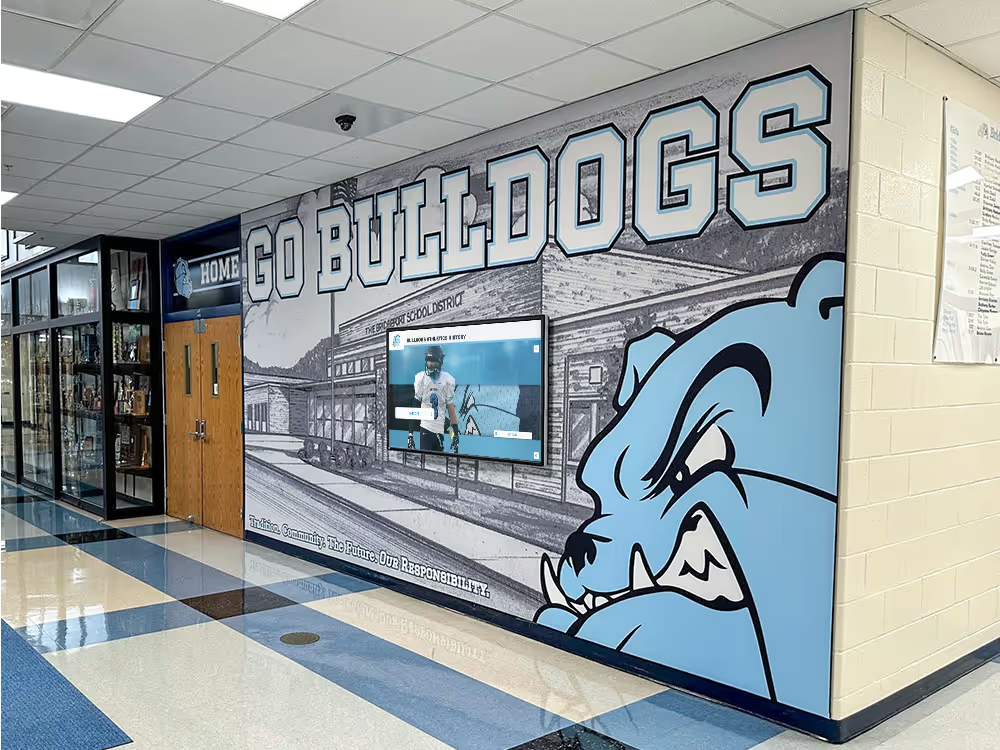
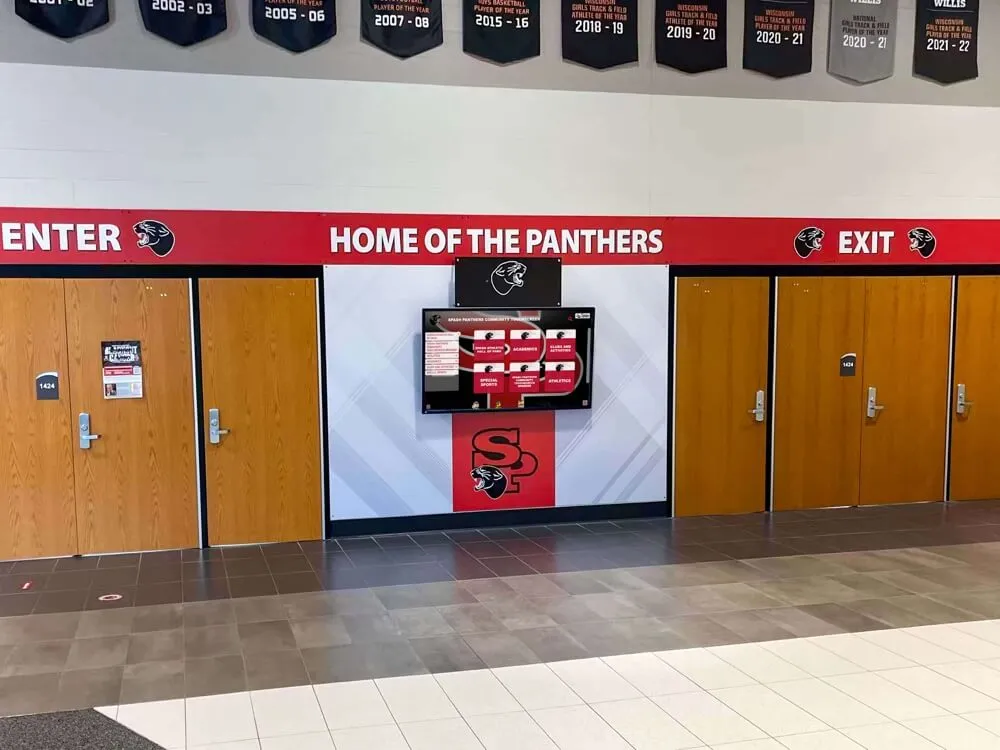
Strategic placement in high-traffic hallways ensures team standings remain visible and part of daily school culture
Quarterly or Grading Period Competitions
Shorter competition cycles maintain engagement while providing more frequent recognition opportunities:
Advantages of Shorter Cycles
- More frequent reset points maintaining achievability perception
- Greater opportunities for different teams to win throughout year
- Sustained engagement without lengthy commitment periods
- Better alignment with grading periods and report card cycles
- Reduced impact of individual student temporary performance fluctuations
Year-Long Overall Champions
While shorter competitions engage throughout year, schools can maintain year-long perspective:
- Award points for quarterly or semester competition placements
- Calculate cumulative standings showing consistent excellence across entire year
- Provide special ultimate recognition for year-long champions
- Create traditions around annual championship celebration
- Maintain historical records of year-long champions building tradition
This combination provides both short-term engagement through frequent competitions and recognition while celebrating sustained excellence through year-long champion designation building institutional tradition and prestige.
Digital Display Technology for Team GPA Leaderboards
Effective visual presentation transforms team competition from abstract concept to engaging daily reality through dynamic displays that make standings, progress, and achievements visible throughout school communities.
Interactive Touchscreen Display Systems
Modern touchscreen technology creates engaging, informative leaderboard displays that far exceed capabilities of static printed standings or simple digital signage.
Real-Time Standing Displays
Digital platforms like Rocket Alumni Solutions enable constantly updated competition visibility:
- Current team standings updating automatically as grades change
- Individual student performance within teams showing contributions
- Historical trend graphs displaying progress across competition period
- Comparative visualizations showing gaps between teams and improvement trajectories
- Filtering capabilities to view specific grades, academic tracks, or time periods
Interactive exploration enables students to find their personal contribution within team context, understand how individual improvement affects team standing, explore peer achievements within and across teams, and track progress toward goals and milestones throughout competition.
Multimedia Team Profiles
Beyond simple numeric standings, comprehensive displays tell team stories:
- Team photos and rosters identifying all members
- Featured student spotlights highlighting top contributors and most improved
- Achievement milestones and notable accomplishments
- Testimonials from team captains or academic leaders
- Study tips and success strategies from high-performing teams
- Historical records and tradition documentation
Rich storytelling creates emotional connection and team identity beyond abstract numbers, increasing engagement and creating pride in team achievement that motivates sustained effort.
Learn about interactive touchscreen software solutions that power engaging recognition displays.
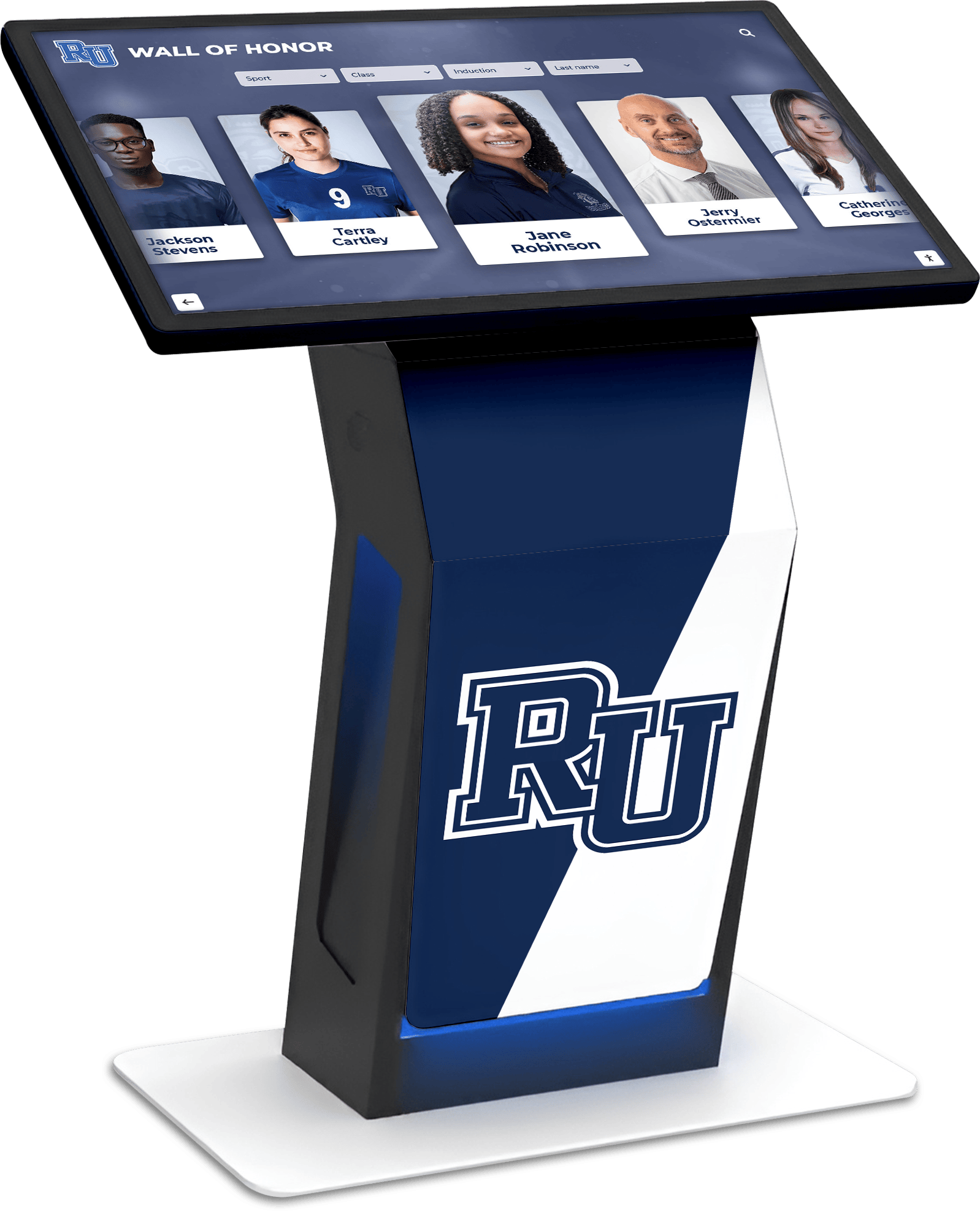
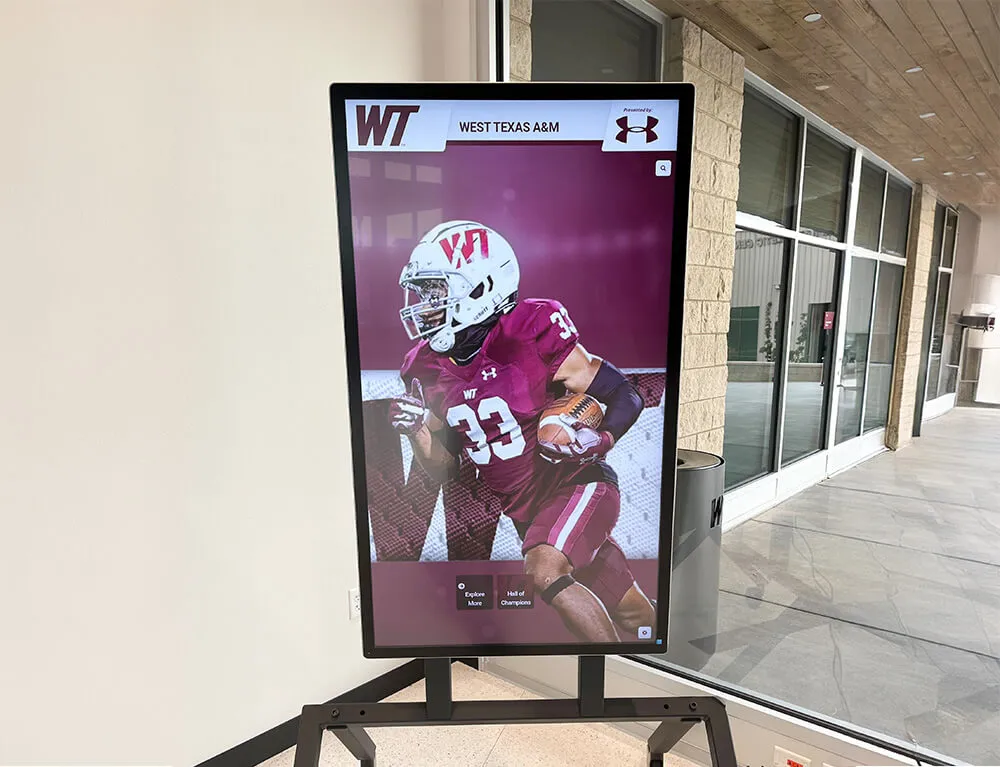
Free-standing kiosks provide flexible placement options for displaying team competition standings in high-traffic locations
Web and Mobile Platform Extensions
Team GPA competition impact extends beyond physical campus displays through web-accessible platforms that enable anywhere, anytime engagement with standings and achievements.
Online Leaderboard Access
Web platforms provide significant advantages over campus-only displays:
- Students can check standings from home motivating evening study efforts
- Families can follow team progress and support student academic goals
- Real-time updates provide immediate feedback when grades change
- Mobile-responsive design enables smartphone access throughout day
- Social sharing capabilities allow students to celebrate team achievements
- Historical archives preserve records of past competitions and champions
Solutions like Rocket Alumni Solutions provide integrated web and physical display platforms ensuring consistent information across all access points while maximizing visibility and engagement opportunities.
Mobile App Integration
Advanced implementations include dedicated mobile applications:
- Push notifications when team standings change significantly
- Personalized dashboards showing individual contribution to team performance
- Study timer integration tracking time invested toward team goals
- Team communication features enabling collaborative study coordination
- Achievement badges and milestone recognition
- Gamification elements that complement leaderboard competition
Mobile engagement meets students in their daily digital environments rather than requiring physical presence at campus displays, maximizing opportunities for competition awareness to influence behavior and motivation.
Data Visualization and Analytics
Effective leaderboard displays go beyond simple ranking lists to provide meaningful visualization that reveals patterns, progress, and opportunities.
Progress Tracking Visualizations
Displays should show trends over time not just current snapshots:
- Line graphs showing team GPA trajectories across competition period
- Bar charts comparing current to baseline or previous semester performance
- Progress toward goal visualizations showing distance to targets
- Improvement rate calculations highlighting momentum
- Projection models estimating end-of-competition outcomes based on trends
These visualizations help students understand that standings reflect accumulated effort over time rather than static unchangeable positions, maintaining engagement even for teams not currently leading by showing improvement and trajectory.
Individual Contribution Analytics
Students should understand personal impact on team performance:
- Individual GPA contribution to team average
- Impact calculations showing how grade improvement would affect team standing
- Recognition of highest individual GPAs and most improved students within teams
- Comparison to personal historical performance
- Goal-setting tools showing grades needed to boost team placement
Making individual contribution visible and concrete motivates personal effort by clearly connecting individual academic performance to team outcomes students care about and team communities they belong to.
Explore digital touchscreen athletic building team records displays that use similar visualization strategies applicable to academic competition.
Cloud-Based Content Management
Sustainable leaderboard programs require simple administration that doesn’t burden staff or require specialized technical expertise.
Automated Data Integration
Modern platforms integrate directly with student information systems:
- Automatic GPA data import eliminating manual entry
- Real-time synchronization ensuring displays show current information
- Secure data handling protecting student privacy
- Role-based access control limiting data visibility appropriately
- Scheduled updates occurring automatically at designated times
Automation reduces administrative burden to near zero after initial setup while ensuring accuracy and timeliness that manual processes cannot match sustainably.
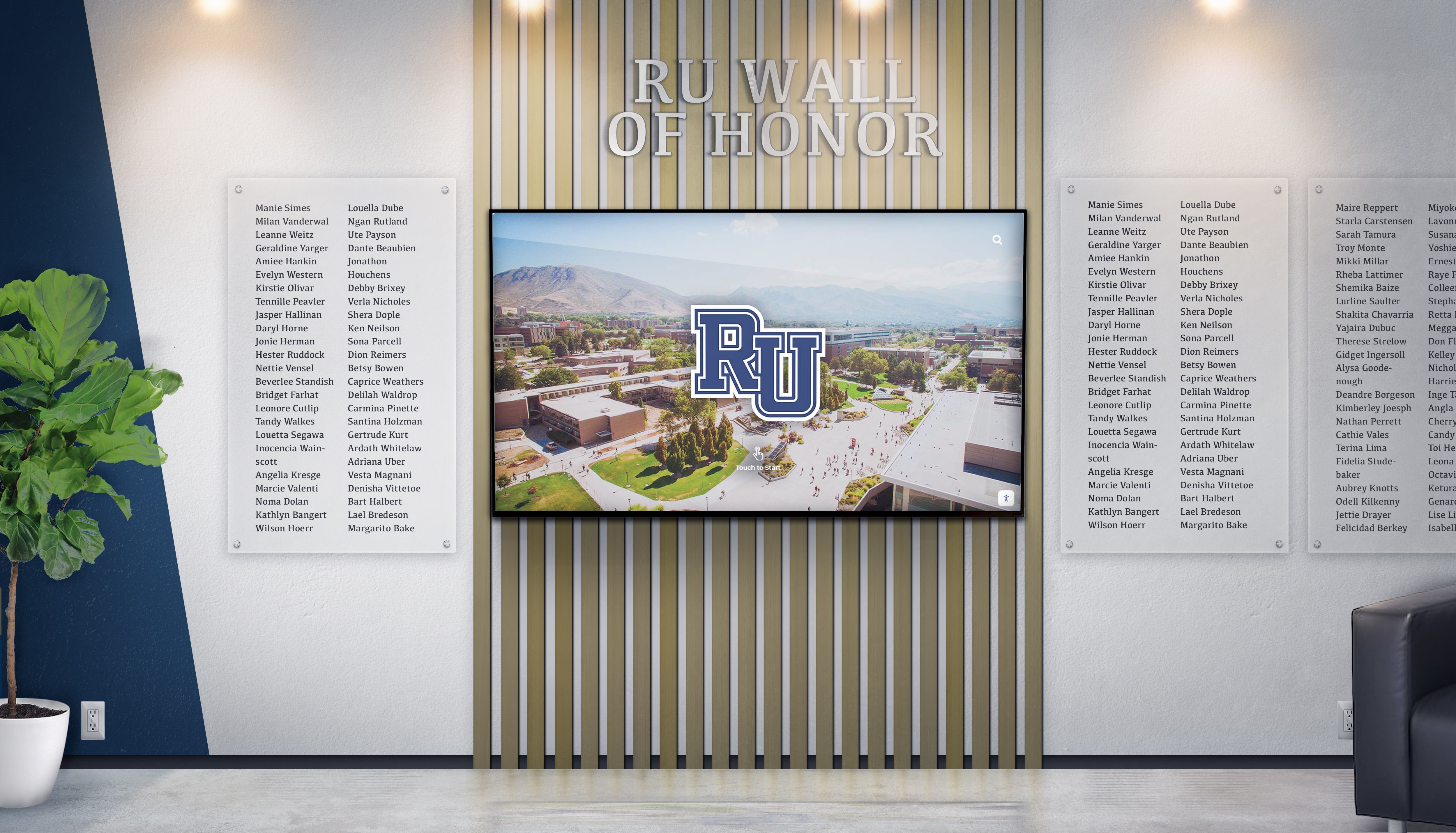
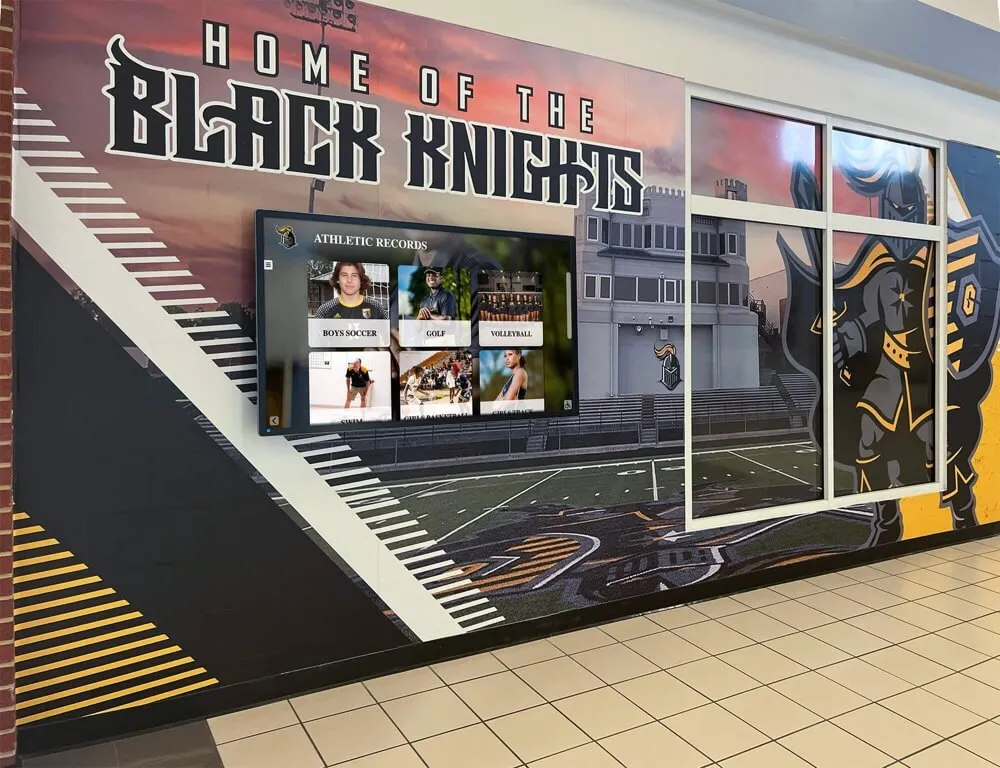
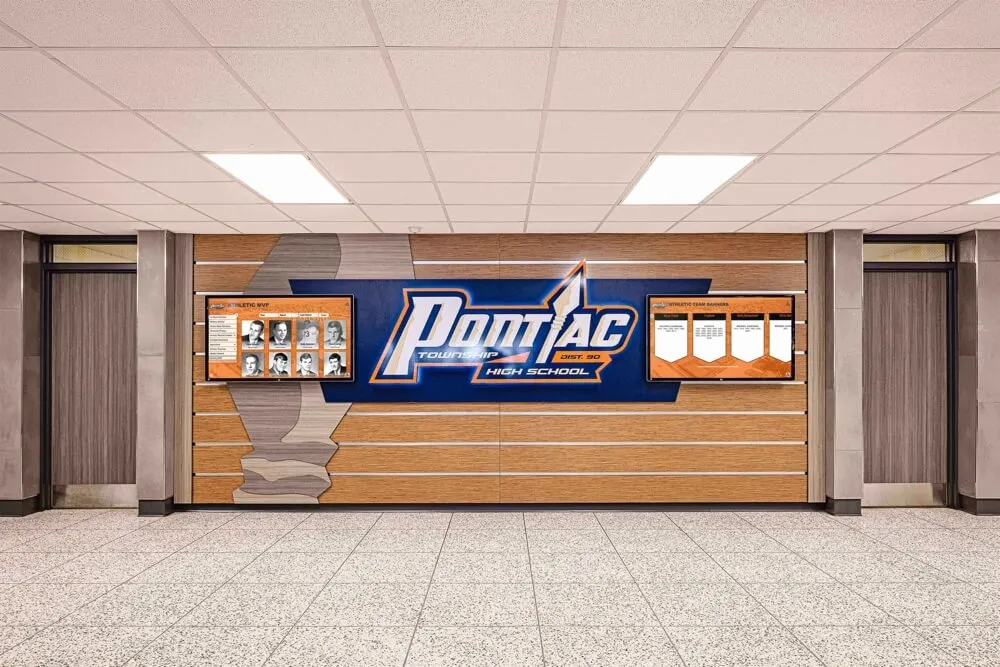
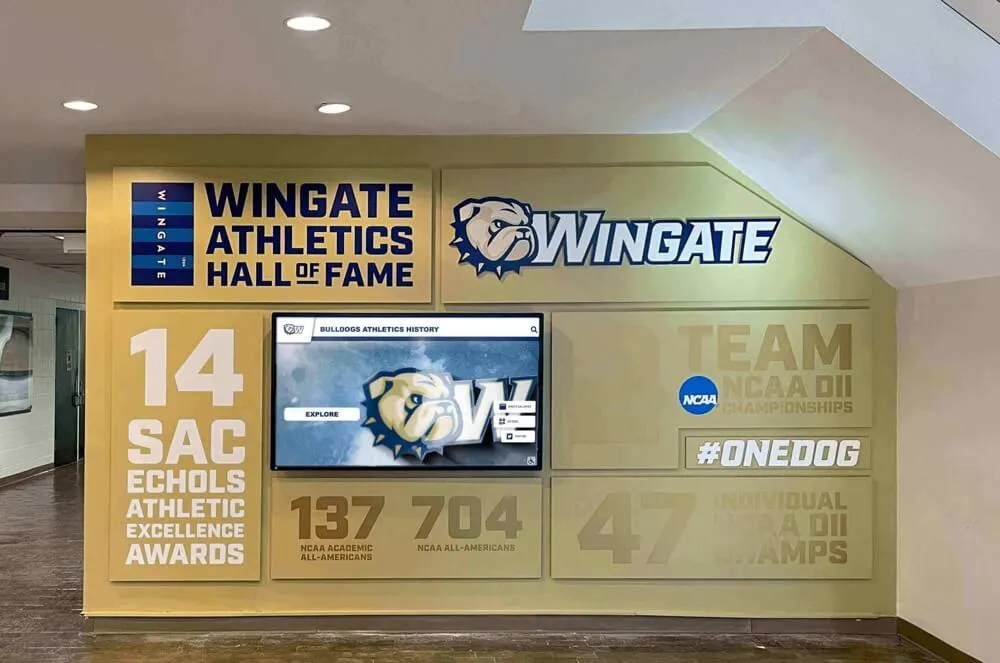
Integrated recognition systems celebrate multiple achievement types including team-based academic competition
Simple Manual Management Interfaces
When automation isn’t available, content management should remain straightforward:
- Template-based data entry requiring only GPA inputs
- Drag-and-drop photo uploads for team profiles
- Point-and-click standing updates
- Preview capabilities before publishing changes
- Revision history with rollback options if errors occur
Purpose-built platforms like Rocket Alumni Solutions provide intuitive interfaces designed specifically for school recognition management rather than requiring generic digital signage software adaptation.
Implementation Best Practices
Successful team GPA leaderboard programs require careful planning, stakeholder engagement, clear policies, and systematic management ensuring competitions motivate effectively while supporting broader educational goals.
Pre-Launch Planning Phase
Thorough preparation establishes foundations for successful sustainable programs.
Needs Assessment and Goal Definition
Begin by clarifying what you hope to achieve:
- What specific academic outcomes should competition improve?
- Which student populations are you trying to engage more effectively?
- What current academic culture issues might team competition address?
- How will you measure whether program achieves intended goals?
- What resources can you realistically dedicate to program management?
Clear goals enable appropriate design decisions and provide criteria for evaluating program success objectively rather than relying on subjective impressions about effectiveness.
Stakeholder Input Collection
Gather perspectives from multiple constituencies before finalizing design:
- Students: What competition structures would they find motivating? What concerns do they have about academic leaderboards?
- Faculty: How could team competition support classroom goals? What safeguards are needed to prevent negative outcomes?
- Parents: How do families view academic competition? What information would they want about their student’s participation?
- Counselors: What potential concerns exist for different student populations? How can competition support rather than undermine student wellbeing?
Early input ensures designs address real needs and concerns rather than implementing programs that look good theoretically but face practical problems or stakeholder resistance in actual implementation.
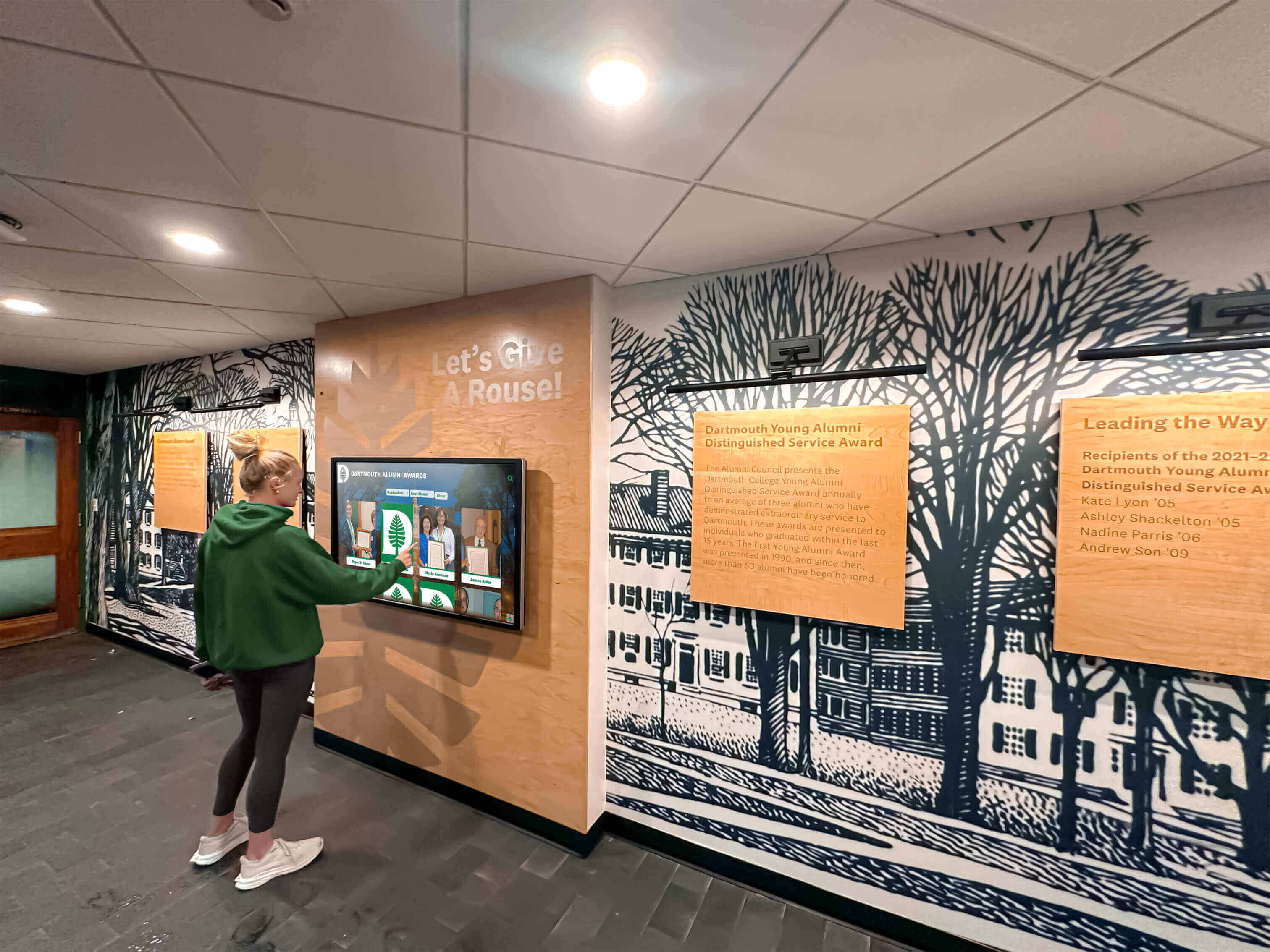
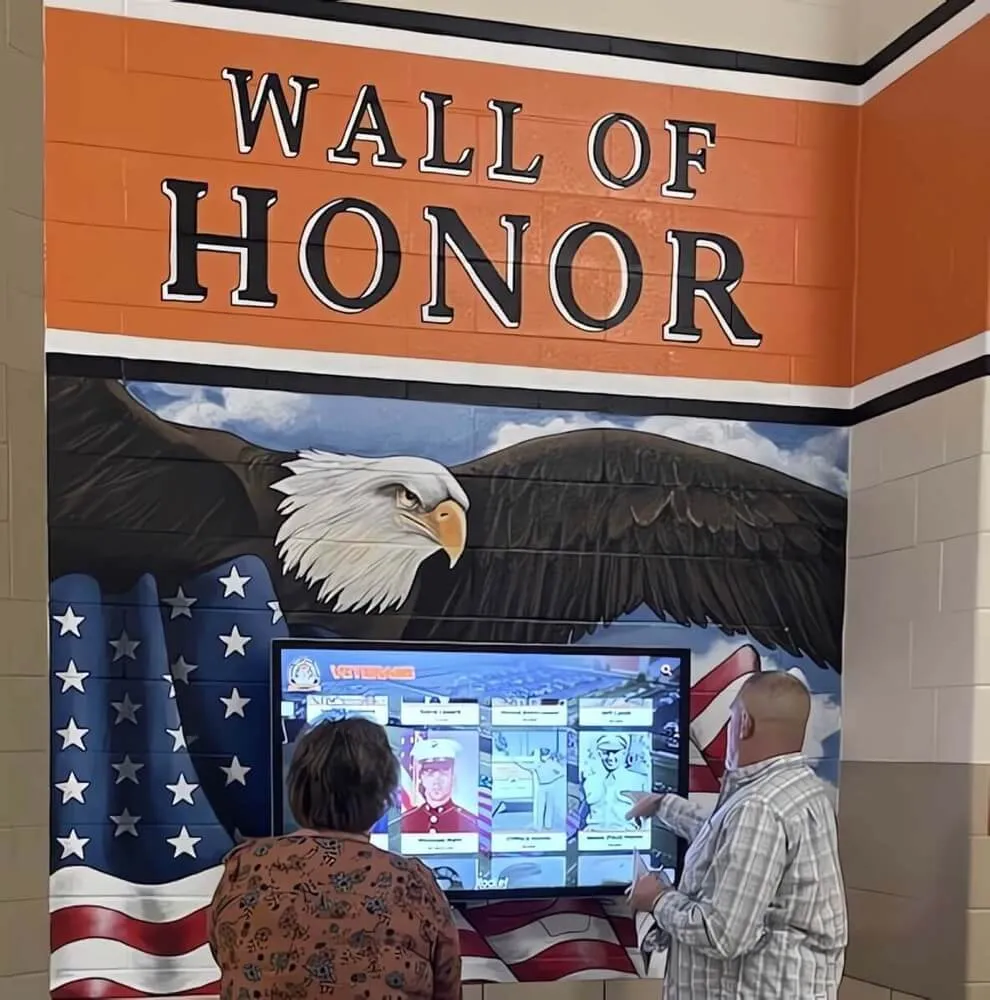
Student interaction with displays should feel natural and engaging rather than forced or perfunctory
Policy Development and Communication
Document clear policies addressing key concerns:
Participation Policies
- Is participation mandatory or optional?
- Can students opt out of leaderboard display?
- How are special education students and accommodations handled?
- What happens when students transfer in or out during competition?
Privacy Protections
- What information displays publicly versus kept private?
- How do you protect academic records while showing competition data?
- What consent is required from families?
- How long are records retained and who can access them?
Academic Integrity Standards
- What happens if team members are found cheating?
- How do grade challenges and corrections affect standings?
- What recourse exists if errors occur in calculations?
- How do you prevent gaming the system or unhealthy behaviors?
Clear written policies prevent misunderstandings and provide consistent answers to predictable questions, enabling confident program management when issues arise.
Learn about training staff on digital recognition systems to ensure successful implementation.
Launch Strategy and Kickoff Events
Strong program launches build enthusiasm and establish competition as significant school tradition rather than minor additional activity.
Competition Kickoff Assembly
Begin with engaging schoolwide or grade-level launch events:
- Explain competition structure, scoring, and timeline clearly
- Introduce teams and captains with visual rosters
- Reveal displays and technology in dramatic unveiling
- Share prizes and recognition for winners
- Feature faculty or alumni testimonials about academic achievement value
- Include entertainment making event memorable and exciting
- Conclude with motivational messaging about collective potential
Launch events establish competition significance while building excitement and buy-in across student body rather than beginning programs with quiet administrative implementation lacking fanfare or celebration.
Initial Team Building Activities
Help teams develop identity and cohesion:
- Designated team meeting times for goal setting
- Team name selection and motto development
- Photo sessions creating team images for displays
- Study group formation and peer tutoring matching
- Captain election or appointment with defined leadership roles
- Team bonding activities beyond purely academic focus
Early team identity development increases likelihood that students will feel genuine connection to team success rather than viewing competition as abstract administrative program disconnected from their real peer relationships and school experience.
Communication Campaign
Saturate school community with information about new program:
- Detailed written guides for students and families
- Morning announcements previewing upcoming launch
- Posters and signage throughout building
- Social media content building anticipation
- Faculty briefings ensuring teachers can answer questions
- Newsletter and email communications to families
- Website dedicated section explaining program and showing standings
Comprehensive communication ensures everyone understands program preventing confusion while building anticipation and excitement generating momentum for successful engaging launch.
Ongoing Program Management
Sustained success requires consistent management, regular engagement activities, and continuous improvement based on assessment and feedback.
Weekly Standing Updates and Announcements
Maintain visibility through regular communication:
- Weekly standing announcements during morning programs
- Updated displays showing current rankings and changes
- Social media posts celebrating top teams and biggest improvements
- Newsletter features highlighting team achievements and stories
- Classroom visits recognizing teams meeting milestones
Regular rhythm keeps competition prominent in student awareness rather than allowing initial enthusiasm to fade as programs become background elements students ignore after initial novelty wears off.
Mid-Competition Recognition Events
Sustain engagement throughout competition rather than waiting until conclusion:
- Mid-point recognition for leading teams and most improved
- Study break events sponsored by high-performing teams
- Faculty appreciation from teams for supporting student success
- Milestone celebrations when teams reach GPA goals
- Profile features of team captains and high contributors
Mid-competition recognition maintains momentum while providing motivation boosts at critical midpoints when initial enthusiasm may wane but competition conclusion remains too distant for effective motivation.
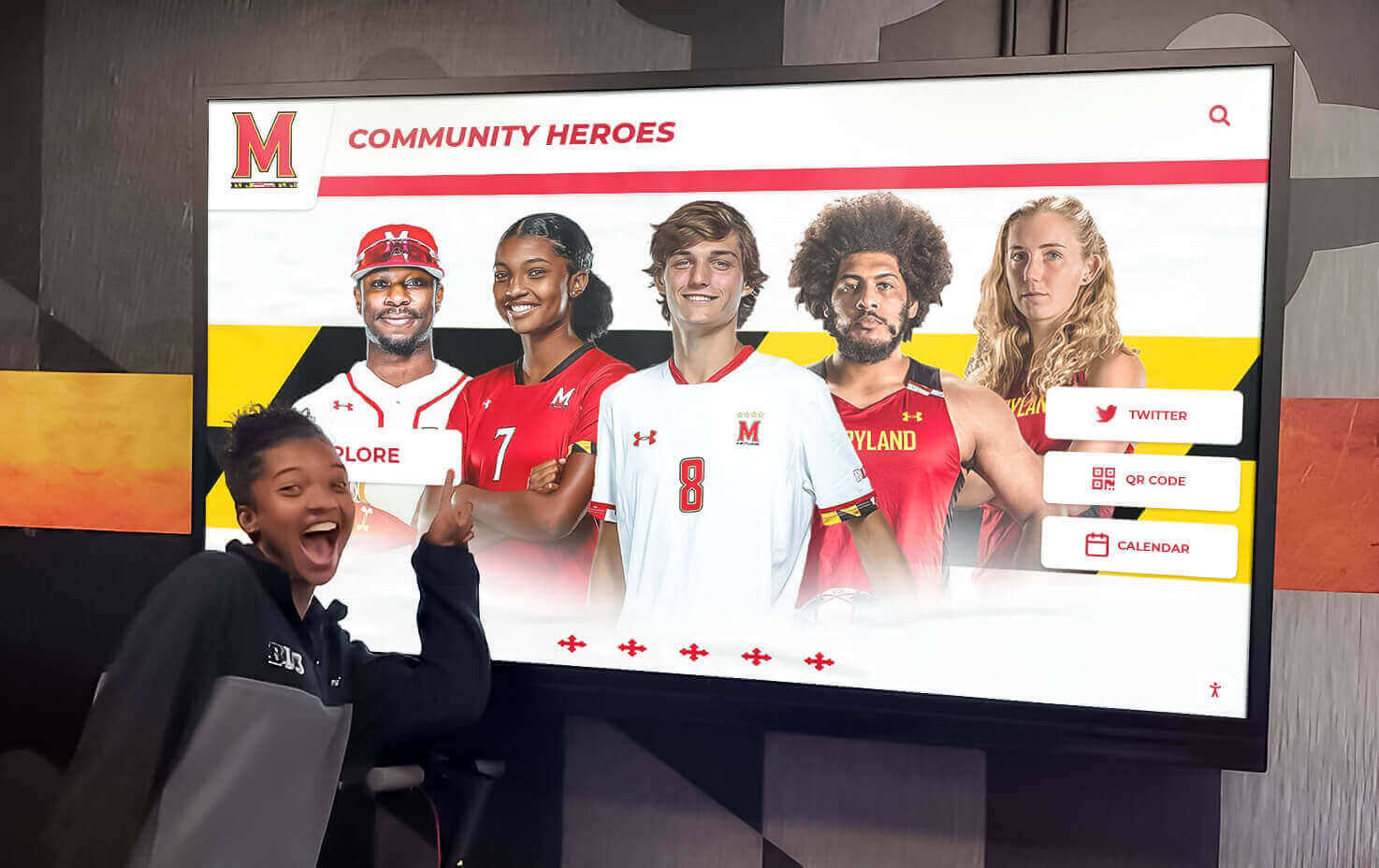
Displays celebrating team achievements should be placed where students naturally gather and spend time
End-of-Competition Championship Celebrations
Conclude competitions with meaningful recognition ceremonies:
- Championship assembly celebrating winning teams
- Awards presentation for champions and category winners
- Team photo opportunities for historical documentation
- Individual recognition for top contributors within teams
- Reflection and testimonials from participating students
- Announcement of subsequent competition plans building continuity
- Digital archive updates preserving competition results permanently
Significant conclusion events validate competition importance while creating memories that become school traditions students anticipate and value year after year, building institutional culture around academic achievement celebration.
Addressing Potential Concerns and Challenges
Team GPA leaderboard implementation requires proactive strategies addressing common concerns about equity, unhealthy competition, gaming behaviors, and unintended negative consequences.
Preventing Destructive Competition Dynamics
Competition can motivate positively or create harmful environments depending on implementation approach.
Avoiding Shame and Excessive Pressure
Design safeguards preventing competition from harming student wellbeing:
- Emphasize improvement and effort over absolute rankings
- Celebrate all teams making progress regardless of placement
- Provide support for struggling teams rather than only recognizing winners
- Avoid highlighting lowest performers or creating public embarrassment
- Frame competition as motivational tool not punitive accountability system
- Monitor student stress and adjust competition intensity if concerns arise
Balance competitive elements with supportive messaging ensuring students understand competition exists to motivate and celebrate rather than to shame or punish academic struggles rooted in complex factors beyond simple effort.
Supporting Struggling Students and Teams
Create scaffolds for teams finding success difficult:
- Academic support resources advertised through competition displays
- Tutoring matching connecting students needing help with capable tutors
- Study skill workshops teaching effective learning strategies
- Counselor check-ins with students expressing stress about competition
- Flexible participation options allowing struggling students to opt out
- Alternative recognition tracks celebrating improvement regardless of absolute standing
Competition should inspire additional effort among students who can realistically improve performance through enhanced motivation, not create additional stress for students already struggling with academic challenges requiring specialized support beyond motivational programs.
Explore comprehensive student engagement strategies schools use to support diverse learners.
Ensuring Equity and Accessibility
Competition must be designed so all students can participate meaningfully regardless of background or circumstance.
Addressing Socioeconomic Equity
Competition should not disadvantage students with resource constraints:
- Avoid incorporating elements requiring money or resources
- Ensure access to study spaces, materials, and technology
- Do not create expectations for team activities requiring transportation or fees
- Recognize that external factors like work obligations affect available study time
- Consider weighted scoring accounting for differences in course access
Well-designed competition evaluates academic effort and achievement without introducing barriers systematically disadvantaging students from lower-resource backgrounds.
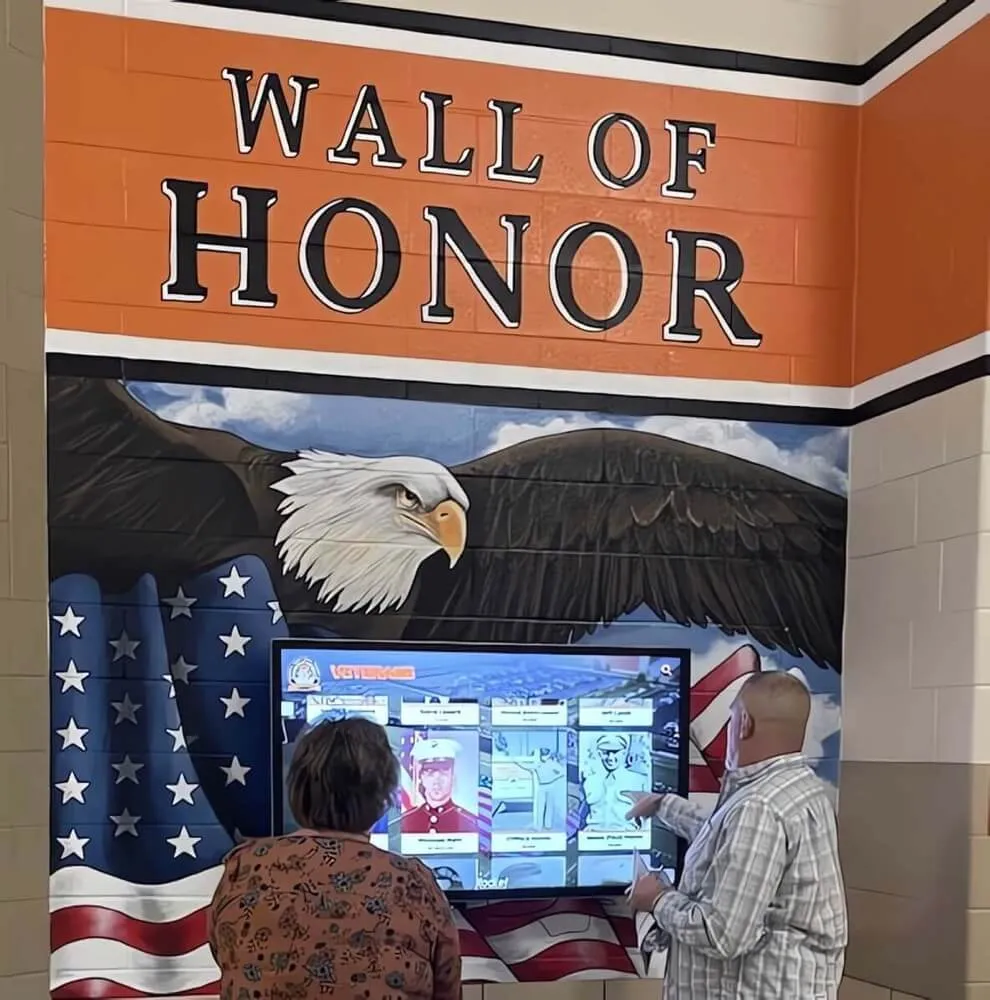
Recognition displays should be accessible and welcoming to entire school community including visitors and families
Special Education and Accommodation Considerations
Ensure inclusive design for students with disabilities and learning differences:
- Consult with special education staff during planning
- Consider separate competitions or alternative scoring for specialized programs
- Protect privacy of students receiving accommodations
- Ensure participation does not violate IEP or 504 requirements
- Create options allowing students to opt out if competition creates harmful pressure
- Train staff recognizing when competition intensity needs adjustment
Federal disability laws require careful consideration of how competition programs affect students with special needs, making consultation with special education professionals essential during design and implementation phases.
Preventing Gaming and Academic Dishonesty
Competition creates incentives that might motivate undesirable behaviors without appropriate safeguards.
Monitoring for Cheating and Integrity Violations
Implement systems detecting and addressing academic dishonesty:
- Faculty awareness of competition pressures potentially motivating cheating
- Clear policies about consequences for academic integrity violations
- Investigation procedures when suspicious grade patterns emerge
- Communication that cheating harms teams not just individuals
- Educational messaging about learning value beyond competition outcomes
Competition should never create environments where students believe winning requires cheating or where pressure to perform for teams leads to integrity compromises undermining educational mission.
Preventing Enrollment Manipulation
Ensure competition doesn’t create incentives for inappropriate behavior:
- Monitor for efforts to influence team composition through schedule changes
- Prevent strategic dropping of classes to improve GPA calculations
- Watch for course selection driven by easy grade opportunities versus learning value
- Ensure transfer student assignments to teams occur fairly and transparently
- Investigate anomalous patterns suggesting gaming attempts
Clear policies and monitoring prevent competition from distorting educational decisions in ways that undermine learning and educational growth goals that should always take precedence over competitive achievements.
Measuring Program Success and Impact
Systematic assessment demonstrates whether team GPA competitions achieve intended goals while identifying opportunities for continuous improvement.
Quantitative Outcome Metrics
Track objective indicators of program effectiveness:
Academic Performance Indicators
- School-wide average GPA trends before and after implementation
- Honor roll participation rates across competition period
- Advanced course enrollment patterns
- Grade distribution changes within participating classes
- Longitudinal achievement tracking for multi-year competitions
Engagement Measures
- Display interaction rates and viewing statistics
- Social media engagement with competition content
- Event attendance at competition-related activities
- Study group formation and participation
- Tutoring program utilization
Equity and Access Metrics
- Competition impact across different demographic groups
- Performance gap changes between high and low-achieving students
- Participation rates and opt-out patterns
- Recognition distribution ensuring diverse students benefit
- Support resource utilization among struggling students
These quantitative measures provide objective evidence of program impact while identifying specific areas where adjustments might enhance effectiveness or address unintended consequences.
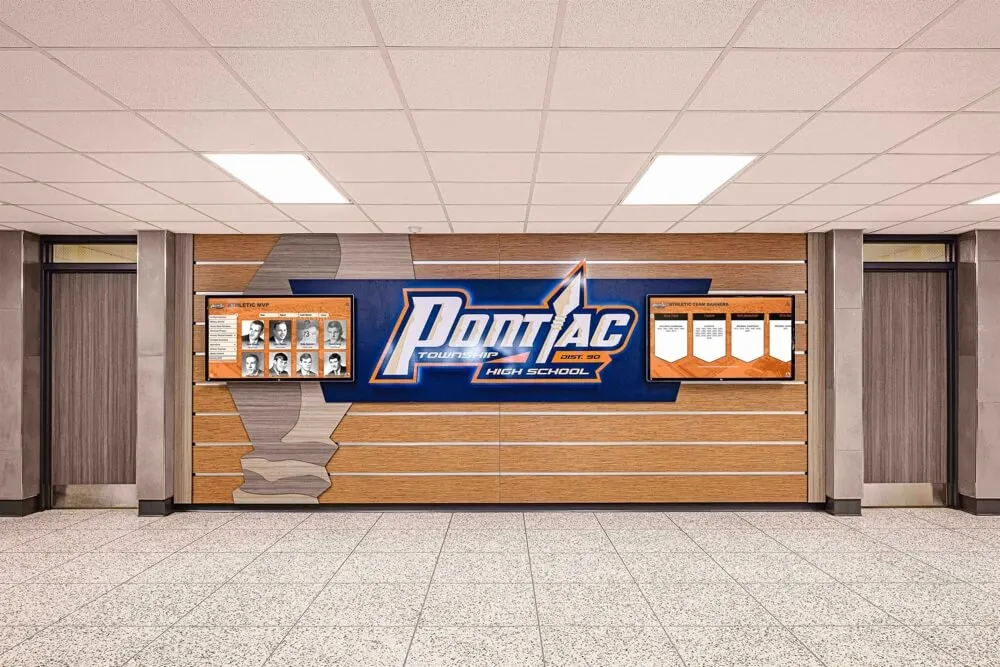
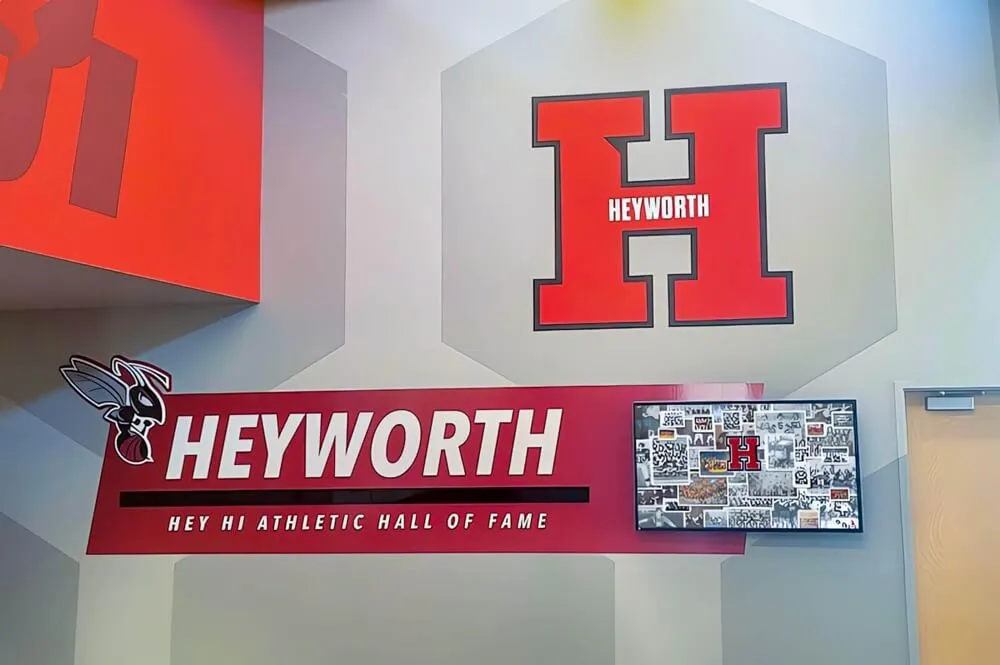
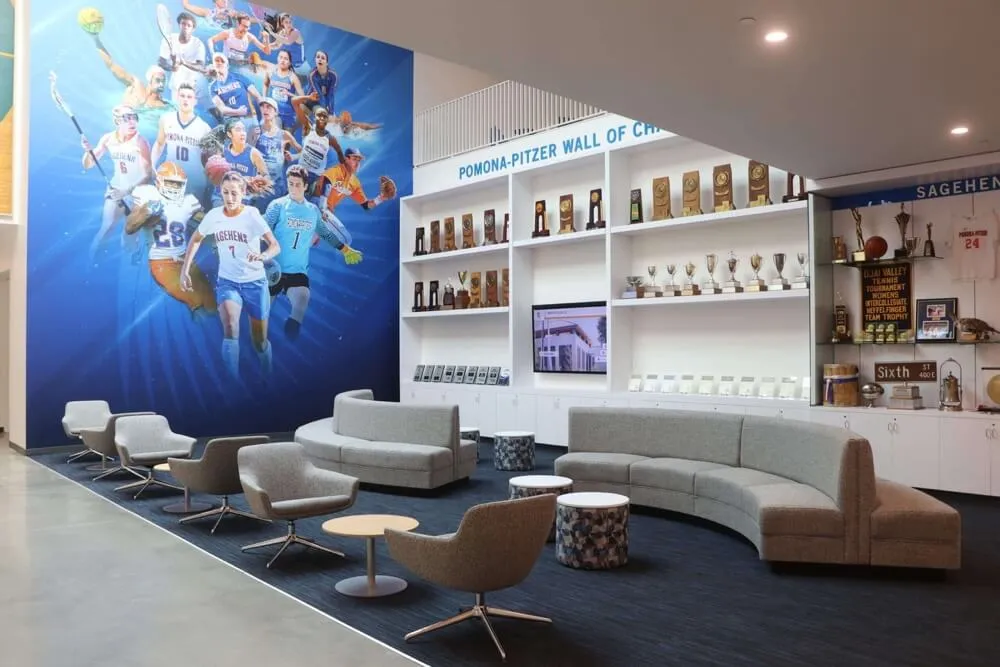
Permanent recognition installations become architectural features celebrating both competitive achievements and sustained excellence
Qualitative Assessment and Stakeholder Feedback
Complement quantitative data with nuanced stakeholder perspectives:
Student Feedback Collection
- Focus groups discussing competition experience and impact
- Surveys assessing motivation, stress levels, and perceived fairness
- Reflection essays from team captains and participants
- Informal interviews exploring competition effects on learning
- Anonymous feedback mechanisms enabling honest criticism
Faculty and Staff Perspectives
- Teacher observations about classroom dynamics and student behavior
- Counselor insights about student wellbeing and stress indicators
- Administrator assessment of culture impact and alignment with goals
- Staff workload evaluation ensuring sustainable management
- Recommendations for program modifications and improvements
Family Input
- Parent surveys about home impact and family perspective
- Community feedback on school culture and academic emphasis
- Alumni reflections on how competition influenced their experience
- Stakeholder perception of institutional priorities and values
Qualitative feedback reveals nuances that metrics alone cannot capture while identifying specific improvements that would enhance program value from user perspectives and lived experiences.
Learn about measuring the impact of recognition programs to demonstrate value and guide continuous improvement.
Continuous Improvement Strategies
Use assessment data to refine programs systematically:
Regular Program Reviews
- Semester debriefs analyzing successes and challenges
- Data analysis identifying patterns and opportunities
- Policy updates addressing emerging issues
- Technology evaluation ensuring tools remain effective
- Stakeholder consultation maintaining input and buy-in
Iterative Design Refinements
- Competition structure adjustments based on participation patterns
- Scoring modifications addressing equity or fairness concerns
- Recognition expansion including additional achievement categories
- Communication improvements enhancing visibility and engagement
- Technology upgrades adopting improved capabilities
Effective programs evolve based on evidence and experience rather than continuing unchanged regardless of assessment findings, ensuring competitions remain relevant, motivating, and aligned with educational goals across changing contexts and student populations.
Integration with Broader Academic Recognition
Team GPA leaderboards work most effectively as components of comprehensive recognition ecosystems celebrating diverse achievements rather than existing as isolated standalone programs.
Balancing Team and Individual Recognition
Combine competitive team structures with individual achievement celebration:
Complementary Recognition Systems
- Honor roll displays recognizing individual academic excellence
- Subject-specific awards celebrating specialized achievement
- Most improved student recognition regardless of team standing
- Leadership recognition for team captains and peer tutors
- Character awards for supportive team members assisting peers
Integrated systems ensure students receive recognition through multiple pathways valuing both collaborative and individual contributions to academic community.
Coordinated Display Environments
Create comprehensive recognition spaces showcasing multiple programs:
- Physical locations featuring both team and individual displays
- Digital platforms with sections for different recognition types
- Unified branding creating cohesive recognition culture
- Cross-referencing showing how individuals contribute to team success
- Historical archives preserving all achievement types across years
Comprehensive environments demonstrate institutional commitment to celebrating academic excellence across its many manifestations rather than privileging single recognition approaches at expense of others equally deserving celebration.
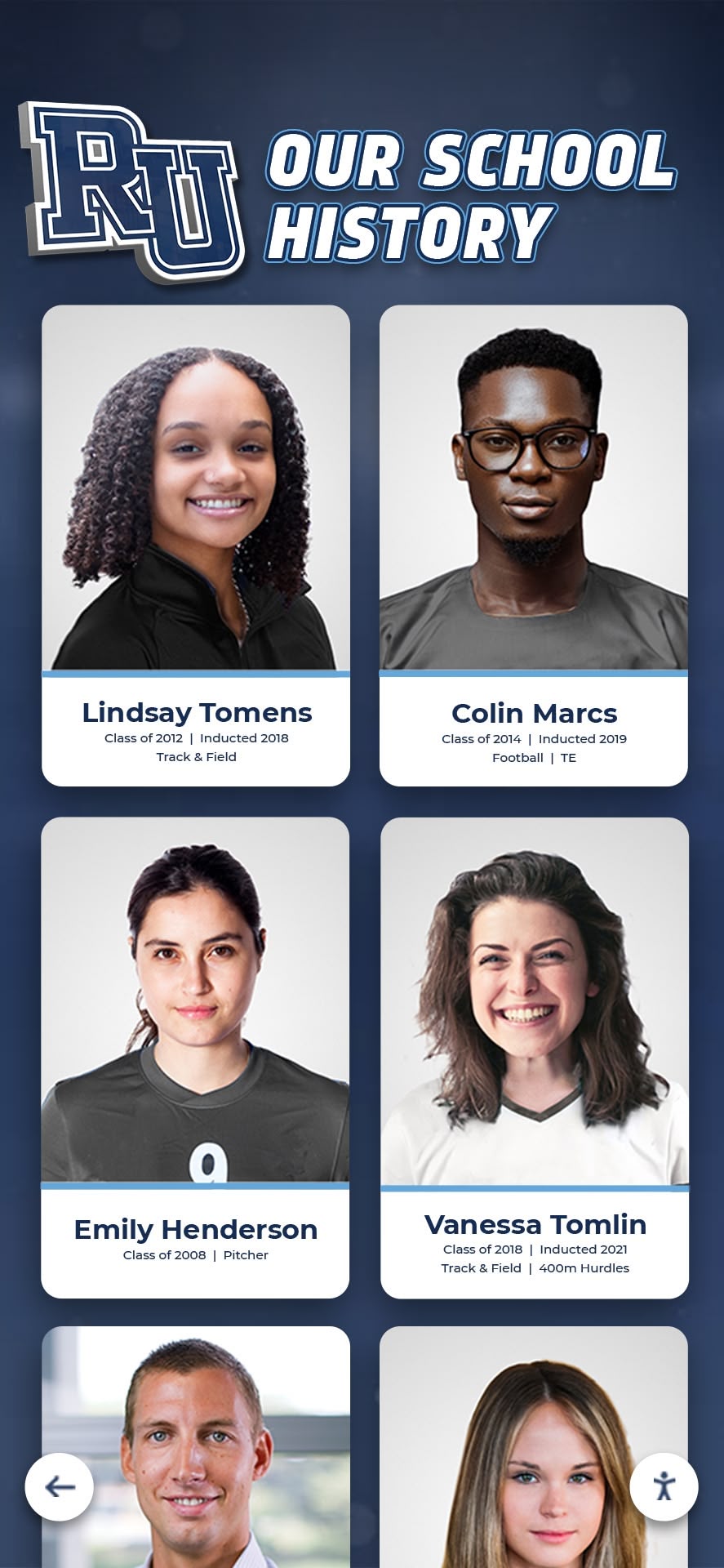
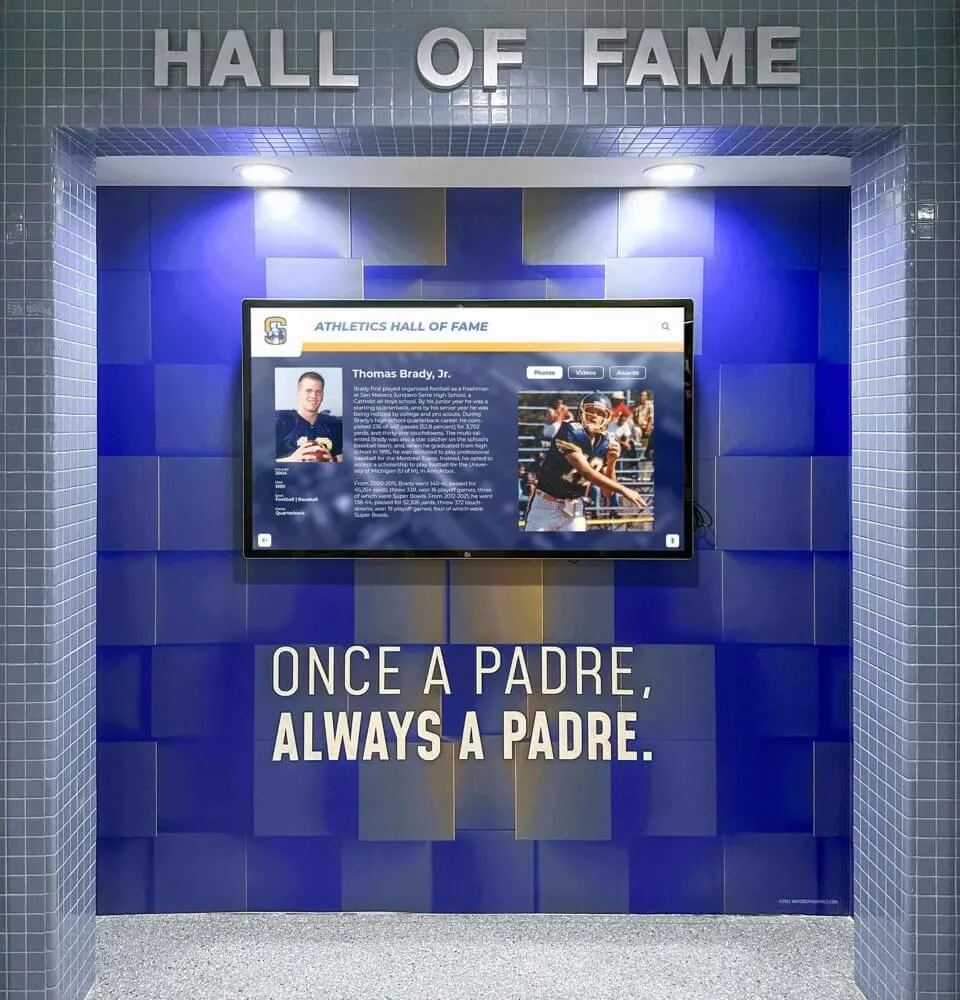
Recognition systems should preserve both current achievements and historical tradition connecting generations
Connecting with Athletic Recognition Traditions
Position academic competition as equally important as athletic achievement:
Parallel Recognition Structures
- Academic champion recognition ceremonies rivaling athletic banquets
- Display placement giving academic leaderboards prominence equal to athletic records
- Budget allocation ensuring academic recognition receives appropriate resources
- Tradition development creating academic rituals and celebrations
- Alumni engagement connecting past academic achievers to current students
Schools successfully elevating academic culture often explicitly model academic recognition programs on established athletic traditions that already command respect, attention, and resources throughout school communities.
Learn about championship banners and digital recognition solutions that celebrate competitive achievements across multiple domains.
Special Considerations for Different Educational Contexts
Team GPA competition approaches should adapt to institutional characteristics while maintaining core motivational principles.
Elementary School Adaptations
Early education implementations require developmentally appropriate modifications:
Age-Appropriate Competition Design
- Shorter competition periods matching elementary attention spans
- Broader recognition categories ensuring frequent success opportunities
- Emphasis on improvement and effort over absolute achievement
- Reduced competitive intensity focusing on collaboration and support
- Visual tracking systems simple enough for younger students to understand
Elementary competitions should build positive associations with academic achievement and collaborative learning rather than creating early experiences of academic pressure or competition stress inappropriate for developmental stages.
Middle School Implementation
Transitional years require careful balance:
Adolescent-Appropriate Approaches
- Grade-level competitions acknowledging developmental changes affecting performance
- Multiple recognition pathways valuing diverse strengths and talents
- Support structures helping students manage competition pressure
- Integration with advisory systems providing adult mentorship
- Flexibility accommodating developmental variability across middle school years
Middle school programs should motivate without creating excessive pressure during years when academic performance may fluctuate due to developmental factors beyond student control.
High School Programs
Secondary implementations connect competition to future opportunities:
College Preparation Integration
- Explicit connections between GPA competition and college admissions
- Weighted scoring reflecting college application calculations
- Recognition supporting scholarship applications and merit aid qualification
- Alumni testimonials linking high school achievement to college success
- Documentation suitable for inclusion in college application portfolios
High school programs should help students understand practical benefits of academic achievement extending beyond symbolic recognition to tangible opportunities affecting educational and career trajectories.
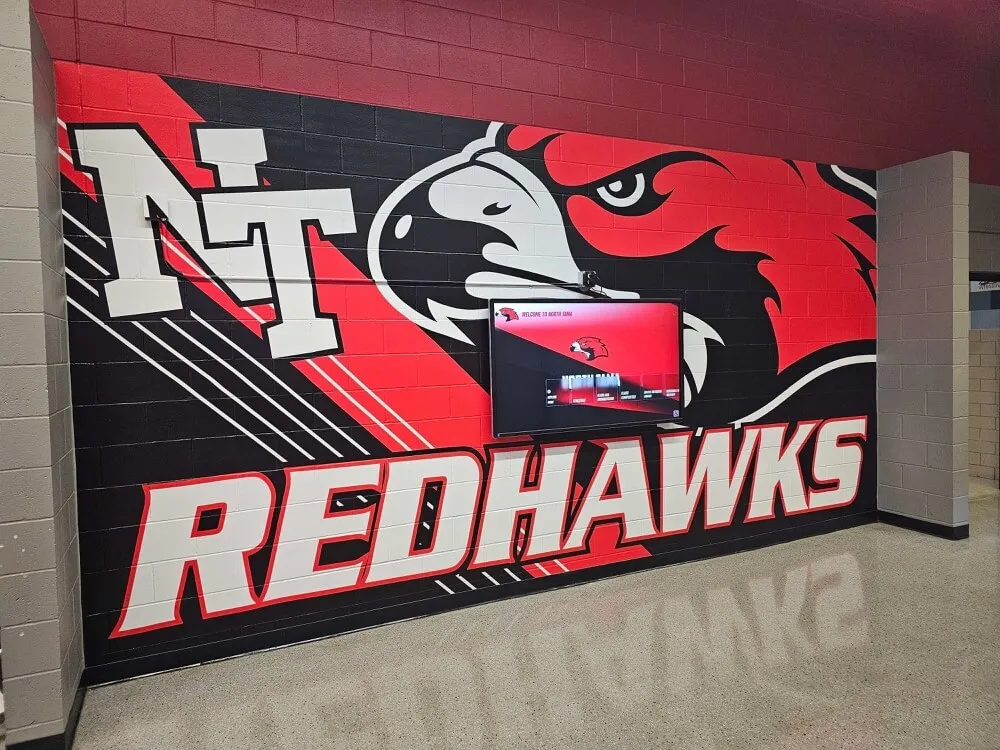
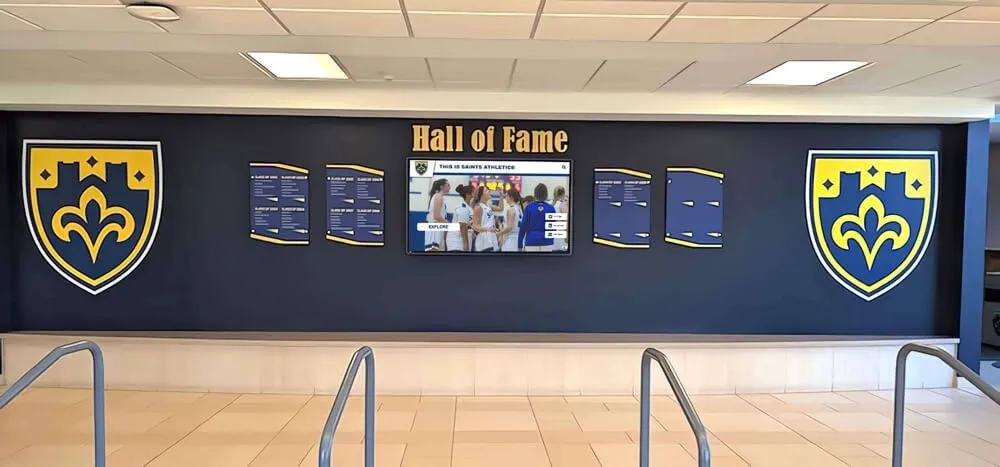
Integrated recognition displays become permanent architectural features celebrating school academic culture and tradition
Future Trends in Academic Competition Technology
Understanding emerging developments helps schools make forward-looking investments remaining effective as technology and student expectations evolve.
Artificial Intelligence and Personalization
Advanced AI capabilities will enable increasingly sophisticated competition experiences:
- Predictive analytics forecasting final standings based on current trajectories
- Personalized goal-setting showing grades needed to impact team placement
- Intelligent study recommendations based on areas needing improvement
- Automated recognition of milestone achievements
- Pattern analysis identifying successful team collaboration strategies
AI-enhanced systems will provide increasingly actionable feedback helping students understand precisely how to contribute maximally to team success through strategic academic effort allocation.
Gamification and Engagement Features
Enhanced interactive elements will increase student engagement:
- Achievement badges for individual and team milestones
- Progress animations making improvement visible and exciting
- Social sharing tools enabling celebration across platforms
- Team communication features facilitating collaboration
- Challenge modes creating mini-competitions within broader structure
Thoughtful gamification creates additional engagement without undermining genuine educational goals or replacing intrinsic motivation with excessive extrinsic rewards.
Enhanced Data Analytics and Insights
Advanced analytics will demonstrate program value while optimizing effectiveness:
- Correlation analysis connecting competition to measurable outcomes
- Comparative benchmarking against similar schools
- Predictive modeling identifying at-risk students needing support
- Real-time dashboards for administrators monitoring program health
- Evidence-based recommendations for program improvements
Data-driven management enables continuous optimization ensuring programs achieve maximum educational benefit while identifying and addressing issues proactively rather than reactively.
Conclusion: Leveraging Team Competition for Academic Excellence
Team GPA leaderboard digital displays represent powerful tools for schools seeking to elevate academic achievement culture, motivate diverse students, and create collaborative environments where intellectual excellence receives celebration and visibility rivaling athletic accomplishments. When students understand their academic efforts contribute to collective team success, peer support replaces isolation, achievement becomes socially reinforced rather than socially stigmatized, and learning communities develop where helping classmates succeed becomes valued behavior supporting shared goals.
Traditional academic recognition focusing exclusively on individual achievement misses powerful motivational opportunities inherent in team structures, collaborative goal pursuit, and friendly competition among groups with shared identity. Team-based systems create recognition pathways for students across achievement spectrum rather than limiting celebration to top individual performers, leverage social accountability and peer relationships to enhance motivation, build school culture where academic excellence becomes source of collective pride, and develop collaborative skills and supportive relationships valuable far beyond competition itself.
Transform Your School's Academic Culture
Discover how modern digital recognition solutions like team GPA leaderboards can help you build thriving academic communities where collaborative excellence drives individual achievement and celebrates collective success.
Explore Recognition SolutionsEffective implementation requires thoughtful design addressing team composition, scoring systems, equity considerations, and integration with broader recognition programs; engaging technology providing real-time visibility through interactive displays and web platforms; systematic management including clear policies, stakeholder engagement, and sustainable administrative processes; continuous assessment demonstrating program value while identifying improvement opportunities; and commitment to educational integrity ensuring competition motivates positive learning behaviors rather than creating unhealthy pressure or counterproductive gaming.
Solutions like Rocket Alumni Solutions provide comprehensive platforms specifically designed for academic recognition including team competition displays, offering intuitive content management, automated data integration, interactive touchscreen displays, web and mobile access, real-time updates and analytics, professional templates and design, and ongoing support ensuring successful implementation and sustained effectiveness as programs mature and evolve across years.
Your students possess tremendous potential for academic achievement waiting to be unlocked through appropriate motivation, supportive structures, and genuine celebration of intellectual excellence. Team GPA leaderboard digital displays provide practical tools for creating school cultures where academic success becomes aspirational, collaborative, and celebrated throughout communities—inspiring students to reach new heights individually while supporting teammates in collective pursuit of excellence that benefits entire classes, grades, and schools.
Ready to begin transforming your academic culture through team competition? Explore comprehensive academic recognition programs that celebrate diverse achievements, or learn about honor roll touchscreen displays that complement team-based systems while recognizing individual excellence throughout your school community.