



Intent: Demonstrate how understanding tennis serve technique through systematic breakdown of motion mechanics, kinetic chain principles, and progressive training approaches transforms serves from inconsistent liabilities into match-winning weapons for high school and recreational tennis programs.
The tennis serve represents the only shot in tennis that players control entirely—the singular moment each point begins where opponents cannot interfere, where conditions pause briefly while servers prepare, and where proper technique execution determines competitive advantage before rallies even start. Yet despite this unique controllability, serves remain the most mechanically complex stroke in tennis, demanding precise coordination of legs, hips, shoulders, arms, and wrists through sequential movements generating power, spin, and placement accuracy simultaneously.
High school tennis players often develop serves through trial-and-error replication of professional techniques they observe, without understanding the biomechanical principles that make those techniques effective. This approach produces inconsistent results—serves that work on practice courts collapse under match pressure, power comes at the cost of accuracy, or players plateau at serviceable-but-not-competitive serve quality. Coaches lacking systematic teaching frameworks struggle to diagnose technique flaws, provide actionable corrections, or structure progressive development that builds foundational mechanics before attempting advanced variations.
This comprehensive guide breaks down tennis serve technique into digestible components, explaining the biomechanics behind effective serving, identifying common technical flaws, and providing coaching frameworks for systematic serve development that transforms this foundational stroke into a reliable competitive advantage.
Tennis programs that implement systematic serve technique training report measurable improvements including double-fault reduction of 30-50 percent as players develop consistent ball toss and contact mechanics, first-serve percentage increases of 15-25 percent through improved rhythm and timing patterns, ace and service-winner production growth as players learn to generate controlled power, and enhanced match confidence as serves become weapons rather than liabilities requiring defensive compensation.

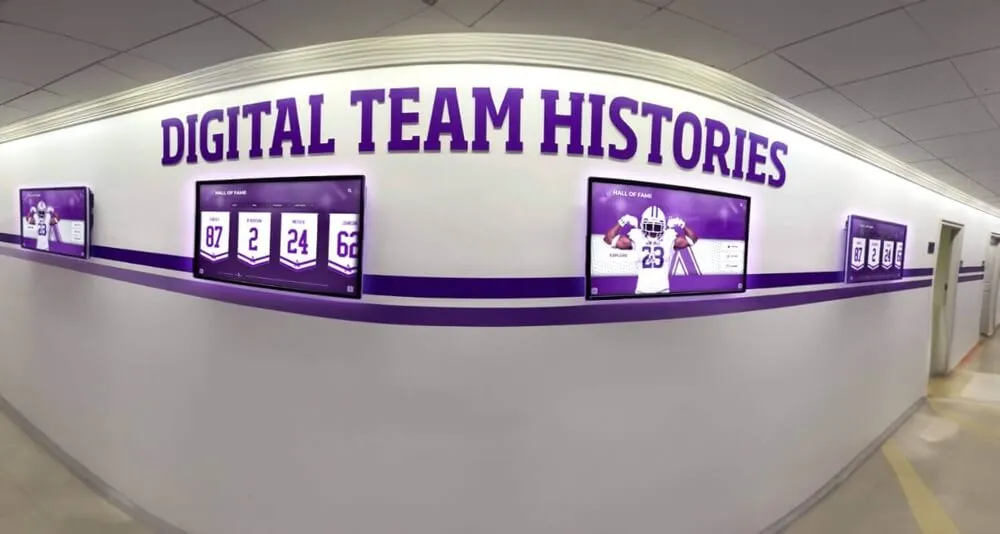
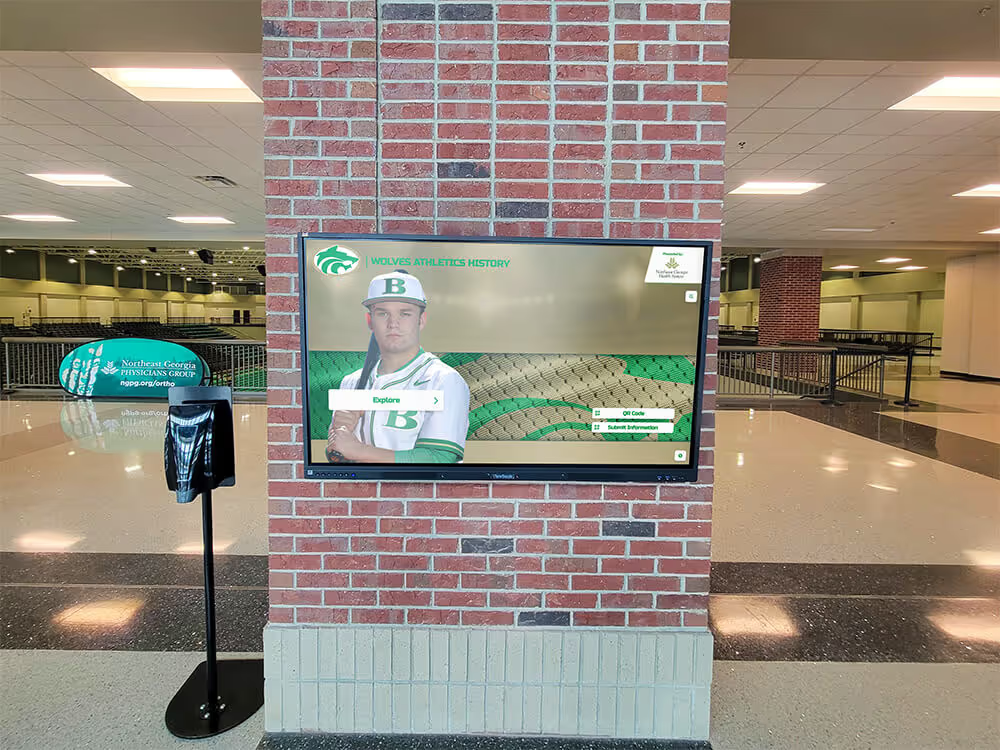
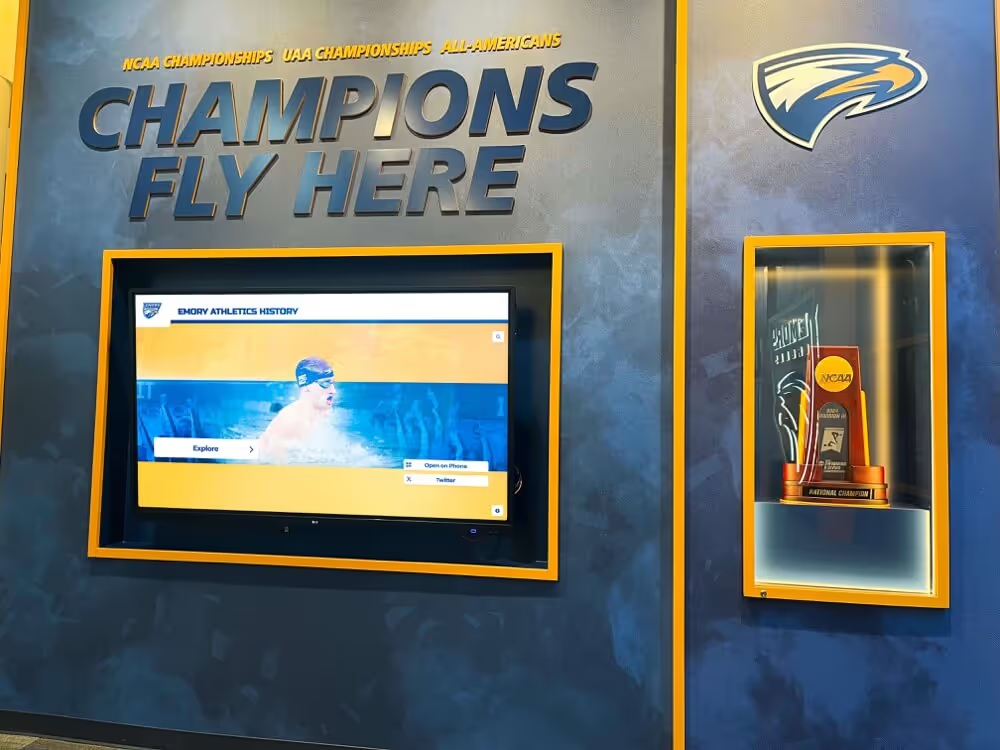
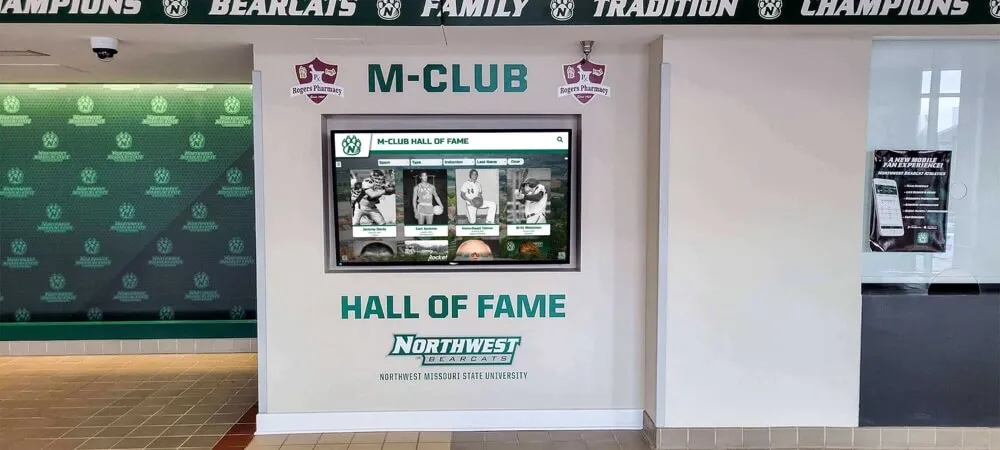
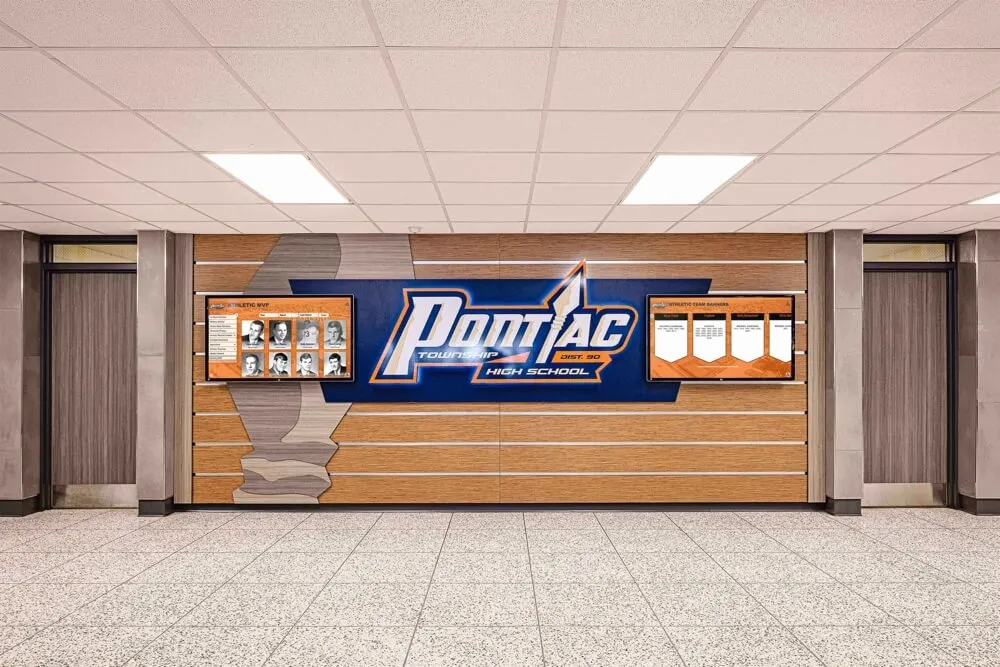
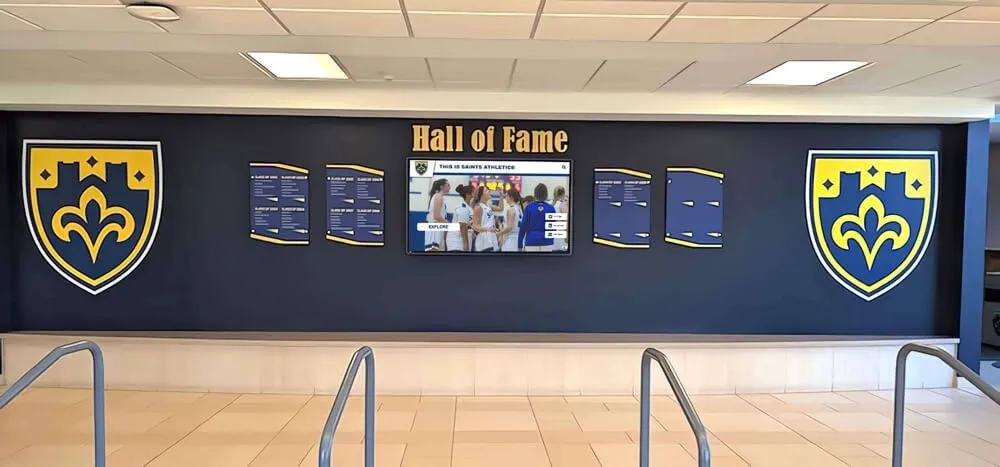
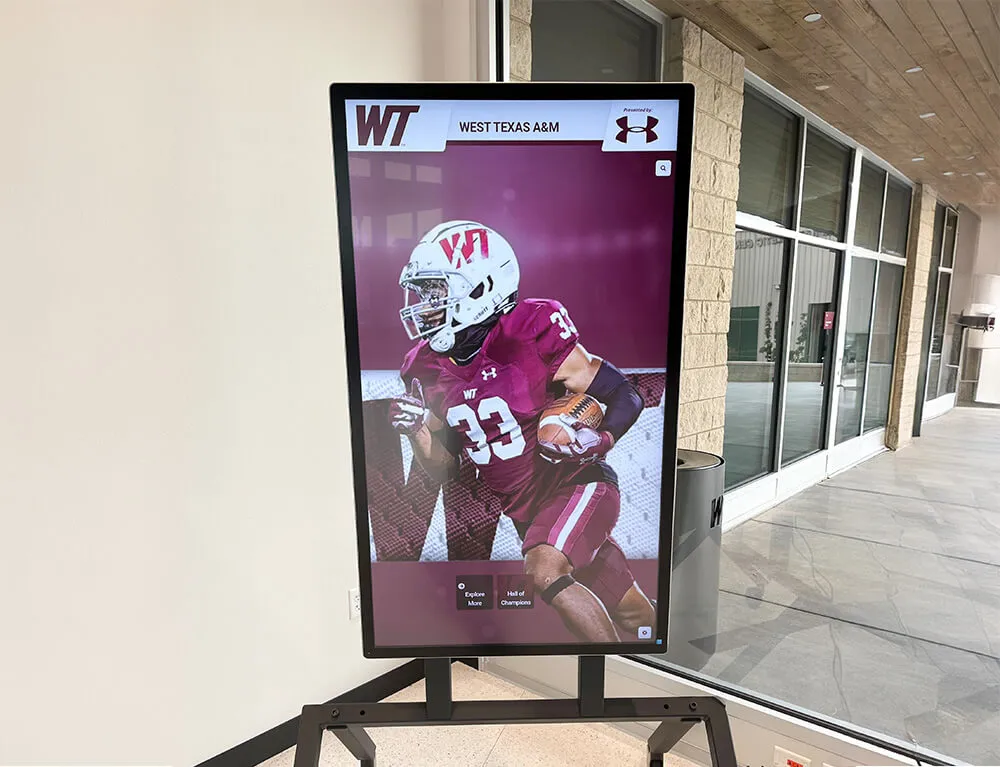
Modern athletic programs use video analysis and digital displays to help athletes understand technique mechanics and study performance footage
Understanding the Tennis Serve Kinetic Chain: How Power Actually Generates
Before dissecting specific technique elements, understanding how the tennis serve kinetic chain transfers energy from legs through core to racquet head provides essential context for why proper mechanics matter and how individual components interact within complete serving motion.
The Sequential Energy Transfer Model
The tennis serve operates through sequential kinetic chain activation where each body segment accelerates in specific order, transferring accumulated energy upward through the body toward the final point of contact. This progression follows a predictable pattern: leg drive initiates movement through knee bend and explosive extension generating ground reaction forces, hip rotation adds angular momentum as the lower body uncoils toward the net, trunk rotation and shoulder turn multiply rotational velocity while transitioning energy from horizontal to vertical planes, arm acceleration whips the racquet forward as the shoulder internally rotates and elbow extends, and wrist pronation at contact adds final racquet head speed while creating spin.
Research on serve biomechanics demonstrates that professional tennis serves generate racquet head speeds exceeding 100 miles per hour, yet arm muscles contribute less than 15 percent of total power. The overwhelming majority of serve velocity originates from legs and core rotation—regions recreational players often neglect while focusing exclusively on arm swing mechanics.
This sequential activation pattern explains why players who “muscle” serves through arm strength alone produce slower, less consistent results than players who engage the complete kinetic chain. Attempting to generate power through arms without proper foundational drive from legs and hips creates timing disruption, reduces racquet head speed, increases injury risk, and produces inconsistent ball flight patterns.
The Critical Role of Timing in Energy Transfer
The kinetic chain’s effectiveness depends entirely on timing synchronization between body segments. Each segment must reach peak velocity precisely when the previous segment begins decelerating, creating seamless energy transfer that amplifies rather than dissipates force production.
When timing breaks down—legs extending too early before trunk rotation initiates, shoulders rotating before hips complete their turn, or arms accelerating before shoulder rotation establishes momentum—energy leaks occur at transition points. These leaks manifest as reduced serve speed despite maximum perceived effort, inconsistent contact points creating erratic ball placement, difficulty generating both power and spin simultaneously, and increased physical strain as muscles compensate for biomechanical inefficiency.
Developing proper kinetic chain timing requires progressive training approaches that isolate individual components before integrating them into complete motion. Players attempting to perfect all elements simultaneously often develop compensatory patterns that obscure rather than correct timing issues. Many successful athletic training programs emphasize systematic skill breakdown before reassembly into complete performance.

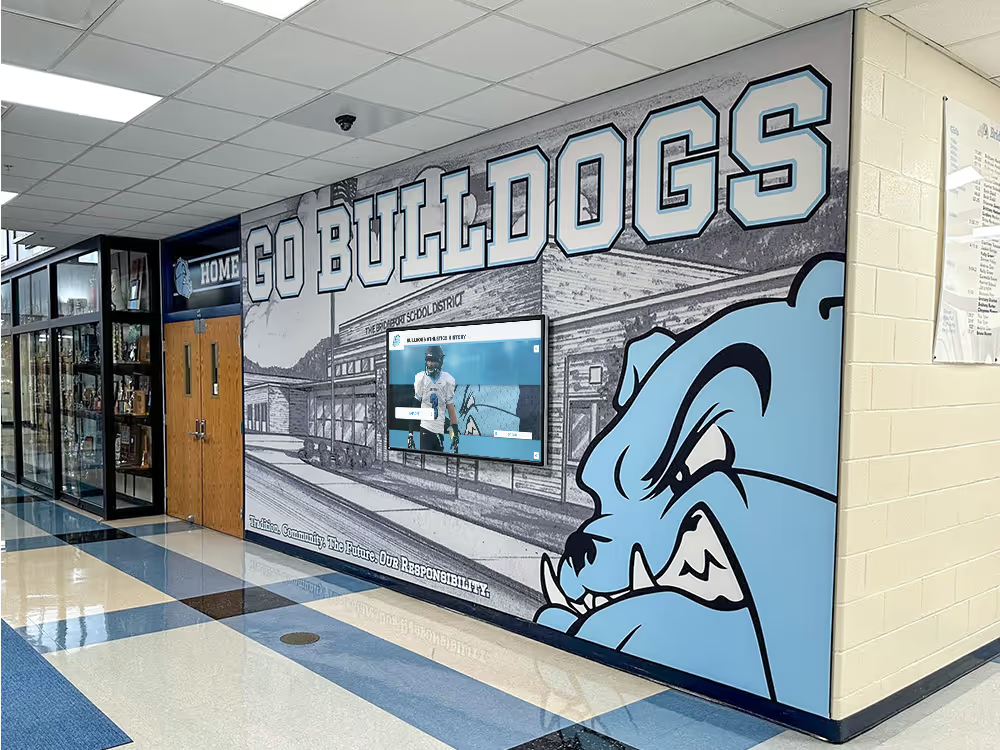
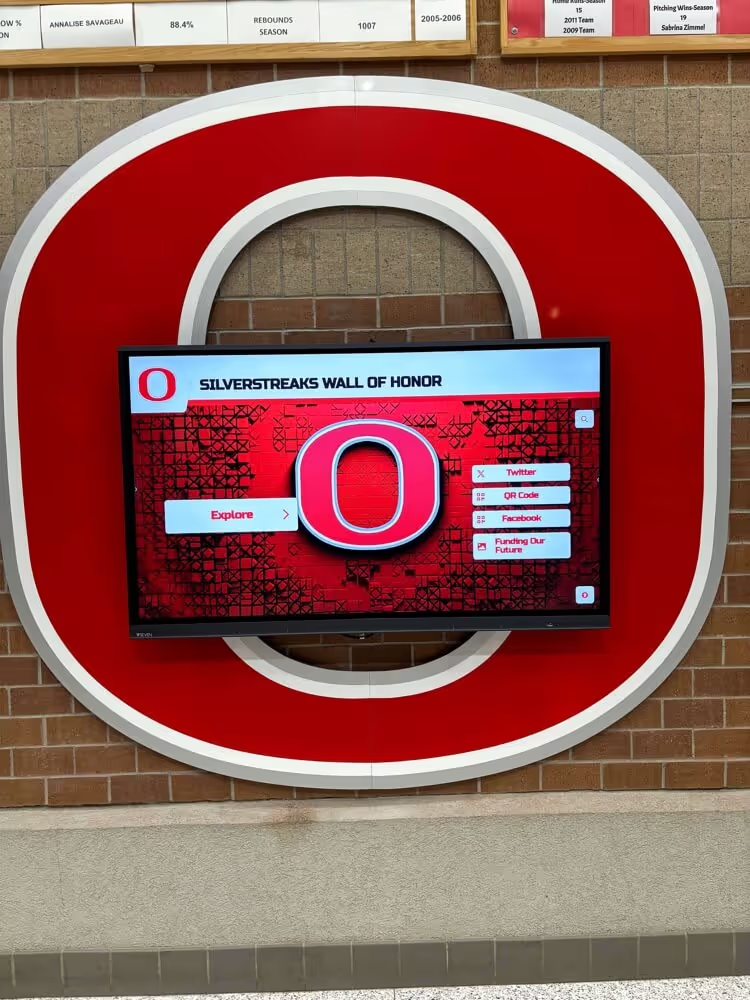
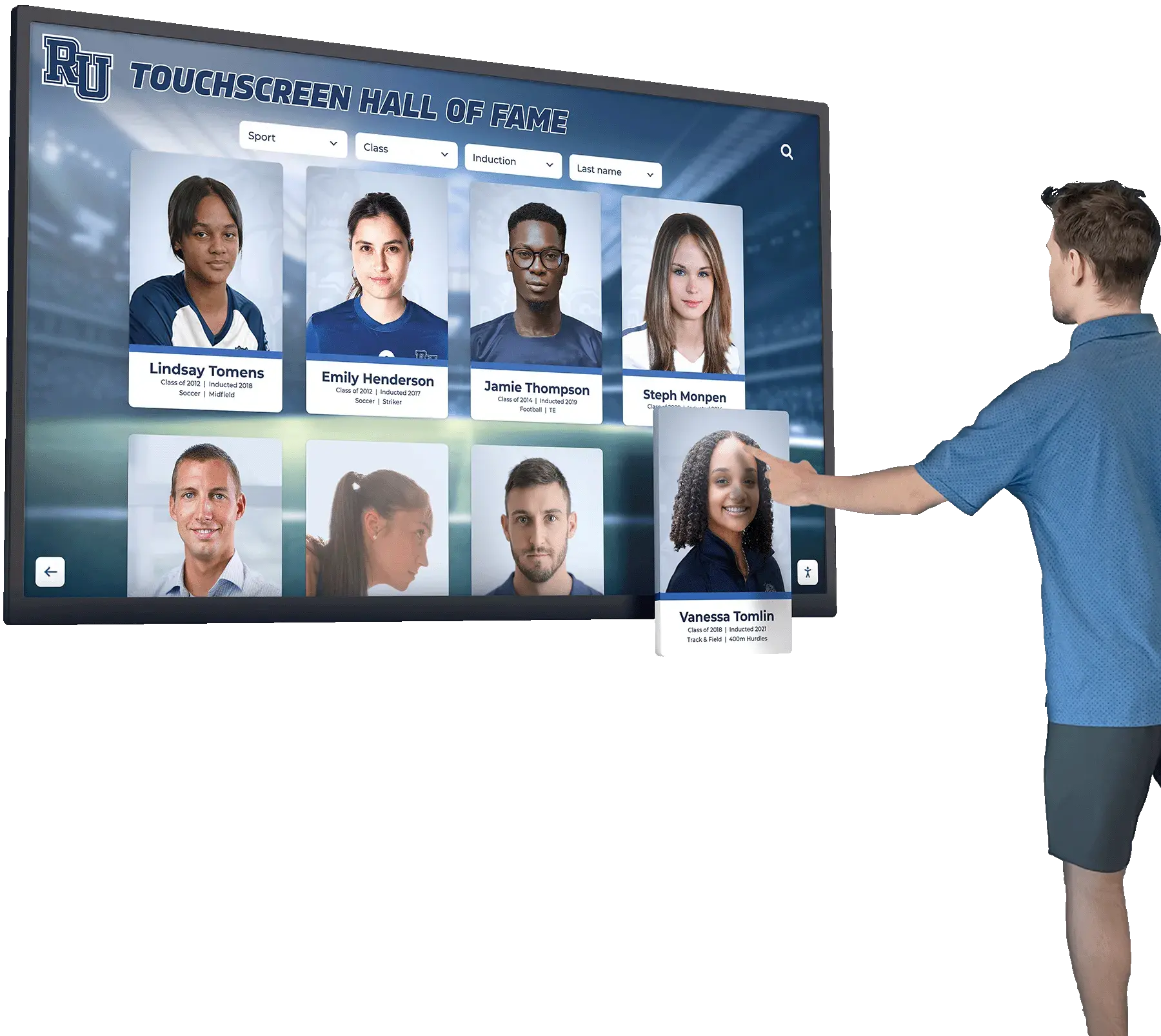
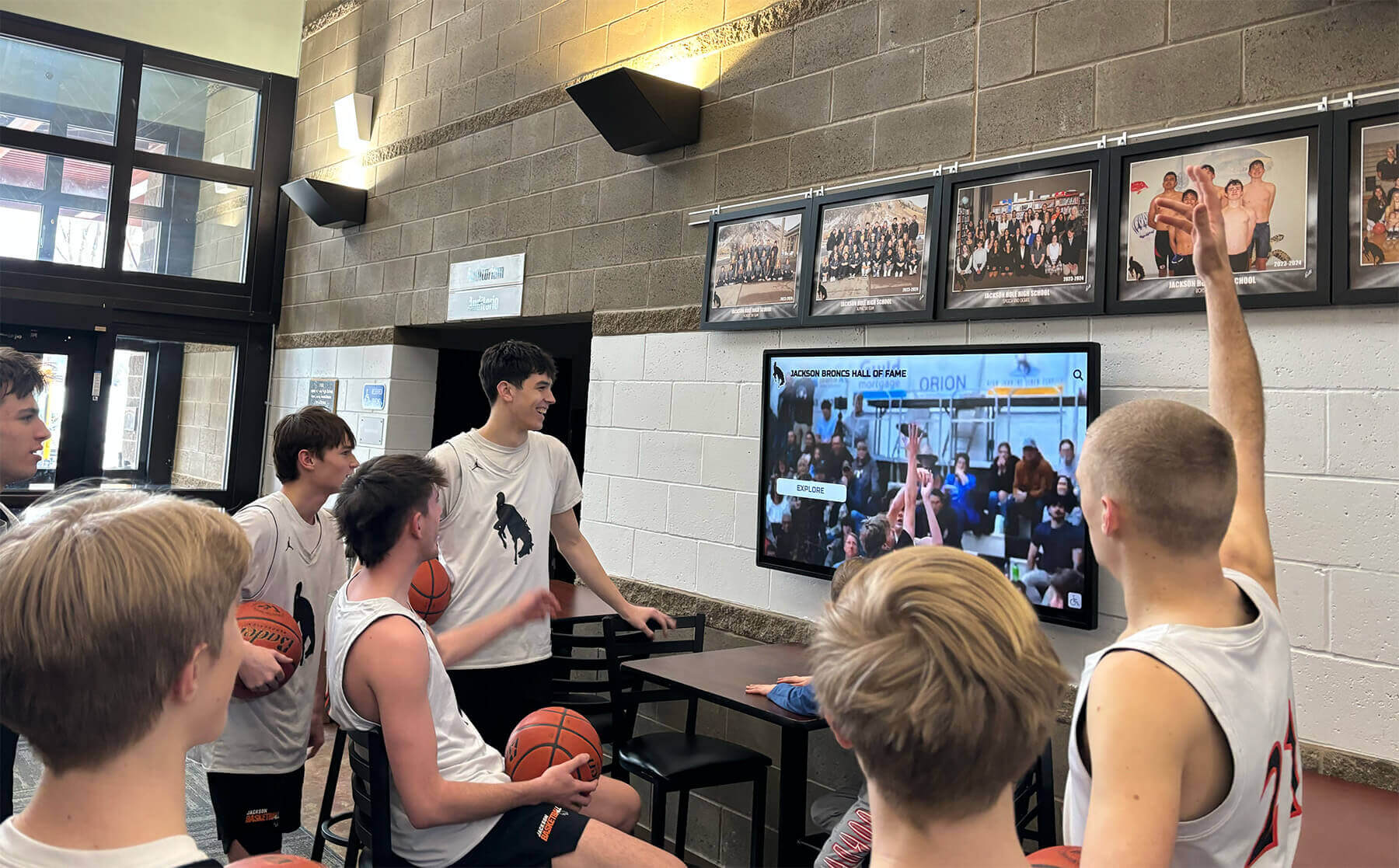
High school athletic programs track serving statistics and match performance data to identify improvement areas and celebrate achievement milestones
Experience Layout: Breaking Down the Four Phases of Serve Motion
Effective tennis serve technique instruction organizes complete motion into four distinct phases, each with specific objectives, common errors, and coaching cues that facilitate progressive skill development.
Phase One: The Setup and Ball Toss (Foundation of Consistency)
The serve begins before any visible motion occurs, with stance positioning, grip selection, and mental preparation establishing conditions for successful execution. This foundational phase determines whether subsequent mechanics can function properly or compensate for initial errors.
Stance Mechanics and Weight Distribution
The platform stance and pinpoint stance represent the two primary serving positions, each offering specific advantages. The platform stance positions feet shoulder-width apart with front foot angled 45 degrees toward the net post and back foot parallel to baseline, maintaining this position throughout toss and initial loading phase. This stance provides stability, simplifies timing for beginning players, and creates consistent toss placement through minimal lower body movement.
The pinpoint stance begins with similar foot positioning but brings the back foot forward adjacent to the front foot during the loading phase, consolidating weight transfer into a single explosive drive. Advanced players favor pinpoint stances for enhanced power generation through consolidated force application, improved upward momentum facilitating jump serves, and streamlined kinetic chain activation.
Regardless of stance selection, weight distribution follows identical patterns: initial neutral balance between both feet during preparation, subtle weight shift to back foot during toss release preparing for leg drive, and explosive forward-upward weight transfer as legs extend and body uncoils toward contact point.
The Ball Toss: Most Critical Technical Element
Ball toss consistency determines serve reliability more than any other single factor. An ideal toss places the ball at precise contact height approximately 12-18 inches in front of the baseline and slightly to the server’s right (for right-handed players), maintaining consistent placement regardless of serve type or target, reaching its peak precisely when the server’s body reaches full extension at contact point, and ascending vertically with minimal spin ensuring predictable ball position.
Common toss errors that sabotage serve technique include tossing too far forward forcing off-balance contact, tossing too far backward creating weak defensive serves, inconsistent toss height requiring contact point adjustment for each serve, and introducing ball spin during toss release causing unpredictable flight paths.
Technical coaching for ball toss emphasizes releasing the ball at eye level rather than from lower positions that introduce excess motion, extending the toss arm fully upward maintaining straight-line motion without wrist flick, and using a consistent ritual that anchors toss mechanics through repetition. Players should practice toss mechanics independent of hitting serves, letting balls fall to the court and evaluating landing position relative to intended contact point until achieving consistent placement.
Phase Two: The Loading Phase (Storing Energy for Release)
As the toss ascends, servers enter the loading phase where the kinetic chain begins sequential activation while storing elastic energy through coordinated body positioning.
The Trophy Position: Checkpoint for Proper Loading
The “trophy position” represents the critical midpoint where servers verify proper loading before committing to forward swing. In this position, both arms reach upward with toss arm extended and racquet arm bent approximately 90 degrees at the elbow, shoulders rotate perpendicular to net with front shoulder pointing toward target, back remains arched creating spinal extension, weight concentrates on back leg while front leg maintains balance contact, and knees bend storing elastic energy for explosive drive.
This position resembles an athlete holding a trophy overhead—hence the name—and serves as the universal checkpoint where coaches identify loading phase errors. Players rushing through trophy position sacrifice power generation, while those pausing too long in this position lose momentum and timing synchronization.
Back Scratch Position and Shoulder Rotation
From trophy position, the racquet drops behind the back into “back scratch” position as shoulders continue rotating and the hitting arm’s elbow points skyward. This position maximizes shoulder rotation range of motion, stores elastic energy in shoulder muscles preparing for rapid acceleration, ensures proper kinetic chain sequencing by completing shoulder turn before arm acceleration, and positions the racquet for optimal contact point approach angle.
Many recreational players skip or minimize back scratch depth, either dropping the racquet only slightly behind their back or keeping elbows low rather than pointing upward. These shortcuts limit power generation by reducing shoulder rotation range, create timing errors by initiating arm acceleration prematurely, and produce inconsistent contact points as racquet approaches vary between serves.
Tennis coaches developing serve technique should use video analysis technology to help players visualize trophy and back scratch positions, comparing their mechanics against models demonstrating proper form.
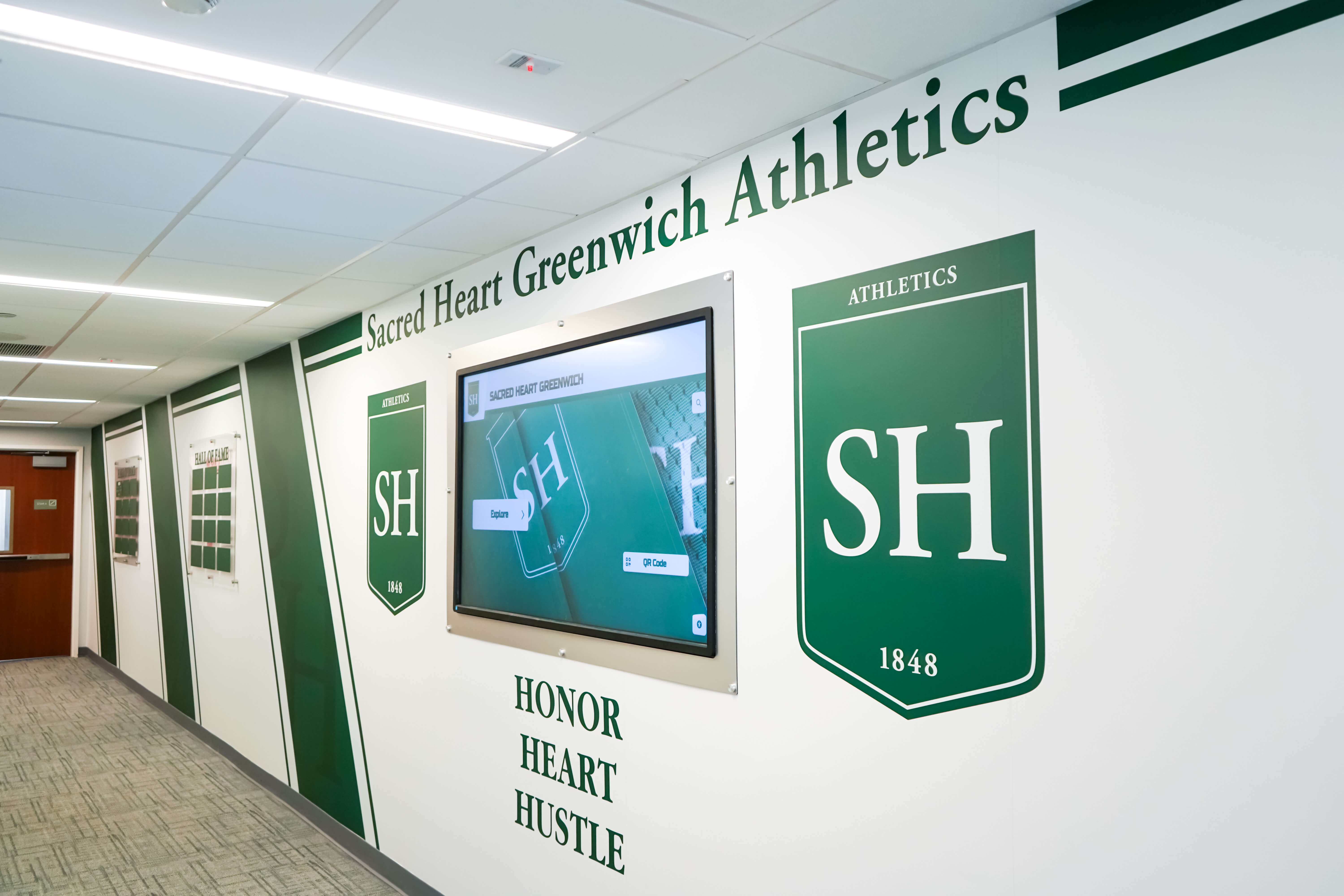
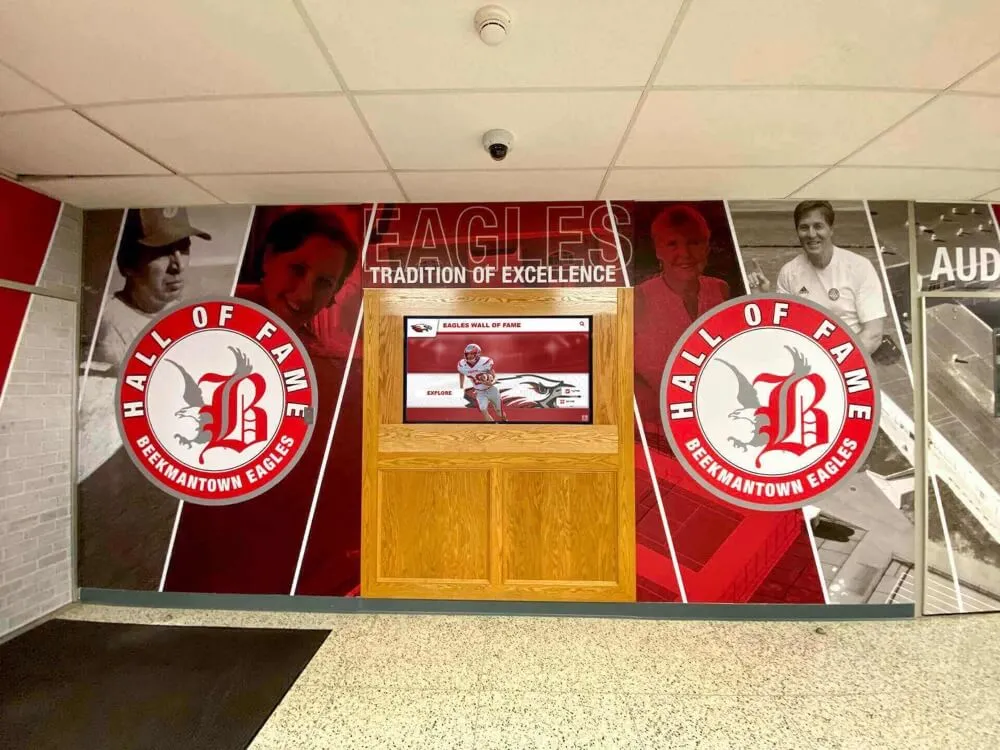
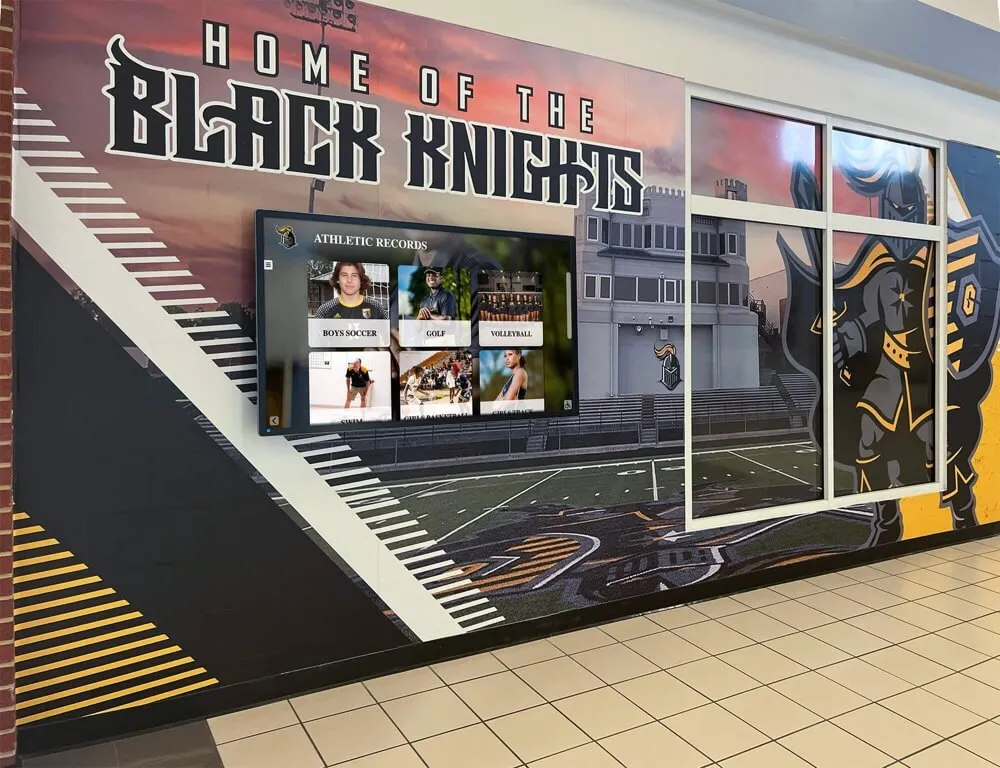
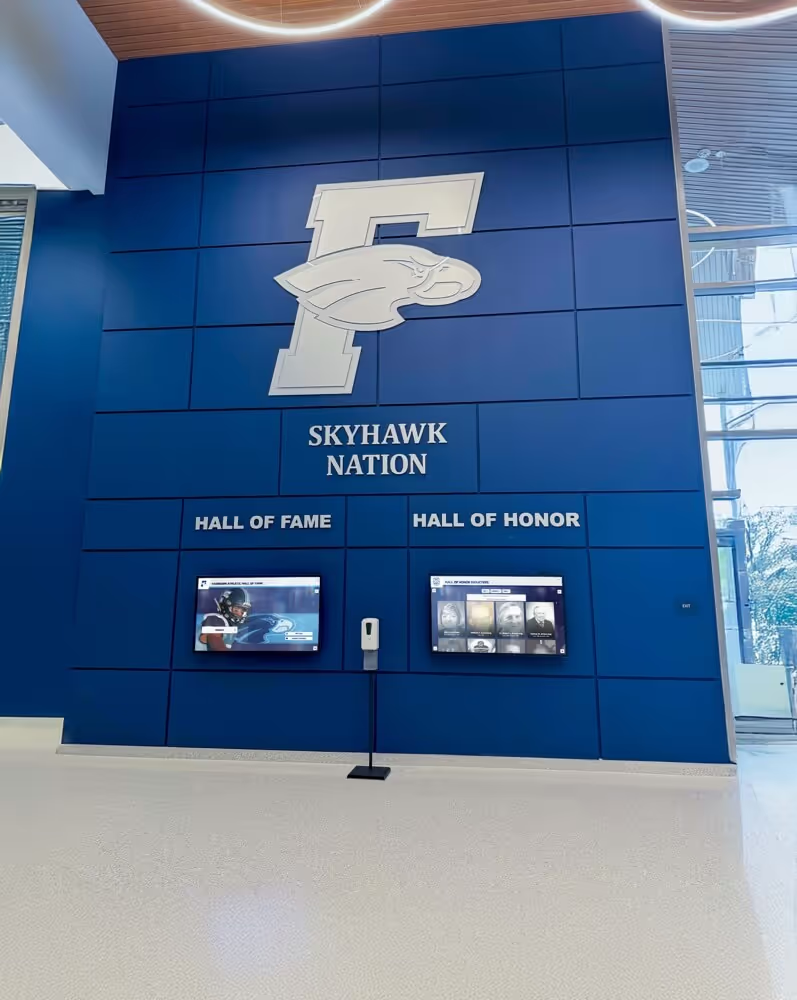
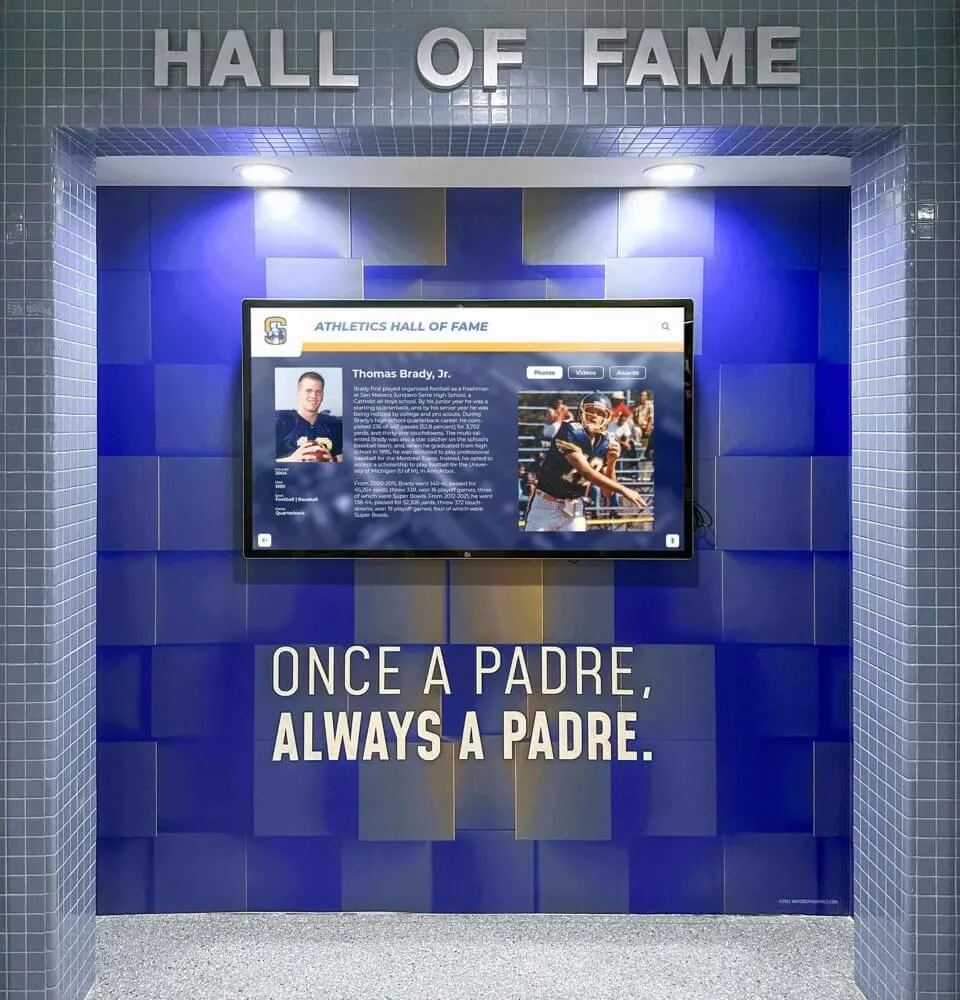
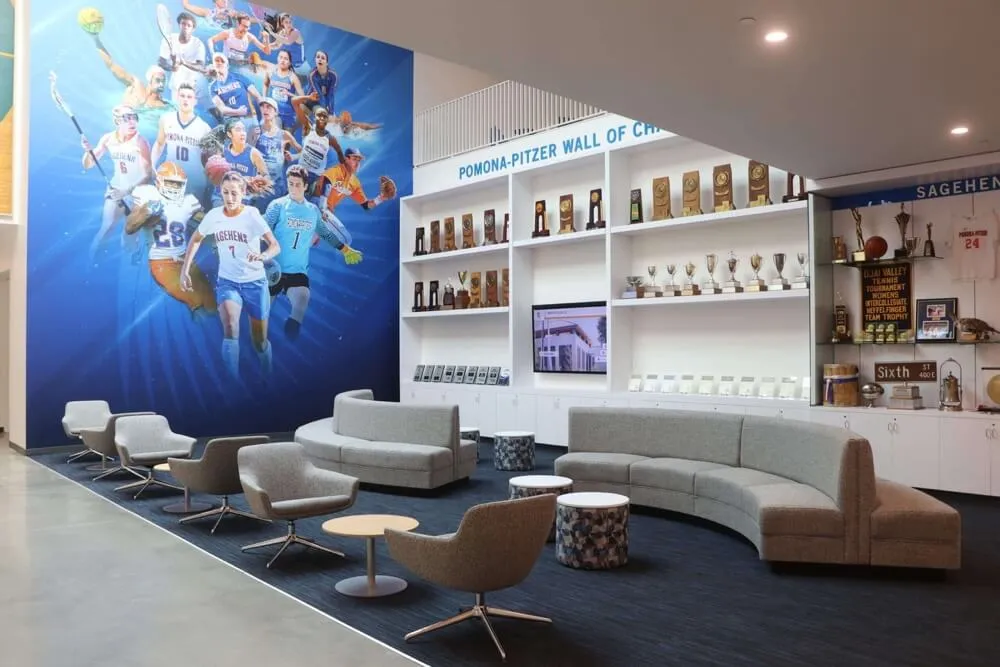
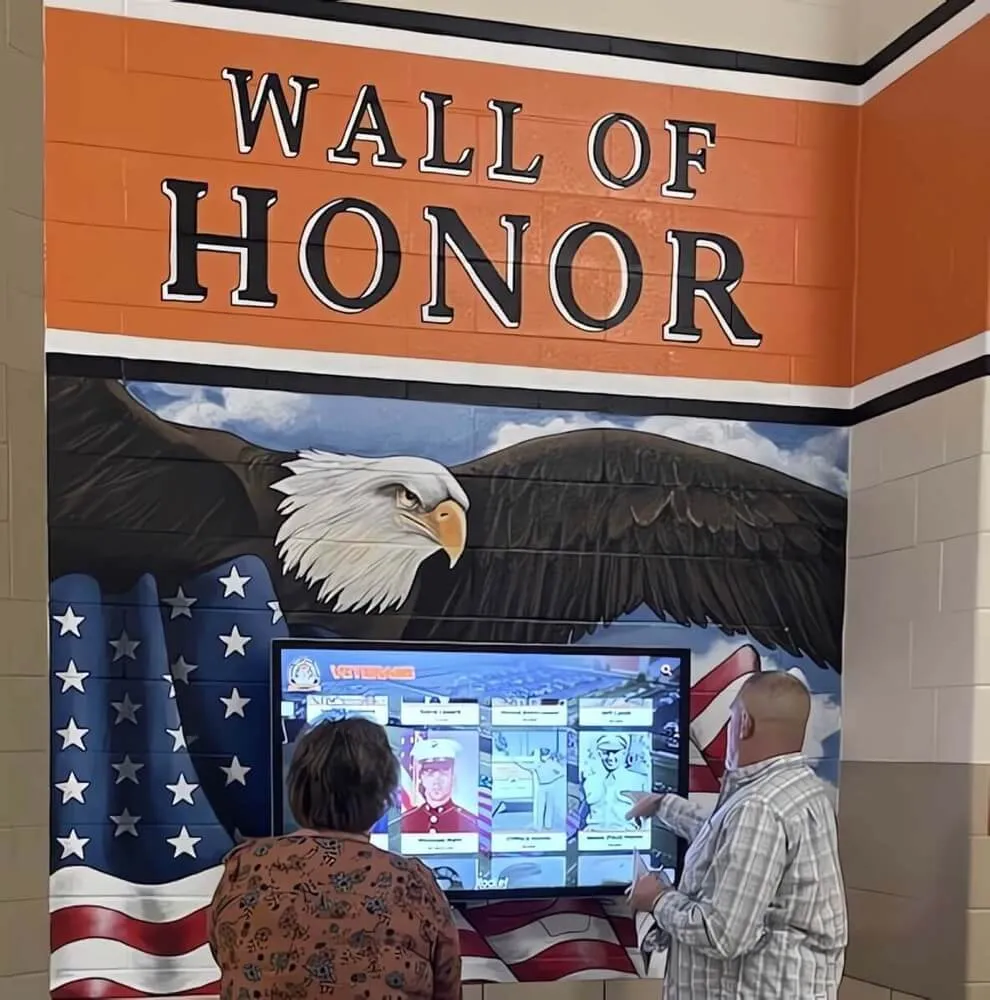
High school tennis programs display individual and team achievements in athletic facilities where players train daily, creating constant connection with program excellence
Phase Three: The Acceleration Phase (Generating Racquet Head Speed)
The acceleration phase represents the explosive moment where stored energy releases through sequential kinetic chain activation, transforming potential energy into kinetic force that propels the racquet toward contact.
The Leg Drive: Foundation of Power Generation
Acceleration begins from the ground up through explosive leg extension. As the toss reaches its peak and the racquet completes back scratch position, legs drive forcefully upward creating ground reaction forces that initiate the kinetic chain sequence. For jump servers, this drive propels the entire body upward off the court surface, with contact occurring at the apex of the jump where upward momentum maximizes reach and power transfer.
Proper leg drive involves explosive quadriceps extension from bent to fully extended position, coordinated calf activation generating additional upward force, simultaneous weight transfer from back foot forward creating forward momentum, and core engagement stabilizing the trunk during explosive movement.
Many players neglect leg drive entirely, maintaining relatively straight legs throughout the serve and generating power exclusively through upper body rotation. This approach limits serve velocity to approximately 60-70 percent of potential speed, increases injury risk by concentrating stress in shoulder and elbow joints, creates inconsistent ball placement as timing varies without consistent leg drive rhythm, and produces heavy-feeling serves that lack penetration even when achieving reasonable velocity.
Hip and Shoulder Rotation: Multiplying Angular Momentum
As legs extend, hips rotate explosively toward the net, followed immediately by shoulder rotation. This sequential rotation creates a “cracking whip” effect where each segment accelerates the next, multiplying angular momentum as energy transfers up the kinetic chain.
The hip rotation initiates while legs drive upward, turning the body from sideways stance toward net-facing position. Shoulders follow, rotating through approximately 180 degrees from back-facing trophy position to forward-facing contact point. The timing gap between hip and shoulder rotation creates torso torque—the momentary counter-rotation between upper and lower body that stores additional elastic energy released through shoulder acceleration.
Advanced players maximize this torque by initiating hip rotation before shoulder rotation begins, creating separation that amplifies elastic energy storage. Recreational players often rotate hips and shoulders simultaneously, eliminating torque benefits and reducing potential racquet head speed by 15-20 percent.
Arm Acceleration and Racquet Path to Contact
The final acceleration segment involves explosive arm extension and internal shoulder rotation that whips the racquet head toward contact. As shoulders complete their rotation and the racquet releases from back scratch position, the hitting arm accelerates through three coordinated movements: shoulder internal rotation turns the upper arm inward toward the body, elbow extension straightens the arm from bent to fully extended position, and wrist remains firm (not loose) through contact maintaining racquet face control.
The racquet path through contact follows an upward trajectory for flat and slice serves or an upward-outward path for topspin serves, with contact occurring at full arm extension approximately 12-18 inches in front of the body and slightly to the right of the head (for right-handed players).
Common acceleration errors include casting the racquet forward with premature elbow extension before shoulder rotation completes, muscling the arm forward with excessive conscious effort rather than allowing kinetic chain momentum to accelerate naturally, and decelerating before contact due to fear of missing the ball or concern about control.
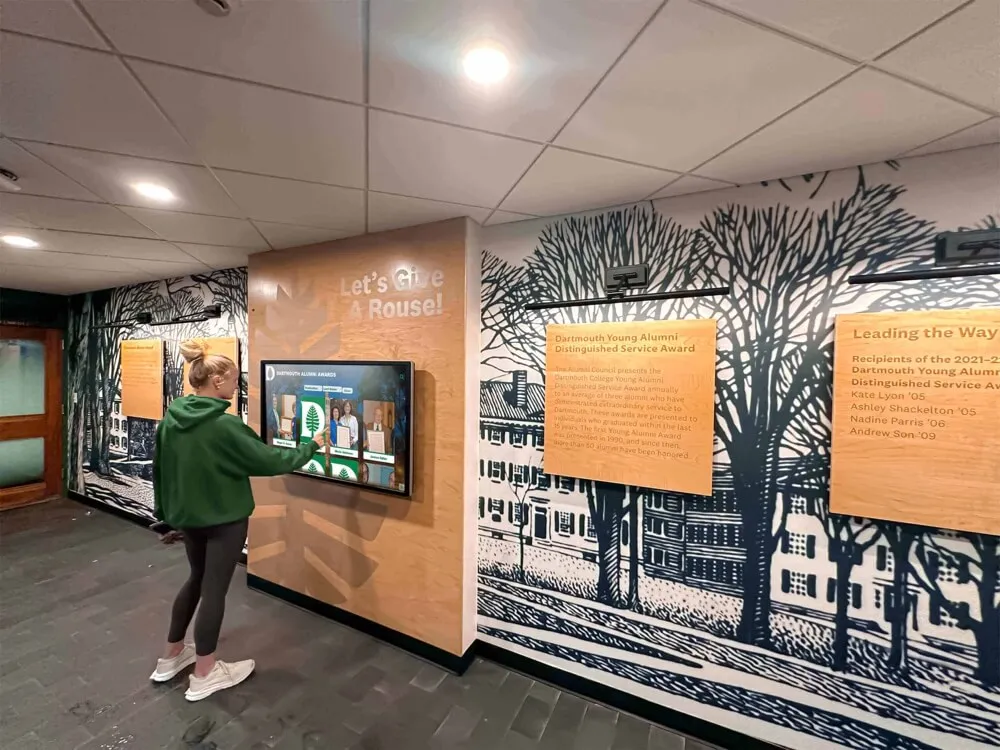
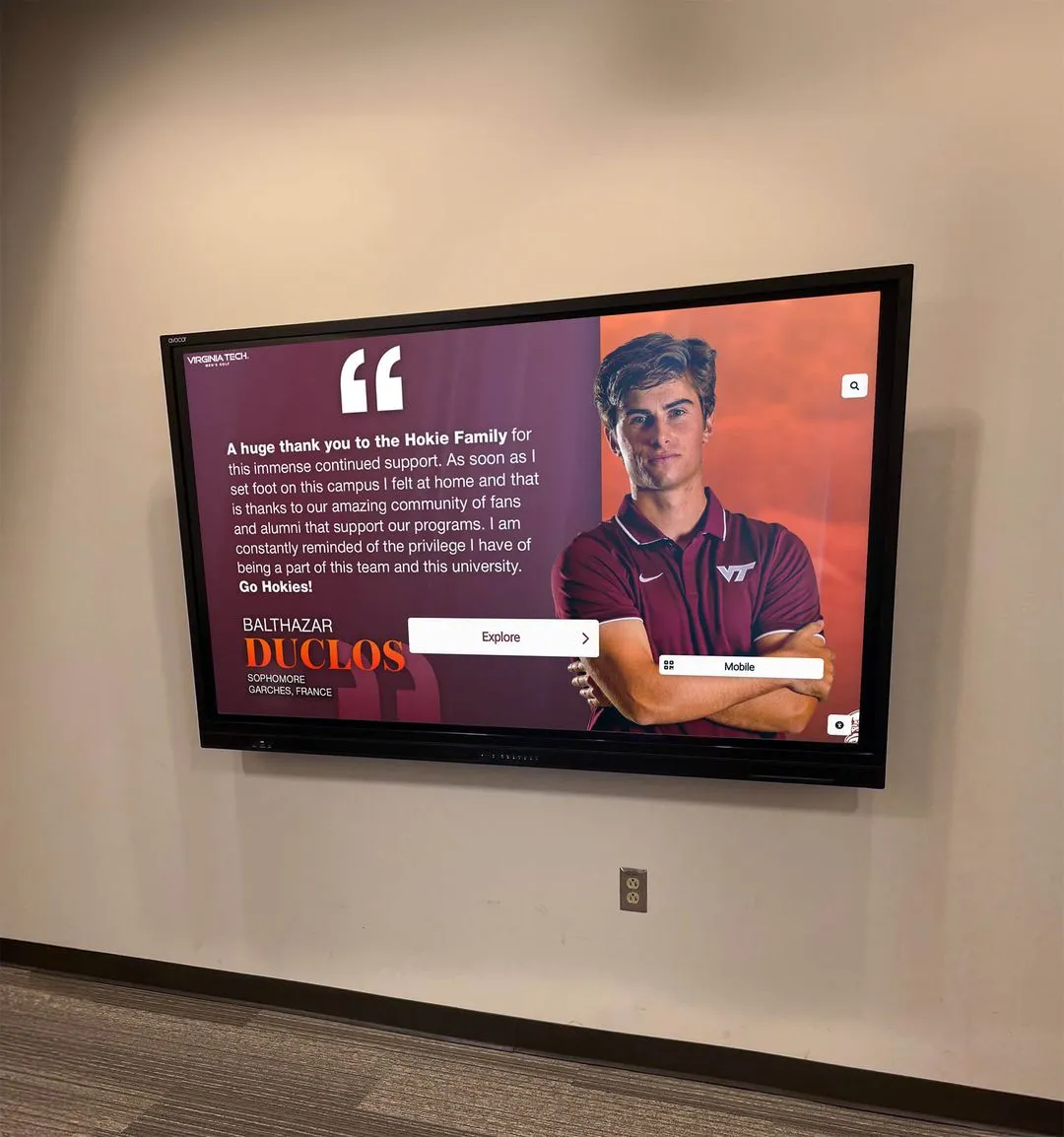
Schools recognize individual athletic achievement when players master complex skills like serve technique through dedicated practice and systematic training.
Phase Four: Contact and Follow-Through (Controlling Power and Spin)
The final phase determines whether accumulated power translates into effective serves or dissipates through poor contact mechanics and abbreviated follow-through.
Contact Point: The Moment of Truth
Proper contact occurs at full arm extension with the racquet face meeting the ball at the optimal height and location in space. The ideal contact point features racquet face angle determined by serve type (flat, slice, or topspin), ball contact at the racquet’s “sweet spot” ensuring maximum energy transfer, contact timing synchronized with full body extension at peak reach, and head position stable with eyes tracking the ball through contact.
Different serve types require contact point adjustments. Flat serves contact the ball at peak height directly in line with the hitting shoulder, maximizing downward angle while maintaining power. Slice serves contact the ball slightly to the right of center (for right-handed players) with racquet face brushing across the outside of the ball creating sidespin. Topspin serves contact the ball slightly to the left with racquet edge brushing up and over the ball’s back surface generating topspin rotation.
Players struggling with serve consistency often demonstrate contact point variability, making contact too low after the ball descends from toss peak, contacting too far forward or backward due to timing errors, or adjusting contact location to compensate for toss placement inconsistency rather than fixing toss mechanics.
Wrist Action: Pronation Not Snap
Contrary to common misconception, effective serves don’t involve wrist “snap” but rather wrist pronation—the rotation of the forearm that turns the palm from facing upward during back scratch to facing downward after contact. This pronation occurs naturally as the logical conclusion of internal shoulder rotation, adds final racquet head speed through the leverage of forearm rotation, creates the distinctive serve sound of racquet strings contacting the ball squarely, and helps control contact point by stabilizing the racquet face angle through impact.
Many coaches teaching “snap your wrist” inadvertently encourage excessive conscious wrist manipulation that disrupts natural pronation, creates inconsistent racquet face angles at contact, and increases wrist injury risk through repetitive forced motion.
The Follow-Through: Completing Energy Transfer
Follow-through completes the serve by safely decelerating the racquet after contact while ensuring complete energy transfer into the ball. Proper follow-through continues racquet motion across the body toward the opposite hip, maintains arm relaxation allowing natural deceleration rather than forcing abrupt stops, positions the body ready for first volley or baseline return, and demonstrates complete weight transfer onto front foot with back foot swinging forward naturally.
Abbreviated follow-throughs indicate premature deceleration—slowing the racquet before contact in an attempt to “guide” the ball that actually reduces power and spin generation. Players concerned about serve control often shorten follow-throughs, ironically reducing consistency by disrupting natural biomechanics.
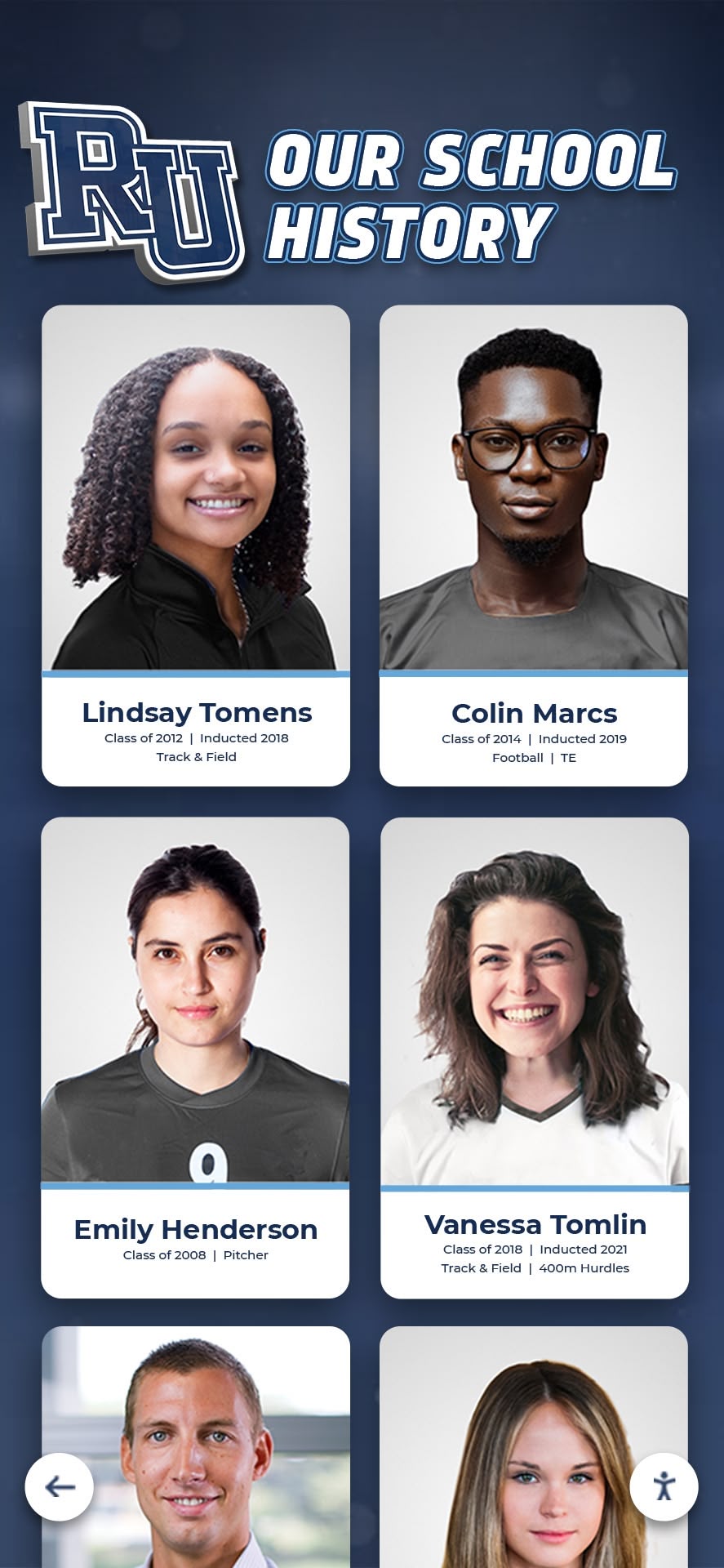
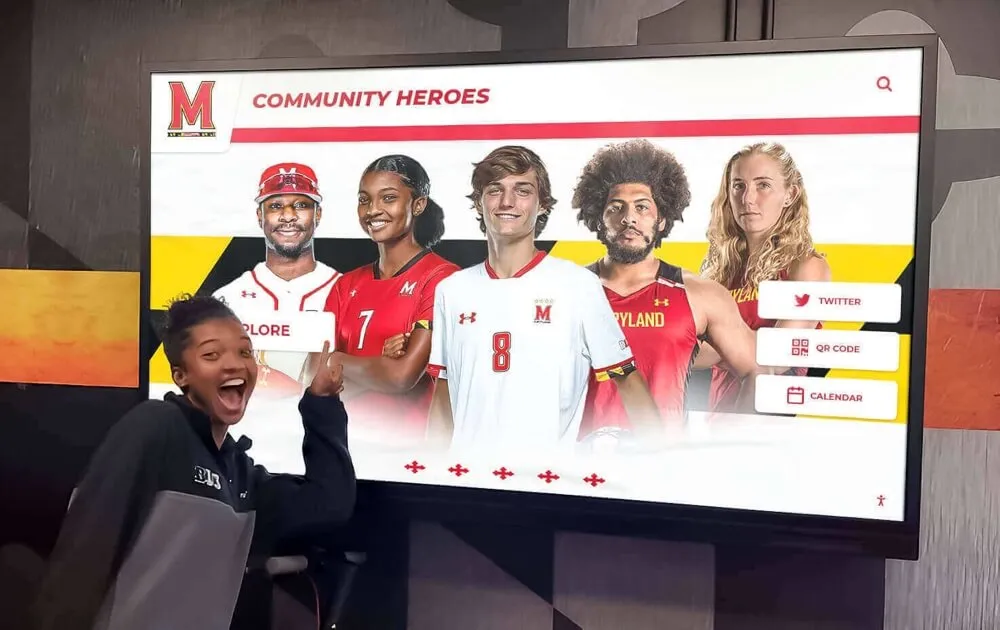
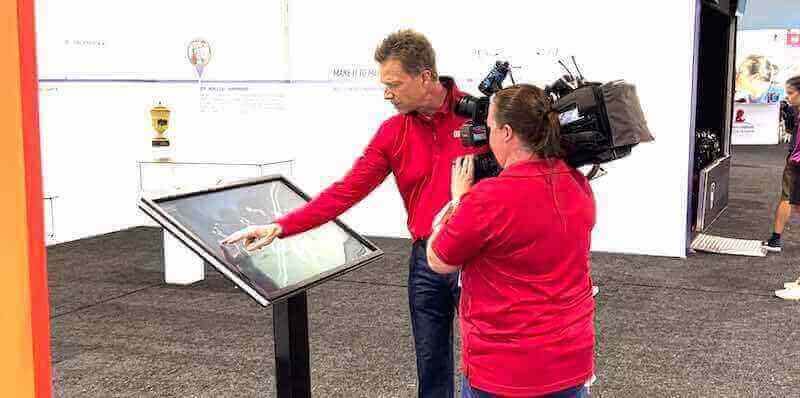
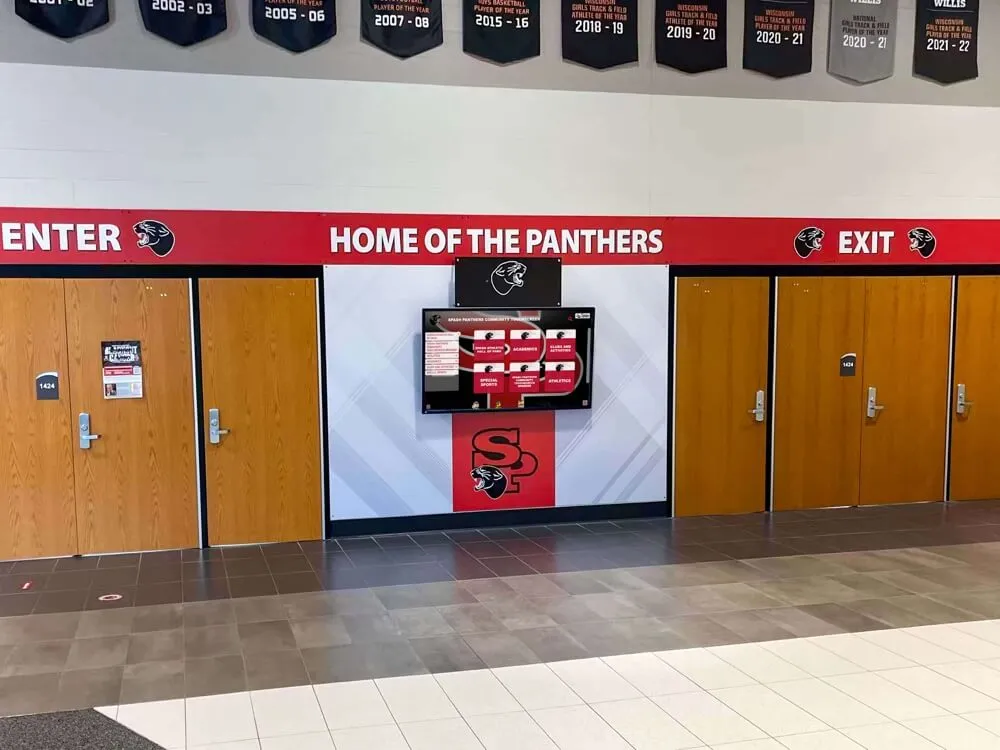
Tennis programs document individual player statistics, serve percentages, and match records creating detailed achievement profiles celebrating skill development
Common Serve Technique Errors and Diagnostic Solutions
Understanding common serve technique flaws helps coaches diagnose issues efficiently and provide targeted corrections that address root causes rather than symptoms.
The Timing Disconnect: When Kinetic Chain Sequence Breaks Down
The most prevalent serve technique error involves kinetic chain timing disruption where body segments activate out of sequence, leak energy at transitions, or fail to coordinate into unified motion. This breakdown manifests through several observable symptoms.
The “Arm Serve” Pattern
Players demonstrating arm serve patterns generate power almost exclusively through arm motion with minimal leg drive or core rotation. Observable characteristics include straight or minimally bent legs throughout the motion, limited hip rotation with body remaining relatively square to baseline, arm swinging forward independently before body rotation completes, and contact occurring through arm effort alone without full body extension.
This pattern develops when players focus exclusively on arm mechanics without understanding kinetic chain principles, attempt to “guide” serves through conscious arm control, or lack strength and coordination to execute full-body motion.
Corrections begin by temporarily removing the racquet and practicing shadow serves focusing exclusively on leg drive and hip rotation. Players should practice jumping upward without racquets, emphasizing explosive leg extension, then add hip rotation toward an imaginary contact point, and finally integrate arm motion only after establishing leg and hip patterns.
The “All-at-Once” Simultaneous Motion
Some players attempt kinetic chain activation but fire all segments simultaneously rather than sequentially. This simultaneous activation appears as legs extending, hips rotating, and arms swinging forward all beginning at the same instant without sequential progression.
While this pattern generates more power than isolated arm serves, it sacrifices the multiplicative effect of sequential energy transfer. Corrections involve exaggerated segmentation drills where players practice serving in slow motion, consciously pausing between each kinetic chain phase to establish sequence awareness, then gradually increasing speed while maintaining sequential activation.
Ball Toss Inconsistency: The Foundation That Crumbles
Inconsistent ball toss remains the single greatest obstacle to serve reliability. Even players with excellent kinetic chain mechanics cannot serve consistently when toss placement varies between serves.
Diagnosing Toss Errors Through Landing Position Analysis
The most effective toss diagnosis involves letting balls fall without attempting contact, then marking landing positions relative to the server’s stance. Consistent toss produces landing positions clustered within a 12-inch circle in front of and slightly right of the server’s front foot (for right-handed players).
Scattered landing positions indicate toss mechanics requiring correction. Common patterns include forward-backward scattering suggesting inconsistent release timing or arm extension, left-right scattering indicating variable shoulder position or arm angle during toss, and excessive ball spin visible during flight showing wrist or hand manipulation during release.
Corrections emphasize ritualistic toss mechanics performed identically before every serve. Effective rituals include holding the ball in a consistent finger position (fingertips not palm), beginning toss motion from identical starting position relative to the body, releasing at eye level with full arm extension, and maintaining shoulder stability throughout toss motion without rotation or dipping.
Tennis programs implementing structured training protocols often track performance statistics showing measurable improvement over season progression.
Grip Issues: The Hidden Technique Saboteur
Serve grip significantly influences technique mechanics, contact points, and spin generation, yet many recreational players serve with inappropriate grips that limit potential.
The Eastern Forehand Grip Trap
Many beginning players serve with eastern forehand grips—the same grip used for groundstrokes—because it feels natural and familiar. However, forehand grips position the racquet face incorrectly for optimal serve contact, require excessive wrist manipulation to square the racquet face at contact, limit pronation range of motion reducing power and spin potential, and create elbow and shoulder stress through compensatory mechanics.
Proper serve grips fall between continental and eastern backhand positions, rotating the hand slightly counterclockwise on the racquet handle (for right-handed players) from forehand grip position. This grip naturally aligns the racquet edge upward during back scratch position, facilitates natural pronation through contact, enables spin variation without major grip adjustments, and reduces joint stress by aligning wrist and forearm naturally.
Players resistant to grip changes should understand that all professional serves use continental or modified continental grips—no exceptions. The temporary discomfort of grip adjustment yields permanent serve improvement that justifies the adaptation period.
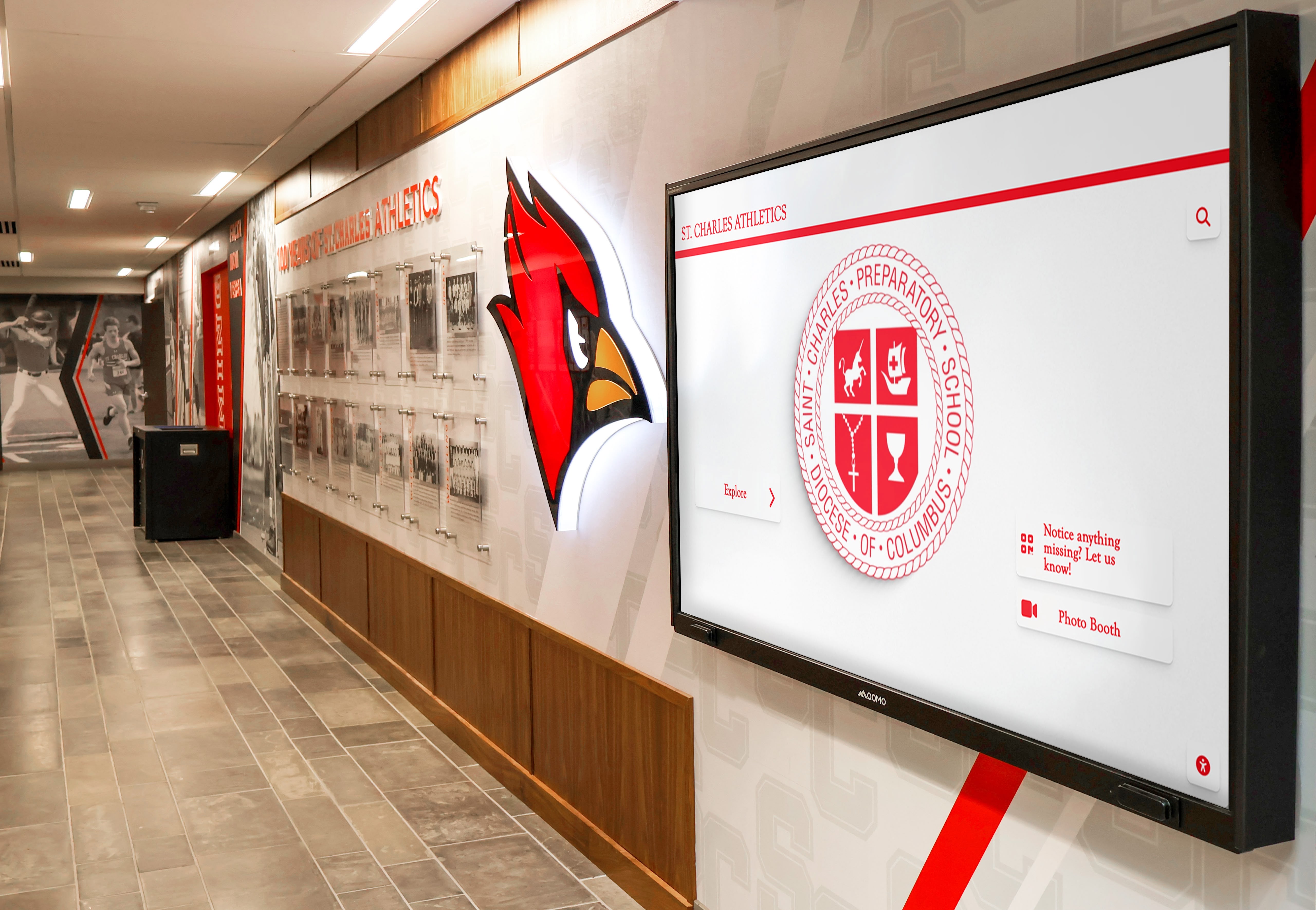
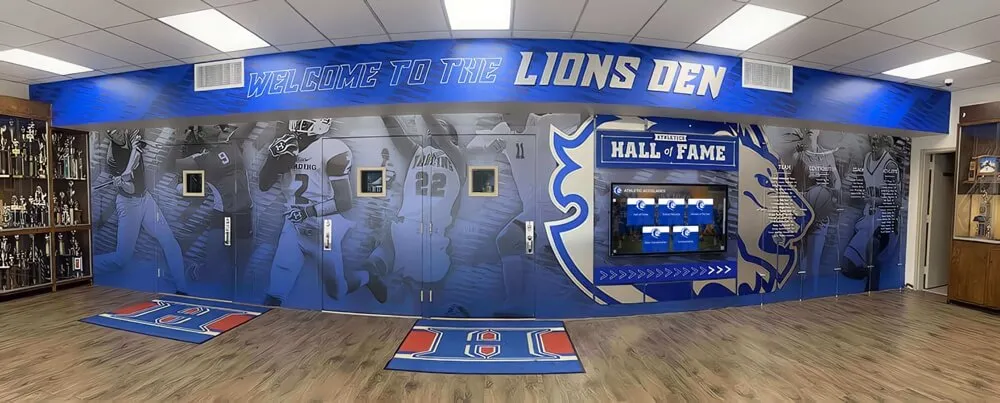
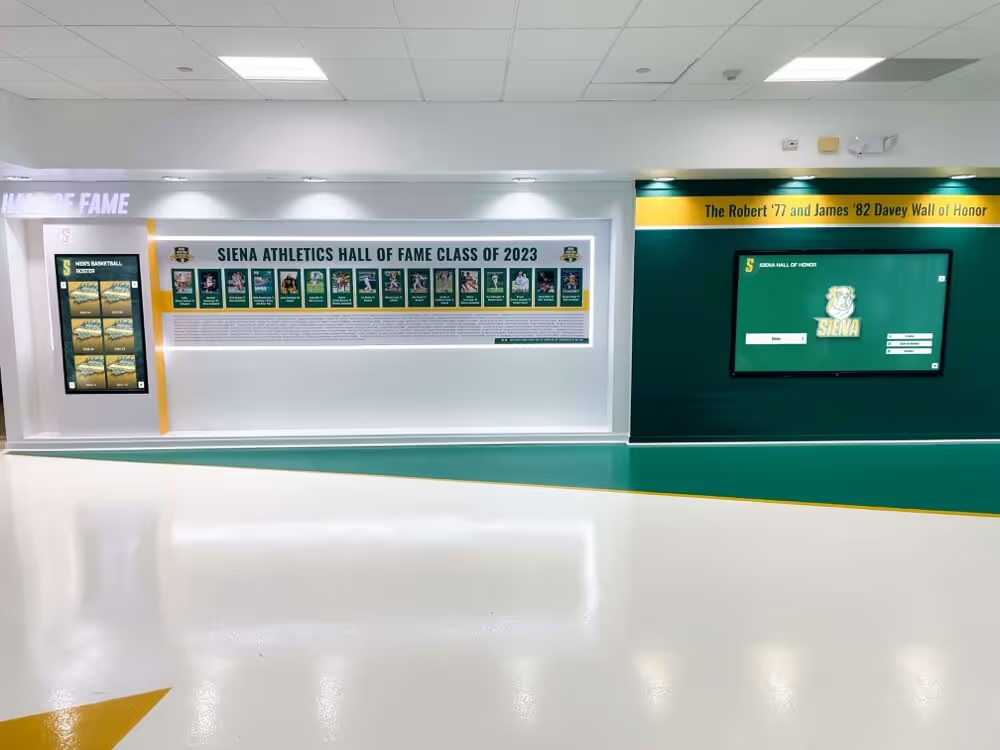
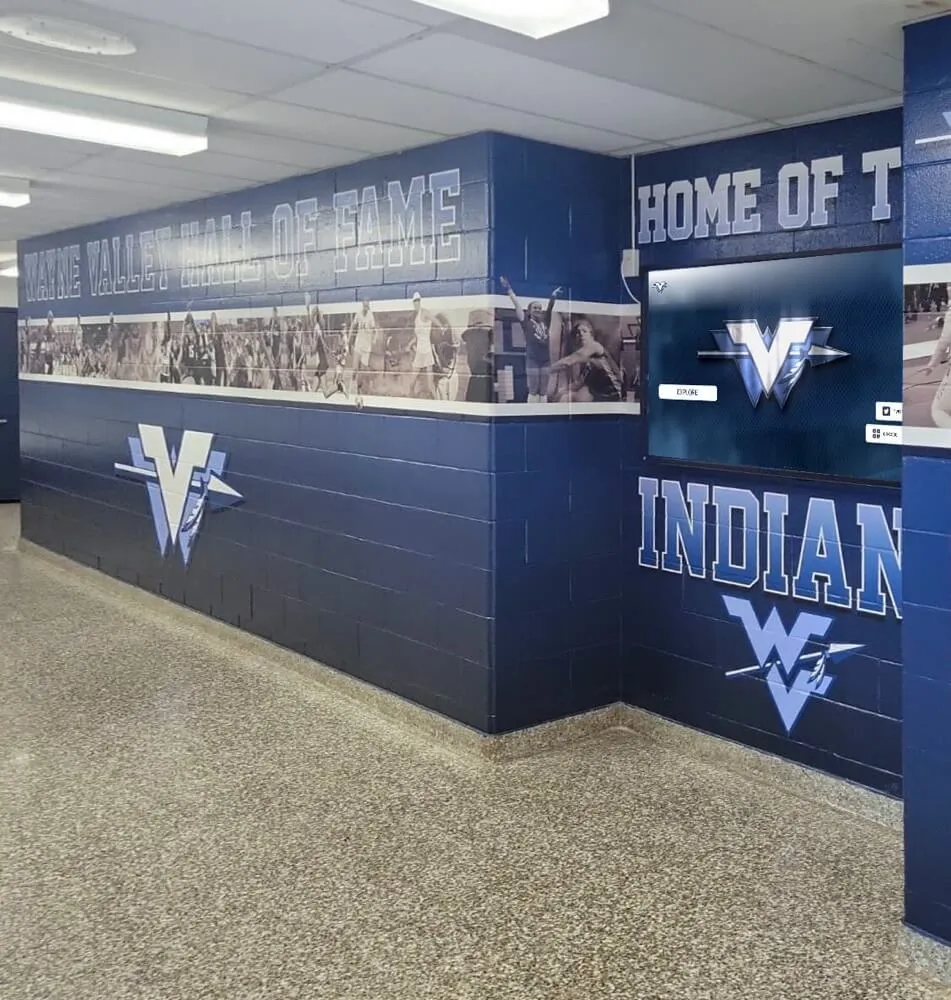
High school tennis courts and facilities showcase program achievements and individual records creating inspiring environments for daily practice
Progressive Training Frameworks for Systematic Serve Development
Effective serve technique development follows progressive training sequences that build foundational mechanics before attempting complete motion integration or advanced variations.
Phase One: Isolation Drills Building Individual Components
Before attempting complete serves, players benefit from isolation drills that develop individual kinetic chain components independently.
Ball Toss Consistency Drills
Players should dedicate initial training sessions exclusively to ball toss mechanics without attempting to serve. Effective drills include letting 20-30 balls fall naturally without hitting them while marking landing positions and evaluating consistency, practicing toss mechanics while holding a racquet in ready position but not swinging, varying toss height intentionally to develop feel for optimal release timing, and practicing toss rhythm through counting cadences that establish consistent timing.
Only after achieving toss consistency—defined as 80 percent of tosses landing within a 12-inch target circle—should players progress to contact drills.
Leg Drive and Weight Transfer Drills
Leg drive mechanics develop through progressive exercises including standing jump serves from service line hitting soft targets developing coordination before adding full power, trophy position holds where players freeze in loading position for 3-5 seconds building muscle memory, and shadow serves without balls or racquets focusing exclusively on leg extension and weight transfer patterns.
These drills establish lower body mechanics independent of arm coordination demands, allowing players to develop explosive leg drive awareness before integrating upper body elements.
Phase Two: Partial Motion Integration Building Kinetic Chain Timing
After establishing individual component proficiency, training progresses to partial motion integration that builds kinetic chain sequencing.
The Service Line Progression
Service line serving represents the classic progressive drill where players serve from inside the court, focusing on technique rather than power. The shortened distance eliminates pressure to generate maximum velocity, allowing attention to form mechanics. Progressive steps include serving from service line to deuce-side service box emphasizing complete kinetic chain activation at reduced speed, moving incrementally backward toward baseline as technique consistency improves, and maintaining identical mechanics regardless of court position ensuring technique transfers to full-distance serves.
Many players rush this progression, moving to baseline before establishing consistent mechanics at shorter distances. Patience during service line work pays dividends through superior technique foundation.
Rhythm and Timing Development Through Repetition
Serve technique becomes automated through high-repetition training that converts conscious technique awareness into unconscious motor patterns. Effective training includes block practice sessions where players hit 50-100 serves consecutively focusing on single technique element (e.g., leg drive or contact point), tempo variation serving at different speeds while maintaining identical mechanics, and video review examining technique footage to identify persistent errors requiring correction.
Schools implementing comprehensive athletic development programs recognize that skill mastery requires systematic progression rather than random practice.
Phase Three: Advanced Variations and Tactical Applications
After establishing consistent baseline serve technique, players develop serve variations that provide tactical options during competitive play.
The Three Primary Serve Types
Complete serve repertoires include flat serves generating maximum velocity through square racquet face contact at peak height producing minimal spin, slice serves creating lateral ball curve through racquet face brushing across outside of ball at slightly lower contact point, and topspin (kick) serves generating heavy topspin through racquet edge brushing upward over ball’s back surface creating high-bouncing delivery.
Each serve type employs identical kinetic chain sequencing with minor contact point and racquet path adjustments. Players comfortable with foundational mechanics adapt to variations quickly, while those with inconsistent base technique struggle to develop reliable variations.
Placement Precision and Target Training
Serve effectiveness depends equally on placement accuracy and velocity. Training incorporating target zones develops placement precision through court marking with targets in corners and T-intersection areas, consequence-based target drills where missed targets require additional repetitions, match-simulation serving requiring placement variety mimicking competitive demands, and statistical tracking of first-serve percentage by target zone identifying placement weaknesses.
Elite servers combine power, spin, and placement variability creating unpredictable patterns that prevent opponents from anticipating serve direction or characteristics.
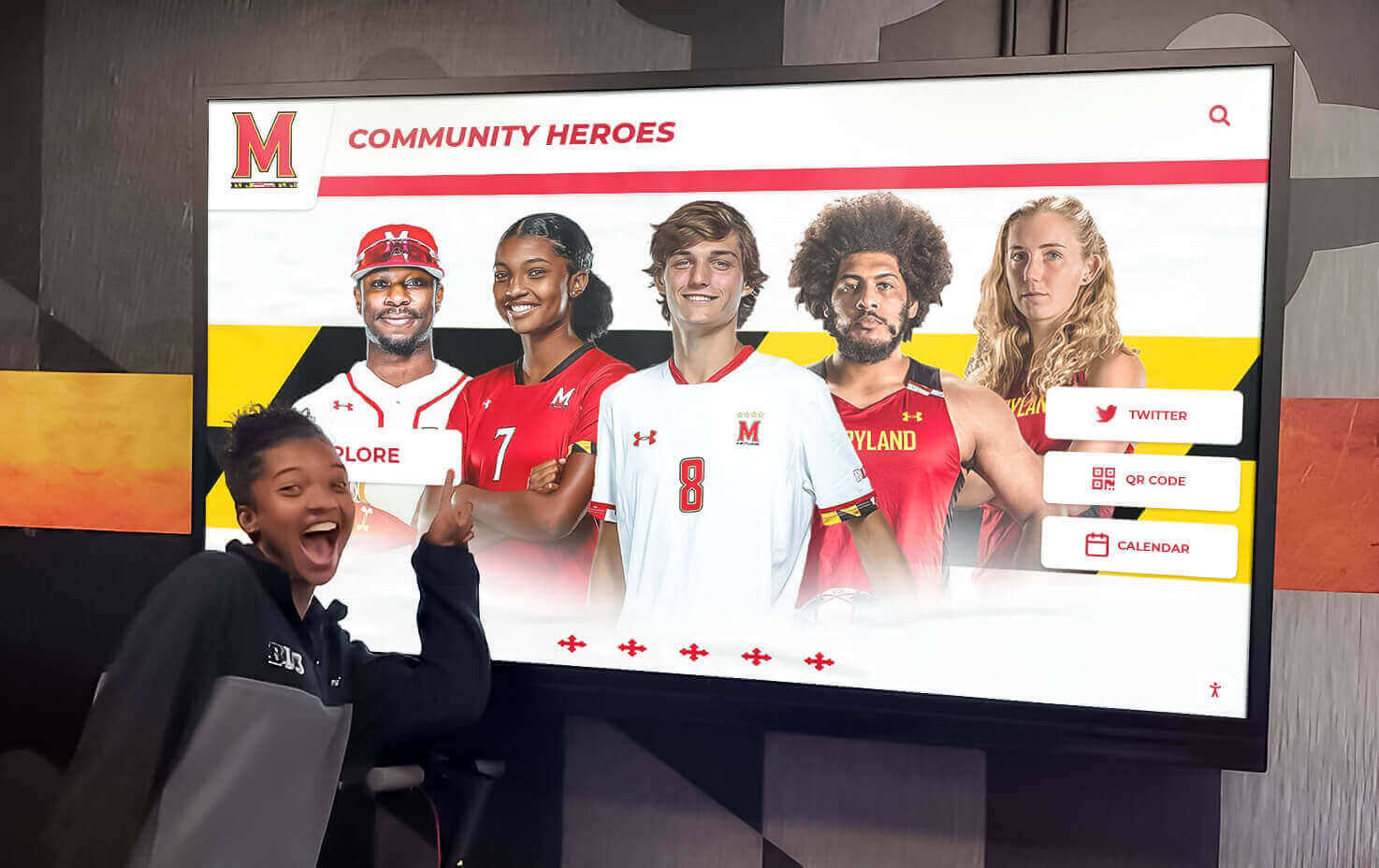
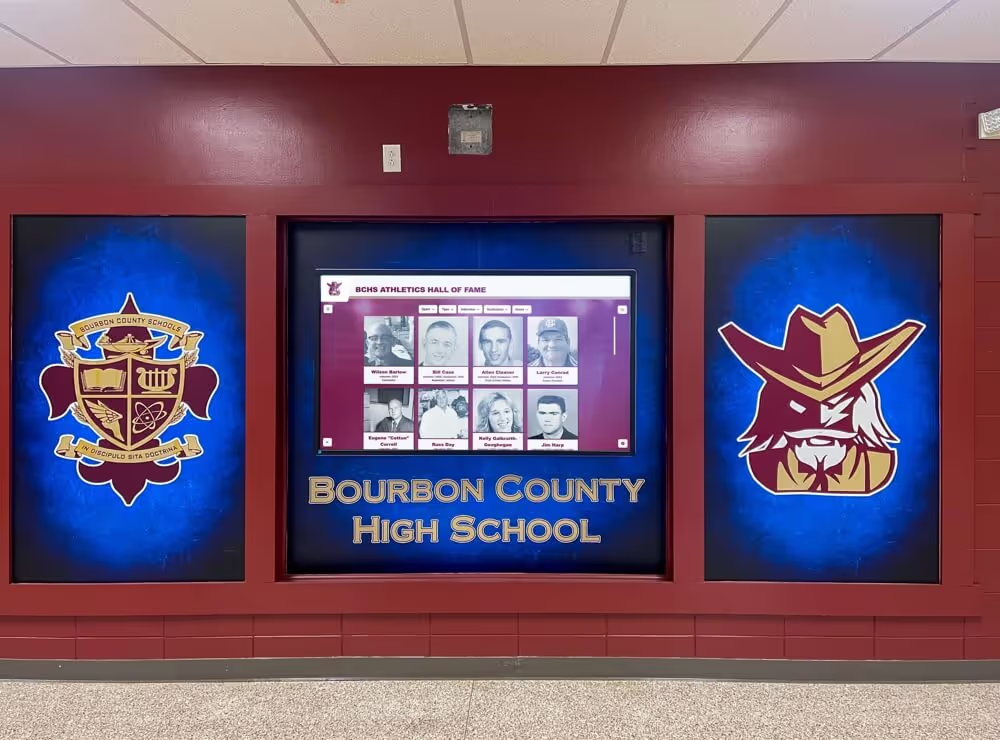
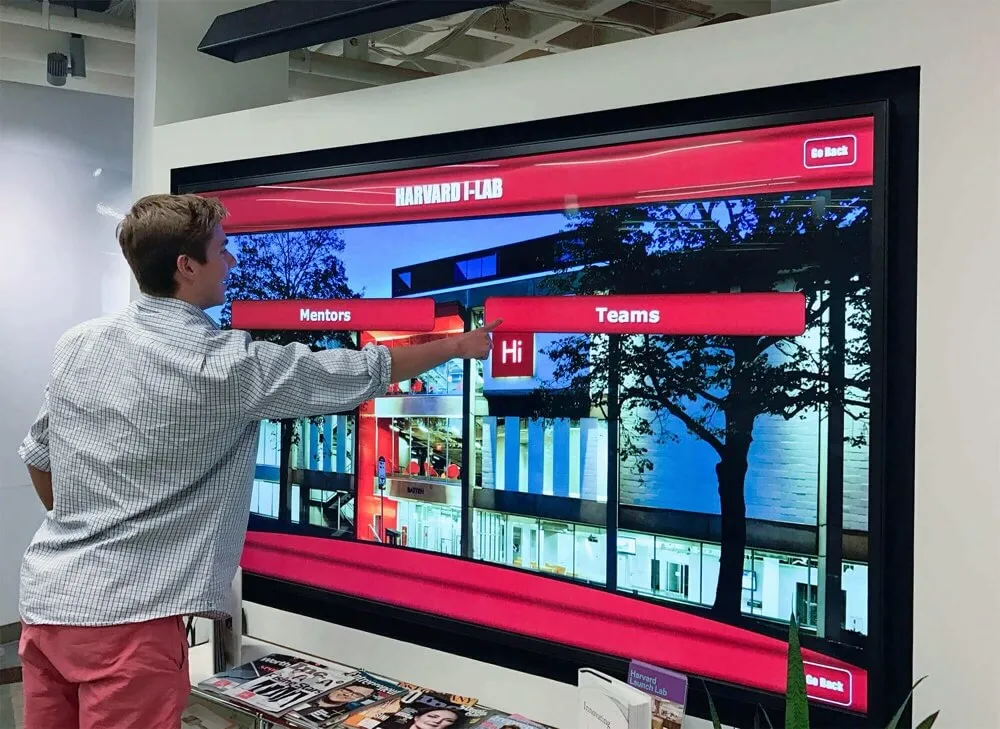
Tennis players study serve statistics, match records, and technique improvement data through digital displays tracking individual and team performance
Mental and Tactical Dimensions of Serve Excellence
Technical proficiency represents only one dimension of serve excellence. Mental preparation and tactical application determine whether practice technique translates into match performance.
Pre-Serve Routines: Creating Consistency Through Ritual
Consistent pre-serve routines reduce performance anxiety, establish rhythm, and create mental anchors that facilitate technique execution under pressure. Effective routines incorporate physical actions including specific number of ball bounces, breathing patterns, stance positioning verification, and toss hand positioning, combined with mental elements like target visualization, positive self-talk phrases, and outcome expectation management.
Research on serving routines demonstrates that consistency matters more than specific routine content. Players performing identical routines before every serve—regardless of score, pressure, or situation—demonstrate significantly higher first-serve percentages and lower double-fault rates than players with variable or absent routines.
Developing routines requires conscious practice during training sessions, performing identical sequences before every practice serve until routines become automatic. Shortcuts that skip routines during practice undermine routine effectiveness during competitive pressure.
Serve Selection and Tactical Pattern Development
Strategic serve selection based on score situations, opponent positioning, and match momentum creates tactical advantages beyond raw technique quality. Effective tactical serving considers opponent return weaknesses targeting backhand returns if opponent demonstrates weaker backhand technique, score situation with aggressive serves at crucial points and higher-percentage serves protecting leads, previous point outcomes varying serves after successful patterns or adjusting after unsuccessful attempts, and court positioning directing serves toward locations that create favorable rally geometries.
Many high school players serve exclusively to opponent backhand corners because coaches identify backhand returns as weaker. While this approach exploits legitimate weakness, predictable patterns allow prepared opponents to anticipate and position for expected serves. Tactical sophistication involves mixing serve directions, spins, and speeds creating uncertainty that compounds technical advantages.
Programs emphasizing both technical skill and strategic thinking produce more complete players prepared for competitive excellence at higher levels.
Pressure Serving: Managing Performance Under Competitive Stress
The psychological challenge of serving under pressure—particularly on break points, game points, or set points—tests mental resilience as much as technical proficiency. Players who serve confidently during practice often experience technique breakdown when consequences intensify during competitive moments.
Building pressure serving capability requires deliberate practice incorporating pressure simulation through consequence-based training where missed serves require physical consequences like pushups or sprints, score-situation practice beginning games from challenging scores requiring clutch serving, and match-play practice prioritizing competitive serving experience over technique drills.
Mental skills supporting pressure serving include outcome detachment focusing on process execution rather than point results, positive visualization rehearsing successful serves before execution, and arousal regulation managing nervous energy through breathing and routine consistency.
Accessibility and Universal Design in Serve Instruction
Effective coaching accommodates diverse learning styles, physical capabilities, and experience levels through flexible instruction approaches that make serve technique accessible to all players.
Visual, Verbal, and Kinesthetic Teaching Methods
Players learn serve technique through different primary modalities requiring varied instructional approaches. Visual learners benefit from demonstration serves by coaches or accomplished players, video analysis comparing player serves against model technique, diagram and animation showing kinetic chain sequencing, and mirror practice where players observe their own motion.
Verbal learners respond to technical cue words and phrases, detailed mechanical explanations of biomechanical principles, comparative analogies relating serve motion to familiar movements, and feedback conversations discussing technique observations.
Kinesthetic learners require hands-on manipulation where coaches physically guide body positioning, drill repetition building motor pattern familiarity, sensation-focused cues emphasizing how correct technique feels, and progressive resistance training developing movement awareness.
Comprehensive instruction incorporates all three modalities ensuring accessibility regardless of individual learning preference.
Adapting Serve Instruction for Physical Variations
Players with different physical characteristics require technique adaptations that maintain biomechanical principles while accommodating individual capabilities. Shorter players benefit from higher ball toss heights maximizing contact point elevation, greater emphasis on leg drive generating upward momentum, and topspin serve development creating margin over net despite reduced height advantages.
Players with limited shoulder flexibility may require modified trophy positions reducing back scratch depth, continental grip adjustments facilitating pronation, and gradual flexibility training expanding range of motion over time.
Younger players developing serve technique need racquet weight reductions preventing fatigue during technique practice, abbreviated motion versions building toward complete serves progressively, and patience recognizing that coordination develops over years not weeks.
Inclusive tennis programs recognize that achievement comes in many forms and effective coaching adapts to individual needs rather than forcing identical approaches.
Technology Integration in Serve Development
Modern technology provides coaching tools that accelerate serve technique development through objective feedback, visual analysis, and data-driven training approaches.
Video Analysis Platforms and Motion Capture
High-speed video captures serve motion at frame rates revealing technique details invisible to real-time observation. Coaches using tablet or smartphone video recording apps can analyze serves through slow-motion playback identifying specific technique flaws, side-by-side comparison contrasting player serves against model examples, annotation tools highlighting body positions and movement sequences, and progress documentation tracking technique evolution over seasons and years.
Advanced motion capture systems track joint angles, racquet path trajectories, velocity measurements, and biomechanical efficiency metrics providing quantitative data supplementing qualitative coaching observations. While professional-grade systems exceed most high school budgets, consumer-level options provide valuable feedback at accessible price points.
Statistical Tracking and Performance Analytics
Systematic serve statistics reveal improvement areas and validate training effectiveness through objective measurement. Essential serve metrics include first-serve percentage measuring consistency and confidence, ace rate quantifying unreturnable serve quality, double-fault percentage identifying pressure performance, and serve placement distribution showing tactical variety.
Digital platforms simplify statistical tracking through mobile apps recording match and practice statistics, automated calculation of percentage and trend metrics, visual dashboards displaying performance patterns, and longitudinal tracking showing season and career trajectories.
Programs implementing data-driven training approaches report that objective feedback motivates players more effectively than subjective coaching assessment alone.
Interactive Displays for Technique Education
Modern athletic facilities incorporate digital displays that educate players about proper technique through permanent installations in practice facilities showing video demonstrations and technique breakdowns, interactive touchscreens allowing player-controlled access to instructional content, statistical leaderboards displaying serve performance rankings and records, and achievement recognition celebrating serve improvement milestones.
These installations transform practice facilities into continuous learning environments where technique education occurs through ambient exposure rather than exclusively during formal instruction.
Maintaining Long-Term Serve Quality and Injury Prevention
Serve technique proficiency requires ongoing maintenance through purposeful practice and injury prevention strategies that protect shoulder and elbow health over competitive careers.
Warm-Up Protocols Preparing the Kinetic Chain
Proper warm-up prepares the serve kinetic chain for explosive movement through progressive activation exercises. Effective pre-practice and pre-match warm-ups include dynamic stretching emphasizing shoulder rotation, hip mobility, and trunk flexibility, arm circles and windmills activating rotator cuff muscles, progressive velocity serves beginning at 50 percent speed and gradually increasing to full power, and shadow serves without balls rehearsing complete motion before adding contact demands.
Inadequate warm-up increases injury risk dramatically, particularly for serves requiring maximum effort from initial practices. Players should dedicate minimum 15 minutes to serve-specific warm-up before intense practice sessions.
Strength and Conditioning Supporting Serve Biomechanics
Physical conditioning complementing technique training includes rotator cuff strengthening preventing shoulder injury through external rotation exercises and band work, core stability training supporting trunk rotation through planks and rotational movements, leg strength development enhancing explosive power through squats and plyometrics, and flexibility work maintaining range of motion through dedicated stretching programs.
These conditioning elements protect against injury while enhancing serve performance through improved power generation and biomechanical efficiency.
Recognizing and Addressing Overuse Symptoms
Repetitive serving creates overuse injury risk, particularly in developing athletes. Warning signs requiring immediate attention include persistent shoulder or elbow pain during or after serving, range of motion limitations affecting normal arm movement, technique changes caused by pain avoidance, and fatigue affecting serve consistency earlier during practice sessions.
Players experiencing these symptoms should reduce serve volume immediately, consult athletic trainers or sports medicine professionals, and consider technique evaluation as many overuse injuries stem from biomechanical flaws creating excessive joint stress.
Programs prioritizing long-term athlete development over short-term performance gains implement comprehensive wellness approaches protecting player health throughout competitive careers.
Content Blocks and Motion: Celebrating Serve Excellence
Recognition systems celebrating serve achievement create motivation driving continued improvement while honoring exceptional performance.
Individual Serve Achievement Milestones
Programs establish serve achievement standards recognizing notable accomplishments including first-serve percentage thresholds such as 70 percent or higher consistency, ace counts for single matches or cumulative seasons, service game hold percentages demonstrating serve reliability, and improvement metrics celebrating progress regardless of absolute performance levels.
Recognition approaches include certificate programs acknowledging achievement milestones, leaderboard displays showing current serve statistics leaders, social media features celebrating exceptional serve performances, and team awards honoring best servers annually.
Team Serve Performance Metrics
Beyond individual recognition, team serve statistics build collective pride through cumulative ace totals across all team members, team average first-serve percentages showing program-wide consistency, service break differential comparing team holds versus opponent breaks, and seasonal improvement metrics tracking collective progress.
These team metrics, displayed prominently through digital recognition systems, create shared ownership of serve development as program priority rather than isolated individual responsibility.
Activation Plan: Implementing Systematic Serve Development
Tennis programs transforming serves from weakness to strength implement structured development plans with clear objectives and measurable outcomes.
Assessment Phase: Establishing Baseline Capabilities
Implementation begins with comprehensive serve assessment documenting current capability including video recording of 10-15 serves from each player for technique analysis, statistical measurement of first-serve percentage, average serve speed, and placement accuracy, player self-assessment identifying perceived serve challenges, and physical screening evaluating shoulder flexibility, rotator cuff strength, and overall athleticism.
This baseline documentation provides objective starting points against which to measure improvement and identifies highest-priority development areas requiring immediate attention.
Progressive Training Implementation
Following assessment, programs implement structured training sequences including isolation drill phase (weeks 1-3) building toss consistency and kinetic chain awareness, partial motion integration phase (weeks 4-6) developing sequential activation patterns, complete motion development phase (weeks 7-10) refining full-speed serve mechanics, and variation and tactical application phase (weeks 11+) building serve repertoire and competitive application skills.
This systematic progression prevents overwhelming players with complete motion complexity before establishing foundational components.
Continuous Measurement and Recognition
Throughout implementation, programs maintain momentum through regular statistical tracking recording serve metrics weekly, video progress documentation capturing technique evolution, achievement celebration recognizing improvement milestones, and competitive application measuring serve effectiveness in match situations rather than isolated practice.
This measurement-recognition cycle creates feedback loops driving continued improvement through objective validation and public acknowledgment.
Schools implementing comprehensive serve development programs report transformation of team serving from liability requiring defensive compensation into weapon generating competitive advantages, match-winning opportunities, and collective pride in measurable skill excellence.
Transform Your Tennis Program’s Technical Development and Achievement Recognition
Tennis serve technique represents the sport’s most controllable yet technically complex stroke—the shot that begins every point where players exercise complete control over conditions, timing, and execution. Programs that implement systematic serve development through progressive training sequences, diverse instructional approaches, technology integration, and comprehensive recognition transform serves from inconsistent liabilities into match-winning weapons that provide sustainable competitive advantages.
The kinetic chain principles, phase-by-phase motion breakdowns, common error diagnostics, and progressive training frameworks detailed throughout this guide provide coaches and players with actionable pathways for systematic serve improvement. By understanding that serve excellence develops through patient technique building rather than rushed attempts at immediate power, tennis programs create foundations supporting continuous improvement over entire competitive careers.
Modern digital recognition platforms allow tennis programs to celebrate serve achievement through dynamic displays showcasing individual and team serving statistics, milestone accomplishments, technique improvement documentation, and serve performance rankings that motivate players while honoring excellence. Unlike static trophy cases with limited capacity, interactive digital systems provide unlimited recognition capacity that grows with program achievement over decades.
Consider how your tennis program currently approaches serve development and achievement recognition. Does systematic technique instruction build serve quality progressively, or do players develop serves through trial-and-error replication? Do recognition systems celebrate serving excellence alongside match wins and tournament championships, or do serve statistics remain invisible despite their critical competitive importance? The opportunity exists to transform tennis serves from the stroke players hope merely doesn’t fail into the weapon that wins matches before rallies even begin—through systematic development, comprehensive recognition, and institutional commitment to technical excellence as program foundation.