A theatre wall of honor serves as a powerful institutional statement celebrating performing arts excellence, preserving theatrical heritage, and inspiring continued achievement across generations of performers, directors, technicians, and contributors. While many educational institutions and performing arts organizations recognize the value of honoring theatrical achievement, most struggle to create recognition systems that adequately celebrate the depth and diversity of theatrical contributions—from legendary directors who shaped program identities through decades of leadership, to groundbreaking performers who launched professional careers, to technical innovators who revolutionized production capabilities, to dedicated supporters who sustained programs through financial and volunteer contributions.
Traditional approaches to theater recognition face severe limitations that undermine their effectiveness and sustainability. Physical plaques crowding limited wall space force difficult decisions about who receives recognition and eventually create maintenance nightmares as displays deteriorate. Static displays provide no context beyond basic names and dates, failing to capture the richness of theatrical careers and contributions. Scattered recognition across programs, lobbies, and publications creates fragmented narratives that prevent audiences from understanding complete stories of theatrical excellence. Most critically, traditional methods offer no systematic way to preserve production histories, document evolving program traditions, or create accessible archives that current and future communities can explore and appreciate.
This comprehensive guide explores how schools, universities, community theaters, and performing arts organizations can create theatre walls of honor that solve these persistent challenges while building institutional cultures celebrating excellence comprehensively. From understanding what distinguishes effective theatrical recognition through planning selection criteria, choosing appropriate technology platforms, and implementing recognition systems that honor every contributor appropriately, you’ll discover proven strategies that transform how communities celebrate performing arts achievement.
Performing arts recognition matters profoundly because theater programs transform participants’ lives while enriching entire communities. According to the National Endowment for the Arts, participation in theater and performing arts correlates with improved academic achievement, enhanced communication and collaboration skills, increased cultural understanding, and stronger connections to educational and community institutions. Recognition systems celebrating these contributions strengthen programs by validating achievement, inspiring continued participation, attracting community support, and preserving institutional heritage that defines program identity across generations.

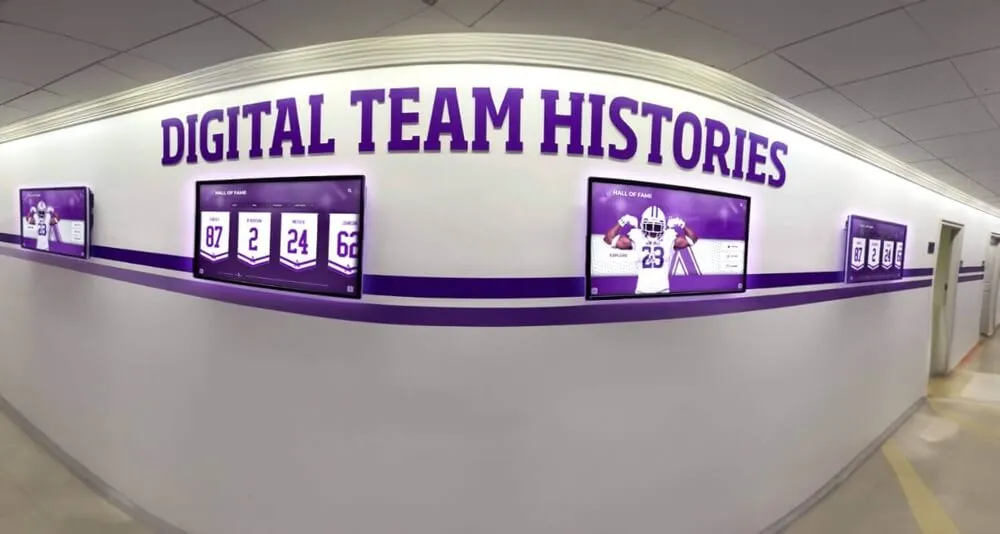
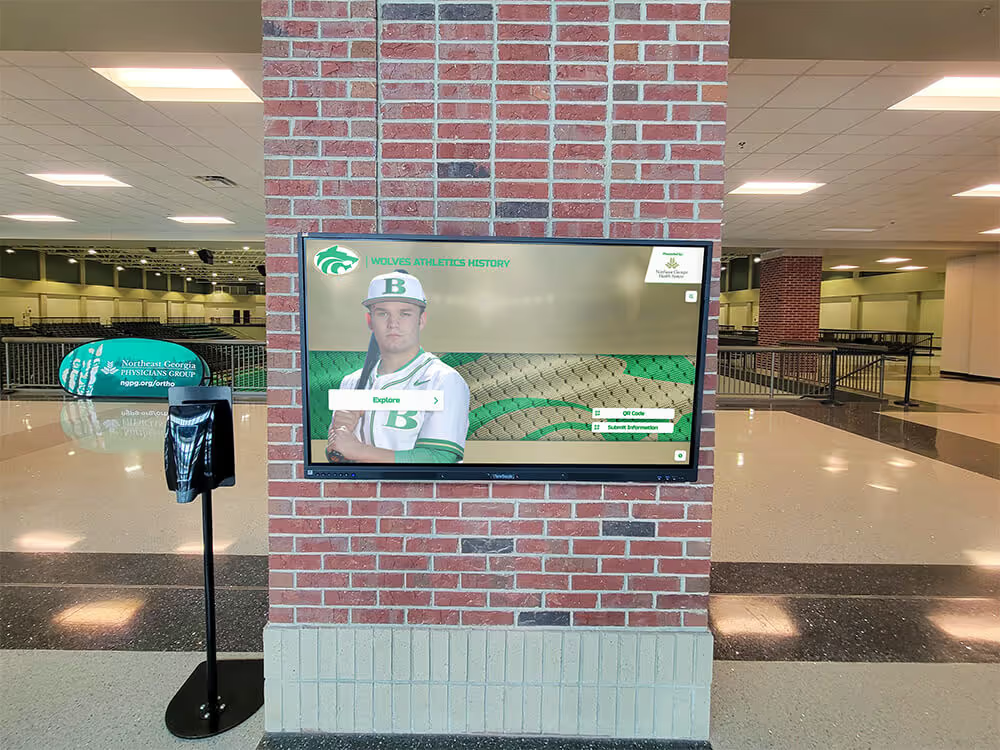
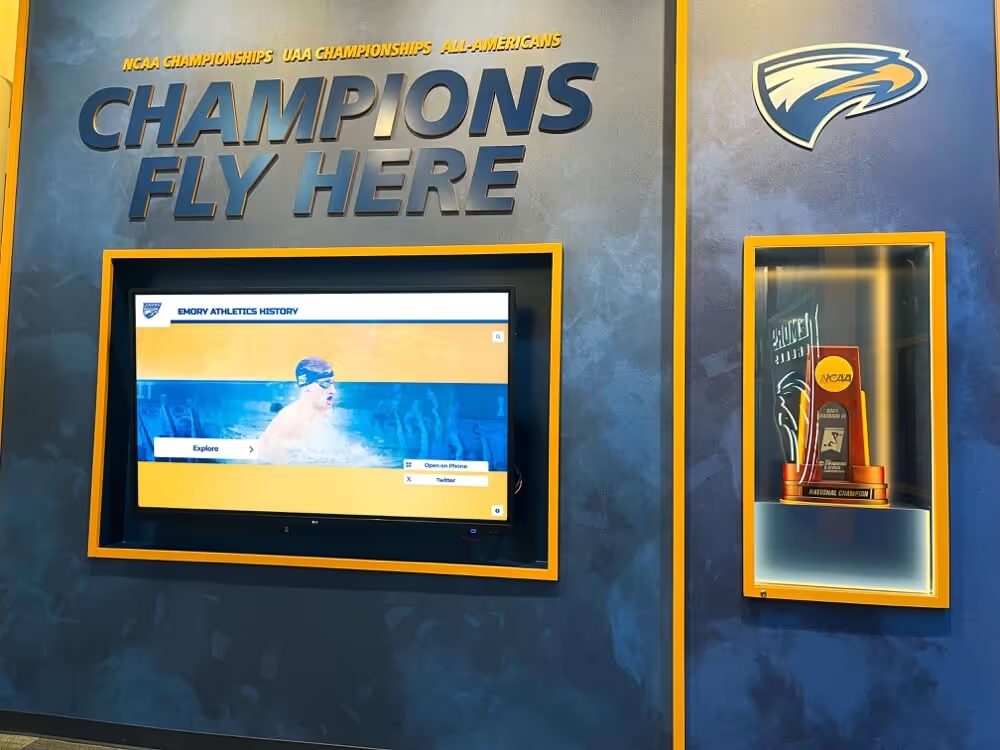
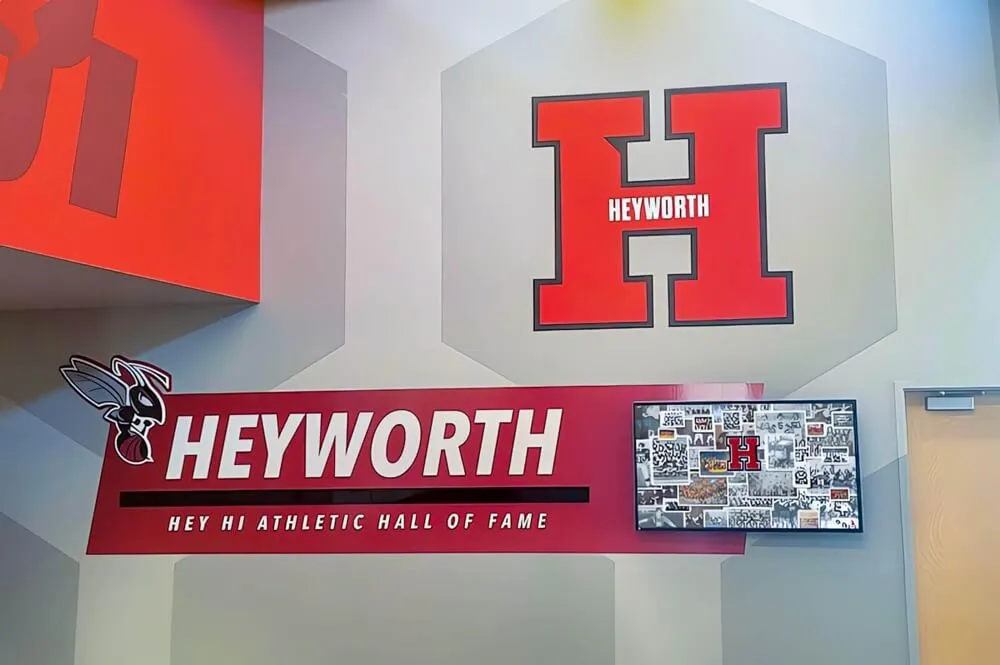
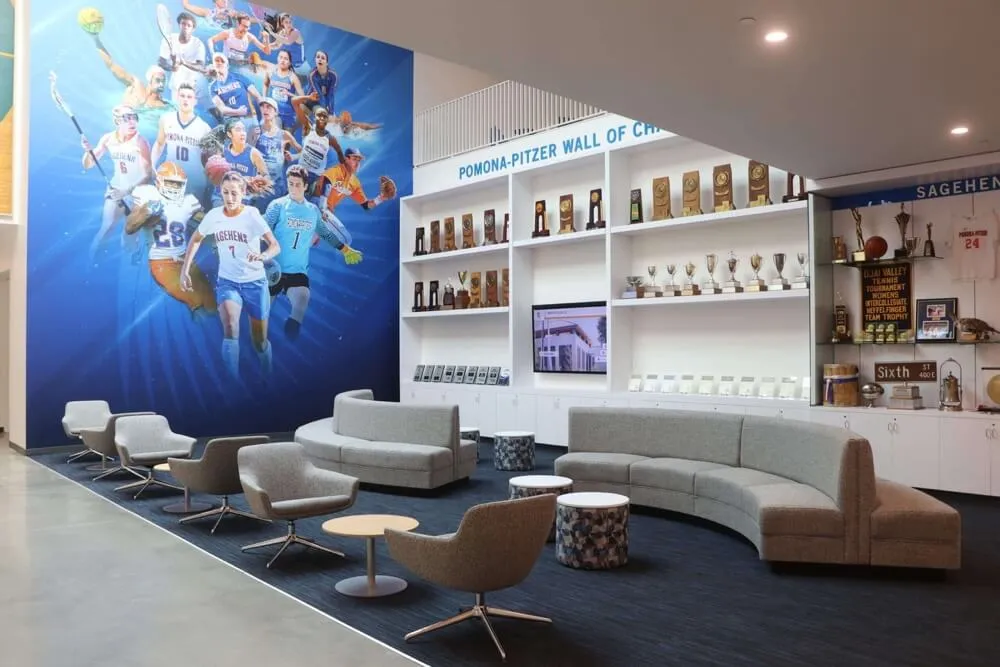
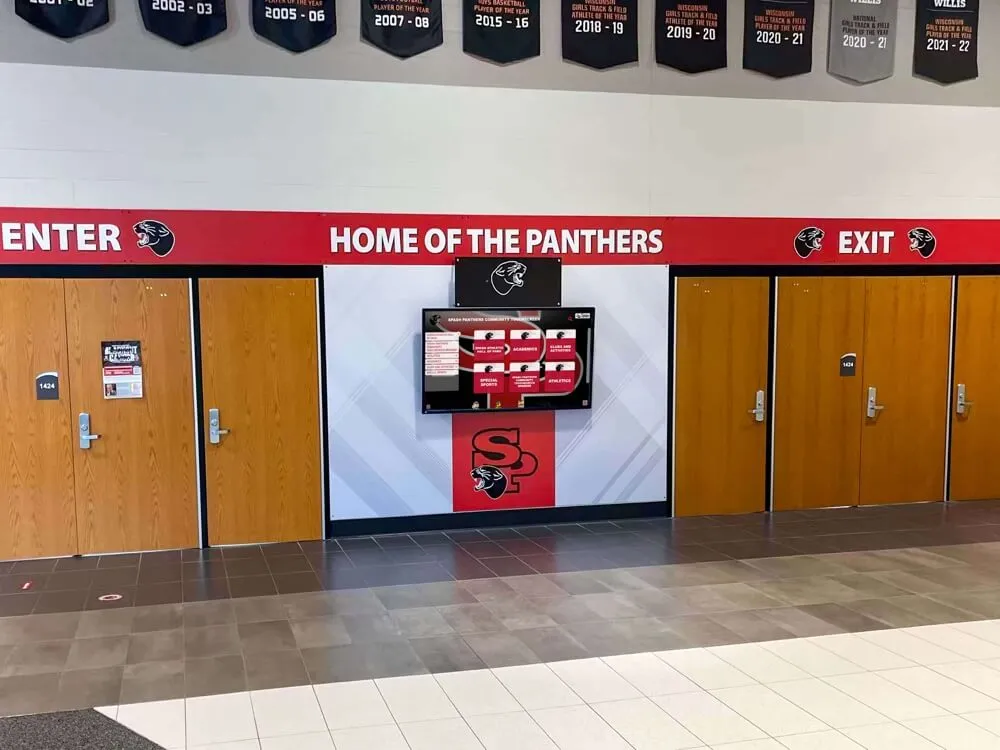
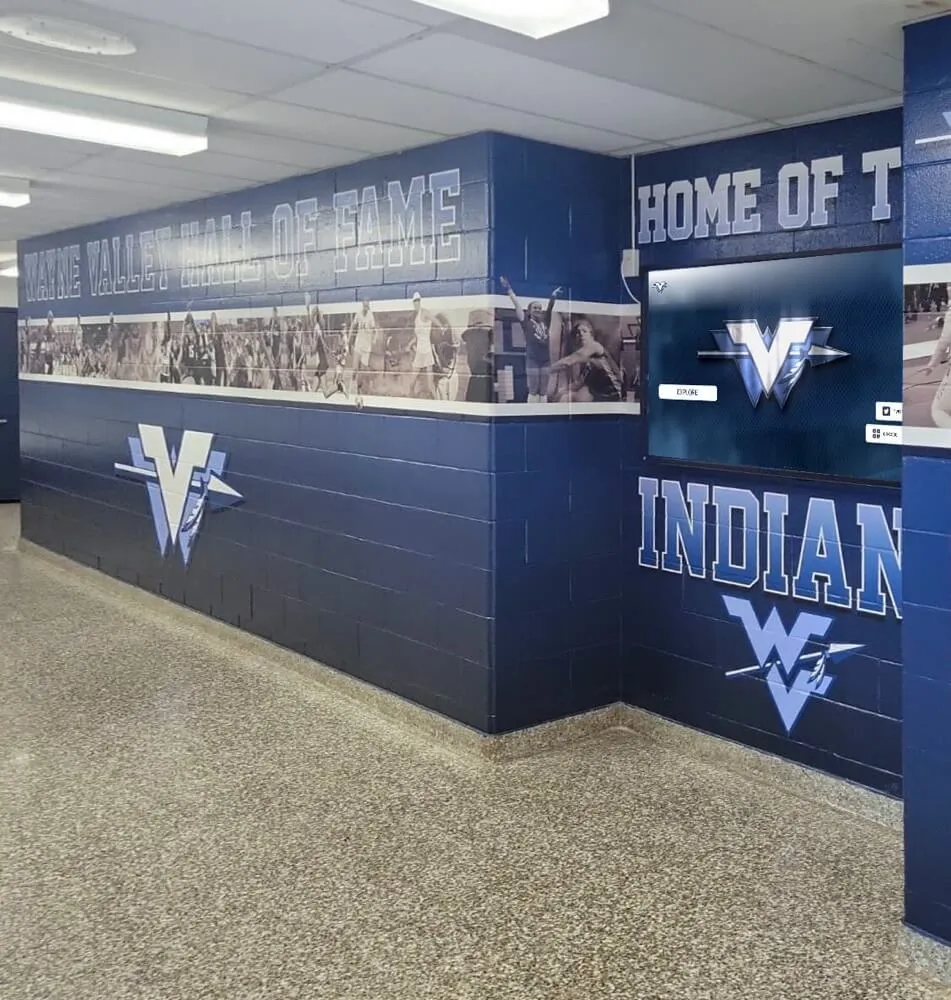
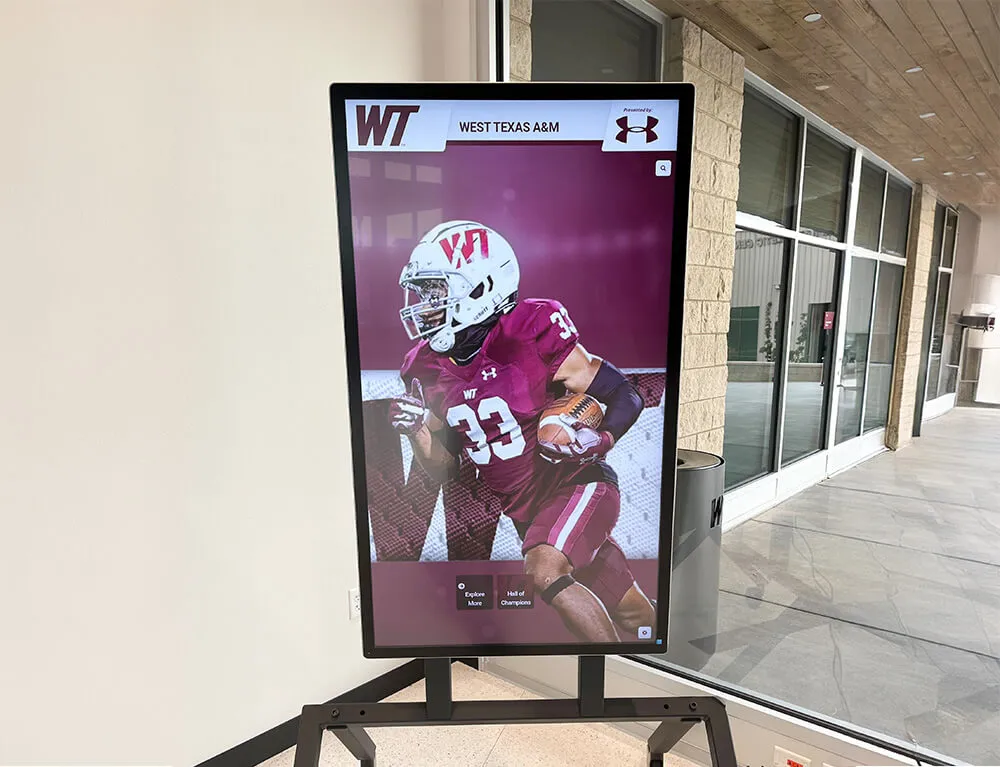
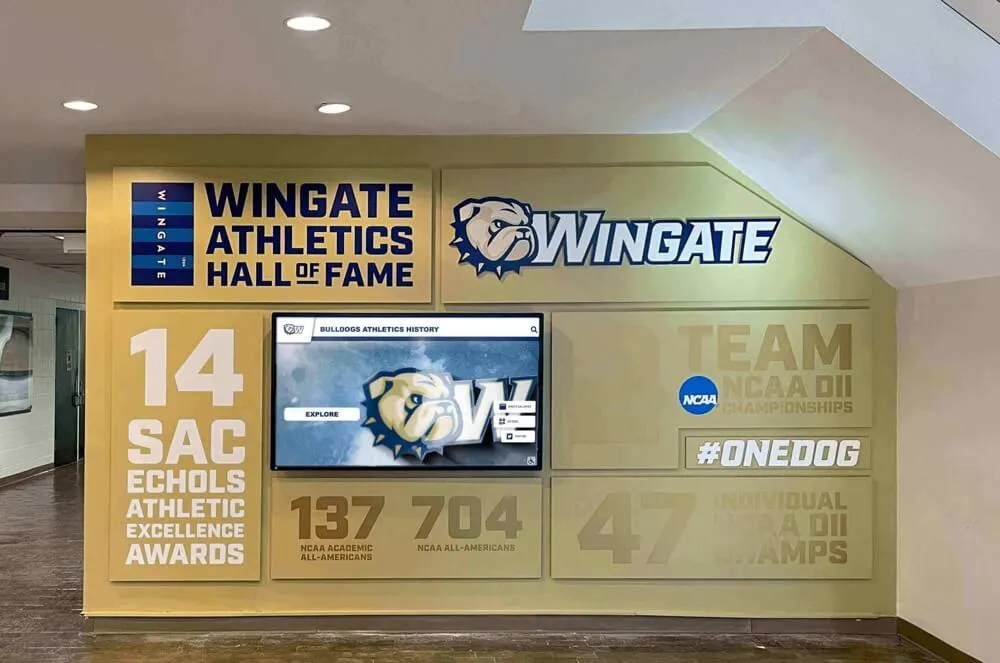
Strategic theater recognition displays celebrate performing arts excellence while creating inspiring focal points in schools and performance venues
Understanding Theatre Walls of Honor: Purpose and Strategic Value
Effective theatre walls of honor serve multiple interconnected purposes that collectively strengthen performing arts programs and organizational culture while creating lasting value for diverse stakeholder groups.
Defining Theatre Wall of Honor Purpose
A theatre wall of honor represents more than simple acknowledgment—it embodies institutional commitment to celebrating performing arts excellence comprehensively while preserving cultural heritage:
Honoring Individual Achievement Theatre walls of honor recognize exceptional contributions across all theatrical dimensions:
- Outstanding performers who demonstrated exceptional talent, dedication, and artistry
- Visionary directors whose creative leadership shaped productions and developed talent
- Technical innovators who advanced production capabilities through design and technical excellence
- Dedicated educators who transformed students through theater education and mentorship
- Committed supporters whose financial contributions and volunteer service sustained programs
- Notable alumni who pursued professional theater careers bringing recognition to programs
- Lifetime achievement honorees whose sustained contributions deserve special celebration
Preserving Theatrical Heritage Recognition systems create permanent records preserving institutional history:
- Documenting production histories showcasing evolution of program ambition and achievement
- Maintaining biographical records of significant contributors ensuring stories survive
- Preserving photographic archives capturing productions, performances, and backstage moments
- Recording artistic philosophies explaining approaches that shaped program identities
- Chronicling milestone achievements marking significant program accomplishments
- Connecting generations by showing how current programs build on historical foundations
Inspiring Future Excellence Visible recognition motivates current and prospective participants:
- Demonstrating that exceptional contributions receive lasting appreciation and celebration
- Providing role models showing achievable pathways to theatrical excellence
- Creating aspirational standards inspiring elevated performance and dedication
- Validating diverse contribution types ensuring all participants see recognition possibilities
- Building program pride strengthening identification with theatrical traditions
- Attracting talented students and community members seeking excellence-focused environments
Understanding these interconnected purposes helps organizations design recognition systems delivering maximum strategic value while serving diverse audiences appropriately.
The Recognition Gap in Theater Programs
Most theater programs excel at producing excellent productions while simultaneously struggling to recognize and preserve achievement systematically:
Inadequate Individual Recognition
- Talented performers receive acknowledgment only during brief production runs
- Directors and technical leaders gain minimal visibility beyond immediate production teams
- Technical crew contributions often go unacknowledged despite being essential to success
- Long-serving faculty and staff receive insufficient recognition for career achievements
- Alumni who pursue professional careers have no formal connection to programs that developed them
- Major donors and volunteers lack appropriate recognition proportional to contributions
Limited Historical Documentation
- Production histories exist only in scattered programs, photos, and fading memories
- Significant productions and performances lack comprehensive documentation
- Milestone achievements receive temporary acknowledgment then disappear from institutional memory
- Artistic evolution over decades remains invisible to current participants
- Connections between historical and current programs go unrecognized
- Cultural heritage valuable for program identity slowly erodes without preservation
Fragmented Recognition Systems
- Plaques scattered across buildings create incomplete, confusing narratives
- Different recognition approaches for various contributor types create hierarchy perceptions
- No centralized location where complete theatrical heritage can be explored
- Lack of systematic criteria creates inconsistent recognition decisions
- Limited accessibility prevents broader audiences from discovering program excellence
- No integration between recognition, recruitment, and development efforts
These gaps matter because comprehensive recognition serves critical functions—validating contributions, preserving heritage, inspiring excellence, engaging supporters, and creating institutional identity that distinguishes programs. Solutions like Rocket Alumni Solutions address these challenges by providing integrated platforms specifically designed for comprehensive performing arts recognition.
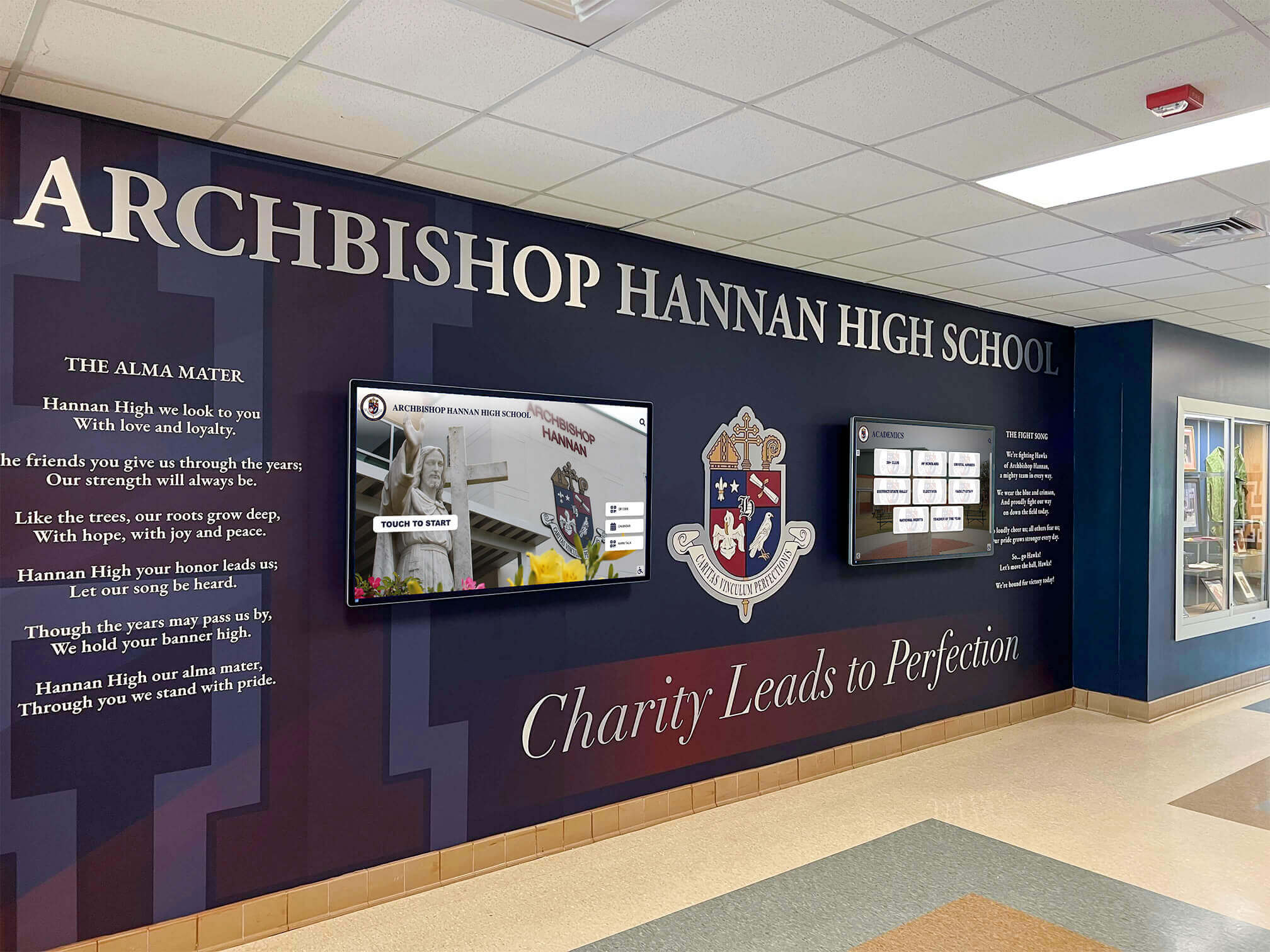
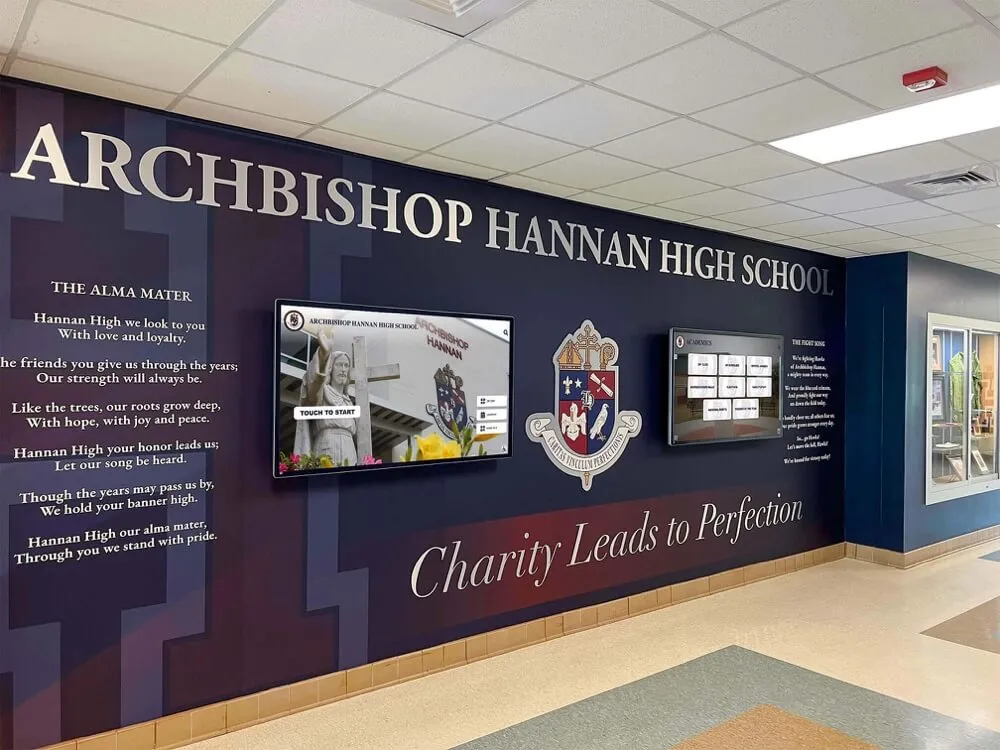
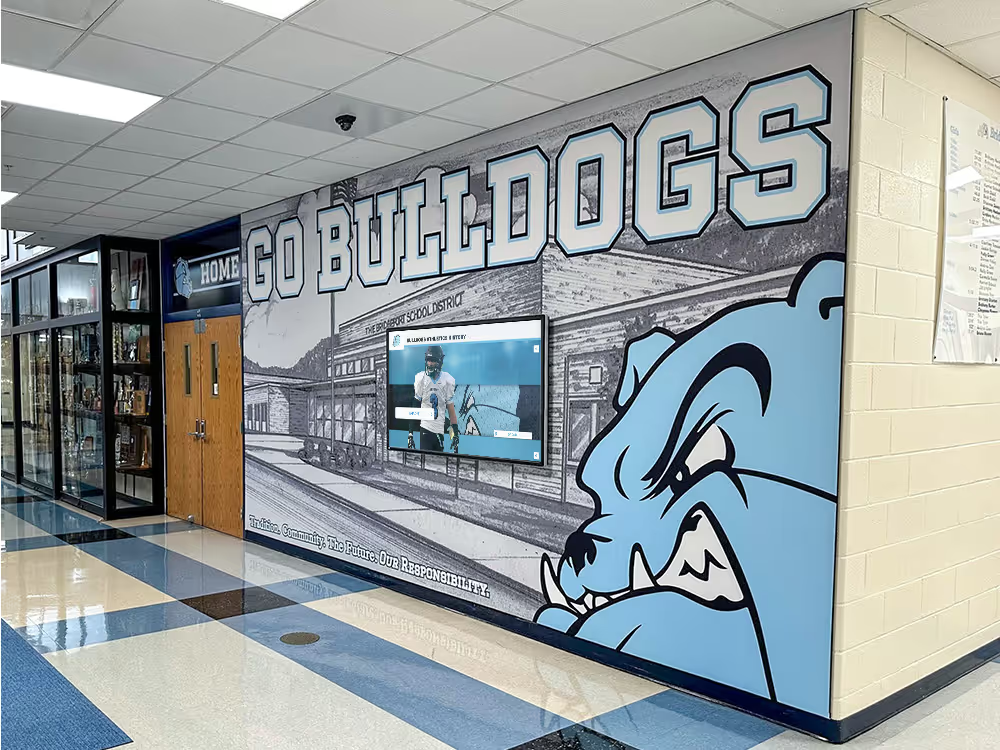
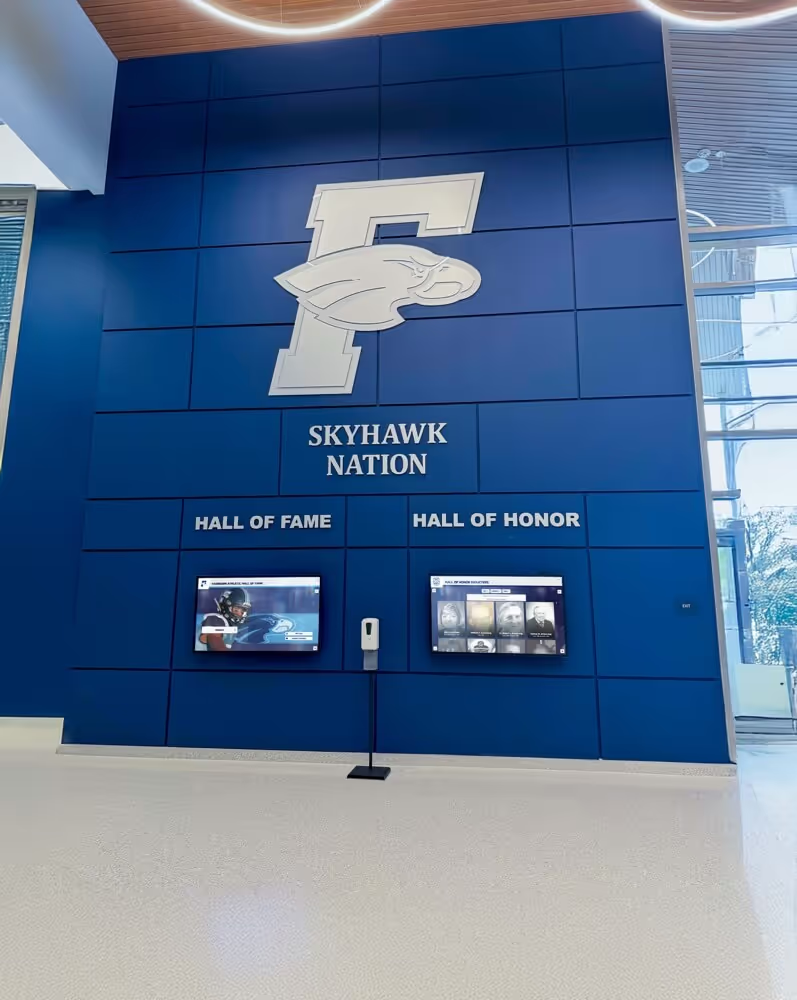
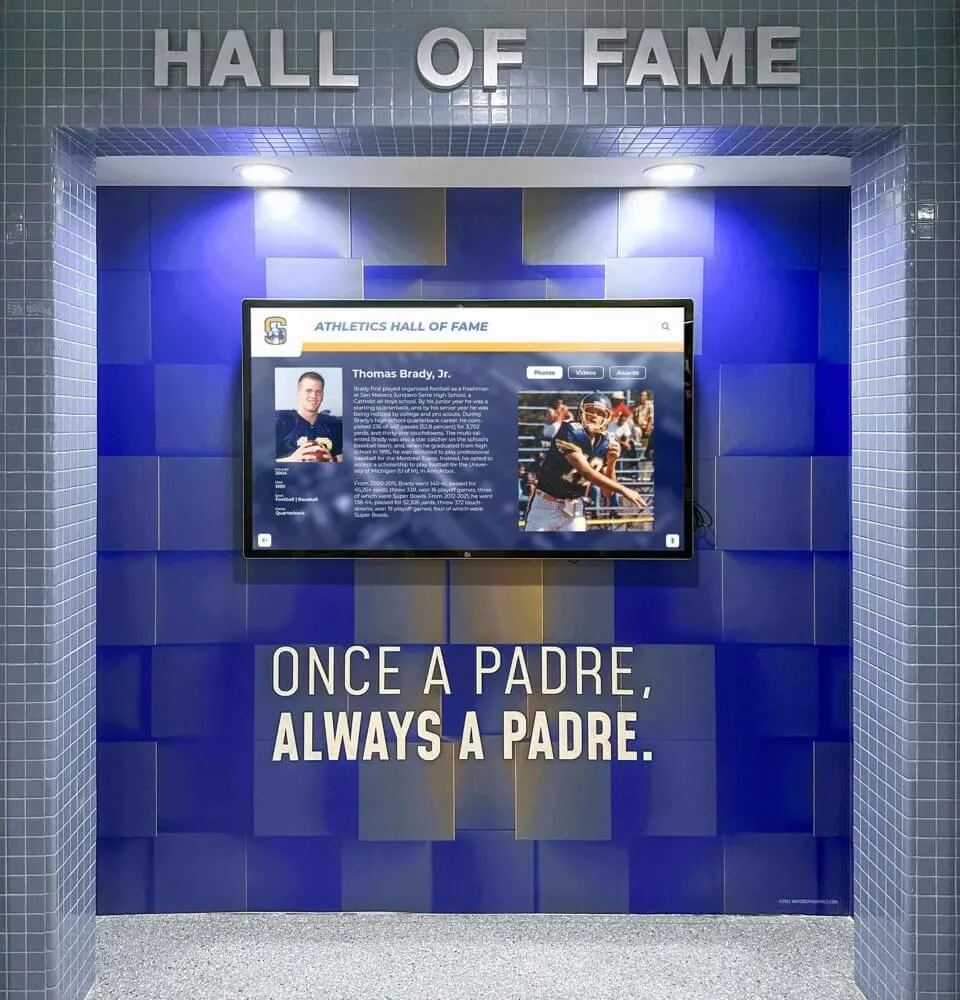
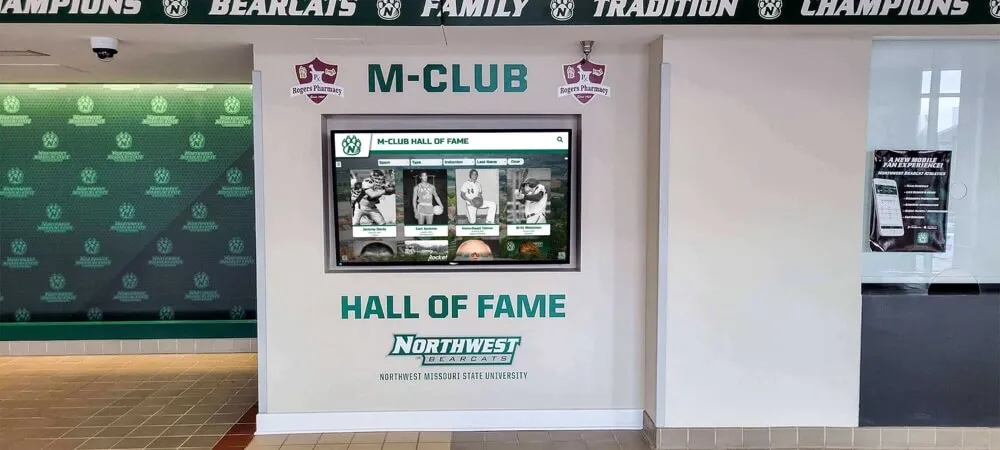
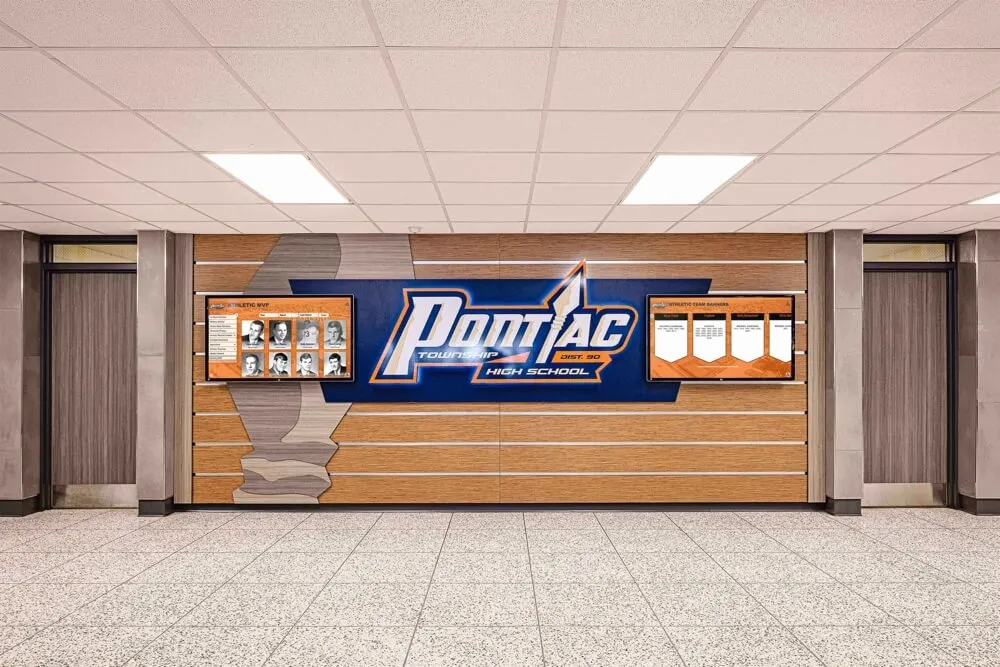
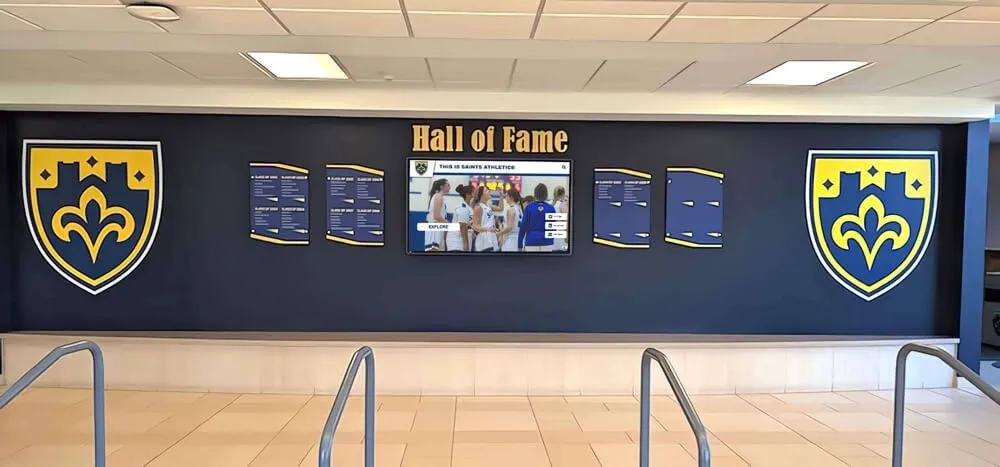
Prominent installations in high-traffic areas ensure theater recognition reaches broad audiences while celebrating program excellence
Strategic Benefits of Comprehensive Theater Recognition
Well-designed theatre walls of honor deliver interconnected benefits strengthening programs across multiple dimensions:
Enhanced Program Culture and Participation
Comprehensive recognition creates program cultures where achievement receives appropriate celebration. When potential participants see diverse contributors honored—not just lead performers but directors, technical crew, educators, and supporters—they develop confidence that their specific talents and interests have recognized pathways to contribution and recognition. Schools implementing digital theatre playbills for high schools alongside walls of honor report increased audition participation, greater interest in technical theater roles, and improved retention across multiple years as students see clear evidence that all contributions matter equally.
Recognition also strengthens commitment among current participants. Research on motivation and achievement demonstrates that public recognition significantly influences continued effort investment and performance quality, particularly when recognition comes from respected institutions and peers. Theater programs where excellence receives lasting visibility consistently demonstrate higher performance standards, greater dedication to rehearsal processes, and stronger ensemble culture.
Strengthened Community Support and Development
Visible recognition of community contributors strengthens relationships that sustain programs financially and operationally. When business sponsors, individual donors, and volunteer supporters see themselves honored appropriately alongside artistic contributors, they develop stronger identification with programs and greater commitment to continued support. Community theater organizations and school programs implementing comprehensive recognition consistently report increased fundraising success, enhanced volunteer recruitment, and improved business sponsorship relationships.
Recognition also creates powerful cultivation tools for development programs. Prospect research becomes easier when alumni achievements are documented systematically. Reunion planning gains focus when historical productions can be explored comprehensively. Recognition opportunities themselves become valuable elements of giving programs when designed appropriately. Learning from approaches to donor recognition in educational contexts helps theater programs create parallel systems honoring financial contributors appropriately.
Improved Recruitment and Program Growth
Prospective students, community members, and potential supporters evaluating programs need tangible evidence of quality, tradition, and commitment to excellence. Theatre walls of honor provide this evidence through documentation of production history demonstrating program consistency and ambition, recognition of diverse contributors validating all participation types, celebration of notable alumni showing program impact, acknowledgment of community support illustrating institutional backing, and professional presentation signaling organizational excellence.
Schools report that families evaluating programs during admissions processes spend significant time exploring theater recognition displays. Interactive digital systems like those available through school playbill displays enable prospective participants to discover specific shows they know, search for community members who participated, explore decades of productions understanding program evolution, and recognize professional-quality program documentation.
Alumni Engagement and Connection
Theater alumni maintain particularly strong emotional connections to programs that shaped formative experiences. Walls of honor enable alumni to revisit their theatrical participation regardless of geographic location, discover where their contributions fit within broader program history, share specific memories and productions with family and colleagues, maintain connections with fellow alumni through shared experiences, and recognize how programs have evolved since their graduation.
Organizations implementing comprehensive theatrical recognition report increased alumni engagement through reunion attendance, volunteer participation in current productions, mentorship programs connecting alumni professionals with current students, financial contributions supporting program enhancements, and advocacy promoting programs within broader communities.
Establishing Selection Criteria and Recognition Categories
Clear criteria and well-defined categories ensure theatre walls of honor maintain credibility and serve communities comprehensively while making recognition decisions sustainable and fair.
Core Selection Philosophy and Standards
Effective recognition programs establish clear philosophies guiding all decisions:
Excellence-Based Standards Recognition should celebrate genuinely exceptional contributions distinguished by sustained excellence over time, significant impact on program development and achievement, innovation advancing program capabilities or artistic excellence, and leadership inspiring others and elevating collective performance. Excellence-based standards prevent recognition from becoming routine participation acknowledgment, maintaining prestige and aspirational value.
Inclusive Contribution Recognition While maintaining excellence standards, recognition should embrace diverse contribution types equally:
- Artistic contributions through performance, direction, and design
- Technical excellence in stage management, lighting, sound, and construction
- Educational leadership through teaching, mentoring, and program development
- Administrative support through management, coordination, and organizational leadership
- Financial contributions sustaining and advancing program capabilities
- Volunteer service providing essential operational and production support
This inclusive approach ensures all essential roles receive appropriate recognition while preventing perception that only stage performers merit celebration.
Time-Based Eligibility Requirements Organizations typically implement eligibility requirements ensuring appropriate perspective:
- Minimum time since graduation or final participation (commonly 5-10 years)
- Proof of sustained contribution rather than single exceptional moment
- Demonstrated lasting impact visible beyond immediate participation period
- For current faculty or staff, minimum service duration requirements (often 15-20 years for lifetime recognition)
- For donors, minimum cumulative contribution thresholds or sustained giving patterns
Time requirements enable proper assessment of lasting significance while preventing premature recognition that might later prove inappropriate.
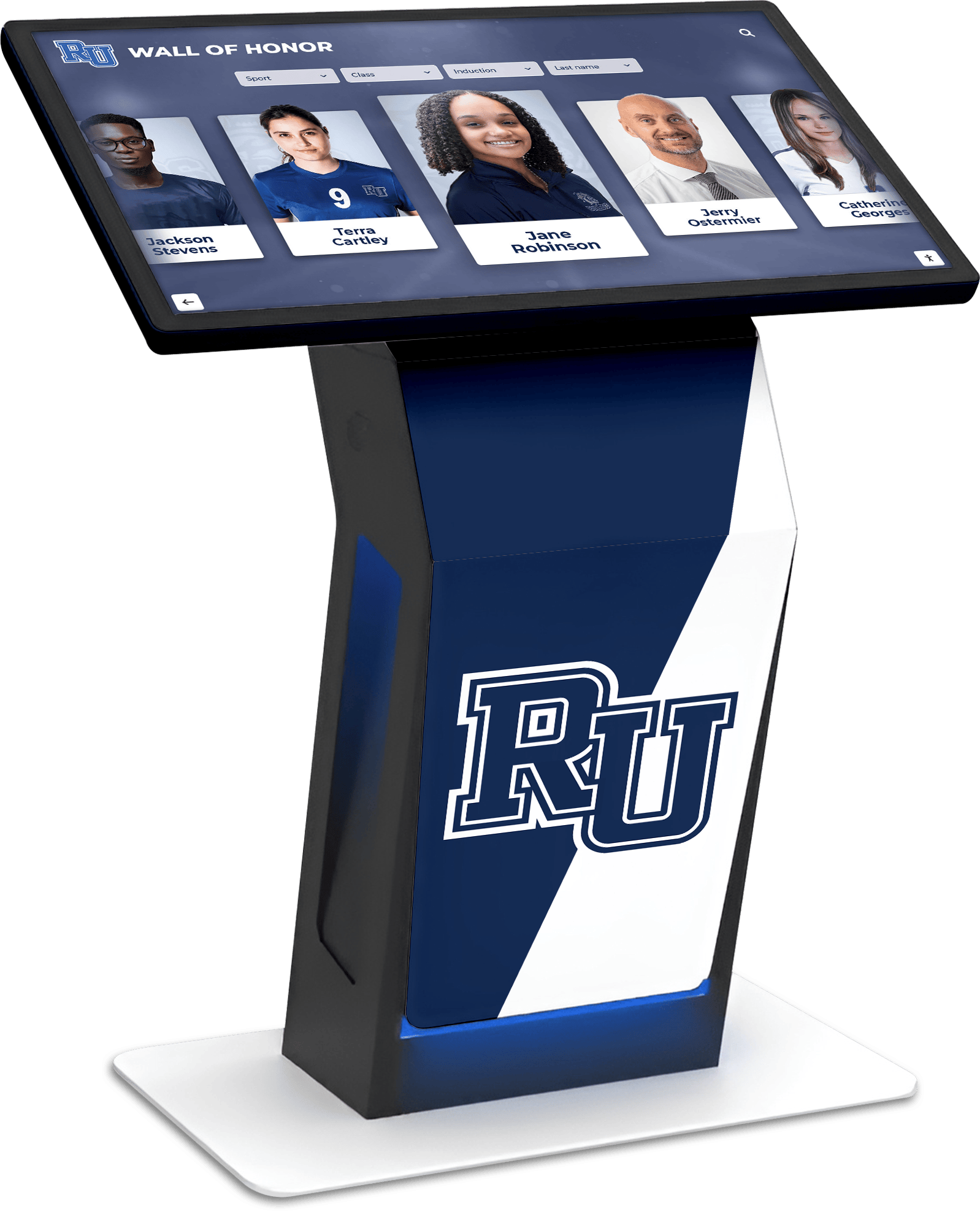
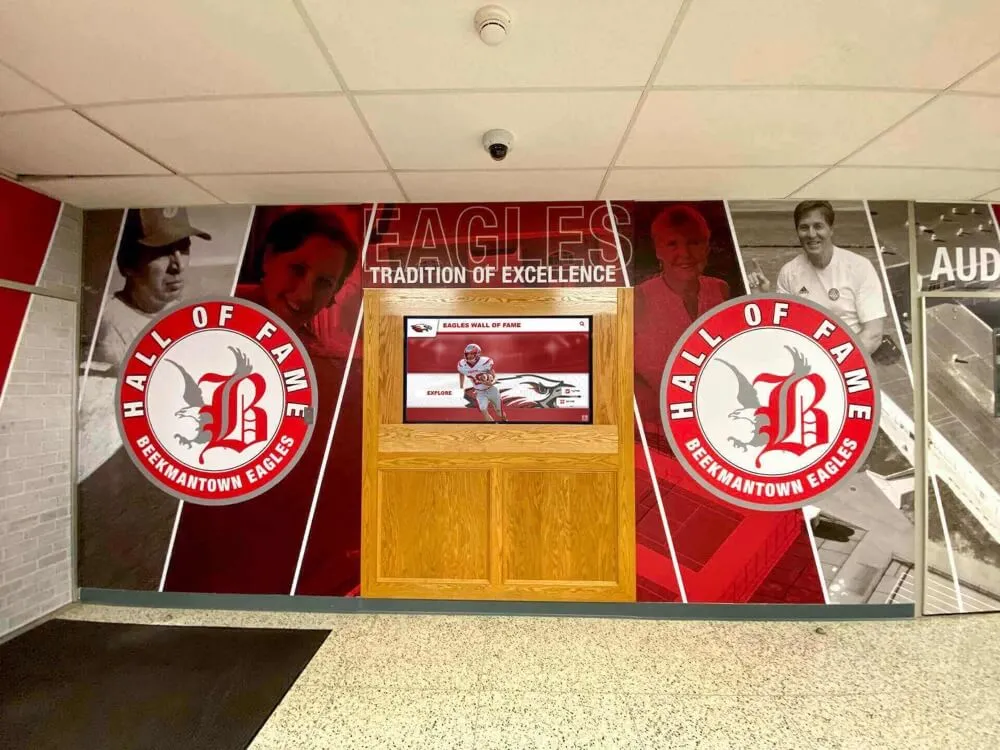
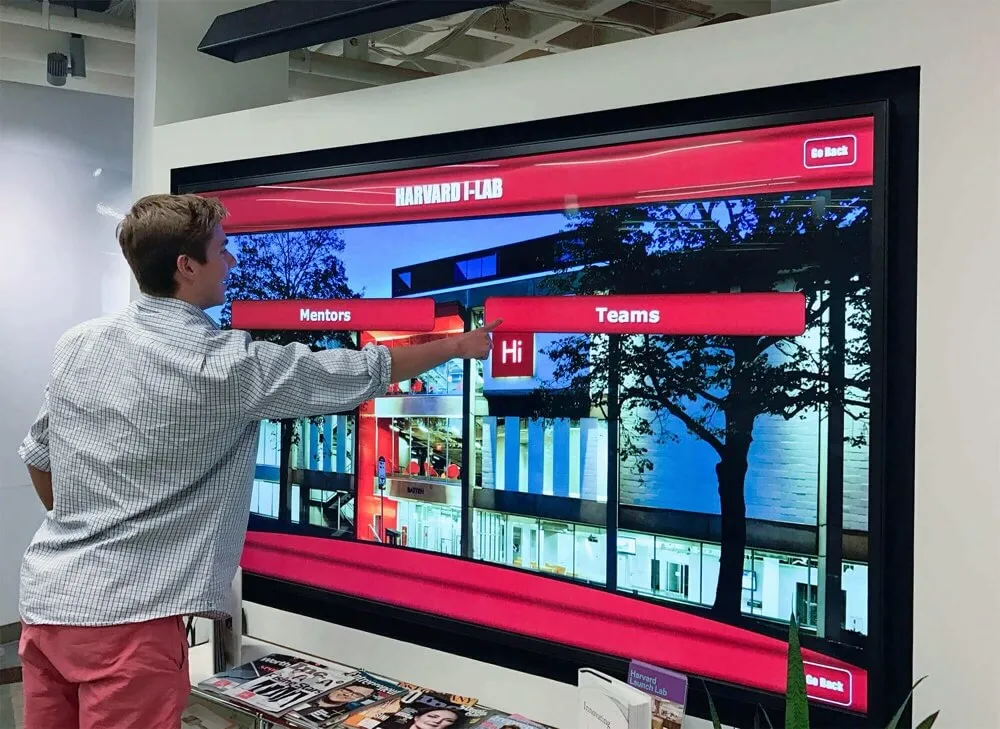
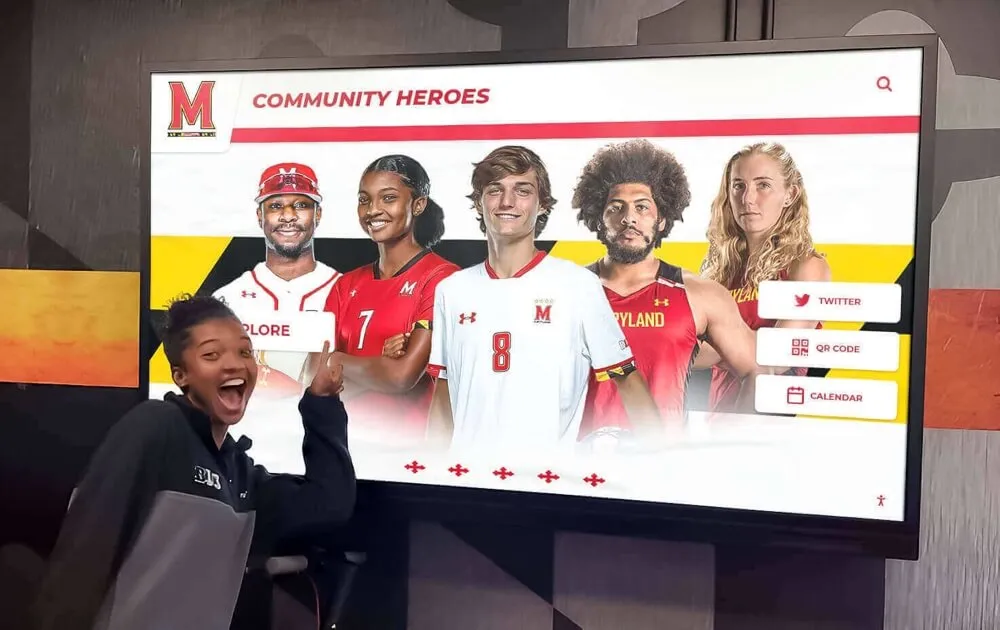
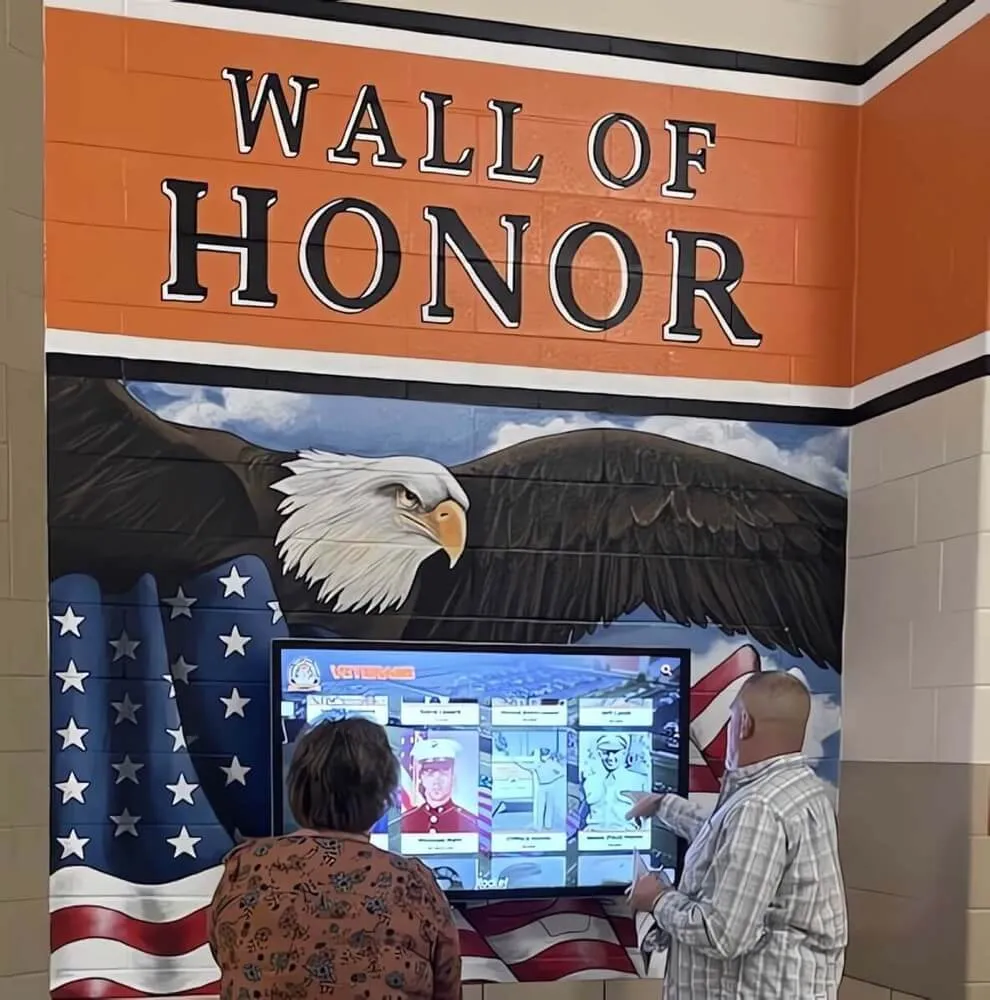
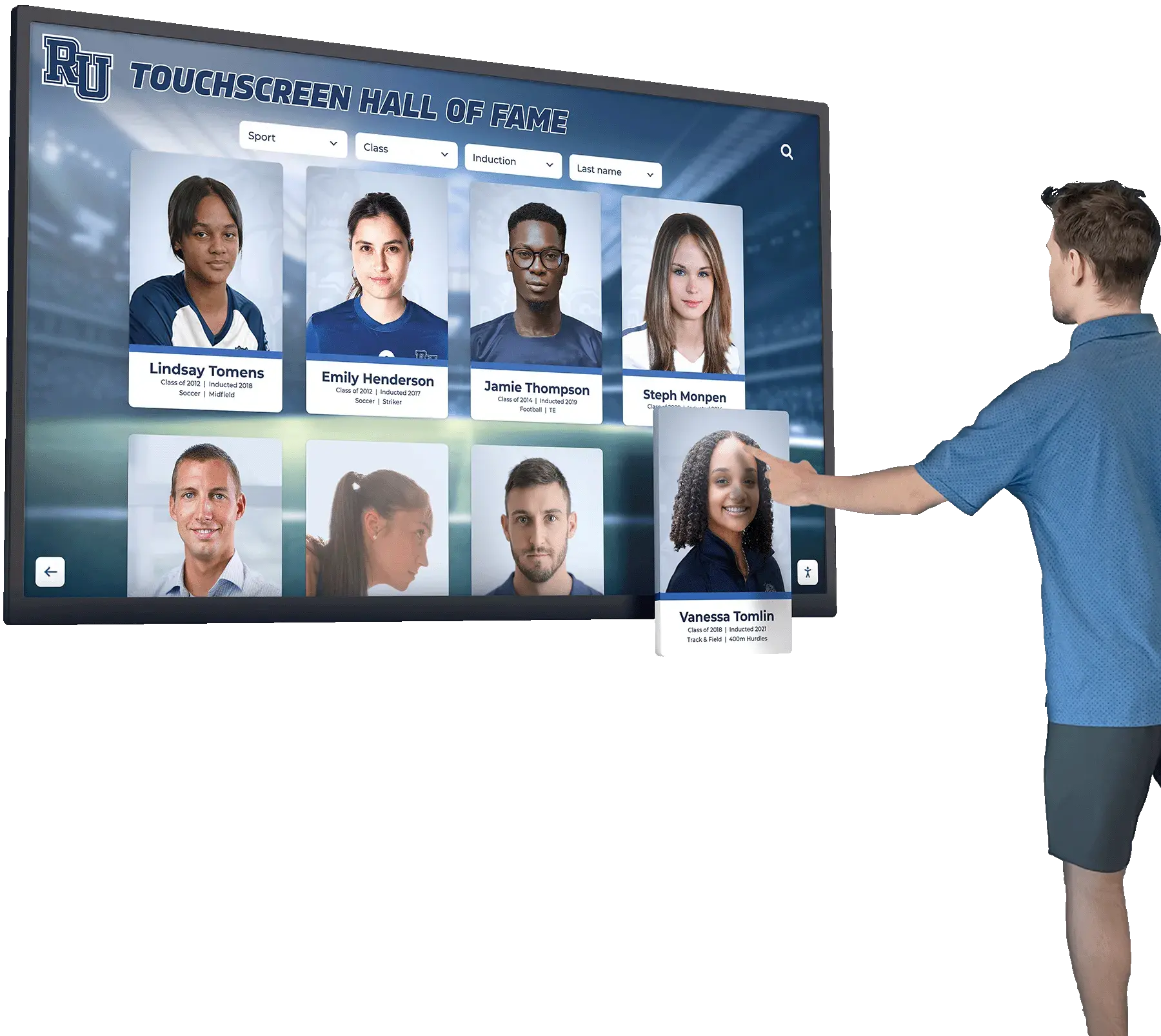
Purpose-built interactive kiosks enable comprehensive theater recognition with rich multimedia content and intuitive navigation
Recognition Categories for Theater Programs
Well-structured categories ensure comprehensive recognition while maintaining clarity:
Performer Excellence Categories
- Distinguished Alumni Performers: Graduates who pursued professional theater careers or demonstrated exceptional sustained performance excellence
- Notable Guest Artists: Professional performers who collaborated with programs bringing artistic excellence and educational value
- Ensemble Excellence Recognition: Outstanding ensemble members whose collective contributions enhanced production quality
Recognition may distinguish between dramatic performance and musical theater excellence when programs have distinct traditions in each discipline.
Director and Artistic Leadership Categories
- Distinguished Directors: Directors whose creative vision and artistic leadership produced exceptional productions and developed student talent
- Artistic Leadership Recognition: Individuals whose sustained program leadership shaped artistic direction and program identity
- Guest Director Excellence: Professional directors whose residencies elevated program capabilities
For educational programs, director recognition often focuses on sustained impact developing student talent rather than simply production quality.
Technical Excellence and Design Categories
- Technical Innovation Recognition: Individuals who advanced program technical capabilities through design innovation, system development, or process improvement
- Master Technician Achievement: Technical theater leaders demonstrating exceptional expertise in lighting, sound, stagecraft, or other specializations
- Design Excellence: Scenic, costume, lighting, or sound designers whose work demonstrated exceptional artistic vision
Technical recognition validates contributions equal in importance to performance while inspiring students interested in technical theater careers.
Educational Leadership Categories
- Distinguished Theater Educators: Teachers and faculty whose sustained excellence in theater education transformed student lives
- Mentor Recognition: Educators whose individual mentorship launched professional careers or created lasting impact
- Lifetime Achievement in Theater Education: Career-long excellence in developing talent and building program traditions
Educational recognition celebrates the foundational role teachers play in developing all other recognized achievements.
Supporter and Contributor Categories
- Distinguished Donor Recognition: Major financial contributors whose gifts sustained programs or enabled significant enhancements
- Volunteer Service Excellence: Community members providing sustained volunteer service essential to production success
- Organizational Support Recognition: Businesses or organizations providing ongoing program support
Supporter recognition creates appropriate visibility for contributions essential to program sustainability while encouraging continued support.
Nomination and Selection Processes
Credible recognition requires transparent, fair processes:
Nomination Procedures Organizations should establish clear nomination processes:
- Open nomination periods when any community member may submit nominations
- Structured nomination forms requiring specific achievement documentation
- Required supporting materials (biographical information, achievement summaries, impact statements)
- Letters of support from individuals with direct knowledge of contributions
- Clear deadlines and submission requirements
Open nomination processes ensure deserving candidates aren’t overlooked while requiring nominators to document achievement adequately.
Selection Committee Composition Selection committees should include diverse perspectives:
- Current program leadership (artistic directors, department chairs)
- Faculty or staff with historical program knowledge
- Alumni representatives from different eras and specializations
- Community representatives (board members, major donors, community leaders)
- Student representatives when appropriate for educational programs
- Professional theater representatives for programs with professional connections
Diverse composition prevents single-viewpoint bias while ensuring decisions consider multiple evaluation dimensions. Similar selection processes are used for National Honor Society digital recognition programs in schools.
Evaluation Criteria and Scoring Systematic evaluation ensures consistent, defensible decisions:
- Rubrics defining excellence for each recognition category
- Scoring systems enabling quantitative comparison across nominations
- Required consensus or supermajority voting preventing controversial selections
- Documentation of rationale for all selection decisions
- Transparent communication of criteria and processes to potential nominees
Annual Recognition Cycles Most programs establish annual or biennial recognition cycles:
- Specific nomination periods advertised well in advance
- Committee review during designated timeframes
- Formal announcement of honorees with appropriate ceremony
- Induction events providing public celebration opportunities
- Addition of honorees to wall of honor with appropriate timing
Regular cycles create anticipated recognition traditions while enabling systematic program management.
Planning Your Theatre Wall of Honor Installation
Strategic planning ensures recognition systems serve programs effectively while remaining financially and operationally sustainable.
Location Selection and Space Planning
Physical location dramatically impacts recognition visibility and effectiveness:
Optimal Location Characteristics Theater recognition achieves maximum impact when positioned in:
- Performance venue lobbies where audiences naturally congregate before shows and during intermissions
- Main institutional entrances ensuring visibility extends beyond theater participants to entire community
- Performing arts center hallways connecting theaters with rehearsal spaces and classrooms
- Dedicated gallery spaces creating contemplative environments for exploring theatrical heritage
- Library or cultural centers integrating theater recognition with broader institutional history
The most effective locations balance high traffic volume ensuring broad visibility with appropriate atmosphere enabling focused engagement with recognition content.
Multiple Display Strategies Larger programs or institutions with significant resources may implement coordinated displays:
- Primary comprehensive installation in theater lobby featuring complete wall of honor
- Secondary highlight display in main entrance showcasing recent inductees
- Historical gallery in dedicated space for exploring production archives
- Web-based platform extending access beyond physical locations
- Mobile displays for special events, reunions, or recruitment activities
Multiple coordinated installations serve different audiences while creating comprehensive recognition ecosystems. Organizations may learn from alumni welcome area ideas when planning comprehensive recognition environments.
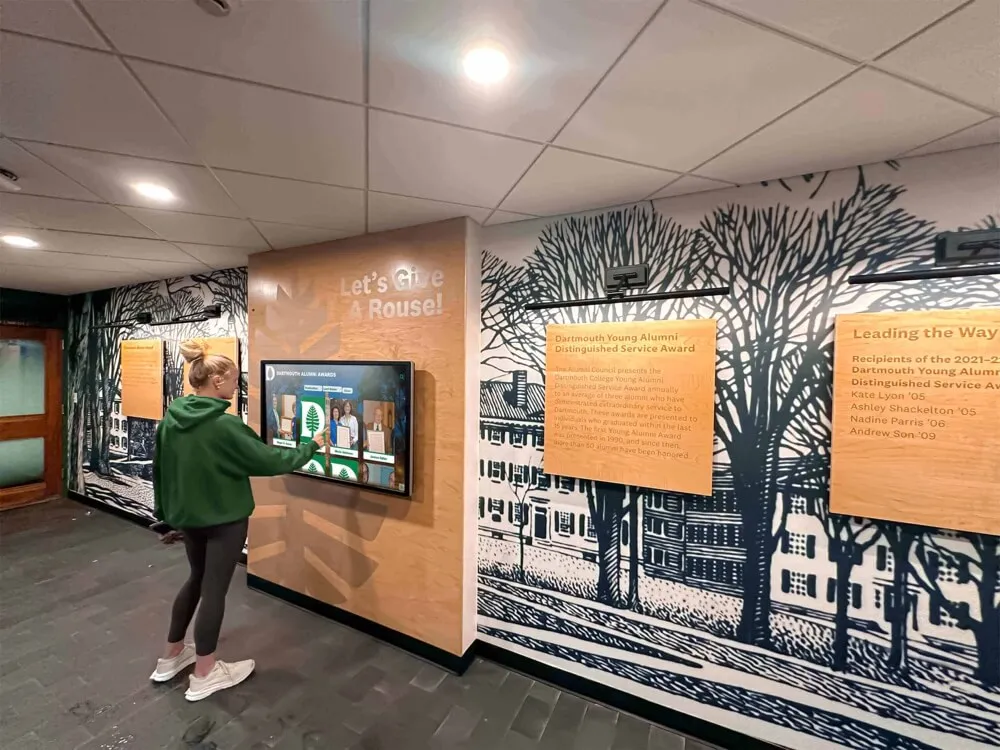
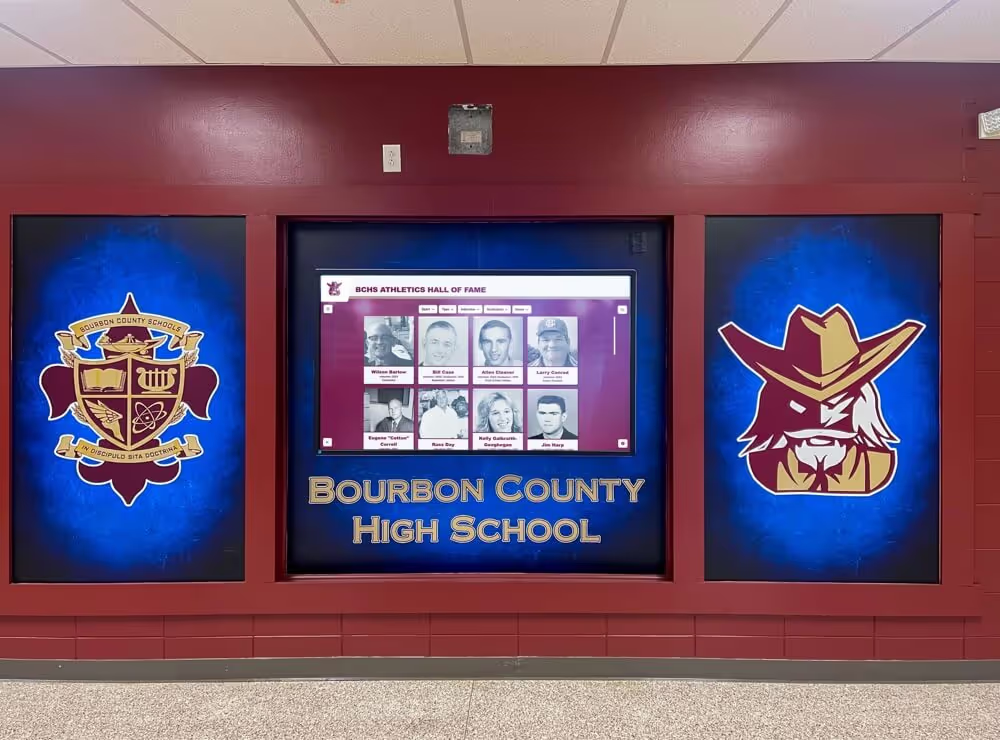
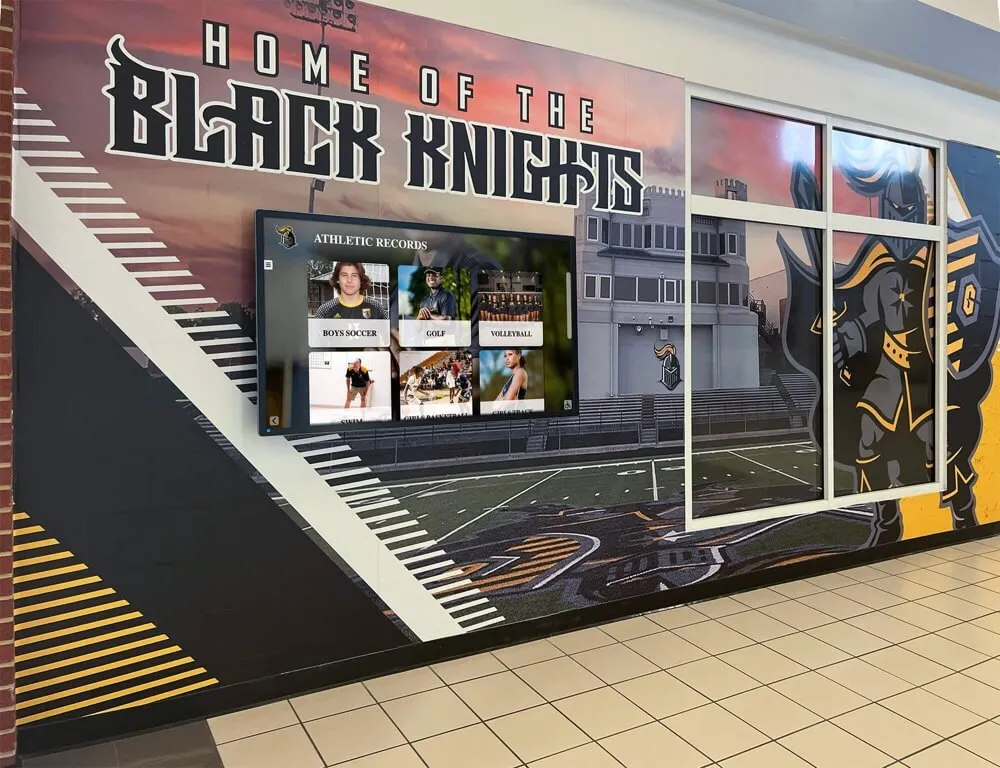
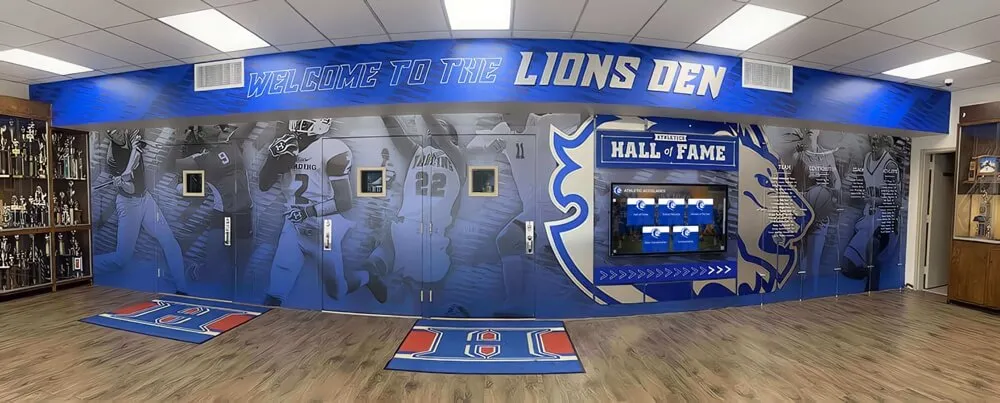
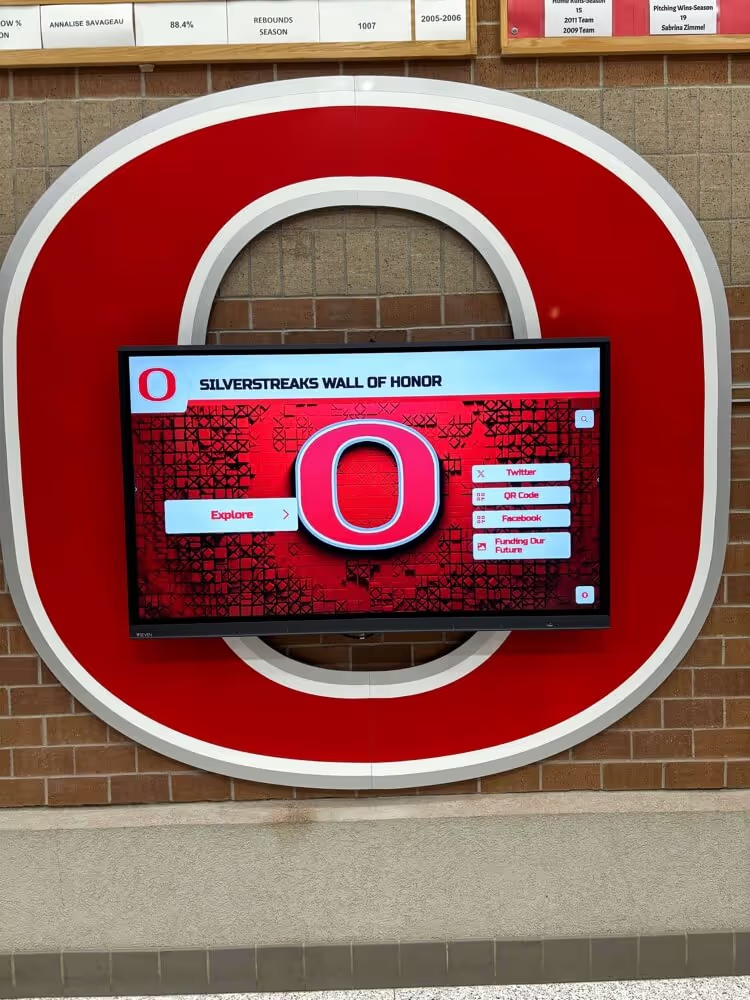
Strategic placement in high-traffic corridors ensures maximum visibility while creating engaging exploration opportunities
Space Requirements and Design Integration Physical installations require adequate space and appropriate design:
- Sufficient wall area or floor space for display technology and design elements
- Appropriate lighting ensuring visibility without screen glare or plaque obscuration
- Adequate clearance enabling comfortable viewing and interaction
- Seating nearby for extended content exploration
- Design integration with surrounding architecture maintaining aesthetic coherence
- Accessibility ensuring universal usability including wheelchair access
Professional designers experienced with recognition installations can help optimize space utilization while creating visually compelling environments.
Traditional vs. Digital Recognition Approaches
Organizations face fundamental decisions about recognition technology and approach:
Traditional Physical Displays
Conventional approaches use engraved plaques, framed photographs, and physical artifacts:
Advantages:
- Tangible, permanent presence requiring no technology maintenance
- Classic aesthetic many institutions value for formal recognition
- No concerns about digital obsolescence or platform changes
- One-time investment without ongoing subscription costs
- No technical expertise required for basic maintenance
Limitations:
- Severely limited capacity forcing difficult decisions as honorees accumulate
- Static presentation providing minimal context beyond names and dates
- Costly updates requiring new plaques or frames for each addition
- Difficult reorganization as recognition categories or approaches evolve
- No multimedia capability limiting storytelling richness
- Minimal interactivity preventing deep content exploration
- Limited accessibility for visitors unable to physically access locations
Traditional approaches work well for programs with small, stable recognition populations and limited need for rich contextual content.
Digital Interactive Recognition Systems
Modern platforms eliminate capacity constraints while enabling rich multimedia recognition:
Advantages:
- Unlimited recognition capacity accommodating growth indefinitely
- Rich multimedia profiles incorporating photos, videos, audio, and comprehensive biographical content
- Interactive exploration enabling search, filtering, and deep content discovery
- Instant updates adding new honorees or enhancing existing profiles immediately
- Web-based extensions enabling universal access beyond physical locations
- Analytics revealing engagement patterns and popular content
- Sustainable updates without physical installation modifications
Considerations:
- Higher initial investment in display hardware and software platforms
- Ongoing subscription costs for cloud-based platforms and support
- Technology refresh requirements every 7-10 years as hardware ages
- Need for staff capable of content management and system updates
- Dependence on network connectivity and power availability
Digital approaches prove ideal for programs with extensive recognition populations, desire for rich storytelling, need for flexible updating, and audiences expecting modern interactive experiences. Platforms like Rocket Alumni Solutions provide purpose-built systems specifically designed for comprehensive performing arts recognition rather than generic digital signage adapted for the purpose.
Hybrid Combination Approaches
Many programs find optimal solutions combine both approaches:
- Traditional engraved master wall listing all honorees by name
- Adjacent interactive digital display providing rich biographical content
- Physical artifacts (costumes, props, set pieces) creating tangible connections
- Digital projection or displays integrated with traditional design elements
Hybrid approaches honor traditional recognition aesthetics while enabling modern capabilities impossible with physical media alone.
Budget Planning and Financial Sustainability
Comprehensive budgeting addresses both initial implementation and ongoing operational expenses:
Traditional Display Costs Physical recognition typically requires:
- Engraved plaques: $150-$500 per honoree depending on size and materials
- Custom wall design and fabrication: $15,000-$75,000 for comprehensive installations
- Professional installation: $3,000-$12,000 depending on complexity
- Periodic maintenance and cleaning: $500-$2,000 annually
- Updates and additions: $150-$500 per honoree as wall of honor grows
Traditional systems involve higher per-honoree costs over time as each addition requires new physical fabrication and installation.
Digital System Costs Interactive digital recognition typically involves:
- Commercial touchscreen displays: $8,000-$25,000 depending on size and features
- Software platform licensing: $4,000-$12,000 initial setup, $2,400-$6,000 annually
- Professional installation: $3,000-$8,000 for mounting, electrical, network connectivity
- Initial content development: $5,000-$20,000 depending on historical archive depth
- Annual operating costs: $3,500-$8,000 for subscriptions, maintenance, content updates
- Hardware refresh: $8,000-$25,000 every 7-10 years for technology replacement
Total initial investment: $28,000-$73,000 depending on display size, content complexity, and customization.
Digital systems involve higher initial investment but lower incremental costs per honoree, making them increasingly cost-effective as recognition populations grow. Organizations can explore trophy case capacity planning to understand space and cost tradeoffs between physical and digital recognition.
Funding Strategies Programs can pursue multiple funding approaches:
- Capital campaign incorporation as facility enhancement project
- Dedicated fundraising campaigns specifically for wall of honor creation
- Major gift opportunities with naming rights for recognition spaces
- Memorial giving programs honoring deceased community members
- Theater booster organization funding initiatives
- Grant applications to foundations supporting arts education or cultural preservation
- Sponsor recognition within displays generating ongoing revenue
Successful fundraising emphasizes both the honorees being celebrated and the broader program benefits comprehensive recognition creates.
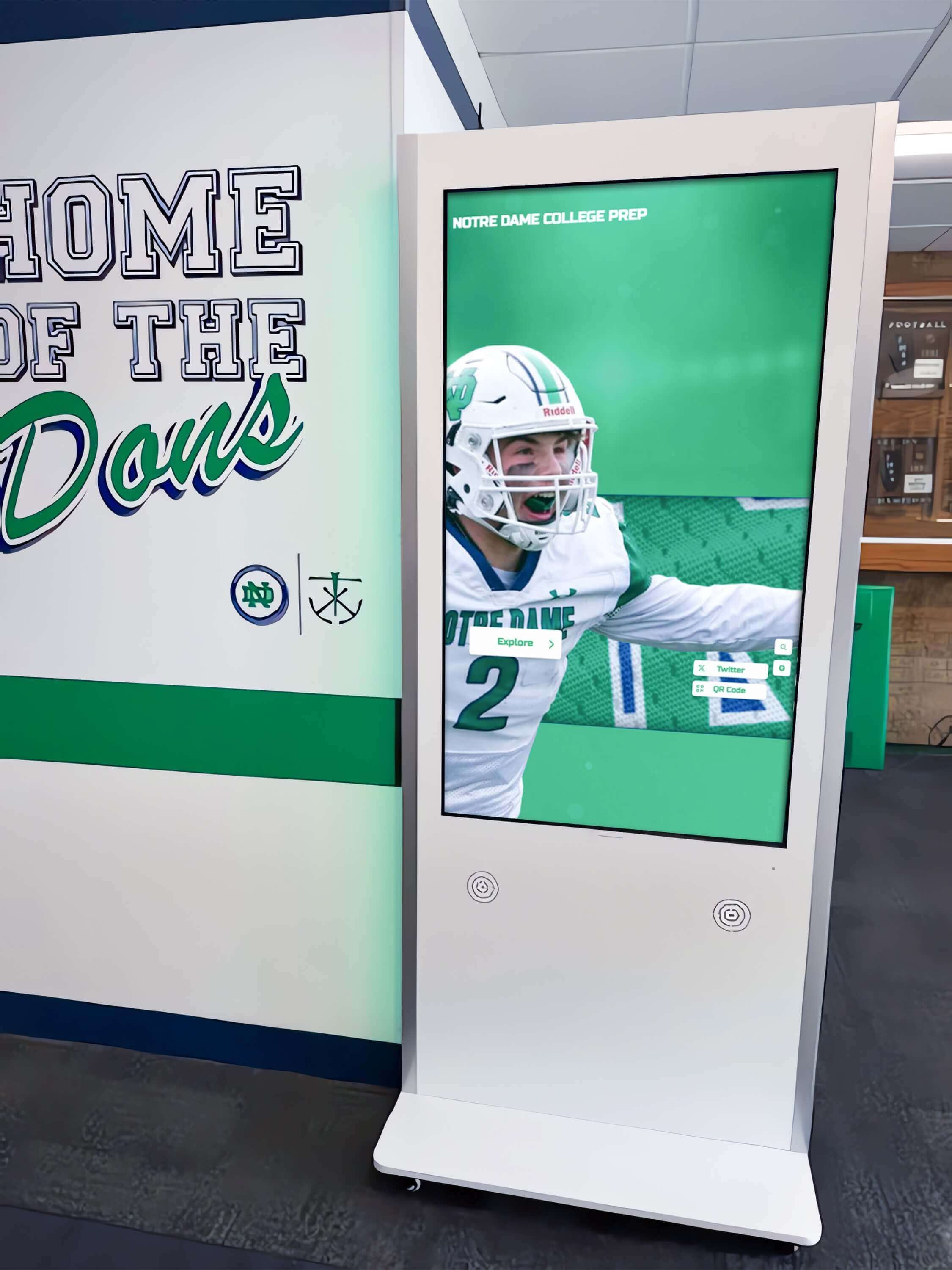
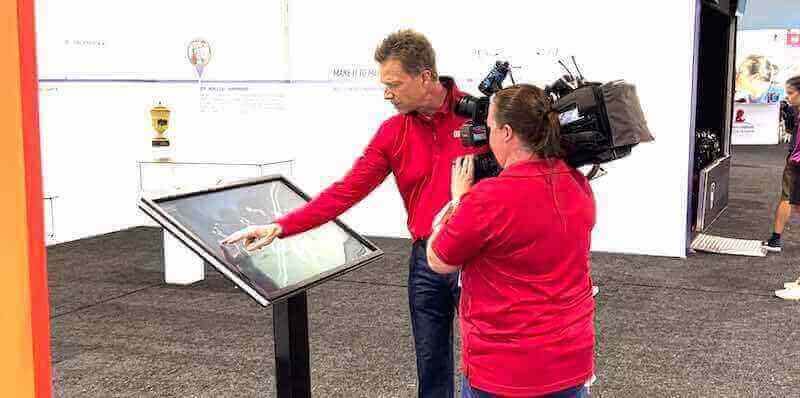
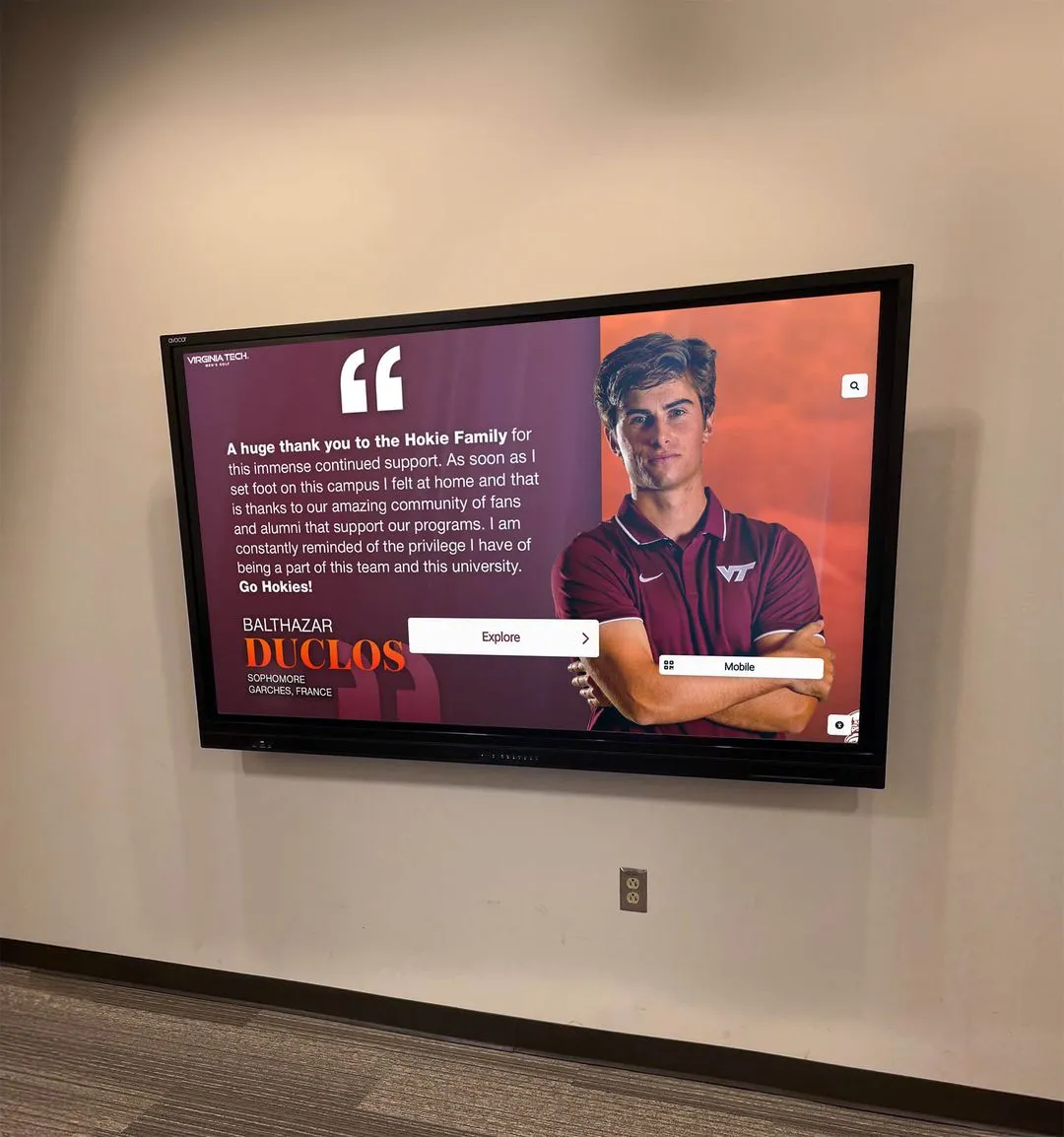
Freestanding kiosks provide flexible placement options while delivering professional recognition experiences
Creating Compelling Recognition Content
Thoughtful content development transforms recognition platforms into meaningful celebration experiences that honor achievements while strengthening programs.
Individual Honoree Profiles
Comprehensive profiles celebrate achievements while creating engaging content:
Essential Biographical Elements Every honoree profile should include:
- Full name with preferred formatting and pronunciation guidance
- Years of participation, graduation, or association with program
- Primary recognition category and achievement summary
- High-quality photograph (preferably from theatrical context)
- Performance or contribution history listing specific productions and roles
- Notable achievements and special recognition received
- Impact statement describing contributions to program or field
- Current location and professional information when available for alumni
- Personal reflections about theatrical experiences and program influence
Rich Multimedia Documentation Digital platforms enable content impossible with traditional displays:
- Production photographs showing performances and backstage work
- Video clips of performances preserving actual work
- Audio recordings of musical performances or interviews
- Scanned historical playbills and programs
- Reviews and articles documenting contemporary reception
- Testimonials from colleagues, students, or fellow performers
- Career trajectory documentation showing long-term impact
Schools implementing digital theatre playbills alongside walls of honor create integrated systems where production documentation and individual recognition reinforce each other comprehensively.
Contextual Connections Effective profiles connect honorees to broader narratives:
- Links to productions in which they participated
- Connections to other honorees they worked with or influenced
- References to program milestones or significant achievements
- Documentation of how their contributions shaped program evolution
- Recognition of students they taught or mentored
- Acknowledgment of their role in program traditions
These connections transform individual profiles into comprehensive institutional narratives showing how excellence accumulates across generations.
Production and Program History Documentation
Walls of honor gain richness when integrated with comprehensive program documentation:
Milestone Production Recognition Certain productions deserve special documentation:
- Award-winning shows receiving competition recognition
- Productions featuring multiple hall of honor members
- Shows marking significant program anniversaries or achievements
- Productions representing artistic breakthroughs or innovations
- Performances attracting exceptional community attention or attendance
- Shows with notable alumni who later achieved professional success
Milestone documentation creates context explaining why particular individuals merited recognition while celebrating collective achievements. Approaches to homecoming festivities can provide models for integrating recognition with ongoing program traditions.
Historical Timeline Development Chronological timelines help audiences understand program evolution:
- Founding and early years documenting program establishment
- Leadership transitions showing influential directors and artistic leaders
- Facility developments marking capability enhancements
- Significant production milestones demonstrating artistic evolution
- Community partnership developments showing institutional support growth
- Recognition and award history celebrating achievements
- Notable alumni career trajectories demonstrating program impact
Timelines provide narrative frameworks helping audiences understand how current excellence builds on historical foundations.
Thematic Collections and Features Curated content collections create engaging exploration pathways:
- Legendary performances showcasing career-defining work
- Technical innovations highlighting creative problem-solving
- Dynasty families with multiple generations participating
- Professional careers tracking alumni theater journeys
- Signature productions performed multiple times across decades
- Director retrospectives celebrating sustained artistic leadership
Thematic collections encourage extended engagement while highlighting particularly compelling stories.

Well-designed individual profiles celebrate specific achievements while building comprehensive program participation records
Content Development Workflows
Systematic processes ensure high-quality, sustainable content creation:
Historical Research and Documentation Building comprehensive archives requires organized research:
- Yearbook mining for production photos and cast information
- Program and playbill collection from institutional archives
- Alumni outreach soliciting memories, photos, and documentation
- Local newspaper archive research for reviews and coverage
- Faculty and longtime community member interviews capturing oral histories
- Video and photo archive organization and digitization
- Historical roster compilation from institutional records
Schools often engage students in historical research as authentic learning experiences teaching research skills, historical documentation, and program heritage. Similar approaches are used for online high school digital archives.
Nomination and Induction Documentation Each recognition cycle requires systematic content creation:
- Biographical information gathering from nominees and nominators
- Professional photography sessions capturing high-quality portraits
- Interview processes collecting personal reflections and stories
- Achievement documentation compiling specific accomplishments
- Testimonial collection from colleagues, students, or collaborators
- Media asset gathering (photos, videos, recordings, documents)
- Review and approval workflows ensuring accuracy and appropriateness
Ongoing Enhancement and Updates Recognition content should evolve continuously:
- Alumni career updates maintaining current information
- New media discoveries adding historical documentation
- Milestone anniversaries prompting featured content highlighting
- Current program connections showing continuing influence
- Tribute updates following honoree deaths
- Error corrections maintaining accuracy as information improves
Sustainable programs establish clear responsibility assignments and straightforward workflows enabling non-technical staff to maintain content independently.
Technology Platform Selection and Implementation
Choosing appropriate technology ensures recognition vision becomes reliable, accessible reality serving programs for many years.
Digital Recognition Platform Requirements
Organizations should evaluate platforms against criteria ensuring long-term success:
Content Management Capabilities Can non-technical theater staff easily manage content?
- Intuitive web-based interfaces requiring no coding or technical expertise
- Drag-and-drop media upload for photos, videos, and documents
- Template-based profile creation ensuring consistency while allowing customization
- Bulk import capabilities for efficiently adding historical archives
- Scheduled publishing enabling timed content releases
- Multi-user access with role-based permissions supporting collaborative management
- Revision tracking and approval workflows maintaining quality
Generic digital signage platforms often lack recognition-specific functionality, creating significant management burdens. Purpose-built solutions like Rocket Alumni Solutions provide workflows specifically designed for celebrating people and achievements.
Interactive User Experience Do touchscreen interfaces feel intuitive and engaging?
- Smartphone-like navigation requiring no instructions
- Powerful search and filtering across all content
- Smooth scrolling and responsive transitions
- Appropriately sized touch targets preventing errors
- Clear visual hierarchy guiding exploration
- Accessibility features supporting users with disabilities
- Compelling home screens attracting interaction
Multimedia Integration Does the platform support all essential content types?
- High-resolution photo galleries with smooth viewing
- Embedded video with reliable playback
- Audio recording support for musical performances or interviews
- PDF document display for scanned historical playbills
- Proper aspect ratio handling for various media formats
- Fast loading times preventing user frustration
Web and Mobile Access Can audiences explore recognition beyond physical displays?
- Responsive web design adapting to all devices
- Mobile-optimized interfaces for smartphones
- Social sharing to major platforms
- Direct linking to specific honorees or productions
- Search engine optimization making content discoverable
- Mobile apps when appropriate for institutional contexts
Analytics and Engagement Metrics Can administrators track effectiveness and demonstrate value?
- Total visitor sessions and unique users
- Average time spent exploring content
- Most-viewed honorees and productions
- Search query analysis revealing interests
- Geographic distribution of web visitors
- Peak usage times informing promotional timing
These metrics demonstrate tangible community engagement justifying technology investment while revealing optimization opportunities.
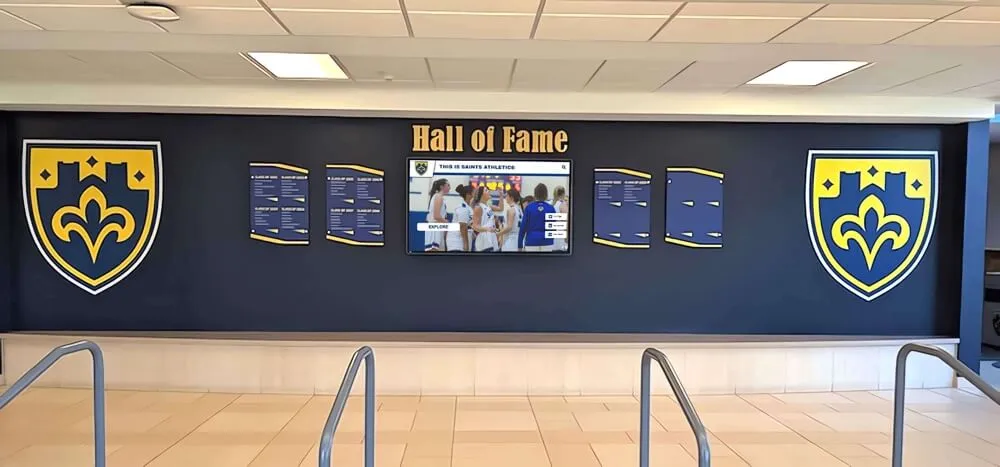
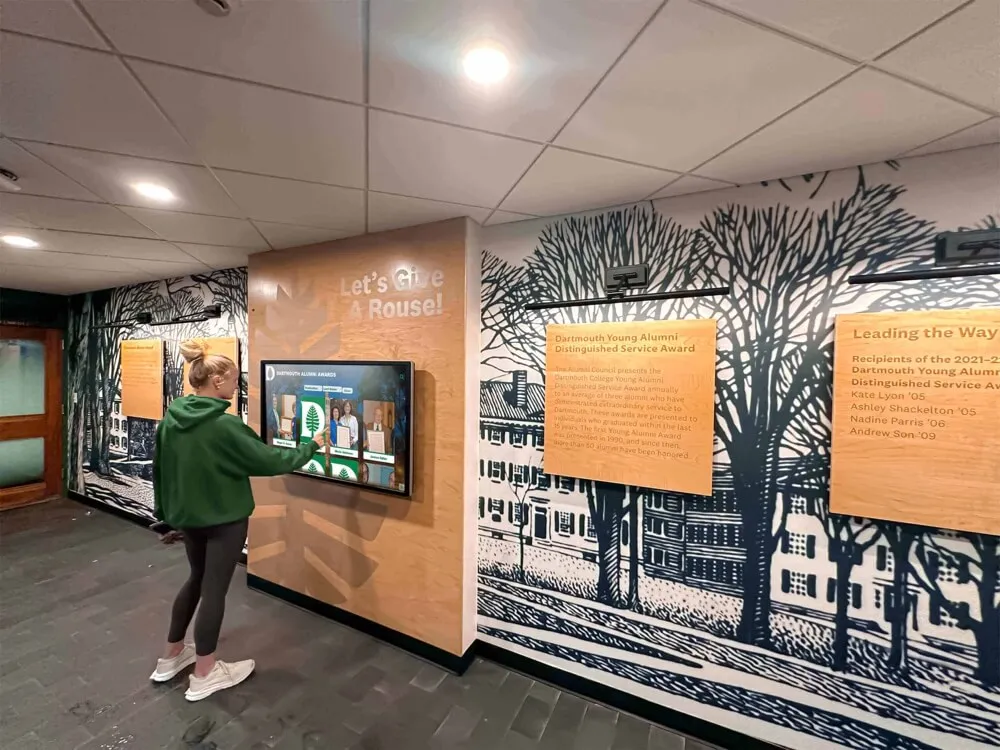
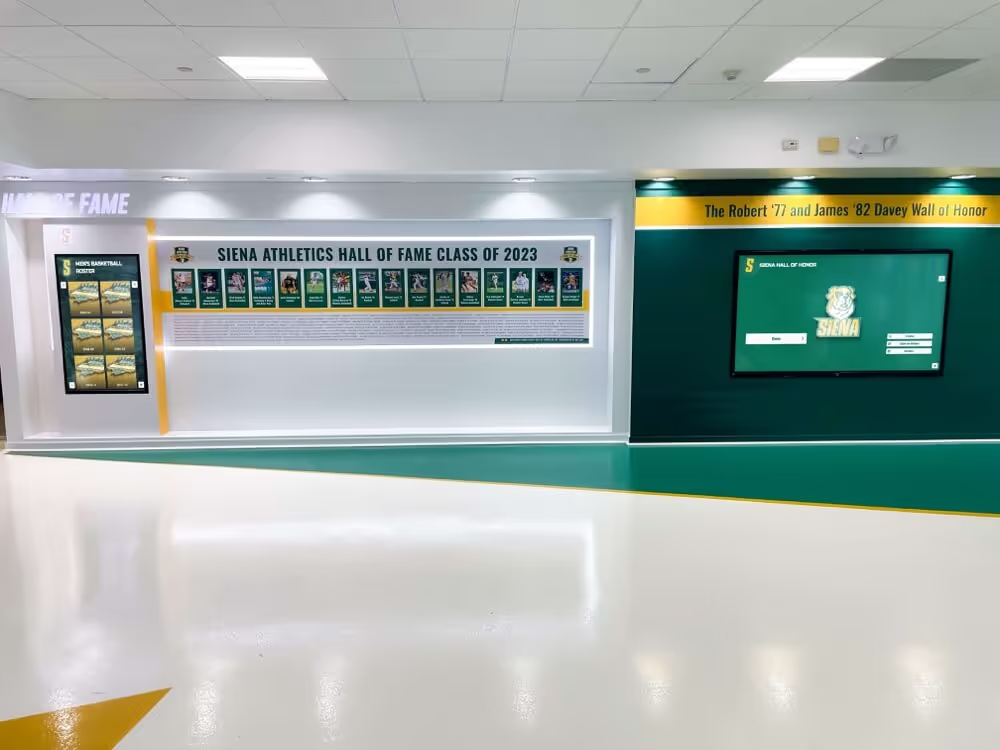
Hybrid systems combining traditional design elements with interactive digital capabilities provide comprehensive recognition experiences
Hardware Specifications for Institutional Use
Physical display technology must withstand continuous operation in public environments:
Commercial-Grade Display Requirements Consumer televisions fail quickly under institutional usage. Organizations need:
- Commercial displays rated for 16-24 hours daily operation
- Hardened glass resistant to scratches and impacts
- Brightness levels 350-450 nits suitable for typical lobby lighting
- Minimum 1080p resolution, preferably 4K for crisp text and images
- Capacitive touch technology supporting multi-touch gestures
- Warranty covering commercial usage with on-site service options
- Thermal management preventing overheating in enclosed installations
Form Factor Options Different configurations suit specific contexts:
- Wall-mounted displays creating clean installations in lobbies
- Freestanding kiosks providing professional presentation and flexible placement
- Tablet-style angled displays comfortable for extended viewing
- Video wall configurations creating dramatic visual impact
- Portable cart-mounted displays for special events or temporary installations
Computing and Connectivity Reliable operation requires appropriate infrastructure:
- Dedicated computers meeting platform requirements
- Gigabit network connectivity (wired preferred over WiFi)
- Uninterruptible power supplies protecting against outages
- Remote management capabilities enabling off-site support
- Secure network configurations protecting institutional systems
Professional installation ensures reliable long-term operation through proper mounting, cable management, environmental protection, and testing.
Integration with Existing Systems
Consider platforms enabling valuable connections:
- Student information system integration reducing duplicate data entry
- Website embedding extending recognition visibility
- Alumni database connections maintaining current information
- Ticketing system links connecting recognition to attendance
- Development database integration supporting fundraising
- Social media automation amplifying recognition reach
Implementation Best Practices and Launch Strategies
Organizations achieving exceptional results follow proven practices maximizing community impact and program benefit.
Phased Implementation Approaches
Comprehensive recognition systems need not launch fully complete:
Phase 1: Recent History Foundation Begin with current and recent recognition:
- Launch with recent inductees (past 5-10 years)
- Focus resources on thorough, high-quality profiles
- Establish content standards and templates
- Develop efficient workflows before tackling historical archives
- Generate initial community excitement and engagement
Phase 2: Historical Archive Development Systematically expand backward through program history:
- Prioritize milestone productions and legendary figures
- Engage alumni in historical research and documentation
- Create student research projects teaching historical documentation
- Partner with historical societies or archives
- Digitize physical artifacts and documents systematically
Phase 3: Comprehensive Enhancement Deepen content richness across all honorees:
- Add multimedia elements to existing profiles
- Create thematic collections highlighting compelling stories
- Develop interactive timelines showing program evolution
- Integrate production histories with individual recognition
- Establish ongoing alumni update processes
Phased approaches enable earlier launches while distributing work sustainably across multiple years. Similar graduated implementation strategies are common for athletic lounge with recognition displays.
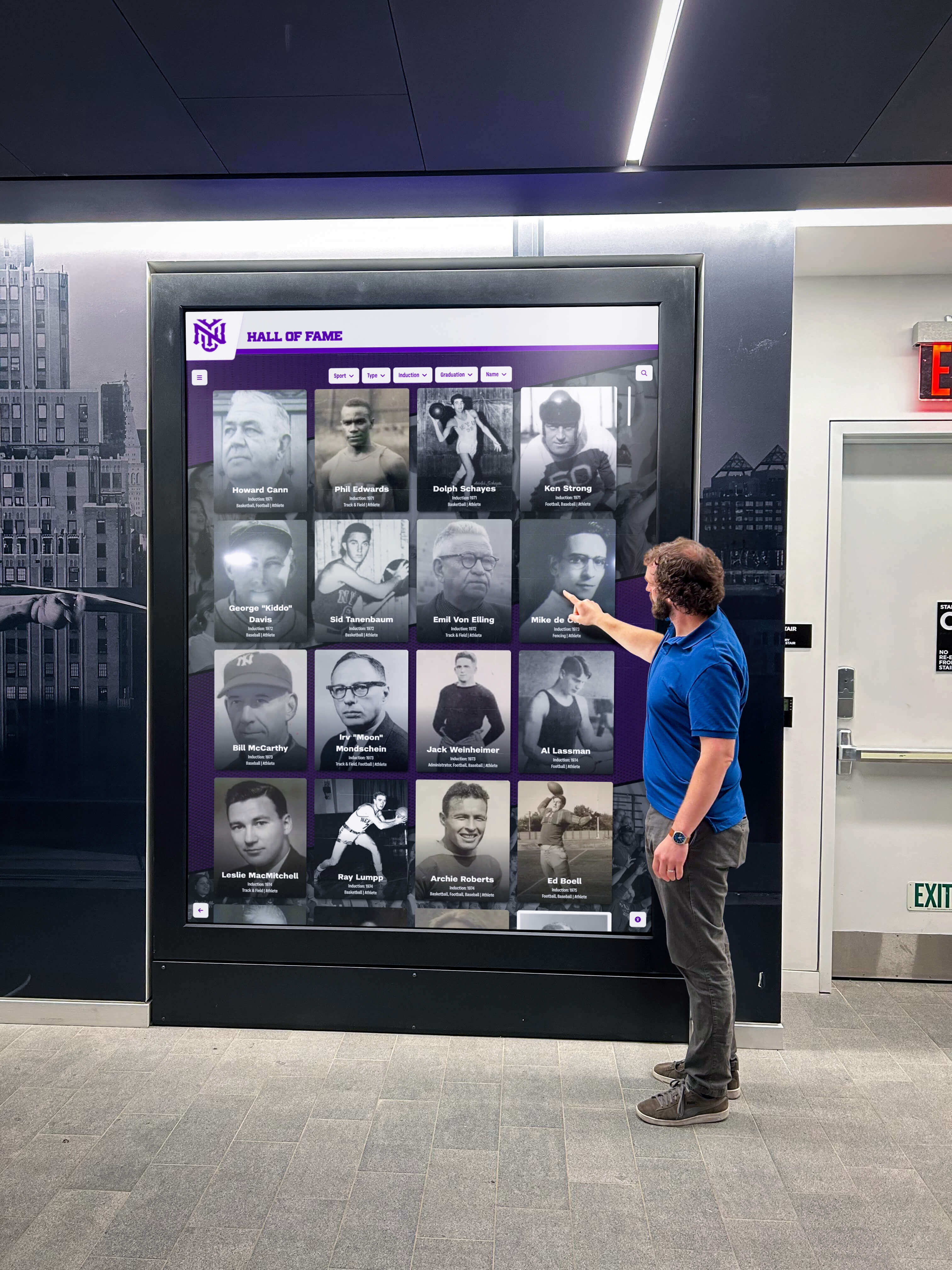
Strategic launch events create community excitement while teaching audiences how to explore recognition systems effectively
Launch Event Planning
Formal unveiling creates momentum and community awareness:
Launch Ceremony Elements
- Dedication remarks from institutional leadership emphasizing recognition importance
- Honoree recognition ceremony celebrating initial inductees
- Display demonstrations teaching community how to explore content
- Live performance showcasing current program excellence
- Reception creating social atmosphere for community connection
- Media coverage through local news outlets and publications
- Social media promotion extending reach beyond attendees
Honoree Involvement Maximize honoree participation and investment:
- Formal invitation process making recognition feel prestigious
- Opportunities for honorees to share reflections or memories
- Group photos creating documentation and shared experience
- Individual display demonstrations showing specific profiles
- Alumni reunion coordination bringing former participants together
- Recognition memorabilia (plaques, certificates, commemorative programs)
Ongoing Promotion Strategies Sustained engagement requires continuous marketing:
- Program inserts directing audiences to explore wall of honor
- Website homepage features highlighting recognition
- Social media campaigns showcasing individual honorees
- Email updates to alumni announcing new additions
- Tour integration for prospective students and visitors
- Curriculum connections using recognition as teaching resource
- Annual recognition ceremonies maintaining tradition and awareness
Consistent promotion prevents recognition from becoming invisible background feature, ensuring ongoing community engagement.
Maintenance and Long-Term Sustainability
Recognition systems require ongoing stewardship:
Content Maintenance Responsibilities Designate clear ownership preventing neglect:
- Administrative owner ensuring overall system operation
- Content manager responsible for updates and additions
- Technical coordinator handling hardware and software maintenance
- Archives curator developing historical documentation
- Alumni relations coordinator maintaining current information
Annual Recognition Cycles Establish sustainable processes:
- Nomination period promotion and outreach
- Selection committee meetings and decisions
- Induction ceremony planning and execution
- Content development for new honorees
- Platform updates and enhancements
- Analytics review and strategy adjustment
Technology Refresh Planning Budget for inevitable technology updates:
- Hardware replacement every 7-10 years as displays age
- Software platform upgrades as technology evolves
- Content migration when changing systems
- Design refreshes maintaining contemporary aesthetics
Organizations should establish endowments or dedicated budgets ensuring long-term sustainability beyond initial installation enthusiasm.
Measuring Success and Demonstrating Value
Data-driven assessment ensures recognition delivers maximum benefit while informing continuous improvement.
Quantitative Engagement Metrics
Modern platforms provide analytics revealing usage patterns:
Physical Display Analytics
- Total interaction sessions per day/week/month
- Average session duration indicating engagement depth
- Most-viewed honorees showing community interests
- Peak usage times informing content update scheduling
- Return visitor rates when technically trackable
Web Platform Analytics
- Website visitors exploring recognition online
- Page views for specific honorees and productions
- Geographic distribution revealing alumni locations
- Social media shares amplifying recognition reach
- Search engine rankings for program-related queries
- Referral sources showing discovery pathways
These metrics demonstrate tangible community engagement justifying technology investment while revealing which content resonates most strongly.
Qualitative Program Outcomes
Recognition success appears in broader program indicators:
Participation and Culture
- Increased audition numbers and program enrollment
- Greater diversity of participants across all roles
- Enhanced retention across multiple years
- Strengthened ensemble culture and program pride
- Improved performance quality and artistic ambition
Community Support
- Increased audience attendance at productions
- Growing booster organization membership and volunteer participation
- Enhanced business sponsorship relationships
- Alumni engagement through reunions, mentorship, and financial contributions
- Media coverage and community awareness of program excellence
Achievement Growth
- Competition success at regional and national levels
- Scholarship awards for graduating students
- College acceptances to competitive theater programs
- Professional career launches by program alumni
- Recognition from external organizations and awards programs
While not all outcomes result solely from recognition, comprehensive celebration of excellence strengthens program culture enabling these achievements.
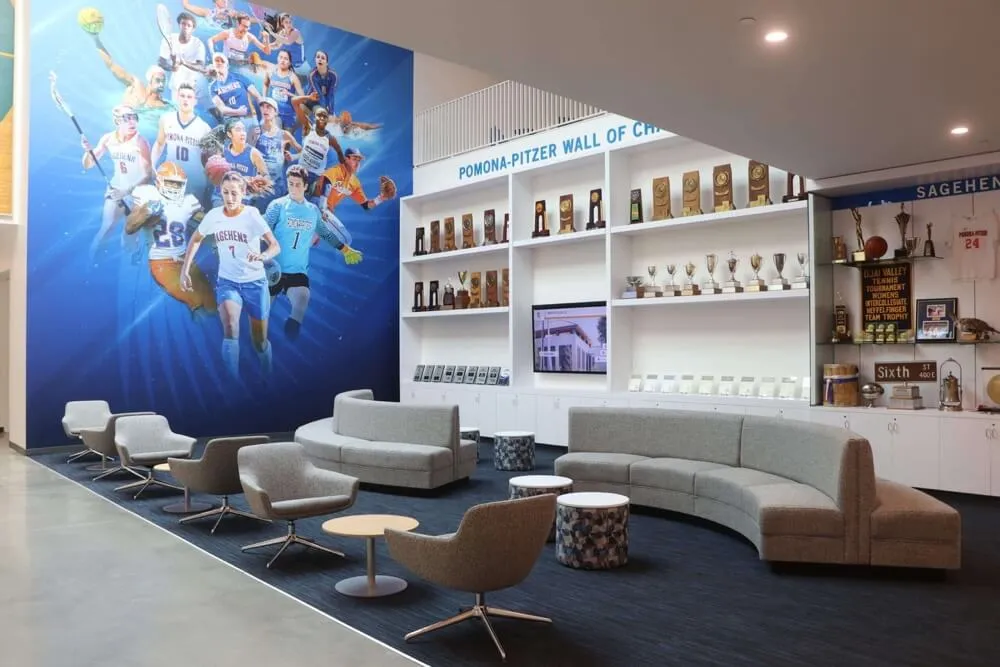
Well-designed recognition spaces become gathering places strengthening community connections and program culture
Special Considerations for Different Organization Types
Recognition approaches should adapt to specific organizational contexts and needs:
High School Theater Programs
Secondary school programs face unique opportunities and constraints:
Student-Focused Recognition Balance
- Emphasis on educational development rather than solely performance excellence
- Recognition of personal growth and dedication alongside achievement
- Celebration of ensemble contributions and technical theater equally with leads
- Time-based eligibility ensuring appropriate temporal distance from participation
High schools typically implement minimum 5-10 year post-graduation eligibility preventing premature recognition while enabling proper achievement assessment.
Integration with Broader Recognition Schools often integrate theater recognition with comprehensive approaches:
- Connections to academic achievement recognition
- Links to teacher of the year awards celebrating faculty excellence
- Integration with athletic hall of fame when shared platforms exist
- Coordination with donor recognition acknowledging program supporters
Educational Value Emphasis Recognition can serve pedagogical purposes:
- Historical research projects teaching documentation skills
- Digital media production developing technical capabilities
- Interview projects building communication skills
- Archival organization teaching information management
University Theater Departments
Higher education contexts enable more sophisticated approaches:
Professional Achievement Emphasis University recognition often focuses on:
- Alumni pursuing professional theater careers
- Faculty research and creative scholarship
- Guest artists and professional collaborations
- International recognition and touring productions
Departmental Identity and Recruitment Recognition supports academic mission:
- Prospective student recruitment showing career outcomes
- Faculty hiring demonstrating program prestige
- Grant applications evidencing program quality and impact
- Alumni relations maintaining lifelong connections
Universities may reference models from uri notable alumni touchscreen recognition when planning comprehensive systems.
Community Theater Organizations
Non-academic theaters face distinct considerations:
Volunteer Recognition Priority Community theaters depend on volunteer contributions:
- Recognition of sustained service across multiple productions
- Celebration of technical volunteers and production support
- Acknowledgment of board members and organizational leaders
- Donor recognition proportional to financial contributions
Inclusive Excellence Standards Community theater recognition often emphasizes:
- Sustained participation and dedication
- Community impact and audience development
- Mentorship and talent development
- Organizational leadership and sustainability contributions
Development Integration Recognition becomes fundraising tool:
- Named recognition opportunities for major donors
- Sponsor visibility within recognition displays
- Memorial giving programs honoring deceased members
- Legacy society recognition for planned giving
Professional Regional Theaters
Professional organizations require distinctive approaches:
Career Excellence Focus Professional theaters recognize:
- Artistic excellence in performance, direction, and design
- Sustained association with organization across multiple seasons
- Critical acclaim and professional recognition received
- Contribution to organizational artistic identity and reputation
Audience Engagement Tool Recognition serves marketing functions:
- Building audience connection to artistic company
- Demonstrating organizational heritage and tradition
- Creating content for promotional materials
- Strengthening season subscription value propositions
Conclusion: Creating Lasting Theater Recognition Impact
Theatre walls of honor represent strategic investments in program culture, community engagement, and institutional heritage preservation that collectively determine whether performing arts programs merely exist or genuinely thrive across generations.
Traditional approaches to theatrical recognition—scattered plaques providing minimal context, static displays impossible to update affordably, fragmented acknowledgment preventing comprehensive understanding, limited capacity forcing difficult exclusion decisions—all fail to create the meaningful, accessible celebration that exceptional theatrical contributions deserve and that thriving programs require.
Purpose-built recognition platforms address these limitations comprehensively by celebrating diverse contributors across all theatrical dimensions, providing unlimited capacity accommodating program growth indefinitely, enabling rich multimedia storytelling impossible with traditional approaches, creating engaging interactive experiences encouraging extended exploration, offering universal accessibility through physical displays and web platforms, and delivering instant updates maintaining current, relevant content perpetually.
Transform Your Theater Recognition Program
Discover how modern digital recognition solutions can help you celebrate every contributor, preserve your theatrical heritage, and build the thriving performing arts program your community deserves.
Explore Theater Recognition SolutionsOrganizations implementing comprehensive theatre walls of honor consistently report remarkable outcomes including increased program participation as recognition validates all contribution types, strengthened community support from enhanced visibility and engagement, improved alumni connections maintaining lifelong relationships with programs, enhanced recruitment as prospective participants discover professional-quality program documentation, and preserved theatrical heritage that would otherwise be lost to time and institutional turnover.
The most successful recognition programs view walls of honor as integral components of comprehensive performing arts strategies celebrating achievement while strengthening culture sustaining excellence. By combining thoughtful planning with clear selection criteria, appropriate technology implementation, compelling content development, and sustained commitment to enhancement and maintenance, organizations create recognition experiences that participants genuinely value—experiences acknowledging not just what individuals accomplished, but how participation transformed lives and contributed to something larger than themselves.
Ready to begin transforming your theater recognition program? Explore comprehensive approaches to student recognition programs that increase participation and engagement. Discover effective strategies for outstanding students honor walls applicable to performing arts contexts. Learn about digitizing plaques and trophies when transitioning from traditional to digital recognition. Consider comprehensive platforms from Rocket Alumni Solutions designed specifically for organizations prioritizing performing arts excellence and comprehensive recognition.
Your theater program creates transformative experiences shaping participants’ lives, building confidence, developing skills, and creating lasting connections to art and community. These contributions deserve thoughtful, meaningful recognition that honors every participant while preserving the remarkable heritage your program creates season after season, production after production. With strategic planning, appropriate technology, and genuine commitment to comprehensive documentation and celebration, you can create recognition systems that inspire current participants while honoring the theatrical traditions defining your program’s excellence for generations to come.