



Intent: Demonstrate comprehensive strategies for creating sales performer recognition displays that motivate teams, celebrate achievement, and drive sustainable revenue growth through visual acknowledgment systems.
Top sales performer recognition displays transform routine acknowledgment into strategic performance drivers, yet many organizations struggle to move beyond perfunctory monthly awards or forgotten plaques gathering dust in storage closets. According to research from Gallup, employees who feel recognized are 63% more likely to stay with their current employer—a critical metric in sales organizations where turnover directly impacts customer relationships and revenue stability.
The challenge extends beyond simply announcing winners at quarterly meetings. Sales professionals thrive on visibility, competition, and tangible validation of their contributions. Traditional recognition approaches—generic crystal awards, inconsistent acknowledgment, or recognition visible only during brief presentation moments—fail to create sustained motivation or meaningful cultural impact that high-performing sales environments require.
This comprehensive guide explores proven strategies for designing, implementing, and optimizing sales performer recognition displays that genuinely motivate teams while celebrating excellence. From understanding psychological drivers of sales motivation through implementing digital leaderboards, permanent achievement walls, and multi-tiered recognition systems, you’ll discover actionable frameworks for creating recognition experiences that drive performance while building sales cultures where excellence receives systematic celebration.
Organizations implementing strategic sales recognition displays report measurable performance improvements including increased quota attainment, reduced turnover among top performers, stronger team morale, and enhanced recruitment capabilities as prospective talent observes organizational commitment to celebrating success. These outcomes demonstrate that thoughtful recognition directly drives business results while honoring contributions sustaining revenue growth.

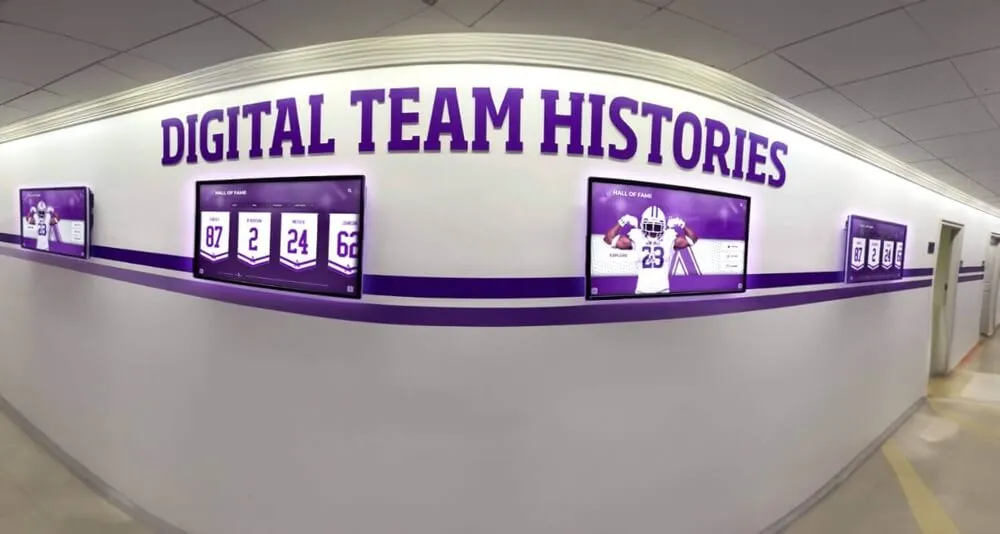
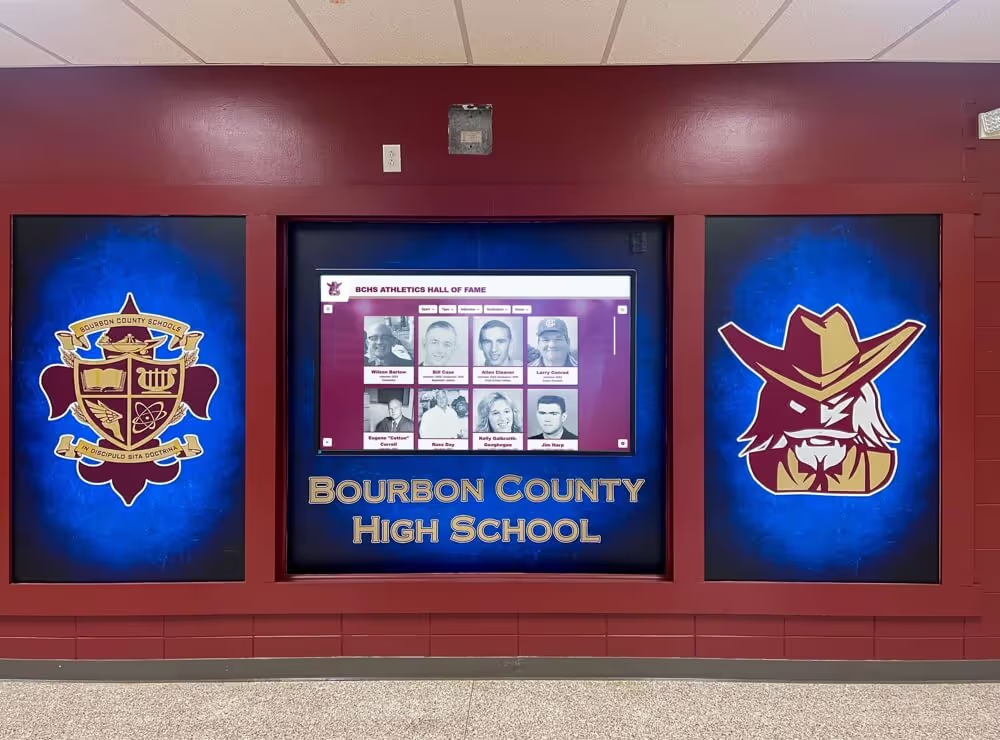
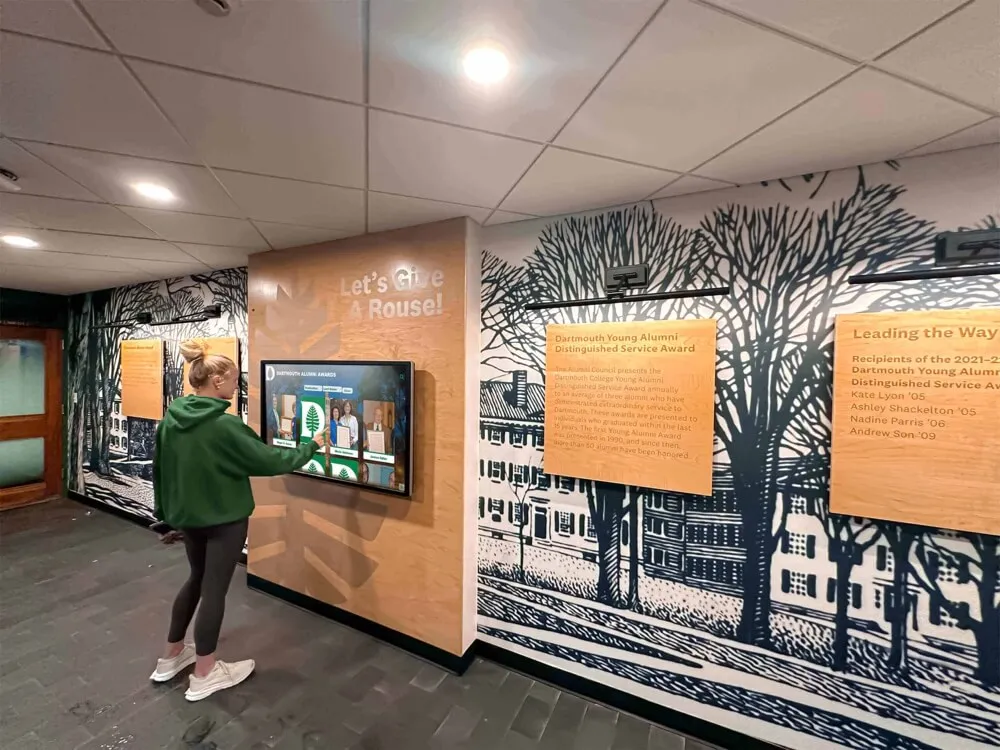
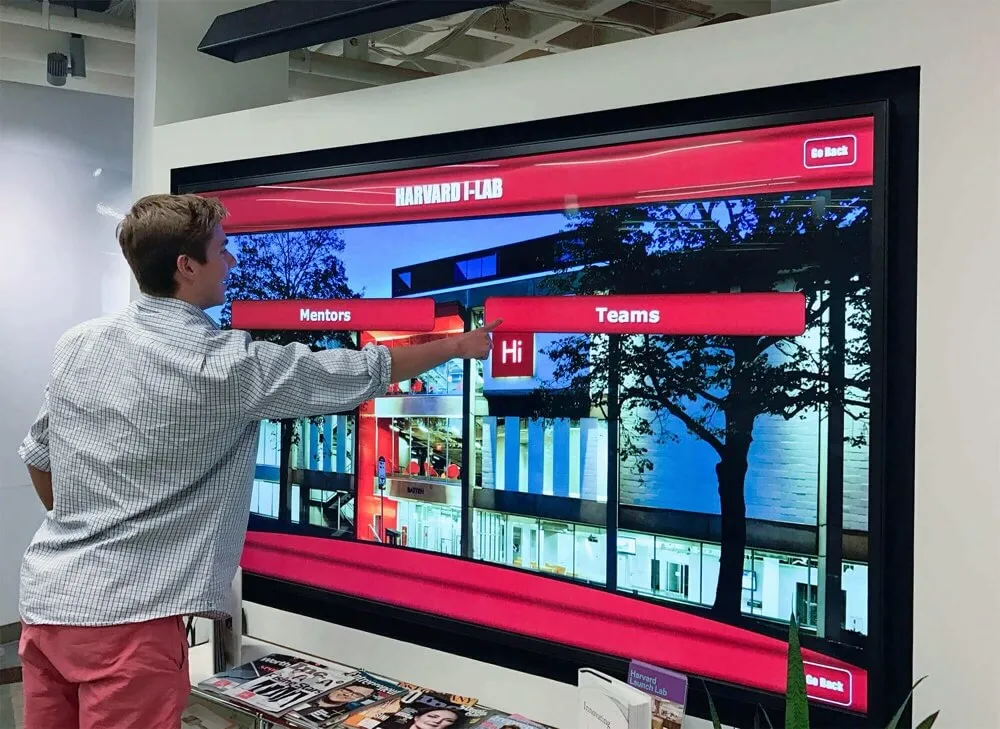
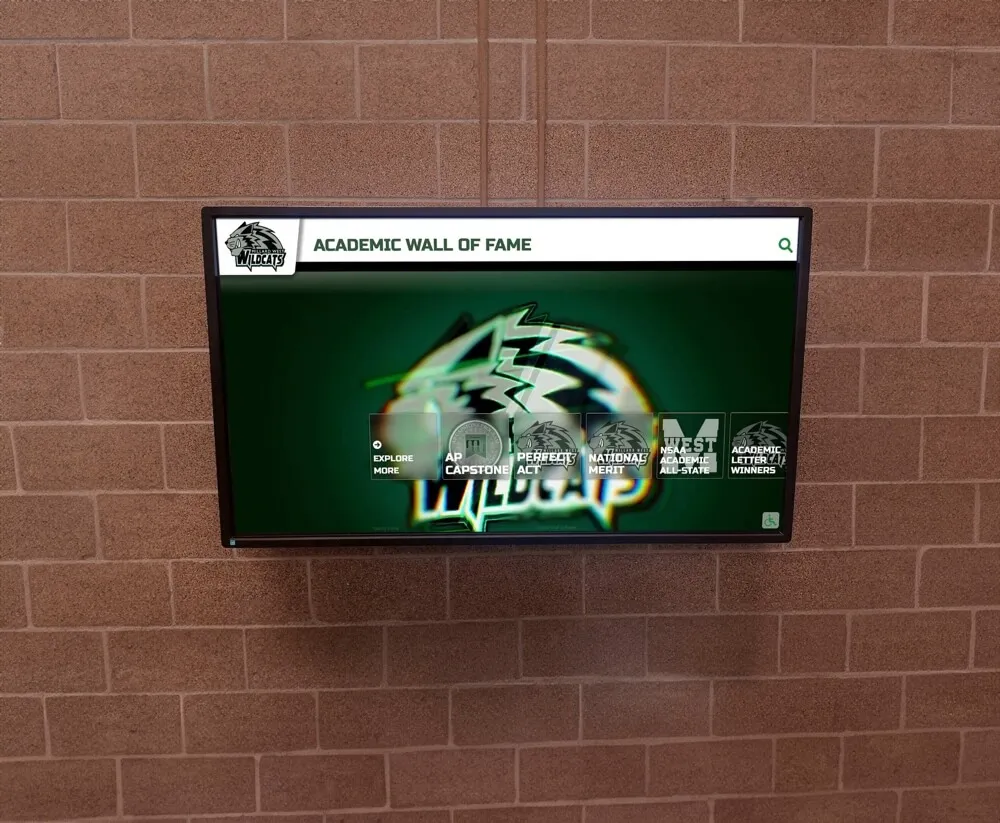
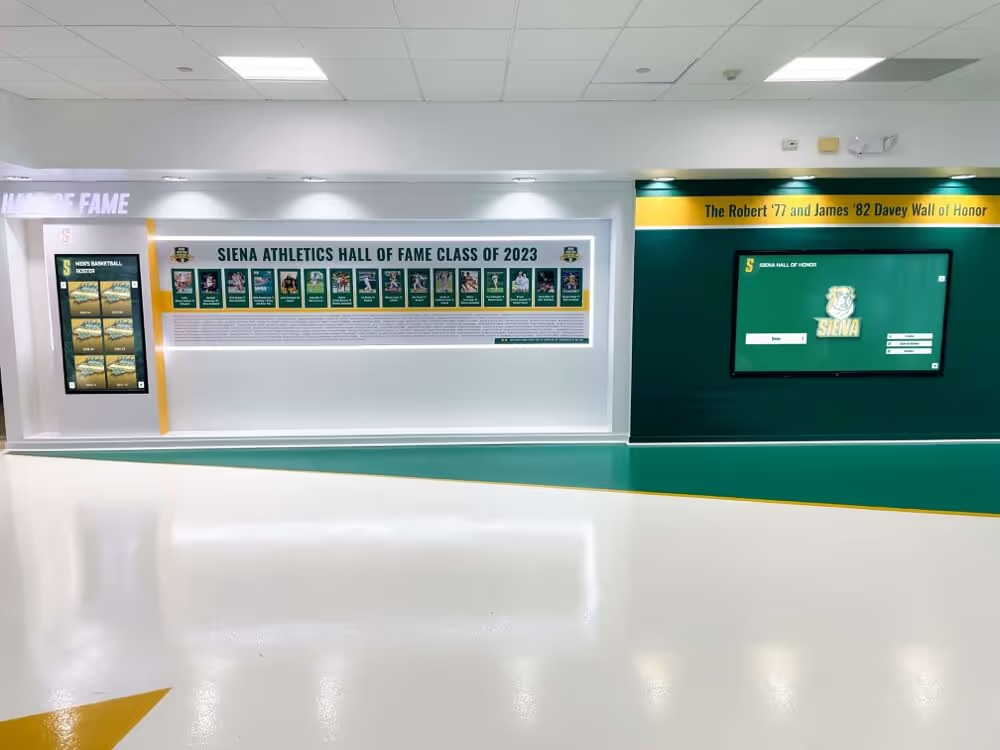
Dynamic digital displays transform sales recognition from periodic announcements into continuous performance celebration visible throughout organizations
Understanding Sales Recognition Psychology and Business Impact
Before implementing specific display strategies, understanding how recognition affects sales professional behavior and organizational outcomes provides essential foundation for creating effective programs.
Why Sales Teams Respond Differently to Recognition
Sales professionals operate in uniquely performance-transparent environments where individual contributions directly correlate to measurable revenue outcomes. This visibility creates distinct recognition needs compared to roles where individual impact proves harder to quantify.
Competitive Drive and Public Validation
Sales cultures typically attract competitive personalities who thrive on visible performance comparisons. Research consistently demonstrates that sales professionals respond more strongly to public recognition than private acknowledgment—they want peers, leadership, and organizational members to witness their success. This psychological reality makes display visibility critically important for recognition effectiveness.
Unlike roles where competition between colleagues might damage collaboration, sales environments often benefit from transparent performance competition that motivates improvement while celebrating achievement. Top performers want recognition for surpassing peers, while developing performers draw inspiration from visible success models demonstrating achievable excellence within reach.
Financial Compensation and Non-Financial Recognition
While sales professionals typically work under commission-based compensation tying pay directly to performance, comprehensive research from Gallup on employee recognition demonstrates that financial rewards alone prove insufficient for sustained motivation and retention. Non-financial recognition—public acknowledgment, prestigious awards, visible displays celebrating achievement—creates emotional engagement that purely monetary compensation cannot replicate.
This complementary relationship between financial and recognition-based motivation means organizations maximizing sales performance invest in both compensation structures and systematic recognition programs working together. High earnings satisfy immediate financial needs while recognition fulfills deeper psychological requirements for status, belonging, and professional identity that sustain long-term commitment.
Business Outcomes from Strategic Sales Recognition
Effective recognition delivers concrete organizational benefits beyond intangible morale improvements:
Talent Retention and Acquisition Cost Reduction
Sales turnover creates devastating financial impact. According to industry research, replacing sales professionals costs 150-200% of annual salary when accounting for recruiting expenses, training investment, productivity ramp-up periods, and lost customer relationships. Organizations implementing comprehensive recognition programs reducing turnover by even 10-15% generate six-figure savings annually while maintaining institutional knowledge and customer continuity.
Furthermore, recognition-rich cultures attract top talent during recruitment. High-performing sales professionals evaluate potential employers based on compensation and organizational culture. Visible recognition displays during office tours, prominent achievement celebration on company websites, and current team member testimonials about appreciation culture significantly influence candidate decisions. Organizations known for celebrating success recruit stronger candidates requiring less compensation premium compared to competitors with transactional, recognition-poor cultures.
Performance Improvement Through Modeling
Public recognition creates performance models demonstrating what excellence looks like within specific organizational contexts. When developing sales professionals observe peers achieving recognition through particular behaviors, strategies, or approaches, they gain concrete examples to emulate rather than abstract instructions about desired performance.
Recognition displays showcasing top performers along with specific achievements—closed deal sizes, client retention rates, territory growth percentages—provide actionable information helping entire teams improve. This modeling effect extends recognition value beyond acknowledged individuals to create broader performance lift across sales organizations.
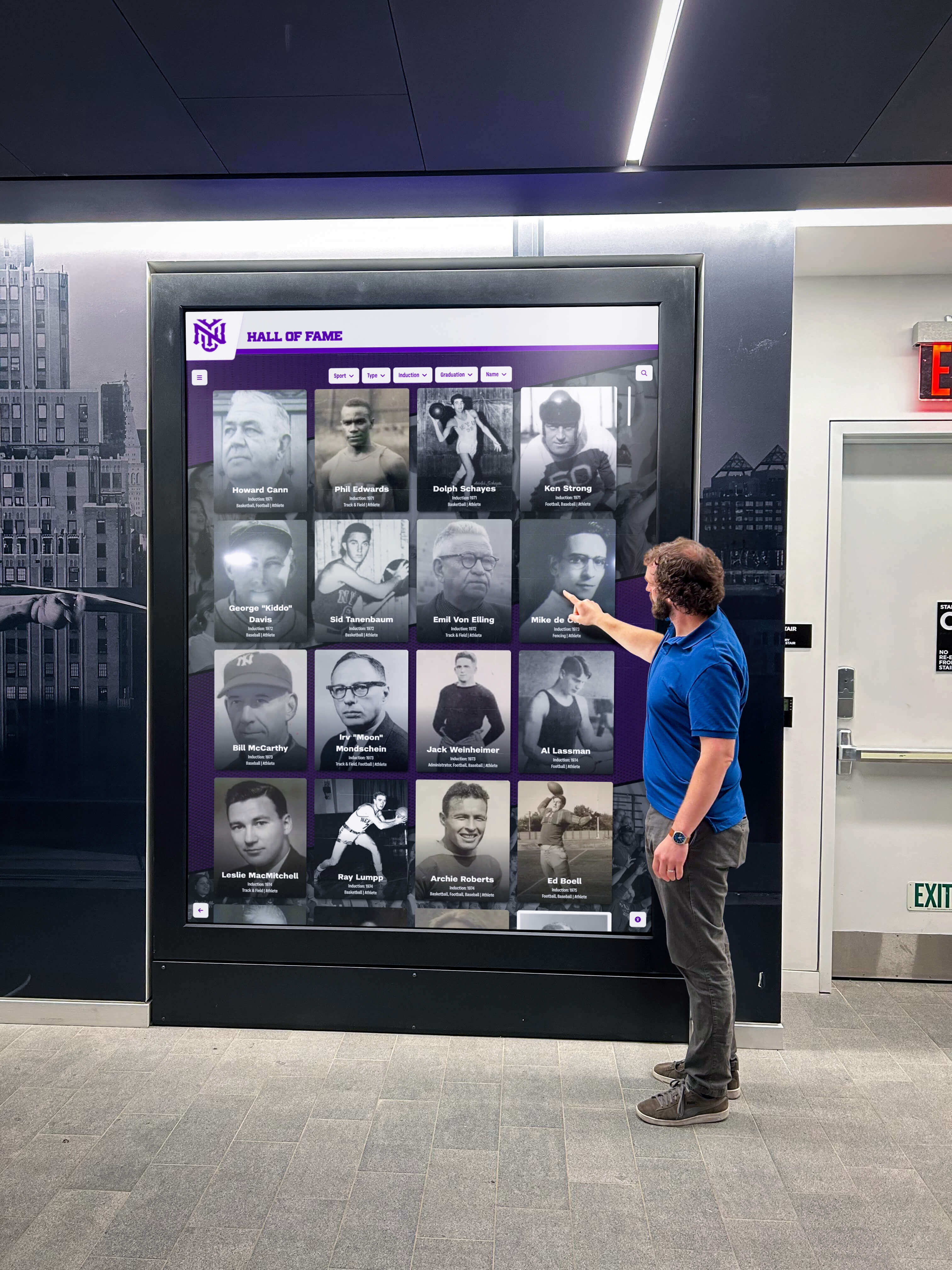
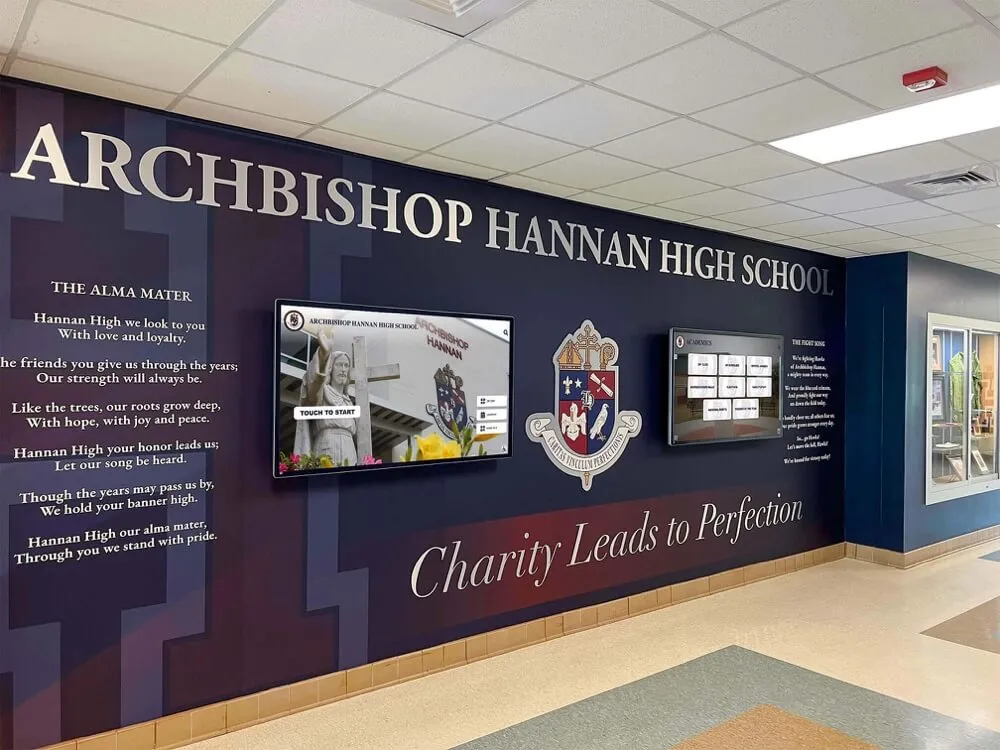
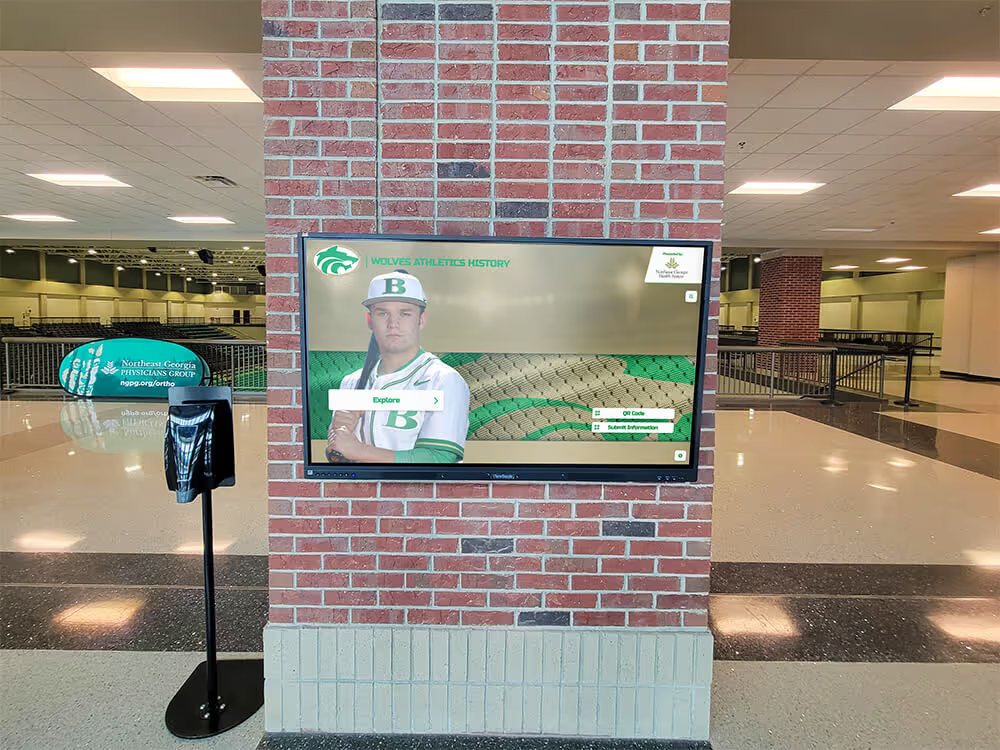
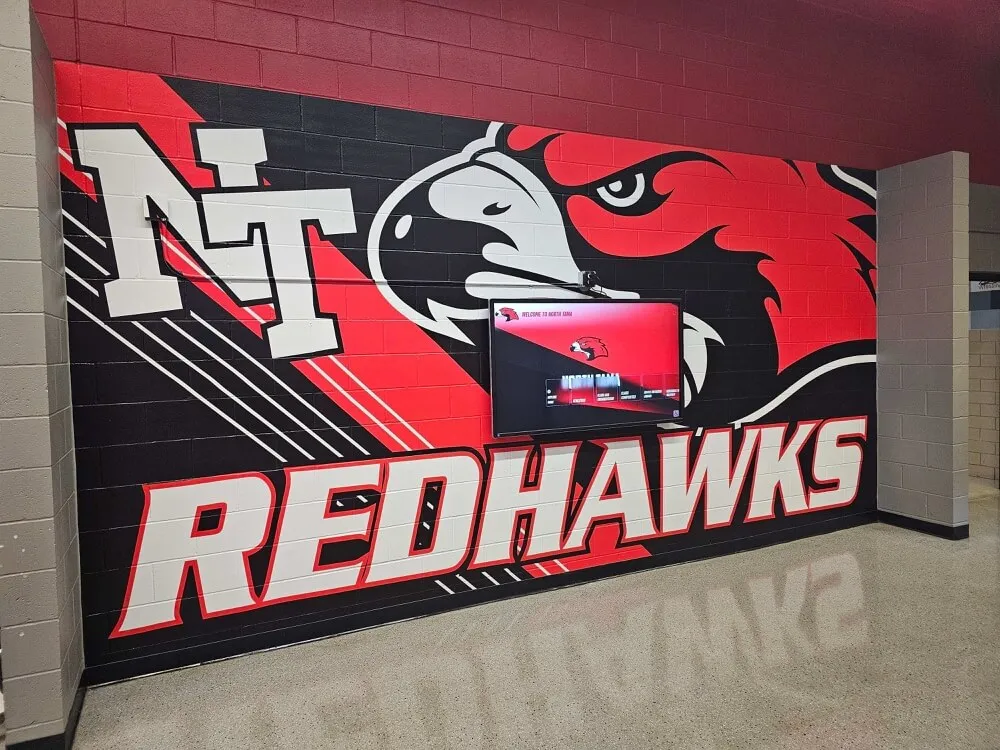
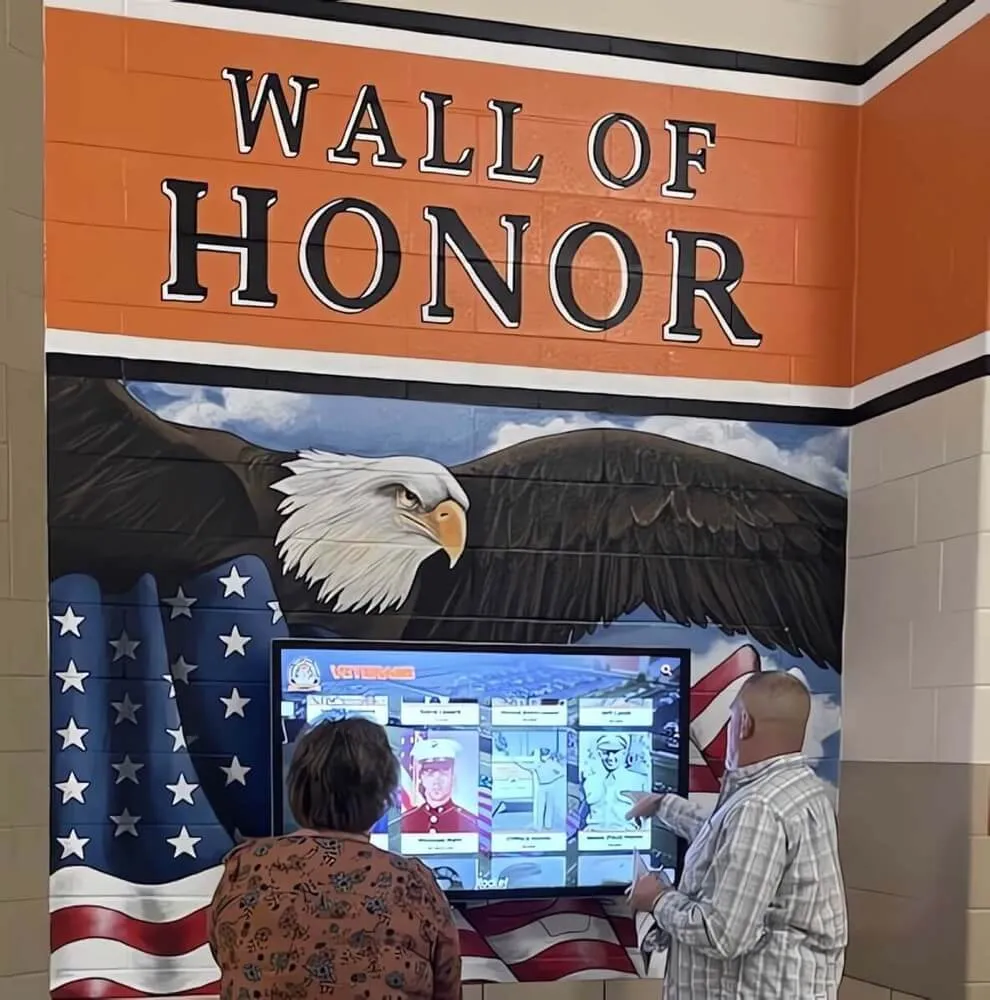
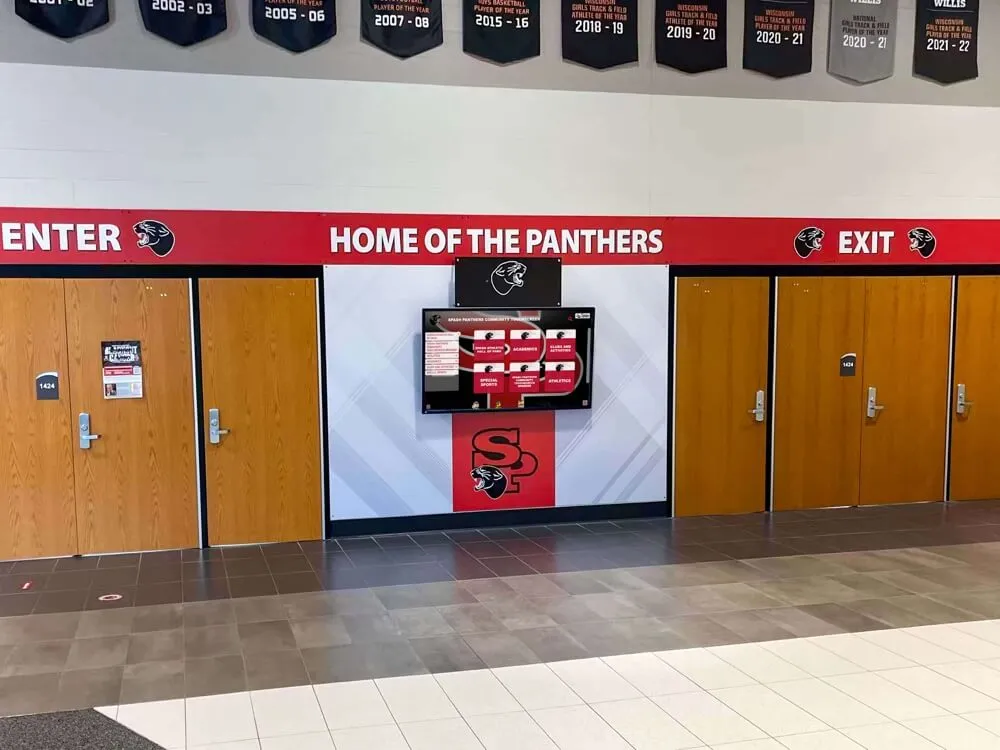
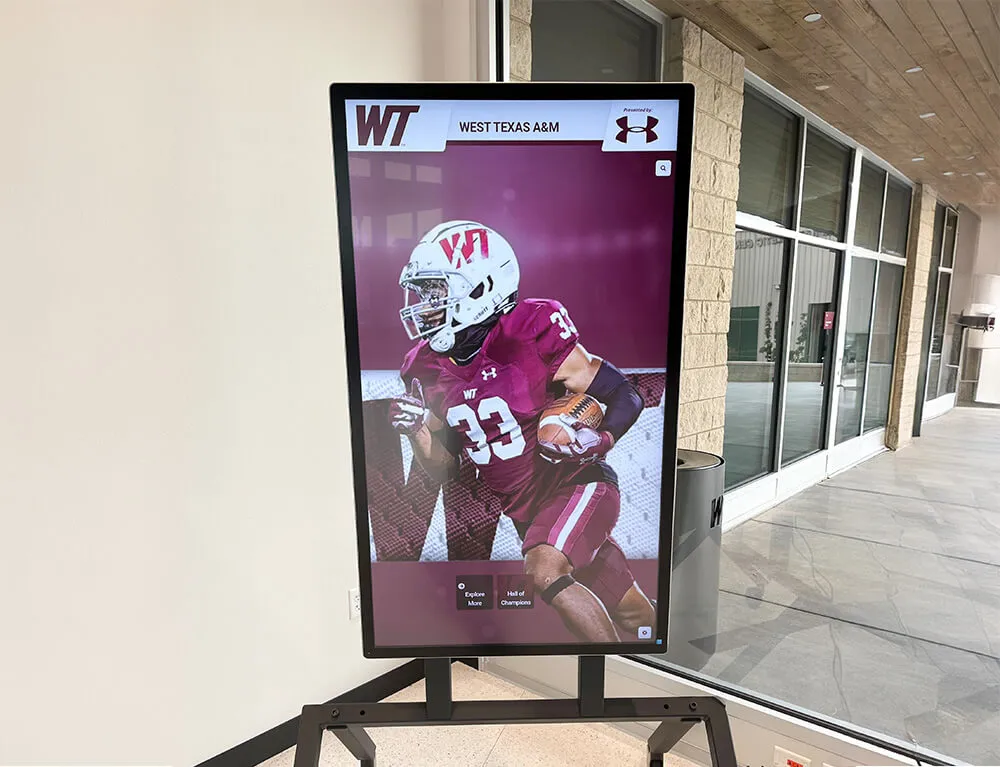
Interactive recognition displays in high-traffic areas ensure continuous visibility driving sustained motivation and cultural reinforcement
Traditional Sales Recognition Display Formats
Understanding conventional recognition approaches helps organizations appreciate both valuable elements worth preserving and limitations requiring modern solutions.
Wall-Mounted Award Plaques and Trophy Cases
Physical award displays remain most common recognition approach across corporate environments, particularly for acknowledging top annual performers or milestone achievements.
Advantages of Traditional Physical Recognition
Physical plaques and trophies provide permanent, tangible acknowledgment appealing to sales professionals who value concrete status symbols. These awards often occupy desk space or home offices, creating lasting reminders of achievement while signaling success to visitors and family members. The ceremonial aspect of physical award presentation during company meetings or sales conferences generates memorable moments reinforcing organizational appreciation.
Well-designed trophy cases or recognition walls displaying years of award recipients create visual timelines demonstrating organizational commitment to celebrating sales excellence across generations. Prospective team members touring facilities observe these displays as evidence of performance-focused cultures where success receives systematic recognition.
Significant Limitations of Physical-Only Recognition
Despite benefits, physical recognition faces persistent challenges limiting effectiveness:
Space Constraints: Trophy cases and wall-mounted plaque displays inevitably fill, forcing difficult decisions about which achievements warrant permanent visibility. Organizations celebrating annual top performers across multiple categories quickly exhaust available display space, relegating older awards to storage and eliminating visibility that sustains motivation.
Static Content: Once installed, physical displays remain unchanged until next recognition cycle. Current sales periods lack visible performance tracking creating anticipation. Recent achievements wait months for recognition during formal award presentations, reducing timeliness that maximizes psychological impact.
Limited Information Density: Plaques accommodate minimal content—typically names, achievement categories, and dates. This brevity prevents storytelling that connects achievements to specific strategies, client relationships, or market challenges overcome, reducing inspirational value for viewers seeking to understand what excellence looks like.
Update Delays and Costs: Adding new recognition requires plaque manufacturing (typically 4-6 weeks), scheduling installation, and coordination with vendors. Each update cycle costs $150-400 per plaque, creating budgetary constraints limiting recognition frequency to annual or semi-annual cycles rather than more frequent celebration maintaining momentum.
Monthly “Top Performer” Announcements
Many organizations rely primarily on periodic announcements during sales meetings or company communications to recognize outstanding performance.
Benefits of Regular Recognition Announcements
Frequent acknowledgment creates multiple recognition opportunities throughout years rather than concentrating celebration during annual events. Monthly recognition maintains visibility for achievement while enabling timelier acknowledgment closer to performance periods. These announcements require minimal budget—simple email communications or meeting agenda items cost nothing while providing consistent recognition touchpoints.
Organizations implementing monthly recognition create predictable celebration rhythms where team members anticipate acknowledgment cycles, building cultural expectation that performance receives systematic attention rather than sporadic, unpredictable recognition.
Why Announcements Alone Prove Insufficient
While periodic announcements provide value, several limitations prevent them from serving as complete recognition strategies:
Transient Visibility: Announcements during meetings or email communications provide brief awareness moments quickly forgotten as attention shifts to next topics. Without permanent displays extending visibility, recognition impact dissipates within hours or days rather than creating sustained acknowledgment.
Limited Reach: Announcements typically reach only personnel attending specific meetings or reading particular communications. Remote team members, employees in other departments, visitors, and prospective talent miss recognition entirely, reducing cultural reinforcement and external recruitment benefits.
Inconsistent Implementation: Email announcements and meeting acknowledgments rely on individual manager consistency. When leadership changes, meeting priorities shift, or organizational focus redirects during challenging periods, recognition announcements often decrease or disappear entirely—creating inconsistent cultures where appreciation feels arbitrary rather than systematic.

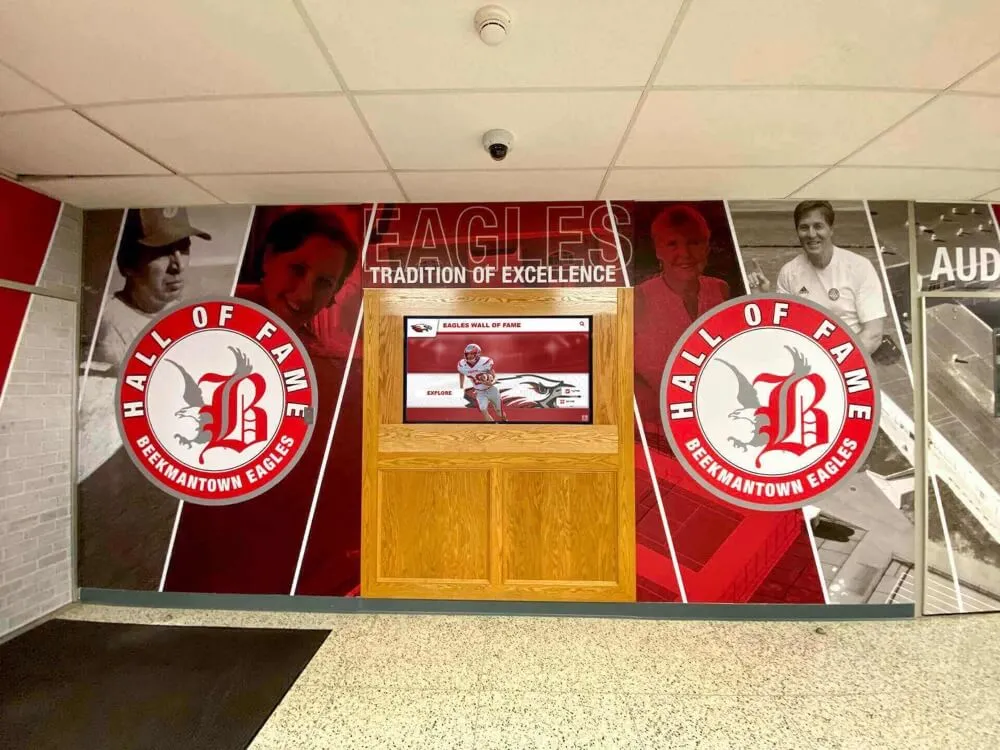
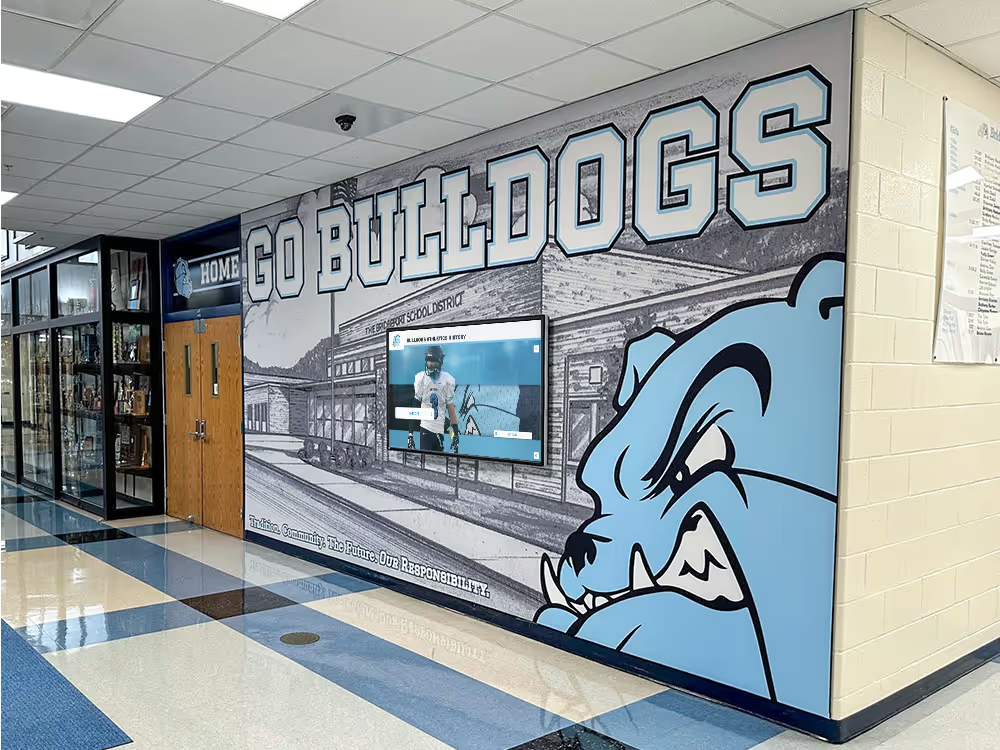
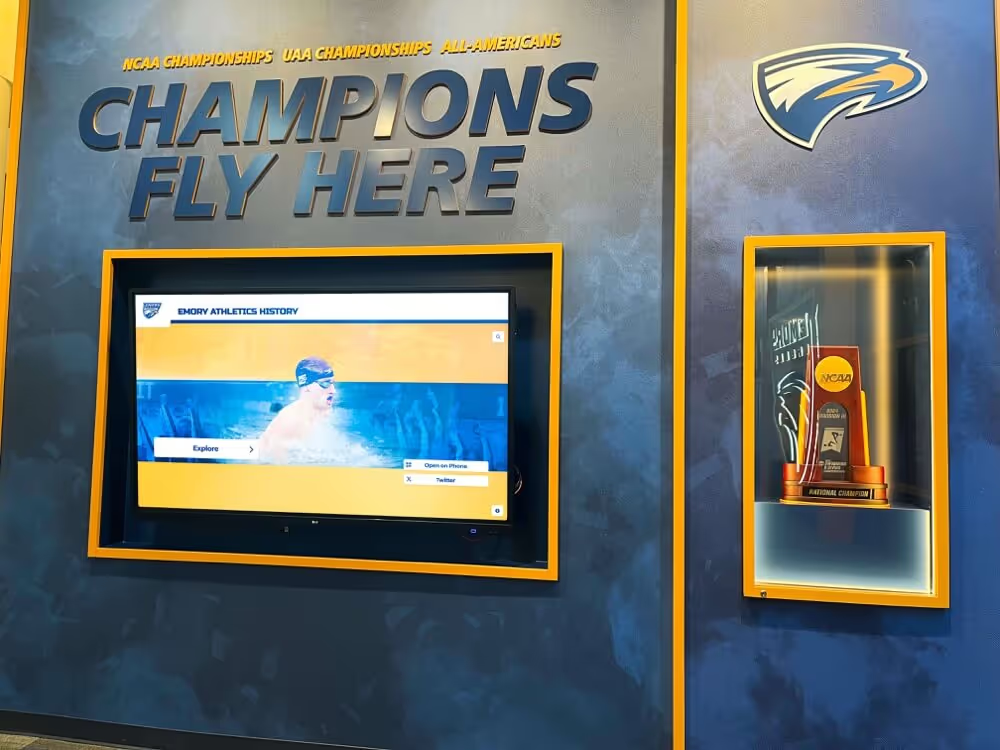
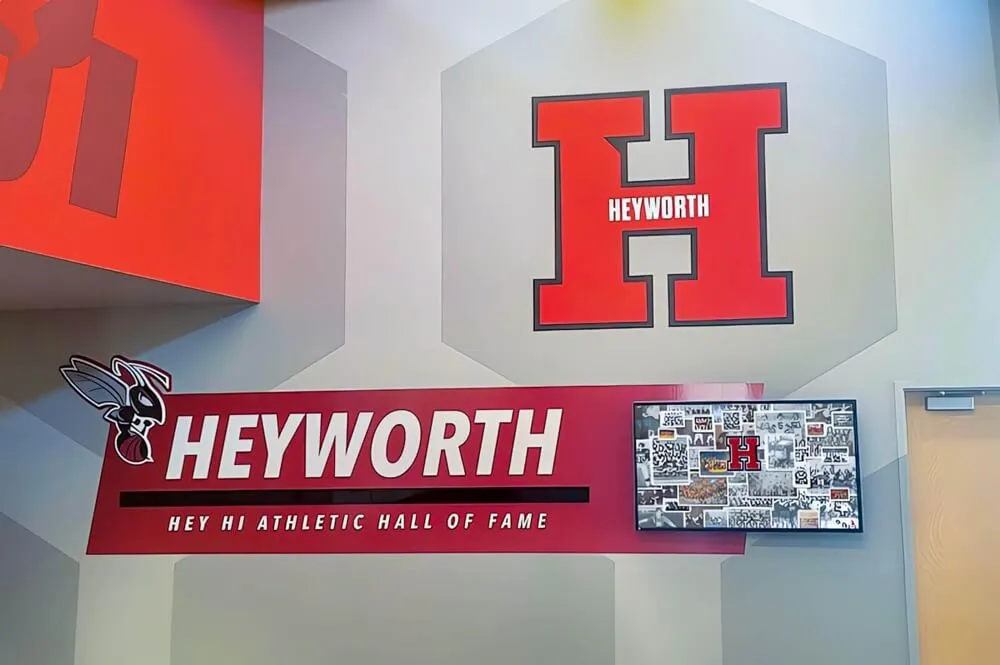
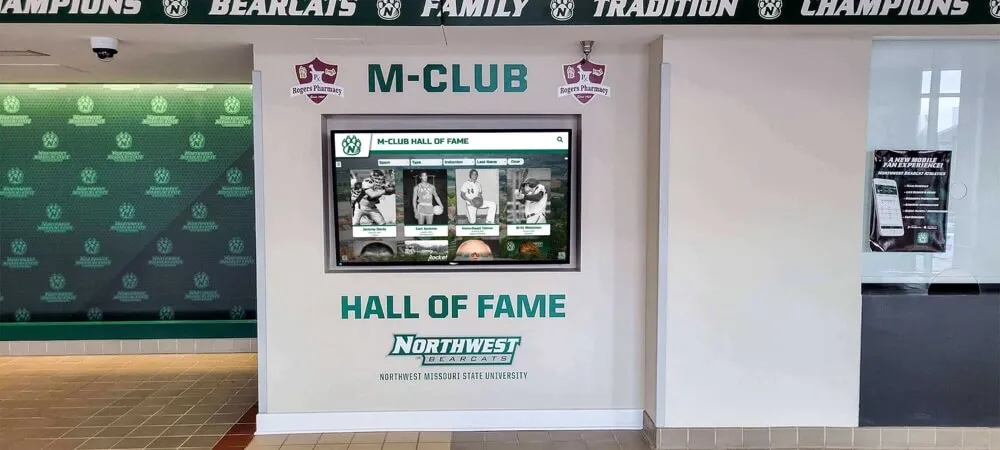
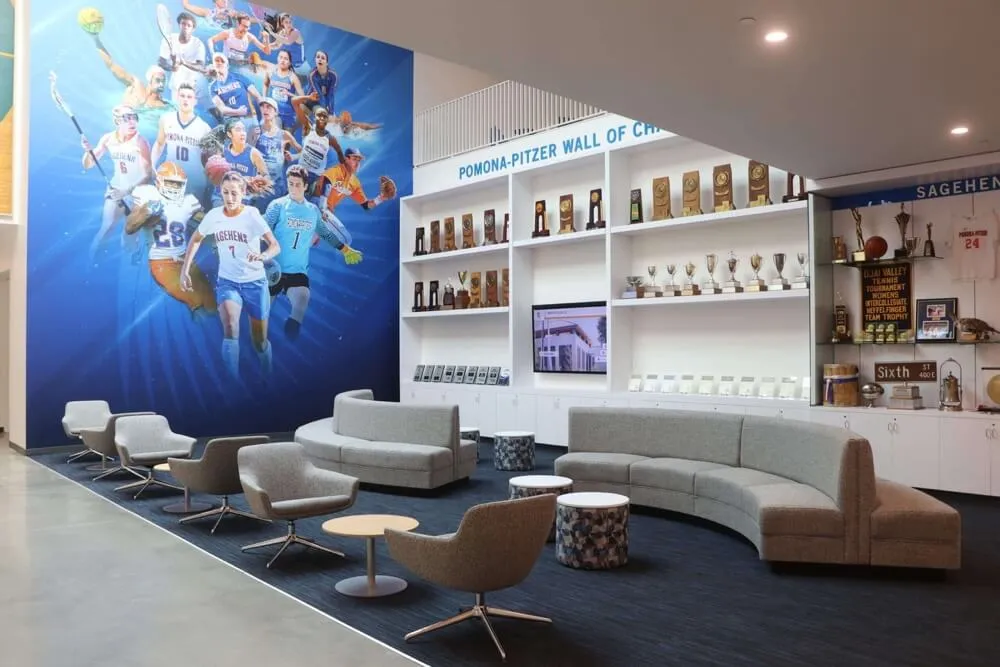
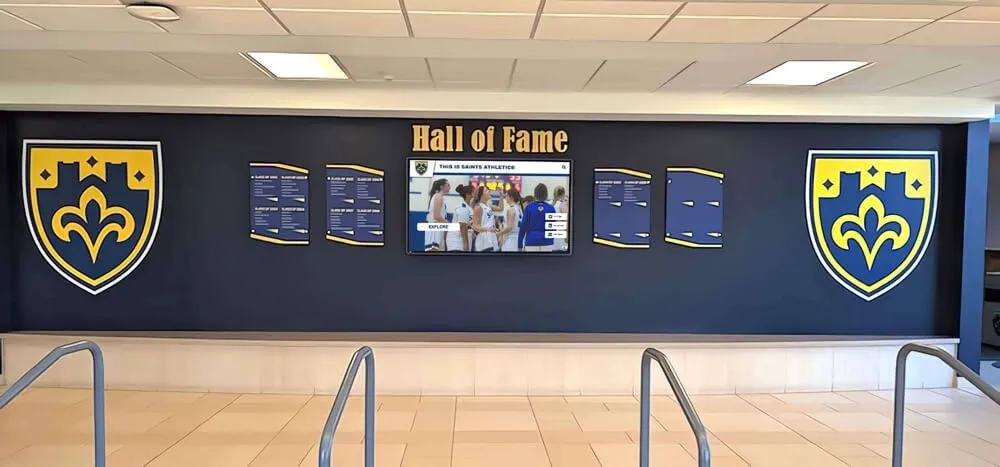
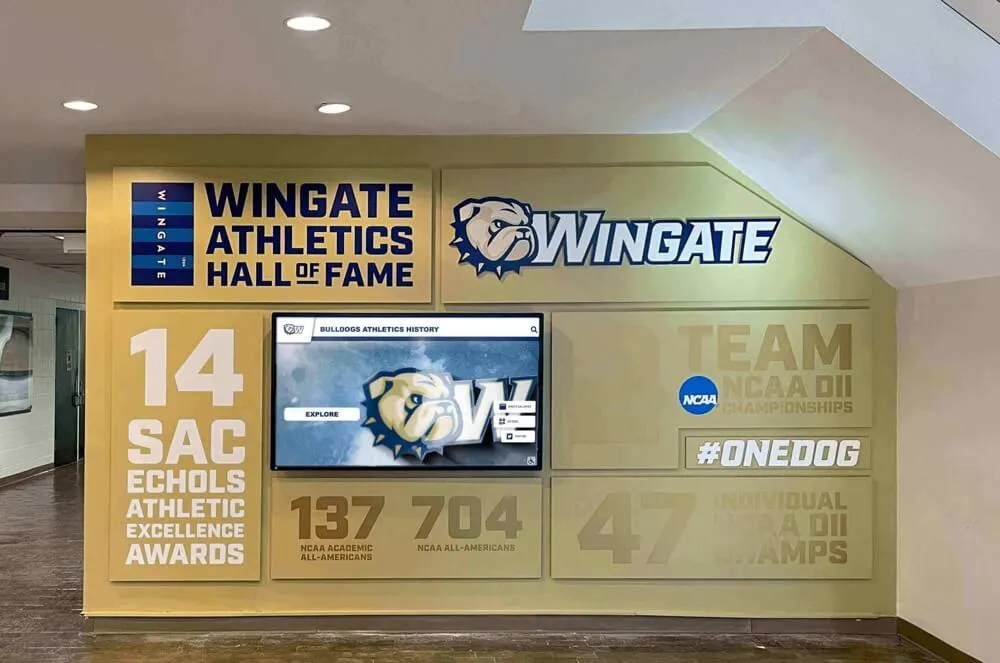
Comprehensive recognition environments combine multiple display types creating prestigious spaces celebrating sustained sales excellence
Modern Digital Sales Recognition Display Solutions
Technology enables recognition experiences that traditional static displays cannot match, addressing persistent limitations while creating enhanced engagement and flexibility.
Real-Time Digital Leaderboards and Performance Tracking
Digital leaderboard displays transform periodic recognition into continuous performance visibility creating sustained motivation throughout sales cycles.
Core Capabilities of Digital Leaderboards
Modern digital leaderboard systems provide real-time performance tracking displaying current rankings, quota progress, deal pipeline metrics, and achievement comparisons across teams or individuals. These systems integrate directly with CRM platforms like Salesforce, HubSpot, or proprietary sales management systems, pulling live data without requiring manual entry that introduces delays and inaccuracies.
Leading leaderboard platforms offer customizable displays presenting different metrics based on organizational priorities: total revenue, unit volume, new customer acquisition, customer retention rates, average deal size, or custom performance indicators specific to business models. Multiple leaderboards can run simultaneously, recognizing different achievement types rather than reducing all sales excellence to single revenue metric.
According to SPOTIO research on sales leaderboards, sales representatives indicate they are motivated more by performance visibility and public recognition than purely financial incentives. Real-time leaderboards satisfy this psychological need by providing continuous feedback about performance standing while creating friendly competition driving improvement.
Strategic Implementation Considerations
Effective leaderboard programs require thoughtful implementation avoiding common pitfalls:
Multiple Recognition Categories: Single leaderboards tracking only total revenue disadvantage newer team members or those in smaller territories while potentially encouraging volume over profitability or customer satisfaction. Comprehensive programs track diverse metrics ensuring multiple pathways to recognition—new customer acquisition, customer satisfaction scores, deal profitability, territory growth, team collaboration, or strategic account development.
Team and Individual Recognition Balance: While individual leaderboards motivate personal achievement, exclusive focus on individual competition potentially undermines collaboration essential for complex sales requiring cross-functional support. Balanced programs include team-based leaderboards recognizing collective achievement alongside individual performance tracking.
Visibility Placement: Digital leaderboards achieve maximum impact when displayed prominently in locations where sales teams naturally gather—sales floors, break rooms, near sales leadership offices, or on lobby displays visible to visiting clients and prospective recruits. Screen placement communicating that performance visibility matters to organizational leadership reinforces recognition priority.
Interactive Touchscreen Hall of Fame Displays
Beyond real-time leaderboards tracking current performance, permanent digital halls of fame celebrate sustained excellence across years while enabling rich storytelling impossible with static plaques.
Advantages of Interactive Recognition Platforms
Interactive touchscreen displays provide unlimited recognition capacity, accommodating hundreds or thousands of top performers across decades without physical space constraints limiting traditional trophy cases. Comprehensive profiles include professional photographs, biographical information, specific achievement details, career statistics, customer testimonials, and video content creating meaningful narratives that inspire current teams while honoring contributions.
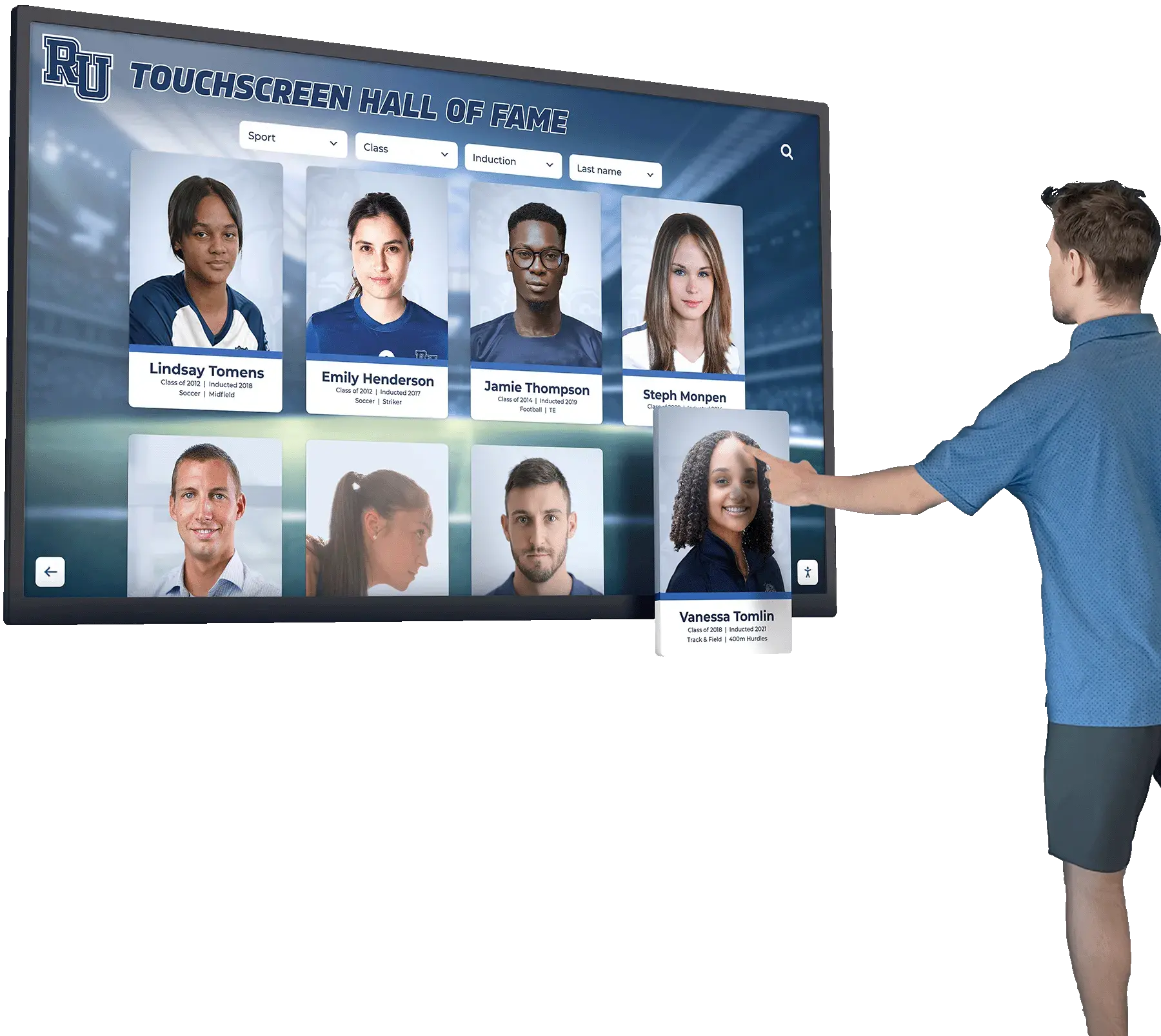
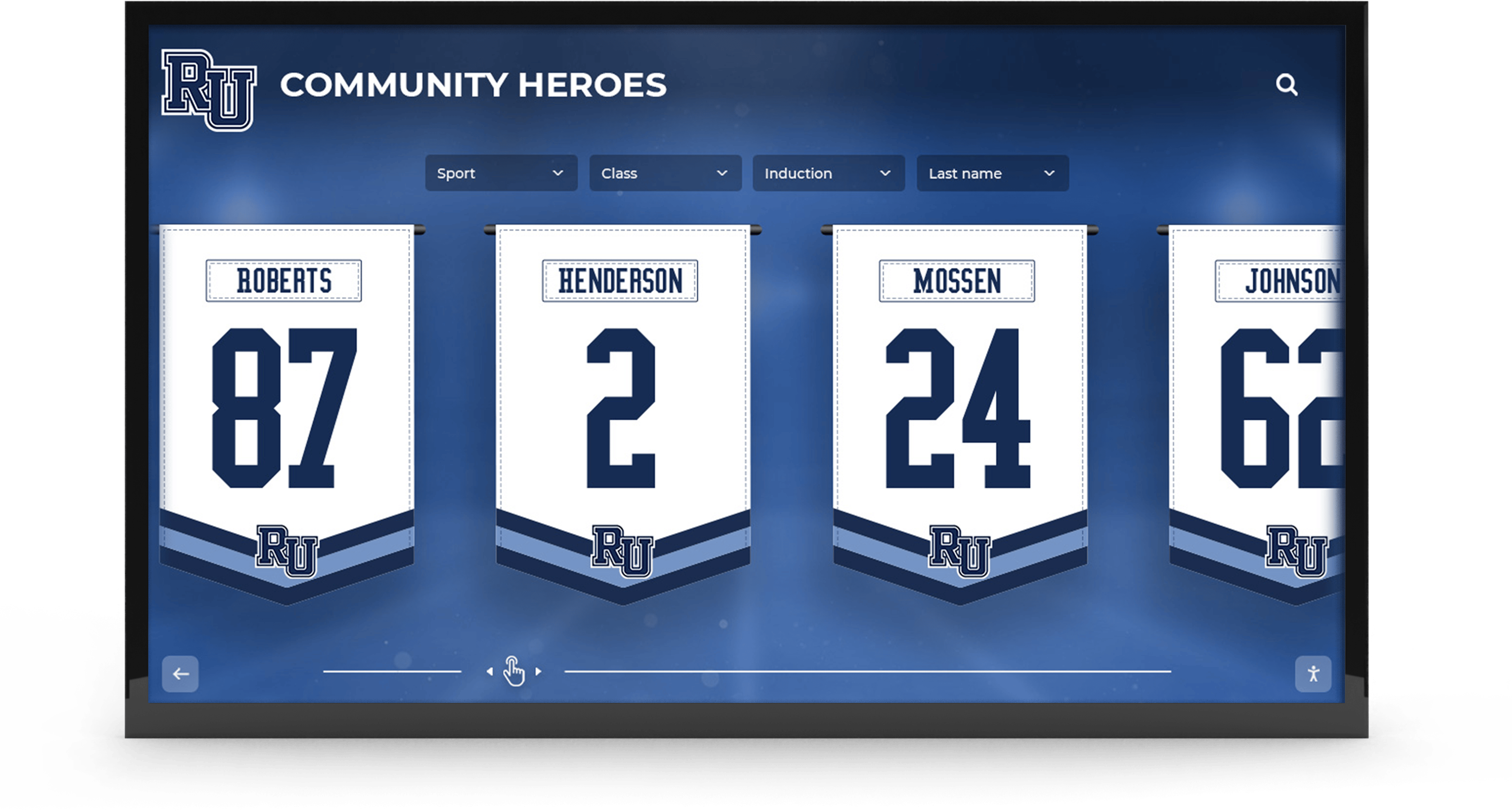
Search and filtering capabilities enable visitors to quickly locate specific individuals, browse by year or achievement category, and explore related content—transforming recognition from passive viewing into active exploration. These interactive experiences keep visitors engaged significantly longer than static displays, deepening emotional connection with organizational culture and achievement traditions.
Modern solutions like Rocket Alumni Solutions provide purpose-built platforms designed specifically for organizational recognition, offering superior functionality compared to generic digital signage systems. These specialized platforms understand unique recognition requirements including privacy controls, achievement-level differentiation, and content management workflows accommodating distributed recognition responsibilities across sales leadership.
Content Strategy for Sales Recognition Displays
Effective digital recognition requires systematic content development celebrating achievement comprehensively:
Professional Photography: High-quality headshots project professionalism befitting sales excellence while creating visual consistency across recognition displays. Organizations should invest in professional photography sessions for top performers, treating image quality as recognition investment rather than administrative expense.
Achievement Narratives: Beyond names and numbers, compelling profiles explain what made performance exceptional—market challenges overcome, innovative client solutions developed, strategic relationships built, or exceptional customer service delivered. These narratives provide concrete examples helping developing professionals understand excellence within organizational contexts.
Career Progression Visualization: For long-tenured performers achieving recognition multiple times, timeline displays showing progression from early achievements through senior excellence demonstrate career development possibilities inspiring commitment to organizational tenure rather than viewing sales roles as short-term positions.
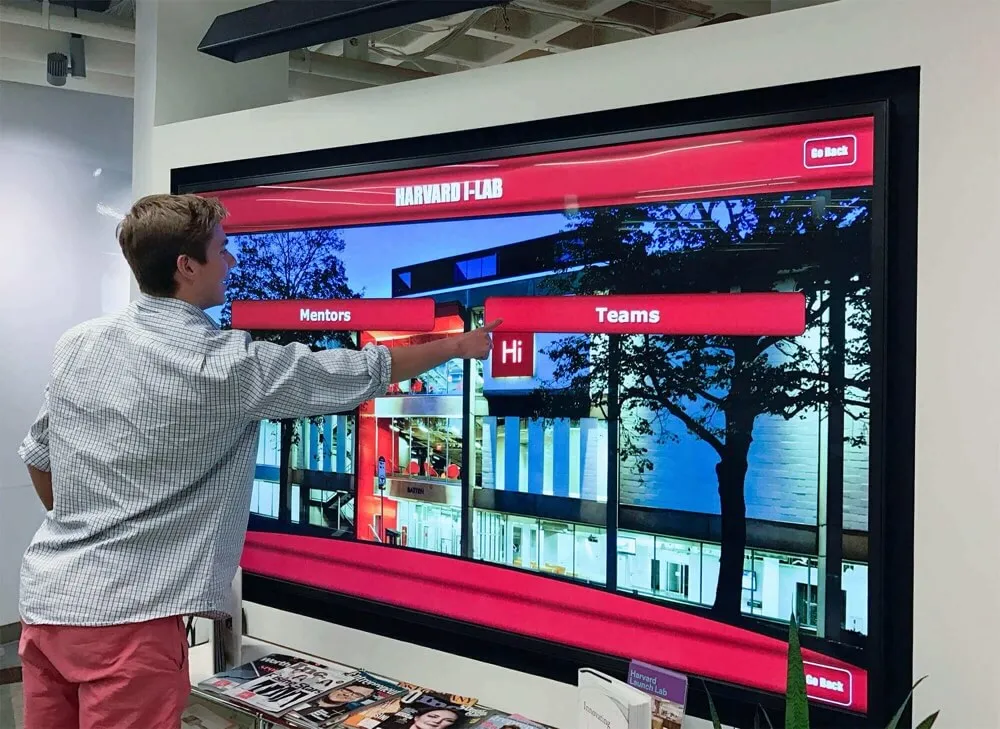
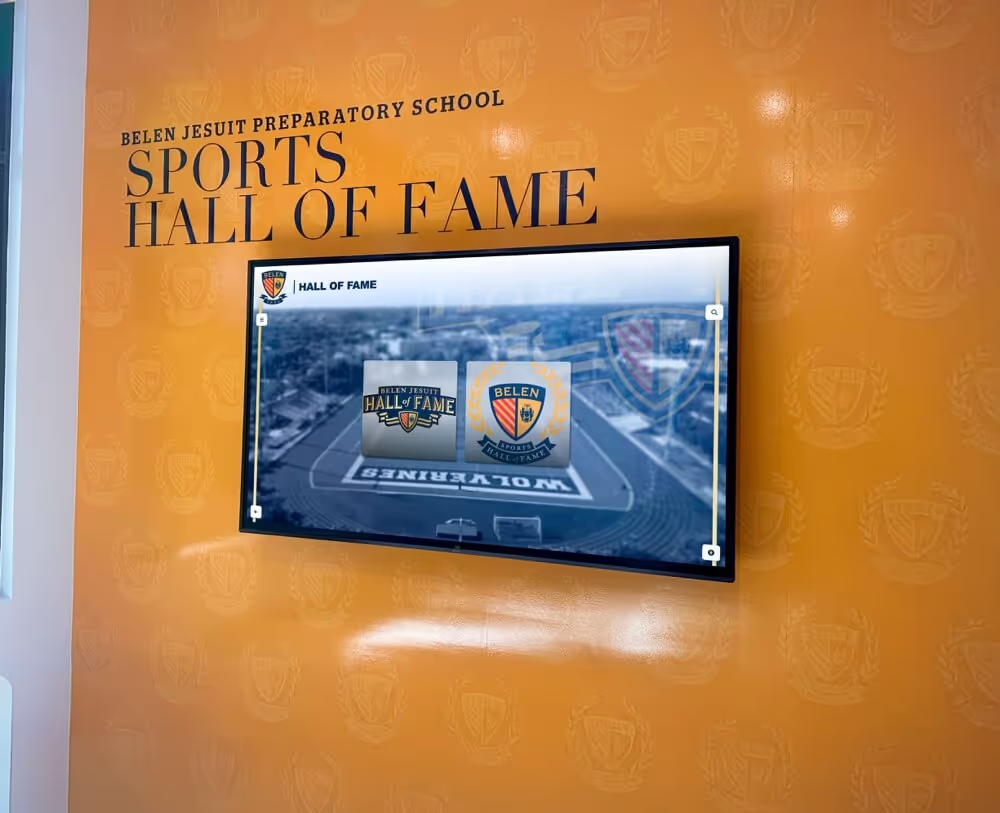
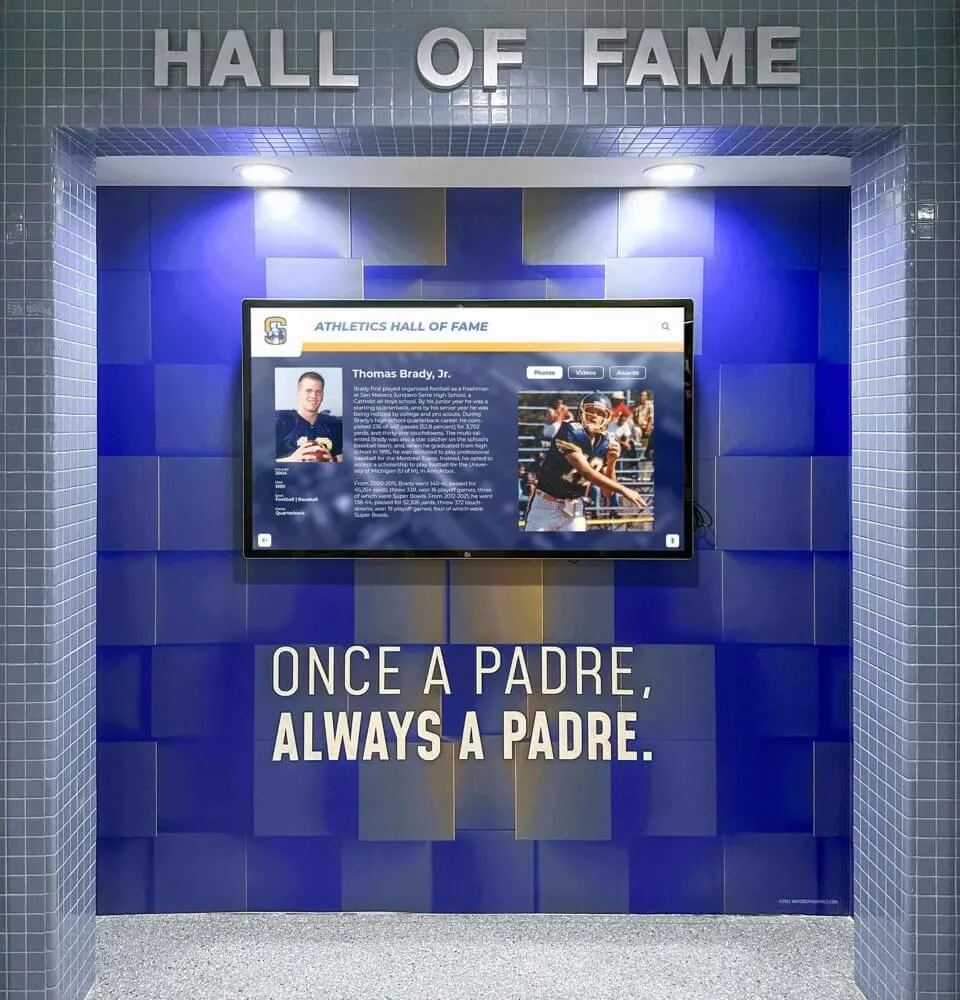
Touchscreen interfaces enable exploration of comprehensive achievement profiles creating deeper engagement than passive viewing allows
Hybrid Recognition Walls Combining Digital and Traditional Elements
Many organizations find optimal solutions blend digital capabilities with traditional physical recognition elements, combining technological advantages with tangible awards’ emotional resonance.
Integrated Recognition Environments
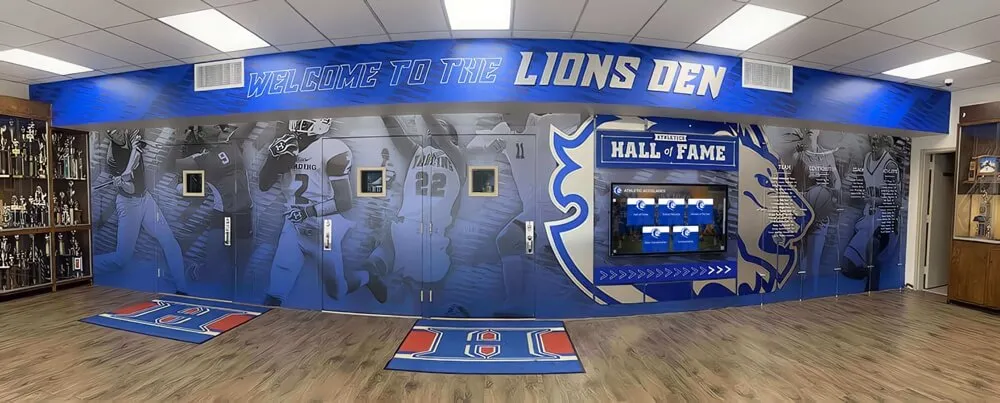
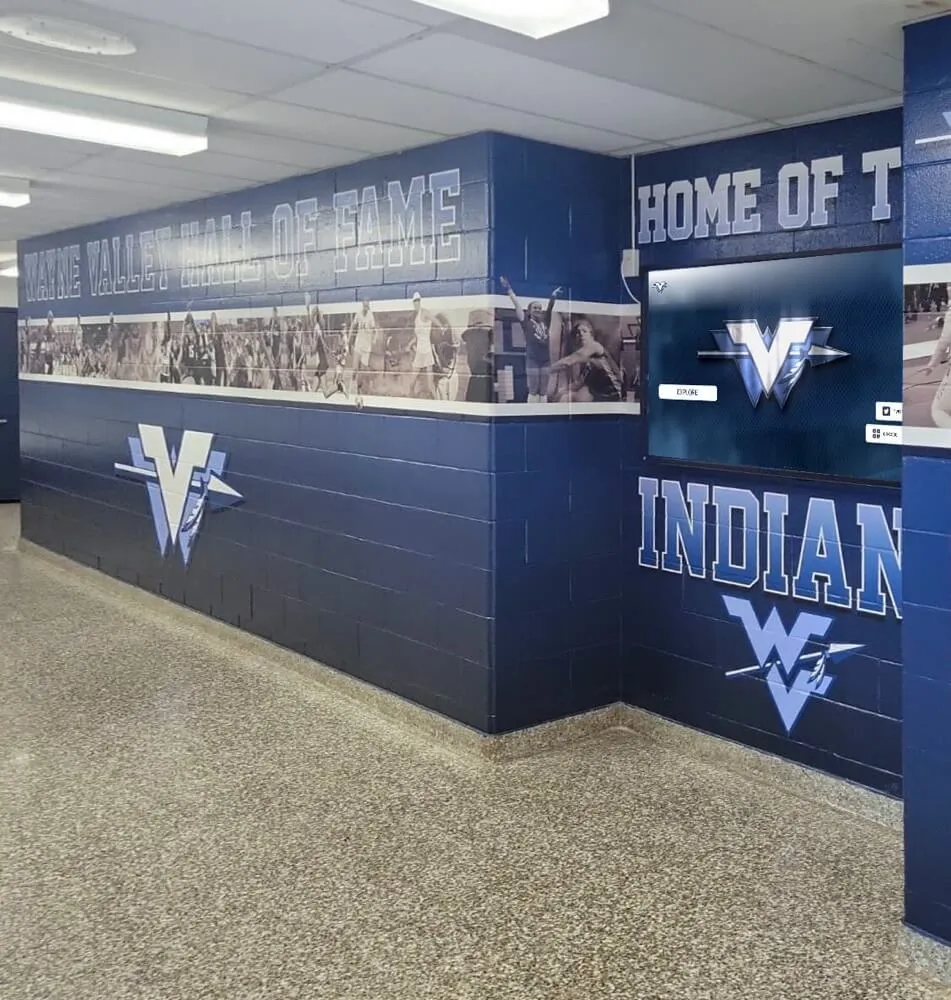
Hybrid recognition spaces position large-format digital displays alongside traditional trophy cases, award plaques, and commemorative elements creating comprehensive achievement galleries. Digital screens provide current leaderboards, rotating achievement highlights, and interactive exploration capabilities while physical awards maintain ceremonial significance and permanent presence appealing to traditional organizational cultures.
This integration enables immediate recognition through digital updates while preserving annual award presentation ceremonies where top performers receive physical trophies during company gatherings. Organizations benefit from digital flexibility and timeliness without abandoning valued traditions that strengthen team bonding during celebratory events.
Design Considerations for Recognition Spaces
Creating effective hybrid recognition environments requires thoughtful design integrating multiple elements cohesively:
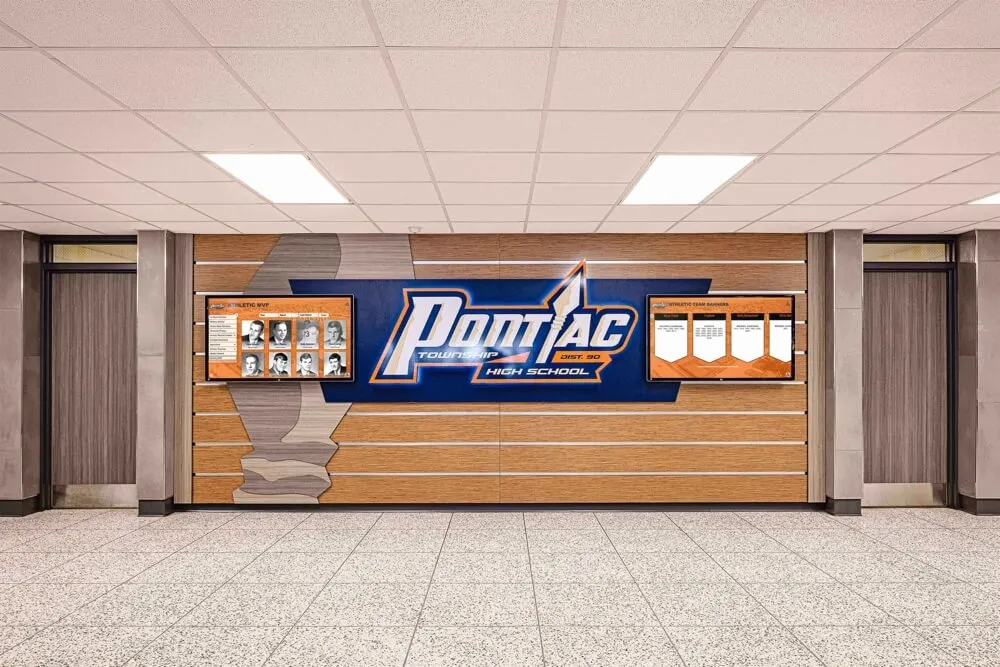
Architectural Integration: Recognition displays should feel purposefully designed into spaces rather than afterthoughts. Custom millwork, branded surrounds, professional lighting, and architectural treatments communicate that recognition matters enough to merit permanent, prominent investment rather than temporary retrofit solutions.
Comfortable Viewing Areas: Adding seating near recognition displays encourages extended engagement, enabling team members to explore content thoroughly rather than briefly glancing during rushed hallway passages. Comfortable viewing spaces signal that organizations want personnel spending time with recognition content rather than simply checking compliance boxes with minimal displays.
Multiple Vantage Points: Large recognition installations benefit from viewability from multiple approach angles—hallway entrances, adjacent conference rooms, reception areas. This multi-directional visibility ensures recognition remains prominent rather than visible only from specific positions.
Comprehensive digital hall of fame design guidance provides detailed frameworks for creating integrated recognition environments balancing technological sophistication with architectural permanence.
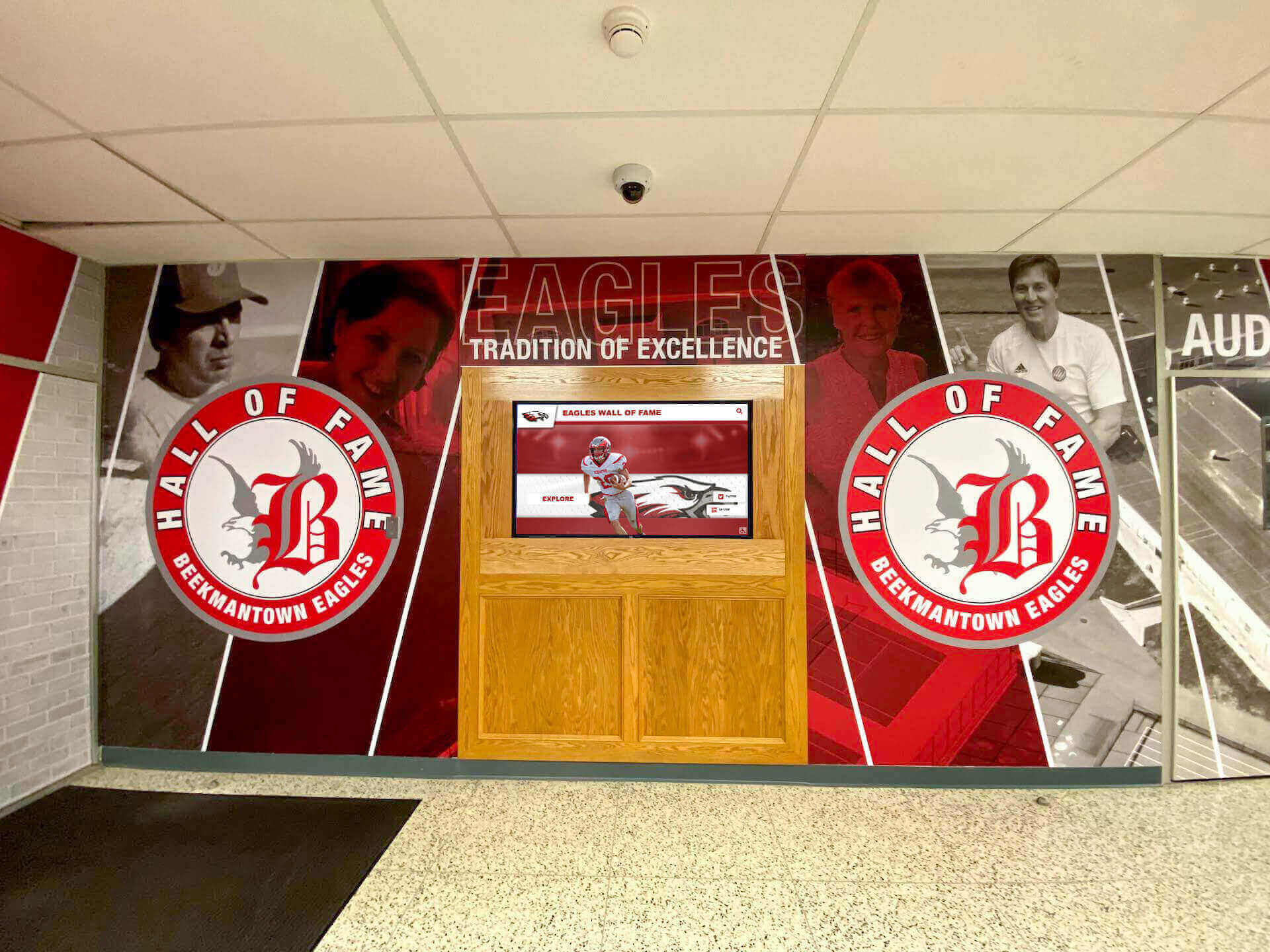
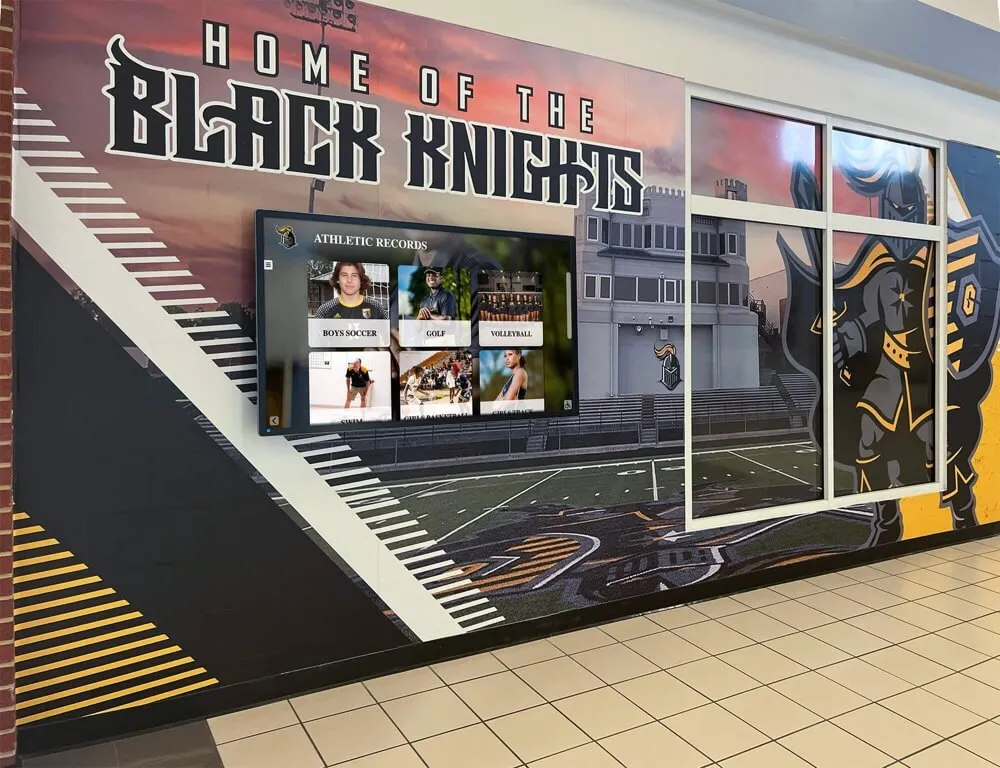
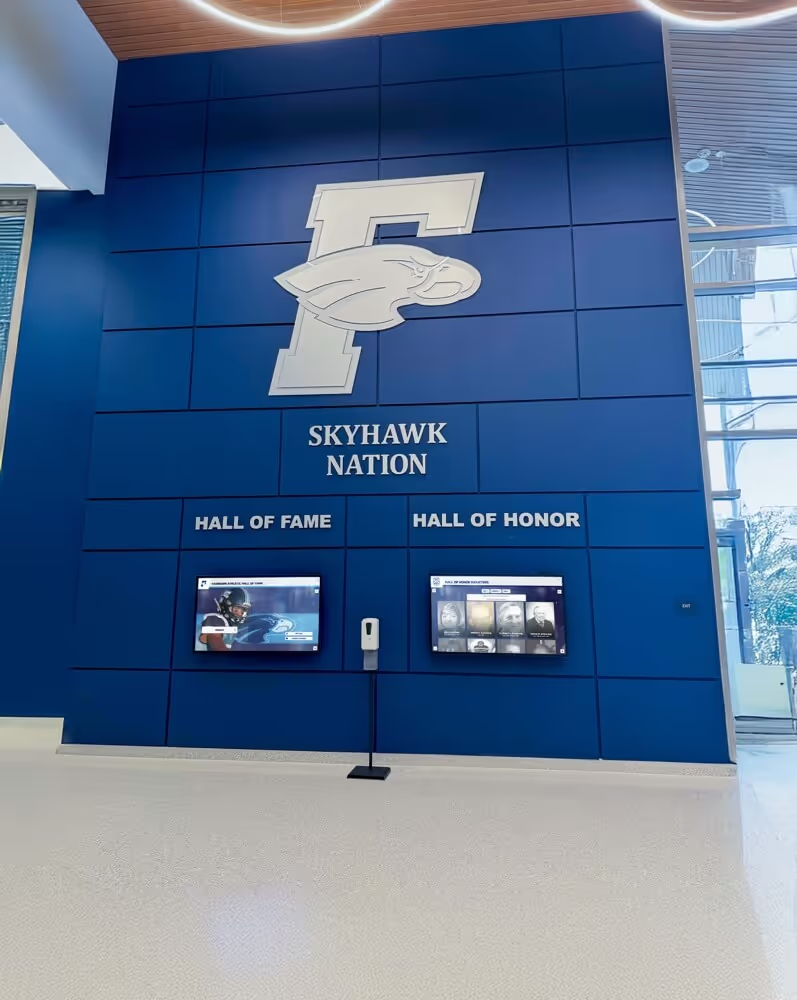
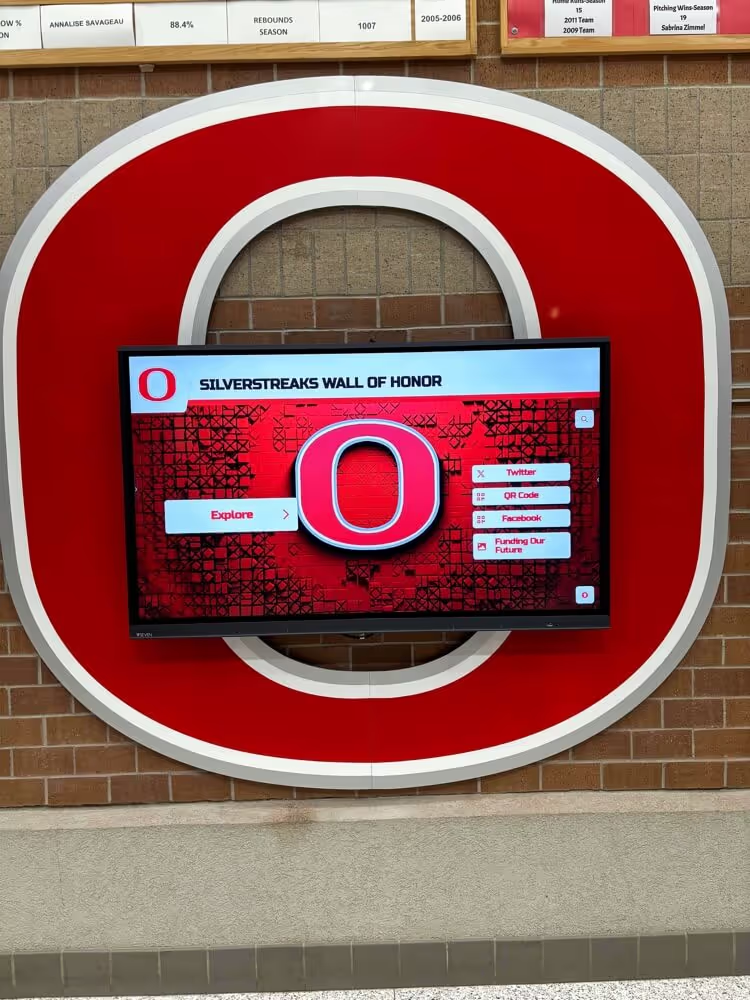
Integrated recognition environments combine traditional elements with modern digital displays creating prestigious spaces celebrating organizational excellence
Designing Effective Sales Recognition Display Systems
Strategic recognition requires systematic planning ensuring displays effectively motivate performance while fitting organizational cultures and physical environments.
Establishing Recognition Tiers and Criteria
Clear criteria ensure recognition maintains credibility while serving strategic performance objectives rather than feeling arbitrary or politicized.
Multi-Tiered Recognition Frameworks
Comprehensive recognition programs implement multiple achievement levels creating aspiration pathways from developing through elite performers:
Tier 1: Monthly Recognition - Acknowledging top performers each month across different categories (highest revenue, most new customers, best customer satisfaction scores, highest close rate) creates frequent recognition opportunities building momentum throughout years rather than concentrating celebration during annual events.
Tier 2: Quarterly Awards - Recognizing sustained excellence across quarters rather than single exceptional months honors consistency over brief peaks. Quarterly recognition typically features enhanced visibility through larger displays, more detailed profiles, or prestigious award presentations during team gatherings.
Tier 3: Annual Top Performer - Year-end recognition celebrating ultimate achievement receives maximum prominence through permanent halls of fame, prestigious physical awards, enhanced compensation bonuses, and ceremonial presentations during company-wide events. Annual recognition often includes naming rights for recognition displays, lifetime achievement status, or induction into organizational elite circles.
Tier 4: Lifetime Achievement - For long-tenured performers demonstrating sustained excellence across many years, special lifetime recognition honors extraordinary career contributions. This tier might feature enhanced profile content, permanent physical displays, naming opportunities, or elite status acknowledgment separating true legends from single-year high performers.
According to award industry research on sales recognition, organizations should allocate budgets proportionate to achievement significance: $75-125 for monthly awards, $125-250 for quarterly recognition, and $150-500+ for annual and lifetime achievement awards ensuring tangible acknowledgment matching accomplishment importance.
Objective vs. Subjective Criteria
Recognition credibility requires predominantly objective, measurable criteria preventing perceptions of favoritism or political acknowledgment undermining program integrity. Sales environments benefit from abundant quantitative performance data enabling highly objective recognition based on:
- Total revenue generated
- Quota attainment percentages
- New customer acquisition
- Customer retention rates
- Average transaction values
- Profit margins maintained
- Territory growth metrics
- Pipeline velocity indicators
While primarily objective, comprehensive programs may include limited subjective elements recognizing contributions difficult to quantify—exceptional team collaboration, mentorship of junior performers, strategic innovation, or customer relationship quality exceeding metrics. However, subjective components should constitute no more than 20-30% of overall recognition criteria, maintaining objectivity as primary foundation.
Display Location and Visibility Strategy
Recognition effectiveness depends significantly on strategic placement ensuring maximum visibility to relevant audiences—current sales teams, other organizational departments, visitors, and prospective talent.
Primary Display Locations for Maximum Impact
Sales Floor Areas: The most critical placement positions recognition displays in spaces where sales teams spend majority of time—open sales floors, cubicle areas, or offices where daily work occurs. Continuous visibility during work hours keeps achievement top-of-mind while creating persistent motivation through regular environmental reinforcement that brief periodic announcements cannot match.
Break Rooms and Common Areas: Recognition displays in cafeterias, break rooms, or common gathering spaces ensure visibility during informal moments when team members relax and socialize. These casual viewing contexts often generate organic conversations about achievements, creating peer reinforcement complementing formal organizational acknowledgment.
Main Entry Lobbies: Reception areas where visitors, clients, prospective customers, and job candidates enter facilities provide strategic recognition placement serving multiple purposes simultaneously. Current team members see recognition during daily arrivals reinforcing appreciation culture. Visitors observe organizational commitment to celebrating success, building confidence in performance-focused cultures. And prospective recruits touring facilities gain concrete evidence of recognition programs influencing employment decisions.
Conference Rooms and Sales Offices: Displays in spaces where sales leadership meets with team members, conducts performance reviews, or provides coaching create recognition touchpoints during critical interaction moments. Recognition visibility during these contexts reminds leadership to acknowledge achievement while demonstrating systematic appreciation rather than sporadic recognition dependent on individual manager memory.
Strategic placement guidance from interactive digital recognition display specialists emphasizes distributed visibility across multiple locations rather than concentrating recognition in single spaces, ensuring broader awareness and cultural reinforcement throughout organizations.

High-traffic corridor placement ensures recognition reaches broad audiences throughout daily workflows rather than requiring special visits
Visual Design and Brand Integration
Recognition displays should reflect organizational brand identity while maintaining professional quality befitting sales excellence acknowledgment.
Color Systems and Typography
Apply corporate brand colors systematically throughout recognition displays creating visual consistency with broader organizational identity. Primary brand colors typically anchor navigation elements, headers, and key interface components while secondary colors provide backgrounds, dividers, and supporting design elements. This color integration ensures recognition displays feel like intentional organizational investments rather than generic aftermarket solutions.
Typography selections should balance brand personality with legibility requirements for displays viewed from varying distances. Corporate headline fonts work well for names and achievement titles while highly legible sans-serif fonts optimize body text describing accomplishments. Size hierarchies must remain dramatically pronounced for touchscreen and digital displays compared to print materials—minimum 24-point type for body content and 48+ points for headlines ensure readability from comfortable viewing distances.
Logo and Corporate Mark Integration
Institutional logos should appear prominently in recognition display headers establishing immediate brand association. However, avoid excessive logo repetition throughout interfaces that creates cluttered appearance. Single prominent placement in persistent header areas typically proves sufficient, allowing achievement content to command primary attention rather than competing with repeated branding elements.
For organizations with multiple divisions, regional offices, or subsidiary brands, recognition displays might incorporate relevant sub-brand marks alongside corporate logos—regional sales team identifiers, division symbols, or office location badges creating specific recognition identity within broader organizational frameworks.
Professional Photography and Visual Standards
Recognition impact depends significantly on content quality, particularly professional photography presenting achievers. Amateur snapshots or inconsistent image quality undermine recognition prestige while polished professional photography signals that organizations take acknowledgment seriously enough to invest in quality presentation.
Organizations should establish visual content standards including minimum resolution requirements (1920x1080 or higher), professional lighting and composition expectations, consistent background treatments, and approved color correction workflows ensuring visual cohesion across recognition content created over time by different personnel.
Comprehensive digital recognition design frameworks provide detailed specifications for creating visually sophisticated recognition displays matching enterprise brand standards.
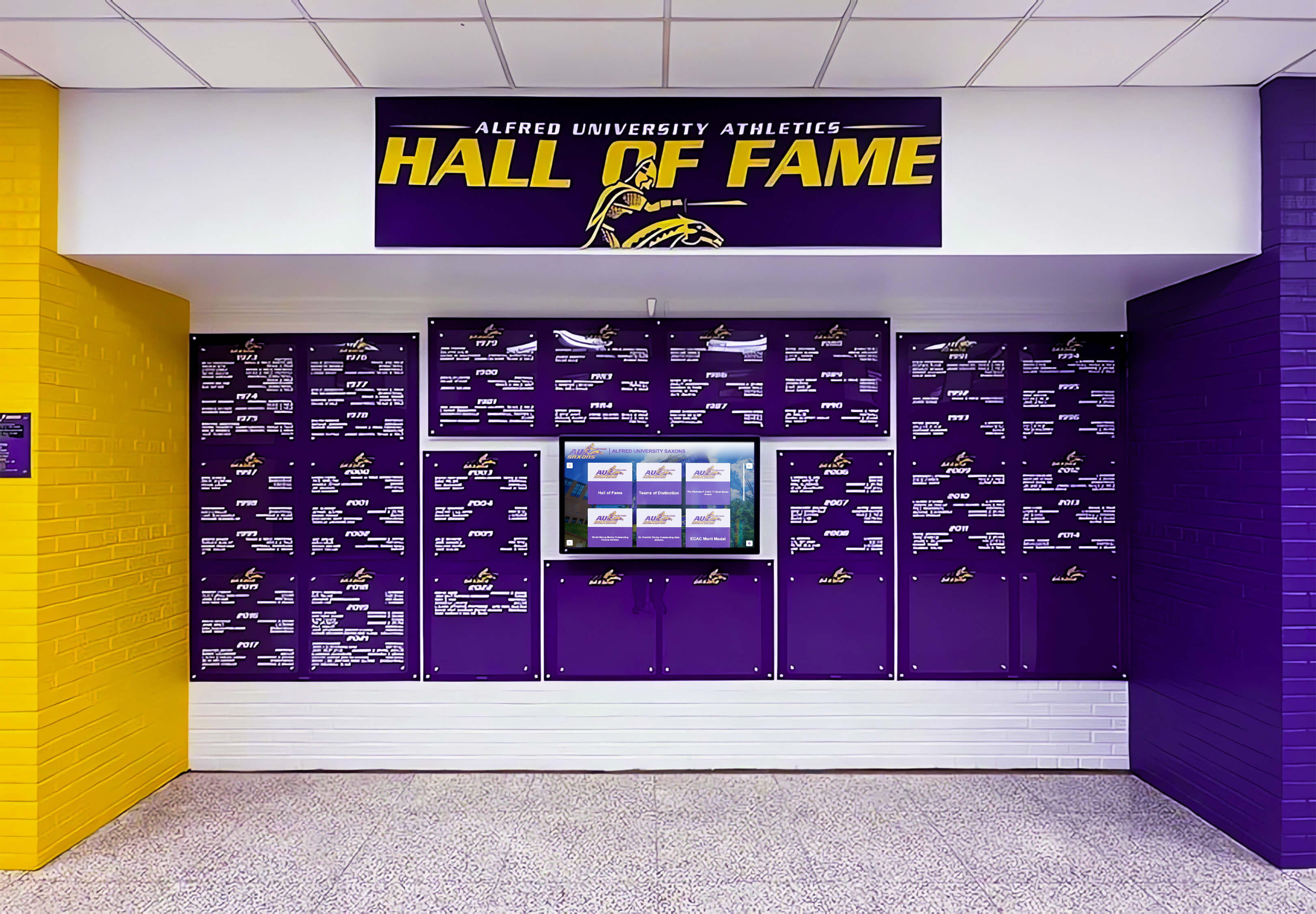
Brand-integrated displays incorporate institutional colors, logos, and design elements creating cohesive recognition experiences reinforcing organizational identity
Content Strategy for Sales Recognition Displays
Beyond technical design, recognition effectiveness depends on compelling content that genuinely honors achievement while inspiring current teams.
Writing Compelling Achievement Narratives
Effective recognition profiles balance comprehensive information with accessible storytelling transforming statistics into inspirational narratives.
Profile Structure Framework
Successful achievement profiles typically follow engaging narrative patterns:
Opening Statement: Lead with defining achievement or memorable milestone capturing attention immediately—“Generated $2.4M in new business revenue representing largest individual contribution in regional history” or “Achieved 187% quota attainment through strategic partnership development opening three new market verticals.”
Background Context: Provide brief career background establishing performer’s journey to excellence—years with organization, previous roles, relevant experience, or challenges overcome building to current achievement.
Achievement Details: Elaborate specific accomplishments with concrete metrics, client examples (when appropriate for confidentiality), innovative strategies employed, or market obstacles navigated. Specificity transforms generic praise into actionable examples demonstrating what excellence looks like within organizational contexts.
Impact and Significance: Explain why achievements matter beyond individual statistics—new markets opened, strategic relationships established, operational innovations developed, or team mentorship provided amplifying impact beyond personal performance.
Current Status: Conclude with performer’s current role, ongoing contributions, or future aspirations when appropriate, demonstrating career progression and sustained excellence rather than presenting achievement as isolated past event.
Balancing Current and Historical Recognition
Effective recognition systems maintain dynamic balance between celebrating recent achievement and preserving institutional memory across years.
Current Performance Emphasis
Real-time leaderboards and rolling recognition windows featuring recent 30, 60, or 90-day performance ensure displays feel immediately relevant to current sales cycles rather than static historical records. This currency maintains visibility for ongoing achievement creating sustained motivation as performers track progress toward recognition thresholds.
Digital platforms excel at dynamic content presentation, enabling automatic rotation highlighting recently added profiles, current leaderboard standings, or timely achievement anniversaries without requiring manual content management creating administrative burden limiting update frequency.
Historical Achievement Archives
While emphasizing currency, comprehensive recognition preserves institutional memory celebrating decades of excellence demonstrating organizational commitment to acknowledgment across generations. Historical archives serve multiple audiences—current performers exploring organizational tradition, long-tenured team members reconnecting with their own recognition, alumni maintaining ties, and prospective recruits evaluating cultural depth.
Well-designed systems enable seamless navigation between current and historical content through intuitive filters, timeline views, or decade-based exploration enabling users choosing emphasis matching their interests without forcing single temporal focus.
Resources on developing comprehensive content strategies provide detailed frameworks for balancing temporal dynamics within recognition displays serving diverse audience needs simultaneously.
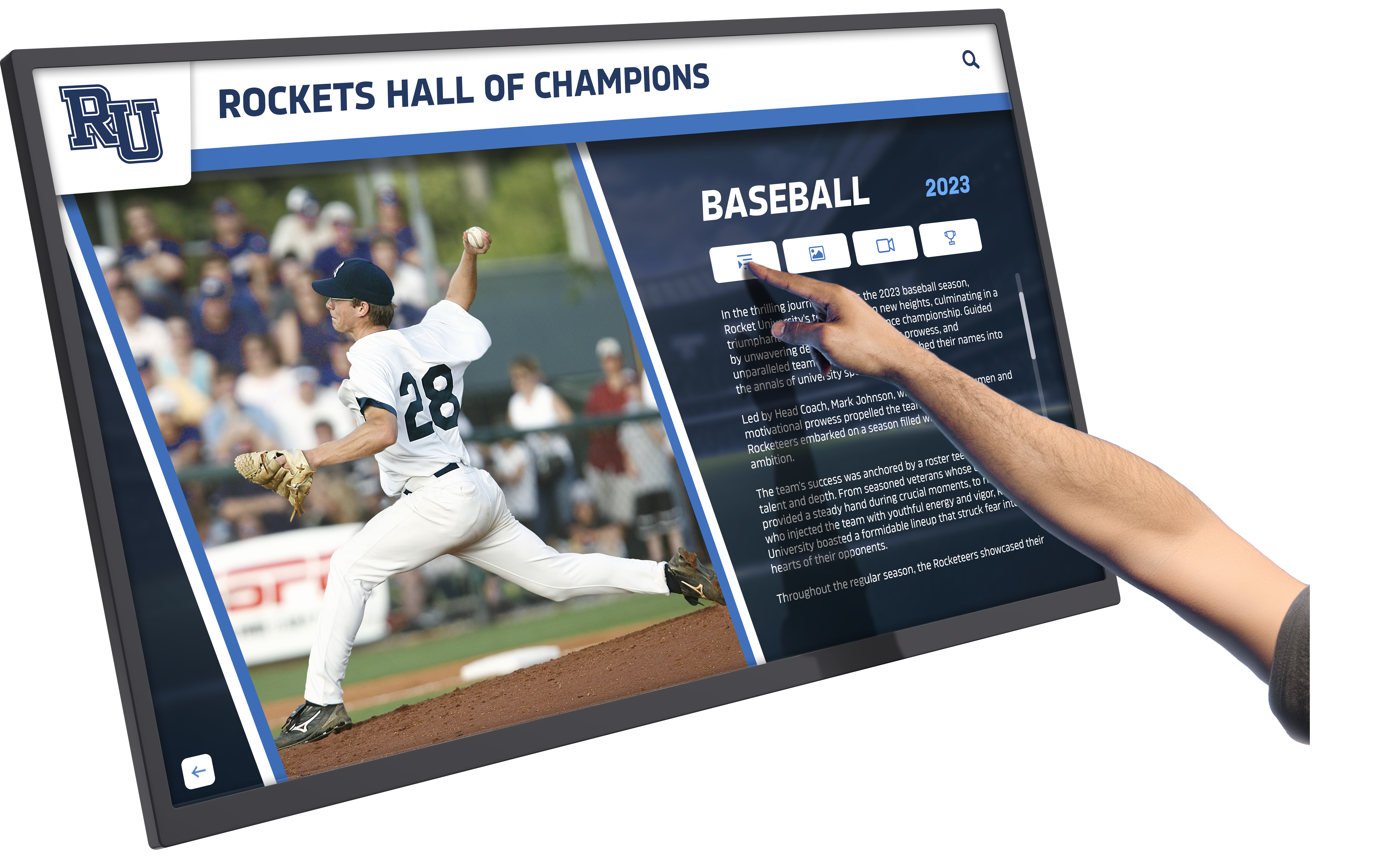
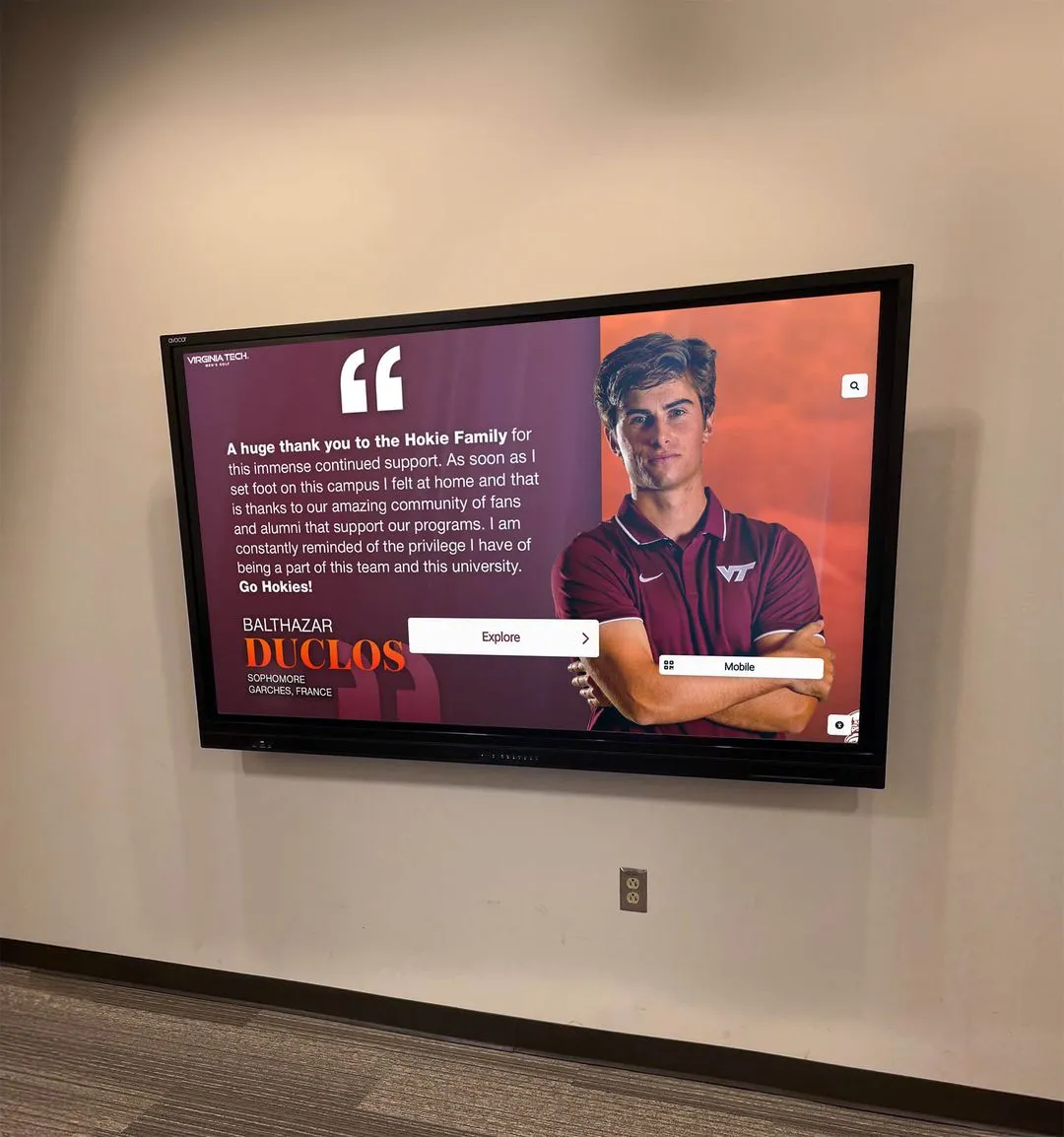
Rich multimedia profiles provide comprehensive achievement details through scannable formatting enabling quick orientation followed by optional deeper exploration
Recognition Program Implementation and Rollout
Translating strategic plans into operational reality requires systematic implementation addressing technology, content, ceremony, and ongoing management.
Technology Platform Selection and Integration
Choosing appropriate recognition technology significantly impacts long-term program success and total cost of ownership.
Purpose-Built Recognition Platforms vs. Generic Digital Signage
Organizations face fundamental choice between generic digital signage systems adapted for recognition versus purpose-built recognition platforms designed specifically for celebrating achievement. While digital signage solutions offer lower initial costs and broad flexibility, they typically lack recognition-specific features including searchable databases, profile management systems, achievement categorization, privacy controls, and analytics tracking engagement with recognition content.
Purpose-built platforms like Rocket Alumni Solutions provide specialized recognition capabilities that generic solutions cannot easily replicate: intuitive content management enabling distributed recognition responsibilities across sales leadership without requiring technical expertise, sophisticated search and filtering helping visitors locate specific performers, automated leaderboard integration with CRM systems, and mobile-responsive web portals extending recognition accessibility beyond physical displays.
CRM and Sales System Integration
Maximum recognition effectiveness requires seamless integration with existing sales technology infrastructure—Salesforce, HubSpot, Microsoft Dynamics, or proprietary CRM systems housing performance data. Manual data entry for leaderboards creates administrative burden limiting update frequency while introducing errors undermining recognition credibility.
Leading recognition platforms offer direct CRM integration automatically pulling performance data, calculating rankings, and updating displays in real-time without manual intervention. This automation ensures leaderboards remain continuously current while freeing personnel from repetitive data entry tasks, enabling focus on strategic recognition responsibilities like achievement narrative development and ceremony planning.
Launch Events and Ceremonial Recognition
While digital displays provide continuous recognition visibility, formal launch events and periodic ceremonies create memorable moments reinforcing organizational commitment to appreciation culture.
Recognition Program Launch Strategy
Introducing new recognition displays warrants deliberate launch creating excitement and establishing cultural expectations rather than quiet installation hoping organic adoption. Effective launches typically include:
Executive Messaging: Leadership communications explaining recognition program rationale, criteria, and organizational commitment signals that achievement acknowledgment matters at highest levels rather than representing middle-management initiative potentially deprioritized during challenging periods.
Facility Tours: Structured tours bringing sales teams to recognition display locations with guided demonstrations explaining navigation, searching capabilities, and content exploration possibilities ensures immediate familiarity preventing uncertainty about how displays work that might limit early engagement.
Initial Recognition Ceremony: Coinciding launch with recognition event honoring recent high performers creates positive association between display introduction and celebration, demonstrating immediate purpose rather than presenting empty systems awaiting future content.
Ongoing Recognition Ceremonies
Beyond launch, periodic ceremonies—monthly, quarterly, or annually depending on recognition tier—maintain recognition program vitality through memorable interpersonal moments complementing persistent display visibility. Recognition events typically include:
- Leadership presentations formally acknowledging achievement
- Physical award presentations for tiers receiving tangible recognition
- Peer celebration and team acknowledgment
- Photographic documentation for display profile updates
- Social sharing generating external visibility
While digital displays provide continuous recognition, ceremonial moments create emotional peaks that personnel remember years later, describing these celebrations during recruiting conversations or reminiscing during career retrospectives demonstrating lasting cultural impact.
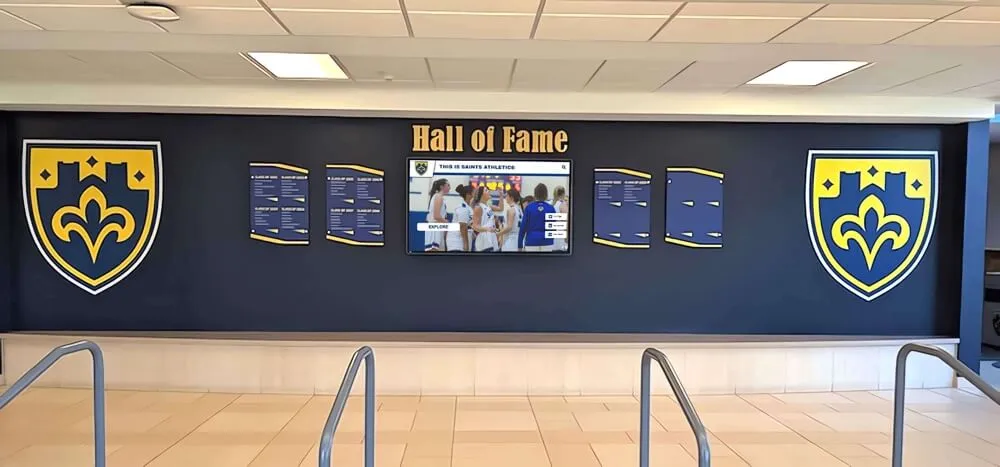
Blending traditional ceremonial elements with modern digital capabilities creates comprehensive recognition experiences honoring heritage while embracing contemporary engagement
Measuring Recognition Program Effectiveness
Data-driven evaluation ensures recognition investments deliver intended outcomes while identifying improvement opportunities maximizing program impact.
Key Performance Indicators for Recognition Programs
Track metrics demonstrating recognition program effectiveness beyond anecdotal feedback:
Engagement Metrics for Digital Displays
Modern recognition platforms provide detailed analytics revealing actual usage patterns:
- Unique users and total interaction sessions showing display engagement frequency
- Average session duration indicating depth of content exploration
- Most-viewed profiles identifying popular content and community interests
- Search queries revealing what information visitors seek
- Peak usage times informing content launch strategies
- Return visitor rates demonstrating sustained rather than one-time interest
These quantitative metrics illuminate whether displays genuinely engage audiences or merely occupy space without generating meaningful interaction. Low engagement signals potential placement problems, confusing interfaces, or content failing to resonate with intended audiences.
Business Outcome Metrics
Beyond display engagement, track broader organizational indicators potentially influenced by recognition programs:
Retention Improvements: Compare turnover rates before and after recognition program implementation, particularly analyzing retention among top-performer cohorts most impacted by acknowledgment systems. According to Gallup research on employee recognition, recognized employees demonstrate 63% higher retention—metric organizations should verify within their own contexts.
Performance Trajectory Changes: Analyze whether recognition program introduction correlates with quota attainment improvements, particularly among mid-tier performers potentially motivated by visible pathways to elite recognition. While correlation doesn’t prove causation, sustained performance improvements following recognition investment suggest program effectiveness.
Recruitment Metrics: Track whether candidate acceptance rates, offer-to-acceptance timelines, or compensation negotiation dynamics shift after recognition display implementation providing tangible demonstration of performance-focused culture during recruitment processes.
Gathering Qualitative Feedback
Quantitative analytics reveal what happens but not why. Complementary qualitative research provides crucial context understanding recognition program impact on team psychology and motivation.
Recognition Satisfaction Surveys
Periodically survey sales team members about recognition experiences:
- Whether they received recognition for noteworthy achievements
- How quickly acknowledgment occurred relative to performance
- What recognition forms they received and valued most
- Whether recognition met, exceeded, or disappointed expectations
- What would make recognition more meaningful
- How recognition visibility influences their motivation
Exit Interviews and Stay Interviews
When high performers depart, exit interviews should explore recognition program assessment and whether acknowledgment adequacy influenced retention decisions. Conversely, stay interviews with long-tenured top performers reveal what recognition elements sustain commitment, providing positive insights about program strengths worth preserving and amplifying.
Leadership Observations
Sales leadership directly observing team dynamics often notice recognition program impacts that surveys miss—increased positive peer-to-peer commentary about achievements, enhanced team camaraderie during recognition events, or visible motivation improvements when leaderboards show achievable proximity to recognition thresholds.
This qualitative intelligence guides iterative program refinement ensuring recognition evolves matching team preferences rather than remaining static based on implementation assumptions potentially diverging from actual reception.
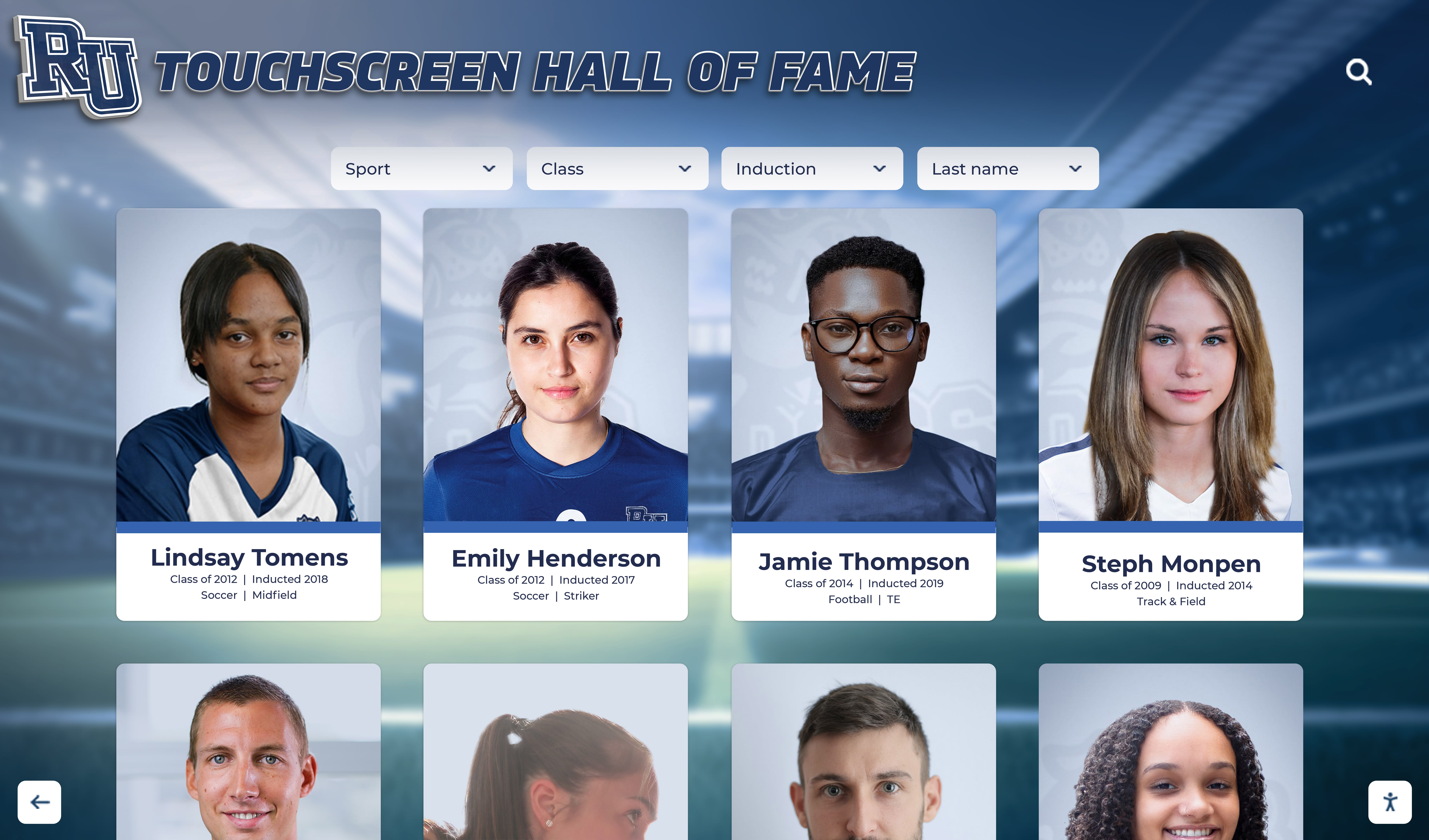
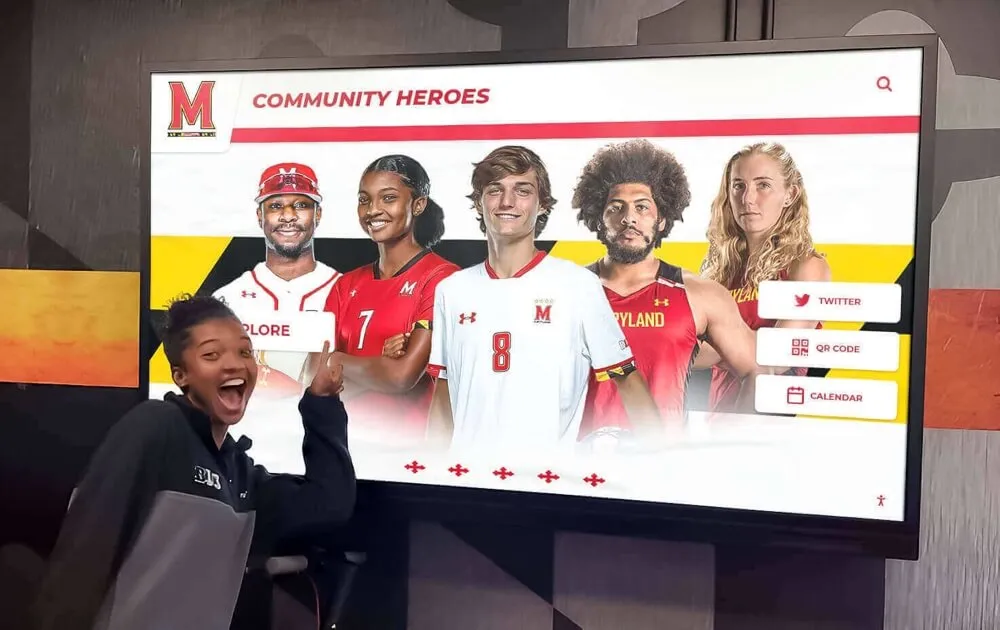
Card-based interfaces organize large performer populations enabling efficient browsing while maintaining individual achievement visibility
Advanced Recognition Strategies and Best Practices
Organizations maximizing recognition program impact implement sophisticated strategies extending beyond basic acknowledgment displays.
Multi-Channel Recognition Integration
Most effective recognition programs coordinate acknowledgment across multiple touchpoints creating comprehensive cultural reinforcement rather than treating displays as isolated initiatives.
Physical and Digital Recognition Coordination
Integrate permanent displays with complementary recognition channels:
Email and Communication Recognition: When updating displays with new achievers, coordinate announcement emails highlighting additions and linking to web-accessible recognition profiles enabling exploration beyond physical locations. This coordination ensures remote team members and geographically distributed personnel receive equivalent recognition visibility as headquarters staff viewing physical displays daily.
Social Media Amplification: Share recognition content through organizational social channels—LinkedIn company pages, Twitter accounts, or Instagram presence—amplifying acknowledgment reach to external audiences including customers, prospective recruits, and industry communities. Public social recognition demonstrates organizational pride in team excellence while providing performers personally shareable content celebrating achievement within their professional networks.
Internal Newsletter Features: Dedicate regular newsletter sections to recognition program updates, performer spotlight interviews, or achievement statistics demonstrating program vitality. Written content provides narrative depth impossible within display interfaces, offering behind-the-scenes achievement stories or career journey profiles that inspire while entertaining.
Event Integration Opportunities
Coordinate recognition displays with broader organizational events maximizing visibility during high-attention moments:
Sales Kickoff Events: Annual or quarterly kickoffs launching new sales periods provide ideal recognition prominence opportunities. Display previous period top performers, review achievement criteria for upcoming periods, and generate excitement about recognition possibilities motivating immediate performance focus.
Customer and Partner Events: When hosting client appreciation events, partner conferences, or industry gatherings, strategically positioned recognition displays demonstrate organizational commitment to excellence while subtly reinforcing high-performance culture to external audiences potentially influencing business relationships or recruiting pipelines.
Recruitment Open Houses: During organized recruiting events for sales positions, guided recognition display tours provide concrete demonstration of appreciation culture. Prospective candidates exploring recognition systems gain tangible evidence of systematic acknowledgment rather than relying solely on verbal assurances during interviews that any organization could claim without supporting infrastructure.
Gamification and Real-Time Competition Elements
Modern recognition systems increasingly incorporate gamification mechanics leveraging competitive psychology driving sales performance.
Real-Time Performance Visibility
According to digital leaderboard research from Spinify, sales representatives indicate visibility and public recognition motivate them more than purely financial incentives. Real-time leaderboards satisfy this need by providing continuous feedback about performance standing while creating friendly competition as team members track positions relative to recognition thresholds throughout sales periods rather than waiting for period-end results revealing outcomes.
Advanced platforms enable multiple simultaneous competitions recognizing diverse achievement types—total revenue, new customer acquisition, customer satisfaction, territory growth, or product-specific sales quotas. This diversity ensures multiple recognition pathways preventing single competition domination by same individuals month after month while offering varied excellence opportunities across team members with different strengths.
Progress Visualization and Milestone Tracking
Beyond simple rankings, sophisticated displays visualize progress toward goals, recognition thresholds, and historical comparison baselines helping performers understand proximity to achievement. Progress bars showing quota attainment percentages, goal trackers indicating distances to recognition thresholds, or year-over-year comparison charts demonstrating improvement trajectories provide actionable information enabling performance adjustment rather than passive observation of final rankings.
Milestone celebrations for intermediate achievement—first million in revenue, 100th customer acquisition, or sustained quarter-over-quarter growth—create recognition opportunities throughout years rather than concentrating acknowledgment during annual top performer announcements. These incremental celebrations maintain motivation during long sales cycles where ultimate annual recognition remains distant.
Resources on implementing effective recognition programs provide detailed frameworks for designing multi-dimensional acknowledgment systems serving diverse motivational needs across sales organizations.
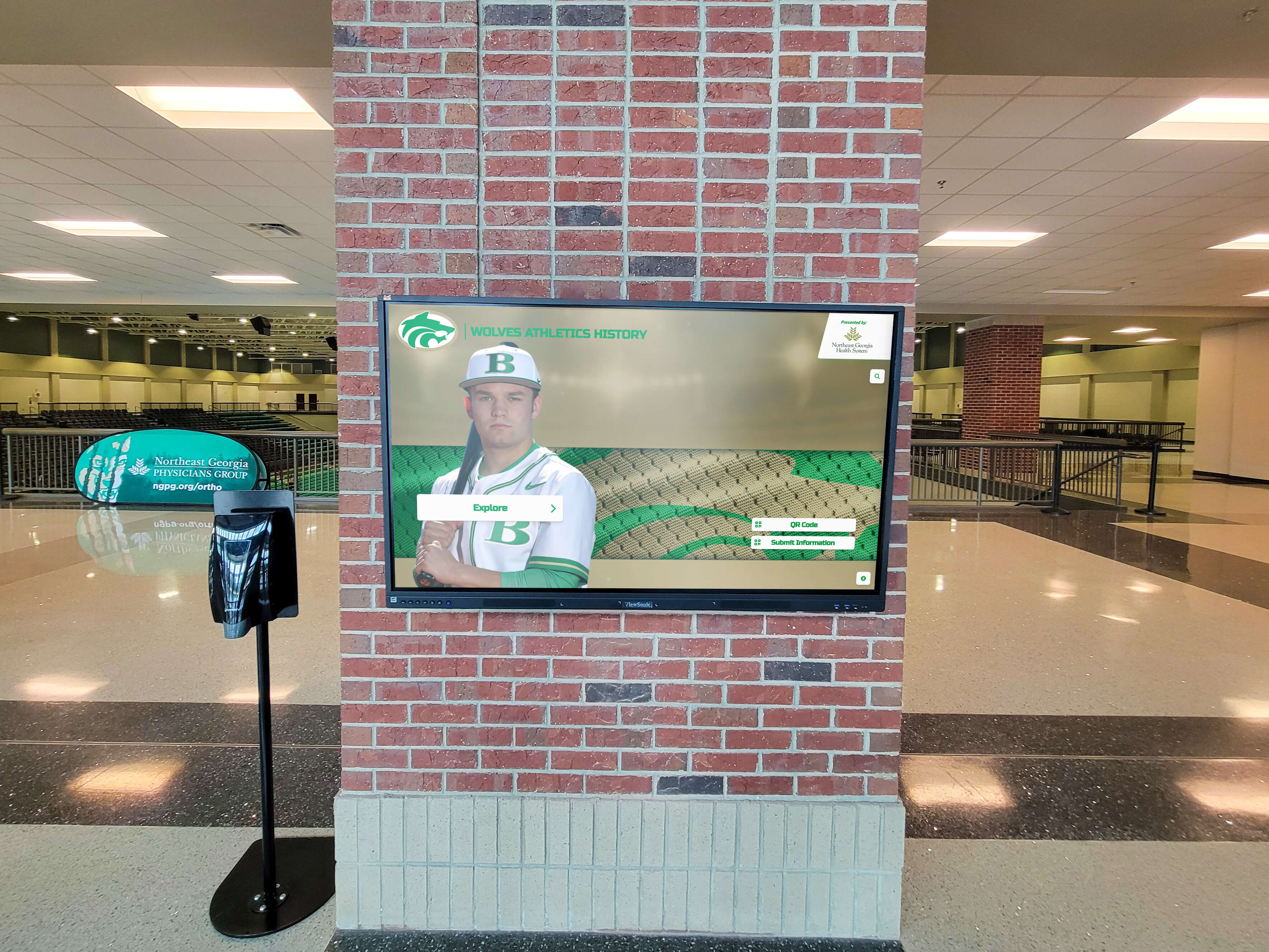
Prominent large-format displays signal organizational commitment to recognition while creating impressive visual focal points in common spaces
Common Implementation Challenges and Solutions
Understanding typical obstacles helps organizations proactively address challenges preventing recognition program success.
Budget Constraints and ROI Justification
Recognition display implementation requires initial investment that budget-conscious organizations may question without clear return demonstration.
Total Cost of Ownership Analysis
Comprehensive budget planning considers full lifecycle costs rather than focusing exclusively on initial hardware expenses:
Hardware Investment: Commercial-grade touchscreen displays for public recognition applications typically range $3,000-8,000 depending on size (43-75 inches), mounting requirements (wall-mount vs. floor kiosks), and touch technology specifications. While consumer displays cost less initially, commercial-rated equipment designed for continuous operation provides 5-7 year reliable service compared to 1-2 year consumer equipment lifespans—yielding lower total cost despite higher initial investment.
Software Platform Costs: Recognition software subscription fees vary significantly based on capabilities—generic digital signage platforms charging $30-100 monthly versus purpose-built recognition systems costing $150-400 monthly for comprehensive functionality including CRM integration, content management, analytics, and mobile accessibility. Organizations should evaluate feature value rather than selecting purely based on minimum cost.
Content Development Investment: Initial content creation requires photography sessions, achievement data compilation, narrative writing, and profile development. Organizations should budget $75-150 per recognized individual for comprehensive profile development including professional photography and written content creation. This investment creates lasting content library generating value for years as performers remain within systems.
ROI Calculation Framework
Demonstrate recognition program value through concrete financial analysis:
Retention Improvement Value: If recognition programs reduce sales turnover by 10% within organization averaging 50 sales personnel earning $100K annually, retention improvement saves approximately $250,000-500,000 annually in recruiting, training, and productivity ramp costs (calculated using typical 150-200% replacement cost estimates). This single benefit alone typically justifies recognition investment within first year.
Performance Improvement Returns: Research from employee recognition studies suggests recognition-rich environments generate 14-29% improved performance outcomes. Translating conservative 10% revenue improvement to organization generating $25M annually yields $2.5M additional revenue—extraordinary return on $50,000 recognition system investment.
Maintaining Content Currency and Engagement
Initial recognition display launches typically generate excitement, but sustaining engagement requires ongoing content attention preventing displays from becoming stale or outdated.
Sustainable Content Management Workflows
Establish clear ongoing responsibilities ensuring recognition remains current:
Defined Content Ownership: Assign specific personnel responsible for recognition content management—typically sales operations leaders, sales managers, or dedicated recognition coordinators. Clear accountability prevents recognition becoming everyone’s responsibility that consequently becomes no one’s actual priority.
Standardized Update Schedules: Implement predictable rhythms for recognition updates matching organizational cadences: monthly leaderboard refreshes, quarterly profile additions, annual historical archive reviews ensuring accuracy. Scheduled routines prevent recognition updates from occurring only when specifically remembered during already-busy periods.
Content Management System Access: Select recognition platforms enabling distributed content creation where sales managers or regional leaders can contribute achievement content for their team members within approval workflows maintaining quality standards. Distributed creation prevents bottlenecks where single administrator managing all recognition content cannot sustain timely updates at scale.
Content Refresh Strategies
Beyond adding new recognition, periodically refresh existing content maintaining visual interest:
Rotating Featured Profiles: Rather than displaying identical homepage content continuously, implement rotation highlighting different historical achievers each week or month. This rotation keeps displays feeling dynamic while gradually exposing audiences to full recognition archive rather than emphasizing only recent additions.
Anniversary Recognition: Automatically surface achievement anniversaries—“This month 10 years ago, Jennifer Adams achieved President’s Circle status generating $3.2M revenue…” These anniversary spotlights connect historical excellence with current teams while demonstrating longstanding organizational commitment to recognition.
Seasonal Themes: During particular organizational moments—fiscal year launches, milestone anniversaries, or significant company achievements—temporarily emphasize recognition content connecting to these contexts. Thematic adaptation demonstrates displays receive active curation rather than running automated content loops requiring no human attention.
Comprehensive guidance on maintaining digital recognition displays provides operational frameworks ensuring long-term program sustainability beyond initial implementation enthusiasm.

Multiple coordinated displays throughout facilities ensure recognition reaches diverse audiences while preventing single-point failure when displays require maintenance
The Future of Sales Recognition Displays
Emerging technologies and evolving workplace dynamics shape how organizations will acknowledge sales excellence in coming years.
Mobile and Remote Access Integration
Increasingly distributed sales teams working remotely or covering broad geographic territories require recognition accessibility extending beyond fixed physical displays.
Mobile-Responsive Recognition Portals
Modern recognition platforms provide web-based portals accessible from smartphones, tablets, and laptops enabling recognition exploration from anywhere. These mobile experiences must provide full functionality rather than limiting features to desktop access—comprehensive search, detailed profile viewing, leaderboard checking, and social sharing should work seamlessly across devices.
Mobile access proves particularly valuable for geographically distributed sales organizations where majority of team members rarely visit headquarters housing physical recognition displays. Without mobile accessibility, recognition visibility remains limited to periodic office visits rather than providing consistent cultural reinforcement that sustained acknowledgment requires.
Social Sharing and Network Amplification
Enabling recognized performers to easily share achievements through personal LinkedIn profiles, Twitter accounts, or other professional networks amplifies recognition reach while leveraging performer pride in organizational acknowledgment. This social amplification provides recruiting benefits as performers’ networks observe recognition culture while performers receive personal brand enhancement through association with high-performing organizations.
Simple sharing functionality—one-tap buttons generating pre-formatted social posts with recognition images, achievement descriptions, and organizational branding—reduces friction preventing sharing that requires manual content creation performers rarely complete despite genuine pride in accomplishments.
AI-Powered Recognition Personalization
Artificial intelligence enables increasingly sophisticated recognition experiences adapting to individual preferences and behavioral patterns.
Personalized Recognition Recommendations
AI systems analyzing user interaction patterns can surface recognition content matching demonstrated interests. If particular manager frequently explores profiles of performers achieving excellence through consultative selling approaches, AI might automatically highlight similar achievers rather than presenting generic homepage content. This personalization increases engagement by presenting immediately relevant content rather than requiring extensive searching.
Predictive Recognition Opportunities
Advanced analytics monitoring performance trajectories can identify performers approaching recognition thresholds, enabling proactive encouragement from leadership. If systems detect representative tracking 5% behind quota with two weeks remaining in period, automated alerts to sales managers suggest targeted support potentially enabling recognition achievement that benefits both individual and organization.
Natural Language Interaction
Voice interfaces and conversational AI may enable natural language recognition exploration: “Show me top performers in Northeast region last quarter” or “What achievement milestones has David Martinez reached?” These intuitive interactions remove navigation complexity particularly beneficial for sales leadership checking recognition status during coaching conversations or team members casually exploring achievement information without learning interface mechanics.
Solutions like Rocket Alumni Solutions continue evolving recognition technology, integrating emerging capabilities while maintaining intuitive experiences that engage rather than confuse audiences seeking to celebrate organizational excellence.
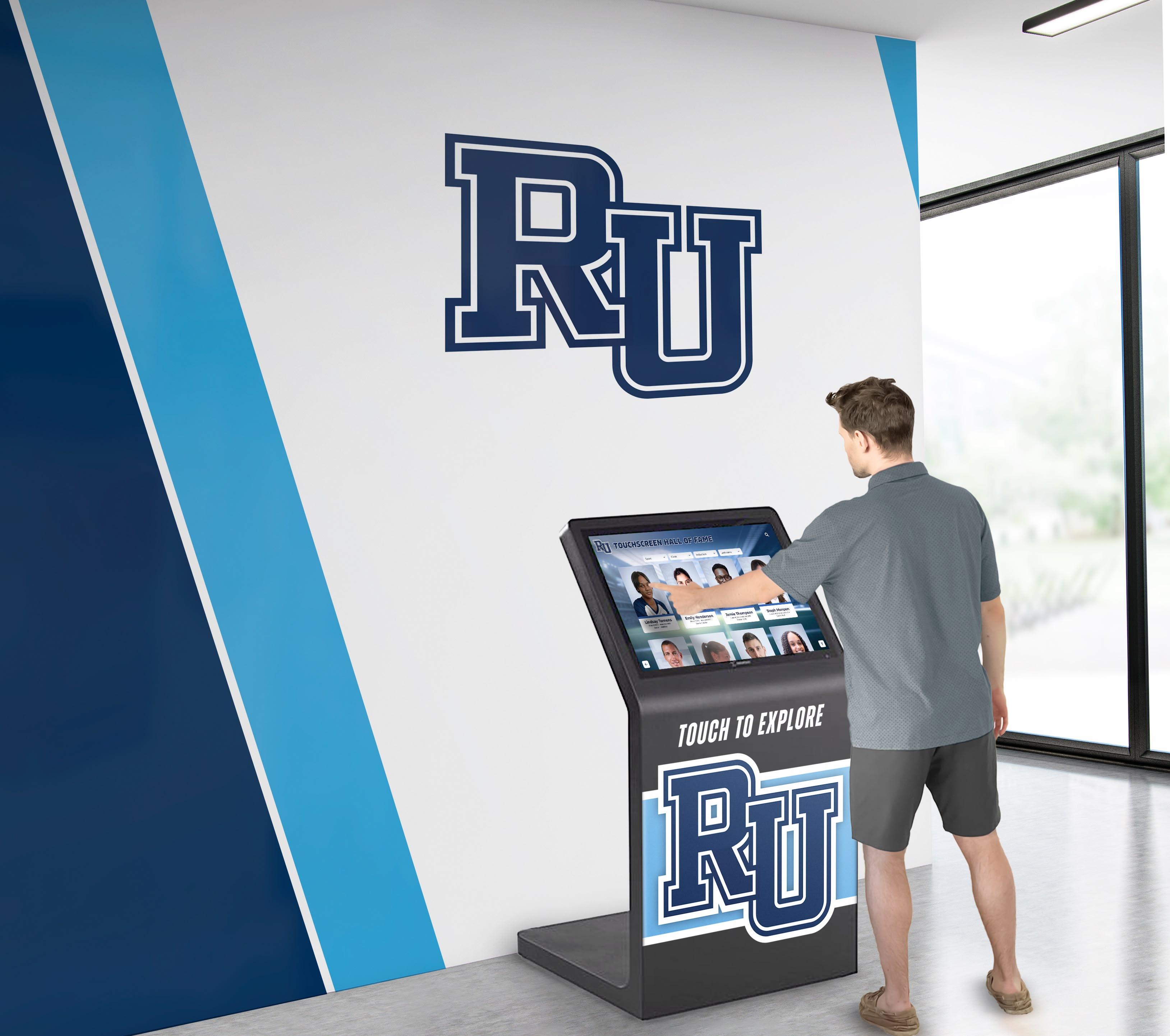
Contemporary recognition technology balances sophisticated capabilities with intuitive interfaces requiring no training or familiarization for immediate engagement
Conclusion: Building Recognition Cultures That Drive Sales Excellence
Top sales performer recognition displays represent strategic investments in motivation infrastructure that sustains high-performance cultures, reduces costly turnover, and demonstrates organizational commitment to celebrating excellence. Moving beyond perfunctory monthly announcements or forgotten trophy storage requires systematic approaches integrating recognition visibility into daily work environments through permanent displays, real-time leaderboards, and comprehensive celebration systems honoring achievement at multiple levels.
The most successful recognition programs share common characteristics: they acknowledge diverse achievement types ensuring multiple pathways to recognition across team members with different strengths, provide continuous visibility through strategically placed displays creating sustained cultural reinforcement, integrate with existing sales systems enabling real-time performance tracking without administrative burden, maintain content currency through sustainable workflows preventing displays from becoming stale, and measure effectiveness systematically using engagement metrics and business outcomes demonstrating tangible return on recognition investment.
Get Your Custom Recognition Mock-Up
Discover how purpose-built sales recognition displays can transform your sales culture while driving measurable performance improvements. Rocket Alumni Solutions creates sophisticated recognition systems celebrating excellence through engaging digital experiences.
Schedule Your Recognition ConsultationOrganizations implementing comprehensive sales recognition displays consistently report remarkable outcomes: retention improvements among top performers reducing costly turnover, quota attainment increases as recognition visibility motivates performance, enhanced recruitment capabilities as prospective talent observes systematic celebration culture, and stronger team cohesion as shared recognition traditions build organizational identity transcending individual accomplishments.
Whether implementing first recognition displays or enhancing existing programs, the principles and strategies explored in this guide provide actionable frameworks for creating acknowledgment systems that genuinely motivate sales professionals while building cultures where excellence receives systematic celebration. Your top performers generate revenue sustaining organizational success—they deserve thoughtful, visible, permanent recognition honoring contributions that drive business results.
Ready to elevate your sales recognition program? Explore complementary strategies including employee recognition program frameworks, digital trophy display solutions showcasing achievement comprehensively, interactive recognition board implementations demonstrating technical possibilities, and comprehensive recognition system guides providing implementation roadmaps transforming recognition from periodic afterthought into strategic performance driver.
Sources
The research and insights in this guide draw from the following sources:
- Gallup: Employee Recognition Research - Research on recognition impact on retention and engagement
- SPOTIO: Sales Leaderboards Guide - Best practices for implementing sales performance tracking
- Ambition: Sales Leaderboards Software - Real-time performance tracking capabilities
- Award Maven: Sales Stars Recognition - Award selection and budgeting guidance
- Spinify: Digital Leaderboards Research - Impact of digital leaderboards on sales team performance