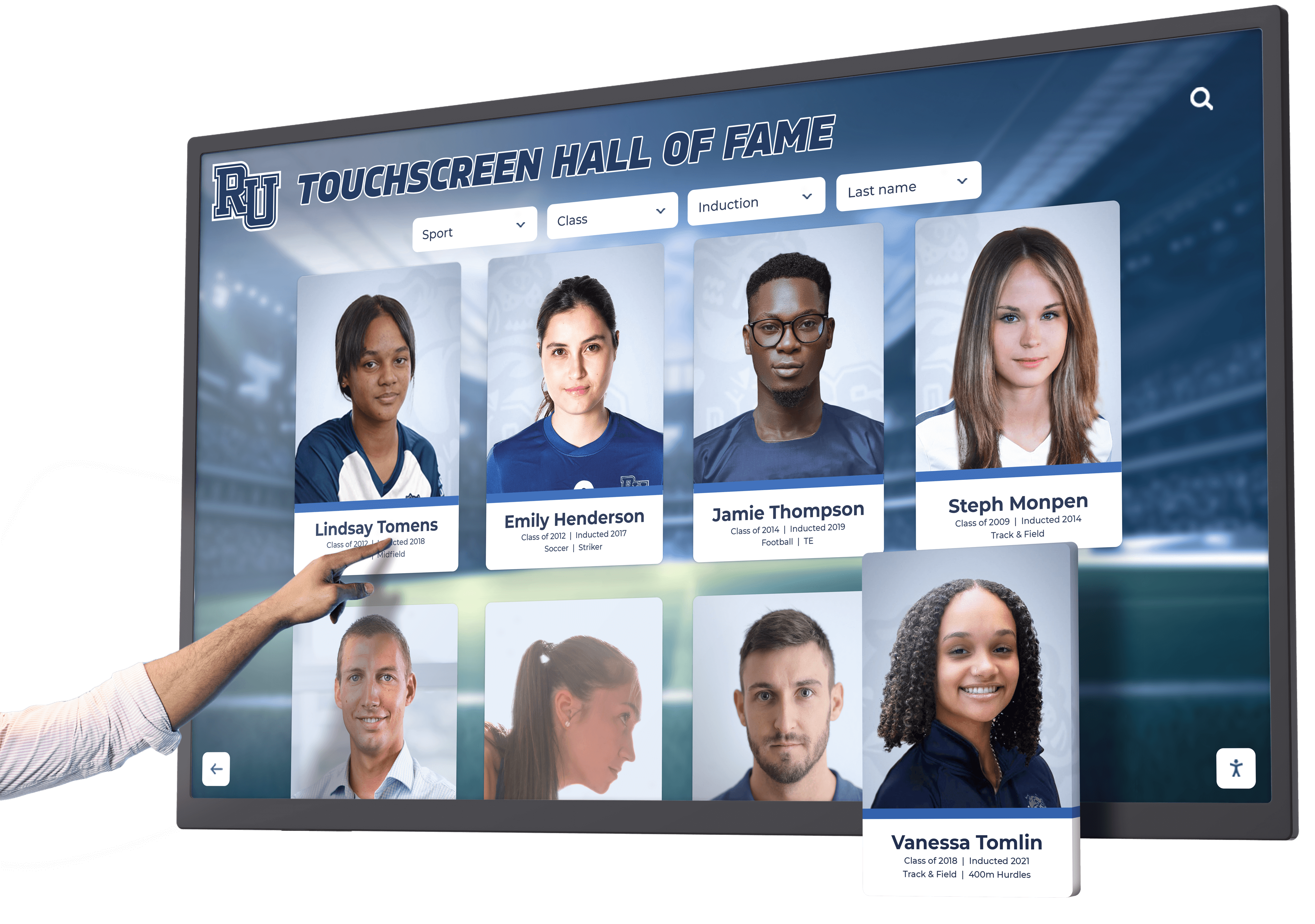




Olympic training centers represent the pinnacle of athletic development infrastructure in the United States, providing world-class facilities, comprehensive support services, and elite coaching that transforms talented athletes into international champions. These specialized complexes bring together cutting-edge sports science, state-of-the-art equipment, and expert guidance to create environments where Olympic dreams become reality through systematic excellence and dedicated preparation.
Yet beyond their role in developing medal-winning athletes, these training centers offer valuable lessons for schools, universities, and athletic programs seeking to create cultures of excellence and meaningful recognition. The comprehensive approach these facilities take—celebrating individual achievement, preserving athletic legacies, and inspiring future generations—provides powerful models that educational institutions can adapt to honor their own athletic traditions and motivate current student-athletes.
This comprehensive guide explores America’s premier Olympic team training centers, their facilities and programs, and how their recognition philosophies can inform how schools and institutions celebrate athletic achievement and build championship cultures.
Olympic training centers serve dual purposes: developing elite athletes capable of competing at the highest international levels while simultaneously inspiring broader athletic communities through visible excellence and comprehensive recognition. Understanding these facilities, their approaches, and their impact provides valuable context for any institution committed to athletic achievement and meaningful celebration of success.
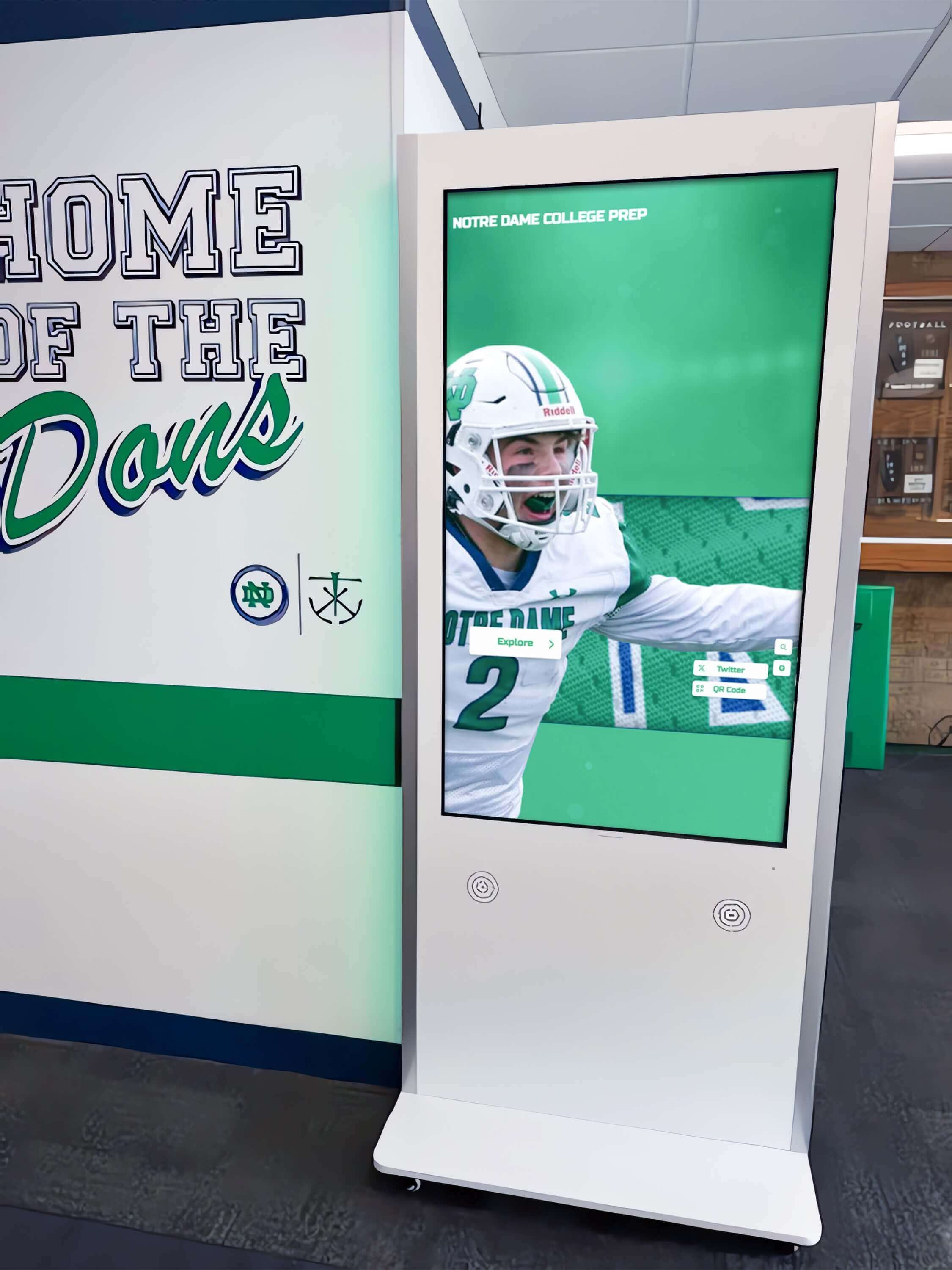
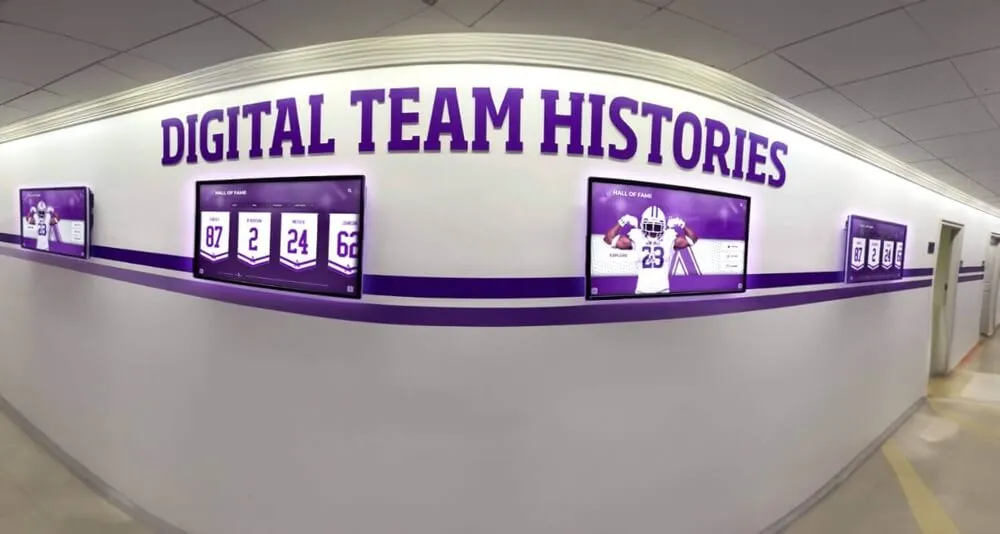
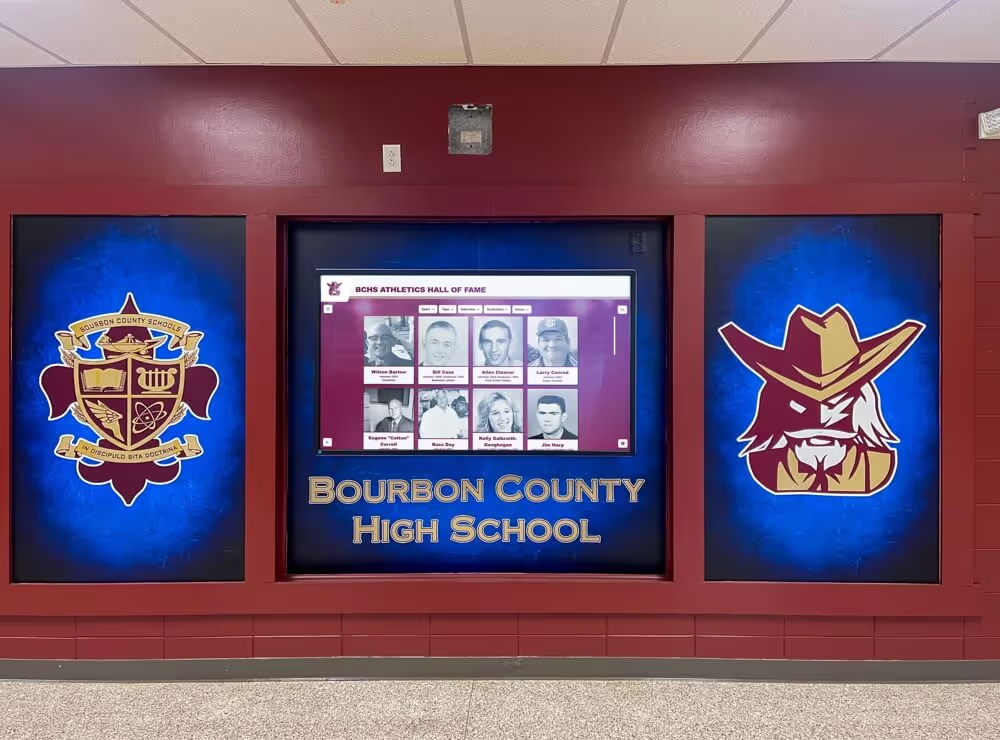
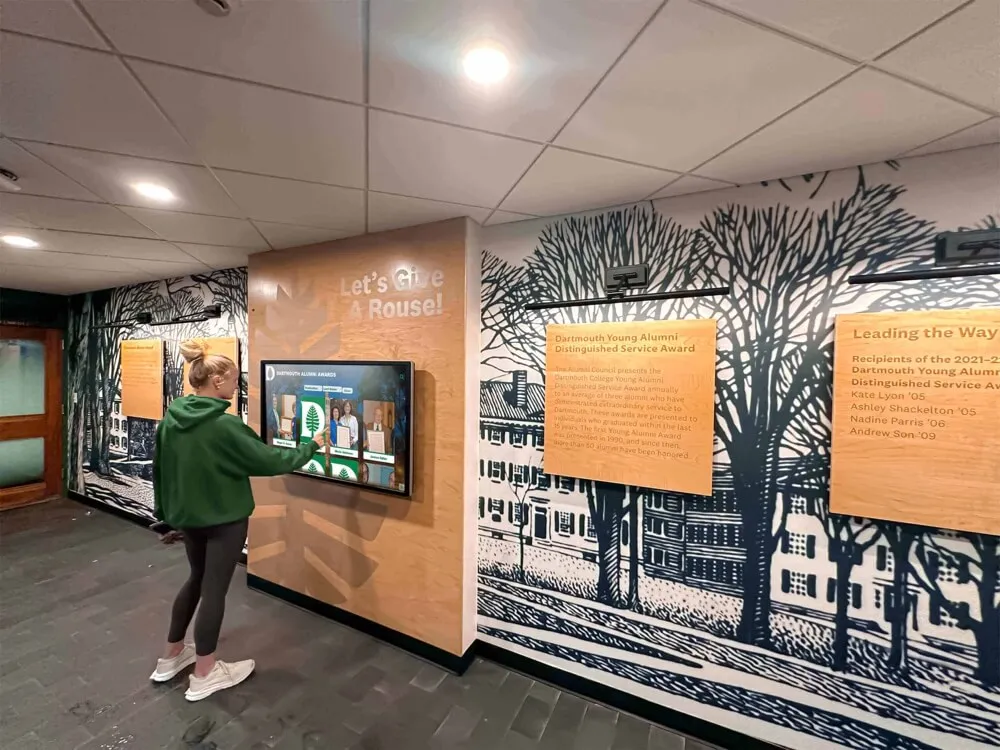
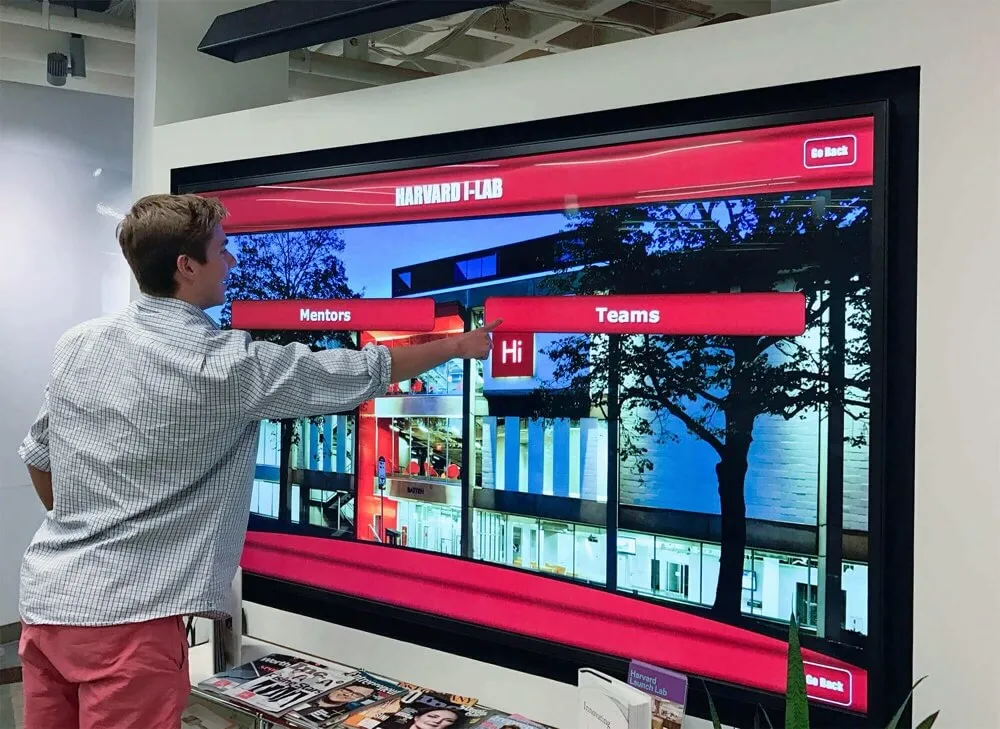
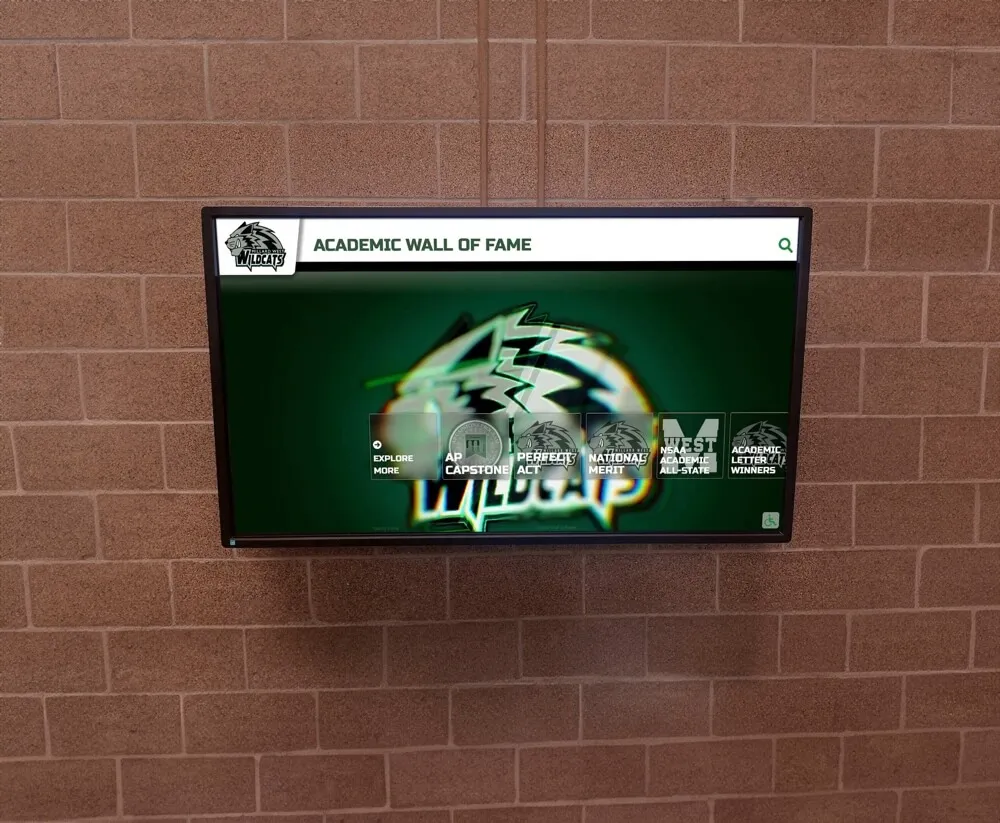
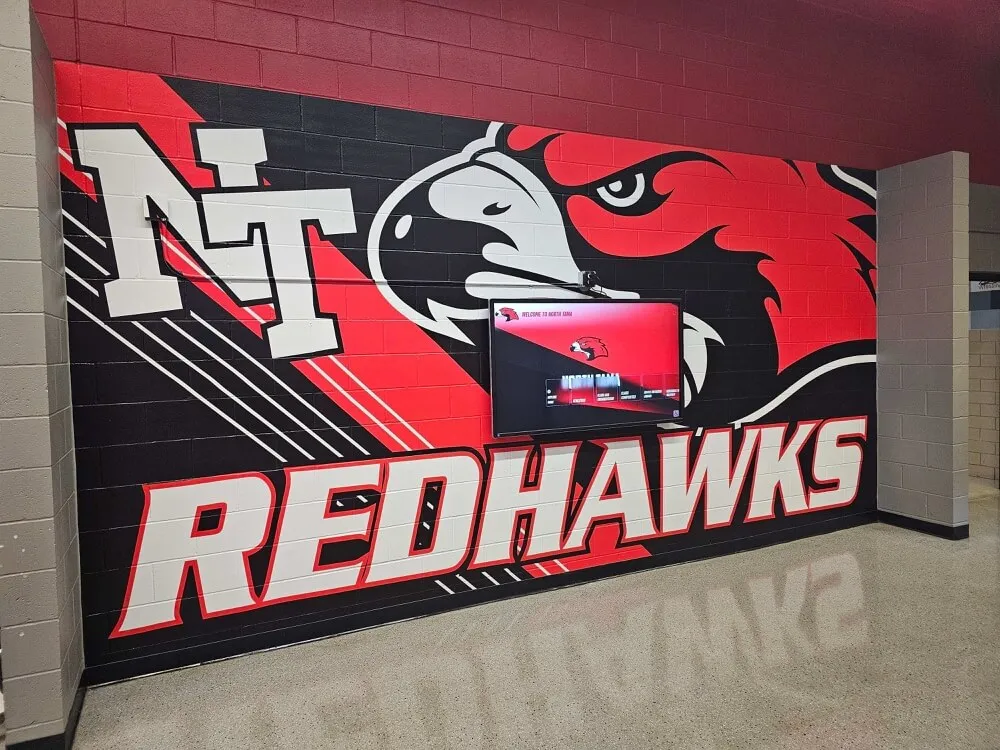
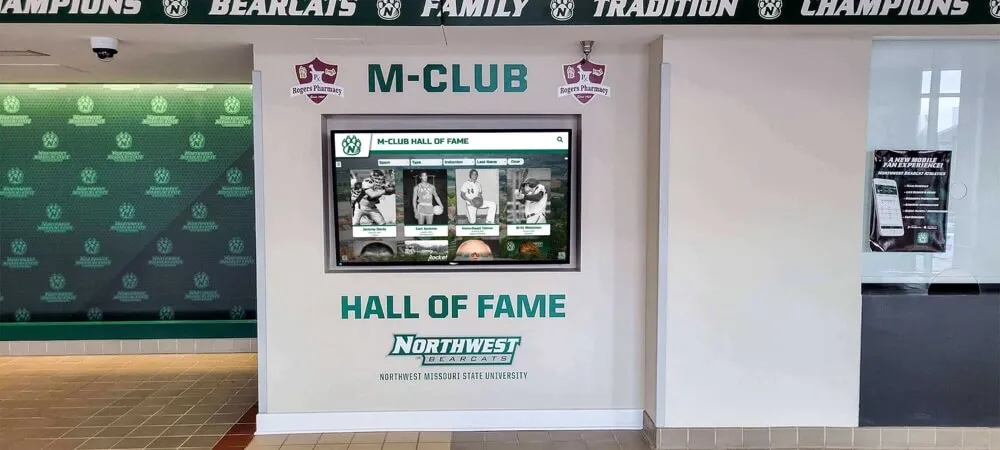
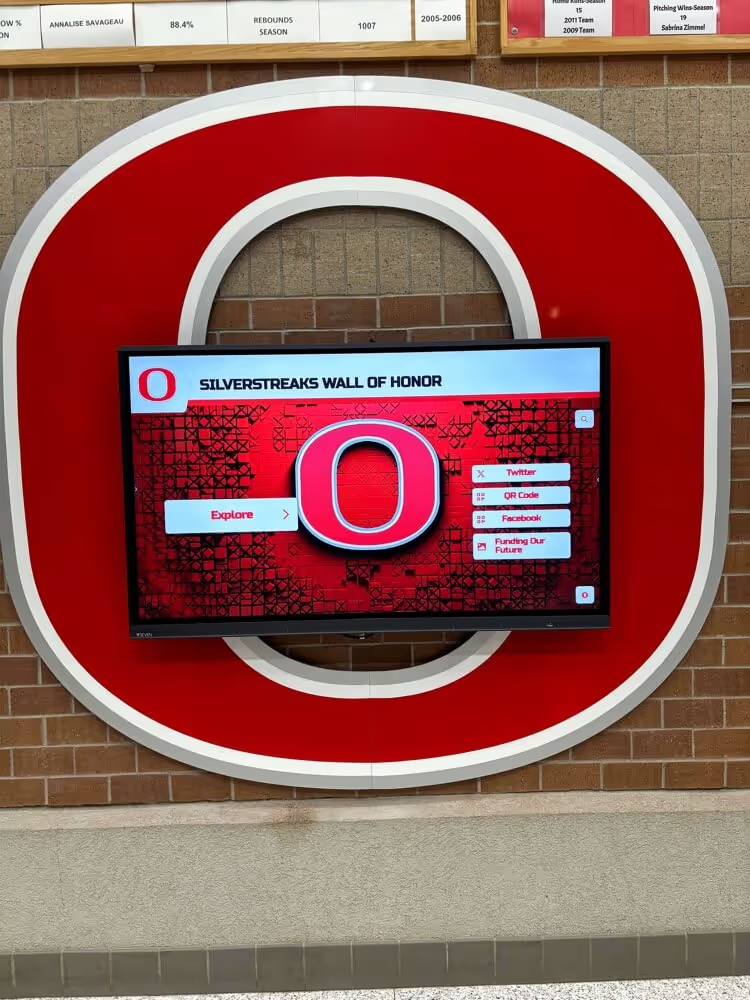
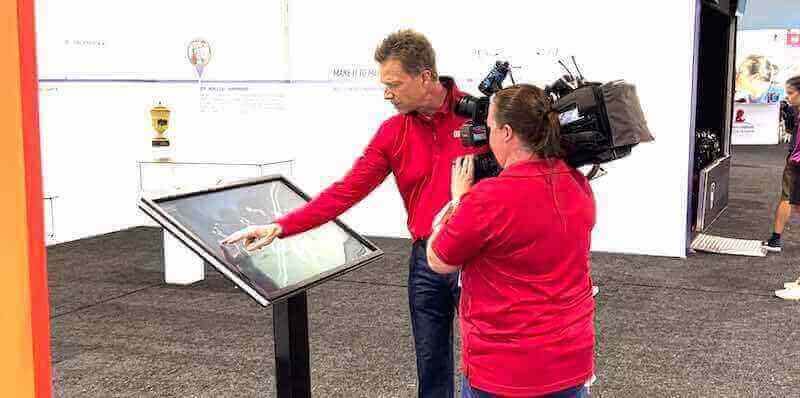
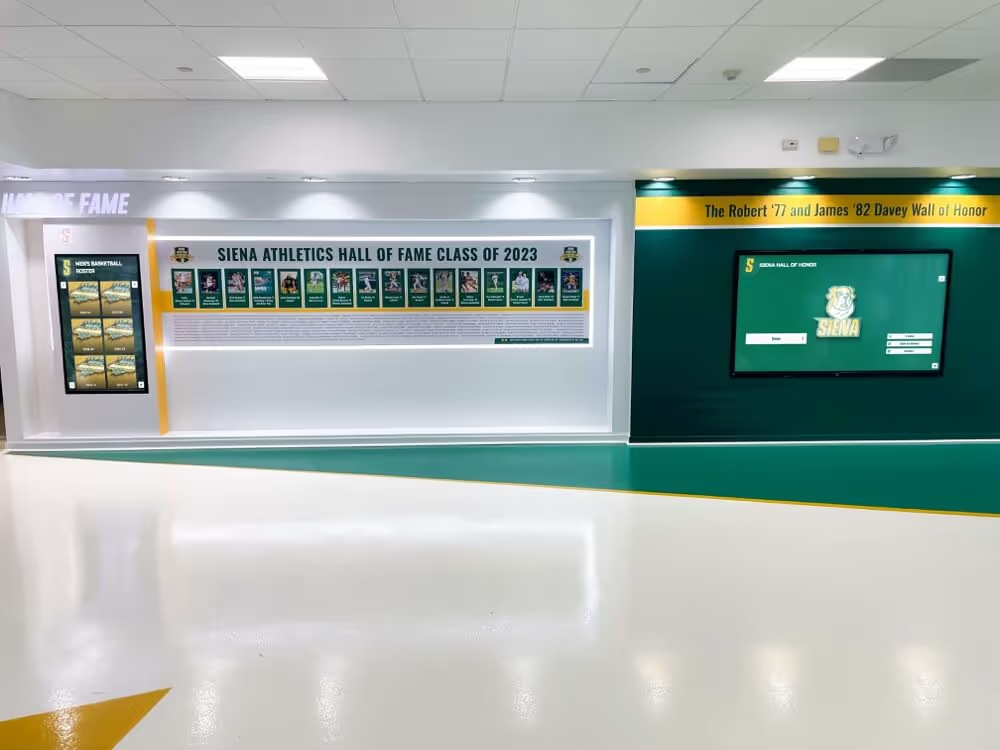
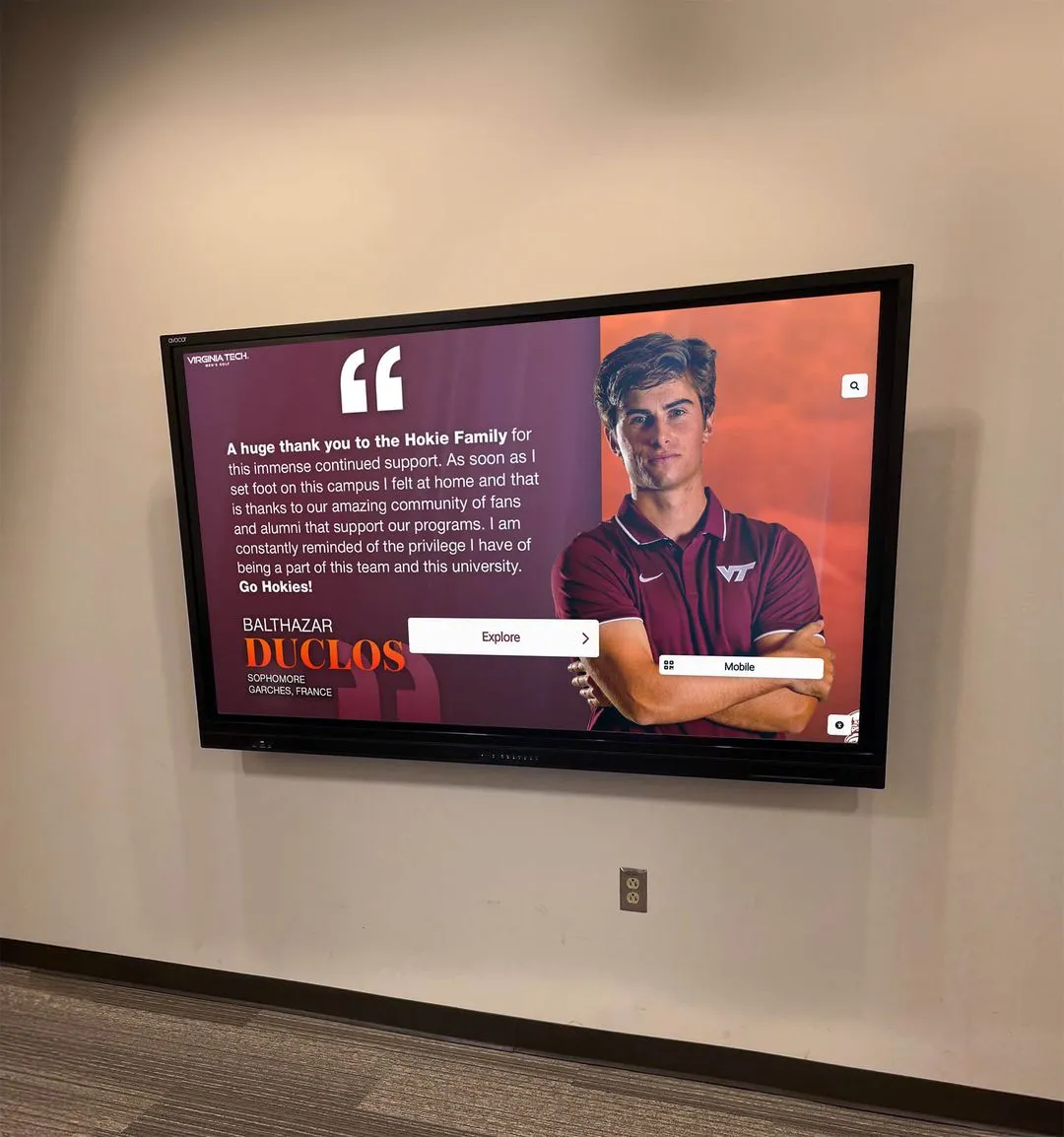
World-class training facilities integrate recognition displays that celebrate athletic achievement and inspire excellence
The Evolution of US Olympic Training Centers
America’s approach to Olympic athlete development has evolved significantly over the past five decades, transforming from decentralized preparation to systematic training infrastructure supporting comprehensive athlete development.
Historical Development of Centralized Training
The United States Olympic & Paralympic Committee (USOPC) established its first training center in 1978, fundamentally changing how American athletes prepared for international competition:
Early Olympic Training Approach
- Prior to 1978, American Olympic athletes trained independently in local facilities
- Decentralized preparation created inconsistent training quality and resources
- Athletes received minimal sports science support or comprehensive services
- No systematic approach to multi-sport athlete development
- Limited opportunities for cross-training or interdisciplinary collaboration
- Competitive disadvantage compared to nations with centralized training systems
Creation of Colorado Springs Training Center The USOPC selected Colorado Springs, Colorado, for its first Olympic Training Center in 1978, establishing what would become the flagship facility for American Olympic development. Built on the former Ent Air Force Base, the location offered high altitude training benefits, available infrastructure, and central geographic positioning supporting athletes from across the country.
According to the USOPC official website, this pioneering facility transformed American Olympic preparation by providing residential training opportunities, comprehensive sports medicine, nutrition services, and multi-sport facilities under unified management creating unprecedented athlete support.
Expansion of Training Center Network Following Colorado Springs’ success, the USOPC expanded training infrastructure:
- Lake Placid, New York training center opened in 1982 following the 1980 Winter Olympics
- Chula Vista, California facility established in 1995 focusing on summer Olympic sports
- Network of designated training sites developed across strategic locations
- Sport-specific facilities created partnerships with specialized venues
- Comprehensive training ecosystem emerged supporting diverse athletic disciplines
Modern Training Center Philosophy
Contemporary Olympic training centers embrace holistic athlete development extending beyond physical preparation:
Comprehensive Support Services
- Housing and residential programs enabling full-time training focus
- Performance nutrition with customized meal planning and dining facilities
- Sports medicine providing injury prevention and rehabilitation
- Mental skills development and sport psychology services
- Strength and conditioning programs tailored to specific sports
- Career development and life skills preparation
- Education opportunities enabling athletes to continue academic pursuits
Sports Science Integration Modern training centers leverage cutting-edge technology and research:
- Biomechanical analysis optimizing technique and efficiency
- Physiological testing monitoring training adaptations
- Performance data analytics informing program adjustments
- Recovery protocols maximizing training impact
- Injury prevention screening and movement assessment
- Sport-specific testing and benchmarking
These comprehensive approaches recognize that Olympic success requires development of the complete athlete—physically, mentally, and personally—creating models applicable to educational athletic programs prioritizing sustained excellence over short-term results.
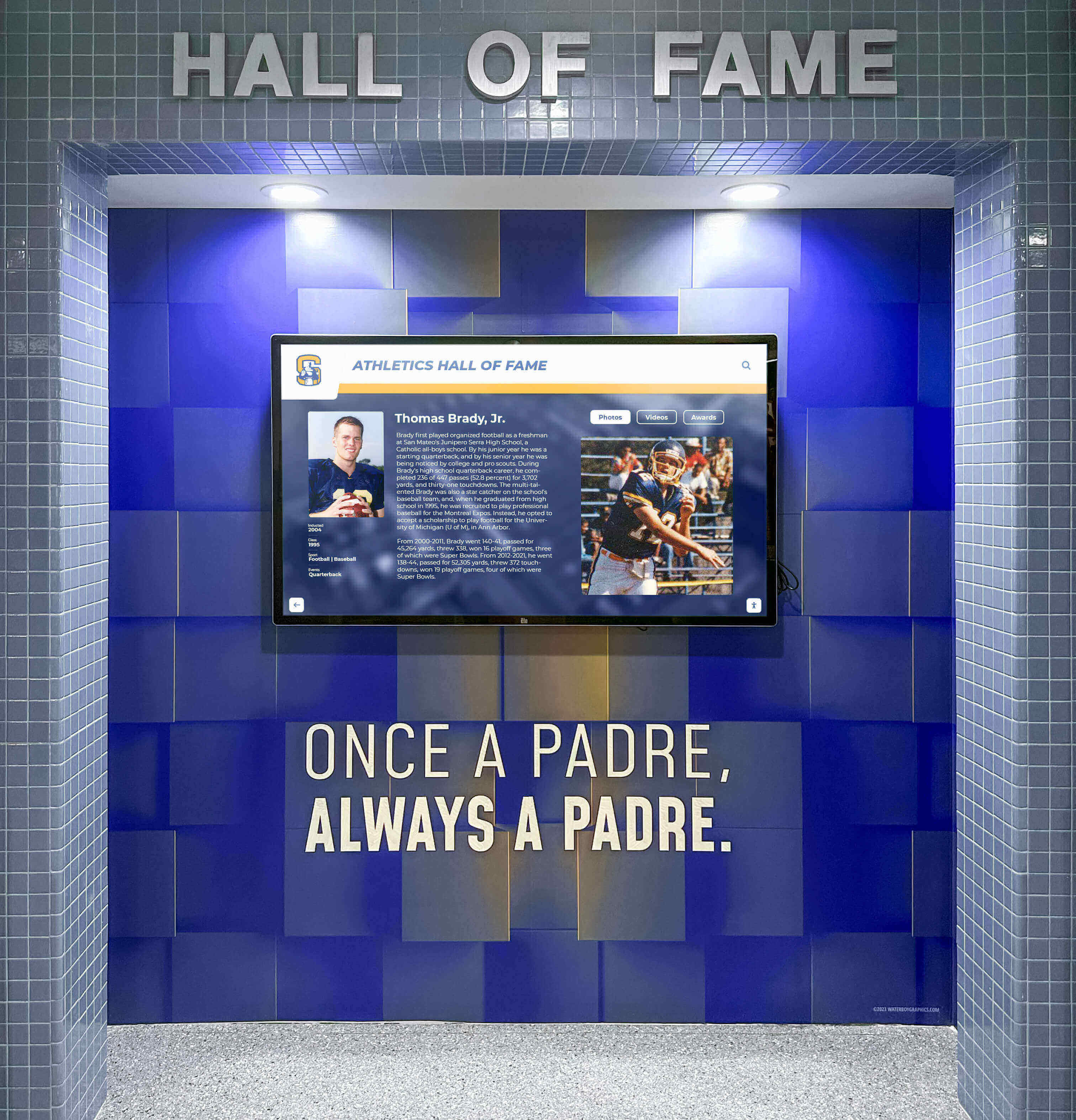
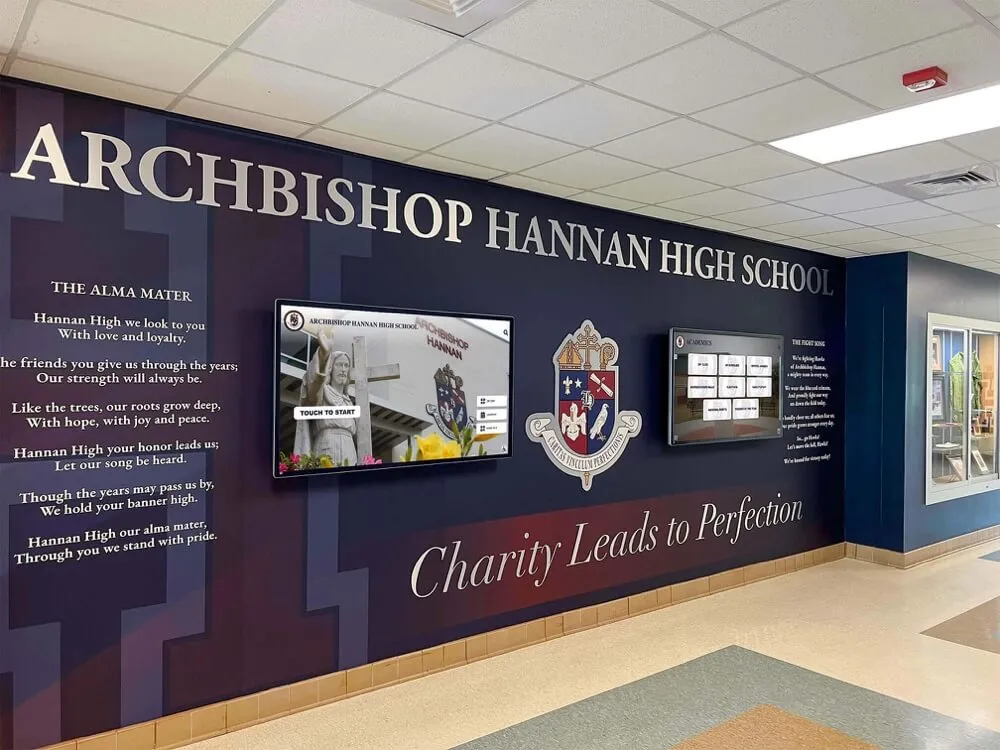
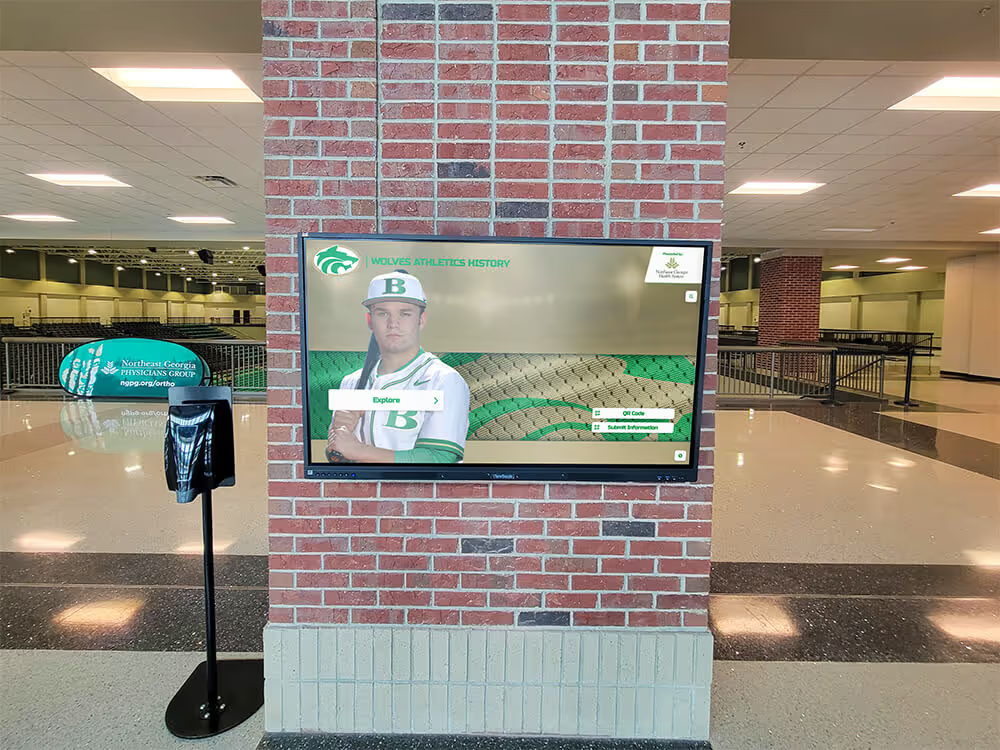
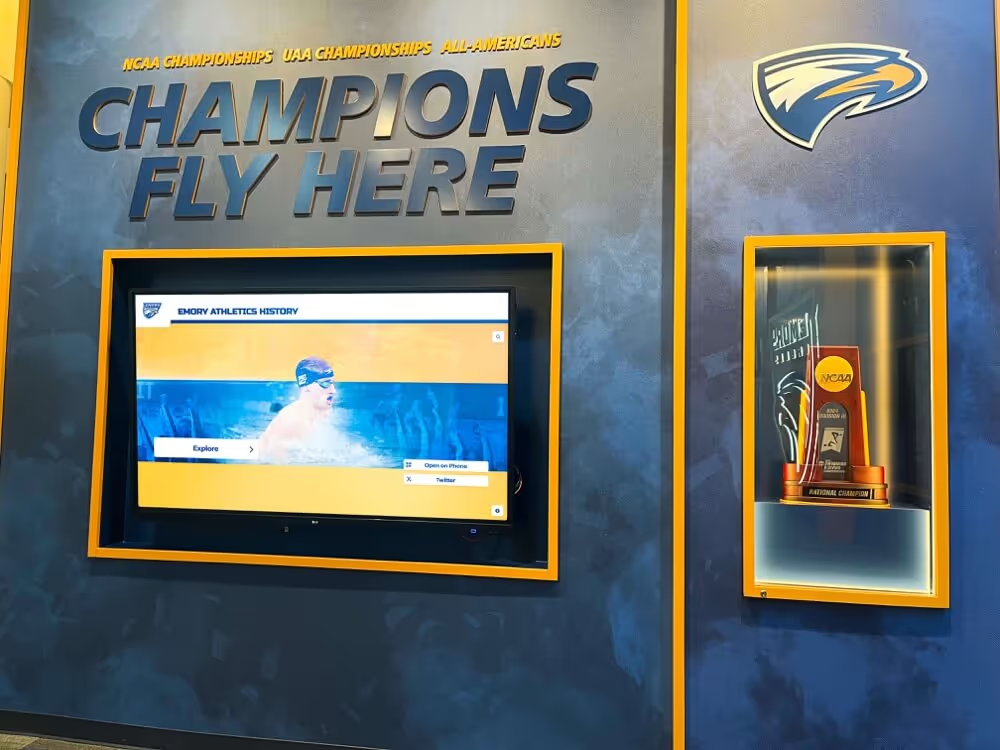
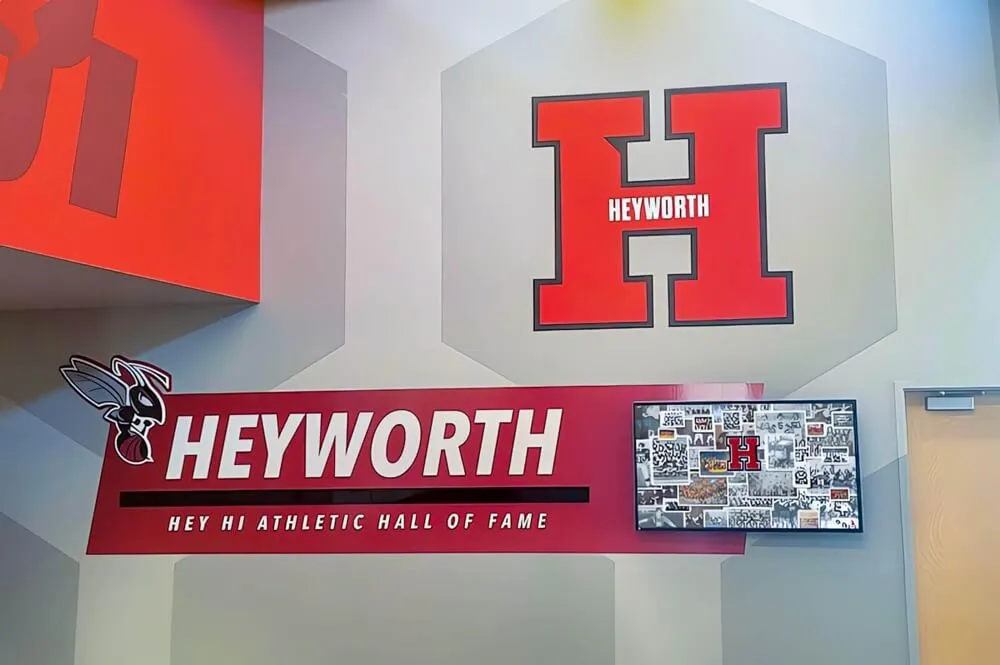
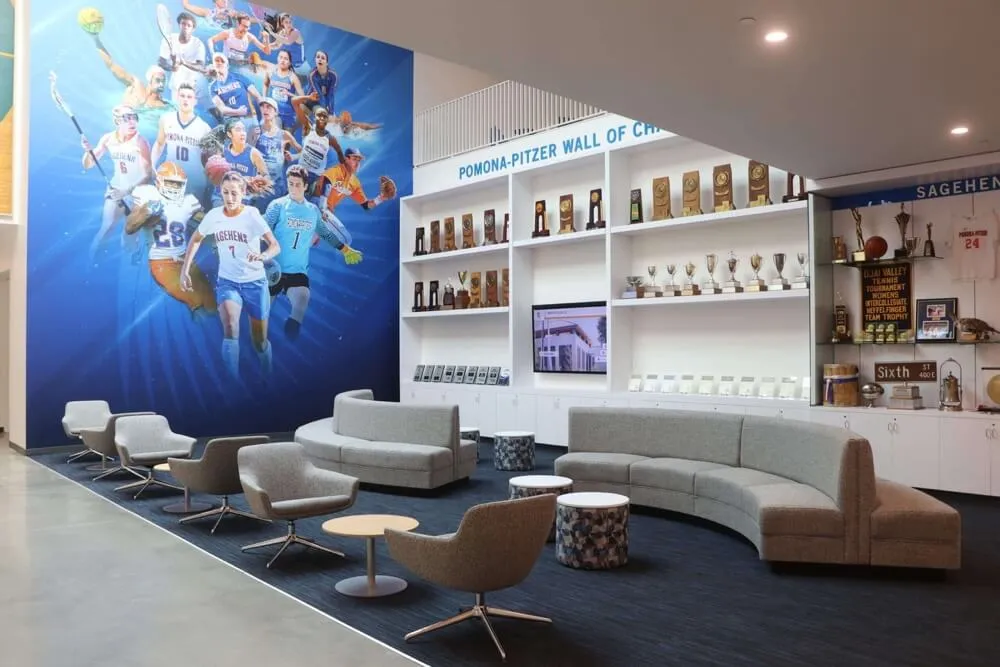
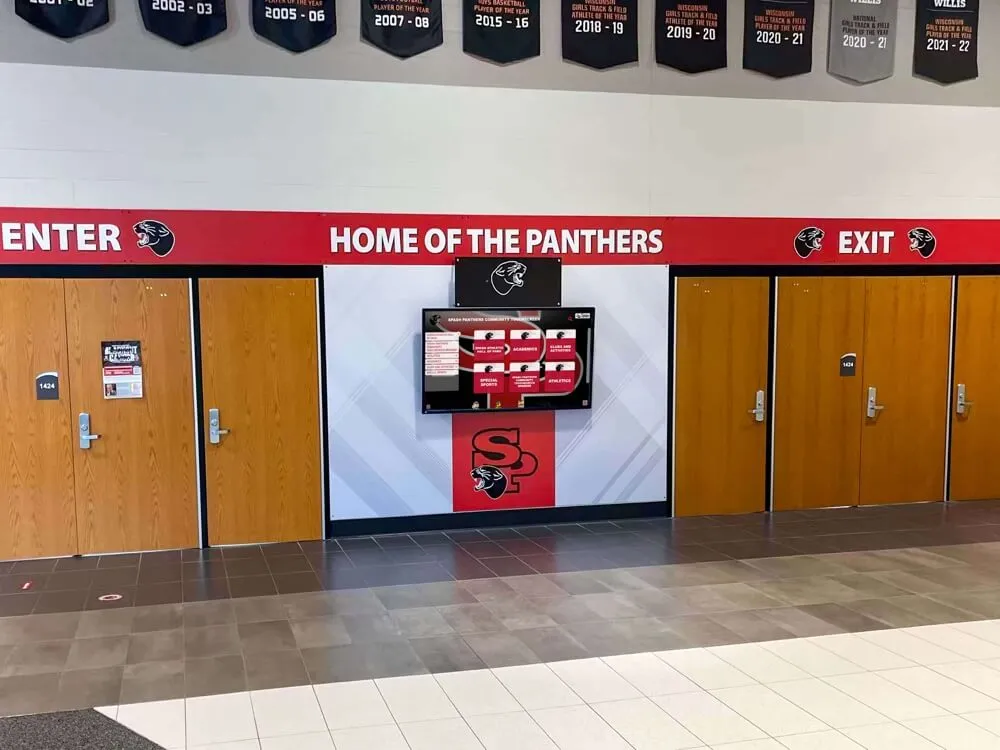
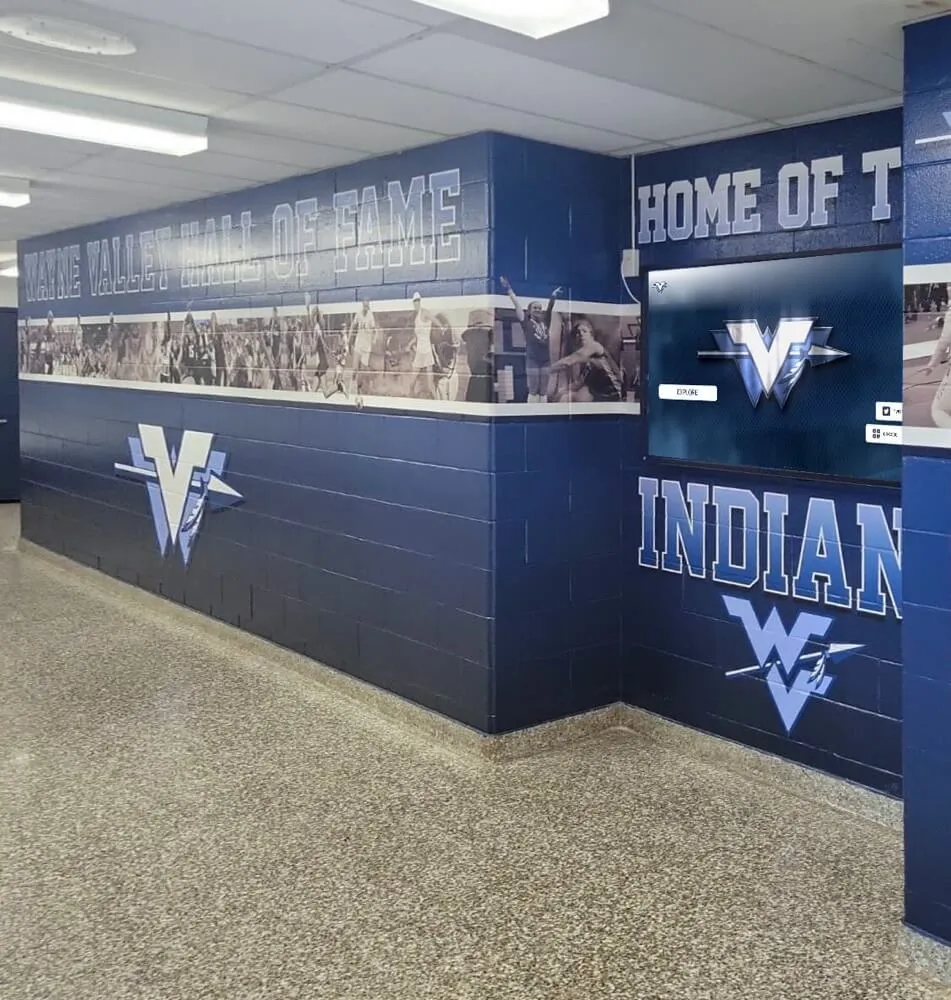
Recognition displays document athlete journeys and achievements, creating inspiration throughout training environments
Colorado Springs Olympic & Paralympic Training Center
The Colorado Springs facility serves as the flagship training center for American Olympic and Paralympic athletes, providing the most comprehensive multi-sport training environment in the United States.
Facility Overview and Infrastructure
Located on a 35-acre campus, the Colorado Springs Olympic & Paralympic Training Center features world-class venues supporting dozens of summer and winter Olympic sports:
Sports Center Complex
- Sports Center I: 59,000-square-foot facility with three full-size basketball courts, gymnastics center, boxing venue, and judo training area
- Sports Center II: Additional 45,000 square feet housing three basketball courts and comprehensive wrestling center
- Multi-sport design enabling flexible training across disciplines
- Climate-controlled environments for year-round preparation
- Spectator areas allowing observation and coaching oversight
Aquatic Training Facilities The Olympic-sized swimming complex features:
- 50-by-25-meter competition pool, 2-3 meters deep
- Advanced timing systems and underwater video capability
- Temperature control optimizing training conditions
- Diving platforms and specialized equipment
- Sports science monitoring integrated into pool facilities
Olympic Shooting Center According to USOPC facility information, this venue represents the largest indoor shooting facility in the Western Hemisphere and third-largest worldwide, featuring:
- Pistol and rifle ranges meeting international standards
- Advanced air quality systems and acoustic design
- Electronic targeting and real-time feedback
- Coaching observation areas
- Competition-quality lighting and environmental controls
Velodrome and Cycling Facilities Built in 1983, the velodrome supports cycling and roller sports:
- 333.3-meter banked cement track
- 200-meter inline skating and roller sports track
- Training equipment for road and mountain cycling disciplines
- Maintenance and technical support facilities
Athlete Services and Programs
Beyond facilities, Colorado Springs provides comprehensive support enabling athletes to focus entirely on training and development:
Residential Programs
- Dormitory housing for resident athletes
- Family accommodations for married athletes
- Daily housekeeping and facility maintenance
- Recreation areas and common spaces
- Secure environment dedicated to athletic focus
Performance Nutrition
- Athlete dining hall with performance-focused menus
- Nutritionist consultations and meal planning
- Customized dietary support for specific sports
- Supplement guidance following anti-doping protocols
- Education on nutrition’s role in performance and recovery
Sports Medicine Excellence The state-of-the-art medical facility opened in 2014 represents the only one-stop comprehensive sports medicine assessment facility in the United States, according to facility documentation. Services include:
- Orthopedic evaluation and injury treatment
- Physical therapy and rehabilitation programs
- Chiropractic care and soft tissue work
- Medical imaging and diagnostic services
- Return-to-sport testing and clearance protocols
Career and Educational Development Recognizing athletes’ needs beyond sport:
- Career counseling and professional development
- Educational opportunities and tutoring support
- Life skills workshops and financial literacy training
- Transition programs for post-athletic careers
- Mentorship connecting athletes with professional networks
These comprehensive services create environments where athletes can dedicate themselves fully to training while developing as complete individuals—a philosophy applicable to school athletic programs balancing competitive excellence with personal development.
Sports Primarily Training in Colorado Springs
The facility accommodates diverse Olympic and Paralympic sports:
Primary Summer Sports
- Basketball and volleyball
- Boxing and combat sports
- Gymnastics (artistic and rhythmic)
- Shooting sports (pistol, rifle, shotgun)
- Swimming and diving
- Weightlifting and strength sports
- Wrestling (freestyle and Greco-Roman)

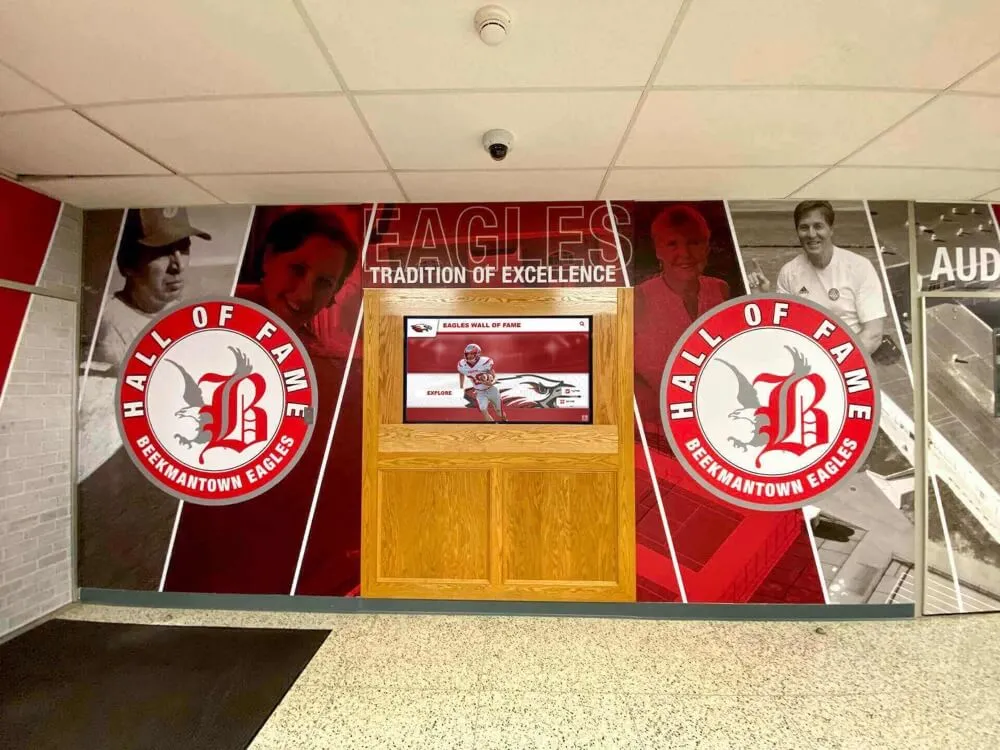
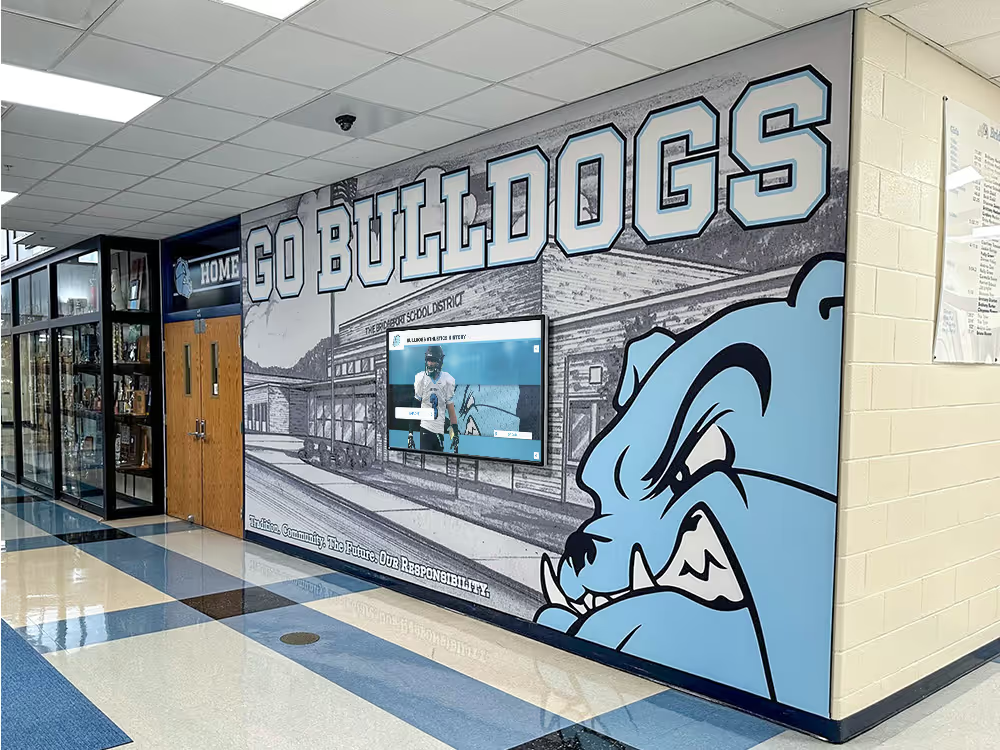
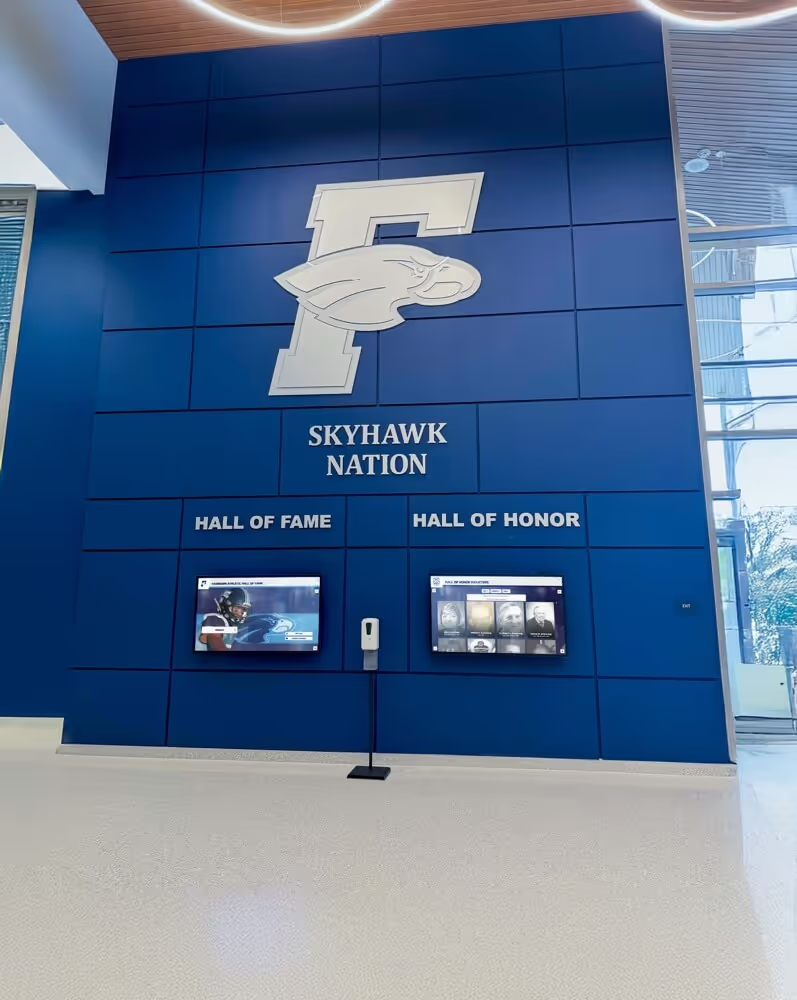
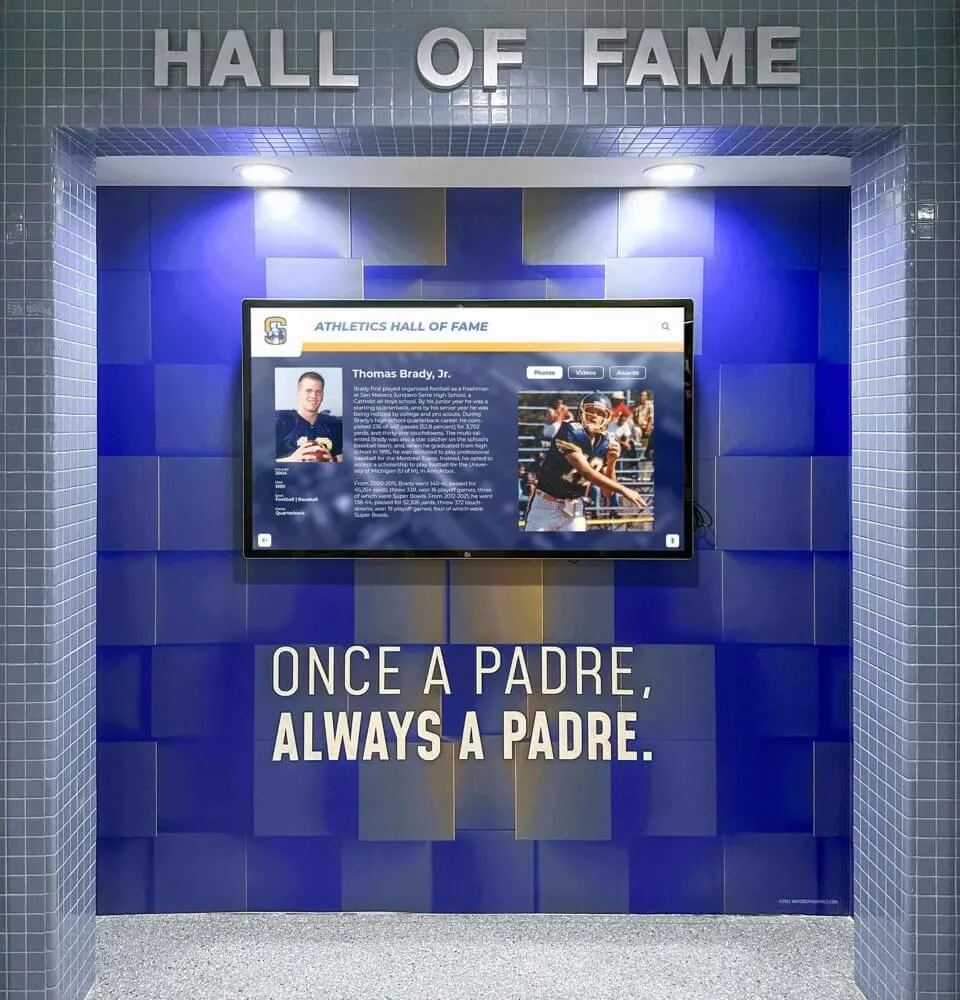
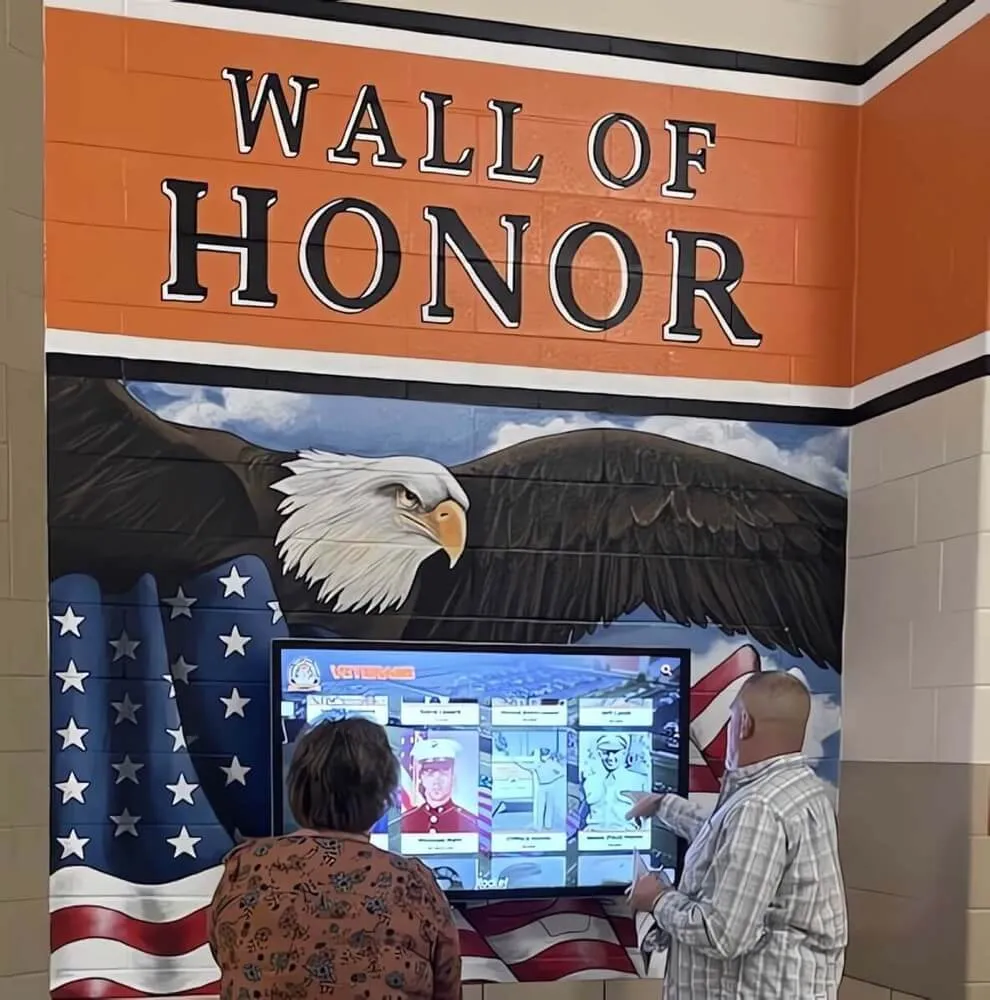
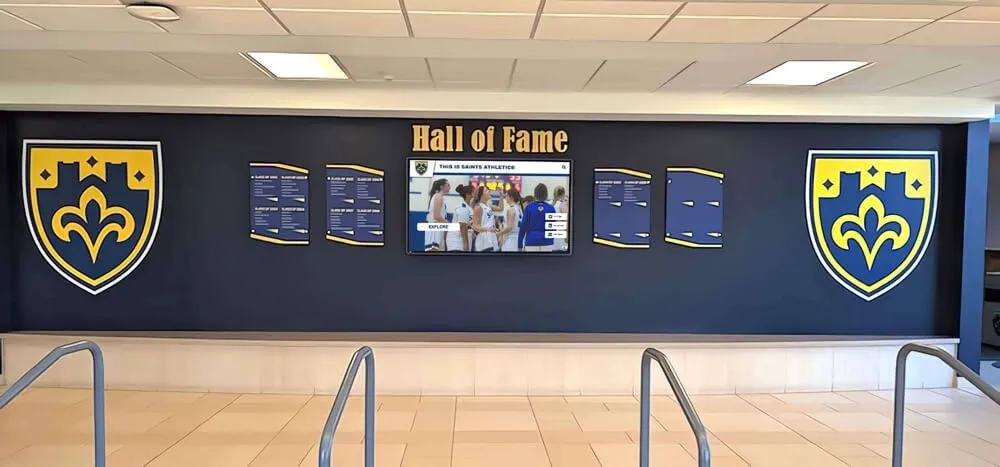
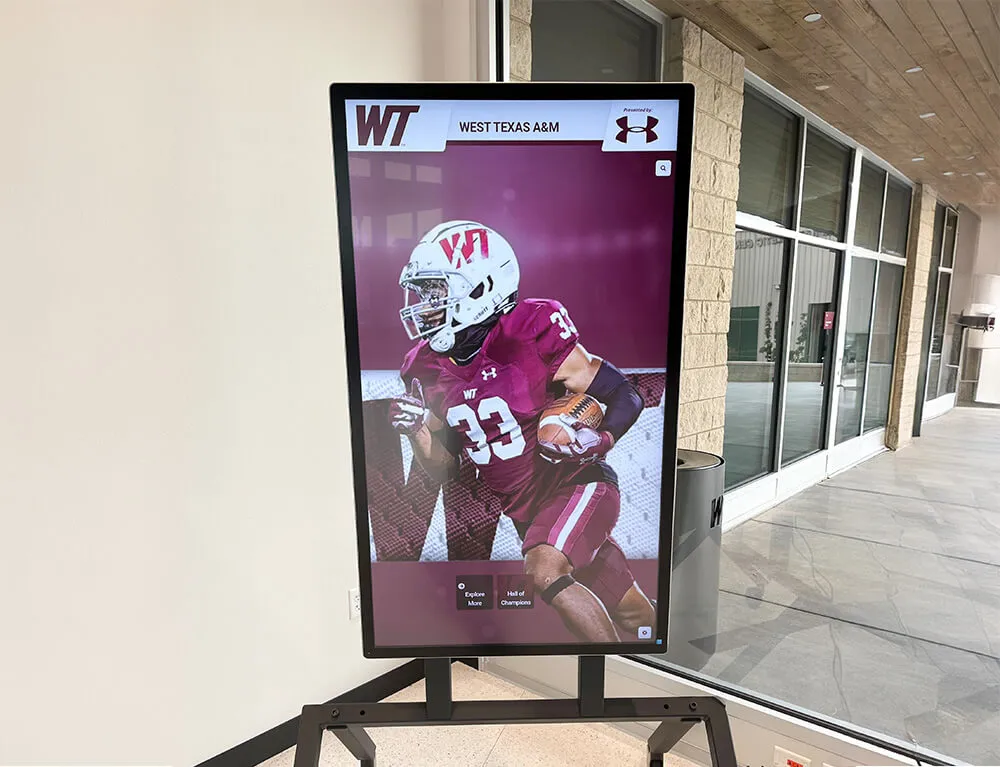
Digital recognition systems allow exploration of athlete achievements and inspire training dedication
Cycling Disciplines
- Track cycling and velodrome events
- BMX racing preparation
- Road and mountain cycling training
- Para-cycling programs
Paralympic Sports The facility features extensive Paralympic athlete support:
- Wheelchair basketball and rugby
- Para-swimming programs
- Adaptive sports across multiple disciplines
- Specialized equipment and accessibility features
This multi-sport focus mirrors the comprehensive athletic recognition approaches educational institutions should embrace—celebrating excellence across all sports rather than prioritizing only high-profile programs.
Lake Placid Olympic & Paralympic Training Center
Nestled in New York’s Adirondack Mountains, the Lake Placid training center leverages Olympic legacy infrastructure from the 1980 Winter Games to support winter sport development while hosting summer sport programs.
Winter Sports Facilities and Programs
Lake Placid’s primary mission focuses on winter Olympic sports development utilizing world-class competition venues:
Olympic Center Complex Athletes train in facilities that hosted international competition:
- 1980 Herb Brooks Arena for ice hockey
- Olympic speed skating oval
- Figure skating training facilities
- Competition-quality ice surfaces maintained year-round
- Spectator facilities enabling competitive environment simulation
Mt. Van Hoevenberg Sports Complex This venue supports sliding sports and nordic disciplines:
- Olympic bobsled and skeleton track
- Luge course meeting international standards
- Biathlon range and cross-country ski trails
- Summer training capabilities with wheeled sleds and roller skiing
- Extensive trail networks for endurance development
Whiteface Mountain Ski Area Alpine skiing and snowboard athletes utilize:
- Olympic downhill and technical event courses
- Competition-quality snow grooming and maintenance
- Multiple training venues across varying terrain
- Summer skiing and conditioning programs
- Freestyle and aerial training facilities
Olympic Jumping Complex Ski jumping development utilizes historic competition venues:
- 90-meter and 120-meter Olympic jumps
- Training hills for skill progression
- Landing hill preparation and maintenance
- Winter and summer training capabilities
- Video analysis and coaching observation areas
Sports Science and Athlete Support
According to USOPC Lake Placid information, the facility features comprehensive sports science divisions supporting athlete development:
Performance Testing and Analysis
- Sport-specific ergometers for biathlon, cross-country skiing, speed skating, and canoe/kayak
- Extra-large treadmill accommodating running, roller skiing, and inline skating analysis
- Biomechanical assessment and technique optimization
- Physiological testing monitoring training adaptations
- Computer modeling and performance prediction
Specialized Training Facilities
- Ergometric training center with sport-specific equipment
- Comprehensive strength training gymnasium
- Indoor jumping and bounding facilities
- Recovery center with regeneration protocols
- Altitude simulation capabilities
Resident Athlete Programs Lake Placid accommodates up to 200 resident athletes:
- Dormitory housing on complex
- Community living arrangements for extended stays
- Adapted rooms for Paralympic athletes
- Dining focused on performance nutrition
- Year-round facility access for approved athletes
Summer Sport Programs at Lake Placid
While primarily winter-focused, Lake Placid hosts summer Olympic sports:
Aquatic Sports
- Canoe and kayak sprint and slalom
- Rowing programs utilizing area waterways
- Synchronized swimming development
- Water polo training camps
Combat and Strength Sports
- Boxing training programs
- Wrestling camps and development
- Judo athlete preparation
- Team handball programs
This dual-season approach maximizes facility utilization while creating diverse athletic environments where athletes across disciplines train side-by-side—valuable perspective for schools seeking to build unified athletic cultures celebrating all programs equally.
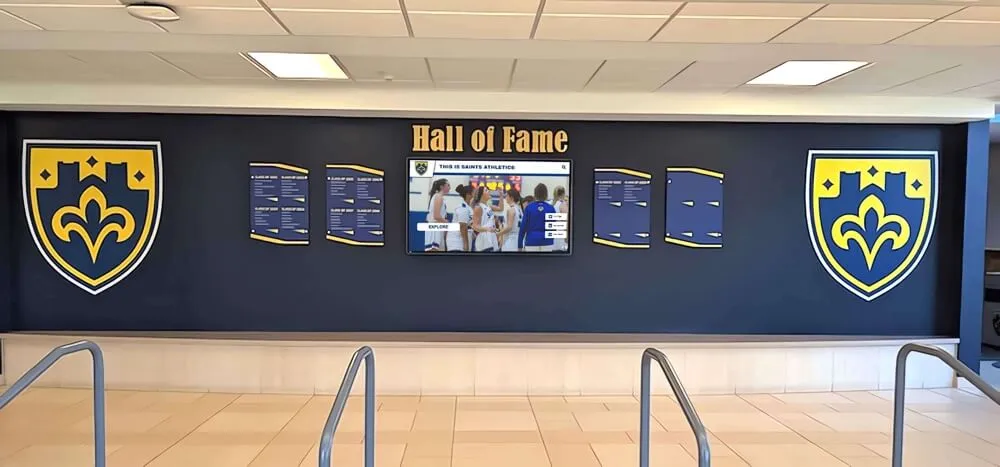
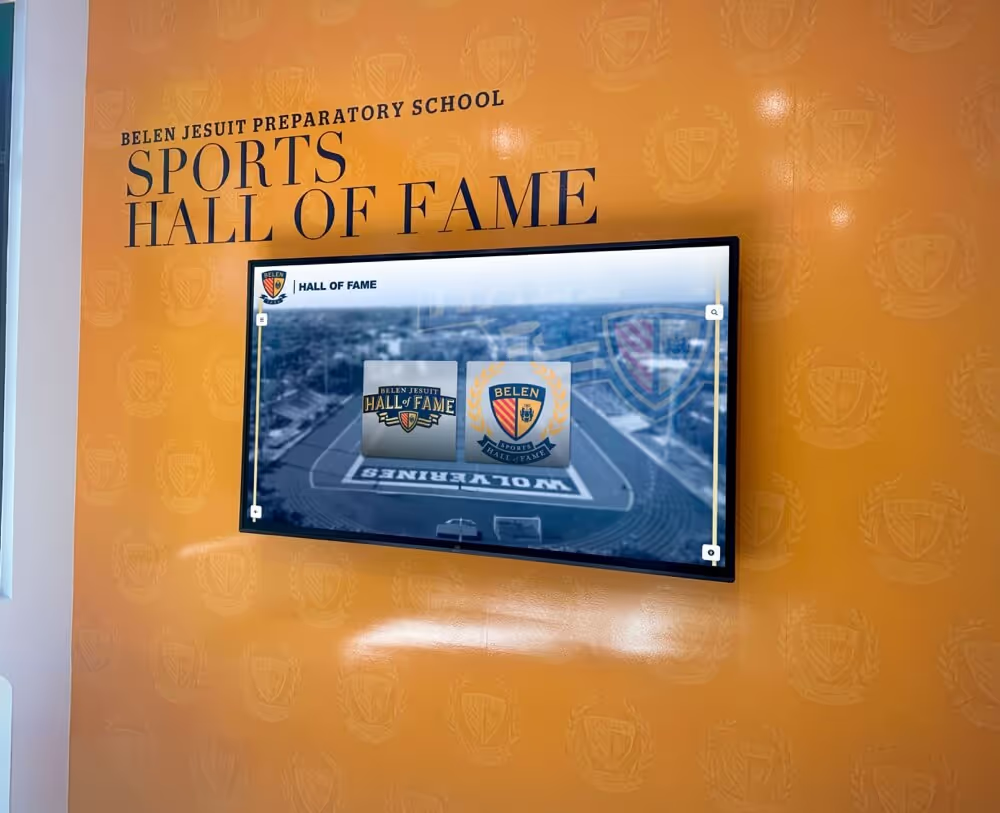
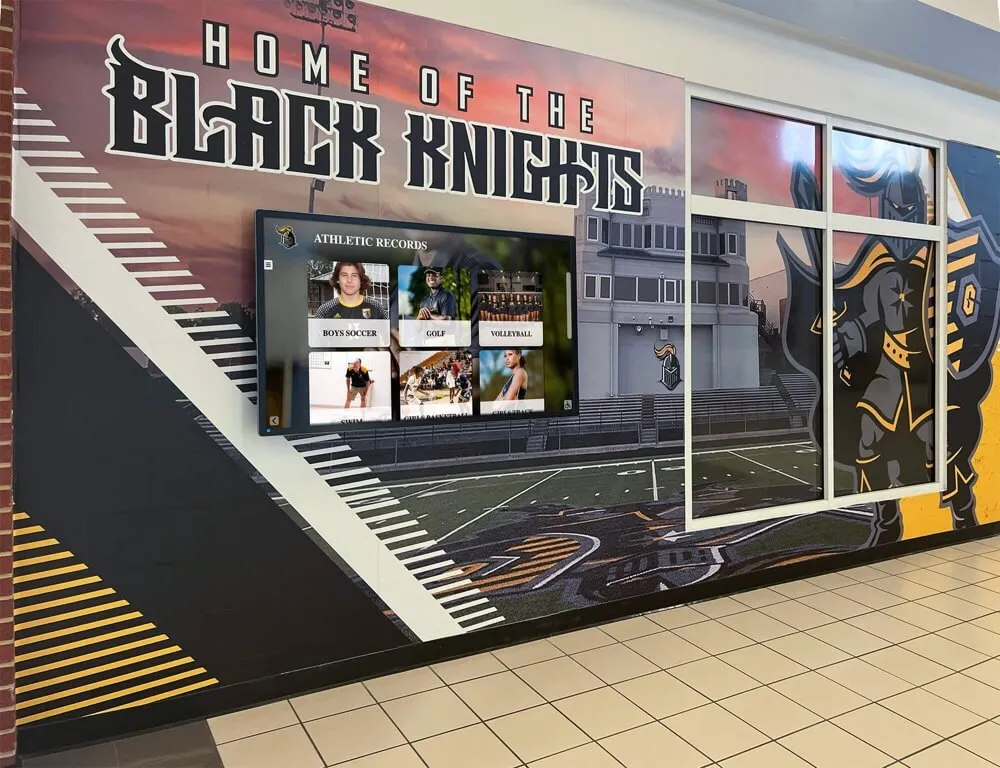
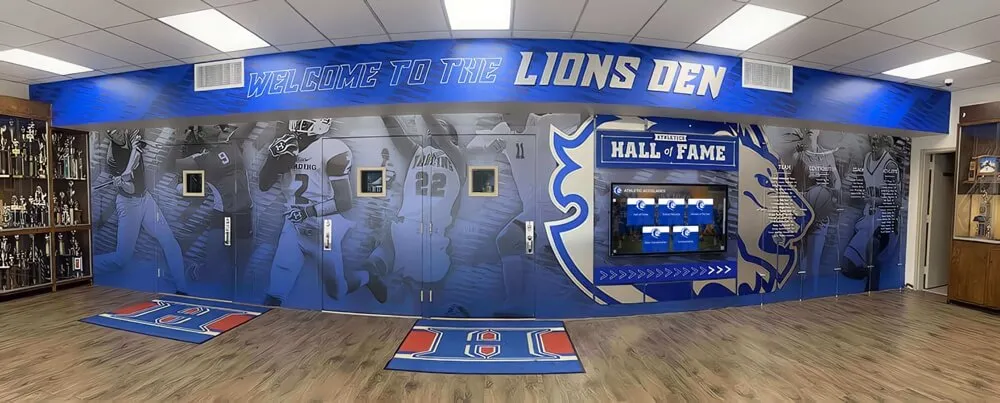
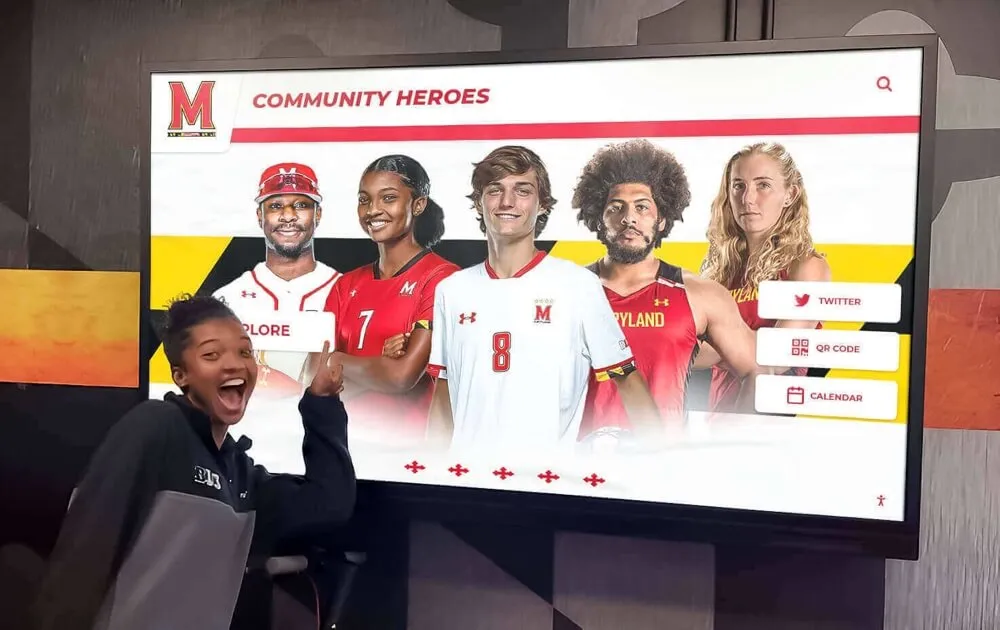
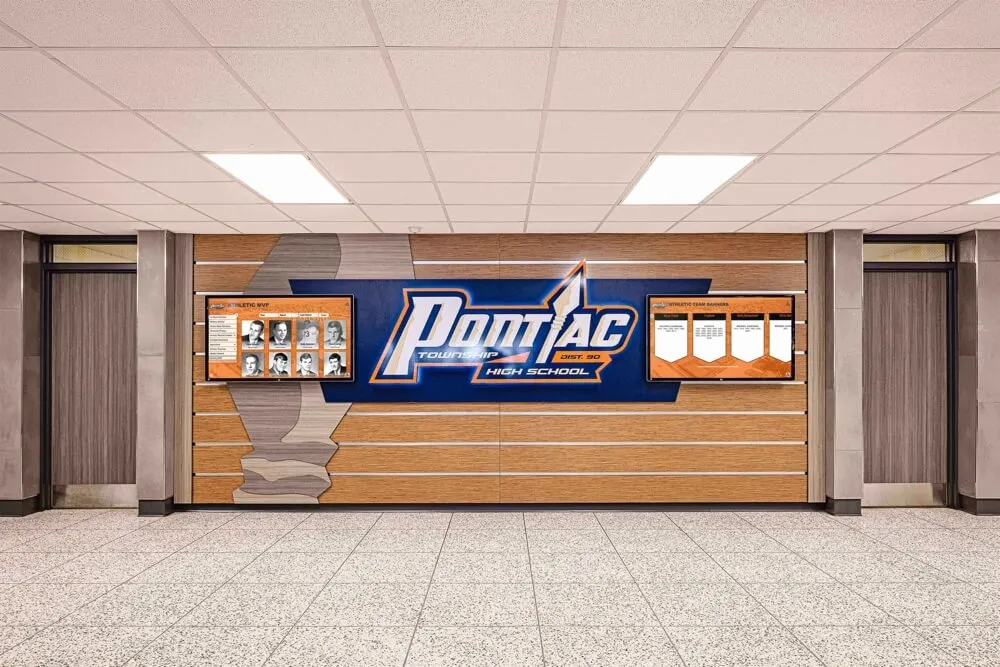
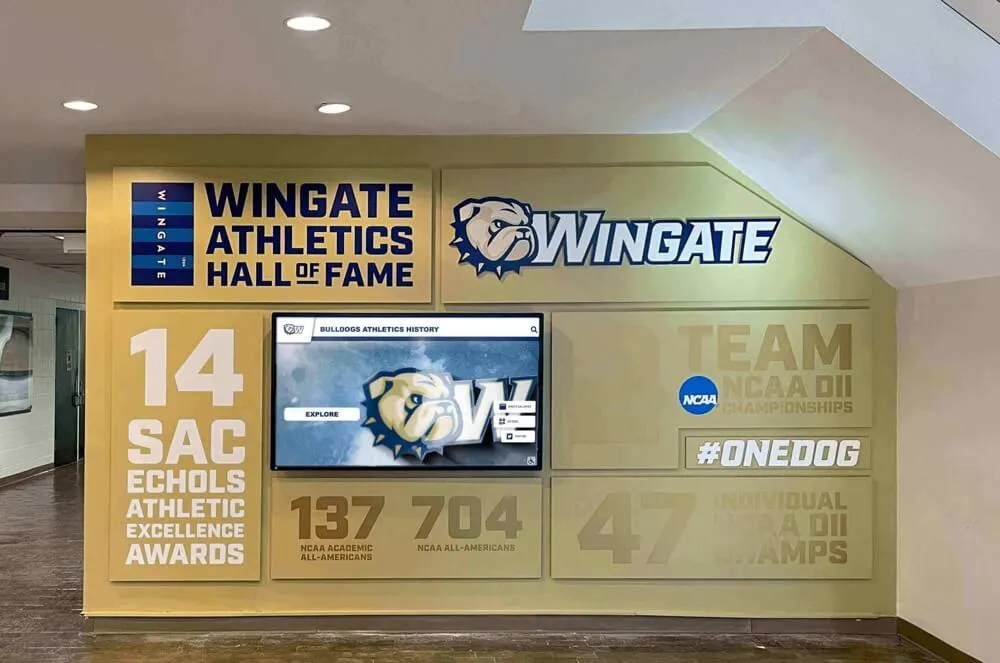
Integrated recognition approaches honor athletic tradition while embracing modern technology
Chula Vista Elite Athlete Training Center
The Southern California facility focuses on summer Olympic sports, providing warm-weather training environments and specialized venues particularly beneficial for aquatic and outdoor disciplines.
Facility History and Evolution
The Chula Vista center’s development reflects evolving approaches to Olympic training infrastructure:
Initial Development
- Opened in 1995 as USOC Olympic Training Center
- Built on 155-acre complex adjacent to Lower Otay Reservoir
- Designed specifically for summer Olympic sport needs
- Created warm-weather training alternative to Colorado Springs
Ownership Transition In January 2017, ownership transferred from USOPC to the City of Chula Vista, creating new operational model. According to Chula Vista Elite Athlete Training Center information, this change shifted from USOPC direct operation to designated Training Site status, expanding accessibility while maintaining Olympic-caliber standards.
Current Status Now designated as U.S. Olympic and Paralympic Training Site, the facility serves as home to over 20 sports with diverse athletes across Olympic, Paralympic, professional, collegiate, and international teams.
Sports Programs and Specialized Facilities
Chula Vista provides sport-specific training environments:
Field Sports
- Field hockey pitches and training facilities
- Rugby fields supporting USA Rugby national teams
- Soccer training environments
- Competition-quality playing surfaces
Cycling and Wheeled Sports
- BMX racing track hosting USA Cycling BMX programs
- Road cycling training routes throughout region
- Mountain biking trails and technical features
- Para-cycling program facilities
Aquatic Sports
- Rowing programs utilizing Lower Otay Reservoir
- Kayak and canoe training on-site waterways
- Beach volleyball training courts
- Aquatic sports support facilities
Individual Olympic Sports
- USA Archery training facilities and ranges
- Tennis and Para-tennis programs
- Track and field training areas
- Para track and field programs
- Triathlon training capabilities across swim-bike-run disciplines
Comprehensive Athlete Services
The training site provides extensive support enabling athlete focus:
Residential and Dining Services
- On-site housing for training residents
- Performance-focused dining facilities
- Nutritionist support and meal planning
- Accommodation for visiting teams and camps
Training Support Infrastructure
- Strength and conditioning facilities
- Sports medicine and therapy services
- Recovery and regeneration resources
- Local transportation for training and competition
- Recreational facilities for athlete well-being
Professional Development Programs Beyond athletic training:
- Career development services
- Educational opportunities
- Life skills programming
- Transition preparation for post-athletic careers
- Athlete services coordination
The comprehensive approach mirrors what schools should provide student-athletes—supporting them as complete individuals rather than solely as competitors, creating environments where athletic excellence and personal development occur simultaneously.
Additional US Olympic Training Sites
Beyond the three primary centers, the USOPC designates specialized training sites providing sport-specific infrastructure and regional training access.
SPIRE Institute & Academy (Geneva, Ohio)
Located in Northeast Ohio, SPIRE represents one of the largest indoor multi-sport training and competition complexes in the world, designated as U.S. Olympic & Paralympic Training Site.
Facility Overview According to facility information, SPIRE features over 700,000 square feet of state-of-the-art facilities on 175 acres, providing:
- Indoor track and field complex
- Olympic-sized swimming pools
- Basketball and volleyball courts
- Aquatic center with competitive timing
- Strength and conditioning facilities
- Academic facilities for student-athletes
Olympic Program Success SPIRE has attracted elite Olympic athletes including:
- Katerina Stefanidi (2016 Olympic pole vault gold medalist)
- Clayton Murphy (2016 Olympic 800m bronze medalist)
- World-class coaching staff including Olympic veterans
Academic Integration As international boarding high school with post-graduate programs, SPIRE provides comprehensive mix of academics, athletics, skills training, and personal development—model particularly relevant for educational institutions balancing athletic excellence with academic mission.
Additional Specialized Training Sites
The USOPC recognizes multiple sport-specific training sites:
Oklahoma City and Edmond, Oklahoma
- Riversport OKC hosts canoe/kayak and rowing programs
- Purpose-built whitewater course for slalom training
- Flatwater facilities for sprint disciplines
Pettit National Ice Center (West Allis, Wisconsin)
- Long-track speed skating training
- Short-track speed skating programs
- Figure skating development
- Ice hockey training capabilities
USRowing Training Center (Oakland, California)
- Dedicated rowing development facility
- Access to ideal rowing waters
- Equipment and coaching support
- Integration with regional rowing community
Lakeshore Foundation (Birmingham, Alabama)
- Paralympic sport specialization
- Adaptive sport development
- Wheelchair sports excellence
- Inclusive athletic programming
These specialized sites demonstrate how facilities can focus on specific disciplines while maintaining comprehensive athlete support—approach applicable to schools considering where to concentrate recognition and resource investments for maximum impact.
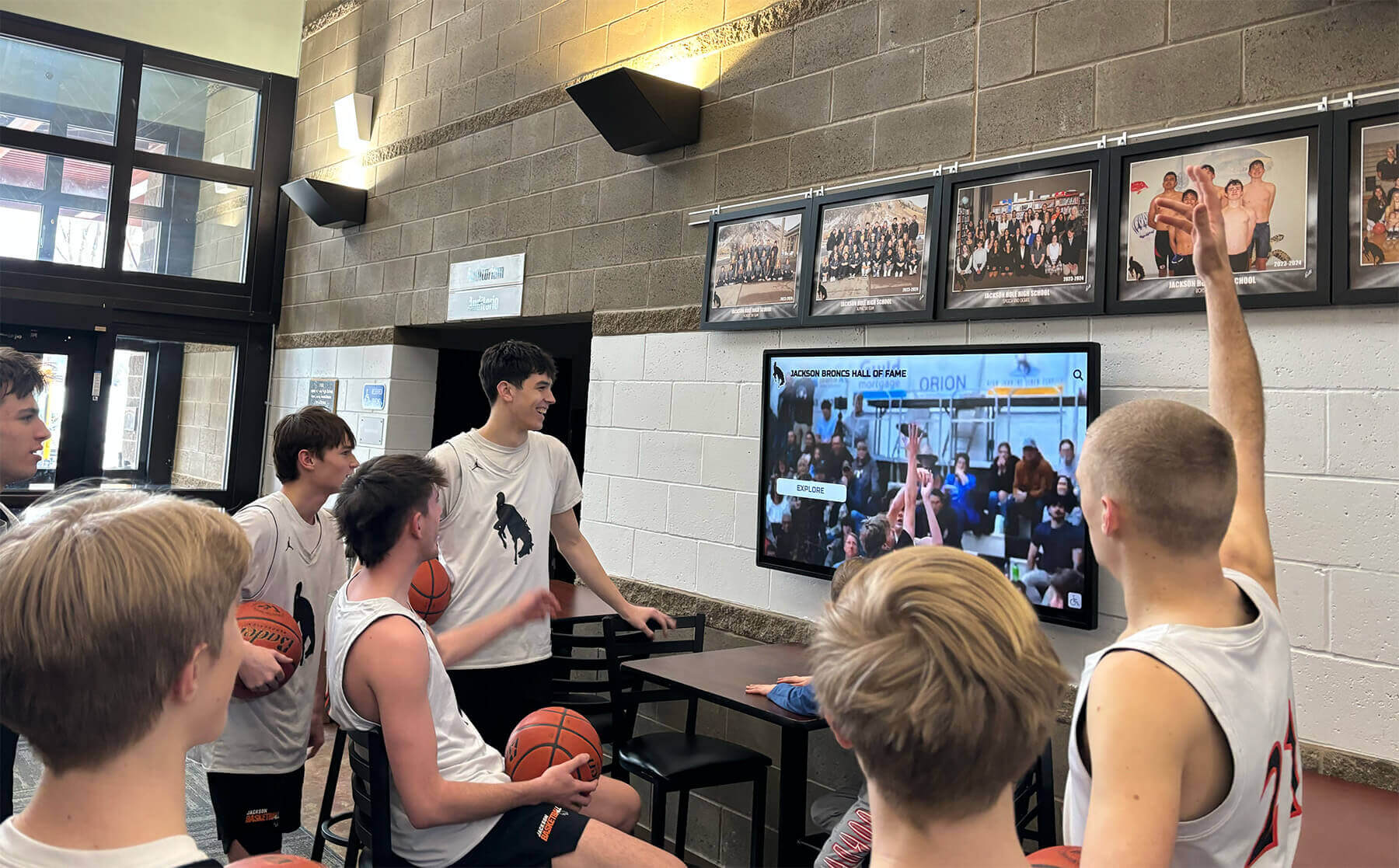
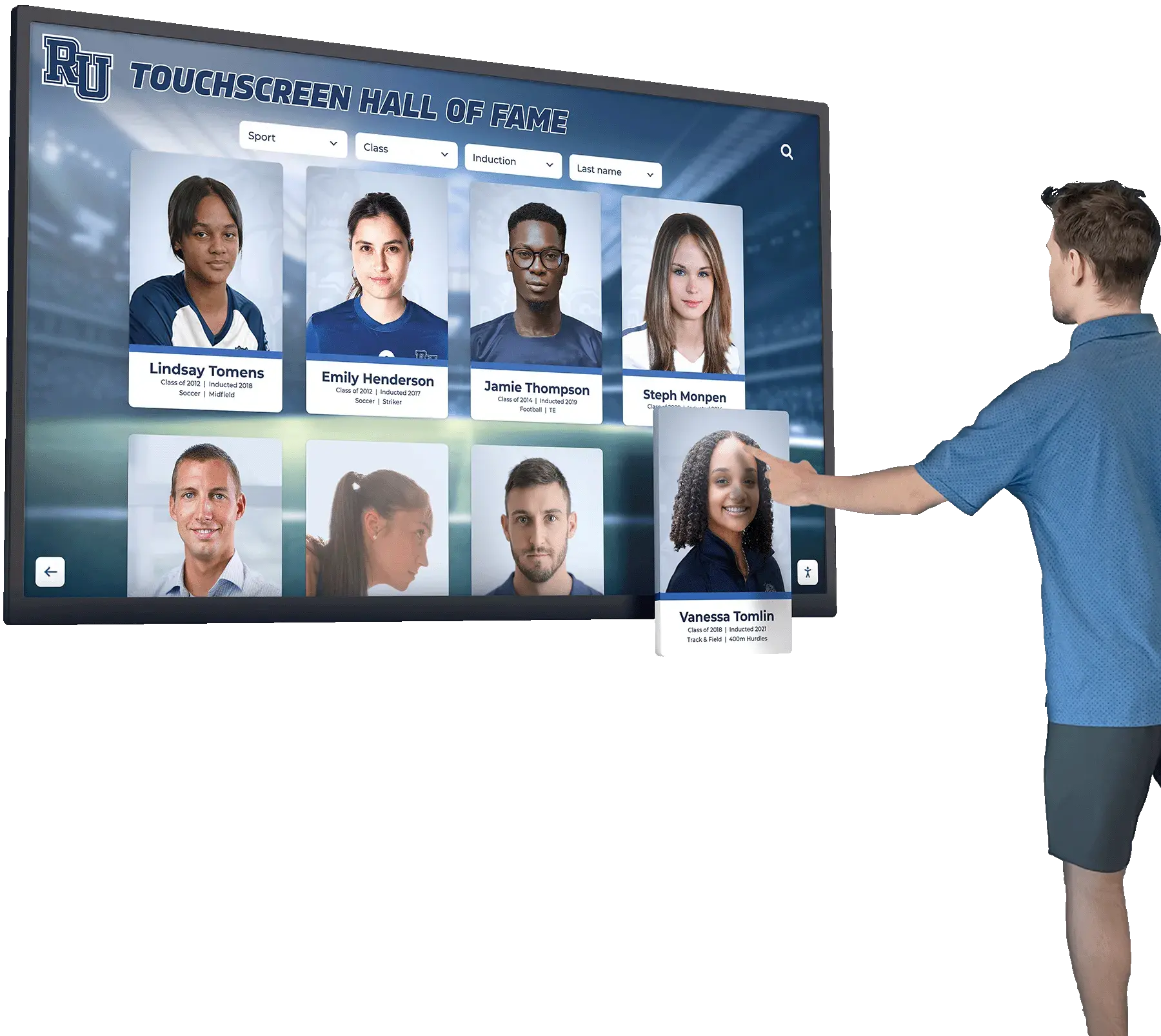
Interactive displays engage athletic communities with achievement content, building program culture and pride
Recognition and Documentation at Olympic Training Centers
World-class training facilities integrate comprehensive recognition systems celebrating athletic achievement and preserving institutional legacy—approaches directly applicable to educational athletic programs.
Physical Recognition and Display
Training centers systematically document and celebrate athlete achievement:
Hall of Fame and Achievement Displays
- Permanent recognition of Olympic medalists and significant achievers
- Interactive displays documenting facility history and athlete accomplishments
- Photo galleries chronicling training center evolution
- Statistical achievements and record documentation
- Integration with broader Olympic history and tradition
Athlete Recognition Throughout Facilities
- Training venue signage honoring significant achievements
- Motivational displays featuring current elite athletes
- Historical documentation creating tradition and legacy
- Accessible recognition viewable during daily activities
- Regular updates reflecting current athlete achievements
Learn about comprehensive approaches to digital hall of fame displays that can celebrate athletic achievement.
Digital Recognition and Documentation Systems
Modern training centers leverage technology for comprehensive athlete celebration:
Interactive Recognition Platforms Solutions like Rocket Alumni Solutions enable training facilities and schools to create comprehensive digital recognition:
- Unlimited athlete profiles with photos, statistics, and achievements
- Video content documenting memorable performances
- Search and filter capabilities enabling exploration
- Updates without physical space constraints
- Web access extending recognition beyond physical location
Social Media and Online Presence Training centers maintain robust digital communication:
- Real-time achievement celebration across social platforms
- Athlete feature stories and profile development
- Competition updates and results distribution
- Historical content connecting past and present
- Engagement with broader Olympic community
Documentation and Archival Systems Systematic preservation of training center history:
- Comprehensive photo and video archives
- Statistical databases tracking performance trends
- Historical documentation of facility evolution
- Oral history projects capturing athlete experiences
- Research enabling analysis of training effectiveness
These multi-layered recognition approaches ensure that achievement receives appropriate celebration while preserving institutional memory—precisely what schools should implement for their athletic programs through solutions like digital recognition displays.
Lessons for Schools and Athletic Programs
Olympic training centers provide valuable models for educational institutions:
Comprehensive Recognition Philosophy
- Celebrate individual achievement systematically
- Preserve athletic tradition and institutional history
- Create visible recognition inspiring current athletes
- Honor diverse achievements across all programs
- Integrate recognition throughout athletic environments
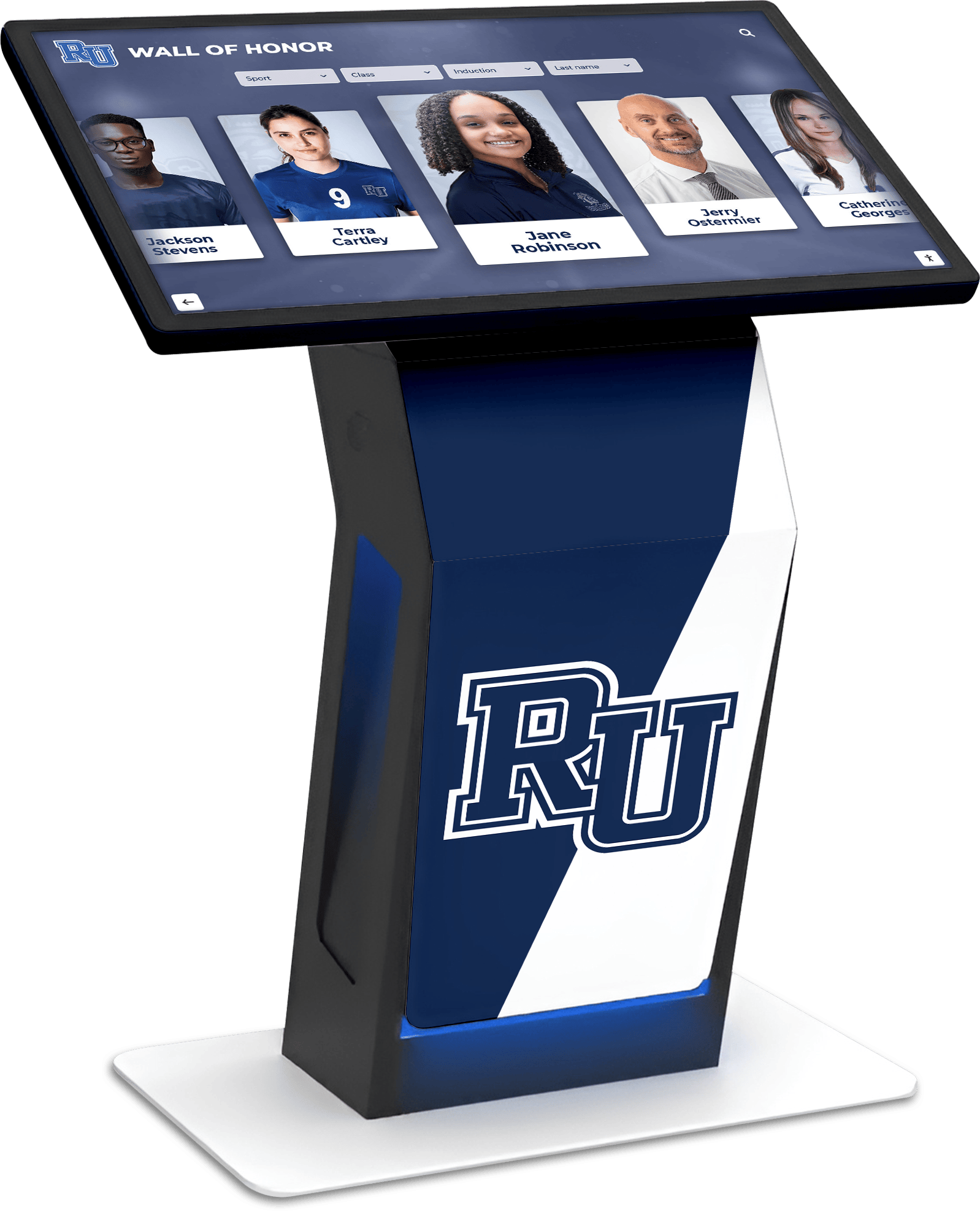
Modern recognition kiosks provide engaging platforms for celebrating athletic excellence
Holistic Athlete Development
- Support athletes as complete individuals
- Provide academic and career development alongside athletic training
- Create life skills programming preparing for future success
- Balance competitive excellence with personal growth
- Develop character and leadership alongside physical capabilities
Facility Design and Recognition Integration
- Strategic placement of achievement displays in high-traffic areas
- Interactive technology enabling exploration and engagement
- Regular content updates maintaining relevance and interest
- Integration of historical and current achievement
- Design reflecting institutional values and athletic culture
Explore comprehensive approaches to athletic recognition programs that apply these principles.
Building Championship Culture Through Recognition
The success of Olympic training centers demonstrates how systematic recognition and comprehensive athlete support create environments of sustained excellence.
Creating Aspirational Environments
Visible achievement recognition influences athletic culture profoundly:
Motivational Impact
- Concrete examples of what dedication and excellence achieve
- Visible pathways from current athlete to recognized champion
- Inspiration through proximity to greatness and tradition
- Performance standards creating clear expectations
- Cultural norms valuing commitment and sustained effort
Recruiting Advantages Comprehensive recognition attracts ambitious athletes:
- Demonstrated commitment to celebrating achievement
- Professional presentation reflecting program values
- Visible tradition and history attracting goal-oriented students
- Evidence of institutional investment in athletic excellence
- Family appeal through lasting recognition promises
Alumni Engagement Benefits Recognition strengthens lifelong program connections:
- Permanent acknowledgment demonstrating lasting appreciation
- Reunion opportunities connecting across generations
- Mentorship pathways supporting current athletes
- Fundraising engagement supporting program advancement
- Community building around shared achievement tradition
Learn about alumni engagement strategies that leverage athletic recognition.
Implementing Olympic-Inspired Recognition
Schools can adapt training center approaches to their contexts:
Digital Recognition Platforms Modern displays overcome traditional limitations:
- Rocket Alumni Solutions provides comprehensive platforms for unlimited athlete recognition
- Interactive touchscreens enabling exploration of achievements across decades
- Web-based access extending recognition to alumni and families worldwide
- Simple content management allowing regular updates
- Cost-effective alternatives to traditional plaques and static displays
Multi-Dimensional Achievement Celebration Following Olympic training center models:
- Recognition across all sports, not just high-profile programs
- Individual achievement acknowledgment alongside team success
- Academic achievement integration with athletic recognition
- Character and leadership recognition beyond competitive results
- Historical preservation connecting current athletes with program legacy
Explore state championship recognition approaches and academic excellence programs that create comprehensive celebration.
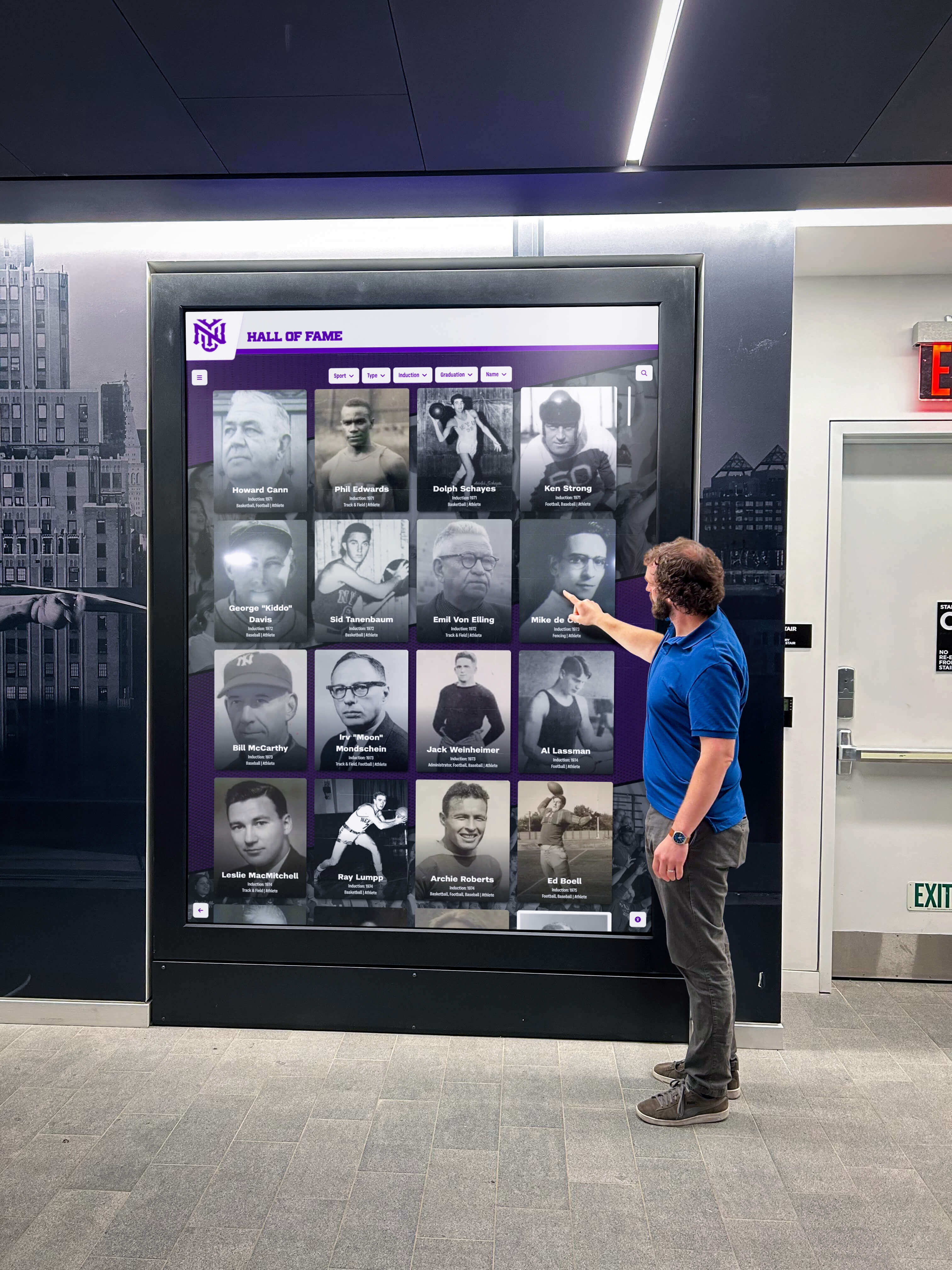
Recognition displays become destination attractions where communities explore athletic excellence and institutional pride
Technology and Innovation in Athletic Recognition
Olympic training centers continually adopt emerging technology—approach schools should emulate for recognition programs.
Current Technology Integration
Modern training facilities leverage diverse technology:
Performance Tracking and Data
- Wearable technology monitoring training loads
- Video analysis optimizing technique
- Biomechanical assessment and feedback
- Performance analytics informing program decisions
- Data visualization communicating progress and achievement
Communication and Engagement Platforms
- Social media integration for real-time updates
- Mobile applications providing information access
- Virtual tours enabling remote facility exploration
- Live streaming competition and training
- Digital content distribution across multiple channels
Recognition Display Technology
- High-definition touchscreen displays
- Cloud-based content management systems
- Interactive exploration capabilities
- Integration with web platforms
- Analytics tracking engagement patterns
Emerging Technology Opportunities
Future recognition systems will incorporate:
Artificial Intelligence and Personalization
- Customized content based on viewer interests
- Automated content generation from performance data
- Predictive analytics identifying future achievement potential
- Natural language processing for voice-activated exploration
- Facial recognition personalizing display content
Virtual and Augmented Reality
- Immersive historical recreations of significant achievements
- 3D athlete models and performance visualization
- Virtual facility tours and training environment experiences
- Augmented reality overlay providing contextual information
- Remote presence enabling distributed engagement
Enhanced Interactivity
- Gesture-based control systems
- Multi-user collaboration capabilities
- Social sharing integration
- Real-time performance data integration
- Gamification encouraging exploration and engagement
Schools should partner with forward-thinking providers like Rocket Alumni Solutions that continually enhance platforms with emerging capabilities.
Visiting Olympic Training Centers
Most US Olympic training centers welcome public visits, providing inspiration and education:
Colorado Springs Tours and Access
The flagship facility offers regular public access:
Tour Information According to USOPC visitor information, tours run Monday through Sunday at 10 a.m. and 2 p.m. on walk-in only basis. Tours are free to the general public and provide:
- Comprehensive campus overview
- Facility walk-through of major training venues
- Historical context about Olympic training
- Athlete interaction opportunities when schedules permit
- Visitor center with Olympic memorabilia and information
Planning Your Visit
- No reservations required but arrival 15 minutes before tour recommended
- Tours last approximately 60-90 minutes
- Photography generally permitted in most areas
- Gift shop featuring Olympic merchandise
- Free parking for visitors
Lake Placid and Chula Vista Access
Additional training centers provide similar public engagement:
Lake Placid Olympic Complex
- Tours available showcasing Winter Olympic legacy
- Public events at competition venues
- Museum exhibits documenting 1980 Winter Games
- Active training observation when athletes present
- Participation opportunities in recreational programs
Chula Vista Training Site
- Guided tours available by arrangement
- Interactive experiences with some sports
- Community events throughout year
- Educational programs for groups
- Special event hosting capabilities
These public access programs demonstrate how athletic facilities can engage broader communities—approach schools should embrace by making recognition displays accessible during campus visits, sporting events, and community occasions.

Educational institutions can create inspiring athletic recognition environments throughout campus
Olympic Training Center Impact on Athlete Development
The systematic training environment these facilities provide produces measurable outcomes:
Performance Enhancement Results
Centralized training creates competitive advantages:
Medal Production
- Athletes training at official centers earn disproportionate medal shares
- Comprehensive support enabling focus on training and preparation
- Sports science integration optimizing performance development
- Competition simulation preparing for Games environment
- Peer training creating elevated performance standards
Development Timeline Acceleration
- Systematic training programs shortening time to elite performance
- Expert coaching and technique optimization
- Injury prevention extending careers and availability
- Mental skills development improving consistency
- Strategic planning across Olympic cycles
Career Longevity and Post-Athletic Success
Training center benefits extend beyond competition:
Extended Athletic Careers
- Injury prevention and management prolonging peak performance years
- Recovery protocols enabling sustained high-volume training
- Medical care addressing issues before becoming career-threatening
- Biomechanical optimization reducing breakdown risk
- Comprehensive support reducing burnout and overtraining
Life Skills and Career Preparation Training centers develop complete individuals:
- Educational opportunities enabling career preparation
- Professional development programming
- Financial literacy and life skills training
- Networking and mentorship opportunities
- Transition planning for post-athletic careers
According to research on athlete development, comprehensive support systems significantly improve both competitive outcomes and long-term life success—reinforcing the value of holistic approaches educational institutions should embrace.
Creating Olympic-Inspired Programs in Educational Settings
Schools can adapt training center principles to their contexts and resources.
Assessment and Planning
Begin with systematic evaluation:
Current State Analysis
- Review existing athletic recognition approaches
- Assess physical space available for recognition displays
- Evaluate budget resources and funding opportunities
- Survey stakeholders about recognition priorities
- Analyze athletic achievement patterns across programs
Goal Setting and Vision Development Define recognition program objectives:
- Create comprehensive recognition across all athletic programs
- Preserve institutional athletic history and tradition
- Inspire current athletes through visible achievement celebration
- Engage alumni through documentation and connection
- Build community pride around athletic excellence
Resource Planning Identify implementation requirements:
- Budget development for recognition technology and displays
- Staff assignment for content management and updates
- Timeline for implementation phases
- Fundraising strategies if needed
- Partnership opportunities with athletic boosters and alumni
Implementation Strategies
Launch recognition programs systematically:
Phase One: Digital Foundation Begin with achievable implementations:
- Install primary digital recognition display in high-traffic athletic facility location
- Develop initial content for recent athletes and significant achievements
- Create standard profile formats and content templates
- Train designated staff on content management systems
- Launch with ceremony celebrating new recognition approach
Phase Two: Comprehensive Expansion Systematically broaden recognition scope:
- Expand content to include historical athletes and achievements
- Add recognition displays in secondary campus locations
- Develop web-based recognition platforms extending access
- Create regular update processes for new achievements
- Integrate social media and digital communication channels
Phase Three: Culture Integration Embed recognition throughout athletic culture:
- Establish ceremony traditions celebrating achievements
- Create student engagement programs around athletic history
- Develop alumni connection initiatives leveraging recognition
- Implement analytics tracking engagement and impact
- Continuously enhance content depth and presentation quality
Learn about implementing comprehensive recognition systems that create lasting impact.
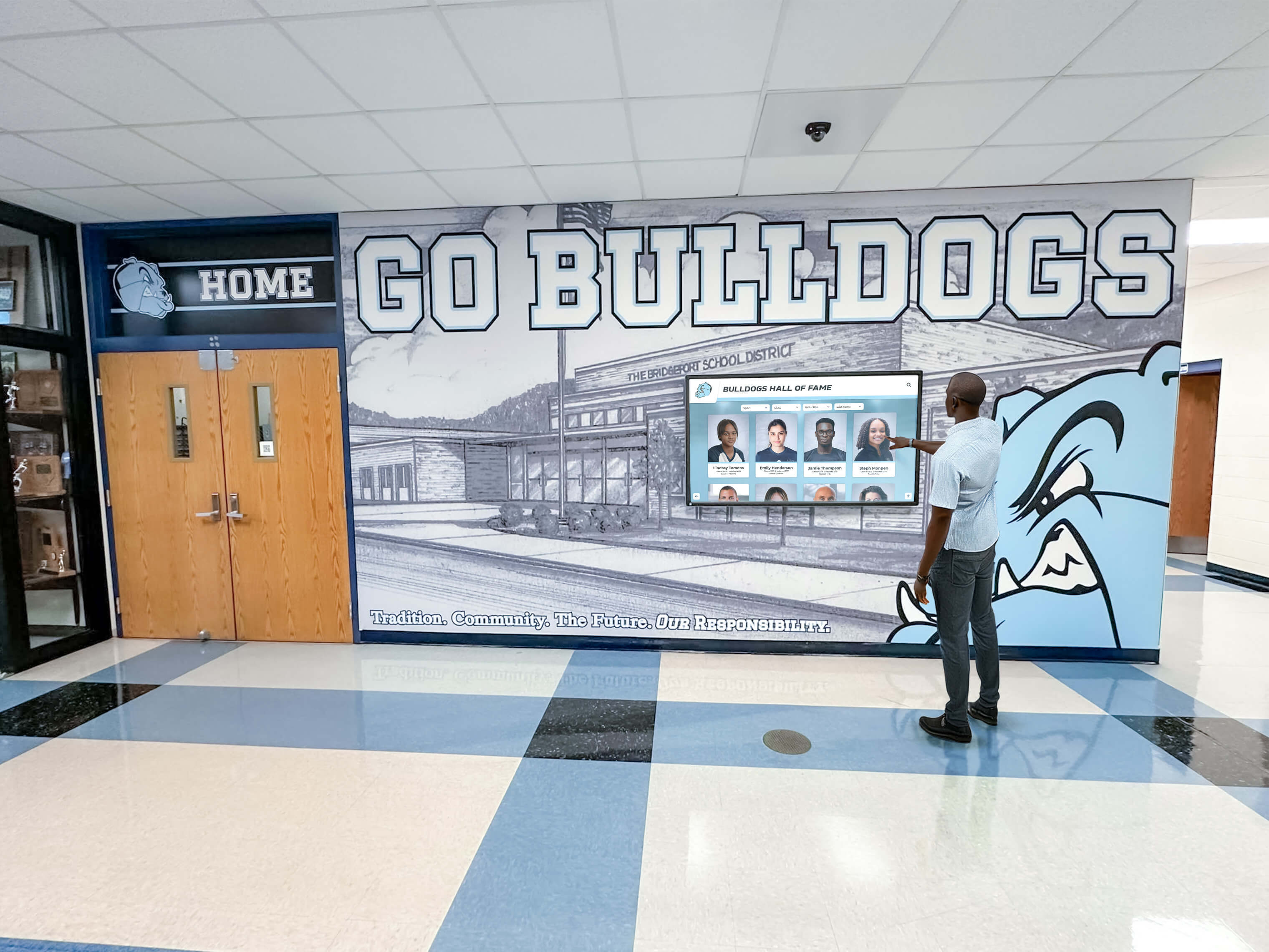
Interactive displays engage communities with athletic achievement, creating connections across generations
Budget Considerations and Funding Strategies
Implementing comprehensive recognition requires financial planning but offers multiple funding approaches.
Recognition Program Cost Components
Initial Implementation Investment
- Digital display hardware ($3,000-$10,000 per display depending on size and features)
- Software platform licensing (typically $1,000-$3,000 annually)
- Professional installation ($500-$2,000 depending on complexity)
- Initial content development for historical achievements
- Design and branding customization
- Launch event expenses
Ongoing Operational Costs
- Annual software subscriptions and support
- Content updates for new achievements
- Photo and video production
- Staff time for program management
- Technology maintenance
- Periodic hardware upgrades (5-7 year cycles)
Cost-Effective Alternatives For programs with limited resources:
- Single display in primary location initially
- Web-based recognition without physical display
- Phased content development over time
- Student assistance with content creation
- Used or refurbished equipment when appropriate
- Basic software solutions with manual updates
Fundraising and Sponsorship Opportunities
Recognition programs offer natural fundraising themes:
Alumni Athletic Campaigns
- Former athletes funding recognition of their achievements
- Reunion events with fundraising components
- Individual athlete sponsorships naming displays
- Legacy recognition connecting multi-generation families
- Endowment funds ensuring program sustainability
Corporate and Community Sponsorship
- Local business sponsorship of displays or facilities
- Athletic booster organization support
- Community foundation grants for athletic recognition
- Corporate naming opportunities for recognition spaces
- In-kind donations of technology or installation services
Learn about donor recognition strategies that can inform athletic recognition fundraising.
Measuring Recognition Program Success
Regular assessment ensures programs achieve intended goals:
Quantitative Success Metrics
Participation and Coverage
- Number of athletes recognized across all programs
- Historical coverage depth and completeness
- Distribution across sports and achievement categories
- Year-over-year recognition expansion
- Comparison to total athletic population
Engagement Indicators
- Display interaction rates and session duration
- Web-based recognition platform traffic
- Social media engagement with recognition content
- Attendance at recognition ceremonies and events
- Alumni engagement with recognition systems
Cultural Impact Indicators
- Student athlete perception surveys
- Recruiting impact mentions by prospects
- Alumni satisfaction with recognition approaches
- Community awareness of athletic tradition
- Correlation with athletic participation rates
Qualitative Assessment
Stakeholder Feedback
- Student-athlete perspectives on recognition meaning
- Coach assessment of program culture impact
- Alumni satisfaction with acknowledgment
- Family appreciation for recognition approach
- Community perception of athletic program excellence
Cultural Observations
- Visible changes in athletic culture and pride
- Student engagement with athletic tradition
- Behavioral indicators around achievement pursuit
- Peer attitudes toward athletic excellence
- School spirit and athletic program support
Regular assessment enables continuous improvement ensuring recognition programs remain meaningful, equitable, and aligned with institutional athletic goals.
Conclusion: Inspiring Excellence Through Comprehensive Recognition
America’s Olympic training centers demonstrate how systematic athlete development, comprehensive support services, and meaningful recognition combine to create environments of sustained excellence where individual achievement and institutional success flourish together. These world-class facilities provide valuable models for educational institutions seeking to honor athletic achievement appropriately while building championship cultures that inspire current and future student-athletes.
The approaches explored in this guide—from Colorado Springs’ comprehensive multi-sport infrastructure to Lake Placid’s winter sport specialization to Chula Vista’s warm-weather training advantages—reveal how purposeful facility design, dedicated support systems, and visible achievement celebration transform athletic potential into Olympic reality. Schools and athletic programs can adapt these principles to their contexts, creating recognition systems that honor every achievement while building the positive, motivating cultures where all athletes thrive.
Transform Your Athletic Recognition Program
Discover how modern digital recognition solutions inspired by Olympic training center approaches can help you celebrate every athlete's achievements and build championship culture that inspires excellence for generations.
Explore Recognition SolutionsDigital recognition platforms like those from Rocket Alumni Solutions enable athletic programs to showcase unlimited athletes with rich multimedia profiles, interactive exploration capabilities, and permanent documentation that traditional plaques and trophy cases simply cannot provide. These comprehensive systems create engaging displays that become destination attractions within athletic facilities while extending recognition online to reach alumni and supporters worldwide—approaches directly inspired by how Olympic training centers celebrate and preserve achievement.
Whether implementing comprehensive recognition overhauls or enhancing existing programs, the key lies in intentional planning that honors individual achievement while serving broader program goals around tradition preservation, athlete motivation, and community engagement. Begin with immediate improvements you can implement now, then systematically enhance recognition creating the comprehensive celebration your student-athletes deserve.
Your athletic programs deserve recognition approaching the excellence Olympic training centers provide their athletes. With thoughtful planning, appropriate technology investment, and sustained commitment to comprehensive athlete celebration, you can create athletic recognition that honors the past, celebrates the present, and inspires the future of athletic excellence in your institution—building championship culture one recognized achievement at a time.
Ready to transform how your program recognizes athletic excellence? Explore comprehensive athletic hall of fame solutions that celebrate achievement systematically. Discover digital record board systems perfect for showcasing athletic milestones. Learn about Division I athletics recognition approaches applicable to programs at all levels. Consider how solutions like Rocket Alumni Solutions provide complete recognition platforms designed specifically for athletic programs prioritizing comprehensive achievement celebration inspired by Olympic training center excellence.