



Teacher appreciation recognition extends far beyond annual appreciation weeks or end-of-year ceremonies—it represents ongoing institutional commitment to celebrating educators who shape student success daily. Research consistently demonstrates that feeling valued remains among the most significant factors influencing educator satisfaction, retention, and professional engagement. According to a Learning Policy Institute report, teachers who feel recognized and supported demonstrate higher job satisfaction and remain in their positions at substantially higher rates than colleagues who feel underappreciated.
Yet most schools struggle to maintain visible, meaningful teacher appreciation throughout the academic year. Traditional recognition approaches—bulletin boards with staff photos, paper certificates in administrative offices, or brief mentions in newsletters—quickly become stale or invisible as daily routines overshadow appreciation efforts. Staff members pass recognition displays without noticing them, new faculty members remain unaware of colleagues’ achievements and contributions, and appreciation efforts feel episodic rather than embedded in school culture.
This comprehensive design guide explores how schools can transform teacher appreciation through purpose-built touch board displays—interactive touchscreen installations that celebrate educators continuously, engage school communities in exploring educator contributions, and demonstrate institutional commitment to honoring the professionals who make educational excellence possible every day.
Teacher appreciation recognition serves functions extending far beyond making educators feel good about their work. Comprehensive appreciation systems strengthen retention by demonstrating that contributions receive ongoing recognition rather than occasional acknowledgment, improve recruitment by showing prospective educators that your institution values teaching professionals genuinely, build school culture by modeling appreciation and creating environments where excellence receives celebration, connect school communities by helping students and families understand educator backgrounds and achievements, and preserve institutional memory by documenting educator contributions that might otherwise disappear when teachers retire or transition.

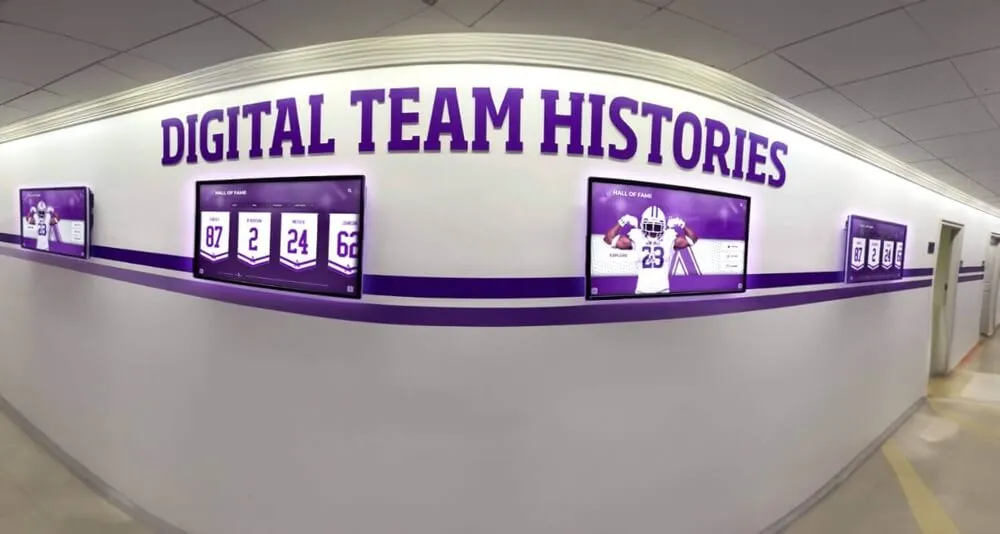
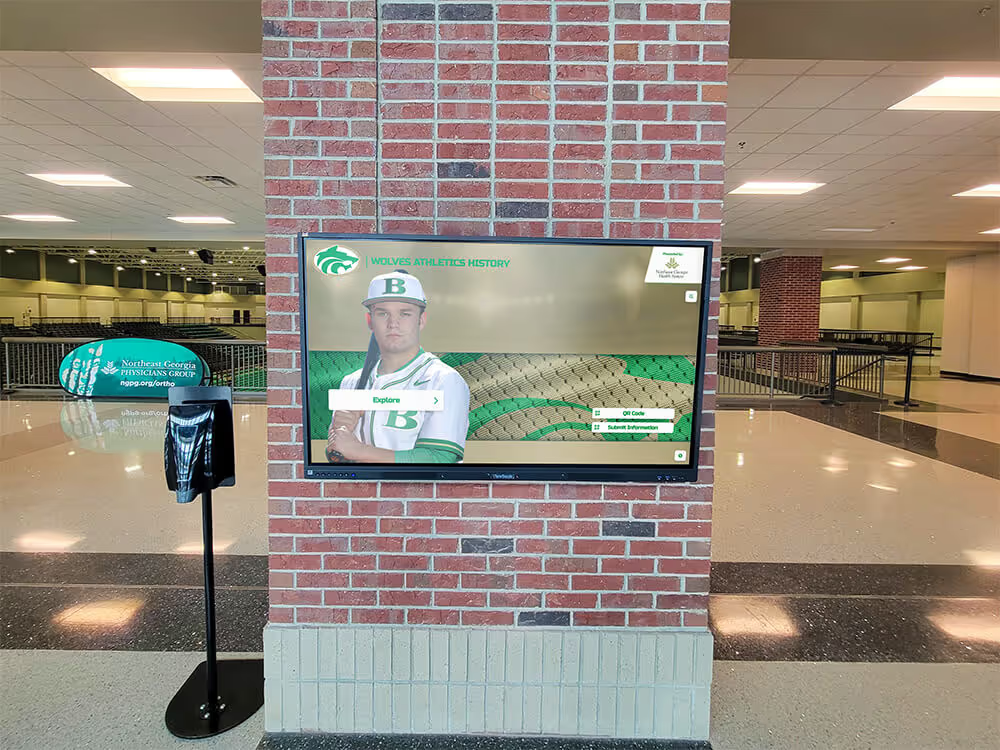
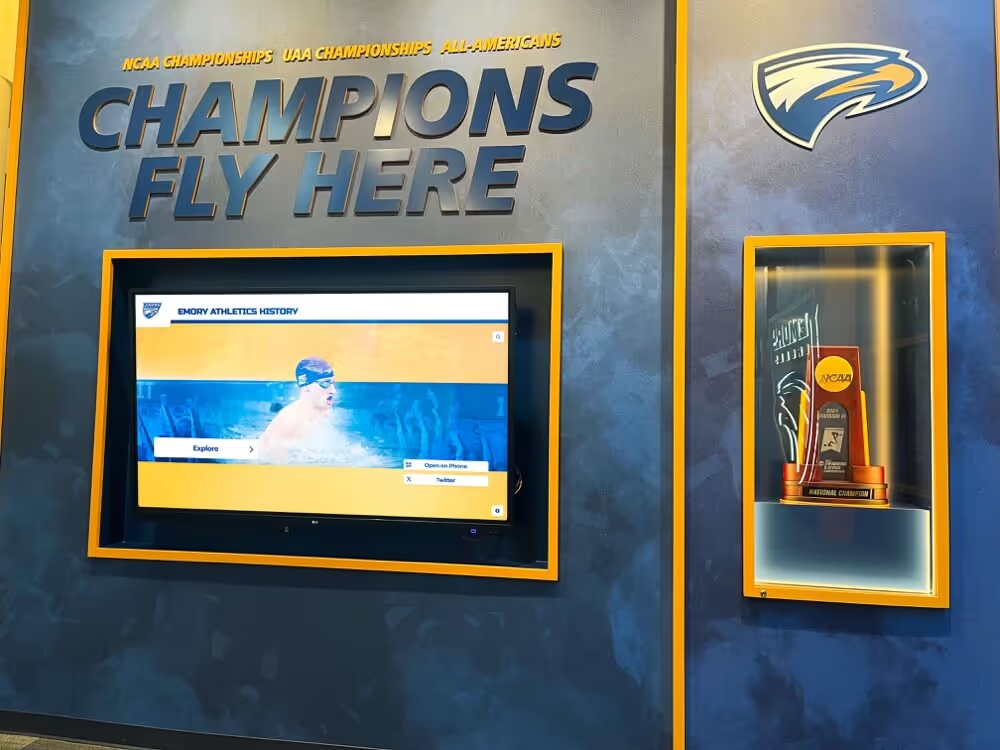
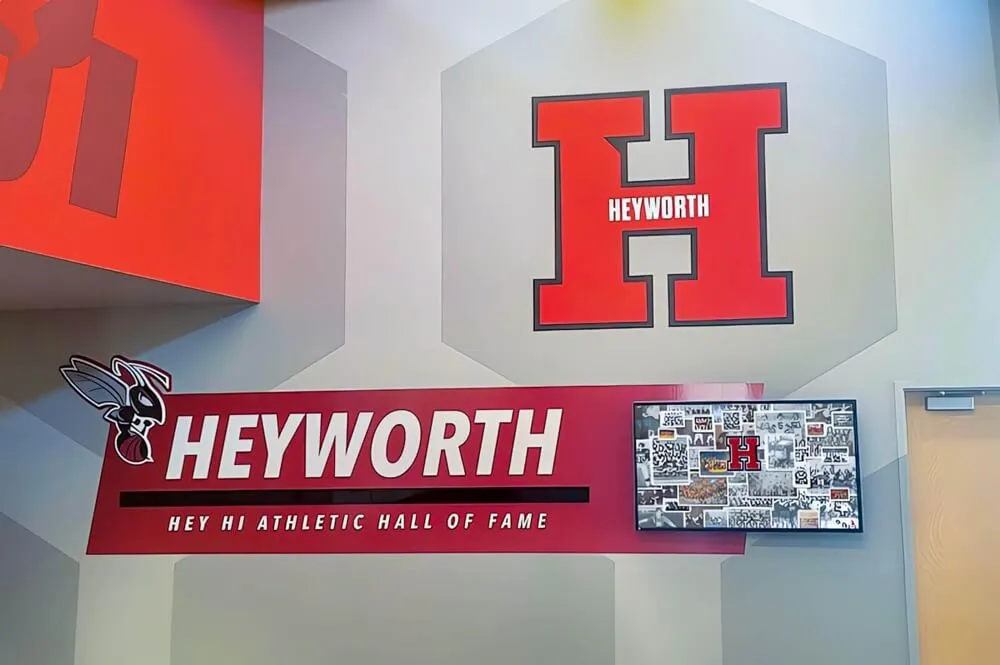
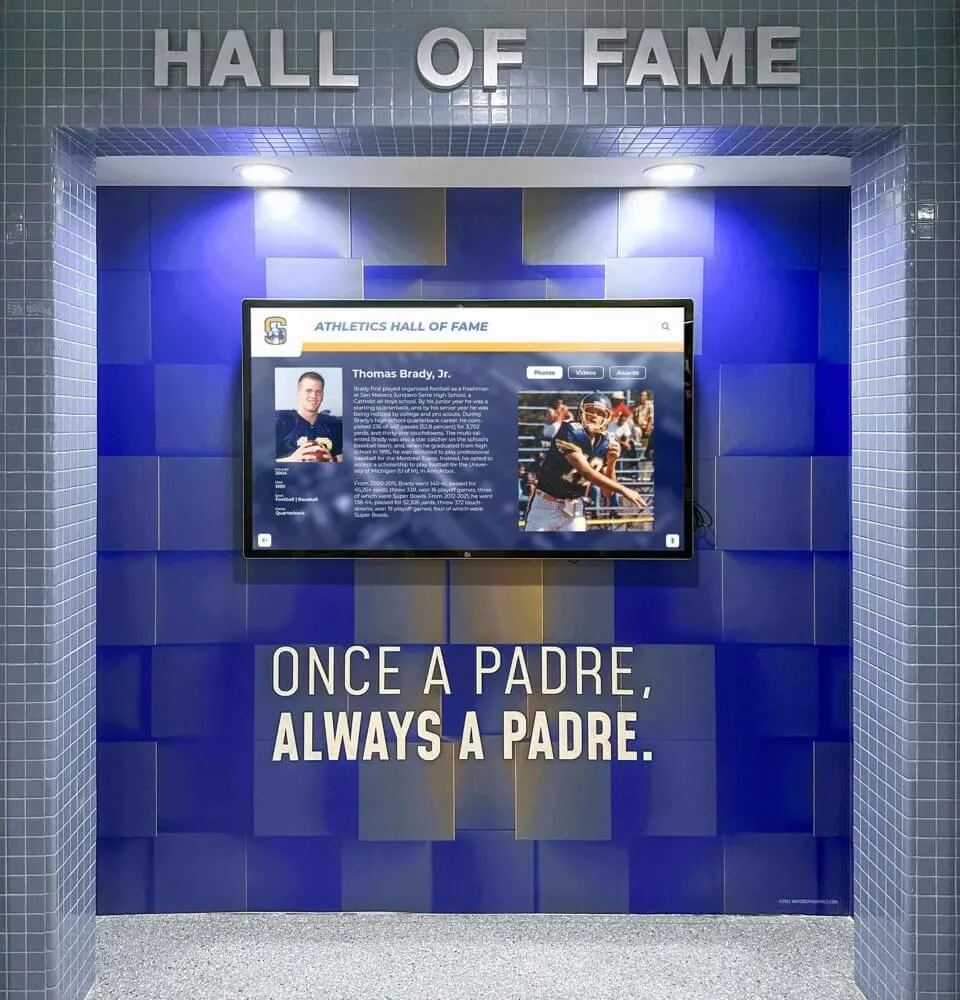
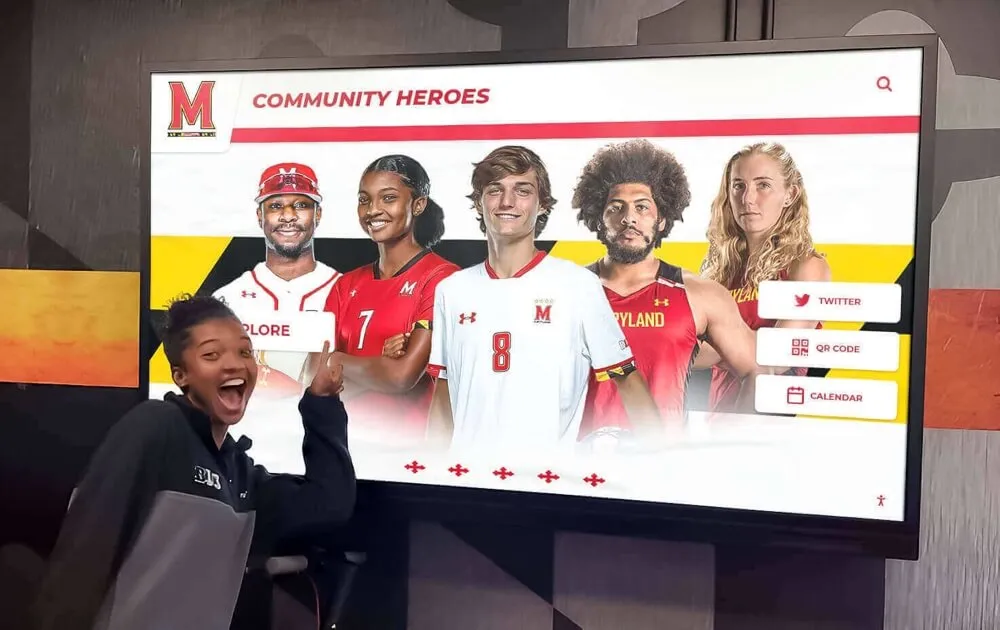
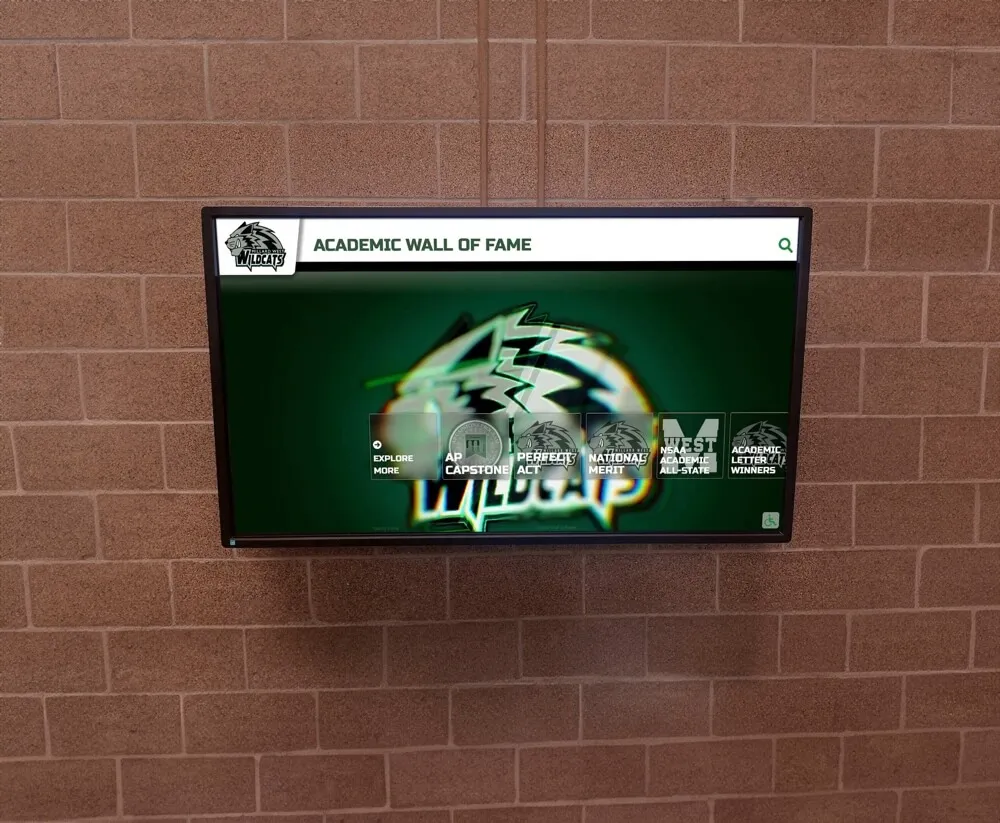
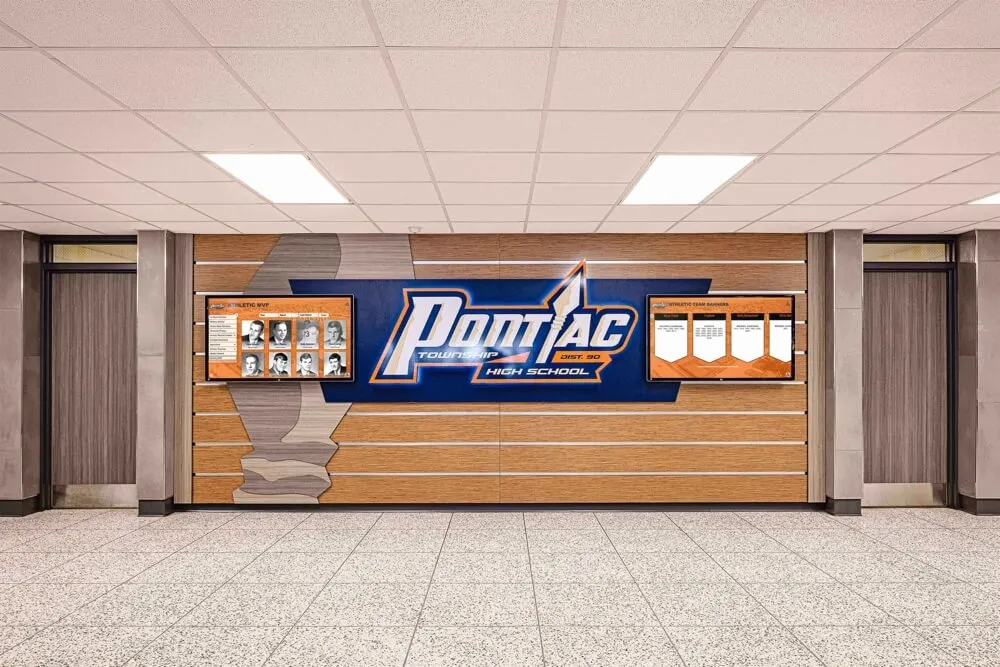
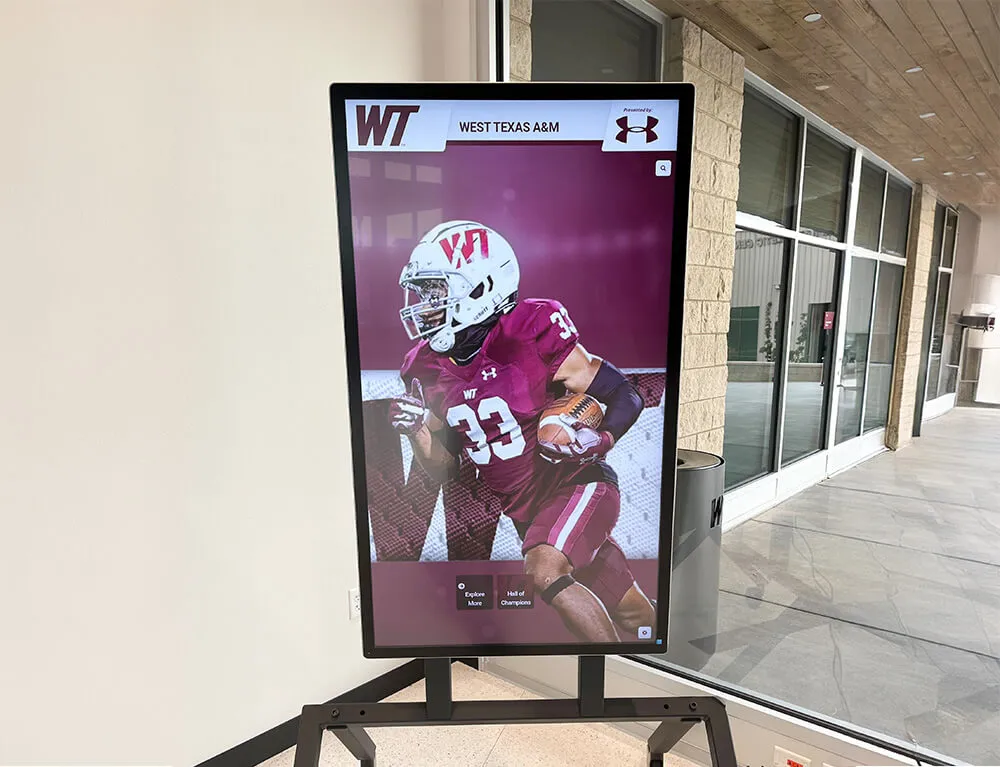
Interactive touch board displays transform teacher appreciation from periodic events into permanent, engaging recognition experiences visible throughout the school year
Understanding Teacher Appreciation Recognition Needs
Before designing touch board displays, schools benefit from understanding what makes teacher appreciation meaningful, the diverse recognition needs across different educator roles, and how interactive displays address appreciation challenges that traditional approaches cannot solve effectively.
Why Teacher Appreciation Matters Beyond Feel-Good Gestures
Teacher appreciation connects directly to critical organizational outcomes that impact school success comprehensively.
Retention and Career Longevity Teacher turnover creates significant challenges for schools including disrupted student relationships, loss of institutional knowledge, recruitment and onboarding costs, and diminished program continuity. A RAND Corporation study examining teacher retention found that feeling valued and recognized emerged as a significant factor in teacher decisions to remain at their schools. Teachers who report feeling appreciated demonstrate substantially higher retention rates than colleagues who feel their contributions go unnoticed or unacknowledged.
Systematic appreciation programs communicating ongoing institutional recognition potentially reduce turnover, protecting educational continuity that benefits students and reducing recruitment costs that strain already limited budgets.
Professional Engagement and Growth Teachers who feel genuinely appreciated demonstrate higher engagement levels including greater willingness to participate in professional development, increased collaboration with colleagues on curriculum innovation, more active participation in school committees and initiatives, and stronger commitment to continuous improvement in teaching practice.
Recognition programs celebrating specific contributions—creative teaching approaches, mentorship of new educators, curriculum development, or community engagement—reinforce behaviors and qualities that strengthen entire educational programs while inspiring colleagues to pursue similar excellence.
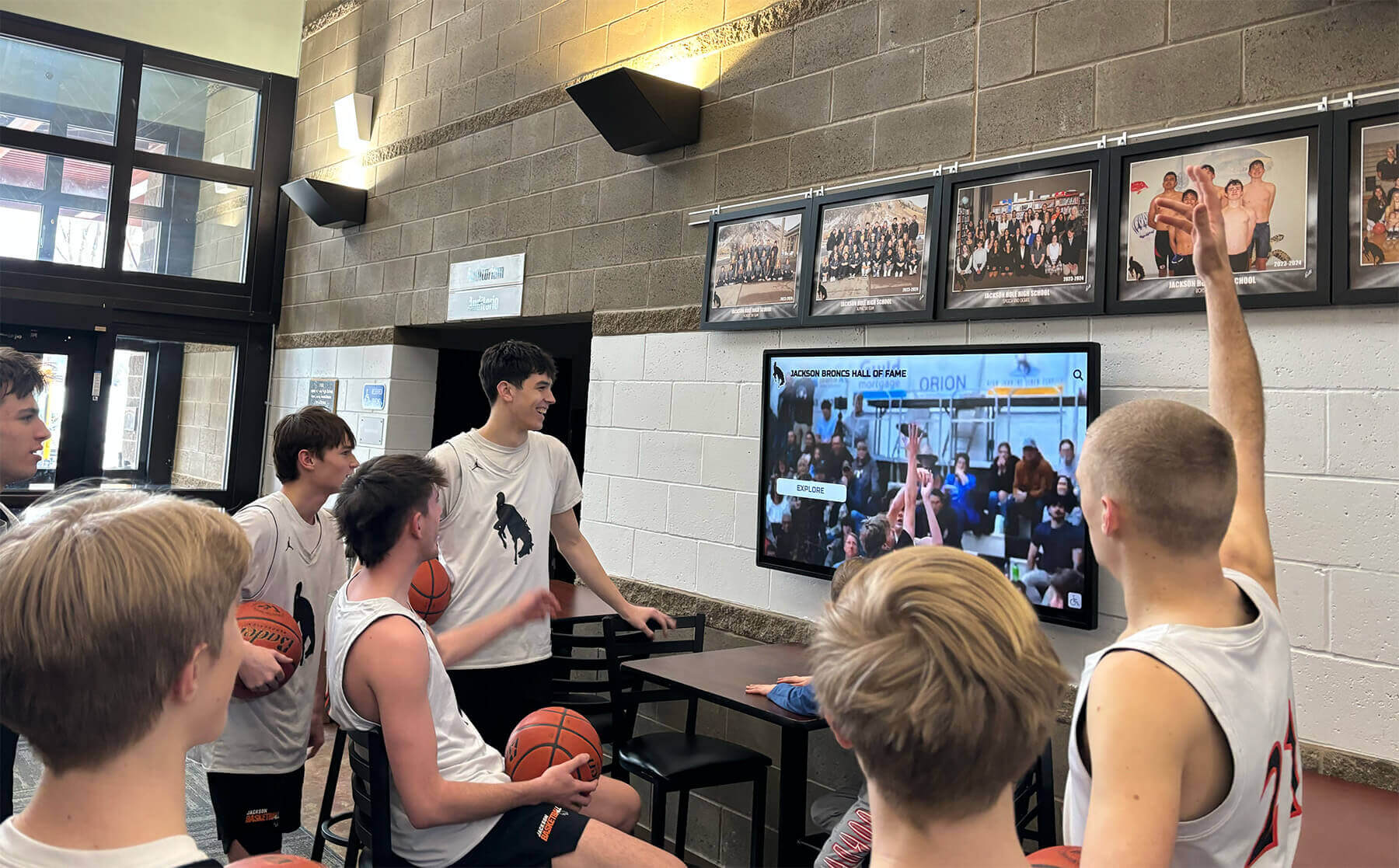
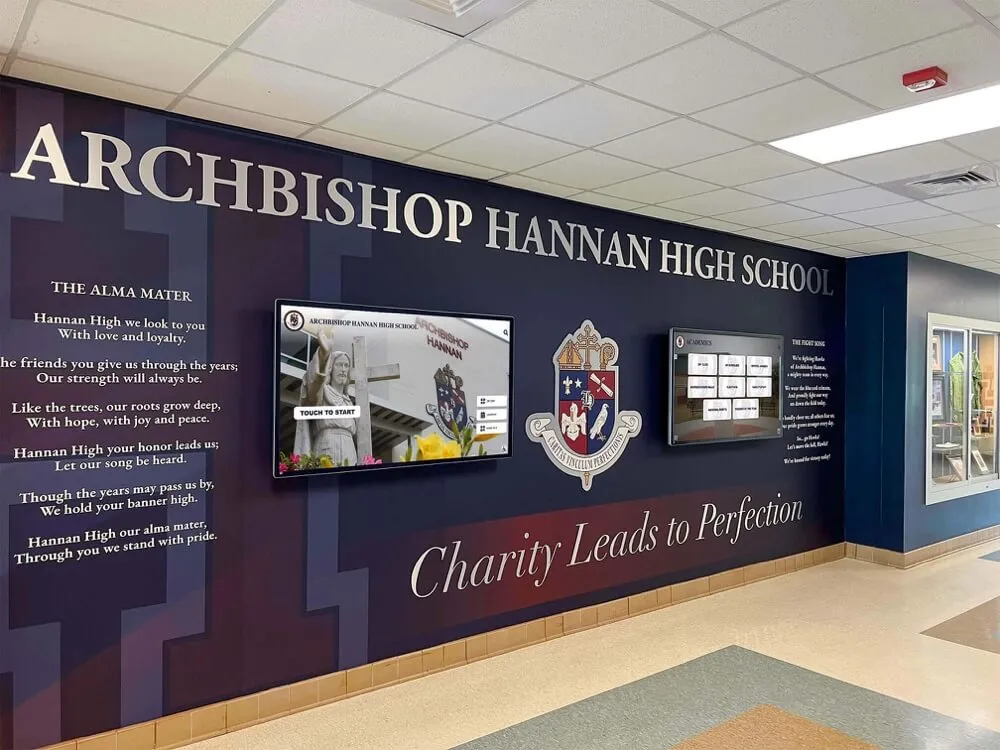
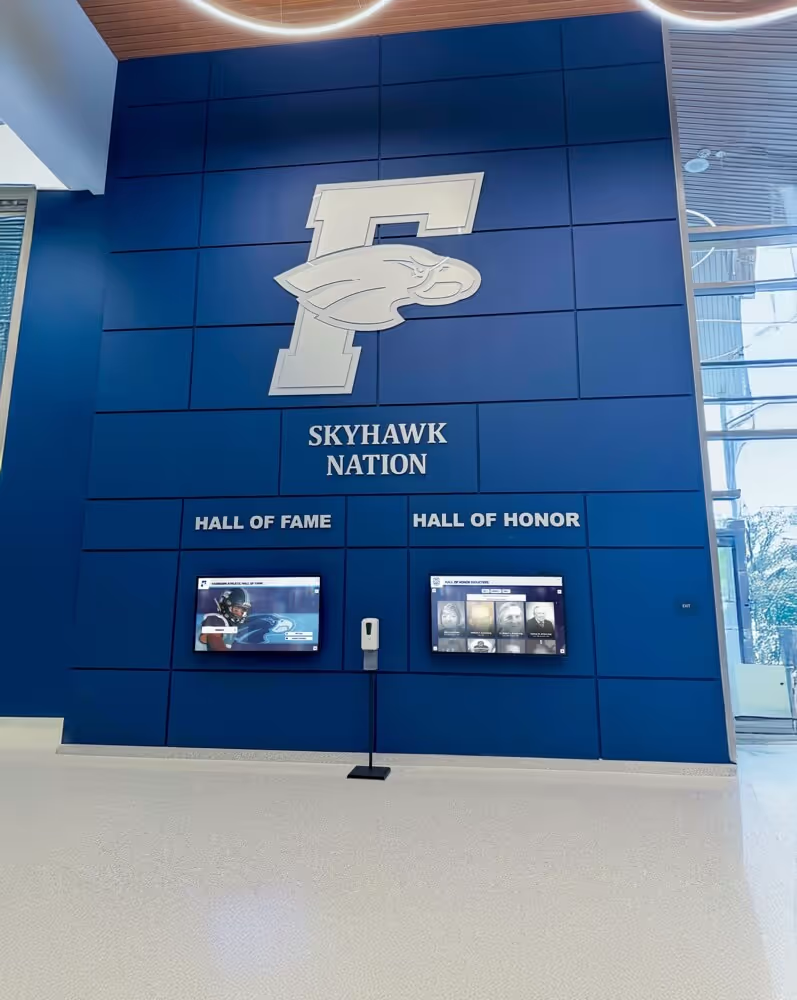
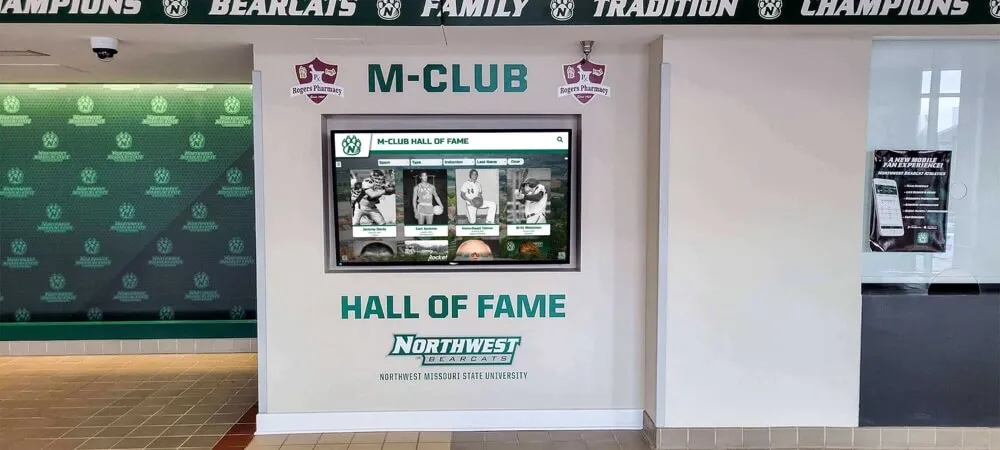
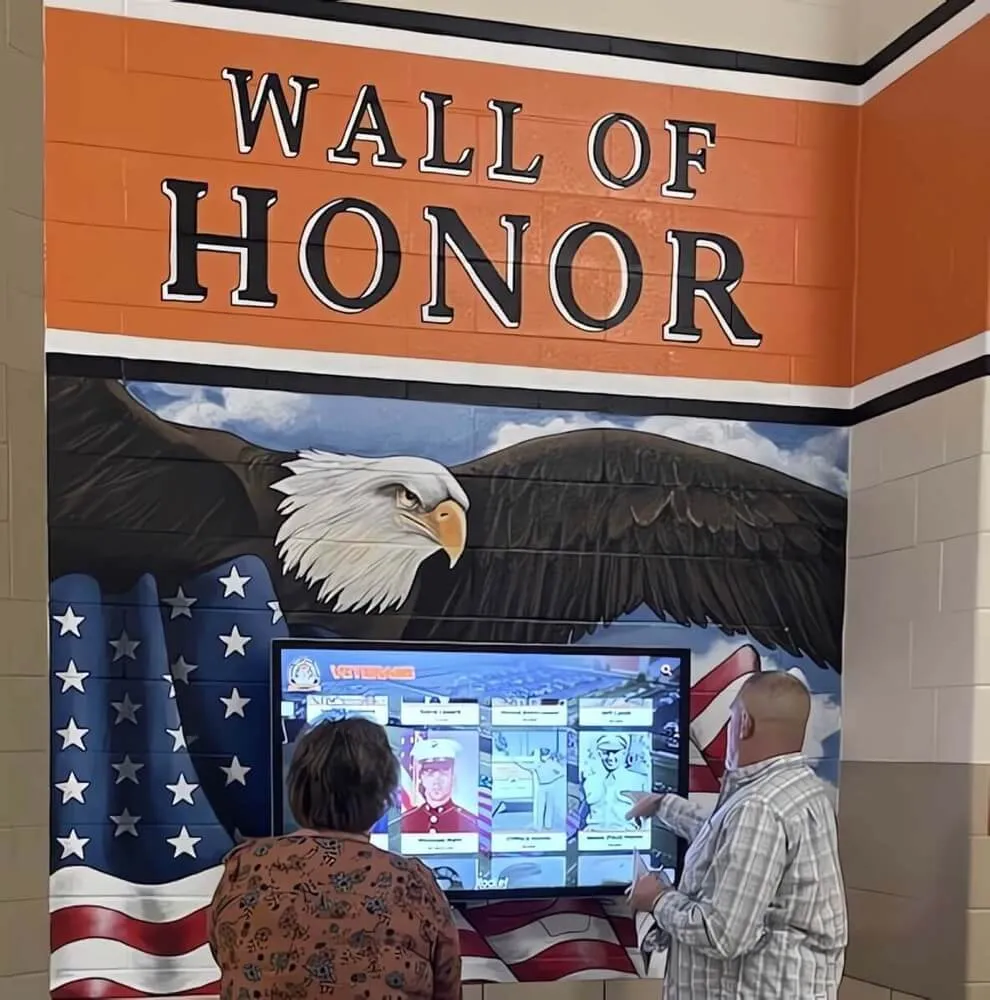
Interactive displays create natural gathering points where students discover educator backgrounds, achievements, and contributions to their school community
School Culture and Morale Appreciation programs influence overall school climate by creating positive organizational cultures where contributions receive acknowledgment, building collective efficacy as educators see colleagues celebrated for teaching excellence, strengthening administrator-teacher relationships through demonstrated respect and recognition, and establishing appreciation norms where recognizing contributions becomes expected practice rather than rare occurrence.
Schools with systematic appreciation programs report stronger staff morale, improved collaboration, and more positive workplace cultures compared to institutions where recognition occurs sporadically if at all.
Diverse Recognition Needs Across Educator Roles
Comprehensive teacher appreciation recognizes contributions across diverse roles extending beyond classroom teachers.
Classroom Teachers Core instructional staff benefit from recognition celebrating years of service and dedication to student success, subject-area expertise and curriculum development contributions, creative teaching approaches and educational technology adoption, mentorship of student teachers and new colleagues, and involvement in extracurricular programs including coaching, advising, and club sponsorship.
Recognition systems acknowledging these multiple dimensions demonstrate understanding that excellent teaching extends far beyond delivering daily lessons.
Specialized Educators and Support Staff Comprehensive appreciation includes special education teachers, counselors, librarians and media specialists, instructional coaches, paraprofessionals and teaching assistants, and substitute teachers who provide essential flexibility. Digital recognition platforms celebrating diverse roles demonstrate inclusive appreciation recognizing all contributors to educational success rather than narrow focus on traditional classroom positions.
Administrative and Operations Staff While often overlooked in teacher appreciation initiatives, principals and assistant principals, office managers and administrative assistants, custodians and maintenance staff, cafeteria workers and nutrition services teams, and transportation staff all contribute essentially to educational environments. Comprehensive staff recognition programs acknowledging all roles strengthen overall appreciation cultures beyond narrowly defined teacher populations.
Schools implementing inclusive recognition report stronger collegiality, reduced siloing between departments, and increased appreciation across all staff categories when every role receives appropriate celebration.
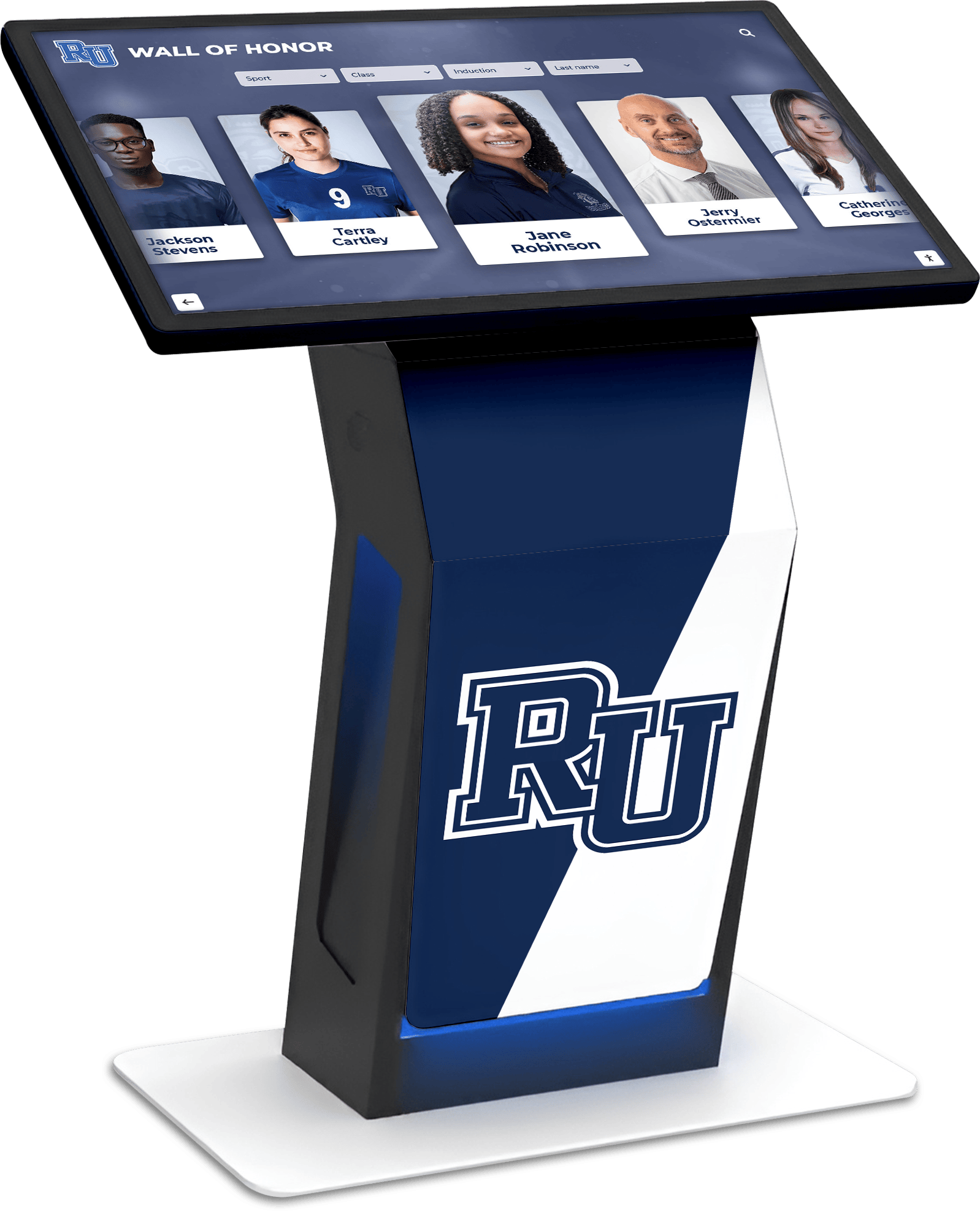
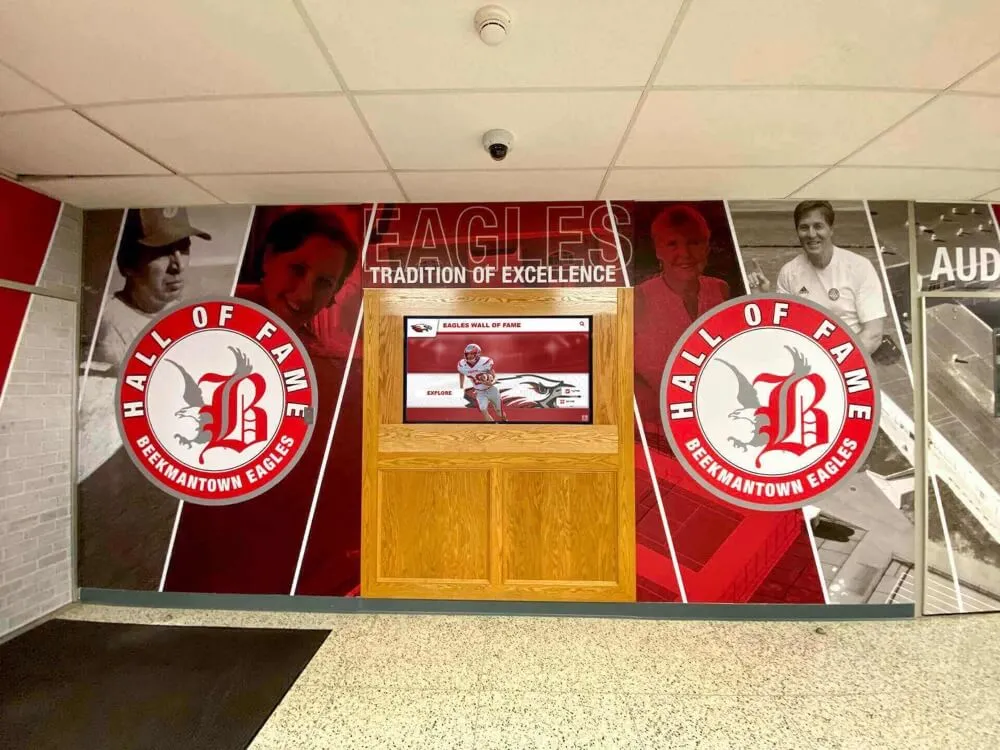
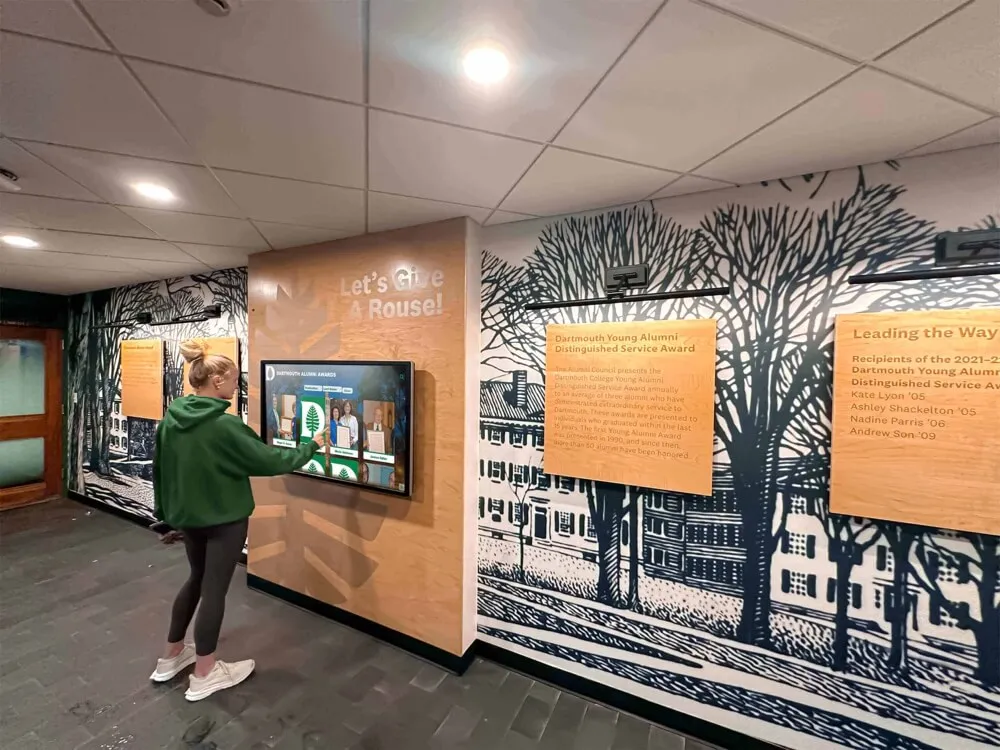
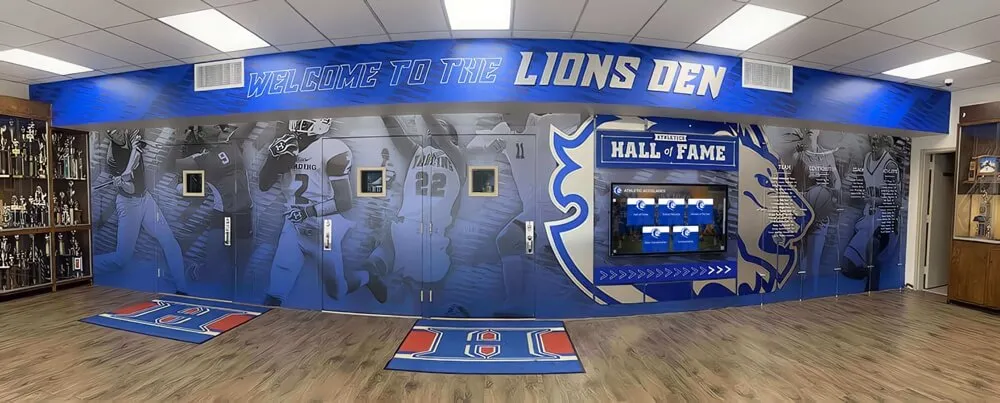
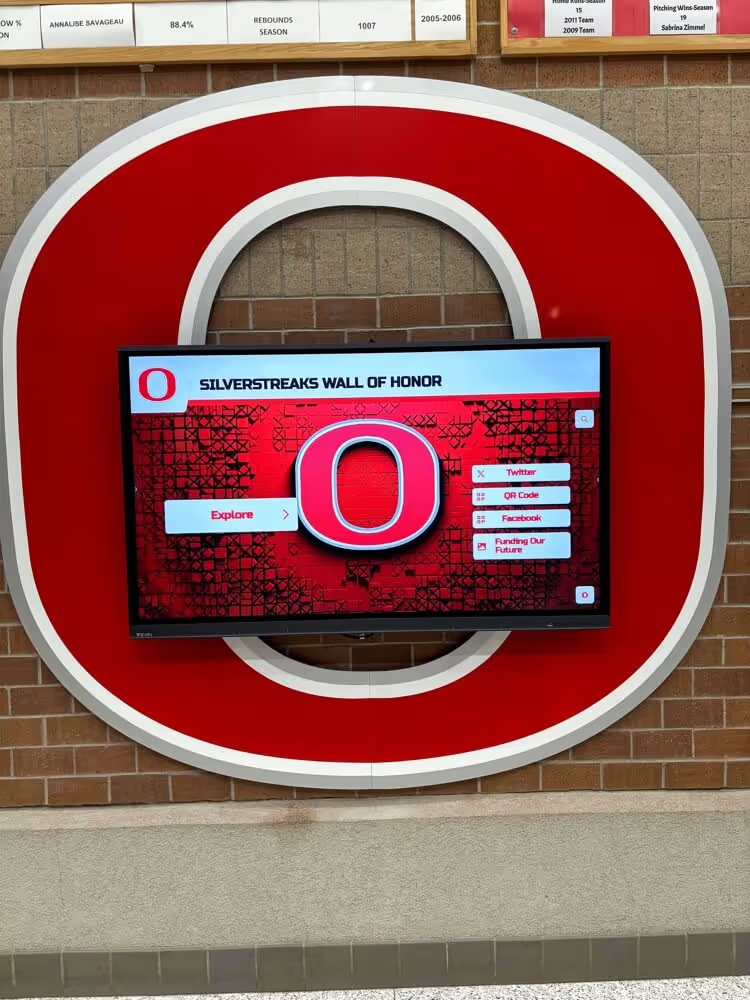
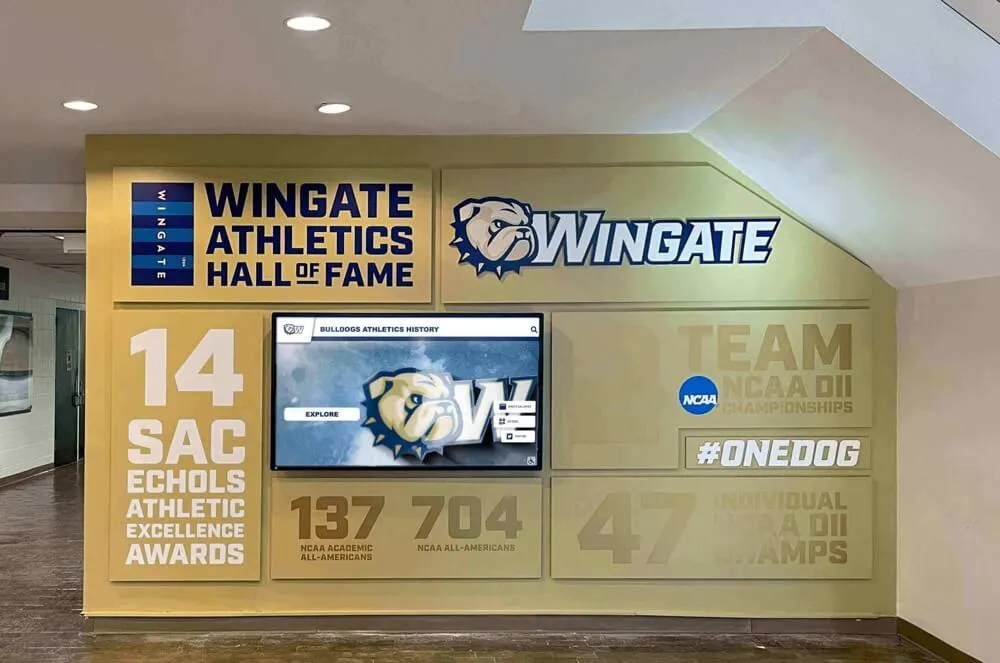
Contemporary touch board systems enable detailed educator profiles celebrating diverse contributions, achievements, and roles within school communities
Touch Board Experience Design for Teacher Appreciation
Effective teacher appreciation touch boards require thoughtful experience design balancing professional celebration with engaging interaction that invites exploration from students, families, and community members.
Layout Architecture: Creating Engaging Appreciation Experiences
Teacher appreciation displays require information architecture that honors educators comprehensively while maintaining visual clarity and intuitive navigation enabling diverse audiences to explore educator stories meaningfully.
Hero Zone: Establishing Appreciation as Institutional Priority
The opening screen establishes tone and communicates institutional values immediately. Effective hero zones include prominent heading communicating appreciation explicitly—“Celebrating Our Educators,” “Honoring Teaching Excellence,” or “Our Teaching Professionals.” Strong imagery showing educators engaged with students demonstrating teaching in action. Brief messaging reinforcing institutional appreciation commitment—one to two sentences maximum. Clear navigation inviting exploration—“Explore Educator Profiles,” “Discover Our Teachers,” or “Meet Our Team.”
Design choices at this critical first touchpoint determine whether visitors engage with content or continue past the display without interaction. Professional photography, clear typography, and ample whitespace communicate that educator recognition receives the same design attention as other institutional priorities.
Navigation Systems: Enabling Multiple Exploration Paths
Different visitors seek different information requiring flexible navigation accommodating diverse intentions.
Browse by Department or Grade Level
- Elementary teachers (K-2, 3-5 for larger schools)
- Middle school departments (English, Math, Science, Social Studies, Arts, PE)
- High school departments with specialized subjects
- Support services and specialized roles
- Administrative and operations staff
Browse by Recognition Type
- Years of service milestones (5, 10, 15, 20, 25+ years)
- Recent appreciation recipients (Teacher of Month, Quarter, Year)
- Professional achievements (advanced degrees, certifications, awards)
- Specialized contributions (mentorship, curriculum development, innovation)
- Retiring educators being honored
Search Functionality Direct name search enables students, alumni, and families to locate specific educators quickly. Search should provide real-time suggestions and gracefully handle misspellings through fuzzy matching algorithms.
Content Modules: Celebrating Educators Comprehensively
Individual educator profiles require sufficient depth to honor contributions meaningfully while maintaining consistency enabling efficient content creation across entire staffs.
Essential Profile Components
Professional Photography High-quality headshots in consistent style establish professional tone. Photography sessions should produce images with neutral backgrounds, consistent lighting, and similar framing creating cohesive visual language across all profiles.
Schools facing budget constraints can designate talented parent volunteers or student photography classes for this purpose, ensuring consistent specifications including background color, lighting setup, and framing guidelines.
Biographical Overview Concise professional biography including educational background and relevant degrees, years at current school and total teaching experience, subject areas or grade levels taught, previous positions or career transitions if relevant, and hometown or personal connection to community.
These elements humanize educators while communicating professional credentials establishing expertise and commitment to education.
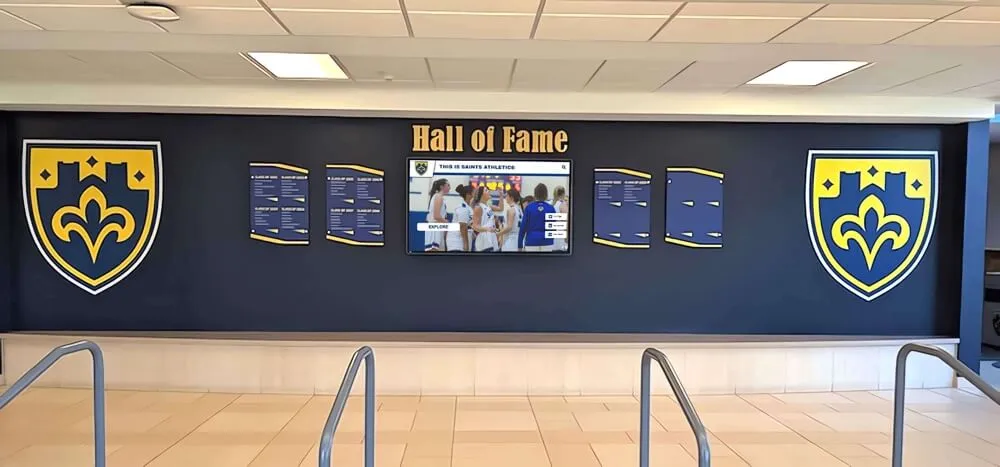
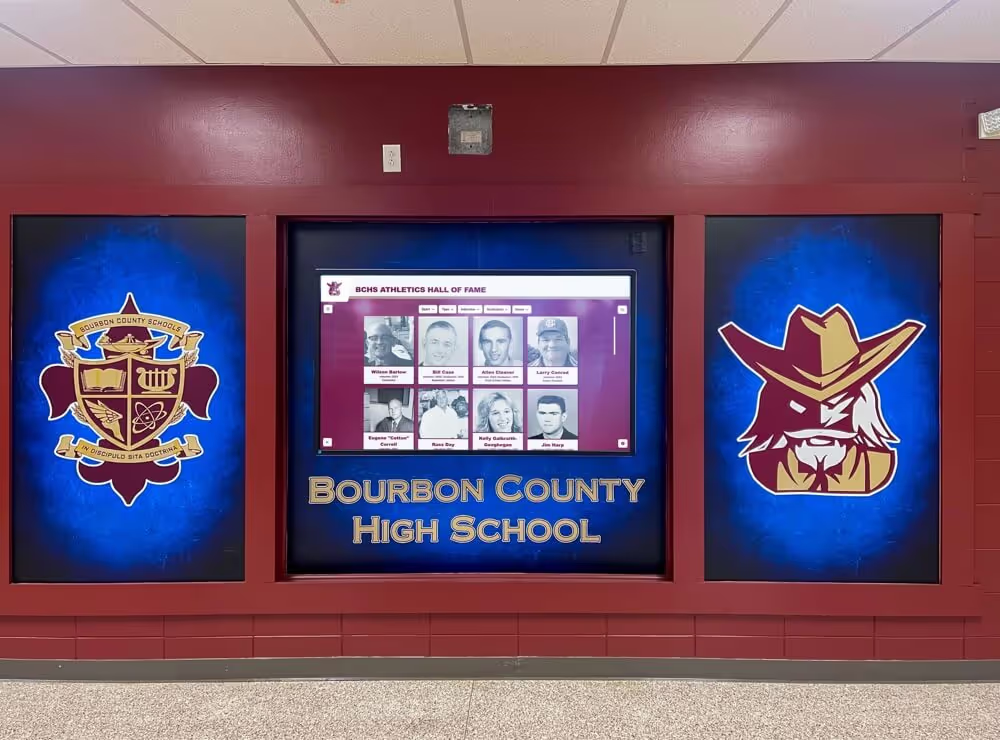
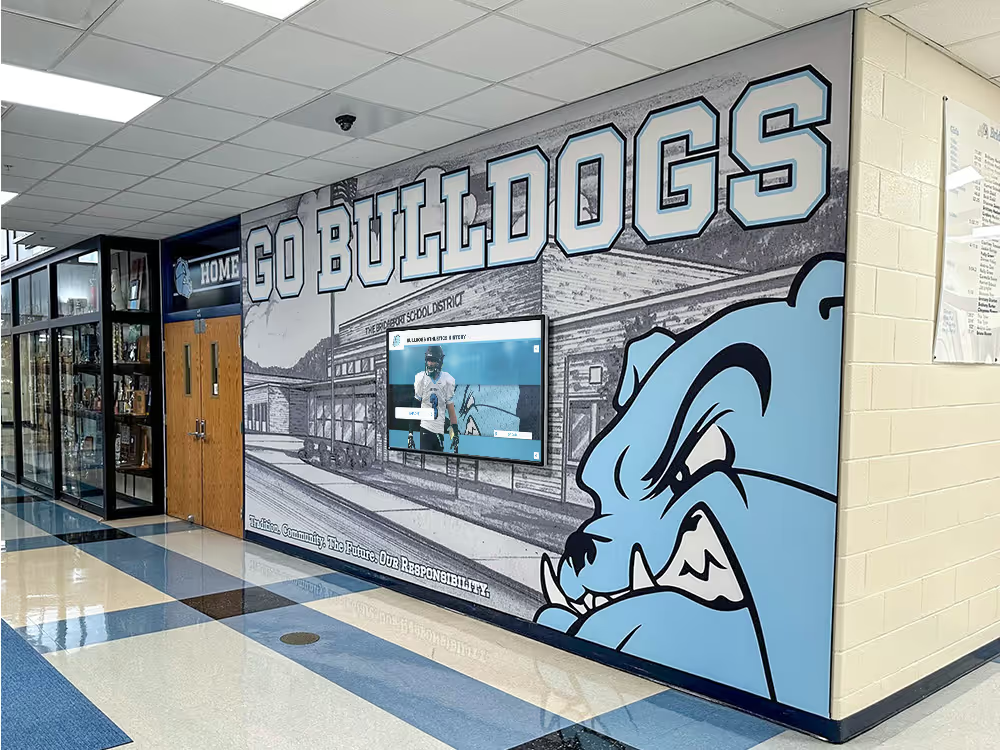
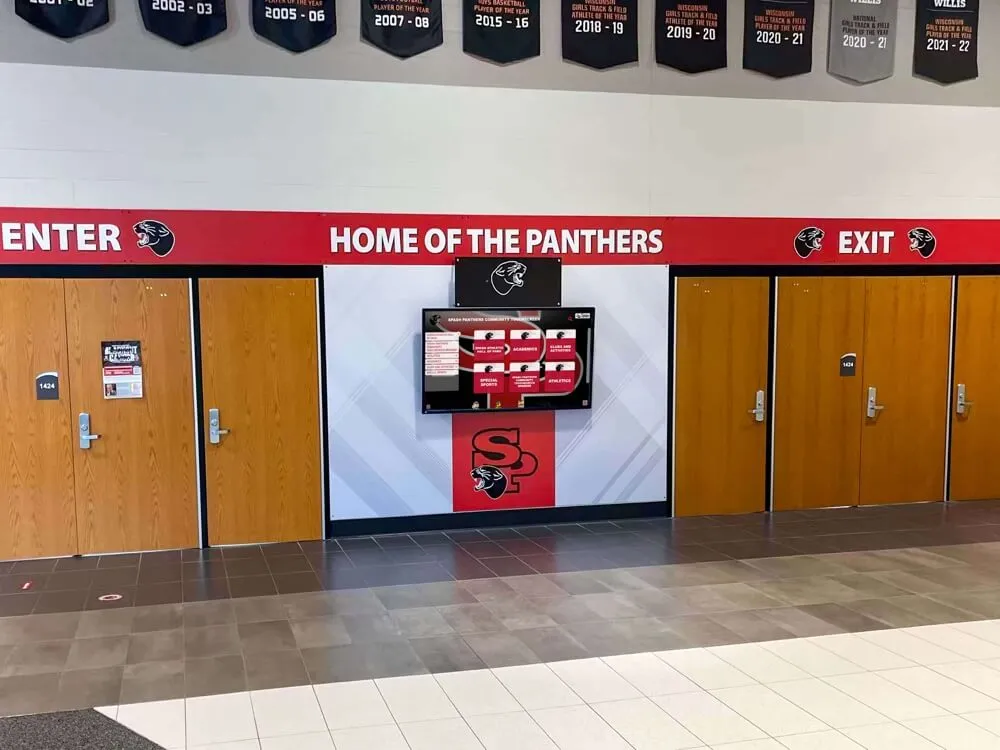
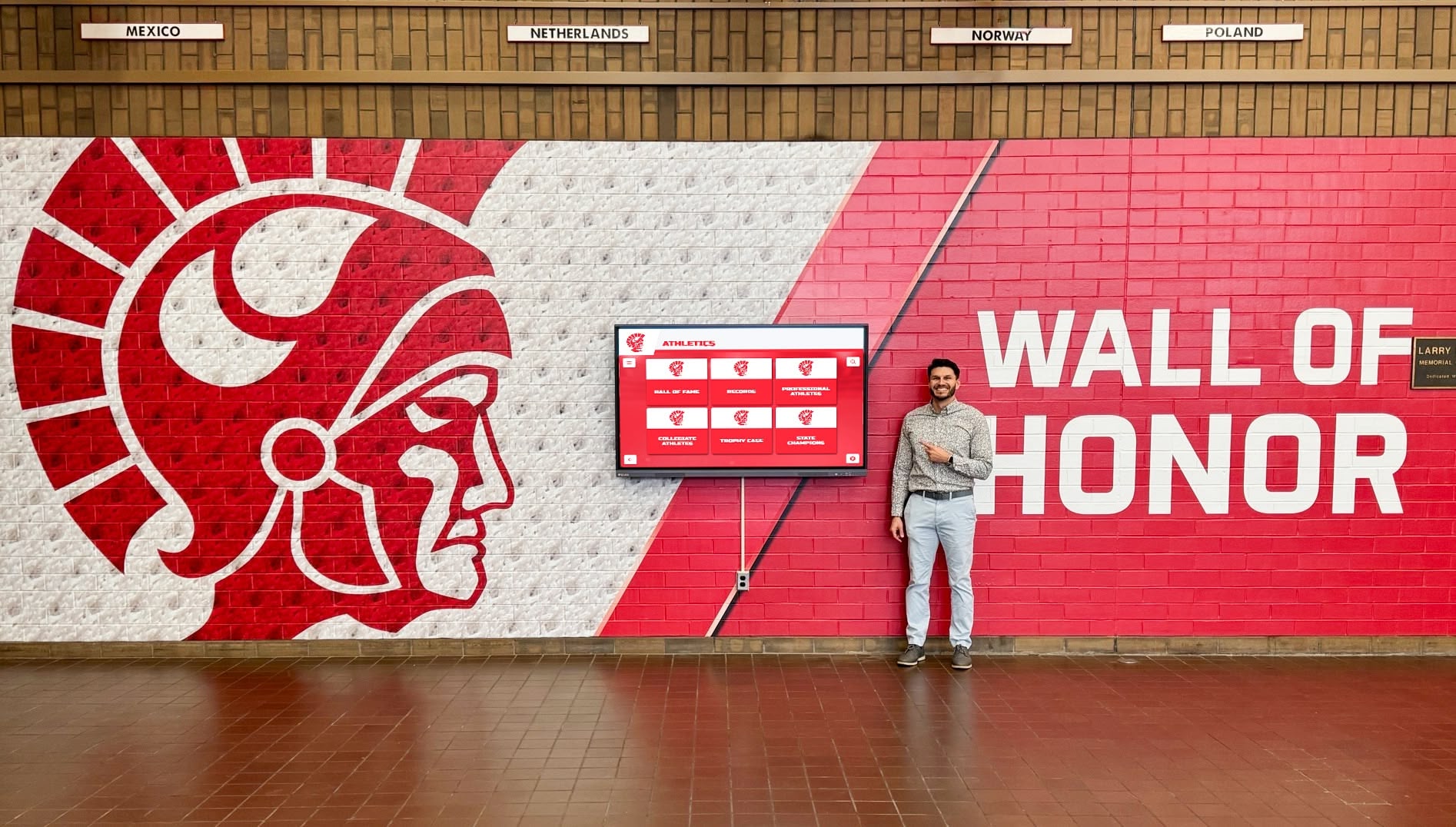
Touch board installations fit naturally within existing school aesthetics while adding interactive capabilities traditional displays cannot provide
Teaching Philosophy and Approach Brief statement in educators’ own voices communicating what matters most about their work—teaching philosophy or approach, what they hope students take from their classes, favorite aspects of teaching, and professional passions or specialized interests. This personal content creates connection between educators and community members beyond surface-level acknowledgment.
Achievements and Recognition Comprehensive but concise list of professional accomplishments including degrees earned and continuing education, professional certifications and specializations, awards and recognition received, publications or conference presentations, and leadership roles in professional organizations.
This section validates expertise while demonstrating institutional understanding of educators as professionals continuously developing their practice rather than static employees delivering prescribed curriculum.
Extracurricular Contributions Many educators contribute far beyond classroom instruction through coaching athletic teams, advising clubs and student organizations, coordinating special events or programs, mentoring new teachers, and serving on school committees or leadership teams. Highlighting these contributions demonstrates appreciation for total commitment rather than narrowly defined job responsibilities.
Personal Interests and Community Connections Appropriate personal information humanizes educators while maintaining professional boundaries. This might include hobbies or interests connecting to curriculum, community involvement or volunteer activities, family information educators choose to share (spouse’s occupation, children attending school), and connections to alumni networks if educators attended schools where they now teach.
Students particularly appreciate learning unexpected facts about teachers—that their chemistry teacher competed nationally in martial arts, their English teacher published poetry, or their math teacher worked as a structural engineer before teaching.
Interactive Features Enhancing Engagement
Touch board technology enables interaction patterns impossible with static displays.
Timeline Visualizations Interactive timelines showing educator career progression create detailed narratives including educational milestones from undergraduate through advanced degrees, career trajectory from early positions through current roles, professional achievements and recognition chronologically organized, and institutional changes witnessed across decades for veteran educators.
Timeline formats prove particularly effective for retirement celebrations honoring long-serving educators, enabling comprehensive career retrospectives celebrating decades of contribution.
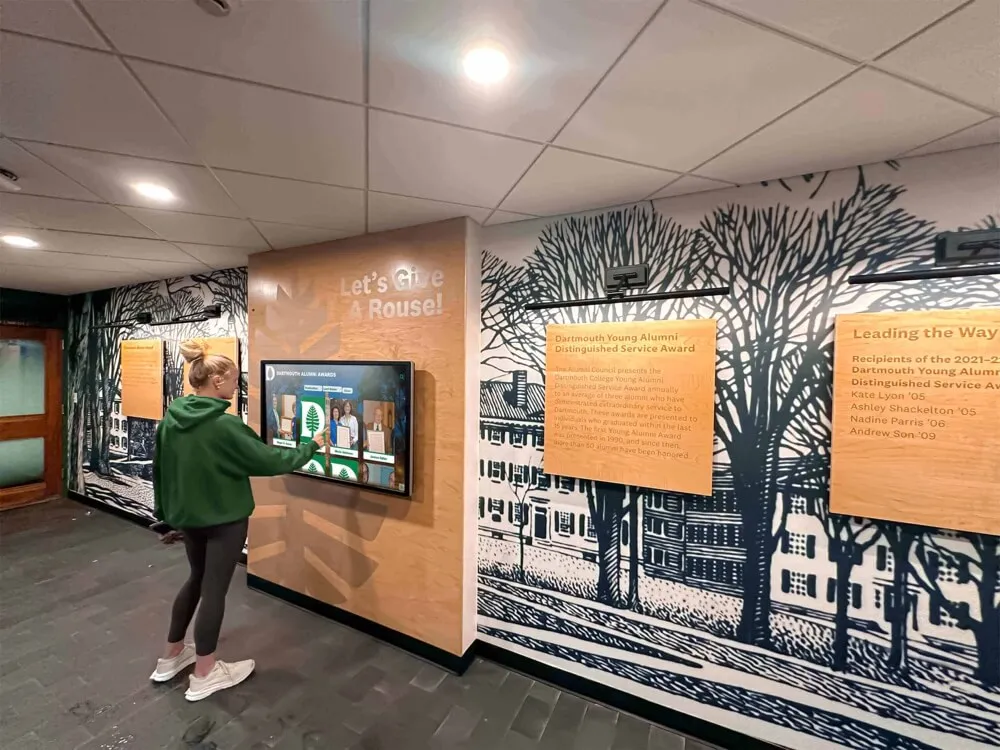
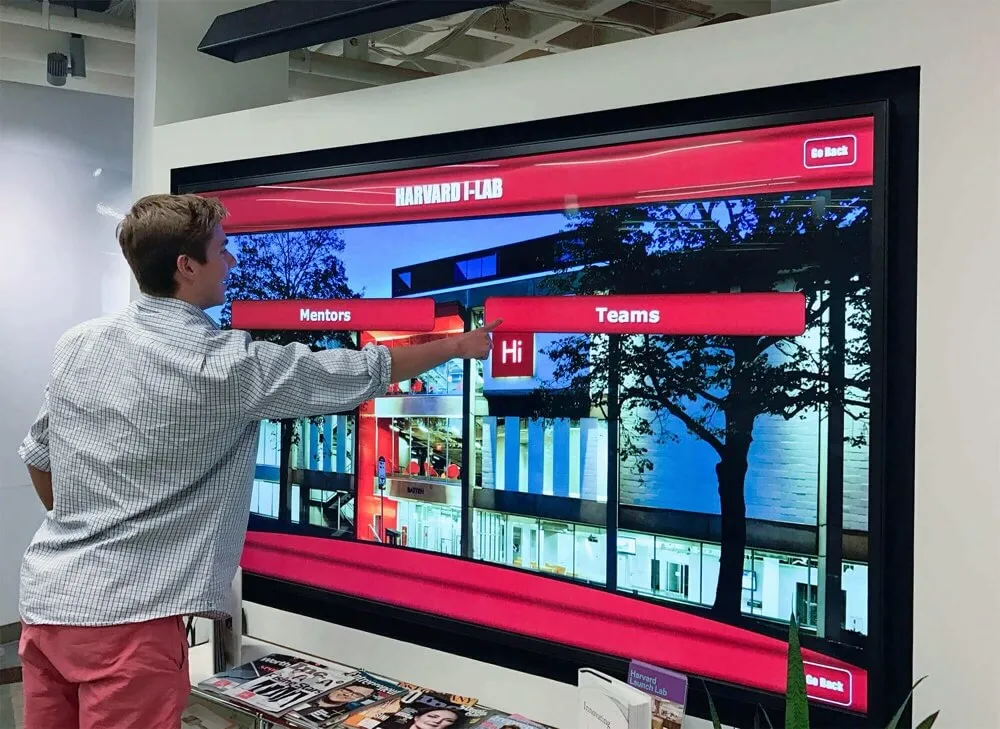
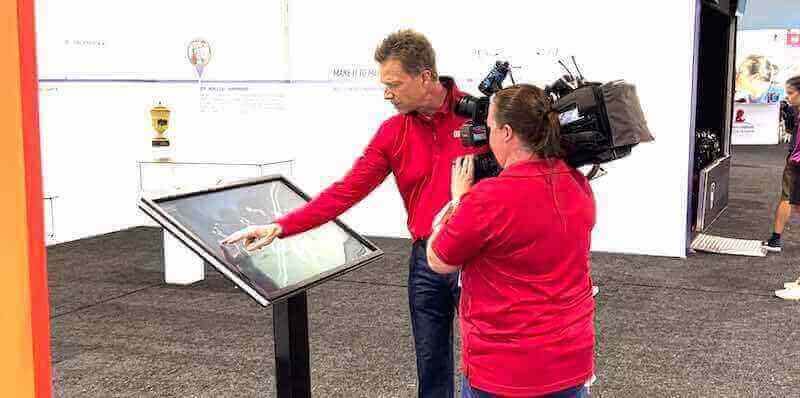
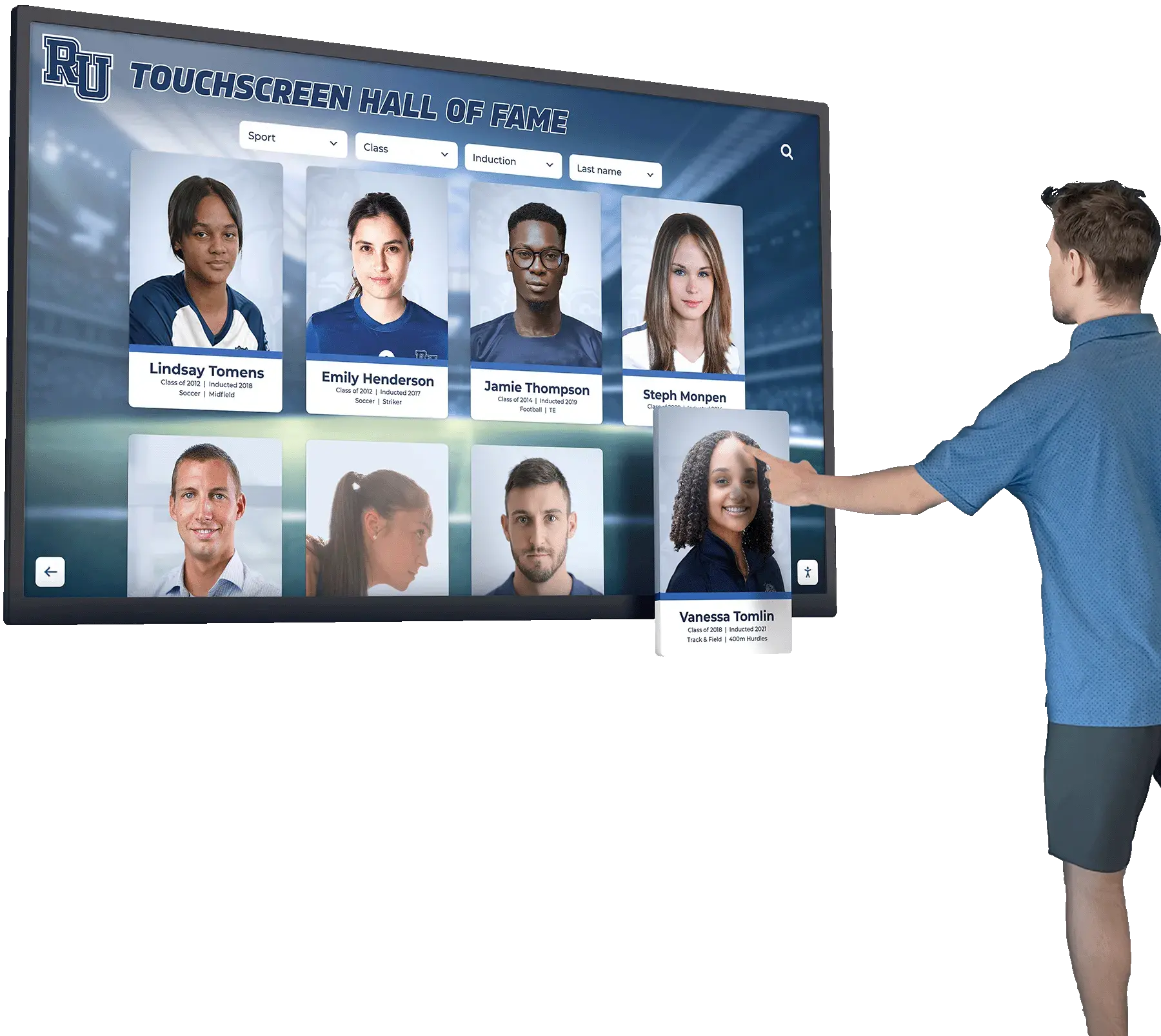
Well-designed touch interfaces invite exploration from diverse visitors including students, families, alumni, and community members
Photo Galleries Multiple images per educator create richer portraits than single headshots including classroom teaching photos showing educators in action, photos with students from various years, extracurricular activity photos showing coaching or club advising, professional development or conference photos, and historical photos showing changes across career spans.
Gallery features might include swipe navigation between images, photo captions providing context, and full-screen viewing for detail appreciation.
Video Content Integration Brief video clips add powerful personal dimension including 60-90 second educator introductions in their own voices, student testimonials about impact educators made, classroom teaching excerpts showing pedagogical approaches, and message to community expressing appreciation or philosophy.
Video production requires greater resources but creates powerful content distinguishing interactive displays from traditional recognition approaches. Schools can film content during professional development days, using simple smartphone recording with basic editing producing sufficient quality for display purposes.
Alumni Connections and Messages For educators with long tenure, alumni testimonials celebrating impact provide powerful appreciation including text messages from graduates years or decades later, video messages from alumni describing lasting influence, professional success stories crediting educator inspiration, and reunion photos showing sustained relationships beyond school years.
These connections demonstrate that educator impact extends far beyond immediate classroom instruction, creating legacy that influences entire careers and life trajectories.
Explore comprehensive approaches in teacher staff recognition programs that strengthen retention and school culture.
Strategic Placement and Environmental Design
Touch board location and physical environment significantly influence engagement levels and recognition program effectiveness.
High-Impact Location Selection
Teacher appreciation displays should occupy prominent positions in daily traffic patterns rather than secondary locations suggesting appreciation holds secondary institutional importance.
Primary Location Priorities Main entrance lobbies where all visitors encounter displays immediately, administrative office areas where families interact with school regularly, faculty lounges or workrooms where educators themselves engage with recognition, and main hallways near auditoriums or cafeterias ensuring student exposure.
Locations should provide adequate space for small groups to gather without blocking traffic flow, ensuring accessibility for wheelchair users and individuals with mobility limitations.
Environmental Context and Design Harmony Touch board installations work best when placed thoughtfully within existing environments rather than appearing as afterthoughts installed without aesthetic consideration.
Integration strategies include complementary color palettes reflecting school colors or existing finishes, coordinated materials creating visual relationships with surrounding architecture, appropriate scale proportionate to installation spaces, and lighting design ensuring screen visibility without glare while illuminating surrounding areas appropriately.
Schools undertaking facility renovations should include touch board planning early in design processes, enabling optimal integration including electrical and networking infrastructure, mounting structures appropriate for display sizes and weights, and spatial planning accommodating visitor interaction.
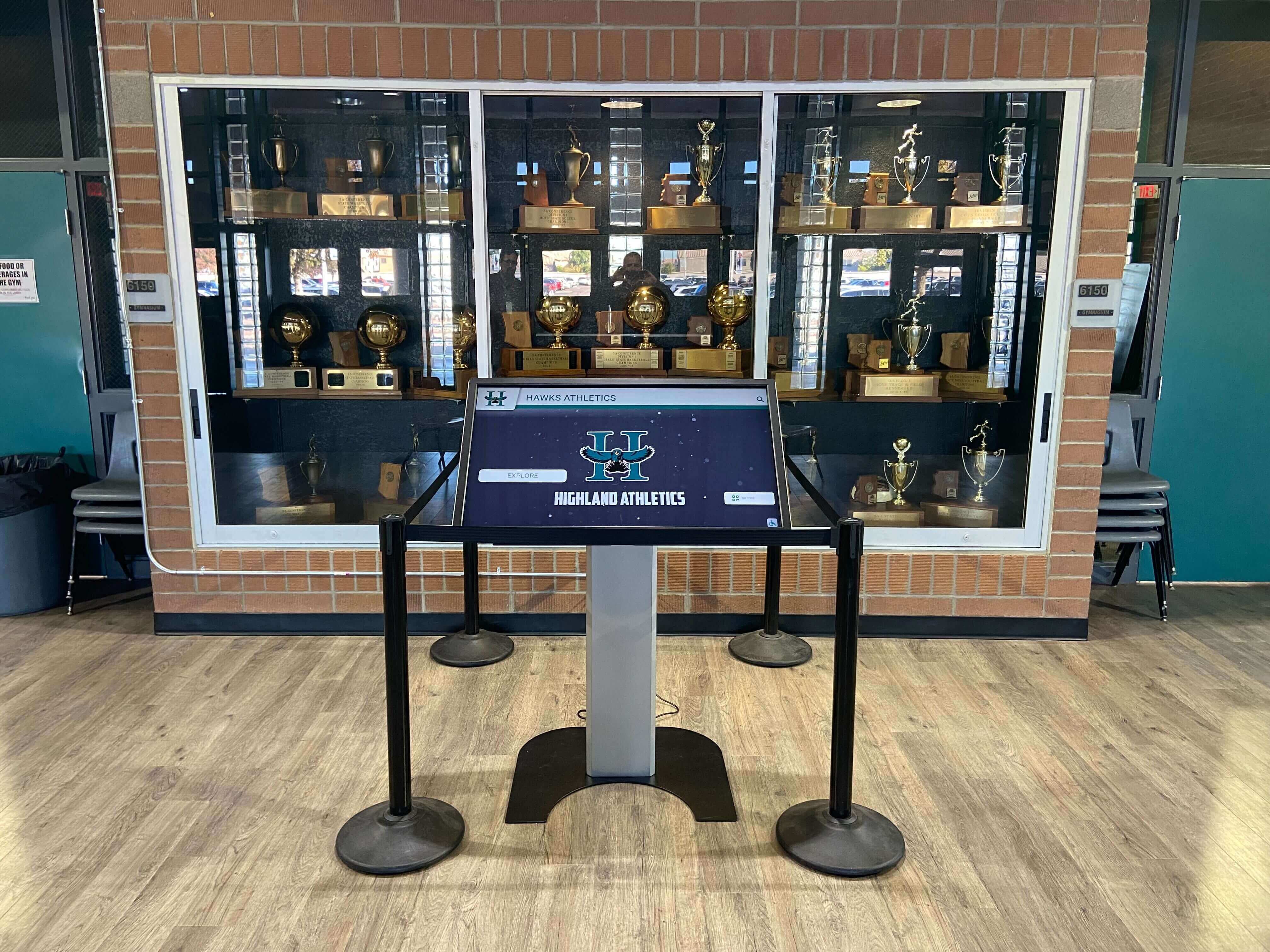
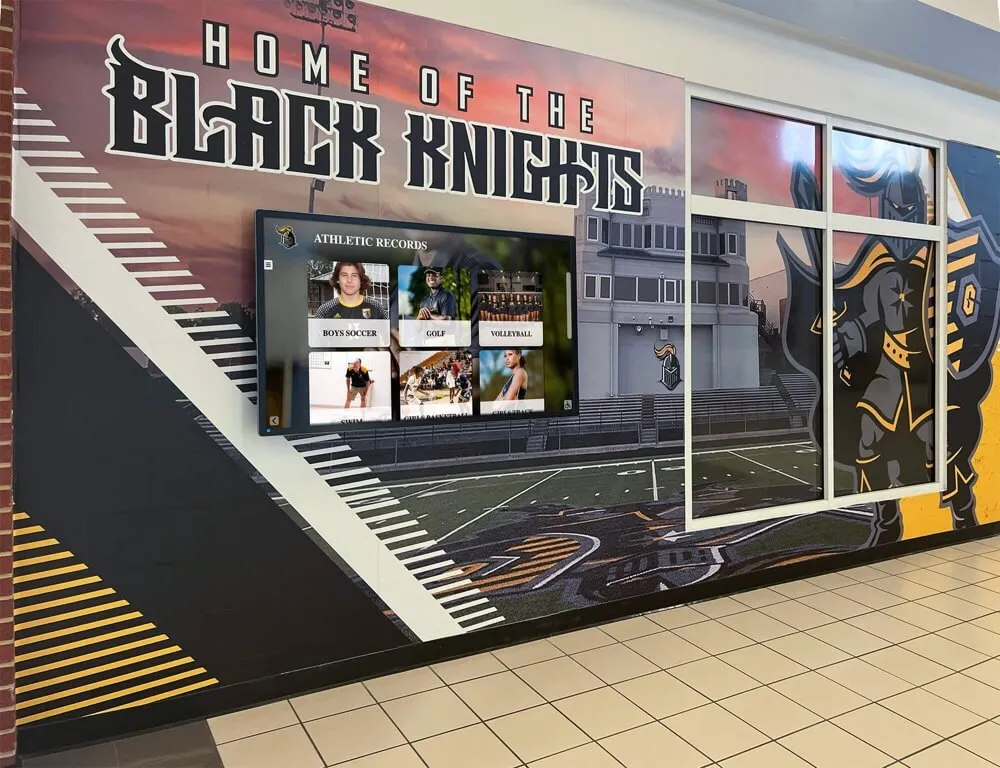
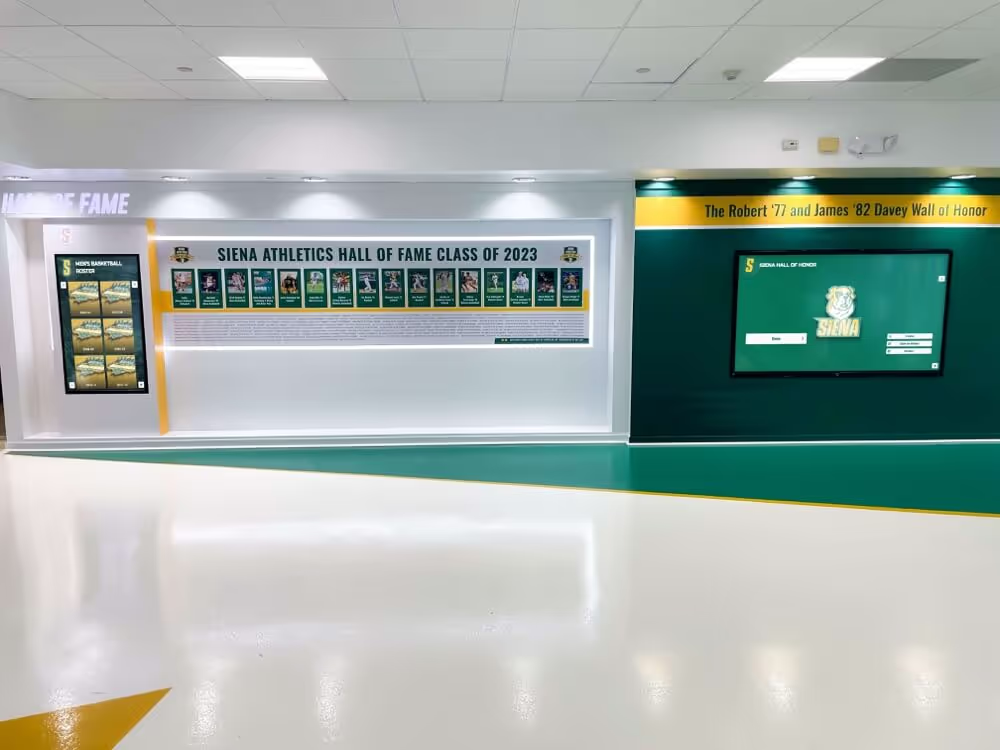
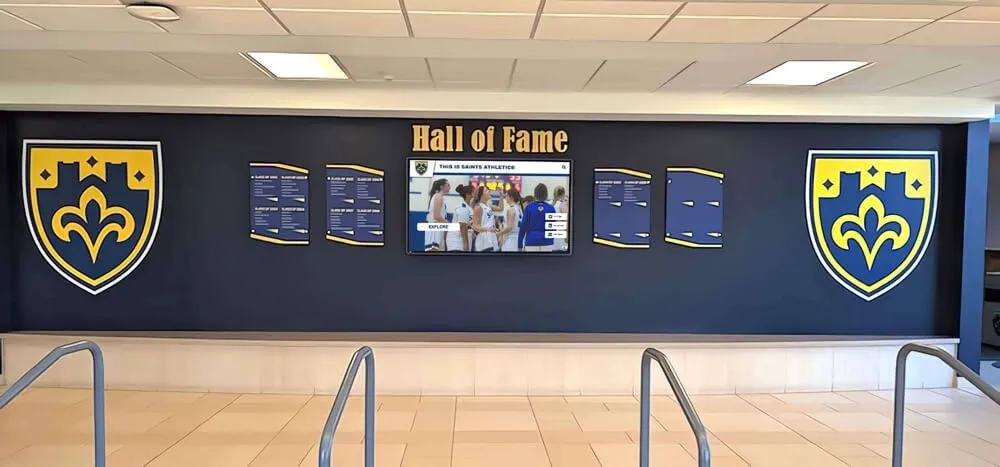
Touch boards work effectively alongside existing recognition displays including trophy cases and achievement walls, extending rather than replacing traditional approaches
Accessibility and Universal Design Considerations
Teacher appreciation displays should welcome all community members including students with disabilities, family members across age ranges, and visitors with varying technology comfort levels.
Physical Accessibility Mounting heights enabling wheelchair users to reach touchscreen controls comfortably—typically 36-48 inches from floor to screen center, clear floor space of at least 30x48 inches for wheelchair approach, and controls requiring no tight grasping, pinching, or wrist twisting for operation.
Visual Accessibility High contrast ratios between text and backgrounds (minimum 4.5:1 for body text, 3:1 for large headings), minimum text sizes of 18-24 pixels for body content, clear hierarchy using size, weight, and color rather than solely relying on color, and anti-glare screens or strategic positioning relative to windows and lighting fixtures.
Cognitive Accessibility Clear, concise language avoiding jargon or unnecessarily complex vocabulary, consistent navigation patterns across all screens, visible “Home” or “Start Over” buttons on all secondary screens, and logical information organization matching user expectations.
Multi-Modal Information Consider supplementing visual information with audio descriptions for visitors with visual impairments, providing printed directories or brochures duplicating touchscreen content for visitors preferring tangible materials, and ensuring critical information appears on institutional websites accessible through screen readers and assistive technologies.
Comprehensive digital hall of fame accessibility strategies ensure recognition programs serve entire school communities effectively.
Content Development and Ongoing Management
Creating comprehensive educator profiles requires systematic approaches balancing thoroughness with realistic workload expectations.
Initial Content Creation Strategies
Launching teacher appreciation touch boards requires collecting substantial information across entire staffs—potentially dozens or hundreds of educators depending on school size.
Phased Implementation Approaches
Phase 1: Essential Information Begin with core data readily available from HR systems including names, positions, departments, and years at school. Add professional headshots captured during dedicated photography sessions. This foundational content enables display launch even if comprehensive profiles remain incomplete.
Phase 2: Expanded Profiles Collect additional information through structured educator questionnaires requesting biographical information, teaching philosophy statements, achievement lists, and extracurricular involvement descriptions. Set reasonable deadlines and provide clear guidance on desired length and format.
Phase 3: Rich Media and Alumni Connections Add optional additions including photo galleries, video introductions, and alumni testimonials. Treat these as ongoing content development rather than launch requirements, steadily enriching profiles across academic years.
Phased approaches prevent perfect becoming enemy of good—launching with basic content while systematically building depth proves more effective than delaying implementation indefinitely waiting for complete profiles.

Historical perspective honoring educators across decades demonstrates long-term institutional commitment to celebrating teaching excellence
Sustainable Content Management Models
Touch board effectiveness depends on keeping information current rather than allowing content to stagnate into outdated snapshots.
Designated Content Coordinators Assign responsibility explicitly rather than assuming content management happens automatically. Potential coordinators include administrative assistants with communication responsibilities, technology integration specialists, librarians or media specialists with content management expertise, and department chairs or grade-level leaders managing content for their teams.
Clear responsibility assignment with adequate time allocation prevents content management falling through cracks when everyone assumes someone else handles updates.
Regular Update Schedules Establish systematic update cadences including beginning of school year additions for new hires, mid-year updates for professional development or recognition recipients, end of year recognition for retiring educators and milestone anniversaries, and quarterly reviews ensuring accuracy of all existing profiles.
Calendar reminders and project management tools help maintain consistent attention to content management rather than allowing months to pass between updates.
Faculty Self-Service Options Modern platforms like Rocket Alumni Solutions enable educators to update their own profiles directly through authenticated access. This distributed approach reduces coordinator workload while ensuring accuracy, as educators maintain their own information.
Self-service platforms should include appropriate approval workflows preventing inappropriate content publication while minimizing administrative bottlenecks.
Student and Alumni Contributions Student journalism classes, yearbook staffs, or media production courses can contribute through educator interview projects producing written profiles or video content, photography sessions capturing teaching in action, and historical research documenting institutional history and retired educator legacies.
Alumni engagement programs can solicit testimonials systematically, particularly during reunion years when graduates return to campus and reflect on educator impact.
Discover comprehensive school history content management approaches that maintain accuracy while distributing workload sustainably.
Connecting Appreciation to Broader Recognition Programs
Teacher appreciation touch boards function most effectively when incorporated into comprehensive recognition ecosystems rather than operating as isolated initiatives.
Coordinating with Existing Appreciation Efforts
Schools typically maintain various appreciation activities that digital displays can amplify and extend.
Teacher Appreciation Week Integration Annual appreciation weeks provide natural opportunities for touch board spotlight features including daily highlighting of different educator stories, special video messages from administrators and students, historical retrospectives celebrating teaching excellence across decades, and social media campaigns directing audiences to touch board content for deeper exploration.
Digital displays extend appreciation week impact beyond seven days, maintaining visibility throughout the year rather than concentrating recognition into brief windows.
Monthly or Quarterly Recognition Programs Teacher of the Month, Quarter, or similar ongoing recognition programs gain greater visibility through touch board features including dedicated spotlight sections on home screens, detailed profile features explaining recognition criteria and selection processes, and historical archives showing all past recipients creating comprehensive recognition timelines.
Digital platforms solve common challenges where monthly recognition disappears after brief announcements, ensuring recipients receive sustained celebration throughout recognition periods and beyond.
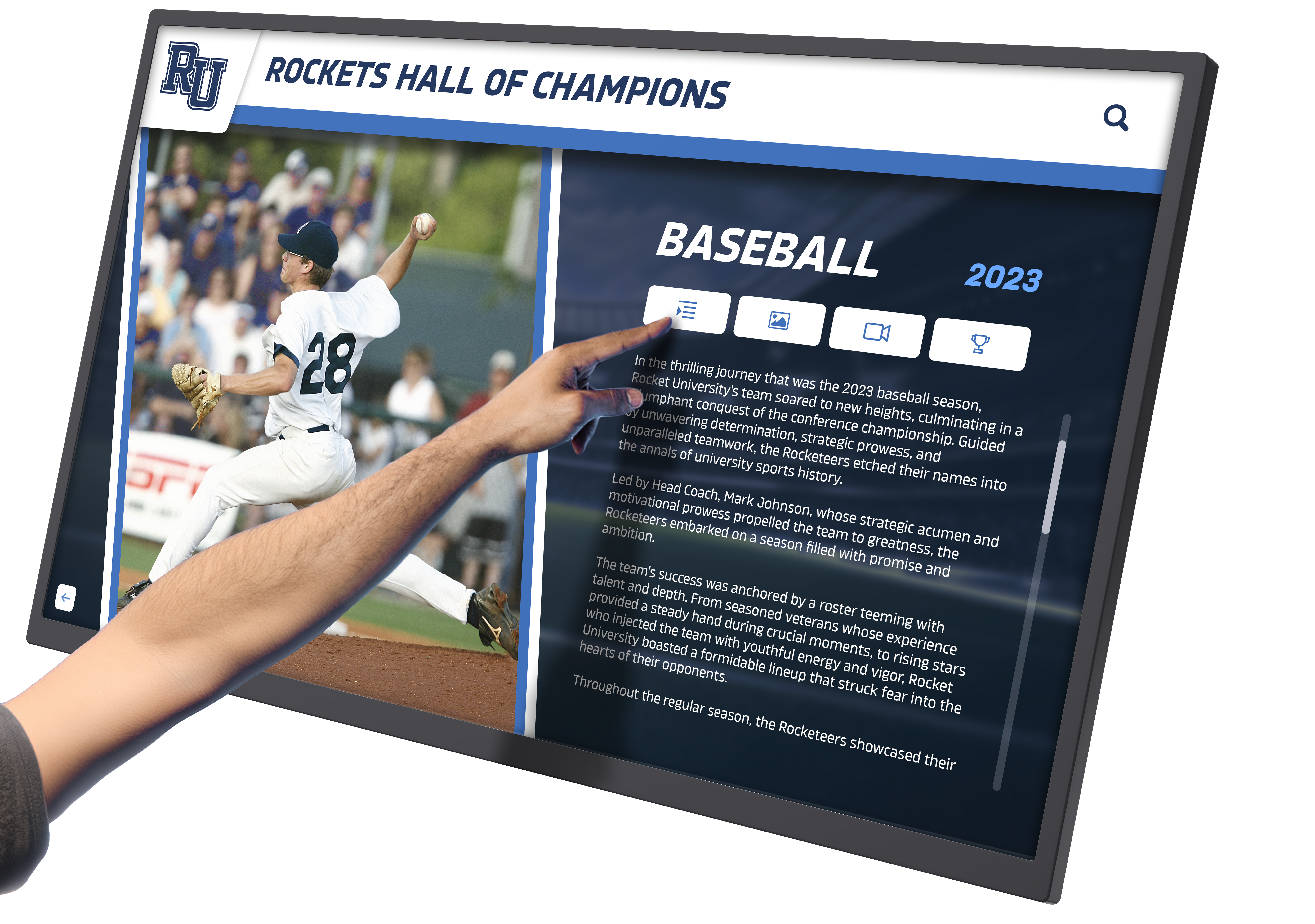
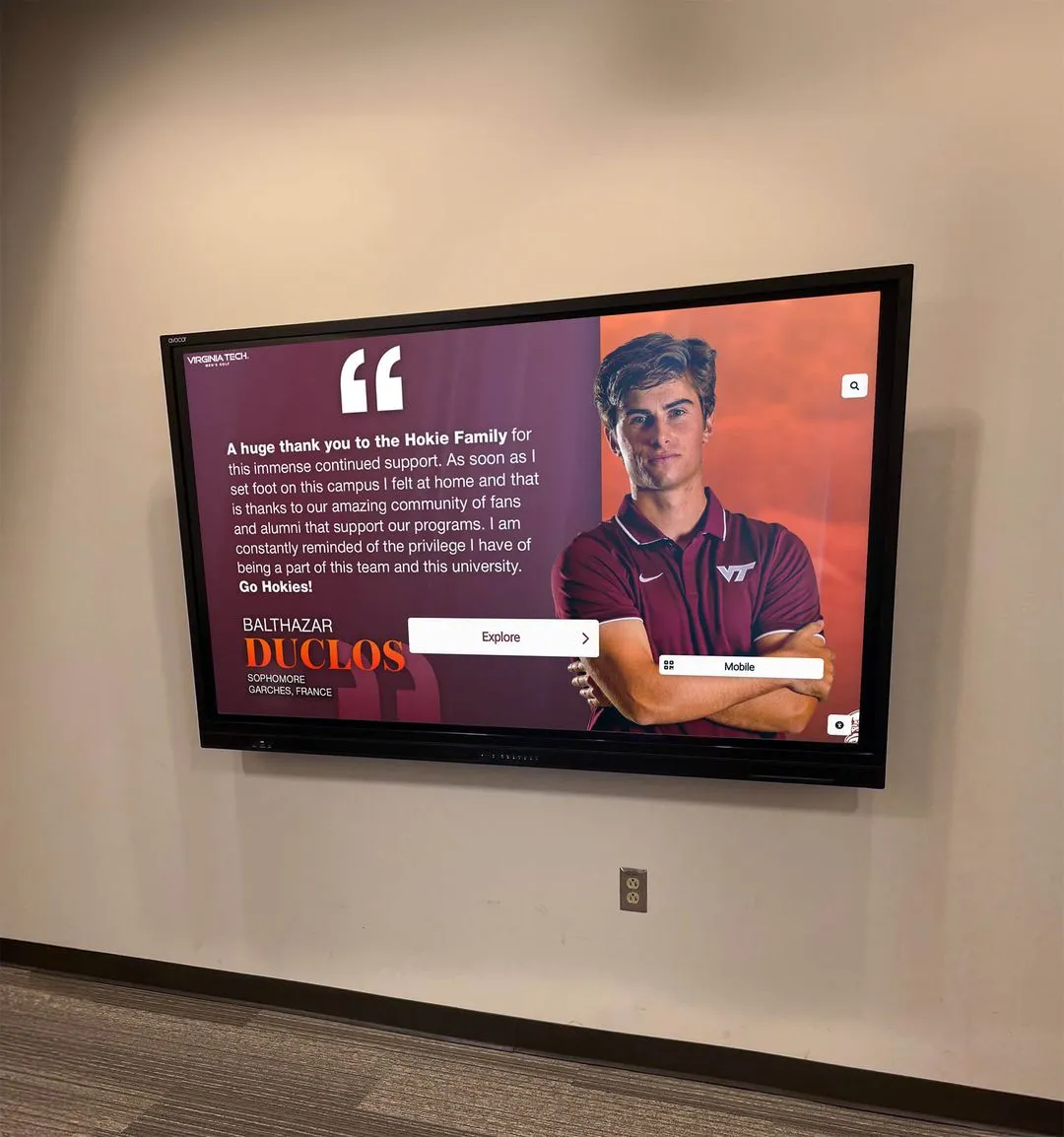
Recognition displays celebrating specific achievements or time periods can spotlight educators alongside student accomplishments, demonstrating comprehensive institutional appreciation
Milestone Recognition and Retirement Celebrations
Career milestones and transitions provide particularly meaningful recognition opportunities.
Years of Service Recognition Many districts formally recognize educators reaching 5, 10, 15, 20, and 25+ year milestones. Touch boards amplify these celebrations through career timeline visualizations showing professional growth trajectories, photo galleries spanning service years, achievement compilations showing accumulation of contributions, and video retrospectives featuring colleagues and students celebrating impact.
This comprehensive celebration proves more meaningful than certificates or pins received during brief ceremonies, providing lasting recognition families and alumni can revisit indefinitely.
Retirement Tributes Educators completing careers deserve recognition proportionate to decades of contribution. Touch boards enable comprehensive retirement celebrations including career retrospectives spanning entire tenures, student and alumni testimonials collected over final years, professional legacy documentation describing curriculum contributions and program development, and permanent memorial recognition ensuring retirees remain part of institutional memory.
Schools report that comprehensive digital retirement tributes provide meaningful closure for retiring educators while demonstrating to remaining staff that long-term commitment receives appropriate recognition.
Learn about honoring retired coaches and educators through permanent digital recognition.
Extending Recognition Beyond Physical Displays
Touch board content should extend beyond single physical installations through web and mobile accessibility, social media integration, email newsletters and digital communications, and print materials directing audiences to digital content.
This multi-channel approach ensures appreciation reaches diverse audiences including parents viewing from home, alumni accessing content remotely, prospective families researching schools during enrollment decisions, and community members learning about educational professionals serving their areas.
Digital platforms like Rocket Alumni Solutions provide web portals duplicating touchscreen content, ensuring consistent recognition regardless of physical presence at school facilities.
Measurement and Continuous Improvement
Effective recognition programs require assessment determining whether appreciation efforts achieve intended outcomes and identifying opportunities for improvement.
Qualitative Assessment Approaches
Some recognition program impacts resist quantification but provide valuable insight through qualitative feedback.
Educator Perspectives Regular feedback collection through brief surveys during faculty meetings, focus groups with representative staff members, individual conversations during evaluation conferences, and exit interviews with departing educators can surface whether educators feel genuinely appreciated, whether recognition reflects diverse contributions appropriately, and what additional recognition approaches would prove meaningful.
This direct input ensures programs serve actual educator needs rather than administrative assumptions about what educators value.
Student and Family Feedback Touch board users provide valuable perspective through informal observation of interaction patterns and popular content, brief intercept interviews asking visitors about display experiences, suggestion mechanisms enabling recommendations, and family surveys assessing awareness of educator backgrounds and contributions.
Student awareness of teacher backgrounds and achievements indicates whether displays successfully increase appreciation visibility beyond superficial acknowledgment.
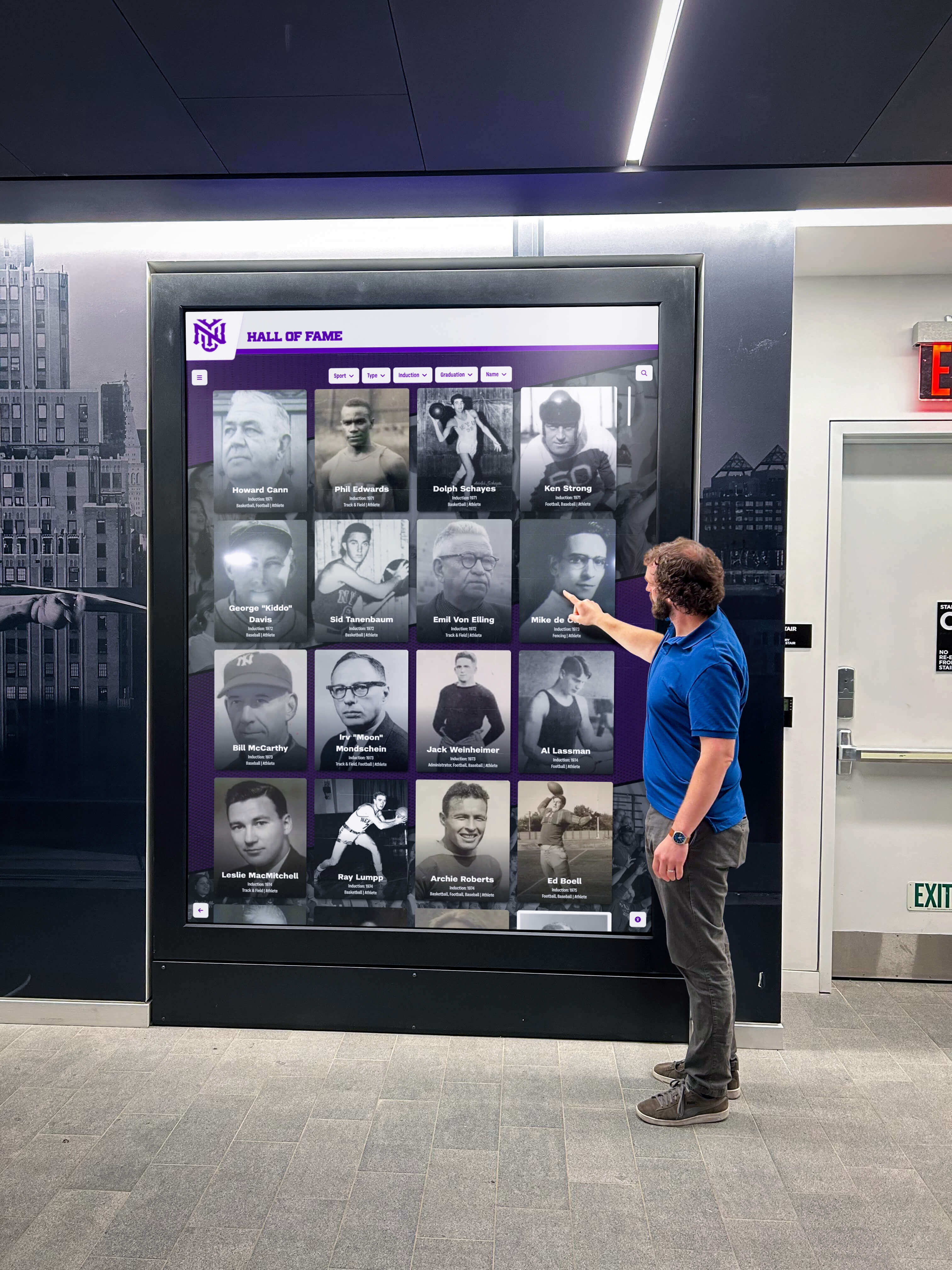
Community engagement with recognition displays demonstrates successful visibility helping diverse audiences connect with educator stories and contributions
Quantitative Metrics and Indicators
While direct causation proves difficult, certain metrics provide insight into recognition program performance.
Usage Analytics Modern touch board platforms track interaction including total number of sessions initiated, average session duration indicating engagement depth, most-viewed educator profiles, common navigation paths showing content discovery patterns, and time-of-day usage patterns informing optimal content rotation.
These metrics identify which content resonates most strongly and which educators or sections receive insufficient visibility requiring content improvements or navigation refinement.
Retention and Recruitment Data While numerous factors influence educator retention and recruitment, tracking trends following recognition program implementation provides suggestive evidence including retention rates compared to prior years and similar institutions, exit interview mentions of appreciation and recognition, recruitment candidate feedback about institution culture, and new hire responses to why they selected your school.
Improvements in these areas following recognition program launches suggest possible positive influence worth continuing and enhancing.
Engagement Program Participation Recognition program impacts potentially influence broader engagement including faculty attendance at optional school events, volunteer rates for committees and initiatives, participation in professional development opportunities, and mentorship of new educators or student teachers.
Increased participation suggests cultural improvements potentially linked to stronger appreciation creating environments where contribution feels valued and reciprocated.
Technology Platform Selection and Implementation
Touch board effectiveness depends substantially on underlying technology platforms supporting content management, display functionality, and ongoing maintenance.
Essential Platform Capabilities
Teacher appreciation displays require specific technical capabilities ensuring sustainable, effective operation.
Content Management System Requirements User-friendly interfaces enabling non-technical administrators to update content, role-based access allowing distributed content management with appropriate approval workflows, bulk import capabilities for initial content population from existing databases, template systems ensuring visual consistency across educator profiles, and version control allowing content rollback if updates introduce errors.
Platforms requiring technical expertise for routine updates prove unsustainable in school environments where IT resources face competing demands and staff turnover requires systems operable by successive administrators.
Display and Interaction Features Responsive touch interfaces optimized for various screen sizes from 32" to 75" displays, customizable navigation structures adapting to institutional needs, search functionality with intelligent query handling, multimedia support including images, video, and audio content, and accessibility features ensuring universal usability.
Interactive features distinguishing touch boards from simple digital signage include gesture-based navigation, smooth transitions and animations, content filtering and sorting options, and embedded web content or social media feeds when appropriate.

Intuitive touch interfaces enable natural exploration through educator profiles without requiring technical expertise from users
Integration and Connectivity Modern recognition platforms should integrate with existing systems including single sign-on authentication through school directory services, student information system data for automatic updates, website content management systems for consistent branding, and social media platforms for extended content distribution.
Cloud-based platforms provide advantages including automatic updates and new feature deployment, remote content management from any internet connection, reliable backup and disaster recovery, and elimination of on-premise server requirements.
Implementation Process and Timeline
Successful touch board launches require systematic planning addressing technical installation and content development simultaneously.
Planning Phase (6-8 weeks) This initial period includes needs assessment and goal definition, budget development and funding approval, location selection and environmental design, platform evaluation and vendor selection, and project team formation with clear role assignments.
Rushing this foundation phase frequently causes implementation challenges including insufficient budget allocation, suboptimal placement decisions, platform selections missing critical capabilities, and unclear responsibility for content development and ongoing management.
Content Development Phase (8-12 weeks) Parallel to technical preparation, content creation includes educator photography sessions, questionnaire distribution and collection, profile writing and editing, multimedia content production if included, and historical research for retired educator recognition.
Content development timelines depend substantially on staff size and profile comprehensiveness. Schools should establish minimum viable content enabling launch rather than delaying indefinitely pursuing perfectionism.
Technical Installation Phase (2-4 weeks) Physical installation includes display mounting and electrical connection, network connectivity configuration, software installation and configuration, content upload and testing, and accessibility verification ensuring compliance with standards.
Professional installation ensures proper mounting supporting display weights safely, appropriate viewing angles and heights, and clean integration with building aesthetics avoiding temporary or improvised appearances.
Launch and Promotion Phase (2-3 weeks) Effective launches require promotion including faculty introduction explaining recognition purpose and encouraging engagement, student education on display usage and appropriate interaction, family communication through newsletters and social media, and community outreach to local media and organizations.
Launch events might include ribbon-cutting ceremonies, student ambassador programs explaining displays to visitors, and coordinated social media campaigns directing audiences to physical and web-based content.
Discover comprehensive guidance on implementing digital wall of fame systems effectively across school environments.
Budget Considerations and Funding Strategies
Understanding financial requirements and exploring funding alternatives enables schools to implement teacher appreciation touch boards despite budget constraints.
Investment Components and Cost Ranges
Teacher appreciation touch board budgets include several components with costs varying based on scale and specifications.
Hardware Investments Commercial-grade touchscreen displays ranging from $2,500-$7,000 depending on size (typical range 43"-75"), mounting hardware including wall brackets or floor stands ($400-$1,500), network infrastructure if upgrades necessary ($500-$3,000), and installation labor including electrical and mounting ($800-$2,500).
Total hardware investment typically ranges $4,200-$14,000 per display depending on size, installation complexity, and facility conditions.
Software and Platform Costs Recognition platform licensing through annual subscriptions ($1,200-$3,500 annually) or one-time purchases ($8,000-$15,000), initial content development and profile creation ($2,000-$8,000 depending on staff size and content depth), and professional design services for custom branding ($1,500-$5,000 if desired).
Many schools successfully manage content development internally, particularly when implementation follows phased approaches launching with basic profiles and enhancing content progressively.
Ongoing Operating Expenses After initial implementation, ongoing costs include annual software licensing or subscription fees, periodic content updates and maintenance (primarily staff time rather than direct costs), and occasional hardware maintenance or component replacement (minimal for commercial-grade equipment).
These ongoing costs prove substantially lower than alternatives including printed materials requiring regular replacement, physical displays requiring periodic updating and maintenance, and staff time managing traditional recognition approaches.
Alternative Funding Approaches
Schools facing budget limitations can pursue multiple funding strategies.
Grant Opportunities Education technology grants from state education agencies or regional education service agencies, school climate and culture improvement grants emphasizing staff recognition, and community foundation grants supporting educator appreciation initiatives provide potential funding sources.
Successful grant applications emphasize measurable outcomes including retention improvements, culture improvements, and community engagement increases.
Fundraising and Donor Campaigns Parent-teacher organizations or booster clubs can fund recognition displays as signature projects, alumni giving campaigns emphasizing honoring educators who influenced graduates’ success, corporate sponsorships where local businesses support education with appropriate recognition, and crowdfunding campaigns explaining recognition importance to broader communities.
Memorial giving programs offer another approach where donors fund displays honoring deceased community members while simultaneously benefiting entire school communities through improved recognition infrastructure.
Phased Implementation Budget constraints need not prevent implementation entirely. Strategies include beginning with single display in highest-impact location, implementing basic content initially and enhancing comprehensively over time, prioritizing currently employed educators initially and adding retirees progressively, and leveraging existing hardware if recent digital signage installations can accommodate recognition software.
Phased approaches demonstrate value incrementally, building cases for expansion as initial implementations prove successful.
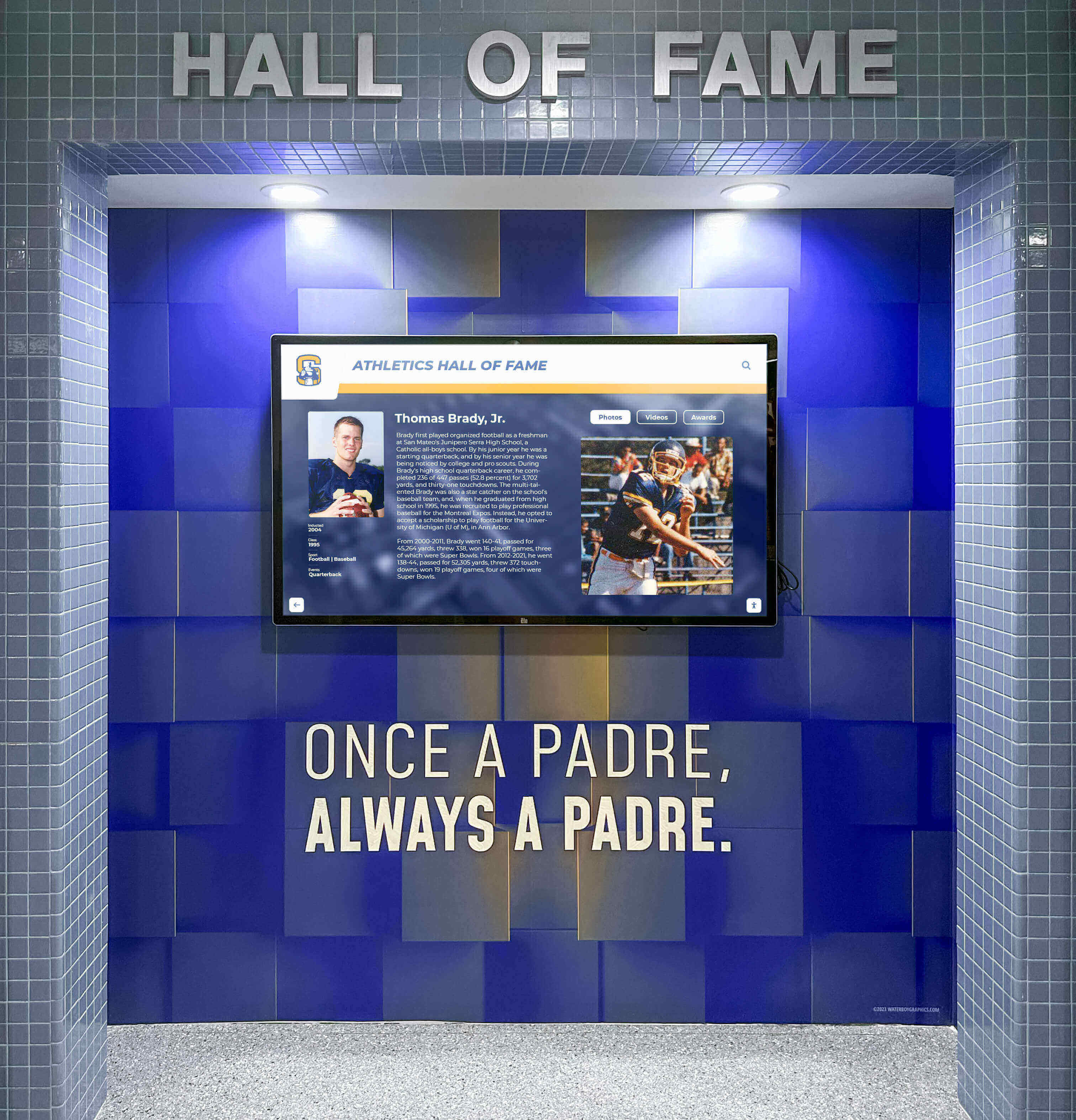
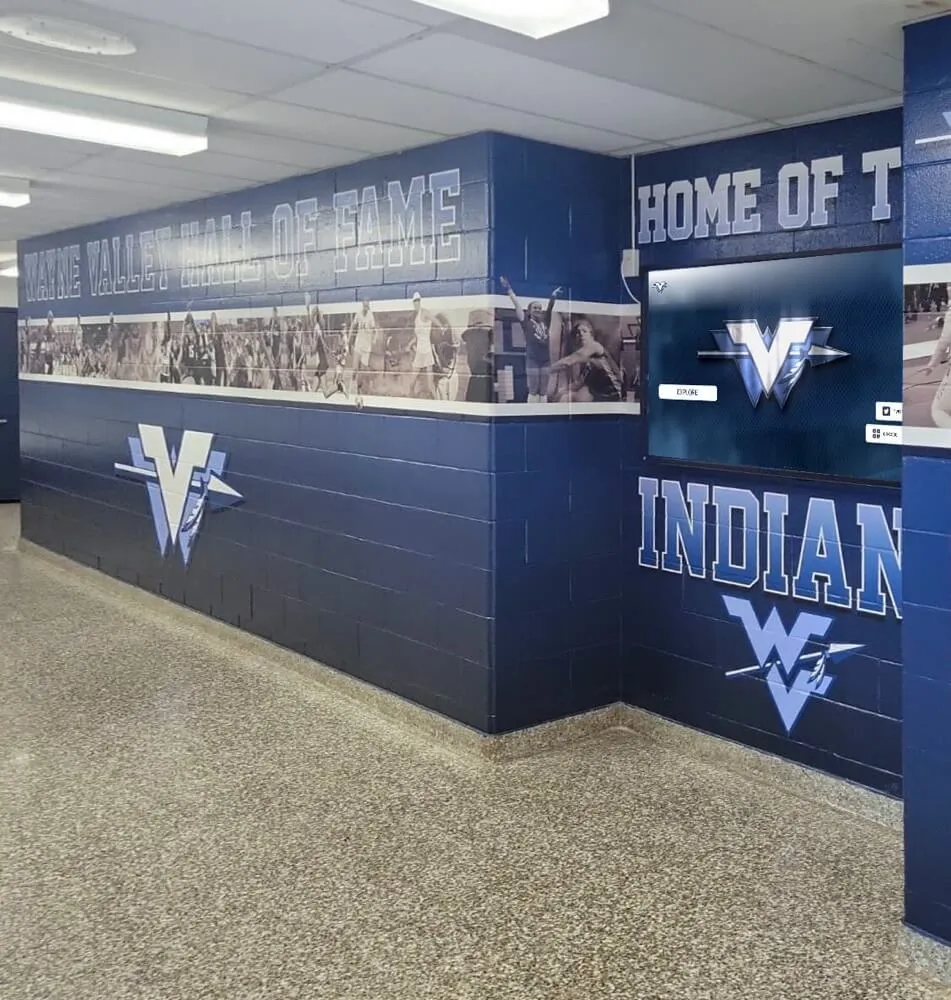
Professional installations integrate seamlessly with existing facilities while providing modern recognition capabilities traditional approaches cannot match
Conclusion: Transforming Appreciation from Event to Culture
Teacher appreciation should represent continuous institutional commitment rather than isolated events scheduled annually or when convenient. Educators who dedicate careers to student success deserve recognition embedded permanently in school culture—visible daily, accessible broadly, and comprehensive enough to honor the full scope of contributions extending far beyond classroom instruction.
Traditional appreciation approaches face insurmountable limitations. Bulletin boards become background noise noticed by no one after initial posting. Paper certificates disappear into desk drawers or home offices. Annual appreciation events concentrate recognition into brief periods before returning to typical routines where contributions go unacknowledged. And physical space constraints force impossible choices about which educators receive visible recognition and which remain invisible despite equal dedication and achievement.
Transform Your Teacher Appreciation Program
Create meaningful, visible recognition that honors every educator in your school community. Discover how Rocket Alumni Solutions helps schools celebrate teaching professionals through interactive touch board displays that strengthen culture, support retention, and demonstrate genuine appreciation year-round.
Book a DemoTouch board displays solve these challenges comprehensively by providing unlimited digital capacity ensuring every educator receives recognition regardless of staff size, enabling immediate updates celebrating achievements, milestones, and recognition when they occur, creating engaging interactive experiences helping students and families connect with educator stories beyond surface-level familiarity, and extending accessibility through web platforms ensuring recognition reaches remote audiences including alumni worldwide.
Schools implementing teacher appreciation touch boards report benefits including greater educator satisfaction as staff members feel genuinely valued through permanent, comprehensive recognition, improved retention particularly among early-career teachers deciding whether to remain long-term, stronger school culture as appreciation becomes visible rather than rhetorical, increased family engagement as touchscreens help parents understand educator backgrounds and expertise, and effective recruitment as prospective educators witness institutional commitment to honoring teaching professionals.
Whether your school employs 15 staff members or 150, whether you’re celebrating educators with 40-year tenures or recognizing first-year teachers beginning careers, interactive recognition platforms enable comprehensive appreciation honoring every contribution appropriately. No educator ever needs to feel their dedication goes unnoticed because recognition remains invisible or their achievements don’t warrant limited display space.
Ready to embed teacher appreciation permanently in your school culture? Learn about comprehensive staff recognition approaches celebrating diverse contributions, explore interactive display design patterns creating engaging experiences, discover school culture building strategies where recognition strengthens institutional identity, see how digital recognition transforms school environments, and learn how Rocket Alumni Solutions helps schools celebrate educators meaningfully while strengthening retention and institutional culture.
Your educators dedicate careers to student success, often arriving early, staying late, purchasing classroom supplies personally, and investing emotional energy that extends far beyond contracted hours. Their comprehensive dedication deserves recognition matching their commitment—permanent, visible, comprehensive appreciation that honors teaching excellence continuously rather than occasionally. With modern interactive recognition platforms, you can ensure every educator feels genuinely valued, demonstrate institutional commitment to teaching professionals, and build school culture where appreciation becomes embedded practice rather than exceptional event.