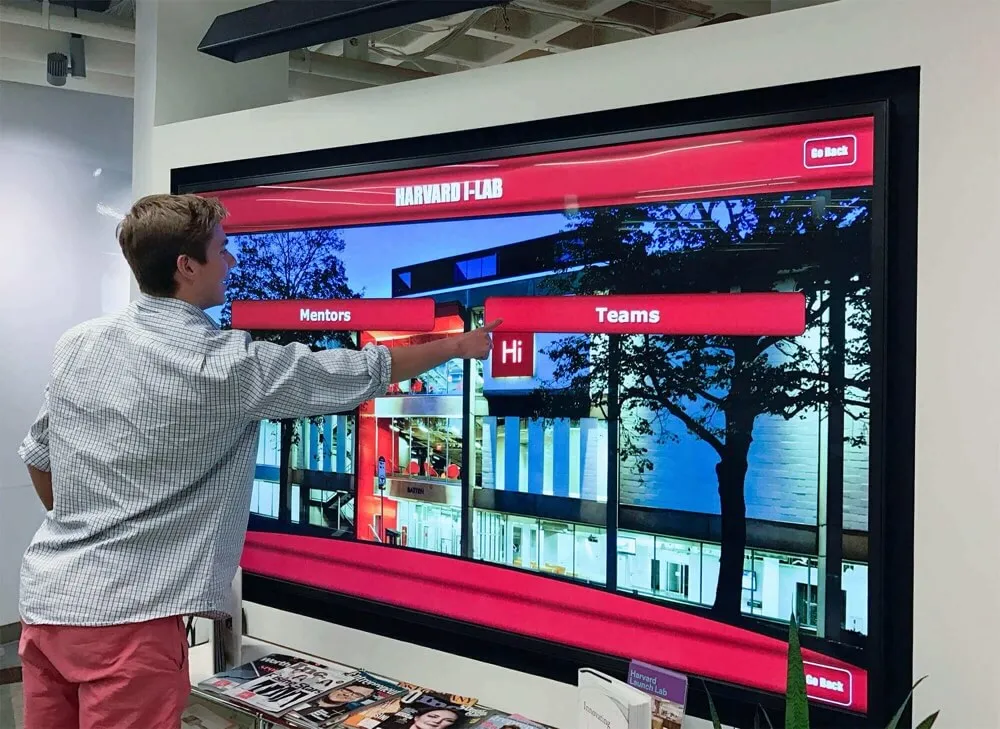




Intent: Demonstrate the creative, functional, and strategic advantages of purpose-built touchscreen software for recognition and engagement.
Selecting the right touchscreen software fundamentally shapes whether your interactive recognition displays deliver exceptional engagement or become underutilized digital billboards collecting dust in school hallways. While general-purpose digital signage platforms attempt to serve every possible application, purpose-built recognition software like Rocket Alumni Solutions specializes in the specific challenges educational institutions and organizations face when celebrating achievements, preserving heritage, and inspiring current community members through the stories of those who came before.
The distinction matters because recognition demands fundamentally different capabilities than announcements or wayfinding. Recognition requires organizing content around individual people rather than documents or events, managing unlimited honoree profiles without space constraints forcing difficult choices, enabling powerful search helping alumni find themselves decades after graduation, and creating emotional engagement through rich multimedia storytelling that static plaques and traditional displays cannot match.
This comprehensive guide explores Rocket Alumni Solutions’ touchscreen software—examining specific features designed for recognition applications, understanding how cloud-based architecture simplifies management while extending accessibility worldwide, discovering design frameworks that maximize engagement through proven UX patterns, and learning implementation best practices ensuring successful deployments that deliver lasting value for schools, athletic programs, alumni associations, and organizations celebrating diverse achievements.
Organizations implementing Rocket Alumni Solutions consistently report engagement rates exceeding traditional recognition displays by 400-600 percent, with visitors spending 3-5 minutes exploring comprehensive content compared to brief glances at physical plaques. This dramatic engagement difference stems from software purpose-built for recognition rather than adapted from general platforms never designed for honoring individuals and preserving institutional heritage.

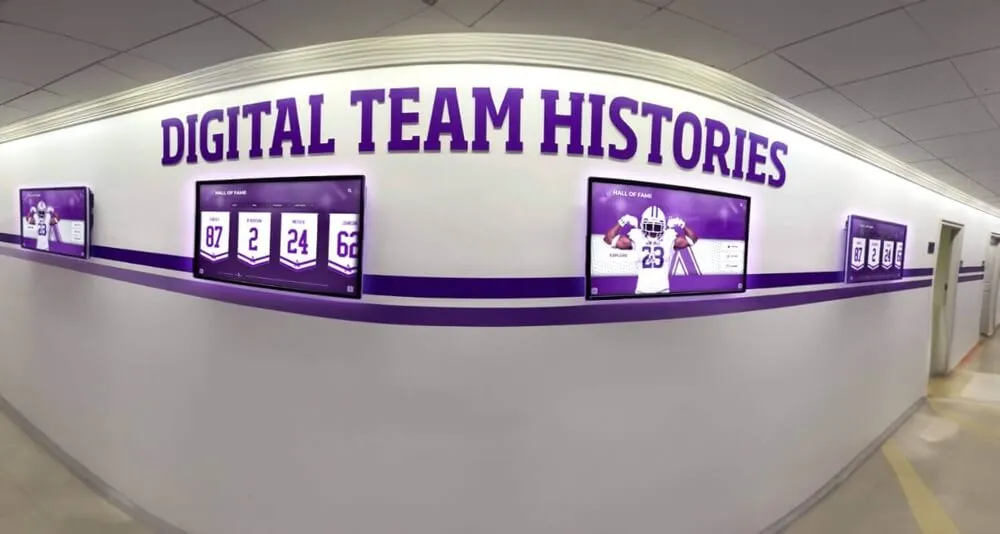
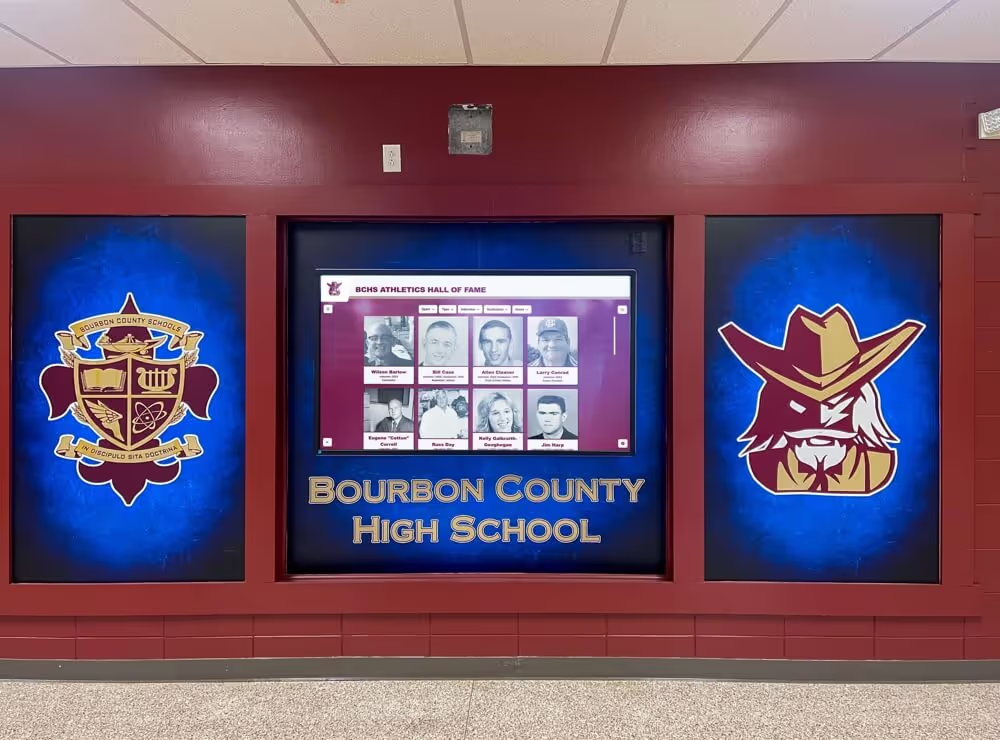
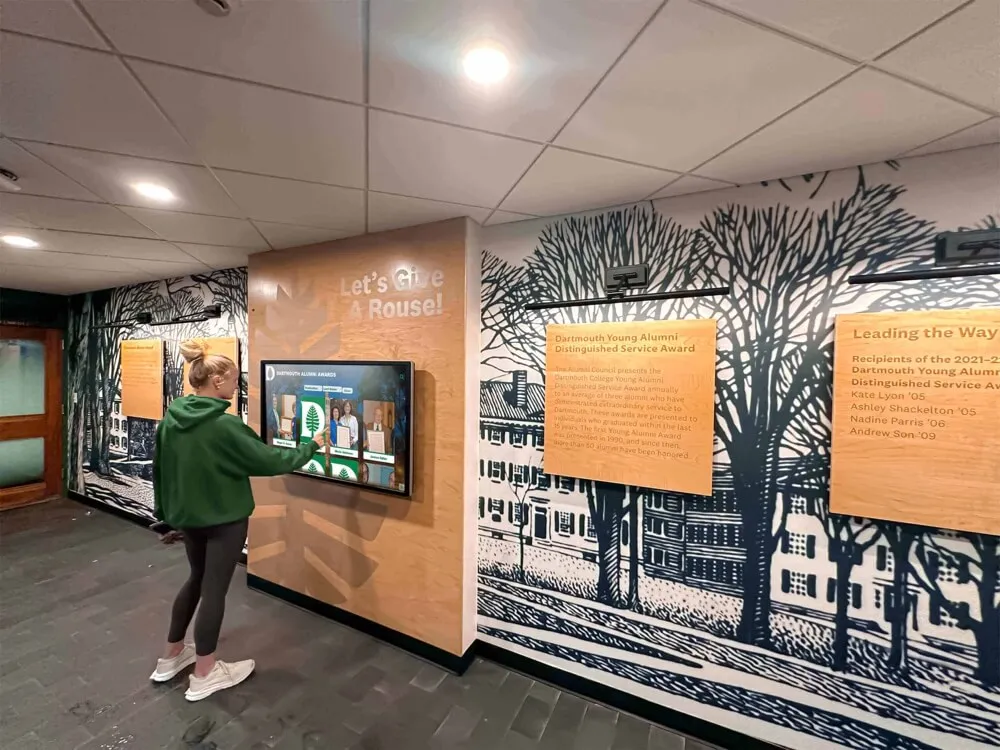
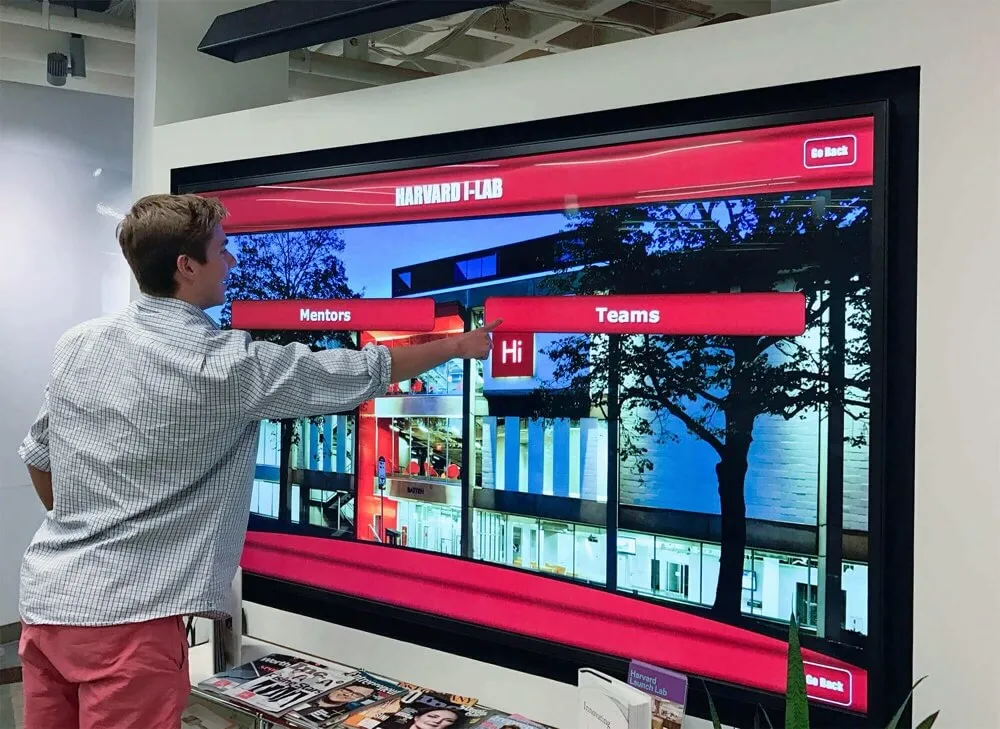
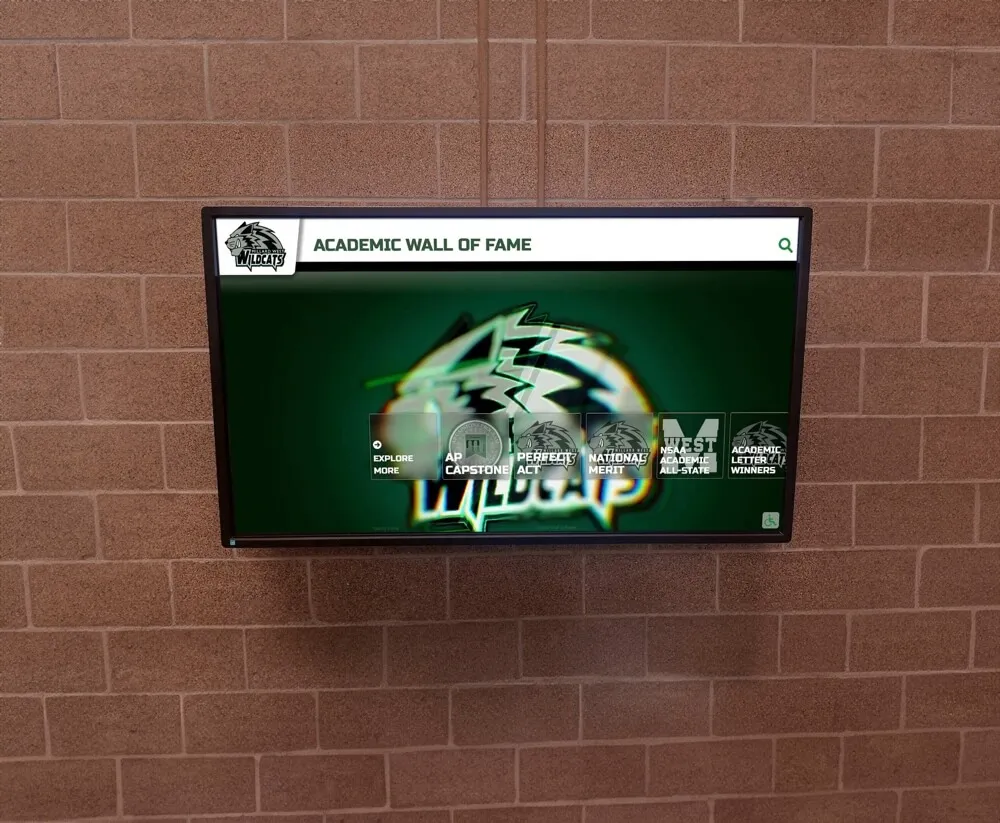
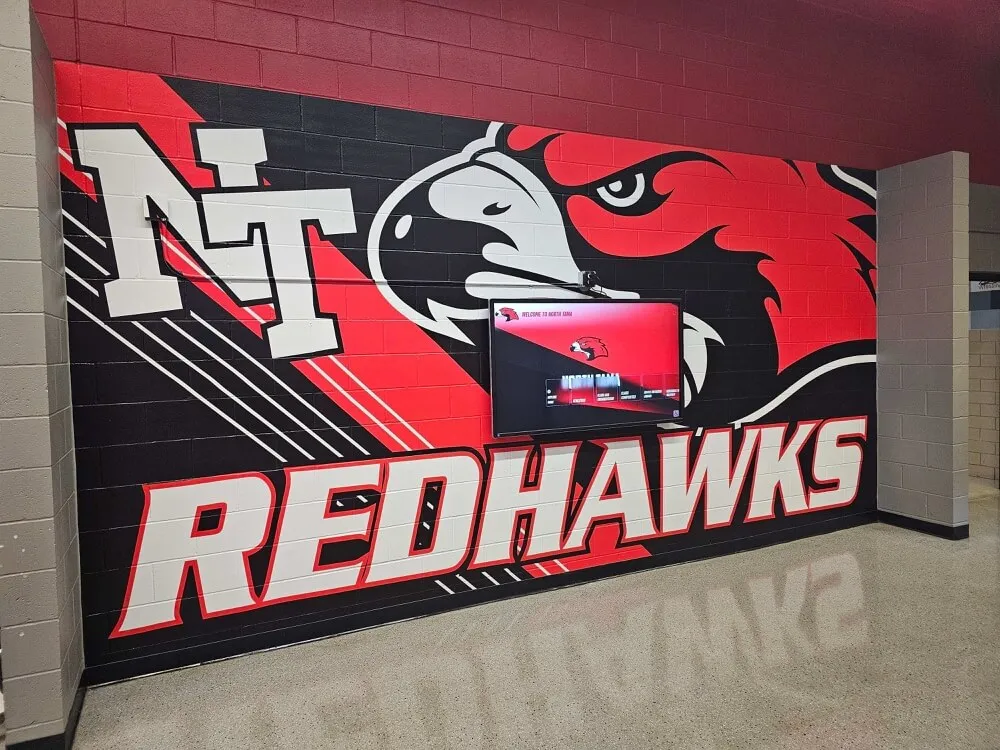
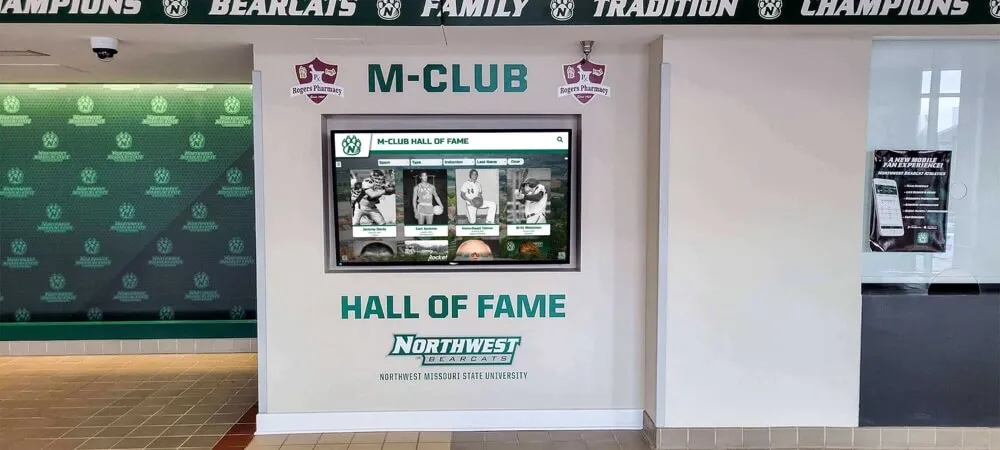
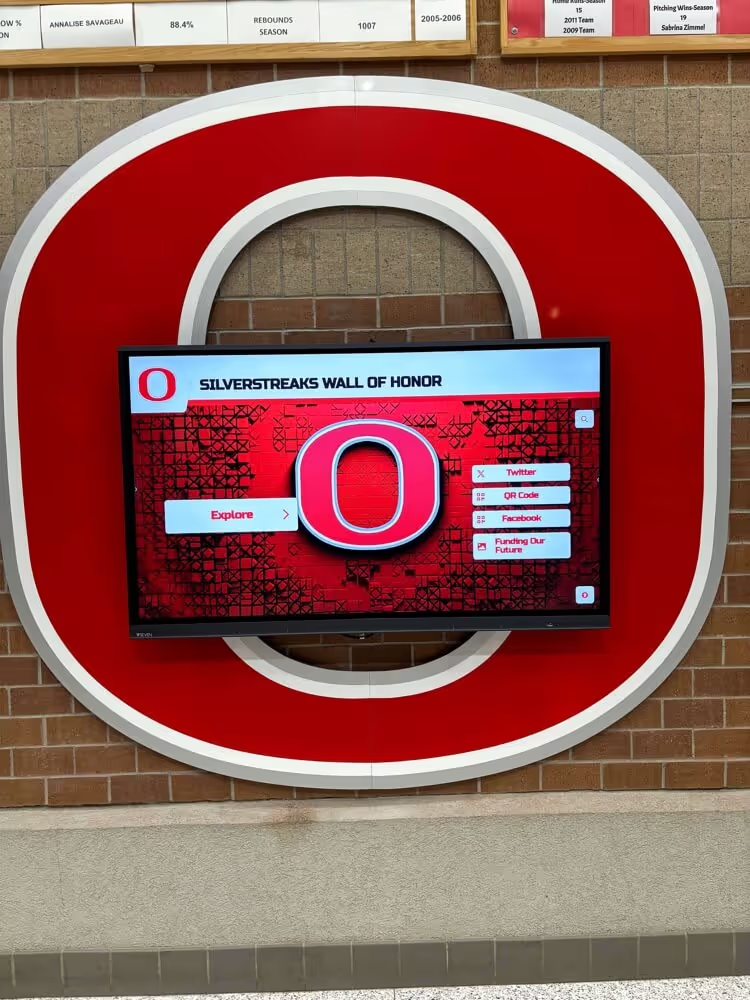
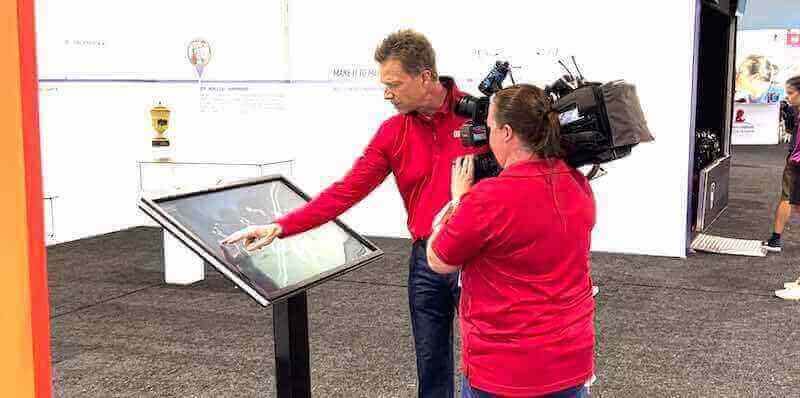
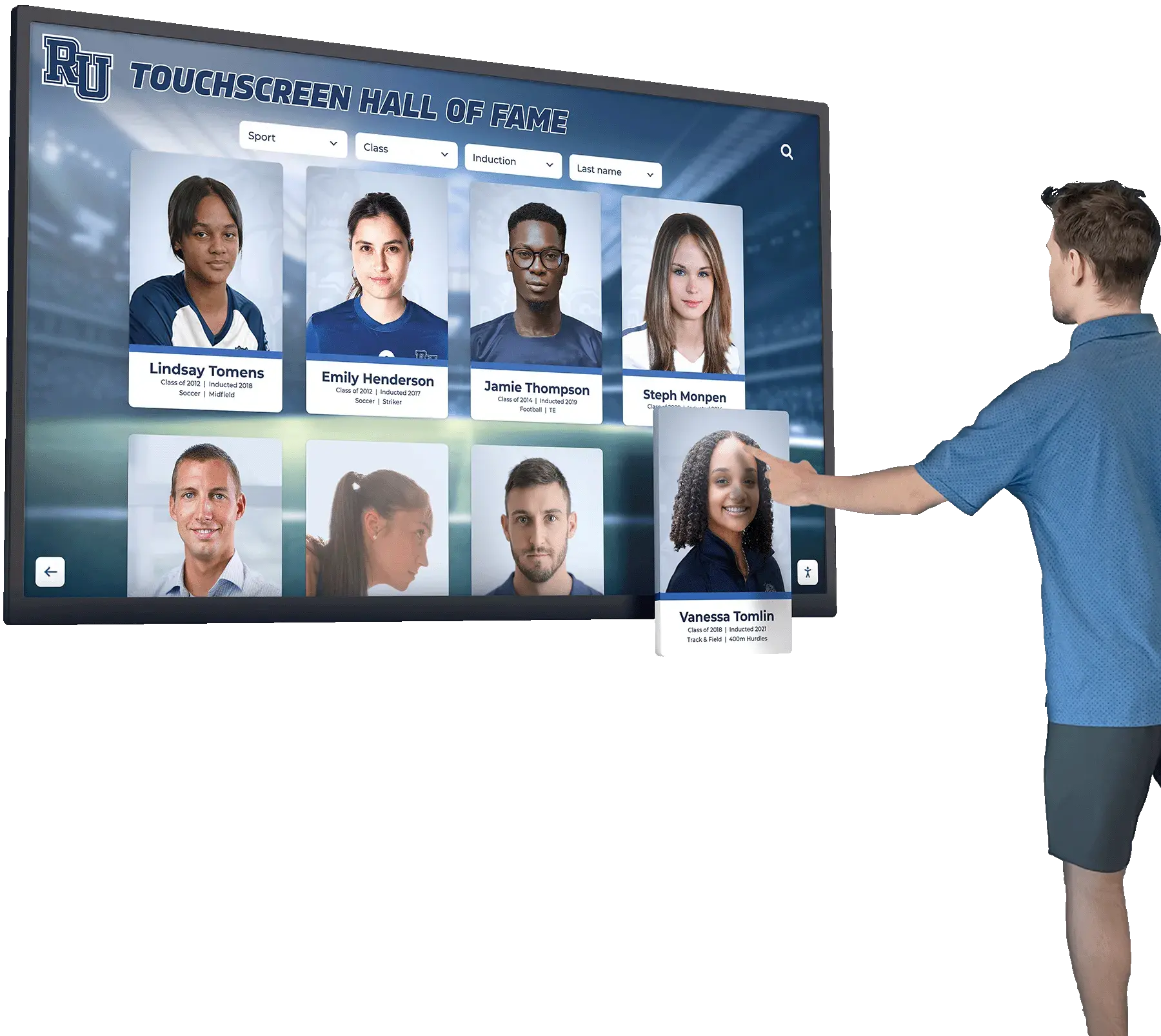
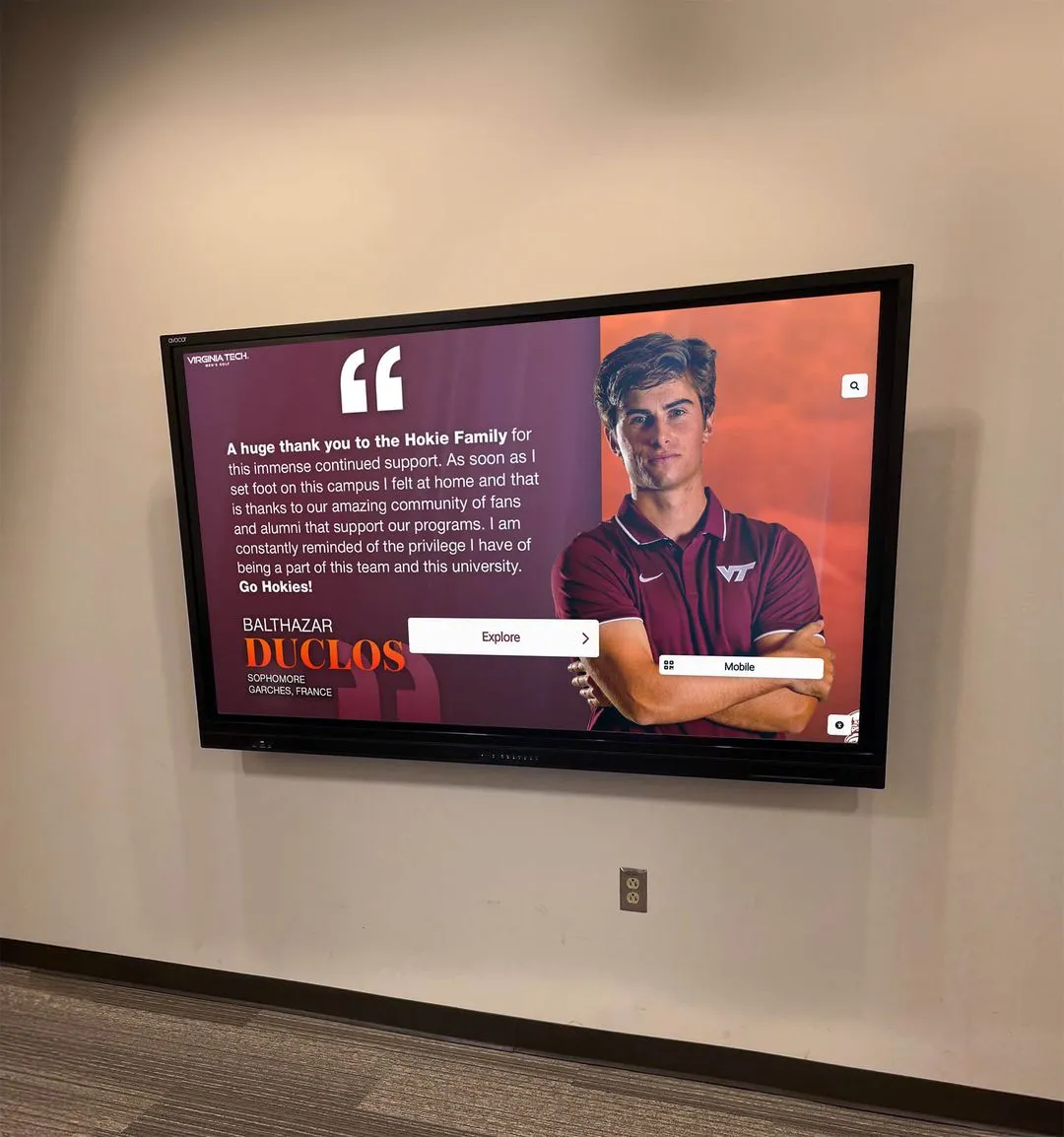
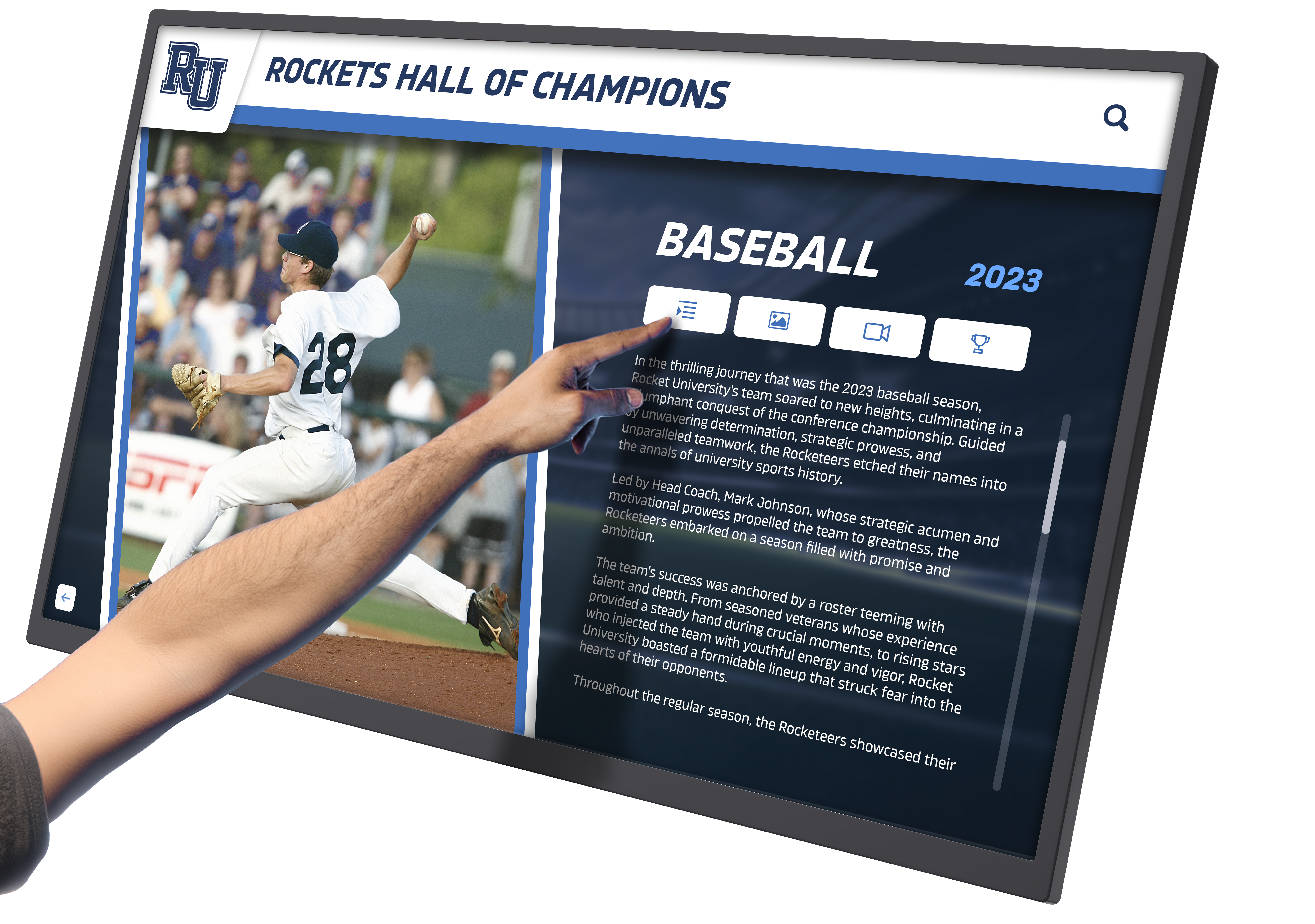
Modern touchscreen software combines intuitive navigation with powerful content management, enabling non-technical staff to maintain comprehensive recognition programs
Experience Goal: Creating Recognition That Inspires and Engages
Traditional recognition faces inherent limitations—physical space constrains how many individuals receive honors, static plaques communicate minimal information beyond names and dates, and geographical boundaries restrict recognition reach to those physically present at specific locations. Digital recognition powered by purpose-built touchscreen software transcends these constraints while creating engagement opportunities impossible through traditional approaches.
The Recognition Challenge Schools and Organizations Face
Athletic departments struggle to honor deserving athletes when trophy case space fills completely. Schools find limited wall space forces choosing between recognizing academic achievements or athletic accomplishments. Alumni associations discover that honoring recent graduates means removing earlier inductees to make room. And all organizations face the reality that comprehensive storytelling—the biographical context, achievement details, and multimedia content that creates meaningful engagement—simply cannot fit on physical plaques regardless of size.
These space limitations create difficult decisions about whose achievements warrant recognition, with deserving individuals inevitably excluded purely due to physical constraints rather than merit. Meanwhile, those who do receive recognition often get minimal treatment—a name, year, and perhaps brief achievement description providing little context about who these individuals were and why their contributions mattered.
How Purpose-Built Software Solves Recognition Limitations
Rocket Alumni Solutions addresses these fundamental challenges through software specifically designed for comprehensive recognition without physical constraints. The platform provides unlimited capacity ensuring every deserving individual receives permanent recognition, comprehensive profile management enabling rich storytelling through photos, videos, biographical narratives, and achievement documentation, powerful search and filtering helping visitors instantly locate specific individuals or explore categories, and integrated web access extending recognition beyond physical installations to worldwide audiences.
Rather than forcing choices about whose achievements deserve recognition, the software enables inclusive celebration honoring everyone while providing depth that creates genuine engagement. A student-athlete recognized decades ago receives the same comprehensive treatment as recent inductees, with family members able to explore achievements from anywhere worldwide rather than requiring campus visits to view recognition.
Organizations implementing solutions like Rocket Alumni Solutions discover that removing space constraints transforms recognition from administrative burden involving difficult choices into positive celebration opportunities where the only question becomes “who should we honor next?” rather than “whose plaque must we remove to make room?”
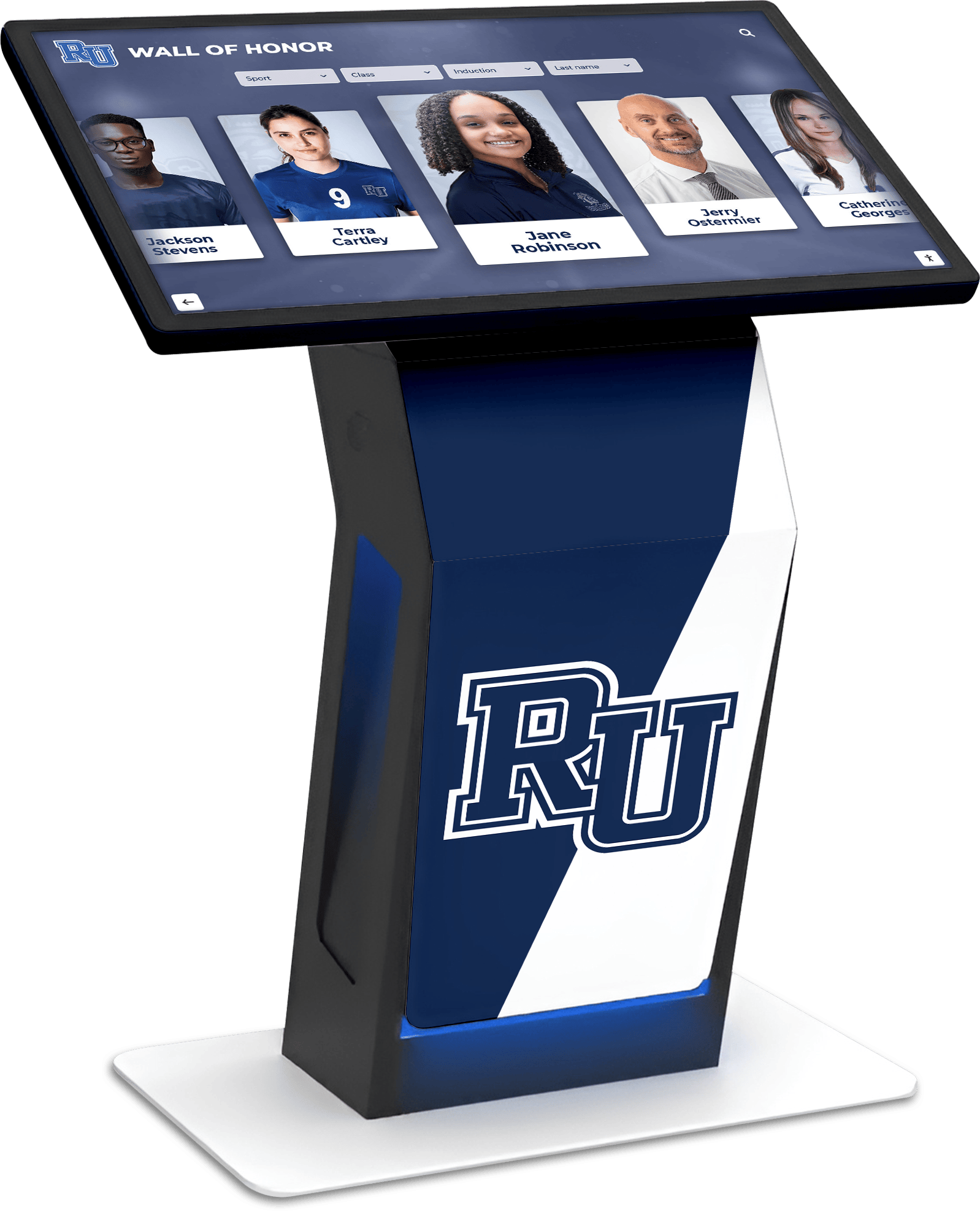
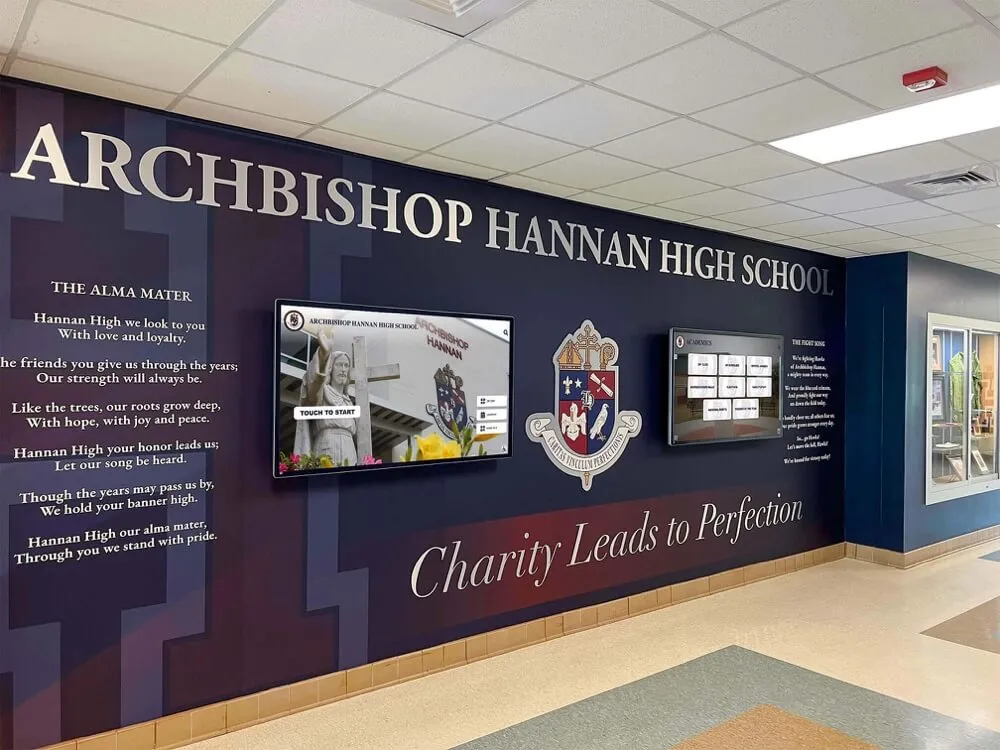
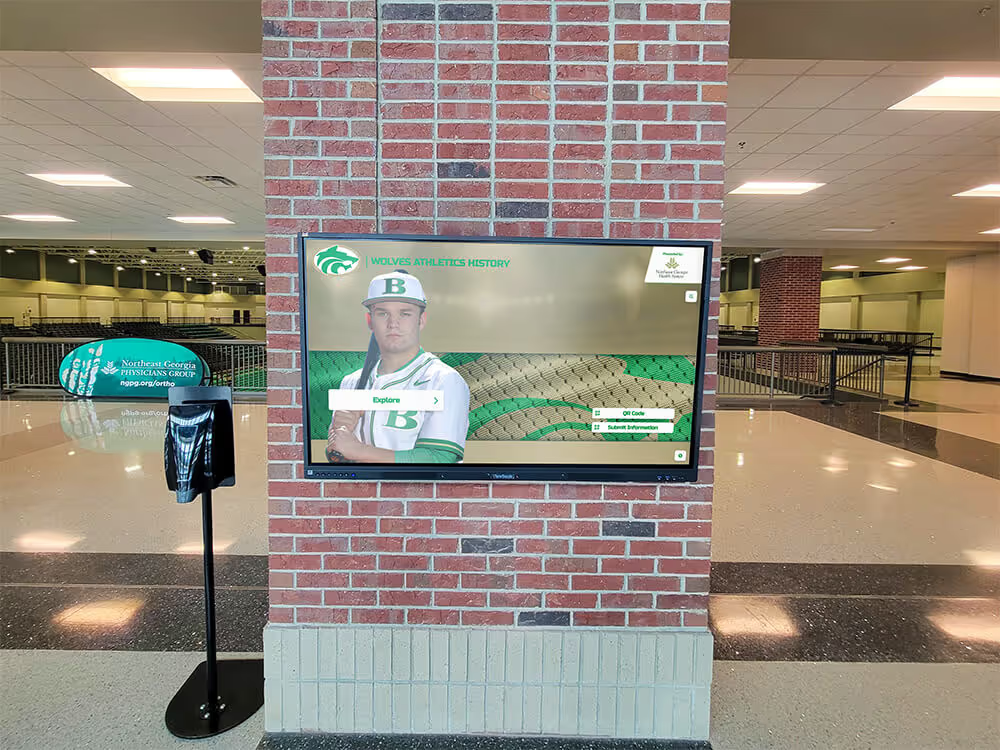
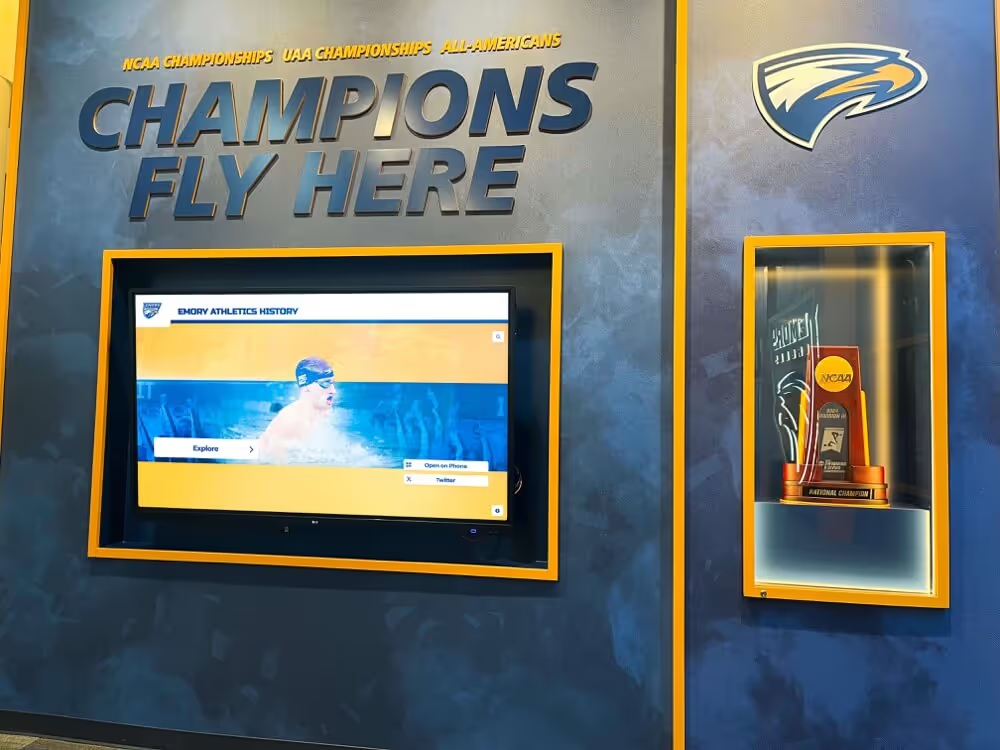
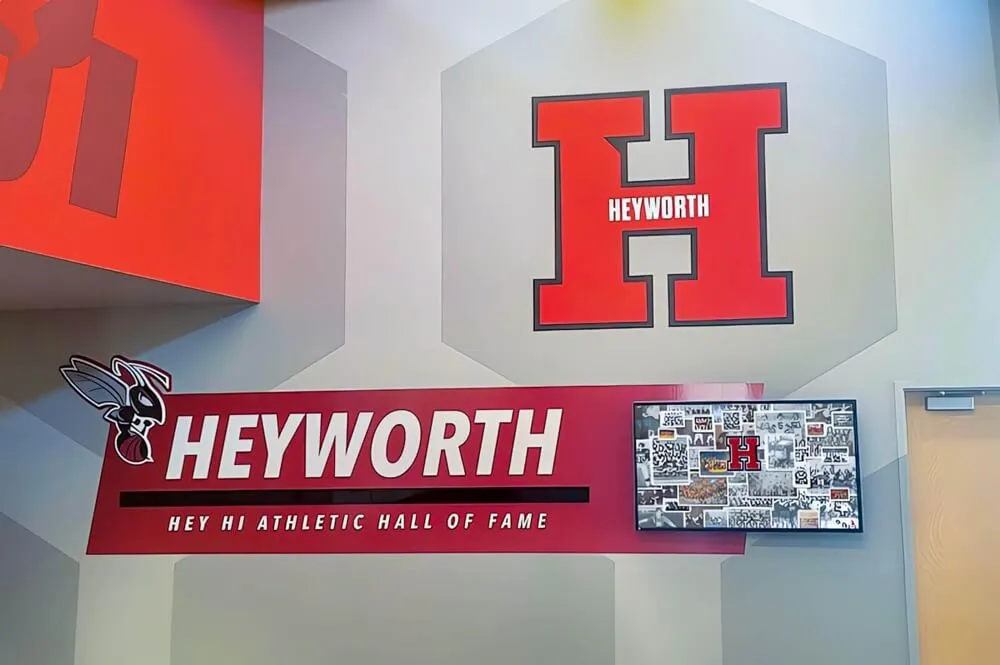
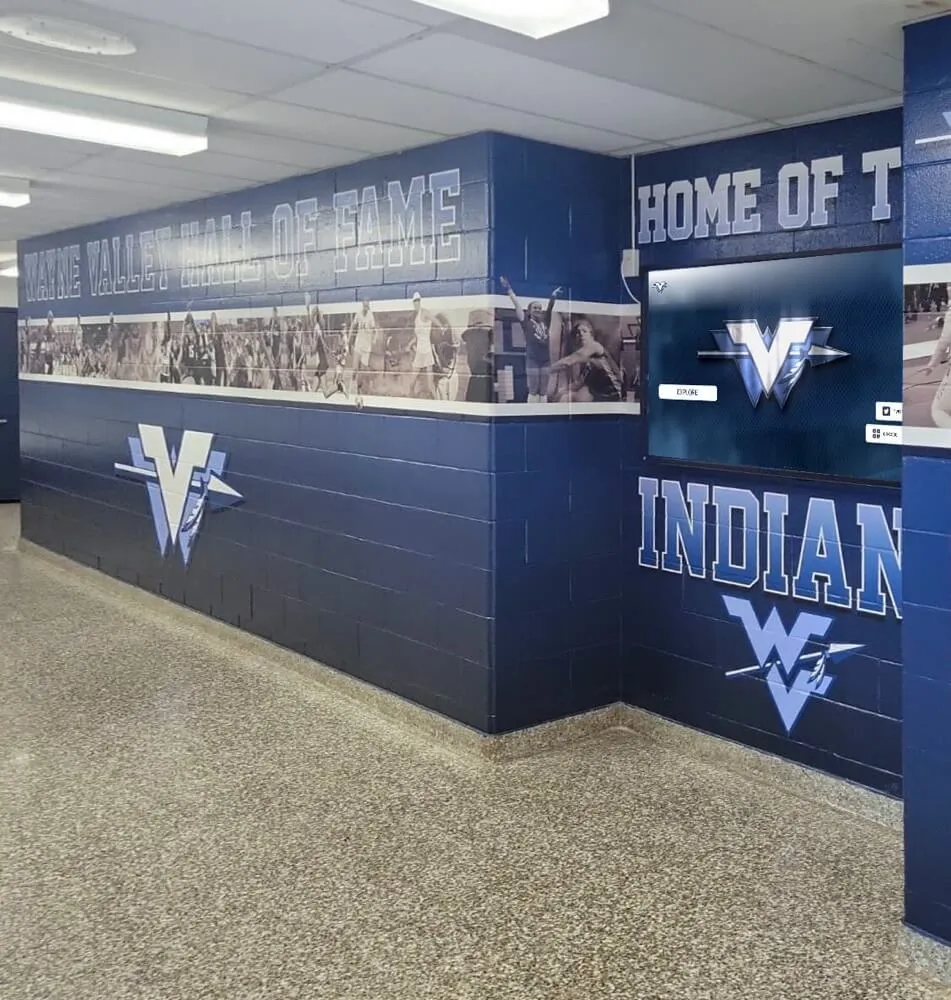
Purpose-built recognition kiosks provide intuitive exploration of unlimited honoree profiles organized for efficient discovery and meaningful engagement
Layout Blueprint: Architecting Touchscreen Recognition Experiences
Effective touchscreen recognition software requires thoughtful information architecture organizing potentially thousands of honoree profiles into discoverable, browsable, and engaging experiences. The layout strategy shapes whether visitors successfully find individuals they seek while also enabling serendipitous discovery of inspiring stories they didn’t know existed.
Primary Zone: Hero Navigation and Welcome Experience
The initial screen visitors encounter fundamentally determines engagement rates—confusing or cluttered home screens create abandonment while clear, inviting interfaces encourage exploration.
Hero Element Design
The masthead area spanning the top portion of the display establishes visual identity while communicating purpose immediately. This zone typically includes institutional branding elements ensuring recognition displays feel integrated into overall organizational identity, a clear title or tagline explaining what visitors will discover (e.g., “Athletic Hall of Fame” or “Alumni Recognition Wall”), and engaging imagery or video loops showcasing representative content that demonstrates the depth and quality of profiles available for exploration.
The hero section should occupy roughly 20-30 percent of initial screen height—sufficient to establish context and create visual impact without pushing primary navigation below the fold where standing visitors might miss it.
Primary Navigation Options
Below the hero section, primary navigation presents core pathways into content through large, clearly labeled buttons occupying the central viewing area. Effective recognition navigation typically includes three to six primary options balancing sufficient choice with avoiding decision paralysis.
Common navigation structures include: a prominent search interface enabling direct access by name, category browsing organized by sport, department, achievement type, or induction year, timeline exploration presenting recognition chronologically, featured profiles highlighting compelling individual stories, and recent additions showcasing newly inducted honorees maintaining freshness.
Touch targets for primary navigation should meet or exceed 80 x 80 pixels, with generous spacing preventing mis-taps. Visual hierarchy through size, color, and positioning guides visitors toward most common pathways—typically search for goal-directed visitors and category browsing for exploratory users.
Content Display Zone: Profile Browsing and Detail Views
Once visitors navigate past the home screen, the content zone presents honoree profiles through layouts balancing information density with scannable organization.
Grid-Based Profile Cards
List views presenting multiple honorees simultaneously typically employ grid layouts with profile cards showing essential information at-a-glance. Each card might include a portrait photograph establishing visual connection, individual’s name in clear typography, primary achievement or designation (e.g., “Class of 2015” or “State Champion”), and category indicators showing relevant affiliations like sport or department.
Grid layouts commonly present 6-12 profiles per screen depending on display resolution and card size, with smooth scrolling revealing additional content. Cards should maintain consistent aspect ratios and visual styling creating organized appearance while individual photos and content provide visual variety preventing monotony.
Touch targets for individual profile cards benefit from sizing the entire card as interactive area rather than requiring precise targeting of small buttons—this generous hit area ensures reliable selection even from hurried or imprecise touches.
Detail View Layout Structure
When visitors select specific individuals, the interface transitions to detail views presenting comprehensive information through structured layouts. Effective detail views balance information density with readable formatting, typically employing single-column layouts on portrait displays or two-column layouts on landscape orientations.
Key detail view zones include: a prominent photograph or video showcasing the individual, biographical narrative providing personal background and context, achievement documentation with specific accomplishments, statistics, awards, or recognition details, photo galleries presenting additional visual content, embedded video content including interviews, highlights, or achievement footage, related content suggestions connecting to teammates, classmates, or others sharing affiliations, and persistent navigation enabling return to browsing or new searches without backtracking.
Progressive disclosure techniques prevent overwhelming users with information by presenting essential content immediately while hiding secondary details behind “read more” expansions or tabbed navigation for interested visitors.
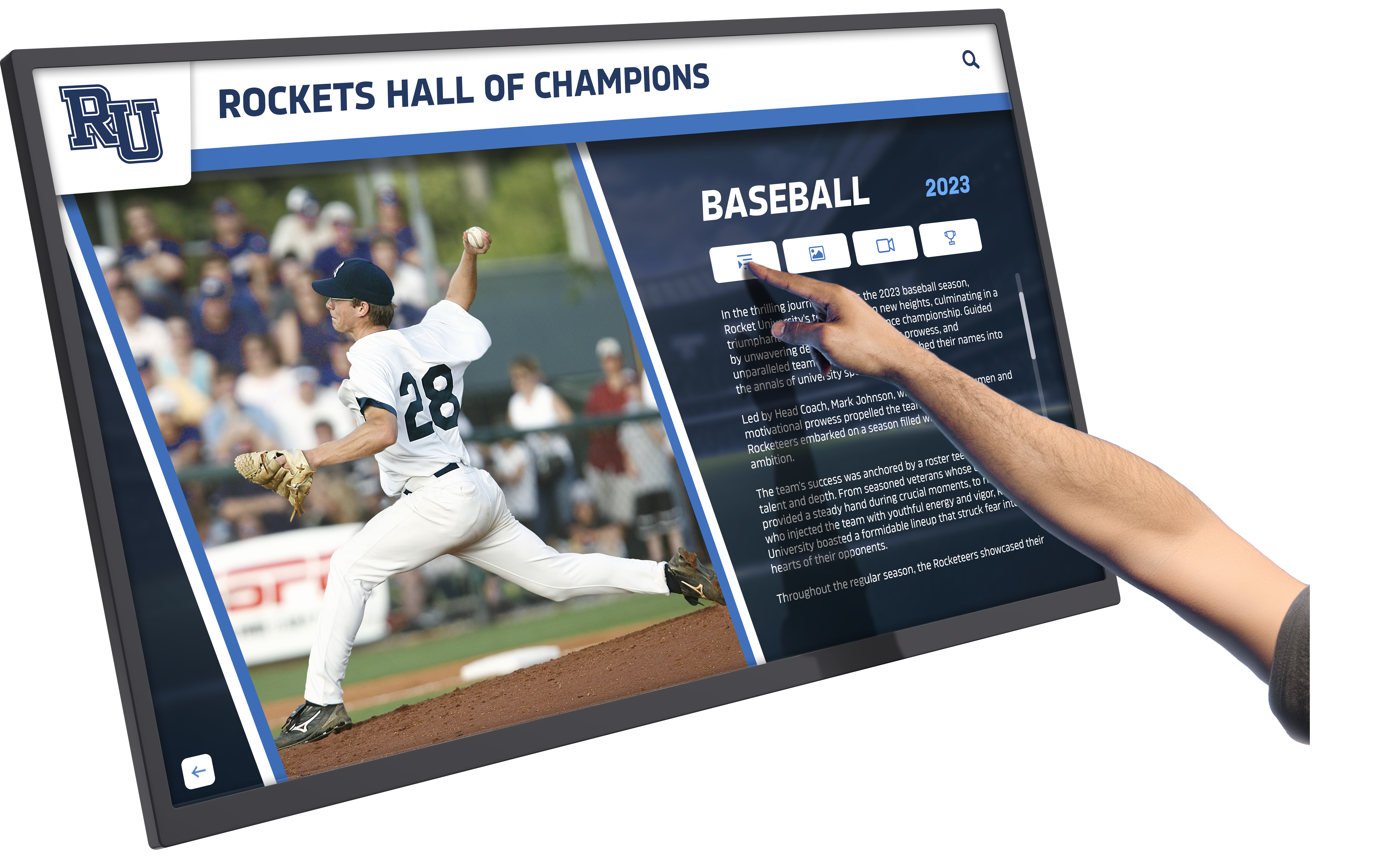
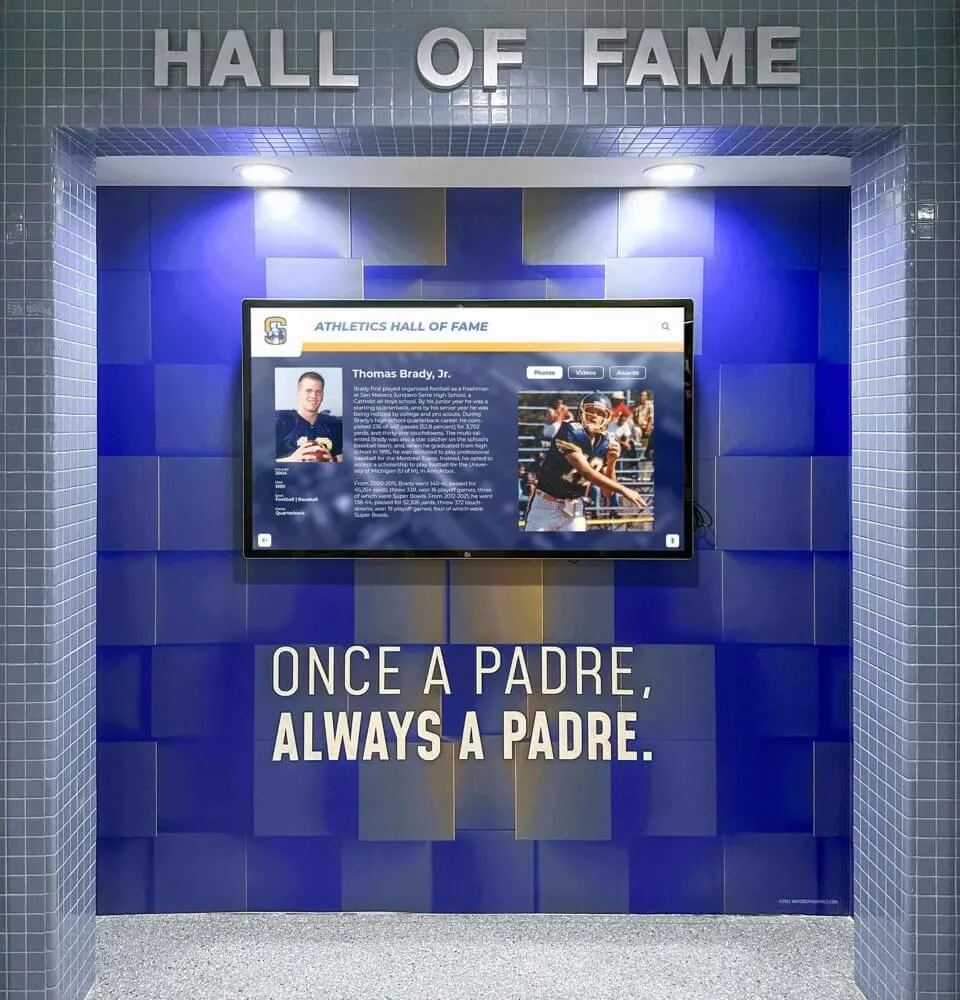
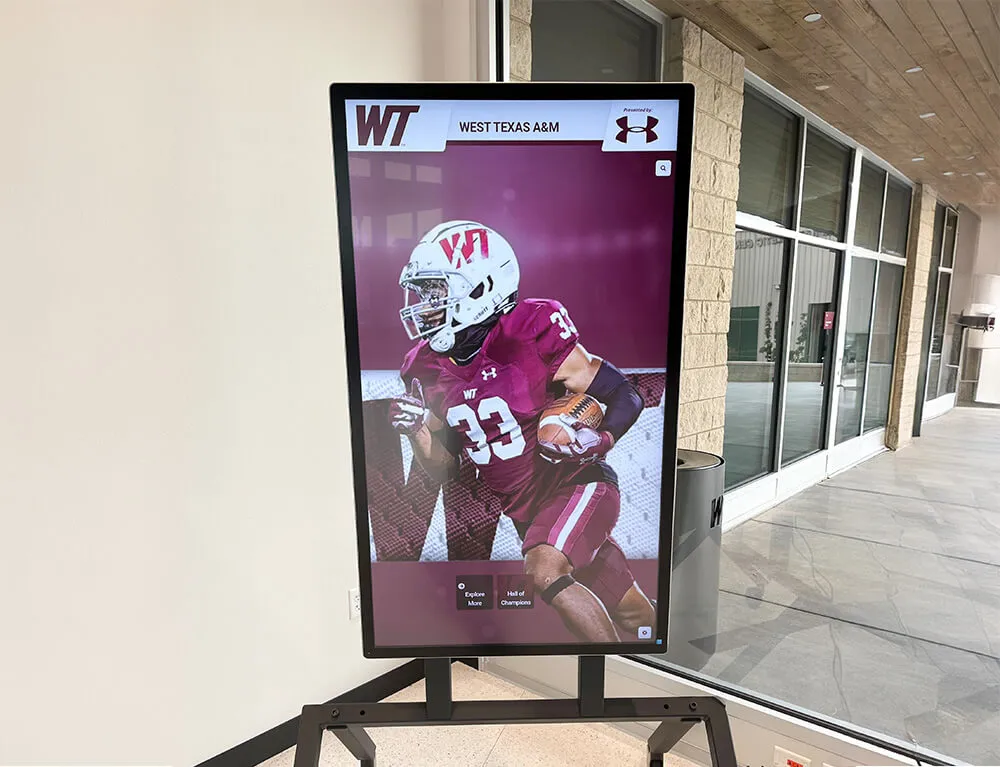
Rich profile detail views combine biographical storytelling with achievement documentation and multimedia content creating emotional engagement
Navigation Infrastructure: Persistent Controls and Wayfinding
Throughout the interface, persistent navigation elements provide psychological safety encouraging exploration by ensuring visitors never feel trapped without obvious paths forward or back.
Persistent Home Button
A prominently positioned home button—typically in the top-left or top-right corner matching platform conventions—should remain visible on every screen providing instant return to the main menu. This persistent escape route encourages confident exploration since visitors know they can always return to familiar starting points without complex backtracking.
The home button might use iconography (house symbol), text label (“Home” or “Main Menu”), or combination of both. Regardless of treatment, positioning should remain absolutely consistent across all screens preventing hunting behavior when visitors decide to start new searches or explorations.
Breadcrumb or Context Indicators
Secondary navigation elements help visitors understand current location within information hierarchy. Simple context indicators might show current category (“Women’s Basketball”), selected decade (“1990-1999”), or search state (“Results for: Johnson”). These indicators clarify how visitors arrived at current content while suggesting alternative exploration paths.
Breadcrumb trails showing full navigation history (Home > Sports > Basketball > 2020s > Jane Smith) work well for shallow hierarchies but become overwhelming in deeper structures. When implementing breadcrumbs, ensure each element is interactive enabling direct navigation to any previous level rather than requiring sequential backtracking.
Additional Persistent Controls
Depending on content and organizational needs, additional controls might remain persistently accessible including a search icon enabling new searches from any interface state, accessibility controls adjusting text size or contrast, share functionality allowing visitors to transfer content to personal devices via QR codes or email, and language selection for multilingual institutions serving diverse populations.
Balance persistent control visibility against screen real estate—every persistent element consumes space that could display content. Limit persistent elements to truly essential navigation avoiding cluttered interfaces that distract from primary content.
Content Blocks & Motion: Interactive Elements and Behavioral Design
Beyond static layout structure, dynamic interactive elements and motion design significantly impact engagement quality and user experience satisfaction.
Search and Discovery Features
Powerful search functionality transforms recognition displays from passive viewing experiences into active exploration tools where visitors control what content they encounter.
Intelligent Search Implementation
Modern touchscreen software like Rocket Alumni Solutions provides sophisticated search capabilities including natural language processing understanding queries beyond exact name matches, fuzzy matching tolerating typos and alternative spellings, filtering refinement enabling search within specific categories or time periods, auto-complete suggestions helping users formulate queries as they type, and indexed content ensuring sub-second response times even across thousands of profiles.
Search interfaces benefit from prominent placement—often occupying the first or second position in primary navigation reflecting its importance for goal-directed visitors. Input fields should maintain generous sizing (minimum 60 pixels tall) with large, easily tappable keyboards or on-screen input methods. Search results present in scannable list or grid formats with clear highlighting showing which content matched query terms.
Category-Based Filtering
Complementing direct search, category organization enables exploratory browsing through predefined groupings. Effective category structures might organize by sport or activity for athletic recognition, academic department or achievement type for academic honors, graduating class or decade for alumni recognition, and induction year for hall of fame applications.
Interfaces supporting multiple simultaneous filters provide powerful refinement—visitors might select “Women’s Basketball” then further narrow to “1990s” or “State Champions.” Clear filter indicators show active selections with obvious controls for removing filters and resetting to browse full content collections.

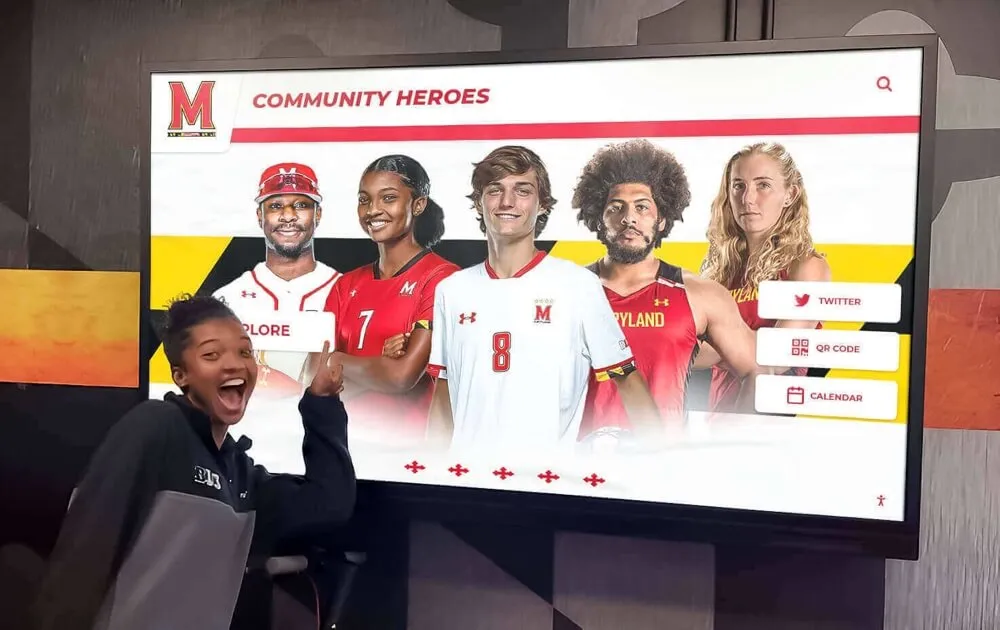
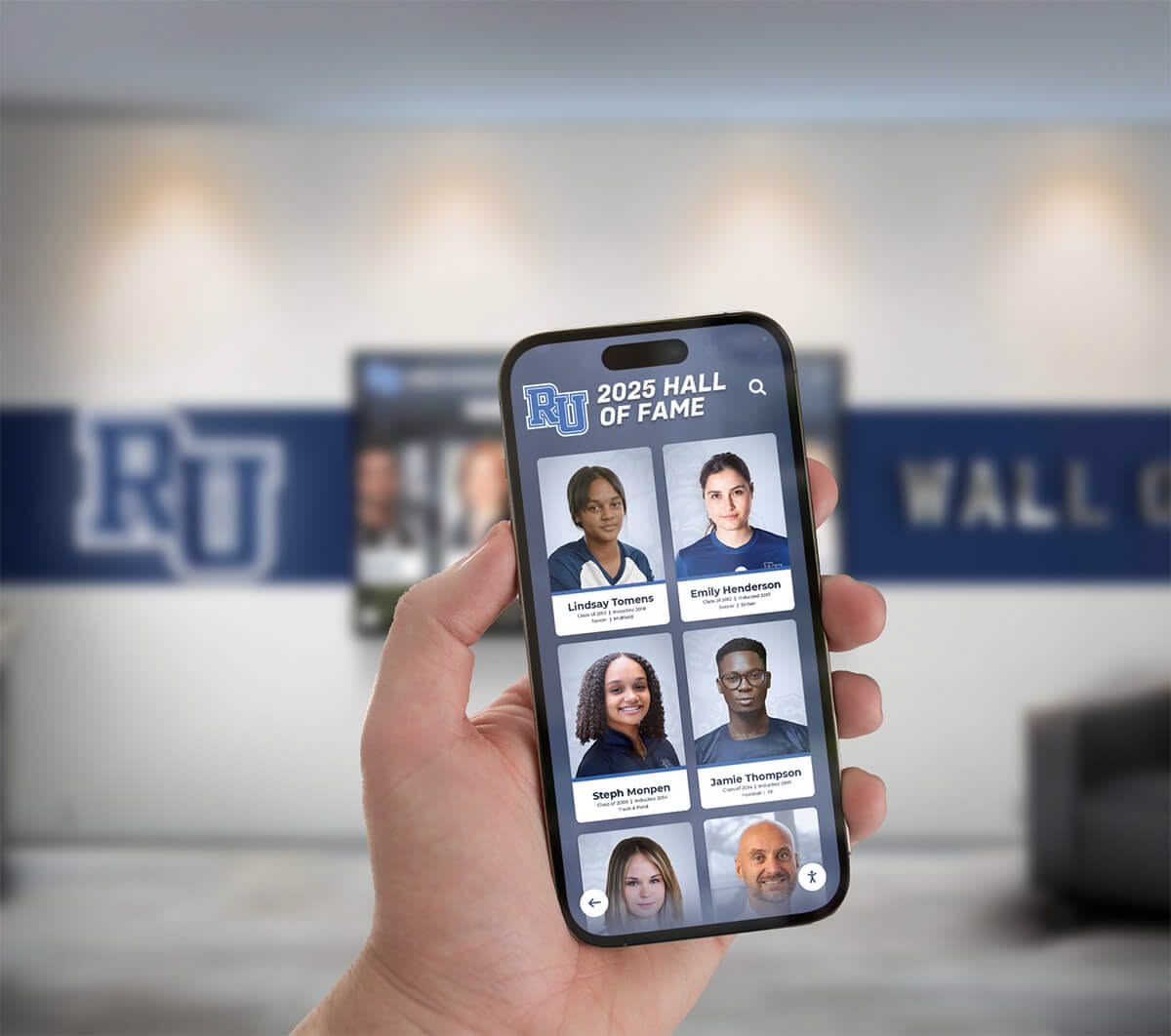
Grid-based browsing presents multiple profiles simultaneously enabling quick scanning and selection through large, reliably tappable targets
Multimedia Integration and Presentation
Static text and single photos provide minimal engagement—rich multimedia creates emotional connections and memorable experiences distinguishing digital recognition from traditional plaques.
Photo Gallery Presentation
Individual honoree profiles benefit from multiple photographs showing different life stages, achievement moments, team contexts, and personal characteristics. Gallery presentations typically employ swipeable carousels, grid thumbnails expanding to full-screen views, or slideshow modes auto-advancing through collections.
All photo presentations should support pinch-to-zoom gestures enabling detail examination, provide clear navigation controls showing gallery position (e.g., “Photo 3 of 8”), and include optional captions providing context for imagery. Photos should load efficiently even at high resolution without creating frustrating delays.
Video Content and Playback
Video content—championship highlights, award acceptance speeches, biographical interviews, historical footage—creates engagement impossible through text alone. Effective video integration includes clear visual indicators distinguishing video content from static images, prominent play controls with appropriately sized buttons, automatic quality adjustment based on network conditions, and optional captioning supporting accessibility and noisy environments.
Video should begin paused rather than auto-playing, giving visitors control over when to engage audio content in potentially public settings where unexpected sound creates disruption. Playback controls remain accessible throughout video viewing enabling pause, rewind, or exit without waiting for completion.
Social Media and Dynamic Content
Modern recognition software increasingly integrates live social media feeds, current event updates, and other dynamic content maintaining freshness without requiring constant administrative updates. Carefully curated social feeds might show current team updates, alumni accomplishments, or relevant organizational news creating connections between historical recognition and current activities.
Dynamic content refreshes automatically through cloud-based platforms, ensuring visitors encounter current information without administrators manually updating displays. However, social media integration demands careful moderation ensuring only appropriate content appears on official recognition displays representing institutional values.
Transition Design and Interface Animation
While static layouts organize content, motion design through transitions and animations significantly impacts perceived responsiveness and experience quality.
Touch Feedback and Interaction Confirmation
Every touch interaction must generate immediate visual feedback—typically within 50-100 milliseconds—confirming the system registered input. Feedback takes multiple forms including button state changes (color shifts, shadows, size modifications), loading indicators for operations requiring processing time, progress animations showing content loading or page transitions, and confirmation messages validating completed actions.
Research consistently demonstrates that delays beyond 200 milliseconds generate user frustration while delays exceeding 500 milliseconds cause visitors to question whether touches registered, leading to repeated tapping compounding problems. Purpose-built touchscreen software prioritizes responsive feedback ensuring interactions feel instantaneous.
Page Transition Animations
When navigating between screens, brief transition animations (200-400 milliseconds) create polish while providing context about interface state changes. Slide transitions where new content enters from the right suggest forward progress while exit-left animations indicate backward navigation. Fade transitions work well for overlays and modal content appearing atop existing screens.
However, transition animations must remain brief and skippable—overly long or elaborate animations that cannot be interrupted create frustration when visitors want immediate access to content. Transitions serve navigation comprehension, not entertainment.
Loading States and Progress Indication
When operations require processing time—complex searches, high-resolution image loading, video buffering—clear progress indication prevents uncertainty about system state. Simple spinner animations work for brief operations (2-3 seconds), while longer operations benefit from determinate progress bars showing completion percentage and estimated remaining time.
Solutions like interactive touchscreen software platforms emphasize responsive design ensuring most common operations complete within 1-2 seconds, minimizing circumstances requiring progress indication.
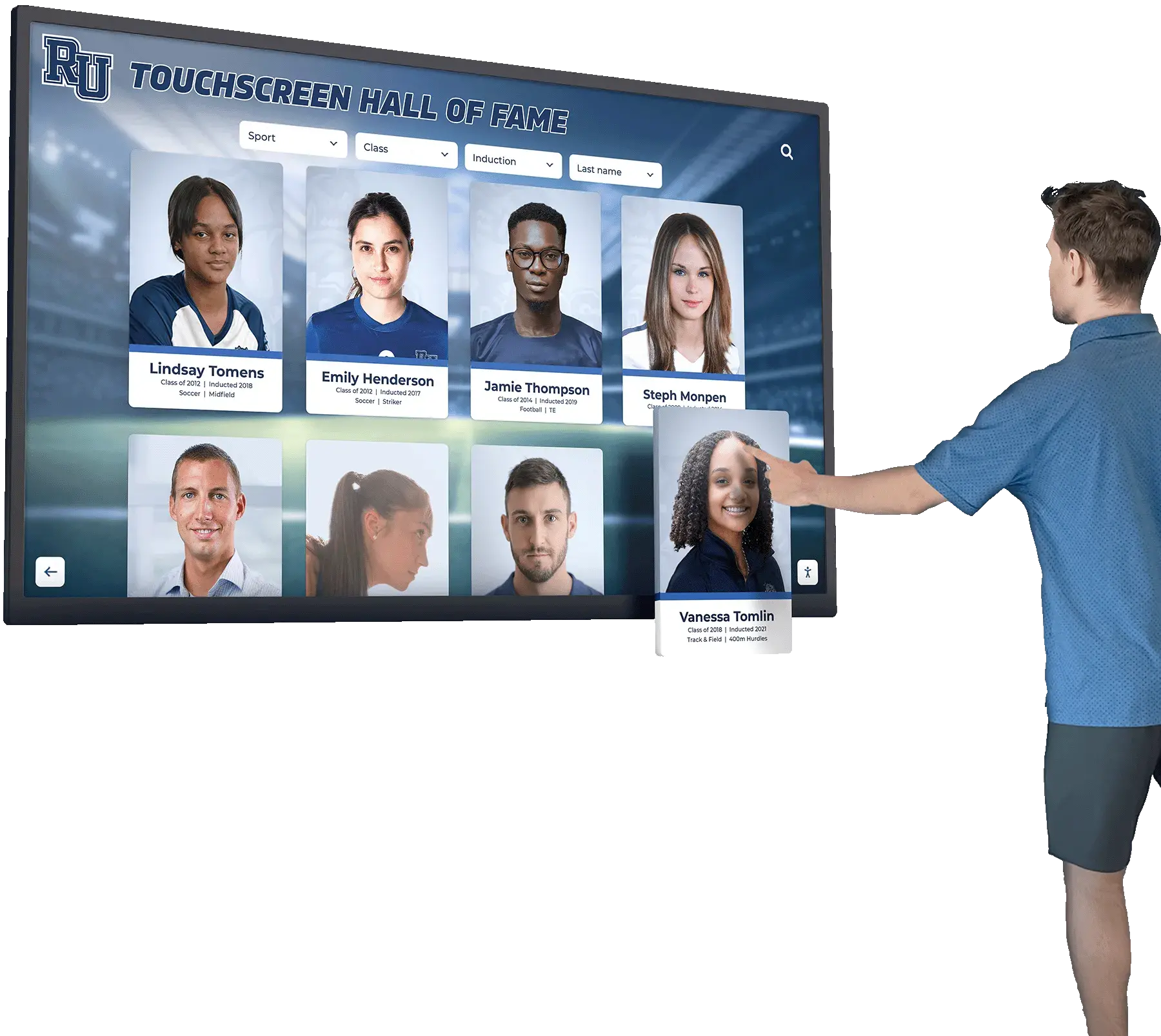
Fluid transitions and immediate feedback create polished experiences meeting visitor expectations shaped by consumer touchscreen devices
Accessibility & UX Checklist: Ensuring Universal Engagement
Purpose-built touchscreen software must serve diverse user populations including those with varying abilities, technological familiarity, and interaction preferences.
Physical Accessibility Compliance
ADA-Compliant Installation and Touch Targets
Americans with Disabilities Act (ADA) compliance requires thoughtful consideration of physical accessibility including installation height positioning controls and interactive elements within reach ranges (48 inches maximum height for side approaches, 44 inches for front approaches), touch target sizing meeting or exceeding 60 x 60 pixel minimums with generous spacing, screen positioning enabling comfortable viewing for both standing adults and seated wheelchair users, and physical installation space providing adequate approach clearance and maneuvering room.
Organizations implementing touchscreen kiosk app solutions must verify installations meet local accessibility codes beyond federal minimums, as many jurisdictions impose stricter requirements.
Motor Control and Tremor Accommodation
Users with motor control challenges, tremors, or limited fine motor skills require interface accommodations including enlarged touch targets (80+ pixels), forgiving hit areas exceeding visible boundaries, single-tap interactions avoiding long-press or complex gestures, generous timeout periods for gesture completion, and undo functionality enabling easy correction of accidental selections.
Interfaces should avoid time-based interactions that penalize slower movement—content should remain visible indefinitely rather than auto-advancing, and interactive elements should not require sustained touch pressure that proves challenging for users with weakness or fatigue.
Visual Accessibility and Readability
High Contrast and Legible Typography
Public touchscreen displays face challenging viewing conditions demanding exceptional visual clarity. Accessibility best practices include contrast ratios exceeding WCAG AAA standards (7:1 for body text, 4.5:1 for large text) ensuring readability under bright ambient lighting or from angles, large base font sizes (minimum 24-28 pixels for body text, 40+ pixels for headings) supporting reading from standing positions 2-3 feet from displays, clean, highly legible typefaces avoiding decorative fonts that sacrifice readability, and sufficient line spacing (1.4-1.6 line height) preventing text from appearing dense and intimidating.
Color-blind users benefit from color schemes avoiding problematic combinations (red-green particularly), with information conveyed through multiple channels rather than color alone (using both color and text labels for categories, employing both color and iconography for status indicators).
Adjustable Display Settings
Advanced accessibility features might include text size adjustment controls, high-contrast mode options, adjustable color schemes accommodating visual preferences, and screen rotation supporting different installation orientations. However, avoid making displays so customizable that visitors must configure multiple settings before accessing content—default states should work well for majority of users while accommodations remain optional for those requiring alternatives.
Cognitive Accessibility and Comprehension
Consistent Navigation Patterns
Users with cognitive disabilities, learning differences, or limited technological experience benefit enormously from consistent interface patterns where similar actions always produce similar results through similar interactions. Consistency reduces cognitive load enabling confident navigation without requiring careful study of each interface state.
Organizations implementing best touchscreen software platforms should conduct usability testing with diverse user groups ensuring interfaces serve broad populations rather than only technologically sophisticated visitors.
Clear Language and Obvious Affordances
Interface text should use clear, straightforward language avoiding jargon, institutional acronyms, or unnecessarily complex vocabulary. Button labels should use precise action verbs clearly indicating what interactions accomplish (“Search Athletes,” “Browse by Sport,” “View Profile”). Iconography should supplement rather than replace text labels given that symbol interpretation varies across cultural contexts and technological experience levels.
Visual affordances must make interactive elements obvious without requiring experimentation—buttons should look unmistakably like buttons, text fields should clearly indicate input availability, and scrollable content should provide obvious visual cues about additional content existing beyond visible screen areas.
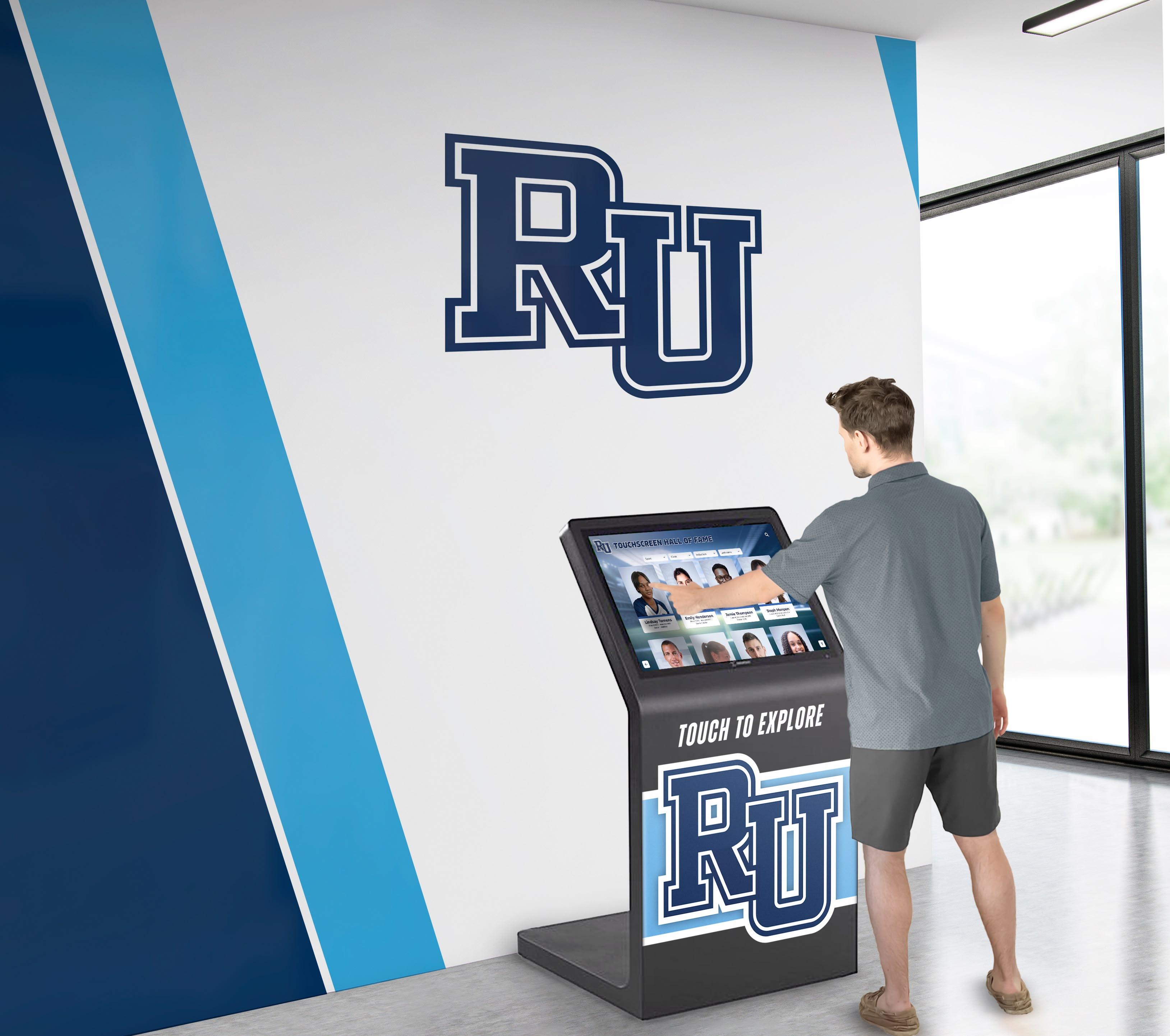
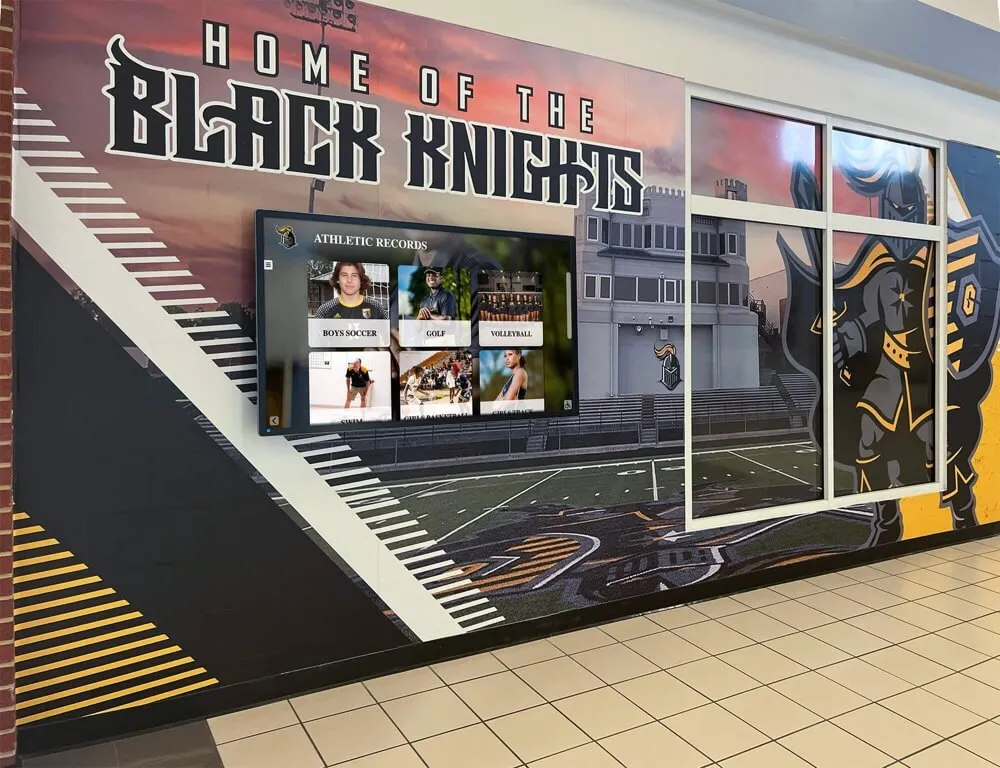
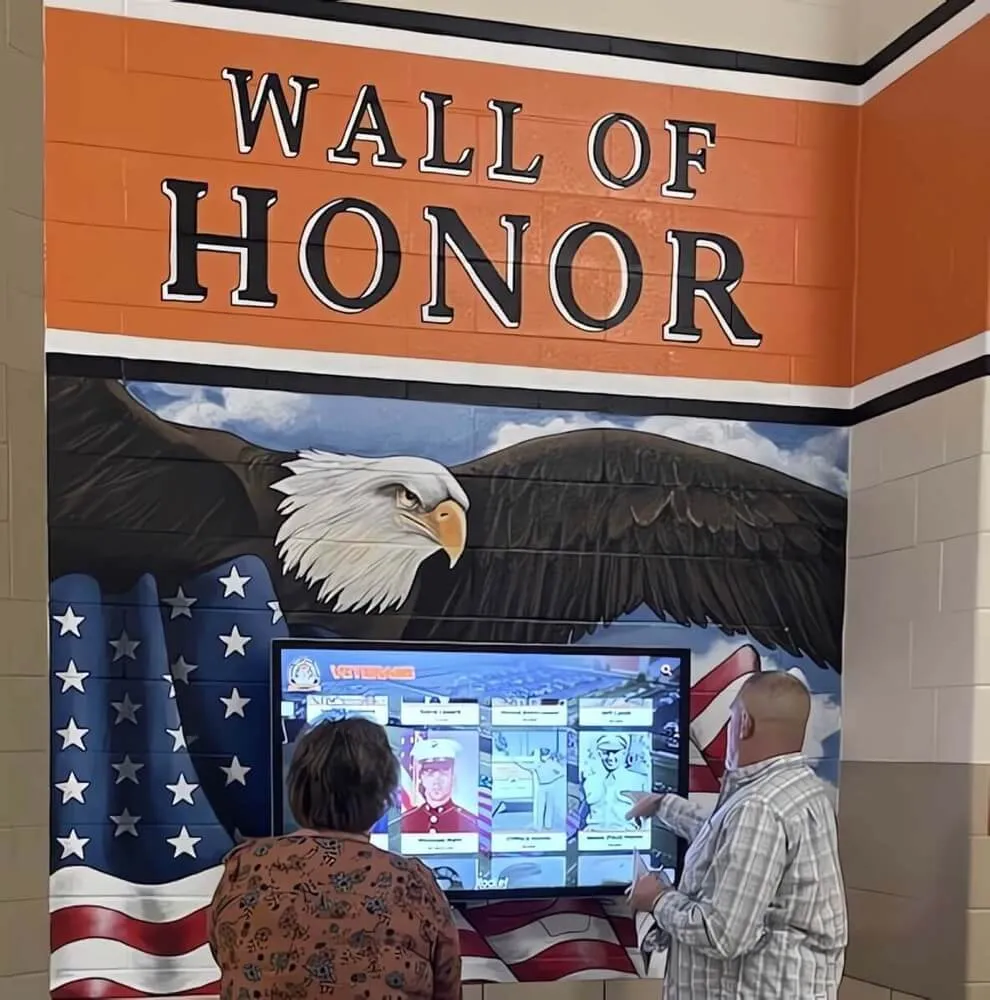
Accessible installations position displays at comfortable heights while providing generous touch targets and clear visual hierarchy serving diverse user populations
Activation Plan: Implementing Recognition Software Successfully
Technical software capabilities alone prove insufficient without systematic implementation addressing content, training, rollout, and ongoing management.
Content Development Strategy
Purpose-built recognition software enables comprehensive storytelling, but organizations must develop content creating depth that justifies digital implementation over traditional plaques.
Initial Content Population Approach
Successful implementations balance scope ambition with timeline reality by starting with achievable content populations demonstrating value quickly. Rather than attempting complete institutional history before launching, schools might populate the most recent 5-10 years of honorees initially, focus on categories with readily available content and engaged stakeholders, or create exemplary profiles for 20-30 individuals showing the depth and quality standards for future additions.
This phased approach enables learning from initial implementations, gathering user feedback on what content proves most engaging, refining workflows and quality standards before massive content development investment, and demonstrating value to stakeholders who might question digital recognition approaches.
Organizations implementing digital hall of fame displays consistently report that starting small and expanding systematically proves more successful than delaying launches while pursuing impossible completeness goals.
Content Quality Standards
Establishing clear content standards ensures consistency across hundreds or thousands of profiles while providing guidance for distributed content creators. Standards typically address photography requirements (resolution, composition, file formats), biographical narrative style and length, achievement documentation detail and verification, metadata tagging for search and categorization, and quality review processes maintaining accuracy and appropriateness.
Templates and examples demonstrating desired quality help content creators understand expectations more effectively than written guidelines alone. Providing sample profiles showcasing excellent execution gives teams concrete targets rather than abstract descriptions of quality.
Cloud-Based Management and Distributed Workflows
Modern recognition software leverages cloud architecture enabling efficient, distributed content creation and management.
Role-Based Access and Permissions
Cloud platforms like Rocket Alumni Solutions support multiple administrative users with different permission levels enabling distributed content management where athletic directors manage sports recognition, academic affairs oversees honor rolls, alumni relations maintains alumni profiles, and student activities updates club recognition—all without requiring central IT department involvement for every content change.
Role-based permissions prevent unauthorized access while enabling autonomy for responsible content owners. Approval workflows can route content through designated reviewers before publication when organizational policies demand oversight balancing distributed creation with quality control.
Remote Content Updates and Instant Distribution
Cloud-based architecture enables administrators to update recognition content from any internet-connected device—office computers, personal laptops, or mobile devices while traveling. Changes sync automatically across all physical touchscreen installations and integrated web platforms without requiring individual device access or IT coordination.
This operational flexibility empowers timely content updates maintaining currency without logistical challenges. Schools can add recent award recipients immediately following ceremonies, update athlete statistics after record-breaking performances, or correct discovered inaccuracies without waiting for scheduled maintenance windows or IT availability.
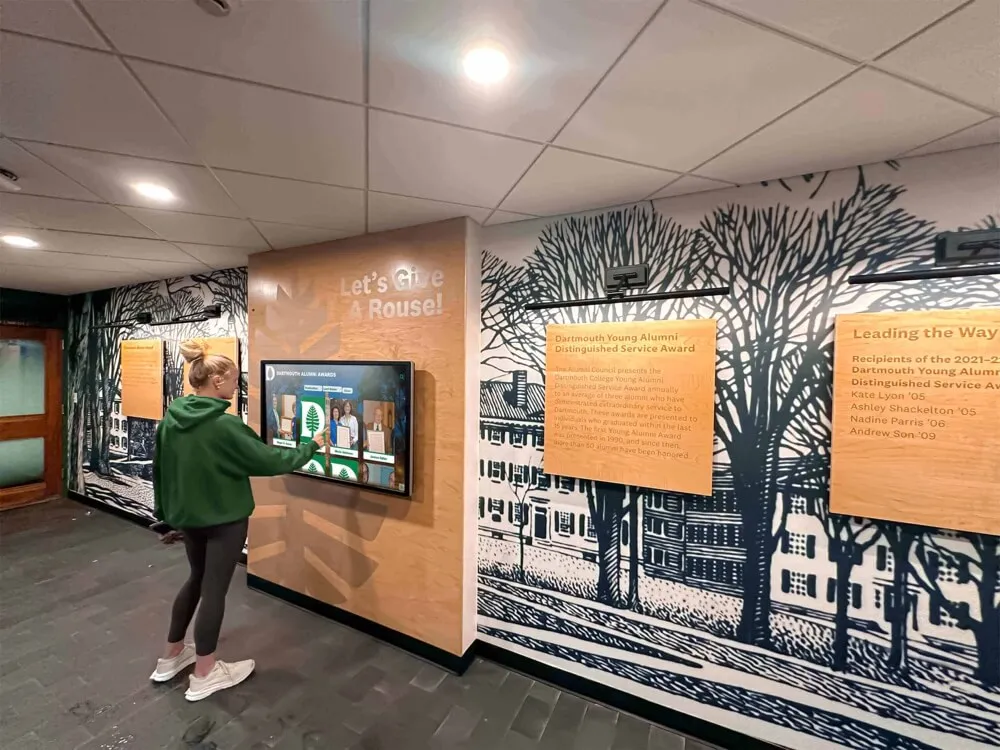
Cloud-based content management enables distributed teams to maintain current recognition content without technical expertise or IT intervention
Training and Change Management
Even intuitive software benefits from proper training ensuring staff understand full capabilities while building organizational support for digital recognition approaches.
Staff Training Programs
Effective training addresses different stakeholder needs through targeted programs: content managers receive comprehensive platform training covering profile creation, media upload, category organization, and publishing workflows, administrators need overview training understanding capabilities for planning and stakeholder communication, technical support staff benefit from infrastructure training covering network requirements, troubleshooting, and advanced configuration, and executive sponsors appreciate strategic training demonstrating program value and engagement metrics.
Hands-on practice with realistic scenarios proves far more effective than passive demonstrations. Have athletic directors actually create sample athlete profiles. Ask alumni coordinators to search for and update specific individuals. Encourage administrators to explore analytics data. This active practice builds confidence revealing questions requiring additional instruction.
Building Stakeholder Buy-In
Introducing digital recognition sometimes faces resistance from community members valuing traditional plaques or questioning technology replacing valued traditions. Build support by demonstrating how digital platforms enhance rather than replace traditional elements, involving stakeholders in planning ensuring their priorities shape implementation, celebrating early wins highlighting positive impacts and engagement, and maintaining traditional recognition elements alongside digital displays during transitions when appropriate.
Change management matters as much as technology selection—successful organizations treat touchscreen recognition as cultural initiative requiring communication and stakeholder engagement rather than purely technical deployment. Resources on implementing digital walls of fame effectively provide frameworks ensuring organizational readiness beyond just technical capabilities.
Strategic Placement and Physical Installation
Display location dramatically impacts usage and value—high-traffic areas with natural dwell opportunities generate far more engagement than installations where people rush past without pausing.
Optimal Installation Locations
Consider placing touchscreen recognition displays in: main entrance lobbies greeting all visitors immediately upon arrival, gathering spaces where people naturally pause near seating areas or elevators, athletic facilities positioning sports recognition where athletes train and compete, alumni gathering areas during reunion weekends and special events, and decision points where prospective students and families evaluate institutional character.
Avoid locations lacking natural pause points—mid-hallway positions without seating, areas with poor lighting causing screen glare, or positions requiring awkward viewing angles. Professional installation ensures proper mounting supporting display weight safely, adequate electrical power and network connectivity, appropriate positioning for accessibility and comfortable viewing, and clean cable management maintaining professional appearance.
Organizations implementing college intramural sports recognition displays report that strategic positioning in high-visibility areas during prospective family visits, signing ceremonies, and open house events maximizes engagement compared to locations serving only daily operations.
Brand Integration Checklist: Customization and Visual Identity
Purpose-built touchscreen software should reflect unique institutional identity rather than presenting generic templates that could belong to any organization.
Unlimited Layout Customization
Rocket Alumni Solutions provides comprehensive customization ensuring recognition displays feel authentically connected to institutional brand rather than obviously third-party implementations.
Custom Design Elements
Unlimited layouts enable matching touchscreen interfaces to established institutional design systems including custom color palettes reflecting school or organizational branding, typography selections matching preferred typefaces and hierarchies, logo integration positioning institutional marks prominently, iconography and graphic elements consistent with existing visual vocabulary, and layout structures adapted to specific content types and organizational preferences.
Custom backgrounds might incorporate institutional photography, branded patterns or textures, or video loops showing campus scenes, championship moments, or meaningful institutional imagery creating emotional resonance before visitors even begin interacting with content.
Flexible Content Organization
Beyond visual customization, structural flexibility ensures content organization matches institutional priorities and stakeholder preferences. Schools might emphasize sport-based organization for athletic recognition, chronological timelines for historical preservation, or achievement-type categorization for academic honors. Organizations customize navigation hierarchies, filter options, featured content selections, and discovery pathways to match how their communities naturally think about recognition and institutional history.
This structural flexibility proves particularly valuable for institutions with unique recognition programs that don’t fit standardized templates—specialized awards, unusual sport offerings, distinctive achievement categories, or multilingual requirements serving diverse populations.
Sponsor Recognition and Fundraising Integration
Many recognition programs receive financial support from sponsors, donors, or boosters deserving acknowledgment within displays.
Sponsor Placement and Rotation
Touchscreen software can integrate sponsor recognition through rotating banner placements appearing during idle states or navigation transitions, dedicated sponsor pages accessible through navigation or automated display cycles, sponsor logo integration within relevant content (sponsor of specific sport appears on team pages), and thank-you messaging acknowledging supporter contributions.
Rotation schedules ensure multiple sponsors receive visibility without cluttering interfaces, while analytics can track sponsor impression counts demonstrating value to current supporters and attracting future contributions.
Organizations implementing digital donor wall platforms leverage similar sponsor integration capabilities acknowledging philanthropic support while maintaining focus on primary recognition content.
Multi-Device Access and Web Integration
Modern recognition extends beyond physical touchscreen installations to integrated web platforms serving worldwide audiences.
Responsive Web Portals
Rocket Alumni Solutions provides integrated web access presenting identical recognition content across physical touchscreens, desktop computers, tablets, and smartphones through responsive design automatically adapting to different screen sizes and interaction methods. This universal accessibility dramatically multiplies recognition impact—alumni can explore achievements from anywhere globally, prospective families can research institutional heritage during home planning before campus visits, and current community members can share recognition with distant family and friends.
Web integration requires no additional content creation—administrators manage single content sources automatically distributed across all platforms maintaining consistency while maximizing reach. QR codes positioned near physical displays enable instant content transfer to personal devices, allowing visitors to save discoveries, share profiles via social media, or continue exploration after leaving physical installations.
Digital Signage Mode
Beyond interactive exploration, recognition content can populate passive digital signage displays throughout facilities showing rotating honoree profiles, upcoming inductions, achievement anniversaries, or other relevant content. This digital signage mode extends recognition visibility to locations where interactive touchscreens prove impractical while leveraging existing content investments across multiple presentation formats.
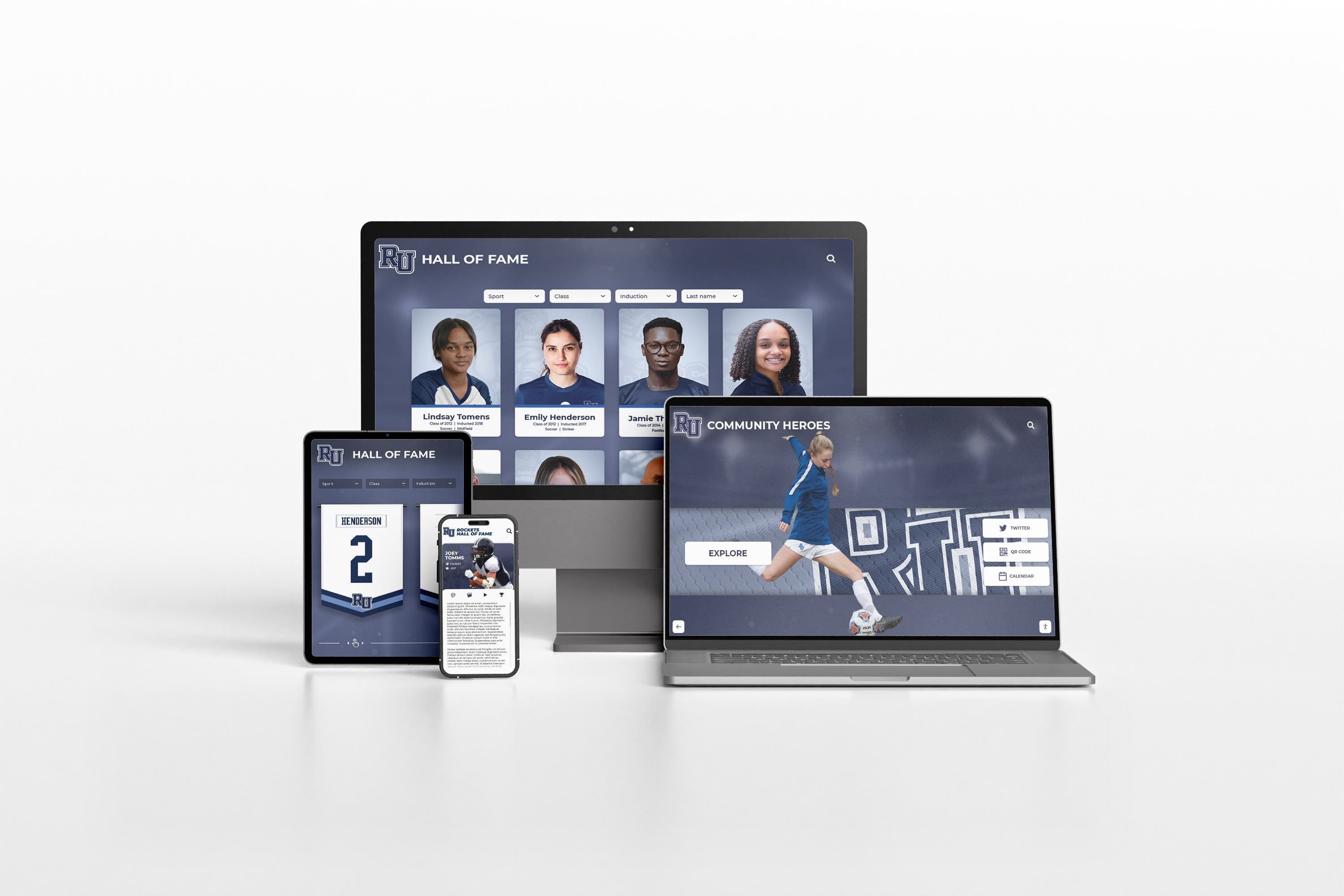
Responsive web integration extends recognition accessibility from physical installations to personal devices serving worldwide audiences
Rocket Alumni Solutions: Purpose-Built Recognition Platform
Understanding how Rocket Alumni Solutions specifically addresses recognition challenges helps organizations evaluate whether purpose-built software delivers advantages justifying investment over general-purpose alternatives.
Core Platform Capabilities
Rocket Alumni Solutions specializes in recognition applications for educational institutions and organizations celebrating achievements, providing features specifically designed for comprehensive individual honoring.
Unlimited Honoree Capacity
Unlike physical recognition constrained by wall space or general software platforms charging per profile or per display, Rocket Alumni Solutions provides truly unlimited capacity ensuring every deserving individual receives permanent recognition. Schools can honor all academic achievement award recipients, athletic programs can recognize every team captain and MVP across decades, and organizations can celebrate comprehensive accomplishment without forced choices about whose recognition to remove when adding new inductees.
This unlimited model fundamentally changes recognition philosophy from scarcity (“who deserves limited space?”) to abundance (“who else should we honor?”), creating inclusive celebration rather than administrative burden involving difficult choices.
Comprehensive Profile Management
Individual honoree profiles support rich content including unlimited photographs showing achievement moments, personal portraits, team contexts, and historical imagery, embedded video content featuring interviews, highlights, award acceptance, or biographical storytelling, detailed biographical narratives providing personal background and context, achievement documentation with statistics, awards, championship details, and accomplishment specifics, social media integration showing current activities and accomplishments, and custom metadata enabling sophisticated search, filtering, and relationship mapping.
These comprehensive profiles enable storytelling creating emotional engagement impossible through name-and-date plaques. Visitors don’t just learn someone won a championship—they discover who that person was, what challenges they overcame, how achievements impacted their lives, and why their contributions mattered to institutions and communities.
Intuitive Administrative Interface
Non-technical administrators can manage comprehensive recognition programs through web-based interfaces requiring no coding knowledge or specialized training. The content management system provides template-based profile creation with guided workflows, drag-and-drop media uploading supporting bulk additions, real-time preview showing exactly how content appears before publishing, flexible category and tag organization, and approval workflows when oversight proves necessary.
Purpose-built recognition software recognizes that athletic directors, alumni coordinators, and communications staff—not IT departments—should manage recognition content. Intuitive interfaces empower subject matter experts to maintain timely, accurate content without creating ongoing technical support burdens.
Rocket Alumni Solutions provides purpose-built profile management enabling rich multimedia storytelling through intuitive administrative interfaces
Technical Architecture and Infrastructure
Cloud-based architecture delivers operational advantages impossible with locally-installed software while ensuring reliability for mission-critical recognition displays.
Cloud-Based Updates and Management
All content, configuration, and software updates occur through cloud infrastructure meaning instant updates across all displays without individual device access, automatic software improvements deployed seamlessly without IT involvement, secure cloud backup protecting against hardware failure or data loss, and remote troubleshooting and support reducing on-site service requirements.
Organizations avoid ongoing software maintenance, manual update distribution, and infrastructure management responsibilities—Rocket Alumni Solutions handles technical operations enabling administrators to focus on content and community engagement rather than system administration.
Multi-Platform Hardware Support
The software supports diverse hardware platforms including Windows PCs and media players, Android tablets and media players, iOS iPads for portable or semi-permanent installations, and web browsers on any internet-connected device. This hardware flexibility enables organizations to select commercial displays and players matching their specific installation requirements, quality standards, and budget constraints rather than being locked into proprietary hardware from single vendors.
Cross-platform compatibility also future-proofs implementations—as hardware ages and requires replacement, organizations can upgrade or change hardware without requiring complete software replacement, protecting content investments and administrative learning.
Robust Performance and Reliability
Purpose-built platforms optimize performance for recognition applications ensuring sub-second search response across thousands of profiles, smooth high-resolution image display without stuttering or delays, reliable video playback adapting to network conditions, offline capability enabling operation during connectivity interruptions, and automatic recovery from power or network disruptions without requiring manual intervention.
Commercial-grade reliability proves essential for public-facing displays expected to operate continuously without regular technical support. Organizations implementing touch screen kiosk software platforms require proven dependability rather than consumer-grade solutions prone to crashes or performance degradation.
Analytics and Engagement Measurement
Understanding how visitors interact with recognition displays provides valuable insights for content optimization and demonstrating program value.
Comprehensive Usage Analytics
Rocket Alumni Solutions tracks detailed engagement metrics including total interaction sessions showing display usage frequency, average engagement duration revealing content depth, most-viewed profiles identifying compelling individuals and content, search terms demonstrating what visitors seek, navigation paths revealing how users explore content, category popularity showing which groupings attract attention, and peak usage times informing optimal content update schedules.
These analytics help organizations identify which athletes, achievements, or time periods generate most engagement, discover what additional content visitors seek through unsuccessful searches, understand whether users explore beyond initial screens or abandon quickly, and demonstrate program value through concrete usage data when seeking budget approval or stakeholder support.
Performance Monitoring and Technical Insights
Beyond user engagement, technical analytics monitor system health including display uptime and reliability, content loading performance identifying slow media, network connectivity status, hardware status alerts, and error tracking for troubleshooting. Proactive monitoring enables addressing issues before they impact user experiences while demonstrating system reliability to stakeholders expecting dependable operation.
Organizations implementing recognition software should prioritize platforms providing both engagement analytics and technical monitoring rather than treating displays as “set and forget” installations requiring attention only when problems arise. Continuous improvement based on real usage data delivers superior long-term results compared to static implementations never evaluated or refined after initial deployment.
Integrated analytics across physical displays and web platforms demonstrate recognition program impact through measurable engagement metrics
Advanced Features: Emerging Capabilities and Future Directions
Modern touchscreen recognition software continues evolving, with emerging capabilities enhancing engagement and operational efficiency.
Artificial Intelligence Integration
AI-powered features increasingly enhance recognition platforms through intelligent automation and personalization.
Automated Content Organization
Machine learning algorithms assist content management by suggesting appropriate categories and tags for new profiles, identifying relationships between individuals (teammates, classmates, department colleagues), recommending related content for visitors based on current viewing, and detecting duplicate or incomplete profiles requiring attention.
These intelligent assistants reduce administrative burden while improving content discoverability—rather than manually tagging every relationship and category, AI suggests classifications that administrators can review and approve or modify.
Natural Language Search
Advanced search implementations understand natural language queries rather than requiring precise name matching. Visitors might search for “basketball state champions 1990s” or “engineering honor roll students” with the system interpreting intent and returning relevant results even when queries don’t exactly match profile metadata.
Voice integration extends natural language search enabling spoken queries particularly valuable for accessibility supporting users with mobility challenges preventing comfortable touch interaction. However, voice capabilities require careful acoustic design considering ambient noise and privacy in public settings.
Social Media and Dynamic Content Integration
Recognition platforms increasingly connect to live social media feeds and external data sources maintaining freshness without constant administrative updates.
Curated Social Feeds
Automated integration with institutional social media accounts can populate recognition displays with current team updates, recent alumni accomplishments shared online, event announcements, and other relevant content creating connections between historical recognition and current activities.
Careful content moderation ensures only appropriate posts appear on official recognition displays—filtering by hashtags, requiring manual approval, or employing AI content analysis prevents inappropriate material from appearing in institutional contexts.
Live Statistics and Dynamic Updates
Athletic recognition platforms might integrate with statistics services automatically updating career statistics, current standings, or real-time game scores. Alumni recognition could connect to LinkedIn or other professional networks showing current career information for individuals who opt into sharing. These dynamic connections maintain currency reducing administrative workload while providing visitors with relevant current context alongside historical achievements.
Organizations implementing high school basketball recognition systems benefit from automated statistics integration ensuring record boards reflect current data without manual entry after every competition.
Multi-Language and Internationalization
Educational institutions and organizations serving diverse populations increasingly require multilingual recognition supporting community members with different language preferences.
Comprehensive Translation Support
Advanced platforms provide multi-language content management enabling administrators to enter content in multiple languages, automatic language detection selecting appropriate language based on user preferences or interface selections, right-to-left text support for Arabic, Hebrew, and similar languages, and locale-specific formatting for dates, numbers, and currency respecting cultural conventions.
Multilingual support proves particularly valuable for universities serving international student populations, organizations in multilingual communities, and institutions with global alumni networks. Rather than creating entirely separate systems for different languages, integrated multilingual platforms maintain single content sources with parallel translations simplifying management while ensuring consistent recognition across language versions.
Implementation Success Stories and Best Practices
Learning from successful implementations helps organizations avoid common pitfalls while adopting proven strategies maximizing recognition program impact.
Phased Rollout Strategies
Organizations achieve better outcomes through systematic phased implementations rather than attempting complete system deployments immediately.
Pilot Programs and Early Wins
Starting with focused pilot programs enables learning and refinement before full-scale deployment. Schools might begin with single sport or department allowing concentrated effort producing exemplary content, gather user feedback from initial deployment informing improvements, build internal expertise and refine workflows before expanding, and demonstrate success to stakeholders potentially skeptical about digital recognition.
Pilot success creates momentum for broader implementation while failures in limited scope prove far less costly and embarrassing than system-wide disappointments. Organizations consistently report that measured, phased approaches deliver better long-term results than rushed comprehensive deployments attempting too much simultaneously.
Common Implementation Challenges and Solutions
Understanding typical challenges helps organizations prepare mitigation strategies rather than discovering problems late in implementations.
Content Development Bottlenecks
Challenge: Organizations underestimate effort required for comprehensive content development, creating project delays or incomplete launches.
Solution: Start with achievable content scope demonstrating value quickly, develop templates and workflows streamlining content creation, engage multiple contributors distributing workload across subject matter experts, and expand content systematically rather than pursuing impossible completeness before launching.
Stakeholder Resistance and Change Management
Challenge: Community members attached to traditional plaques resist digital recognition or question technology replacing valued traditions.
Solution: Involve stakeholders early in planning ensuring their priorities shape implementation, demonstrate how digital platforms enhance rather than replace traditional elements, maintain both traditional and digital recognition during transition periods, and celebrate measurable engagement improvements compared to passive traditional displays.
Technical Integration Complexity
Challenge: Network infrastructure, hardware compatibility, or integration with existing systems proves more complex than anticipated.
Solution: Conduct infrastructure assessment before hardware procurement, select software supporting diverse hardware platforms preventing vendor lock-in, plan adequate network bandwidth and reliability for intended applications, and consider cloud-based platforms minimizing local infrastructure requirements.
Organizations implementing academic recognition programs should anticipate these challenges proactively rather than discovering solutions through expensive trial-and-error.
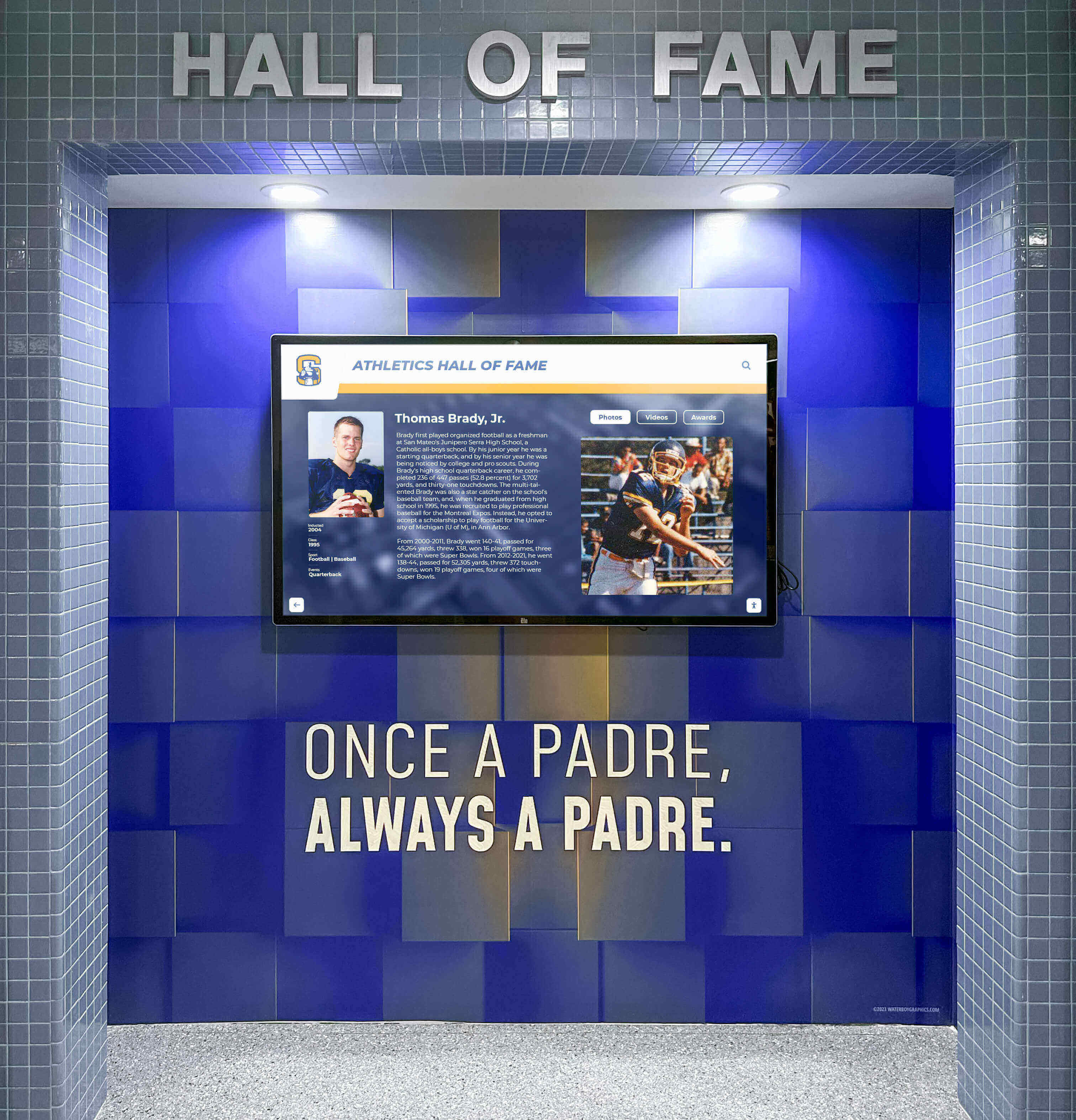
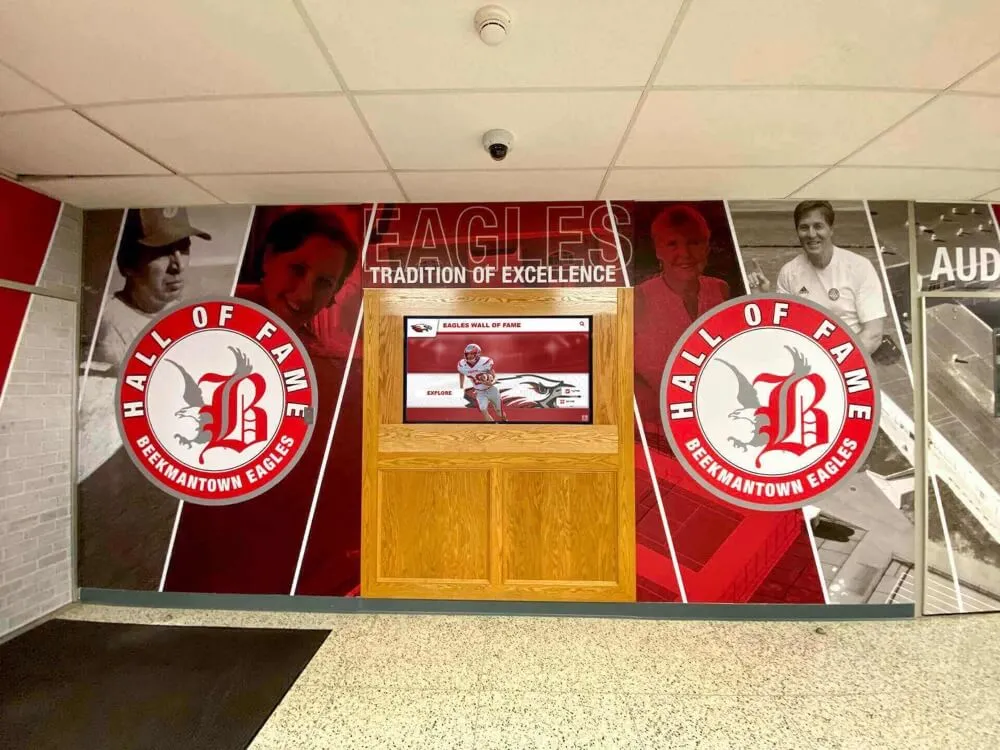
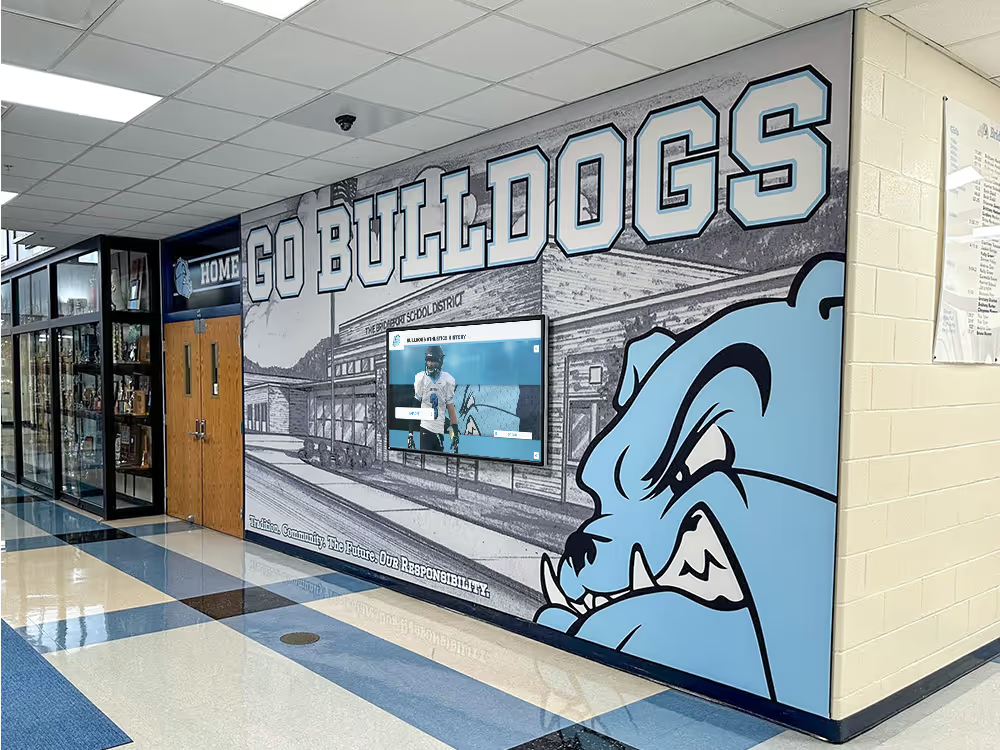
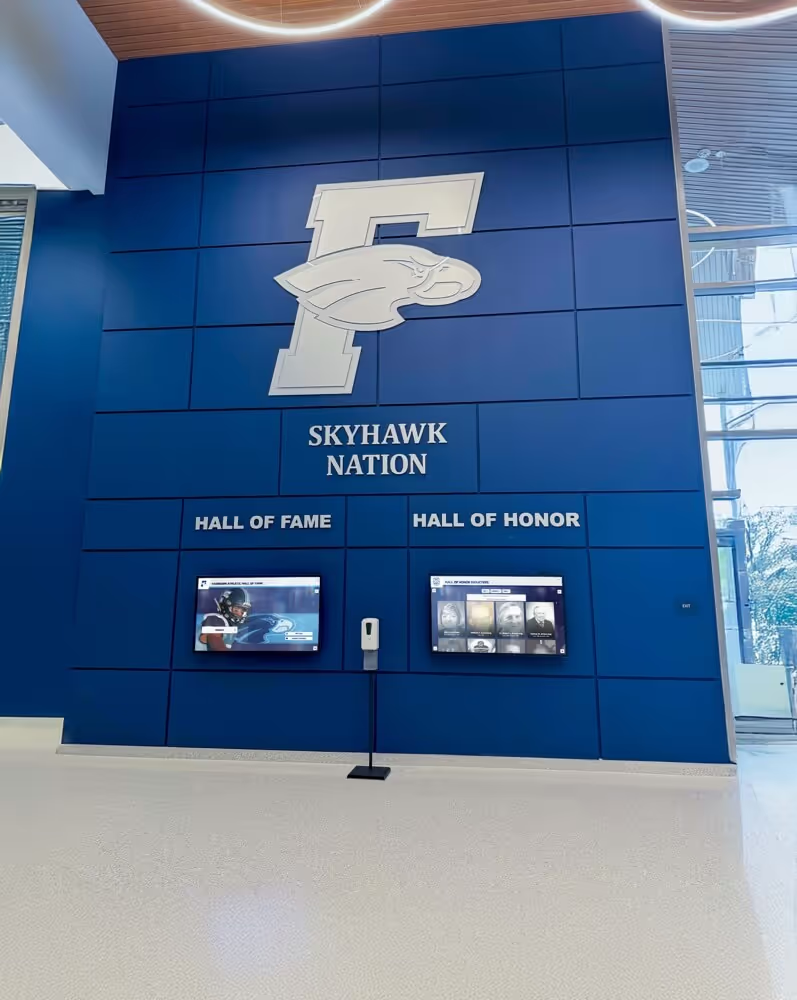
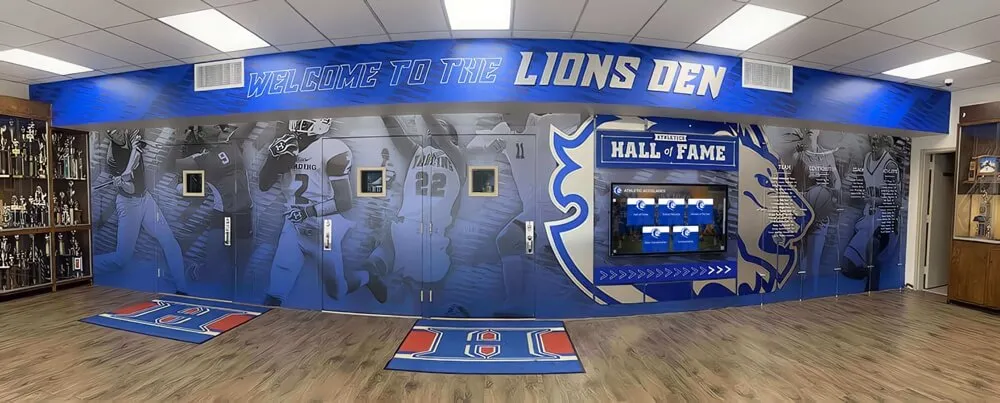
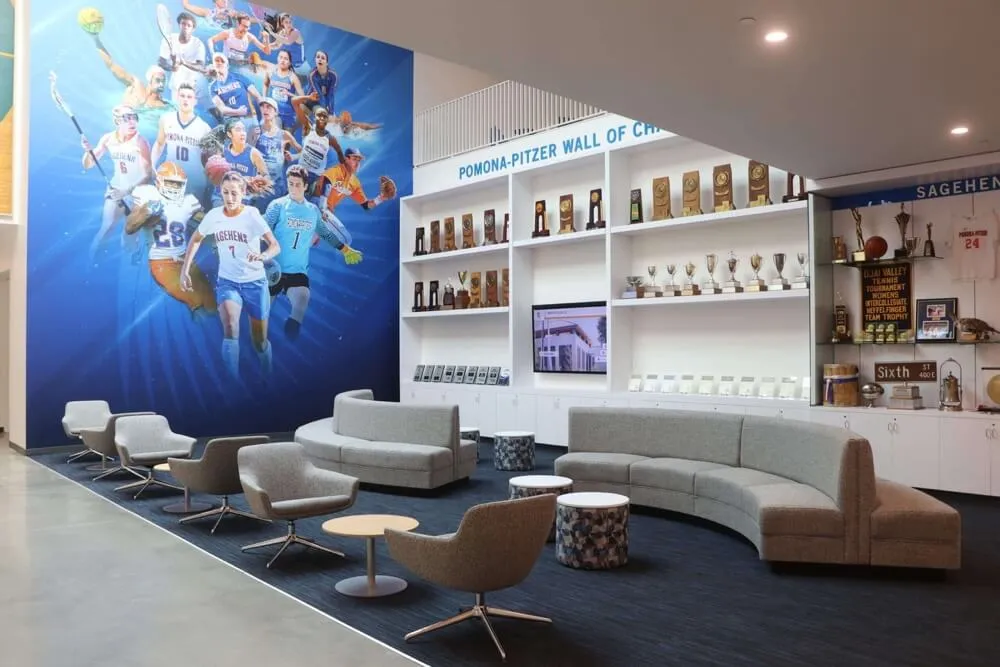
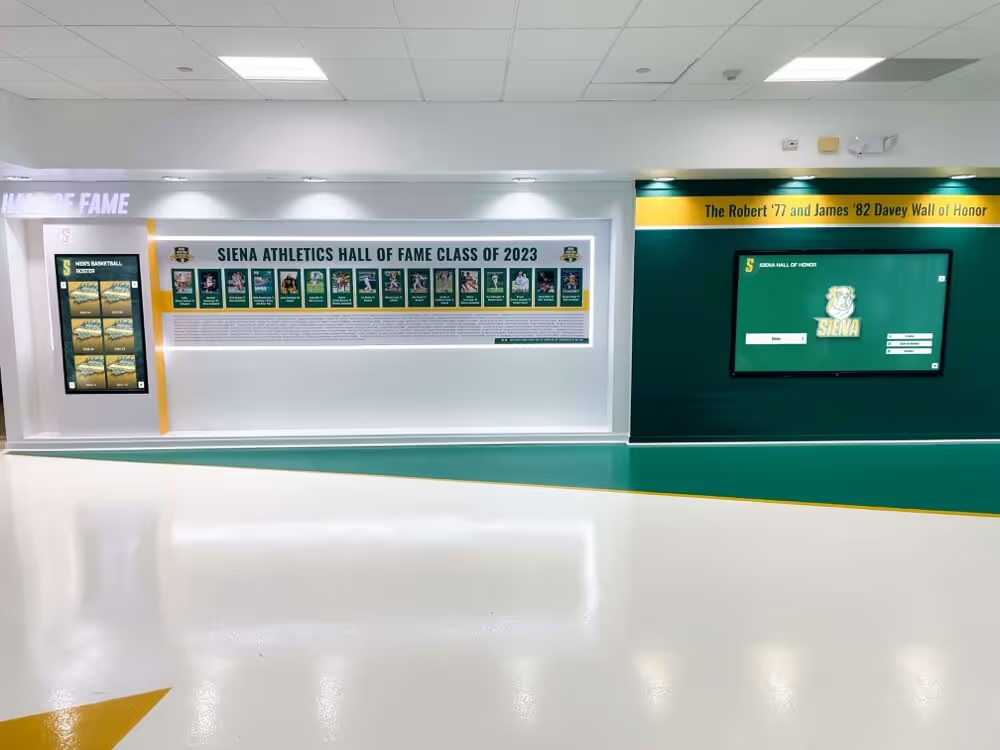
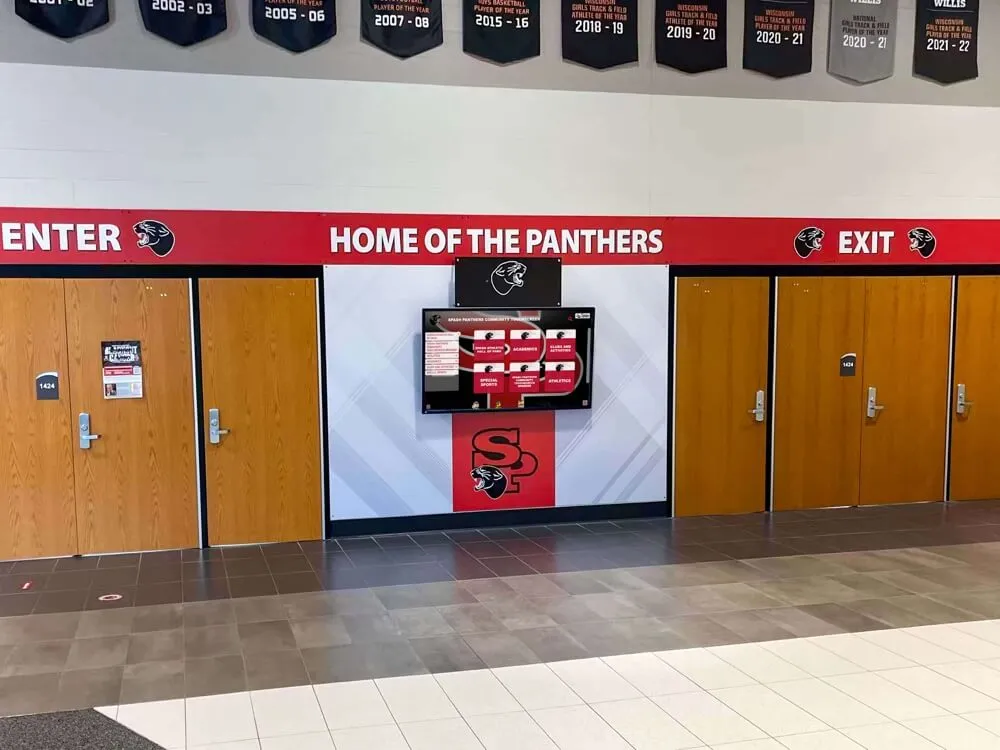
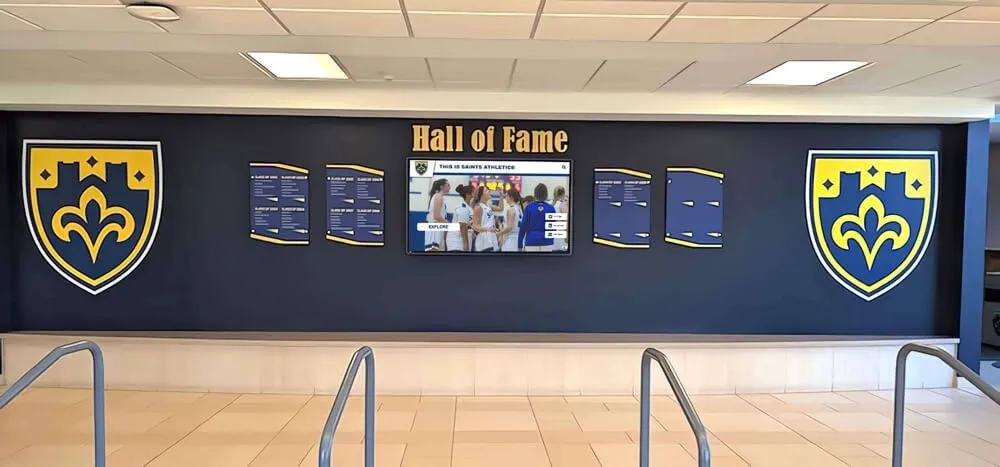
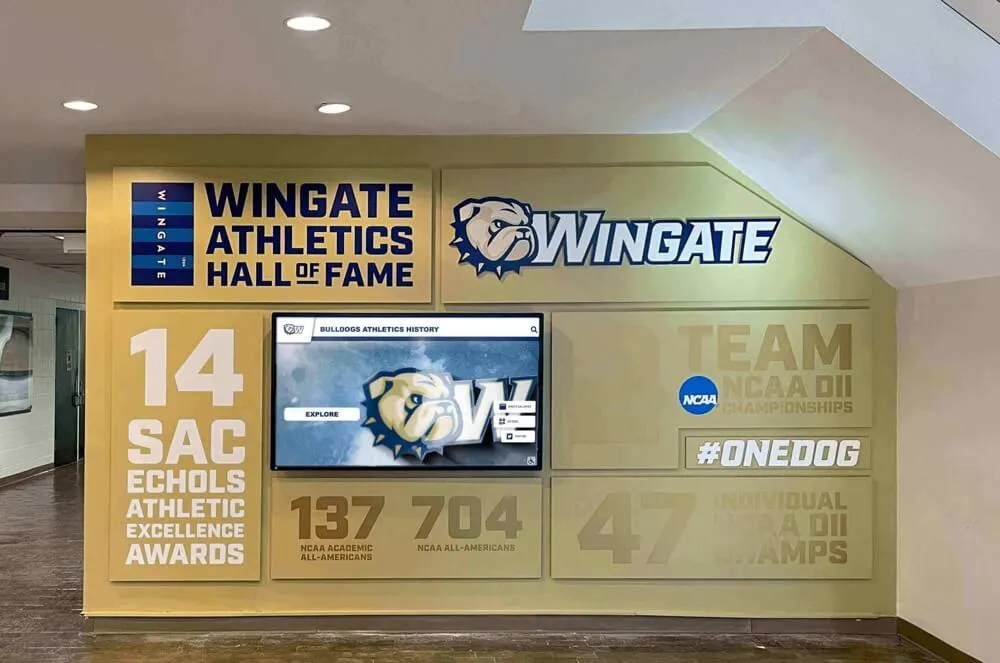
Successful implementations integrate touchscreen recognition displays seamlessly into institutional spaces creating focal points that engage visitors and celebrate achievement
Measuring Return on Investment and Program Value
Justifying initial investment and ongoing resource allocation requires demonstrating measurable value beyond anecdotal impressions.
Quantifiable Engagement Metrics
Purpose-built recognition software provides concrete data demonstrating program impact.
Usage and Engagement Statistics
Organizations track total annual interactions showing how many visitors engage with recognition, average session duration revealing content depth compared to brief plaque glances, unique visitors versus repeat usage distinguishing between first-time exploration and return engagement, and content views identifying which profiles, categories, or time periods attract greatest attention.
These metrics enable comparing digital recognition engagement against traditional displays—where traditional plaques might generate 10-20 second glances, digital recognition consistently achieves 3-5 minute engagement sessions with visitors actively exploring dozens of profiles.
Stakeholder Satisfaction and Feedback
Beyond usage analytics, qualitative feedback from honorees, families, visitors, and internal stakeholders demonstrates program value through personal testimonials. Alumni appreciate ability to revisit recognition from anywhere worldwide, honoree families express gratitude for comprehensive storytelling compared to minimal traditional plaques, prospective students and recruits note recognition programs influencing institutional perception, and internal stakeholders identify specific recruiting or engagement advantages from comprehensive recognition programs.
Operational Efficiency Improvements
Digital recognition platforms streamline administrative operations compared to traditional physical recognition.
Administrative Time Savings
Cloud-based content management enables recognition updates in minutes rather than weeks required for physical plaque ordering, production, and installation. Organizations can honor recent award recipients immediately following ceremonies, correct discovered inaccuracies within hours rather than living with permanent etching errors, and reorganize recognition categories through simple configuration changes rather than physical reinstallation.
Administrative efficiency proves particularly valuable when recognition programs grow—adding 100 new honorees to digital platforms requires similar administrative effort as adding 10, while physical recognition scales linearly requiring proportional time and expense for each additional individual.
Cost Effectiveness Compared to Traditional Recognition
While initial digital implementation involves upfront investment, long-term costs typically prove lower than traditional recognition approaches. Physical plaques cost $200-500+ per individual adding up dramatically across comprehensive recognition programs, space constraints force expensive facility renovations or choosing between competing recognition priorities, and updating or correcting physical recognition proves prohibitively expensive causing organizations to live with errors.
Digital recognition incurs minimal marginal cost per additional honoree after initial implementation, eliminates space constraint conflicts, and enables instant corrections at zero cost. Five-year total cost analyses commonly show 40-60 percent savings for digital platforms compared to equivalent physical recognition coverage.
Organizations considering digital trophy wall solutions should conduct comprehensive total cost of ownership analysis rather than comparing only initial implementation expenses against single-year traditional recognition costs.
Making the Transition to Digital Recognition
Organizations ready to implement purpose-built touchscreen recognition software benefit from systematic approaches ensuring successful outcomes.
Evaluation and Vendor Selection
Defining Requirements and Success Criteria
Begin with clear understanding of what you want recognition programs to accomplish, who you need to honor (current scope and future growth), what content types you want to include (photos, videos, documents, social media), who will manage content and what technical capabilities they possess, where you’ll install displays and what physical constraints exist, and what budget you can allocate to initial implementation and ongoing operation.
Requirements clarity enables evaluating whether platforms actually provide needed capabilities or would require extensive customization creating ongoing support burdens.
Comparing Purpose-Built vs. General Platforms
Organizations must decide between purpose-built recognition platforms like Rocket Alumni Solutions or attempting to adapt general digital signage software for recognition applications. Consider that purpose-built platforms provide person-centric content management designed for individual profiles, recognition-optimized navigation including search by name and category browsing, unlimited honoree capacity without per-profile charges, integrated web access extending recognition globally, and specialized support understanding recognition application requirements.
General platforms might offer lower initial costs but typically lack recognition-specific features, require extensive customization attempting to force general tools into recognition applications, impose per-display or per-profile charges that scale poorly, and provide support unfamiliar with recognition use cases.
Organizations implementing church sports recognition programs, university athletic halls of fame, or high school achievement displays consistently report better satisfaction and lower long-term costs with purpose-built platforms despite potentially higher initial investment compared to general alternatives.
Planning Content Development and Launch
Content Strategy and Initial Scope
Successful implementations begin with realistic content scope balancing ambition with timeline constraints. Rather than attempting complete institutional history, consider starting with recent years (past 5-10 years) where content proves readily available, focus on categories with engaged stakeholders willing to assist content development, or create exemplary profiles for 20-30 individuals demonstrating quality standards for future additions.
Establish clear content standards addressing photography requirements, biographical narrative style and length, achievement documentation detail, metadata tagging for search, and quality review processes. Templates and examples help content creators understand expectations more effectively than written guidelines alone.
Launch Strategy and Community Engagement
Coordinate recognition display launches with high-visibility events maximizing initial impact including homecoming weekends or alumni reunions, athletic signing days or championship celebrations, academic honors ceremonies, or facility dedication events.
Build anticipation through advance communication explaining what’s launching, highlighting featured individuals, and inviting community members to explore new recognition capabilities. Post-launch promotion through social media, newsletters, and website announcements drives traffic to both physical displays and integrated web portals.
Organizations implementing perfect attendance recognition displays or speech and debate championships recognition report that strategic launch timing during relevant events generates immediate engagement establishing positive first impressions that shape long-term usage patterns.
Conclusion: The Future of Recognition Through Purpose-Built Software
Touchscreen software purpose-built for recognition applications transforms how educational institutions and organizations honor achievements, preserve heritage, and inspire current community members through the stories of those who came before. Unlike general-purpose platforms attempting to serve every possible application, specialized recognition software like Rocket Alumni Solutions addresses the specific challenges institutions face when celebrating comprehensive achievement without physical space constraints limiting who receives recognition.
The advantages of purpose-built recognition software prove compelling—unlimited capacity ensuring every deserving individual receives permanent recognition, comprehensive profile management enabling rich multimedia storytelling impossible through traditional plaques, powerful search and discovery helping visitors locate specific individuals or explore categories, cloud-based management simplifying content updates without IT involvement, and integrated web access extending recognition from physical installations to worldwide audiences.
Organizations implementing Rocket Alumni Solutions consistently report dramatic engagement improvements compared to traditional recognition—visitors spending 3-5 minutes actively exploring content rather than brief plaque glances, measurable satisfaction increases from honorees and families grateful for comprehensive storytelling, operational efficiencies enabling recognition updates in minutes rather than weeks, and long-term cost savings compared to escalating physical plaque expenses across growing programs.
Get Your Touchscreen Mock-Up
Discover how Rocket Alumni Solutions' purpose-built touchscreen software transforms recognition programs through unlimited capacity, intuitive management, and exceptional engagement. Request a custom design preview showcasing your specific recognition content and institutional branding.
Schedule Your Custom Design SessionSuccess requires systematic implementation addressing technology selection, content development, stakeholder engagement, and ongoing management. Organizations benefit from phased approaches starting with achievable scope demonstrating value quickly rather than attempting comprehensive coverage before launching. Pilot programs enable learning and refinement before full-scale deployment while early wins build momentum for broader implementation.
The future of institutional recognition clearly trends toward digital platforms providing flexibility, accessibility, and engagement impossible through traditional physical approaches. However, not all digital recognition software proves equally capable—purpose-built platforms specifically designed for comprehensive individual honoring deliver superior results compared to general tools adapted awkwardly to recognition applications they were never designed to serve.
Educational institutions, athletic programs, alumni associations, and organizations ready to transform recognition programs should carefully evaluate whether general digital signage platforms truly meet recognition-specific needs or whether purpose-built solutions like Rocket Alumni Solutions provide capabilities, operational simplicity, and long-term value justifying investment in specialized platforms. The technology enabling transformative recognition exists today—organizations need only commitment to comprehensive implementation celebrating every deserving individual while creating engagement that inspires current and future community members through the achievements of those who came before.
Ready to implement purpose-built touchscreen recognition software for your school, athletic program, or organization? Contact Rocket Alumni Solutions to explore how specialized recognition platforms deliver superior engagement, operational simplicity, and comprehensive achievement celebration that general software platforms cannot match regardless of customization efforts.
This comparison is based on publicly available information as of November 2025. All product names and trademarks belong to their respective owners. Comparative statements reflect Rocket Alumni Solutions’ interpretation of available data and may change over time.
Sources: