



Every championship trophy tells a story of dedication, teamwork, and triumph. Yet many schools struggle with a common dilemma: how to appropriately showcase decades of athletic achievements when wall space and display cases have long reached capacity. Traditional trophy display cases, while beautiful, eventually run out of room—forcing athletic directors into impossible decisions about which accomplishments deserve visibility and which must be relegated to storage.
The right trophy display case strategy transforms athletic recognition from a space-management challenge into an opportunity to build school pride, inspire current athletes, and strengthen connections with alumni and community supporters. Whether you’re planning new trophy displays for a renovated facility, looking to expand existing recognition capacity, or exploring creative alternatives that solve space constraints permanently, thoughtful trophy presentation creates lasting impact beyond simple acknowledgment.
This comprehensive guide explores trophy display case ideas ranging from traditional approaches and creative physical solutions to modern digital alternatives that eliminate capacity limitations entirely. You’ll discover layout strategies, design principles, content organization methods, and practical implementation frameworks that help schools celebrate every achievement appropriately while creating displays that genuinely engage students, families, and visitors rather than becoming wallpaper they pass without noticing.
Athletic achievement deserves recognition matching its significance. The trophy display solutions schools choose communicate powerful messages about institutional values, what accomplishments matter, and how the school honors those who built competitive tradition through years of dedication and excellence.

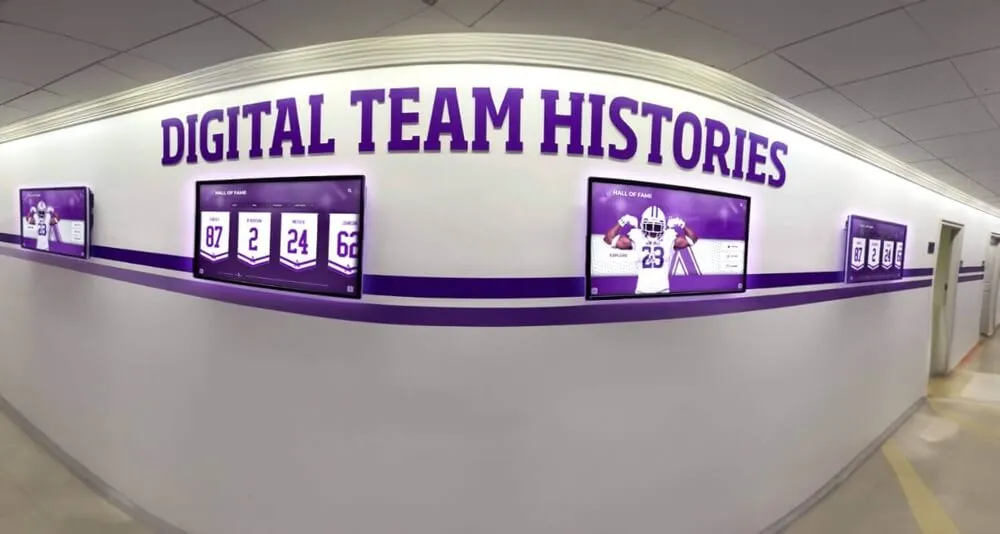
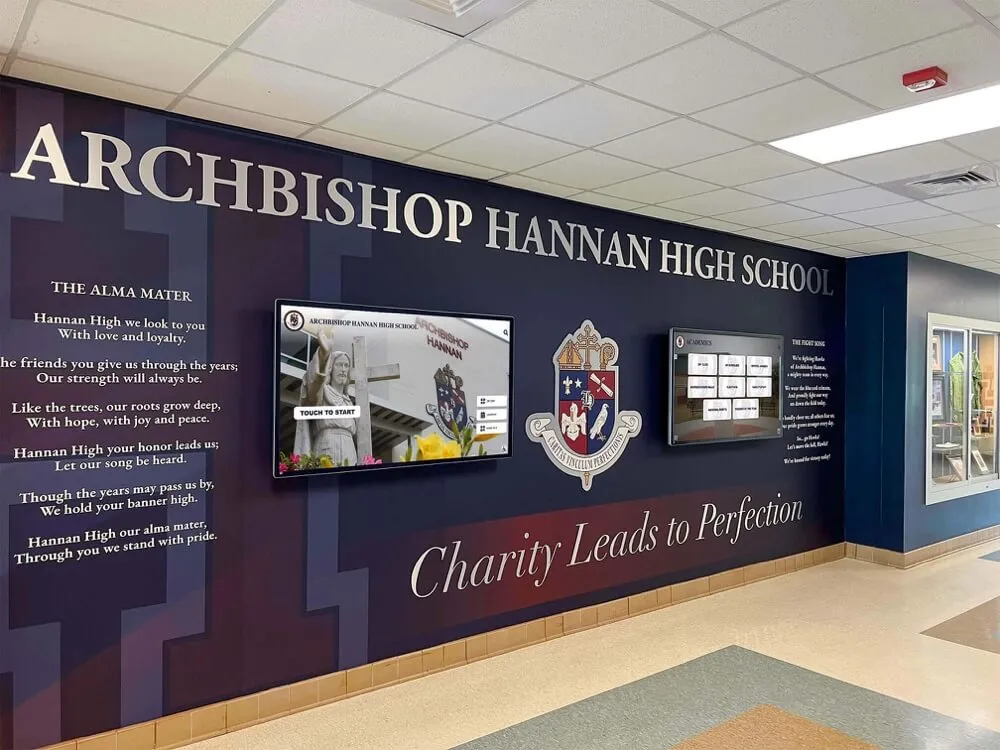
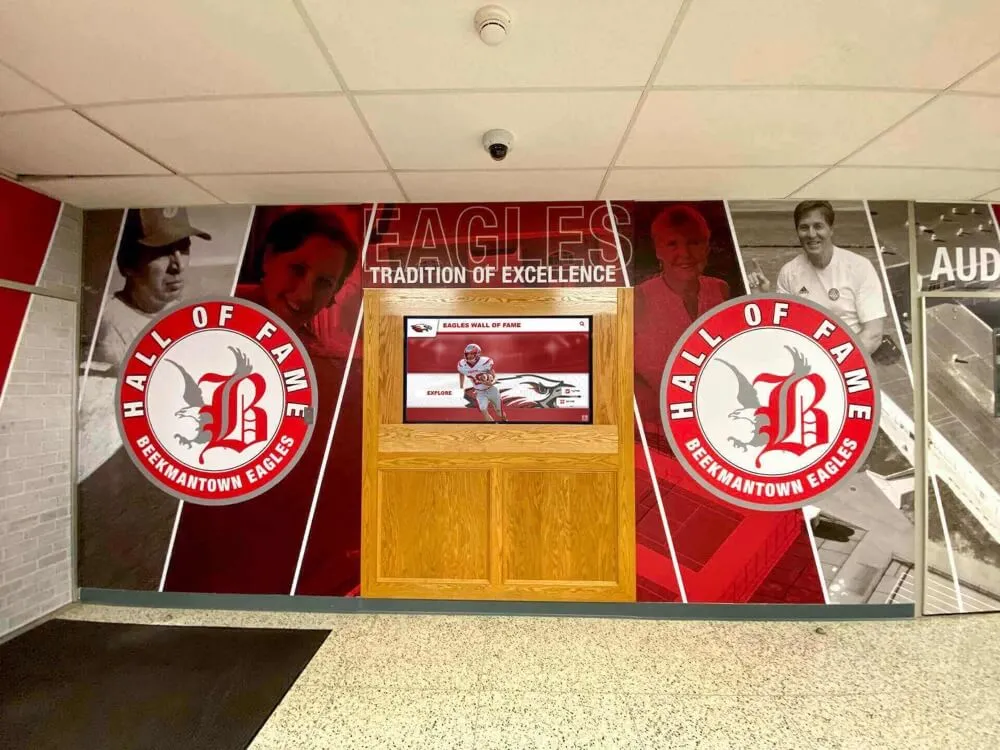
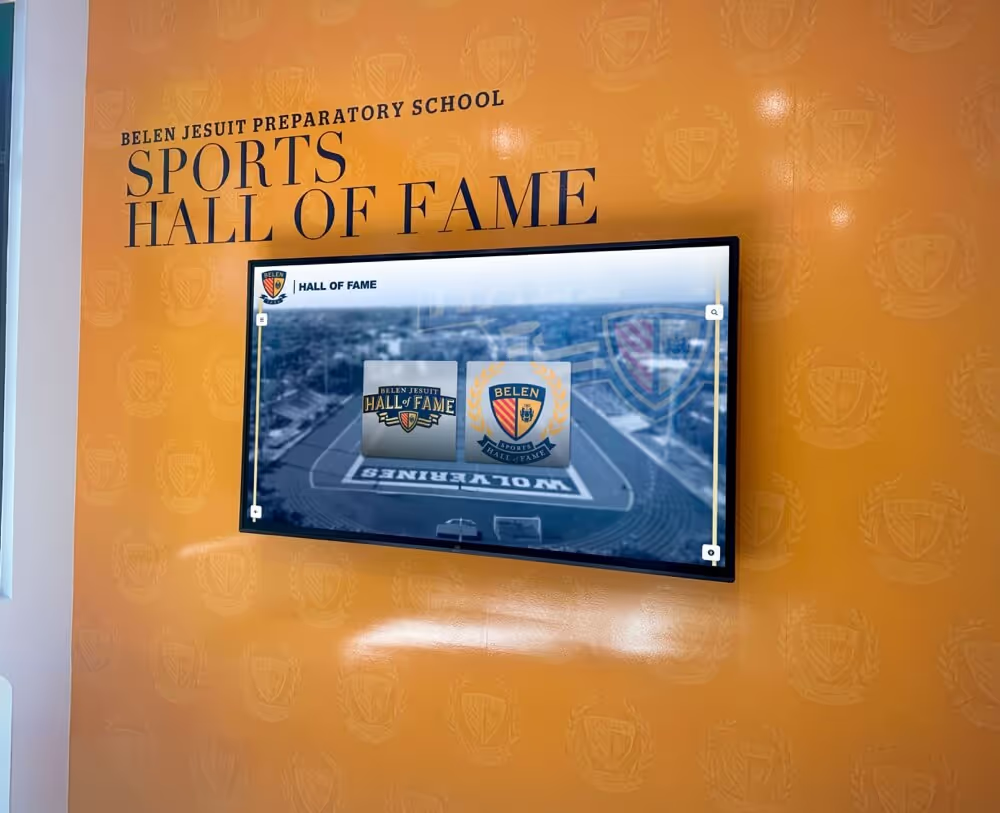
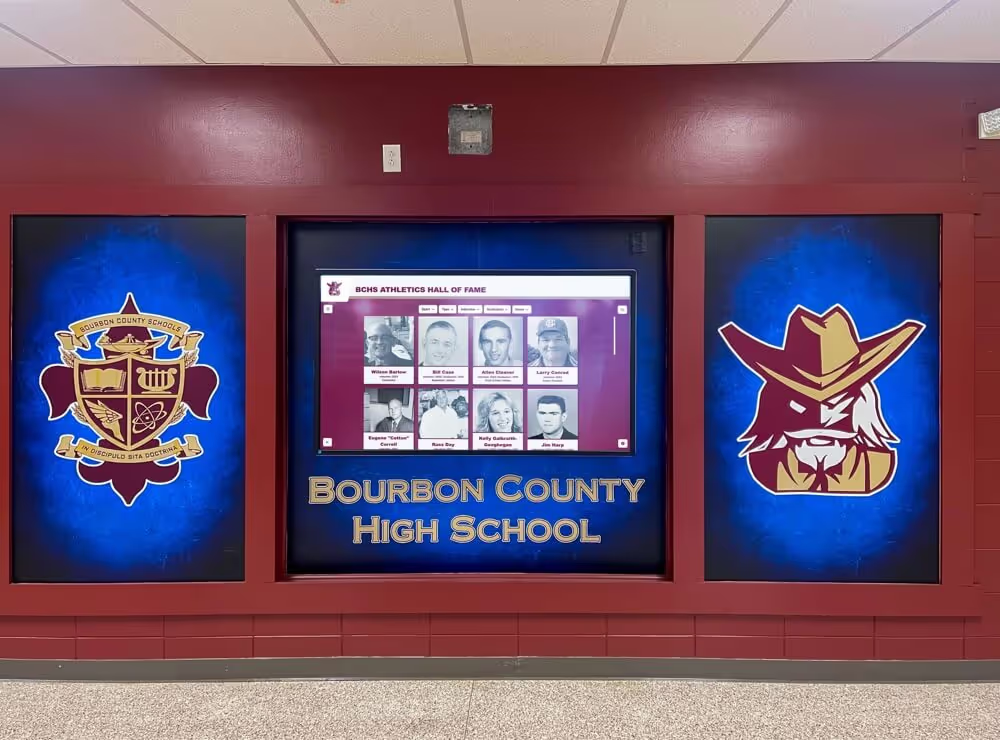
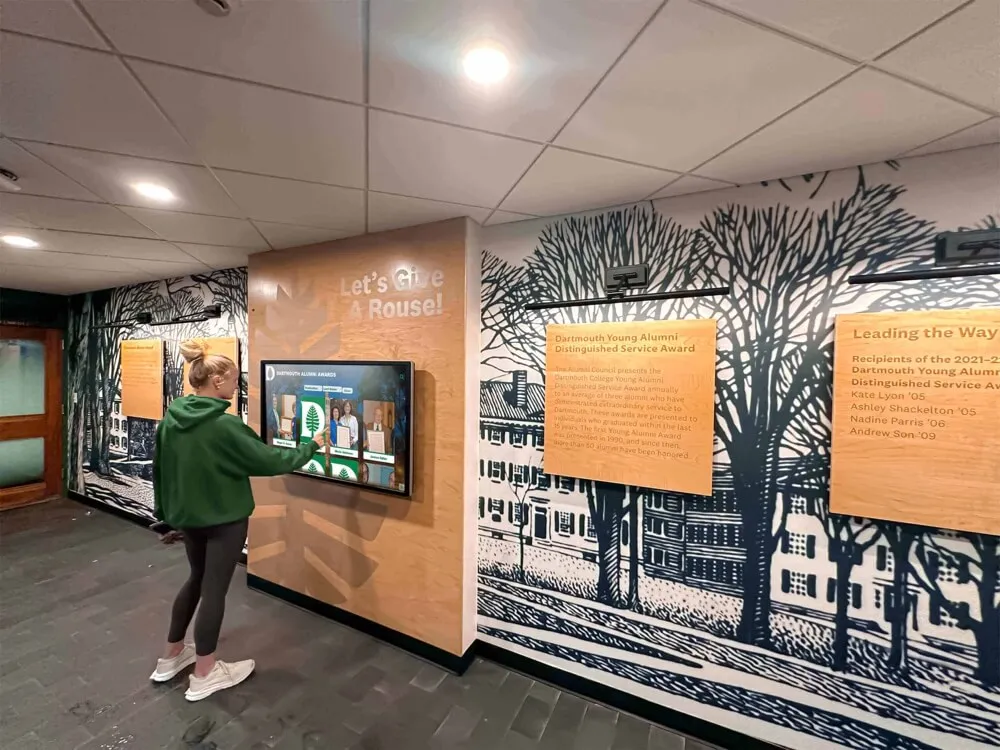
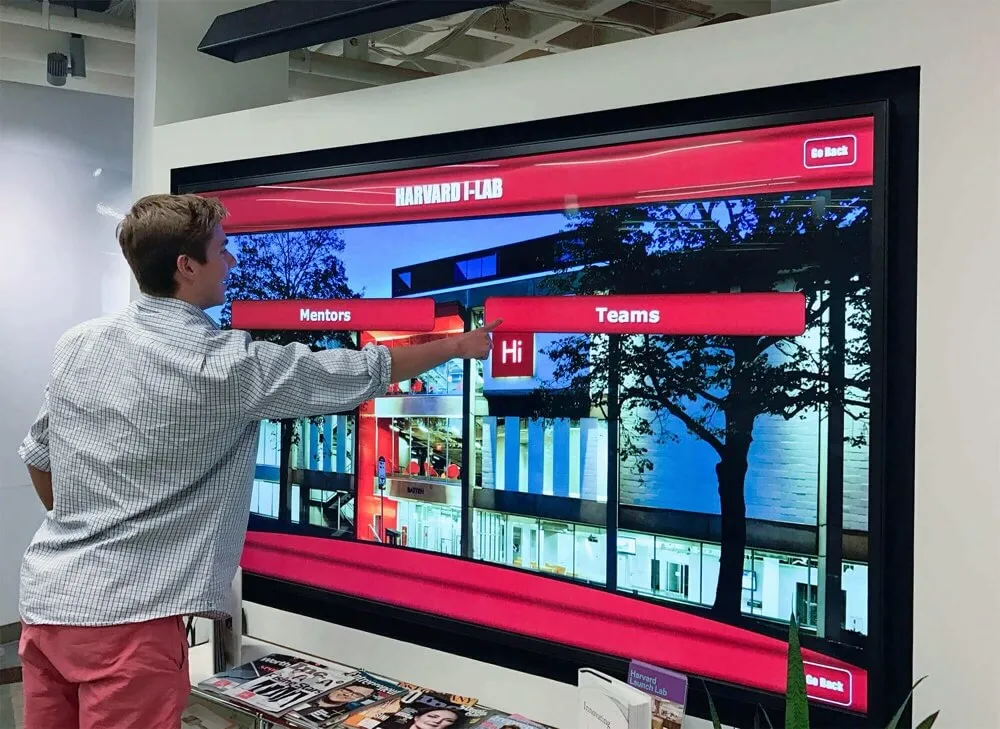
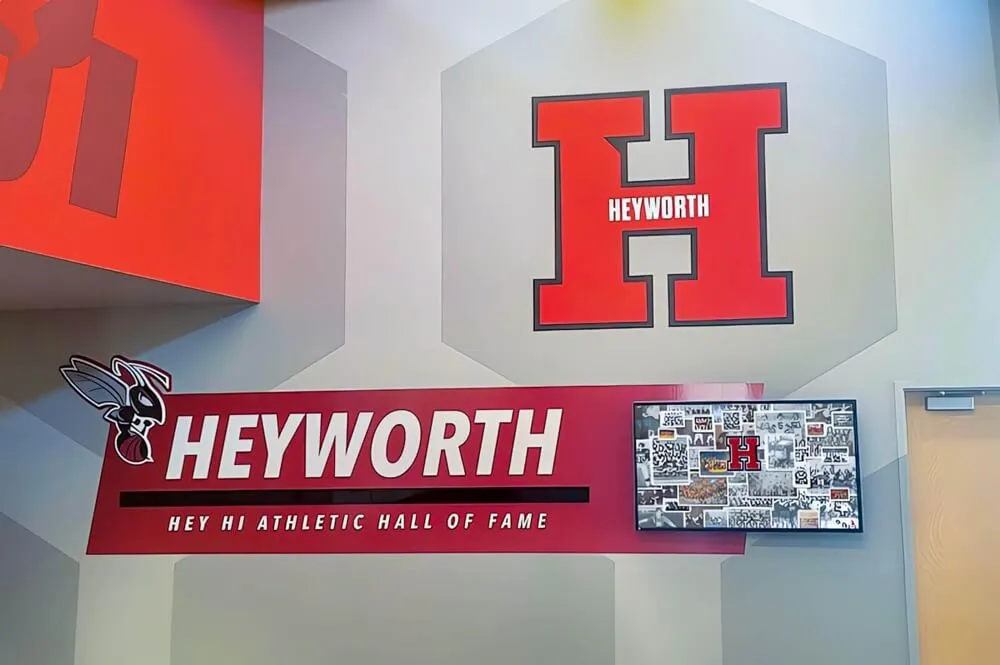
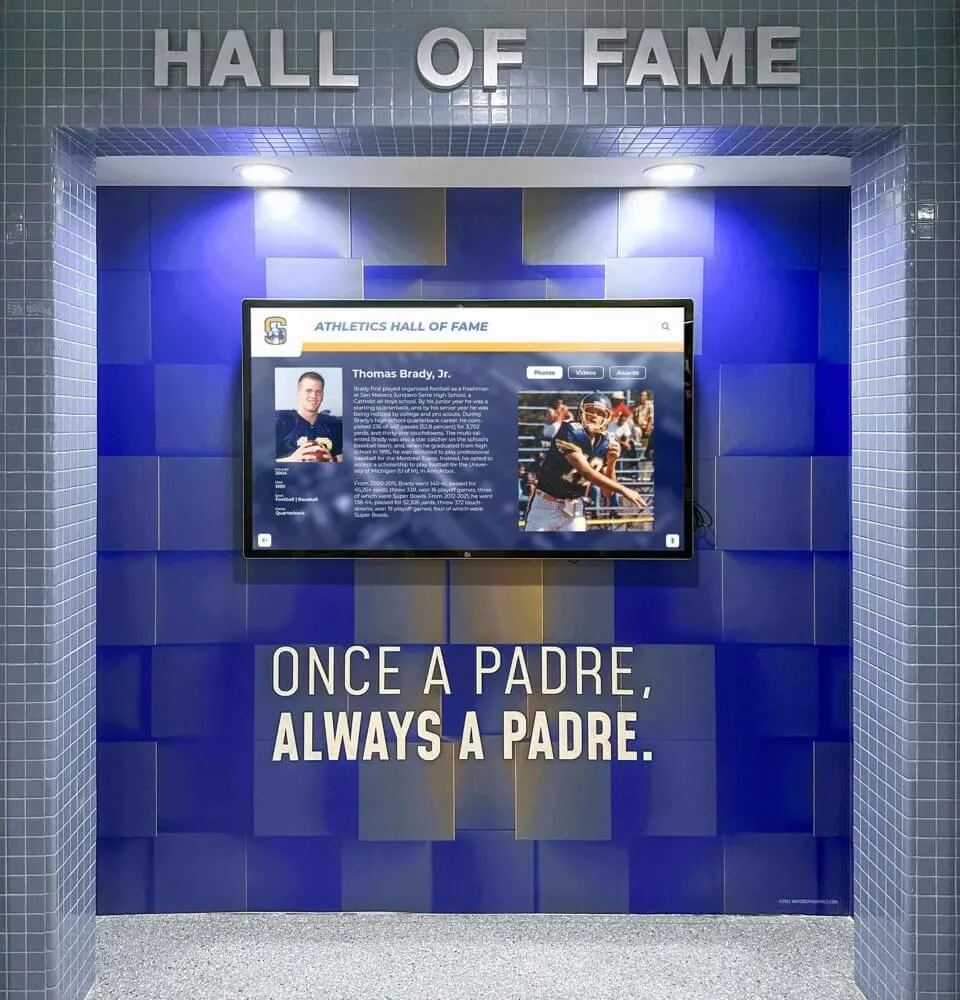
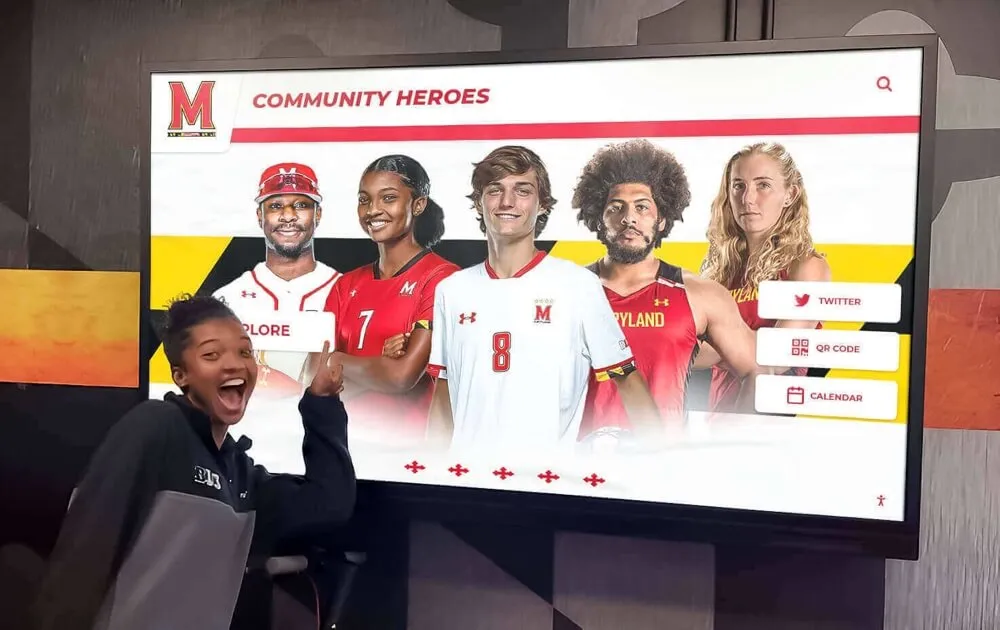
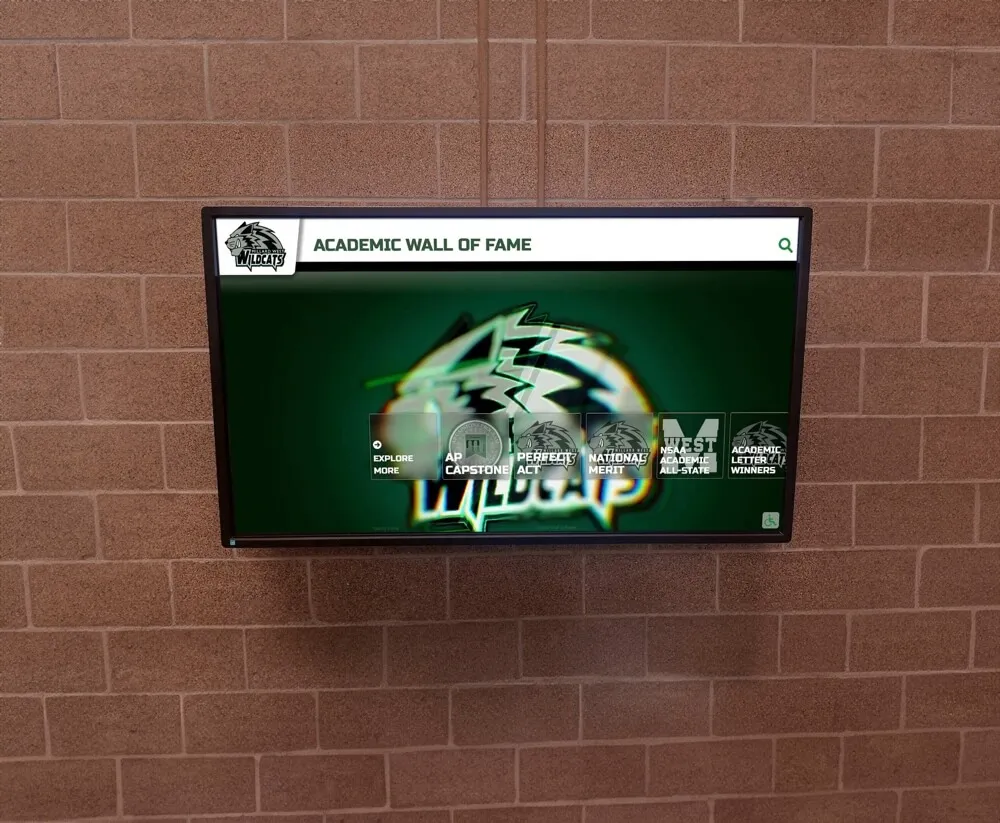
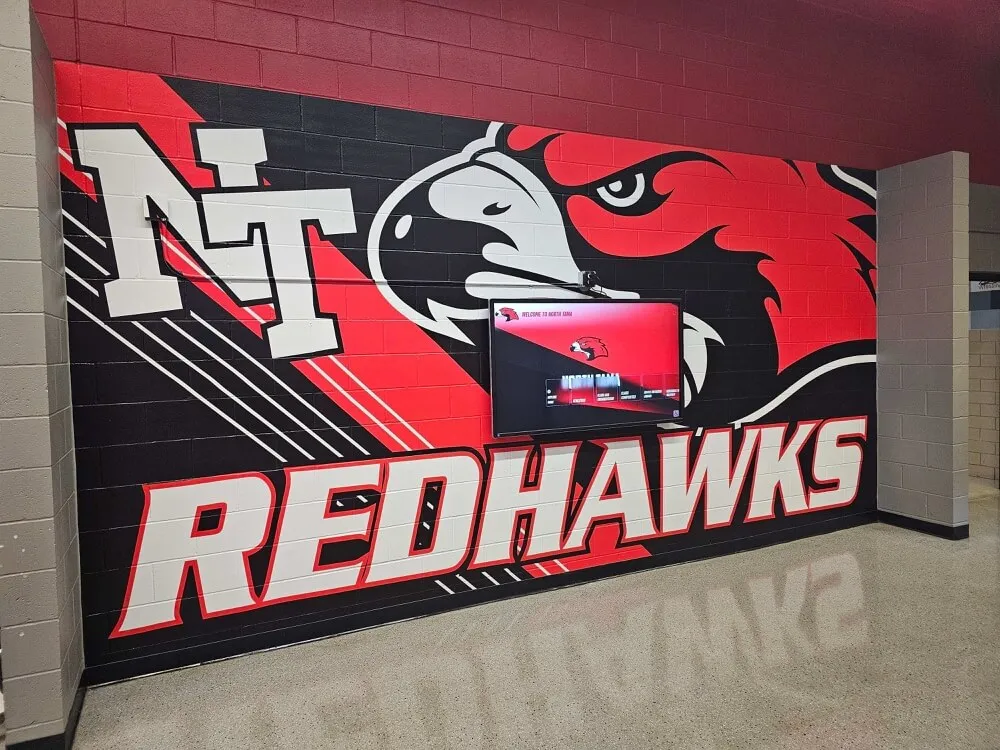
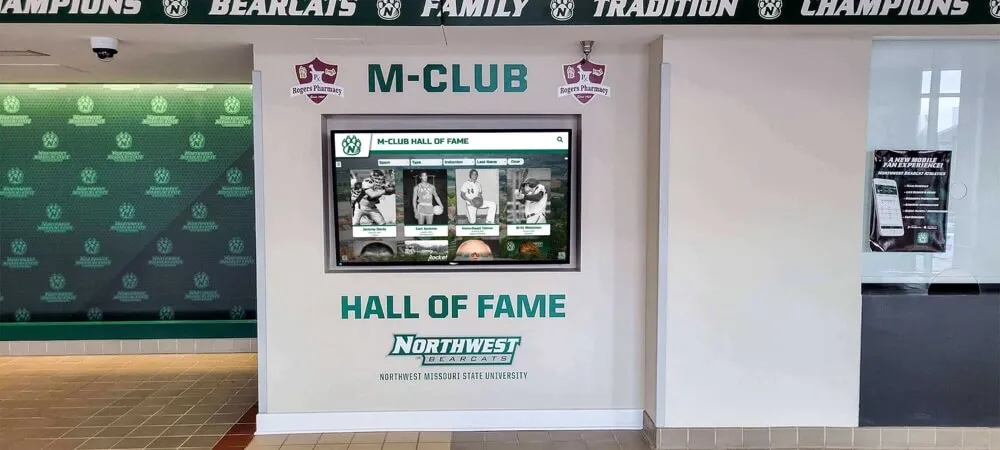
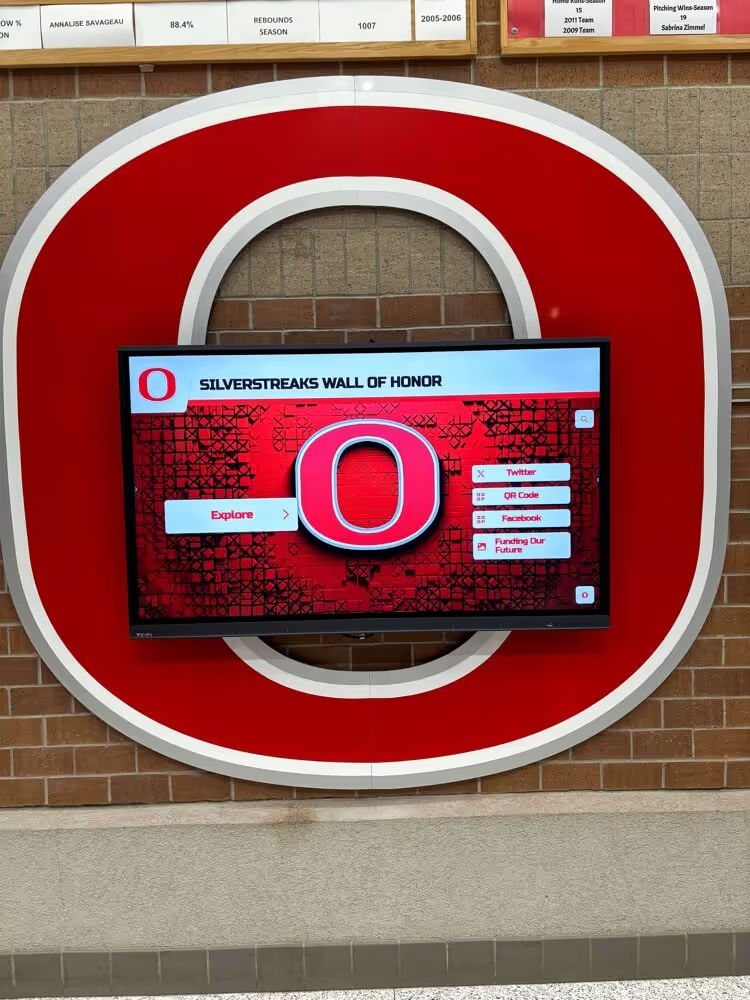
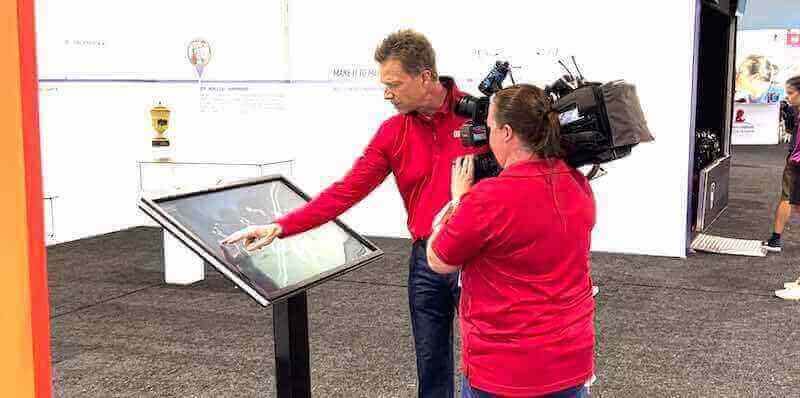
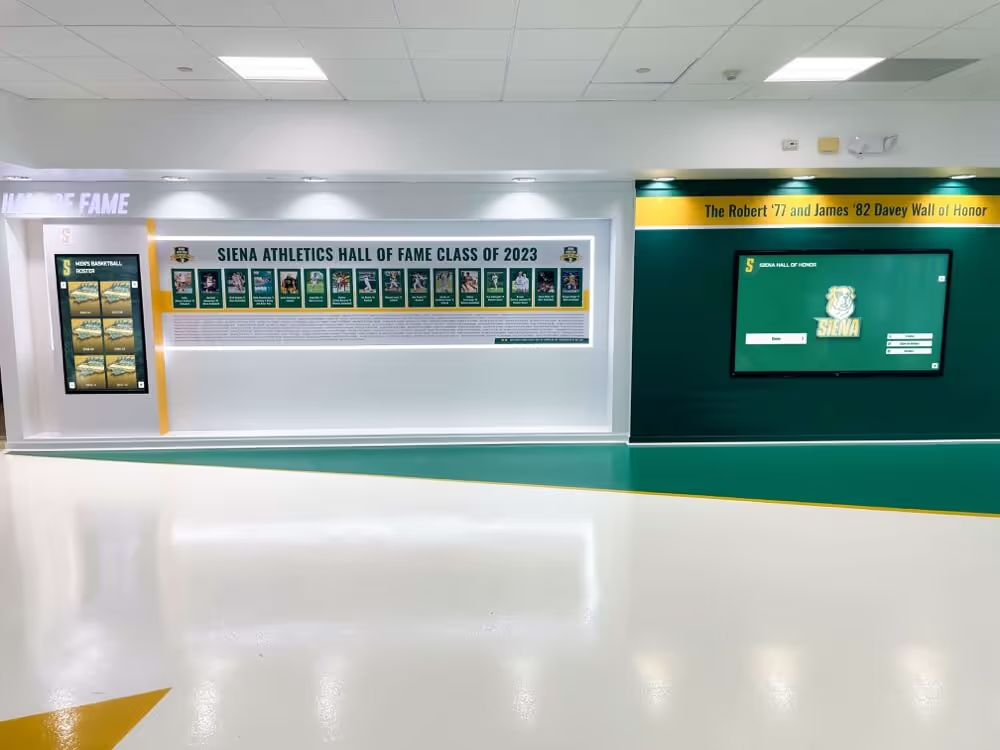
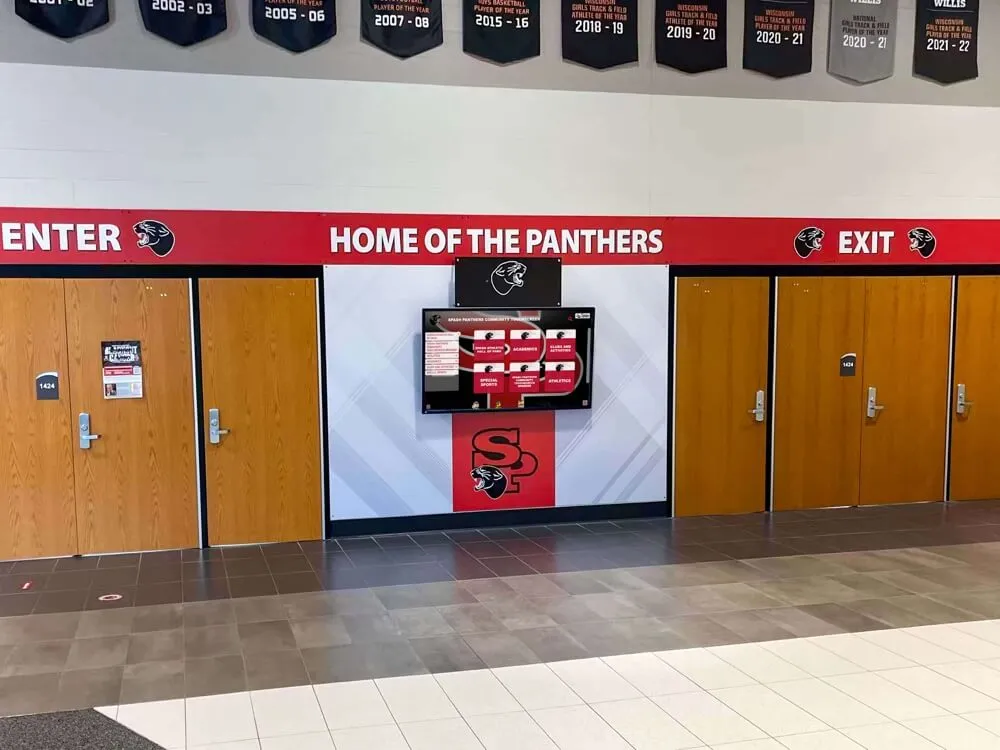
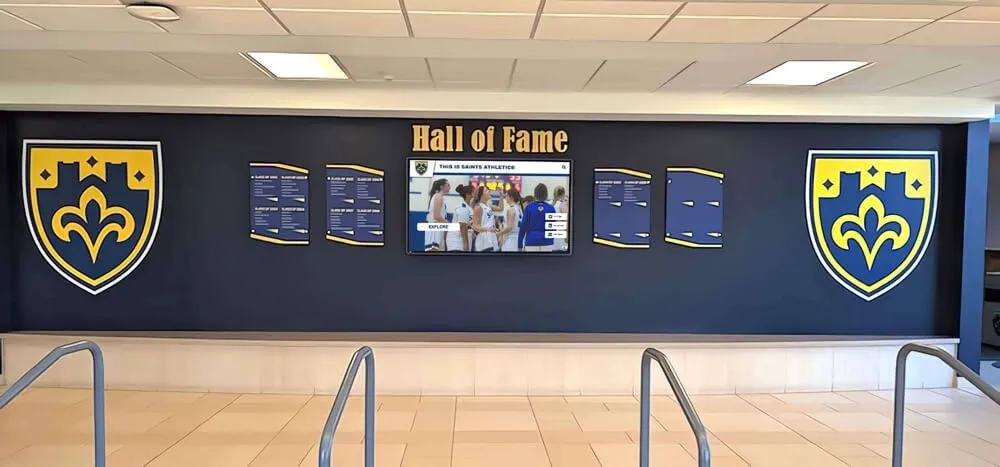
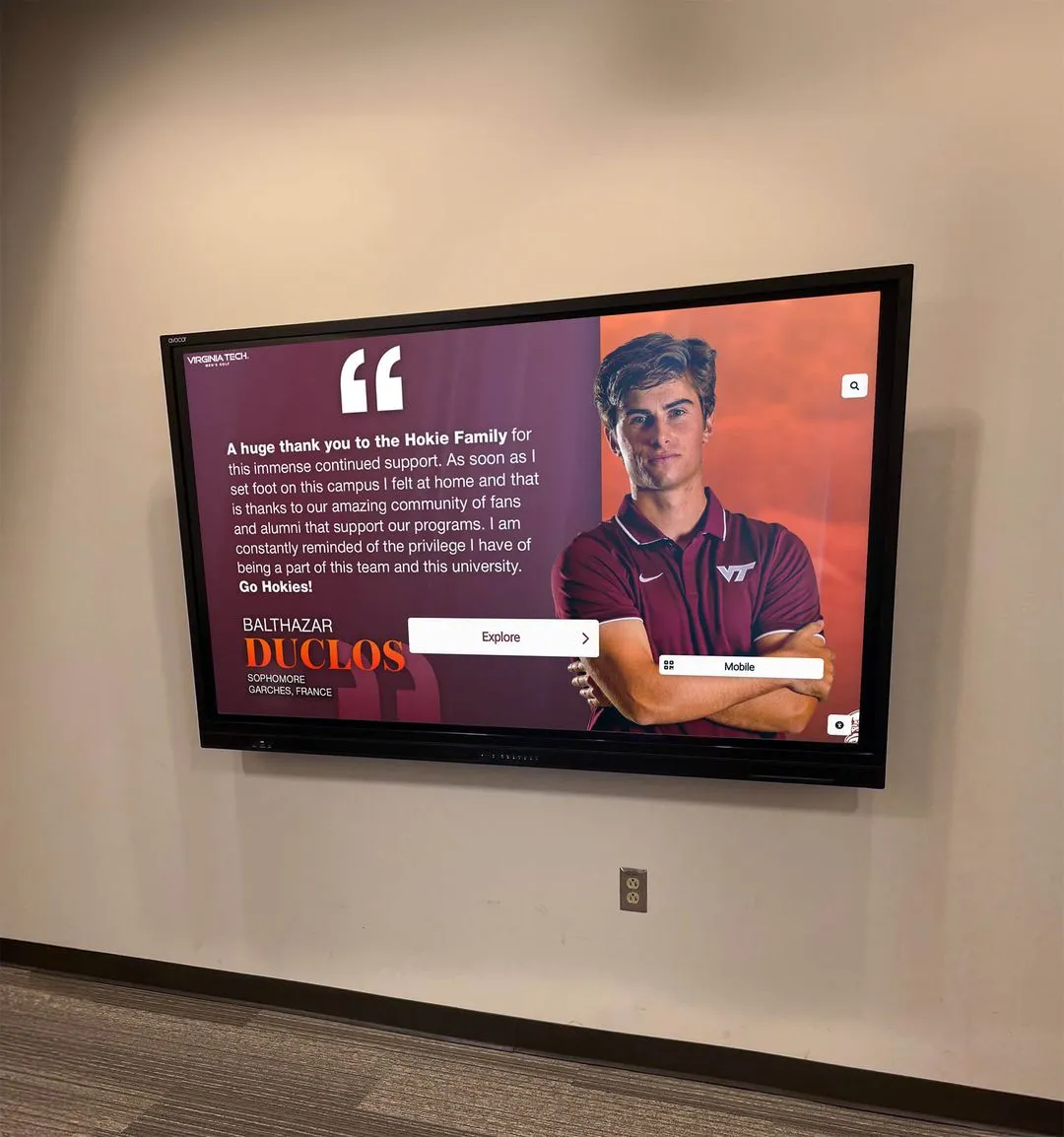
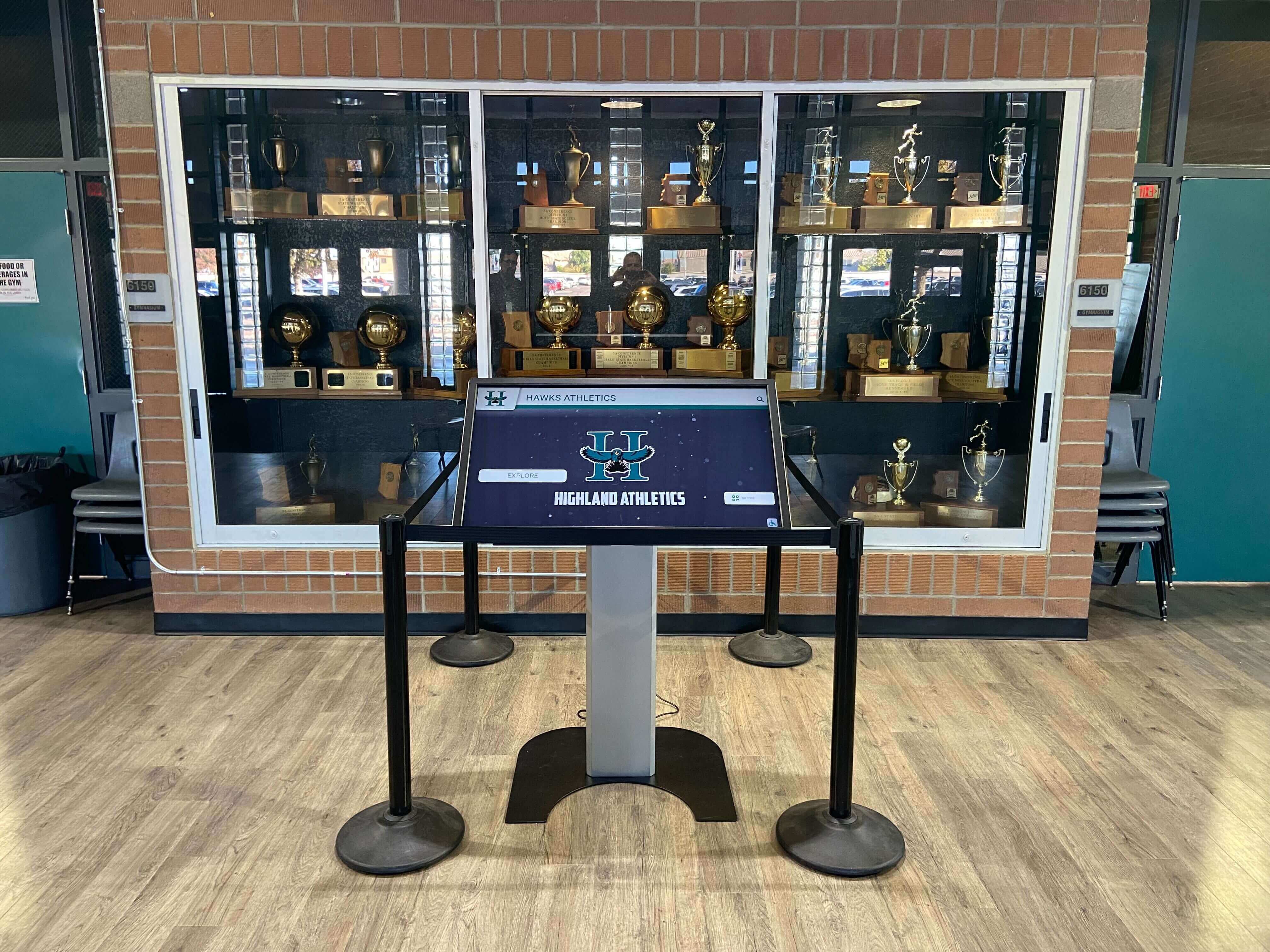
Modern trophy display solutions integrate seamlessly with traditional athletic displays while providing unlimited recognition capacity
Traditional Trophy Display Case Approaches and Design Strategies
Understanding conventional trophy display case options provides foundations for effective recognition planning, whether implementing traditional approaches or exploring modern alternatives.
Wall-Mounted Glass Trophy Cases
Classic wall-mounted glass cases remain the most common trophy display format in schools nationwide:
Standard Design Elements
Wall-mounted trophy cases typically feature tempered glass doors and sides providing 360-degree visibility, adjustable interior shelving accommodating various trophy sizes, integrated lighting (fluorescent or LED) illuminating contents dramatically, locking mechanisms protecting valuable awards, and interior backboards for mounting plaques or incorporating school colors and logos.
Quality wall-mounted cases measuring 48-72 inches wide by 48-60 inches tall cost $2,000-8,000 depending on materials, construction quality, custom features, and integrated lighting systems.
Strategic Placement Considerations
Wall-mounted trophy cases work best in high-traffic corridors connecting gymnasiums to main buildings, athletic department lobbies and administrative areas, main school entrance hallways ensuring whole-community visibility, cafeterias and commons areas where students gather daily, and dedicated athletic wings creating concentrated recognition zones celebrating program excellence comprehensively.
Location matters tremendously—cases in low-traffic areas receive minimal visibility regardless of content quality, while strategic placement in natural congregation spaces maximizes recognition impact across diverse school constituencies.
Capacity Planning and Long-Term Growth
Standard wall-mounted trophy cases hold approximately 25-40 trophies depending on size variety and arrangement density. Schools accumulating 20-30 new trophies annually exhaust single-case capacity within 1-2 years, requiring systematic expansion planning from initial installation.
Many schools underestimate long-term trophy accumulation, leading to overcrowded cases where individual achievements become indistinguishable, difficult decisions about which older trophies to remove when space fills, or rushed purchases of additional cases without cohesive design coordination creating mismatched recognition displays diminishing overall presentation quality.
Comprehensive approaches to athletic recognition planning demonstrate systematic capacity analysis ensuring trophy display systems accommodate realistic growth across decades without exhausting available facility space.
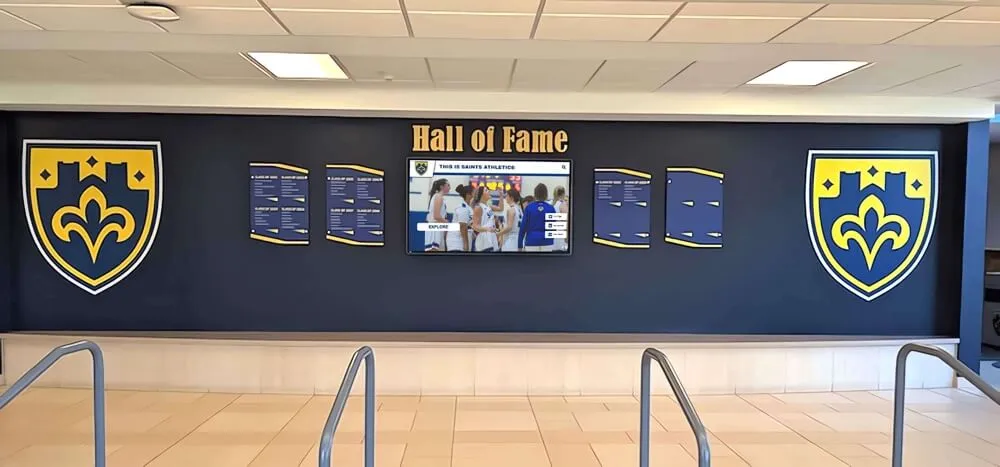
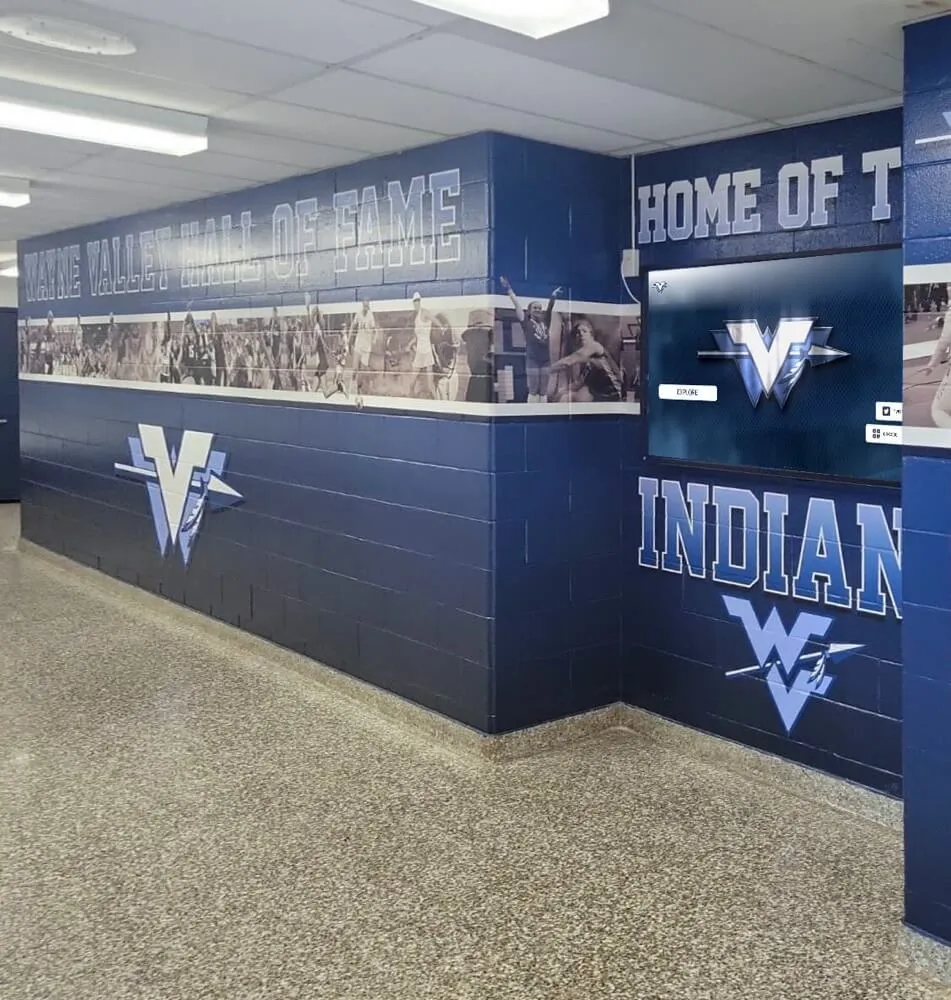
Coordinated trophy display installations create impressive recognition focal points celebrating comprehensive program excellence
Floor-Standing Display Cases and Free-Standing Units
Floor-standing trophy cases offer alternatives when wall mounting presents structural challenges or design constraints:
Advantages of Free-Standing Cases
Floor-standing units provide flexibility in placement enabling relocation as facility needs evolve, double-sided visibility when positioned as room dividers maximizing presentation surface area, larger display volumes accommodating more trophies per unit compared to wall-mounted alternatives, and installation independence from wall structure eliminating mounting limitations in buildings with concrete block construction or architectural restrictions.
Free-standing cases typically cost $3,000-12,000 depending on size, construction quality, lighting features, and custom design elements.
Design Integration and Aesthetic Considerations
Free-standing trophy cases function best as architectural features rather than furniture pieces—integrated into facility design through coordinated finishes matching surrounding architecture, strategic positioning creating natural traffic flow patterns, scale appropriate to space avoiding overwhelming small areas or appearing insignificant in large lobbies, and lighting design ensuring contents remain visible without creating glare or competing with ambient facility illumination.
Poorly integrated free-standing cases often appear as afterthoughts disrupting facility aesthetics rather than enhancing school environments through cohesive recognition infrastructure communicating institutional pride and design thoughtfulness.
Multi-Sport Organization Strategies
Larger floor-standing cases enable internal organization strategies including shelf zones dedicated to specific sports creating intuitive content discovery, chronological arrangements showing program evolution over time, achievement level separation distinguishing state championships from conference titles and tournament recognition, and rotating feature displays highlighting recent championships or special anniversary celebrations.
Thoughtful internal organization transforms trophy cases from simple storage displays into curated experiences guiding visitors through achievement narratives rather than overwhelming them with undifferentiated trophy collections lacking clear hierarchy or storytelling structure.
Custom Built-In Trophy Display Installations
Schools undertaking facility renovations or new construction can integrate trophy displays architecturally rather than treating recognition as add-on furniture:
Architectural Integration Advantages
Built-in trophy displays create seamless facility integration matching surrounding finishes and architectural language, maximize available space through custom dimensions designed for specific locations, incorporate sophisticated lighting integrated with building electrical systems, provide enhanced security through permanent installation and high-quality construction, and communicate institutional investment in recognition reflecting athletic program priority and cultural importance.
Custom built-in trophy displays typically represent significant investments ranging from $10,000-50,000+ depending on scale, materials, custom features, and integration complexity—but deliver unmatched aesthetic impact and long-term durability justifying premium costs for flagship recognition installations.
Specialty Design Features
Architectural trophy displays enable features impractical with standard cases including floor-to-ceiling installations maximizing vertical space, curved glass and unconventional geometries creating dramatic visual impact, integrated media displays combining physical trophies with digital content and video elements, specialty materials like hardwood millwork or stone bases connecting to broader facility design themes, and environmental controls protecting valuable historical trophies requiring climate management.
These specialty features transform trophy recognition from functional necessity into destination features visitors specifically seek out—Instagram-worthy installations building school pride while celebrating athletic excellence through presentation quality matching achievement significance.
Permanent Capacity Limitations
Despite substantial investment, custom built-in trophy cases still face finite capacity constraints. Schools must project realistic long-term trophy accumulation ensuring built-in displays accommodate 20-30 years of growth, plan expansion phases for additional recognition infrastructure as programs mature, or incorporate hybrid approaches combining selective physical trophy display with digital recognition systems providing unlimited documentation capacity preventing difficult removal decisions when space inevitably fills.
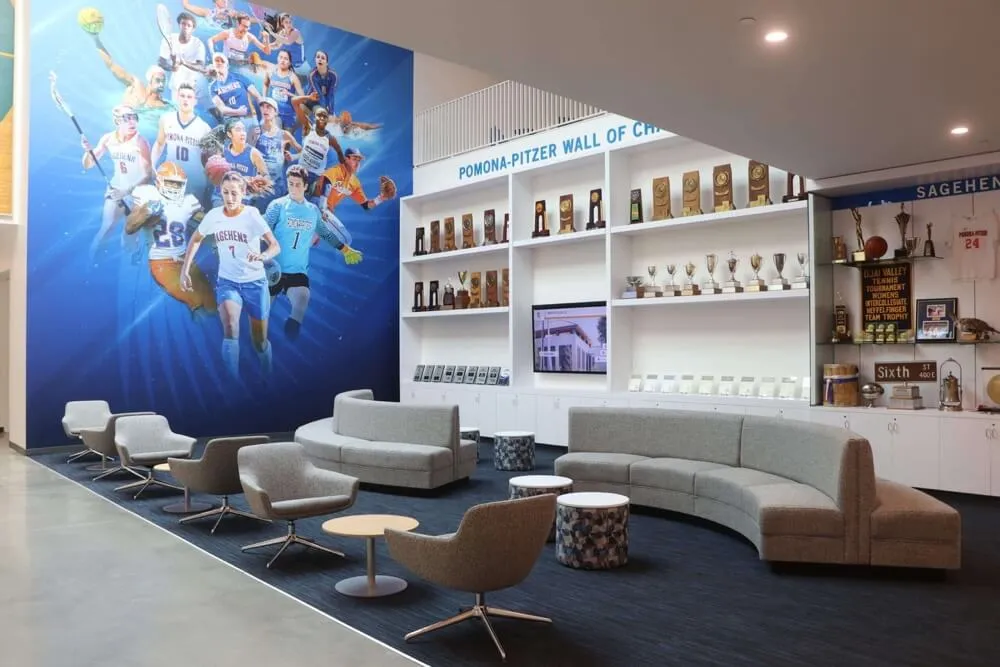
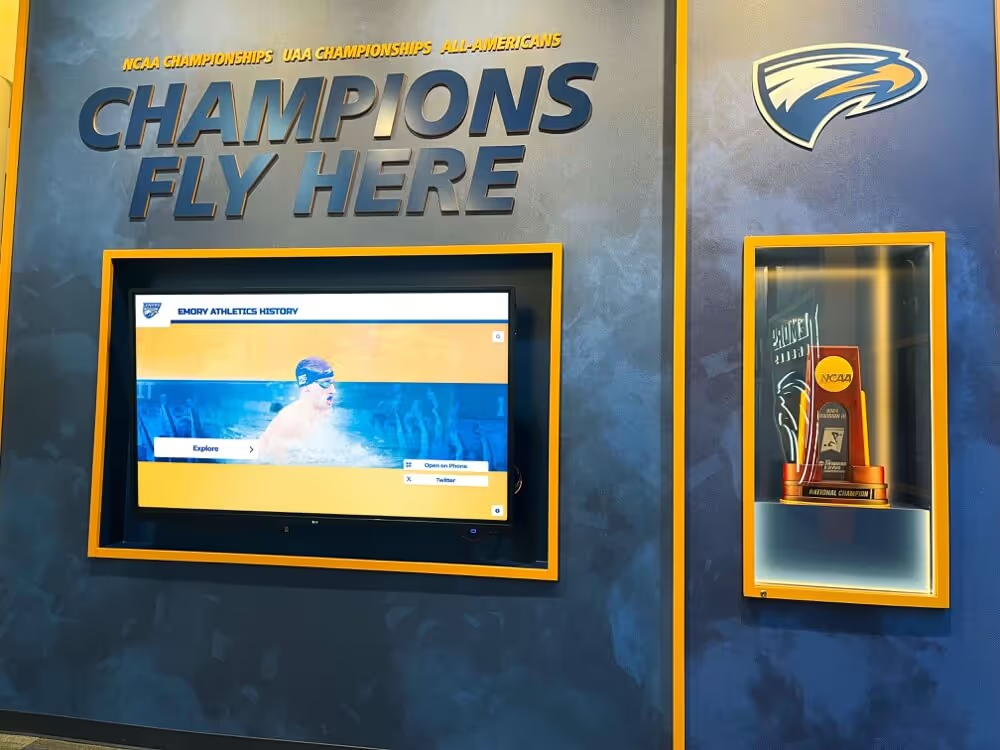
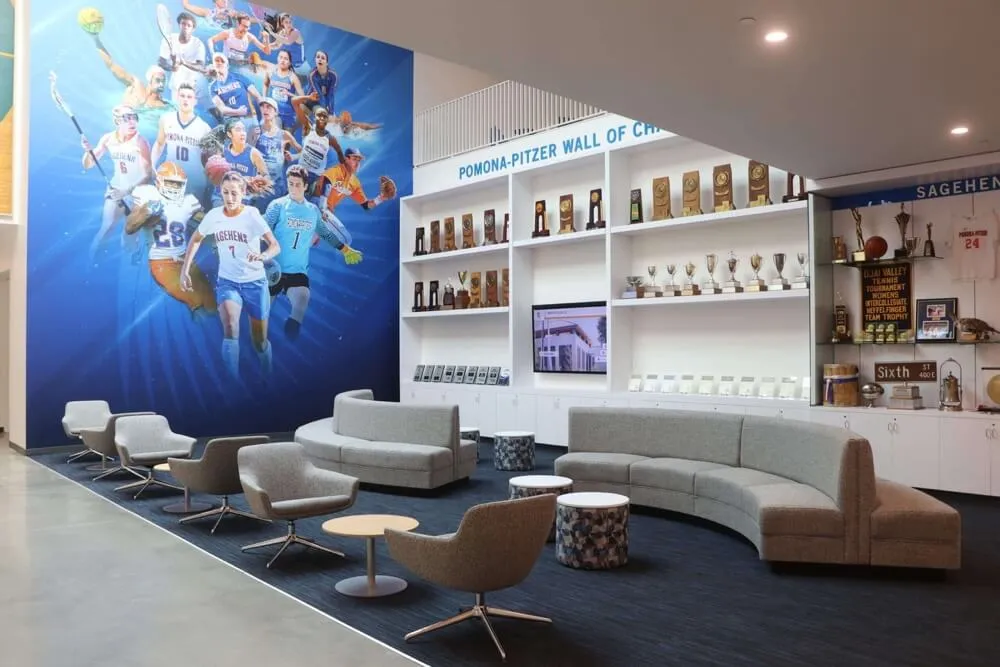
Comprehensive trophy displays integrated with athletic facility design create inspiring environments celebrating program tradition
Creative Physical Trophy Display Ideas Solving Space Constraints
When traditional trophy cases approach capacity, creative physical solutions extend recognition capacity before space limitations force difficult removal decisions.
Rotating Trophy Display Programs
Rather than displaying all trophies simultaneously, rotation strategies maintain fresh presentations while acknowledging comprehensive achievement:
Seasonal Rotation Schedules
Display trophies for sports currently in season creating relevant recognition, feature fall sports championships during football and soccer seasons, highlight winter sport achievements during basketball and wrestling competitions, and celebrate spring sports during baseball, softball, track, and lacrosse campaigns.
Seasonal rotation maintains perpetual freshness while ensuring every sport receives featured visibility during natural attention peaks when those programs compete and community interest runs highest.
Anniversary and Milestone Exhibitions
Create special displays celebrating program anniversaries like 50th year milestones, championship anniversaries honoring historic achievements at 10, 25, or 50-year intervals, coach retirement retrospectives documenting careers through trophy collections, and decade-focused exhibitions exploring 1970s championships, 1980s excellence, or 2000s competitive achievements.
These rotating exhibitions create ongoing engagement reasons for alumni and community members to visit facilities specifically for special recognition presentations rather than viewing trophy displays as static installations never changing across decades.
Practical Implementation Challenges
Rotation programs require significant administrative commitment including physical trophy handling and case rearrangement quarterly or seasonally, systematic documentation ensuring all trophies eventually receive display rotation, storage systems maintaining trophy quality during non-display periods, and communication promoting rotating exhibitions ensuring community awareness rather than silent changes no one notices.
Schools lacking dedicated staff capacity often struggle maintaining rotation schedules, leading to good intentions that fade as administrative energy moves to more pressing daily priorities requiring immediate attention.
Wall-Mounted Individual Trophy Shelves
Rather than concentrating trophies in cases, distributed individual shelves expand capacity dramatically:
Distributed Recognition Benefits
Wall-mounted individual shelves utilize corridor walls transforming linear hallway footage into recognition capacity, create impressive visual impact through scale impossible with compact cases, enable clear trophy identification through dedicated space eliminating crowding making individual pieces indistinguishable, and provide natural expansion capability simply adding shelves as new trophies arrive rather than requiring complete case replacement when capacity fills.
High-quality wall-mounted trophy shelves with integrated LED lighting cost $200-600 per unit depending on size and features—enabling incremental capacity expansion matching actual need rather than expensive large-case purchases adding unnecessary capacity upfront.
Design Coherence and Visual Organization
Successful distributed trophy displays require careful coordination including consistent shelf design, size, and finish creating visual unity, strategic spacing preventing cluttered appearance while maintaining efficient wall utilization, hierarchical organization grouping state championships separately from conference titles creating clear achievement categories, and supplementary signage providing context visitors need understanding achievement significance and chronological organization.
Without design coordination, distributed trophy shelves risk appearing random and chaotic rather than intentional recognition infrastructure communicating institutional pride and thoughtfulness.
Maintenance and Security Considerations
Individual wall-mounted shelves lack protective glass enclosures exposing trophies to damage, dust accumulation requiring regular cleaning, and potential theft concerns in schools with security challenges. Acrylic covers can protect individual trophies but add costs and complexity while potentially diminishing aesthetic appeal through visual barriers.
Schools must evaluate whether distributed open displays match their specific facility security conditions and maintenance capacity before pursuing approaches requiring ongoing stewardship beyond enclosed case convenience.
Championship Banner and Pennant Displays
Supplementing physical trophy cases with textile recognition expands capacity while creating dramatic visual impact:
Banner Recognition Advantages
Championship banners provide cost-effective recognition at $100-500 per banner compared to $2,000+ trophy cases, utilize vertical ceiling space often underutilized for recognition, create impressive visual scale commanding attention throughout facilities, communicate achievement instantly through simplified graphics visible at distance, and enable easy updates simply adding new banners annually without complex case modification.
Many schools implement banners as primary championship recognition with actual trophies in athletic offices or distributed throughout facilities in smaller displays.
Design and Production Considerations
Effective championship banners require consistent design templates maintaining visual coherence as collections grow, clear information hierarchy prioritizing readability at distance over detailed content, color coordination matching school branding and facility design, durable materials withstanding environmental conditions over years or decades, and professional production quality communicating appropriate institutional pride rather than homemade appearance diminishing achievement significance.
Most schools partner with specialized banner vendors providing design services, professional production, and hanging hardware ensuring installations that maintain quality appearance across years of display.
Installation and Mounting Requirements
Banner display requires appropriate ceiling height (minimum 12-14 feet) providing adequate visibility, secure mounting hardware supporting banner weight safely, balanced visual distribution preventing clustering in some areas while leaving others empty, and consideration of sight lines ensuring banners enhance rather than obstruct facility function and emergency signage visibility.
Comprehensive approaches to school sports recognition demonstrate how banner programs complement trophy displays creating comprehensive celebration spanning multiple presentation formats and facility locations.

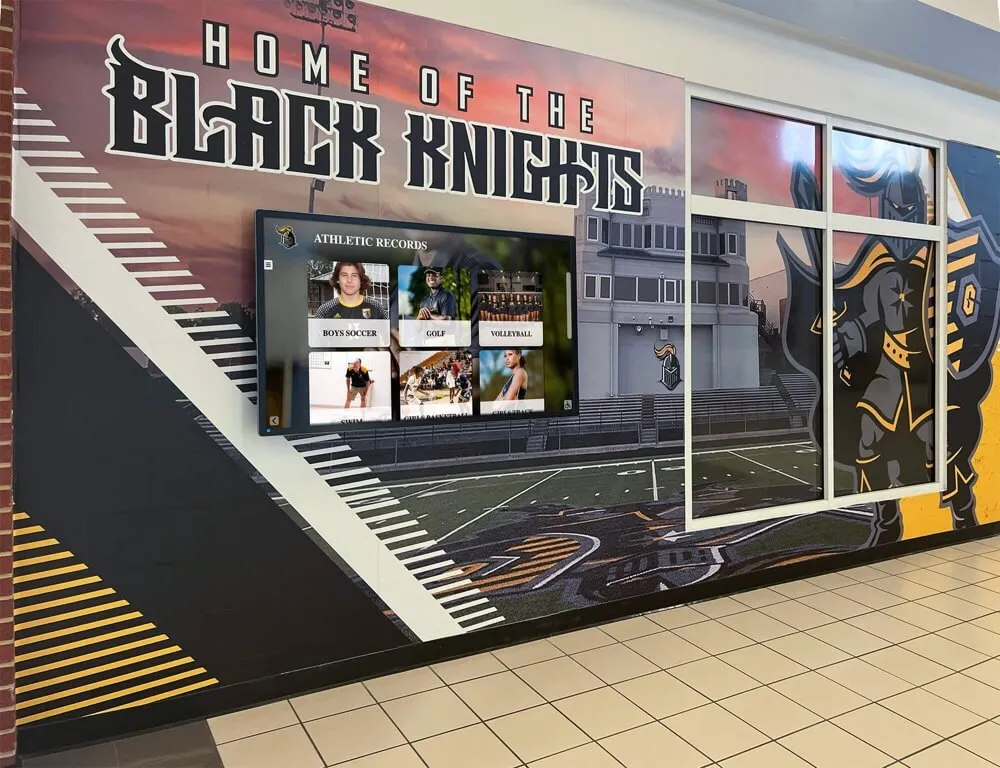
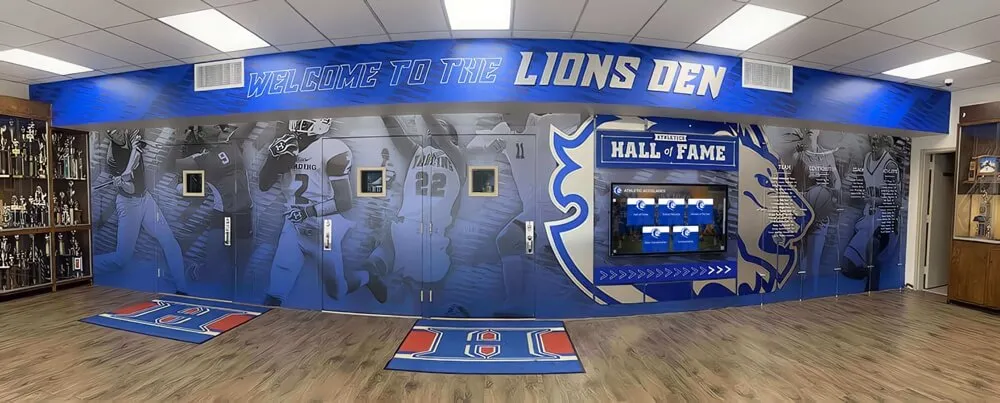
Coordinated recognition environments combine multiple display formats creating immersive celebration of athletic tradition
Modern Digital Trophy Display Solutions Eliminating Capacity Constraints
Digital trophy displays represent fundamental advancement in athletic recognition—eliminating space limitations while creating engaging interactive experiences impossible with physical cases regardless of budget or facility size.
Understanding Digital Trophy Display Technology
Digital trophy displays leverage touchscreen technology and cloud-based content management solving traditional limitations:
Unlimited Recognition Capacity
Single touchscreen displays accommodate unlimited trophies—hundreds or thousands of detailed profiles accessible through intuitive search and filtering. Schools never face removal decisions or expansion projects when recognition needs exceed available wall space. Every trophy—from state championships to conference titles and tournament awards—receives permanent recognition regardless of how extensive collections become across decades of athletic tradition.
This unlimited capacity proves transformative for comprehensive programs recognizing achievements across all sports spanning institutional histories where physical cases would require entire wings dedicated exclusively to trophy display.
Rich Multimedia Storytelling Capabilities
Digital platforms enable comprehensive trophy profiles including high-resolution trophy photographs showing detail impossible in crowded cases, complete team rosters with individual athlete recognition and statistics, video highlight compilations preserving championship games and memorable moments, detailed achievement narratives explaining championship significance within program history, and newspaper coverage and historical documentation providing rich context.
This multimedia depth transforms simple trophy acknowledgment into compelling storytelling creating emotional connections with achievements while preserving institutional memory for future generations.
Instant Content Updates Without Physical Modification
Cloud-based content management enables immediate recognition updates without contractor coordination. When teams win championships on Saturday, athletic directors can publish digital recognition by Monday morning—updates appearing instantly rather than requiring months-long engraving and installation processes creating recognition delays that undermine psychological impact during peak attention periods.
Schools report 60-75% administrative time reduction maintaining digital trophy recognition compared to traditional approaches requiring vendor coordination for each update.
Universal Web-Based Accessibility
Modern digital trophy platforms provide responsive web access enabling alumni anywhere in the world to revisit championships they earned, prospective student-athletes to research program tradition during recruitment, families to share recognition with extended networks through social media integration, and community members to explore athletic heritage without visiting physical facilities during limited school hours.
This universal accessibility dramatically expands recognition reach and impact compared to physical cases serving only people present in specific buildings during operating hours.
Solutions like Rocket Alumni Solutions provide purpose-built platforms specifically designed for athletic trophy recognition, combining commercial-grade touchscreen hardware with intuitive content management and engaging interactive features administrators can maintain without specialized technical expertise.
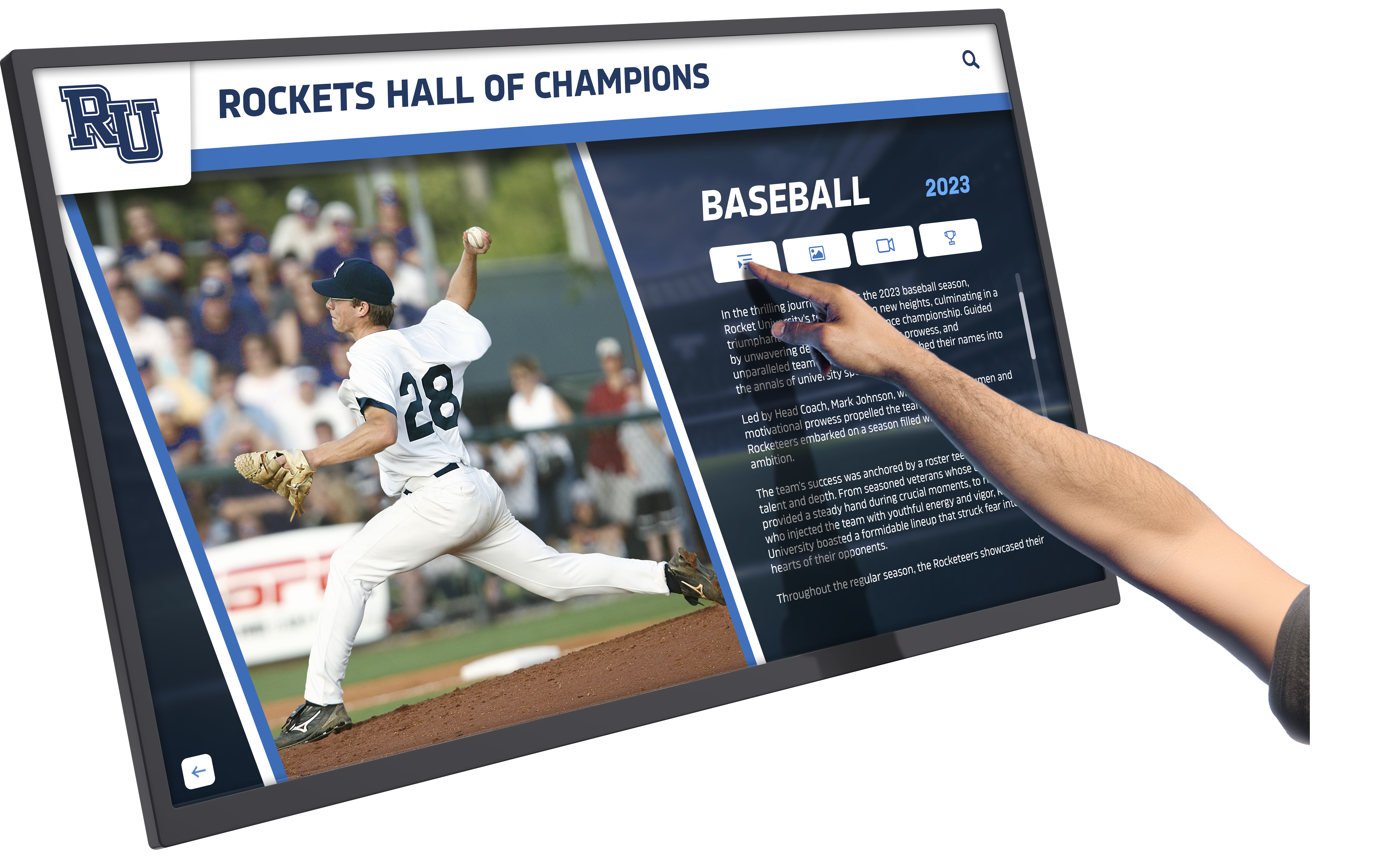
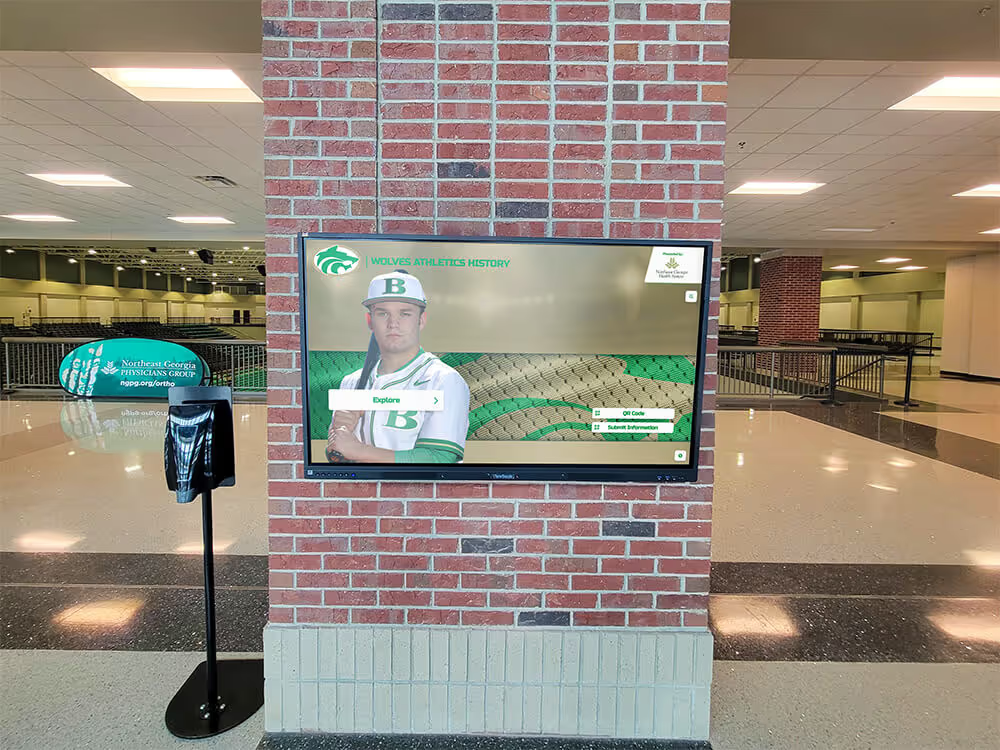
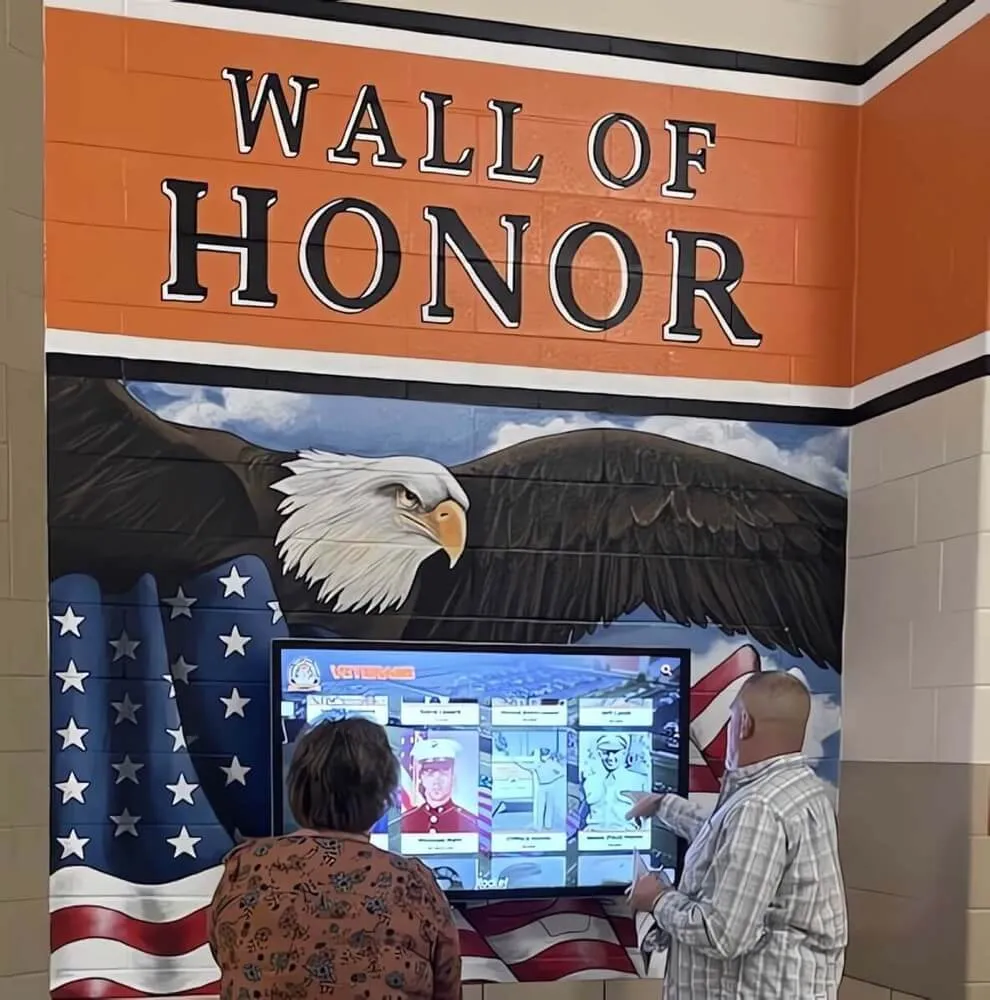
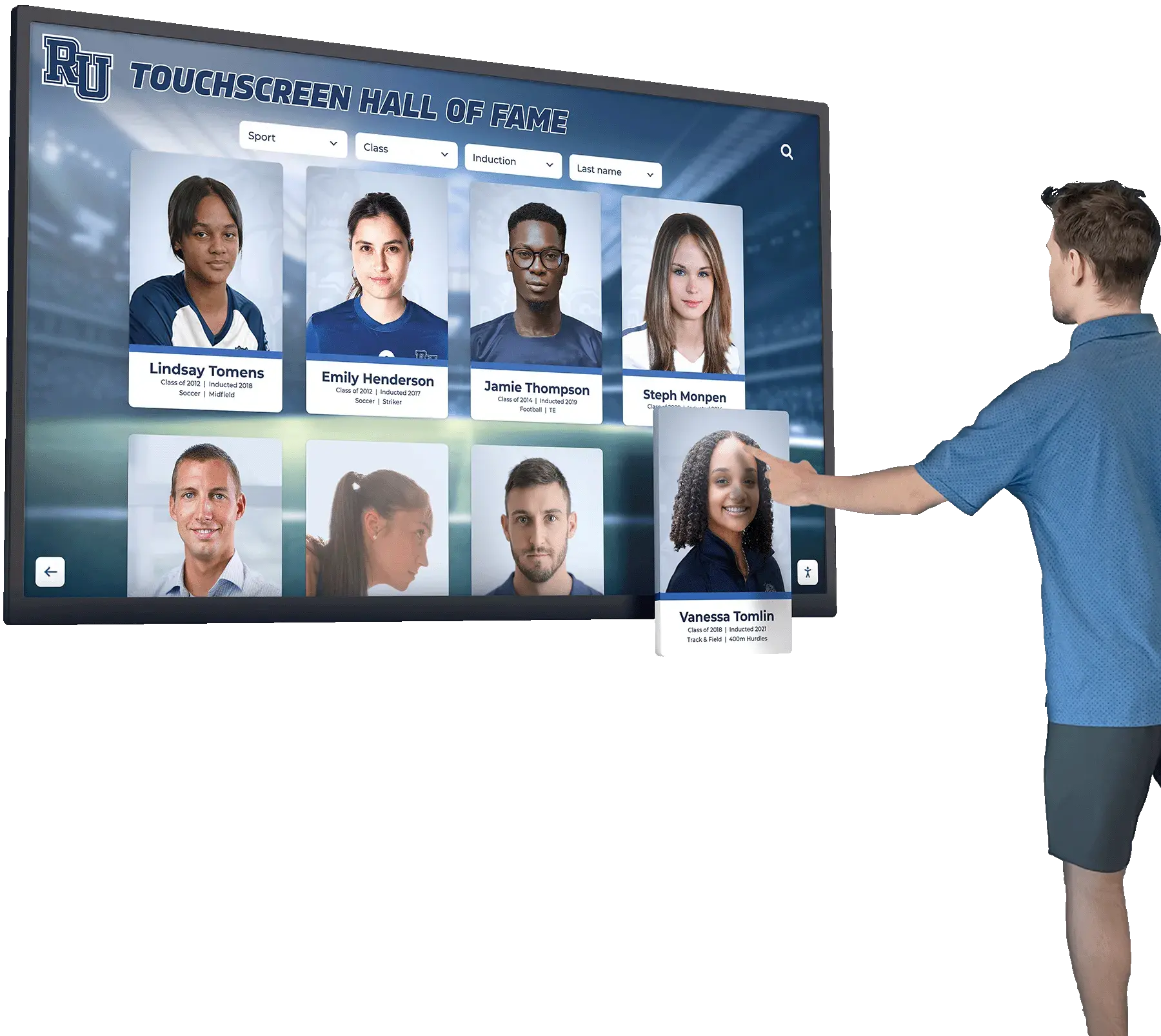
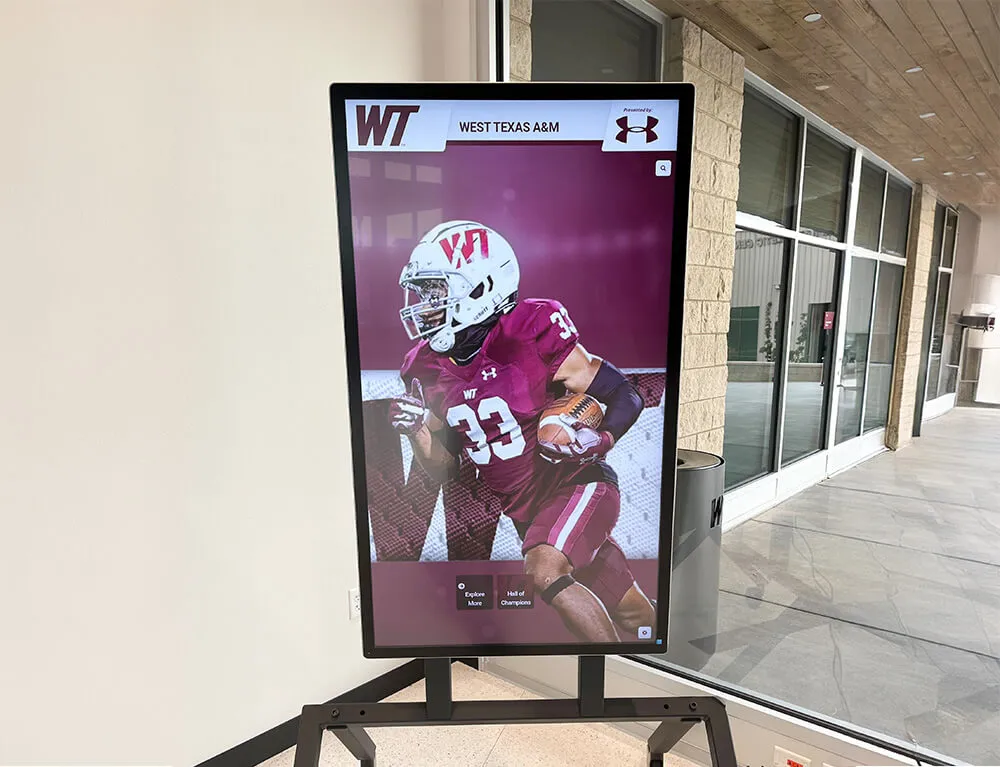
Intuitive touch interfaces enable natural exploration with instant access to unlimited trophy recognition and detailed achievement profiles
Digital Trophy Display Experience Design
Effective digital trophy displays require thoughtful experience design creating engagement rather than simple information presentation:
Hero Zone and Institutional Branding
The top screen portion establishes context through prominent school logos and colors creating instant institutional connection, clear display titles identifying recognition purpose (“Championship Trophy Collection,” “Wall of Champions”), optional rotating featured content spotlighting recent championships or historic achievements, and clean, uncluttered design communicating professionalism and institutional pride.
The hero zone serves as visual anchor orienting visitors immediately while setting aesthetic tone for the entire trophy recognition experience.
Intuitive Navigation Architecture
Navigation enables content discovery through browse by sport organizing trophies according to athletic programs, browse by year enabling chronological exploration, championship level filtering separating state titles from conference and tournament recognition, and powerful search functionality allowing direct discovery when visitors seek specific teams or achievements.
Touch targets must be large (minimum 44x44 pixels) with adequate spacing preventing accidental selections. Navigation labels should use plain language rather than jargon, ensuring visitors of all ages understand options immediately without requiring instructions.
Content Display and Information Hierarchy
Central screen areas present trophy profiles through grid-based card layouts displaying multiple trophies simultaneously with photographs and achievement summaries, detailed trophy profile views providing comprehensive information when visitors select specific championships, timeline visualizations showing championship progression over decades, and comparison views showing trophy counts across sports or eras.
These varied presentation modes serve different visitor intentions—some seeking specific championships, others exploring general program tradition, and others analyzing comparative excellence requiring different presentation approaches.
Accessibility Compliance Requirements
Digital trophy displays must serve all community members through text contrast ratios meeting minimum 4.5:1 for body text ensuring readability for vision-impaired visitors, adequate touch target sizing (44x44 pixel minimum) with sufficient spacing, display mounting heights placing primary controls 15-48 inches from floor enabling wheelchair accessibility, and video captions supporting deaf and hard-of-hearing community members accessing multimedia content.
Schools must verify accessibility compliance before finalizing purchases, ensuring recognition systems genuinely serve all constituencies equitably. Resources on digital recognition display implementation provide detailed accessibility checklists ensuring inclusive recognition serving diverse community members.
Hybrid Approaches Combining Physical and Digital Recognition
Many schools find that combining selective physical trophy displays with comprehensive digital systems creates optimal recognition serving diverse stakeholder preferences:
Selective Physical Trophy Prominence
Maintain traditional trophy cases displaying most prestigious trophies including state championships commanding ceremonial significance, historic trophies with exceptional aesthetic or symbolic value representing institutional heritage, recent championship trophies while excitement remains highest, and trophies specifically donated or commemorated with donor expectations of physical display requiring tangible presence.
Physical trophy displays preserve ceremonial significance creating powerful focal points commanding immediate attention and respect that many stakeholders—particularly older alumni and major booster contributors—specifically value seeing actual championship hardware rather than digital representations alone.
Digital Depth Providing Comprehensive Documentation
Supplement selective physical trophy displays with comprehensive digital systems documenting complete trophy history including all championships regardless of display capacity limitations, all team rosters and individual athlete recognition, complete trophy photo archives showing pieces even when not physically displayed, searchable databases enabling instant information access about any trophy across program history, and multimedia content telling complete stories through video, statistics, and narratives impossible with physical case placards.
The combination honors tradition through continued physical trophy presence satisfying constituencies valuing tangible recognition while leveraging digital technology for comprehensive capacity, instant updates, rich multimedia storytelling, and universal web-based accessibility that traditional cases alone cannot provide regardless of budget or physical expansion.
Comprehensive guides on hall of fame recognition systems demonstrate how institutions successfully combine traditional and modern trophy recognition approaches creating systems serving all stakeholder preferences while maximizing recognition effectiveness.
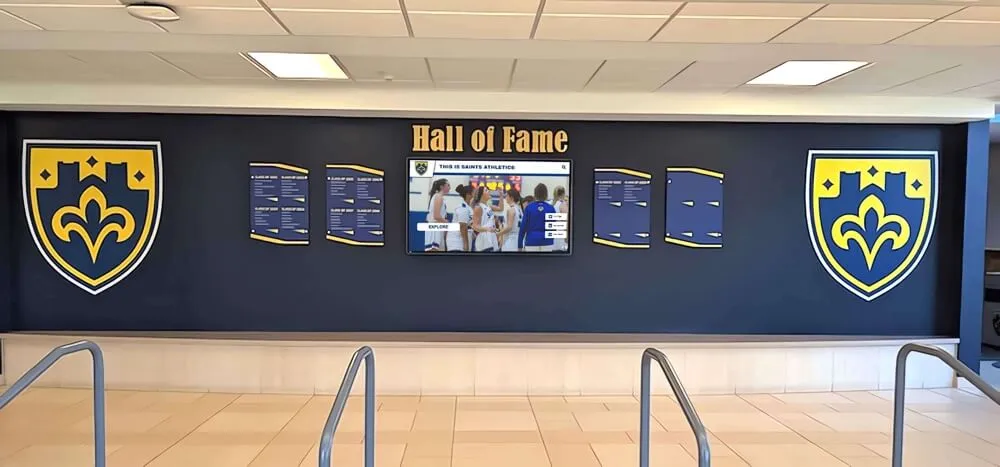
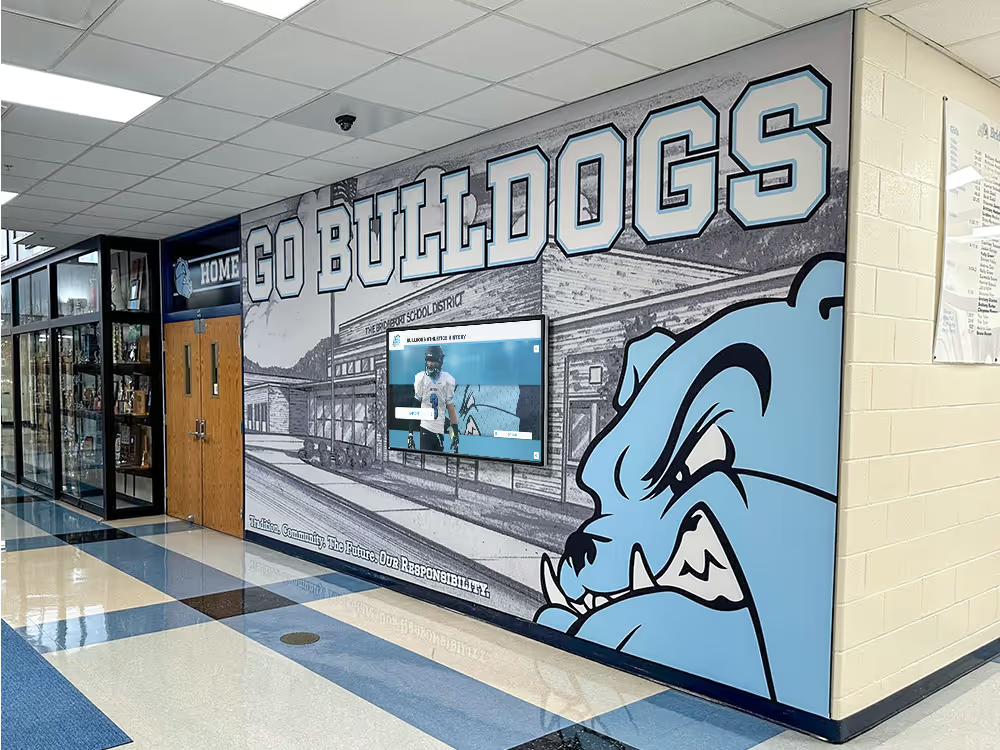
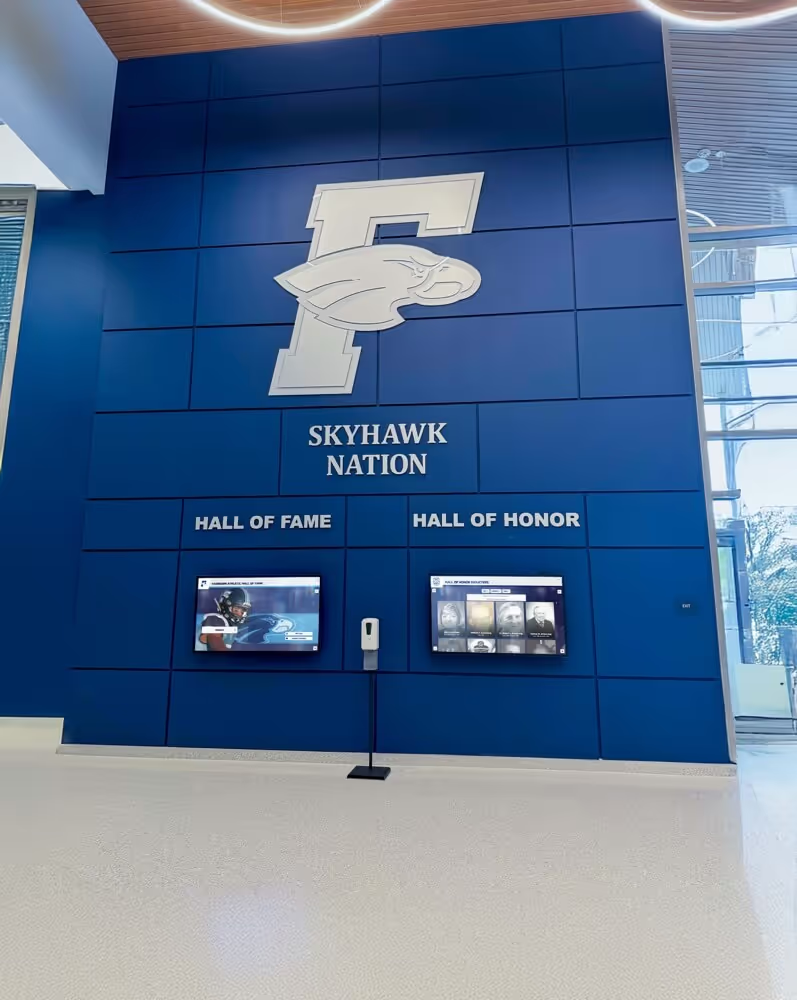
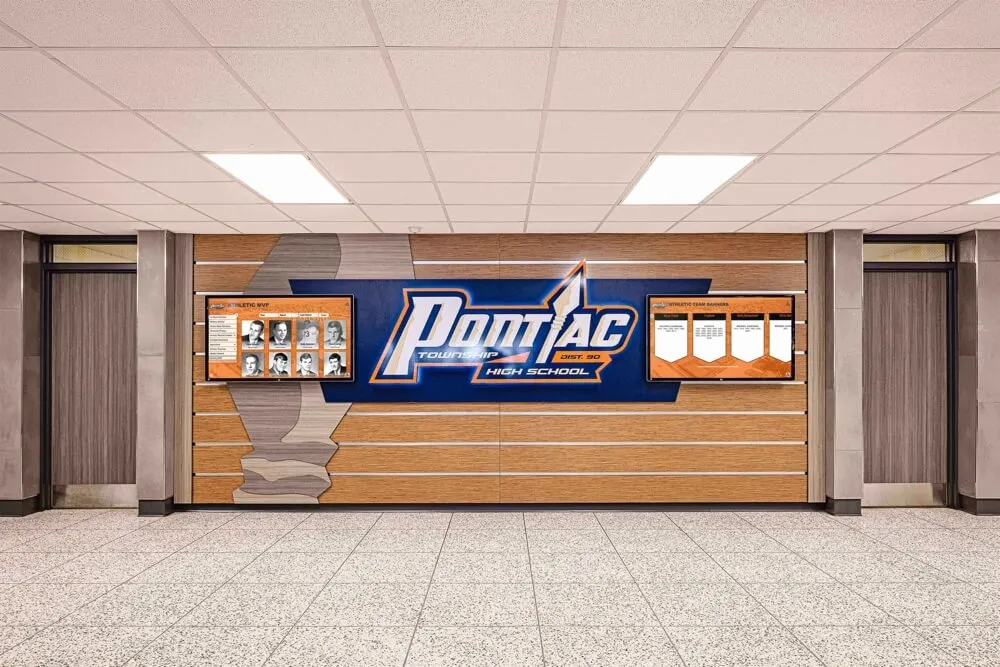
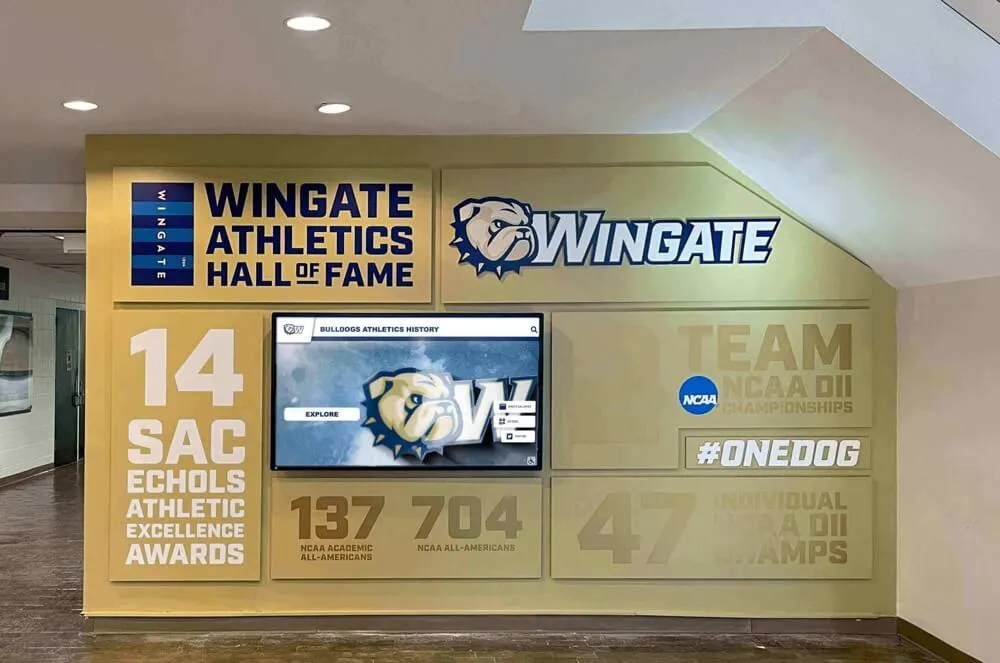
Hybrid installations preserve traditional design elements while adding modern interactive capacity satisfying constituencies valuing both heritage and innovation
Trophy Display Content Organization and Information Architecture
Effective trophy displays require thoughtful content organization helping visitors discover specific achievements while understanding overall program excellence and competitive tradition.
Organizational Hierarchy Strategies
Multiple organization approaches serve different discovery needs:
Sport-Based Organization
Separate trophies by athletic program creating intuitive categories visitors understand immediately. Football championships together, basketball achievements grouped, soccer recognition consolidated—enabling fans of specific sports to find relevant trophies quickly while comparing achievements within programs over time.
Sport-based organization works particularly well for schools with strong traditions in specific sports where fans specifically seek comprehensive history for programs they follow closely.
Chronological Organization
Arrange trophies by year enabling visitors to explore program evolution over time. Chronological displays help alumni find championships from their specific eras, demonstrate program competitive trajectory, and enable decade-based exploration showing distinct competitive periods in institutional athletic history.
Chronological organization proves especially effective for schools celebrating founding anniversaries or milestone celebrations where historical progression creates compelling narratives about institutional growth and competitive development.
Achievement Level Hierarchy
Organize trophies by championship significance separating state championships from conference titles, tournament achievements, and participation awards. Achievement hierarchy communicates clear excellence standards while enabling visitors seeking highest accomplishments to identify premier achievements quickly without examining every trophy individually.
Many schools implement hybrid approaches combining organization strategies—primary organization by sport with secondary chronological arrangement within each program creating intuitive navigation matching natural visitor discovery patterns.
Contextual Information and Storytelling
Raw trophy display without context limits recognition impact. Supplementary information creates meaning:
Achievement Context and Significance
Explain what trophies represent beyond simple labels: opponents defeated in championship games, tournament progression showing path to titles, season records providing performance context, individual standout performances contributing to championships, and historical significance within program tradition showing whether achievements represented breakthrough moments or continued excellence periods.
This contextual information transforms trophies from generic awards into specific accomplishments visitors can appreciate and understand regardless of their personal athletic program knowledge or historical familiarity.
Roster Recognition and Individual Attribution
Championship recognition should honor team members beyond generic team acknowledgment through complete rosters with individual athletes named, coaching staff recognition acknowledging leadership contributions, statistical leaders highlighting individual excellence within team success, and senior contributions noting graduating athletes whose careers culminated in championships.
Individual recognition strengthens trophy display impact for athletes and families who specifically seek personal acknowledgment rather than only team-level celebration where individual contributions disappear within collective achievement.
Multimedia Enrichment and Visual Storytelling
Beyond text, incorporate trophy photographs from multiple angles showing detail, team photos capturing championship squads, video highlights preserving memorable moments and championship games, newspaper coverage providing contemporary documentation and community perspective, and statistical records demonstrating excellence objectively through performance data.
Multimedia enrichment creates engaging experiences commanding extended attention compared to simple trophy acknowledgment visitors pass without sustained engagement. Approaches to senior athletic celebration demonstrate how comprehensive recognition honors achievements through multi-dimensional presentation spanning various content formats.
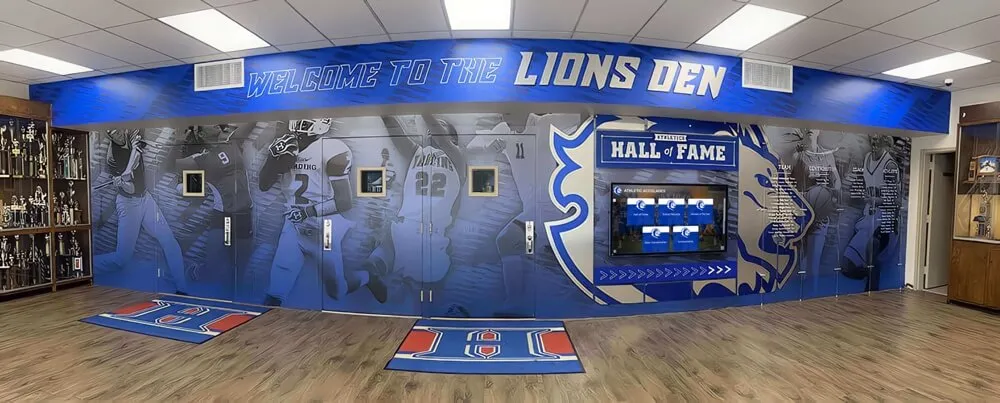
Comprehensive trophy environments create destination spaces celebrating athletic tradition through coordinated multi-format recognition
Trophy Display Installation and Facility Integration
Successful trophy display implementation requires systematic planning across physical installation, facility integration, and environmental considerations.
Strategic Location Selection
Trophy display placement significantly affects recognition effectiveness and community engagement:
High-Traffic Athletic Facility Locations
Optimal installations include main gymnasium entrance lobbies where all visitors naturally pass, athletic department corridors ensuring daily visibility for athletes and staff, training facility entrances viewed by current athletes during regular practice attendance, field house and stadium concourses serving competition attendees, and athletic wing commons areas where students gather socially between classes.
Consider both traffic volume and audience composition—locations with modest total visitors but high athlete and family concentration often outperform higher-traffic areas where few viewers have athletic program connections justifying extended engagement with trophy recognition content.
Cross-Campus Visibility Beyond Athletic Facilities
Schools maximizing recognition impact also install trophy displays in main entrance lobbies ensuring whole-community visibility beyond just athletic program participants, cafeteria and commons areas where all students gather daily, library and academic wings connecting athletic achievement with broader institutional excellence, and alumni center locations dedicated to graduate engagement and fundraising cultivation.
These cross-campus installations communicate that athletic achievement matters to entire school communities rather than representing isolated program concerns relevant only to athletes and sports enthusiasts.
Lighting Design and Environmental Conditions
Proper lighting transforms trophy displays from forgettable background features into commanding focal points:
Interior Case Lighting Strategies
Effective trophy case lighting includes LED strips or puck lights positioned to eliminate shadows, color temperature (3000-4000K) providing warm, inviting appearance without distorting trophy colors, adjustable intensity enabling optimization for specific conditions and trophy materials, and energy efficiency supporting continuous operation without excessive utility costs.
Poor lighting leaves trophies difficult to see or creates harsh glare reflecting off metal surfaces making photography impossible and diminishing overall presentation quality.
Ambient Facility Lighting Coordination
Trophy displays must work within broader facility lighting considering natural light from windows potentially creating glare or washing out interior case lighting during certain times, overhead facility lighting potentially reflecting off glass creating viewing challenges, emergency and exit lighting requirements that cannot be obstructed by display installations, and evening/weekend conditions when reduced ambient lighting affects trophy visibility for events and activities occurring outside normal school hours.
Professional lighting design ensures trophy displays remain visible and impressive under all facility conditions rather than looking excellent under specific circumstances but poor during actual peak viewing periods.
Environmental Protection for Historical Trophies
Valuable historical trophies may require environmental protection including UV-filtering glass preventing deterioration from sunlight exposure, climate control maintaining stable temperature and humidity preventing corrosion and material breakdown, security features protecting irreplaceable awards with historical and emotional value, and maintenance access enabling periodic cleaning and conservation work preserving trophies across decades of display.
These environmental considerations become particularly important for trophies spanning 50+ years where preservation for future generations requires proactive protection rather than reactive conservation after deterioration occurs.
Resources on school history preservation provide comprehensive frameworks for protecting valuable historical artifacts including championship trophies with significance beyond simple athletic recognition.
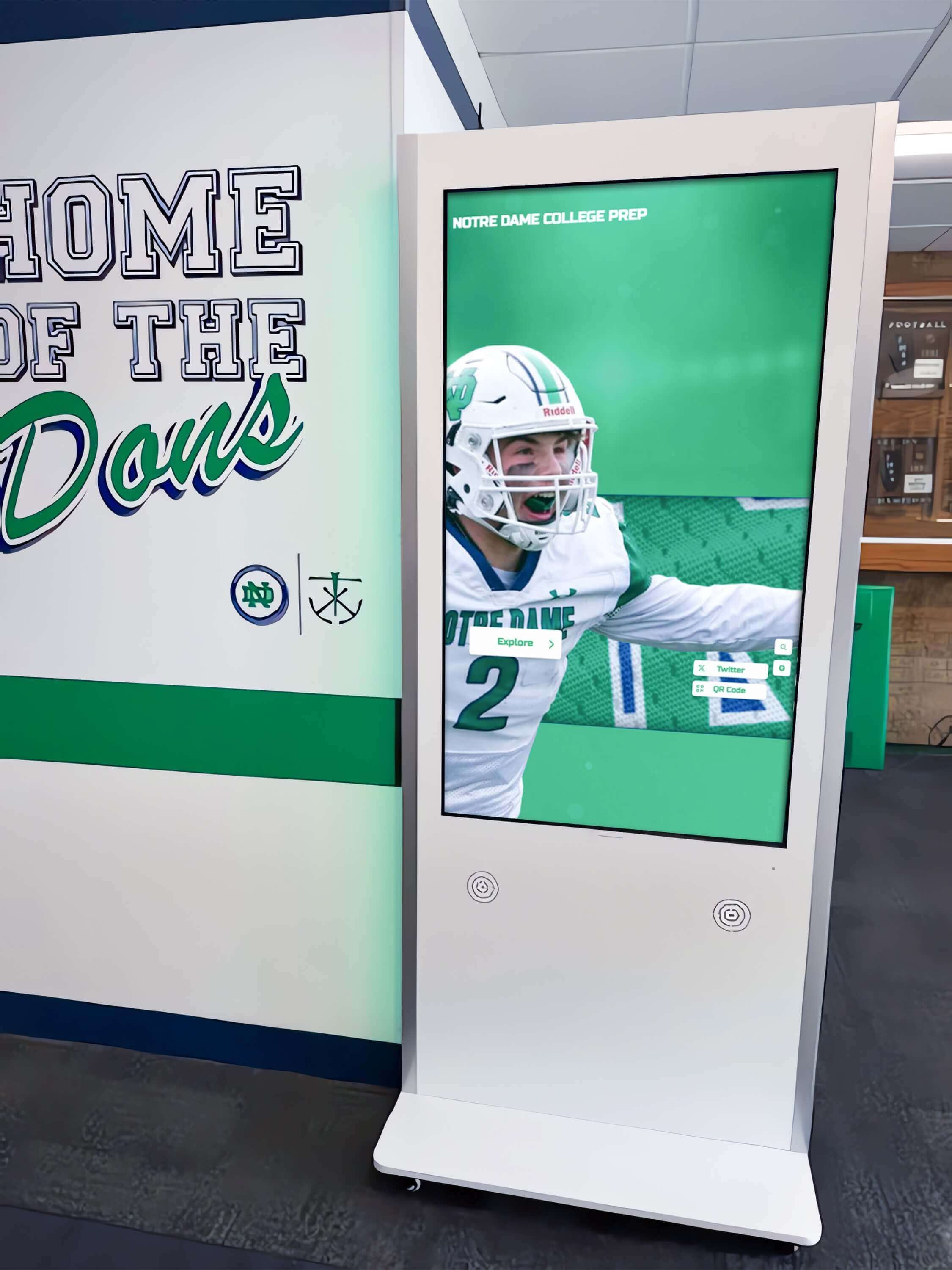
Strategic placement in high-traffic corridors ensures trophy recognition reaches students, staff, visitors, and community members throughout daily activities
Trophy Display Maintenance and Long-Term Stewardship
Effective trophy displays require ongoing maintenance ensuring continued visual impact and appropriate recognition across years or decades of operation.
Physical Trophy and Case Maintenance
Traditional trophy displays require regular stewardship:
Routine Cleaning and Inspection
Weekly or monthly glass cleaning maintaining visibility without smudges, fingerprints, or dust accumulation, interior dusting removing debris from shelves and trophy surfaces, lighting inspection identifying burned-out bulbs requiring replacement, hardware examination ensuring doors, locks, and mounting systems remain functional, and trophy condition assessment checking for damage, deterioration, or conservation needs requiring attention.
Many schools assign maintenance responsibilities to athletic staff, facilities personnel, or student volunteer programs ensuring consistent stewardship rather than neglecting displays until visible deterioration demands emergency attention.
Periodic Reorganization and Content Refresh
Annual or seasonal trophy arrangement adjustments maintaining fresh presentations and logical organization as collections grow, engraved plaque updates adding new championship details or correcting historical errors discovered through research, featured trophy rotations highlighting different achievements periodically, and aesthetic updates incorporating school rebranding or facility renovations maintaining cohesive presentation across evolving architectural contexts.
Regular reorganization prevents displays from becoming stale fixtures no one notices while ensuring trophy presentation maintains appropriate quality standards reflecting institutional pride.
Digital Display Maintenance and Content Updates
Digital trophy displays require different maintenance focused on technology operation and content management:
Hardware Monitoring and Technical Support
Regular display cleaning maintaining touchscreen responsiveness and visual clarity, software updates ensuring security patches and feature improvements, network connectivity verification confirming reliable operation, display operation testing identifying issues before complete system failures occur, and vendor support coordination resolving technical problems requiring specialized expertise beyond typical IT department scope.
Most modern digital trophy displays operate reliably with minimal intervention when properly installed, but systematic monitoring prevents minor issues from escalating into extended outages disrupting recognition visibility during important athletic events and campus activities.
Content Management and Ongoing Development
Immediate updates adding new championships as they occur maintaining current recognition, historical content development expanding documentation of past achievements as resources allow, multimedia enrichment enhancing existing trophy profiles through additional photos, videos, and narratives, biography correction updating inaccurate information discovered through additional research, and design refresh incorporating visual updates maintaining contemporary appearance as graphic design standards evolve.
Cloud-based content management enables non-technical athletic staff to maintain digital trophy displays confidently through simple web-based interfaces requiring no specialized IT skills or vendor dependency for routine updates.
Frameworks for athletic award program management provide detailed operational workflows ensuring consistent trophy recognition maintenance integrated within realistic staff capacity and administrative structures.
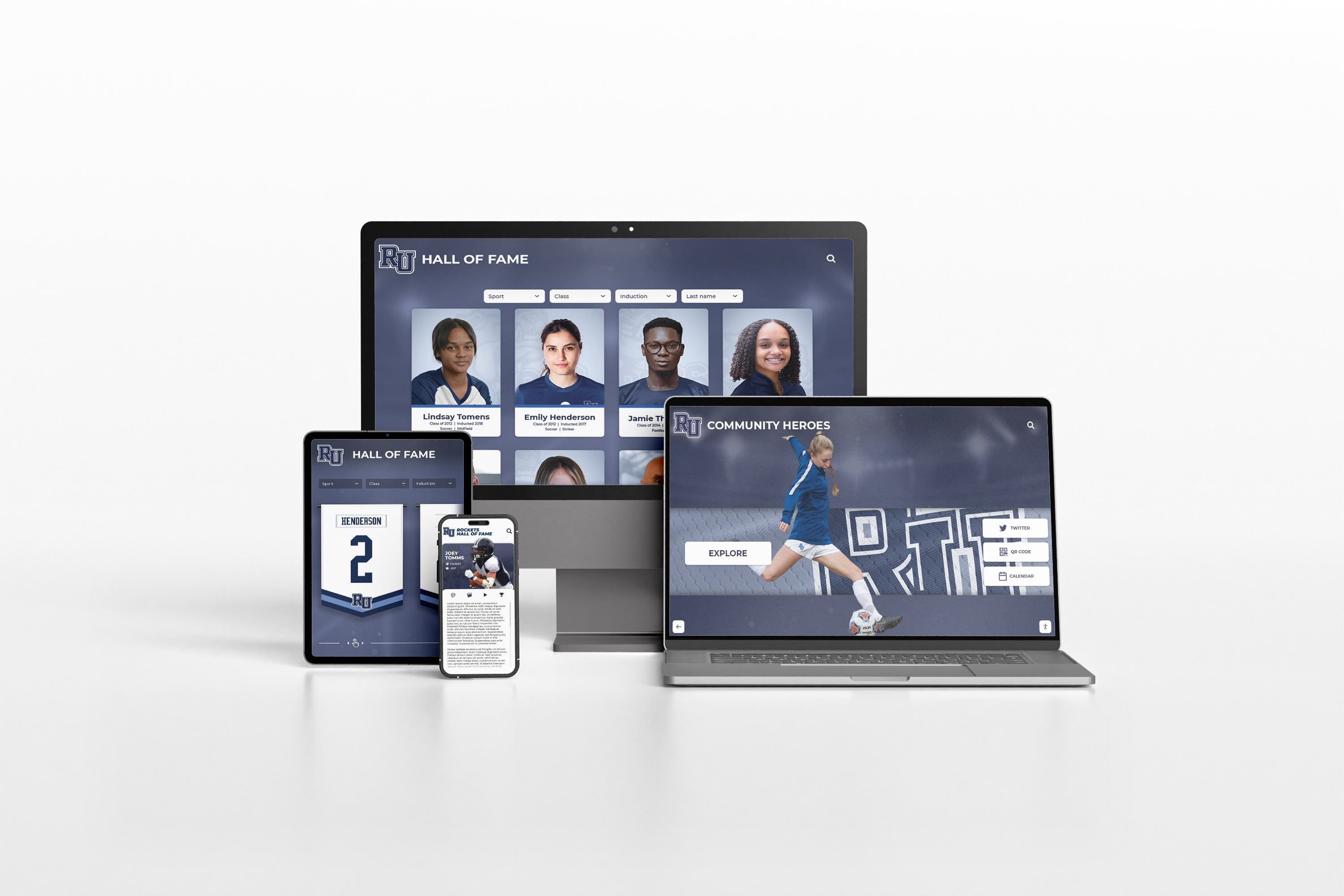
Web-based access extends trophy recognition beyond physical displays enabling alumni, families, and communities to explore achievements from any device anywhere
Measuring Trophy Display Impact and Recognition Effectiveness
Understanding how trophy displays influence school culture and community engagement helps demonstrate value while informing continuous improvement strategies.
Quantitative Engagement Metrics
Digital trophy displays provide objective usage measurement impossible with traditional cases:
Visitor Interaction Data
Analytics reveal recognition system utilization including total sessions establishing baseline engagement, average session duration indicating content interest depth (targeting 4-8 minutes for comprehensive exploration), most-viewed profiles revealing popular content and community interests, search terms demonstrating what visitors seek, peak usage times informing content update strategies and special promotion opportunities, and repeat visitor rates showing sustained interest rather than one-time curiosity.
Schools can use these insights to identify which trophy categories and sports generate most engagement, determine what additional content visitors seek through search patterns, understand peak traffic periods for special content promotion, demonstrate trophy display value to stakeholders and budget authorities, and optimize content strategies based on actual visitor behavior rather than assumptions.
Qualitative Feedback and Cultural Impact
Beyond quantitative metrics, qualitative feedback reveals trophy display impact on school culture:
Stakeholder Feedback Collection
Conduct surveys about trophy recognition awareness among athletes, families, alumni, and staff. Observe visitor comments during campus tours and athletic events. Collect staff observations about community engagement with displays during daily activities. Document alumni reactions when returning for reunions and homecoming gatherings. And solicit athlete feedback about recognition visibility and motivational impact.
This qualitative feedback often reveals meaningful impact including students expressing pride when finding championships from their specific sports or graduation years, alumni showing families their historic championship trophies regardless of current physical location, prospective students impressed by comprehensive achievement celebration during recruiting visits, families appreciating that all achievements receive recognition rather than only highest accomplishments, and current athletes motivated by visible championship standards and program expectations.
Cultural Indicators and Long-Term Benefits
The most significant trophy display benefits often emerge over time as recognition becomes embedded in school culture:
Observable Cultural Changes
Schools implementing comprehensive trophy recognition typically report increased student identification with institutional community and competitive tradition, enhanced alumni engagement and connection with alma maters through ongoing recognition access, improved recruitment effectiveness with prospective student-athletes and families researching programs, stronger culture of achievement across athletic and academic programs inspired by visible excellence standards, and modernized institutional image demonstrating innovation and community-centered priorities.
These cultural shifts justify trophy display investment beyond immediate recognition value—strengthening schools across multiple dimensions including enrollment, fundraising, community support, program competitiveness, and overall stakeholder experience quality.
When trophy recognition becomes systematic and comprehensive rather than limited and inconsistent due to space constraints, schools communicate clear values about what matters and who deserves celebration—building cultures where achievement across all dimensions receives acknowledgment inspiring continued excellence.
Conclusion: Creating Trophy Recognition That Honors Every Achievement
Thoughtful trophy display case strategies transform athletic recognition from space-management challenges into opportunities to build school pride, strengthen community connections, and inspire current athletes toward excellence through visible celebration of those who built competitive tradition. Whether implementing traditional glass cases with creative capacity expansion strategies, exploring hybrid approaches combining selective physical displays with comprehensive digital documentation, or adopting modern interactive platforms eliminating space constraints entirely, effective trophy recognition requires systematic planning addressing layout design, content organization, facility integration, and long-term maintenance ensuring displays continue serving communities across decades of operation.
Get Your Touchscreen Mock-Up
Discover how custom-designed digital trophy displays can transform athletic recognition for your school. Rocket Alumni Solutions creates interactive experiences purpose-built for educational environments, combining professional design with intuitive administration that makes celebrating achievement effortless while honoring every trophy appropriately.
Schedule Your Design ConsultationThe trophy display solutions schools choose communicate powerful messages about institutional values—demonstrating what achievements matter, how schools honor those who built competitive excellence, and whether all athletes receive appropriate recognition regardless of sport visibility or historical prominence. Traditional trophy cases serve important purposes preserving ceremonial significance many stakeholders deeply value, but space limitations eventually force difficult decisions about which accomplishments deserve ongoing display and which must be stored away from public view when capacity fills.
Modern digital trophy display technology eliminates these impossible choices by providing unlimited recognition capacity accommodating every championship, tournament victory, and significant award regardless of how extensive collections become across decades or centuries of athletic tradition. By enabling instant content updates without physical modification delays, supporting rich multimedia storytelling impossible with engraved placards alone, and extending recognition accessibility worldwide through responsive web access, digital platforms deliver comprehensive solutions addressing limitations that physical trophy cases simply cannot solve effectively regardless of investment or facility expansion.
Whether your school pursues traditional trophy cases with thoughtful capacity planning, creative physical alternatives extending recognition beyond standard approaches, comprehensive digital platforms eliminating space constraints permanently, or hybrid strategies combining selective physical displays with unlimited digital documentation, the frameworks explored throughout this guide provide proven approaches creating trophy recognition that genuinely honors every achievement while building school culture and inspiring continued competitive excellence across current and future athletic generations.
Ready to explore trophy display case solutions for your school? Learn more about digital athletic recognition systems, discover sports banquet planning strategies incorporating trophy recognition, explore academic recognition programs complementing athletic achievement celebration, and understand school pride building approaches that leverage trophy displays creating comprehensive institutional culture celebrating excellence across all dimensions through purpose-built recognition infrastructure designed specifically for preserving competitive heritage while inspiring future championship achievements.