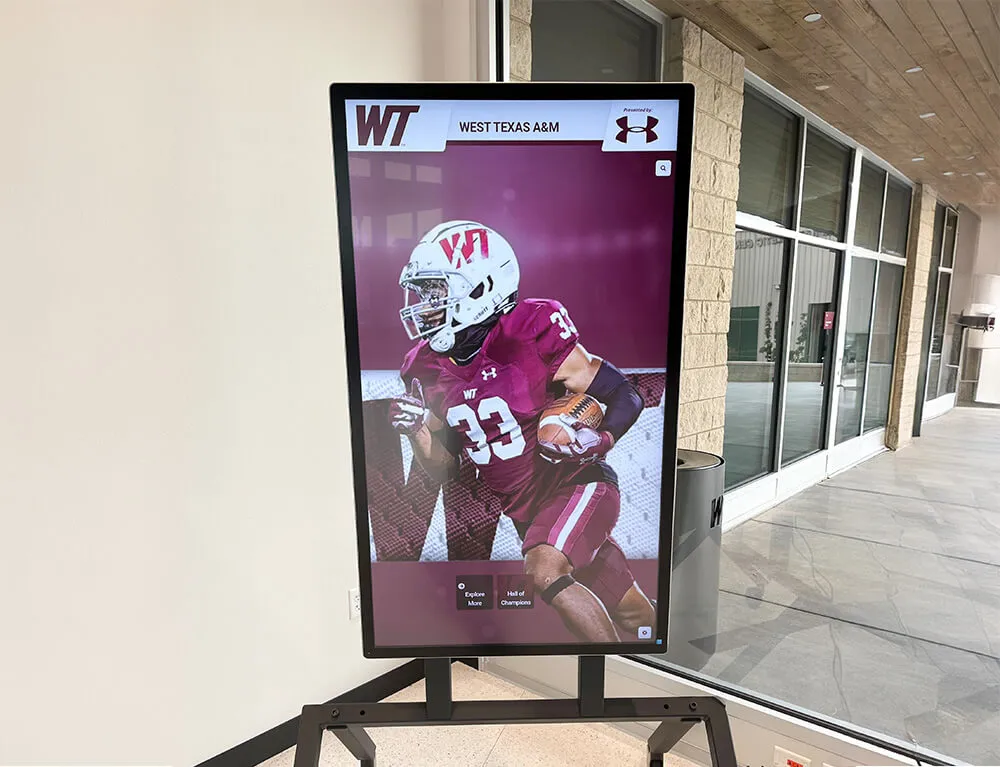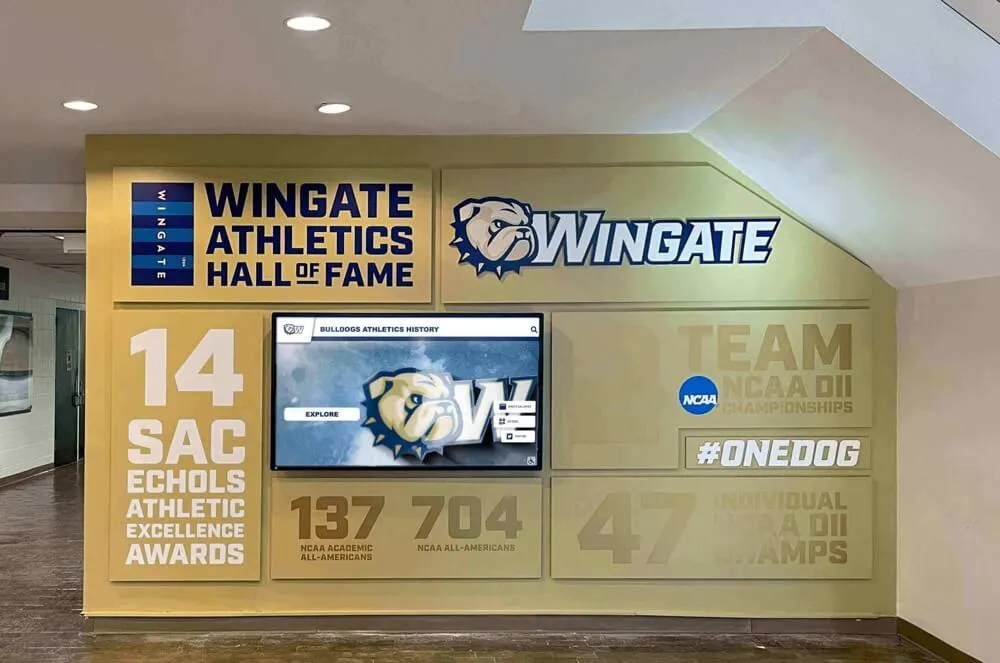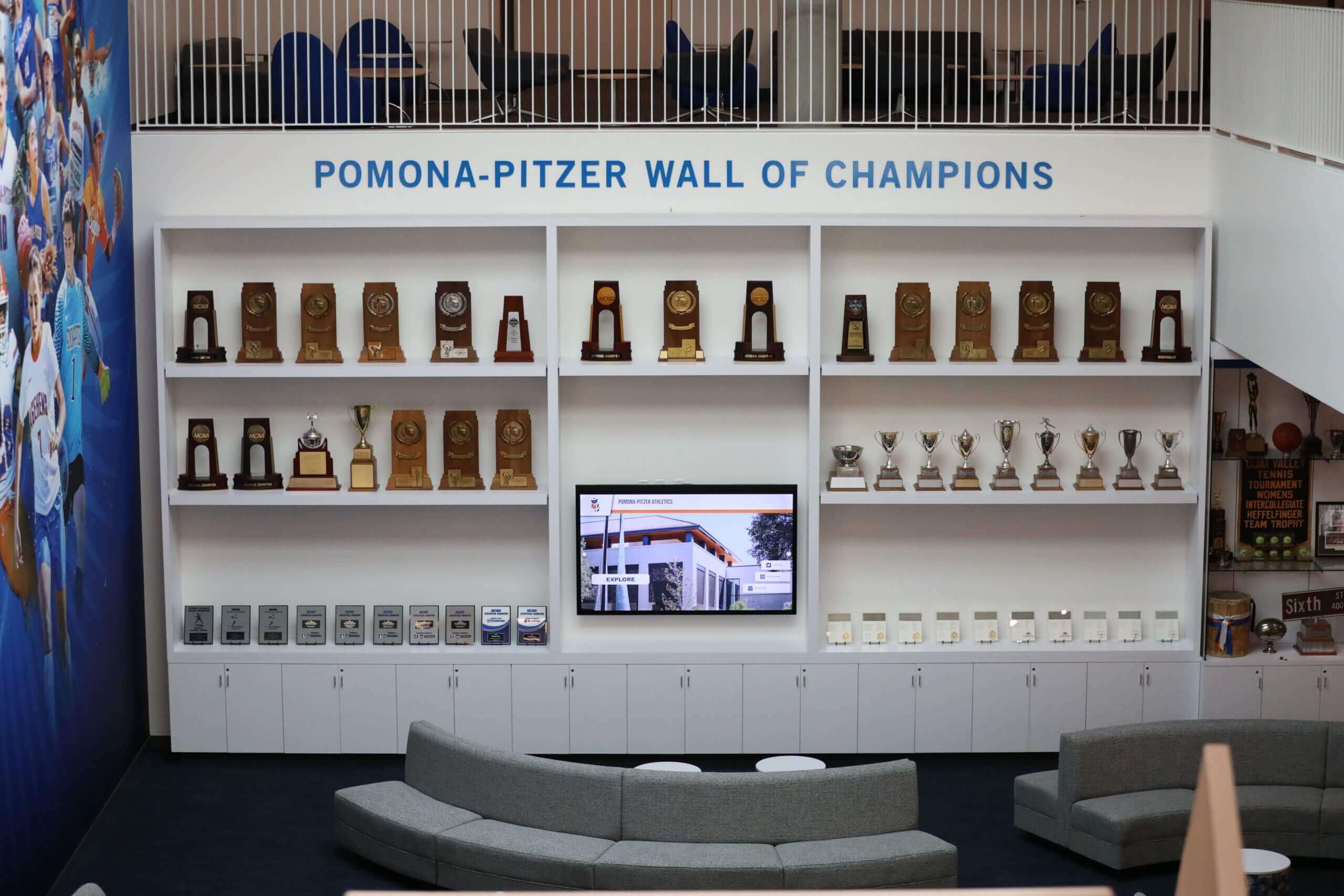




Trophy display cases serve as the visible heart of athletic and academic achievement recognition in schools, universities, sports clubs, and organizations. Walking past illuminated cases filled with gleaming hardware creates pride, inspires excellence, and communicates program values to students, visitors, and community members. Yet traditional trophy cases face a persistent challenge—successful programs inevitably accumulate more championships, awards, and trophies than physical cases can display.
A comprehensive high school athletic program generating 40-60 trophies annually will collect 800-1,200 pieces over 20 years. Even large multi-case installations holding 150-200 trophies cannot accommodate decades of achievement, forcing administrators into difficult decisions about which championships receive visibility and which remain hidden in storage closets. These capacity limitations undermine recognition effectiveness while creating equity concerns when some accomplishments shine under display lighting while others gather dust in forgotten boxes.
This comprehensive guide explores creative trophy display case ideas—from maximizing traditional physical cases through strategic organization and hybrid approaches to modern digital display solutions that eliminate space constraints entirely. Whether enhancing existing recognition or planning new installations, you’ll discover practical strategies for showcasing your program’s complete championship legacy effectively.
Trophy display cases represent significant investment and valuable real estate in school buildings and organizational facilities. Thoughtful design, strategic placement, and creative approaches ensure these recognition centerpieces deliver maximum impact while celebrating achievement comprehensively rather than selectively.

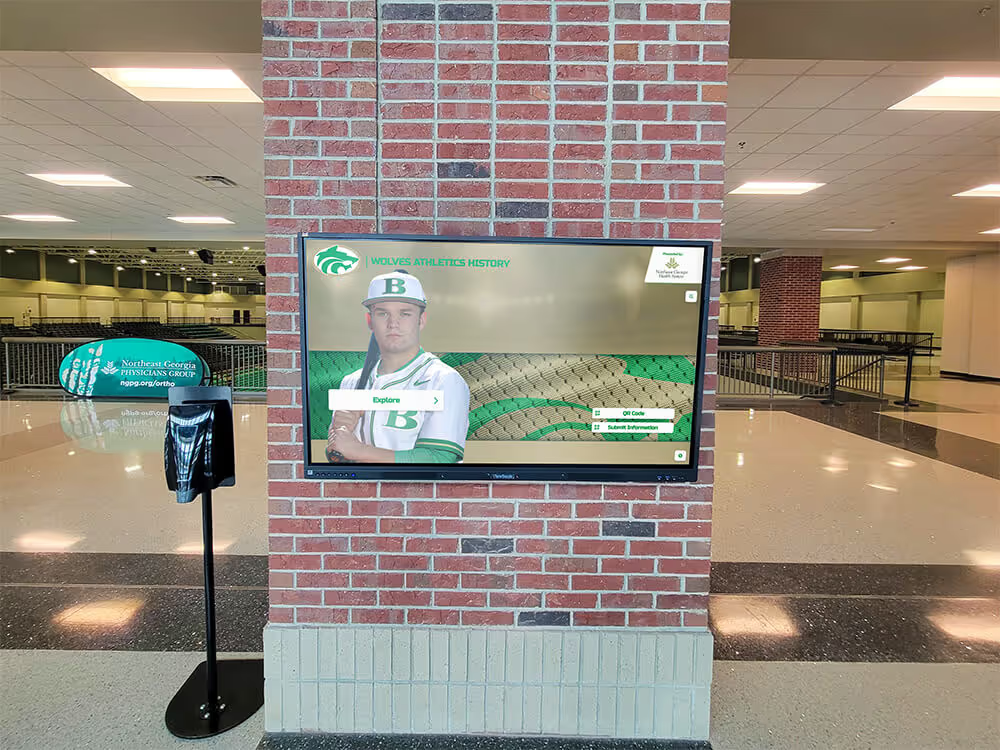
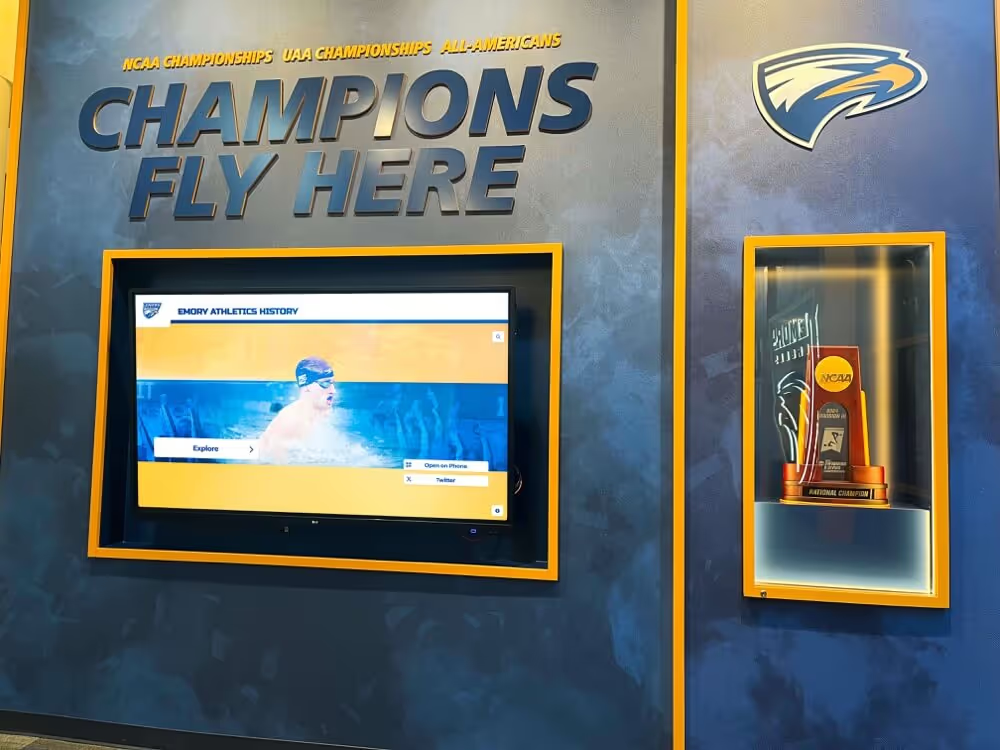
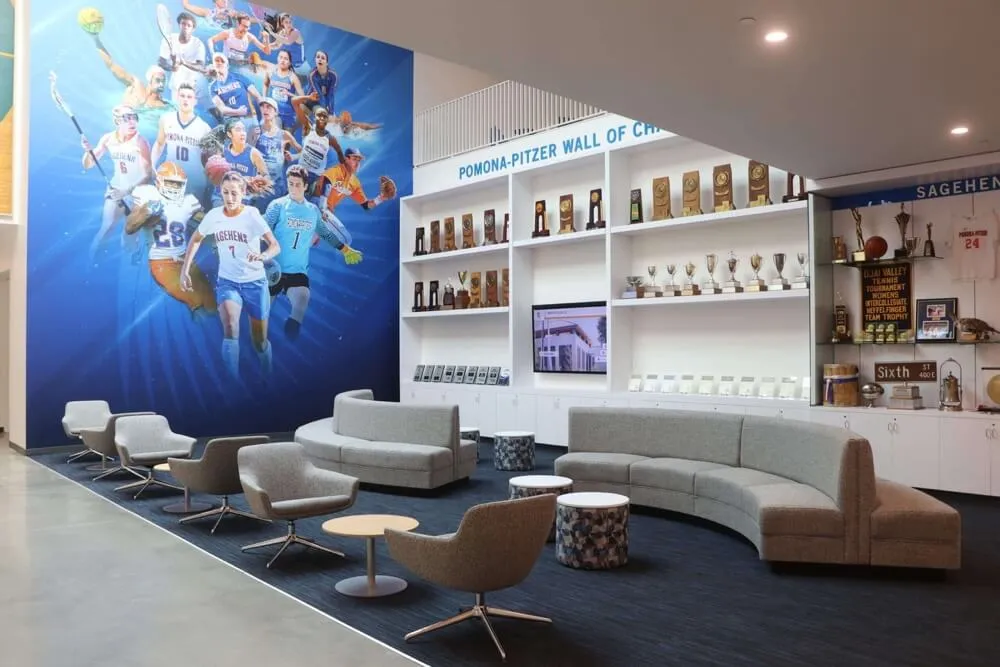
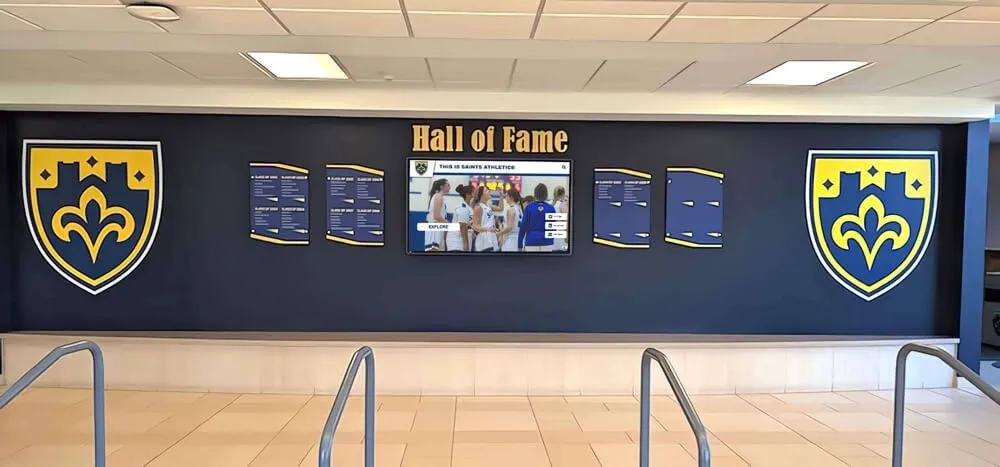
Modern trophy recognition creates inviting spaces where visitors can explore championship history while physical trophies maintain ceremonial presence
Understanding the Trophy Display Challenge
Before exploring solutions, understanding the fundamental challenges facing trophy recognition helps organizations make informed decisions about display strategies and investment priorities.
The Space Constraint Reality
Physical trophy cases impose strict capacity limits that successful programs inevitably exhaust:
Accumulation Mathematics
- High school with 15 sports programs generates 40-60 trophies annually across conference championships, tournament awards, state championship hardware, individual athlete recognitions, and team achievements
- College athletic departments with 20+ sports accumulate 80-120 trophies yearly
- Youth sports organizations hosting multiple age divisions collect 50-100 awards each season
- Academic programs recognizing debate, robotics, band, and other competitions add dozens more pieces annually
Over a decade, even modest programs accumulate 400-600 trophies requiring display space. Traditional cases holding 30-50 trophies each would theoretically need 10-15 units to display everything—an unrealistic space and budget commitment for most institutions.
Forced Selection and Hidden Achievement
When display capacity cannot accommodate comprehensive recognition, organizations must choose which achievements receive visibility. Common but problematic approaches include:
- Rotating displays showing recent achievements while storing historical trophies
- Selective recognition featuring only highest-level championships
- Sport-by-sport allocation creating inequities between programs
- First-come permanence until cases fill, then storage for all new awards
- Periodic purging removing older trophies to accommodate recent hardware
Each approach creates problems—athletes whose trophies move to storage feel their accomplishments diminished, emerging programs receive less recognition than established sports, and institutional achievement history becomes invisible rather than celebrated comprehensively.
Maintenance and Update Challenges
Traditional trophy cases require ongoing physical work many organizations struggle to sustain:
Time-Intensive Management
- Adding new trophies requires unlocking cases, rearranging existing displays, mounting new hardware, updating labels, and reorganizing as needed
- Cleaning glass, polishing trophies, and maintaining case lighting demands regular attention
- Seasonal updates during busy championship periods stretch already-limited staff time
- Correcting placement errors or updating information necessitates repeated physical access
Schools report spending 20-40 hours annually maintaining trophy case displays—time athletic directors and facilities staff could invest in programming and student support rather than trophy arrangement logistics.
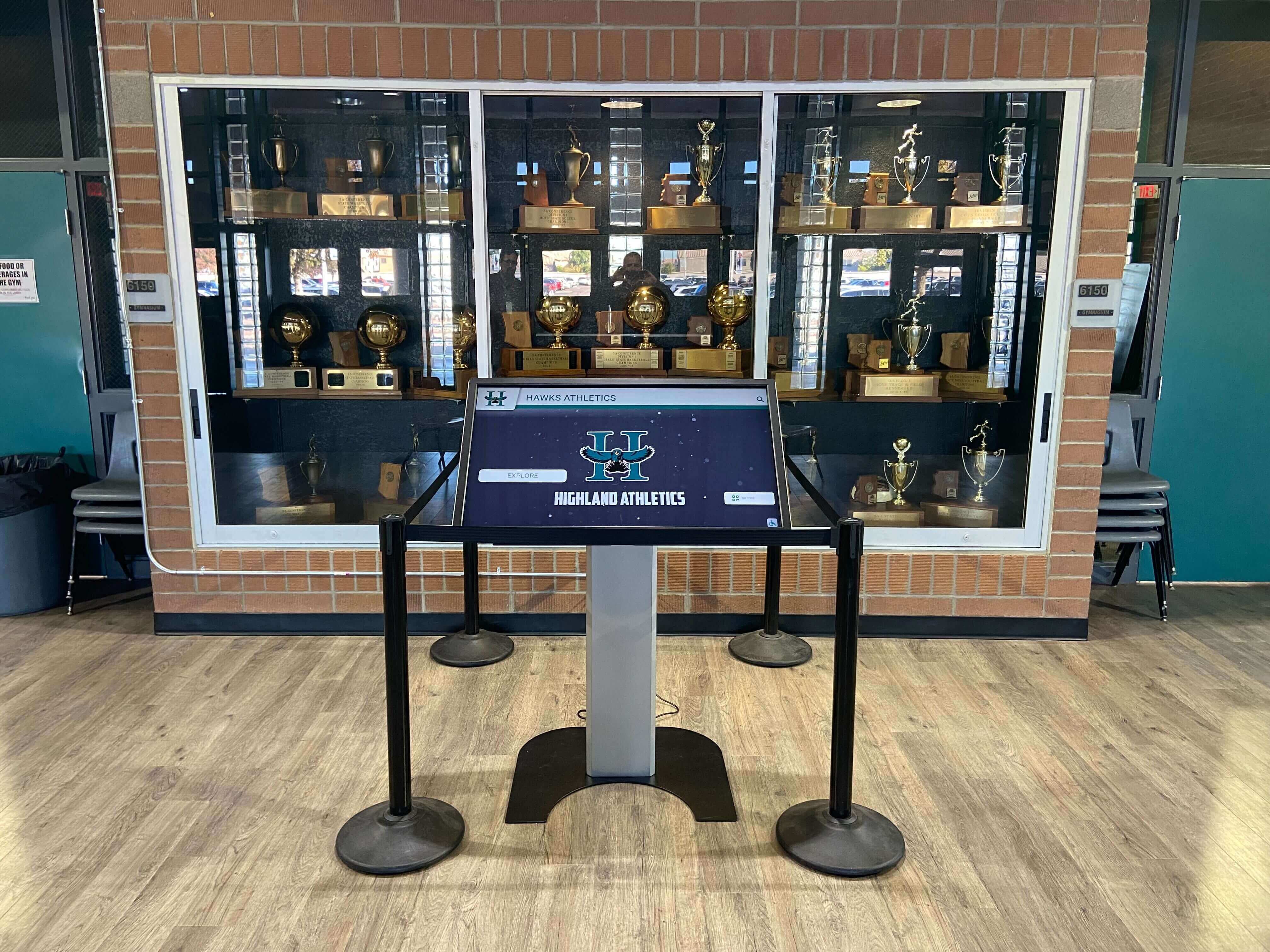
Hybrid approaches combine traditional trophy cases with digital displays extending recognition capacity beyond physical constraints
Physical Deterioration
- Trophy finishes tarnish or fade over time, especially in cases with inadequate climate control
- Engraved plaques become difficult to read as letters darken or lose contrast
- Case lighting deteriorates, creating dim or uneven illumination
- Glass develops scratches or cloudiness reducing visibility
- Locks and hardware wear out requiring replacement
- Environmental factors like humidity or sunlight accelerate deterioration
Maintaining attractive, professional trophy displays requires ongoing investment many programs cannot sustain consistently, leading to cases that communicate neglect rather than pride.
Limited Storytelling and Context
Physical trophies provide minimal information about achievements they represent:
Contextual Information Constraints
- Small engraved plaques accommodate only basic details—championship names, years, perhaps scores
- No space for team rosters, season records, tournament progression, or achievement context
- Missing connections between individual accomplishments and broader program history
- Impossible to explain what made particular championships significant
- No documentation of the preparation, challenges overcome, or dedication required
A state championship trophy sits in a case with a small plaque noting the year and opponent. Viewers see the hardware but understand little about the remarkable season, the team composition, the playoff journey, or why that championship mattered in program history. The trophy documents achievement but fails to inspire understanding or emotional connection.
Modern audiences expect rich storytelling through photos, videos, statistics, and narratives—expectations traditional trophy cases simply cannot meet regardless of how well-designed or expensively fabricated.
Creative Traditional Trophy Display Case Ideas
For organizations committed to physical trophy cases, several creative approaches maximize impact, improve organization, and extend capacity before space exhaustion forces difficult choices.
Tiered and Elevated Display Configurations
Strategic vertical organization maximizes visibility within available case space:
Multi-Level Shelving Systems
- Five or six shelf levels instead of three maximizes capacity in standard-depth cases
- Clear acrylic or glass shelving maintains visibility to lower levels
- Adjustable shelf height accommodates trophies of varying sizes
- Staggered elevations create depth and visual interest
- Back-lit shelving options improve trophy visibility and impact
Elevated Trophy Platforms
- Clear acrylic risers create multi-level presentation on single shelves
- Tiered platforms place smaller awards forward with larger trophies elevated behind
- Rotating display bases showcase trophies from multiple angles
- Custom-fabricated step displays maximize vertical space utilization
- LED lighting integrated into platforms highlights championship hardware
These vertical strategies can increase case capacity 40-60% compared to standard single-level shelving while improving overall visual presentation and trophy prominence.
Organized by Sport and Achievement Type
Systematic organization improves navigation and creates coherent recognition narratives:
Sport-Specific Case Sections
- Dedicate case sections or entire units to individual sports programs
- Group all basketball championships together rather than mixing sports randomly
- Create visual continuity showing program evolution across decades
- Enable sport-specific branding with team colors and imagery
- Facilitate comparison showing championship progression over time
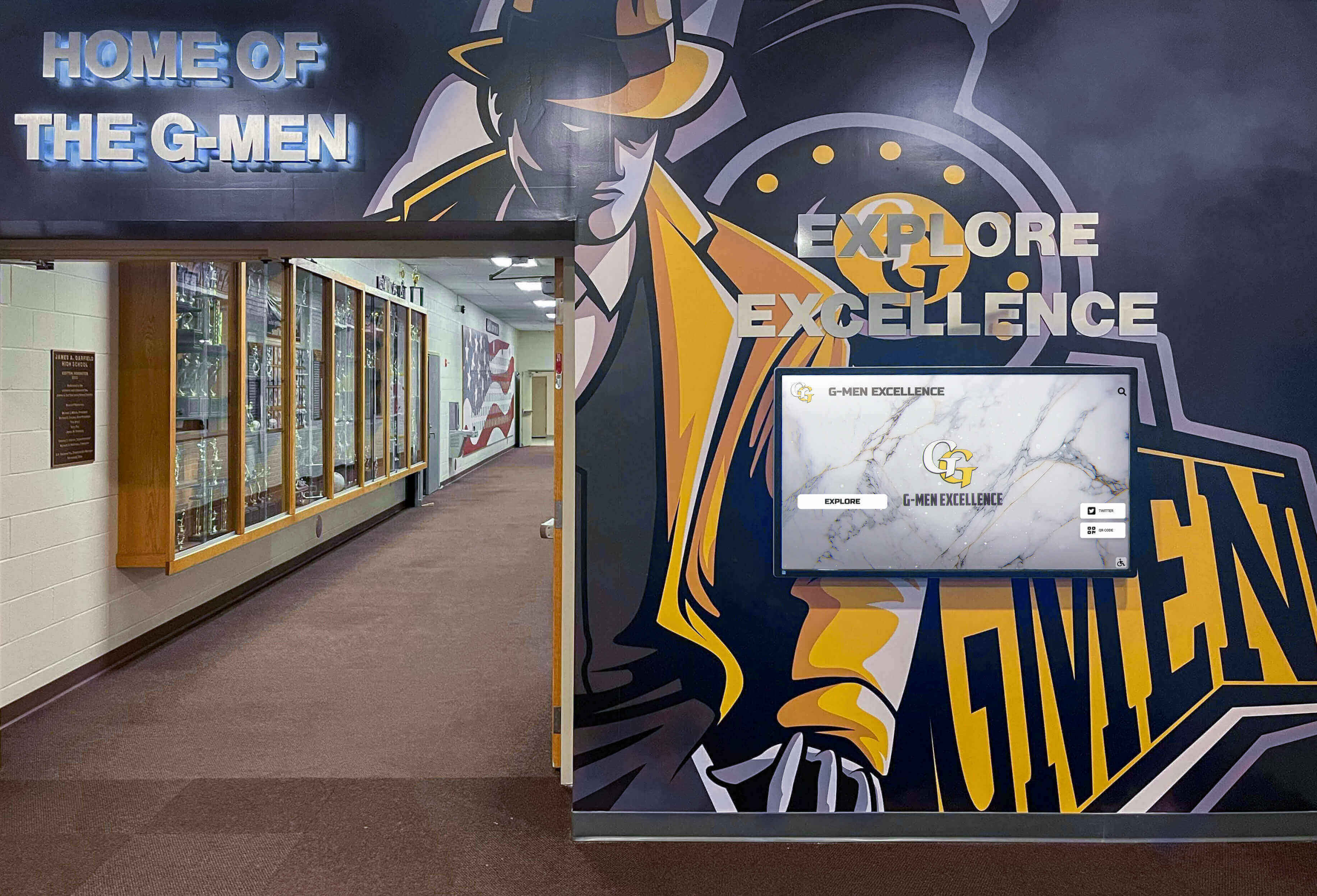
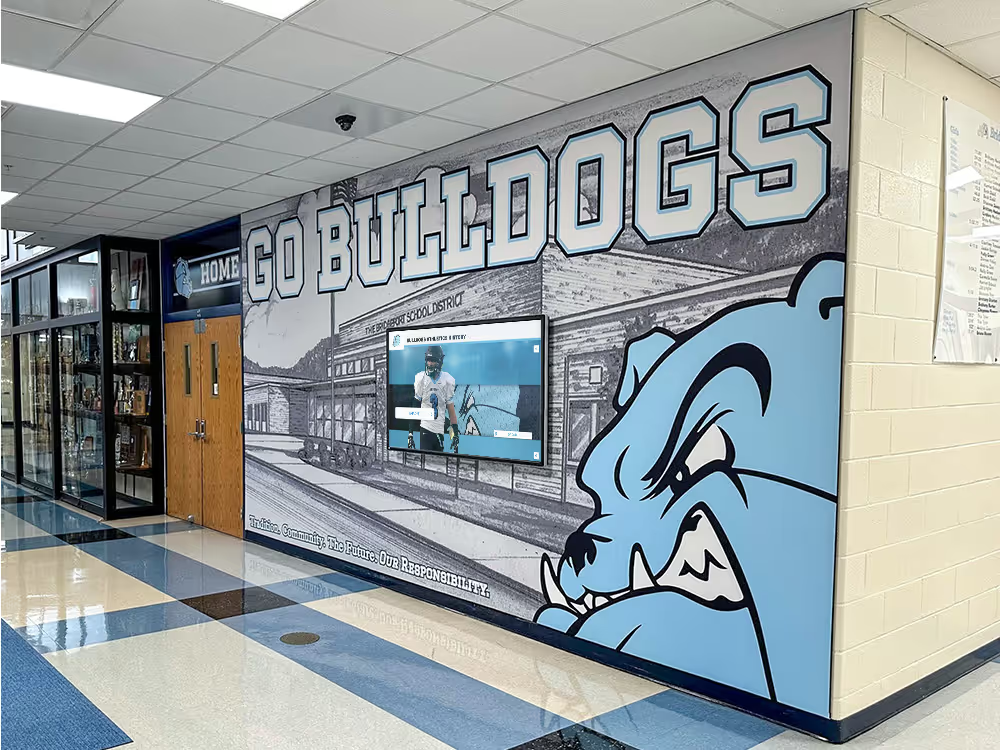
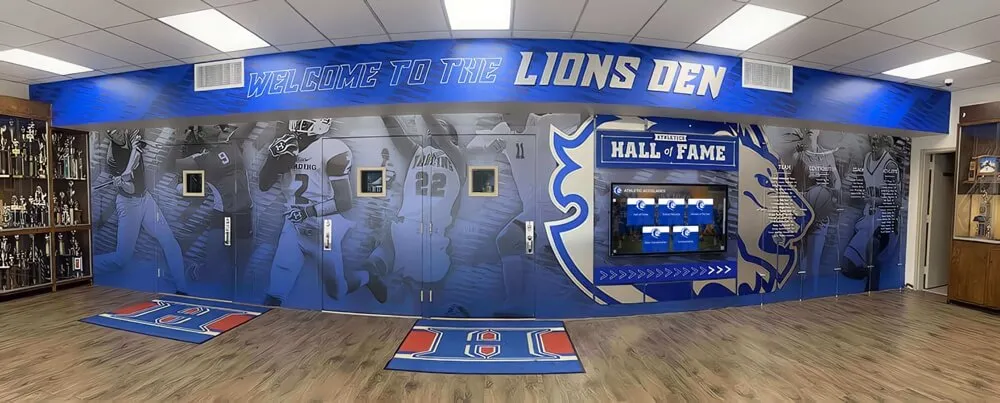
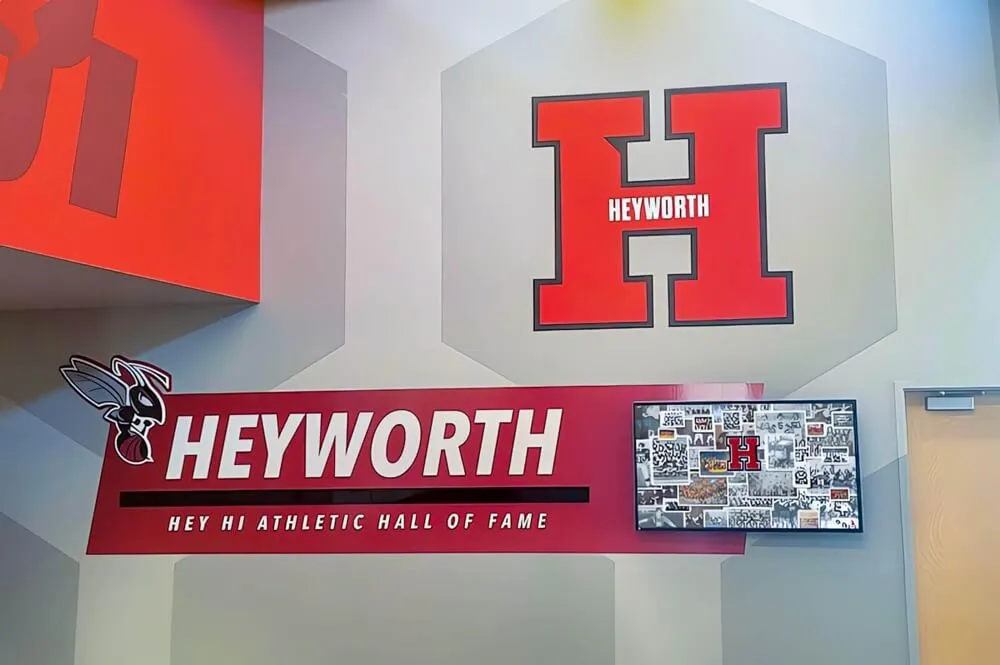
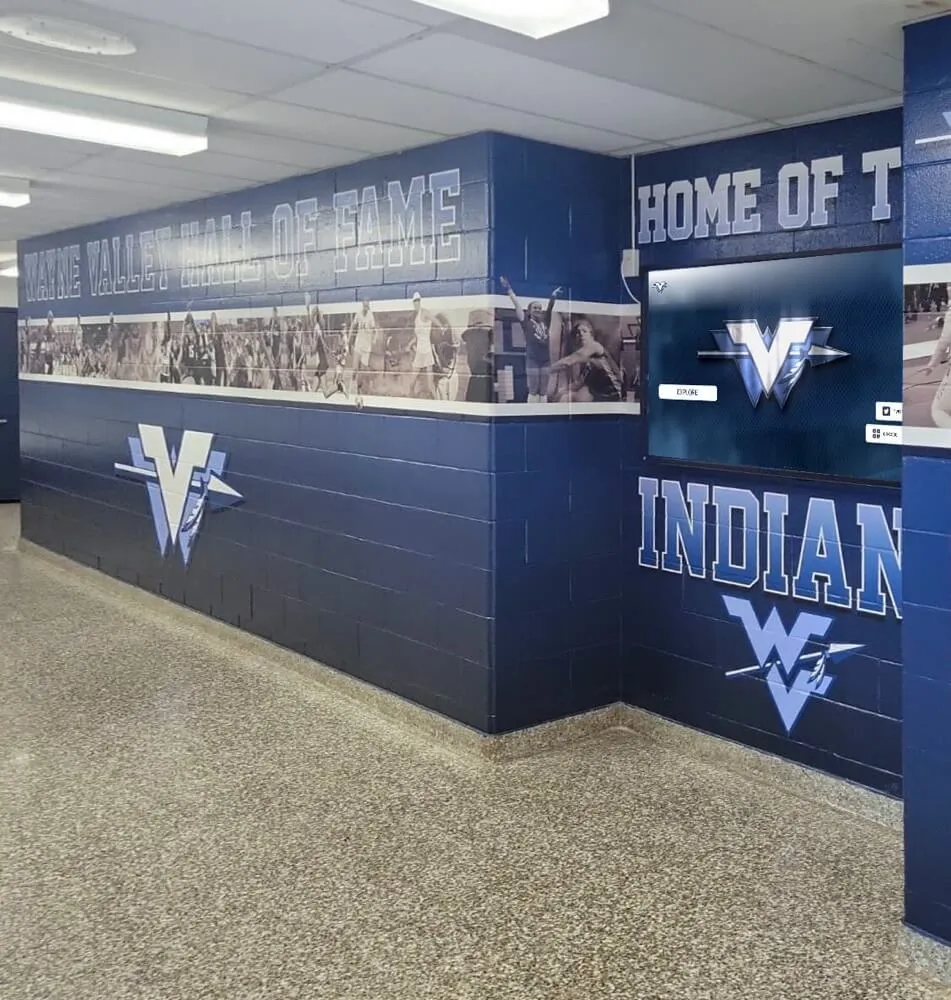
Organized trophy displays combined with branded murals create cohesive athletic recognition environments
Achievement Category Organization
- State championships section showcasing highest-level competitive success
- Conference and league championships area recognizing sustained excellence
- Individual athlete awards celebrating personal achievement
- Team awards and spirit trophies honoring collective accomplishment
- Academic recognition for student-athlete excellence
This organizational approach helps viewers find specific content while telling clearer stories about program achievements across different competition levels and recognition types. Resources on basketball hall of fame recognition demonstrate comprehensive approaches to sport-specific achievement celebration.
Rotating and Seasonal Display Strategies
When comprehensive permanent display proves impossible, strategic rotation maintains relevance:
Seasonal Rotation Schedules
- Feature fall sports championships during autumn months
- Rotate to winter sports during basketball and wrestling seasons
- Highlight spring sports as those seasons progress
- Create annual rhythm keeping displays current and relevant
- Store off-season trophies in organized, accessible systems
Anniversary and Milestone Features
- Highlight 10-year, 25-year, and 50-year championship anniversaries
- Feature retiring coach trophy collections honoring complete careers
- Showcase graduating senior class achievements during commencement periods
- Celebrate program founding anniversaries with historical trophy displays
- Mark facility dedications with relevant championship collections
Recent Achievement Prominence
- Reserve front-and-center positions for current season championships
- Feature newest acquisitions ensuring timely recognition
- Gradually transition older trophies to less prominent positions
- Maintain historical section showcasing program founding and early success
- Balance recency with respecting historical achievement significance
While rotation addresses capacity constraints, it creates administrative burden and means most trophies remain invisible most of the time—limitations that may eventually motivate exploration of alternative recognition approaches.
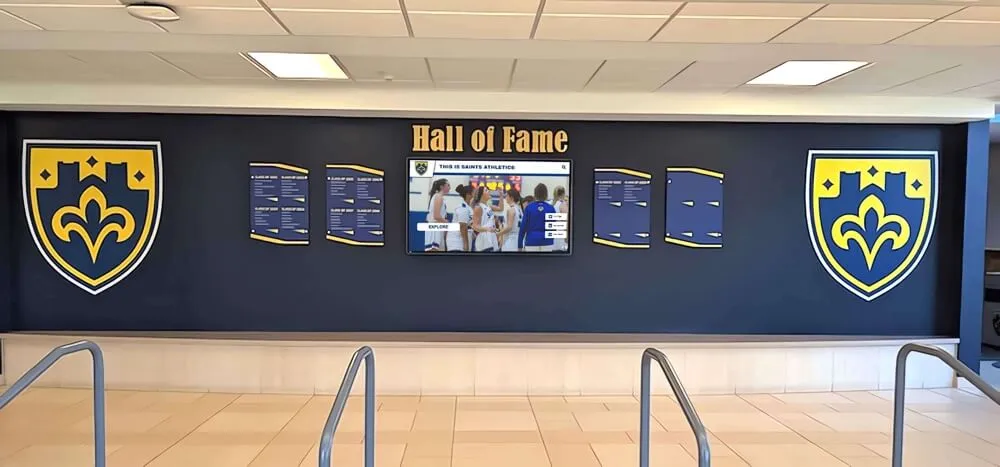
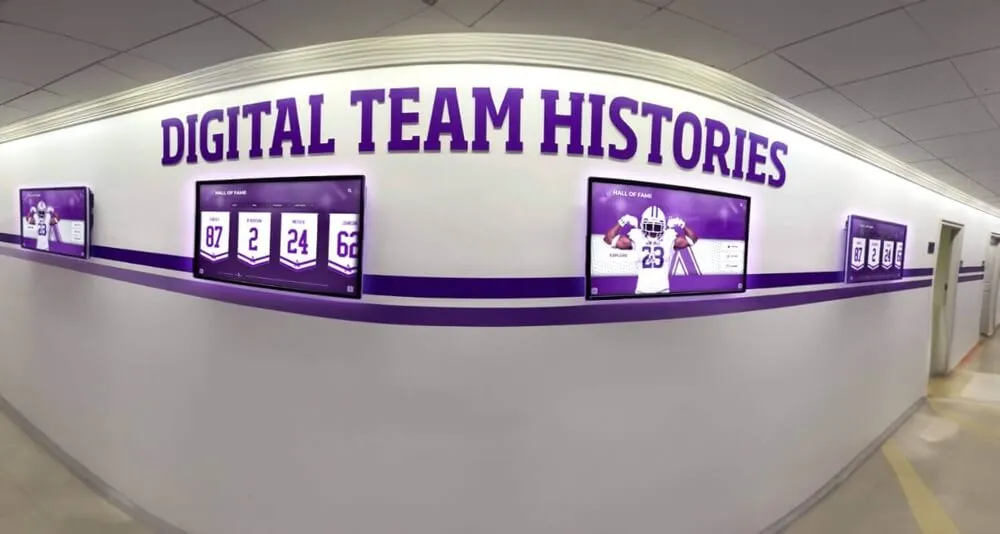
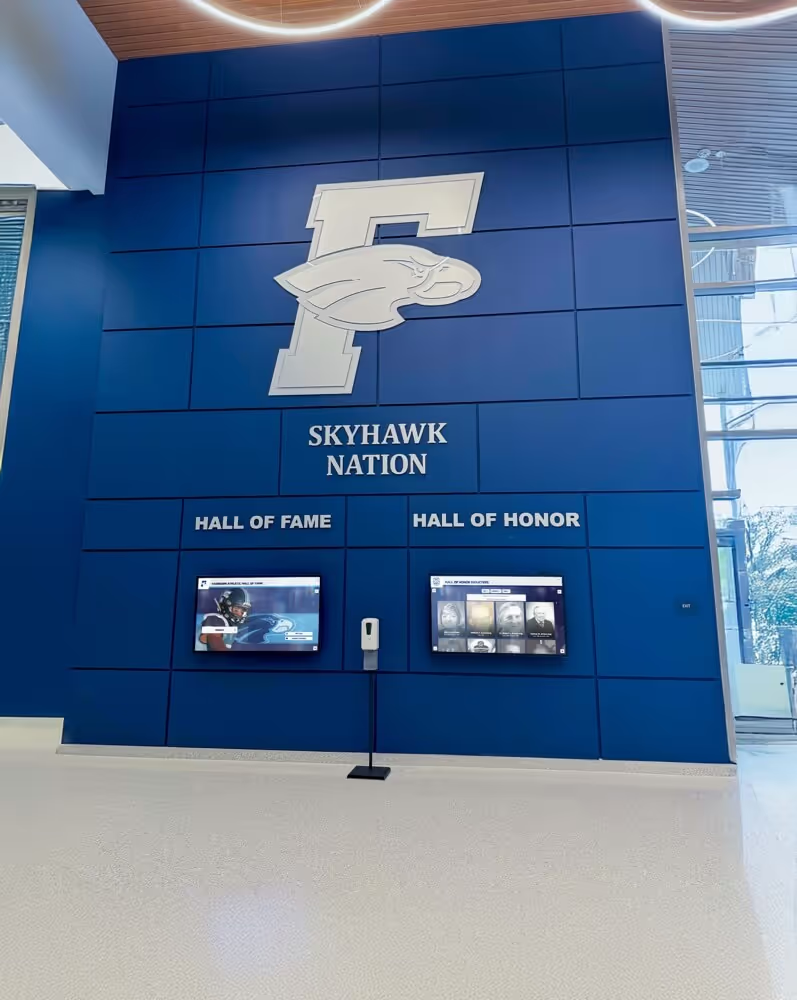
Hybrid installations honor tradition through physical elements while embracing digital technology for unlimited capacity
Expanded Wall-Mounted and Hallway Displays
Extending recognition beyond self-contained cases increases available display space:
Wall-Mounted Shadow Boxes
- Individual shadow boxes displaying single championship trophies with context
- Creates gallery-style hallway trophy displays extending recognition throughout facilities
- Accommodates three-dimensional trophies traditional wall plaques cannot showcase
- Enables flexible arrangement and easy updates without massive case reorganization
- Protects trophies while providing visibility superior to enclosed cases
Open Shelving and Ledge Displays
- Wall-mounted shelving systems displaying trophies without glass enclosures
- Reduces cost compared to fabricated cases while increasing capacity
- Creates accessibility for close examination when appropriate
- Requires higher security in high-traffic areas with unsupervised access
- Enables more dynamic arrangements and easy updates
Hallway Gallery Installations
- Transform corridors into comprehensive trophy galleries extending 30-50 feet
- Combines shadow boxes, shelving, and flat-wall plaques creating diverse presentation
- Integrates championship photography documenting memorable moments
- Creates destination recognition areas rather than isolated displays
- Maximizes underutilized hallway space for trophy recognition purpose
These expanded approaches work particularly well in athletic facilities, field houses, and training buildings where hallways naturally connect to programming spaces athletes and visitors frequent regularly.
Modern Alternative: Digital Trophy Display Solutions
Digital recognition technology fundamentally transforms trophy display by eliminating physical space constraints while adding capabilities traditional cases cannot provide regardless of budget or fabrication quality.
Understanding Digital Trophy Wall Platforms
Digital trophy displays consist of large-format interactive touchscreen systems running specialized recognition software:
Core Technology Components
- Commercial-grade touchscreen displays ranging from 43 to 75 inches
- Cloud-based content management systems enabling remote updates
- Specialized recognition software organizing content around achievements
- Web-based extensions providing worldwide access beyond physical displays
- Unlimited capacity accommodating thousands of trophy profiles
Unlike traditional cases displaying only physical trophies fitting within fixed dimensions, digital platforms showcase comprehensive recognition including every championship trophy earned across program history, complete team rosters and individual athlete profiles, multimedia content with photos, videos, and detailed narratives, searchable databases enabling instant information access, and regularly updated content adding new achievements within minutes.
A single 55-inch touchscreen can feature detailed profiles for 1,000+ trophies, championships, and achievements without ever running out of space—addressing the capacity crisis that plagues traditional trophy case approaches.
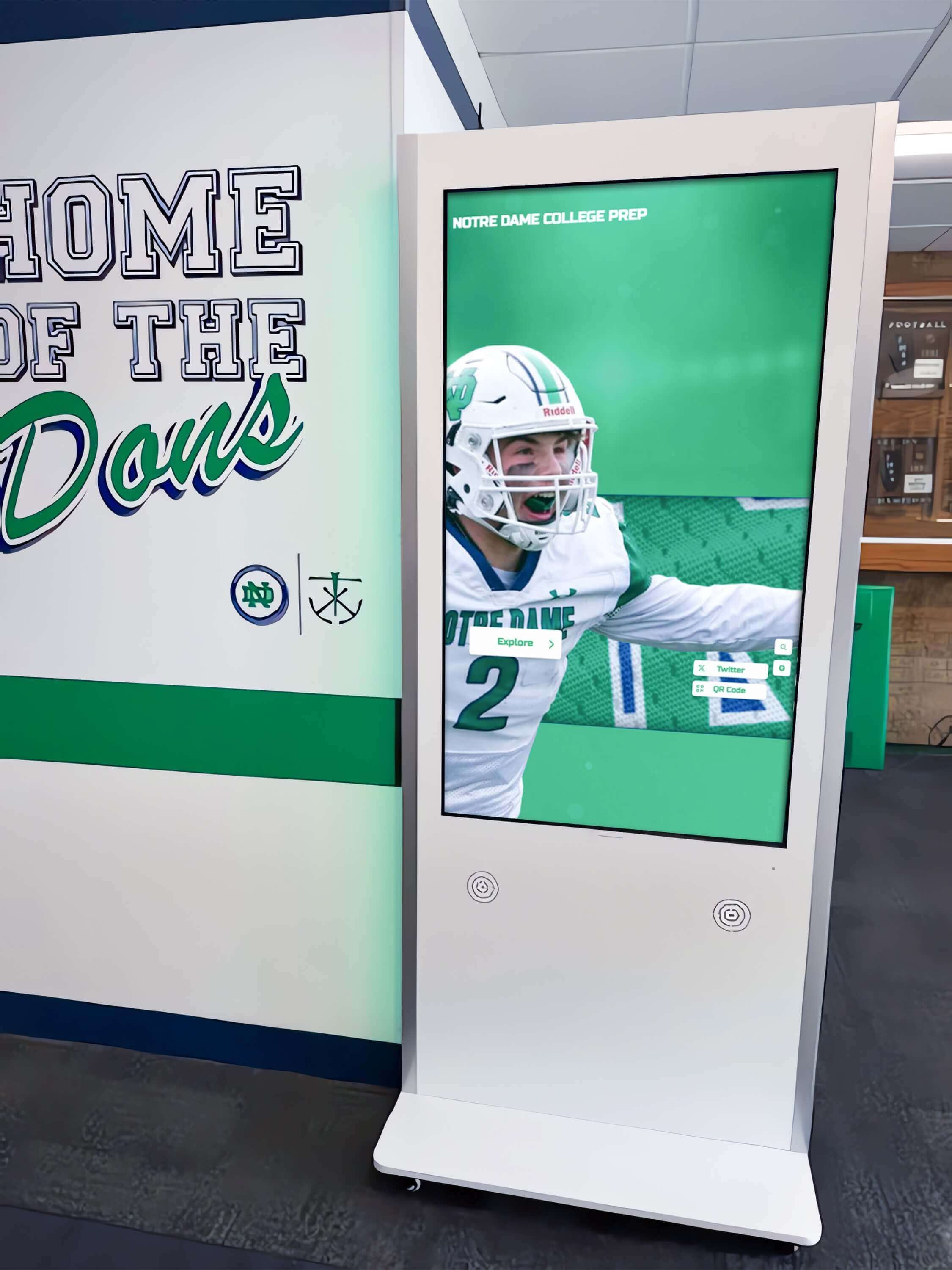
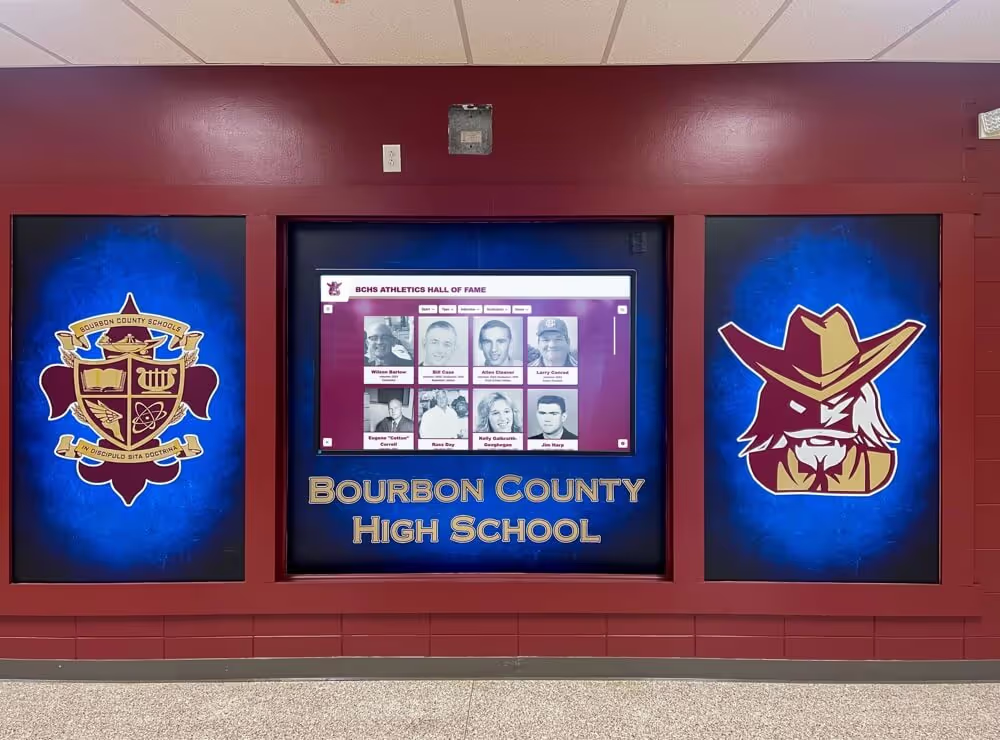
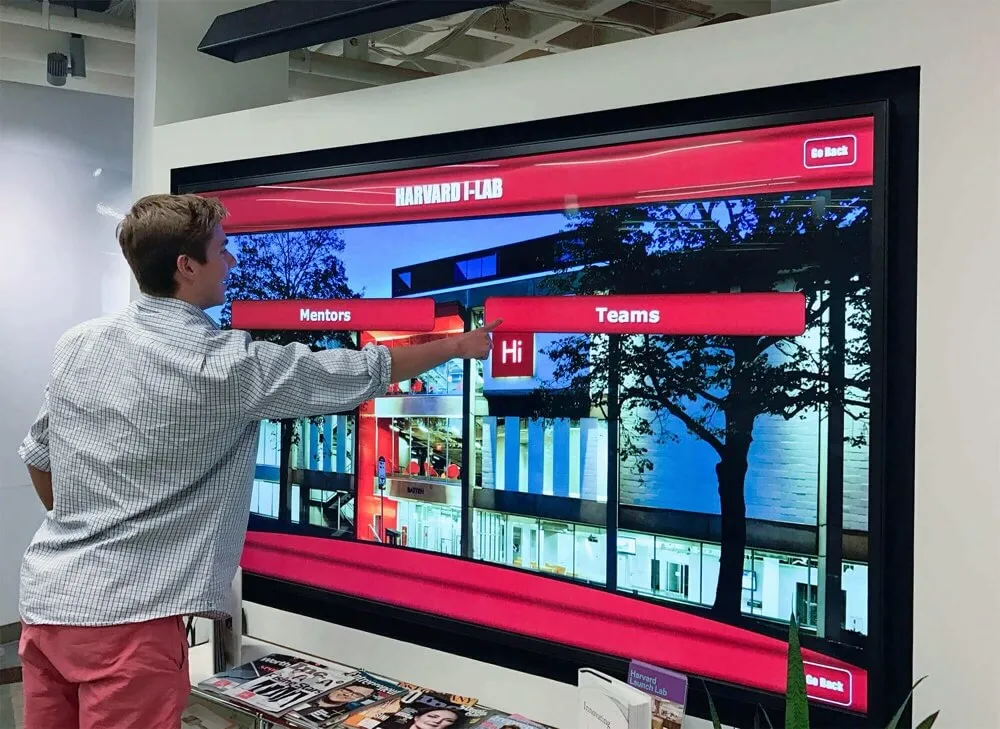
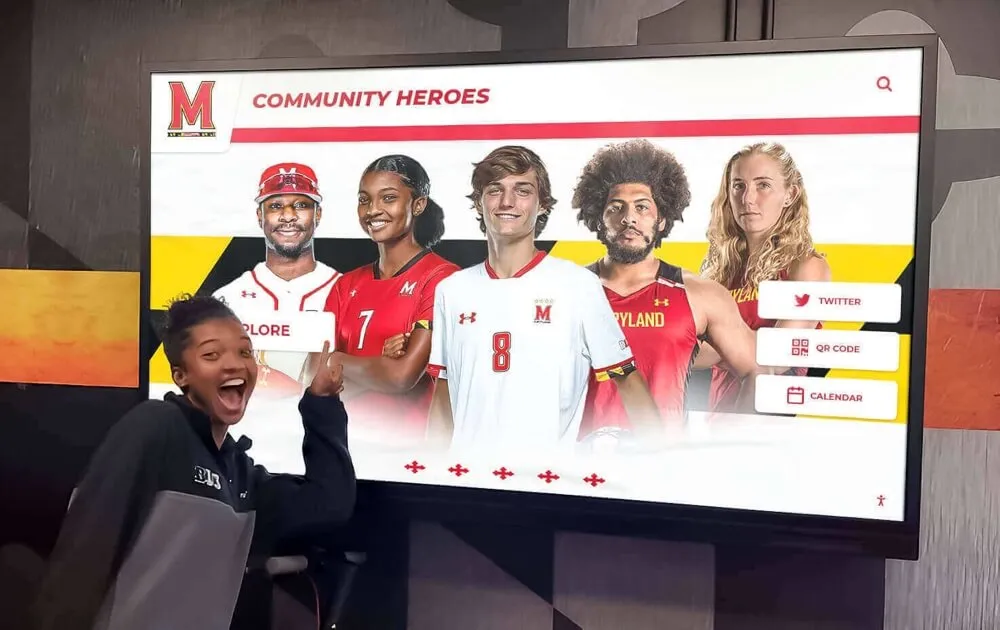
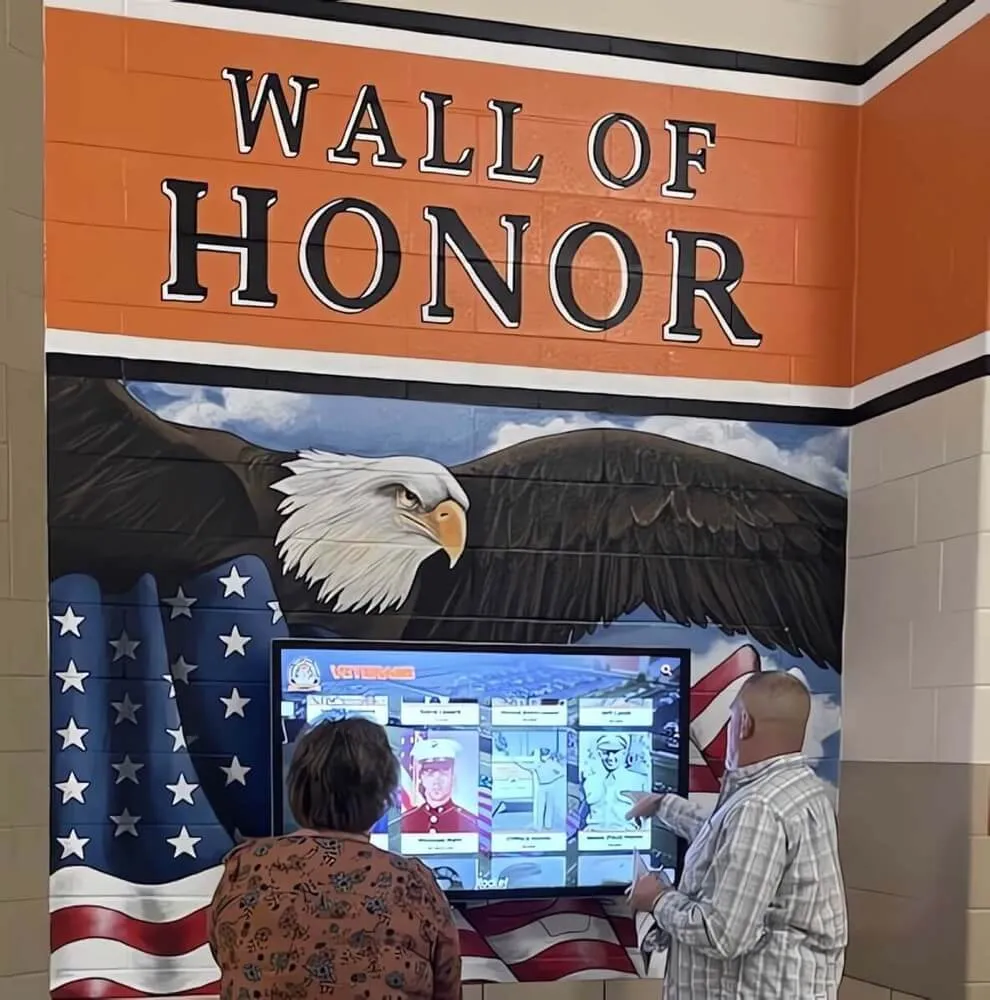
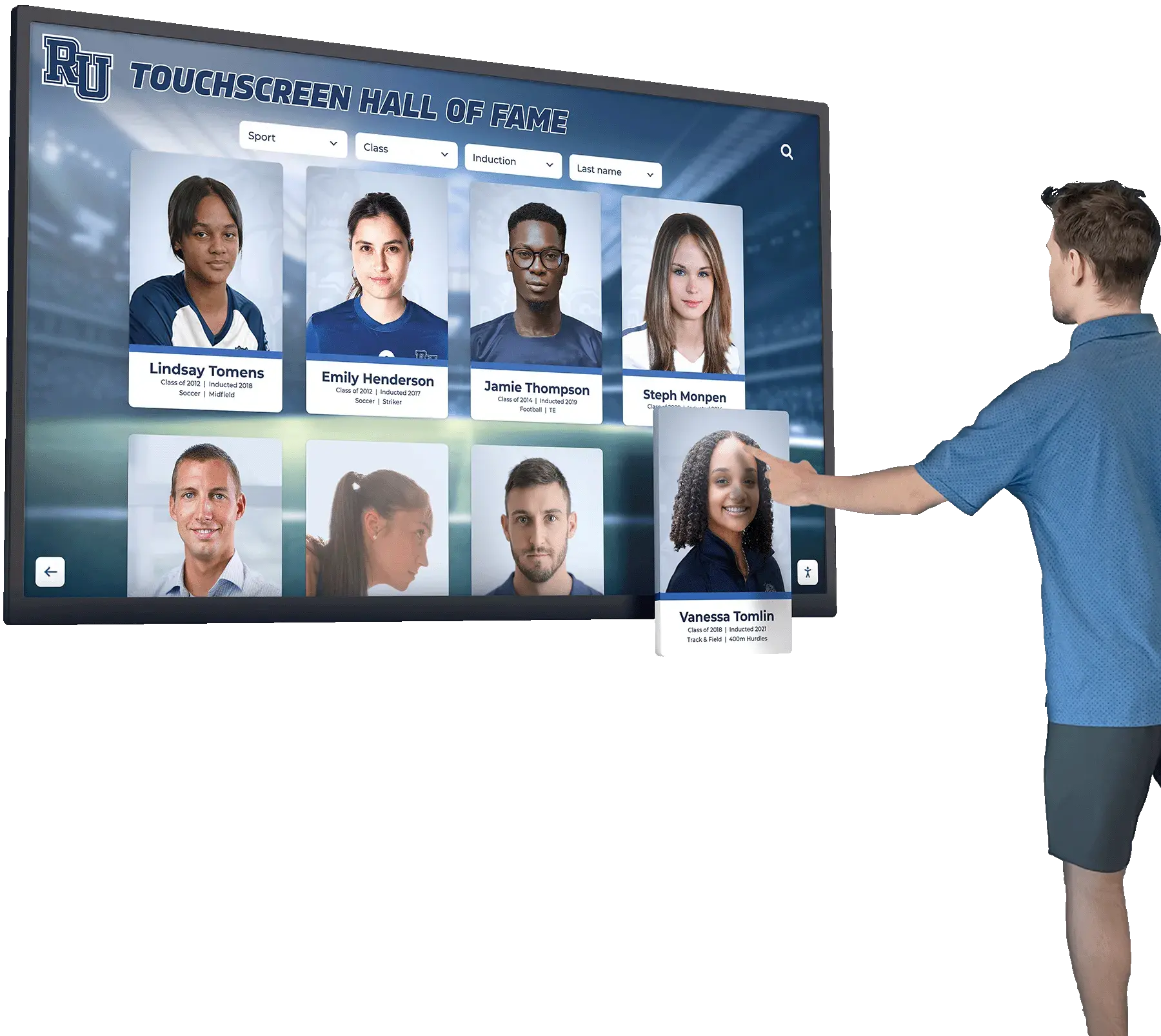
Purpose-built recognition kiosks provide unlimited capacity for comprehensive championship celebration
Digital Trophy Display Advantages
Digital platforms deliver capabilities physical cases cannot match:
Unlimited Recognition Capacity
- Showcase every championship trophy regardless of quantity
- Document complete program history spanning decades
- Include championships from all sports without space allocation conflicts
- Add new achievements instantly without physical case limitations
- Recognize individual athletes alongside team championships comprehensively
Organizations implementing digital trophy walls eliminate difficult choices about which championships receive visibility—comprehensive recognition becomes practical rather than theoretically ideal but logistically impossible.
Rich Multimedia Storytelling
- High-resolution trophy photographs from multiple angles
- Championship game video highlights and memorable moments
- Complete team rosters with individual athlete profiles linked
- Season statistics, records, and tournament progression documentation
- Coach interviews and athlete reflections providing context
- Historical photography connecting championships to program tradition
This depth transforms basic trophy documentation into engaging stories that inspire understanding of what championships represent—the dedication, teamwork, and excellence required to achieve ultimate competitive success. Exploring approaches to digital trophy walls reveals comprehensive strategies for implementation and content development.
Interactive Exploration Features
- Search by athlete name, sport, year, or championship type
- Filter achievements by decade, competition level, or award category
- Browse championship collections and program histories
- Explore related achievements and connected athletes
- Watch video highlights and championship celebrations
- Discover detailed information impossible in traditional case plaques
Interactive engagement creates dramatically longer viewing times—organizations report 4-7 minutes average interaction with digital trophy walls versus 30-60 seconds glancing at traditional cases, representing 10x engagement improvement.
Universal Accessibility
- Web-based platforms extending recognition beyond campus boundaries
- Alumni worldwide can explore championships from their eras
- Prospective students research program traditions during recruitment
- Families share athlete achievements with distant relatives via social media
- Mobile-responsive design ensures accessibility on all devices
- QR codes on physical displays connect to extended online content
This accessibility transforms trophy recognition from location-specific displays serving only those physically present to comprehensive platforms engaging communities worldwide.
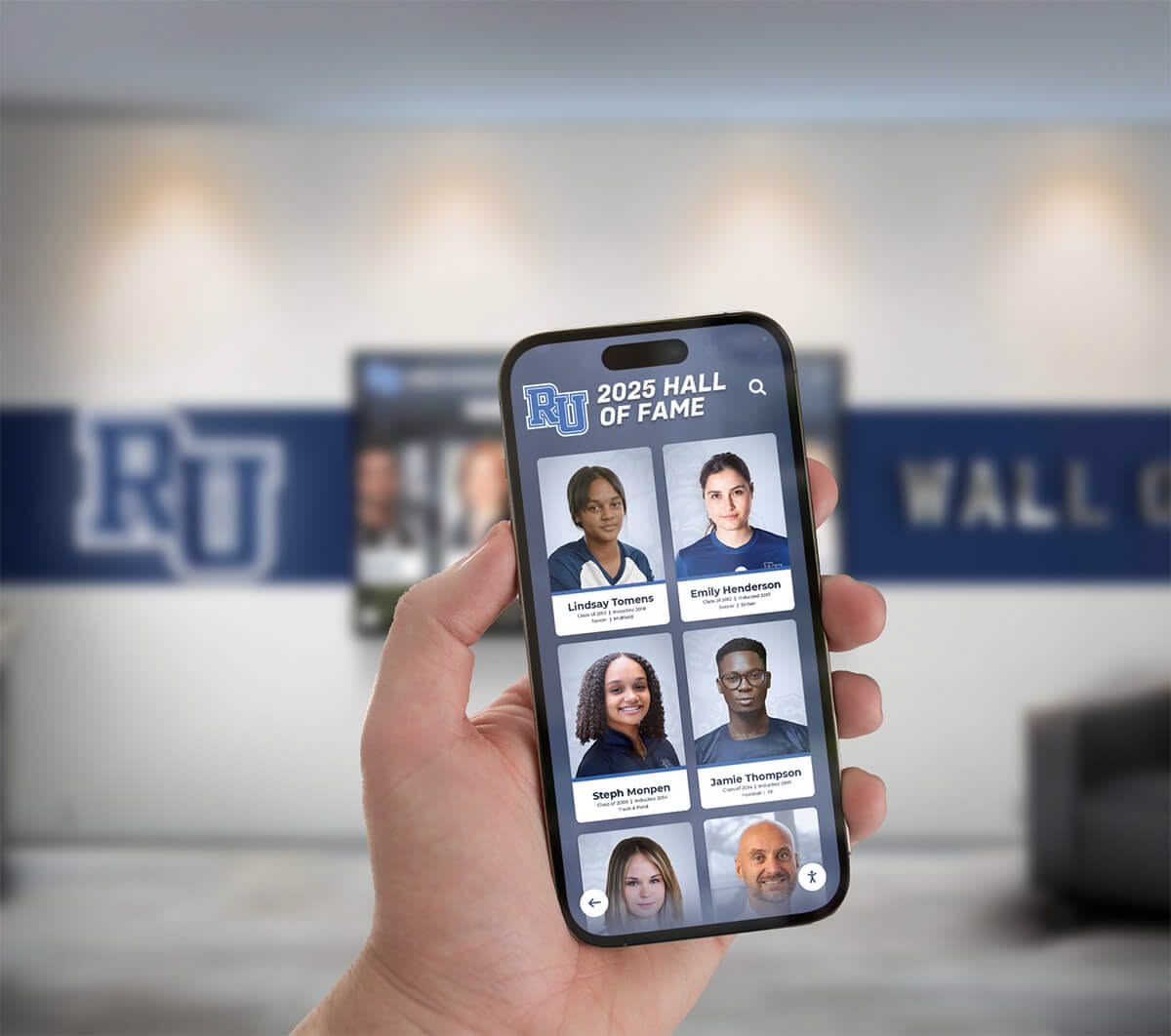
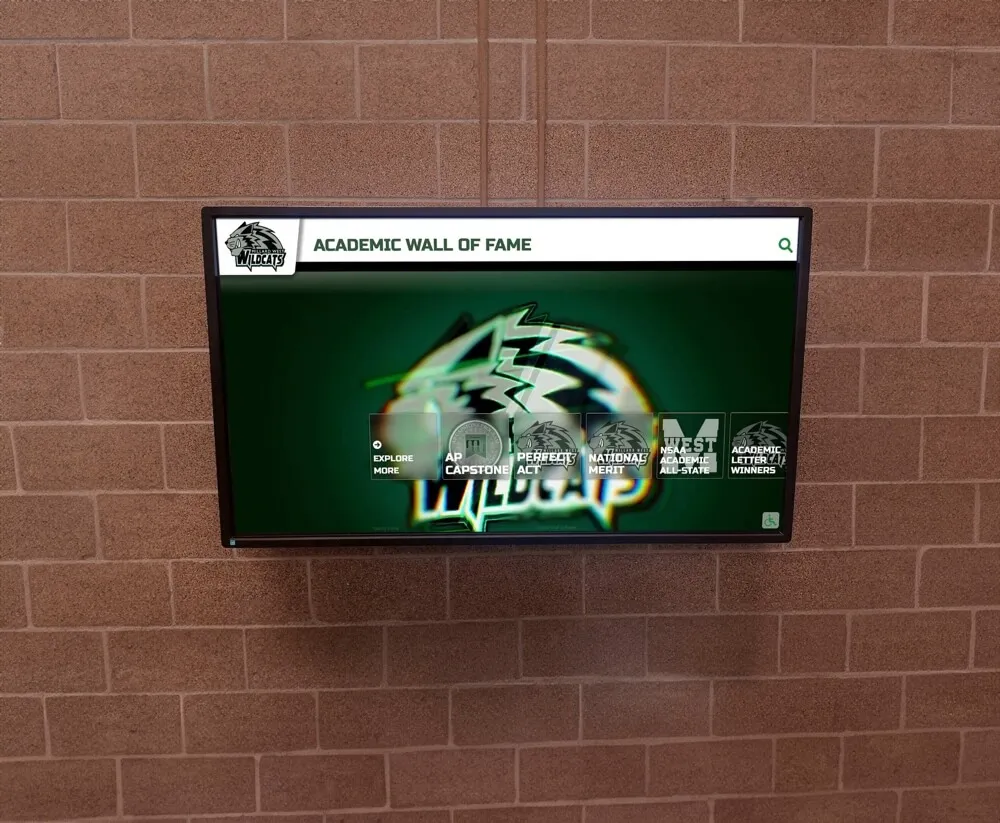
Mobile and web access extends trophy recognition to worldwide audiences accessing championship content anytime
Immediate Updates and Minimal Maintenance
- Cloud-based management enables trophy additions within minutes
- No waiting for engraving, case unlocking, or physical rearrangement
- Correct errors instantly rather than requiring plaque replacement
- Update content from any internet-connected device without campus visits
- Eliminate ongoing maintenance like glass cleaning and trophy polishing
Athletic directors report 80-90% reduction in administrative time maintaining trophy recognition compared to traditional cases requiring constant physical management.
Implementing Digital Trophy Recognition
Organizations considering digital trophy walls should understand implementation considerations and best practices:
Hardware and Installation Requirements
- Commercial-grade displays designed for continuous operation in public spaces
- Professional mounting ensuring secure, accessible installation
- Adequate electrical service and network connectivity
- Strategic placement in high-traffic locations like lobbies and hallways
- ADA-compliant positioning for universal accessibility
Software Platform Selection
- Purpose-built recognition platforms designed specifically for trophy and achievement display
- Intuitive content management systems enabling non-technical staff to update easily
- Cloud-based architecture eliminating local server requirements
- Comprehensive vendor support including training and technical assistance
- Scalable solutions accommodating organizational growth
Solutions like Rocket Alumni Solutions provide comprehensive platforms specifically engineered for institutional trophy and achievement recognition, delivering superior functionality compared to generic digital signage systems repurposed for recognition purposes. Understanding digital hall of fame buying considerations helps organizations evaluate vendors and technologies effectively.
Content Development Strategy
- Start with recent achievements establishing immediate value
- Expand historical coverage systematically over subsequent months
- Engage alumni assistance gathering information and photos from their eras
- Utilize student volunteers in journalism, media, and history programs
- Develop sustainable update processes for ongoing championship additions
Rather than delaying launch until comprehensive historical documentation completes—a timeline often stretching years—successful implementations start focused then expand coverage systematically, demonstrating value quickly while building complete trophy recognition over time.
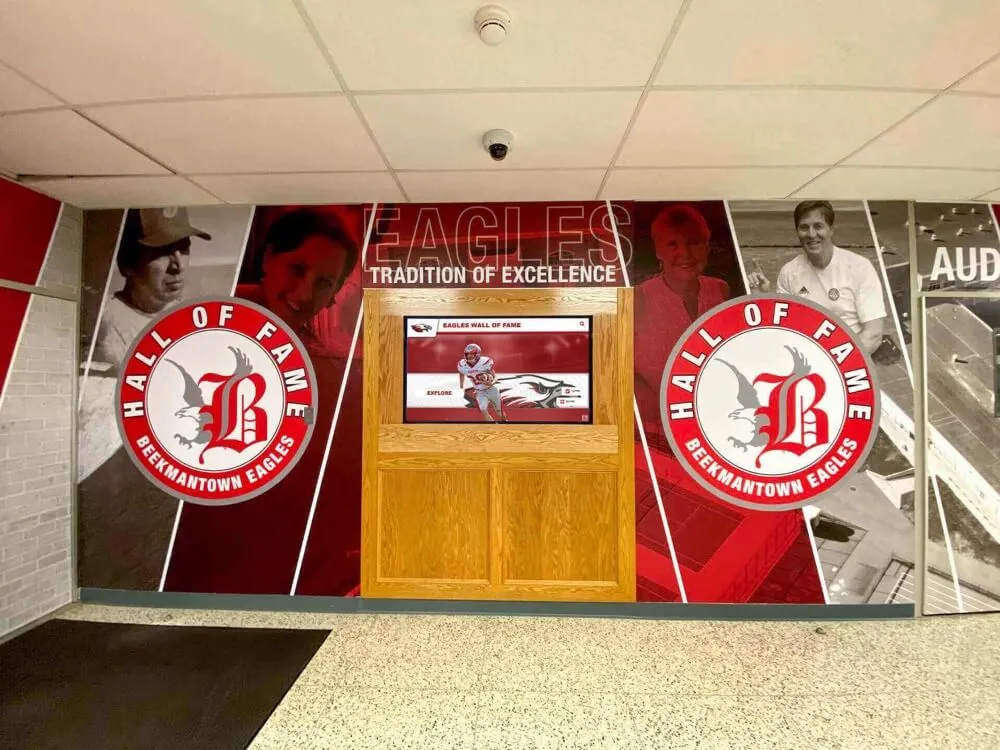
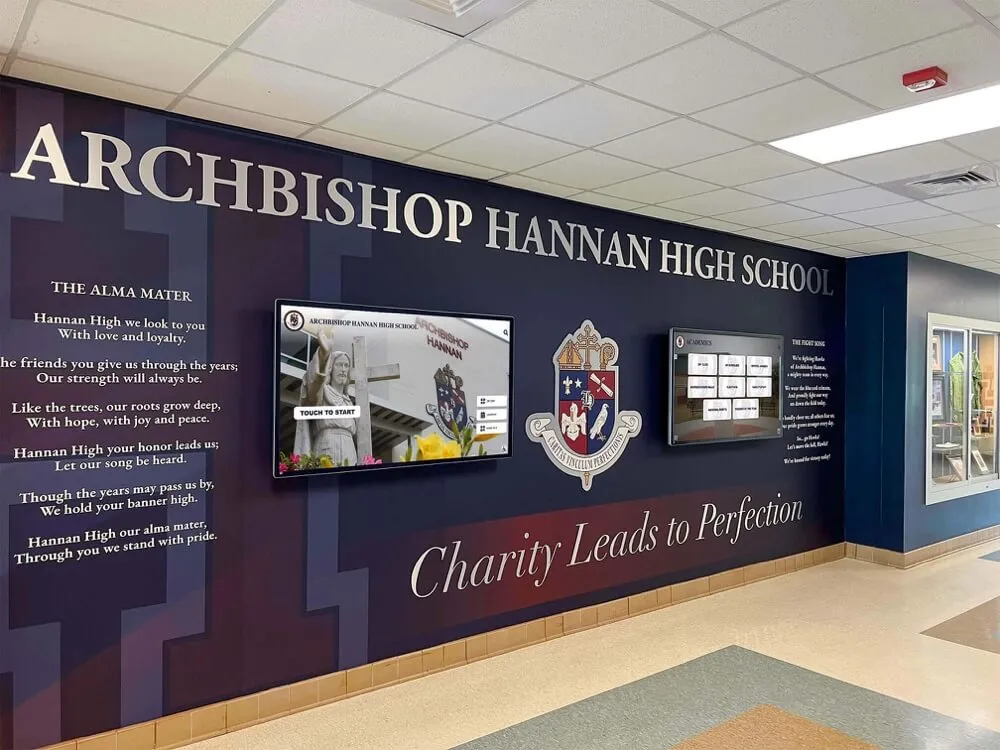
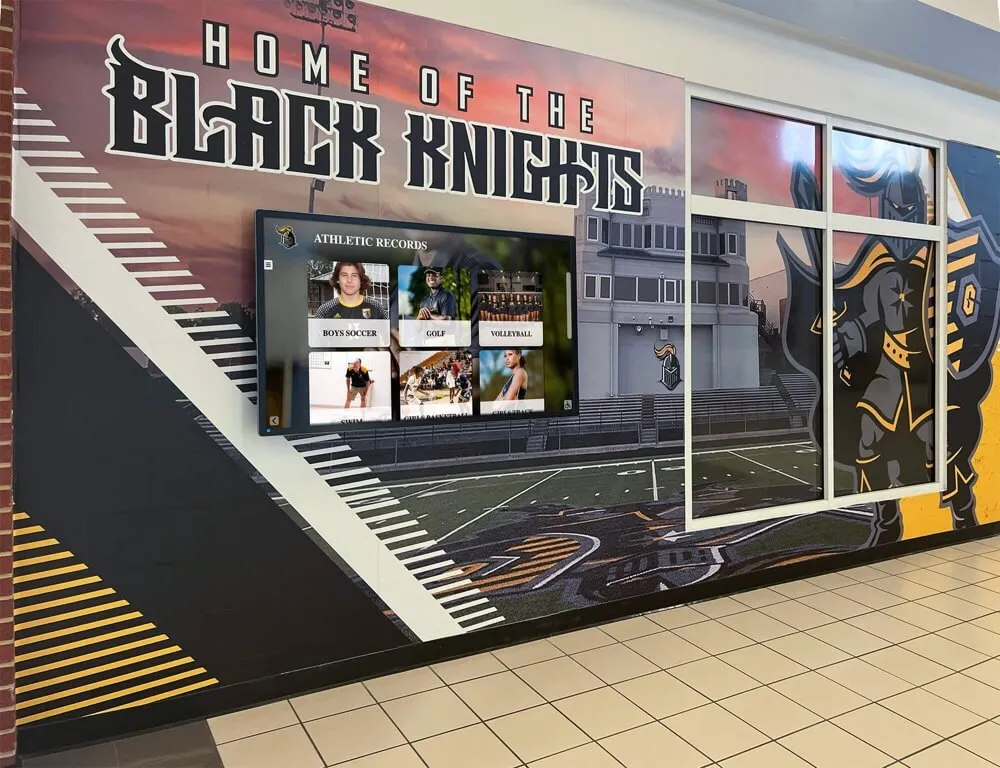
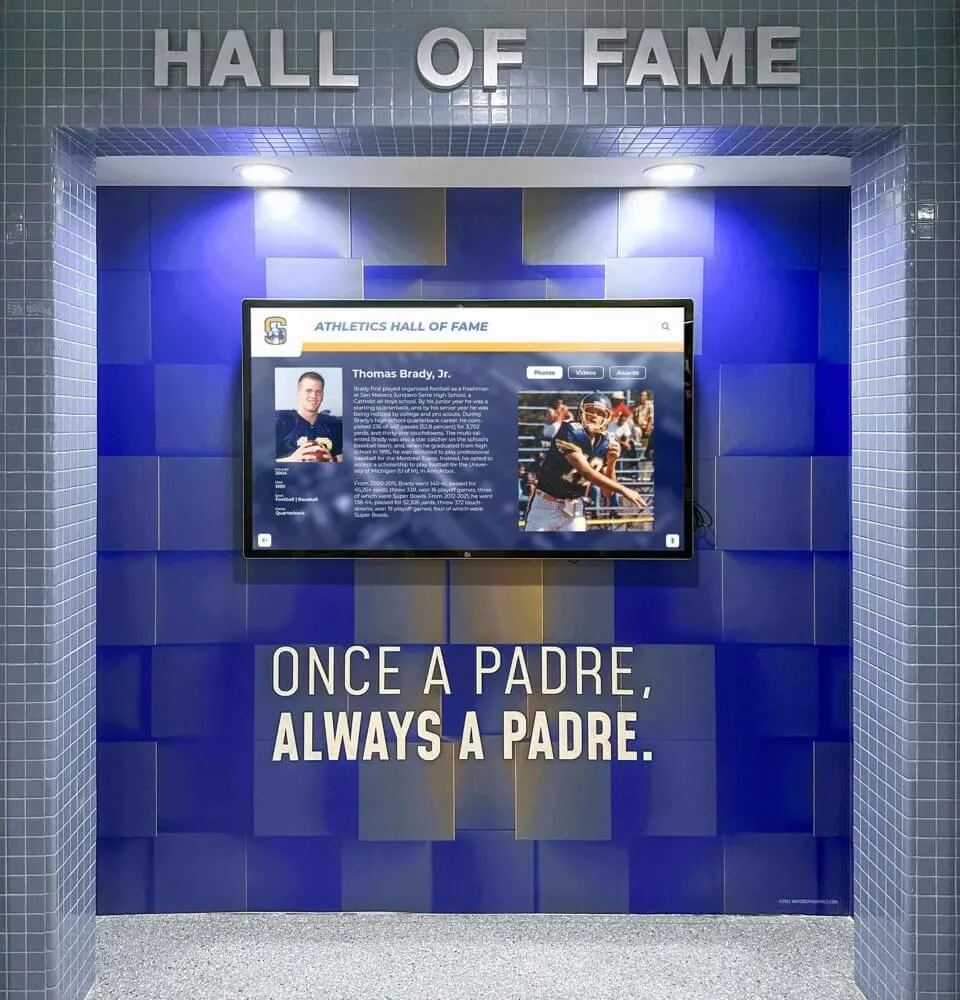
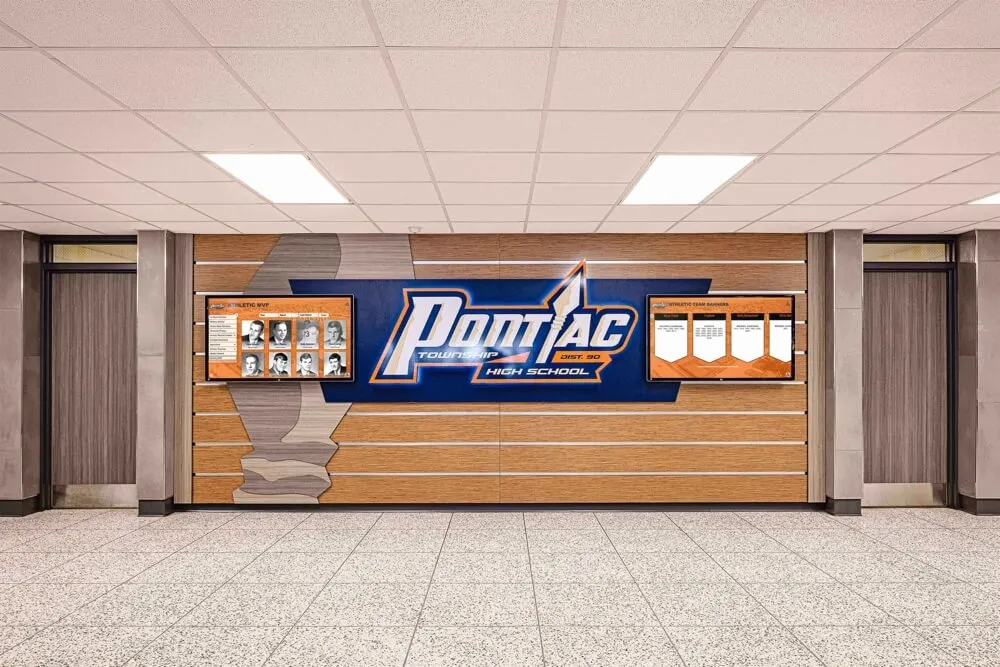
Professional digital installations integrate seamlessly with architectural elements creating cohesive recognition environments
Cost Considerations and Financial Analysis
Digital trophy walls involve different cost structures than traditional cases:
Initial Investment
- Commercial-grade touchscreen displays: $3,000-8,000 depending on size
- Specialized recognition software licensing: $2,000-5,000 initial setup
- Professional installation: $500-2,500 based on mounting complexity
- Content development for historical coverage: Variable based on scope
- Total initial investment: $8,000-15,000 per display location
Ongoing Costs
- Annual software licensing: $800-2,000 maintaining platform access
- Minimal maintenance compared to traditional cases
- Occasional hardware updates every 7-10 years
- Content development time for new championship additions
Traditional Case Comparison
- High-quality trophy cases: $2,000-10,000 per unit initially
- Multiple cases required as collections grow: $2,000-10,000 per expansion
- Ongoing engraving: $50-200 per trophy
- Case maintenance, lighting replacement, and lock repairs
- Physical rearrangement labor: 20-40 hours annually
Over 10-15 year timeframes, successful programs spend $30,000-80,000 on traditional trophy recognition through initial cases plus multiple expansions and ongoing engraving. Digital systems incur $8,000-15,000 initially plus $8,000-20,000 in software licensing over 10-15 years—comparable or lower total investment while providing vastly superior capacity and capabilities.
Hybrid Approaches: Best of Both Worlds
Many organizations discover that combining selective physical trophy displays with comprehensive digital systems creates optimal recognition serving diverse stakeholder preferences.
Selective Physical Trophy Prominence
Maintain traditional cases displaying premiere trophies:
What to Display Physically
- State championships and highest-level competitive achievements
- Historic trophies with exceptional aesthetic or ceremonial value
- Recent championship trophies while excitement and visibility remain highest
- Specially commissioned pieces recognizing milestone achievements
- Trophies specifically donated with expectations of physical display
Physical trophies maintain ceremonial significance creating powerful focal points that command immediate attention and respect. Many stakeholders, particularly older alumni and major donors, specifically value seeing actual championship hardware rather than digital representations alone.
Strategic Case Placement
- Main entrance lobbies creating immediate visitor impressions
- Athletic facility main areas where teams gather and compete
- Administrative office lobbies showcasing excellence to visitors
- Alumni gathering spaces honoring program heritage
- Fieldhouse concourses providing game-day visibility
Selective physical displays honor tradition while acknowledging that comprehensive recognition of all achievements requires digital platforms providing unlimited capacity.
Digital Platforms for Comprehensive Documentation
Supplement physical displays with digital systems providing:
Complete Trophy Coverage
- Every championship, tournament victory, and significant award regardless of display capacity
- All team rosters and individual athlete recognition
- Complete trophy photo archives showing pieces even when not physically displayed
- Searchable databases providing instant access to any achievement
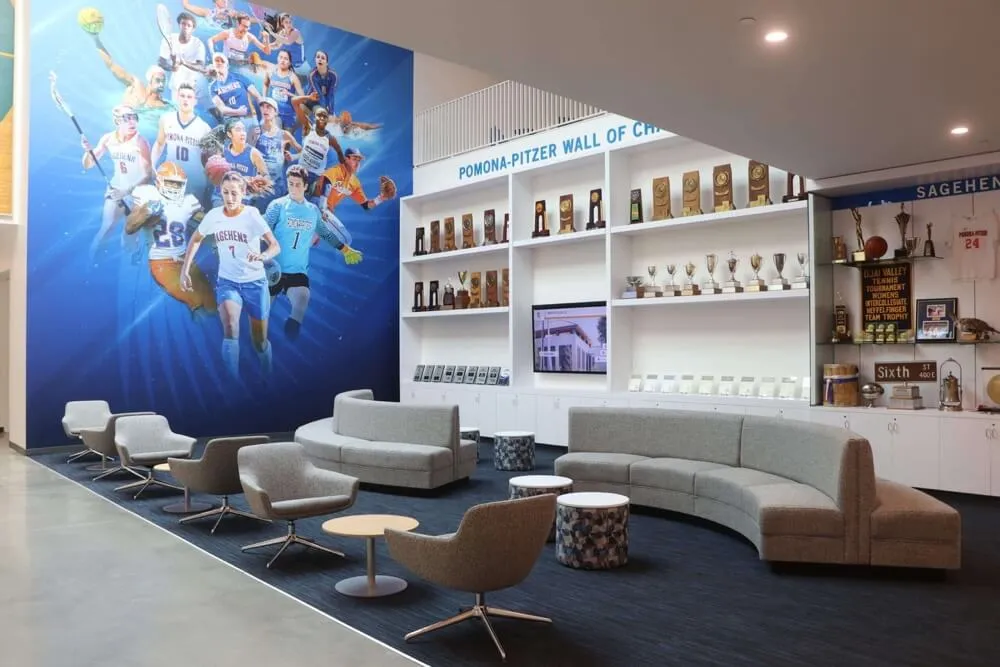
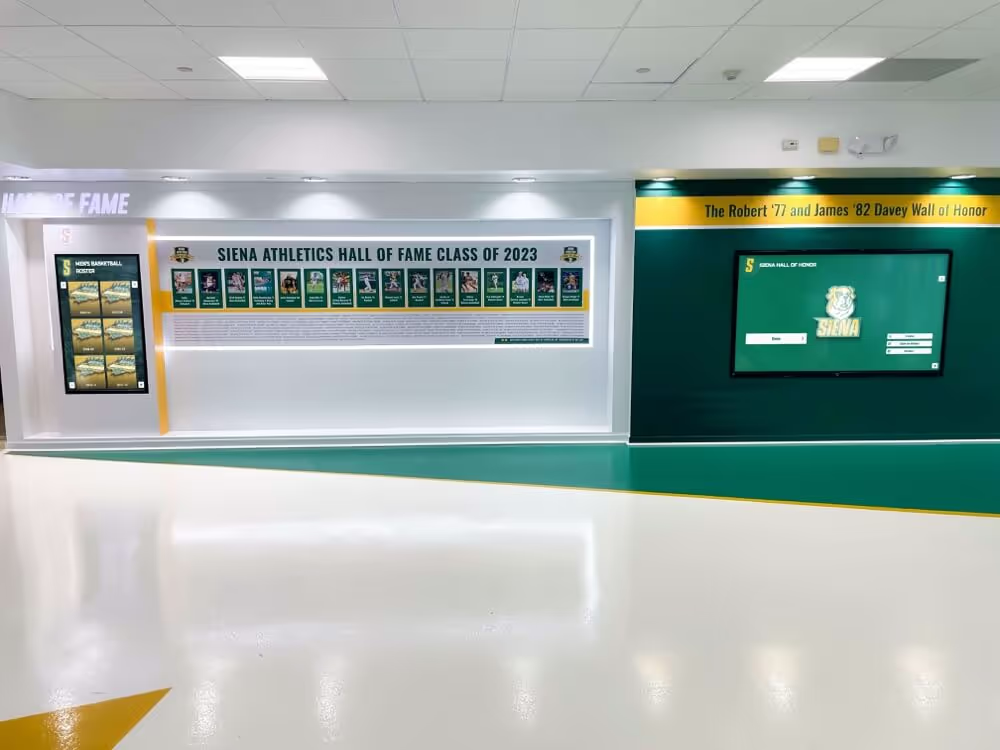
Modern recognition spaces combine physical trophy presence with expanded digital storytelling
Extended Storytelling and Context
- Detailed championship narratives explaining significance and journey
- Multimedia content with photos, videos, and statistics
- Coach and athlete reflections providing personal perspectives
- Historical connections showing evolution across program tradition
- Achievement progressions demonstrating growth and development
Universal Access and Engagement
- Web-based platforms extending recognition beyond campus
- Interactive exploration enabling user-directed content discovery
- Social sharing capabilities amplifying recognition reach
- Mobile accessibility ensuring worldwide availability
- Analytics tracking engagement and demonstrating program value
This hybrid approach respects tradition through continued physical trophy presence while leveraging digital technology for comprehensive capacity, rich storytelling, easy updates, and universal accessibility that traditional cases alone cannot provide effectively. Learning about state championship displays demonstrates how schools celebrate premier achievements through both physical and digital recognition.
Integrated Design Creating Cohesive Recognition
Effective hybrid installations integrate physical and digital elements seamlessly:
Coordinated Visual Design
- Digital displays positioned adjacent to trophy cases creating unified recognition zones
- Consistent branding, colors, and design language across physical and digital elements
- Architectural integration making technology feel permanent rather than afterthought
- Lighting design highlighting both physical trophies and digital displays
- Wayfinding and signage directing visitors to both recognition components
Content Connections
- QR codes on trophy case plaques linking to expanded digital profiles
- Digital display home screens featuring photographs of nearby physical trophies
- Physical case placards referencing comprehensive digital coverage
- Coordinated updates ensuring consistency across recognition platforms
- Cross-referencing helping visitors navigate between physical and digital content
Complementary Functions
- Physical cases provide immediate visual impact and ceremonial presence
- Digital platforms enable deep exploration and comprehensive documentation
- Physical displays showcase selective highlights while digital covers everything
- Cases honor tradition appreciated by older stakeholders
- Digital systems engage contemporary audiences expecting interactive experiences
This thoughtful integration creates recognition environments where physical and digital elements strengthen rather than compete with each other.

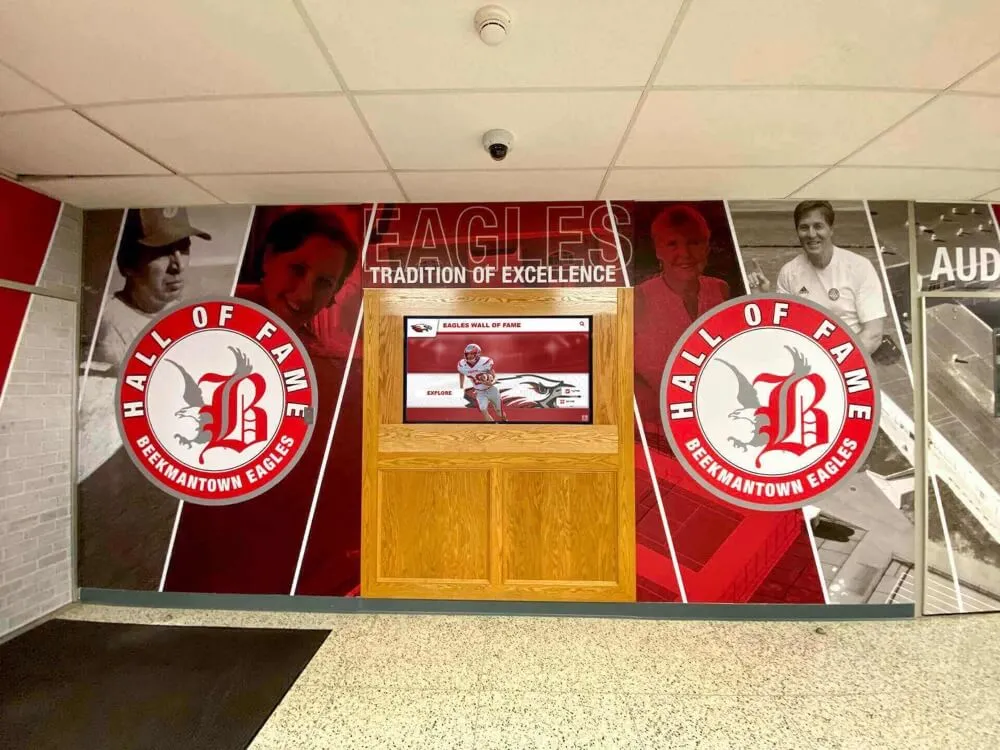
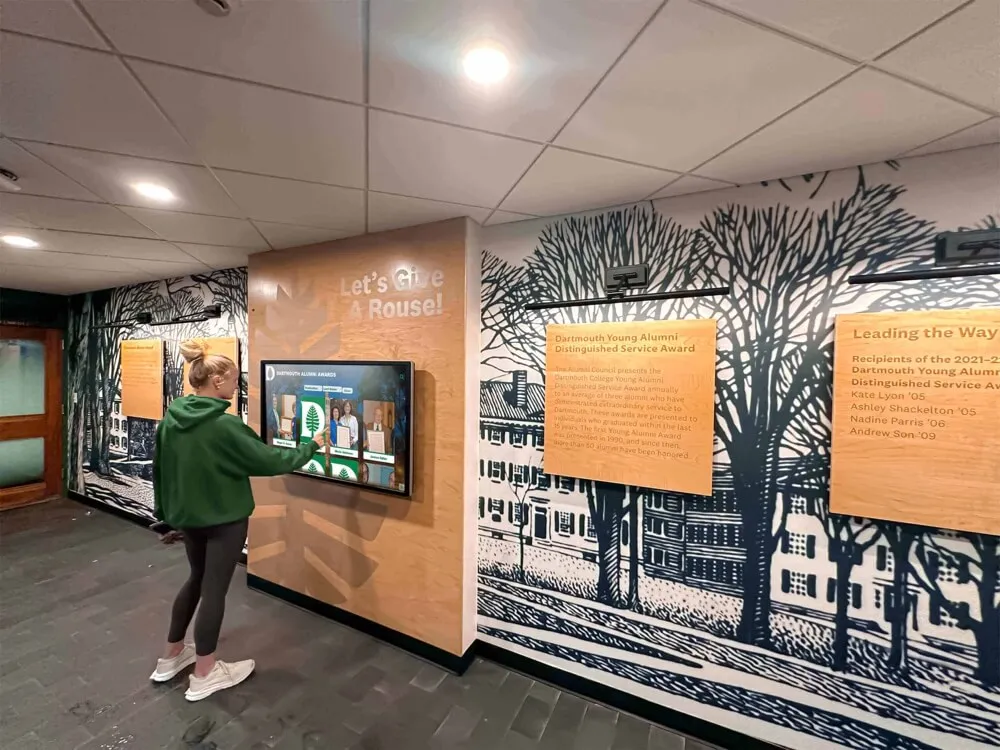
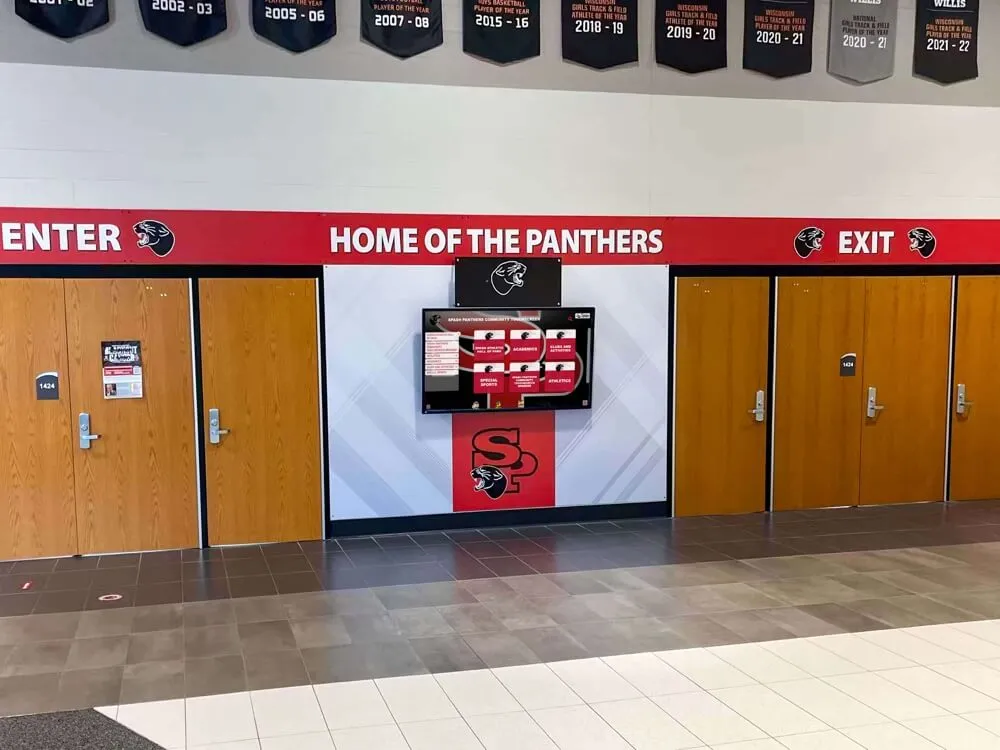
Coordinated branding integrates digital recognition seamlessly with physical displays and architectural design
Planning Your Trophy Display Implementation
Whether enhancing existing recognition or designing new installations, systematic planning ensures effective trophy display that serves organizational goals while respecting budget realities.
Assessing Current Recognition and Needs
Begin with comprehensive evaluation of existing situations and future requirements:
Current State Analysis
- Inventory all trophies, championships, and awards requiring recognition
- Assess existing display capacity and remaining available space
- Evaluate current display organization and effectiveness
- Document trophy condition and maintenance requirements
- Survey stakeholder satisfaction with existing recognition
Future Needs Projection
- Estimate annual trophy accumulation based on program competition schedules
- Calculate years until existing capacity exhausts
- Identify equity concerns with current recognition approaches
- Determine accessibility requirements serving all community members
- Consider organizational growth potentially increasing trophy quantities
Stakeholder Input Collection
- Survey athletes about recognition importance and preferences
- Gather alumni perspectives on traditional versus modern approaches
- Consult coaches about recognition’s role in program culture
- Engage administrators regarding budget realities and priorities
- Consider donor and community expectations about trophy display
This comprehensive assessment prevents reactive crisis responses when cases fill unexpectedly and enables proactive recognition planning aligned with long-term program goals.
Budget Development and Funding Strategies
Trophy display investment competes with many organizational priorities requiring creative funding approaches:
Budget Components
- Hardware costs for cases or digital displays
- Software licensing for digital platforms
- Installation and construction expenses
- Content development for comprehensive recognition
- Ongoing maintenance and update provisions
Funding Source Options
- Capital budgets for permanent facility improvements
- Booster club fundraising specifically for trophy recognition
- Alumni donations from graduates passionate about program heritage
- Memorial giving programs honoring deceased community members
- Corporate sponsorships from local businesses receiving acknowledgment
- Grant opportunities through educational technology programs
Some organizations incorporate trophy recognition into facility renovation projects or capital campaigns, treating comprehensive display infrastructure as permanent institutional investment deserving major funding rather than limiting consideration to annual operating budgets.
Understanding athletic recognition best practices helps organizations develop recognition strategies aligned with contemporary expectations while respecting traditional preferences.
Implementation Timeline and Phasing
Successful trophy recognition projects follow systematic implementation approaches:
Phase 1: Planning and Design (2-3 months)
- Finalize recognition strategy and technology approach
- Complete design development and vendor selection
- Secure funding and budget approvals
- Plan installation logistics and scheduling
- Begin content development for initial launch
Phase 2: Installation and Launch (1-2 months)
- Manufacture or procure display hardware
- Complete physical installation and setup
- Configure software platforms and train administrators
- Develop initial content covering recent achievements
- Plan and execute recognition launch event
Phase 3: Expansion and Refinement (Ongoing)
- Systematically expand historical trophy coverage
- Collect stakeholder feedback and implement improvements
- Establish sustainable update processes
- Monitor engagement and demonstrate value
- Continuously enhance content quality and depth
Rather than attempting comprehensive perfect recognition immediately, phased approaches demonstrate value quickly while building complete systems over time—maintaining momentum while managing workload and investment practically.
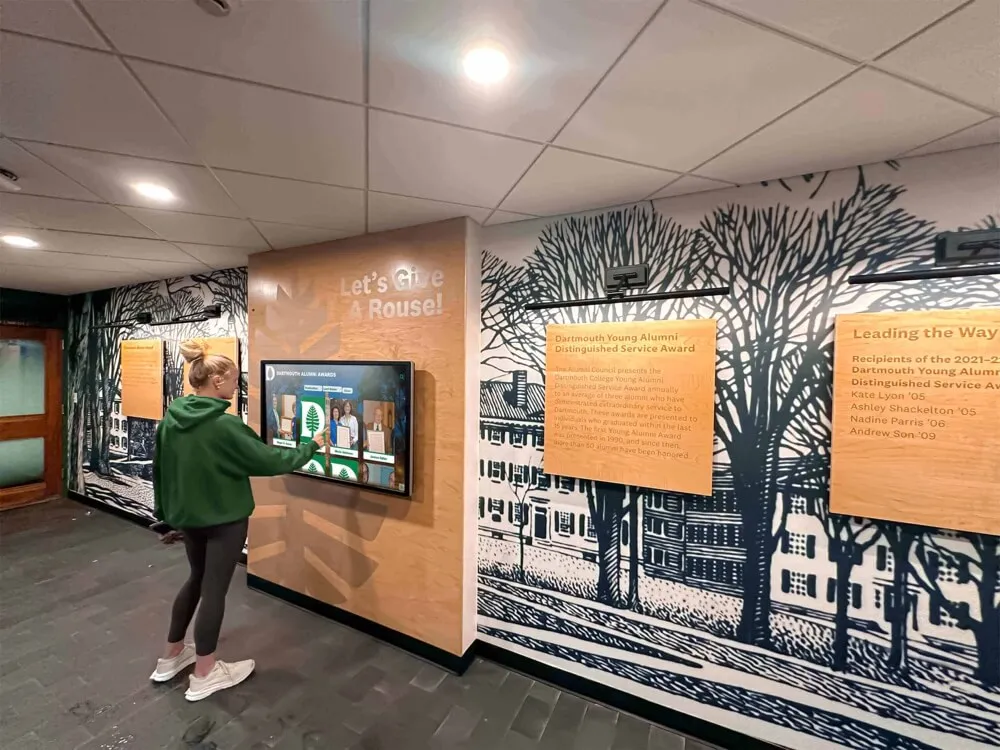
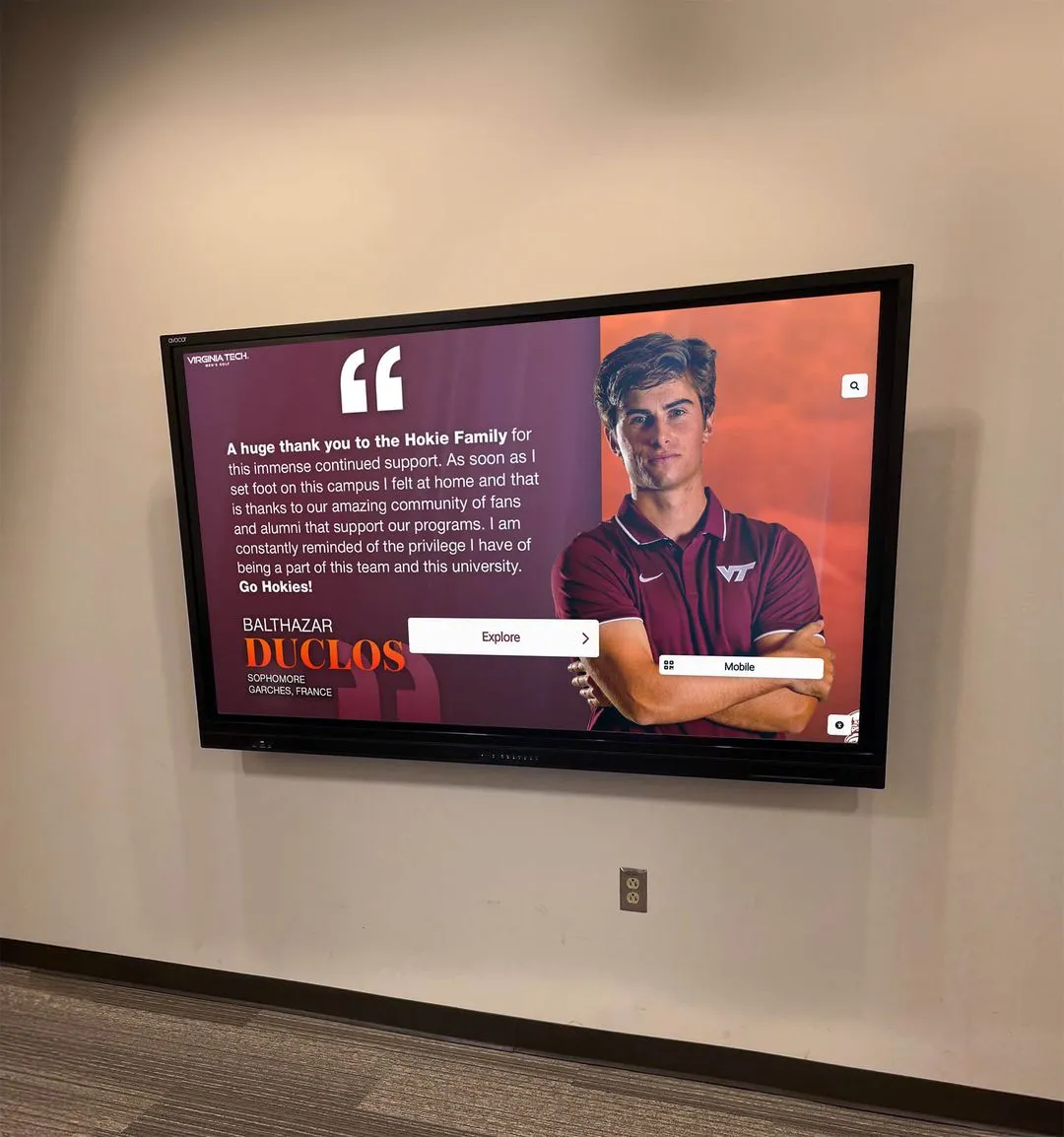
Cloud-based management enables easy content updates maintaining current and relevant trophy recognition
Measuring Trophy Display Effectiveness
Assessment demonstrates recognition value while identifying enhancement opportunities:
Engagement and Interaction Metrics
Digital platforms provide data revealing how communities interact with trophy recognition:
Usage Tracking
- Total interactions showing recognition engagement frequency
- Session duration indicating depth of content exploration
- Most-viewed trophies revealing popular content and community interests
- Search query analysis demonstrating what visitors seek
- Time-of-day patterns informing update strategies
Web Platform Analytics
- Website traffic to online trophy recognition portals
- Geographic distribution showing worldwide reach
- Device types informing responsive design priorities
- Social sharing frequency measuring organic promotion
- Return visitor rates indicating sustained interest
These metrics guide content strategy and reveal successful approaches worth replicating across recognition programs.
Stakeholder Feedback Collection
Quantitative metrics complement qualitative feedback:
Athlete and Student Perspectives
- Surveys assessing satisfaction with trophy recognition received
- Focus groups exploring recognition’s motivational impact
- Input on desired enhancements and additional content
- Reflections on whether recognition creates lasting pride
- Feedback on accessibility and ease of finding content
Community and Alumni Input
- Parent satisfaction with recognition visibility
- Alumni engagement with online trophy platforms
- Visitor feedback during campus tours and events
- Community perception of program excellence influenced by visible recognition
- Donor and supporter perspectives on recognition acknowledging contributions
Administrative Assessment
- Athletic director evaluation of recognition supporting program goals
- Coach perspectives on cultural impact and recruitment value
- Staff feedback on management system usability
- Budget authority assessment of return on investment
- Long-term sustainability evaluation ensuring ongoing success
This comprehensive feedback ensures trophy recognition serves diverse needs while identifying improvement opportunities that data alone might miss.
Exploring national merit scholar recognition demonstrates how similar recognition principles apply across athletic and academic achievement celebration.
Conclusion: Creating Trophy Recognition That Inspires Excellence
Trophy display cases serve purposes far beyond simply storing awards—they communicate institutional values, inspire current athletes toward excellence, honor decades of achievement building program tradition, and create tangible pride connecting community members with organizational identity. Whether through traditional physical cases, modern digital platforms, or thoughtful hybrid approaches combining both, effective trophy recognition celebrates accomplishment comprehensively while engaging communities meaningfully.
Traditional trophy cases have served programs well for generations, providing physical presence and ceremonial significance that maintains value even as recognition technology evolves. However, their inherent space constraints increasingly force difficult choices about which championships receive visibility as successful programs accumulate more trophies than physical cases can accommodate.
Digital trophy display solutions eliminate capacity limitations while adding capabilities traditional cases cannot provide—unlimited recognition space accommodating complete championship histories, rich multimedia storytelling bringing achievements to life through photos and videos, interactive exploration enabling user-directed content discovery, universal accessibility extending recognition beyond campus boundaries, and sustainable management systems simplifying updates and maintenance.
Transform Your Trophy Recognition Program
Discover how modern digital recognition platforms eliminate space constraints while showcasing unlimited championships through engaging, accessible displays that inspire excellence and honor achievement comprehensively.
Explore Recognition SolutionsMany organizations discover that hybrid approaches combining selective physical trophy displays with comprehensive digital platforms create optimal recognition serving diverse preferences. Physical cases maintain ceremonial presence showcasing premier championships while digital systems document complete trophy collections, provide rich storytelling context, and ensure every achievement receives appropriate celebration regardless of space limitations.
Whether enhancing existing trophy cases through better organization and creative display strategies or implementing modern digital platforms that fundamentally transform recognition capacity and engagement, thoughtful trophy display investment strengthens organizational culture while giving every championship the visibility and celebration it deserves.
Your program’s trophies represent extraordinary achievements—state championships earned through dedication and teamwork, tournament victories demonstrating excellence, individual honors recognizing exceptional talent, and countless awards documenting sustained competitive success. These accomplishments deserve recognition systems that honor them appropriately rather than relegating achievements to storage closets when physical cases fill.
Ready to explore trophy recognition solutions for your program? Learn about high school wall of fame approaches, discover athletic achievement display strategies, and explore comprehensive digital hall of fame solutions that transform championship celebration while building traditions inspiring continued excellence for generations to come.