



Dance team national championships represent the culmination of year-round dedication, countless practice hours, and extraordinary athletic artistry. The Universal Dance Association (UDA) National Championships stand as the most prestigious dance team competition in America, bringing together elite high school and college teams who have earned their place on the national stage through regional qualifications and consistent excellence. From January’s college championships at ESPN Wide World of Sports Complex to February’s high school nationals featuring thousands of athletes across 36 states, UDA competitions celebrate the highest levels of competitive dance achievement in education.
Yet many schools and dance programs struggle to appropriately recognize these remarkable championship accomplishments beyond fleeting social media posts and temporary banners. Physical trophy cases fill to capacity, leaving recent achievements cramped alongside decades-old awards. Traditional recognition plaques fail to convey the energy, artistry, and team dynamics that make dance championships exceptional. Meanwhile, team members who dedicate years to competitive dance programs graduate and move away, losing tangible connection to the achievements they worked so hard to earn.
This comprehensive guide explores how schools, dance studios, and athletic programs use digital display technology to transform UDA National Championship recognition. From understanding championship significance and recognition challenges through implementing comprehensive digital solutions that preserve memories, inspire future dancers, and build lasting program traditions, you’ll discover practical approaches for celebrating dance team excellence in ways that honor both competitive achievement and the artistic dedication that makes it possible.
UDA National Championship achievements deserve recognition that matches their significance—celebration systems that capture performance artistry, document team dedication, and inspire future generations of dancers while remaining accessible to alumni and families for years after competitions conclude. Modern digital recognition solutions provide platforms enabling comprehensive championship celebration impossible through traditional physical displays alone.

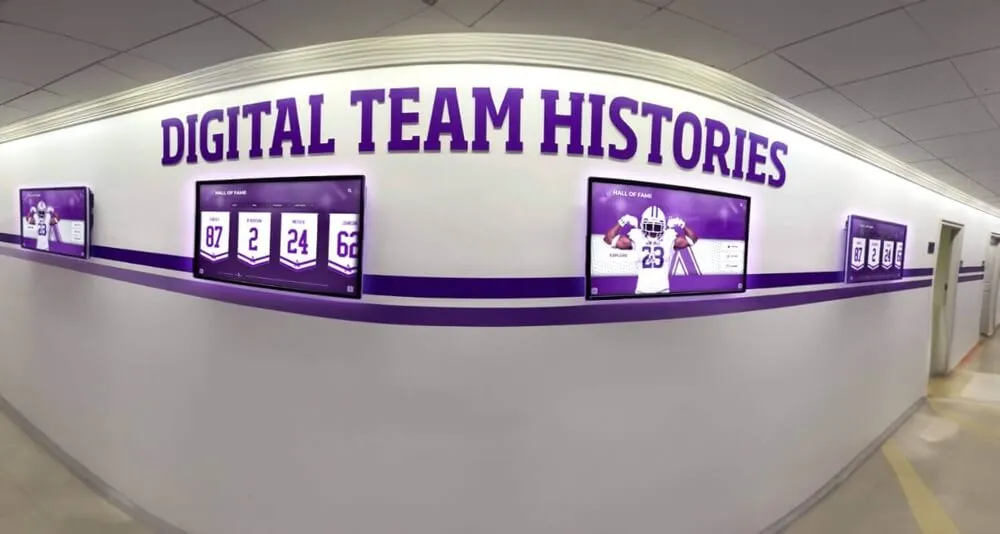
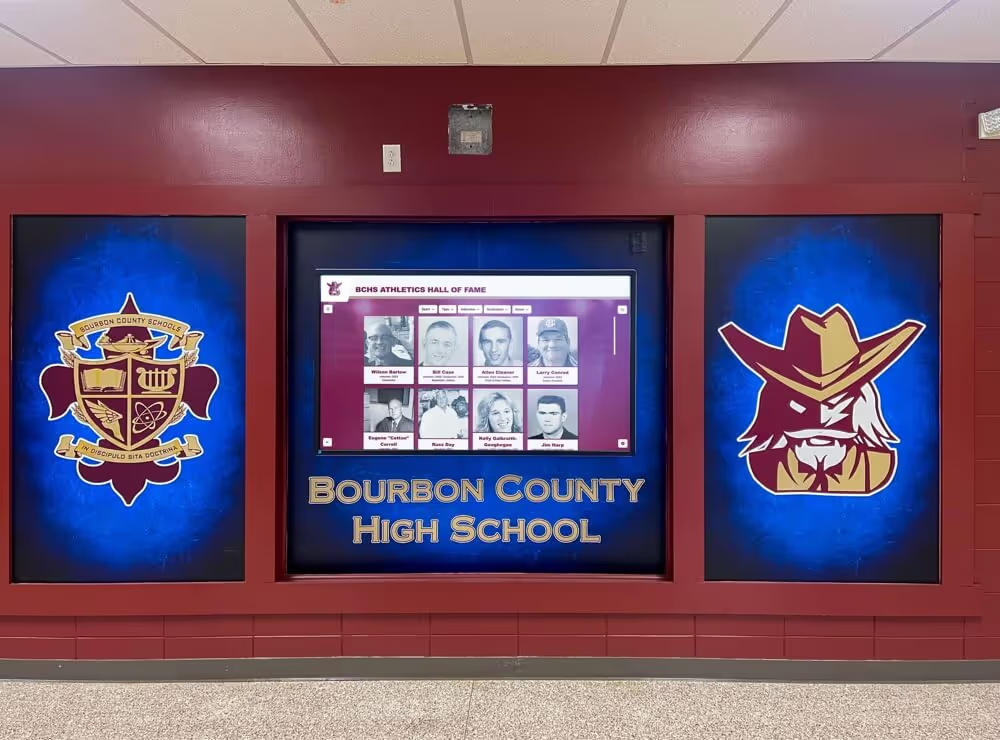
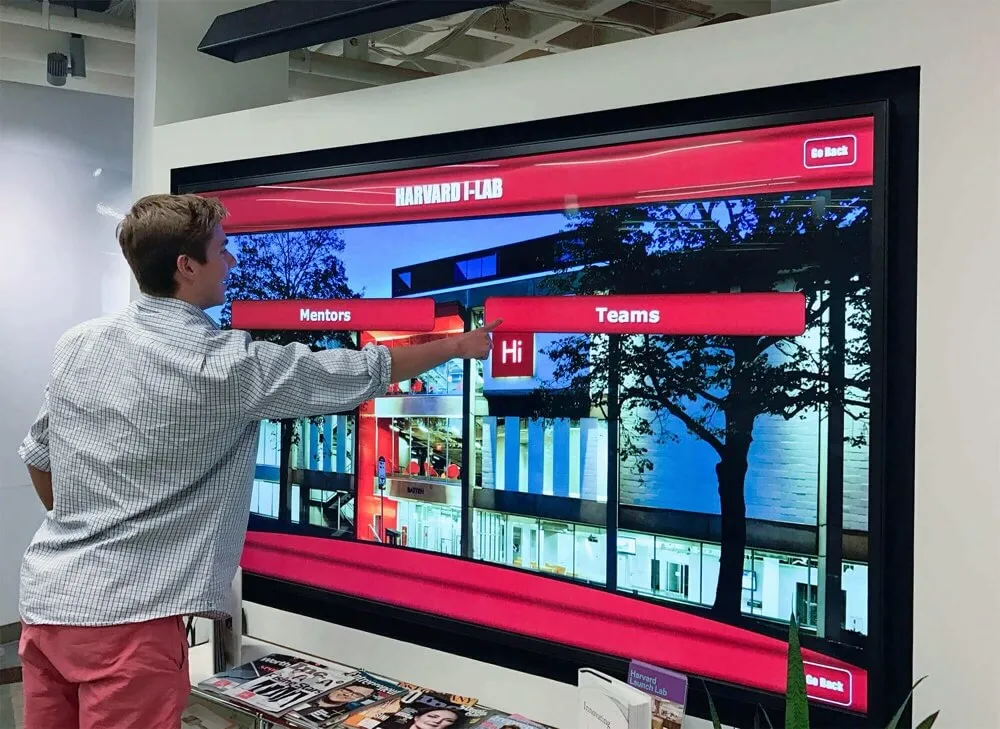
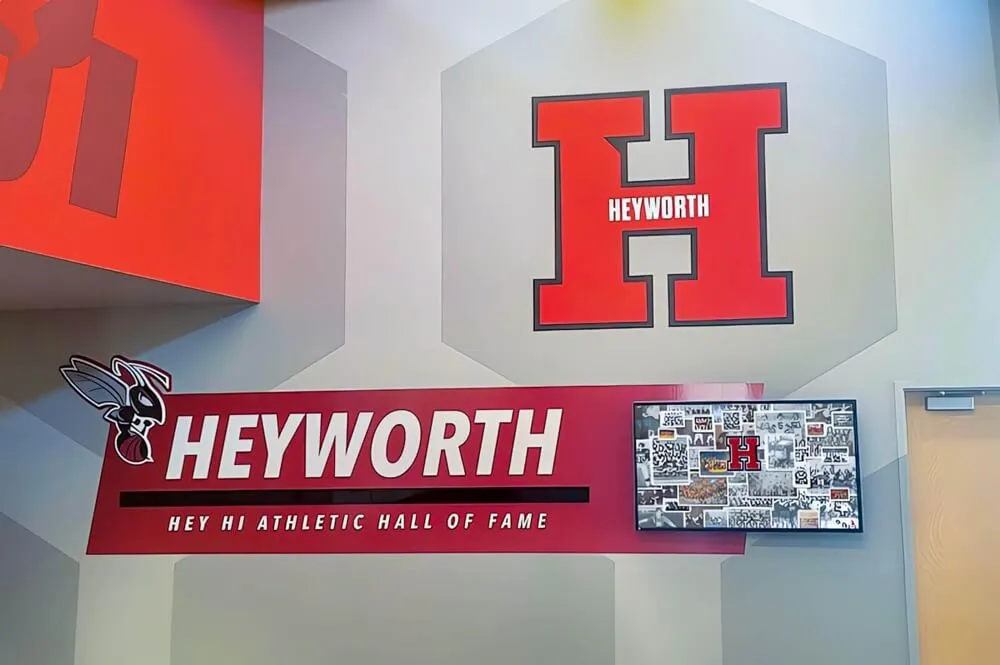
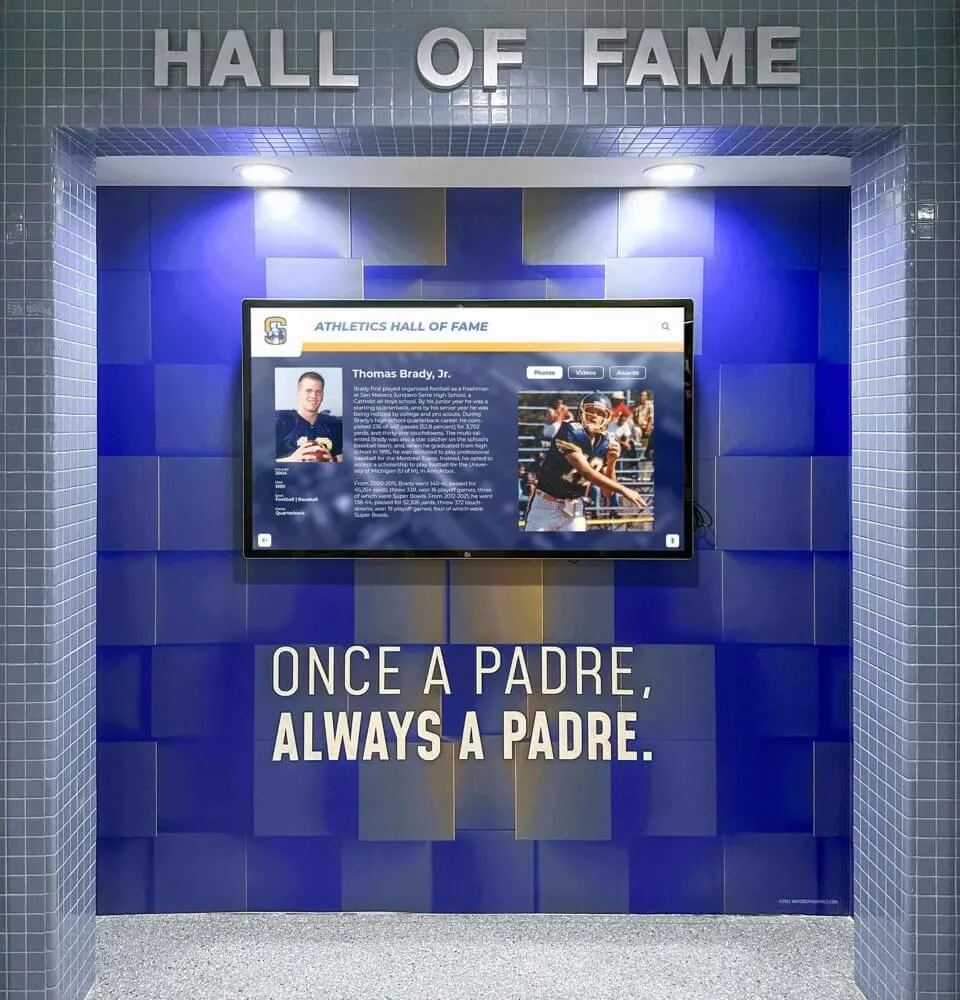
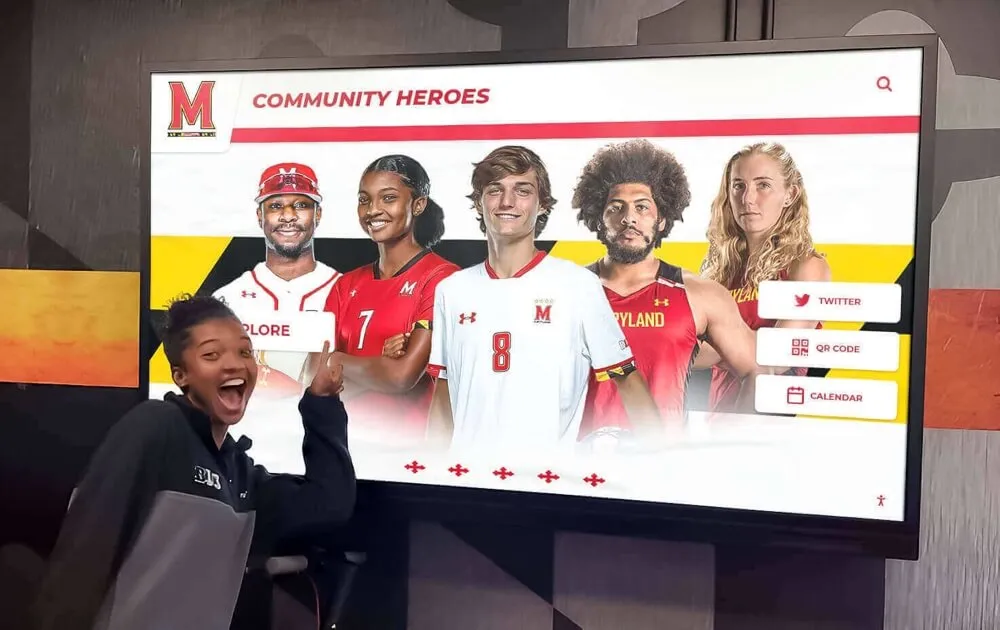
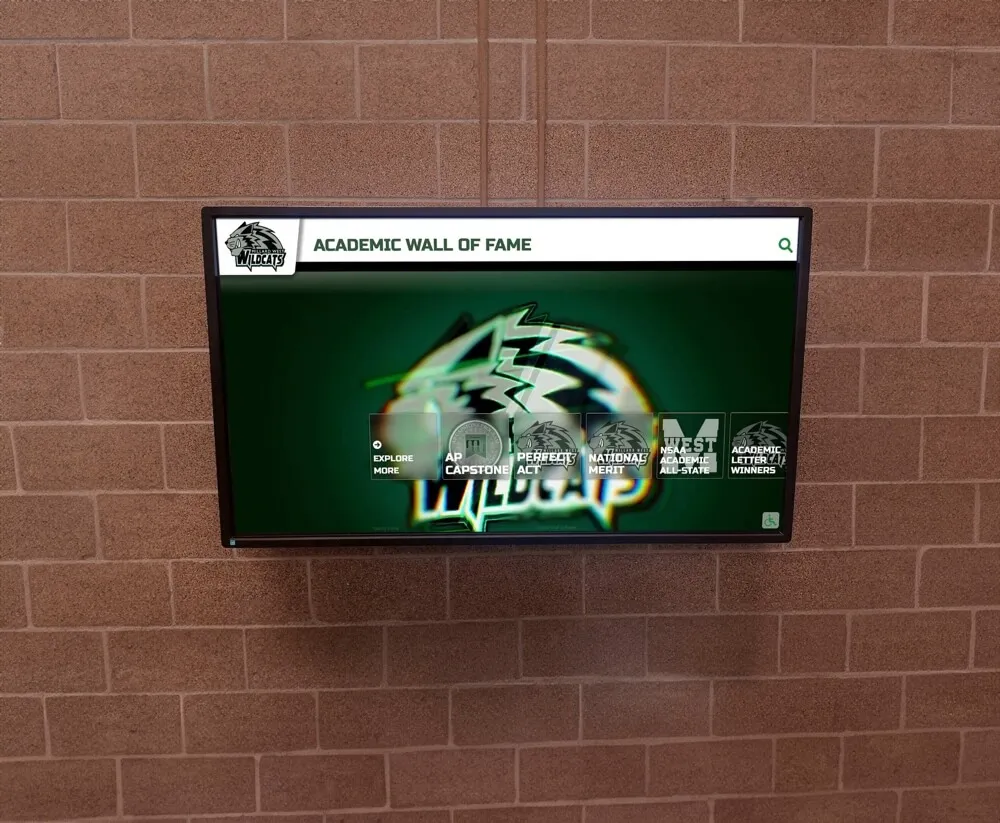
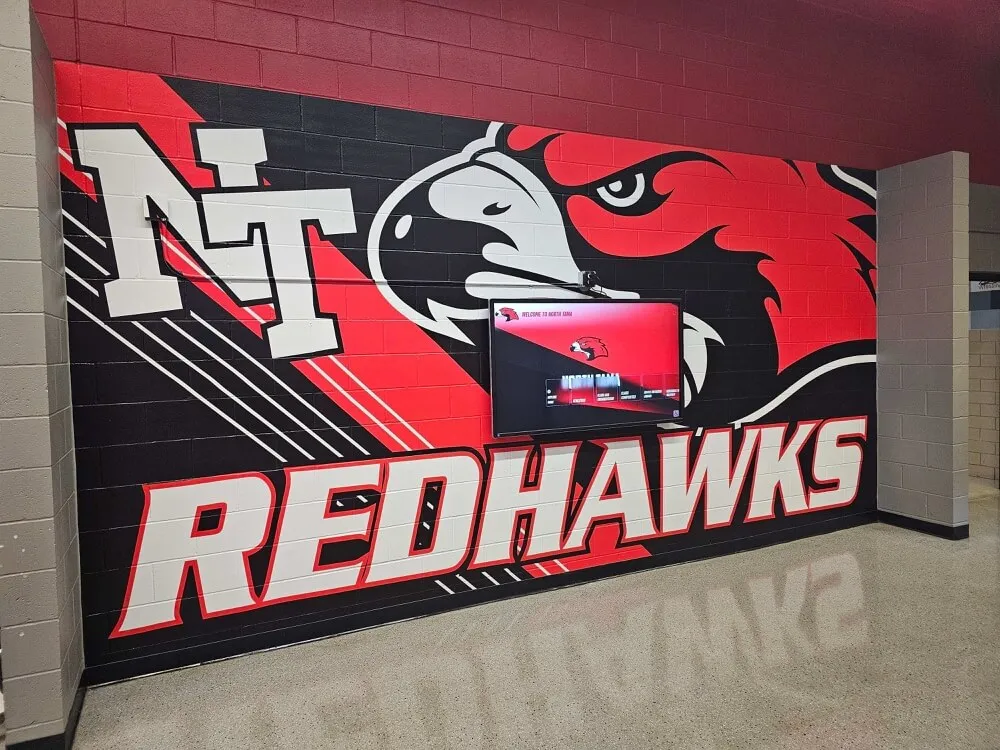
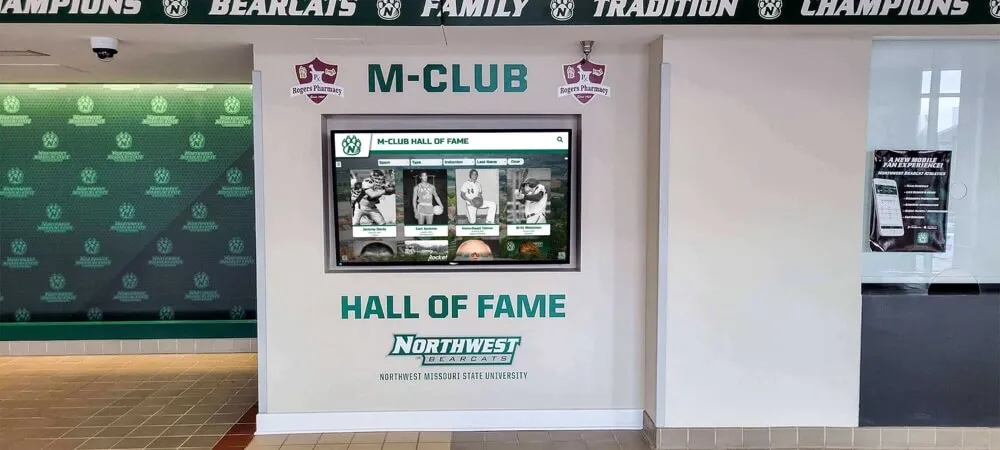
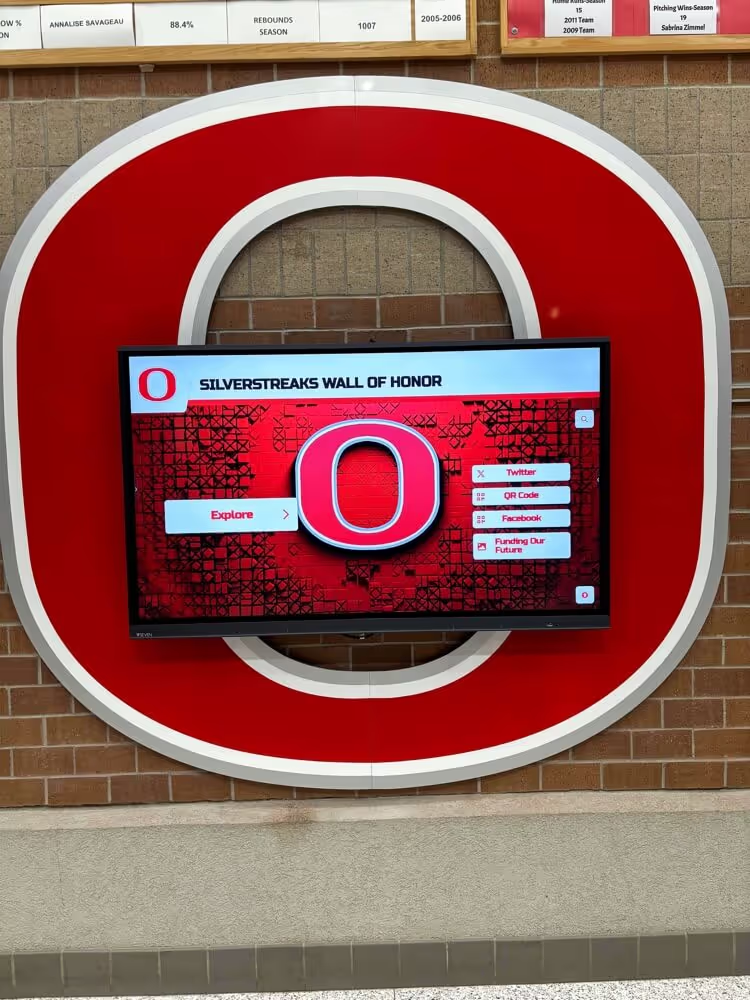
Digital recognition displays transform championship celebration by showcasing team achievements with visual impact matching the significance of national competition success
Understanding UDA National Championships and Their Significance
The Universal Dance Association has established the benchmark for competitive dance excellence in American education, creating competition structures that recognize technical precision, creative choreography, and team synchronization at the highest levels.
UDA Competition Structure and Divisions
UDA organizes national championships across two distinct competitions serving different educational levels, each featuring multiple competitive divisions that accommodate varied program styles and team compositions.
College Cheerleading and Dance Team National Championship
Held annually in January at the ESPN Wide World of Sports Complex at The Walt Disney World Resort, the college championship represents the pinnacle for university dance teams. According to competition results, the 2025 event on January 17-19 crowned champions including The Ohio State University, University of Minnesota, and University of Nevada-Las Vegas dance teams across multiple divisions.
The championship hosted the largest crowd in its history, demonstrating growing recognition of competitive dance as a serious collegiate sport deserving attention comparable to traditional athletics. Universities treat these competitions with the same preparation intensity as bowl games or tournament championships, understanding that national recognition carries recruiting, alumni engagement, and institutional pride implications extending far beyond dance program benefits alone.
Competition divisions at the college level include Division IA for large universities with extensive athletic programs, Division I for mid-sized institutions, Division II for smaller colleges, and All-Girl categories with specific team composition requirements. This division structure ensures fair competition among programs with comparable resources while maintaining consistently high performance standards across all levels.
National Dance Team Championship (High School)
The high school championship takes place several weeks later, also at ESPN Wide World of Sports Complex. The 2025 event held January 31-February 2 featured 5,935 athletes representing 374 teams from 36 states—making it one of the largest youth athletic competitions in America by participation numbers.
High school teams compete across six distinct style categories including Pom emphasizing technical precision and synchronized arm movements, Jazz featuring performance quality and stylistic interpretation, Hip Hop celebrating urban dance styles and musical creativity, High Kick showcasing technical leg extension and line precision, Game Day simulating sideline performance with crowd engagement, and Game Day Live incorporating actual crowd interaction and game simulation elements.
The 2025 championship also introduced the inaugural Pep Band Division, expanding recognition beyond dance teams to acknowledge musical performers who support school spirit and athletic events—demonstrating UDA’s commitment to comprehensive school spirit program recognition.
The Training and Preparation Behind Championships
Understanding the dedication required for national championship qualification helps explain why recognition matters so deeply to participants, families, and communities supporting these programs.
Year-Round Commitment
Competitive dance teams preparing for UDA nationals typically train 15-25 hours weekly throughout the school year, with intensified schedules approaching competition season. This commitment rivals or exceeds training volumes for traditional sports, yet dance teams often receive less institutional recognition and resource allocation despite comparable or superior performance levels.
Teams must master multiple choreographed routines spanning different style categories, maintain precise synchronization across entire squads, develop individual technical skills meeting rigorous scoring standards, build physical conditioning supporting explosive performance energy, and cultivate performance quality that engages audiences and judges emotionally while executing demanding technical elements.
Financial and Family Investment
Reaching UDA nationals requires substantial financial investment from families and communities. Beyond regular program fees, national qualification involves competition entry fees ranging $200-$600 per team, travel expenses for Disney World accommodations and transportation, uniform and costume costs often exceeding $500 per dancer, coaching expenses including choreographer fees, and fundraising commitments requiring family participation.
According to program estimates from competitive dance teams, families commonly invest $3,000-$8,000 annually per dancer for programs targeting national competitions—representing significant financial sacrifice demonstrating belief in dance value extending beyond recreation to encompass discipline, teamwork, goal-setting, and excellence pursuit.

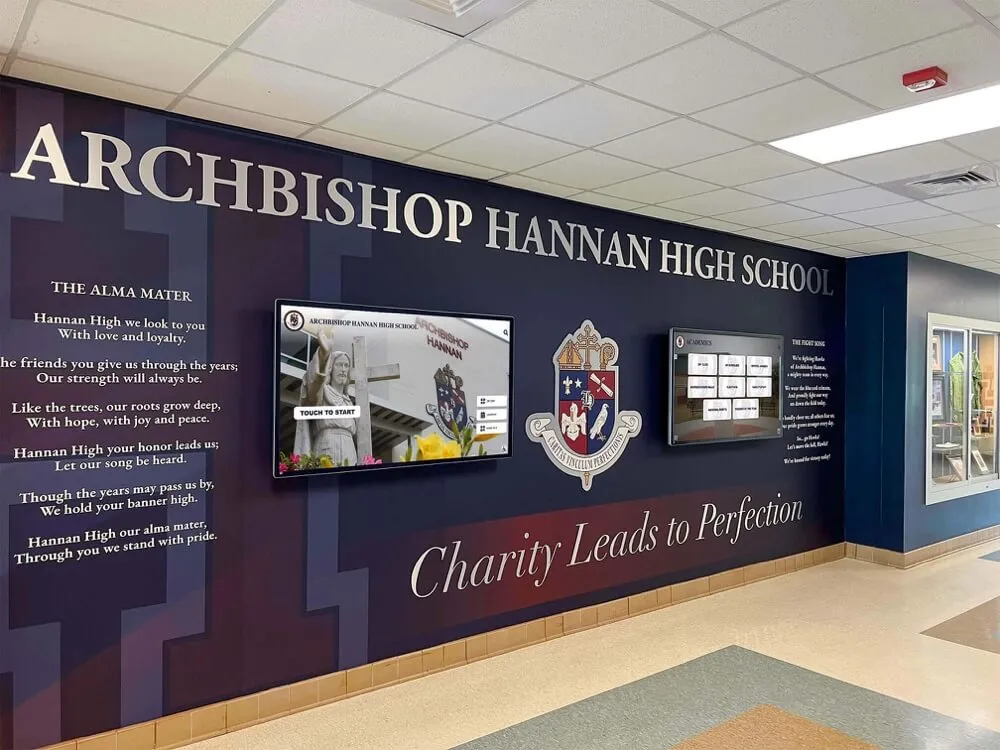
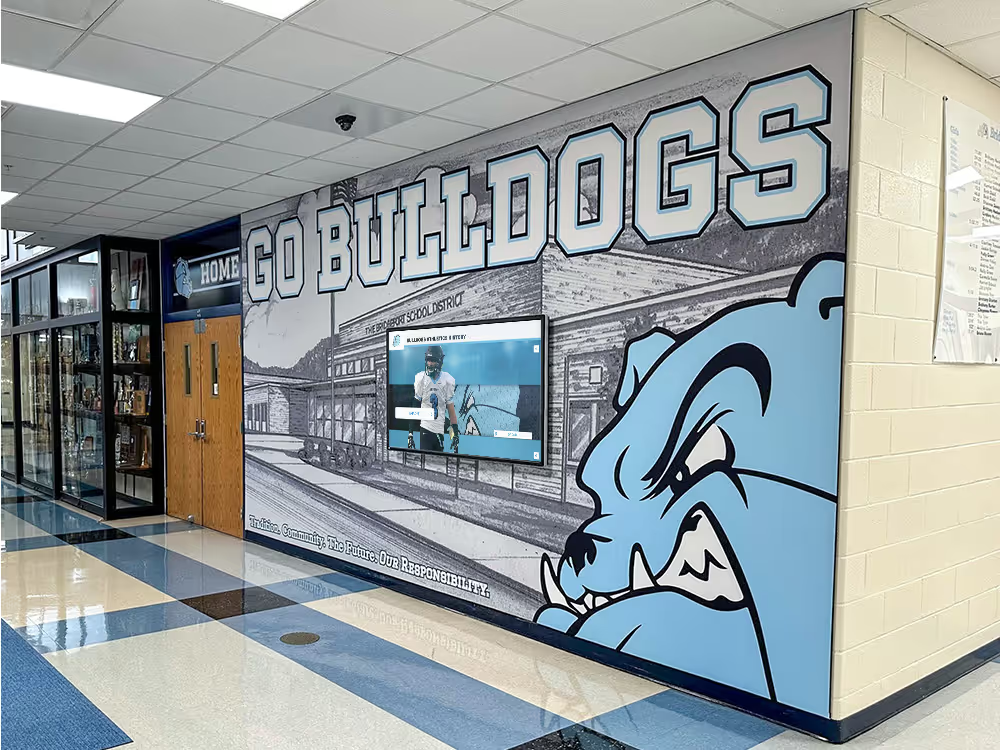
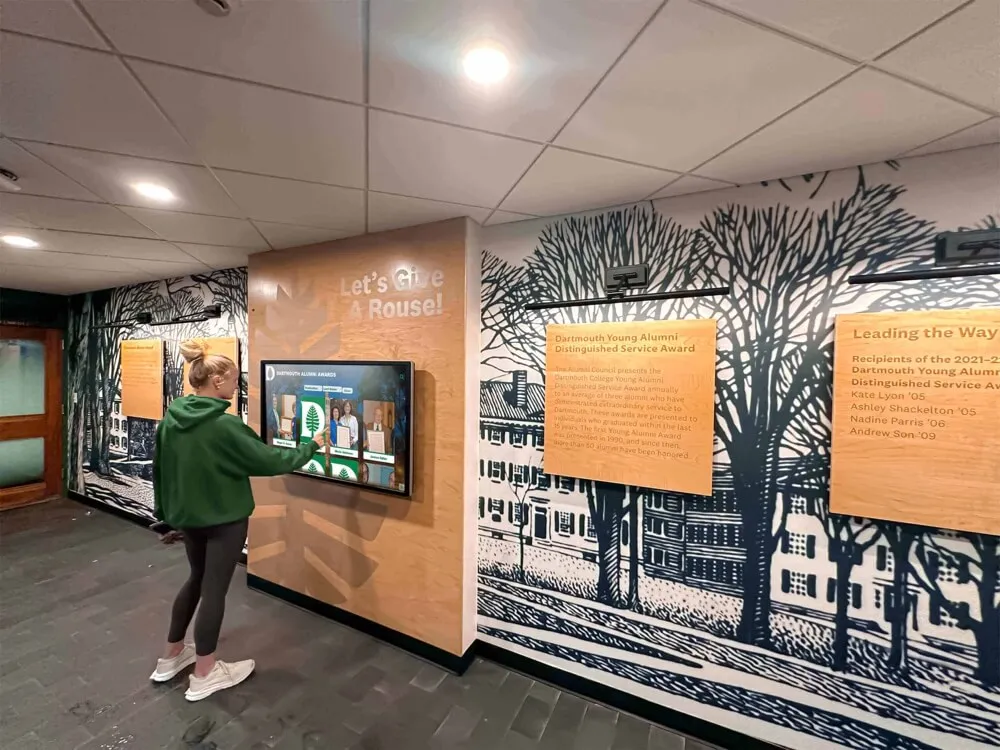
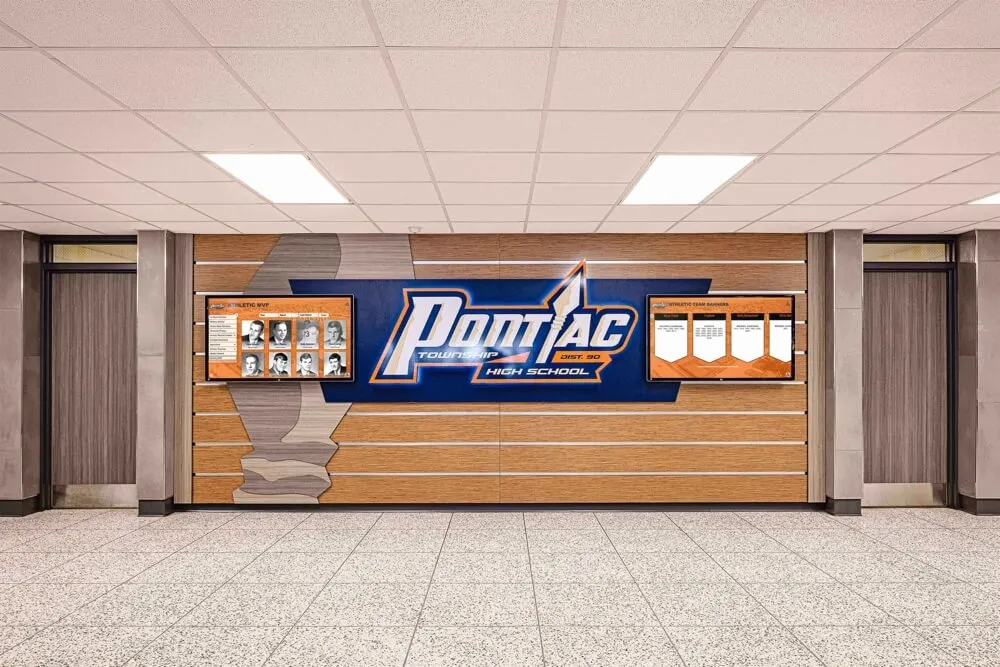
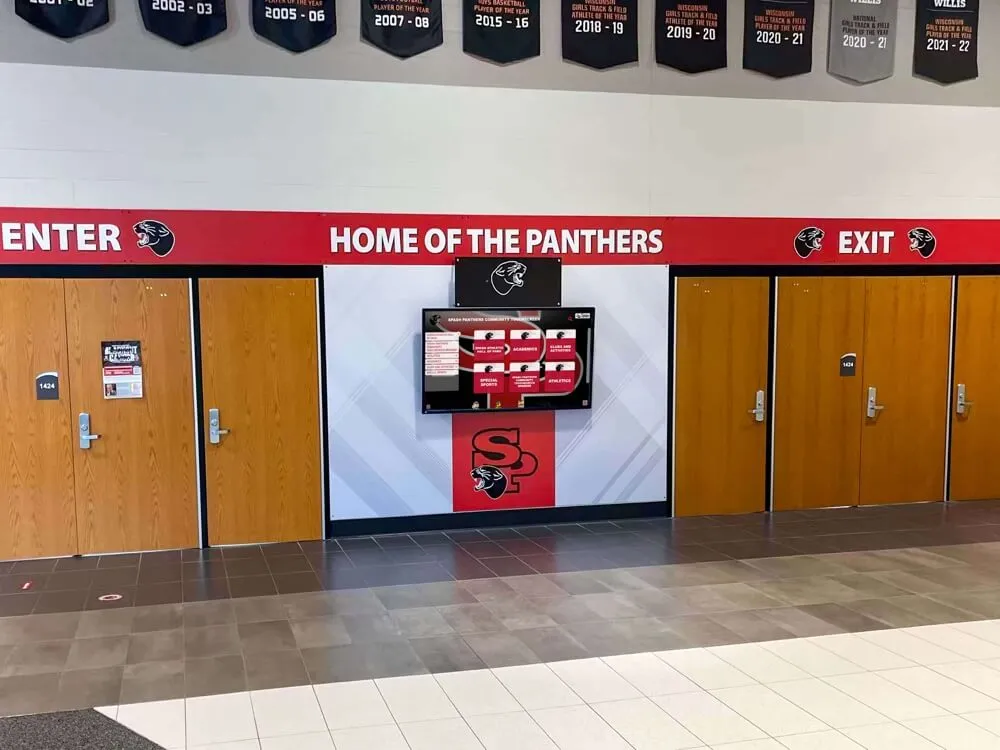
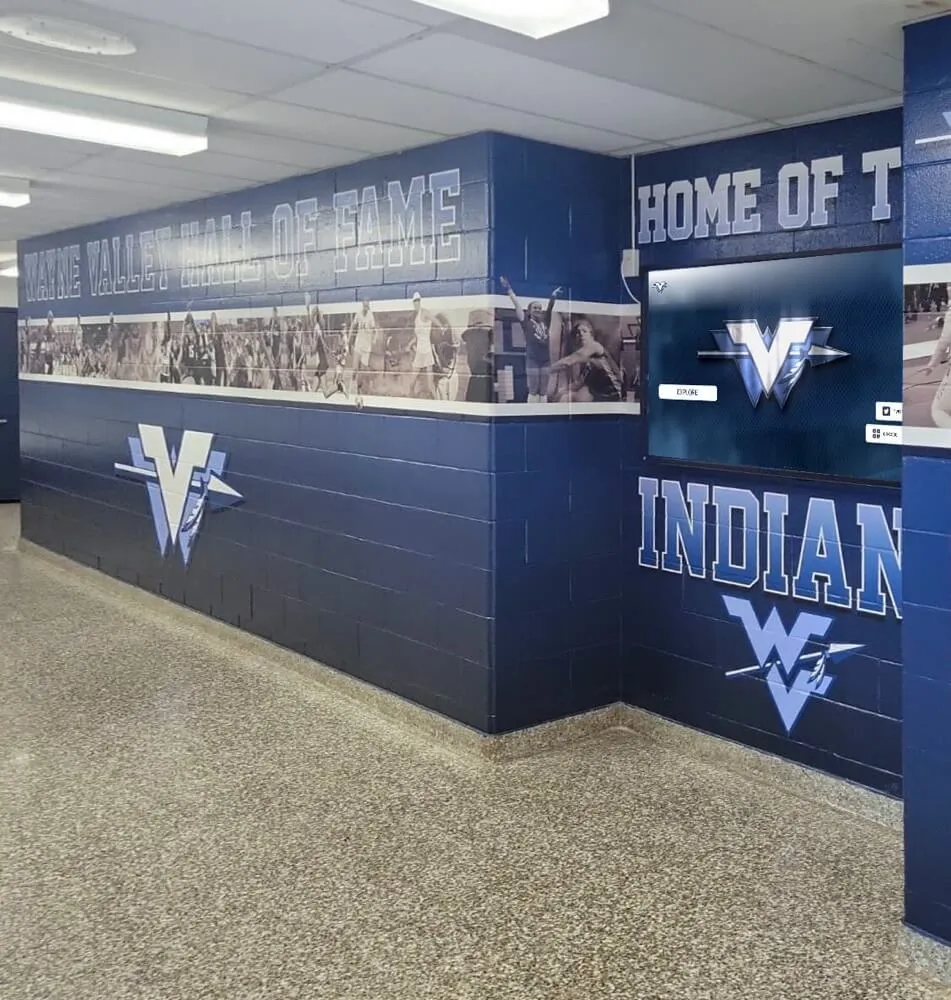
Hallway recognition installations integrate championship celebration into daily school environments, ensuring achievements remain visible to current students and visitors year-round
Championship Achievement Context and Competitive Standards
UDA national championships represent genuinely elite achievement, not participation events where all teams receive recognition regardless of performance quality.
Qualification Requirements
Teams must earn their way to nationals through qualifying competitions demonstrating consistent excellence. Regional and camp qualification processes evaluate technical execution, choreographic creativity, performance energy, team synchronization, and difficulty level—ensuring only teams meeting rigorous standards advance to national competition.
Qualification rates vary by region and division, but typically only 20-35% of teams attending regional competitions earn national bids. This selectivity means national championship participation itself represents achievement deserving recognition, independent of placement results at the national event.
National Competition Standards
Teams competing at UDA nationals face evaluation from expert judges using detailed rubrics assessing technical execution including precision, difficulty, and skill mastery, choreographic creativity and musicality, performance quality and stage presence, synchronization and team unity, and overall impression encompassing complete routine impact.
Score separations between teams are often minimal—tenths of points determining placement differences after months of preparation. Teams finishing outside medal positions have frequently delivered extraordinary performances that would dominate at lower competition levels, making placement context important for understanding achievement significance.
Media Coverage and Recognition Trends
UDA championships receive increasing media attention reflecting growing recognition of competitive dance as serious athletic endeavor deserving coverage comparable to traditional sports.
Broadcast and Streaming Coverage
Championship coverage includes live streaming on Varsity TV enabling families unable to attend Disney World to watch performances in real-time, ESPN2 and ESPNU broadcasts scheduled for spring 2025 bringing national television exposure, social media highlights generating millions of views across platforms, and recorded routine access through Varsity TV allowing permanent viewing of championship performances.
This media coverage dramatically expands championship visibility beyond those physically attending events, creating opportunities for communities to celebrate achievements and for programs to leverage national recognition in recruiting and community engagement.
Changing Perceptions of Competitive Dance
Media coverage contributes to evolving perceptions of competitive dance from entertainment activity to recognized sport. Articles now regularly refer to UDA nationals as “The Super Bowl of dance,” acknowledging competition intensity and achievement significance comparable to premier athletic championships.
This recognition shift creates both opportunities and obligations for schools and studios. As competitive dance gains legitimacy as serious athletic endeavor, programs increasingly recognize that appropriate championship recognition should match recognition provided to traditional sports—requiring recognition systems capable of celebrating dance excellence with the same prominence as football state championships or basketball tournament victories.
Resources on state championship recognition demonstrate approaches applicable across athletic disciplines including competitive dance, ensuring programs receive recognition proportional to achievement significance.
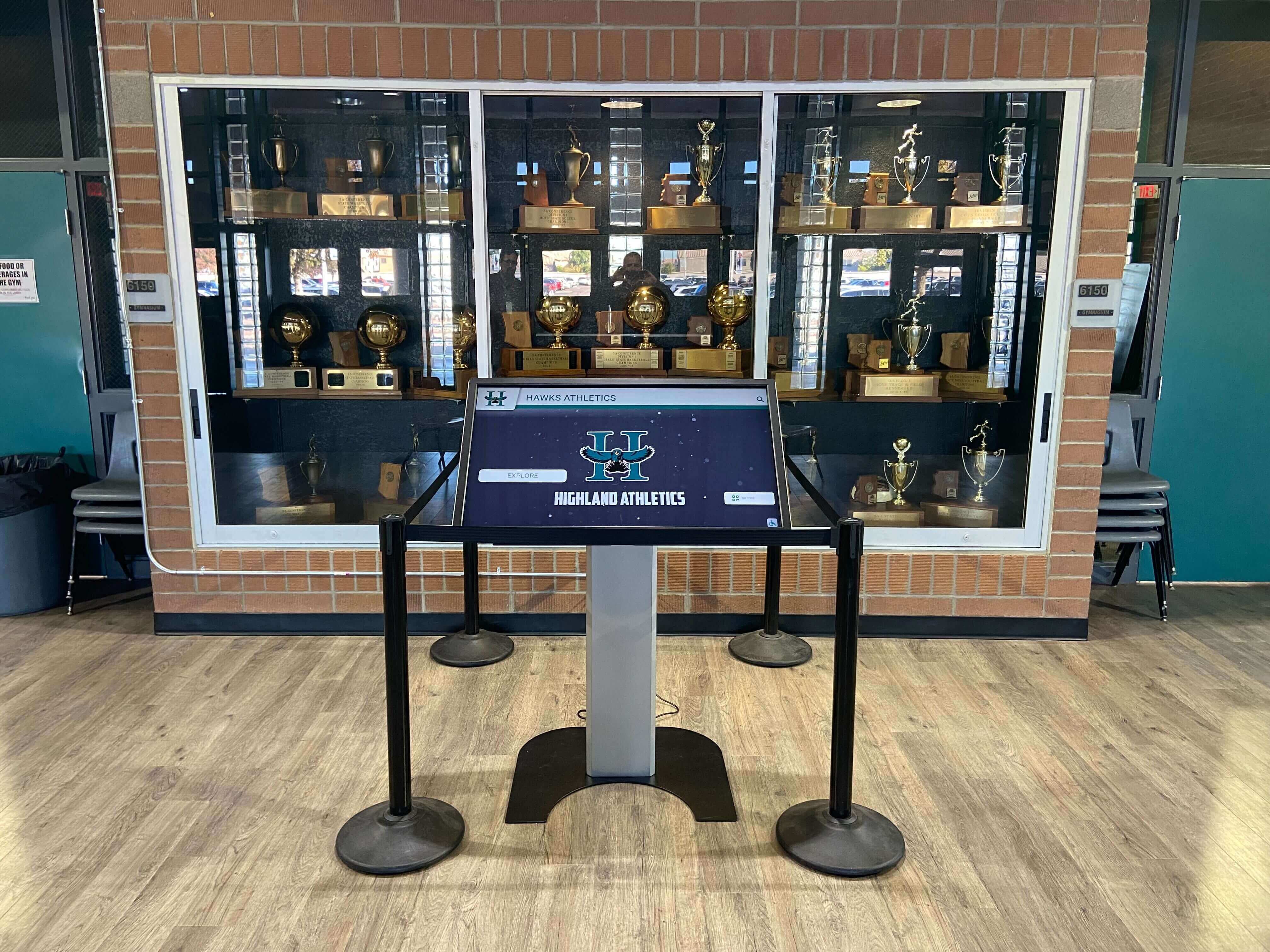
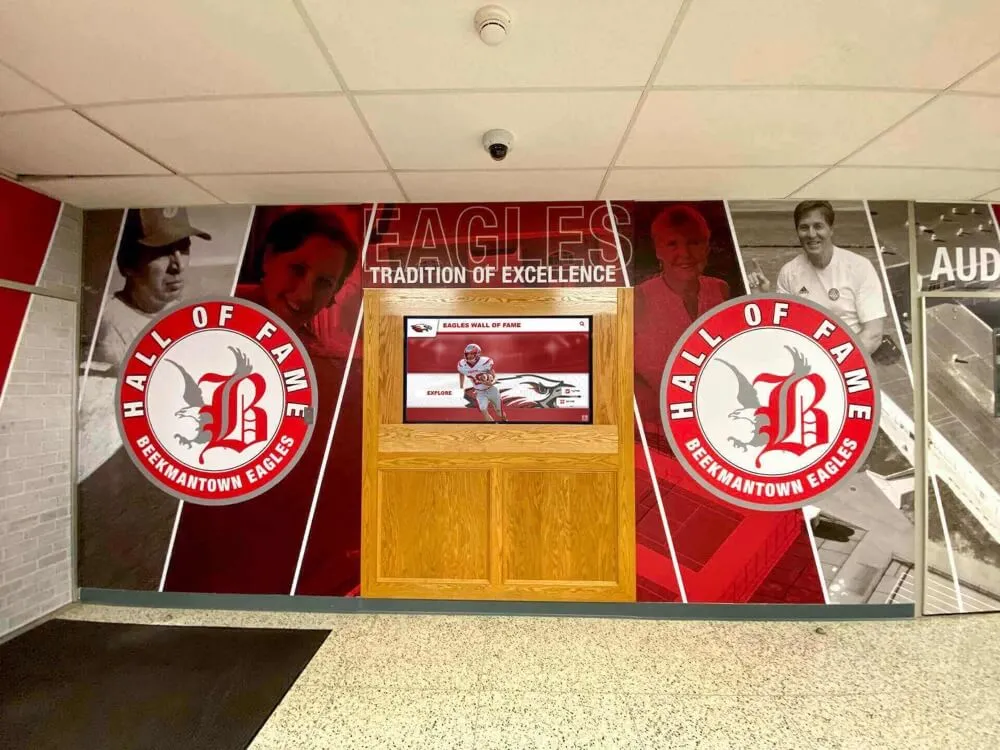
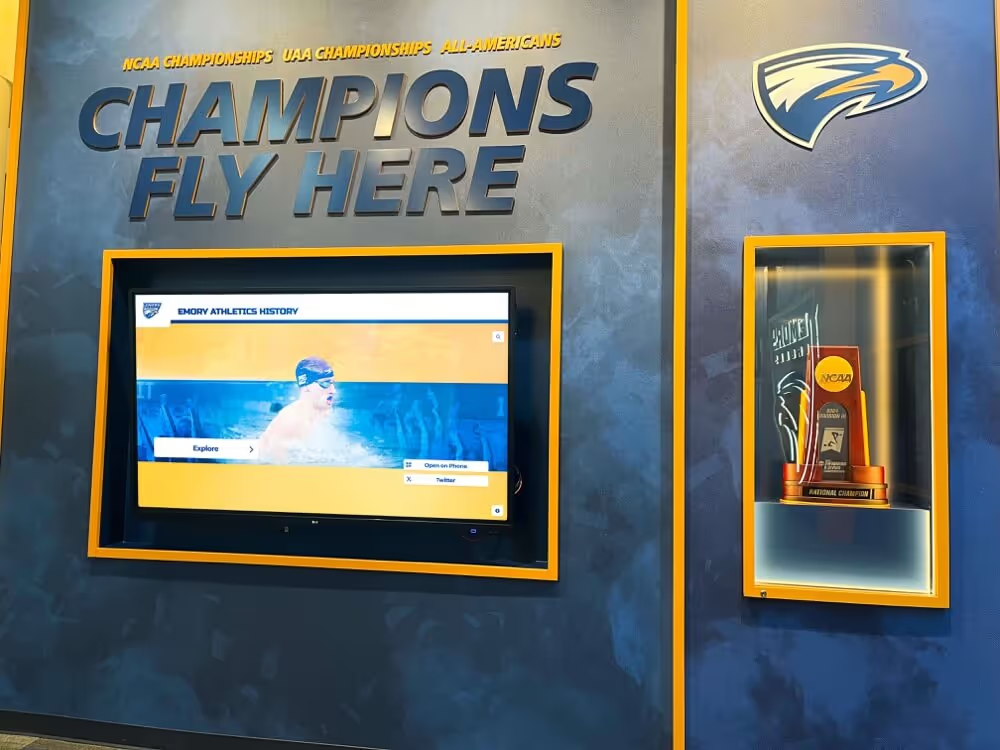
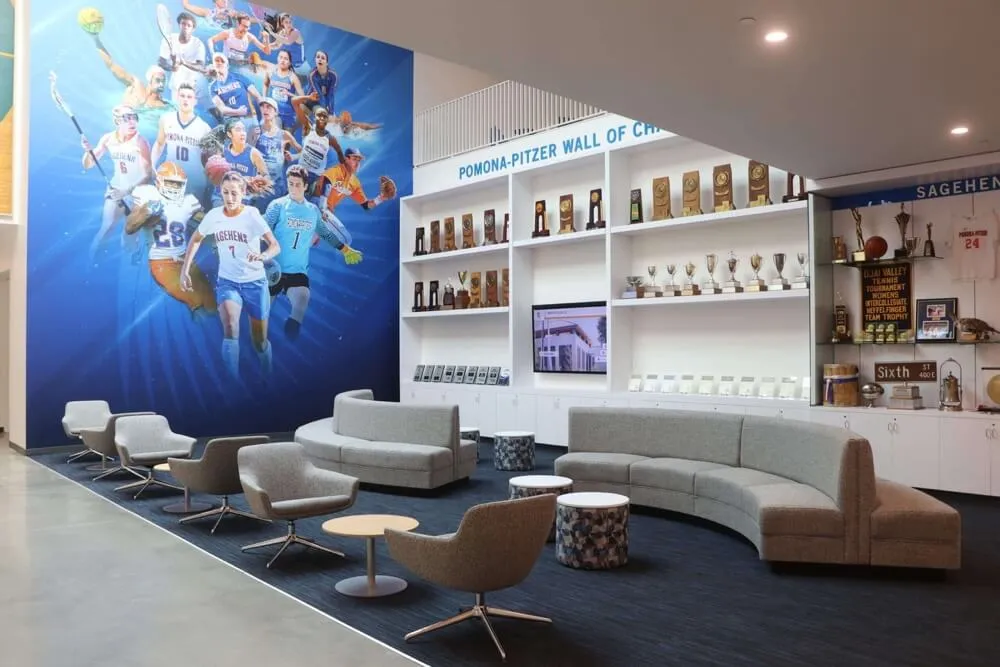
Modern recognition systems integrate with existing trophy displays, complementing traditional awards while providing unlimited capacity for comprehensive team recognition
Recognition Challenges Facing Dance Programs
Despite championship significance, dance programs face specific recognition obstacles that prevent appropriate celebration of UDA national achievements and comprehensive program history documentation.
Physical Space Limitations and Capacity Constraints
Traditional recognition methods encounter practical limitations that restrict what programs can effectively display and celebrate.
Trophy Case Capacity Problems
High school athletic programs typically allocate limited trophy case space that must accommodate all sports and achievement types. Competitive dance teams earning UDA national recognition compete for visibility with football state championships, basketball tournament trophies, individual academic awards, and decades of accumulated recognition.
Trophy cases holding 40-60 awards reach capacity quickly, forcing difficult decisions about what deserves display. Recent achievements crowd out historical recognition, or new accomplishments go unrecognized because no space remains available. Many schools store championship trophies in athletic offices or storage closets simply because no display space exists—rendering significant achievements invisible to school communities.
Banner and Plaque Limitations
Championship banners provide popular recognition alternatives, but gymnasium and hallway wall space faces similar capacity constraints. Schools with successful athletic programs spanning multiple sports find that walls fill completely, leaving no room for additional recognition regardless of achievement significance.
Traditional plaques suffer from similar limitations. Wall space for mounted recognition is finite, and adding new plaques requires either removing existing recognition or expanding display areas through construction—expensive propositions that often prove impossible within facility constraints and budget limitations.
Inadequate Representation of Dance Artistry
Even when space exists, traditional recognition formats often fail to appropriately convey what makes dance championships remarkable.
Static Recognition for Dynamic Achievement
Dance represents fundamentally dynamic art form—achievements defined by movement, music, synchronization, and performance energy impossible to capture through static trophies and engraved plaques alone. A championship trophy communicates that a team won, but provides no context about the routine that earned that victory, the artistic elements that distinguished the performance, or the individual dancers whose combined talents created team excellence.
Families, alumni, and future team members deserve recognition formats that preserve performance memories vividly rather than reducing championship achievements to metal trophies and name listings that fail to evoke the actual accomplishments they represent.
Team Versus Individual Recognition Balance
Dance teams succeed through collective effort—championship routines require every performer executing precisely with complete synchronization. Yet recognition systems should also acknowledge individual contributions including senior leadership, choreographic creativity, technical specialization, and multi-year dedication.
Traditional recognition formats struggle with this balance. Championship banners and trophies celebrate team achievement without acknowledging individual contributors. Individual plaque systems become prohibitively expensive and space-consuming when honoring entire teams across multiple years. Programs need recognition approaches that celebrate both team accomplishments and individual participants without requiring massive space or budget investments.
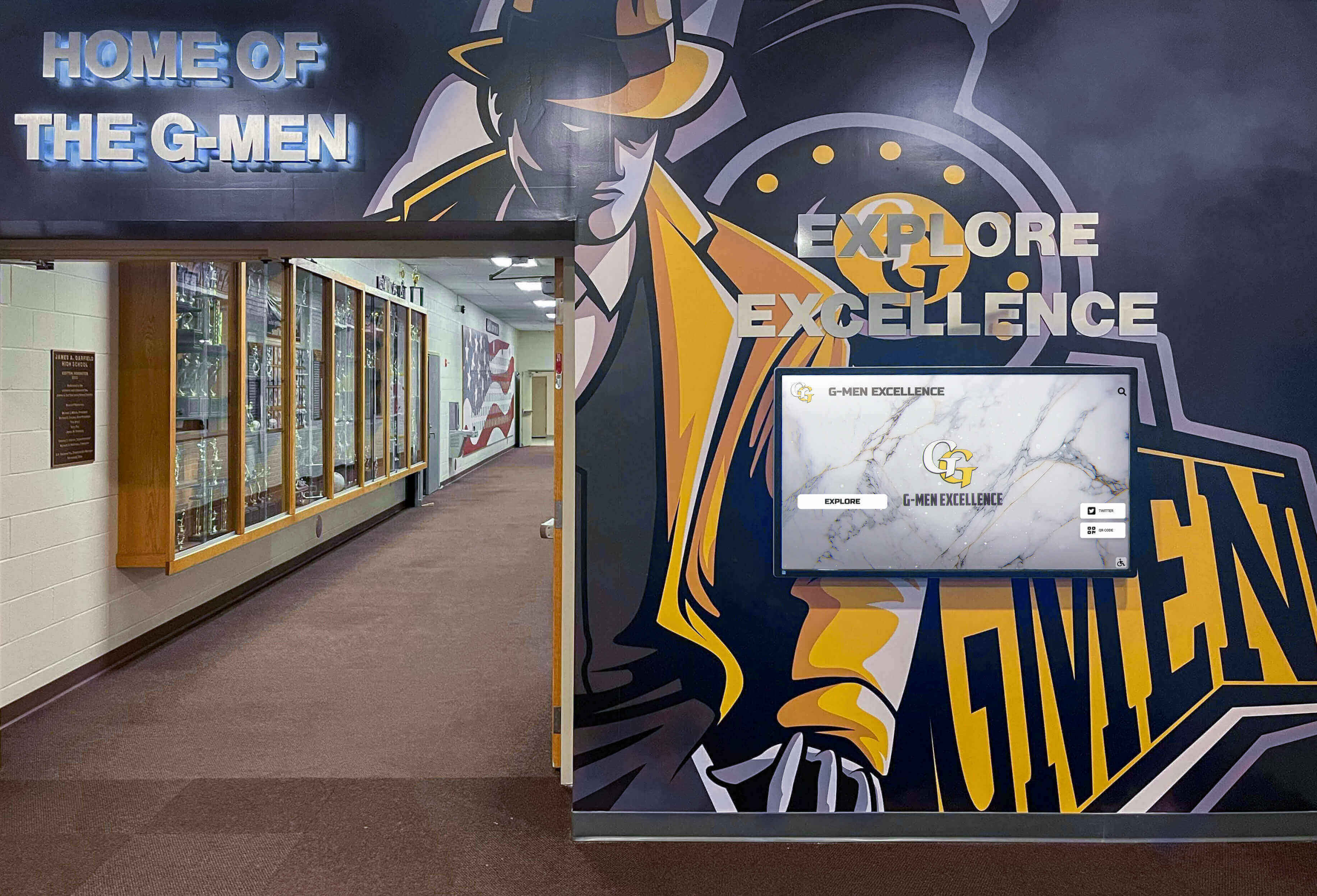
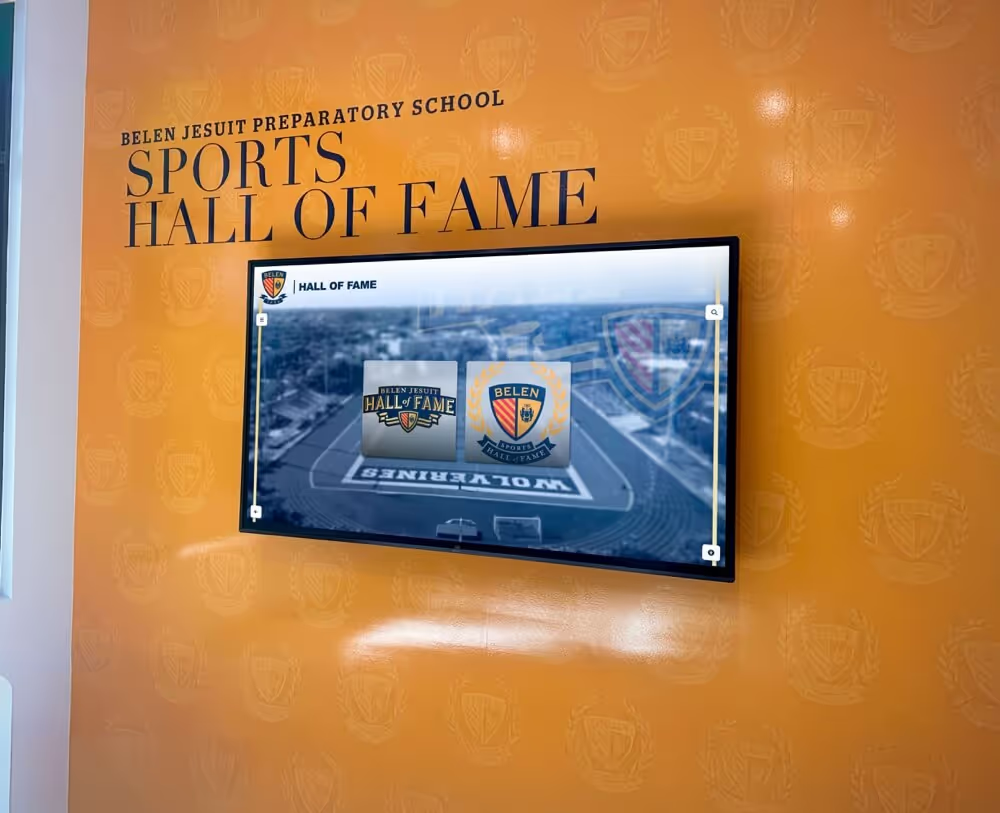
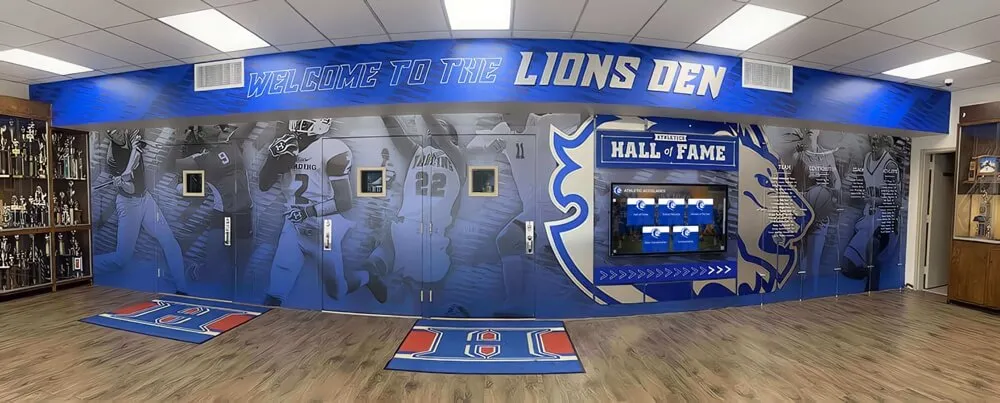
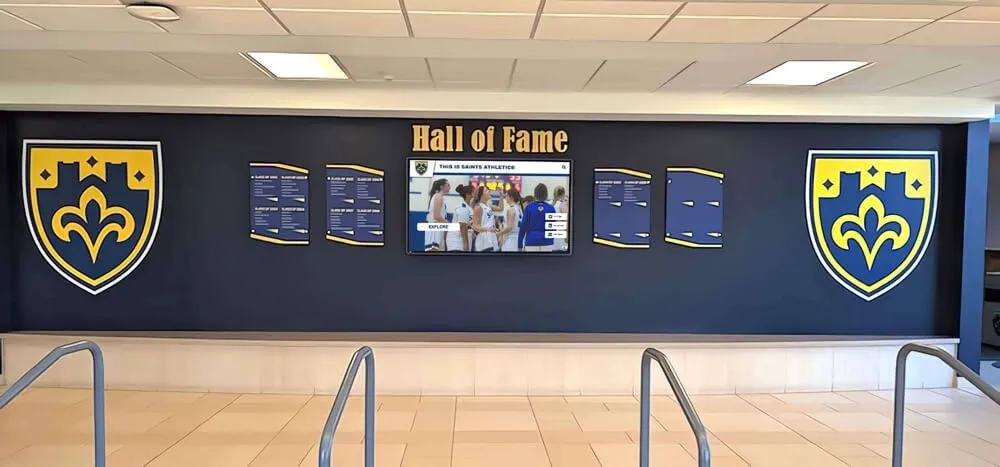
Coordinated recognition environments combining traditional trophy cases with digital displays create comprehensive celebration spaces honoring complete program heritage
Accessibility and Long-Term Connection Challenges
Recognition systems should serve multiple audiences across extended time periods, but traditional approaches face significant accessibility limitations.
Physical Presence Requirements
Traditional recognition requires physical presence at specific locations during operational hours. Alumni who graduated and moved away cannot revisit championship memories except during occasional campus visits. Families relocating to different cities lose convenient access to recognition celebrating their dancer’s achievements. Community members who supported programs through attendance and fundraising have limited ongoing connection to teams they helped succeed.
This physical limitation means recognition impact remains constrained to current students and local community members who regularly encounter displays—drastically reducing total engagement and value compared to systems accessible remotely through digital platforms.
Historical Memory Loss
Without systematic documentation, program history becomes dependent on individual memory and scattered records vulnerable to loss. As coaches change, administrators turn over, and years pass, institutional knowledge about past championships, team members, and program evolution gradually disappears.
Graduates returning to schools ten or twenty years after their competitive dance careers find minimal documentation of their achievements. Current team members lack accessible information about program history and alumni who preceded them. This historical disconnection weakens program tradition and reduces alumni engagement opportunity—making it harder to build multi-generational community around dance excellence.
Resource and Priority Challenges
Dance programs frequently face institutional recognition challenges reflecting broader systemic undervaluation despite competition results demonstrating excellence comparable to high-profile sports.
Budget Allocation Disparities
Many schools invest heavily in recognition for football, basketball, and other traditional sports while allocating minimal resources to competitive dance recognition despite comparable or superior competition performance. This resource disparity reflects historical perceptions rather than current achievement realities, but results in inadequate dance program recognition regardless of national championship success.
When recognition budgets are limited, programs need cost-effective solutions that deliver comprehensive celebration within available resources. Understanding approaches to digital athletic recognition helps programs maximize recognition impact despite constrained budgets.
Administrative Support Variability
Administrative support for dance program recognition varies dramatically across schools based on individual principal and athletic director perspectives. Administrators recognizing competitive dance as serious athletic endeavor comparable to traditional sports provide recognition resources and visibility proportional to achievement. Others view dance as extracurricular activity rather than competitive sport, limiting recognition priority regardless of national championship accomplishments.
Effective recognition solutions should work within varied administrative contexts—delivering comprehensive celebration whether programs receive full institutional support or must advocate for appropriate recognition recognition.
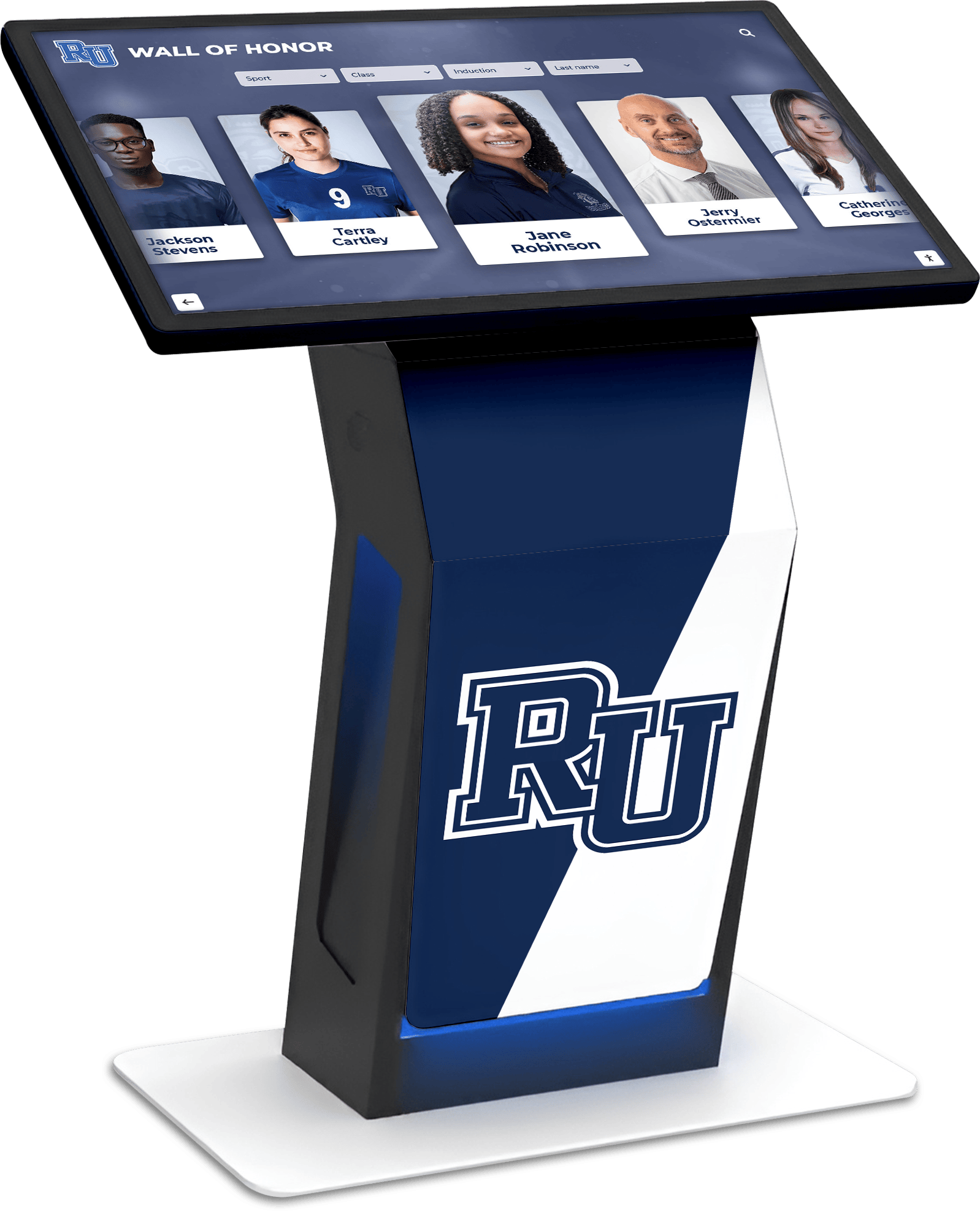
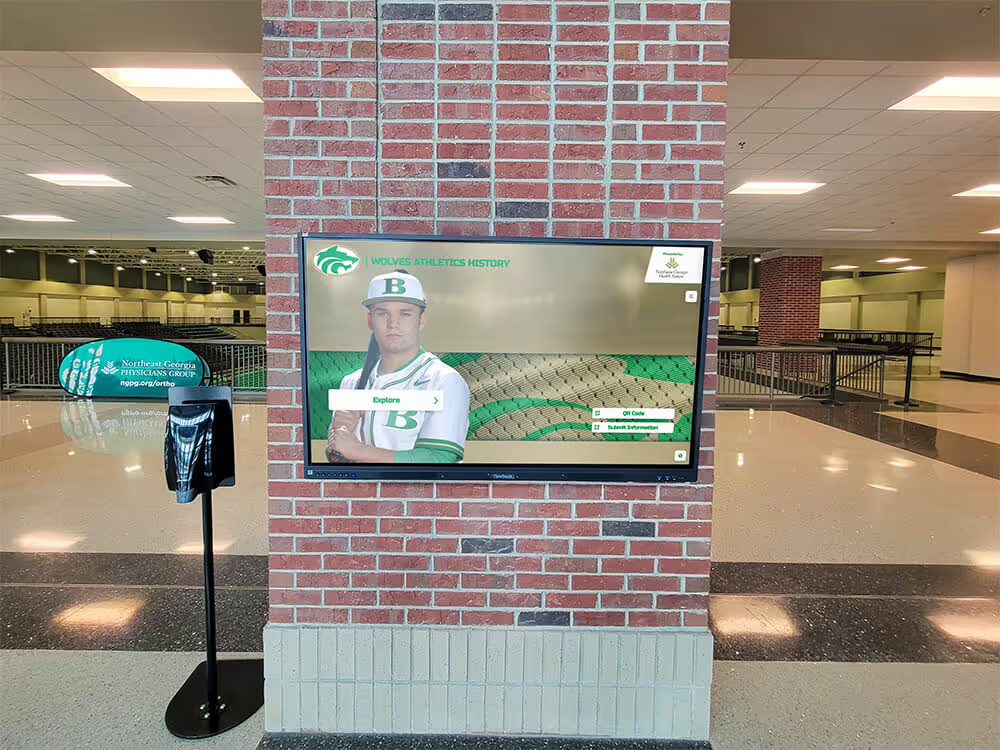
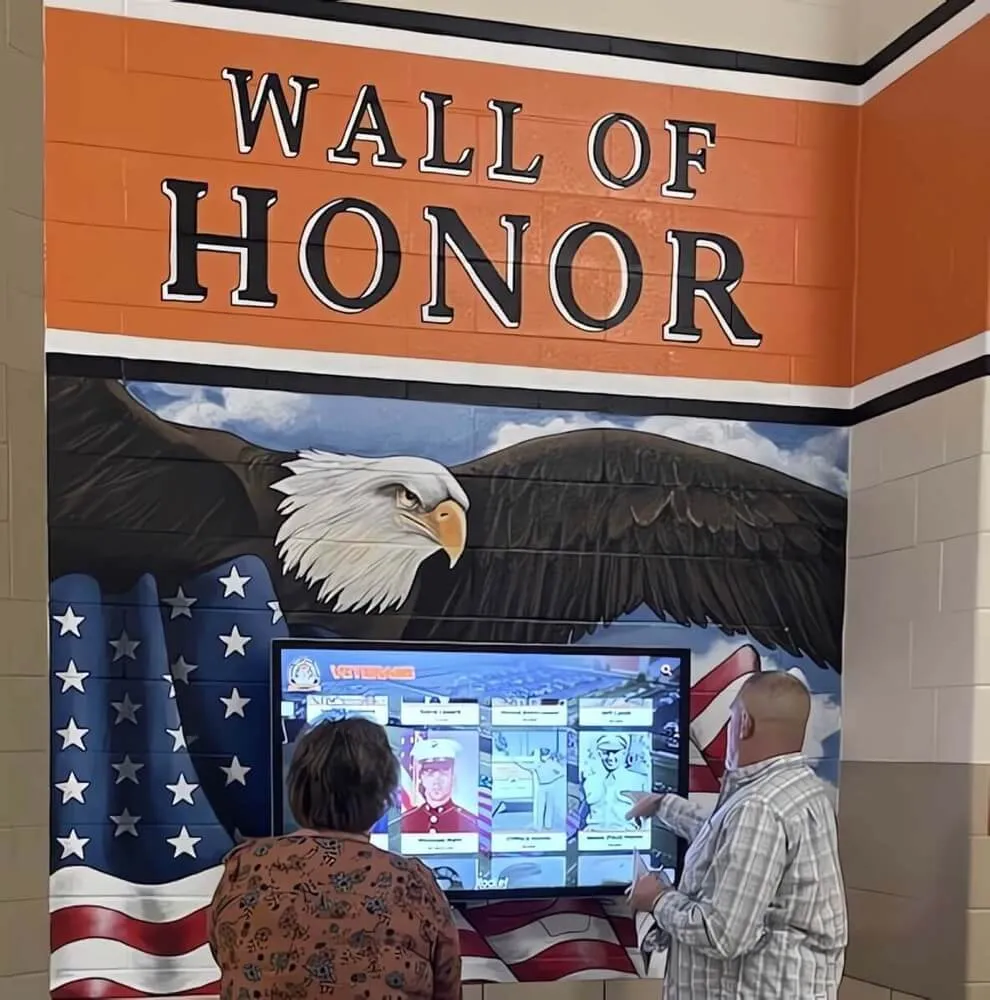
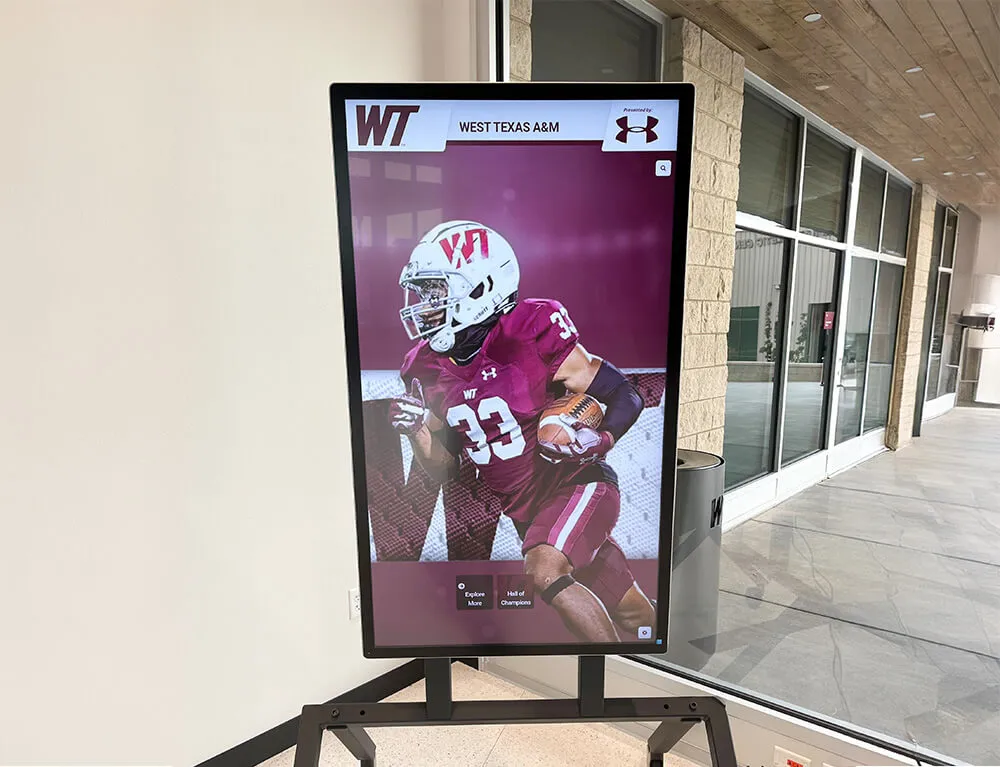
Freestanding interactive kiosks provide flexible recognition solutions adaptable to varied facility layouts and space constraints
Digital Display Solutions for UDA Championship Recognition
Modern technology transforms dance program recognition by providing platforms that overcome traditional limitations while creating engaging experiences that appropriately celebrate championship achievement artistry and dedication.
Why Digital Recognition Works for Dance Programs
Digital displays address specific challenges facing competitive dance recognition through capabilities uniquely suited to program needs and achievement characteristics.
Unlimited Recognition Capacity
Digital recognition platforms eliminate space constraints that plague physical displays. A single 55-inch touchscreen can showcase unlimited team profiles, championship achievements, performance photos, routine videos, and individual dancer recognition spanning decades of program history—all within the wall space a single championship banner occupies.
This unlimited capacity means programs never face decisions about removing recognition to accommodate new achievements. Every championship, every team, every dancer can receive appropriate comprehensive celebration regardless of how extensive program accomplishments become over time.
Multimedia Storytelling Capabilities
Digital platforms enable recognition formats that honor dance as dynamic performance art rather than reducing achievements to static text listings. Championship recognition can include complete routine videos preserving actual performances, photo galleries capturing key moments and artistic elements, choreographer interviews explaining creative vision, dancer testimonials about preparation and team experience, technical breakdowns of difficulty elements and execution, and season narratives documenting the journey from auditions through national competition.
This multimedia richness creates emotional connections with achievements while preserving memories in formats that remain accessible indefinitely—enabling future team members and community members to experience championships vividly rather than viewing only basic facts on engraved plaques.
Solutions like Rocket Alumni Solutions provide purpose-built platforms specifically designed for comprehensive athletic recognition including competitive dance, combining intuitive content management accessible to non-technical staff, professional display quality appropriate for prominent institutional locations, flexible recognition structures accommodating varied program needs, and analytics revealing engagement patterns informing continuous improvement.
Remote Accessibility and Engagement
Web-based recognition platforms extend celebration beyond physical display locations. Alumni living anywhere can access complete team histories, search for their own profiles and teammates, share championship memories through social media, and maintain connections to programs regardless of geographic distance.
This accessibility multiplies recognition impact by engaging entire program communities rather than limiting visibility to those physically present at schools or studios during specific hours when traditional displays remain viewable. Families can show relatives achievements their dancers earned. Alumni can introduce their own children to their competitive dance history. Community supporters can celebrate team success from their homes.
Cost-Effectiveness for Comprehensive Recognition
Digital recognition delivers comprehensive celebration at costs comparable to limited traditional approaches. A complete digital recognition implementation including hardware, software, content development, and installation typically ranges $12,000-$25,000 for single-location displays—comparable to extensive plaque systems recognizing small fractions of program history.
For programs managing tight budgets common in competitive dance, this cost-effectiveness enables recognition investment previously unattainable. Rather than choosing between recognizing recent championships or preserving historical achievements, digital platforms accommodate comprehensive recognition spanning complete program histories within single installations.
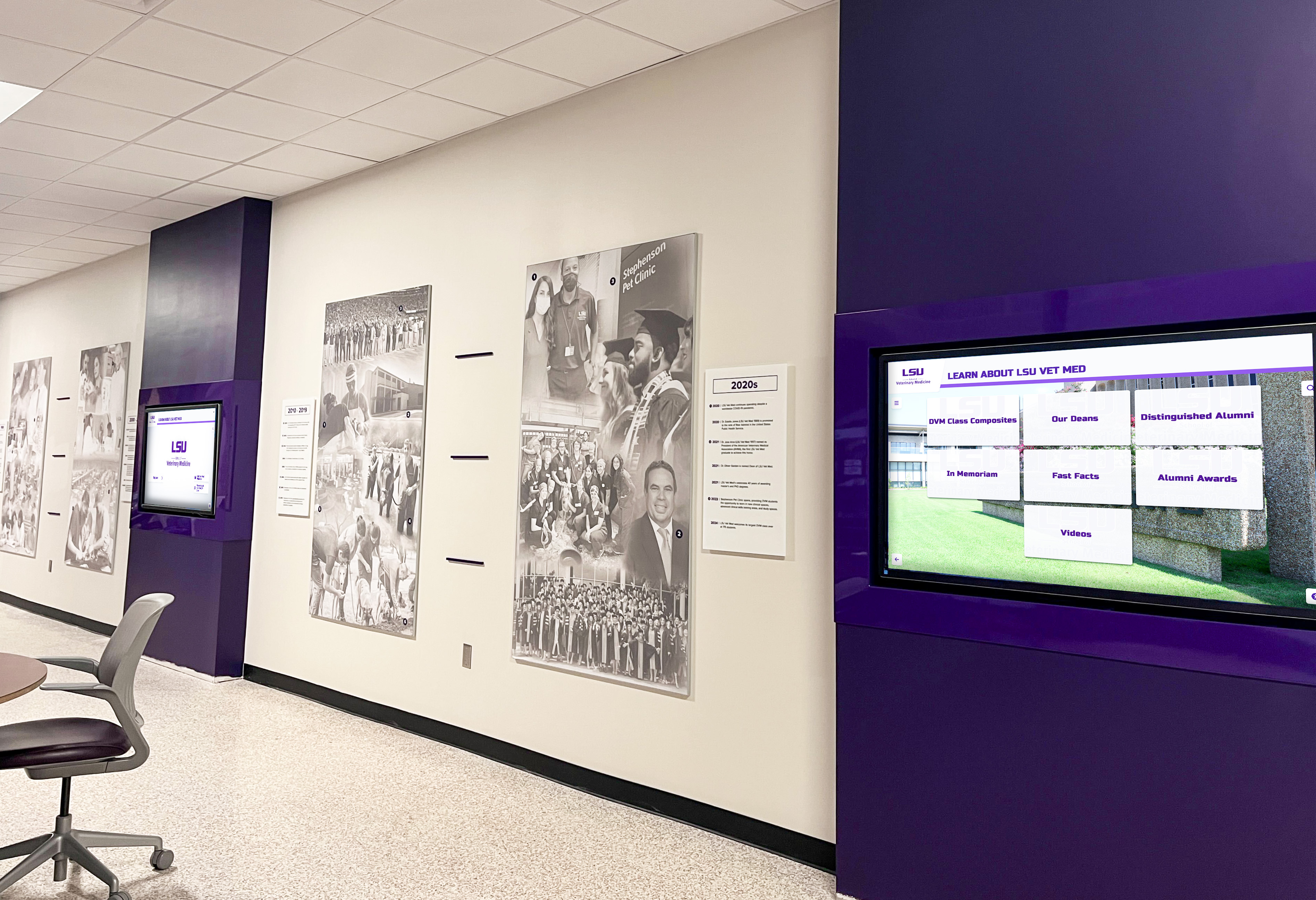
Coordinated display installations throughout facilities create comprehensive recognition environments reaching community members throughout daily activities
Essential Features for Dance Program Recognition Systems
Effective digital recognition platforms should incorporate specific capabilities aligned with competitive dance program needs and championship celebration requirements.
Comprehensive Team Profile Capabilities
Each championship team should receive complete recognition including roster documentation with all team members, season narrative explaining qualification journey and competition experience, championship placement and scoring details, routine descriptions for each competed category, complete performance videos when available from official sources or program recordings, photo galleries capturing competition moments and season highlights, coach and choreographer recognition, and individual dancer profiles linked from team pages.
This comprehensive approach ensures teams receive recognition proportional to achievement significance rather than simple trophy case equivalent showing only competition year and placement.
Individual Dancer Recognition and Connection
While celebrating team achievement, systems should also honor individual contributions enabling personalized recognition and alumni engagement. Individual profiles should include participation history across all competition years, team roles and leadership positions, specific routine performance responsibilities, graduation year and class connections, current location and career information when alumni choose to share, social media connections when appropriate, and searchable database inclusion allowing easy discovery decades after graduation.
This individual recognition creates personal connections motivating alumni engagement while ensuring every team member receives appropriate acknowledgment rather than recognition limited to team captains or star performers alone.
Searchable and Exploratory Interfaces
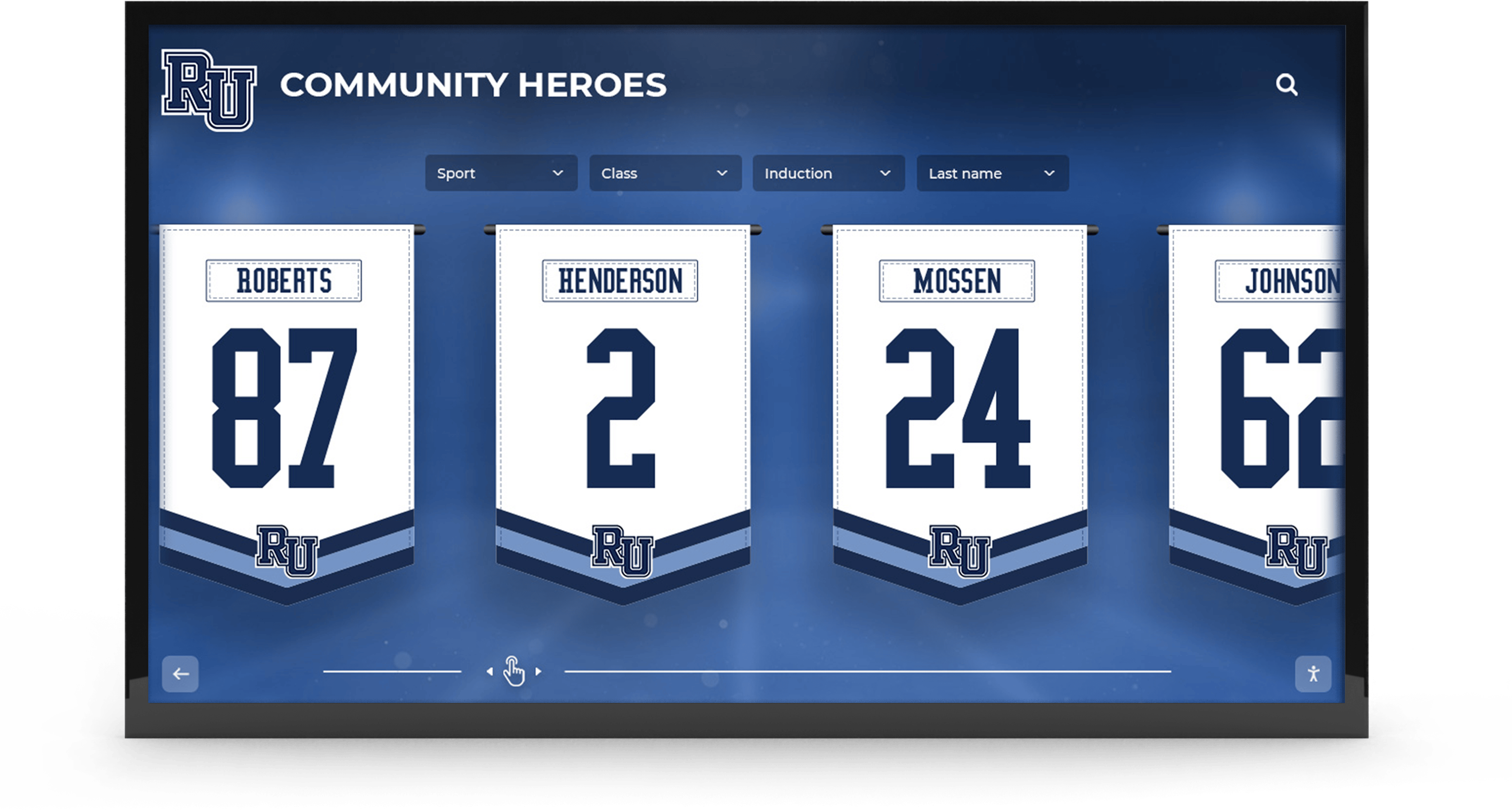
Comprehensive databases become valuable only when accessible through intuitive interfaces enabling easy exploration. Recognition systems should provide name search finding specific dancers or coaches across all years, year filtering exploring particular seasons or eras, championship filtering showing only national competition teams, style category browsing exploring Pom, Jazz, Hip Hop, or other specific divisions, coach filtering viewing all teams under specific leadership, and related connections showing teammates, fellow graduates, or family members also participating.
These discovery tools ensure program history remains accessible and engaging rather than overwhelming users with extensive information lacking clear navigation.
Integration with Program Promotion and Recruiting
Recognition systems can support program goals beyond historical celebration. Features supporting ongoing program needs include current season updates showcasing active teams, tryout information and requirements for prospective dancers, program philosophy and coaching approach, facility and resource documentation, alumni success stories demonstrating program impact, and community support recognition acknowledging sponsors and supporters.
This integration transforms recognition from purely historical documentation into dynamic platform supporting comprehensive program communication and community building.
Analytics and Engagement Tracking
Digital platforms provide valuable data revealing recognition effectiveness and informing continuous improvement including total interactions and viewing time, most popular content revealing community interests, search patterns showing how visitors explore information, peak usage times, and alumni engagement levels.
These insights demonstrate recognition program value while guiding content development priorities ensuring volunteer effort focuses on recognition elements delivering greatest community engagement.
Resources on touchscreen software capabilities provide comprehensive understanding of platform features applicable to competitive dance recognition needs.
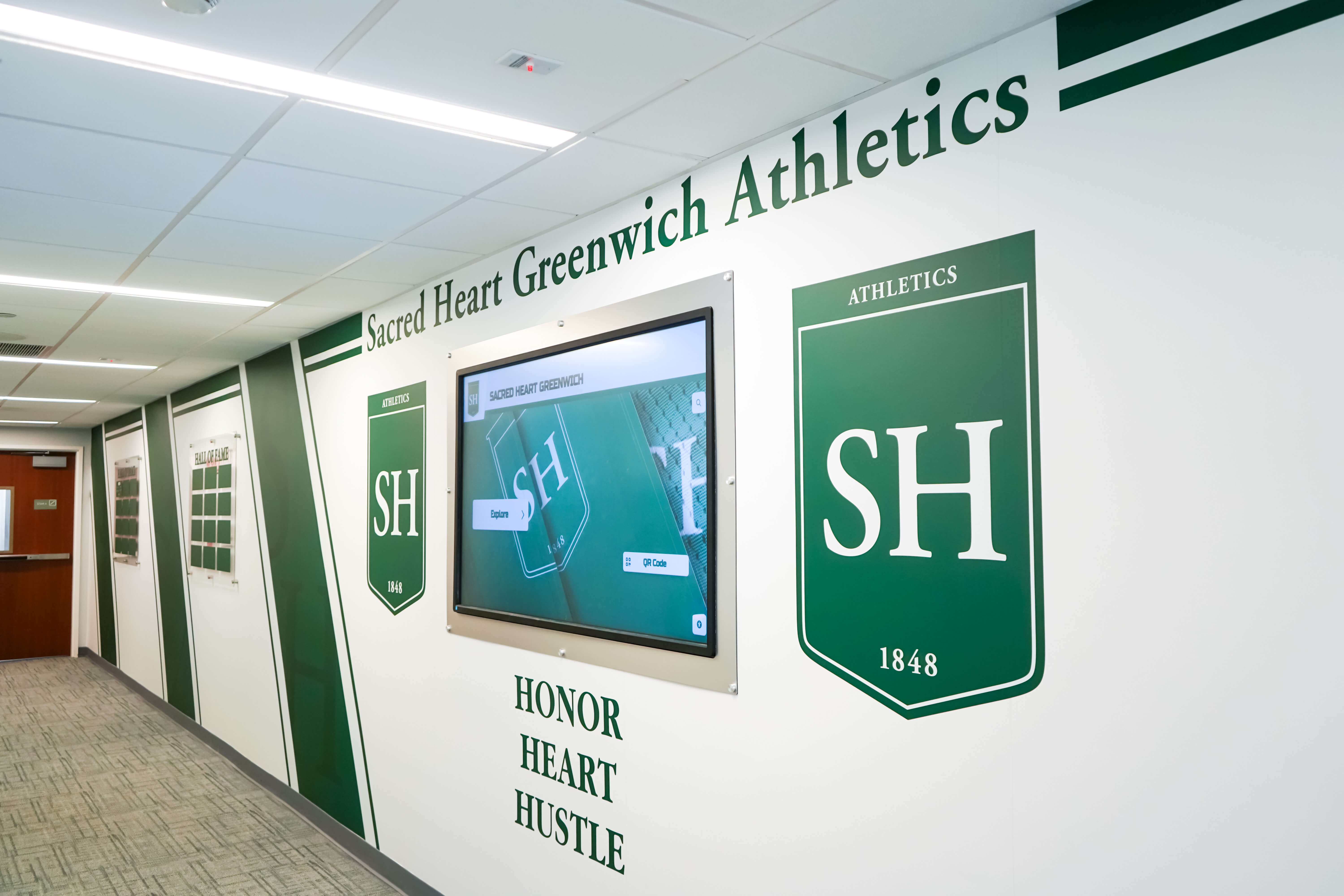
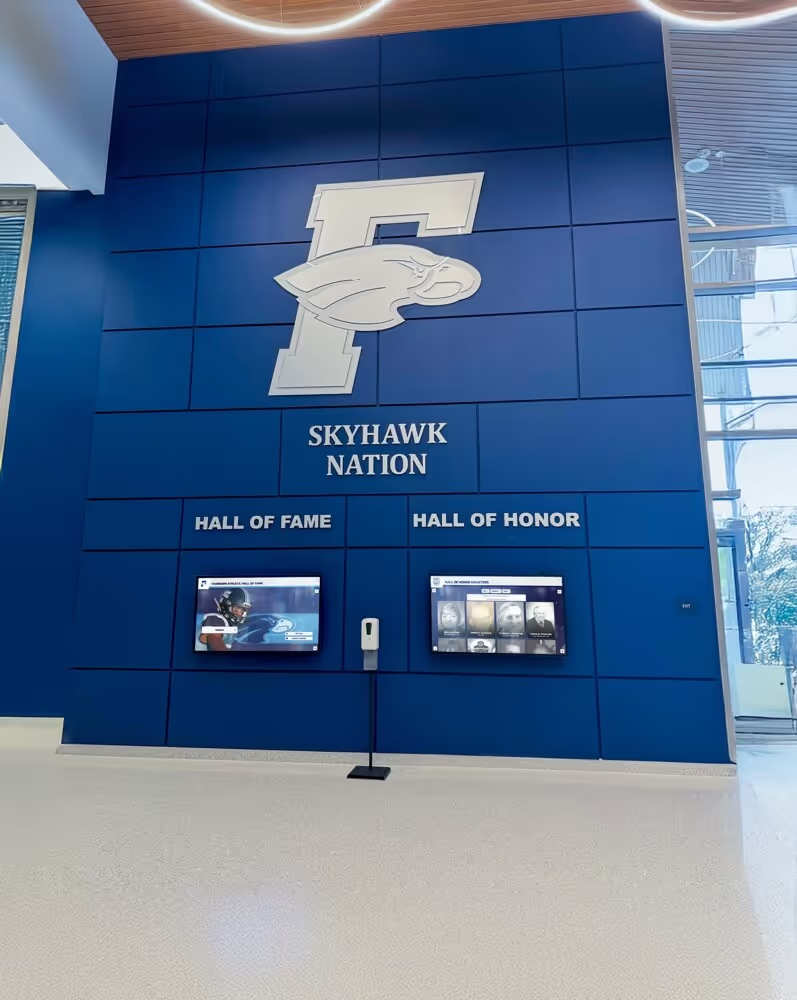
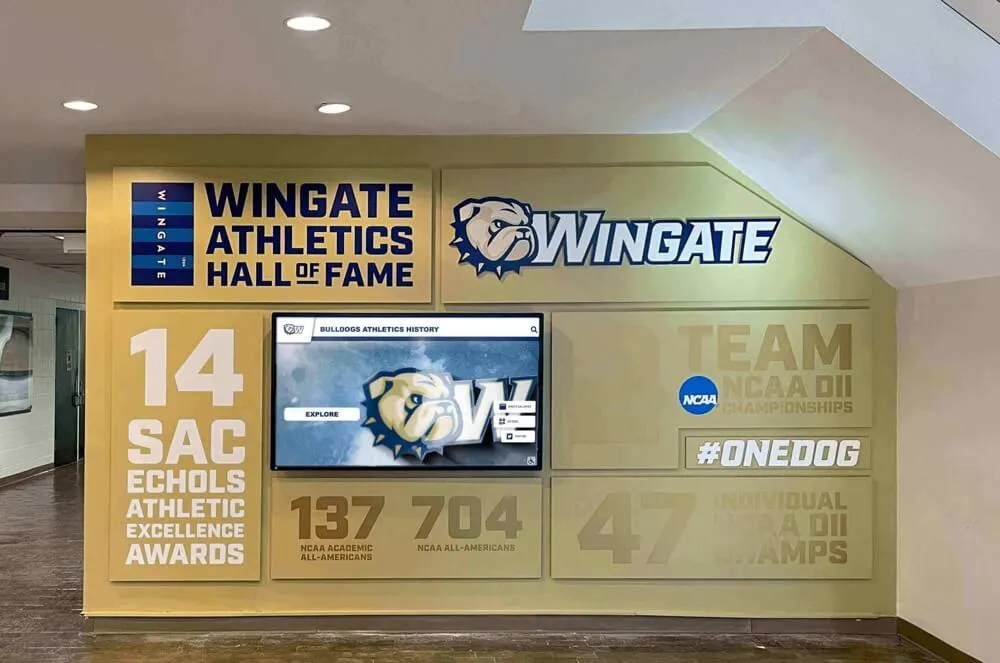
Entrance recognition installations create immediate impressions communicating program excellence and institutional commitment to celebrating achievement
Implementation Strategies for Dance Program Recognition
Successful digital recognition projects require thoughtful planning addressing content development, technical installation, and community engagement dimensions specific to competitive dance contexts.
Planning and Content Strategy Development
Begin with systematic evaluation of program history and recognition priorities:
Historical Documentation and Research
Many dance programs lack comprehensive records of past championships and team rosters. Comprehensive recognition motivates historical recovery including reviewing program files and coaching records, searching yearbook archives for team photos and rosters, interviewing former coaches and program directors, collecting photos and videos from family albums and personal collections, researching newspaper coverage of championship achievements, and documenting existing trophies and awards before they deteriorate or disappear.
This preservation work ensures program heritage remains accessible to future generations rather than becoming lost institutional memory depending on individual recollections alone. For programs with decades of competitive history, consider forming volunteer research teams distributing work across multiple people to prevent single individuals from becoming overwhelmed.
Recognition Priority Determination
Clarify what comprehensive recognition should accomplish including celebrating national championship achievements prominently, honoring all team members not just star performers, acknowledging coach and choreographer contributions, preserving performance artistry through video and photos, building program tradition connecting current and former dancers, engaging alumni and strengthening ongoing support, and supporting recruiting by demonstrating program excellence.
These defined priorities provide frameworks ensuring recognition investments deliver outcomes aligned with program values and community needs rather than simply implementing technology without clear purpose.
Content Development Standards
Establish consistent approaches to information presentation including biography length and format standards, photo quality requirements and sourcing, video content guidelines and permissions, naming conventions and terminology consistency, and accuracy verification processes ensuring information reliability.
Consistent standards create professional recognition quality while simplifying content development by providing clear guidelines for volunteers or staff creating materials.
Technical Implementation Planning
Successful installations require addressing hardware, software, network, and physical space considerations:
Display Hardware Selection
Choose equipment appropriate for institutional settings:
Commercial-grade touchscreens designed for continuous public operation rather than consumer televisions typically feature higher durability for constant use, extended warranties covering institutional deployment, advanced power management for continuous operation, and professional mounting systems ensuring secure installation.
Display sizes typically range from 43 inches for smaller spaces through 65-75 inches for large lobbies and gymnasium entrances. Larger displays create more impressive visual impact while providing easier interaction for groups exploring content together, though they require proportionally higher investments and appropriate wall space for installation.
Installation Location Optimization
Strategic placement maximizes recognition visibility and engagement:
High-traffic areas including main building entrances where all community members naturally pass, athletic facility lobbies capturing game attendance traffic, gymnasium walls visible during competitions and practices, school hallways with high student circulation, and dance studio entrance areas ensuring team member engagement all provide excellent recognition visibility.
Consider both traffic volume and audience composition when evaluating locations. Areas with moderate total visitors but high concentrations of dancers, families, and alumni often outperform higher-traffic spaces where most passersby lack strong program connections.
Network and Content Management Infrastructure
Backend systems enable easy recognition updates by non-technical staff:
Cloud-based platforms operate through web-based content management accessible from any internet-connected device. Coaches and program directors update recognition content through web browsers on home computers, tablets, or phones—eliminating needs for on-site technical work or specialized software installation.
Cloud platforms provide automatic software updates maintaining current functionality, secure data backup preventing information loss, multi-user access enabling distributed content management, and remote troubleshooting support when technical issues arise.
Understanding kiosk software considerations helps programs select platforms appropriate to their technical comfort and support capabilities.

Recognition spaces designed for group exploration create community gathering points where families and alumni naturally congregate during campus visits
Content Development Workflows and Resources
Creating comprehensive recognition content requires systematic approaches managing complexity while ensuring quality and accuracy:
Video Content Development
Championship routine videos represent the most valuable recognition content for dance programs, but require careful attention to rights and permissions:
Official competition videos from Varsity TV provide highest-quality recordings but require subscription access or individual purchase. Many programs purchase competition footage specifically for recognition purposes, viewing this as worthwhile investment in permanent memory preservation.
Program-recorded practice videos offer alternative sources when official competition footage proves unavailable or cost-prohibitive. While quality may not match professional recordings, these videos still preserve choreography and performance memories.
Before including any video content, verify that programs have appropriate permissions from choreographers, music rights holders, and families if featuring minor students. Many schools include media release permissions in program registration covering recognition use specifically.
Photography Collection and Organization
Comprehensive photo galleries require systematic collection:
Competition photos from photographers attending UDA nationals often provide highest-quality action shots. Many photographers sell team packages or individual performance photos that programs can incorporate into recognition.
Program documentation photos taken during practices, dress rehearsals, and local performances supplement competition photography while adding context about season preparation and team culture.
Historical photos from family collections fill gaps in program archives. Consider hosting photo collection events where alumni and families bring images to be digitized for recognition inclusion.
Organize photos systematically with consistent file naming conventions including year, event, and subject matter enabling easy retrieval. Store master collections in multiple locations preventing loss from equipment failure or accidental deletion.
Biography and Narrative Writing
Written content brings recognition to life through storytelling:
Team narratives should explain qualification journey describing how teams earned national bids, season highlights documenting key moments and development, championship experience describing competition atmosphere and team performance, unique challenges or adversity overcome, and lasting impact on program culture and tradition.
Individual dancer profiles might include participation years and team roles, leadership positions and responsibilities, signature skills or routine elements, memorable moments or performances, post-graduation connections to dance or program, and personal reflections on competitive dance impact.
Recruit alumni volunteers who enjoy writing to assist with biography and narrative development, distributing workload while building engagement through meaningful contribution opportunity.
Resources on creating interactive timelines demonstrate approaches to organizing program history narratively that support engagement and understanding.
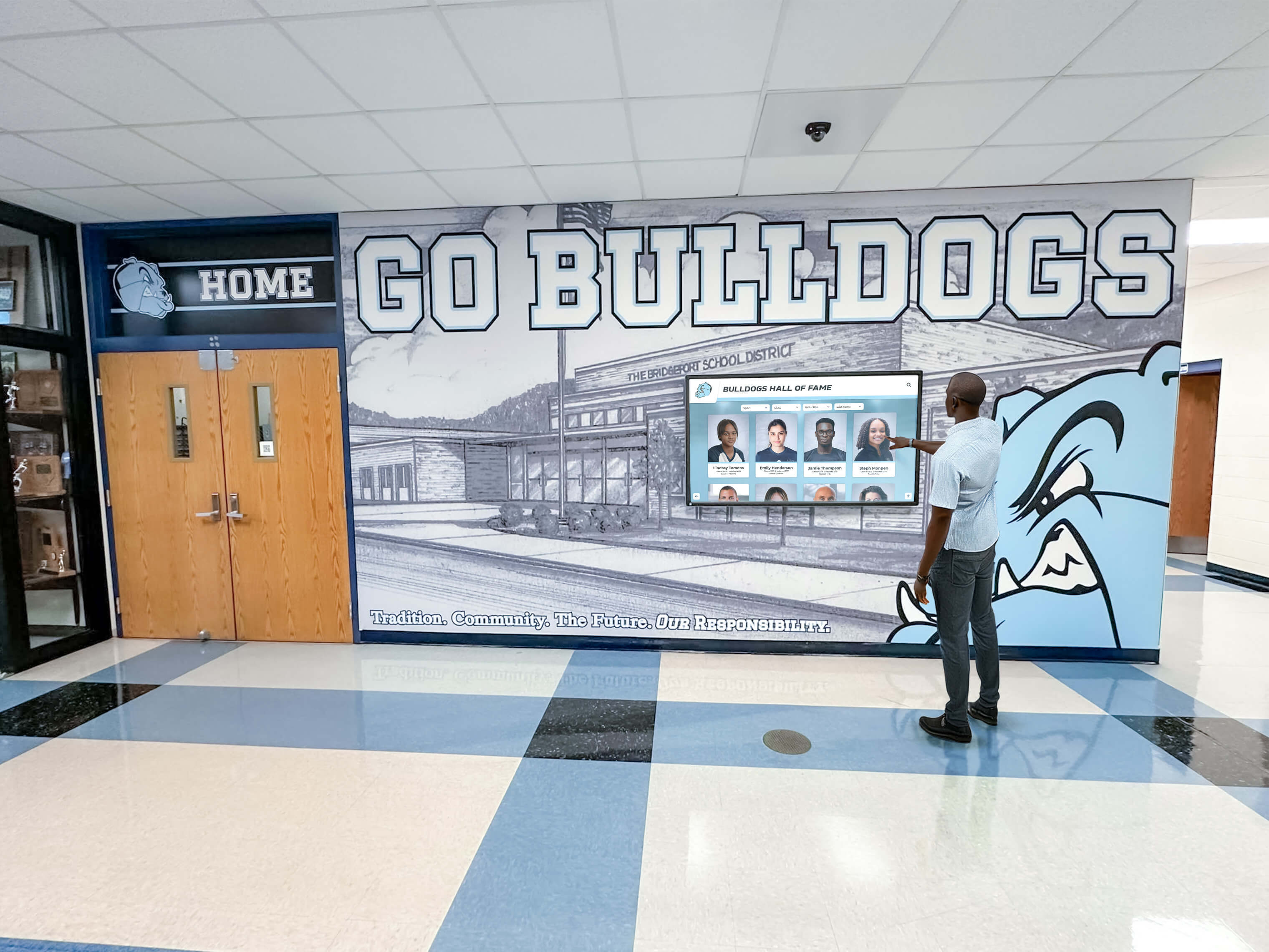
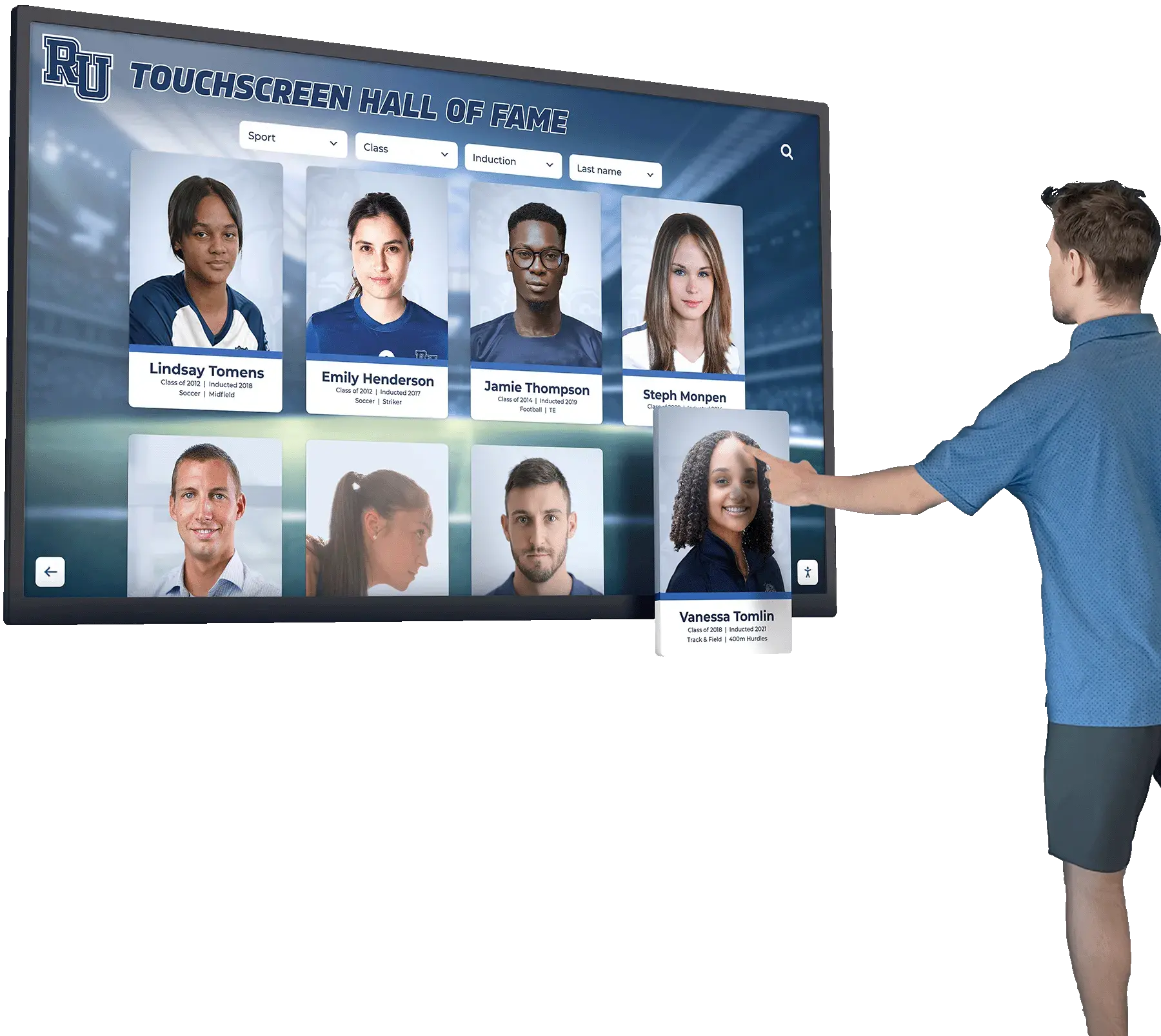
User-friendly interfaces enable visitors of all ages to explore recognition content independently, discovering championship stories through intuitive navigation
Recognition Content Strategies Specific to Dance Programs
Thoughtful content development ensures digital recognition appropriately celebrates competitive dance excellence while serving diverse audiences and supporting program goals.
Balancing Competitive Achievement and Artistic Celebration
Effective dance recognition honors both placement results and artistic elements that make performances remarkable.
Championship Results and Competition Context
Traditional athletic recognition emphasizes wins, championships, and competitive placements. Dance recognition should include this information: final placement and scoring, division and category competed, qualification method and regional competition results, and comparative context explaining achievement significance.
However, numerical results alone fail to convey what makes dance championships remarkable. Recognition should extend beyond placement to celebrate the performance artistry that earned those results.
Artistic Elements and Performance Quality
Comprehensive recognition documents choreographic creativity including unique elements or innovative approaches, performance energy and stage presence that engaged audiences and judges, technical difficulty and execution precision, musical interpretation and stylistic authenticity, and team synchronization demonstrating collective excellence.
This artistic celebration communicates that competitive dance combines athletic discipline with artistic expression—honoring both dimensions rather than reducing achievements to placement numbers alone.
Difficulty and Technical Sophistication
Dance enthusiasts and program insiders understand that routine difficulty significantly impacts competitive potential. Recognition can educate broader audiences by explaining technical elements including specific skills and their difficulty levels, synchronized timing requirements, formation changes and transitions, creative risk-taking in choreography, and how these elements contributed to competitive success.
This education builds broader appreciation for competitive dance sophistication among school communities that may lack familiarity with technical evaluation criteria.
Individual Dancer Recognition Within Team Context
Championship success requires collective effort, but recognition systems should also honor individual contributions and enable personal connections.
Team-First Recognition Structure
Primary recognition should celebrate teams as units: championship achievements belong to complete teams, rosters should list all contributing members equally, team photos should show entire squads, and narrative should emphasize collective preparation and performance.
This team-first approach honors the collaborative nature of competitive dance while avoiding unhealthy competition or hierarchy within teams.
Individual Profile Connections
Within team structures, every dancer should receive individual profile pages accessible through searchable databases. Individual recognition enables alumni engagement by providing personal connection points, honors multi-year participation across multiple championship teams, documents individual progression and development, creates search and discovery pathways, and enables social sharing and networking among alumni.
When alumni can search their own names and discover comprehensive documentation of their competitive dance participation, they form lasting connections to programs and institutions—strengthening engagement that benefits current teams through support, mentoring, and advocacy.
Leadership and Special Role Recognition
Certain individuals contribute beyond equal team membership through team captaincy and leadership, choreographic creativity and innovation, mentoring younger dancers, multi-year program dedication, and ambassador roles representing programs in broader contexts.
These special contributions deserve acknowledgment within recognition systems without creating problematic hierarchy undermining team unity. Consider creating separate recognition categories celebrating leadership rather than positioning certain individuals as more important than teammates.
Resources on outstanding student recognition provide frameworks applicable to honoring leadership and special contributions within team contexts.

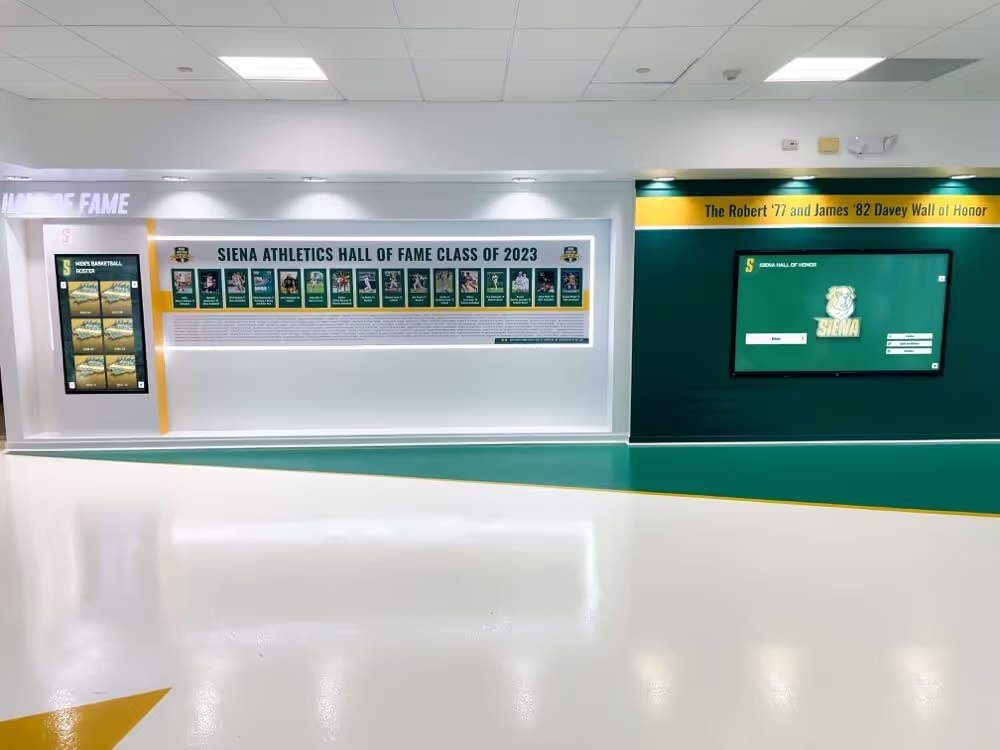
Athletic facility recognition installations celebrate program excellence while creating community gathering spaces that strengthen institutional pride and tradition
Coach and Choreographer Recognition
Championship success reflects exceptional coaching and choreographic artistry deserving recognition alongside dancer achievement.
Head Coach Recognition
Comprehensive recognition should honor coaching contributions including years of program leadership, championship teams developed, program philosophy and approach, competitive records and achievements, and broader impact on school community and dancer development.
Long-tenured coaches who build championship traditions across decades shape hundreds or thousands of dancers’ lives while establishing program cultures that continue influencing teams long after coaching careers conclude. Their contributions deserve recognition reflecting profound impact on individuals and institutions.
Choreographer Acknowledgment
Championship routines represent collaborative creative achievement between coaches, choreographers, and dancers. Recognition should acknowledge choreographic creativity including specific routine design and artistic vision, style expertise and technical sophistication, adaptation to team strengths and personalities, and innovative elements or approaches.
Many programs work with external choreographers who specialize in particular style categories. These professionals contribute essential expertise enabling championship-level performance, and recognition appropriately honors their artistic contributions to team success.
Assistant Coach and Support Staff
Beyond head coaches, successful programs depend on assistant coaches, technical specialists, conditioning coaches, and support staff who enable championship preparation. Comprehensive recognition acknowledges these supporting roles, communicating that championship success requires entire support systems rather than single individual leadership alone.
Alumni Engagement and Connection Features
Recognition systems should facilitate ongoing alumni connection rather than serving purely as historical documentation.
Alumni Update and Submission Features
Enable alumni to maintain current profiles including career and location information, significant life events and accomplishments, ongoing dance involvement or related activities, and connection to current program as mentors or supporters.
When alumni can easily update profiles, recognition remains current while creating regular touchpoints maintaining engagement. Updated profiles also provide current dancers with relatable role models demonstrating life paths after competitive dance careers conclude.
Networking and Connection Tools
Facilitate alumni community building through teammate contact features enabling reconnection, class or team reunion coordination, geographic proximity identification for local networking, and mentoring connections linking alumni with current dancers.
These networking capabilities extend recognition value beyond nostalgia to provide tangible relationship benefits that strengthen ongoing program support and community engagement.
Recognition Sharing and Social Integration
Enable easy sharing through social media integration allowing profile sharing, download capabilities for personal records and memories, email sharing with family and friends, and QR code access from mobile devices during campus visits.
When alumni can easily share their recognition with personal networks, programs gain authentic promotional value extending reach far beyond institutional communication channels alone.
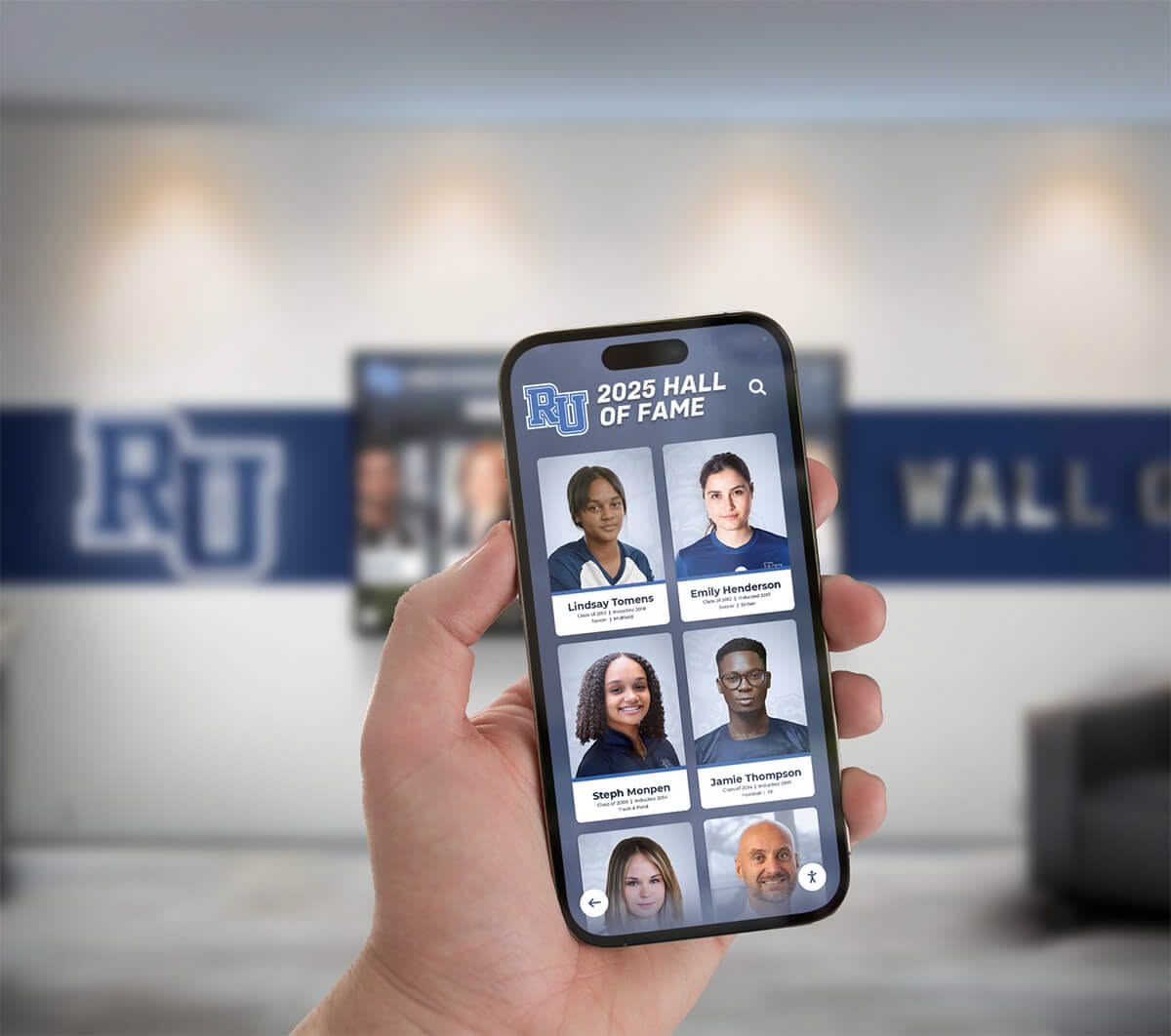
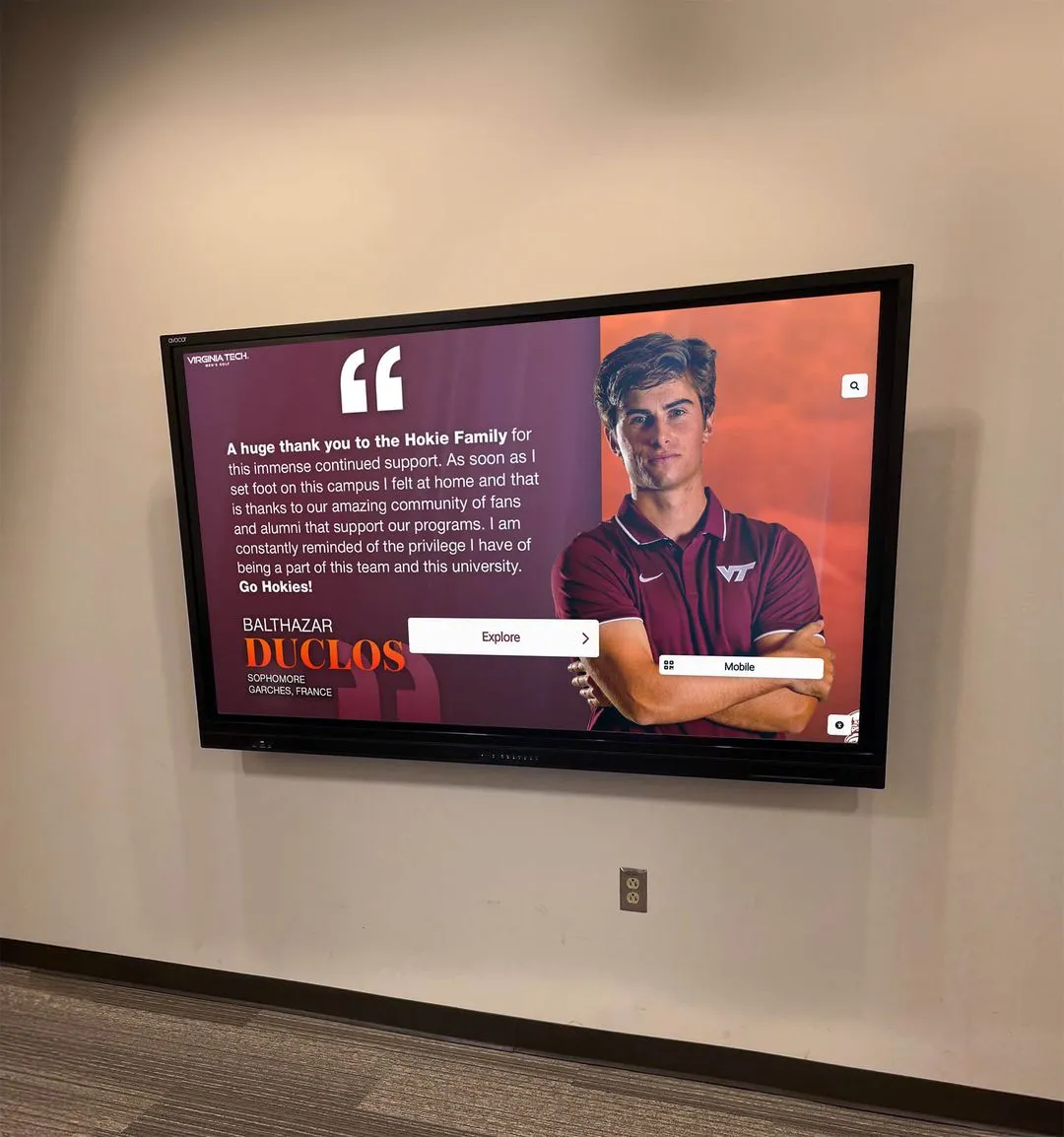
Mobile integration extends recognition beyond physical displays, enabling anywhere access that multiplies engagement opportunities and community connection
Budget Planning and Funding Strategies
Creating comprehensive dance program recognition requires financial investment, but thoughtful planning makes transformational recognition achievable across varied program budgets.
Comprehensive Cost Understanding
Realistic budget planning accounts for all implementation and ongoing costs:
Initial Implementation Expenses
Digital recognition implementation typically includes platform licensing and setup ($2,500-$5,000), display hardware including touchscreens ($3,000-$8,000 depending on size), professional mounting and installation ($500-$2,000), content development including video editing and biography writing ($3,000-$8,000), photography and multimedia assets ($1,000-$4,000), and space preparation if needed including electrical work ($500-$3,000).
Total comprehensive implementations generally range $12,000-$28,000 depending on scale, hardware selection, content comprehensiveness, and whether programs complete some work internally versus hiring external support.
Ongoing Operating Costs
Annual expenses include platform licensing and hosting ($1,200-$2,500), technical support and maintenance ($500-$1,500), content update labor (3-5 hours monthly staff or volunteer time), and periodic hardware maintenance or replacement reserves ($500-$1,000 annually).
Annual ongoing costs typically range $2,500-$5,000 for established systems with comprehensive support.
Creative Funding Approaches for Dance Programs
Programs successfully fund recognition through diverse strategies aligned with competitive dance community contexts:
Booster Organization Support
Dance team booster clubs often enthusiastically support recognition projects that celebrate dancers and preserve program heritage. Many programs successfully fund recognition through dedicated booster fundraising campaigns, memorial giving opportunities honoring deceased program participants or supporters, end-of-season parent giving appeals, alumni booster contributions, and corporate sponsorships from businesses supporting youth athletics.
When recognition value is clearly communicated to booster communities, fundraising often succeeds quickly as families understand that recognition honors their daughters’ or sons’ achievements permanently.
School or Studio Operating Budgets
Some institutions fund recognition through regular operating allocations including athletic department budgets when dance is classified as sport, student activities funding when dance operates under co-curricular programs, capital improvement budgets for facility enhancement projects, or memorial funds honoring former students or staff.
Work with sympathetic administrators to identify appropriate funding sources within institutional budget structures, emphasizing recognition benefits including alumni engagement, recruiting advantages, and school spirit enhancement.
Phased Implementation Strategies
Programs with limited immediate funding can implement recognition in phases including initial basic installation with limited content, annual content expansion adding championship teams systematically, hardware upgrades as budgets allow, and feature additions including mobile apps or additional displays.
Phased approaches make recognition accessible to programs unable to fund comprehensive immediate implementation while ensuring progress toward complete celebration goals.
Understanding digital trophy wall costs and funding provides detailed frameworks applicable to competitive dance recognition contexts.
Fundraising Through Recognition Itself
Some programs fund recognition partially through recognition sales including individual dancer profile sponsorships, team recognition packages for specific championship years, named feature sponsorships for sections or capabilities, and corporate advertising or sponsorship integration when appropriate to program contexts.
These approaches require careful consideration ensuring commercial elements don’t detract from recognition purpose, but can provide funding enabling more comprehensive implementation than purely philanthropic support alone would allow.

Hallway recognition environments integrate championship celebration into daily school life, ensuring achievements remain visible to current students inspiring future excellence
Measuring Recognition Impact and Success
Effective recognition systems require ongoing evaluation ensuring platforms continue serving program goals and community needs.
Engagement and Usage Metrics
Digital platforms provide objective data revealing recognition effectiveness:
Interaction Statistics
Track recognition engagement through total interactions and viewing sessions, average session duration indicating depth of engagement, most-viewed content revealing community interests, search query patterns showing information priorities, peak usage times informing content update strategies, and repeat visitor rates demonstrating sustained community interest.
These metrics prove recognition program value while informing continuous improvement priorities based on actual usage patterns rather than assumptions about what audiences want.
Content Performance Analysis
Identify which recognition elements resonate most strongly including championship teams receiving highest views, individual dancer profiles generating extended engagement, video content versus photos and text comparisons, historical content connecting with alumni audiences, and coach or choreographer features attracting interest.
Performance data guides content development priorities ensuring volunteer effort focuses on recognition elements delivering greatest community engagement and value.
Program Outcome Indicators
Beyond usage metrics, assess whether recognition supports broader program goals:
Alumni Engagement Measures
Track indicators including booster organization participation and giving, reunion attendance and coordination, mentoring connections between alumni and current dancers, social media engagement with program content, and website traffic to program pages.
Improving trends in these areas suggest recognition is strengthening alumni connections that benefit programs through support, advocacy, and community building.
Recruiting and Retention Impact
Monitor whether recognition influences program attractiveness through tryout participation numbers, retention rates across competitive seasons, family feedback during recruiting conversations, and competitive team composition trends.
Strong recognition communicating program excellence and valuing individual dancers may positively influence recruiting and retention—delivering tangible program benefits beyond nostalgic celebration alone.
Community Awareness and Support
Evaluate broader community impact through school spirit and program awareness indicators, attendance at competitions and performances, fundraising success and community support, media coverage and public recognition, and institutional support and resource allocation.
Recognition that strengthens program visibility within broader school communities may generate increased support, resources, and priority that benefit current dancers through improved facilities, coaching, and competition opportunities.
Resources on digital recognition system effectiveness provide frameworks for systematic evaluation applicable across athletic recognition contexts.
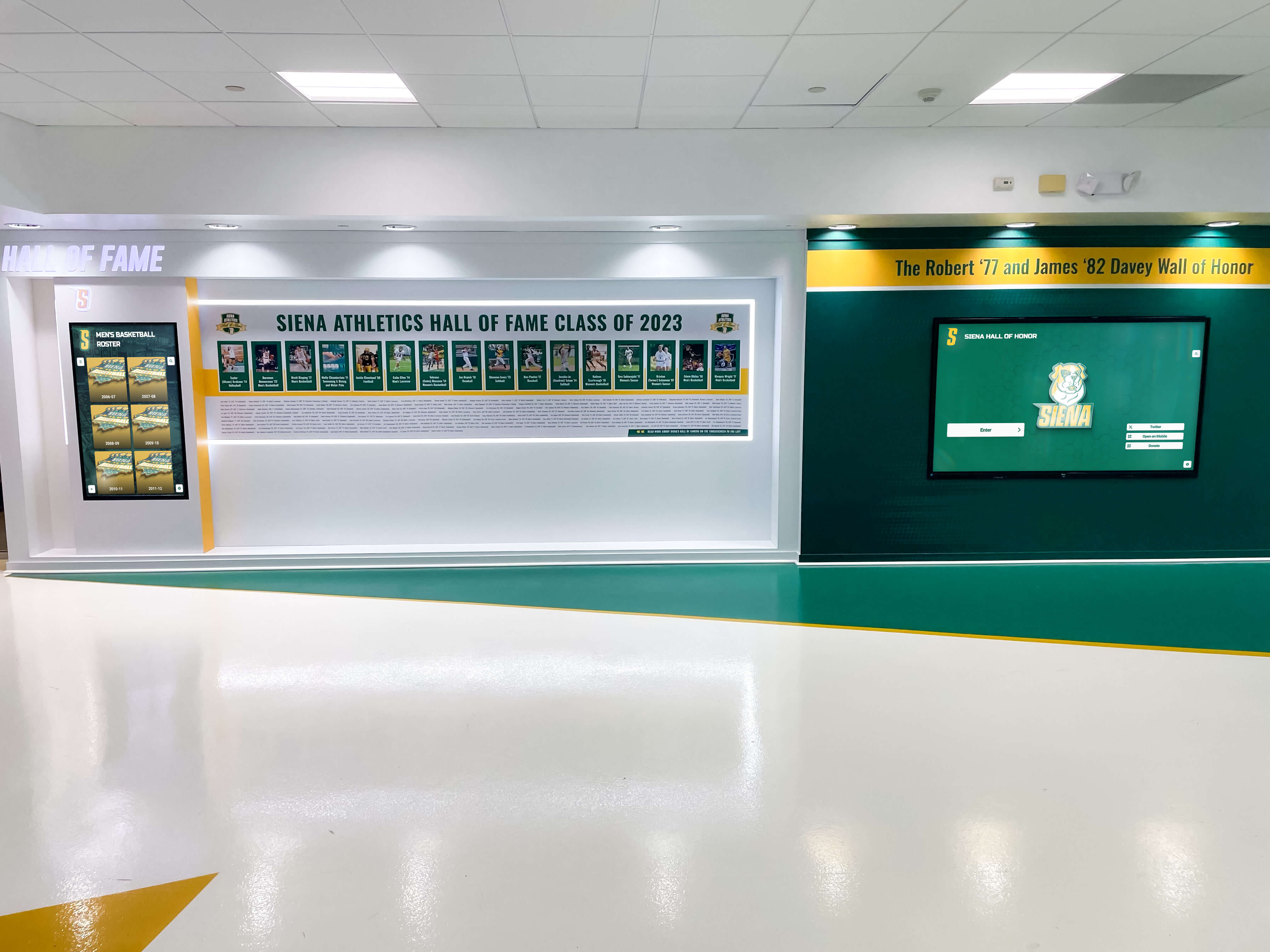
Professional recognition installations create lasting impressions communicating institutional commitment to celebrating achievement and honoring athletic excellence
Launch and Ongoing Recognition Program Management
Successful recognition extends beyond initial implementation to include thoughtful launch strategies and sustainable ongoing management.
Recognition Unveiling and Community Celebration
Launch events maximize recognition visibility while celebrating program heritage and achievements:
Grand Opening Programming
Consider special events introducing new recognition systems including recognition dedication ceremonies with program leadership and institutional representatives, reception enabling families and alumni to explore recognition together, current team performances celebrating program continuation, alumni gatherings reconnecting former dancers with programs, and media coverage generating awareness and community engagement.
Launch celebrations communicate that recognition represents significant program investment in heritage preservation and community building—elevating program visibility while thanking supporters whose contributions enabled recognition creation.
Integration with Existing Events
Beyond dedicated launch events, integrate recognition into ongoing program activities including season kickoff events showcasing new championship additions, senior recognition nights celebrating graduating dancers, competition send-offs building team excitement, championship celebration events after national competition, and awards banquets featuring recognition exploration.
Coordinating recognition updates with these events ensures honorees experience recognition during meaningful program moments—linking formal celebration with permanent accessible documentation through digital platforms.
Sustainable Content Management
Recognition value depends on currency and comprehensiveness requiring sustainable update processes:
Responsibility and Workflow Clarity
Establish clear processes ensuring recognition remains current including designated individuals responsible for updates after each competition season, submission systems where coaches provide team information and media, approval workflows if institutions require content review, update schedules ensuring timely recognition of new achievements, and training resources helping responsible parties use content management systems effectively.
Clear accountability prevents recognition from becoming outdated technology showing only historical achievements—ensuring platforms deliver ongoing value through continuous celebration of current accomplishments.
Volunteer and Booster Engagement
Successful programs often distribute content management work across volunteer teams including photography coordinators organizing image collection and curation, biography writers developing team and individual profiles, video editors preparing routine footage for platform integration, research coordinators gathering historical information filling archive gaps, and social media coordinators promoting recognition and driving engagement.
Distributing work prevents single individuals from becoming overwhelmed while building broader community ownership and engagement with recognition programs.
Annual Maintenance and Refresh
Plan for periodic recognition renewal including content accuracy reviews removing outdated information, featured content rotation preventing stagnation, hardware maintenance ensuring reliable operation, software updates maintaining security and functionality, and space refresh keeping physical environments attractive and welcoming.
Annual planning cycles ensure recognition maintenance receives appropriate attention rather than becoming neglected after initial implementation enthusiasm fades.
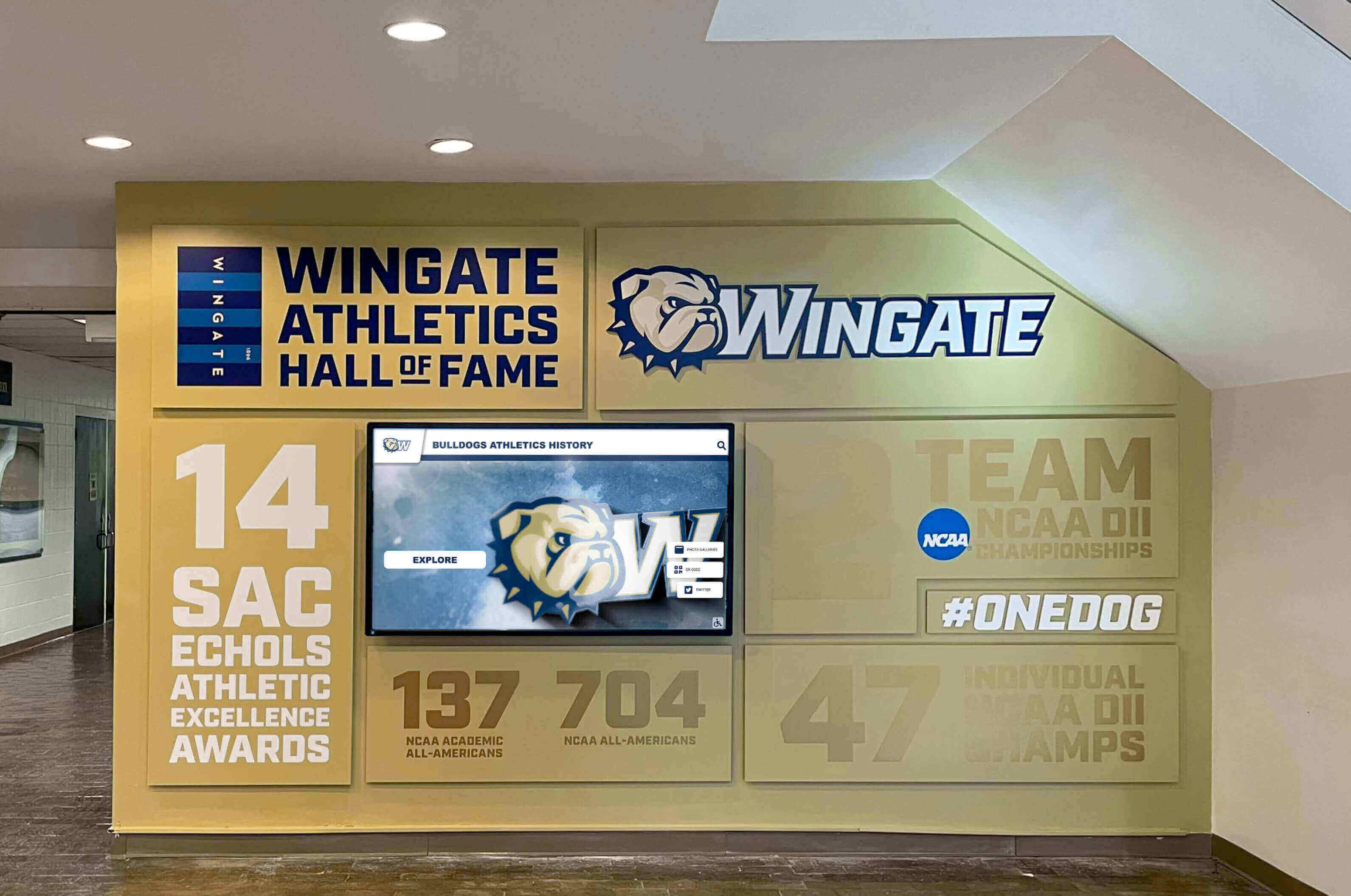
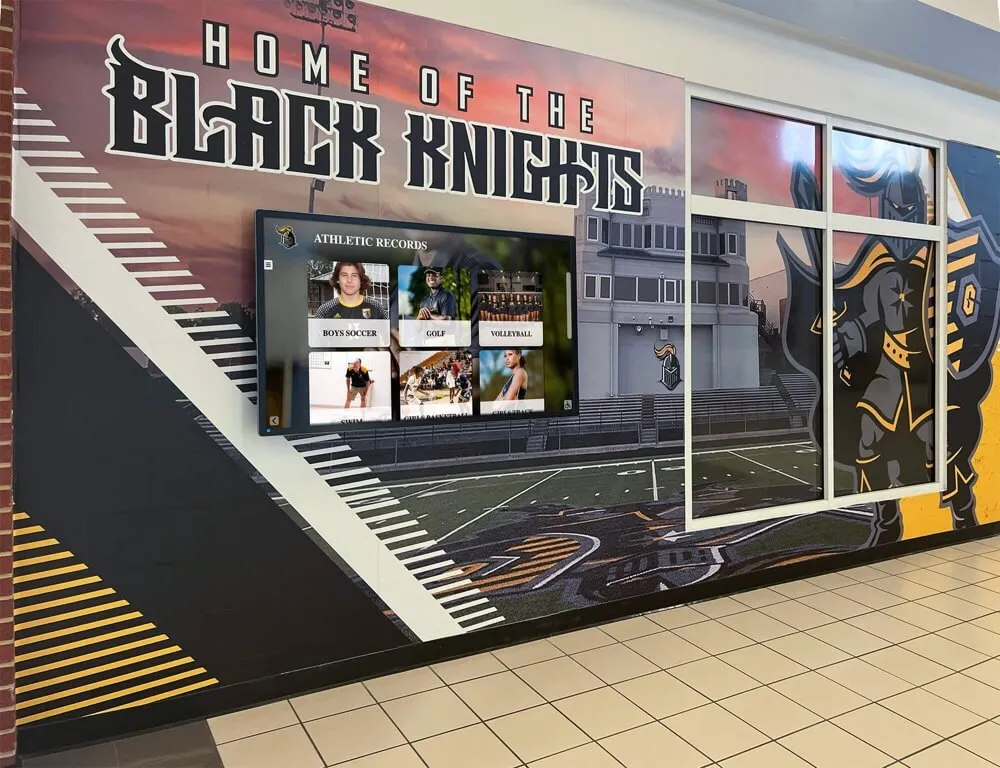
Athletic facility entrances combining mascot branding with recognition create signature institutional spaces that celebrate excellence while reinforcing school identity
Conclusion: Celebrating Dance Excellence Through Comprehensive Recognition
UDA National Championship achievements represent extraordinary dedication, remarkable athletic artistry, and exceptional competitive success deserving recognition that honors both the results teams earned and the year-round preparation that made those achievements possible. When schools and dance programs implement comprehensive digital recognition systems, they transform championship celebration from fleeting moments and cramped trophy cases into permanent, accessible documentation that preserves performance memories, honors every contributing dancer, and builds traditions connecting generations through shared competitive dance excellence.
Transform Your Dance Program Recognition
Discover how digital recognition solutions enable comprehensive celebration of UDA National Championship achievements, preserve performance memories, and build lasting traditions connecting dancers across generations through shared competitive excellence.
Explore Recognition SolutionsThe evolution from limited trophy case space and static plaques to comprehensive multimedia recognition represents more than technological advancement—it reflects renewed commitment to appropriately celebrating competitive dance as the serious athletic and artistic endeavor it represents. Digital recognition platforms provide practical tools enabling programs of all sizes to honor championship achievements comprehensively without requiring massive facility modifications or budgets previously making adequate recognition unattainable for many programs.
For teams earning first UDA national bids or programs with decades of championship history, recognition principles remain consistent—every achievement deserves appropriate documentation, every team member merits individual acknowledgment, every coach should receive recognition for leadership contributions, and every program benefits from building accessible historical archives that strengthen tradition and community. Modern digital recognition systems make comprehensive celebration achievable regardless of program size, institutional resources, or historical record-keeping practices.
The current dancer discovering championship teams from a decade ago receives inspiration and connection to program tradition. The alumni living across the country accessing recognition remotely maintains emotional bonds with formative experiences. The families investing thousands of dollars annually in competitive dance see permanent honor for achievements their daughters and sons worked so hard to earn. And programs building comprehensive recognition traditions demonstrate tangible commitment to dancers and communities—strengthening current participation while cultivating alumni engagement that sustains programs for generations.
Ready to explore dance program recognition for your school or studio? Discover comprehensive approaches to athletic recognition system implementation, learn strategies for creating effective hall of fame displays, and understand digital recognition best practices ensuring championship celebration that appropriately honors the remarkable achievements UDA national competitors earn through dedication, artistry, and excellence.