



Standing at a podium before your graduating class, family members, teachers, and community leaders represents one of the most significant moments in any student’s academic journey. Valedictorian speeches carry the weight of representing years of shared experiences, celebrating collective achievement, and inspiring classmates as they transition to the next chapter of their lives. The right words delivered with authenticity can create lasting memories that resonate for decades.
Yet many valedictorians struggle with this daunting responsibility. The pressure to craft something meaningful without sounding clichéd, to be inspirational without being preachy, to honor the past while looking toward the future, and to speak personally while representing an entire class—these competing demands create challenges that even the most academically accomplished students find overwhelming.
This comprehensive guide provides proven strategies, memorable valedictorian speech examples, and practical delivery tips that will help you craft an authentic, engaging commencement address your entire school community will remember.
A truly memorable valedictorian speech transcends generic graduation platitudes. It captures the unique character of your graduating class, acknowledges the specific journey you’ve shared, and offers perspectives that resonate across different audiences—from nostalgic parents to excited younger students looking up to your class as role models.

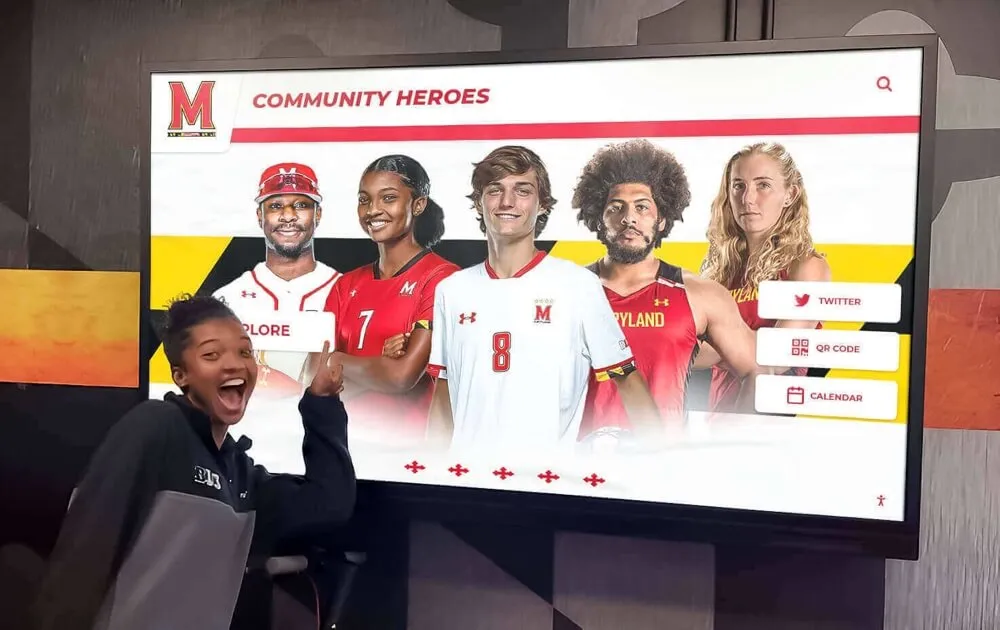
Graduation speeches honor the collective journey and individual achievements that define each graduating class
Understanding the Purpose of a Valedictorian Speech
Before crafting your address, understanding what makes valedictorian speeches meaningful helps focus your writing and ensures your message achieves its intended impact.
Multiple Audiences, Multiple Purposes
Effective valedictorian speeches simultaneously speak to diverse audience segments, each with different expectations and emotional connections to the ceremony.
Speaking to Your Classmates
Your fellow graduates represent your primary audience:
- Acknowledge shared experiences that defined your class identity
- Celebrate collective achievements rather than focusing solely on individual accomplishments
- Reference inside jokes or memorable moments that create connection and nostalgia
- Offer encouragement for the transitions and challenges ahead
- Validate the different paths classmates will take after graduation
- Express gratitude for friendships and experiences that shaped your journey together
Honoring Faculty and Families
Adults in attendance deserve recognition and specific acknowledgment:
- Thank teachers for their dedication, patience, and the knowledge they’ve imparted
- Recognize parents and guardians for their support, sacrifices, and unconditional encouragement
- Acknowledge school staff members who contributed to positive school experiences
- Honor administrators for creating educational environments where students thrived
- Express appreciation for opportunities provided throughout your academic journey
Inspiring Younger Students
Underclassmen watching your speech will remember your words as they continue their own academic paths. Use this opportunity to set positive examples and offer perspective that motivates continued excellence.
Explore comprehensive approaches to academic recognition programs that celebrate student achievement systematically.
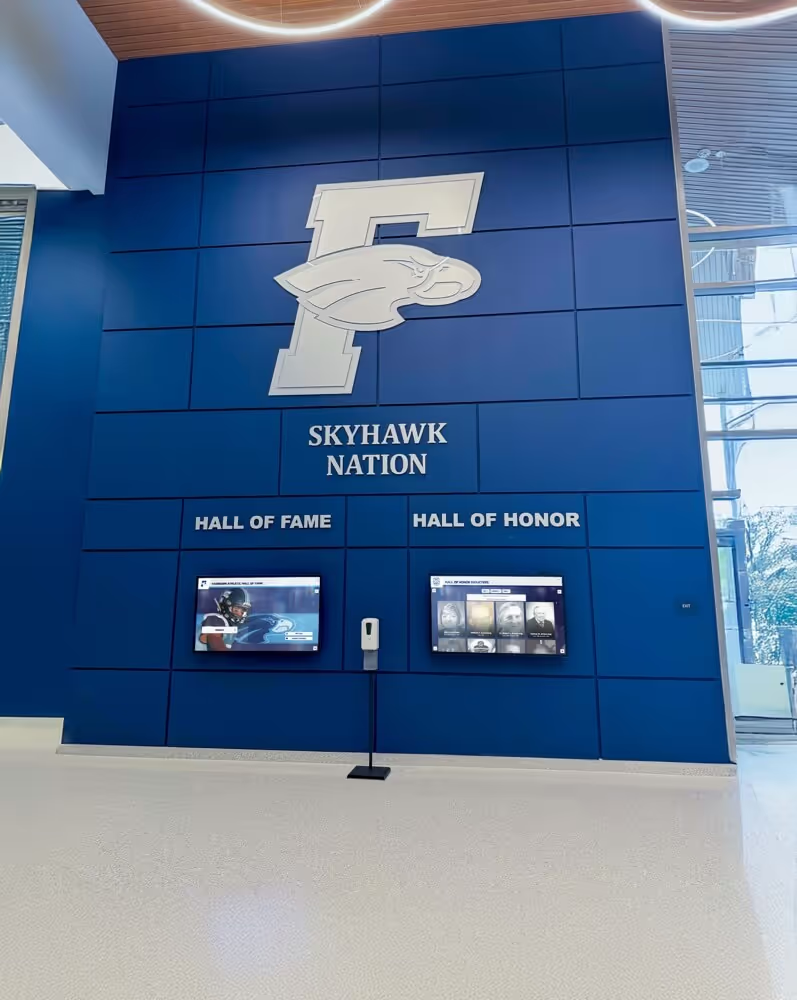
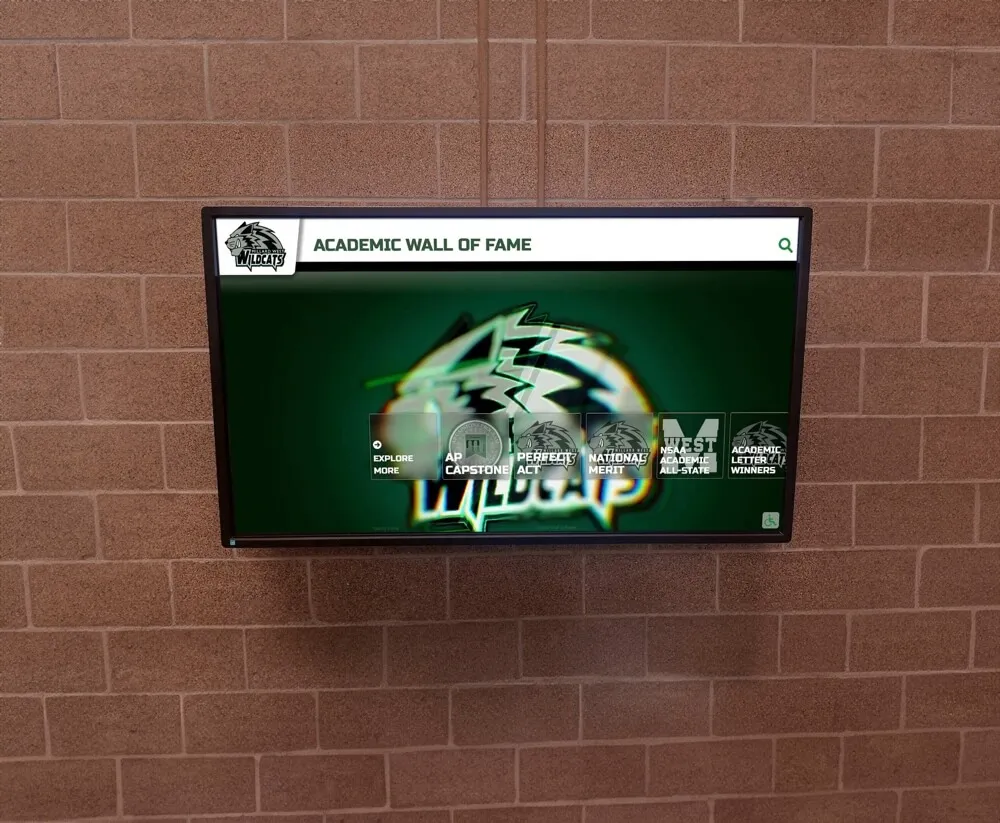
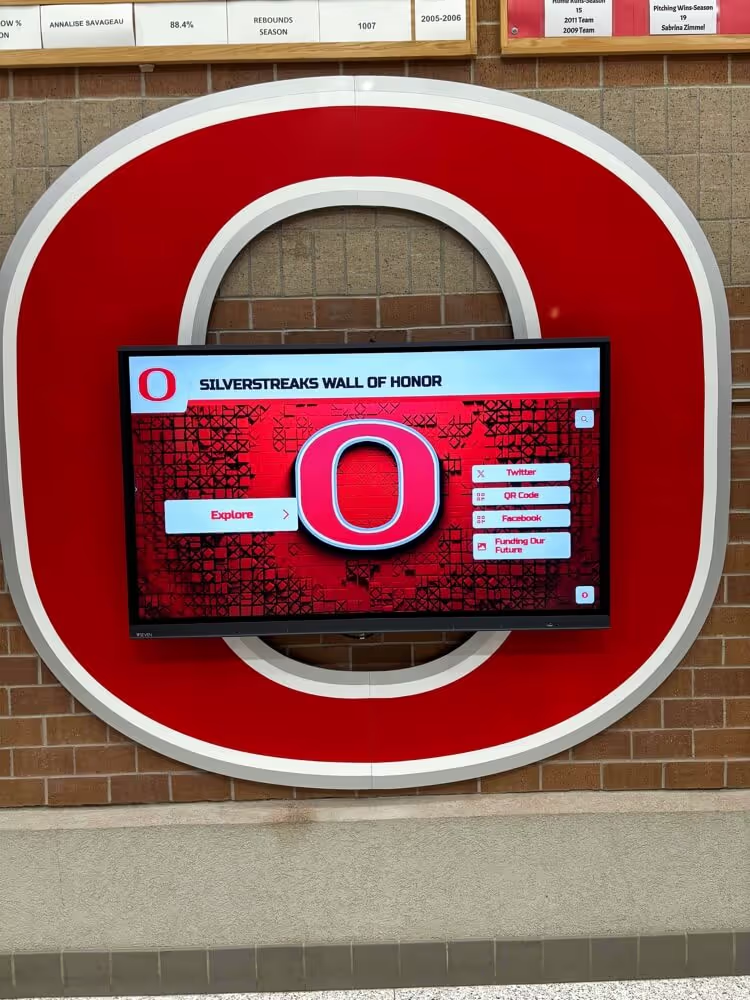
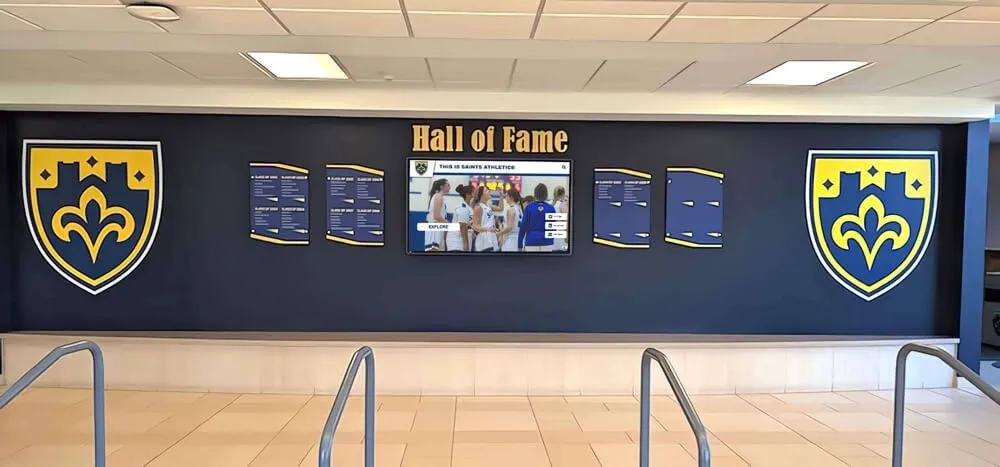
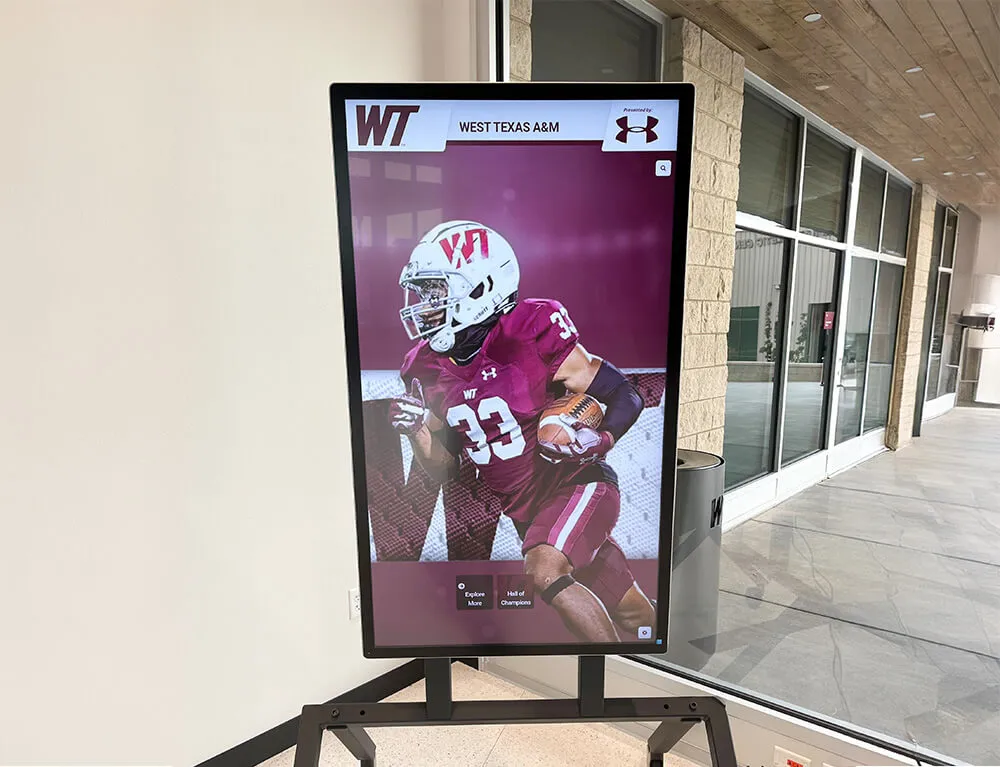
Recognition displays preserve milestone moments and inspire underclassmen to pursue their own paths to excellence
Balancing Traditional Elements with Authenticity
Graduation speeches traditionally include certain components, but the most memorable addresses find ways to make these elements feel fresh and personal rather than obligatory.
Essential Traditional Components
- Expression of gratitude to teachers, families, and community
- Reflection on shared experiences and class identity
- Acknowledgment of challenges overcome together
- Forward-looking perspective on future opportunities
- Inspirational closing that sends graduates off with hope and confidence
Making Tradition Personal
Generic speeches cite “the real world” and advise graduates to “follow their dreams.” Memorable addresses ground abstract concepts in specific examples from your actual class experience, making universal themes feel intimately connected to your shared journey.
Valedictorian Speech Examples: What Makes Them Memorable
Analyzing successful speeches reveals patterns and techniques you can adapt for your own address. These examples demonstrate how different approaches can all create powerful impact.
Example 1: The Thematic Journey Structure
One effective approach organizes your speech around a central metaphor or theme connecting past experiences to future aspirations.
Sample Opening:
“Four years ago, we walked through those front doors as freshmen, convinced we knew exactly who we were and where we were heading. What we didn’t realize was that high school wasn’t a straight path—it was more like a labyrinth. We’ve taken wrong turns, hit dead ends, backtracked, and sometimes felt completely lost. But today, as we stand at the exit, we realize the maze itself was the point. Every twist taught us something. Every wrong turn led to unexpected discoveries. And we never walked it alone.”
Why This Works:
- Specific metaphor (labyrinth) provides structure throughout the speech
- Relatable opening acknowledges universal freshman experience
- Balances humility (admitting confusion) with growth (recognizing learning)
- Sets up continuing exploration of specific “twists” and “discoveries” throughout address
- Creates natural transitions between speech sections
This structure allows you to reference specific class experiences as examples of the broader metaphor while building toward an inspirational conclusion about graduates carrying the skills they developed through the “maze” into whatever labyrinths they encounter next.
Example 2: The Letter to Younger Self
Another compelling approach frames the speech as advice or perspective you wish you’d had at the beginning of your academic journey.
Sample Excerpt:
“Dear freshman version of myself: You’re going to fail that first chemistry test. Yes, the one you studied for all weekend. And you know what? It won’t matter nearly as much as you think. What will matter is that Ms. Chen will stay after school every Tuesday for the next month to help you understand molarity. That kindness—that willingness to invest time in students who are struggling—that’s what you’ll remember fifteen years from now, not the grade itself.”
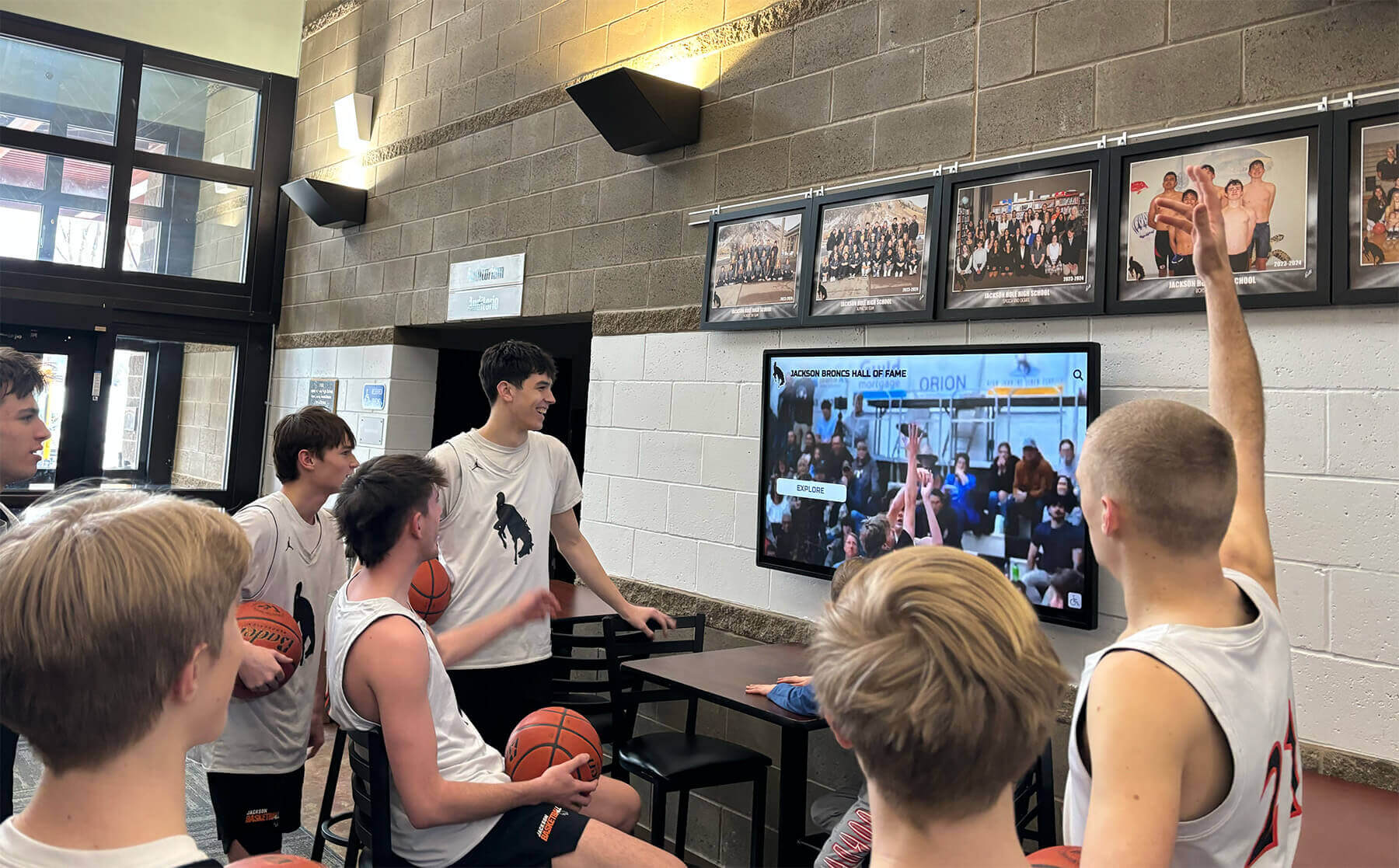
Reflection on academic journeys helps current students appreciate both challenges and support systems
Why This Works:
- Vulnerability about struggles creates authentic connection
- Specific examples (chemistry test, Ms. Chen, Tuesday tutoring) feel real rather than generic
- Reframes “failure” as learning opportunity without dismissing real disappointment
- Honors teachers through specific acknowledgment rather than generic thanks
- Provides wisdom without being condescending or preachy
This format naturally allows you to share multiple specific stories and lessons while maintaining consistent structural coherence through the “letter to younger self” frame.
Example 3: The Collective “We” Narrative
Some of the most powerful speeches focus primarily on collective class identity rather than individual valedictorian perspective.
Sample Section:
“We are the class that had to learn chemistry through computer screens during a pandemic. We are the class whose sophomore homecoming was canceled, whose junior prom happened in a parking lot, whose first two years of high school barely resembled the experience we’d imagined. But we’re also the class that learned we could adapt, that created new traditions when old ones weren’t possible, that found ways to support each other even through screens. We learned resilience not from motivational posters but from actually living it.”
Why This Works:
- Repeated “we” construction emphasizes collective identity and shared experience
- Specific references to pandemic disruptions acknowledge real challenges without dwelling negatively
- Balances acknowledgment of hardship with recognition of growth and adaptation
- Frames adversity as source of distinctive class character rather than unfortunate circumstance
- Creates pride in collective accomplishment and resilience
This approach works particularly well when your graduating class shares defining experiences—whether facing unique challenges, celebrating specific achievements, or developing distinctive traditions that set your class apart.
Learn about building school pride through creative recognition that celebrates class identity and shared accomplishments.
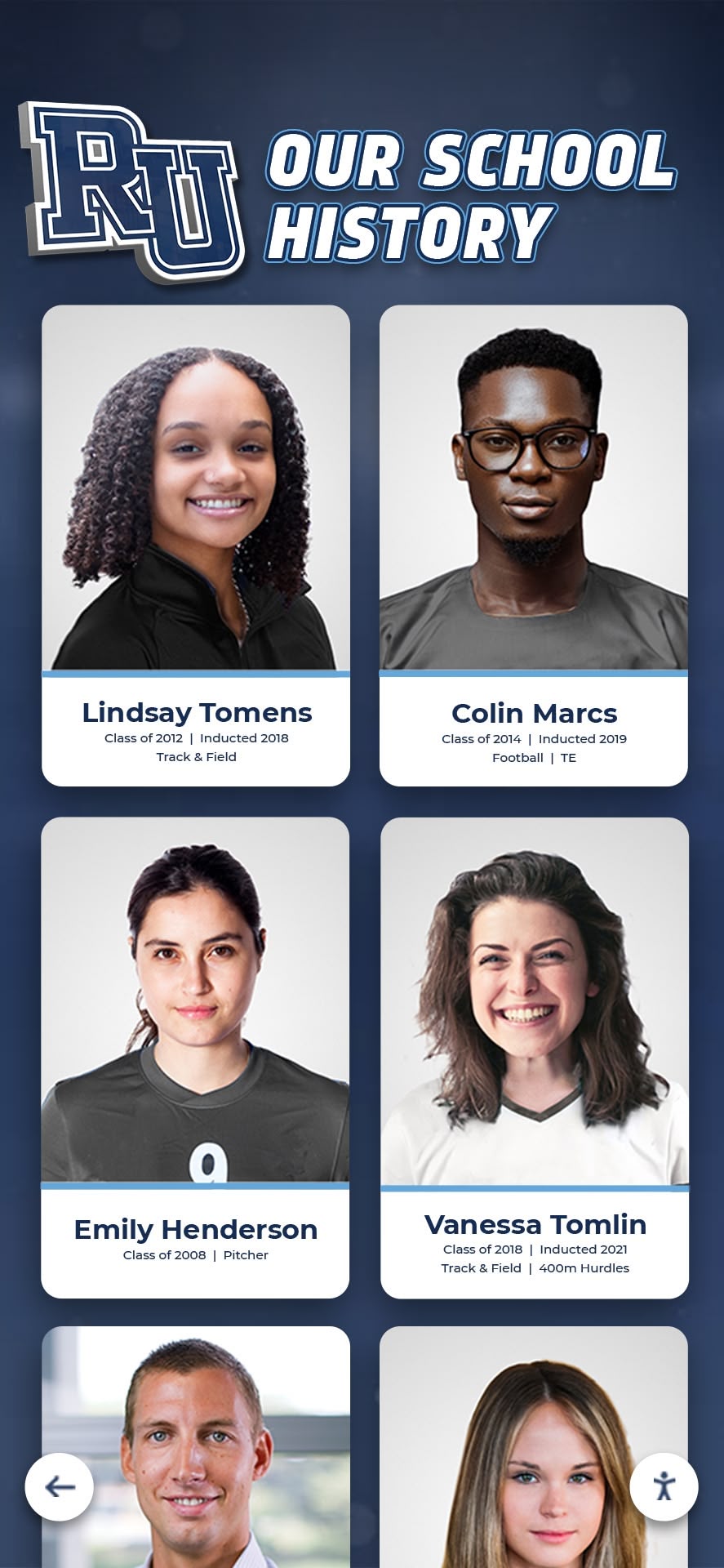
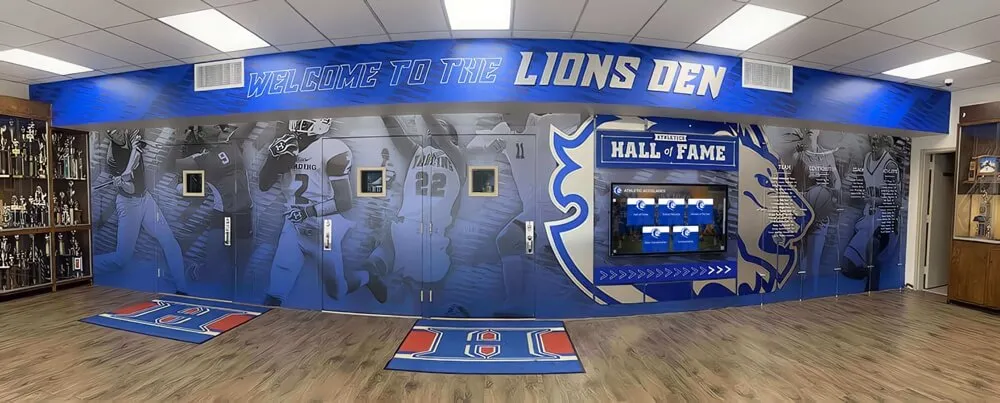
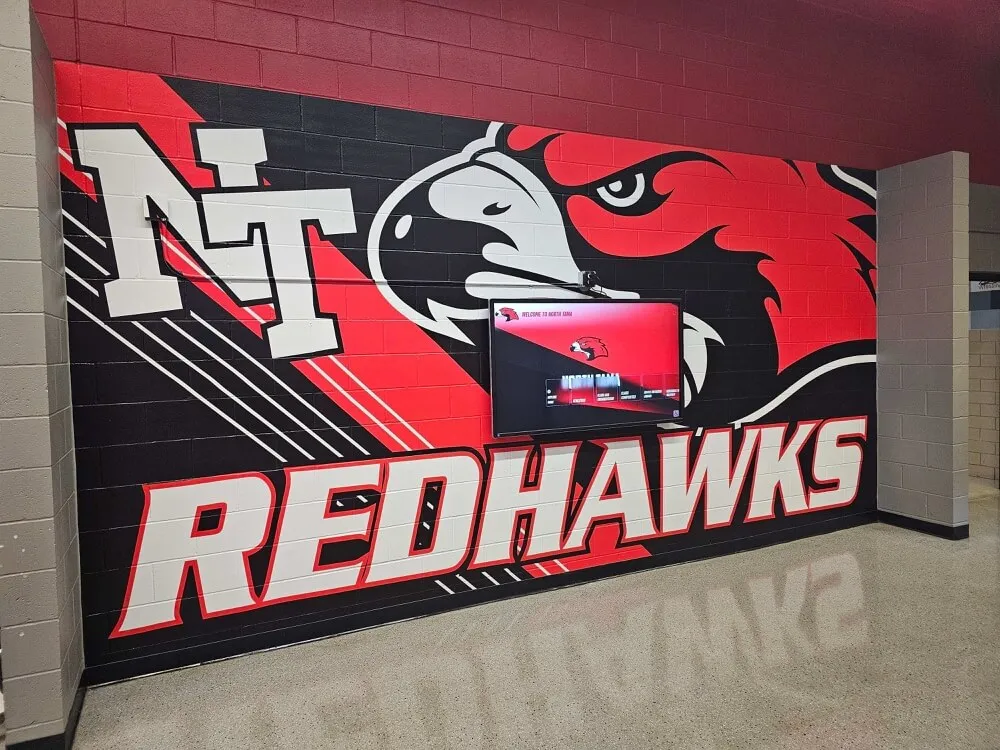
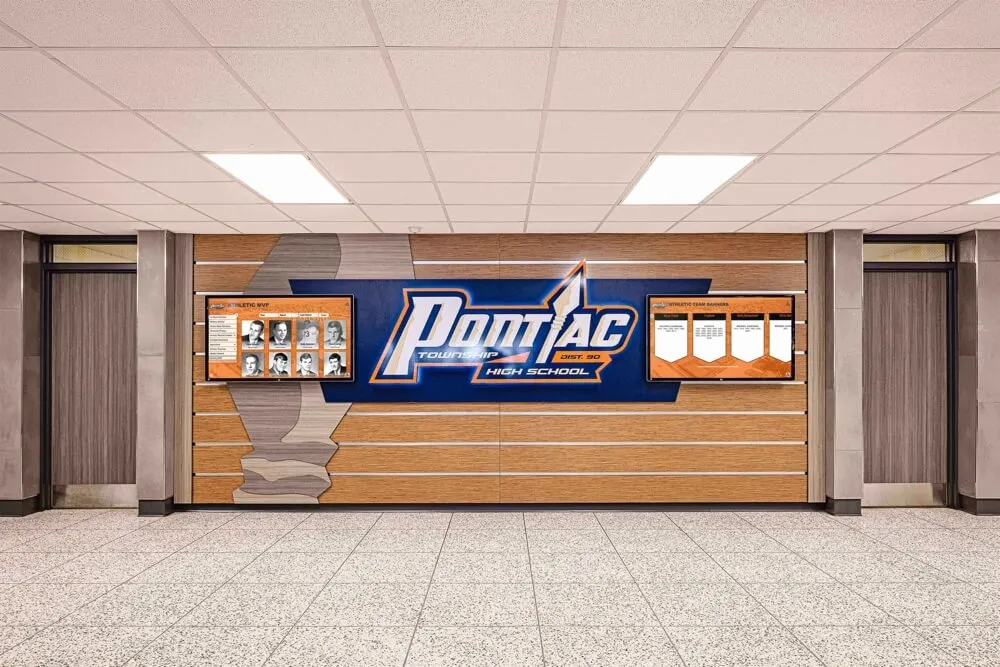
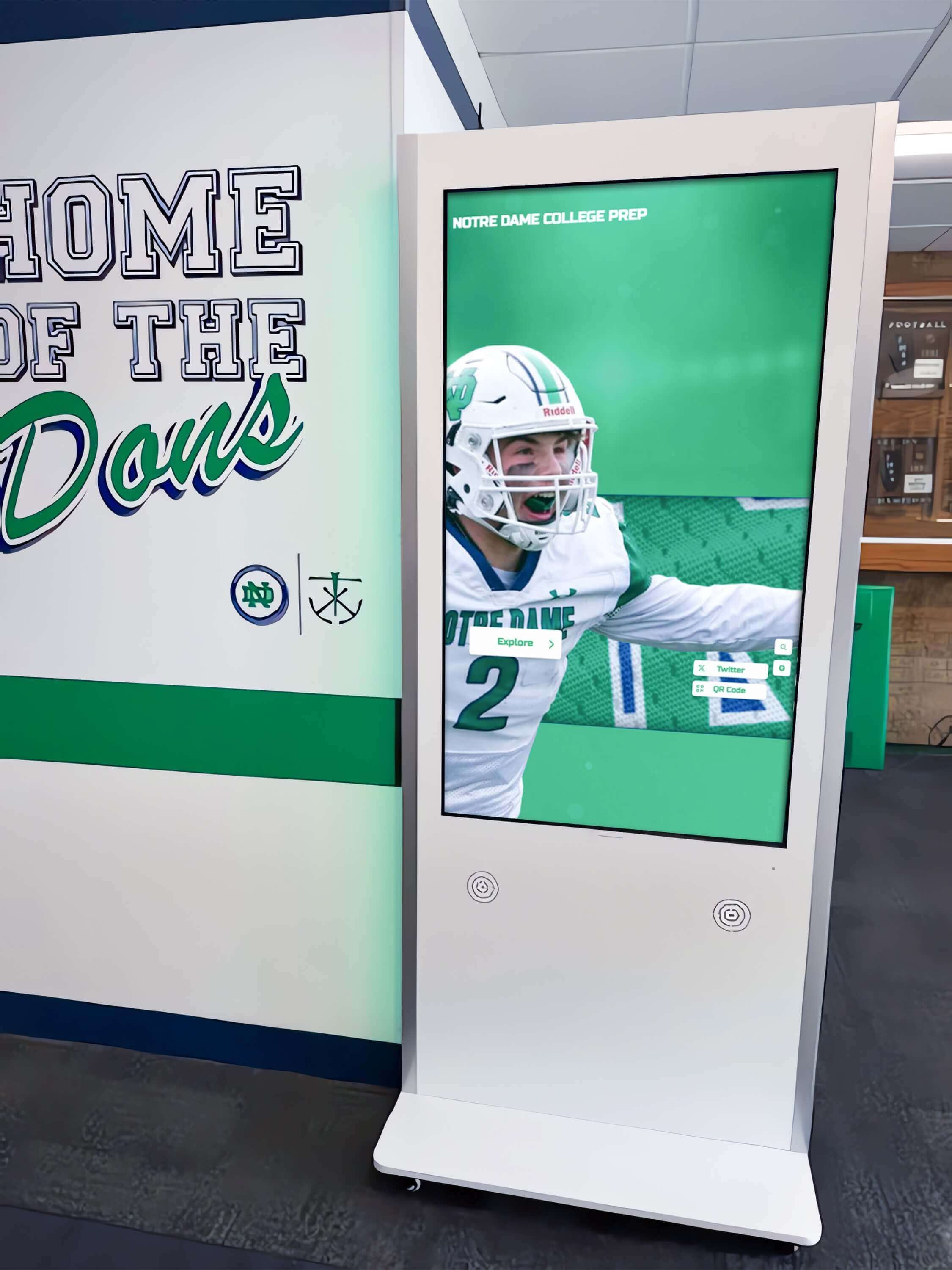
Comprehensive recognition systems preserve both individual achievements and collective class identity for future generations
Crafting Your Valedictorian Speech: Step-by-Step Process
Moving from inspiration to actual speech writing requires systematic approach balancing creativity with practical structure.
Phase 1: Brainstorming and Reflection
Before writing anything, spend time identifying the authentic material that will make your speech uniquely meaningful.
Mining Your Class Experience
- List 5-10 specific moments that defined your class identity
- Identify 3-4 challenges your class overcame together
- Note memorable quotes from teachers or classmates that captured important lessons
- Recall traditions, inside jokes, or shared experiences that created class connection
- Consider how your class’s experience differs from previous graduating classes
Identifying Personal Growth
- Reflect on how you’ve changed from freshman year to graduation
- Note specific people (teachers, friends, mentors) who influenced your development
- Identify moments of failure, struggle, or uncertainty that ultimately taught valuable lessons
- Consider what surprised you most about high school experience
- Acknowledge perspectives or priorities that shifted during your academic journey
Finding Your Central Message
- Determine the single most important idea you want classmates to remember
- Identify what makes your class distinctive or special
- Consider what wisdom or perspective you genuinely wish you’d had as a freshman
- Decide whether you want to focus on past (reflection), present (celebration), or future (inspiration)
This brainstorming phase generates raw material you’ll shape into coherent speech structure. Aim for specificity—vague concepts don’t resonate, but specific stories and concrete examples create emotional connection.
Phase 2: Structuring Your Speech
Effective speeches follow clear organizational patterns that guide audiences through your message logically.
Classic Three-Part Structure
The simplest effective structure divides your speech into three sections:
Introduction (10-15% of speech)
- Compelling opening that captures attention immediately
- Brief preview of your main theme or message
- Establish tone and emotional tenor for remainder of speech
Body (70-80% of speech)
- 2-4 main points or stories developing your central theme
- Specific examples and anecdotes illustrating each point
- Smooth transitions connecting different sections
- Balance between reflection, celebration, and forward focus
Conclusion (10-15% of speech)
- Callback to opening that creates satisfying symmetry
- Explicit statement of main message or lesson
- Inspirational send-off that leaves audience feeling uplifted
- Final thank you or acknowledgment
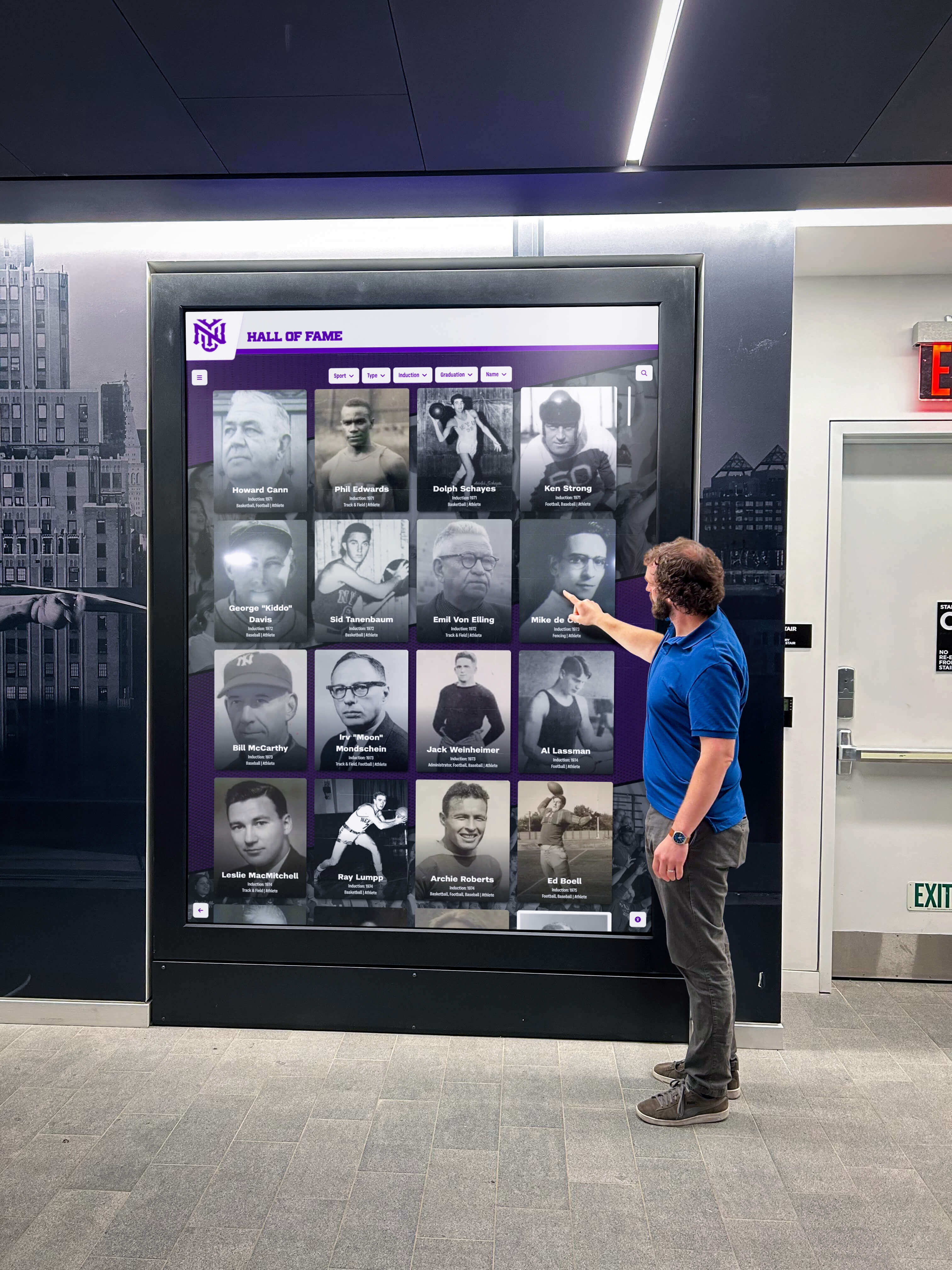
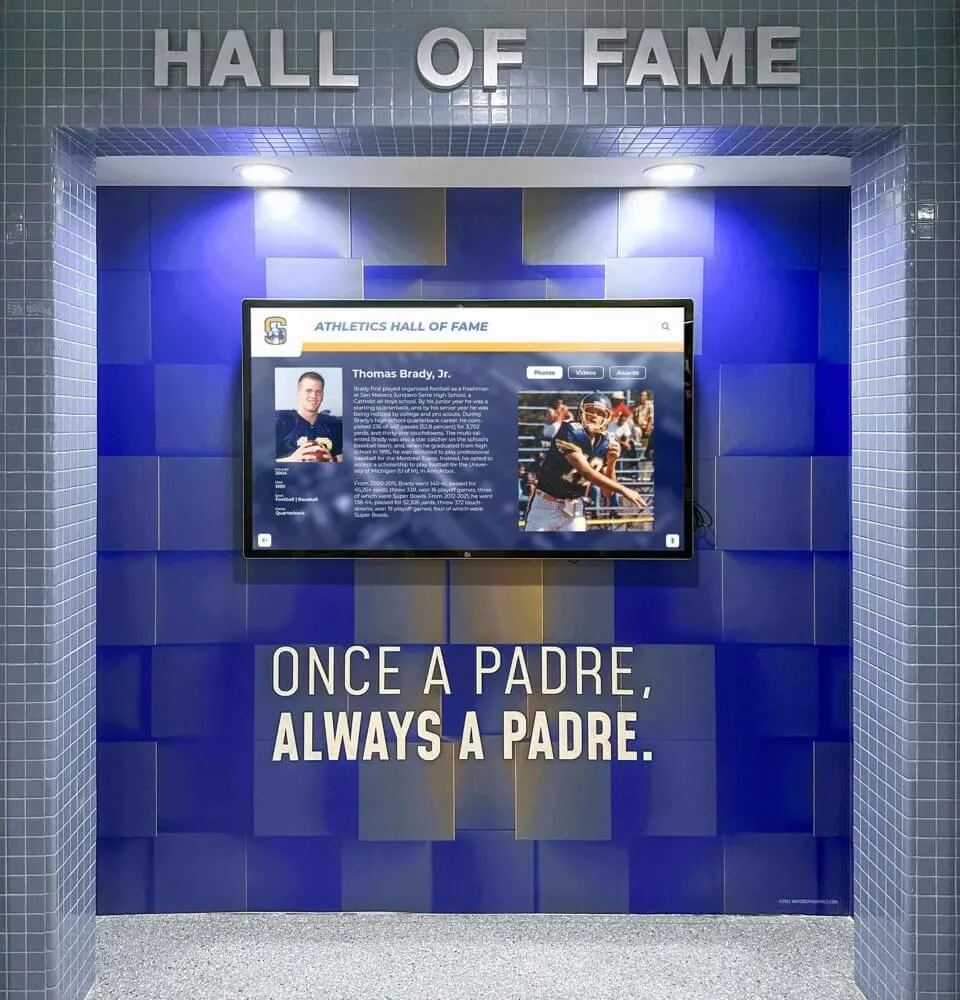
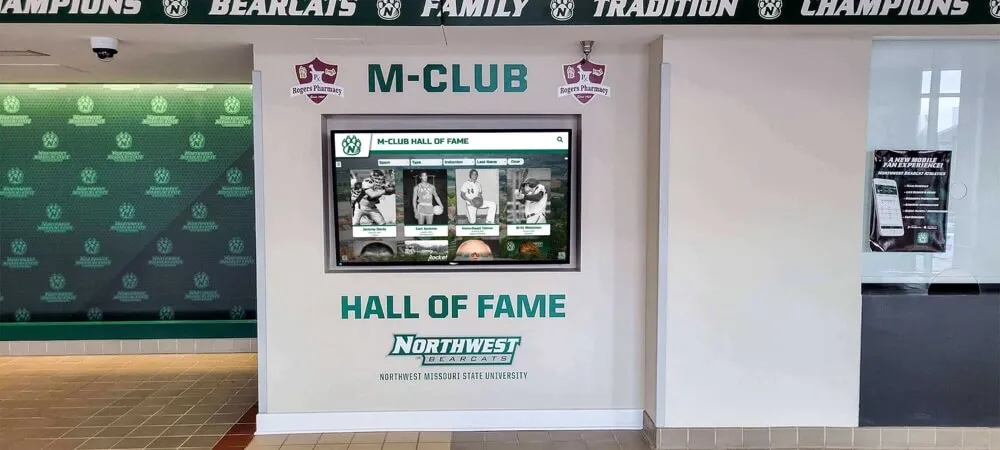
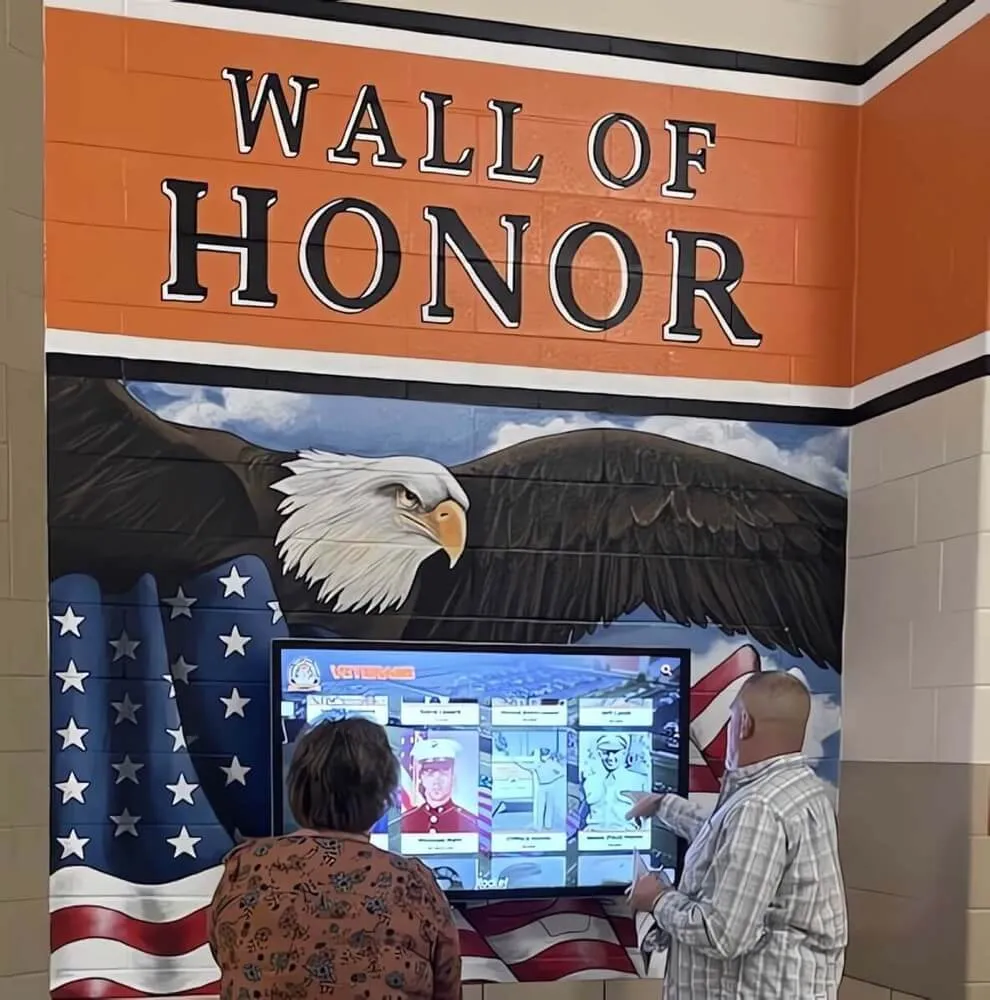
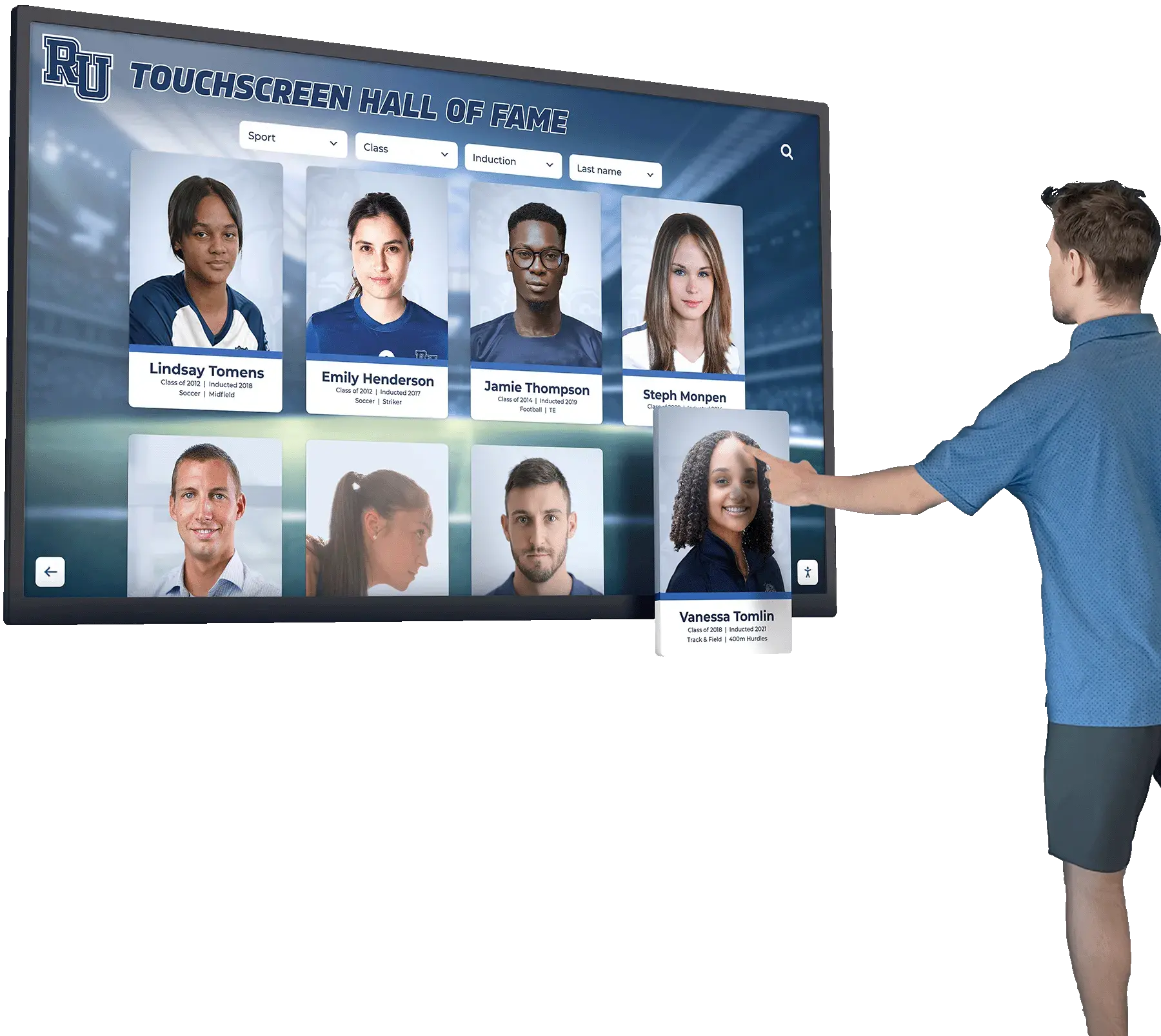
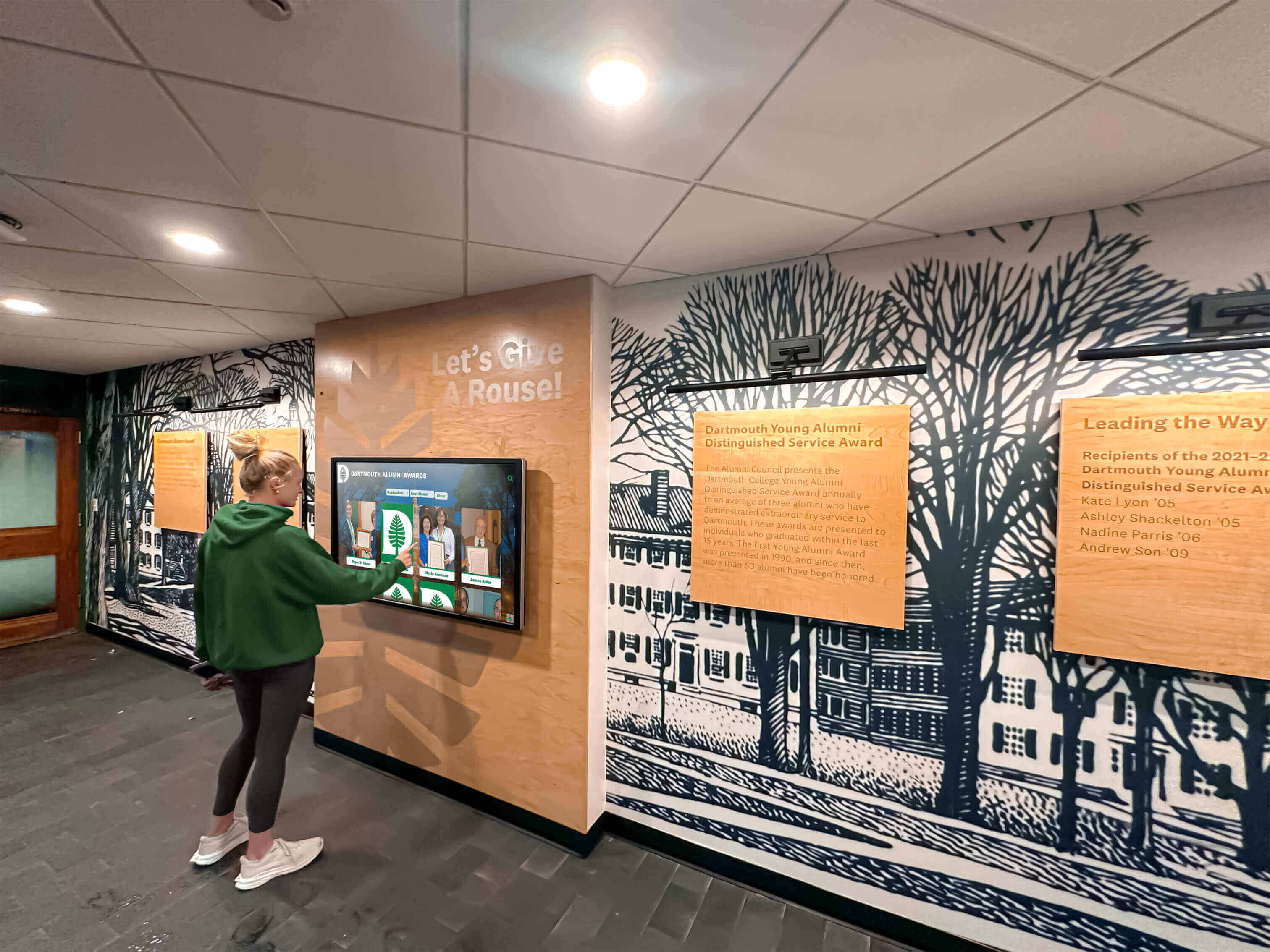
Modern recognition platforms enable graduating classes to explore their legacy and see how their achievements fit within larger institutional traditions
Alternative Structures
- Chronological Journey: Walk through four years highlighting key moments from each year
- Thematic Categories: Organize around 3-4 themes (e.g., friendship, resilience, growth, gratitude)
- Contrasts: Compare “what we expected” versus “what actually happened” throughout high school
- Questions and Answers: Pose questions graduating class faced and how you collectively answered them
Choose structure that best serves your specific message and material rather than forcing content into ill-fitting organizational pattern.
Phase 3: Writing and Refining
With structure established, begin actual writing with focus on authenticity and clarity.
Writing Your First Draft
- Start by writing quickly without self-editing—focus on getting ideas down
- Aim for conversational tone as if speaking to classmates informally
- Include more material than needed—easier to cut than to add later
- Use specific names, dates, and details bringing stories to life
- Write transitions last after sections are complete
Refining for Impact
- Remove clichés and generic phrases that could appear in any speech
- Replace abstract concepts with concrete examples
- Vary sentence length—short sentences create impact, longer ones develop complexity
- Read aloud repeatedly, cutting anything that sounds forced or unnatural
- Eliminate unnecessary words that dilute rather than strengthen your message
Getting Feedback
- Share draft with trusted teachers, parents, or friends representing different audience perspectives
- Ask specifically: What’s memorable? What’s confusing? What could be cut?
- Seek honest criticism rather than reassurance
- Consider whether feedback reflects personal preference versus legitimate improvement opportunities
- Remember that you can’t please everyone—stay true to authentic message
Learn about creating memorable school events that celebrate student achievement and create lasting community connections.
Writing Techniques That Create Impact
Specific stylistic choices transform competent speeches into memorable addresses that resonate long after graduation day.
The Power of Specificity
Generic speeches mention “challenges we overcame” and “memories we’ll cherish forever.” Memorable speeches cite specific moments, people, and experiences that immediately transport audiences back to particular times and places.
Generic:
“We’ve made so many great memories together over these four years.”
Specific:
“We’re the class that still remembers Mr. Patterson’s infamous pop quiz on the day before winter break, the one that made half of us cry and the other half organize an extra study session at Riley’s house that ended up being more pizza party than actual studying.”
The specific version creates mental images, references actual teacher and student by name, and tells a story that reveals character (students’ response to unfair quiz) rather than just stating generic fact.
Balancing Humor and Heart
The best speeches make audiences laugh and cry, sometimes within the same paragraph. This emotional range keeps audiences engaged while acknowledging the complex feelings surrounding graduation.
Using Appropriate Humor
- Reference shared experiences or inside jokes your class understands
- Gently poke fun at yourselves rather than targeting individuals
- Use humor to build connection before transitioning to more serious reflection
- Avoid anything mean-spirited, controversial, or potentially offensive
- Test jokes with diverse audience members ensuring broad appeal
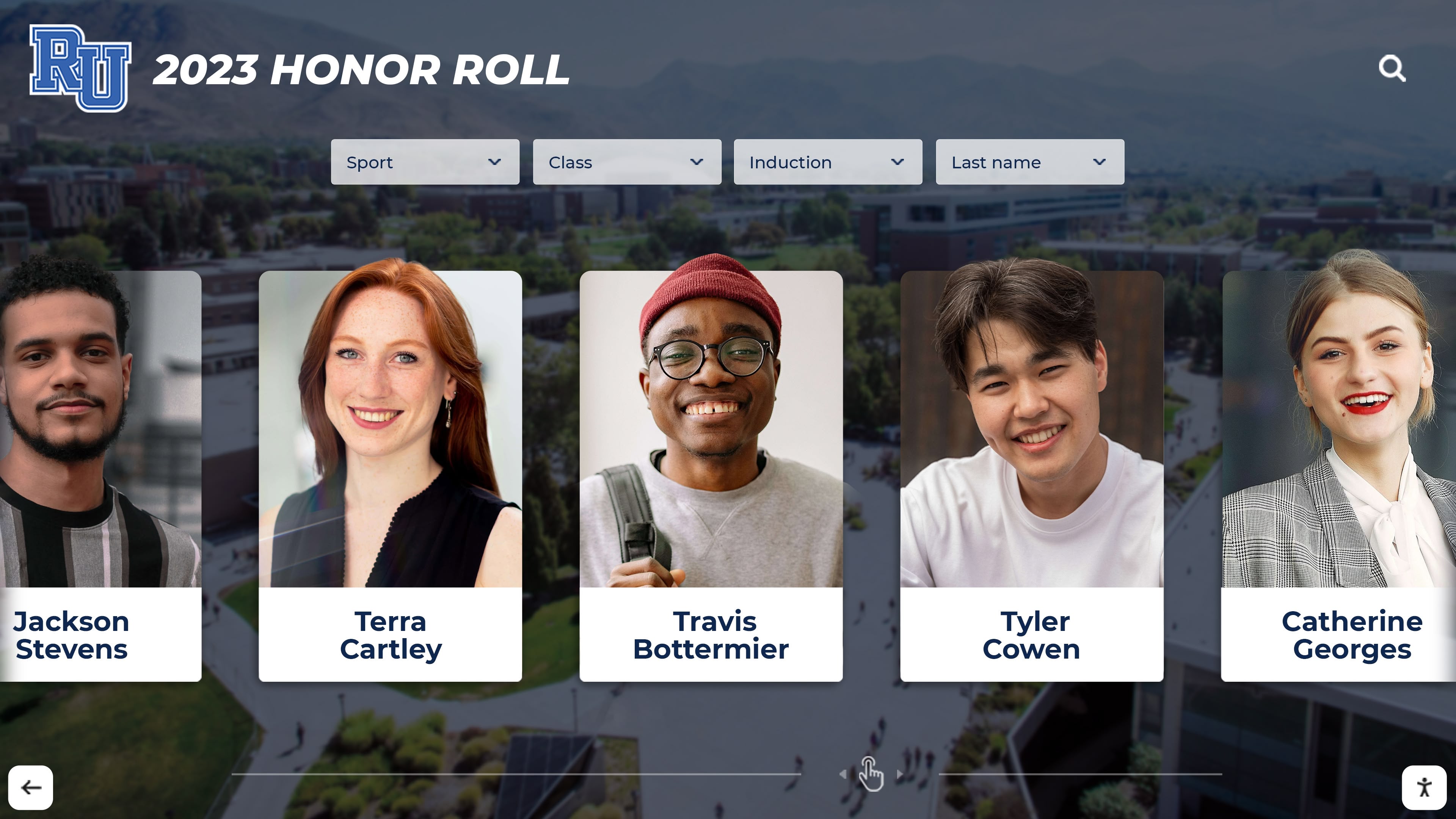
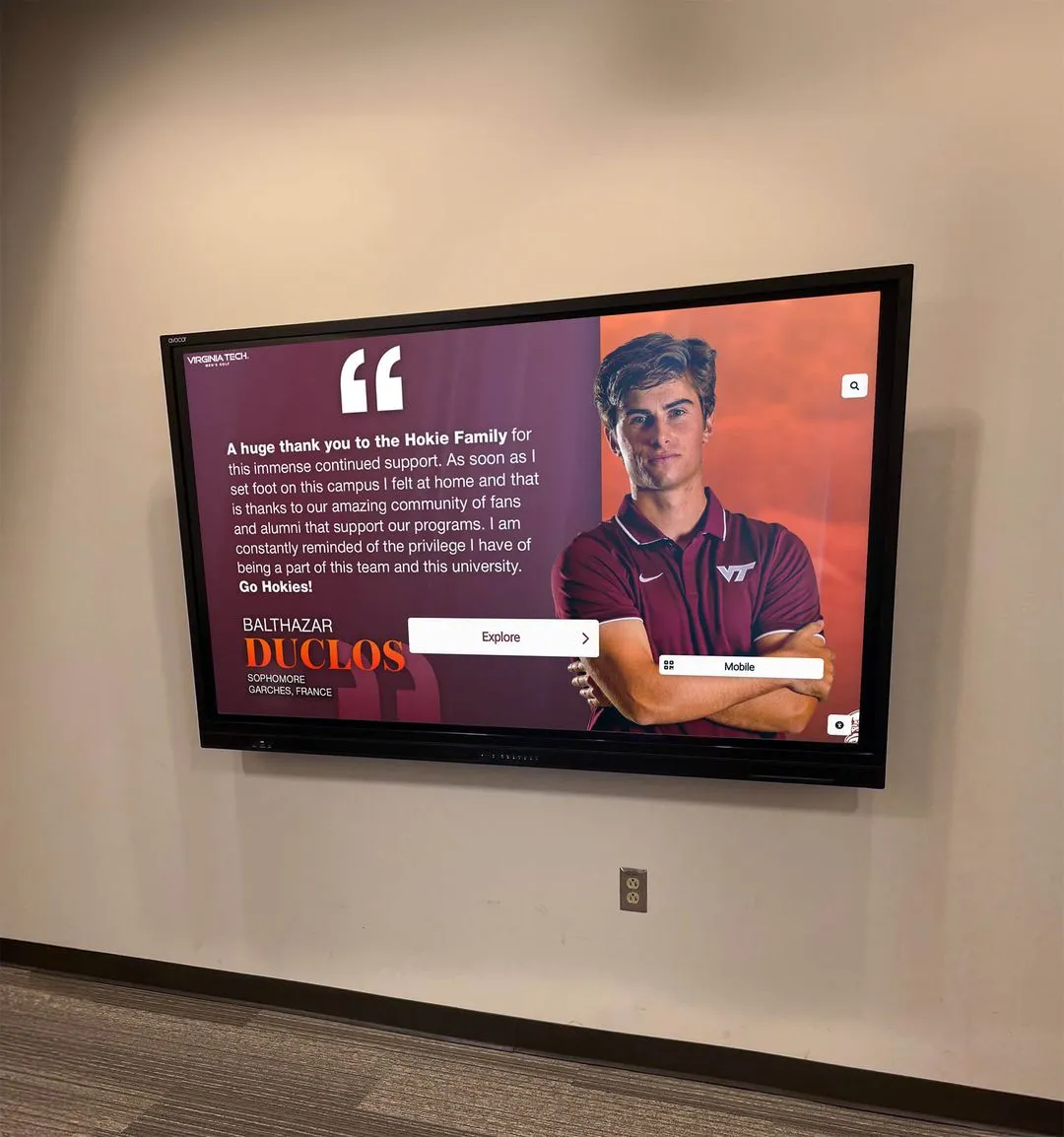
Recognition displays celebrate both individual excellence and the collective achievements that define graduating classes
Creating Emotional Resonance
- Share vulnerable moments when you struggled or felt uncertain
- Acknowledge bittersweet nature of graduation—excitement mixed with sadness
- Express genuine gratitude without veering into sentimentality
- Use sensory details that evoke memories and create emotional connection
- Give permission for mixed feelings about leaving and moving forward
The transition from humor to heart shouldn’t feel jarring. Often, the most powerful moments begin with humor before revealing deeper emotional truth underneath.
Inclusive Language That Represents Everyone
Your speech represents your entire graduating class, not just students who share your specific experiences or perspectives.
Ensuring Broad Representation
- Acknowledge different post-graduation paths (college, military, workforce, gap year)
- Reference diverse types of achievement beyond traditional academics
- Avoid assumptions about shared family structures or economic circumstances
- Include examples from different activities and programs (not just sports or honors classes)
- Use “many of us” or “some of us” rather than “all of us” when experiences weren’t universal
Avoiding Exclusionary Pitfalls
- Don’t assume everyone loved high school or felt connected to school community
- Recognize that not everyone participated in traditional activities or made “lifelong friends”
- Avoid religious references or assumptions about shared faith
- Be thoughtful about political or controversial topics that might divide audience
- Remember that families watching may include younger siblings, alumni, and community members beyond just parents
Inclusive language doesn’t mean your speech must be generic or bland—specific stories still resonate broadly when you frame them as “one example” of broader truths rather than assuming universal experiences.
Explore approaches to high school end-of-year awards that recognize diverse student achievements and create inclusive celebration cultures.
Delivery Tips: Bringing Your Speech to Life
Even brilliantly written speeches fall flat without effective delivery. These practical techniques help ensure your message lands with intended impact.
Managing Speech Anxiety
Nervousness before major speeches is normal—even for top students accustomed to presentations. These strategies help channel anxiety into positive energy.
Preparation Reduces Anxiety
- Practice your speech aloud at least 10-15 times before graduation day
- Time yourself ensuring you stay within designated time limit (typically 5-10 minutes)
- Practice with your printed speech in front of you as you’ll have at podium
- Rehearse in the actual venue if possible to familiarize yourself with space
- Do several practice runs in front of friends or family getting comfortable with audience
Physical Techniques for Calming Nerves
- Use deep breathing exercises in minutes before walking to podium
- Visualize successful delivery imagining audience reacting positively
- Remember that slight nervousness improves performance—aim for energized rather than completely calm
- Focus on your message and classmates rather than self-evaluation
- Remind yourself that audience wants you to succeed and is on your side
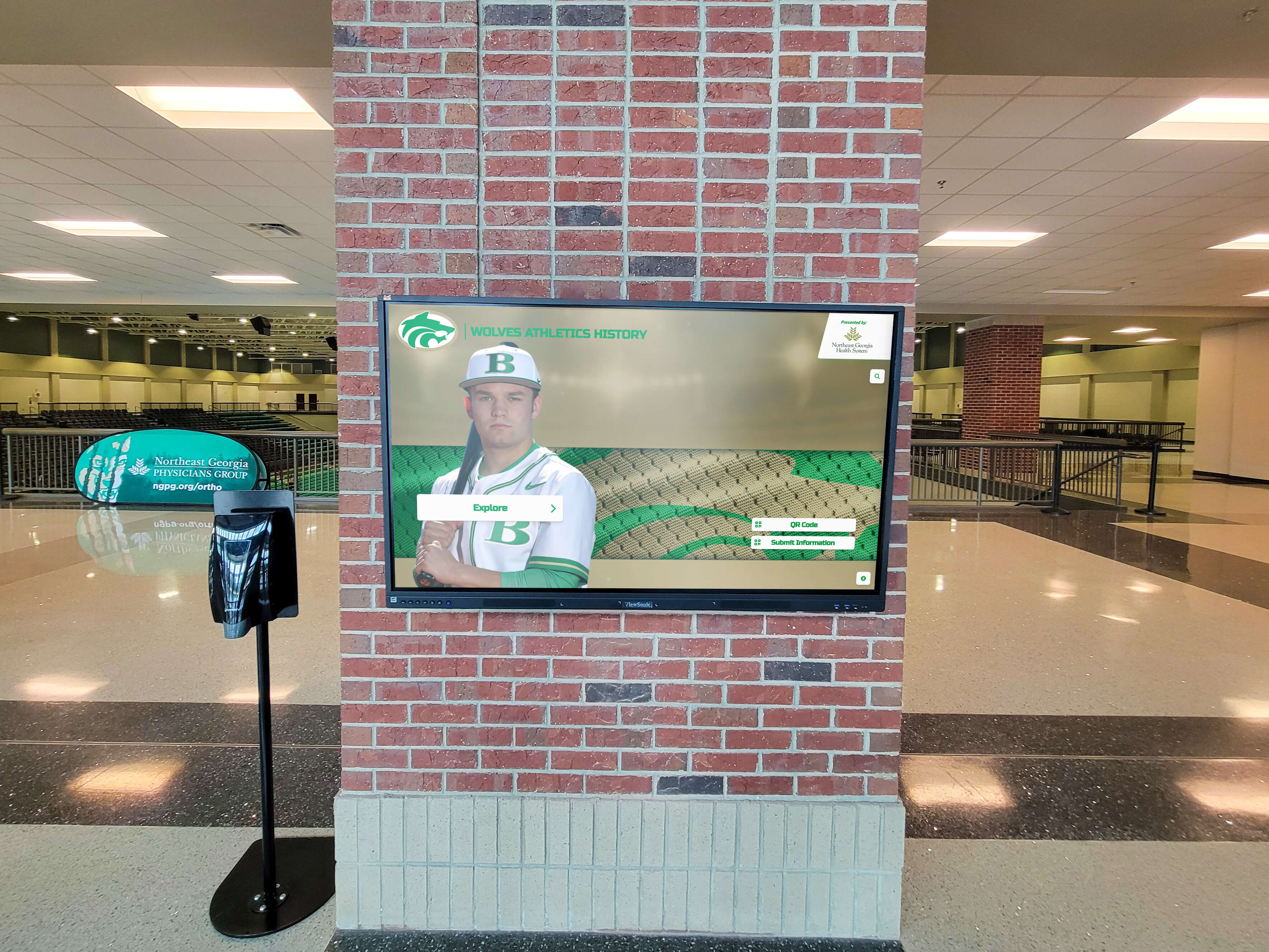
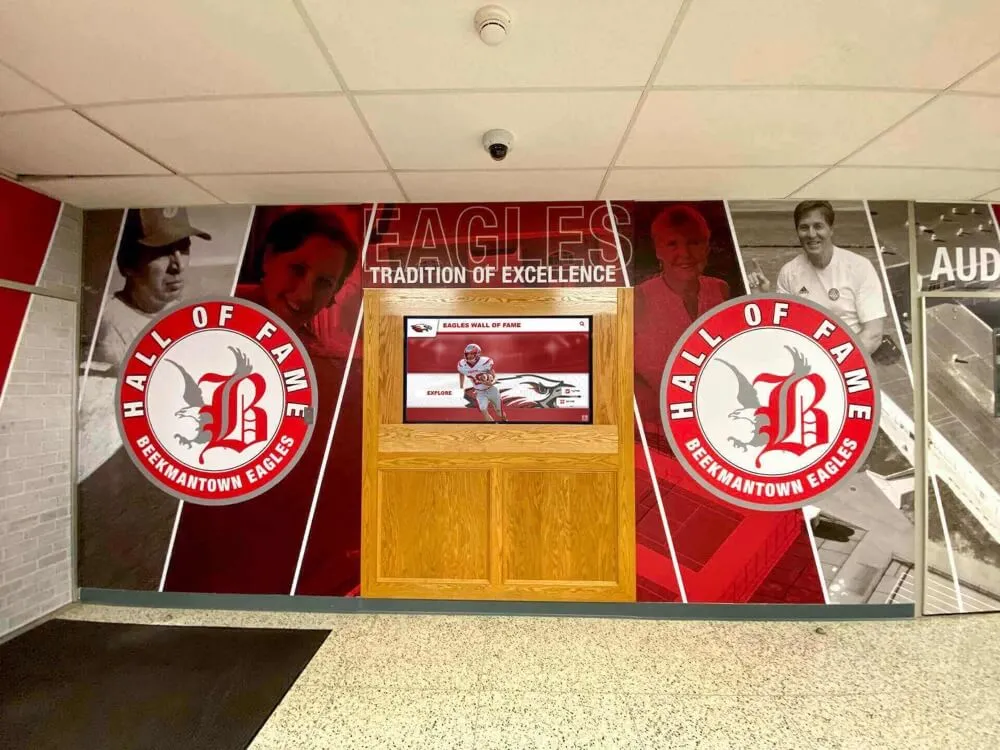
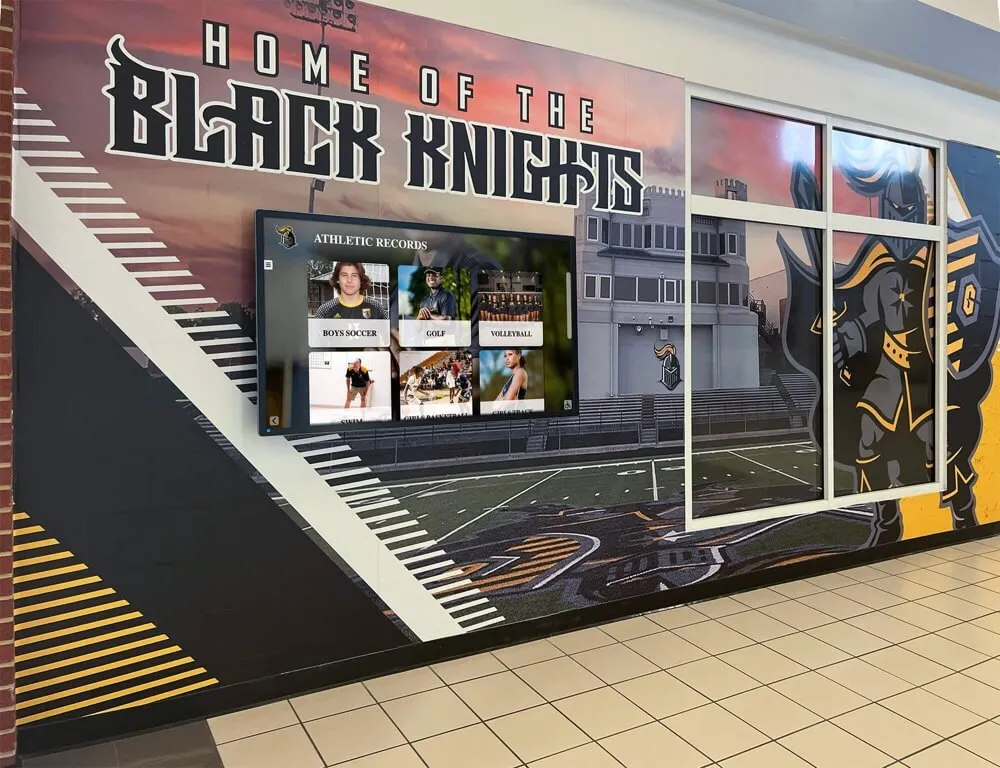
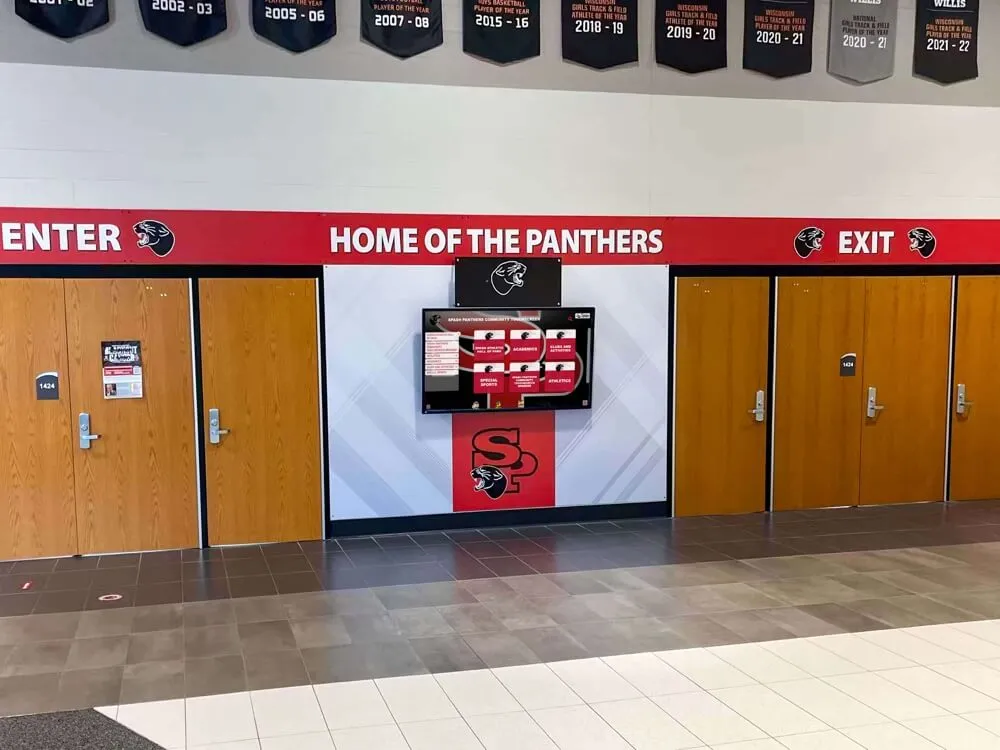
Strategic placement of recognition displays in high-visibility areas ensures achievement celebrations resonate throughout school communities
Voice, Pace, and Physical Presence
How you deliver your words matters as much as the words themselves.
Vocal Delivery Best Practices
- Speak slightly slower than normal conversation—audiences need time to process
- Vary your pace and volume creating emphasis and maintaining interest
- Pause for effect after important points allowing ideas to land
- Project your voice to back of venue without shouting
- Articulate clearly especially when saying names or specific references
Managing Your Physical Presence
- Stand up straight with shoulders back projecting confidence
- Make eye contact with different sections of audience rather than reading entire speech
- Use natural hand gestures occasionally but avoid repetitive or distracting movements
- Smile when appropriate—especially during humorous sections
- Move deliberately if you step away from podium rather than pacing nervously
Working With Your Printed Speech
- Use large, clear font (at least 14-16 point) for easy reading
- Double or triple-space text so you don’t lose your place
- Mark pauses, emphasis, and emotional cues directly on printed copy
- Number pages clearly and consider stapling or binding them
- Practice looking up regularly rather than reading entire speech word-for-word
Handling Unexpected Moments
Even with thorough preparation, unexpected situations arise. Flexibility and grace under pressure serve you well.
Common Challenges and Responses
- Microphone issues: Project without it if necessary or pause calmly while technical staff resolves problem
- Emotional moments: It’s okay to pause and collect yourself—audience will empathize
- Audience reactions: Allow time for laughter to subside or unexpected applause to finish
- Losing your place: Take a breath, find your spot, and continue without drawing attention to the pause
- Going blank: Have your next point clearly marked so you can glance down and continue seamlessly
Remember that audiences are forgiving and want you to succeed. Small imperfections often make speeches more authentic and memorable than technically perfect but sterile delivery.
Common Valedictorian Speech Mistakes to Avoid
Learning from common pitfalls helps you sidestep errors that undermine otherwise strong speeches.
Cliché Overload
Graduation speeches suffer from tendency toward overused phrases and imagery that audiences have heard countless times.
Tired Phrases to Avoid or Reimagine
- “The real world” (find more specific way to discuss post-graduation life)
- “Follow your dreams” (too vague—what does this actually mean?)
- “It’s not the destination, it’s the journey” (find fresh metaphor)
- “The future is in your hands” (common visual that’s lost impact)
- Quotes from Dr. Seuss’s “Oh, the Places You’ll Go!” (overused at graduations)
Making Universal Themes Fresh
Rather than avoiding universal graduation themes entirely, find specific ways to express them unique to your class experience:
- Instead of generic “friendship,” tell specific story illustrating how classmates supported each other
- Rather than abstract “perseverance,” describe actual obstacle your class overcame together
- Rather than quoting famous figures, draw wisdom from teachers, classmates, or local community members
Inappropriate Length
Both too-short and too-long speeches create problems, though excessive length poses bigger risk.
Signs Your Speech Is Too Long
- Takes more than 10 minutes to deliver at normal speaking pace
- Includes multiple tangents or stories that don’t develop central theme
- Repeats similar points multiple times without adding new insight
- Tries to address too many different themes or messages
- Leaves insufficient time for other ceremony components

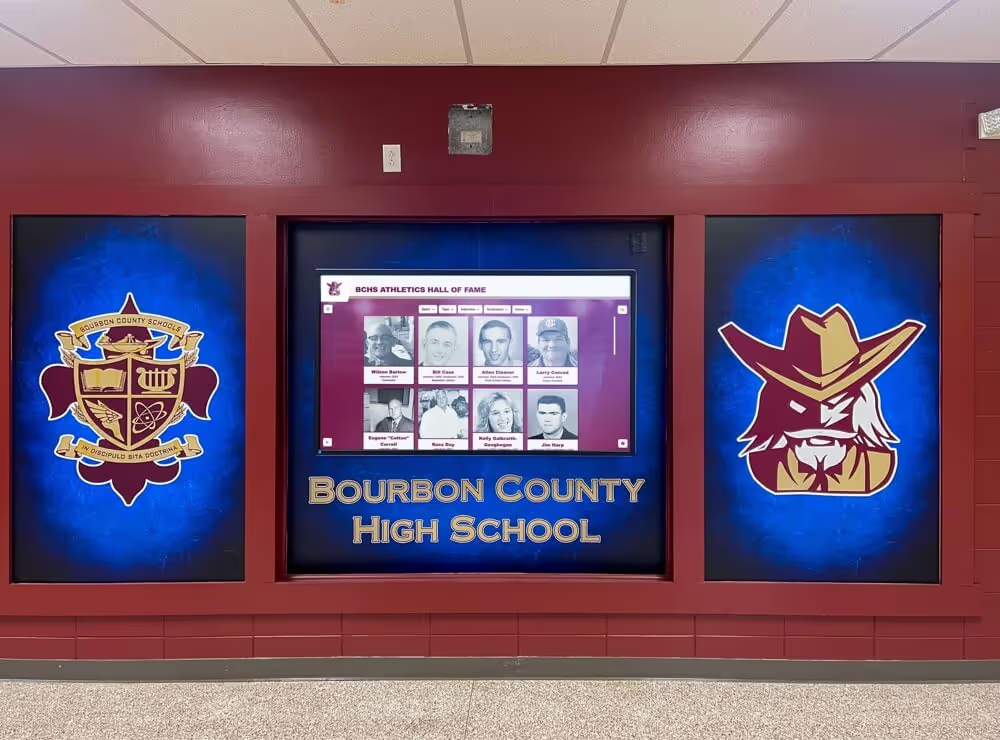
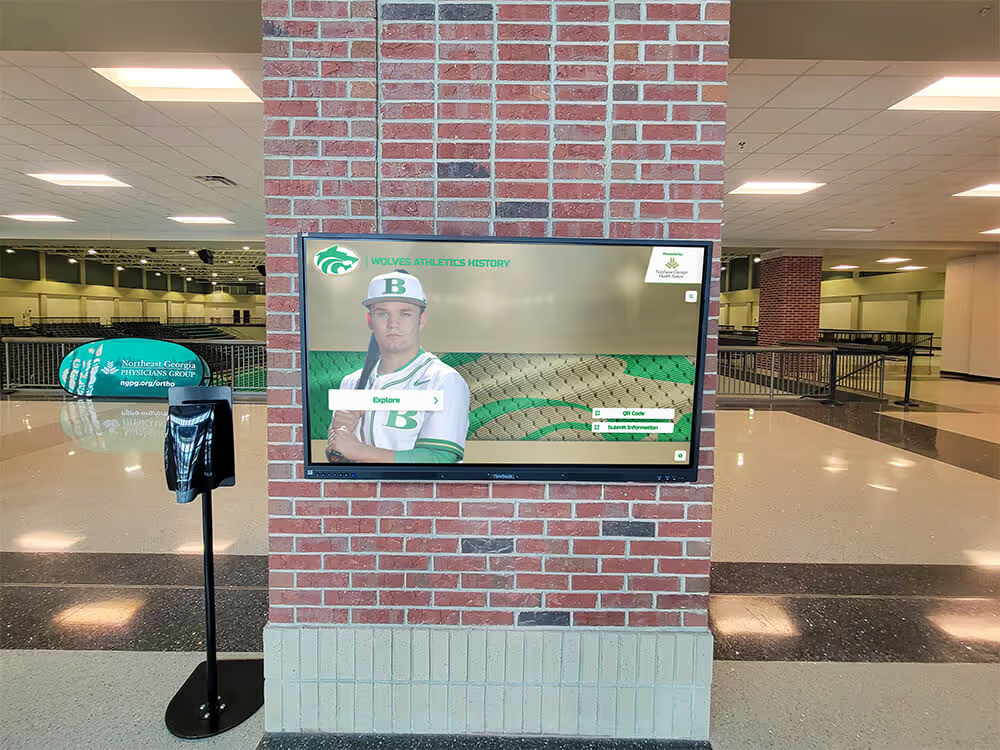
Digital platforms allow graduating classes to explore complete documentation of their achievements and contributions
Effective Editing Strategies
- Remove any section you could delete without losing main message
- Combine similar examples rather than including every story you brainstormed
- Save detailed stories for smaller audience (graduation parties) using broader strokes in formal speech
- Remember that leaving audiences wanting more is better than exhausting their attention
- Respect that graduation ceremonies involve many components beyond just your speech
Most effective valedictorian speeches run 5-8 minutes—long enough to develop meaningful ideas but short enough to maintain engagement throughout.
Overshadowing Classmates
While you earned the role of valedictorian through academic achievement, your speech should elevate classmates rather than focusing primarily on your personal accomplishments.
Maintaining Appropriate Focus
- Use “we” significantly more than “I” throughout speech
- Share credit for achievements with teachers, peers, and support systems
- Tell stories where classmates are central characters rather than background
- Acknowledge that academic achievement is one of many forms of excellence
- Avoid listing your personal accomplishments or awards
- Remember your role is representing class, not receiving additional personal recognition
Your selection as valedictorian demonstrates your achievement—your speech should demonstrate your character, perspective, and ability to inspire others rather than further highlighting your individual success.
Discover how student recognition programs create cultures celebrating diverse achievements while motivating continued excellence.
Preserving Your Valedictorian Speech and Graduation Memories
Your valedictorian speech represents a significant milestone worth preserving beyond just the ceremony itself.
Documentation and Archival
Creating multiple records ensures this important address remains accessible for years to come.
Traditional Documentation Methods
- Save multiple digital copies of your final speech text
- Request professional recording or video of your speech delivery
- Keep printed program featuring your name and role
- Collect copies of any media coverage of graduation ceremony
- Preserve the actual printed speech you delivered from
Sharing Your Speech Broadly
- Submit your speech to school archives and historical records
- Share appropriate excerpts on social media celebrating your class
- Consider publishing on platforms where future students can find inspiration
- Provide copies to teachers or mentors mentioned in your address
- Include in college applications or portfolios as example of leadership

Modern recognition platforms create lasting archives preserving important milestones including valedictorian addresses and graduation achievements
Creating Lasting Recognition for Graduating Classes
Schools increasingly recognize that graduation achievements deserve permanent visibility beyond single ceremony moments. Digital recognition displays create ongoing celebration of academic excellence while inspiring future classes to pursue similar distinction.
Solutions like Rocket Alumni Solutions enable schools to preserve valedictorian speeches, graduation honors, and comprehensive class achievements through interactive displays that:
- Document complete graduating class rosters with individual recognition profiles
- Archive valedictorian and salutatorian speeches in video and text formats
- Showcase scholarship recipients and award winners permanently
- Create searchable databases enabling alumni to find their cohort and achievements
- Provide web-based access extending recognition beyond physical campus
- Inspire current students by demonstrating paths to academic excellence
These comprehensive systems ensure that the achievements your valedictorian speech celebrates receive lasting visibility rather than existing only as brief ceremony moment. When underclassmen can explore previous valedictorians’ addresses and see documented achievement pathways, they gain concrete models for their own academic journeys.
Learn about honor roll recognition displays that celebrate academic achievement systematically throughout students’ educational careers.
Special Considerations for Different School Contexts
Effective valedictorian speeches adapt to specific institutional contexts and graduating class characteristics.
Small School vs. Large School Speeches
Class size significantly affects appropriate speech approach and level of specificity.
Small School Advantages
- Can reference more classmates by name creating personal connection
- Shared experiences likely more universal across smaller class
- Audience members know most students personally making specific stories more resonant
- Inside jokes and specific references land with more audience members
- Greater flexibility to break from traditional formal speech structures
Large School Considerations
- Focus on experiences common across diverse subgroups within larger class
- Use broader themes that transcend specific friend groups or activities
- Select representative anecdotes rather than assuming everyone participated
- Acknowledge diversity of paths and experiences within larger student body
- Maintain slightly more formal tone appropriate for larger audiences
Faith-Based vs. Secular School Approaches
Religious context of your institution affects appropriate content and tone.
Faith-Based School Addresses
- Naturally incorporate religious themes central to institutional mission
- Reference shared faith traditions without excluding those with different beliefs
- Use scripture, religious language, or spiritual concepts authentically
- Thank God, acknowledge providence, or reference prayer as appropriate to your tradition
- Balance religious content with universal themes appealing to broader audiences
Secular Public School Speeches
- Avoid explicitly religious language or denominational references
- Focus on universal values and ethical principles
- Use inclusive language respecting diverse beliefs within graduating class
- Draw inspiration from broad philosophical traditions rather than specific faith texts
- Create meaningful celebration without requiring shared religious framework
Alternative School and Non-Traditional Contexts
Some graduating classes experience education outside typical four-year high school model.
Adapting for Alternative Contexts
- Charter schools or specialized programs with unique missions
- Career and technical education centers focusing on specific skills
- Schools recovering from significant disruptions (natural disasters, consolidations, etc.)
- Alternative education programs serving non-traditional students
- Virtual or hybrid schools where shared physical experiences differ from traditional settings
These contexts require speeches acknowledging unique circumstances while still celebrating achievement and looking forward to graduates’ futures with appropriate inspiration and recognition.

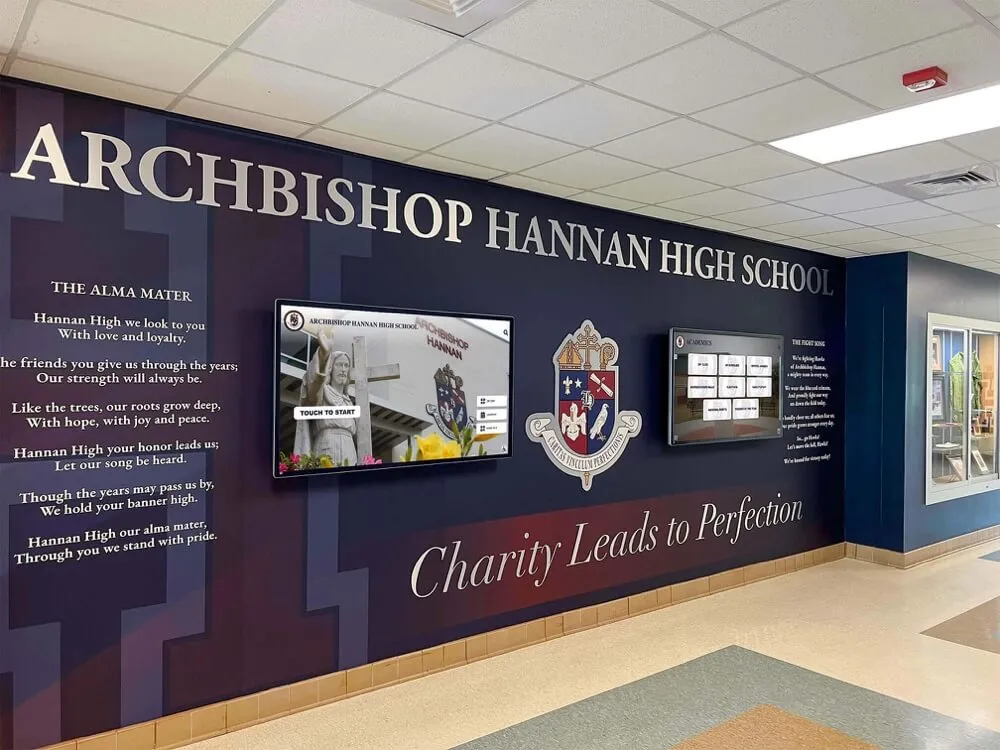
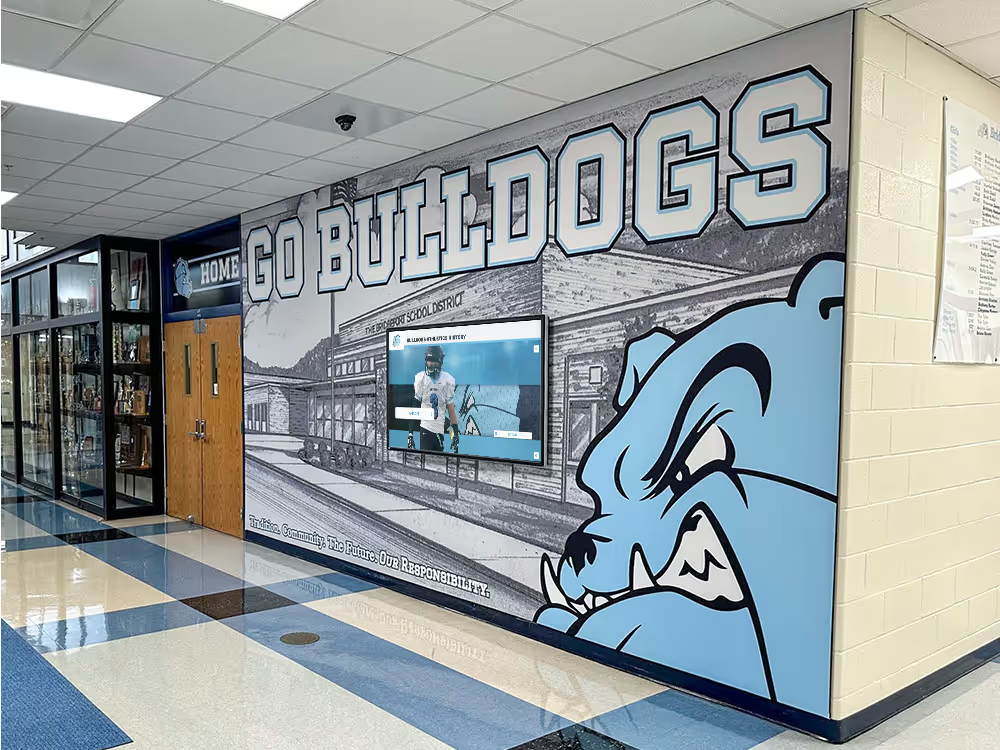
Strategic recognition displays in school lobbies create welcoming environments showcasing institutional values and student excellence
Beyond Graduation: Life After the Valedictorian Speech
Your graduation address represents significant accomplishment but also marks transition to new contexts where past academic achievements become foundation rather than defining identity.
Perspective on Academic Achievement
Valedictorian status demonstrates discipline, intelligence, and work ethic that will serve you well, but college and career contexts require broader skill development.
Valuable Lessons from Academic Success
- Time management and prioritization skills transfer to professional contexts
- Ability to master complex information applies across fields and challenges
- Persistence through difficult material builds resilience for future obstacles
- Teacher relationships demonstrate importance of mentorship and guidance
- Academic accomplishments provide confidence facing new challenges
New Contexts Require Different Skills
- College treats all students as high achievers—everyone was at top of their class
- Collaboration and emotional intelligence matter as much as individual achievement
- Failure becomes more common and learning from it becomes essential
- Defining your own success metrics rather than external validation
- Finding passion and purpose beyond achievement for achievement’s sake
The Legacy of Your Speech
Your valedictorian address becomes part of your school’s history and potentially influences future students who encounter it.
Creating Positive Lasting Impact
- Model authenticity and vulnerability encouraging others to speak genuinely
- Demonstrate inclusive leadership representing diverse class experiences
- Show younger students that achievement doesn’t require sacrificing character
- Leave message that resonates beyond just your graduating class
- Contribute to institutional culture valuing both excellence and humanity
The most meaningful valedictorian speeches aren’t just memorable—they elevate the entire graduation ceremony experience while inspiring continued excellence throughout the school community for years to come.
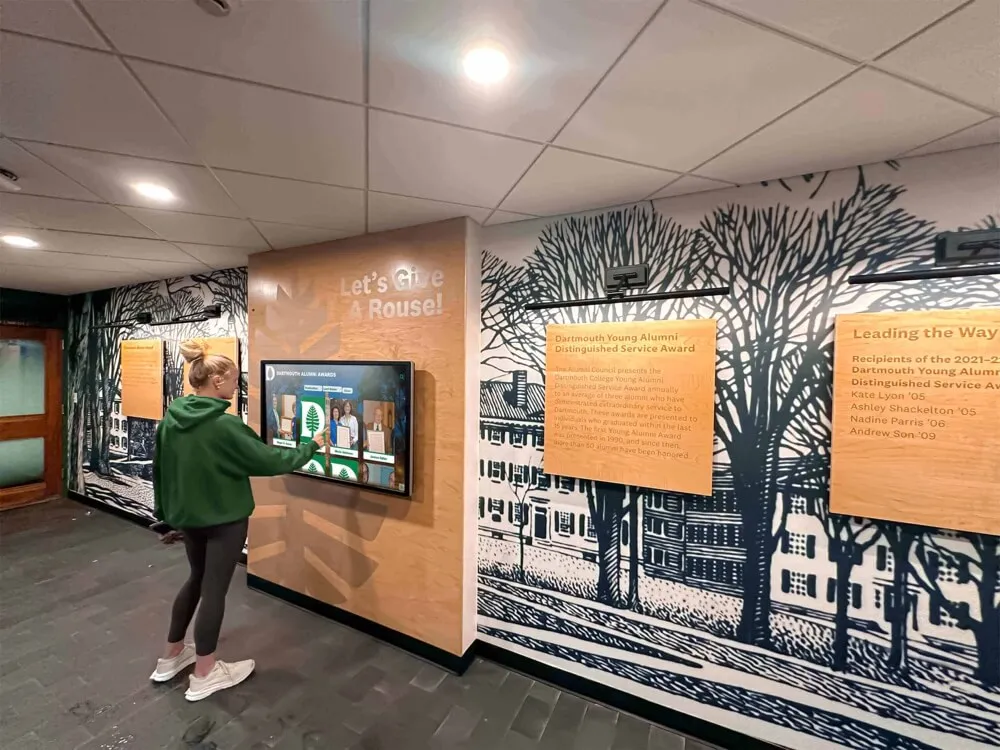
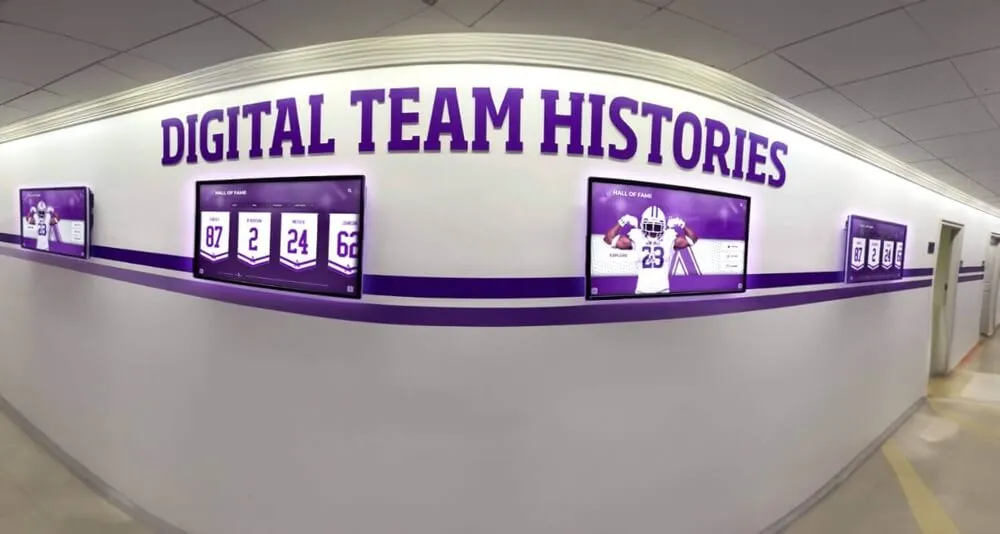
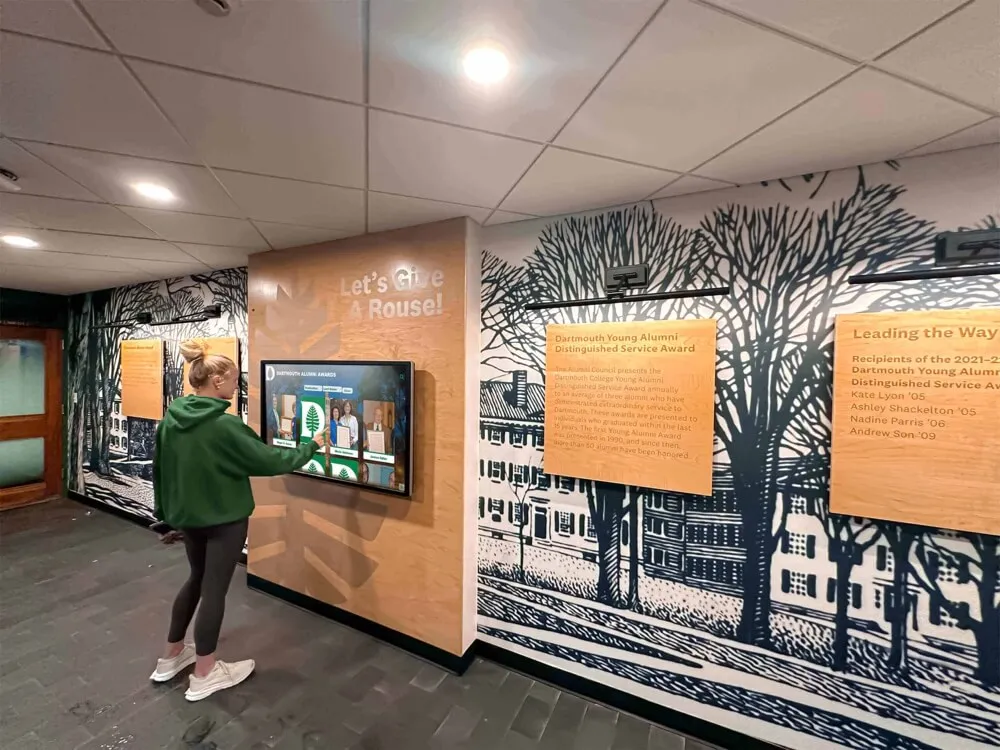
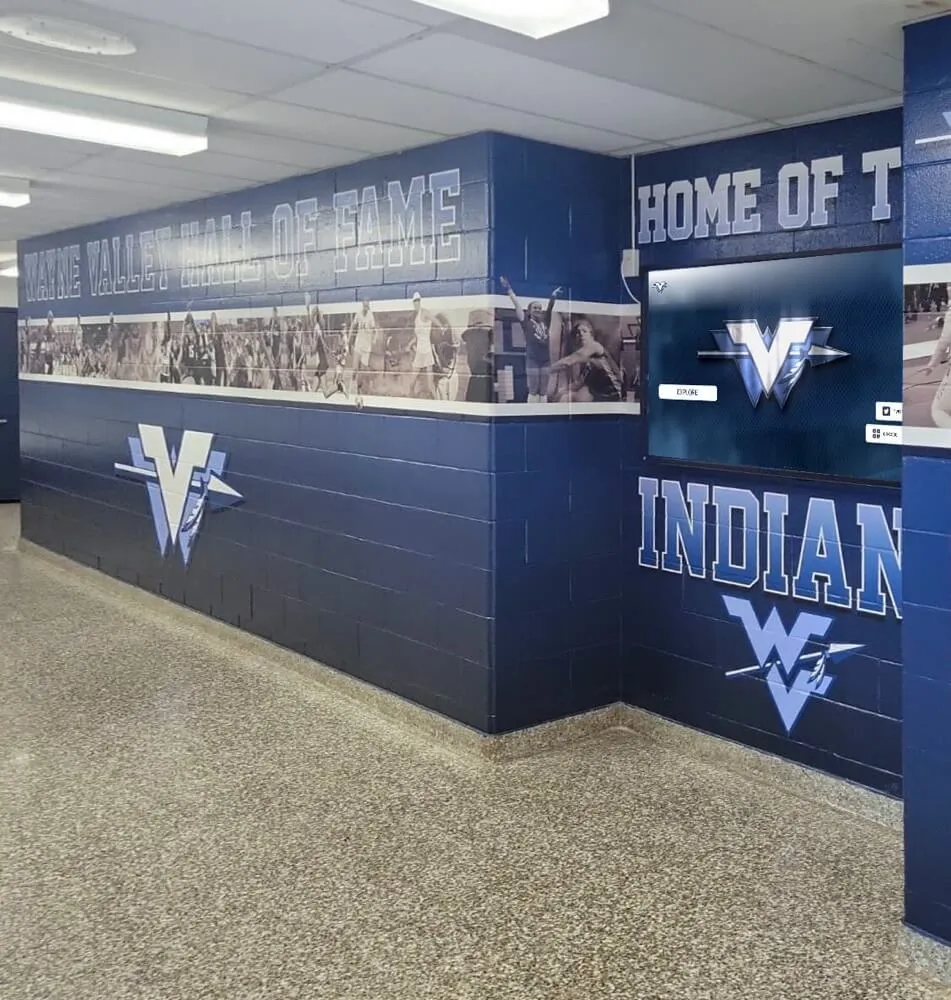
Recognition displays in campus hallways enable students and visitors to engage with institutional history and celebrate ongoing achievement traditions
Conclusion: Crafting Your Unforgettable Valedictorian Speech
Standing before your graduating class as valedictorian offers extraordinary opportunity to celebrate shared experiences, honor those who supported your journey, and inspire classmates as they transition to exciting new chapters. The most memorable valedictorian speeches balance reflection and inspiration, specificity and universality, humor and heart—creating addresses that resonate with diverse audiences while remaining authentically true to your voice and perspective.
The strategies explored in this guide provide comprehensive frameworks for crafting speeches that transcend generic graduation platitudes. From mining your specific class experiences for meaningful material to structuring your address for maximum impact, from delivering your speech with confidence and presence to avoiding common pitfalls that undermine otherwise strong addresses, these approaches transform the daunting responsibility of speaking for your class into powerful opportunity for meaningful connection and inspiration.
Preserve Your Graduation Achievements
Discover how digital recognition solutions help schools celebrate valedictorians, honor roll students, and academic excellence through engaging displays that inspire future achievement while preserving institutional tradition.
Explore Recognition SolutionsRemember that your speech need not be perfect to be powerful. Authenticity matters more than polish—audiences connect with genuine emotion, honest reflection, and personal vulnerability far more than technically perfect but emotionally distant delivery. Trust your voice, honor your classmates’ experiences, and speak from genuine appreciation for the journey you’ve shared together.
As you craft your address, keep your primary audience—your fellow graduates—at the center of every decision. Your speech succeeds when classmates feel seen, honored, and inspired by your words. When you speak authentically about shared experiences while looking forward with appropriate hope and realistic wisdom, you create the kind of memorable graduation moment that resonates long after caps have been thrown and gowns have been stored away.
Your academic achievement earned you this platform. Use it thoughtfully to celebrate collective accomplishment, honor those who supported your journey, and send your graduating class into the next chapter with confidence and inspiration they deserve.
Schools committed to celebrating academic excellence create lasting recognition through modern digital platforms that preserve valedictorian speeches alongside comprehensive documentation of graduating class achievements. These systems ensure that your words and the excellence your speech celebrates receive permanent visibility inspiring future students to pursue their own paths to distinction and achievement.
Ready to prepare your address? Start by brainstorming specific class experiences, identify your central message, choose your structural approach, and write authentically from your heart. Your classmates will remember your words for decades to come—make them count by speaking with honesty, gratitude, and genuine inspiration.